

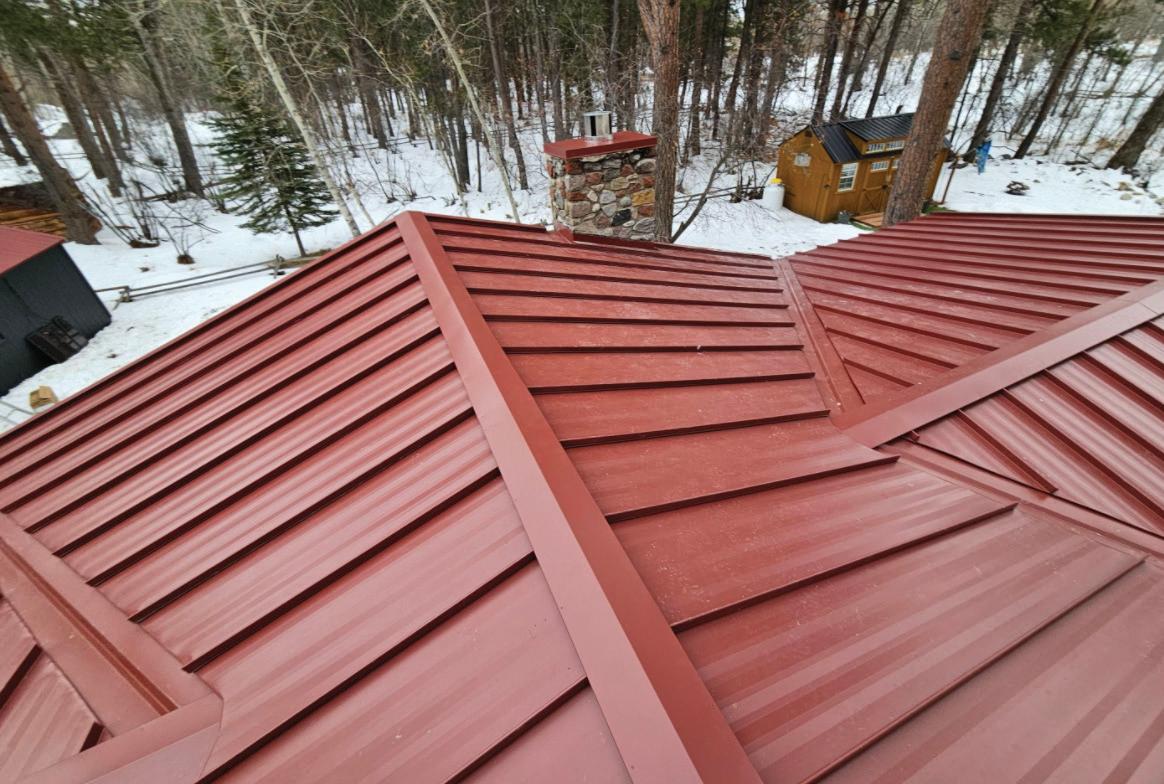
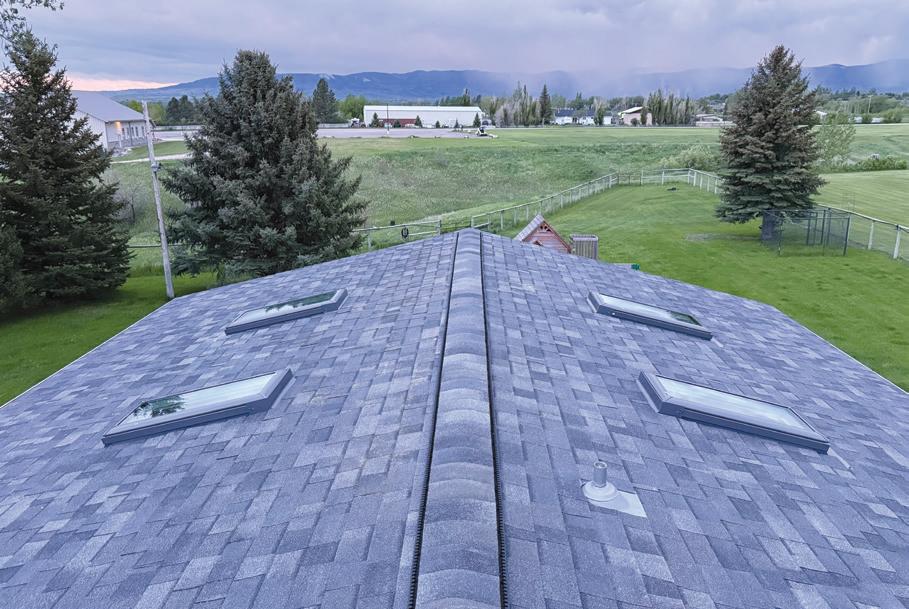
We offer shingle and metal roofing options to enhance your home’s security, and your peace of mind.
We are highly versed at working with you and your insurance company for claims on your damaged roof.
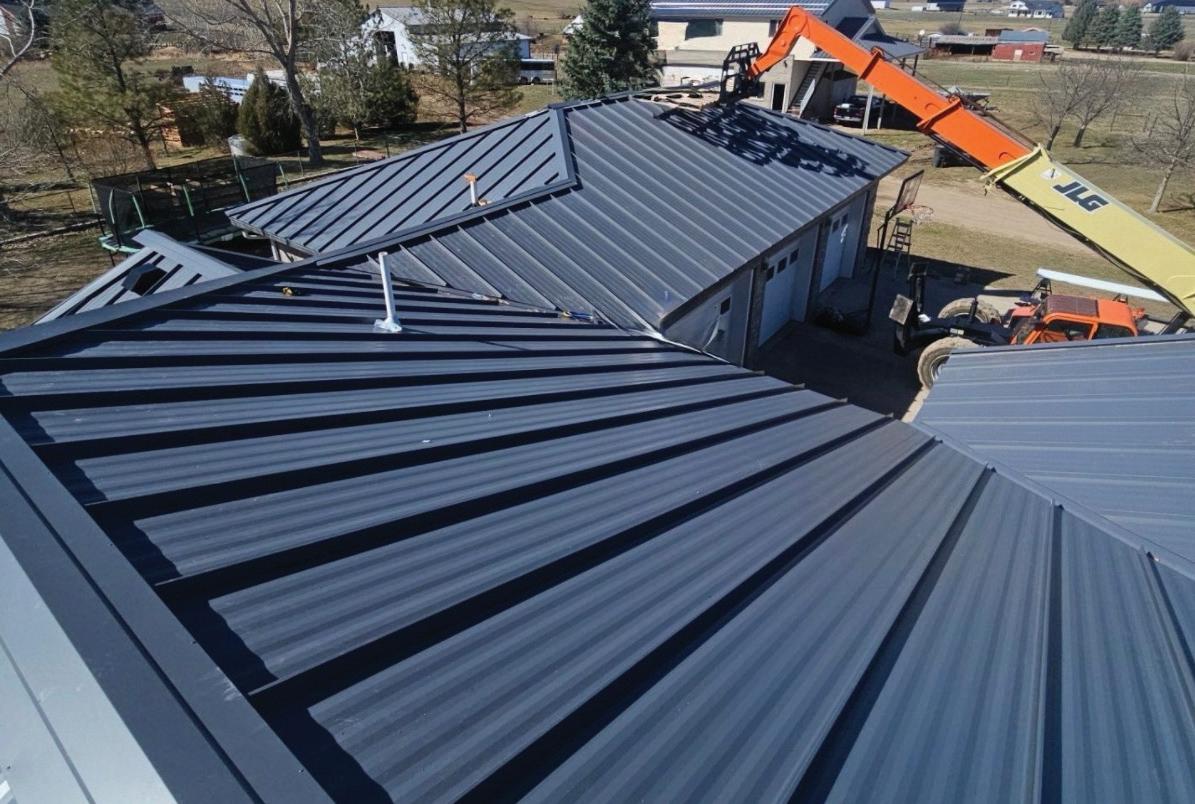
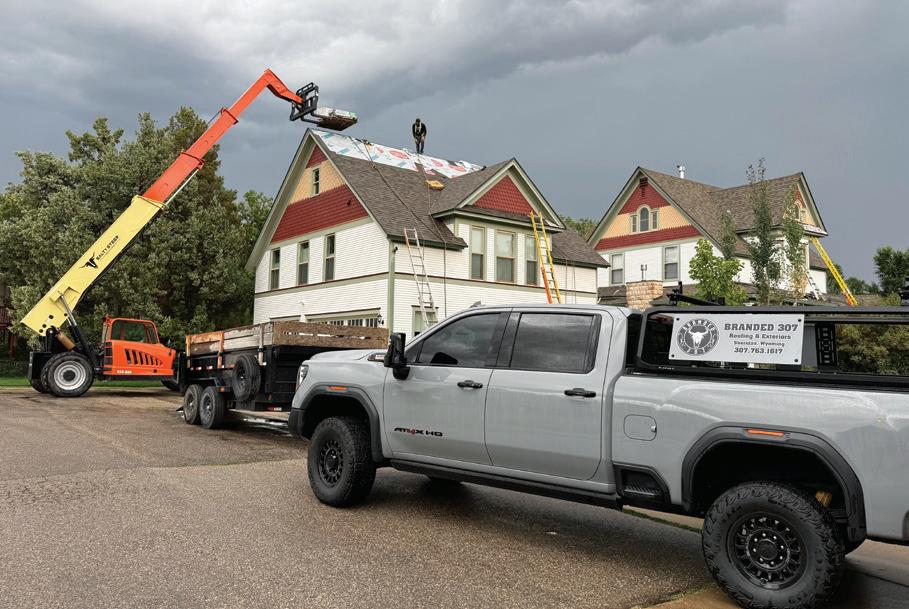
From the initial consultation, working with your insurance company, to the final approval, we handle every detail with expertise and care, ensuring a seamless experience for you and your family.



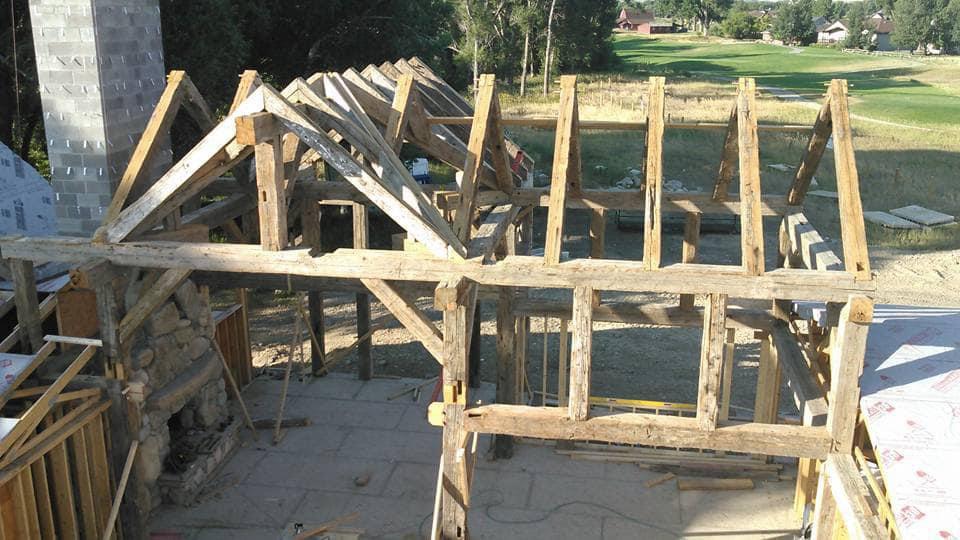
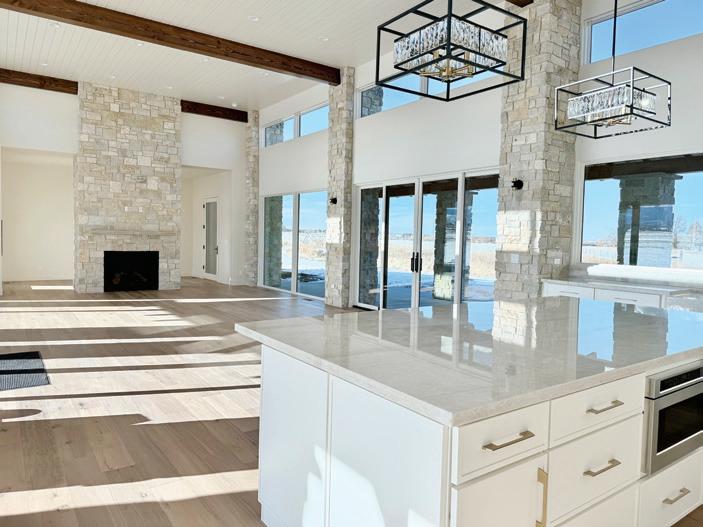

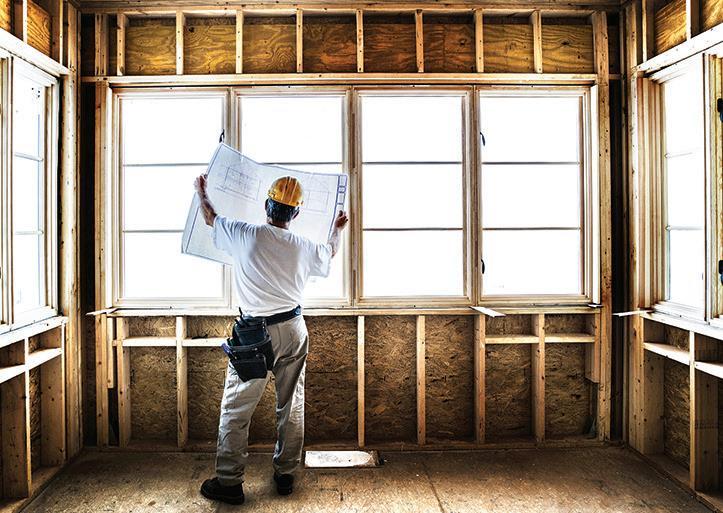
No one enjoys being in cramped quarters. Whether a person battles a legitimate case of claustrophobia when confined in tight spaces or simply prefers a place to stretch out, there’s no denying the appeal of a little extra room. That’s particularly so at home, where cramped spaces can make it hard to unwind.
When homeowners feel their walls are closing in on them, many choose to build space via a room addition. Room addition projects are extensive and expensive undertakings, with the home renovation experts at Angi estimating the average add-on costs $48,000. But Angi estimates such projects can cost as much as $72,600, or even more depending on the size of the space and the features chosen.
The financial commitment when adding a room is significant, but homeowners and residents also will need to prepare for a potentially lengthy disruption to their daily routines. Various online resources, including Angi, suggest room addition projects typically take around three to four months. With so much at stake, homeowners who think they might benefit from a room addition can look for various signs to help them determine if such a project is right for them.
• Increasingly cluttered spaces: Cramped quarters without much space for people are perhaps the most notable sign that residents can benefit from some additional space in a home. Cluttered spaces suggest homeowners may have run out of room for their stuff, and a custom addition can provide that extra room while contributing to a more calming ambiance in common spaces that may no longer be overwhelmed by papers, toys and other items that can quickly take over a home that lacks space.
• Lifestyle hurdles: Millions of homeowners like to entertain friends and family, and that’s more manageable for some than it is for others. If interior or exterior spaces do not accommodate hosting, a room addition that expands an existing kitchen or living room might be the ideal renovation project.
• Functionally challenged: A home that no longer has enough space to meet your needs is another sign a room addition might be in order. This very issue emerged for millions of professionals during the COVID-19 pandemic and has remained a challenge ever since. Indeed, an increase in days spent working remotely has left many homeowners grateful to work from home but desirous of a designated remote work space. A room addition to accommodate a home office can be just what remote workers need to restore fully functional status to their homes.
• Cost: While the sticker price of a home addition may (or may not) raise an eyebrow, the project is almost certain to prove more cost-effective than moving. According to data from the U.S. Census Bureau and the U.S. Department of Housing and Urban Development, the average sale price of a home in the United States reached $503,800 in January 2025. While that marked a roughly $16,000 decrease from a year earlier, it’s still a high figure that many homeowners aren’t willing to pay. A cost comparison detailing the price to move versus the price to build an addition may indicate that the latter option is a homeowner’s best bet.
A room addition could be the perfect renovation project for homeowners who need more space but still prefer to stay put

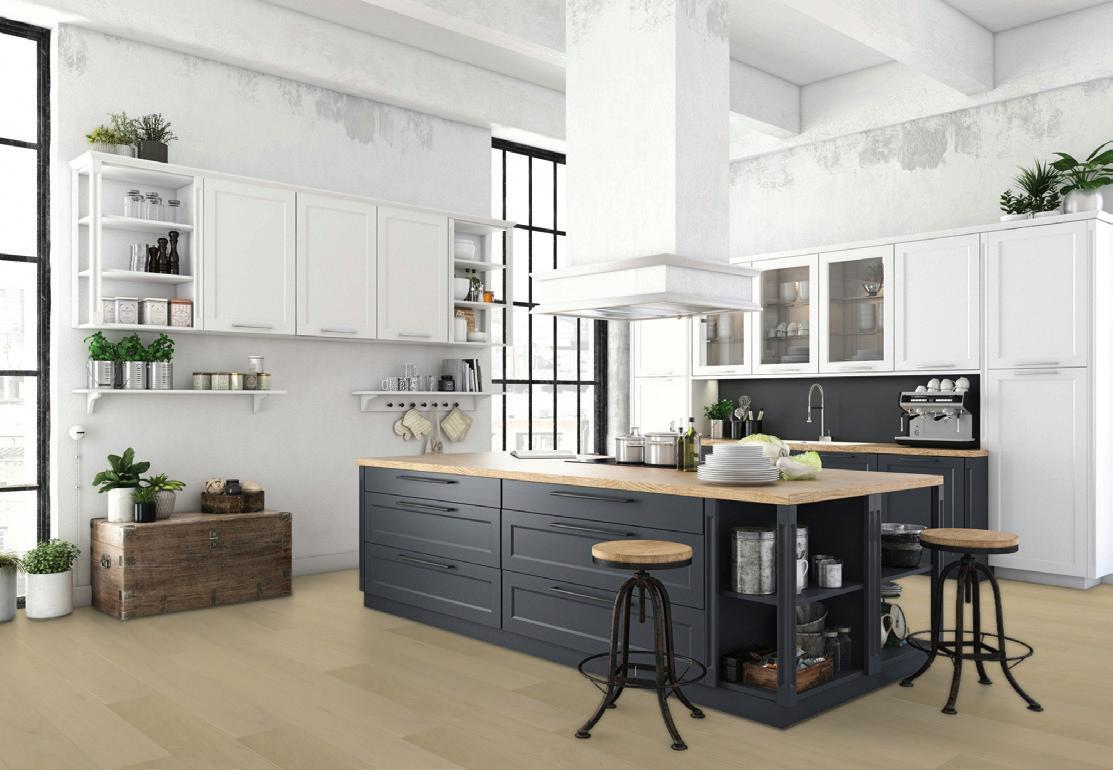



By the third quarter of 2025, the tide seemingly began to turn in regard to a housing market that had been marked by limited inventory since the onset of the COVID-19 pandemic in 2020. According to market indicators from Redfin, the National Association of REALTORS® and Homes for Heroes, by the summer of 2025 things began to shift in regard to inventory (9.4 percent increase year-over-year). Prices also began to level off, as the median existing home price in the United States was $435,300 in June 2025, which marked a 2 percent increase from the previous year. Price reductions also became more common compared to 2024, signalling a cooldown in some segments. Although affordability concerns still persist, many people may finally be ready to enter the home-buying arena. When doing so, it’s essential prospective home buyers recognize how much they can comfortably spend on a home. Most experts suggest buyers combine lender affordability guidelines with an assessment of one’s personal budget. These factors can help individuals determine a reliable budget when shopping for homes.
• Debt-to-income ratio: Lenders use various parameters to identify a borrower’s creditworthiness. That includes figuring out a person’s debt-to-income ratio (DTI). Wells Fargo says DTI can be calculated by adding up all of a person’s monthly debt payments and dividing them by gross monthly income. That number is multiplied by 100 to get a percentage. The lower the DTI, the less risky one is to lenders.
• The 28/36 rule: Part of the DTI equation may include the 28/36 rule utilized by many mortgage lenders. This is a standard guideline that can help one see if it’s possible to afford a home loan. The 28 percent is allotted housing costs. The monthly housing expenses (principal, interest, taxes, homeowners insurance, private mortgage insurance, and homeowners association fees) should be no more than 28 percent of one’s gross monthly income. One’s total monthly debt pay-
ments, including housing, car, loans, student loans, and credit cards, should be no more than 36 percent of the gross monthly income. So if a prospective home buyer earns $10,000 per month, or $120,000 per year, the housing costs should not exceed $2,800. Total debt payments, including housing, should not exceed $3,600 per month.
• Personal budget considerations: Lenders may allow borrowers to borrow a certain amount of money, and buyers then go out and spend that much on a home. But to avoid living paycheck to paycheck and having all of one’s money go toward a home, it is best to account for personal spending habits and savings goals. It’s important to have an emergency funds account to pay for unexpected things like home repairs, or to account for instances when income may decline. Ongoing costs to manage the home also merit consideration, as do utilities and future renovations.
• Income-to-home price ratio: Some people abide by another general guideline to shop for a home that costs no more than three to five times their annual household income. That means with an annual income of $100,000, one should aim for a home priced between $300,000 and $500,000. The specific range will also depend on a person’s existing debt.
• Interest rates and other factors: The interest rate on home mortgages as well as down payment also must be considered. Resources like Bankrate and Zillow provide home affordability calculators that will factor in interest rates, terms of a loan, down payment, and property taxes. Buying a home when interest rates are high means spending more over the life of the loan. Also, how much one puts toward a down payment has a big impact. Aiming for 20 percent means avoiding paying for private mortgage insurance (PMI). There is no fail-safe way to determine how much home you can afford. Many factors are in play and are exclusive to buyers in the market for a new home.

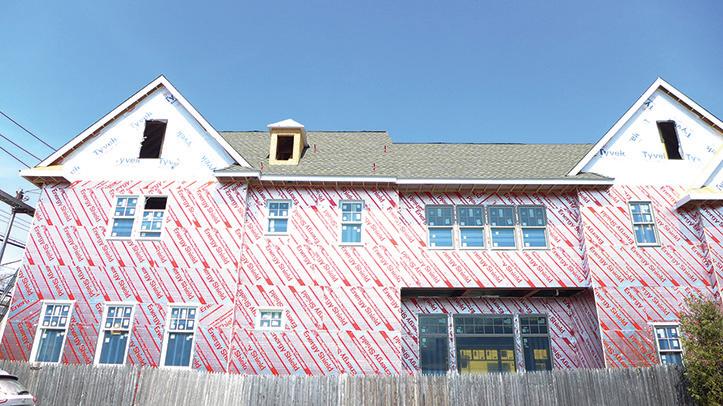
The longer a person resides in a particular home, the greater the likelihood that various components of that residence will need to be replaced. Driveways, roofs, HVAC systems, and even appliances all have expiration dates. Although siding on a home can be quite durable, there may be specific reasons why homeowners choose to or need to replace it at some point. Understanding what’s to come of the job can help homeowners prepare. No two siding jobs are exactly the same, and each project will be dictated by a host of variables, including which type of siding homeowners choose. However, these general steps are commonplace during siding replacement projects.
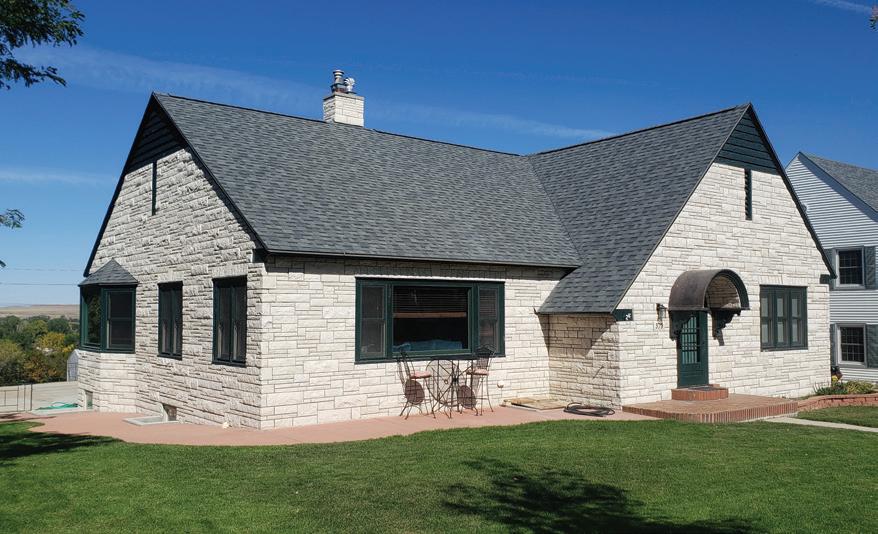
• Choose siding: Homeowners are urged to consult with various siding installation companies about which products are available and ask each for an estimate. Budget, climate and other factors will narrow down siding materials. The Home Depot says popular siding types include vinyl, wood, fiber cement, metal, and stone. Siding can have almost any color or texture as well.
• Remove and relocate: Outdoor items close to the perimeter of the home will
have to be moved out of the way so workers can access the siding. The job will require a dumpster to be dropped in front of the home or in the driveway to collect debris, so homeowners should be prepared to leave space for it.
• Siding delivery: The new siding should be delivered prior to the installation start day. These materials will take up a lot of room and space should be made available so the installation team can access them without difficulty
• Interior decor: Siding installation will include hammering, which can disrupt items on interior walls. It is best to have all wall hangings taken down to prevent damage.
• Old siding removal: On the first day of installation, removal of the old siding will happen first, according to Smart Exteriors. Siding, insulation and trim will be removed. In the event that older, asbestos-based siding is on a home, contractors may safely remove and discard it, or go over that type of siding. Homeowners should inquire about this step during the company vetting process.
• Home inspection: Once all old material is gone, the exterior sheathing will be inspected to ensure it is in good shape. Signs of rot or loose boards will be considered and repaired, if necessary.
• New siding install: First workers will put on house wrap or some sort of insulation/water barrier product. Afterwards, siding boards are layered on in the design chosen. Nails or screws are used to attach the siding and seams will be caulked to prevent moisture penetration. If the homeowner has chosen to have gutters and downspouts installed during the siding job, those will be fitted and installed as well.
• Clean up: The installation team will begin the process of thoroughly cleaning up the property. All tools will be removed and the property will be swept or blown to clean away debris. Crews typically use powerful magnets to grab stray nails and screws that have fallen into the lawn and elsewhere. The dumpster will be taken away shortly after the work is completed.
Siding replacement is a big job but one that can offer immediate curb appeal once completed. It typically is not a do-it-yourself project since it requires specific skills to ensure durability.
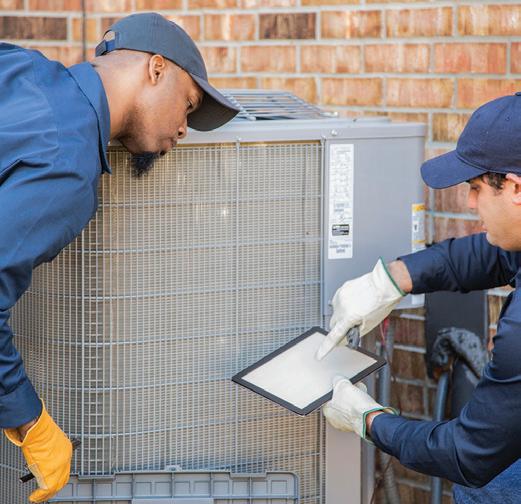
Turning on the heat may be the furthest thing from homeowners’ minds come the end of summer or early fall. After all, there are plenty more days of comfortable temperatures to expect over the weeks to come. However, failing to inspect a furnace prior to when it is needed could lay a foundation for cold evenings.
Many HVAC experts recommend that homeowners get their furnaces tuned up before the first cold spell arrives. When the heat is needed for the first time, it will be guaranteed to work if it’s been examined and any underlying issues have been addressed.
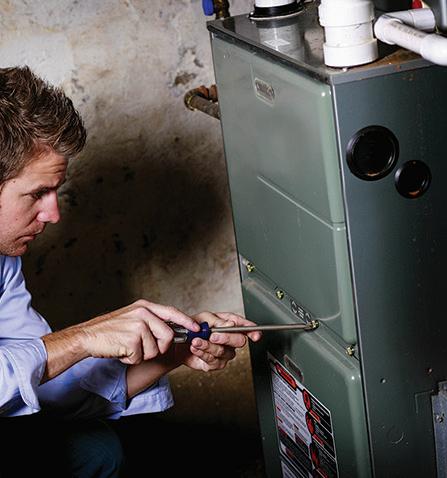

HVAC technicians are busy at the start of summer and winter. If a furnace is not working correctly, it could take some time before a professional can make a service call. Having the furnace and related equipment checked prior to when it’s time to turn on the furnace means homeowners will not be left in the lurch or potentially spending premium prices for repairs. It is important to get a furnace checkup for a variety of reasons. Doing so can make the HVAC system run more efficiently, which could result in savings over the winter. Regular maintenance also can help the furnace last longer, delaying the need for a costly replacement. No one wants the furnace to break down in the middle of a frigid night. Annual checkups can help reduce the risk of that happening. In addition, many furnace manufacturers offer warranties on their systems that require annual maintenance from a professional. Failure to have the system inspected could void the warranty.
Even if homeowners are floating in the pool and cranking up the air conditioning, they should give consideration to having their furnaces inspected and serviced soon to prepare for the colder months ahead.



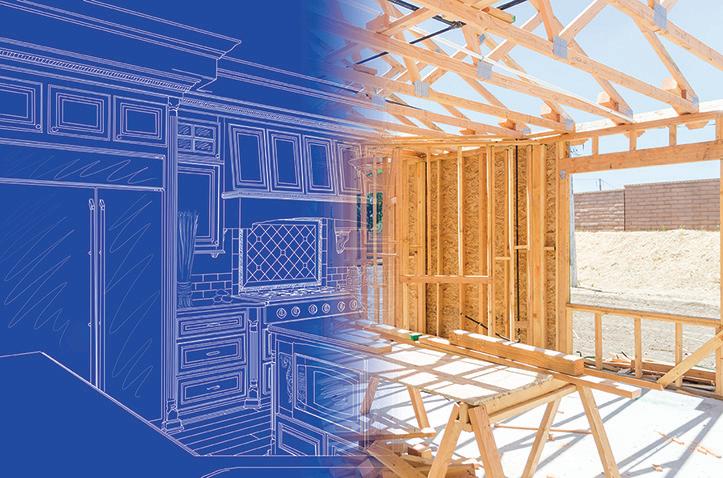
There are many reasons homeowners consider adding a room to their current homes. Some outgrow an existing space, while others take up new hobbies or have different needs that were not apparent when purchasing the home. Indeed, a room addition can remedy a host of issues affecting a home.
Those considering adding a room may wonder what is involved in this type of project. According to The Spruce, no home improvement project is more complicated or expensive than building an addition. The National Association of Realtors says building an addition can cost between $90,000 and $270,000, depending on the size and intended purpose of the room. An addition structurally changes a home, which requires the work of professionals whether homeowners plan to build
upwards or outwards.
With so much to ponder when considering a home addition, here’s a look at what homeowners can expect of the process.
• Design and planning: Homeowners must determine the purpose behind the addition and how it will integrate with the existing home. A bedroom design likely will be different from a garage addition or family game room.
• Hire an engineer and contractor: An addition changes the footprint of a home. Homeowners will require professional contractors and structural engineers/architects to properly design the addition and ensure that it will not compromise the existing structure. Detailed architectural plans will be drawn up considering the layout, size and integration with the existing structure. The home may require a new property survey as well.
• Comply with building codes: The project will have to meet with local zoning regulations, building codes and homeowners association rules.
• Timing involved: Adding a room is a major overhaul of a space. It may require months of a home being in upheaval. If the renovations are particularly extensive, homeowners may need to temporarily move out of the space. Electrical, plumbing and HVAC must be considered, and drywall and finishing the interior are some of the last steps to make the room habitable.
• Demolition: Adding a room may involve taking down walls or modifying existing spaces, necessitating hiring a dumpster to remove debris. This is an added consideration and expense.
Putting an addition on a home is a complex process that will take time and money. Such a project requires careful planning and consultation with an array of experts.

Buying a home is the most expensive purchase many people make in their lifetime. Some people do it only once, while others are in the market with greater frequency. In any instance when the home buying process involves securing a mortgage, buyers can benefit from knowing a thing or two about mortage interest rates. A mortgage interest rate can help buyers determine if a given home is affordable or beyond their budget. Rocket Mortgage says mortgage interest rates can have a major impact on long-term costs, so it is imperative to seek the lowest rates possible. However, an assortment of economic variables affect mortgage interest rates, and conditions unique to each buyer also can affect the rate they’re eligible to obtain. Understanding home loan rates can help potential buyers better navigate the complex process of buying a home.
What is mortgage interest?
When a person buys a home with a mortgage, he or she doesn’t just pay back the amount borrowed, which is called the principal. The loan also requires paying interest, which is essentially the cost of borrowing money. Mortgage interest is calculated as a percentage of the remaining principal, says Investopedia.
How are mortgage rates set?
Mortgage rates are not determined by a single variable. They are derived from a combination of factors that includes the Federal Reserve’s monetary policy, economic conditions and a borrower’s personal financial situation. The Federal Reserve (in the United States) influences the overall rates by adjusting the federal funds rate, or the rate at which banks lend to each other overnight. This not only impacts mortgage rates, but also additional interest rates, according to Fannie Mae. Lenders will ultimately decide on the specific rates to offer borrowers.
How does a borrower’s financial situation affect mortgage rates? Lenders will conduct a thorough assessment of a potential borrower’s creditworthiness. They will look at, among other things, a borrower’s credit score and debt-to-income ratio. A higher credit score typically results in a lower interest rate. A lower DTI indicates a lower risk to the lender, also potentially resulting in a lower interest rate. Squaring away finances well in advance of applying for a mortgage can help home buyers secure lower interest rates that could save them considerable sums of money over the life of their mortgages.
How do loan types affect mortgage interest?
A home buyer will pay interest no matter the mortgage type, but there are options to select a fixed or adjustable interest rate, or even interest-only mortgages.
According to Bankrate, with a fixed-rate mortgage, the interest rate remains the same throughout the life of the loan, meaning the payment for principal and interest will remain consistent. Additional charges that are wrapped into mortgage payments could change, however. Property taxes and homeowners’ insurance charges could increase, for example. Fixed rates tend to be lower when the term of the mortgage is shorter. So borrowers can opt for a 20-year mortgage over a 30-year to save some money on interest.
An adjustable-rate mortgage (ARM) will see the interest rate change during the repayment period. It may start with a low introductory rate for the first several years of the loan, but then can go up or down depending on market indexes and benchmarks. Many lenders put a cap on how high the interest rate can go, however.
Various factors determine mortgage interest rates for home buyers, including market conditions, credit standing, federal rates, the type of loan, and term length.

Kitchens are the busiest rooms in most homes. Kitchens have become more than just places to prepare meals, with many functioning as gathering spaces and even go-to dining spots in homes that do not feature formal dining rooms.
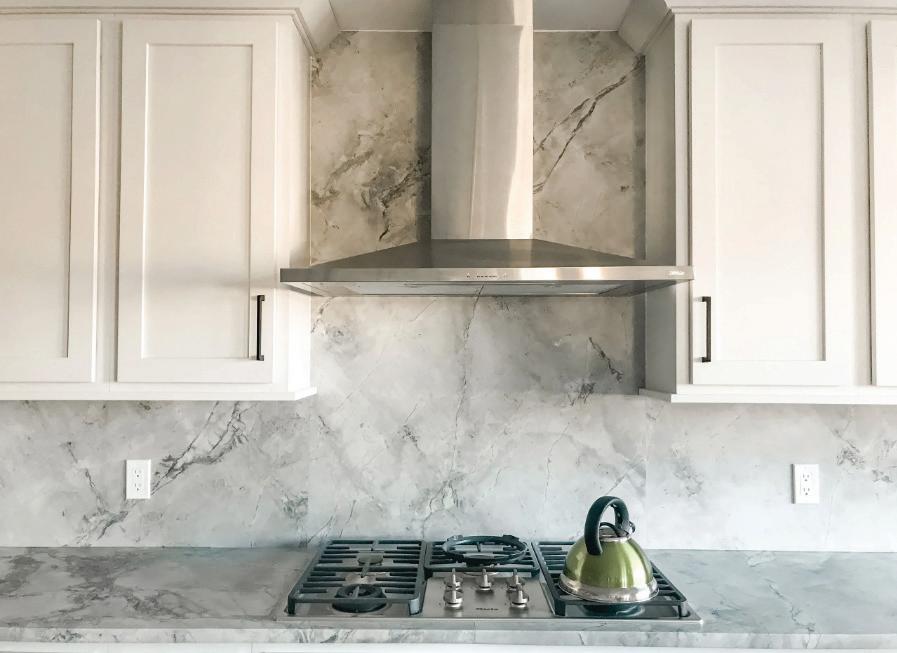
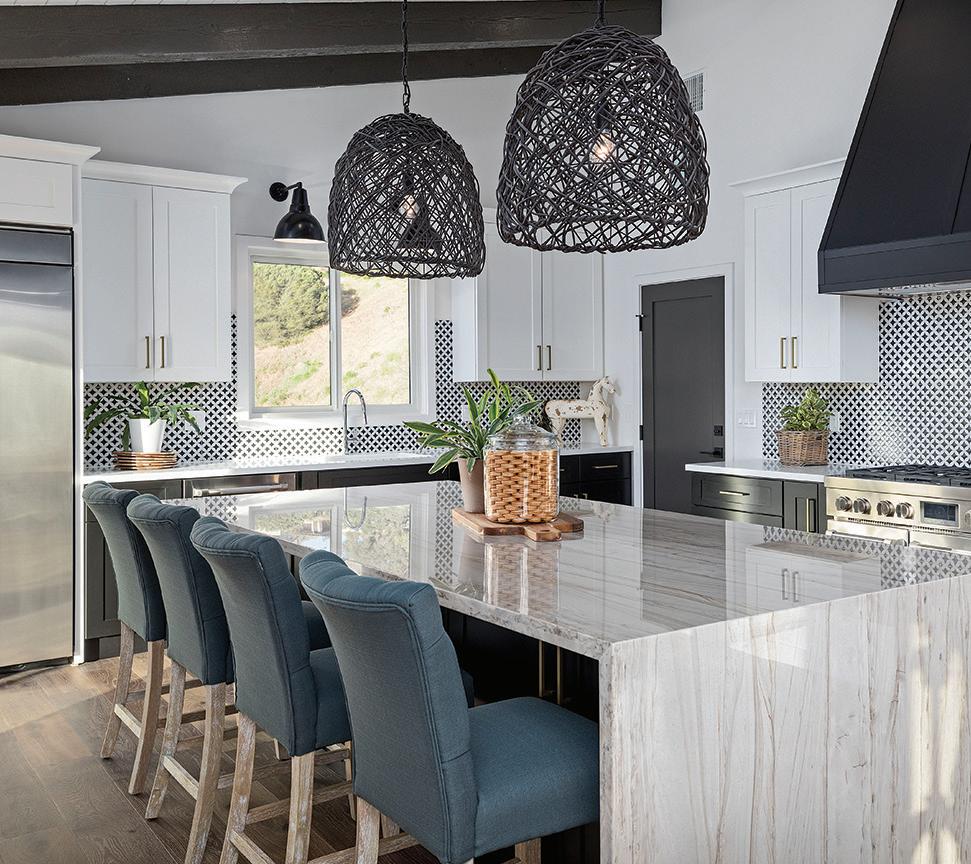
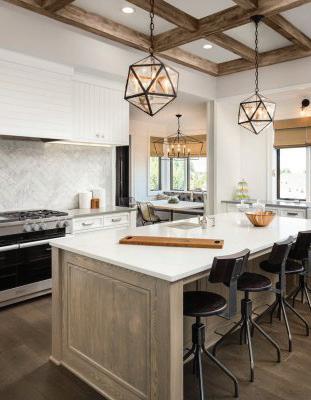
So much time spent in the kitchen makes it worthwhile to invest in these popular spaces. Kitchen renovations are high on many homeowners’ to-do lists, and there’s many decisions to make once they commit to redoing the room. When renovating a kitchen, homeowners will have to choose which countertop material they want to install, and the following rundown of popular options can help simplify that decision.
Quartz is considered a low-maintenance and durable countertop material. The home improvement experts at This Old House note that quartz countertops are typically 94 percent ground quartz and now come with an honed, sandblasted or embossed treatment, which makes them appealing to homeowners with varying ideas on the ideal look of a kitchen countertop. Quartz can crack if it’s not handled properly, and edges and corners can chip over time. Rounded edges can minimize the risk of chipping. Costs vary by location and product availability, but quartz typically costs about the same as natural stone.
Consumer Reports notes that no two slabs of granite are the same, and that uniqueness has long appealed to homeowners. Tests run by Consumer Reports found that heat, cuts and scratches did not harm granite, though this material, like quartz, can crack around edges and corners. Granite is a durable material that, if properly maintained, can last several decades. Granite also is nonporous, which makes it resistant to bacteria.
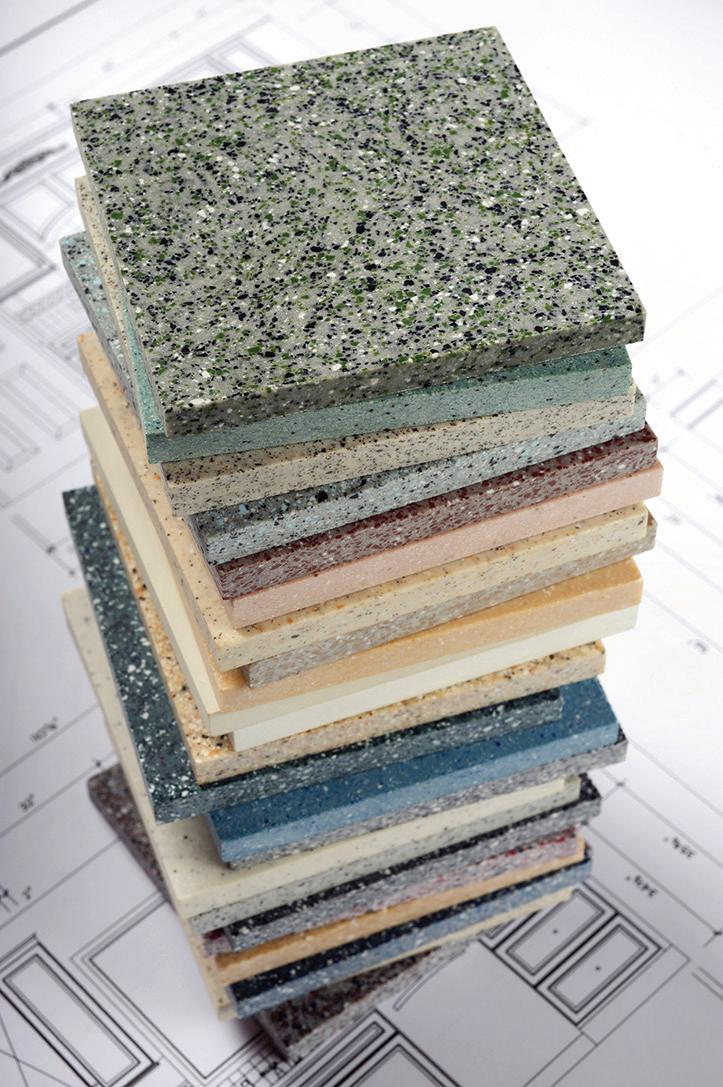
Laminate countertops appeal to budget-friendly homeowners and Consumer Reports notes that they’re easy to install. also notes that laminate countertops come in a wide range of colors, textures and designs. Laminate countertops also are durable, which helps budget-conscious homeowners stretch their dollars even further. Laminate countertops are easily maintained, though it’s also easy to permanently damage them with knives, so Consumer Reports recommends always using a cutting board when preparing meals on laminate.
Butcher block countertops are among the more unique options homeowners may consider. Sometimes referred to as “wood countertops,” butcher block countertops are made from wooden strips that are fused together. The home improvement experts at BobVila.com note that butcher block is among the more affordable materials, but the final cost will be dictated by location and availability. BobVila.com notes that butcher block countertops are highly sensitive to liquid, so exposure to moisture should be limited. Sealing butcher block countertops immediately after installation can help protect against bacteria and warping. Though butcher blocks can be high maintenance, many homeowners find the unique look is well worth the extra elbow grease. Kitchen countertops can define how the room looks, and homeowners have many options to choose from when designing a new kitchen.
Morton Buildings
ERA Carroll Realty
Bob’s Super Clean
Bank of Sheridan
Heartland Kubota
A&B Buildings & Supplies
CAST-Critical Airservice Sheridan Team
Renewal By Anderson
Big Sky Exterior Designs
Alpine Gold Exchange
Superior Sleep Experience
Tim Doolin Photography
CUTCO
Branded 307 Roofing & Exterior
Leaf Filter North
City of Sheridan (Building & Planning)
Oasis Landscape & Tree
Coniglia Sauces
Yoder’s Country Market
C’s Exterior Designs
DB Smart Homes & Security
Bluepeak Fiber Internet
Thank You to Our Sponsors

D.Y. Sales
Trimlight
The Blind Guy
307 ProFoam Inc.
Pro Plus Construction
ZE Consulting
Enercept Inc.
Water Products & Solutions
Lynnrich Seamless Siding, Window & Door
Buffalo Built LLC
Seasonal Services
Century 21 BHJ Realty, Inc.
Sheridan Media
Overlay Collection
Melken Industries, LLC
Bald Ridge Enterprises
C&B Operations LLC
Campco Federal Credit Union
US Bank
Landon’s Greenhouse
Budget Blinds




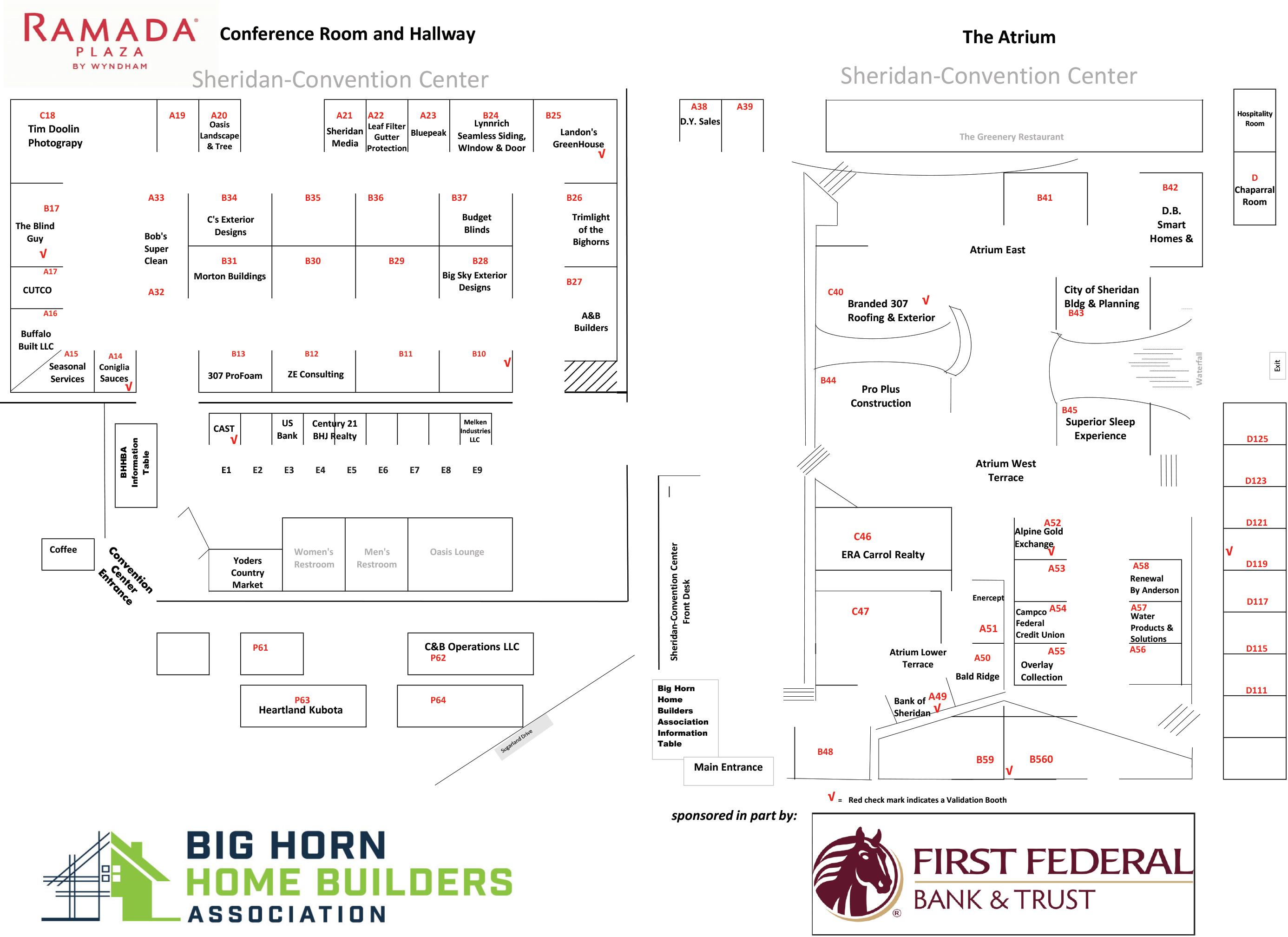
Bounty, BHHBA Home & Garden Show, March 3, 2026, page 14
• CUSTOMER SERVICE • QUALITY CRAFTSMANSHIP • ELEVATED DESIGN • PERSONAL RELATIONSHIP

Over a five-year period beginning in 2015 and 2019, fire departments across the United States responded to roughly 347,000 home structure fires per year. That data, courtesy of the National Fire Protection Association, underscores the significance of home fire protection measures. Smoke detectors are a key component of fire protection, but there’s much more homeowners can do to protect themselves, their families, their be-

longings, and their homes from structure fires.
• Routinely inspect smoke detectors. Smoke detectors can only alert residents to a fire if they’re working properly. Battery-powered smoke detectors won’t work if the batteries die. Routine smoke detector check-ups can ensure the batteries still have juice and that the devices themselves are still functioning properly. Test alarms to make sure the devices are functioning and audible in nearby rooms. Install additional detectors as necessary so alarms and warnings can be heard in every room of the house.
• Hire an electrician to audit your home. Electricians can inspect a home and identify any issues that could make the home more vulnerable to fires. Ask electricians to look over every part of the house, including attics and crawl spaces. Oft-overlooked areas like attics and crawl spaces pose a potentially significant fire safety threat, as data from the Federal Emergency Management Association (FEMA) indicates that 13 percent of electrical fires begin in such spaces.
• Audit the laundry room. The laundry room is another potential source of home structure fires. NFPA data indicates around 3 percent of home structure fires begin in laundry rooms each year. Strategies to reduce the risk of laundry room fires include leaving room for laundry to tumble in washers and dryers; routinely cleaning lint screens to avoid the buildup of dust, fiber and lint, which the NFPA notes are often the first items to ignite in fires linked to dryers; and ensuring the outlets washing machines and dryers are plugged into can handle the voltage such appliances require. It’s also a good idea to clean dryer exhaust vents and ducts every year.
• Look outward as well. Though the majority of home fires begin inside, the NFPA reports that 4 percent of such fires begin outside the home. Homeowners can reduce the risk of such fires by ensuring all items that utilize fire, including grills and firepits, are always used at least 10 feet away from the home. Never operate a grill beneath eaves, and do not use grills on decks. Never leave children unattended around firepits, as all it takes is a single mistake and a moment for a fire to become unwieldy.
• Sweat the small stuff. Hair dryers, hair straighteners, scented candles, clothes irons, and holiday decorations are some additional home fire safety hazards. Never leave candles burning in empty rooms and make sure beauty and grooming items like dryers, straighteners and irons are unplugged and placed in a safe place to cool down when not in use. Fire departments respond to hundreds of thousands of home fires each year. Some simple strategies and preventive measures can greatly reduce the risk that a fire will overtake your home.




Your Comfort is Our Priority! Are you ready to experience year-round comfort in your home or business? At Sheridan Heating & Air Conditioning, we specialize in providing top-notch HVAC services tailored to meet your residential and commercial needs!
Our Services Include:
• Residential Heating & Air Conditioning
• Commercial Heating & Air Conditioning
• Commercial Refrigeration
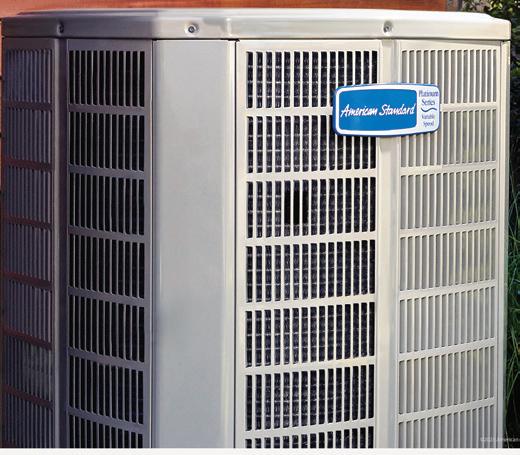

Why Choose Us?
• Experienced Technicians: Our certified professionals are trained to handle all HVAC brands and systems.
• 24/7 Emergency Service: We’re always here when you need us, day or night!
• Customer Satisfaction: Your comfort is our mission. We guarantee prompt, reliable service tailored to your needs.
• Competitive Pricing: Quality service doesn’t have to break the bank!
Summer is a season of relaxation. Warm air, longer hours of daylight and vacations from school and work make summer a laid back time of year.
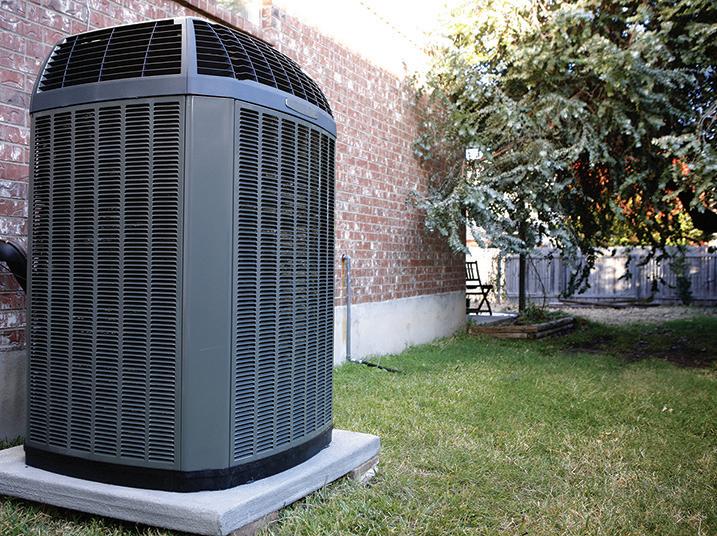
Many people enjoy the warmer air of summer, but it’s important to have a cool place to retreat once temperatures become particularly warm. That means a well-cooled home with an air conditioning system operating at peak capacity. A new HVAC system can last between 15 and 25 years. Homeowners whose systems are at least a decade and a half old can keep an eye out for the following signs that an HVAC may need to be replaced.
• Higher energy bills: Energy costs can vary widely by location, but homeowners know that their energy bills have been on the rise for years. FirstEnergy estimated that energy costs for New Jersey residents in 2025 could increase by more than 19 percent by the middle of the year, a point in time when many Garden State residents begin using their air conditioning units every day. That can make it hard to gauge if higher energy bills are a reflection of market price increases or a unit that needs replacement. But higher energy bills could indicate a unit is not working efficiently, which is a telltale sign of an HVAC that may need to be replaced. Compare energy bills from a year ago to current bills, and then factor in the price increase. If energy consumption is on the rise compared to a year ago, that could indicate an HVAC unit is working less efficiently.
• A humid home: Humidity is a part of summer, but it’s typically felt outdoors, not inside. A home with a humid interior while the AC is running could indicate a problem with the HVAC unit. According to HVAC. com, a functioning HVAC unit utilizes an evaporator coil to pull excess water vapor from the air in a home and drain it away from the home. If the air inside a home is humid, the unit might be having a mechanical issue that’s preventing this important task from being performed.
• Frequent repairs: A telltale sign a unit needs to be replaced is the need for frequent repairs. Homeowners who are now on a first-name basis with their HVAC contractor may want to ask that professional if it’s time to replace the unit. Money being spent on frequent repairs may be better repurposed toward financing the purchase of a new unit that could last as long as a quarter century.
Don’t wait for your system to fail! Contact us today for a free
• Poor air flow: An HVAC unit operating at peak capacity will produce a steady flow of cool air through the vents throughout a home. Poor air flow through those vents means it will take longer than normal to cool a home, and homeowners can put their hands near the vents to see how well or how poorly air is flowing through them. If air is flowing poorly, the unit will have to work harder to cool the home, which will contribute to higher energy bills.
A fully functional air conditioning system is vital in summer. Some telltale signs any homeowner can spot may indicate an existing HVAC unit needs to be replaced.


M e d i a B l a s t i n g a n d
S u r f a c e P r e p a r a t i o n
( H o u s e s , F e n c e s ,
C o n c r e t e , V e h i c l e
P a r t s , e t c . )
L o g R o t R e p l a c e m e n t
S e r v i c e s
S t a i n i n g
C h i n k i n g
Y e a r l y M a i n t e n a n c e
P l a n s


3 0 7 - 7 5 2 - 8 4 2 1
w w w . e c o b l a s t o f t h e b i g h o r n s . c o m
M i k e @ e c o b l a s t o f t h e b i g h o r n s . c o m
S a s h c o & P e r m a - C h i n k P r e f e r r e d A p p l i c a t


u Metal Roofing Systems
u Asphalt Singles
u TPO Roofs
We also do Soffit - Fascia - Siding & Gutters


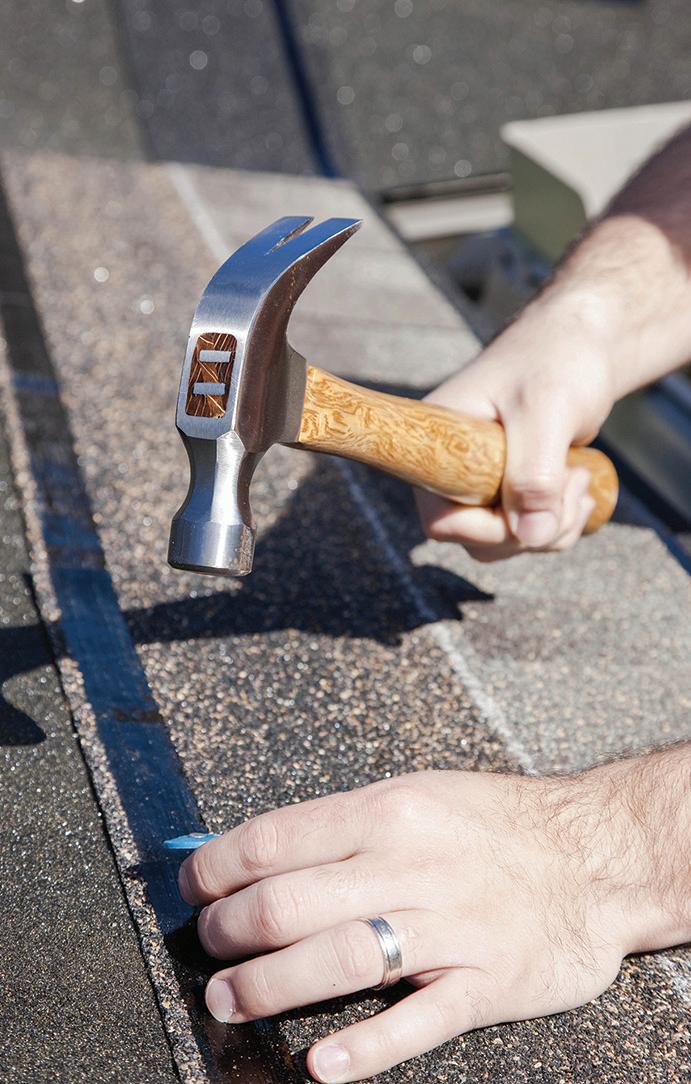
The exterior components of a home, such as the siding and the roof, help to protect its occupants from the elements. While many roofing materials can last for decades, at some point in time homeowners will likely have to repair or replace the roof on their home.
Roof wear and tear may not always be so evident, particularly because most homeowners do not make it a point to get on their roofs very often. The first sign of roof dam-
age typically is a leak that is noticeable from the indoors. It may include a browned spot on the ceiling or even pooling water in the attic. Leak from storm damage or something minor like a water intrusion through a nail hole or from a lost shingle typically can be repaired easily enough. However, additional
indicators may necessitate a complete roof overhaul. Here are some signs a roof is in need of repairs or replacement.
• Sagging roof: If the roof is sagging, it could be due to excess loads, such as water-damaged shingles or even weakened roof structure. A professional will need to restore the integrity of the roof.
• Cracking and buckling: It is likely that shingles will have to be replaced if there is cracking or if shingles are buckling and warping.
• Exposed nails: Exposed nails may rust and contribute to a leaky roof, says Family Handyman. How long the nails were exposed could indicate if the roof can be repaired or if everything should be redone.
• Lost granules: Asphalt roofing shingles have small granules on the surface. Over time these granules will slowly degrade and fall off. If there are many granules in gutters or if one can see that portions of the shingles are bare, it is likely time for a new roof.
• Visible light: Homeowners who can see light streams coming into the home need roof repair. This is indicative of holes, cracks or spaces in the roof.
•Growth on the roof: Mold and mildew on the roof is a sign that the roof needs to be repaired or replaced. Such growths contribute to rot that jeopardizes the integrity of the roof.
A durable roof protects a home from the elements. Various symptoms signal that it is time to repair or replace a roof.





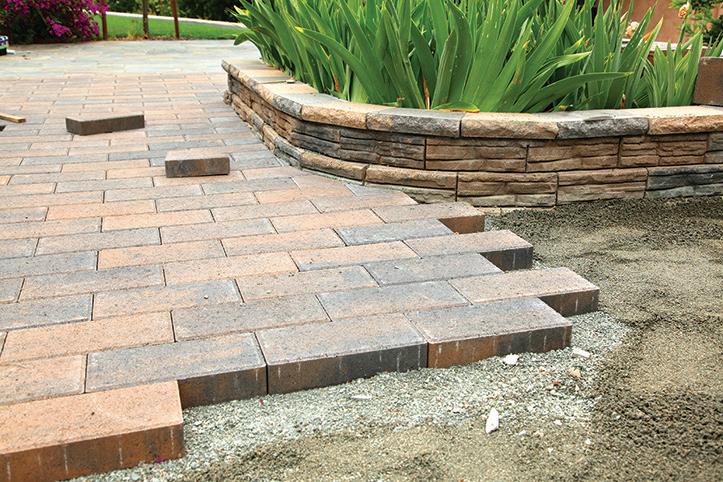
Patios are popular gathering spaces when hosting warm weather affairs. Backyard barbecues are a staple of summertime entertaining, but in order to make the most of such affairs, homeowners first need a place for guests to gather. And more and more homeowners are looking to patios as their go-to spaces to host loved ones.
When contemplating a patio addition or renovation, homeowners will need to choose a material for the space. Options abound regarding patio materials, and the following rundown can help homeowners identify which material is best for them.
Pavers
Pavers are incredibly popular among modern homeowners. Pavers come in a variety of colors, sizes and shapes, and that’s helped to make them a highly versatile patio material that can help homeowners set their spaces apart from neighbors’ and friends’. Pavers require careful installation that makes this an
ideal job to reserve for skilled, experienced professionals. One of the more notable characteristics of pavers is individual pieces can be replaced without affecting the entire patio, which can make repairs easier and less expensive.
Concrete
Concrete was long a go-to choice, but a tendency to crack has affected the viability of this material in the eyes of many homeowners. But concrete still has its proponents, as it tends to be a budget-friendly option. Staining and sealing can add to the appeal of a concrete patio, which is best installed by a skilled professional.
Brick
Brick is a durable material and provides a unique aesthetic, which can be appealing to homeowners who prioritize uniqueness when planning a patio. Bricks are not invulnerable to cracking, and that’s a variable homeowners must keep in mind when considering this material.
Flagstone
Flagstone offers a natural look that can emphasize and foster a connection with the great outdoors. Flagstone is a heavy material that requires professional installation. Flagstone is among the more expensive patio material options, but the overall cost of the project will depend on the size of the patio.
Maintaining a patio
Maintenance is a notable factor to consider when examining patio materials. The amount of maintenance could be relative to each property, but it’s also worth noting certain materials may require more TLC than others regardless of the setting. For example, a material like flagstone could require some extra attention to prevent staining. Patios are expensive additions, so homeowners will want to do all they can to keep a new one looking good. When considering patio material options, homeowners should speak with a contractor about maintenance and recognize how much time they will likely have to devote to upkeep. If time is short, then a material that’s more hands-off might be the best bet.


•
•
•




Home improvement projects run the gamut from complex undertakings like room additions to simpler renovations like a new front door. Some home renovations excite homeowners more than others, but all improvements are a way to make a home safer, more comfortable and/or more functional.
A gutter replacement might not inspire the same level of excitement as a room addition or an overhaul of an outdoor living space, but new gutters can help to prevent roof damage and make properties safer by ensuring rain water is directed away from walkways. Homeowners who suspect it might be time for a gutter replacement can look for these signs of fading gutters.
• Cracks or splits: Cracks or splits at the seams of the gutters where two pieces connect is a telltale sign they need to be replaced. Cracks
•
•

or splits are can slowly lead to separation of gutter pieces, which will lead to leaks. But not all cracks or splits are found at the seams. In fact, some homes feature seamless gutters, which also can crack or split. Regardless of where they’re found, cracks or splits are a warning signs of fading gutters.
• Rust: Rust is rarely a good sign whether you’re looking at a vehicle or even garden tools. Rust also is a bad sign in relation to gutters. Gutters are painted, and not only for aesthetic purposes. Paint on gutter also serves to protect them from water. When paint begins to flake, gutters will begin to rust and may even produce noticeable rust flakes on the ground below. Rust on gutters and rust flakes beneath them are indicative of gutters that need to be replaced.
• Gutters pulling away from the home: Gutters that appear to be pulling away from the home is a sign that they need to be replaced. Gutters are fastened to a home during installation, which ensures they can withstand rain and water. Over time, those fasteners can wear down, ultimately leading to gutters that appear to be pulling away from the home. Though gutters can be refastened, eventually they will need to be replaced.
• Pooling water: Pooling water in a gutter may just be a sign that gutters need to be cleaned. However, pooling water on the ground directly beneath gutters indicates they’re not effectively directing water away from the home.
• Water damage inside: A home’s interior might not be the first place homeowners look when inspecting for damaged gutters, but a flooded basement or crawl space could indicate a gutter problem. Gutters and downspouts are designed to direct water away from a home when functioning properly. When that isn’t happening, water can pool beneath the foundation, leading to pooling water and other water damage in basements and crawl spaces.
Gutter replacement projects may not be exciting, but new gutters can make a home safer and prolong the life of a roof and other features on a property.

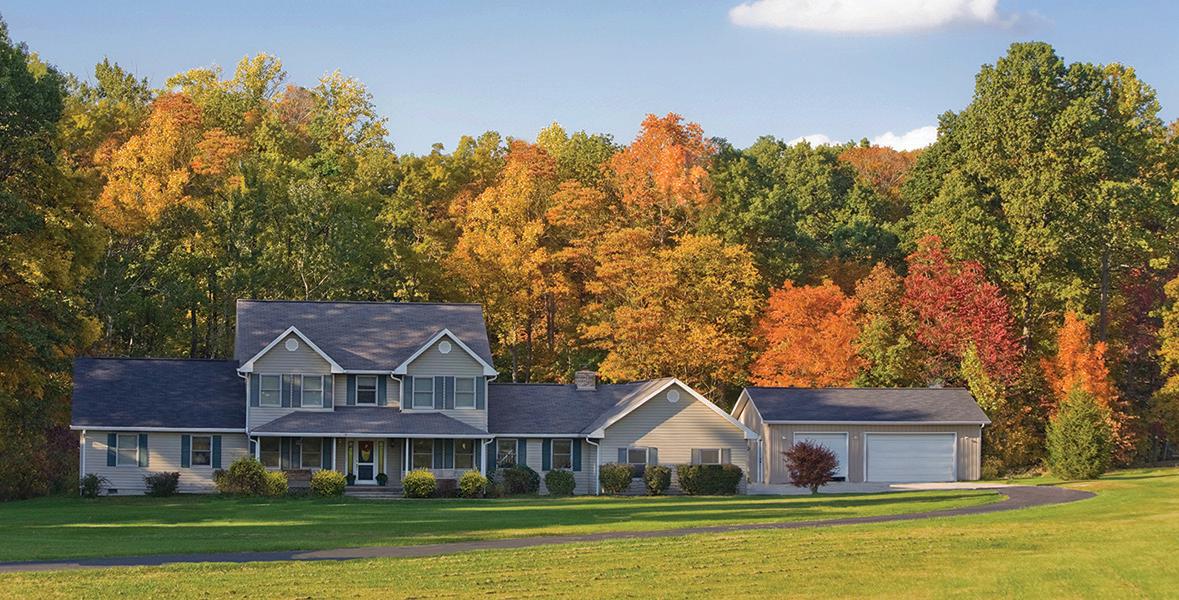
Spring is home renovation season, and no area of a home is off limits. That includes home exteriors, particularly in regard to landscaping. Lawn and garden centers draw crowds on spring weekends, as homeowners are anxious to get out in the yard after spending more time indoors over the winter. Plants and trees provide a simple and unique way to transform the look and feel of a property. As homeowners ponder what can be done to freshen up their landscapes, they can consider these benefits of incorporating new plants and trees into their properties.
• Add some pops of color. There’s no shortage of colorful plants to add some pops of color to a property. Azaleas, lilacs, pansies, and, of course, rose bushes can add a wide range of colors to a landscape, providing undeniable and awe-inspiring curb appeal when the plants bloom.
• Native plants won’t compromise their neighbors. When choosing plants for a landscape, it’s important to pick those accustomed to the local climate. A non-native plant might be able to withstand local conditions, but it also might compromise other trees and plants on a property. When choosing new plants and trees for a landscape, work with professionals at a local lawn and garden center to identify native plants that can handle local weather conditions and do so without putting existing plants on the property in jeopardy.
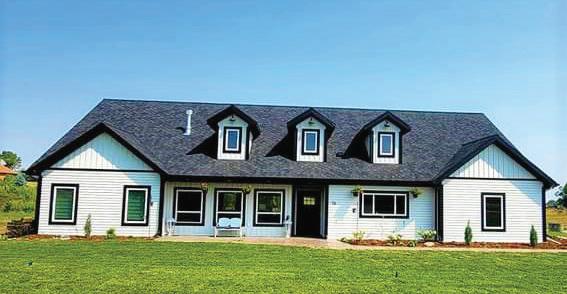
• Trees can add considerable privacy. Homeowners who don’t want fencing, or those whose towns or homeowners’ associations won’t allow fencing, may look to trees to add the privacy typically provided by fences. The growth rates of trees vary by species, so homeowners who want instant privacy should look for trees that are already tall and/or fast-growing. Needlepoint holly (which reach an average height of 10 to 15 feet) and sweet viburnum (25 to 30 feet at maturity) are fast-growing species to consider when planting for privacy. Green giant arborvitae are a popular privacy tree, as they can reach significant heights and widths within a few years of being planted. And while it’s always good to consult a lawn and garden center for advice on the compatability of a given tree with the local climate, green giant arborvitae are known to thrive in U.S. Department of Agriculture hardiness zones five through eight, which cover a significant portion of the United States.
• Evergreens keep a property green throughout the year. Homeowners who lament the loss of color each fall when their existing trees shed their leaves can keep a property green throughout the winter by choosing evergreen trees for landscapes. The New Jersey Conservation Foundation notes that evergreen trees excel at conserving moisture, which allows them to keep their leaves and maintain that distinct and appealing green color throughout the winter.
Various plants and trees can help homeowners change the look of their landscapes without busting homeowners’ budgets


An owner’s suite is a sanctuary for homeowners. It’s a place where adults can retreat, relax and unwind after a busy day. It’s expected that a bed and some other furniture will take up residence in a standard bedroom, but certain elements can help homeowners create stunning spaces. While the largest bedroom in the home typically is dubbed the “owner’s suite,” it cannot be classified as a suite unless there is an adjoining bathroom. An owner’s suite also may have many more unique features that individuals may want to incorporate into a remodel. Here are some ideas to consider. Upgraded closet
Those who will be overhauling the walls and layout of the bedroom can configure the space to make room for a serious closet overhaul. A spacious, walk-in closet that has built-in shelves, drawers and rods can improve the functionality of the bedroom. Draw dividers and other components also can
optimize space.
Sitting area
In large suites, homeowners may have the potential to set up a sitting area in one portion of the room away from the bed. This area can have a sofa, chairs, chaise, or other furniture and make for an ideal spot to read and lounge. Some people also enjoy having a television adjacent to the sitting area so they can watch a show in the privacy of the bedroom.
Fireplace
Fireplaces add a unique ambiance to bedrooms and make for cozy spaces in which to cuddle up. While a traditional, roaring wood fire is one option, there is much less mess and fuss with a gas fireplace. Some gas fireplaces may not even have to be vented, and they can be turned on with the flip of a switch.
Private patio or balcony
Owners who want to go the extra mile in owner’s suite renovations can incorporate outdoor spaces into the plans. Many homes are now being built with owner’s suites on the first floor, facilitating the possibility of aging in place at home. With this layout, the bedroom can be opened up to the outdoors by way of a sliding door or French doors. Decking or a patio can be outside of the room, or even a covered space similar to a Florida room. Those with second-floor suites may want to consider a small deck or balcony where bistro seating can be placed.
Luxury bath
Owners can turn the en suite bathroom into something out of a spa. A steam shower; heated floors; separate area for the toilet, closed off from the rest of the bathroom; and dual vanities and sinks can make this a place that screams luxury and comfort. Do not forget dimmer switches for lighting, and even the inclusion of some new aromatherapy technology for increasing the potential for relaxation.
Many different features can improve the functionality and luxury of an owner’s suite.






A beautiful garden is a wonder to behold. After a homeowner toils in the yard amending the soil and planting, it’s imperative that a garden be given the best chance to thrive. However, the natural wildlife that shares the space might see that newly cultivated land as the perfect place to enjoy an easy meal or gather nesting materials. Every gardener likely has a tale about chipmunks, squirrels, woodchucks, and rabbits making nuisances of themselves in the garden. Many of these animals seem to have a taste for bulbs and other plants, which can wreak havoc on what gardeners carefully plan and plant. Finding balance so everyone can get along may require patience and some well-crafted deterrents.
• Provide food elsewhere. Try luring the animals away to another area of the yard where the meal is even easier to come by. Squirrels and chipmunks love to dig and bury their caches, so a far-off corner with freshly tilled soil along with some berries, nuts and additional treats might attract them to that area instead of a newly established garden.
• Install fencing. While chipmunks and squirrels can scale fences easily, such acrobatics may be more challenging for lumbering groundhogs or rabbits. Make digging more difficult by laying chicken wire fencing on top of the soil and stake it down in some areas.
• Use a scent deterrent. Some animals are put off by the smell of other animals or aromas they find unpleasant. The capsaicin in red pepper and cayenne can be off-putting to these animals, so sprinkling it around the garden may ward off pests but not harm the plants. Just reapply after each rain. Similarly, some people have had luck using peppermint. Plant mint around where you do not want the squirrels and chipmunks. Since mint can grow fast and become invasive, it’s best to plant in containers and move accordingly.
• Use water or movement. Animals can be scared away if they are sprayed with water, so a well-aimed water gun can chase away the animals when a gardener is able to stand watch. It may be easier to set up pinwheels that blow in the wind, or hang aluminum pie plates or old compact discs from strings near the garden, which may deter animals from getting too close.
• Build a greenhouse. When dealing with tenacious squirrels and chipmunks, the only solution may be to block off all access. Utilize an enclosed greenhouse for the garden, which will keep animals out and even extend the growing season. Many animals can become nuisances in a yard, particularly in and around gardens. Some humane solutions could remedy the situation.


Custom Stone LLC, services both residential and commercial clients with custom fabrication and installation of natural stone including granite, marble, soapstone, quartz, quartzite, and various other materials.