
www.globaltrendmonitor.com
www.globaltrendmonitor.com
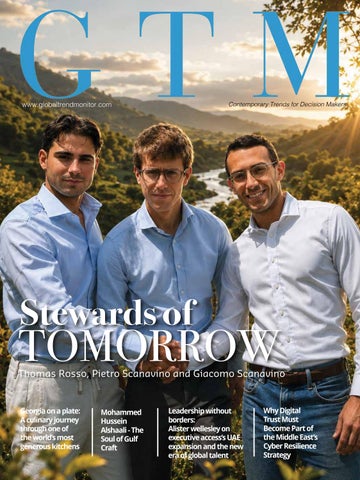
Thomas Rosso, Pietro Scanavino and Giacomo Scanavino
Mohammed Hussein Alshaali - The Soul of Gulf Craft Leadership without borders: Alister wellesley on executive access’s UAE expansion and the new era of global talent
Georgia on a plate: A culinary journey through one of the world’s most generous kitchens Why Digital Trust Must Become Part of the Middle East’s Cyber Resilience Strategy

Aromas
Citronella
White Frangipani
Pink Frangipani
Sandlewood Vanilla
Japanese Honeysuckle
Vanilla
Sandlewood Vanilla
Aloe Vera Flavoured Soap
Rose Petal Soap
Orange Flavoured Soap
Moringa Flavoured Soap
Neem Flavored Soap
Lemon Grass Flavoured Soap
Mint Flavoured Soap
Rosemary Flavoured Soap
Basil Flavoured Soap
Goat Milk Flavoured Soap
Charcoal Flavoured Soap
Stewards Of
Thomas
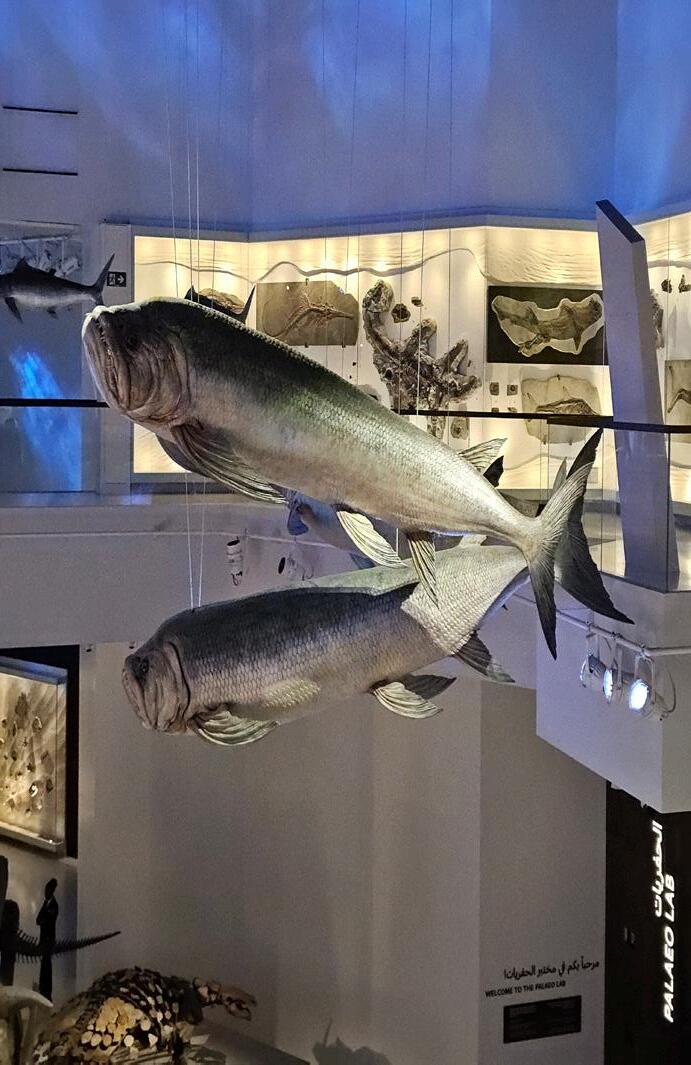
A Journey Through Time, One Gallery At A Time Discovering The Natural History Museum Abu Dhabi Through Gen Z Eyes
Fortinet Achieves 1 Million People Trained In Cybersecurity Goal Ahead Of Schedule
Why Digital Trust Must Become Part Of The Middle East’s Cyber Resilience Strategy
Netapp And Cisco Collaboration Strengthens Defense-In-Depth For Enterprise Cyber Resilience
When The Schedule Fails
How Commercial Aviation’s Perfect Storm Is Reshaping Demand For Private Charter
Rediscovering The Soul Of Georgia
The Perfect Dubai Staycation
Celebrating Life’s Special Moments At Intercontinental Dubai Festival City
Tropical State Of Mind
Opening The Door To Homeownership
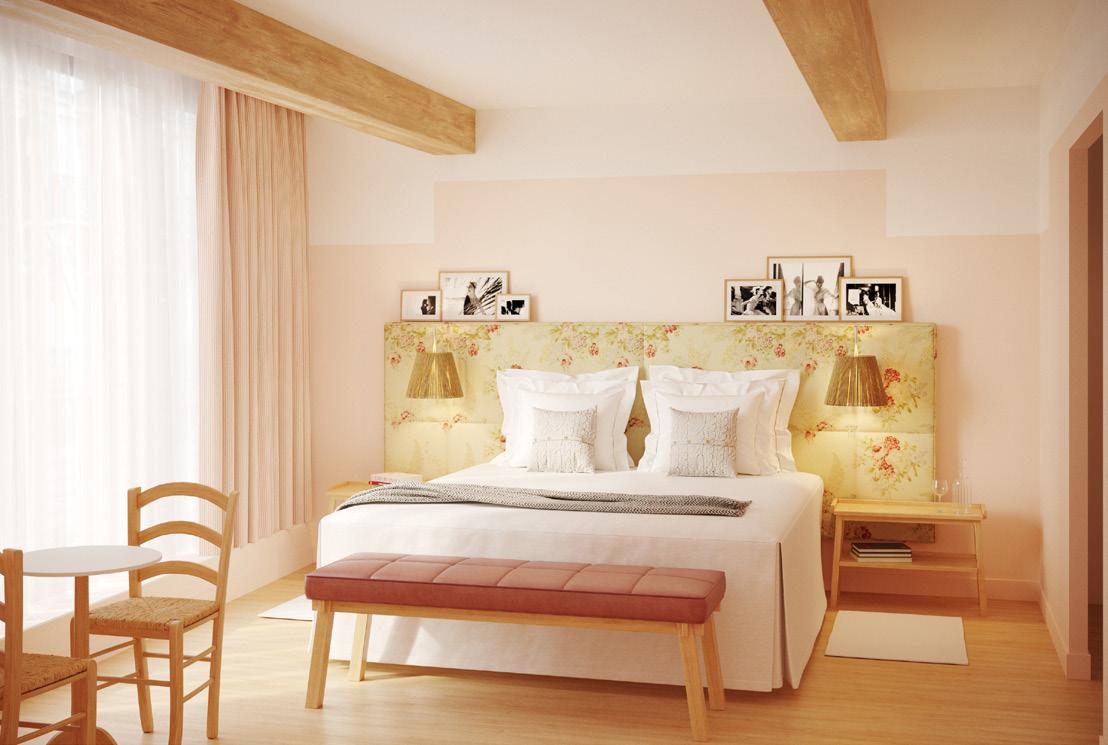
A Boutique Escape In The Heart Of Brussels
Georgia On A Plate
A Culinary Journey Through One Of The World’s Most Generous Kitchens
Givenchy Presents The Voyou Bucket
The Latest Addition To The Maison’s Iconic Handbag Family Is Defined By Instinctive Style And A Singular Attitude.
Noudar Unveils An Enamel Collection Inspired By
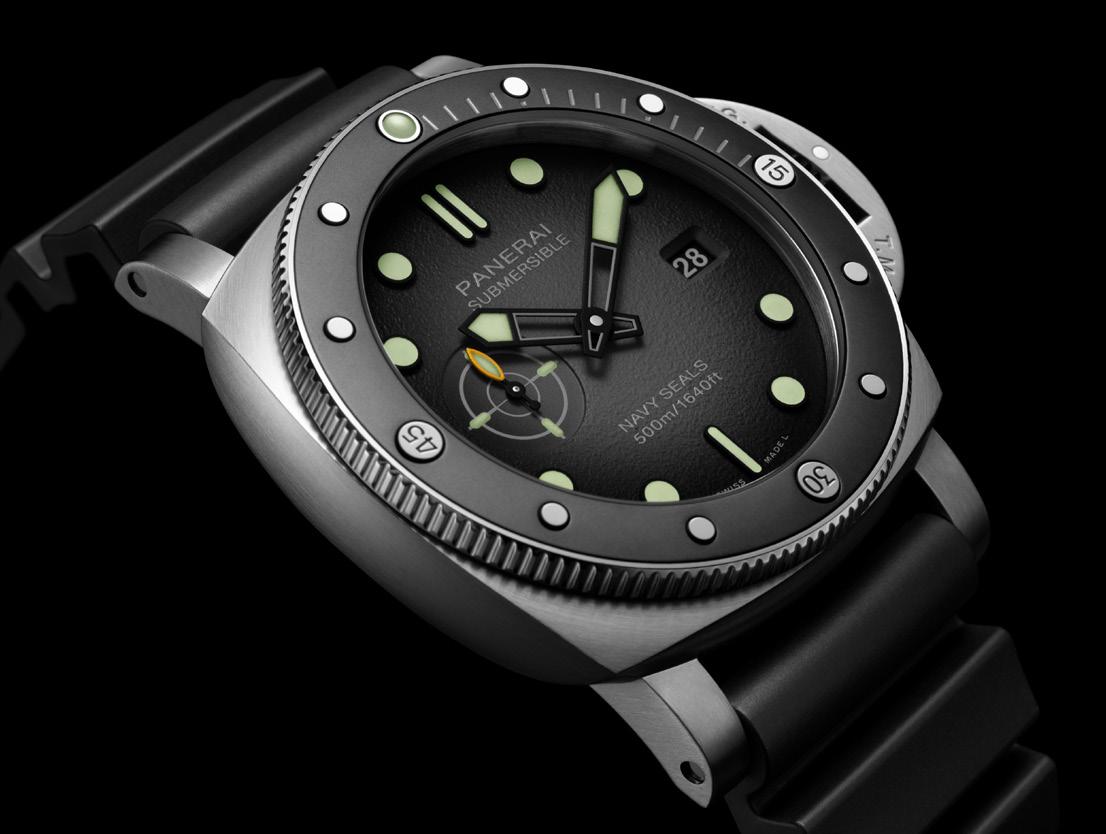
Panerai Gives The Submersible A New Edge
Love, Bottled In Paris
Inspired By The Sea
Barbara Pecorari’s Shimmering Shoals Transform The Beauty Of Marine Life Into Contemporary Works Of Art.

The Art Of Individuality
CRN’s Project Thunderball Is A Masterclass In Bespoke Yacht Building, Where Timeless Design Meets Engineering Excellence
When Rugged Meets Refined Our Adventure With Deepal G318
Elegant, Practical And Emotionally Appealing
The Family Car That Thinks Beyond Practicality Kia Carens
A Smarter Evolution
The All-Electric Smart #5 Proves The Brand Has Outgrown Its City-Car Roots To Embrace A New Era Of Premium Mobility.

PUBLISHER
Catherine Gilbert
EDITOR IN CHIEF
Shereen Shabnam
Editorial Contributors
Siew Lin
Natasha Jasmin Dury
Nishrat Nazeen
Eric Richard Dury
Art Director
V. Suquila
Correspondence Address
H3J LLE
Office 404, Building B
Old Saaha Offices - Souk Al Bahar
Old town Island - Burj Khalifa District
P.O. Box 487177, DUBAI - U.A.E.
Tel: +971 50 769 0087
Impression/Printing
Silver Point Printing Press L.L.C
Shed No:05 Caterpillar Building Salah
Al Din St Al Khabaisi - Deira - Dubai
A Publication by
H3J FZ LLE
Magazine online sur www.globaltrendmonitor.com
International Owners
Business and Lifestyle Updates
RCBS201811862
Copyright: “All right reserved. No part of this publication may be reproduced without written permission from the publisher.”


There is a phrase that has stayed with me while curating this issue of Global Trend Monitor.
Stewardship.
It is a word we often associate with the environment, yet the more I reflected on the stories within these pages, the more I realised it extends far beyond caring for the planet. Stewardship is about how we care for our businesses, our communities, our relationships, our traditions and, perhaps most importantly, ourselves.
This issue introduces remarkable individuals who are quietly shaping a better future. Three young entrepreneurs are restoring the health of our soil for generations to come. Visionary leaders are redefining hospitality through people-centred cultures. Designers, architects and innovators are creating spaces and products that place sustainability alongside beauty, while artists remind us that creativity has the power to connect us with nature, heritage and one another.
Even our journeys this month carry the same message. From the welcoming landscapes of Georgia and the calm waters of Dubai Creek to contemporary art, timeless yachts and thoughtfully engineered automobiles, every story celebrates experiences that encourage us to slow down and appreciate the world around us rather than simply rushing through it.
In today’s fast-moving world, we often measure success by how much we achieve, how quickly we respond or how full our calendars become. Yet somewhere between deadlines, notifications and endless commitments, we risk forgetting to pause
long enough to notice the moments that truly matter.
Perhaps that is why the final page of this issue feels especially meaningful. We Forgot to Live is more than an article, it is a gentle reminder that life is not simply about reaching the next milestone. It is about making time for conversations, discovering new places, celebrating with loved ones, admiring great craftsmanship, supporting meaningful innovation and allowing ourselves the luxury of being fully present.
As journalists, we are privileged to meet extraordinary people whose ideas shape industries and whose vision influences the future. One lesson they consistently share is that success without purpose is ultimately unfulfilling. The greatest achievements are rarely built for today alone; they are created with tomorrow in mind.
As you turn these pages, I hope you discover more than new destinations, remarkable innovations or inspiring leaders. I hope you find moments that encourage you to pause, breathe deeply and reconnect with the experiences that bring genuine meaning to life.
After all, the greatest luxury is not simply what we own.
It is having the wisdom to truly live.
Enjoy the read.
Shereen Shabnam Editor-in-Chief
Global Trend Monitor Magazine editor@globaltrendmonitor.com


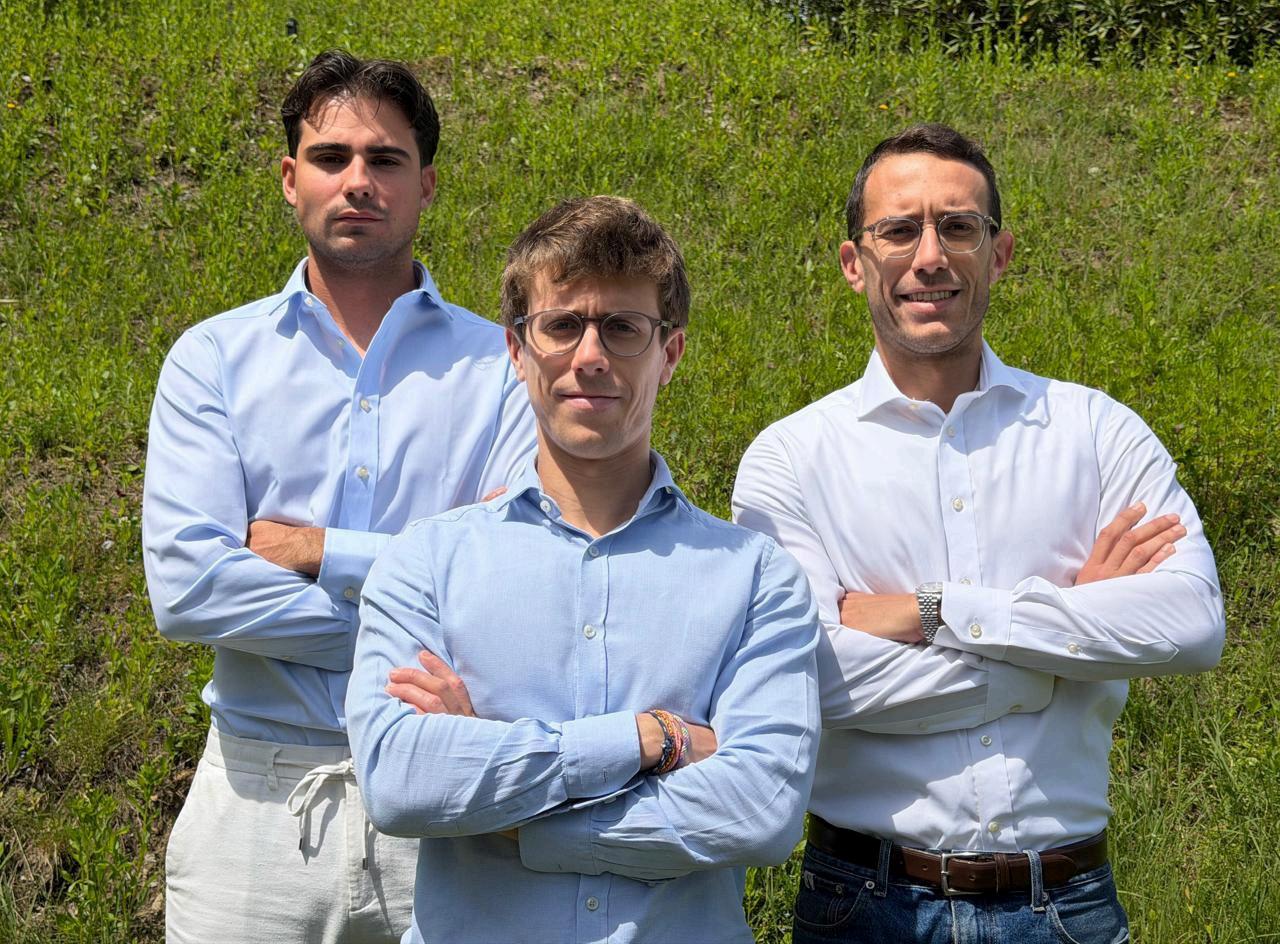
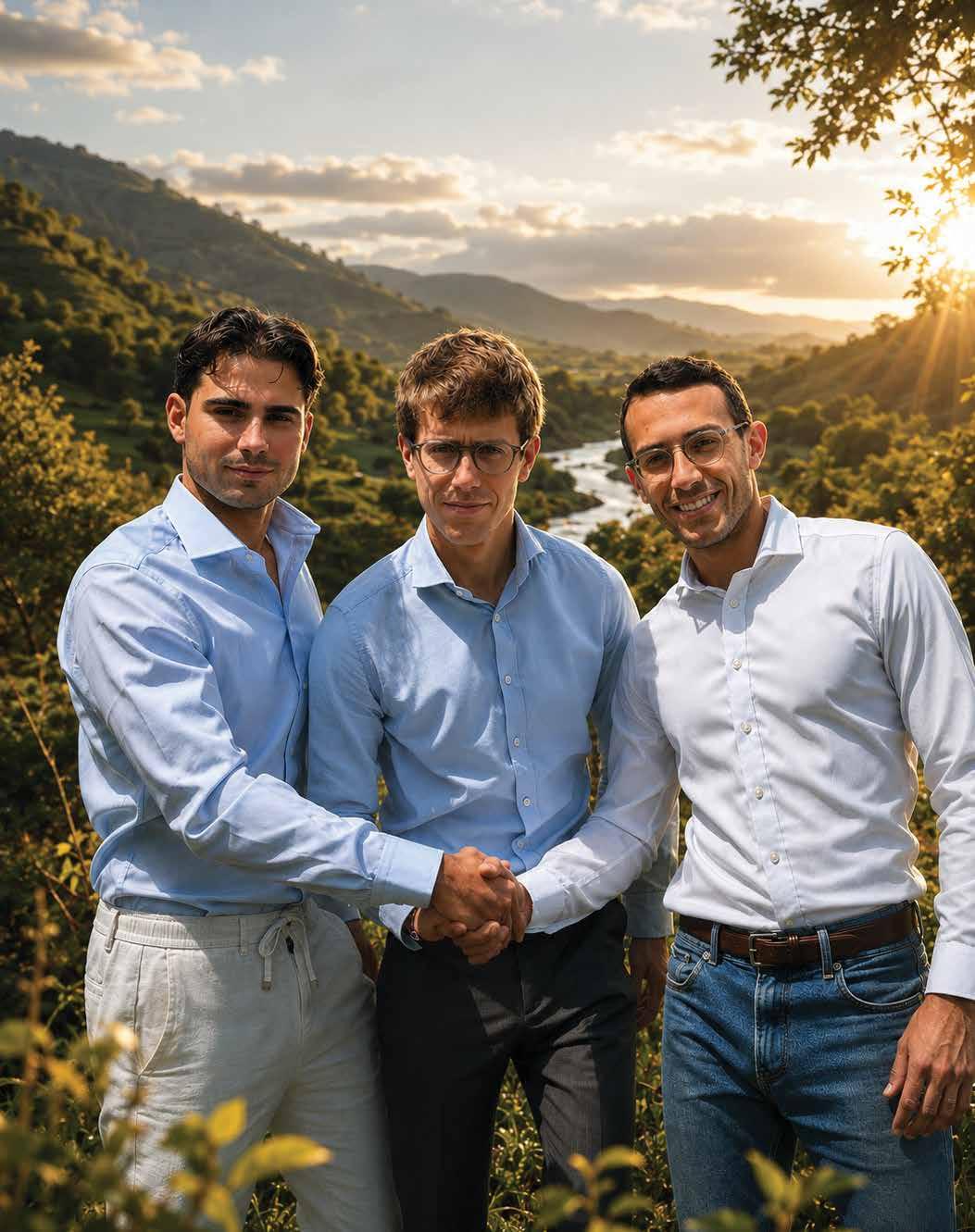
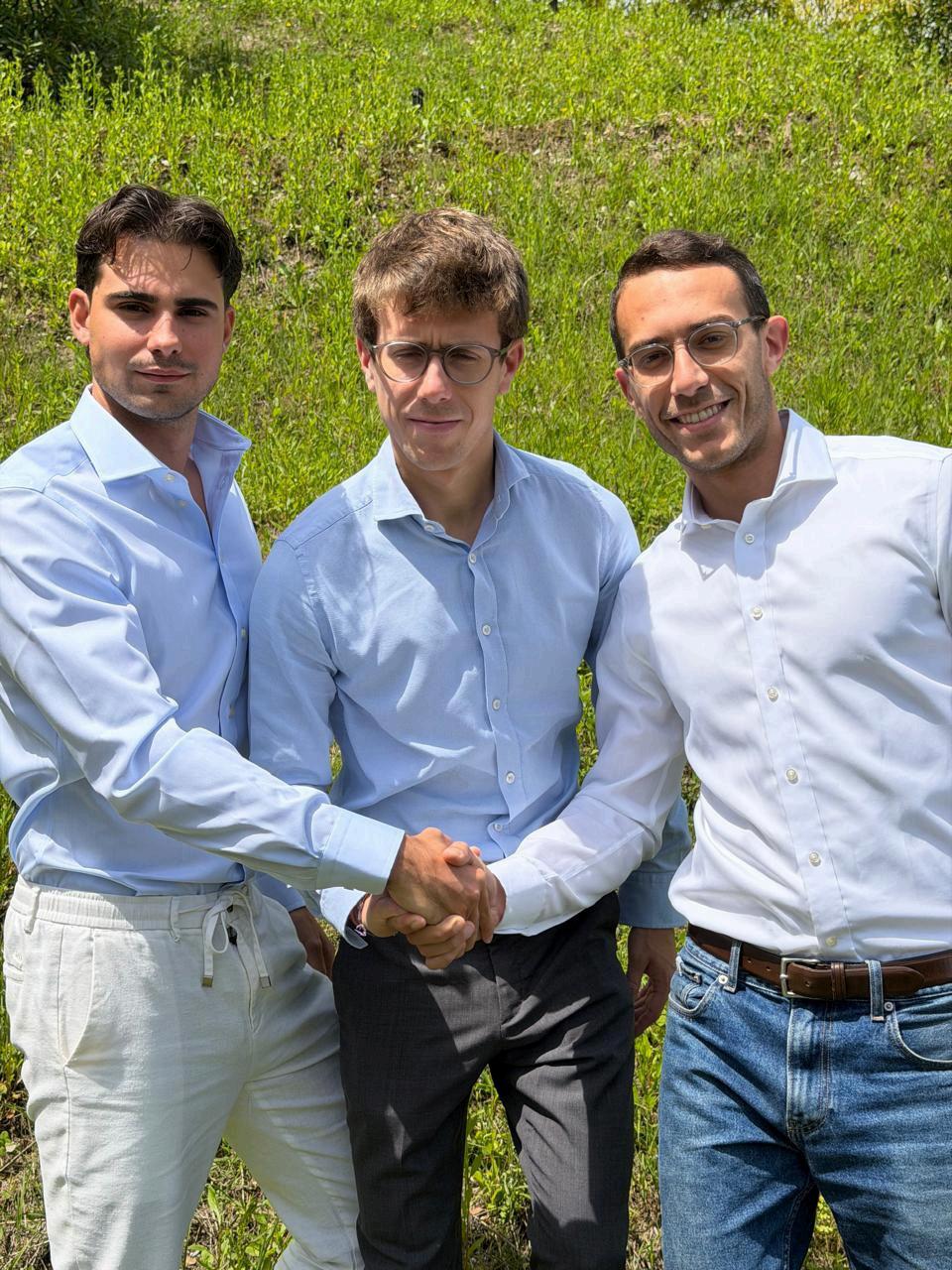
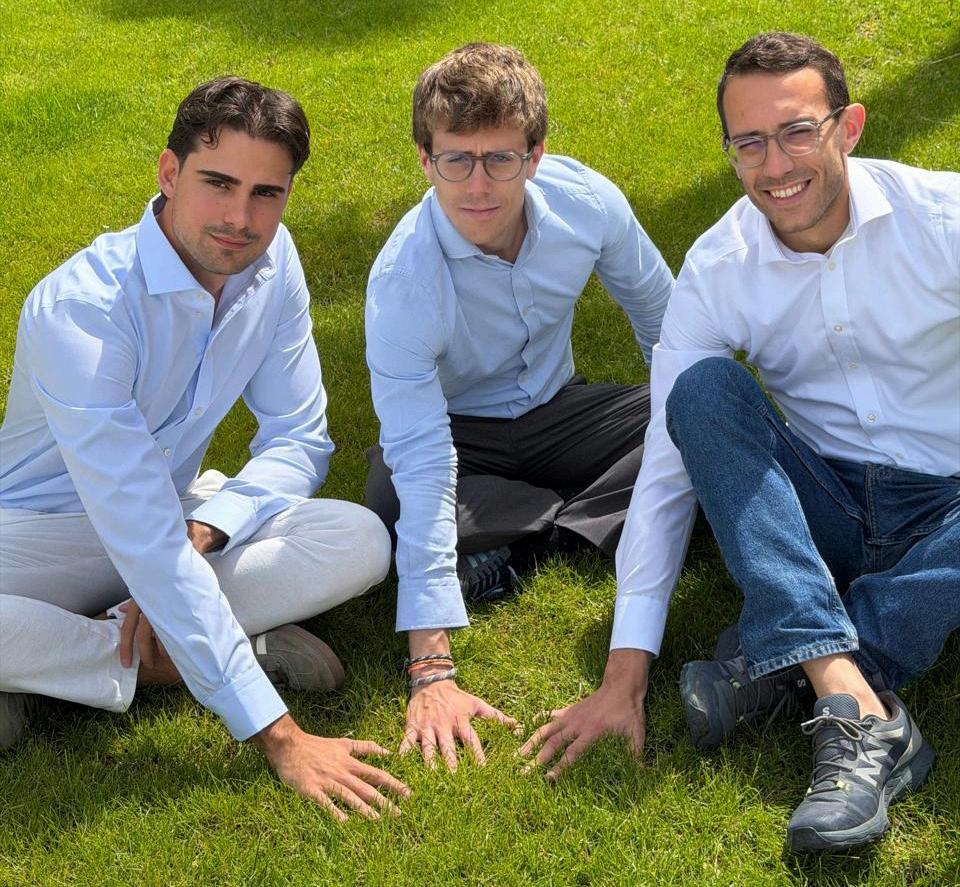
From the vineyards of northern Italy to an innovative farm in the UAE, three young entrepreneurs are proving that the future of agriculture lies not in exploiting the land, but in restoring it. Their journey is redefining what leadership, sustainability and stewardship look like for a new generation.
The future of sustainability may not be shaped solely in boardrooms or research laboratories. Sometimes it begins with three young men standing among vineyards that have belonged to their families for more than a century, asking one simple question: How do we leave the land healthier than we found it?
That question has taken Thomas Rosso, Pietro Scanavino and Giacomo Scanavino from the rolling hills of Alba in northern Italy to the deserts of the United Arab Emirates, where their regenerative farming technology is demonstrating how food production and environmental stewardship can work hand in hand.
By Shereen Shabnam
Their journey is not simply about developing another agricultural solution. It is about proving that the next generation can inherit tradition while embracing innovation. I have had the privilege of knowing the Rosso family since 2020 and have watched Thomas grow from a student into a thoughtful entrepreneur whose vision extends far beyond business success.
Young entrepreneurs today are often associated with artificial intelligence, digital platforms and disruptive technologies. Thomas, Pietro and Giacomo have chosen a very different path. As fifth-generation custodians of family farms dating back to the late 1800s, they are tackling one of
humanity’s
greatest long-term challenges:
producing enough food for a growing population without exhausting the very soils that make agriculture possible.
For decades, agriculture has relied heavily on synthetic fertilisers to increase yields and feed an expanding global population. While these products transformed farming productivity, their prolonged and excessive use has also accelerated soil degradation, reduced biodiversity, depleted organic matter and weakened the biological life that healthy farmland depends upon.
Across the world, productive land is gradually becoming less resilient, leaving farmers increasingly dependent on chemical inputs simply to maintain existing harvests.
Healthy soil is often overlooked, yet it remains one of the planet’s most valuable natural resources. It is not simply dirt beneath our feet but a living ecosystem filled with billions of microorganisms, beneficial bacteria and natural enzymes that make nutrients available to plants, strengthen soil structure and sustain life itself. When this invisible biological community disappears, agriculture becomes progressively less sustainable.
Rather than accepting this reality, Thomas, Pietro and Giacomo chose to build upon generations of farming knowledge passed down through their families. Inspired by the vineyards, orchards and farmland that shaped their childhoods, they combined agricultural heritage with modern engineering and biological science to create a regenerative farming model designed for today’s environmental challenges.
Instead of producing another standalone agricultural product, they reimagined farming as a circular ecosystem where every resource has value and every process contributes to the next. Their ambition was to create a system capable of producing sustainable food while naturally generating the biological nutrients needed to restore agricultural soils, reducing waste and improving resource efficiency in one continuous regenerative cycle.
The result is Magic Power, a proprietary integrated farming platform that combines sustainable aquaculture with advanced biological nutrient recovery. Available in compact 10-foot, 30-foot and 40-foot container systems, the technology can be deployed almost anywhere in the world. Engineered for remarkable efficiency, each unit consumes as little as 3kW of electricity and can operate entirely on renewable solar power, making it suitable even for remote regions where conventional infrastructure is limited.
Within each system, premium-quality fish are raised under carefully controlled conditions while valuable nutrients are continuously recovered and transformed into biologically active organic fertiliser. Rather than becoming waste, these nutrients are captured and reused, creating two complementary agricultural outputs within a single regenerative production cycle.
More importantly, the platform restores something many farmers have gradually lost over recent decades: independence. Instead of relying solely on imported synthetic fertilisers, growers can produce their own biologically active fertiliser directly on site, tailoring applications to different crops and soil conditions while gradually rebuilding the living biology beneath their fields. It is an approach that reduces dependence on chemicals while helping farmland recover naturally over time.
The implications extend far beyond commercial farming. In many developing regions where communities face food insecurity, poor soils and limited agricultural resources, a single integrated system can provide a continuous supply of fresh fish, natural fertiliser and nutritious vegetables. By enabling communities to produce both food and agricultural inputs locally, the technology offers a practical pathway towards stronger food security, greater self-sufficiency and more resilient local economies.
The concept is no longer theoretical. Operational systems are already producing fish and fertiliser in the UAE, South Africa and the Czech Republic, demonstrating that regenerative agriculture can succeed across remarkably different climates and growing conditions.
For the UAE, the project aligns naturally with the nation’s ambitious vision for food security, agricultural innovation and sustainable development. As one of the world’s leading advocates of resilient food systems, the country provides an ideal environment to demonstrate how regenerative farming technologies can support national sustainability objectives while reducing dependence on imported agricultural resources.
Nature has always operated through balance. When forests are harvested responsibly, new trees are planted. Agriculture should follow the same principle. When the biological life within the soil is depleted, it should be restored.
Regenerating farmland is not simply an environmental responsibility; it is fundamental to ensuring future generations
inherit productive land capable of feeding an ever-growing world.
Perhaps that is what makes Thomas, Pietro and Giacomo’s story particularly compelling. While previous generations often viewed sustainability and profitability as competing priorities, these young entrepreneurs see them as inseparable. Healthy soils, efficient resource management and sustainable food production are not obstacles to commercial success; they are its foundation.
Ultimately, this is not simply a story about fish farming, fertiliser or agricultural technology. It is a story about stewardship. Guided by generations of farming heritage and inspired by scientific innovation, Thomas Rosso, Pietro Scanavino and Giacomo Scanavino are demonstrating that agriculture can once again work in harmony with nature while helping restore the living ecosystems on which farming depends.
Their vision, however, extends well beyond their own farms. They hope to bring together like-minded partners, governments, investors, organisations and innovators who share a belief that the future of agriculture must be regenerative rather than extractive.
Their ambition is to contribute to a global movement dedicated to restoring soils, strengthening food security and empowering communities through sustainable farming. Watching Thomas, Pietro and Giacomo speak about restoring agriculture makes us hopeful as they believe that by working together, future generations can inherit a world where productive land is revitalised and agriculture can work in harmony with nature, just as it was always meant to be.
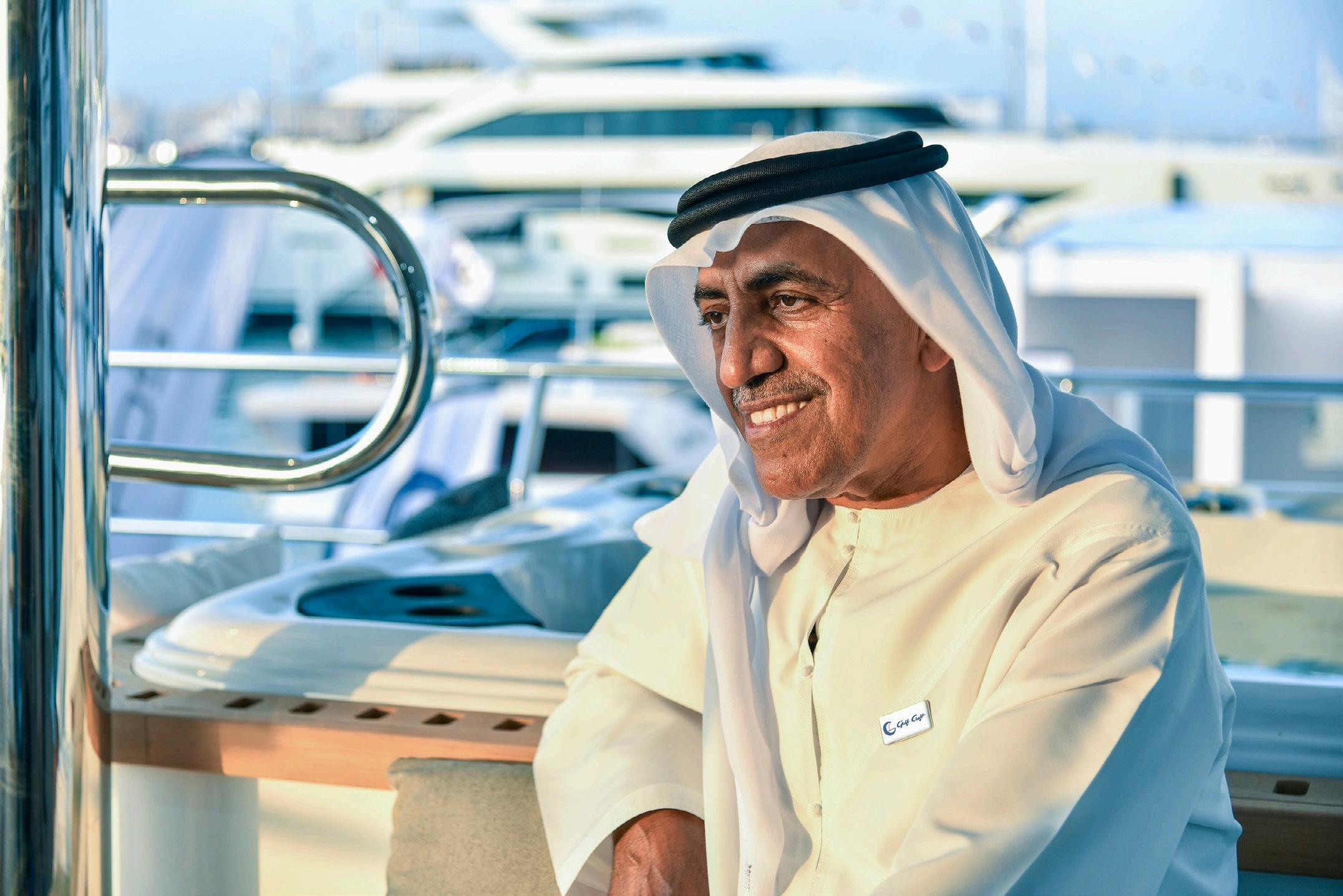
How Mohammed Hussein Alshaali built a world-class yacht brand with a culture of passion, purpose and people.
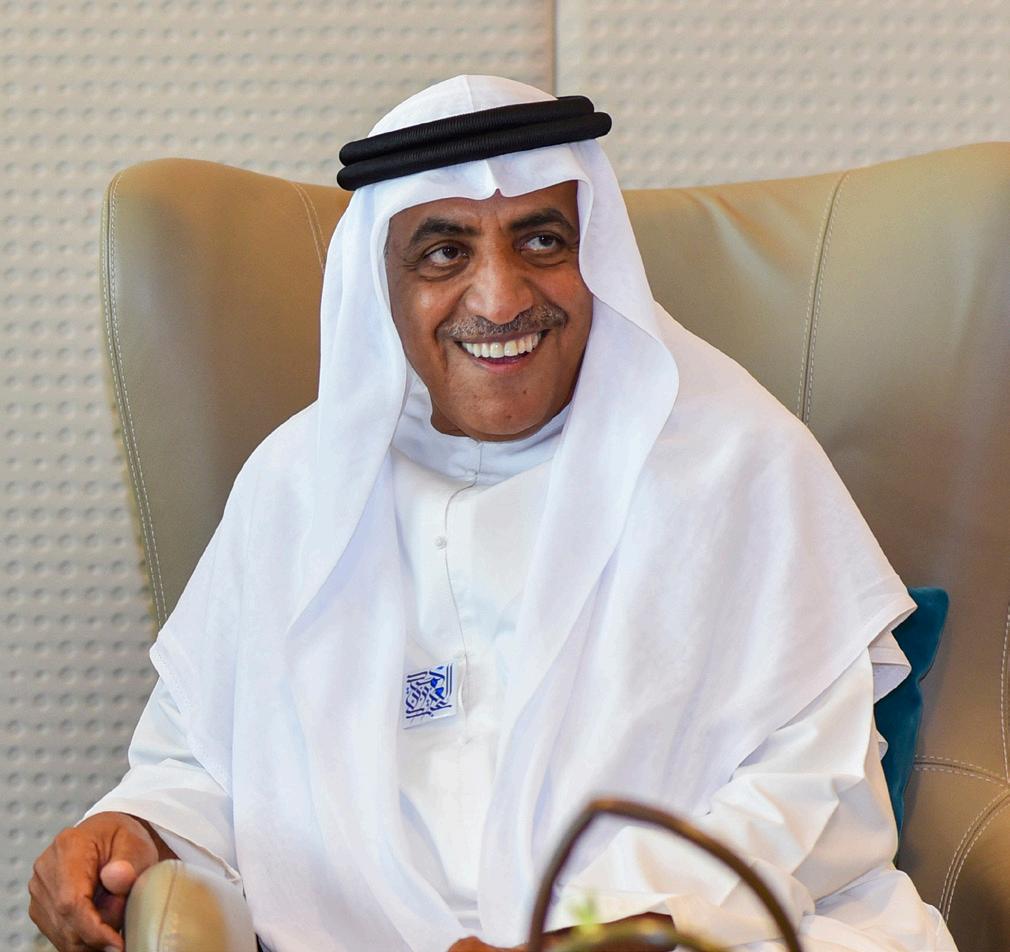
There are people you interview because of their title, and there are people you genuinely look forward to meeting because, regardless of how successful they become, they never seem to change. For more than two decades, I have had the privilege of sitting down with Mohammed Hussein Alshaali at the many Dubai International Boat Shows. During that time, I have watched Gulf Craft evolve from an ambitious Emirati yacht builder into one of the world’s most respected names in luxury yachting.
Every year the yachts become larger, the technology more advanced and the international audience more impressive. Yet one thing has remained remarkably consistent. Mohammed welcomes everyone with the same warm smile,
Words By Shereen Shabnam
the same quiet confidence and the same humility that first struck me all those years ago.
This year’s conversation felt particularly fitting. It came after walking through the spectacular new Majesty 145, a yacht that perfectly illustrates how far Gulf Craft has come. Every detail reflects decades of refinement, craftsmanship and innovation. Yet as impressive as the yacht is, spending time with the man behind it reminds me that Gulf Craft’s greatest achievement has never simply been the yachts themselves. It has been the philosophy that created them.
Few people have successfully navigated two careers as different as international diplomacy and luxury yacht building.
Before dedicating himself fully to Gulf Craft, Mohammed spent more than three decades representing the UAE on the global stage, serving as Ambassador to the United States, Permanent Representative to the United Nations, Minister of State for Foreign Affairs and, remarkably, becoming the youngest President of the UN Security Council during his diplomatic career.
One might assume that diplomacy and yacht building have little in common. Mohammed sees it differently. He says, “In life, communication is important. In diplomacy, communication is everything. In business, it is exactly the same.”
It is a deceptively simple observation, but perhaps it explains why Gulf Craft has
always been as much about relationships as it has been about engineering. The company’s success has never been built solely on beautiful yachts, but on the trust it has cultivated with owners, designers, suppliers and partners around the world.
Listening to Mohammed speak about Gulf Craft, it quickly becomes apparent that he rarely talks about himself. Instead, he talks about learning. “When we started, we were learning how to build. We were learning about the market. We were learning about everything. Those early years were not driven by vast financial resources or decades of experience. They were fuelled by something far more powerful. The biggest capital we had was enthusiasm and passion.”
More than forty years later, he believes that very little has changed. “Everybody comes here because of their passion. If you don’t love what you do, you simply won’t stay.”
It is a philosophy that resonates throughout Gulf Craft today. Walking through its facilities, there is a sense that every yacht represents thousands of hours of craftsmanship by people who genuinely care about what they are creating. It is an attitude that cannot be manufactured and certainly cannot be copied.
That passion is perhaps most evident in Gulf Craft’s unique approach to building. Rather than relying heavily on external suppliers, the company has invested in creating much of its production capability in-house. “We build everything ourselves,” Mohammed explains. “Steel, electronics, composite work and more.”
Today, Gulf Craft operates five specialised companies supporting different aspects of production, allowing it to control quality, delivery schedules and costs while ensuring owners ultimately benefit from that integration. The strategy was born not from convenience, but from necessity.
“When you start an industry like this in a country that had no such industry, every challenge becomes an opportunity.” Those challenges taught Gulf Craft to innovate, adapt and continuously improve. Looking back, Mohammed views those difficult early years not as obstacles but as the very foundation upon which the company was built.
That willingness to invest for the long term continues today. Alongside its expanding yacht portfolio, Gulf Craft has recently opened new service and manufacturing
facility, capable of maintaining yachts of up to 80 metres, while also expanding its presence in the Maldives with a dedicated marina and service operation. Despite global economic uncertainty and geopolitical challenges affecting international deliveries, Mohammed remains characteristically optimistic.
Walking through the Majesty 145 before our conversation, it became clear that this optimism is well placed. Every space onboard reflects decades of accumulated experience, not only in engineering, but in understanding how owners want to live, entertain and relax on the water.
“So many experiences have come together in this yacht,” Mohammed says. “Our experience, our designers’ experience, our people’s experience and the market’s experience.”
Perhaps the strongest endorsement came before the yacht had even entered the water. Gulf Craft had already secured three sales based solely on the design drawings, a remarkable achievement in today’s highly competitive superyacht market.
While innovation and craftsmanship have undoubtedly propelled Gulf Craft onto the global stage, Mohammed returns repeatedly to one subject that matters more than anything else: people.
“Our team is the soul of the company.” It is a statement that feels entirely genuine. He believes owners return not simply because they appreciate the yachts, but because they trust the people behind them. Beautiful designs attract attention, but lasting relationships build loyalty.
“People come back because they have a relationship with the team.”
In an industry where luxury is often measured in materials, finishes and technology, Mohammed measures success differently. For him, culture has become Gulf Craft’s greatest competitive advantage.
That perspective may well explain why, after more than four decades, Gulf Craft continues to evolve while remaining unmistakably true to its roots. It has become one of the few yacht builders capable of competing confidently on the world stage while proudly retaining its Emirati identity.
Recognition has naturally followed. From building one of the world’s largest composite superyachts to receiving international accolades, including the prestigious Lifetime Achievement Award
at the 2024 Boat Builder Awards, Gulf Craft’s journey mirrors the remarkable growth of the UAE itself.
When I ask Mohammed what legacy he hopes to leave behind, his answer is telling. “I want this company to always be considered one of the best yacht builders in the world.”
Noticeably absent is any mention of being the biggest. Instead, he speaks about reputation, excellence and earning the respect of customers, designers, suppliers and classification societies alike. It is an ambition rooted not in scale but in quality.
As our conversation comes to an end, I reflect on something I have observed over more than twenty years of meeting Mohammed at boat shows around the world. The yachts have grown larger. The company has expanded globally. The awards have accumulated. Yet the man himself has remained remarkably unchanged. He is still approachable. Still gracious. Still genuinely interested in people.
The Majesty 145 may represent the latest chapter in Gulf Craft’s remarkable journey, but perhaps the company’s greatest achievement is measured in the culture Mohammed Hussein Alshaali has quietly built over four decades.
A culture where passion matters more than prestige, relationships matter more than transactions, and success is never claimed by one individual but shared with an entire team.
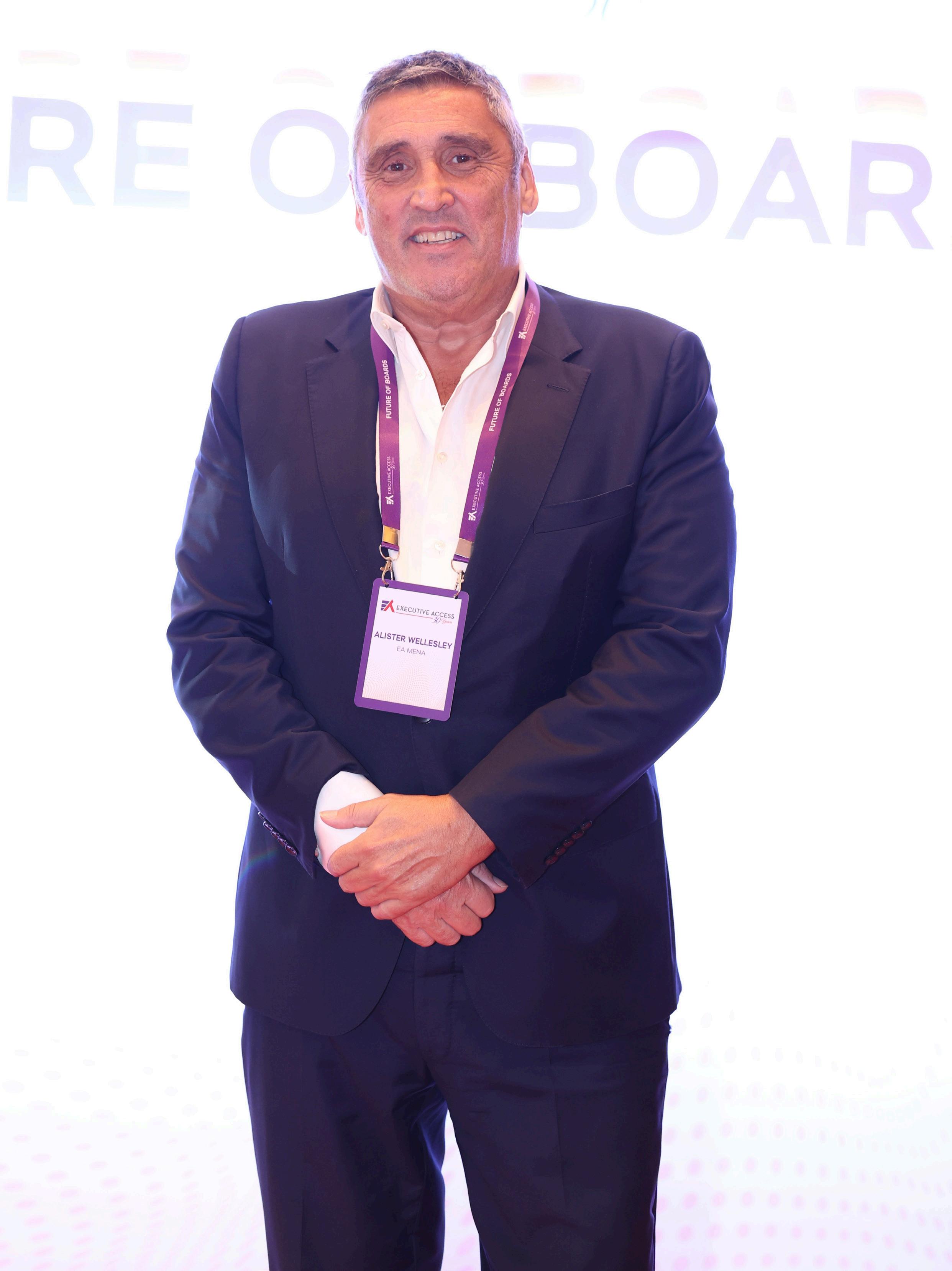
Alister Wellesley on Executive Access’s UAE Expansion and the New Era of Global Talent
By Shereen Shabnam
As the UAE accelerates its rise as a global business and innovation hub, leadership itself is undergoing a profound transformation. Companies are no longer simply hiring executives to manage growth; they are seeking leaders capable of navigating AI disruption, cross-border expansion, localisation strategies, and rapid organisational change. At the centre of that evolving conversation is Alister Wellesley, CEO of EA MENA, the newly launched Middle East arm of Executive Access.
With Executive Access choosing Abu Dhabi Global Market (ADGM) for its first expansion outside India, the move signals growing confidence in the UAE’s role as a global centre for leadership mobility and business transformation. Bringing decades of experience across executive search, technology, fintech, cybersecurity, and advisory services, Wellesley now leads the firm’s regional ambitions at a time when the GCC is redefining what future-ready leadership looks like.
In this interview, Alister shares insights into the future of executive hiring, the rise of AI-ready leadership, and why the UAE has become one of the world’s most strategic destinations for talent and transformation.
Abu Dhabi was a very deliberate choice for us. The GCC, and particularly the UAE, has evolved into one of the world's most dynamic centres for investment, innovation and business transformation. We are seeing unprecedented levels of capital deployment across sectors such as AI, digital infrastructure, financial services, healthcare, energy transition and advanced manufacturing.
ADGM, in particular, has established itself as a globally respected financial and business ecosystem, attracting multinational organisations, sovereign investors and entrepreneurial businesses from around the world.
Branded as EA MENA Limited , the decision was not simply about opening a regional office. It was about positioning ourselves at the centre of one of the most important leadership markets globally. The UAE has become a crossroads for talent, capital and opportunity, making it the ideal platform for our international growth ambitions.
IS AI CHANGING LEADERSHIP EXPECTATIONS ACROSS THE GCC?
AI is fundamentally changing the expectations placed on leaders. Historically, leaders were expected to manage operations, drive growth and execute strategy. Today they must also understand how emerging technologies will reshape their industries, workforce models, customer engagement and competitive positioning.
Importantly, organisations are not necessarily looking for executives who can build AI platforms themselves. They are looking for leaders who understand the implications of AI and can confidently lead organisations through that transformation.
The most successful executives will be those who can combine technological understanding with human leadership skills such as judgement, communication, adaptability and change management.
Future-ready leaders combine commercial capability, agility and adaptability. The environment in which executives operate today is significantly more complex than it was even five years ago. Leaders must navigate technological disruption, geopolitical uncertainty, changing workforce expectations and increasingly diverse stakeholder groups.
The qualities we see most in demand include agility, resilience, learning mindset, strategic thinking, emotional intelligence and the ability to lead through ambiguity.
Perhaps most importantly, future-ready leaders are comfortable making decisions without having perfect information. They understand how to balance speed, risk and opportunity.
Several sectors are undergoing profound leadership evolution. AI, technology and digital infrastructure are clearly among the fastest-moving sectors. We are seeing significant demand for leaders who can scale platforms, manage rapid growth and build globally competitive organisations.
Financial services is also evolving rapidly, particularly around digital banking, fintech, payments and wealth management. Healthcare, cybersecurity, logistics, energy transition and advanced manufacturing are similarly experiencing major transformation.
Perhaps the most interesting trend is the increasing convergence between industries. Leaders are being asked to bring expertise from adjacent sectors to drive innovation and fresh thinking.
Cross-border talent mobility is absolutely critical. The UAE has built one of the world's most open and globally connected business environments. Its ability to attract expertise from around the world has been a key driver of its economic success.
As the country continues to invest in AI, technology, financial services, healthcare and advanced industries, access to global leadership capability will remain essential.
At the same time, we are seeing an increasing emphasis on localisation and capability development. The future is not simply about importing talent; it is about combining international expertise with the development of strong local leadership ecosystems.
I believe there are five major trends that will define leadership over the next decade. First, AI and digital transformation will continue to reshape business models and workforce structures.
Second, leadership will become increasingly global, with executives managing geographically dispersed teams and operations.
Third, human-centric leadership will become more important as organisations focus on culture, engagement and talent retention.
Fourth, sustainability and long-term value creation will become more embedded in executive decision-making.
Finally, adaptability will become the defining leadership characteristic. The pace of change is accelerating, and organisations need leaders capable of navigating uncertainty while maintaining growth and performance.
The Middle East is entering an exciting phase of economic development, and the leaders who succeed will be those capable of balancing innovation, resilience and execution.
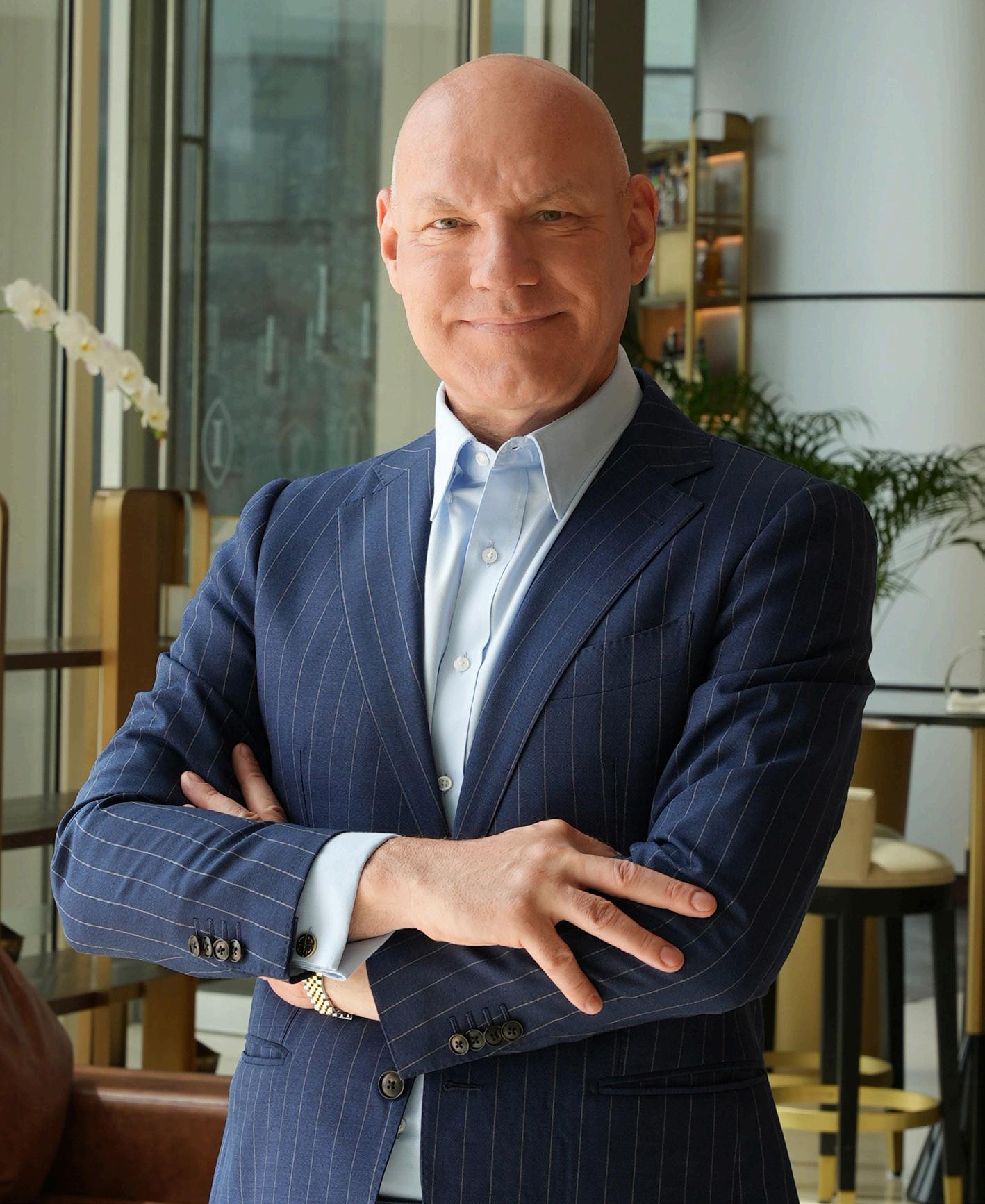
As Area General Manager for IHG Hotels at Dubai Festival City and Area General Manager for Luxury & Lifestyle UAE, Thomas Schmelter oversees one of the country’s most dynamic hospitality portfolios, spanning luxury hotels, lifestyle destinations and one of Dubai’s leading business and leisure precincts.
With more than three decades of international leadership experience across Europe, the Middle East and Asia, he has witnessed hospitality evolve through changing guest expectations, technological transformation and global disruption while remaining firmly rooted in its most important asset: people.
In this conversation, Schmelter speaks to Global Trend Monitor about luxury’s changing definition, Dubai’s continued rise as a global tourism powerhouse, and why people remain at the heart of exceptional hospitality.
WHAT MAKES DUBAI AND THE MIDDLE EAST SUCH RESILIENT AND INFLUENTIAL HOSPITALITY DESTINATIONS IN TODAY’S RAPIDLY EVOLVING GLOBAL TOURISM LANDSCAPE?
Dubai and the wider Middle East combine vision, agility, world-class infrastructure and a strong commitment to innovation. Tourism is not viewed as a supporting industry here; it is a strategic economic pillar backed by continuous investment and long-term planning.
What makes the region particularly resilient is its ability to adapt. The hospitality landscape is constantly evolving, and success increasingly depends on embracing change rather than resisting it. Dubai understands that relevance must be earned every day
By Shereen Shabnam
through reinvention, new experiences and evolving guest offerings.
The region’s multicultural workforce is another key strength. Diverse perspectives, inclusive teamwork and global talent create a dynamic hospitality environment that continues to attract travellers from around the world.
AFTER MORE THAN 30 YEARS IN GLOBAL HOSPITALITY ACROSS MULTIPLE REGIONS, WHAT CONTINUES TO INSPIRE YOU ABOUT THE INDUSTRY, AND HOW HAVE THOSE EXPERIENCES SHAPED YOUR LEADERSHIP PHILOSOPHY?
What continues to inspire me most is that hospitality remains, at its core, a people business. Across more than three decades working in different markets, cultures and business environments, I have learned that while technology, brands and guest expectations evolve, the human connection remains constant.
Those experiences have shaped a leadership philosophy built on authenticity, accountability, emotional intelligence and trust. I believe leaders must create an environment where people feel respected, supported and empowered to make decisions with confidence. Psychological safety, continuous learning and open communication are essential.
Hotels are brought to life by people, not systems alone. When colleagues feel valued and equipped to succeed, they create meaningful guest experiences that no technology can replicate.
HOW HAVE GUEST EXPECTATIONS IN LUXURY HOSPITALITY CHANGED OVER THE PAST DECADE, AND
WHAT DEFINES TRUE LUXURY FOR TODAY’S TRAVELLER?
Luxury today is far less about physical assets and far more about personalisation, relevance and emotional connection. Guests want to feel recognised as individuals rather than treated as part of a process.
True luxury is the ability to anticipate needs before they are expressed and deliver service that feels intuitive, seamless and effortless. Whether it is a business traveller, a family or a longstay guest, expectations increasingly centre around flexibility, authenticity and thoughtful attention to detail.
Technology and AI can support this through enhanced personalisation, but the defining factor remains human interaction. Front-facing colleagues play a critical role in shaping memorable experiences, which is why ongoing training, emotional intelligence and empowerment remain central to luxury hospitality.
HOW IMPORTANT ARE EMOTIONAL INTELLIGENCE, MENTORSHIP AND PEOPLE DEVELOPMENT IN BUILDING SUCCESSFUL MULTICULTURAL HOSPITALITY TEAMS?
They are fundamental. Hospitality is one of the most diverse industries in the world, bringing together people from different cultures, generations and backgrounds. Emotional intelligence enables leaders to build trust, communicate effectively and create an inclusive environment where everyone feels valued.
Mentorship and development are equally important. Leadership is not only about delivering results today; it is about
preparing people for tomorrow. Investing in training, coaching and continuous learning creates stronger teams, better guest experiences and long-term business success.
I also believe psychological safety is increasingly important. When colleagues feel comfortable sharing ideas, asking questions and being authentic, innovation and performance naturally follow.
WHAT LEADERSHIP LESSON DID THE PANDEMIC REINFORCE FOR YOU, BOTH PERSONALLY AND PROFESSIONALLY?
The pandemic reinforced that uncertainty is an inevitable part of leadership. It reminded us that even the most carefully developed plans can change overnight.
The most important lesson for me was the value of remaining calm, visible and transparent during periods of disruption. People do not always expect leaders to have every answer, but they do expect honesty, empathy and clear direction.
It also reinforced the importance of adaptability and resilience. Change is no longer an exception; it is a constant. Organisations and individuals that embrace this mindset are better positioned to navigate challenges and seize new opportunities.
WHAT ROLE DO INNOVATION AND CONSTANT REINVENTION PLAY IN ENSURING THE UAE HOSPITALITY SECTOR REMAINS GLOBALLY COMPETITIVE AND FUTUREFOCUSED?
Innovation and reinvention are essential to the UAE’s continued success. The sector consistently challenges itself to anticipate what future guests will expect and how experiences can be enhanced.
Technology and AI are already transforming hospitality by improving efficiency, personalisation and decisionmaking. However, successful adoption must be guided by transparency, fairness and accountability. Technology should enhance the human experience, not replace it.
As digital capabilities advance, investment in people becomes even more important. The future belongs to organisations that combine technological innovation with strong emotional intelligence, creativity and service excellence.
AS SUSTAINABILITY BECOMES INCREASINGLY CENTRAL TO
LUXURY TRAVEL, HOW DO YOU SEE IT INFLUENCING HOSPITALITY STRATEGIES AND DESTINATION DEVELOPMENT MOVING FORWARD?
Sustainability has become a core business priority rather than a standalone initiative. Guests, investors and employees increasingly expect organisations to operate responsibly and demonstrate measurable impact.
Going forward, sustainability will influence every aspect of hospitality, from design and procurement to energy efficiency, waste management and community engagement. For luxury brands, authenticity will be critical. Sustainability cannot be viewed as a marketing message; it must be embedded within operations and decision-making. The future of luxury will increasingly focus on quality, purpose and meaningful experiences rather than excess.
LOOKING AHEAD, WHAT TRENDS DO YOU BELIEVE WILL DEFINE THE NEXT CHAPTER OF LUXURY AND LIFESTYLE HOSPITALITY, AND WHAT EXCITES YOU MOST ABOUT THE FUTURE OF THE REGION?
Several trends will shape the future of hospitality. Personalisation will become more sophisticated, supported by AI and data-driven insights. Guests will continue seeking experiences that feel authentic, connected to the destination and tailored to their individual preferences.
At the same time, human skills will become even more valuable. Emotional intelligence, empathy, cultural awareness, creativity and leadership will differentiate great hospitality brands from good ones.
People development will therefore remain a strategic priority. Organisations that invest in upskilling, continuous learning and empowering employees to take ownership will be best positioned for long-term success.
What excites me most about the Middle East is its ambition. The region continues to embrace innovation, invest in talent and challenge conventional thinking. The future will belong to hospitality organisations that successfully balance high technology, high touch and high trust and I believe the UAE is exceptionally well positioned to lead that evolution.
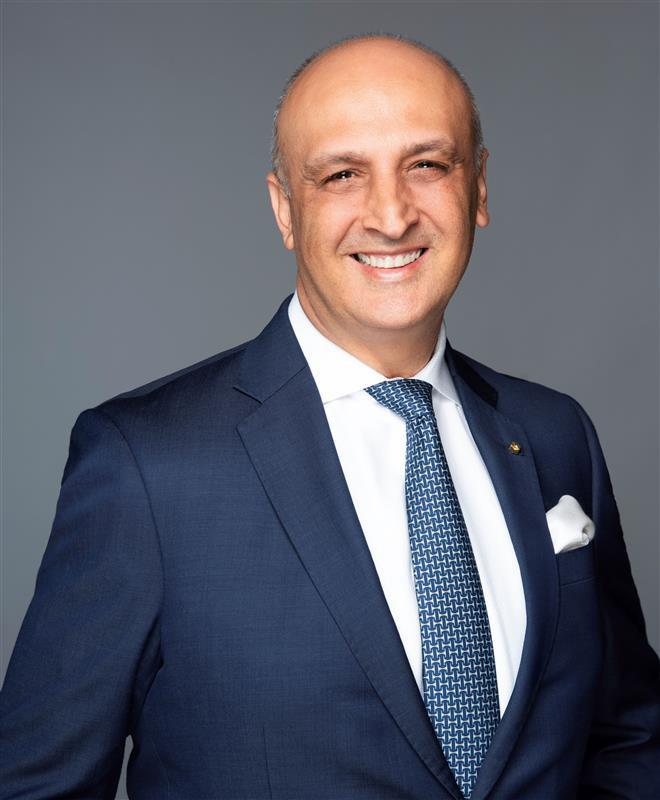
Sustainability… the “responsibility” that takes place in every business strategic plan. It has been evolving in hospitality industry so fast and became a defining pillar. It has been shaping the way hotels design their operations, strategize business, engage with guests, collaborate with governments, and contribute to the communities they serve inevitably. Today’s travelers increasingly seek and demand experiences that align with their environmental values without compromising comfort or luxury. By integrating innovative technologies, responsible sourcing practices, and resource-efficient operations, hotels can significantly reduce their environmental footprint while enhancing the guest experiences.
One of the most impactful sustainability initiatives is the implementation of smart room controls. Intelligent room management systems automatically regulate lighting, air conditioning, and other energy-consuming equipment based on occupancy. When guests leave their rooms, lighting and climate settings are adjusted to conserve energy, while personalized preferences can be restored upon their return. These systems not only improve energy efficiency but also provide guests with greater comfort and convenience through personalized, intuitive and technology-driven experiences.
Complementing smart technology is the installation of LED lighting throughout the property, which has already been happening in the industry over the years. LED lighting consumes substantially less electricity than conventional lighting while offering a much longer operational lifespan. By replacing traditional bulbs with energy-efficient LED fixtures in guestrooms, public areas, restaurants, meeting spaces, and outdoor landscapes, hotels significantly reduce electricity
consumption and maintenance requirements. The result is lower carbon emissions and a more sustainable operating model that benefits both the environment and the business.
Heating and cooling systems take up a significant portion of a hotel’s energy usage. Investing in high-efficiency HVAC systems enables hotels to optimize indoor comfort while minimizing energy consumption. Modern HVAC technologies utilize advanced sensors, variable-speed equipment, and intelligent controls to maintain ideal temperatures using considerably less energy than conventional systems. Regular maintenance practices and performance monitoring ensure that these systems continue to operate at peak efficiency, reducing greenhouse gas emissions while improving guest satisfaction.
Water conservation is another critical and hot component of responsible hospitality. Grey water recycling systems capture lightly used water from sinks, showers, and laundry operations, treating it for reuse in landscape irrigation, toilet flushing, and other non-potable applications. This has been happening over the decades and significantly reducing freshwater consumption and decreases the burden on municipal water resources. As water scarcity becomes an increasing global concern, grey water recycling represents a practical and effective solution for sustainable hotel operations.
Reducing plastic waste has become a global priority and practice as much as water, and many hotels have been embracing the elimination of singleuse plastics across their properties. Disposable plastic water bottles, drinking straws, stirrers, amenity bottles, and packaging are being replaced with refillable dispensers, reusable containers, biodegradable alternatives, and filtered
water stations. These initiatives help to reduce landfill waste and ocean pollution while demonstrating a strong commitment to environmental stewardship. Guests increasingly appreciate accommodations that actively minimize plastic consumption such as dry bathroom amenities and encourage responsible travel habits.
Sustainability also extends to culinary experience. By prioritizing locally sourced ingredients in menus, hotels have been reducing transportation emissions while supporting regional farmers and producers through their global programs. Fresh, locally grown produce often delivers superior flavor and nutritional value while strengthening the local economy. Establishing long-term partnerships with local farms and producers ensures consistent quality, promotes local agriculture, and creates authentic dining experiences that celebrate the destination’s unique culinary heritage.
As we continue with the subject of food, responsible seafood procurement is equally important. Offering sustainable seafood ensures that fish and shellfish

are sourced from responsibly managed fisheries and aquaculture operations that protect marine ecosystems and biodiversity. By selecting certified or responsibly harvested seafood, hotels contribute to the preservation of sea and ocean resources while providing guests with high-quality dining options. Sustainable seafood purchasing reflects a broader commitment to environmental responsibility throughout food and beverage operations.
Hotels can further strengthen ethical sourcing by serving fair-trade coffee and tea. Fair-trade certification helps ensure that farmers receive fair compensation, work under safe conditions, and adopt environmentally responsible agricultural practices. It is always great to recognize this responsibility at posters in certain worldwide coffee chains’ shops as they proudly display. Guests increasingly value products that support social equity alongside environmental sustainability. Providing fair-trade beverages allows hotels to contribute positively to global supply chains while delivering premiumquality refreshments.
Another effective approach to sustainable dining is the introduction of seasonal menus. Seasonal ingredients naturally require fewer resources for cultivation, storage, and transportation while showcasing the freshest produce available throughout the year. Seasonal menu planning encourages culinary creativity, reduces dependence on imported ingredients, and supports regional agricultural cycles. Guests benefit from unique dining experiences that evolve with the changing seasons while minimizing environmental impact. It is always great to miss the ingredients and taste during their own seasons.
Finaly, food waste… One of the hospitality industry’s sustainability challenges… Establishing ambitious food waste reduction targets supported by artificial intelligence (AI) have been enabling hotels to monitor, predict, and minimize unnecessary waste throughout food preparation and service, especially in buffet services. AI-powered analytics provided by a variety of companies can evaluate purchasing patterns, forecast guest demand, identify overproduction risk, and recommend portion adjustments in real time. Smart waste tracking systems provide valuable insights daily that help chefs optimize inventory, reduce spoilage, and improve kitchen efficiency. By leveraging AI, hotels can dramatically reduce food waste, lower operational costs, and decrease greenhouse gas emissions associated with discarded food, which is great.
Beyond food sourcing and related practices, hotels play an important role in strengthening local communities by supporting local artisans and suppliers. Incorporating locally crafted artwork, furniture, amenities, textiles, and specialty products throughout the property celebrates regional culture while generating economic opportunities for small businesses. Purchasing from local suppliers shortens supply chains, reduces transportation emissions, and creates authentic guest experiences that highlight the destination’s heritage and craftsmanship. This is amazing and adds fruitful experiences.
Creating a healthy environment for both guests and employees is another essential aspect of sustainability. Indoor air quality initiatives focus on improving ventilation, utilizing high-performance air filtration systems and reducing the use of harmful chemicals. Cleaner indoor air contributes to improved health, comfort, and overall wellbeing while supporting broader environmental goals. Hotels can
measure PM2.5 anytime to understand the quality of indoor air offered to guests and employees. Healthy indoor environments are increasingly recognized as a critical component of responsible hospitality management.
Sustainability cannot be achieved through a single initiative but through the integration of multiple responsible practices across every aspect of hotel operations. Smart technologies, efficient resource management, ethical sourcing, community partnerships, and innovative digital solutions collectively create a hospitality model that balances exceptional guest experiences with environmental and social responsibility. As the industry continues to evolve, hotels that embrace sustainability will be better positioned to meet the expectations of modern travelers, strengthen their communities, protect natural resources, and contribute meaningfully to a more sustainable future for generations to come.
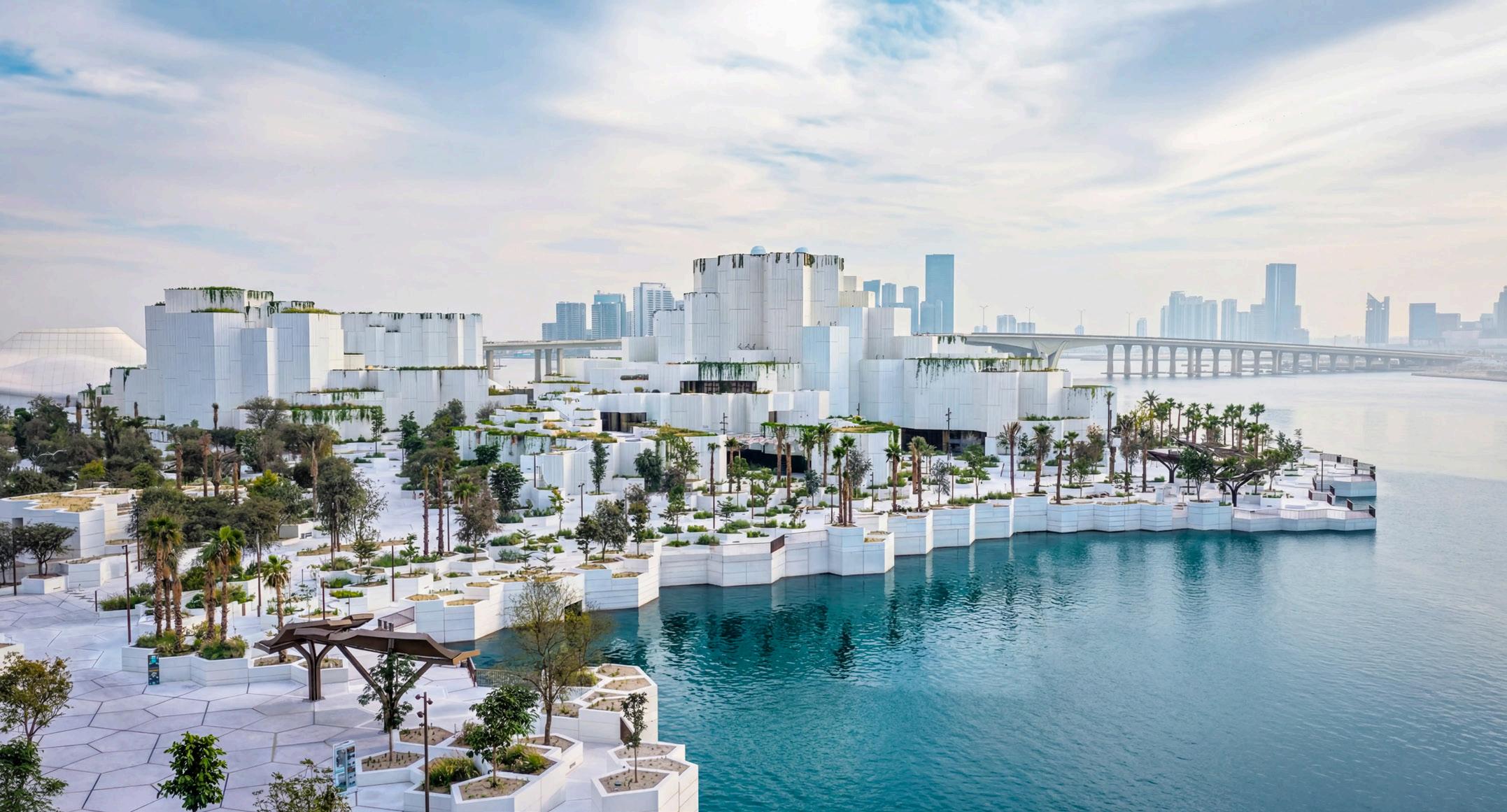
I have a habit that surprises people whenever I travel. While some visitors plan their itineraries around shopping districts or beach clubs, I look for museums and experience centres. They tell me more about a destination than almost anything else, revealing its history, culture and ambition in ways that stay with me long after I’ve returned home.
When my mum and I visited the Natural History Museum Abu Dhabi with our best friends, we both expected to enjoy it. What we didn’t expect was to experience it so differently. After about two hours of exploring, mum was ready to relax with a coffee, convinced she had seen the highlights. I was only just getting started and went along with my friends to see more.
Five hours later, I was still moving through the galleries, revisiting exhibits, reading every
By Natasha Dury
information panel and discovering details I had missed the first time around. Every corner seemed to reveal another story, another scientific discovery or another reminder of just how extraordinary our planet really is. For me, that is what makes a great museum. It does n’ot simply display objects; it creates curiosity.
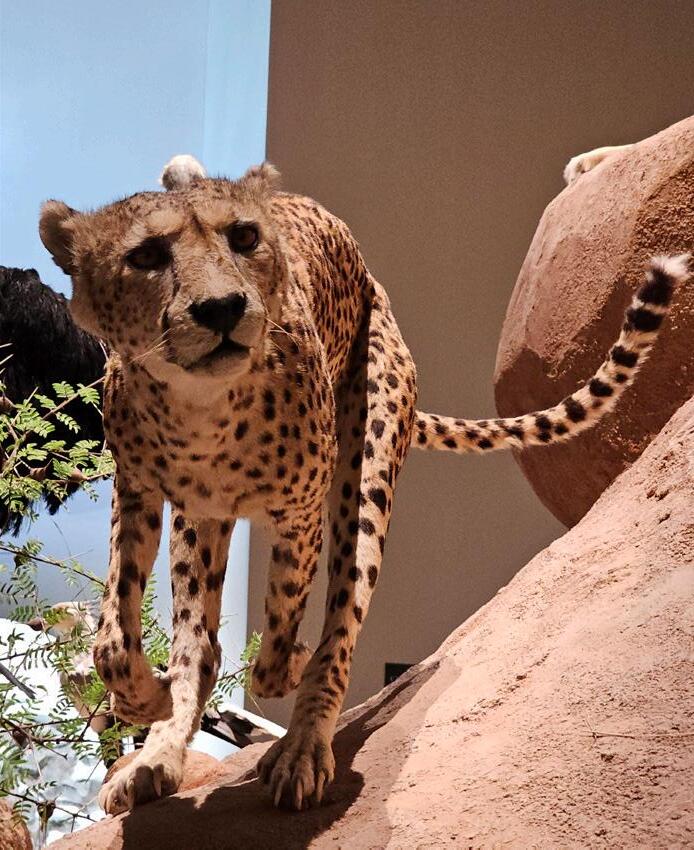
The Natural History Museum Abu Dhabi has been designed as an immersive journey rather than a collection of exhibits. From the moment you step inside, you are encouraged to explore at your own pace. The spaces flow naturally from one discovery to the next, making it easy to lose track of time as millions of years of Earth’s history unfold around you.
As someone who genuinely enjoys learning, I loved that the museum never felt overwhelming. The storytelling is engaging,
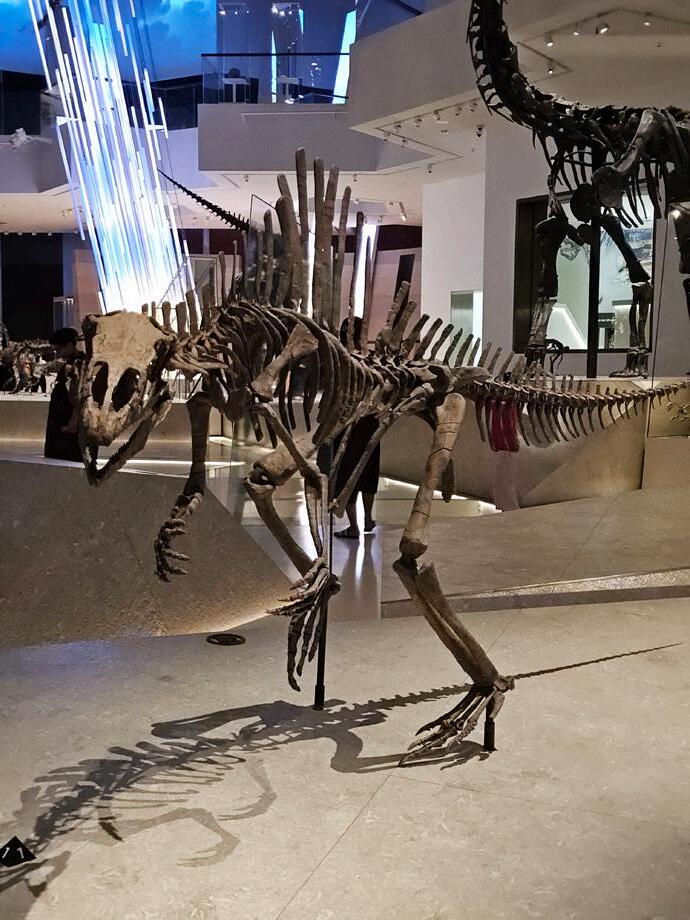
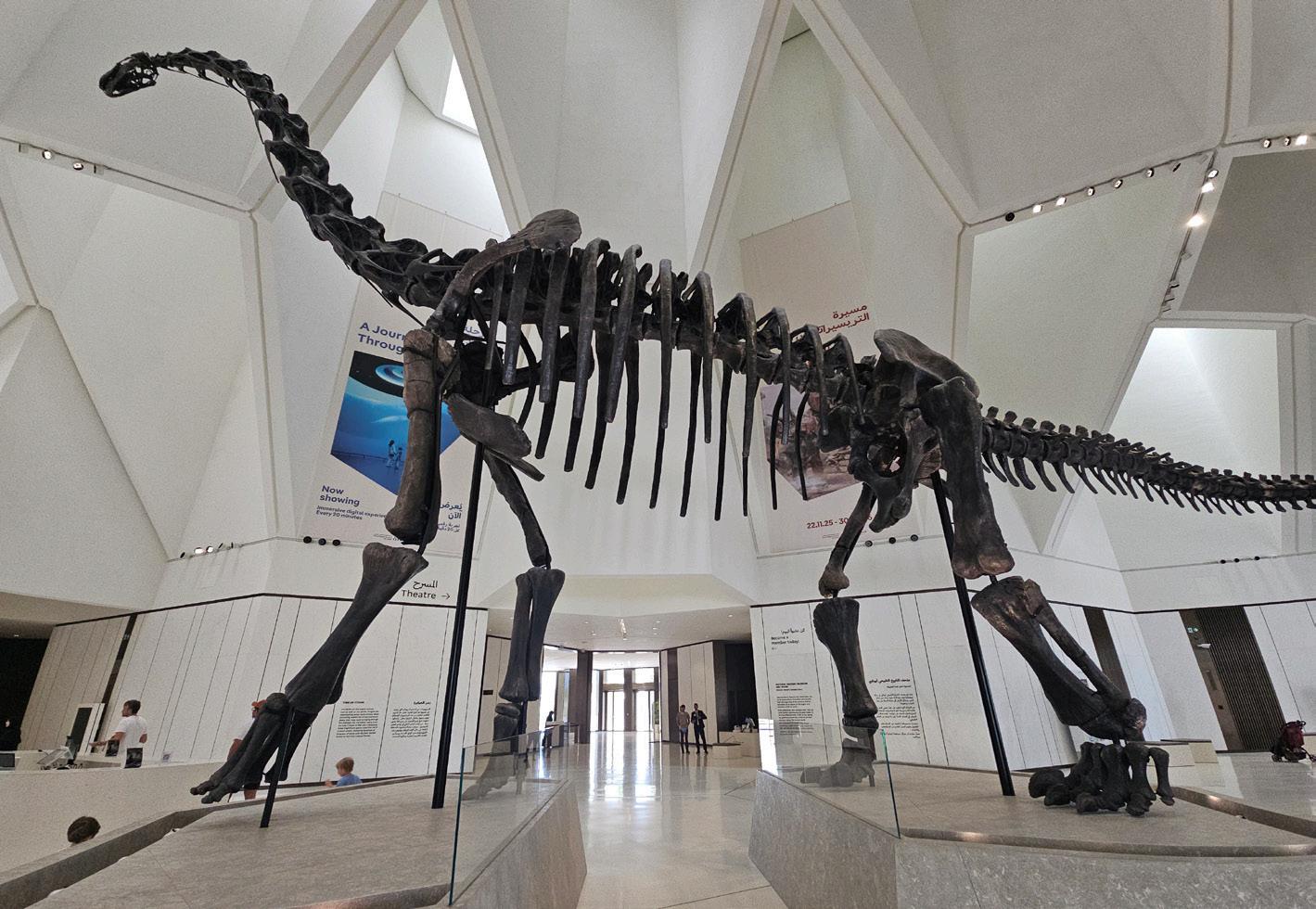
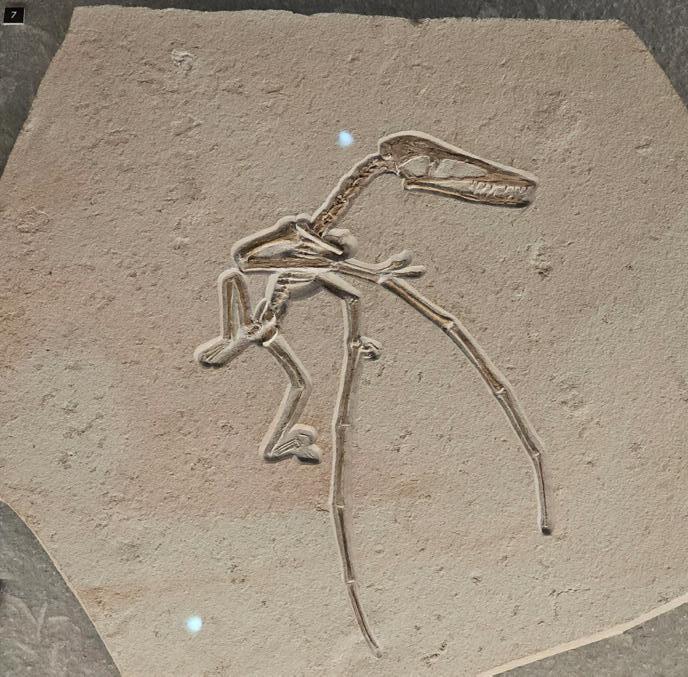
the displays are beautifully presented and the interactive elements make complex subjects accessible without ever feeling like a classroom lesson. Instead, every gallery invites you to ask questions, explore further and appreciate the incredible diversity of life that has shaped our world.
One of the things I appreciated most was that there was no pressure to rush. Unlike many attractions where visitors move quickly from one highlight to the next, this museum rewards curiosity. The longer you spend here, the more connections you begin to make between geology, evolution, wildlife and the future of our natural environment. It reminded me that the best travel experiences aren’t always about seeing more—they’re about understanding more.
I think that’s something many people in my generation value. We don’t just want photographs of the places we visit; we want experiences that leave us with new perspectives. Museums have become destinations in their own right because they combine education, technology, storytelling and design in ways that feel engaging rather than traditional.
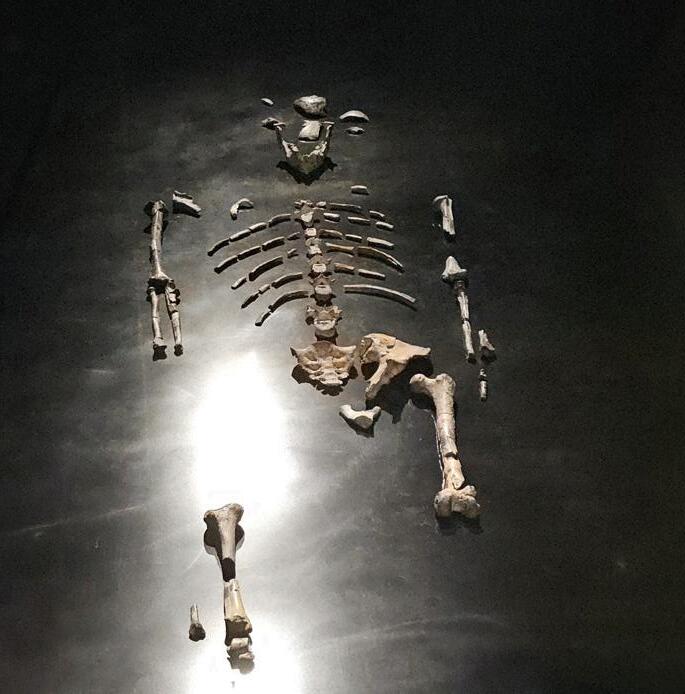
The Natural History Museum Abu Dhabi captures that perfectly. It encourages visitors of every age to slow down, look closer and discover something unexpected.
Whether you’re fascinated by prehistoric life, the evolution of our planet or the remarkable ecosystems that continue to shape it today, there is always another detail waiting to be uncovered.
By the time I finally met Mum again, I could not stop talking about everything she had missed while enjoying her coffee. We laughed about how differently we had approached exactly the same museum, yet both walked away inspired in our own way.
Perhaps that is the museum’s greatest achievement. It doesn’t ask visitors to experience it in a particular way. Whether you spend two hours exploring the highlights or five hours immersing yourself in every gallery, it rewards your curiosity.
As for me, I already know I will be back. Because somehow, I still don’t think I have seen everything.

Fortinet’s certification program helps expand cyber skills as organizations face persistent talent gaps
By Melonia Da Gama, Director of Training and Learning Programs at Fortinet
Despite cybersecurity being a critical business priority, many organizations still struggle to find, develop, and retain the skilled professionals needed to protect their organizations. Fortinet is helping address that challenge through a long-standing commitment to cybersecurity training and workforce development. Today, we are marking a major milestone in that effort: Fortinet has fulfilled its pledge made in 2022 and trained more than 1 million people in cybersecurity over five years.
This achievement, reached before the end of 2026, reflects more than just a number. It signals growing demand for practical cybersecurity education, recognized credentials, and clear pathways for people at every stage of their cybersecurity journey. The challenge goes beyond filling open roles. Organizations also need to help existing employees build practical skills, adapt to evolving technologies, and stay prepared for a threat landscape shaped by AI, cloud adoption, hybrid work, and increasingly complex digital operations.
This is why cybersecurity training and education matter. They are not optional. They are essential to building a safer digital world. Fortinet has long understood that bridging the cyber skills gap requires more than technology alone. It also requires accessible training, recognized credentials, and clear pathways for learners at every stage, from beginners to experienced cybersecurity professionals. That belief led Fortinet to establish the NSE Certification program in 2015 to deliver practical, real-world cybersecurity skills and knowledge.
The 2026 Fortinet Global Cybersecurity Skills Gap Report highlights the value of industryrecognized, certification-based training. According to the report, 91% of IT decisionmakers prefer candidates with technologyfocused certifications, and 92% would pay for an employee to become certified. The report also found that 92% are likely to invest in AI-
related cybersecurity training or certifications over the next 12 months.
These findings underscore a critical point. Certifications are not merely résumé enhancers. They help organizations identify practical capabilities in a field where technologies, threats, and job requirements change rapidly. They also provide employees with a structured way to build skills that can be applied directly to security operations, network defense, cloud security, secure access, and other critical areas.
This matters because the skills gap continues to undermine organizational resilience. Fortinet’s 2026 report found that 73% of respondents say boards are making cybersecurity a high business priority, even as many organizations continue to face hiring challenges and skill shortages. And as cyber risk becomes more visible at the executive and board levels, the ability to develop talent internally becomes a strategic requirement.
The Fortinet Training Institute supports a broad range of learners, from those exploring cybersecurity for the first time to experienced professionals seeking to deepen their expertise. The program provides training in foundational concepts, technical skills, and advanced-to-expert cybersecurity disciplines, helping learners and professionals build the knowledge needed to achieve real-world security outcomes.
This broad approach is essential. The cybersecurity workforce cannot grow fast enough if organizations rely solely on traditional hiring pipelines. Expanding the talent pool requires multiple pathways, including upskilling current employees, reskilling people from adjacent fields, supporting students and career changers, and helping security professionals validate and expand their expertise.
Fortinet’s certification program addresses that need by providing learners with a clear,
structured process and helping employers evaluate skills with greater confidence. The Fortinet training and certification site reports that 91% of organizations prefer to hire certified candidates and that 85% of IT decision-makers say they have someone on their team with a technology-focused certification.
For organizations, certifications create practical value. Certified employees can help strengthen security operations, improve the deployment and management of security technologies, and support more consistent execution across teams. For individuals, certifications can create new opportunities, validate capabilities, and provide a recognized path into or upward within the cybersecurity profession.
Reaching 1 million trained individuals signifies more than just a number. It highlights over 10 years of commitment to cybersecurity education and workforce growth. Fortinet’s achievement also showcases how increasing accessibility, practicality, and relevance of training benefits both learners and employers. The timing is crucial. AI is transforming not only how organizations secure their environments but also expanding what attackers can accomplish. Modern security teams require experts who understand networks, cloud platforms, identity management, applications, operations, and emerging AI-related threats. They also need a proven pathway for ongoing learning as these technologies continue to evolve.
That is why Fortinet’s commitment to training, upskilling, and reskilling people in cybersecurity remains so important. While the 1 million milestone marks measurable progress, it is not the endpoint. It is momentum.
The Fortinet Training Institute will continue to build on this success by helping learners gain practical cybersecurity skills, earn recognized certifications, and prepare for the demands of today’s and tomorrow’s digital environments.
By
Across the world, cyber resilience has traditionally been discussed through a relatively narrow lens - protecting government platforms, critical services and public-facing digital infrastructure from direct disruption or interference. But the threat landscape has become fundamentally more complex.
It is moving beyond systems alone and into the wider digital environment where public opinion is shaped, confidence is built and trust in institutions, identities and services is established.
In the Middle East, this shift carries its own weight. The region may not share the same electoral dynamics as Europe or the United States, but it is far from immune to politically motivated cyber activity. In fact, the Middle East has a unique stake in this conversation because of its ambitious digital transformation agenda, connected populations, expanding digital services and growing adoption of AI technologies across both the public and private sectors.
The objective for threat actors is no longer simply to compromise a system. It is to compromise confidence.
The evolution is already visible. Cyberattacks are no longer limited to disruption, espionage or financial gain. Threat actors are now combining technical compromise with efforts to exploit trusted channels, manipulate perception and create uncertainty. The result is a threat landscape where attacks target not only systems and data, but also the digital trust that underpins institutions, information, identities and connected services.
The impact across the region is significant. Organizations in the Middle East experienced an average of 2,554 cyberattacks per week over the past six months, compared to a global average of 2,078. At the same time, 77% of malicious files delivered in the region arrived through email, while information
disclosure vulnerabilities impacted 71% of organizations. These figures reveal an important reality: attackers are increasingly targeting the channels through which trust is established, identities are verified, information is exchanged and decisions are made.
When attacks move at this volume and velocity, and when AI is compressing the time between vulnerability disclosure and exploitation from months to hours, detection alone is no longer sufficient. Organizations need a prevention-first posture that stops threats before they cause disruption, not one that alerts after the damage has already begun.
Across the region, public trust is closely linked to confidence in national institutions, economic reform, public services, digital government initiatives and the broader digital experiences through which citizens engage
with them. When a ministry announces a new policy, when a government launches a national programme, or when a regional crisis unfolds, citizens increasingly receive, interpret and respond to information through digital channels.
This means the digital layer surrounding governance is no longer separate from governance itself. It has become part of how trust is built and maintained.
If that layer is manipulated, the consequences can quickly move beyond traditional cyber risk into reputational, societal and institutional risk. A cloned website can impersonate a trusted institution. A compromised email account can be used to amplify misleading information. A stolen credential can exploit an established relationship of trust. A convincing deepfake can create confusion precisely when clarity is most needed.
None of these scenarios necessarily require direct access to critical systems. They require access to attention, credibility and trust. This is what makes the challenge fundamentally different.
Influence operations succeed because they exploit speed, emotion and uncertainty. In moments of regional tension, economic pressure or policy change, false information can travel faster than verification. By the time a correction is issued, the damage may already be done. Screenshots circulate. Social media and messaging platforms amplify rumours.
Anonymous accounts shape narratives. AIgenerated content adds a new layer of realism that makes manipulation more difficult to detect. The objective is often not to convince everyone of a falsehood, but to create enough doubt that trust in reliable information begins to erode.
For governments and organizations across the region, this creates a new resilience challenge, one that cannot be solved by technical controls operating in isolation.
Cyber security can no longer be viewed as a purely technical discipline owned exclusively by IT teams or security operations centres. It now sits at the intersection of national security, information integrity and public confidence. Technical compromises increasingly serve broader influence objectives, blurring the line between cyber incidents, identity abuse and information operations.
This is particularly relevant in the Gulf, where national visions are accelerating investments in AI, digital identity frameworks, cloud platforms, smart cities and connected infrastructure. These initiatives create
enormous economic and societal value, but they expand the digital surface across which trust must be established and maintained.
As digital transformation accelerates, trust itself has become a critical dependency. The success of a digital service, an AI-powered platform, a digital identity programme or a public-sector innovation depends on whether people trust the information, identities and systems behind it. Protecting that trust requires a unified, prevention-first approach, one that treats security not as a collection of disconnected tools but as an integrated architecture that shares intelligence across every layer of the digital estate.
The Middle East’s response must be proactive, and it must reflect the reality that fragmented, reactive security cannot protect digital trust at scale.
Organizations need far more than periodic vulnerability assessments. They need a clear, continuous understanding of their external digital footprint, including publicfacing assets, executive identities, cloud environments, third-party relationships and communication channels. Unknown or unmanaged exposures create opportunities for attackers to impersonate trusted entities, exploit vulnerabilities and establish infrastructure for future campaigns. The goal must shift from visibility alone to measurable, continuous risk reduction, closing the gap between knowing about an exposure and acting on it before attackers do.
Email, collaboration platforms, digital workspaces and cloud applications have become the primary attack surface for modern organizations and the primary surface through which trust is delivered. The workspace is where humans interact with AI, with each other, and with sensitive data.
When a trusted identity is compromised, the impact often extends beyond a single account; it influences decisions, enables deception and undermines confidence in legitimate information and services. AI has made phishing faster, more personalised and virtually indistinguishable from legitimate communication which means prevention must be embedded directly into email, endpoint, browser and collaboration layers as a unified capability, not managed as separate, siloed tools.
3. SAFEGUARD INFORMATION INTEGRITY
Governments and major institutions need clear mechanisms for verifying official information before a crisis occurs. Citizens, employees and stakeholders should have clear
ways to distinguish authoritative information from misleading content. In an environment where AI can generate convincing synthetic content at scale, the ability to establish authenticity becomes essential. This is not only a communications challenge; it is a security architecture requirement.
BREAK DOWN OPERATIONAL SILOS THROUGH A UNIFIED SECURITY APPROACH
Influence campaigns rarely operate within a single domain. A phishing email, a compromised identity, a cloned website, an AI-generated video and a coordinated social media campaign may all be components of the same operation. Effective defence requires shared intelligence, coordinated responses and unified visibility across traditionally separate environments. When signals from network, cloud, workspace and external threat intelligence are viewed in isolation, critical context is missed. Organizations that unify policy, intelligence and enforcement across their entire security estate, rather than managing disconnected tools, are far better positioned to detect and prevent multi-vector campaigns before they achieve their objective.
The same technologies enabling governments and organizations to innovate faster, deliver smarter services and unlock new efficiencies can also be exploited to scale deception, automate reconnaissance and increase the sophistication of influence campaigns. AI is now embedded across both sides of the equation. Securing the AI transformation means protecting employee AI usage, AIpowered applications, autonomous agents and the infrastructure that runs them while simultaneously using AI to strengthen defence, detect synthetic content, identify abnormal behaviour and accelerate response. Organizations that treat AI security as a separate workstream from their broader cyber strategy will find themselves exposed on both fronts.
As digital transformation accelerates and AI becomes embedded in how societies operate, protecting systems, data and identities will remain essential.
But the resilience of digital societies will increasingly depend on the ability to protect digital trust through prevention-first security, unified intelligence, continuous exposure reduction and a clear-eyed understanding that AI is reshaping both the threat and the defence.
Because the target is not always the system itself. Increasingly, the target is trust.
WITH AI ACCELERATING BOTH THE SPEED AND SOPHISTICATION OF CYBERATTACKS, THE WINDOW TO RESPOND HAS NEVER BEEN SMALLER.
President
Manager,

NetApp® (NASDAQ: NTAP), the Intelligent Data Infrastructure company, and Cisco, (NASDAQ: CSCO) today announced an expansion of their collaboration to help customers strengthen defense-in-depth strategies for customers. Combining Intelligent Data Infrastructure with advanced analytics and observability capabilities, NetApp and Splunk have delivered deep, real-time visibility into storage and infrastructure health.
Together, they are helping customers turn operational data into actionable insights that improve reliability, security, and business outcomes. By expanding their collaboration with the new NetApp Splunk Security Orchestration, Automation, and Response (SOAR) playbook, NetApp and Splunk are helping joint customers contain ransomware attacks and limit data loss at the storage layer, enhancing the containment of the blast radius of cyberattacks while increasing the speed and reducing the cost of recovery.
“With AI accelerating both the speed and sophistication of cyberattacks, the window to respond has never been smaller,” said Sandeep Singh, Senior Vice President and General Manager, Platform at NetApp. “To limit the cost and impact of ransomware, organizations must act the moment a threat is detected, which means extending security automation into the storage layer where data lives. As the company delivering the most secure storage on the planet, NetApp is uniquely positioned to make storage an active part of a defense-in-depth strategy. By working with Cisco to enable Splunk SOAR workflows to take direct action on data stored in NetApp ONTAP®, we’re helping make a defense-indepth security strategy simpler and more effective.”
To give customers the resiliency and flexibility they need to protect their data, Cisco and NetApp are releasing the NetApp Splunk SOAR playbook. Splunk Enterprise Security is already integrated with NetApp Ransomware Resilience to collect analytics from the data layer, enhancing incident triage and prioritization. With the new playbook, Splunk SOAR users can now use those signals as well as signals
from other solutions to automatically take incident response actions directly on NetApp ONTAP storage as an integral part of their incident response.
These actions include blocking a suspicious user, taking snapshots of the data and taking data volumes offline to protect against further infection. As a result, customers will be better able to contain ransomware attacks and limit data loss at the storage layer. Utilized as part of the organization’s defense in depth security strategy, the NetApp Splunk SOAR playbooks help to strengthen collaboration between security and storage teams.
Automating the response and recovery actions against cyber threats with the NetApp Splunk SOAR playbook improves security team metrics like mean time to contain (MTTC) and reduces the manual effort and skills required to protect data. As a result, NetApp and Cisco are making it faster and more efficient for enterprises to achieve cyber resilience.
“Effective security strategies require visibility and action across the entire technology stack, including the data layer,” said David Dalling, GVP, Splunk Security at Cisco. “With the new NetApp Splunk SOAR playbook, ONTAP storage becomes an active participant in the security ecosystem, enabling organizations to contain threats directly targeting enterprise data. By connecting NetApp storage into Splunk SOAR workflows, we’re helping security and storage teams collaborate more seamlessly and respond to incidents with greater speed and confidence.”
“The partnership between Splunk and NetApp helps customers run their businesses more securely and effectively, connecting operations across storage and security teams,” said Dallas Olson, Chief Commercial Officer at NetApp. “By giving customers real-time visibility into what’s happening across their environments, NetApp and Splunk enable enterprises to reduce disruption and optimize performance so they can use their data to drive measurable business outcomes.”

How commercial aviation’s perfect storm is reshaping demand for private charter
In an increasingly turbulent aviation landscape where delays, cancellation, strikes, and airport congestion are becoming worryingly familiar, private and charter aviation offer a more dependable alternative. Marton Modis, Chief Commercial Officer for VIP operations at premium VIP charter and ACMI provider KlasJet, shares an insider view on the changing business travel environment.
The European airline industry is facing a convergence of pressures with few precedents. The closure of the Strait of Hormuz has pushed jet fuel prices to $150–200 per barrel, prompting carriers such as Lufthansa to cut tens of thousands of short-haul flights.
Unresolved ATC strikes across France, Spain and Italy are compounding the disruption, while Eurocontrol data shows these three countries already account for two-thirds of all enroute flow management delays. The result is a commercial aviation network under sustained, structural pressure, and you have the perfect storm.


The natural assumption may be that this level of instability in commercial air travel would lead to a rise in charter travel, but the picture is far more nuanced than that. As Marton Modis, Chief Commercial Officer for VIP operations at KlasJet, explains:
“The current political landscape has affected aviation massively. All of this has created a ton of uncertainty: airlines are reducing routes; passengers are more hesitant to spend big on travel. For us, it has created an even bigger divide. Clients who fly with us regularly are now more reliant on us than ever, but those for whom chartering is not business-critical are being very cautious.”
Although there was an uptick in enquiries after the initial wave of disruptions, the situation
has now stabilised, and volume is roughly in line with 2025. Modis, however, is quick to strike a note of caution. “This year is a little out of balance, born out of the uncertainty in the market.”
Nonetheless, from this challenging and complex picture a new client segment is emerging for the charter industry: organisations and individuals who had hitherto relied on commercial aviation for their business and critical travel.
“Corporate delegations, sports teams, government clients and family offices who mostly stayed away from chartering are now facing a choice: cancel, which is not always feasible or increase budgets and choose
charter. We work with these clients to limit their financial exposure while building longterm relationships, in the hope they will still come back to chartering even when the commercial aviation industry recovers.”
This new segment brings with it a new suite of requests, Modis continues.
“We’re seeing last minute schedule recoveries, where a group needs to get airborne after their commercial connection has collapsed. This kind of request drove demand early in the year. But now that businesses are becoming more aware of the surrounding structural pressures, they have started planning ahead. And this means they are placing more emphasis on having a reliable partner.”
This expansion in client base reflects a broader redefinition of the notion of luxury, as Modis is quick to emphasize:
“Luxury is today defined less by sparkle and gold than it is by convenience, speed, comfort and agility. Our job is to highlight that while our service is rooted in traditional luxury values, our operations are designed to serve these more modern definitions. For clients weighing the cost of a charter against the cost of a missed connection, the conversation isn’t really about price or glitter. It’s about risk management.”
The charter model offered by operators such as KlasJet is one that is engineered for unpredictability. Whenever needed, the client’s booking can come with A, B and C plan options to ensure that eventualities are covered. The team monitors each flight in real time, with schedule changes being made proactively, before the client even is aware of any issues. As Modis illustrates:
“If an airport announces a strike from 12 UTC, we make sure to depart beforehand, communicating with the client at every step. Flexibility and communication are key – no surprises.”
With ATC strikes so far unresolved in Spain and France, a Lufthansa pilot workforce holding a near-unanimous strike mandate, and the Strait of Hormuz showing no imminent resolution, the pressure on commercial aviation is unlikely to ease before peak season begins. KlasJet’s June–September schedule is already full with long-lead bookings alongside same-day requests and with the FIFA World Cup in the United States adding further weight to an already unpredictable year. For clients with fixed travel obligations, the window to secure capacity is narrowing.
“Chartering is already a major and critical element of business travel. We expect that this will be even more significant going forward and KlasJet is ready to meet that demand.”
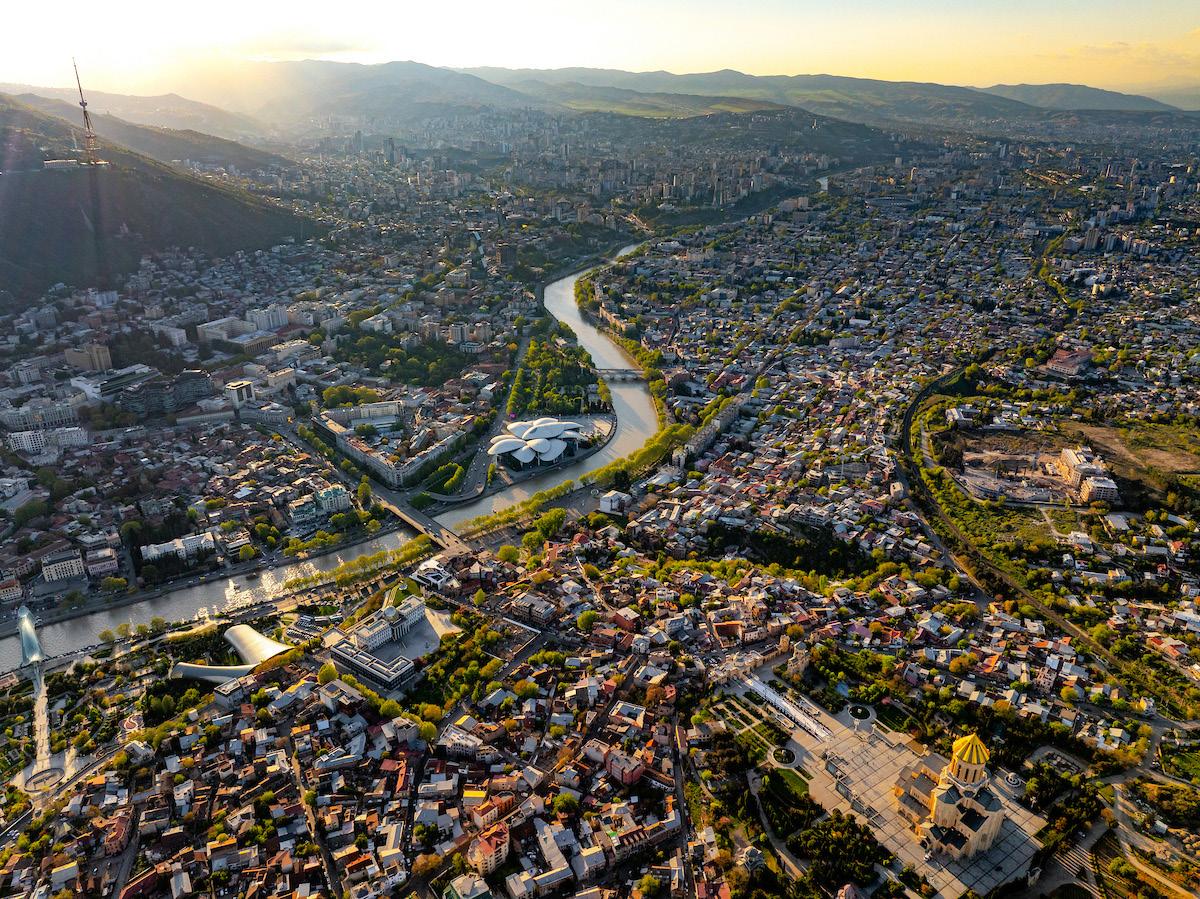
Returning to Georgia is a little like meeting an old friend. The familiar warmth is still there, but every conversation reveals something new. On my first visit, the dramatic journey to Kazbegi, with its soaring mountain landscapes and the iconic Gergeti Trinity Church framed by snow-capped peaks, left an unforgettable impression. This time, however, I deliberately stepped beyond the country’s best-known highlights to discover new regions, hidden experiences and a slower, more authentic side of one of the Caucasus’ most captivating destinations.
By Shereen Shabnam
There is something wonderfully effortless about travelling through Georgia. Distances are manageable, the scenery changes dramatically within a few hours, and every stop introduces another chapter in the country’s rich history.
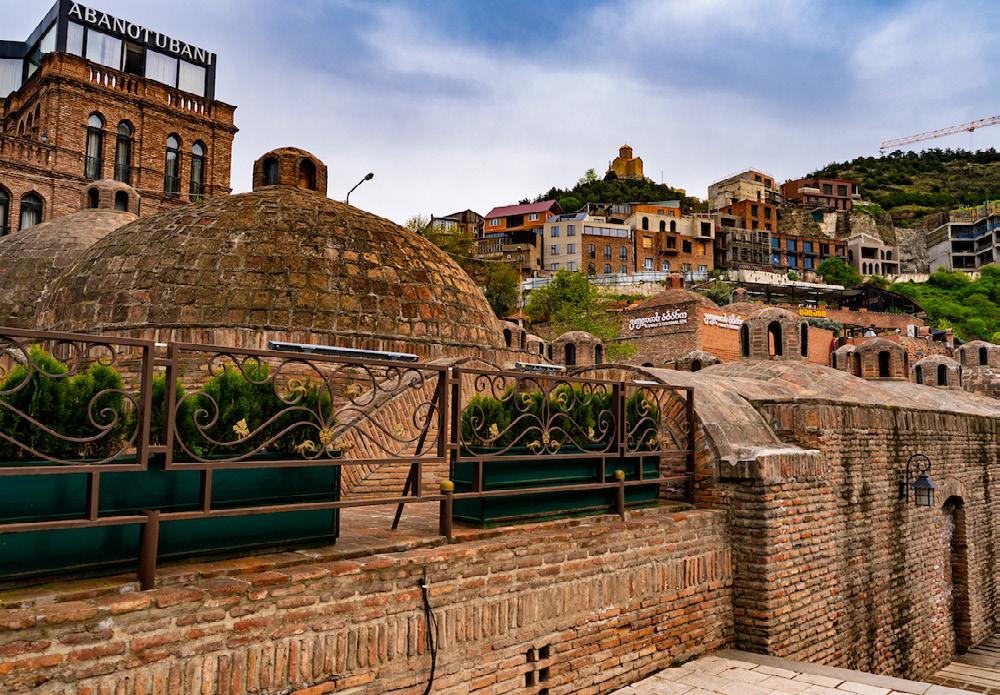
My journey began in Tbilisi, a city I never tire of returning to. Even after previous visits, the Georgian capital always feels fresh. The old town, with its colourful timber balconies, cobbled streets and eclectic architecture, blends centuries of history with an unmistakably youthful energy. Every corner seems to reveal
another hidden courtyard, artisan gallery or café filled with locals lingering over coffee.
Dinner on my arrival at Oilibuli Restaurant was the perfect start to Georgian hospitality. Like every meal throughout the journey, it reinforced why Georgian cuisine deserves far more global recognition. From traditional family recipes to contemporary interpretations, every meal became an experience rather than simply another stop on the itinerary. Leaving Tbilisi behind, we headed east into Kakheti, Georgia’s celebrated wine region.
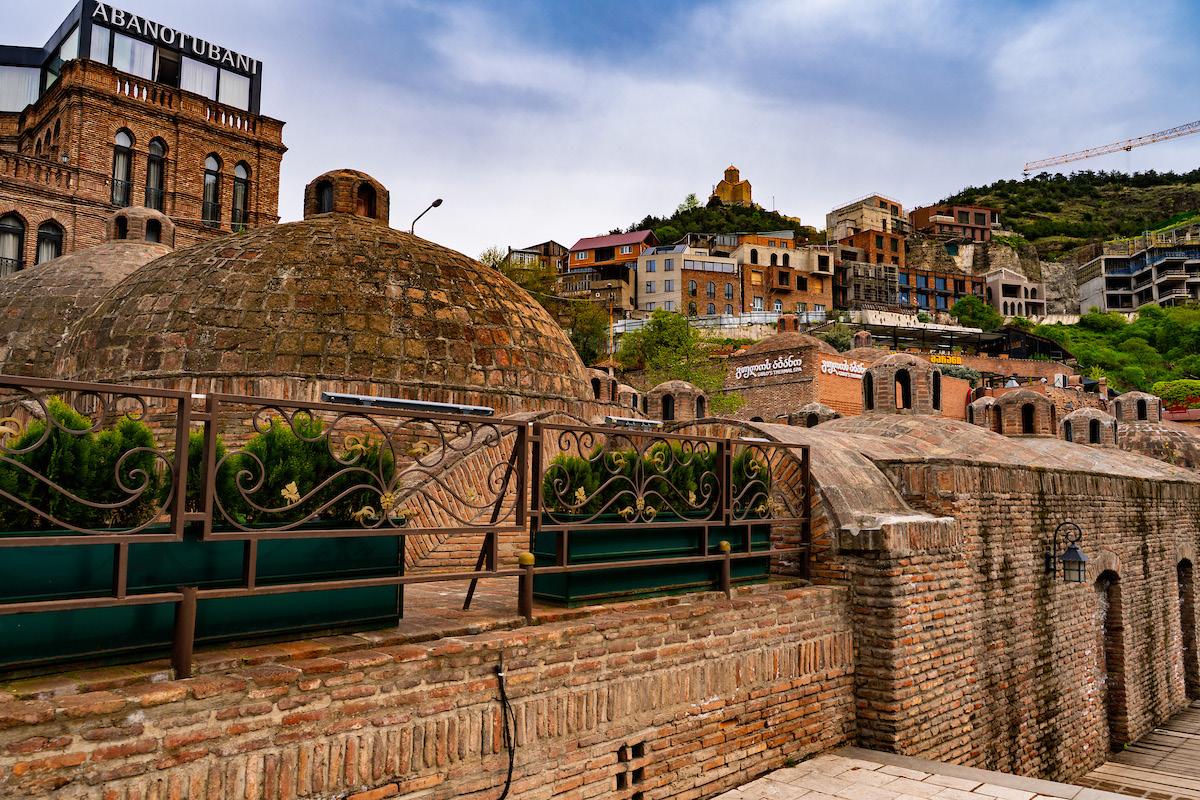

Rolling vineyards stretched towards the Caucasus Mountains while sleepy villages appeared almost untouched by time. Our destination was Sighnaghi, affectionately known as the City of Love.
Small enough to explore on foot, Sighnaghi possesses a romantic charm that few European towns can rival. Its beautifully restored pastel houses, ancient defensive walls and sweeping valley views make it easy to understand why visitors linger here far longer than planned. Walking along the old fortifications, I found myself pausing repeatedly to absorb the endless landscape unfolding below.
Nearby, the remarkable Kvareli tunnel offered one of the most unusual grape curation experiences I have encountered. Originally constructed as a military tunnel during the Soviet era, it has since been transformed into an immense underground drinks cellar where thousands of bottles mature naturally beneath the earth.
The following morning, curiosity led us to the Caucasus’ first outlet village for retail therapy before another afternoon immersed in Georgian hospitality followed by one of the journey’s greatest surprises, Dashbashi Canyon.
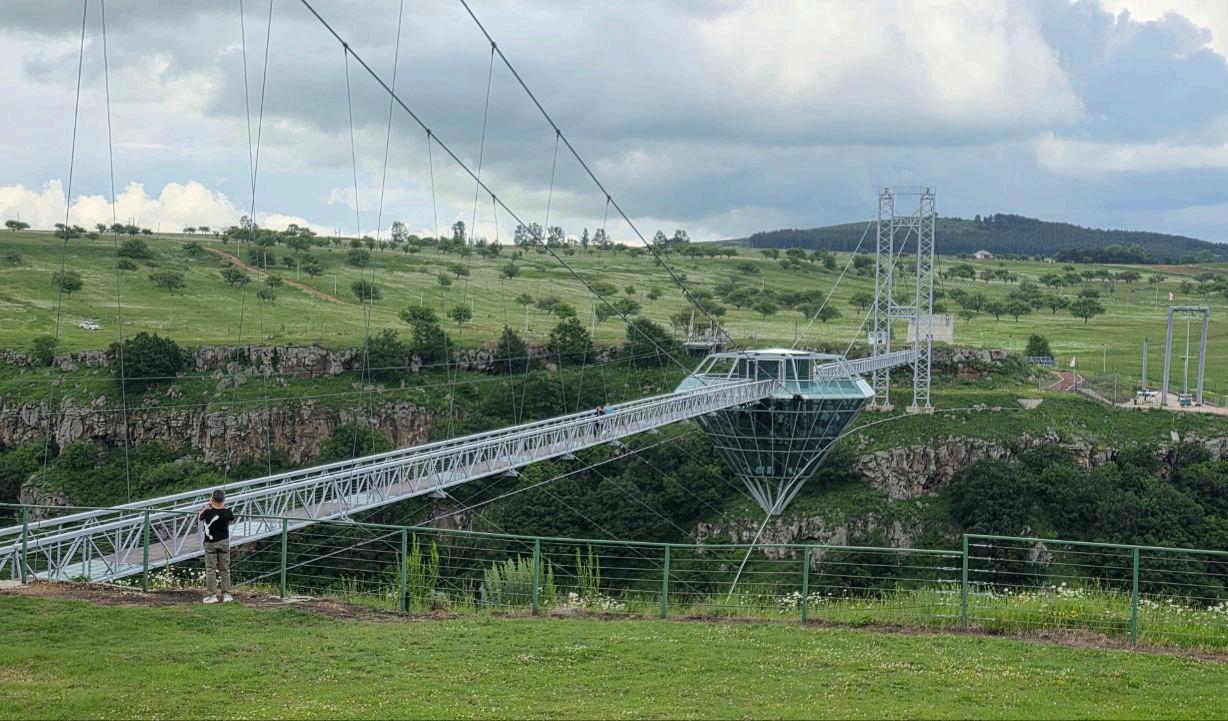
While Georgia’s mountain scenery often dominates travel brochures, this spectacular volcanic gorge offers an entirely different perspective on the country’s natural diversity. Lush greenery cascades down dramatic cliffs towards waterfalls hidden below, while the now-famous glass sky bridge provides an unforgettable viewpoint suspended high above the canyon floor.
After a night in Tblisi, our adventure then shifted west towards Kutaisi, one of Georgia’s oldest continuously inhabited cities. Along the way, Prometheus Cave revealed a hidden underground world sculpted over
The evening concluded at Lopota Lake Resort & Spa, nestled in the peaceful Lopota Valley. Surrounded by vineyards, forests and mountain ridges, the expansive resort feels less like a hotel and more like its own destination. As daylight faded across the lake, it became one of those rare places where silence itself becomes part of the luxury.

millions of years. Towering stalactites, shimmering stalagmites and softly illuminated chambers create an almost surreal landscape that feels closer to fantasy than geology. Walking through the vast caverns is a reminder that some of nature’s greatest masterpieces remain hidden beneath our feet.
Kutaisi itself quickly became one of my favourite discoveries. We experienced Gemo Fest, the Georgian National Tourism Administration’s travelling gastronomic festival celebrating regional food traditions and local producers. Although I will save the country’s remarkable cuisine for another story, the festival offered a fascinating glimpse into how proudly Georgians preserve their culinary heritage.
Our boutique hotel, immediately charmed me with its intimate atmosphere, but it was an unexpected resident parked outside that truly caught my attention in form of a beautifully preserved powderblue 1963 Volga.
As someone who has spent decades writing about automobiles, stumbling across this elegant piece of Soviet motoring history was a delightful surprise. It felt entirely at home against Kutaisi’s timeless backdrop.
Returning to Tbilisi, I embraced one of the city’s oldest traditions at Gulo’s Thermal Spa in the historic Abanotubani district. Georgia’s famous sulfur baths have welcomed travellers for centuries, and soaking in the naturally heated mineral waters provided the perfect opportunity to slow down after several days of exploring. The experience felt authentic, restorative and deeply connected to the city’s identity.
The same day we had lunch at Kneina, a beautifully restored traditional Georgian home where lunch is prepared by an inspiring mother-and-son team. Rather than simply serving guests, they welcome visitors into their family story.
My final full day was spent wandering through the underground market, a treasure trove of antiques, vintage cameras, memorabilia, artwork and handcrafted souvenirs. Every stall seemed to tell another story about Georgia’s complex past, and browsing became an unexpected history lesson as much as a shopping experience.
Later, I wandered once again through Old Tbilisi, where ancient churches stand comfortably alongside synagogues, mosques and colourful wooden balconies overlooking winding streets. It remains
one of Europe’s most visually distinctive historic quarters, constantly inviting visitors to slow down and simply observe everyday life unfolding around them.
My final evening ended at the wonderful Georgia House, where traditional music filled the dining room long into the night. Surrounded by locals and visitors alike, the live performances captured something difficult to describe but impossible to forget.
It was the perfect farewell to a country where hospitality simply comes naturally and I hope to return for a road trip experience next, hopefully in a vintage car to add to the experience.
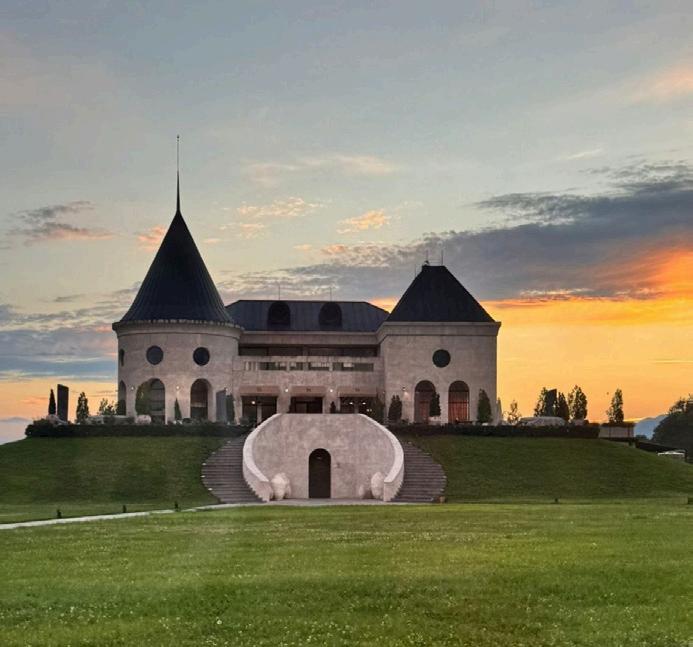

By Shereen Shabnam
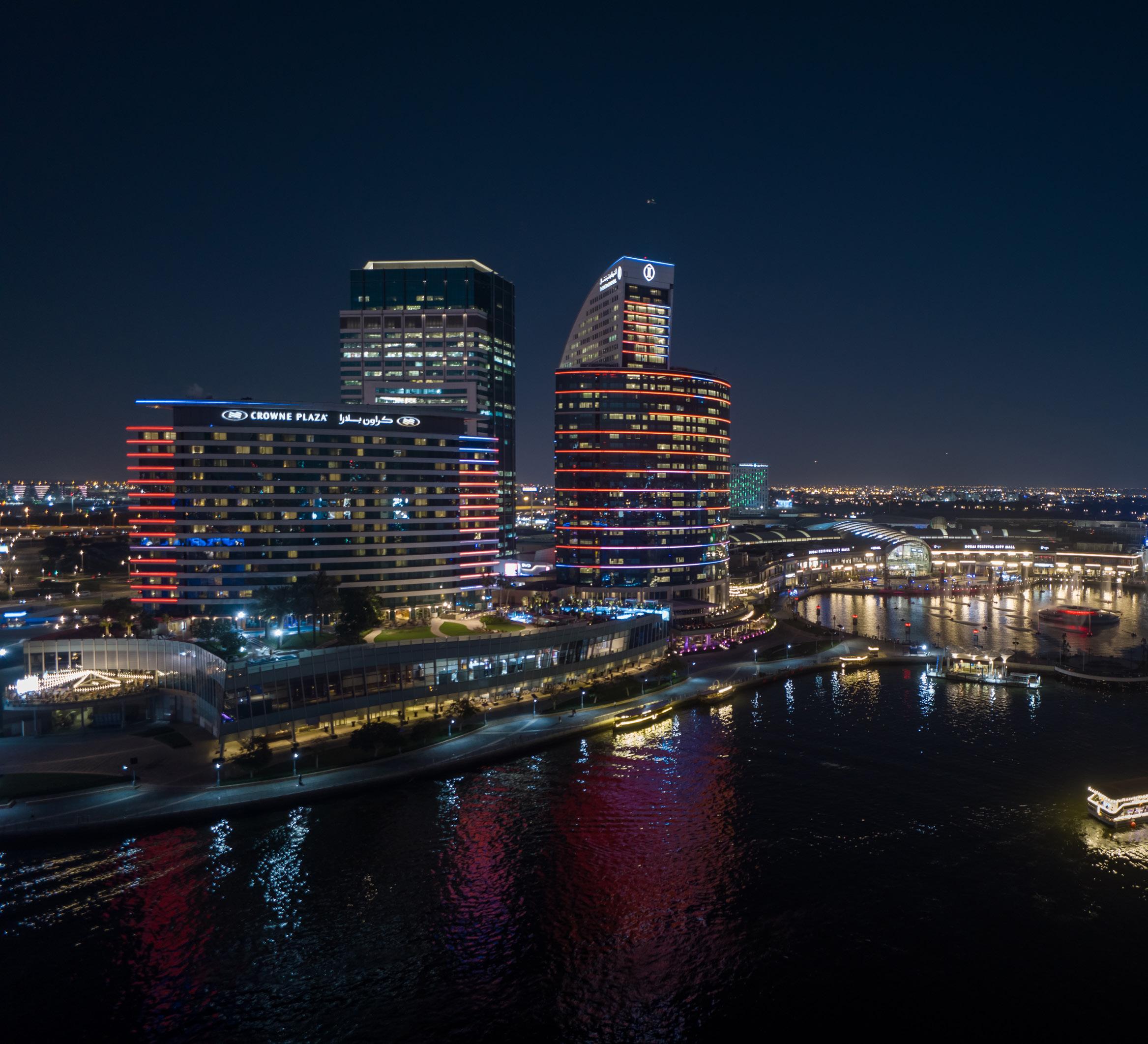
Some hotels quietly become part of the memories you create there. My recent two-night stay at InterContinental Dubai Festival City was exactly that. It was for a birthday celebration for my husband the experience reminded me why some hotels continue to stand out, not through extravagance alone, but through genuine hospitality and thoughtful experiences.
Despite having visited the property countless times over the years for events and meetings, staying as a guest offered a completely different perspective.
It allowed me to appreciate not only the hotel’s elegant surroundings but
also the seamless way it blends luxury, convenience and warm service.
One of the first things that captures your attention is the setting. Overlooking Dubai Creek, the hotel enjoys one of the city’s most relaxing waterfront locations. During the day, the ever-changing views across the water create a welcome sense of calm, while evenings bring the spectacular IMAGINE light and laser show, transforming the creek into a vibrant canvas of colour and music. Watching the reflections dance across the water from the comfort of the hotel adds a memorable touch to the experience.
The rooms reflect the understated elegance that has long defined the InterContinental brand. Spacious, beautifully maintained and thoughtfully designed, they provide a comfortable retreat after a busy day.
Floor-to-ceiling windows make the most of the waterfront setting, allowing natural light to fill the room while framing the city skyline beyond.
For me, however, memorable hotel stays are often defined by the people rather than the facilities, and this was especially true at Anise, where breakfast became one of the highlights of our stay.

The extensive buffet offers an impressive journey through international cuisines, with freshly prepared dishes, vibrant fruit selections, artisan pastries and made-toorder favourites catering to every palate. The genuine warmth of the team wss what I loved most. Every interaction felt personal, attentive and sincere, creating an atmosphere that encouraged guests to slow down, enjoy another cup of coffee and savour the morning rather than simply rushing through breakfast.
Dinner at Karam Al Bahr proved equally memorable. Known for its seafood cuisine, the restaurant delivers beautifully prepared dishes that celebrate
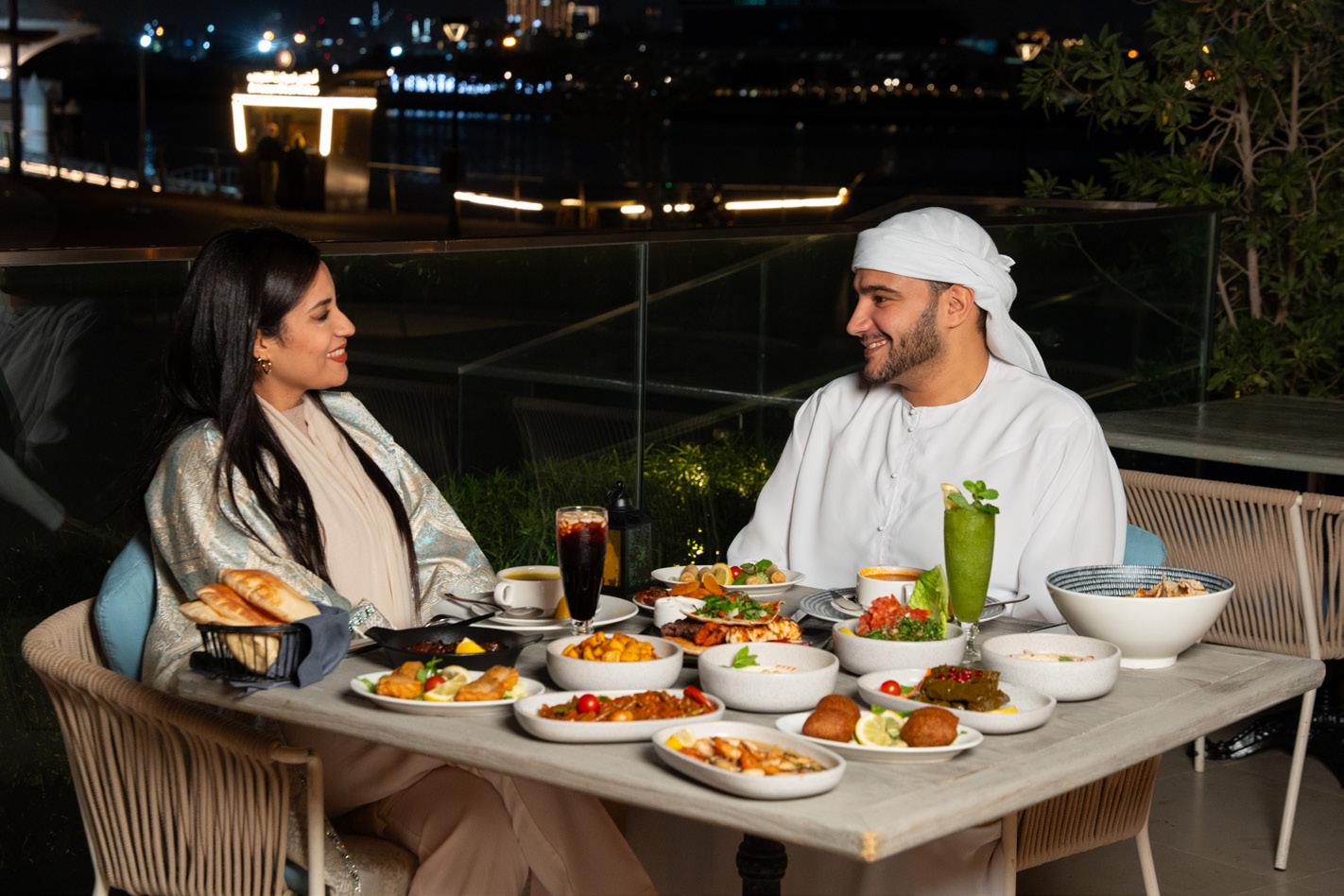
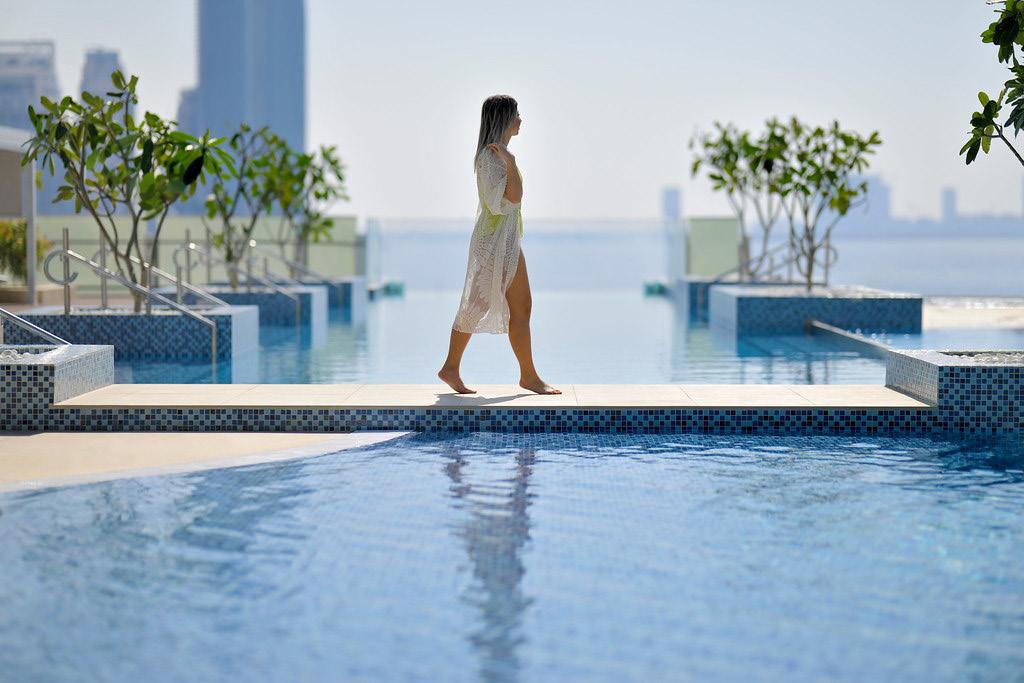
the freshness of the ingredients without unnecessary complexity. From perfectly grilled seafood to authentic flavours inspired by the Mediterranean coast, the meal offered a fitting centrepiece for our celebration. We also had dinner the next day at Vista which had great food, great views and a relaxed, inviting atmosphere.
One of the hotel’s greatest advantages is its direct connection to Dubai Festival City Mall. Without stepping outdoors, we had immediate access to an excellent mix of international retail brands, cafés and entertainment.
I am a big fan of Marks and Spensers so enjoyed some retail therapy, had a leisurely afternoon stroll through the mall and loved the convenience of having everything within easy reach.
It is this combination of luxury accommodation, outstanding dining, genuine hospitality and effortless convenience that makes InterContinental Dubai Festival City so appealing. I found it perfect for a romantic celebration and a family staycation as my daughter was with us for the stay. It was a great weekend escape without leaving the city.
As someone fortunate enough to experience many hotels around the world, I have learned that true luxury is rarely defined solely by beautiful rooms or impressive architecture. It is found in the warmth of the welcome, the attentiveness of the staff and the moments that leave you smiling long after you have checked out and the InterContinental Dubai Festival City delivered all of those moments during our stay.
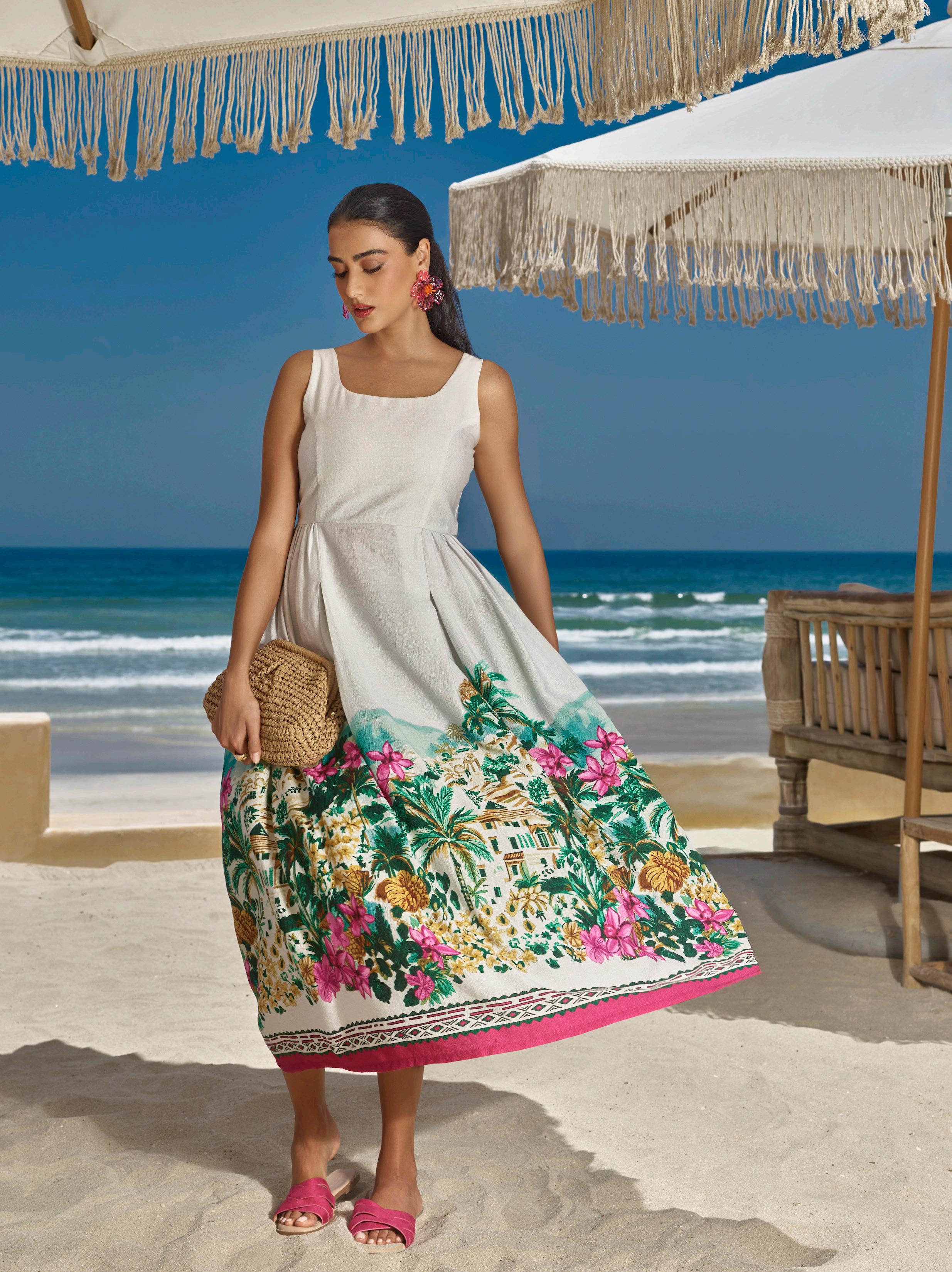
Max Fashion’s High Summer Women’s Collection captures the carefree spirit of the season with vibrant colour, resortinspired silhouettes and effortless everyday style.
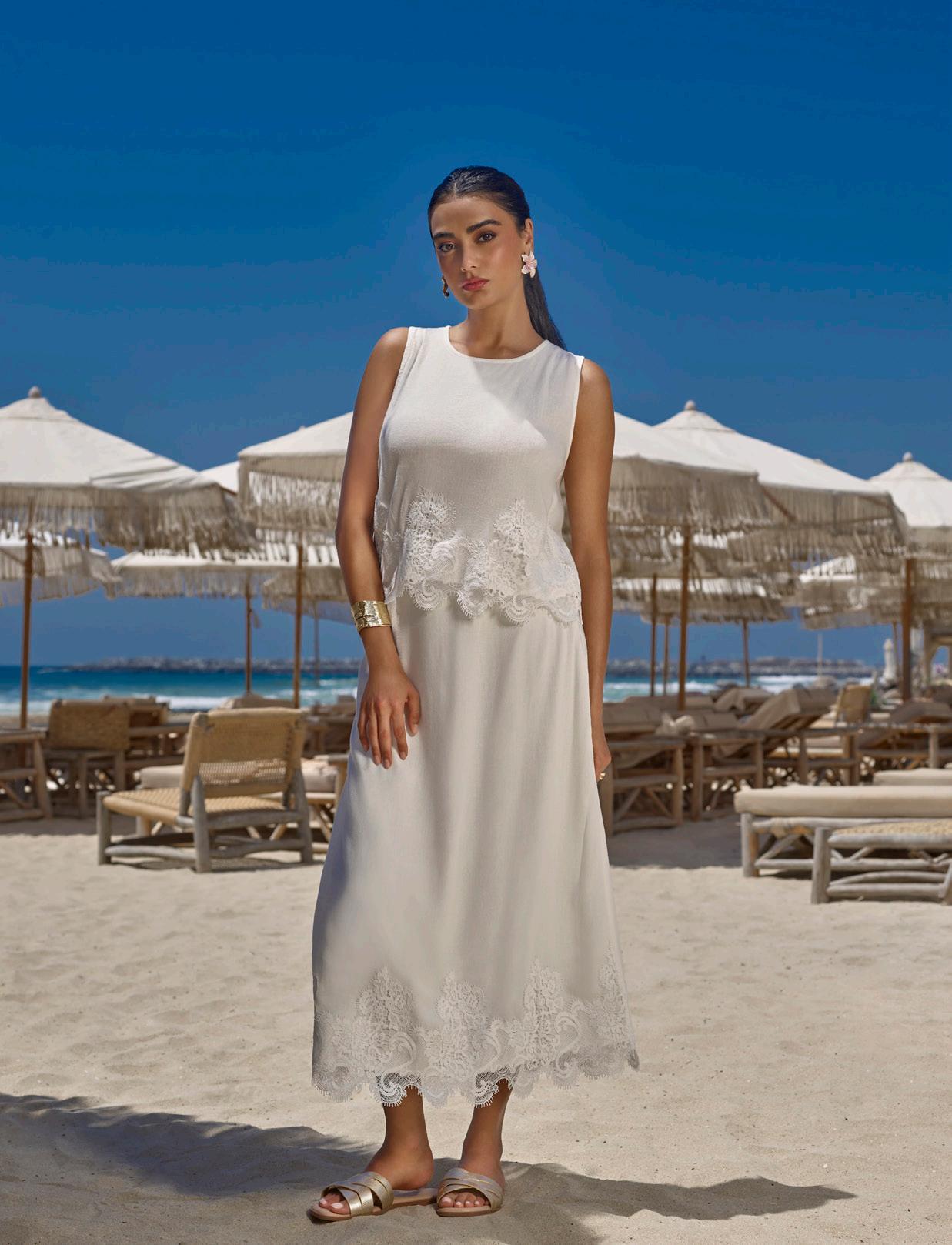
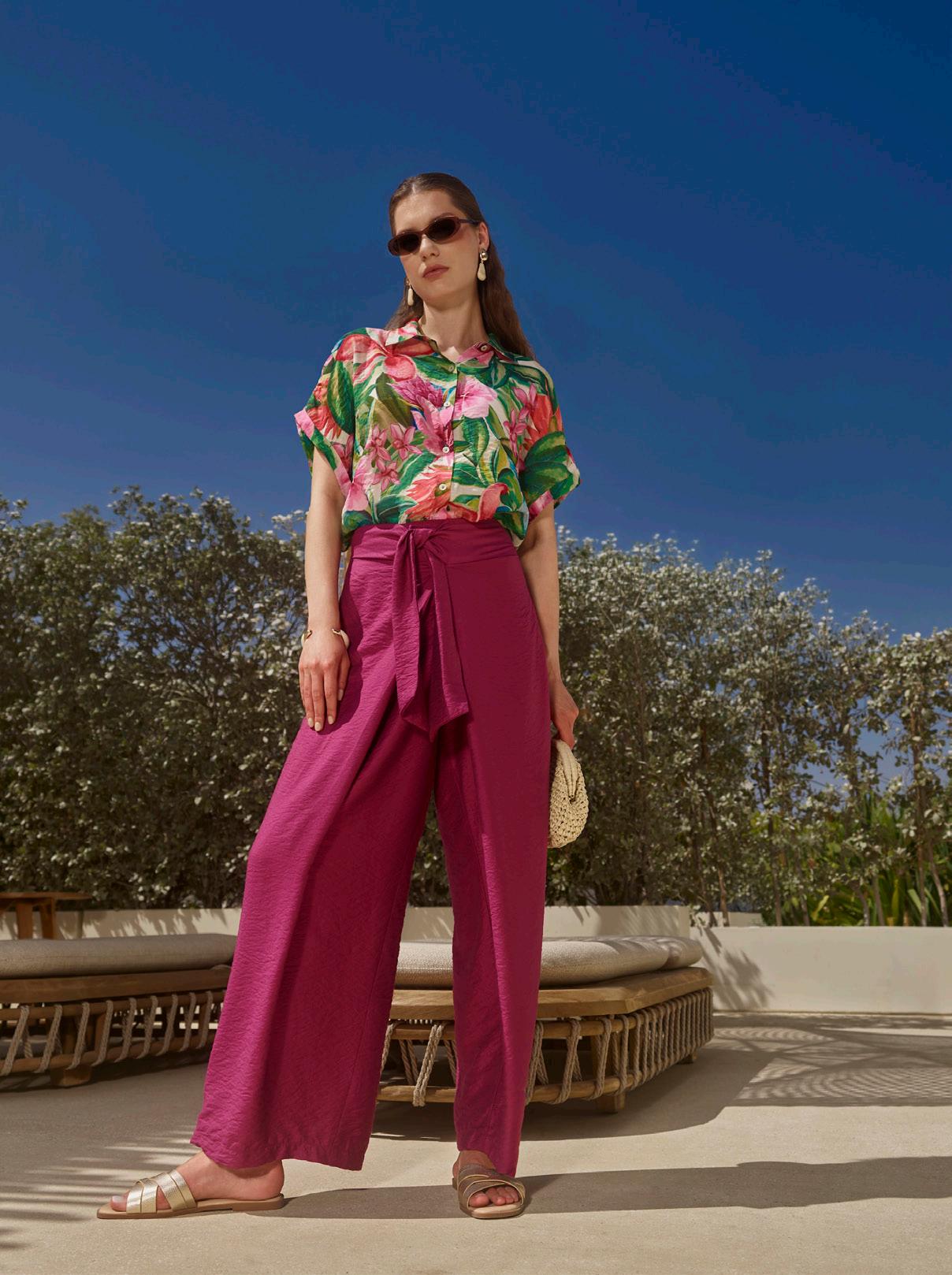
Summer dressing takes on a vibrant new mood as Max Fashion unveils its High Summer Women’s Collection, a colourful celebration of tropical escapes, relaxed elegance and accessible style.
Inspired by sun-drenched destinations and carefree holiday moments, the collection embraces one of the season’s defining trends through bold magenta hues, lush tropical florals and striking placement prints.
Designed for women seeking versatile wardrobe updates without stretching their budget, the edit combines contemporary fashion with the everyday wearability that has become synonymous with the brand.
Lightweight cotton fabrics form the foundation of the collection, offering breathable comfort for the region’s warmer months while maintaining a polished aesthetic.
Delicate embellishments elevate classic T-shirts with a touch of understated glamour, while statement dresses, coordinated separates and wrap-front trousers introduce effortless sophistication for everything from relaxed weekends to evening gatherings.
The collection balances statement-making pieces with practical versatility, allowing individual items to be styled across multiple occasions. Resort-inspired separates transition seamlessly from daytime outings to holiday evenings, while vibrant prints inject energy into everyday wardrobes.
Reflecting the optimism and escapism synonymous with summer, Max Fashion’s latest collection delivers an effortless blend of trendled design, comfort and affordability, inviting women to embrace the season in colour and confidence.
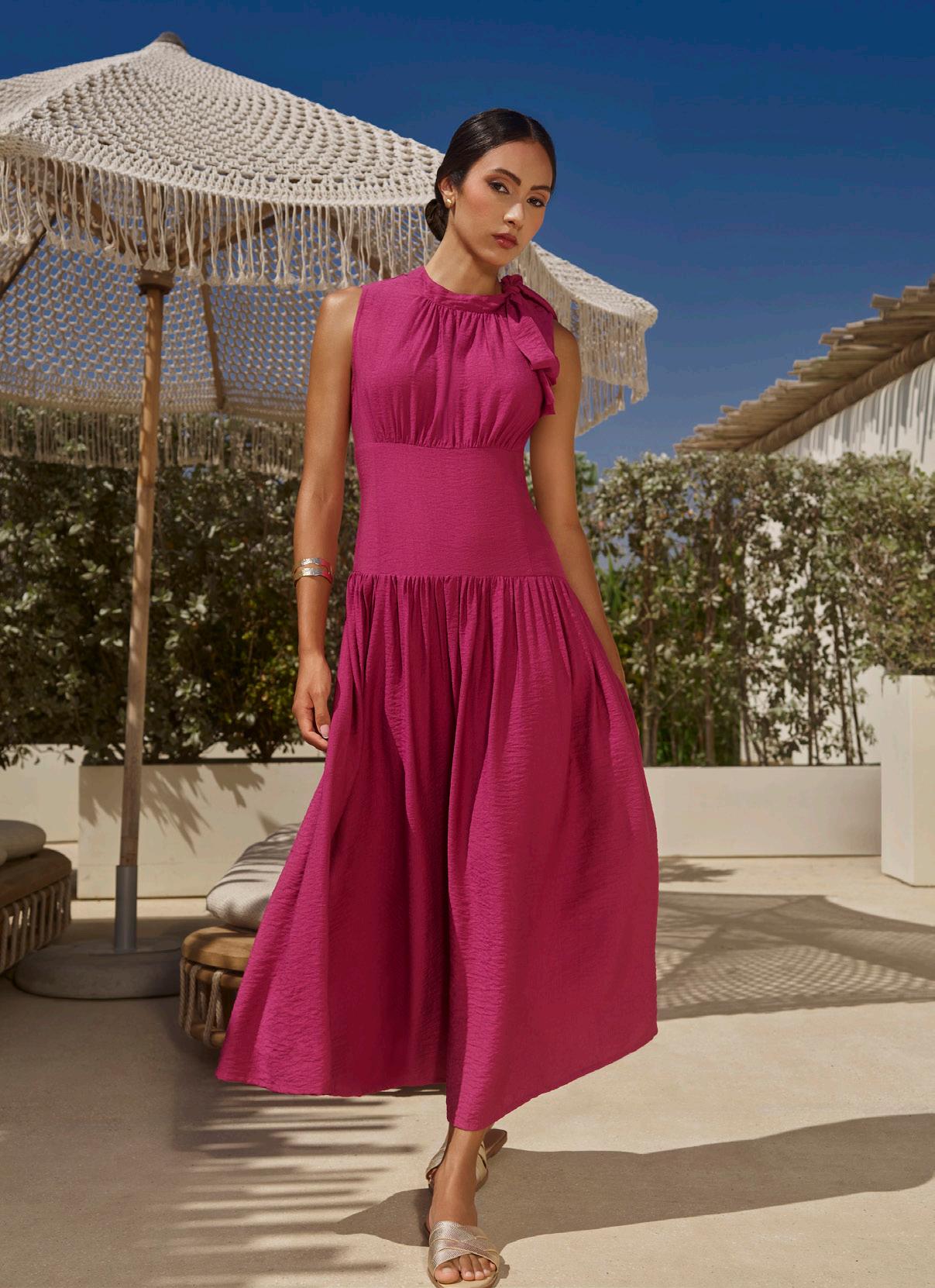
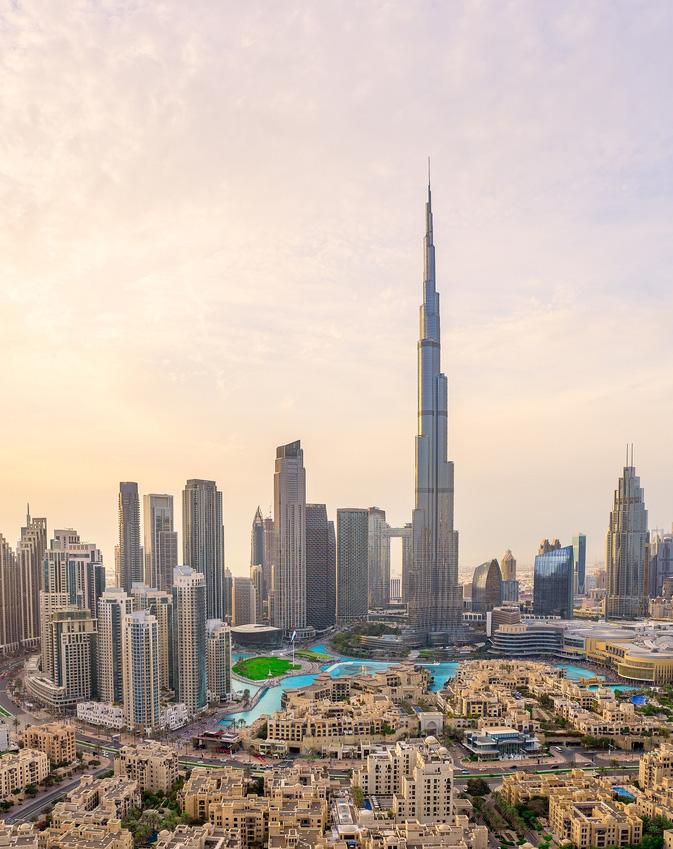
By Natasha Dury
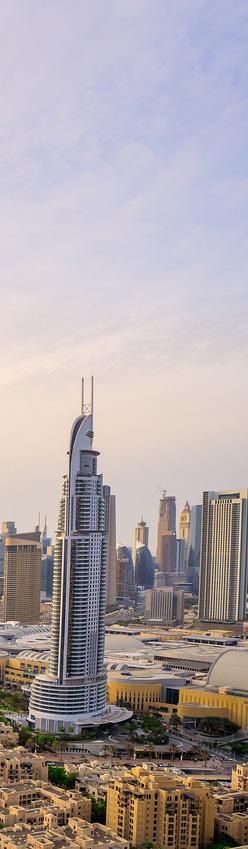
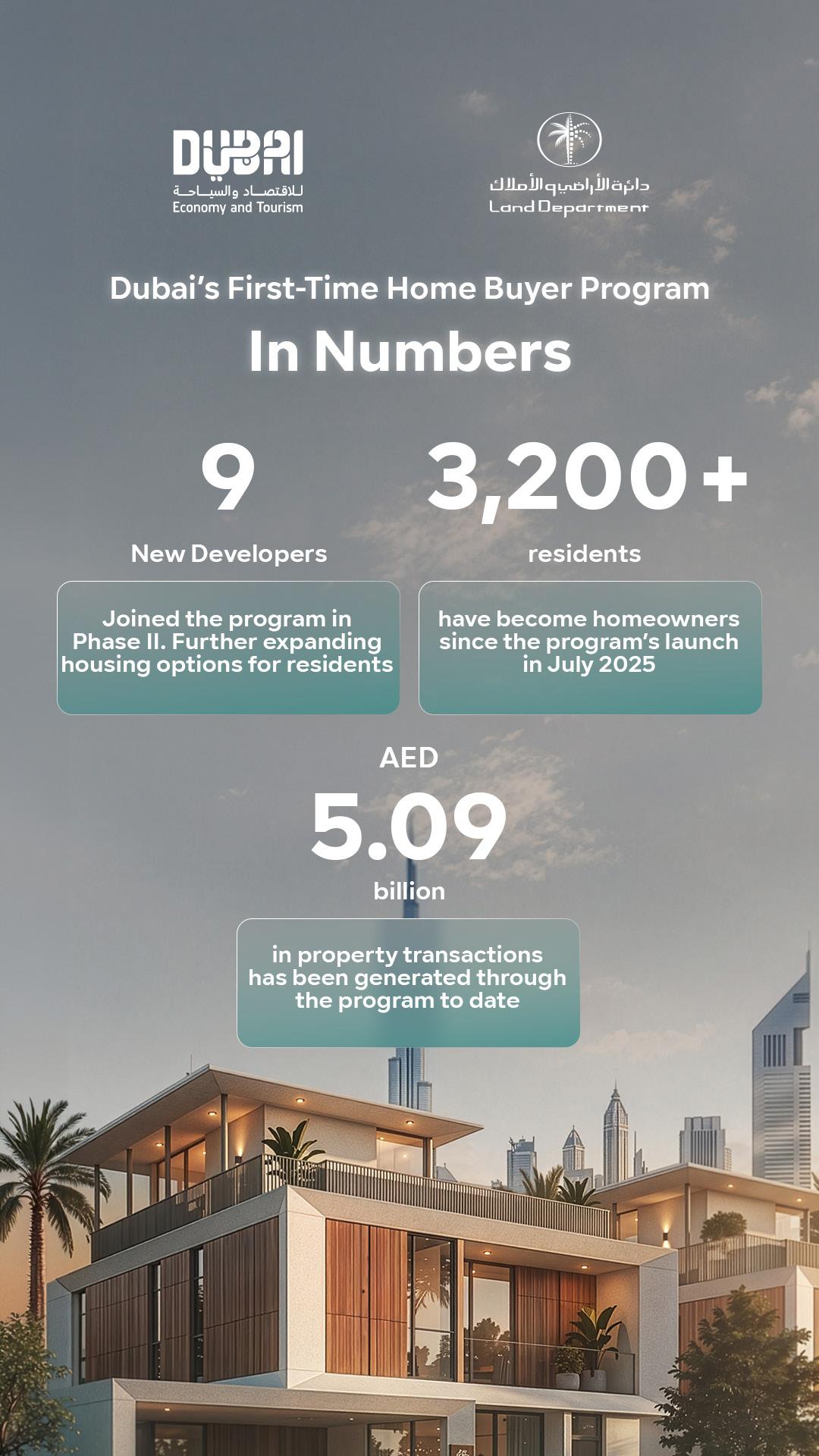
Owning a home has long been one of life’s defining milestones, yet for many firsttime buyers it can often feel out of reach. Dubai is working to change that. Less than a year after launching its First-Time Home Buyer Program, the emirate has helped more than 3,200 residents take their first step onto the property ladder, generating over AED 5 billion in residential property transactions while making homeownership more accessible than ever before.
The initiative, led by Dubai Land Department (DLD) in partnership with the Dubai Department of Economy and Tourism (DET), reflects a broader vision of creating a
city where long-term residents can build not only successful careers, but lasting lives.
Open to UAE residents aged 18 and above, and Gen Z adults like myself who do not already own a freehold residential property in Dubai, the programme is helping transform the dream of owning a home into an achievable reality. Its growing success has been matched by an expanding network of industry partners. Nine additional developers have now joined the initiative, bringing the total number of participating developers to 22 and significantly broadening the range of homes available across different communities, price points and lifestyles.
Supported by five banking partners offering tailored financing solutions, the programme provides buyers with greater choice and a clearer pathway towards property ownership.
Beyond the impressive numbers, the programme signals a shift in Dubai’s evolving real estate landscape. Rather than focusing solely on investment opportunities, it places greater emphasis on creating a sustainable, end-user market where residents are encouraged to establish deeper roots in the city.
As Dubai continues to attract professionals, entrepreneurs and families from around the world, initiatives such as this reinforce its ambition to become not only one of the world’s leading business destinations, but also one of its most desirable places to call home.
The programme also supports the ambitions of the Dubai Economic Agenda D33 and the Dubai Real Estate Strategy 2033, encouraging sustainable urban growth, strengthening public-private collaboration and contributing to higher homeownership rates across the emirate. With an expanding portfolio of participating developers and new residential projects continually being introduced, the initiative is expected to play an increasingly important role in shaping the next chapter of Dubai’s residential property market.
Eligible residents can register through the Dubai Land Department website or the Dubai REST app to access the programme’s benefits, explore participating developments and discover financing options designed specifically for first-time buyers.
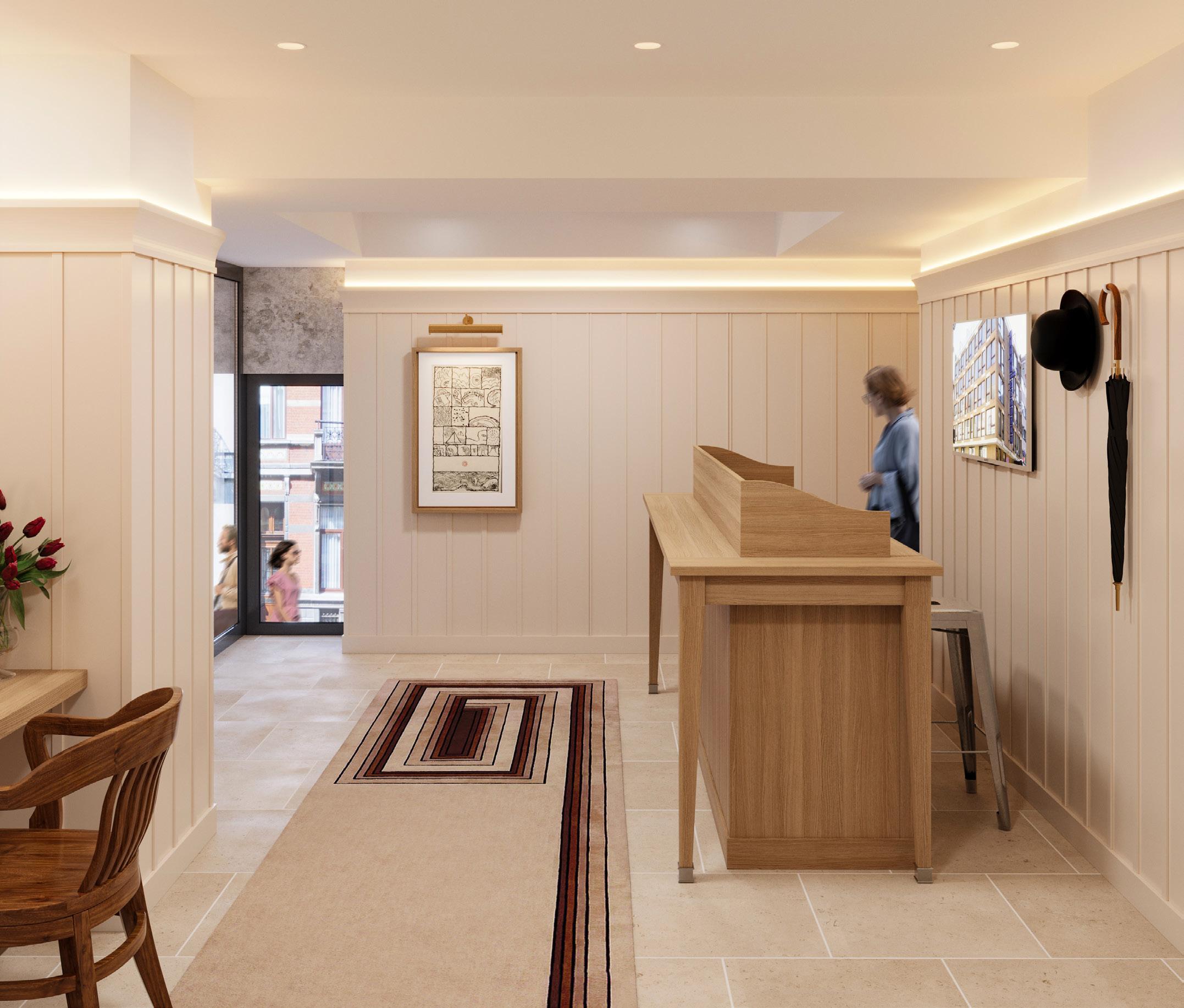
Fresh from an extensive redesign, 9Hotel Chelton combines contemporary interiors, wellness facilities and an enviable location, making it an appealing base for both business and leisure travellers exploring the Belgian capital.
Brussels is often celebrated for its grand architecture, world-class museums and thriving European business district, yet tucked away just moments from the city’s political heart is a boutique hotel that offers a quieter, more relaxed way to experience the Belgian capital.
Reopened following an extensive redesign, 9Hotel Chelton presents a contemporary retreat where thoughtful design meets everyday comfort. Located near Brussels-
Schuman station and the elegant Square Ambiorix, the four-star property enjoys easy access to both the city’s European institutions and many of its cultural attractions, making it equally suited to business travellers and weekend explorers.
The interiors, reimagined by renowned designer Bruno Borrione, embrace clean lines, warm textures and understated elegance. The hotel’s 49 guestrooms blend the welcoming atmosphere of a country
residence with the convenience expected of a modern city hotel, creating spaces that feel both comfortable and refined.
One of the property’s standout features is its wellness offering. Guests can unwind in the indoor swimming pool, recharge in the fitness area or enjoy the sensory showers after a day spent discovering Brussels or attending meetings nearby. A 24-hour honesty bar adds to the relaxed atmosphere, while dedicated coworking spaces and
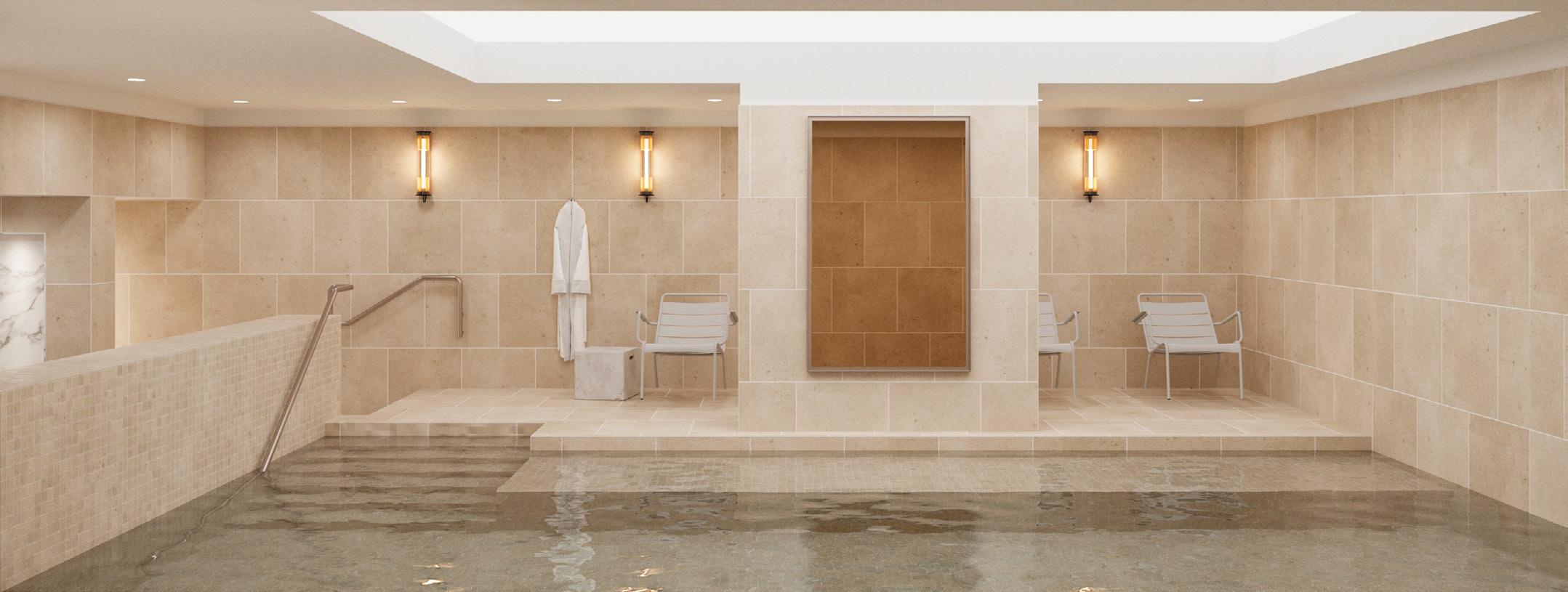
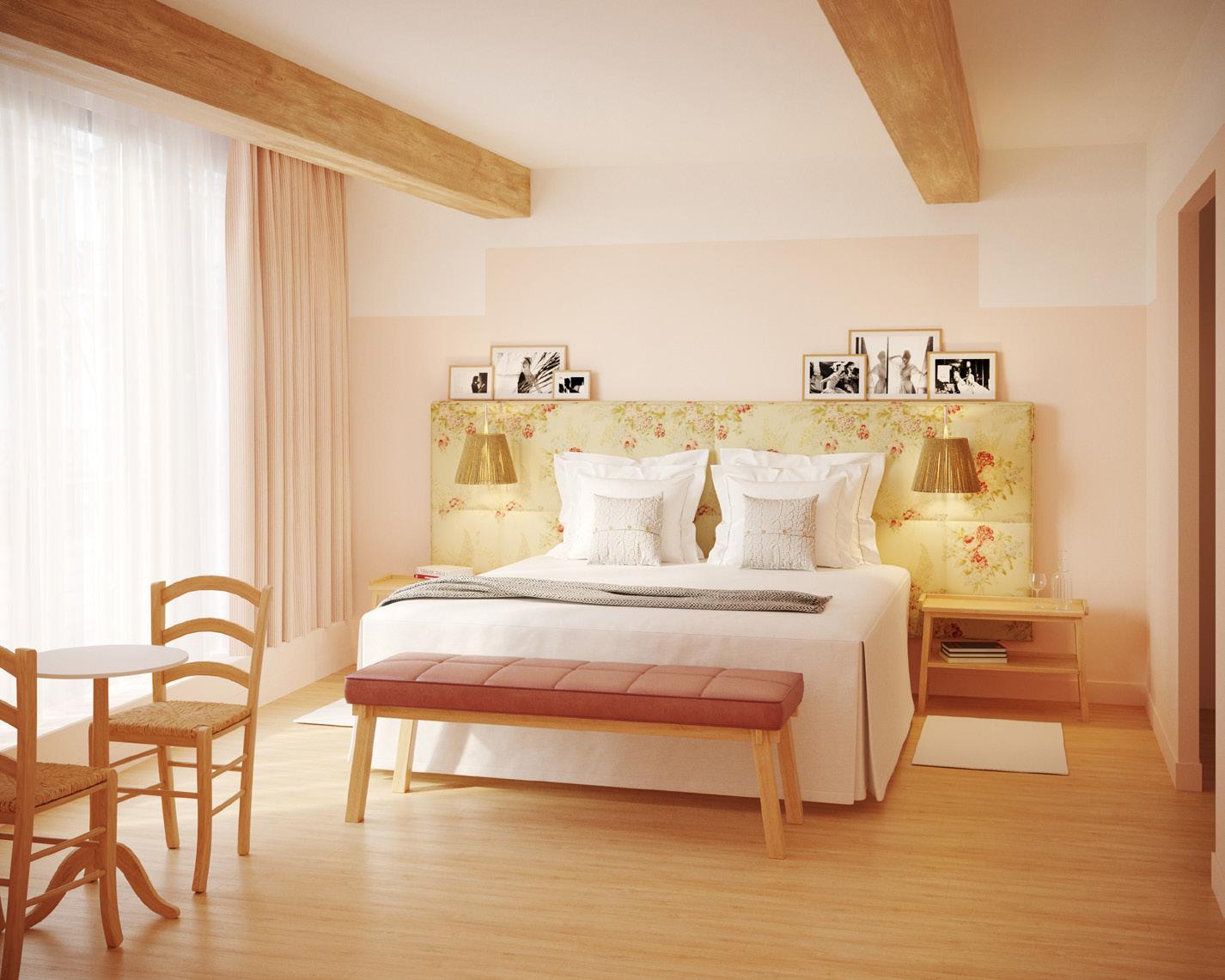
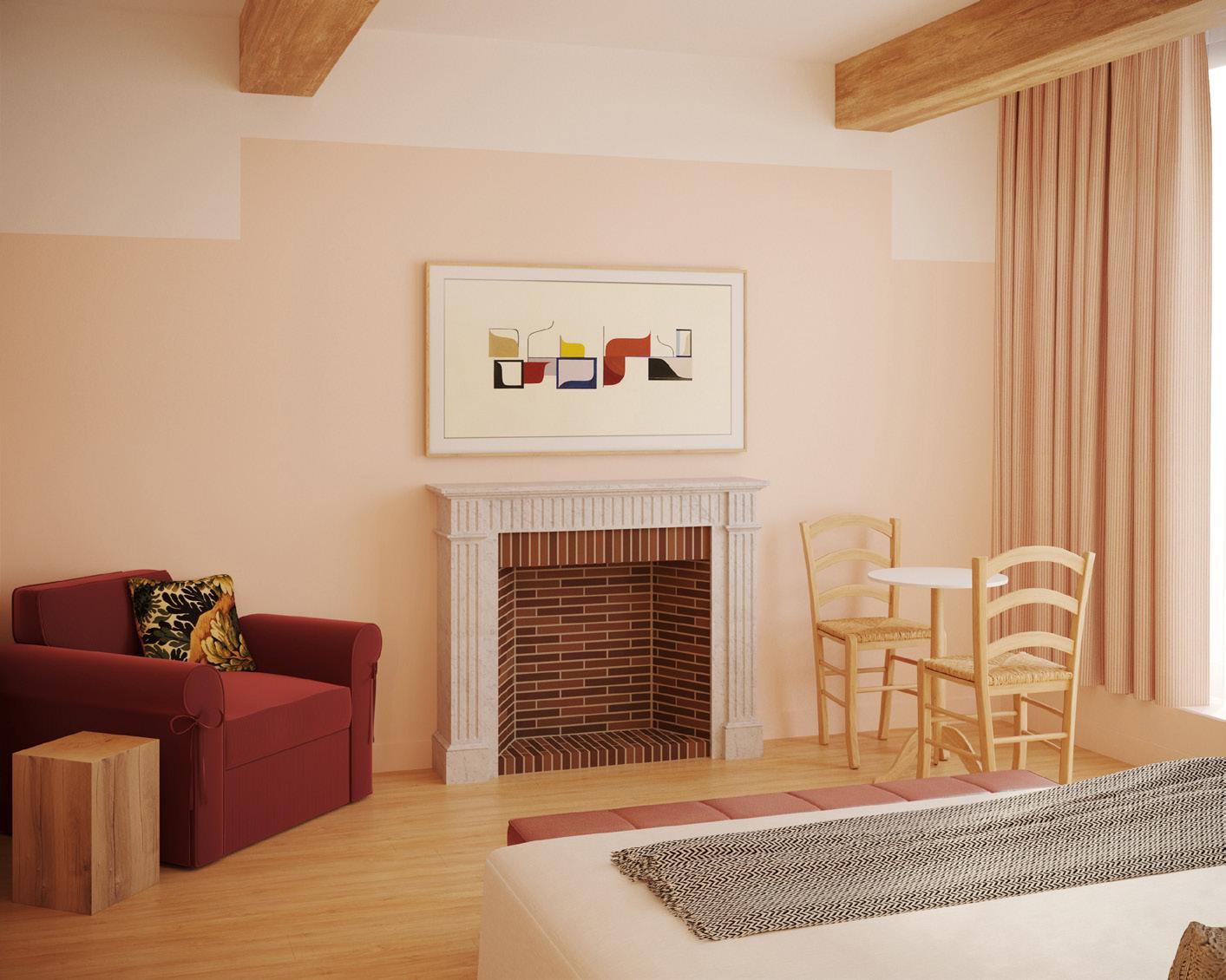
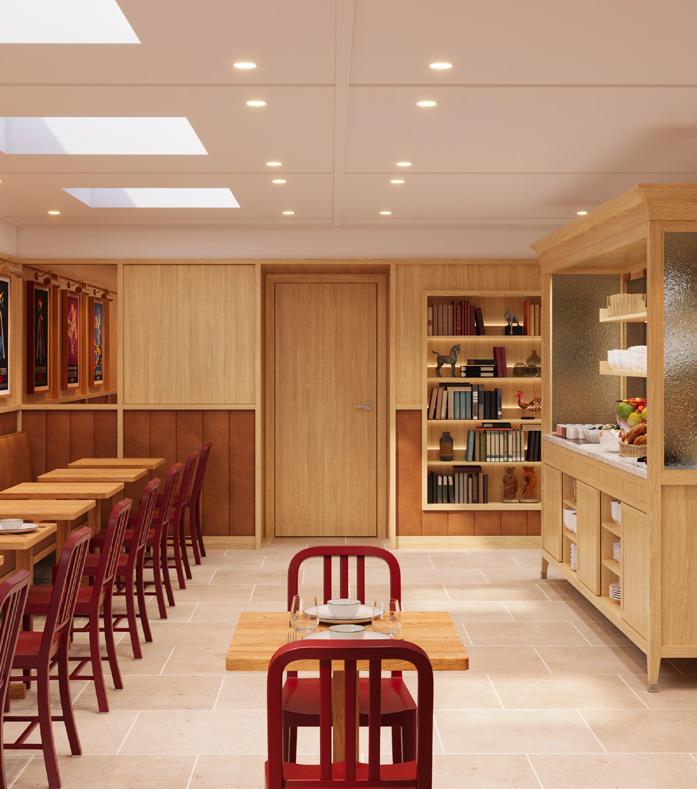
business facilities cater to professionals looking for a productive yet comfortable environment.
Mornings begin with a generous continental breakfast featuring freshly baked pastries, seasonal fruit, eggs, juices and quality coffee, providing an ideal start before heading out to explore the city or attend appointments.
Behind the property is the family-owned 9Hotel Collection, whose hospitality heritage stretches back four generations. Today, the group operates a collection of boutique hotels across several European capitals, each distinguished by individual character, contemporary design and a welcoming approach to hospitality.
For travellers seeking a stylish boutique address that balances convenience with comfort, 9Hotel Chelton is one of those understated discoveries worth adding to the Brussels shortlist. Whether visiting for business, a cultural city break or simply passing through one of Europe’s most vibrant capitals, it offers a contemporary base from which to experience the city at a more relaxed pace.
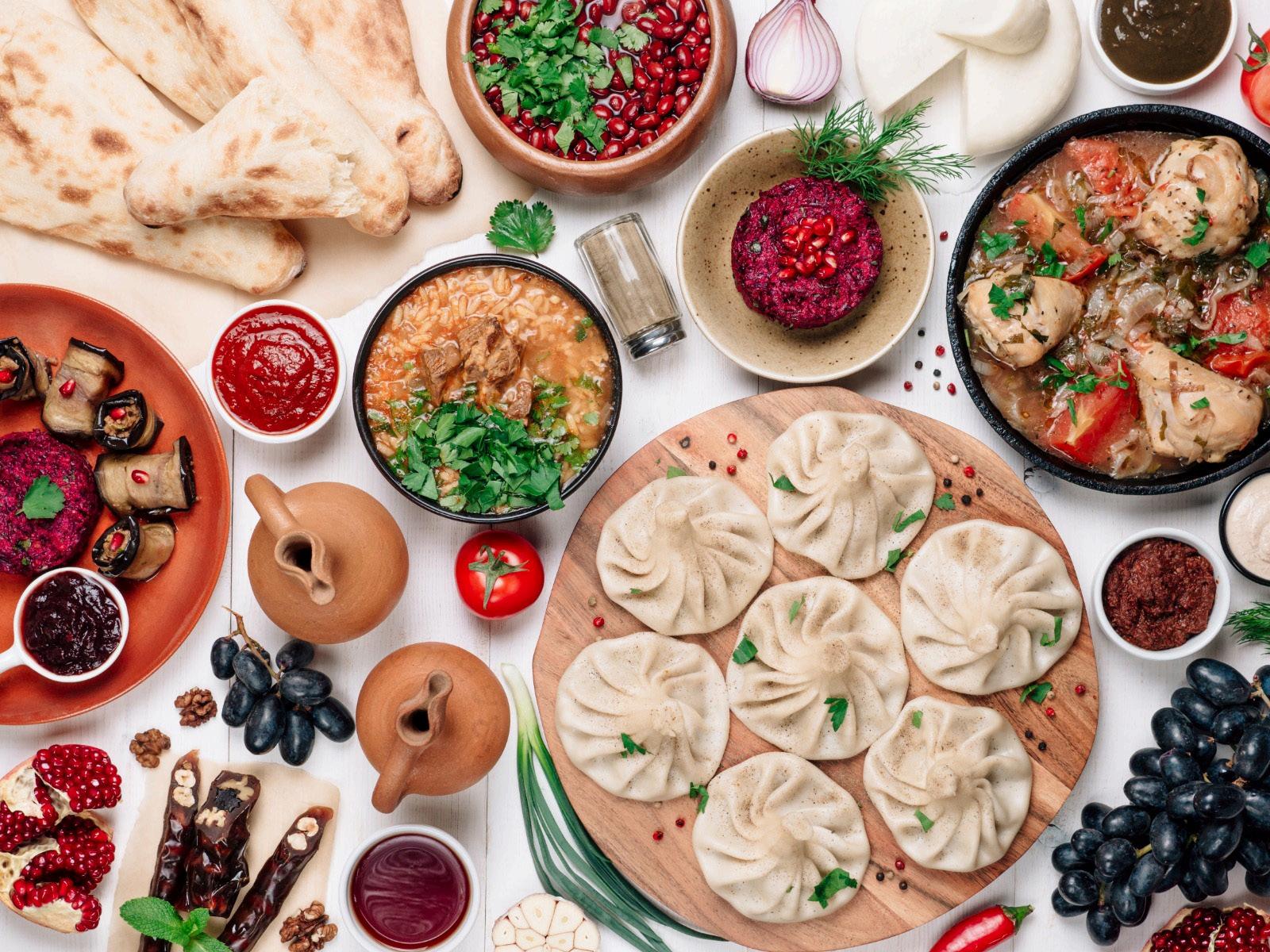
Long before Georgia became known for its dramatic mountain landscapes and charming historic towns, it had already perfected one of the world’s most comforting cuisines. Every meal feels like an invitation to linger, every table seems designed for sharing, and every recipe carries generations of tradition.
Having travelled through Tbilisi, Kakheti and Kutaisi in the past and recently, I quickly realised that Georgian food is not about
By Shereen Shabnam
elaborate presentation or culinary theatre. Instead, it celebrates fresh ingredients, family recipes and bold, honest flavours. Whether dining in elegant restaurants or traditional family homes, every meal reflected the country’s remarkable hospitality.
One of my most memorable lunches was at Kneina in Kutaisi, a beautiful old Georgian house run by a welcoming mother-and-son team. The setting was as memorable as the meal itself. Homemade dishes arrived one
after another, each prepared with obvious pride and the kind of warmth that only family kitchens seem capable of producing.
Throughout my journey, I found myself constantly surprised by the freshness of every ingredient. Crisp vegetables, fragrant herbs, creamy cheeses and perfectly grilled seafood appeared on almost every table. One afternoon, a beautifully grilled salmon accompanied by seasonal vegetables reminded me that Georgian cuisine is far


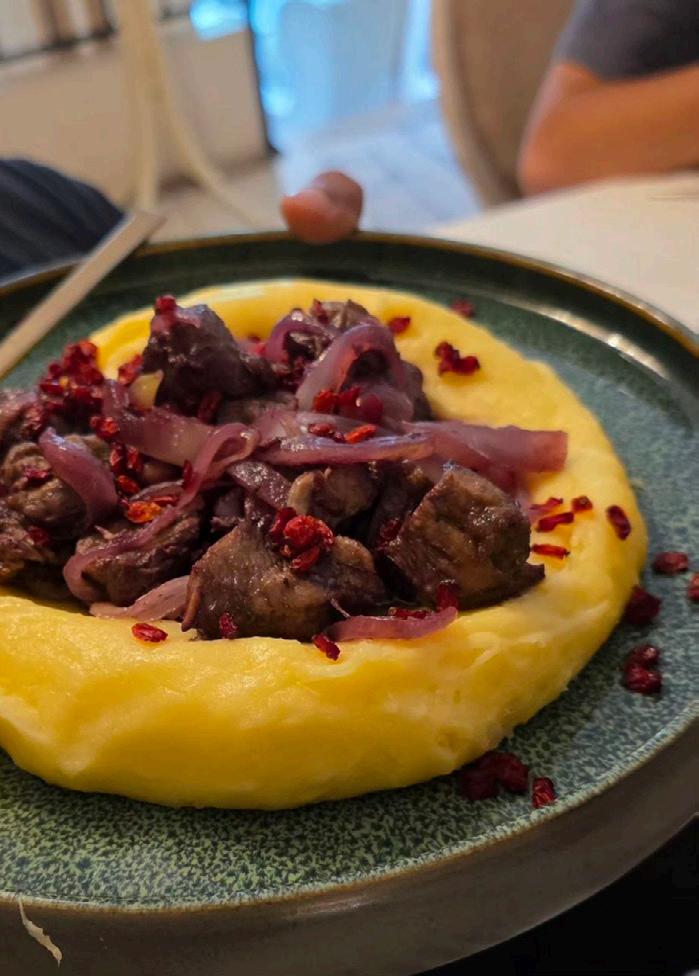
more diverse than many travellers expect. Another meal featured a delicate pear salad combining crisp fruit, fresh greens, soft cheese and toasted nuts, balancing sweetness with savoury flavours in a wonderfully refreshing way.
Then there were the pastries. Georgia’s bakeries are impossible to resist. The aroma of freshly baked bread drifts through almost every town, tempting visitors to stop “just for one” before inevitably leaving with several. We stopped by the road side and had fresh bread staright out of the oevn with cheese and fresh tomatoes.
Later in the day, we learnt how to bake bread traditionally as well. Traditional Georgian breads deserve special mention. Baked inside deep clay ovens called tone, they emerge with crisp golden crusts and wonderfully chewy centres.
Warm from the oven, they require little more than a generous spoonful of local butter or one of Georgia’s many delicious dips.
The country’s most famous creation is undoubtedly khachapuri, Georgia’s beloved cheese-filled bread. Every region prepares it differently. The iconic Adjarian version arrives shaped like a boat, filled with bubbling cheese, butter and a rich egg yolk waiting to be stirred together before tearing off pieces of warm bread. It is indulgent, comforting and absolutely worth every calorie.
Another bakery favourite is lobiani, a soft bread generously filled with seasoned mashed beans. Less internationally known than khachapuri, it offers an equally satisfying taste of Georgian home cooking and makes an ideal snack while exploring cities on foot.
Speaking of dips, they quickly became one of my favourite discoveries. Rich walnut-based spreads feature prominently throughout Georgian cuisine, seasoned with garlic, herbs and gentle spices that add depth without overwhelming the palate. Alongside them came creamy vegetable purées, roasted aubergine preparations and vibrant herb pastes, each perfect for scooping up with freshly baked bread.
Vegetarians will find themselves exceptionally well catered for. Georgia celebrates vegetables rather than treating them as side dishes. Aubergines rolled around fragrant walnut fillings, colourful salads bursting with herbs, roasted peppers, tomatoes, cucumbers and seasonal greens appeared throughout my travels, each reflecting the country’s respect for fresh local produce.
One dish I particularly enjoyed was pkhali, an assortment of finely chopped vegetables mixed with walnuts, herbs and aromatic spices. Made using spinach, beetroot or other seasonal vegetables, these colourful appetisers are as beautiful as they are delicious.
Cheese lovers are equally spoiled. Sulguni, Georgia’s famous semi-soft cheese, appears in countless dishes, offering a mild, slightly salty flavour that pairs beautifully with breads, salads and baked dishes. Its versatility explains why it has become one of the country’s culinary icons.
No Georgian table feels complete without a generous assortment of salads. Rather than elaborate compositions, they focus on exceptional produce like ripe tomatoes, crisp cucumbers, fragrant basil, fresh parsley, walnuts and simple dressings that allow every ingredient to shine. Their freshness provides the perfect balance alongside richer baked dishes.
The country’s love affair with sweets is equally impressive. One cannot leave Georgia without encountering churchkhela, the colourful candle-shaped confection hanging outside bakeries and market stalls. Often described as Georgia’s answer to an energy bar, walnuts or hazelnuts are threaded onto strings before being repeatedly dipped into thickened grape juice and left to dry.
We also had a class to learn how to make this and it was pretty easy. The result is naturally sweet, satisfyingly chewy and surprisingly addictive.
Many cafés also serve delicate honey cakes layered with cream, rich walnut pastries and flaky sweet pastries filled with fruit preserves or creamy cheeses. We trued this on our last night after dinner and it was perfect to share with friends.
One of the pleasures of travelling through Georgia is discovering regional ingredients, family recipes and seasonal produce and some familiar dishes vary from one town to the next, encouraging visitors to taste widely and remain curious.
My final evening at the wonderful Georgia House brought everything together. Accompanied by live traditional music, dinner unfolded slowly, with one beautifully prepared dish following another in an atmosphere filled with laughter, conversation and unmistakable Georgian warmth.
It was the perfect reminder that here, food is never simply nourishment. It is culture, celebration and hospitality woven together around a shared table.
The latest addition to the maison’s iconic handbag family Is defined by instinctive style and a singular attitude.
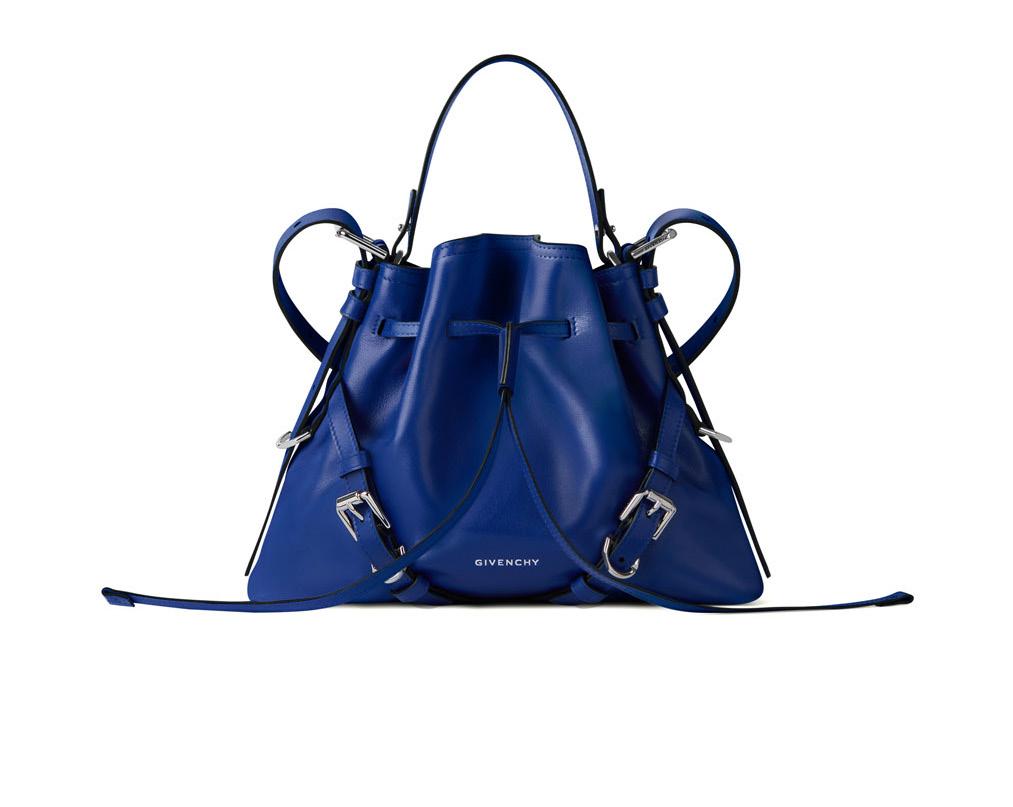
The epitome of chic Parisian nonchalance, the Voyou takes its name from French slang for a mischief-maker. Today, it embodies a sense of impertinence rooted in a distinctive attitude and singular spirit. With the Autumn-Winter 2026 pre-collection, this effortless attitude comes in a new form with the Voyou Bucket, a silhouette distinguished by a single, confident gesture: a leather drawstring closure that cinches its shape, softly structuring the clean geometry of a versatile biker-inspired bucket style.
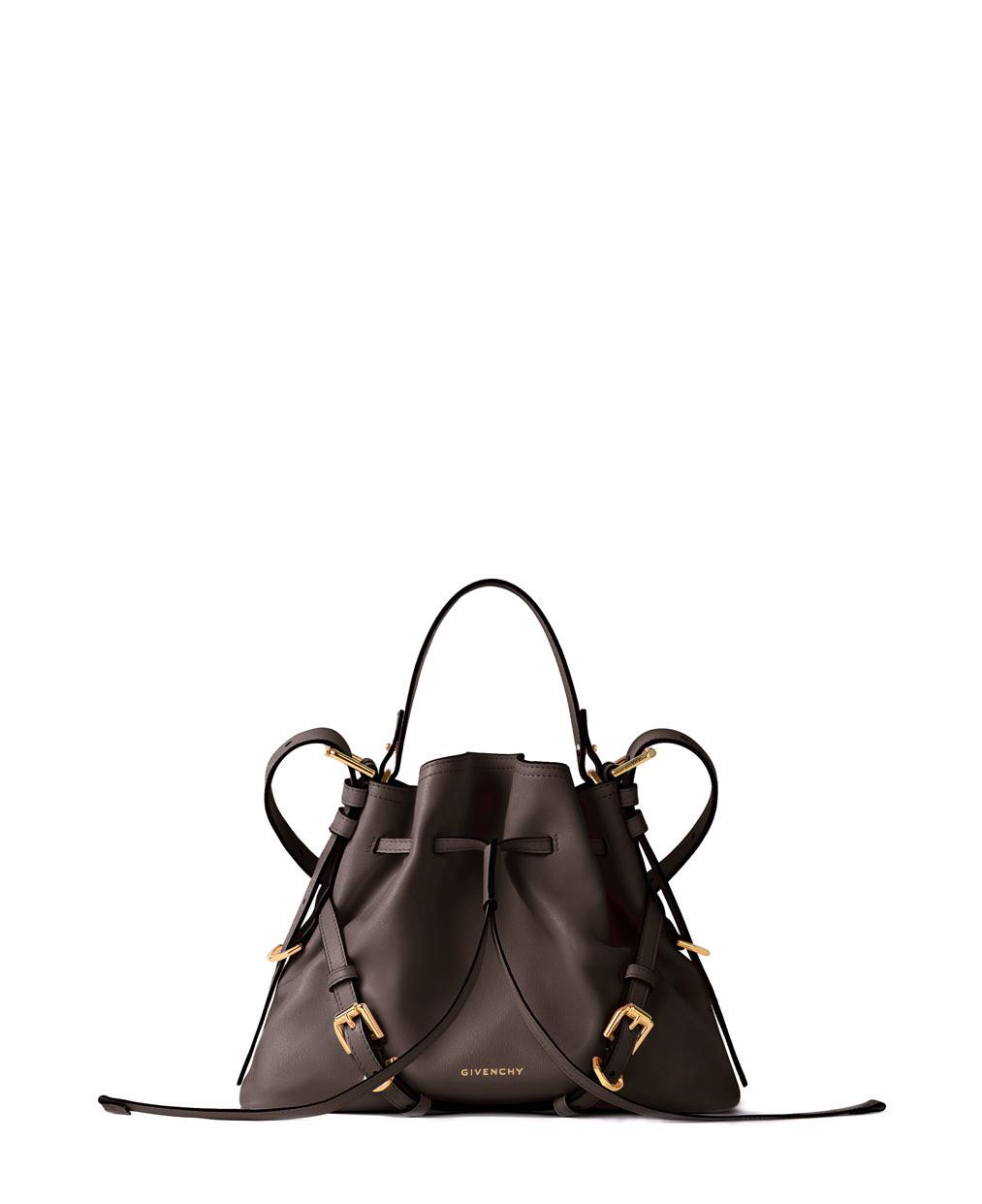
The Voyou Bucket represents a natural extension of the Givenchy attitude, reflected thoughtful details and considered hardware. Designed for those who follow instinct over convention, it can be styled up or down, to adapt to any occasion, giving its wearer the freedom to express a unique personality and sense of style.
The Voyou Bucket is crafted in smooth, shiny calf leather with a fine grain and glossy finish. Three versatile ways of carry, the top handle plus adjustable over-the-
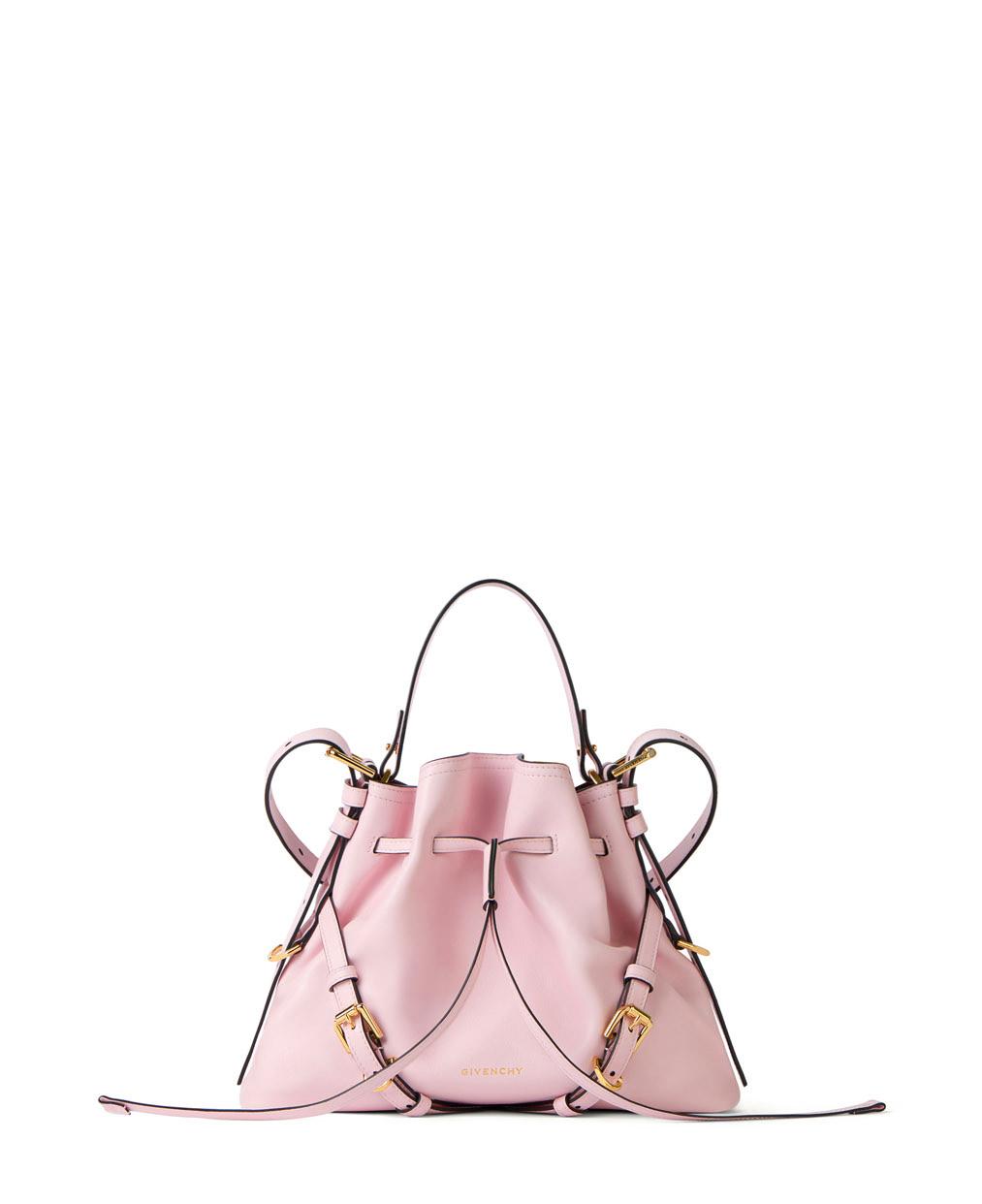
shoulder and crossbody straps, convey the effortless characteristic of the Voyou family. A generous central compartment lined in suede features a flat pocket that keeps essentials within easy reach, while the drawstring closure adjusts the bag’s shape with precision.
The Voyou Bucket is available in ivory, light pink, chocolate or black leather with goldfinish hardware, and in cobalt blue leather with silver-finish hardware.
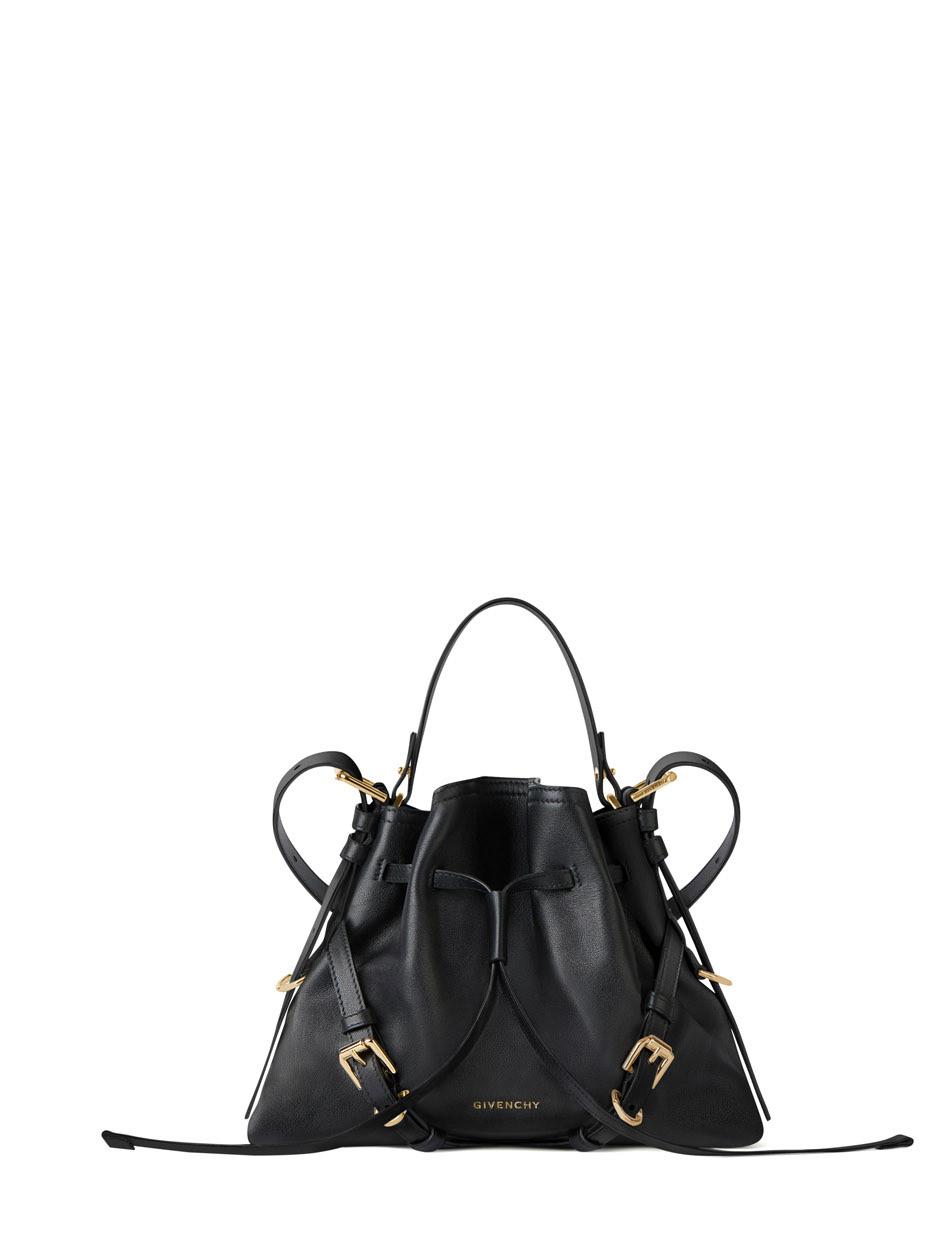

This year, Collective Africa has curated a selection of gifts that go beyond the expected. Rooted in African craft and contemporary design, each piece has been chosen to feel personal, considered and genuinely special.
For the home enthusiast: Monologue is a curated collection of home décor and ceramics designed for those who value modern, considered design. Think cups, plates, bowls, and serving trays, each one a conversation starter. Perfect for styling a living room or dining space, Monologue turns a gift into a lasting statement.
For the one with impeccable taste: Sir Jacobs is a South African luxury brand where fine porcelain meets high-end perfumery. Each handmade ceramic vessel, crafted using traditional slip-casting techniques, houses a premium fragrance, from the warm depth of Iris Woods to the crisp freshness of Lime & Ginger. Refillable and built to last a lifetime, it’s the kind of gift that stays long after celebration is over.
For the one who deserves to be pampered: Africology is South Africa's leading natural skincare and wellness brand, drawing on the healing power of African botanicals.
Ethically sourced and thoughtfully crafted, its therapeutic candles, perfumes, and diffusers make for a deeply thoughtful gift that reflects wellbeing, ritual, and the richness of the continent.
All gifts are available in-store at Collective Africa in Dubai and Abu Dhabi, both within Flamingo Room and Dubai customers can also take advantage of home delivery.
Collective Africa’s online gift cards are available to purchase, so your loved ones can discover their own perfect piece.

HUGO’s Spring/Summer 2026 collection reflects a generation rewriting the rules of ambition, where versatility, individuality and confidence matter more than conventional dress codes.
By Natasha Dury

Today’s professionals are no longer defined by rigid office routines or traditional career paths. They move effortlessly between creative pursuits, business meetings, travel and social occasions, requiring wardrobes that are as adaptable as the lives they lead. HUGO’s Spring/ Summer 2026 collection captures this shift, presenting modern tailoring that feels less about corporate formality and more about personal expression.
Rather than revisiting classic business attire, the collection softens structure through relaxed silhouettes, lightweight fabrics and contemporary proportions. Menswear introduces resort-inspired influences into everyday tailoring, pairing double-breasted jackets with Cuban-collar shirts and pleated trousers that transition naturally from daytime engagements to evening gatherings. Accessories, including tortoiseshell totes, reinforce an aesthetic that feels refined without appearing overly formal.
For women, the collection explores the same balance between confidence and ease. Cropped outerwear, geometric prints and fluid tailoring are complemented by shimmering separates, understated accessories and soft tailoring that reflects a more modern interpretation of power dressing. The result is a wardrobe that embraces individuality while remaining effortlessly wearable.
More than a seasonal collection, HUGO Spring/Summer 2026 speaks to a generation building careers on its own terms. It is fashion designed for people who move between opportunities rather than routines, where versatility becomes as valuable as style itself.



By Natasha Dury



Some gifts are chosen for the moment. Others are selected to become part of a lifetime. Mouawad’s curated collection for gentlemen celebrates refined craftsmanship, timeless elegance and enduring quality, making each piece a meaningful expression of appreciation, achievement or personal style.
For more than a century, Mouawad has created exceptional jewellery and luxury accessories that combine artistry with heritage. Every creation reflects meticulous attention to detail, precision and an unwavering commitment to excellence, resulting in pieces designed to be treasured for generations.
Whether marking a personal milestone, celebrating success or simply recognising someone special, the Maison presents a distinguished selection of gifts for the modern gentleman.
From sophisticated rings and elegant timepieces to handcrafted prayer beads and refined writing instruments, each creation embodies confidence, character and understated luxury.
Designed for men who appreciate exceptional craftsmanship and timeless design, every Mouawad piece balances tradition with contemporary elegance. These are gifts that transcend trends, becoming lasting companions that reflect both personal style and meaningful moments.
Luxury is ultimately about legacy and not simply what we own, but what we choose to value and preserve. With creations that honour heritage while embracing modern sophistication, Mouawad continues to offer gifts that are as enduring as the men who wear them.
Noudar Unveils an Enamel Collection Inspired by Heritage and Contemporary
By Verna Muerong

As the season of sun-soaked escapes, coastal adventures and memorable celebrations unfolds, Noudar presents the Enamel Collection, a vibrant expression of fine jewellery inspired by the colours, textures and spirit of some of the world’s most captivating destinations. Designed for the modern woman, the collection pairs luminous enamel with precious metals to create pieces that feel effortlessly elegant while celebrating individuality through colour.
Defined by exceptional craftsmanship and contemporary design, the collection showcases brilliant enamel accents carefully balanced against polished gold, creating a striking interplay of texture, depth and light. Every detail has been thoughtfully executed, resulting in jewellery that is sophisticated yet versatile, making each piece as suitable for everyday elegance as it is for life’s special occasions.



The Enamel Collection is designed for women who embrace confidence, creativity and personal style. Whether worn for relaxed summer lunches, evening gatherings, weekend escapes or destination celebrations, the vibrant palette brings a fresh dimension to any wardrobe while remaining timeless enough to be treasured well beyond the season.

More than a seasonal collection, the Enamel Collection is an invitation to celebrate colour, craftsmanship and self-expression. Each creation captures the joy of discovery while offering effortless sophistication, becoming a lasting companion for the moments and memories that define every journey.
Created by Noudar, the fine jewellery maison founded by Noor Alfardan, the collection reflects a design philosophy that draws inspiration from Arabian heritage while embracing contemporary elegance. Influenced by Islamic art, traditional patterns and the timeless beauty of gold, every creation combines meticulous craftsmanship with modern femininity, continuing the brand’s commitment to jewellery that is both meaningful and enduring.
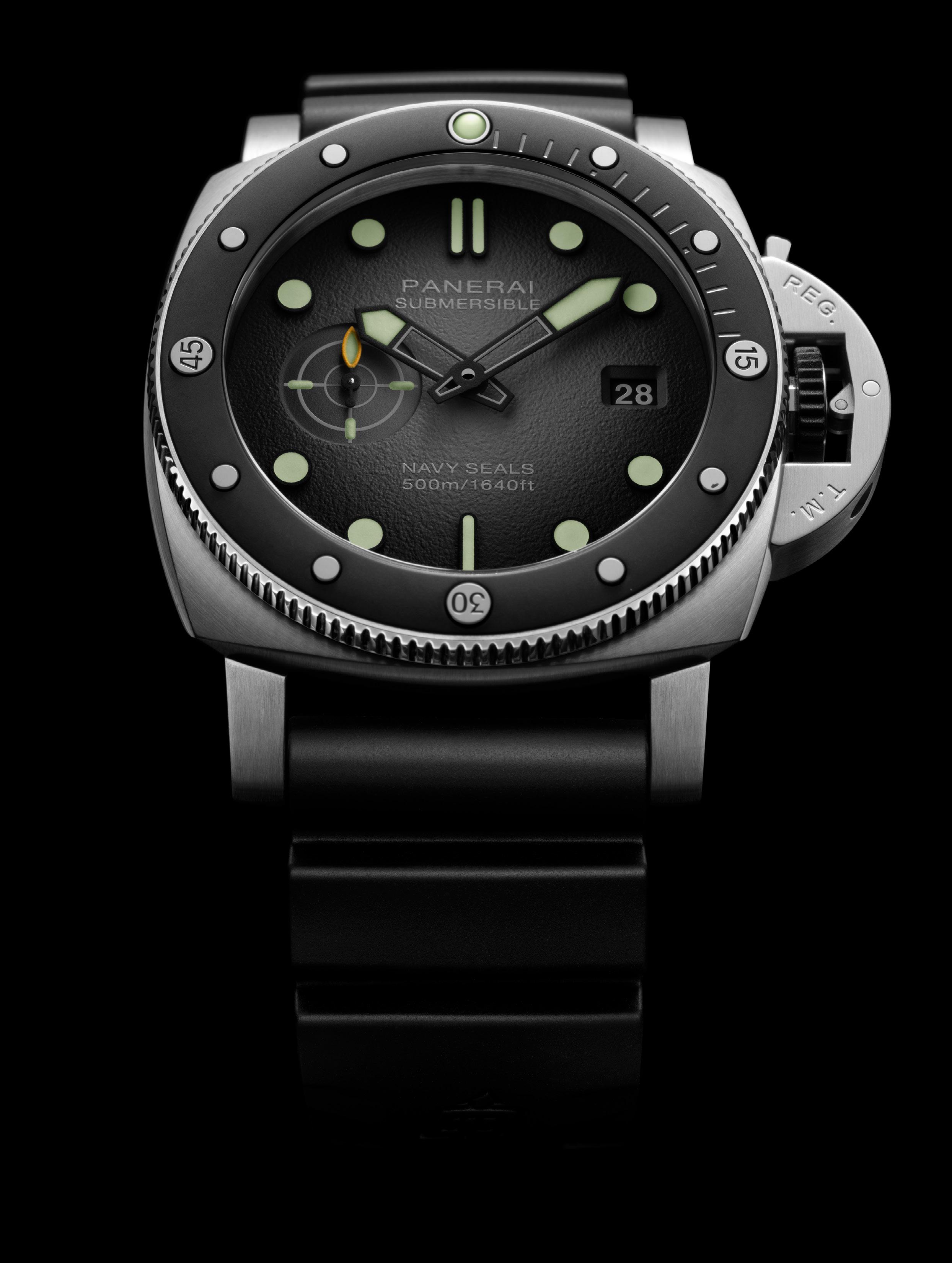
THE ICONIC DIVING COLLECTION WELCOMES ITS FIRST 44MM MODEL WITH A METAL BRACELET, COMBINING PROFESSIONAL CAPABILITY WITH EVERYDAY VERSATILITY.
By Shereen Shabnam
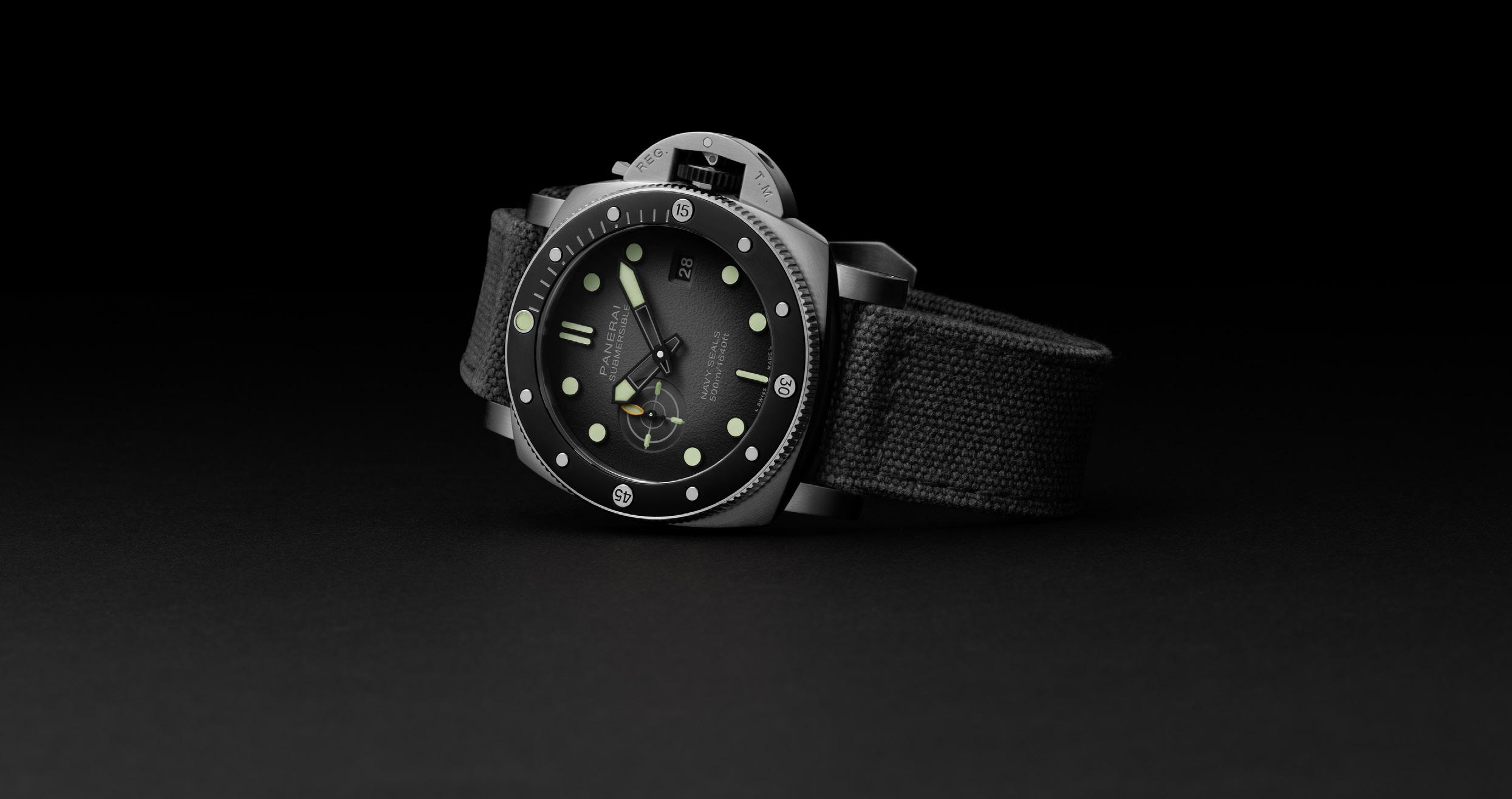
For decades, Panerai has built its reputation on creating uncompromising instruments for life at sea. With the launch of the new Submersible PAM01756, the Italian watchmaker adds a fresh dimension to one of its most recognisable collections by introducing, for the first time, a 44mm Submersible fitted with a stainless-steel bracelet.
While the addition of a bracelet may appear to be a subtle evolution, it significantly broadens the watch’s appeal, transforming it from a purpose-built diving instrument into a luxury sports watch equally at home beneath a wetsuit or a tailored cuff.
Inside beats Panerai’s P.980 automatic calibre, offering a generous three-day power reserve and incorporating a stop-seconds function for precise time synchronisation, a practical feature rooted in the brand’s longstanding military heritage. The movement is also tested in six different positions to ensure dependable chronometric performance under a variety of conditions.
The 44mm case is crafted from corrosionresistant AISI 316LVM stainless steel, chosen for its strength and durability, while a polished blue ceramic unidirectional bezel adds both visual depth and exceptional scratch resistance. Designed for timing dives, the bezel remains one of the watch’s defining functional elements, reinforcing its credentials as a genuine professional instrument.
One of the PAM01756’s most striking design decisions is what Panerai chose to leave out. There is no date window, allowing the dial to remain clean, balanced and entirely focused on timekeeping. It is a deliberate nod to the brand’s historic military watches, where simplicity and readability always took precedence over unnecessary complications.
The black sun-brushed dial enhances that clarity with remarkable effect. Fine radial brushing creates a dynamic play of light, while generous applications of SuperLumiNova® ensure excellent visibility in every environment. Panerai also continues its distinctive colour-coded lume system, with the hour markers glowing green while the minute hand and bezel marker illuminate in blue, making elapsed dive time instantly distinguishable in low-light conditions.
At nine o’clock, the small seconds display features an intricate azurage finish, adding subtle texture while serving an important functional role. Historically, the constantly moving seconds hand allowed divers to verify instantly that the watch was still operating during critical missions.
Performance remains at the heart of the Submersible. Water resistant to 50 BAR (500 metres), every watch undergoes pressure testing at Panerai’s manufacture in Neuchâtel to standards exceeding its official rating by 25 per cent.
The new bracelet further strengthens the watch’s everyday credentials. Inspired by the signature crown-protecting bridge, its sculptural links combine polished and brushed finishes for a distinctive architectural look.

Panerai has also introduced its Quick Length Adjustment system to the Submersible line for the first time, allowing wearers to extend the bracelet by 2mm on each side without tools, ensuring a comfortable fit as wrist size naturally changes throughout the day.
The Submersible PAM01756 successfully bridges Panerai’s rich naval heritage with contemporary luxury sports watch design. Rugged enough for professional diving yet refined enough for everyday wear, it represents a thoughtful evolution of one of the brand’s most celebrated collections, proving once again that true functionality never goes out of style.
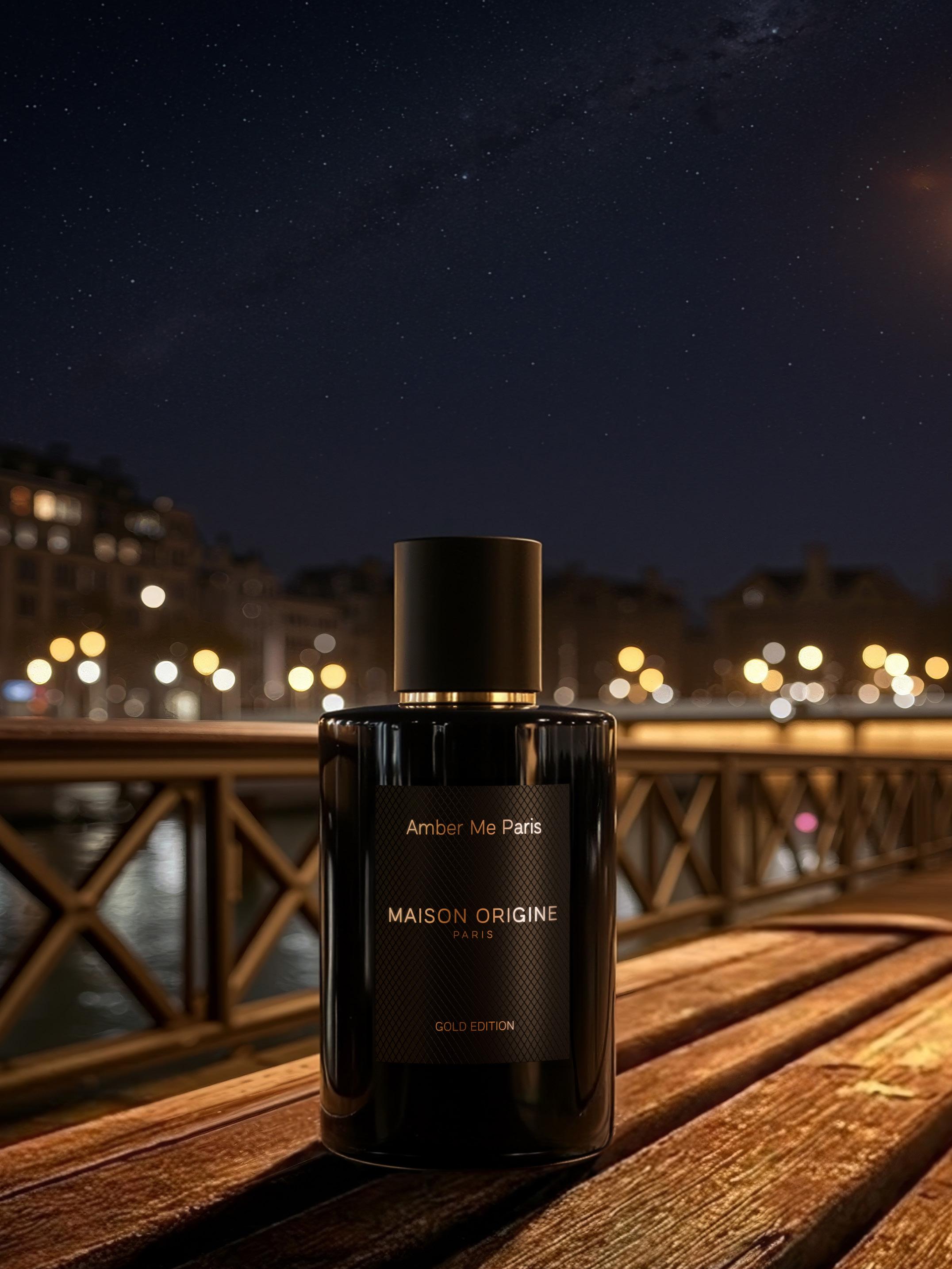
Maison Origine Paris captures the romance of the City of Light in Amber Me Paris, an extrait de parfum inspired by memory, emotion and timeless elegance.
By Natasha Dury
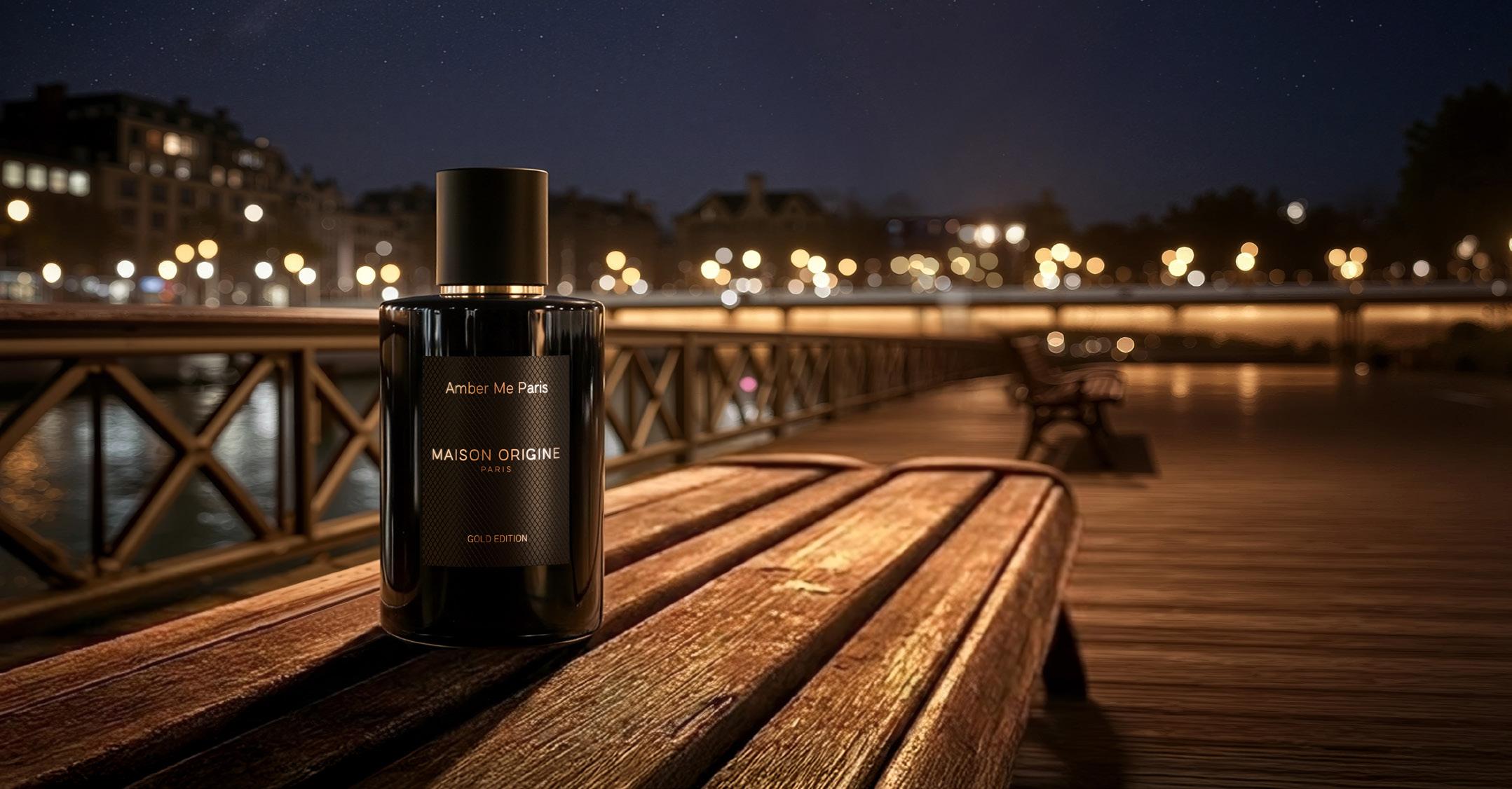
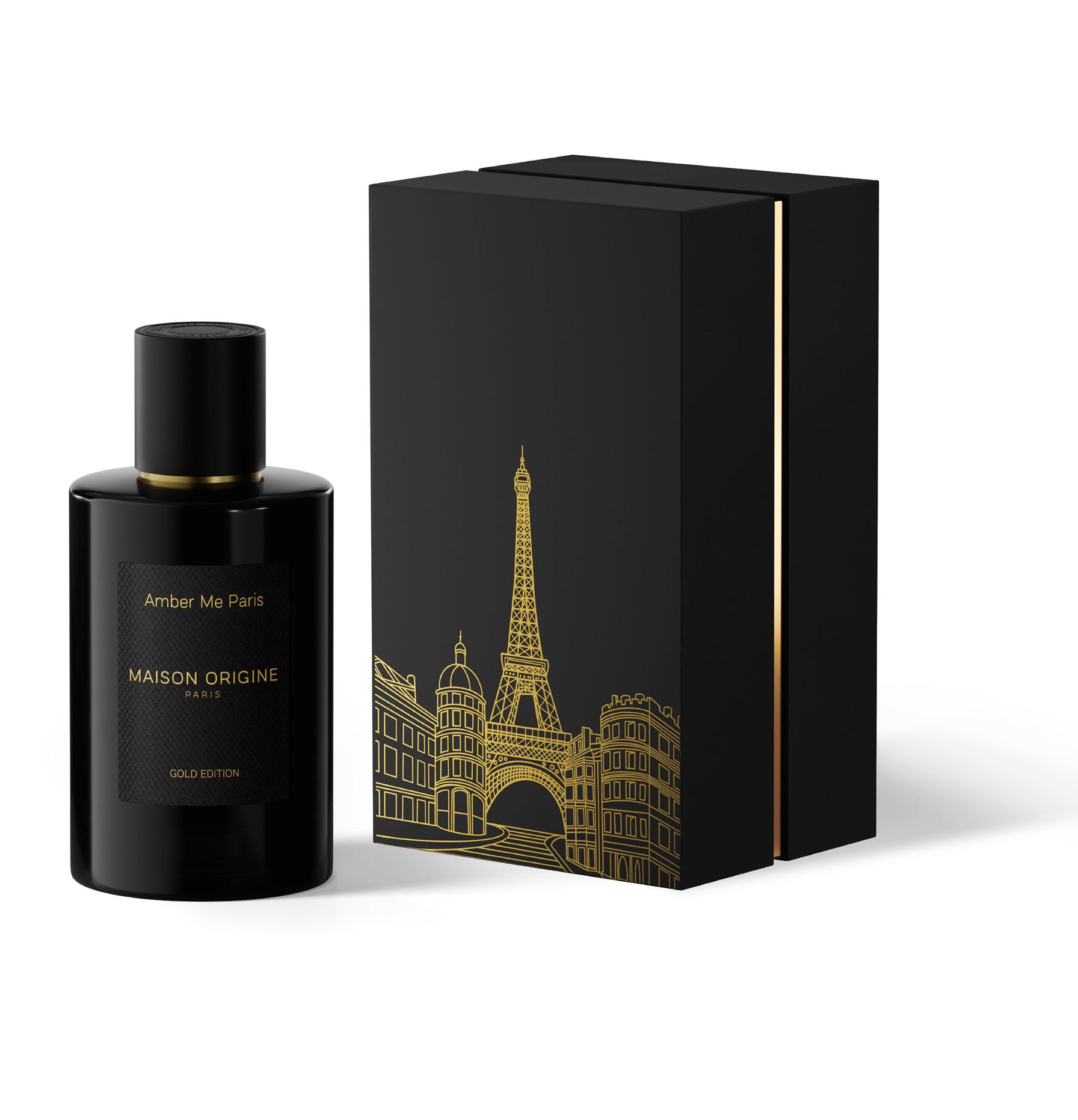
• Top: Grapefruit, Lavender, Mugwort
• Heart: Amber, Tobacco, Leather, Spices
• Base: Oud, Sweet Amber
Some fragrances are created to impress. Others are created to tell a story. Amber Me Paris, the latest extrait de parfum from Maison Origine Paris, belongs firmly to the latter. Inspired by a love story that unfolded in the French capital, the fragrance transforms a fleeting moment into an intimate olfactory experience, capturing the warmth, elegance and quiet romance that have long defined Paris.
The story begins on the balcony of the iconic Hôtel Plaza Athénée, where the founder of Maison Origine Paris found himself reflecting on a simple yet profound question: what do you give someone when everything has already been given? The answer was not another gift, but something far more enduring - a fragrance capable of preserving emotion itself. From that moment, Maison Origine Paris was born.
Amber Me Paris reflects the city’s changing moods through a carefully layered composition. Bright grapefruit and lavender create a fresh, luminous opening before unfolding into a sophisticated heart of amber, tobacco, leather and spice. The fragrance settles into a rich, lingering base of oud and sweet amber, creating a warm, refined signature that balances contemporary elegance with timeless depth.
Crafted as an extrait de parfum, the composition evolves gracefully throughout the day, revealing new facets with every wear. Rich without being overpowering, it embodies the understated sophistication that defines both Parisian style and the Maison Origine philosophy.
More than a fragrance, Amber Me Paris is an invitation to experience the city through scent. Elegant, distinctive and deeply personal, it captures the essence of a memorable moment, proving that the most enduring luxury is often found not in objects, but in the memories they evoke.
Many consumers across the world are looking for the perfect gift for their friends and family. Natasha Dury, Curator of New Technology Trends brings you the latest gadgets to gift loved ones.
Huawei has expanded its stylish HUAWEI FreeClip 2 range in the UAE with a striking new Berry Purple finish, adding a fresh splash of personality to its innovative open-ear earbuds. Combining a lightweight, comfortable design with improved dual-diaphragm drivers, adaptive volume control and AI-powered call noise cancellation, the FreeClip 2 delivers impressive sound quality without compromising on situational awareness. With up to 38 hours of total battery life, IP57 water and sweat resistance, and a compact redesigned charging case, it is an ideal everyday companion for work, travel and active lifestyles.


BELKIN CONNECTAIR WIRELESS HDMI DISPLAY ADAPTER (MODEL AVC024)
The ConnectAir Wireless HDMI Display Adapter enables effortless casting and presentation from any USB-C device, offering a compact, plug-andplay solution for wirelessly mirroring or extending screens in 1080p at 60Hz, without the need for Wi-Fi, apps, or drivers. Designed for seamless use across travel, classrooms, and conference rooms, it delivers a reliable peer-to-peer connection with a range of up to 131 ft (40 m) and ultra-low latency under 80 ms for smooth streaming and responsive presentations. Compatible with USB-C laptops, tablets, and smartphones supporting DisplayPort Alt Mode, the system includes an HDMI receiver for TVs, monitors, or projectors, and supports up to eight transmitters for flexible multi-user screen sharing. Built for broad compatibility across operating systems, it comes complete with a USB-A to HDMI receiver and USB-C transmitter, and is reinforced with a 4-Point Safety System featuring overvoltage, overcurrent, short-circuit, and fire-resistant protection for dependable performance.
The HONOR Magic V6 redefines what users can expect from a foldable smartphone by combining an ultraslim design with exceptional durability and long-lasting performance. Featuring advanced NanoCrystal Shield protection, a reinforced Super Steel Hinge rated for up to 500,000 folds, and IP68/IP69 water and dust resistance, it is built to withstand everyday use with confidence. Complementing its rugged design is an industry-leading 6,660mAh battery with ultra-fast wired and wireless charging, delivering flagship-level productivity and endurance without compromising its sleek, foldable form.
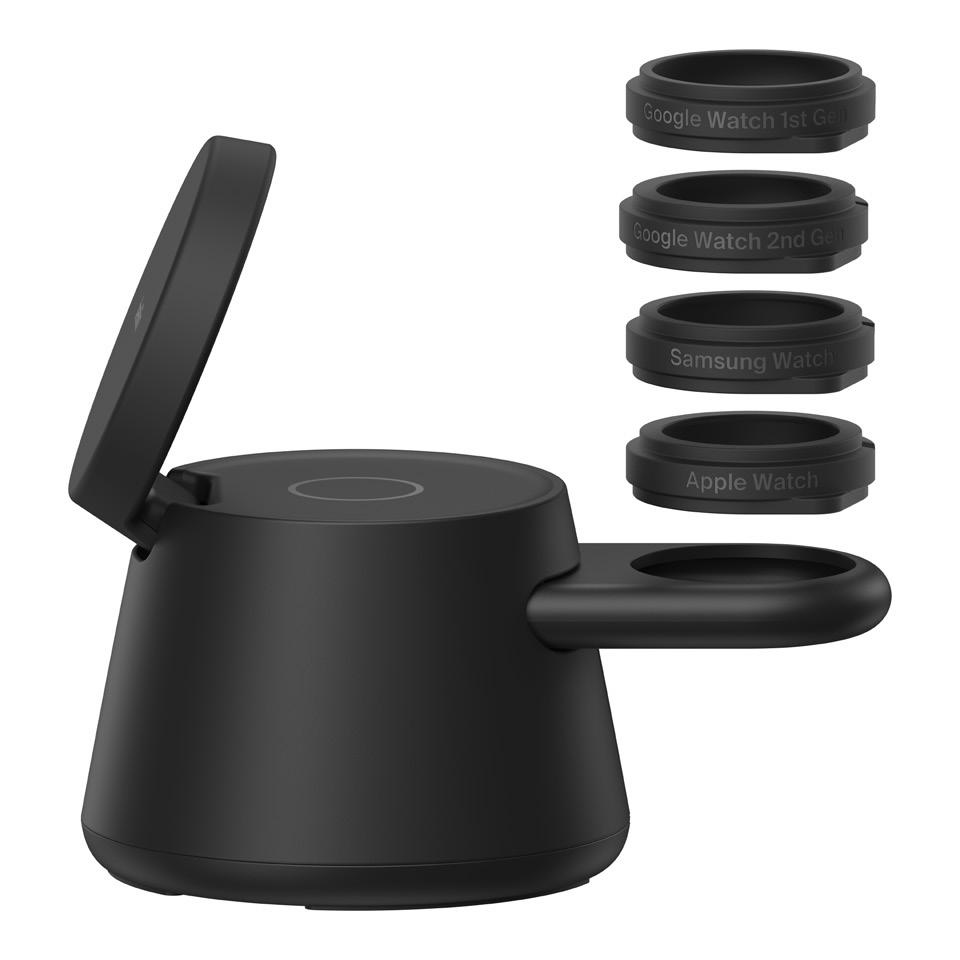
Epson has unveiled its latest Lifestudio™ projectors and nextgeneration EcoTank printers, bringing together immersive entertainment, creative expression and everyday productivity in one connected ecosystem. The new Lifestudio projectors transform any room into a cinematic experience with 4K PRO-UHD visuals, premium Bose sound and Google TV™, while the latest EcoTank printers deliver high-quality, lowcost printing with refillable ink tanks and energy-efficient Heat-Free technology. Designed for homes, creatives and small businesses alike, the range combines innovation, sustainability and ease of use to inspire work, learning and entertainment.

The Belkin UltraCharge Modular Charging Dock (Model WIZ052) is designed for speed, flexibility, and everyday convenience, delivering Qi2 25W wireless charging to power a phone, earbuds, and smartwatch simultaneously. Its compact, travel-ready form factor makes it easy to pack, while precise magnetic alignment ensures devices snap securely into the optimal charging position every time. Featuring a bring-yourown-puck (BYOP) smartwatch holder and universal Qi2 compatibility, it balances high performance with thoughtful design. The dock supports three-device charging via dual wireless pads and a dedicated watch puck port, complemented by a 10W USB-C port with a spring-latch BYOP holder that collapses for storage and extends when in use. A soft-touch silicone finish and non-slip base enhance stability, while case compatibility up to 3 mm adds practicality. It comes complete with a 5 ft (1.5 m) USB-C to USB-C cable and a 45W USB-C power supply, making it a complete, ready-to-use charging solution.

By Shereen Shabnam

For Italian artist Barbara Pecorari, the inspiration comes from watching a shoal of sardines moving effortlessly through the sea, their synchronised motion and iridescent colours revealing an unexpected beauty beneath the surface.
What began as an observation has evolved into her unmistakable artistic signature. Today, Pecorari’s vibrant schools of fish appear across canvases,
sculptures, installations and decorative objects, each piece celebrating the rhythm, harmony and energy of marine life through textured compositions and shimmering finishes.
Working with luminous blues, turquoise tones and holographic accents that mimic the changing light of the ocean, her artworks capture both movement and
tranquillity. Individually, each fish tells its own story, yet together they create a powerful visual expression of unity, reminding viewers of the strength found in community and connection.
Having exhibited across Italy as well as internationally in cities including Paris, London, Berlin, Miami, Dubai and Monte Carlo, Pecorari has established a distinctive artistic identity that continues to resonate with collectors drawn to the sea and its enduring symbolism.
We are really keen to see her work at the World Park for Peace by Artissima in Dubai. Visitors will have the opportunity to experience an artist whose creations celebrate far more than marine life.
They offer a poetic reminder of nature’s quiet elegance, transforming one of the ocean’s simplest wonders into contemporary art that is both uplifting and instantly recognisable.

Italian artist Lara Androvandi transforms an ancient Turkish tradition into contemporary works that blend heritage, craftsmanship and imagination.
By Natasha Dury

Few artists successfully bridge centuries of artistic tradition with contemporary expression quite like Lara Androvandi. Drawing inspiration from the ancient art of Ebru, the mesmerising Turkish technique of painting on water, she creates works that feel both timeless and unmistakably modern. Recognised by UNESCO as an Intangible Cultural Heritage, Ebru has become the foundation upon which Androvandi has built a distinctive artistic language of her own.
A graduate of the Academy of Fine Arts in Carrara and a recipient of advanced training under renowned sculptor Arnaldo Pomodoro, Androvandi combines classical artistic discipline with contemporary creativity.
Her work extends far beyond traditional painting, incorporating marbled papers,

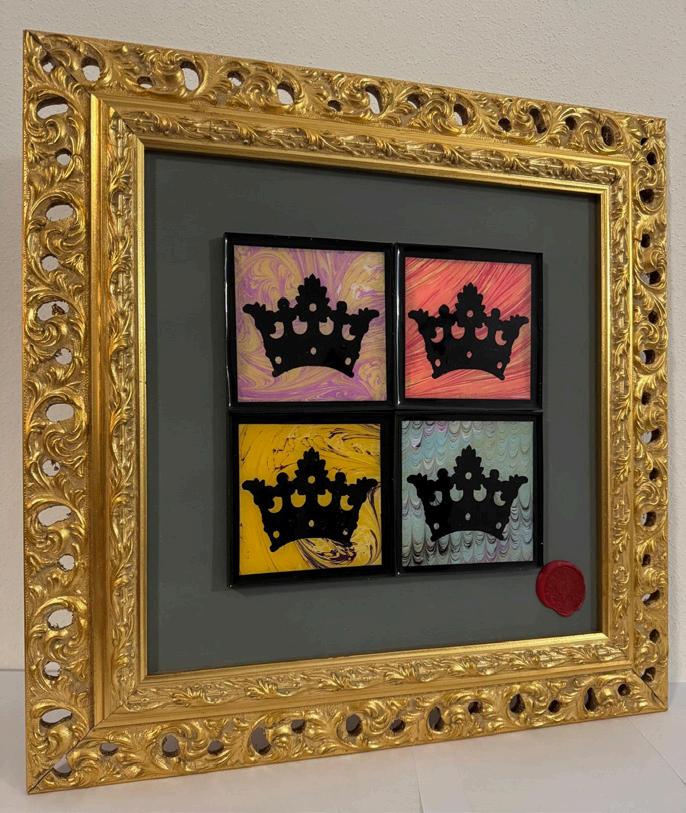
gold leaf, resin and mixed media to produce richly textured compositions that celebrate movement, craftsmanship and emotion.
Whether depicting the soulful gaze of a horse, abstract marbled compositions or symbolic contemporary forms, her
creations reveal a fascination with detail and storytelling. Every work reflects the unpredictable beauty of painting on water, where no two compositions can ever be exactly the same.
Alongside her studio practice, Androvandi has become widely recognised for her live Ebru performances, transforming the fluid movement of colour on water into captivating artistic experiences.
Her work has been exhibited extensively throughout Italy and internationally, while collaborations with cultural institutions, charitable initiatives and educational projects continue to demonstrate the enduring power of art to inspire, heal and connect communities.
Art enthusiasts will enjoy her work at World Park for Peace by Artissima in Dubai, and will discover an artist whose creations celebrate more than technique alone and represents a meeting of East and West with tradition and innovation.
From rattan and wicker to woven rope and cane detailing, designers are increasingly embracing natural weaves to bring warmth, texture and craftsmanship into modern interiors.
As contemporary interiors continue to evolve, natural weaves are enjoying a renewed appreciation. Beyond their traditional association with craftsmanship, coastal interiors and outdoor living, materials such as willow, rattan, cane, wicker and woven rope are increasingly being reinterpreted for contemporary interiors, creating furniture that feels both timeless and relevant.
Their enduring appeal lies in the balance they strike between heritage and modernity. Handwoven techniques introduce texture,
depth and warmth, softening architectural forms while celebrating the skill behind each piece.
Equally at home in minimalist, Scandinavian and Japandi-inspired interiors as they are in more layered design schemes, woven materials bring authenticity, visual softness and character, creating spaces with greater longevity.
Rather than simply revisiting the past, today’s designers are giving these age-old
Inspired by the tall handwoven fruit-picking baskets traditionally worn by farm workers, Philippe Starck transforms an everyday rural object into a sculptural armchair and pouf. Handwoven in willow using techniques that require exceptional craftsmanship, the design is enriched with vertical rattan inserts and a flexible rattan frame, while soft leather cushions introduce contemporary comfort. Hotte celebrates the preservation of traditional handcraftsmanship through a refined, modern interpretation.

techniques new expression. From iconic midcentury classics and rural basketry traditions to innovative woven ropes engineered for indoor and outdoor living, natural weaves continue to evolve while remaining rooted in craftsmanship.
The following six designs from Cassina, Kettal, Minotti and Boffi|DePadova demonstrate how natural weaves continue to shape contemporary furniture through material innovation, refined design and a deep respect for traditional making.
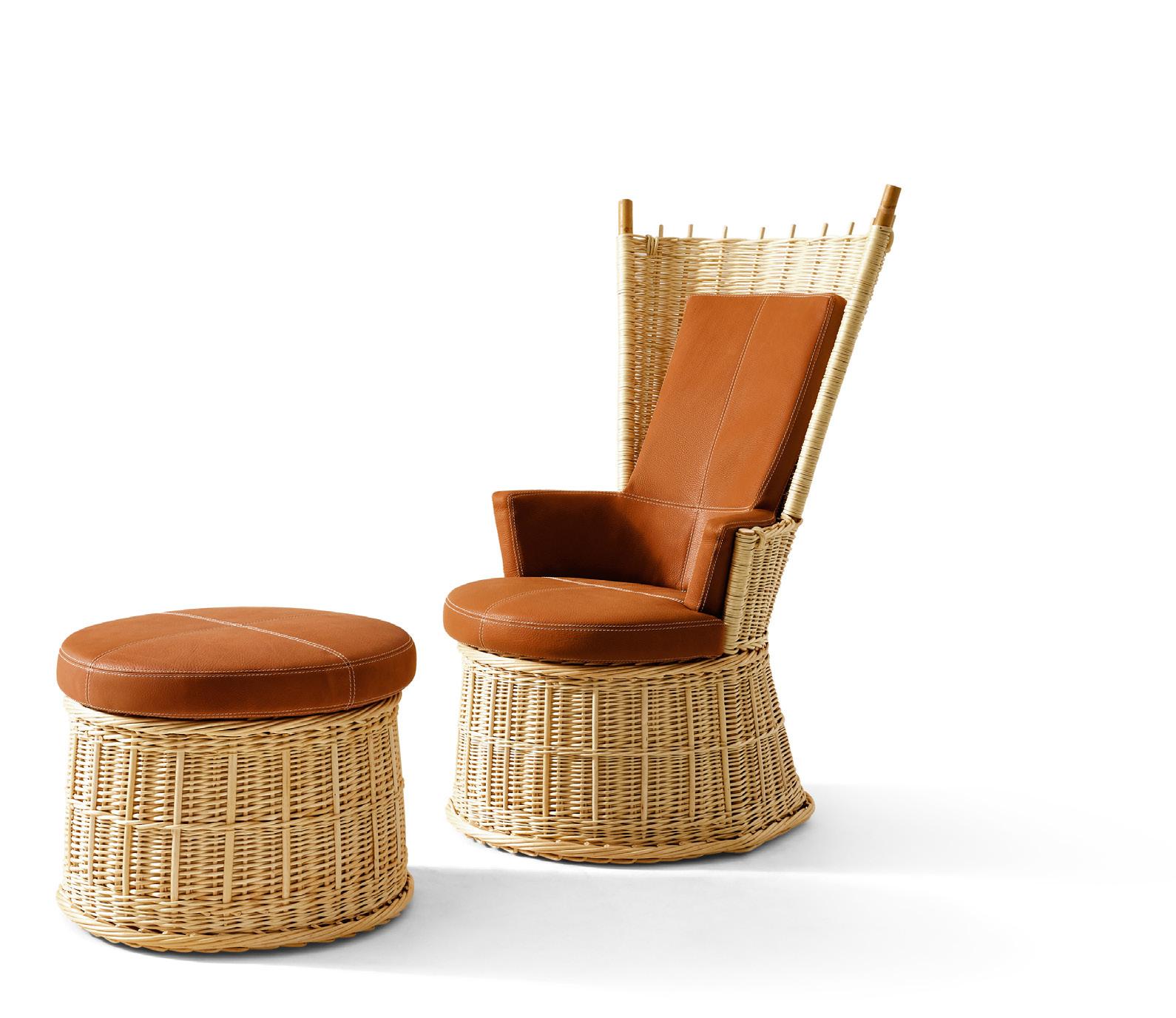
Originally created in the 1950s for the public buildings of Chandigarh in northern India and reissued by Cassina in 2019. Pierre Jeanneret’s furniture remains among the most recognisable examples of woven cane in twentiethcentury design. Crafted from solid oak or teak with handwoven Viennese cane, the Capitol Complex Chair beautifully combines European modernism with local craftsmanship, resulting in pieces that continue to influence contemporary interiors decades later.
Originally designed by Paolo Tilche in 1960 and reissued from the Archivio Storico Bonacina collection, the Silvia Accent Chair celebrates the enduring beauty of handcrafted natural materials. Handmade from Indian cane and secured with traditional rush bark, each chair is unique, reflecting the artisanal techniques behind its creation. Combining vintage character with timeless elegance, Silvia demonstrates how woven cane continues to bring warmth, texture and authenticity to contemporary interiors.
First created in the 1950s by Danish design pioneers Nanna and Jørgen Ditzel, the Basket Chair became an icon of Scandinavian design, winning awards at both the 1950 Cabinetmakers Guild Exhibition and the 1951 Milan Triennale. Re-edited by Kettal, the collection is now available in both indoor and outdoor versions, preserving its signature handwoven character while reinterpreting the original through contemporary materials suited to modern living.

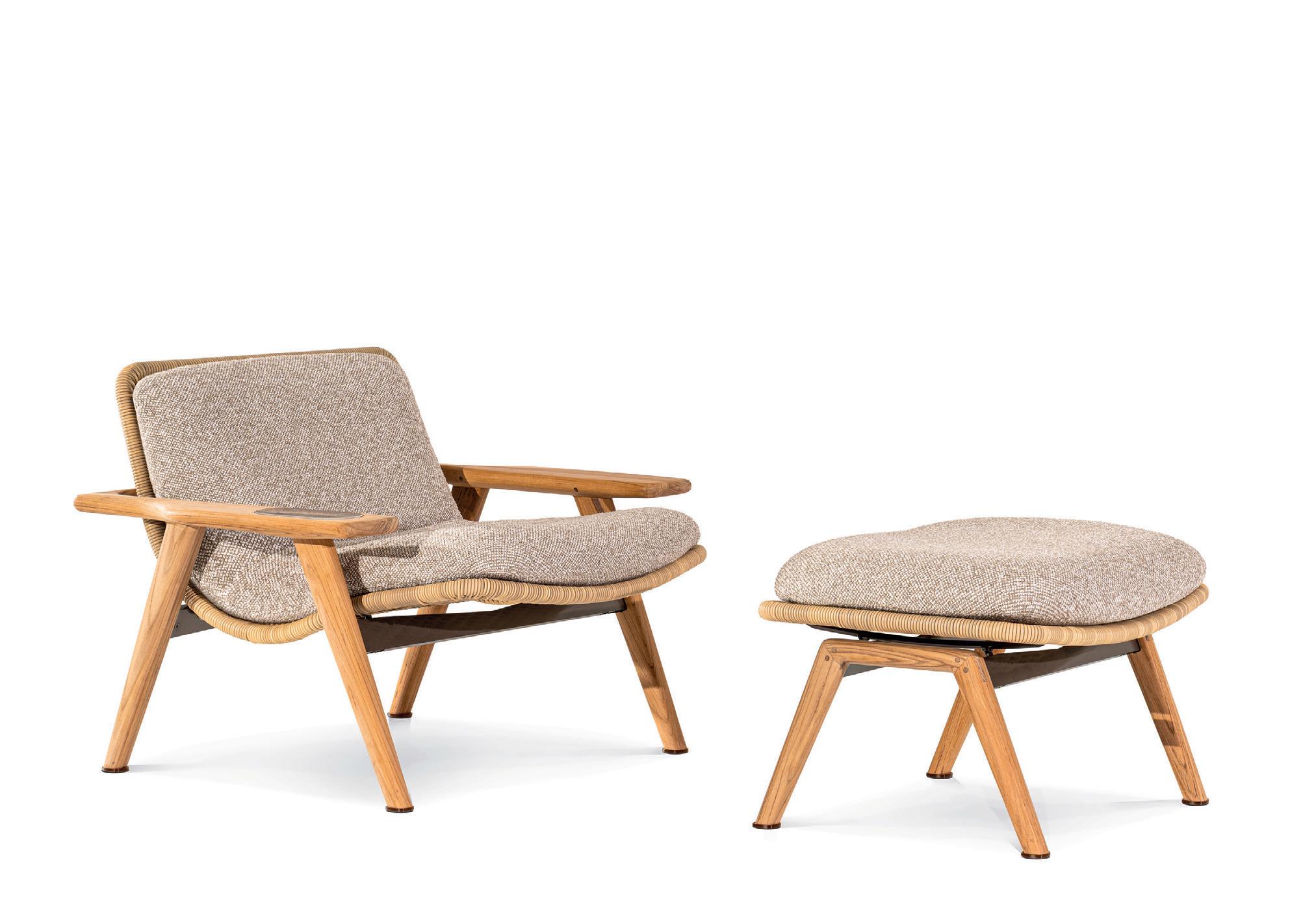
Paying tribute to the pioneering women who shaped twentiethcentury architecture, art and design, Elas explores the relationship between craftsmanship, materiality and contemporary living. At the heart of the collection is a genuine handwoven wicker shell, where the intricate weave becomes the defining architectural feature, bringing warmth, texture and visual lightness while expressing remarkable strength and character. Soft organic forms, natural materials and carefully integrated upholstery create a seamless dialogue between body and space, allowing Elas to transition effortlessly from refined interiors to outdoor settings.
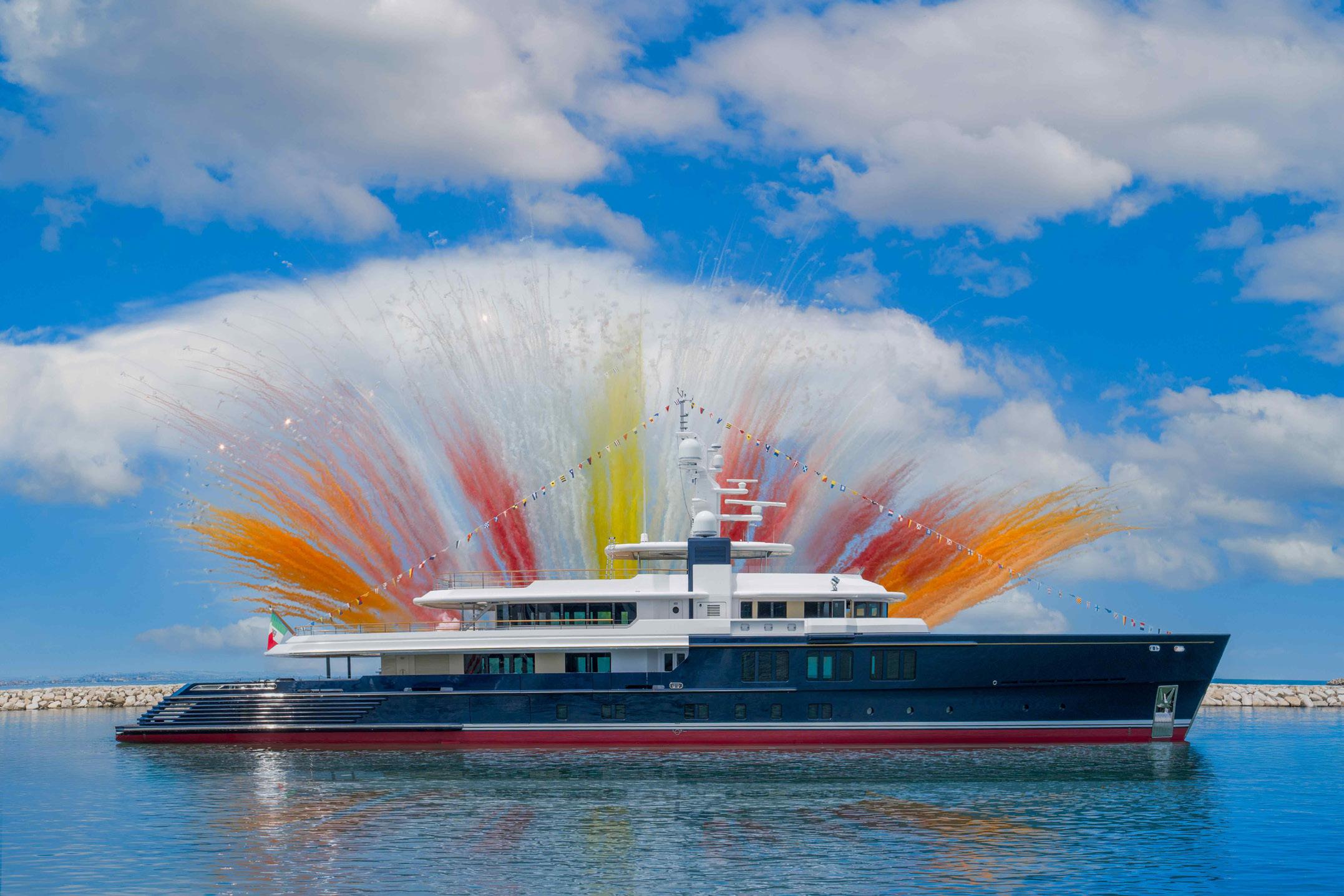
CRN’s Project Thunderball is a masterclass in bespoke yacht building, where timeless design meets engineering excellence.
There are yachts that impress with their size, others with extravagant amenities, and then there are those that quietly redefine what bespoke yacht building can achieve. Project Thunderball belongs firmly in the latter category.
Recently launched at CRN’s renowned superyacht shipyard in Ancona, Italy, the 70-metre full-custom superyacht represents far more than another addition to the water. It is the latest expression of CRN’s philosophy that every yacht should be conceived as a singular work of art, shaped entirely around its owner’s vision while showcasing the finest traditions of Italian craftsmanship and naval engineering.
By Shereen Shabnam
Constructed in steel and aluminium, Project Thunderball reflects years of collaboration between CRN’s in-house specialists, Dutch design studio Vripack Yacht Design and the acclaimed Italian firm Nauta. Together, they have created a yacht where architecture, engineering and design exist in complete harmony.
From the first glance at the design, Thunderball projects quiet confidence. Her elongated bow, graceful profile and uninterrupted surfaces evoke the timeless elegance of classic yachts, while subtle contemporary detailing ensures she feels thoroughly modern rather than nostalgic. The flowing lines
draw inspiration from sailing yachts, giving the vessel a sense of movement even when perfectly still.
What makes Thunderball particularly appealing is the seamless dialogue between interior and exterior spaces. Rather than treating them as separate environments, the designers have carried proportions, materials and visual rhythms throughout the yacht, creating an experience that feels remarkably cohesive. Outdoor lounges naturally transition into sophisticated living spaces, while carefully selected materials reinforce an atmosphere of understated luxury instead of excess.
Inside, the design embraces longevity over fashion. Nauta’s interiors celebrate maritime heritage through a contemporary lens, balancing refined detailing with inviting comfort. Every material, finish and technical solution was selected in close consultation with the owner, ensuring the yacht remains deeply personal rather than simply luxurious.
Accommodation has been designed for both privacy and hospitality, with an owner’s suite complemented by five spacious VIP guest cabins for up to twelve guests. A dedicated crew of fifteen is accommodated across nine cabins, ensuring impeccable service while maintaining the discretion expected aboard a yacht of this calibre.
Beyond aesthetics, Thunderball reflects the growing importance of intelligent engineering in modern yacht construction. Beneath her elegant profile lies a sophisticated Energy Storage System capable of optimising onboard power management, reducing fuel consumption and enabling silent operation while at anchor. These innovations not only improve efficiency but also enhance the onboard experience by delivering quieter, more environmentally conscious cruising without compromising comfort.
Throughout the build, Y.CO acted as the owner’s representative and project management team, overseeing every stage of construction and ensuring the owner’s vision remained central from concept to completion.
At 70 metres with a beam of 11 metres and a gross tonnage of 1,100 GT, Thunderball possesses impressive scale, yet her greatest achievement lies not in her dimensions but in the restraint with which they have been executed. Rather than relying on dramatic styling or extravagant features to capture attention, the yacht celebrates balance, proportion and craftsmanship.
I have followed the work of CRN closely for over 19 years when writing for the Millionaire Group and find their dedication to bespoke yachts exquisite. Their heritage of building fully bespoke superyachts spans more than six decades, and Project Thunderball continues a tradition of creating yachts that are impossible to replicate. Every line, every space and every engineering decision has been developed exclusively for one owner, resulting in a vessel that reflects not only exceptional design, but an individual personality.
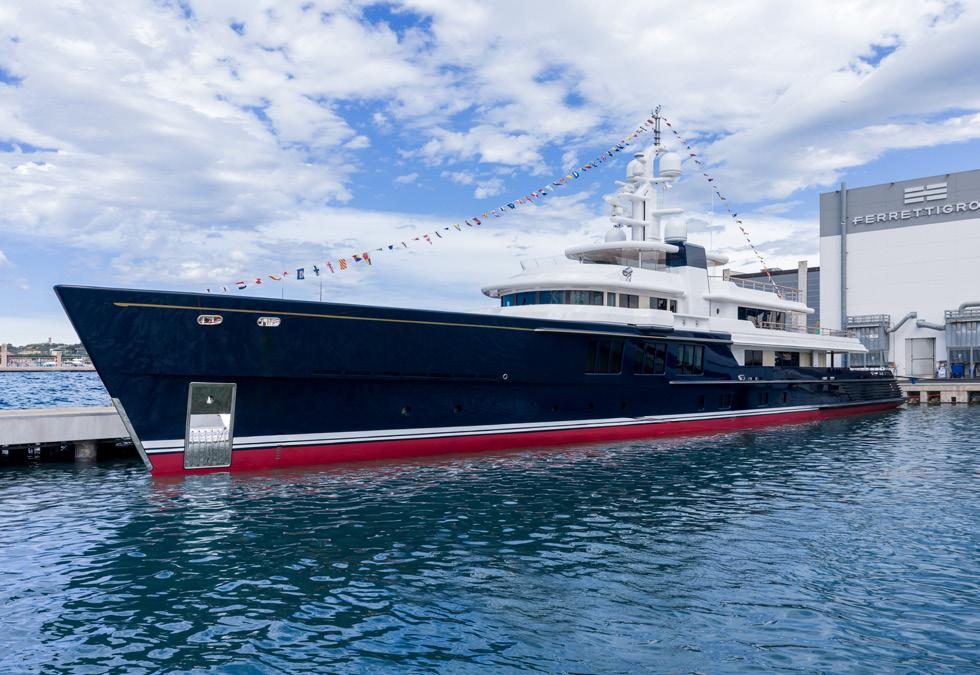
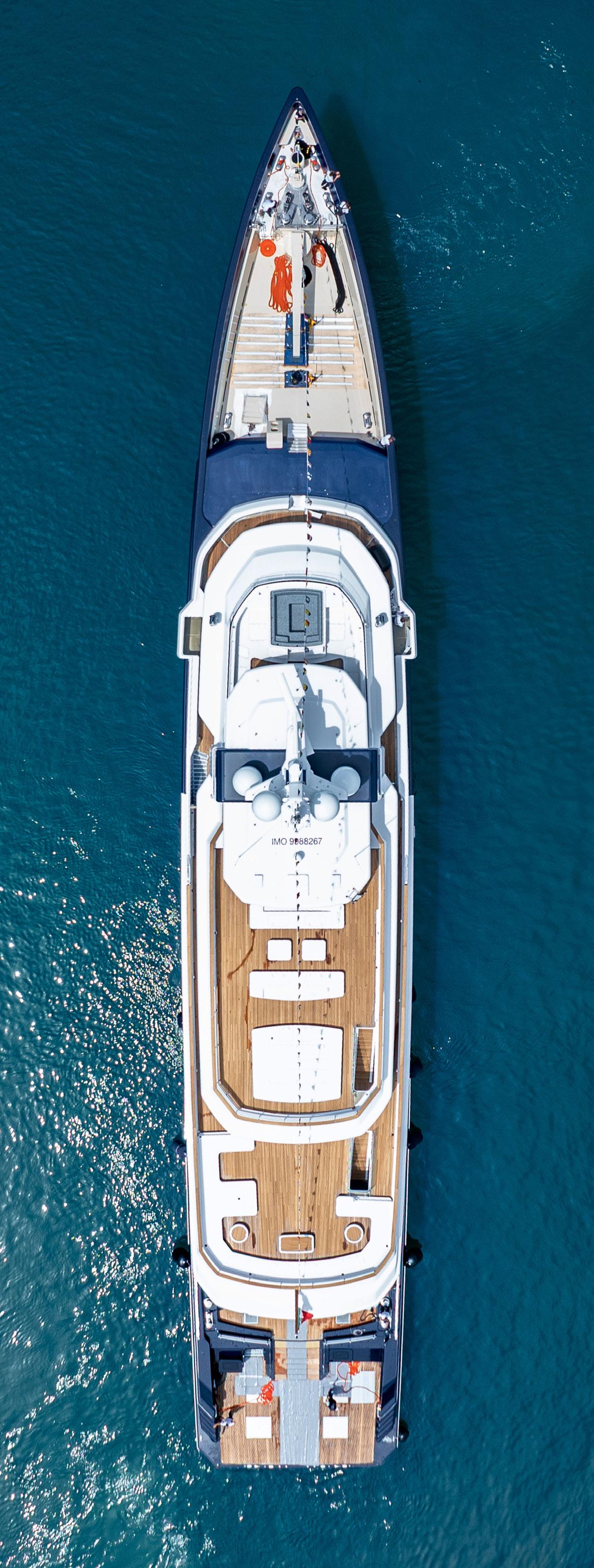

The arrival of the DEEPAL G318 into the rapidly growing SUV segment represents a fresh interpretation of what an adventure vehicle can be in times where electrification, intelligent technology and long-distance capability are expected to coexist. During my drive experience, the G318 quickly demonstrated that it is far more than its bold, military-inspired appearance suggests.
While its upright stance and rugged proportions hint at serious off-road credentials, it also delivers the refinement and comfort expected from a modern premium SUV. Designed around DEEPAL’s Super Hybrid technology, it brings together electric driving characteristics with the reassurance of extended range, making it particularly well suited to the varied driving conditions of the UAE.
By Shereen Shabnam
The G318 comes with a squared-off silhouette, muscular wheel arches and clean geometric lines that create a purposeful design and looks equally at home in Dubai’s urban landscape or crossing desert tracks. The front lighting signature gives the vehicle a distinctive identity, while the elevated stance and practical proportions reinforce its adventurous personality. The G318 has genuine road presence without appearing cumbersome. The rear-mounted spare wheel and robust detailing complete the look, reminding you that this is an SUV designed for exploration rather than simply projecting an adventurous image.
Step inside and the rugged exterior gives way to a surprisingly sophisticated cabin. The dashboard is clean, uncluttered and
centred around a large infotainment display that immediately creates a modern atmosphere. Soft-touch materials, subtle ambient lighting and excellent noise insulation contribute to an environment that feels calm and premium. Visibility is excellent thanks to the commanding seating position, while the spacious cabin offers generous room for both front and rear passengers. What impressed me most was that the cabin appears thoughtfully positioned, allowing the driver to focus on the journey while still enjoying the latest technology.
The intelligent cockpit combines connected navigation, bilingual voice recognition and remote vehicle functions within an intuitive interface that quickly becomes second nature. A premium sound system and full-cabin acoustic insulation
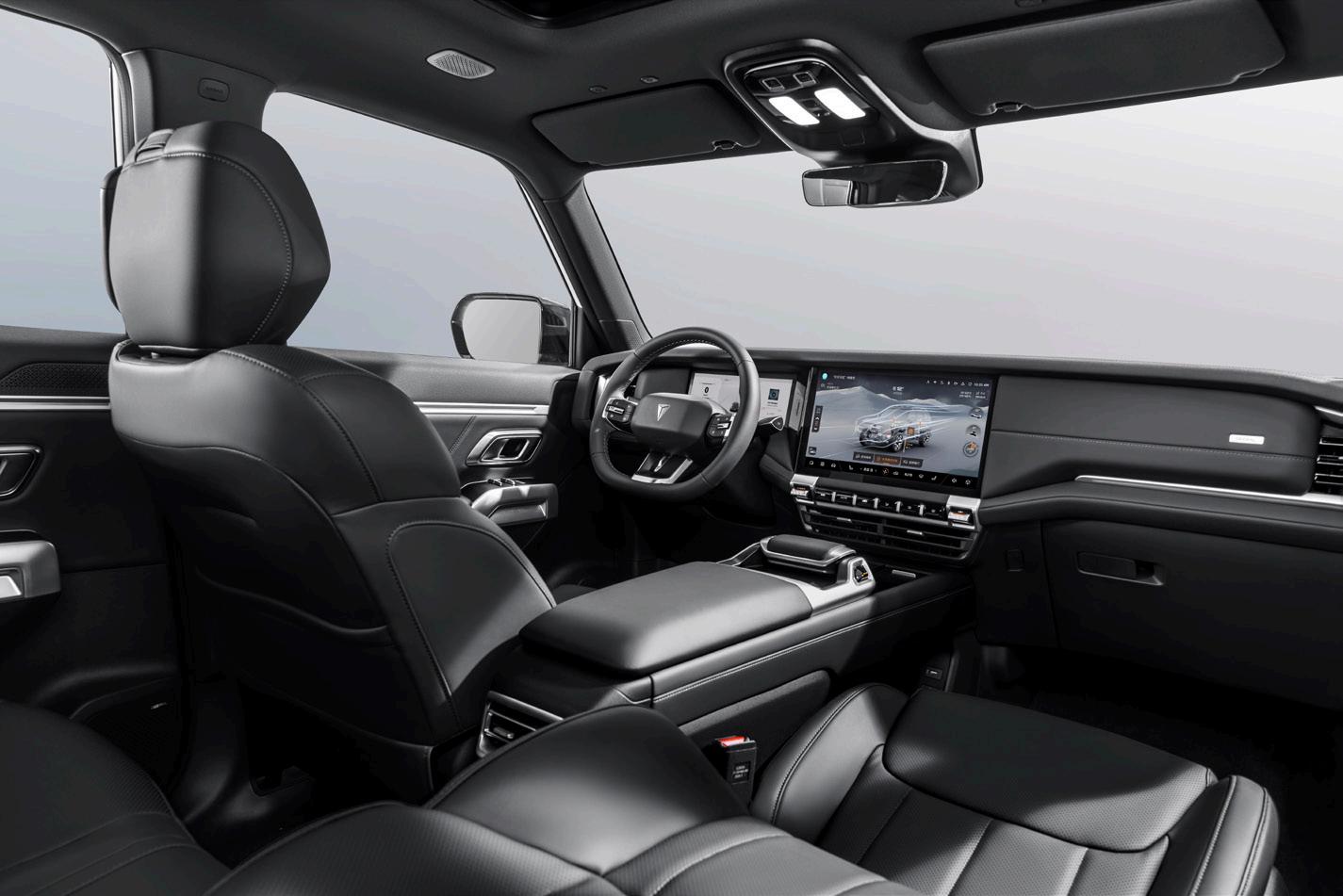
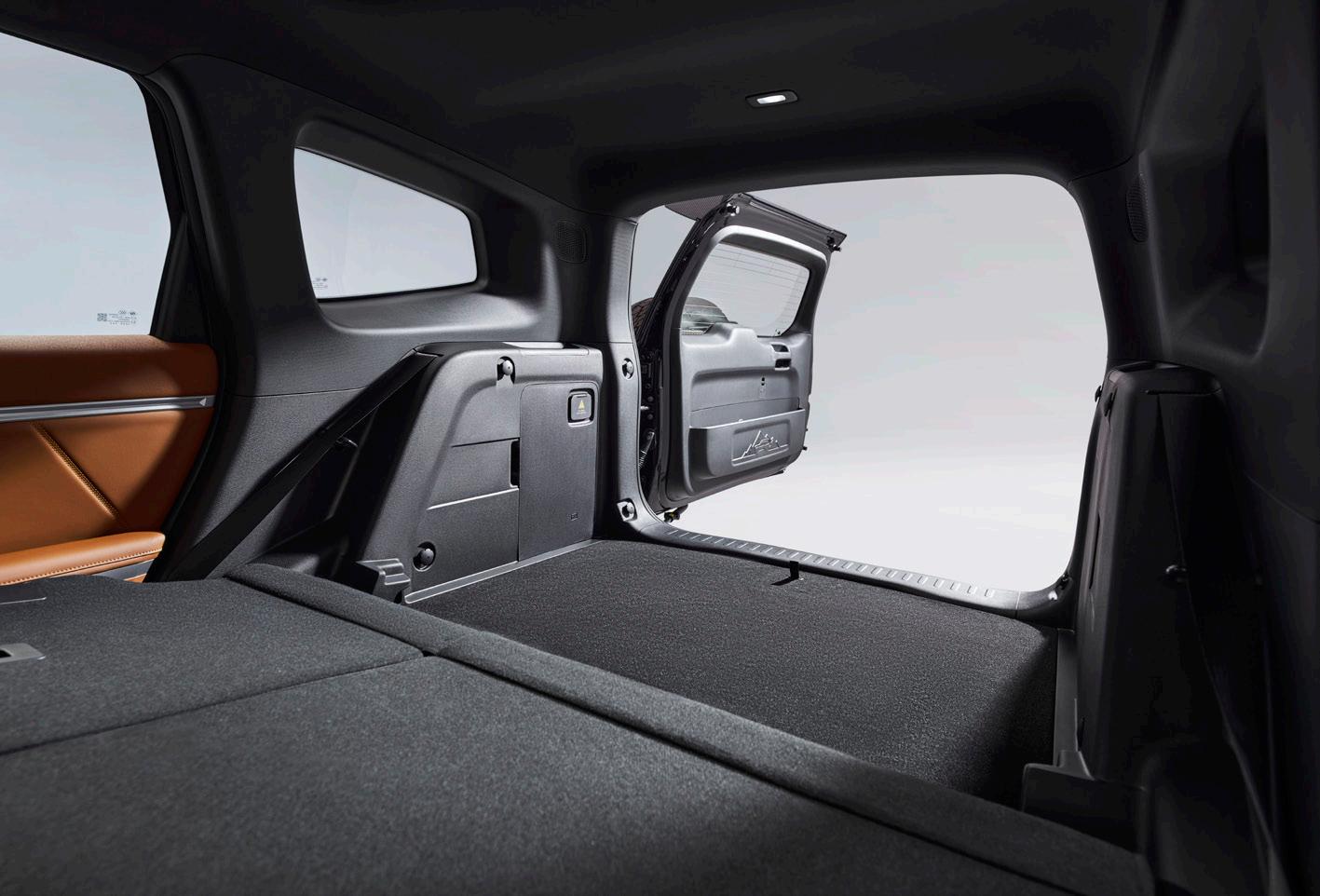

further elevates the driving experience. Equally impressive is the technology beneath the bodywork. The ET Intelligent All-Terrain System continuously adapts suspension, drivetrain and differential settings according to changing terrain, making off-road driving far less intimidating for drivers with limited experience. Safety has also received considerable attention. Eight airbags, a 540-degree panoramic camera, adaptive cruise control, blind-spot monitoring, lane change assistance and a comprehensive suite of driver assistance systems provide reassurance whether navigating city streets or venturing beyond the tarmac.
On the road, the G318 feels remarkably composed. The dual-motor fourwheel-drive system delivers effortless acceleration, while the Super Hybrid powertrain provides the smooth, nearsilent response typically associated with electric vehicles.
The transition between electric and rangeextending power is seamless, allowing the driver to simply enjoy the journey. With 430 PS and 575 Nm of torque available, performance is confident and responsive, while the 0-100 km/h sprint of just 5.9 seconds gives the G318 an unexpectedly lively character for a vehicle of this size. Yet what stood out most during my drive was not outright speed but refinement.
For UAE motorists, the combination of electric driving, long-distance capability and genuine off-road potential makes sense. With a combined driving range of up to 848 kilometres (WLTC), range anxiety becomes far less of a concern while enjoying many of the benefits of electrified mobility.
The DEEPAL G318 enters the market with a clear identity. Rather than trying to imitate established adventure SUVs, it introduces a fresh perspective that combines electrified performance, intelligent technology and genuine allterrain capability in one distinctive package for buyers looking to embrace electrified mobility without sacrificing versatility.
By Shereen Shabnam
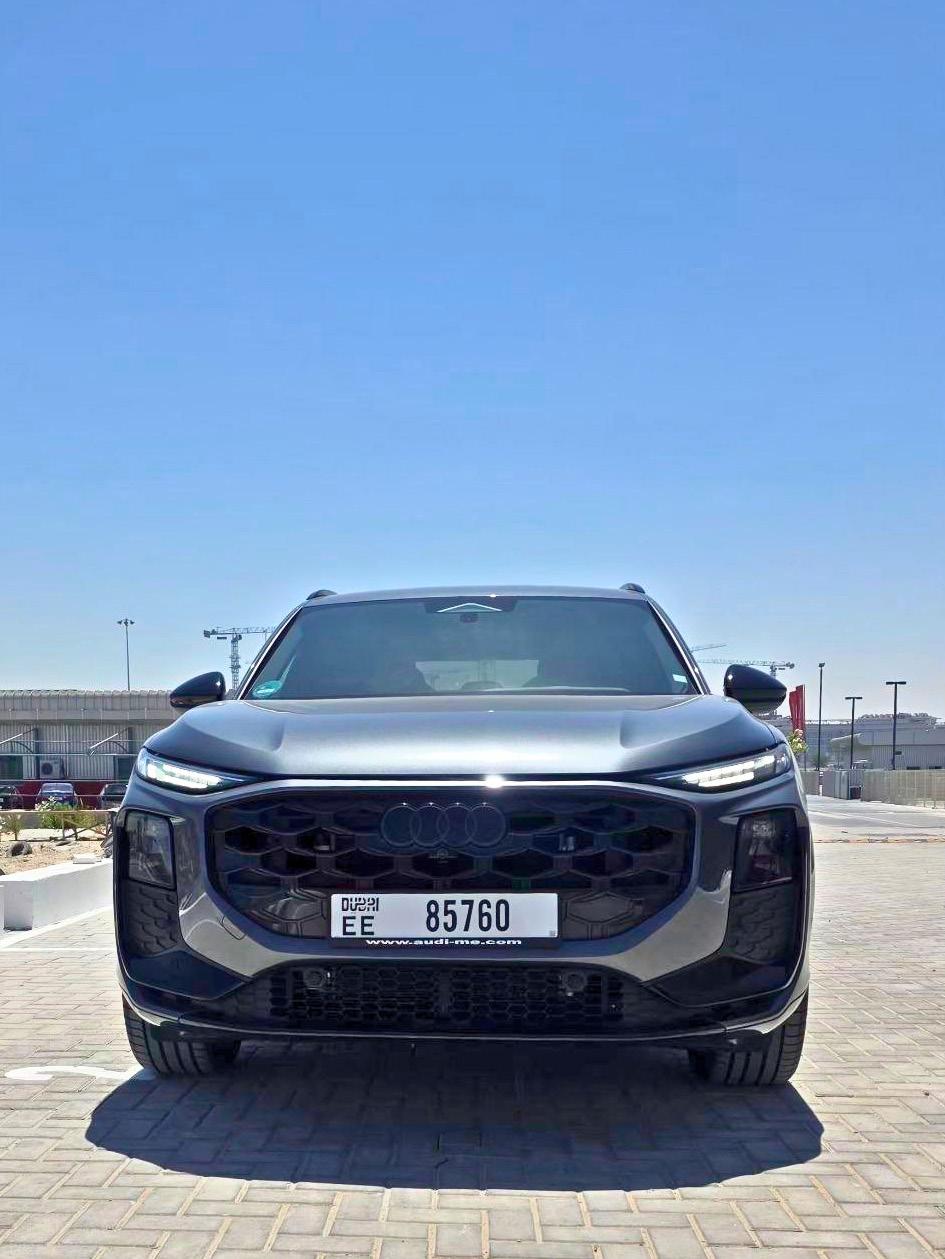
Owning an Audi has taught me that the brand’s greatest strength is in its engineering, design and consistency. Having spent years behind the wheel of my own Audi TT which my daughter drives now, I have come to appreciate the understated confidence that defines
every model wearing the four rings. Audi has never relied on unnecessary drama; instead, it quietly perfects the details that make every journey more rewarding.
The all-new new generation Audi Q3 embodies that philosophy beautifully.
More expressive in its design, more digital inside and more refined on the road, it evolves one of Audi’s most successful SUVs while remaining true to the qualities that have made the brand a favourite among discerning drivers. Whether navigating city streets, embarking
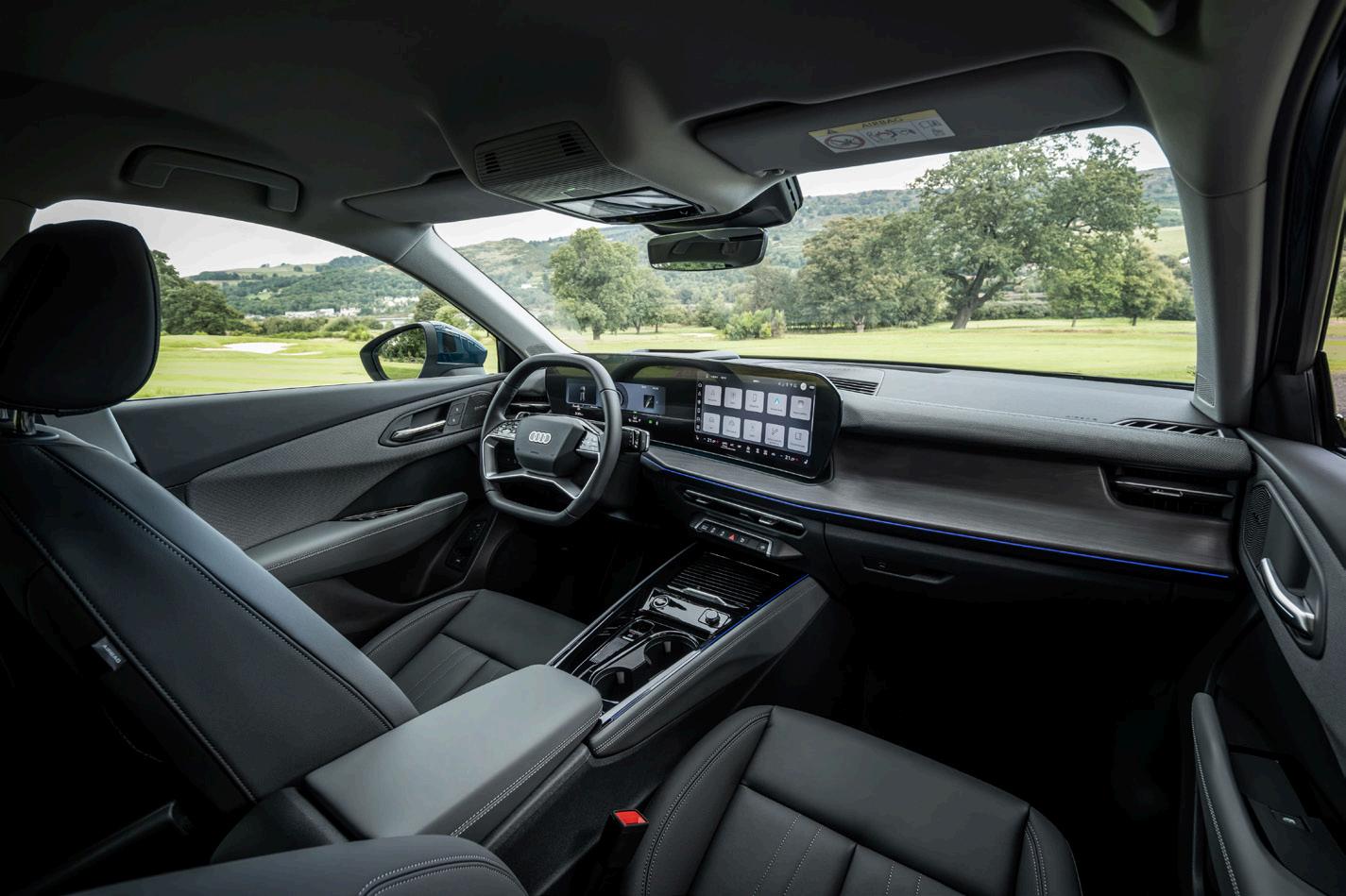

on weekend escapes or tackling long motorway journeys, the Q3 delivers a premium experience that feels both contemporary and reassuringly familiar.
The latest Q3 adopts a noticeably more confident presence. A wider Singleframe grille, sharply sculpted bodywork and slimmer lighting signatures create a stronger visual identity, while muscular shoulders give the SUV a more athletic stance without compromising its elegance.
Audi’s renowned attention to detail is evident throughout. The latest Digital Matrix LED headlights featuring microLED technology not only enhance visibility but also introduce intelligent lighting functions that improve driver awareness. At the rear, optional digital OLED lighting and illuminated Audi rings create a sophisticated signature after dark, ensuring the Q3 is instantly recognisable from every angle.
Step inside and the transformation is
immediately apparent. Audi has embraced a more immersive digital environment centred around its beautifully integrated panoramic digital stage, where a curved 12.8-inch MMI touchscreen and 11.9-inch Audi Virtual Cockpit place every essential function naturally within the driver’s field of vision.
The redesigned steering column frees valuable centre console space, creating a cleaner and more practical cabin, while premium materials and ambient lighting reinforce Audi’s reputation for understated luxury.
Versatility remains one of the Q3’s greatest strengths. Sliding rear seats, adjustable backrests and generous luggage capacity make the SUV equally suited to growing families, business professionals and weekend adventurers. Acoustic glazing for the front side windows, introduced for the first time in this segment, also contributes to a noticeably quieter cabin, particularly during longer highway journeys.
Technology continues to be one of Audi’s
defining strengths, and the all-new Q3 demonstrates just how seamlessly innovation can enhance everyday driving. The intuitive infotainment system integrates effortlessly with the driver’s digital lifestyle, while voice controls and smartphone connectivity make accessing navigation, media and communication simple and distraction-free.
Audi’s latest driver assistance systems work discreetly in the background to enhance confidence rather than overwhelm the driving experience. Adaptive cruise control, lane departure warning, lane change assist, park assist, reverse assistant and fatigue monitoring combine to create an intelligent safety ecosystem that supports drivers across both urban and motorway environments.
The Q3 has always been more about confidence than outright performance, and the latest generation continues that approach with greater refinement. The 150 hp TFSI engine provides smooth, responsive performance ideally suited to everyday driving, while the more powerful 204 hp TFSI quattro offers stronger acceleration and enhanced stability thanks to Audi’s legendary all-wheel-drive system. Paired with the seven-speed S tronic transmission, power delivery feels seamless and composed across varying road conditions.
Suspension tuning successfully balances ride comfort with engaging handling, while progressive steering delivers reassuring precision through tighter city streets before settling into confident stability at motorway speeds. Like every Audi I have driven, the Q3 inspires confidence rather than demanding attention. It simply gets everything right.
Audi has always excelled at producing vehicles that blend engineering excellence with understated sophistication, and the latest Q3 continues that tradition with a more expressive design, a beautifully executed digital cabin and technology that genuinely enhances everyday life.
Perhaps my years of Audi ownership make me appreciate these qualities more than most. Living with an Audi has shown me that the true appeal of the brand lies in the way every detail works together to create a car that feels as satisfying on day one as it does years later.
The all-new Q3 carries that same philosophy into the premium SUV segment. Elegant, practical and quietly confident.
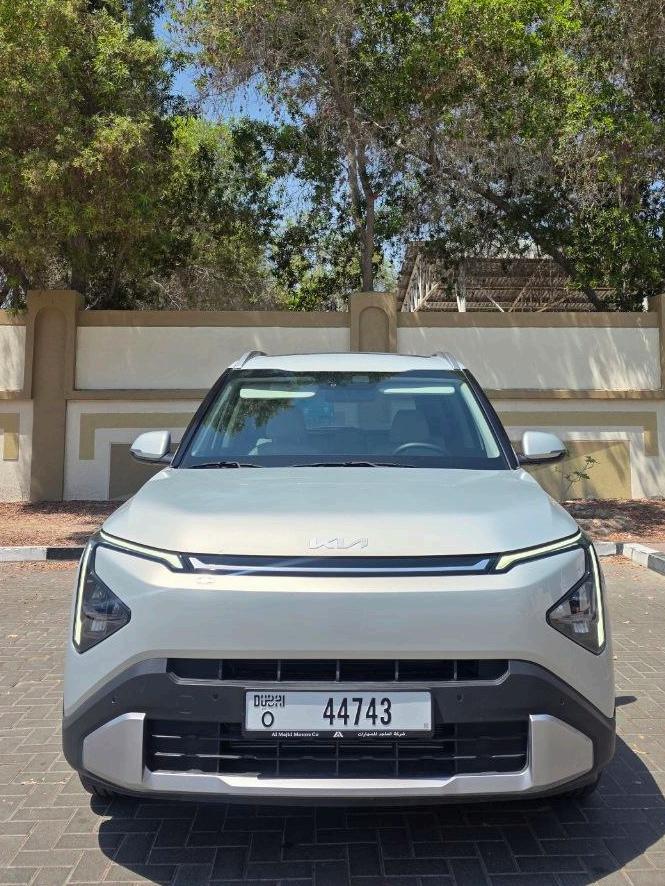
By Shereen Shabnam
Family cars often prioritise function over flair, but the Kia Carens proves you don’t have to sacrifice style, comfort or technology to accommodate seven people. Blending SUV-inspired design with the versatility of an MPV, the Carens has been created for modern families who want a vehicle that is equally comfortable on the daily school run, a weekend road trip or a long highway journey. Spacious, thoughtfully equipped and surprisingly refined, it offers an impressive balance of practicality and value that makes it a compelling choice in its segment.
The Carens wears Kia’s latest design language with confidence. Its bold front fascia, distinctive LED lighting signature and sculpted body lines give it far more presence than a conventional people mover. The elevated ride height lends an SUV-like stance, while the long wheelbase ensures generous interior space without making the vehicle feel oversized. Stylish alloy wheels, roof rails and clean proportions create an appearance that is contemporary and family-friendly rather than purely utilitarian. It’s a design that stands out in a sea of conventional MPVs.
Step inside and the Carens immediately impresses with its airy, intelligently designed cabin. The dashboard layout is clean and modern, with quality materials and thoughtful ergonomics throughout. Seating for up to seven passengers makes it exceptionally versatile, while the second and third rows offer genuine usability rather than simply serving as occasional seats. Multiple storage compartments, flexible seating configurations and generous head and legroom make long journeys comfortable for everyone on board. Even with its focus on practicality, the cabin feels refined enough to satisfy drivers who appreciate a premium touch.
Kia has equipped the Carens with a strong suite of technology designed to simplify everyday driving. The infotainment system supports smartphone connectivity, while the digital displays are clear and intuitive to operate. Wireless charging, multiple USB ports, climate control and a comprehensive package of driver assistance features ensure the vehicle remains practical for busy families.
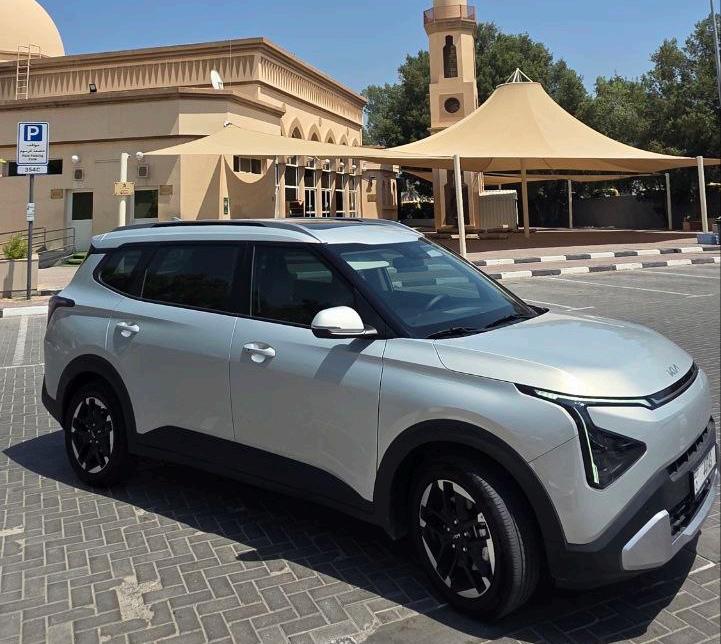
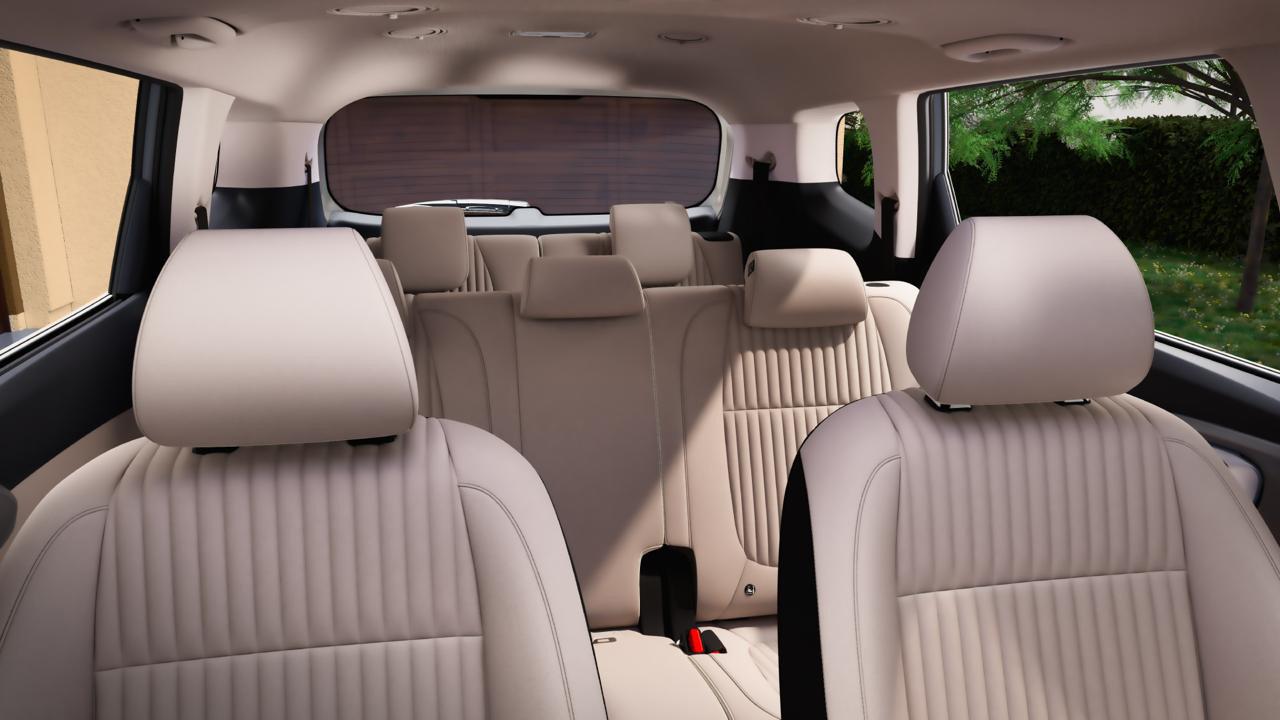
Safety is equally well considered, with a range of active and passive systems working together to inspire confidence whether navigating city streets or cruising on the motorway.
The UAE-spec Carens is powered by a refined 1.5-litre petrol engine paired with a smooth CVT transmission that delivers relaxed and predictable performance. Rather than chasing outright speed, the focus is on refinement, fuel efficiency and everyday drivability. Steering is light for urban manoeuvring, visibility is excellent, and the suspension absorbs uneven road surfaces comfortably, making the Carens an easy companion for both city commuting and longer family adventures. It feels composed,
quiet and confidence-inspiring behind the wheel, exactly what buyers in this segment are looking for.
The Kia Carens successfully bridges the gap between an SUV and a traditional MPV, delivering style, practicality and technology in a package that feels far more premium than its price tag suggests. Its spacious seven-seat layout, refined driving manners and thoughtful features make it an ideal choice for families in our region, while its modern design ensures owners never feel like they’ve settled for practicality alone. For buyers seeking an affordable family vehicle that comfortably handles everyday life while remaining enjoyable to drive, the Carens is one of the strongest all-rounders in its class.

Luxury SUVs have become increasingly capable, but genuine luxury is no longer defined by size or horsepower alone. It is about creating an environment where every journey feels quieter, calmer and more rewarding.

By Shereen Shabnam
During a recent drive in Dubai, we find that the all-new Lincoln Navigator embraces this philosophy with confidence, combining commanding road presence with an interior that feels closer to a private lounge than a traditional SUV. Designed for discerning families, business leaders and longdistance travellers alike, the flagship Navigator redefines American luxury through technology, craftsmanship and effortless performance.
The new Navigator makes an immediate statement without ever appearing ostentatious. Its upright proportions
remain unmistakably Lincoln, but the latest design language introduces cleaner surfaces, sharper detailing and a far more contemporary presence. At the front, the illuminated Lincoln Star grille, dynamic LED lighting signature and full-width rear light bar create an unmistakable identity both day and night. Lincoln Embrace welcomes occupants with illuminated door handles and signature lighting that sets the tone for the experience ahead.
Large alloy wheels, satin chrome detailing and beautifully sculpted bodywork reinforce the Navigator’s premium credentials, while the innovative Split Gate tailgate adds

genuine practicality by creating a convenient seating or loading platform. Every detail feels thoughtfully designed rather than simply decorative, reflecting a vehicle that values sophistication over excess.
Step inside and the Navigator reveals its greatest strength. Rather than overwhelming occupants with visual drama, Lincoln has created a sanctuary that prioritises comfort, craftsmanship and wellbeing.
Premium leather upholstery, genuine wood finishes and carefully selected materials create an atmosphere that feels both contemporary and timeless. The spacious three-row cabin comfortably accommodates adults in every row, while the beautifully supportive Perfect Position front seats, with up to 24-way adjustment for the driver and 22-way adjustment for the front passenger deliver exceptional long-distance comfort.
Lincoln’s focus on wellness extends beyond seating. Enhanced Active Noise Control, Digital Scent technology, ambient lighting and the available Rejuvenate programme combine massage functions, climate control, lighting and immersive audio to transform the cabin into a personal retreat.
Technology is seamlessly integrated throughout the Navigator without ever feeling intrusive. Dominating the dashboard is Lincoln’s striking 48-inch
panoramic display, complemented by an 11.1-inch centre touchscreen running the new Lincoln Digital Experience.
With built-in Google Maps, Alexa integration, wireless Apple CarPlay and Android Auto compatibility, 5G connectivity and software updates, the system feels intuitive and futureready. Personal Profiles remember individual seating, climate and display preferences, while Phone as a Key further simplifies daily ownership.
Audiophiles will appreciate the outstanding 28-speaker Revel Ultima 3D sound system, which transforms the cabin into an immersive listening environment, combined with wireless charging, multiple USB ports and an extensive suite of driver assistance technologies
Power comes from Lincoln’s twinturbocharged 3.5-litre V6 engine producing 440 horsepower and 691Nm of torque, paired with a refined 10-speed automatic transmission and intelligent four-wheel drive.
The result is effortless acceleration that never feels hurried, delivering smooth, confident performance whether navigating city traffic or covering long highway distances.
Before reaching customers, the SUV underwent extensive hot weather testing across the region, enduring prolonged exposure to extreme temperatures, as engineers monitored
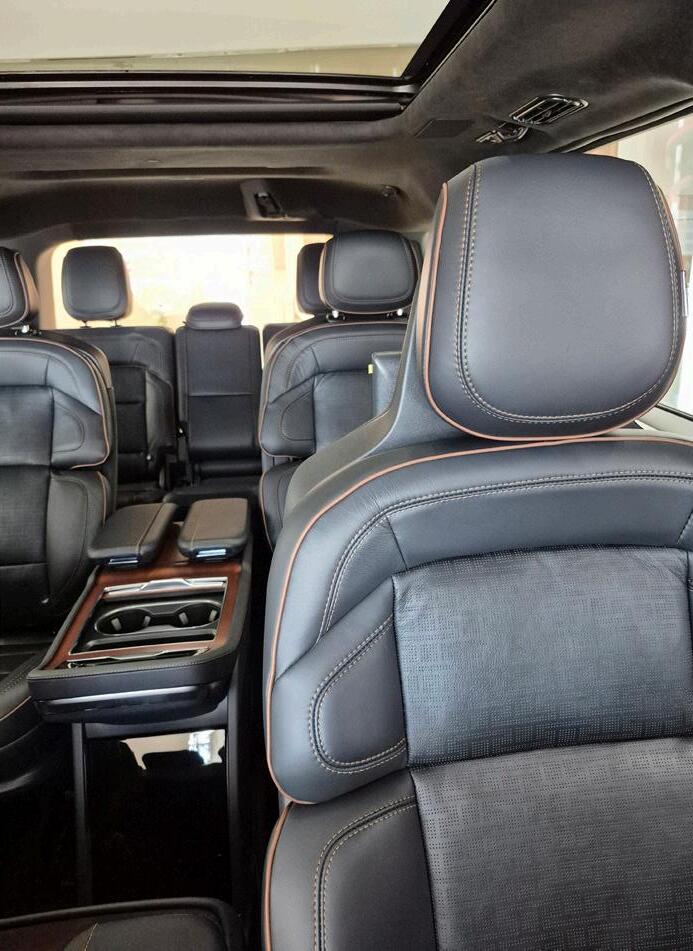
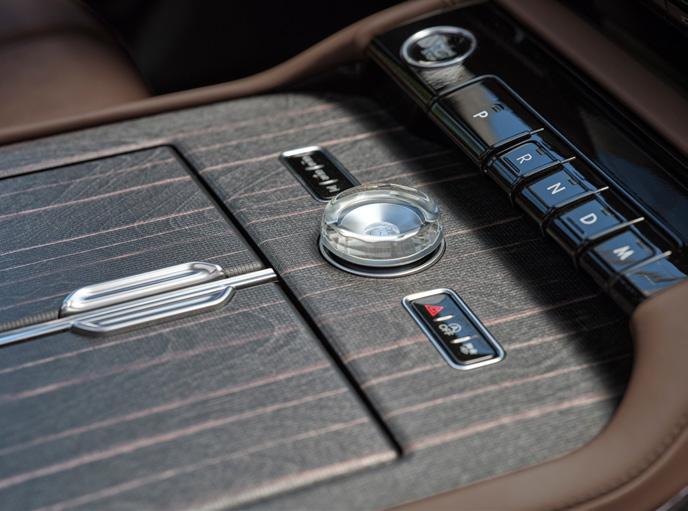
everything from engine cooling to cabin air-conditioning.
That rigorous regional development is immediately noticeable behind the wheel as even in soaring Gulf temperatures, the climate control performs effortlessly.
We also loved the responsive steering, comprehensive camera systems and Lincoln’s advanced driver assistance technologies.
The all-new Lincoln Navigator focuses on something that is becoming increasingly valuable in today’s fastpaced world: serenity. Its blend of sophisticated design, exceptional craftsmanship, advanced technology and genuine attention to occupant wellbeing creates an SUV that excels equally as a family flagship and an executive vehicle.
More importantly, Lincoln has engineered it specifically for the realities of Middle Eastern driving, ensuring that luxury is never compromised by the region’s demanding climate.
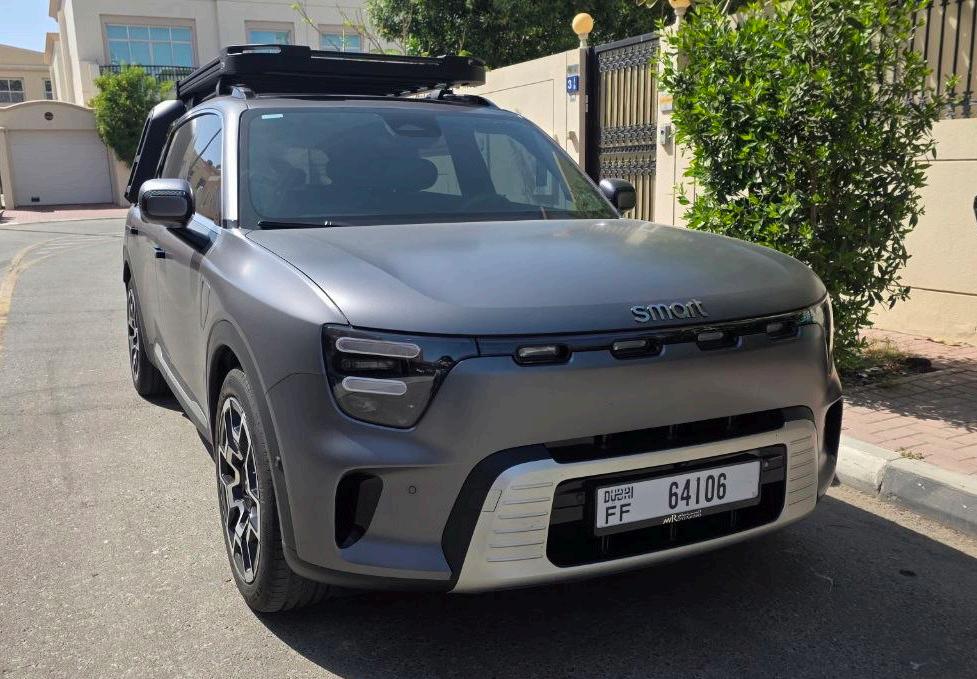
The all-electric Smart #5 proves the brand has outgrown its city-car roots to embrace a new era of premium mobility.
There was a time when the name Smart was synonymous with tiny city cars designed to squeeze into impossibly small parking spaces. The Smart #5 changes that narrative completely.
As the brand’s largest and most ambitious model to date, this all-electric midsize SUV signals Smart’s evolution into a premium EV manufacturer without losing its focus on intelligent urban mobility.
Smart #5 combines contemporary European design with advanced electric architecture, generous interior space and impressive long-distance capability. It is no longer simply a city commuter; it is
By Shereen Shabnam
an SUV equally at home on daily urban journeys or weekend escapes beyond the city limits. We believe that the fast charging, premium technology and a confident road presence makes the #5 enter with genuine confidence.
The Smart #5 makes an immediate statement with proportions that are far removed from the compact Smart vehicles of the past. Measuring almost 4.7 metres in length, it adopts a clean yet muscular silhouette that feels purposeful without appearing aggressive. Its upright stance is complemented by
short overhangs, squared wheel arches and flush door handles that enhance aerodynamic efficiency while maintaining a sophisticated aesthetic.
Distinctive LED lighting signatures at both ends give the SUV a futuristic identity, while the full-width light bars create an unmistakable presence after dark.
Depending on the specification, larger alloy wheels, panoramic glass roof and contrasting exterior finishes further elevate its premium appeal. It is unmistakably modern, yet restrained enough to age gracefully.

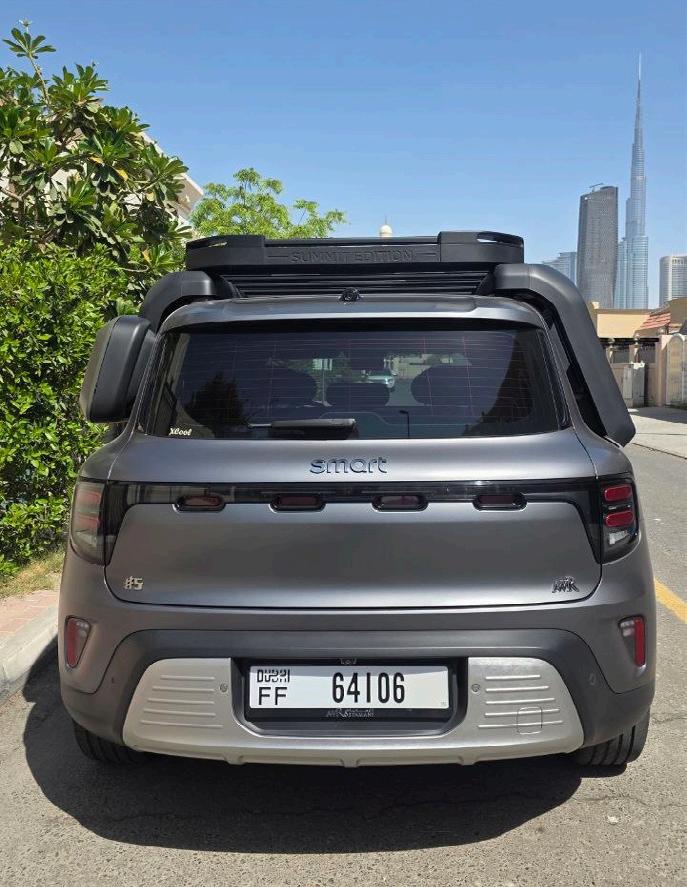
Step inside and the transformation becomes even more apparent. The cabin bears little resemblance to the minimalist interiors traditionally associated with the Smart brand. Instead, occupants are welcomed into a spacious loungelike environment defined by quality materials, excellent visibility and thoughtful ergonomics. The flat floor made possible by the dedicated EV platform creates exceptional legroom for both front and rear passengers, while generous headroom reinforces the sense of openness.
Numerous storage compartments, a practical luggage area and versatile
seating configurations make the #5 an ideal companion for both family life and business travel. Ambient lighting, premium upholstery and meticulous fit and finish create an atmosphere that comfortably competes with more established premium electric SUVs.
We have a Gen Z in the house so we love that technology sits at the heart of the Smart #5. A sophisticated digital cockpit integrates high-resolution displays with an intuitive infotainment system that responds quickly and presents information clearly. The intelligent interface offers seamless smartphone connectivity, voice control, navigation and an extensive suite of connected services.
Premium models also benefit from a highend audio system, augmented reality head-up display and a comprehensive package of driver assistance technologies designed to reduce fatigue during longer journeys. Combined with a WLTP driving range of up to approximately 590 kilometres, the #5 delivers the practicality expected of a modern premium EV.
On the road, the Smart #5 feels refined and surprisingly engaging. The low-mounted battery provides a balanced centre of gravity, helping the SUV remain composed through corners while maintaining excellent stability at motorway speeds. Powertrain options cater to a broad range
of drivers, from efficient rear-wheeldrive models producing around 335 horsepower to exhilarating dual-motor all-wheel-drive variants delivering well over 600 horsepower.
Acceleration is immediate, smooth and characteristically silent, while regenerative braking offers intuitive onepedal driving for urban environments. Ride quality strikes a pleasing balance between comfort and control, with effective insulation ensuring a remarkably quiet cabin even at higher speeds. Steering is accurate and confidence inspiring, making the #5 feel considerably more agile than its dimensions might suggest.
The Smart #5 represents one of the most significant reinventions of any automotive brand in recent years. Rather than relying on nostalgia, Smart has created a genuinely competitive premium electric SUV that combines sophisticated design, generous practicality and advanced technology in a compelling package.
For buyers considering a move into electric mobility, the #5 offers impressive driving range, rapid charging capability and an interior that feels worthy of its premium positioning.
More importantly, it demonstrates that Smart has successfully matured beyond its city-car origins without losing its spirit of intelligent innovation.
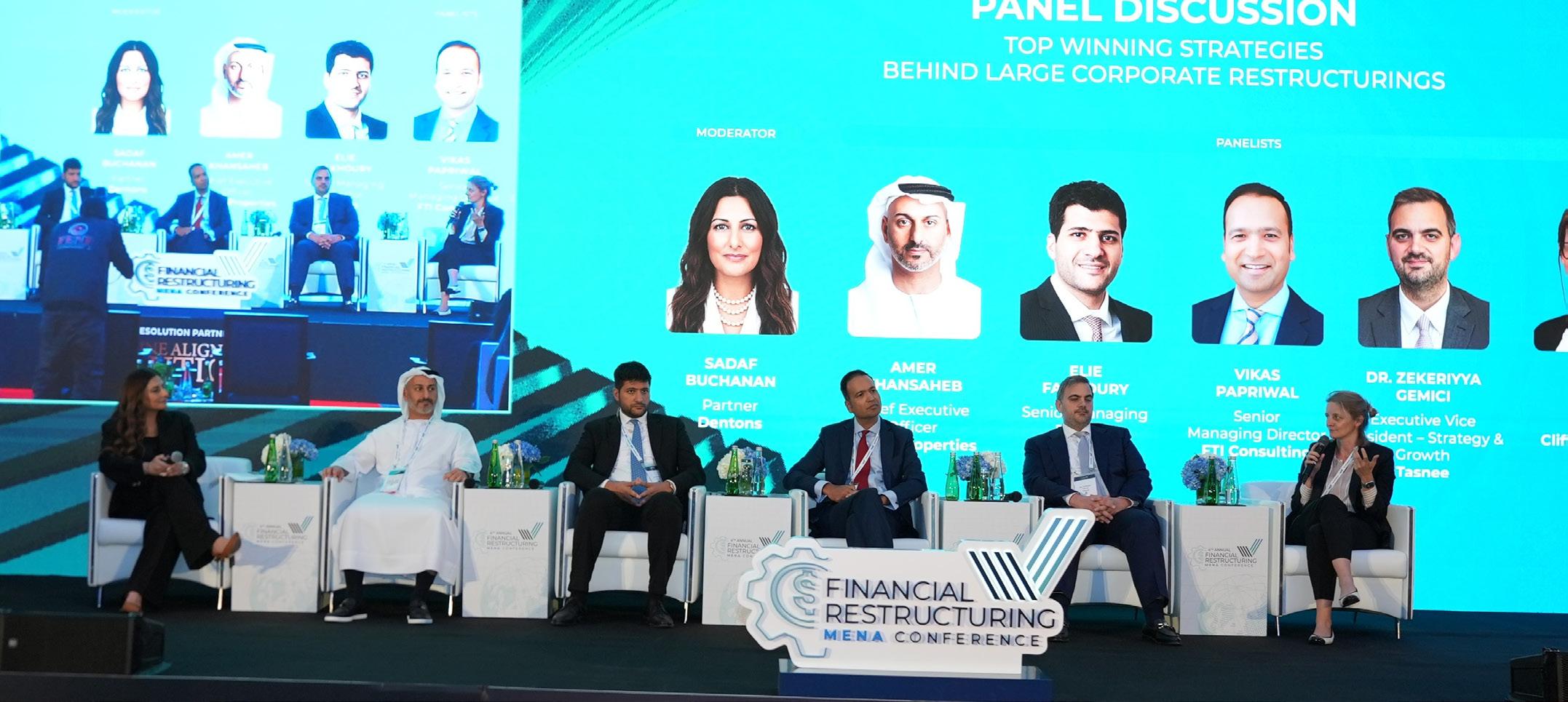
Economic uncertainty has reinforced one important lesson for businesses across every sector: resilience is no longer simply about growth. It is about having the ability to adapt, recover and emerge stronger when markets change.
That was the central theme of the 4th Annual Financial Restructuring MENA Conference (FRC 2026), which brought together regulators, financial institutions, investors, restructuring professionals, legal experts and corporate leaders to examine how financial recovery is evolving across the Middle East and North Africa.
Hosted by the Ministry of Justice – UAE at Conrad Abu Dhabi Etihad Towers under the theme “Reviving Businesses, Reimagining Debt, Redefining Opportunity,” the conference highlighted the growing importance of modern restructuring frameworks in supporting sustainable economic growth and longterm investor confidence.
Throughout the two-day programme, discussions explored how regulatory reform, private capital and innovative restructuring strategies are reshaping
the region’s financial landscape. As businesses continue to navigate economic transformation, delegates examined practical approaches to corporate recovery, distressed investment, governance, credit risk management and business continuity.
A keynote address by H.E. Abdullah Sultan bin Awad Al Nuaimi, UAE Minister of Justice, reinforced the country’s commitment to strengthening legislative frameworks that encourage early intervention, effective restructuring and greater confidence among investors.
This was followed by a high-level panel featuring representatives from the Ministry of Justice, Central Bank of the UAE and Capital Market Authority, who discussed the importance of creating resilient financial ecosystems capable of supporting businesses through periods of change.
Across the conference, experts highlighted the increasing maturity of the UAE’s restructuring environment and the wider MENA market. Sessions examined the continued evolution of bankruptcy legislation, distressed
lending opportunities, non-performing loan acquisitions and the growing role of private credit in supporting business recovery.
Beyond technical discussions, the conference reflected a broader shift taking place across the region. Financial restructuring is increasingly being viewed not as a measure of last resort, but as a strategic business tool that enables companies to preserve value, protect employment, attract investment and position themselves for future growth.
The event also reinforced the importance of collaboration between regulators, financial institutions, investors and legal specialists. As markets become more complex, effective restructuring requires coordinated expertise that balances commercial realities with long-term economic stability.
As FRC 2026 concluded, the conference reaffirmed the UAE’s position as a regional leader in developing modern restructuring frameworks that support entrepreneurship, encourage responsible investment and strengthen business resilience.
The Desert Architecture MENA Forum 2026 brought together leading architects, developers, policymakers and sustainability experts to explore how the region is redefining desert living through innovation, resilience and climate-responsive design.
By Shereen Shabnam
There are moments in a journalist’s career when an industry unexpectedly captures your imagination. For me, architecture has been one of those discoveries. Over the years, I have had the privilege of covering industries as diverse as automotive, aviation, hospitality, luxury travel and yachting, yet one thread has quietly connected many of those stories: the spaces where people gather, learn, celebrate and experience the world around them.
Working alongside MTE Studios over several years introduced me to architecture from an entirely different perspective. It wasn’t simply about iconic buildings or impressive skylines. It was about storytelling through space. I watched architects, designers, engineers and creative specialists transform ideas into museums, visitor attractions and immersive experience centres that educate, inspire and create lasting memories.
That experience fundamentally changed the way I look at the built environment. Architecture is no longer something I admire only for its aesthetics. Today, I see it as one of the most powerful expressions of culture, innovation and human ambition.
It was with that perspective that Global Trend Monitor proudly partnered with the Desert Architecture MENA Forum 2026, where many of the conversations reflected the transformation taking place across the region.
Held under the theme “Integrating Heritage with Innovation: The Future of Desert Living,” the forum brought together architects, urban planners, developers, engineers, policymakers and sustainability experts to explore one of the defining questions facing the region: how can rapidly growing desert cities become global benchmarks for sustainable urban development?
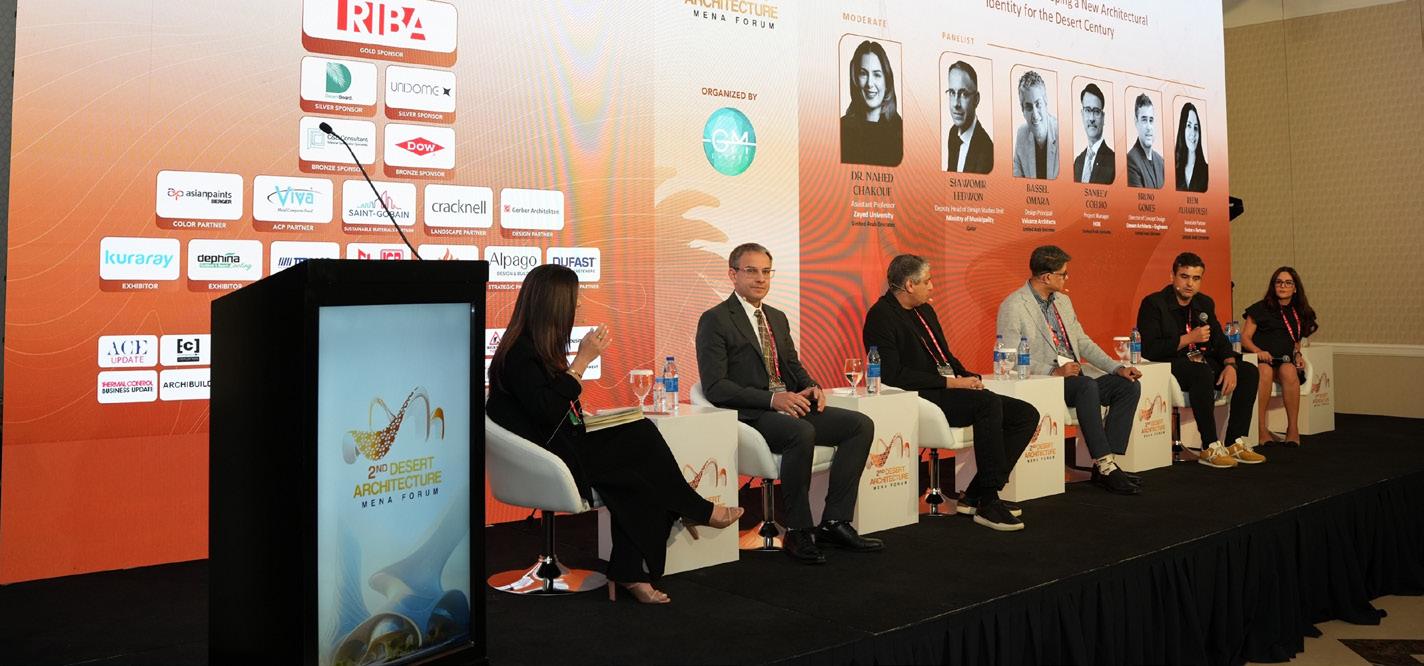
What impressed me most was that sustainability was no longer treated as an aspiration for the future. Throughout the discussions, it emerged as an essential design principle guiding every stage of development, from urban planning and renewable energy integration to passive cooling strategies, material innovation and circular construction.
Rather than focusing solely on individual buildings, the conversations centred on creating communities that are environmentally responsible, culturally authentic and designed around the people who will ultimately inhabit them.
Having spent years following the evolution of museums, themed destinations and experience-driven environments, I found it encouraging to see the same collaborative thinking shaping conversations around future cities.
Architects were exchanging ideas with engineers. Material innovators were working alongside policymakers. Technology companies were contributing practical solutions while environmental specialists challenged traditional approaches to construction. That spirit of collaboration may ultimately become the region’s greatest strength.
The forum also highlighted how the UAE is increasingly becoming a global laboratory for sustainable architecture. Homegrown innovations, including locally manufactured construction materials and water-saving technologies, demonstrated how regional expertise is contributing meaningful solutions to global environmental challenges while supporting the nation’s ambitious Net Zero agenda.
As someone who has spent decades documenting innovation across multiple industries, I left the forum convinced that architecture deserves far greater attention within the broader business conversation. It influences how we travel, how we work, how we experience culture, how we welcome visitors and, ultimately, how we live.
The Desert Architecture MENA Forum was about designing the future. And judging by the conversations taking place, the Middle East is increasingly helping shape what that future will look like. The forum closed with optimism that the ideas, partnerships and innovations shared over the two-day event will continue to influence the design of future cities, reinforcing the UAE’s position at the forefront of sustainable architecture.
I was addressing a room full of management professionals recently. Highly paid, highly caffeinated, highly strung, smug people who haven’t slept since Q2. During the discussion, one brave soul asked a question that, judging by the nods around the room, seemed to occupy everyone’s thoughts.
“How do I stay motivated to look forward to the future? I have a good job and a comfortable life, so why don’t I feel happy?” A loud ‘Yayy’went in unison. I smiled and asked him a question in return. “When was the last time you truly paused?”
You know the kind of pause I mean. Not the 30-second pause between emails. I mean the kind of pause where you simply stop. Where you breathe deeply, notice the world around you, look at a tree, listen to birds or simply sit with your own thoughts without a screen demanding your attention. A moment to check in with yourself rather than your notifications. He laughed. “I don’t have the luxury of time.” And there it is. The official motto of the new gen. “I’m too busy to be human”. Perhaps that has become the defining phrase of modern life. We have become so busy managing our lives that we have forgotten how to experience them. We have upgraded almost everything around us. Except ourselves.
Technology is faster. Our devices know our habits before we do. Yet somewhere along the way, we stopped investing in the one thing that matters most: In ourselves. We live in a world of curated reality. Nothing is allowed to just ‘Be’ anymore. Least of all our food. We eat things that were picked raw, shipped across oceans, and taught to ripen in a truck. Vegetables that look like they belong on a magazine cover but taste like disappointment.
Fast food engineered in a lab to be addictive, not nourishing. We have preserved, enhanced, genetically modified and photoshopped everything to look beautiful... and mostly empty. We have applied much the same philosophy to ourselves. Gym, filters, cosmetic enhancements, yoga retreats in Bali that cost more than Bali. We spend fortunes to polish the outside while the inside is running on four hours of sleep and spite..!
We pursue stronger bodies, younger faces and perfectly curated lives, while quietly

accepting chronic stress, exhaustion and emotional fatigue as the price of success. Outwardly, we may appear healthier than previous generations. Inwardly, many of us feel disconnected, overwhelmed and constantly in search of something we cannot quite define.
We may look better than our grandparents, but inside? A lot of us feel hollow. Happiness is annoyingly simple, boring and low tech. The answer isn’t another productivity hack. It’s going back to basics. A meal prepared from fresh ingredients, food that actually came from the ground with nothing else added to it. A conversation without distraction. No podcast. No playlist. Just you.
Remember that happiness isn’t loud. It is unhurried. It is a song that makes you grin for no reason. The mist on a hill. A peacock dancing in the rain. Morning light filtering through the trees. Music that unexpectedly stirs a memory. The quiet comfort of someone you love walking through the door. It’s the stuff we used to call “spontaneous” before we scheduled it out of our lives.
And did I mention our curiosity? Curiosity is great. It has given us science, medicine and the internet and of course the irreplaceable delivery at 2am. But we got greedy and went from “how can we improve this?” to “how can we stop aging, build humanoids, and find a backup planet just in case?” Technology will
upskill you first, then downsize you. Then it will send you a calendar invite to your own replacement. There’s a fine line between curiosity and foolishness. Wisdom is knowing when to stop. Common sense is remembering to. Finally, while we are at it, let’s nail success and happiness.
Perhaps nowhere is this confusion more evident than in the way we define success. Success and happiness are often treated as though they are interchangeable. Success is all about your net worth while Happiness is all about your self-worth. And if you only chase the first one, you can be rich, busy, and still ask that guy’s question in a conference room at 3pm on a Wednesday. The world doesn’t need more speed or hustle. It needs more calm, more real food, real people. Less performing and more Living. It needs love. It needs healing and peace and people who remember how to be human. So maybe it’s time for a quiet shift.
Less scrolling. More sky. Less perfect. More being. Less racing. More living. The world will wait.
The question is, Will You?
Jani Viswanath is a humanitarian, artist, author and film producer who believes in the power of storytelling to inspire peace and empathy. She is dedicated to uplifting lives with stories that bridge cultures and has meaningful impact across communities worldwide