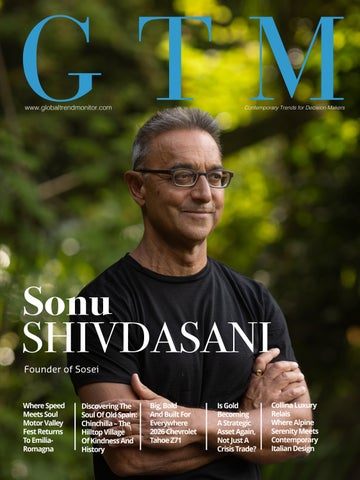

Sonu SHIVDASANI
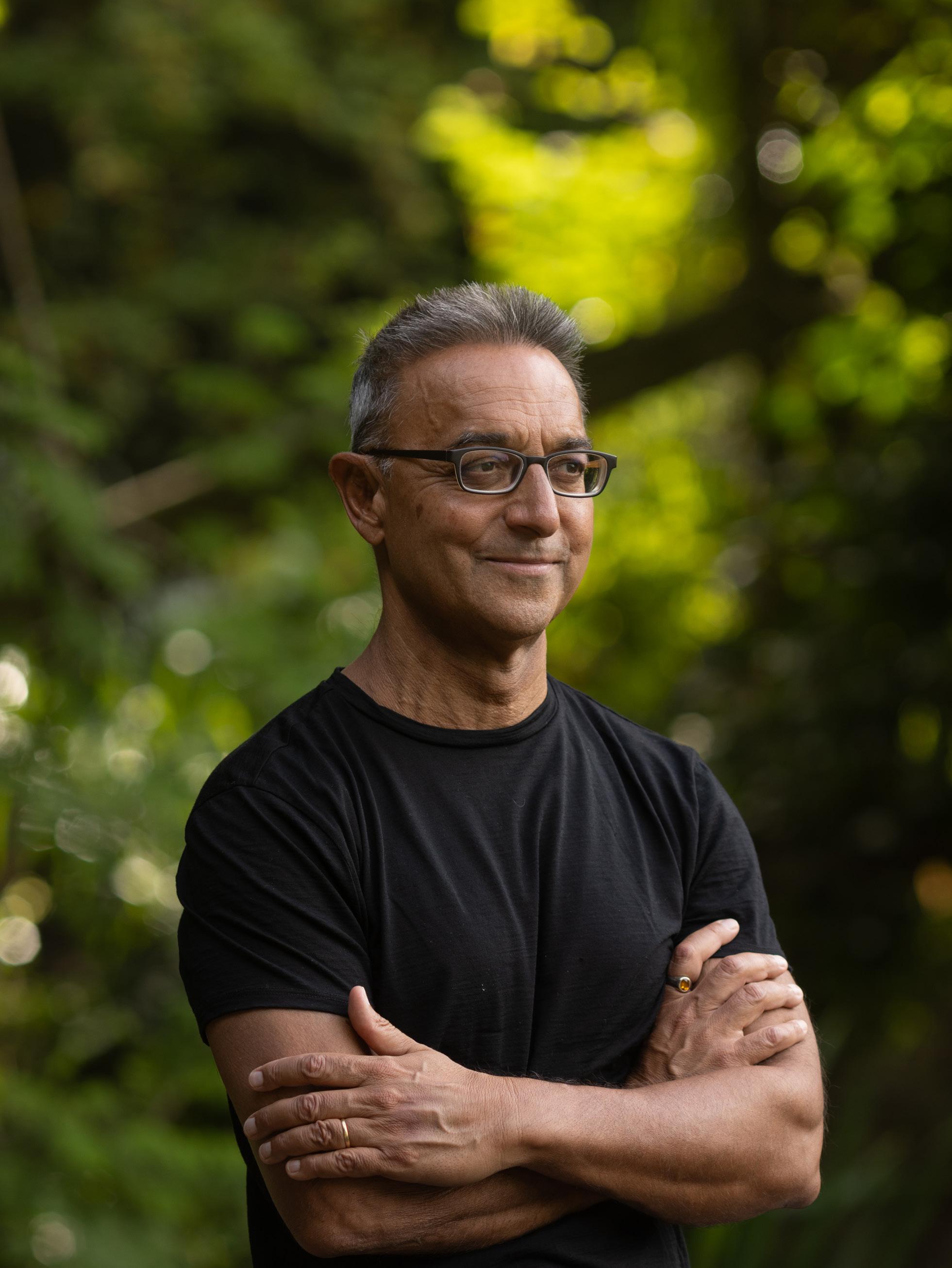

Aromas
CANDLE FLAVOURS
Citronella
White Frangipani
Pink Frangipani
Sandlewood Vanilla
Japanese Honeysuckle
Vanilla
Sandlewood Vanilla
HANDMADE ORGANIC SOAP
Aloe Vera Flavoured Soap
Rose Petal Soap
Orange Flavoured Soap
Moringa Flavoured Soap
Neem Flavored Soap
Lemon Grass Flavoured Soap
Mint Flavoured Soap
Rosemary Flavoured Soap
Basil Flavoured Soap
Goat Milk Flavoured Soap
Charcoal Flavoured Soap
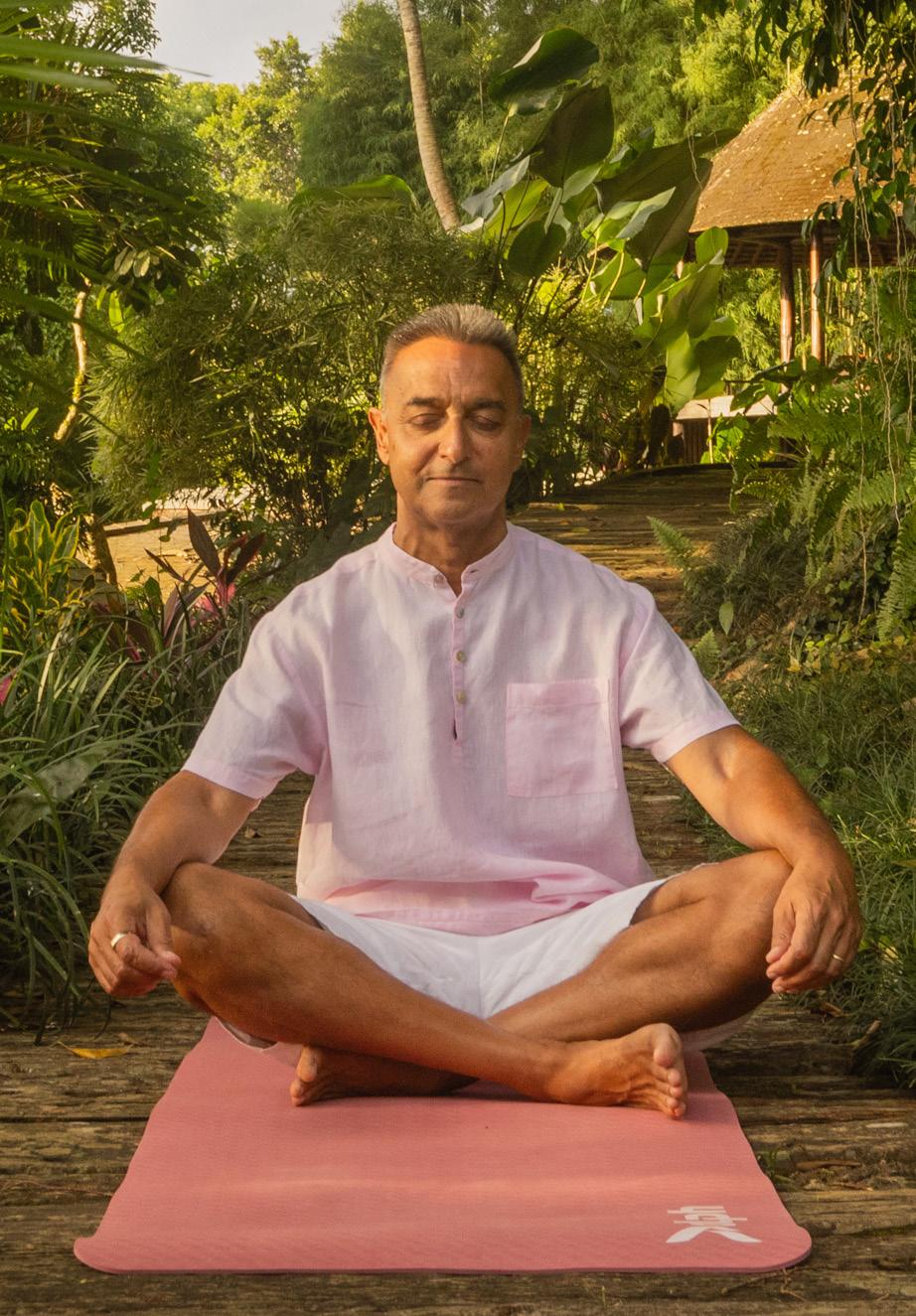
Rewriting Hospitality Through Presence, Purpose & Meaning
The Quiet Revolution Of Luxury In Sonu Shivdasani’s Next Chapter
Wellness In Luxury Hospitality
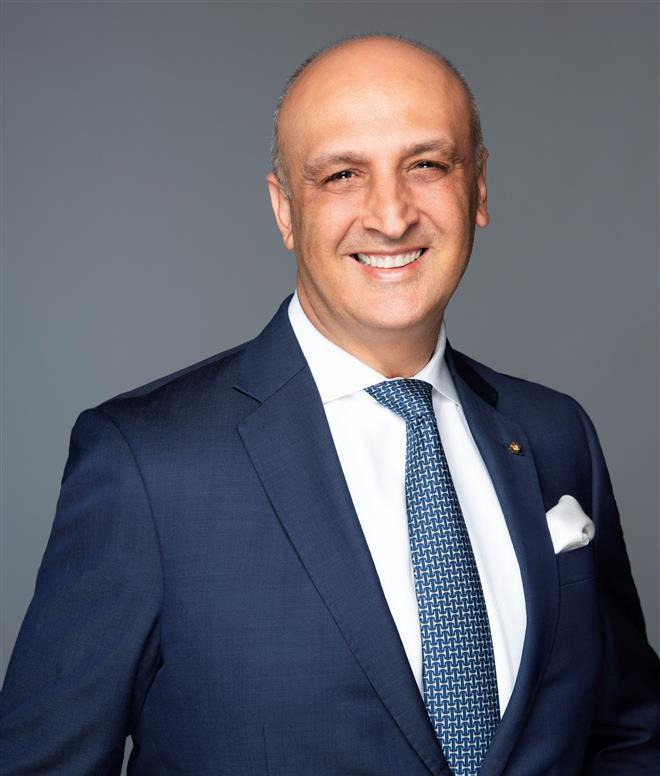
Hakan Ozel, Vice President Operations & General Manager, Shangri-La Dubai
Where Speed Meets Soul Motor Valley Fest Returns To Emilia-Romaga Is
Royal Bahrain Concours Returns For 2026
Check Point Releases AI Factory Security Blueprint To Safeguard Ai Infrastructure From GPU Servers To LLM Prompts
Nutanix And NetApp Form Strategic Alliance With New Integration For A Modern Cloud Platform
Energy Security In An Uncertain World How Industrial AI Drives Resilience
From Booking To Boarding The Hidden Craft Of VIP Charter Preparation
The Rise Of The Solo Journey Why Personalised Itineraries And Independent Travel Are Redefining Modern Exploration
Discovering The Soul Of Old Spain Chinchilla – The Hilltop Village Of Kindness And History
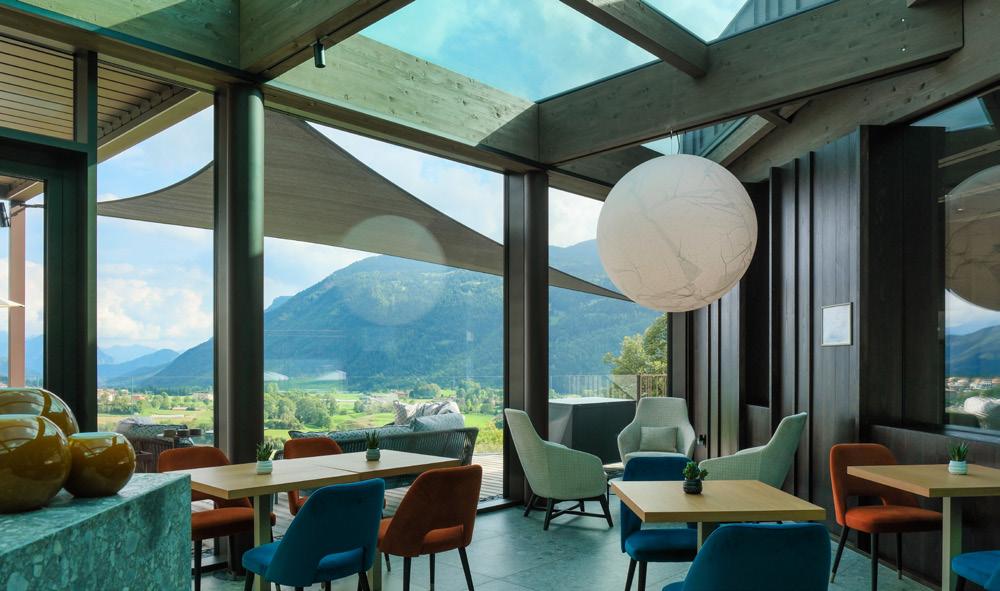
Collina Luxury Relais Where Alpine Serenity Meets Contemporary Italian Design
House Of Samra Opens Its Doors To Emirati Jewellery Talent A New Retail Initiative Bringing Local Design Into Dubai’s Luxury Shopping Landscape
The One Atelier Unveils The One Capital As Tokenisation Reshapes Luxury Real Estate
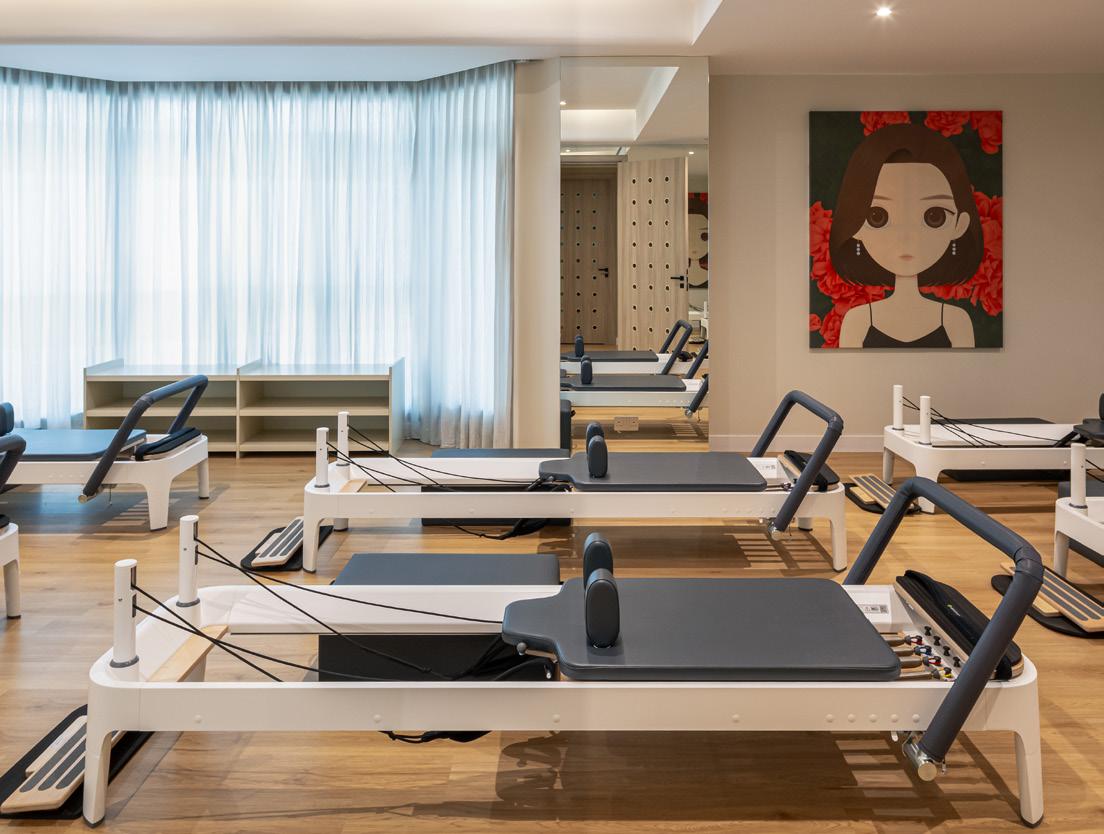
New Space For Movement, Reset And Reconnection
Beyond The Bowl
How Maki & Ramen Brought Soulful Japanese Dining To Dubai
Levuma Unveils L’armure
A Contemporary Expression Of Strength Sculpted In Titanium, Gold And Light

PUBLISHER
Catherine Gilbert
EDITOR IN CHIEF
Shereen Shabnam
Editorial Contributors
Siew Lin
Natasha Jasmin Dury
Nishrat Nazeen
Eric Richard Dury
Art Director
V. Suquila
Correspondence Address
H3J LLE
Office 404, Building B
Old Saaha Offices - Souk Al Bahar
Old town Island - Burj Khalifa District
P.O. Box 487177, DUBAI - U.A.E.
Tel: +971 50 769 0087
Impression/Printing
Silver Point Printing Press L.L.C
Shed No:05 Caterpillar Building Salah
Al Din St Al Khabaisi - Deira - Dubai
A Publication by
H3J FZ LLE
Magazine online sur www.globaltrendmonitor.com
International Owners
Business and Lifestyle Updates
RCBS201811862
Copyright: “All right reserved. No part of this publication may be reproduced without written permission from the publisher.”


THE RETURN TO PRESENCE
Dear Readers,
There is a certain stillness that arrives with summer. Not silence exactly, but a quieter rhythm. The kind that encourages reflection over reaction, intention over urgency, and presence over performance. As temperatures rise and the world around us instinctively slows down, this issue of GTM explores a collective shift that feels increasingly impossible to ignore: the growing desire to live, travel, work and create with greater meaning.
Across hospitality, wellness, travel, design and luxury, the conversation is changing. The most compelling voices today are no longer speaking only about scale, speed or status, but about emotional connection, balance, wellbeing and human experience.
Few embody this evolution more profoundly than Sonu Shivdasani, whose next chapter reflects a thoughtful reimagining of luxury through purpose, mindfulness and authenticity. Alongside him, Hakan Ozel shares insights into wellness in hospitality and the importance of creating environments that nourish both mind and body, reminding us that true luxury has become inseparable from health, calm and genuine care.
This issue journeys through places and ideas that reconnect us with ourselves. From the soulfulness of old Spain and the serenity of Alpine retreats to the rise of solo travel and the quiet artistry behind personalised hospitality, there is a recurring theme of intentional living woven throughout these pages. Even in industries traditionally associated with
speed and performance, there is a softer undercurrent emerging.
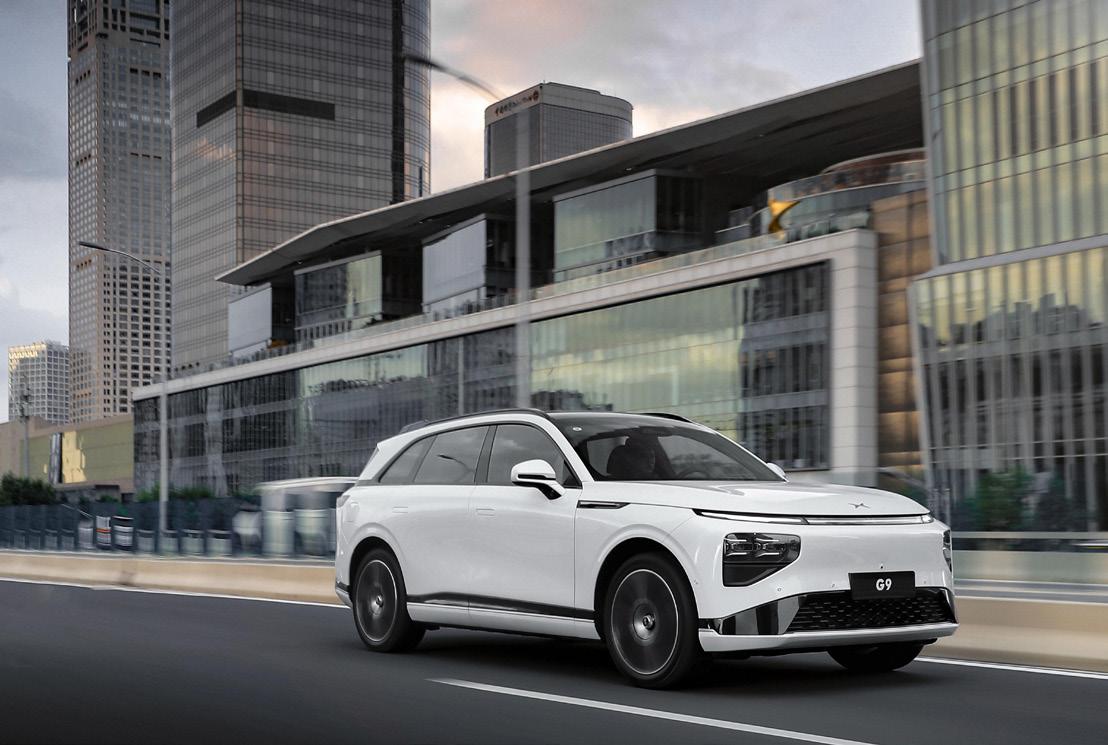
Motor Valley Fest celebrates engineering passion and heritage, while the latest generation of luxury vehicles increasingly prioritise comfort, intuition and seamless human-centred technology.
Elsewhere, we explore how innovation continues to reshape the world around us, from AI infrastructure and cloud platforms to the transformation of luxury real estate and modern entrepreneurship in the UAE. Yet amid all the advancement, one truth remains constant: progress means little if it disconnects us from ourselves.
Luxury today is no longer defined solely by exclusivity. It is defined by how something makes us feel. By the ability to slow down, breathe deeply, travel meaningfully, reconnect with beauty, and protect our peace in an increasingly noisy world.
As summer begins, perhaps this is the perfect season to embrace that quieter philosophy. To seek experiences that restore rather than exhaust, conversations that inspire rather than overwhelm, and moments that remind us that wellbeing is not an indulgence, but a necessity.
Enjoy the read.
Shereen Shabnam Editor-in-Chief
Global Trend Monitor Magazine editor@globaltrendmonitor.com Many ways to stay connected...


REWRITING HOSPITALITY THROUGH PRESENCE, PURPOSE & MEANING
The Quiet Revolution of Luxury in Sonu Shivdasani’s Next Chapter
By Shereen Shabnam
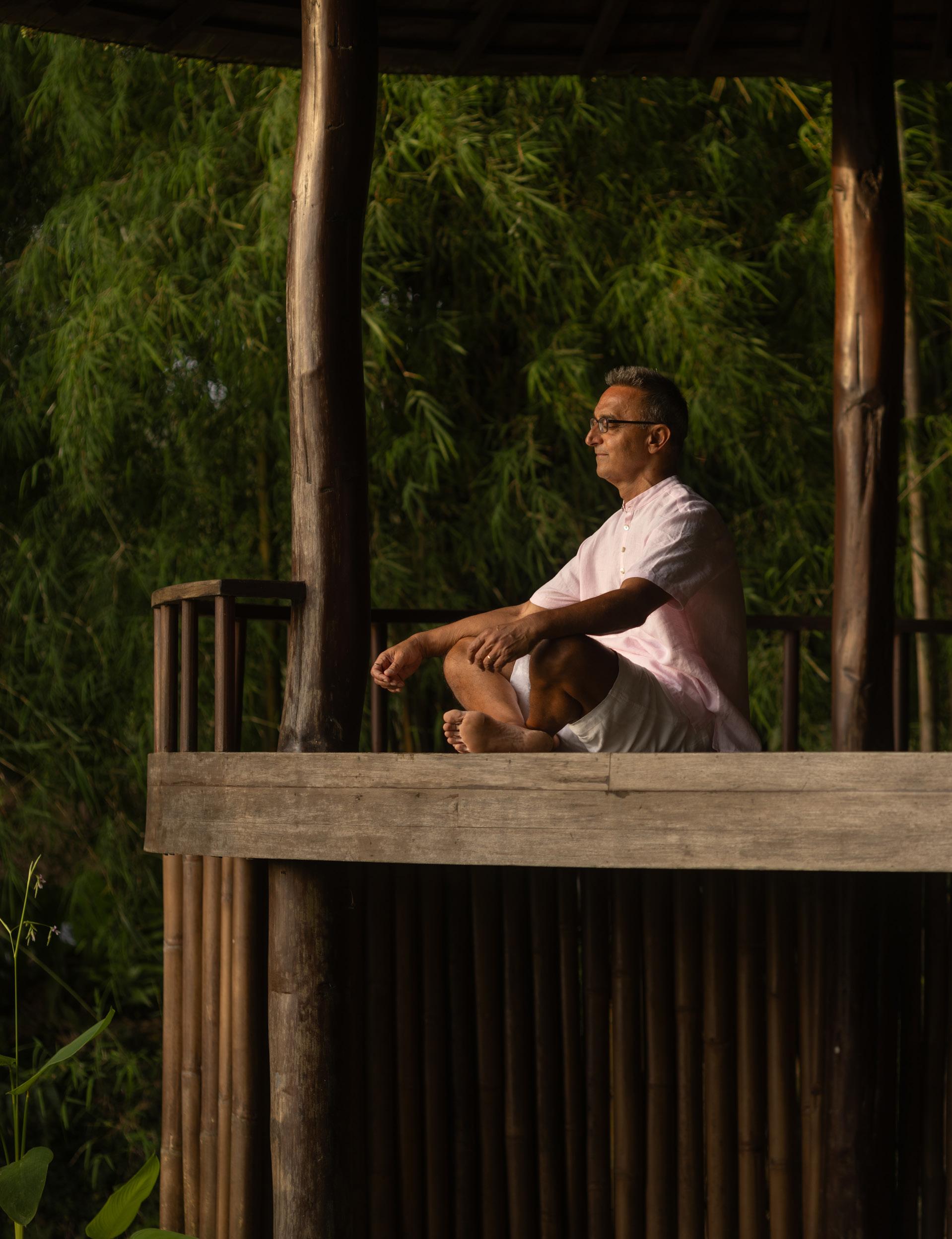
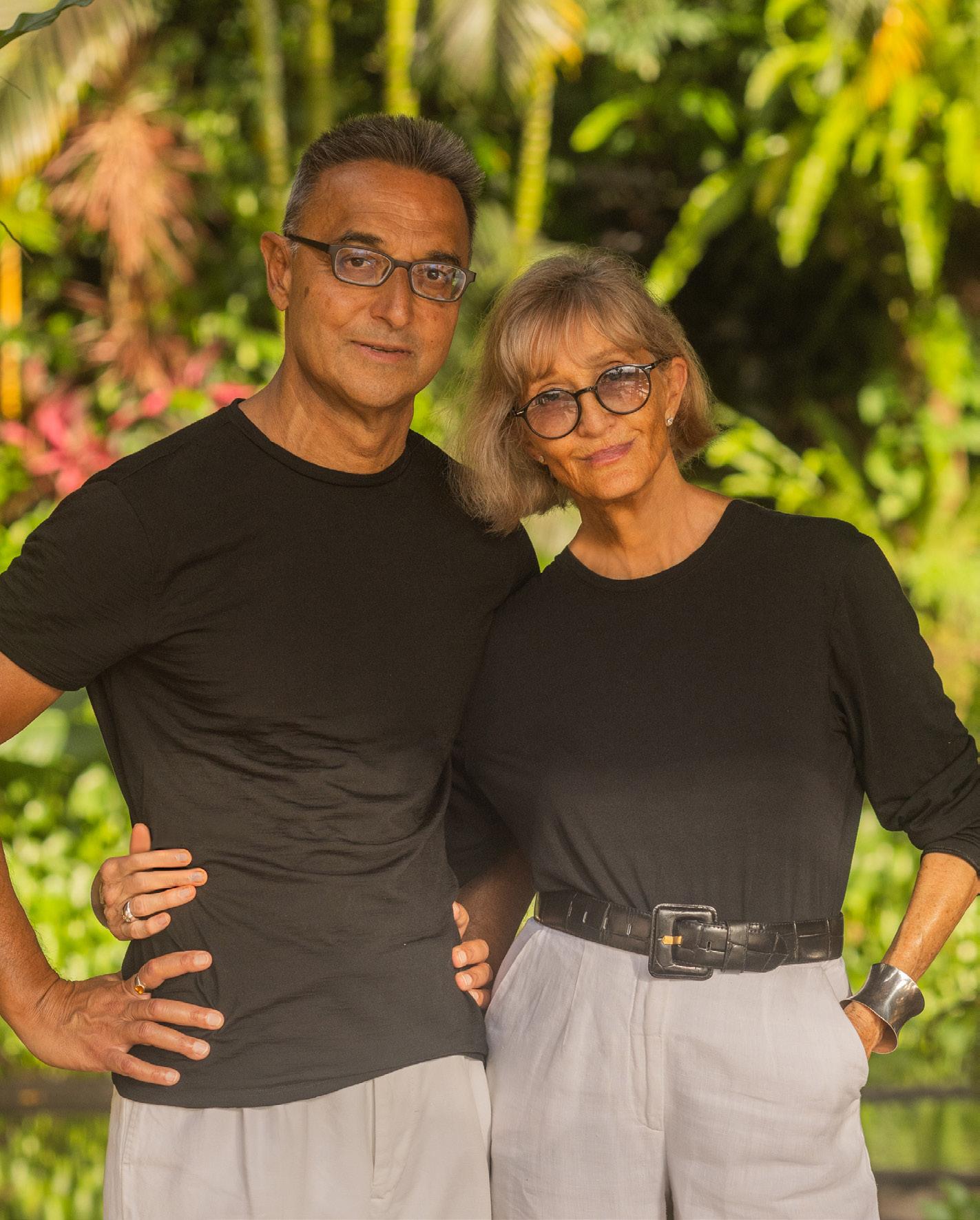
Few entrepreneurs have influenced and shaped the trajectory of an industry as profoundly and consistently as Sonu Shivdasani. From pioneering the concept of barefoot luxury with Soneva to embedding wellness into the DNA of Six Senses long before it became an industry obsession, his ventures have repeatedly anticipated where high-end travel is heading next. But his latest chapter signals something far more fundamental: a redefinition of value itself.
In the wake of a deeply personal health crisis, Shivdasani has shifted his focus from scale to substance, launching Sosei as a platform that merges hospitality with longevity science, emotional wellbeing, and human transformation. It reflects a broader
philosophy shaped as much by introspection as innovation, where stillness, emotional intelligence, and presence take precedence over spectacle and excess.
Hospitality is traditionally built on visible markers of success so Sosei feels quietly radical. It is not hospitality as performance, but hospitality as healing. As a Fijian, I resonate deeply with the emotional and human side of hospitality that Sosei stands for and the idea that luxury is not necessarily found in acquisition, but in connection, simplicity, grounding, and the feeling of being truly cared for.
In this conversation, Sonu reflects on rebirth, the invisible craftsmanship of hospitality,
battling stage four cancer, and why the future of luxury may ultimately lie not in what we see, but in what we feel.
For more than three decades, Shivdasani has challenged the hospitality industry’s traditional understanding of luxury. When Soneva Fushi opened in the Maldives in the mid-1990s, it did more than launch a successful resort; it fundamentally changed the language of luxury travel.
Barefoot living, environmental sensitivity, wellness-led experiences, and emotional connection to nature were not yet mainstream concepts. Yet long before sustainability became fashionable, Shivdasani was already building resorts that
encouraged guests to disconnect from noise and reconnect with themselves.
The now-iconic “No News, No Shoes” philosophy was never simply a branding gimmick. For Shivdasani, the ritual of removing shoes upon arrival was symbolic, but the real intention lay deeper in the “no news” philosophy, creating an environment free from distraction, noise, judgement, and constant stimulation.
Guests were encouraged to detach from the endless cycles of information and return to a more grounded state of awareness. Television screens were hidden. Cable access was intentionally limited. Silence was respected. Nature became part of the experience rather than a backdrop to it.
“It suspends disbelief,” Sonu explains. “When you truly disconnect from daily noise, you stop judging everything around you. Possibilities feel limitless again.” That philosophy now finds its purest expression in Sosei, a concept shaped not only by decades of hospitality leadership, but by mortality itself.
Shivdasani speaks openly about his battle with stage four lymphoma, an experience that forced him to confront not only illness, but the deeper emotional and psychological patterns surrounding stress, control, and identity. When first diagnosed, he was told he had a fifty percent chance of survival and was advised to begin immediate chemotherapy. Instead, he paused. He spent weeks studying, reflecting, and speaking with others who had faced cancer before making decisions about his treatment journey.
Healing, he says, was never purely medical. It became a process of detachment, surrender, and learning to let go. “So often we become successful and then hold on tightly to that success,” he reflects. “But by letting go, you create space to become creative again.”
The experience fundamentally altered his definition of success. Accumulation became less important than clarity. Ownership gave way to stewardship. During the process of leaving a home filled with decades of belongings, he found unexpected liberation not in acquiring more, but in giving things away. The lesson extended into his philosophy of hospitality itself: luxury is not material excess, but rare experiences that genuinely touch the human spirit.
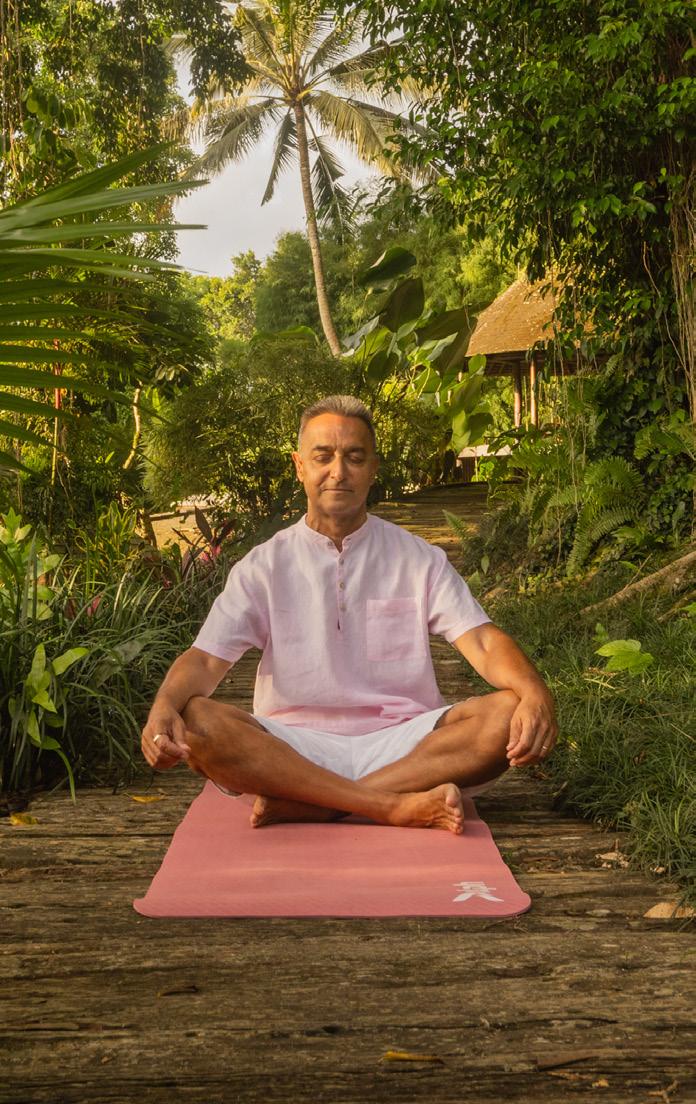
“True luxury is something rare that touches your soul,” he says. “It is something that resonates emotionally and creates meaning.” This emotional dimension of hospitality is central to Sosei. The Japanese-inspired name itself translates loosely to rebirth or renewal, reflecting both personal transformation
and a return to what is essential. Japanese principles such as Omotenashi, wholehearted hospitality, along with ideas around stillness, mastery, and intentionality deeply influence the philosophy behind the brand.
For Shivdasani, exceptional hospitality cannot be manufactured purely through systems or rigid operational standards. “Magical service,” as he calls it, comes from culture rather than process. While systems and procedures remain important, true hospitality emerges from emotional intelligence, autonomy, psychological safety, and genuine care. Hosts must feel empowered enough to act instinctively rather than mechanically.
He describes hospitality as a deeply human industry where the finest service often goes unnoticed. The best experiences are subtle, intuitive, and almost invisible. A returning guest might discover their room quietly adjusted to personal preferences remembered months earlier. A need is anticipated before it is spoken aloud. Silence is respected instead of interrupted. Guests feel understood rather than managed.
Perhaps that is why Sosei feels less like a business venture and more like a personal
philosophy finally distilled into physical form. Wellness is no longer treated as an amenity.
Luxury is no longer measured by excess. Hospitality becomes a vehicle for transformation. It is an evolution of everything Shivdasani has built before, but stripped back to its emotional core.
WELLNESS IN LUXURY HOSPITALITY
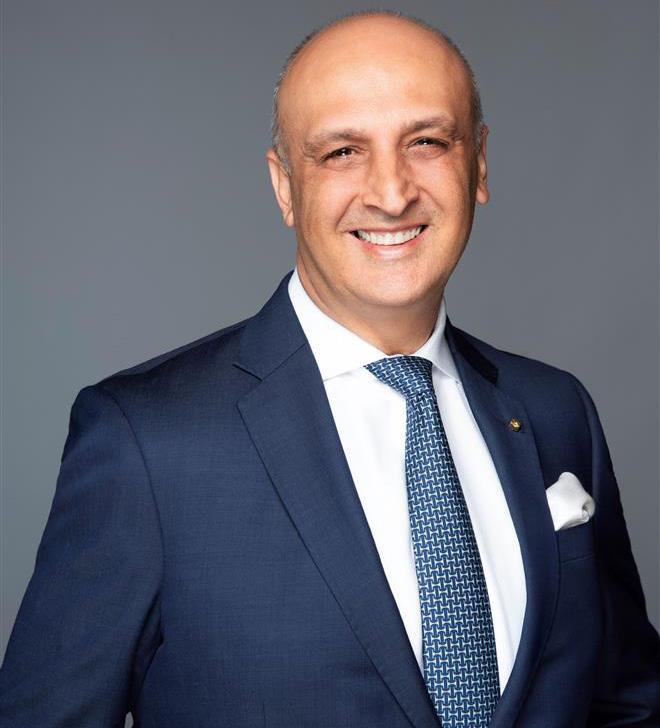
HAKAN OZEL
Vice President Operations & General Manager, Shangri-La
Let’s analyze deeper: from a certain point of view, every single stay in a luxury hotel is related to wellness. From the quality of mattress to pillow choice, from tranquility to colors of the décor, from health menu options to sound level, everything is now related to wellness needs of the guests.
Wellness has evolved far beyond traditional spa treatments, Turkish hammams, saunas, steam rooms, fitness facilities, and simple geographical and regional touches that the luxury hotels and establishments have been planning and offering in decades. Today’s discerning travelers are seeking experiences that support not only physical wellbeing, but also mental clarity, emotional balance, meaningful rest including sleeping, and personal renewal.
As global lifestyles become increasingly fast-paced, digitally saturated, and tensions have been arising, which causes stress and mental disruption, luxury hotels are redefining wellness through highly personalized, immersive, and restorative guest experiences, many
times supported by partnerships and collaborations with external professional establishments.
Obviously, wellness is no longer viewed as an optional hotel amenity or a tick box for star classification. Instead, it has become a central factor influencing destination and luxury hotel choice, booking decisions, and guest loyalty. Modern travelers are prioritizing recovery, sleep quality, mindfulness, and holistic health, expecting luxury hotels to provide environments, services and facilities that actively enhance their wellbeing.
One of the most significant shifts in wellness travel is the growing demand for absolute and genuine rest and recovery. Guests are no longer interested solely in indulgence; they want to return home feeling physically restored and mentally refreshed. This has contributed to the rapid rise of sleep during stay, where luxury hotels are designing entire guest experiences around improved sleep quality.
Dubai
Wellness-focused accommodations feature circadian lighting systems, soundproof rooms, premium bedding, excellent pillow choices, aromatherapy programs, and sleep-enhancing menus. Some hotels are even providing sleep consultants, meditation sessions, and in-room technologies that monitor air quality including its index monitor and optimize relaxation.
Privacy and personalization have also become essential expectations among luxury wellness travelers. Guests increasingly prefer tailored experiences that reflect their individual lifestyles, health goals, and personal preferences. Rather than offering standardized spa packages, leading luxury hotels are creating customized wellness journeys that include nutritional consultations, fitness assessments, guided mindfulness sessions, or recovery therapies specifically designed for each guest.
Technology is playing a major role in this transformation. Hybrid services and facilities are inevitable during this
technology age and experience are. Artificial intelligence and wellnessfocused digital tools now allow luxury hotels to personalize guest experiences with unprecedented precision. From customized sleep recommendations to AI-generated wellness itineraries, technology is helping hotels deliver more intuitive and responsive services.
At very basic level, digital scales and digital jump ropes are available digital stores, available for guest services in the rooms and fitness saloons. However, despite the integration of advanced wellness technology, travelers still expect experiences to feel human touch and assistance, calming, and emotionally authentic rather than clinical or overly data-driven.
Another key priority for wellness travelers is emotional wellbeing. In recent years, even months, guests have become increasingly aware of the importance of managing stress, anxiety, and mental fatigue. As a result, luxury hotels are focusing more on creating environments that promote emotional restoration and nervous-system recovery. Quiet spaces, nature immersion, mindfulness programming, digital detox experiences, and low-stimulation design are now central components of many wellness properties.
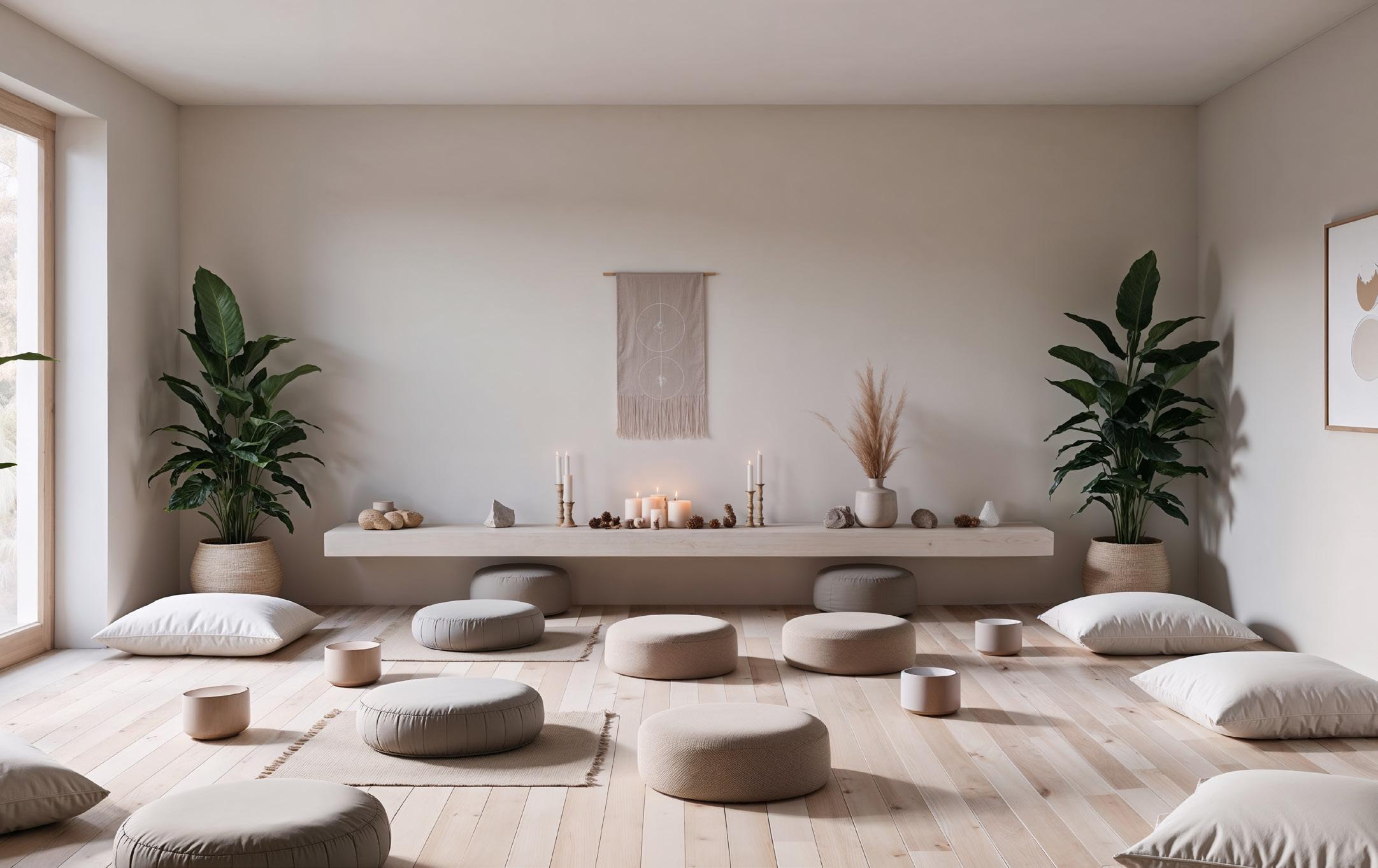
Travelers are also seeking stronger connections with nature. Wellness is no longer confined to the spa environment. It also extends into landscapes, architecture, and outdoor experiences including sports activities. Luxury hotels are embracing biophilic design principles that incorporate natural light, greenery, organic materials, and calming sensory elements throughout the property.
Guests are increasingly drawn to experiences such as forest bathing, outdoor meditation, thermal bathing, mountain retreats, and coastal wellness programs that encourage reconnection with the natural world. Pandemic taught us that outdoors is necessary.
Nutrition has similarly become a defining aspect of luxury wellness hospitality. Today’s guests expect more than healthy menu options; they seek thoughtfully curated culinary experiences that support energy, longevity, and overall wellbeing. Plant-forward dining, locally sourced ingredients, anti-inflammatory cuisine, sugarless or free options, and personalized nutritional offerings are becoming standard features in luxury hotels. Many travelers are also showing growing interest in longevity-focused
The concept of longevity itself has become one of the most influential trends shaping luxury travels and stays covering wellness. Guests are increasingly interested in preventative health, recovery therapies, and wellness experiences that contribute to sustainable wellbeing over time. In response, many luxury hotels are introducing advanced wellness services such as cryotherapy, infrared saunas, cold-water immersion, IV therapies, and performance recovery programs. However, the modern luxury traveler is not necessarily seeking extreme transformation. Instead, there is a growing preference for balanced wellness experiences that combine science-based treatments with comfort, relaxation, and emotional ease.
Importantly, luxury wellness travelers are also becoming more conscious of authenticity and sustainability. They are increasingly selective about the brands and destinations they support, expecting hotels to demonstrate genuine commitments to environmental responsibility, ethical sourcing, and local
cultural integration. Wellness is now closely associated with sustainability, and guests are more likely to trust hotels that prioritize ecological awareness alongside personal wellbeing.
Ultimately, what guests truly want from wellness travel in luxury hotels is transformation without pressure. They are looking for environments that allow them to slow down, recover from modern stress, improve their physical and emotional health, and reconnect with themselves in meaningful ways. Travelers increasingly value experiences that feel effortless and deeply restorative rather than performative or overly structured.
As luxury hospitality continues to evolve, wellness will remain one of the industry’s most powerful innovations. Hotels that successfully combine personalization, emotional wellbeing, sustainability, advanced wellness technologies, and authentic human connection will be best positioned to meet the expectations of the modern traveler. Wellness in luxury is no longer simply about pampering guests. It is about creating experiences that genuinely improve quality of life, long after the journey has ended.
nutrition programs designed to improve vitality and support long-term health.
WHERE SPEED MEETS SOUL
Motor Valley Fest Returns to Emilia-Romagna
By Shereen Shabnam
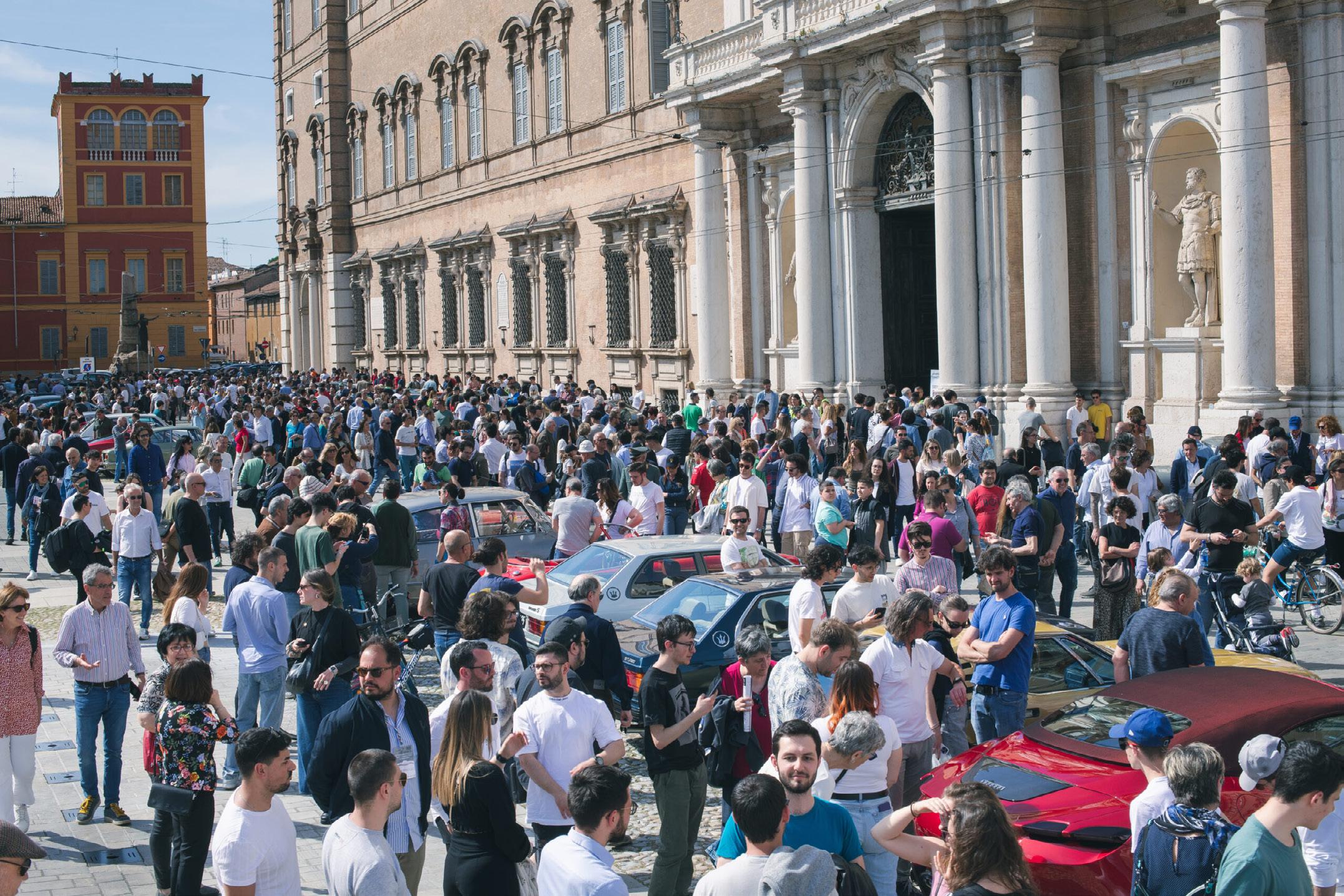
Every May, the roads of Emilia-Romagna seem to hum with a different kind of energy. It is not simply the sound of engines echoing through Modena’s historic streets, nor the sight of impossibly sculpted supercars gliding past centuriesold architecture. It is something deeper, a celebration of craftsmanship, heritage, innovation, and the enduring Italian passion for mobility.
From 28 to 31 May 2026, the eighth edition of the Motor Valley Fest returns to Modena, transforming the heart of Italy’s most revered automotive region into a living theatre of speed, design, culture, and lifestyle.
I have attended this event in the past and have loved it immensely. For four days, the city known for its cathedral,
culinary heritage, and engineering genius becomes an open-air stage dedicated to the world of motors. Yet Motor Valley Fest has evolved into far more than an automotive gathering. It is now a cultural experience that captures the spirit of Emilia-Romagna itself, where technology coexists with artistry, and where the future of mobility is discussed in the same streets that once shaped the legends of Ferrari and Maserati.
This year’s programme blends highperformance glamour with intellectual conversation and immersive travel experiences. Conferences, exhibitions, parades, museum openings, and foodand-wine journeys create an atmosphere that feels equal parts luxury festival and automotive pilgrimage. Most events remain free to the public, reinforcing the
festival’s commitment to accessibility and community while drawing enthusiasts, families, students, and international visitors into the world of Italian motoring excellence.
The official opening conference at Teatro Storchi, titled “Global Trends, New Frontiers and Human Responsibility,” reflects the festival’s growing relevance beyond automotive circles. Discussions surrounding artificial intelligence, sustainability, energy transition, and digital transformation position Motor Valley Fest as a platform for examining how mobility is reshaping modern life.
It is a reminder that Emilia-Romagna is not only preserving automotive heritage but actively influencing the future of global transportation.
Equally compelling is the festival’s focus on young talent. Through the Innovation & Talent programme hosted at Collegio San Carlo, students will engage directly with leaders from some of the world’s most respected automotive brands and educational institutions. In a region where engineering and creativity are inseparable, these conversations offer a glimpse into the next generation of designers, innovators, and mobility visionaries.
Of course, no Motor Valley Fest would feel complete without the machinery itself. One of the highlights of the 2026 edition is the return of the Best of Motor Valley showcase within the courtyard of the historic Modena Military Academy.
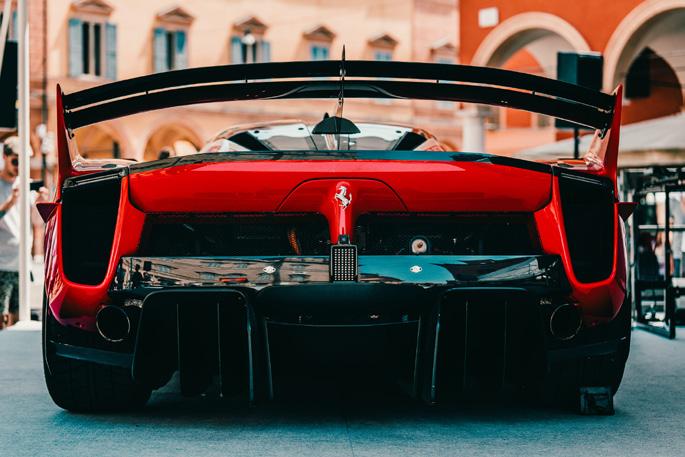
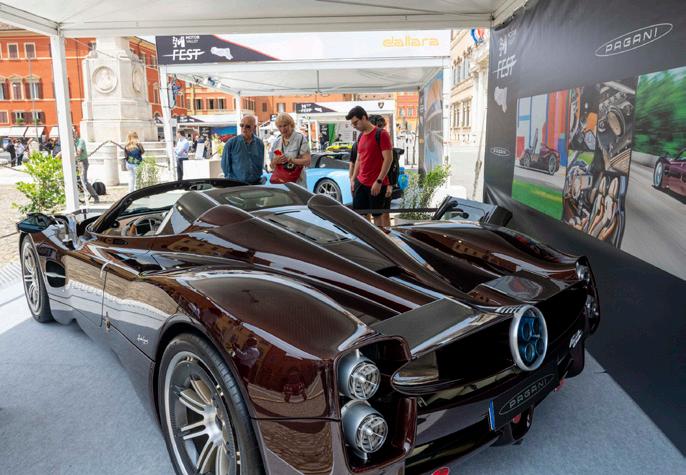
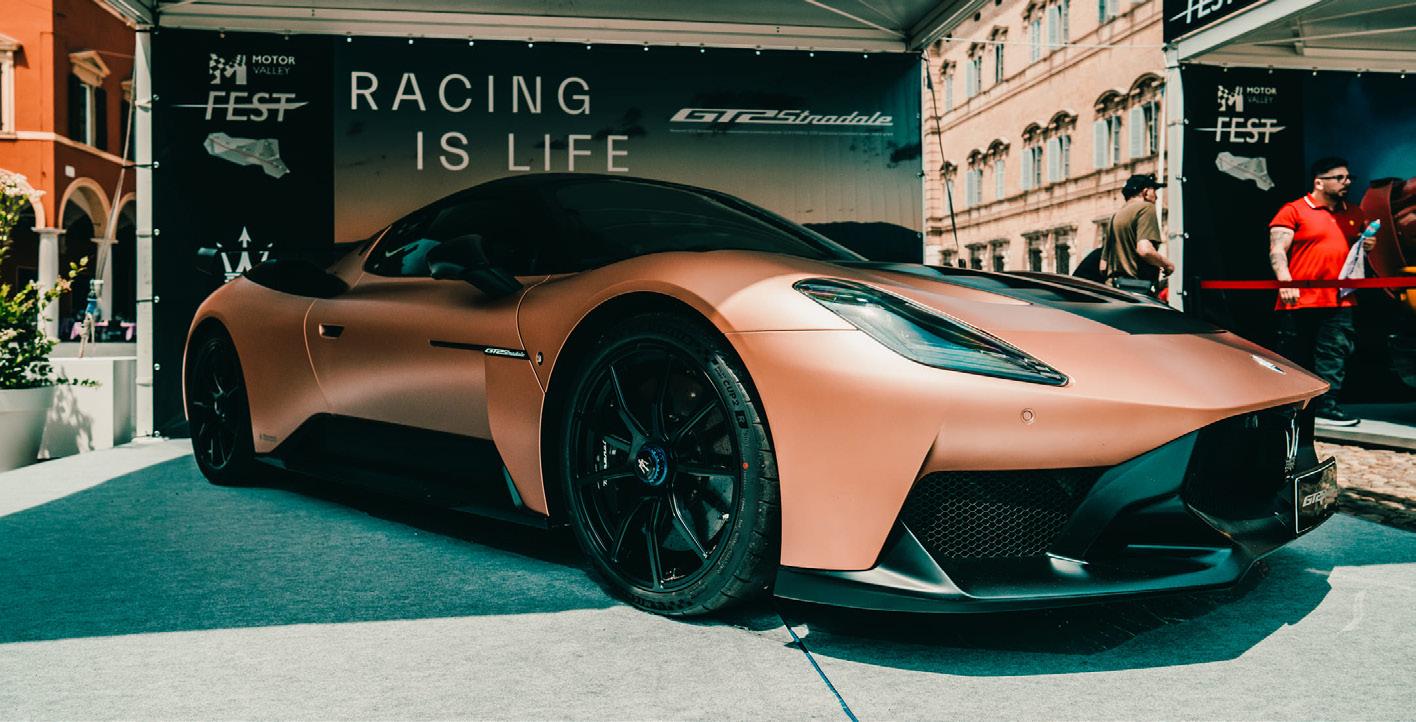
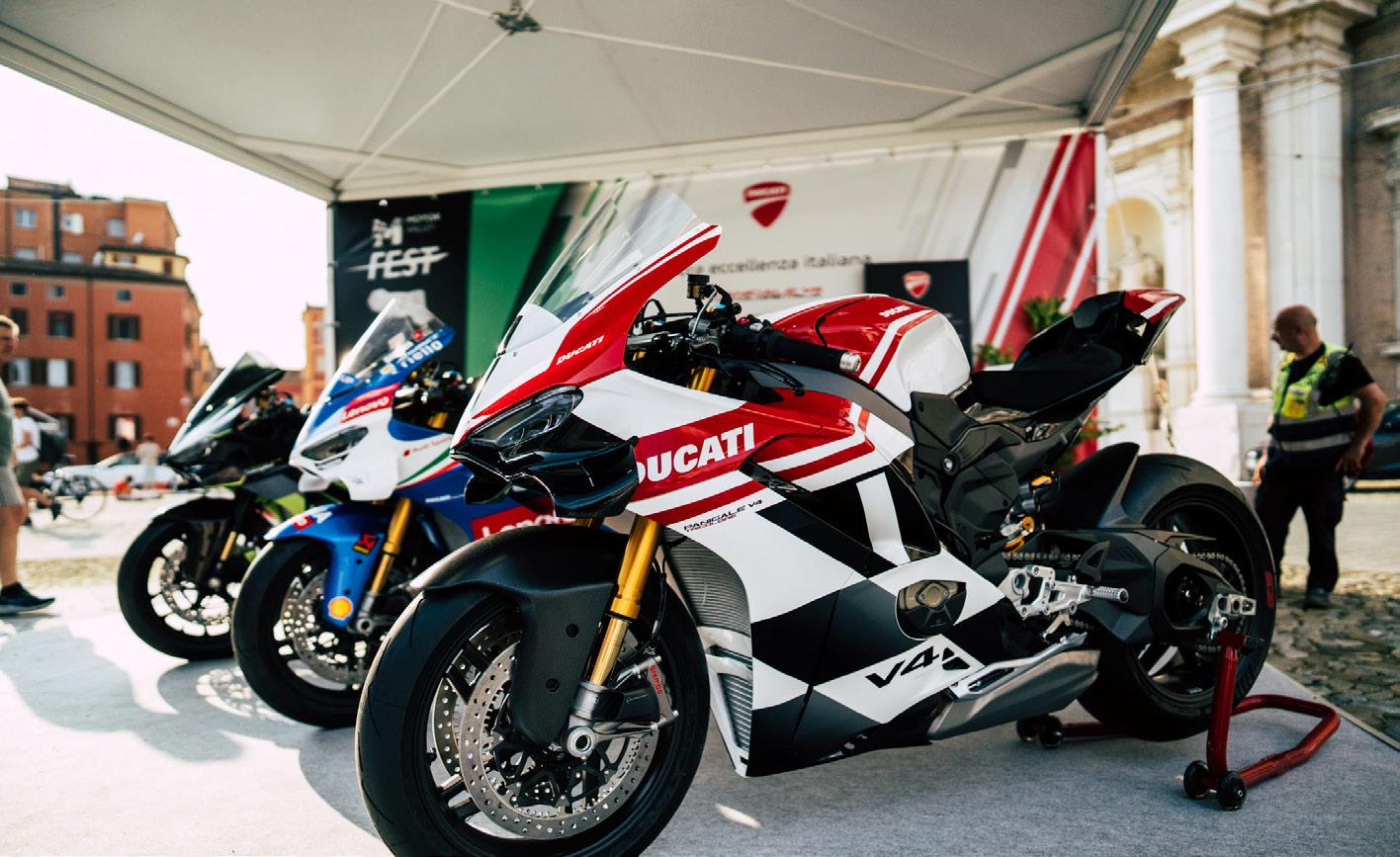
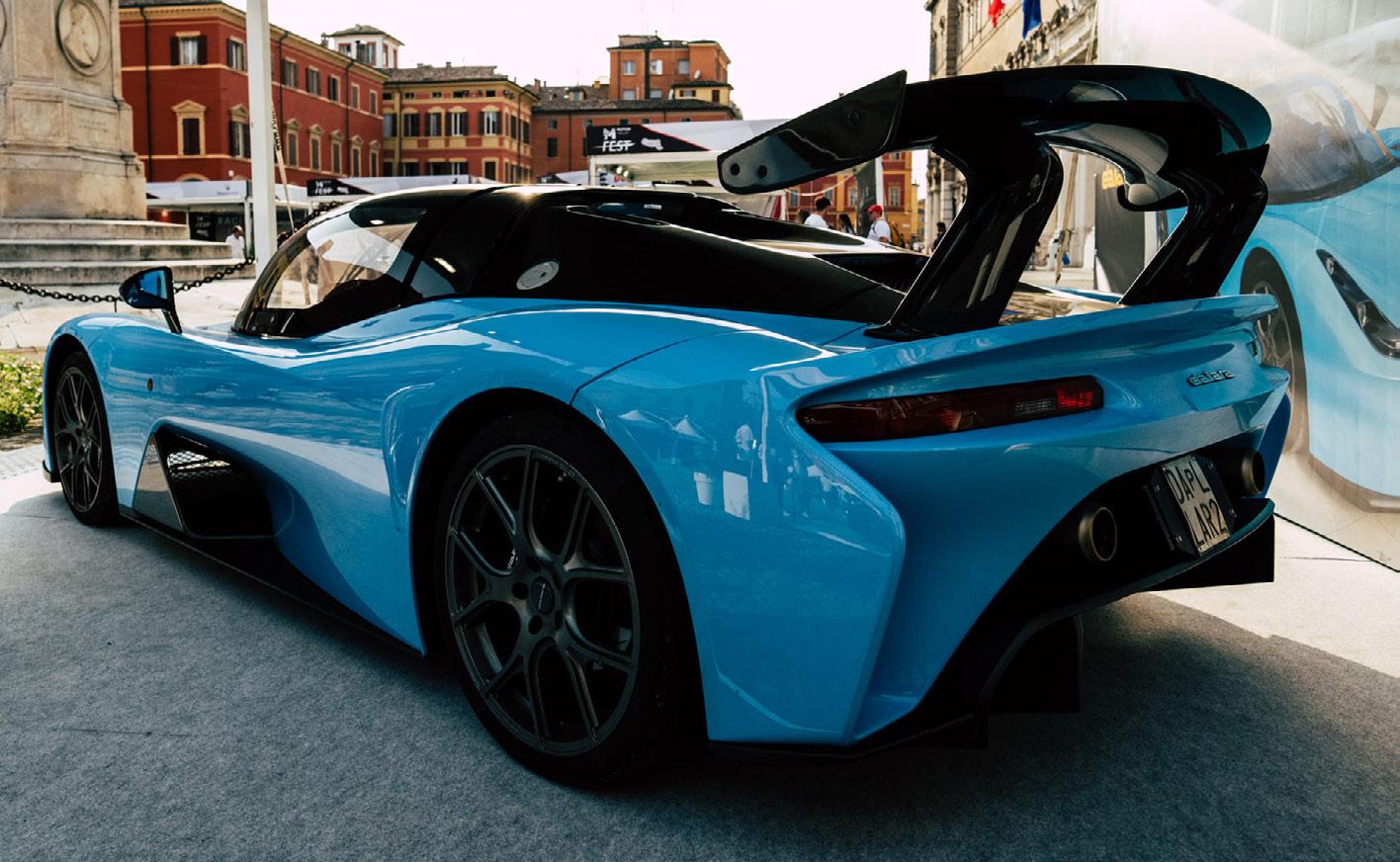
Here, visitors will encounter an extraordinary collection of supercars, motorcycles, and heritage vehicles representing the brands that have defined Italian automotive mythology, with Ferrari, Maserati, Lamborghini, Ducati, Pagani, and Dallara among them.
Beyond the polished bodywork and racing pedigrees lies the true charm of the festival: the ability to connect automotive excellence with lifestyle and place. The open museums and exhibitions scattered across the region invite visitors to immerse themselves in the stories behind these legendary marques, while vintage car parades turn Modena’s streets into moving galleries of automotive art.
The return of the Concours d’Elegance Salvarola Terme Trophy adds another layer of elegance to the weekend. Celebrating its 26th edition, the concours will feature 60 rare collector cars, culminating in a presentation before an
jury and a procession into
the
It is the kind of scene that perfectly defines Motor Valley Fest as sophisticated yet emotional, steeped in history yet constantly looking forward. What ultimately makes Motor Valley Fest so compelling is that it captures the essence of Italian luxury in its purest form. It is not
merely about speed or performance, but about identity, craftsmanship, emotion, and experience.
In Emilia-Romagna, motors are not confined to factories or racetracks. They are woven into the culture, cuisine, architecture, and rhythm of everyday life.
international
Piazza Roma beside
majestic Ducal Palace.

IS GOLD BECOMING A STRATEGIC ASSET AGAIN, NOT JUST
By Steven M Hawkins
For much of modern financial history, gold has been viewed through a relatively narrow lens, a safe haven in times of uncertainty, a hedge against volatility, and a fallback during periods of geopolitical or economic stress.
But that perception is beginning to shift
What we are seeing today is not simply a resurgence in gold driven by short-term market anxiety, but a more structural re-evaluation of its role within global financial systems. Increasingly, gold is being considered not just as a reactive asset, but as a strategic one.
This shift is being shaped by several converging factors.
Firstly, there is a growing emphasis on asset-backed security. In an environment where financial markets are more interconnected, and at times more unpredictable institutions and investors are placing greater value on assets that are tangible, finite, and globally recognised.
Gold sits firmly within that category.
Secondly, central banks themselves are playing a more active role. In recent years, we have seen consistent accumulation of gold reserves across multiple regions. This is not a short-term trade; it reflects a long-term view of gold as a stabilising component within national balance sheets.
At the same time, the global conversation around monetary policy, currency strength, and long-term fiscal positioning continues to evolve. In that context, gold offers something unique, it is not tied to any single economy, policy framework, or political cycle. That independence is increasingly relevant.
However, it is important to remain balanced in how we assess this shift.
Gold is not a replacement for diversified investment strategies, nor should it be viewed as a singular solution. Its role

is complementary, part of a broader, disciplined approach to asset allocation that recognises both opportunity and risk.
What is changing is the intent behind its inclusion.
Historically, gold entered portfolios in response to uncertainty. Today, it is increasingly being considered as part of forward planning, a way to anchor value, provide stability, and support long-term positioning.
From a regional perspective, the UAE is particularly well positioned within this evolving landscape. As a global hub for
trade, commodities, and capital flows, the country continues to play a central role in facilitating the movement and strategic deployment of precious metals. Its regulatory environment, infrastructure, and international connectivity reinforce its importance in this space.
Looking ahead, the question is not whether gold will replace other asset classes, it will not. The more relevant question is whether it will continue to transition from a reactive instrument to a proactive one. All indications suggest that it will.
And for investors, institutions, and policymakers alike, that shift is worth paying close attention to.

ENTREPRENEURSHIP IN THE UAE
A DRIVING FORCE BEHIND A NATION’S GROWTH
By Shereen Shabnam
By Shereen Shabnam

In a region defined by ambition and rapid transformation, it is no surprise that UAE has emerged as one of the world’s most dynamic hubs for entrepreneurship and we see this on a daily basis in the press conferences and launches we attend as media. What was once a trading crossroads has evolved into a global platform where ideas are not only welcomed, but actively nurtured, funded, and scaled.
Entrepreneurship in the UAE is no longer a trend; it is a central pillar of the nation’s economic vision. From Dubai’s innovation-driven ecosystem to Abu Dhabi’s strategic investment landscape, the country has built an environment where startups can thrive alongside established global enterprises. The result is a vibrant business culture that continuously attracts innovators, disruptors, and forward-thinking founders from around the world.
I sat down with my team to look into what makes our cities thrive faster than anywhere else we have been to and we found that the heart of this growing innovation ecosystem is accessibility. The UAE has made it remarkably easy to start and operate a business, with streamlined licensing processes, free zones tailored to specific industries, and regulatory frameworks designed to encourage foreign investment. Entrepreneurs
like myself can move from concept to company in a matter of days which is an advantage that few global markets can match.
Equally important is the country’s world-class infrastructure. From cuttingedge digital connectivity and advanced logistics networks to modern office spaces and co-working hubs, the UAE provides the physical and technological foundation necessary for businesses to scale efficiently. This infrastructure not only supports startups in their early stages but also enables them to expand regionally and globally with ease.
What truly sets the UAE apart, however, is its culture of innovation and collaboration. The rise of emerging technologies like artificial intelligence, fintech, blockchain, and clean energy has created new opportunities for entrepreneurs to build solutions that address both regional and global challenges. Government-backed initiatives, accelerators, and incubators further reinforce this momentum, offering funding, mentorship, and access to industry networks.
Mentorship has become a defining feature of the UAE’s entrepreneurial landscape. Seasoned business leaders, investors, and industry experts are actively involved in guiding startups, helping founders navigate challenges and refine their
strategies. This culture of knowledgesharing ensures that new businesses are not only launched but also positioned for sustainable growth.
Many of today’s success stories in the UAE began with modest ideas and small ventures driven by passion, resilience, and a willingness to take risks. Whether in hospitality, technology, retail, or creative industries, countless entrepreneurs have transformed simple concepts into scalable enterprises with regional and global impact.
This ability to scale is perhaps the UAE’s greatest strength. Positioned at the crossroads of Europe, Asia, and Africa, the country offers unparalleled access to international markets. Entrepreneurs are not just building businesses for a local audience but they are also creating brands designed to compete on a global stage.
As the UAE continues to invest in innovation, digital transformation, and future-focused industries, entrepreneurship will remain at the core of its growth story. It refelects a nation that believes in possibility and where ideas are given the space to grow, and where ambition is matched by opportunity. This mindset is a catalyst for progress, shaping industries, empowering individuals, and defining the future of the region.
ROYAL BAHRAIN CONCOURS RETURNS FOR 2026
A CELEBRATION OF AUTOMOTIVE ELEGANCE, LUXURY LIFESTYLE AND GLOBAL COLLECTING CULTURE
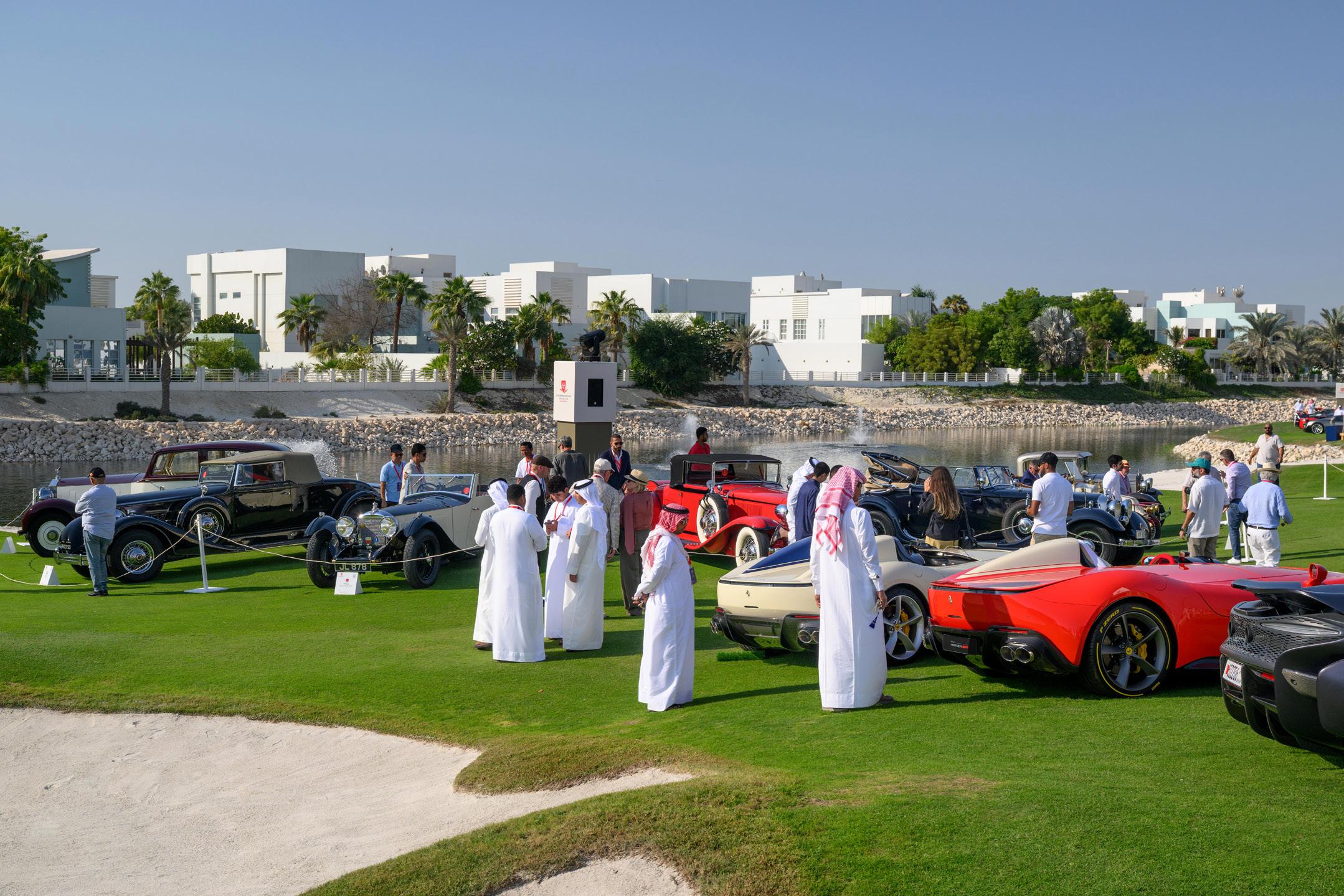
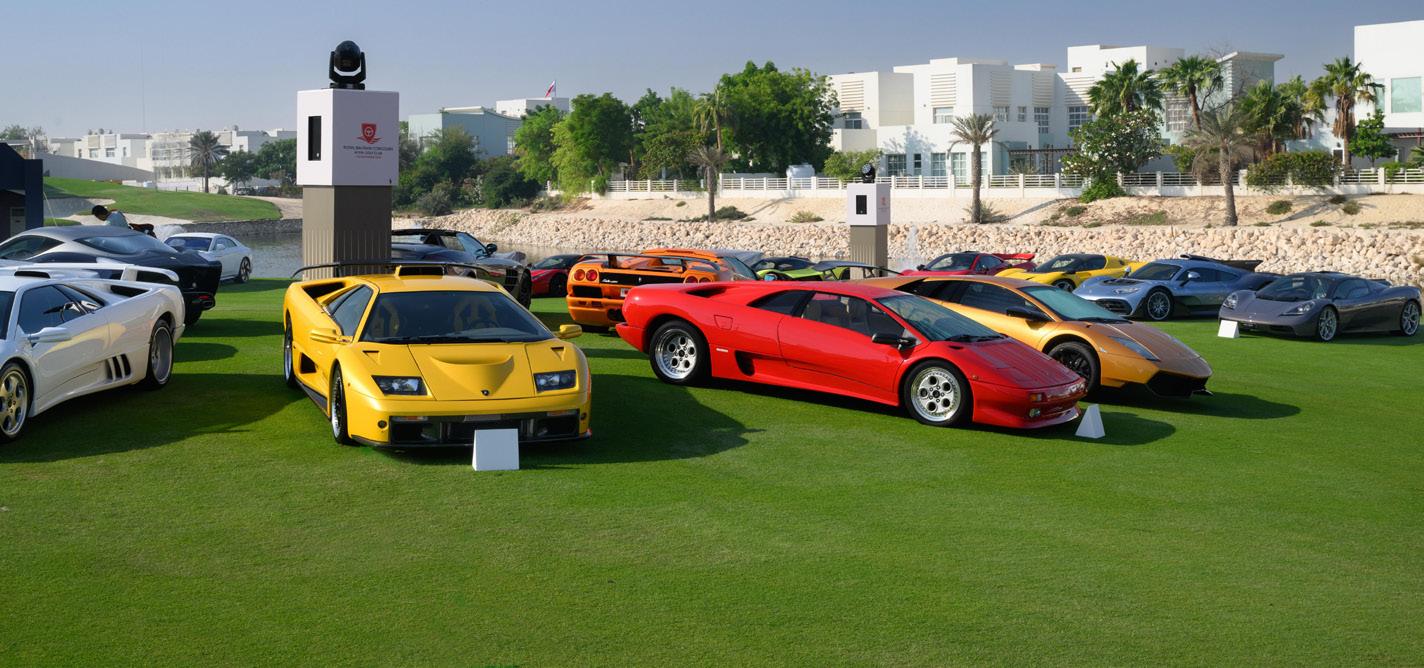
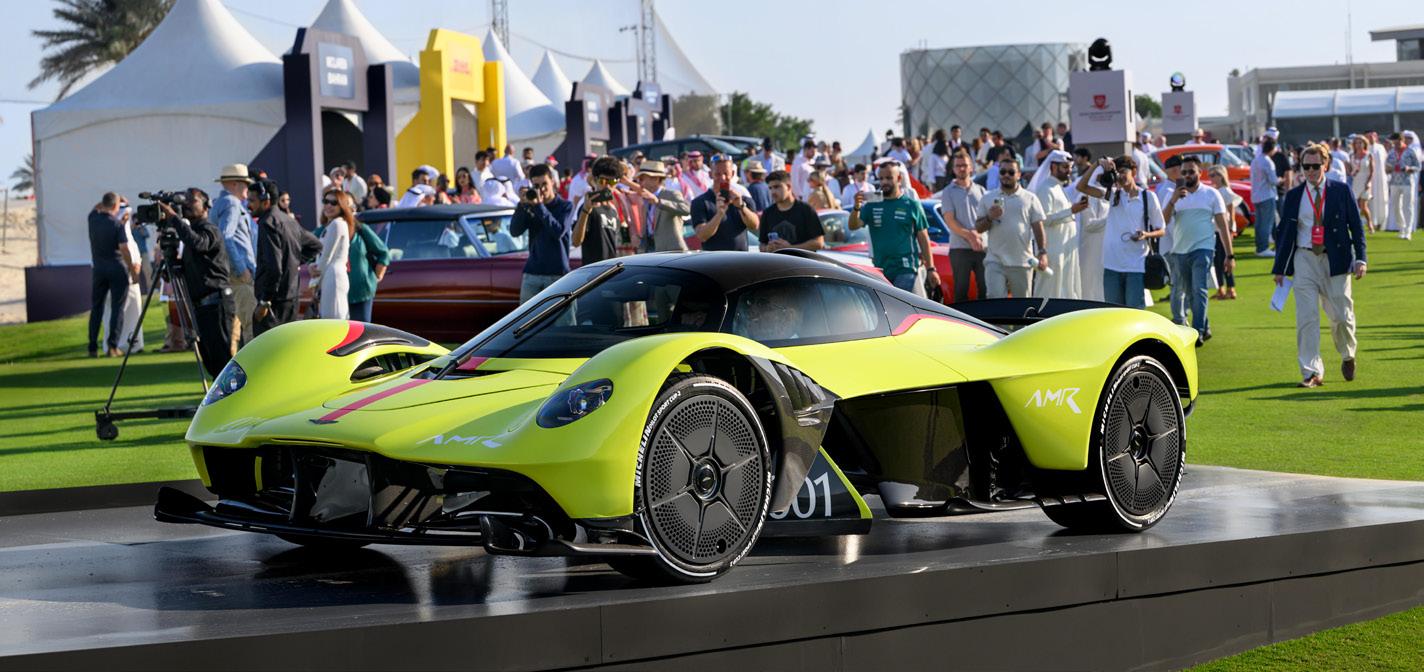
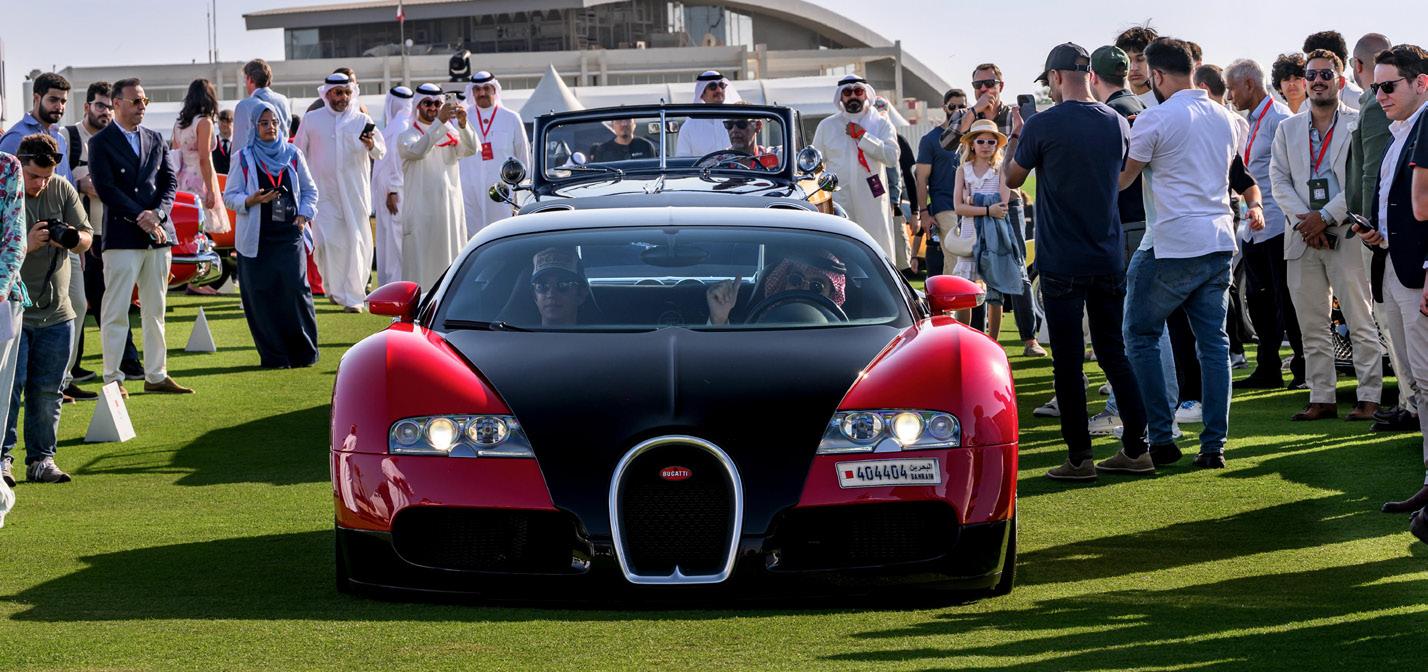
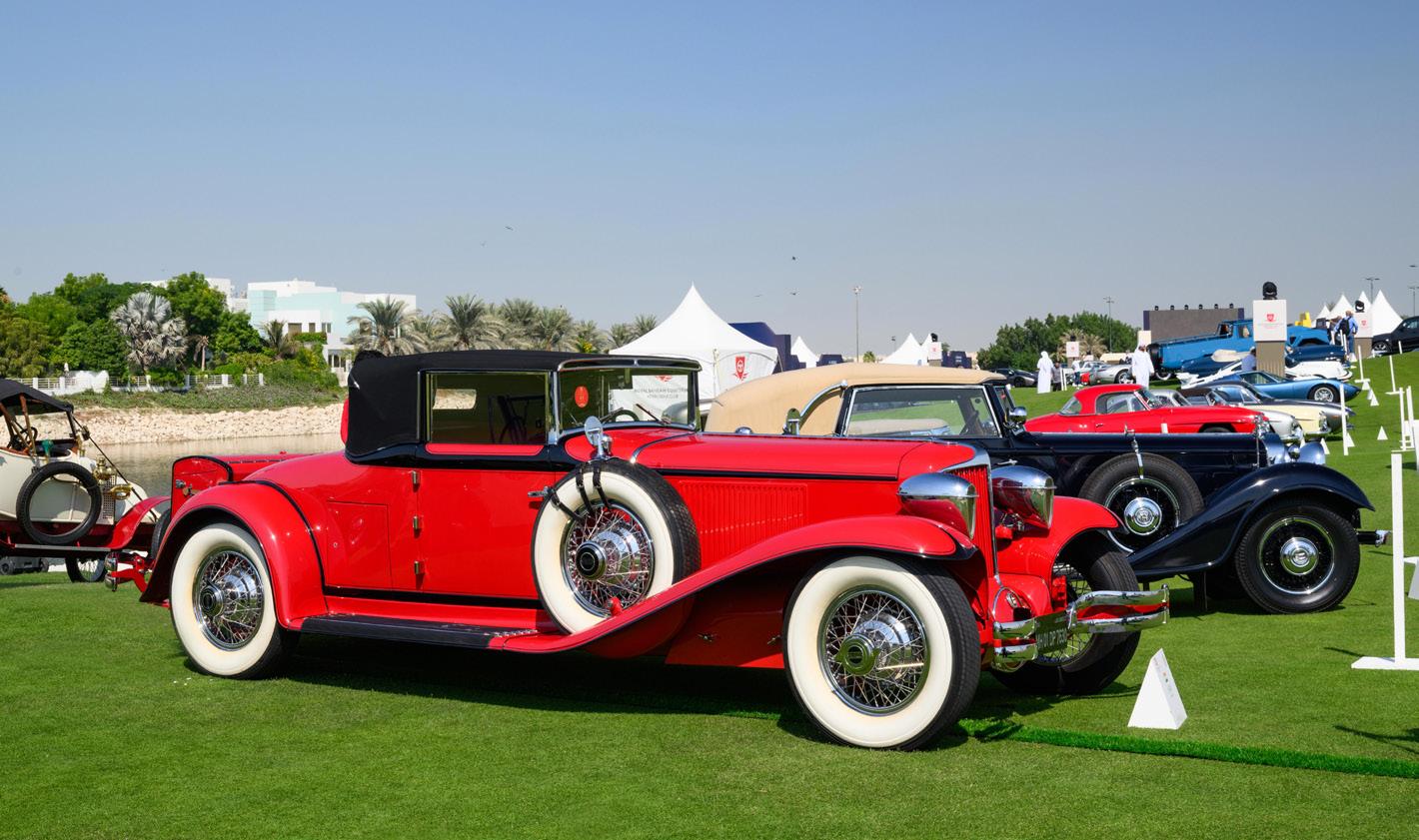
Few automotive events in the region capture the spirit of elegance, exclusivity, and collector culture quite like the Royal Bahrain Concours. Following the success of its inaugural edition, the prestigious event will return to the spectacular Royal Golf Club in November 2026, once again transforming Bahrain into a gathering point for some of the world’s rarest and most exceptional automobiles.
Held under the patronage of His Royal Highness Prince Salman bin Hamad Al Khalifa, Crown Prince and Prime Minister of the Kingdom of Bahrain, the Royal Bahrain Concours has rapidly established itself as the GCC’s premier Concours
By Natasha Dury
d’Elegance. More than simply an automotive showcase, the event blends collector culture, luxury hospitality, design, and lifestyle within an atmosphere of refined sophistication.
Set against the manicured landscapes of the Royal Golf Club in Riffa, the 2026 edition will expand into a richer twoday experience following overwhelming demand from collectors, partners, enthusiasts, and international guests.
The concours will once again bring together an extraordinary selection of collector cars alongside leading regional car clubs, global automotive personalities,
By Shereen Shabnam
luxury brands, and curated hospitality experiences.
Organised by Thorough Events W.L.L. in partnership with the Bahrain Tourism & Exhibitions Authority (BTEA), the event reflects Bahrain’s growing prominence as a destination for premium lifestyle experiences and world-class motoring events.
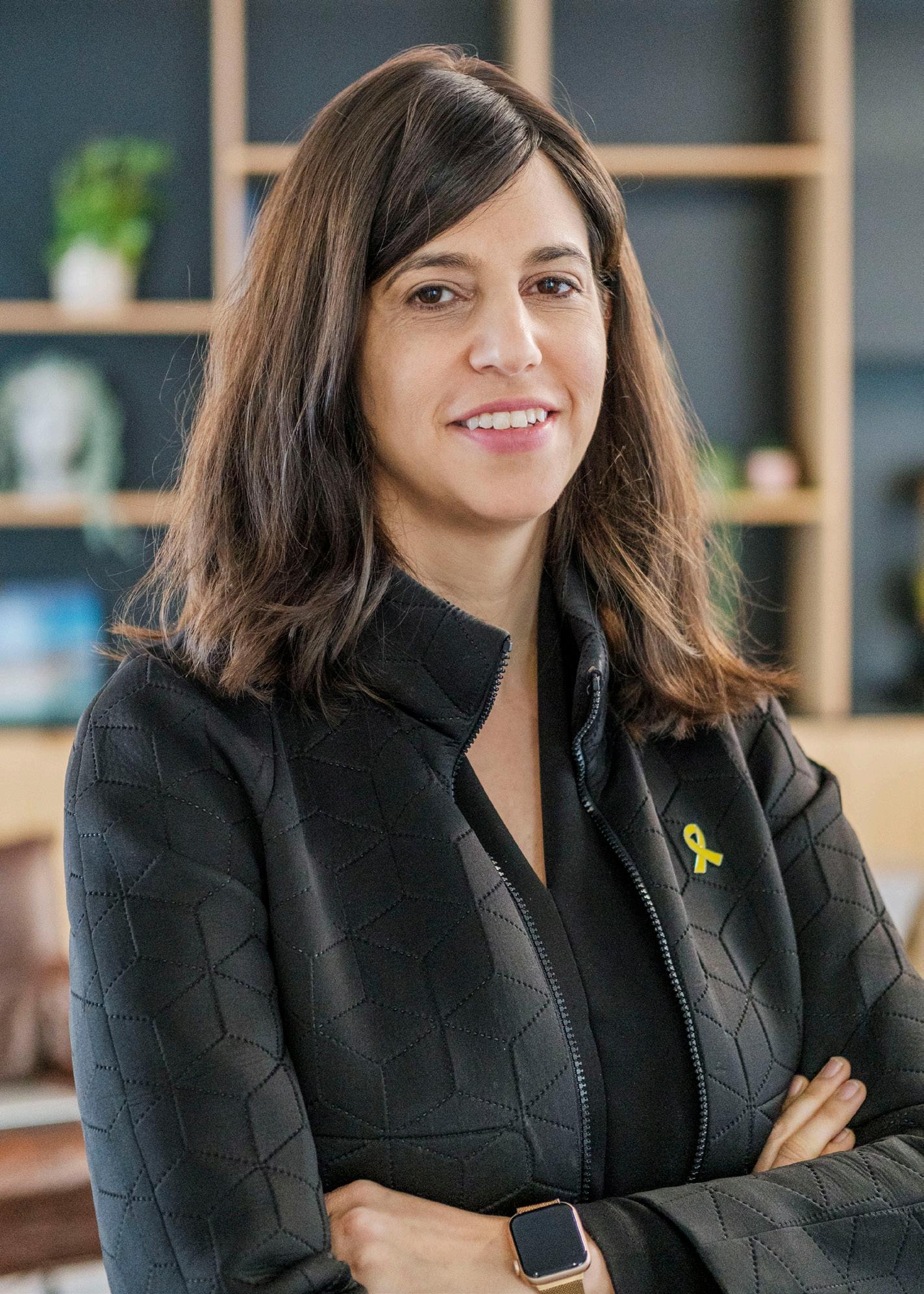
Under the leadership of BTEA Chief Executive Officer Sara Ahmed Buhiji, the Kingdom continues to strengthen its position as a regional hub for luxury tourism, culture, and international events.
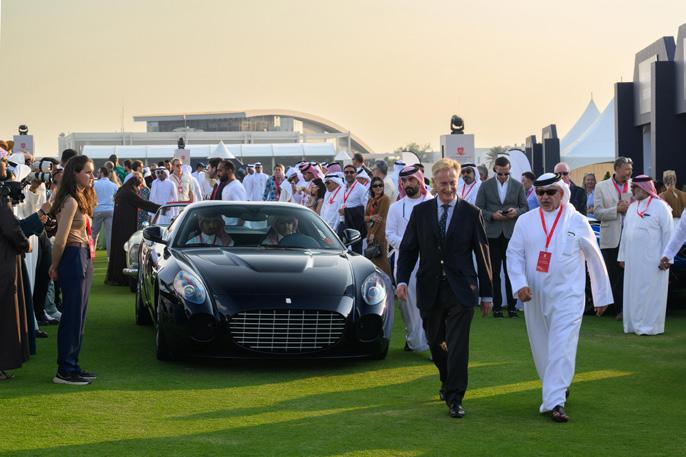
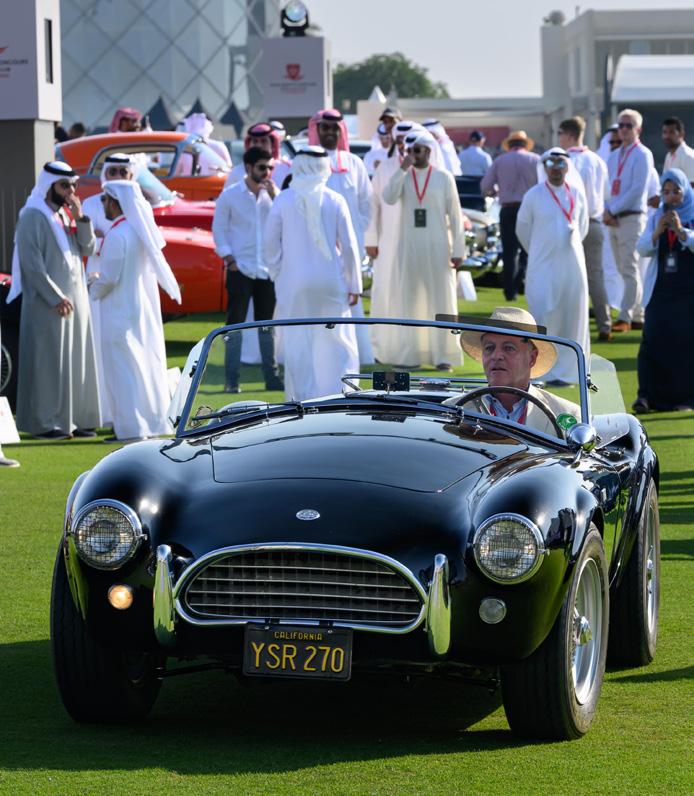
James Brooks-Ward, Chairman of the Royal Bahrain Concours, described the response to the inaugural edition as exceptional, noting that enthusiasm from collectors and visitors across the GCC and beyond exceeded expectations. With tickets now officially live for the 2026 edition, anticipation is already building around what promises to be one of the region’s standout luxury lifestyle events of the year.
Beyond the concours lawn itself, the event celebrates the wider culture surrounding exceptional automobiles, craftsmanship, heritage, design, engineering, and the emotional connection that defines collector motoring. Combined with Bahrain’s renowned hospitality and elegant setting, the Royal Bahrain Concours offers an experience that feels both international and distinctly Gulf in character.
Sara Ahmed Buhiji, CEO of BTEA, noted that the event now forms an important part of Bahrain’s premium events calendar, contributing not only to tourism but also to the wider hospitality, retail, and entertainment sectors while reinforcing Bahrain’s reputation as a preferred destination for high-value experiential travel. The Royal Bahrain Concours is fast becoming one of the Middle East’s most desirable gatherings for collectors, enthusiasts, and lovers of automotive artistry.

CHECK POINT RELEASES AI FACTORY SECURITY
BLUEPRINT TO SAFEGUARD AI INFRASTRUCTURE FROM GPU SERVERS TO LLM PROMPTS
As enterprises and neo-clouds invest billions in private AI infrastructure, Check Point delivers the industry's most comprehensive security architecture for AI data centers
Check Point® Software Technologies Ltd. (NASDAQ: CHKP), a pioneer and global leader of cyber security solutions, today released the AI Factory Security Architecture Blueprint — a comprehensive, vendor-tested reference architecture for securing private AI infrastructure from the hardware layer to the application layer. Leveraging Check Point's industry-leading firewall and AI security technologies, and building on NVIDIA BlueField data processing capabilities, the blueprint delivers security-by-design across every layer of the AI factory and data center.
"AI infrastructure has become one of the most valuable and vulnerable assets in the enterprise,” said Nataly Kremer, Chief Product Officer at Check Point. “The AI Factory Security Blueprint is how we help organizations protect those investments — not as an afterthought, but from the ground up, through every layer of the stack."
The AI data center has become the most strategically valuable, and most exposed, piece of enterprise infrastructure. Organizations building private AI environments to protect intellectual property, meet sovereignty requirements, or reduce public cloud costs are accumulating GPU clusters, training pipelines, inference workloads, and proprietary models that represent substantial investments. And they are doing so faster than security architecture has been able to keep pace.
Unlike traditional data centers, AI computing environments combine high-performance GPU clusters, distributed training pipelines, large-scale data lakes, and real-time inference APIs — creating attack surfaces that conventional security tools were not designed to address. Threats range from training data poisoning and model theft to lateral movement between Kubernetes namespaces, prompt injection against inference APIs, and supply chain compromise through opensource dependencies.
The Check Point AI Factory Security Blueprint delivers layered protection at four levels:
• Perimeter Layer: Check Point Maestro Hyperscale Firewall provides Zero Trust Network Access (ZTNA), virtual security group segmentation, and scalable policy enforcement at the entry point to the AI fabric, handling north-south traffic from external users, internet sites, and enterprise networks
• Application and LLM Layer: Check Point AI Agent Security defends inference APIs and LLM endpoints against prompt injection, data exfiltration, adversarial queries, and API abuse, protection that traditional web application firewalls are not equipped to provide. Check Point AI Agent Security is integrated into Check Point Firewalls across cloud, virtual and appliance form factors, Check Point WAF, and Check Point AI Factory Firewall.
• AI Infrastructure Layer: In a tightly integrated collaboration with NVIDIA, Check Point embeds its firewall and threat prevention directly into NVIDIA BlueField data processing units (DPUs) via the NVIDIA DOCA software platform, delivering hardware-accelerated, inline security at the infrastructure level. This provides high-performance AI prompt defense and inspection of ingress and egress traffic without consuming CPU/GPU cycles, protecting NVIDIA compute servers, segmenting tenants, and enabling runtime threat detection through DOCA Argus on BlueField.
• Workload and Container Layer: Check Point's integration with 3rd party microsegmentation solutions enables microsegmentation and east-west traffic control within Kubernetes clusters, preventing lateral movement between inference namespaces
and isolating compromised containers before they can propagate.
The blueprint is aligned with CISA’s principle that AI must be Secure by Design. This means security embedded from inception — in the fabric, in the hardware, in the orchestration layer — rather than layered on top of systems already in production. Check Point's architecture enforces Zero Trust at every interaction: every user, API call, and service request is authenticated, authorized, and continuously validated.
The blueprint also maps directly to AI governance frameworks including the NIST AI Risk Management Framework and Gartner AI TRiSM, providing the traceability, auditability, and policy enforcement required to meet emerging regulations including the EU AI Act, GDPR, HIPAA, PCI-DSS, and ISO 42001.
NUTANIX AND NETAPP FORM STRATEGIC ALLIANCE WITH NEW INTEGRATION FOR A MODERN CLOUD PLATFORM
Designed to enable organizations to accelerate and de-risk their cloud platform modernization
Nutanix (NASDAQ: NTNX), a leader in hybrid multicloud computing, and NetApp® (NASDAQ: NTAP), the Intelligent Data Infrastructure company, today announced a collaboration to integrate NetApp Intelligent Data Infrastructure built on NetApp enterprise storage systems with the Nutanix Cloud Platform (NCP) solution with the Nutanix AHV hypervisor later this year.
Together, Nutanix and NetApp plan to offer customers greater choice to optimize their virtualization and data strategies across on-premises, cloud, and containerized environments. The new integration is designed to combine the data management capabilities of NetApp ONTAP®, including an intelligent, flexible, secure data foundation, with the unified hybrid multicloud operations of NCP.
“NetApp and Nutanix are enabling simple, secure and fast modernization of virtualized environments,” said Sandeep Singh, Senior Vice President and General Manager of Enterprise Storage at NetApp. “Whether seeking to transform their virtualization layer, data operations, or both, customers need Intelligent Data Infrastructure at the foundation. With our combined capabilities, NetApp and Nutanix will make it easy to run virtualized workloads at enterprise scale.”
KEY BENEFITS
Modernize Virtualization and Hypervisor Layer
The powerful combination of NCP with Intelligent Data Infrastructure built on NetApp technology will offer customers a new path to more easily modernize on-premises and cloud environments. The joint work is designed to allow customers to optimize storage while setting themselves up for future flexibility to support modern containerized workloads.
Fast Migration
NFS-based integration between NCP and NetApp ONTAP is designed to streamline VM migration to Nutanix, reducing complexity and accelerating time to value. Customers can look forward to faster data-in-place conversions of VMs measured in minutes with
NetApp Shift toolkit and Nutanix Move, which will enable them to reach full operationality more quickly.
Simplified Operations
Intuitive management across NetApp ONTAP and NCP solution is expected to simplify the administration, troubleshooting, and operational overhead typical of enterprise virtualized environments. The joint solution plans to offload data management to ONTAP to allow independent scaling of compute and storage. Organizations running NCP will benefit from the security, performance, resiliency, and data mobility capabilities of NetApp ONTAP.
VM-Granular Operations
Leveraging the advanced capabilities of NetApp and Nutanix, customers will be able to manage their virtual environments on a VM-granular level, enabling them to manage performance, storage capacity, and recovery methods from a unified management view.
Built-in Cyber Resilience
Combining NetApp infrastructure with NCP is designed to enable enterprises to confidently protect workloads across the hybrid cloud. The joint solution will offer customers access to NetApp ONTAP Autonomous Ransomware Protection with AI (ARP/AI) and NetApp Ransomware Resilience service to detect threats and exfiltration attempts in real time.

“In partnering with Nutanix, NetApp is furthering its lead as the premier provider of storage and data management for virtualization,” said Dallas Olson, Chief Commercial Officer at NetApp. “Together with Nutanix, we’re giving enterprises the foundation they need to build Intelligent Data Infrastructure with the performance, resilience and scalability to grow with their virtualization needs.”
"Through our partnership with NetApp, customers will be able to simultaneously modernize their virtualization platform and tap into the power of Intelligent Data Infrastructure with NetApp," said Tarkan Maner, President and Chief Commercial Officer at Nutanix. "We’ve partnered together so that customers can modernize at their own pace.”
As the alliance progresses, Nutanix and NetApp plan to work together to accelerate AI innovation by integrating NetApp ONTAP into the Nutanix Agentic AI solution, a full software
stack purpose-built to help customers adopt Agentic AI for business transformation.
ANALYST COMMENTARY
"This collaboration reflects a broader industry shift toward solutions that combine infrastructure modernization with intelligent data services. Nutanix and NetApp are giving customers a long‑term, stable foundation that supports traditional virtualized workloads today and positions them for the cloud‑native, AI‑driven environments of tomorrow that will require data to be managed and used more effectively."
— Matt Kimball, VP & Principal Analyst, Moor Insights & Strategy
PARTNER COMMENTARY
“By extending our long standing partnership with NetApp to include support for Nutanix Cloud Platform, we are evolving the FlexPod
ecosystem to meet the demands of a hyper distributed world. FlexPod has set the standard for converged infrastructure, and this integration will allow our joint customers to leverage Cisco’s high performance networking and compute alongside NetApp storage and NCP, providing a unified, secure, and highly automated environment that simplifies the transition to modern, cloud native operations.”
— Jeremy Foster, Senior Vice President and General Manager of Cisco Compute
“This partnership demonstrates that both vendors take the needs of enterprise customers seriously. As a result, almost any use case with the highest availability requirements are possible. This is exactly what we’ve been waiting for.”
— Joachim Schmitz, Field CTO, System Vertrieb Alexander GmbH
ENERGY SECURITY IN AN UNCERTAIN WORLD
How industrial AI drives resilience

Energy security and operational efficiency have moved from strategic considerations to immediate utility priorities. Recent geopolitical instability has exerted significant pressure on global energy markets with Brent crude, the international benchmark, climbingmore than 5% to hit $107 per barrel, while West Texas Intermediate (WTI) jumped to $94 per barrel. During such challenging times, organizations that will thrive in this environment are those that can make faster decisions, optimize constrained resources, and balance supply and demand despite external shocks.
Industrial AI is proving to be the difference between reactive crisis management and proactive operational control.
THE PRESSURE POINTS
Rising energy costs affect every link in the value chain. When crude oil prices spike, refineries face compressed margins. When supply becomes uncertain, field operators must extract maximum value from existing assets. At the same time, aging infrastructure demands more maintenance, production complexity increases, and the workforce capable of managing these systems approaches retirement age.
Traditional systems were built for a world that no longer exists. Manual scheduling cannot optimize field crews across hundreds of wells when conditions change hour by hour. Reactive maintenance cannot prevent unplanned outages that cost millions of lost productions. The gap between what energy companies need and what their systems can deliver is widening. Industrial AI bridges that gap.
OPERATIONAL EFFICIENCY THROUGH INTELLIGENCE
Energy security refers to the ability to maintain a steady supply independent of forces outside of your control. Industrial AI supports this independence by embedding decision-making capability directly into operational workflows.
Agentic AI and digital workers automate routine processes, from monitoring equipment health to coordinating maintenance schedules to optimizing production parameters. These agents do not require constant human oversight. They operate autonomously within defined parameters, escalating only when human judgment is required.
This level of automation becomes critical when workforce constraints meet operational
complexity. As experienced employees retire, AI-augmented systems help newer workers access institutional knowledge and make informed decisions faster.
FROM DATA TO DECISIONS
Industrial AI does not replace experienced operators. It amplifies their capability. By ingesting real-time data from sensors, equipment, and external systems, AI creates a continuous optimization layer that adjusts how assets run, how crews deploy, and how resources allocate.
The impact shows up in three core areas that directly affect energy security and operational resilience:
• Predictive maintenance reduces unplanned outages and extends asset life. AI analyzes performance patterns and predicts failures in advance, replacing reactive fixes and routine, schedule based maintenance. This matters most when spare capacity is limited and every barrel counts. Companies like Total Energies and Noble Corporation have seen measurable improvements in uptime by deploying these capabilities.
• AI-driven scheduling and resource orchestration optimizes field service operations. IFS customers have seen an average 37.1% reduction in total travel distance for field operations. That translates directly into lower fuel costs, reduced emissions, and faster response times. When crews can reach critical sites faster and complete more work per shift, costs stay under control.
• Unified asset lifecycle management for better capital and risk decisions. The IFS Asset Lifecycle Management (ALM) solution brings together AIP, EAM/APM, FSM, and ERP into one connected framework. This gives leaders a clear view of where risk, cost, and performance intersect, helping them schedule maintenance outages, brownfield turnarounds, and capital projects with data backed precision. In volatile environments, that linkage between strategy and execution is a resilience multiplier.
AI has moved from pilot projects to production deployment across the world’s largest energy enterprises. The organizations leading this transition share a common characteristic: they view AI not as a feature set but as an operational backbone. They are standardizing AI workflows, validating and trusting AI-driven recommendations, and measuring impact in terms of uptime, productivity, and resilience.
THE GLOBAL ENERGY LANDSCAPE HAS ENTERED A PERIOD OF SUSTAINED VOLATILITY. GEOPOLITICAL
TENSIONS CONTINUE TO DISRUPT
TRADITIONAL SUPPLY CHAINS,
SENDING OIL AND GAS PRICES ON AN UNPREDICTABLE TRAJECTORY THAT CHALLENGES EVEN THE MOST EXPERIENCED OPERATORS.
AS DISRUPTION SEEPS IN, ENERGY COMPANIES ARE CHALLENGED TO THINK HOW QUICKLY THEY CAN ADAPT,
Hannes Liebe , Regional President –APJMEA, IFS
Rising prices and geopolitical uncertainty are not temporary challenges to be weathered. They are the new operating environment. Industrial AI gives energy companies the tools to maintain operational control, protect margins, and deliver reliable production regardless.

FROM BOOKING TO BOARDING
The Hidden Craft of VIP Charter Preparation
Most VIP charter flights are arranged well ahead of time, and experienced operators prefer it that way. But last-minute bookings, sometimes with as little as 2-3 hours before departure, are far from uncommon. In recent years, the VIP market has shifted toward more advanced planning, which allows for thoughtful, methodical preparation. Even so, the ability to mobilise at short notice remains a core operational requirement. According to Vytautas Trojanas, Head of flight Dispatch at KlasJet, the difference lies entirely in how the preparation is managed.
With 72 hours or more to work with, charter experts can address each element of the upcoming flight without rush and in sequence. When prep time is less than a third of that, however, a fundamentally different approach becomes indispensable. “When time is short, we quickly reassess
priorities and rally our resources, emotions are set aside, because decisions must be made fast and time is one of our most valuable assets,” says Mr. Trojanas. “The standard that passengers encounter the moment they board, however, remains exactly the same.”
BEFORE THE CABIN CREW STEPS IN
In charter operations, the absence of a predictable routine for the dispatch team is not the exception – it is the norm. “You may begin the day focusing on a flight departing within hours and, by midday, be coordinating a complex itinerary to East Asia scheduled for the following month,” Mr. Trojanas explained. “The rhythm shifts naturally between relatively laid-back preparation and rapid execution – often within the same hour.”
When a new flight request comes in, the first priority is schedule alignment. Clients typically have preferred departure and arrival times, but airport restrictions and regulatory requirements often necessitate adjustments. Once the schedule is confirmed, the dispatch team initiates permit applications, secures airport slots, coordinates ground handling, and oversees all operational arrangements. One of the most critical elements at this stage is the passenger manifest: international regulations require detailed passenger information to be submitted to authorities in both departure and arrival countries, making accuracy non-negotiable.
UNDERSTANDING NEEDS AND PREFERENCES
In a last-minute scenario, one of the most critical early steps has little to do with the
aircraft – before commencing preparation, the cabin crew needs a detailed picture of who will be on board and what they might need.
“First of all, it’s essential to learn as much as we can about our guests and their requirements,” said Loreta Krupenkiniene, Head of Cabin Crew at KlasJet. Dietary preferences, allergies, cultural accommodations, specific food restrictions, and the subtler aspects of personal service expectations – all of these must be established from the very beginning. Interestingly, when it comes to VIP charter flights, catering requirements are second only to safety.
The operational preparation, sourcing caterers (usually trusted partners), setting up the cabin, and implementing specific preferences, only starts once the cabin crew has gained a comprehensive understanding of client expectations, and runs in parallel.
WHAT COORDINATION LOOKS LIKE
VIP charter preparation is never the work of a single team. It is a coordinated effort across multiple functions, each responsible for its own domain, but all moving toward the same outcome.
“The responsibilities of the cabin crew are very clearly defined, even though the entire process happens in close collaboration with other teams,” says Ms. Krupenkiniene. “The cabin crew’s primary focus runs from the first point of contact to disembarkation: preparing the cabin, receiving and inspecting the food, service delivery, fulfilling individual requests, and shaping the overall atmosphere on board. But they are in constant communication with other teams on anything that directly affects the passenger experience, particularly around catering details, schedule changes, or specific requests.”
Above the cabin crew level, a central operations function ensures that all teams are moving in the same direction and exchanging information on time. Much of this coordination extends to third parties, airports, ground handling providers, and aviation authorities across multiple jurisdictions. “Coordinating a VIP flight is not unlike conducting an orchestra,” says Mr. Trojanas. “Every participant must perform their role flawlessly, but it is the harmony of the entire group that creates excellence.” Maintaining that harmony requires persistent, proactive communication and consistent follow-through with partners who cannot be directly controlled by the charterer.
QUALITY WITHOUT COMPROMISE
One of the more obscure challenges in VIP charter is maintaining consistent food and drink quality across different cities, countries, and suppliers. For instance, how does one select a reliable provider outside of familiar hubs where established relationships are lacking or non-existent?
The answer, Ms. Krupenkiniene explains, is due diligence carried out before the flight rather than after problems have already become palpable. Catering is always inspected on receipt, both the quality of the products and how they are presented. Advance coordination is standard practice: requesting photographs, clarifying details, and in some cases even physically visiting the supplier to verify the order. “The most important thing is to ensure that what is served to the client meets the highest possible standards,” she says.
In case of last-minute changes, e.g., a revised passenger count or altered preferences, the cabin crew’s task is to adapt creatively using what’s available and finding alternatives or rethinking presentation.
WHAT PASSENGERS NEVER SEE
Cabin crew typically board an aircraft two to four hours before departure, with arrival time determined by crew rest regulations. By the time the first passenger steps on board, a significant amount of work has already been completed: safety and security checks of the cabin, receipt and inspection of meals and desserts, preparation of the service environment, and the precise arrangement of all the details that together constitute a VIP experience.
Speaking of VIP experience, the distinction between charter flights and commercial aviation runs deeper than just legroom or premium meals. In operational terms, VIP charter is frequently more demanding than scheduled services precisely because of its bespoke nature. Client expectations vary widely and extend well beyond catering – airport access, baggage arrangements, and even the language spoken by crew members can all factor into the brief. “Each client has unique expectations, and the planning scope is broader and more personalised than in scheduled operations,” says Mr. Trojanas. “This environment requires flexibility, meticulous attention to detail, and a solution-oriented mindset.”
Echoing the statement above, Ms. Krupenkiniene noted: “All attention is focused on individual experience. Cabin crew must not only serve, but anticipate needs in advance, maintain discretion, and adapt to each passenger.” It is this anticipatory approach that ultimately separates the world of commercial travel from the world of VIP charter.
Crucially, very little of this complex, on the fly effort is conspicuous to the passenger, intentionally so. “What usually goes unnoticed is how much work the cabin crew does before passengers board,” she reflects. “From meticulous cabin preparation and catering inspection to the coordination of the smallest details, all of this is done so the passenger’s experience feels seamless, natural, and effortless.”
In VIP aviation, the best service is the kind that looks as though everything falls into place on its own. The reality behind that impression, as Ms. Krupenkiniene describes it, however, is anything but effortless, it just happens to be invisible by design.
THE RISE OF THE SOLO JOURNEY

Why personalised itineraries and independent travel are redefining modern exploration
As a travel and lifestyle journalist, I have come to realise that some of the most memorable journeys rarely happen according to plan. My work often takes me across continents, from reviewing luxury hotels and test driving performance cars across challenging terrains to discovering hidden culinary gems between business meetings. Yet it is often the moments in between the schedules, launches, and itineraries that leave the strongest impression.
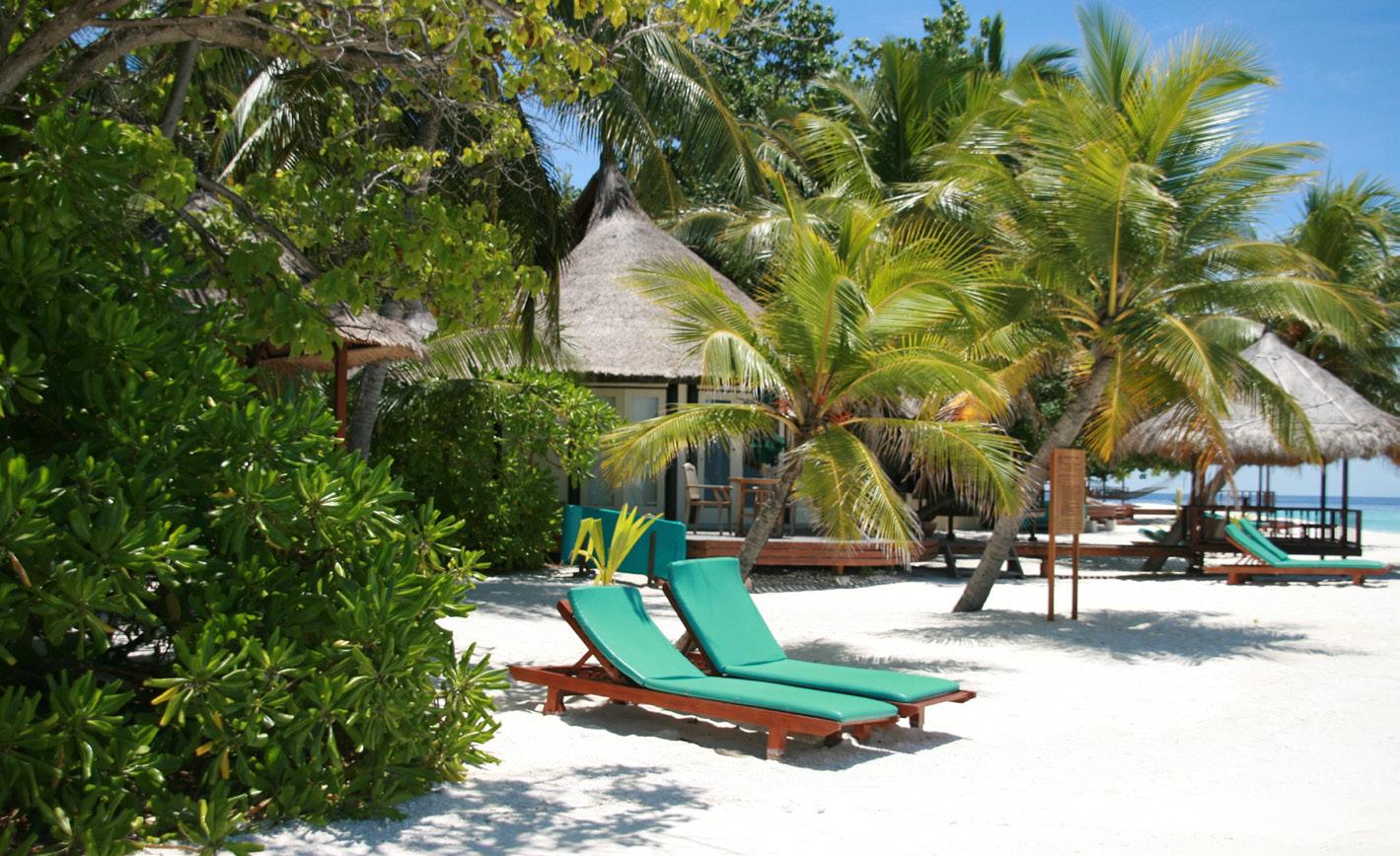
A recommendation from a local restaurateur in Malaysia can lead to an unforgettable street food experience in Penang, while a spontaneous detour through the winding coastal roads of Spain can transform a simple road trip into something cinematic. In Switzerland, driving through alpine passes and remote mountain villages offers a rare connection to nature and adventure, while the serenity of the Maldives provides the perfect counterbalance, a place where wellness, stillness, and reflection become part of the journey itself.
By Shereen Shabnam
Then there is Paris, a city that remains timeless not because of its landmarks alone, but because of its atmosphere, café culture, effortless elegance, and the simple joy of wandering without purpose. Increasingly, these experiences are shaping the rise of personalised and solo travel, where the freedom to move independently allows travellers to connect more deeply with destinations, cultures, and ultimately themselves.
There was a time when solo travel was often viewed as an unconventional choice, reserved for gap-year students, or those simply unable to find company for a trip. Today, it has evolved into one of the most significant shifts in modern tourism. Across luxury travel, wellness escapes, and even corporate journeys, personalised itineraries and independent exploration are becoming deeply desirable experiences for travellers seeking something more meaningful than traditional sightseeing.
What is driving this movement is not isolation, but freedom. Travellers increasingly want the ability to shape journeys around their own interests, pace, and emotional needs rather than compromise within a group dynamic. The modern traveller is no longer simply chasing destinations; they are pursuing experiences that feel personal, immersive, and transformative.
Business travel, interestingly, has become one of the strongest catalysts for this change. Corporate trips today often extend beyond conference rooms and hotel lobbies. Spending time with local clients, colleagues, and industry professionals introduces travellers to a more authentic side of a destination. A recommendation from a local often becomes more memorable than anything in a guidebook. These interactions create a richer cultural connection and encourage travellers to explore independently during downtime, transforming work trips into deeply personal experiences.
Solo leisure travel carries a different, yet equally powerful appeal. Travelling alone cultivates confidence in ways few experiences can. Navigating unfamiliar cities, embarking on long scenic drives, and making spontaneous decisions encourage self-reliance and adaptability. Many travellers describe returning from solo journeys feeling more capable, focused, and emotionally recharged. In a world increasingly dominated by digital noise and rigid schedules, solo travel offers something increasingly rare: uninterrupted personal space.
The travel industry has recognised this shift. Luxury operators, boutique agencies, and wellness brands are now curating highly personalised solo itineraries that combine
independence with comfort and security, that includes gastronomy, wellness, adventure, art, sustainability, or culture.
My favourite road trip was in Spain, particularly great for driving enthusiasts who view driving as part of the experience. From the dramatic mountain routes of Andalusia to the coastal highways stretching along the Mediterranean, Spain offers the perfect balance of scenery, culture, and spontaneity.
Malaysia continues to attract independent travellers for its extraordinary culinary diversity and accessibility. I lived there for 9 years and love the refined dining in Kuala Lumpur to hawker stalls in Penang.
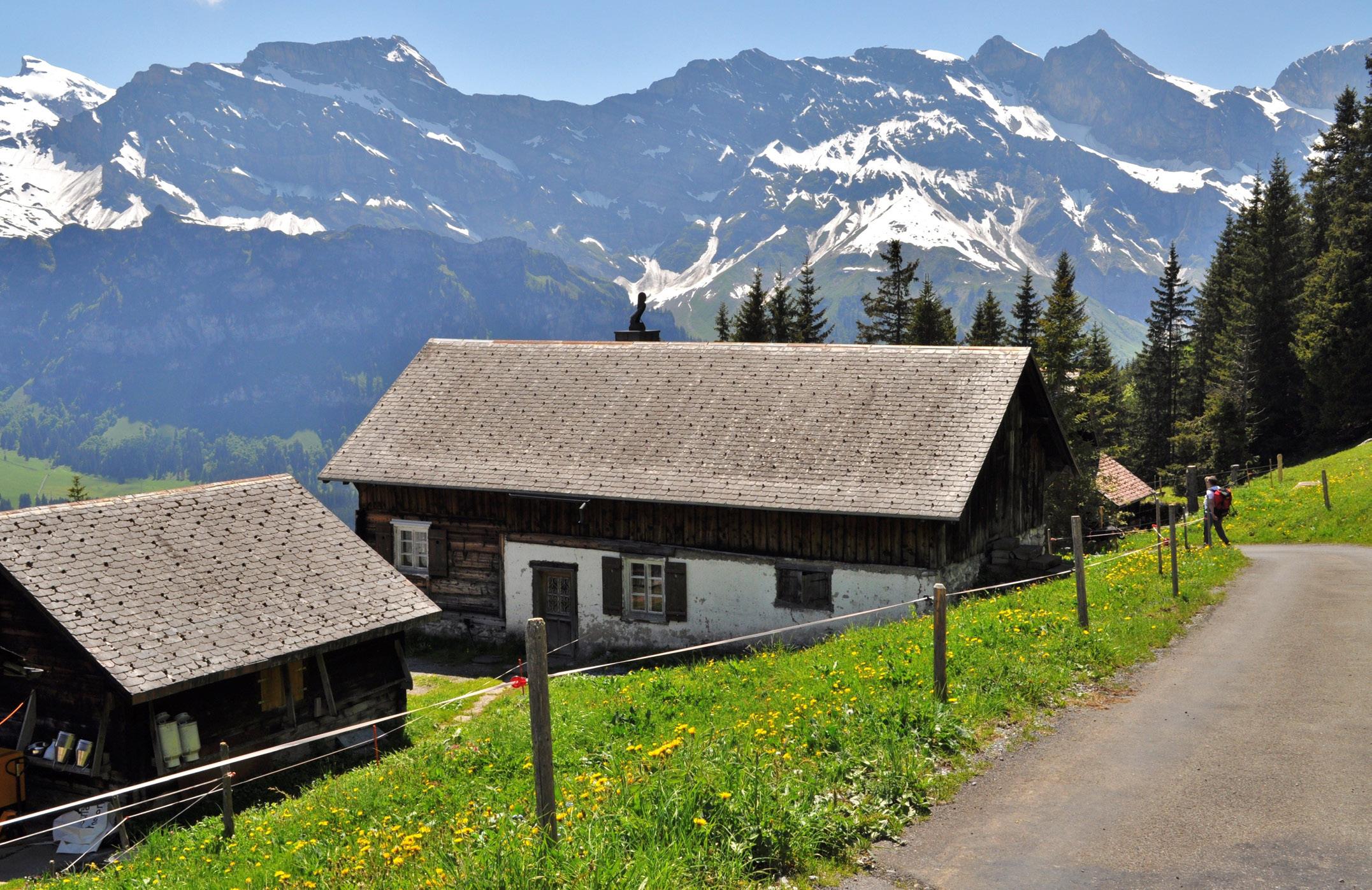
For those seeking tranquility and restoration, Maldives has evolved far beyond the traditional honeymoon narrative. Many luxury resorts now cater to independent wellness travellers with private villas, spa immersions, meditation programmes, marine experiences, and personalised wellbeing journeys designed around mindfulness. Adventure seekers continue to gravitate toward Switzerland, where nature and precision coexist effortlessly. Scenic rail journeys, alpine hikes, mountain drives, and pristine lakes create a sense of calm while still satisfying the desire for exploration.
Meanwhile, Paris remains one of the world’s most rewarding cities to experience alone. Its beauty lies not only in its iconic landmarks, but in its rhythm, mornings spent at quiet cafés, afternoons wandering galleries, evenings discovering intimate bistros hidden within historic streets. It is a city that invites travellers to slow down and simply absorb its atmosphere. Then there is Singapore, as one of the safest and most seamless gateways into solo travel. Efficient transport, exceptional hospitality, world-class dining, and a cosmopolitan energy allow travellers to move confidently while still experiencing cultural depth and diversity.
Ultimately, the rise of personalised solo travel reflects a broader evolution in how people define luxury and fulfilment. Modern travellers are placing greater value on authenticity, emotional wellbeing, flexibility, and meaningful experiences over rigid itineraries or crowded group tours and solo travel has become a powerful expression of curiosity and confidence.
DISCOVERING THE SOUL OF OLD SPAIN
Chinchilla – The Hilltop Village of Kindness and History
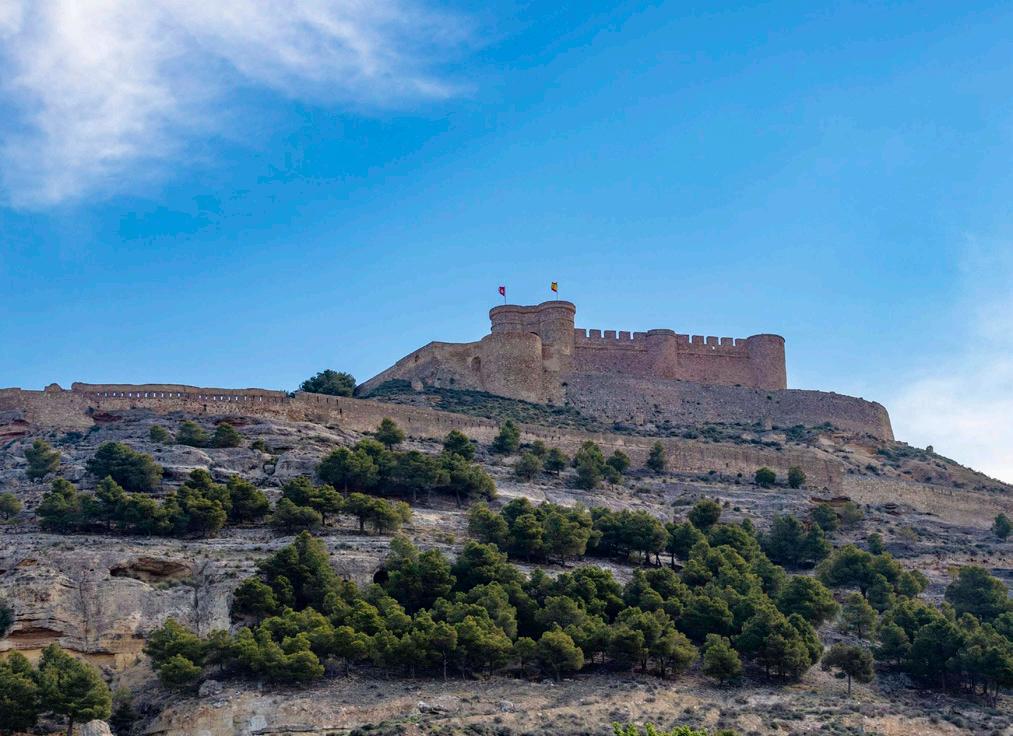
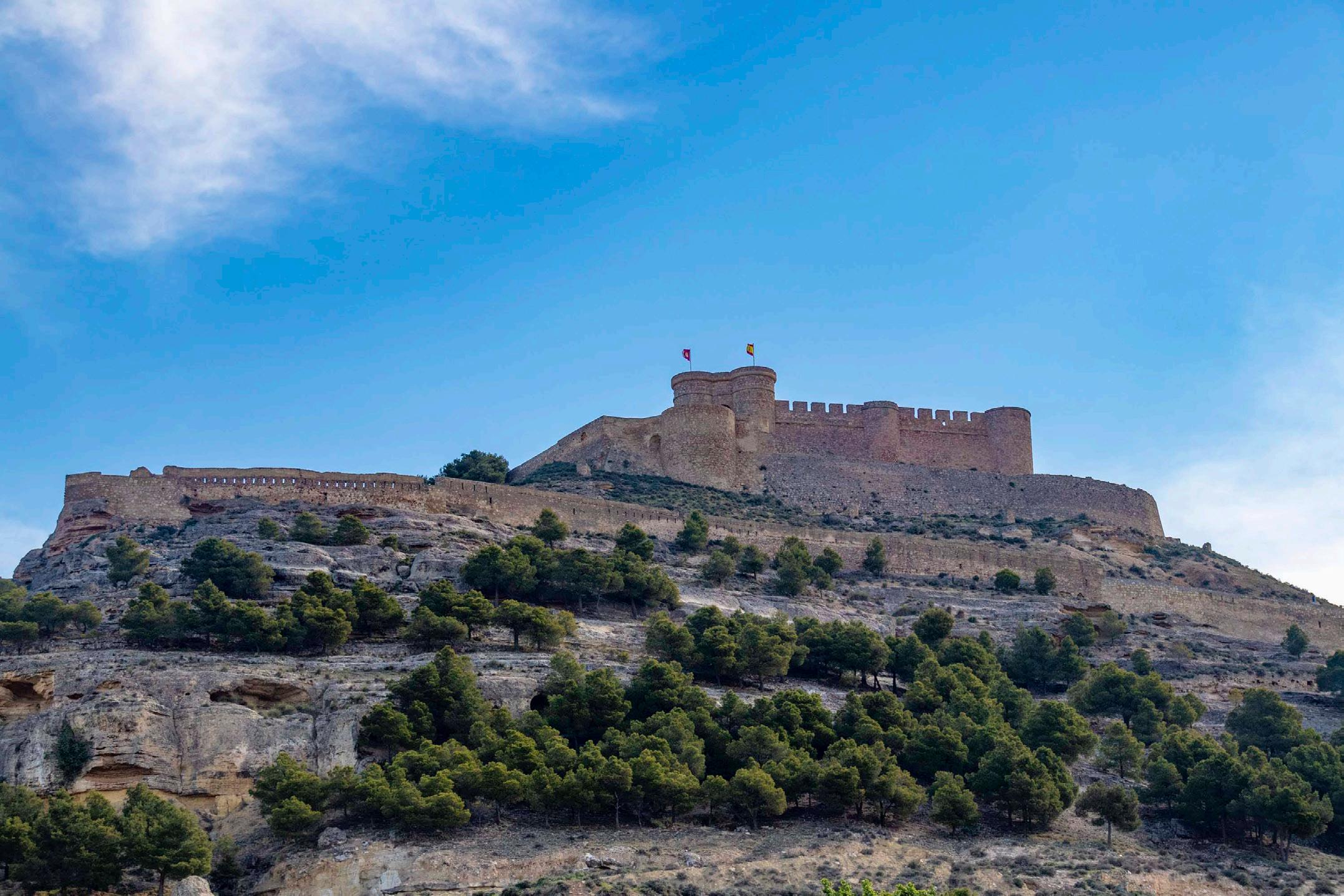
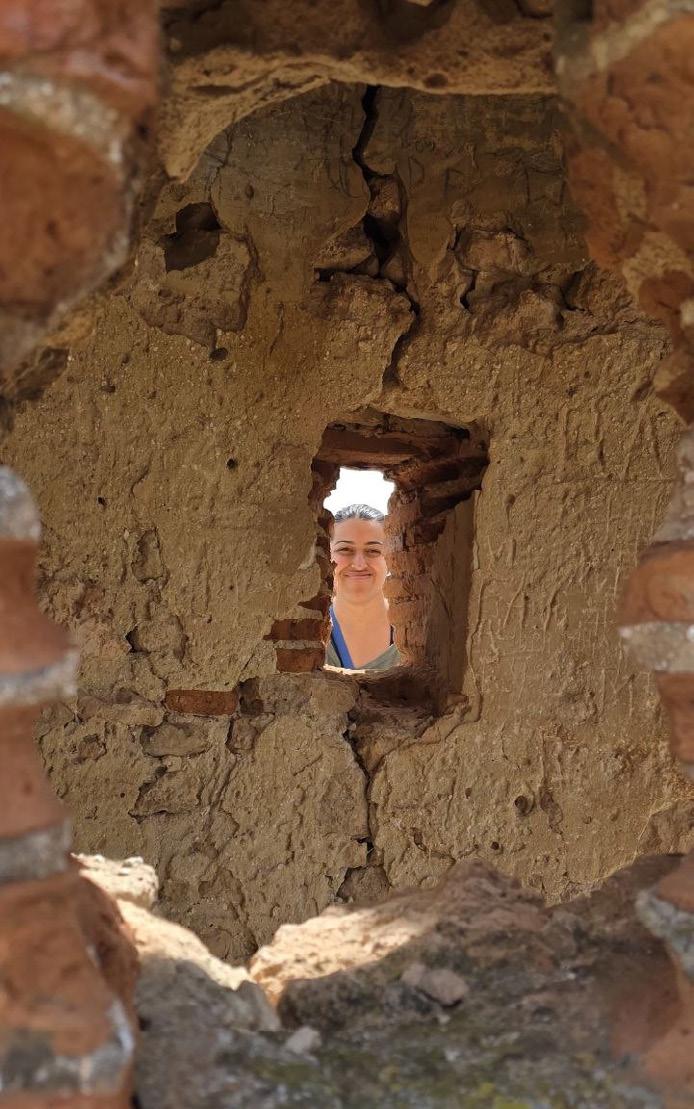
There are places that quietly stay with you long after you leave. Chinchilla de Monte-Aragón, a historic hilltop village in the province of Albacete is just that kind of place. We often explore small towns when we visit our home in Spain but this one touched our heart. Perched high above the plains of Castilla–La Mancha, this charming medieval town feels untouched by the hurried pace of modern tourism, offering instead something increasingly rare in travel today - authenticity.
Arriving in Chinchilla feels like stepping into another era. Narrow stone streets wind gently through the village, opening onto hidden squares, rustic homes, and panoramic viewpoints that stretch endlessly across the Spanish landscape. Above it all rises the magnificent Castle of Chinchilla, its imposing stone walls watching over the town like a guardian from centuries past.
By Natasha Dury
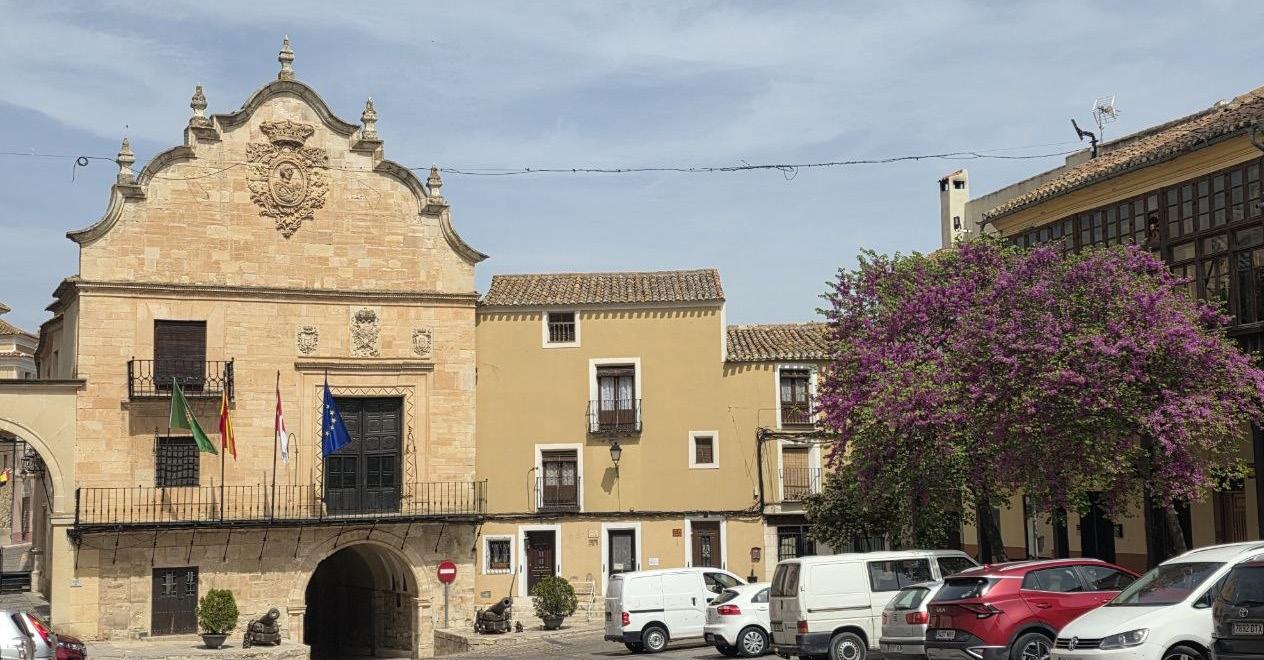
The castle itself is breathtaking. Built between the 15th and 16th centuries on the remains of earlier Moorish fortifications, it carries the layered history of Spain within its walls. Standing near the fortress, with
the wind moving across the hilltops and golden light washing over the old stone, there is a stillness that feels deeply cinematic.
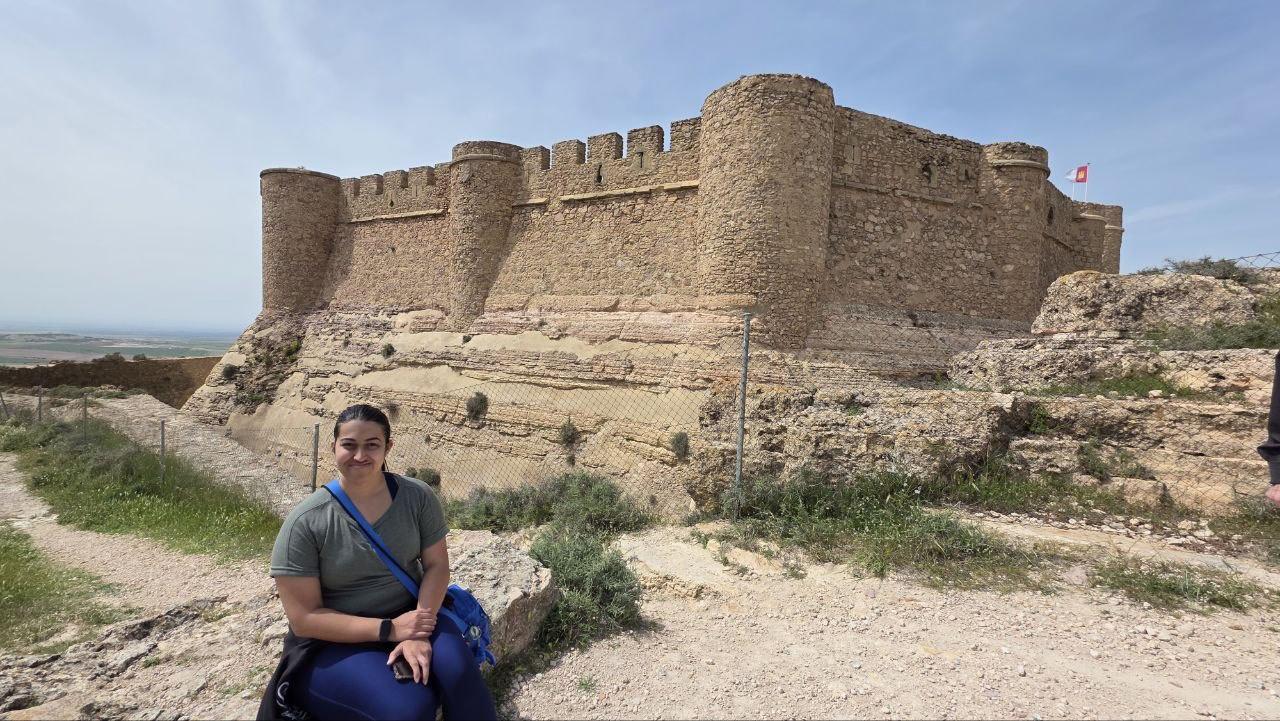

Unlike many heavily commercialised landmarks across Europe, the atmosphere here remains wonderfully understated. The experience is less about crowds and queues and more about quietly absorbing history.Yet what truly defines Chinchilla is not only its architecture or scenery, but its people.
During our visit, after spending hours exploring the steep streets and climbing around the castle grounds, exhaustion eventually caught up with me. Our car was parked further uphill, taxis were nowhere to be found, and the climb back felt far more daunting under the afternoon sun. In many destinations, this would simply become one of those inconvenient travel moments quickly forgotten. In Chinchilla, it became something unforgettable.
The local Mercado shopkeeper, noticing our situation, did something extraordinary in its simplicity. Without hesitation, he
closed his shop, offered to drive us back up the hill. There was no expectation, no transaction, no performance for tourists but simply genuine kindness. That small act captured the spirit of the village more powerfully than any guidebook ever could.
So much travel revolves around luxury resorts, curated experiences, and perfectly filtered itineraries, but Chinchilla offers a reminder that the most meaningful journeys are often shaped by human connection. The village does not try to impress loudly. Instead, it reveals itself slowly through warm conversations, oldworld hospitality, and moments that feel deeply personal.
The beauty of Chinchilla also lies in its rhythm. Life moves differently here. Locals gather casually in cafés, conversations linger in quiet squares, and evenings arrive with golden sunsets spilling across ancient rooftops. It is the kind of place
that encourages travellers to slow down, wander aimlessly, and appreciate the details in the weathered doors, church bells echoing through narrow streets, and the scent of Spanish coffee drifting from family-run cafés.
For travellers seeking a different side of Spain, one rooted in heritage, simplicity, and heartfelt hospitality, Chinchilla is a hidden treasure. It may not appear on every luxury travel itinerary, but perhaps that is precisely its charm.
COLLINA LUXURY RELAIS
Where Alpine Serenity Meets Contemporary Italian Design
By Shereen Shabnam
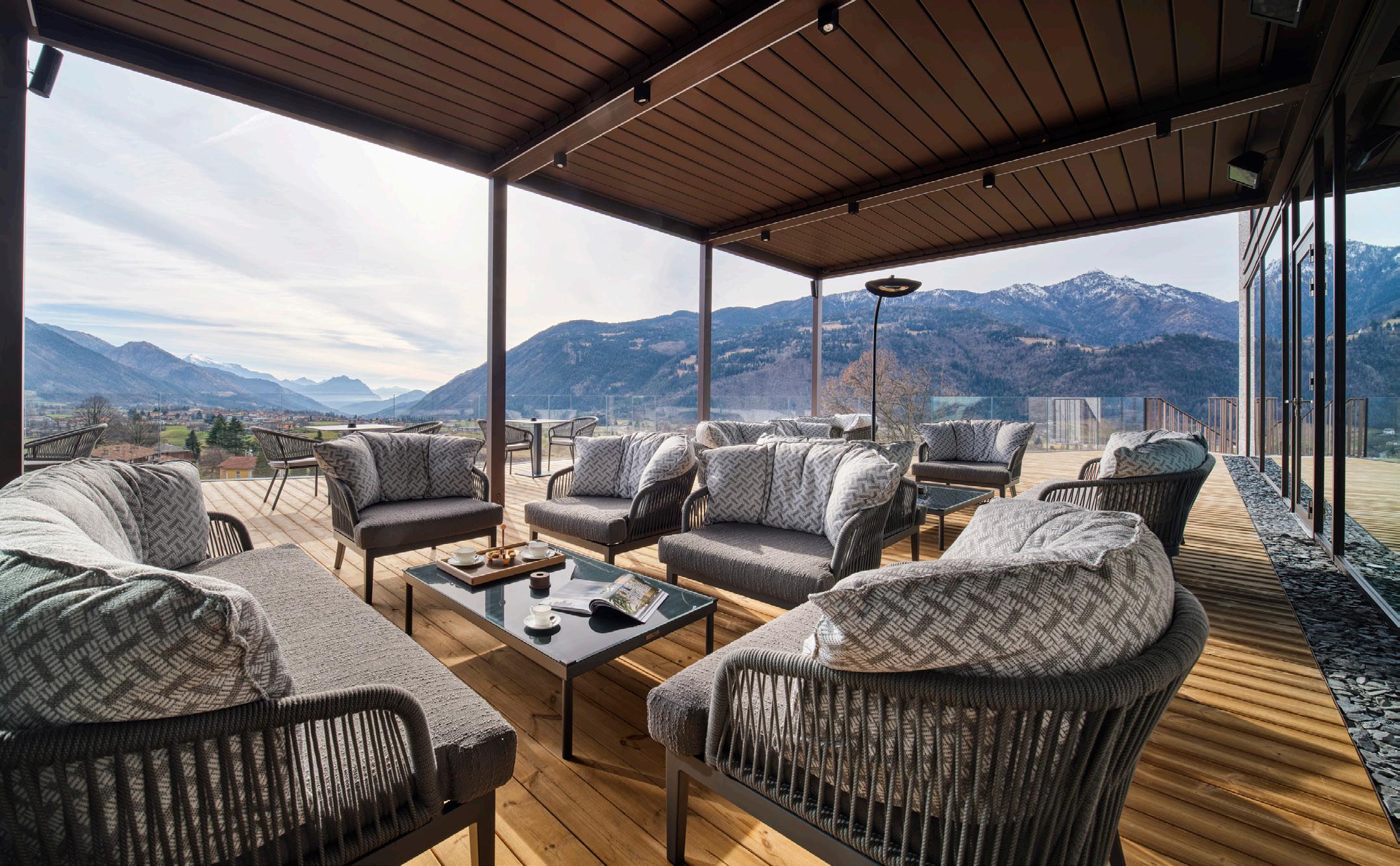
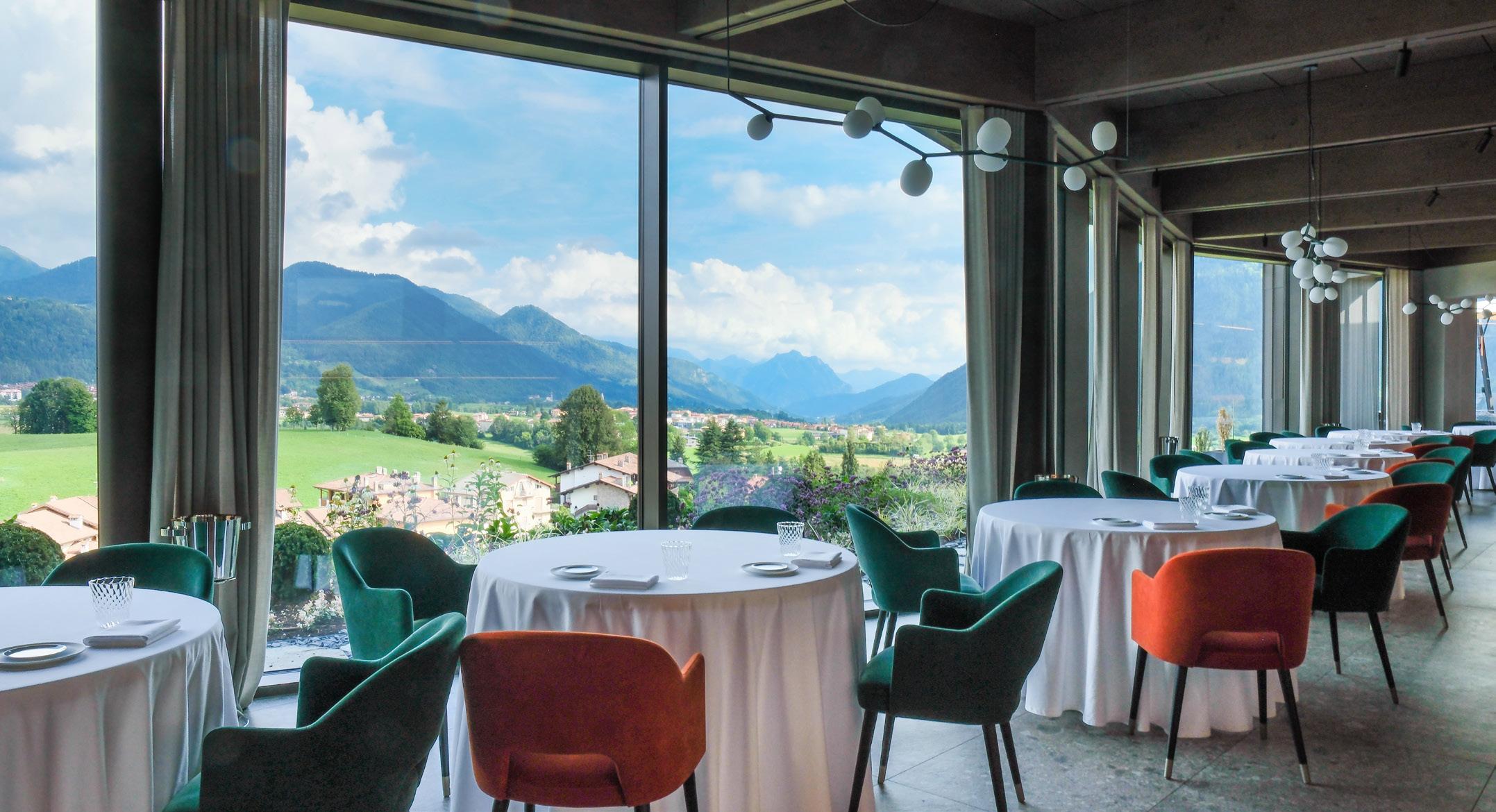
Set within the breathtaking landscape of Clusone in the high valley of Bergamo, Collina Luxury Relais is a striking example of how contemporary hospitality design can coexist harmoniously with nature, heritage, and sustainability. Conceived as a refined five-star retreat, the property blends architectural elegance, understated luxury, and immersive wellness experiences within an environment shaped by the textures and tones of the surrounding alpine landscape.
Originally a villa with a nightclub and outdoor swimming pool, the site has been completely reimagined through a low-impact redevelopment project led by architect Silverio Pezzoli of TecnoArreda Interior Design, with Concreta overseeing the execution of the interiors and common spaces. The result is not merely a hotel, but a carefully orchestrated sensory experience where materials, light, and craftsmanship work together to create a sense of calm sophistication.
The property takes its name from the hillside on which it sits, surrounded by generous green spaces that immediately establish a connection to nature. Guests arriving at the entrance are greeted by an almost seven-metre olive tree, an architectural gesture that introduces the project’s balance between grandeur and organic serenity.
The relais comprises six suites, five independent chalets, and an expansive penthouse featuring a private spa, panoramic terrace, direct lift access, and complete privacy. The chalets, crafted entirely from wood with corrugated aluminium roofs, mirror the earthy tones of the alpine environment while maintaining a contemporary architectural language.
What defines the interiors most profoundly is the material palette. Throughout the property, Concreta has created a dialogue between natural textures and precision craftsmanship. Locally sourced Gré stone from the Lake
Iseo region appears extensively across the project, particularly within the spectacular 300-square-metre pool area where resin finishes create a fluid, reflective water effect.
The seamless connection between indoor and outdoor pools reinforces the relationship between architecture and landscape, while Swedish fir wood treated in evaporated mocha tones introduces warmth and tactile richness across terraces, pergolas, and chalet exteriors.
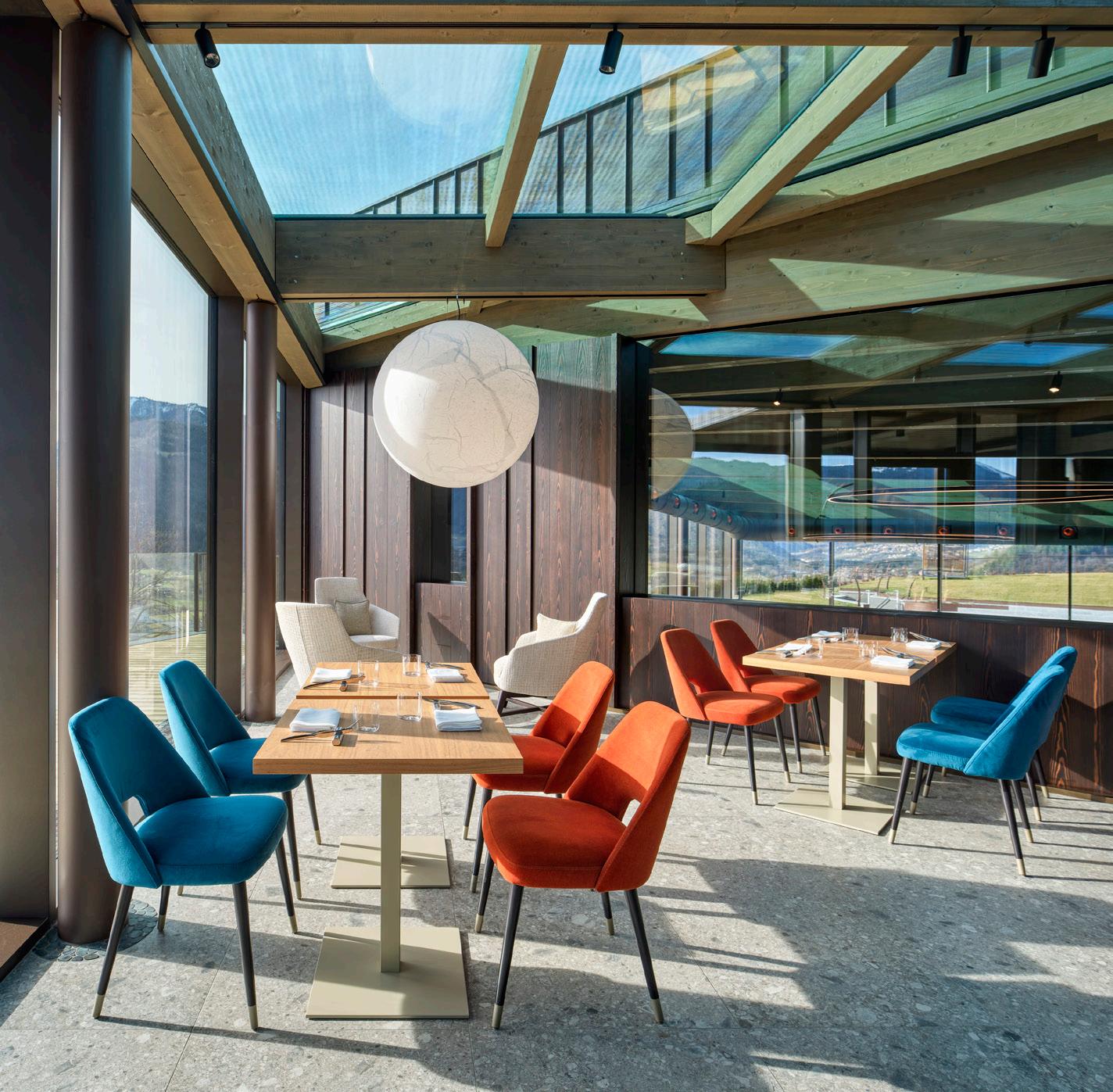
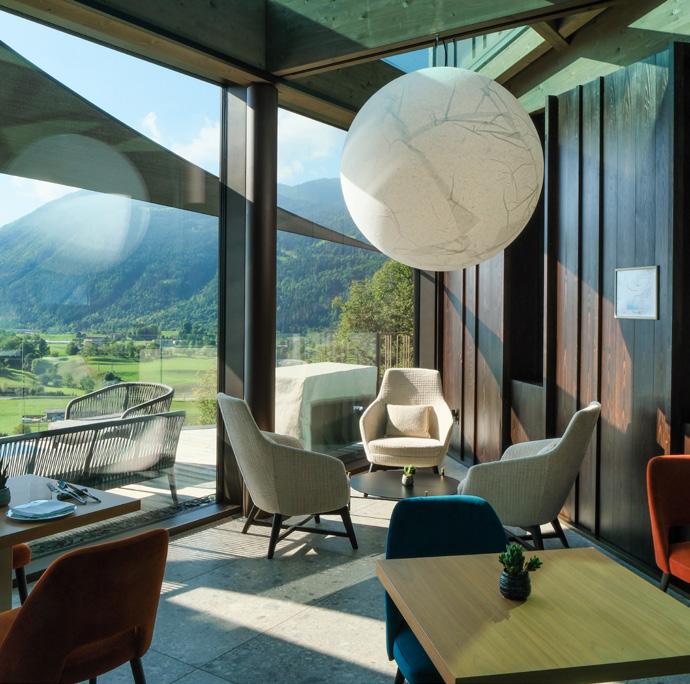
Inside, the atmosphere shifts toward refined contemporary elegance. The Beides Restaurant forms the social heart of the property, where grey-stained timber, metal, and glass intersect in a dramatic yet restrained composition.
Large glazed surfaces flood the interiors with natural light, while Canaletto walnut, moka-stained fir, aged oak flooring, and Fenix finishes introduce depth and softness to the space. The continuity between interior and exterior materials is
particularly striking, with gré cobblestone surfaces extending the visual narrative throughout the property.
The private lounge, featuring a Canaletto walnut floor and visible wine cellar, reflects the project’s broader philosophy of understated exclusivity. Rather than relying on decorative excess, the design focuses on proportion, atmosphere, and the emotional quality of materials.
The wellness component of the property further elevates its luxury positioning. Located in the basement level, the Collina MyPurity SPA has been designed as a sanctuary inspired by the surrounding mountains. A relaxation lounge overlooking the valley creates an immediate sense of stillness, while saunas crafted from Swiss stone pine wood introduce both natural fragrance and wellness benefits associated with reducing heart rate and stress levels. Elsewhere, cave-inspired stone Turkish baths, sensory showers, Scottish showers, and treatment cabins create a multisensory spa journey rooted in elemental design.
Even the fitness centre embraces the property’s immersive approach to wellbeing, offering panoramic views of the iconic Clusone bell tower while integrating state-of-the-art equipment within a visually calming environment.
Sustainability remains central to the identity of Collina Luxury Relais. Beyond aesthetics, the property integrates eco-conscious infrastructure through photovoltaic systems, geothermal probes, and energy-efficient technologies that support both the building’s operational needs and heated wellness facilities yearround. The project demonstrates how
luxury hospitality can evolve responsibly without compromising comfort, beauty, or technological sophistication.
For Concreta, whose expertise spans over three decades in bespoke hospitality interiors, the project represents a seamless fusion of craftsmanship, engineering, and contemporary Italian design culture. Together with architect Silverio Pezzoli, the collaboration has produced a destination that feels deeply connected to its environment while delivering the privacy, technology, and refinement expected from a modern luxury retreat.
HOUSE OF SAMRA OPENS ITS DOORS TO EMIRATI JEWELLERY TALENT
A New Retail Initiative Bringing Local Design into Dubai’s Luxury Shopping Landscape
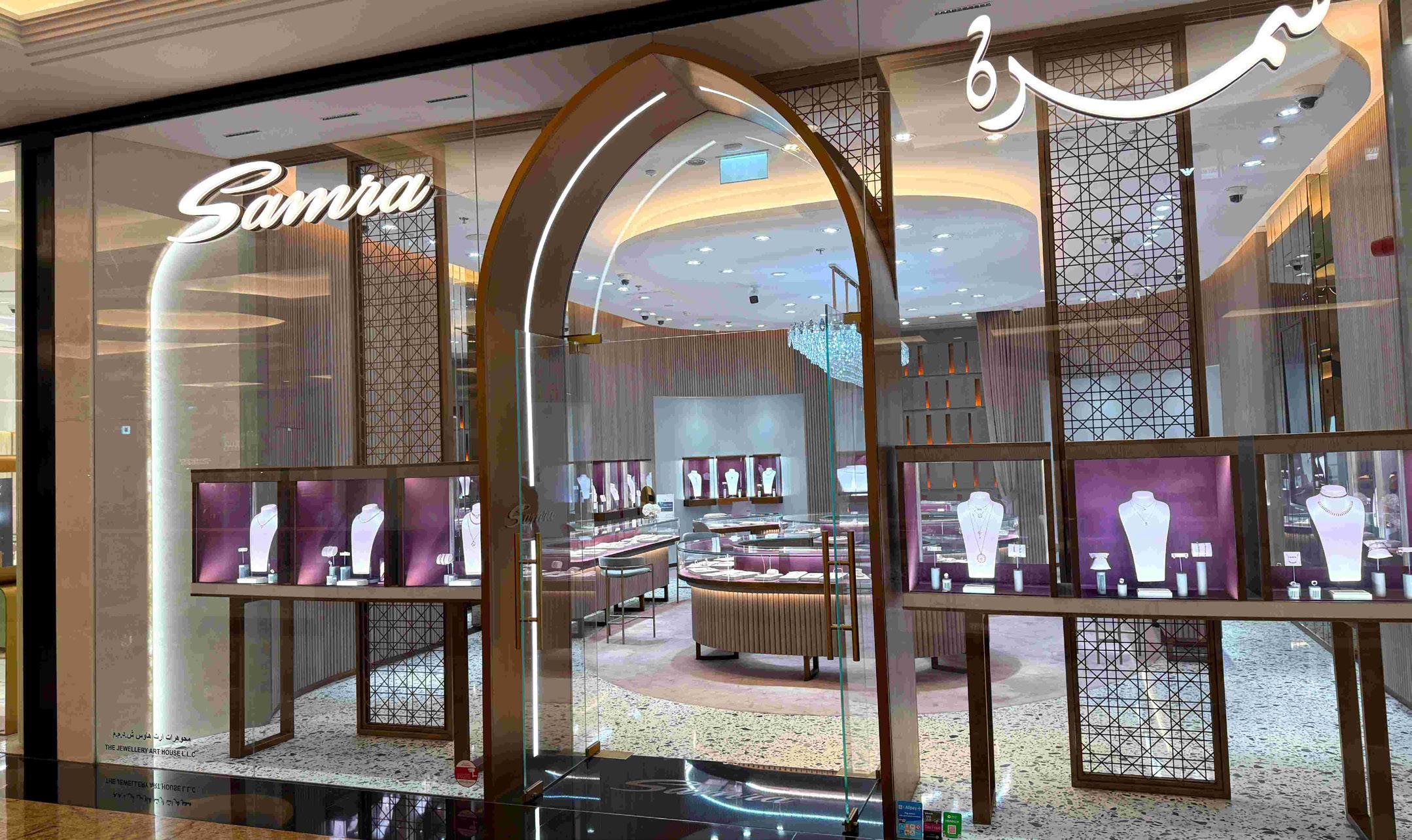
We live in an ecosystem that is celebrated for its luxury retail experiences and global fashion presence and House of Samra is turning the spotlight toward homegrown creativity with the launch of House of Samra: Emirati Talent Showcase, a new initiative created in collaboration with Mohammed Bin Rashid Establishment for Small and Medium Enterprises Development.
Designed to support emerging Emirati jewellery designers, the programme reflects a growing movement within the UAE’s retail landscape, one that increasingly values local craftsmanship, cultural identity, and entrepreneurial innovation alongside international luxury.
At the heart of the initiative is a simple yet powerful concept: giving Emirati designers direct access to premium retail environments and luxury consumers. Through the programme, selected jewellery designers will showcase their collections inside House of Samra boutiques located
By Natasha Dury
across some of Dubai’s most prestigious shopping destinations, including Dubai Mall, Mall of the Emirates, Dubai Hills Mall, and Dubai Festival City Mall.
The initiative arrives at a time when luxury retail is evolving beyond transactional shopping into something more experiential and community-driven. Consumers are increasingly seeking authenticity, storytelling, and individuality, qualities often found within independent and locally rooted brands. By integrating Emirati jewellery designers into its flagship retail spaces, House of Samra creates an environment where regional creativity can exist alongside established luxury retail experiences.
The collaboration also highlights the wider ambitions of Dubai’s entrepreneurial ecosystem. Supported by Dubai SME, part of the Dubai Department of Economy and Tourism, the initiative aligns with the emirate’s broader vision of nurturing Emirati businesses and positioning Dubai as a
global hub for innovation, creativity, and luxury commerce under the Dubai Economic Agenda D33.
For House of Samra, the programme reinforces its identity not only as a fine jewellery maison, but as a platform invested in the future of regional design. Established in the UAE, the brand has built its reputation around refined craftsmanship and timeless elegance, and this latest initiative extends that philosophy into mentorship, visibility, and retail opportunity for the next generation of Emirati creatives.
Within Dubai’s highly competitive luxury retail market, the move feels both commercially intelligent and culturally significant. It recognises that the future of luxury retail lies not only in international names, but also in elevating local voices capable of bringing fresh perspectives and meaningful storytelling into the shopping experience.
HARVEY NICHOLS RIYADH WELCOMES SUMMER WITH ‘RIPE REVERIE’
A Retail Experience Inspired by Colour, Escape and Seasonal Indulgence
By Verna S.
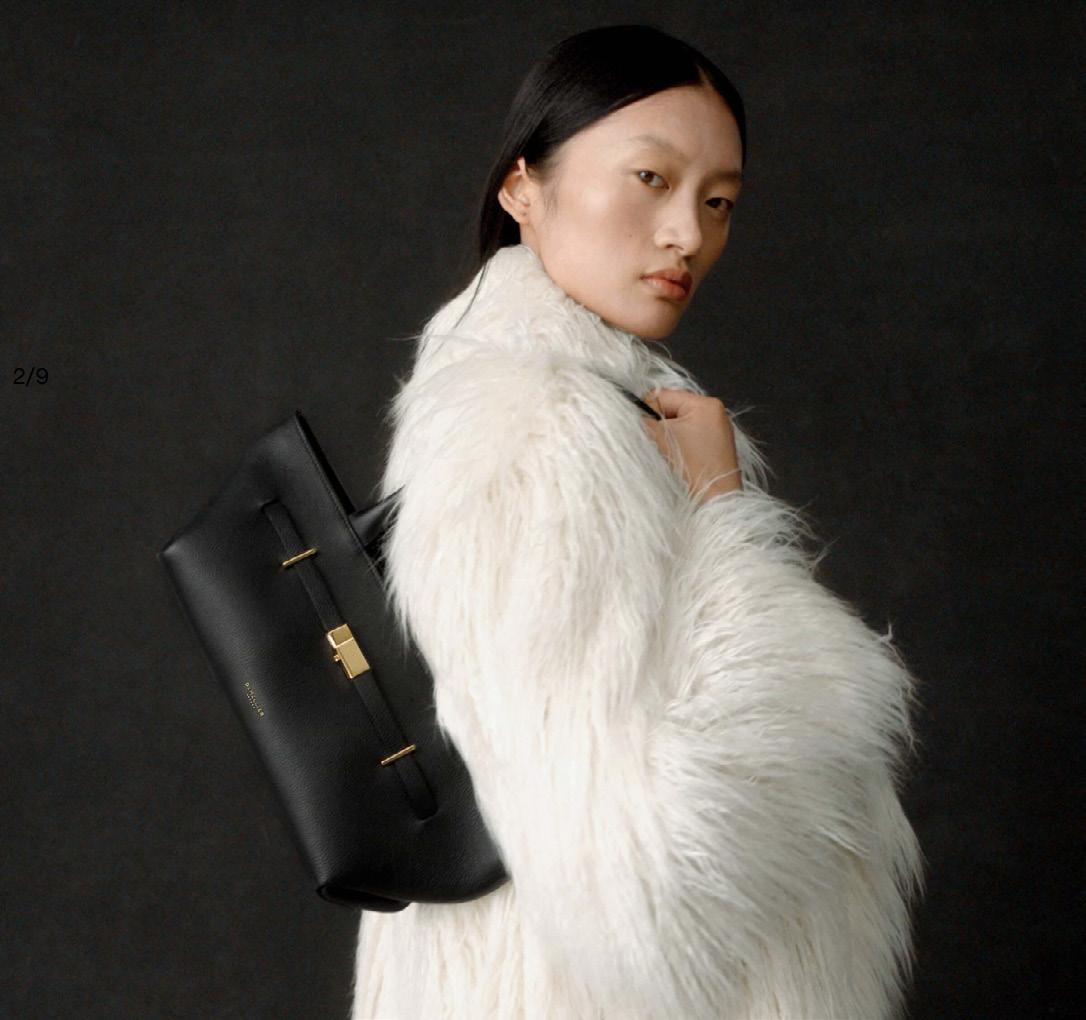
This season, Harvey Nichols Riyadh transforms summer shopping into an immersive sensory experience with the launch of The Summer Shop: Ripe Reverie, a vibrant retail concept that celebrates fashion, escapism, and the emotional energy of the season.
Launching on April 20, the campaign reimagines the store as a sun-drenched world of saturated colour, tactile textures, and playful sophistication inspired by the richness of ripened fruit and the effortless glamour of summer living.
Wooden market-style displays, fruit-inspired installations, and fluid visual storytelling create an atmosphere that feels both whimsical and elevated, blurring the lines between retail design and experiential art.
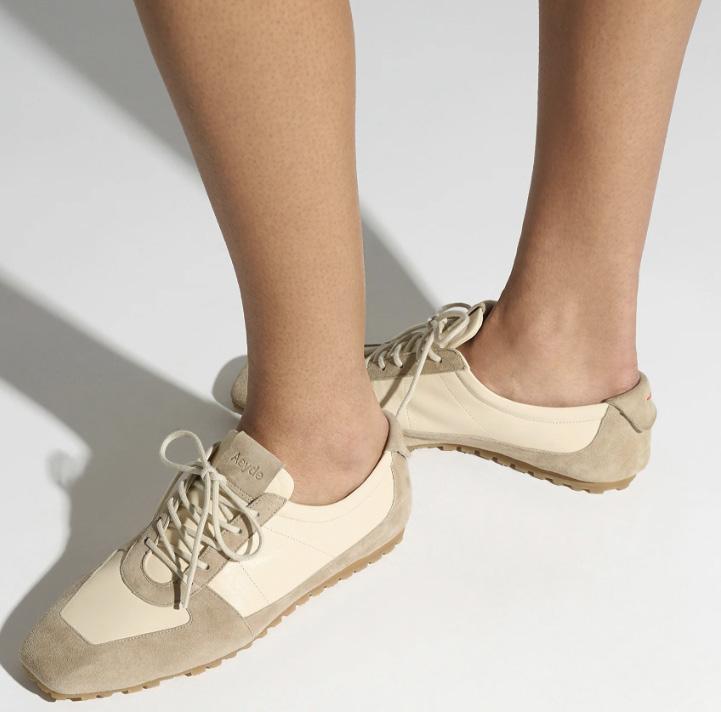
At the centre of Ripe Reverie is a carefully curated edit of resort wear, statement fashion, and relaxed day-to-night pieces designed for summer escapes and warmweather dressing. The collection brings together internationally recognised designers celebrated for their craftsmanship and bold visual identities, including Agua Bendita, Farm Rio, Alemais, Cala de la Cruz, and Maygel Coronel.
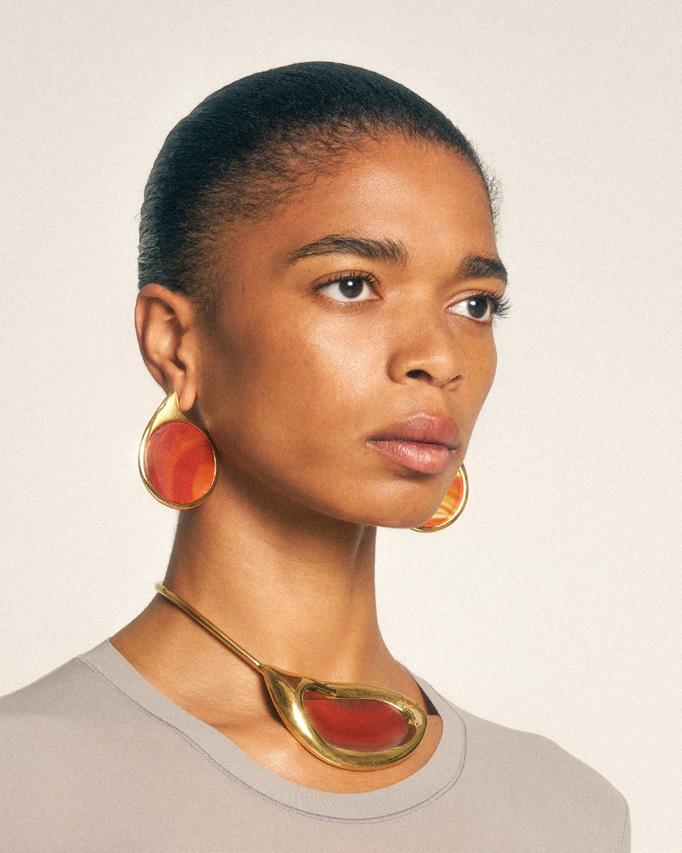
Rather than presenting fashion purely as product, Harvey Nichols Riyadh positions the seasonal concept as a mood-driven retail journey where customers are invited to experience summer through colour, movement, and atmosphere.
Flowing silhouettes, tropical prints, artisanal textures, and sculptural resort pieces reflect a growing demand for fashion that feels
expressive, emotional, and experiential. The concept also reflects the continuing evolution of luxury retail within the region, where stores increasingly function as lifestyle destinations rather than traditional shopping environments.
By combining immersive design, curated storytelling, and fashion-led escapism, Harvey Nichols Riyadh continues to strengthen its reputation as one of the Middle East’s most forward-thinking luxury retail spaces.
Located within the prestigious Al Faisaliah Commercial Complex, the store has played a defining role in shaping Saudi Arabia’s luxury retail landscape.
More than two decades later, it continues to redefine how fashion, culture, and experiential retail intersect within the Kingdom’s evolving luxury market.
With The Summer Shop: Ripe Reverie, Harvey Nichols Riyadh invites shoppers to do more than simply update their wardrobes for the season. It offers an opportunity to step into summer itself as expressive, immersive, and unapologetically alive.
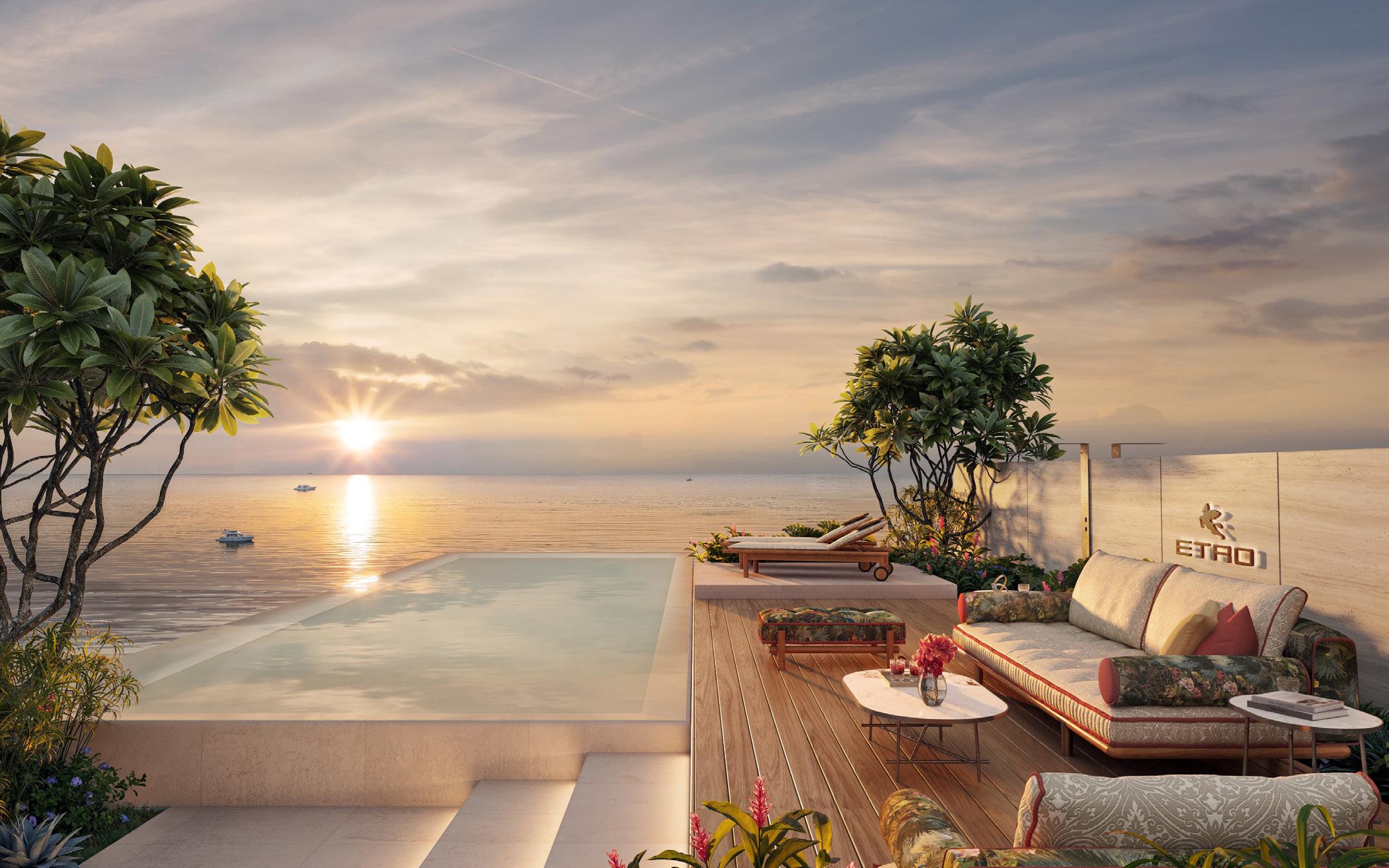
THE ONE ATELIER UNVEILS THE ONE CAPITAL AS TOKENISATION RESHAPES LUXURY REAL ESTATE
Real estate continues to evolve beyond architecture and location into the realms of branding, technology and experiential value, and The One Atelier is positioning itself at the forefront of the sector’s next transformation.
The company has officially launched The One Capital, a blockchain-driven platform focused on tokenisation within branded residential development, marking a significant step in the convergence of luxury property and digital asset infrastructure.
The initiative builds upon The One Atelier’s growing portfolio of internationally recognised branded residential projects associated with some of the world’s most influential luxury names, including Karl Lagerfeld, Fendi Casa, ETRO, Armani Casa, ELLE and Dolce & Gabbana. Many of these developments have demonstrated notable value appreciation between early launch phases and market maturity, reinforcing the increasing demand for branded living
By Natasha Dury
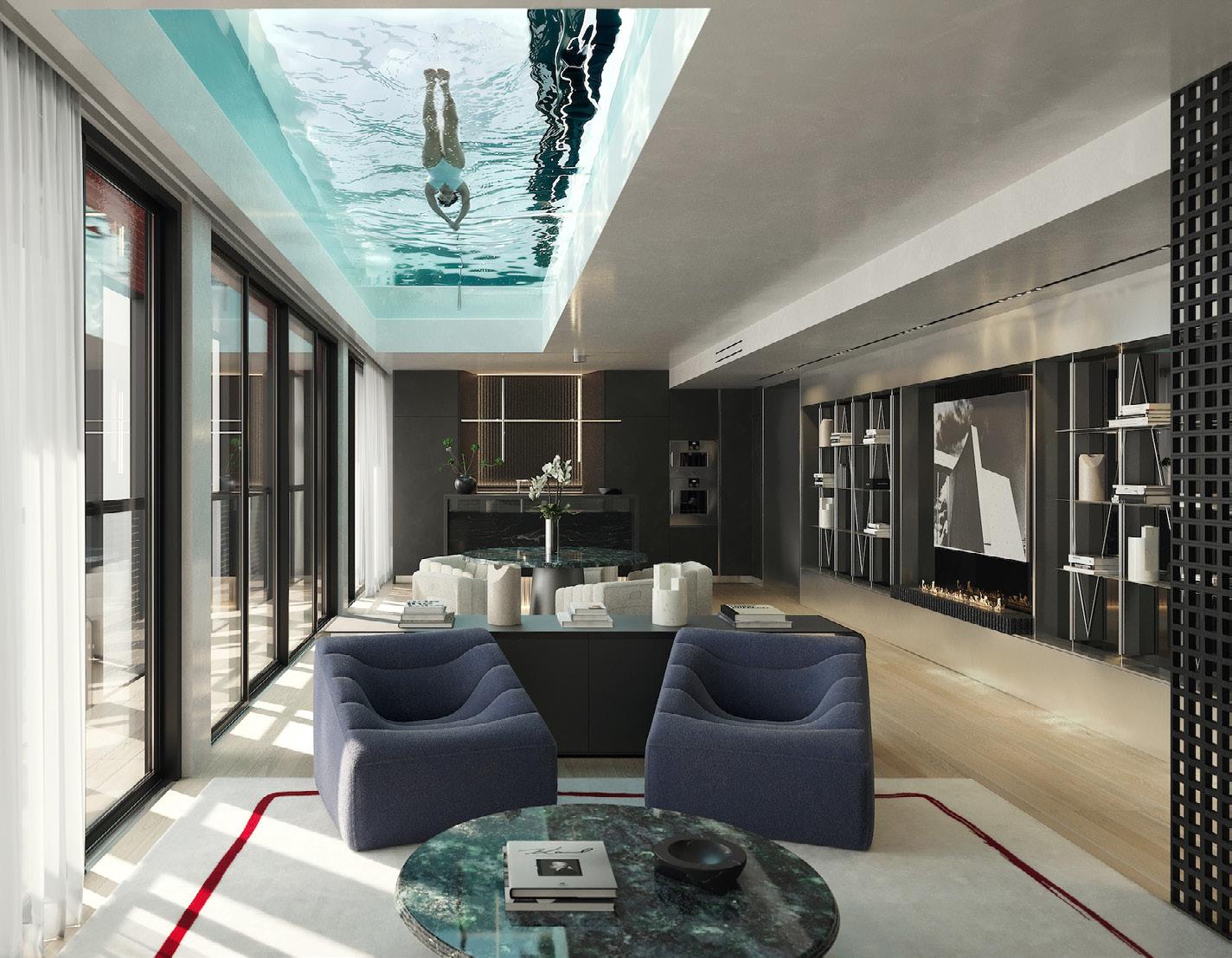
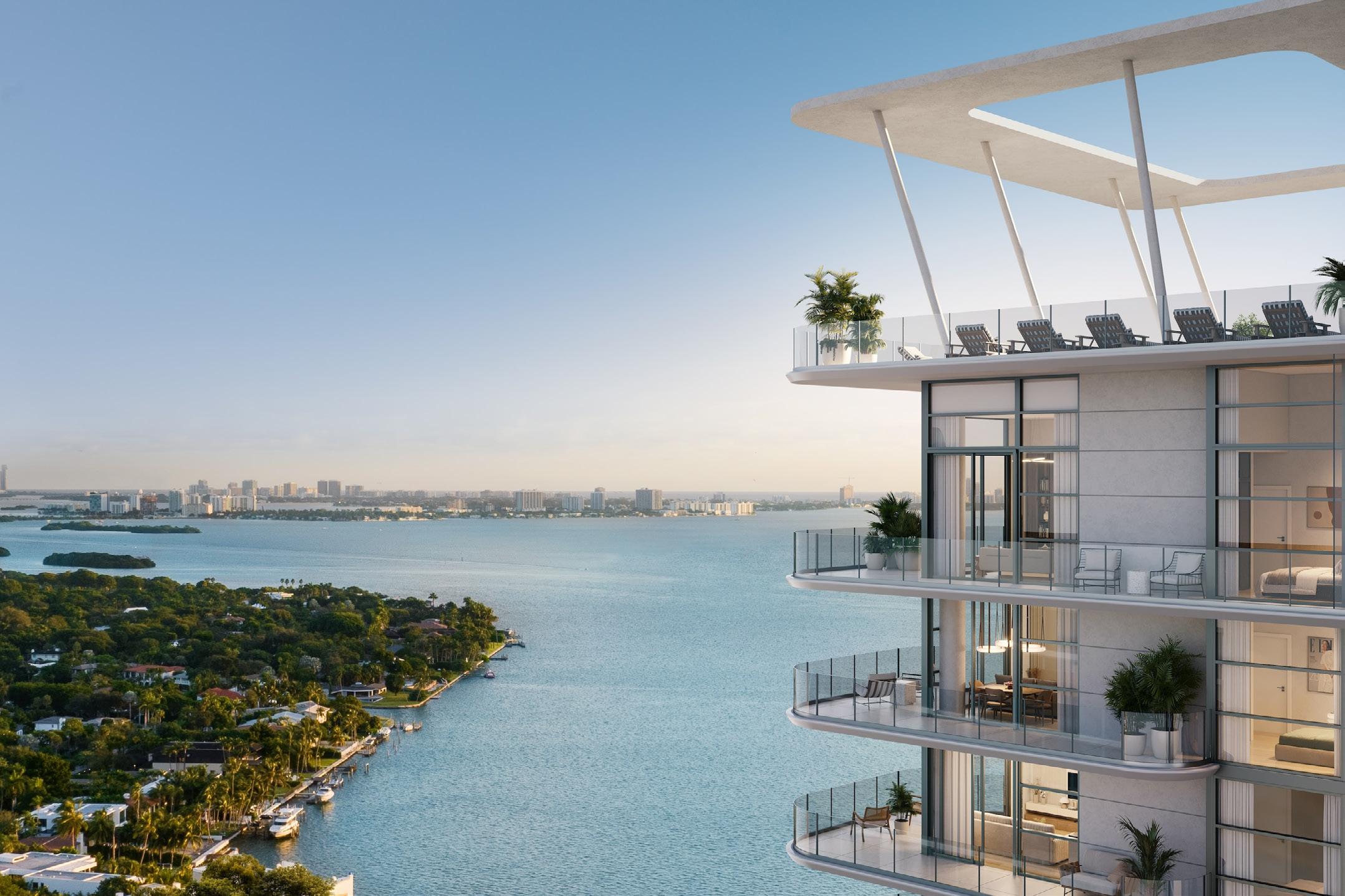
experiences among global luxury buyers. Branded residences have become one of the fastest-expanding sectors within international real estate, driven by buyers seeking not only exclusivity and design pedigree, but also lifestyle identity and long-term value.
According to Savills’ Branded Residences Report, such properties can command premiums of up to 33 percent compared to non-branded counterparts, with the sector expected to surpass 1,000 schemes globally by the end of 2026.
Against this backdrop, The One Capital introduces a new approach to early-stage development financing through tokenised realworld asset structures. Rather than focusing solely on completed assets, the platform targets value creation at the earliest stages of branded residential projects, supporting development during prelaunch and early construction phases through blockchain-enabled infrastructure.
The concept reflects the growing maturity of tokenisation within the broader financial and property landscape. By digitally representing selected assets through secure blockchain frameworks, The One Capital aims to create more transparent and structured approaches to capital deployment while maintaining the governance and quality standards expected within ultra-luxury development
For developers, the platform presents an alternative financing route capable of strengthening early cash flow structures and supporting project alignment from inception. The emphasis remains firmly on structure, transparency and long-term value creation rather than speculative technology narratives that have often overshadowed blockchain discussions in the past.
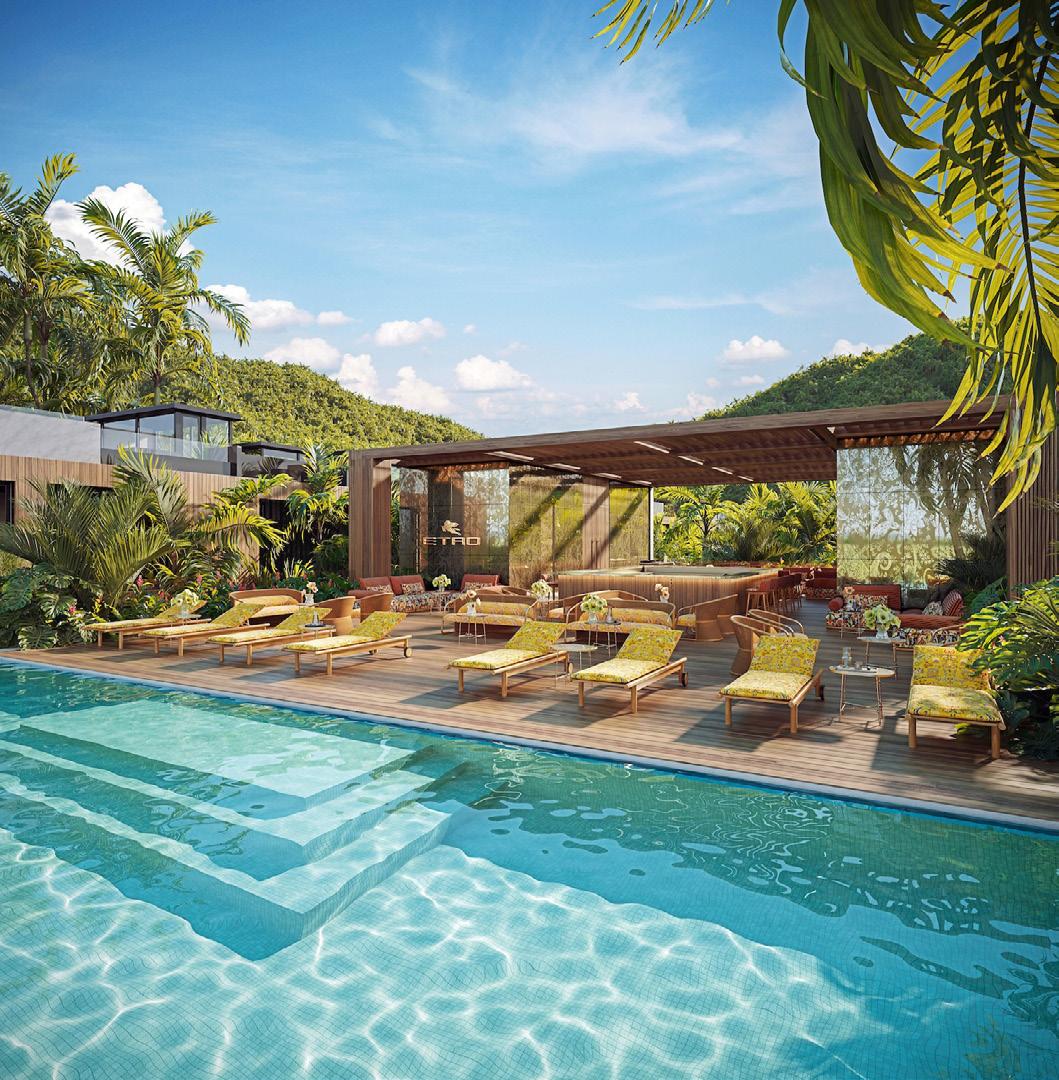
The launch also signals a wider transformation underway within branded real estate itself. Once viewed primarily as hospitalityadjacent luxury developments, branded residences are increasingly becoming sophisticated investment ecosystems where design, technology, lifestyle and finance intersect. In this context, The One Capital shows how luxury property development is adapting to a more digitally connected and globally fluid financial landscape.
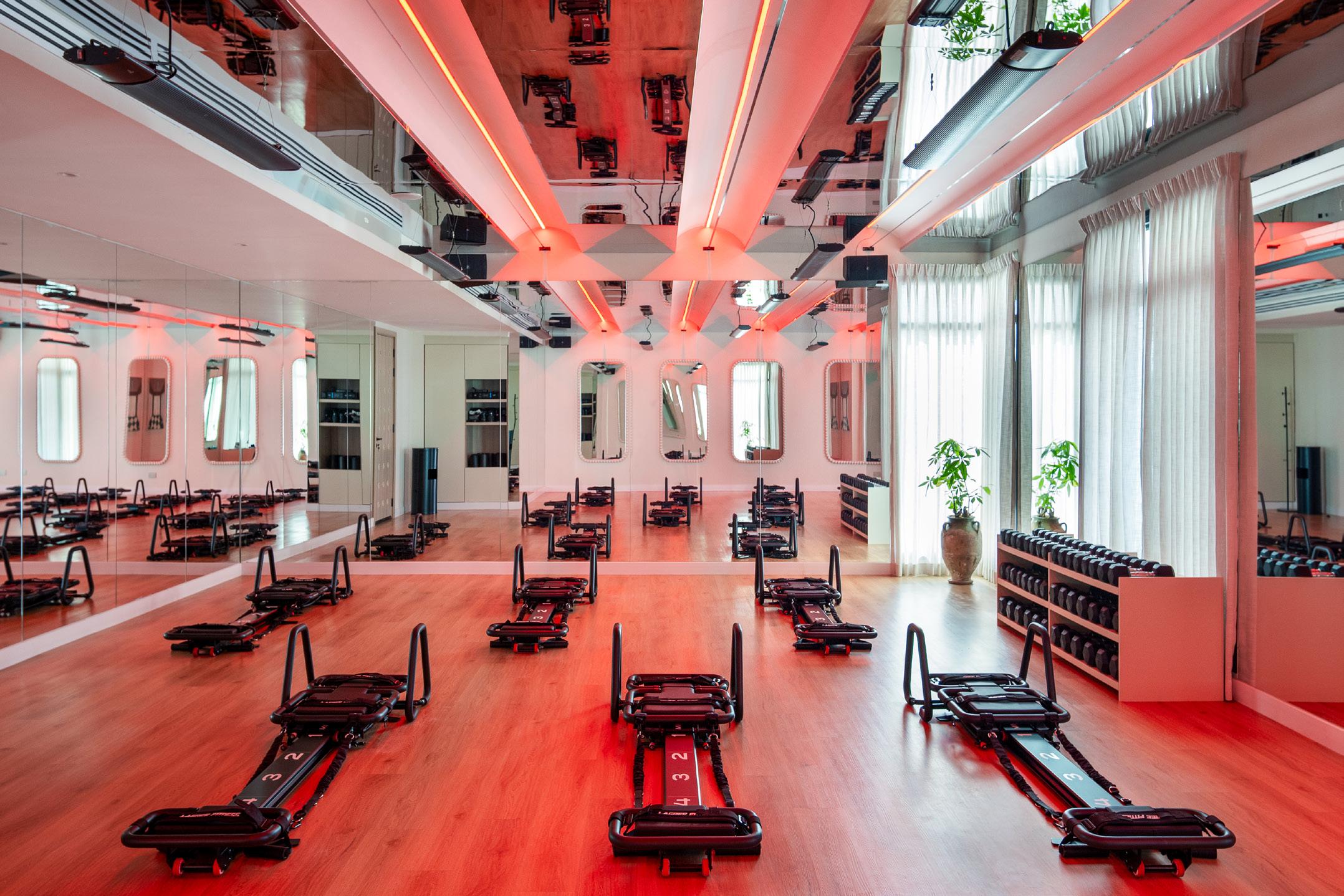
NEW SPACE FOR MOVEMENT, RESET AND RECONNECTION
A female founder led wellness destination, Villa BOOST invites a return to movement as a source of grounding in uncertain moments
For those seeking moments of grounding, connection, and calm, Villa BOOST opens its doors in Al Safa, Jumeirah as a communitydriven wellness destination designed to help people slow down, reconnect with their bodies, and return to mindful movement.
Founded by entrepreneur and wellness advocate Rania Zorkot alongside partner and brand ambassador Christelle Fourzali, Villa BOOST blends reformer and Lagree-inspired training with recovery-focused experiences and lifestyle-led wellness within an intimate villa setting designed to feel more like a home than a traditional studio.
By Natasha Dury
More than simply a movement and recovery space, Villa BOOST positions itself as a modern “third space”, somewhere guests can train, recover, connect, and spend time throughout the day.
The concept builds on Rania’s long-standing philosophy around movement as both physical and mental grounding. More than a decade ago, she introduced Reformer Pilates to Abidjan through her first concept, FORM, cultivating a loyal community through results-driven training and a deeply personal approach to wellness.That journey later evolved into the BOOST method, a balanced fusion of Pilates, Lagree, strength,
and recovery designed around intelligent movement and sustainable wellbeing.
Following the success of BOOST City Walk, which opened in Dubai in 2022, Villa BOOST expands the concept through a more immersive lifestyle experience shaped equally by community and mindful living.
The villa offers a curated mix of Reformer Pilates, Megaformer and Microformer sessions, infrared heated workouts, Cadillac Pilates, sculpt and conditioning classes, mobility training, assisted stretching, red light therapy, and Brazilian lymphatic massage in partnership with Lymph & Flow.
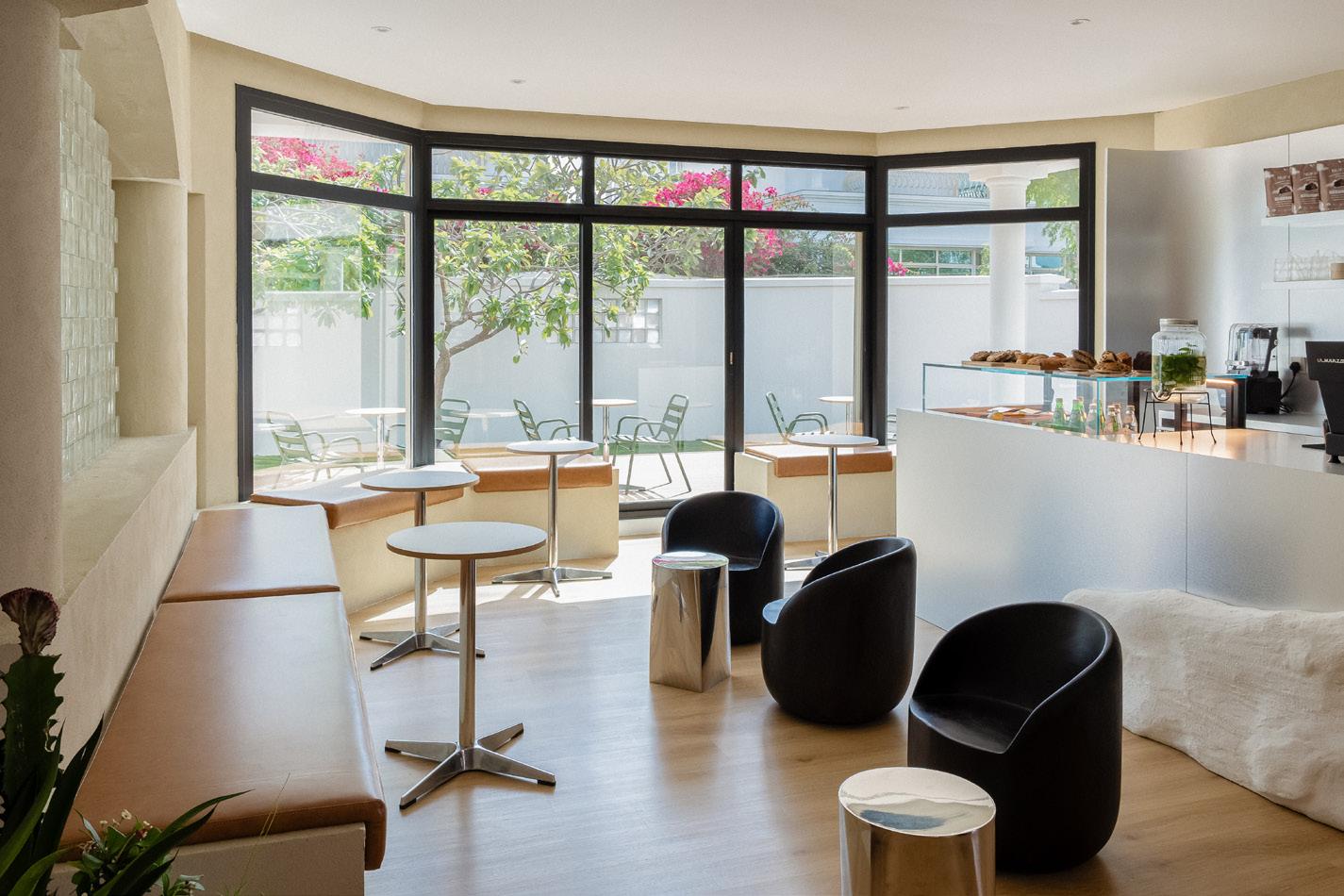
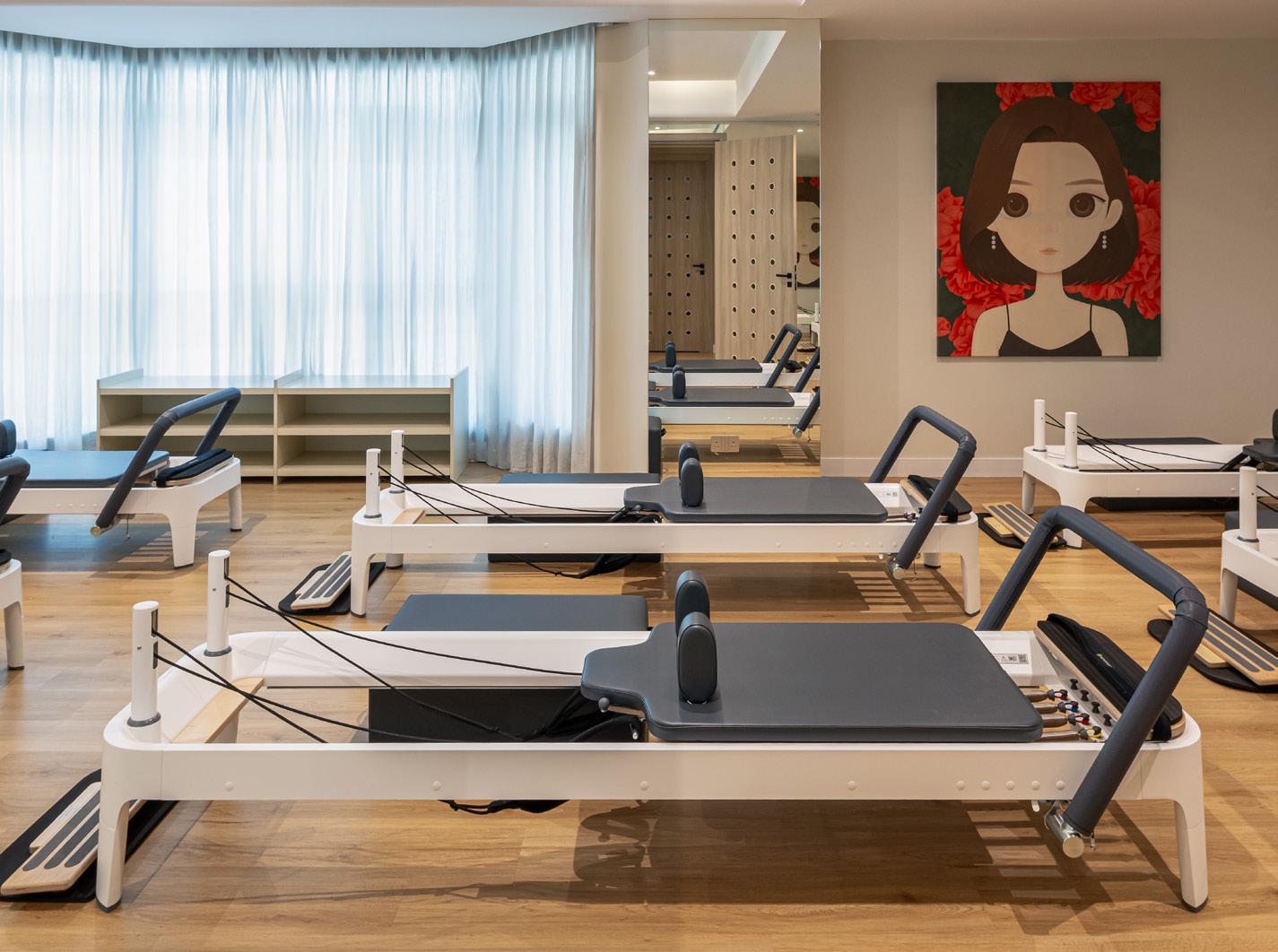
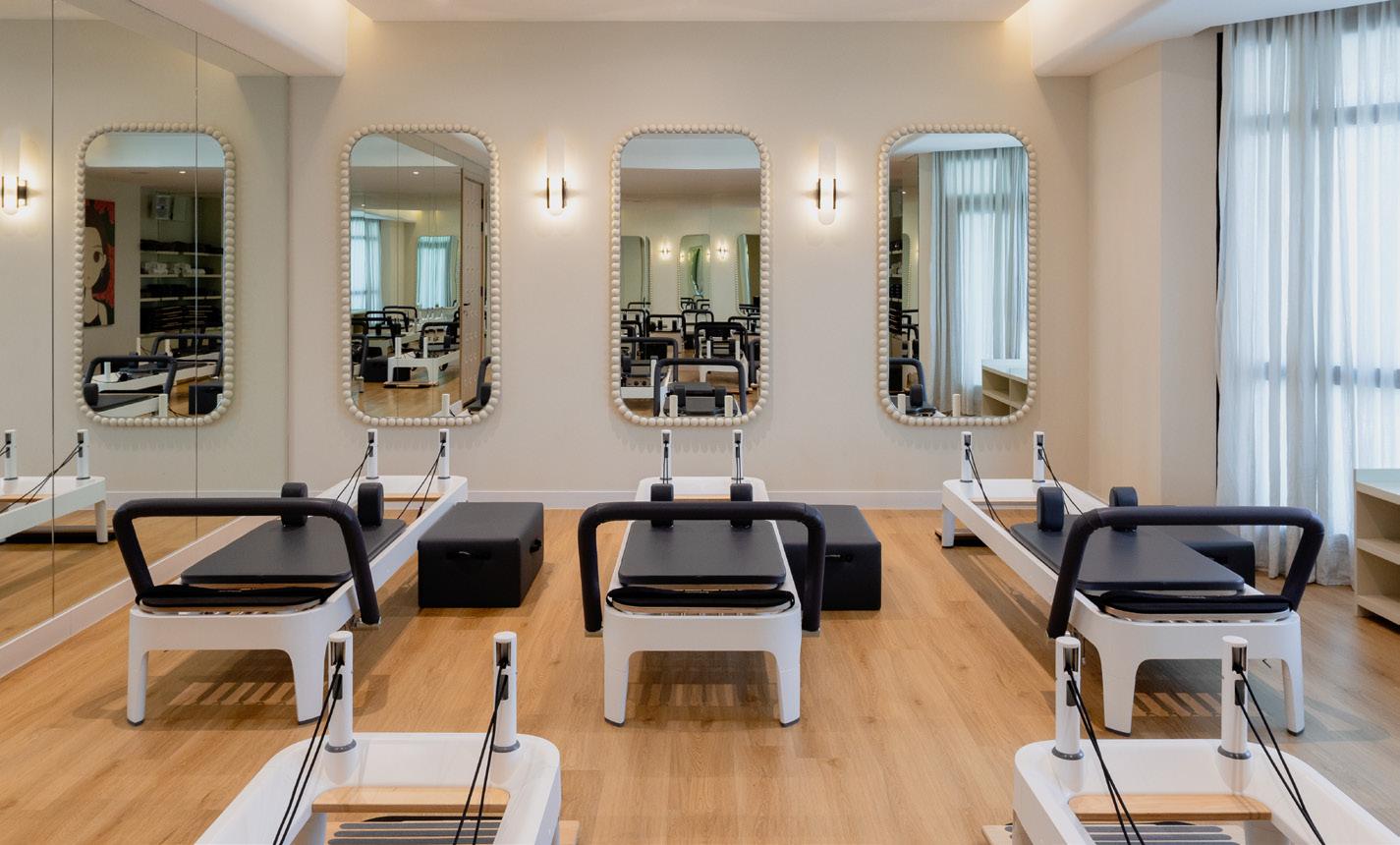
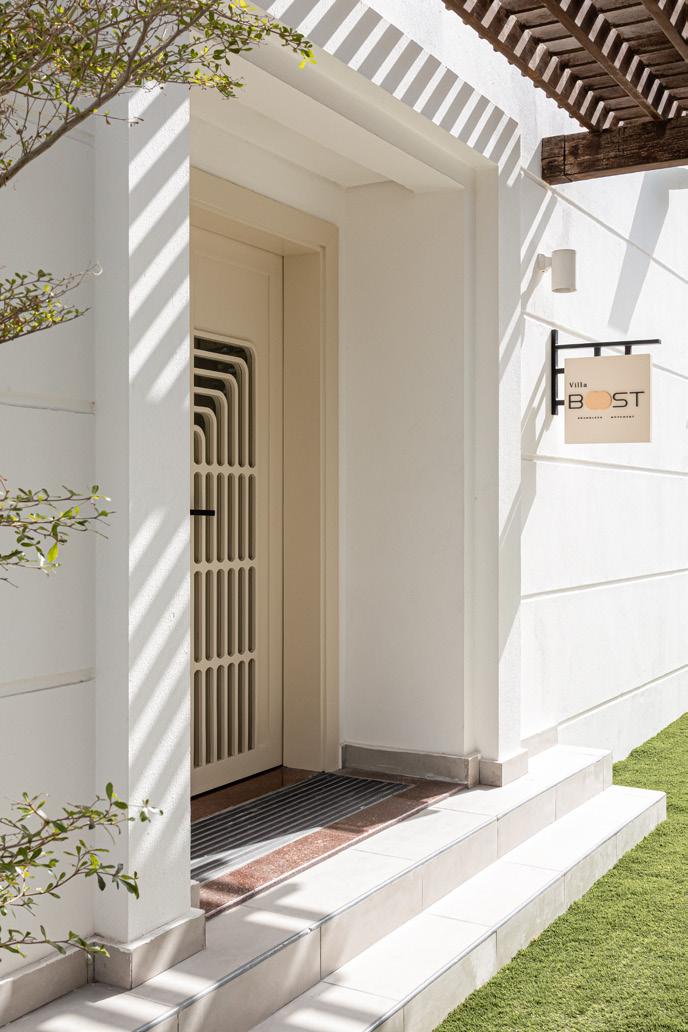
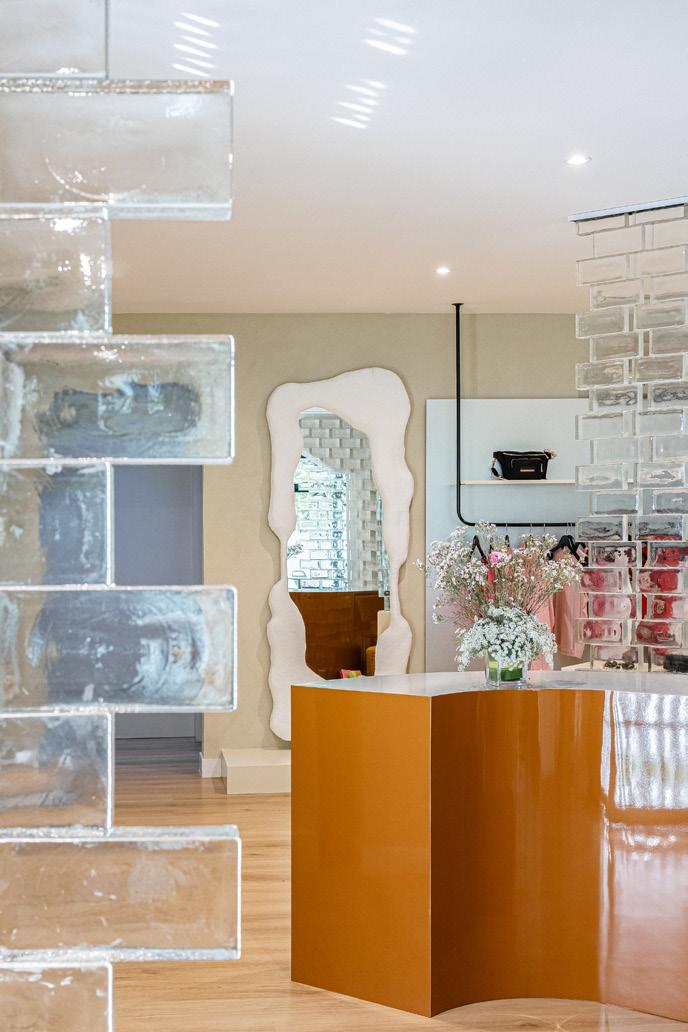
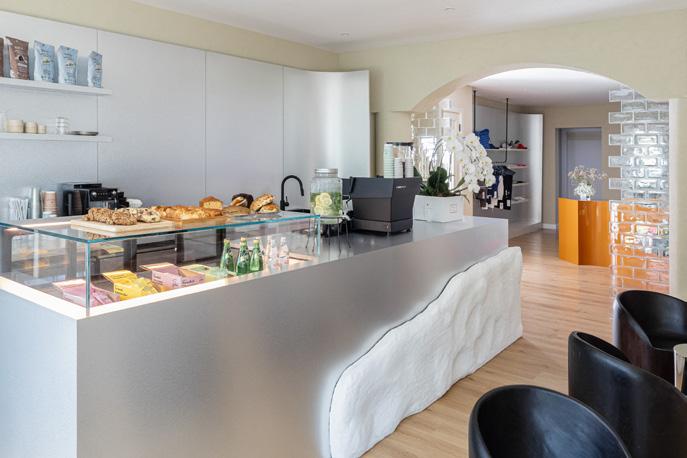
Beyond movement, guests can also experience TEASE, the villa’s wellness café serving functional smoothies and nutrientrich drinks, alongside The Sweatshop, a retail concept featuring carefully selected international activewear and athleisure brands.
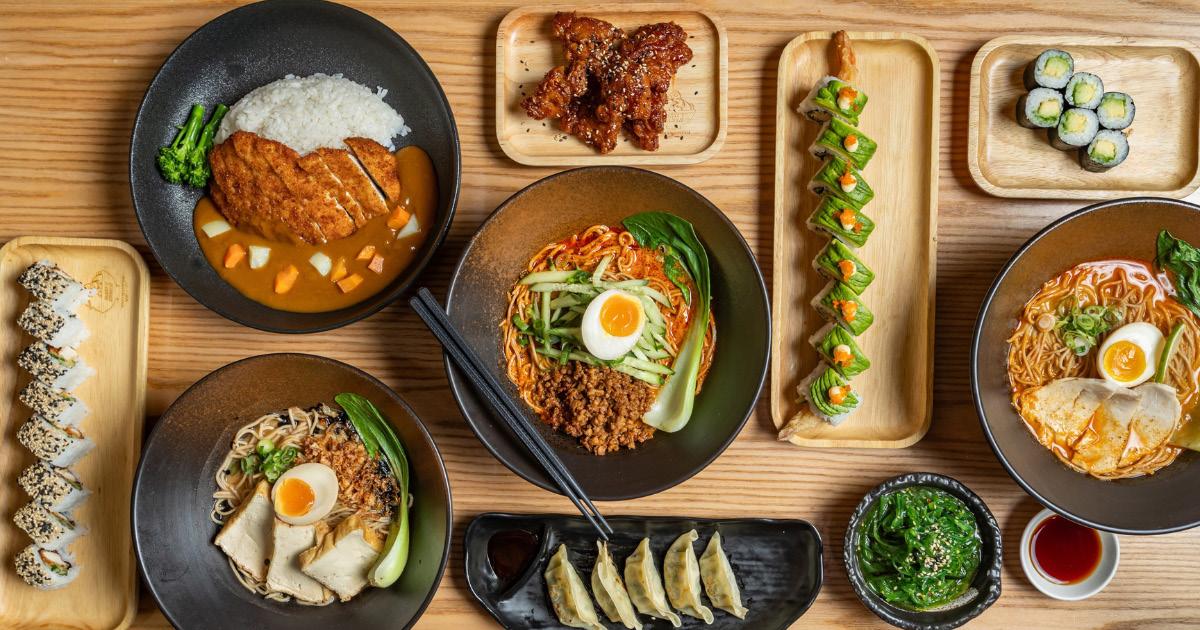
BEYOND THE BOWL
How Maki & Ramen Brought Soulful Japanese Dining to Dubai
There are restaurants that open with fanfare, and then there are brands that arrive with genuine soul. Maki & Ramen belongs firmly to the latter. When the celebrated UK-born Japanese dining concept opened its doors in Dubai, it immediately stood apart not because it tried too hard to impress, but because it understood something many modern restaurants forget: great food is ultimately about connection, comfort, and authenticity.
From the very first visit, there was an energy about the space that felt refreshingly unpretentious. Tucked within the Mövenpick Hotel in Jumeirah Village Triangle, the restaurant blends contemporary Japanese aesthetics with a warmth that feels welcoming rather than theatrical. Oak wood textures, soft lighting, and an understated design language create an atmosphere that invites diners to settle in rather than simply pass through.
By Natasha Dury
For me, it is the food that leaves the lasting impression and it is not only because my collegaues have crowned me the Ramen Queen of Dubai and I am biased towards this genre of food. I genuinely loved the food and also enjoyed the bowls that came ready to heat and eat at home after visiting the restaurant.
The ramen arrives rich, layered, and deeply comforting, carrying the kind of slow-cooked intensity that reveals itself spoonful after spoonful. The sushi feels vibrant and fresh without unnecessary complication, while dishes such as the Tan Tan Men and Salmon Teriyaki Roll showcase the balance between authenticity and broad appeal that has become central to the brand’s success. The curry ramen, in particular, has become something of a signature, delivering bold flavour with remarkable depth.
What makes Maki & Ramen especially compelling is that its growth story
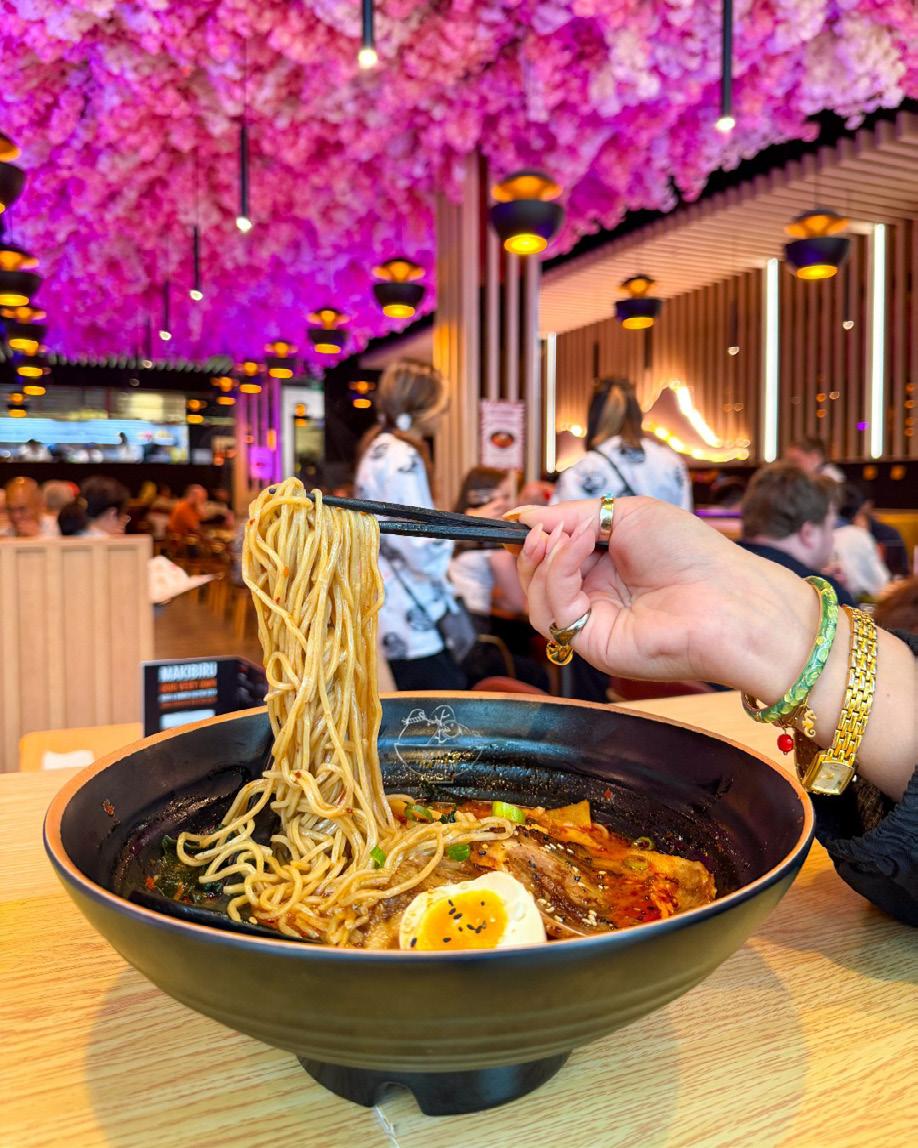
never feels manufactured. Founded in Edinburgh as a modest 30-seat ramen bar, the brand has expanded into an 18-location restaurant group across the UK, with further growth already underway. Yet despite its scale, the philosophy behind it remains rooted in accessibility and sincerity. The mission has always been clear: to make highquality Japanese food approachable without compromising integrity.
That philosophy becomes even more meaningful after meeting the man behind it in Dubai. Chef Teddy Lee is not simply a restaurateur chasing expansion. He is someone who built his understanding of hospitality from the ground up, beginning in his family’s Chinese restaurant before immersing himself in the discipline and precision of Japanese ramen culture. His journey eventually took him to Tokyo, where he trained under Japanese masters and refined the craft that would later shape Maki & Ramen’s identity.
What makes Teddy particularly inspiring is not only his work ethic, though stories of fourteen-hour days and relentless refinement speak volumes, but the clarity of his vision. He speaks about Japanese cuisine with reverence, yet without exclusivity. His belief that authentic food should never feel gatekept or intimidating resonates strongly in today’s dining landscape. Meeting him in Dubai made it easy to understand why the brand has cultivated such loyalty.
Dubai’s dining scene is hardly short of spectacle, yet Maki & Ramen succeeds by focusing on something more enduring. It delivers flavour with honesty, hospitality with heart, and a dining experience that feels personal in an increasingly performative restaurant landscape. And sometimes, that is exactly what makes a restaurant unforgettable.
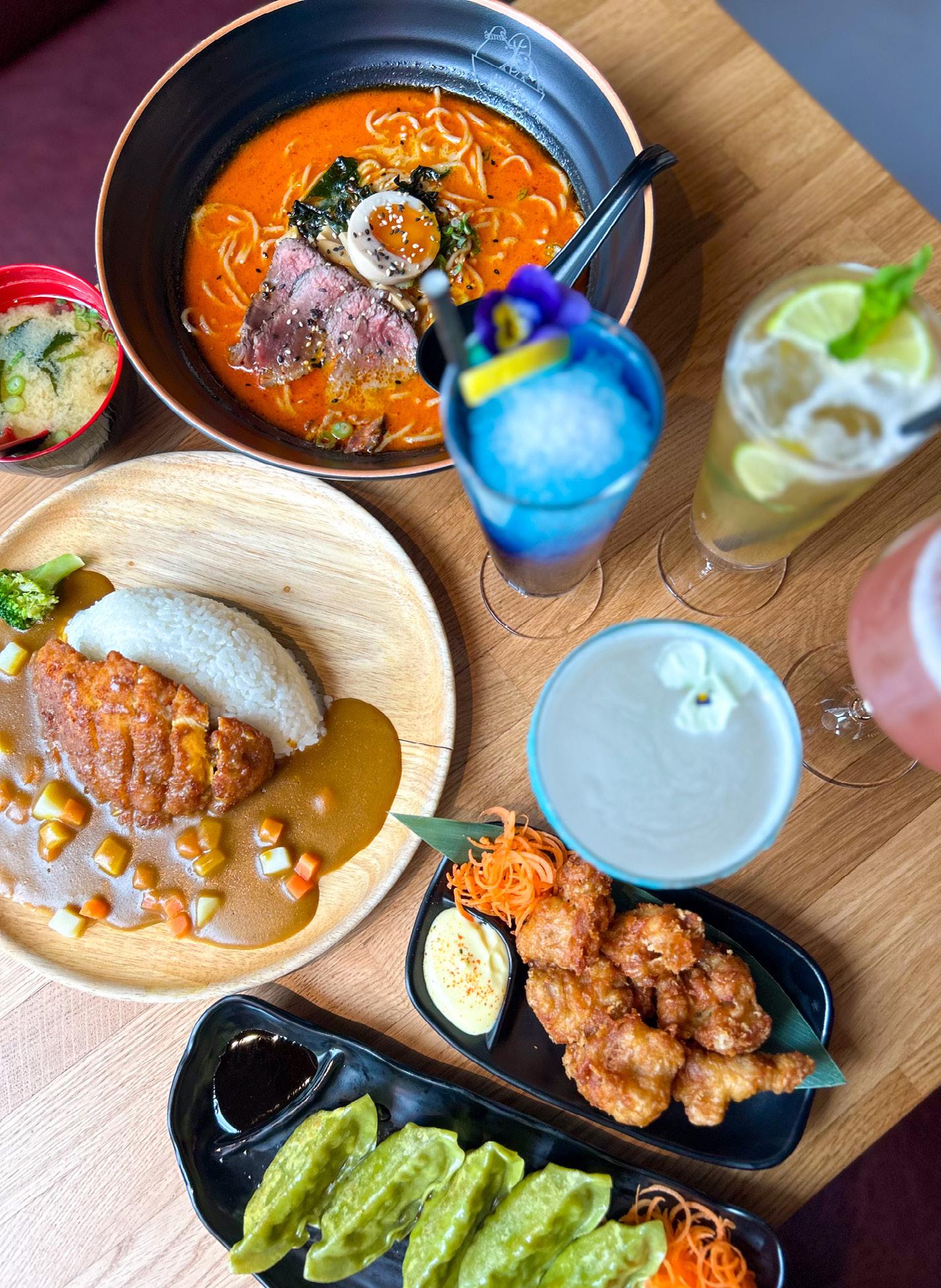
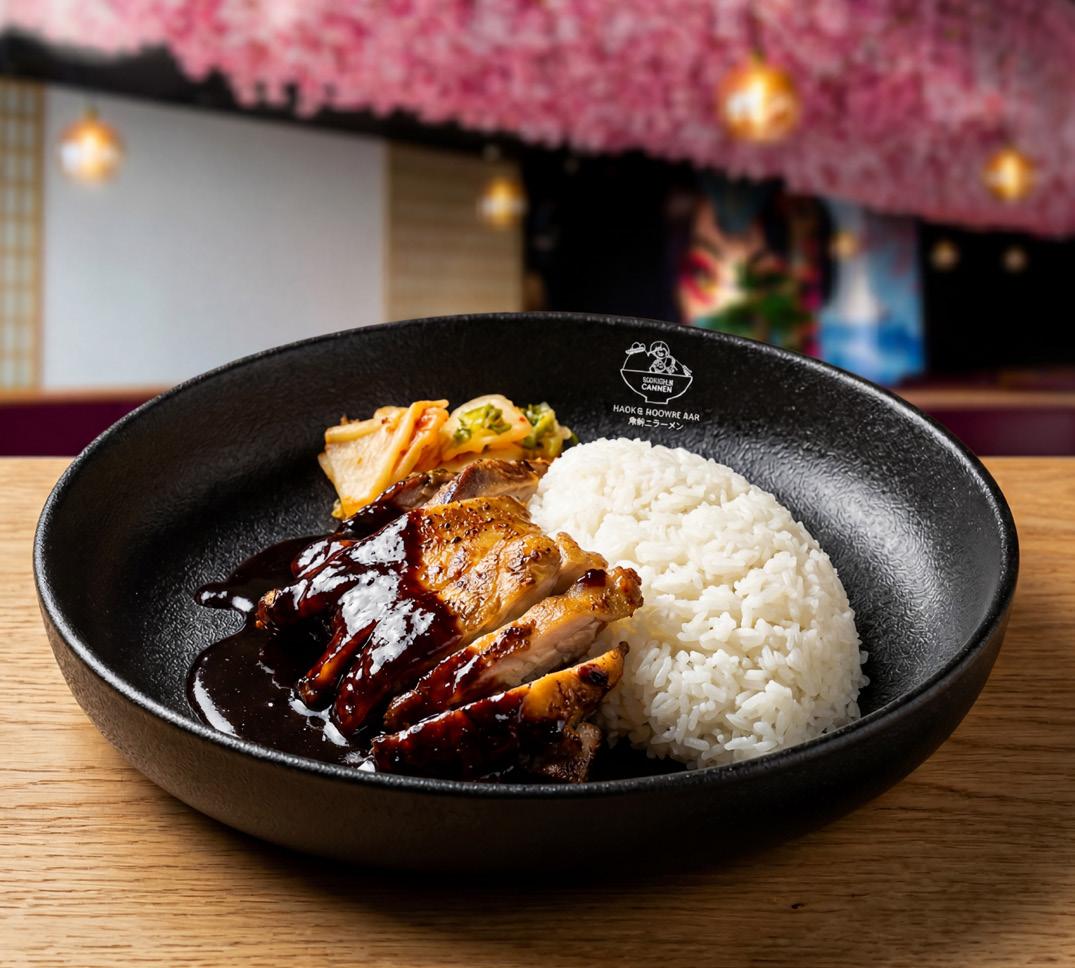
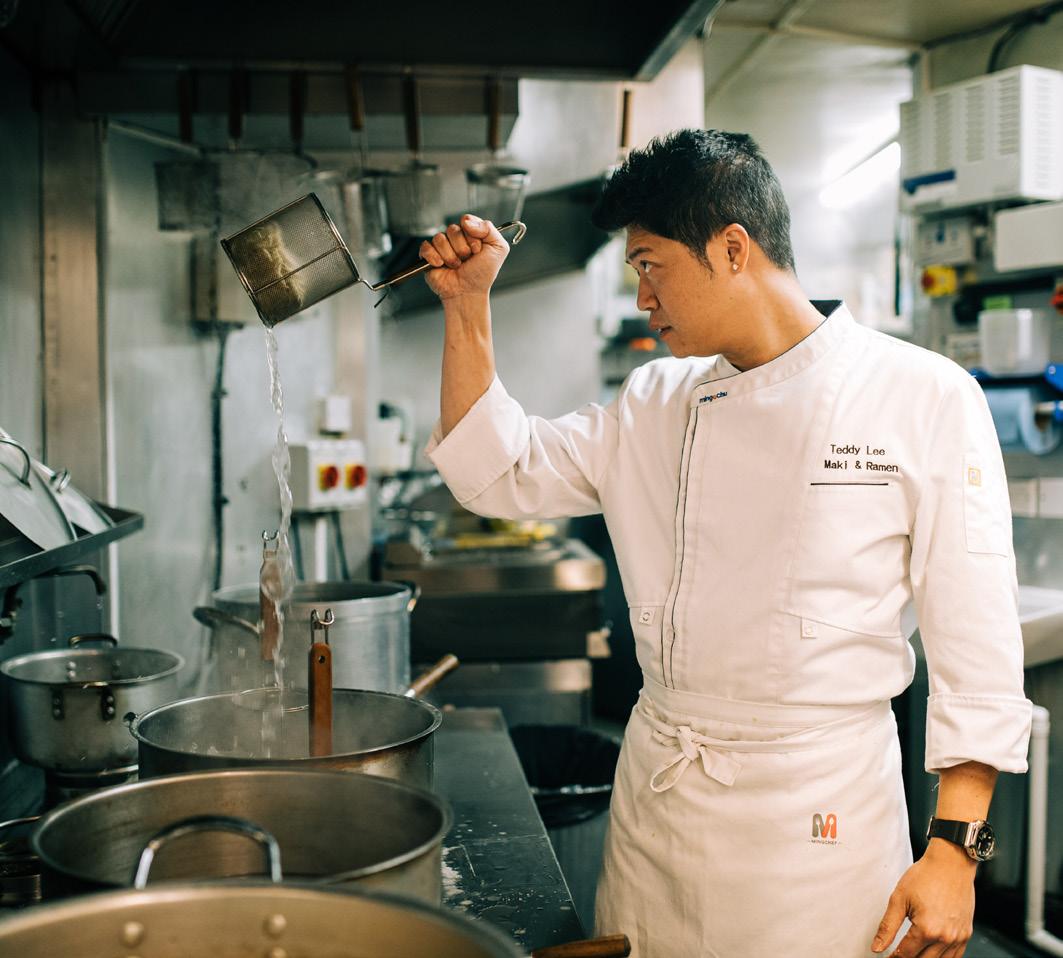
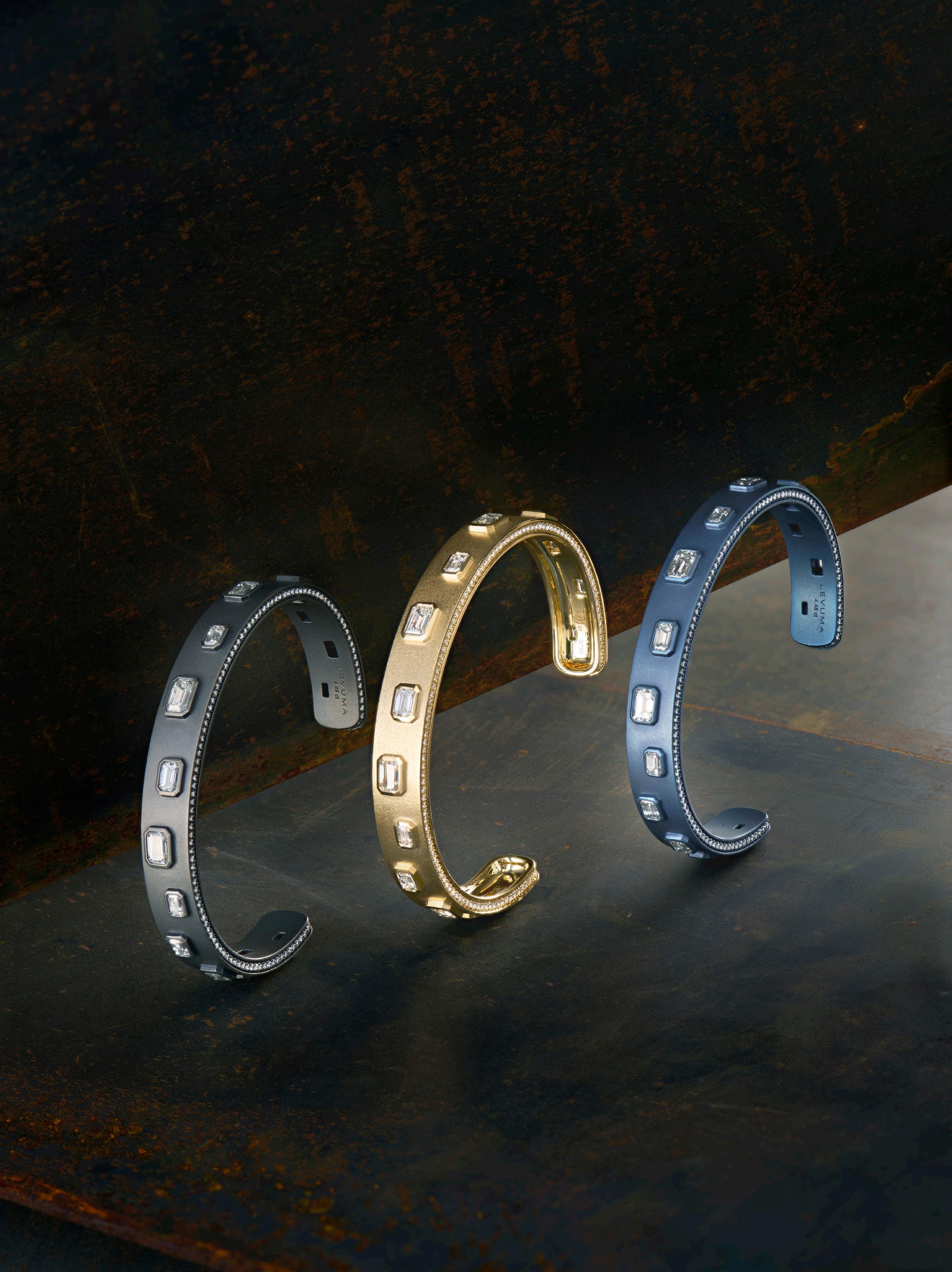
LEVUMA UNVEILS L’ARMURE
A Contemporary Expression of Strength Sculpted in Titanium, Gold and Light
By Verna S.
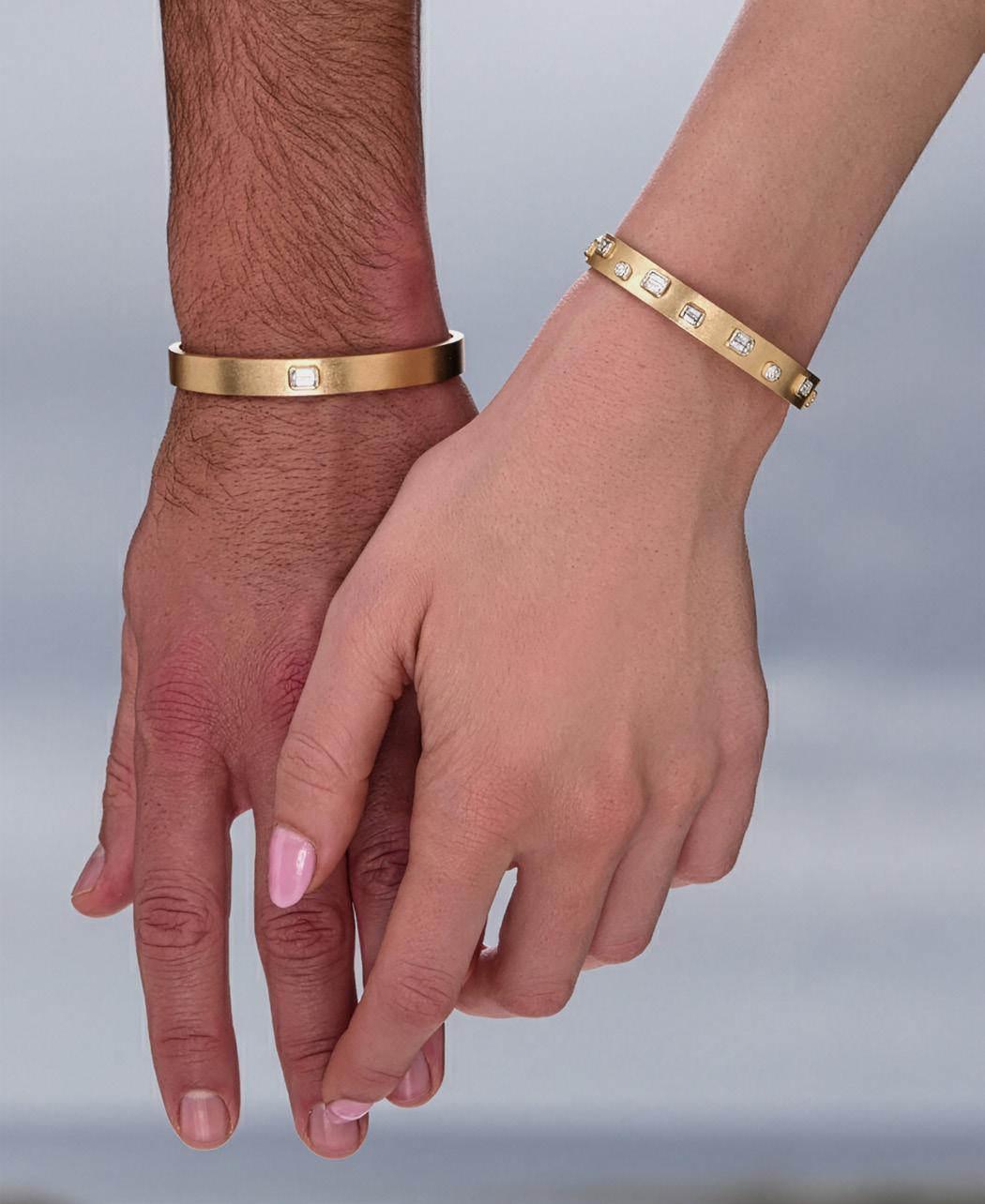
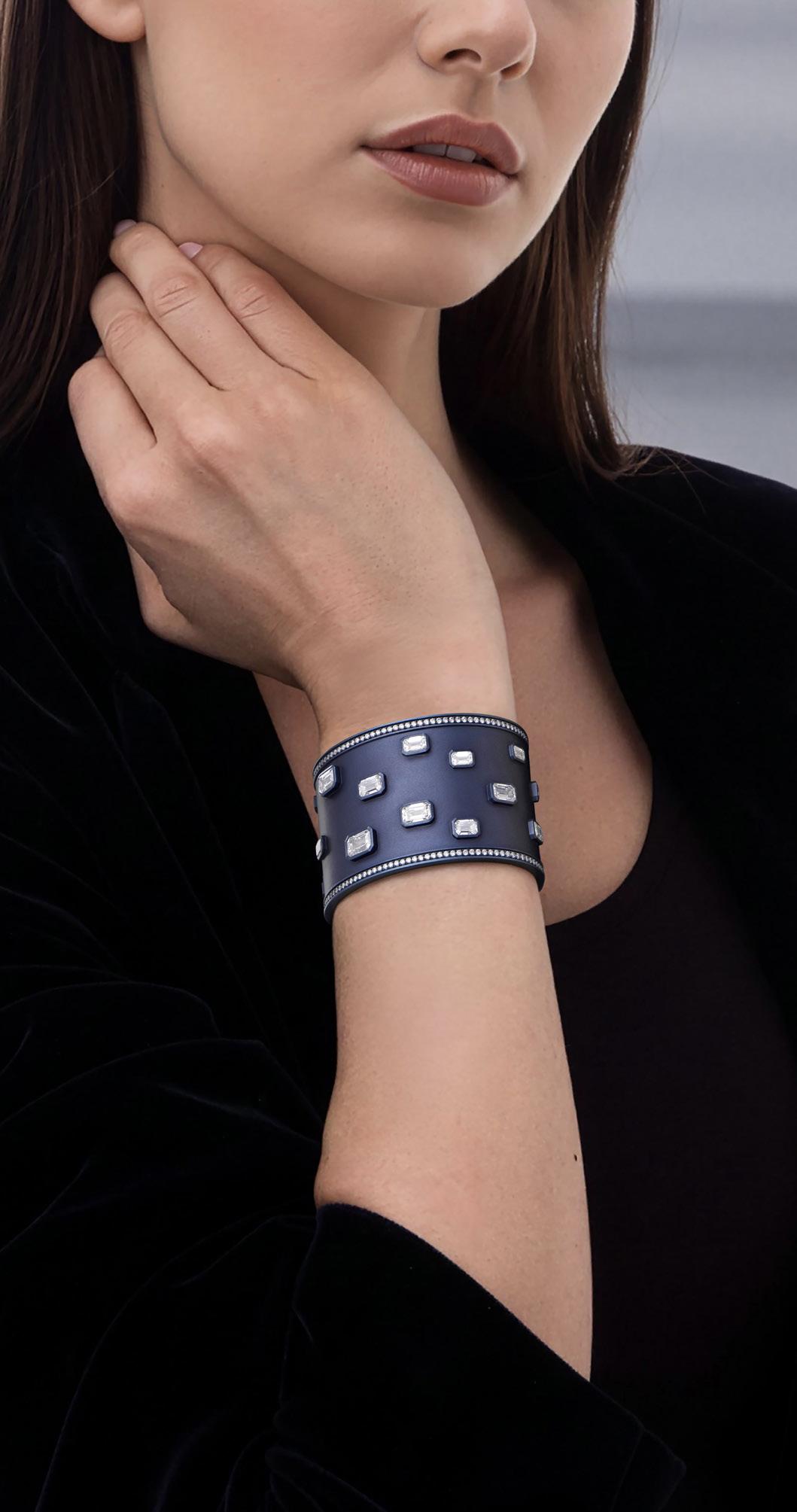
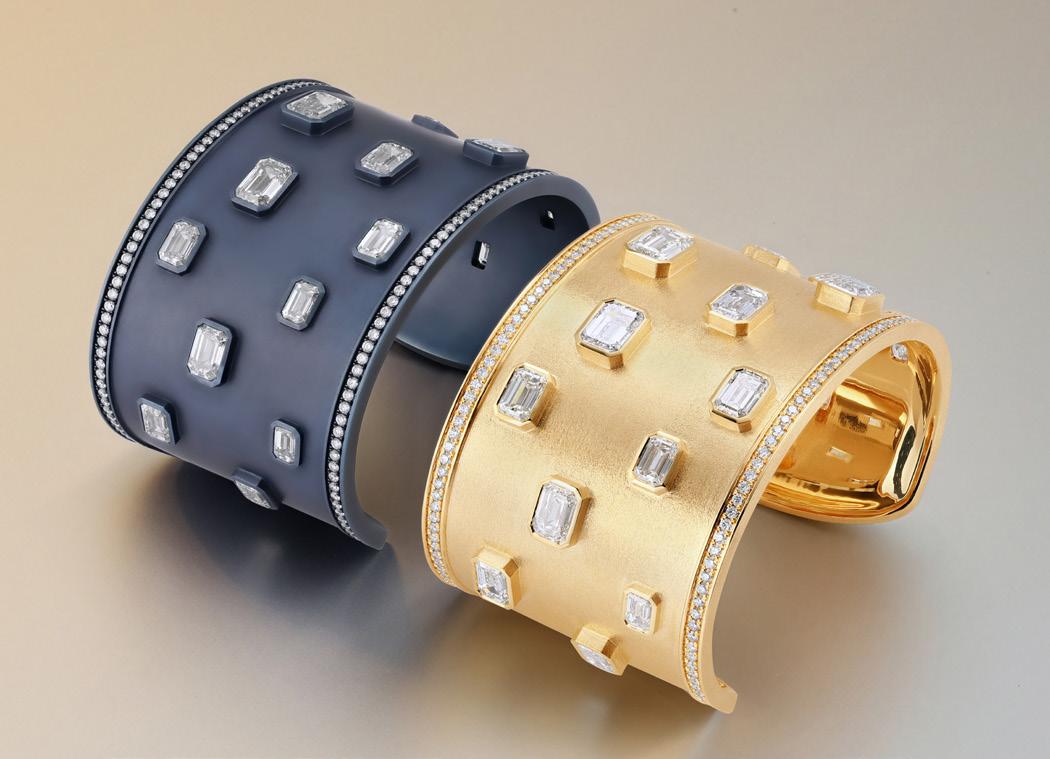
For high jewellery, true luxury often reveals itself not through excess, but through restraint, precision, and permanence. With the unveiling of its latest collection, L’Armure, Belgian high jewellery maison LEVUMA introduces a refined interpretation of modern strength, one shaped through architectural form, tactile materials, and understated brilliance.
Known for its discreet approach to bespoke high jewellery and rare natural diamonds, LEVUMA has built its reputation on exclusivity, craftsmanship, and emotional storytelling. Founded in Antwerp by Creative Director Ali Khalil, whose family heritage is deeply rooted in the diamond industry, the maison has long catered to a private international clientele seeking exceptional stones transformed into one-of-a-kind creations. With L’Armure, however, LEVUMA expands beyond singular statement pieces into a collection designed to be lived with daily, while maintaining the maison’s signature sense of quiet sophistication.
At the heart of the collection lies an exploration of armour, not as a symbol of conflict, but as a metaphor for inner resilience, confidence, and enduring presence. Sculpted through clean curves and structured silhouettes, the bracelets balance strength and refinement with remarkable fluidity. Matte titanium surfaces meet brushed 18k yellow gold, while carefully placed diamonds introduce controlled luminosity rather than overt sparkle. The result feels contemporary yet timeless, technical yet deeply emotive.
Titanium plays a particularly important role within the collection. Lightweight yet exceptionally resilient, the material introduces a modern industrial elegance rarely associated with traditional haute joaillerie. By combining titanium with the warmth of gold and the precision of architectural diamond placement, LEVUMA creates a distinctive visual language that feels both progressive and quietly luxurious.
The men’s bracelet, crafted in sculpted titanium with brushed yellow gold accents and illuminated by diamonds, expresses masculinity through clarity of design rather than excess. Worn alongside its complementary women’s pieces, the collection forms a dialogue between strength and softness, individuality and connection
Designed with layering in mind, L’Armure encourages personal expression through composition. Multiple bracelets can be stacked across finishes and textures, creating rhythm, dimension, and sculptural movement on the wrist. This versatility reflects the maison’s contemporary approach to jewellery, with pieces intended not only to be admired, but integrated naturally into modern life.
What makes L’Armure particularly compelling is its sense of permanence. In an era increasingly dominated by fast-moving trends and conspicuous luxury, LEVUMA embraces a more enduring philosophy. The collection does not seek attention through spectacle. Instead, it communicates confidence through proportion, craftsmanship, and material honesty.
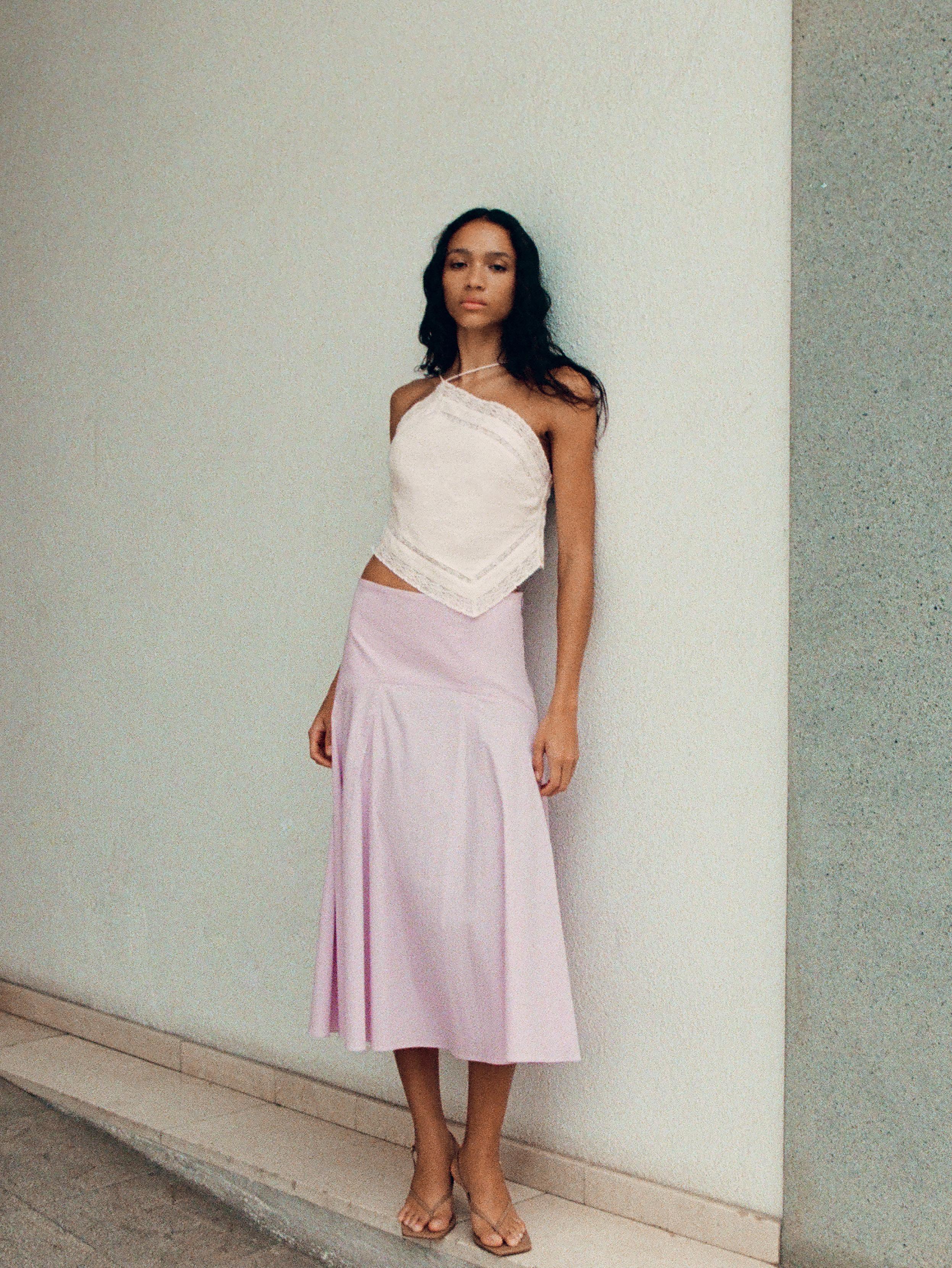
QUIET LUXURY IN MOTION
MANGO Embraces
Soft
Elegance with a
Refined New Collection
By Verna S.
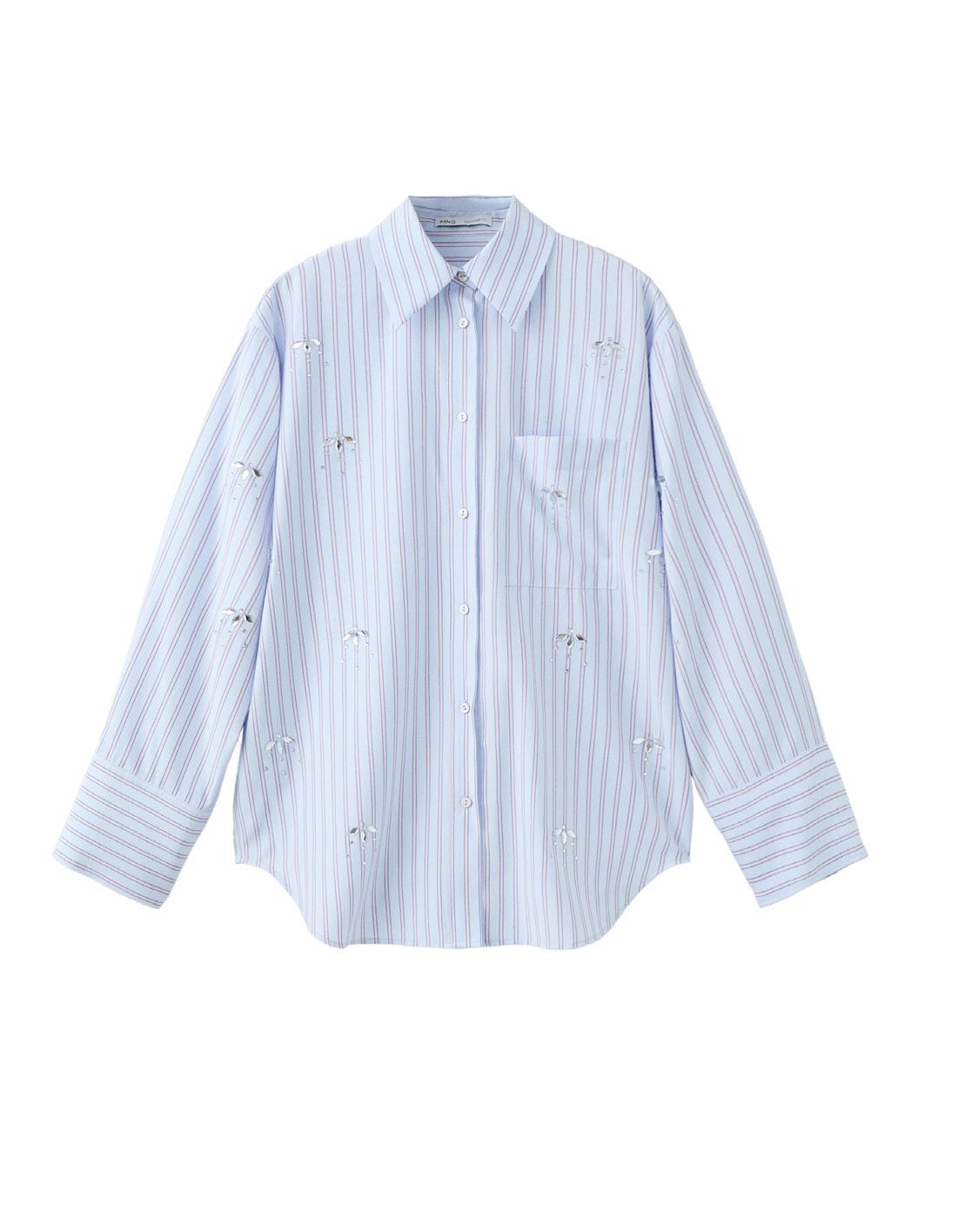

MANGO introduces a sophisticated new collection centred around understated elegance, fluid femininity, and effortless everyday dressing. Defined by soft silhouettes and a calming palette of light, neutral tones, the collection captures the growing desire for fashion that feels both refined and natural without relying on overt statement-making
At the heart of the collection is a quiet confidence. Relaxed tailoring, fluid fabrics, and softly structured shapes create garments that
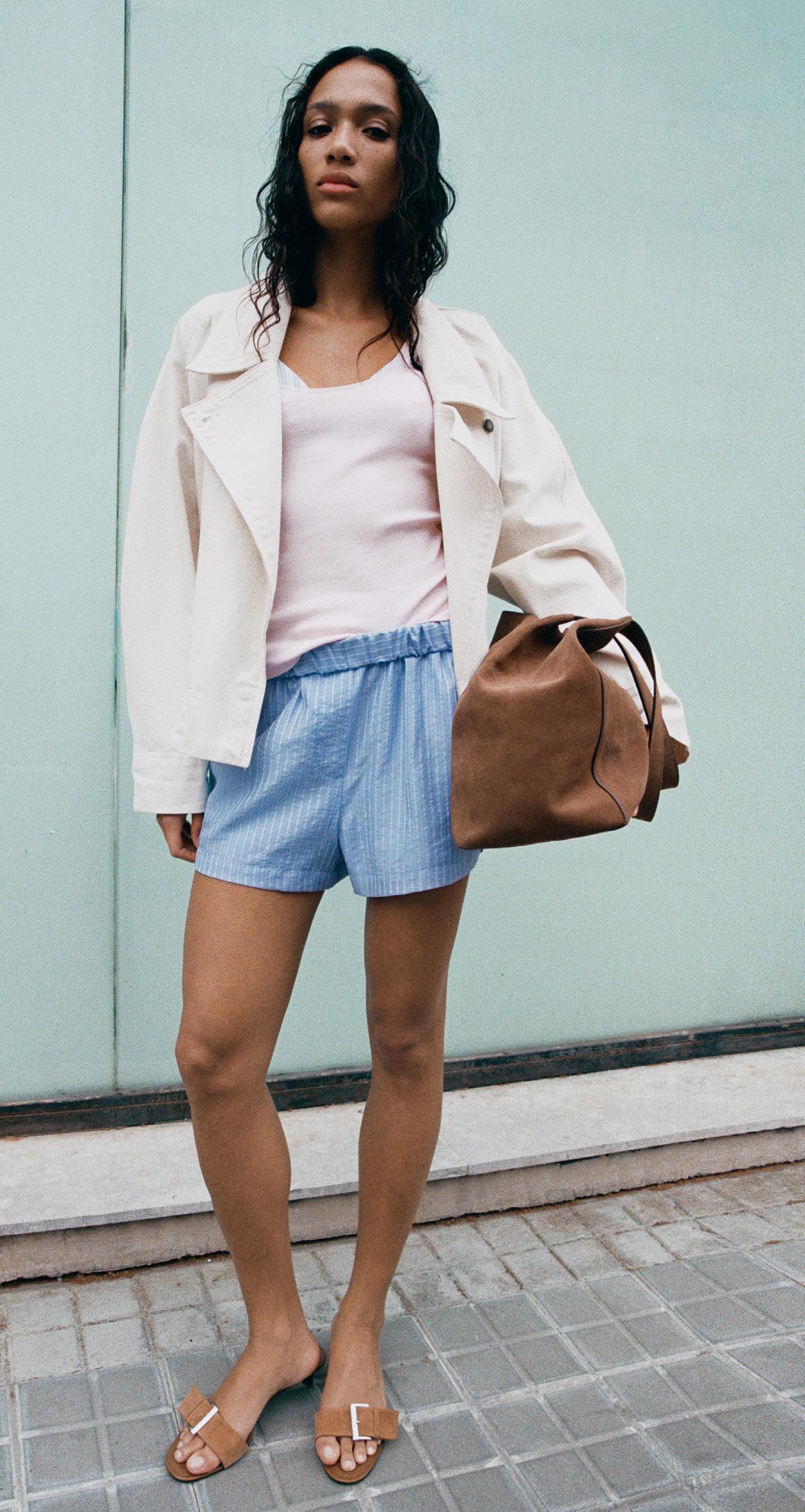
move effortlessly with the wearer, balancing comfort with contemporary sophistication. The result is a wardrobe designed for modern lifestyles, versatile enough for daytime ease while retaining an elevated, polished aesthetic.
Rather than following seasonal excess, MANGO focuses on subtle details and timeless appeal. Neutral shades, luminous textures, and clean lines bring a sense of calm elegance to the collection, while the interplay between
softness and structure allows femininity to emerge in an organic and modern way.
The collection reflects a broader shift within fashion toward quieter luxury and wearable refinement, where simplicity becomes the defining statement. Light, effortless, and endlessly versatile, the new MANGO collection offers an elegant approach to contemporary dressing rooted in ease, confidence, and understated style.
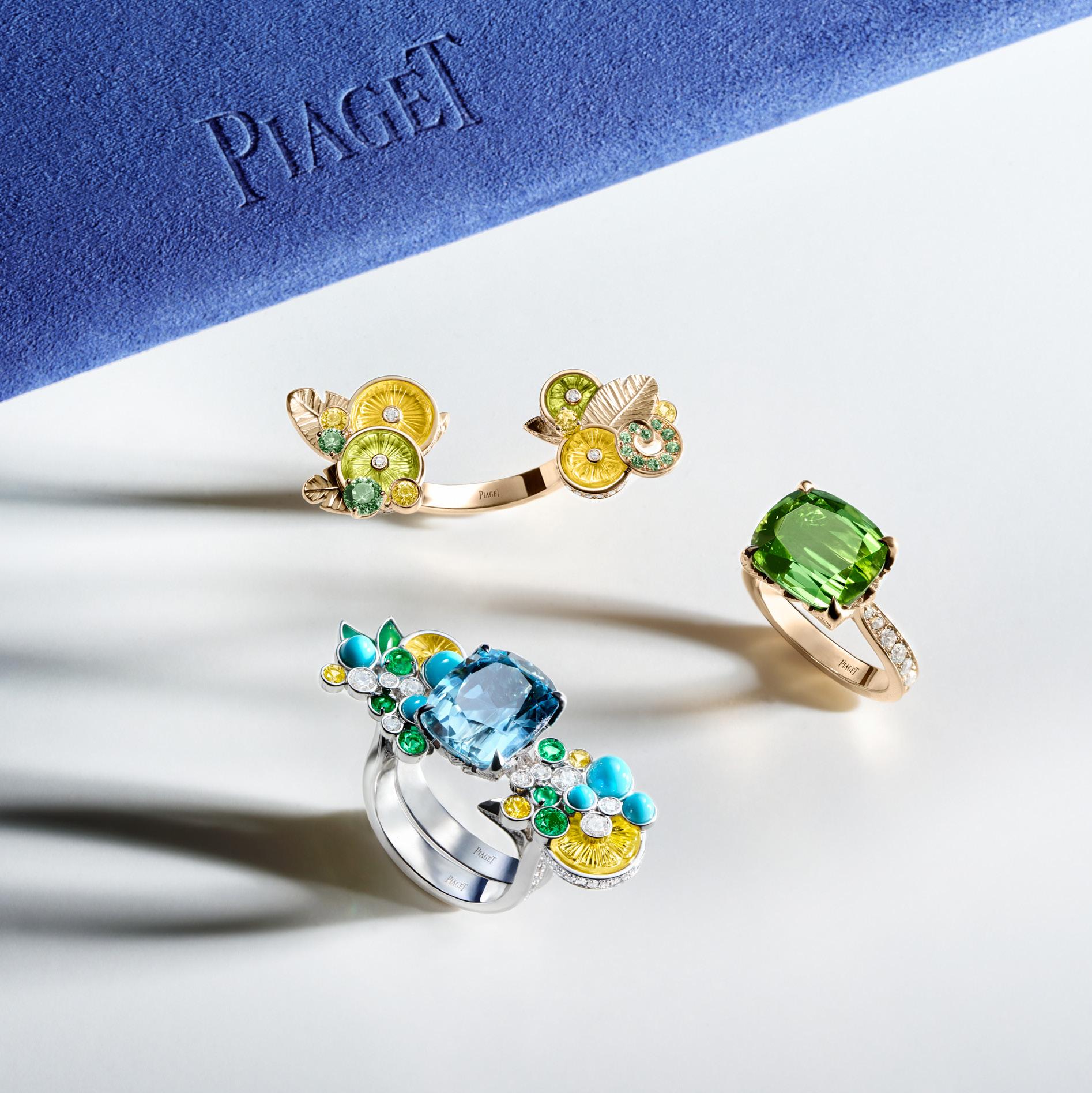
PIAGET COCKTAIL
Couture Creativity and Joyful Highlife
By Natasha Dury
For decades, Piaget has embodied a glamorous world where high jewellery, artistic freedom, and celebration exist in perfect harmony. Drawing inspiration from the legendary spirit of the Piaget Society, an era defined by elegance, creativity, and jetset sophistication, the Maison’s latest Piaget Cocktail collection captures that same sense of joyful extravagance in a contemporary and highly wearable form.
The new collection introduces nine vibrant rings and two ear cuffs that blend colourful gemstones with sculptural design and playful sophistication. Designed as an ode to celebration, the pieces channel the energy of cocktail culture through daring colour combinations, fluid lines, and precious stones arranged like luminous compositions of flavour and light.
Piaget’s connection to glamour dates back to the 1970s and 1980s, when Yves Piaget gathered artists, icons, and cultural figures from around the world into what became known as the Piaget Society.
From Capri and Saint-Tropez to Palm Beach and Monaco, the Maison became synonymous with a lifestyle built around creativity, elegance, and fearless selfexpression. Legendary names including Elizabeth Taylor, Jacqueline Kennedy Onassis, Andy Warhol, Ursula Andress, and Roger Moore were all part of this vibrant universe.
That festive spirit continues within the Piaget Cocktail collection, originally introduced in 2010 and now reimagined with fresh energy and contemporary flair. Bright tourmalines, aquamarines, citrines, emeralds, amethysts, turquoise, and diamonds are paired in unexpected combinations that evoke the colours and freshness of exotic cocktails. Lemon-yellow sapphires, mint-green tourmalines, icy purple amethysts, and soft pink quartz create compositions that feel playful yet unmistakably luxurious.
The rings are sculpted with fluid curves inspired by the shape of a cocktail straw,
while carefully cut stones introduce texture, movement, and lightness. Some pieces feature delicate figurative details, including sculpted leaves and crystal-like accents that echo ice cubes shimmering inside a glass.
Despite their bold colour palette, the designs remain refined and versatile. The pieces can be worn individually for understated elegance or layered together to create a more expressive statement. The result is jewellery that feels modern, spirited, and deeply connected to Piaget’s heritage of creativity and craftsmanship.
With Piaget Cocktail, the Maison once again transforms high jewellery into an experience, vibrant, celebratory, and full of personality. It is a collection that perfectly captures the Riviera-inspired glamour, artistic freedom, and joyful sophistication that continue to define the world of Piaget.
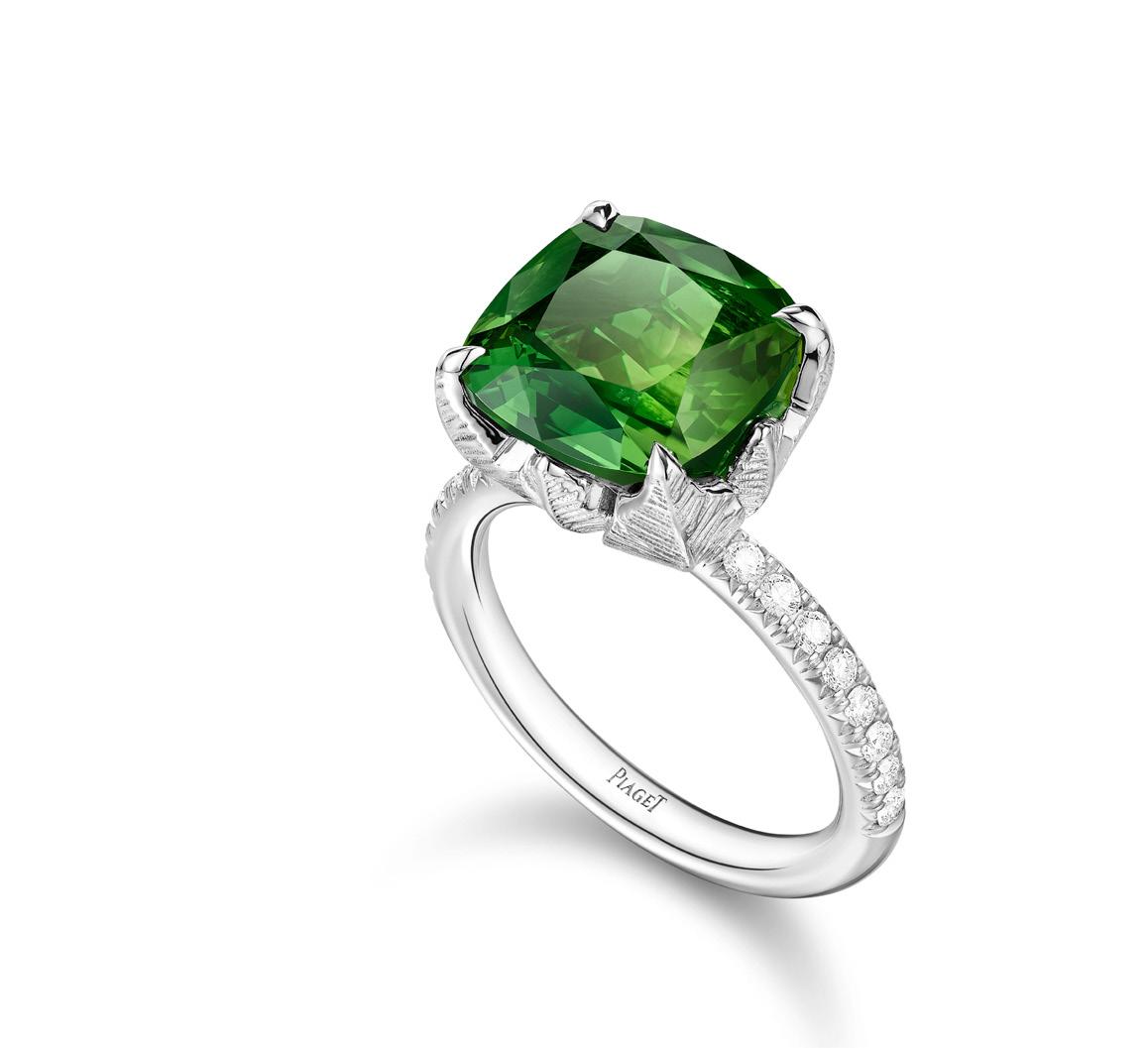
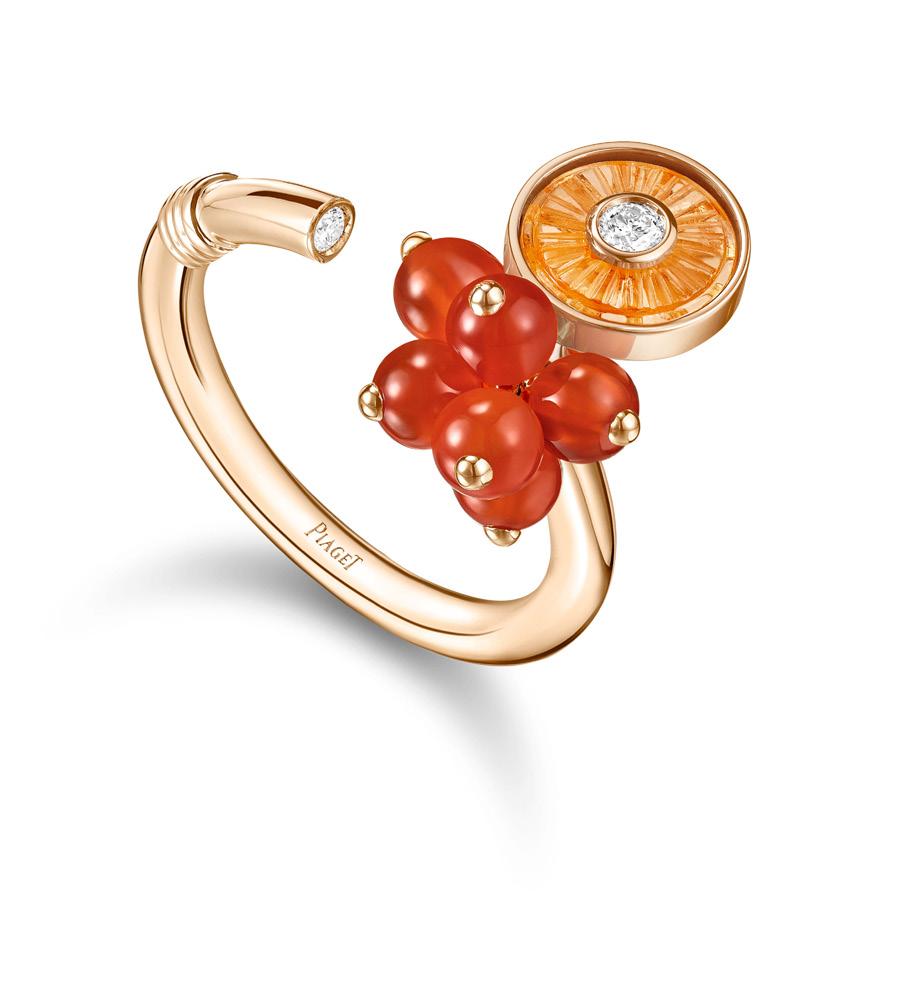
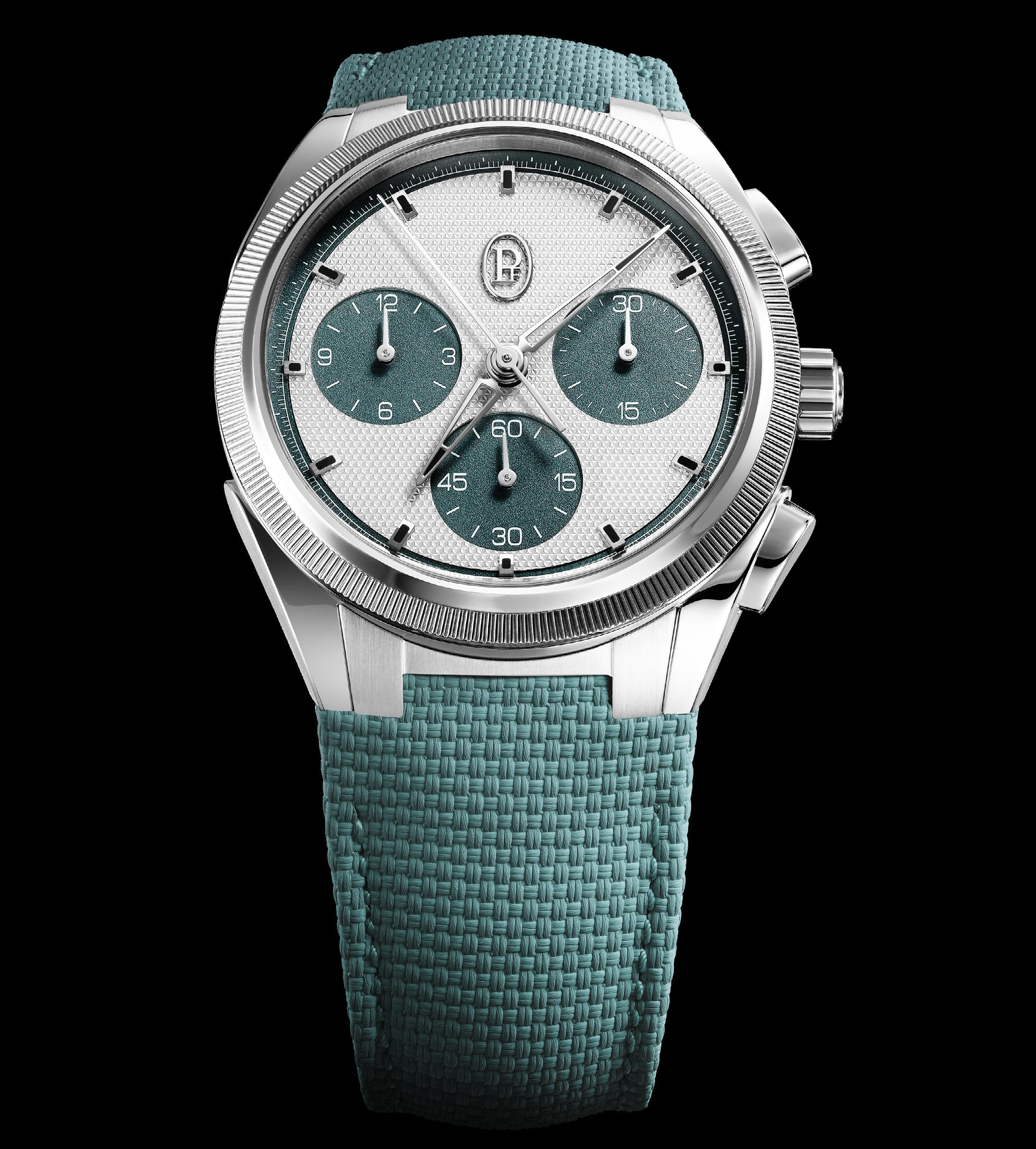
PARMIGIANI FLEURIER CAPTURES
THE SPIRIT OF ALPINE ELEGANCE
THE TONDA PF SPORT CHRONOGRAPH SILVER VERZASCA BLENDS PRECISION WITH REFINED LUXURY
By Shereen Shabnam
With the arrival of the warmer season, Parmigiani Fleurier introduces a striking new addition to its TONDA PF Sport collection: the TONDA PF Sport Chronograph Silver Verzasca, a timepiece inspired by the mineral beauty and crystal-clear waters of Switzerland’s Verzasca Valley.
Crafted in a 42mm stainless steel case, the chronograph combines sporting performance with the understated sophistication that defines the Maison. At its heart is the COSCcertified PF070 automatic manufacture calibre, a high-frequency movement operating at 5 Hz to ensure exceptional precision and smooth chronograph performance.
The silver-toned dial features Parmigiani Fleurier’s signature Clou triangulaire guilloché pattern, while subtle Verzasca green accents echo the tones of alpine rivers and mountain landscapes. Skeletonised hands, rhodiumplated gold indices, and carefully balanced detailing create a refined aesthetic that feels both contemporary and timeless.
The polished and satin-finished steel case is paired with an advanced rubber strap inspired by fine saddlery craftsmanship, delivering both durability and comfort while maintaining the collection’s elegant sporting character.
More than simply a sports watch, the TONDA PF Sport Chronograph Silver Verzasca reflects Parmigiani Fleurier’s philosophy of quiet luxury, where performance, craftsmanship, and design exist in complete harmony. Equally suited to a mountain escape or an elegant dinner setting, the watch captures a lifestyle defined not by excess, but by precision, balance, and effortless refinement.
What makes the Silver Verzasca particularly compelling is its ability to merge technical intensity with visual restraint. The chronograph’s integrated architecture,
knurled bezel, and beautifully finished movement visible through the sapphire caseback reveal the level of craftsmanship associated with traditional haute horlogerie, yet the overall design remains remarkably clean and wearable.
The inspiration drawn from the Verzasca Valley is also central to the watch’s identity. Rather than directly replicating the landscape, the piece translates its atmosphere, the clarity of alpine light, the movement of water over polished stone, and the calm elegance of the Swiss outdoors into colour, texture, and proportion.
For collectors and enthusiasts who appreciate subtle sophistication over overt statementmaking, the TONDA PF Sport Chronograph Silver Verzasca offers a modern interpretation of luxury sports watchmaking: refined, highly engineered, and quietly confident.
THE ART OF THOUGHTFUL GIFTING
How Papillon Funksteps is Redefining Modern Lifestyle Accessories
By Verna S.
Gifting today has become increasingly personal and curated lifestyle accessories are emerging as the new language of thoughtful luxury. Whether it is a beautifully customised travel bag, a playful beach tote for summer escapes, elegant coffee cups, statement bandanas, or curated surprise boxes designed around personality and occasion, modern consumers are seeking gifts that feel intentional, stylish, and deeply individual.
That is precisely where Papillon Funksteps is carving out its space within the
lifestyle market. Blending fashion, travel, and personalised accessories with a youthful, contemporary spirit, the brand is positioning itself as a go-to destination for elevated gifting, stylish celebrations, and curated travel essentials.
At the heart of the concept is versatility. Papillon’s collections move effortlessly between leisure, travel, and everyday lifestyle moments. Beach bags designed for resort escapes sit alongside travel accessories, socks, personalised bags, and curated gift boxes that feel equally suited to birthdays, bridal celebrations,

corporate gifting, destination weddings, or weekend getaways.
The appeal lies not only in the accessories themselves, but in the ability to personalise them through initials, monograms, colours, and customised touches that transform everyday pieces into meaningful keepsakes.
The growing popularity of personalised accessories reflects a wider shift within luxury and lifestyle culture. Consumers today are increasingly drawn to products that feel unique and emotionally
connected rather than mass-produced. A customised tote or travel bag becomes more than simply an accessory as it becomes part of a personal identity and travel story.
Papillon Funksteps also taps into the growing lifestyle trend of curated experiences. The brand’s surprise gifting concepts and carefully assembled accessory edits introduce a sense of discovery and playfulness, making gifting feel less transactional and far more memorable.
Whether preparing for a beach holiday, hosting a celebration, or assembling welcome gifts for guests, the accessories are designed to create moments rather than simply complete purchases.
Aesthetically, the brand embraces a relaxed yet elevated style language that is playful without losing sophistication, contemporary without feeling overly trend-driven. The result is a collection of accessories that naturally fit into modern travel, leisure, and social lifestyles.
As gifting increasingly evolves into an extension of personal style and storytelling, Papillon’s approach feels perfectly timed. By combining customisation, lifestyle functionality, and curated design, the brand is building a world where accessories are not only worn or carried, but experienced.



TURNING SCENT INTO A LANGUAGE OF IDENTITY
Street Origins
By Natasha Dury
For generations, fragrance was often viewed as the final touch before stepping out as an invisible accessory designed to complement style. For us Gen Z and the emerging Gen Alpha audience, however, scent has evolved into something far more personal. It has become a form of identity, mood, and selfexpression.
Enter Street Origins, a fragrance brand positioning itself not simply as a beauty label, but as a cultural movement inspired by the rhythm, individuality, and energy of urban youth culture. Built around the idea that fragrance should feel expressive rather than restrictive, Street Origins embraces a genderless philosophy across its entire collection.
I feel that the brand understands that younger consumers no longer engage with scent through traditional categories. Instead, they choose fragrances that reflect personality, emotion, and attitude, free from labels or convention. Growing up in a media household, we receive bottles of fragrance on a monthly basis but me and my dad generally do not like most of what we receive whereas my mum pretty much enjoys the notes in nearly all the perfumes we receive. As a Gen Z, I find synergy with very few brands.
The collection from Street Origins features 40 fragrances inspired by global cities, each capturing a different mood and cultural energy. From vibrant nightlife influences to fresh minimalist compositions, the scents are designed to mirror the dynamism of contemporary urban life.
Every fragrance is created in Eau de Parfum and Extrait de Parfum concentrations, offering
long-lasting wear with high oil concentrations, a detail increasingly important to younger consumers seeking both quality and affordability.
The pocket-sized bottles encourage layering, experimentation, and everyday portability,
allowing fragrance to become part of a constantly evolving personal style.
The pricing strategy reflects the same mindset, making premium-feeling fragrances accessible to a generation that values individuality but remains highly conscious of value.
TECHNOLOGY TRENDS
Many consumers across the world are looking for the perfect gift for their friends and family. Natasha Dury, Curator of New Technology Trends brings you the latest gadgets to gift loved ones.
DREAME X60 ULTRA COMPLETE ROBOT VACUUM
Dreame X60 Ultra Complete Robot Vacuum Cleaner reflects the growing demand for intelligent home automation in the UAE, combining powerful performance with sleek, space-conscious design for modern households. Positioned within the premium smart home category, the ultra-complete X60 features enhanced suction capabilities, advanced navigation technology, and intelligent surface detection that adapts seamlessly to different flooring and room layouts for more precise cleaning. Its slim 7.95 cm profile allows it to glide easily beneath low furniture, while a multifunctional automated dock streamlines multiple cleaning processes into one fully autonomous system. The X60 highlights how smart home technology is rapidly evolving from simple automation into a more integrated lifestyle experience.


Dell Technologies has unveiled PowerMaxOS 10.4, the latest software update for its mission-critical storage platform, introducing major enhancements focused on performance, cyber resilience, and enterprise scalability. Designed for organisations managing demanding workloads such as Oracle, SAP, Salesforce, and Epic environments, the update delivers up to 25% faster read response times for SRDFprotected workloads while improving operational efficiency across the new PowerMax 2500 and 8500 arrays. It also strengthens security through Advanced Ransomware Detection and expanded Single Sign-On integration with platforms including Okta, PingFederate, and Entra ID, supporting faster Zero Trust adoption. PowerMaxOS 10.4 simplifies enterprise modernisation through deeper integration with VMware and Red Hat OpenShift, enabling significantly faster virtual machine migration and storage cluster provisioning for container platforms. The update reflects Dell Technologies’ continued focus on helping enterprises manage increasingly complex, high-performance digital environments with greater speed, resilience, and automation.
FUJIFILM INSTAXMINI EVO CINEMA™
Fujifilm instax mini Evo Cinema brings a cinematic twist to instant photography, combining retro-inspired creativity with modern digital functionality in a compact 3-in-1 hybrid camera. The latest addition to Fujifilm’s popular instax™ Evo series captures both still images and videos, allowing users to transform memorable moments into physical instax™ prints complete with QR codes that link directly to video playback. Inspired by classic film aesthetics, the camera introduces the new “Eras Dial™” feature, offering 10 era-inspired effects with adjustable levels that recreate the mood and texture of vintage cinema and analogue photography. The mini Evo Cinema also functions as a smartphone printer while supporting creative video editing through its dedicated app. Blending instant photography, digital storytelling, and retro design, the device transforms everyday content creation into a more tactile and immersive experience.

BELKIN ULTRACHARGE PRO LAPTOP POWER BANK 27K (MODEL BPB040)
Built for power users, creators, and frequent travellers, this highcapacity, high-speed power bank delivers a versatile, all-in-one charging solution capable of fast-charging laptops, tablets, gaming consoles, and smartphones from a single portable source. With up to 240W total output and a 27,000 mAh battery, it supports rapid charging for devices such as a MacBook Pro 14-inch, Nintendo Switch 2, and iPhone 17, whether powering one device at maximum speed or multiple devices simultaneously. A builtin 140W USB-C braided cable eliminates the need for extra cords, while a smart display provides real-time battery percentage updates. Designed for performance and convenience, it supports multiple full device recharges, enables charging of up to three devices at once, and features 100W pass-through charging, allowing the power bank itself to recharge while continuing to power connected devices.
TECNO CAMON 50 ULTRA 5.5G
The TECNO CAMON 50 Ultra 5.5G positions itself as a feature-rich smartphone designed for users who prioritise photography, durability, and intelligent everyday performance without entering flagship-level pricing. Equipped with a 50MP main camera powered by Sony’s advanced LYT-700C sensor, the device delivers vivid detail and impressive low-light performance, while TECNO’s upgraded FlashSnap technology enables sharper capture of fastmoving moments with significantly faster response times. Advanced zoom capabilities of up to 100x further enhance the imaging experience, supported by AI-powered features including AI RAW 2.0 processing, Auto Zoom, photo editing tools, real-time translation, and content summarisation functions.
ART DUBAI AT 20 AS IT HELPS SHAPE A CULTURAL CAPITAL
By Natasha Dury
Dubai has spent the last two decades redefining itself as a global crossroads for commerce, design, innovation and luxury, and Art Dubai has quietly become one of its most influential cultural success stories. What began as an ambitious regional art fair has evolved into an institution that mirrors Dubai itself: international in outlook, rooted in diversity, and constantly evolving.
This year, as Art Dubai prepares for a specially modified 20th anniversary edition at Madinat Jumeirah, the fair is not simply celebrating longevity. It is reaffirming Dubai’s growing confidence as one of the world’s most dynamic cultural capitals.
The special edition arrives during a moment of global uncertainty for the art market, yet its tone is notably optimistic. Presented in partnership with A.R.M. Holding, with Dubai Culture & Arts Authority serving as strategic partner, the fair places collaboration, accessibility and resilience at the centre of its vision. Free public entry, expanded
institutional partnerships and a renewed focus on dialogue and shared experiences suggest an event designed less around exclusivity and more around cultural participation.
For many in the region, Art Dubai has always been more than a conventional art fair. Executive Director Benedetta Ghione describes it as “an international platform for this region’s cultural scene as it matures,” a statement that feels especially relevant in 2026.
Rather than presenting art as an isolated luxury commodity, Art Dubai continues to position itself as part of a wider creative ecosystem, bringing together artists, galleries, collectors, institutions and audiences in ways few fairs globally have managed to sustain.
This year’s special edition reflects that ambition through a carefully curated programme spanning contemporary, modern and digital art practices. Around 75 presentations from galleries, institutions and
partners will fill the halls of Madinat Jumeirah, with nearly 60 percent drawn from the region itself. The fair remains deeply connected to the Middle East, North Africa and South Asia while simultaneously expanding its global reach, reinforcing Dubai’s role as a meeting point between East and West.
The gallery programme is particularly significant. Alongside long-standing international exhibitors that have supported the region for decades, the fair also shines a spotlight on Dubai-based galleries that have grown in parallel with Art Dubai’s rise. New exhibitors join established names, creating a blend of emerging voices and internationally recognised institutions that reflects the city’s increasingly sophisticated cultural identity.
In a notable response to current market pressures, the fair has also introduced an innovative risk-sharing model where gallery booth costs are linked to sales success, a move that underscores Art Dubai’s reputation for experimentation and adaptability.
Yet the real heartbeat of Art Dubai lies beyond the booths themselves. Increasingly, the fair’s importance is measured not only by what hangs on walls, but by the conversations and collaborations it enables. This year’s programming expands significantly through partnerships with some of the UAE’s leading cultural institutions, including Alserkal Avenue, Art Jameel, Barjeel Art Foundation, Sharjah Art Foundation and the Dubai Collection.
Among the highlights is “Made Forward,” a major presentation from Dubai Collection, the city’s first institutional collection of modern and contemporary art. Elsewhere, the 20th edition of the Global Art Forum, commissioned by Shumon Basar under the title “Before and After Everything,” promises the kind of cross-disciplinary discussions that have become synonymous with Art Dubai’s identity. Performance-led programming curated with Sharjah Art Foundation, moving-
image collaborations with Alserkal Avenue, and large-scale installations integrated throughout the fair further blur the boundaries between exhibition, public engagement and cultural dialogue.
Digital art also continues to play a defining role in the fair’s evolution. Over recent years, Art Dubai has emerged as one of the few international fairs willing to seriously champion digital and immersive practices beyond trend-driven novelty. Its continued emphasis on digital culture reflects Dubai’s own future-facing mindset, positioning the city at the forefront of conversations surrounding technology, creativity and cultural production.
What makes this year especially compelling, however, is the sense of reflection underpinning the anniversary edition. There is a recognition that Art Dubai’s journey has become inseparable from Dubai’s broader
THE DESIRE TO CREATE IS ONE OF THE DEEPEST YEARNINGS OF THE HUMAN SOUL.
Dieter F. Uchdorf
cultural narrative. Over two decades, the fair has helped nurture collectors, supported regional artists, encouraged institutional growth and contributed to the city’s increasingly visible creative confidence on the global stage.
In many ways, the fair’s evolution mirrors Dubai’s own transformation. Both began as ambitious propositions often underestimated by outsiders. Both have grown through boldness, adaptability and a willingness to challenge conventional models.
And both now occupy a position where global attention is no longer about potential, but influence.
TAILORED COMFORT
BOSS and Ligne Roset Reimagine the Iconic Togo
Few furniture designs have achieved the enduring cult status of the Togo. Since its debut in the 1970s, the instantly recognisable fireside chair by Ligne Roset has remained a symbol of relaxed sophistication, celebrated for its sculptural form, cocooning comfort and unconventional approach to luxury living.
Now, in a collaboration that bridges the worlds of fashion and interiors, BOSS and Ligne Roset have unveiled a refined reinterpretation of the design icon, bringing tailoring codes into the language of contemporary furniture.
The new BOSS | Ligne Roset Tailored Togo
By Verna S.
chair and footstool introduce a first for the celebrated design: a sophisticated combination of premium leather and soft textile surfaces, finished with contrast stitching inspired by BOSS suiting. The result is a piece that feels both architectural and inviting, balancing sharp visual precision with the enveloping softness that made the original Togo legendary.
Rather than reinventing the chair entirely, the collaboration elevates its essence through materiality and detail. Deep folds, relaxed contours and the unmistakable low-slung silhouette remain intact, but
are now reinterpreted through the lens of contemporary luxury fashion. The tactile interplay between robust leather and refined fabric creates an experience that feels less like traditional furniture and more like wearable craftsmanship translated into interiors.
At the heart of the collaboration lies a shared philosophy between the two brands: precision, innovation and enduring craftsmanship. For BOSS, the project extends its tailoring heritage beyond fashion into the wider lifestyle space, while Ligne Roset continues its legacy of collaborating with visionary creative partners to keep its icons culturally relevant.
Built using multiple densities of foam and shaped entirely by hand, each piece requires the expertise of specialist upholsterers whose craftsmanship has been passed through generations. The signature pleating, often mistaken for a manufactured finish, is in fact manually installed, ensuring that every chair carries a unique artisanal identity.
Complementing the furniture collection are curated BOSS lifestyle accessories that echo the collaboration’s material dialogue. Jacquard cushions, saddle-stitched throws and selected pieces from the Spring/Summer 2026 collection reinforce the seamless connection between interior design and fashion.
Launching as a limited-edition series, the BOSS | Ligne Roset Togo represents more than a design collaboration. It reflects the growing convergence between fashion, interiors and experiential living, where furniture is no longer viewed solely as functional, but as an extension of personal identity and contemporary culture.

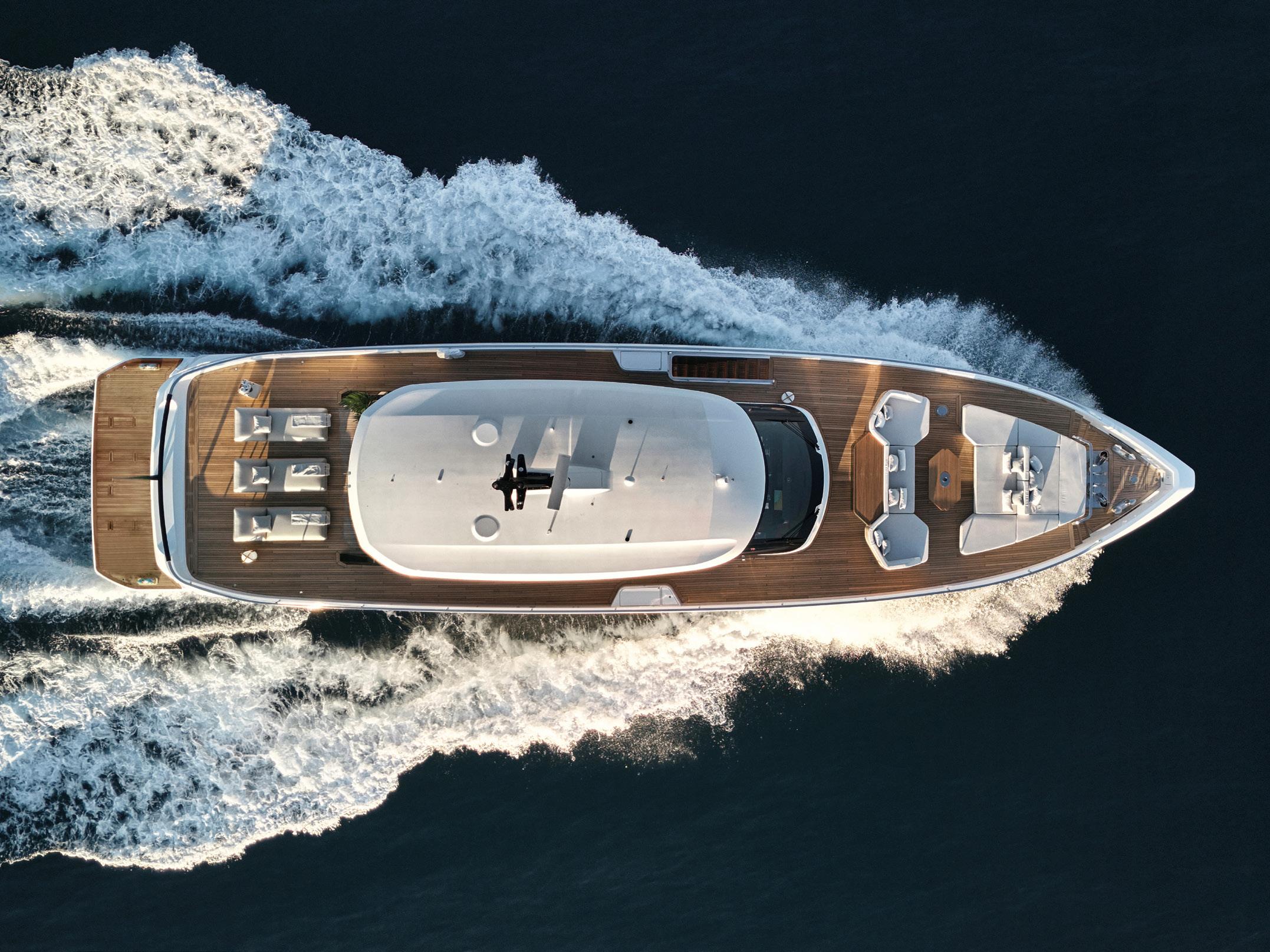
AZIMUT’S NEW GRANDE 30M BRINGS ITALIAN SUPERYACHT ELEGANCE TO ASIAN WATERS
By Natasha Dury
There are yachts designed to impress at first glance, and then there are yachts designed to completely redefine life at sea. The new Azimut Grande 30M belongs firmly to the latter category. Making its Asian debut in Hong Kong, the flagship model arrives not simply as another addition to the superyacht landscape, but as a statement of how contemporary luxury yachting is evolving toward more fluid, social and experience-driven living.
The Grande 30M has established itself as one of the most architecturally ambitious yachts in its segment. Designed externally by Alberto Mancini with interiors by acclaimed Italian studio m2atelier, the yacht balances sculptural Italian styling with a deeply lifestyle-oriented approach to onboard living.
What distinguishes the Grande 30M most is the way it reimagines space. Central to the design is the innovative “All-Day” upper deck, a fully walkaround social environment anchored by a panoramic lounge enclosed by floor-to-ceiling windows that open on three sides. The result is an atmosphere that feels less confined than traditional yacht layouts and more akin to a luxury waterfront residence floating at sea.
Designed with multi-generational living and entertaining in mind, the layout allows guests to move effortlessly between indoor and outdoor spaces while maintaining moments of privacy and intimacy. Whether hosting extended family gatherings, sunset dining or quiet retreats during long coastal journeys, the
Grande 30M adapts fluidly to different rhythms of onboard life without ever sacrificing openness or connection to the sea.
Equally transformative is the yacht’s extraordinary Deck2Deck™ Terrace at the stern. By elevating the transom structure, Azimut has created a remarkable 25-square-metre overwater terrace that seamlessly extends the cockpit into the surrounding horizon. The architectural effect is dramatic yet elegant, blurring the boundary between yacht and ocean while creating one of the most immersive alfresco spaces currently available in this category.
Beyond aesthetics, the Grande 30M also reflects Azimut’s broader philosophy
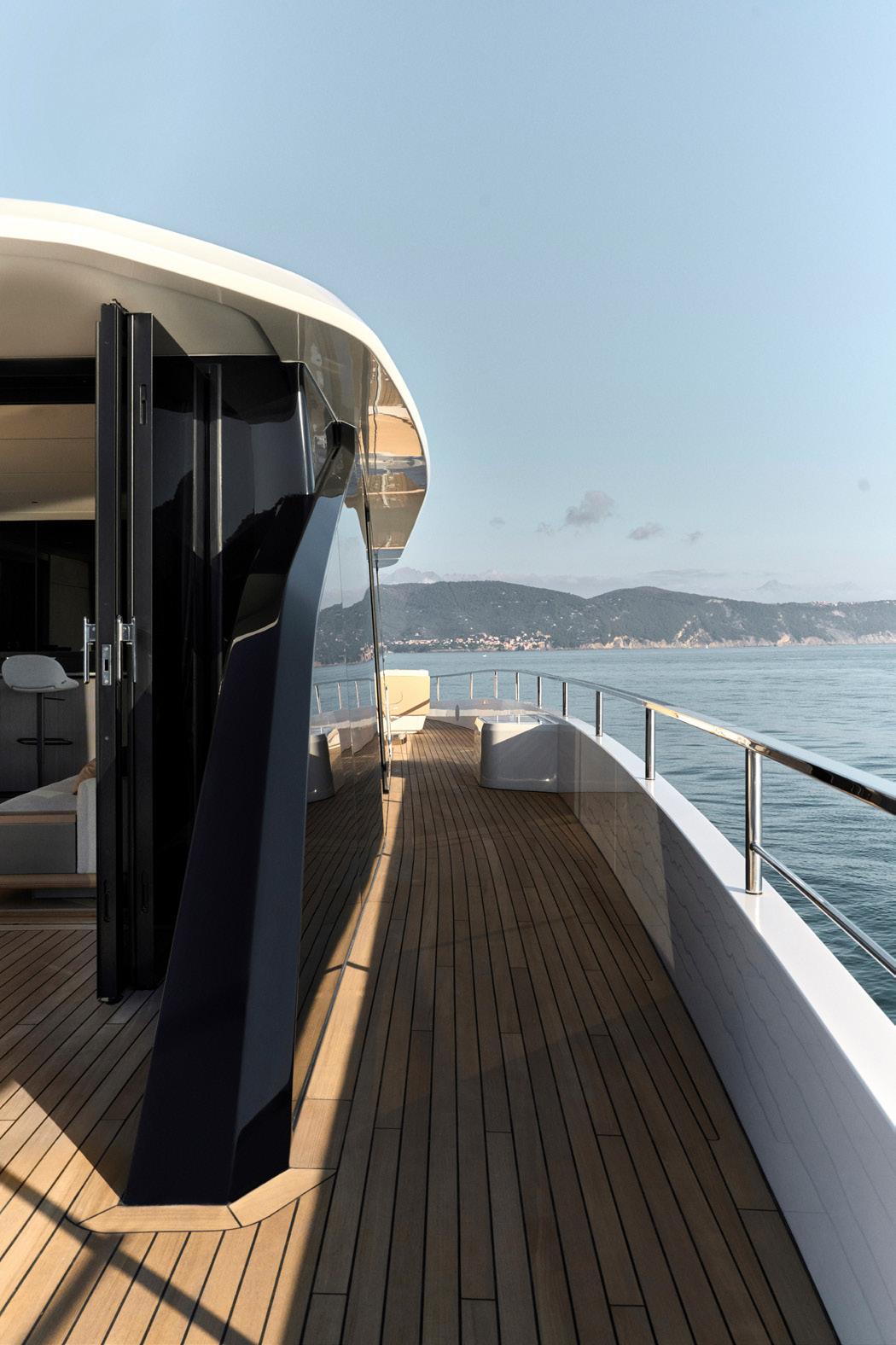
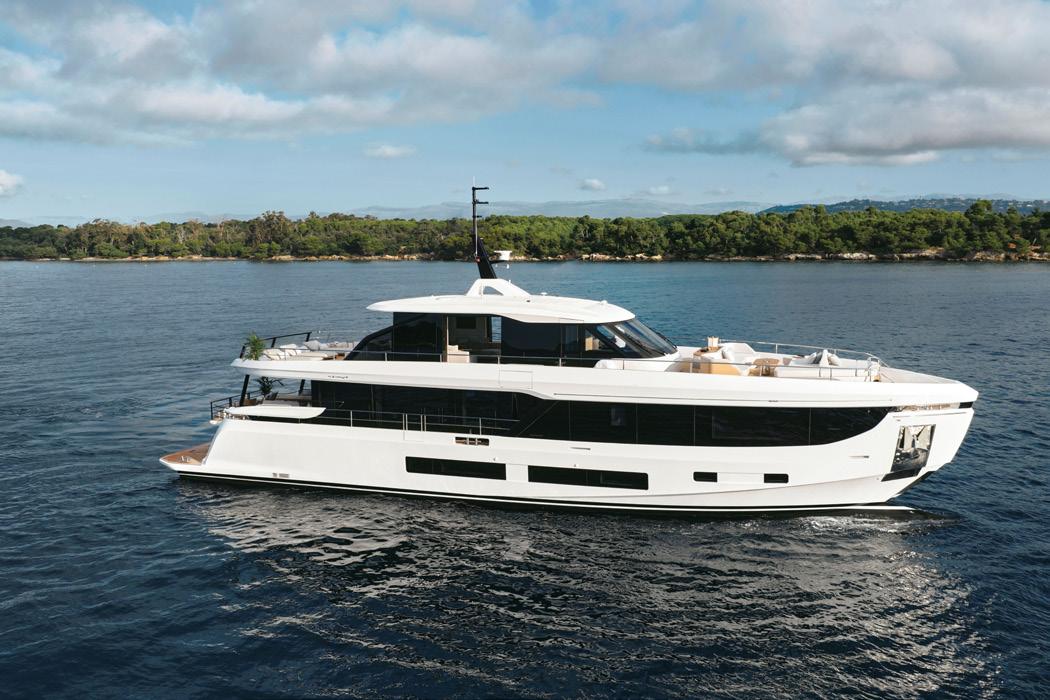
of merging technological innovation with refined Italian craftsmanship. Every detail feels considered, from the natural flow of circulation onboard to the careful interplay of materials, textures and light throughout the interiors.
The Hong Kong showcase also highlighted the wider strength of the Azimut range, with models including the Fly 78, Fly 62 and Magellano 60 reinforcing the brand’s ability to cater to vastly different owner lifestyles. Yet it was the Grande 30M that unquestionably commanded attention, particularly as the world’s first delivered unit officially arrived in Asia.
As luxury yachting increasingly shifts toward immersive lifestyle experiences rather than pure status symbolism, the Grande 30M feels perfectly aligned with the new generation of owners seeking design sophistication, versatility and emotional connection to the sea. More than simply a superyacht, it represents a floating expression of contemporary Italian living which is elegant, social and unapologetically experiential.
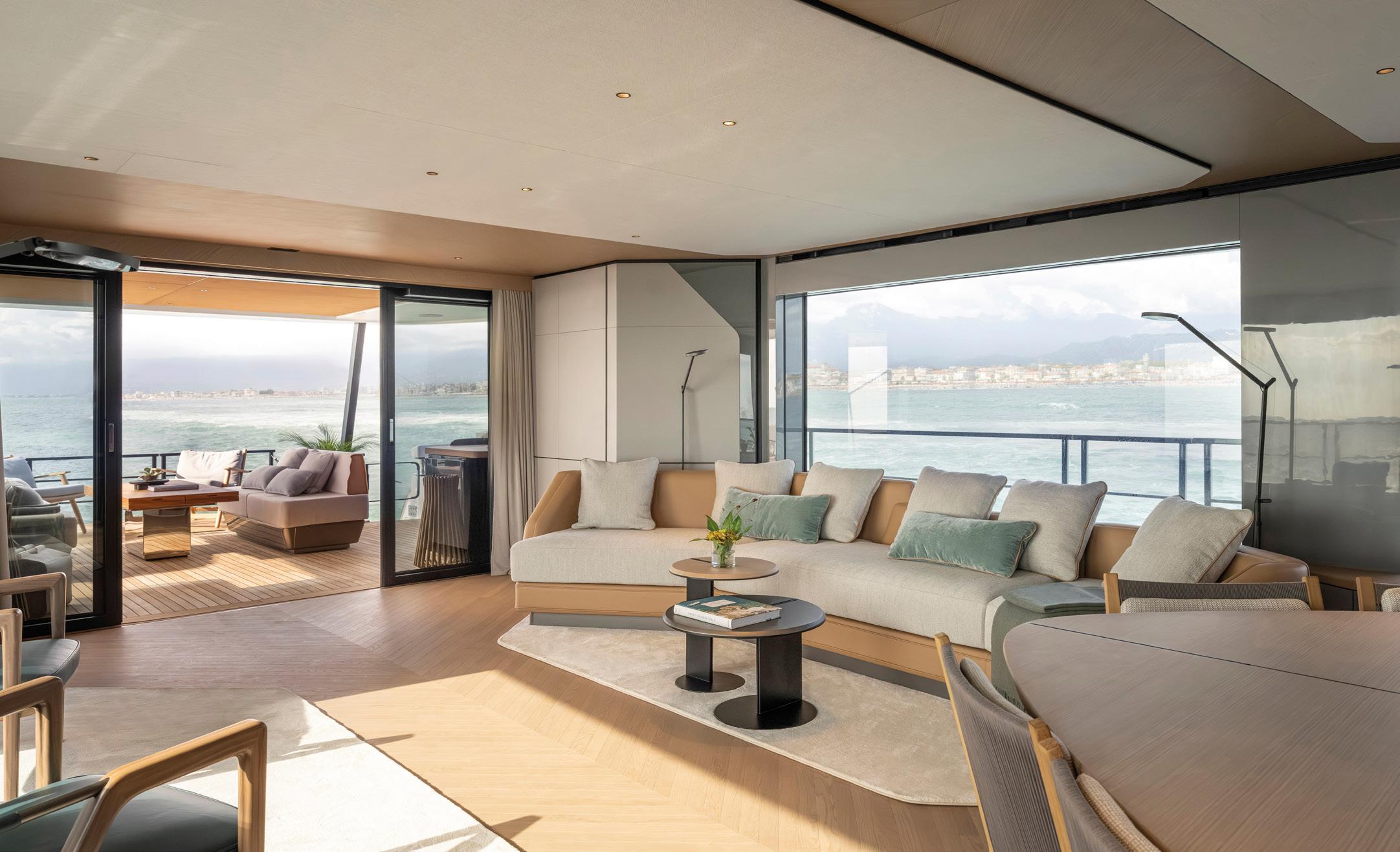
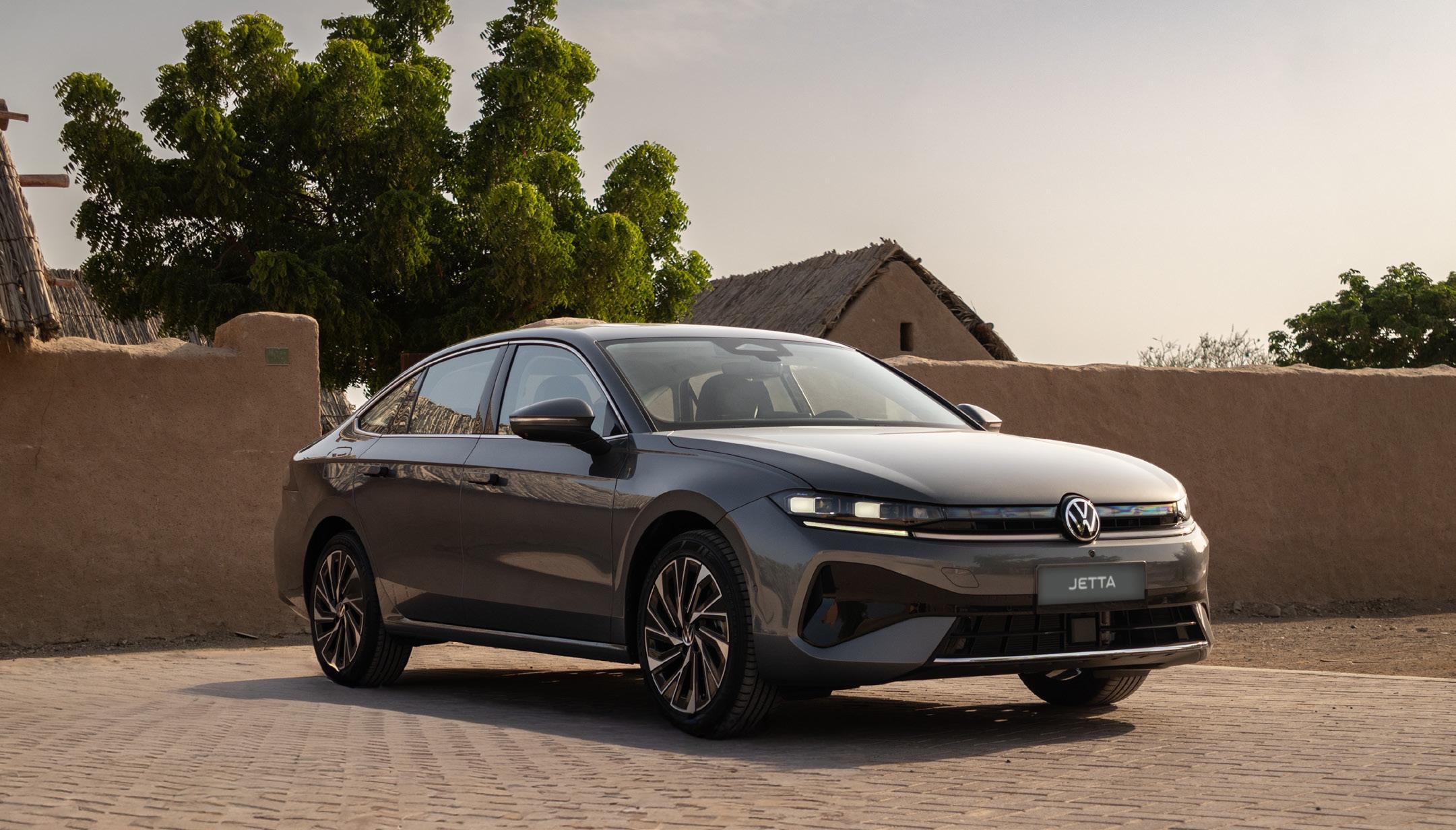
THE SEDAN THAT STILL MAKES SENSE
Driving the All-New Volkswagen Jetta
There is something refreshingly honest about the all-new Volkswagen Jetta. With so many oversized SUVs and aggressively futuristic electric crossovers, Volkswagen’s latest sedan quietly reminds us why the traditional four-door still matters.
We tested the car on Dubai and Sharjah’s highways and urban streets, and we found that the new Jetta feels more refined, more spacious and significantly more premium than before. It does not try too hard to be sporty or overly luxurious but focuses on balance and simplicity.
Volkswagen has clearly positioned it as a sedan for drivers who appreciate understated German design, intelligent technology and effortless daily usability, tailored to the realities of modern urban life. Comfortable in traffic, composed on Sheikh Zayed
By Shereen Shabnam
Road and efficient enough for long commutes, it delivers the kind of wellrounded ownership experience that many buyers quietly want, even if the market conversation has shifted elsewhere.
EXTERIOR
Volkswagen has resisted the temptation to overstyle the Jetta, and the result is a sedan that looks clean, confident and timeless. The front fascia is sharper and more contemporary, with slim LED lighting signatures and a wider grille that gives the car greater road presence.
The proportions feel balanced, while the sculpted body lines add just enough athleticism without becoming visually noisy. On the road, the Jetta carries itself with quiet confidence. It has a more premium stance than previous generations, and the longer wheelbase
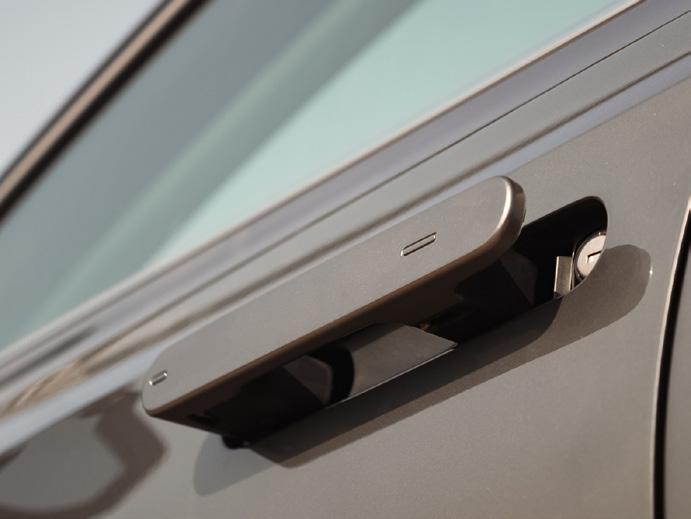
gives it a more substantial profile. In typical Volkswagen fashion, the design language is restrained, but there is sophistication in that restraint.
INTERIOR
Inside is where the new Jetta truly surprises. The cabin feels airy, thoughtfully laid out and impressively refined for its class. Soft-touch materials, leatherette upholstery and ambient lighting elevate the
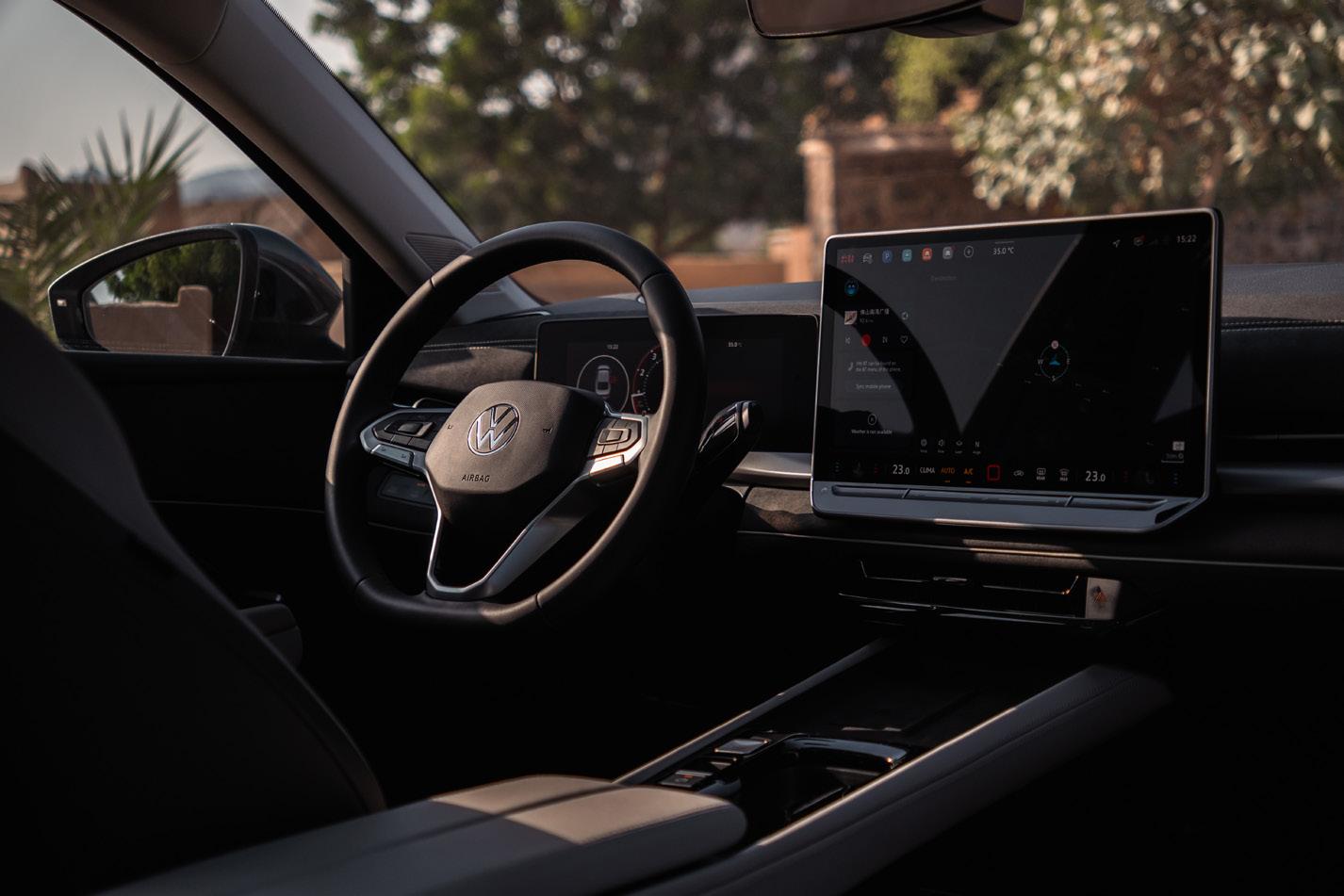
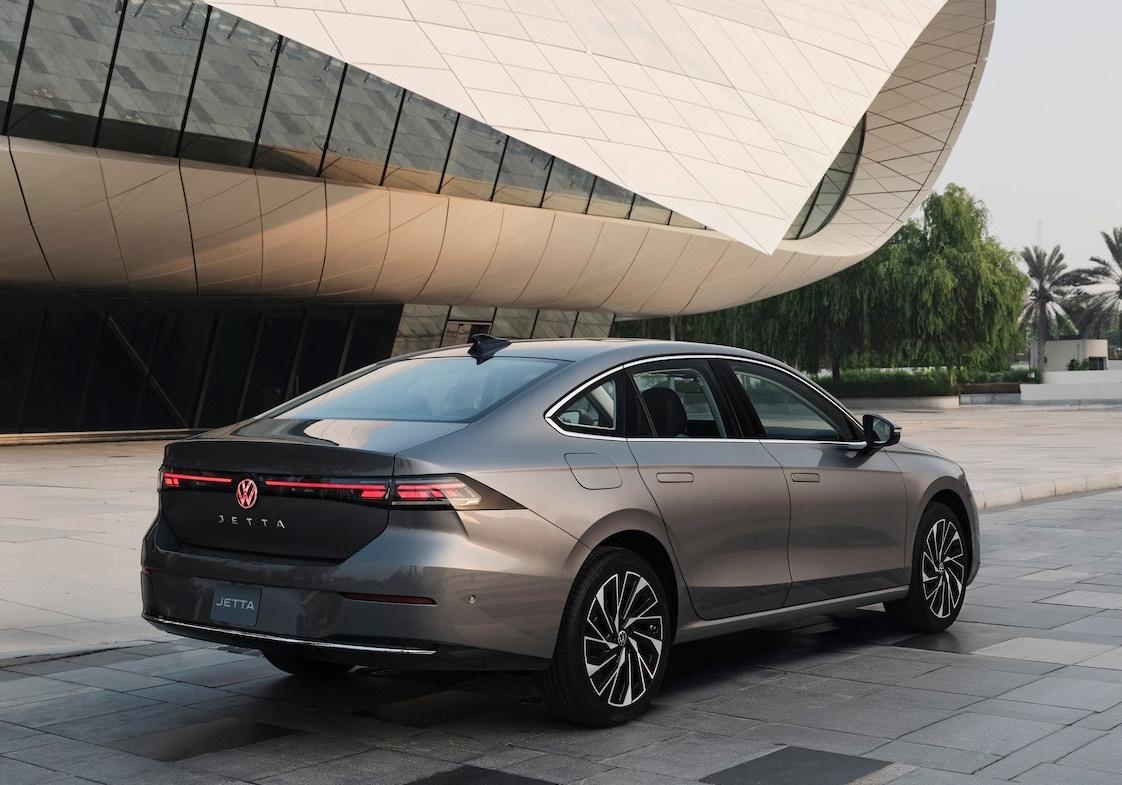
atmosphere, while the seats offer excellent comfort for longer drives.
Volkswagen has clearly focused on making the car feel more premium without losing its practical nature. Rear passenger space is generous thanks to the extended wheelbase, and the boot capacity makes it genuinely usable for family life or weekend travel. The panoramic sunroof adds openness to the cabin and the physical controls remian where they matter most, making the cabin intuitive rather than distracting.
TECHNOLOGY
The all-new Jetta is equipped with the kind of technology modern drivers now expect, but importantly, it
integrates it without overwhelming the experience. A digital cockpit, smartphone connectivity, adaptive cruise control, blind spot monitoring and lane assistance all contribute to a more confident drive.
The infotainment system remains one of the more user-friendly interfaces in the segment, responsive and logically organised without unnecessary complexity. Features such as keyless entry, remote engine start, dualzone climate control and hands-free trunk access further enhance daily convenience. The overall technology package feels practical and genuinely useful rather than included simply for showroom appeal.
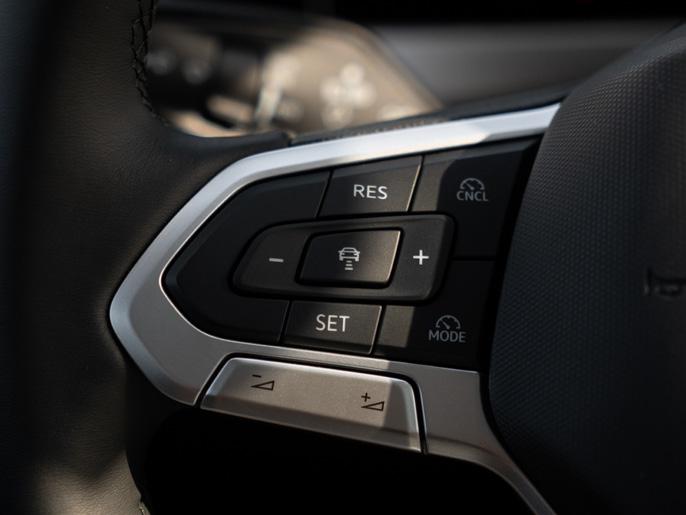
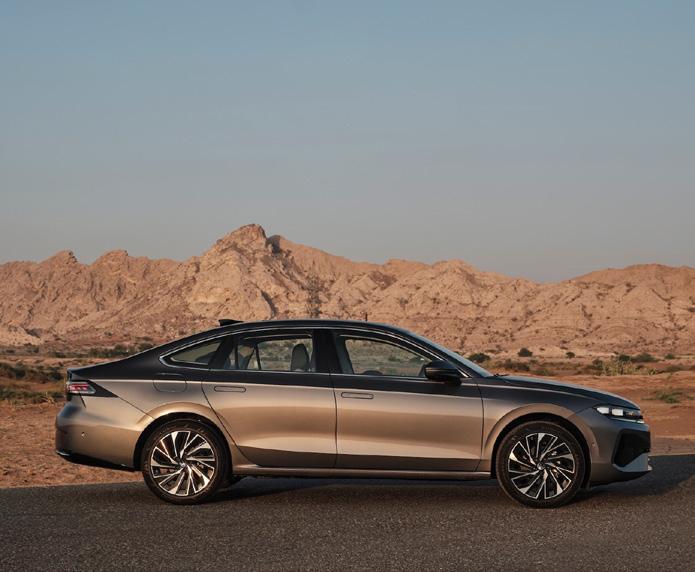
PERFORMANCE
Under the bonnet, the Jetta’s 1.5-litre turbocharged TSI engine produces around 158 horsepower paired with a seven-speed DSG transmission, and it suits the character of the car perfectly. It feels responsive, smooth and refined throughout everyday driving. Acceleration is brisk enough for confident overtaking, while the DSG gearbox shifts seamlessly in both city traffic and highway cruising.
The steering is predictable, the suspension absorbs imperfect road surfaces well, and the cabin remains impressively insulated at higher speeds. Fuel efficiency is another strong point, making the Jetta particularly appealing for drivers covering serious mileage across the UAE. It strikes a commendable balance between comfort, efficiency and driving engagement without leaning too heavily in any one direction.
OUR VERDICT
The all-new Volkswagen is stylish without being flashy, technologically advanced without becoming complicated, and refined without carrying an inflated sense of importance. For buyers seeking a practical yet premium-feeling sedan that delivers comfort, efficiency and understated sophistication, the Jetta is perfect and for many, it still is a car that simply feels right.

THE NEW FACE OF AFFORDABLE LUXURY
Chery Tiggo 7 Pro Max
The Tiggo 7 Pro Max arrived in UAE with bold styling, an impressively equipped cabin, strong technology credentials, and enough refinement to offer the perfect balance between sportiness and elegance. From daily city traffic to longer highway stretches between emirates, the Tiggo 7 Pro Max feels designed specifically for modern urban family life in the UAE. And for the price point, it delivers an astonishing amount of space and technology.
EXTERIOR
The Tiggo 7 Pro Max makes a strong first impression. Chery has given the SUV a bold, contemporary design that feels upscale with a flowing side profile and
By Shereen Shabnam
sculpted surfaces that gives it a more premium appearance than epected. The large grille, sleek LED lighting signature, sculpted body lines, and strong stance create an SUV that carries genuine road presence.
Driving through Dubai Marina and Downtown, the SUV never felt out of place among more expensive rivals. The design has enough sophistication to attract attention without trying too hard, and the chrome detailing adds a layer of maturity to the overall aesthetic.
The panoramic sunroof further enhances the sense of openness and luxury, particularly during evening drives through the city.
INTERIOR
Inside is where the Tiggo 7 Pro Max truly begins to surprise. The cabin feels modern, spacious, and impressively well equipped. Dual 12.3-inch displays dominate the dashboard, while soft-touch materials, leather upholstery, ambient lighting, and metallic accents create an environment that feels luxurious. The seats are comfortable and supportive, particularly during longer highway drives, and the SUV offers generous rear passenger space for families.
Storage spaces are thoughtfully integrated throughout the cabin, while the elevated seating position gives excellent visibility and contributes to the relaxed driving experience. What stands
out most, however, is how cohesive the interior feels as a vehicle designed for comfort with everything accessible to both the driver and the passengers easily.
TECHNOLOGY
Technology is one of the Tiggo 7 Pro Max’s strongest selling points. The twin-screen setup looks sharp and modern, with intuitive menus and smooth graphics that immediately elevate the cabin experience. Smartphone integration, wireless connectivity, panoramic camera systems, and advanced driver assistance features all contribute to making the SUV feel superior.
The 540-degree camera system is especially useful in tight urban environments and parking spaces, while Level 2 ADAS functions add confidence during longer motorway journeys. Features such as ventilated seats, ambient lighting, powered seating, and dual-zone climate control reinforce the Tiggo’s focus on comfort and convenience. The systems are easy to learn, intuitive to use, and clearly designed around everyday usability.
PERFORMANCE
Under the bonnet, the Tiggo 7 Pro Max is powered by a 1.6-litre turbocharged engine producing around 195 hp and 290 Nm of torque, paired with a sevenspeed dual-clutch transmission. On the road, the SUV feels responsive and smooth rather than aggressively sporty. Acceleration is more than adequate for everyday driving and overall feels composed during normal driving.
The steering is light and easy for city manoeuvres, while the suspension delivers a soft and comfortable ride quality suited to UAE roads with a more versatile personality than many urbanfocused crossovers.
OUR VERDICT
The Chery Tiggo 7 Pro Max represents just how quickly the automotive landscape is changing. A few years ago, an SUV offering this level of design, technology, comfort, and equipment at this price point would have seemed impossible.
Today, the Tiggo 7 Pro Max feels competitive, desirable with features modern buyers actually want with large digital displays, premium cabin materials, strong practicality, advanced safety systems, comfortable longdistance driving and excellent value for money.
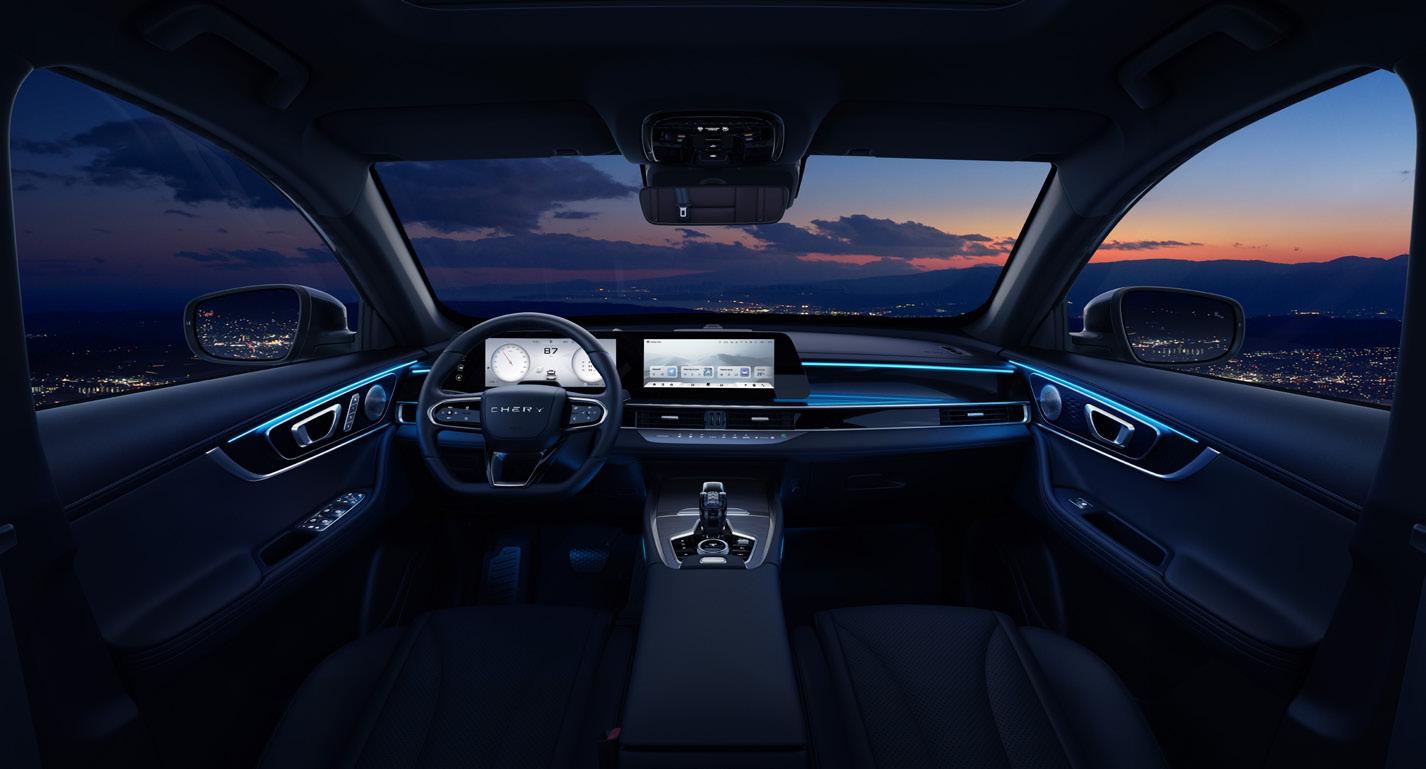
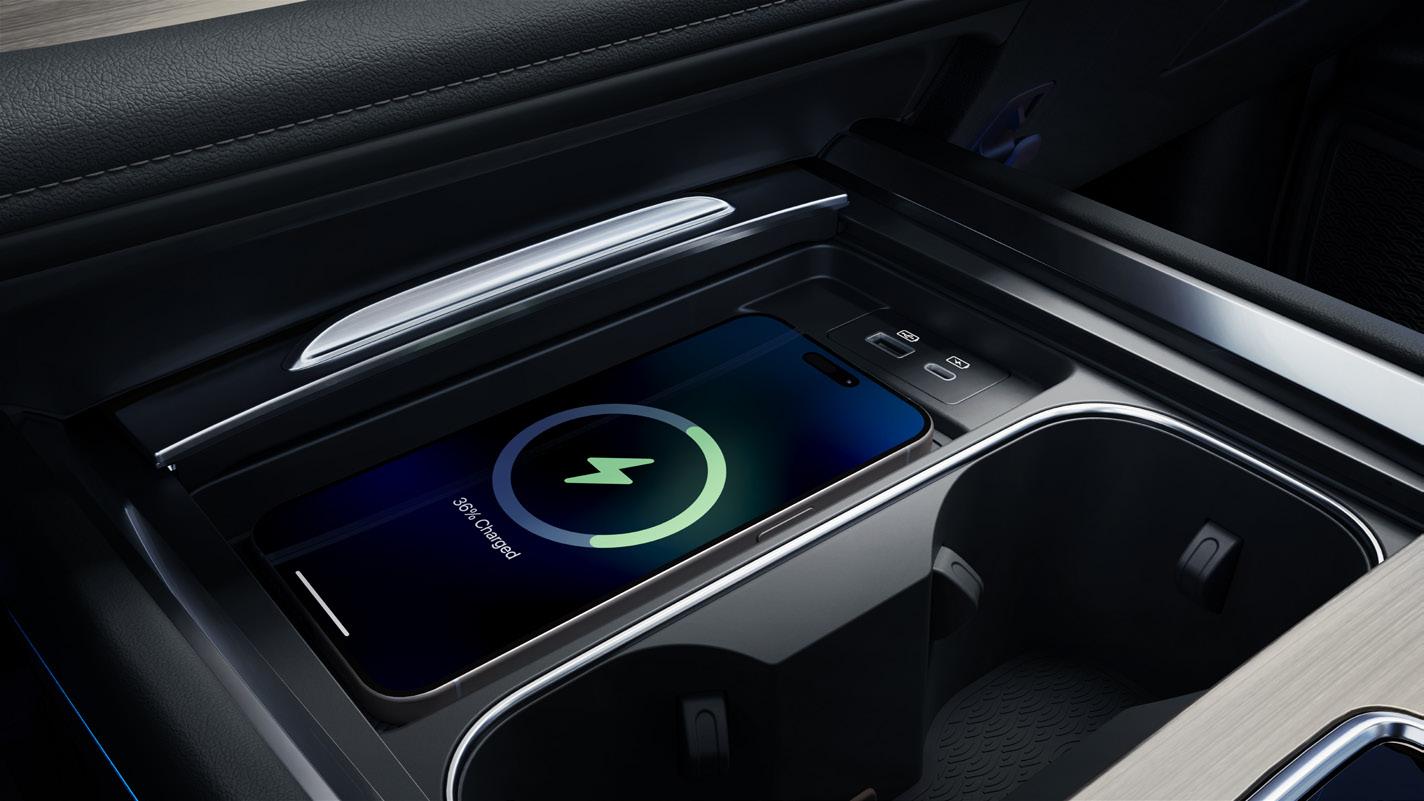
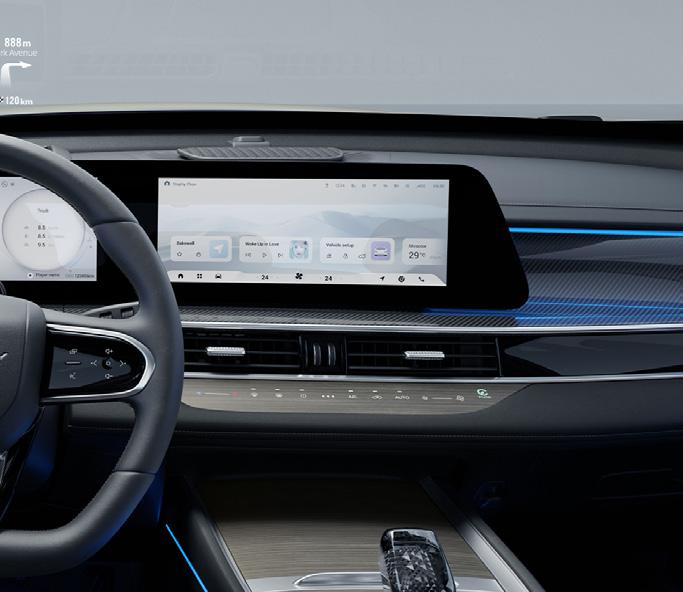
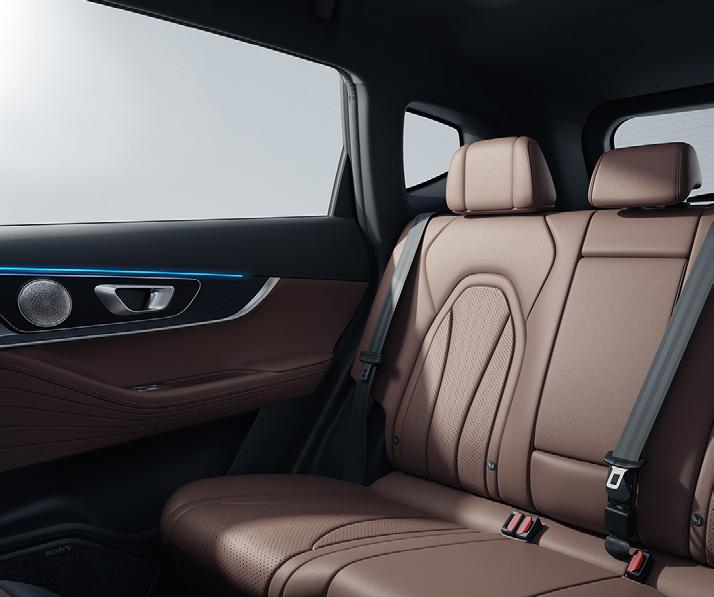

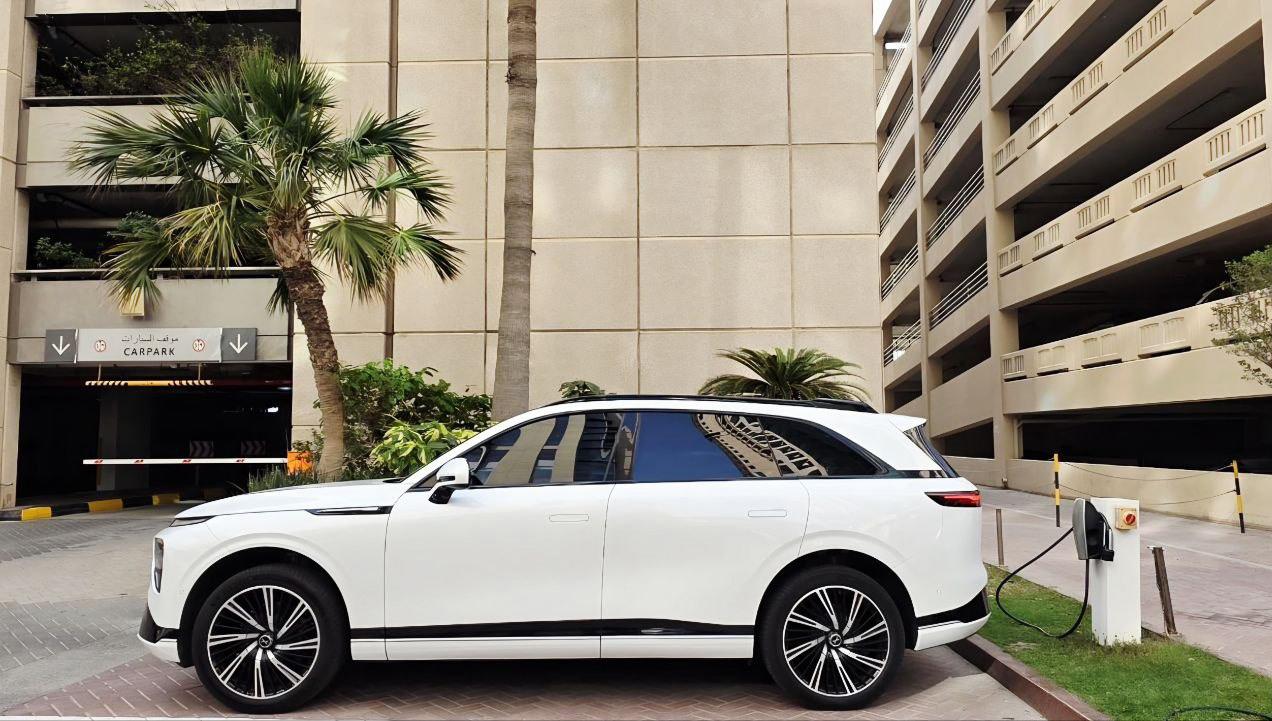
THE SUV THAT THINKS FOR YOU XPENG G9 Performance
There is something quietly surreal about watching a large luxury SUV park itself flawlessly in a tight Dubai mall parking space while you simply sit back and observe. The XPENG G9 Performance does exactly that, and somehow manages to make it feel completely normal. In a market increasingly crowded with electric SUVs chasing the same formula, the G9 arrives with a very different personality.
It feels less like a traditional car and more like a rolling technology lounge designed around convenience, comfort, and intelligence.
Driving the G9 Performance immediately reveals just how refined XPENG’s flagship SUV has become. It combines the instant acceleration expected from a high-powered EV with the calmness of a luxury cruiser, while wrapping everything in
By Shereen Shabnam
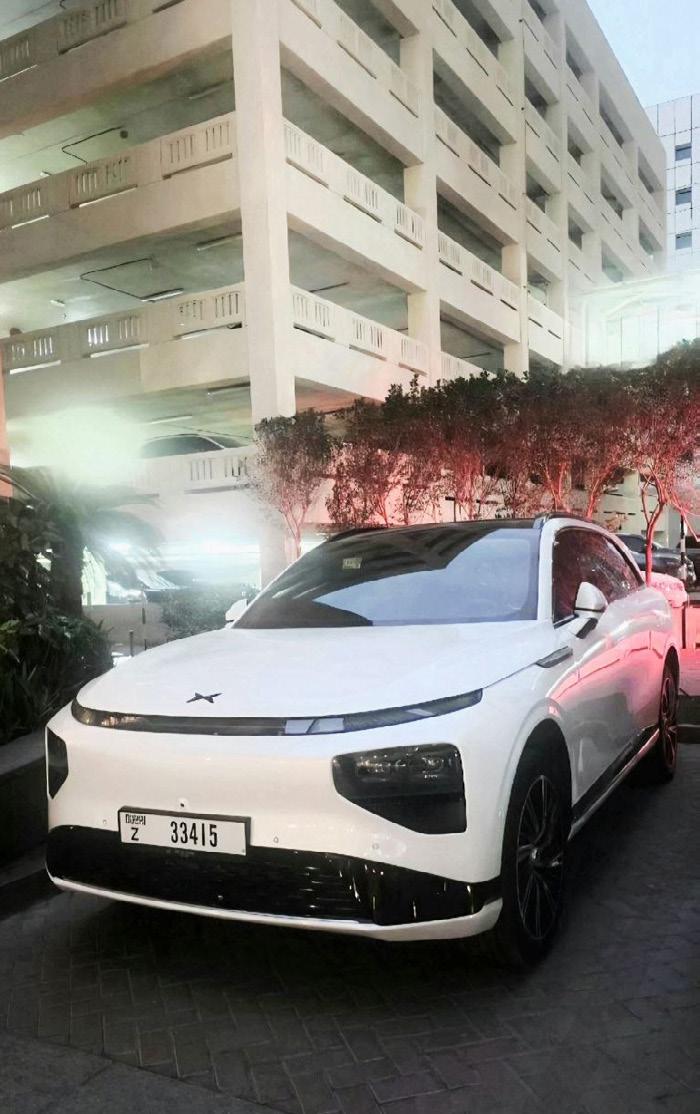
futuristic software and remarkably advanced driver assistance systems. More importantly, it never feels overwhelming. The technology works naturally around the driver rather than demanding attention. The result is an electric SUV that feels genuinely futuristic without sacrificing usability.
EXTERIOR
The G9 Performance has a clean, minimalist design language that avoids unnecessary aggression. Instead of sharp drama, XPENG has gone for sophistication. The flush door handles, uninterrupted LED light signature, frameless doors, and sculpted surfaces give it a sleek and highly aerodynamic appearance.
In Dubai traffic, the G9 stands out not because it shouts for attention, but because it looks incredibly modern and
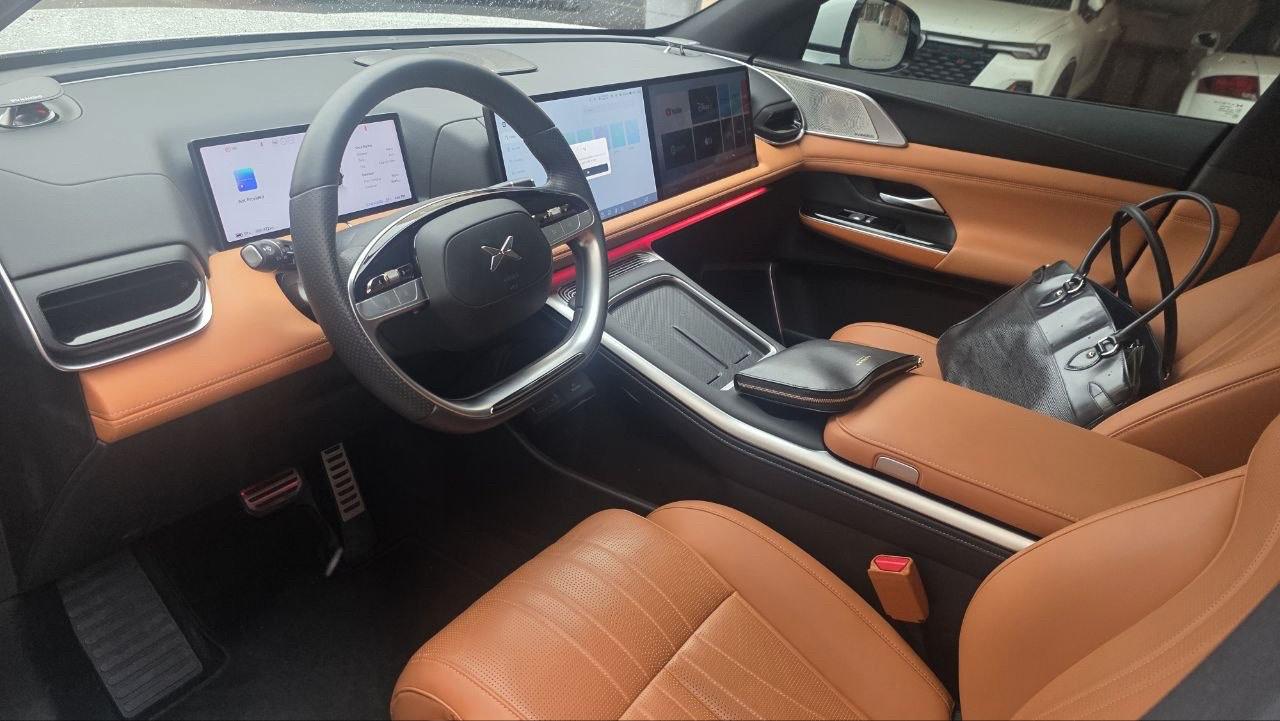
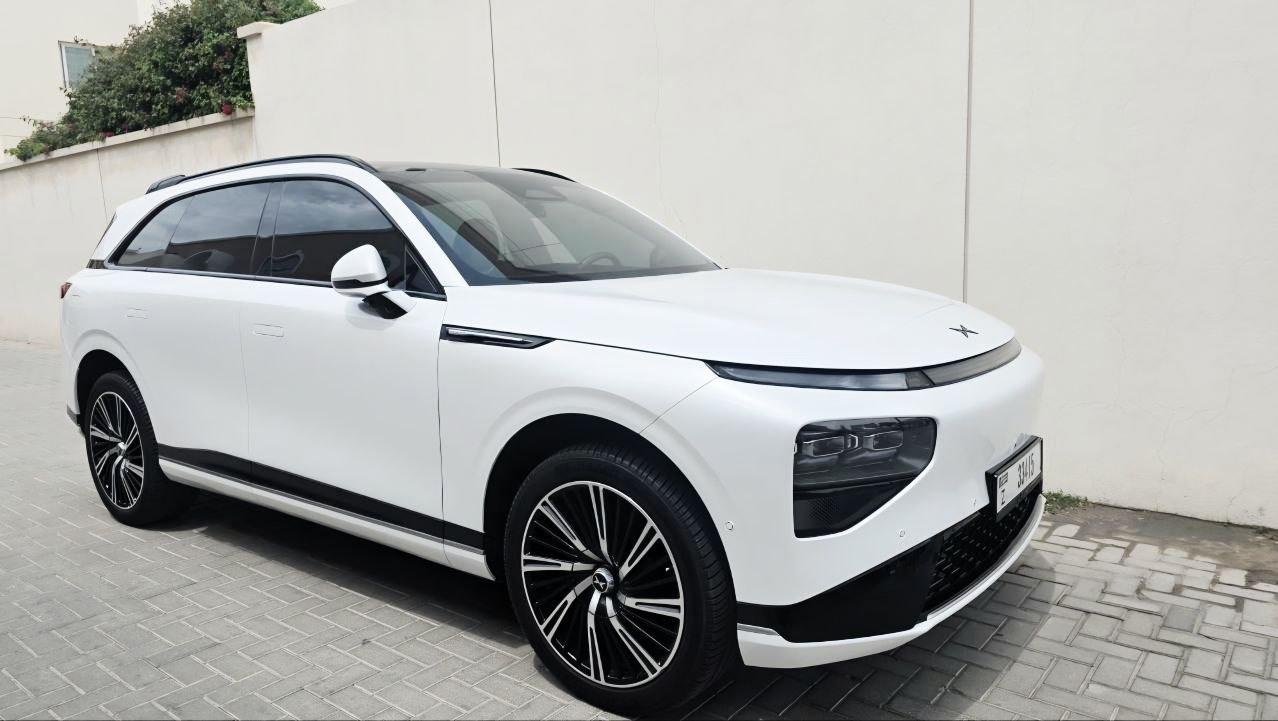
composed. The proportions are elegant, helped by its long wheelbase and low, planted stance. The black detailing on the Performance variant gives it a more premium, sporty presence, while the large wheels complete the upscale aesthetic. It has the visual confidence of a luxury premium SUV, but with a distinctly tech-forward personality.
INTERIOR
Step inside the G9 and the atmosphere changes completely. The cabin feels more like a luxury lounge than a conventional SUV. Premium Nappa leather, soft-touch materials, ambient lighting, and a panoramic glass roof create an airy and genuinely high-end environment.
The seats are exceptionally comfortable, especially during long drives across Dubai and Abu Dhabi. Massage functions, ventilation, heating, thigh support, and extensive electric adjustment make it one of the
most relaxing cabins in its segment. Rear passengers are equally spoiled with generous legroom and reclining seats, while the flat EV floor makes the space feel even larger.
One of the highlights is the sense of silence inside the cabin. Combined with the dual-chamber air suspension, the G9 glides over uneven roads with remarkable composure. Even at highway speeds, it remains refined and impressively insulated from the outside world.
TECHNOLOGY
This is where the XPENG G9 truly separates itself from many rivals. The triple-screen layout instantly dominates the cabin, powered by the Snapdragon 8295 chipset and XPENG’s Xmart OS. The interface is fast, intuitive, and visually sharp, while wireless connectivity and over-the-air updates make the entire experience feel more like a smart device than a
traditional infotainment system. Then there is the self-parking system, easily one of the most impressive features of the car. The G9’s XPILOT system supports enhanced automatic parking, remote parking assistance, summon functions, and 360-degree camera integration.
Watching the SUV carefully manoeuvre itself into parking spaces in busy urban environments feels genuinely futuristic, and after using it a few times, it quickly becomes addictive.
Voice control is another standout. The “Hey XPENG” assistant handles navigation, media, climate settings, and various vehicle controls through natural interaction. Unlike many systems that feel gimmicky, this one feels genuinely useful during everyday driving.
PERFORMANCE
The Performance variant delivers serious numbers. With dual-motor allwheel drive producing 575 hp and 695 Nm of torque, the G9 launches from 0-100 km/h in just 4.2 seconds.
But what impresses most is not simply the acceleration but how effortlessly the power is delivered. The SUV feels smooth, refined, and surprisingly composed for something this large. Even aggressive acceleration feels controlled and polished.
The adaptive air suspension deserves particular praise as the G9 balances comfort with body control, and absorbs rough road surfaces beautifully while still maintaining confidence through corners. The 800V charging architecture is another major advantage, allowing extremely rapid charging times that dramatically improve long-distance usability.
OUR VERDICT
The XPENG G9 Performance feels like a glimpse into where luxury SUVs are heading. It delivers the comfort and refinement expected from premium brands, but layers it with genuinely intelligent technology that enhances everyday life rather than complicating it. What stays with you most is the acceleration, the futuristic cabin and the way the car quietly assists, adapts, parks itself, and simplifies driving.

BIG, BOLD AND BUILT FOR EVERYWHERE
2026 Chevrolet Tahoe Z71
Some SUVs are designed for school runs, while others are designed to make every journey feel like an expedition. The 2026 Chevrolet Tahoe Z71 belongs firmly in the latter category. Massive in presence yet surprisingly refined behind the wheel, the latest Tahoe continues Chevrolet’s formula of blending full-size American muscle with modern technology and genuine off-road capability.
Driving the Tahoe Z71 around Dubai immediately reminds you why large SUVs still command such loyalty in the region. From Sheikh Zayed Road to rougher desert-edge terrain outside the city, the Tahoe feels completely at home.
It is commanding without feeling cumbersome, luxurious without losing its rugged edge, and powerful in a way that only a naturally aspirated V8 can deliver. The Z71 trim adds an extra layer of adventure-focused character to the
By Shereen Shabnam
Tahoe, giving it a tougher visual identity and enhanced off-road credentials.
EXTERIOR
The Tahoe Z71 looks every bit the fullsize American SUV. Its sheer scale alone gives it presence, but Chevrolet has added enough rugged detailing to ensure the Z71 stands apart from more urbanfocused variants. The high-approachangle front fascia, black tubular assist steps, red recovery hooks, and aluminium skid plate immediately signal its off-road intentions.
Combined with the dark exterior detailing and large 20-inch machined wheels with technical grey accents, the Tahoe Z71 carries a muscular and purposeful stance that feels perfectly suited to the Middle East. The panoramic power sunroof adds a welcome sense of openness, as does the elevated driving position and extensive camera systems.
INTERIOR
Inside, the Tahoe Z71 balances rugged practicality with genuine comfort remarkably well. The cabin feels spacious in every direction, with three rows capable of comfortably accommodating adults without compromise.
The Gideon and Dark Atmosphere leather interior trim gives the cabin a premium feel, while heated front and secondrow seats, tri-zone climate control, and extensive power seat adjustments make long-distance journeys effortlessly comfortable.
We love that there are storage spaces everywhere and the large centre console with freezer mode feels especially useful in the UAE climate. The power-folding third-row seats also make cargo flexibility far easier when switching between passengers and luggage. Rear passengers are especially well catered for with
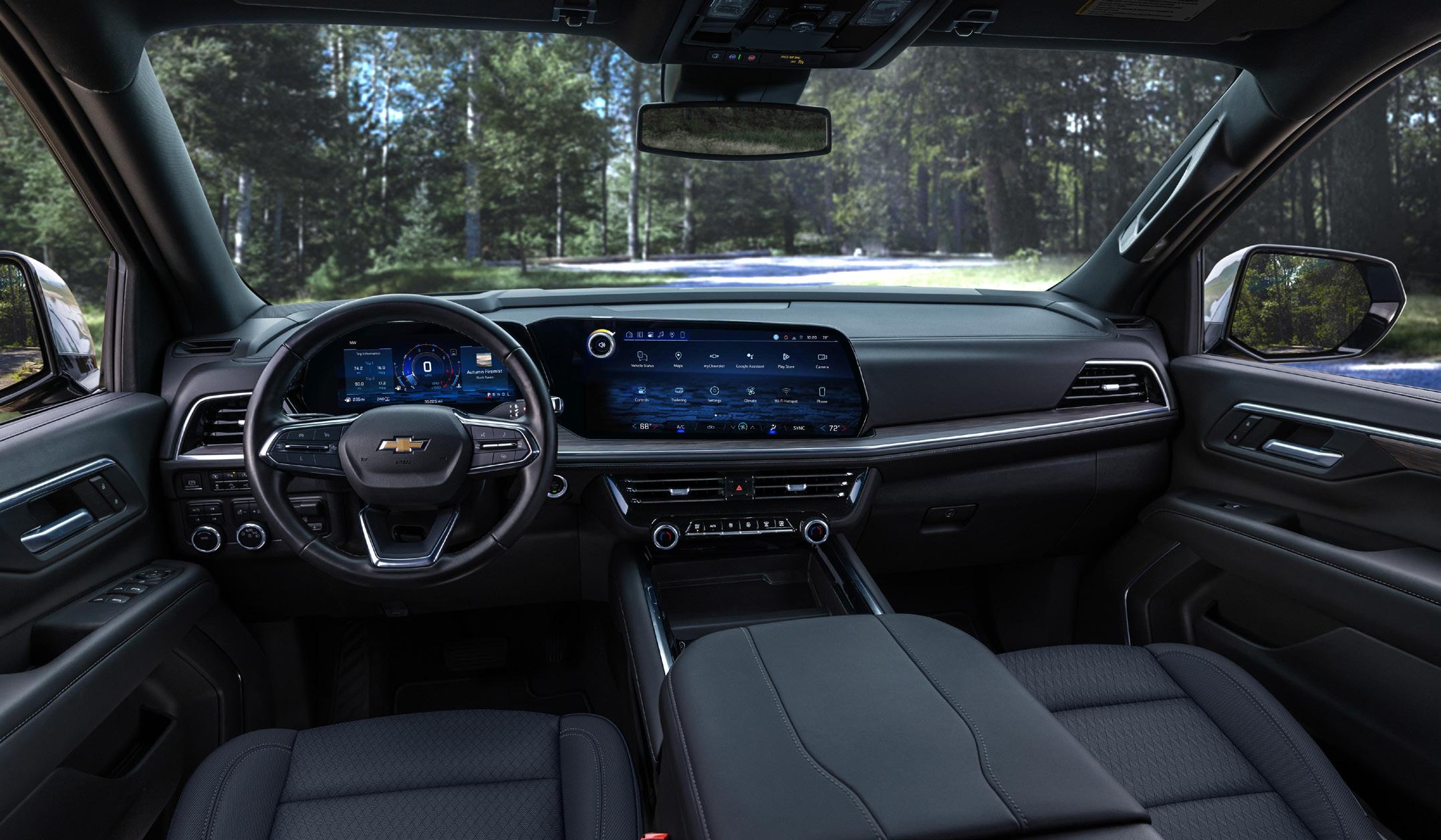
the available Rear Seat Entertainment System, turning family road trips into genuinely relaxing experiences.
TECHNOLOGY
Chevrolet has significantly modernised the Tahoe’s technology experience, and the Z71 benefits from a comprehensive suite of connectivity and driver assistance systems. Wireless Apple CarPlay and Android Auto work seamlessly, while 5G connectivity capability keeps the Tahoe feeling constantly connected. The premium branded surround audio system delivers impressive sound quality, particularly when paired with the quiet cruising refinement of the SUV.
The HD Surround Vision camera system is arguably essential, dramatically improving confidence while parking and manoeuvring in tighter spaces. Adaptive Cruise Control, Enhanced Automatic Emergency Braking, Lane Keep Assist, Rear Cross Traffic Alert with Braking, and Side Obstacle Detection all operate discreetly in the background to make daily driving feel less demanding.
PERFORMANCE
The Tahoe Z71 is powered as standard by a 5.3-litre V8 paired with a 10-speed automatic transmission, but the available 6.2-litre EcoTec3 V8 transforms the experience entirely. It delivers effortless power with the kind of smooth, naturally aspirated response that has become increasingly rare in today’s turbocharged
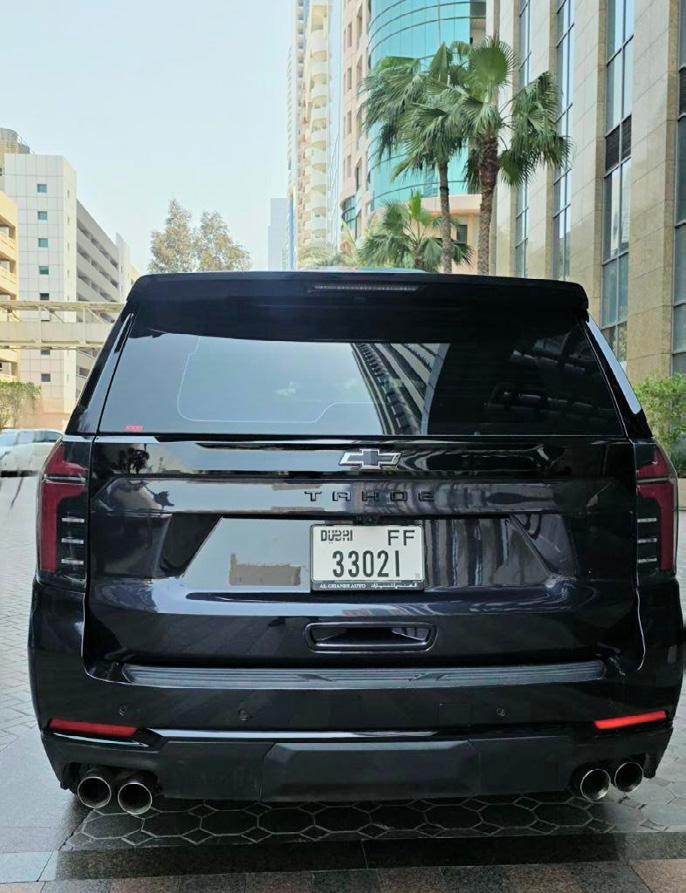
world. The dual exhaust system adds a subtle but satisfying V8 soundtrack without becoming overwhelming.
What impresses most, however, is how the Air Ride Adaptive Suspension and Magnetic Ride Control dramatically improve ride comfort and body control. This allows it to glide over rough surfaces while still remaining stable at higher speeds. Off-road capability is equally strong. The two-speed Autotrac transfer case, electronic limited-slip differential, hill descent control, and off-road capability package give the Z71 genuine confidence away from paved roads.
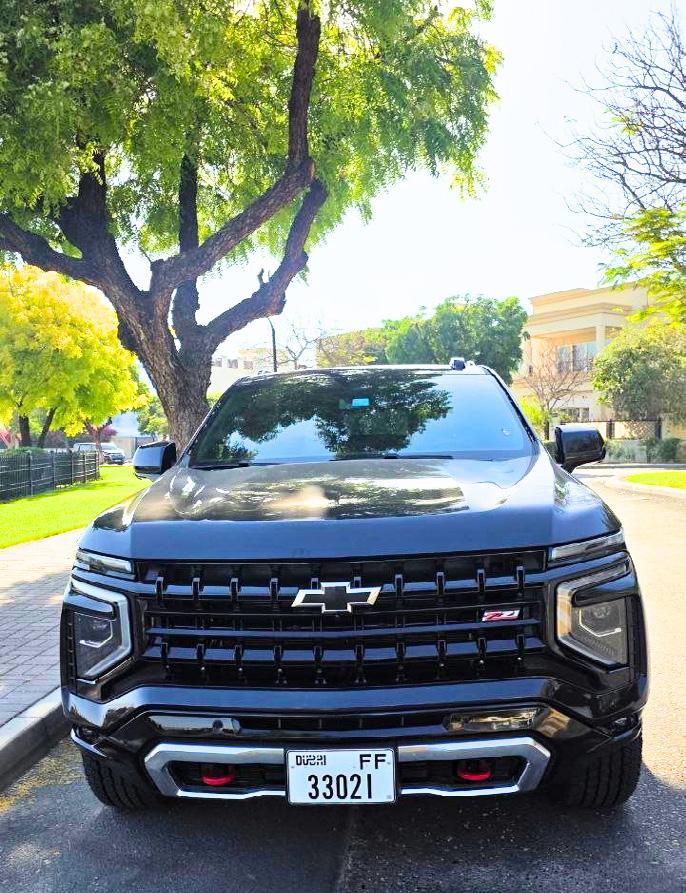
OUR VERDICT
The 2026 Chevrolet Tahoe Z71 remains one of the most complete full-size SUVs on the market. It delivers exactly what buyers in this segment want: commanding presence, immense practicality, genuine V8 performance, serious off-road capability, and the ability to carry an entire family in complete comfort.
The Z71 trim adds just the right amount of adventure-focused attitude to the formula. It looks tougher, feels more capable, and still manages to deliver the comfort expected from a premium family vehicle.
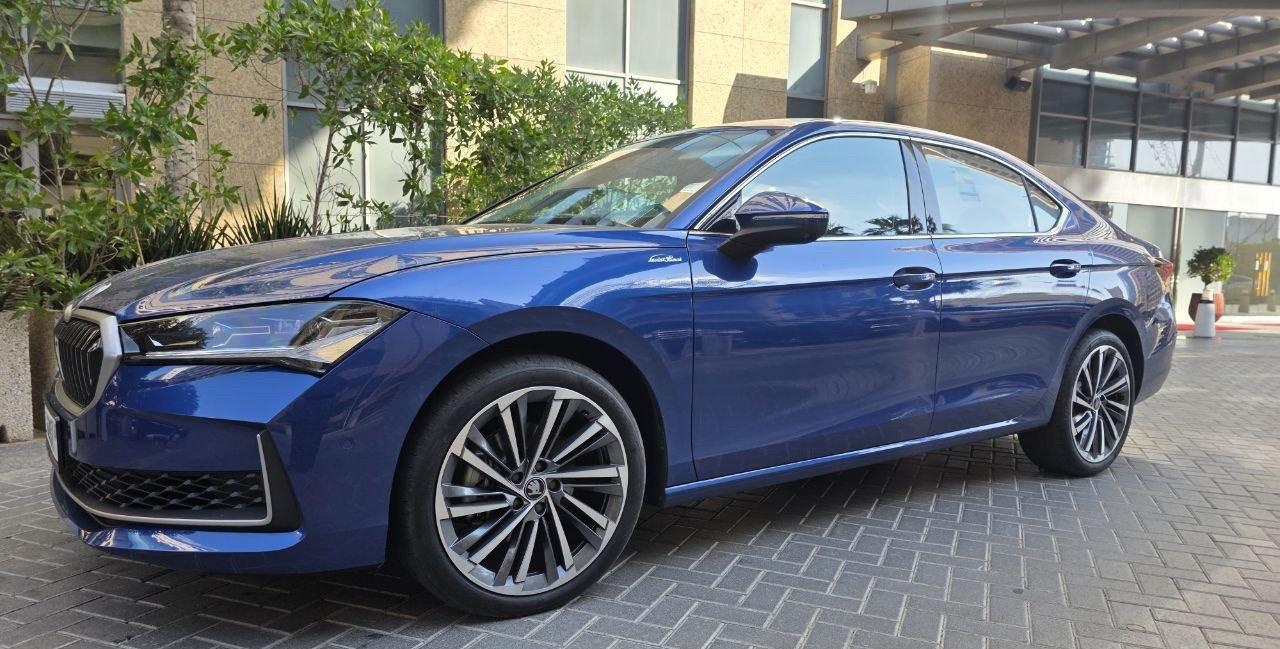
THE RETURN OF QUIET LUXURY
Driving the All-New Škoda Superb
There was always something refreshingly understated about the Škoda Superb. It quietly built a reputation for offering extraordinary space, comfort, and intelligence and elevated what it offers into something genuinely sophisticated. Driving the new Superb through Dubai immediately reveals how much the model has matured.
It feels more premium, more refined, and more technologically advanced than ever before, while still retaining the practicality and usability that made it so successful in the first place. In many ways, it feels like a luxury sedan disguised as a sensible family car. The result is a car that delivers elegance without arrogance.
EXTERIOR
The all-new Superb has evolved into a far more polished and upscale-looking sedan. The design is sharper, cleaner, and noticeably more aerodynamic, yet still unmistakably Škoda. The wide grille, sculpted bonnet, and sleek proportions give it a commanding
By Natasha Dury

road presence without trying too hard. What stands out most is the balance between elegance and practicality. The crystalline-inspired LED Matrix headlights add a premium signature to the front end, while the flowing body lines create a silhouette that feels both executive and contemporary. The rear lighting design, complete with animated indicators, further enhances the car’s
modern identity. There is a maturity to its subtle design that feels increasingly rare in today’s market.
INTERIOR
Step inside and the Superb immediately lives up to its name. The cabin feels exceptionally spacious, airy,

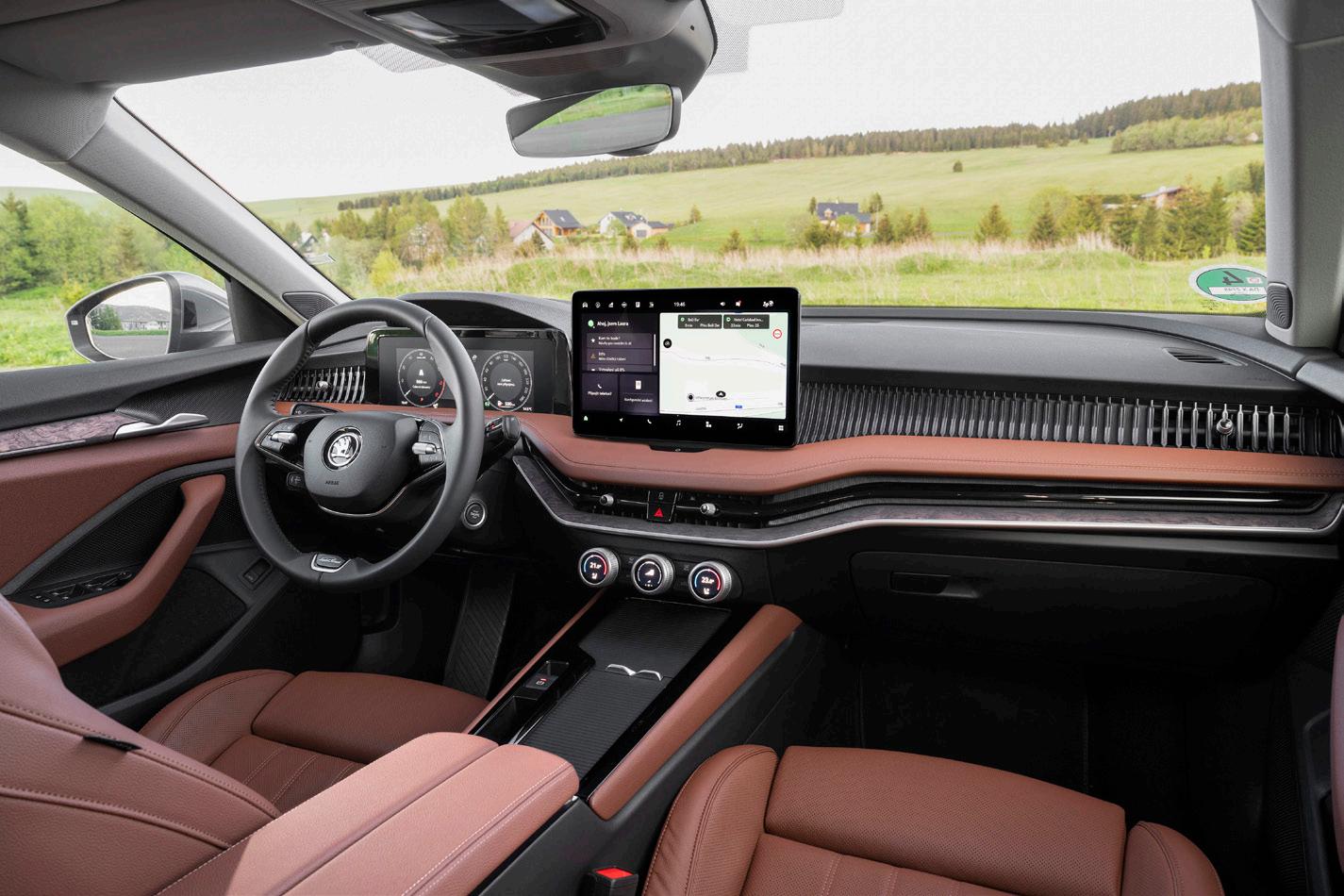
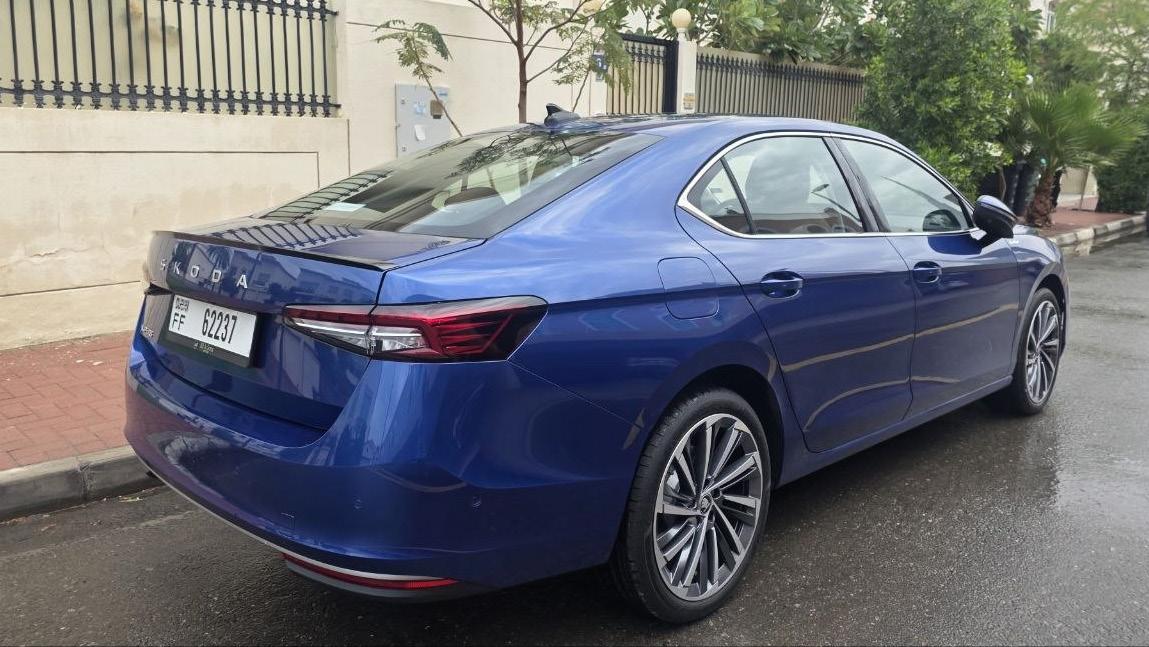
and thoughtfully designed. Škoda has successfully blended digital sophistication with tactile usability, something many manufacturers still struggle to achieve. The materials feel noticeably more premium than before, ambient lighting, and beautifully
sculpted seats create a comfortable environment.
The Ergonomic seats deserve particular praise. With heating, cooling, massage functions, lumbar support, and extensive electric adjustment, they transform
long drives into genuinely relaxing experiences. On longer highway journeys between the different Emirates, the Superb feels remarkably comfortable and refined.Rear seat passengers are equally well looked after. Legroom is outstanding, while clever storage spaces, wireless charging, and thoughtful touches throughout the cabin reinforce Škoda’s reputation for intelligent practicality.
TECHNOLOGY
The Superb embraces modern technology without making the experience feel complicated. The new 13-inch infotainment display is crisp, responsive, and easy to navigate, while the 10inch Virtual Cockpit keeps essential information directly in the driver’s line of sight. The optional Head-up Display further enhances the driving experience, especially during longer motorway drives. One of the smartest features is Škoda’s new Smart Dials.
These tactile rotary controls cleverly combine physical interaction with digital functionality, allowing quick access to climate, volume, and various vehicle settings without diving endlessly through menus. Safety technology is equally impressive. Adaptive Cruise Control, Intelligent Park Assist, Front Assist, Side Assist, Emergency Assist, and Rear Cross Traffic Alert all work seamlessly in the background to make daily driving feel safer and less stressful.
PERFORMANCE
Under the bonnet, the UAE-spec Superb is powered by a 2.0-litre turbocharged petrol engine producing 190 hp and 320 Nm of torque, paired with a sevenspeed DSG automatic transmission. The numbers may not sound dramatic, but on the road, the Superb feels smooth, composed, and effortlessly capable. Acceleration is progressive rather than aggressive, with the sedan reaching 100 km/h in 7.8 seconds.
OUR VERDICT
The all-new Škoda Superb feels like one of the automotive industry’s best-kept secrets. It offers the space of a luxury limousine, the technology of a modern executive sedan, and the practicality of a family car, all wrapped in an elegant and intelligently designed package. Quietly luxurious, deeply practical, and impressively refined, the new Superb more than lives up to its name.
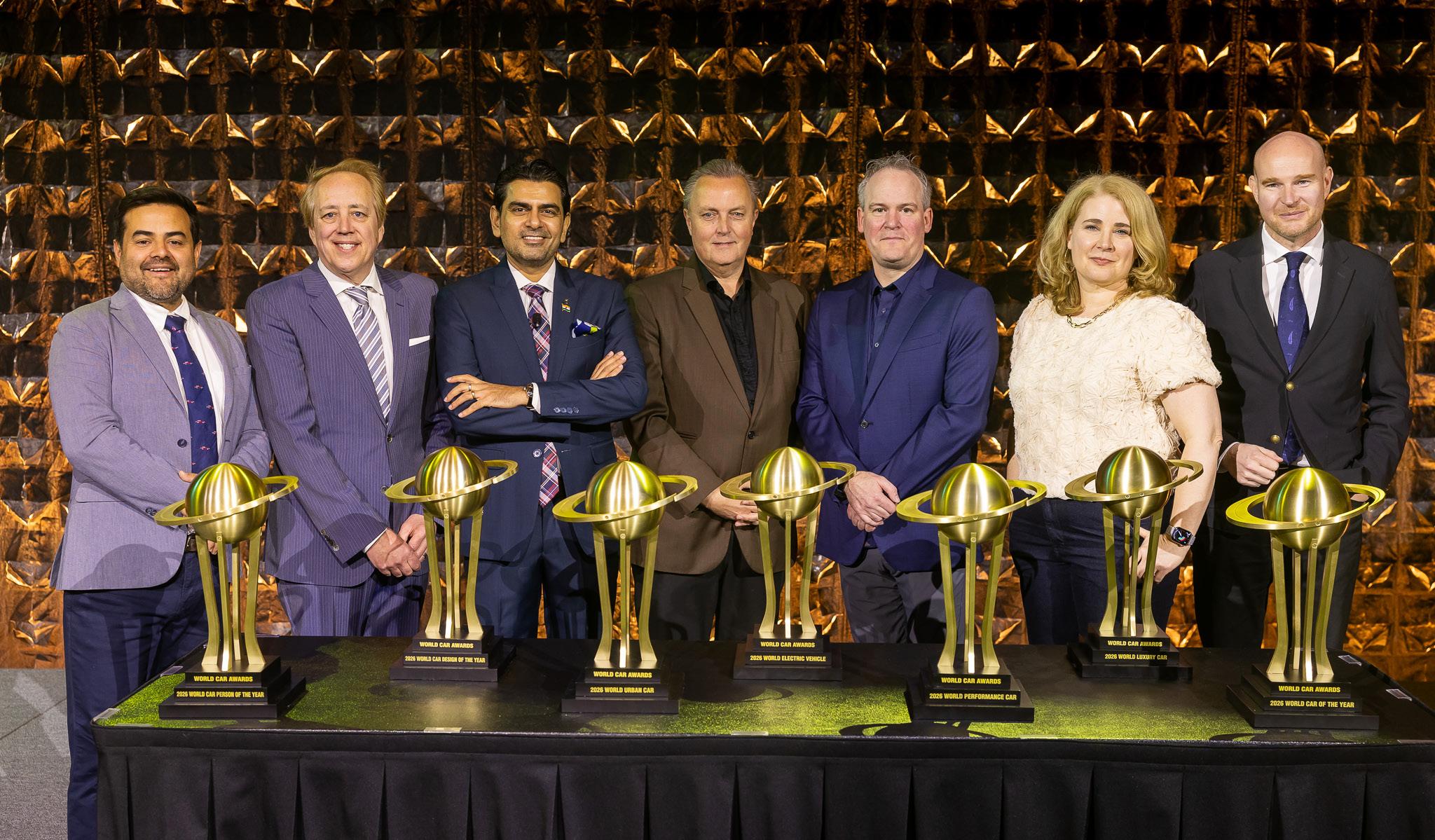
WORLD CAR AWARDS 2026
DRIVING THE FUTURE FORWARD
There is a moment, just before the results are revealed, when everything comes down to a single decision collectively by the jury of World Car Awards. Months of testing, debating, and quietly scoring vehicles across continents culminate in one global verdict. As one of the 98 jurors for the World Car of the Year, that moment never loses its intensity.
This year, the World Car Awards 2026, held at the New York International Auto Show, delivered a powerful snapshot of where the automotive world is heading. Electrification dominates, design is more emotional than ever, and performance has entered a new era, one that blends speed with intelligence.
A NEW ERA LED BY BMW
The BMW iX3 claimed the ultimate title of World Car of the Year 2026, while also securing World Electric Vehicle. The iX3
By Shereen Shabnam
stood out for its balance and represents a clear shift in how seamlessly technology can integrate into everyday driving. The Neue Klasse philosophy is evident, not just in its design language but in how intuitively it connects driver, machine, and digital ecosystem. Yet, while BMW took the headline title, the real story of 2026 lies deeper, in the brands redefining specific segments with conviction.
HYUNDAI PERFORMANCE, REDEFINED
If there was one category that sparked passionate debate among jurors, it was performance. And in the end, the Hyundai Ioniq 6 N emerged as the clear winner of World Performance Car 2026. This was not just a win, it was a statement.
Hyundai has steadily built credibility in the performance space, but the Ioniq 6 N takes things further. It challenges long-
held assumptions about what an electric performance car should feel like. During testing, what stood out wasn’t just acceleration, it was engagement. The car communicates, responds, and delivers a level of driver involvement that many thought would be lost in the transition to electrification.
As jurors, we are not just evaluating numbers but also assessing emotional connection. And the Ioniq 6 N delivered that in a way that felt fresh, accessible, and genuinely exciting.
LUCID LUXURY WITHOUT COMPROMISE
Luxury is evolving and the Lucid Gravity, winner of World Luxury Car 2026, captures that transformation perfectly. What impressed us most was how
effortlessly the Gravity blends seemingly opposing qualities.
It has the space and practicality of a fullsize SUV, yet drives with a composure that feels closer to a performance sedan. The cabin experience is equally compelling, minimalist yet indulgent, technological yet human-centric. In a segment where legacy brands have long dominated, Lucid is carving out its own identity and this clarity of vision is exactly what sets a winner apart.
MAZDA DESIGN THAT STILL MOVES THE SOUL
In an era increasingly dominated by SUVs and digital interfaces, the Mazda 6e / EZ-6 winning World Car Design of the Year 2026 feels almost poetic.
Mazda’s KODO design philosophy has always emphasized motion, even at a standstill, and this latest iteration elevates that idea further. During evaluation, what resonated with many of us on the jury was the craftsmanship. There’s a human touch to the design, a sense that it has been sculpted rather than engineered alone.
It is also significant that a sedan has taken top honors in design. It signals that great design transcends trends. It reminds us that emotional appeal still matters.
FIREFLY SMALL CAR, BIG CITY IMPACT
Winning the 2026 World Urban Car title, the Firefly proves that compact electric mobility can be both intelligent and engaging. Designed for modern city life,
it blends efficiency with a fresh, userfocused approach to everyday driving. More than just a small car, Firefly signals a shift toward smarter, more intuitive urban transport.
A GLOBAL SNAPSHOT OF WINNERS
While Hyundai, Lucid, and Mazda stood out in their respective domains, the full list of winners paints a broader picture of innovation across segments:
• World Car of the Year / World Electric Vehicle: BMW iX3
• World Performance Car: Hyundai Ioniq 6 N
• World Luxury Car: Lucid Gravity
• World Car Design of the Year: Mazda 6e / EZ-6
• World Urban Car: Firefly
WHAT REALLY MATTERS
Being part of the World Car Awards jury is about recognizing progress. Each vote is shaped by real-world experience: driving these cars across different environments, understanding their intent, and evaluating how well they deliver on it. What became clear in 2026 is that the industry is no longer moving in a single direction. Instead, it’s expanding, simultaneously pushing boundaries in performance, luxury, design, and accessibility.
Hyundai is proving that electric performance can be thrilling. Lucid is redefining modern luxury with confidence and Mazda is reminding us that design is an emotional language. And together, these winners represent something larger than individual achievements and they represent a shift in mindset. The Firefly, in particular, deserves mention for redefining urban mobility. Compact, electric, and thoughtfully designed, it reflects how cities, and the cars that serve them, are evolving rapidly.
THE ROAD AHEAD
The automotive landscape is evolving faster than ever and the winners of the World Car Awards 2026 are not just the best cars of today, they are indicators of what tomorrow will look like. From my perspective as a juror, the most exciting part is not who won. It is what their victories tell us about where we are going next.
ROAD TO REDEMPTION
The Noise, The Pressure, and the Forgotten Human Spirit
I usually don’t have much difficulty with words., But when I wanted to write something for this issue, I stared long and hard at the blank screen with a zillion thoughts and words in my mind, yet unable to frame them properly….
The only sentence that kept recurring in my head was, “what are you going to say that the world hasn’t heard before and how are you even going to attempt to get through to a race, bombarded with overwhelming noise every single minute of their lives?”
And without any rational explanation, a video that my friend sent me some time ago crossed my mind. It was a real footage from a CCTV of a convenience store in Texas of about 90 seconds. A slightly bent petite frail old woman in a worn-out dress that reached her ankles and a sweater a tad too big was ambling slowly to the counter with a few things. She put a small carton of milk, bread, few bananas on the counter and the man behind it proceeded to bill it.
He put the goods in a bag and placed it in front of her patiently waiting while she opened an old, frayed purse and peering closely inside, counted some change with shaky hands. At that very moment, the door burst open and a young man in a hoodie rushed in with a gun in his hand. Pointing the gun at the cashier, he shouted something and the cashier, without any resistance, emptied the till, put the money in a bag and handed it over.
In these few seconds, the young man with the gun casually glanced at the old woman and tipped his left hand in a small salute. The old woman momentarily paralyzed in shock, met his gaze and said in a feeble voice, “Son, this is all I have,” and with trembling hands handed over her frayed purse to him.
The young man took the old purse and looked inside curiously. He then looked at her directly for a few seconds, reached out and gently kissed her on her forehead. Pulling out a few notes from the bag, he put it in her hand and said, ‘Gran, I don’t want your money. Please keep this,” and ran out as fast as he rushed in.
I couldn’t help the tears rolling down my cheeks slowly. I couldn’t help feeling sympathetic to
Jani Viswanath (PhD)
him and wishing that the cops would not be able to catch him in spite of the evidence they had, I couldn’t help feeling that we, as a race have failed the youth. Yes, he was stealing, but there seemed to be an inherent goodness in his spontaneous reaction to the old woman which told me that he was brought up with kindness and love. Maybe the theft was an act of sheer desperation for a problem he did not know any other way around.
An old African proverb “A child that is neglected by the village will burn it down to feel its warmth.” Couldn’t be more apt. We are collectively responsible for shaping up the new generation and we cannot throw this on them.
The sinner is within each one of us and so is the saviour. The full circle, right from school, to work to married life, is fraught with expectations, comparisons and constant pressure to be better.
Society is unforgiving, ruthless and incapable of even the patience to understand youth. We have created a system that rewards selfishness, self-obsessiveness and arrogance mistaken for confidence.
We have created idols and influencers of youth who, themselves pumped up with cosmetic enhancements and filters, parade unrealistic goals of self-esteem and development and get rewarded with adulation and financial success however fleeting it may be.
The lack of real opportunities to make a decent living, the persisting numbness with the social bombardment and the loneliness that creeps in because the youth constantly portray an illusionary, pretentious hollow life, leave them vulnerable and fragile inside.
It is unfortunate that we have convinced ourselves that evolution means a better lifestyle, better comforts, better technology, without remembering that evolution is actually inside out.
It’s still not too late for the road to redemption. We can pause the clock and turn things around if we passionately seek to make the change.

Life is all about making choices. Each choice shapes our collective destiny and our choice to support and empower our youth through these challenging, chaotic times will shape theirs.
The power to choose lies within, and every decision, no matter how small or big, can either lift you up or bring you down.
Let us choose wisely and refuse to be led like sheeple on a path we neither desire nor agree with and that means a firm No to violence, negativity, hatred and abuse of other livesbe it human, animal or nature.
In world where you can be anything you want to be - let us just start with being kind.
Jani Viswanath is a humanitarian, artist, author and film producer who believes in the power of storytelling to inspire peace and empathy. She is dedicated to uplifting lives with stories that bridge cultures and has meaningful impact across communities worldwide