Distribution: New issues of the Shepherd Express magazine are on the street, on the first Wednesday of each month, free of charge. The Shepherd Express may be distributed only by authorized distributors. No person may, without prior written permission of the Shepherd Express, take more than one copy of each monthly issue. Mail subscriptions are available. No refunds for early cancellations. One year (12 issues) via First Class mail: $100.00.
207 E. Buffalo St., Suite 410, Milwaukee, WI 53202 Phone: 414/276-2222
Dual Endorsements for Governor David Crowley & Kelda Roys
As
well as additional endorsements for competitive august 11 primary races.
BY THE SHEPHERD EXPRESS ENDORSEMENT COMMITTEE
Being governor is an extraordinarily complex and difficult job managing a $100 billion budget to best serve Wisconsin’s approximately six million residents. Being governor is definitely not a job for amateurs. To successfully serve the six million Wisconsinites, the governor needs to have hands on managerial experience, understand complex financial decisions and have the respect of members from both chambers of the legislature so he or she can get their legislation passed and to the governor’s desk for signature.
DUAL ENDORSEMENTS
The Shepherd encourages our readers to consider supporting either Milwaukee County Executive David Crowley or State Senator Kelda Roys. They are both very experienced and qualified, and either one could do a good job as governor. The winner of the August 11 primary will face Republican Tom Tiffany who is 100% with Donald Trump. Tiffany enthusiastically supported Donald Trump’s Big Beautiful Bill which cut taxes for the millionaires and billionaires and added an estimated $3.4 trillion to our national debt while making the largest ever federal cuts to health care, educational programs and food assistance programs.
David Crowley’s life history is a classic American success story. He grew up in the inner-city of Milwaukee and his parents struggled with narcotics addiction issues. As a child he saw his family suffer the trauma and humiliation of three home evictions. On an upbeat note, Crowley’s parents recovered from their addiction issues. As a very smart child, he quickly learned that “grit, resilience, and hope for a better future tomorrow can carry us through even the toughest challenges.” Crowley graduated from Bay View High School and UWM.
He is the classic self-made man. He held a few public service nonprofit jobs building community and then was elected twice to the state assembly. In 2020 during the pandemic, Crowley was elected Milwaukee county executive. He is married with three children.
David Crowley was straightforward about something all voters should know. “The Republican Governors Association is bankrolling millions right now, not to attack a Democrat, but to boost one, because they’ve decided which Democratic nominee they can beat in November. We cannot let the GOP choose the Democratic nominee they can beat in November.” Crowley continued, “Democrats cannot afford to head into the general election with a nominee who lacks the experience, the record, or the coalition necessary to win, especially with Republicans actively trying to hand us that outcome. This election is too important to gamble on.”
As Milwaukee County Executive, Crowley inherited a county in some disarray after several years of a weak county executive leaving the county with a number of problems. Crowley has done more than just discuss these problems, he immediately worked to start solving them.
Milwaukee County Executive David Crowley
Photo courtesy of Crowley for Wisconsin.
For example, he strengthened public health, invested in public safety and delivered some tax relief. Milwaukee County provides the largest amount of tax revenue to the State of Wisconsin. It is definitely a donor rather than a recipient of revenues to the state.
Please consider supporting Milwaukee County Executive David Crowley for Governor.
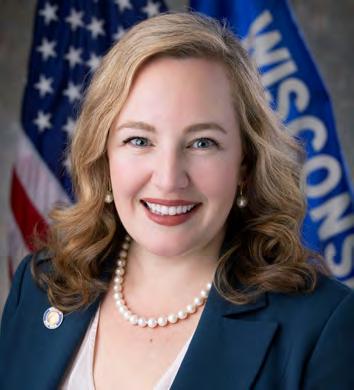
Kelda Roys was born and spent her early years in Taylor County. Her family moved to Madison when she was starting first grade, and she continued in Madison public schools graduating from Madison East High School.
She went to New York University and graduated in three years. She returned to Madison and graduated from the University of Wisconsin Law School. She is married and has three children, of which two are her stepdaughters. Kelda is serving in her second term in the state senate and previously served two terms in the state assembly.
After law school, she spent four years as executive director of NARAL Pro-Choice Wisconsin getting important management experience. In the legislature, one of her first bills that became law was the bill that prohibited baby bottles and sippy cups that contained Bisphenol A.
Over a decade ago, Kelda was one of the first legislators in the country to call for abolishing ICE. She was also one of the first to refuse corporate PAC money. She is very strong advocate for education and is currently being endorsed by Wisconsin’s largest teacher’s union, WEAC.
Some progressives talk about great ideas but have few, if any, actual accomplishments that improve the lives of the average working families. Kelda gets things done.
Please consider supporting State Senator Kelda Roys for Governor
About Sara Rodriguez
We originally endorsed Sara Rodriguez for governor. She is a very qualified person with an impressive history and breadth of experience that we felt would have made her a great governor. There were also a couple of other very qualified individuals running for governor who she narrowly edged out for our endorsement. Unfortunately, shortly after our endorsement, Rodriguez discovered that her campaign manager represented seriously inaccurate financial numbers on her state campaign finance report. Rodriguez took responsibility for the inaccuracies, fired her campaign manager, and then withdrew from
the race. We hope she will consider running in an election again since she has a lot to offer Wisconsin.
Rodriguez’s exit from the race left five individuals vying for the Democratic Party nomination for governor. After spending a few days in many Zoom meetings, phone calls and serious research re-evaluating the qualifications, experience and electability of the remaining five candidates, the Shepherd Express is making a dual endorsement.
Wisconsin State Senator Kelda Roys
Photo courtesy of Kelda Roys for Governor.
Upcoming Primary Election Races for August 11th
Congressional Races
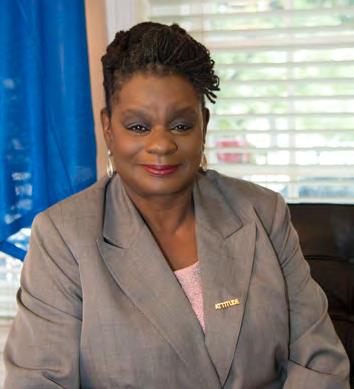
The Shepherd strongly endorses Congresswoman Gwen Moore for reelection to Congress. She has served Milwaukee in the U.S. Congress since 2005, and she gets re-elected for two reasons. Gwen is in tune with her constituents and invariably supports and votes the position of the majority of the people in her district. Secondly, she and her staff are very responsive to the needs of her constituents and the problems and challenges many of them face.
Please Support Representative Gwen Moore for re-election to congress.
The 3rd Congressional District which runs along the Mississippi River from the Illinois border to a little north of Eau Claire is Wisconsin’s Republican held congressional seat where Democrats can have an impact on the national scene. The Democrats need to flip a net three seats to gain control of the U.S. House of Representatives. Western Wisconsin voters can make a real difference if they defeat perhaps the worst congressperson, Derrick Van Orden, Wisconsin has had in recent history. Democrat Rebecca Cooke almost ousted him in 2024 but unfortunately was heavily outspent by rightwing out-of-state money and money buys negative advertising. The national Democrats seem to have learned a lesson and are currently helping her raise money.
Currently the Third District residents are suffering under poor representation by Van Orden who is a cheerleader for President Trump and his damaging policies. Gas and grocery costs are rising, health care is being cut, and billions of taxpayer dollars are wasted on Middle East wars. Van Orden repeatedly voted to cut Medicaid and the Affordable Care Act which is seriously hurting his constituents while cutting taxes for the rich, especially the super-rich. He supports war with Iran and did
nothing to prevent gas prices rising at the pump, while district dairy families go out of business and local hospitals face bankruptcy.
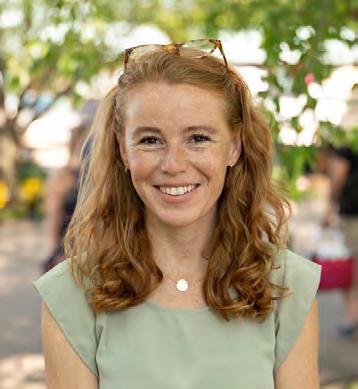
If elected to replace Van Orden, Rebecca Cooke will fight to reverse his health cuts and restore medical coverage, work to reduce gas prices, and stop wasting taxes on Middle East conflicts. She will help return control of the House of Representatives to the working people and away from the special interests. Polling shows Cooke in a very close lead. Republicans recently flew President Trump and HHS Secretary Robert Kennedy Jr. into the District in a desperate try to save Van Orden.
Please vote for Rebecca Cooke if you live on the west side of Wisconsin. If you don’t live in the district and want to help, contact her campaign and do some door-to-door canvassing in western Wisconsin. It’s lovely in the Fall when the leaves are changing colors.
State Assembly Endorsements
The Shepherd is strongly endorsing Ismael Luna for State Representative in 8th Assembly district which encompasses Historic Mitchell Street neighborhood, Walker’s Point Historic District and Lincoln Village.
The Shepherd Express endorses Democrat Rebecca Cooke for the 3rd Congressional District
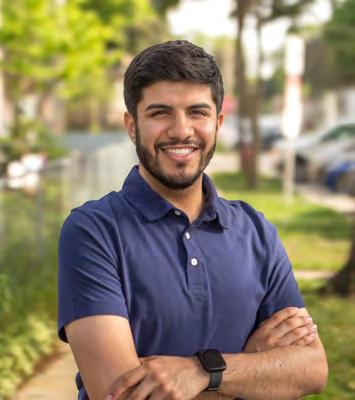
8th Assembly District: Ismael Luna
Courtesy of Cooke for Congress photo by Knorth Studios.
Photo courtesy of Ismael Luna for State Assembly.
Re-Elect Gwen Moore to the 4th Congressional District
Photo courtesy of Gwen Moore for Congress.
Luna is a community advocate and nonprofit professional who grew up on the South Side. He had a tough upbringing, becoming homeless at age 14. He persevered and worked hard and now works as a community advocate on the South Side. He works at a shelter helping people who are experiencing homelessness find a stable housing situation.
If elected to the assembly, Luna would focus on fully funding public schools, working to make health care more affordable, making housing more available and repairing our city streets which are destroying our cars.
Please vote for Ismael for State Assembly on August 11.
The Shepherd enthusiastically endorses Ryan Clancy who is running for re-election in his very liberal district that includes the East Side and Bayview. He is very popular in his district because he is willing to fight for the social justice issues his district cares about. He identifies as a democratic socialist and tries to live his politics. He served in the Peace Corps. He has taught as a substitute teacher in Milwaukee and worked as an organizer for the Milwaukee Teachers’ Education Association.
Clancy is also willing to put himself at risk such as the time in 2003 when he traveled to Iraq to protest what he correctly predicted was going to be a U.S. invasion.
We could go on with a list of the many noble causes he has publicly fought for, but the bottom line is that he is a very good fit for his district and deserves to be re-elected.
Please Vote for Ryan Clancy for reelection to Wisconsin’s 19th Assembly District on August 11.
Shepherd strongly
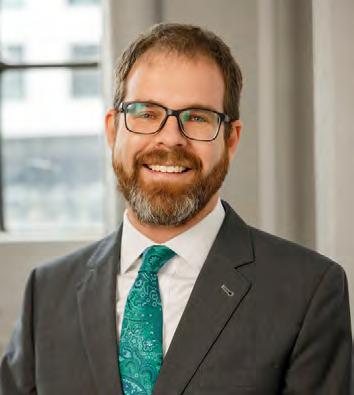
Dan Bukiewicz for State Representative in the 21st Assembly District. For the past 12 years, he has been the President of the Milwaukee Building and Construction Trades Council representing over 15,000 union tradeswomen and tradesmen. He is also in his third term as mayor of Oak Creek after serving five terms as an alderperson. He obviously does well in his jobs since he continues to get re-elected. We believe he would be a very good addition to the Milwaukee County delegation in the Wisconsin State Assembly.
Please vote for Dan Bukiewicz for State Representative in the 21st Assembly District on August 11.
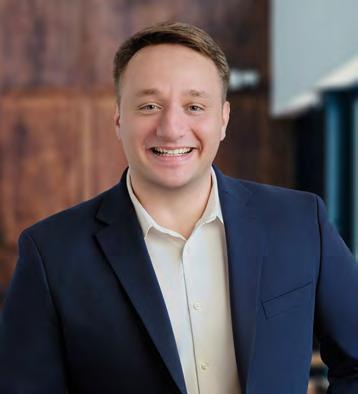
The Shepherd enthusiastically endorses Ben Brist for State Assembly in the 61st Assembly District. He was raised in a family that believed in public service. Ben graduated from West Point and Army Ranger School and then served as an Army paratrooper and infantry officer. After the service, he received a graduate degree from Harvard and then returned to his home state of Wisconsin and found the community where he and his wife plan to build a family. He is running for State Assembly to continue his desire to serve the public. Right now, Brist sees the most important issue being affordability. A large percentage of our population who have full-time jobs are having trouble just making ends meet. In the richest country in the world, if you work hard at a full-time job, Brist strongly believes that one should be able to live at least a modest middleclass life.
Please vote for Ben Brist for State Representative in the 61st Assembly District on August 11.
19th Assembly District: Ryan Clancy
Photo by Jamie Robarge.
The
endorses
21st Assembly District: Dan Bukiewicz
61st Assembly District: Ben Brist
Photo courtesy of the City of Oak Creek Mayors Office.
Photo courtesy of Ben Brist for State Assembly.
Not Yet Halfway Home: Milwaukee's Attempt To Rein In Bad Out-Of-State Landlords
BY CHUCK QUIRMBACH
Milwaukee's effort to reduce the number of out-of-state housing owners who are neglecting their properties is showing signs of progress. But people residing in some of the homes, and their public and private advocates, say the struggle is like living in a very old house.
There's always more to be fixed.
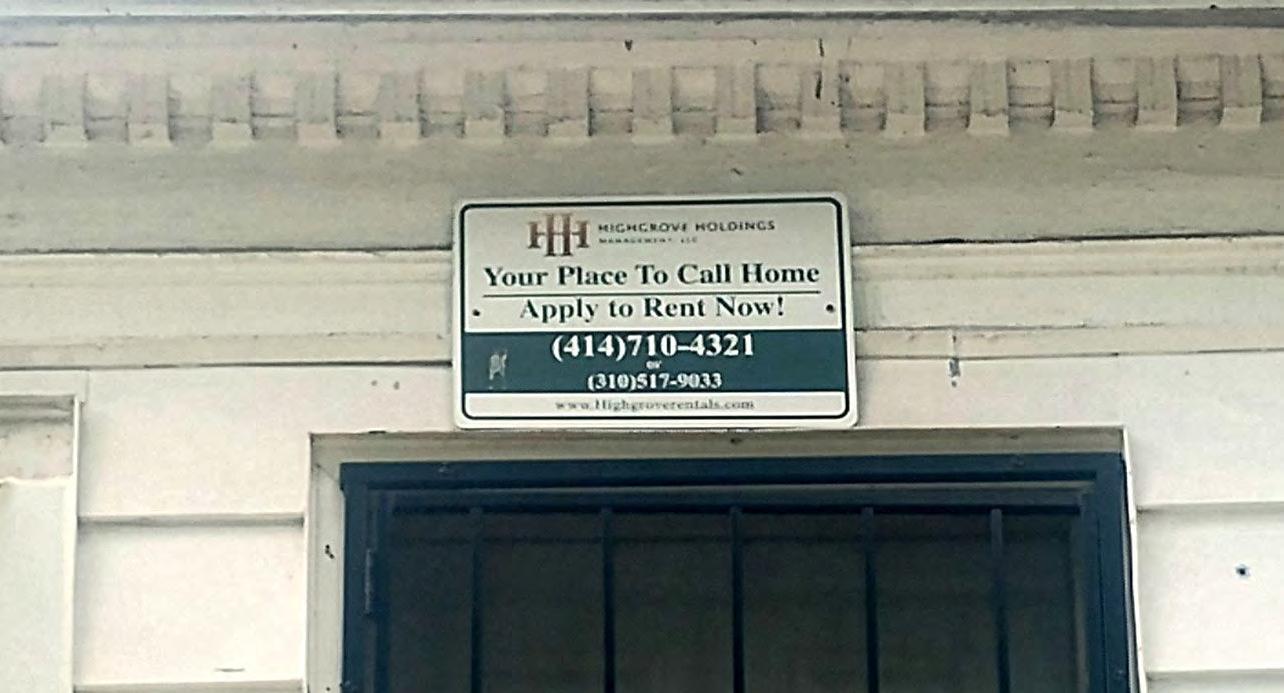
Just ask Carolyn Ferguson, who lives in an older house on N. 36th St., near North Ave. For the last roughly seven years, she's rented from Highgrove Holdings Management LLC, which is based in California, though it has an office in Milwaukee.
Ferguson says her home has major problems waiting to be addressed.
“Holes in the side of the house. My car's been stolen three times because they won't put up a fence in back,” she says.
CAN’T LIVE LIKE THIS
Ferguson spoke briefly to the Shepherd Express late June while in the hospital. Her asthma had gotten worse, and she blames her dwelling. “Because the carpets are wet from rain getting into the house,” Ferguson says.
She pleads: “They just need to do something. Because I can't keep living like this.”
Many other Milwaukeeans also have horror stories about Highgrove Holdings, which owns about 260 properties in the area. Deshawn Harris lived on the first floor of a Highgrove duplex near 24th and Keefe, for six years, prior to Highgrove selling the house this year. Harris complains of slow and shoddy repairs by Highgrove in response to several building code violations that existed when the company bought the property in 2020.
And then, in July 2024, a bullet shot from outside passed through Harris' front living room window. After obtaining a police report of the incident, she reached out to Highgrove's owner, David Tomblin.
Harris said it took five months to replace the window. “Five months! It was two days before Christmas. I guess he figured that that situation wasn't important enough,” Harris says.
Harris adds that she turned to her religious faith: "I was like, 'OK, Lord God, I know you don't make mistakes. I know you make way out of no way. But this monster needs to get taken care of.”
GRASSROOTS HELP
Harris also learned she had grassroots help. Due to a large number of complaints against Highgrove, the company has, for more than a year, been on the radar of the organization Common Ground.
Common Ground focuses on health and housing rights and has formed Milwaukee Tenants United.
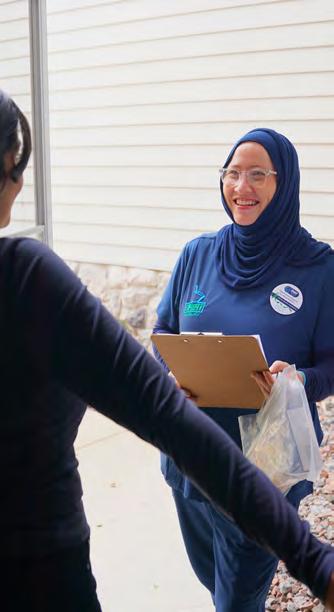
Common Ground went door-to-door talking with tenants living in Highgrove properties that have building code violations and other problems and brought the residents together for meetings.
And Common Ground found it has an ally in Milwaukee City Attorney Evan Goyke, elected to the city post in April 2024. In March of this year, Goyke, a former Democratic state representative from the near West Side, filed two lawsuits against Highgrove, alleging widespread property neglect, code violations and unpaid taxes.
“This is a target that we have tried over and over again other interventions, and not gained compliance,” Goyke says.
Goyke told the Shepherd Express this summer that his office continues to gather information on 138 Highgrove properties in question. Additional lenders to the firm have been identified and served legal notice as co-defendants. Goyke says those lenders are “kind of scattered across the country.”
He says two of those lenders have filed their own claims against Highgrove. That comes after U.S. Bank, in its own lawsuit against Highgrove, recently won a court decision to have a third-party receiver take over management of 86 Highgrove rental properties. Highgrove may respond at a court hearing in September.
The city is also waiting for a likely new Milwaukee County judge in its case, as the first judge assigned has retired. A temporary judge has been in place, but county jurists often rotate to different types of court assignments in early August.
CARING ABOUT CONDITIONS
Goyke says because he's not a judge, he can't make promises as to how this case will turn out. But he vows, “We care about what it is owed to the city, whether that's through municipal court citation convictions or property taxes. And we care about the conditions of the properties in the neighborhoods. We enter this lawsuit seeking a remedy that would reinvest money into these properties.”
The pace of legal proceedings may frustrate some key parties. But Kiante Shields, a leader of Milwaukee Tenants United, says she remains optimistic about the city's lawsuit “because I believe that we are making a statement as a community to out-of-state landlords.”
The statement? Shields says, "We're not going to let just anyone continue to come into our city and treat our taxpayers any differently, other than with respect and dignity.”
Reached by phone June 30, Highgrove's Tomblin politely declined comment on the city's legal action and on his record of responding to tenants complaints. He cited the pending litigation.
He hasn't always been so reticent. After an early June Milwaukee City Hall hearing on nuisance complaints, Fox 6 reported that Tomblin defended his company, saying it works with city agencies and law enforcement. He also had a brief disagreement with Common Ground's Kevin Solomon, with Tomblin claiming most of his tenants are happy with Highgrove, and Solomon responding the tenants were pressured to reply that way.
CORPORATE HOMEOWNERS
Goyke acknowledges there are other big out-of-state landlords in Milwaukee, and some local companies that own a lot of properties. He says the "corporatization" of home ownership substantially increased during The Great Recession of 2008-9, when people lost jobs, foreclosures went up, and property values fell. That allowed large firms to purchase many local properties, especially in predominantly Black and Latino neighborhoods on the near north and south sides.
A study released by Marquette University Law School in May says the number of owner-occupied homes is rising a bit in Milwaukee, by roughly 3,800 between 2018 and 2025. But, the study notes, there are still about 9,000 fewer owneroccupied homes than the city's average figure from 1990 through 2005.
Marquette political scientist Matthew Mleczko says, “It's going to take some time to get back to where we were, before the bottom fell out.” Mleczko studies housing policy. He says not all big, out-of-state landlords are bad. But he add, “We have evidence that larger corporate landlords are more likely to evict renters.” Mleczko says a lot of evictions can lead to neighborhoods being more socially disconnected.
He urges continued work by local non-profits and city government to maintain or increase the number of owneroccupied homes.
EFFORTS UNDERWAY
The city has Homes MKE, where up to 150 vacant houses in the city's inventory of tax-foreclosed residential properties can be renovated and returned to productive use. The city says so far, 73 houses have been fully fixed up. Owneroccupancy is required.
Another effort is underway at 2534 N.28th St. That's the address of a five-bedroom house being renovated under the supervision of Metcalfe Park Community Bridges (MPCB.). The non-profit group says it acquired the property when it was up for sale, to head off a possible purchase by a non-local entity or other party not interested in making substantial repairs.
MPCB Deputy Director and Lead Organizer Melody McCurtis says this will be the group's fourth house at which renters will have a path to home ownership. “We have so many folks in the neighborhood who have been renting five, ten, twenty years. They deserve a home where they stay and contribute to the neighborhood,” McCurtis says.
She laments what she calls “under-resourcing” of similar housing renovation. “If we had ten million dollars to rehab and get folks on a pathway to ownership, we would be changing the trajectory in just one neighborhood, right? That could be replicated somewhere else,” McCurtis says.
A 20-year neighbor of the house on 28th, Richard Clark, says MPCB's renovation is great. He expects that given the size of the home, the incoming residents will have children. “My objective is to make this a residential neighborhood, where the kids can play up and down the street with no hassles whatsoever,” Clark says.
Metcalfe Park Community Bridges says it hopes to have an open house at the property later this summer. By then, we might know if the federal government is going to take a step to limit out-of-state housing purchases in cities like Milwaukee. In late June, Congress took final action on The 21st Century ROAD to Housing Act. The wide-ranging measure includes restrictions on institutional investors buying single-family homes.
After holding a Milwaukee housing roundtable in May, Sen. Tammy Baldwin (D-WI) told the Shepherd Express, “The federal legislation takes a bite out of this,” meaning what she calls the problem of non-local property owners poorly maintaining houses, raising rents and blocking access to some would-be local buyers.
But after promising to sign the housing bill, President Donald Trump cancelled a signing ceremony, saying he wants Congress to first pass the SAVE America Act. Many critics say that measure would make it harder for people to vote—including in Black and brown neighborhoods—where many residents wait, wait, wait for their far-off landlord to make repairs.
Chuck Quirmbach is a veteran Milwaukee reporter, a
Trump's Master Class in Election Denialism
BY WILLIAM HOLAHAN
On June 7, Wisconsin got a civics lesson courtesy of President Trump's appearance on “Meet the Press.” During a tense interview in Chippewa Falls, host Kristen Welker pressed Trump on his repeated claim that Wisconsin’s 2020 election was “rigged,” that California’s 2026 primary election is “rigged,” and that unless drastic action is taken, the 2026 November election will be “stolen.”
Trump claimed that Wisconsin's voteby-mail system is typical of widespread fraud. When Welker asked for evidence, Trump said, “All I have to do is look.” What is there for all to see is the mirage/surge pattern that Wisconsin often produces in close elections: the Republican candidate is ahead during the first few hours after polls close but then a blue wave of votes reduces the early lead or perhaps is sufficient to reverse it for a Democratic win.
Trump claims this pattern of vote count and reporting proves his assertion of fraud. But the order and timing in which ballots are counted and reported by the media are not evidence of fraud; they are the natural result of the system Wisconsin uses.
MAINTAINING THE INTEGRITY OF MAIL-IN BALLOTING
To permit eligible people the convenience of mail-in voting while maintaining integrity and secrecy, Wisconsin uses a three-piece system: two envelopes and the ballot. The voter fills out the ballot and seals it in the smaller envelope. This “secrecy envelope” has no voter identifiers. The larger envelope is a postal system mailer addressed to election officials. The outside of that envelope displays a barcode with tracking number and space for the voter's name, address, signature, and a witness’ signature. The officials use that voter information to certify that the ballot was legally cast.
Accordingly, the larger envelope is dubbed the “certification envelope.” In the final assembly of the mailing piece the sealed secrecy envelope containing the ballot is sealed inside the outer certification envelope, which is either mailed or placed in a dropbox to be delivered to the election clerk's office.
COUNTING THE VOTES
The envelopes arrive by the thousands at clerk offices where they await a time-consuming process of ballot tabulation. Before the seals are broken on the outer envelopes, each one must be certified by election officials who check the voter information to assure the legitimacy of the ballot inside. If the envelope is accepted, it is logged, opened, and the sealed secrecy envelope removed. At this point the two envelopes part ways. The certification envelope is placed in a lock box, available for inspection for 22 months before shredding.
Separately, the secrecy envelopes pile up waiting to be opened, the ballot removed and fed into a scanner for tabulation. After tabulation, the ballots are retained for 22 months, available for recounts but not traceable back to the voters who cast them.
SO, WHY THE MIRAGE/SURGE PATTERN?
By itself this time-consuming verification/tabulation process does not explain the mirage/surge pattern that Trump asserts are evidence of fraud. That pattern is caused by the addition of a key rule governing the timing of the steps: Election workers cannot begin to process the outer certification envelopes until Election Day morning. While the final outcome is determined by counting all the votes, the intermediate vote counts are not in proportion to the final counts. Rural in-person ballots (red leaning) tend to be counted more quickly than urban in-person votes, which contributes to an early red lead.
Meanwhile the urban absentee ballots are still being processed and counted overnight and into the following morning, which accounts for the blue surge.
HOW FLORIDA AVOIDS THE MIRAGE/SURGE PATTERN
The state of Florida uses the same two-envelope absentee ballot system but has demonstrated how to eliminate the mirage/surge dynamic. Recognizing that the root cause of the mirage/surge pattern is waiting until Election Day to begin the slow, labor intensive verification of the outer envelope, Florida allows election workers to begin several days before Election Day. The mail-in-ballots that arrive by Election Day are ready to be tabulated right along with the inperson ballots. The result? No mirage. No surge. No over-night reversal of early large leads.
THE CIVICS LESSON:
To eliminate the mirage/surge pattern, Wisconsin lawmakers should support early processing of certification envelopes and do so in time for the general election in 2028. This change would provide voters and candidates more definitive election results during the evening after the polls close on Election Day rather than the following day and would deny election denialists one of their favorite false claims of fraud.
William Holahan is emeritus professor and former chairman of the Department of Economics at UW-Milwaukee.
MARA AHMAD
DELIVERS MEDICATIONS TO PATIENTS' DOORSTEPS
BY BEN SLOWEY
Barriers to medication access involve many factors such as money, transportation, stability or able-bodiedness. Mara Ahmad recognizes this, and as co-founder of Hayat Pharmacy’s long-acting injectable (LAI) program, she and her team of nurses deliver medications straight to patients’ doorsteps. “It is so rewarding to know that the work that you’re doing is actually making a significant impact on the quality of lives of other people,” Ahmad says. The LAI program serves vulnerable patients of all ages in the greater Milwaukee area.
Since its introduction in 2021, LAIs have proven to reduce patient relapses and hospitalizations while improving adherence. “When people take oral medications, even healthy patients often forget to take doses,” Ahmad notes. “LAIs allow for clients to consistently take their medication without any lapse in therapy.”
In-person care also allows Ahmad and her team to note vitals or side effects of medications so better feedback may be given to providers, as well as assist patients with improving eating and sleeping routines.
“It’s just consistently kept growing year after year,” Ahmad adds. Thanks to the LAI program, Hayat Pharmacy has built strong relationships with social workers, case managers and group homes. Patients who had previously been told they would be on permanent disability due to mental health conditions have since been able to go back to school or work full-time.
HOPE IN THEIR EYES
Ahmad attests to having had to hop fences and make trips to the ER during crises. She has also visited patients at their new jobs and, on one occasion, at driver’s ed. For her work, Ahmad has been honored as the Interdisciplinary Colleague of the Year by the Medical College of Wisconsin (MCW).
She affirms, “I see someone when they’re really sick, and then I get to see them when they’re thriving. I remember first meeting patients who needed their mom to call me to schedule all their appointments, and now they’re texting me to let me know they’re over at their grandma’s house. Being able to see hope in their eyes makes me emotional just talking about it.”
While the Trump administration's federal cuts have not directly affected the LAI program, Ahmad remains concerned about the fate of Medicaid since many of Hayat’s patients use it. She emphasizes that enforcing work requirements on patients with debilitating mental health issues just to qualify for care is not feasible. “Psychosis affects some cognitive abilities because it damages parts of one’s brain. Some people will never get to the point where they can work full-time or have the capacity to even job search.”
Unfortunately, the LAI model is rare elsewhere due to lack of funding but there is hope that will change. “We make the same amount of money as a pharmacy that just dispenses at the counter,” Ahmad explains. “Maybe down the road there will be funding to pay for that kind of service. The
Ahmad then oversaw Hayat’s own Covid vaccine program and eventually helped launch the LAIs. “We did at that time have a few pharmacists who provided once-in-a-while an LAI but it was not the norm,” she recalls. “We wanted to see how we could incorporate making it part of the flow
Kip Ritchie, CEO of Potawatomi Ventures
BY TOM JENZ
On any night in Milwaukee, thousands of people pass through the doors of the Potawatomi Casino Hotel. The lights flash, cards are shuffled, slot machines ring and restaurants stay busy deep into the evening. Yet, behind the casino’s constant motion is a larger business operation helping drive jobs, investment and economic growth for the Forest County Potawatomi Community.
Potawatomi Ventures is the business, and it’s overseen by Kip Ritchie, the Chief Executive Officer. Headquartered in Milwaukee, Potawatomi Ventures is the economic development wing of the Potawatomi Community. It operates as a holding company with profits from its subsidiary companies reinvested to generate long-term growth. Under Ritchie’s leadership, Potawatomi Ventures has expanded its business reach while remaining connected to the tribal community and the economic power the casino helped create. Potawatomi Ventures is ranked the third largest minority owned business by the Milwaukee Business Journal.
I met Kip Ritchie in the Potawatomi Ventures conference room. We sat at a long, polished table that parallels picture windows showing the 32-story Northwestern Mutual building and further on,
Lake Michigan in all its blue splendor. An enrolled Forest County Potawatomi tribal member, Ritchie is 60 but he looks 40. He carries himself with a lowkey style that feels more Milwaukee than Las Vegas. Thoughtful and confident, he is focused on long-term growth and opportunity. We talked about Potawatomi Ventures and what it means to the Indian community.
Tell me about your life as a boy. Where you grew up, your parents, neighborhoods and schools.
I was born and raised in Green Bay. Youngest of four children. My dad was a machinist, and my mother owned a little restaurant and bar. I met my wife in junior high. I went to Bay Port High School.
What about your Native American background?
My dad, Bob Ritchie, is one half Potawatomi. He was born and raised on the Forest County Potawatomi Indian Reservation in the Crandon area. My grandfather, Harry Ritchie, served on the tribal council. My great grandfather, Henry Ritchie, was also a tribal chairman. He was instrumental in getting the tribe recognized by the Federal government back in the 1930s. When I was a kid, I spent a lot of time on the reservation.
Where did you go to college?
UW Madison. I majored in communications and marketing. I graduated in 1988, then worked at AT&T and at a marketing firm for about eight years.
How did you end up working for the Potawatomi Casino?
Back in the mid 1990s, the only featured game at the Potawatomi was bingo. They had a large bingo parlor. Like most tribes in the gaming business, they hired an outside management company to help them learn and operate the facility.
Then, eventually the tribe ran the casino on their own. About that time, I started working there as the marketing director. It was a big challenge. Our tribe was the poorest tribe in the state at the time.
What led to the expansion of games beyond just bingo?
In about 1997, gaming was developing on Indian reservations. The state of Wisconsin required five-year terms, which means we could only get a fiveyear loan to expand our facility and build our business with more casino games than just bingo. The city of Milwaukee common council and the county board had to approve that change, but they were opposed.
We sold the idea through the position that the city needed jobs, tourism, more entertainment options and also a foundation to support nonprofits. At the time, Indian gaming was getting popular in other parts of the country.
The Potawatomi are a tribe in Forest County, northern Wisconsin. How come the tribe is allowed to operate a casino in Milwaukee, which is not on tribal property, or is it?
Good question. The Milwaukee area sits on ancestral land of the Potawatomi Indians. In the early 1900s, the Potawatomi settled up in Forest County as a reservation. Their land was placed into a federal government trust. All reservations are in trusts held by the federal government. In 1990, the tribe purchased a small parcel of property in the Menominee River Valley, and then the bingo hall was begun.
How does an Indian gambling casino work? What are some of the games your customers play? Traditionally, Indian tribes have always had some form of gaming. But Las Vegas and later Atlantic City started casino gaming. In the late 1980s, the Indian Regulatory Act was adopted, which opened the door to Indian gaming on reservations. As far as casino games, Indians have the same games as Las Vegas and are regulated the same way. However, Indian gaming has a tribal gaming commission, a state gaming commission and a federal gaming commission as oversights.
So what was your job when you worked at the casino?
I was marketing director and later assistant general manager. Great experiences. Then, I left in 2004 to work for Potawatomi Ventures, which is separate from the casino business. The reason the tribe started Potawatomi Ventures was to build business acumen in order to get access to capital. Our goal was to get into economic development, meaning other businesses. Traditional Indian tribes cannot do that because of federal regulation in the form of trusts. We kept Potawatomi Ventures totally separate from the casino business but still 100% owned by the Forest County Indian tribe. We decided to use the Harvard Model.
THE
HARVARD MODEL ASSERTS THAT SUSTAINED RESERVATION ECONOMIC DEVELOPMENT HINGES ON FOUR PILLARS: SOVEREIGNTY, CAPABLE GOVERNING INSTITUTIONS, CULTURAL MATCH, AND STRATEGIC LEADERSHIP.
What businesses do Potawatomi Ventures own and operate? From what I’ve read, you oversee a diversified portfolio with a gross revenue of close to $400 million. If you look at our portfolio through the years, you will see three legs to the stool: One, Federal government contracting with the Department of Defense, Health Services, the VA and Department of Administration. Two, we have a commercial portfolio: technology including Data Holdings, the Greenfire construction management firm, Sagewind Development for real estate and Wgema Property Management. In 2025, we purchased Lyons Electric, and we also own Fireside Markets convenience stores, one in Crandon and another in Carver, and we recently launched the new Fireside Market in Slinger. Three, we have passive investments including real estate, energy, venture capital and hospitality.
Can I, as an outside investor, invest in Potawatomi Ventures?
Everything except our passive investments are 100% owned by the tribe. We have a little over 900 employees. As CEO, I oversee the employees. I also lead the management team,
and we report to our board of directors who are appointed by the tribal council. One of our main jobs is to help educate and create jobs for tribal members so they can take over for us in the future.
How does Potawatomi Ventures decide what to buy or what to invest in?
Very good question. We are quite diversified in our investments. As an example, let’s take our Fireside Market Convenience stores. Many tribes have gaming, but convenience stores are important because they support the Indian community, the families and also tourism. Our convenience store in Slinger is more upscale than other convenience stores such as Kwik Trip. Our real estate firm, Sagewind, acquired the land.
Our construction firm, Greenfire, built the store. Our retail group operates the facility. Finally, our internal team here did all the financing and marketing strategies. This is a great example of how vertical integration works together as a native owned firm.
The federal government has a system to keep an eye on Indian gaming. But do the feds oversee Potawatomi Ventures?
Only with our federal government contracting businesses, and we have to comply with their audits.
Potawatomi Ventures is only possible through the tribe’s vision and their support through the years. We have 900 employees but only a handful are tribal members. Job creation is a big deal. We have come so far over a short period of years. There was a time when political leaders stood outside our bingo hall and opposed our expansion. But currently, if we have a groundbreaking, the mayor and the county executive will show up and grab a shovel or cut a ribbon. Economic development is so important to Indian nations.
You yourself are an enrolled Potawatomi tribal member. What does it mean to be on the roll?
It means I am one quarter Indian blood, which puts me on the roll, meaning I can get certain privileges such as grants for college education. I am also an elder.
The elders are the guardians of tribal stories, traditions, and customs, and they play a vital role in maintaining the cultural heritage.
Tom Jenz is a Milwaukee author and photographer. He writes the Central City Stories column for shepherdexpress.com.
Cassis Brings Paris To Water Street
BY HAZEL WHEATON
Walking down Water Street, I stopped at a homemade sign in the front window of one store that asked, “Looking for Cassis?” with a helpful arrow pointing the way. Obviously, they'd been asked a lot. Which isn't surprising—that lots of people were bound for this new hot spot, or that they wandered a bit before finding it tucked away off the main street.
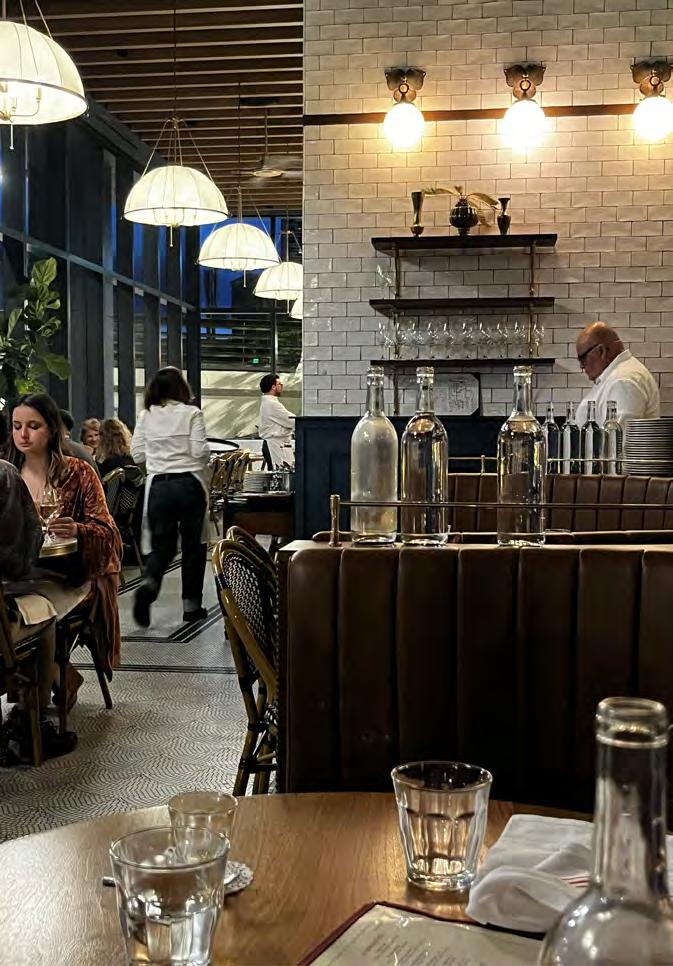
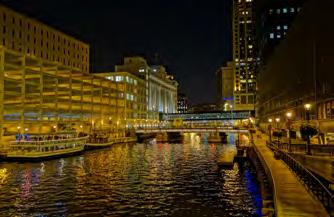
Cassis makes the most of its location, separating itself from the bustle of Milwaukee streets to create the feel of a French bistro, with vintage chandeliers, globe lights, gleaming white tile on the walls, and a bank of floor-toceiling windows looking out on the water—just with the Milwaukee River standing in for the Seine. Waitstaff in dark trousers, crisp white shirts and full-length bistro aprons complete the illusion.
When you enter, you're greeted not just by the professional staff, but also a picturesque, fully loaded baguette cart, a reminder (if one was needed) to be sure to order the fresh bread with butter to start your meal.
While reminding ourselves not to fill up on that bread, we ordered a selection of appetizers and small plates, ranging from simple to complex. Simple: a dish of salty, deliciousmarinated olives that went perfectly with my chilled Pinot blanc, and asparagus with a country egg salad. Complex: Oeuf Mayo, a halved egg topped with wilted spinach and an herb aioli with just the right amount of bite. And the Foie Gras Eclairs were tiny little marvels; the foie gras had been whipped into an ultra-rich, creamy mousse, perfectly balanced by the airy pastry.
CRISP AND PLENTIFUL
For entrees, the Steak Frites had to be tried, non? Steak portions were on the small side, but nicely seasoned, and the frites were crisp and plentiful. Also on the menu was a tasty rustic French classic: Garlic Crepinette Sausage, a pork sausage patty wrapped in a caul fat and paired with lentils and rhubarb.
I ordered the trout; pan seared, paired with a simple and classic white wine sauce and topped with watercress and finely chopped asparagus.
The fish was perfectly done, tender and fork-flaky with a rich sauce that prompted the question: Just how much butter can one get into a sauce before it breaks? Whatever the answer, the Cassis chefs must be pushing the margins, with decadent results. The Ravioli Dauphine was a beautiful sheet of pasta pillows with an earthy, complex flavor courtesy of Wisconsin's own Pleasant Ridge reserve cheese.
We'd saved just enough room for shared dessert, and we opted for three: a tangy passionfruit mousseline topped with fruit and meringue shards, a sweet and fluffy banana mousse, and the standout—a classic opera cake, surprisingly light with perfectly balanced layers of milk chocolate, hazelnut and mocha.
My only complaints have nothing to do with the food. That decor that so beautifully recreated the look of an authentic French bistro had downsides. The tile, the high ceilings, and wall of glass had an unfortunate acoustic effect. That the place was packed on a Wednesday night speaks volumes about the quality of the food, but in a restaurant that seats 200 guests, volume was a real issue. A couple enjoying an intimate dinner at a nearby table, their heads bent close together, didn't seem to mind. But conversation was difficult for our table of six.
And second, that wall of glass windows looking out onto the river, delivered a beautiful sunset, but before the sun disappeared, it also delivered a blinding glare, to the point of discomfort and a pair of sunglasses being passed around. A shade, for when the sun is at its worst, would be a relief.
It's a bit precious to complain about noise and sun glare in light of such an excellent meal. Here's my suggestion: Go to Cassis and embrace the bustle and energy. And if you're looking for quieter meal, pick a time after the pre-theater crowd has called for their checks and the sun is no longer at full strength. As we lingered over our coffee and dessert, the place quieted, the pace slowed, the light softened, and I could almost imagine I could see the Eiffel Tower through that wall of windows.
Cassis
333 N. Water Street (414) 616-1177; www.cassismke.com/
Hazel Wheaton is a Milwaukee writer. She has had the privilege of learning about food by talking to local experts and tasting everything she was offered—including almond pastries in Morocco, whisky and haggis in Orkney, escargot in Lyon and more.
REBECCA SUE BUTTON
Co-Owner
Thelma Carol Wine Merchants
Duchesse de Bourgogne
Flanders Red Ale
Brouwerij Verhaeghe
Vichte, Belgium
“As a person for whom beer is not always my first choice, The Duchesse, which is a Flanders sour traditionally blended from an older and younger ales and then aged for 18 months in barrels, brings a whole range of aromas and flavors to your glass, including sour dried cherry, oak vanillas, and dark malt.”
This Summer’s Favorite Beers
BY GAETANO MARANGELLI
Every summer, we beer lovers gather around ourselves a circle of our favorite beers. And our circles of favorites vary as much from each other as they do from summer to summer. This summer, we’re gathering a circle of the season's favorites from representatives of every strata of the city’s beer trade—from a brewer and brewery owner, Russ Klisch of Lakefront Brewery, to the beer buyer and co-owner of a large retailer, Marie Greguska of Discount Liquor, to a small retail shop’s co-owners, Rebecca Sue Button and Jerel W. Hall of Thelma Carol Wine Merchants, to the lead bartender of a restaurant, Stevie Ruiz of Birch.
JEREL W.
Co-Owner
Thelma Carol Wine Merchants
Cerveza Toña
American Adjunct Lager
Compañía Cervecera de Nicaragua
Managua, Nicaragua
“For summer I usually head straight to the coldest clear beer I can find, and this delightful lager from Nicaragua blends just the right amount of flavor with a super refreshing finish. It’s lighter in body but sings with a purity not found in many other beers in this style. It goes really well with brats straight off the grill.”
Beer Buyer & Co-Owner
Discount Liquor, Inc.
Chimay 175 (175th Anniversary Blonde Ale)
Belgian Blonde Ale
Bières de Chimay
Baileux (Chimay), Belgium
“Champagne-like effervescence with notes of coriander, spice, red apple, floral, grass, banana, and that undeniable Chimay house yeast. Lighter in body and alcohol than a typical Trappist Ale at only 6.5% alcohol, but with all the richness and flavor you’d expect from a world-class brewery like Chimay. Absolutely delightful!”
HALL
Photo by Brick Kyle.
Photo by Brick Kyle.
MARIE GREGUSKA
Photo by Timothy Czerniakowski.
Photo
More Recommendations from Marie Greguska
Oude Gueuze Cuvée de l'Amitié
Belgian Gueuze Brouwerij Lindemans Viezenbeek, Belgium
“Made exclusively for the American market, its name translates to ‘friendship blend.’ A limited release blend of three-, five-, and six-year lambics aged in oak foeders. Notes of green apple and elderflower, with a clean, dry, and sparkling finish. Nicely balanced tartness, fruitiness, oak, and brett. Great aperitif beer or with oysters and fresh seafood.”
To Those Who Wait & Wurkwar
Czech/Bohemian Pilsner
Working Draft Beer Co. Madison, Wisconsin & Wurkwar
Czech/Bohemian Pilsner
Working Draft Beer Co. Madison, Wisconsin
“Two excellent examples of traditional Czech-style beers. To Those Who Wait has notes of bread crust and grape nuts, with a spicy bitterness and a wonderful crisp finish. The Wurkvar, which is modeled after the world-famous Budvar, has a more malty profile, with notes of bread and a dry herbal spicy hop character on the finish. Great beers for kicking back on the patio with friends.”
RUSS KLISCH
Owner
Lakefront Brewery
Weissconsin
Hefeweizen Ale
Lakefront Brewery
Milwaukee, Wisconsin & New Grist
Gluten-Free Grapefruit Radler
Lakefront Brewery Milwaukee, Wisconsin
“This summer, I'm reaching for Weissconsin and New Grist Radler. Weissconsin is a classic Germanstyle wheat beer with subtle clove and banana notes from the weizen yeast, and it's incredibly drinkable at 5.0% ABV. When it's really hot outside, New Grist Radler is hard to beat. The combination of grapefruit soda and our gluten-free New Grist beer makes for a crisp, refreshing beer that's just 3.0% ABV and 110 calories. Both are great examples of the easydrinking, flavorful beers I enjoy during Wisconsin summers.”
STEVIE RUIZ
Lead Bartender
Birch Restaurant
Blizzard of '67
Imperial IPA
Hop Butcher for the World Chicago, Illinois
“One of my favorite local spots in Milwaukee to get wings after work is called Points East Pub. They always have really good beers on tap. My favorite this summer is Blizzard of ’67 by Hop Butcher out of Chicago. It’s a strong Triple India Pale Ale, with Citra, Mosaic, Eldorado, and Ekuanot hops. It’s potent and malty, with notes of overripe tropical fruit. I think it’s a great beer to drink to start a nice summer day.”
Gaetano Marangelli is a sommelier and playwright. He was the managing director of a wine import and distribution company in New York and beverage director for restaurants and retailers in New York and Chicago before moving to Wauwatosa.
Photo courtesy of Lakefront Brewery.
Photo courtesy of Birch Restaurant.
Outdoor Dining Guide
BOONE & CROCKETT
818 S. Water St. Milwaukee (414) 212-8115
Boonemilwaukee.com
There’s a reason Boone & Crockett has won BEST PATIO more than once! There’s always a good time to be had when you’re sitting on the river. Amazing drinks, food trucks, live music, great company, just to name a few. Find them under the lights of the Hoan!
BOTANAS RESTAURANT
816 S. Fifth St., Milwaukee (414) 672-3755
Botanasrestaurant.com
In the summer, sip margaritas and munch on chips and guacamole on Botana’s open-air patio. It’s spacious enough for large groups and also perfect for a table of two. If the outdoor seating is full, request a table under the covered patio to still take advantage of a summer evening. Both options are a great way to enjoy this casual cantina that offers authentic Mexican dishes.
CAFÉ CORAZON
Brown Deer, 4102 W. Bradley Road Bay View, 2394 S. Kinnickinnic Ave. Riverwest, 3129 N. Bremen St. Corazonmilwaukee.com
Decorated with flower boxes and serving all of Café Corazón’s housemade Mexican food favorites, Corazon’s three patios come alive for outdoor dining and drinking season. The Riverwest patio sits along the Beerline Trail; in Bay View, you'll find a quiet, artsy outdoor space away from the bustle of Kinnickinnic Avenue; and the Brown Deer patio, with its own outdoor bar, is the largest Corazon patio with seating for 50+.
Photo courtesy of Boone & Crockett.
Photo courtesy of Botanas Restaurant.
Photo courtesy of Café Corazon.
CAMINO
434 S. Second St., Milwaukee (414) 763-0232
Caminomke.com
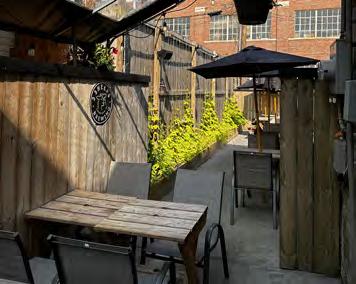
Tucked away in a narrow alley, you’ll find a lush green landscape at Camino in Walker’s Point. It’s truly a hidden gem amongst downtown patios. Summer is short—come imbibe and get down with some killer bar food in this outdoor oasis while you can. Kitchen open late.
DIA CAFÉ
6601 Northway, Greendale (414) 246-2002
diaynochewi.com
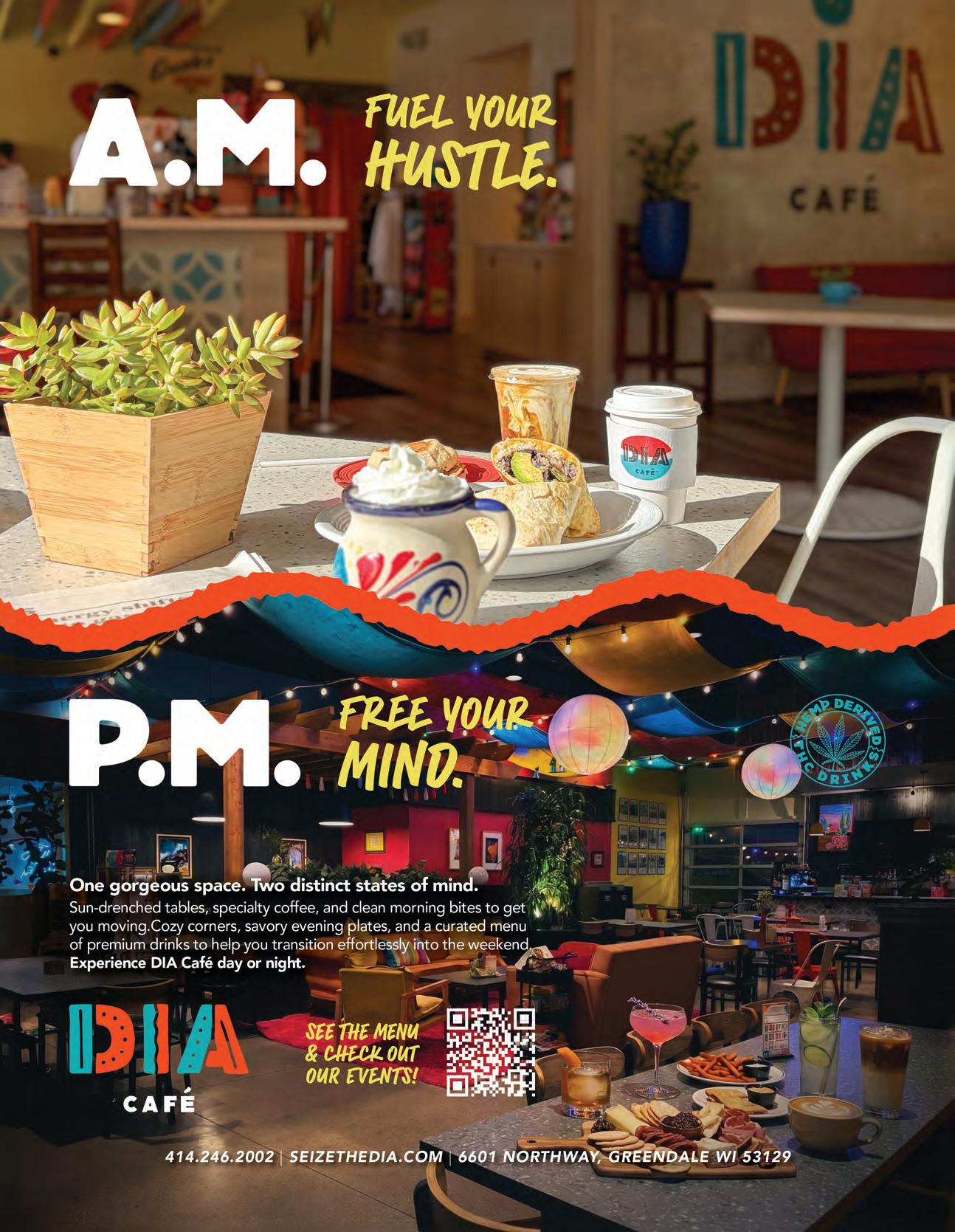
DIA Cafe’s dual patios effortlessly transition from day to night. The bustling front patio is perfect for daytime coffee, while the intimate back courtyard is built for evening lounge vibes—complete with a striking 18-foot fire feature and several patio heaters to keep the outdoor dining experience cozy long after dark.
FIVE O’CLOCK STEAKHOUSE
2416 W. State St., Milwaukee (414) 342-3553
Fiveoclocksteakhouse.com
Relax and enjoy your supper club experience on their intimate patio lined with beautiful flowers and firepit. Five O’Clock Steakhouse specializes in serving award winning steaks and seafood paired with a notable wine list, classic cocktails and outstanding personalized service.
Photo courtesy of Camino.
Photo courtesy of DIA Café.
Photo courtesy of Five O'Clock Steakhouse.
MOTOR RESTAURANT
401 W. Canal St., Milwaukee (414) 287-2778
Motorrestaurant.com
Mil-town’s best patio is found at MOTOR Restaurant on the campus of the Harley-Davidson Museum. Enjoy waterfront views while hanging out with friends on the patio, playing lawn games, and soaking up summer in Milwaukee. Don’t forget to bring your dog—there’s space for them, too. With iconic campus views, a scratch kitchen, and smoked meats, MOTOR has what you’re looking for. Make some memories this summer at MOTOR Restaurant.
OPE! BREWING CO.
6751 W. National Ave., West Allis
(414) 509-6700
Opebrewingco.com
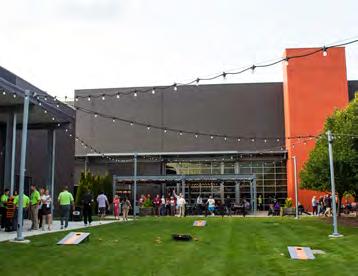
Ope! Brewing Co. has one of the best patios in the MKE area, featuring a fullservice outdoor bar, volleyball leagues six nights a week, cornhole lanes, live outdoor music, pet-friendly spaces, shaded seating options, Chucho’s Tacos and a rotating lineup of curated food trucks to satisfy all outdoor dining needs.
TRANSFER PIZZERIA CAFÉ
101 W. Mitchell St., Milwaukee (414) 763-0438
Transfermke.com
Transfer invites guests to their unique outdoor patio this summer, including tables inside a restored 1950s era Milwaukee city bus. Open for more than 18 years, Transfer is a full-service, independent pizzeria with a wide menu of unique hand-tossed pizzas. Visit for lunch and dinner, Tuesday through Sunday.
Photo courtesy of MOTOR Restaurant.
Photo courtesy of Transfer Pizzaria Cafe.
Photo courtesy of Ope! Brewing Co.
The Packers Need Their Stars to be Healthy
BY PAUL NOONAN
For the Matt LaFleur Packers, every year they are derailed by something new. The potential is there and they almost always make the playoffs, even if it’s by the skin of their teeth as they did last season going 9-7-1. But every year, some enormous, obvious flaw jumps up and bites them.
They face a much more difficult schedule this year as well as a quickly improving division, and above all, the 2026 Packers cannot just tread water. They need to improve just to maintain their level of production from last season, and they’ve lost quite a few players to free agency and via trade this offseason. Gone is reliable receiver Romeo Doubs. Gone are edge rushers Rashan Gary and Kingsley Enagbare. Gone is outstanding backup quarterback Malik Willis. Gone is starting left tackle Rasheed Walker. On the surface it’s difficult to find much reason for optimism.
And yet, the one thing you can always count on in Green Bay is a mature, seasoned front office that understands the limitations of the salary cap, and the ebbs and flows of the league. While the Micah Parsons trade will cause some issues with draft capital and cap constraints this year, the Packers have stockpiled plenty of picks and money in 2027, where they will need to rebuild their depth. The 2026 season figures to be more of a gamble, with the Packers taking a “stars and scrubs” approach without much of a backstop, however, if they have a little luck in the health department, the ingredients for an elite team remain.
THE STARS
On the offensive side of the ball, Green Bay is incredibly efficient, but they run at a snail’s pace. The slow nature of the team existed back with Aaron Rodgers at the helm and is a consistent feature of the Kyle Shanahan coaching tree. It’s also effective, while depressing in offensive totals. No Green Bay receiver is going to lead the league in yards, they simply don’t run enough plays, however, on a per play basis, the Packers have two absolute studs at the skill positions.
Christian Watson is a top five receiver in all “per play” receiving statistics, including a first-place finish in FTN’s Defense-adjusted Value Over Average (DVOA) statistic last year. No deep threat was consistently as dangerous as Watson when he was on the field.
The other under-the-radar star is Tucker Kraft, the incredible young tight end who was lost to an ACL injury halfway through 2025. Kraft’s specialty is Yards After Catch (YAC), where he led the NFL among all qualifying pass catchers (including wide receivers) with 10.8 YAC per reception. No player was more dangerous with the ball in their hands than Tucker Kraft.
The only issue was availability as Kraft and Watson both missed substantial chunks of the season while Romeo Doubs and Dontayvion Wicks picked up the slack. With Doubs and Wicks both gone, depth will have to come from second year receiver Matthew Golden, who finished strong after an injury-plagued and inconsistent regular season. If Kraft and Watson can both stay on the field, there is no reason the offense can’t be better, but football is a dangerous game, and it’s going to take some luck.
MICAH PARSONS OR BUST
On the defensive side of the ball, defensive coordinator Jeff Hafley was plucked for the head coaching vacancy in Miami and replaced by former Cardinals head coach Jonathan Gannon. Hafley did a fine job in Green Bay, but there’s no reason to think that Gannon cannot replicate his success, especially when that success last year was tied to the availability of star edge rusher Micah Parsons.
The simple fact is that when Parsons was on the field last season, the Packer defense was exactly average. Once he was lost to an ACL tear, they plummeted to twenty eighth. Parsons is expected back somewhere around week three, and as he just turned 27 years old, he should theoretically recover fully.
If he does and suffers no setbacks, the defense should be good enough to make the Packers true contenders.
While the Packers didn’t have a first round pick this year, they decided to go all in on defense with the picks they did have. Second round pick Brandon Cisse out of South Carolina will immediately improve the cornerback room. Third round defensive tackle Chris McClellan brings some needed beef to a defensive line that had issues stopping the run. And fourth round edge rusher Dani Dennis-Sutton is one of the most athletic people to ever test at the combine. The addition of defensive tackle Javon Hargrave and a healthy Lukas Van Ness should provide an improved pass rush overall.
The 2026 Packers will rise or fall based on the health of some of the best players in the NFL. While they’re set up well for 2027 and beyond, in 2026 almost anything is possible. Should they suffer a repeat of their injury luck from a year ago, they may be one of the worst teams in the league, but if Christian Watson, Tucker Kraft, Micah Parsons, and Jordan Love all remain healthy, they should contend for a title.
Paul Noonan writes the Green Bay Packers column for shepherdexpress.com.
Buying A Home and Surviving in a Sellers’ Market
BY MICHAEL MUCKIAN
In generations past young people had three distinct steps before them as they marched into the future after high school, college, or whatever form of training they had pursued:
• Find a good job that provides the financial support you’ll need moving forward. It matters less what kind of job it is as long as it meets your personal needs, offers room for advancement, and provides adequate financial support and growth potential.
• Find a partner with whom you think you can spend the rest of your life. Marry that person, or not.
• Find a place to set down roots and buy a house so your home life, community presence, and financial position have a starting point and, possibly, a finish line for that inevitable final step decades down the road. Plainly put, it’s a place you can call your own, with all the rights, responsibilities, and challenges that come with it.
But then life’s rarely that straightforward, and as time rolls on, so too the more complicated life becomes. But all of those cornerstone steps are important in whatever order they arrive, not the least of which is home ownership.
PLUSES AND MINUSES
Chances are where you are in your life right now—professionally, financially and geographically—is not the place you want to end up. Continuing to rent would give you the chance to make significant changes quickly and more easily without having a house weighing you down. Homeownership, after all, is a long-term investment.
But it’s the very hold the house has on you that requires taking a more disciplined approach to your life, as well as giving you a stronger financial basis in terms of the equity you own in the property. With each month’s mortgage payment, you own just a little more of the home, as well as gain more ability to tap the wealth you’re building through home equity loans so you can afford those other things that you’ve always wanted.
In many cases, those loans may go to support the house itself. There is such a thing, especially among new homeowners, as being “house poor.” You can always postpone that Caribbean cruise, but if you need a new roof or your furnace dies in December you should remedy the problem right away.
Lenders are more disposed to grant loans that will go right back into your asset—meaning your house—and that improvement, in turn, will increase the value of your property.
MILWAUKEE IS A “SELLERS” MARKET
Like real estate markets nationwide, the Milwaukee metro area continues to be a sellers’ market, which generally means there is more buyer demand than there are properties available. And, yes, that does make the sales price higher than it would be in a buyers’ market, where inventory outpaces demand. That often means lower purchase prices and, in Milwaukee’s case, a limited inventory of homes for sale.
According to Chicago-based Fulton Grace Realty, which monitors housing trends nationwide, the combination of lower property prices and steady economic growth makes Milwaukee one of the 10 most affordable large metro areas in the country, which is an advantage to both sellers and buyers. Neighborhoods like Walker’s Point and Bay View, especially, offer lower-priced properties and steady development expenditures that will help boost the overall value of those properties down the road.
Life is not going to get any easier nor property prices any lower, making now the time for first-time buyers to take what will be one of the most significant financial leaps of their lives. The average home price in the Milwaukee metro area is $229,887, Fulton Grace says. That’s a price lower than most metro markets. Moreover, Milwaukee real estate prices have increased 8.2% during the last year, driving up sales by 12%, all of which bodes well for the future.
NOW IS THE TIME
Plainly put, a home purchase is the largest investment many people will make in their lives and as mentioned earlier, it’s a critical cornerstone on which to grow wealth for you and for your family. True, you will have to start paying property taxes and set aside money for necessary home maintenance over time. But it also gives you a place to live—one that you presumably like going in—and freedom to turn that space into whatever form you may like.
Moreover, according to a 2024 study from the Aspen Institute, the average homeowner’s net worth nationwide is $400,000, compared with just $10,400 for the average renter. A lot of that is in the value of the home they own.
As they say, you need money to make money. If you can gather a downpayment, cover closing costs, and find an affordable home in an acceptable neighborhood that you like and can maybe learn to love, then now is the time to find a home and start building wealth. The Caribbean cruise will always be there.
Michael Muckian was the banking and finance writer for the Milwaukee Business Journal and is the author of The Complete Idiot’s Guide to Financing and Accounting and The One-Day MBA in Finance and Accounting.
MEET THE BLACK SHEEP DESIGN CONTEST WINNERS
BY CAROLINE DANNECKER
WINNER: “CLICK-CLACK NEWS”
Designed by artist Anna Sibley, this design was chosen for highlighting the importance of independent journalism and free speech with humor through parody. You can now purchase a T-shirt with Sibley’s design at shepstore.com.
ABOUT ANNA SIBLEY
As an artist, Sibley works with a multitude of media, primarily graphic designs, collages and painting. Living on Milwaukee’s Lower East Side, Sibley is grateful to live in a city with a vibrant local press and culture. Sibley is a nonprofit management consultant with Collectvitity, a consulting cooperative of which she is a worker-owner. She is currently pursuing a Master of Science in Information Design and Technology online at SUNY Polytechnic Institute. In her spare time she gives back to the community by serving on the Brady Street Area Association board of directors, a volunteer-run community organization which works to preserve and enhance the culture and well-being of the Brady Street neighborhood.
• Follow Anna’s Work: Anna Sibley | LinkedIn
• Portfolio: www.annasibley.com
• Consulting: Collectivity
Painted header background by GettyImages/Abdul Rauf.
"Click-Clack News" design by Anna Sibley.
Photo courtesy of Anna Sibley.
• The ideal candidate is highly organized, excels in communication, and is committed to delivering outstanding customer service.
• Experience in media sales and customer service is preferred, with knowledge of print, digital, and social media advertising considered a strong plus.
• This role is perfect for someone who thrives in a sales environment, is energized by achieving goals, and enjoys collaborating as part of a dynamic, results-driven team. Please email your cover letter and resume to careers@shepex.com. No calls please.
RUNNER-UP: “BE A READER”
Designed by artist Mariam Ali, this cute sheep reading a copy of Shepherd Express magazine is now available as a sticker at shepstore.com.
ABOUT MARIAM ALI
Milwaukee-based artist and illustrator Mariam Ali’s work is inspired by comic book art and visual storytelling. Ali holds a Master of Art in Political Science from Marquette University. She recently launched Politicaltainment, a Substack publication dedicated to making political science accessible through illustration and explanatory journalism.
• Linkedin: Mariam Ali | LinkedIn
• Instagram: @contentbymariamali
• Substack: @therealmariamali
Photo courtesy of Mariam Ali.
"Be a Reader" design by Mariam Ali.
Irish Fest Returns to the Lakefront
Irish Fest Returns to the Lakefront
BY ANDREAS SCOCOS
From the “Bloody Third” to Tory Hill, Milwaukee’s has boasted strong Irish neighborhoods throughout its history. Though not as dominant numerically as Poles, Germans or Mexicans, or in cultural impact as Yankees and Jews, Irish immigrants and their descendants have still left a mark on Milwaukee. Since 1981, Irish Fest has annually celebrated Irish culture and its impact on Milwaukee at the Lakefront.
Based as an idea by attorney and musician Ed Ward, the festival quickly became a mainstay of Milwaukee’s ethnic festival celebrations. Focusing on authenticity, it celebrated traditional and contemporary Irish music, dance, literature, language and sports, as well as genealogy and history. As the festival’s reputation spread in Irish cultural circles, it began to make a name for itself and Irish acts—mainstays and emerging— began adding the festival to their tour list. Thus, it has evolved into the world’s largest festival of Irish culture.
Today, it continues to strengthen the bond between Ireland and the United States, with this year’s festival presented by Milwaukee-Irish cultural organization CelticMKE.
“We’ve always set out to create the most authentic celebration of Irish music and culture we possibly could,” said Caitlin Ward, CelticMKE’s executive director. “Looking back over 46 years, I think that’s why people keep coming back and why Milwaukee has become such a special place for Irish culture.”
The festival also gives Irish artists an opportunity to reach a North American audience. So far over 1,100 acts have graced the Henry Maier Festival Park stages, with more yet to come.
MILWAUKEE’S IRISH HISTORY
Fleeing famine and in search of better lives for themselves and their families, Irish immigrants began arriving in Milwaukee in the 1830s. By 1850, they constituted about 15% of the city’s nascent population.
Clustered in dense, modest frame housing in the Third Ward near the grime of factories and hustle of early Water Street, early Irish immigrants worked hard menial jobs to get by. Known as the “Bloody Third” by nonresidents, the Third Ward was a school of hard knocks with plenty of places to get a quick drink—the neighborhood had the most saloons of any area in the city during the 1850s. The new immigrants quickly established St. Gall’s Catholic church on 2nd Street and Michigan Avenue (then known as Sycamore Street) in 1849 as a religious and civic gathering place for the community.
By the middle of the 19th century, the Irish began moving west—mainly the descendants of Irish immigrants in the “Bloody Third”—into what became known as the Tory Hill neighborhood. Roughly bounded by the mansions of Wisconsin Avenue (then Grand Avenue) to the north, Menomonee Valley to its south, and stretching from 16th Street in piecemeal fashion east to the Third Ward,
Photo: Gardiner Brothers
it was also a neighborhood of smoke belching factories, densely populated, modest homes. Following this movement and the overcrowding of St. Gall’s parish, a new church, Holy Name, was constructed at 11th and State in 1875.
By the end of the 19th century the Irish had continued to move west and had established another parish, St. Rose of Lima, at 30th and Michigan streets in 1888 with an Irish Catholic school next door. By 1890, the Third Ward had become less of an Irish stronghold as Sicilians began moving in and Irish out to the west or to the East Side. After the disastrous 1892 Third Ward Fire, which left 2,500 people homeless, numerous Irish families relocated, quickening their departure from the neighborhood. Along with them, both St. Gall’s parish and Holy Name parish merged and in 1894 were joined together as the architecturally stunning Gesu Church at 11th Street and Wisconsin Avenue, reflecting the Irish’s neighborhood’s movement west.
Near St. Rose of Lima, in the Merrill Park neighborhood, the Irish built homes that showed signs of their movement towards the middle class, with many new homes and duplexes boasting often slight, but varied
exterior ornamentation and interiors with built in china cabinets and detailed woodwork. From there, many Irish families continued their migration west out to Wauwatosa, but others stayed in the neighborhood. For many years the Irish Village Tavern was a popular hangout in the Merrill Park neighborhood for both Irish and non-Irish neighbors, especially on St. Patrick’s Day.
Though both the “Bloody Third” and Tory Hill have been all but erased and much of Merrill Park is no longer Irish, the history remains, indelibly in the Church of the Gesu, the homes of Merrill Park and in the collective memory of the region and the individual hearts, minds and souls of the metro area.
IRISH FEST 2026 LINEUP
This year over 100 artists are performing at 18 different stages during the four-day festival, from traditional Irish music to rave and folk music to writers, speakers and poets. Within the festival at the Snug stage is “Tradfest,” a miniature celebration of Ireland’s largest traditional and folk music festival in Dublin known as “Tradfest” held each January.
Additionally, a variety of food vendors will be on site serving up traditional Irish foods like bangers and mash, as well as classic American entrees like burgers and pizza. Festivalgoers will also have the opportunity to trace their genealogy and explore Irish culture through a litany of activities from Gaelic football to one act plays to Irish language workshops to a Sunday mass and much more.
Irish Fest takes place August 13-16 at Henry Maier Festival Park. Single tickets for any festival day are $27, group packages are $17 per person, and a four-day pass is $80.
Andreas Scocos is a Milwaukee writer and Editorial Assistant for the Shepherd Express.
Photo courtesy of the VISIT Milwaukee Media Library.
A Guide to Wisconsin's Folk Art Environments
BY BEN SLOWEY
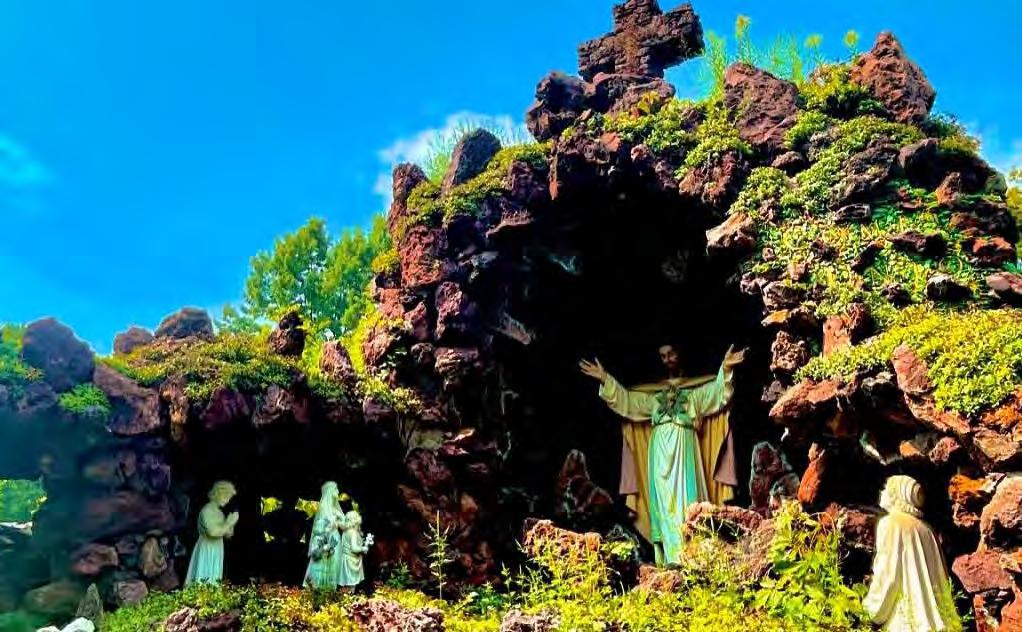
This past year, the John Michael Kohler Arts Center in Sheboygan displayed an exhibition titled A Beautiful Experience: The Midwest Grotto Tradition, which showcased pieces from several different grotto environments around Wisconsin. Our state is home to a myriad of whimsical folk-art attractions where immersive installations of jeweled edifices, uncanny statues and unusually crafted sculptures pay homage to historical events, townspeople and folklore.
These landmarks elicit all sorts of feelings from curiosity to humor to even eeriness. Each is worth a stop if you are ever in the area.
Below is a guide to Wisconsin’s whimsical folk art; most are free to the public but may solicit donations for local programming or upkeep. Artifacts from many of these are on display at the Kohler Center’s Art Preserve.
It’s most appropriate to start here in Milwaukee with Fox Point’s Mary Nohl House (“The Witch’s House”). Nestled in a secluded neighborhood along Lake Michigan, the estate is named after the legendary artist who lived in the house and created the concrete sculptures in the yard. Nohl’s characters include dinosaurs, fish and humans carved with ominous smiles. When she died in 2001, the property was turned over to the Kohler Foundation, which has kept it fenced off and closed to the public. View respectfully from the street!
The James Tellen Woodland Sculpture Garden is an hour north of Milwaukee in Sheboygan. Tellen, a woodworker and painter, carved approximately 30 miniature concrete sculptures depicting real and mythical figures between 1942 and 1957, each one carefully arranged along a path in the woods adjacent to his family’s summer cottage. Tellen’s works honor Indigenous folks, biblical scenes, forest animals and fairytale creatures, harmonizing his interests in art, nature and spirituality.
PAINTED FOREST
Past Madison in Wisconsin’s Driftless Area is a landmark quite different from others on this list but worthy of mention. In the unincorporated town of Valton, a small, unsuspecting building houses Ernest Hupeden’s Painted
Leather texture background by GettyImages/Irina Gutyryak. Photos by Ben Slowey.
FRED SMITH'S WISCONSIN CONCRETE PARK
Forest, an installation of stunning murals encompassing every wall of the room. Commissioned at the turn of the 20th century, Hupeden’s work depicts the Modern Woodmen of America, who had used the house as a meeting place at the time, within the idyllic Wisconsin wilderness.
South from there in the town of Hollandale is Nick Engelbert's Grandview, a house surrounded by 40 concrete sculptures laden with glass, stone, beads and other materials. The namesake Austrian American artist built the environment after recovering from an injury, incorporating historical and mythical imagery into his creations. Englebert’s house also contains many of his oil paintings, which he pivoted to upon aging out of making sculptures.
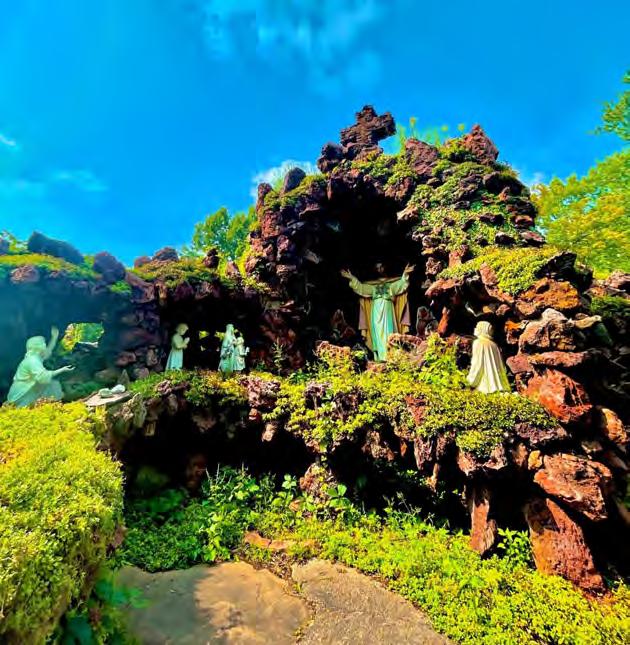
In the southwest corner of the state, the Dickeyville Grotto in the town of Dickeyville was built by Father Matthias Wernerus, a priest who combined his passion for Catholicism and patriotism with shrines and statues (some of which certainly have not aged well).
Materials Wernerus used to build the grotto range from locally sourced stones and geodes to shells, corals and fossils from faraway waters, plus colorful glass, gems and ceramics.
The Dickeyville Grotto was a major influence on Paul and Matilda Wegner, who built the Wegner Grotto to the north outside Sparta.
Made with concrete, glass, porcelain and other materials, the Wegner environment includes a glass chapel (which can be rented for weddings) as well as replicas of personal significance to the Wegners like a cake celebrating their 50th wedding anniversary, the SS Bremen ocean liner and a peace monument.
PRAIRIE MOON SCULPTURES
If one follows the Mississippi River from La Crosse north for about an hour, you will stumble upon Prairie Moon, a park of 40 or so sculptures built by retired farmer Herman Rusch between 1958 and 1974. Surrounded by an oddly arched fence, the lot contains Rusch’s creations plus contributions by Halvor Landsverk and Fred Schlosstein, containing everything from a watchtower to a Hindu temple to dinosaurs to a man fishing in a hole, all fashioned with stone, brick, concrete and glass.
The central region of the state is home to Rudolph Grotto in the town of Rudolph near Wisconsin Rapids. Between beautifully landscaped gardens and rock alcoves housing divine themed exhibits are the Wonder Caves, which take visitors through tunnels that meander past quirky shrines of biblical and rural scenes. The grotto was built by Father Phillip Wagner of the on-site St. Jude’s Chapel. The Wonder Caves have a $3 entry fee. Watch your head!
Forty-five minutes from there in Marshfield’s Jurustic Park, retired attorney Clyde Wynia populated his yard with a cast of extinct creatures that supposedly inhabited nearby McMillan Marsh, each made from welded scrap metal. Wynia continues to give tours of the park to visitors today, which he keeps fun and interesting with jokes and silly tales.
Our final stop takes us into the far north woods. Fred Smith’s Wisconsin Concrete Park along Highway 13 is the largest folk art environment in the state with 237 concrete sculptures adorned with colorful glass shards and stone. Smith, a retired lumberjack who struggled with arthritis, also built the Rock Garden Tavern in Phillips. The bizarre concrete village, built over 15 years, contains depictions of local legends, historical Indigenous figures, everyday townsfolk and forest creatures.
Additional immersive art environments in Wisconsin previously covered in the Shepherd Express include Paul Bobrowitz’s Spectacular Sculptures in Colgate and Dr. Evermor’s Sculpture Park in North Freedom.
Ben Slowey is a Staff Writer for the Shepherd Express.
This Month in Milwaukee 17 Things to Do in August
BY SOPHIA HAMDAN, JAMIE LEE RAKE, BLAINE SCHULTZ AND BEN SLOWEY
Wisconsin State Fair, August 6-16
AUGUST 6
HairNation Wurstbar, 6 p.m.
Fairgoers planning to see Hairball later the same night on the Bank Five Nine Main Stage can get a rawer dose of the same kind of glammy poppy metal from this earnest Windy City outfit. Good on them for not exclusively relying on the obvious hits.
AUGUST 7
The WhiskeyBelles
Saz's Miller Highlife Pavillion, 1 p.m.
The WhiskeyBelles are the first ladies of country-adjacent roots music in Milwaukee. Their cheeky good humor might even convince main stage headliner Nelly to stop by in hope of adding some rapping to the Belles’ work, since he's been known to aid lesser country purveyors (can you say Florida Georgia Line?).
AUGUST 8
Something to Do
Major Goolsby's Heartland, 3:45 p.m. Ska may not be the booming phenomenon it was in the ‘90s, but Milwaukee stalwarts such as Something to Do are making certain the music they love doesn’t die. Their rocking takes on the style's third wave will probably make for the fair’s only instances of skanking.
AUGUST 9
Copper Box
Bud Pavillion, 2:30 p.m.
Danny Jerabek has taken his polka roots—his dad is Ripon bandleader Tuba Dan—and planted a sound of his own. Jarabek, his wife and their bandmates mingle oompah, rock, jazz and more in an organic fusion fitting for some midafternoon dancing in a tent fittingly sponsored by a brewery.
AUGUST 10
Herman's Hermits starring Peter Noone Five Nine Bank Amphitheater, 8 p.m.
Herman's Hermits were among the bestselling bands of the mid-‘60s British invasion of U.S. pop music. Peter Noone is more accessible and amiably chatty than any Beatle still touring or any given Rolling Stone. The chief Hermit is likely to reminisce in between singing his catalog of sweet, very English hits.
AUGUST 11
Dan Lepien Band
Leff's Miller Lite Sports Bar & Grill, 6 p.m.
It’s been gratifying to see Sauk City's Lepien grow in popularity over the past few years, benefitting from the renaissance in interest of ‘90s radio country but more deeply rooted than any mere revivalist. His honky-tonking sound befits both tears in one’s beer and bootscooting celebration.
AUGUST 12
Indika Reggae Band Tropics, 7 p.m.
Fittingly for a band with members of Central American, Caribbean and African heritage, Indika fuses roots reggae with numerous other international styles. The Chicago ensemble has logged in three decades playing their own shows and backing touring reggae headliners.
AUGUST 13
Kenny Ahern Family Variety Stage, 12:30 p.m., 3:30 p.m., and 6:30 p.m.
Ahern doesn't speak in his act, but his combination of clown antics and athleticism makes him easy to appreciate. He’s a refreshingly oldfashioned comedian making audiences laugh from amazement and joy over mis-mastery of his body and the space around him.
AUGUST 14
The First Wave
Bud Pavillion, 3:30 p.m.
On the right night in the right venue, this Milwaukee band plumbs the catalogs of obscure ‘80s new wave post-punk and synth pop. For the State Fair, they might favor the more familiar portion of their repertoire, but that's no bad thing. The guys have reverence and enthusiasm for the era they revisit.
CULTURE
Wisconsin State Fair
AUGUST 15
Catch a Wave
Blue Moon Tavern at the Park, 11 a.m.
The Beach Boys will headline the main stage on August 16. But this tribute band’s harmonizing can come uncannily close to the genuine article. Catch a Wave have the approval of numerous Beach Boys friends, historians, exbandmates and at least one widow.
AUGUST 16
Markl Hayward
Family Variety Stage, 12:30 p.m., 3:30 p.m., and 6:30 p.m.
With his yo-yo and juggling implements, this Madison native has amazed audiences. Appearances among David Letterman's Stupid Human Tricks cavalcade and “America's Got Talent” give Hayward some name recognition.
AUGUST 7
Tracy Bonham
Anodyne Coffee Roasters
“Did I hear someone say, ‘One more?’” Tracy Bonham asked after the first song at her 2026 Summerfest show. The singer-songwriter, violinist, and classically trained multi-instrumentalist whose career has spanned three decades released her latest album Sky Too Wide last year..
AUGUST 15
Tori Amos: “In Times of Dragons Tour”
The Riverside Theater
Since Tori Amos’ 1992 debut album Little Earthquakes the North Carolinaborn singer, pianist and songwriter has created a body of work defined by fearless storytelling and a singular musical voice. In Times of Dragons, her 18th album is a metaphorical story about the fight for democracy over tyranny.
AUGUST 21
Afterlight
Milwaukee Riverwalk District
On Friday, Aug. 21, NEWaukee will illuminate the Milwaukee Riverwalk District with Afterlight, a series of radiant and immersive light installations celebrating the city. This free, evening event runs from 6:30-11 p.m. and will feature a variety of local artists and musicians along the Riverwalk.
AUGUST 22
WMSE’s 16th Annual Backyard BBQ Concert
Humboldt Park Bandshell
Get ready for another epic day of music, food, family fun and summer vibes at WMSE’s legendary Backyard BBQ. Entertainment includes Ivy Ford Band, Known Moons, Field Report, Superchunk and a Sylvan Esso DJ Set. DJ Robert G. from WMSE’s Reggae Vibrations spins between sets.
AUGUST 28
The Sadies Shank Hall
For the last three decades The Sadies have shamelessly played roots music, country, spaghetti western, surf, garage rock, psychedelia, and the slippery beast known as alt rock, all with precision and passion. The Canadian trio remain one of music’s best kept secrets.
AUGUST 29
3rd Annual ABAA Community Resource Fair
Kosciuszko Park
Join Beacon of Hope at Kosciuszko Park from 11 a.m. To 2 p.m. for a gathering with organizations, businesses and community partners sharing resources pertaining to employment, mental health, domestic violence awareness and more. Familyfriendly activities will be on-site plus the first 100 attendees receive a free meal.
MILWAUKEE RIVERWALK
Dear Ally,
I read your column monthly and always learn from them. Thank you for providing such good advice. Now, I hope you can help me.
I’m in my late 50s, married and leading a decent life. Our two adult children are on their own and doing well. My work is rewarding and my co-workers make it enjoyable. I’m not sure when I will be able to retire.
I hope that writing you today will help me understand why I sometimes feel extreme waves of sadness. It feels more like grief and I don’t know why.
No one’s died recently and it feels different than the sadness I feel after something terrible has happened.
I know I’m not depressed, but I am confused. There’s really no pattern to these crazy emotions and I can’t figure out what triggers them. They appear out of nowhere. It happens when I’m alone and can really feel them. When I ignore them, it seems like they come back even stronger.
Despite these occurrences, I feel pretty good. I worry because these emotional bursts are happening more often. I know my hormones are going crazy as I experience menopause, is that it? Sometimes the feelings are overwhelming. It’s almost like I’m really supposed to pay close attention. But to what? Is it because I’m getting older? How do I navigate this? Please help.
Going Crazy
Dear Going Crazy,
Please know this. You are doing the right thing by feeling these emotions as they come up. Yes, your hormones have a lot to do with it. As you know, menopause marks the end of your menstrual cycles. You can no longer get pregnant. During this transition, the body’s production of estrogen and progesterone decrease quickly.
The feelings of sadness that you’ve been feeling, are called unprocessed grief. As we get older, issues in our life, that we’ve ignored or pushed aside, resurfaces. You write that you have a sense these feelings are important, like it’s something you need to pay attention to. You’re right. The feelings emerge so that we can feel these uncomfortable, stressful emotions and face them.
For example: At the doctor’s office, you receive bad news. It’s not the end of the world, but it was a surprise and you did not expect it. The information scared you, but you hold it in till the end of the appointment. Just as you arrived at your car to shed a couple of tears, you receive an emergency phone call from your kid’s school. Your daughter has been throwing up all over the cafeteria and she needs to be rushed to the ER. The school nurse thinks it’s her appendicitis.
Your attention is immediately diverted to your daughter and your need to cry disappears. Those tears are stored in your body, where all the other stored sadness goes. But here’s the thing: what your mind forgets, your body always remembers. This is unprocessed grief. It doesn’t vanish but will visit later on in life.
During menopause and beyond, when our kids are grown, we tend to slow down and crave more quiet stillness. The silence in itself is nourishing, but the extra time gives us space to feel the unresolved feelings. The big feelings need to be faced; the less important feelings can be let go.
Up until recently, we have only heard negative things about menopause – the weight gain, the anxiousness, the sleeplessness and the fatigue.
Age Like a Girl by Mindy Pelz is a great, positive book about this change. Dr. Pelz goes on to say that even though, it feels like everything’s “falling apart, it’s actually a moment of transformation …. that when we stick with the stressful moment and learn to find new ways to navigate the difficulty, the neurons in our hippocampus (the part of the brain correlated with memory),
literally rewires your experience of the world. It’s where the old self dies and the new self begins to form.”
Like when a caterpillar becomes a butterfly.
She claims that menopause “rewires your brain for mental clarity, increased confidence and renewed energy.” All of the changes in our body, set us up for creating a more resilient brain. And when we’re being completely honest about our aging future, it’s the brain that’s the most important.
Going Crazy, the most important thing you can do is feel your stored feelings. Let your inner caterpillar transform into a beautiful butterfly. Do not brush the feelings aside. Think of yourself as your own best hero when you feel them. “The life meant for you is already moving closer with every brave choice that you make.” Power of positivity.
You can do this!
Here for you,
Send your questions to
A Different Kind of Attention Deficit Disorder
BY PHILIP CHARD
Do people sometimes treat you with such indifference that you wonder if you've become invisible? Are you afflicted by a craving for meaningful human interaction that goes deeper than the customary blah-blah-blah. Are you hard-pressed to remember the last time you felt truly heard, understood by and emotionally attuned to another person?
If so, perhaps you suffer what Carol, a colleague of mine, calls “attention deficit disorder.” She isn't referring to ADD, the mental malady most often ascribed to children and adults who can't sit still or stay on task. Rather, this deficit involves the absence of being attended to by others in positive and meaningful ways.
The symptoms? Loneliness, touch hunger, a feeling of insignificance or a sense of psychological invisibility. In some, it can lead to bitterness and hostility.
HECTIC WORLD
In our hectic, depersonalized world, many of us are emotionally hobbled for lack of earnest attention. Granted, some receive far too much unwanted and meaningless attention, often from devices, media and persons who want something from us. However, there are many folks who hunger for genuine, attentive contact with their fellow human beings but don't get it.
The irony is worth noting. In a global culture overflowing with relentless communication and endless messaging, real-time, fulfilling human contact and engagement is on the wane. Despite all our e-sharing, sociologists report loneliness has reached epidemic levels.
Humans have long experimented with ways to get noticed. Flashy threads, stand-out hairdos, hot cars, piercings and tattoos, talk show confessions, in-your-face postings on social media; often, these kinds of displays say, “Hey, look at me!”
We’re not the only animals doing this, of course. Some of our brethren creatures exhibit attention-grabbing behaviors intended to attract mates or communicate dominance.
FIERCE COMPETITION
Competition for the limited supply of people's attention can be fierce these days. Most of us are so harried and hurried by the logistics of daily life and buried under the media onslaught that we pay each other little mind. Selfabsorption is alive and well in our species.
Many parents are too burned out to focus on their kids. Lots of friends don't find time for each other. Many busy couples concentrate on everything but their relationship. The old, atypical and sick are too often forgotten.
While the stern and condescending among us may insist the need for attention is childish, that people should be mentally sufficient unto themselves, students of human nature know we all harbor a fundamental need to be noticed in a positive manner. What is so essential about obtaining the acknowledgment of our fellow humans?
Well, in an existential sense, attention affirms one is a unique individual, not merely a face in the crowd. And while it is painful when a person is the focus of negative attention, there is a different and, in some ways, deeper anguish associated with not being noticed at all.
I AM … I SAID?
As Neil Diamond crooned in his song "I Am…I Said", most of us require the notice of others in order to reassure ourselves that we are a somebody. In order to say, “I am,” many of us also need others to say, “You are.”
Obtaining that “You are” is getting tougher. Most of us are talking, texting and posting, but too few are authentically engaged. Everybody is busy, but not with each other. Everybody wants to be connected, but too few are reaching out in meaningful ways.
What is Carol's antidote? “When I need attention, I simply ask for it. Lots of people try to be coy about it, hoping someone will figure out what they want.
Then they get ticked off when their friends and family don't read their minds,” she explained.
So, if you've got attention deficit disorder, instead of tattooing your eyelids, doing cartwheels in church, or dropping psychological handkerchiefs around your friends, just try asking people for what you want—a bit of their time and well-meaning interest. And, of course, offer the same in return.
As Thich Nhat Hanh told us:
“The most precious gift we can offer anyone is our attention. When mindfulness embraces those we love, they will bloom like flowers.”
Philip Chard is a psychotherapist and author with a focus on lasting behavior change, emotional healing and adaptation to health challenges. For more, visit philipchard.com.
WHEN THE FIREWORKS CEASE
DEAR RUTHIE,
My husband and I have been together for 17 years, but our conversations have come down to what to watch on TV, what to make for dinner, and what brand toilet paper to buy. How do we get our spark back?
HELP, Restless Ron
DEAR RONNY,
If you’re still arguing about toilet paper after 17 years, I think it’s safe to say that the butterflies that were once in your stomachs have officially migrated.
Don’t focus on recreating your first date. After all, you were likely nervous, had less money and made questionable fashion choices. Instead, consider creating new experiences together. Take a dance or cooking class. Pack some snacks and road trip to Madison or Chicago. Play hooky and go for nachos and margaritas at noon.
Most important, start flirting again. Leave each other little notes. Send romantic cards in the mail. Pass compliments back and forth like a bottle of poppers. Remember sometimes love is a quiet thing. There aren’t always fireworks, and that’s ok. The next time you buy your fancy schmancy toilet paper, give your hubby a kiss on the cheek and remember why you fell in love in the first place. XXOO
Ruthie
Ruthie's Social Calendar
AUGUST 3
THE PRINCESS CONCERT AT RIVERSIDE THEATER (116 W. WISCONSIN AVE.): Call your royal court together and savor the music from Frozen, Wicked, Beauty & the Beast, The Wizard of Oz and dozens of other magical films. Purchase tickets to the 3:30 p.m. concert via www.axs.com.
AUGUST 7-9
THIRD WARD MOON FESTIVAL AT CATALANO SQUARE (310 E. ERIE ST.): Check out the 23-foot illuminated sculpture that’s captivated more than 30 million people around the world. In addition to the immersive experience, you’ll discover live music, interactive art, food and more. See www.historicthirdward.org for details.
AUGUST 9
WYNONNA JUDD & MELISSA ETHERIDGE RAISED ON RADIO TOUR AT BANK FIVE NINE MAIN STAGE AT WISCONSIN STATE FAIR
(640 S. 84TH ST.): Two legendary powerhouses bring their biggest hits to the State Fair with this incredible 7:30 p.m. concert. See www.etix.com for tickets, including numerous VIP packages.
AUGUST 13
OPENING NIGHT DISASTER! THE (70S) MUSICAL AT BOMBSHELL STUDIO THEATRE (19700 W. BLUEMOUND RD.): What happens when you combine ‘70s disco with the disaster-film genre? You get this hilarious production from Bombshell Theatre. Come ready to relish all the kooky nostalgia you can handle after securing seats at www.bombshellrtheatre.org.
AUGUST 15
TORI AMOS “IN TIMES OF DRAGONS TOUR” AT RIVERSIDE THEATER (116 W. WISCONSIN AVE.): One of the more prolific performers of our time returns to Cream City with a stop on her latest tour. Tori Amos’ extraordinary work has spanned decades, consistently receiving critical acclaim, and you’ll quickly see why when you nab seats via www.axs.com.
AUGUST 20
BOI BINGO AT LACAGE NITECLUB (801 S. 2ND ST.): Easton Boyd hosts a 7 p.m. evening of games, prizes and drink specials every Monday. Head downstairs to The Den for this change-of-pace night but get there early to order up some tasty grub from the grill.
AUGUST 22
PRIDE RIDE TO FIGHT MS AT HARBOR ROOM (117 E. GREENFIELD AVE.): The local LGBTQ+ motorcycle group invites everyone to join them on the fight against Multiple Sclerosis with this friendly 10 a.m. ride. Don’t have a bike? Join the fun when you follow along in your car.
AUGUST 27
OLDER ADULT DROP-IN DAY AT MKE LGBT COMMUNITY CENTER (161 S. 1ST ST.): Growing older doesn’t mean growing lonely. Meet friendly faces, make new friends and enjoy great conversations during this weekly meet up. Drop by the center from 12:30 to 3:30 p.m. for snacks, card games and more. Visit www.mkelgbt.org for a complete schedule of activities.
AUGUST 30
DOG DAYS AT DEER DISTRICT FARMERS MARKET AT FISERV FORUM (1111 VEL R PHILLIPS AVE.): If you haven’t been to the popular market yet, this special day is a great reason to check it out. Stop by the MADACC booth from 10 a.m. to 2 p.m., for pup-friendly merch and help improve the lives of fourlegged fur babies throughout the city.
MILWAUKEE’S LGBTQ SITES EARN HISTORICAL MARKERS
BY PAUL MASTERSON
With the 50th anniversary celebration of the opening of the M&M Club on Independence Day 1976 came the Wisconsin LGBT History Project’s announcement of a Wisconsin state historical marker to be installed in recognition of the former venue. It will be the third marker granted thus far by the Wisconsin Historical Society to recognize Milwaukee’s LGBTQ history. The second marks the site of the former This Is It, the famous bar once located on the city’s lower East Side that opened in 1968.
The effort to raise visibility of the LGBTQ community through publicly identifying historical sites began in 2018 with the installation of the city’s first rainbow crosswalks at the intersection of East Juneau and North Jefferson near Cathedral Square. Led by Milwaukee Pride, Inc, the producer of PrideFest, with the support of over a dozen LGBTQ groups, the idea was to celebrate the historical significance of Cathedral Square as the destination of Milwaukee’s first Pride march (1989) and recognize June Brehm, the original owner of This Is It!, as well as celebrate the bar’s 50th anniversary.
Milwaukee Pride, Inc became the project’s fiscal agent and sole funder. Since then, it has paid for the rainbow crosswalks’ annual renewal, as Milwaukee’s Pride president and CEO Wes Shaver commented, “It is our commitment to maintain the crosswalks year-round not only for the enjoyment and pride of the community but for our visibility and identity.”
FORGOTTEN EVENT
Five years later, in 2024, as part of the History Project’s Landmarks Program, the first Wisconsin state historical marker to recognize local LGBTQ history was erected near the former location of the Black Nite, a gay bar where a fight between patrons and military servicemen men took place in 1961. For all intents and purposes, that event had been all but forgotten. A primary participant, drag performer Josie Carter, “a Black woman of trans experience” as the marker’s dedication reads, had mentioned the brawl in passing in an oral history she recorded in 2011 preserved in the UWM LGBTQ Archive. The story piqued the interest of the History Project and, after having researched the scant information available, pieced together a narrative that portrayed the first moment in local LGBTQ history in which community members responded to harassment and violence.
Approved in February 2026, the marker planned for the This Is It site should be in place later this year. The bar’s legacy is its longevity of over half a century and the role it initially played as a safe space for past generations forced to live in a hidden world. For most of its history, the venue remained devoid of any outside indication of it being a gay bar. Only in its last decade did it hang signage and paint rainbow colors on its facade. By then, expanded under new ownership, the bar had changed from its quaint lounge atmosphere to a modern dance locale replete with near nightly drag shows and events. To the great shock of the community, it closed suddenly in March 2025.
Photo
M&M MARKER
Finally, the third state marker will recognize the M&M Club and owner Bob Schmidt. Aside from its role as a popular destination, M&M’s historic moment occurred when, late one evening, Schmidt removed the large plywood sheets that completely covered the bar’s storefront windows. Schmidt’s symbolic gesture of defiance underscored the community’s growing impatience with homophobia and discrimination as well as its demand for visibility and equality.
Other Landmark Program projects include the rainbow crosswalk at the intersection of National and Second, dedicated in 2025 in honor of Jim Dorn, founder of Milwaukee’s first gay owned bar, Your Place, and a state marker for “The Pit,” the first “out” gay bar in upper Wisconsin, opened in Wausau in 1973 and in business until 1982. In partnership with the Milwaukee Preservation Alliance, the History Project is also supporting the Catherine Foley Saloon Restoration at 266 E. Erie Street, the location of Milwaukee's first Levi/Leather bar from 1972 to 1996. Meanwhile, additional markers are in the application and approval process.
Curiously, whether by rainbow crosswalks or historical markers, the current slate of landmarks recognize only Milwaukee’s gay bars. Granted, they are foundational for LGBTQ life and liberation. However, one would hope that other entities and aspects of our history will be eventually acknowledged as well.
This year, particularly, happens to mark major anniversaries of some of our most important institutions. Several are celebrating their 40th and 50th anniversaries. With all the focus on Cathedral Square, one might expect a longoverdue nod to Archbishop Rembert Weakland who, lobbied by activist Leon Rouse, was instrumental in the passage of the nation’s first LGBT anti-discrimination law. Known as Wisconsin Assembly Bill 70, it effectively ended antiLGBT discrimination in housing and employment. I can think of nothing more appropriate than a Cathedral Square historical marker honoring Archbishop Weakland, This Is It and the 1989 Pride rally.
NOMADIC INSTITUTIONS
Still, while many of our institutions have a long and impactful presence in the community, they have also been nomadic, moving to various locations over the course of their histories. The question of where to place a marker gets complicated when, for example, the LGBT Community has had five locations.
For the moment, it’s a moot point since there is currently an application moratorium for official state historical markers. Organizations may, however, elect to simply install their own based on state criteria. Not surprisingly, the historical markers “identify, commemorate, and honor the important people, places, and events that have contributed to the state's rich heritage” and, among others, “The site is representative of popular stories or myths that, although not verifiable, are significant to history and culture.”
It is actually surprising how most of the city’s oldest LGBTQ organizations do not have their respective histories accessible online or elsewhere. Perhaps a marker of their own, while not officially registered, would suffice, at least for the moment.
Paul Masterson is an LGBTQ activist and writer and has served on the boards of the Milwaukee Gay Arts Center, Milwaukee Pride, GAMMA and other organizations.
M&M CLUB 10TH ANNIVERSARY OF CLOSING CELEBRATION
RAINBOW CROSSWALK NATIONAL & 2ND
Photo courtesy of Michail Takach, customers at 10th anniversary of closing May 2016, Wisconsin LGBT History Project, archive.wislgbthistory.com.
Photo of crosswalk by Timothy Czerniakowski.
From The City That Always Sweeps
BY ART KUMBALEK
I'm Art Kumbalek and man oh manischewitz what a world, ain’a? So listen, here we be, praise the lord or whomever, in the holiday-less month of August named after some kind of Roman emperor a good couple thousand years ago, one of those guys that when you see a photo of his statue, looks like the dude is wearing a skirt, I kid you not.
Perhaps the pantaloon had not been discovered back in the BCs, but had it been and Augie yet chose the ancienttrans look, I say you go “they,” you rule an empire, what the fock.
Yeah yeah August, a month chockpacked with 31 days of dwindling yet likely sweltering summertime days with annoying insects a’plenty. And as I’ve often bemoaned, a month bereft of not nary one kind of ballyhooed holiday whenst the working-man or woman gets an extra officialized day off from their crappy job or jobs so’s to enjoy a couple, three grilled hotdogs with an ice-cold bottled beer outdoors somewheres.
We abso-focking-lutely need an August holiday for all to celebrate. Hey, how ’bout Elvis Aaron Presley Day who died on an August 16, and he’s already been on a U.S. postage stamp? Call it National Hound Dog Day, what the fock.
Speaking of dogs, we got what they call the Dog Days this month—or diēs caniculārēs as they would say in the ancient land of fair Latinstan before it sank to the bottom of the sea, so I’ve heard. Yes sir, it’s those days this time of year “marked by dull lack of progress,” as was my schoolboy study of Latin so marked, back at Our Lady In Pain Because You Kids Are Going Straight To hell But Not Soon Enough, you betcha.
And speaking of our canine friends/ freeloaders, I’ve discovered that there’s an updated calculation to what constitutes a “dog year” compared to the lordly human trip around the sun. Cripes, I’d always heard that a dog year was like seven for the Homo sapien pooch parent. Now, those-inthe-know speculate that “each human year would be approximately five years for a dog.” Jeez louis
I can only imagine that equation would also apply to a “dog day,” in that the master’s day of 24 hours-times-seven would equate to a nifty 400-hour day for Fido. And with that amount of time on their paws, you’d think and hope and pray that “man’s best friend” could dream up something more constructive to do rather than yap at the rubber Garfield chew-toy that rolled under the living-room couch, take a leak on a fire hydrant or lap up their barf after chowing down half-a-load from the focking cat’s litter box.
And then there’s the specter of alien life infiltrating our earthly blue-green planet. Here’s a news headline I noticed the other day:
Alien-like message sent to Earth in a test to prepare for the real thing
Yes sir, good to be prepared, aye, captain. The first paragraph to the story was this:
What would happen if aliens contacted us? It’s a longstanding question that now has at least a partial answer, after a transmission designed to mimic correspondence from an extraterrestrial civilization made its way to Earth from Mars.
Whoa, Nellie. Is this not too late, given all the recent hoopla surrounding sightings and visitations of UFOs, UAPs, HMOs, ELOs, Ei Ei Ei Os?
About this, I got to tell you’s that I remember a TV show on Discovery where the eminent rocket-scientist Stephen Hawking—a brainiac bon vivant whose résumé includes every goddamn thing with the exception of a guest spot on “Dancing With the Stars”—declared that intelligent life from other cosmos could be, well, dangerous, what the fock.
He said visitors to our fair planet from outer space could be “nomads, looking to conquer and colonize.” Conquer and colonize? Yikes! And I agree—not just “conquer and colonize,” but how ’bout these technologically advanced aliens might hail from a resourcedepleted corner of a solar system and so they’re out looking for new nutrient food sources.
Could we, the sapien de la Homo race of human beings, become the chickens who be sliced, diced, chopped, seasoned and fried to be served on a fast-food sandwich to 12-foot aliens who sport bald, large-cranium brains the size of elite university-library globes of the planet Earth?
You betcha, we can. And all I can say is it’s time to be no longer simply Native Americans, Native Mexicans, Africans, Euro-focking-peans, Muslimites, native blah-blah and blah-blah. Time to be Native Earthlings ’cause those alien extraterrestrials from the planet You Are Focked Up the Ass, Earthling Losers may be due any day now the way this year 2026 has proceeded, and the first thing they want to do is reach up and tear our livers right clean out of our buttskis, besides screw our Earthling women and who’s-not threeways sideways ’til Sunday. Our own history as a planet ought to provide proof to that notion, ain’a?
What a world, what a universe. And so, as the song goes, “See You in September,” when we can say “Go Pack!” ’cause I’m Art Kumbalek and I told you so.