Updates from Around the Co-op
by Preston Knight, Communication Manager
The nature of a magazine is that it’s a one-way form of communication, in this case your electric cooperative to you.
It’s time again to use these pages to encourage a two-way interaction.
A telephone town hall for all coop members is scheduled for 7 p.m. Monday, April 20. As we’ve done in the past, we plan to contact members at their phone numbers on file and then spend the better part of an hour answering questions live on air.
New this year will be a Zoom video component. The logistics of this are being finalized. Please check svec.coop for more information as the event date nears if you’re interested in the Zoom option.
If you have a question or concern that cannot wait until April 20, you can contact SVEC at 800-234-7832. Members are asked to refrain from asking account-specific questions during the town hall.
CONTACT US
Mailing Address
180 Oakwood Dr., Rockingham, VA 22801
Phone Web
800-234-7832 • svec.coop
Email svecpr@svec.coop
Local Pages Editor
Preston Knight
Local Pages Designer
Ashley Kreis
If you would like to unsubscribe from receiving the print edition of Cooperative Living, email svecpr@svec.coop with your home address.
RATE CHECK
One of the topics that might come up is SVEC’s planned filing with the State Corporation Commission for a minor revision to distribution rates.
The proposal, which is expected to be filed April 1, will increase the average residential member bill about $6.50 per month per 1,000 kWh used.
Since our most recent rate increase, SVEC has continued to see rising costs of service. At the same time, the cooperative has continued to invest in the safety and reliability of our system consistent with good utility practice and member expectations for performance.
The requested rate revisions will generate additional revenue to allow SVEC to recover the costs of these investments, to continue to meet its financial obligations, and to provide high levels of reliability and member service.
If approved, the changes would take effect for bills rendered on and after May 1.
For more information, we published a set of frequently asked questions regarding the rate proposal at svec.coop/rates.
GET MONEY WHILE SAVING
To trim some operating expenses, SVEC is looking to join with members to increase the number of people participating in paperless billing, automatic monthly payments and, ideally, automatic payments with electronic check.
InvoiceCloud, our payment processing vendor, is sponsoring a sweepstakes to encourage SVEC members to sign up for paperless billing, AutoPay and AutoPay with e-check. Members who complete one of these actions by April 30 will be eligible for one of 10 prizes valued at $100 each. Members who are already enrolled will also be eligible.
It’s important, both environmentally and economically, that we move away from mailed billing statements. SVEC’s analysis has found the cooperative saves about 38 cents per month per member if a member chooses an electronic statement versus a mailed statement.
The easiest path to taking any of these steps is to set up or review your online account at svec-online.coop, or call us at 800-234-7832. •

Grant Recipients are ‘Difference’ Makers
by Lydia Weaver, Community Relations Specialist
SVEC’s Operation Round Up program recently completed its first cycle of charitable giving for 2026. There was a strong start to a new season, totaling $39,000 awarded to 17 Valley nonprofits. The fund for giving is built by a corporate contribution and thousands of members who voluntarily round up their monthly bills.
Among those awarded in February were firsttime grant recipients and a few we haven’t visited in over five years. Get to know some of them below.
THE ARC OF HARRISONBURG AND ROCKINGHAM
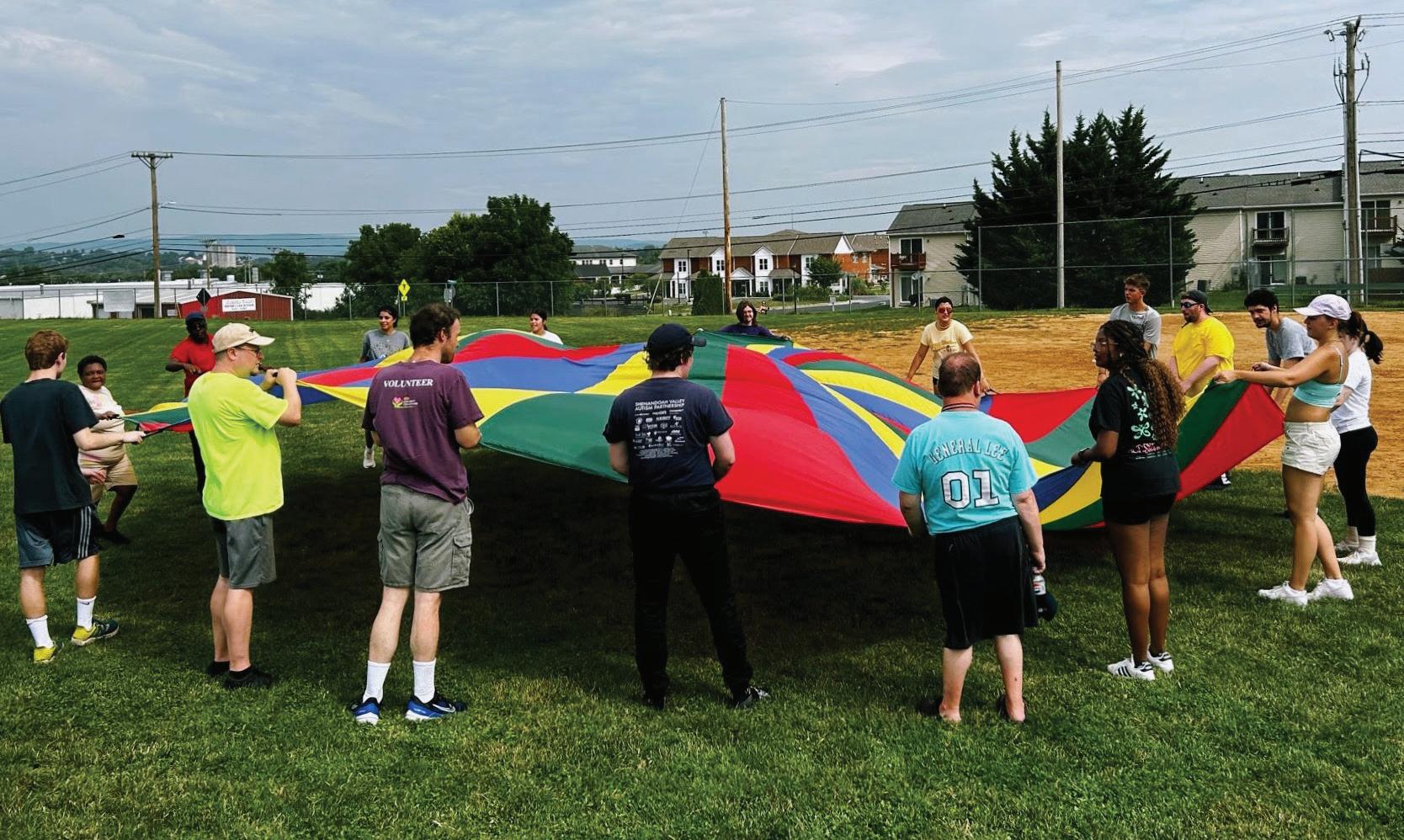
Dedicated to supporting individuals with intellectual and developmental disabilities, The Arc provides services to promote independence, self-advocacy, community engagement and overall wellness, so they may live meaningful and inclusive lives. It promotes equity by providing opportunities for people with disabilities to actively participate in social connection and avoid isolation.
expenses such as program supplies, adaptive materials and transportation to help ensure continuity and quality of service programs that foster personal growth.
“This grant will truly make a difference in the lives of the individuals and families we serve at The Arc,”
trained case manager, Bridge of Hope assists families by locating immediate rental housing and offering money management training. It also partners with congregations to form lasting relationships between supported families and neighboring volunteer groups that foster friendship and advocacy.

In the past year, The Arc has directly served more than 75 individuals. Some offerings include in-home support for individuals wanting to improve specific skills such as cooking, managing finances, navigating public transportation and grocery shopping. The Arc also provides community coaching to address behavioral barriers that keep individuals from engaging with the general public. There are even respite services available, offering short-term, in-home relief for caregivers to attend to their own needs, such as doctors’ appointments and grocery shopping.
SVEC’s grant will supplement
Executive Director Angela Carter says. “Support like this enables us to continue expanding opportunities, strengthening our programs and making a real, tangible impact in our community. We are deeply grateful.”
BRIDGE OF HOPE
HARRISONBURG-ROCKINGHAM
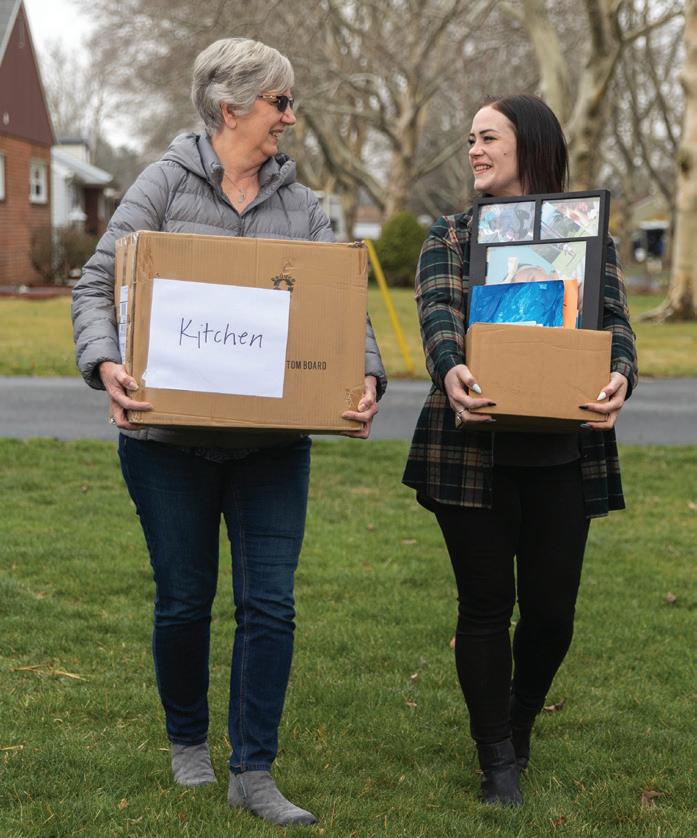
Bridge of Hope combats homelessness in Harrisonburg and Rockingham County by empowering single parents and their children to achieve housing stability. Through collaborative efforts with local churches, community support volunteers and a
Funds provided by SVEC’s grant will be used for family rental assistance, specifically for those completing Bridge of Hope’s Neighborhood of Support program. Rental assistance is offered on a decreasing basis over a 12- to 24-month period in which recipients participate in a three-way partnership between the family, support volunteers and a case manager to achieve stability. Currently, 96% of families who graduate from the program achieve that goal of stability, identified by successfully maintaining housing.
Bridge of Hope typically has about 15 participating families per year, but it has served more than 400 individuals since its founding. Families are admitted to the program on a rolling basis as availability allows, so rental assistance funding is an ongoing expense.
“At Bridge of Hope HarrisonburgRockingham, we believe in the transformative power of community,” Executive Director Heidi Hoover says.
The Arc
Bridge of Hope
“Every day, I witness what’s possible when neighbors come together, when a family facing homelessness finds not only shelter, but hope; not only resources, but relationships.”
FRIENDS OF THE SHENANDOAH RIVER
As a nonprofit scientific organization, Friends of the Shenandoah River is dedicated to protecting and stewarding the aquatic ecosystems of the Shenandoah and Potomac river watersheds. Its work supports clean water and resilient ecosystems through water quality monitoring, directly impacting surrounding communities. FOSR shares its analyzed data with the public to equip residents and local leaders with informed decision making for recreational activities and watershed stewardship.
Through the Summer E. coli Testing Program, FOSR conducts water sample
County Public Schools and helps defray teachers’ out-of-pocket costs through the purchase of supplies.
Requests for assistance are constant, but some typical asks include basic items such as pencils and paper, tissues and hand sanitizer, snacks for hungry students, pancake mix or ground beef for Family Consumer Science classes, and laundry soap for the Culinary Arts and Cosmetology programs at Triplett Tech.
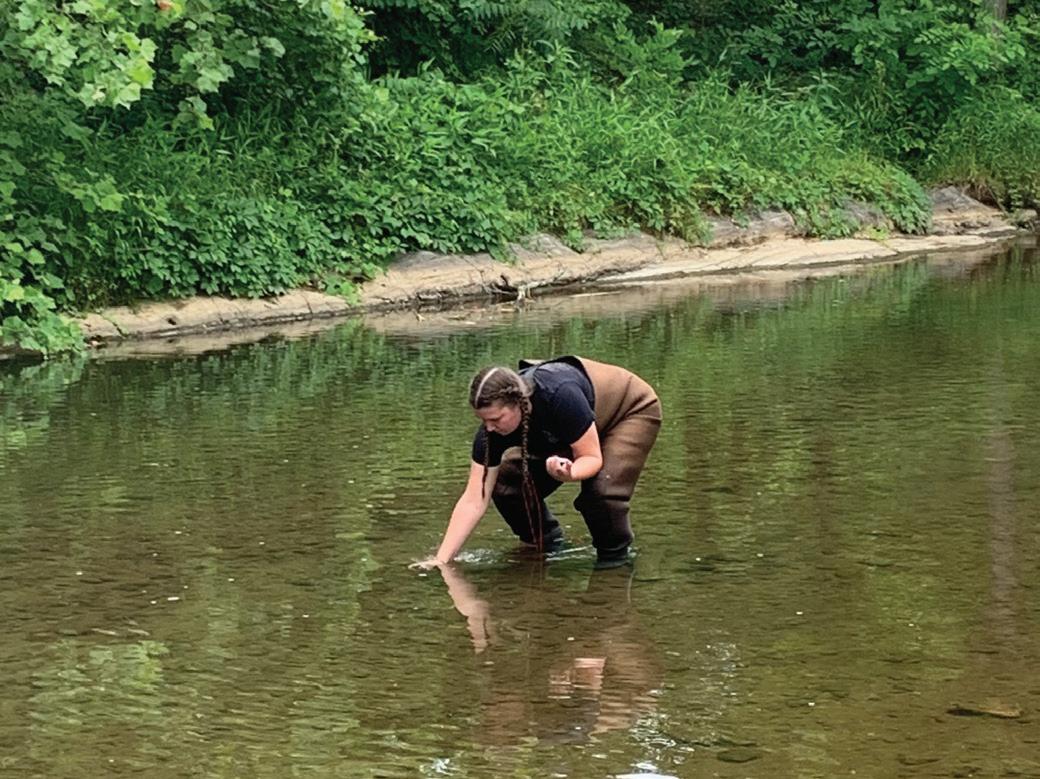
15-20 public recreational sites along the mainstem and North and South forks of the Shenandoah River. Since 2024, a monitoring site on Hawksbill Creek has been added to the program, in collaboration with the Luray-Hawksbill Greenway. Funds awarded by SVEC will directly support the weekly E. coli testing at the Hawksbill Creek location in Page County from May through September.
JUST BECAUSE INC.
With 200 volunteers in action, Just Because is working to offset needs in
Just Because also provides regularly distributed, useful gifts to teachers and luncheons during workdays. The nonprofit’s reach extends to all school staff, including breakfasts for bus drivers during mandatory meetings.
Valleyhaven Furniture Bank
teachers
personally financing resources when budgets come up short.
VALLEYHAVEN FURNITURE BANK
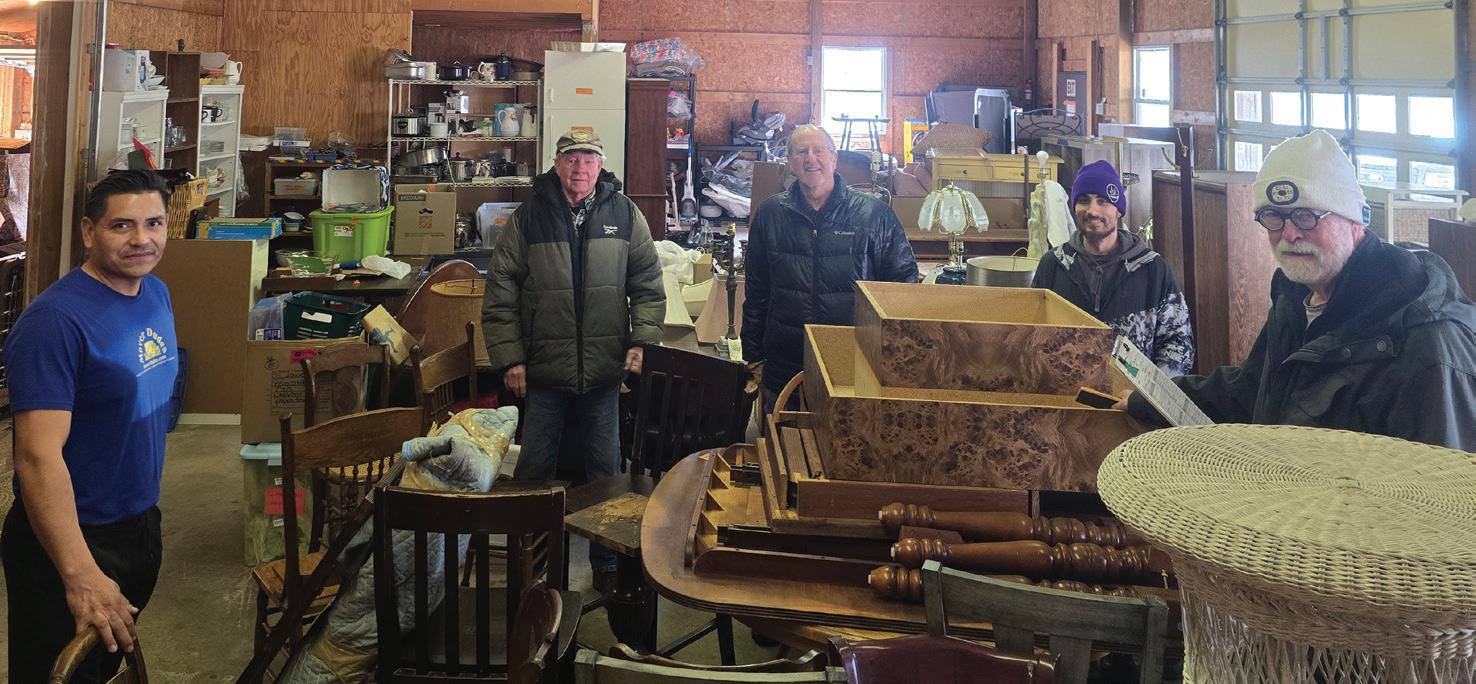
Valleyhaven Furniture Bank of Winchester provides essential furniture at no cost to individuals or families transitioning out of homelessness, survivors of domestic violence and those facing financial hardship. Delivering furniture to homes in need bridges a critical barrier to stability by making residences livable.
Among requested household items, beds and mattresses are the most urgent and ongoing need. With SVEC’s grant, Valleyhaven will purchase 11 new twin bed sets, including mattresses, box springs and frames.
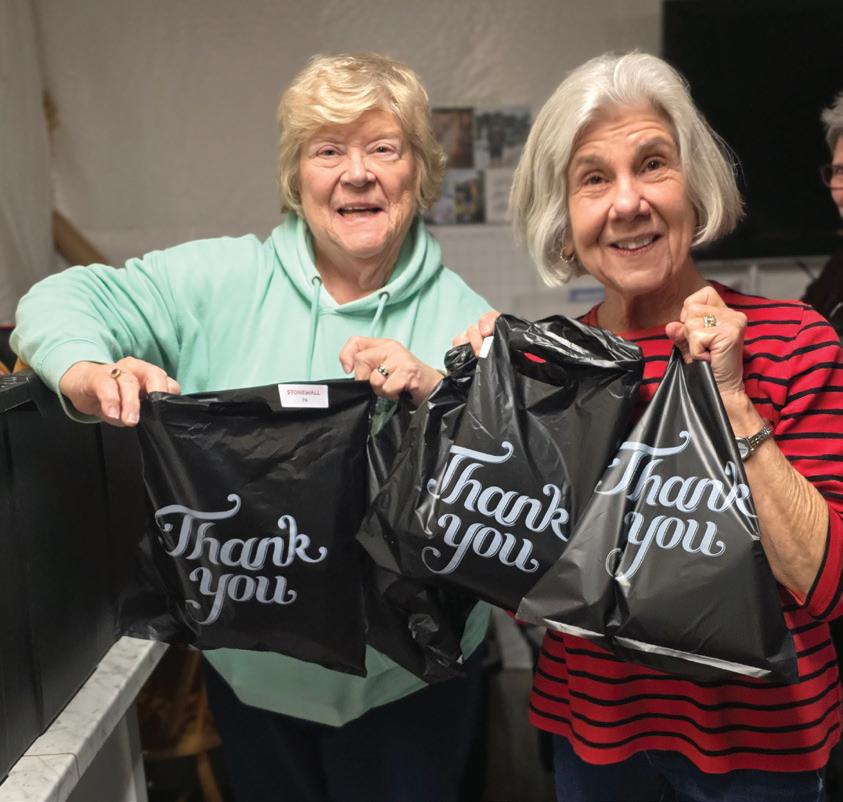
With SVEC’s grant, Just Because will continue to provide in-kind donations to classroom teachers by purchasing necessary supplies. Though the need is ongoing, these funds will help alleviate

While many area nonprofits lack the storage space for furniture and household items, Valleyhaven is answering a needed call. By partnering with other community organizations that handle case management, it can identify clients in need and provide comfort, dignity and stability through basic home furnishings. •
Additional grant recipients: Blue Ridge CASA, Blue Ridge Foster VA, Highland Center, Highland Children’s House, Highland Food Pantry, LEARN English and Reading Now, Living Legacy, Page One, Renewing Homes of Greater Augusta, Shenandoah Valley Discovery Museum and Way to Go.
Shenandoah
Friends of the Shenandoah River
Just Because Inc.
Centers of Attention
by Preston Knight, Communication Manager
As data centers have taken center stage across the commonwealth, SVEC’s position has remained the same.
There isn’t much of one to take.
A recent forum in Frederick County brought the cooperative into the conversation about the expansive, power-hungry facilities in a public way. But SVEC’s message would be the same if those meetings did not occur: SVEC has an obligation to serve all members, large and small, that seek to connect to the local distribution grid within its service territory.
The process playing out locally with data centers is no different than any other potential large load, such as hospitals, retail distribution facilities or a major brewery, all of which SVEC has long served and, if any were being proposed now, generally would not be controversial. The cooperative’s obligation to serve — part of being a regulated utility under the State Corporation Commission’s purview and required by law — carries through no matter what the end user has planned for electricity.
However, data centers have carved out a special place among public and political perceptions regarding electric costs burdening all ratepayers. This seems to be tied to the mass amounts of power they require, compared to other large loads. They need it to keep computer servers churning out information everyone accesses at their fingertips.
Who pays for that sudden increase in electric need? For SVEC’s costs to provide service, the answer would be the large load member, in this case, data centers themselves.
NO COST BURDEN ON RESIDENTIAL MEMBERS
It’s important to note that the concept of a data center isn’t necessarily new, and there are many of all sizes operating throughout co-op territories around Virginia. While SVEC has yet to see meaningful increased demand directly related to the modern-day, larger-scale data center buildouts, the cooperative is staying informed and engaged with officials as new development proposals are considered in their localities.
This includes Frederick County, where county leadership invited various parties, including electric cooperatives, to present to the public and answer questions in late February. The goal of the session, county organizers explained, was to provide “clear, objective” information and considerations for data center
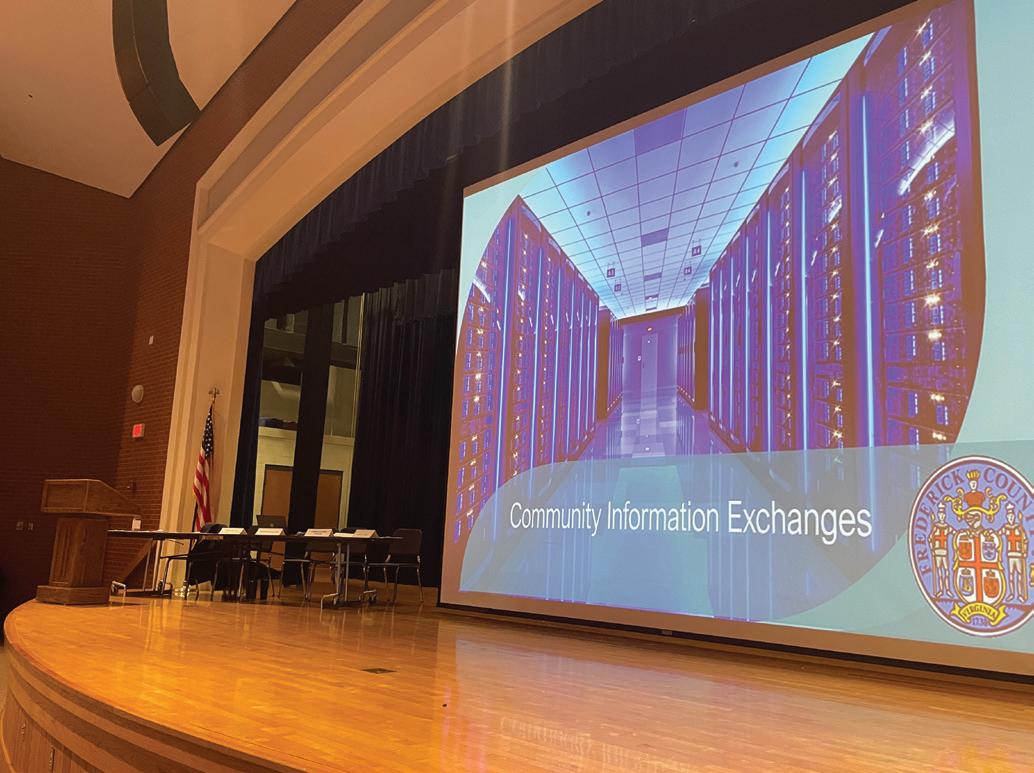
development in the locality.
Top of mind for audience members, from an electric perspective, was the impact data centers would have on rates. SVEC personnel informed the audience everyone pays their fair share, based on the applicable rate and tariff for that member, for their use of the local distribution system.
Every rate and tariff is designed so each member class pays proportionately. SVEC has sought to further solidify this operating concept by filing with the SCC in October a petition requesting approval of what’s to be called a “Large Power Dedicated Facilities Contract Service Schedule LPD-2.”
This new tariff and member agreement will ensure, at the SVEC distribution level, excess capacity and generation requirements are not shared among all coop members. This protects, for example, the individual residential member from subsidizing power costs created by a very large load. The member, such as a data center, would pay for costs associated with excess capacity and generation because of their outsized service requirements.
Locations that sit at or near transmission infrastructure garner the most initial interest from data centers. SVEC has several transmission corridors that traverse its territory, including Frederick County, making that locality a natural area where the data center conversation is a hot-button topic. The discussion is sure to continue, but SVEC’s message will remain consistent throughout: We welcome any member because we have an obligation to serve them, but their arrival won’t come at the expense of existing members. •
Frederick County held a data center forum in February.
Data Centers Explained
Data centers are the backbone of the internet, storing and managing everything from social media and cryptocurrency mining to artificial intelligence, cloud computing and streaming services. As these digital services expand, the size and number of data centers is growing rapidly, with many being sited in rural areas served primarily by electric cooperatives. This new load brings big opportunities and major challenges.
HVAC
Constant cooling is needed to ensure the servers function properly.
Servers
Companies are choosing rural locations for their data centers because of cheaper land, available power and possible tax breaks. Why rural areas?
Servers are the “brains” of the data center, running applications and processing data 24/7. Each rack of servers can consume 10-30 kW, enough to power a small home or grain mill. A large data center may have thousands of server racks.
Infrastructure
Data centers o en require new electrical infrastructure to accommodate their power needs.
Backup power
On-site generators keep data centers running during system outages and can be used to curtail load during peaks.
Don’t Worry, Be Hoppy
Step and touch potential can be hare-y situations
by Preston Knight, Communication Manager
Adowned power line can literally put you one step away from a fatal movement.
That’s why such an act as a bunny hop exists in the electric utility space.
Perhaps it’s not ingrained in us at an early age as “stop, drop and roll” is to fires, but the hop can be just as much of a lifesaver when the unfortunate circumstance of encountering a downed power line occurs.
Through the processes of step and touch potential, serious injury or death is possible even when you’re not directly touching a downed power line. It has everything to do with electricity seeking the fastest path to the ground. If humans are in the path, electricity does not care.
Step potential is the voltage difference between the feet of someone around an energized object.
“If something brings a live line
down, electricity is dispersed through the ground. It’s like throwing a rock in a pond and watching it ripple,” says Scott Austin, who spent decades in the field as a lineman and is now SVEC’s field training and safety officer. “Think of it this way: Your feet are far apart, touching different zones of the ripple. With electricity you would be touching two different potentials, and the electricity flows through you to make up the difference in voltages between those potentials.”
danger you see on the ground could lead you to danger you can’t recognize, Austin says.
A solution is the bunny hop.
“You have to do what you can to keep your feet in the same potential,” Austin says.
You want to be as far away as possible from energized objects and lines to avoid the dangers of step and touch potential.
“If you can’t bunny hop, shuffle your feet away from the downed line. Keep them on the ground. And call 911 or SVEC as soon as you possibly can.”
The voltage of the downed wire is higher nearer the power line and becomes lower as it gets farther away. Each step you take away from the
If you walk across this energized area, the voltage between your feet will di er. Electricity will use your legs as a path to travel from an area of higher voltage to an area of lesser voltage, resulting in electrocution or serious injury.
Closely aligned with step potential is touch potential. This occurs when something you touch is electrified, making you a path for electricity flowing to the ground. One example is a vehicle that crashes into a pole and brings down live lines. Someone from the outside of the vehicle who touches it is subject to electrocution through touch potential, or the driver is at risk if he or she exits the vehicle touching it and the ground at the same time.
If possible to do without causing additional damage, the driver should break free from the power line by moving the vehicle. If the driver cannot move the vehicle, or if it’s already smoking or on fire, leave the vehicle by jumping with both feet together and then bunny hopping to safety.
You want to be as far away as possible from energized objects and lines to avoid the dangers of step and touch potential.
“There are so many scenarios where step and touch potential could injure someone,” Austin says.
“Do the bunny hop” and help us spread the word. It could save a life. •
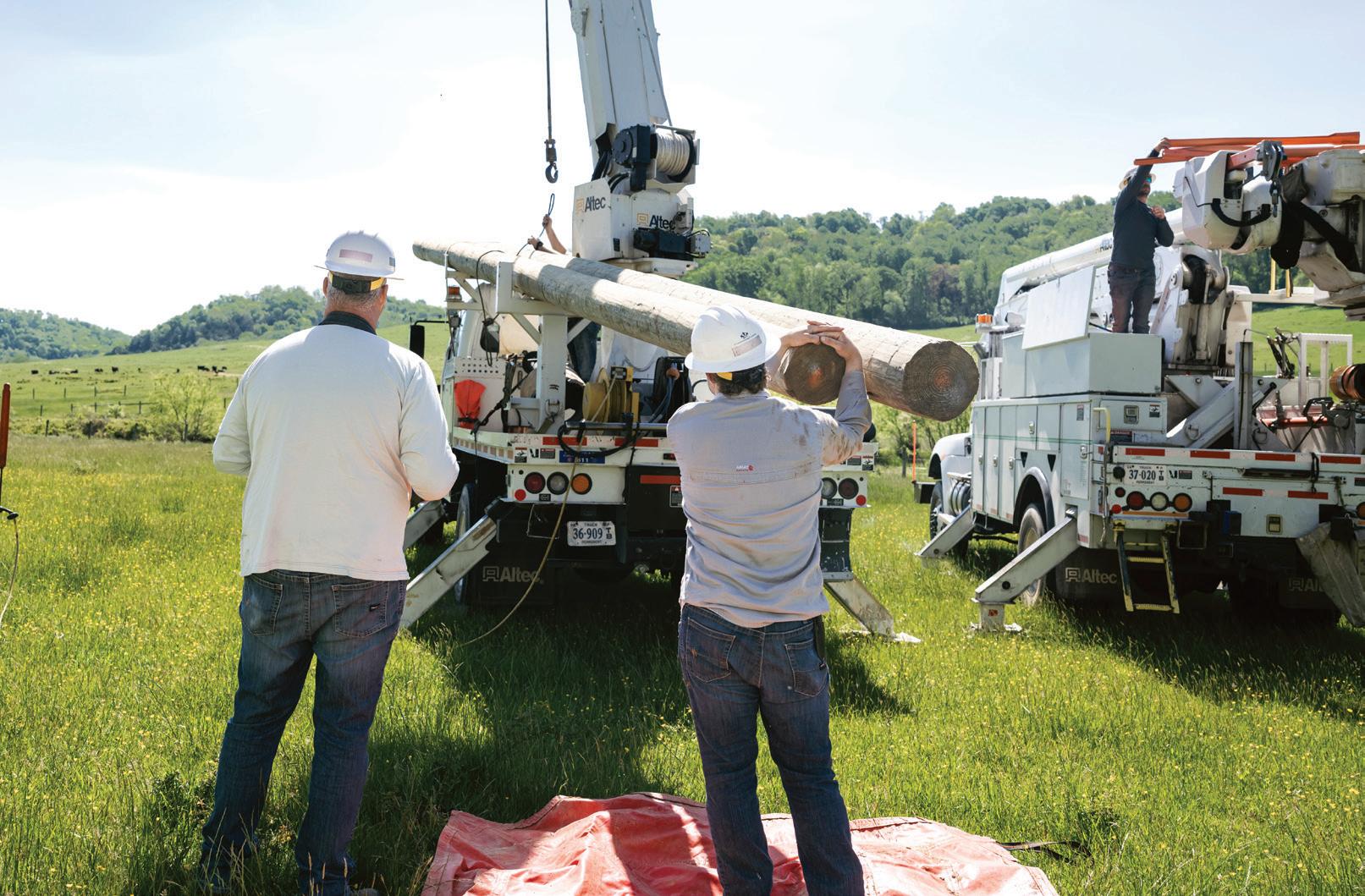
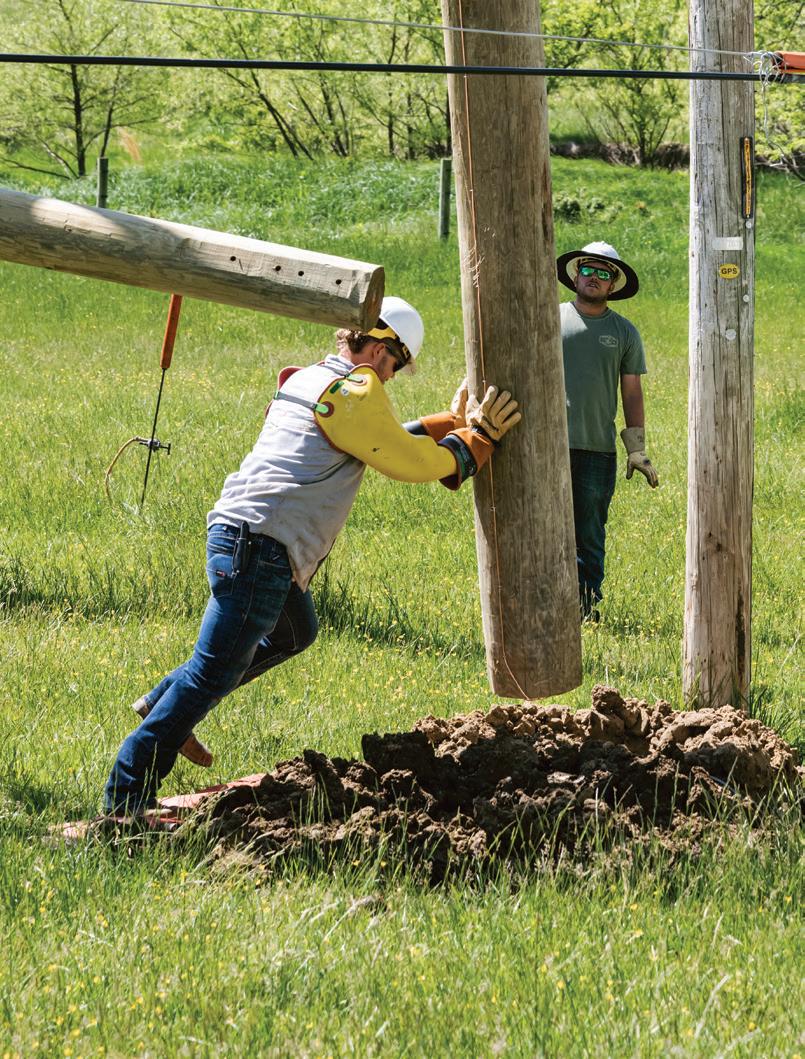
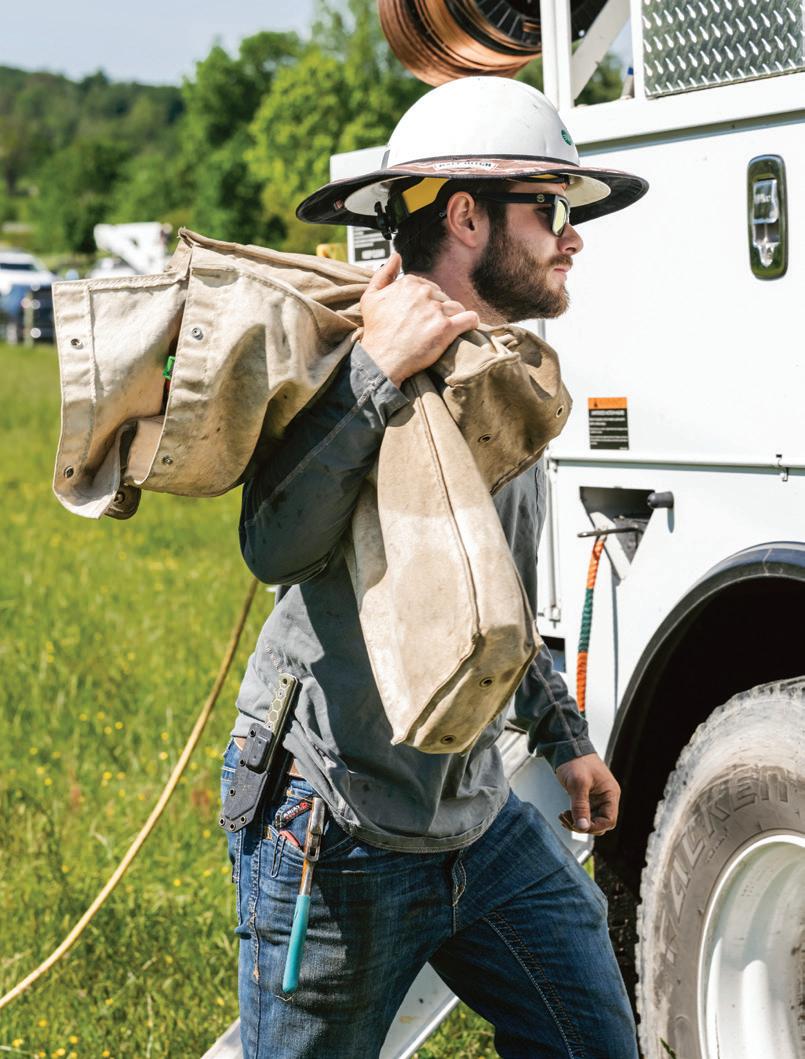
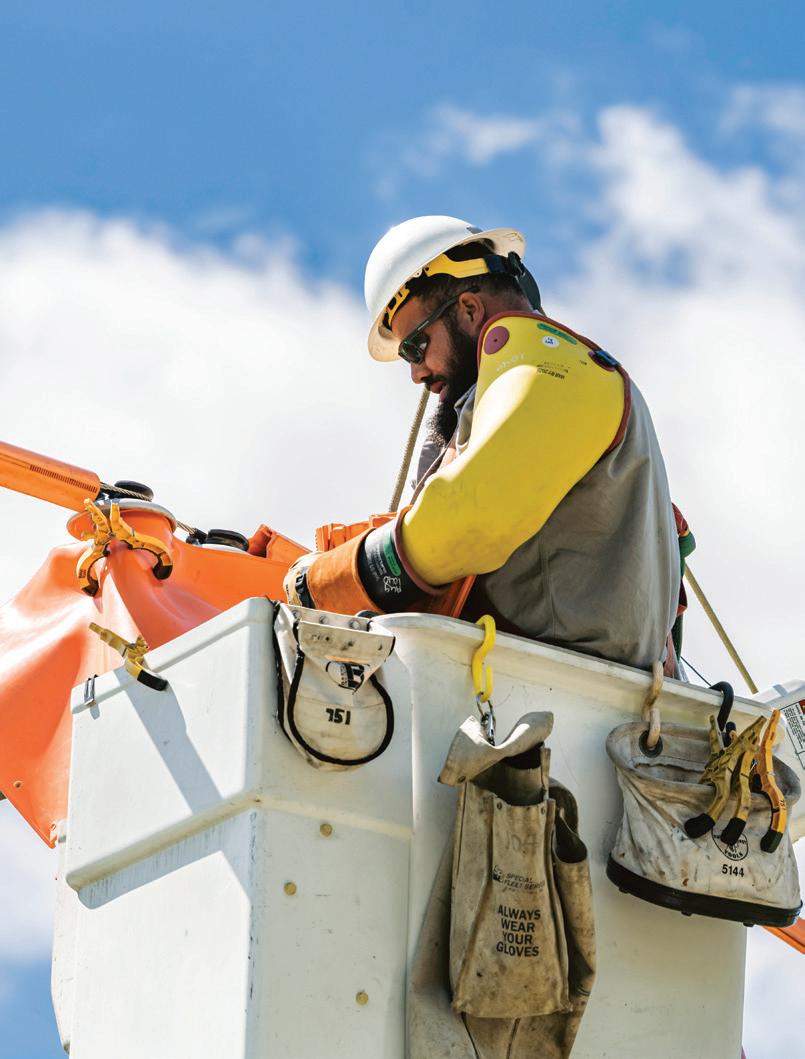
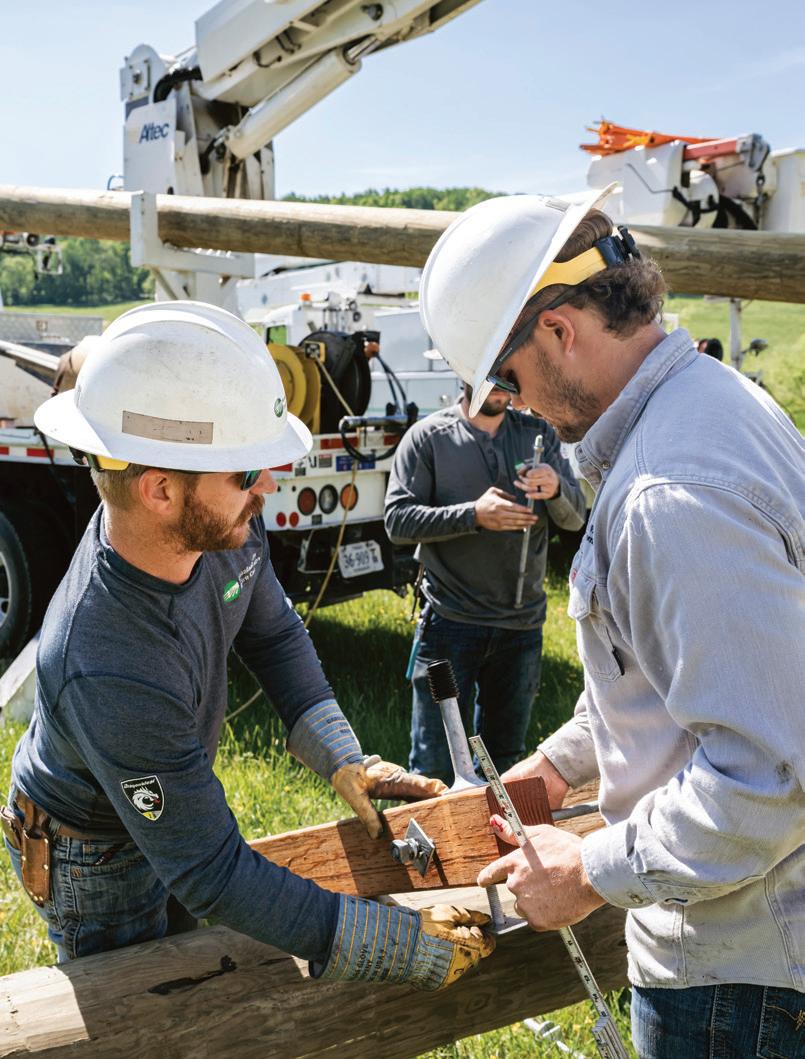
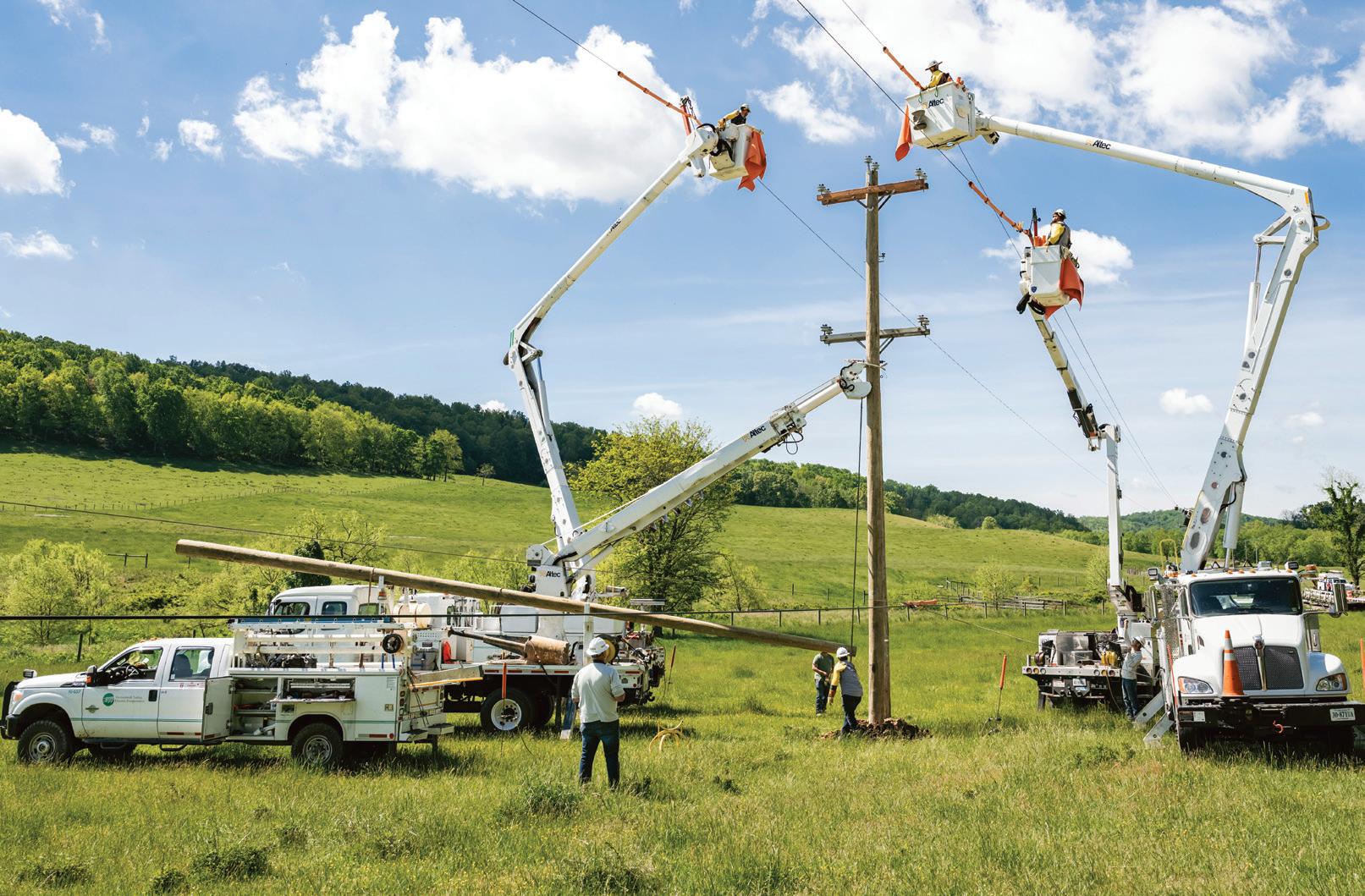
Thank You Lineworkers to
our National Lineworker Appreciation is in April
Way to Go, Good Samaritan
by Preston Knight, Communication Manager
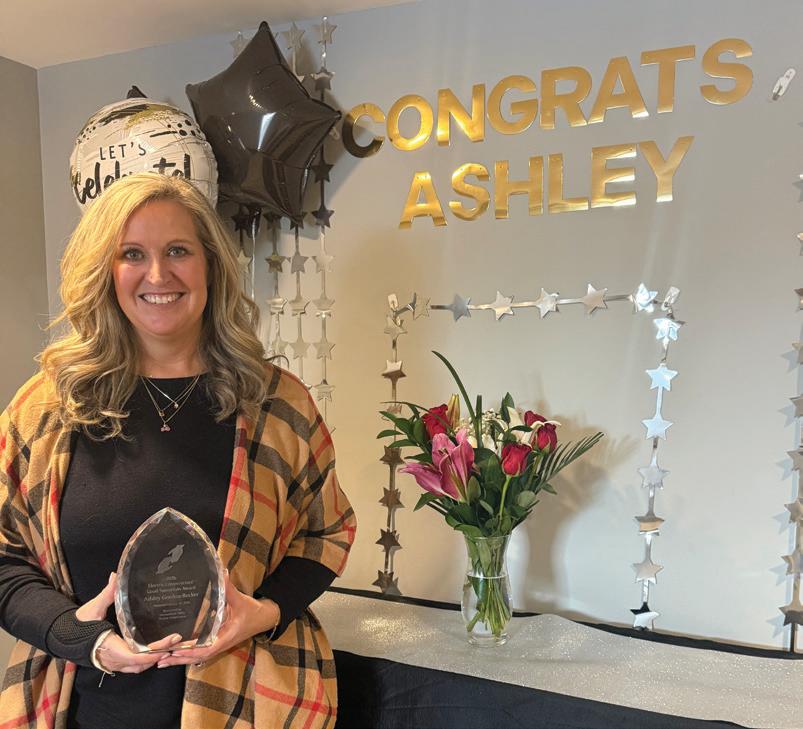
If an award exists for most titles in an email signature, Ashley GordonBecker gets it.
The closing of one of her personal emails can read like a resumé’s greatest hits, informing you of her voluntary participation in parent organizations, swim teams and community-minded causes such as the local Crime Solvers. These efforts are signs of being a selfless citizen.
For that, an award does exist. And Gordon-Becker got it.
In February, the Rockingham County resident was recognized with the 2026 Good Samaritan Award on behalf of the Virginia, Maryland & Delaware Association of Electric Cooperatives. Nominated by SVEC, Gordon-Becker was selected for her lengthy list of personal and professional contributions, the latter of which ties her most to the co-op cause of community mindedness.
“[Ashley] devotes her gifts to ensuring that her neighbors are supported with dignity and respect. She has become one of the most trusted voices for social and economic justice in our region.”
– Shannon Porter, Central Valley Habitat for Humanity
She serves as executive director of Way to Go Inc., whose stated mission is to “empower low-income, working households in HarrisonburgRockingham to improve their quality of life by assisting them with their transportation needs.” The organization has received charitable grant support through SVEC’s Operation Round Up program.
“Being able to give back to the community that raised me has been really important,” Gordon-Becker said after receiving the award. “This is a very special place. I just hope people continue to give back to their communities and see what a difference it can make for those around them.”
‘TRUSTED VOICE’ FOR JUSTICE
Way to Go is the only nonprofit transportation organization serving Harrisonburg and Rockingham County, and demand for transportation assistance continues to outpace its current resources, officials say. Clients must work 30 hours a week to
be eligible for services, which include vehicle donation, car and insurance payment assistance, repair help, and access to rideshare offerings.
These services have a direct and measurable impact, GordonBecker says. Clients can attend job interviews, keep their current jobs, access healthcare and meet other critical needs that contribute to long-term stability.
“If people can’t get to work,” Gordon-Becker says, “then they can’t provide for themselves or their family.”
The organization celebrated 20 years in 2025. When GordonBecker joined as its director of development and public relations in 2023, she called it a “full circle” moment. Her mother, a longtime social worker in the area, helped secure Way to Go’s first donation.
However, to be awarded as a Good Samaritan, additional positive impact gets consideration. Shannon Porter, executive director of the Central Valley Habitat for Humanity, submitted one of several letters of recommendation on Gordon-Becker’s behalf to help capture her range of contributions. He referenced her previous work with the local Salvation Army and Harrisonburg’s Navigation Center, the first low-barrier facility for adults facing homelessness.
“What sets Ashley apart is her humility and her steady dedication,” Porter wrote. “She does not seek recognition for herself. Instead, she devotes her gifts to ensuring that her neighbors are supported with dignity and respect. She has become one of the most trusted voices for social and economic justice in our region.”
The award was a surprise to Gordon-Becker, who met Porter for coffee before unsuspectingly returning to her office to be met by co-op representatives, family and co-workers. Porter told the assembled group that Gordon-Becker was someone who strives “to do things the right way.”
If that line makes it into her email signature, it’s well deserved.
“Regardless of what a person looks like and where they come from, giving back to people [is important] because your community is only better when the people in it are better,” Gordon-Becker says. “I’m just really fortunate and grateful for Shenandoah Valley Electric Cooperative for choosing me for this award.” •
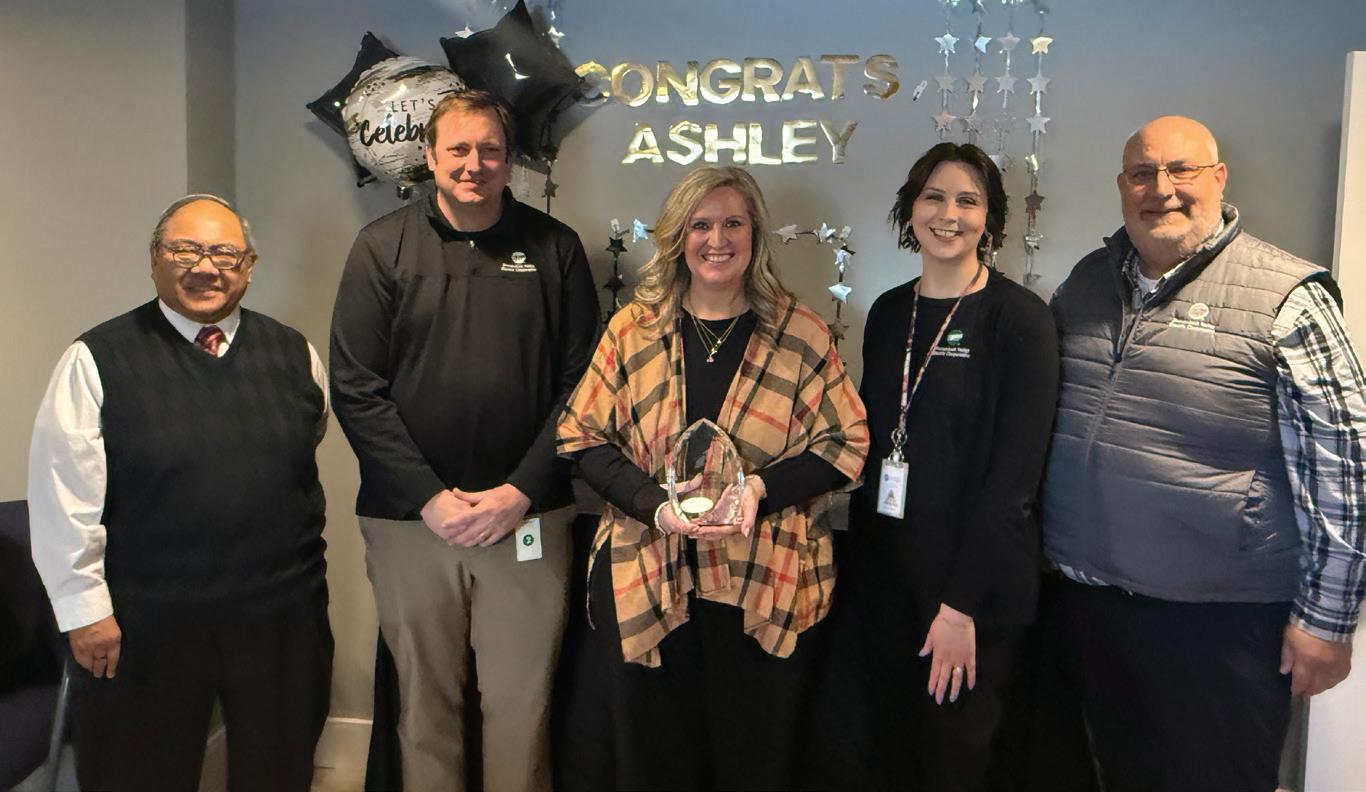
Rockingham County resident
Ashley Gordon-Becker (middle) is VMDAEC’s 2026 Good Samaritan Award recipient.
SVEC representatives surprised Gordon-Becker with the award, sparked largely through her role as executive director of the nonprofit Way to Go.