THE YEARBOOK OF SHELBY COUNTY
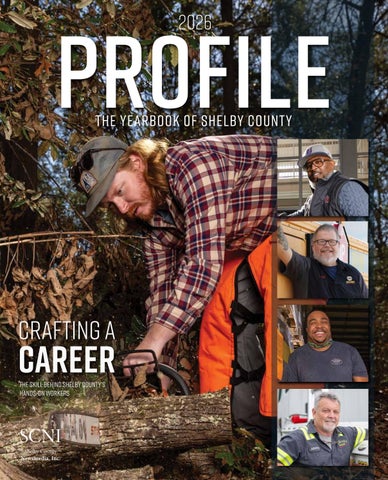
THE SKILL BEHIND SHELBY COUNTY’S HANDS-ON WORKERS






As business and community partners, we’re united in our commitment to working and planning together. We hope you’ll join us by learning more about 2030 Shelby Works! and then by investing in this effort to ensure a strong and qualified workforce, retain and grow businesses, continued collaboration and working with elected officials at all levels of government.
For more information on 2030 Shelby Works! Please contact Kirk Mancer at The Shelby County Chamber by phone at 205-419-3361 or by e-mail at kirk@shelbychamber.org The Best Is Yet To
April Harry, Warren Averett LLC
2030 Shelby Works! Co- Chair
Chad Scroggins, Shelby County
2030 Shelby Works! Co-Chair
2030 Shelby Works! Co-Chair Traci Fox, T. Fox Salon Spa – Aveda
2030 Shelby Works! Co-Chair Keith Brown, Jefferson State Community College

At Alabama Water Utilities, we are committed to protecting the water resources you and your family depend on.
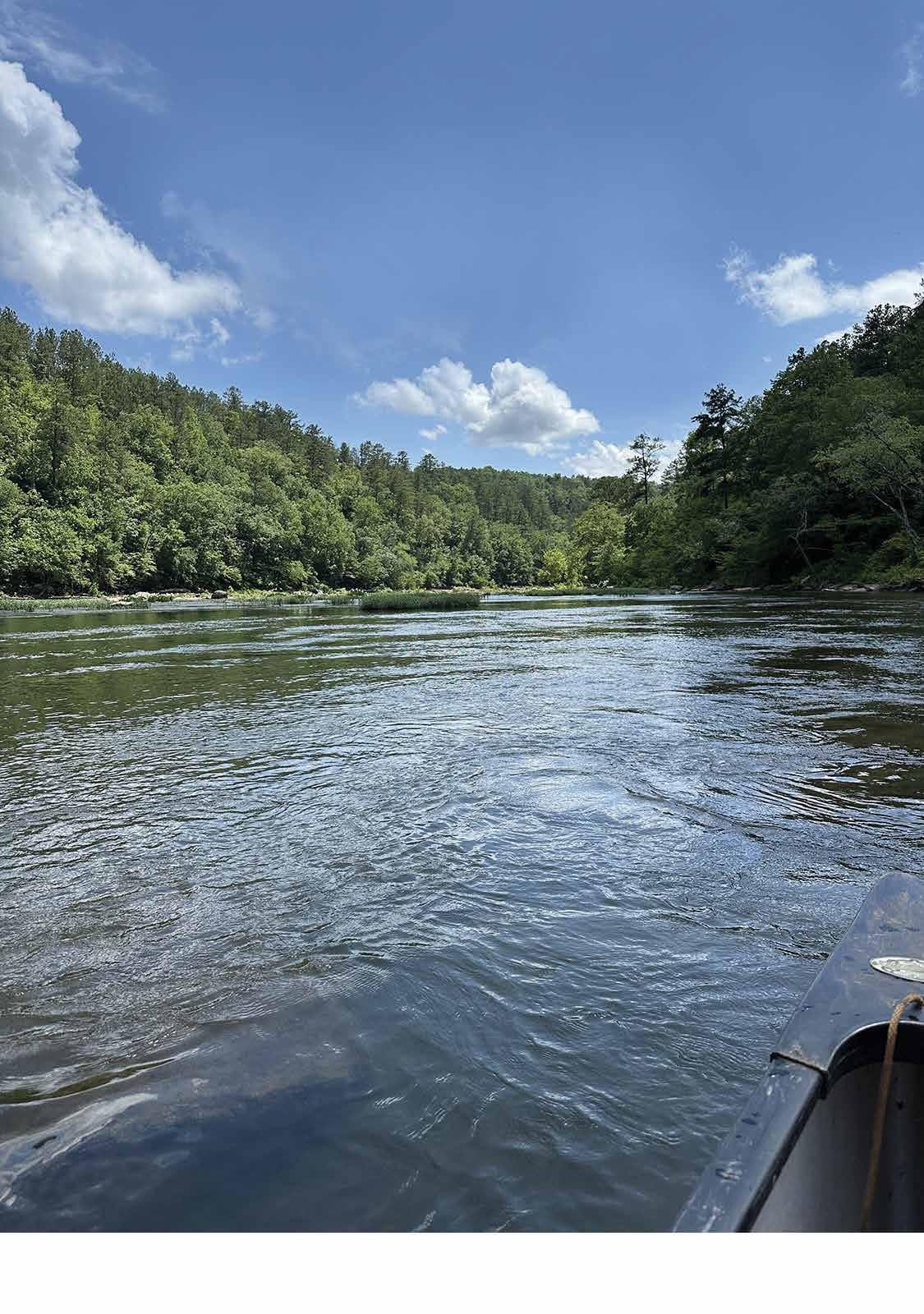
The services we provide are often unnoticed, and that’s OK. Noticed or not, they protect the health and safety of the families and communities we serve. It’s our job, but it’s also our community…we live, work, shop, and play in Shelby County, and we share your interest in protecting our resources. Every day, we invest in cleaner water, stronger infrastructure, and a more sustainable future for the community we all call home.




100% of students in the McCollough Institute for Pre-Medical Scholars who applied to medical school have been accepted.
America’s Top Colleges 2026 - Forbes
2024 Best Colleges in the U.S. - Wall Street Journal
Experience our award-winning campus, starting at the Catherine and Pettus Randall Welcome Center. Schedule now at visit.ua.edu
Travel + Leisure named Tuscaloosa among its 25 Best College Towns and Cities in the U.S.


FFor those of us fortunate enough to have jobs, we hopefully get to do something we love on a daily basis, but those dream jobs look different for many of us.
Living in Shelby County, we are lucky enough to be in an area that holds the state’s lowest unemployment rate, but that also means there are a lot of jobs filled that many of us wouldn’t ever consider making our career.
That said, the job has to be done.
This issue of Profile is dedicated to those jobs. The behind-the-scenes careers that go unnoticed by many of us but make a difference in how we are able to live or lives.
When we dream as kids of what we want to do when we grow up, those dreams can be small or massive.
from each of these individuals in the jobs they have dedicated their lives to doing.
Whether it’s managing the county’s landfill, driving a school bus and leading the next generation of auto techs, forging paths for hiking and biking, helping create an explosion of flavor, managing the wastewater for local cities, putting out fires and managing a business, working as a janitor and business owner, creating the final resting place, dealing with the dangers of keeping a community safe, managing the state’s top park, or keeping the top golf courses in tip-top shape, think about the jobs these people are doing and how much they love them.
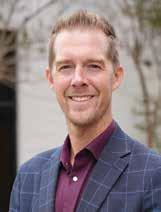
I dreamed of being a school bus driver, one of those guys hanging off the back of a garbage truck and a professional golfer. As a little kid, I thought all of those jobs looked like a whole lot of fun. And, to be honest, they still all sound fun in their own way.
I am none of those things in my adult life, but I have crafted a career that I love through hard work and dedication.
Throughout this publication, you will see that same thing.
As you read each of these stories, I urge you to enjoy the passion that comes across
Many are jobs some of us don’t have the desire or ability to do, but they are jobs that require hands-on work and they are jobs that have to be done to help Shelby County remain the example of success.
We are lucky to live in an area with so many people who want to work hard and so many who have an array of skills with different dreams.
Our staff works for months on this publication to help make it one of our biggest of the year. We thank you for your support and hope you enjoy learning about each of these superstars in the 2026 edition of Profile.


THE YEARBOOK OF SHELBY COUNTY
EDITORIAL
Michaela Bankston
Anna Grace Breedlove
Dave Domescik
Daniel Locke
Tyler Raley
Andrew Simonson
Noah Wortham
DESIGN
Sydney Allen
Jamie Dawkins
Rowan Futrell
Morgan Lockhart
Lavens Maginnis
MARKETING
Noah Brakefield
Evann Campbell
Octavia Campbell
Rachel Henderson
Rhett McCreight
Viridiana Romero
Tori Smith
ADMINISTRATION
Mary Jo Eskridge
Alec Etheredge
Stacey Meadows
Lauren Morris
Kayla Reeves
Leslie Reeves
Brittany Schofield
SHELBY COUNTY



8
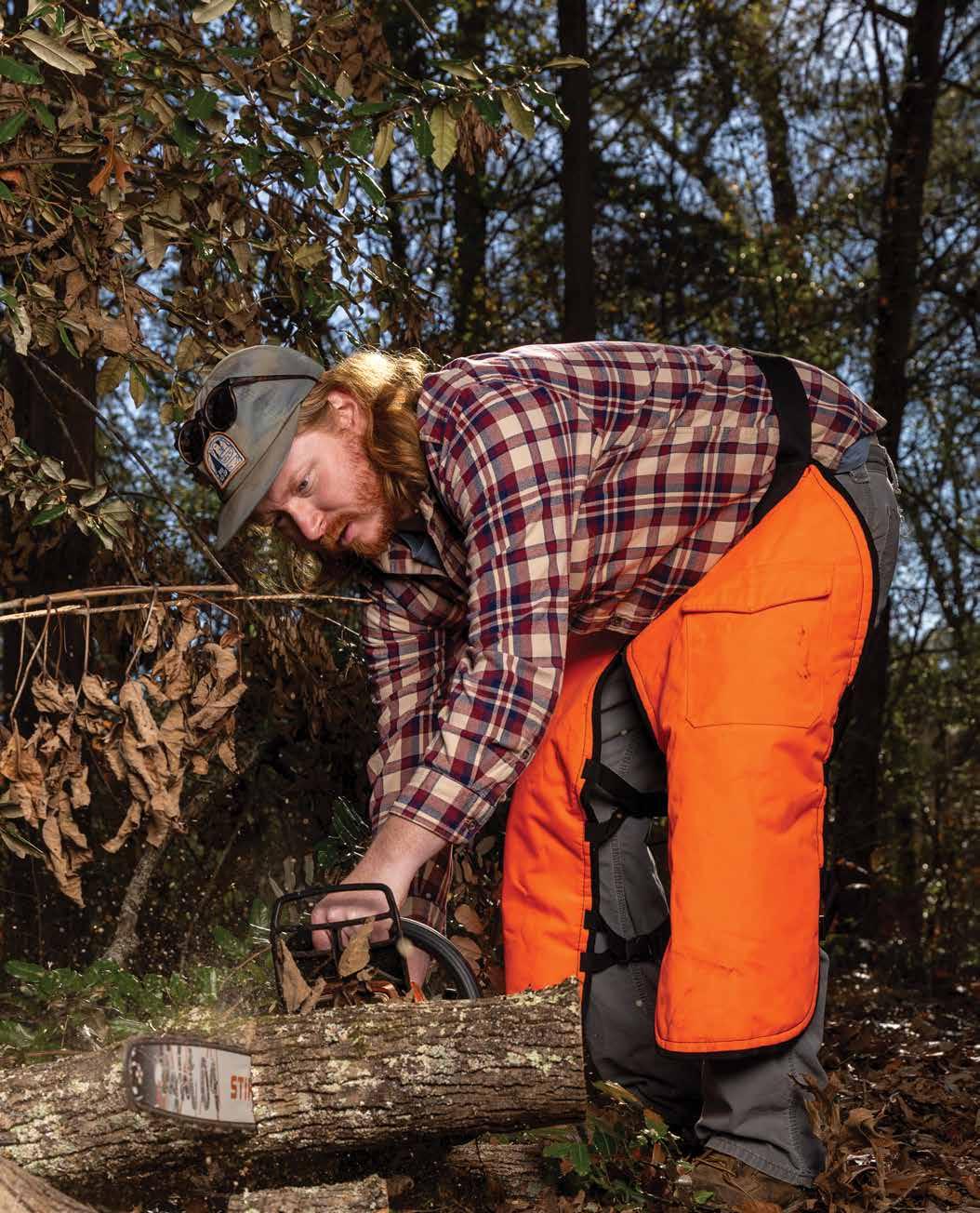
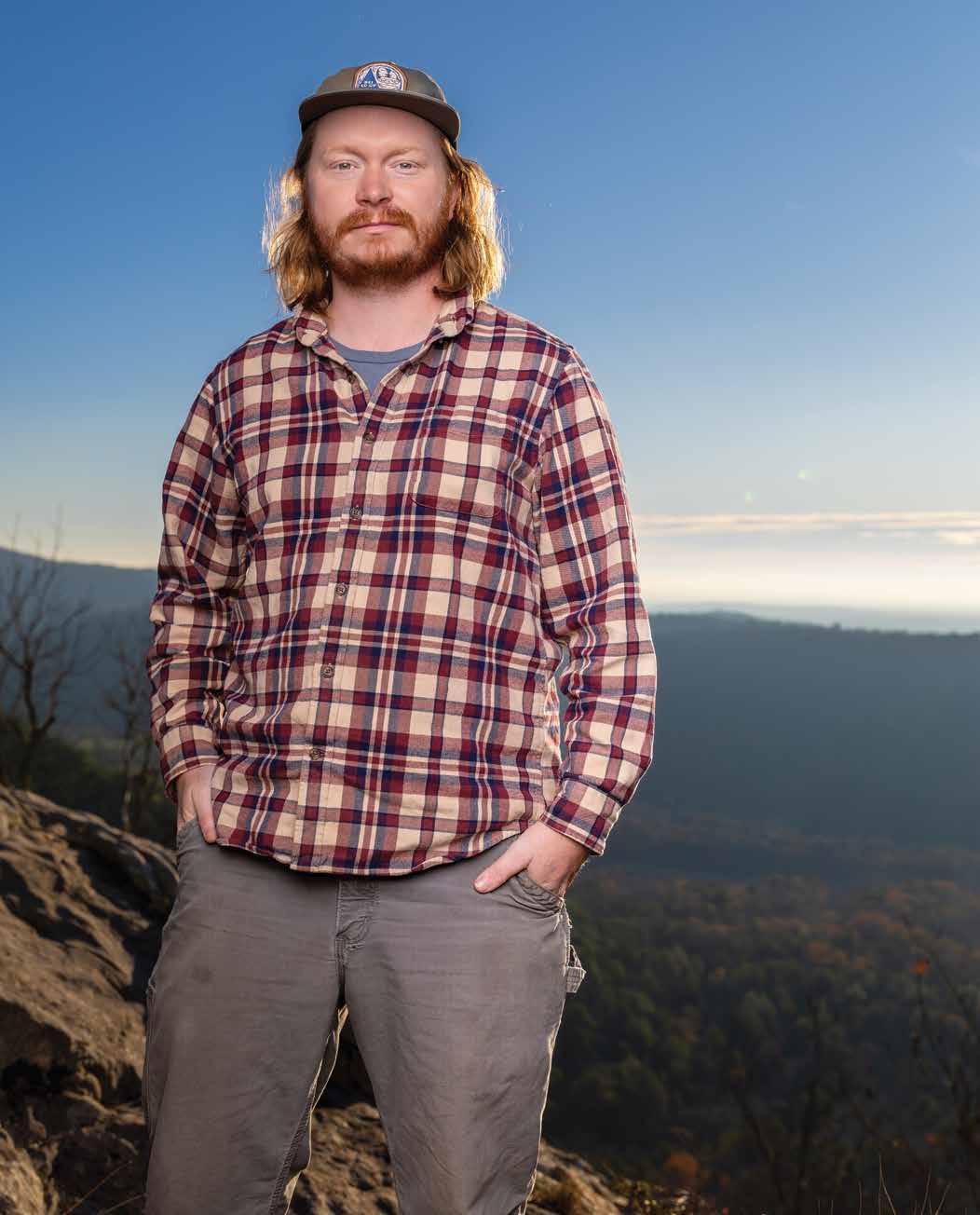
Jack Aured shares his passion for the outdoors as Shelby County’s trail boss by building trails and keeping them maintained
24
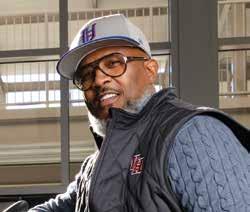
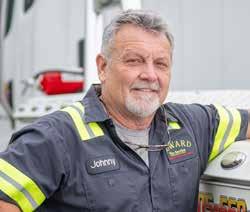
Serving his community in more ways than one, Johnny Howard remains a reliable face for many in Columbiana and beyond
32
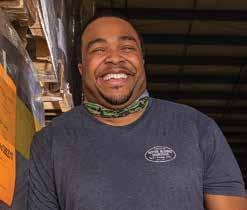
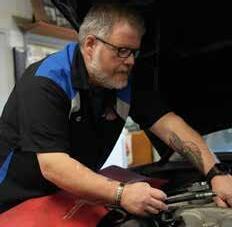
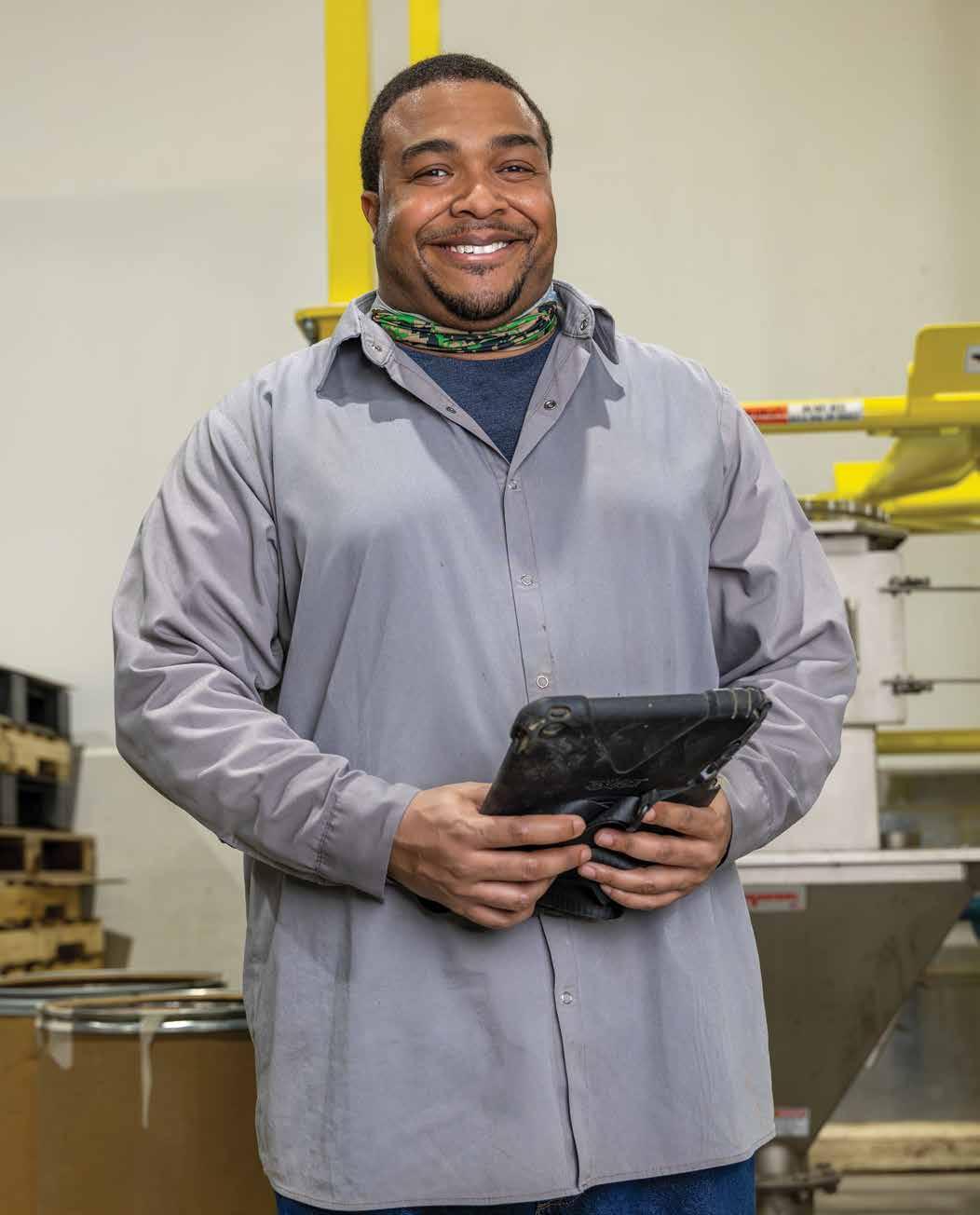
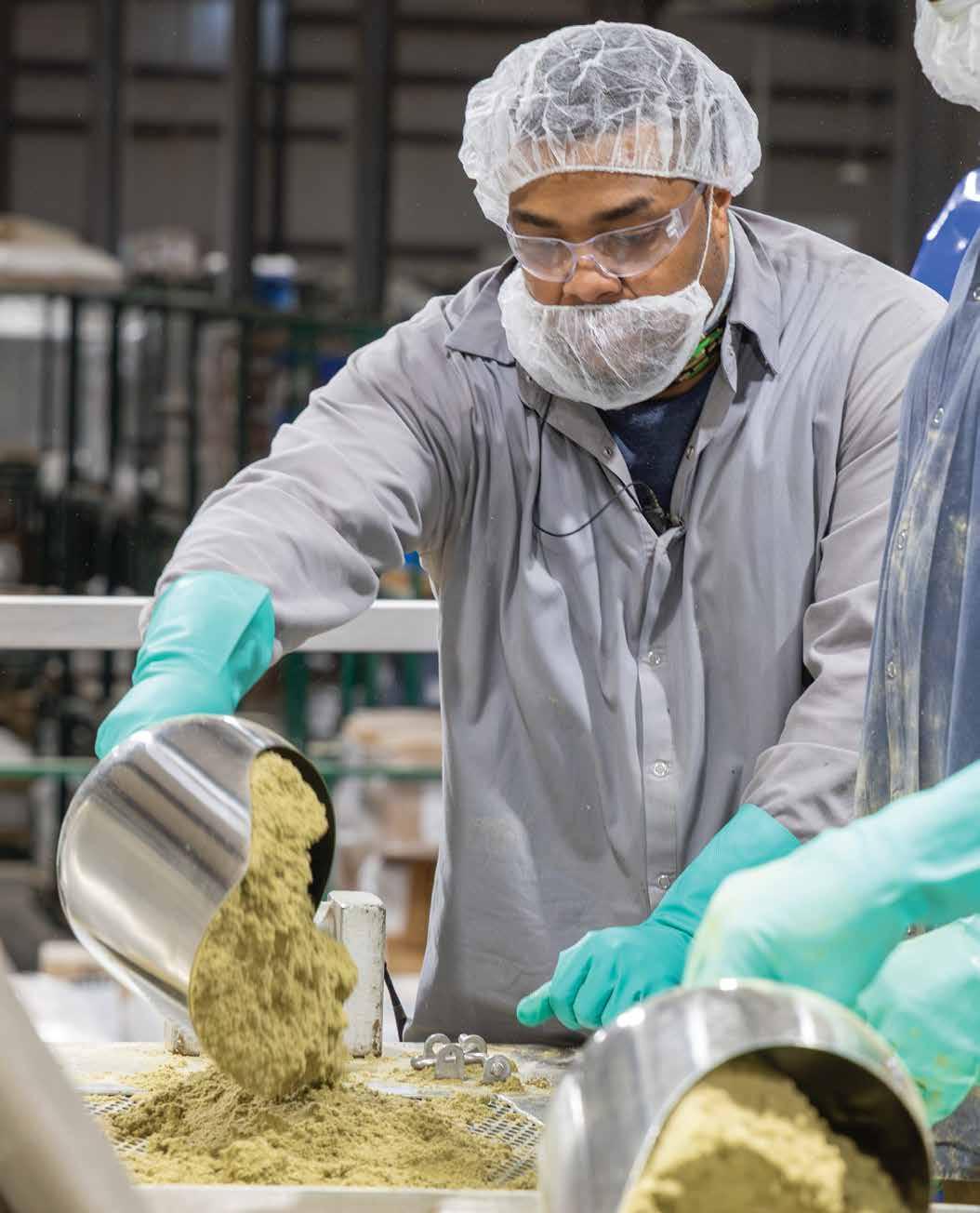
Marlon Attical has found the ingredients for success at A.C. Legg, working his way into a role of quality assurance for the popular seasoning company
40
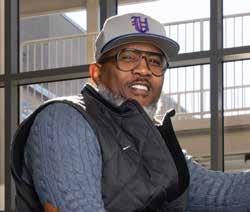
Wilsonville resident Fred Trumer balances day job as a janitor with running his own concessions business
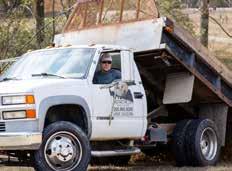
Shelby County grave digger Mike Wilson works behind the scenes to create a peaceful final resting place
56
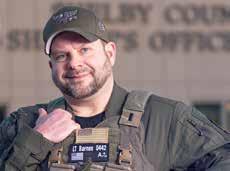
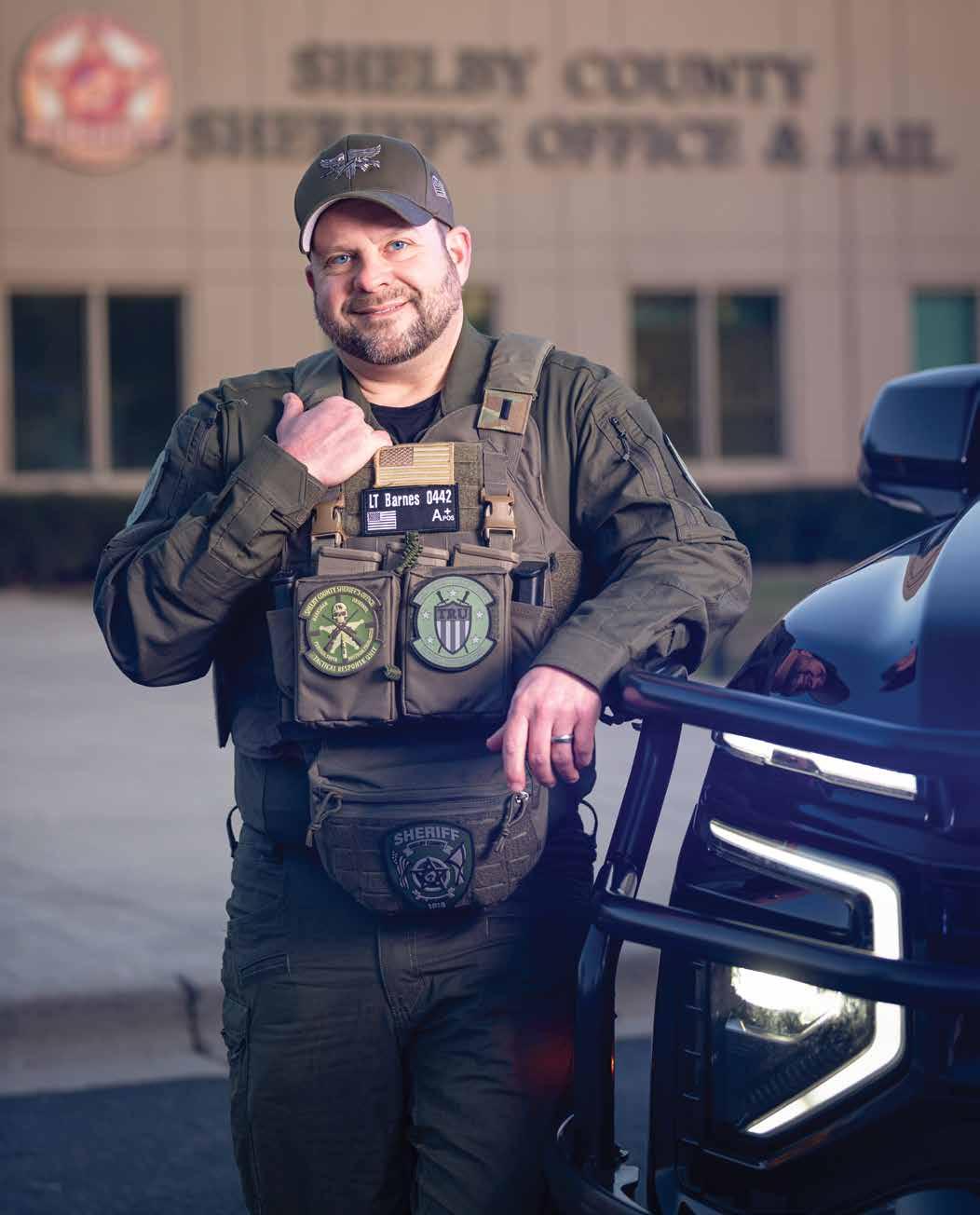
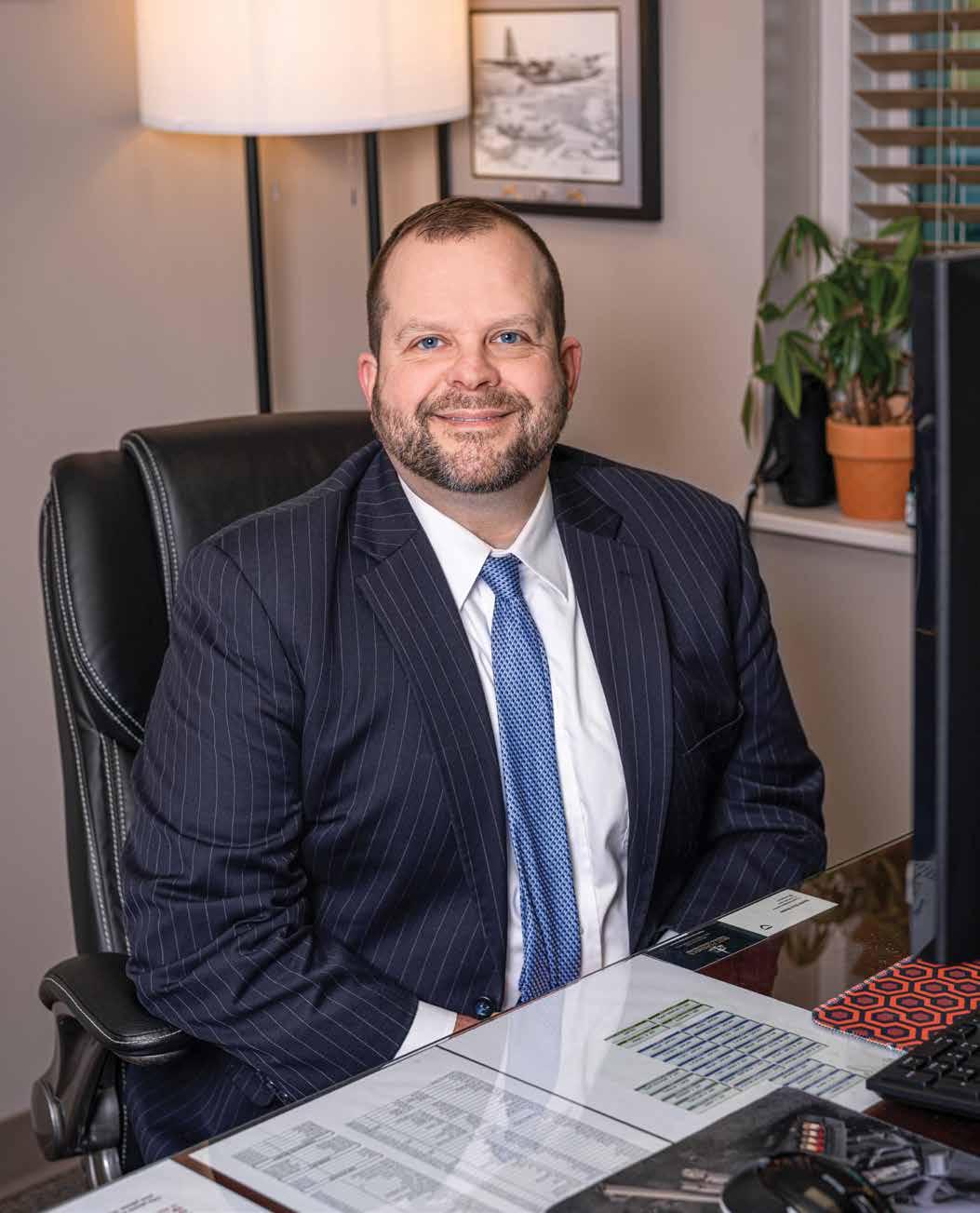
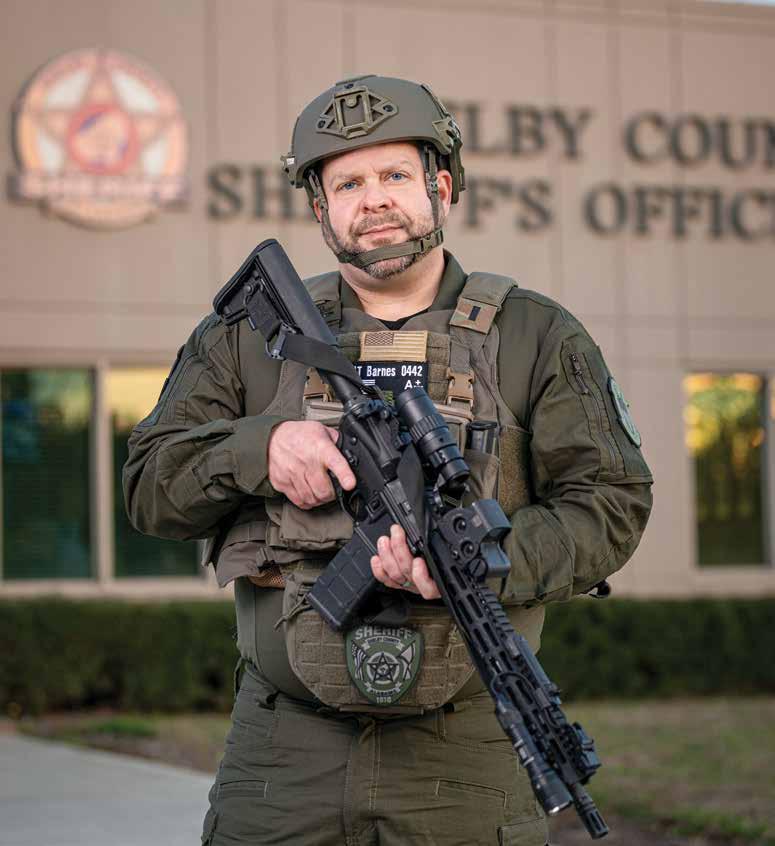
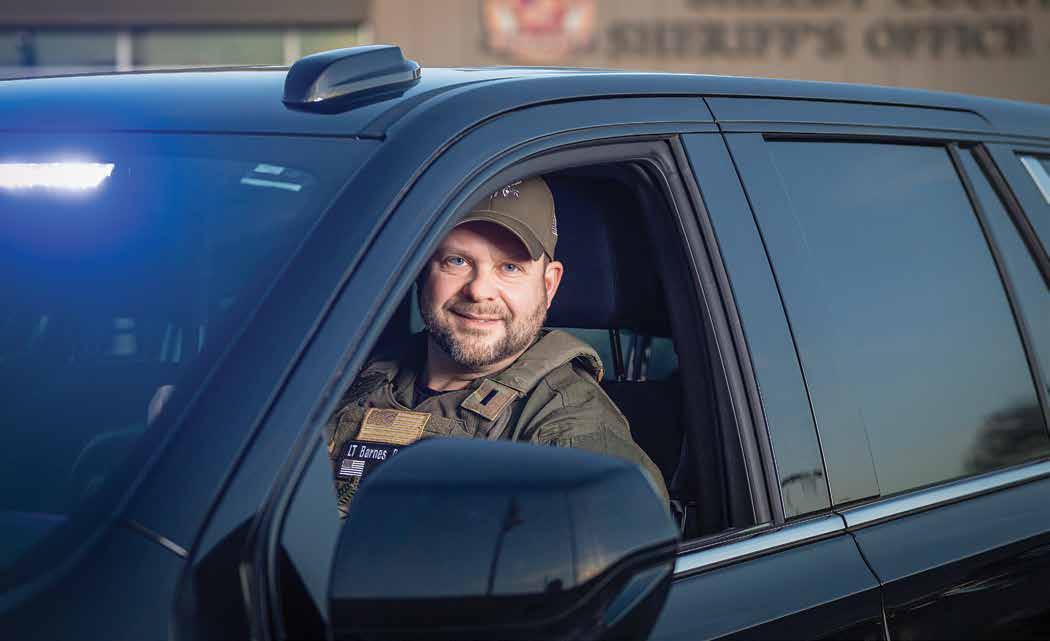
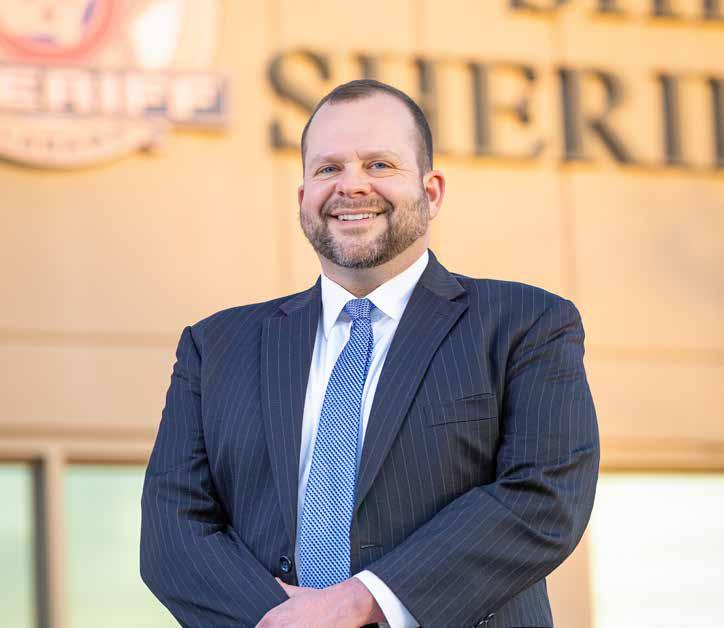
Jud Barnes is called on for many jobs within the Shelby County Sherriff’s Office, working daily to keep the place he loves safe
70
Jason Johnson doesn’t mind getting his hands dirty, working to operate one of the top landfills in the nation
78
Maintenance Supervisor Matt Tidwell helps make Oak Mountain State Park one of the top tourist destinations in Alabama
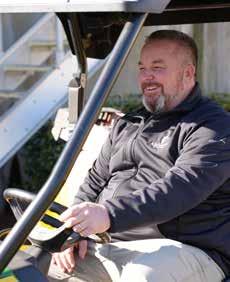
86
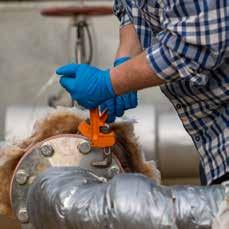
City of Helena Wastewater Manager Justin Tripp works tirelessly to keep Helena’s 68-mile system working with no flaws
92
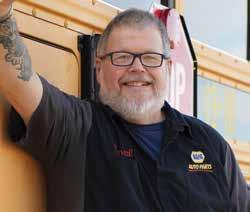
Not only does he serve as a school bus driver, but Robert Irwin helps prepare the next generation of auto technicians at CTEC
100
Bill Atkinson helps keep Shelby County’s largest city flowing properly as the environmental services manager in Alabaster
106
Shelby County is home to some of the best golf courses in Alabama, but keeping them up to par takes an extra effort
“TRAIL
BY ANDREW SIMONSON | PHOTOS BY DAWN HARRISON
TThe old saying goes that you can miss the forest for the trees. Jack Aured is the literal definition of that, but it’s a positive for him.
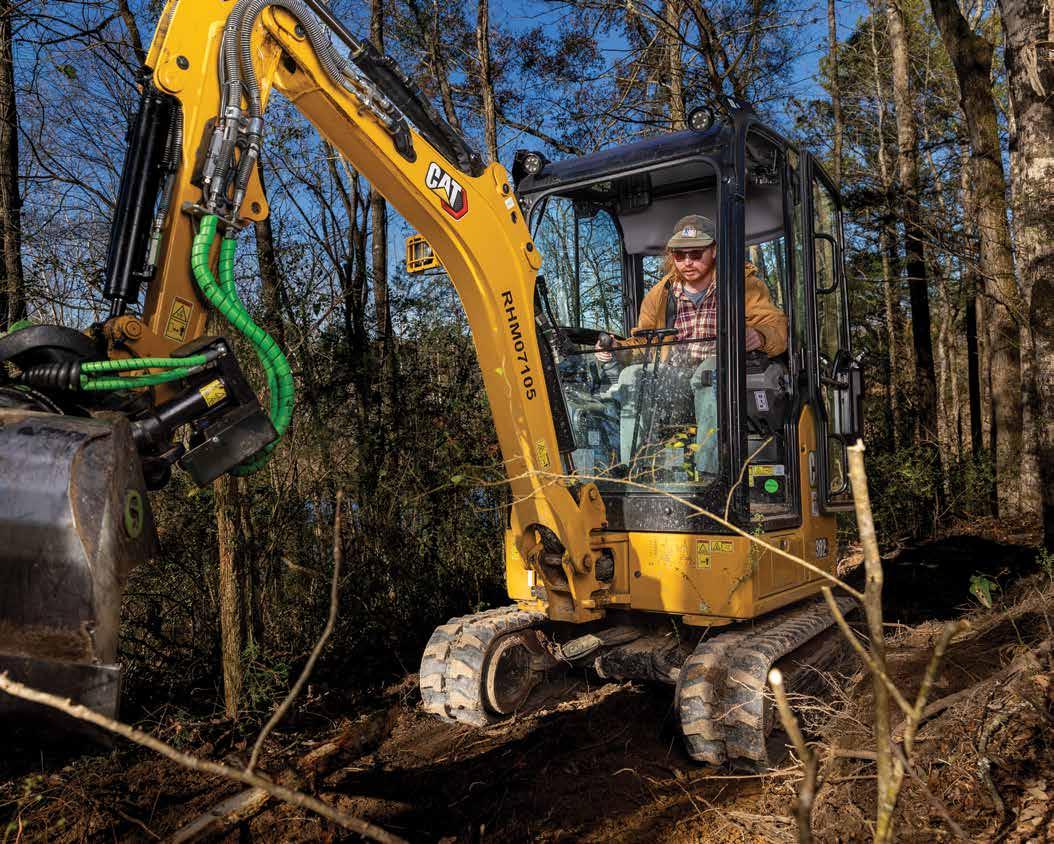
Aured serves Shelby County as its trail maintenance and construction superintendent, meaning all public trails in the county are his responsibility to keep in prime condition. In some cases, he even made them himself.
He’s paid to know the trails inside and out and know how to make them even better than they already are. It’s an obsession for him.
“I am the worst person in the world to go on a hike with because I’ll tell you everything that’s wrong with a trail while I’m walking down it,” Aured said.
To those around him, his obsession to detail and passion for the outdoors makes him the perfect fit for his job and the best
man to maintain and improve the vast network of trails around Shelby County.
“You can kind of tell he gets fulfillment in that, which is good because you can tell when somebody’s got a passion for their job and they don’t dread coming to work every morning, so it’s kind of enjoyable to see somebody enjoy their job,” said Trey Gauntt, Shelby County chief facilities management officer.
Building his own path
Aured grew up in Tuscaloosa and loved mountain biking from his early teenage years. He also loved getting his hands dirty and building things himself.
“Since I was young, I’ve always been that kid that takes stuff apart and then puts it back together and just rebuilds stuff, and I’ll
build random stuff like as a child,” Aured said.
During that time, Aured found inspiration to ride from YouTube creators who biked on grand natural features like mountains in the Pacific Northwest and Appalachians.
Those made him a bit bored by the relatively less diverse landscape of western Alabama, and he took matters into his own hands.
“I kind of got my start trail construction in the woods near my neighborhood,” Aured said. “I just took my parents’ garden tools and I went out there and then I found the spot that went downhill the fastest and I put the trail there, which is the exact opposite of what we what I do now in terms of like actual trail alignment. That’s a big no-no, actually, but I didn’t know any better. I was a kid.”
He learned the proper tools of trail
building after graduating from high school by working with Trail Visions, a Birminghamarea contractor which specializes in trail construction.
During his time as an apprentice there, he had his hand in creating numerous trails around central Alabama, including the first phase of Cahaba River Park in Helena as well as Shoal Creek Park in Montevallo and Oak Mountain State Park.
He worked there for about four years before starting in 2020 with Barry Smith Trails, which saw him work in eastern Tennessee regions like Chattanooga, Knoxville and Johnson City.
He stayed in that position until 2022, when Shelby County created the trail maintenance and construction superintendent position. The position was attractive to Aured for numerous reasons, namely sticking to a specific, smaller region and the stability of a government job after years of being a journeyman who had neither.
“I would be a fool to pass this up because I’m no longer on the road, I have stable income, great benefits, the list goes on,” Aured said.
his hands dirty
Aured also has a plethora of resources he could only dream of playing in as a kid carving trails in his backyard.
Of the 75 public parks and 14,000 acres of
land in Shelby County, the county itself operates and maintains 16 parks and 3,500 acres. That includes 81 miles of multi-use trails, including 58 miles of single-track trails and 22 miles of double-track trails.
Aured estimated that about 65 percent of his daily work is simply maintaining those trails. Along with Sam Crompton, his other full-time trail maintenance technician, the two take equipment and machines out onto the trails and do any work that’s needed to get them fixed.
Sometimes, those tasks are expected based on each trail’s trends and tendencies over a period of time, and Aured said he has a “recurring timer” in his head to keep track of what’s going to come up in a given week. However, sometimes big problems pop up, especially during severe weather, and those situations can uproot his preplanned schedule. That’s when it’s all hands on deck,
and Aured utilizes help from the Shelby County Parks and Recreation Authority to get extra manpower and equipment beyond just himself and Crompton to a specific site.
Aured and the county are never wanting for any resources, but his biggest challenge is simply the logistics of mobilizing those resources to efficiently clean up the trails. That challenge is only compounded by the diverse terrain that each park presents.
“We honestly have all of the equipment and the needs and the tools to do any of it,” Aured said. “The challenging part is just getting the stuff to the middle of nowhere.”
In addition to that, Aured also helps make Geographic Information System maps of the trails to be used both internally and by the public.
The other 30 percent of his job is trail creation, which either happens internally with Aured and Crompton or through external contractors.
The latter is where Aured serves as the project manager and oversees the design, layout and construction of each trail from start to finish. He’ll study maps for the topography of the area and go out on the trail to hang ribbons on trees to outline what should be cut in order to carve the trail.
That’s when the little kid who constructed downhill trails in his backyard comes out and gets to make the trail precisely how he wants it.
“We’ll take it from idea to completed trail,
so that’s always really fun too, because that’s such a core creative process, I guess you could say for me,” Aured said. “I’m able to have everything kind of exactly how I wanted to lay versus interfacing through a contractor. So, that’s always been like one of my favorite aspects of the job.”
While Aured’s position is blue-collar in the sense that he often is operating equipment and getting his hands dirty, it’s not all sweat and muscles. The creativity it takes to design and improve the trails is a unique aspect of the job that always excites him.
He believes it’s just another way that his job and the way he approaches it bucks the conventional thinking of what blue-collar positions entail.
“I think a lot of people think bluecollar work is like all of your body and not with your brain, but you get to talking to some of these guys around here and you’ll figure out it’s not the case real quick,” Aured said. “Some of the smartest people I’ve ever worked with.”
Aured is obsessed with the details of each trail he uses, but especially the ones he built or maintains. A large reason


for that is because he uses them so much on his own. He remains an avid mountain biker and often comes to the parks on the weekends to ride the trails that he maintains.
Aured engages members of the biking community as he works with Birmingham United Mountain Pedalers, a local non-profit that builds and maintains trails throughout the metro area, and regularly visits local bike stores to talk shop and hear from others on how his trails can be maintained and improved.
Gauntt said that Aured’s dedication to the outdoors makes him that much more perfect for his job.
“Jack, he’s a mountain biker himself, so it really gives him an appreciation for the trails and how they’re built and the quality on which they’re built and designed,” Gauntt said. “So that just really gives him a new appreciation for mountain bike trails and just our parks in general, really, our outdoor recreation spaces in general.”
Aured’s experience as a biker helps him as he approaches designing and maintaining each trails since he can shape them in a way that people will enjoy them while also flowing with the topography.




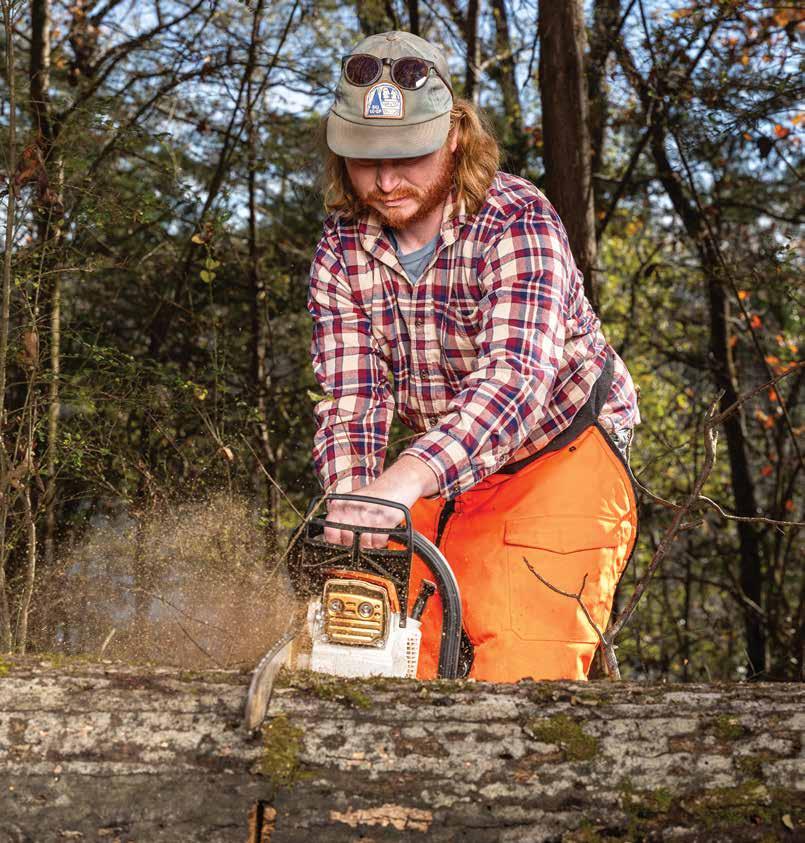
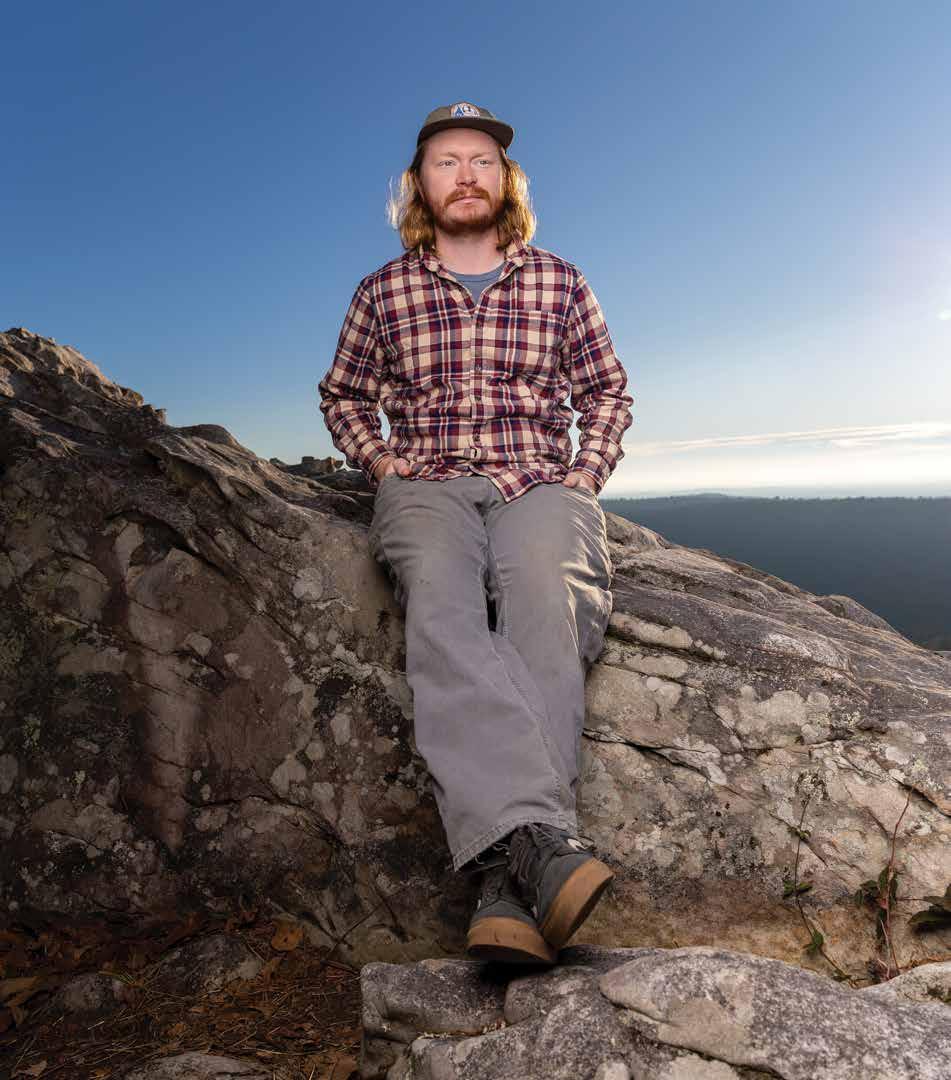
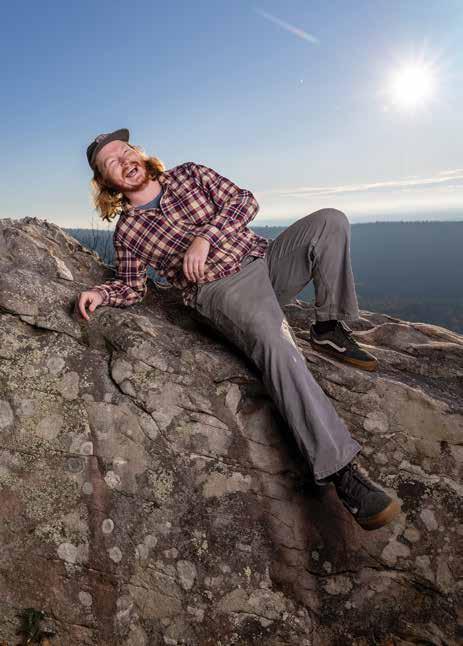
“IT’S LIKE ANYTHING I CAN DO WHERE IT’S LIKE A LITTLE BIT OF A PERSONAL TOUCH ON IT, THAT BRINGS ME SATISFACTION.” -JACK AURED
His experience with Trail Visions also helps since he was part of the creation for numerous trails across his current and past positions, so he is deeply aware of why those trails are the way they are and how they could be even better.
That constant desire for improvement is something that comes out as he goes and works on each trail.
“Being able to come back in, especially on trails that I helped with almost a decade earlier, I’m able to come back in and sort of
fix it and creatively improve the trail,” Aured said. “So, there might be a turn that I always didn’t like. And OK, so now the turn’s got a wash out in the middle of it. Well, I need to remedy that in the first place, and I’m in here with equipment, so I might as well make it to how my mind’s eye sees it. So, I really enjoy anything in my job that has to do with creating something.”
Aured takes that mind’s eye and lays out how he wants the trail to flow or be altered. He structures each trail in his head and
keeps in mind who is going to use it before going out and executing his vision.
Being able to take something from start to finish is one of Aured’s favorite parts of the job.
“I’m a very visual person mentally,” Aured said. “And so I’ll look at what I want to do, I’ll look at something, I’ll figure out what I want to do, I see it in my head, and just being able to do it is the satisfying part.
Whether that is something that is like more like yard work, like trying to explain to somebody like, ‘Hey, this corridor is for this



user group, it needs to be this height, we can cut it this way.’ It’s like anything I can do where it’s like a little bit of a personal touch on it, that brings me satisfaction.”
That attention to detail is a constant struggle for Aured since he wants to treat each trail with the time and dedication he
desires but also give that same time and dedication to the dozens of other trails he maintains.
He admits he often underestimates how long projects will take, but it’s something he’s constantly working on improving as he strives to live up to his own high standards
in his daily work.
“I would say (I’m) like a struggling perfectionist,” Aured said. “It can be rough, and mentally you have to be aware of it and just like keep up with your productivity because it can be very easy to get stuck in like 10 foot of trail, and you really need to
address 100 or you need to build 350, 400 that day. So, yeah, it can be tough because devil’s in the details for the end user experience, so you have to balance it out.”
The reason why he’s so detail-oriented is because he wants the trails to be perfect for everyone who uses them. That goes beyond mountain bikers and to everyone who comes through the parks.
Even though Aured doesn’t do other things like ride horses or run on the trails, he works with those groups as part of his job and listens to their needs for what the best trails for them would be.
That ability to listen and then implement that feedback with the same dedication as he does for mountain bike trails is one of the traits that Gauntt admires the most.
“He’s really got a real attention to detail and also just appreciation for what the other park users want,” Gaunttt said. “So, he incorporates that into his work and tries to make sure that the trails and other things that we build are appealing for other users too. That’s the great thing, because I see him all the time sit down with user groups and he’ll really listen to them
and try to understand exactly what their wants are, so he can try to incorporate that into the new project not just for himself, but also those other users.”
At the end of the day, it all goes back to Aured’s love for the outdoors. Being outside makes him happy, and he wants to share that love with others, no matter how they utilize the parks and trails.
Aured is a big advocate for getting outside and enjoying nature, and he views his position as an extension of that advocacy. By making trails the best they can, it makes them more enjoyable to use and keeps people coming back to the parks and spend more time outdoors.
For him, enhancing other people’s park experience while working in them himself is the ultimate win-win.
“I know it makes people happy, and to be able to do something that’s objectively going to help the community, gets people outside, many health benefits from it, and it also kind of jives with nature, how it should, and it’s good to ride?” Aured said. “You really can’t ask for more in terms of fulfillment.
“At least not for me, but I’m so deep off into being a trail nerd, it’s not even funny.”

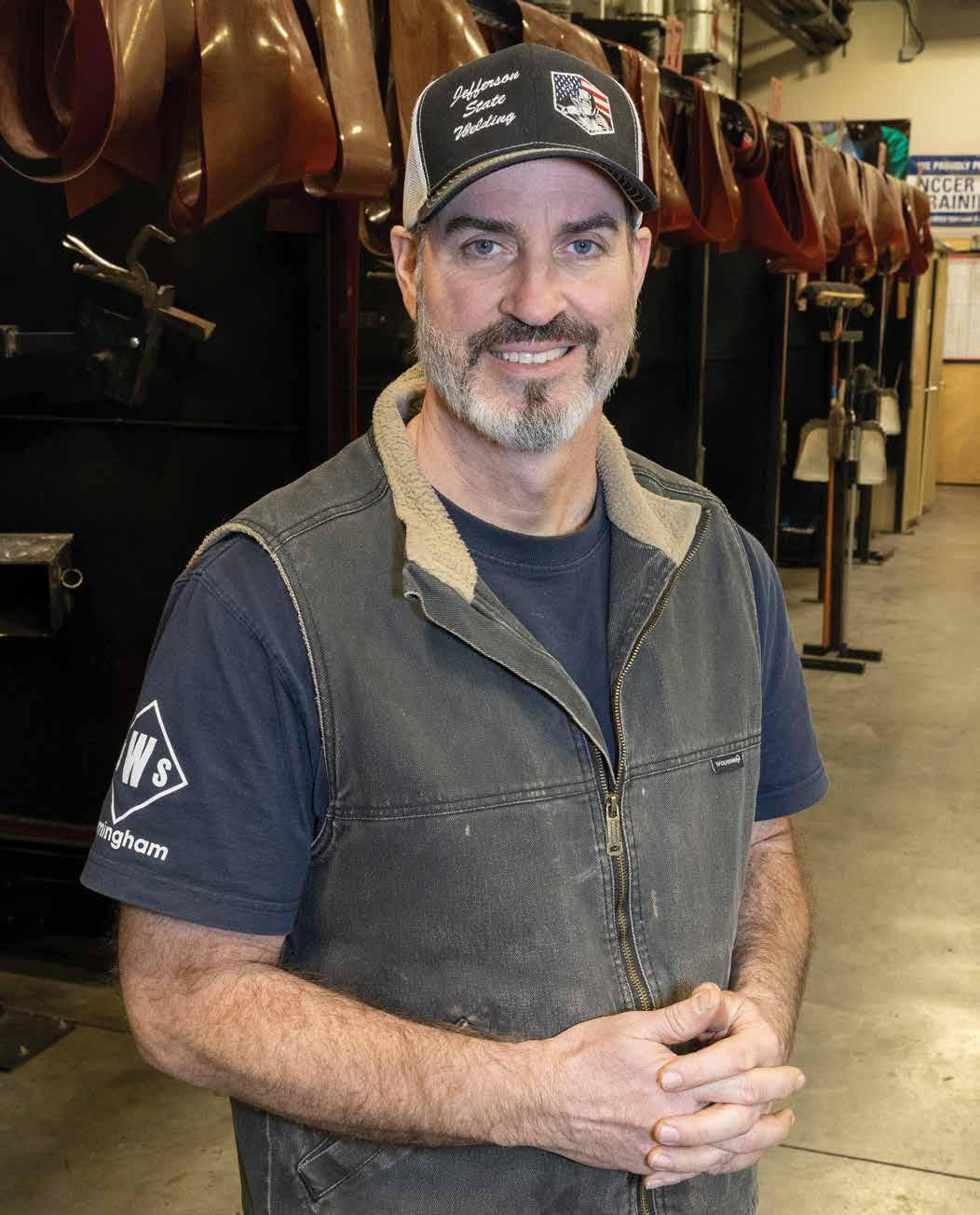
James “Brody” Scott is currently a Welding Instructor at Jefferson State Community College, bringing a rare blend of hands-on industry experience, academic achievement and purpose-driven leadership to the field of education. He has worked in various roles as an EMT, radiology technologist and welder, giving him a broad perspective on both technical skills and service to others. He holds degrees in accounting and industrial maintenance, as well as bachelor’s and master’s degrees in educational leadership. With 11 years of teaching experience, Scott is passionate about student growth and workforce readiness.
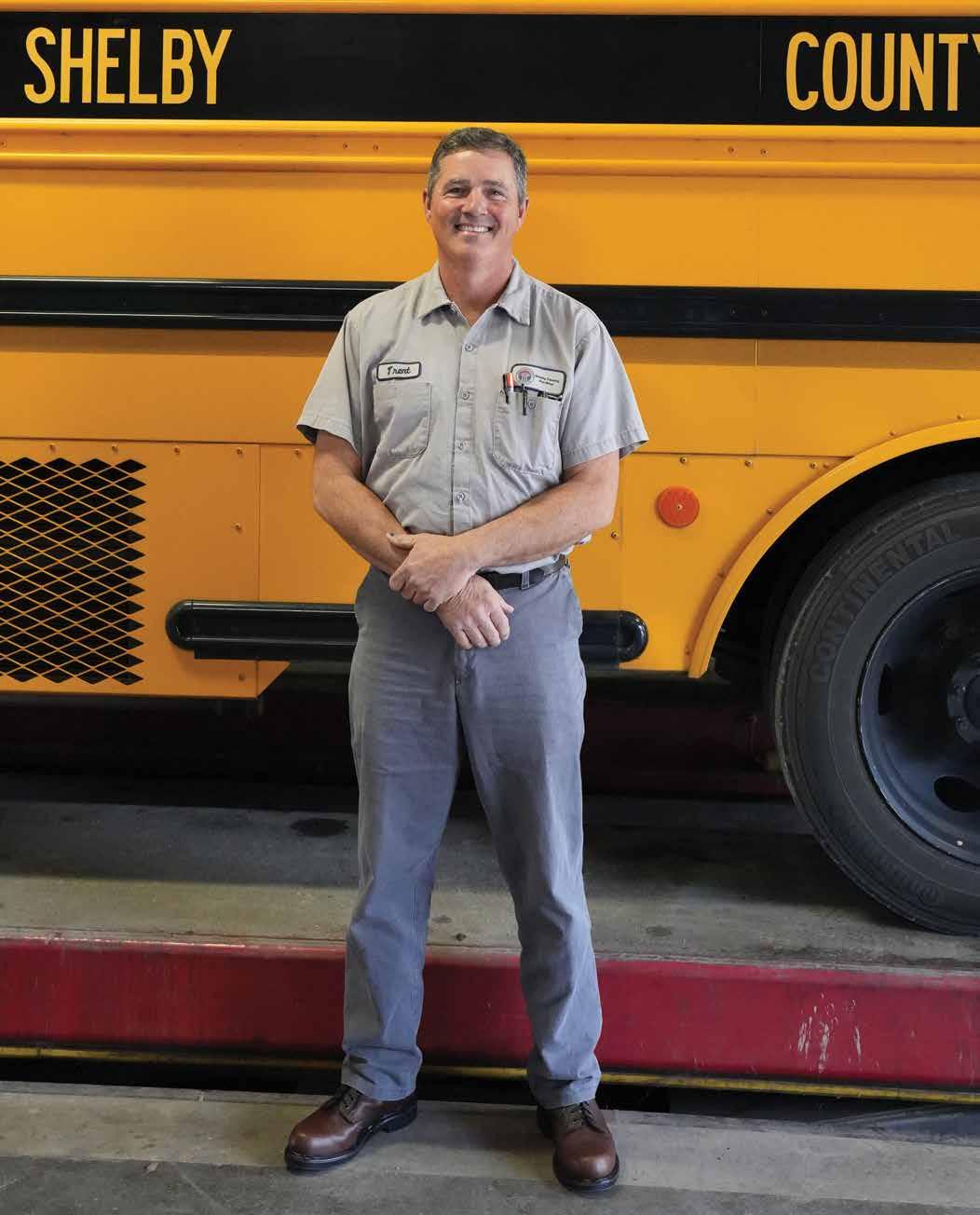
For 23 years, Trent Robinson has served Shelby County Schools, and nearly 20 of them have been as a mechanic. He gets a lot of joy from making sure the students have safe transportation to and from school and other places they need to go. He works with a devoted team he considers family and he loves everyone he gets to interact with, especially the bus drivers he considers to be some of the best.
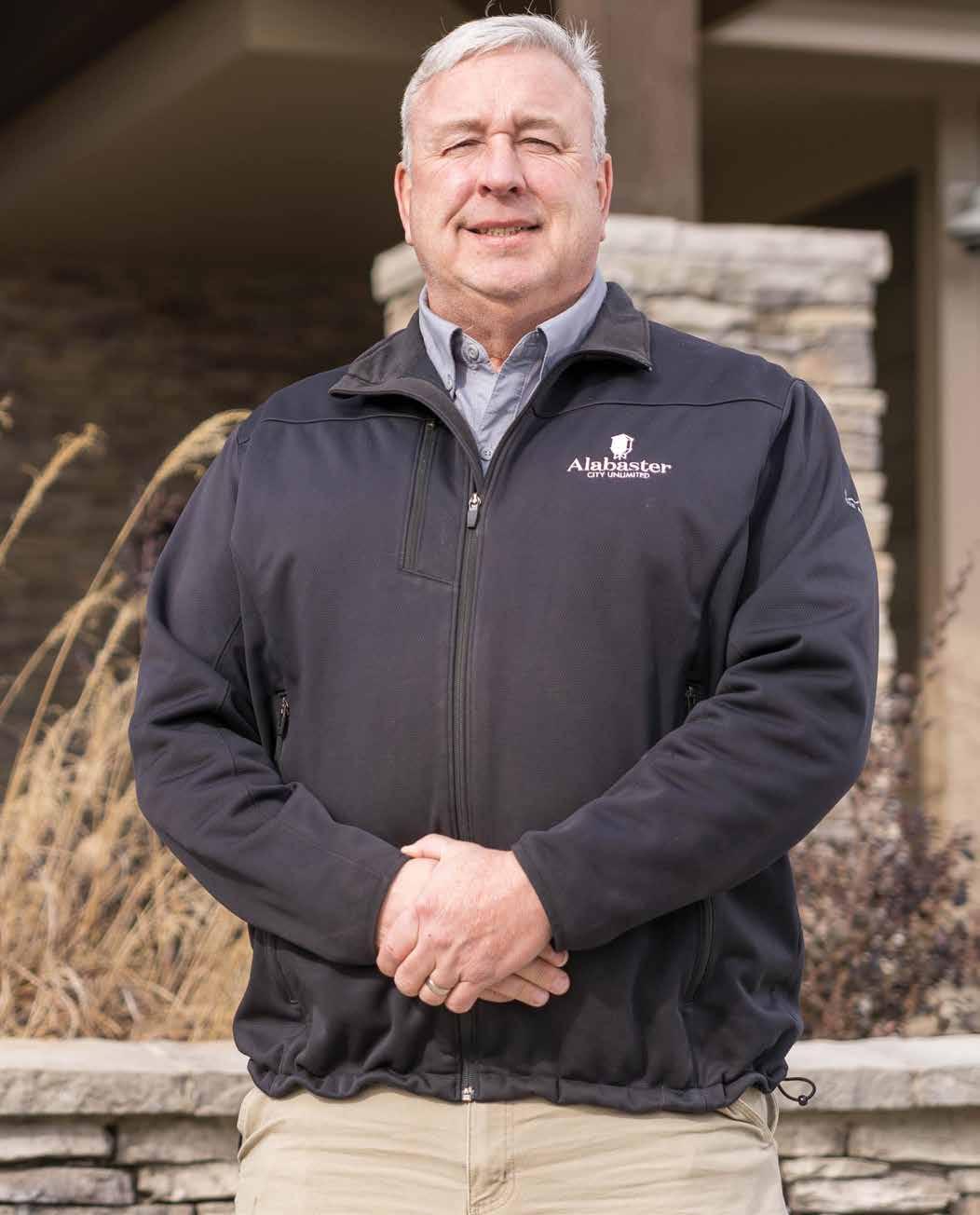
DIRECTOR OF INFRASTRUCTURE AND PUBLIC SERVICES
As the city of Alabaster’s director of infrastructure and public services, Fred Hawkins oversees several key departments, including the city sewer in environmental services, public works, facilities, building, engineering and zoning. He also works alongside city leaders on capital projects.


FROM CONCEPT TO FINISHED PRODUCT, YOUR PROJECT IS OUR PRIORITY.





Publications Plus is the premier custom print provider for the Southeast and beyond.
Our printing experts are ready to make your project a reality on time and in budget.


• Banners
• Business Cards
• Posters
• Postcards
• Magazines & More
The Publications Plus team has years of experience working with clients to design, produce and install a wide variety of excellent print products. No matter what kind of print project you’re thinking of, we will help you every step of the way to bring your idea to fruition.
Call 877.701.5087 to get a quote on your next project.






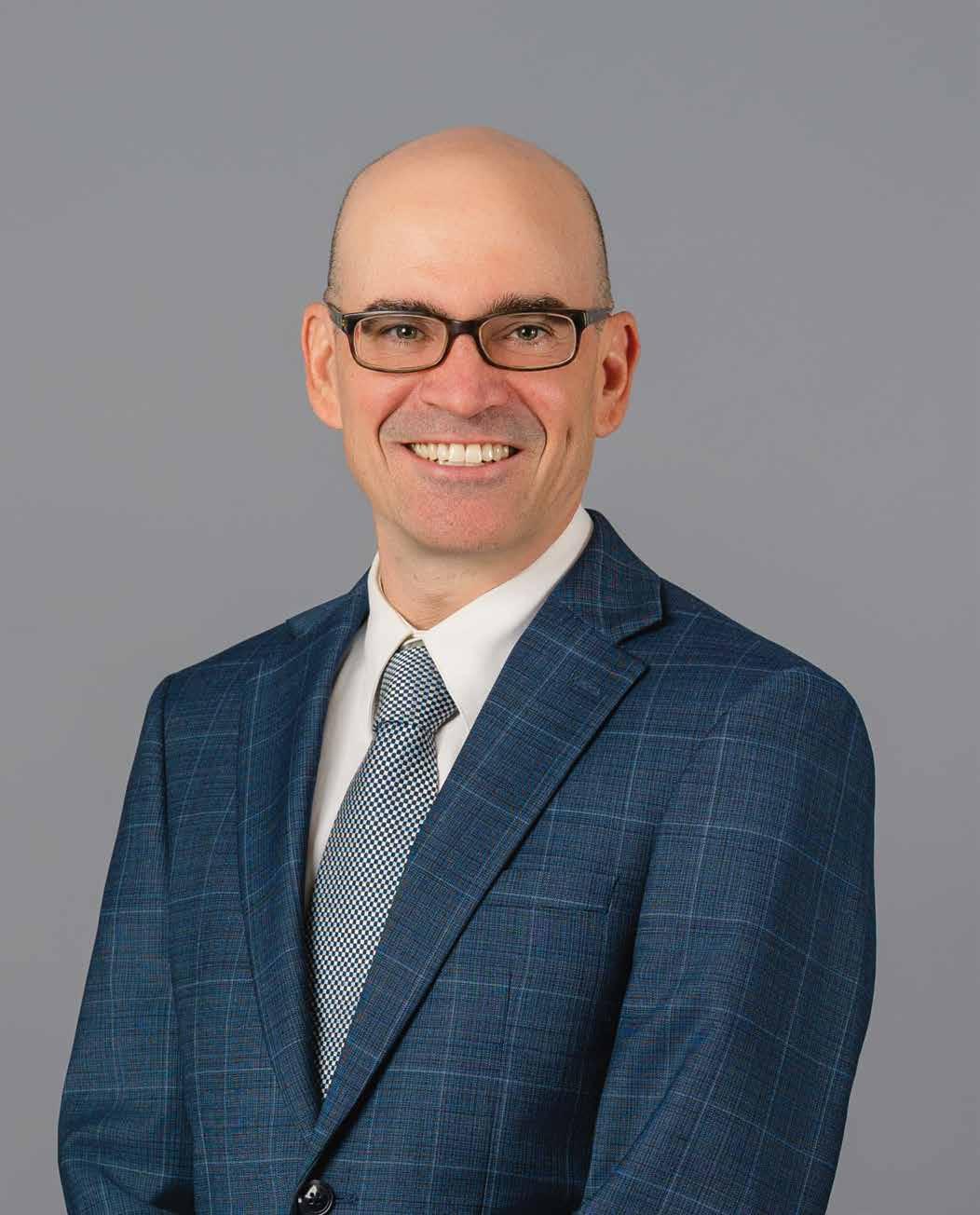
As Shelby County developed in the 1980’s, the County Commission invested in public health and economic growth with the founding of Shelby County Water Services. As Manager since 2022, Phillip Crunk P.E., is charged with delivering a high-quality, reliable product with the standards of customer service and fiscal responsibility that Shelby County citizens not only deserve, but expect. Serving 14,000 individual customers from Westover to Greystone and neighboring communities. The system includes two treatment plants, 360 miles of watermain, and 22 million gallons of storage.
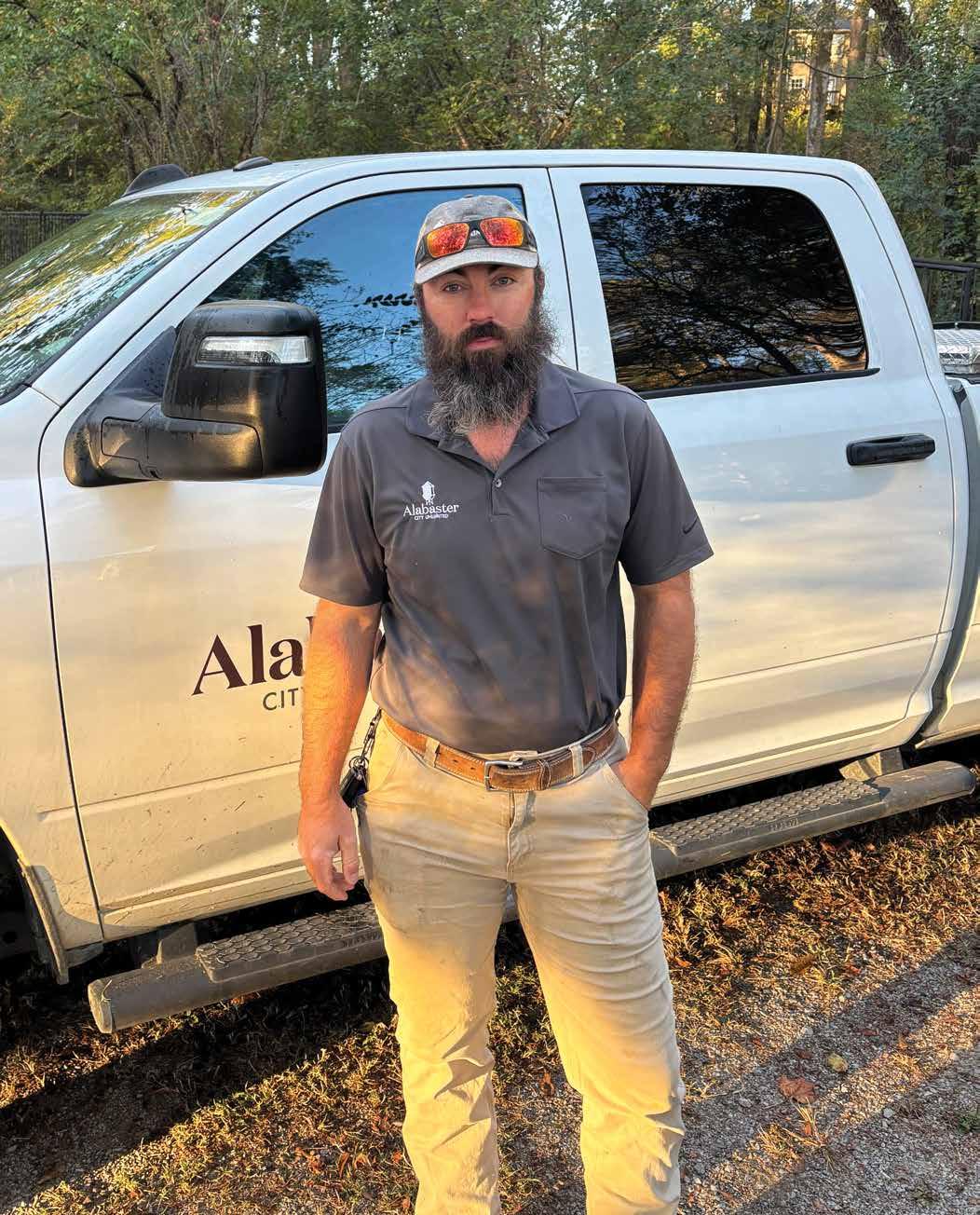
Daniel Johnston serves as a supervisor within the city of Alabaster’s Maintenance Division and has been a valued member of the city team for more than eight years. He helps coordinate daily assignments for the maintenance staff and oversees the upkeep of the city’s irrigation systems. Known for his broad skill set and problem-solving approach, Daniel regularly takes projects from concept to completion with exceptional quality. In addition to his maintenance duties, he plays an important role in supporting the city’s Teen Council.
ACADEMY TRANSITION SPECIALIST
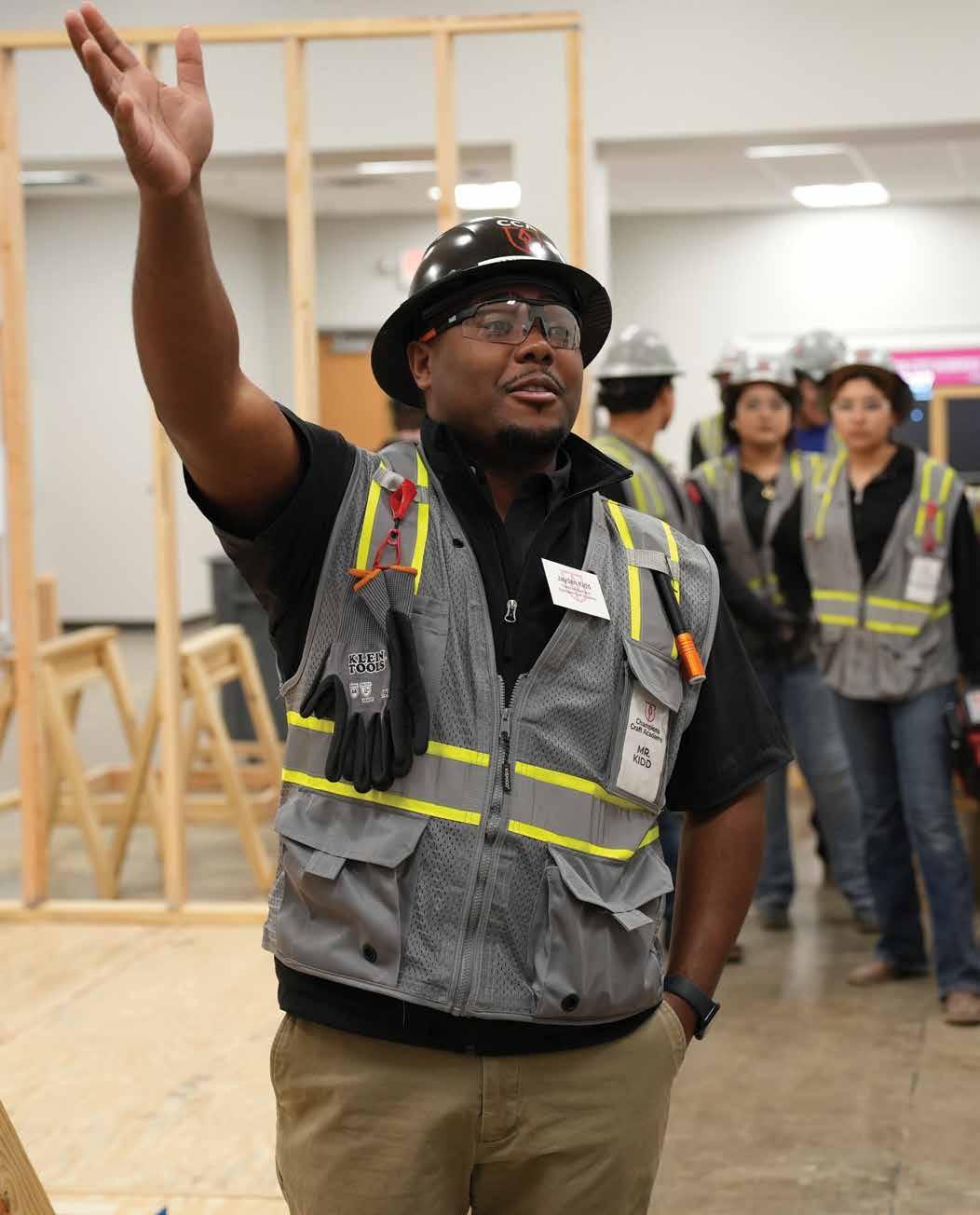
Jayden Kidd brings years of Career Tech Education construction experience to his role as transition specialist for the ACS Champions Craft Academy. Working with Thompson High School students, he connects students with meaningful job opportunities in the construction industry. A former welder and pipefitter with BL Harbert International, Kidd has also served as a welding instructor and later as lead instructor and campus director for the Academy of Craft Training in Mobile. Jayden has successfully placed hundreds of graduates into full-time construction careers.
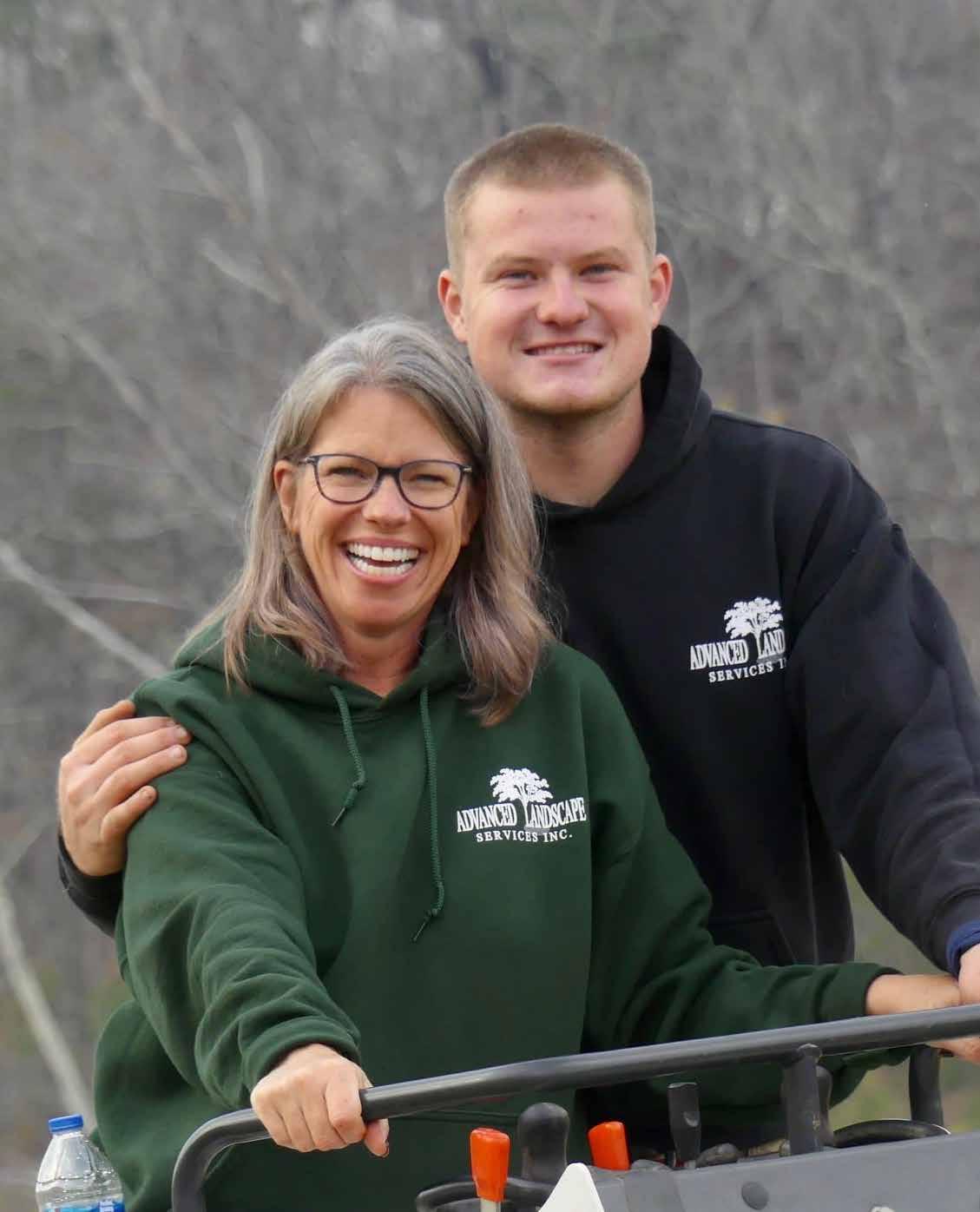
CO-OWNER OF ADVANCED LANDSCAPE
As co-owner of Advanced Landscape LLC, Simonetti fulfills multiple leadership roles, with primary responsibility for overseeing the company’s Landscape Division. Her business partner manages the Hardscape Division, as well as grading and drainage operations. Simonetti specializes in creating customized virtual landscape designs tailored to each client’s vision and oversee projects from concept through final installation. In addition, she leads sales efforts and is responsible for overall business management and strategic development.
BY NOAH WORTHAM | PHOTOS BY DAWN HARRISON
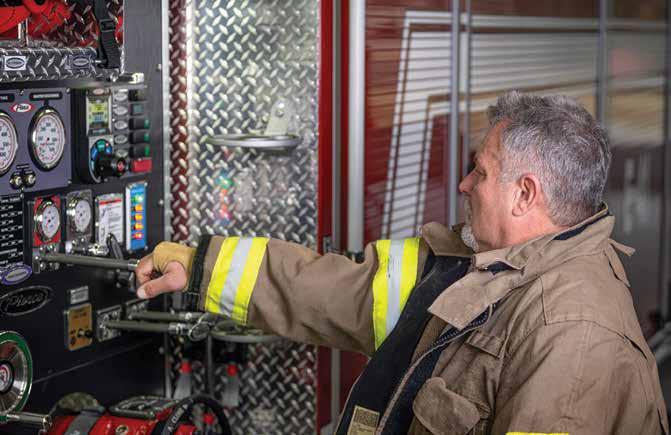
AAt 7:57 a.m. on a Saturday morning in 2004, Fire Chief Johnny Howard Jr. receives a call that there is a fire at the Summer Classic furniture factory in Columbiana. He and the rest of the Columbiana Volunteer Fire Department quickly don their gear and climb into their vehicles to head to the scene.
Amongst the blare of the sirens as they rocketed across town, Howard expects a run-of-the-mill office fire. However, as they arrive first on the scene his gaze is met with a massive inferno—the largest he has ever seen emitting black, billowing smoke that makes it difficult to see. This was going to be a blaze that they could not handle by themselves.
“When we arrived, it was so large and overwhelming that we knew we had to have mutual aid,” Johnny said.
As he works to organize his men, the Columbiana Police Department and Regional Paramedic Service arrive and a call goes out for mutual aid by the E911 dispatcher. As the fire progresses, within minutes it escalates into a complete industrial fire. If things were to worsen any further, the blaze could pose an even greater danger, with an estimated 18,000 tires housed at the facility that have yet to ignite.
“Every department that responded, they didn’t just send crews, they sent their No. 1 officers,” Johnny said.
As they fought the fire, five ladder trucks sprayed water from above while a fuel truck from the county refueled all of the fire trucks that ran out of diesel fuel during the fight. After hours of battling the inferno, the orange flames subsided and white smoke signaled an end to the blaze.
“The largest moment that sticks out in my fire career is when I realized the day of the largest fire we experienced when asking for
The Wilsonville Fire Department arrives on the scene and handles the flames on the backside off of Walton Street, while other departments slowly join on-by-one until there are a total of 13 fire departments working together to contain the fire.
mutual aid, we got the best of the best to come to us,” Johnny said.
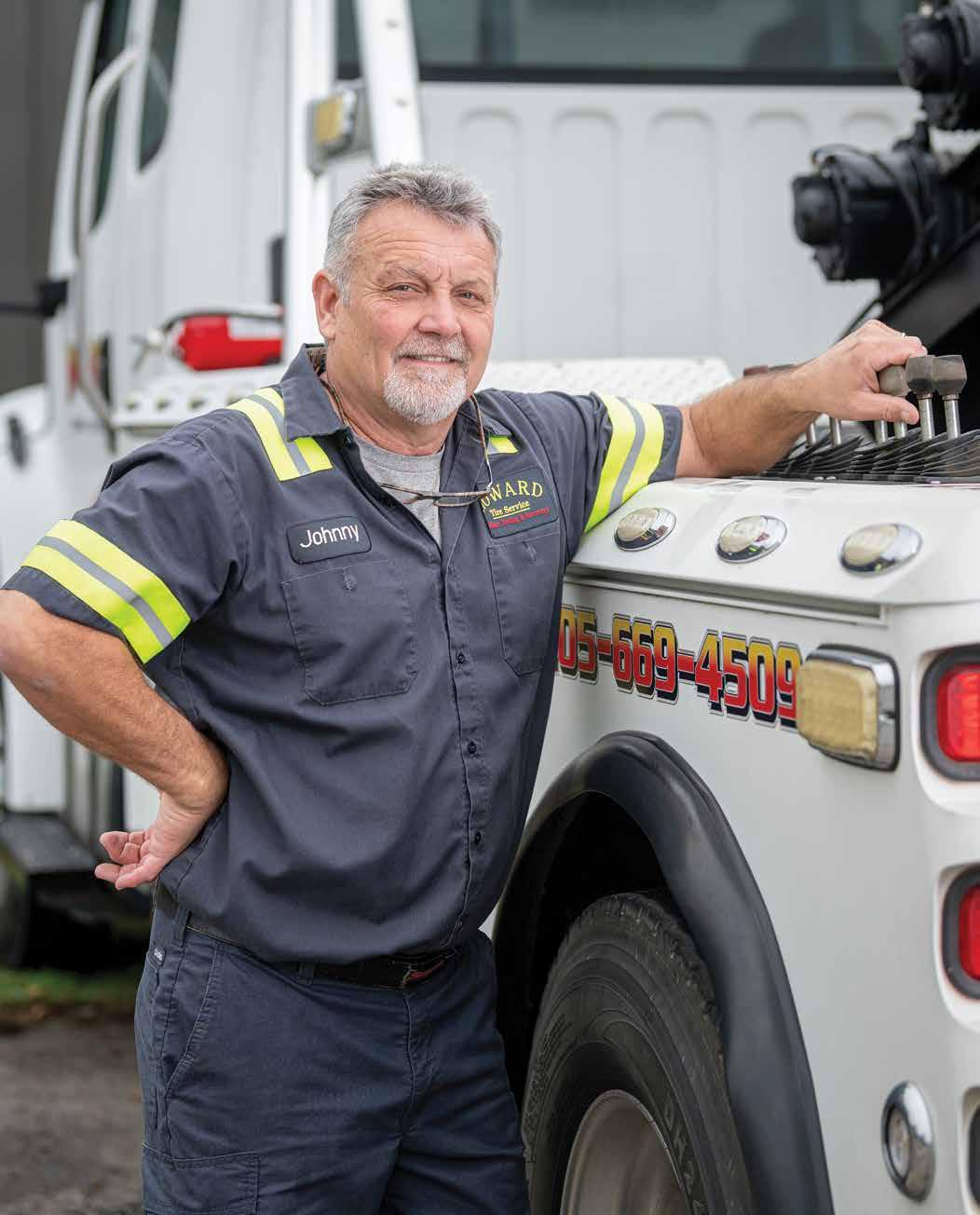
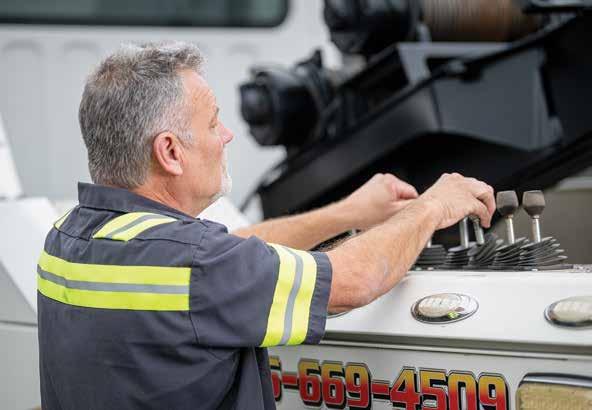
Now, 20 years later, Johnny is still ready to answer the call—24 hours a day, seven days a week as he spends every moment either running calls for the Columbiana Volunteer Fire Department or for his family’s long running business Howard Tire. Even when he’s spending his spare time at home on his farm tending to his cows, he’s always ready to drop what he’s doing and help out those in need.
“Whether it’s a wrecker call or it’s a fire call, you just drop what you’re doing and you leave,” Johnny said. “That’s the story of my life.”
Following in his footsteps
Johnny Howard Jr. was born and raised in Columbiana, where he studied at Shelby

call
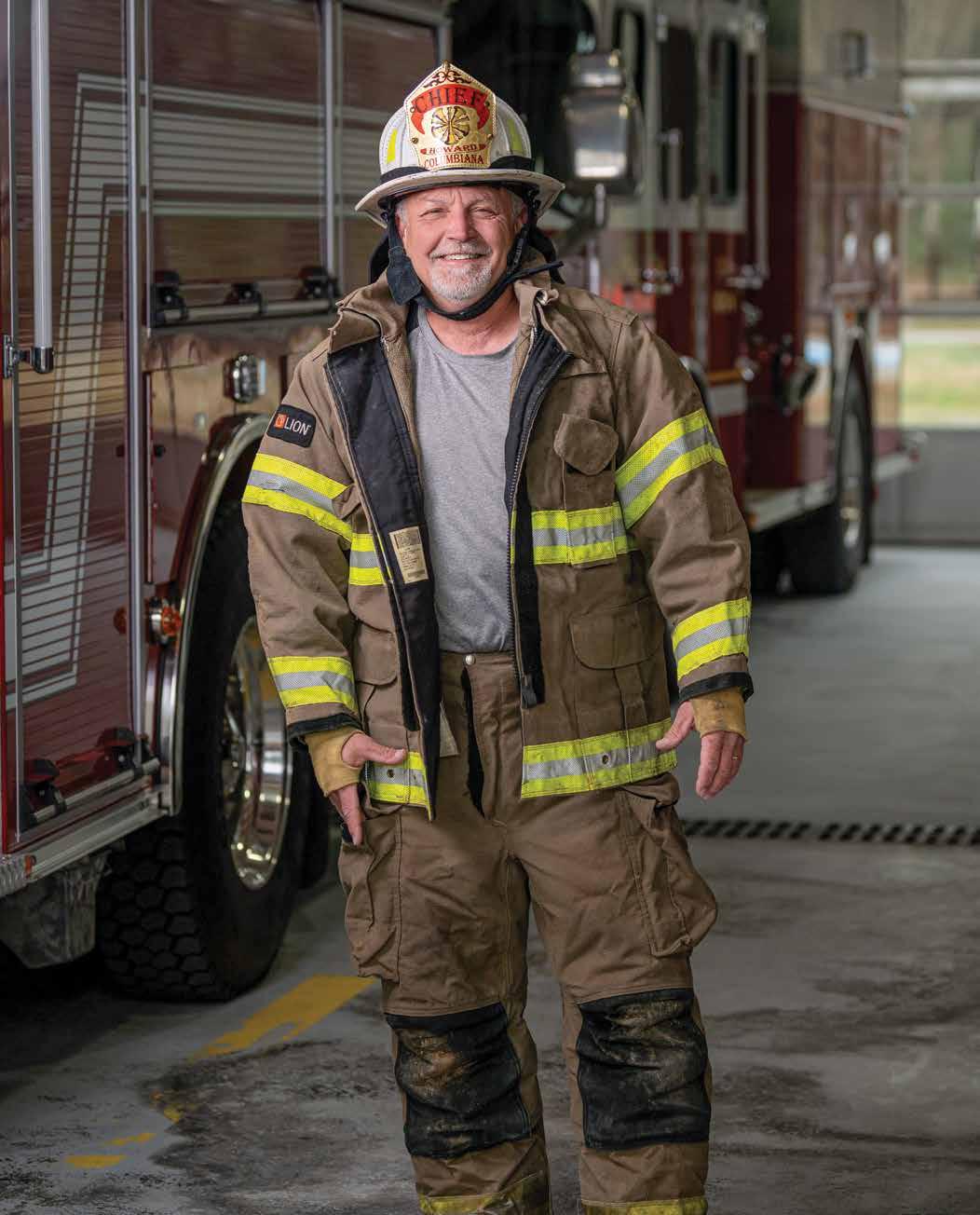
In dual roles as the chief of the Columbiana Volunteer Fire Department and co-owner of Howard Tire, Johnny Howard Jr. is ready 24/7, seven days a week to answer the community’s call.
County High School. During his junior and senior year at SCHS, his father, Johnny Howard Sr., who had previously worked as the manager of a tire store, started Howard Tire in 1980. Johnny Howard Jr. followed in his dad’s footsteps and got his start in the automotive industry by working for his father through the school’s work program.
Johnny graduated high school in May 1980 and officially began working at Howard Tire in 1982. The business initially started out as an automotive tire service but over the years has expanded its list of services.
“I’d never been an inside person. I’ve always been an outside, hands-on type of guy,” Johnny said. “I just enjoy working with my hands and working on cars.”
In addition to joining his father at the family business, Johnny also joined the Columbiana Volunteer Fire Department at the age
of 19 around 1985. He was inspired by his father, who had served in the fire service since 1967. To this day, Johnny even has a photograph in his office of himself sitting on one of the department’s old fire trucks as a child.
“I grew up as a child hanging out at the fire station. So that kind of set the pace for wanting to be a fireman at a young age,” Johnny said.
Serving alongside his father, Johnny became the assistant fire chief in 1987 and officially secured his current role as fire chief in 1989.
Shortly after high school, Johnny also married the love of his life, Pamela Howard, with whom he has had three children. When looking back on their relationship, Pamela said she was first attracted to Howard because of his drive and ambition.
“He does a whole lot,” Pamela said. “He



loves the community, he does a lot for the community and it’s really stressful. It’s 24/7. He’s either got a fire call or a wrecker call, he’s got something all the time.”
After years of assisting, Pamela officially joined Howard Tire as its secretary in 2016, after Howard’s mother, Sarah, had to step away to care for his father who was sick. In 2019, at the age of 74, Johnny Howard Sr. passed away. While Pamela, Johnny and his brother Ricky Howard were prepared to take on the family business, it was an indescribable loss for a man who served as a father, mentor, first responder and friend.
been being able to work with family and help other people.”
Answering the call
Whether it’s getting his hands dirty working on automotive repair at Howard Tire or putting out a fire for the Columbiana Volunteer Fire Department, Johnny finds satisfaction in knowing that he is helping out someone in the community.
Johnny
Howard Jr. has served at both the Columbiana Volunteer Fire Department and Howard Tire for 40 years.
Now, the business continues to be a family endeavor, with Johnny and Ricky working together to run things, alongside their sons who also have taken on work. Pamela works in the business’s office and handles much of the front-end work, including, talking to customers answering the phone, selling tires, writing up records and more.
“It was a family business to begin with, and through the years, it’s always remained a family business,” Johnny said. “The enjoyable part has
“I enjoy being able to work with people and I get that in both departments—whether its automotive or the fire service,” Johnny said. “They’re a little different, but with both jobs, people bring you their problems or you’re going to their problem— it’s all about helping somebody.”
Howard Tire begin as a simple automotive tire service but has since expanded to offer tires for large vehicle such as trucks, tractors and farm vehicles. The business also now offers automotive service where mechanics assist customers with oil changes, diagnostics, suspension alignment, repair and more. In the late ‘80s, they also added
“I’D NEVER BEEN AN INSIDE PERSON. I’VE ALWAYS BEEN AN OUTSIDE, HANDS-ON TYPE OF GUY.” -JOHNNY HOWARD
towing and now have 14 trucks on the road, ready to assist in transporting anywhere from a normal sedan to tractors and busses.
“It’s 50 percent automotive, 50 percent towing,” Johnny said. “Both run from the same company, the same people but towing is 24 hours, anywhere, anytime.”
And much like in his duties as a firefighter, working on vehicles and on towing calls offers a fresh and unique challenge each time, with no two circumstances being the exact same.
“In the wrecker business, you’re always facing something different,” Johnny said. “We’ve done everything from fertilizer trucks overturned to trucks that have fallen through septic tanks to vehicles that have been submerged underwater in Lay Lake to accidents with fatalities. Every call is unique.”
Johnny and Ricky split duties, with Johnny managing the majority of the tire service and Ricky handling most of the towing service. Between them there are approximately 10 employees in all at Howard Tire.
“I think him and Ricky have both done a really good job of carrying on the business,” Pamela said. “It’s excelled. It’s only done better and better every year.”
When he’s not working at Howard Tire, Johnny’s time is preoccupied with the fire department—requiring him to be on call 24/7, seven days a week to either help out customers or to save a member of the community. Knowing that you can never expect what a call will require, Johnny highlighted the importance of training employees at both departments.
“The only way you can be prepared is to communicate with your employees and train for all situations,” he said.

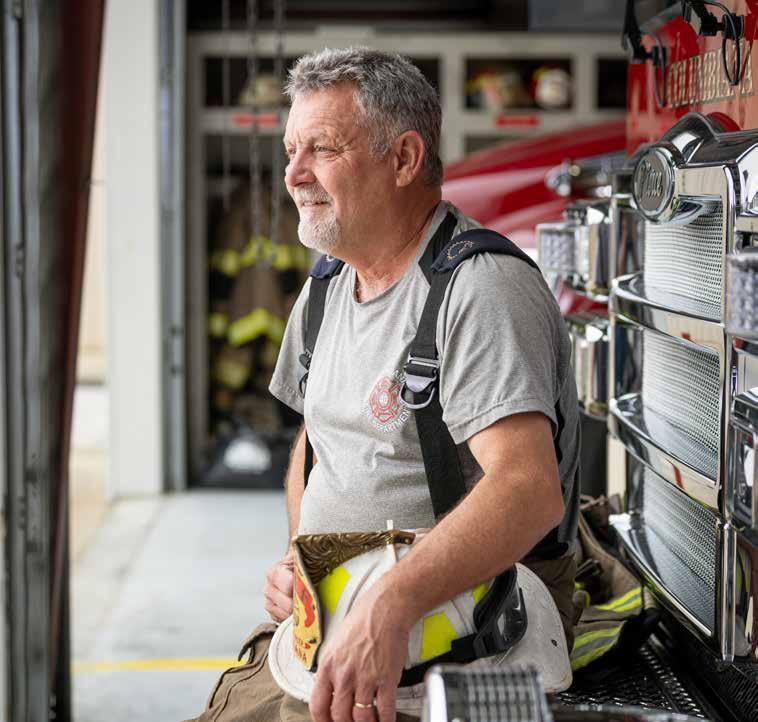
And Johnny has seen a variety of situations in his 40 years at the Columbiana Volunteer Fire Department, where he has served as chief since 1989. He’s watched generations of firefighters come and go and is responsible for recruiting, training and leading the ones to come.
According to Assistant Fire Chief Brett Ashworth, who has worked alongside Johnny at the department for 10 years, he is probably the most knowledgeable person he has ever met when it comes to information on the city of Columbiana.
“He grew up here and has been involved in the community for his entire life and can tell you the ins and outs of things that you wouldn’t even know,” Ashworth said. “When we start talking about hydrant systems, water or the buildings, the layout of streets or property, he’s the one to ask because he has all that knowledge He remembers when a lot of the systems were put in place.”
Ashworth works for the Homewood Fire Department and chooses to spend his time off serving Columbiana, which he shared is a unique situation compared to working for a major city. While the volume of calls the
CVFD handles are much lower than a larger municipality, many of them are of a more serious nature.
“When I go to work, I run a lot of calls but the severity of them is not near what it is here a lot of times,” Ashworth said. “The fires that we run here and the wrecks we run here are typically more significant for a variety of reasons.”
In addition to dealing with many of the challenges of other fire departments, Johnny and Ashworth also face a significant challenge unique to volunteer fire departments, which is difficult to solve.
“The challenges of a volunteer fire department are always personnel,” Johnny said.
While some departments can attract new firefighters and experienced firefighters through competitive pay, volunteer fire departments have to rely on those who truly believe that fire service is their calling.
“You’re asking people to take time away from their families to train, to answer calls that they’re putting themselves in risk for,” Johnny said. “Some people call us crazy, some people call us loyal. You’re always running into somewhere where everybody is
running out. It kind of is crazy, especially if you’re doing it for free.”
Despite the challenge, Johnny, Ashworth and the rest of the crew at the CVFD are able to operate each day, saving lives in the process thanks to their deep dedication and passion for what they do.
“Once you become a part of the fire service and you understand that it’s truly meant for you, you just can’t get enough of it. You want to keep building on that… It’s a brotherhood and it becomes a family and the goal is just unbelievably rewarding in the way you help people,” Johnny said.
After reaching 40 years of dutiful work at both the fire department and Howard Tire, Johnny has seen job offers and opportunities come his way over the years. However, despite it all, he wouldn’t have it any other way and continues to love serving the people of Columbiana.
“I’ve had plenty of opportunities for plenty other jobs, and I never could make myself do something else, because I just felt like my calling was to stay in Columbiana,” Johnny said. “My heart’s always been here, so I always chose to stay. I like taking care of the locals.”

BY MICHAELA BANKSTON | PHOTOS BY DAWN HARRISON
IIn January 2025, around 125 A.C. Legg employees and significant others gathered at Shelby County Arts Council for the inaugural employee awards celebration. The festive evening included a DJ, good food and an opportunity for the company and fellow employees to recognize those who exemplify the core values and have dedicated time to working for the company.
Awards were announced to newcomers and seasoned workers by emcees Jeff Purvis, president of A.C. Legg, and the safety and training manager. Their back-andforth banter provided laughs as each person was acknowledged.
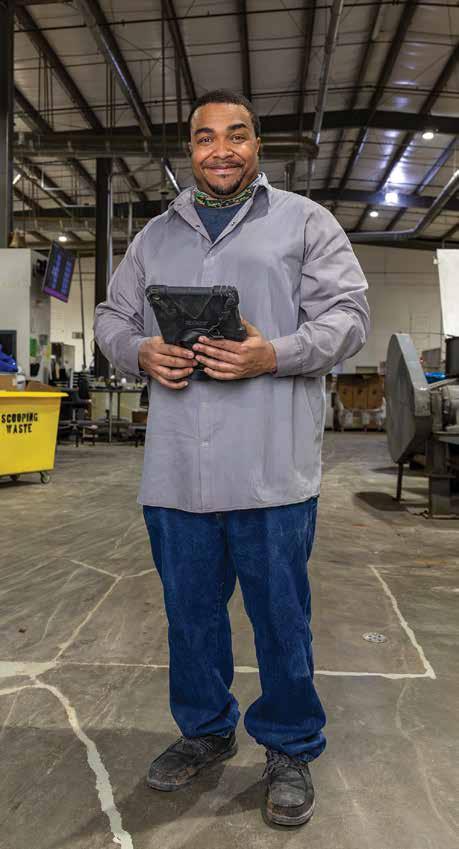
The final award given out was employee of the year. With this being the first year the award was given out, no one knew quite what to expect, and not even the nominees knew who they were. All five nominees were brought up on stage, and among them stood Marlon Attical, shaking. His legs seemed to turn into noodles and a mix of shock and nervousness overtook his face.
“I’m not a spotlight type guy,” Attical said.
Attical grew up alongside his older sister
in a single-parent household in Ensley. He attended Holy Family Cristo Rey Catholic High School, which at the time was located in Ensley.
At 16, he went to work at Taco Bell after school.
“My mom’s a single parent, and I was going to a private school, so I was helping out paying that monthly fee for that,” he said.
“And then, just to learn responsibility. My mom instilled in me to learn responsibility.”
Two years later, in 2004 he graduated high school and remained with his mom in Ensley. Shortly after he began commuting to Shelby County at night. During this time,
“SO AT THE END OF THE DAY, PEOPLE ASK ME, ‘WHAT’S THE MOST IMPORTANT THING ABOUT A.C. LEGG?’ IT’S NOT OUR SEASONING. IT’S OUR PEOPLE; IT’S PEOPLE LIKE MARLON. THEY MAKE US SPECIAL.”
-JEFF PURVIS
he worked the night shift at Hibbett Distribution Center five days a week while still working at Taco Bell during the day.
“If you don’t have the tools or the knowledge, you’ll drown,” Attical said. “So, it’s like me going through that, and my mom instilling in me responsibility. You have to get out here and get it. Work. Nothing’s given to you. That’s just the mindset I have. That’s why I’m instilling that into my kids now.”
“Seasoning? That’s different.”
Born out of a sausage kitchen, A.C. Legg has been crafting seasonings since 1923, but Attical was not familiar with the company. Yet, when he came across a job posting online, he paused.
“When I saw it online, I said, ‘Seasoning? That’s different,’” he recalled.
Attical traded in his burrito-making days and sports equipment-sorting nights for a day job blending spices in 2008. He began as an entry-level loader, adding hundreds of pounds of ingredients into the blender, before transitioning to a scooper, measuring the ingredients before the loader loads them. Throughout the subsequent years, he held lead positions in several different areas.
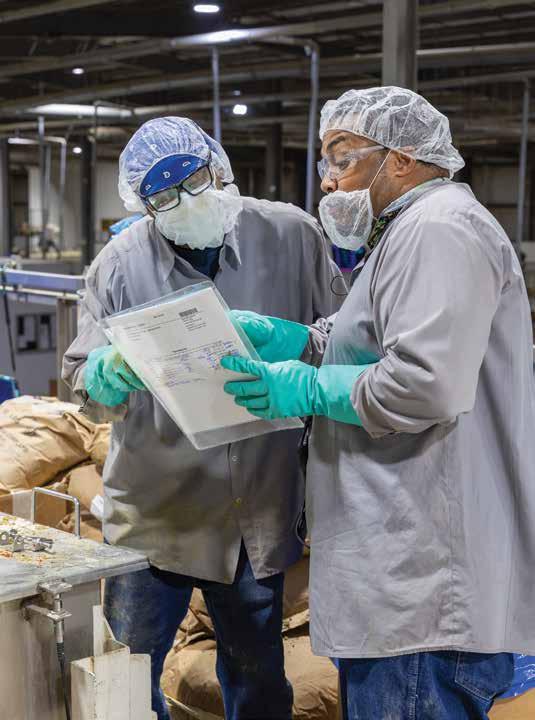
A decade after Attical began his journey at A.C. Legg, a job appeared on the board that was not frequently seen but caught his eye: quality assurance technician.
“I feel like that’s the reason why I picked quality as well, because I have a detailed eye,” he said.
Attical worked as a quality assurance technician for four
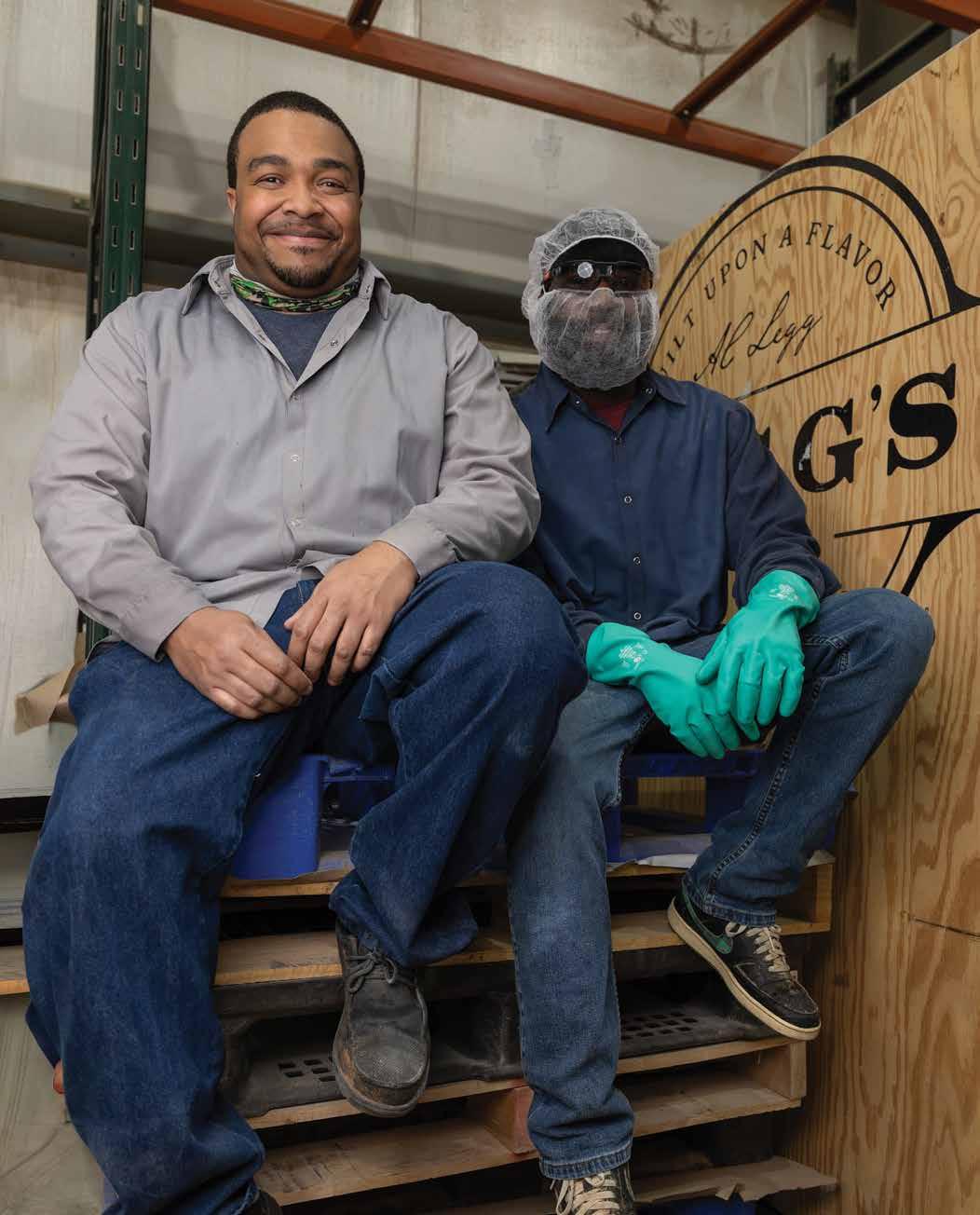
years before being promoted to supervisor, his current position, in 2022.
During that time and until January 2025, his supervisor was Jennifer Beckett, food safety and regulatory compliance manager at A.C. Legg. Beckett previously oversaw food safety and quality assurance, but the company separated the positions to enable greater emphasis on both. However, she said the two are closely intertwined, and she still works closely with Attical.
“When he moved over to quality assurance several years ago, I think that’s really when he shined, especially with the kinds of things that are required of him in that job role,” Beckett said. “I feel like he has the utmost integrity no matter what comes up. I think he has very positive interactions with coworkers. He’s very well-respected. He takes ownership of his role. He takes it very seriously, but he’s also approachable and pleasant and very easy to talk to and work with in my opinion. I think he’s an excellent example of how an employee in a work environment should act.”
When Purvis and other upper management at A.C. Legg began discussions for the inaugural employee of the year, they considered each employee and how they stacked up to the company’s core values.
“One of our core values is people,” Purvis
said. “We have quality, integrity, service; those have always been part of who we are, but a couple of years ago we added people into it. Whether it’s our people that work for us, our customers that we work with or the vendors who call us. They’re all important.”
Those four values were the focus of conversations surrounding inaugural employee of the year nominees, and Purvis said Attical’s name came up when discussing all four.
For Attical, the quality part is simple; it’s what he does.
“The job that I do, quality, is just to make sure a good product is being made,” he said.
While it may be innate to him, Beckett explained there are many facets of quality assurance at which Attical excels.
“He’s not afraid to have the hard conversations,” she said. “Quality is really a check-andbalance system between production and making sure we’re making things correctly and safely and we meet the standards of our consumers. He plays a big role in that. He has the authority to stop production if he sees a potential issue, and he’s big into preventing things rather than waiting until things happen and trying to correct them after the fact.”
The part that comes natural to Attical is driven by his integrity. While he does want to create a quality product for their customers, it goes further than that. No matter what he is working on, Attical strives to do a good job.
“He’s not all about going out and getting at-
Awarded to Marlon Attical for his representation of A.C. Legg’s core values: quality integrity service people

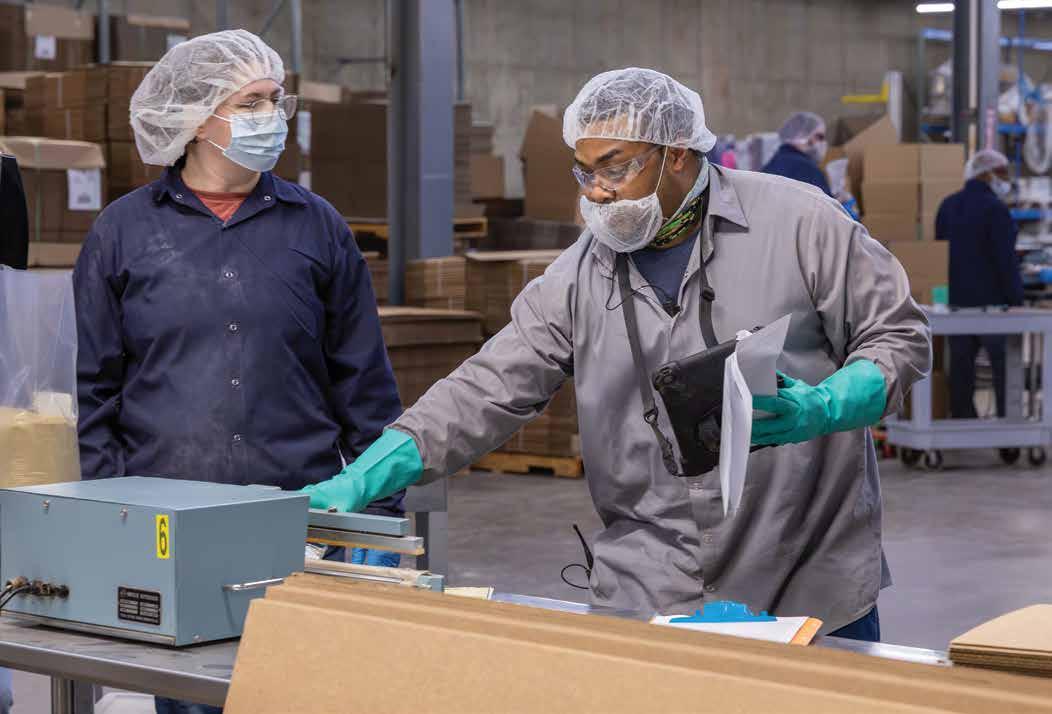
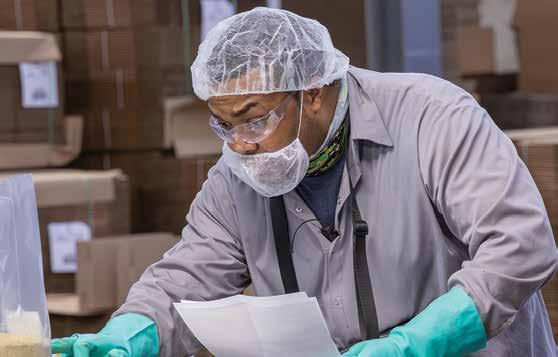
tention, but he is all about getting a job done and getting it done right,” Purvis said.
Beyond that, integrity is not solely about upholding a standard of work. It involves personal values that show in many aspects of life.
“He has very strong character,” Beckett
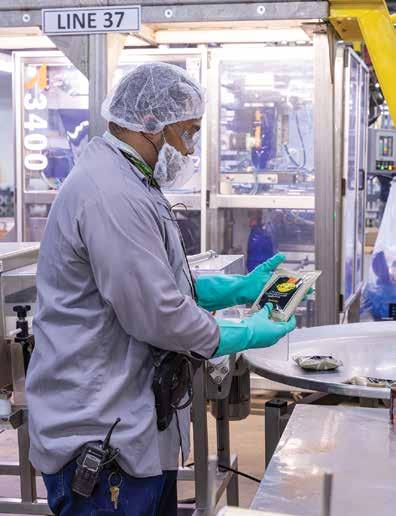
said. “I would trust him with anything—anything at work and anything personal. I consider him not only a coworker but also a friend.”
Then, there is service, or the act of serving others. Purvis called Attical a “working supervisor” and an “ideal team player” because
of his love for serving and assisting people, including those he supervises and others outside his department.
“I’m supposed to be a supervisor, which I am, but I typically help and do things as well,” Attical said. “I feel like we’re all a team, even if certain departments are down on
people or whatnot, I fill in wherever need be to try to help get the job done,” he added.
As far as those people he’s serving, Beckett explained how she thinks there is mutual respect throughout.
“I feel that I’ve seen that he’s enabled a very healthy work environment,” she said. “I feel that his direct reports are comfortable talking with him about pretty much anything work related. I think he definitely has their respect, and he respects others as well.”
For all of those reasons, on that evening in January 2025, as Attical stood trembling on stage, he heard his name called as one of two inaugural employee of the year
winners. Purvis clarified it was not just for what he had done in 2024, but Attical consistently has exemplified what A.C. Legg stands for throughout his more-than-17-year career.
“So at the end of the day, people ask me, ‘What’s the most important thing about A.C. Legg?’” Purvis said. “It’s not our seasoning. It’s our people; it’s people like Marlon (Attical). They make us special.”
As the page turns on another year, there is no reason to expect anything different from Attical. Purvis said the Monday after he won the award, he continued on with the values that had won him the award, and that has been true every week since.






BY DAVE DOMESCIK | PHOTOS BY DAWN HARRISON
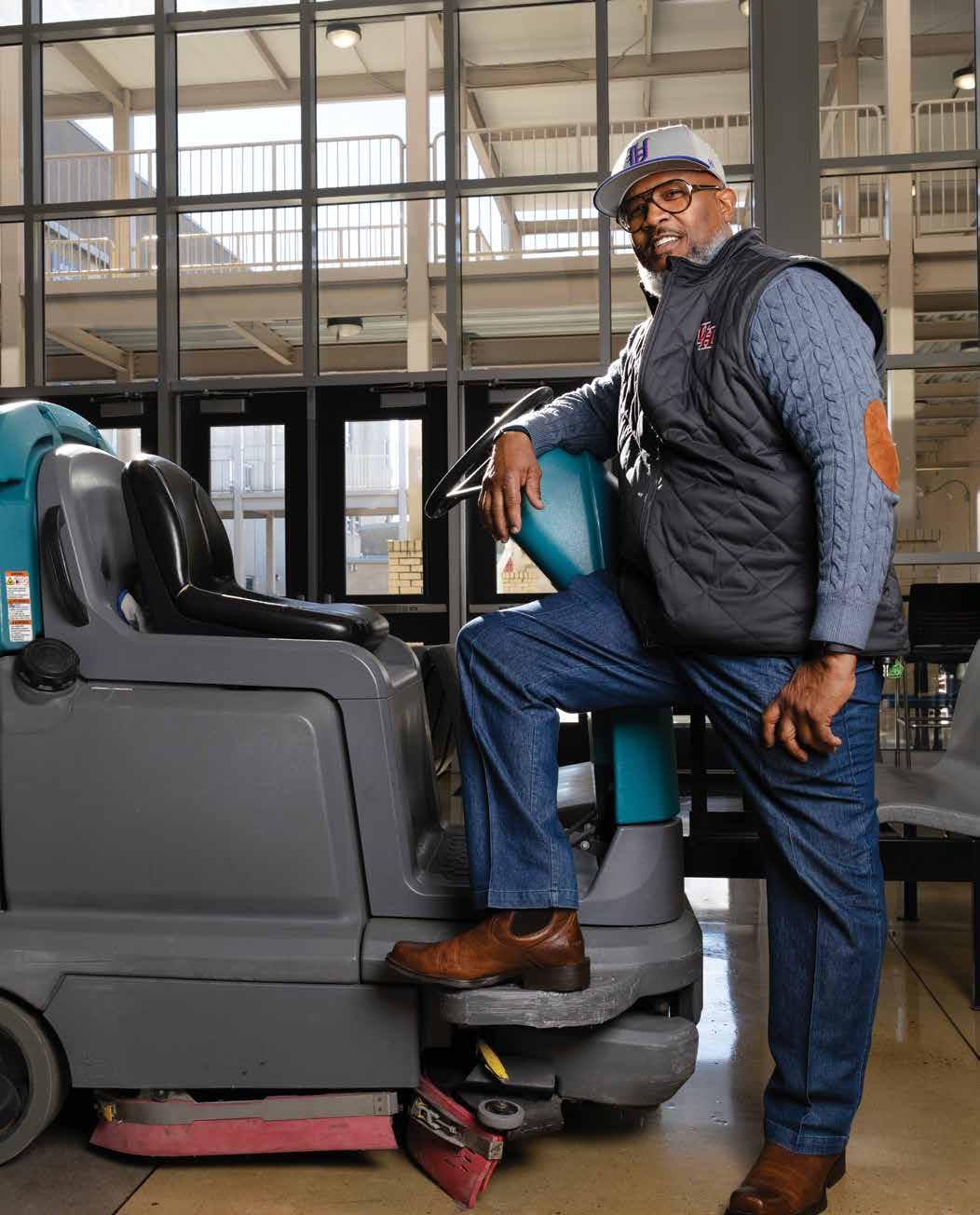
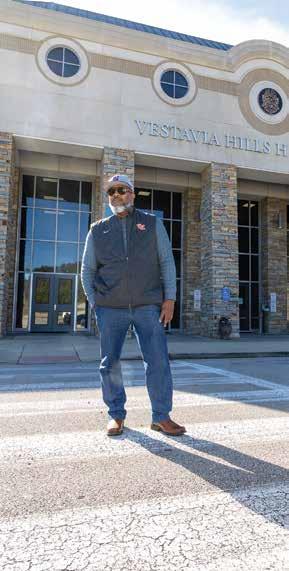
BBefore sunrise has even thought about brushing the edges of the Birmingham sky, a single sliver of hallway light crackles to life at the Trumer home. It’s 4:30 a.m., the same time it’s been for decades. The jangle of keys, a sound so familiar his daughters used to identify him by it in the halls of Vestavia Hills High School, breaks the silence as Fred Trumer steps into another day of work.
He moves quietly, purposefully. Lunch packed. Shoes tied. Thermos in hand. Another 12- to 14-hour day ahead of him. He’ll clock in at his first job by 5:30 a.m., switch to his second by early afternoon and he won’t return home until dusk settles on another night in Alabama.
“My first three hours of the day, I’m moving constantly,” Fred said. “Before everyone gets
to school, I like to get all of my tasks done early. After that, there’s a slowdown period, but really I’m always ready to shift when needed.”
He describes himself as “kind of like the old granddad walking around,” present but never intrusive, adapting to the cycle of student traffic.
There is no fanfare in the way Fred starts his day. But there is discipline. There is devotion. There is love.
And in that rhythmic devotion—in those keys clinking against his belt, in the unbroken routine of providing for the people he loves— lies the heartbeat of his entire life.
A love built on honesty
If you ask Pam Trumer, the first thing she
ever noticed about Fred was not his smile or his humor, though both eventually won her over.
It was his honesty.
They met 35 years ago in a nightclub in downtown Birmingham, introduced through friends. The room was loud and crowded. Fred was quiet, subtle, almost reserved. But direct.
“What drew me to Fred was his honesty,” Pam says. “He had a quirky sense of humor, but he was just so upfront. I didn’t have to guess where I stood with him.”
That honesty, she adds with a laugh, is just as intact today as it was that night—sometimes painfully intact.
Over nearly three decades of marriage, the two have raised three daughters, weathered surgeries and illnesses, moved through jobs,
started businesses and at times worked nearly opposite schedules. But in every season, the same qualities she recognized on that nightclub floor have carried them: mutual trust, stubborn loyalty and a faith they clung to when things got heavy.
“It sounds cliché,” she said, “but prayer has kept our marriage strong. When we hit hard times, when we butted heads, we locked in. We prayed for each other. We prayed with each other. We made time to listen even when we didn’t agree.”
They are, in Pam’s words, “two strong personalities.” But they are also best friends.
“Not everybody gets their person,” she said softly. “But I got mine.”
Fred leaves home around 4:30 a.m. And
most nights, he doesn’t make it back until 6:30 or 7:30 p.m.
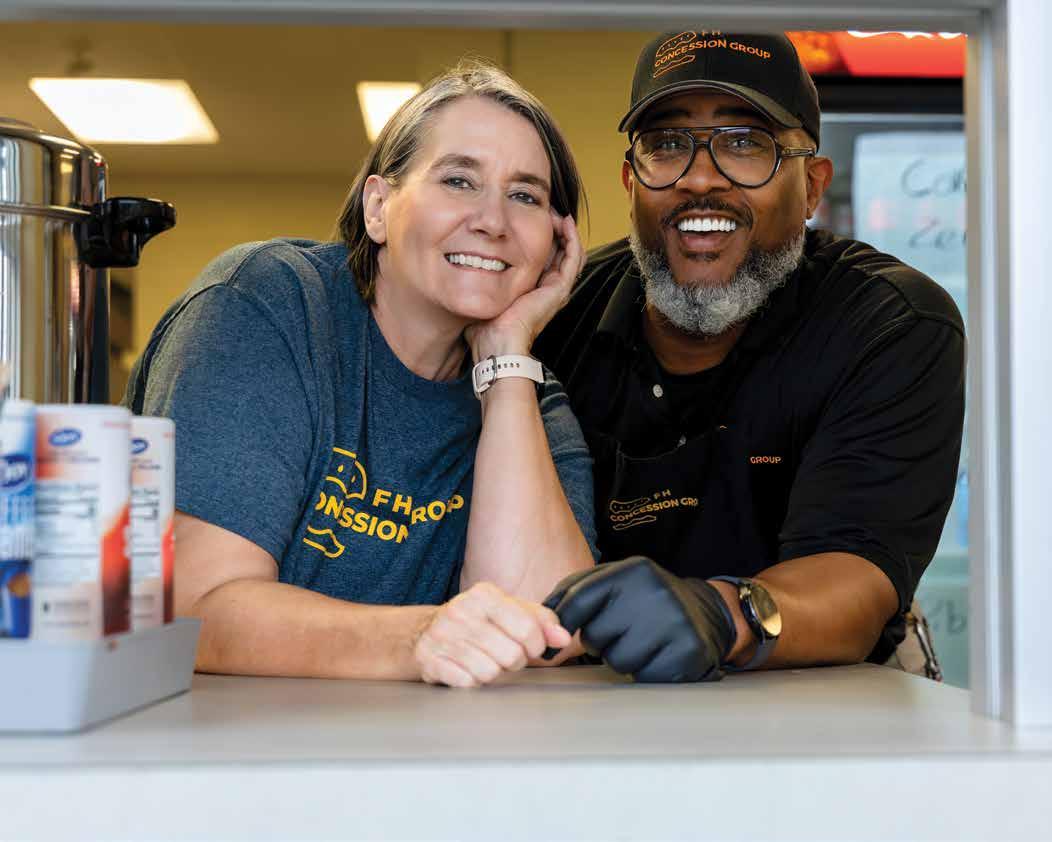
He and Pam often pass each other in motion: she leaves for her own full-time and part-time jobs later in the morning, and returns home around the time he’s finishing up evening concessions shifts. Some nights she cooks and leaves his dinner in the microwave. Other nights they’re both working sporting events or tournaments, juggling crowds, suppliers and the thousand logistical details that come with running FH Concessions locations.
They rarely complain about the hours. They’ve lived them too long for that.
Family drives Fred, Pam says simply. It always has.
But the reasons run deeper than routine.
“Fred grew up without a dad,” she said. “Yet he became the most devoted, present
and loving father I’ve ever seen. He raised my oldest daughter like she was his own from the very beginning. Family means everything to him, partly because he didn’t have that example growing up.”
None of Fred’s siblings, parents or extended relatives have long-standing marriages.
The fact that his and Pam’s has flourished for 27 years—built on honesty, faith and work ethic—is something she doesn’t take lightly.
“I’m always so proud of him,” she said. “He didn’t have an example to follow, so he created his own.”
The work ethic that raised a family
Fred never shies away from work—not the long days, not the physical labor, not the pressure of unpredictable crowds.
“GOD FIXED ME. DAY BY DAY, YOU CHOOSE TO BE A GOOD PERSON. YOU CHOOSE TO DO THE RIGHT THING. YOU HAVE TO CHOOSE.”
-FRED TRUMER
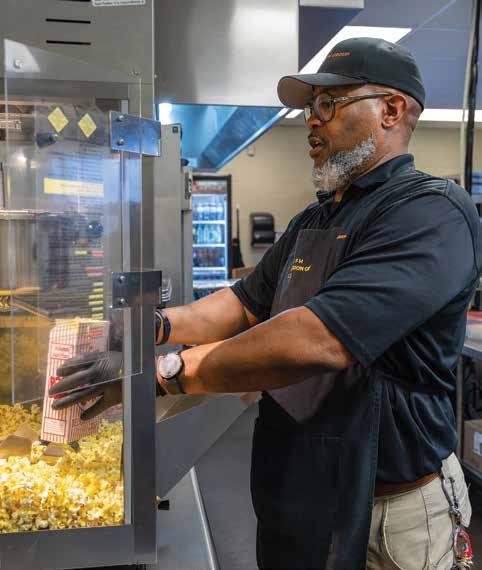
At FH Concessions Group, which he joined after years working at Cornerstone Christian School and Vestavia Hills City Schools, he and Pam form a seamless team. They were hired together by owner Frank Hernandez after years of volunteering for the Vestavia band.
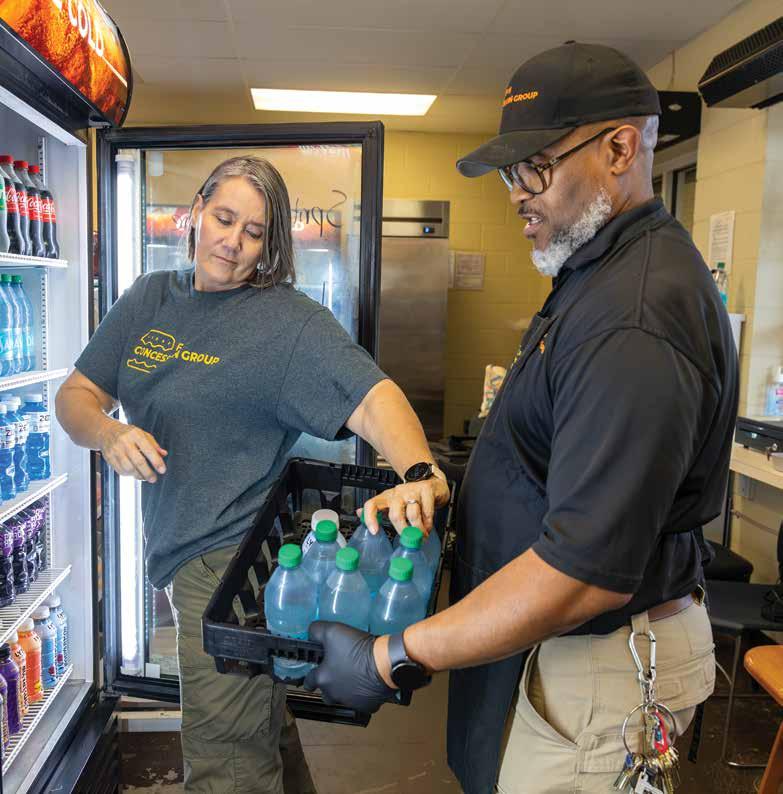
“Fred’s the muscle,” Pam says. “I’m the customer service. He handles the back— making sure supplies don’t run out, unloading trucks, fixing problems before anyone even notices. I handle the line, the customers, the operations up front. We support each other. Always have.”
“You want people to have a good experience,” Fred said. “A great quality product at an affordable price.”
His favorite part? The people.
“You don’t pick and choose who you interact with,” he said. “It’s about making the
best of those interactions. Sometimes when someone’s having a bad day, I’ll just give them a concession and pay for it myself.”
Even in food service, he is guided by care. They freeze and give leftover food to first responders and people experiencing homelessness.
“We always want to be intentional,” Fred said. “We never throw food away.” They’ve worked Auburn softball tournaments that lasted from dawn to midnight. They’ve managed concession lines that never disappeared for five or six hours straight. They’ve trained countless young workers who learned—often quickly—that the Trumer standard is different from most.
Pam says that she wants their concession locations to run like “the Chick-fil-A of concession stands,” and she isn’t kidding. She
quality-checks food, negotiates with vendors and trains staff meticulously. Fred keeps everything stocked, moving and safe.
Together, they’ve built something more than a business: a culture.
And their daughters noticed.
'Represent.'
For Fred, character and service go handin-hand. He lives by two mottos: the golden rule and a daily commitment to “be the best you can be.”
“God fixed me,” he said softly. “Day by day, you choose to be a good person. You choose to do the right thing. You have to choose.”
Ask Fred what legacy means to him and he doesn’t hesitate.
“For me, legacy is my family,” he said. “All
I’ve ever wanted was for my daughters to be better than I was.”
He hopes he’ll be remembered as someone who was “fair, honest and willing to help people.” Someone who kept improving, kept serving, kept showing up.
“My job is to be of service to everybody in that building,” he said. “I’m service-oriented. It’s how I was raised.”
In a world where people chase status, speed and recognition, Fred has found something far more enduring: purpose.
“It’s not about Fred anymore,” he said. “It’s about what you can do for the next man or woman who walks into your life.”
Growing up, Fred had a word he used often with his girls.
Represent.
“He always told us, ‘Represent,’” said his daughter Shaina Johnston. “It meant hold
your head high, be strong, be proud of who you are and where you come from.”
In a world that can be tough on young women, Fred wanted his daughters to be tougher—not abrasive, but resilient. Not self-centered, but confident. Not passive, but purposeful.
He modeled it in the only way he knew how: consistent, daily sacrifice.
“He worked so hard for us,” Shaina said. “He sacrificed being with us sometimes to provide for us. He always put family first.”
Today Shaina is an independent contractor in the dance world, now a parent herself. She sees Fred’s influence in her own approach to work, students and motherhood.
“Legacy is what you put your effort into,” she said. “For my dad, it was us.”
The man others notice
Fred has always been a quiet presence— but an impactful one.
He never set out to mentor dozens of students. Yet he did.
He never set out to be remembered in graduation speeches. Yet he was.
“He was always a father figure for other people,” Shaina said. “He bought monster truck tickets for boys in our church growing up because they didn’t have dads to take them. He always puts others before himself.”
Custodial work can be invisible until the moment it’s not. Fred is part of the team called first to any spill, accident or emergency—“anything like spills, waste, vomit, blood… we’re the first responders,” he said. He takes pride in procedure, in doing it
right, in the professionalism that keeps a school running.
Yet what has surprised him most is how closely students watch him.
“When I left Cornerstone, I had received so many letters from kids,” he said. “They were watching and observing my work without me knowing. Graduates talked about how I smiled every day, treating everybody like people. It reminded me to keep improving my character.”
Pam remembers a moment that still moves her: a Cornerstone Christian graduate giving a senior speech and recognizing Fred by name for his influence.
“He was shocked,” she said with a laugh.
“I wasn’t. That’s who he is.”
In the schools he worked in, students heard him before they saw him—the jingle of his keys echoing through the hallway as he cleaned, repaired and cared for the en vironment they learned in. Teachers stopped him to say what incredible daugh ters he and Pam had raised. Students sought him out just to talk.
Fred never raised his voice to lead. He didn’t have to.

His consistency did the talking for him.
A father’s legacy
Tiffani Trumer remembers the simpler
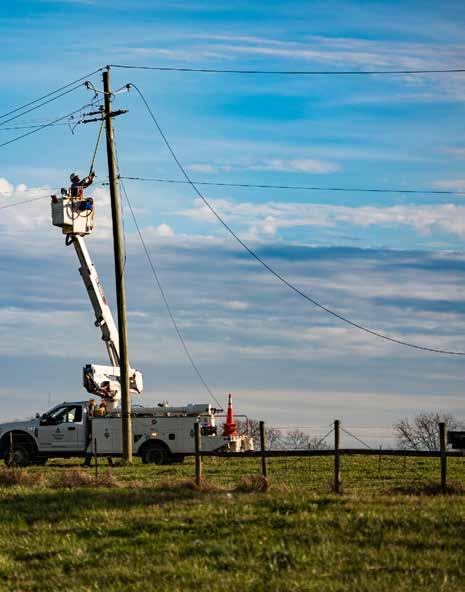
There are so many things that go into making sure the lights turn on when you flip the switch. With their vast experience and training, our team of experts approaches every situation by taking in the information and reading between the lines to find just the right solution. We are always ready to take on new challenges and find innovative ways to strengthen our grid. With over 60 weeks of training under their belts, our lineworkers are out in the field, delivering reliable power, rain or shine. Together, we work to power a better Alabama.
“What people don’t know is he’s a man of many talents,” she said with a smile. “He’s hardworking, kind and generous.”
She now works in concessions as well, managing stores, training staff, handling food preparation and restocking, mirroring

BARRY WHATLEY
6.675
the work ethic she saw all her life.
“Our parents taught us that hard work is how you get places,” Tiffani said. “I want to have the same impact he has. He’s changed people’s lives. I want to be like that.”
What makes their family special, she added, is the mix of personalities and backgrounds—“our diversity,” she says—but also that nearly everyone who enters their lives becomes family.
That instinct comes straight from Fred.
as the cornerstone
Fred and Pam didn’t have a church home for the first seven and a half years of their relationship. They found one after Pam shattered her hip—a painful season that led them to The Vineyard, the church that would ground them spiritually.
Faith became their shared centerpiece.
“It’s been the one constant,” Pam says. “No matter what life threw at us, we leaned on it. It shaped our marriage, our parenting, everything.”
Fred learned fatherhood from mentors in the church—older men he sought out delib-
erately, humbling himself enough to say the words his daughters still remember:
“I’ve never done this dad thing before.”
Fred was once part of a men’s small group he fondly recalls as the “Moon Dogs,” named after his friend Gary Moon.
“We had so much fun,” he said. “Good, clean fun. Guys being themselves. That’s what church community provides.”
They now attend Church of the Highlands, a transition that has taken time after 20 years in one congregation.
“It’s hard to get back into that rich, gospel-centered community instantly,” Fred said. “But faith is what keeps me grounded.”
That faith and humility, paired with quiet strength, shaped the family’s identity.
It is why, today, two married daughters still hold tight to family traditions. Why all three sisters defend one another fiercely. Why each of them carries a work ethic that exceeds what most people their age possess.
And why Pam can say, without hesitation:
“When I step back and look at my life, all I can think about is how blessed I am,” she said.

Fred is 63 now, but he isn’t slowing down. He talks about movement as if it’s a necessity.
“If I don’t move, I lose my edge,” he said. “Stagnation is never a goal of mine. I always want to be going.”
But he’s also learning the importance of intentional rest.
“When you’re wound up too tight, you can’t serve others well,” he said. “You have to take care of yourself. My body talks to me.”
He and Pam take more vacations now. He takes breaks when he needs them. And he continues to look ahead, wanting his daughters—and now their own families—to know that life is full of opportunity.
“You can’t be afraid to jump into the deep end,” he said. “You don’t know until you go. Once you break one barrier, the train’s going to keep rolling.”
Pam has spent time in the ICU. She’s had surgeries. She’s endured seasons where worry replaced sleep.
Fred never left the hospital, not once, during those days.


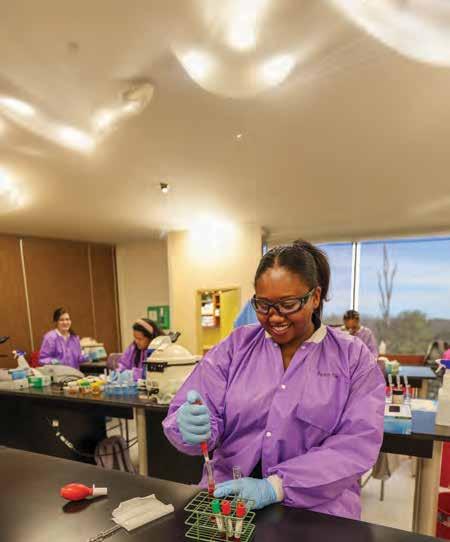
FRED TRUMER’S DAY ALWAYS STARTS THE SAME: LIKE CLOCKWORK, AN ALARM RINGS AT 4:30 A.M., SIGNALING ANOTHER OPPORTUNITY FOR ONE OF THE HARDEST WORKING MEN IN SHELBY COUNTY TO BEGIN HIS DAY.
“When I was in ICU, he didn’t leave,” she said. “Anytime I’ve had surgeries, he stays. He doesn’t go home. He’s just… present.”
Presence, she said, is one of the greatest gifts he gives.
Not everyone gets a partner who shows up. Not everyone gets someone who stands beside them, picks them up, listens when it’s hard, tells the truth even when it’s unwelcome, and holds a life together quietly, day by day.
But she does.
“I have the person who is my husband, my best friend, the love of my life,” Pam said. “I’m very blessed.”
The unseen good
Ask Fred about his impact and he’ll shrug, dismiss it, insist he’s just doing what needs to be done.
But ask his family—the daughters he taught to “represent,” the students who
remember him years later, the workers he trains, the wife who sees the sacrifices the world overlooks—and a different picture emerges.
A man defined not by accolades but by consistency.
A man defined not by speeches but by example.
A man who grew up without a father but became the father, mentor and husband he never had.
A man whose keys rattling down a hallway became a symbol of presence, protection and reliability.
A man whose quiet devotion shaped an entire family—and left a legacy in every school, concession stand and community he touched.
Because at the end of every long day, before the keys hit the counter and the shoes come off, there is one truth Fred Trumer never fails to live out: Represent. And he always has.

BY ANNA GRACE BREEDLOVE | PHOTOS BY DAWN HARRISON
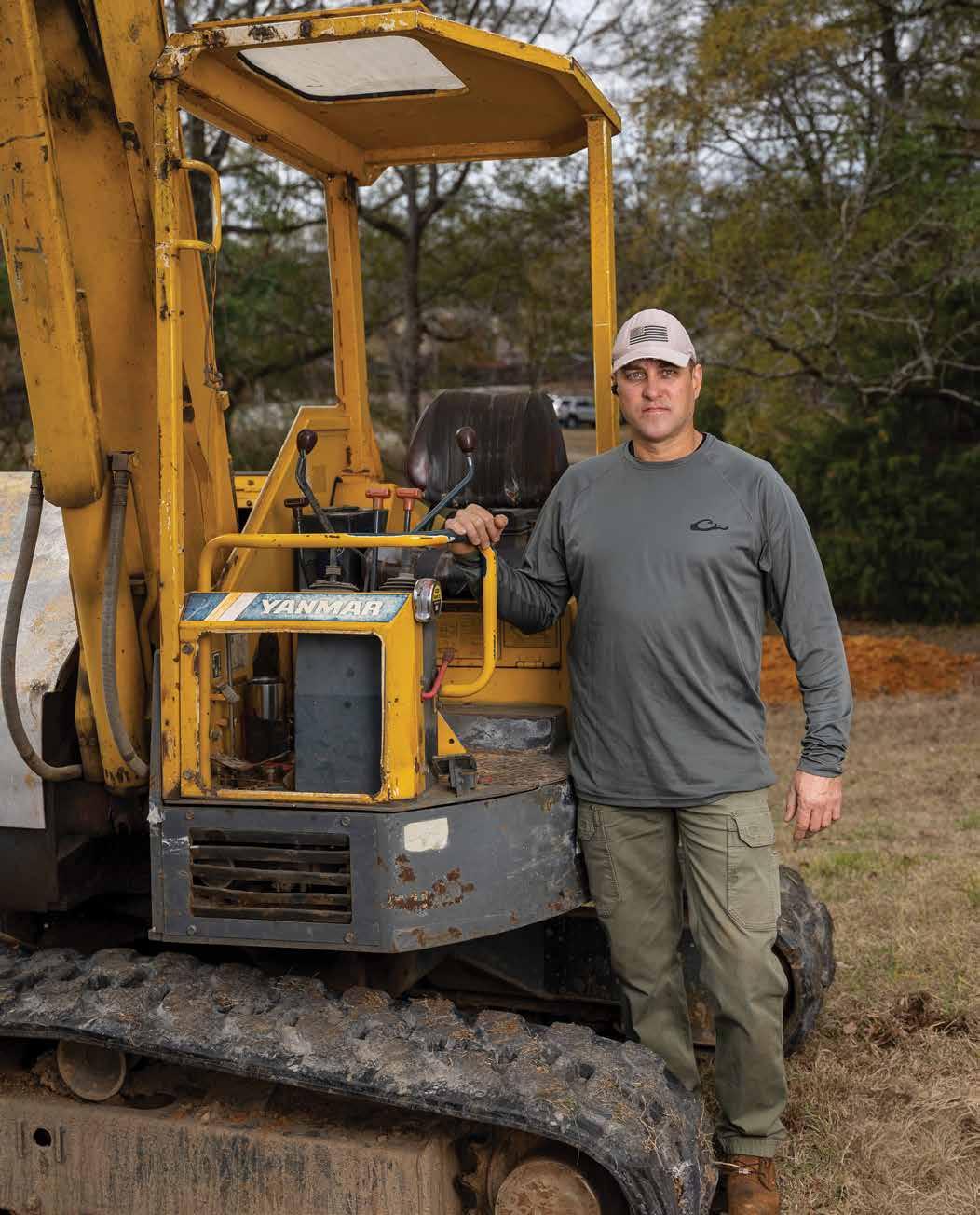
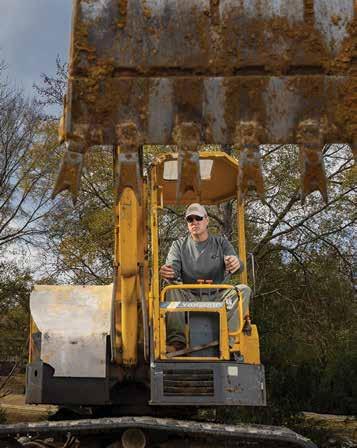
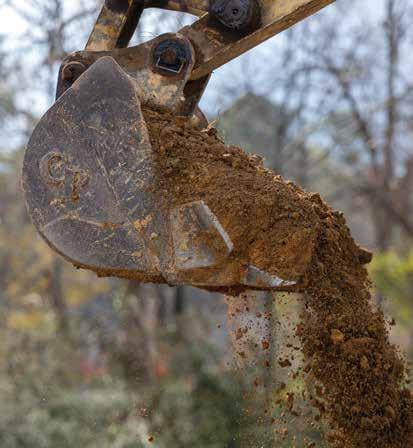
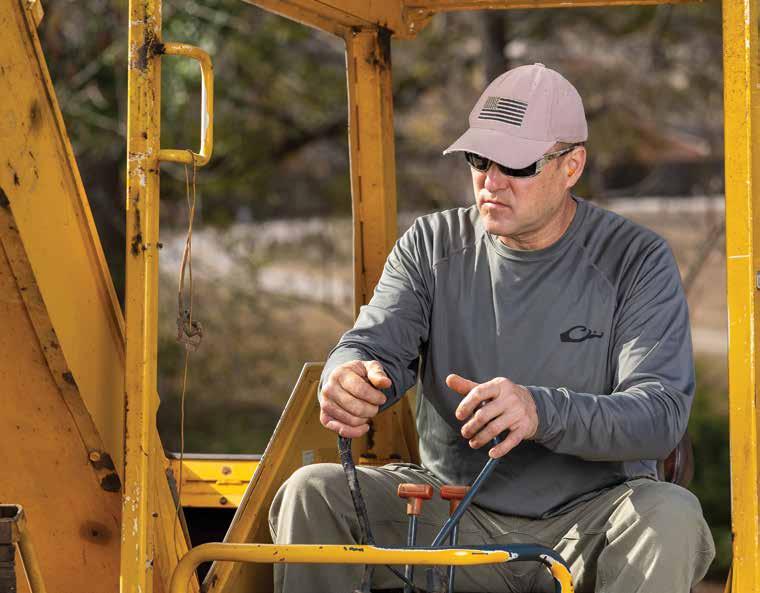
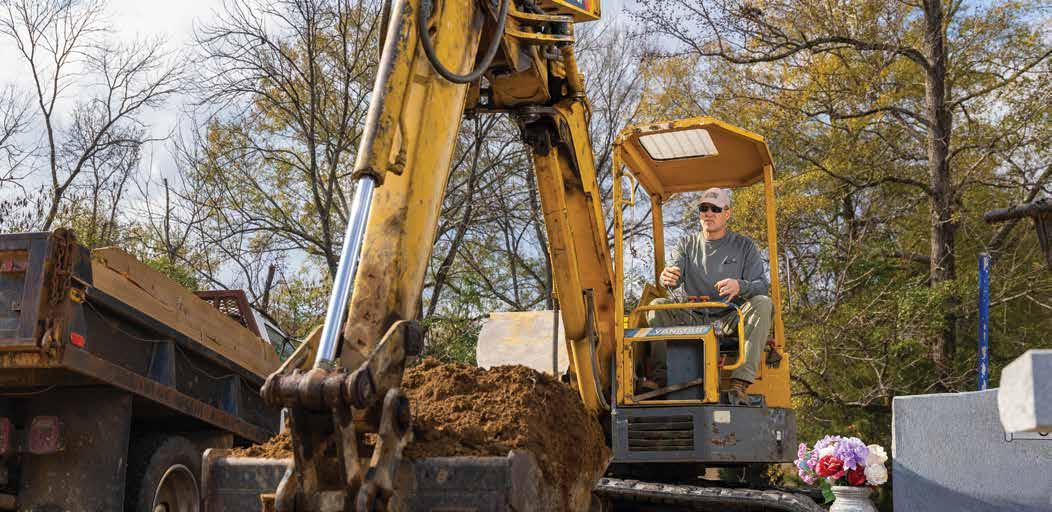
PPiercing through the musky fog like a knife through butter, a track hoe hums steadily up and down the grassy knolls, ever so delicately winding its way through the cemetery’s maze of graves. Inside, Mike Wilson steers the earthmover with a military-minded precision, pausing, leaving the engine idling to jump down and survey the land.
Half a fortnight’s string of twisters have left the ground soft and muddy—quicksand for even the most all-terrain tires.
Squatting low, he pushes his pointer finger down into the ground, curling it upward before catching a pinch of dirt into his palm and sifting it between his fingers and thumb.
A clap of thunder ricochets off the distant hills, sending crows cawing in every direction. Mere seconds pass as Wilson slowly rises, lift-
ing his gaze to the leaning dogwood looming overhead; its barren branches shivering through every gust of wind.
The storm is getting closer.
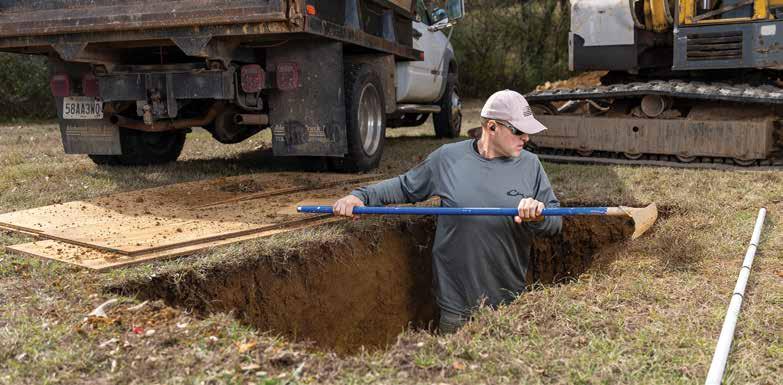
Marching back to his track hoe, he pulls out several long slabs of plywood, hoisting them high over his shoulders and carrying them back to a watery depression sinking into the ground. After positioning them side by side, he quickly returns to his cab and rolls the machine over his makeshift bridge, keeping his fingers crossed as it chugs along.
Waves of cumulonimbus roll in, muffling the thunder’s booming in a cadenced countdown.
Wilson keeps on digging.
Though a war is waging above him, Wilson does not let up, digging, digging and digging
some more, until the perfect hole—rectangular, with clean, sharp lines—emerges in the ground before him. When the storm finally ceases, Wilson is soaking wet—content at least—as he hops out and stoops down to scrutinize every corner.
Although his day consists of hours digging down, in just a few more, a family will be lifted up, as he will have prepared the final resting place for their loved one.
For him, that is reward enough.
The Graveyard Shift
Textbook irony best describes the relationship between the living and the dead, with grave digging intersecting the two. While one usually never witnesses his own grave being
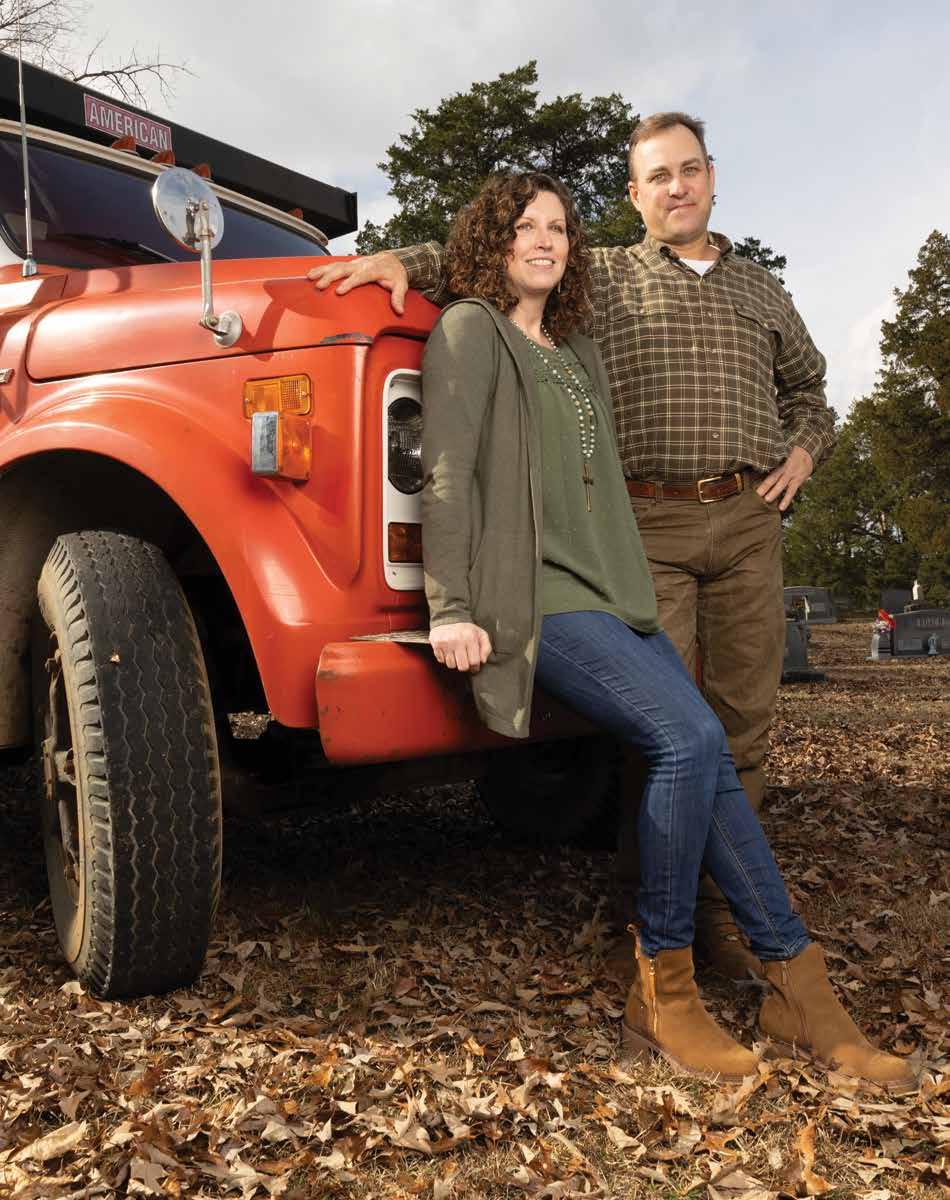

MIKE WILSON HAS BEEN DIGGING GRAVES ALL OVER ALABAMA FOR YEARS NOW. QUITE A UNIQUE PROFESSION, GRAVE DIGGING TO HIM IS A WAY TO HONOR PEOPLE FOR THEIR LIVES WELL LIVED AND PAY RESPECT TO GRIEVING FAMILIES. THIS IS HIS MINISTRY—ONE THAT CONTINUALLY BLESSES LOCAL PATRONS AND THEIR LOVED ONES.
dug, it is one of the last services his body will ever receive.
A rather unique profession, grave digging found Mike Wilson during a pivotal point in his career. After serving in the United States Air Force and working in the telecom and trucking industries, Wilson became fed up with corporate politics, dead set on needing a change of scenery.
Enter stage right: W.C. Garrett.
A veteran in the excavation business, Garrett’s path merged with Wilson’s through a renovation project on Wilson’s house. Garrett introduced him to the idea of grave digging—a job that, admittedly, Wilson said he never considered even once in his life.
“I was like, ‘How do you go dig graves for people every day?’” he said. “It’s something I never would have thought of doing for a living. However, I saw that these people were thankful that we were there to take care of it for them. They respected everybody in the business. It was a totally different environment than I would have thought.”
Wilson began shadowing Garrett in 2005, taking on jobs in cemeteries all over the state of Alabama. Just one year later, he purchased the business from Garrett, eager to carry on his reputation for excellent service.
Grave digging is an on-call job. Wilson gets calls every week to prepare burial plots for Charter Funeral Home in Calera; Bolton Funeral Home in Columbiana; Southern Heritage Funeral Home & Cemetery in Pelham; Rockco’s Funeral Home in Montevallo and several others in the industry.
He is on call 24 hours a day, seven days a week. Rain, sleet, snow or shine, he can be found in cemeteries throughout Alabama.
Wilson said he has received calls for “the graveyard shift” to prepare sites for services later on that same day, and still, he performs every service on time, with pride. Everything he knows about the job he at-

said. “He is willing to stop whatever he is doing to meet a family to make sure their loved one is exactly in the place they want them to be. He is a hard worker and very rarely complains about anything. I believe Mike actually enjoys what he does for families and how much of an impact he makes for them, not having to worry if they need
to do the labor or keep the grave kept up.”
Six Feet Under: The Four-Foot Misconception
Grave digging is quite the technical profession, unbeknownst to most. Graves come in several different sizes, but the standard size is 40 inches wide, four feet deep and eight feet long, though exact measurements vary due to differing caskets and vaults.
Wilson said that centuries ago, when disease ravaged Europe and colonial America, people began burying their dead in wooden boxes deep into the ground to try and prevent further spread of infection.
“Once they decomposed, these (boxes) would cause depressions in the ground,” Wilson said. “They started digging fourfeet-deep holes in the shape of an old, wooden coffin—wide at the shoulders, skinny at the feet—and they’d take that shape down in the bottom of the hole and set that down in there, so that would be two feet approximately. Then, they would put some hardwood or hard pine boards over it and put four feet of dirt on that, and it wouldn’t settle. That’s where the old ‘six feet under’ came from.”
Around the 1940s and ’50s, burial vaults, which are protective, outer layers encasing caskets, became popular. These vaults could support the weight of the ground
atop them, slowing the caskets’ settling and reducing the need for deeper graves.
Nowadays, Wilson said graves are only dug four feet deep as modern technology has streamlined excavation processes. However, older cemeteries—many with graves that were dug by hand—are still in use today and pose logistical problems for track hoes, dump trucks and other grave-digging machinery.
Every day that he digs a grave, Wilson navigates through narrow pathways, often having to construct bridges for his machinery to drive over. During the colder months, especially after rain, these challenges escalate.
He has sunk a one-ton dump truck down
“IT’S SOMETHING I NEVER WOULD HAVE THOUGHT OF DOING FOR A LIVING. HOWEVER, I SAW THAT THESE PEOPLE WERE THANKFUL THAT WE WERE THERE TO TAKE CARE OF IT FOR THEM. THEY RESPECTED EVERYBODY IN THE BUSINESS. IT WAS A TOTALLY DIFFERENT ENVIRONMENT THAN I WOULD HAVE THOUGHT.”
-MIKE WILSON
to its axles. He has also worked through wicked thunder storms with tornadic activity and even close enough to where lighting striking nearby felt personal.
After 20 years, he is full of stories, but one in particular stands out.
Charter Funeral Home’s Managing Director Cody Caldwell called Wilson one afternoon, asking if he could quickly dig a grave for a Holocaust survivor on her own property in Montevallo.
The catch, however, was that she wanted to be buried in blankets at either dawn or dusk.
“When I read the story about this lady that I had buried, it left an imprint on me, learning of her dealing with adversity,”
Wilson said.
He said that he read that the woman and her three siblings were each given a few provisions and sent out in four different directions from their home, when the Nazis were invading their hometown. The woman was told by her parents to run and never look back.
Two of her siblings were presumably murdered in the Holocaust. One, she learned years later, had survived and was living in Germany post-World War II.
Wilson said the woman’s story was incredible. She immigrated to the U.S., where she put herself through nursing school, and later, medical school, eventually retiring as a doctor after decades of
service in the healthcare industry.
Everything was taken from her, and yet, she still gave her all to those less fortunate.
“We got out there at 4 o’clock in the morning, and I got it dug and got her buried the way she wanted to be,” Wilson said. “I’ll never forget it.”
It is stories like this that prove to him just how much of an opportunity he has to honor other people.
A Final Farewell
Cemeteries are libraries of life stories, each one different from the next. More often than not, these final resting places are
filled with graves for infants and children, young people whose lives were cut short.
Many other headstones bid farewell, commemorating long lives well lived.
No matter the story, however, Mike Wilson does not view his profession as morbid. Instead, he considers himself as providing a necessary service—one that aids grieving families in their times of need.
After two decades, he himself remains largely unseen in action, but his work forever remains appreciated, never taken for granted.
Thanks to him, the dead continue to be honored, and their families continue to be blessed.
Even in death, dignity remains for those at rest.


Services Provided Include:
Educational Outreach In The Community Youth Summer Camps For Rising 6 Graders th Student Mentorship Opportunities
Targeted Interventions For At Risk Youth Guide Youth Towards Better Choices For A Healthy Lifestyle.

BY TYLER RALEY | PHOTOS BY JEREMY RAINES
SSitting in his car and driving to his office in Columbiana, Lt. Jud Barnes starts the morning like most people, not fully knowing what work events and antics lie ahead for him on any particular day.
Pulling into the parking lot of the Shelby County Sheriff’s Office, Barnes parks his vehicle, steps out and walks into work at 7 a.m., immediately heading to check all of the police reports from the last 24 hours, as well as any domestic violence calls, seeing what might be on his docket for heading out to do.
“Since I read all of the reports, I kind of keep a log of the interesting ones and maybe tedious ones and I’ll go around to the different investigators and ask for case updates,”
Barnes said. “I just kind of check up on everybody and see if they need any help or advice or anything like that.”
He gets with his two sergeants, Jonathan Seales and Christopher Currenton to get updates as well, all before heading out to the field to complete his duties that can, at times, create long and very difficult hours for him and his crew to endure.
While many people may not see him during the day or the late hours of the night, they can sleep well at night knowing that Barnes is one in a brave group that goes out and lays his life on the line each day, carrying out duties he holds near and dear—protecting the streets of Shelby County.
However, what he is tasked with each day
are not always the prettiest. To him though, it is part of a dream he has sought out since he was a little kid.
Solving the case
Going into each day and week, there are a number of cases for the SCSO that needs to be researched, updated and solved.
Barnes’ work on cases started early, but in a different way.
He always wanted to be in law enforcement, having the dream of doing all the things shown in the crime drama “Miami Vice” and being just like Andy Griffith.
After he finally got to working in the field though for a few years in traffic homicide in

“I KIND OF CHECK UP ON EVERYBODY AND SEE OF TEHY NEED HELP OR ADVICE OR ANYTHING LIKE THAT.”
-JUD BARNES
Opelika before being hired by the SCSO and working many roles there, Barnes got a real taste of what some of the duties entailed.
One included a search warrant when heworked in narcotics, and when he arrived, the situation turned sideways quickly
“We got there and there was no water running to the house, but I guess (the suspect) forgot that, because when we showed up, he started trying to flush a couple of pounds of marijuana down the toilet with no water,” Barnes said.
Ultimately, Barnes had to fish the drugs out and dry them off for evidence. However, his co-workers took many pictures of him during the situation.
Why is that? Well, Barnes and messy situ-
ations do not exactly mix.
“One of the funniest jokes at the sheriff’s office is for some reason, gross things tend to happen to me, but I am actually pretty squeamish,” Barnes said. “It’s kind of running joke that people try to talk about things to make me uncomfortable.”
It’s those kinds of situations currently working in the Criminal Investigations Division and as the commander of the Tactical Response Unit that he often finds himself in, which call for full focus.
According to his partner and good friend Sgt. Nathan Kendrick though, he can carry a light mood to every situation, something that ultimately helps at other times of his duties.
“He can be the class clown and cut up, but when it’s game time, he’s making sure that everything is in order and things are being done to make sure that none of his people get hurt,” Kendrick said.
FIghting the battles
Besides having to get in the thick of messy situations in order to solve a case, being involved in law enforcement carries with it other challenges that are harder to prepare for—the emotional side.
For Barnes, that challenge was something he was faced with before he even got hired in Shelby County in 2008, as his brother, Jeremy, died while he was in the process of
applying.
Being accepted into the SCSO helped his situation out a lot, not only because it meant a great deal in the moment, but also because it meant Barnes would be patrolling the place he grew up in.
It was very important for me to get hired on here so I could come back and kind of take care of my parents after their son had died,” Barnes said. “It was a dream come true to get a job at this place.”
As the commander of both the Criminal Investigations Division and Tactical Response Unit, and even on patrol duties in the past, Barnes sees the worst of the worst on a weekly basis, which can easily take a toll on people.
As someone who has not only lost his brother, but his mother and father as well, Barnes has had to deal with a lot of tragedy, but while it could have easily broken him, he has taken that as an opportunity to help his colleagues deal with what they see and find ways to get their minds off of it talking about the little things that law enforcement goes through on a daily basis.
“No one calls 911 because they’re having a great day,” Hammac said. “Making opportunity to laugh and laughter is incredible medicine, and so that, in my eyes, is a clear illustration of leadership.”
Barnes has experienced being on duty in every single part of the day and seen some unique cases, but what he has done to help
himself and others overcome those scenes has made an impact he may never fully realize.
“The job can difficult because you’re exposed to so many terrible things,” Kendrick said. “I guess having somebody to kind of walk through that with you and be able to talk about stuff with and see them go through some of the same struggles... it’s almost like a member of the family and you kind of get to do life with them.”
Alternatively, the middle of the night can bring strange circumstances, being a part of the day that, while crime still comes up, seeing people out on the roads is not easy to come by.
To aide that feeling of loneliness, Barnes




and many other first responders help pass some time by making time for each other.
“Some of the best conversations I’ve ever had have been in a parking lot somewhere in the middle of the night, pulled up next to somebody and we could solve the world’s problems right there,” Barnes said.
In an occupation that is difficult as it is, being locked and loaded while on duty is crucial. In order to love the job though through its trials, Barnes has to find ways around big obstacles, which he ultimately has found the best medicine for.
“This job is serious enough,” Barnes said. “I try to inject humor and perspective to my people here, and I think that that is just as
important to their mental health as going to see a counselor.”
setting the path
Every job has its own group of seasoned veterans, and as time passes along, those veterans are tasked with the challenges of training and mentoring the rookies that come in, looking to make an impact.
In the SCSO, many of those newcomers are assigned to be on the late-night shift known as the B2 night shift, which a couple of years ago, Barnes got to lead after supervising over the school resource officers unit.
With those incoming responders being
young came many mistakes, but being the veteran law enforcement official that he was, he made sure the younger officers learned from them.
“I immediately seized the opportunity to teach them my philosophy on patrol and law enforcement at their level,” Barnes said. “I would break it down and look at it from the whole thing. I wouldn’t get mad, I would just say, ‘Let’s learn from this.’”
They are moments that he knows others did for him early on in his career, so he pays it forward, looking to keep the standard of excellence that the SCSO has carried for years.
As he begins to inch closer and closer to
20 years of service, Barnes, like many, will start thinking what the next steps are in retirement. However, one thing is for sure, and that is that the lieutenant has used what he has experienced in the job to set up his successors well in the future as they endure what he experiences on the job.
“I want to know that what I did for 20 years here made Shelby County a better place, made the Shelby County Sheriff’s Office a better place, made the employees that I had contact with here better people and at least for a few years after I leave, I’d like for people to still tell war stories and maybe think about me and smile a little bit,” Barnes said.
A picture of him might not be plastered on the walls of the Shelby County Sheriff’s Office in Columbiana for all to see once he leaves, but he has certainly left a footprint on all the grounds he has traversed, getting into the thick of things in order to make the county a safer place.
Not only that, but he has made tough situations more bearable in the process, and that might be what matters more than anything.
“Judd’s gift of building relationships with his peers and subordinates is a true gift, not just to this agency, but this profession at large, and that is one of the things that makes him a valued member of this family,” Hammac said.


As the transport and rescue coordinator, adoptions manager and spay/ neuter surgery coordinator, Miller coordinates with rescues to pull animals into the rescue, coordinate outgoing transports to northern transport partners, ensuring each animal has proper documentation, health checks and placement plans. She oversees adoption processes and programs through the adoption staff, guiding families through finding their new best friend, counseling them on care and matching pets with the right homes. Miller also organizes the shelter surgery schedule, preparing animals for spay/neuter, communicating with veterinary staff and entering all information into the system so shelter pets can go home.
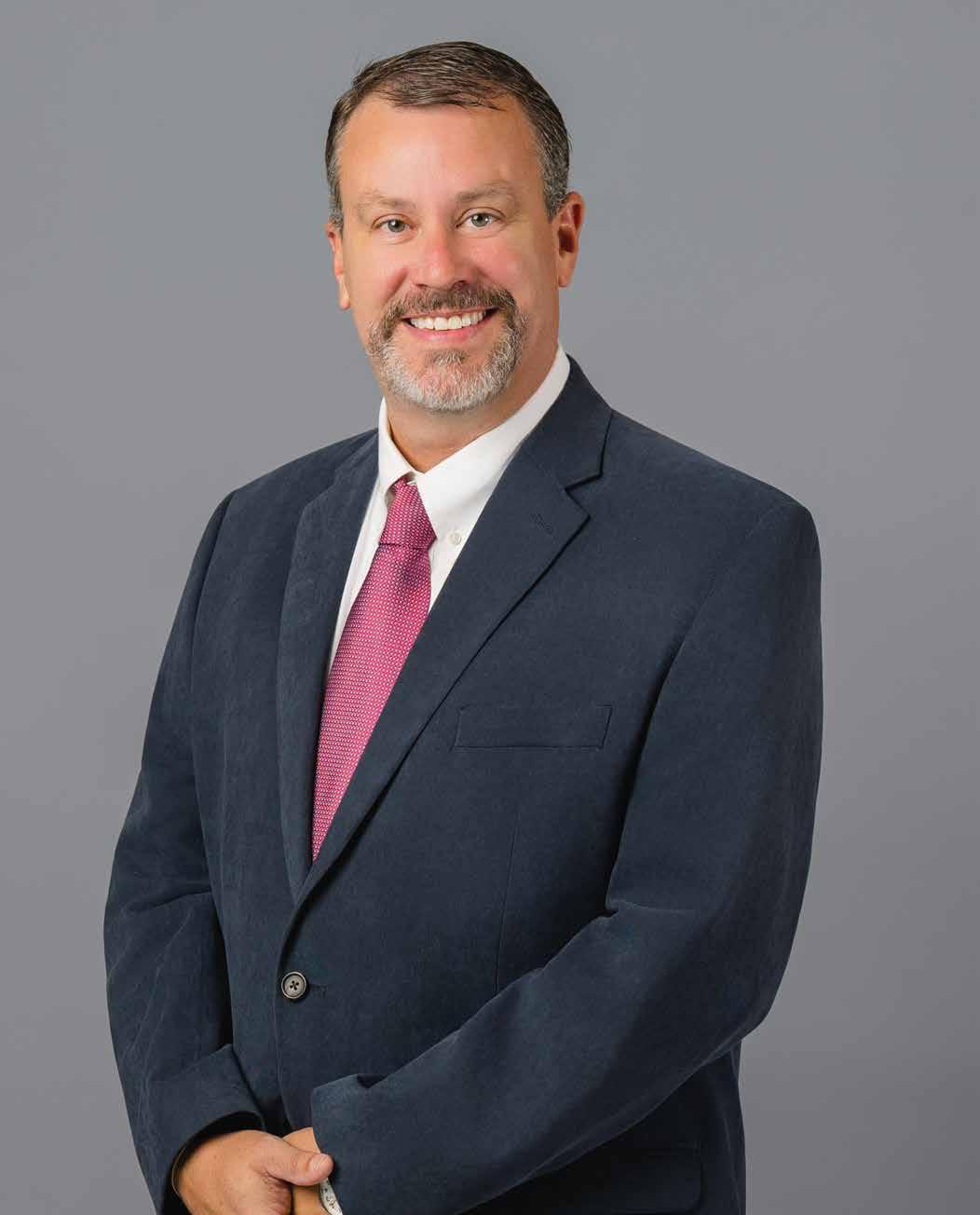
CHIEF FACILITIES MANAGEMENT OFFICER, SHELBY COUNTY
Gauntt serves as the chief facilities management officer at Shelby County and is a graduate of the University of Alabama at Birmingham with a bachelor’s and master’s degree in Civil Engineering. Gauntt is responsible for operating units that include the Shelby County Airport, Facilities and General Services and Environmental Services. With the teamwork of a professional staff, the Shelby County Facilities and General Services Department is responsible for maintaining all Shelby County’s assets, which include over a hundred building structures, building grounds, seventeen recreational parks and sports facilities.
COLLECTIONS SYSTEM SUPERVISOR, COLUMBIANA
Chris Lee started his career with the city of Columbiana since July 2006. Lee has passed the wastewater collection system IC exam and received certification. During his 19 years of service with Columbiana, he was promoted to the collection system supervisor. His job duties include maintaining 17 lift stations, the sewer collection system and assisting with daily operations at the wastewater treatment plant. Lee’s duties also require after-hour emergency calls for repairs.
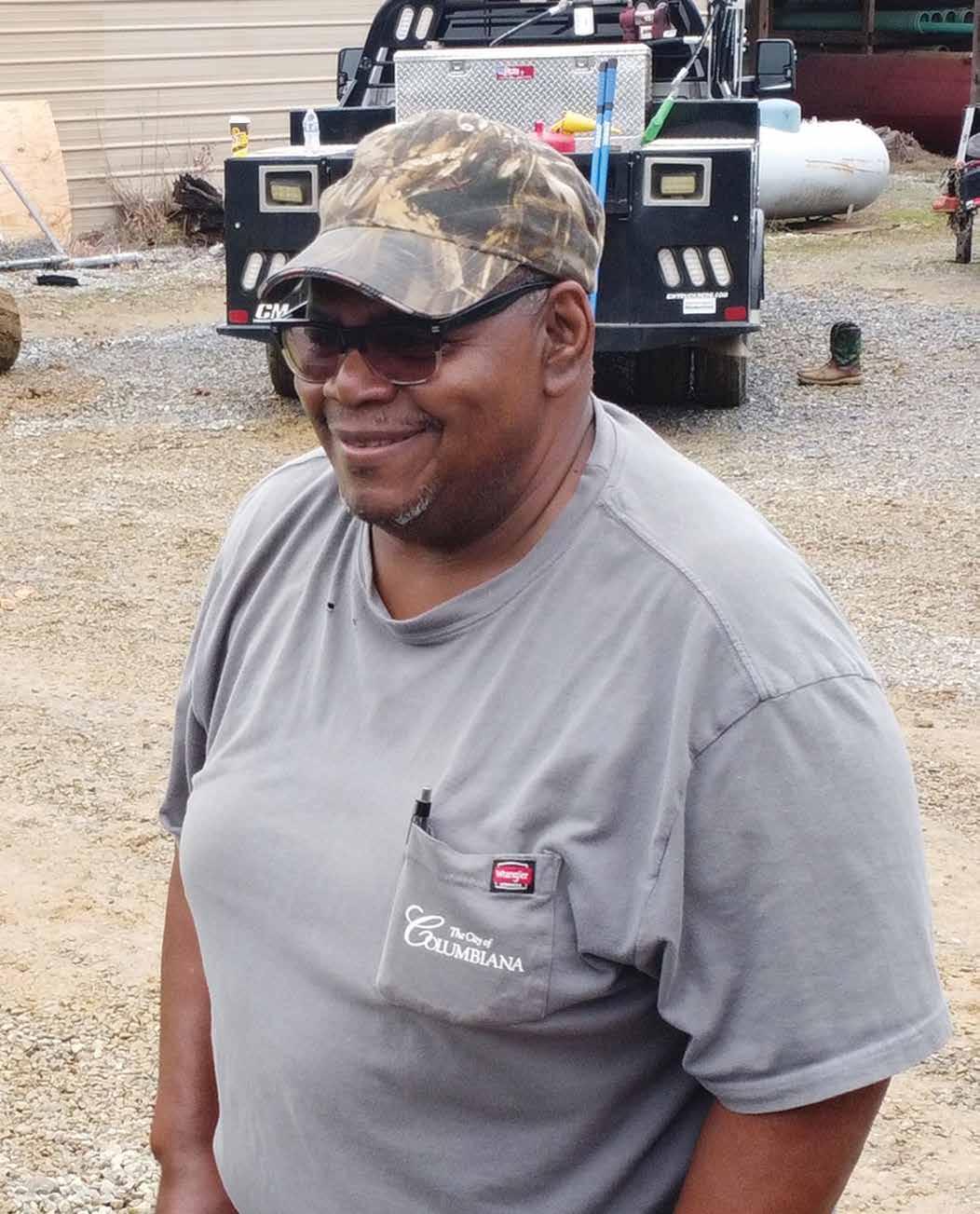
SHELBY COUNTY CORONER
Lina Evans has served as the Shelby County Coroner since she was first elected in 2017. In her role, when a person dies, she investigates the cause of death, contributing factors, examines medical history, evidence of disease, trauma, toxicity, environment and makes notification. She collects medical records, interviews family, reviews labs, causes autopsies to be conducted, interprets autopsy findings and pieces together the physiological and circumstantial story of death.
Andrew Brown is the president of Brown Lumber Building supply, a locally owned, multi-generational lumber and building materials company serving central Alabama. Brown Lumber operates a full-service hardware store, a traditional lumberyard and a roof and floor truss manufacturing facility, allowing the company to support projects from start to finish. Brown oversees company strategy, operations and long-term growth. We are committed to strengthening local partnerships and helping to build the future of the communities Brown Lumber serves.

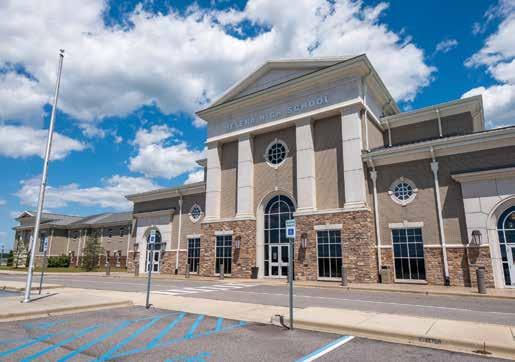
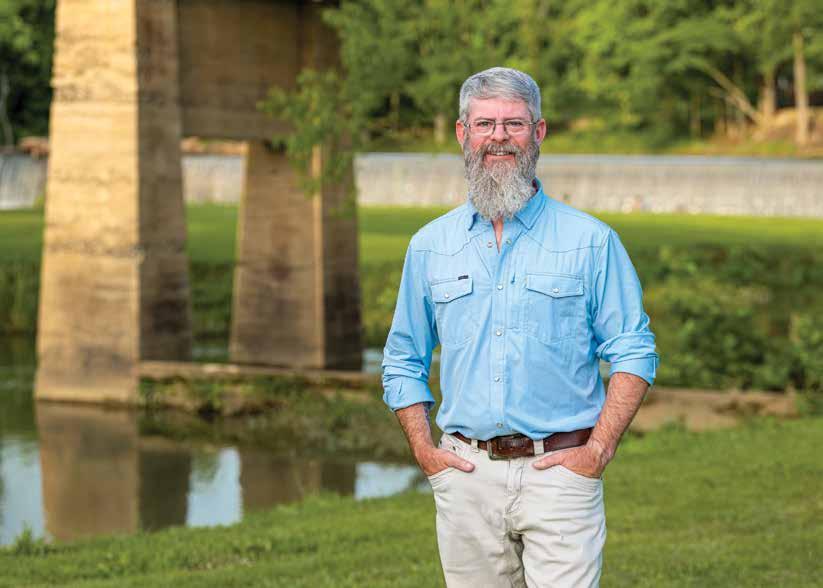
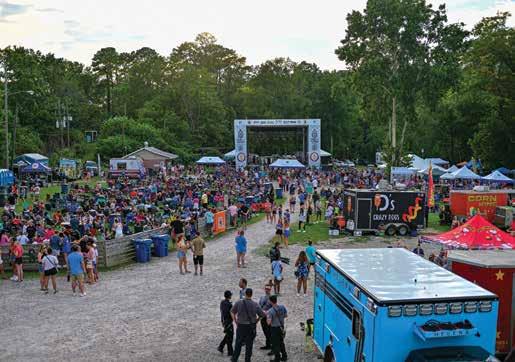

BY DANIEL LOCKE | PHOTOS BY XXX
gGarbage is something everyone is aware of, as everyone produces it and needs a way of getting rid of it.
Once a trash bag is tied up and placed in a can or dumpster, that is where most people’s understanding of the garbage disposal process comes to an end.
When garbage is picked up, it is taken to landfills when it can’t be recycled or burned. These specially engineered facilities are designed to accept waste and protect the environment from contaminants.
Trash at landfills is stored in strategic, regulated ways so it can decompose over time. It is compressed and stored in cells between layers of liners, such as clay or reinforced plastic, and covered in dirt. Leakage drains, and this process continues until a cell is full.
Landfills need skilled individuals and high-quality leaders to make sure everything runs efficiently and safely. Shelby County’s Landfill is no exception, and Compliance Specialist Jason Johnson leads the charge.
Johnson, a Birmingham native, has been working for Shelby County since September 2020. He previously worked for SES Engineers, where he maintained gas systems at multiple landfills throughout the Southeast.
Johnson is a jack of all trades, performing numerous essential duties on a day-to-day basis that ensure landfill operations run according to plan.
Some of these operations include preventative maintenance on facilities and equipment, inspecting loads for items or materials that can’t be brought into the landfill and
managing the leachate systems.
Leachate is a toxic liquid that is created when water filters through waste, meaning it is a highly common occurrence at landfills. Properly managing and disposing of it is among the most important landfill operations.
Johnson’s willingness to do what needs to be done at all times has earned him the respect of everyone he works with. Even if a particular job or duty is less than pleasant, he never hesitates to help out wherever he’s needed.
“Jason is a very, very hard worker,” said James Frost, Shelby County’s Environmental Services Manager. “He never has a problem jumping into some of the dirtiest stuff we do. If there’s a problem, Jason always
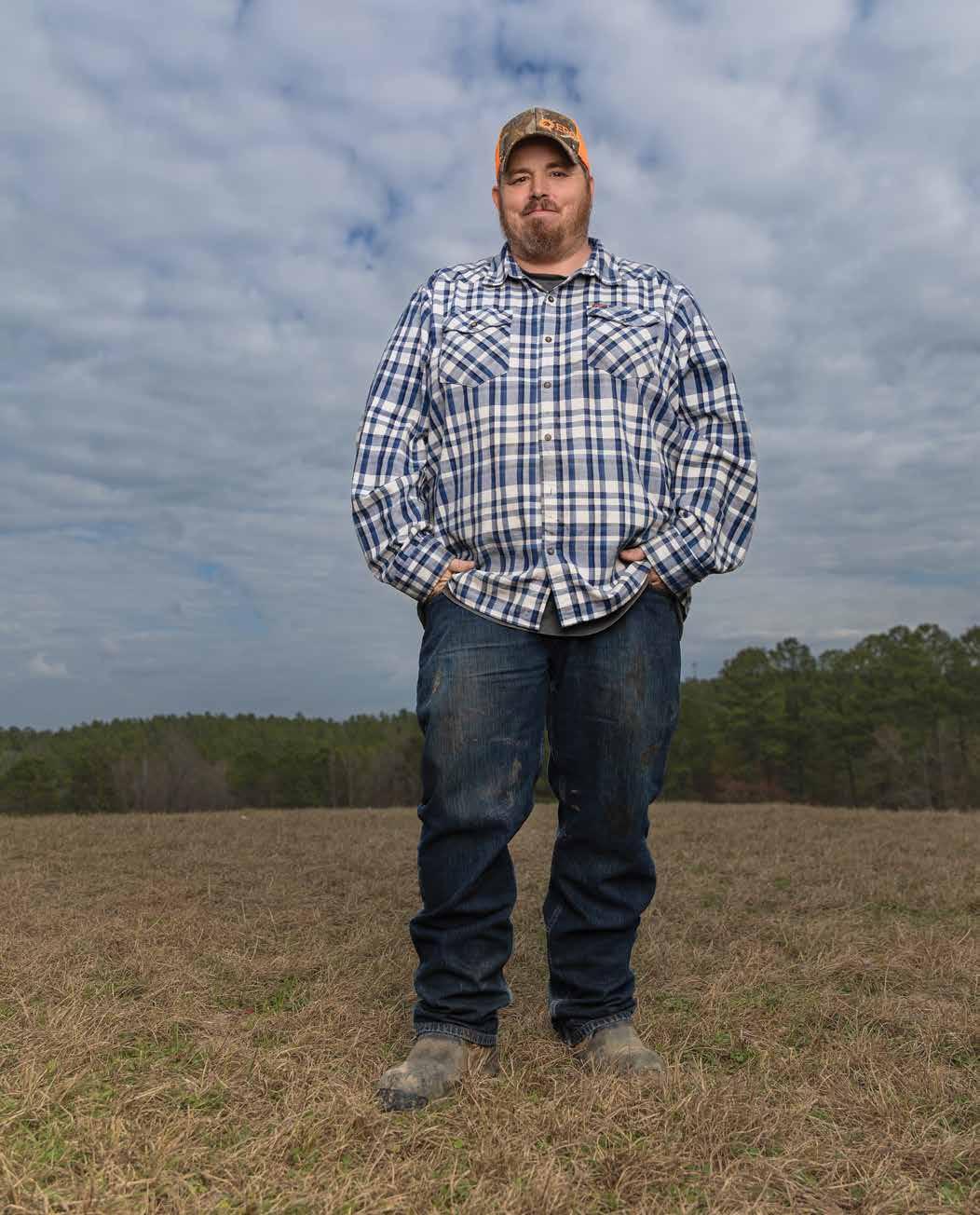
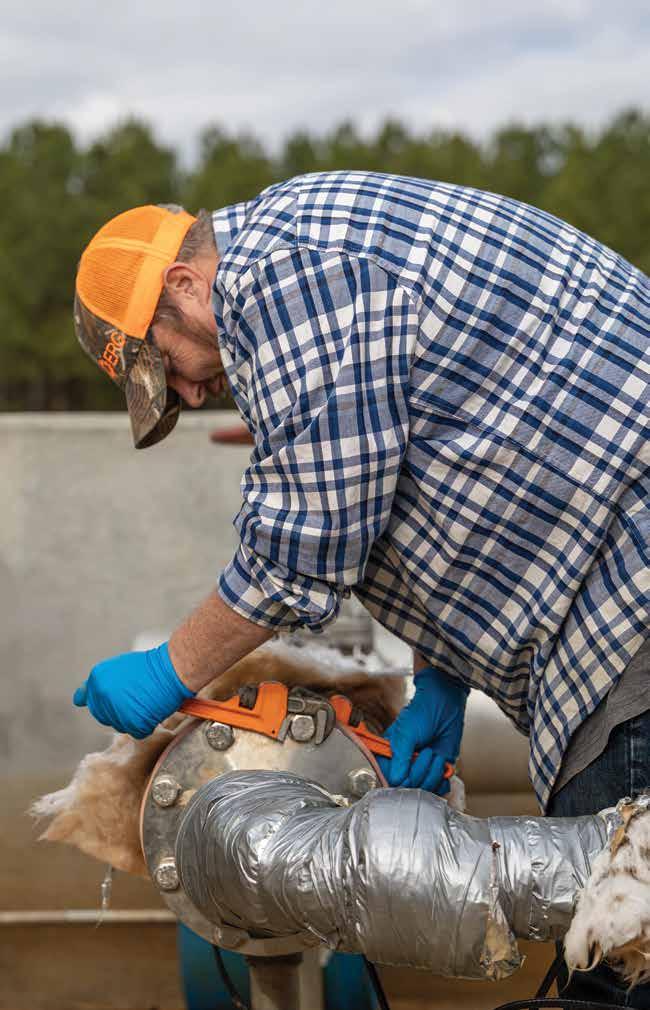
jumps in headfirst.”
Maintaining the operation
Johnson does his best to help the landfill run as smoothly as it possibly can. As a result of his effort, there aren’t a lot of things that take place there that are capable of catching him off guard.
“To be honest with you, there’s really not a lot that happens around here that would sur-
prise you,” Johnson said. “99.9 percent of it is very routine. Everybody that comes here is pretty regular, they know where to go. Our guys are good, they know how to get everything packed in and get it covered at the end of the day.”
Part of keeping things on track is managing the public. Keeping people out of areas that are not always safe is only the first step. Members of Johnson’s team are using heavy machinery, and practicing safety techniques
while doing so around the public is a significant difference-maker when it comes to risk prevention.
“Working around the public with equipment,” Johnson said. “Our biggest challenge is the public. We have to keep the equipment away from them and keep stuff from colliding with them. That’s why we built a convenience area at the front. That way, we keep as much traffic from going to the back and being around the garbage trucks as possible.
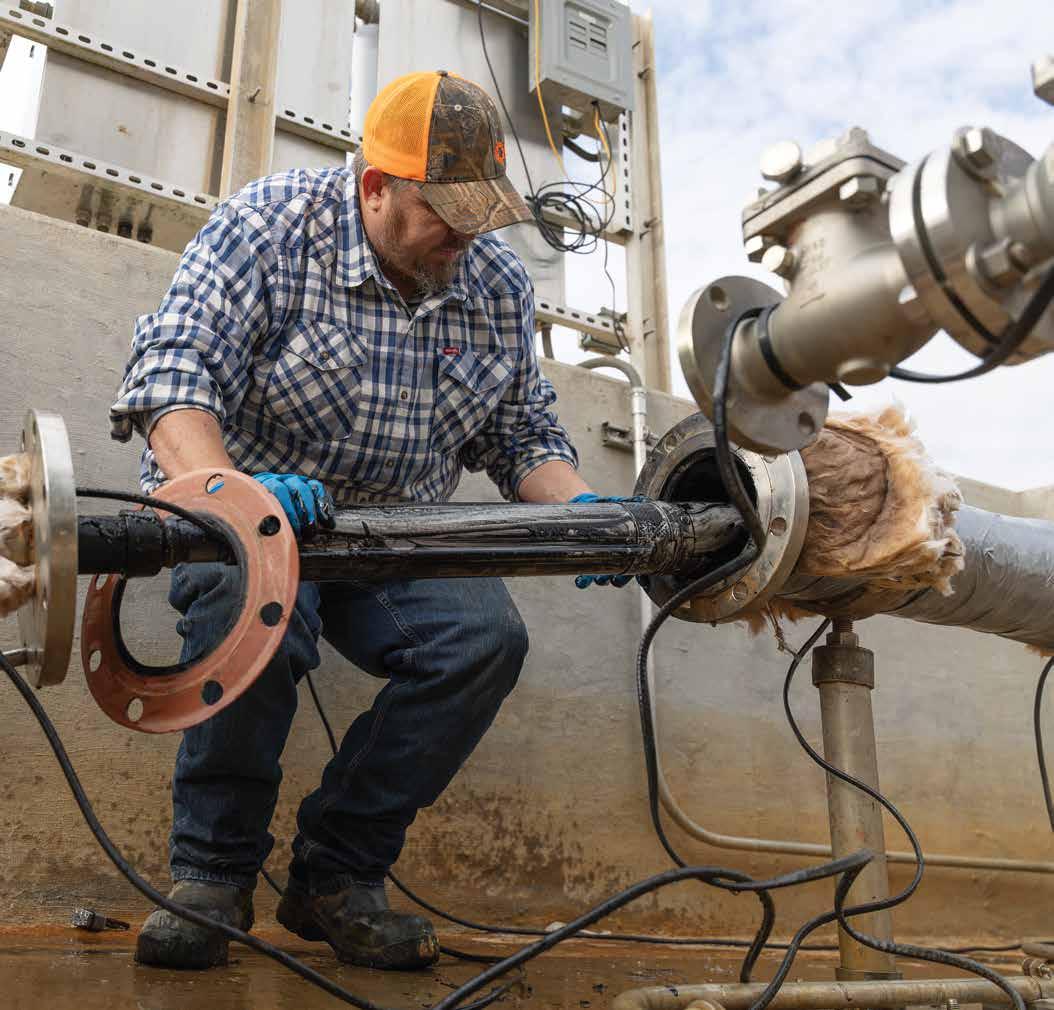
Not only are they something we have to look out for, but the commercial drivers have to look out for them as well.”
Johnson always makes sure to keep a close eye on the weather, as being aware of what is coming not only helps him manage his team effectively, but it also helps keep the landfill’s visitors safe.
“We always keep an eye on it,” Johnson said. “If we see it’s going to rain, we put rock out and make sure they have a safe place to
“HE (JASON) NEVER HAS A PROBLEM JUMPING INTO SOME OF THE DIRTIEST STUFF WE DO. IF THERE’S A PROBLEM, JASON ALWAYS JUMPS IN HEADFIRST.”
-JAMES FROST SHELBY COUNTY’S ENVIRONMENTAL SERVICES MANAGER
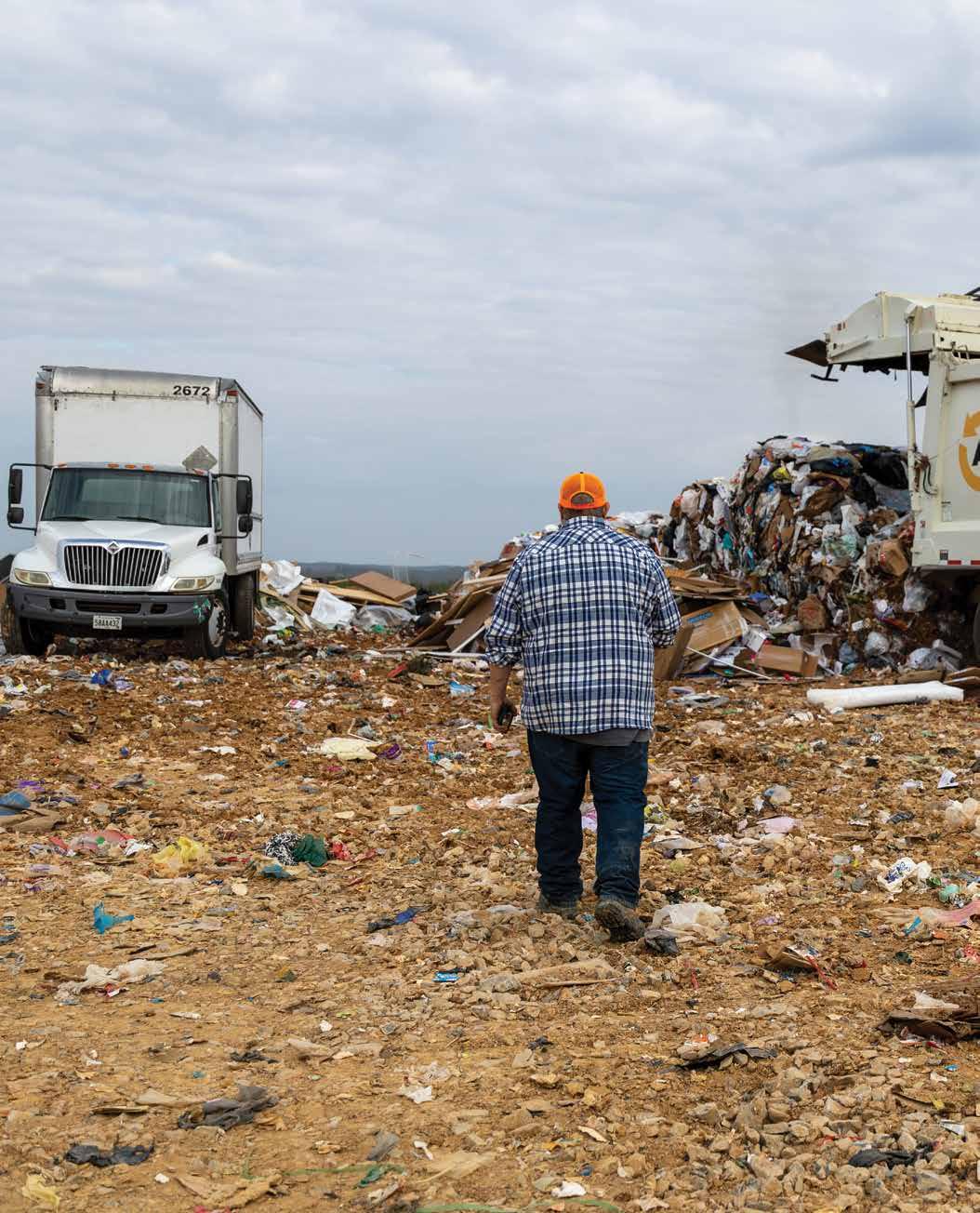
go. It’s preventative maintenance, it keeps them from getting stuck. Keep enough rock out, and they can back up across it.”
While things typically run in a routine manner at the landfill, Johnson is often the one responsible for troubleshooting when things aren’t running like normal.
This often creates challenges, as one part of the well-oiled machine breaking down can cause other parts to malfunction.
“Working on gas wells, sometimes they break below the ground, and you have to dig them out and fix them,” Johnson said. “Leachate system, sometimes the pumps get clogged, and you have to open them out and dig up whatever is clogging it.”
While the weather is not something that anyone has the ability to predict or control, it is capable of causing problems at the landfill.
“Rain makes it very difficult,” Johnson said. “Wells end up taking on more water as they pump leachate out.”
Dealing with leachate is not a clean experience. Johnson described it as one of the dirtiest parts of his job. High-pressure water jetting and using technologies such as membrane filtration are commonly used ways of handling the toxic material.
“It smells wonderful,” Johnson said with a smile on his face. “We always have the chance of our pumps getting clogged up. We take them apart and clean them.”
While Johnson is responsible for keeping things running as normal at the landfill, safety is another important aspect of his job. From making sure visitors know what to do and where to go to using proper safety equipment, preventative maintenance plays a large role in the landfill’s daily operations.
Safety is something Johnson takes seriously, and he ensures that all rules and regulations are being honored. While this can lead to some uncomfortable conversations, Johnson understands that safety is not something that can ever be risked.
“He’s always the one making sure everyone is doing what we’re supposed to do for compliance,” Frost said. “He’s always reminding everyone of the regulations and what we’re supposed to be doing. He’s making sure customers are following the rules. He has no problem having the hard conversations with customers when they’re having a bad day or anything like that. He’s always willing to do the right things.”
One of the most challenging compliance components of landfill operations is telling people why their load is being searched and
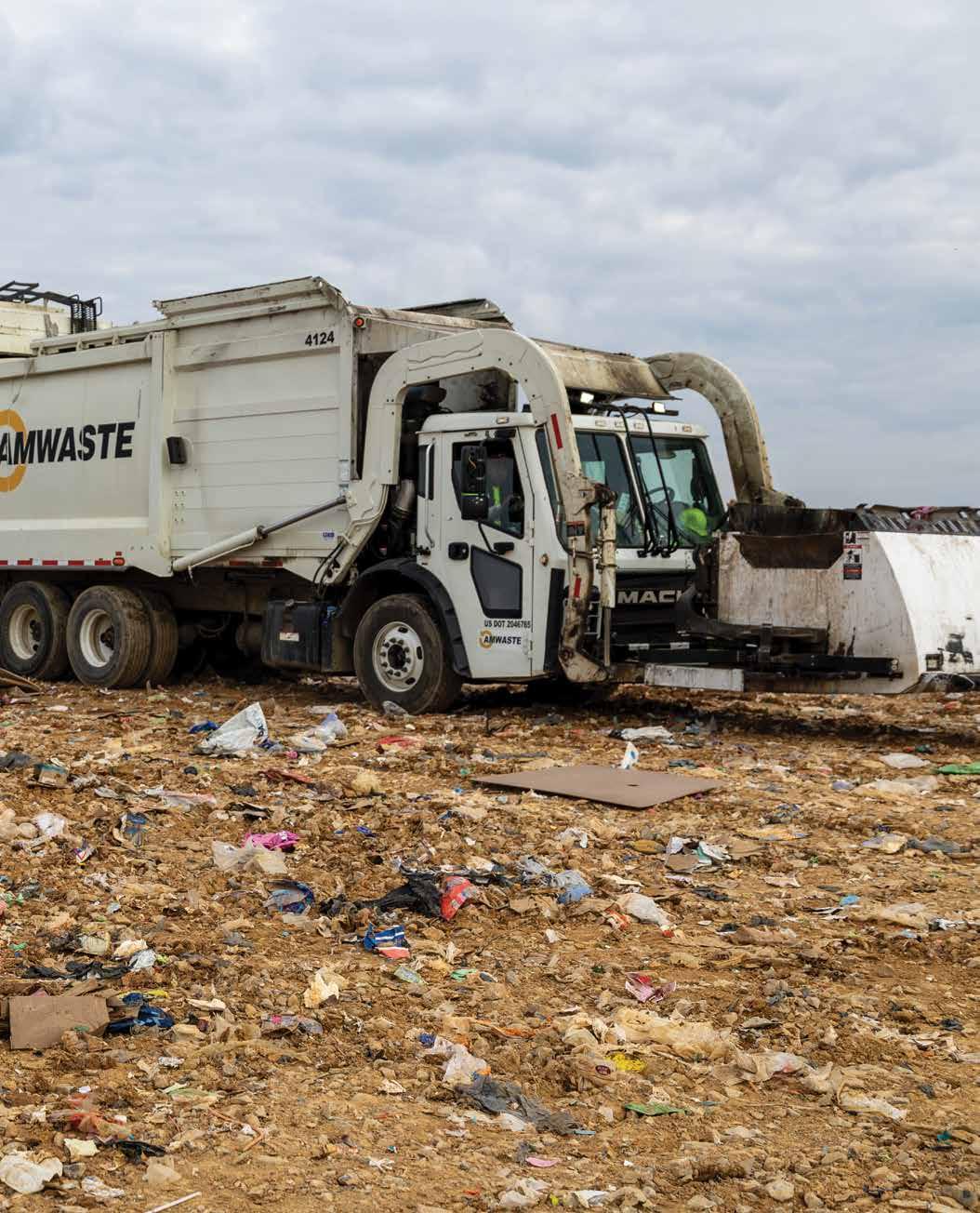
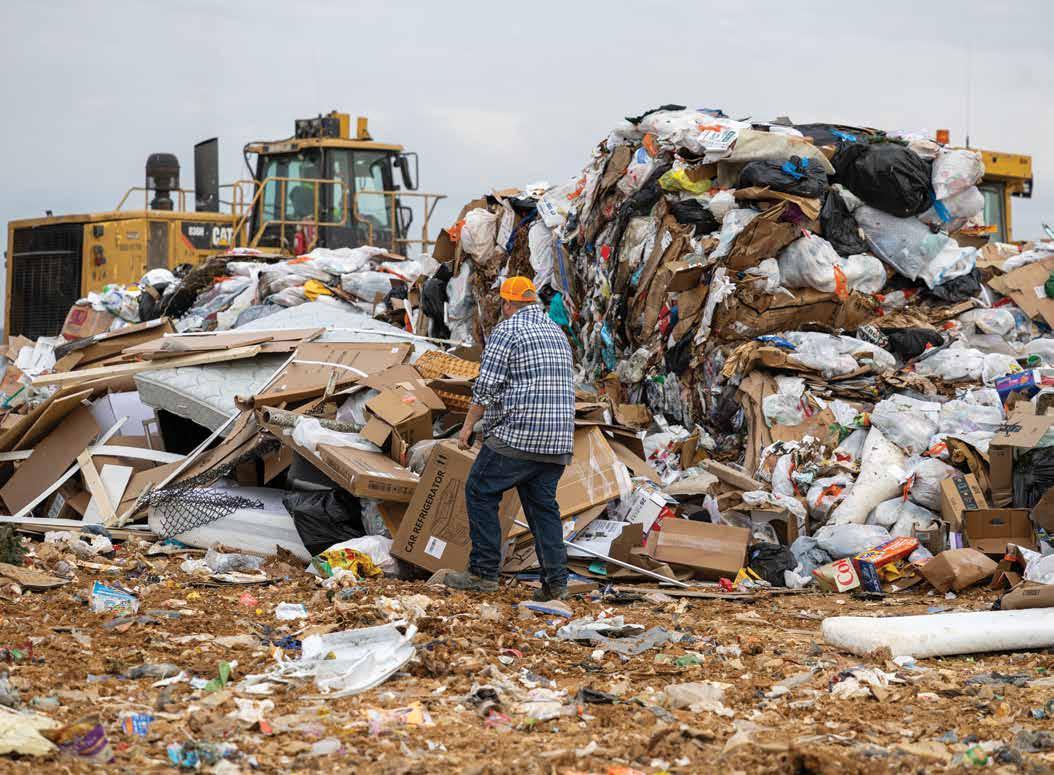
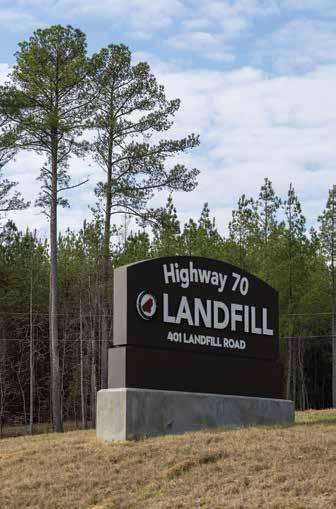
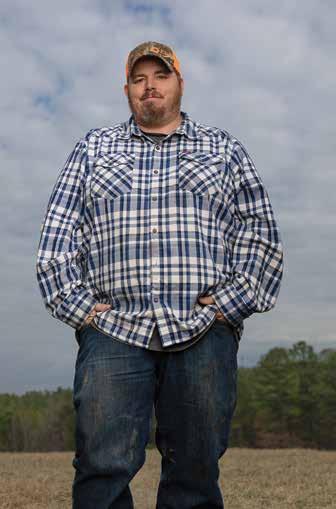
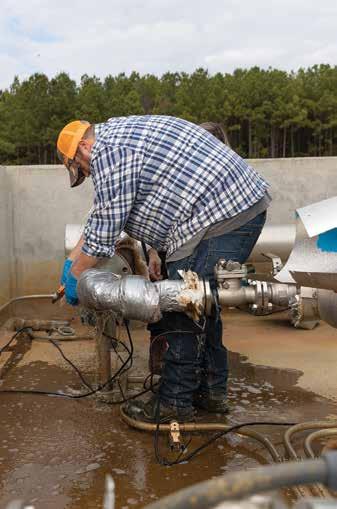
why certain things cannot be disposed of at the landfill.
Commonly-brought objects that are not allowed in landfills include car batteries, motor oil and electronics. These items contain hazardous materials that could pose environmental and health risks.
“It’s always challenging to explain to the public why we’re looking through their loads,” Johnson said. “The best way to handle it is to educate them on things.”
Johnson and company are constantly looking for ways to improve safety and accessibility at the landfill, as that can help prevent numerous unsafe situations from happening to begin with.
“We have the scale house, we’re constantly working to make the scales better for people going in and out,” Johnson said. “We built a new convenience area to help keep the individuals from going to the back around the equipment. All that makes a difference. It helps them stay safe, and it helps the area be more convenient for them.”
His reliable team makes a world of difference for Johnson as he does everything in his power to maintain the safest and most efficient facility possible.
Something Johnson has learned throughout his time at the landfill is that sometimes the most effective methods of ensuring a safe operation are the most basic.
“Wear your personal protection equip-

ment,” Johnson said. “I’ve always got gloves on. I’m pretty much covered to where I don’t get the crap on me because it’s not something I want to take home to my wife and kids.”
At the end of the day, Johnson enjoys what he does for a living and the people he gets to be around while doing it. Working for Shelby County has been an enjoyable experience for him as he puts a significant amount of effort into making sure its residents have a safe place to dispose of things ordinary garbage collection won’t take.
Throughout his time at the landfill, Johnson’s face has become one the public knows well. His willingness and ability to help them out, in addition to the team that he works with, makes a difference in the experience people have when using the landfill.
“My favorite thing he does is probably when he volunteers to stand up at the front on free day,” Frost said. “We have hundreds and hundreds of folks show up on free day. He’s the one willing to take down their name and show them where to go. He’s always willing to serve in that manner.”
“It’s been a good place to work,” Johnson said. “It’s not the most glamorous job, but Shelby County treats its employees well.”





COMMON ITEMS SUCH AS CAR BATTERIES, MOTOR OIL AND ELECTRONICS CANNOT BE DISPOSED OF IN LANDFILLS.













BY ANDREW SIMONSON | PHOTOS BY DAWN HARRISON
IIn an unassuming garage that most drive right past on their way to the Oak Mountain State Park golf course, there’s a man and a team who make sure that every square inch of the 11,000 acres that make up the park are perfect to use.
Matt Tidwell serves Oak Mountain State Park as its maintenance supervisor, and he helps make Alabama’s largest park into its most world-renowned as well.
“We kind of have our fingers in every little thing that goes on in the park, setting up and prepping for events,” Tidwell said.
For him though, he’s just the latest chapter in a generations-long legacy of preserving the outdoors.
Tidwell’s roots with Oak Mountain State Park extend back even further than him as his grandfather was its second superintendent. From there, he moved to Monte Sano State Park before becoming the superintendent of Joe Wheeler State Park in Florence for the rest of his career.
Since his grandparents lived in one of the staff houses at Joe Wheeler, Tidwell spent a good part of his childhood in the parks. Those formative years gave him a love for the outdoors and a desire to pursue them down the road.
“My whole family, my whole life, has
been kind of spent around the parks, growing up there, and that’s kind of what got me into it,” Tidwell said.
After high school, Tidwell went straight into the workforce and into what he thought at the time were odd jobs: some industrial construction here, some landscaping there, a little bit of communications as well. Little did he know though that all of those positions were preparing him for where he is now.
Tidwell worked simultaneously as the banquets manager for Joe Wheeler State Park while framing houses in the morning. During that time, he briefly went down to Portland Landing to work on a special proj
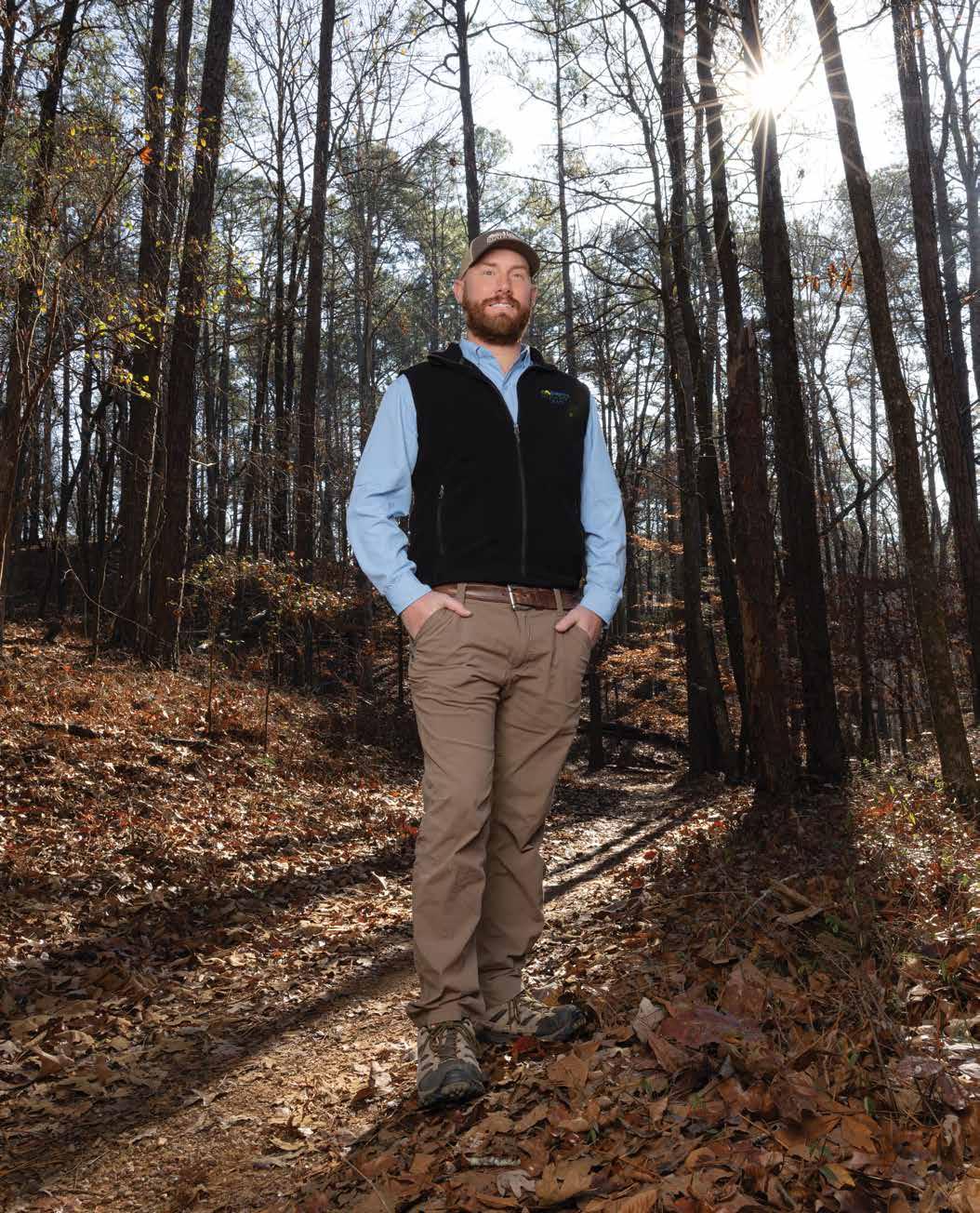
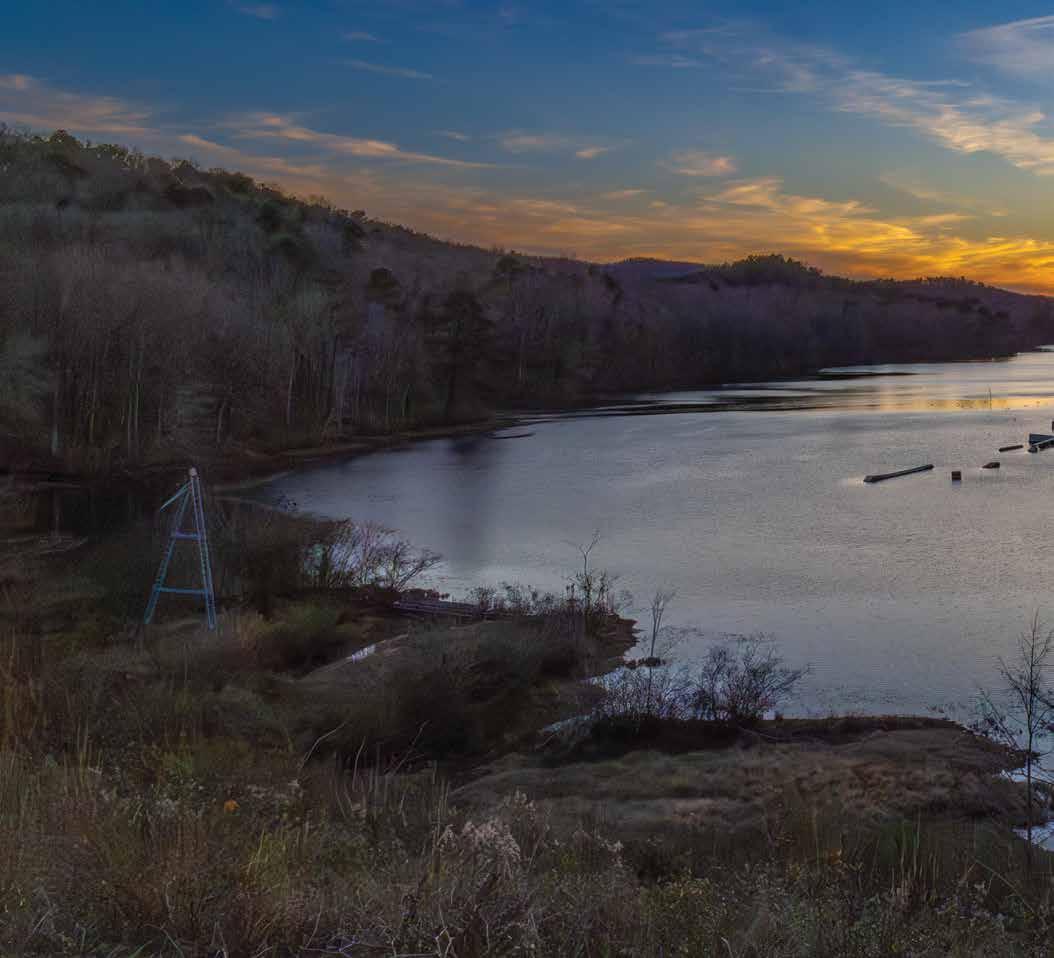
ect for Alabama State Lands.
On that crew with him was OMSP’s assistant maintenance supervisor at the time, Jeremy Donahoe, on assignment from the Department of Conservation. The two met and didn’t expect to run into each other again until Tidwell was asked if he wanted to apply for a carpentry position at OMSP in 2019.
As fate would have it, Donahoe was on that interview panel, and something in Tidwell shifted from not intending to take the position to accepting the job offer to move to OMSP.
The two would work together for the first few years that Tidwell was there as he learned from an experience park worker like Donahoe.
“He developed a whole lot of skills while he was there,” Donahoe said. “He trained under me and several other people, some of the skilled guys in those positions, and so he kind of picked up a little bit about a lot of things from different various people at the park.”
Tidwell chalks up much of his fast learn-
ing to those positions he had after graduating as each of them taught him something that he now uses in his day-to-day job. He said he learned more from those jobs than even his family in the parks passed down to him.
“I didn’t really get much of that from him other than I always enjoyed being in the park, spent a lot of time there growing up,” Tidwell said of his grandfather. “I worked a few different jobs after high school, and that really prepared me more for anything for this.”
Tidwell also learned under another expe-
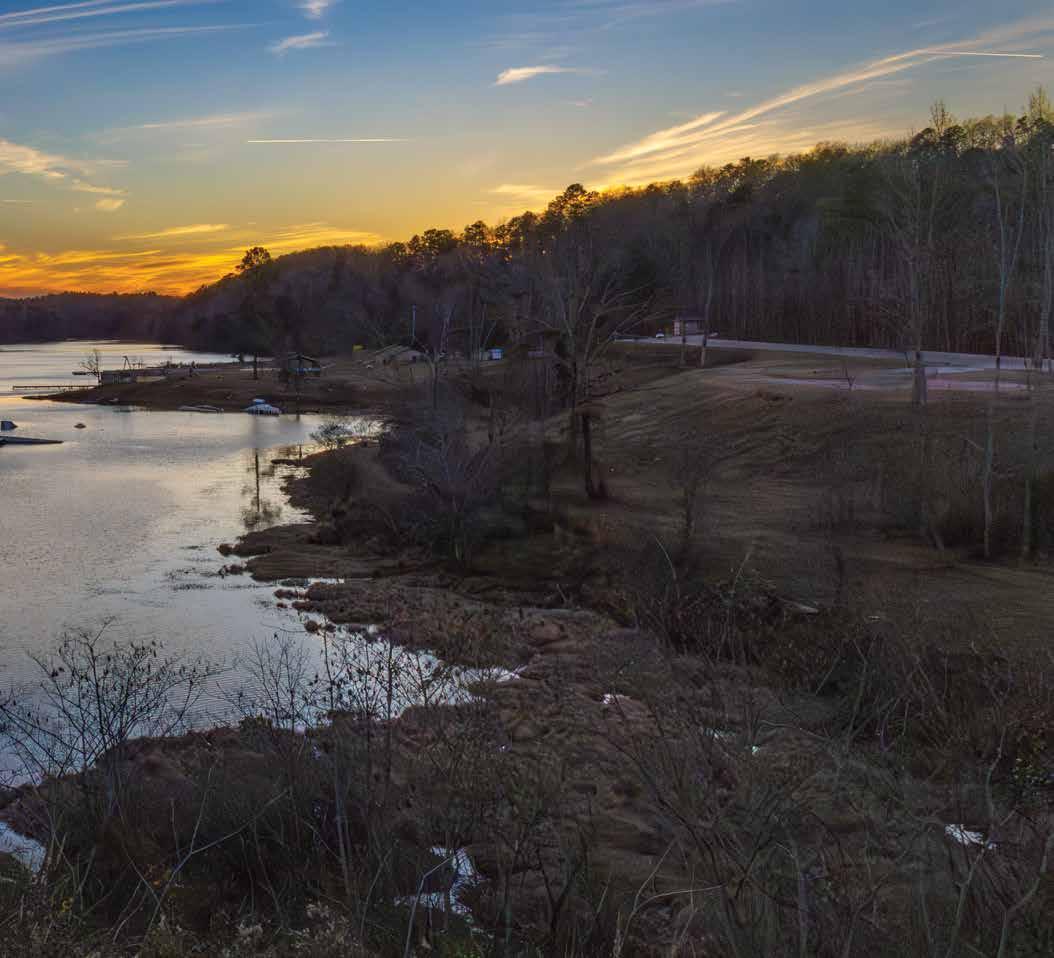
rienced employee in Keith Gentry before the latter moved up to north Alabama for a maintenance position. During that time, he honed his skills that he learned from his various trades and added new ones.
In addition, Tidwell got to learn the ins and outs of the park from experience and learning how they approached certain situations as they came up. He said that experience was invaluable because the only way to learn was on the job.
“Getting to work under them and see how they handle things, see some of the politics involved, and you kind of get to
learn by watching and helping them do things along the way,” Tidwell said. “And, it’s really been helpful to have them as supervisors and mentors as you learn and progress in this place. Both of them been here a long time. Jeremy’s been here like 11 years, I think Keith’s been here for 40. He’s been here a long time. So, they know a lot about the place. You learn all the little ins and outs. It’s a big part. Knowing where all the water valves are, knowing when renovations happen, you learn all that stuff from those guys, because there’s no book on it. You just have to learn it as you go.
They’ve been here and seen it happen.”
As time progressed, Tidwell assumed more and more responsibilities and came up the ranks with Donahoe. Over their six years together, Donahoe saw tremendous professional growth in Tidwell as his position evolved.
“He kind of grew into more of a leadership role,” Donahoe said. “As I promoted up, I brought him with me. He ended up at the end, he was my assistant, but he took on a leadership role, whether it was being training new employees or just whatever needed to be done. He had kind of got
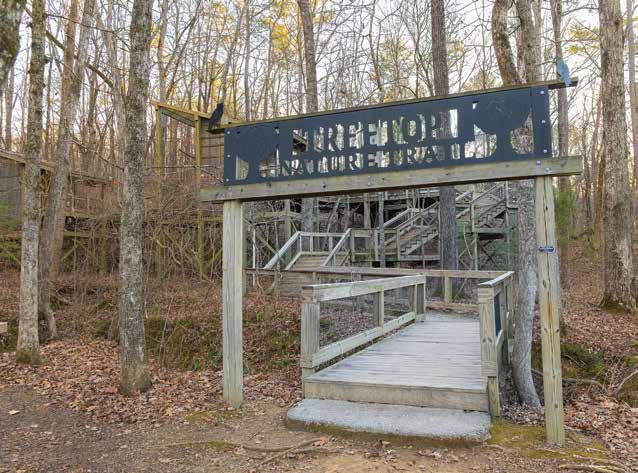
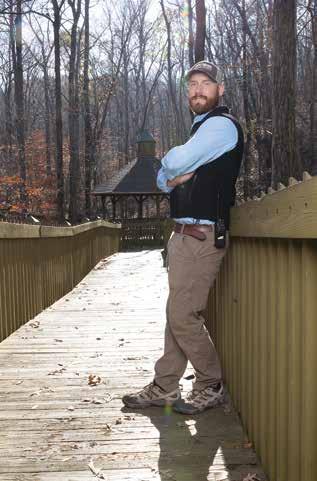

enough knowledge about all things state park related and to kind of handle it with a little bit of guidance, but he grew into it. He kind of honed his skills and also became a better leader for some of the younger people that we brought into.”
Wearing many hats
With Donahoe taking a new position with Shelby County, Tidwell is now the maintenance supervisor at OMSP. He oversees maintenance, grounds work and
cleanup around the park while also managing scheduling for rentals and other properties in the area.
In addition, Tidwell and his team prepare the park for its many events throughout the year, from Fire on the Water during the Fourth of July to the XTERRA North American Championship each May to the various 5Ks, trail races and festivals that go through the park on a near-weekly basis.
Since the park contains so many different features, from a golf course to a wakeboard park to the many trails, and a multi-
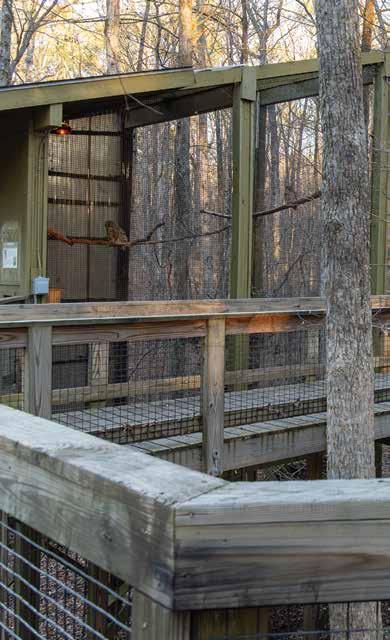
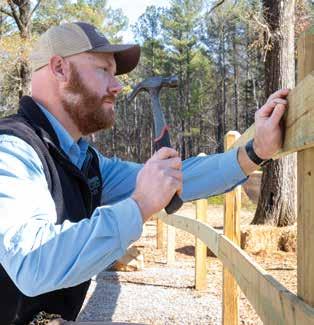
tude of events flow through it, Tidwell said each day presents a new challenge.
“It’s something different every day,” Tidwell said. “We’re the largest by far, I think, with personnel and acreage, just in maintenance, maybe over 20 people. And I think we’re just a little over 11,000 acres, something like that. We have events almost every weekend, races, all kinds of stuff going on out here.”
With a large park comes a wide variety of tasks to handle, but Tidwell’s diverse background makes him suited for many things
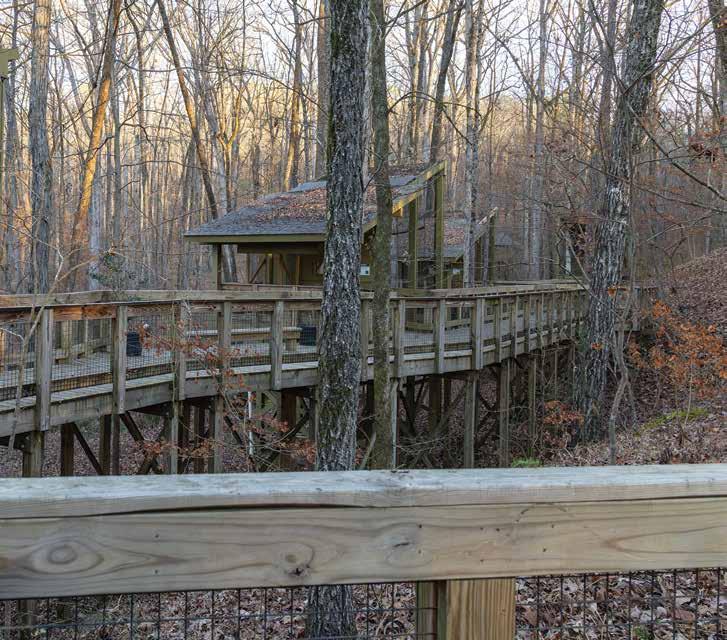
that come his way. Whether it’s a carpentry project or some landscaping, he doesn’t just lead, he can get his hands dirty with just about anything.
However, he admits he doesn’t know everything, but he also knows that a good chunk of leadership is knowing when to delegate to others who are more skilled than him.
“It gave me a real good background coming into this, knowing a little bit about everything,” Tidwell said. “I may not know everything about it, but I at least know enough to say, ‘Hey, we need to call this person to find out more, or, ‘Hey, this is something we can’t handle, something we can handle.’”
The team at OMSP wears many hats and uses their many specializations to keep the park in the best condition possible.
For Tidwell, it goes deeper than just making the park look nice too. As stewards of a vast patch of wilderness, it’s about ensuring they and park guests don’t dramatically impact the park ecosystem so that the forest and those who call it home can thrive for years to come.
“We do everything,” Tidwell said. “We’ve got a full-time mechanic, a full-time HVAC technician. A lot of landscaping that goes on, a lot of cutting grass. We do a lot of prescribed burns every year. A lot of habitat management, things like that. So it’s not just keeping the park nice for the guests. You

“... TAKING CARE OF THE PARK, TREAT IT LIKE IT’S THEIR OWN. AND IT IS. IT’S OUR BACKYARD, AND TAKE CARE OF IT THE WAY WE’D WANT IT TAKEN CARE OF, MAKE SURE EVERYTHING’S READY AND CLEAN AND LOOKING NICE FOR THE PUBLIC TO USE.”
-MATT TIDWELL


also have to walk the line of taking care of all the wildlife and the natural side of it. So, it’s very multifaceted.”
Those around Tidwell respect his work ethic and his passion for the parks. After leading him for more than half a decade,
Donahoe believes much of that stems from Tidwell’s childhood in the parks, but he combines that with a desire to do the best job he can to make himself a valuable member of the park staff.
“On a professional level, he’s a hard worker, and he’ll get in there and just help wherever he needs the help,” Donahoe said.
Tidwell sees beyond the work itself though and always keeps in mind the many people who visit the park regularly.
For him, nothing is better than seeing everyone enjoy the place he spends so much time tending to. He spends spare time with visitors during events and weekends and listens to their feedback, which most of the time are very positive reviews.

Hearing that people love and cherish what he does is fulfilling to him each time.
“I like coming out here and seeing all the families, especially on the weekends,” Tidwell said. “You see families out here having cookouts, they’re bringing their kids out, and everybody’s just coming out, having a good time, enjoying being outside, and that’s really rewarding.”
Like his grandfather before him, Tidwell and his family live in one of the staff houses inside the park. Since he spends the vast majority of his time inside the park limits, he is very close with the staff that he works with.
The staff will come together for various events like a group Thanksgiving to spend time as one and enjoy each other outside of the stresses of work.
Moments like that give Tidwell a perspective that he’s not just caring for a park or a place that people enjoy visiting, but somewhere that they can call home.
“It’s all taking care of the people,” Tidwell said. “Taking care of the park and taking care of the people…Everybody here is real close. And I feel like that’s one of the biggest things out here is just trying to take care of all the people here, and taking care of the park, treat it like it’s their own. And it is. It’s our backyard, and take care of it the way we’d want it taken care of, make sure everything’s ready and clean and look-
ing nice for the public to use.”
That drive to keep his home in pristine condition is evident to those around him too.
“He’s got a strong desire to just to do well,” Donahoe said. “He genuinely wants to do a good job. He genuinely cares about the conservation side of things and outdoor world.”
It goes beyond just the staff though. Tidwell often thinks about his own family which lives in the staff house with him.
After years spending time at his grandparents’ house in Joe Wheeler, he now gets to call the park his home too. What’s more, he is raising children of his own at OMSP, and that’s just another opportunity to pass on the love of the wilderness to the next generation beyond his own conservation efforts.
“I’ve got a son. He’s two, and he’s getting to grow up here in the park,” Tidwell said. “We live on one of the staff houses. And so, I look forward to him getting a little older and getting to get out and just have this for a backyard. What a way to grow up.”
Whether his son grows up to follow his footsteps into the parks is yet to be seen. But even still, Tidwell continues a family legacy by writing his own chapter, preserving Oak Mountain State Park so that families like his can enjoy it for generations to come.
















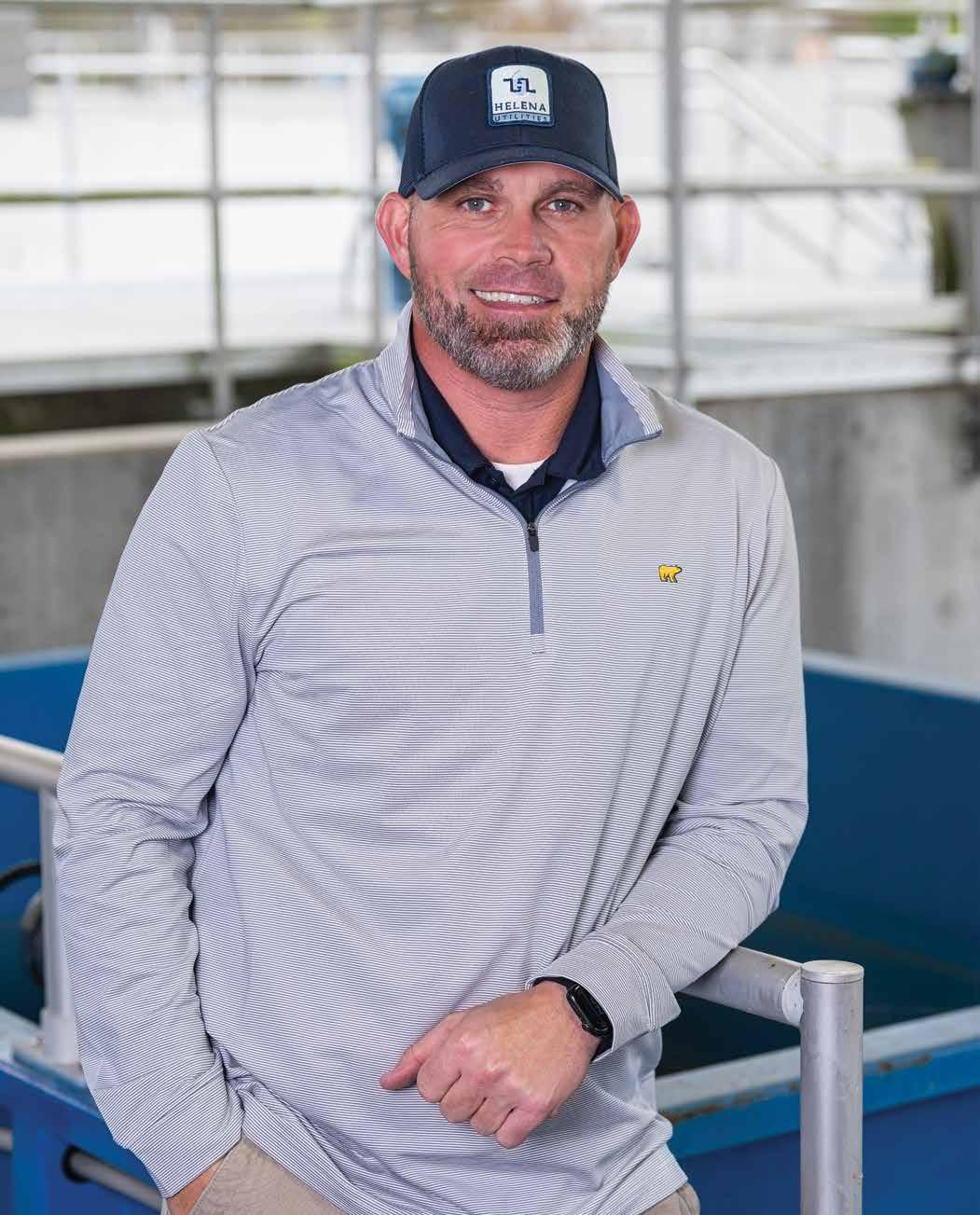
BY DANIEL LOCKE | PHOTOS BY XXXX
Shelby County residents may not be familiar with the wastewater treatment process, but when something goes wrong, such as a sewer main blockage or break, they’re appreciative of people like Justin Tripp.
Tripp is the wastewater manager for the city of Helena. He ensures that all wastewater is properly treated before being released back into the environment. Wastewater is used water from homes, businesses, industrial processes or storms that can harbor pathogens and other pollutants, meaning it must be treated before it can be released back into the environment.
This treatment is completed through a multistage process at a plant, and overseeing this process is one of the most important aspects of Tripp’s job.
“We pull samples, we test everything here in-house,” Tripp said. “We sample
three times a week. We’ll come in and get everything in the lab calibrated, then we’ll go out and pull samples. It normally takes five or six hours to do all the tests that need to be done for ammonia, phosphorus, BODs, E. coli, a handful of stuff here at the plant.”
Ensuring water is safe for use before releasing it back into the environment prevents diseases such as cholera and dysentery.
Additionally, Tripp is a father to Bryce and Presley. When he isn’t managing Helena’s wastewater system, he’s handling his dad duties or enjoying a round of golf.
Tripp has been working in the wastewater industry for nearly a decade. He referred to getting into the industry as one of the best decisions he has ever made.
“In 2016, I was working at a company in
Pell City as an environmental field representative pumping out PCB transformers,” Tripp said. “One of my good friends got an interview with Southwest Water, now Alabama Water Utilities, and he knew I didn’t really like staying out on the road all the time. He called me and said they had a position open for an operator in training. He said he thought it would be a good fit for me, so I applied. I got the job, and it’s one of the best moves I’ve made in my life. I’ve been very fortunate.”
He was hired by Helena Wastewater in September 2024, where he has been making an impact ever since.
IN THE SHADOWS UNTIL TROUBLE
A lot of the work completed by workers in the wastewater industry goes unnoticed un
til something breaks and creates an often big—and frequently smelly—problem.
Tripp recalled one experience he had that he would rather not have had to deal with. It took place before his time in Helena started.
“We had an air leaf valve come off a force main, right off the side of Highway 280, at the corner of Highway 119,” Tripp said. “It was probably 100 degrees outside that day. It was hot and wastewater was shooting up. Every time the pump would kick on, wastewater would shoot up 30 feet in the air. The air leaf valve was in the bottom of a manhole, which was about four feet deep, full of water. The only way to close it was to get down in it with a pipe wrench and physically close the valve.
“So we have a pump truck there and we’re trying to keep the water down out of the manhole as low as possible. I’m down there in a Tyvek suit with goggles on and everything. It was probably the worst day I’ve
had as far as working in wastewater goes.”
Another frequent challenge for wastewater workers is the malfunction of infrastructure. When the systems in place don’t work as designed, problems are often created.
“Helena is a very old city, and so is the infrastructure that’s already in place,” Tripp said. “One of our main focuses is the 68 miles of collection system we have just here in Helena. That’s anywhere from fourinch to 30-inch pipe. When you’re in the wastewater field, everything’s in a constant state of decline due to sulfides and everything else in the system.”
While people who work in the wastewater industry are often forgotten until something needs to be fixed, Tripp knows members of the community are thankful for the services they provide.
“We’re kind of in the shadows until something does happen, whether that be a clogged sewer main, or anything to do with
sewage,” Tripp said.
Despite the challenges, Tripp enjoys working in the wastewater industry and most of the things that come along with it.
“I’ll say, I’ve had more good days than bad since I started working in wastewater in 2016,” Tripp said.
Although the wastewater industry is not often thought of as clean, Tripp makes a habit of keeping everything looking as good as it possibly can.
One of the main aspects of maintaining a well-oiled machine is keeping it presentable, which is something Tripp makes a priority each and every day.
Maintaining a high standard of cleanliness helps ensure that day-to-day operations are handled well, and that makes life easier for Tripp as well as the crew he works with.
THE CITY OF HELENA FOCUSES ON SERVICING AND MAINTAINING ITS EXISTING INFRASTRUCTURE, WHICH FEATURES A 68-MILE COLLECTION SYSTEM THAT IS IN A CONSTANT STATE OF DECLINE DUE TO SULFIDES AND OTHER ACIDIC ELEMENTS.
“Just because we work in the wastewater industry doesn’t mean that everything has to be dirty,” Tripp said. “I’m pretty big on trying to keep everything presentable, so that’s a hand in itself when you’re in the wastewater field. So appearance, trying to keep everything cut and everything neat around the plant.”
Maintaining a clean operation not only helps everything run smoothly, but it also helps ensure that everything is up to code. Tripp and company work closely with the Alabama Department of Environmental Management to make sure that all rules are being followed and everything is up to code at all times, because failing an inspection would not be a good situation for anyone involved in Helena Wastewater.
“We work closely with ADEM on permit requirements, making sure that we’re in compliance all the time,” Tripp said. “Nobody wants the state to come in and do whatever it is they do when you’re out of compliance.”
Another part of Tripp’s job that helps keep Helena’s wastewater running smoothly is his ability to adapt and do multiple things, often at one time.
This is also a skill he tries his best to establish in the crew he works with, as being able to multitask or quickly pivot helps keep the operation moving.
“As far as collection goes, we check every lift station every week,” Tripp said. “We make sure both pumps are working in both stations. We make sure that all electrical equipment is working, that there are no issues on that side either. Any problems we run into, we go out and fix. Whether that’s replacing gravity sewer mains or pulling pumps, taking rags out of pumps. There is no set schedule. As far as a day-to-day basis, you’re kind of a jack of all trades and master of none, honestly.”


While Tripp thoroughly enjoys his job, he knows it would be considerably more difficult without a high-quality team around him. Wastewater management is happening around the clock, and Tripp is happy to have a devoted group of guys there to help him, particularly when things do not go according to plan.
“All this wouldn’t be possible without the guys I have around me,” Tripp said. “I’m very fortunate to
have the crew that I have. We have guys at the lab, guys here at the plant, we have eight total that check the collection system, the lift station and everything in the city. It’s a 24/7 job, so I’m very fortunate to be in the position I’m in with the people that surround me.”
Tripp enjoys the group he has the privilege of working with, but they like working with him as well.
“I enjoy working for Justin (Tripp), he’s laid back, but also a no-nonsense boss,” said Brent Kastor. “Do what he asks of you to the best of your ability, and everything is fine. Every time I have an issue with something, he’s always been there to try and figure out how to resolve the problem.”
Kastor has been with Tripp since both of their time with Helena Wastewater started, and has had a front-row seat to the positive things that have been implemented to keep everything up and running.
“EVERYTHING IS DISCHARGED BACK INTO THE WATERWAYS, WHETHER IT BE PONDS, RIVERS OR STREAMS. MAKING SURE THAT WE’RE WITHIN OUR PERMIT REQUIREMENTS HAS A DIRECT REFLECTION ON PEOPLE. THERE ARE A LOT OF PEOPLE THAT WILL PLAY IN WATERWAYS, THAT WILL SWIM OR FISH. SO IT KIND OF COMES FULL CIRCLE.” -JUSTIN


“I think Tripp is a great asset to Helena,” Kastor said. “I started his first official day as the wastewater manager. The plant itself looks night and day different. Something as simple as pressure washing the plant made a huge difference in appearance alone.”
The work Tripp completes with this crew is important, as it helps maintain healthy water for the city of Helena.
“Everything is discharged back into the waterways, whether it be ponds, rivers or streams,” Tripp said. “Making sure that we’re within our permit requirements has a direct reflection on people. There are a lot of people that will play in waterways, that will swim or fish. So it kind of comes full circle.”
Working in wastewater can often be unpredictable, which has become one of Tripp’s favorite parts of his job.
He enjoys being on his toes and having stuff to do, as it keeps time moving fast and keeps him on his feet.
“You never know what you’re going to come into, and there’s never a boring day,” Tripp said. “There are days we get all the stations checked and everything done around the plant, just trying to keep everything nice and neat. There are days when we get here at 5 or 6 o’clock in the morning and don’t leave until 6 or 7 o’clock that night. It just is what it is on a day-to-day basis, you never know. For me anyway, that’s exciting.”


Learn more at uwca.org

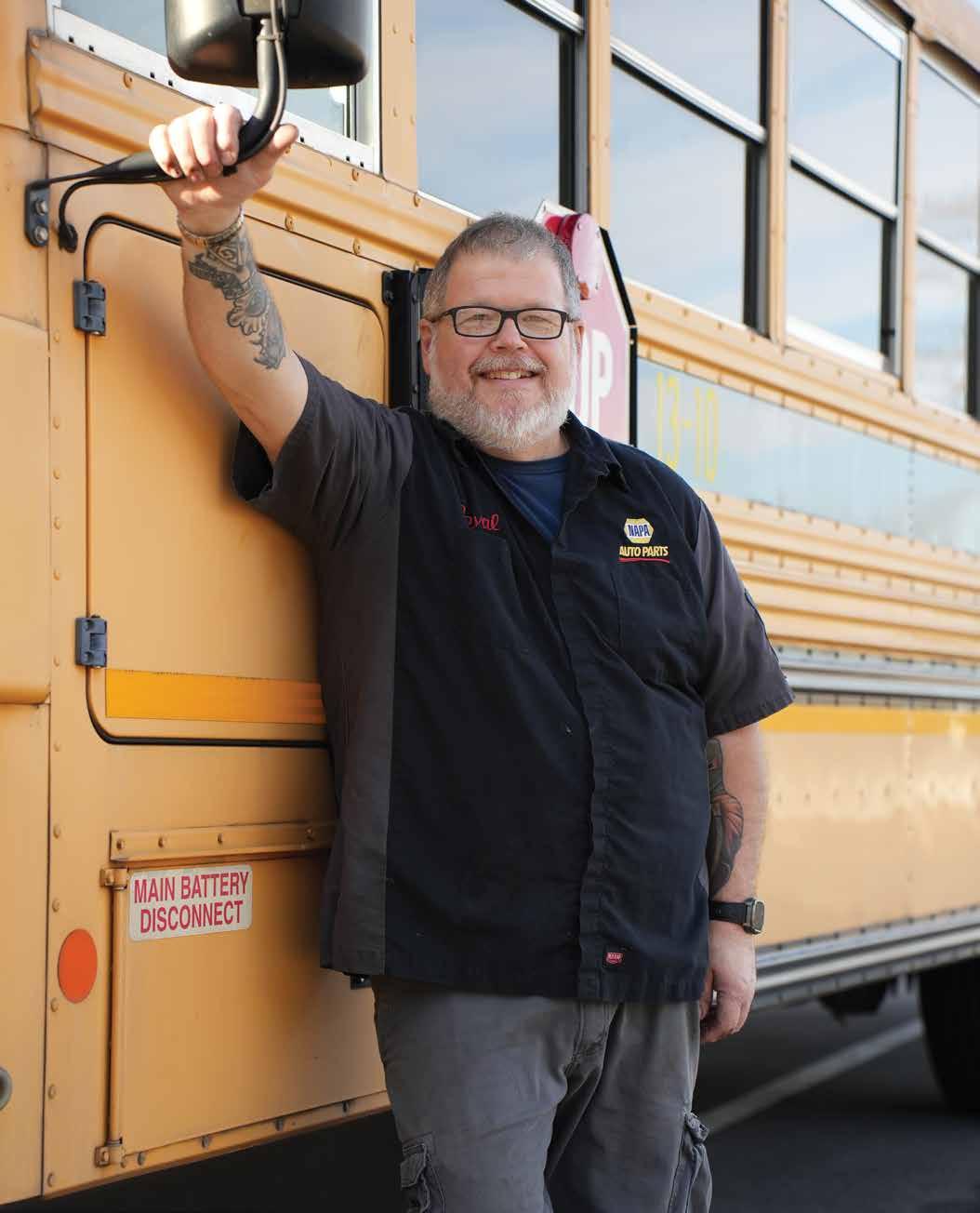
BY TYLER RALEY | PHOTOS BY XXXX
FFor five days a week on most months, as the sun just comes over the eastern horizon in Shelby County at about 6 a.m., Robert Irwin pulls his own vehicle into the Career Technical Education Center in Columbiana ready to begin his day, that coincidentally enough, is spent working on and with other vehicles.
Known for being the driver for many kids in a number of ways, Irwin starts his day off by preparing take his spot in his driver’s seat of the day on a school bus. However, before he could do that, he has to take the necessary measures in order to be able to drive his passengers around safely.
“Basically, I get here at 6 o’clock in the morning, do my pre-trip on my bus, do any kind of preventative stuff in the shops, so it gives me time in that 30, 45 minutes to do some things in the shop,” Irwin said. Then I
run my bus route, pick up elementary, middle school and high school kids, go drop them off, come back to school, park my bus.”
As he begins to start driving his bus around the city of Columbiana, he opens his doors to a number of kids after they exit the comfort of their homes, all of whom are about to sit in desks and take in a great amount of information for seven hours.
Although it’s the same routine though, each day is a new day, and that is part of what makes those mornings special. He constantly gets to spread encouragement.
“It’s just enjoyable to see happy kids get on a school bus,” Irwin said. “Now not all of them are happy. You know some of them are like, ‘Man, I’ve got to go to school.’ And I’m like, ‘What? Come on now. You ain’t got but
a few hours, then you’ll be back on this bus headed back home.’”
Those bus rides are only the very start of his long days each week, as he proceeds to go to the classroom and shops at CTEC to teach his classes and work as an instructor starting the bus back up to take kids home. It all contributes to his one goal though— making the kids successful.
Many kids just like the ones in Shelby County start their day by getting on the bus to go to their respective school, seeing some of their friends in the process, making a very early start for them just a little bit more doable.
Irwin is one of the many who drives a
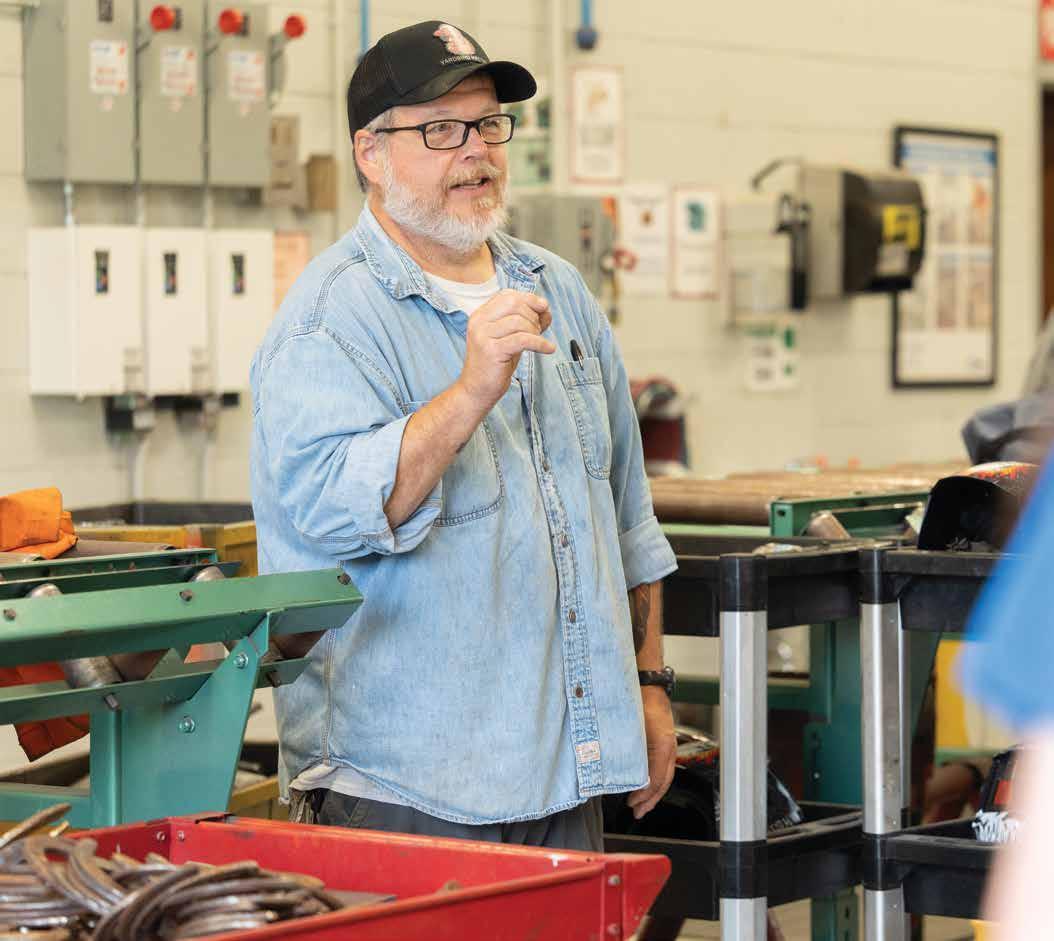
Shelby County Schools bus, being the first one outside of a student’s parents to see them in the morning, and the last one to see them before they go home for the day.
“It’s fabulous because every kid that gets on my bus gets told good morning, and then in the afternoon, every kid that gets off that bus, they either get ‘Y’all have a good day,’ y’all because there’s multiple, or, ‘You have a great day,’” Irwin said.
However, not all of his kids that he drives are already aware that he is a teacher, so when he gets on the bus in work clothes, smelling like gasoline or having oil marks on his body from being in the shop, his kids
ask questions.
Finding out he is an educator opens the door of opportunity for the kids to learn a lot, so Irwin gets to continue his job as a teacher outside of the classroom, even if the kids do not realize it.
“I may have some information that they’ve never heard before,” Irwin said. “I feel like I’m educating my students the same as if I’m educating my auto tech students, but just in a different type of format.”
On top of that, Irwin continues to build his relationship with students in other ways, trying to help them out in every possible way he can to make rides better.
The effort shows, as the kids even speak highly of him off the bus.
“I had a girl, and I can’t remember her name, but her family was barbecuing one day, and we pulled up and I opened the door and I smelled it and I’m like, ‘Oh God, I sure wish I had some of that barbecue,’” Irwin said. “The next day, she told me that afternoon, she said, ‘Mr. Irwin, my grandfather said the next time we cook out, they’re going to fix you a plate.’ Just making those relationships is pretty amazing.”
Ultimately, getting his hands dirty to do his maintenance on his bus and doing his pre-trip checklists has benefitted him, lead-

ing him to building stronger relationships with students before and after he gets his hands dirty during the day.
Before helping students to get their hands in the thick of things with automobiles, Irwin was doing that himself, having gone through the General Motors program at Lawson State before going to work for Chevrolet.
He loved GM so much that he decided to permanently have the passion on him at all times, getting a tattoo of it on his left arm.
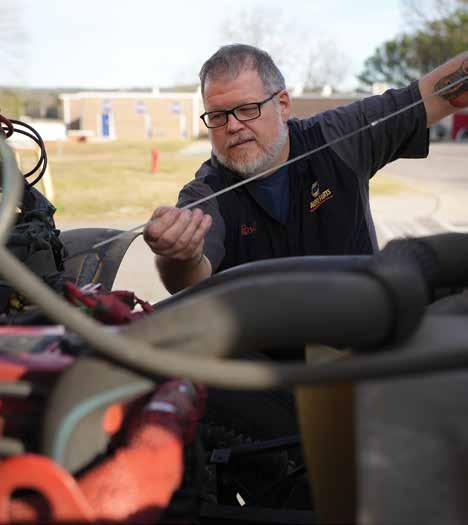
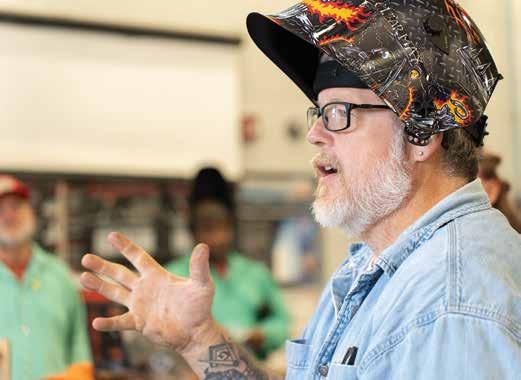
To this day though, Irwin gets his hands dirty with vehicles by other means—helping students.
Just like his path of life had him waiting before getting to the classroom, his students also have to wait a moment before getting into action, having to get together to take roll before putting their uniforms on and going to the shop.
There, they do a lot of hands-on work with brakes, engines and other parts of the vehicle, as Irwin teaches them before the students do it multiple times, which he explains is to help aide them in being successful.
“It’s all about success,” Irwin said. “That repetitiveness, not only does it teach them about where all the parts go, they’re working on different vehicles too. It’s just the success of them not knowing this, to knowing it.”
Irwin prepares them other ways as well, getting them multiple certificates through online training as well, helping them in the theory aspects of learning.
But the biggest part about doing this job for him is being able to serve people, whether it’s been in the classroom or even before then, when he was working in the industry.
“It’s nice for me to have a talent where I
can help somebody else fix their vehicle or fix their lawnmower or fix their motorcycle,” Irwin said. “I’ve always been a people person, and to be able to help somebody else, it’s a blessing for me to be able to serve.”
Even the staff notices it, which is what helped him to get voted as Teacher of the Year at CTEC.
“Mr. Irwin has so much authenticity about himself,” said CTEC Principal Mathew Epps. “Most of his students have the same personality he has because they’re seeing him model that every day.”
Getting his hands dirty from an early age with his dad working on HVAC units helped prepare him for this moment, and because of that, he has become a better educator for his students, many of whom go onto do great things once they leave his classroom.
“I think that it speaks volumes that even former students that have already graduated or moved on, they’re always coming back to see him, to share their successes,” said CTEC teacher Frankie Stroud. “He has so many industry partners that support his program and that dedicate time to helping him make these kids successful.”
After the day is complete and he has run at least two bus routes throughout the day, taught multiple classes and been through meetings, duties are not always complete for Robert Irwin.
Having spent much of his career looking to make an impact on students through his work, Irwin is known for always taking advantage of an opportunity to go the extra mile, whether that be driving students to events outside of school hours or showing up at events in Columbiana.
In some eyes, that’s why he makes such a big impact.
“We’re still talking about a man who gets up and drives a school bus in the morning, comes to do his duties during the day and teach kids, go back and drive kids back in the afternoon and after he gets done with all of that, he still makes time to go do the other stuff,” Epps said. “Just having that drive and initiative to do the extra stuff, that makes what we do mean even more and is why I appreciate it.”
Having worked in automotives for so long, both in the classroom, it is no secret to his colleagues and students that Irwin loves his job.
Irwin will tell you that he wishes he would have started his teaching career way earlier than he did. But since time can’t be turned back, he does what he can to be successful
“I want to share what I know with everybody, and I know I can’t do that, but I can
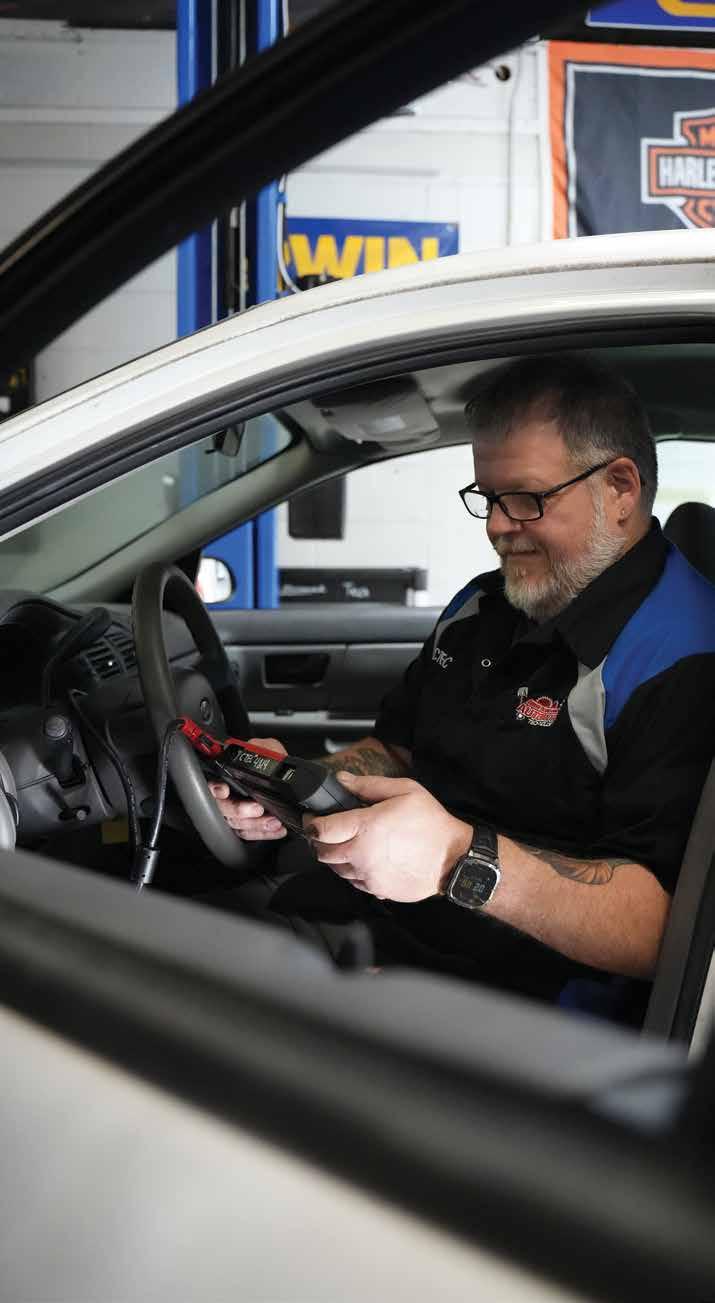
“MR. IRWIN HAS SO MUCH AUTHENTICITY ABOUT HIMSELF. MOST OF HIS STUDENTS HAVE THE SAME PERSONALITY HE HAS BECAUSE THEY’RE SEEING HIM MODEL THAT EVERY DAY.”
-MATHEW EPPS, CTEC PRINCIPAL
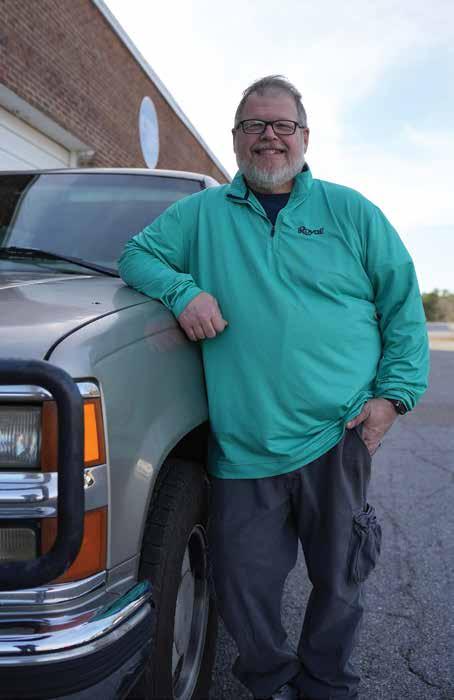

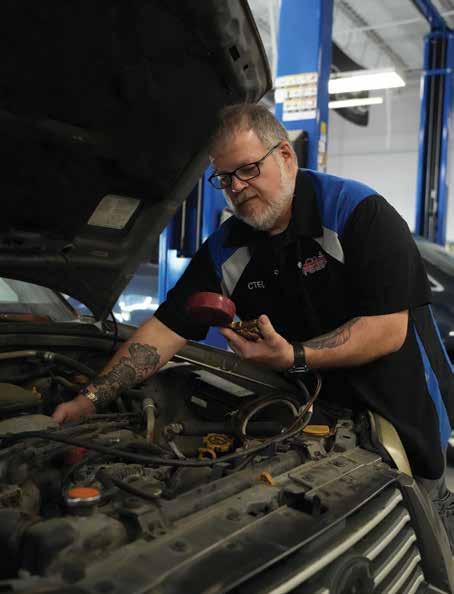


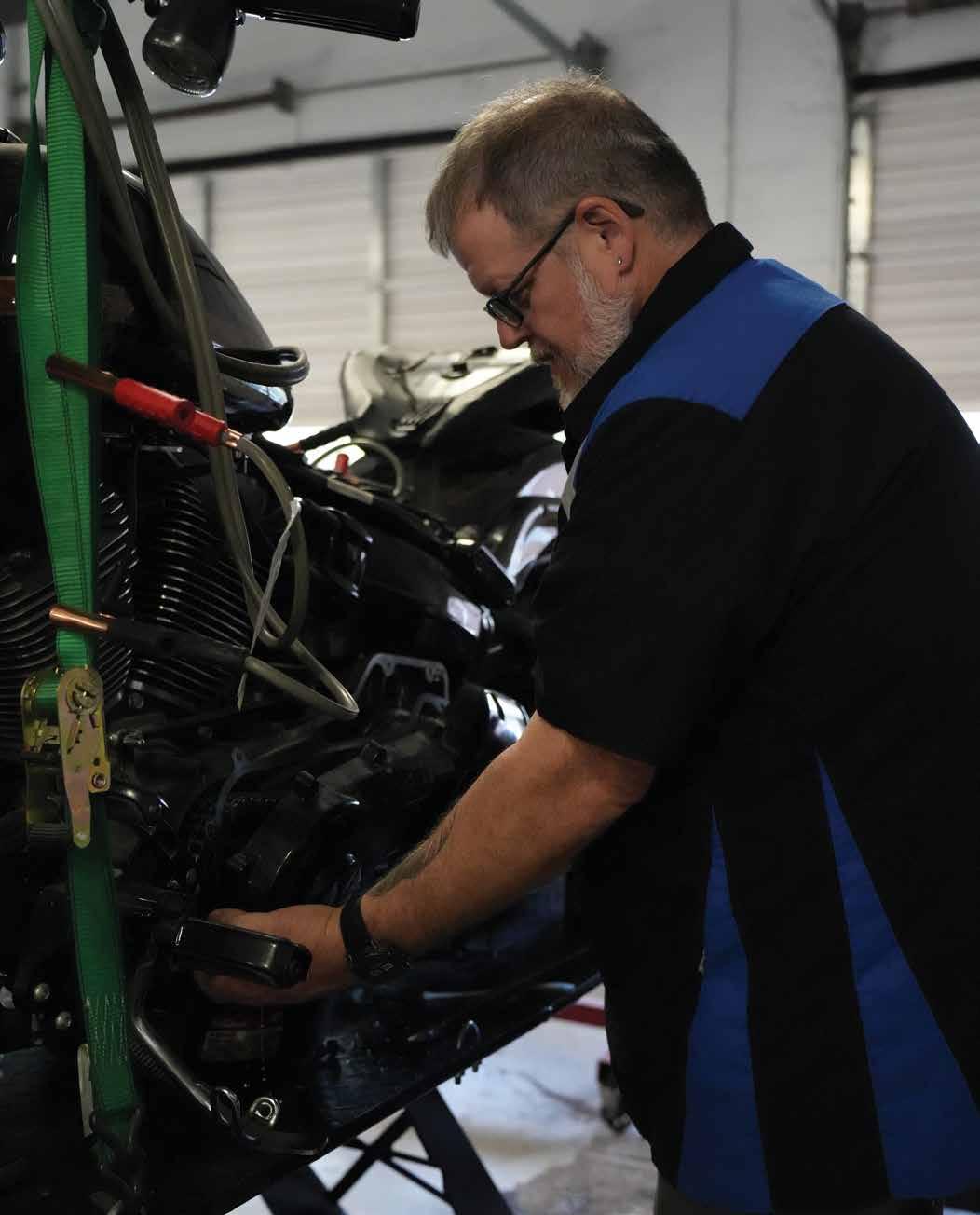
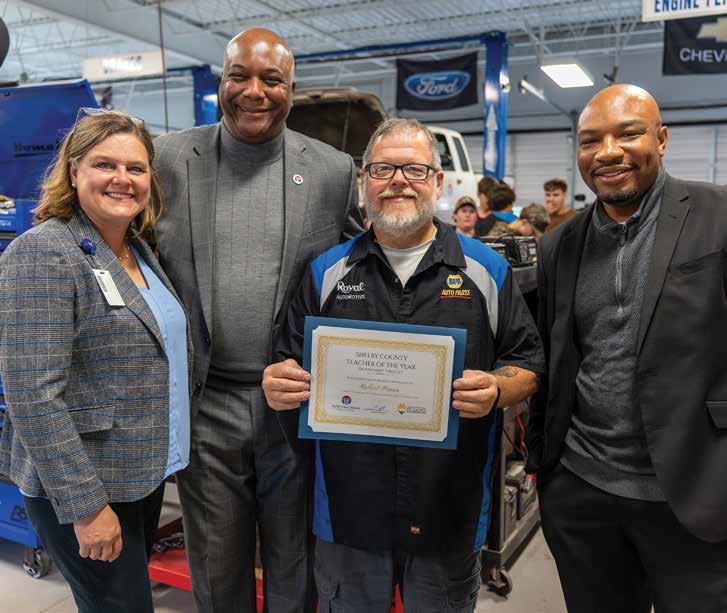




sure share it with everybody I come in contact with,” Irwin said. “I look forward to taking this career to a retirement one day, but I sure wish I could have started 20 years earlier.”
As often as he sees his kids both in the classroom and in the field, there is an extensive list of stories Irwin can tell about students he sees that have special stories.
Whether it has been teaching kids who were simply prodigies of the craft, helping one of his students in need by fixing up a car for them or just teaching them lessons in hands-on work, he helps everyone with the goal he’s always had—to create success and put kids to work.
“It’s the kids that return back to me and thank me for helping them be successful,” Irwin said. “This is the most satisfying job that I’ve ever had in my life, and I guess it’s because of the success of seeing young people go from a 10 to 100.
Irwin’s students have certainly grown to embody him, and while parents do not see their kids with him all the time, when they return, the impact he has made is certainly evident.
“He does a great job of looking outside himself,” Epps said. “He wants to be the person that makes a difference in somebody’s life. The adage paying it forward, I think that’s why he does it.”




BY NOAH WORTHAM | PHOTOS BY NOAH WORTHAM
WWhen thinking about his dirtiest day on the job, Alabaster Environmental Services Manager Bill Atkinson has one that he will never forget.
“I’ve only been covered in sewage once,” he said.
While making repairs one day at the Alabaster Wastewater Treatment Plant, Atkinson and his colleagues had a temporary line mounted to keep them safe from any accidents. As they continued to work on repairing the lower bearing on an old Archimedes screw pump, the mount on the temporary line broke, spraying Atkinson’s back with raw sewage.
“There’s nothing like getting sprayed by a 4-inch line of sewage,” Atkinson said with a laugh.
Atkinson immediately proceeded to the set of showers that are installed on site and grabbed a spare change of clothes.
“I always keep a change of clothes here in
a locker,” Atkinson said.
Despite the possibility of dealing with another messy day, Atkinson enjoys his job as environmental services manager–finding fulfillment in his role in keeping Alabaster’s environment clean and safe, as well as ensuring that no resident has to see their sewage a second time like he has.
“People don’t like to see their sewage twice,” Atkinson said. “The main goal is for the citizens of Alabaster to not even know we’re here. We don’t want them to anything about us. If they know about us, that mean’s something’s gone wrong.”
Finding his flow
Atkinson has enjoyed working for the city of Alabaster for 22 years—having risen from a low-end position to the top. He first found his peculiar career in wastewater treatment thanks to a very simple desire from when he
was a kid.
“I wanted a motorcycle,” Atkinson said.
He knew if he was going to get the motorcycle then he would have to work for it, and fortunately for him, his father ran a small wastewater treatment plant in Guntersville. So, his father paid him $50 a day to go up to the plant and clean handrails and work. It was during those days at that small plant, that the seed for his future career was planted.
“At the same time, he was teaching me how to do lift station or pump station inspections and how to operate and maintain a plant,” Atkinson said. “I was probably 9 or 10 years old when we started doing that and then I finally saved enough money to buy this little dirt bike.”
From then on, Atkinson would help his father throughout the year with small side jobs whenever they came up. On one job, they did a repair of a sewer line that was four feet
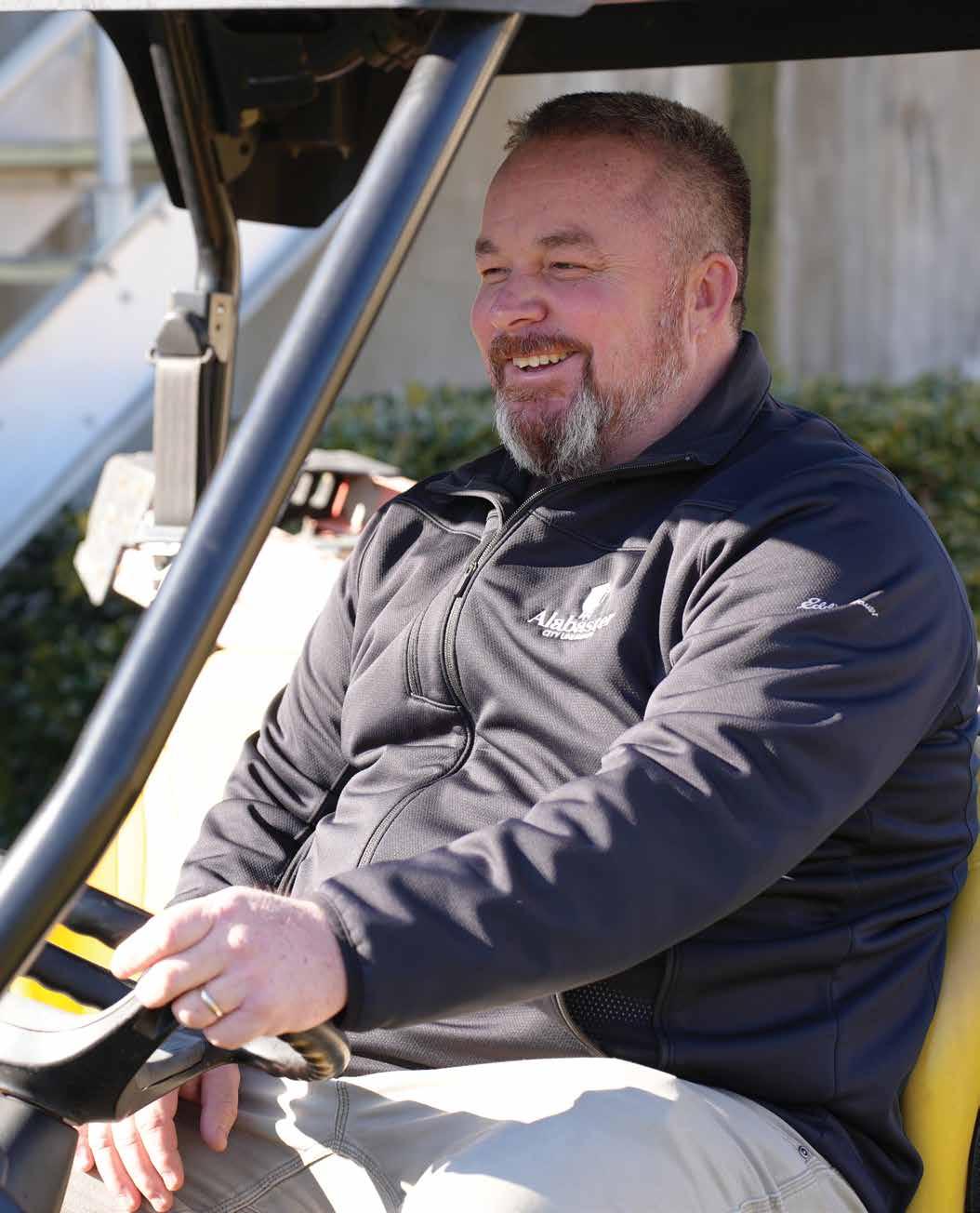
deep, and they finished by lunchtime—earning $5,300.
However, through it all, his father cautioned him against pursuing wastewater treatment as a career path.
“He was bound and determined that I wasn’t going to do this,” Atkinsons said. “I tried a few other things—working on cars and stuff—but I always liked the environment. I was always like swimming and canoed the Cahaba River. Always fishing and swimming in Buck Creek. I was always just kind of drawn toward helping keep the environment clean.”
Atkinson eventually graduated from Pelham High School and continued to carry that passion for the outdoors and environment with him until one day a position opened up at the Alabaster Wastewater Treatment Plant. He got the job and started in 2003 as a basic laborer.
“I started out just helping with pump stations and the collections part out in the field,” Atkinson said. “I helped make repairs on sewer lines and with troubleshooting pump stations. I’d already done a lot of that working with my dad.”
While working as a laborer, Atkinson worked to obtain his certification which allowed him to work at the plant and assist the shift operator with cleaning and maintenance. He obtained a grade two certification and then decided he wanted to go ahead and also obtain the highest—grade four.
Atkinson recalls working a lot of hours during his 12 years in the role of operator at the AWWTP.
“We had some crazy shifts,” he said.
They rotated on shifts every 12 weeks— workers would handle night shift for 12 weeks then switch to second shift for 12 weeks and then day shift for 12 days.
After a change in leadership with the current plant manager leaving, Atkinson was offered the role of interim plant manager, which he graciously accepted in 2017 and served as until a year later he became the full-time plant manager, which he served as for five years before being promoted to environmental services manager in 2024.
“It’s one of those jobs where people really need it and it keeps the community cleaner but it is also a good way to make a living,” Atkinsons said.
Staying above the sludge
Atkinson begins every day at the AWWTP, located at 104 8th Ave NW, with a briefing at 8 a.m. with all of the supervisors where they discuss the current state of things. A big focus of the discussion revolves around the future and preventative maintenance.
“We’ve kind of transitioned into thinking about the future, about the big picture and
THE ALABASTER WASTEWATER TREATMENT HAS A CAPACITY OF TREATING 7.6 MILLION GALLONS A DAY AND HAS TO BE MANNED 24/7 IN ORDER TO ENSURE RESIDENTS RECEIVE UNINTERRUPTED SERVICE 365 DAYS OF THE YEAR.
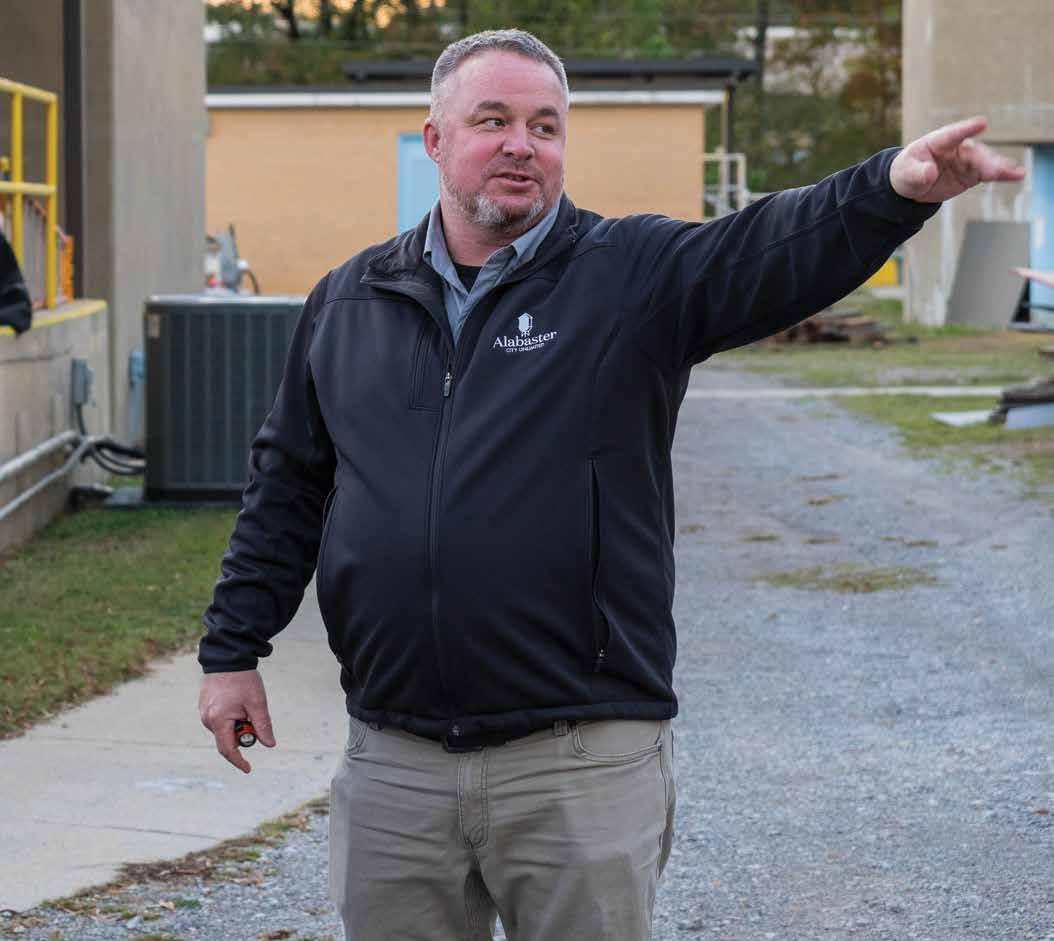
what we’re doing next,” Atkinson said.
After ensuring administration is on the same page, Atkinson begins to approve all of the necessary purchases for the divisions, the overall budget, evaluations and time sheets. Regardless of where each given day is at, Atkinson shared he liked to make a habit of checking in on both divisions.
“I like to visit each division every day,” he said. “So, I usually start walking around the plant first then I’ll come back to the lab and then I’ll go over to the collections divisions.”
In addition to checking on his employees, Atkinson likes to make sure the departments and offices are as presentable as possible, de-
spite the nature of the work they are involved in.
“I want things to look nice and try to make sure that everything looks like I think the citizens would want it to look if they walked in,” he said.
According to Hawkins, Atkinson is also dedicated to customer service and goes out of his way to assist residents when complaints come in or if there are any issues.
“He goes overboard to answer complaint calls and goes out and meet with residents and works hard to fix their yards to their satisfaction when we have to repair one of our lines,” said Fred Hawkins, the director of en-
vironmental building and engineering services. “He’s really bought into helping out our citizens, which is one of my No. 1 objectives.”
While meeting standards and ensuring daily operations continue, another vital aspect of the role is preparing for the future. Workers routinely inspect all of the Alabaster sewer system every five years. They deploy remote control cars which they drive through the lines to look for blockages. Tree roots are a major obstacle and are often times the culprit behind busted pipes.
Another aspect of preventative maintenance involves regularly replacing pumps
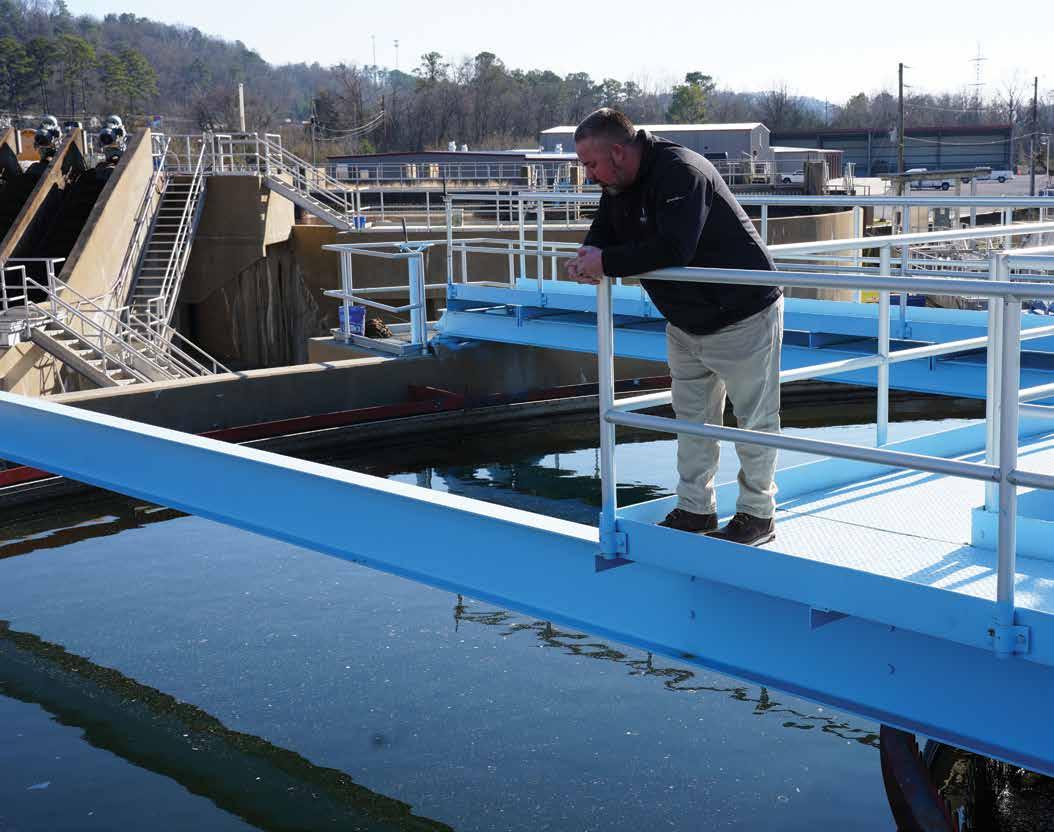
every 10 years and routinely doing oil changes to ensure the pumps are in excellent working condition.
“Our sewer and wastewater treatment systems are designed to be largely invisible to the general public, and Bill takes pride in keeping it that way,” Alabaster Mayor Brakefield said. “He works to ensure all of our residents and businesses have top-quality sewer service while ensuring our plant meets stringent environmental regulations. He is adept at quickly solving issues when they arise, and has played a major role in maintaining and upgrading our wastewater systems over the years.”
The Alabaster Wastewater Treatment has a capacity of treating 7.6 million gallons a day and has to be manned 24/7 in order to
ensure residents receive uninterrupted service 365 days of the year. In order to achieve that uninterrupted service, the Alabaster sewer system is split into two divisions: the Alabaster Wastewater Treatment Plant and the Environmental Collections division.
The AWWTP has 10 workers at its location off of Highway 31 with a first, second and third shift to divide labor and with weekends split. The plant workers handle the everyday operations, needs and repairs of the plant itself. The collections division has 12 workers and is responsible for the pipes, pump stations and systems that deliver the sewage to the AWWTP.
Each division has a supervisor with three administrators, including Atkinson overseeing both divisions, Environmental Offices Manager Kimi Pearson and Hawkins.
“They’re really essential employees,” Hawkins said about both divisions. “They’re
DID YOU KNOW?
WORKERS ROUTINELY INSPECT ALL OF THE ALABASTER SEWER SYSTEM EVERY FIVE YEARS. THEY DEPLOY REMOTE CONTROL CARS WHICH THEY DRIVE THROUGH THE LINES TO LOOK FOR BLOCKAGES. TREE ROOTS ARE A MAJOR OBSTACLE AND ARE OFTEN TIMES THE CULPRIT BEHIND BUSTED PIPES.
on call 24 hours. Anything that happens in our sewer line or here at our plant, they’ve got to be able to come in within a few minutes notice and they’ve got to be willing to get dirty and end up with sewage on them, which is really tough for a lot of people but these guys are troopers. If we’ve got a broken line, they’ve got to get down there and fix it.
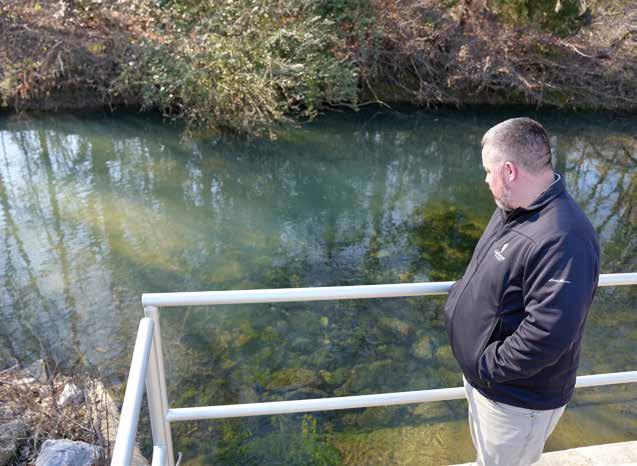
“PEOPLE DON’T LIKE TO SEE THEIR SEWAGE TWICE. THE MAIN GOAL IS FOR THE CITIZENS OF ALABASTER TO NOT EVEN KNOW WE’RE HERE. WE DON’T WANT THEM TO ANYTHING ABOUT US. IF THEY KNOW ABOUT US, THAT MEAN’S SOMETHING’S GONE WRONG.”
-BILL ATKINSON
They’ve got to come out in the middle of the night when pump stations aren’t running and fix them These guys are some of the hardest workers in the city by far.”
In his role as environmental service manager, Atkinson ensure that both divisions keep up to standards and keep operations smooth so that residents don’t face any issues.




“Bill and his staff are definitely some of the unsung heroes in our city,” Brakefield said.
“Most of us take sewer service for granted and usually don’t think twice about it. That’s a testament to Bill and his staff, because they work hard 24/7, 365 to keep that service running.”



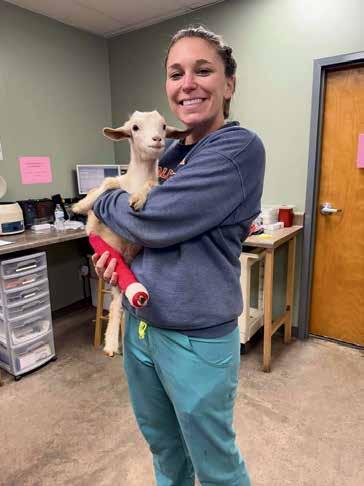


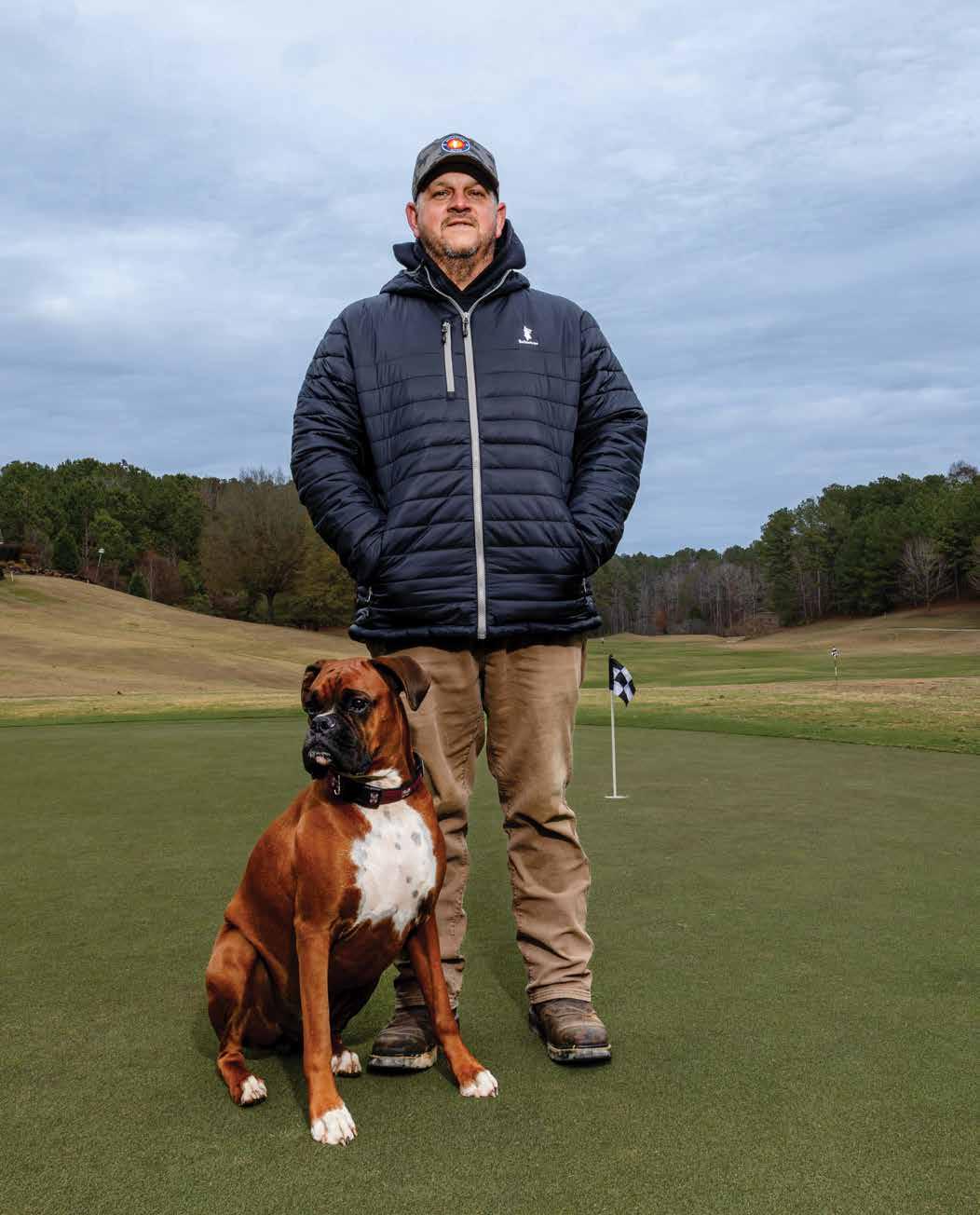
BY DAVE DOMESCIK | PHOTOS BY XXXX
JJust after dawn, mist settles over the 10th fairway at Ballantrae Golf Club. The sun edges above the trees, cutting streaks of gold across dew-soaked grass. A man in a cart pauses to watch the light pour over his “office.” At his feet, Commander—the loyal course dog—stretches, yawns and curls back into a ball.
Rodney Bryant smiles at the sight. “Every day I come out to Hole 10, seeing the sun coming up,” he says. “I can’t do anything but thank God for what He’s blessed me with.”
Bryant is Ballantrae’s golf course superintendent, the quiet engineer behind its lush fairways and quick greens. By the time most golfers arrive, he and his crew have already logged hours mowing, clearing debris and
coaxing 145 acres of turf through another unpredictable Alabama morning. For him, perfection is an impossible chase—but that’s the point.
“From a superintendent’s perspective, there’s never a ‘perfect’ day,” Bryant says. “Even when I’m playing, I’m looking for where the course could be better.”
Across Shelby County, that same ritual plays out at half a dozen courses—Ballantrae and Timberline, Greystone and Inverness, the sprawling fairways of Oak Mountain State Park and the secluded prestige of Shoal Creek. Each property has its own rhythm and reputation, yet they share a sin-
gle purpose: to keep the game thriving in one of Alabama’s fastest-growing golf regions.
Golf here is no longer reserved for private members in starched collars. At Ballantrae, a city-owned course in Pelham, public golfers experience a country-club atmosphere without the exclusivity. Down in Calera, Timberline Golf Club, designed by PGA Tour legend Jerry Pate, welcomes players who crave a visual challenge and a family feel.
When the pandemic shuttered much of everyday life, golf became one of the few safe refuges. Courses across Shelby County filled overnight—and they’ve stayed that way.
“Ever since COVID, golf has exploded,” says Joe Kruse, director of golf at Timber
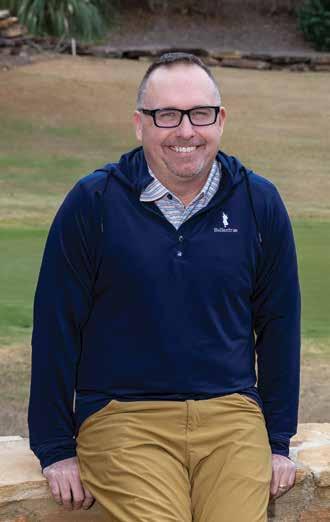
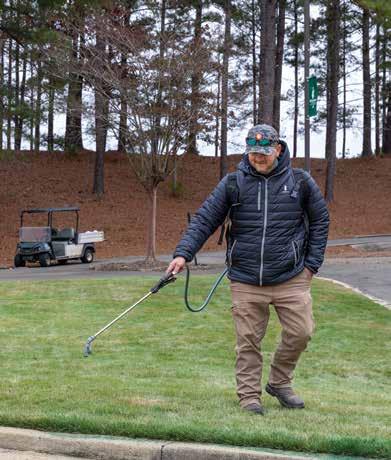

line. “It got people into the game and brought others back. We’ve been seeing exponential growth, especially in the younger groups.”
Today, high-schoolers practice beside retirees, young couples play nine before dinner and once-quiet fairways hum from sunrise to sunset.
At the center of Ballantrae’s operation is
Hal Brown, the club’s general manager—a calm, soft-spoken leader whose first priority, he says, isn’t grass or numbers but people.
“We focus on taking care of the staff first and foremost,” Brown says. “Then the staff takes care of the customer.”
Brown believes great course management starts with culture. Ballantrae’s team, from the pro shop to maintenance, operates like an extended family that takes pride in hospitality.
“Since Ballantrae is city-owned, we take taxpayer money very seriously,” he adds.
“We want to be good stewards of that and make sure anything we invest in positively impacts the customer.”
That stewardship includes everything from fertilizing greens to managing soil compaction—an unseen battle after 48,000 rounds of golf last year alone. “That’s a lot of cart traffic,” Brown says with a grin. “Rodney does a phenomenal job keeping it healthy despite the elements.”
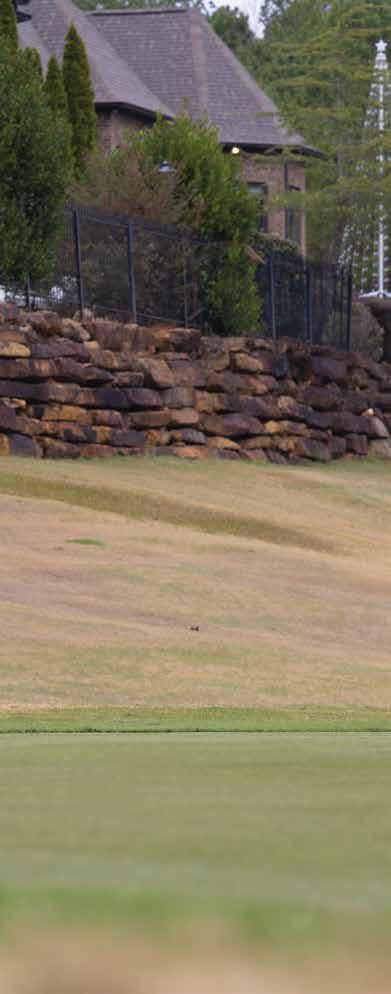
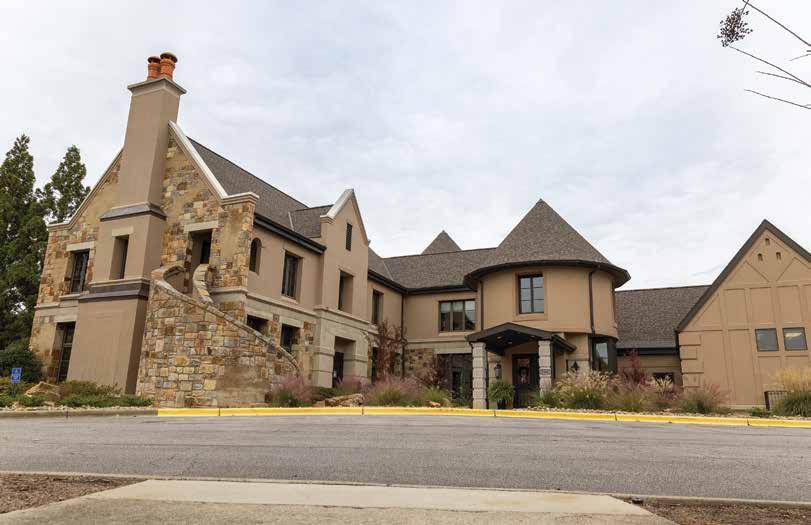
SHELBY COUNTY IS HOME TO A DIVERSE ARRAY OF GOLF COURSES, FROM PELHAM’S BALLANTRAE GOLF CLUB TO CALERA’S TIMBERLINE GOLF CLUB. EACH COURSE HAS A UNIQUE PERSONALITY AND A DEDICATED STAFF MAKING IT ALL HAPPEN.
While Bryant worries about rainfall totals and bunker sand, Brown spends his days watching trends: what younger players drink in the clubhouse, the tech in their golf carts and how social media can connect them to the game.
“Years ago, managers were scared about who’d fill the void when older generations stopped playing,” Brown says. “Then COVID hit, and all the millennials started playing. We went from maybe 80 percent who weren’t millennials to now only 8 percent
who aren’t. That’s good for golf for years to come.”
A community game
Kruse, 20 miles south at Timberline, echoes that optimism. After nearly 24 years helping run the Calera course, he’s seen golf evolve from a niche hobby into a county-wide community.
He arrives most mornings at six, checking reports, greeting staff, preparing tourna-
ments, giving lessons. The work never looks the same twice.
“Every day is different,” he says. “We run tournaments some days, junior camps others. We just want people to leave saying, ‘That was a great course, great staff—I’m coming back.’”
The relationships among Shelby County’s golf leaders run deeper than friendly competition.
“I know all the professionals at the other courses,” Kruse says. “I just got off the
“YEARS AGO, MANAGERS WERE SCARED ABOUT WHO’D FILL THE VOID WHEN OLDER GENERATIONS STOPPED PLAYING. THEN COVID HIT, AND ALL THE MILLENNIALS STARTED PLAYING. WE WENT FROM MAYBE 80 PERCENT WHO WEREN’T MILLENNIALS TO NOW ONLY 8 PERCENT WHO AREN’T. THAT’S GOOD FOR GOLF FOR YEARS TO COME.”
-HAL BROWN
phone with Hal Brown yesterday, asking about one of our practices. Courses like Ballantrae are our competitors, sure—but it doesn’t matter. Golf in Shelby County is a community trying to grow the game.”
That cooperation shapes everything from maintenance techniques to youth clinics. Local high-school teams—Calera, Thompson, Chelsea—regularly tee up at Timberline for practice rounds.
For Bryant, course maintenance is part science, part art and completely relentless.
“People think we just mow grass,” he laughs. “But between irrigation, electrical work, equipment repairs—there’s a hundred thousand things we do every day.”
Weather remains his biggest foe. One season brings record rainfall; the next, a drought.
Yet Ballantrae’s fairways stay immaculate thanks to constant adaptation—renovated cart paths, rebuilt bunkers with capillary concrete, new drainage systems and upcoming driving-range improvements.
“With a golf course, you can’t just sit there and let it keep getting worse,” Bryant says. “You have to make this place better every day.”
He calls his network of fellow superintendents and mechanics his lifeline. “There’s no competition between golf courses,” he says. “We all talk. It doesn’t matter which side of the golf family you’re on—it is a family.”
That sentiment runs through Shelby County’s golf culture. Each course may have a distinct personality, but together they operate like pieces of one ecosystem, sharing resources, ideas and encouragement.
The many faces of Ballantrae
Inside Ballantrae’s airy clubhouse, Michelle Reis, the membership and events manager, sees another side of that ecosystem—the people drawn in once they step through the doors.
Reis joined the club seeking a career change; the job quickly became something




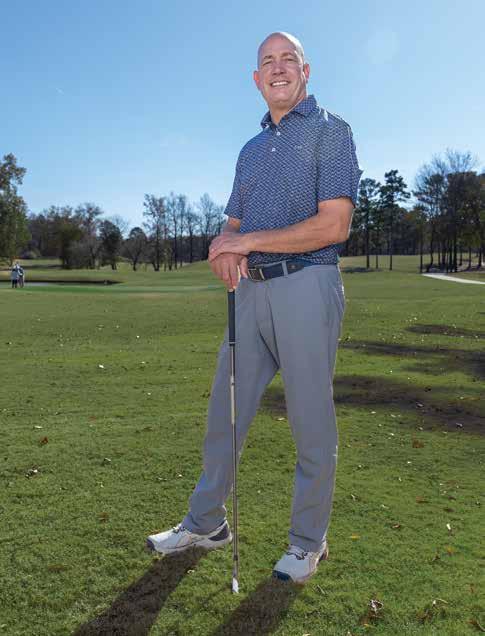
larger.
“As the golf industry has grown, more opportunities have grown here too,” she says. “We host ladies’ clinics, junior events—we’re trying to get everyone involved, not just the people who’ve played for years.”
The club’s event calendar mirrors that community mindset. Weddings, birthday parties and company banquets fill the event space between tournaments.
“We offer memberships at Ballantrae, and I’ve had about thirty people on the waiting list for two years,” Reis says. “We’ve seen a huge increase in ladies’ golf and overall interest. The most rewarding part is the customers—building relationships with them.”
She lights up when she talks about the staff who started at Ballantrae as teenagers, moved on to other jobs and still return to visit. “That goes back to relationships,” she says. “That’s what makes this place special.”
Behind every picturesque hole lies a ledger of rising expenses. Equipment, fertilizer and pesticides now cost nearly double what they did five years ago. Both Kruse and Brown admit that balancing those realities while keeping rates reasonable is one of their greatest challenges.
“When you’re only selling green fees and sandwiches, it gets tough,” Kruse says. “Costs have gone through the roof, but we still want people to feel they’re getting great value.”
Still, quality never dips. Timberline’s Bermuda greens remain the originals from its opening two decades ago, meticulously verticut and top-dressed. Ballantrae’s renovated bunkers gleam with fresh sand, evidence of constant reinvestment.
Brown’s philosophy is simple: treat a public course like a private one. “We want you to feel welcome and have fun,” he says. “Even if you didn’t have your best round, we want you to leave with a fond farewell and know you’re welcome back.”
If there’s a secret to Shelby County’s golf success, it’s not a particular brand of turf or mower blade. It’s the people—the stewards who arrive before sunrise, balancing budgets and bunker sand, united by a quiet love for the game.
Bryant calls it a mix of science and soul. Kruse calls it teaching moments when a student finally “clicks.” Brown calls it watching kids from his first junior camp return years later as members.
Together, they represent what golf has become here: inclusive, resilient and rooted in community.
GOLF CLUB CELEBRATED RECORD SUCCESS IN 2025, HOSTING AROUND 48,000 ROUNDS OF GOLF ON THE YEAR.

The day’s last light
As evening settles over Ballantrae, the course softens under a fading orange sky.
Bryant makes one last round, checking sprinklers and fairways before heading home. Commander trots beside the cart, tail wagging in the warm air.
The superintendent pauses atop a rise overlooking the 18th green. The hum of Pelham fades beneath the cicadas’ steady chorus.
For a moment, he lets himself simply look—not as a manager tallying imperfections, but as a man grateful for the view.
“Sunset is just as special,” he says quietly.

“That’s when you see all the undulations of the course. Aesthetically, it’s beautiful. There’s nothing like it. It’s unreal that I get to be part of this every day.”
In that glow, the story of Shelby County golf finds its meaning—not in the numbers on a scorecard, but in the caretakers who make every round possible.































One of Fortune’s top 50 cities for families in the nation
■ Construction under way on a new recreation center and library.
■ At least 1,000 new home starts under construction.
■ 350,000 square feet of restaurant and retail growth under construction.
■ A Medical Mile featuring the largest concentration of medical professionals outside of Birmingham.
■ New state-of-the-art police station opened 2023.