CHOPRA
Standford Lipsey Student Publications Building 420 Maynard St, Ann Arbor, MI 48109
BOBBY CURRIE Editor-in-Chief
KEGG
JOHANNES PARDI
Managing Editor JEFF WAGNER
Communications Coordinators ANA CANO
CYNTHIA QIAN Design
Fashion Film Editor AVA TUNG
Video Editor
JASMIN RHYMES
Beauty Team
Miles Hionis, Marguerite Smith, Ella Graeb, Margaret McKinney, Gretchen Brookes, Adrienne Feige, Camille Naves, Yun-Hsi Chiang, Sravya Davuluri, Chelsea Ohaka, Eddy Holcomb, Jiyu Moon, Ally Wang, Julie Tendo, Lexsie Nguyen, Lily An, Nneka Okoroafor, Ana Cano
Design Team
Avery White, Caroline Kegg, Story Triplett, Ashley Turner, Chloe Bratton, Jaycee Mitchell, Sasha French, Jasmine Barnes, Cornelia Ovren, Allen Hoover, Bailey Ellul, Maddox Howell, Charles Decoster
Fashion Team
Ceridwen Roberts, Emilio Rodriguez, Elena Shaheen, Sally Jang, Amelia Kocis, Ella Graeb, Hana Farooq, Kaavya Chavan, Christine Kim, Reagan Hakala, Emma Blair, Anjani Patel, Auburn Marriott, Rita Hajjar, Zachary Sebestyen, Madison Knowlton, Jillian Van Stee, Lucy Smith, Chelsea Ohaka, Yanira De Souza, Xochitl Santana Vega, Mya Weiss, Athena Lippman, Maryam Tobya, Ava Istamboulian, Laura Jhirad
Photography Team
Niah Sei, Chloe Kiriluk, Zhixian (Zoe) Xiong, Jaden Moxlow, Esther Tirat-Gefen, Hannah Ruffin, Anisha Chopra, Bridgette Bol, Shravya Ghantasala, Lilly Vydareny, Bee Whalen, Eva Chong, Tania Rodarte-Escobedo, Charles Decoster, Anwita Poluru
Digital Content Team
Haniya Farooq, Gigi Jones, Felicia Wang, Aelleyah Fysudeen, Ashley Xu, Jessica Yang, Sydney Emuakhagbon, Kiana Pandit, Irem Hatipoglu, Katie Lee, Hannah Hoang-Pham, Nethra Vijayakumar, Sydney Abam
Video Team
Johannes Pardi, Jasmin Rhymes, Felicia Wang, Naimah Perez, Zoë Sage Tracey, Ammar Yasar, Yahan Liu, Alex Van Sweringen, Justin Arment, Isabella Vasari, Ava Tung
Communications Ana Cano, Cynthia Qian
Events Team
Sam Tandy, Alexis Bell, Colin Pfeifer, LeAnh Vong, Mallory Ensing, Megan Myrick, Renata Perez Rosillo, Sathvika Ravichandran
Social Media Team
Christian Hernandez, Mackenzie Radle, Jaden Johnson, Sophia Liu, Cynthia Cao, Danica Schirn, Daniel Silva
Finance Team
Katie Burgin, Aubrey Heaton, Megan Dobie, Ryan Zimmel, Iliana Chevres, Shivani Angadi, Laura Jhirad
Features Team
Marxie Colliver, Tessa Valera-Castro, Amrita Arumugam, Avery White, Isidora Purrier, Elaina Tacey, Ella Carlson, Taylor Derey, Avalon Ring, Makayla Whitsell, Raymond Zou, Ana Sharshar, Bianca Done, Emma Blair, Mimi Vu, Lola Post, Abby Weinberg
The body I carry with me everywhere, the presence I use to command a room, and the voice that methodically dances the noisy halls of North Quad have all been bestowed upon me by my ancestors that came before. In a world filled with chaos and uncertainty, generational practices remind us that we are never truly alone.
My own heritage defines me as a mixed racial and ethnic individual with lineage from Mexico and indigenous America from my mother, and Guam from my father. My own cultures and traditions embrace this idea of diversity, variety and assortment as no singular thing, meal, game or story was ever my reality.
The smells of Mexican cuisine have forever wafted through the dining room of my childhood home, with authentic cuisine recipes passed down from my abuelo to my mama. He lives in us with each prep of the comal, and each sizzle of the carne asada.
Stories of my Nana’s time in Guam filled my visits to see her, and I joined her with each new adventure of her childhood life in the islands and with the generations that came before us. Native American pottery beautifully adorned our living room, and each stroke of the brush tells stories of my great-grandfather, and his grandfather before him passed down to live with my own family and I.
The traits that make me who I am are generational. The sass of my mom and stubbornness of my father exist in me now (unfortunately), and will continue to for generations down the line, and I wouldn’t change it if I could.
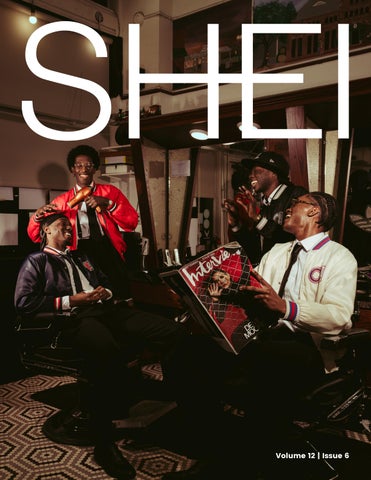
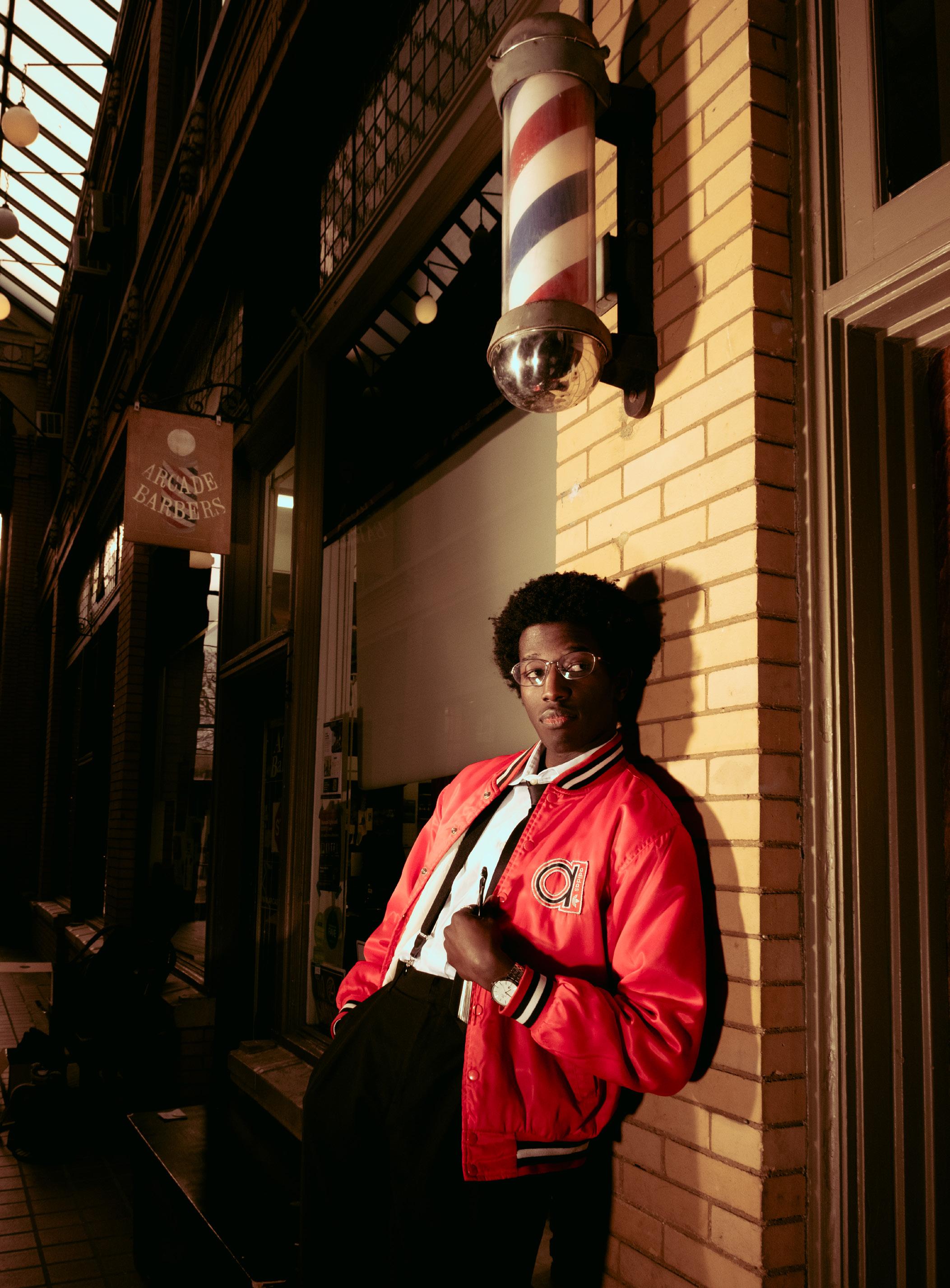
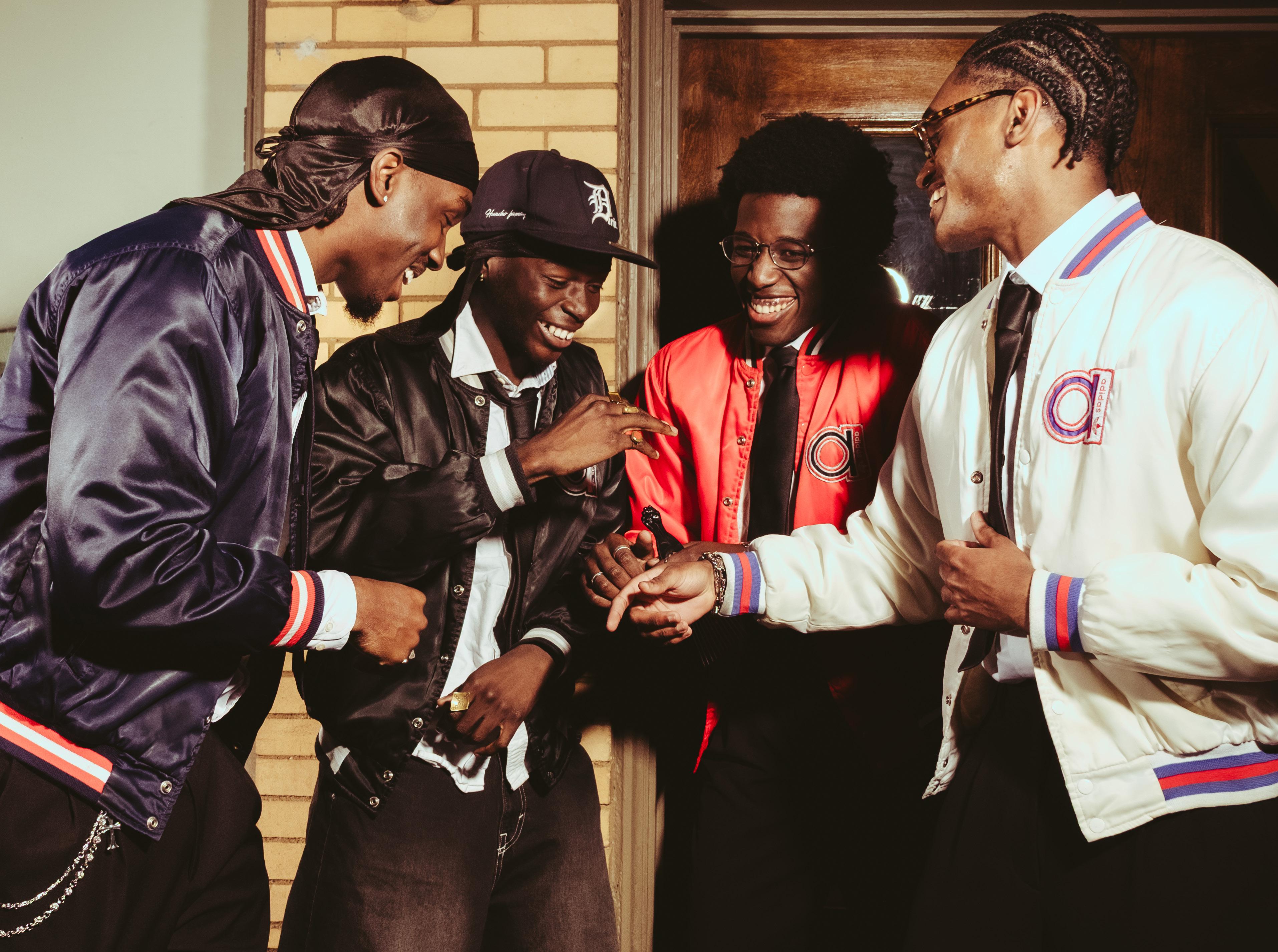
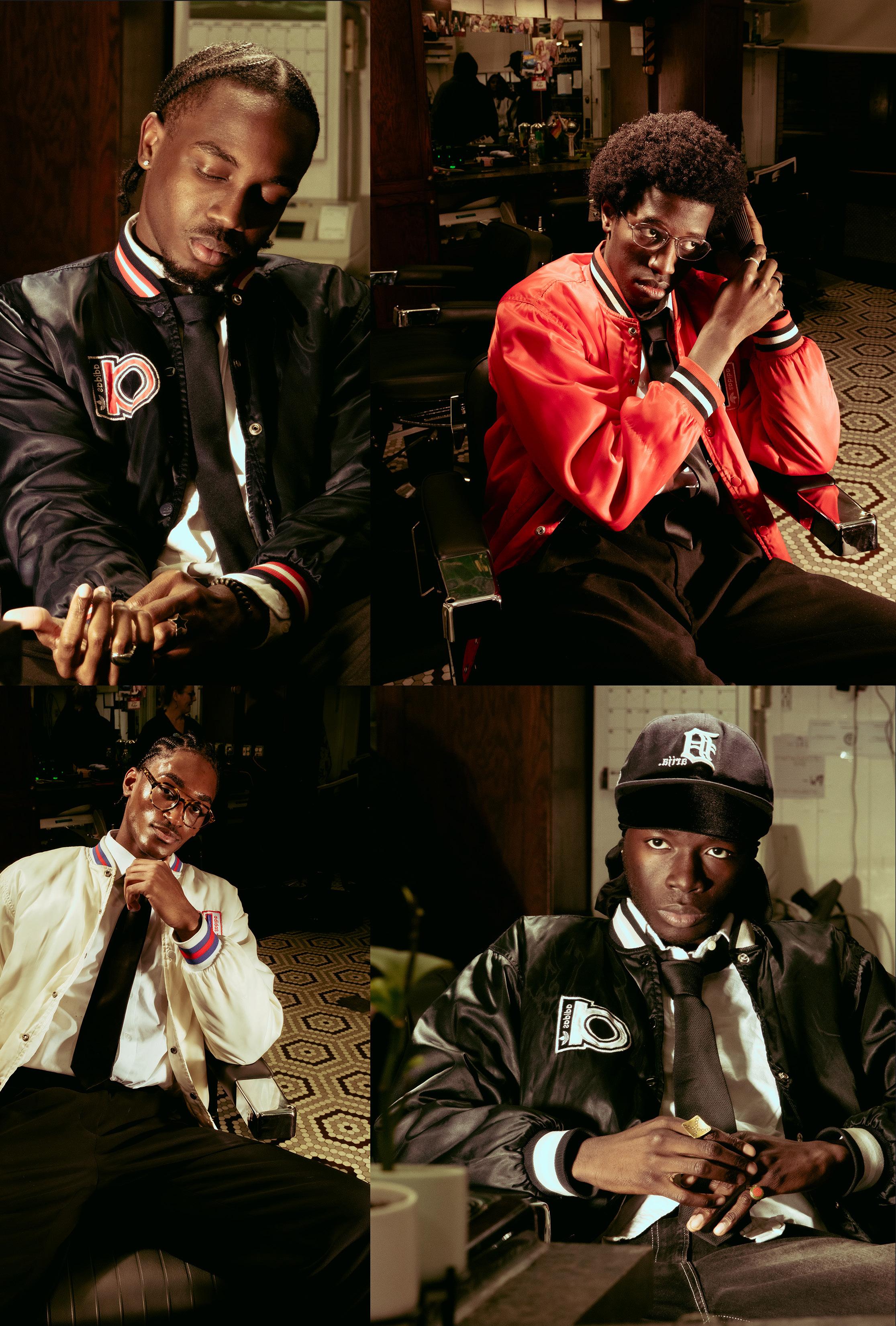
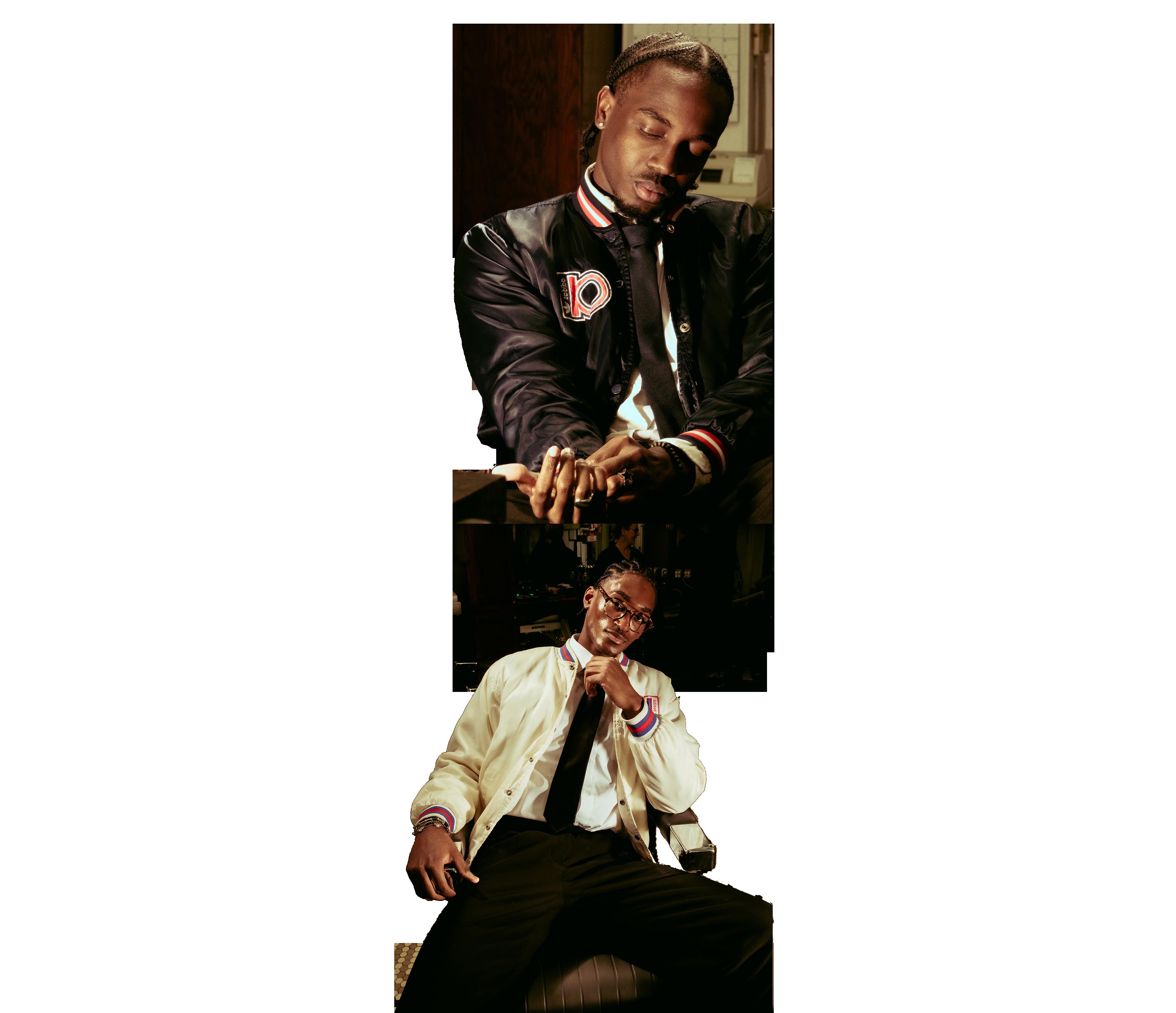
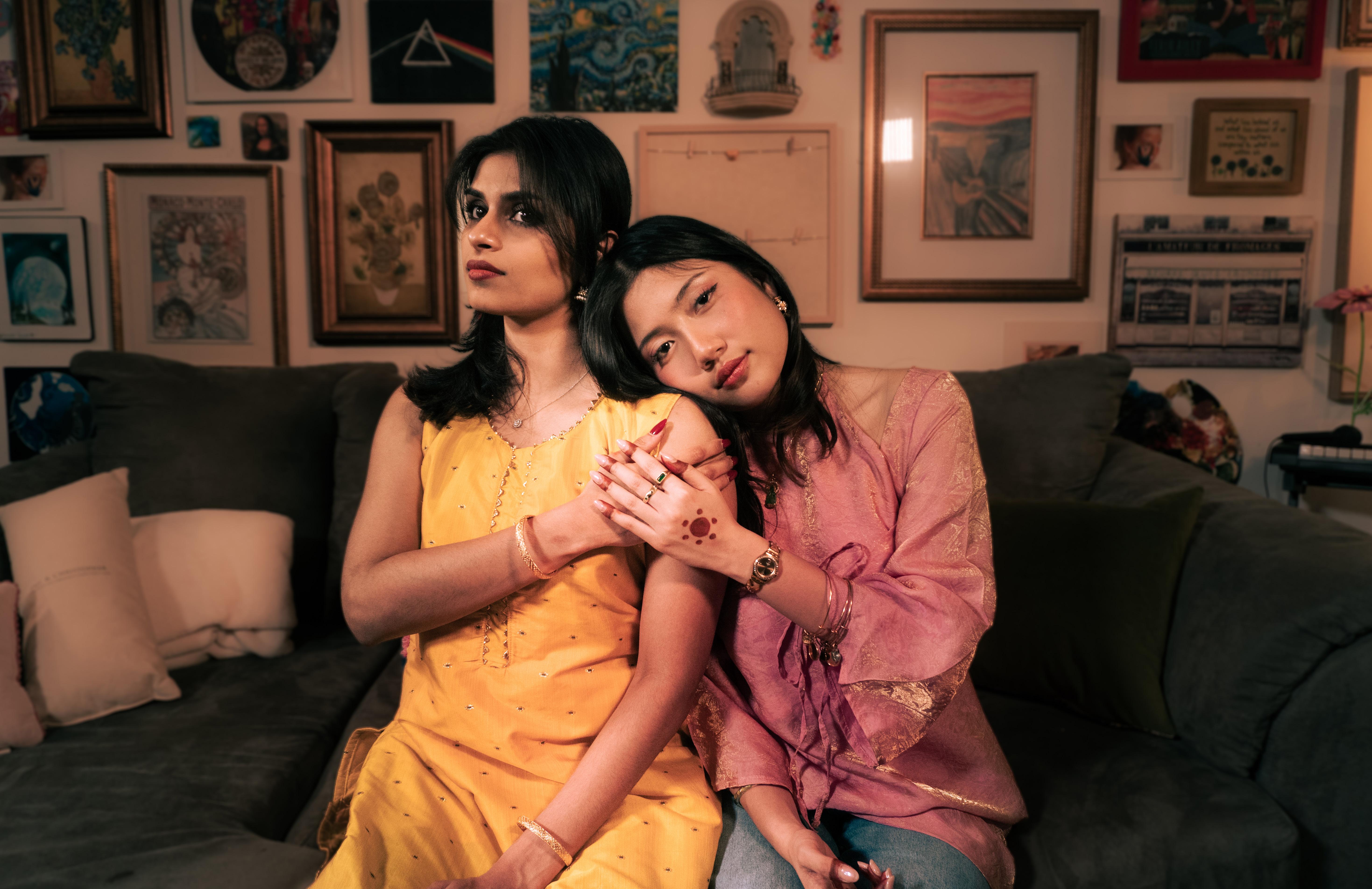
SHEI presents to you our March Digital issue, entitled “Generational Practices.” 5 photoshoots and 5 feature stories tell the tale of traditions, traits, cultures, and experiences that make up whowe are as both people and creatives. Art stems from culture, fashion lives in tradition, and SHEI Magazine takes you on a journey from generation to generation.
Bobby Currie Editor-In-Chief
Theperson I am today is completely made up of the traits that have been passed down to me. My passion for school and desire to become an academic come from my father; my sense of style and attraction to bold colors come from my mother; and my sometimes too-loud attitude comes from my grandmother, who, like me, grew up holding the title of eldest daughter. These inherited characteristics are ones that will remain with me forever and can serve as a symbol for the people who shaped me, reminders that even as I continue flourishing into a person of my own, I am never entirely separate from the traditions that made me.
For the month of March, we at SHEI wanted to celebrate these traditions through the theme of GENERATIONAL PRACTICES. The concept gave our features writers an outlet to highlight their own familial customs and reminisce on how they have made them into the people they are today. Through celebrating the human connections behind the act of hair oiling, dissecting our choices to participate in cultural rituals rather than ignore them, examining trends of restraint in fashion, and writing about the magic that can come out of a blend of communities, a collection of stories and reflections was crafted just for you. As you flip through the pages of the magazine’s newest edition, I invite you to pause for a moment and think of the practices and connections that have shaped you into who you are today, but more importantly, consider how they continue to evolve and grow with each new experience you encounter.
Tessa Valera-Castro
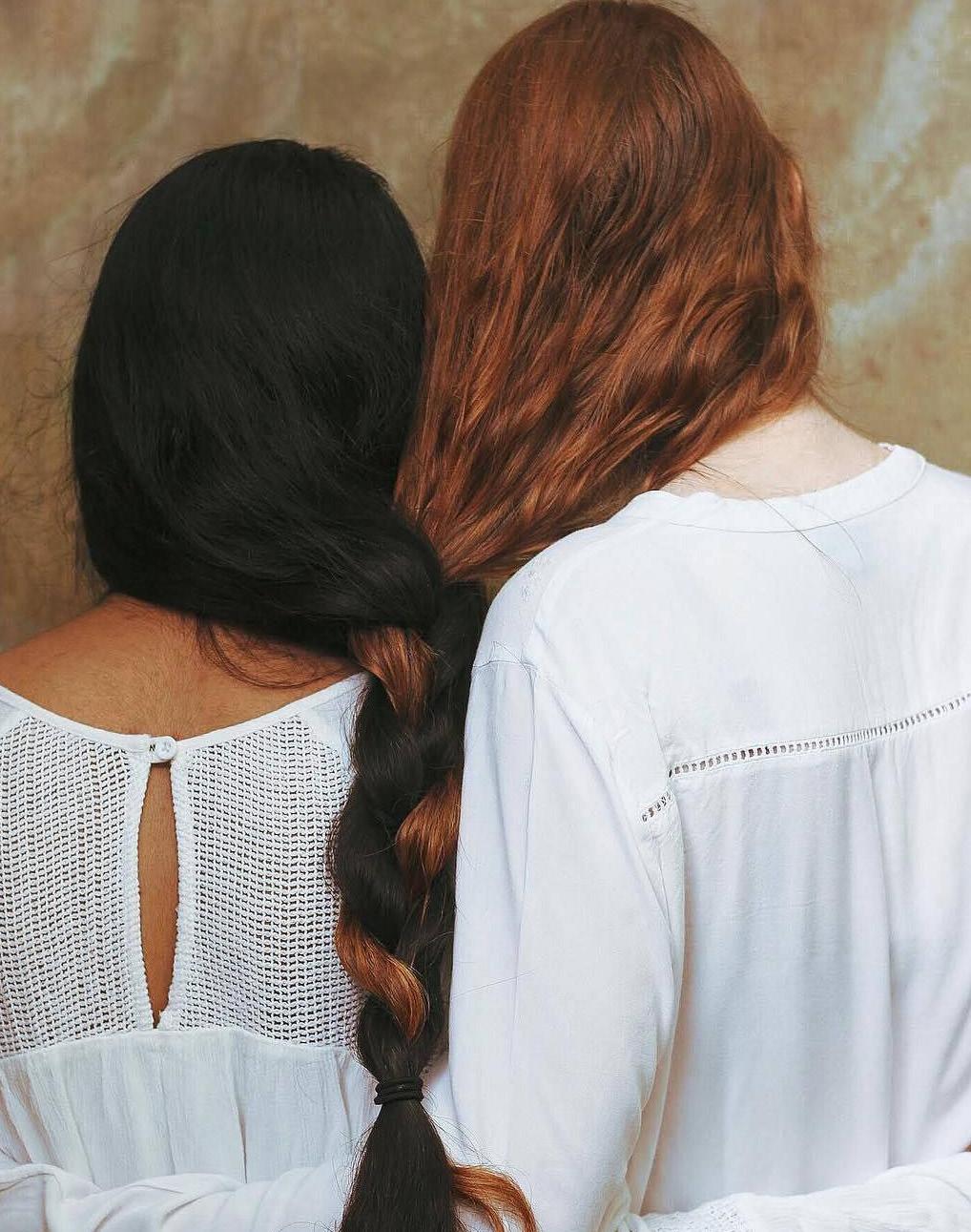
Braids are woven in harmony to create patterns of structure and elegance. These ties within the hair are mirrored by the ties made through generations of tradition. One of the oldest traditions in health is rooted in Ayurveda: the science of life and one of the oldest healing systems, focusing on imbalances or stress in a person’s consciousness.
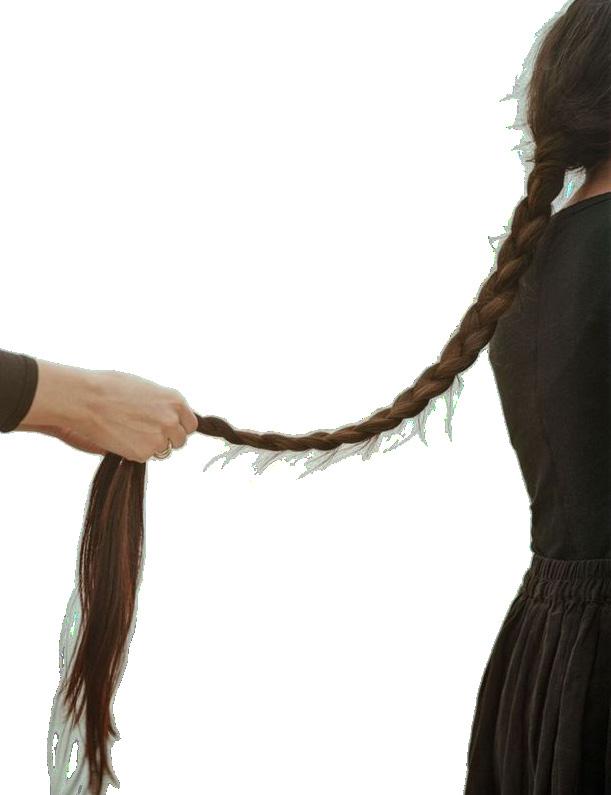
A key implementation of this is hair oiling, embedded in Indian culture and a 5000-yearold Ayurvedic practice. Hair-related issues are often viewed as an excess of stress in the head, and to combat this, hair oiling has been believed and proven to restore balance by calming the nervous system and grounding the body. Beyond the physical act, hair oiling is also an intimate expression of love, often practiced by mothers or grandmothers, exemplifying generational bonding.
Traditional oiling formulas often use carrier oils such as coconut, sesame, or olive oil infused with herbs like amla or even fenugreek. When combined, these concoctions are able to stimulate blood flow and nourish the hair from the root to the tip while also preventing hair from becoming brittle, also creating a protective barrier against environmental stressors. The key step in proper hair oiling is massaging the oil into the scalp to promote healthier hair growth. These intimate massages are often performed by the hands of another. As natural caretakers, women are often the ones providing this nourishment to those around them. Specifically, it is common to witness a mother oiling her own daughter’s hair, which also creates an out-of-body experience. During this dedicated time to nourish the scalp, the souls of both individuals are nourished as well.
As a child, my mother and I had the weekly ritual of sitting down together so that she could oil my hair. This time opened up a space in our relationship to strengthen our own connection. By telling me stories of her own childhood, I was able to realize that the way my mother used to be taken care of as a child mirrored the way I was presently being cared for. Even comfortable silence shared the same strength of bringing me closer to my mother. Through a bonding practice that enhanced the roots of my hair but also the roots of my culture, I became instilled with a sense of pride in my ancestry. To be nurtured seamlessly,
as my mother did for me, has only grown my curiosity about the means of healing physically and emotionally. Similar to the overlap of the strands of my hair, the braid signified more than just a health ritual. The braids were protective and representative of grace, femininity, and tradition from India. As a practice originally passed through the walls of our homes, hair oiling has been adopted globally and shared between generations and other cultures.
Hair oiling is more than just a beauty ritual; it serves to be a timeless practice that has started to be globally recognized as a beneficial part of one’s routine. The act of intentionally setting aside time for self-care that nurtures the body in both physical and emotional ways is vital for an individual’s health. More importantly, as a traditional practice, hair oiling is a display of affection in generations of families and is representative of the history behind Ayurvedic practices rooted in India. By vitalizing this practice of health, wearing a braid is a significant protective hairstyle after hair oiling, symbolic of femininity and grace. The ties in this hairstyle are representative of the strength and unity in the roots of an individual’s hair, as well as the strength of the relationships of your loved ones. The strength and durability of the braid are reflected in the bonds that are made with those who care for us. Whether it be with our sisters, mothers, grandmothers, or partners, the strength of the relationships within our inner circle is tenacious. Even through the most difficult times and the greatest obstacles that we encounter, they can be overcome through the support and reliability that our family ties offer.
WRITER
A Quiet Look into the Inheritance of Style
PRecently, Bessette-Kennedy’s sense of style has taken the media by storm. Her structured closet, sleek and collected, has become the subject of countless edits and mood boards dissecting the simplicity of her wardrobe: solid colors, trench coats, and narrow, silhouette sunglasses. Although some could chalk up the new generation’s fascination with Bessette-Kennedy as yearning for a much simpler time, nostalgia even, it is much deeper than that. Instead, it could be claimed that Bassette-Kennedy’s wardrobe represents something that has become evidently missing in today’s fast fashion, trend-centered landscape— restraint.
To point out, restraint does not mean the rejection of fashion altogether. Rather, the term suggests that fashion can thrive on a foundation. Otherwise stated, it can be interpreted as the understanding that style can be built slowly through intentional choices instead of indulgence in fleeting trends to better stand the test of time. Trends, after all, exist for a reason—reflecting a constant desire for novelty, coming and going as they please. In the case of Bessette-Kennedy specifically, the foundations of her wardrobe quietly shape what is recognized as timeless style in the present, being passed down generationally.
It should be noted that restraint and timelessness are rarely taught outright. They are learned slowly through observation. In many cases, style is a reaction to the life surrounding us: the coats our mothers may wear to work, the jewelry that is passed down from our grandmothers, or the repetition of statement pieces that appear again and again in family photos quietly stored in a photobook you look at once a year. These patterns communicate something much larger: simplicity can carry confidence.
oised, elegant, and fair, Carolyn Bessette-Kennedy was that girl. Iconic for her time, the 1990s chic minimalist pioneered a distinct style of fashion, which many people today call “quiet luxury.” The former Calvin Klein publicist has become a cultural touch point for understated style for a new generation. Bessette-Kennedy has been brought back into the limelight over the past two months with FX’s new series Love Story, which follows her romantic relationship with John F. Kennedy Jr. And through this series—like a wave— a sweeping cascade of online engagement has followed Love Story, much of it being fueled by a renewed enamorment with Bessette-Kennedy herself.


A structured black tote bag, a good pair of flats, and neutral colors that could be worn repeatedly without losing their elegance. When I was younger, I didn’t understand the importance of being able to return to the same pieces. Thinking of them as almost more of a limitation than a philosophy. However, over time, those small habits have formed a greater understanding that you don’t have to reinvent the wheel to remain meaningful.
In my own life, restraint in my fashion choices has shown up through many instances long before I could articulate the power they held. My mother has always championed that I must keep dependable pieces in my wardrobe, that these pieces should be doted in monochromatics and simple features so that they can provide maximum utility. A few examples of these include:

This kind of learning reflects a broader generational practice. In an age where generations have become more assimilated to the same trends through social media, people got their fashion literacy through their interactions in the real, tangible world. Our parents and guardians modeled what it looked like to dress through what went on in their lives. If your mother worked an office job, she was not only influenced by the constraints of corporate wear but also by what her co-workers wore—creating power in their own autonomous choices. Mothers modeled what professionalism could look like through how they dressed for work. Grandmothers passed down coats, jewelry, and handbags that carried both memories and meaning. These ritualistic ways of living shape how people can come to understand elegance. It doesn’t have to be an extravagant experience, but it can be composed and narrated over time.
In many ways, I believe that Bessette-Kennedy lived by the same guiding principles. Her wardrobe was structured, rarely relying on spectacle to capture the attention of many. Her wardrobe was built on the pillars of consistency of having clean silhouettes, neutral tones, and pieces that don’t need to align with a season to be worn. In BessetteKennedy’s case, her restraint becomes her power, a power that today’s generation is looking to replicate.
Perhaps this rationale is why Bessette-Kennedy’s style has so easily captivated an audience three decades later. Restraint and eloquence can become a generational practice not dripped in material things, but in the stature of how we choose to carry ourselves. In that vein, Carolyn BessetteKennedy has reminded us once again that she wasn’t just a fashion nova of the 1990s but a nice memento that style, like many traditions, can be built timelessly through observation. And the funny thing is that this shows up differently in people’s lives because we all come from distinct walks of life. For me, it showed up in the basics my mother insists should be in my wardrobe, but for others, it can be the repetition of pieces that, for them, never seem to go out of style. What endures from Besset-Kennedy is that style built with intention will outlast style built for the moment, precisely because it is carried forward through generations, becoming something beyond timeless.
TAYLOR DEREY GRAPHIC DESIGNER
BAILEY ELLUL
An Ie From Yesteryear
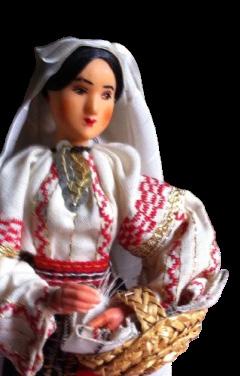
The current owner of my traditional Romanian clothing is my doll, Larisa. Standing at an impressive four feet, with articulated legs that allow her to take tiny steps forward, my grandparents walked her through airports in Bucharest and Detroit before she finally made her way to me. Today, she has her own designated spot at the corner of my bedroom. With a mannequin’s perfect posture she proudly stands, decked out in accessories that hint at her birthplace. A tiny pouch hangs from her shoulder, held there by a strap colored blue, yellow, and red. Within it are hand-woven bracelets, their tiny beads building up into geometric patterns.
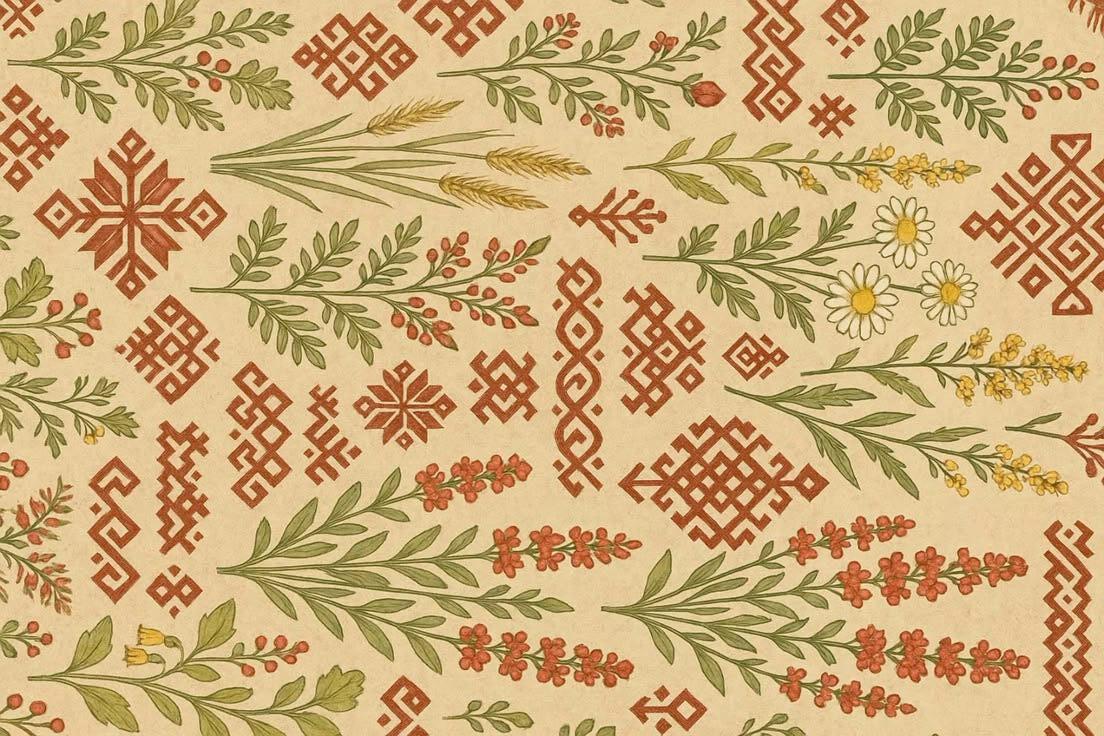
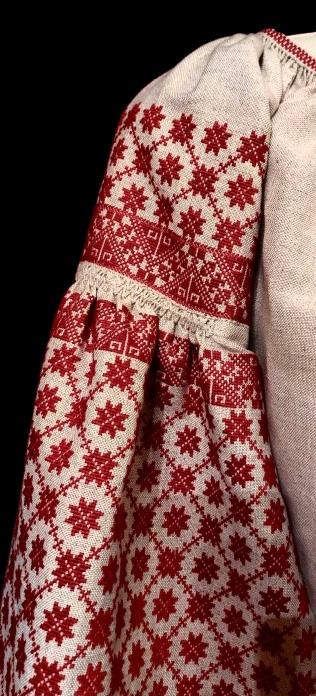
The real centerpiece of her outfit is her ie. Once mine at seven years old, the linen fabric of this traditional women’s blouse is a bit loose on her Red strings woven through the neckline and sleeve cuffs help to adjust the fit. With their tasseled ends spun into little bows, they gather the collar and guide the billowing sleeves. Along the shoulders is the real highlight of the piece: the altită a section covered in a dense field of embroidered crosses. Floral patterning also runs down the front of the blouse, woven in the same shade of brilliant red. What Larisa can’t fit into rests in my parents’ closet: a wraparound skirt, or fotă, along with the countless other ii that I owned as a child. The fotă was a gift from my grandparents, carefully chosen so its red fabric would coordinate well with my blouses. Black, white, and gold threads weave around each other to cover it with stripes of interlocking shapes. Together with the blouse, the fotă builds up an outfit dizzying in its detail. Such patterning is the trademark of Romania’s material tradition.
In Romania, depending on the region and age of the wearer, traditional clothing sees varying amounts of usage. Those of my generation often employ a similar approach as me, wearing it for holidays and events where history is the main focus. Those of older generations, especially those who pass down the craft behind these clothes, may wear them more frequently.
Regardless, in order for the embroidery and weaving skills to last through time, they require not only a generation who can teach them but a younger one willing to continue the work. Beyond the expertise that can be taught from one community member to another, wider conservation efforts are underway to preserve traditional Romanian clothing. Their scope is as broad as the array of patterns covering the clothes; they range from outfit archival to programs where members of other cultures can learn about—and even use—techniques required to make such outfits. An example of such an effort was carried out in 2025 by the European Heritage
Volunteers, a group of volunteers across different European countries aiming to understand not only the visual aspects of material culture but the physical work behind them. Their project, entitled “Restoration of Traditional Folkloric Clothes of a Museum Collection, ” took place at the Bistrița-Năsăud Museum Complex in Transylvania. There, volunteers learned about several different aspects of both archival and production, ranging from cleaning to wool dying. Even in the modern day, ancient methods can survive through curiosity and a willingness to actively participate in them.
I used to wear these clothes all the time; they would be pulled out for every one of the numerous holidays on the Orthodox calendar. When I would arrive at church with my family, I would be one of many dressed up in the vivid, flowing pieces. Now, those clothes are frozen in time, actively worn only in
As children, the act of preserving cultural traditions is passive. Your parents do it for you when they make sure you correctly pronounce the names of what you’re wearing. Your grandparents do it for you when they meticulously select the right outfits to understand your own culture. Slipping out of this routine is simple. I can easily retrieve memory after memory costumul populară but not one moment where I pulled myself further away from it. To grow distant from the culture that had adorned my childhood days was easy, because it required nothing from me.
My own participation, now, has been nudged forward by a family friend. Two years ago, while visiting Romania for the first time in over a decade, one of my family friends gave me an ie, considered somewhat modern in design. Instead of strings to tighten the sleeves, it had elastic bands similar to those that could be found in other clothes. These takes on traditional design are ever more popular in Romania, a way to pass down the past while fusing it with what is considered casual wear today.
This gift now hangs in my closet. Its ornamental sleeves, covered in silver crosses, are always the first to catch my eye. They’ve called out to me enough times to get a chance at being worn outside of church, outside of any festivity—I’ve paired the blouse with skirts and even pants from my day-to-day line up and was surprised to see that it added more color and texture to my outfits without clashing. Only now do I realize that Larisa, who holds onto her culture by matching an ie with her plastic shoes, has become my role model.
WRITER
BIANCA DONE
GRAPHIC DESIGNER
ALLEN HOOVER
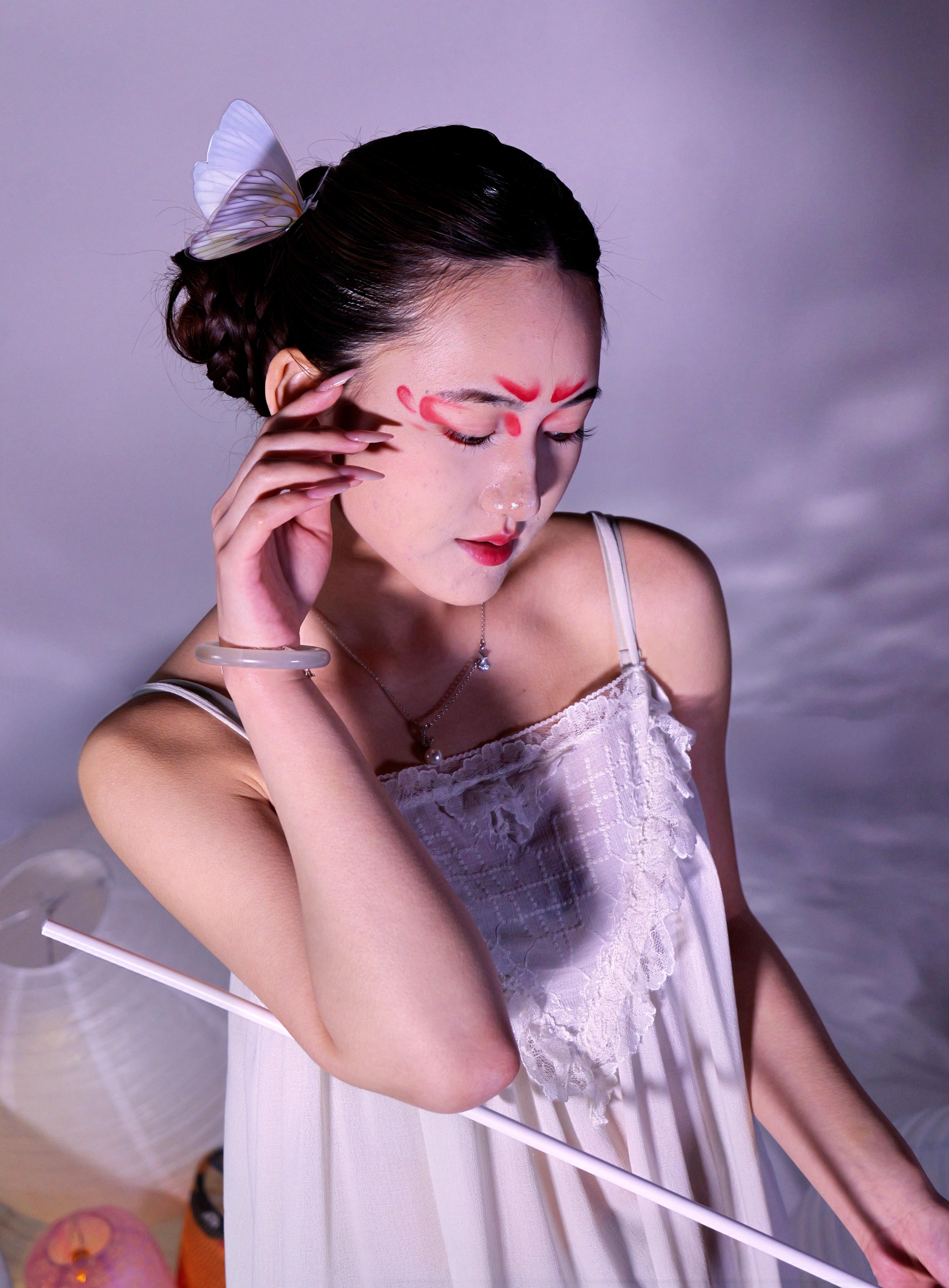
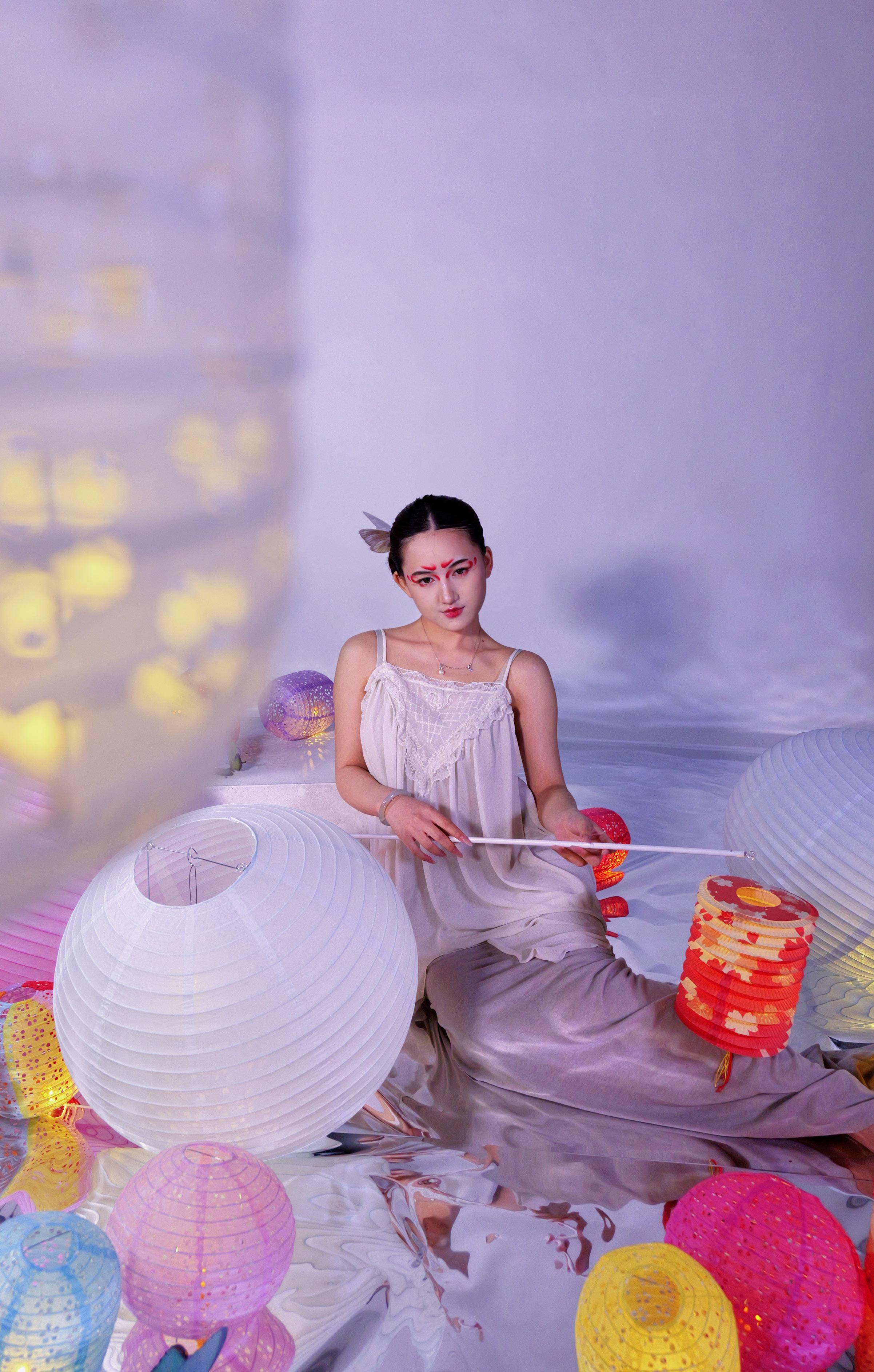
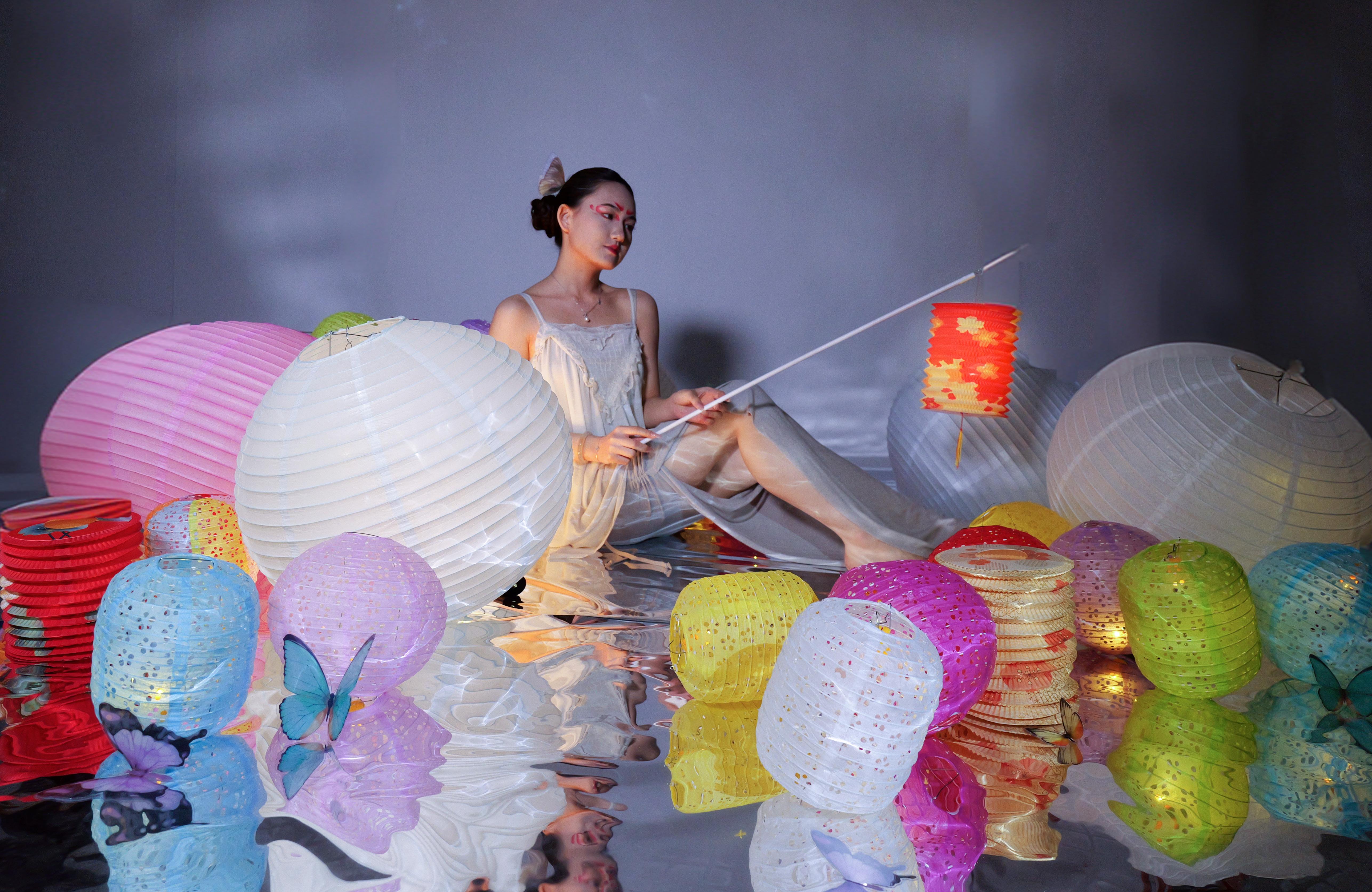
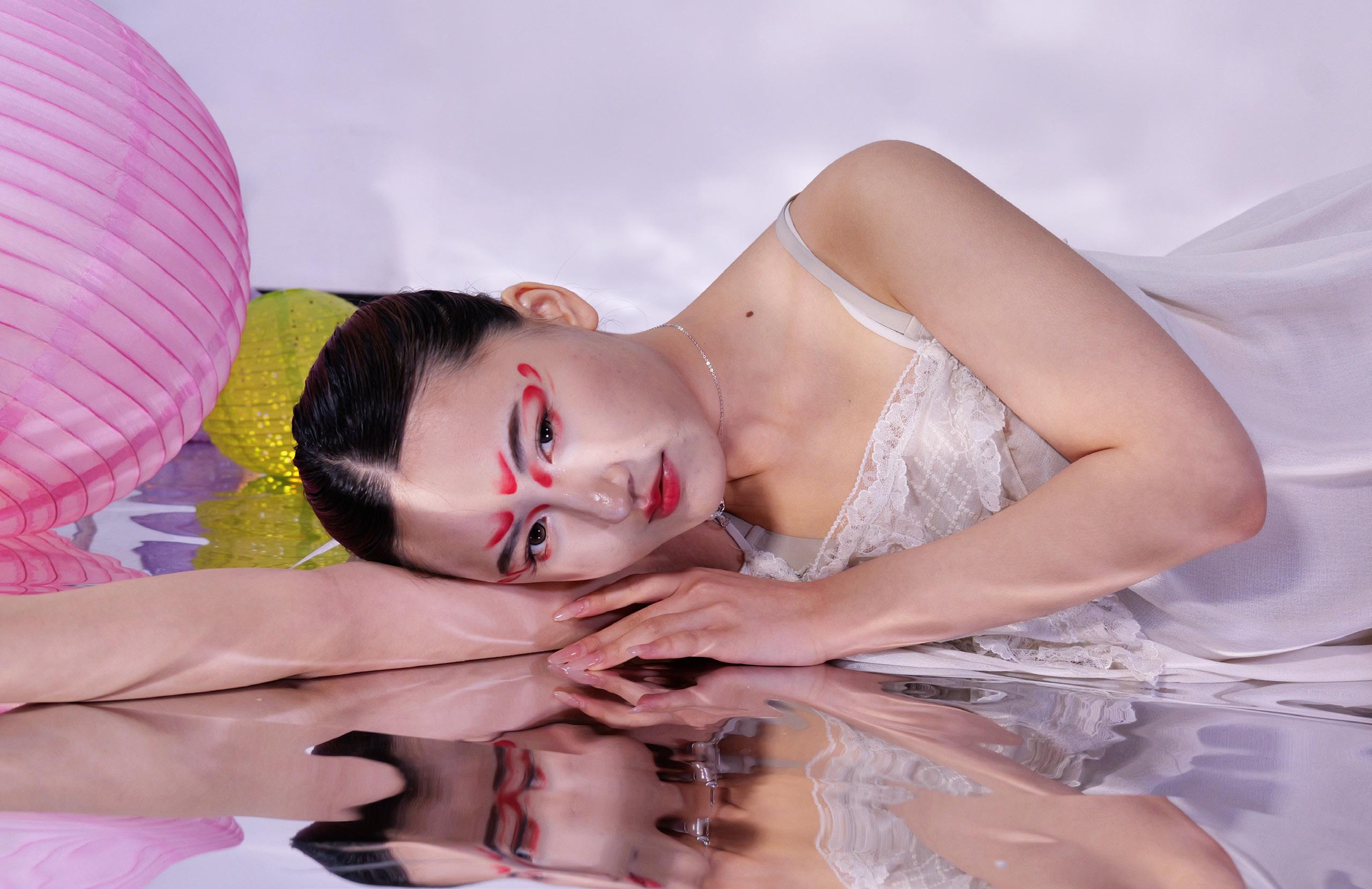
SHOOT DIRECTOR
ZHIXIAN (ZOEY) XIONG
PHOTOGRAPHER
ZHIXIAN (ZOEY) XIONG
FASHION
ZHIXIAN (ZOEY) XIONG
GRAPHIC DESIGNER CAROLINE KEGG
MODEL
ZIXIN (TRACY) XU
There is a steadiness that washes over me as I approach the Adriatic Sea. Amongst the crashing waves and boats that rock in the distance, I can feel the salted water open its arms, ready to wrap my body around them.
I rest my towel on the rocks and strip off my clothing to reveal the orange and pink bikini latched onto my skin. It’s a mixup of colors that come from a poorly lit room as I scrambled to beat the sunrise over the sea for my morning dip – a ritual I have grown accustomed to to beat the overflow of bodies that will make their way down to the rocks in the next few hours, eager to secure a spot to combat the striking heat. I move towards the end of the rocks and the beginning of the sea, preparing myself for its cold touch to rush over my feet. He ran towards the Mediterranean Sea, the Lebanese shoreline already alive with noise. Colorful umbrellas crowded the sand, music clashed from cheap speakers, and soccer balls cut through the air in careless arcs. The heat beat on his bare back, and his friends followed closely behind, their steps slowing down by the second. He had woken up late, forgetting the heat awaited him, ready to attack the second he stepped out from the apartment. Ten feet from the water, the boys dropped all their belongings sporadically. Towels, snacks, and soccer balls collapsed into the sand, meshing into a beautiful destruction of color. He paused abruptly before the sea, his feet about to be captured by the salty weter, and stared out at the horizon.
I can only hear a faint mumbling from those who indulge in the salty water nearby. My ears are underwater, my vision dull as stare into the blue sky; the sun in the corner of my eye is a deep orange that hovers over the sea. The waves that once looked crushing and violent now gently move my figure back and forth, carrying my limp body until a state of calm rushes over me. I feel my eyes begin to close slowly. These are the occasional moments of silence that I relish in because their impermanence is so prominent. With no one near and people beginning to wake across town, don’t have to worry about anyone right now. My only job is to stay afloat, praying that no one

He stood on the concrete ledge that hung a few feet above the sea. Music from his friend’s radio put everyone in a place of enjoyment, and he could feel the boys begin to heat up again from the roaring sun. As the soccer ball bounced around, he stared at the sun through his shades, its white beam flashing across the sparkly sea. Suddenly, the
ball shot past him, landing harshly into the sea. He stood, almost like a reflex, and dove in, head first. As his body sunk deeper and deeper into the water, the sounds of the radio, bickering amongst his friends, and screaming children on the shore all grew quieter. His body found its way to the surface, and he swam, splashing water left and right, to reach the floating ball. He turned back to face the concrete ledge, pausing before beginning the swim back, to admire the chaos that revived around him. He found that there was nothing more invigorating than being watched.