Standford Lipsey Student Publications Building 420 Maynard St, Ann Arbor, MI 48109
BOBBY CURRIE Editor-in-Chief
ERIN CASEY GRACE DONNELLY Co-Publishers
Marketing Director OLIVIA WIMPARI
Print Fashion Editors
CERIDWEN ROBERTS
EMILIO RODRIGUEZ
Fashion Film Editor AVA TUNG
Digital Content Editor HANIYA FAROOQ
Digital Fashion Editor ELENA SHAHEEN
Events Coordinator SAM TANDY
Beauty Team
Miles Hionis, Marguerite Smith, Ella Graeb, Margaret McKinney, Gretchen Brookes, Adrienne Feige, Camille Naves, Yun-Hsi Chiang, Sravya Davuluri, Chelsea Ohaka, Eddy Holcomb, Jiyu Moon, Ally Wang, Julie Tendo, Lexsie Nguyen, Lily An, Nneka Okoroafor, Ana Cano
Design Team
Avery White, Caroline Kegg, Story Triplett, Ashley Turner, Chloe Bratton, Sasha French, Jasmine Barnes, Jaycee Mitchell, Cornelia Ovren, Maddox Howell, Allen Hoover, Charles Decoster, Bailey Ellul
Fashion Team
Ceridwen Roberts, Emilio Rodriguez, Elena Shaheen, Sally Jang, Amelia Kocis, Ella Graeb, Hana Farooq, Kaavya Chavan, Christine Kim, Reagan Hakala, Emma Blair, Anjani Patel, Auburn Marriott, Rita Hajjar, Zachary Sebestyen, Madison Knowlton, Jillian Van Stee, Lucy Smith, Chelsea Ohaka, Yanira De Souza, Xochitl Santana Vega, Mya Weiss, Athena Lippman, Maryam Tobya, Ava Istamboulian, Laura Jhirad
Johannes Pardi, Jasmin Rhymes, Felicia Wang, Naimah Perez, Zoë Sage Tracey, Ammar Yaser, Yahan Liu, Alex Van Sweringen, Justin Arment, Isabella Vasari, Ava Tung
Communications Team
Ana Cano, Cynthia Qian
Events Team
Sam Tandy, Alexis Bell, Colin Pfeifer, LeAnh Vong, Mallory Ensing, Megan Myrick, Renata Perez Rosillo, Sathvika Ravichandran
Social Media Team
Christian Hernandez, Mackenzie Radle, Jaden Johnson, Sophia Liu, Cynthia Cao, Danica Schirn, Daniel Silva
Finance Team
Katie Burgin, Aubrey Heaton, Megan Dobie, Ryan Zimmel, Iliana Chevres, Shivani Angadi, Laura Jhirad
Features Team
Marxie Colliver, Tessa Valera-Castro, Amrita Arumugam, Avery White, Isidora Purrier, Elaina Tacey, Ella Carlson, Taylor Derey, Avalon Ring, Makayla Whitsell, Raymond Zou, Ana Sharshar, Bianca Done, Emma Blair, Mimi Vu, Lola Post, Abby Weinberg
Desiderium. A Latin noun describing an ardent longing, deep yearning, or grief for something lost, absent, or once possessed.
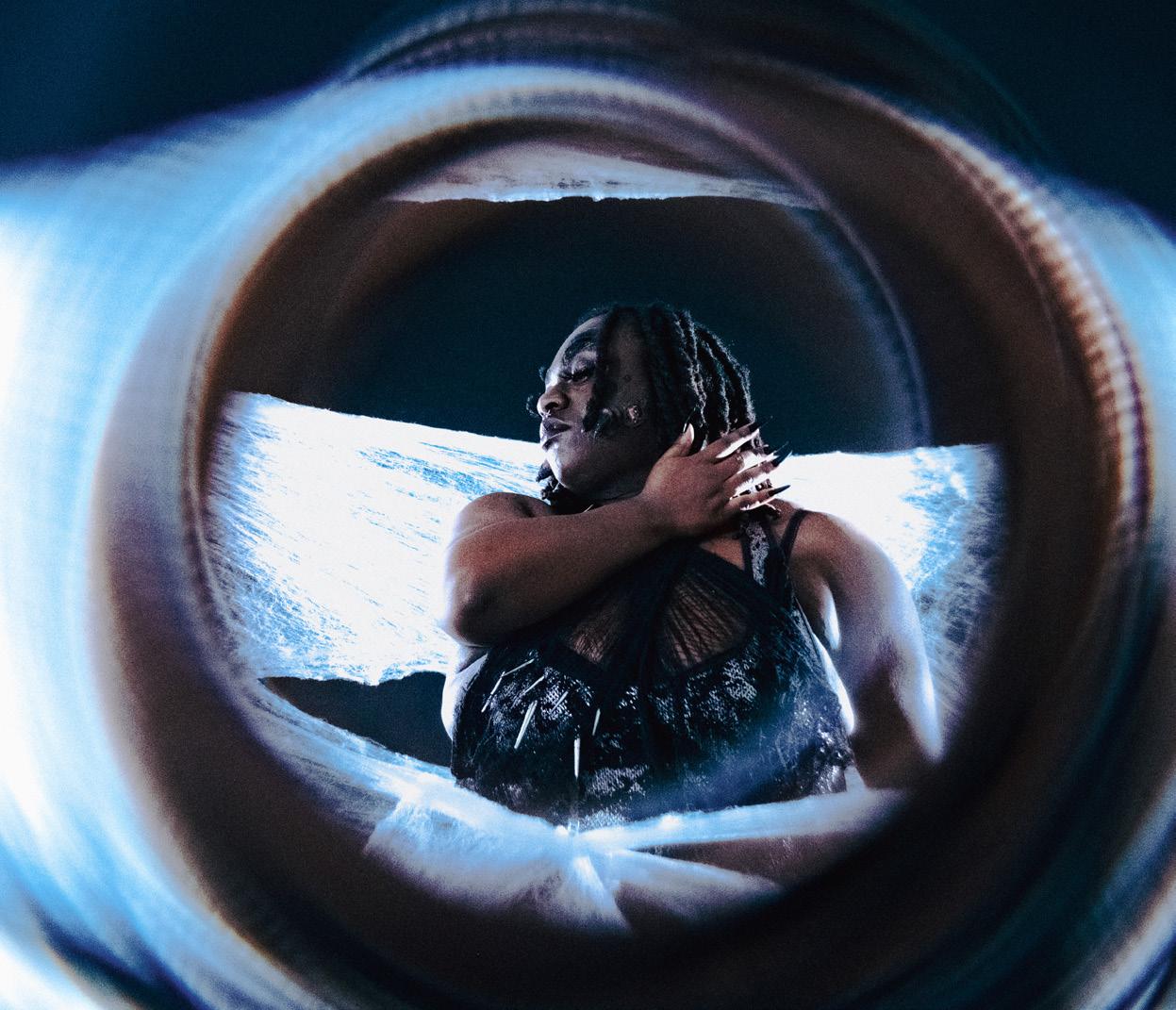
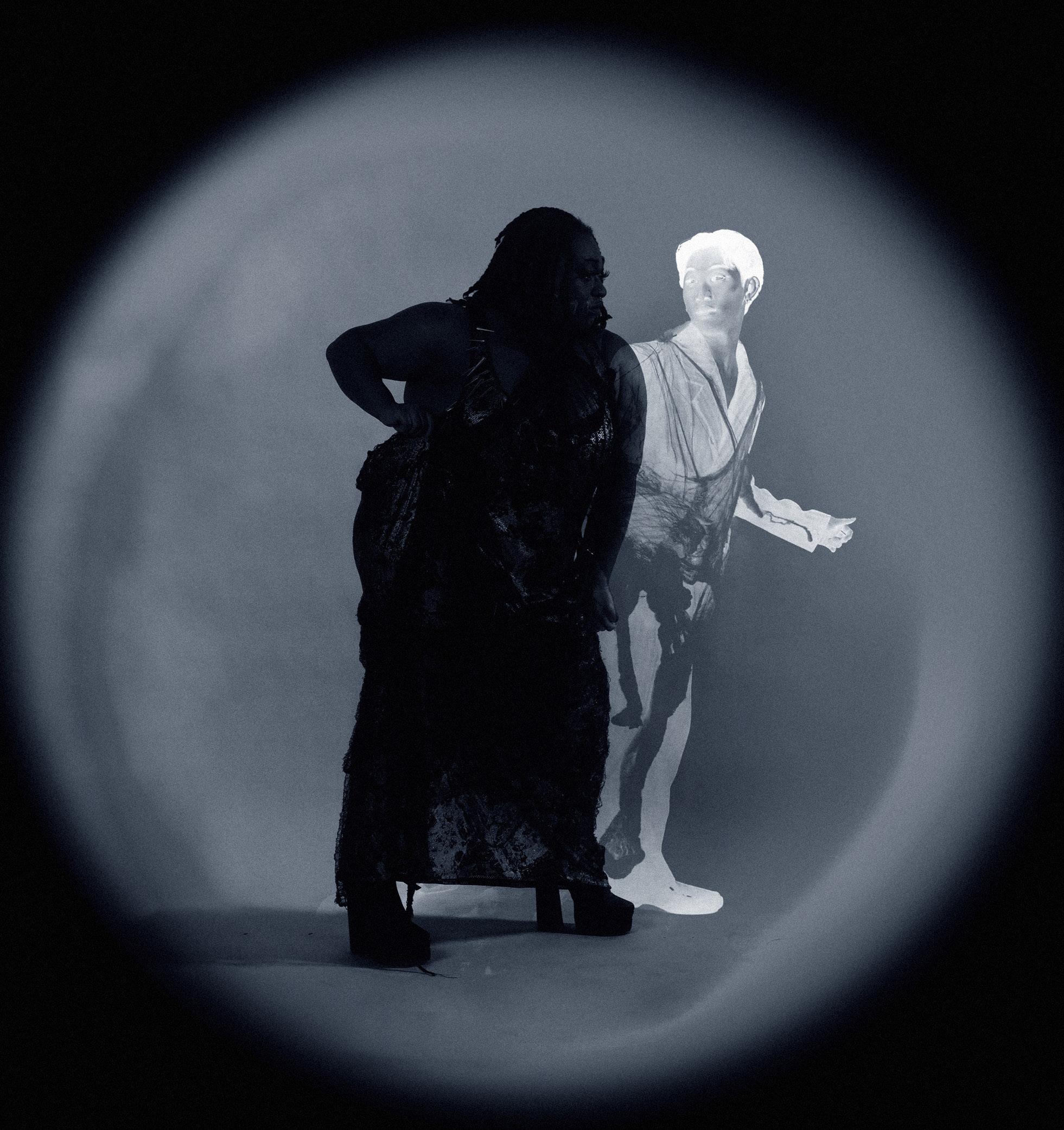
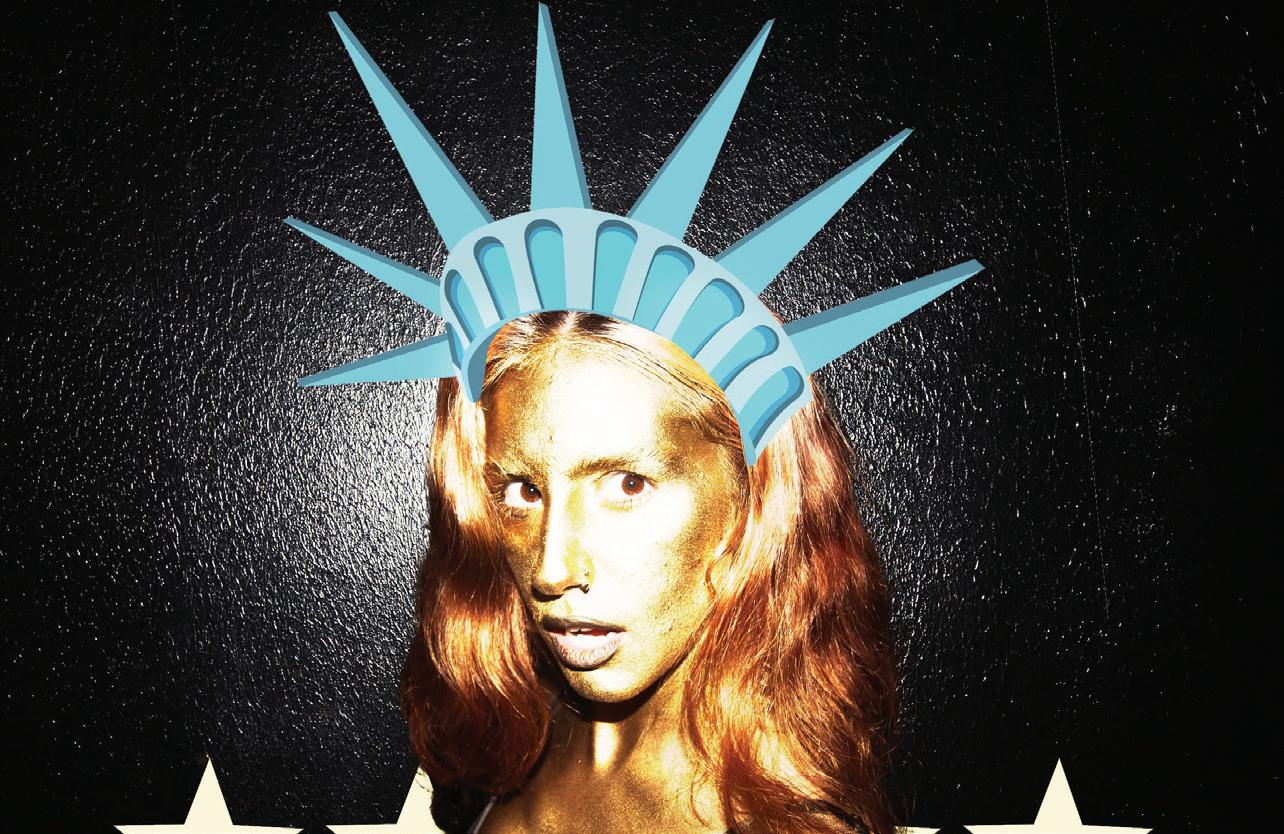
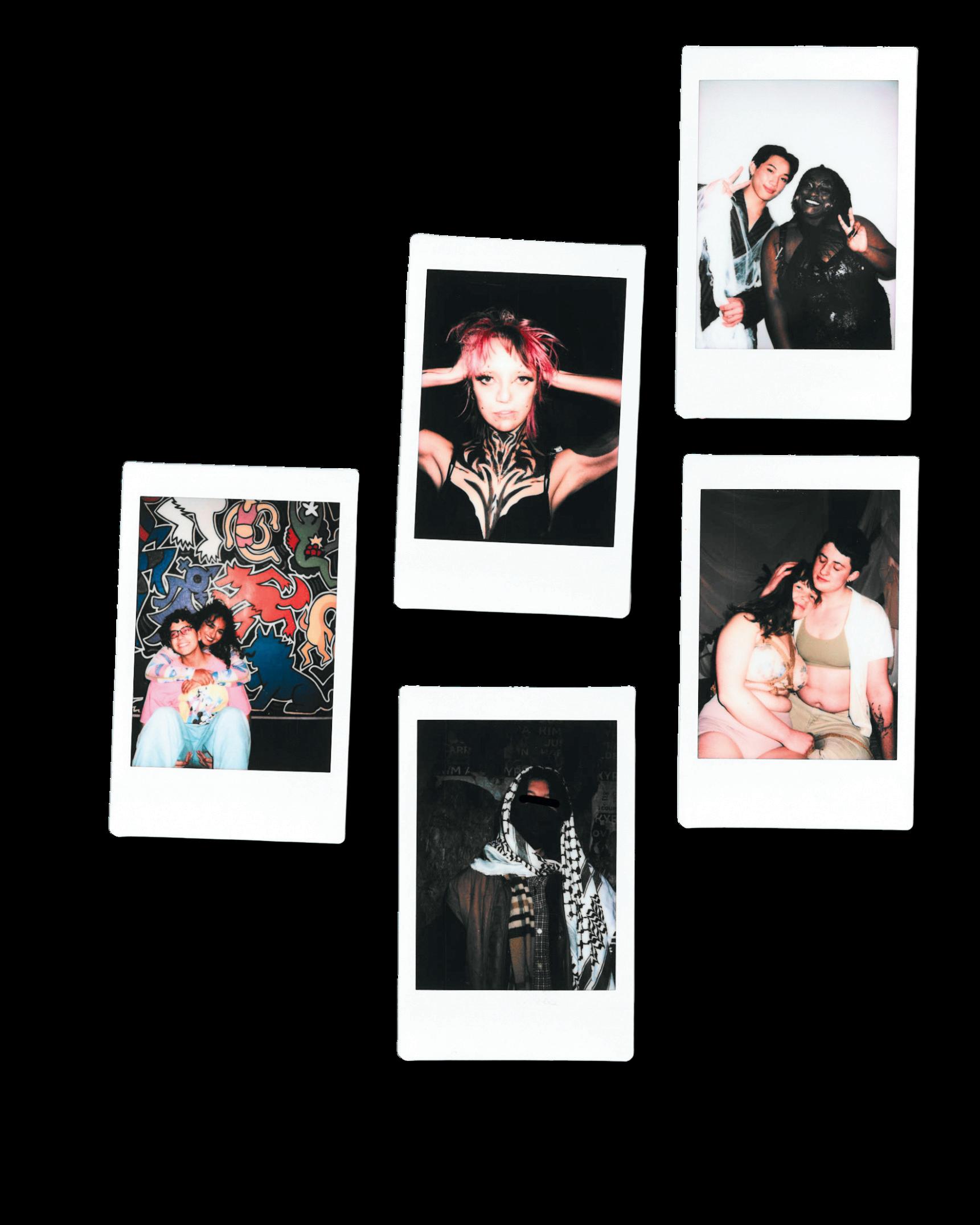
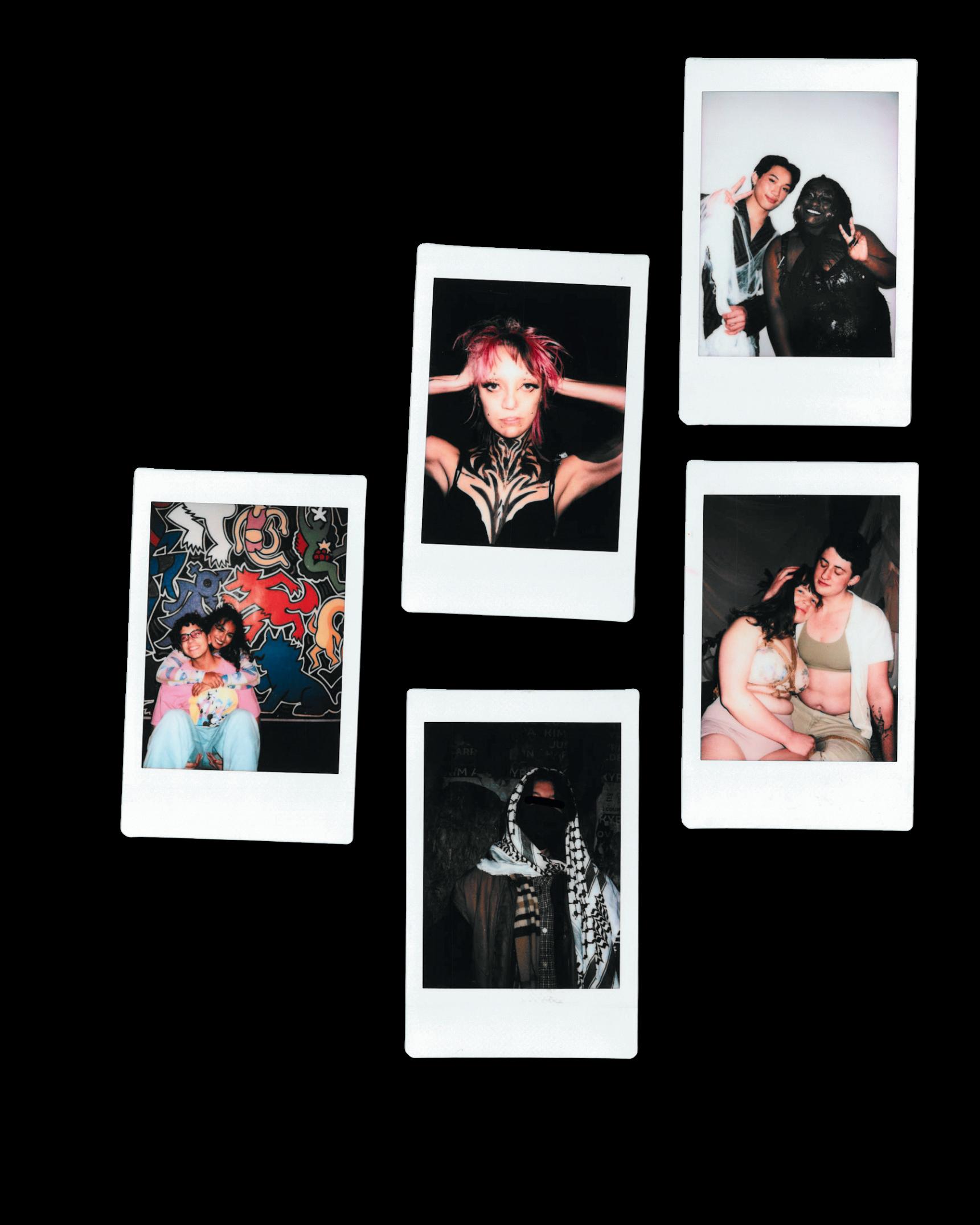
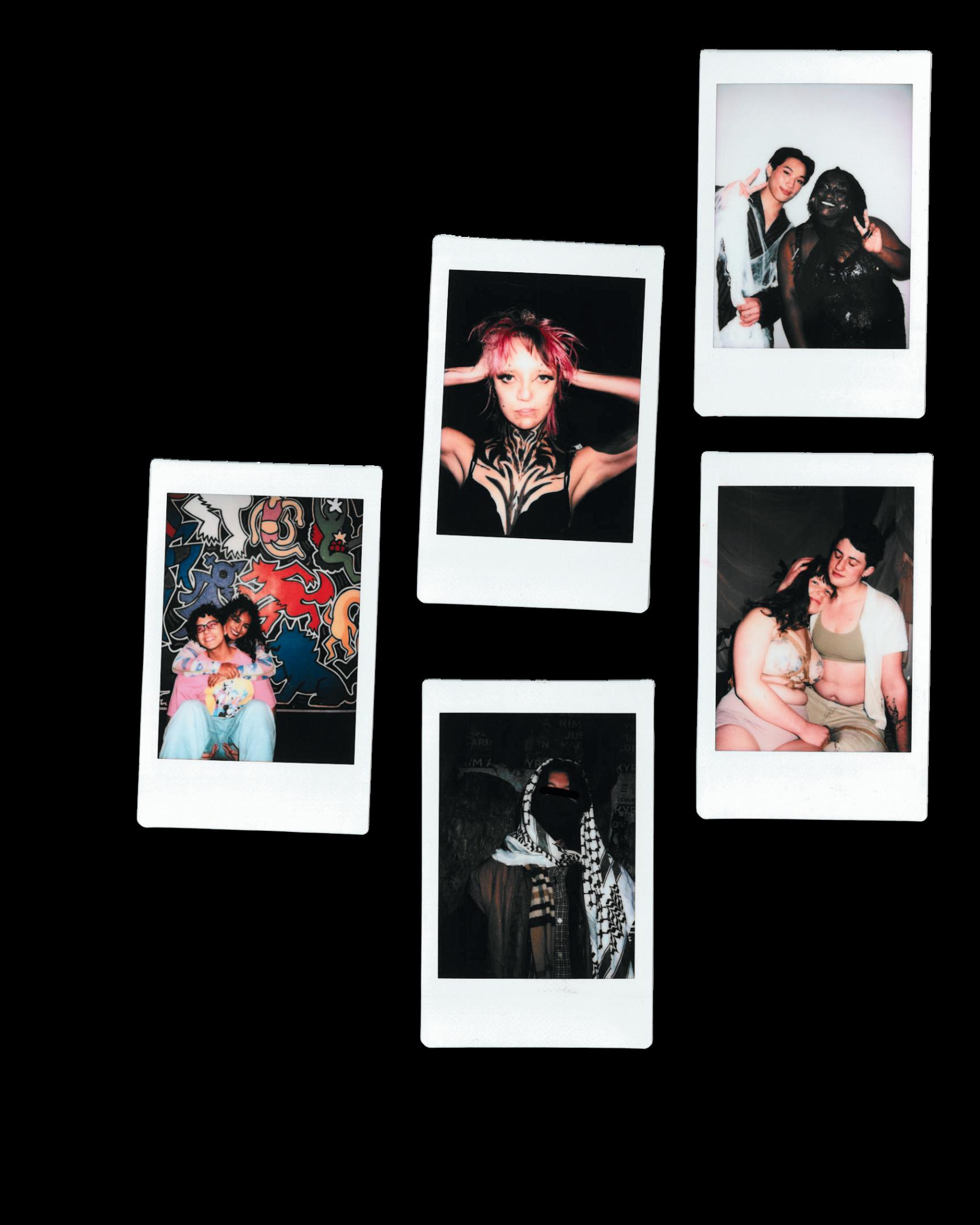
In a world filled with clutter and commotion, SHEI Magazine’s Winter 2026 print edition, Desiderium reminds us of what humanity is all about. Gone are the bells and whistles that trickle into fashion’s tradition of performance and extravagance; Desiderium shows us what we are left with. There is beauty in the raw, there is art in the barren. Humanity is a delicate thing that ties us all together, pushing past the flaws and distinctions of our divisive society.
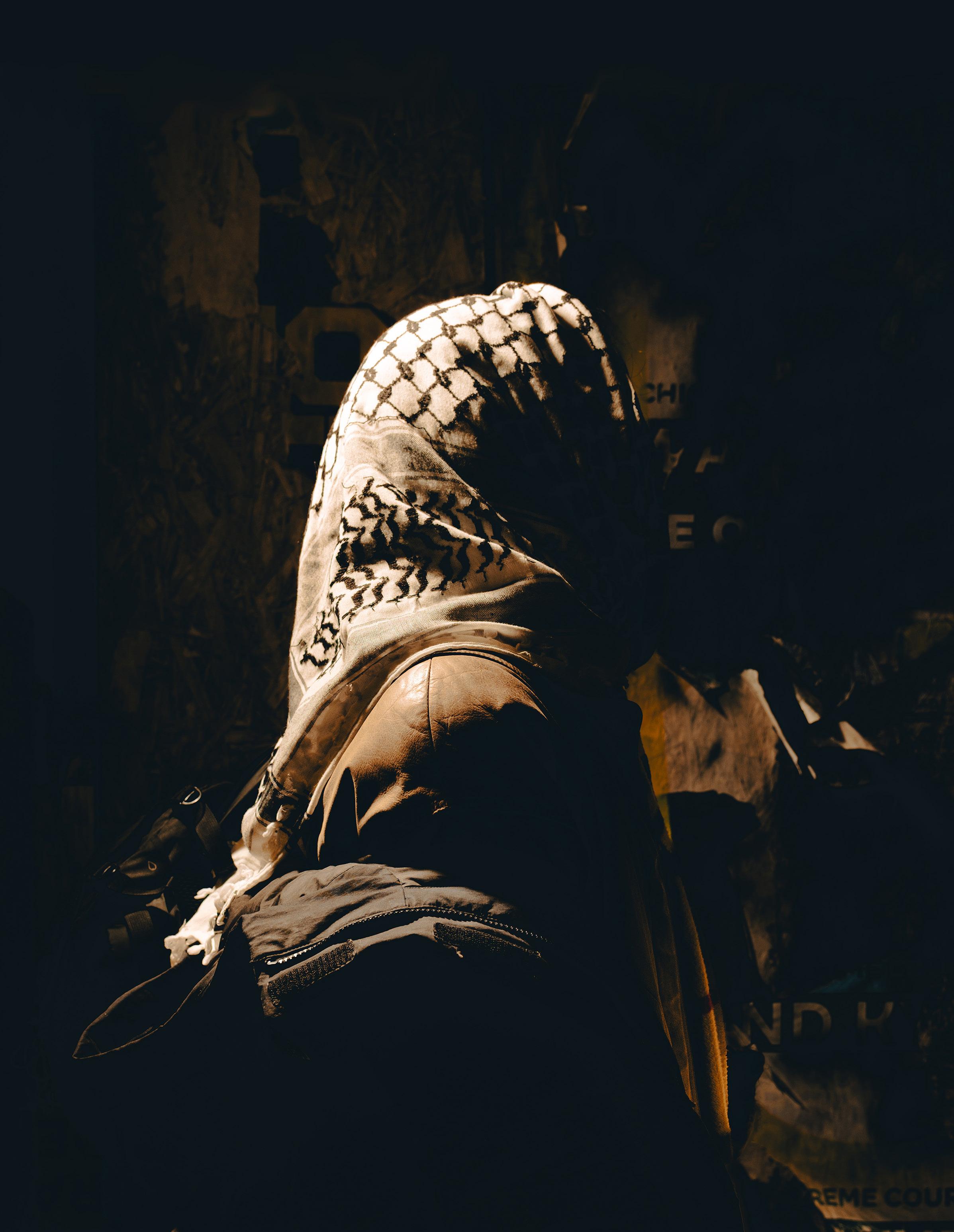
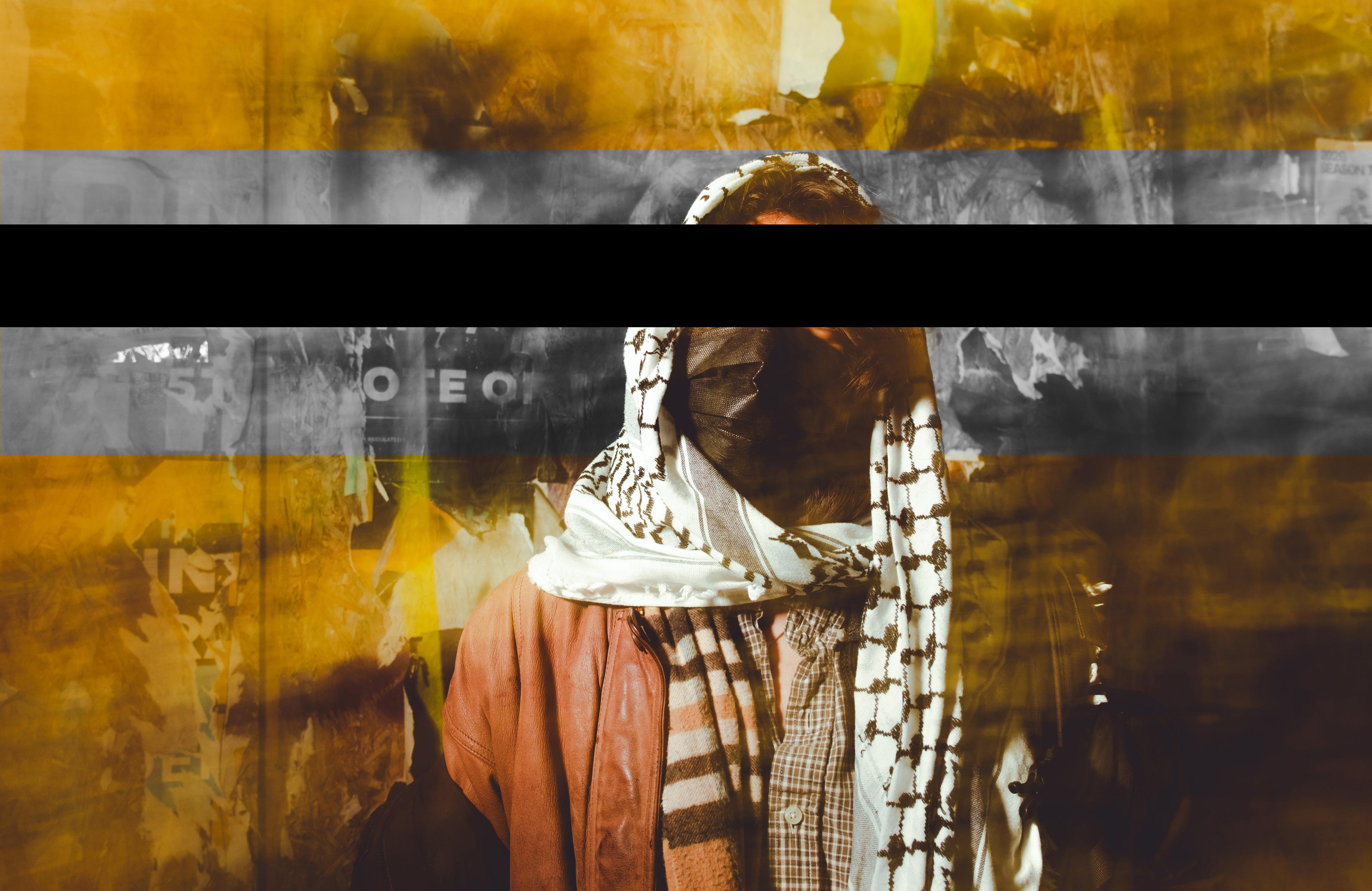
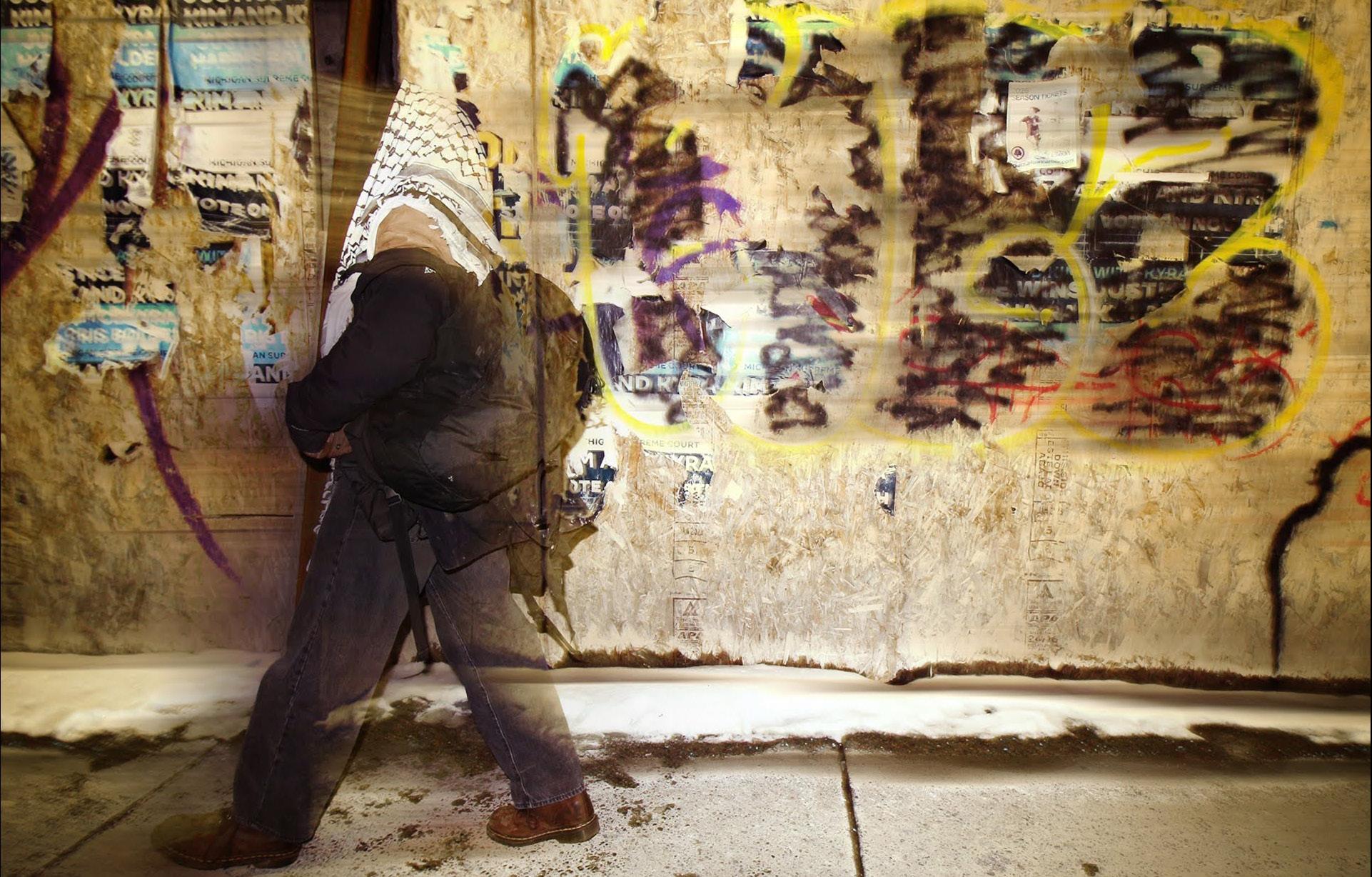
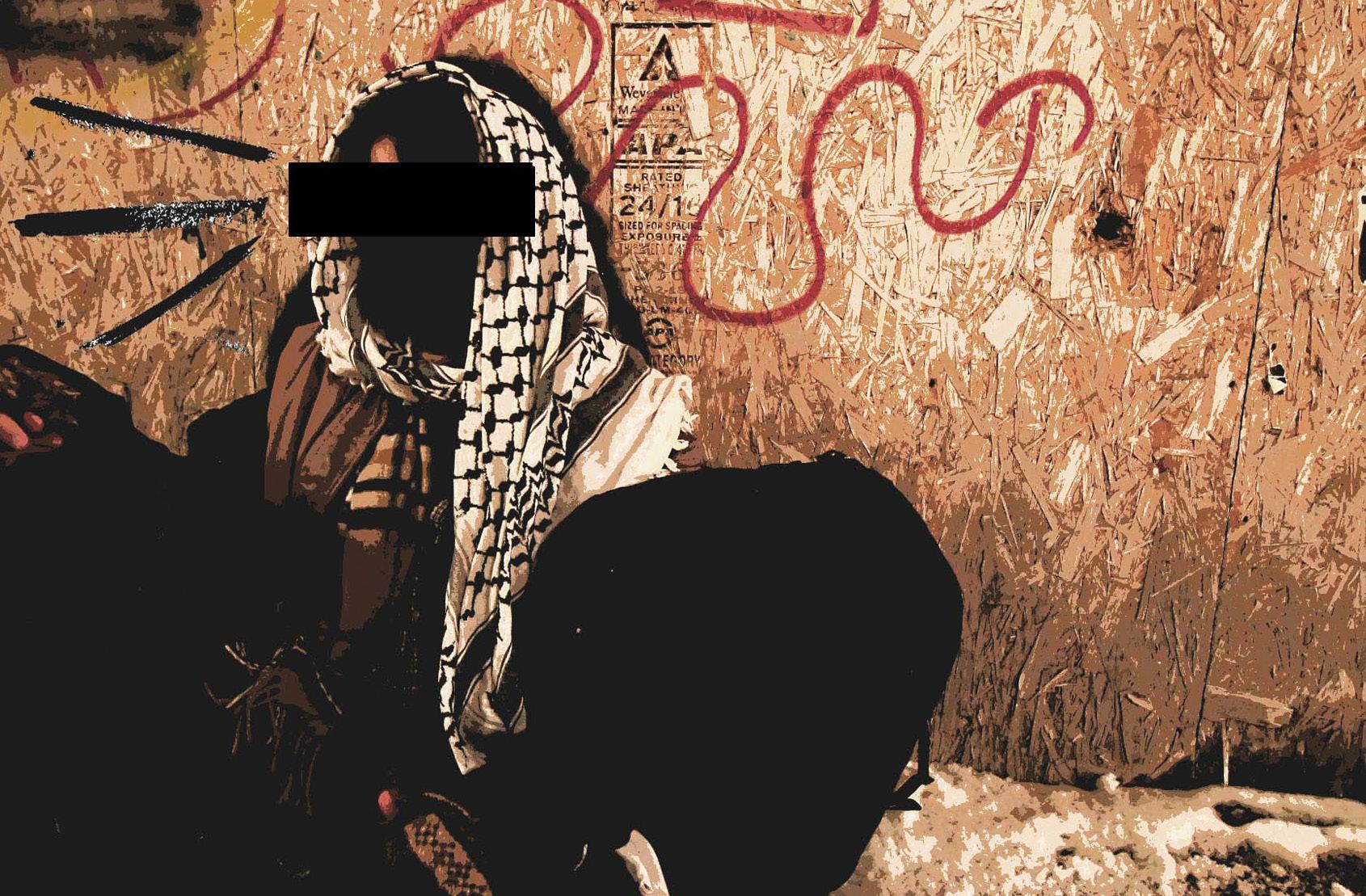
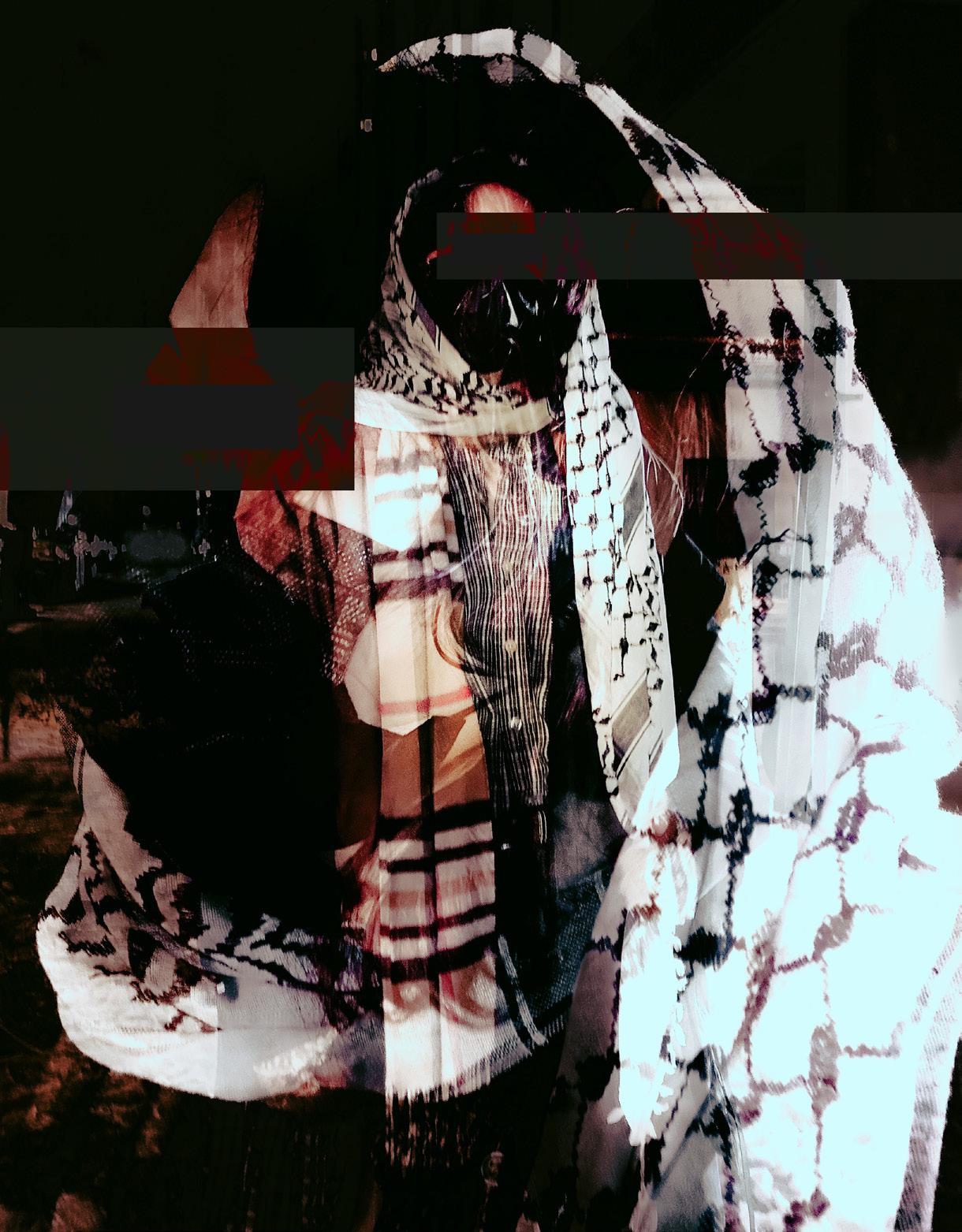
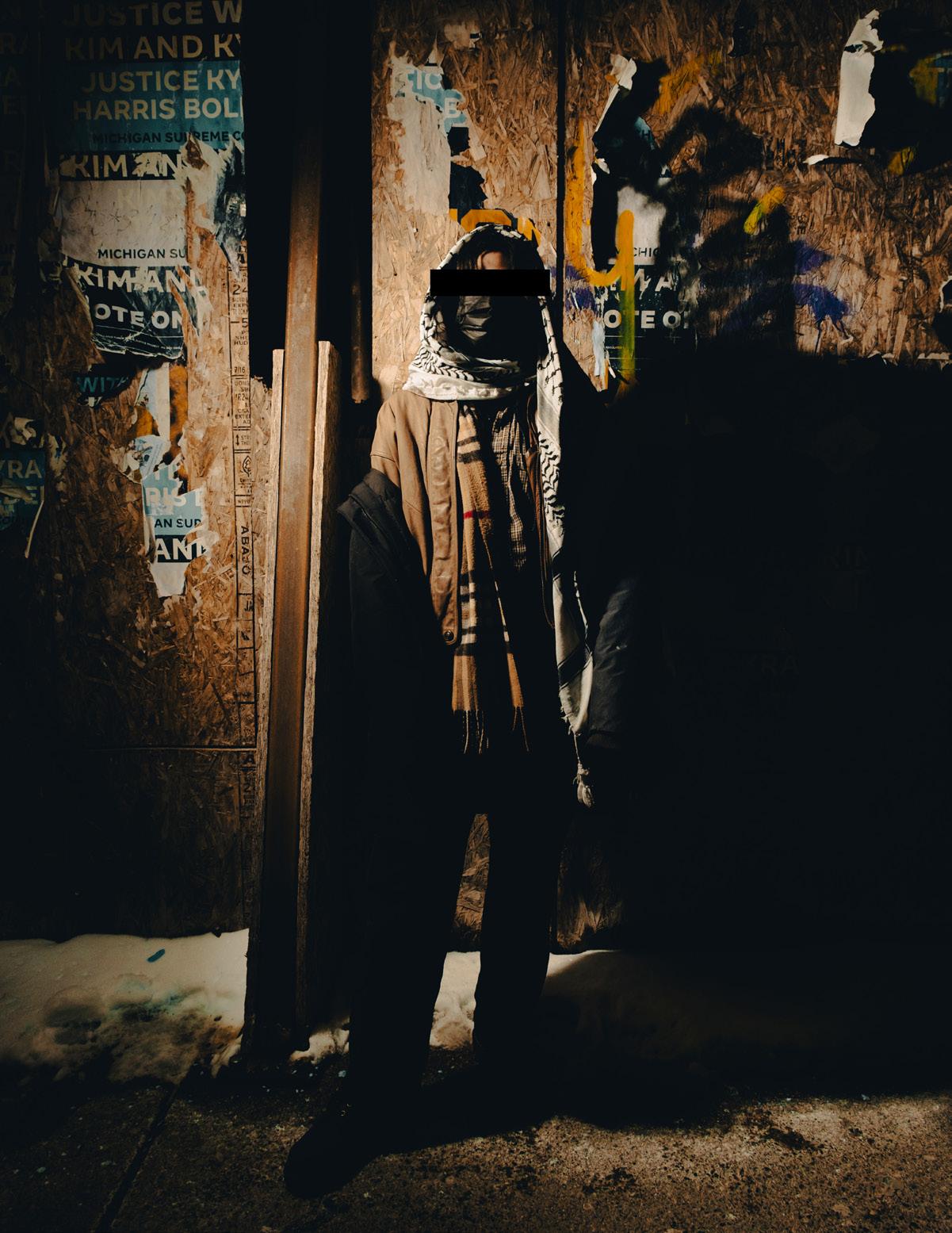
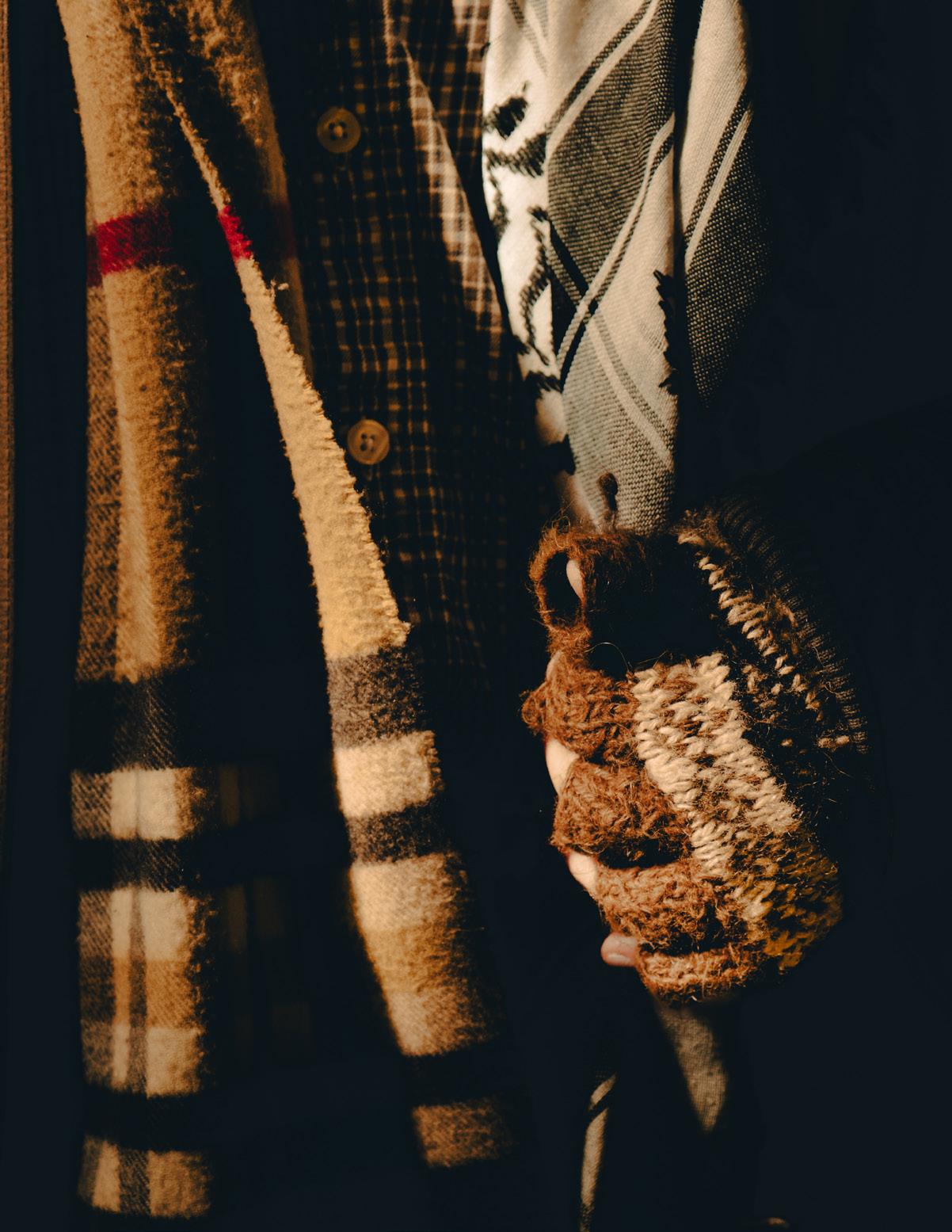
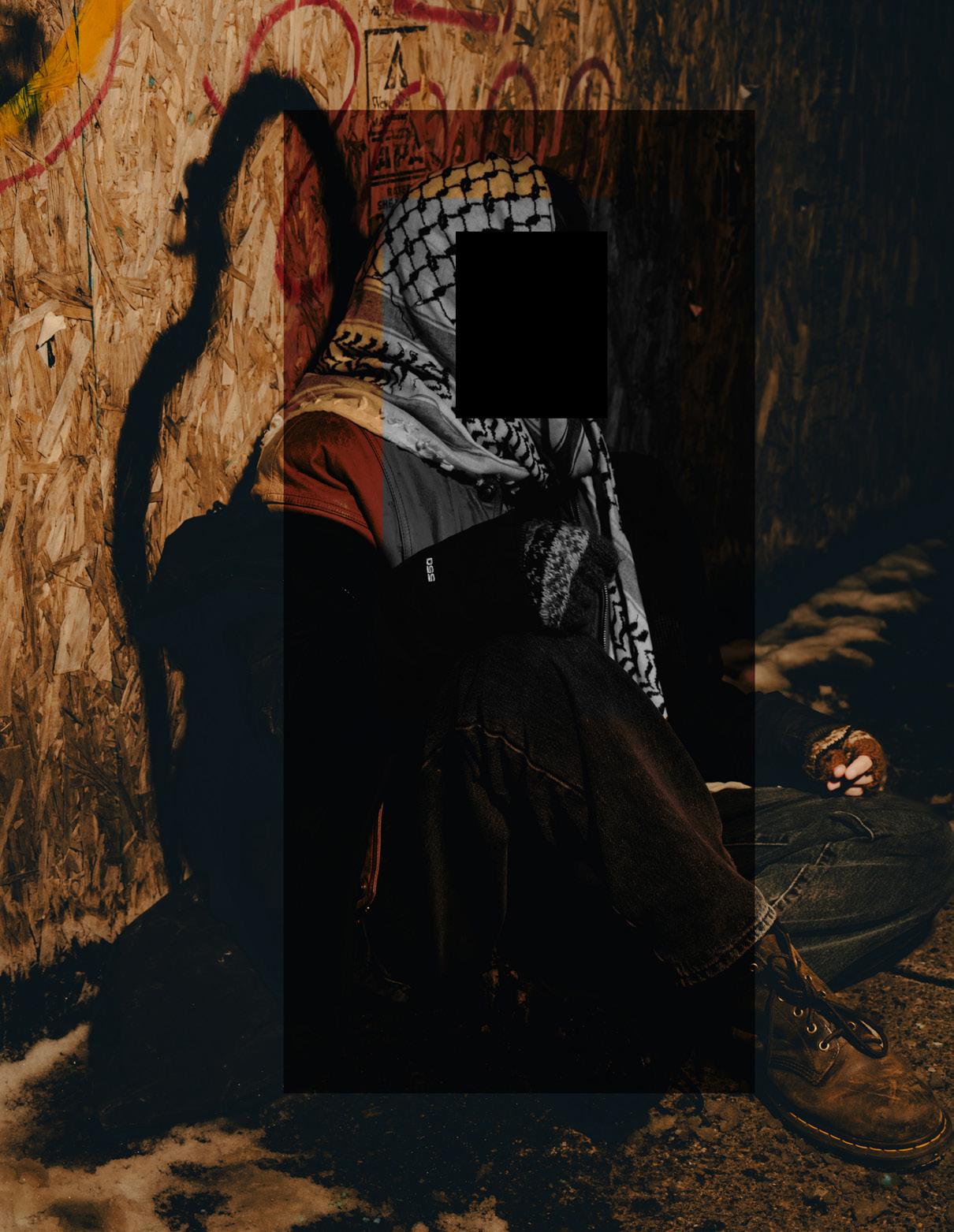
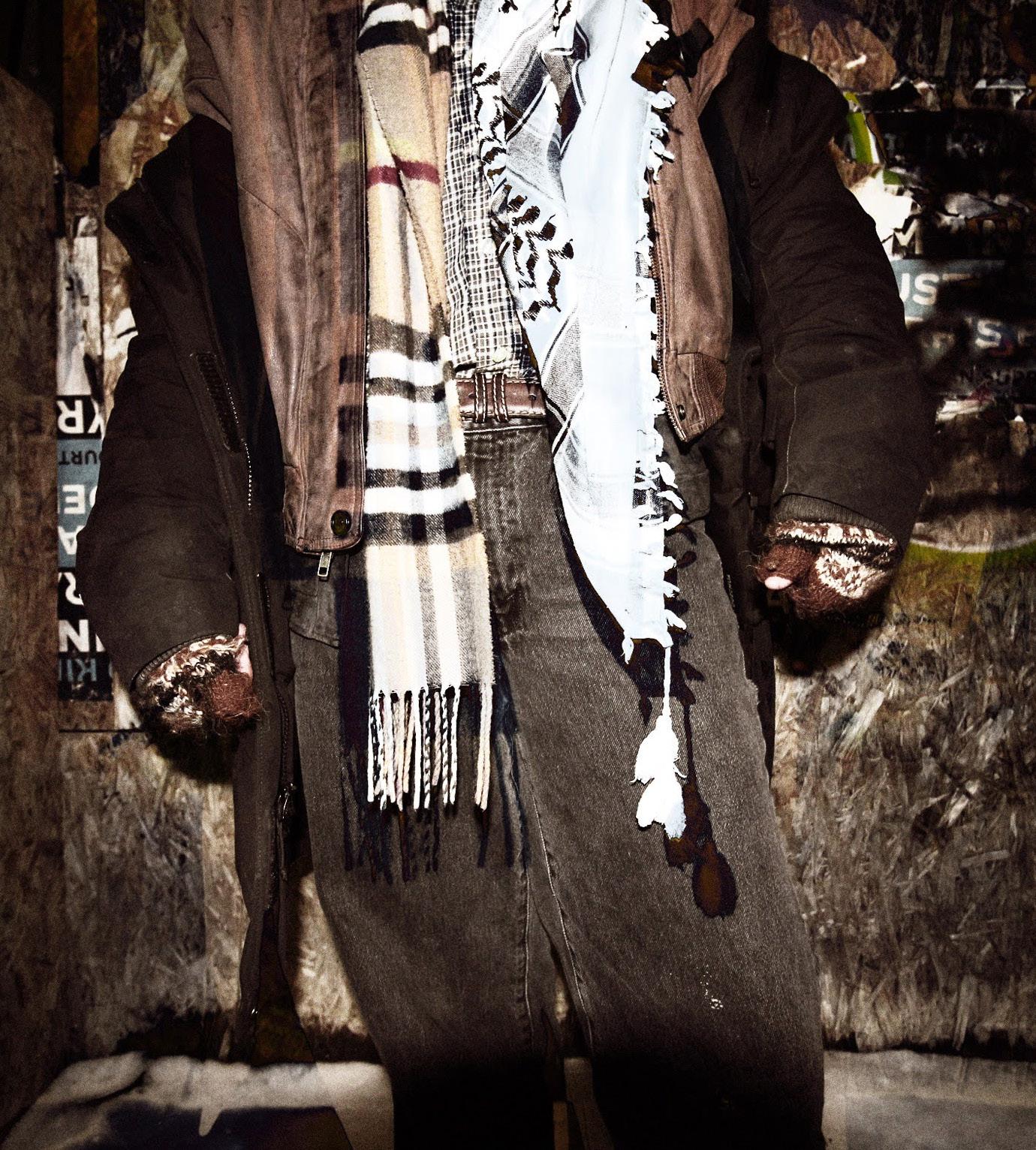
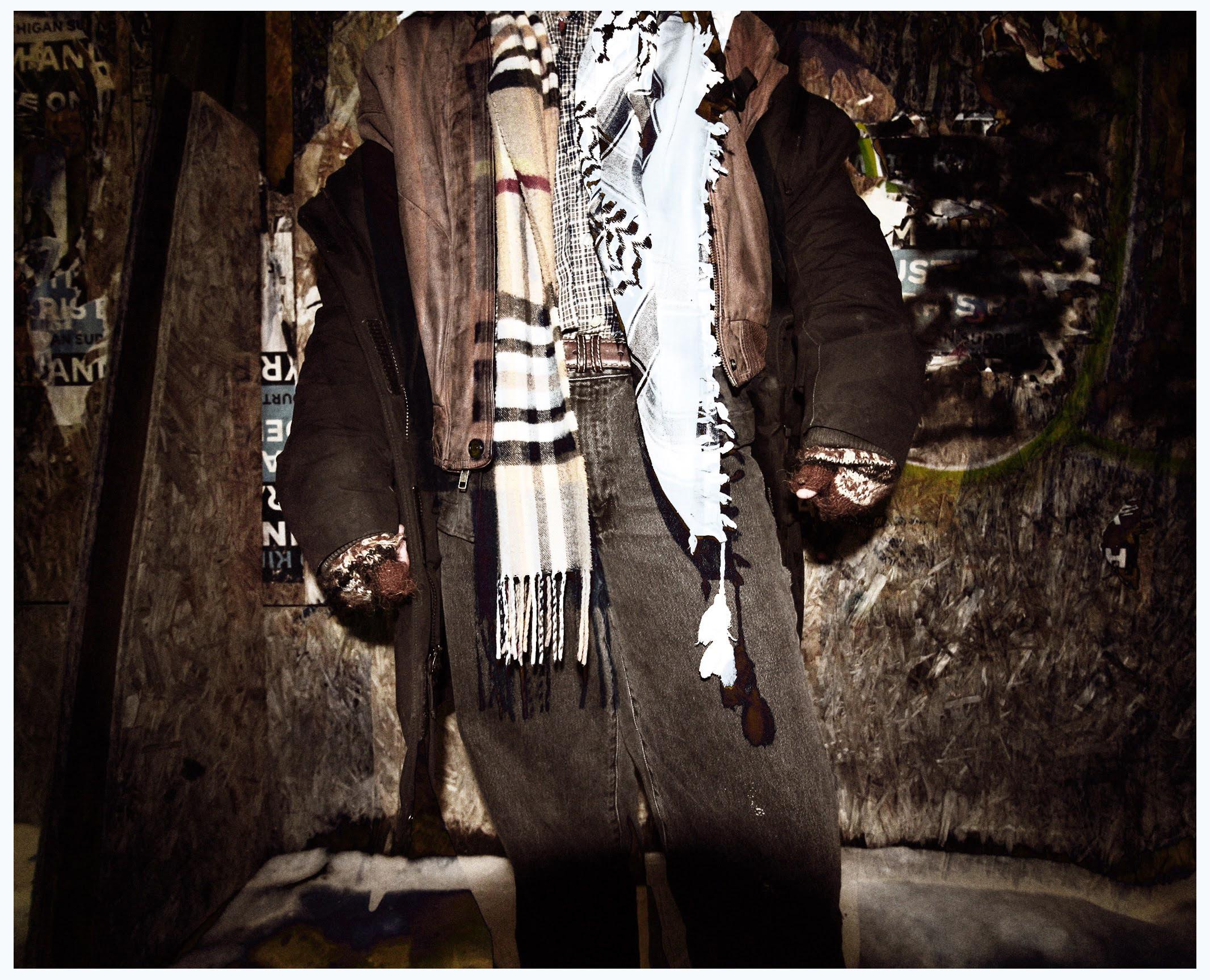
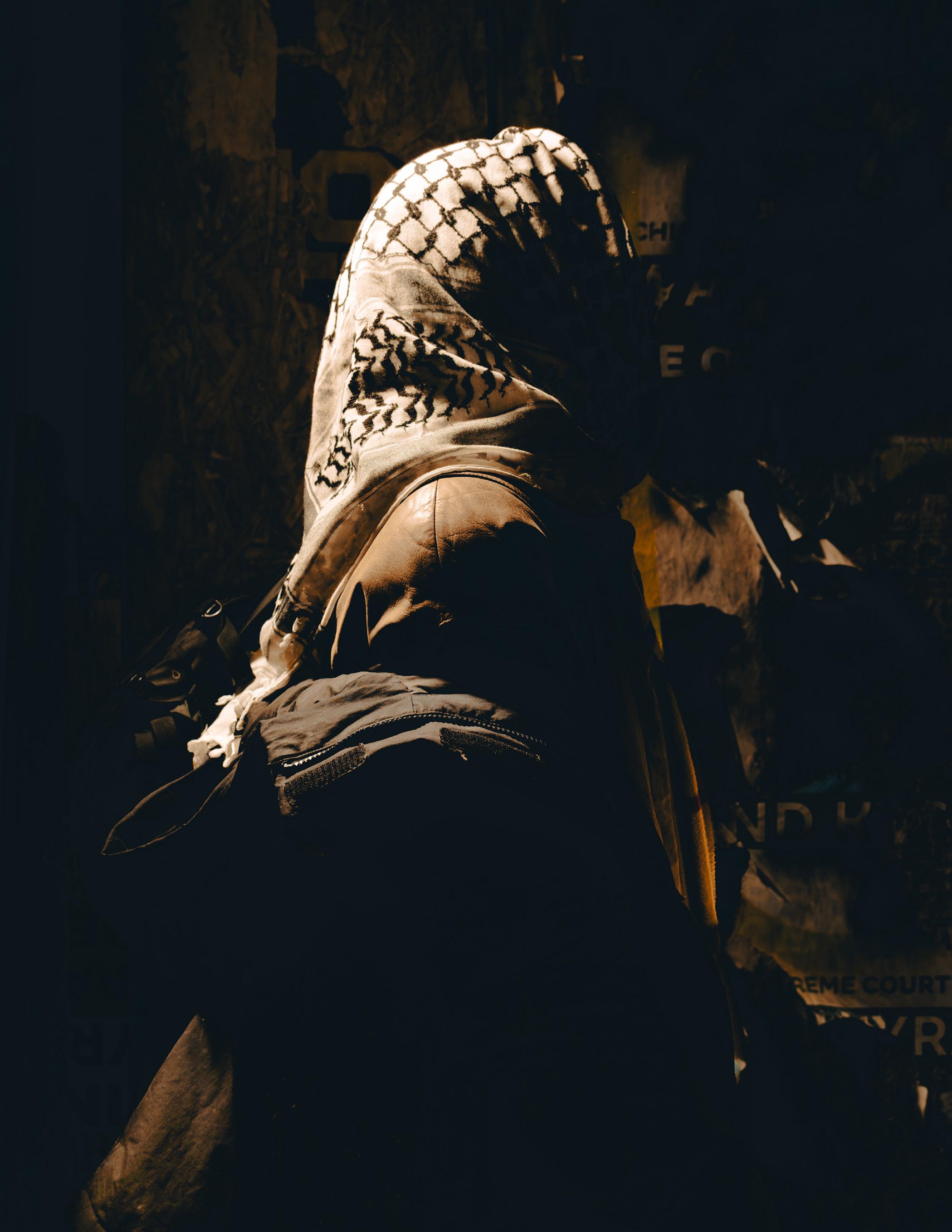
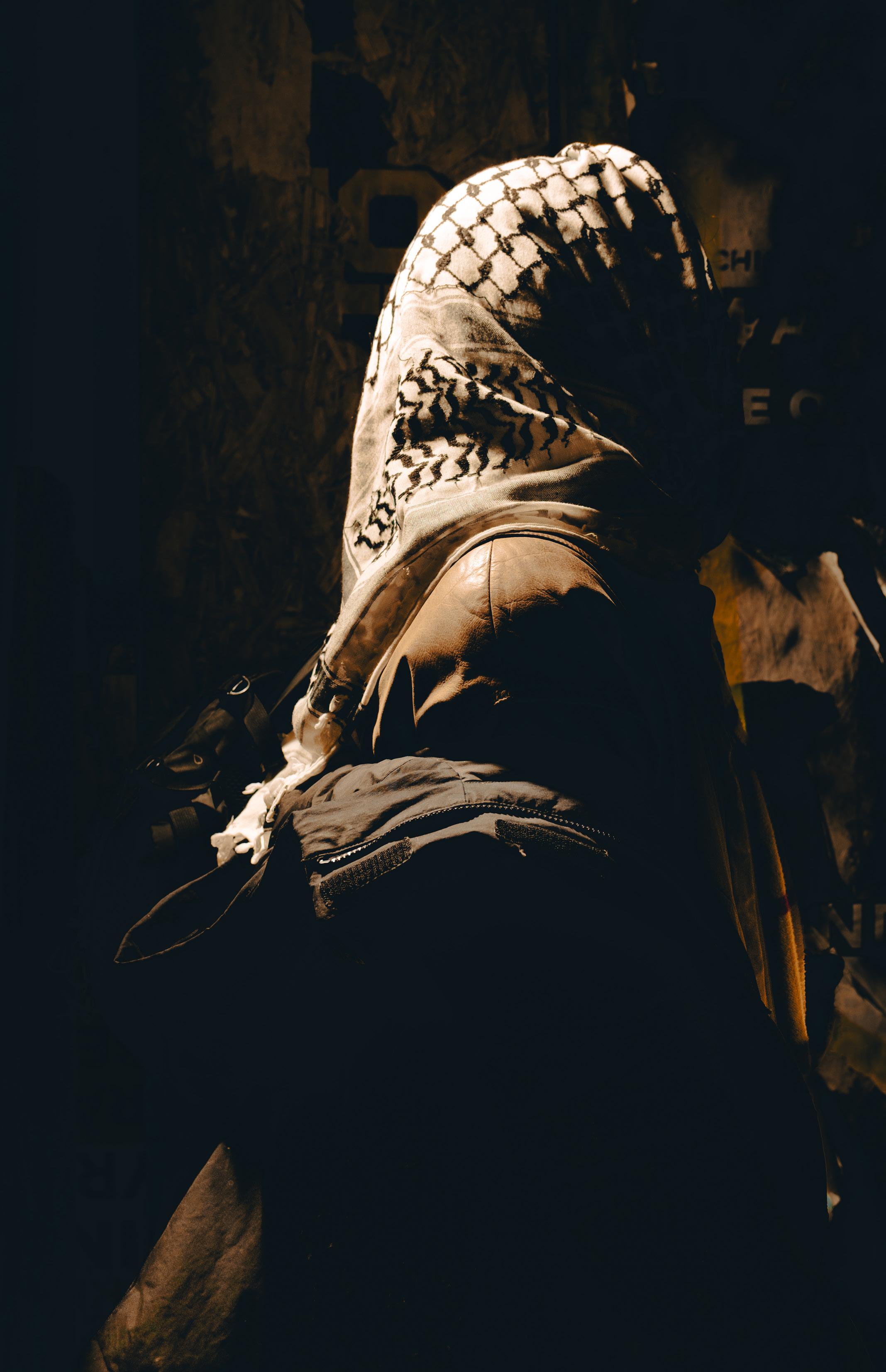
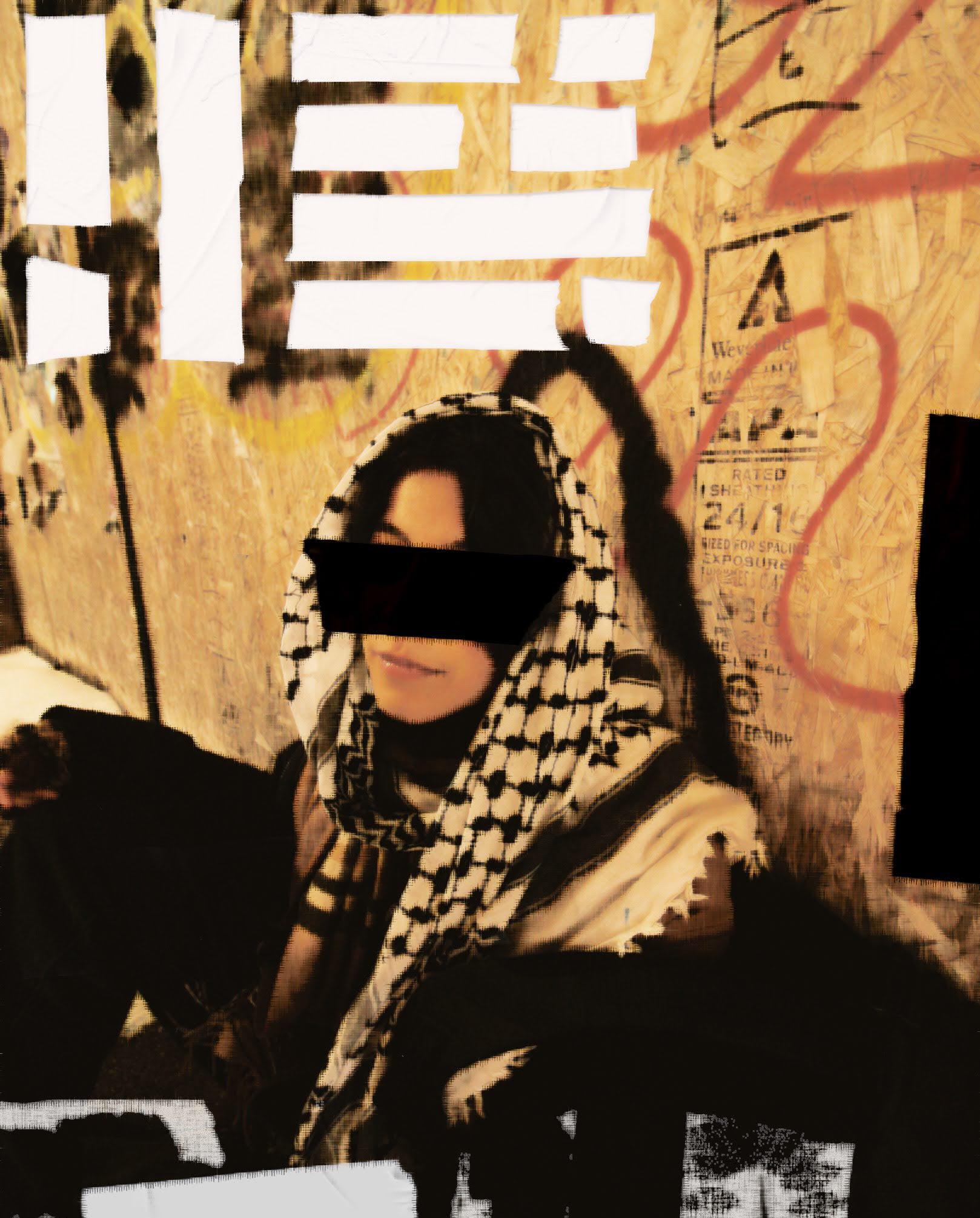
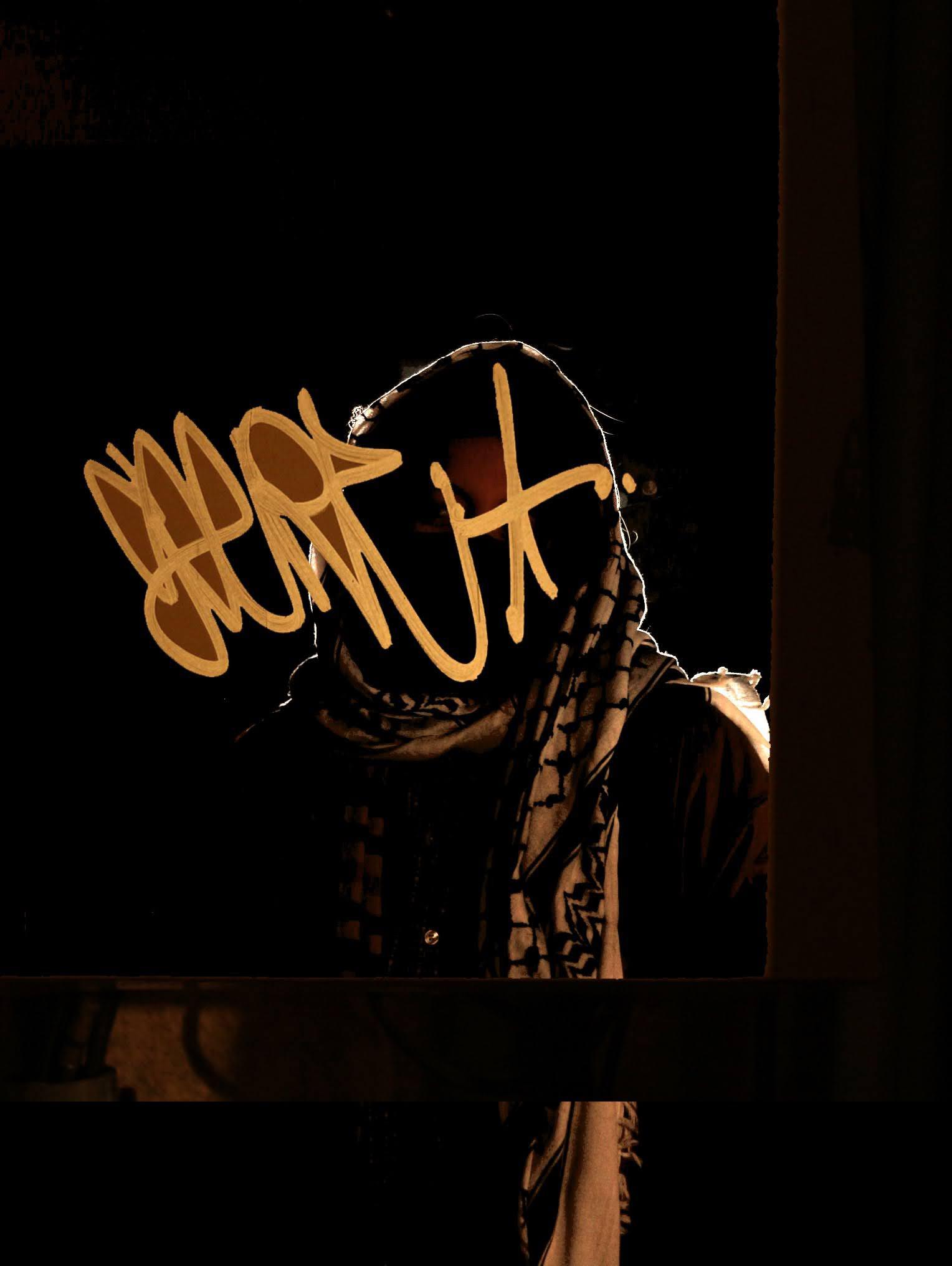
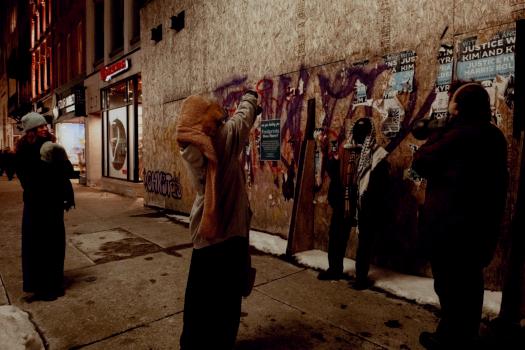
Liberation shows the fight for protection and safety as our censored model speaks out against injustices in a traditional keffiyeh, serving as an opportunity to educate the masses on the need to stand up for humanity. SHEI asks itself and its audience, what point is there for a platform if not to use it? Fashion is inherently political, there is no art without protest, and SHEI explores the use of clothing as a means of protection not performance. There is no humanity without greed, and no society without control.
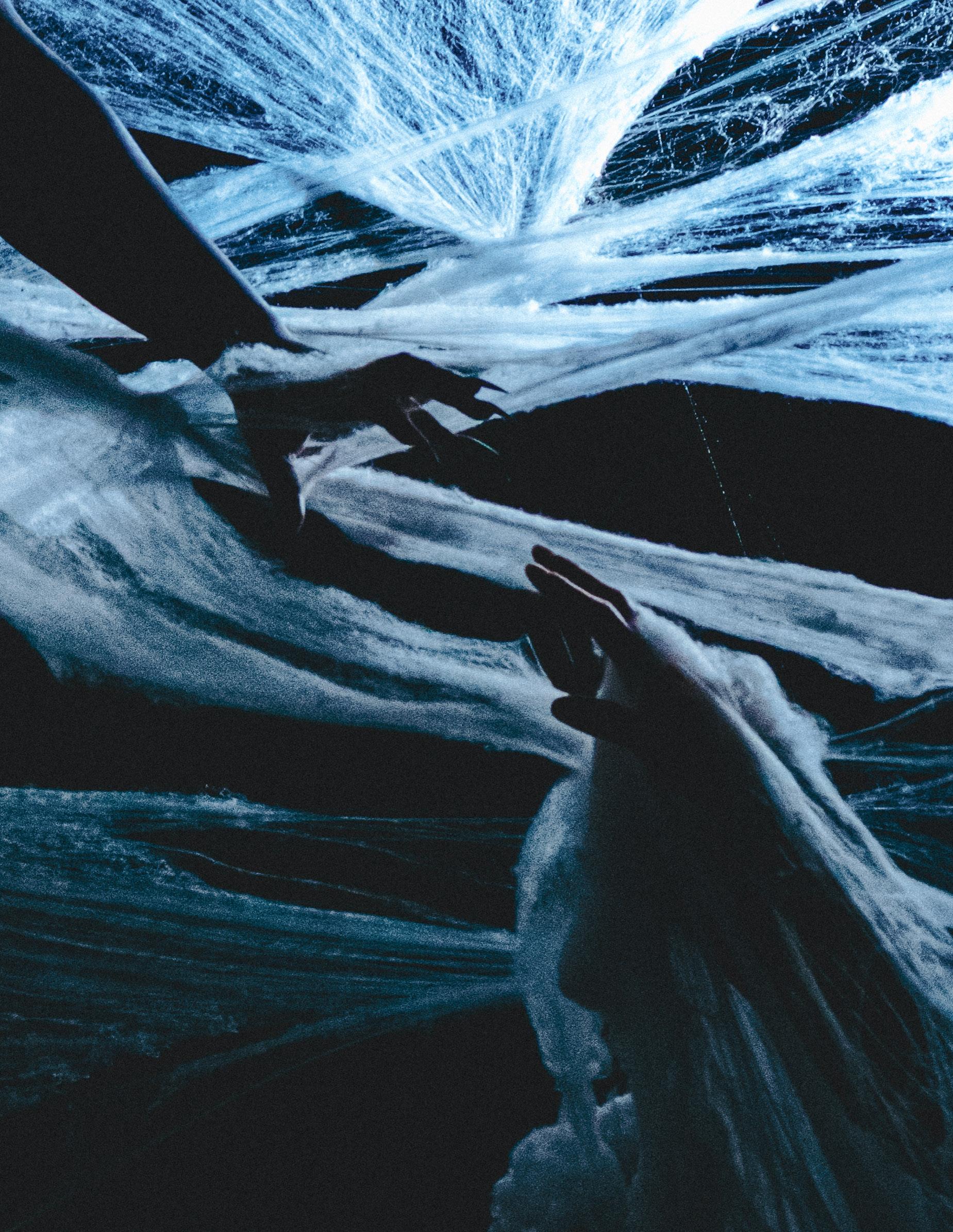
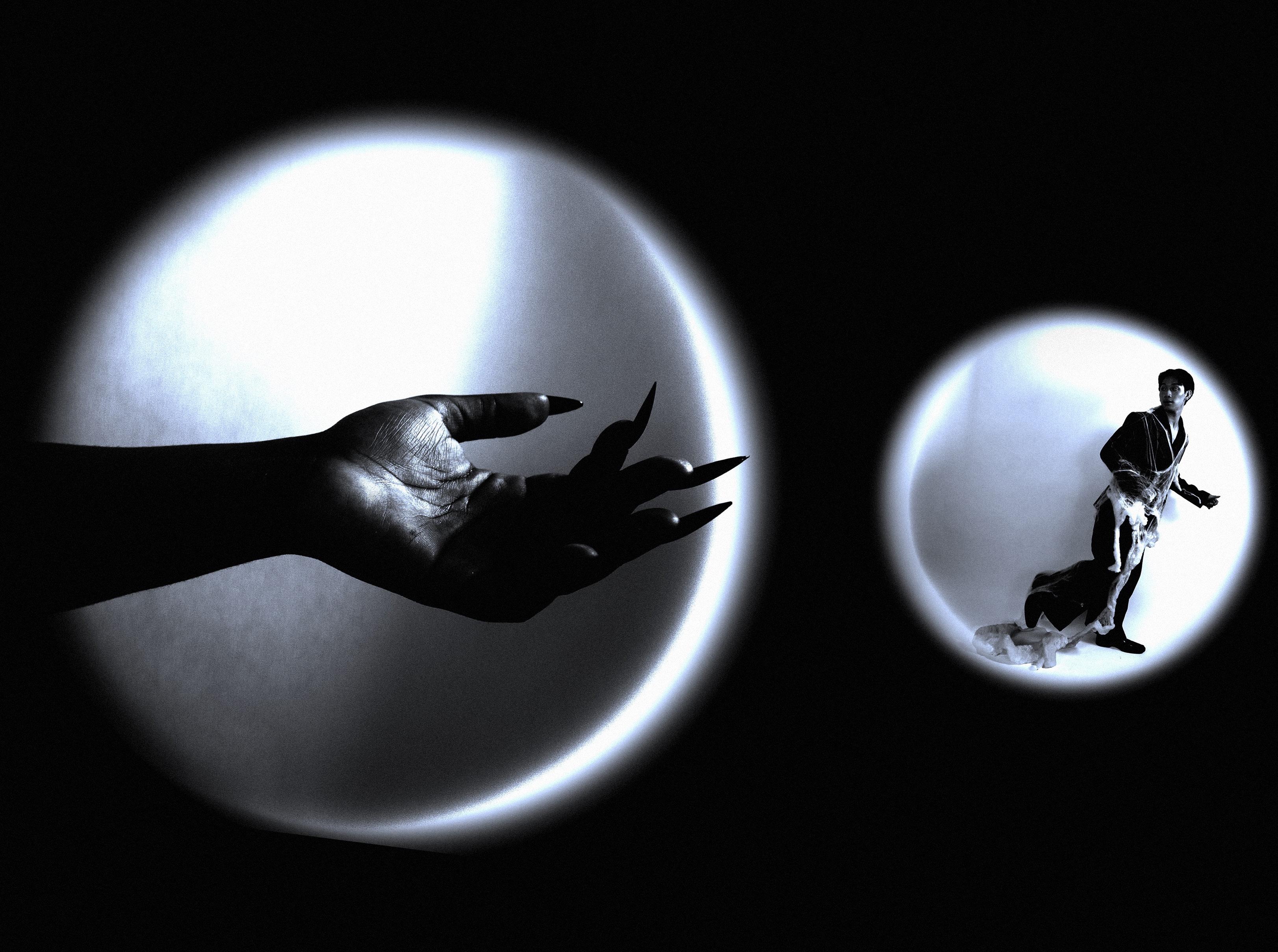
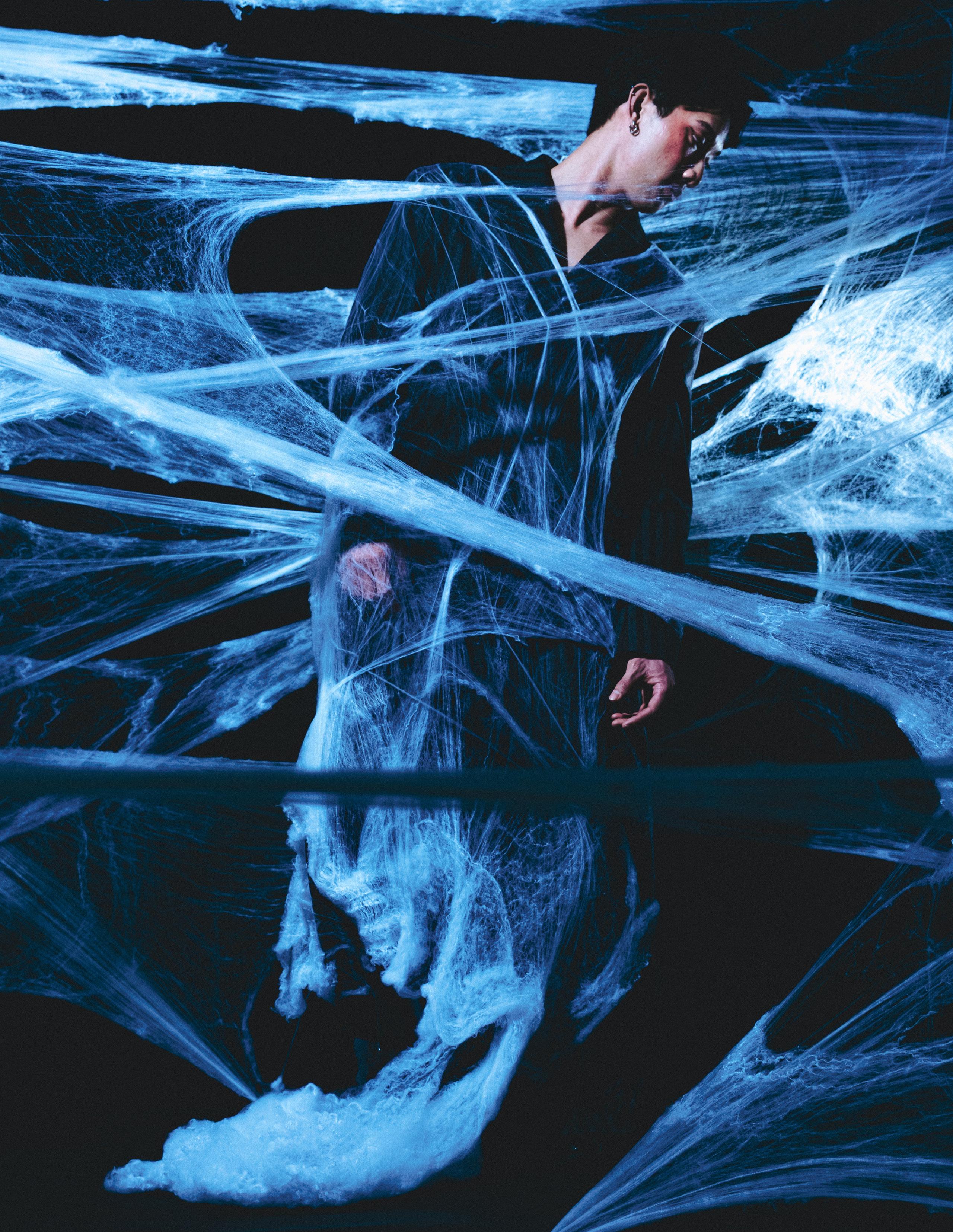
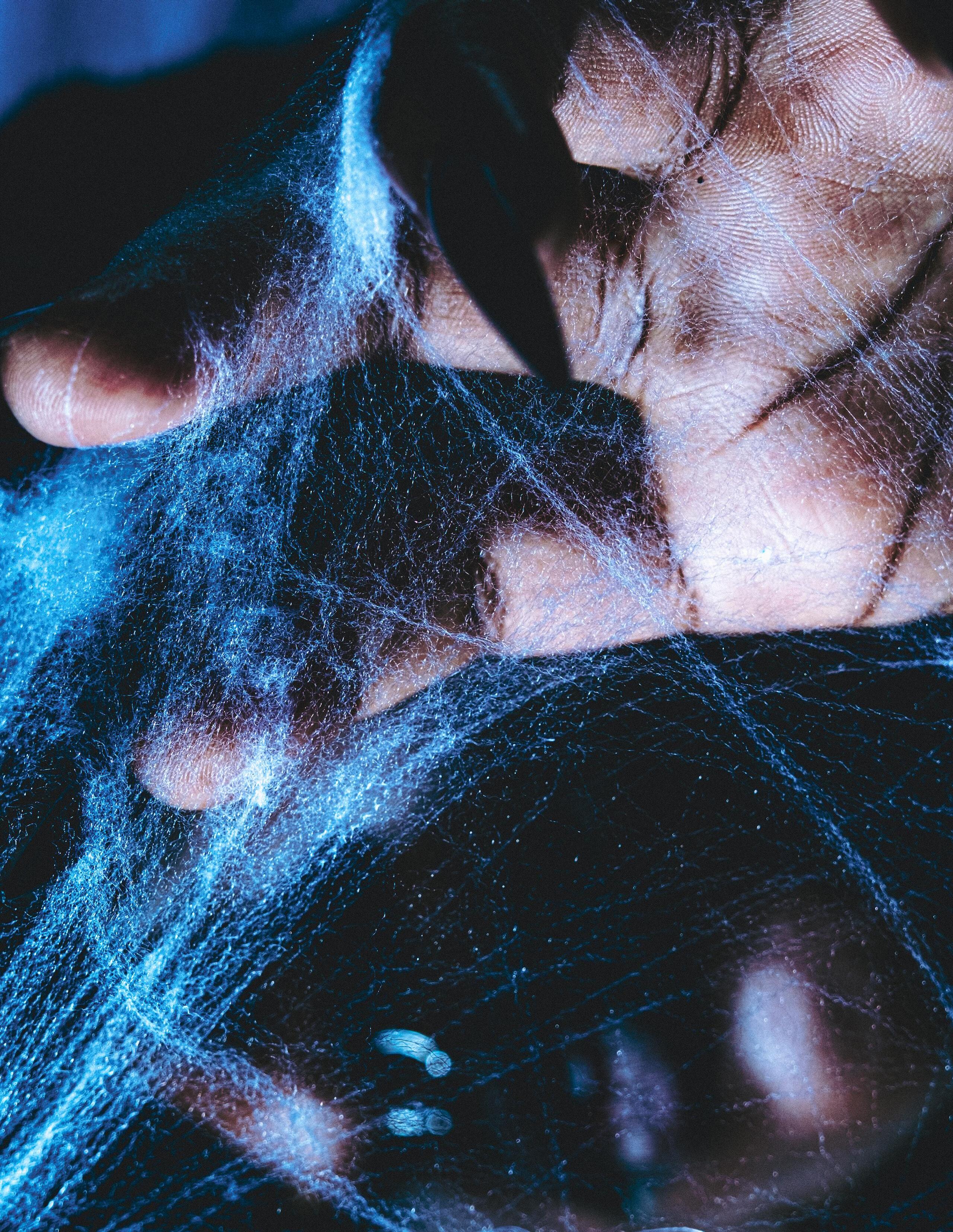
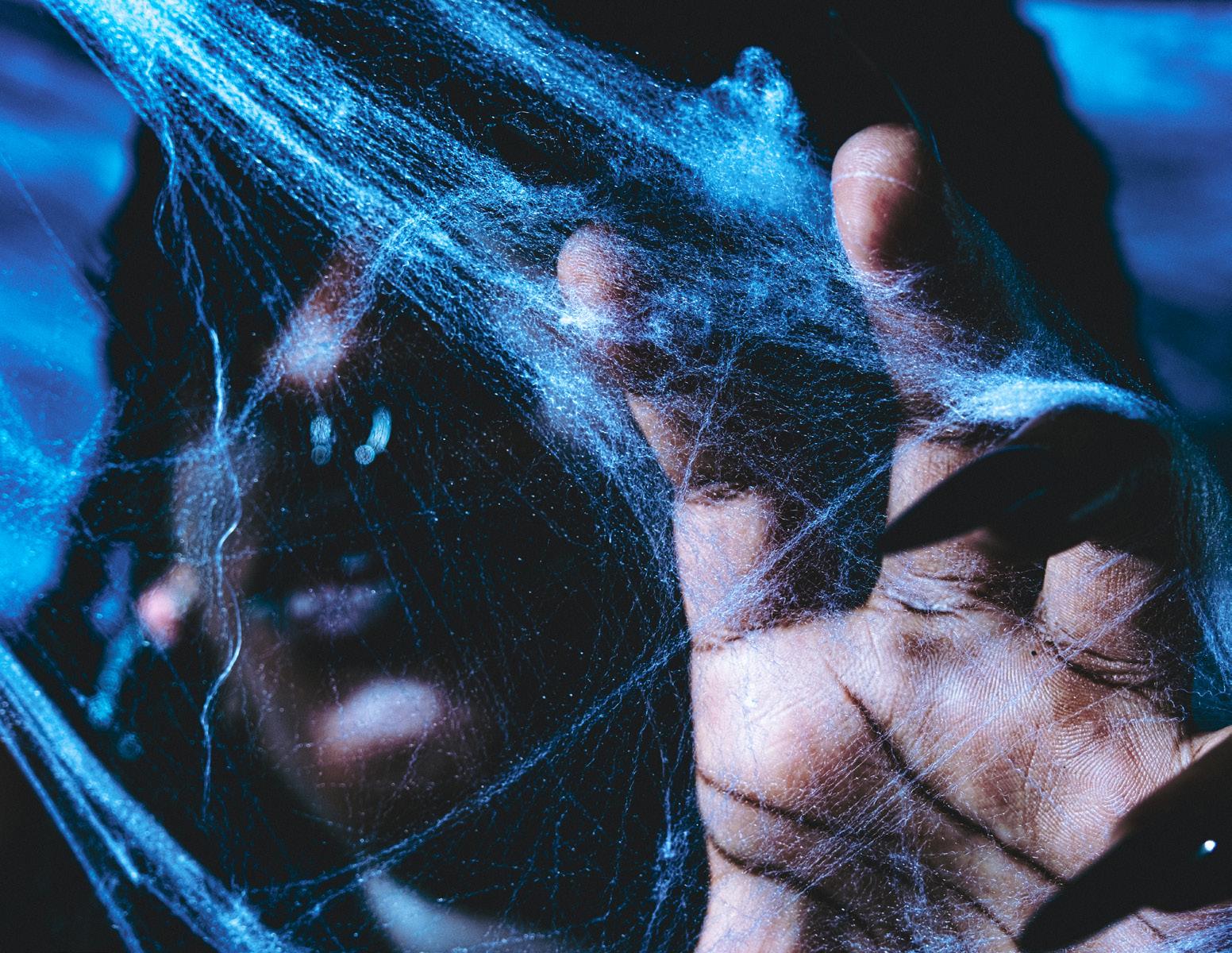
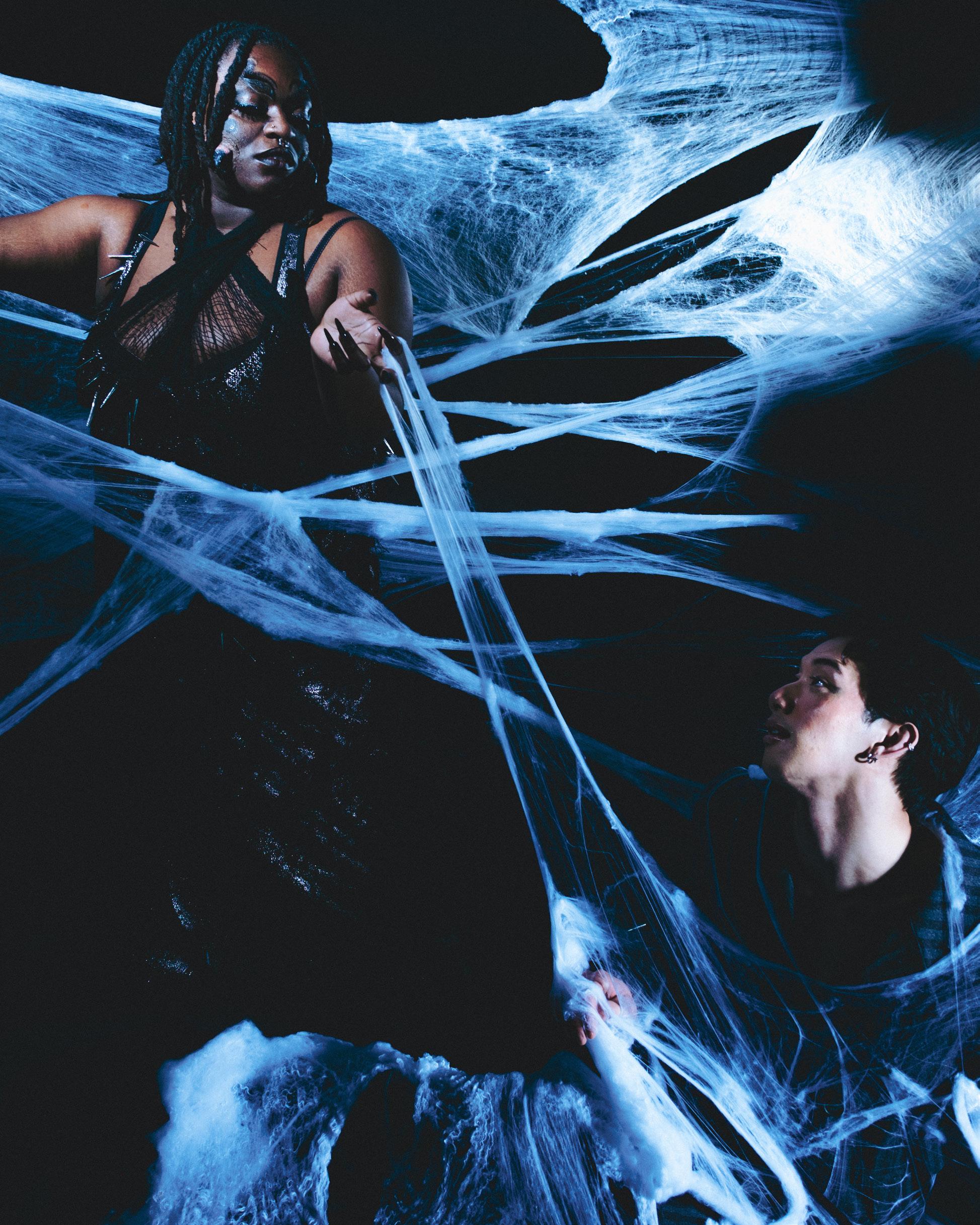
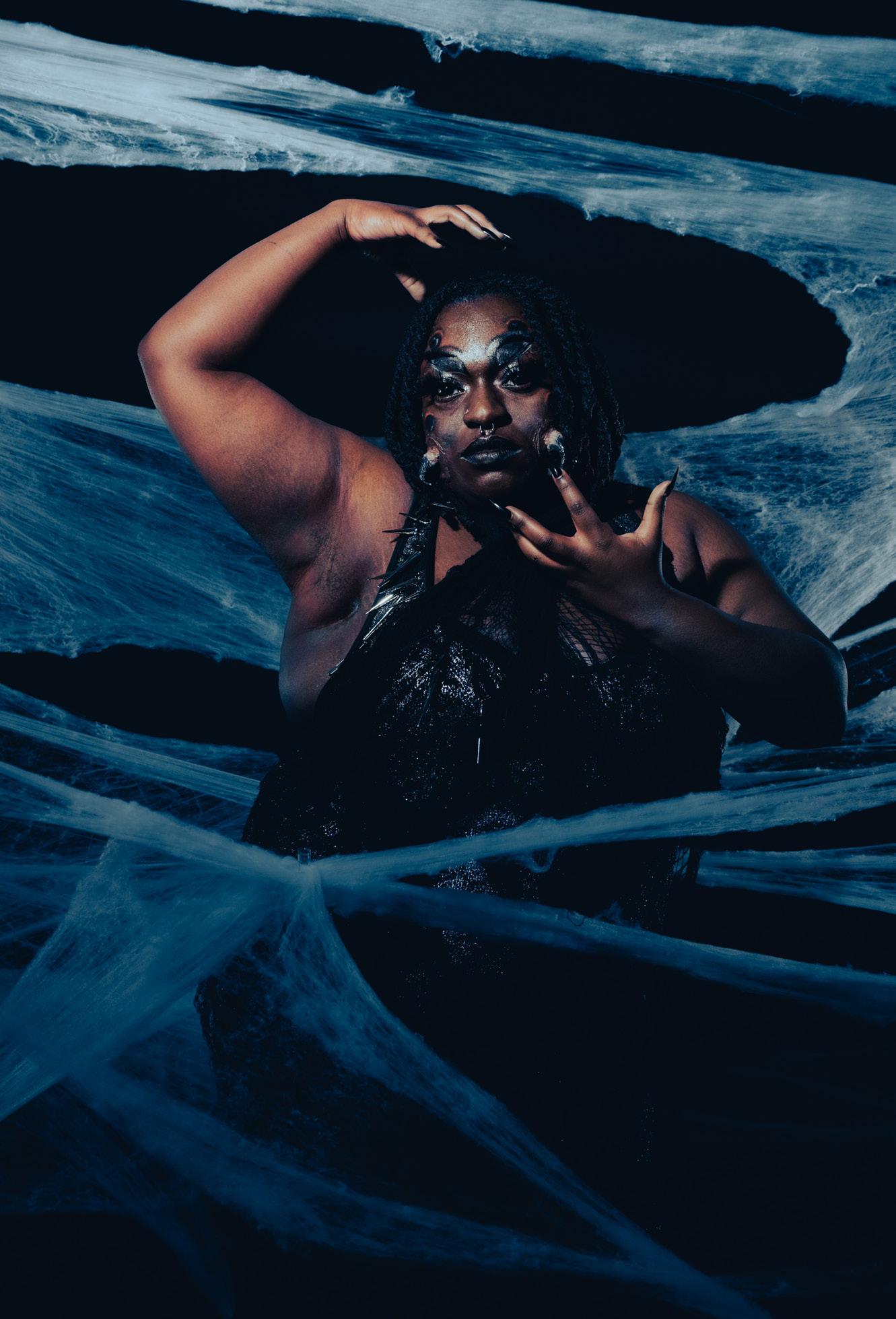
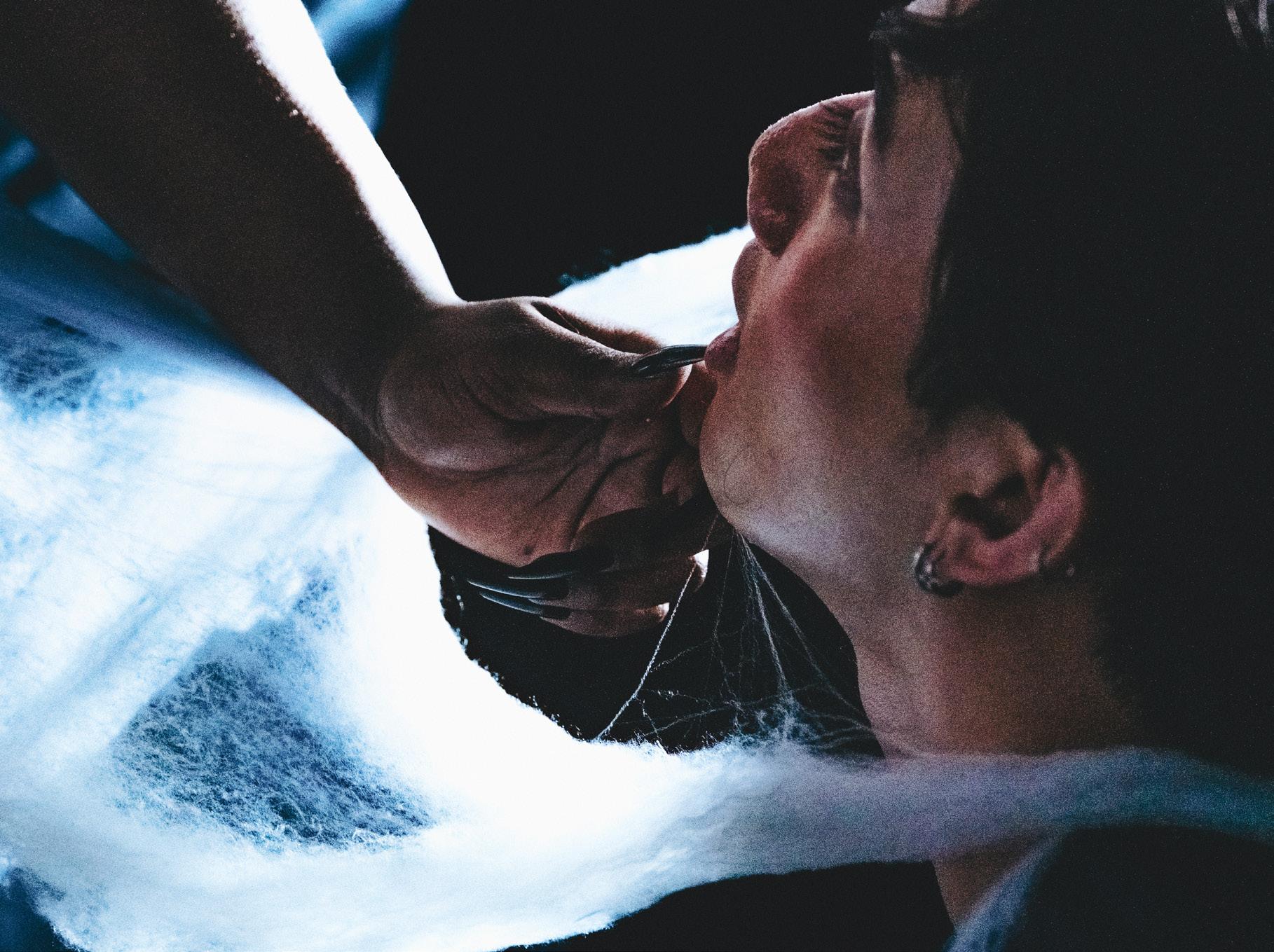
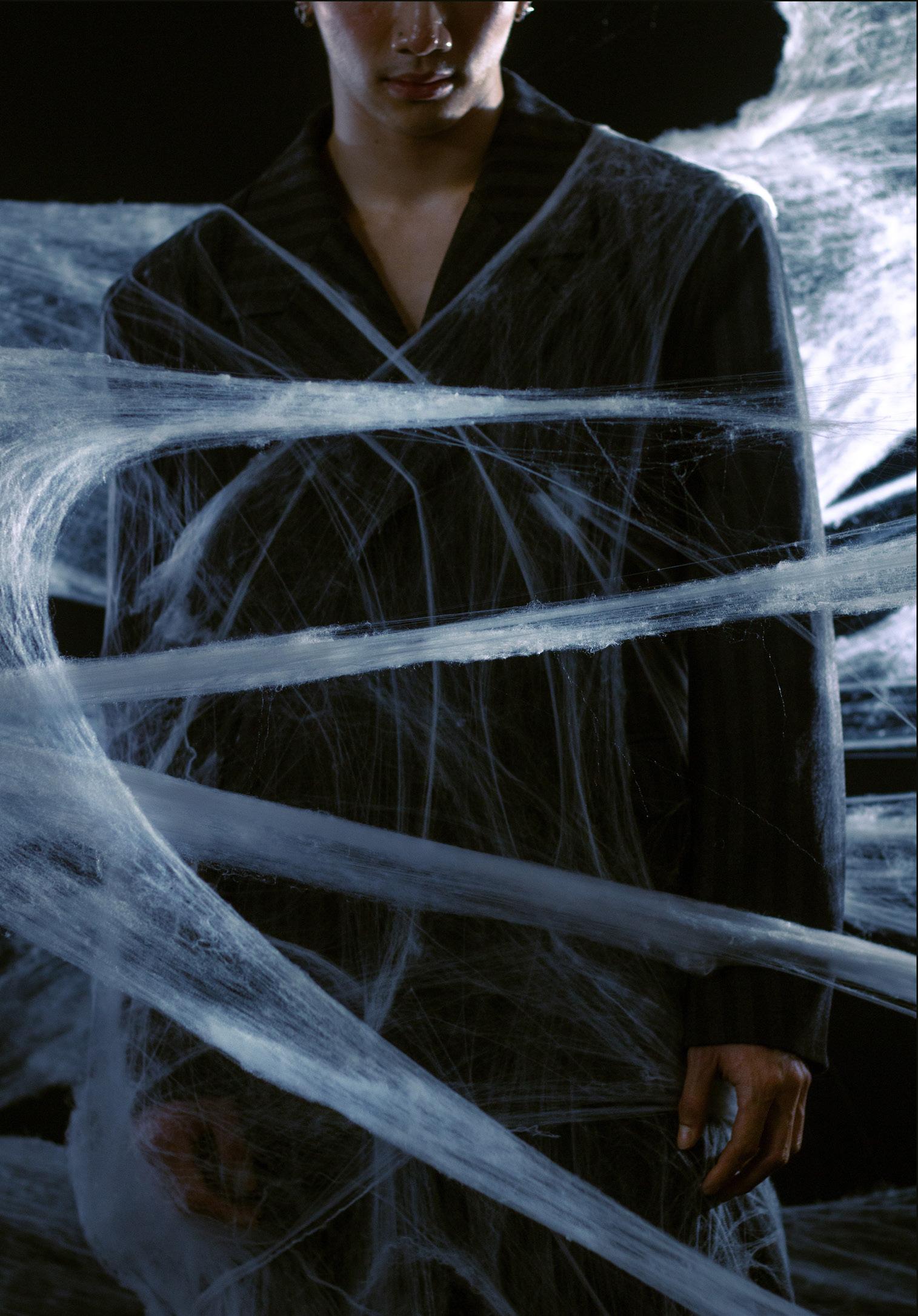
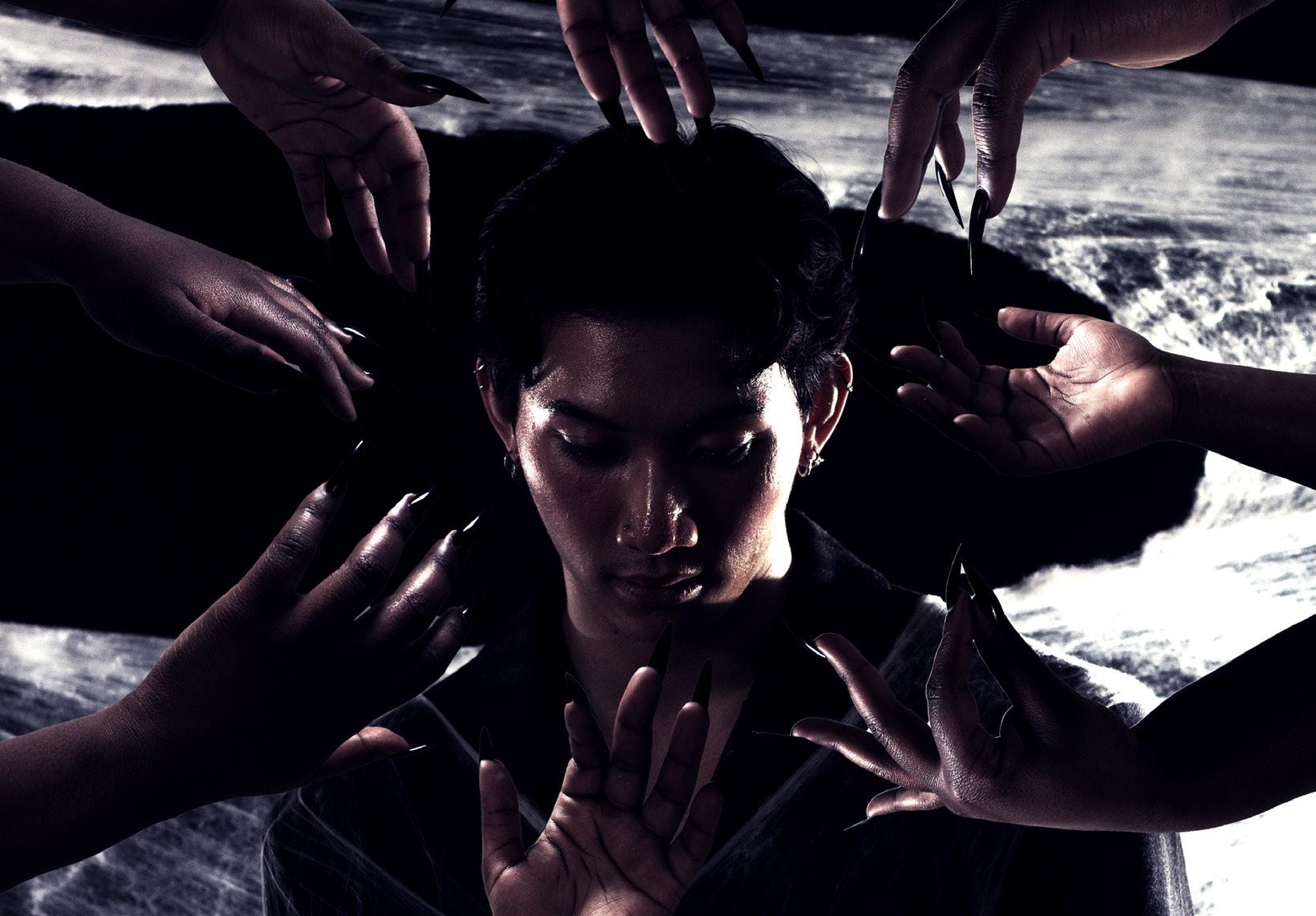
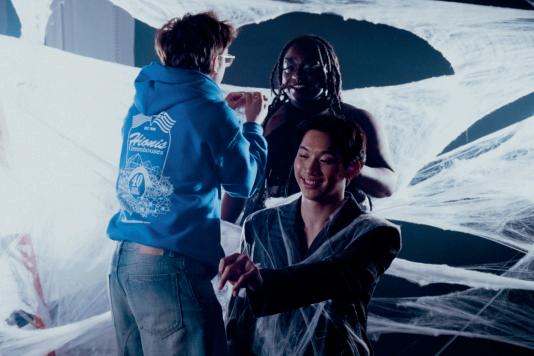
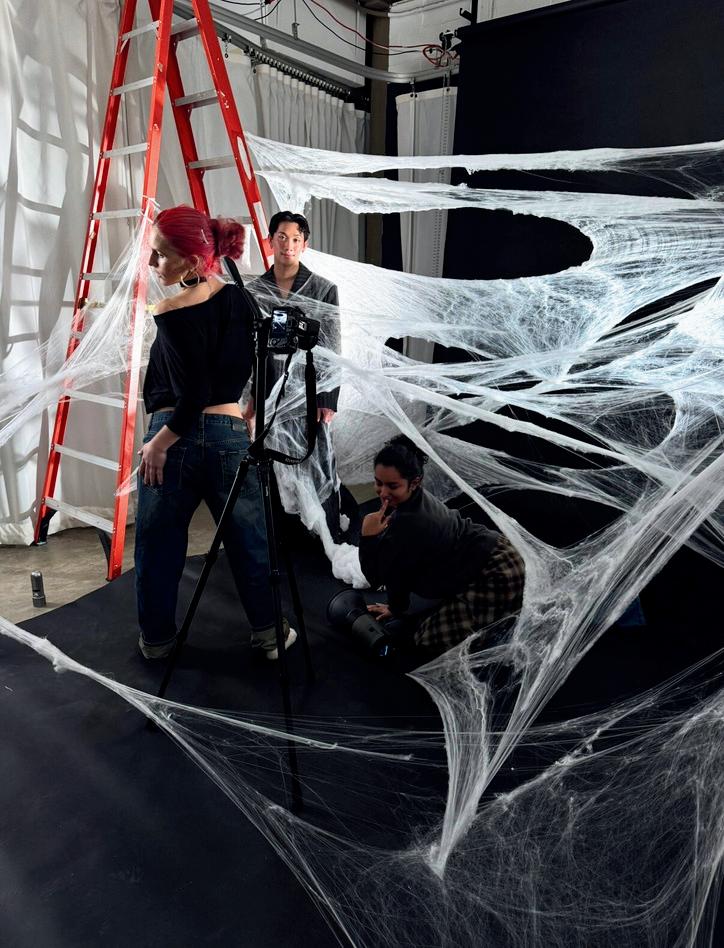
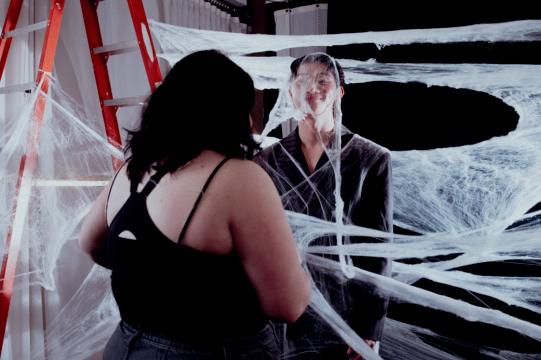
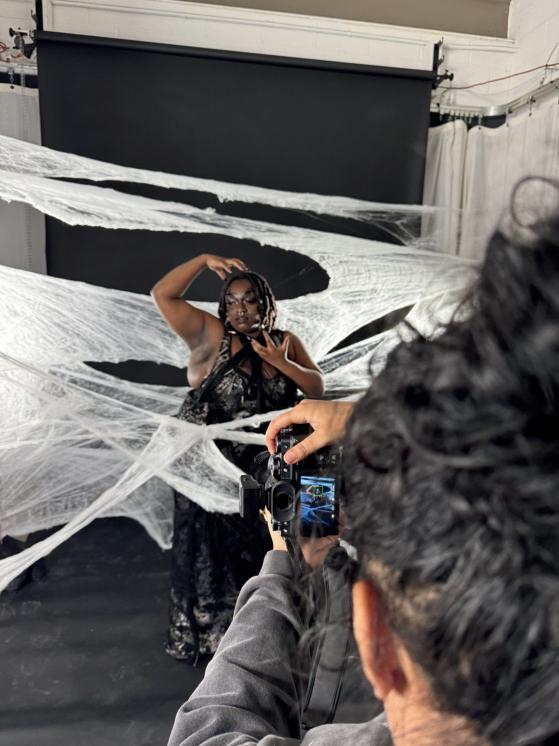
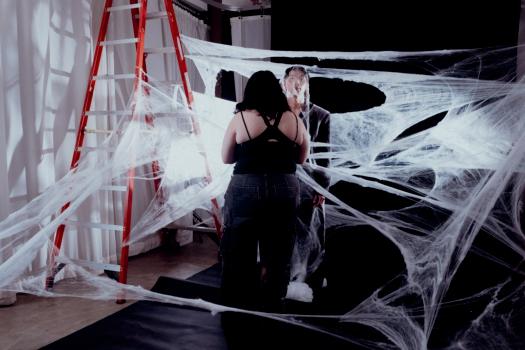
Power shows the natural need for domination through characterized representations stolen straight from the animal kingdom. We see a clawed spider menacingly taunting the docile fly; bright-eyed, yearning and surrendered to natural command.
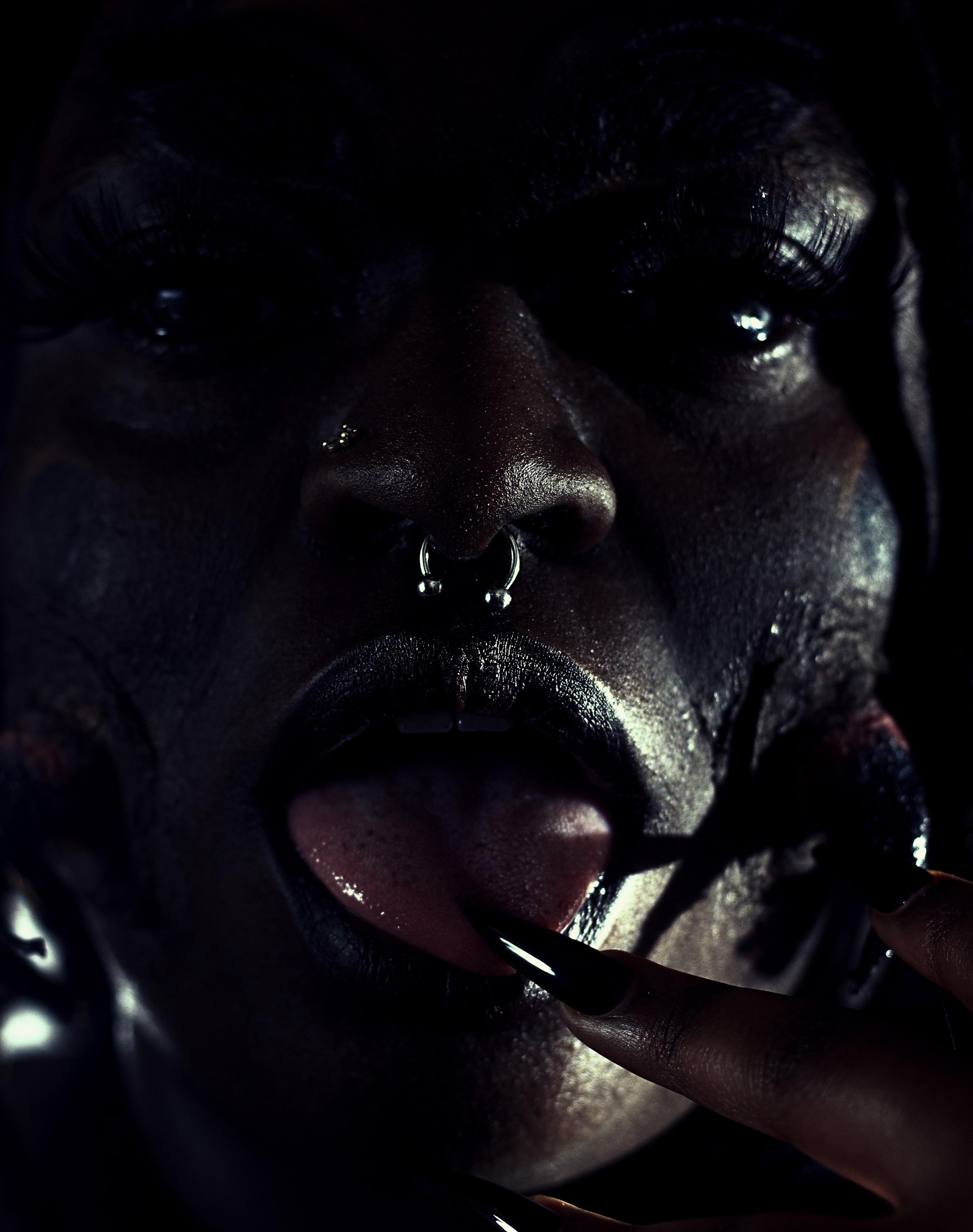
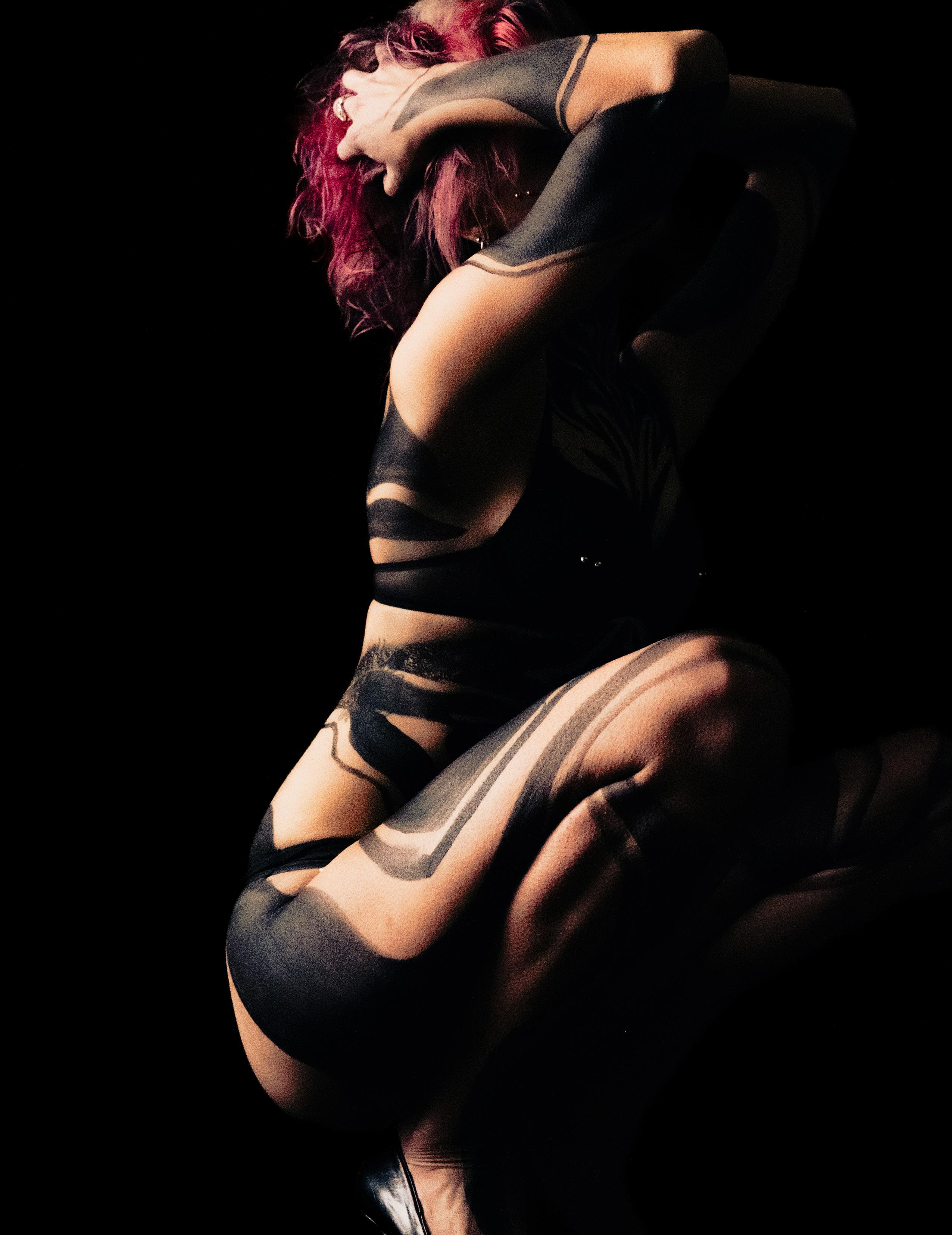
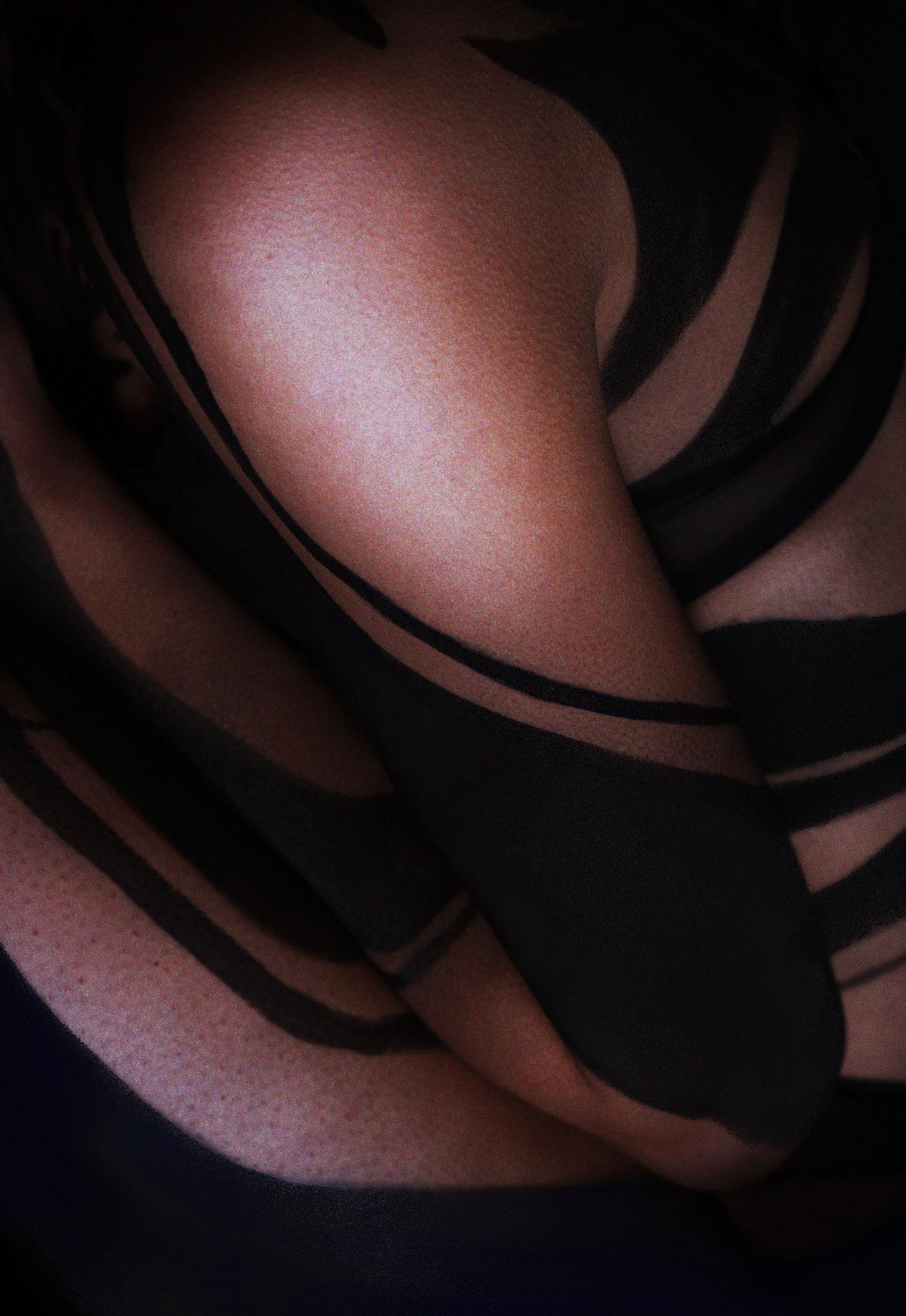
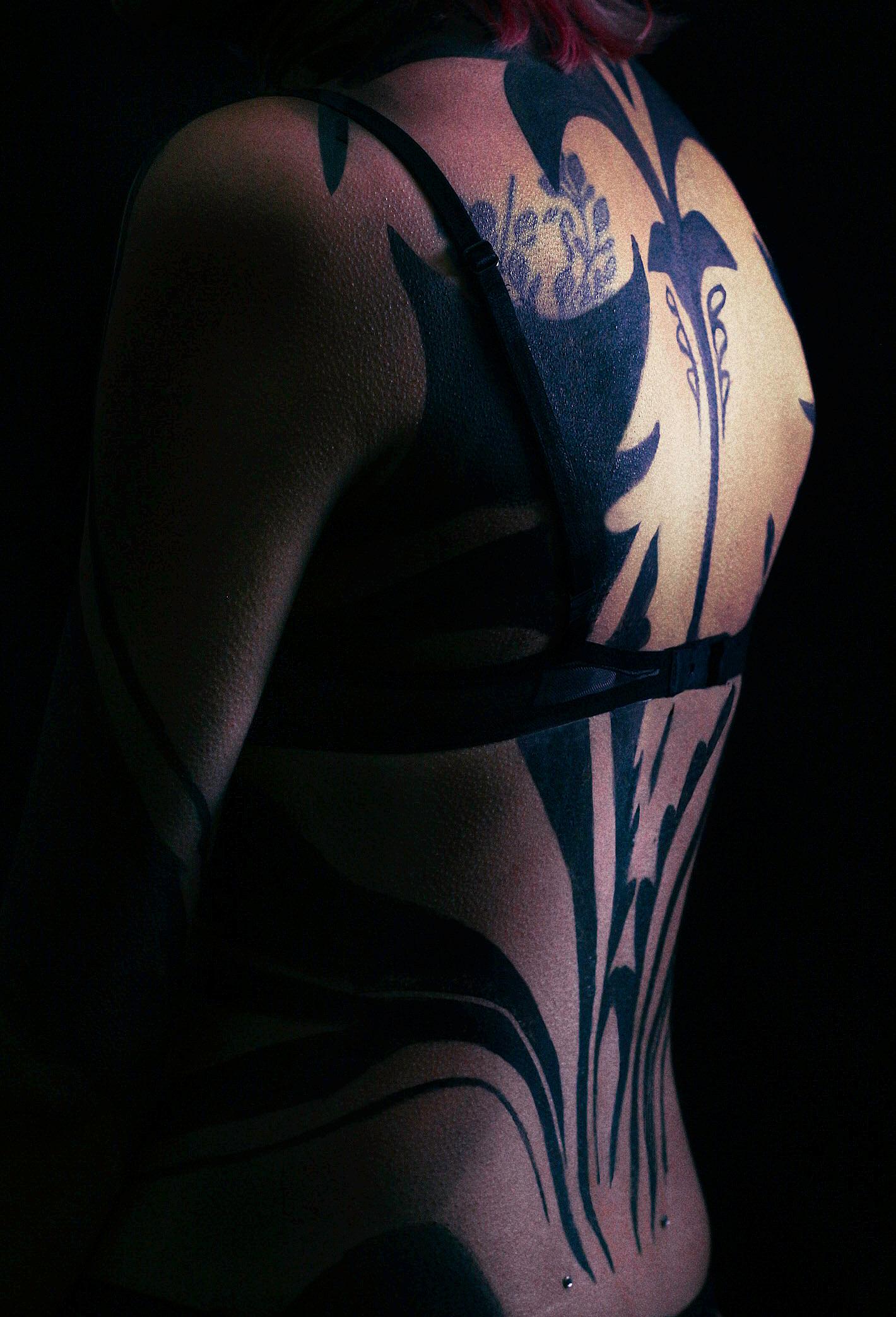
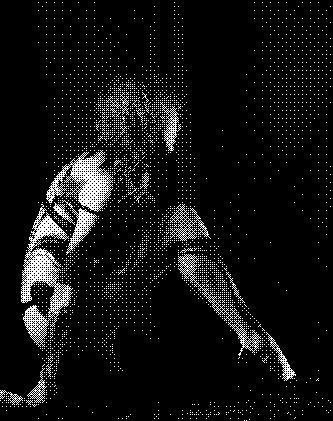
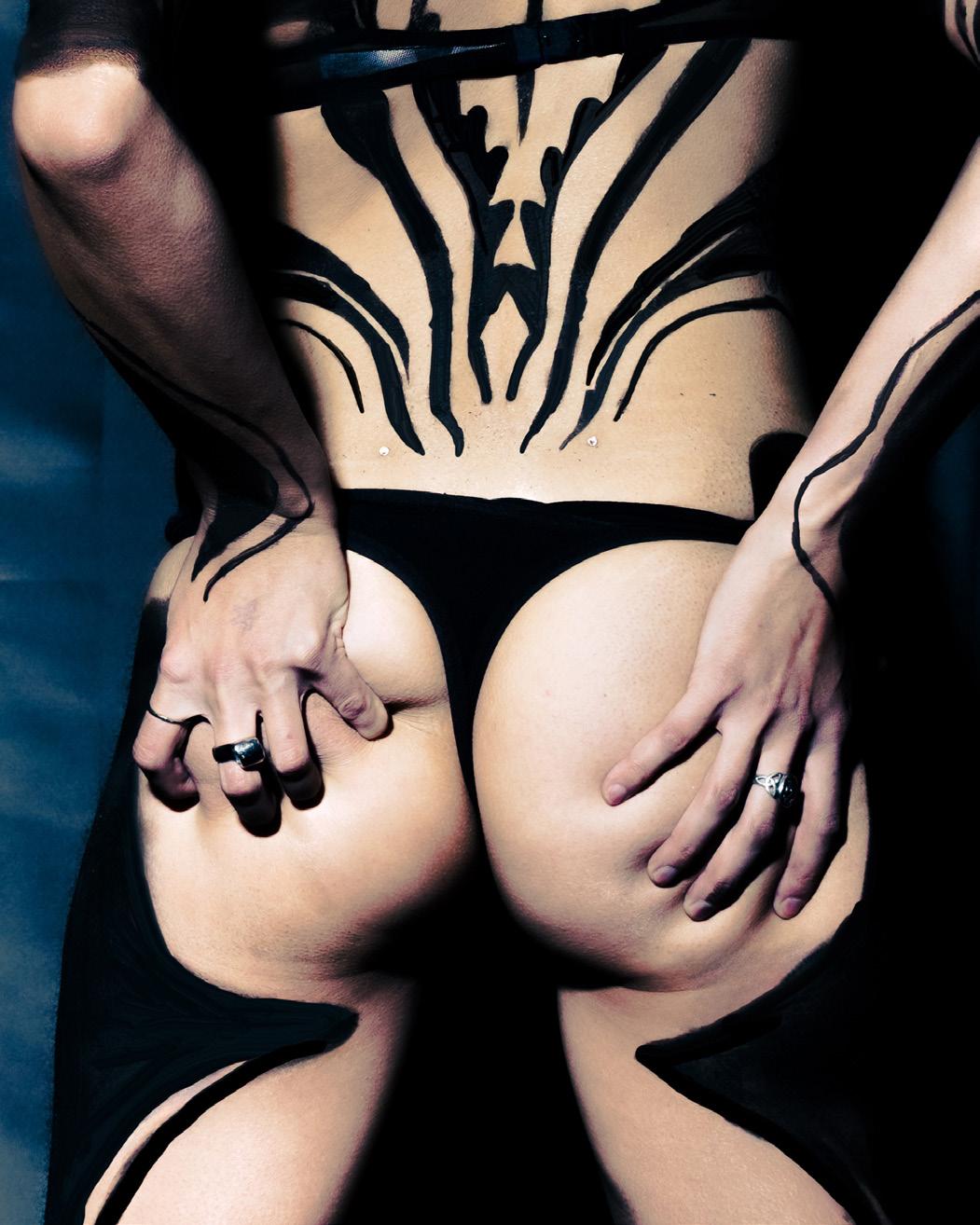
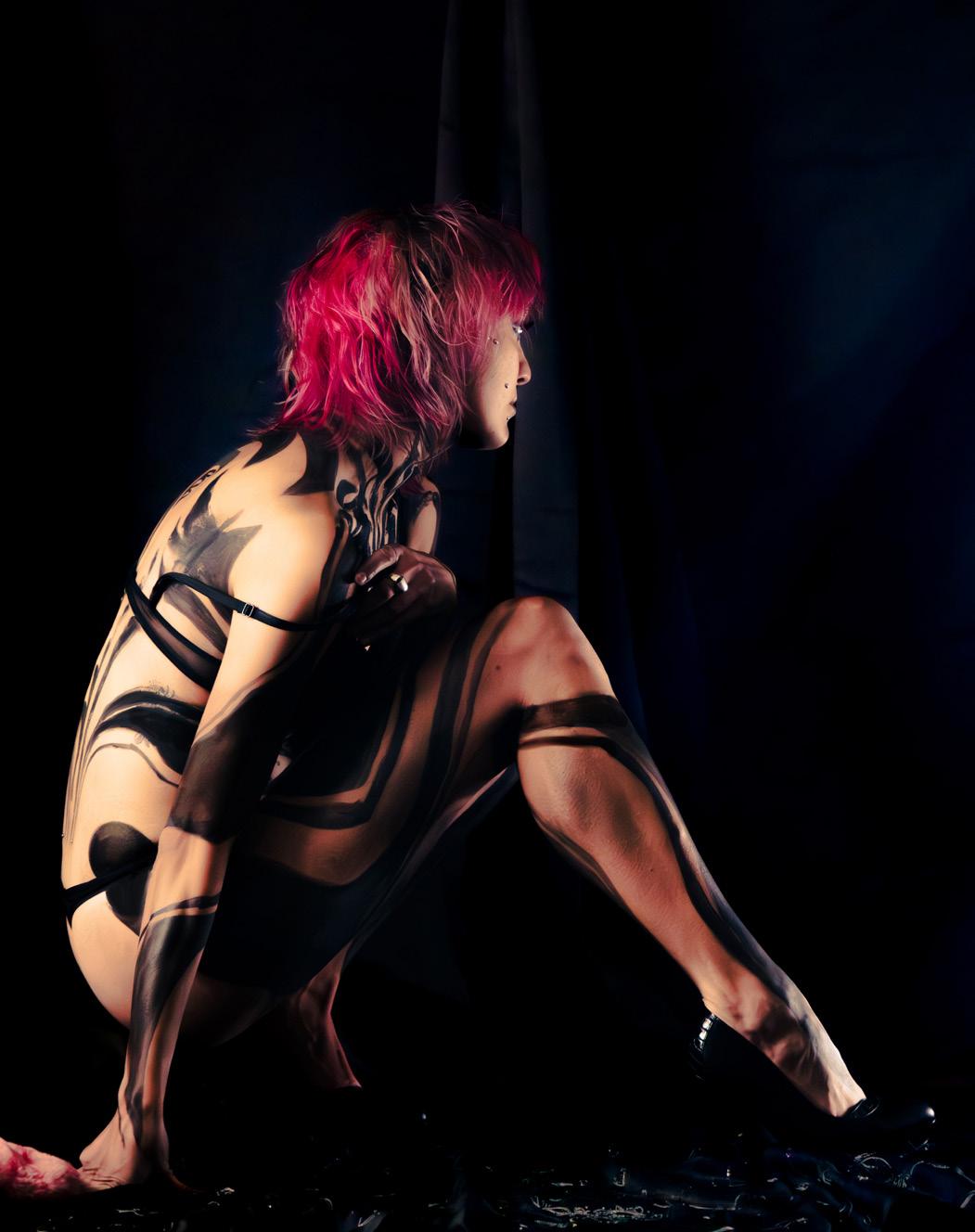
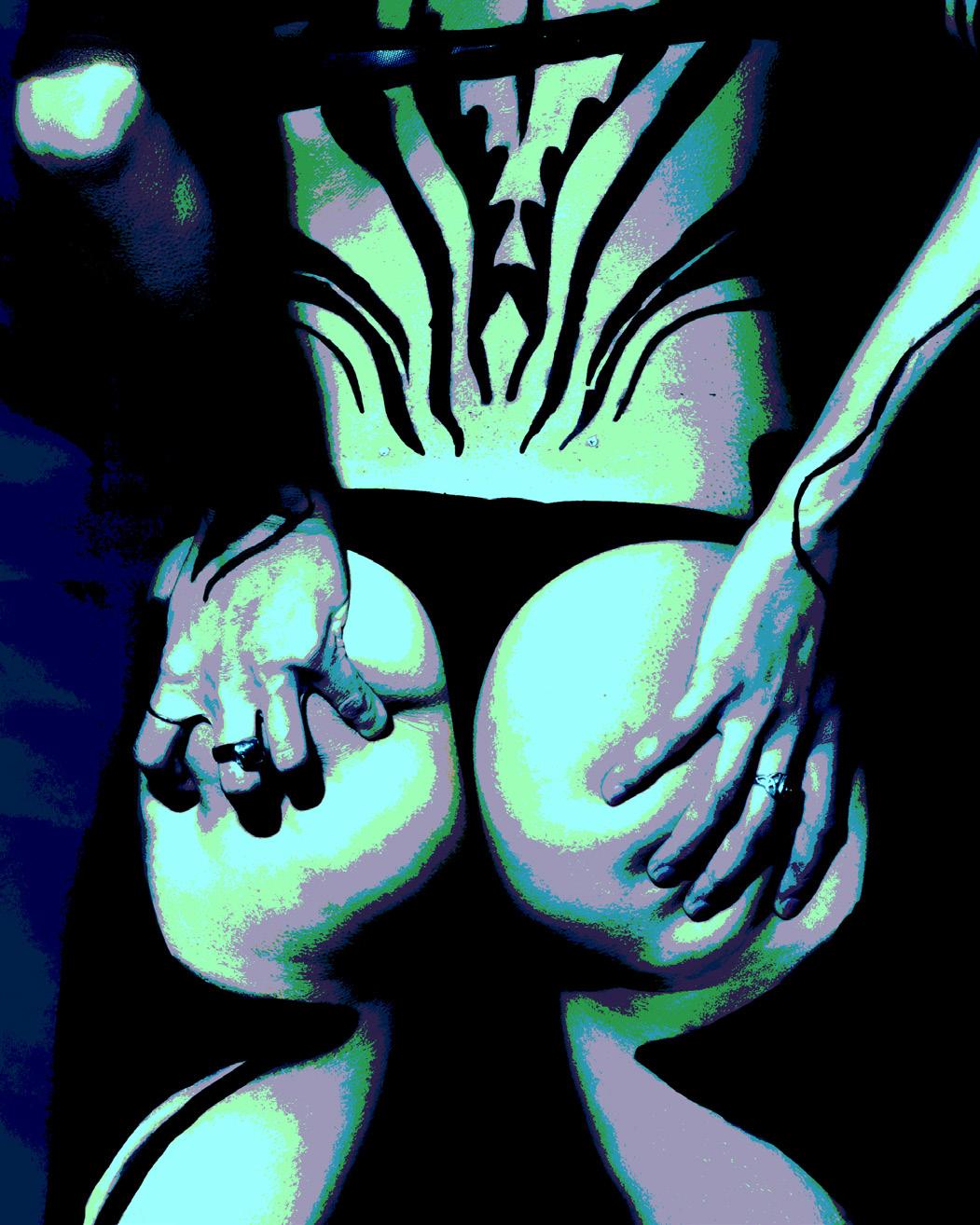
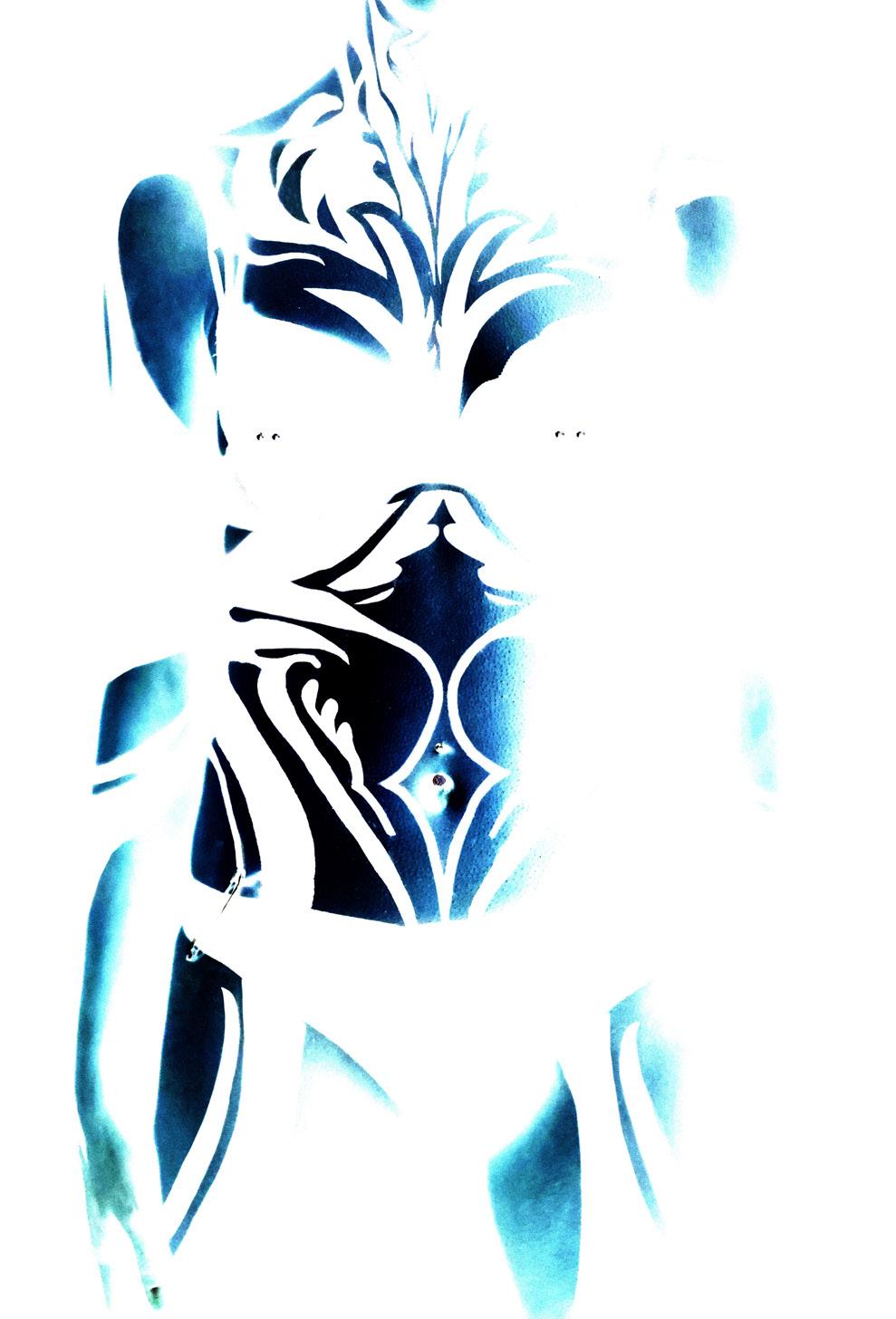
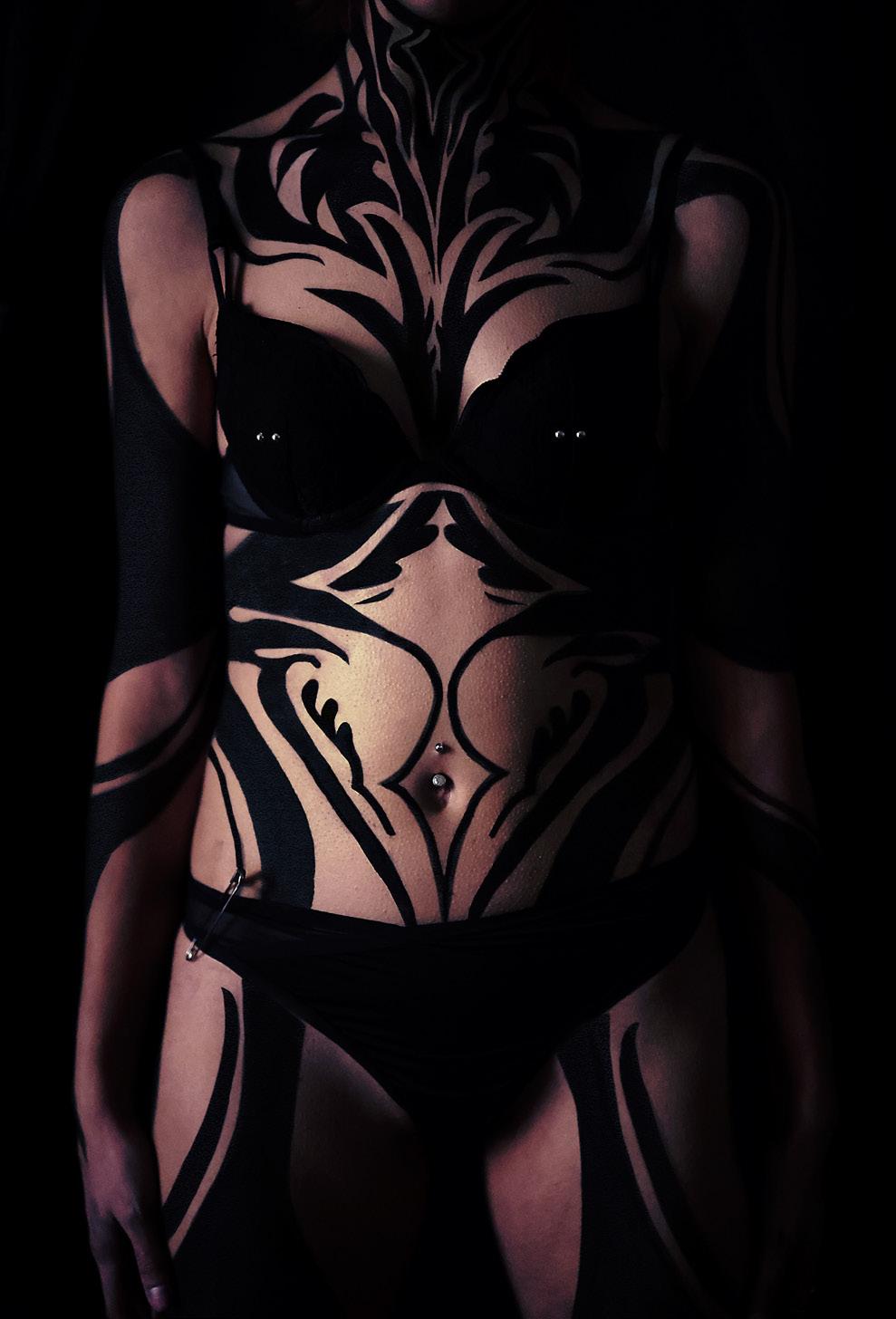
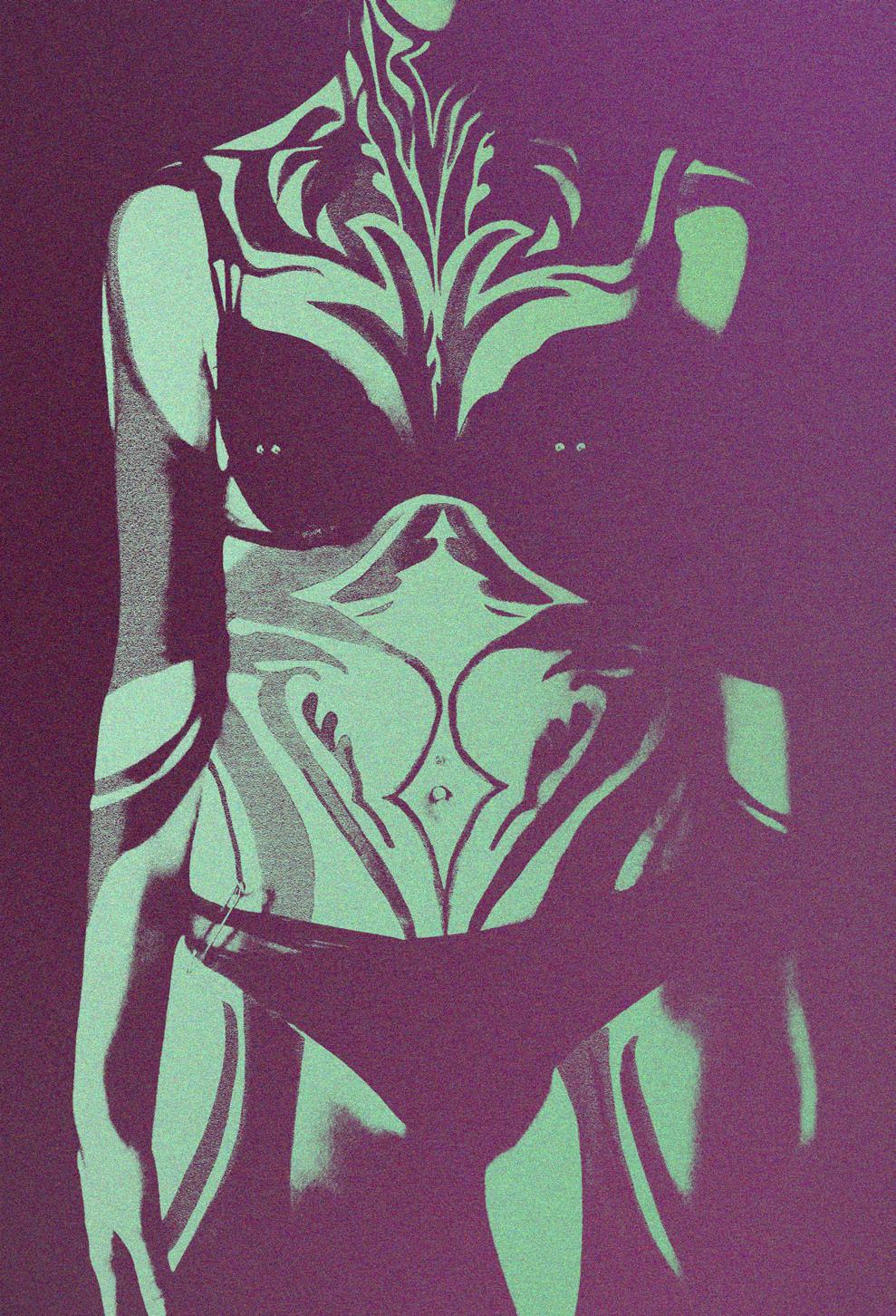
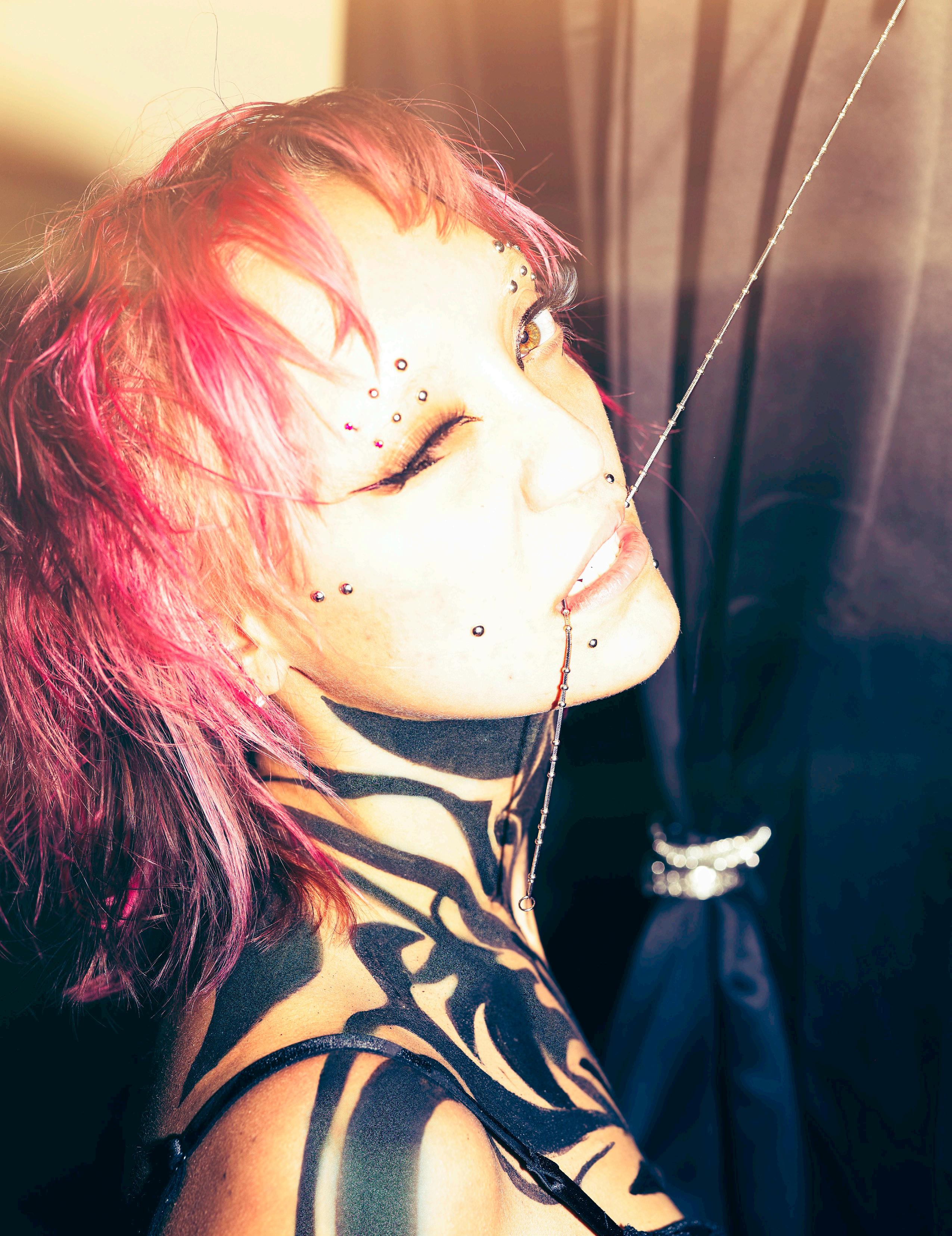
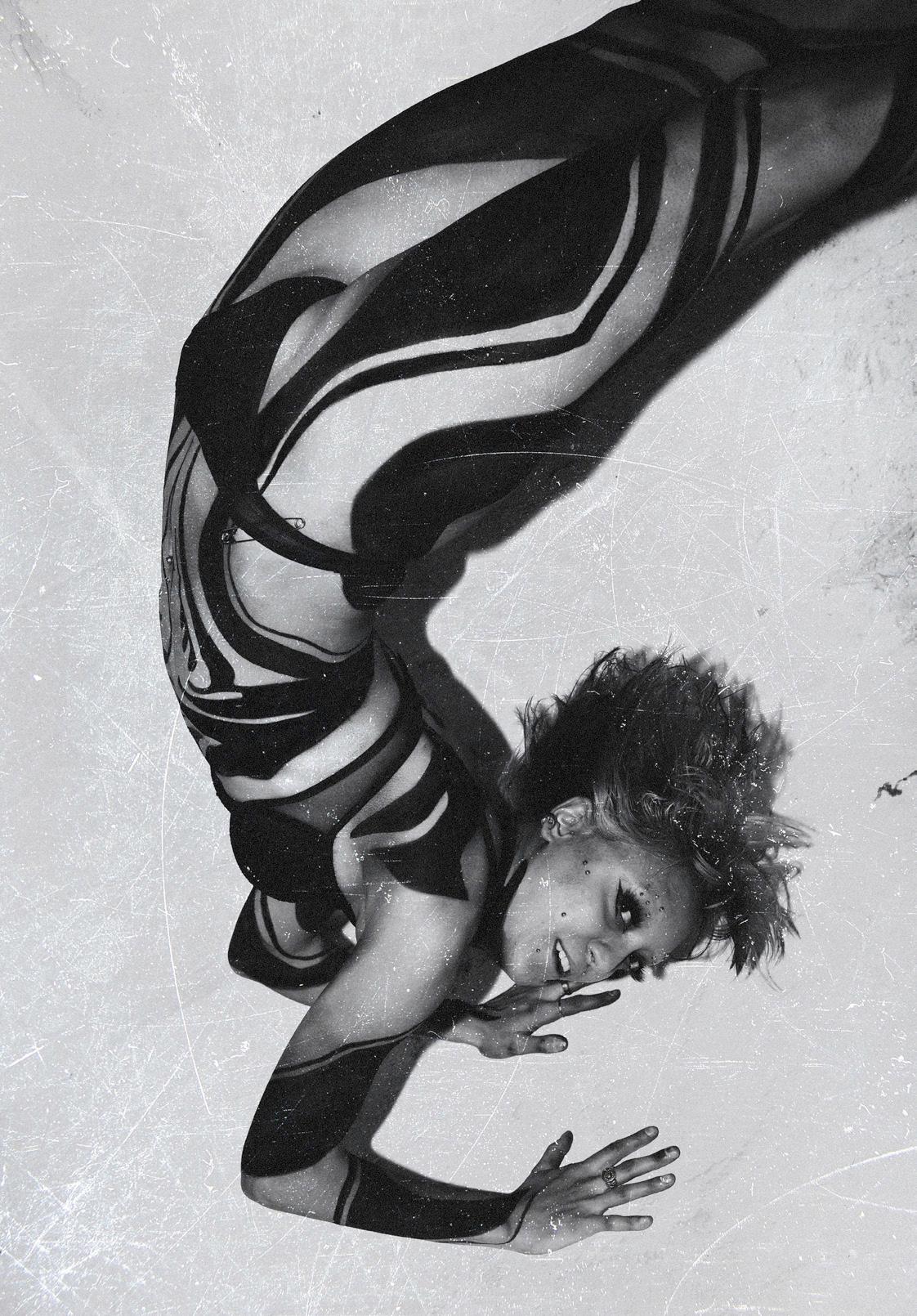
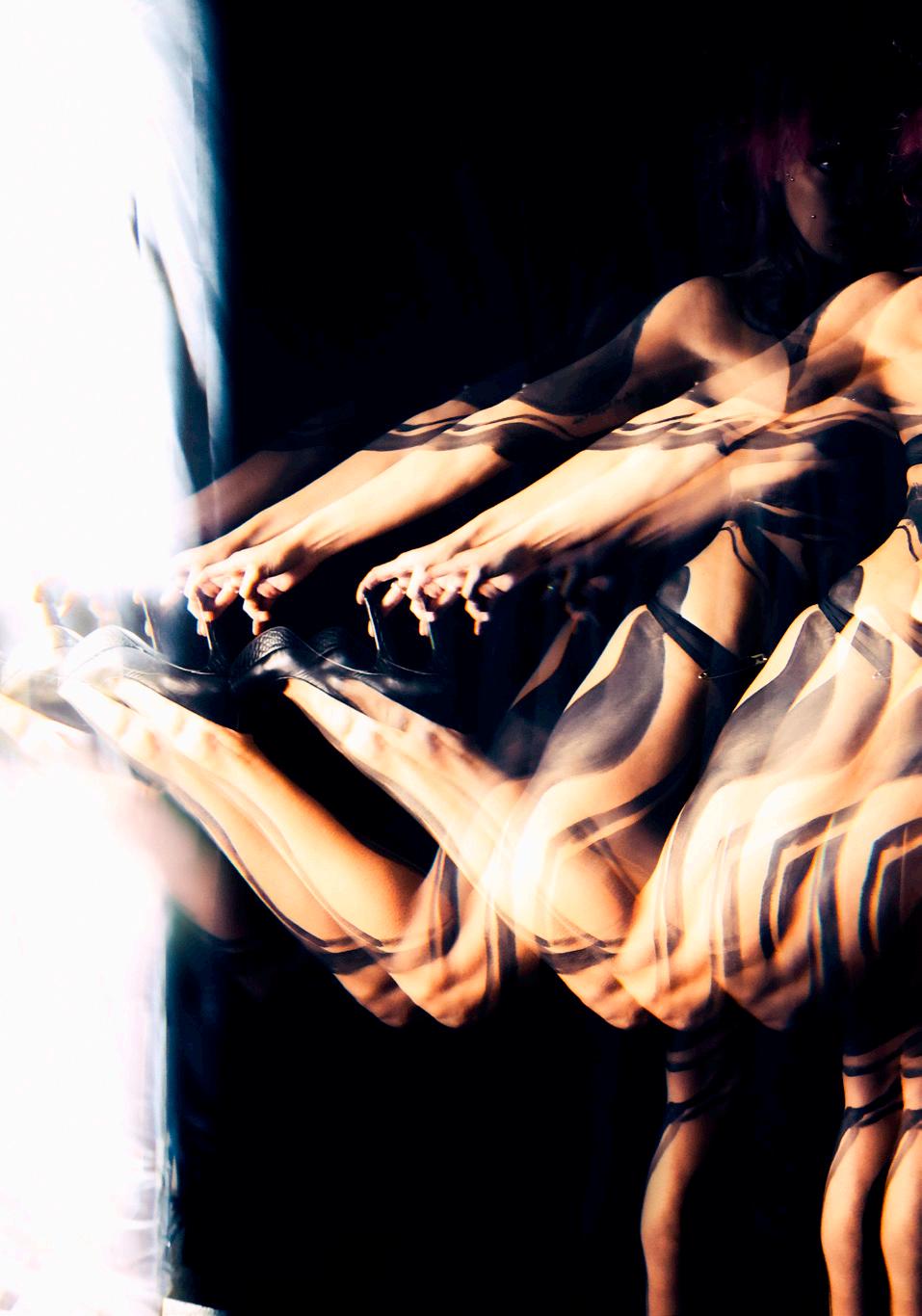
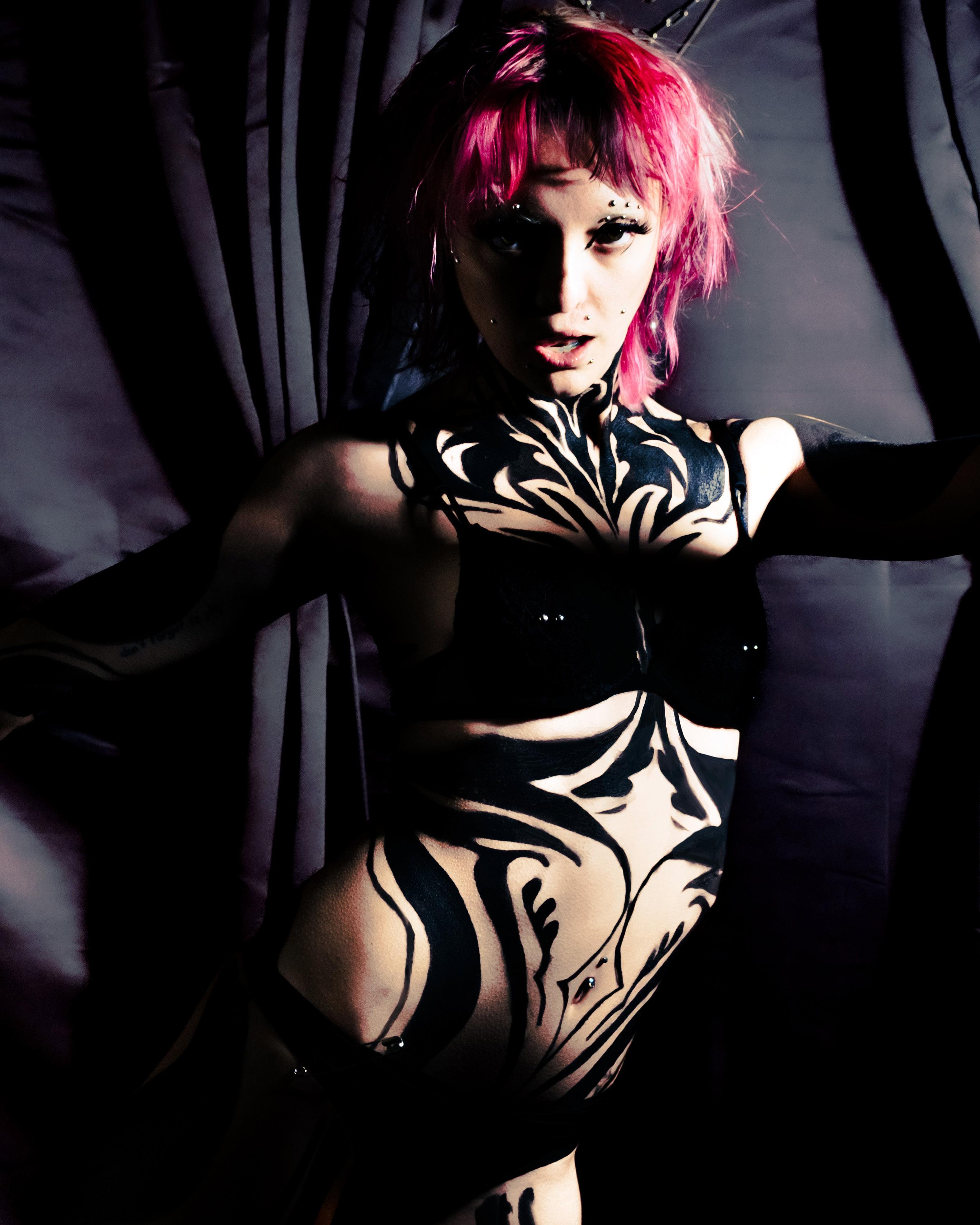
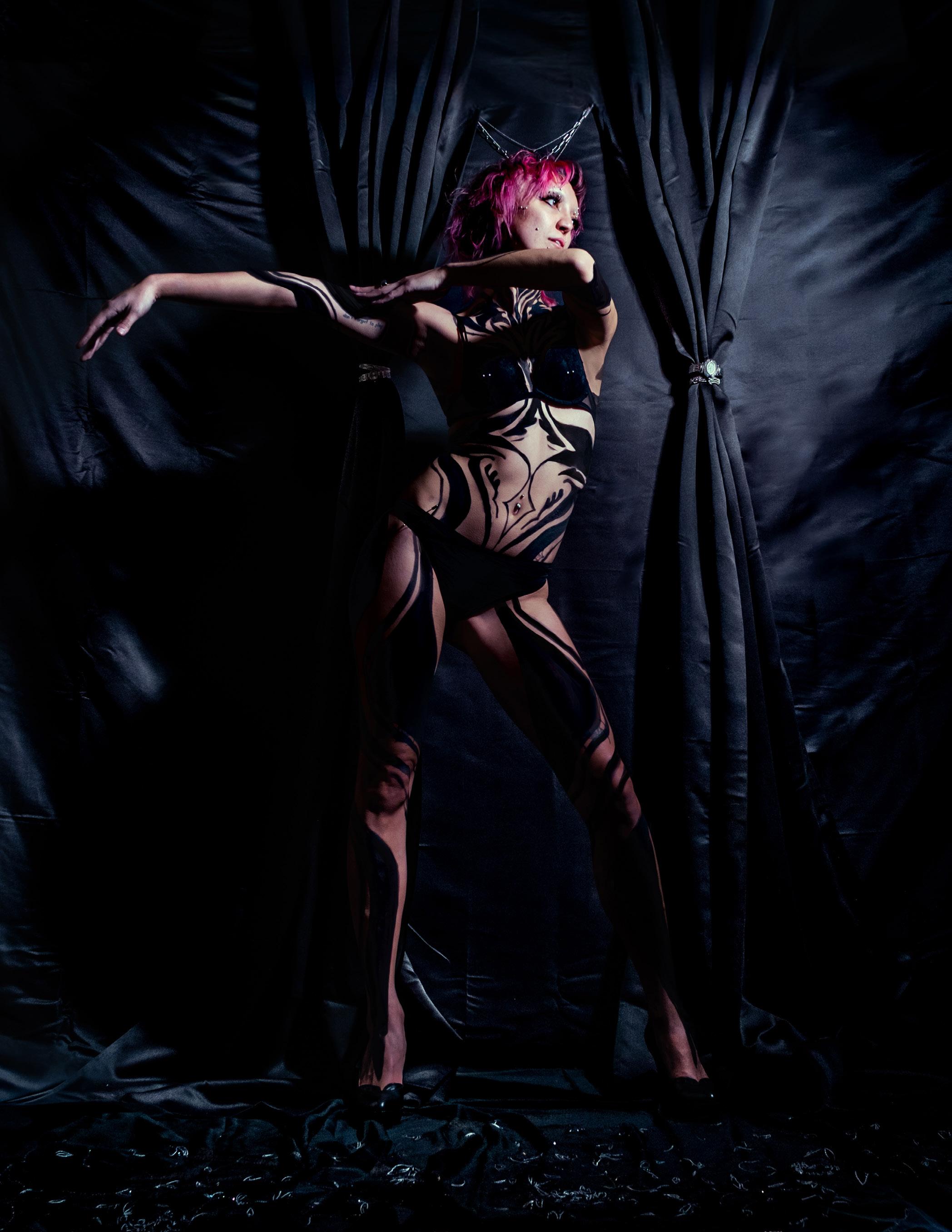
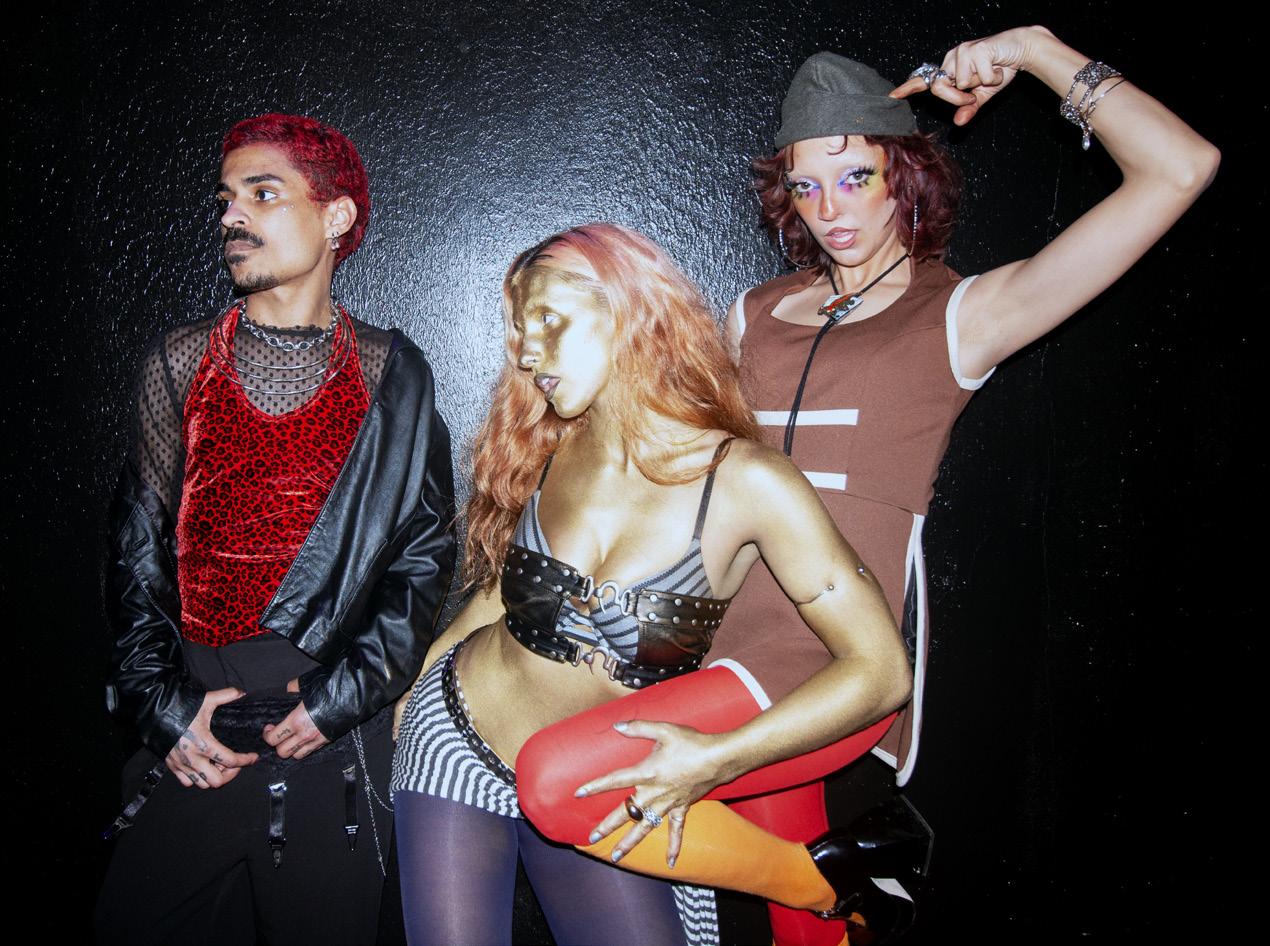
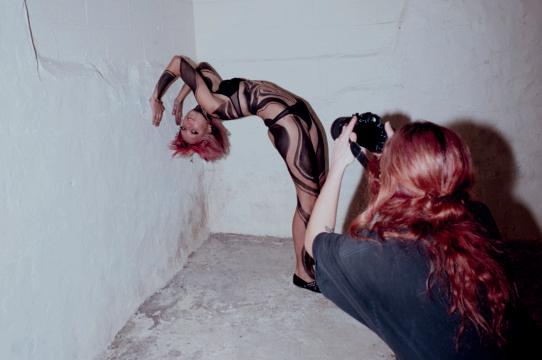
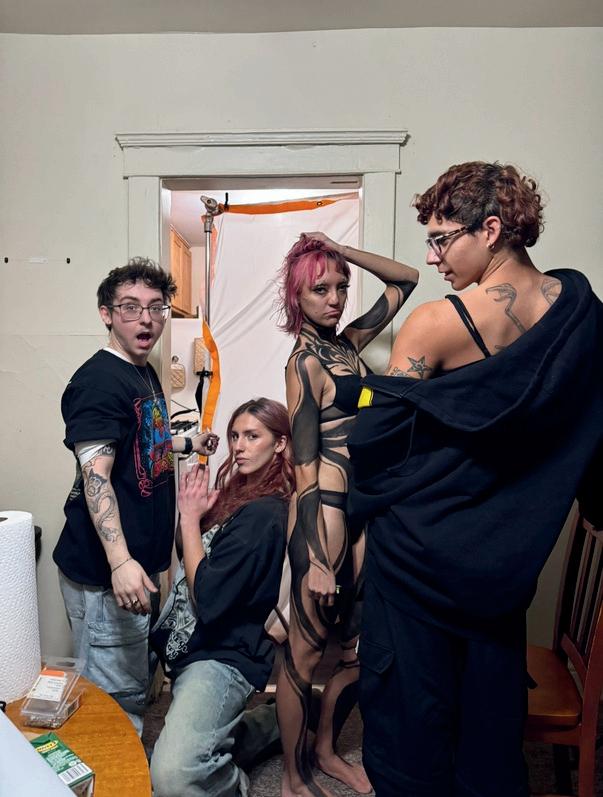
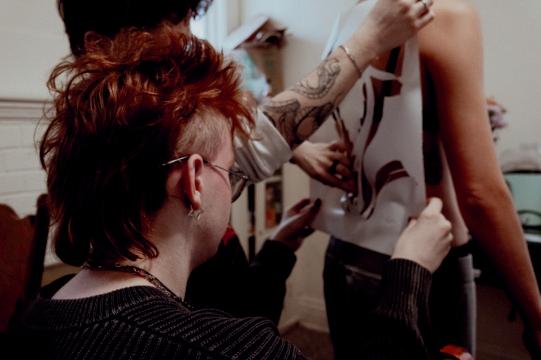
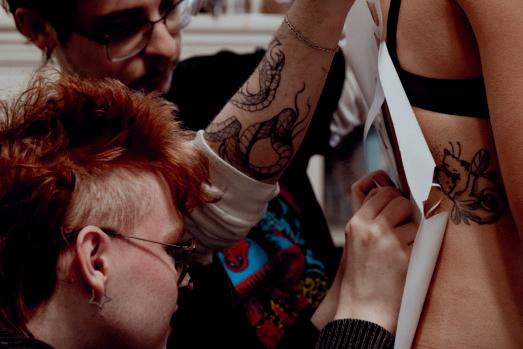
Modification shows the human desire for change, adornment and hyper-accessorization. Tattoo and piercing subcultures clash in a handmade half-tone pattern spread that shows our desire for change and transformation. The pain of a needle develops into the pleasure of modification in a body filled with lines, gems and shapes.
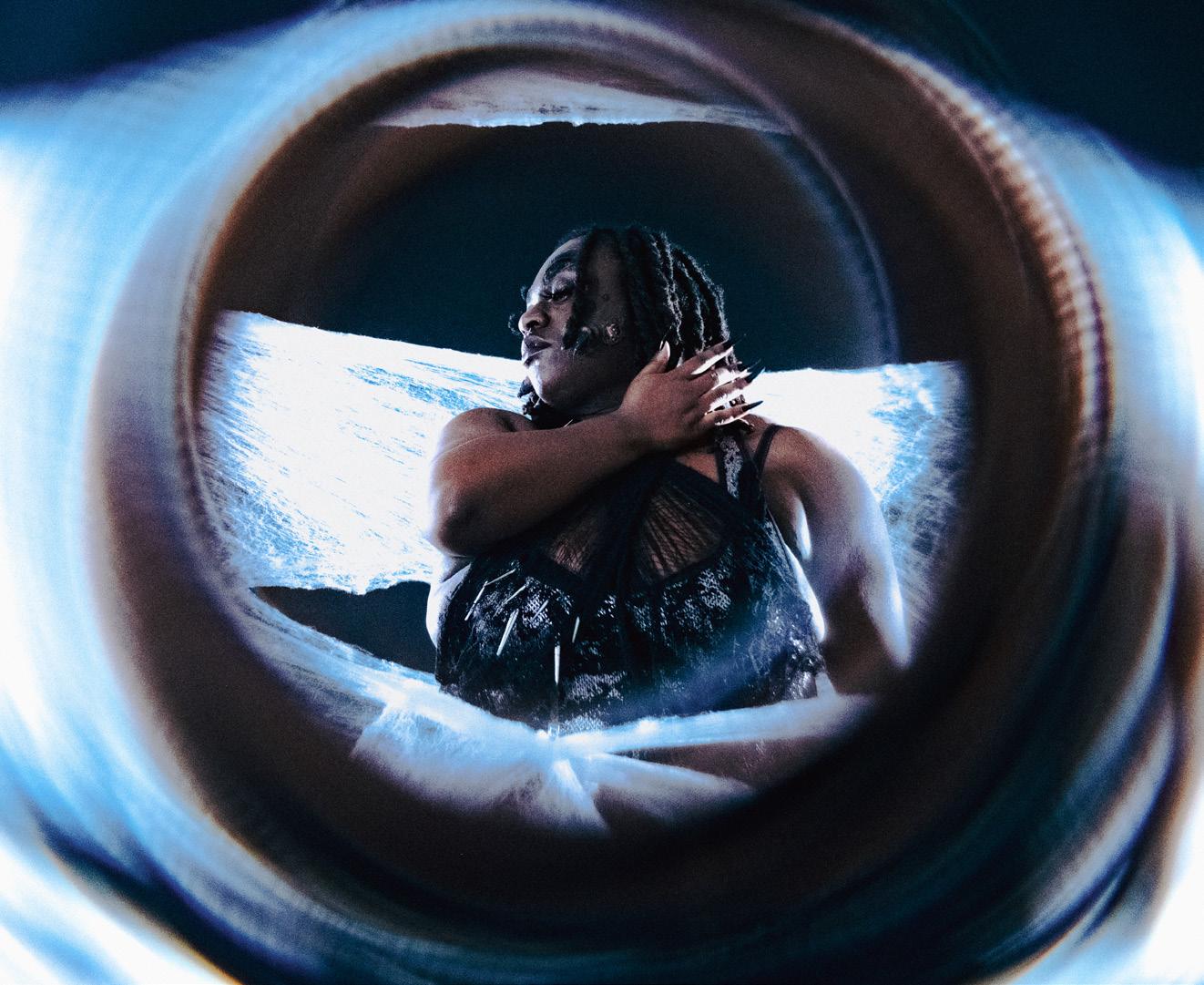
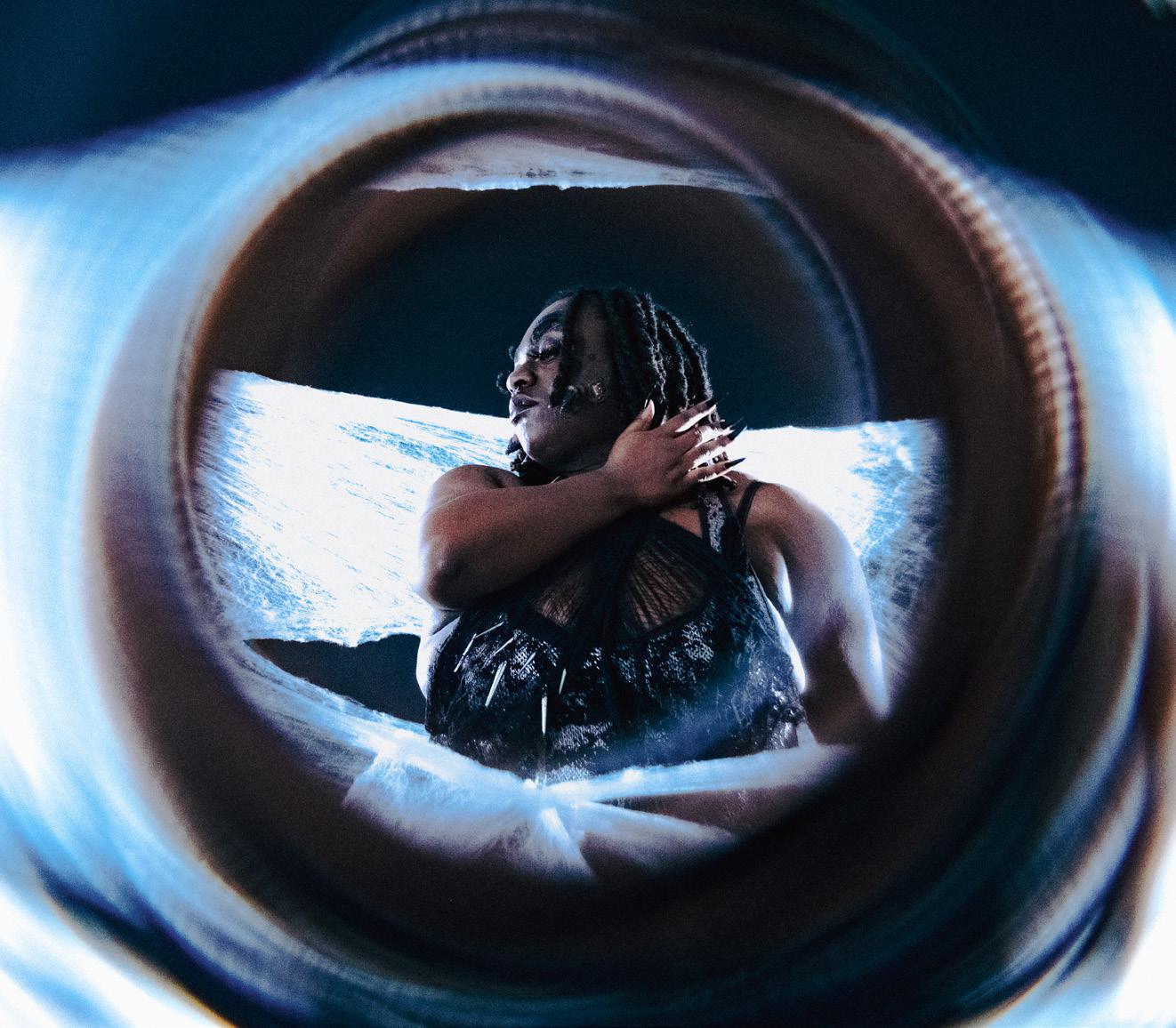
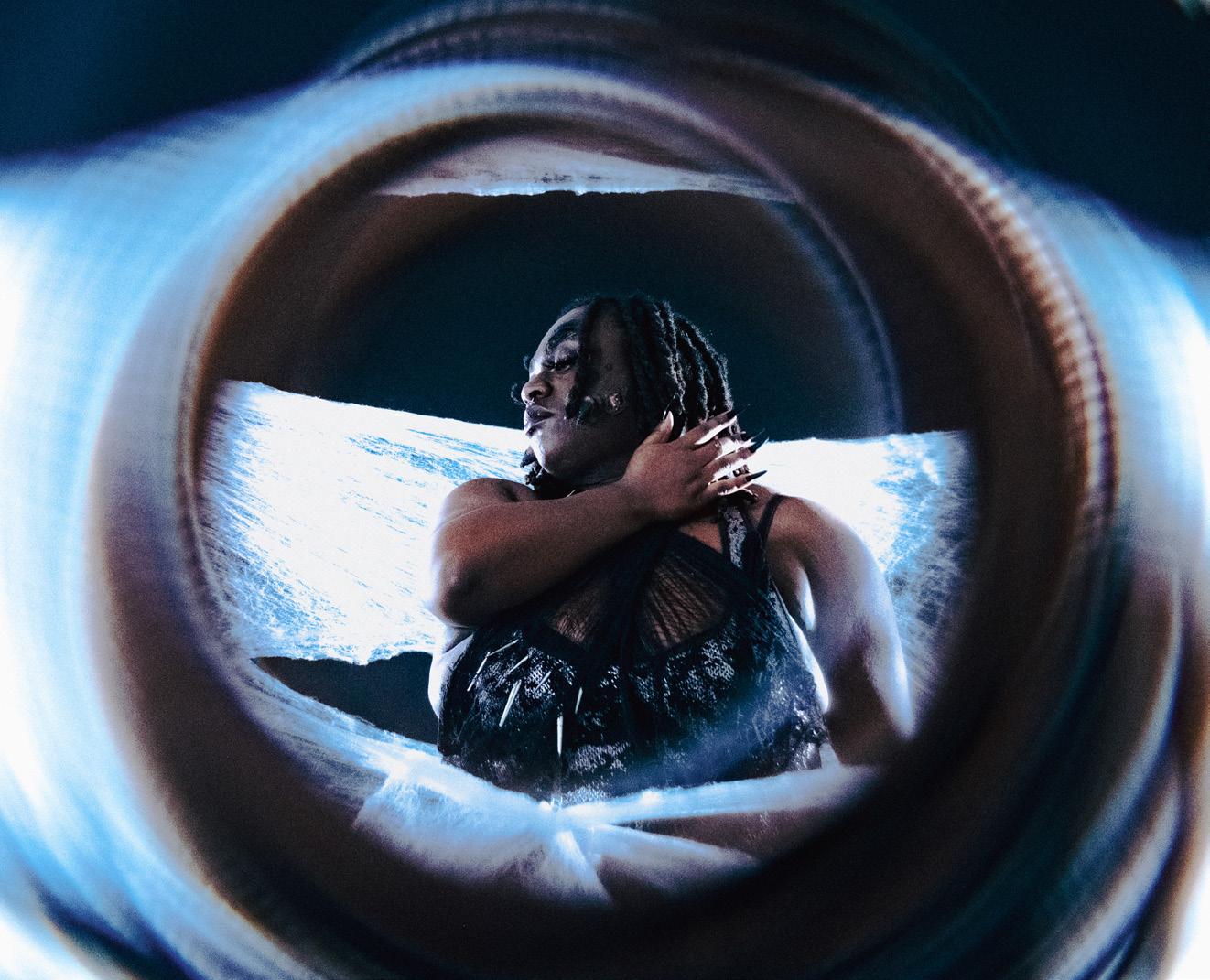
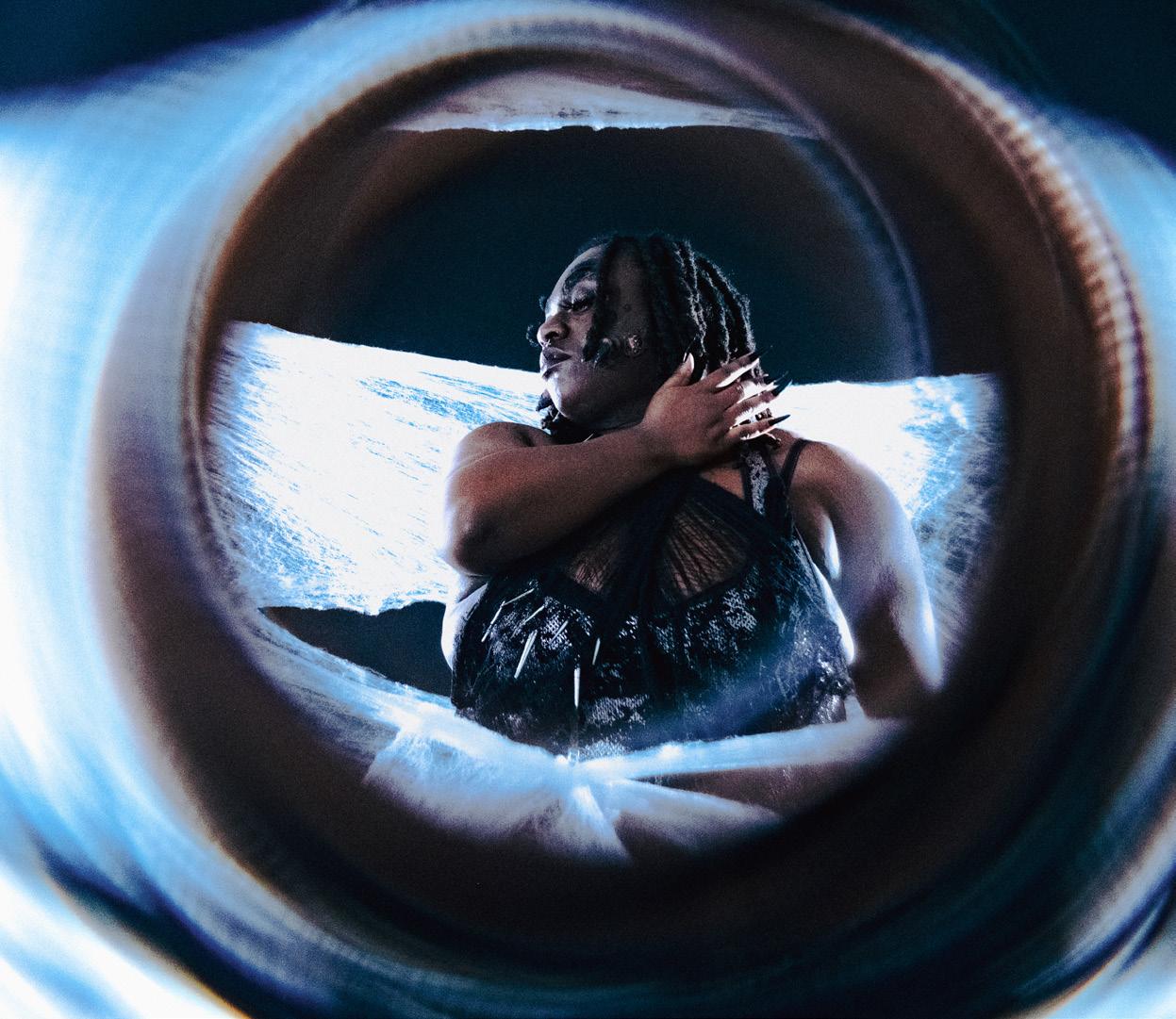
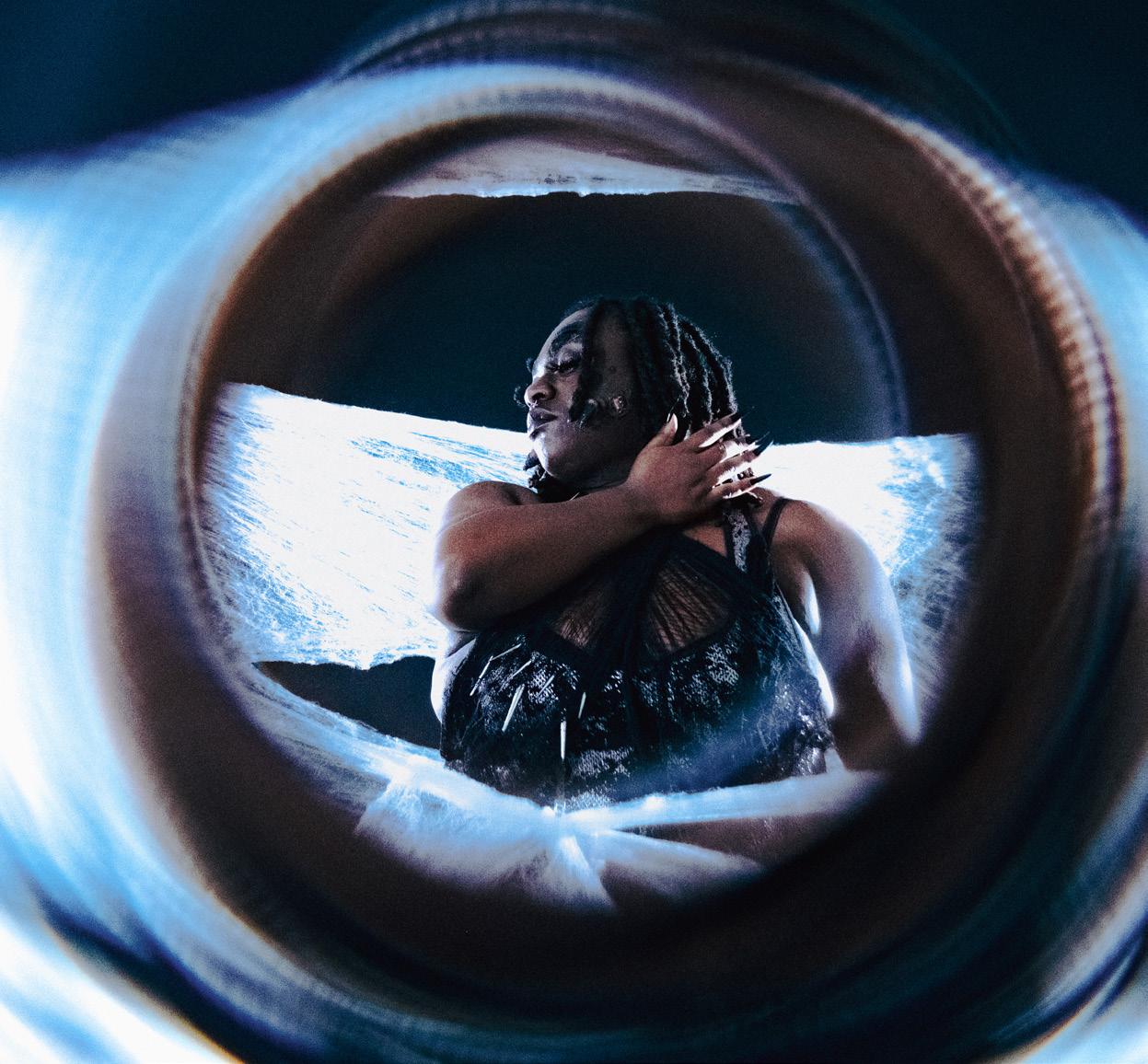
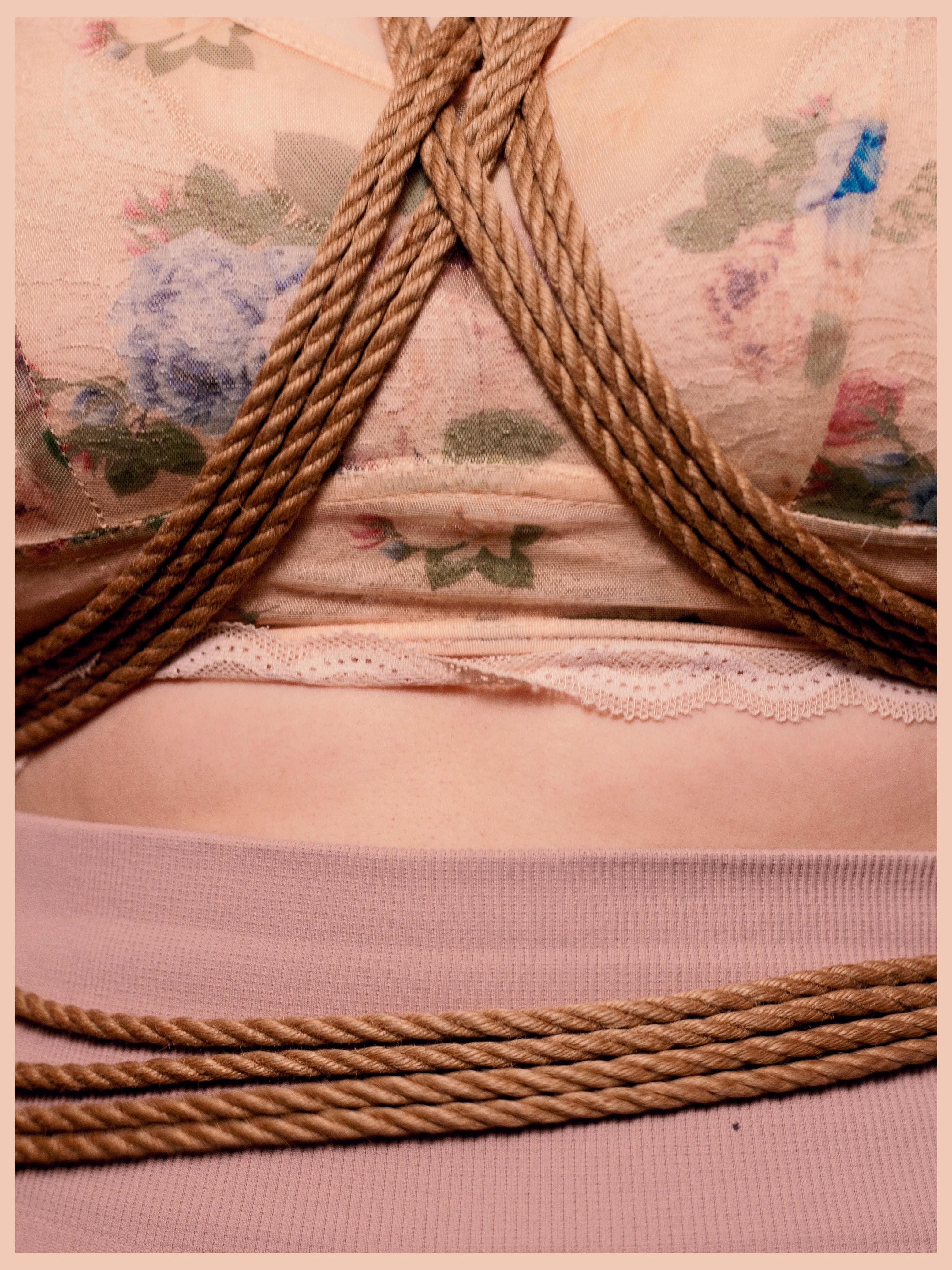
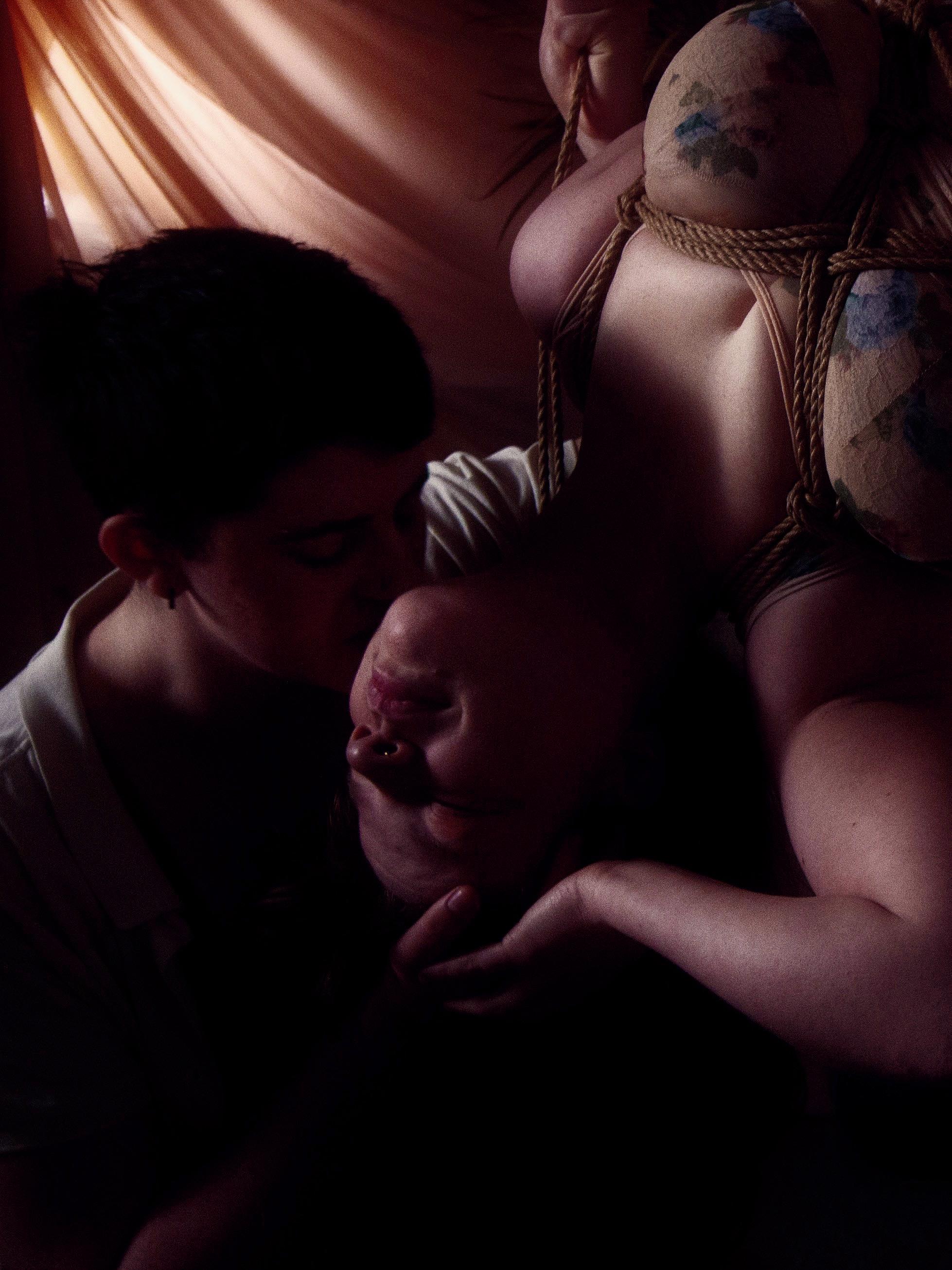
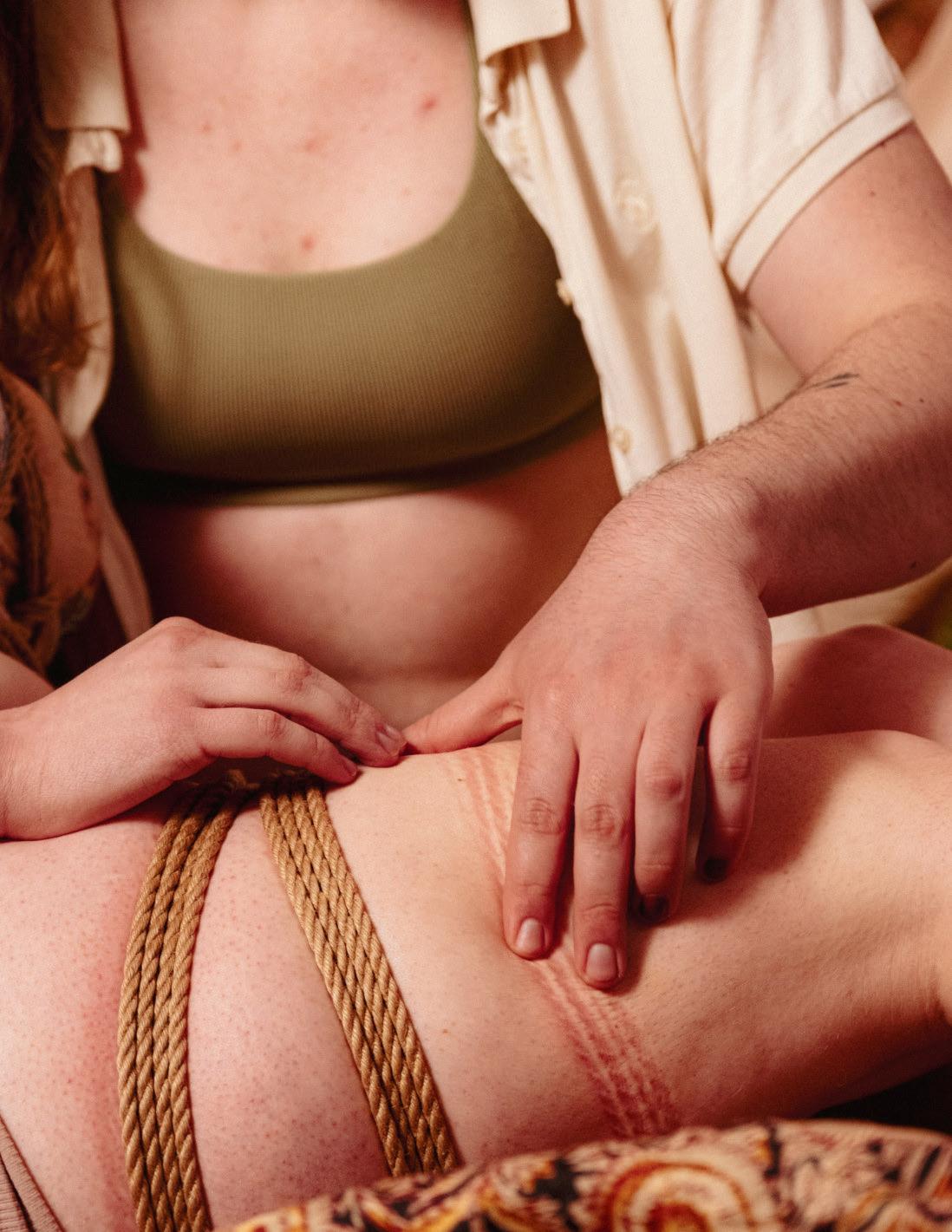
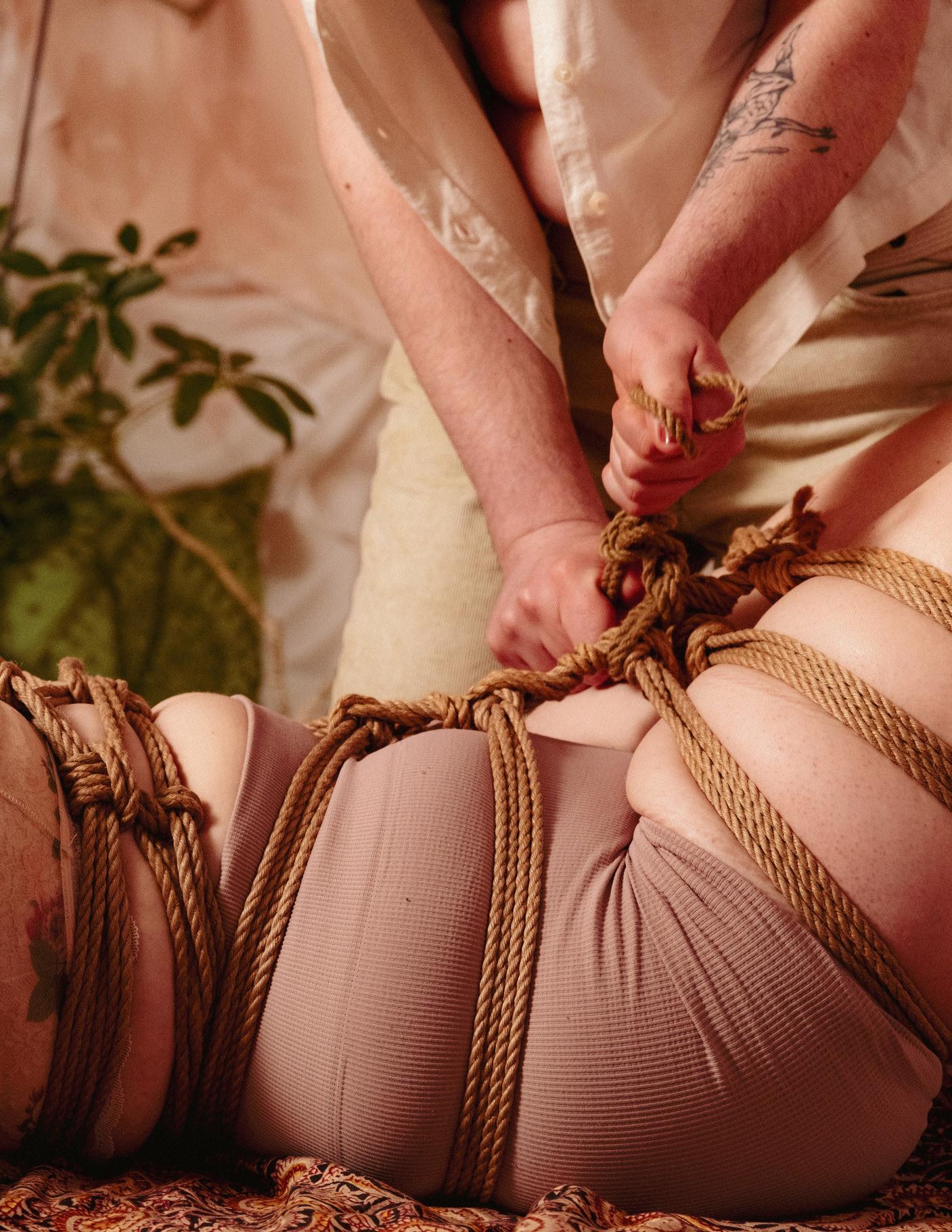
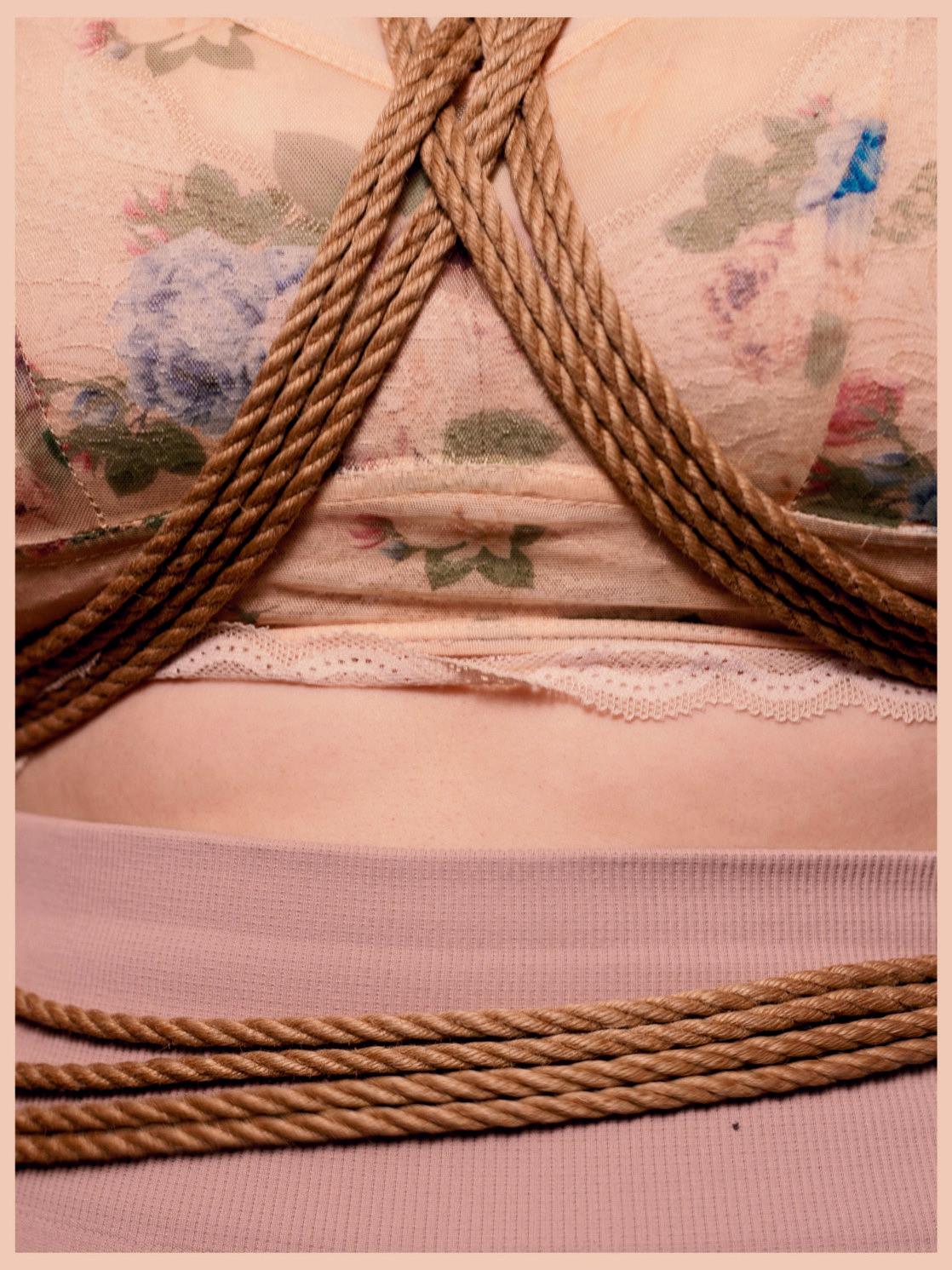
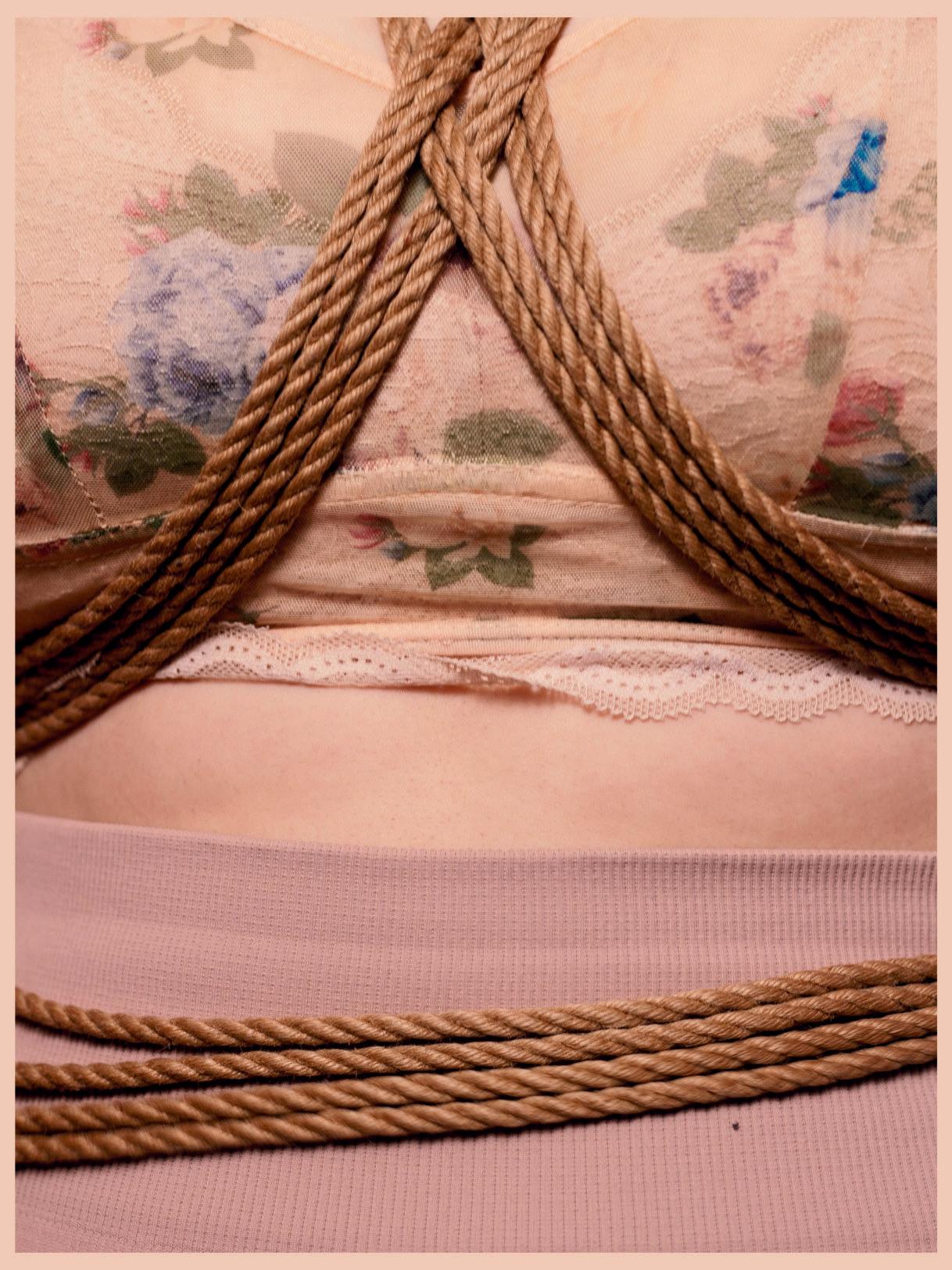
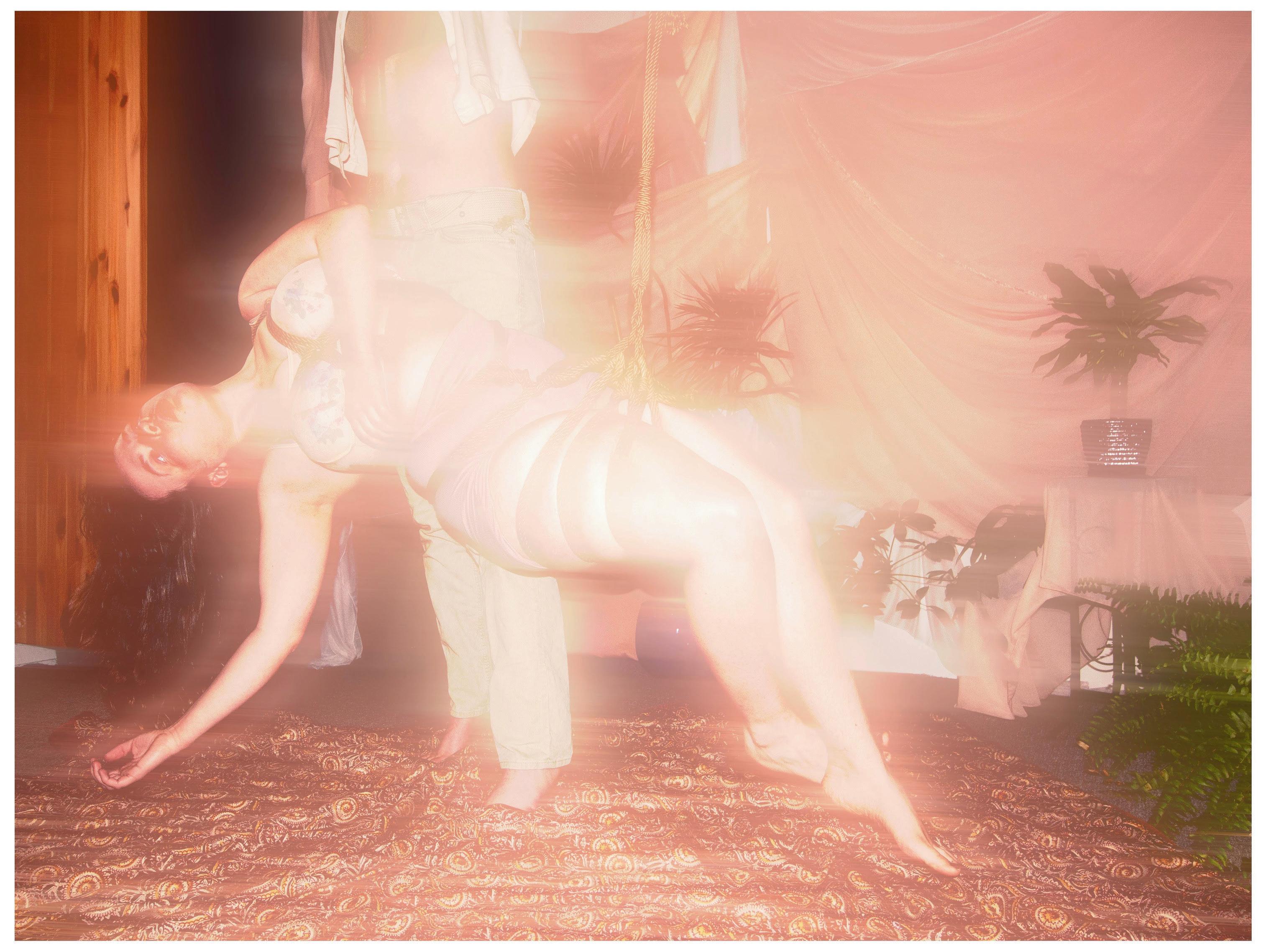
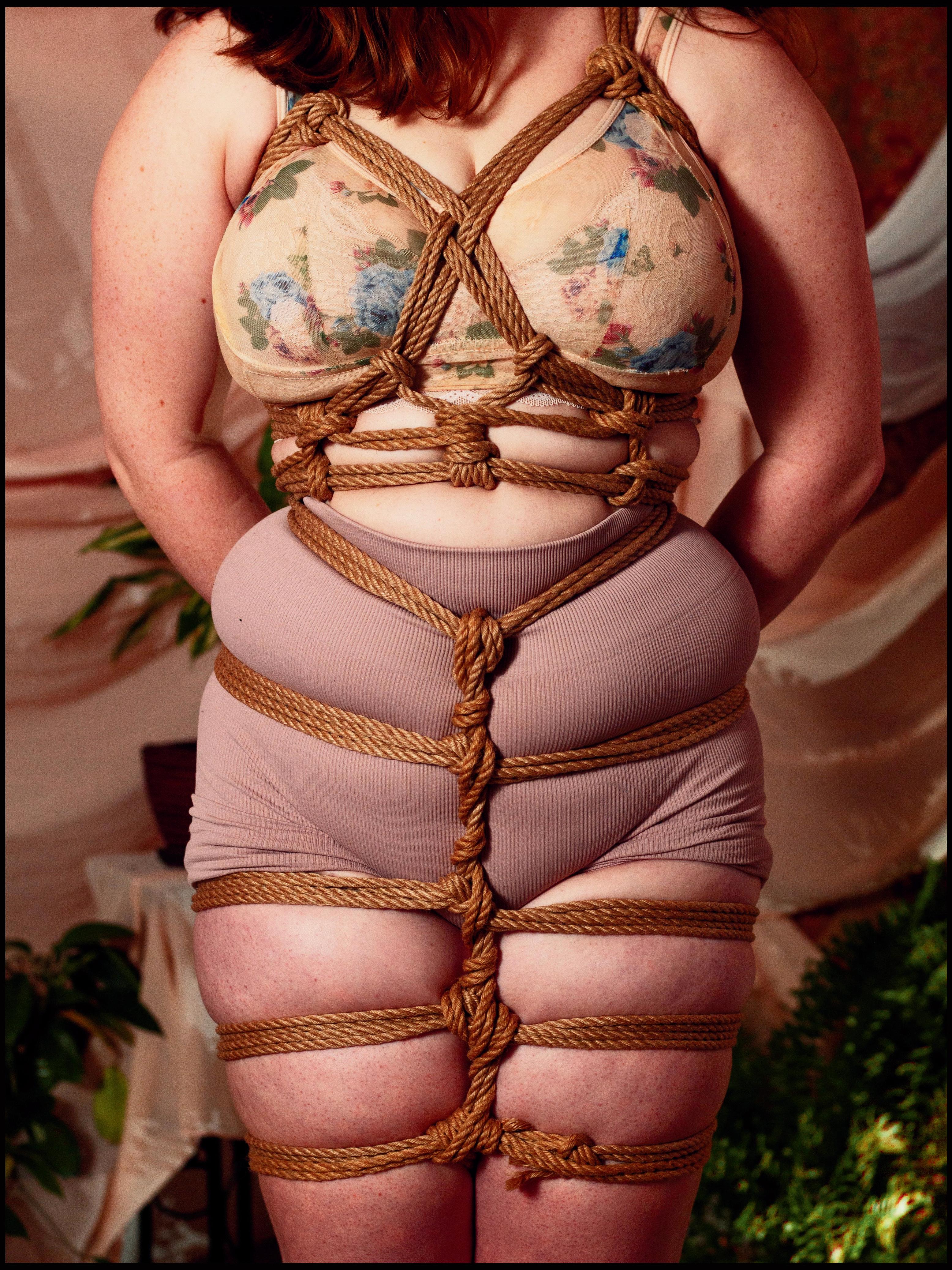
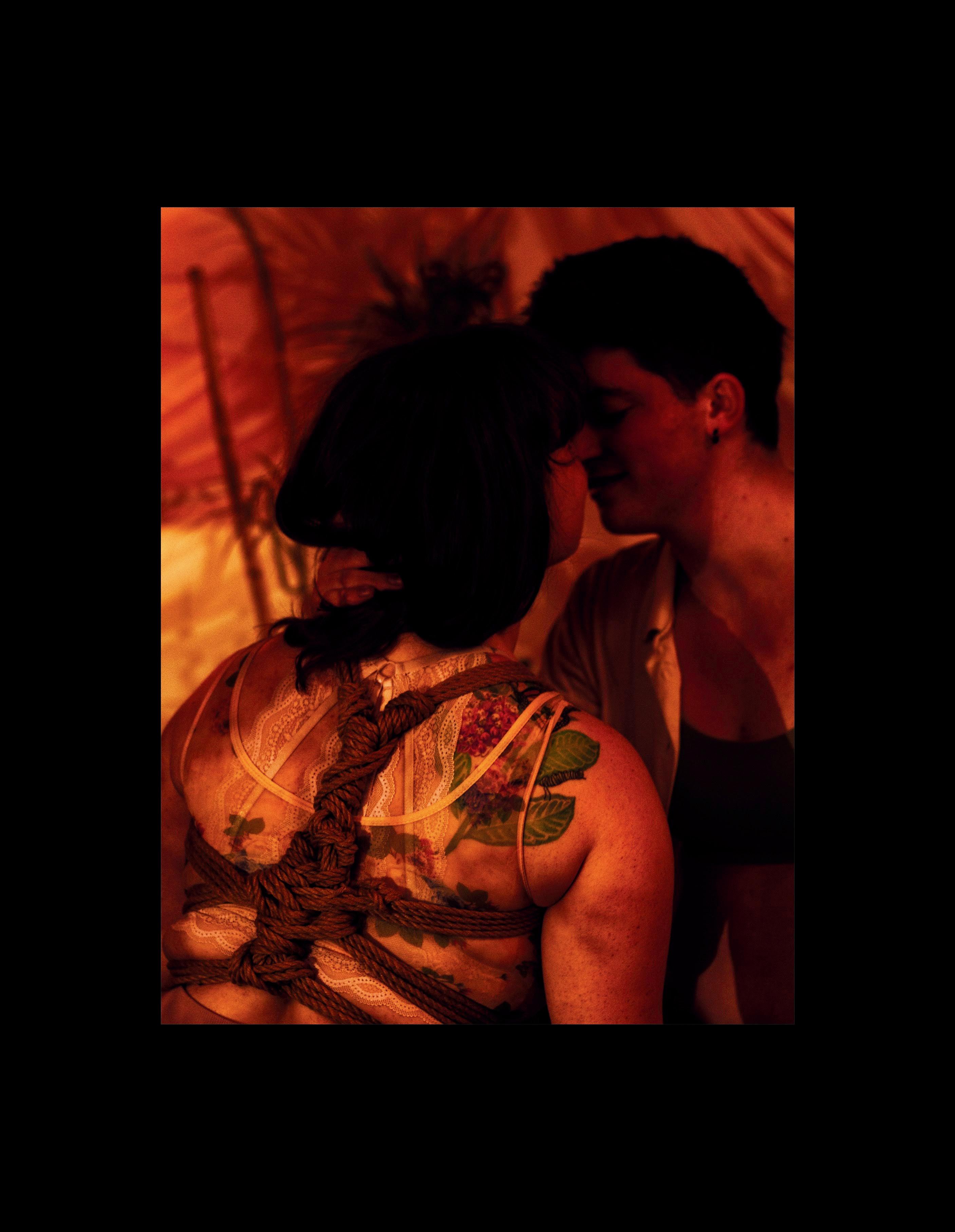
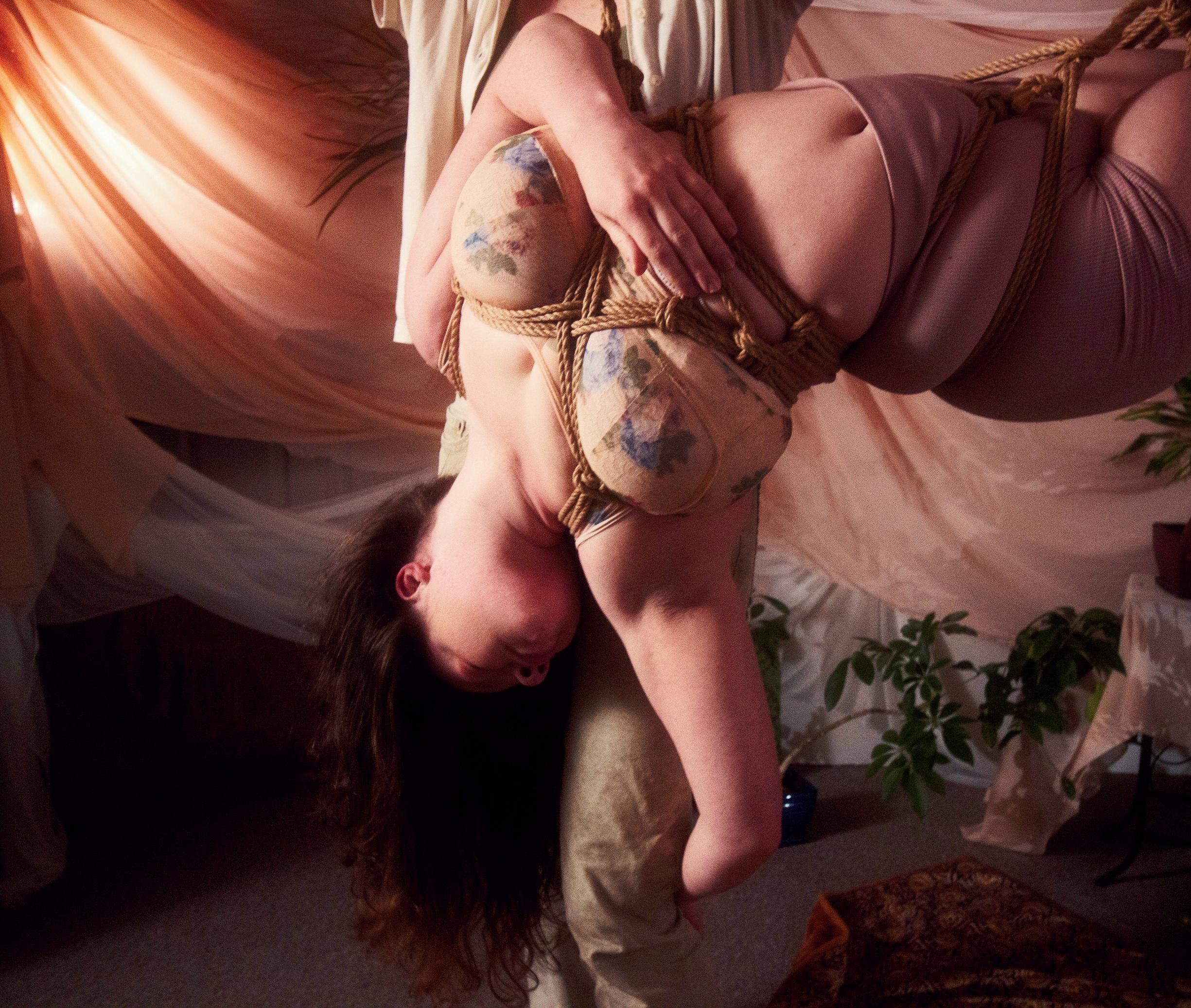
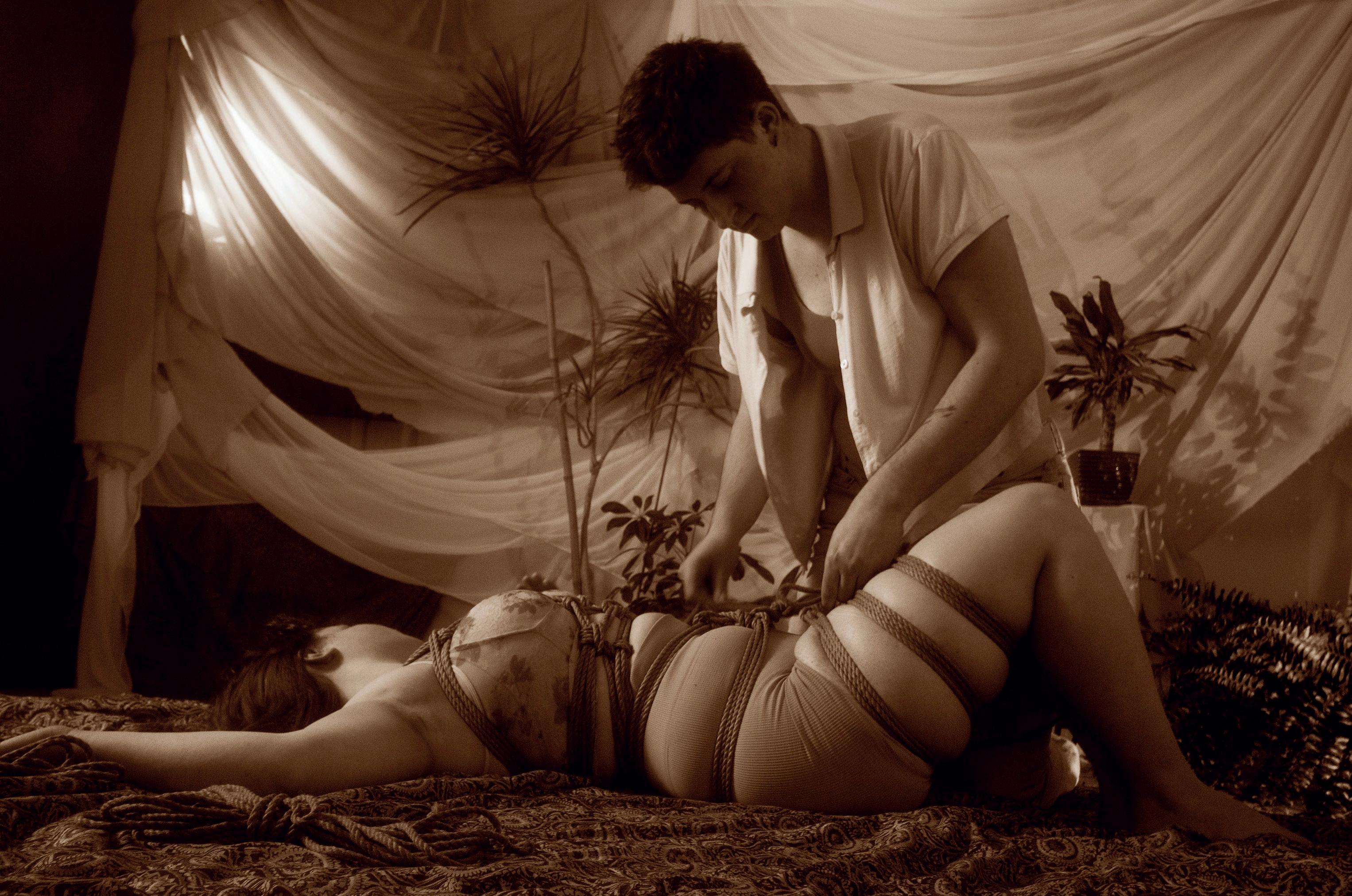
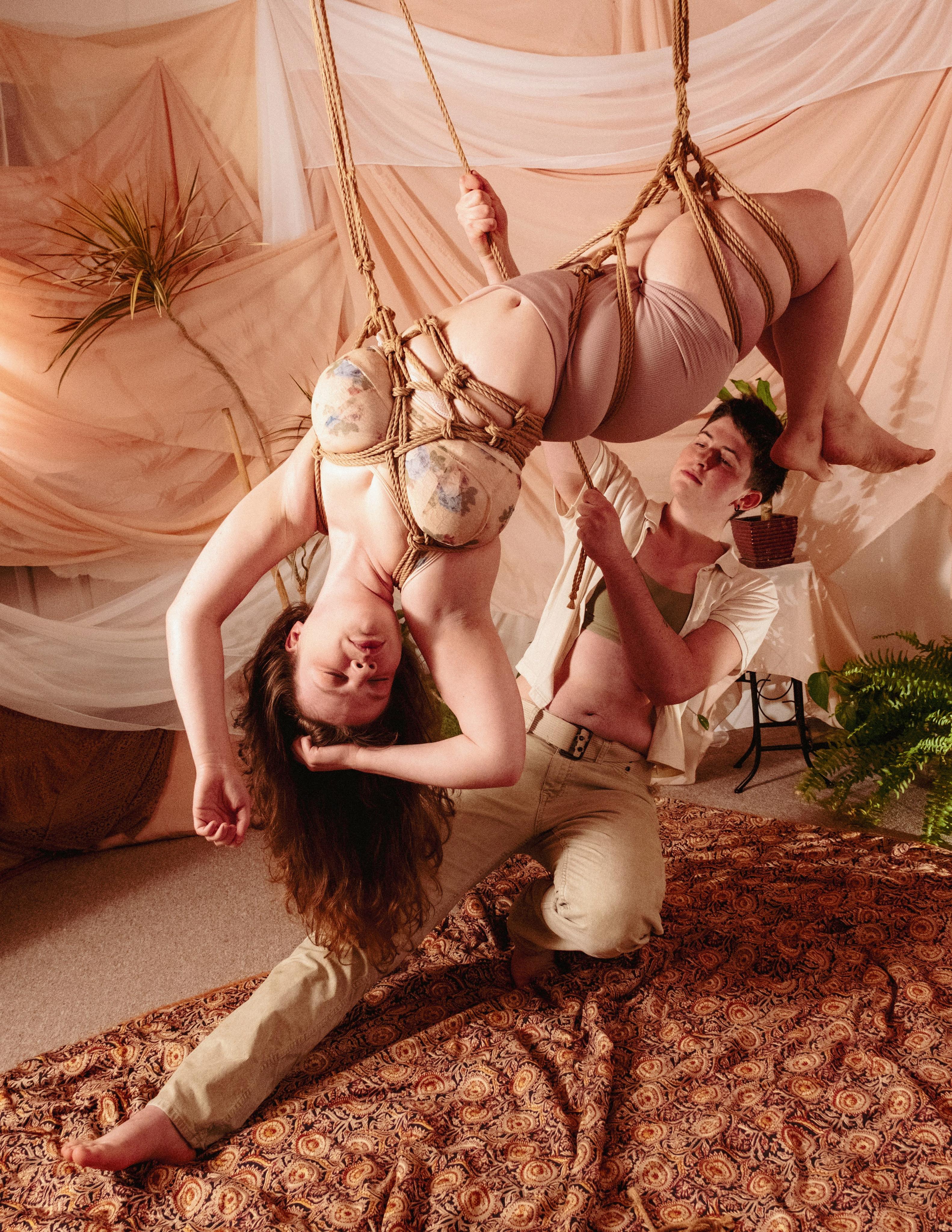
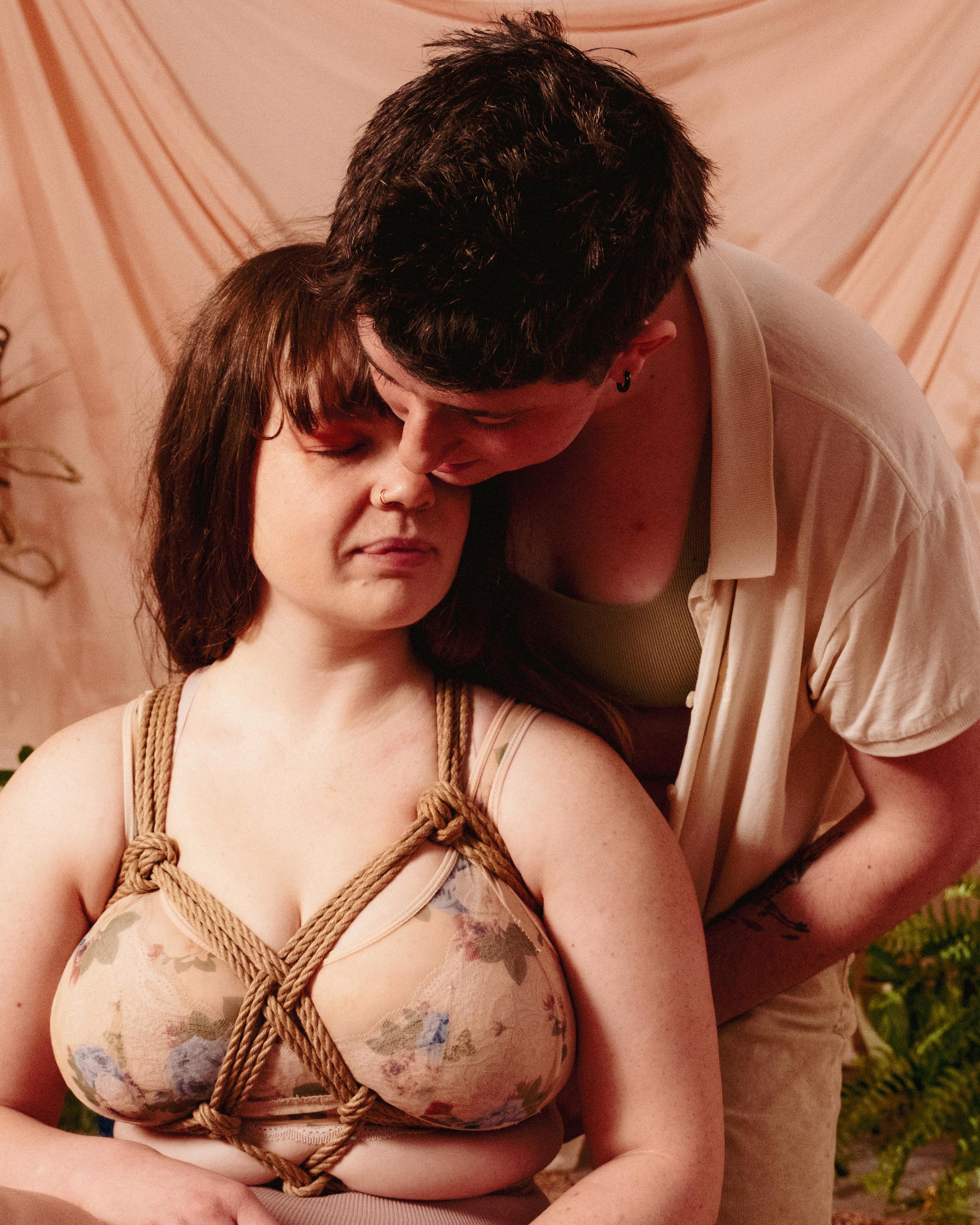
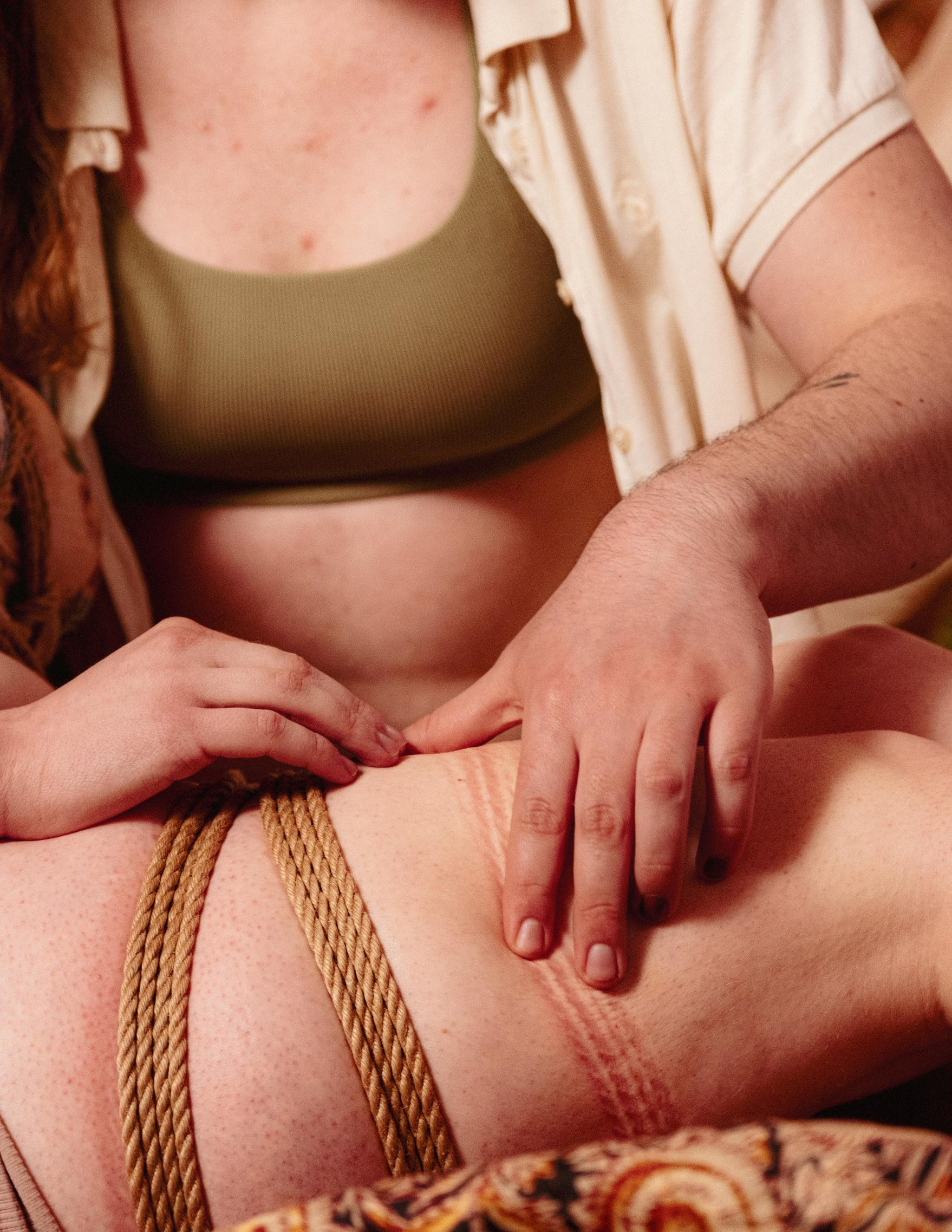
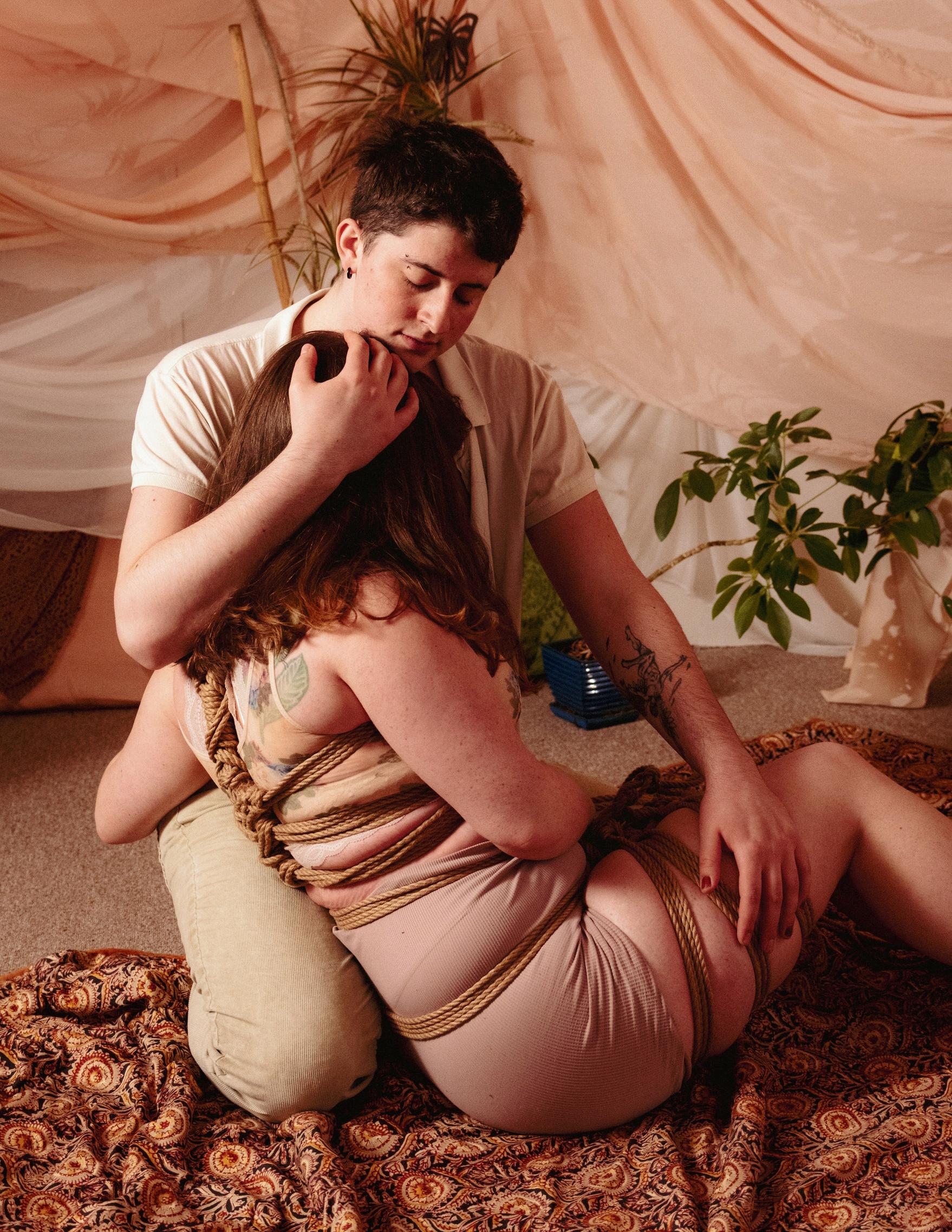
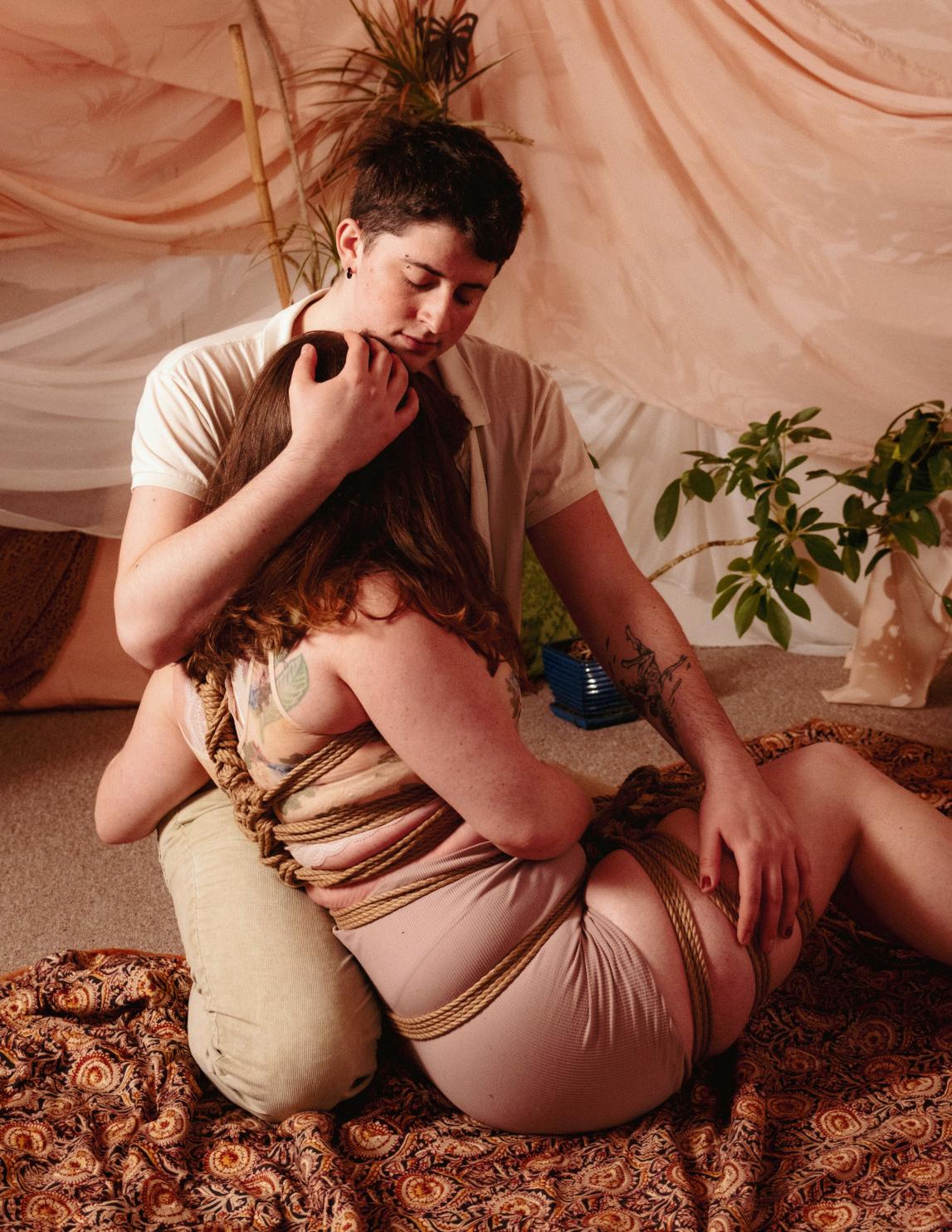
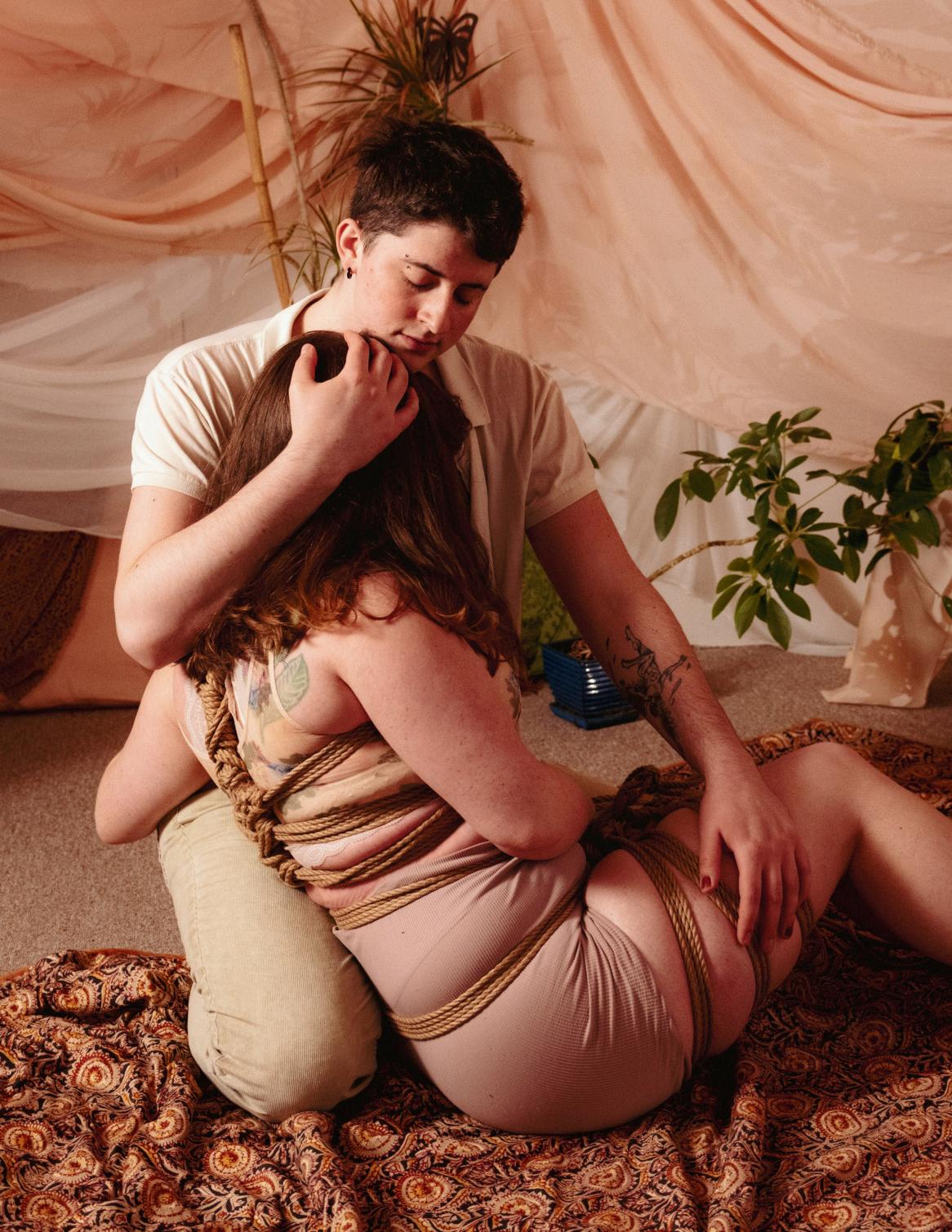
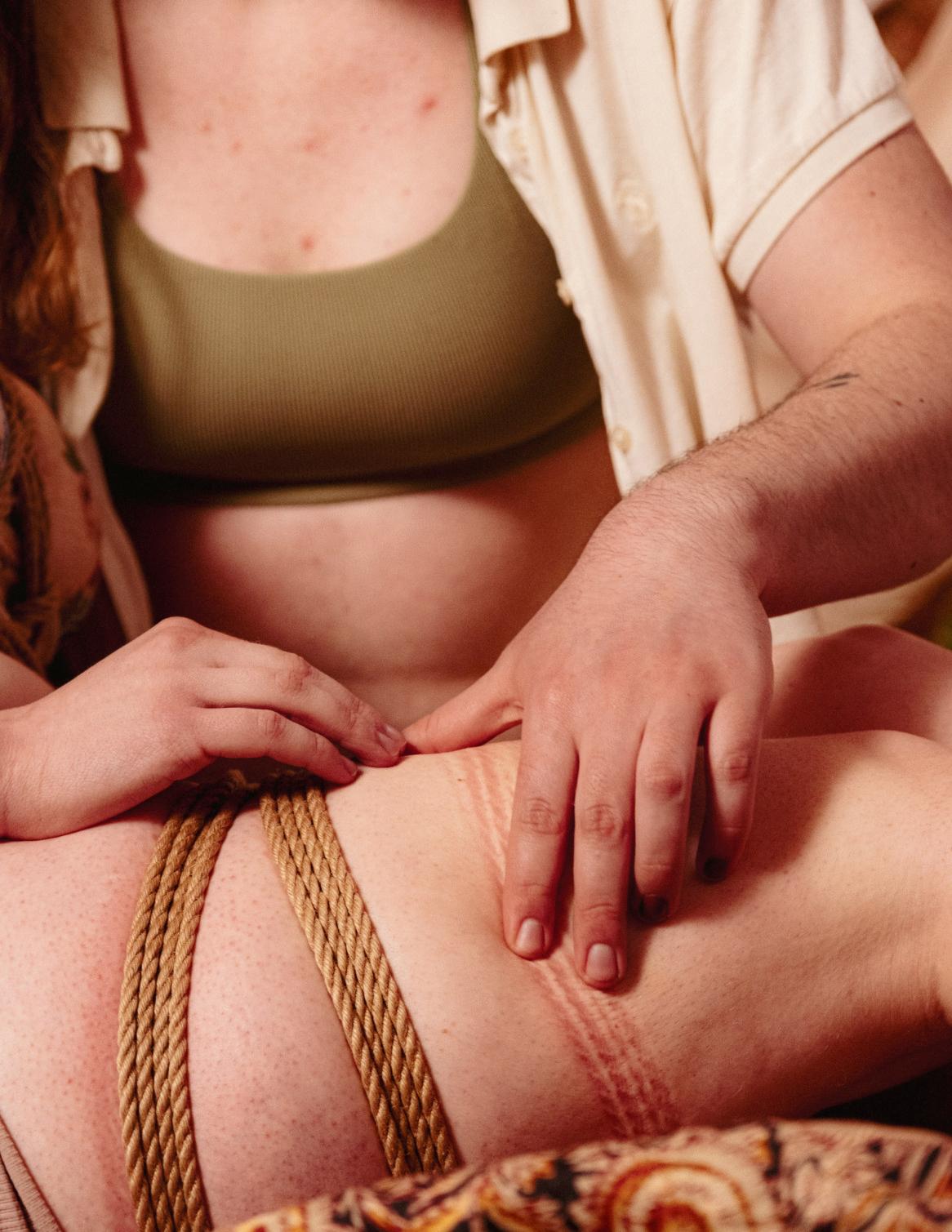
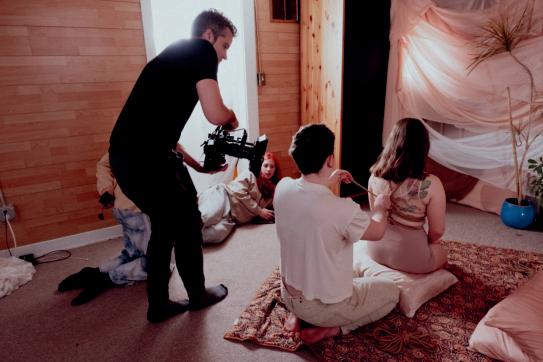
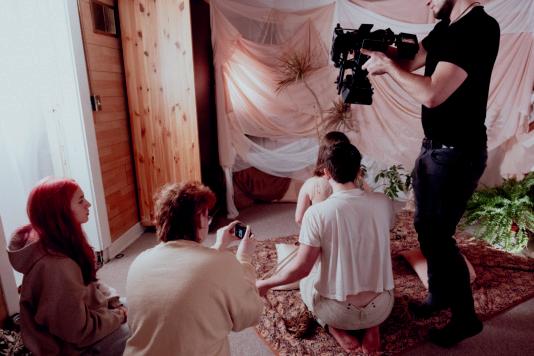
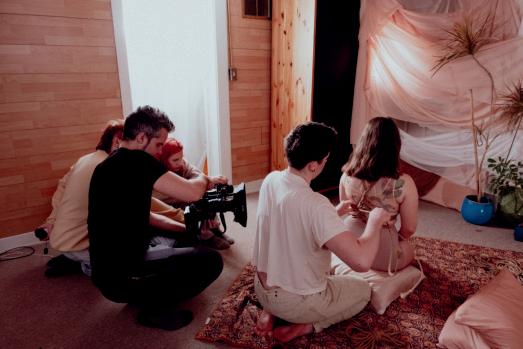
At our most raw, our most vulnerable, humanity craves intimacy. Closeness, love, and connection are hoisted into an earthly draped set displaying a bond of deep intimacy. Shibari ropes and knots walk the tightrope between trust and uncertainty, between pain and pleasure.
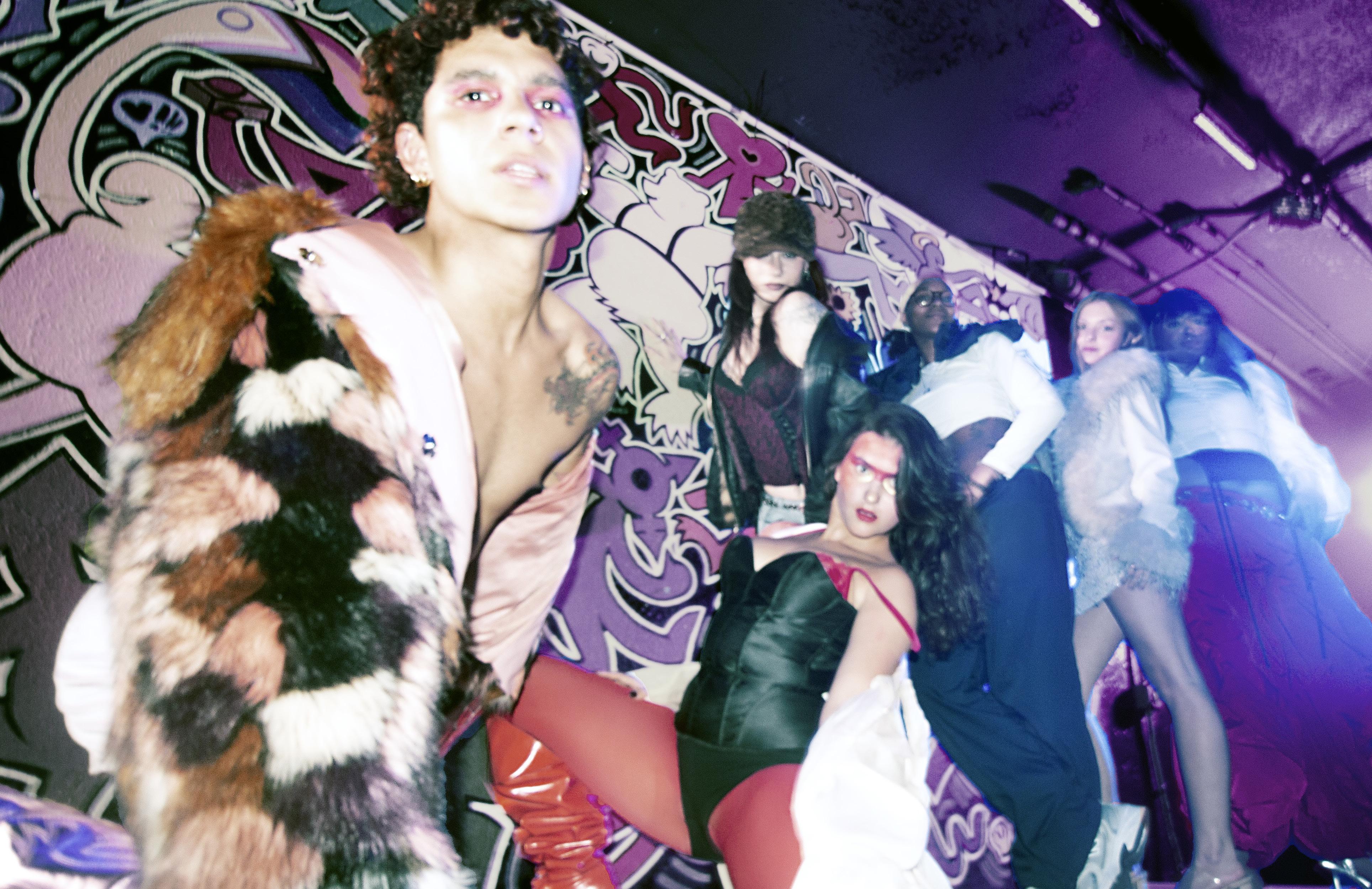
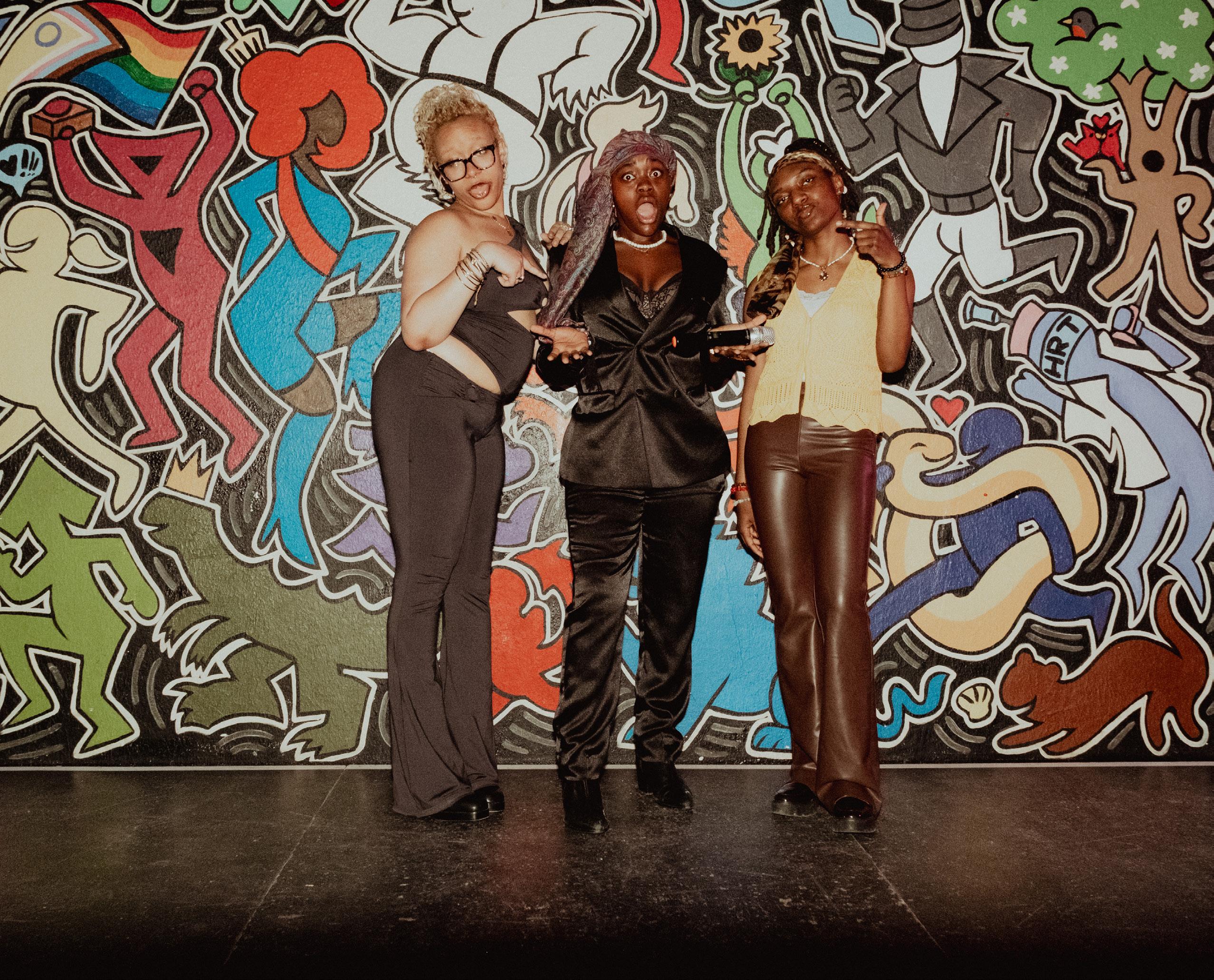
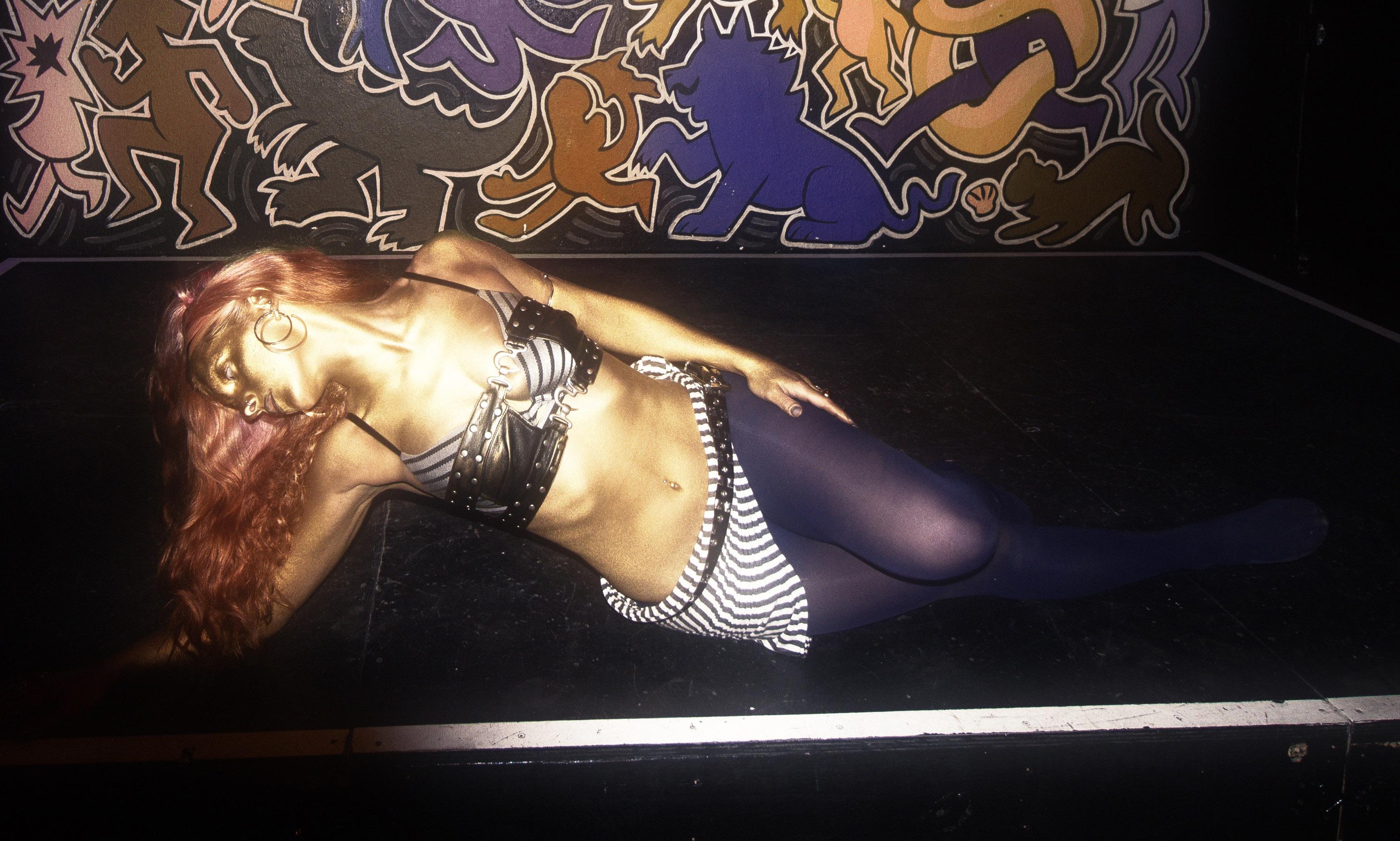
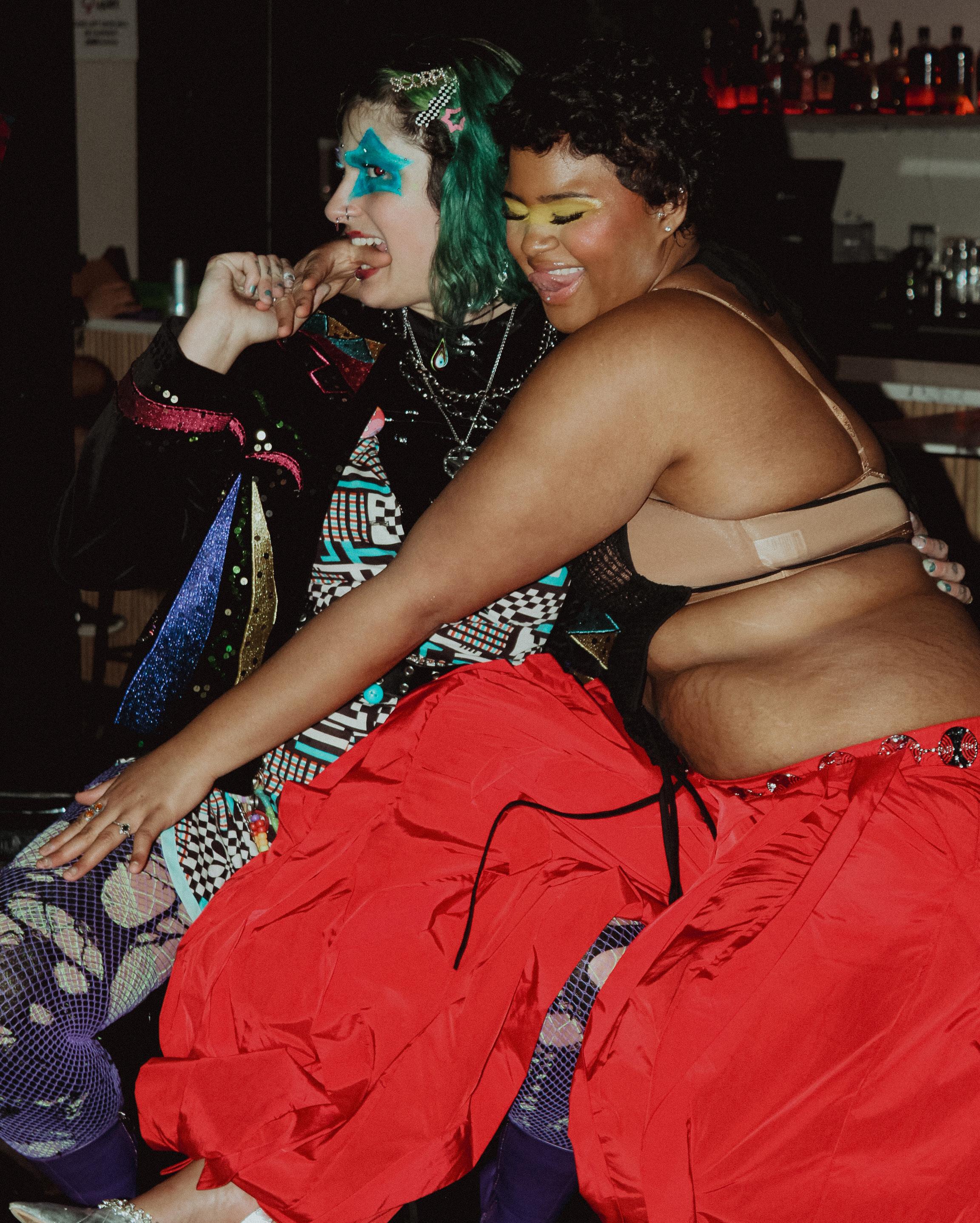
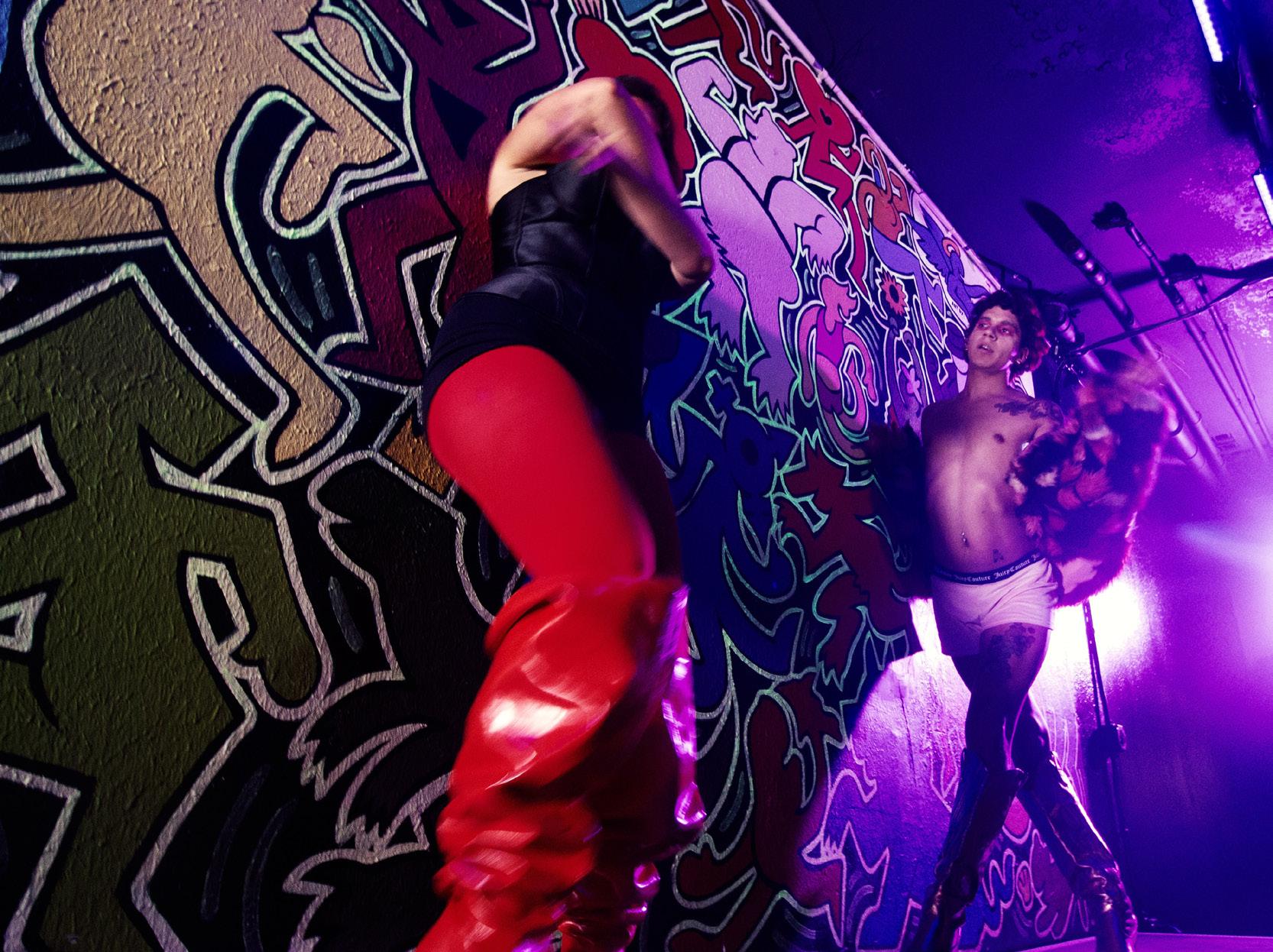
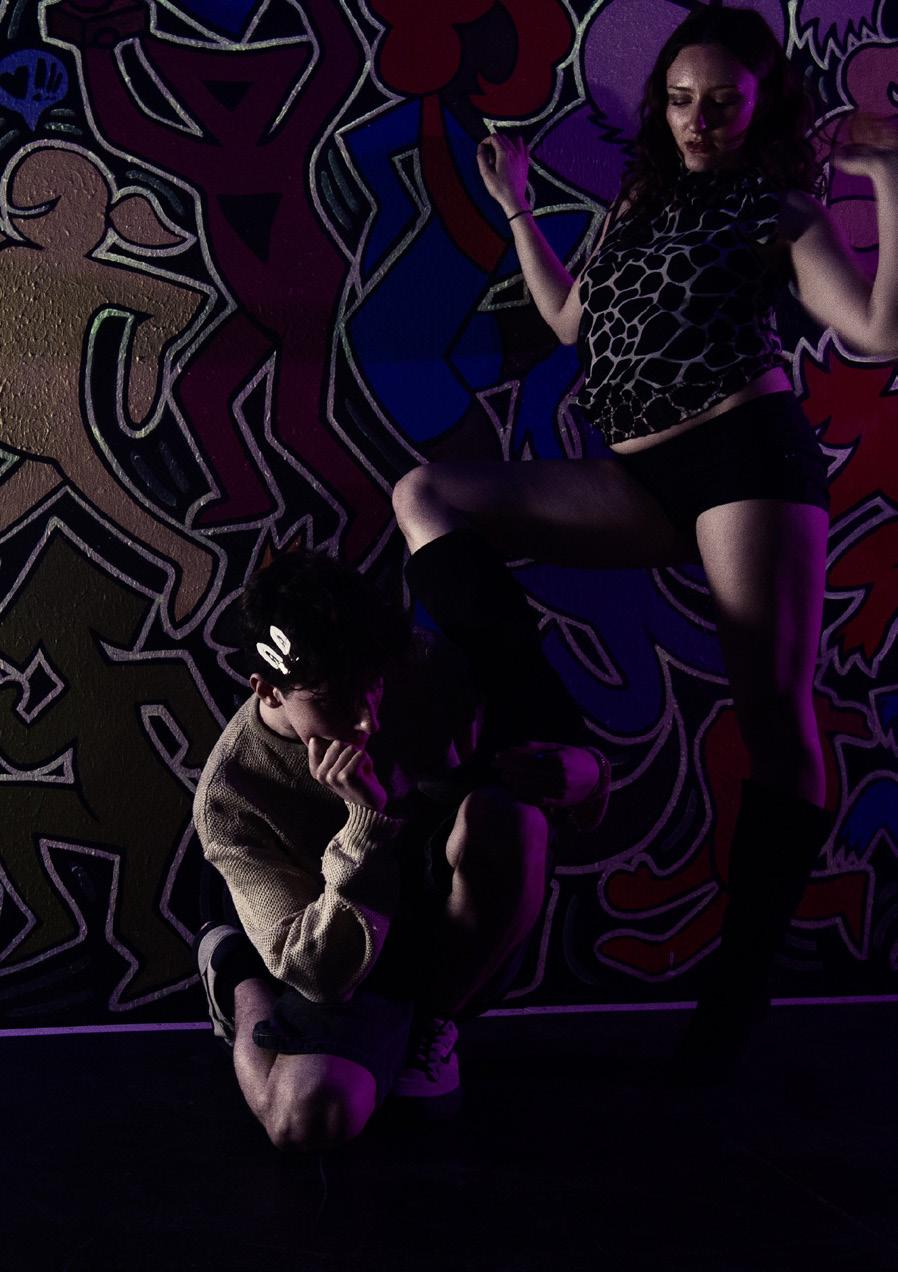
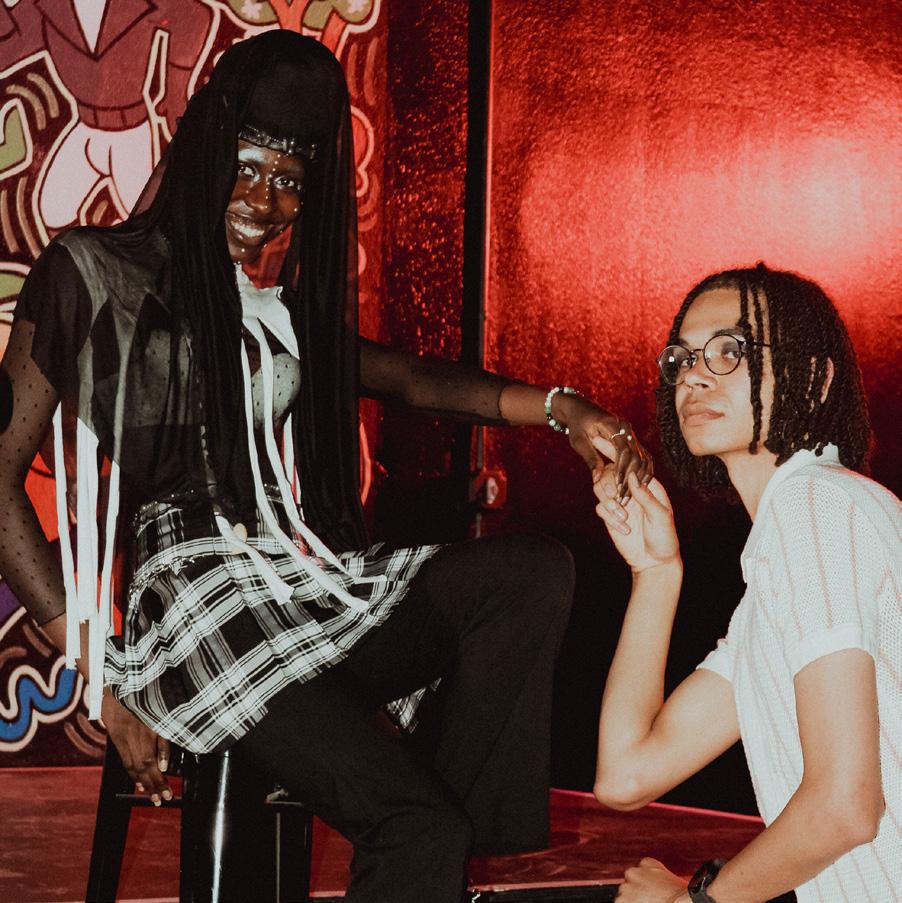
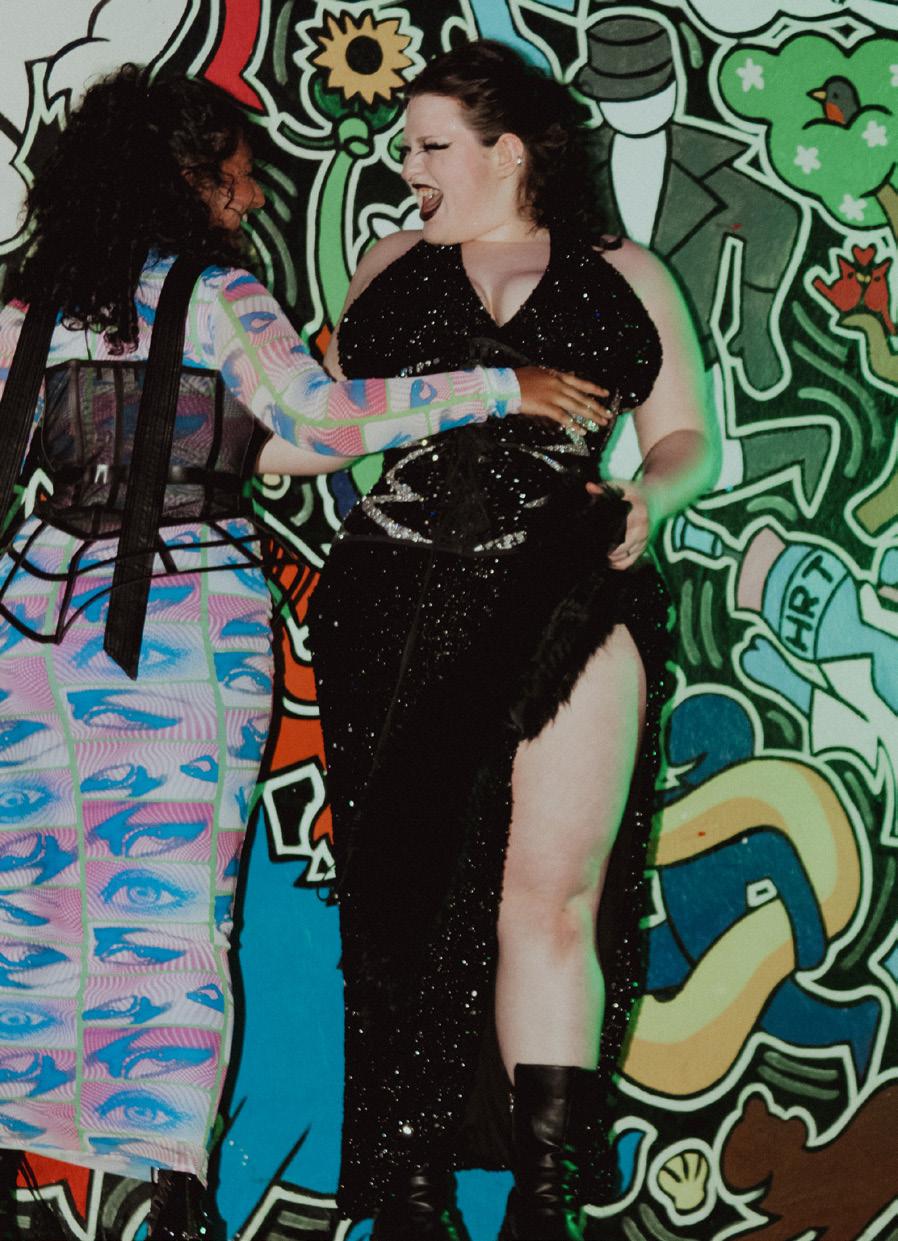
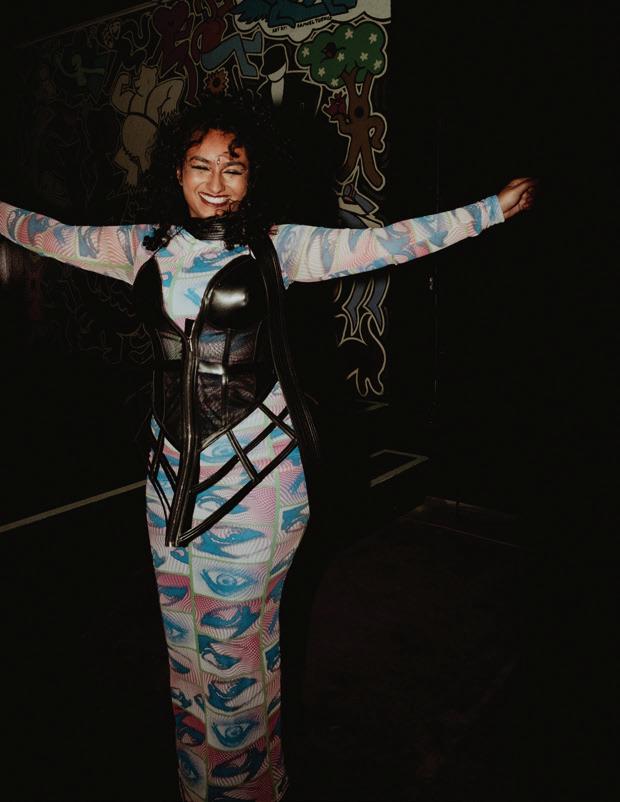
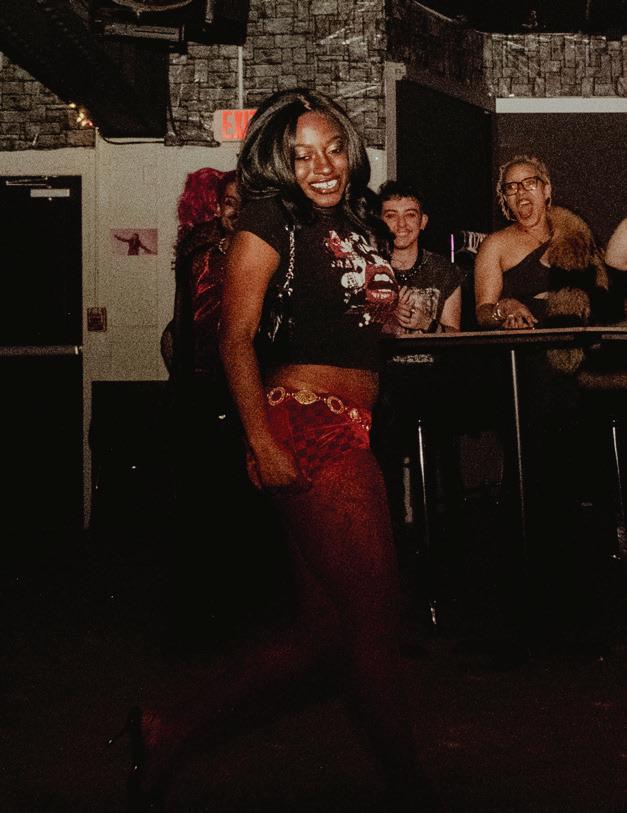
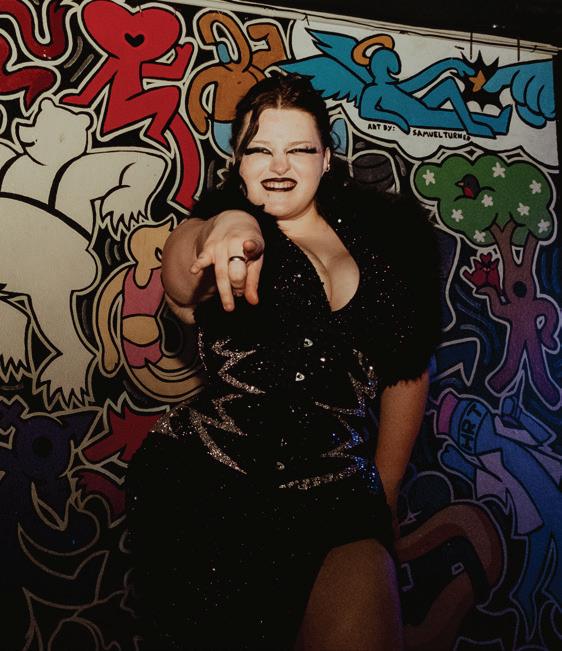
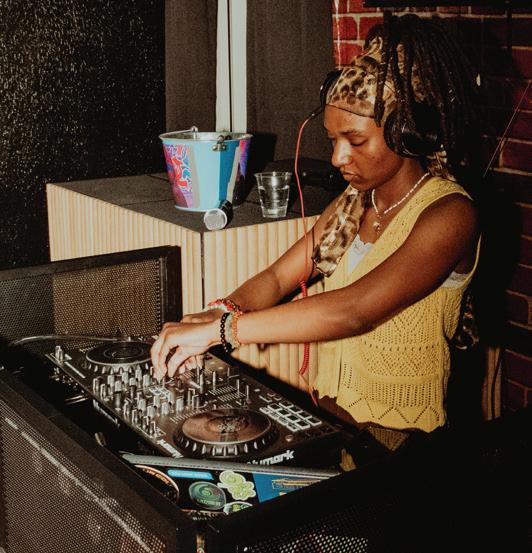
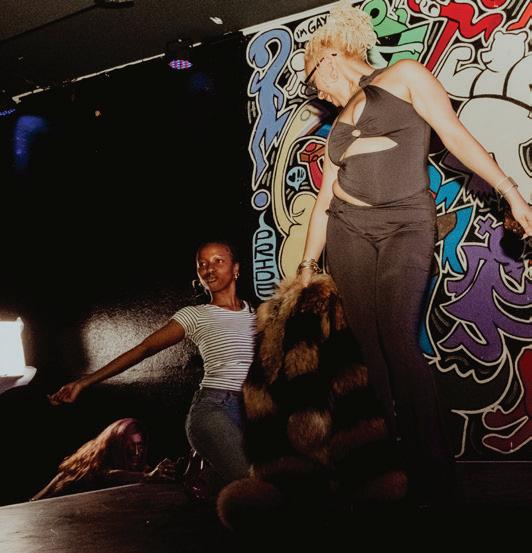
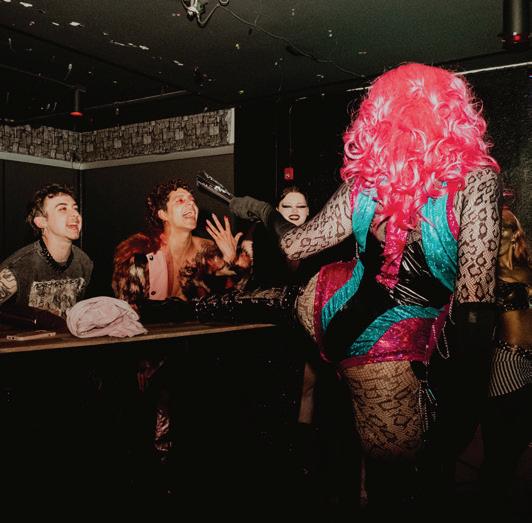
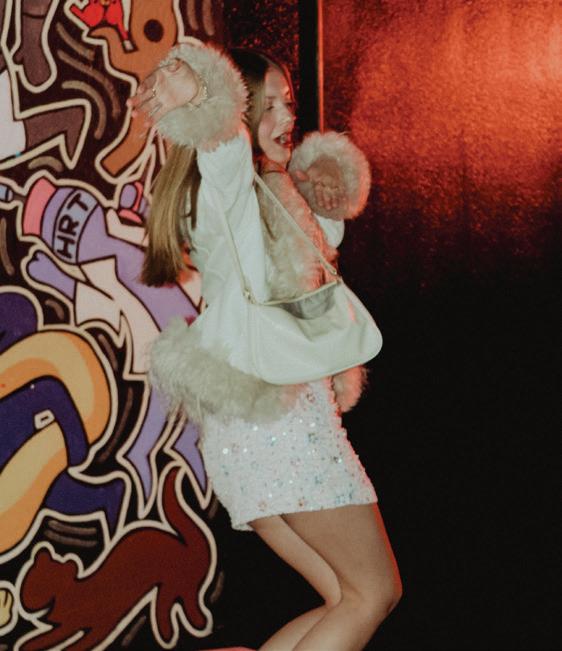
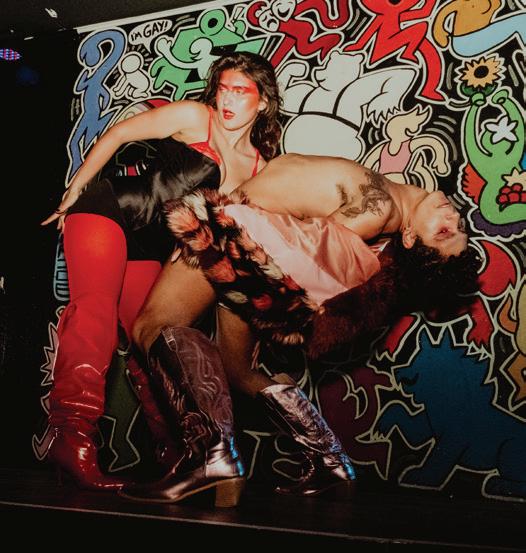
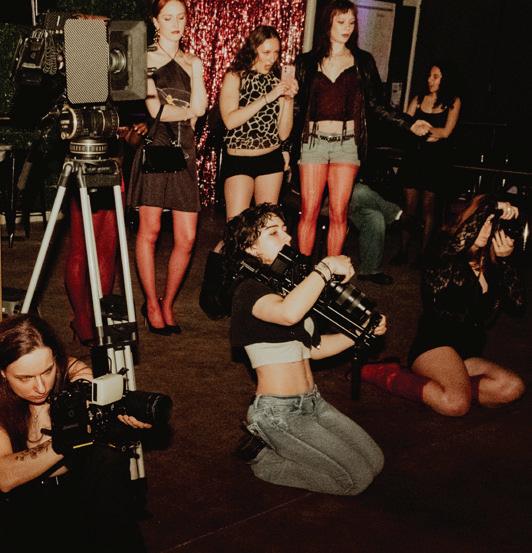
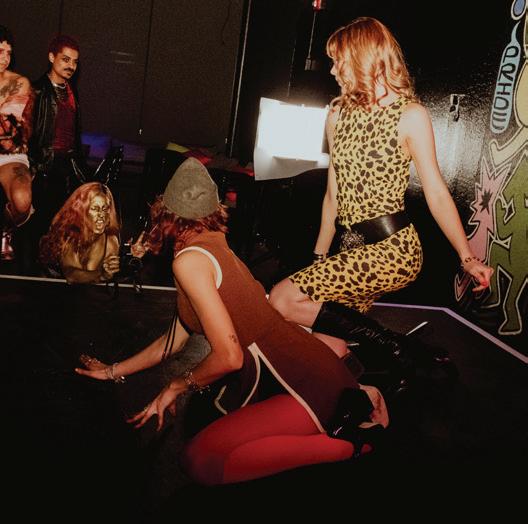
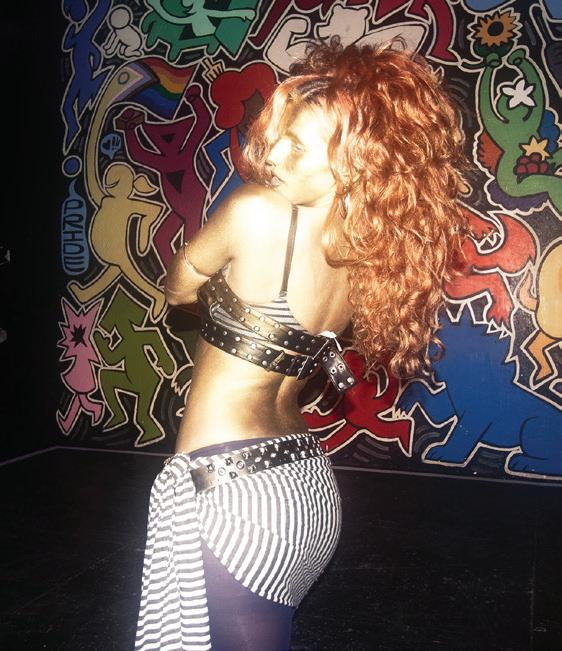
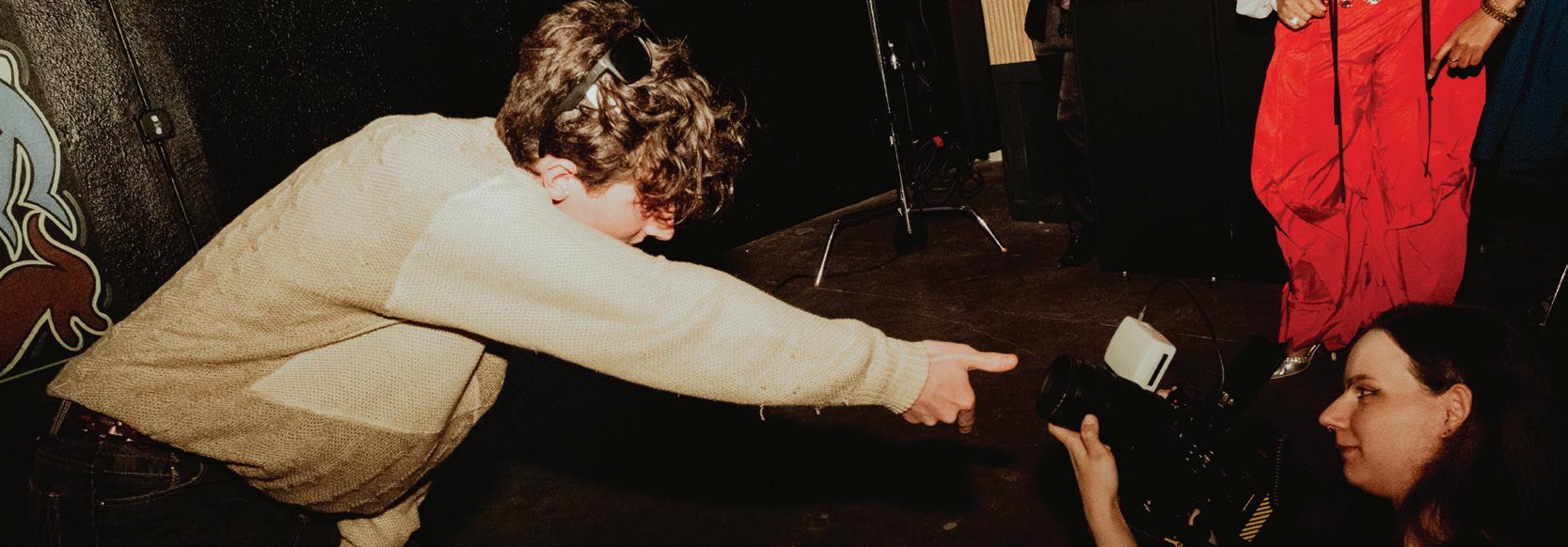
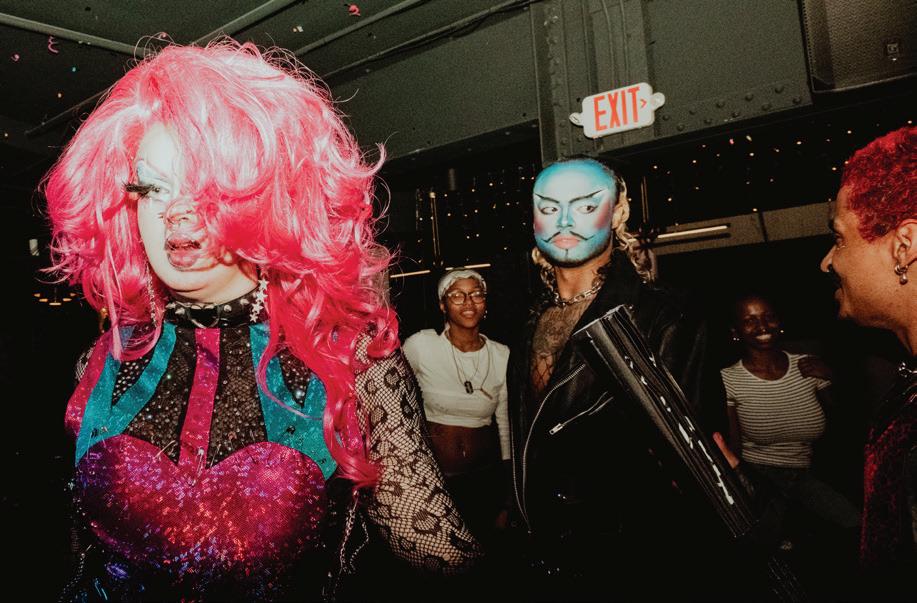
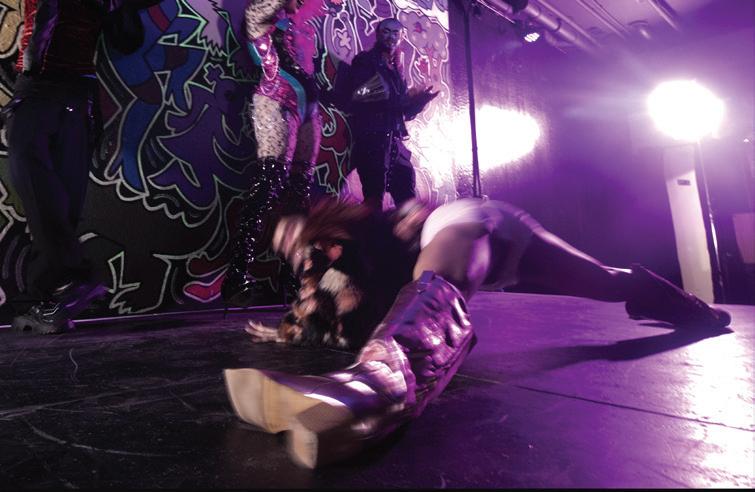
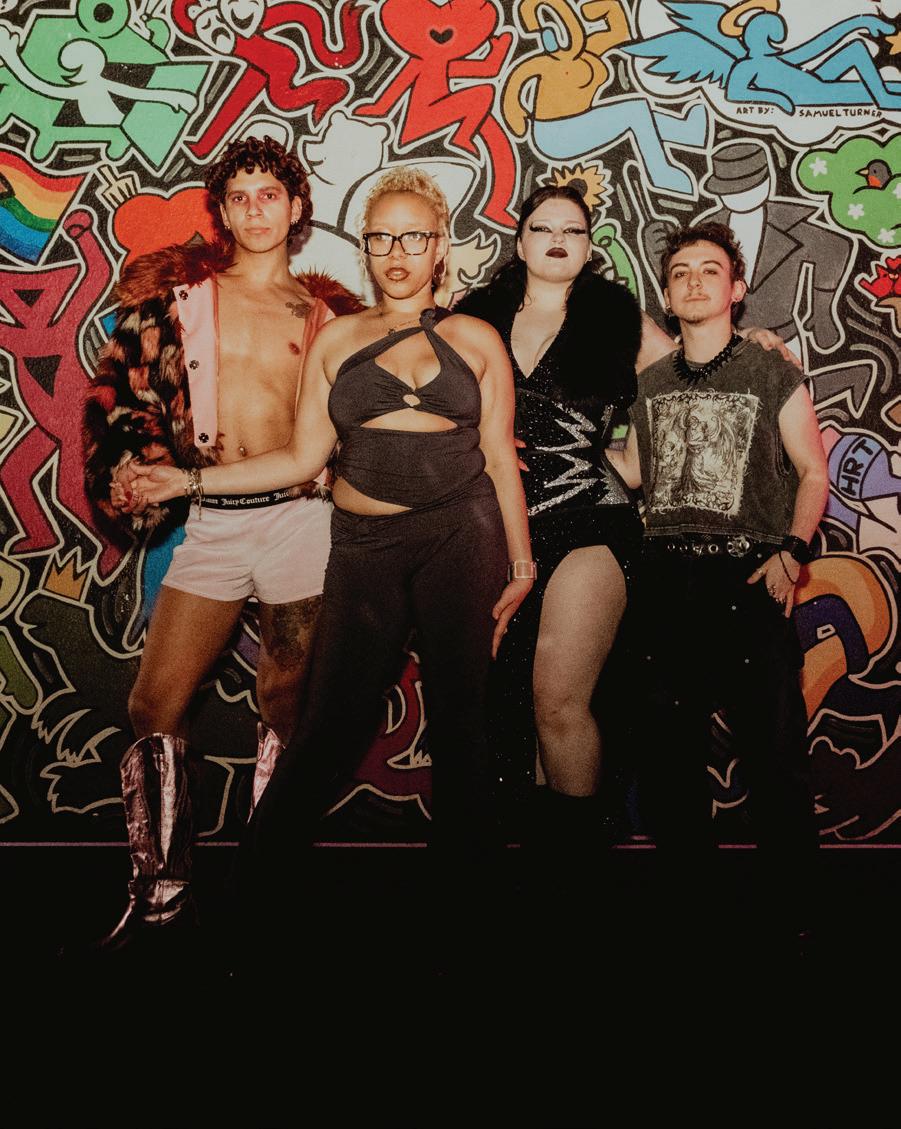
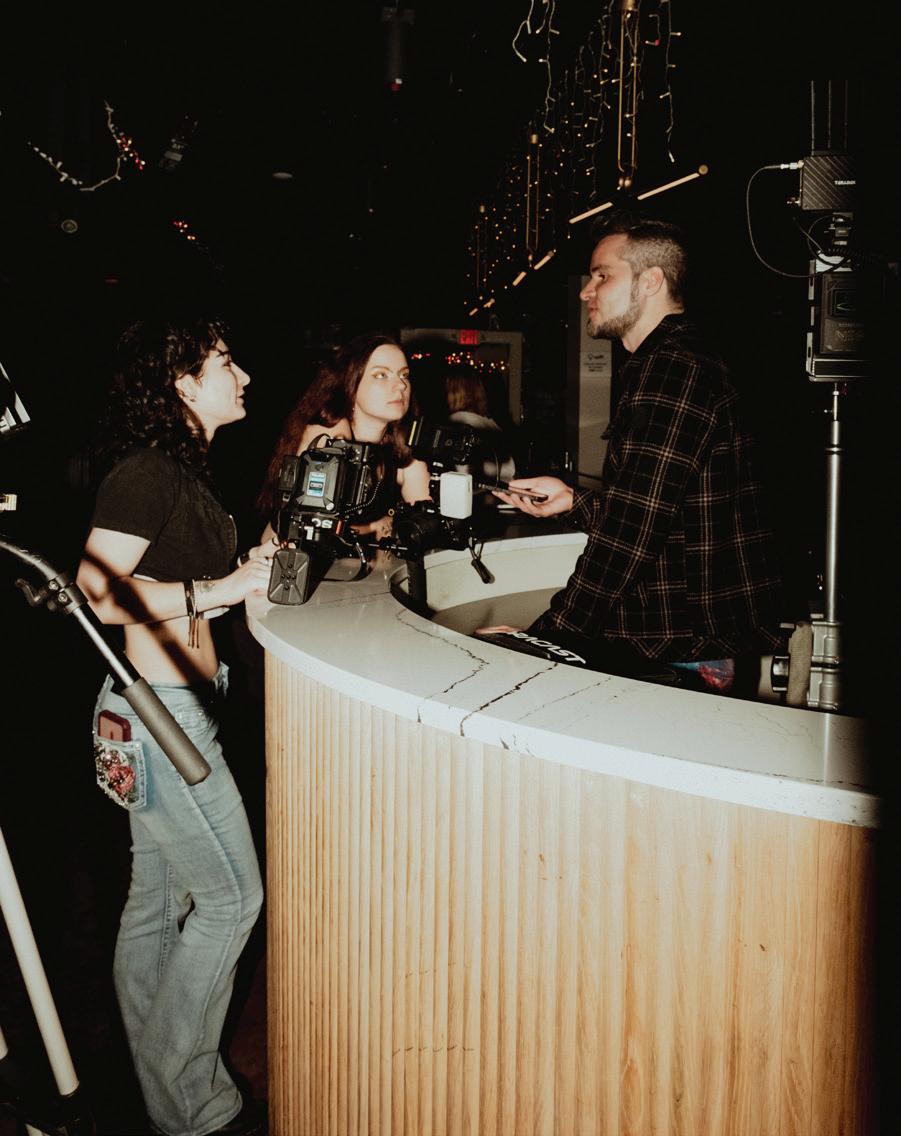
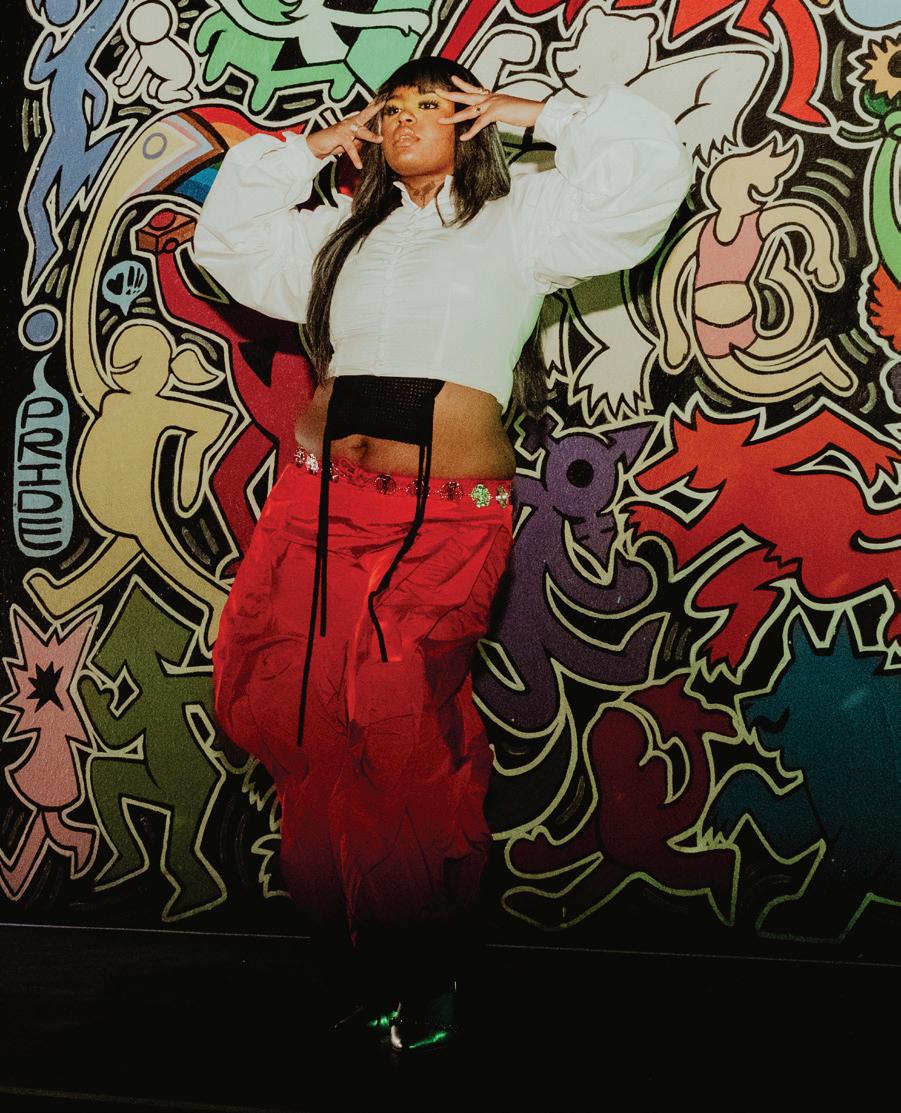
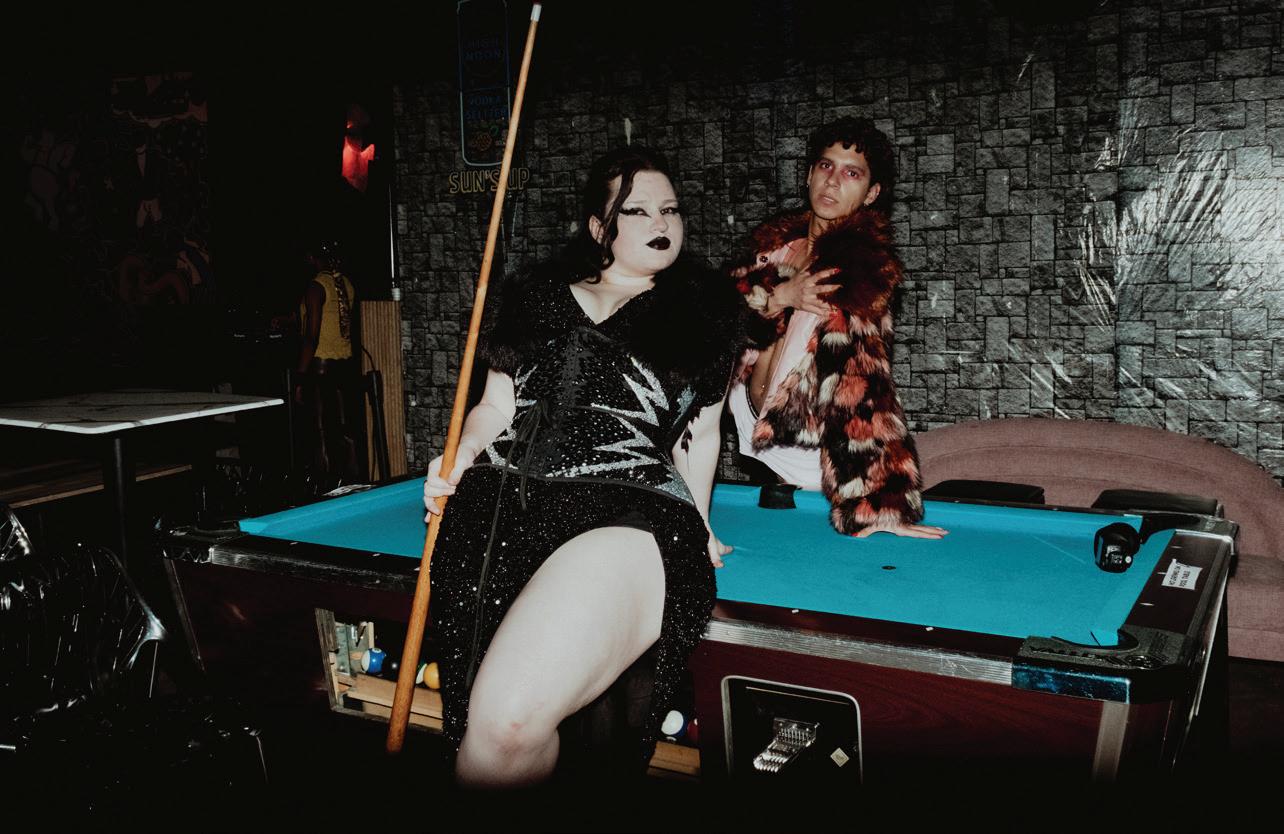
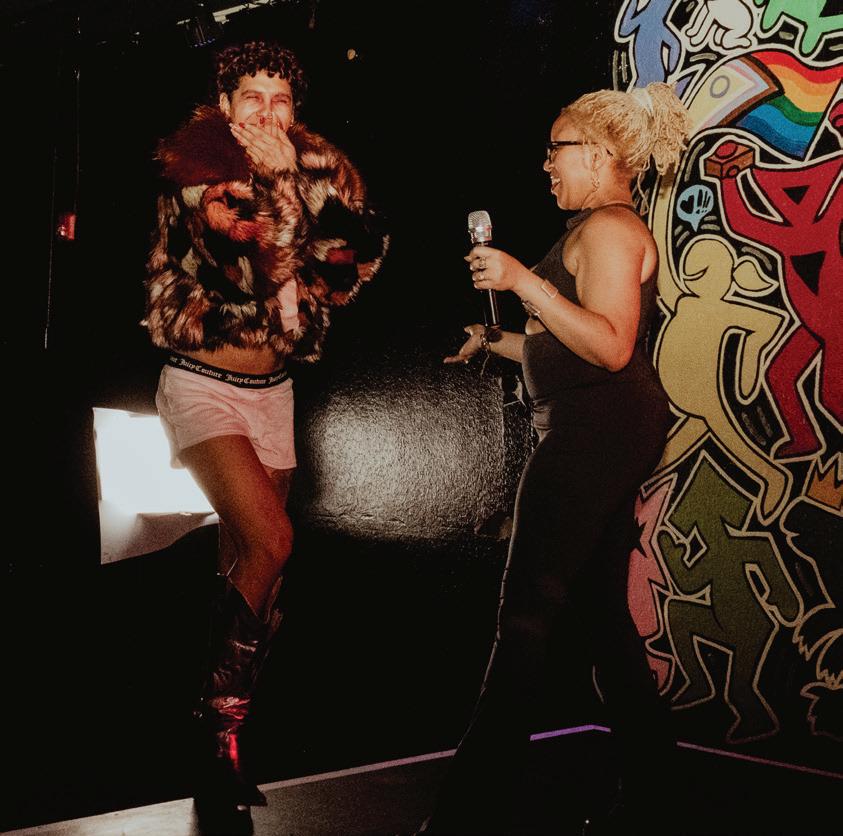
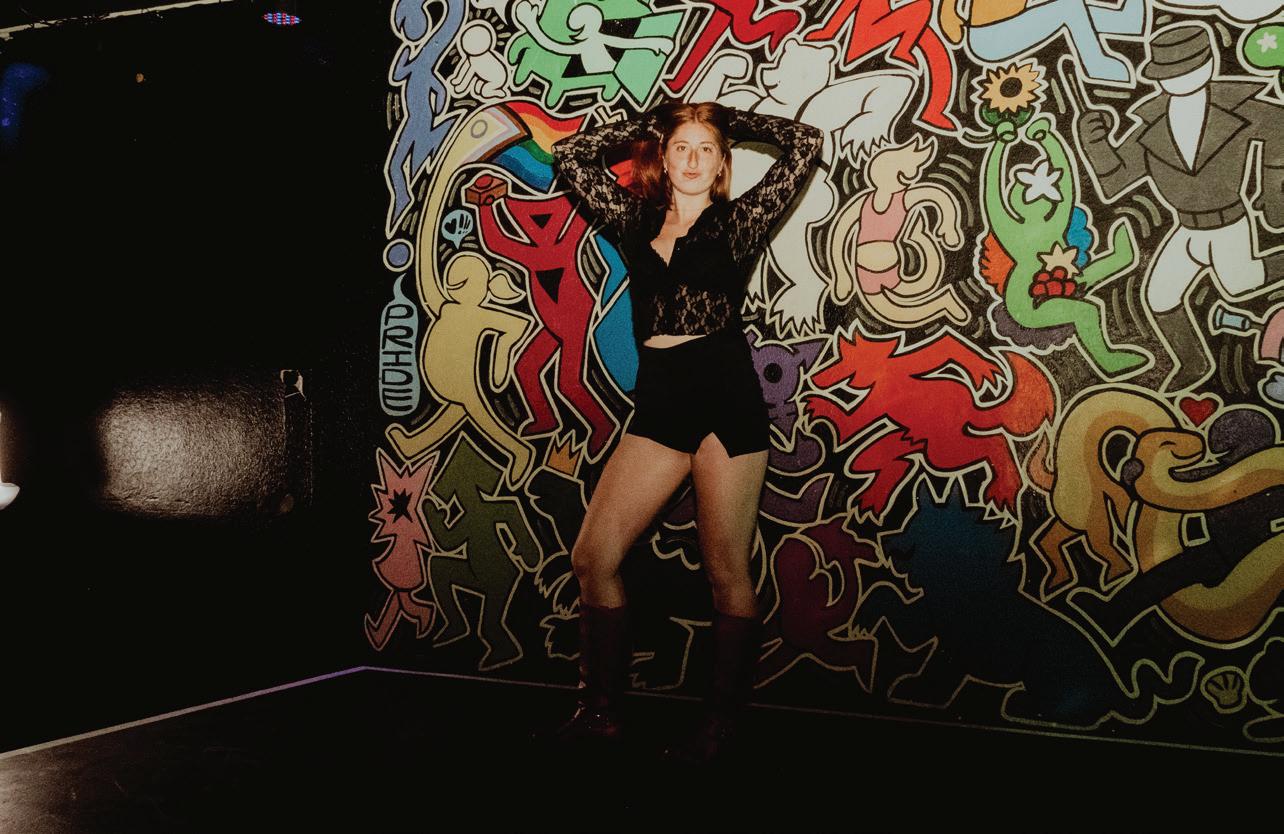
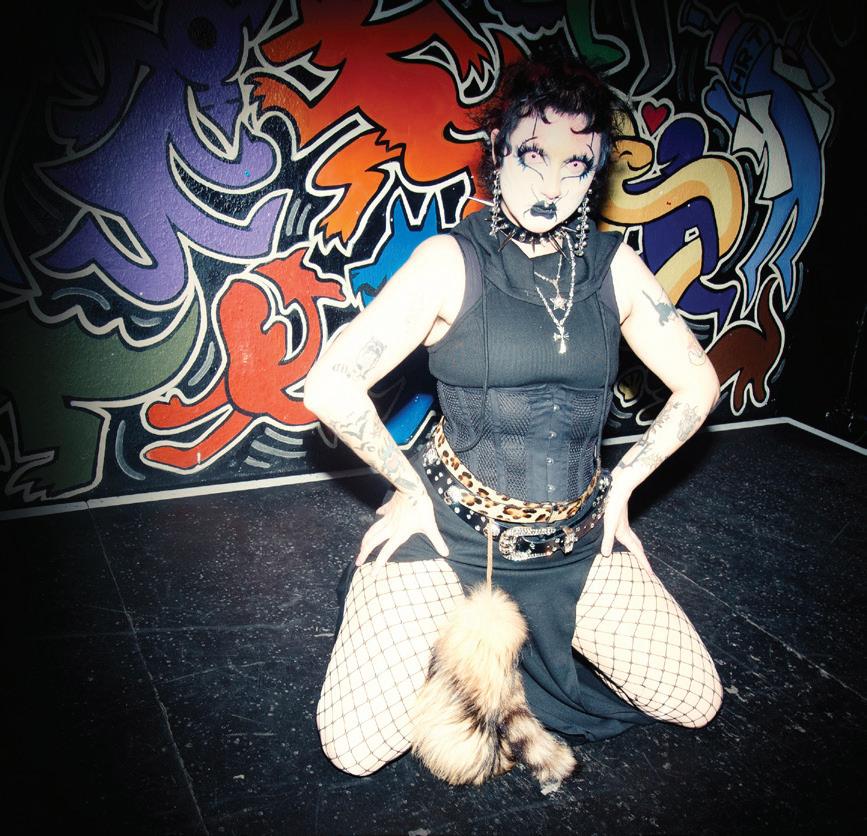
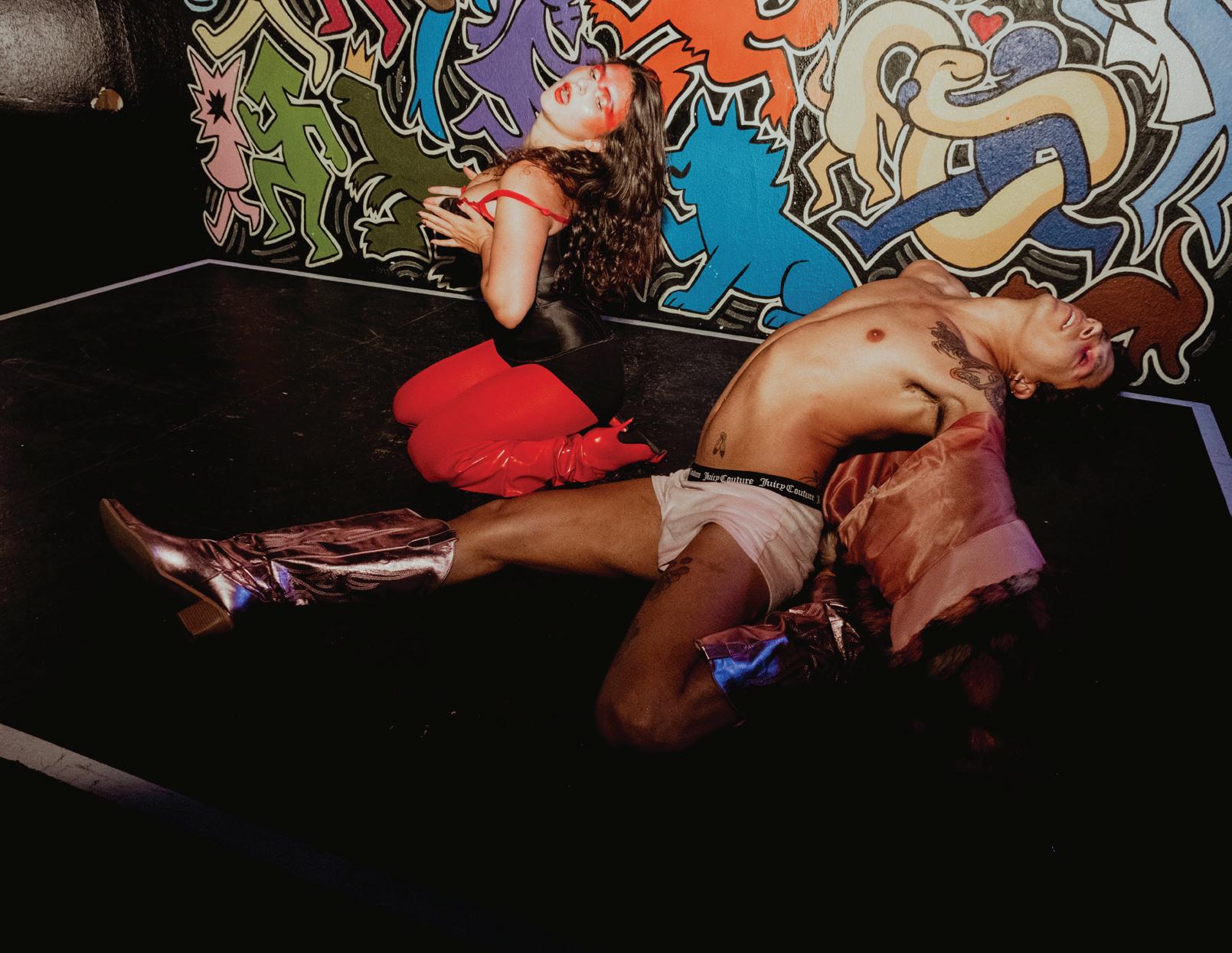
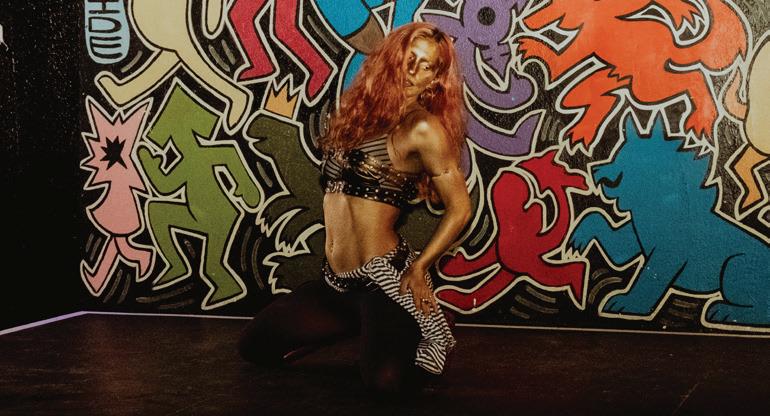
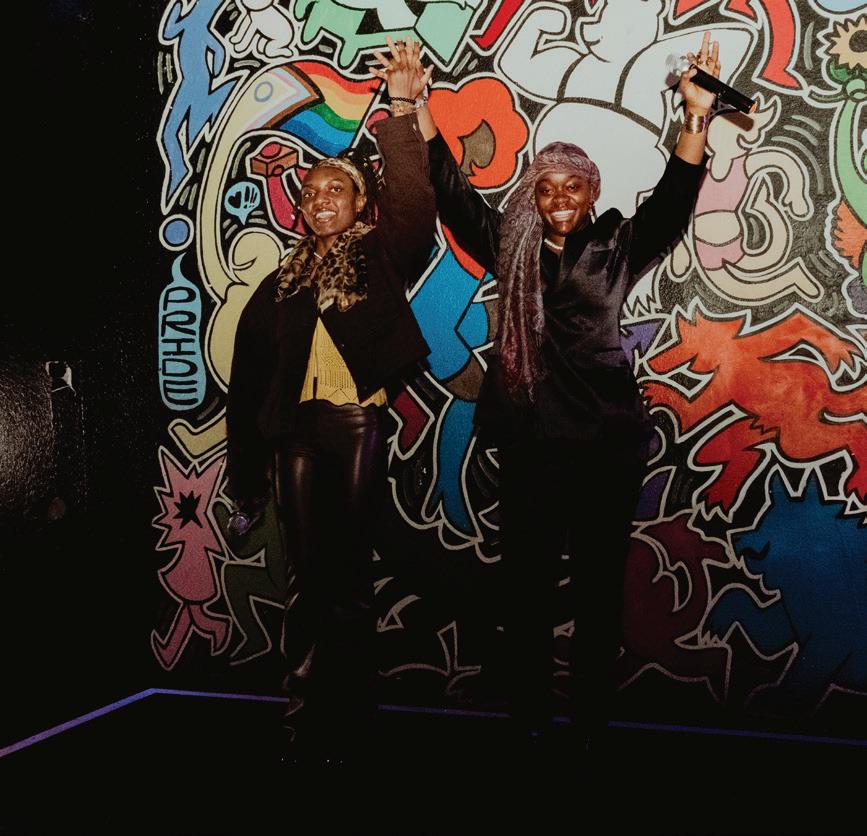
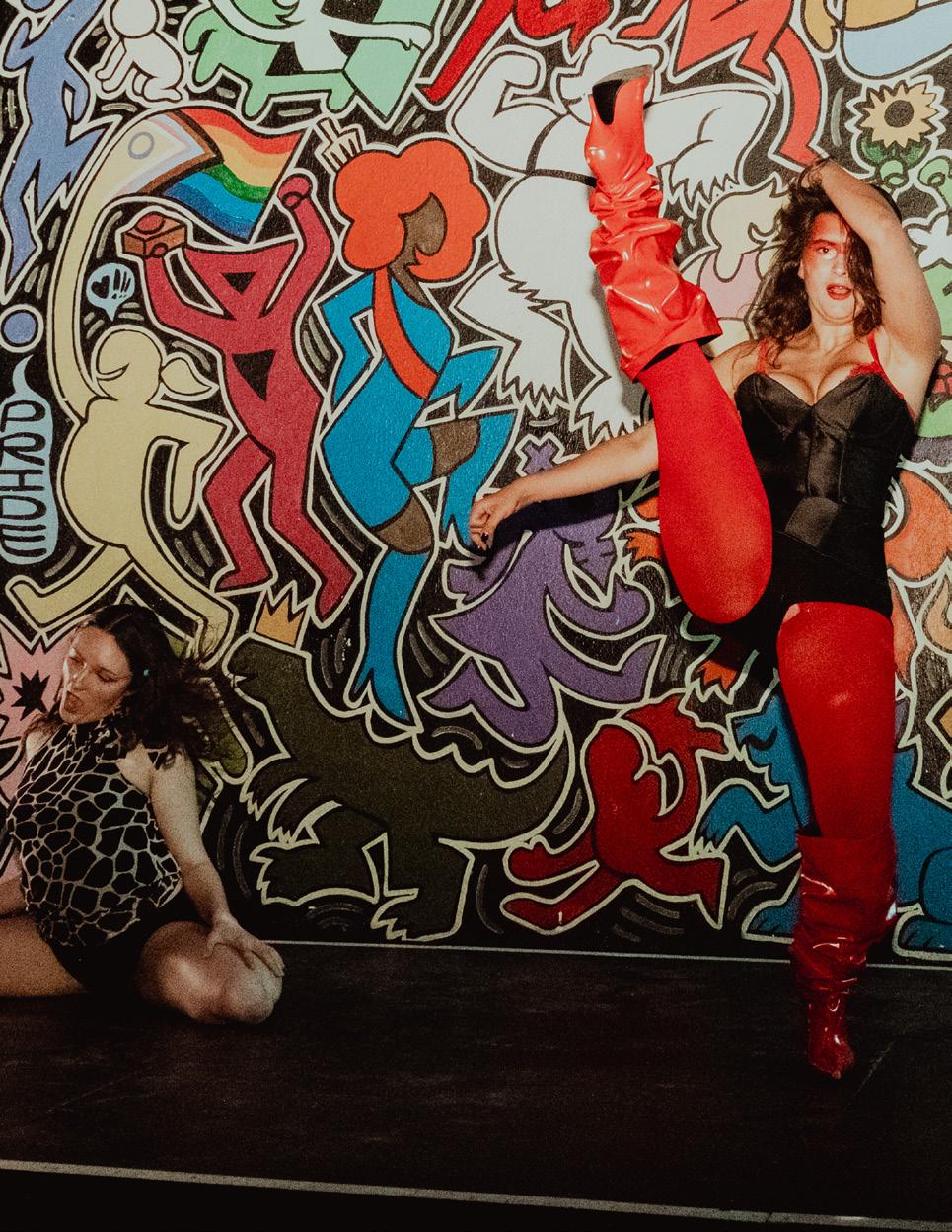
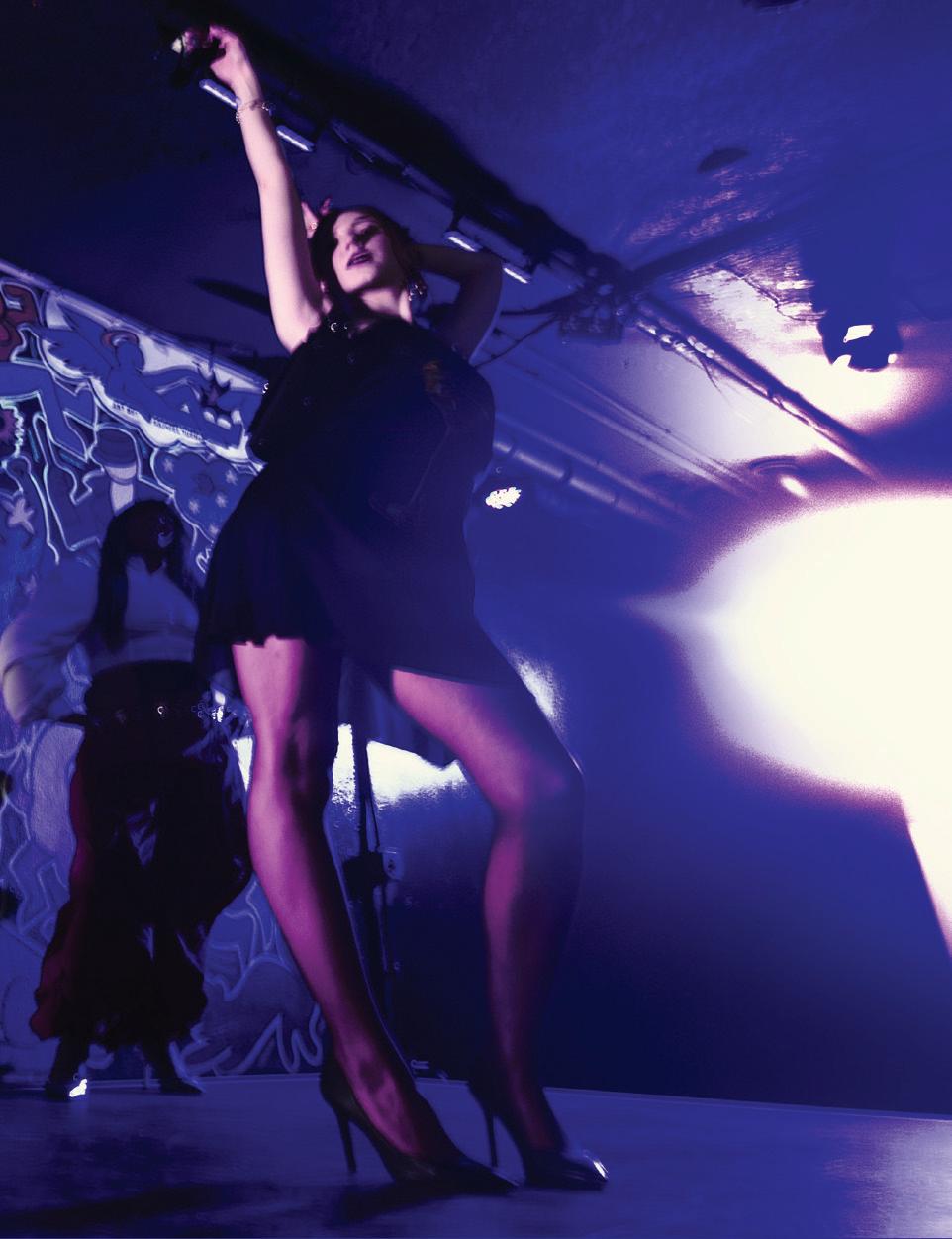
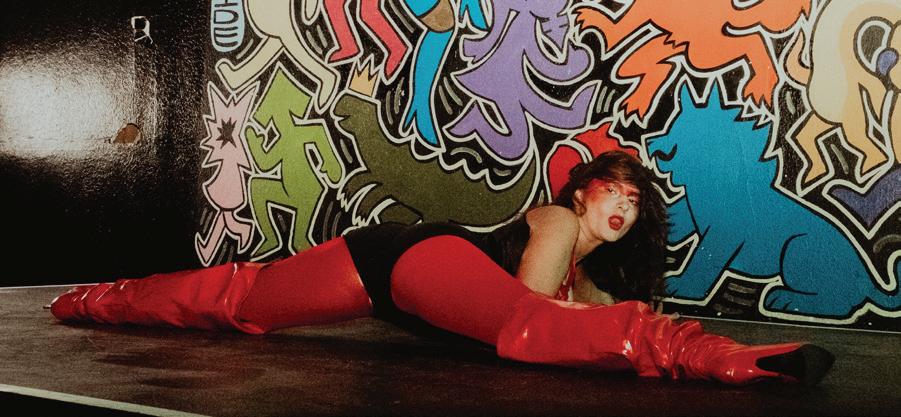
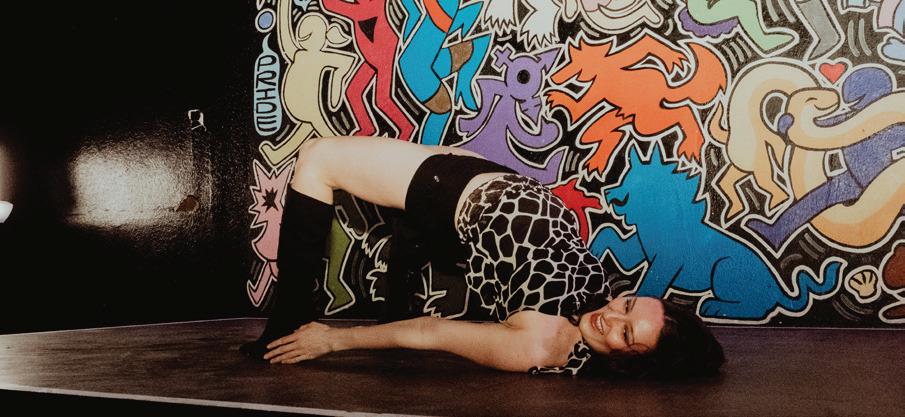
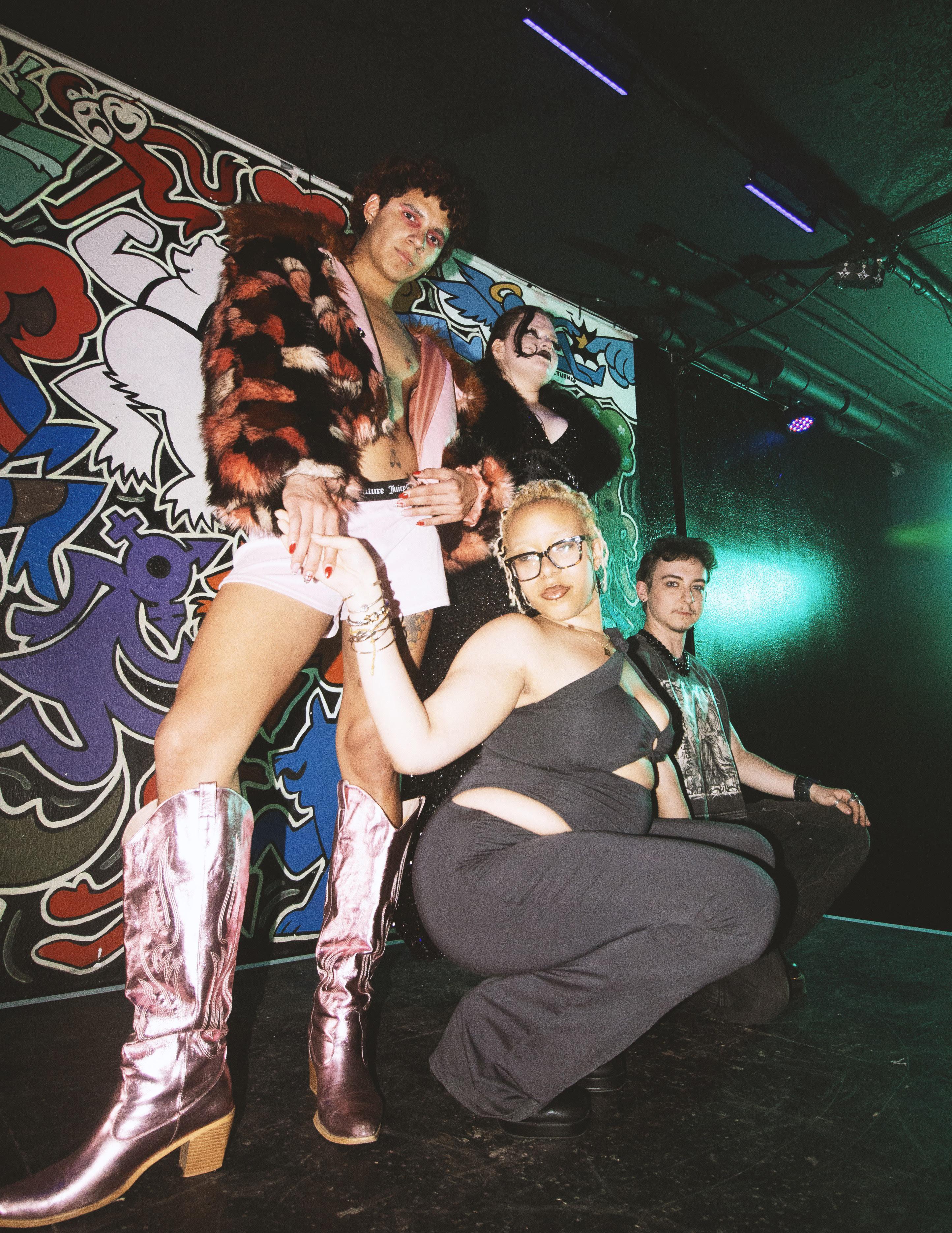
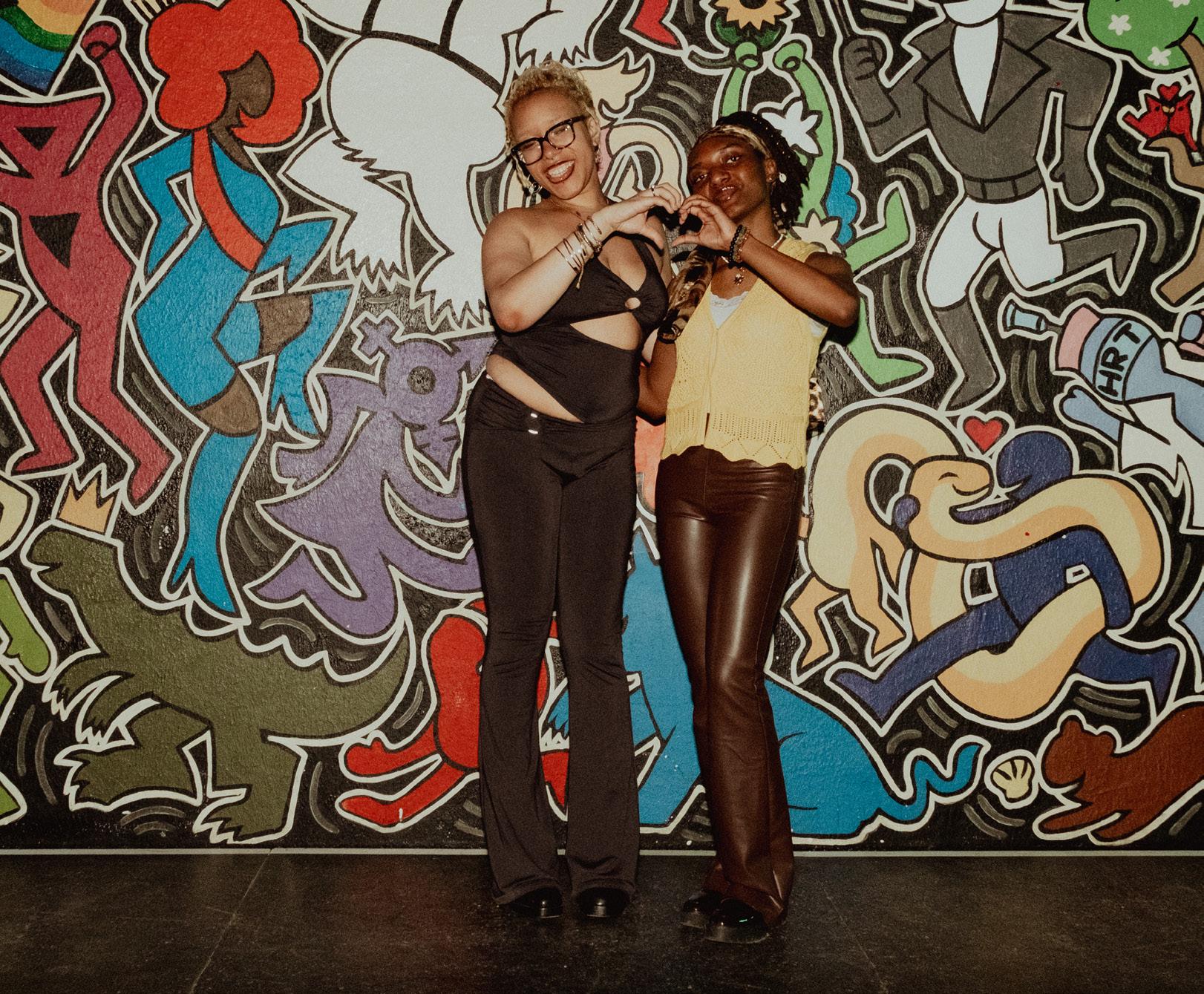
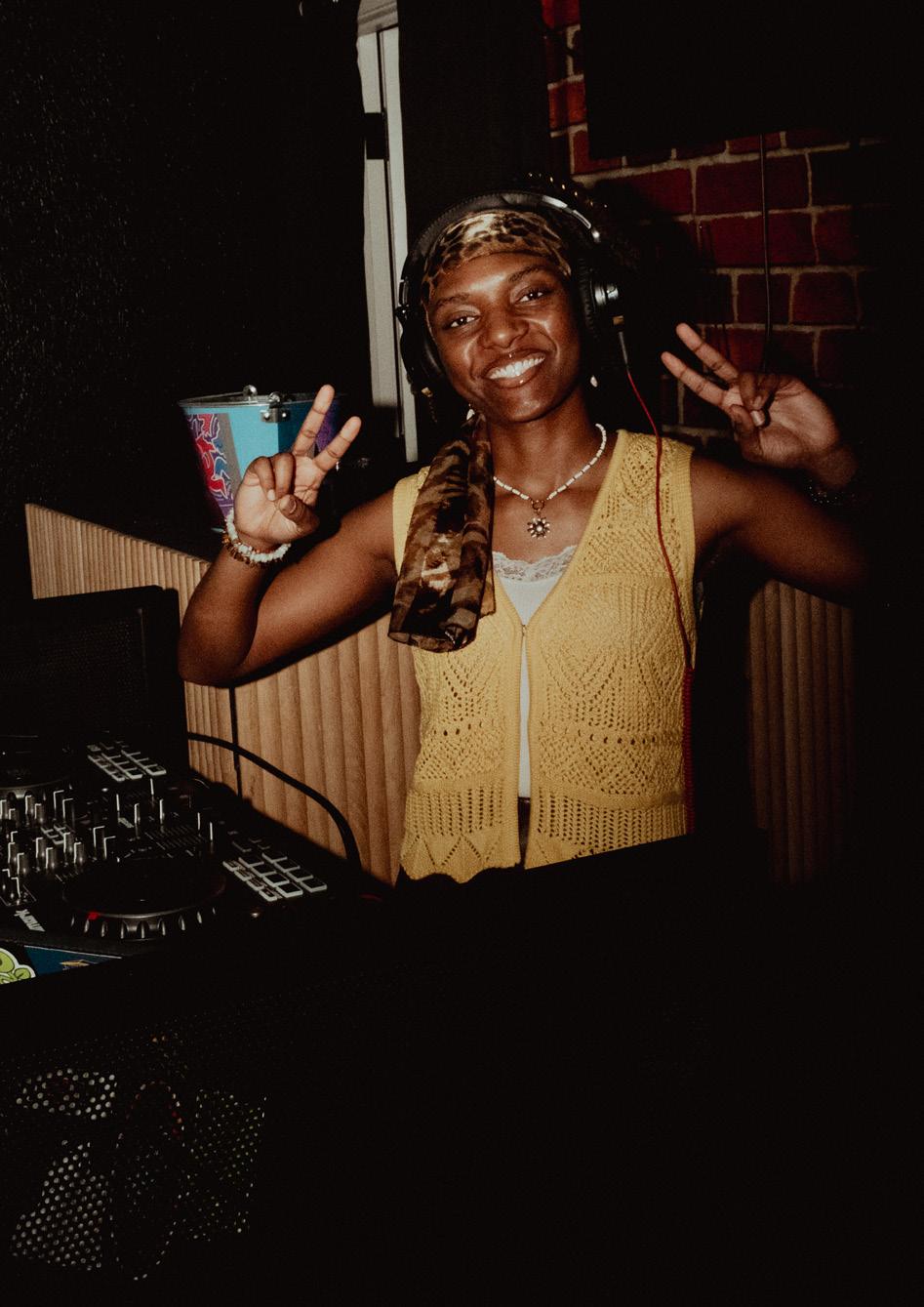
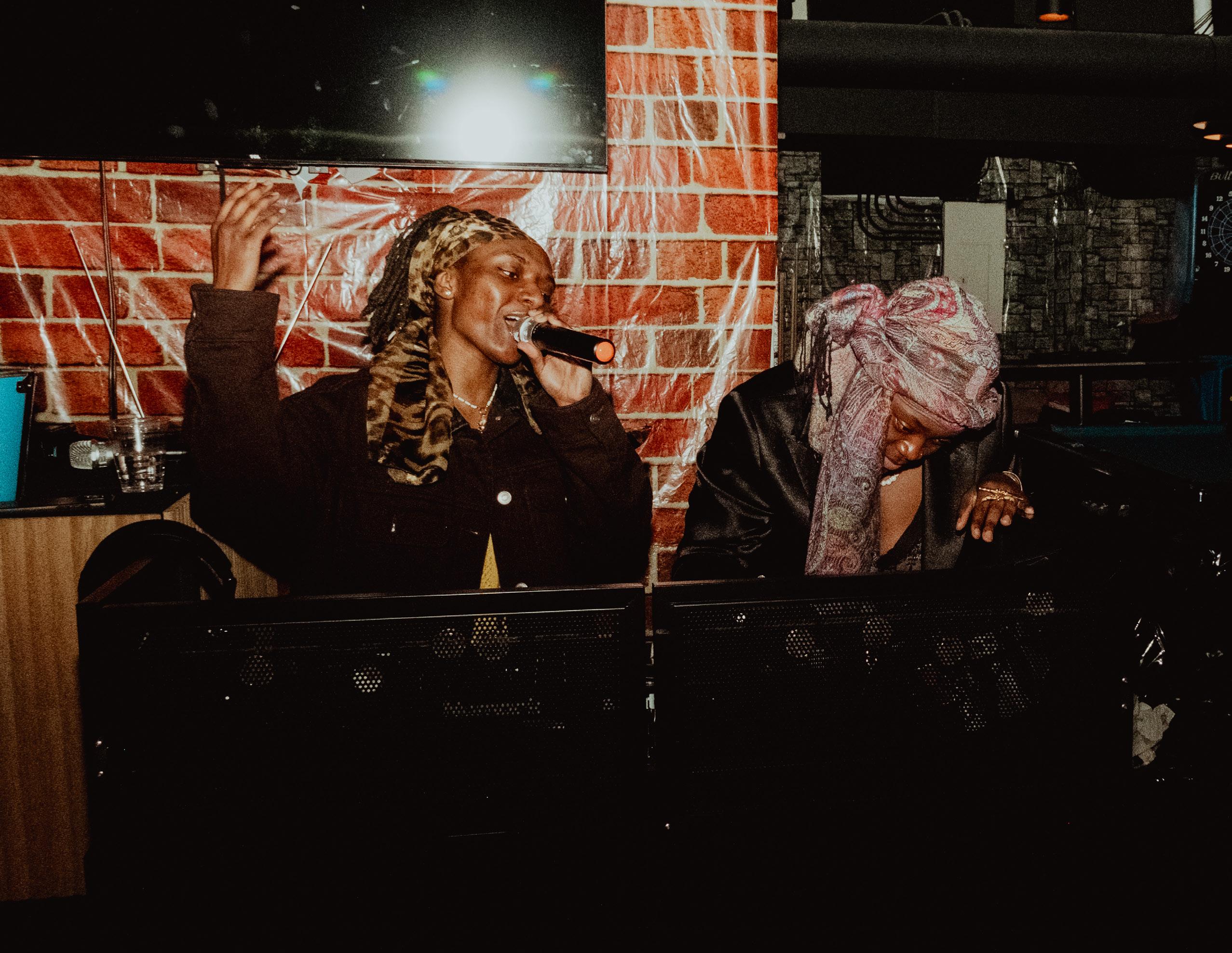
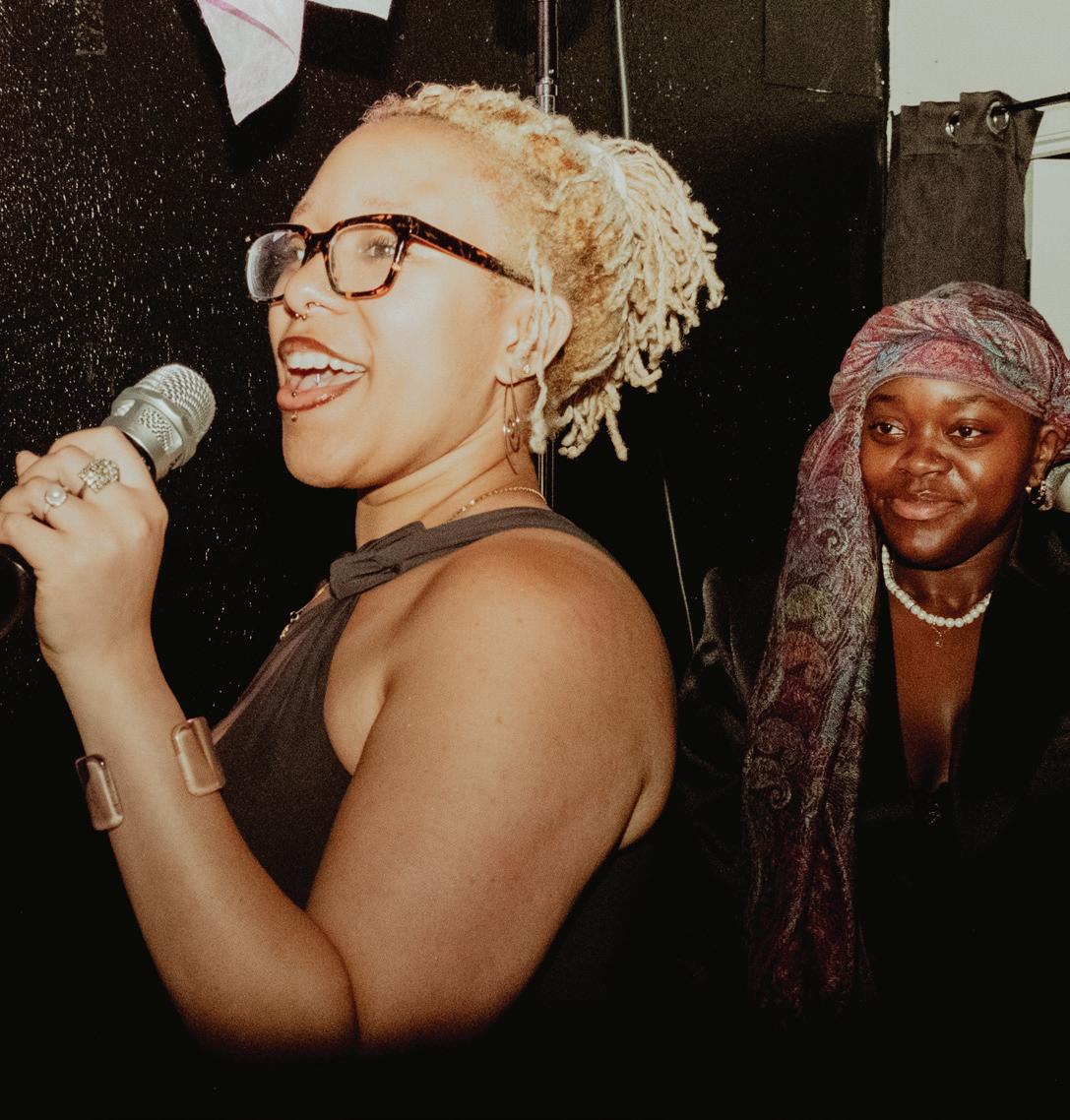
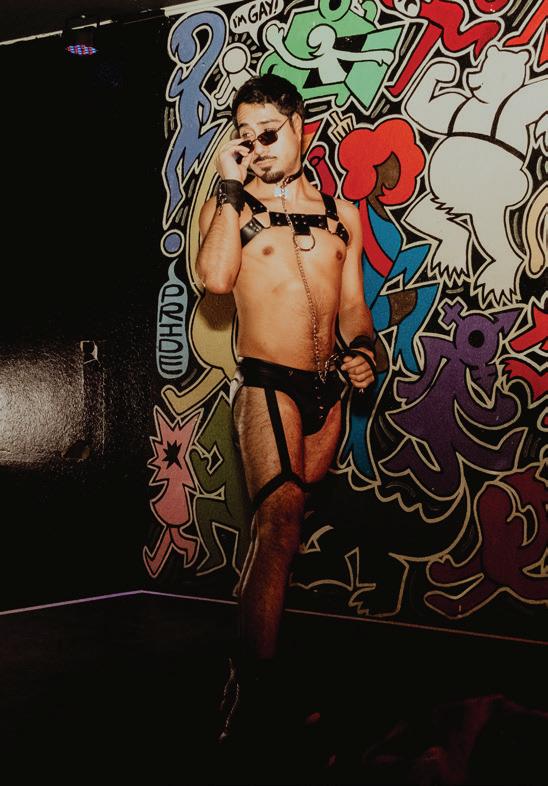
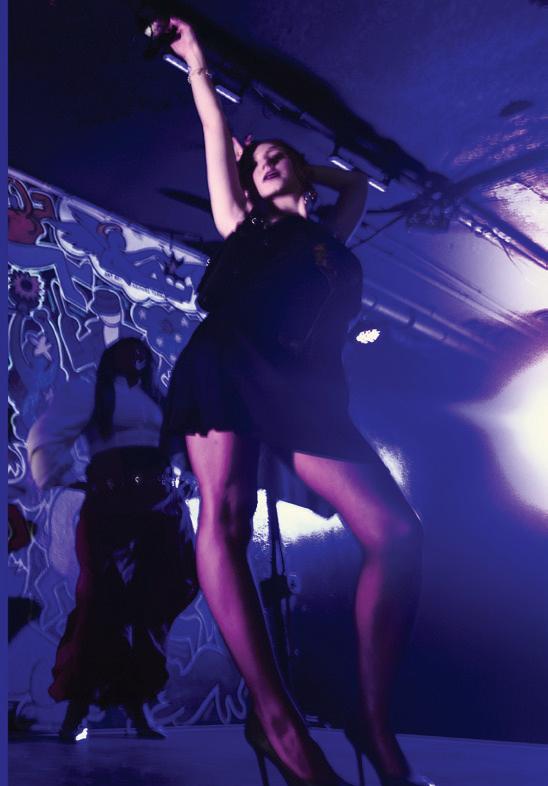
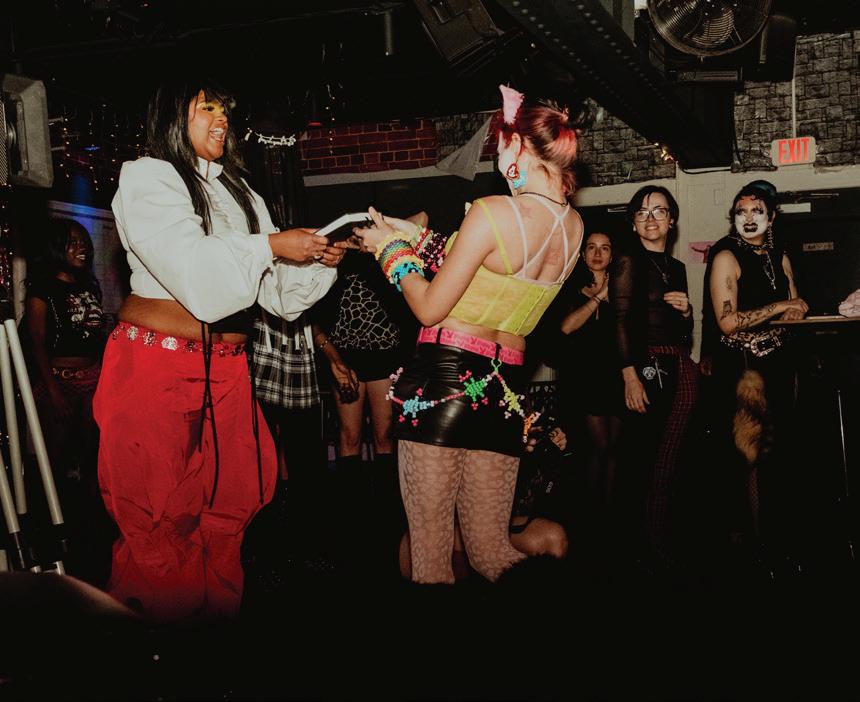
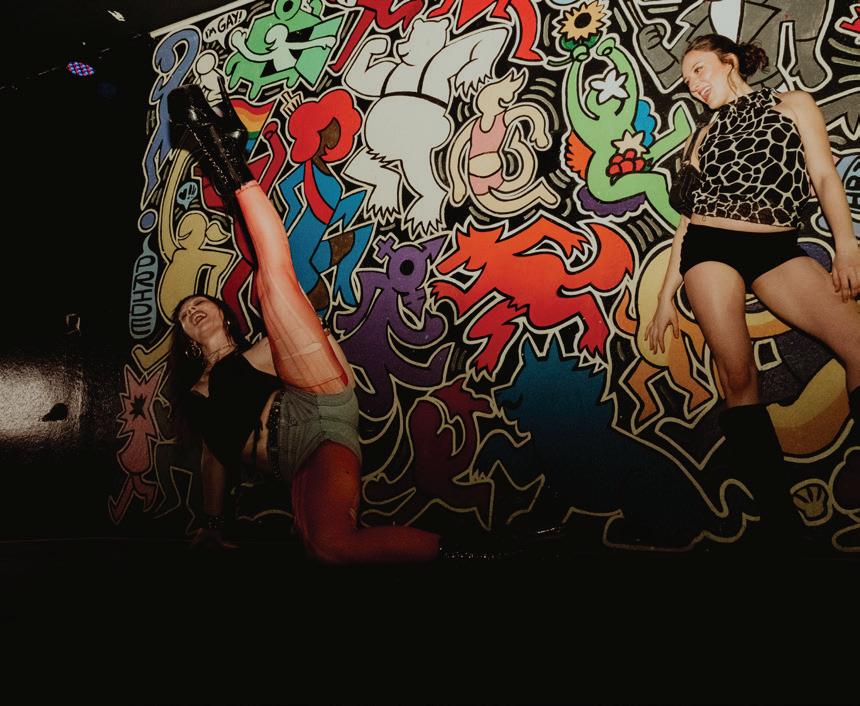
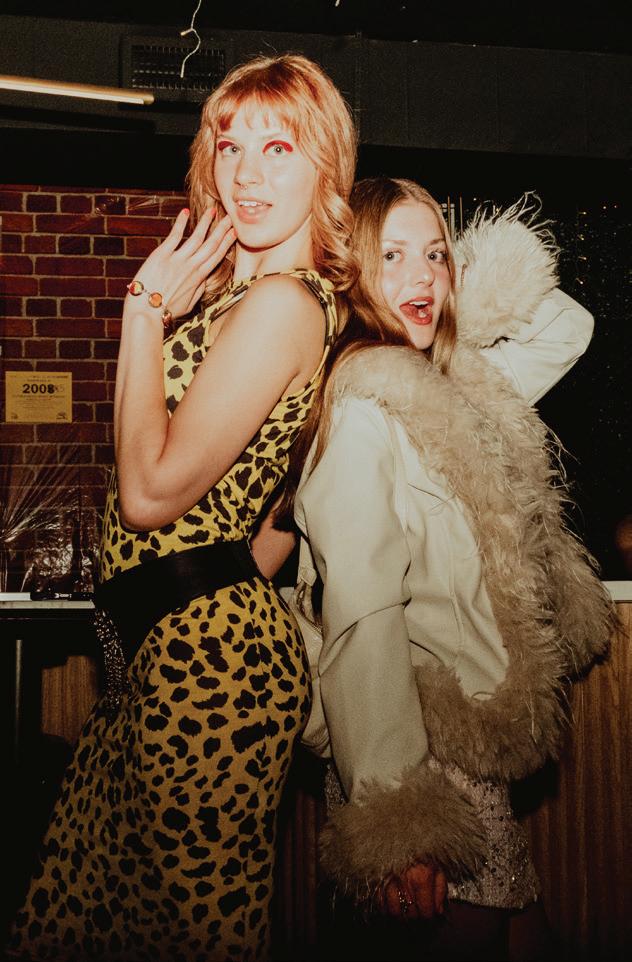
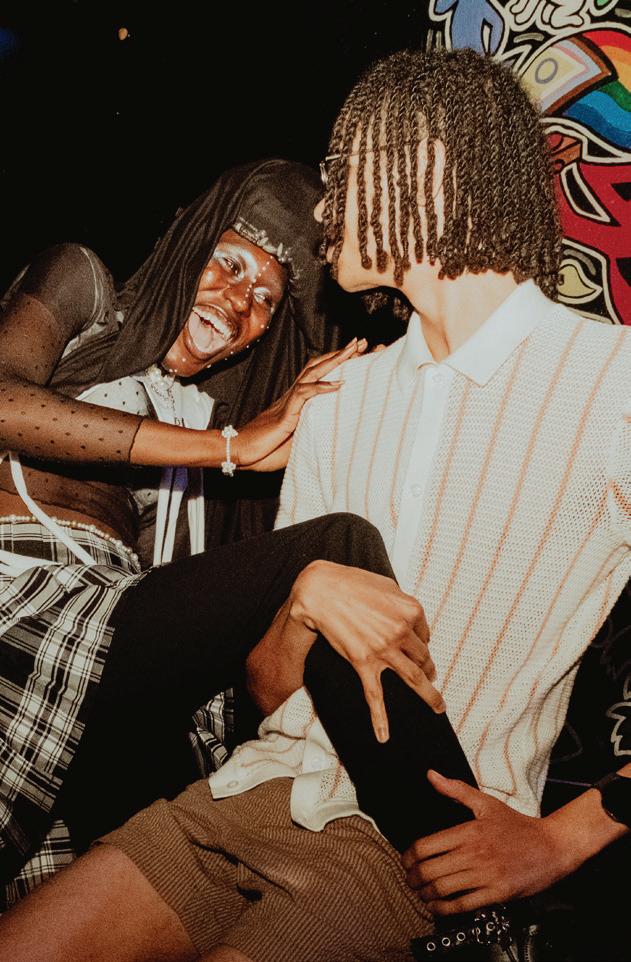
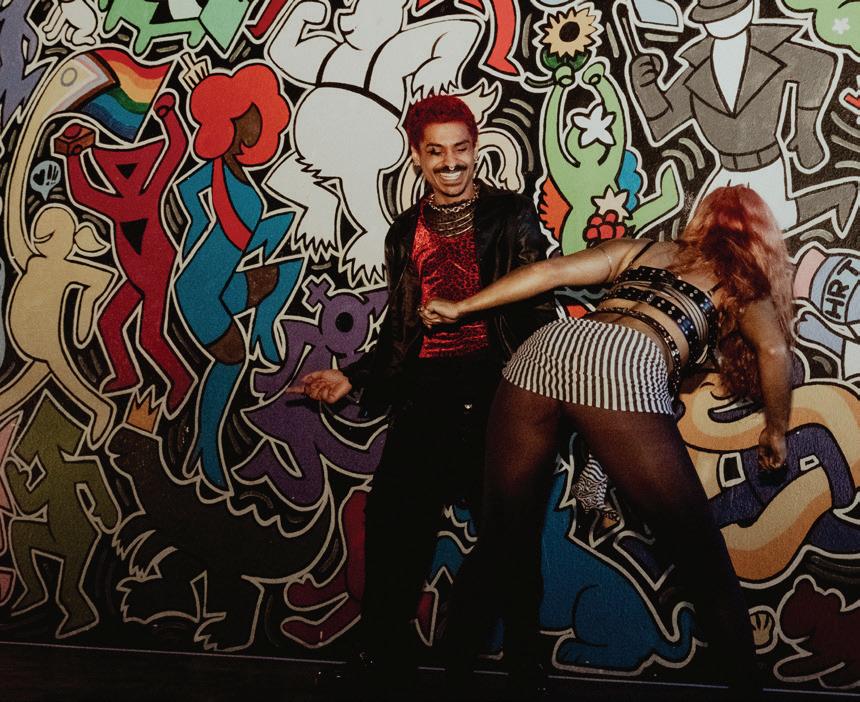
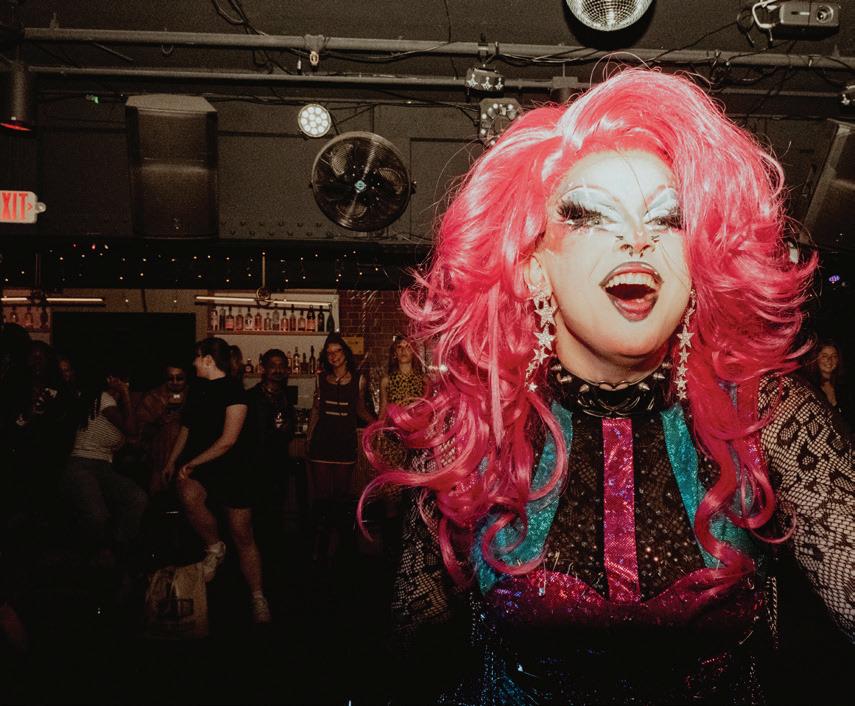
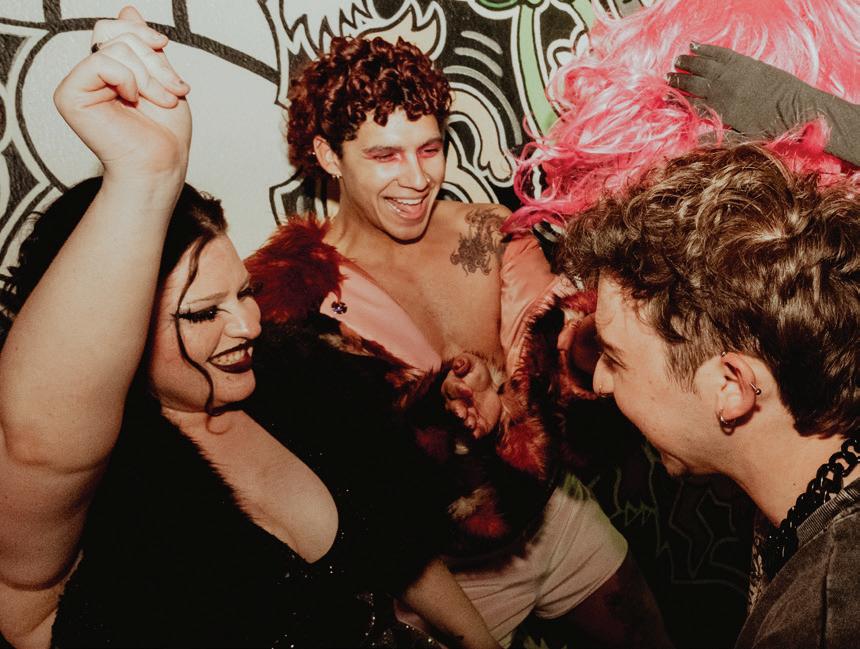
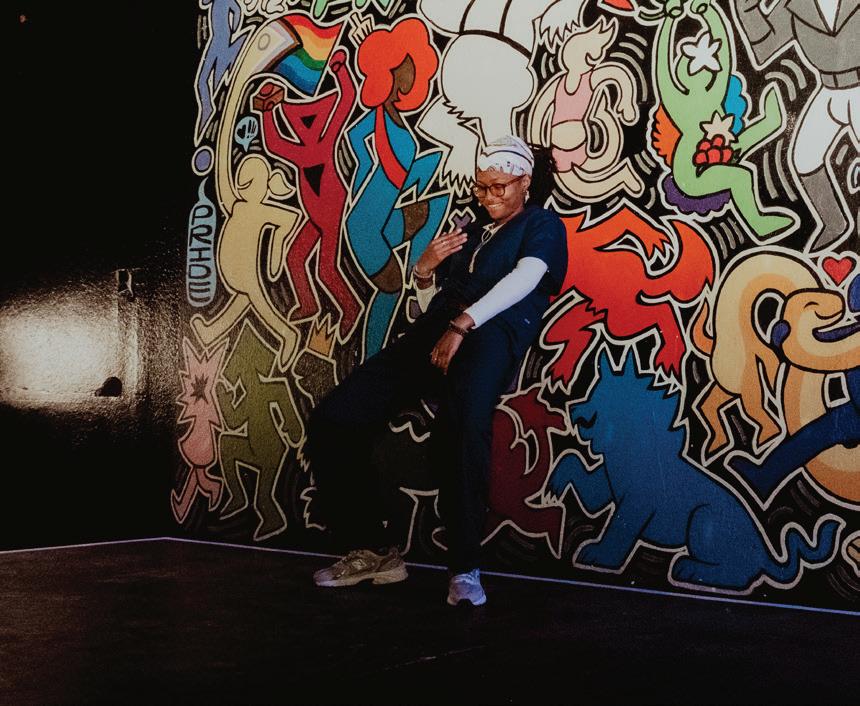
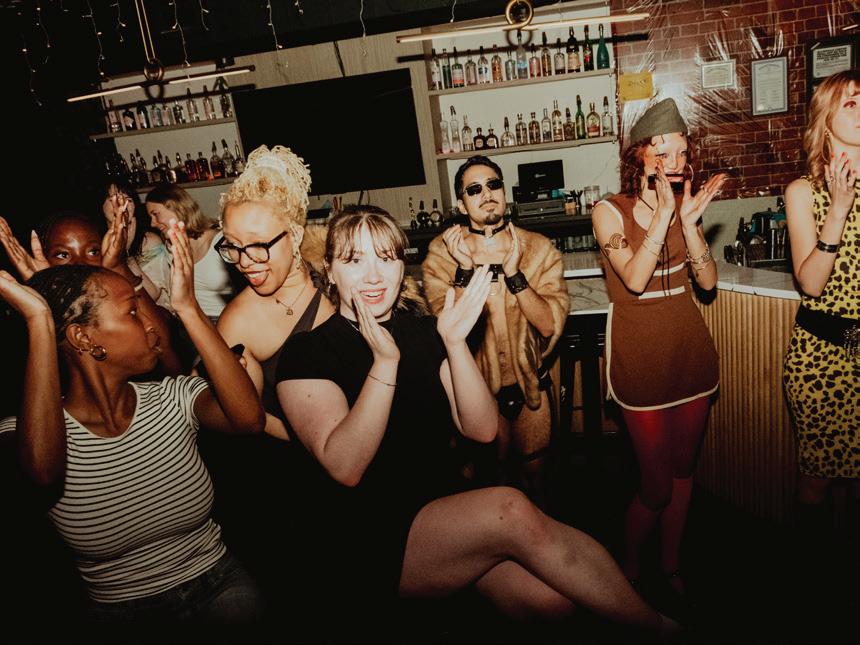
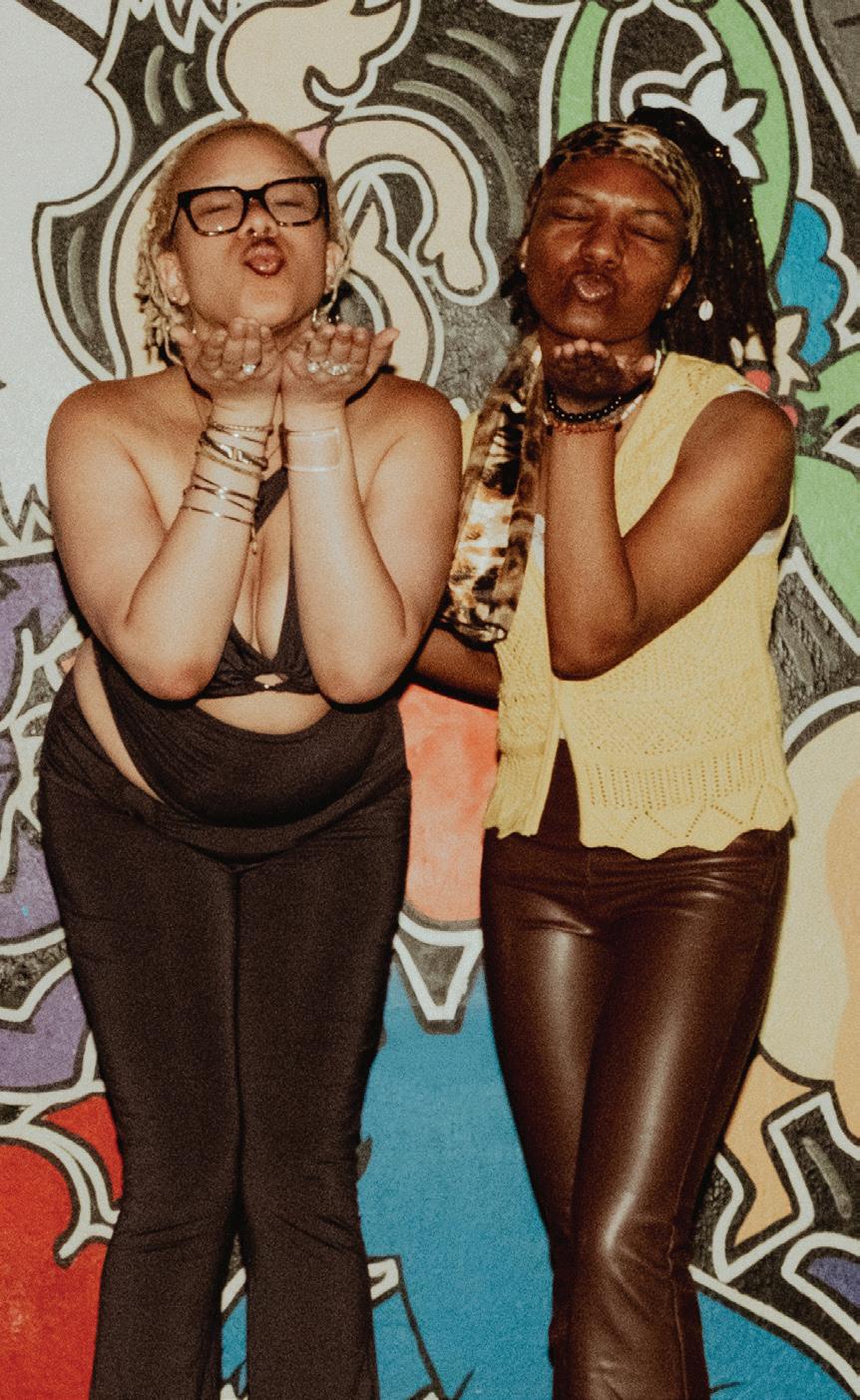
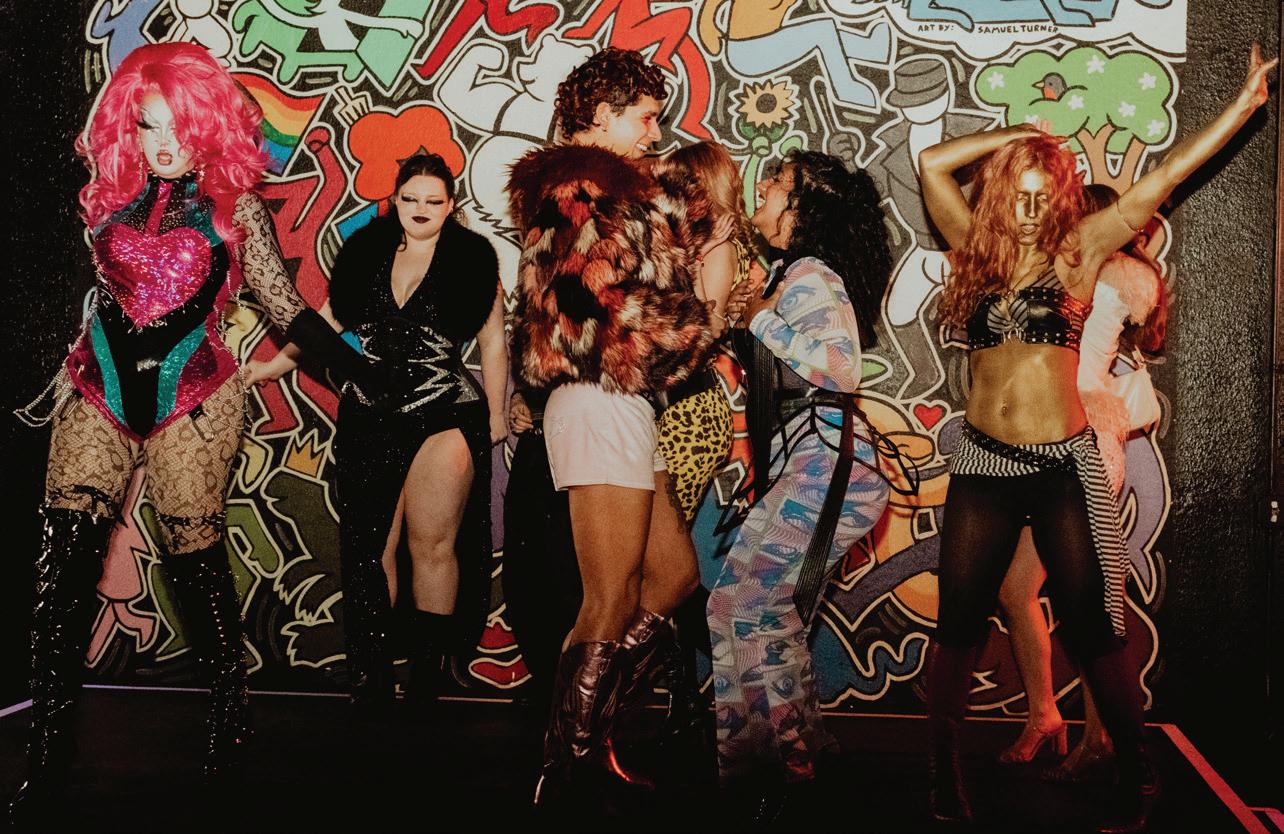
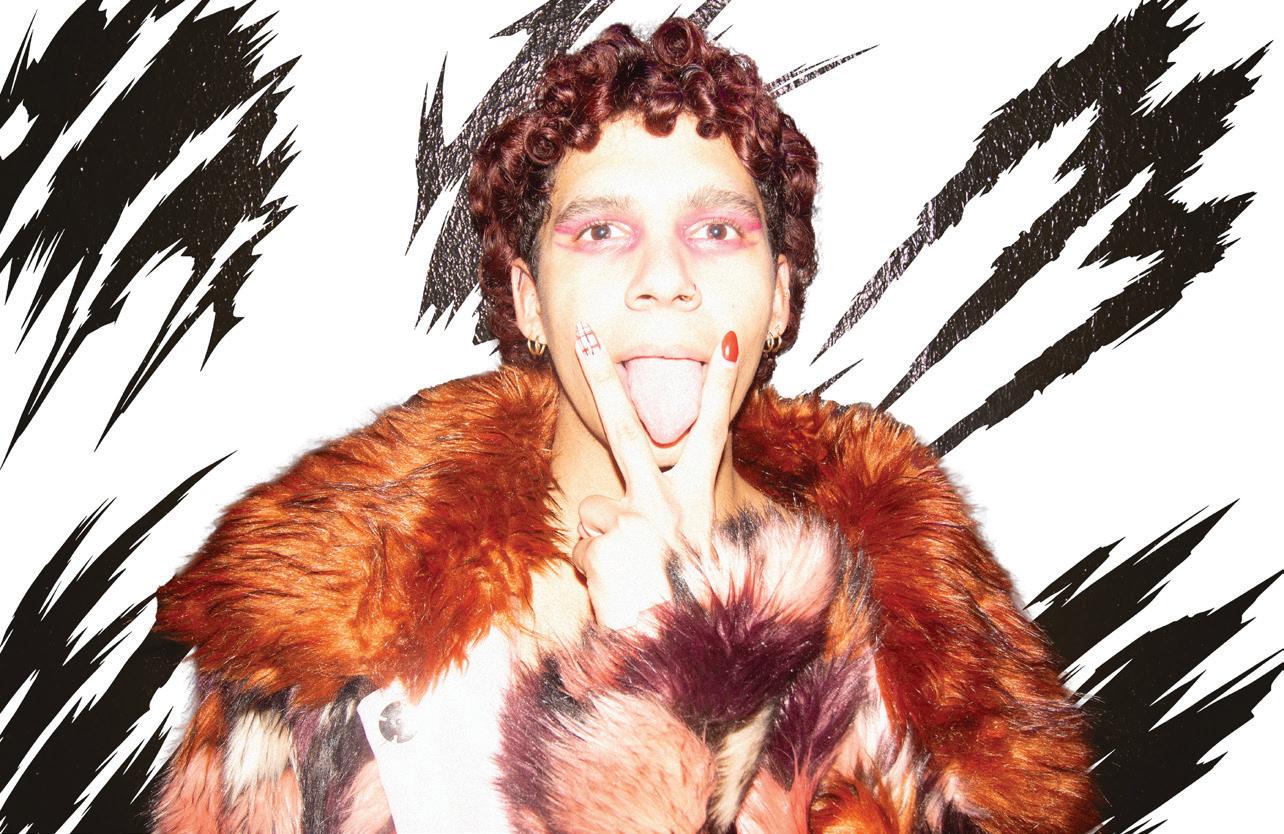
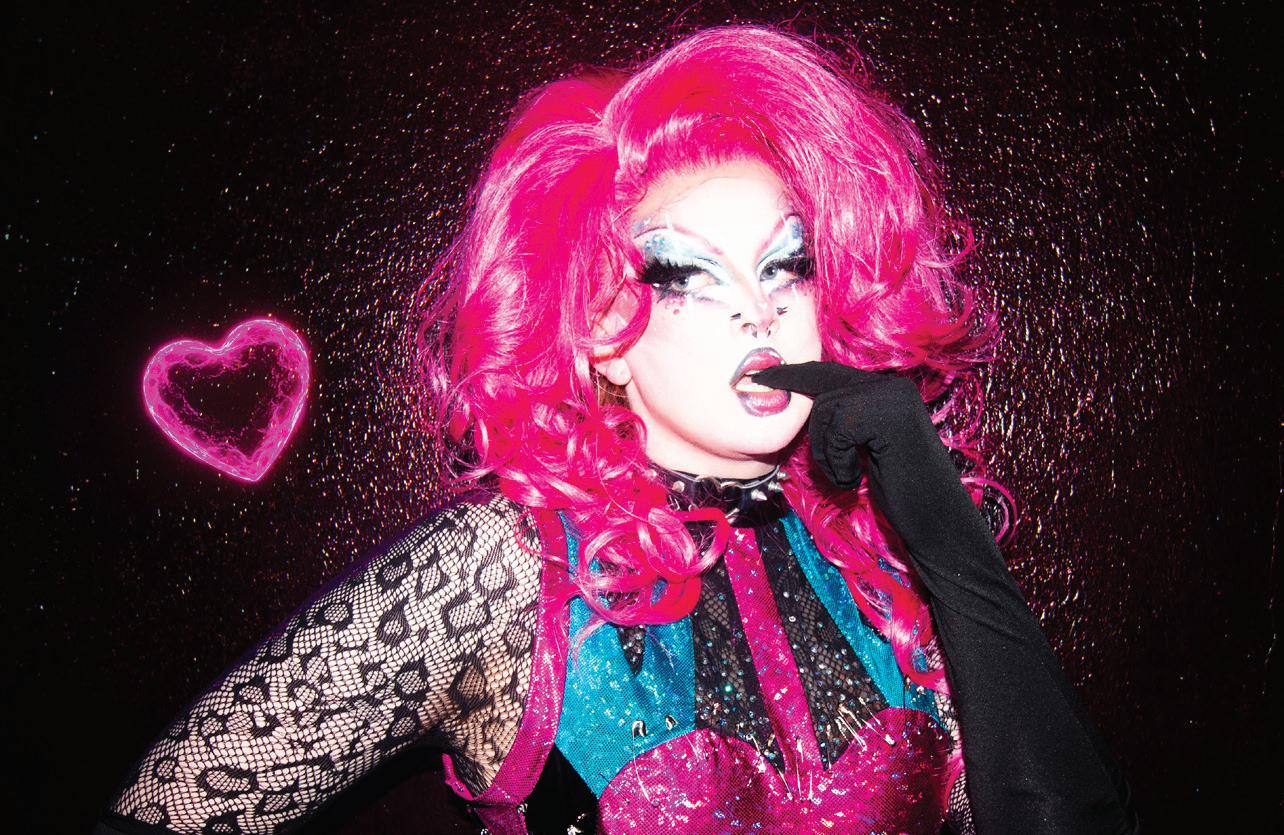
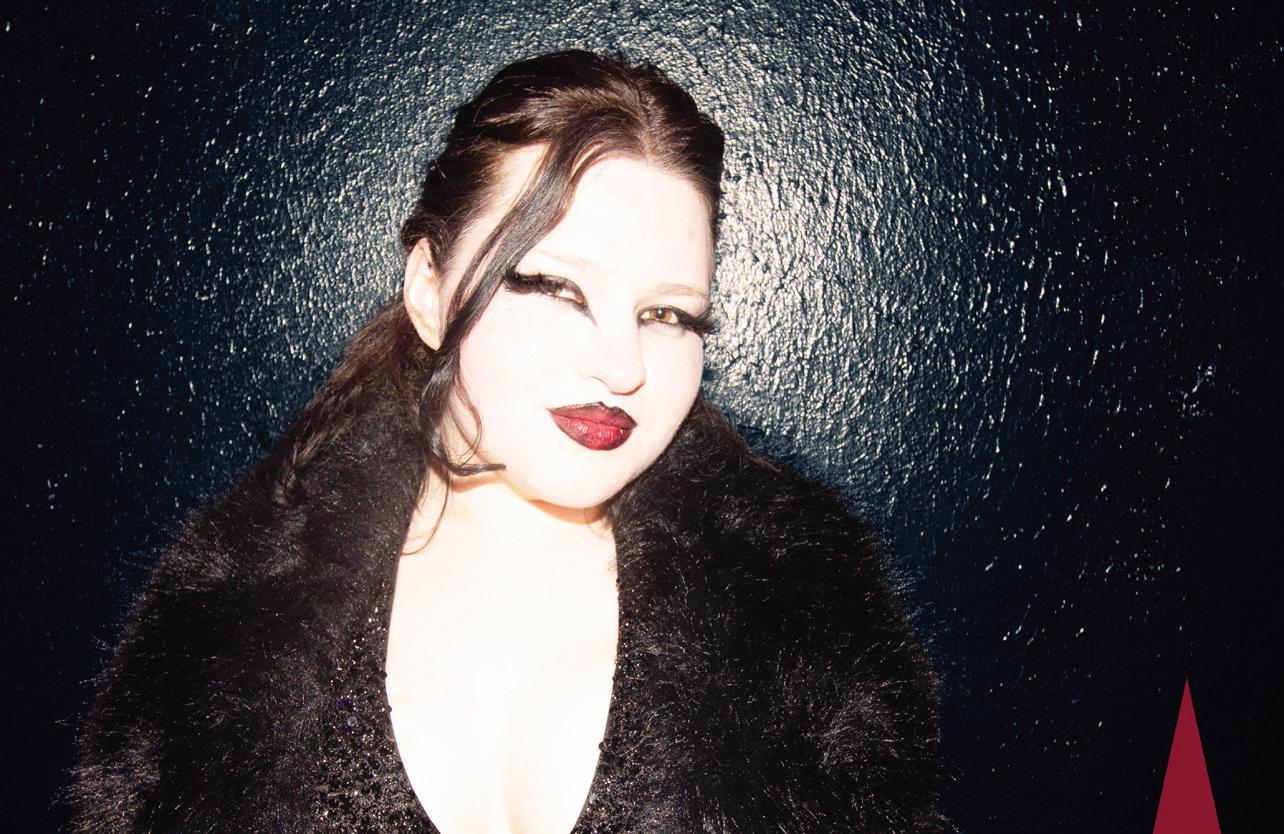
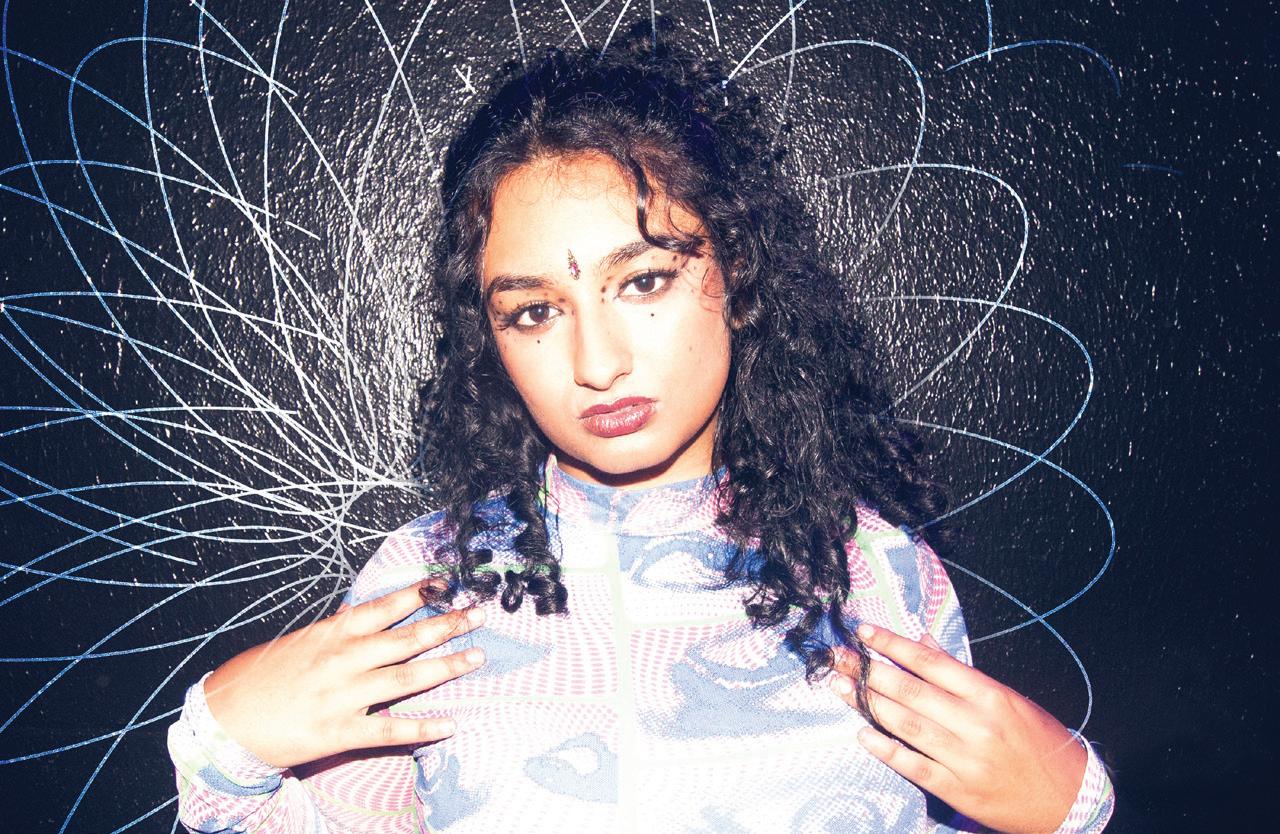
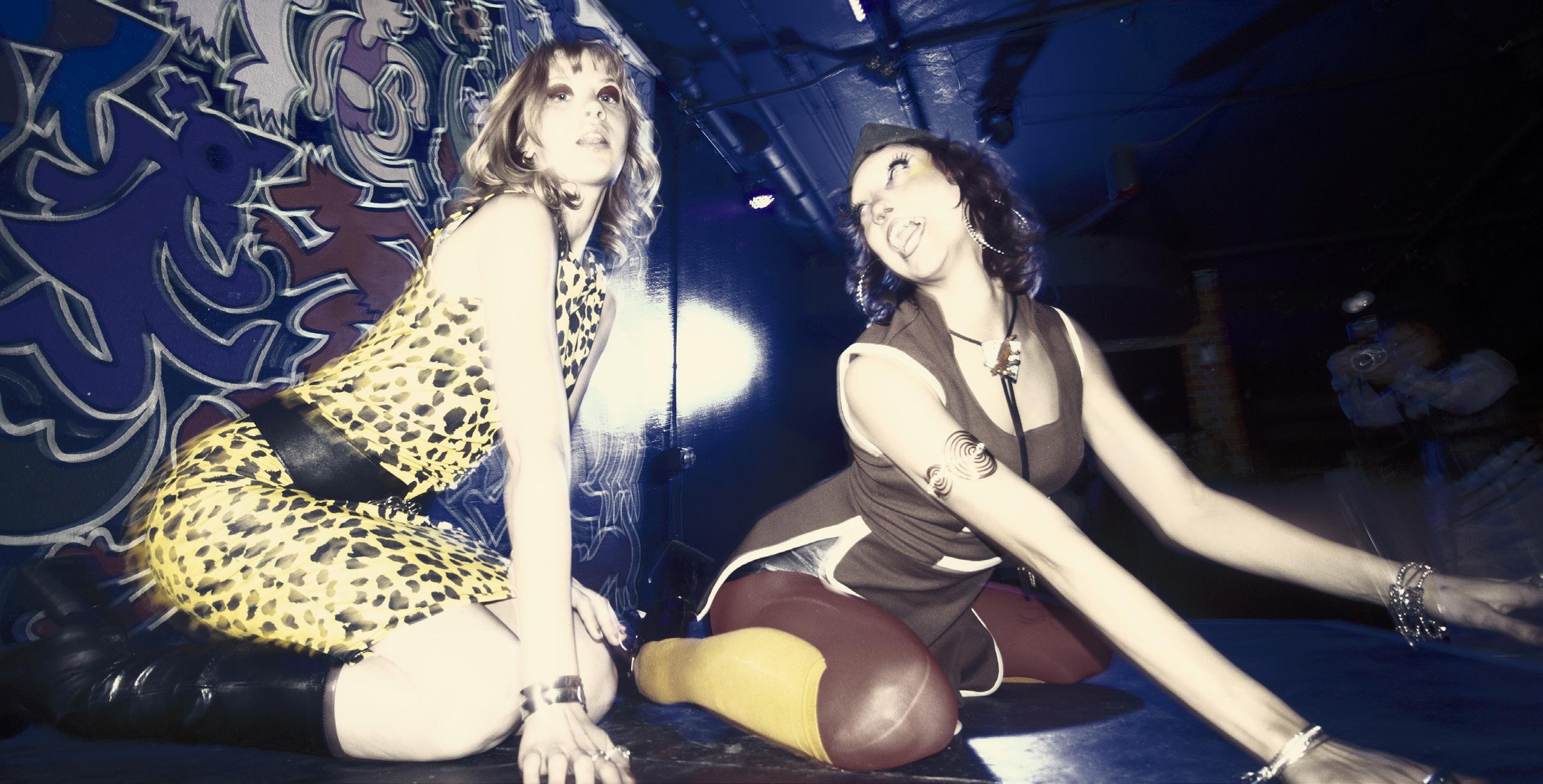
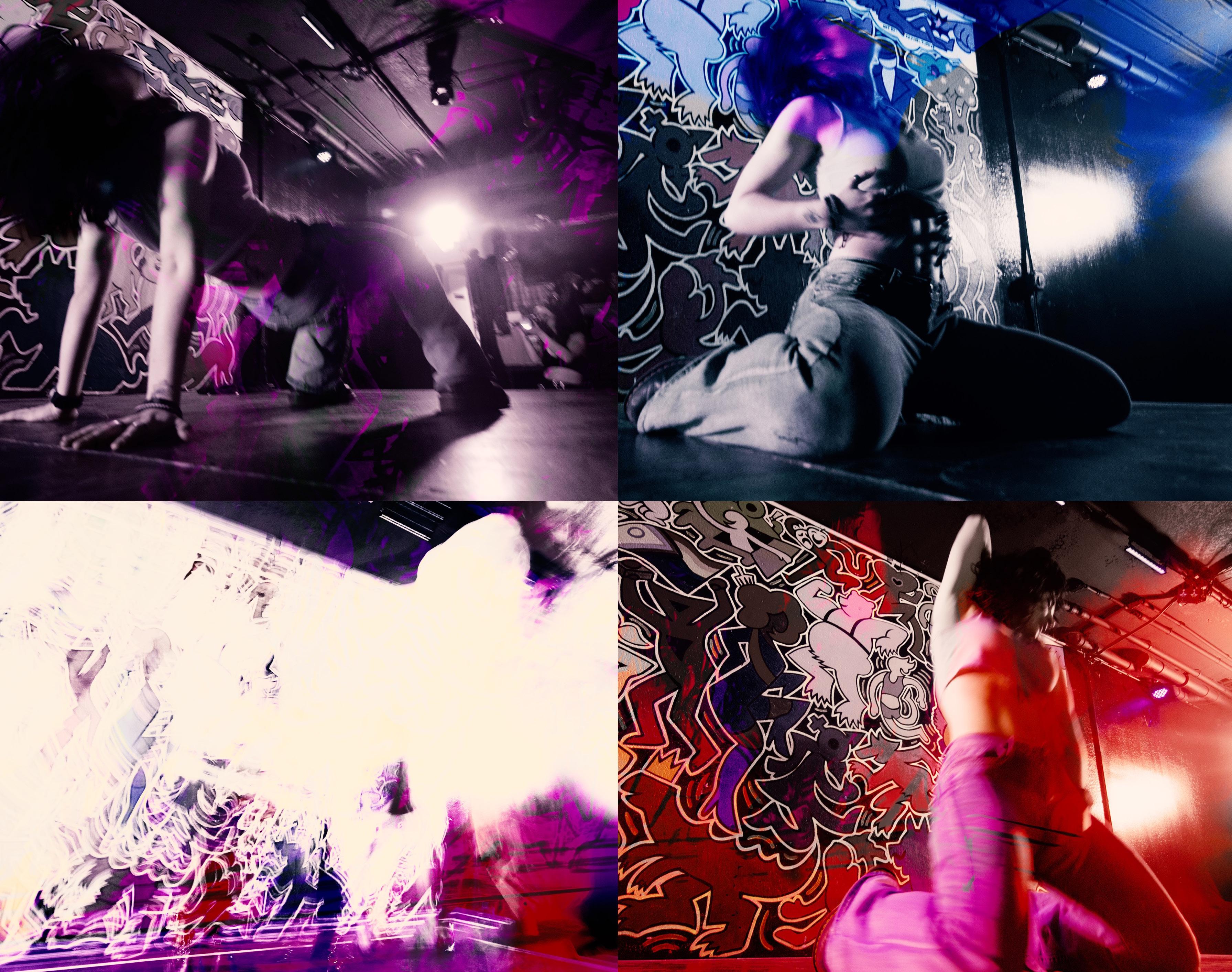
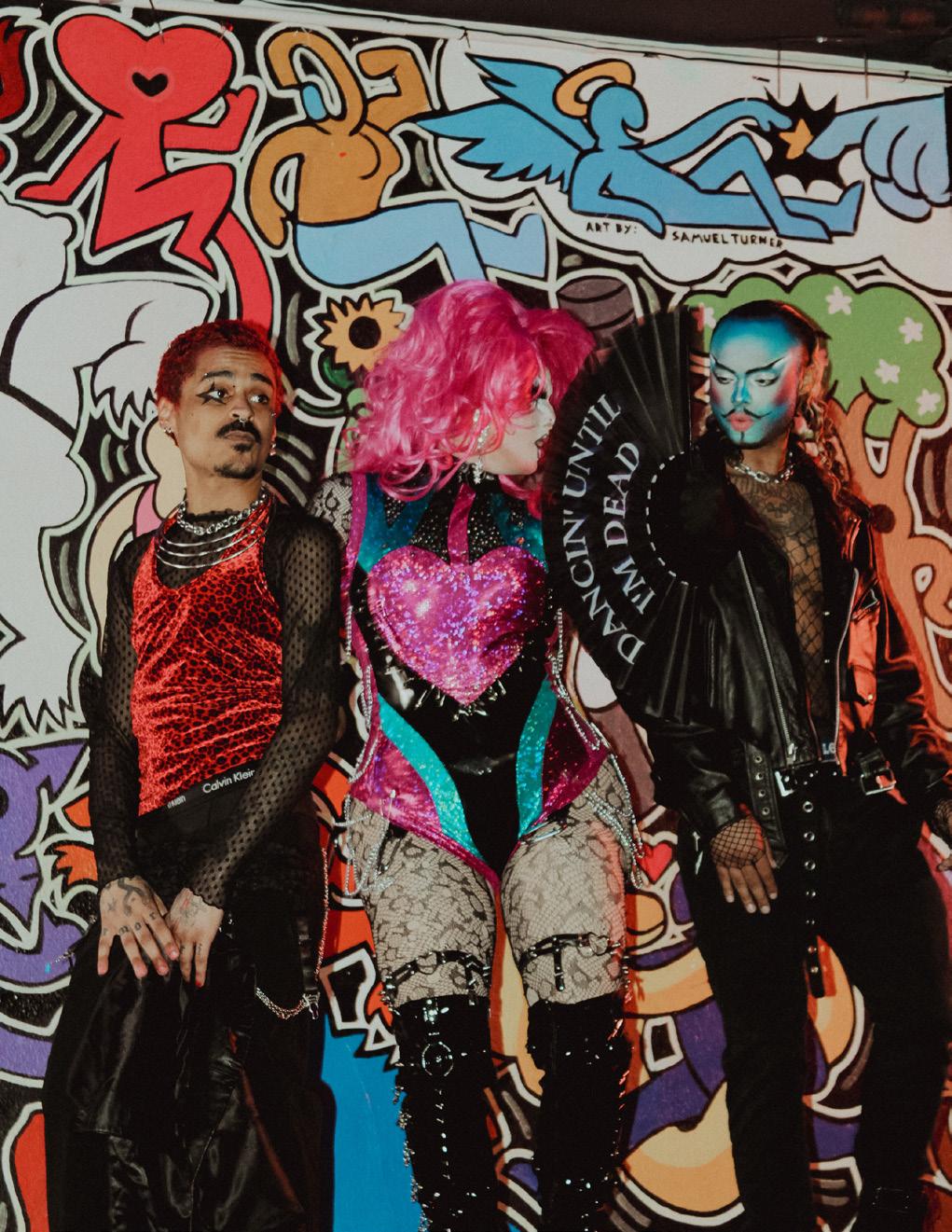
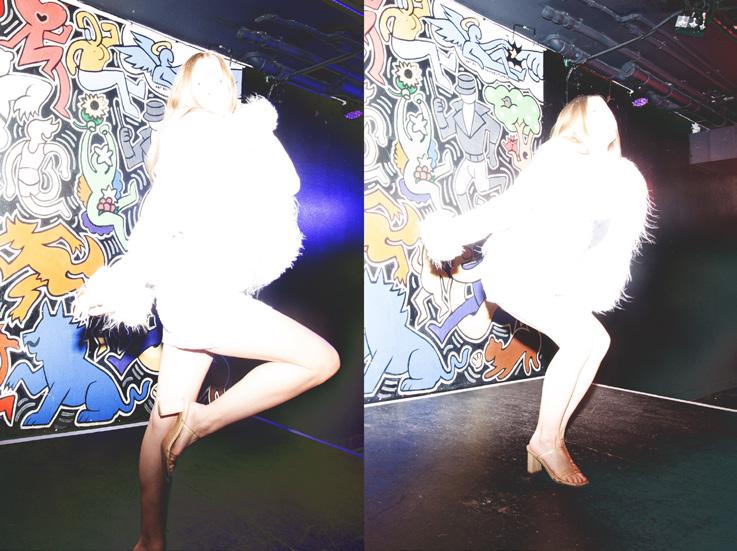
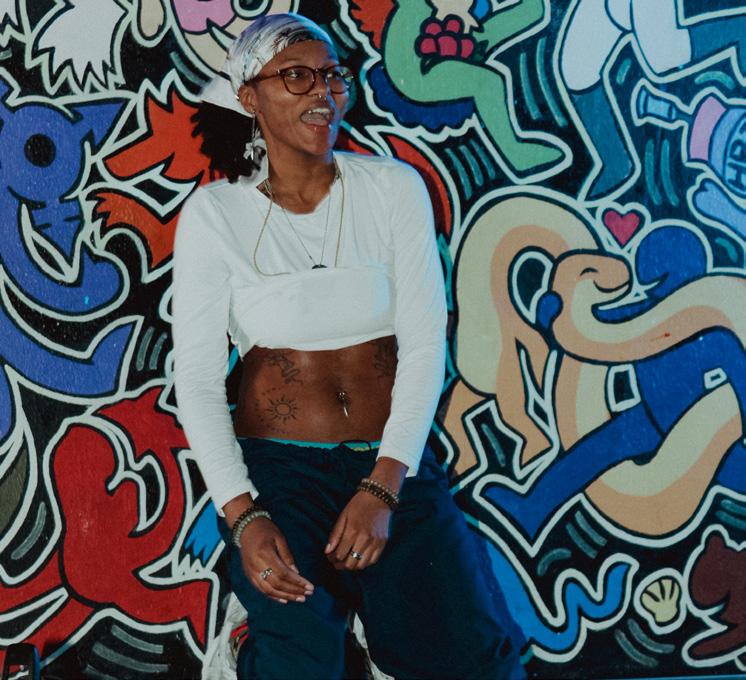
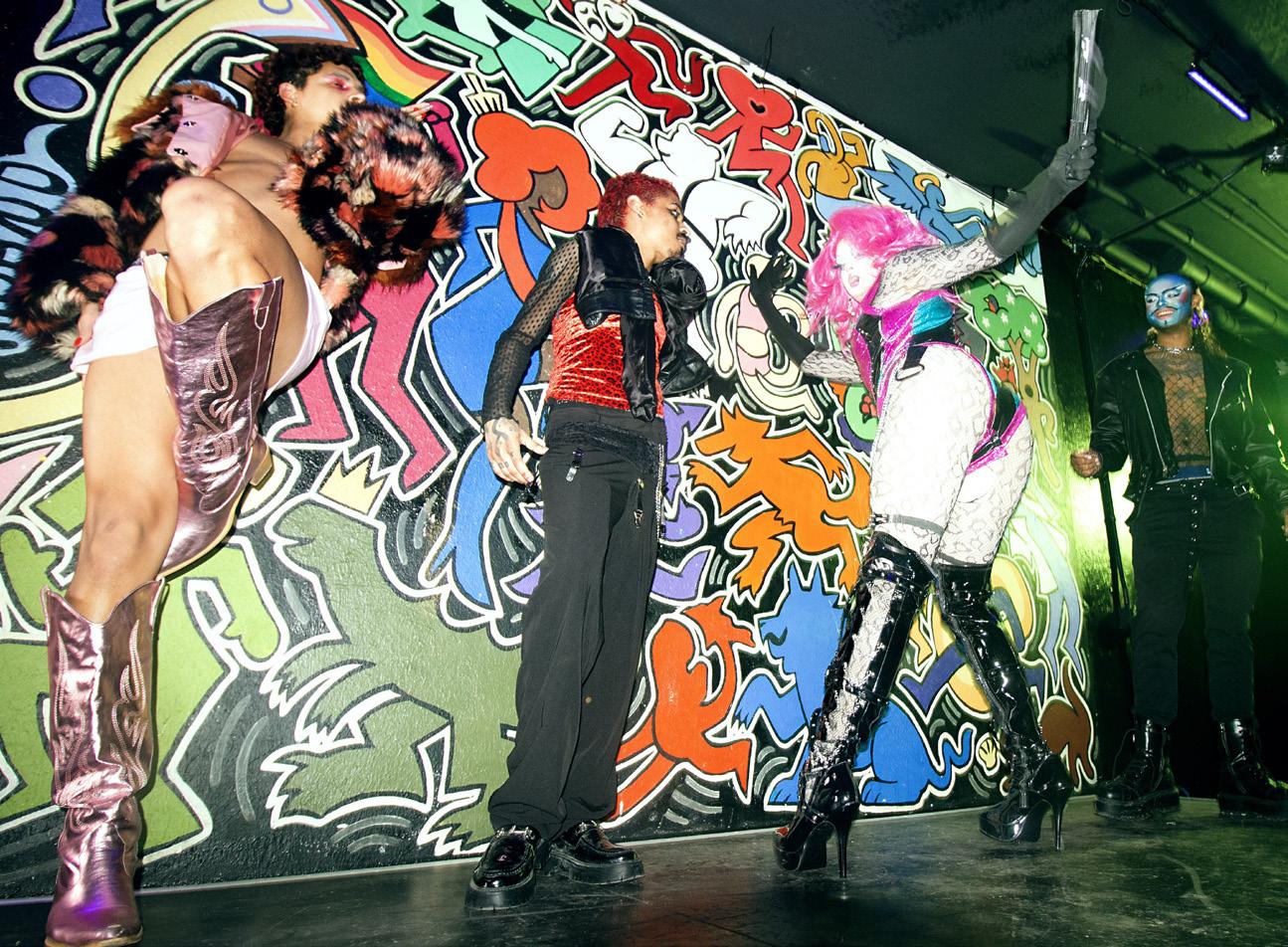
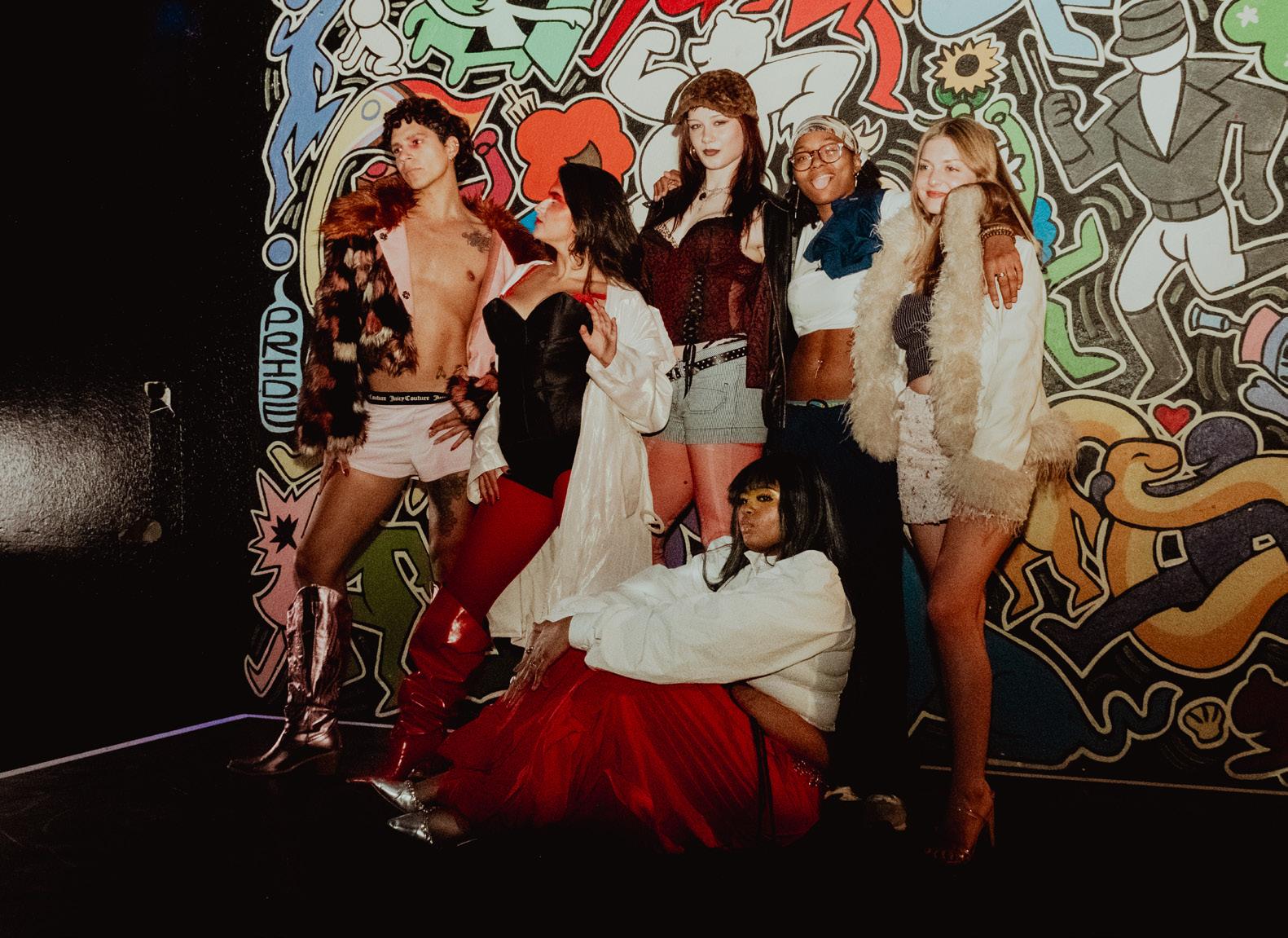
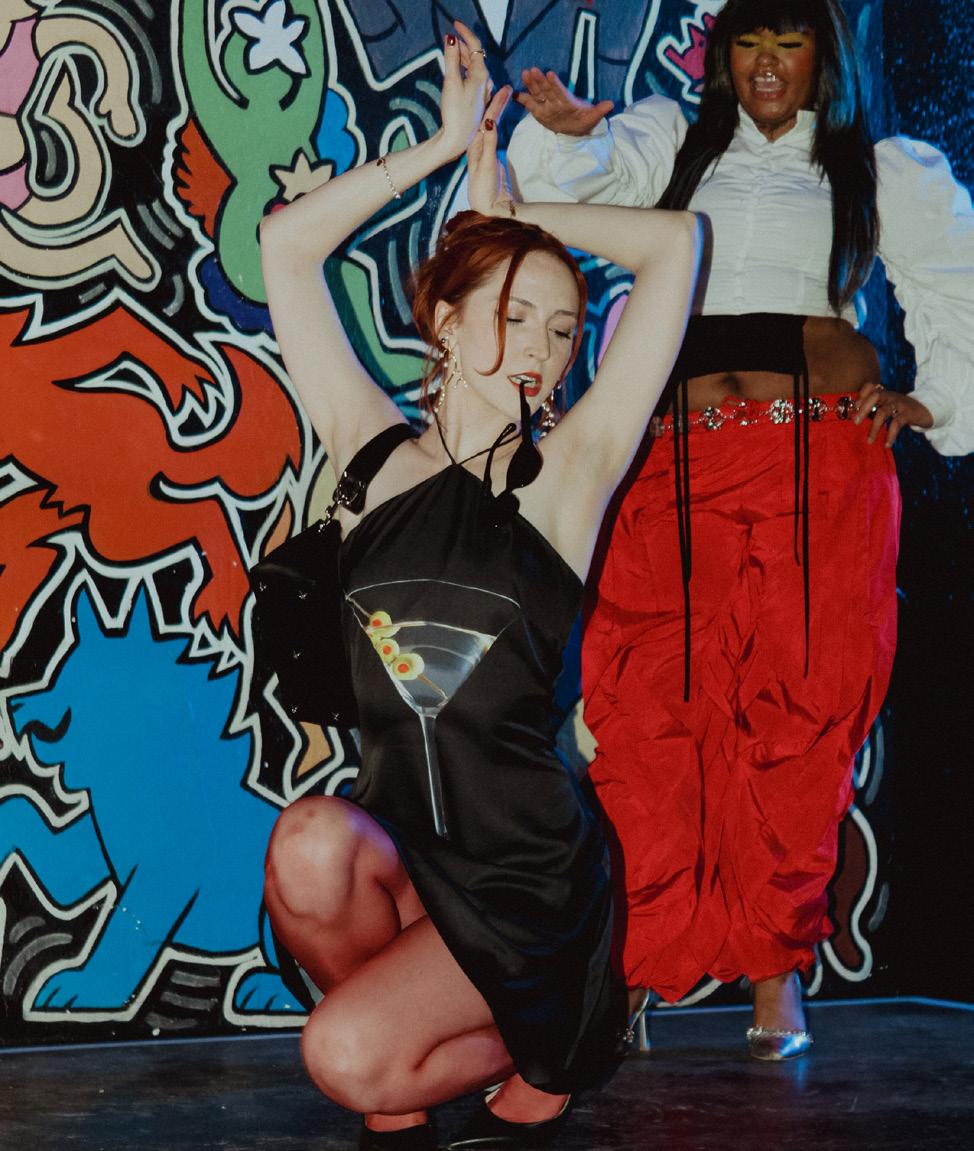
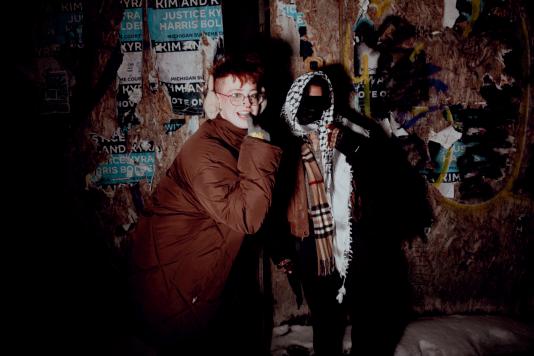
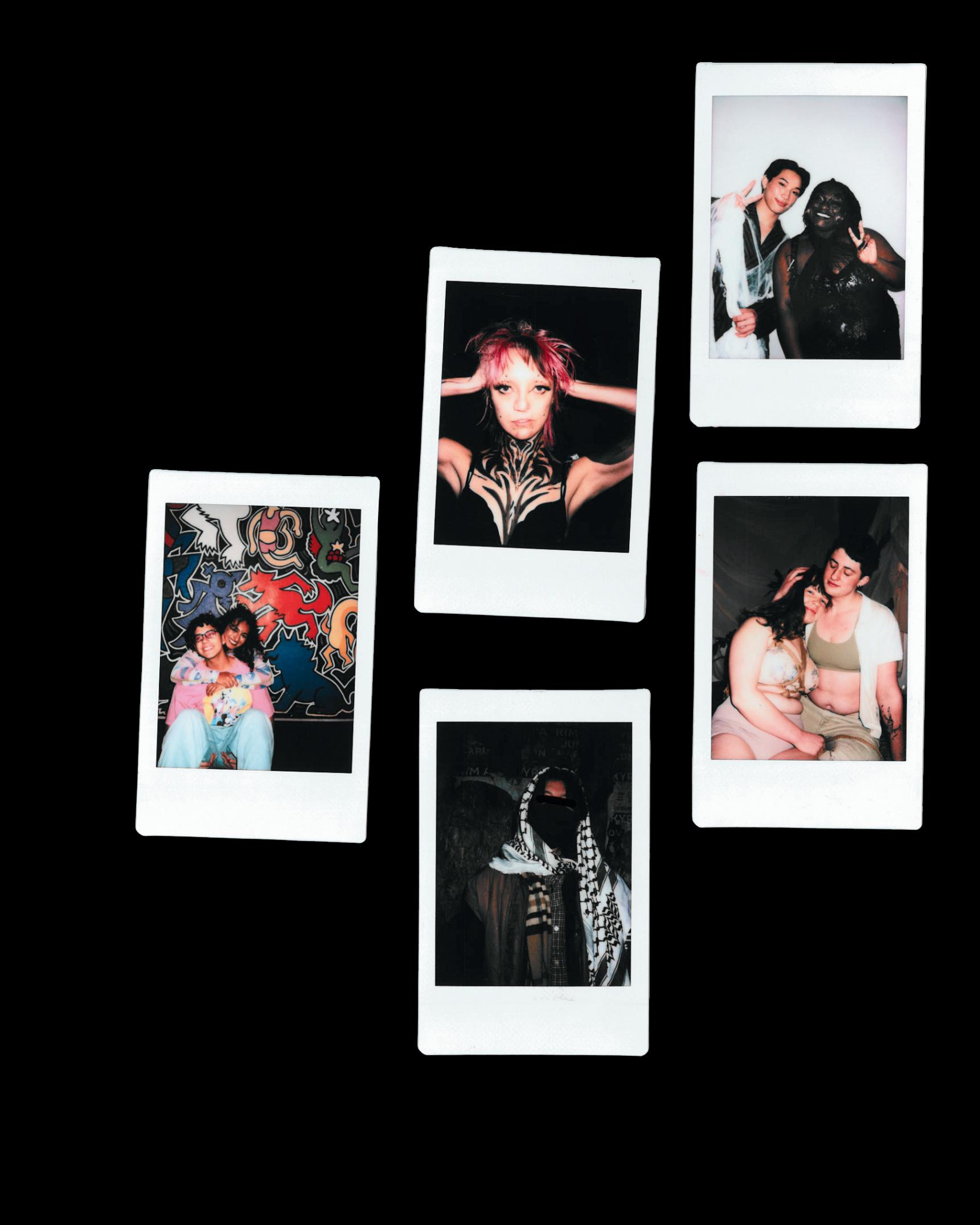
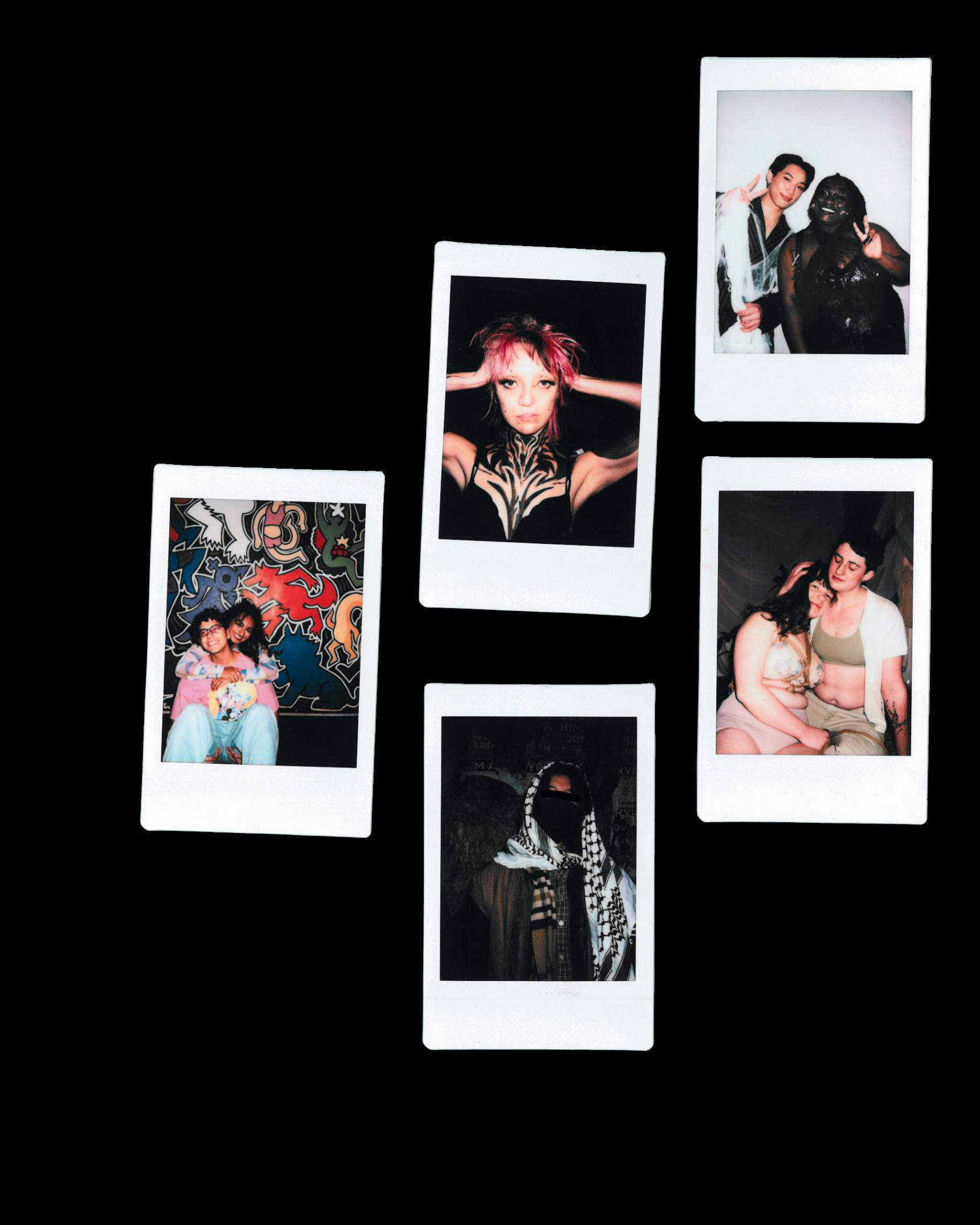
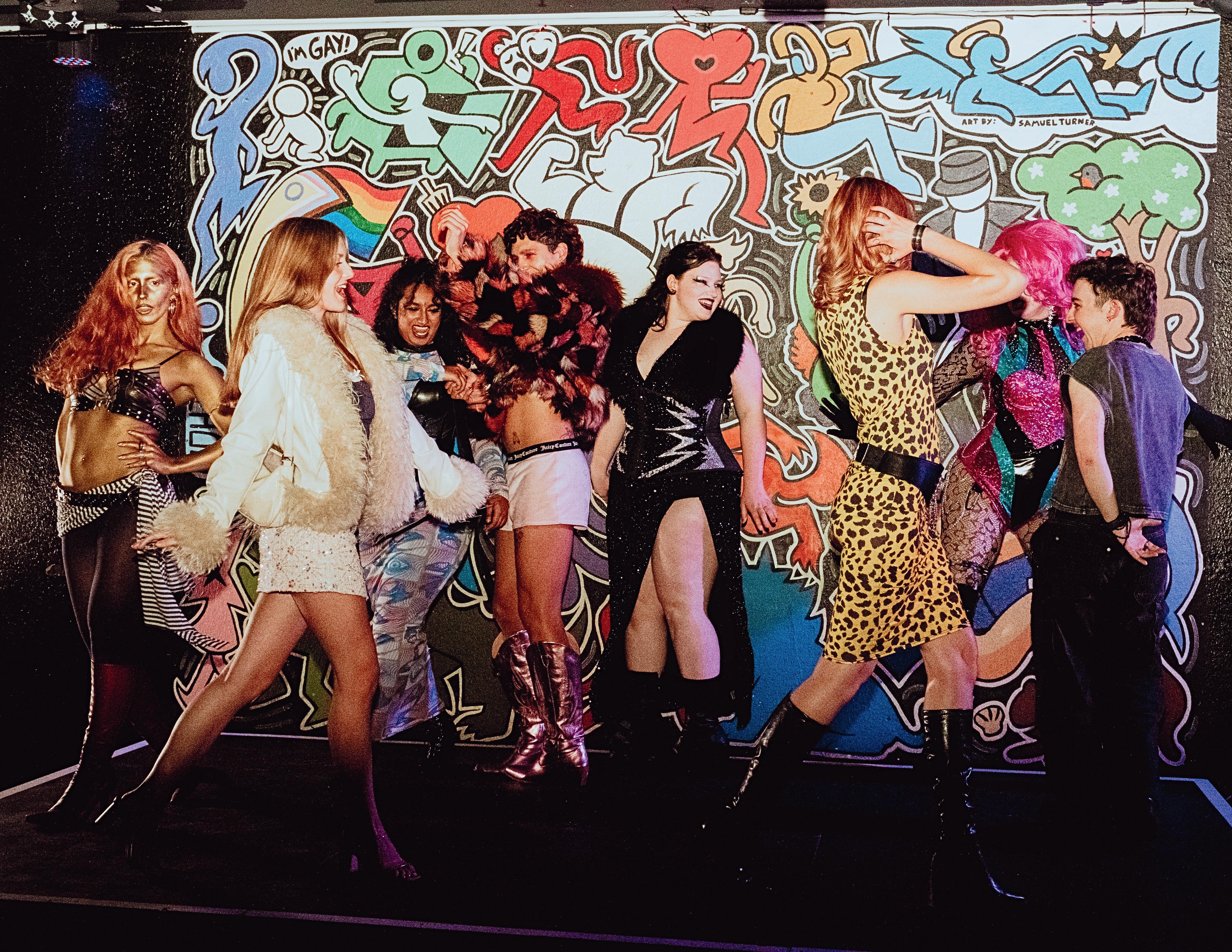
We bid goodbye to the pages of Desiderium with the first ever Belonging Ball. A joyous event shaped from queer ancestry of a community forged from the ashes of abandonment. The queer ballroom community provides a home and chosen family for us all, a home we shared with Notably, Black, and Gay and Uplift as our official collaborators. Mugs beat, heels stomped, and hair was flipped as I waved goodbye to SHEI the only way I know how; middle splitting in my metallic heeled cowboy boots, and winning the legacy walk amongst people I couldn’t love more. SHEI has become my chosen family, and just as the Houses of Balenciaga and LaBeija have lived on for decades, a new house was born this day, the house of belonging.
Desiderium grows in me as my departure from SHEI sprints faster and faster towards me. Desiderium grows in me as I am forced to leave behind the first community of creatives that gave me a home, a family, a place to explore, and opportunities to grow as a person and artist. Desiderium grows in me as I type away my final letter from the editor cementing my legacy in the SHEI dynasty. Desiderium grows in me as I reflect on all the lessons SHEI has taught me over these past 4 years. I have been gifted all the aspects of real humanity; liberation, power, modification, intimacy and belonging, and now Desiderium promises to give you them as well.
As I inscribe my final farewell to SHEI Magazine, I am filled with a longing for the creative boundlessness of SHEI Magazine, a grieving of the community I am leaving behind, yet an optimism of a bright future ahead of me, and the hope that what is now lost will be found again; what we once possessed always remains.
With all my love, signing off
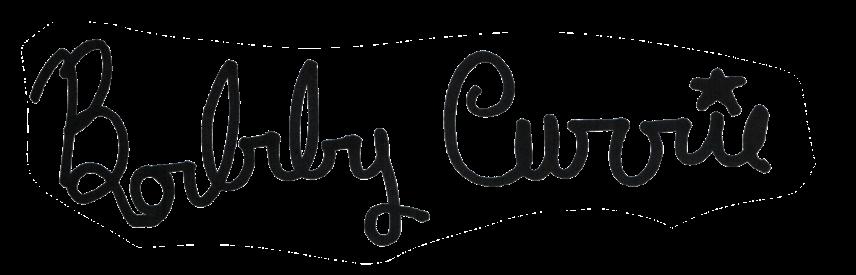
Bobby Currie Editor-In-Chief
Desiderium is a feeling that resides in the liminal space between desire and grief. Desire and grief are unlikely sisters; they are both reactive emotions fueled by an absence. Desiderium invades our subconscious, becoming the driving force that leaves us ceaselessly pining for change. It pervades everything in our lives, from our decisions in national politics to the way we stare at ourselves in the mirror. And as you read, you’ll learn that we can feel desiderium for power, belonging, freedom of expression, our own homes, and even our own bodies. What happens when we attain everything we yearn for? Is it everything we’d hoped it would be? And what do we do if our demands go unanswered?
Many etymologies refer to desiderium as something that we lack and require, blurring the lines even further between a want and a vital need. How do we grieve what we cannot live without? How do we honor its loss, while still being determined to keep it alive? In “The Work Behind a Movement,” an activist speaks to their experience in the constant struggle for Palestinian liberation. They express how their movement’s goals shifted from liberation to protection after facing so much loss.
Sometimes our world runs on desiderium, sometimes our world collapses against it.
Lola Post explores the underside of using desiderium as the sole handbook of our lives in “The Harm in Handling it All.” Her article highlights that when we tunnel-vision on our own desires, we risk ignoring, mishandling, and even abusing the desires of others. Sometimes, we must explore the root of our desires before acting upon them.
If we don’t, we could even put ourselves at risk, as Mimi Vu warns through personal experience in “The Diary of an Other.” The human need for belonging in a community sent her down a spiral of eurocentric conformity, losing herself in the process.
But most times, our longings, desires, and grief, never lead us far from home. And eventually Vu finds herself again through the Vietnamese communities and traditions she was raised with. Sometimes, our deep, aching desiderium can only be satiated by returning to ourselves, our loved ones, and our homes—no matter how they change throughout our journey back to them.
As I close out my last month at the university, I’m struck with a feeling I could only categorize as desiderium. My heart sinks with preemptive grief for my adolescent years and the creative community I found in SHEI. Still, I can’t shake the deep longing for something larger, as my future self urges me to join her.
The existence of absence suggests the potential of a profound presence. The realization that there is something lost signifies that it can be found once more.
And I have no doubt that SHEI will continue to declare its presence, year after year, long after I walk home from this campus for the last time.
With all my gratitude,
fashion is political
PHOTOGRAPHERS
HANNAH RUFFIN
ANISHA CHOPRA STYLISTS
CERIDWEN ROBERTS
EMILIO RODRIGUEZ
BEAUTY
MILES HIONIS
DIRECTOR OF PHOTOGRAPHY
JOHANNES PARDI 1ST AC
ALEX VAN SWERINGEN KEY GRIP
ISABELLA VASARI
GAFFER
JUSTIN ARMENT
FASHION FILM EDITOR
AVA TUNG
GRAPHIC DESIGNERS
CHLOE BRATTON
AVERY WHITE MODEL
The Work Behind a Movement:
An Interview with a Pro-Palestine Organizer
Irecently had the privilege of speaking with an activist and organizer on campus. We talked about the inner workings of activist work and the personal struggles they faced from it. For their protection, the interviewee’s identity will remain anonymous.
Q: Let’s talk about what organization you’re involved in and what that work looks like on a day-to-day basis.
A: I’m an organizer with Jewish Voice for Peace, an anti-Zionist Jewish organization. I helped start their chapter here at Michigan in October 2023, and then I’m also an organizer with the larger TAHRIR Coalition, which is the pro-Palestine pro-divestment coalition on campus. They’re a central hub for campus organizing. For day-to-day...right now I’m not doing the same things that I was doing in 2023-2024.
Q: Can you talk about why that shift happened? Why was the height of it 2023-2024, and why doesn’t the movement look the same now on campus?
A: Israel really began their heightened genocide of Gaza in October 2023, and there was a big national movement to try to stop the genocide that was happening. Call for a ceasefire. Get the U.S. to stop sending arms and funding Israel. And then at universities, the demand was for divestment, because billions were invested into Israel. The organizing continued to grow over that year, culminating in the encampment, which took place in April and May of 2024 and was violently raided. They arrested four students, hospitalized three, tear gassed us, and destroyed the encampment completely, instead of meeting with us. I think organizing today looks different because of the repression we faced. To date, there have been legal charges and academic discipline brought against protesters, workers have been fired, homes have been raided by the FBI. Now they have a contract with a private company to surveil students. It really took a toll on organizers, and our energy had to go toward fighting repression. That’s why organizing today looks pretty different.
Q: Because you have to spend your time protecting your people.
A: Yeah, instead of building towards a strike or the encampment-type actions...something that will actually disrupt to the point where universities have to give in and divest.
Q: So what does it look like now for you?
A: I’m much less active than I was during 2023-24, because I faced a lot of repression at the end of that school year. I got an academic discipline case, was doxxed various times, was one of the workers who was fired from their job. Obviously, my experience was not as bad as many
others, I was lucky in many cases. But the combination of really high involvement and the repression made me feel very unsafe on campus. So I stepped back a lot then, I just really was burned out.
Q: Right, and that’s the tactic.
A: Yeah, the tactic is to burn us out and use repression to make us feel worried about it. I’m back in it now, but I’m doing more of the smaller scale things than the bigger actions. But that’s also how the organizing has shifted in general, we don’t have the capacity as an organizing body on campus to do the same big actions right now.
Q: What does success or progress look like in organizing work?
A: Obviously our goal was divestment. We didn’t win divestment, and we didn’t stop the genocide either. But that’s also a huge goal that normally takes decades. Like, it was a 15-year process for the university to be 100% divested from South Africa. So success is hard to measure because it spans such a long time, but it’s important to also have smaller benchmarks. One of them is, how many people do you have coming to a protest? If you have 30 people at a protest one week, and then you have 600 people at your protests two months later, that’s definitely a form of success and progress. We were successful in connecting it to campus and making people see why they should care about it. Because you actually do have a responsibility as a student paying tuition here. You have a right to know where your money is going, and it’s your responsibility to care about that.
Q: What are the risks that you take in speaking out and organizing?
A: Everybody has identities that give them different levels of inherent risk, and I’m very privileged in my identities. I’m not Palestinian, Muslim, or Arab. But for all of us, there’s the legal risk, especially if it’s a protest you get arrested at. There are academic discipline risks. Anybody can have the risk of being doxxed, where they publicly post personal information about you. Sometimes people try to either get you fired from your job or kicked out of school. I was doxxed twice. The first one was unrelated to my job but the second one leaked where I was working. And then shortly after that, I got fired from my job.
Q: [sarcastic] Which definitely didn’t affect your life or anything.
A: [more sarcasm] I was sooooo fine. Oh my god, it didn’t, like, send me down into a crazy spiral or anything. No impact whatsoever. But yeah, there are risks always.
Q: One reason that protests are so effective is due to their ability to make an issue visible to the masses and to
some people, those freedoms have never existed.
Q: What freedoms feel within reach, having been in this org for a couple of years? What does freedom look like in the long-term, beyond your experience on campus?
A: I think it’s important to think about free speech and
power power power power power
PHOTOGRAPHERS
HANNAH RUFFIN
ANISHA CHOPRA STYLISTS
CERIDWEN ROBERTS
EMILIO RODRIGUEZ BEAUTY
MILES HIONIS
DIRECTOR OF PHOTOGRAPHY
JOHANNES PARDI 1ST AC
ALEX VAN SWERINGEN GAFFER
JUSTIN ARMENT
FASHION FILM EDITOR
AVA TUNG
GRAPHIC DESIGNER
SASHA FRENCH MODELS
ALEXIS HARRIS
NATHAN LE
H a r in T h e H a n d l i n g it
All m
What was your New Year’s resolution? Mine was to become pescetarian, and it’s been going well (for the most part).
Why did you pick that resolution? I chose mine because I needed a way to consciously keep myself in check.
How do you keep yourself in check?
II don’t know about you, but I love to feel in control. Even in creating a New Year’s resolution to guide me through 2026, I was rewarded with a feeling of superiority over the anxiety that riddles my brain. The emotional payoff from this new longterm goal added serenity to my life, more than not restricting the type of meat I consume ever could. I’ve been curious as to whether this type of restriction reflects self-improvement or fear management—am I protecting myself from feeling out of control or am I making a healthy dietary choice? Both? Where do you draw the line?
Control begins within the self. Every person completes acts of self-control daily, from the thoughts they choose to share out loud to the clothes they change into upon waking and before bed. Often, this first takes root in the body, through food rules, exercise discipline, and attempts to change or refine one’s appearance—especially in college, where routines are treated with an almost moral seriousness. 6 a.m. SoulCycle classes are surely less skipped than 8 a.m. college classes. Plans with friends get skipped too by the people who simply can’t miss leg day. Meals are delayed and ritualized around workouts, fitness courses, or step counts. The body is a concrete visual: it’s easily measurable and adjustable, and it’s the one thing that will always present as socially legible. These forms of control are often rewarded through an increasingly pervasive cultural wellness norm, praising the people who have the most structured days and out-of-reach routines. Wellness culture operates as a
parallel system between positive discipline and mental strain. It frames self-control as virtuous and emotionally mature, regardless of any damage it might be causing to the individual if taken too far. Over time, control has shifted from something we practice to something we are. It bleeds into identity, shaping how we understand “selfcare” and “responsibility.” When these factors no longer seem to be within the average person’s grasp, the urge to control turns outward.
What starts as self-regulation slowly shifts into the regulation of others—often without conscious intent. This outward turn manifests itself through a multitude of frameworks, and is hard to identify without purposeful awareness of how one is making the people around them feel. It’s easy to judge others and project that judgement into conversations. This can look like correcting a roommate’s natural habits or ridiculing a friend who unintentionally disrupts a perfectly planned schedule. Micromanagement happens constantly, especially when the “manager” is craving structure in their personal life. Even rigidity in relationships— like checking in too often or expecting your partner to read your mind—can be the result of a desire for control. Power dynamics aren’t always obvious in these situations, but it doesn’t mean they aren’t there and affecting interpersonal relationships. If a person has ever told you that there was a certain tone to your voice or that they felt constricted by unspoken rules, it may be advisable to step back and try to understand why. Across workplaces, friendships, families, and romantic partnerships, control becomes a way to stabilize oneself by positioning others as something to manage. In this dynamic, the goal is rarely domination—it’s safety. But safety gained through control is fragile, as it depends on someone else staying small.
So, why do we crave power over people in the first place? At its core, power promises relief from uncertainty. Relationships are unpredictable by nature; they require the ability to be vulnerable and accept that outcomes can’t be guaranteed, which becomes especially complicated when you mix in factors like attachment styles or trust insecurity. Control offers an alternative: predictability. When someone feels powerless within
themselves, exerting influence over others can temporarily outweigh that discomfort. Fear and desire are two sides of the same coin here—the fear of chaos fuels the desire for order, and power appears to cure both. It allows people to avoid the risk that comes with asking directly for reassurance or affirmation. Instead of voicing a fear of abandonment, one can just tighten their grip on another person and multiply the expectations of that relationship. “Good intentions” frequently mask this harm; many acts of control are justified as protection, like when inflexibility is renamed as boundaries. The desire doesn’t exist to hurt others, and sometimes, people do believe that their unrealistic expectations truly are just personal boundaries, but relief achieved through control almost always comes at someone else’s expense.
This logic extends beyond personal relationships and into the broader political climate. The tendency to seek control for safety is a human flaw, but it is a part of human nature. However, the government’s tendency to seek control cannot be viewed in this same frame of humanity, but as a manipulation tactic. Each one of us is a victim of an intense control complex every day. Modern political power often functions through the management of fear; unstructured policies, especially immigration laws, are presented as an emergency that requires unquestioned civil obedience. Under this logic, safety is presented as a justification for surveillance and excessive punishment. How are people supposed to feel safe in a position where they can’t successfully defend themselves nor their neighbors? Just like the self, these extreme authoritarian behaviors borrow the language of protection: protecting borders, protecting children, protecting economic stability, and protecting the “citizen.” These promises rely on the same psychological mechanisms that govern personal control—the belief that chaos can be prevented if someone, somewhere, is kept in line, no matter the expense. Fear fuels this cycle of damage. Fear is created through unrestricted pressure from higherups, and that same fear is used to justify that pressure in the name of reducing “risk.” In practice, this transfer of control rarely produces safety. It produces compliance, with marginalized groups absorbing the consequences of policies designed to do anything but address structural issues.
Control and power are often mistaken for strength, suggesting that people “master control” through the ability to be confident or stand up for themselves. However, control more often originates from fear. It offers the illusion of safety by narrowing possibilities and reducing uncertainty, but it does so by shifting personal risk onto other people instead of eliminating it. Whether in intimate relationships or political systems, control gets redistributed, concentrating on comfort for some while demanding compliance from others. Letting go of power is undeniably risky. But so is holding onto it, especially when the sense of security it provides depends on limiting someone else’s freedom, or even our own personal freedoms. My New Year’s resolution may be about managing food consumption on the surface, but it still asks a larger question that can only be responded to with a complex answer. Is this a choice of self care or self control, and what price am I paying for it?
MODIFICATION MODIFICATION
PHOTOGRAPHERS
HANNAH RUFFIN
ANISHA CHOPRA
STYLISTS
CERIDWEN ROBERTS
EMILIO RODRIGUEZ
BEAUTY
MILES HIONIS
DIRECTOR OF PHOTOGRAPHY
JOHANNES PARDI
1ST AC
ALEX VAN SWERINGEN
GAFFER
ISABELLA VASARI
FASHION FILM EDITOR
AVA TUNG
GRAPHIC DESIGNER
JASMINE BARNES
MODEL
KASSIE LAVIGNE
The Sculpted Self
Humans are very sentimental beings. Nostalgia runs rampant through our media and through our hearts; an endearing commercial will make us cry all in the name of reminiscence. We all have this drive and desire to find that one thing, that one feeling that will make us feel complete. Sometimes we spend our whole life chasing that one feeling: how our childhood home felt, being in the arms of a past lover, how that one song sounded the first time we heard it. We chase this idea, sometimes blindly, always passionately. While this can be seen as a perusal of the past, it is more of a search for the future—a search for the version of ourselves that feels whole.
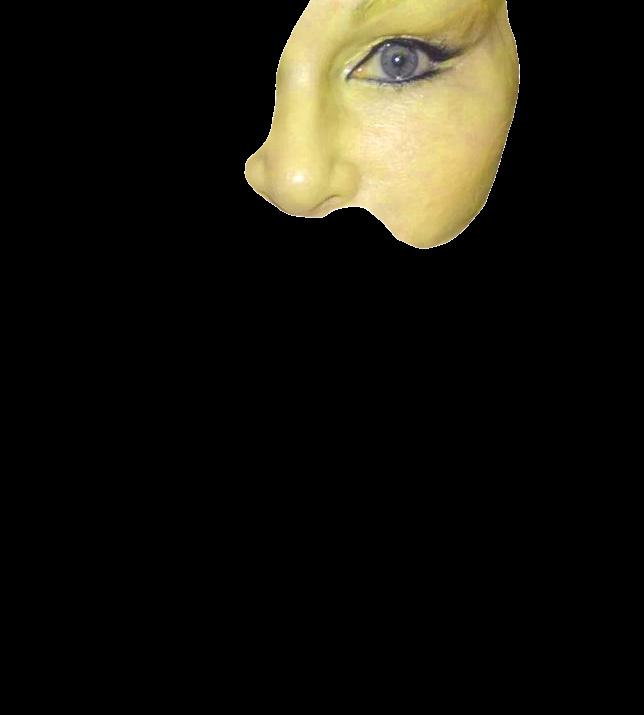
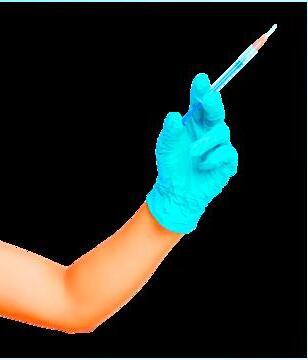
But what if the solution to this yearning is found much closer? What if this feeling is not about where we are and who we are with, but more about how we feel inside our bodies? We often search outward to feel whole, but maybe that wholeness can be found by looking within. Many people have found their harmony and “home” through body modification: tattoos and piercings, injectables and cosmetic surgeries. However, society tends to look down on these modifications as rebellious or distasteful. But, what if body modifications are not a rejection of the self but a search for alignment? We all search for a place that feels like home. Cosmetic surgery is a way to create that feeling for many people; modifying their body into a place that feels safe and “right” can give many people the home they are searching for.
In today’s climate, plastic surgery has become a moral battleground. Articles and news outlets spin around
speculating on the new surgeries that a current celebrity has undergone, followed by harsh criticisms. What about their young fans? What about feminism? The media frames cosmetic surgeries as a by-product of the absurd excessive life these celebrities lead, where they can afford to augment their bodies to align with current trends. While these are all very valid criticisms and deserve attention, it is useful to consider who we are customizing ourselves for: external validation or our own psyche. Getting plastic surgery as a means to conform to societal standards remains highly controversial, and rightfully so. However, there can be a multitude of motivations behind cosmetic alterations, many of which do not involve external pressures. What if we took a different view—one where plastic surgery is seen as more of an alignment rather than a disconnect?
Perhaps one of the most notorious figures of plastic surgery in the world is Amanda Lepore. Lepore represents the epitome of a plasticized body, with her carefully crafted, ever-present and sharply sculpted cheekbones, her larger-than-life pucker lips shiny with gloss, and her pin-up, brilliantly bright blonde hair crowning a silhouette of dramatized curves and hyperreal breasts. She has had her nose reduced, silicone injections to the butt, her forehead lifted, her hairline lowered, frequent fillers, multiple breast augmentations, her bottom ribs broken and pushed in for a more exaggerated hourglass figure, and intense laser treatment for a face-lift effect.1 She has never attempted to pass herself off as “natural” but instead has undergone surgery and modifications in pursuit of transforming herself into a living piece of art. Lepore does not choose to modify herself in a vain attempt to meet standards and quiet self-hatred, but instead to make herself into a glamorous and unapologetic camp statement. Lepore has been a figure of nightlife and the Club Kid scene, and has also featured in a variety of ads.
Most iconically, Lepore posed for a David LaChapelle portrait akin to Andy Warhol’s Marilyn Monroe portraits. Most importantly, Lepore has been iconized within the LGBTQ+ community. As a transgender woman, her modification becomes more meaningful when viewed as a performance of gender, where
modifications, Wildenstein is both criticized and iconized. Many point out that her surgeries were heavily influenced by her husband; whether directly, through their joint eyelift surgeries, or more indirectly by his persistent cheating with younger women. This influence suggests that there might have been a search for validation within her surgical transformation. Wildenstein has also vehemently denied having any surgeries done to her face, raising the question that these procedures and this transformation may have been done in an effort to appease society and not herself. In one interview, she bizarrely states that her drastic change in look is due to different hairstyles,3 and completely avoids the question of cosmetic modifications. Nonetheless, Wildenstein has been admired immensely, especially in the nightlife and underground scene where she often showed up in cat prints and leather, leaning into her “Catwoman” persona. Uplifted to superstar status by her heavy modification and admired for the artistic endeavor that she underwent to become “Catwoman,” Wildenstein has been an avantgarde inspiration for many. Even if her surgical journey began from a place of insecurity and societal pressure, her artful transformation remains significant. She has offered inspiration, representation, and self-acceptance to a broader community, which is work that carries an important cultural weight.
Many people view
multiple breast augmentations, her bottom ribs broken and pushed in for a more exaggerated hourglass figure, and intense laser treatment for a face-lift effect.1 She has never attempted to pass herself off as “natural” but instead has undergone surgery and modifications in pursuit of transforming herself into a living piece of art. Lepore does not choose to modify herself in a vain attempt to meet standards and quiet self-hatred, but instead to make herself into a glamorous and unapologetic camp statement. Lepore has been a figure of nightlife and the Club Kid scene, and has also featured in a variety of ads. Most iconically, Lepore posed for a David LaChapelle portrait akin to Andy Warhol’s Marilyn Monroe portraits. Most importantly, Lepore has been iconized within the LGBTQ+ community. As a transgender woman, her modification becomes more meaningful when viewed as a performance of gender, where femininity is celebrated and amplified to new heights instead of becoming an instrument of destruction. Lepore says that her most defining moment was her sex change operation, describing it as, “becoming the person I was
Another figure of plastic surgery notoriety is Jocelyne Wildenstein, or “Catwoman.” Trademarked by her felinelike features achieved by a mountain of surgeries and
modifications, Wildenstein is both criticized and iconized. Many point out that her surgeries were heavily influenced by her husband; whether directly, through their joint eyelift surgeries, or more indirectly by his persistent cheating with younger women. This influence suggests that there might have been a search for validation within her surgical transformation. Wildenstein has also vehemently denied having any surgeries done to her face, raising the question that these procedures and this transformation may have been done in an effort to appease society and not herself. In one interview, she bizarrely states that her drastic change in look is due to different hairstyles,3 and completely avoids the question of cosmetic modifications.
Nonetheless, Wildenstein has been admired immensely, especially in the nightlife and underground scene where she often showed up in cat prints and leather, leaning into her “Catwoman” persona. Uplifted to superstar status by her heavy modification and admired for the artistic endeavor that she underwent to become “Catwoman,” Wildenstein has been an avantgarde inspiration for many. Even if her surgical journey began from a place of insecurity and societal pressure, her artful transformation remains significant. She has offered inspiration, representation, and self-acceptance to a broader community, which is work that carries an important cultural weight.
Many people view modification as an excessive and vain search for male and societal approval for cisgender women: bleachblonde highlights, push-up bras, and botox are iterations of femininity
rooted in marketability, eternal youth, and conformity. While this critique is valid in many cases, cosmetic surgery deserves a much more nuanced approach than it currently receives. Modification can save lives for many people who feel uncomfortable or homesick in their current bodies. Modification can also be an outlet for many people, letting them express their creativity in a comfortable place. Women like Lepore and Wildenstein have made their lives a work of art through their cosmetic surgeries, finding release and creativity in a place where so many wish to govern and control.
In our modern cultural landscape, plastic surgery has transcended to something much more meaningful than conformity to the male gaze in some cases.
In the instance of gender-affirming care, these modifications are essential for people to be able to feel at home in their own bodies. In a world so divided and disconnected, it is important to be able to find “home.” For many people that “home” exists in their own body, which they modify to feel comfort. When someone wants to make themselves a work of art or align their face with what’s in their heart, why do we criticize this? We change our hair, our clothes, our names, all in search of ourselves, yet this pursuit of authenticity rarely extends to the face and body. We are so afraid of permanent alterations to the body—the angst of regret so imminent to us—that we feel we must remain in
multiple breast augmentations, her bottom ribs broken and pushed in for a more exaggerated hourglass figure, and intense laser treatment for a face-lift effect.1 She has never attempted to pass herself off as “natural” but instead has undergone surgery and modifications in pursuit of transforming herself into a living piece of art. Lepore does not choose to modify herself in a vain attempt to meet standards and quiet self-hatred, but instead to make herself into a glamorous and unapologetic camp statement. Lepore has been a figure of nightlife and the Club Kid scene, and has also featured in a variety of ads.
one place forever. What is the cost of this regret if someone doesn’t feel like they belong in their present?
To choose modification is to claim ownership over oneself, and even though that kind of agency can be unsettling in our society, it is necessary for the survival of our creativity and authenticity.
1 Bernstein, Jacob. “Amanda Lepore, Transgender Club Diva, Tells All About Her Plastic Surgery.” The New York
Most iconically, Lepore posed for a David LaChapelle portrait akin to Andy Warhol’s Marilyn Monroe portraits. Most importantly, Lepore has been iconized within the LGBTQ+ community. As a transgender woman, her modification becomes more meaningful when
viewed as a performance of gender, where
modifications, Wildenstein is both criticized and iconized. Many point out that her surgeries were heavily influenced by her husband; whether directly, through their joint eyelift surgeries, or more indirectly by his persistent cheating with younger women. This influence suggests that there might have been a search for validation within her surgical transformation. Wildenstein has also vehemently denied having any surgeries done to her face, raising the question that these procedures and this transformation may have been done in an effort to appease society and not herself. In one interview, she bizarrely states that her drastic change in look is due to different hairstyles,3 and completely avoids the question of cosmetic modifications. Nonetheless, Wildenstein has been admired immensely, especially in the nightlife and underground scene where she often showed up in cat prints and leather, leaning into her “Catwoman” persona. Uplifted to superstar status by her heavy modification and admired for the artistic endeavor that she underwent to become “Catwoman,” Wildenstein has been an avantgarde inspiration for many. Even if her surgical journey began from a place of insecurity and societal pressure, her artful transformation remains significant. She has offered inspiration, representation, and self-acceptance to a broader community, which is work that carries an important cultural weight.
Many people view
Intimacy
PHOTOGRAPHERS
HANNAH RUFFIN
ANISHA CHOPRA
STYLISTS
CERIDWEN ROBERTS
EMILIO RODRIGUEZ
BEAUTY
MILES HIONIS
DIRECTOR OF PHOTOGRAPHY
JOHANNES PARDI
1ST AC
ALEX VAN SWERINGEN
FASHION FILM EDITOR
AVA TUNG
GRAPHIC DESIGNER
ANISHA CHOPRA
PICTURED
LILY AND LIZ
WRITER
AVERY WHITE
TGRAPHIC DESIGNER
AVERY WHITE
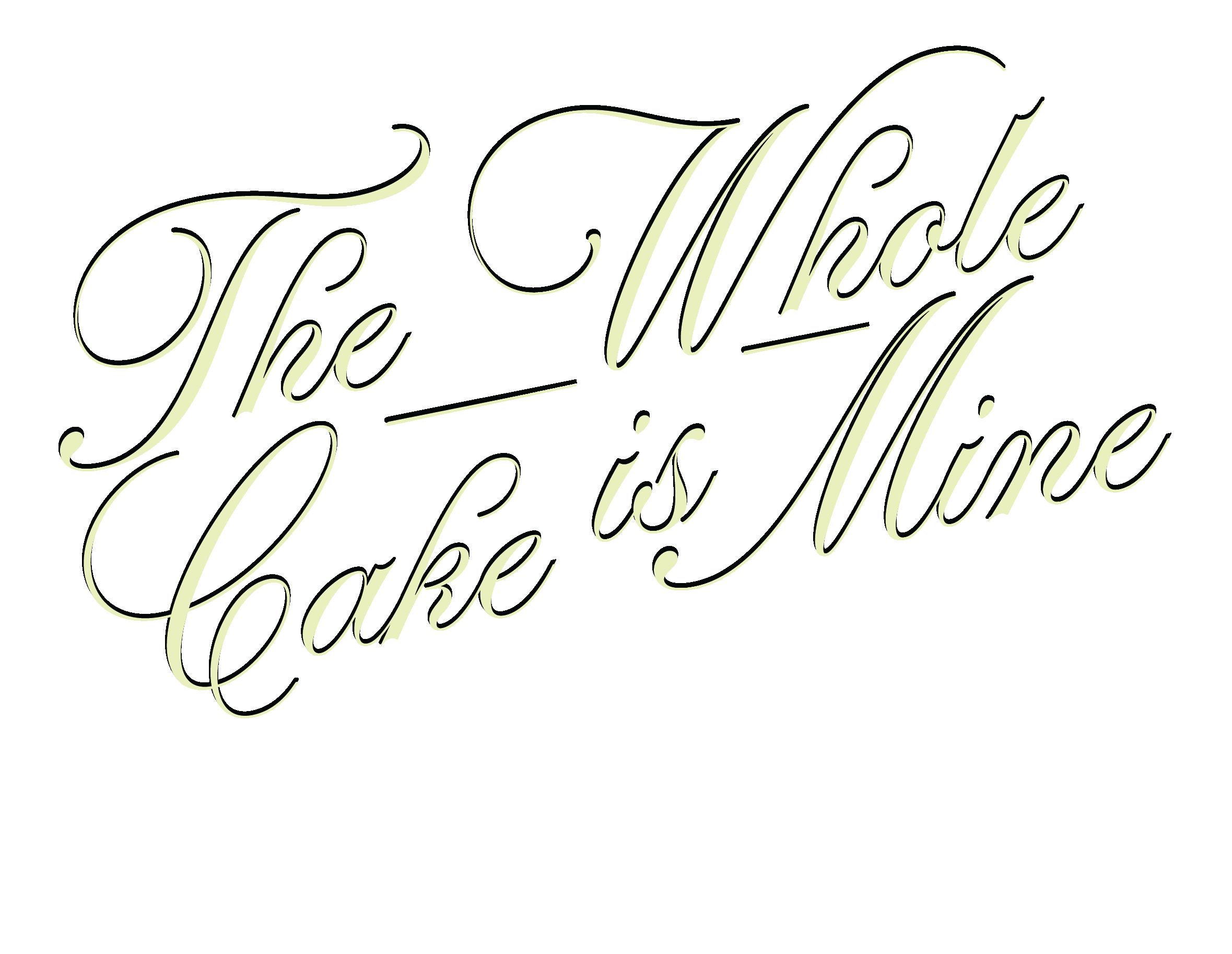
he whole cake is mine And I blew out the candles
Releasing my dreams upward in smoke
Like burps erupt from a bubbly throat An ambition fiery as acid reflux
So I trace my finger on the skin of the icing
Lathered in vibrant, violent whipped topping
Scrape the surface, taste of sweetness
Claws knife-sharp, punctures deepen Squeeze the spongy membrane
Until it no longer breathes
The whole cake is mine
And I tore into my index
Cotton candy flesh flosses my teeth
Red velvet seeps, white buttercream turns pink
Hunger, how obscene
For it is not yet time to eat!
The lack of etiquette is unexcusable, French queen
Marie Antoinette, (be)head of the table Ils ne peuvent pas manger mon gâteau
What should be a piece of cake, Severs my body from my limbs, Is a whisk to my gut,
A guillotine chopping up intestines
If you are what you eat, Can I stomach the invitation?
I will indulge, devour it whole
But pick at fondant decorations
Boxes labeled *contains artificial flavors*
Stock supermarket aisles and shelves
My clean ingredients bake well by themselves
I ate all my cake, but I am still starving
No slices left, not a crumb remaining
I swallowed my fork and my plate, still I digest
Success for eternal hunger, Failure to close the gastric bypass
PHOTOGRAPHERS
HANNAH RUFFIN
ANISHA CHOPRA
LILLY VYDARENY STYLISTS
CERIDWEN ROBERTS
EMILIO RODRIGUEZ
BEAUTY
MILES HIONIS
DIRECTOR OF PHOTOGRAPHY
JOHANNES PARDI
CAMERA OPERATORS
ALEX VAN SWERINGEN
ISABELLA VASARI GAFFER
JUSTIN ARMENT
FASHION FILM EDITOR
AVA TUNG
GRAPHIC DESIGNERS
AVERY WHITE
CAROLINE KEGG
Diary y yOther yO
Whatdoes it mean to belong?
Belonging is such an ordinary word, yet it carries the weight of living. At its core, belonging is the human need to feel accepted, valued, and connected to the community—to not just be acknowledged, but chosen. “Belonging” is easier to maintain in some worlds, while it can be impossible in others. Sometimes it is the only cause worth fighting for. Sometimes it feels like the one thing that is always just out of reach.
“Belonging” is subjective. It can mean being involved, feeling seen, and loved for who you are—but it can also mean blending in, learning how to hide, or softening all the qualities that set you apart. Sometimes, belonging requires conformity and assimilation.
How can you belong in a world where the shape of your eyes dictates how everyone perceives you? Or if the comforting, familiar food of your culture smells different from what they are used to? Maybe if you act like the docile, fragile creature they expect you to be—take care of your husband, stifle your voice, and give away your agency—then you’ll finally be accepted. If you don’t speak your native tongue in public, infantilize yourself and agree without hesitation, maybe you’ll fit in. What more can people of color and immigrants do to feel like they belong when society sees us only as outsiders? How can you feel belonging in a world that sees you as an other?
The systems of society define what belonging looks like. They cherry-pick an aesthetic to put on a pedestal and discard all things that don’t fit neatly. Typically, the pedestal is reserved for a certain set of traits that align with Eurocentric qualities: large, round, light colored eyes, paler complexions, narrow noses, thin lips, and slim builds, traits that will never go out of style in the dominant culture. Those who don’t have Eurocentric features, for example, all other qualities, are expected to
WRITER
MIMI VU
GRAPHIC DESIGNER
MADDOX HOWELL
adapt to fit that definition. Not to say that Westerncentrism is the ONLY reason why belonging is kept at arm’s length from people of color, but society’s structuring has uplifted the qualities of white people and demoralized the qualities of people of color since history books can remember.
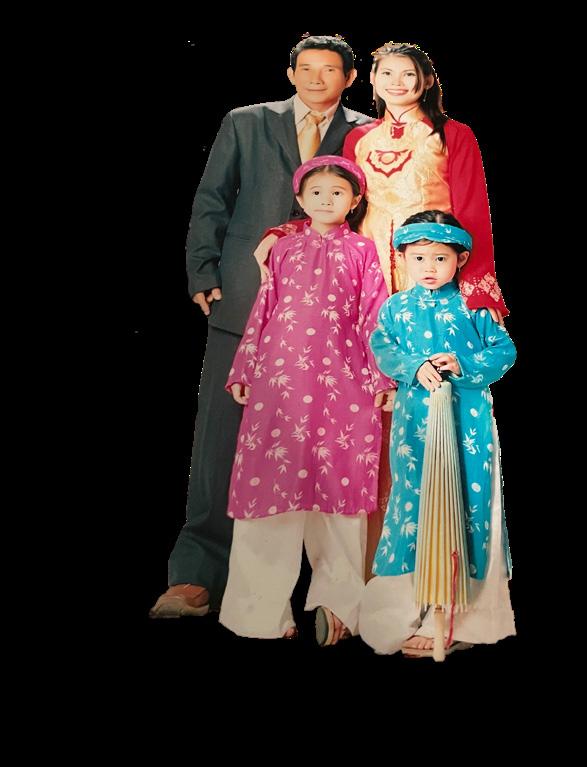
As a Southeast Asian woman, “belonging” was always a complicated concept—a foggy idea I chased for years. Before I understood the official definition of belonging, I had already felt the pressure to change. My younger self would look at my mom and think, “Wow, my mommy is the most beautiful person in the world! Since my mom is beautiful, I want to look just like her so people think I’m beautiful too.”
But society’s beautiful women were portrayed as the opposite of what I was, of what we Those women had brightcolored eyes, light-colored hair, a light complexion, and slender figures; most, if not all, of those women were white. I always wondered why the world didn’t recognize the beauty that I knew my mom held. The media morphs our perceptions of beauty. A lack of representation, along with repetitive versions of the same beauty standard, suggests to people that only one type of beauty deserves recognition.
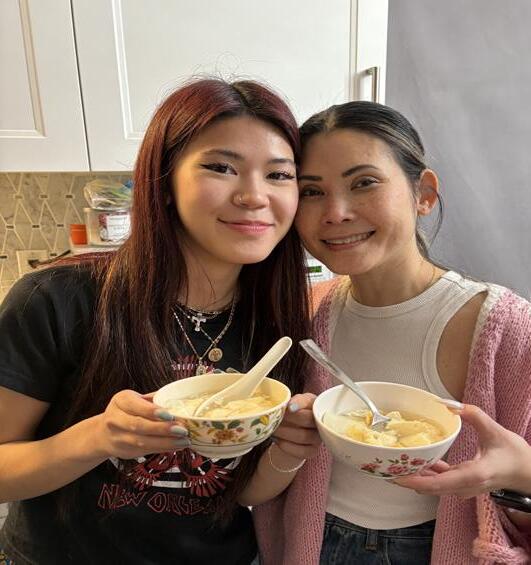
Like every insecure girl trying to find herself, I wanted to fit into any and all norms. At home, Vietnamese culture, my culture, was celebrated with different cuisines, festive parties filled with singing karaoke, and plentiful feasts. Outside of it, society left me feeling alienated. In elementary and middle school, belonging meant trying to fit in with the dominant culture at the time; this meant being skinny, wearing trendy clothes, having the newest shoes, possessing lighter features, and not being too ethnic. To my dismay, I did not have those characteristics naturally. I was a chubby little girl
who loved Justice scratch and sniff shirts, with a rotation of two pairs of shoes that my mom was able to buy me from Payless. Not to mention, I had black hair, brown eyes, and was of Asian descent. In high school, I succumbed to the pressure from society and from my own mind. I dyed my hair light brown, wore blue colored contacts, and bought trending clothing that the finest minimum wage job could afford. I masked my ethnic features to fit in, to assimilate. I tried the e-girl aesthetic, then the maximalist aesthetic, and even the clean girl for a while. I followed every cycle to feel included.
The amount of effort I was putting into blending in was exhausting. I gradually stopped eating my favorite Vietnamese cuisines, like Pho and Bún bò Hue, and started to eat American foods, like Subway and Pizza. I laughed at the grammar and pronunciation mistakes from my family, knowing their first language was Vietnamese. I stopped going to festivities, with my drunk uncles singing incoherent karaoke and the children hiding upstairs from the aunties who squeeze their cheeks. Instead, I went to high school parties where I was the token Asian, and everyone asked “which Asian I was.”
In society’s eyes, anything that was not “white” culture was weird, outside the norm, and a part of an exterior world. I wanted to feel a part of the “white” world, where all the white girls were deemed beautiful enough
to get recognition. Meanwhile, I spent my days worried if my eyes looked too small or if I smelled like the food my mom cooked last night. I wanted to be someone else. I lost myself in the facade. I know this feeling is not individual; millions have felt and will continue to feel the way I did in my adolescence. An outsider looking in, or an object people stare curiously at. Gradually, the once-mocked Asian aesthetic became a novelty.
It was whiplash.
In 2020, the people spitting on my Aunt’s face (not metaphorically, literally) in the grocery store for “creating the Kung Flu” were now selecting which ideas they found acceptable from Asian culture. Americans appropriate elements of Asian cultures, reduce them to surface-level aesthetics, and fail to respect their cultural origins. Considering how cultural elements were once ridiculed as strange or inferior are suddenly celebrated once they’re appropriated and repackaged: anime, K-beauty, matcha, douyin makeup, Pho, and boba are all treated as new trends, while the marginalized cultures behind them go uncredited. These “new” trends rob their culture of its history. Does the majority of the population know where the Adidas Tang jacket’s style originates?
These certain “aesthetics” are embraced only after they are detached from the communities that created them, once the dominant culture finds a way to profit off of it.
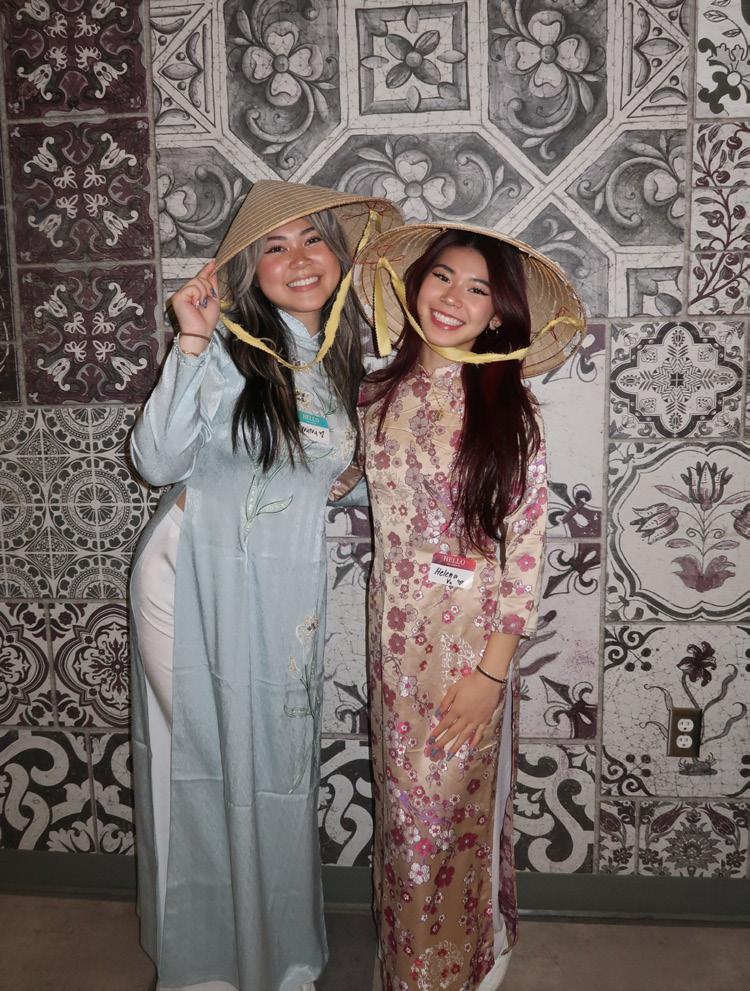
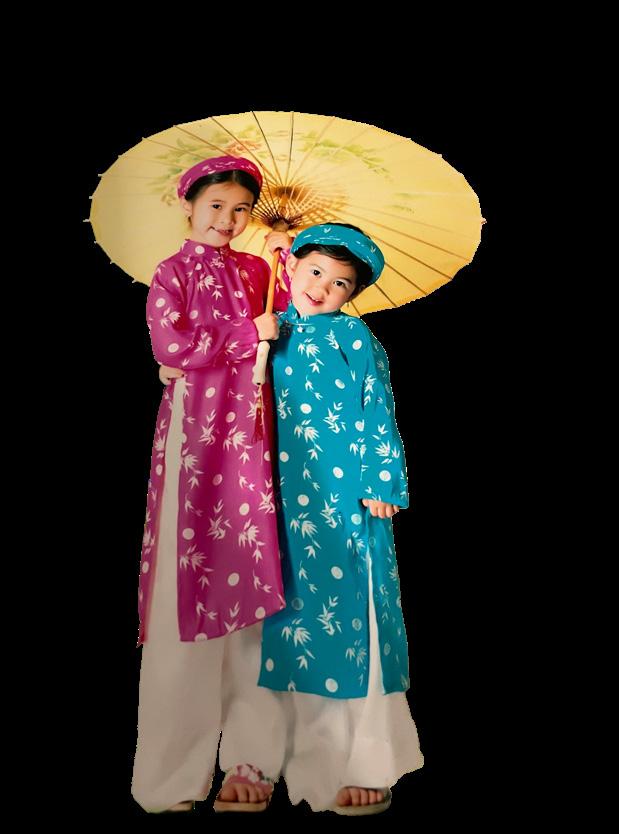
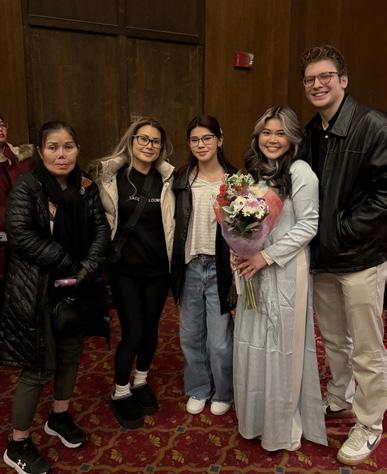
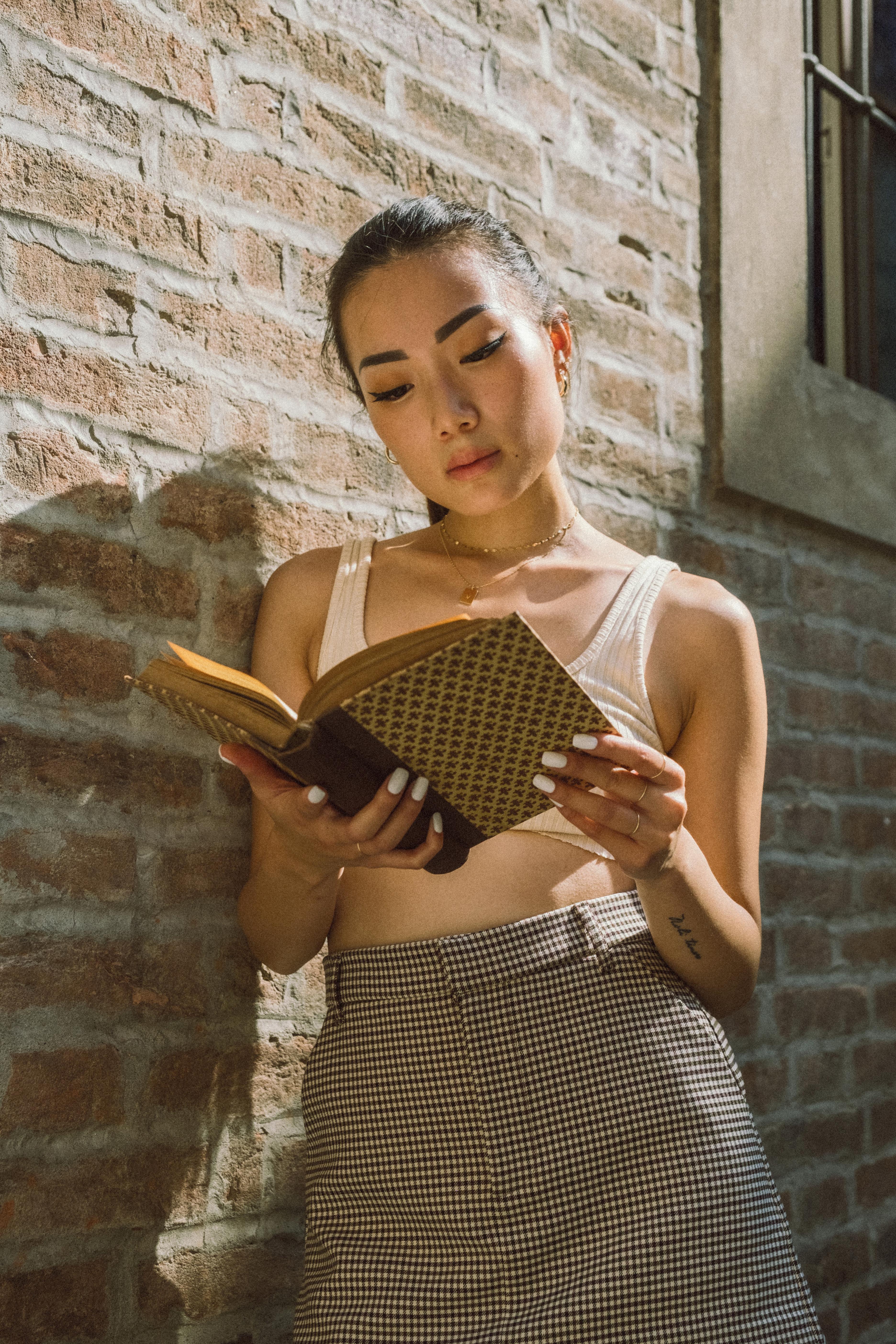
Now that I have spent a couple of years ruminating, belonging is a concept I have come to understand. In the beginning, I was obsessed with the thought of people liking my looks, my personality, my style, but I never took into consideration what I liked. I ended up not liking myself. When I stared in the mirror, I was not sure who I had become. While I do still have so much more growing to do, I decided to embrace my culture. I started by joining communities that uplift differences from the typical American one. I went to restaurants that my family used to bring me to as a child and ate the Bún thit nuong with the nuoc cham that I was scared to bring to school, and now the restaurant waitresses know me by name. I bought my first Áo dài to wear to my first Tet Nguyên Đán. I’m learning to find pride in the traditions I tried to push away. When I stopped looking at myself as an “other,” that’s when I stopped caring about what people thought of me and my culture. I’m still growing, but now I choose to belong to myself— even if broader society hasn’t caught up.
Belonging is not an absolute set of standards decided by a single group. It’s not a checklist, or a costume, or a trend. It’s a practice, an act of self-love, and, sometimes, a fight. No matter where we come from, or who we are, or what religion we practice, each person deserves to live a fruitful life. Each person deserves to belong not just to a trend, but to a community. Hopefully, one day, society will recognize that and change. Until then, this was a diary entry of an “other,” claiming her place, at last.
DIRECTOR’S NOTE
When do you experience pain? How do you experience it? Is it difficult to explain, hard to find the language that allows others to understand what you are feeling? Or do you sometimes doubt your own pain?
Pain always lives in the body, but so does joy. Sometimes the two feel closer than we expect. In this issue, we explore the blurry lines between pain and pleasure, and what it means to yearn for something you may have never had.
Do you feel a burning need for liberation? For intimacy? For power, modification, or belonging?
I know I do. And I know the friends and collaborators who built this issue do too.
Desire, craving, and yearning didn’t quite capture the depth of these feelings. So we turned to another word: desiderium. A deep, aching feeling, a need for something lost, distant, or perhaps never possessed at all.
Too often, artists are told to turn their pain into a spectacle. To transform vulnerability into something others can consume, and can consume in a palatable manner. Desiderium was created with a different intention. For us, this issue became a form of release. A way to bring together our individual interests, wounds, and joys, and transform them into what you are holding right now, a collective labor of love through visual art, writing, and design.
Through these pages, we hope you encounter pieces of who we are as artists, as individuals, and as a community. More importantly, we hope this issue invites you to reflect on your own desires: the communities you long for, the freedoms you seek, and the ways pain and pleasure intertwine in exploring these feelings.
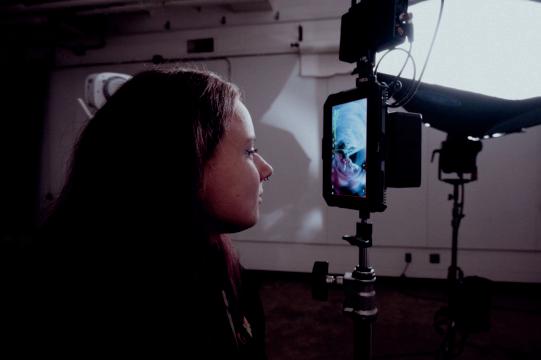
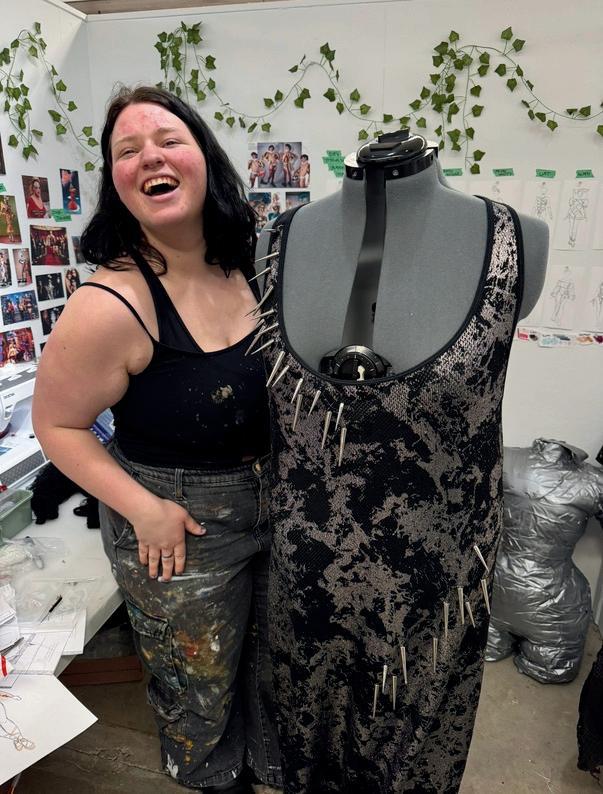
This issue is also the one where I say goodbye to SHEI. Being part of this magazine has shaped the way I think about art, collaboration, and storytelling. It has given me a community of people unafraid to experiment with expression, question everything we do, and create relentlessly. I feel so proud of the person I have become with SHEI and absolutely cannot believe I went out with a literal BALL.
I leave knowing that the same spirit of collective creativity and courage will continue long after me, and I thank you all for being a part of my journey.