

Vivistim Therapy at AbilityLab at
Silver Cross Hospital
GivesWoman Hope for Stroke Recovery
Specialized
therapy helps bring stroke patient’s hand and arm function to the next level
Nearly eight years ago, Cheryl Smithgall and her husband, Scott, were walking their dog Marco. “I became confused, lost my balance, and I just collapsed,” said Smithgall, now 54, of Frankfort. “My husband is an ER physician; he recognized what was happening and called 911.”
She was brought to Silver Cross Hospital in New Lenox, where she underwent emergent removal of a large clot that caused her stroke. Despite being left with apraxia, aphasia and partial paralysis, with one functional hand, Smithgall is still able to drive, clean house, walk the dog, cook, and bake. However, she misses playing piano with two hands, waving while driving, and putting her hair up.
Even though she had a variety of therapies since her stroke, Smithgall’s right arm wasn’t responding. Then, she heard about Vivistim Paired VNS
Vagus Nerve Stimulation (VNS) Therapy. Shirley Ryan AbilityLab at Silver Cross has offered postimplant occupational therapy on an outpatient basis for the a two years.
How Vivistim Works
Vagus nerve stimulation has been used for years to treat patients with seizures, depression and other neurological disorders. In August 2021, the FDA approved Vivistim – an implantable vagus nerve stimulator that is paired with occupational therapy – to help bring stroke patients’ hand and arm function to the next level.
If a patient qualifies for Vivistim, a doctor implants a device under the left side of the chest in an outpatient procedure. The device delivers a gentle pulse to the vagus nerve while the patient performs a specific task such as putting on a hat, brushing hair or cutting food.
This simultaneous pairing of rehab exercise with vagus nerve stimulation provides a boost to the brain that helps strengthen and create new neural pathways, improving upper limb function and increasing the relevance of occupational therapy.
Smithgall learned she qualified for the procedure after completing a pre-evaluation with one of the occupational therapists. The implant was performed at a participating facility in early December.
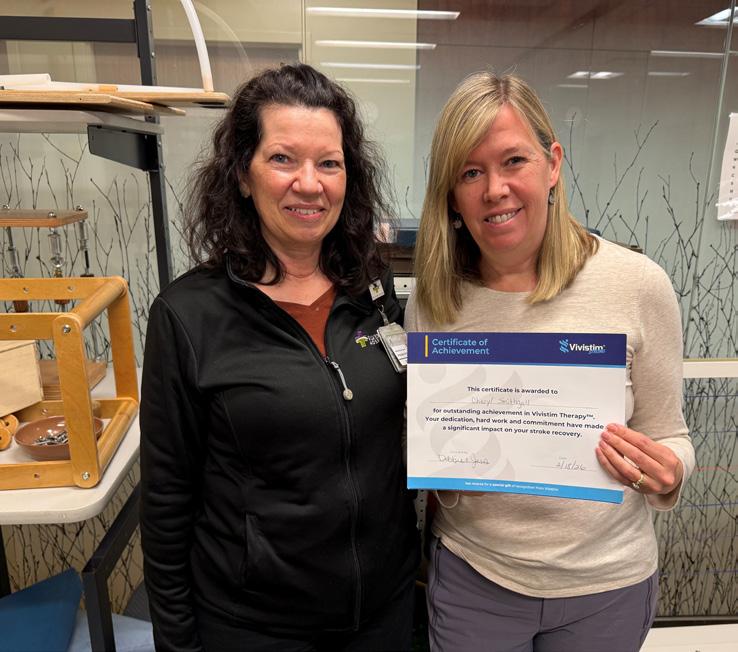
About a month later, she had her first post-implant occupational therapy evaluation at the Shirley Ryan AbilityLab at Silver Cross.
“Cheryl didn’t have much function of her right arm and hand,” said Deborah Jacob-Maas, an occupational therapist at the AbilityLab who has worked with Smithgall for 18 sessions. “It was very difficult for her to do anything with her right arm. As a result, I had to help her unlearn her dependence on her left arm, as well as her tendency to lean over, rather than use her arm to reach for something.”
Working Together
For each 90-minute session three times a week, Jacob-Maas would activate the Vivistim device using a computer while Smithgall attempted to do different tasks, all the while working on rebuilding the connection between her brain and the nerves in her arm and fingers.
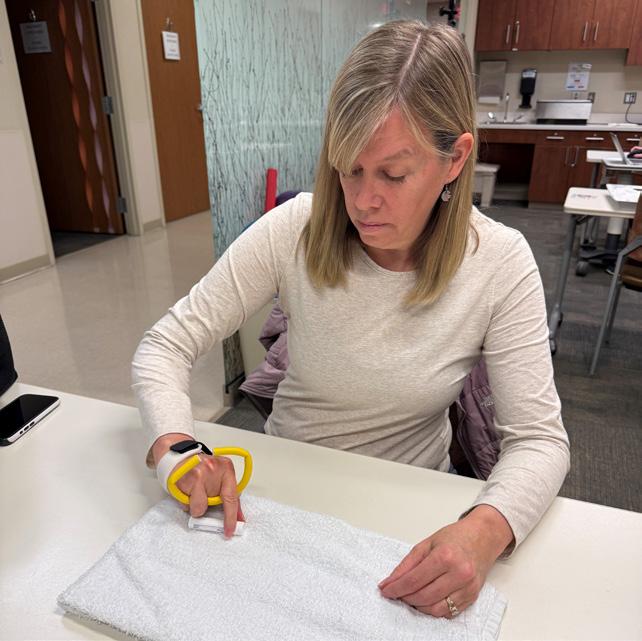
“I would have her try to unscrew a cap from Chapstick, which of course was very difficult. Every 3 to 5 seconds, I would activate the Vivistim to retrain those nerves,” said Jacob-Maas. “Cheryl is such a great patient. She has such wonderful focus when we’re doing the exercises. And very importantly, she follows through at home with the exercises, using a magnet to activate the Vivistim. She even brought in a video from home to show me!”
Smithgall said she started noticing improvement weekly after those intense therapy sessions. While she still has difficulty opening her right hand at times, Smithgall said the therapy has improved the uncoordinated movements in her arm.
“I have improved with picking up objects with my affected arm and moving them from one place to another,” Smithgall said.
While some patients may get discouraged with slow progress, Jacob-Maas said Smithgall has been realistic about what she needs to do and her outcomes.
“It’s natural for people to get discouraged, or maybe give up on the therapy, especially at home. They also need to know it’s likely they’re not going to get back to where they were before the stroke. But Cheryl does not give up. She’s very flexible and is up for any challenges we’ve had for her.”
Smithgall has great things to say about Jacob-Maas as well.
“Debbie is always upbeat and has a lot of great ideas that I use daily. She asks if I have any questions and looks at my whole body, not just my affected arm. She is an amazing therapist.”
To learn more about stroke recovery and Vivistim Therapy at Silver Cross, visit silvercross.org
Stroke patient Cheryl Smithgall unscrews a cap from a tube of lip balm during Vivistim Therapy at the Shirley Ryan AbilityLab at Silver Cross Hospital.







$49 Peace of mind for only














Choose Our Silver Cross Hear t Scan
Our quick, painless heart scan uses high-speed CT scanning to measure calcium deposits in your heart. It's ideal for men over age 45 and women over age 55 who smoke, have high blood pressure, high cholesterol or a family history of premature coronary artery disease. Fi nd out your risk and what you can do to lower it. To schedule an appointment, scan the QR code below or visit silvercross.or g/hear t - scan.
Silver Cross Expands Urgent Care
Silver Cross Medical Group is expanding access to highquality healthcare in the community with the addition of primary care services at its Crest Hill Urgent Care Center beginning May 11.
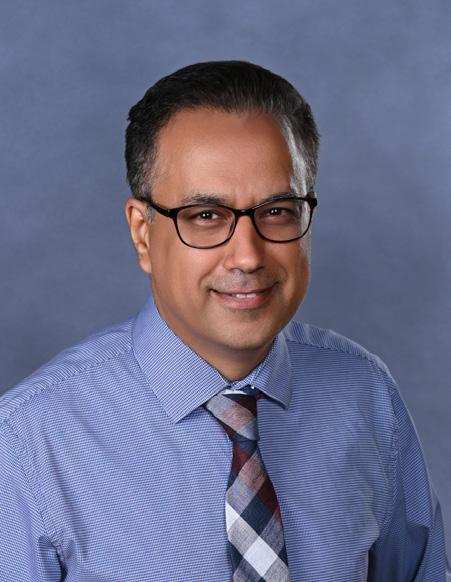
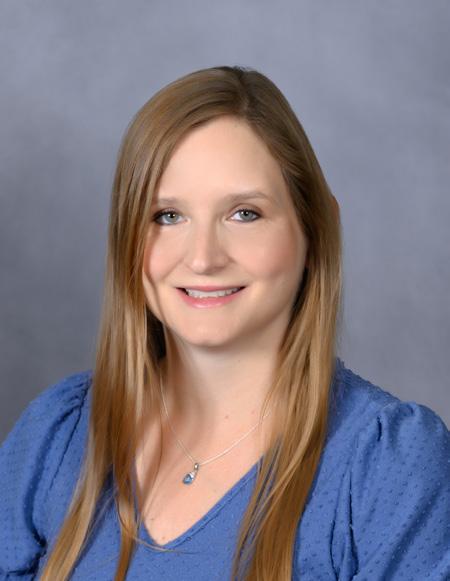
The expansion brings two primary care providers to the location: family medicine physician Abhishek Mehta, MD, and family medicine nurse practitioner Annette Frushour, NP. Both had been practicing at another nearby Silver Cross location in Crest Hill.
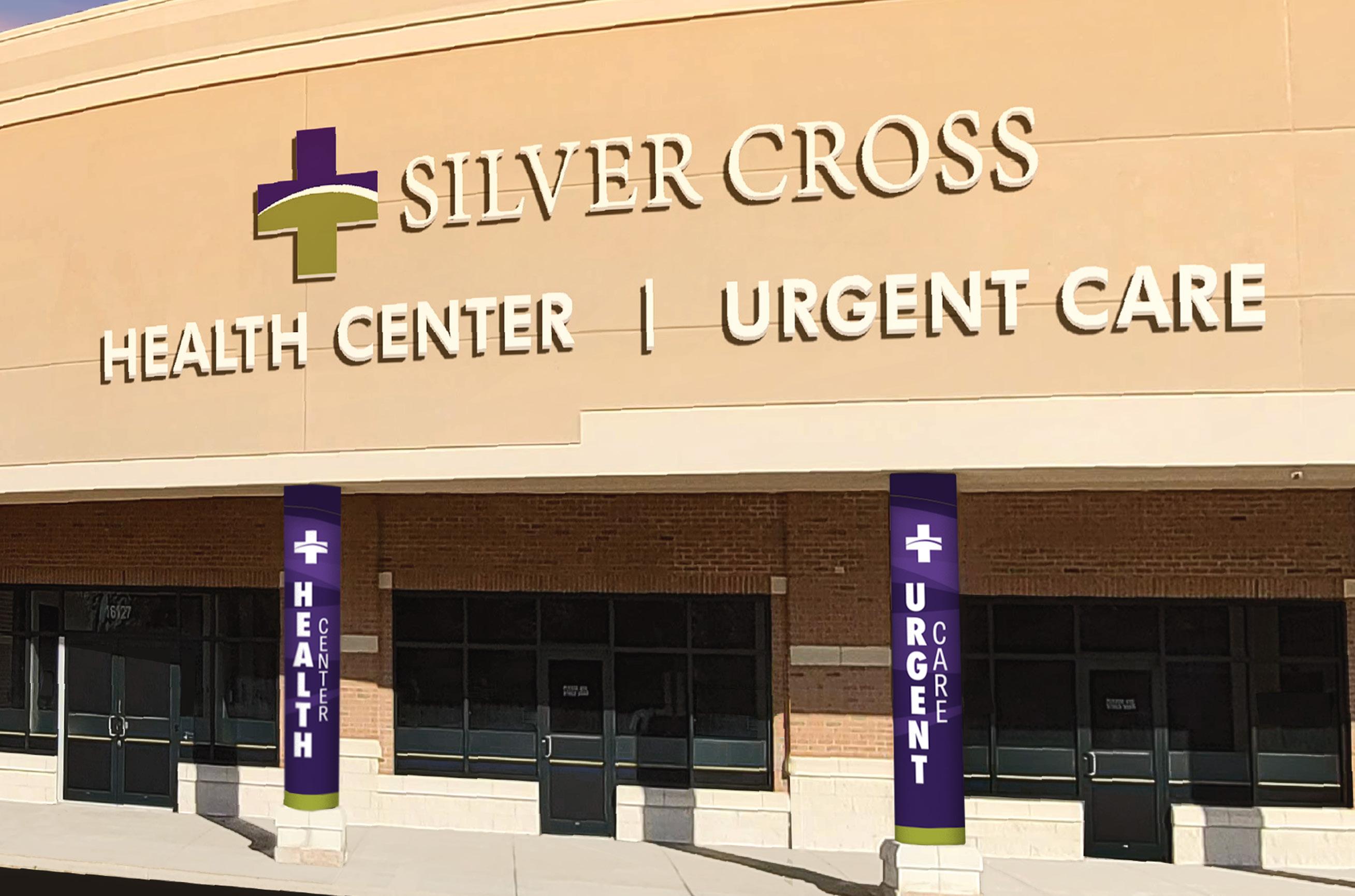
Silver Cross Health Center and Urgent Care, located at 16127 S. Weber Road in Crestlake Commons in Crest Hill, first opened in June 2025 to provide convenient, walk-in care for non-lifethreatening illnesses and injuries seven days a week.
With the addition of on-site primary care, patients now have access to both urgent and ongoing care needs in one convenient location, reinforcing Silver Cross Hospital’s commitment to comprehensive, coordinated healthcare.
This expansion reflects our focus on meeting patients where they are and making it easier for individuals and families to access the care they need. By bringing primary care providers into our Urgent Care Center, we are creating a seamless experience that supports
both immediate health concerns and long-term wellness.
Dr. Mehta is a board-certified family medicine specialist with experience caring for patients of all ages, emphasizing preventive medicine, chronic disease management, and patient-centered care. Annette Frushour, NP, brings a compassionate, collaborative approach to family medicine, partnering with patients to promote health across every stage of life.
The combined urgent and primary care model offers patients greater flexibility, reduced wait times, and continuity of care — all within a single, easily accessible setting. Patients can receive acute care for sudden illnesses and injuries or establish an ongoing relationship with a primary care provider close to home.
For added convenience, you can schedule online at silvercross.org/ urgent-care or call 815-300-SICK (7425).
To schedule an appointment with Dr. Abishek Mehta or Annette Frushour, NP, visit silvercrossmedicalgroup.org or call 815-300-7264.
Annette Frushour, APN Abhishek Mehta, MD
How to recognize mental fatigue
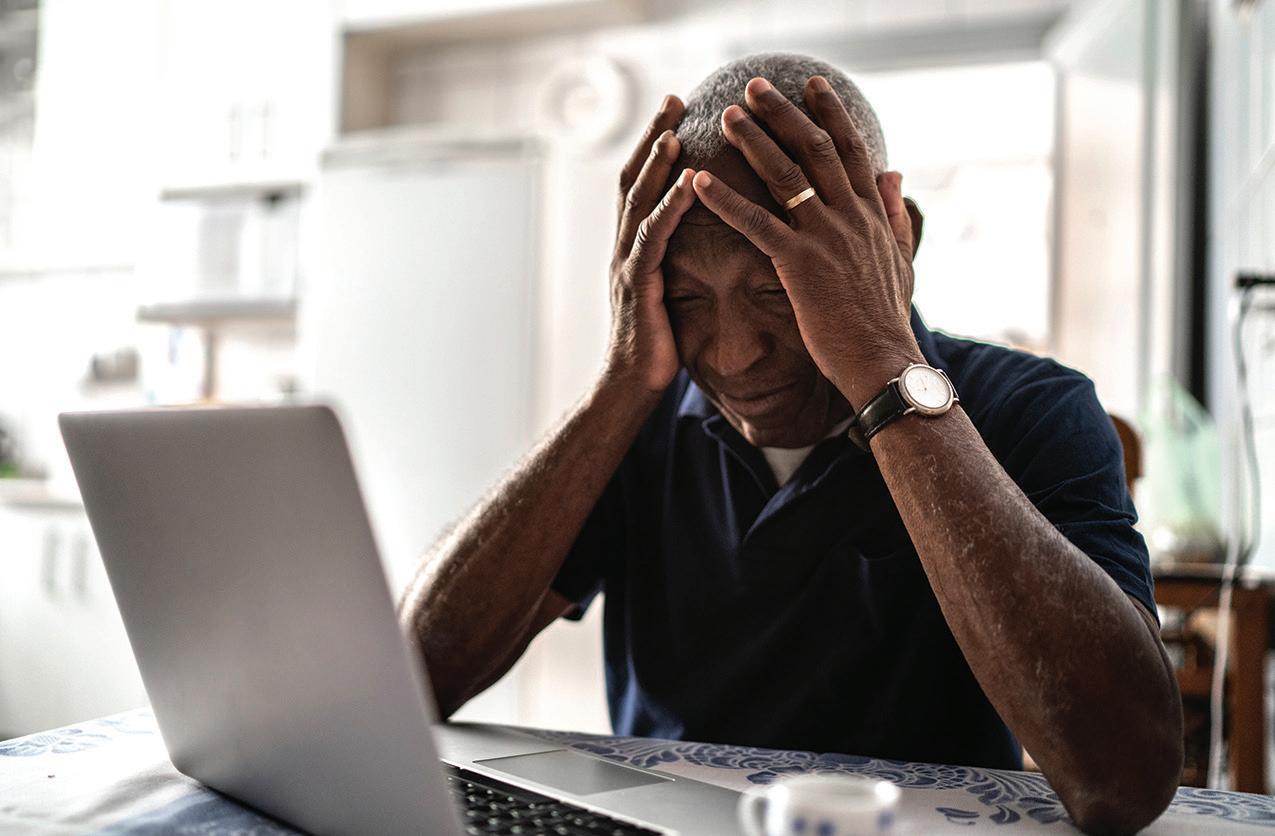
Everyone feels tired at some point. The signs of physical fatigue are often easily recognizable. Slower movements, heavy eyes, achy muscles, and even frequent yawning are some telltale signs that a body is tired. But what about mental fatigue?
WebMD notes that mental fatigue affects the mind instead of the muscles. That can make mental fatigue difficult to spot. But identifying the presence of mental fatigue is important, as untreated mental fatigue can affect decision-making and performance at work and in the classroom. Anyone can develop mental fatigue, but those who find themselves frequently overwhelmed by work, school or personal obligations may be particularly vulnerable. Recognition of the following signs of mental fatigue may compel those dealing with such exhaustion to take a break and seek help.
• Mood changes: People suffering from mental fatigue may experience mood changes that would otherwise be considered out of character. Increased irritability, a shortened temper, a lack of patience for others, and increased instances of snapping at people are some mood changes that indicate the presence of mental fatigue.
• Loss of productivity: A noticeable dip in productivity is another sign of mental fatigue. WebMD notes that a loss of productivity induced by mental fatigue occurs because the feeling of tiredness compromises a person’s ability to concentrate. Mental fatigue also can drain a person’s motivation. Distractions become harder to ignore when suffering from mental fatigue, which in turn diminishes productivity.
• Instances of zoning out: Mental fatigue can get in the way of a person’s ability to focus on what he or she is doing. This sense of zoning out can be particularly dangerous, as it can strike even when driving a vehicle. In fact, WebMD notes a link between mental fatigue and car accidents.
• Inability to sleep: It may seem counterintuitive that mental fatigue would make it difficult to sleep, but it can. People with mental fatigue may struggle to wind down and stop thinking about work- or school-related tasks come bedtime. That can trigger insomnia. One of the dangers associated with this side effect of mental fatigue is that lack of sleep can worsen feelings of exhaustion.
• Increased anxiety: WebMD notes that mental fatigue triggers the sympathetic nervous system, which can lead to feelings of anxiety and panic. These feelings may be ever-present.
• Physical side effects: Some people find it harder to exercise when their minds are fatigued. A 2017 study published in the journal Sports Medicine found that the duration and intensity of a physical task are important variables when considering the potential effects of mental fatigue on physical performance.
• Mental fatigue can take a serious toll. Anyone who suspects they are suffering from mental fatigue is urged to contact a health care provider.
Silver Cross World Class Cardio Care
Tim Borchert shares his story on how a $49 heart scan saved his life.
Tim Borchert, a member of the Silver Cross Foundation Board of Directors, and his wife, Connie, attended a Silver Cross Community Trustees luncheon at the hospital last year when they heard about the Silver Cross Heart Scan offered for only $49.
At Connie’s urging, Borchert, of Frankfort, scheduled a heart scan at Silver Cross Hospital in New Lenox in October. It’s a very quick test that takes maybe less than 10 minutes. In Borchert’s case, those few minutes turned out to be critical.
“The next day, I got a call from my doctor. He said, ‘We’re going to refer you to Dr. Joseph Stella.”
Dr. Stella, a renowned interventional cardiologist on Silver Cross Hospital’s medical staff, explained the severity of the situation to Borchert.
“The heart scan measures how much calcium build-up is in your arteries,” Borchert said. “A score of 0 to 100 is minimal; 100 to 400 is starting to get concerning. Over 400 means you need to take immediate action. Mine was 2,517. And I had no symptoms whatsoever.”
Dr. Stella set up an angiogram, and while Borchert hoped he would only need a few stents, it was more dire than that.
“One artery was 100 percent blocked, and the other two were in the 90s,” he said. “I was a ticking time bomb.”
Preparing for Open Heart Surgery
Dr. Stella said it’s natural for people to be scared after hearing they need open heart surgery.
“But I tell them this is the best day of your life, because we have found this disease before it finds you. For 20 to 25 percent of the people, the first thing they feel with a cardiac event is the last thing they feel. They never make it to the hospital.”
Open heart surgery was scheduled for Nov. 6, 2025, and Borchert said he was ready.
“Coming into it, while there’s always a little anxiety, I wasn’t afraid. A friend who had open heart surgery at Silver Cross the year before told me what to expect. And I knew I was in good hands,” he said.
And there were a lot of hands in that operating room for the surgery, which usually takes three to four hours.
“What we do at Silver Cross is really special,” said Dr. Nina Delavari, DO, Cardiothoracic Surgeon on Silver Cross Hospital’s medical staff. “There are so many parts that go into this heart program. It’s not just the heart surgeons operating on a patient, but the nurses, the APNs, everybody who’s involved with the patient pre-operatively. Every person who comes into our area and puts their hands on the patient, cares for the patient; gives them a little bit of themselves.”
Dr. Stella said that teamwork stands out.
“One of the things that makes the cardiac program at Silver Cross unique is a very close, trusting and long-established relationship we have with our cardiovascular surgeons. That’s essential. It allows us to push the edge. It allows us to develop more and bring more research to Silver Cross,” Dr. Stella said. “Without that synergy, no program can succeed nearly to the extent that we’ve been able to do. That’s what makes Silver Cross really special.”
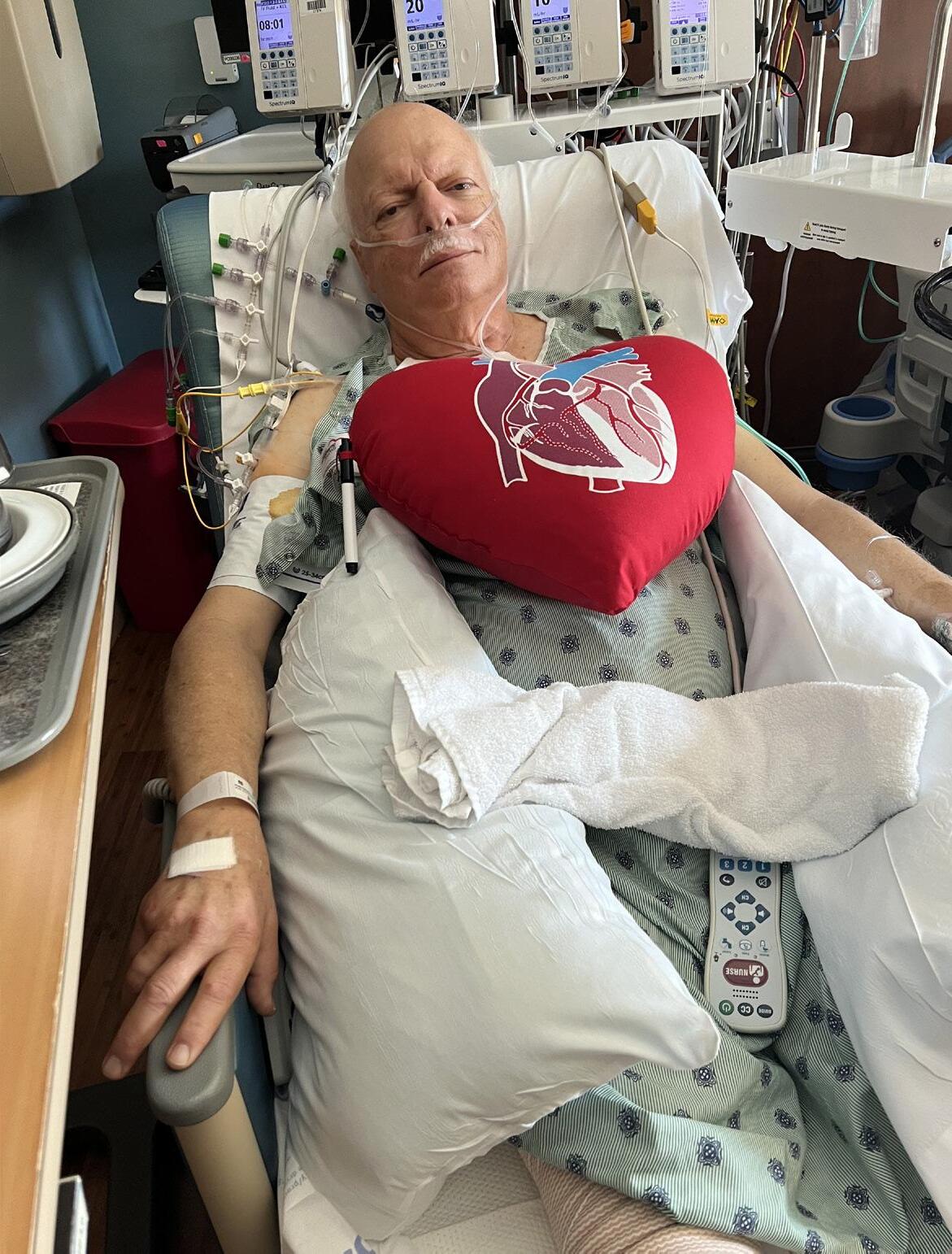
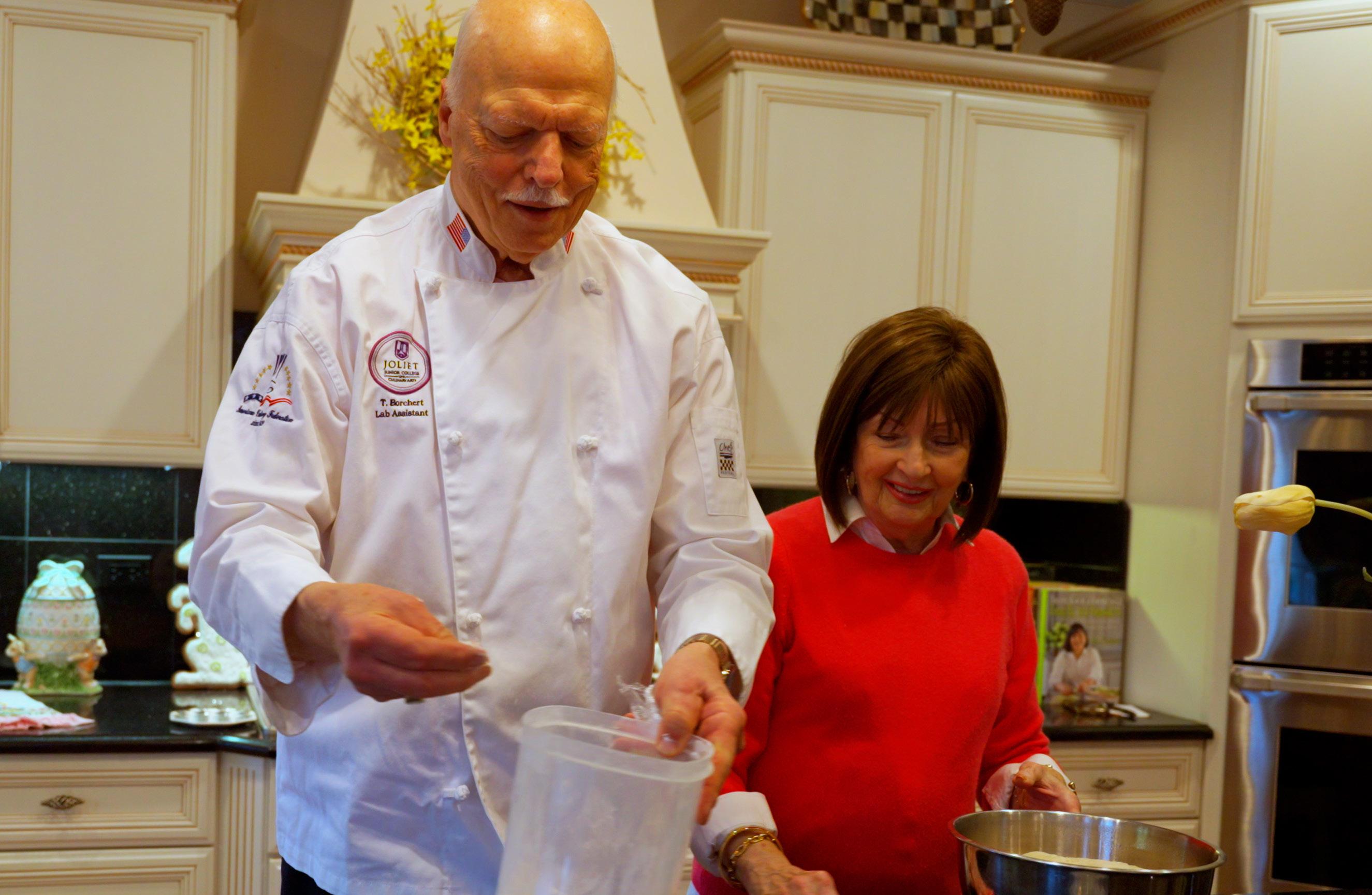
Tim Borchert recovers from open heart surgery at Silver Cross Hospital in New Lenox.
Dr. Delavari added that Silver Cross offers the full breadth of adult cardiac surgery. “We are able to do the same operations with better results than they do at any other hospital in this country. We perform 400 open heart surgeries each year. Other community hospitals do maybe 100 to 150,” she added.
After Open Heart Surgery
Though Borchert got four bypasses, three to the major arteries of his heart, the staff had him upright the next morning.
“The morning you wake up from surgery, you’re in a chair,” said Dr. Delavari. “That’s where we like you to have your breakfast.”
Dr. Delavari added they like open heart patients to be as active as they can be, even when they go home. But no heavy lifting for about two months to allow the breastbone to heal.
After a couple months of healing, then it’s on to a cardiac rehab program, said Dr. Delavari, which is a structured program with a cardiac rehab therapist, “who gets you back to where you were before.”
Borchert said he already feels as good as he did before surgery, which is both great and scary, considering that time bomb in his chest. And don’t ignore family history.
“My grandparents died from heart attacks. My father had three heart attacks and had bypass surgery. So did my aunt,” he said. “I thought I had escaped all of that by taking those little baby aspirins for 25 or 30 years. I thought I was doing the right thing, so this was a big surprise.”
“They give us a leg up on their heart disease. It allows us to intervene in many patients prior to them having a significant adverse event,” Dr. Stella added. “The cost of a calcium score is well worth it. For $49, it’s a no-brainer.”
Borchert agrees.
“You can’t buy a lunch for $49. But if you spend that money on a heart scan, you can have lunch the following day, the following week, the following year. I mean, it saves your life.”
“Silver Cross is a hidden jewel,” Dr. Stella said. “We have an excellent cardiac program, an excellent cardiovascular surgical program, the right care at the right place at the right time. That’s what Tim was able to receive.”
To schedule a $49 Silver Cross Heart Scan, visit silvercross.org/heart-scan
After a $49 heart scan saved his life, Tim Borchert is back doing the things he enjoys, like making homemade bread with his wife, Connie
Warm weather’s arrival means ticks are back


The arrival of warm weather can be a welcome relief for those who experience a winter’s worth of snow, ice and sub-freezing temperatures. While a spring thaw may usher in the return of flowers and more time spent outdoors, warmer seasons also bring back pests that can cause illness.
Tick territories expanding
Ticks are prevalent in many parts of the country and their territories are expanding due to climate change. The Centers for Disease Control and Prevention says tick territories are rapidly expanding into higher altitudes and even stretching into Canada. Milder winters and increased wildlife hosts are two reasons. This has led to a surge in Lyme disease in recent years.
What are ticks?
The Illinois Department of Public Health says ticks are commonly thought of as insects, but they actually are arachnids like spiders. With two sets of four legs and sharp mouth parts that cut into the skin, ticks are parasites that feed on blood. Ticks are opportunistic feeders, and will attach to pets, wild animals and people. They do not jump or fly, but rather “quest;” waiting on vegetation to latch onto a passing host.
Ticks survive winter by living underground. As soon as the weather warms to 46 F (8 C), they become active again and start looking for food hosts. Ticks are usually active from March to November, says the National Institute of Health. When a person or animal brushes up against tall grass or shrubs, the tick will grab on.
They don’t normally bite right away but seek areas of soft skin.
Then the tick uses its mouth parts to cut into the skin and insert a feeding tube, which also serves as an anchor. It then feeds until it is full, often swelling up several sizes in the process. The NIH says sometimes a tick can stay latched on for up to two weeks if it isn’t found and removed.
Disease
Ticks are major vectors of disease. Unlike mosquitoes, ticks don’t bite and then move on. When they burrow into the skin, they can pass on illnesses; ticks can transmit bacteria, viruses and parasites into the blood. Several illnesses can be traced back to ticks, including Alpha-Gal syndrome, Anaplasmosis, Colorado Tick Fever, and Ehrlichiosis.
While most people are familiar with the connection between ticks and Lyme disease, the CDC says Lyme disease is almost exclusively transmitted through the bite of an infected blacklegged (deer) tick. There is no credible scientific evidence that Lyme disease spreads between humans via sexual contact, kissing or pregnancy.
Avoid ticks
Wearing long pants outdoors and inspecting the body for ticks can reduce the risk of being bitten by a tick. It’s also important to check pets and use repellents, as companion animals can track ticks indoors where they can end up on people, too. Making backyards less hospitable to ticks can also help. Keeping the lawn short, removing brush and leaf litter, and creating a threefoot barrier of wood chips, gravel or mulch between wooded areas and lawns can keep ticks at bay.
When to See a Rheumatologist
With locations in Channahon and Morris, the physicians with Morris Hospital Rheumatology Specialists are dedicated to improving the quality of life for patients suffering from rheumatic diseases, musculoskeletal disorders, and autoimmune disorders.
Rheumatologists are physicians who diagnose and treat diseases that affect the joints, muscles, bones, and immune system. Common conditions treated by rheumatologists include: rheumatoid arthritis, psoriatic arthritis, osteoarthritis, lupus (systemic lupus erythematosus), ankylosing spondylitis and other spondyloarthropathies, gout and other crystal-related arthritis, sjögren’s syndrome, vasculitis, polymyalgia rheumatica and giant cell arteritis, fibromyalgia, osteoporosis, and connective tissue diseases such as mixed connective tissue disease or scleroderma.
These conditions often involve chronic inflammation or immune system dysfunction and require specialized evaluation and longterm management.
What type of symptoms might a person have that lead to seeking care from a rheumatologist?
People often see a rheumatologist when they have ongoing joint or autoimmune-related symptoms that have not improved or require specialized care. Common symptoms include:
• Persistent joint pain, swelling, or stiffness
• Morning stiffness lasting more than 30 minutes
• Back or neck pain associated with inflammation
• Muscle pain or weakness
• Fatigue that does not improve with rest
• Unexplained fevers
• Skin rashes associated with autoimmune diseases
• Dry eyes or dry mouth
• Recurrent mouth ulcers
• Raynaud’s phenomenon (fingers turning white or blue in the cold)
Patients may also be referred to a rheumatologist after having abnormal laboratory test results that suggest autoimmune disease, such as positive rheumatoid factor, ANA, or elevated inflammatory markers.
What type of treatments are available for rheumatology conditions? Rheumatology care focuses on reducing inflammation, controlling the immune system, relieving pain, and preventing joint damage.
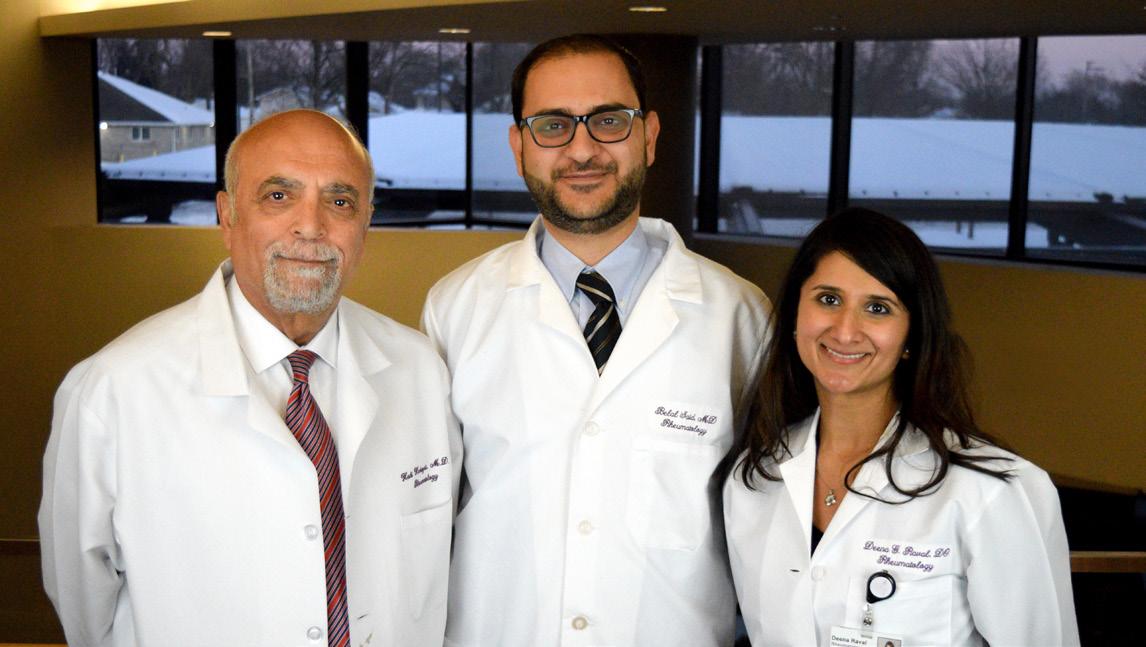
With office locations in Morris and Channahon, Morris Hospital Rheumatologists Dr. Hadi Hedayati (from left), Dr. Belal Said, and Dr. Dena Raval treat patients suffering from rheumatic diseases, musculoskeletal disorders, and autoimmune disorders.

Treatment options may include:
• Anti-inflammatory medications (NSAIDs)
• Corticosteroids for short-term control of inflammation
• Disease-modifying antirheumatic drugs (DMARDs) such as methotrexate, hydroxychloroquine, and sulfasalazine
• Biologic medications that target specific parts of the immune system
• Targeted oral therapies
• Joint injections to reduce inflammation and pain
• Infusion therapies administered in a monitored clinical setting
• Lifestyle guidance, including exercise, weight management, and joint protection
• Coordination with other specialists when needed
The goal of treatment is to improve quality of life, prevent joint damage, and help patients remain active and independent.
Why should patients choose Morris Hospital Rheumatology Specialists for their rheumatology care?
Many patients have chronic conditions that require long-term relationships with the Morris Hospital Rheumatology team, so compassion and patience are essential. Education is a key part of care. Morris Hospital Rheumatology helps patients understand their condition and treatment options.
Coordination between clinical staff, administrative staff, and providers is also critical for efficient care. The Morris Hospital Rheumatology team emphasizes respect, teamwork, and communication to provide the best experience for patients. Their mission is to deliver expert rheumatology care while maintaining a supportive community-based practice.
How can patients reach Morris Hospital Rheumatology Specialists?
Dr. Hadi Hedayati, Dr. Dena Raval and Dr. Belal Said see patients at 1051 W. U.S. Route 6 in Morris. This is the same building as Morris Hospital Orthopedics & Sports Medicine. The phone number is 815-942-9299.
In addition, Dr. Said has office hours at the Channahon Healthcare Center of Morris Hospital, 25259 Reed Street, Channahon, phone 815-467-0555. For more information, visit morrishospital.org/rheumatology
Understanding Hernias and When to Seek Care
Ahernia occurs when tissue pushes through a weakened area in the abdominal wall. This supportive layer, known as the fascia, normally keeps the organs in place. Over time, factors such as aging, heavy lifting, frequent straining, or prior surgery can weaken this tissue, leading to a hernia. Hernias most often appear in the groin, called inguinal hernias, or near the belly button, known as umbilical hernias.
Symptoms can vary from mild to severe. Some people notice discomfort or a visible bulge, especially when standing or lifting. In more serious cases, part of the intestine can become trapped in the hernia. This may cause nausea, vomiting, or difficulty passing stool and requires prompt medical attention.
Dr. Bo Wang, a board-certified general surgeon with Morris Hospital Surgical Specialists, emphasizes the importance of early evaluation. “Hernias are best treated before they become painful or cause complications,” he explains. “When addressed early, hernia repair is typically less complex and associated with better outcomes. Delaying care can increase the risk of bowel involvement and make surgery more challenging.”
Hernias are most often treated by a general surgeon. In many cases, surgical repair involves reinforcing the weakened area with mesh to reduce the risk of recurrence. Advances in surgical technology now allow many hernias to be repaired using minimally invasive techniques, including the da Vinci robotic surgical system, now available at Morris Hospital. These procedures use small incisions and are associated with less postoperative discomfort and a quicker recovery.
Dr. Wang encourages patients to have open conversations with their healthcare provider if they suspect a hernia. “Hernias are very treatable,” he says. “At Morris Hospital Surgical Specialists, we
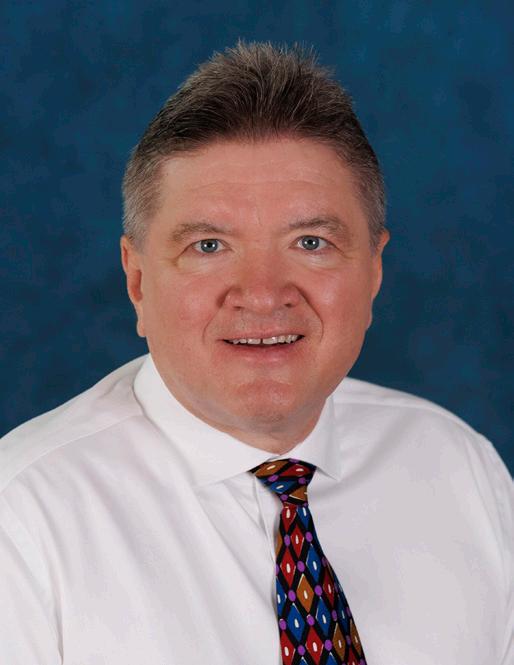

work closely with patients to explain their options and determine the most appropriate treatment plan.”
If you are experiencing symptoms or have concerns about a possible hernia, early evaluation can help ensure the best possible outcome and a smoother recovery.
Along with Dr. Wang, Morris Hospital Surgical Specialists includes Dr. Joseph Kokoszka and Dr. Brian Winkleman, both board-certified general surgeons. All three physicians perform surgery in the newly constructed surgical suites at Morris Hospital.
Dr. Winkleman has office hours at the Channahon Healthcare Center of Morris Hospital, 25259 Reed Street, 815-467-0555.
Dr. Kokoszka and Dr. Wang have office hours at 1600 W. U.S. Route 6, Morris, 815-364-8927.
For more information, visit morrishospital.org/generalsurgery.
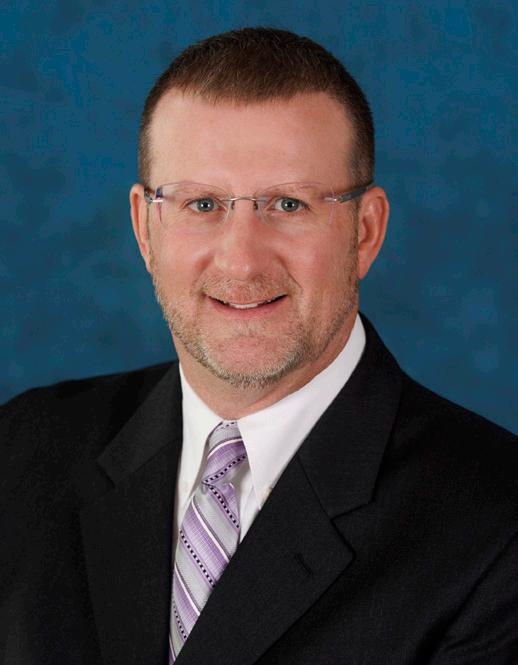
Dr. Joseph Kokoszka General Surgeon
Dr. Brian Winkleman General Surgeon
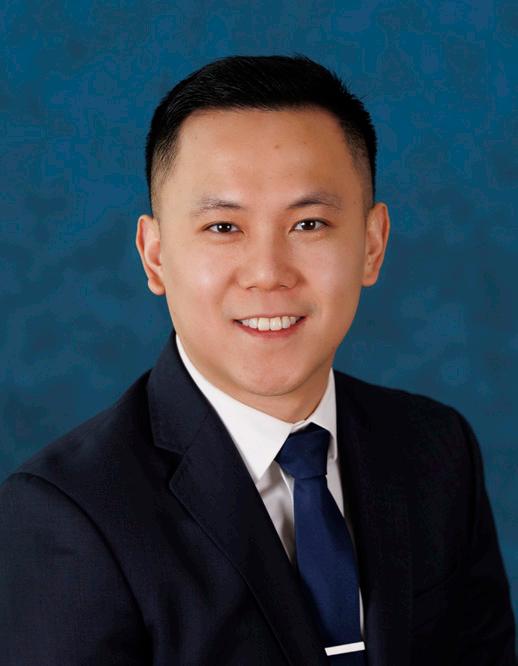
Dr. Bo Wang General Surgeon
Rare Complication Leads to Remarkable Bond with Morris Hospital Cath Lab Team
Renee Thompson has always been someone others can count on. She leads a major division for BMO Bank across North America, previously served on the Minooka District 201 school board, and currently sits on the Minooka Lions Club board. She is deeply committed to philanthropy and devoted to her family and faith. As a wife and mother of two firefighter-paramedic sons— one with the Morris Fire Protection & Ambulance District and the other with the East Joliet Fire Protection District—her life has long been full, busy, and centered on serving others.
“I’ve always been on the go,” the Minooka resident said. “I love helping people. That’s just what I do.”
When a series of health issues and a questionable stress test led to a “routine” angiogram, Renee approached the situation the same way she approaches everything in life: prepared and ready to move forward.
When the angiogram in the Morris Hospital Cath Lab revealed two blockages, Interventional Cardiologist Dr. Syed Ahmed performed an angioplasty with stent placement to restore blood flow to her heart. Procedures like this are routine at Morris Hospital. While most are scheduled like Renee’s, some are urgent in the case of a heart attack. Yet shortly after Renee’s procedure while she was in recovery, she started complaining of chest pain. “I remember saying, ‘Something’s not right,’” she recalls. “It felt like someone was kneeling on my chest.”
Within moments, her condition changed dramatically and her heart went into a life-threatening arrhythmia. As Renee was being rushed back into the Cath Lab, she went into cardiac arrest not once, but twice as the Cath Lab team worked to save her life. Renee had developed stent re-thrombosis, a very rare and unusual complication that occurs when a blood clot forms suddenly inside a newly placed stent.
In the midst of the moment, Dr. Ahmed spoke directly to Renee, urging her to hold on while the team worked to save her. Everyone in the room moved with urgency, precision, and focus, doing everything they were trained for. Some later shared that they were also praying as they fought to bring her back.
As Renee’s heart responded, her pulse came back and her vital signs started improving. For Renee, that moment felt like something beyond the physical world. “It was like the lights went out,” she said. “Everything went black, and then there was this flash.” She says she saw her mother, who had passed away years earlier. “She reached
for me, and I said, ‘I need more time with my boys,’” Renee said.
Renee woke four days later at Morris Hospital. As she slowly began to recover, something unexpected happened. The Cath Lab team, who saved her life, came to see her every day. “They came up to my room, they checked on me, they brought me cards,” Renee said. “They didn’t have to do that.”
That connection didn’t end when Renee was discharged from the hospital. In the weeks that followed, as she worked to rebuild her strength, the bond remained. “They’ve stayed in touch with me,” she said. “They’ve followed my progress. They care.”
Renee has since returned to Morris Hospital, asking to be brought back to the Cath Lab so she could see the team again. This time, she was standing tall and able to say thank you. “I needed them to know what they did for me,” she said. “Yes, they saved my life, but they also cared about my spirit. That’s what made the difference and kept me fighting.”
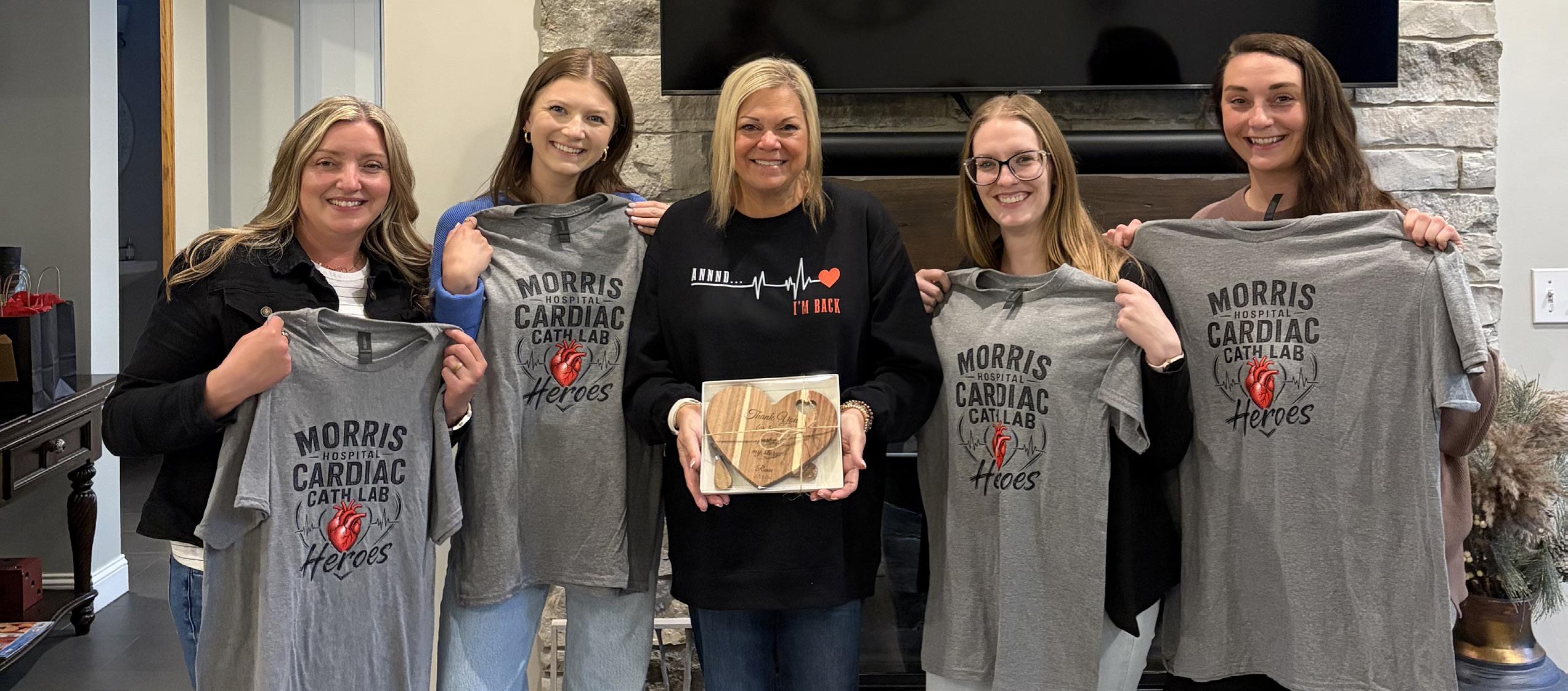
April 28 was a special evening for Renee and her husband as they welcomed the Morris Hospital Cath Lab staff who saved her life to their home for dinner. “Thank you doesn’t feel like enough,” said Renee. “I want to take the time and hear from them what the experience was like. I am so grateful to be able to share a meal with them.”
Seven weeks later, Renee is starting to transition back to work and expects to graduate from Morris Hospital’s Cardiac Rehabilitation program in June.
When reflecting on her experience, Renee shared how grateful she is to have access to exceptional care close to home. “What has stood out to me throughout this journey is that there is something truly special about Morris Hospital that’s hard to put into words,” says Renee. “The exceptional care began with the Cath Lab staff and Dr. Ahmed, and continued through my primary care provider, specialists, cardiac rehab staff, and even the volunteers.
“The Cath Lab team may have saved my life in those critical moments, but it was the continued compassion from caregivers, staff, and volunteers
A grateful Renee Thompson reunited with staff from the Morris Hospital Cath Lab two months after her life-threatening arrythmia.

Everybody needs a primary care provider.



When it comes to our health, we ALL need someone we can count on.
Primary care providers are devoted to being your partner in managing your health. For adults, family medicine and internal medicine serve as primary care providers. For children, that means a pediatrician or family medicine provider.
Primary care providers can keep you well through preventive care, guide you in managing chronic illness, connect you with specialists when you need them, and advise you when you’re not feeling well.
Don’t wait until you’re faced with a medical issue.
Establish a relationship with a primary care provider today so that you have a medical provider you know and trust – and one who knows you.


Morris Hospital primary care locations:
• Braidwood
• Channahon
• Diamond-Coal City
• Dwight
• Gardner
• Marseilles
To find a primary care provider near you, visit morrishospital.org/primarycare Call
• Minooka
• Morris
• Newark
• Ottawa
• Seneca