
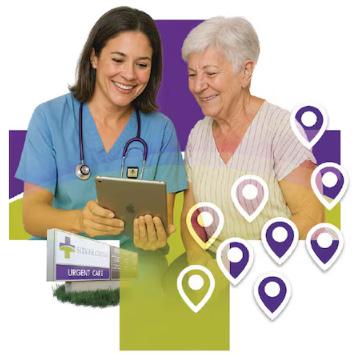
At Silver Cross, we believe great care should be easy to reach. That’s why we’re growing – adding more trusted providers, more nearby locations, and more ways to keep you and your family healthy.
From primary care and advanced specialties to urgent care, comprehensive imaging and lab, you’ll find Silver Cross Medical Group and Silver Cross Health Centers in nearly a dozen locations.
Because with Silver Cross Medical Group, better care isn’t just close – it’s closer than ever.
• More trusted medical experts.
• More convenient locations.
• More services.
• And more ways to feel truly cared for.
About Silver Cross Medical Group
As the region’s leading and most trusted group of primary and specialty care providers, Silver Cross Medical Group has 70+ providers across a dozen locations.
Backed by nationally ranked Silver Cross Hospital in New Lenox, Silver Cross Medical Group has been serving patients for nearly 40 years in multiple settings throughout the southwest suburbs.
And just like Silver Cross Hospital, Silver Cross Medical Group prioritizes what’s most important to you and your family:
• Personalized care and communication
• Strong, stable relationships built on trust and rapport
• Convenient online scheduling
• Seamless continuity of care, and
• Easy access to an expansive roster of specialists.
Best of all, several of our locations, including our Orland Park Medical Pavilion, Mokena health center and Homer Glen health center are convenient 1-stop locations for medical care and an array of testing services and treatments!
Our team encompasses a wide array of primary care providers and specialists:
• Family Medicine
• Endocrinology
• Gastroenterology
• Geriatric Medicine for Seniors
• Heart Failure
• Internal Medicine
Convenient Locations
• Maternal-Fetal Medicine
• Neurology
• Neurosurgery & Neuroendovascular
• Obstetrics & Genecology
• Oncology/Cancer Care
• Pediatrics
You can find Silver Cross Medical Group, Silver Cross Health Center and Silver Cross Urgent Care Centers in many communities close to where you live or work:
• New Lenox
• Orland Park
• Homer Glen
• Lemont
• Lockport
• Manhattan
• Mokena
• Crest Hill
• Joliet
Affiliated with Nationally Recognized Silver Cross Hospital
If you should need to be hospitalized or have additional testing, our primary care and specialty care doctors are on staff at Silver Cross Hospital, nationally recognized for quality, safety and patient experience.
For more information, call 815-300-7264 or visit silvercross.org/medical-group.







From prevention programs to open-heart surgery and aftercare, we’ve brought together the latest technology and the finest heart experts anywhere. And it’s ALL right here at the Midwest Institute for Heart at Silver Cross Hospital.
Our nationally recognized heart surgery program has earned 3 Stars from the Society of Thoracic Surgeons, the gold standard for heart care. That’s the highest rating available and puts Silver Cross among the most elite heart programs in the U.S. and Canada.
World-class heart care close to home… that’s the way you should be treated.
For more information or to find a heart specialist, visit silvercross.org/heart or SCAN the QR Code to learn more.


HEAR T



Highlighting its nationally recognized achievements in patient safety and quality, Silver Cross Hospital has been named a Top General Hospital by The Leapfrog Group. This award is one of the most competitive honors hospitals and surgery centers in the United States can receive for their commitment to safety and quality.
“Being named a 2025 Leapfrog Top Hospital is a tremendous honor,” said Michael Mutterer, RN, MA, LCPC, CADC, LNHA, Silver Cross Hospital President and Chief Executive Officer.
“Safety and quality aren’t just words at Silver Cross; they’re the foundation of everything we do. I’m so proud of our employees, medical staff members and volunteers who work TOGETHER to deliver exceptional care to every patient, every time. We will continue to raise the bar on excellence at Silver Cross because our patients and the communities we serve deserve nothing less.”
In November, Silver Cross also earned its 22nd straight A for safety from the Leapfrog Group, placing it among an elite group of U.S. hospitals to achieve this consistent level of performance excellence.
Over 2,400 hospitals were considered for the Top Hospital Award; 156 hospitals were chosen overall and were placed in the following categories: Top Children’s, Top General, Top Rural and Top Teaching hospitals.
Silver Cross was one of only 52 hospitals in the nation to earn a Top General Hospital distinction.
The Leapfrog Group is a national nonprofit watchdog organization that rates hospitals and ASCs on how well they protect patients from preventable harm, including accidents, injuries and infections. The Leapfrog Top Hospital award is given to teaching, general, rural and children’s hospitals that publicly report their
performance through the Leapfrog Hospital Survey and meet the high standards defined in the Top Hospitals methodology. This includes infection rates, maternity care and a hospital’s ability to prevent medication errors, among other standards.
“Silver Cross Hospital has distinguished itself through an unwavering focus on safety and quality, earning a place on this year’s list of Top Hospitals,” said Leah Binder, president and CEO of The Leapfrog Group. “This recognition reflects a culture of transparency and continuous improvement—one embraced by every member of the organization. We commend the entire team at Silver Cross for reaching this outstanding milestone.”
To qualify for the distinction, hospitals must rank top among peers on the Leapfrog Hospital Survey, which assesses hospital performance on the highest standards for quality and patient safety, and achieve top performance in their category. To see the full list of institutions honored as 2025 Top Hospitals, visit www.leapfroggroup.org/tophospitals.
Founded in 2000 by large employers and other purchasers, The Leapfrog Group is an independent national nonprofit organization celebrating 25 years of driving a movement for giant leaps for patient safety. It is the only hospital ratings program based exclusively on hospital prevention of medical errors and harm to patients. It is fully transparent and free to the public, and grades are updated biannually in the fall and in the spring. To look up your hospital’s Safety Grade, please visit HospitalSafetyGrade.org.
For more information about Silver Cross Hospital, visit silvercross.org
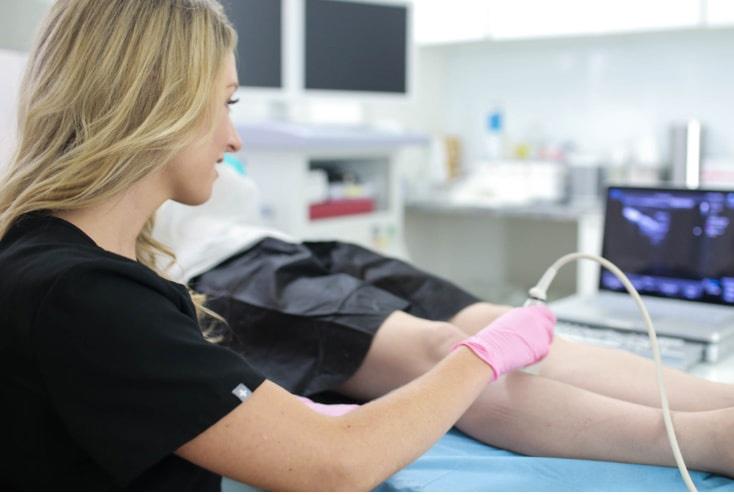
When it comes to treating vein conditions such as varicose veins, spider veins, or chronic venous insufficiency, choosing the right specialist can make a significant difference in both the outcome and your overall patient experience.
Selecting a qualified, board-certified vein specialist like those at Eterna MedSpa and Laser Vein Center ensures that you receive accurate diagnoses, safe procedures, and effective treatment options tailored to your individual needs using the most modern technology.
Board certification indicates that a physician has undergone rigorous training and has met high standards in their specialty. Vein specialists certified in vascular surgery, interventional radiology, or phlebology have the expertise necessary to assess complex vein issues and recommend evidence-based solutions. These specialists also stay current with advancements in minimally invasive techniques, which typically lead to quicker recovery times and better results.
Be sure to check for positive reviews and patient testimonials in the area of the vein surgery you are having, says Kathe Malinowki of Eterna MedSpa and Laser Vein Center.
The experienced vein specialists at Eterna MedSpa and Laser Vein Center not only understand the medical aspects of vein disease but also have the skill to deliver aesthetically pleasing outcomes. This is particularly important for patients seeking cosmetic improvements along with symptom relief.
Qualified Eterna MedSpa and Laser Vein Center specialists will take the time to explain your condition, answer your questions, and ensure you are comfortable with your treatment plan. Look for transparency; a good clinic will share success and complication rates.
It is crucial for patients to research credentials and seek out specialists who focus primarily on vein health—like the doctors at Eterna MedSpa and Laser Vein Center.
Choosing the right vein specialist is a vital first step toward better vascular health. You will have confidence, safety, and peace of mind—knowing you’re in the hands of someone who is thoroughly trained to handle both the medical and cosmetic aspects of vein care.






Ed Larsen was just about to head out the door after making a follow-up appointment Dec. 3 at the Silver Cross Health Center in Lemont when he felt an excruciating pain in his left shoulder.
“Then, it spread to my back. It felt like someone was stabbing me, the pain was so bad,” said Larsen, 71, of Bolingbrook. “The lady up front said, ‘You don’t look so good.’ I said, ‘I don’t feel so good.’”
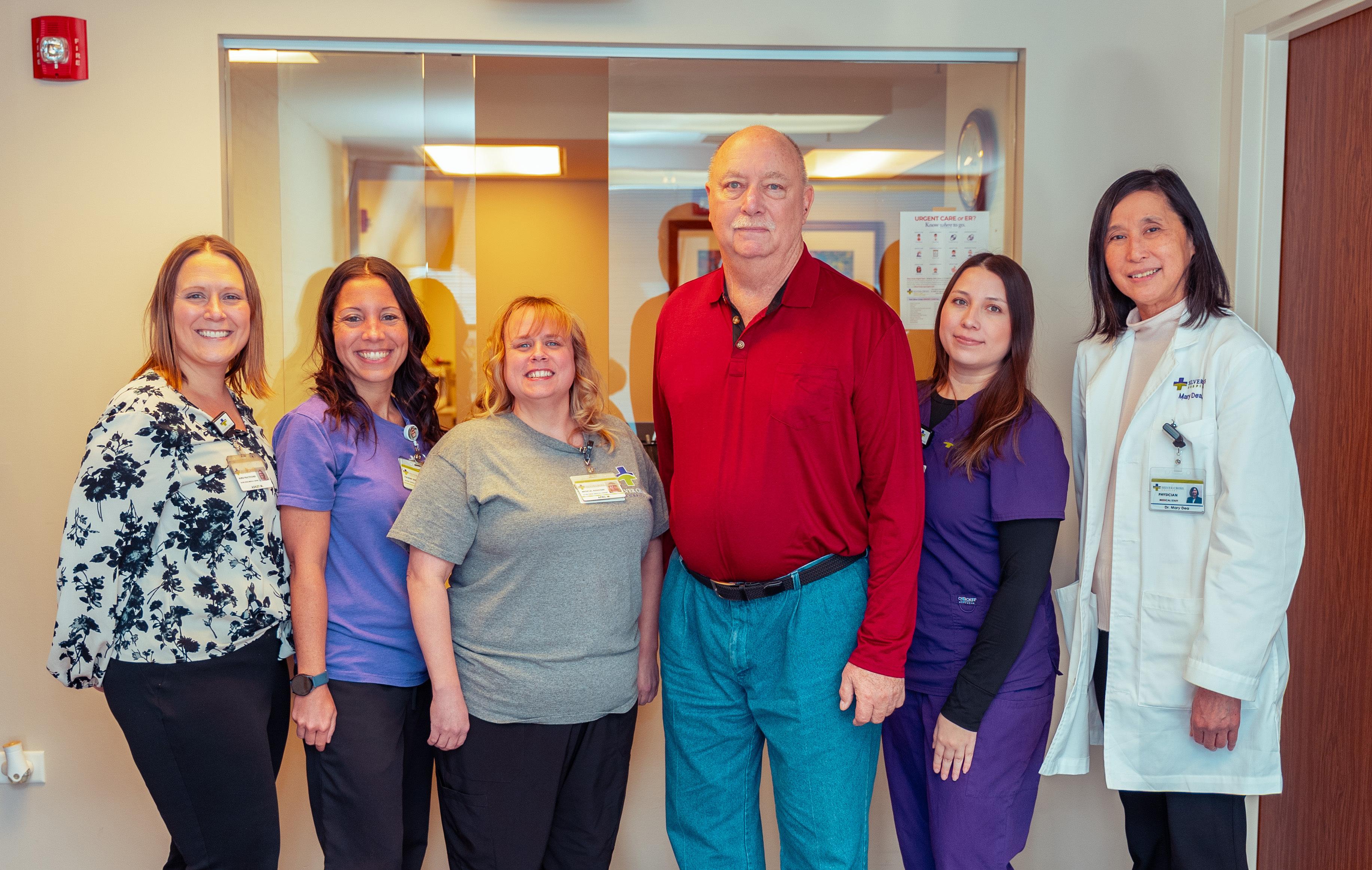
Patient Services Representative Shauna Tauer immediately notified Medical Assistants Itzel Torres and April Marlowe, who brought him into an exam room to sit down. As Tauer called for an ambulance, Ashley Miniet, Family Nurse Practitioner, and Dr. Mary Dea, whom Larsen had just seen for an unrelated issue, placed him on the floor and began to try to take vitals.
Knowing Larsen had a history of coronary artery disease with multiple stents, Torres and Marlowe administered oxygen, aspirin, nitroglycerin, and brought in an AED (automatic external defibrillator).
Larsen said he doesn’t remember much after being laid to the floor and then put into an ambulance headed for Silver Cross Hospital in New Lenox. “Next thing I know, they’re wheeling me into an operating room,” Larsen said. “I told them, ‘Tell my wife I love her.’”
Thanks to a successful procedure to implant another stent, Larsen could tell his wife Sandy himself when he woke up.
“Mr. Larsen was found to be having a STEMI, one of the most severe types of heart attacks, where an artery is nearly totally clogged,” said Miniet. “If not treated within 90 minutes of onset, there could be severe heart damage or death. The Lemont team worked hard and as a unit, which in turn saved this patient’s life. I’m very proud of my team.”
Larsen is thankful he hadn’t left the Lemont 150 offices yet. “Another few minutes, and I would have been driving,” he said. “But they were there and helped save my life. I’m feeling better every day. I’m very grateful.”
A STEMI (ST-Elevation Myocardial Infarction) is a severe type of heart attack where a coronary artery is completely blocked, causing significant heart muscle damage, unlike less severe heart attacks with partial blockages. It appears as a distinct “ST-segment elevation” on an EKG. It’s a life-threatening medical emergency requiring rapid treatment (ideally within 90 mins) to restore blood flow, often through angioplasty and stenting, to save heart tissue and prevent permanent damage.
For more information or to schedule a $49 heart scan, visit www.silvercross.org/heart.
If a loved one has significant memory loss or confusion, your brain might go straight to Alzheimer’s. But it could be something else entirely: vascular dementia.
“When it comes to cardiovascular disease, the heart and the brain are a lot more connected than you might think,” explains Dr. Abraham Thomas, internal medicine specialist with Silver Cross Medical Group.
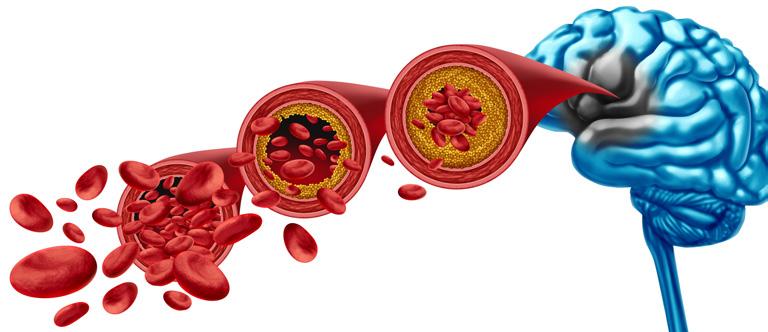
The heart pumps blood, which carries oxygen and nutrients to the brain. A healthy heart ensures that the brain gets enough blood to function properly. But when blood flow to the brain is reduced by narrowing of the small blood vessels deep inside the brain, it can’t work properly. And that can lead to memory loss, confusion, and difficulties with thinking and problem-solving.
People with vascular dementia might have trouble planning, organizing, or following a conversation. Their symptoms can vary, and they may come on suddenly after a stroke or develop slowly over time. While there’s no cure, managing heart health and blood pressure can help slow down the progression of the disease.
Vascular dementia often results from various conditions that damage blood vessels, such as:
• Stroke: A stroke occurs when blood flow to a part of the brain is blocked or reduced. This can lead to brain cell death and can affect memory and thinking skills.
• Small vessel disease: This involves the tiny blood vessels in the brain becoming narrow or blocked, often due to high blood pressure or diabetes, leading to reduced blood flow.
• Transient ischemic attacks: Sometimes called “mini-strokes,” TIAs are temporary interruptions of blood flow to the brain, which can cause symptoms similar to a stroke but usually resolve quickly. However, they can increase the risk of future strokes and vascular dementia.
• High blood pressure can damage blood vessels in both the heart and brain. This can lead to heart disease and increase the risk of strokes, which affect brain health.
• High cholesterol can lead to plaque build-up in arteries, reducing blood flow to both the heart and brain. This can contribute to heart attacks and cognitive decline.
• Poor lifestyle choices like unhealthy eating habits, not exercising and smoking can harm both heart and brain health.
• Chronic stress can lead to inflammation, which negatively affects both heart and brain health.
Symptoms of vascular dementia can vary widely, but they often include:
• Memory problems such as difficulty remembering recent events or conversations.
• Confusion that includes trouble understanding things or following conversations.
• Difficulty concentrating, struggling to focus on tasks or make decisions.
• Hanges in mood or behavior such as increased irritability, depression, or anxiety.
• Problems with movement, including difficulty walking or changes in
Diagnosis usually involves a medical history, physical exams, and imaging tests like MRI or CT scans to look for signs of strokes or other blood flow issues in the brain.
Treatment focuses on managing symptoms and improving quality of life. This may involve medications to control underlying conditions (like high blood pressure), cognitive therapies, and lifestyle changes such as a healthy diet, regular exercise, and mental activities to keep the brain active.
It’s also essential for caregivers and family members to provide support and understanding, as individuals with vascular dementia may face challenges in their daily lives.
For a referral to a doctor on Silver Cross Hospital’s medical staff, visit silvercross.org/find-a-doctor/
Calcification in the coronary arteries is the earliest indicator of heart disease. The good news is that calcium artery scoring can predict heart disease long before symptoms even start, and Silver Cross offers the Heart Scan at 3 convenient locations:
• Silver Cross Hospital in New Lenox
• Silver Cross Care Center in Homer Glen
• Silver Cross Care Center in Mokena
Calcium artery scoring is a quick, painless exam that uses high-speed CT scanning to measure calcium deposits in your heart. It’s ideal for men over age 45 and women over age 55 who smoke, have high blood pressure, high cholesterol or a family history of premature coronary artery disease.
The scan produces a score that identifies your level of calcium deposits. A higher score means you have more plaque in your coronary arteries, putting you at greater risk for a heart attack. Find out your risk and what you can do to lower it.
• Family history of heart disease
• High cholesterol
• High blood pressure
• Smoking habit
• Physically inactive
• Diabetic
• Overweight
• Men over 45
• Women over 55 (postmenopausal)
To schedule a $49 Heart Scan, visit silvercross.org/heart-scan
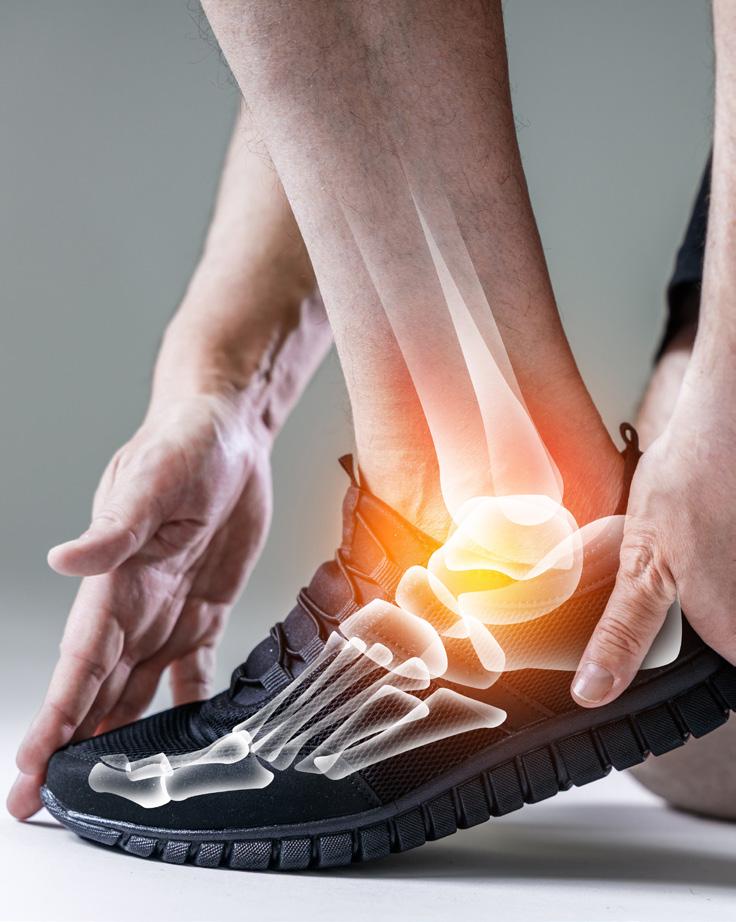
Your feet and ankles carry you through every step of your day, making their health essential to your overall well-being. According to Dr. Kyle Pearson, a foot and ankle surgeon with Morris Hospital Orthopedics & Sports Medicine, recognizing early warning signs and taking preventive measures can impact long-term mobility and comfort.
Pain and swelling are typically the first signs of potential foot and ankle problems. “If you are having these signs and symptoms, then it would be best to modify your activity and schedule an appointment to be evaluated,” Dr. Pearson explains. “Ignoring discomfort can lead to worsening injuries and longer recovery times.”
For those feeling discomfort, simple home remedies may relieve symptoms. Dr. Pearson suggests rest, ice, elevation, and anti-inflammatories as a starting point. Supportive footwear is also crucial. “A tennis shoe with a firm sole and a wide mesh toe box can help reduce stress on the foot while still providing comfort and protection,” he said.
If pain, swelling, or difficulty walking persist, or remedies fail, see a foot and ankle doctor. Those with peripheral neuropathy or diabetes should be cautious. Redness, swelling, or new wounds require consulting a specialist to prevent complications.
Foot and ankle surgeons provide expert evaluation and treatment when patients seek care. They diagnose a wide range of conditions and offer surgical and nonsurgical options to relieve pain, restore mobility, and support healing. Prevention, however, is always better than treatment. “Staying active with properly fitting shoe gear is very important,” says Dr. Pearson. He
recommends replacing worn shoes regularly, stretching before and after exercise, cross-training, and resistance training to build strength. For those with neuropathy or diabetes, daily foot checks and blood sugar control are essential.
Taking small steps toward prevention today can help you stay on your feet tomorrow.
As a board-certified reconstructive foot and ankle surgeon, Dr. Pearson treats adults and children with common to advanced foot and ankle problems using both non-surgical and surgical treatment procedures. His advanced training in foot and ankle surgery includes but is not limited to foot and ankle reconstruction, mid-foot and hindfoot fusion, ankle arthroscopy, total ankle replacement, tendon transfers and repair, wound healing, external fixation, and diabetic limb salvage.
Dr. Pearson sees patients at the Morris Hospital Orthopedics & Sports Medicine offices in Joliet, Morris, and Ottawa.
To schedule an appointment, call (815) 942-4875.
Dr. Kyle Pearson is part of Morris Hospital Orthopedics & Sports Medicine, a leading provider of orthopedic care in Grundy, Will and LaSalle counties. Along with foot and ankle care, Morris Hospital Orthopedics & Sports Medicine is a local resource for pain associated with the elbow, hand and wrist, hip, knee, shoulder, neck and back
The practice also includes Orthopedic Spine Surgeon Mir Ali, M.D. and Orthopedic Surgeons Ahmed Eldib, M.D., Raymond Meyer, M.D., Keith Rezin, M.D., Stephen Treacy, M.D., and Robert Williams, M.D., with office locations in Diamond, Joliet, Morris and Ottawa.
To learn more, visit morrishospital. org/orthopedics.

Few things are more deflating than finally venturing outdoors after a long winter of cabin fever, only to find that blooming trees and flowers start wreaking havoc with your personal health.
Spring allergies, also known as allergic rhinitis, occur when the body’s immune system overreacts to indoor or outdoor allergens, such as tree and grass pollen, mold and dust. According to the Asthma and Allergy Foundation of America, approximately 25.7 percent of adults and 18.9 percent of children in the United States suffer from seasonal allergies. Allergic rhinitis accounts for an estimated $16 billion in annual health care costs and is a leading cause of reduced productivity while at work.
Identifying the symptoms of allergies is key to distinguishing them from a cold or another infection and to ensuring fast relief. Spring allergies typically peak from March to May and may even continue into July. Physicians will look for specific physical markers to confirm allergies.
1. Sneezing: Sneezing can occur in rapid-fire patterns, known as paroxysmal sneezing, especially after spending time outdoors. These intense episodes can be tied to allergies or be symptomatic of another condition, says the National Institutes of Health.
2. Itchy, watery eyes: Allergic conjunctivitis is the medical term for this condition, which is a hallmark of spring allergies. Eyes will appear red, feel gritty or drip clear fluid.
3. Nasal congestion/runny nose: A thin, clear discharge typically is a sign of allergies, whereas any mucus that is thick, yellow or green could indicate an infection. Constant upward rubbing of the nose from allergies (called the allergic salute)
often causes a permanent transverse nasal crease at the junction of the nose tip and the bridge, says Healthline.
4. Itchy throat and ears: Pollen may cause a scratchy or tingly sensation in the throat and in the ear canals. Medical professionals warn that chronic inflammation from allergies is a primary risk factor for secondary bacterial infections that can occur in the sinuses and ears. Eustachian tube dysfunction occurs when fluid builds up behind the eardrum because the eustachian tubes become blocked or don’t open properly to let fluid drain to the nose and throat, says the Cleveland Clinic. Pressure imbalances, muffled hearing, popping sounds, and even pain can occur.
5. “Allergic shiners”: Nasal congestion can cause swelling and increased blood vessels to the small veins in the infraorbital area, causing dark, bluish circles under the eyes called periorbital hyperpigmentation, says the Center for Orofacial Myology. This makes allergy sufferers appear as though they have two black eyes.
6. Cough: Post-nasal drip occurs when mucus drips down the back of the throat from the nose. This can cause a persistent, dry cough that’s often worse at night. Post-nasal drip also may result in a sore throat and a “cobblestone” appearance in the back of the throat that’s visible during a medical exam.
7. Fatigue: Insufficient rest due to allergy-related discomfort can cause those with spring allergies to feel fatigued. The constant immune system response to allergies also can lead to daytime tiredness and lack of focus.
Allergic rhinitis is a problem for millions of people each spring. A combination of avoiding triggers and using allergy medications can help calm any symptoms that crop up.

Almost everyone has experienced an unsettled stomach after a stressful day or a heavy meal. But for some, those symptoms become a daily challenge that disrupts routines and peace of mind. Irritable Bowel Syndrome, or IBS, is a common digestive disorder that affects how the large intestine functions. It often causes bloating, cramping, and unpredictable bowel habits that can leave people feeling anxious or embarrassed about when the next flare-up might strike.

Dr. Afreen Hyder, gastroenterologist with Morris Hospital & Healthcare Centers, explains that IBS is less about the disease itself and more about how sensitive the gut becomes to everyday triggers. “Many people with IBS have intestines that overreact to stress, hormonal changes, or specific foods, which leads to discomfort and irregular bowel movements,” she explains.
Because IBS symptoms vary from person to person, treatment often starts with identifying what makes symptoms worse. Simple lifestyle changes, such as eating smaller meals, avoiding late-night snacks, and maintaining a steady sleep schedule, can make a difference.
Many patients find relief through a specialized FODMAP diet, which eliminates certain carbohydrates that are hard to digest. Relaxation techniques like yoga and meditation can also help reduce stress-related flare-ups.
While IBS is not life-threatening, it can take a real emotional
toll. Ongoing discomfort and uncertainty can cause frustration, social withdrawal, and worry about eating away from home. Dr. Hyder emphasizes that managing IBS is about improving both comfort and confidence. By addressing physical symptoms and emotional stress, most people can regain control of their daily lives.
If digestive issues are beginning to interfere with your activities, it may be time to speak with a specialist. As a gastroenterologist, Dr. Hyder specializes in diagnosing, treating and managing conditions affecting the digestive system, from common conditions like acid reflux, GERD, hemorrhoids, and IBS, to more serious issues such as Crohn’s disease, nonalcoholic fatty liver disease, hepatitis, ulcers, anemia, and gastrointestinal cancers.
Symptoms that may indicate an underlying medical condition that requires the care of a gastroenterologist include abdominal pain and discomfort, heartburn, difficulty swallowing, acid reflux, bloating or excess gas, constipation or diarrhea, blood in stool, irregular bowel movements, and unexplained weight loss or gain.
Along with Dr. Hyder, Morris Hospital Gastroenterology includes Advanced Practice Registered Nurse Stephanie Mickley. Patients can schedule an appointment in Morris by calling 815-941-9320, or 815-705-7341 for the Ottawa office. For more information, visit
The story of 18-year-old Logan Mills’ concussion isn’t a typical one. Through all his years playing tackle football from a young age, the talented athlete never experienced a hit or blow that raised concern about the possibility of a concussion.
Then, this past fall, during his senior year as a starting linebacker at Ottawa H.S., Logan’s behavior began to change. He experienced frequent headaches and slept more than usual. He became sensitive to light. And he routinely called his mother after the first few hours of the school day, asking if he could go home.
“At first we thought maybe he was having a growth spurt or had senioritis,” says Mary Mills, Logan’s mother. “I never once connected the dots and thought it might be a concussion. In all the years playing football, there was never a specific event. We’d always talk after the games, and he always seemed fine.”
By the end of the season, Logan’s symptoms were escalating.
“He was sleeping 12-13 hours a day. He couldn’t focus, and his grades were suffering. I didn’t know what to do,” says Mary.
In a moment of desperation, the Mills took Logan to the emergency room at Morris Hospital. That’s when Logan was diagnosed with post-concussion syndrome, a condition that likely resulted from multiple injuries to the brain that occurred over time and never completely healed.
From there, Logan was referred to Morris Hospital’s Concussion Management Program, which uses a multidisciplinary, team approach to evaluate, treat, and manage concussions with a goal of helping individuals safely recover from their injury. His initial appointment was with Stefanie Henline, an Advanced Practice Registered Nurse with Morris Hospital Neurology Specialists and one of the providers on the Concussion Management team.
“Stefanie was phenomenal and connected with Logan immediately,” recalls Mary. “He was really struggling in school and had fallen behind.”
Henline put together a plan that included wearing light sensitive glasses, cutting out screen time completely, arranging a reduced schedule with Logan’s school, and completing specialized physical therapy through the Morris Hospital Concussion Management Program.
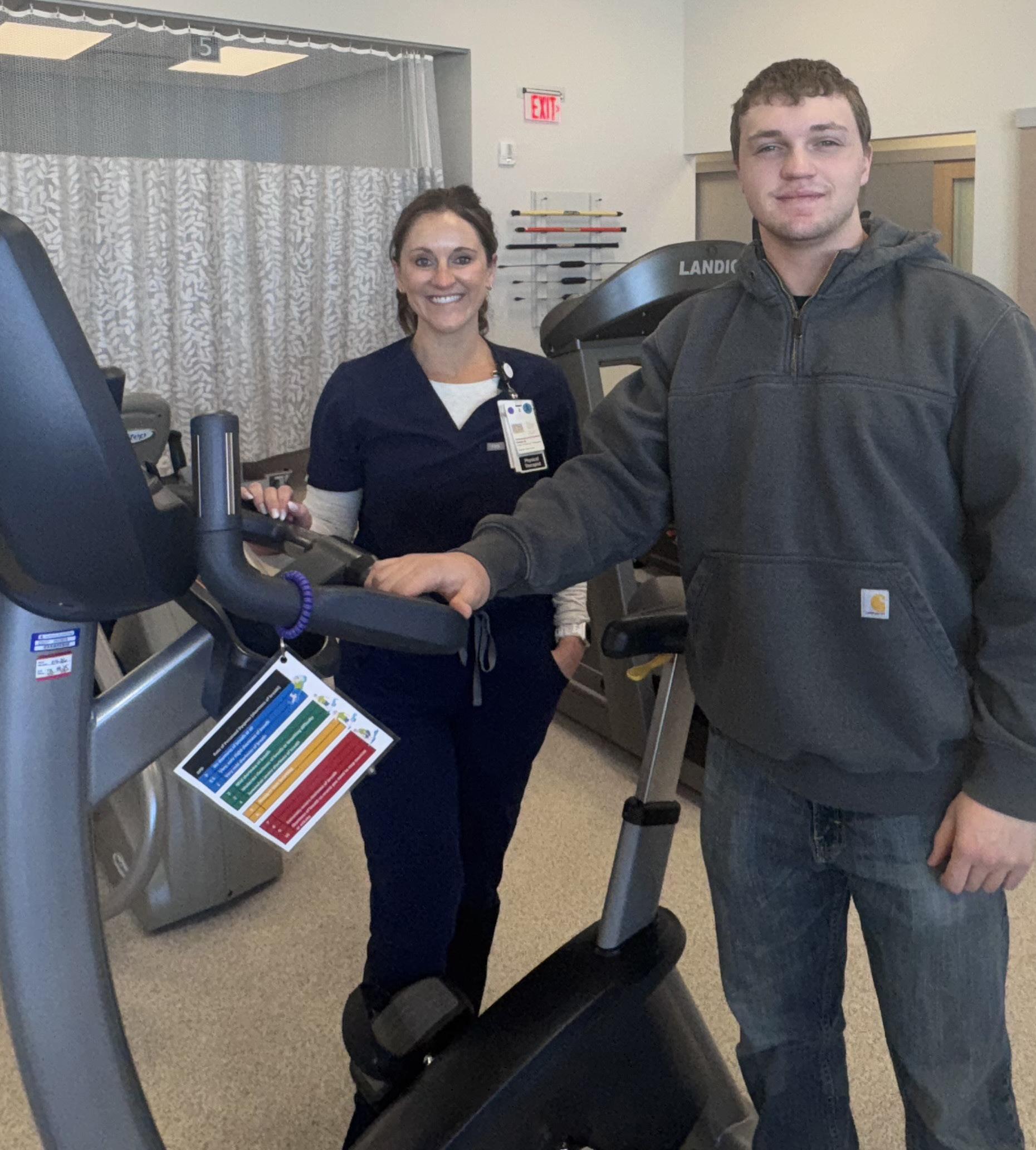
Over the next six weeks, Logan gave 100 percent during the intense physical therapy sessions, which focused on “eyetraining” exercises, balance training, and dual tasking. In between therapy sessions, he kept up with exercises the physical therapists gave him to do at home.
By the end of therapy, the improvements were significant.
“His headaches are basically non-existent,” said Mary. “He still has to avoid any kind of physical activity where he might get bumped or hit to give his brain time to rest and heal, but he is finishing up his credits for graduation, he works, and his attitude is completely back to normal.”
With high school graduation quickly approaching in May, Logan has his sights set on the next chapter in his life: becoming a fire fighter/paramedic just like his dad.
“I don’t think he would have gotten better without the Concussion Management Program,” Mary says. “Logan absolutely loved all of his therapists. They were great to him. It was an amazing program.”
For more information about the Concussion Management Program at Morris Hospital, call 815-942-4506, or visit morrishospital.org/concussion.




Dr. Joseph Kokoszka (Morris & Ottawa)


Dr. Bo Wang (Morris)
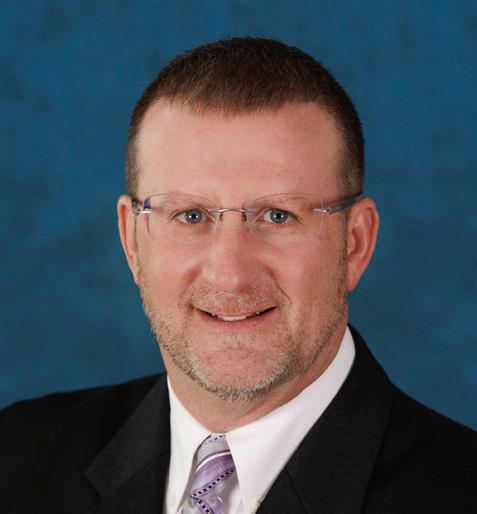
Winkleman
When it comes to finding the right general surgeon, you don’t have to search far. The highly trained, board-certified general surgeons with Morris Hospital Surgical Specialists are an excellent choice for advanced, personalized surgical care.
With expertise in minimally invasive surgery, Dr. Joseph Kokoszka, Dr. Bo Wang, and Dr. Brian Winkleman perform a wide range of surgeries including hernia repairs, gallbladder removal, colon and rectal surgery, breast surgery and biopsies, removal of skin and soft tissue abnormalities, and more.


Surgeries are performed in Morris Hospital’s new, state-of-the-art surgical suites using advanced technology including the robotic-assisted da Vinci 5 surgical system. Visit morrishospital.org/generalsurgery, or call to schedule an appointment.
Ottawa: 815-364-8927
Morris: 815-364-8927
Channahon: 815-467-0555