

A B O U T M E :
S H A R A N Y A. R
DATE OF BIRTH
ADDRESS
MOBILE NUMBER
EMAIL ID
LANGUAGES
5th September, 1998 Bengaluru, Karnataka, India
81529 48904
sharanyarajashekhar5@gmail.com
English, Kannada, Hindi, Telugu
What drove me towards architecture was the fact that it has the capacity to shape lives and communities. I firmly believe that an architect is one who brings together people and nature.
Considering myself to be a passionate, dedicated, and explorative designer. I would wish to get to the deeper depths of Architecture, as knowledge has no bounds.
My only intent is to give back to the world the goodness of living in a well-designed building that is climate-responsive, sustainable, timeless, and also has the clients satisfied.
2002- 2014 Kindergarten to High School at Vidyaniketan Public School, Ullal Upanagar, Bengaluru. (Class 10th CBSE Board- 9.0 CGPA)
2014- 2016 Pre- University (10+2 equivalent) at Surana Deeksha PU College, Kengeri Satellite Town, Bengaluru.
(Karnataka State Board- 78% in 2nd PU)
2016- 2021 B. Arch at NITTE School of Architecture, Planning and Design (affiliated to Visvesvaraya Technological University, Belgaum), Yelahanka, Bengaluru. (Total CGPA- 8.3)
Autodesk AutoCAD
Autodesk Revit
Autodesk 3DS max
Adobe Photoshop CC
Adobe In Design CC
Adobe Illustrator CC
Sketch Up
V-ray (for sketchup)
Lumion
Rhinoceros
2021 Intern Architect at The Rachana Design Studio, Banashankari, Bengaluru.
2021- 2022 Junior Architect at PIER- TECH CONSTRUCTIONS, Kengeri Satellite Town, Bengaluru. C
2017 Zonal N.A.S.A- UNRAVEL
• LA LA LAND: Resort Design on a contoured land, Participated
• DEMEANOR: T- Shirt Design Trophy, Participated (Won “Jurors Choice Award”)
• FLUTTER: Flag Design Trophy, Participated`
2018 Zonal N.A.S.A- VIVARTA
• HOIST IT: Flag Design Trophy, Participated
• UNITY IN IDENTITY: T- Shirt Design Trophy, Participated
2019 DESIGNURU
• Participation in Formal and Informal Events
Microsoft Power Point
Microsoft Word
Microsoft Excel



C O N T E N T S : 01 02 03 04 05 06
BUILDING: MIXED USE
TYPE: ACADEMIC- 9th Semester
THESIS: AGRICULTURE PARK
LOCATION: Ramanagara, India
AREA: 2, 95, 119. 54 sqm (72. 9 acres )
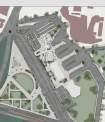
The aim is to provide local farmers with a place to trade, teach, learn and sell their produce directly to the consumers. This is also designed keeping in mind the various needs and activities of the common people too, such as museums and experience centers within the hub.
A park like this can provide the required conditions to create awareness about the importance of agriculture. This in turn can help retrieve the fallen numbers of the agricultural economy of the country. This can also provide employment opportunities to a more extensive section of the country’s population.
The location of the hub can also add to educational tourism.
To restore the present situation with a better living and working environment for the farmers, a hub or park like this can help them learn, create and trade in the same place. This not only helps in the upbringing of the farmers but also will create awareness in people to opt for and invest in the agricultural sector.
This hub also creates a chance for tourism because the museum and research fields exhibit various crop typologies. And people neighboring this park can also be employed with jobs in the functioning of the park or those interested can be benefited from the training center.
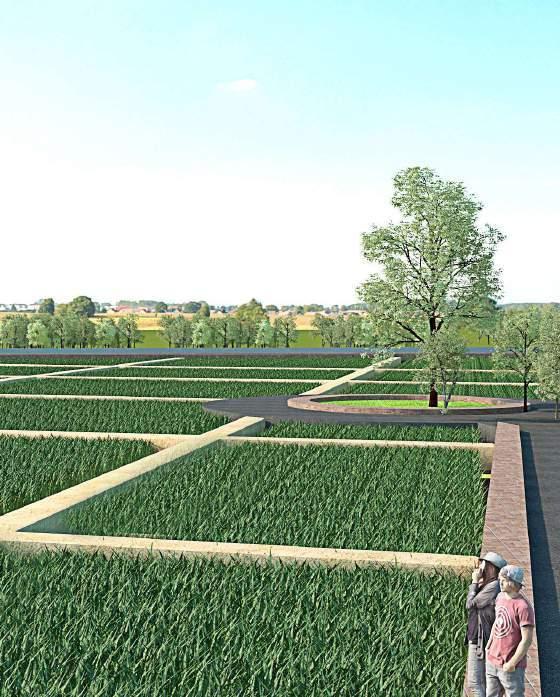


The need for this kind of hub is very much relatable in a situation like a pandemic i.e., co-vid. The farming sector might always use a little extra help from the department of research. While also the tourism of the place could be enhanced by the research center and the museums.


Since the trading is part of the hub, the farmers are given a wide variety of chances to sell their crops directly to local consumers. The training center on the other hand trains the farmers to handle new types of machinery, or to use newly introduced techniques or use of pesticides and fertilizers.
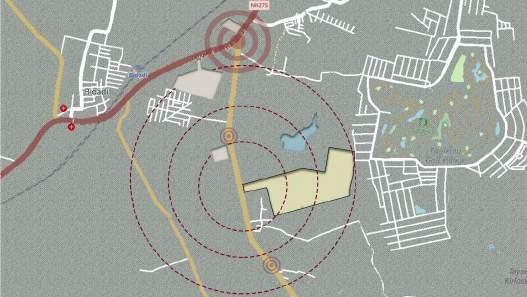
The site is located in Bidadi, Ramanagara. Bidadi is a town situated on the Bengaluru – Mysuru expressway and is part of the Ramanagara district. The town is located 32 km from Bengaluru towards Mysore.
CONNECTIVITY: The Ramanagara district is well connected with roads and railways.
a. Roadways: National Highway NH 206 (Connecting Tumkur and Honnavara) and National Highway NH 209 (Connecting Bangalore to Dindigul – Tamil Nadu) run through the district, a total of 93 kms of national highway runs through the district. About 278 km of State Highways run through the district.
b. Railways: It has railway connectivity to Bangalore, Mysore, and other locations with 6 Railway Stations with 44 km of railway line in the District.
c. Airport: The nearest airport is Kempegowda International Airport, Bengaluru situated at a distance of 70Kms.
ACCESS: Access to the site through NH 275, Mysore road
5MINUTES 10 MINUTES 15 MINUTES


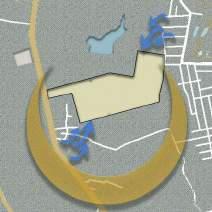
Water body Study site
Area dedicated to future agricultural expansion
SURROUNDINGS: Jnana Vikas institute of technology to the West of the site, Power grid Bidadi to the North East, Jnana Vikas institute of technology to the West, and Sun temple Eagleton resort to the East.
LANDMARKS: Sun temple Eagleton resort, WonderLa, Innovative film city.
NEARBY
Noise polution Express way
Arterial roads
Collector roads
Gnana Vikas Institute of Technology Sango India Automotive Parts Pvt Ltd Eagleton Golf Resort Hosakeri Medanahalli Lake
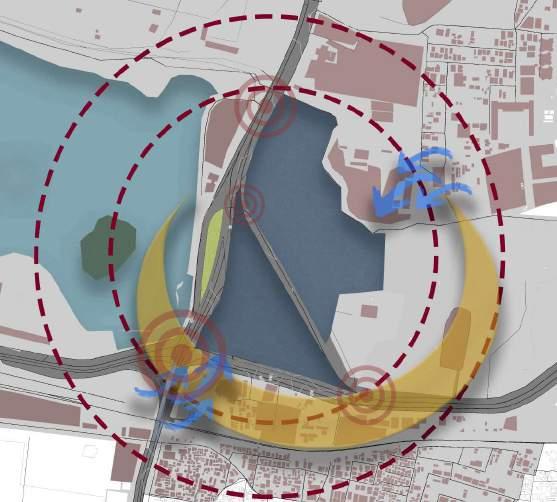
SUN PATH AND WIND DIRECTION





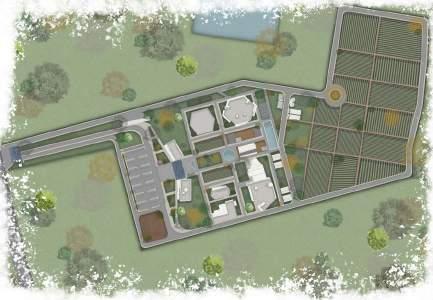
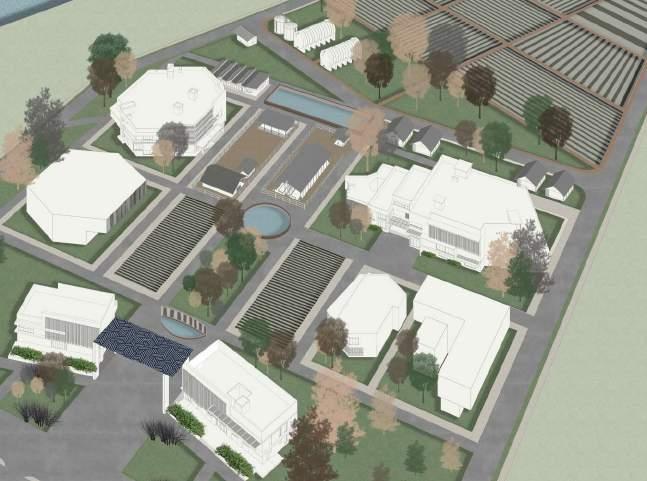
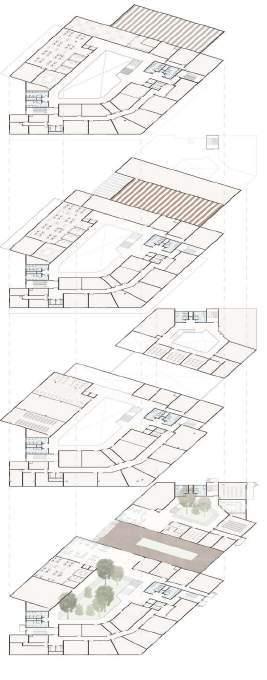
The farmer’s center was designed keeping in mind the various necessities required by the local farmers around. This building is for multipurpose use for the farmers, for instance, it can be used to organize a meeting between the researchers and the farmers, or it could also be used for short seminars and awareness programs.
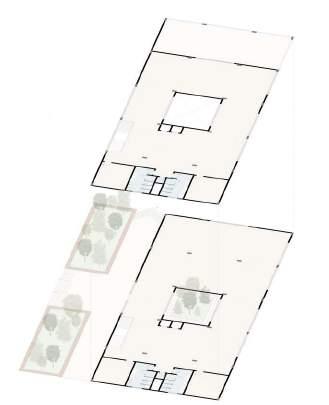
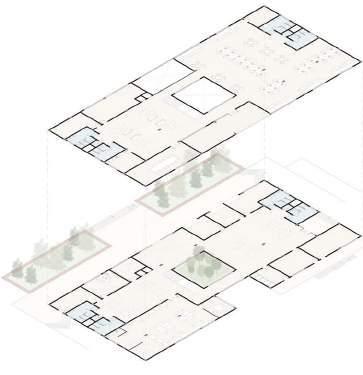
(NTS) FLOOR PLANS (NTS) FLOOR PLANS (NTS)
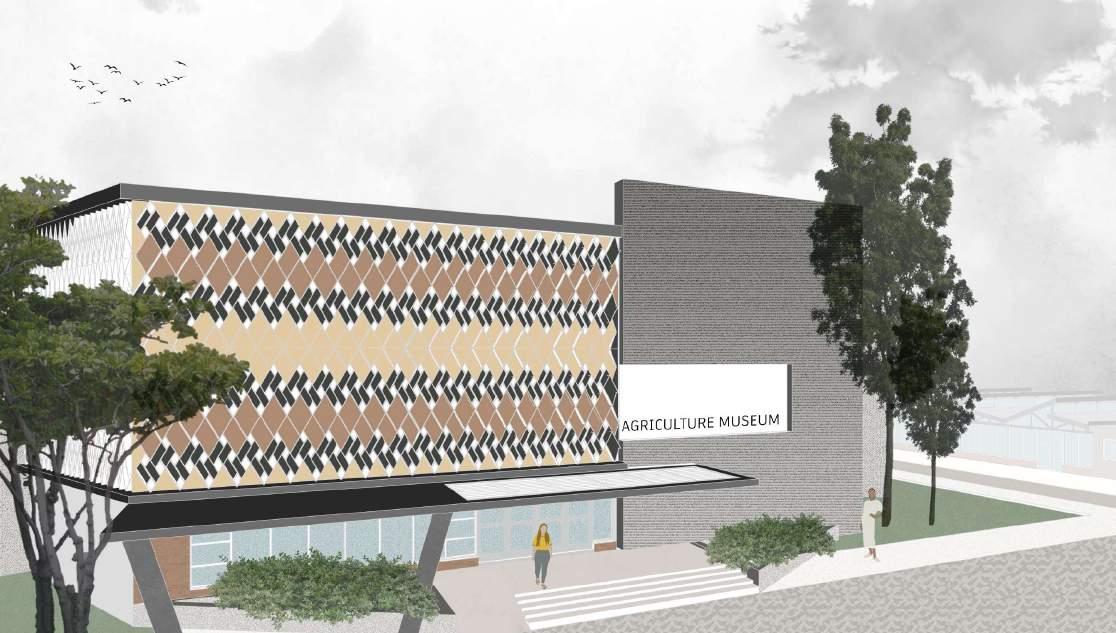
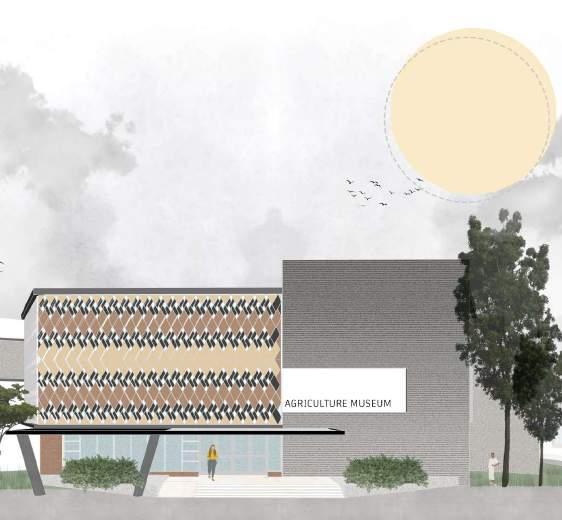
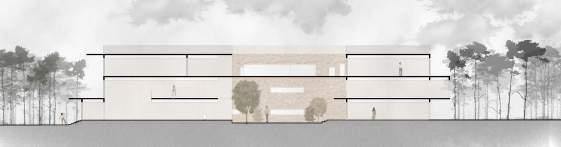
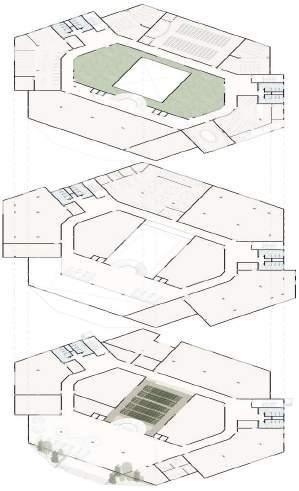
The museum was designed to cater to the knowledge of the general public about agriculture, its importance, history, evolution, and so on. This museum offers not only indoor and preserved artifacts or types of equipment of agriculture, but also has outdoor spaces on the ground and the second floors to exhibit certain activities on the field to the visitors. These outdoor farming areas can also be used for specific demonstrations about agriculture.
Exhibition hall- 2
Exhibition hall with office- 3
exhibition hall
FLOOR PLANS (NTS)
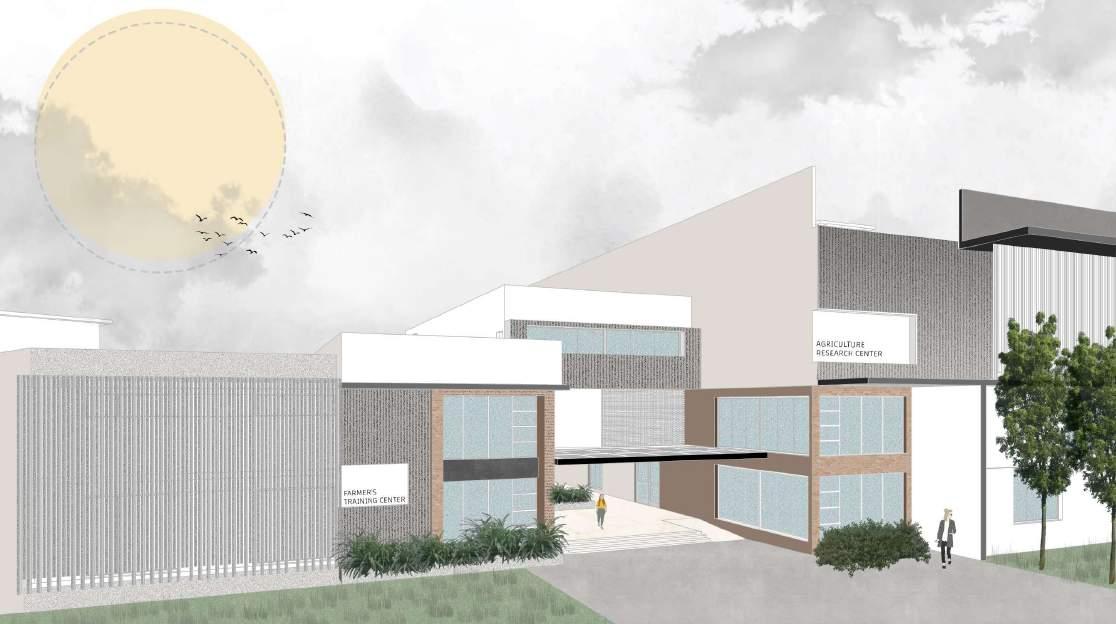
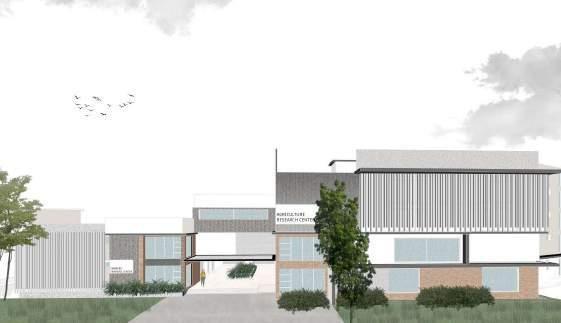
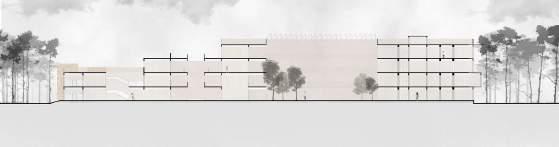
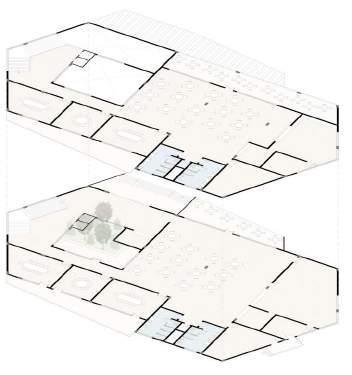
The Farmers Training Center and Agriculture Research Center are connected to each other through a common space, that is used for various purposes. This was designed to develop an understanding and better communication between the farmers and the researchers at the center.
The training center houses outdoor farms for learning as well as indoor classrooms and lecture halls.
The Research center is not open to the public unlike the training center but is accessible to the farmer’s community placed in the area of design. This center consists of various labs such as soil testing labs, water labs, etc, to cater to the needs of the farmers.
room
Bio- energy system 85 Agricultural environment system labs 86. General lab 87. Private researcher’s lab 88. Equipment storage
67. Plant pathology lab 68. General lab
69. Private researcher’s office 70. Equipment storage room 71. Cold store 72. Freezer room 73. Labware wash room 74. Researcher’s lounge 75. Storage
Instrument Analysis room
49- 50. Class Rooms
51. Equipment storage
52. Freezer room
53. Cold store 54. Material HAndling room 55. Labware wash area
56. Lecture room 57. Workshop 58. Library
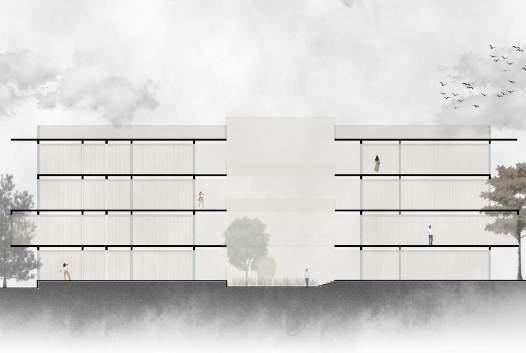
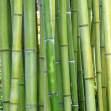
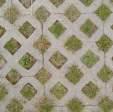
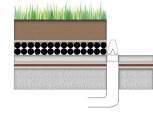
TERRACE GARDEN (section)
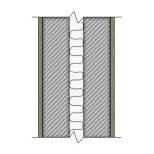
CAVITY WALL (section)
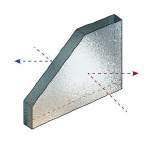
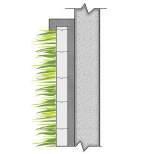
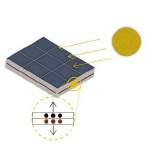
VERTICAL GARDENING(section) DOUBLE GLAZING
PANELS
Bamboo Grass Pavers
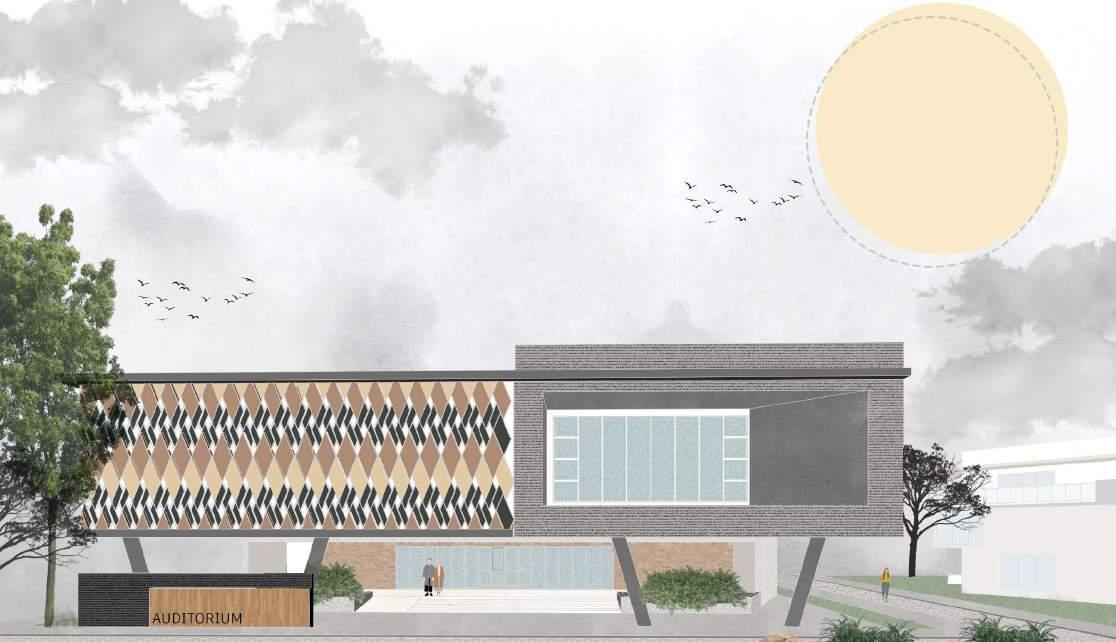
FRONT ELEVATION
FASHION INSTITUTE
LOCATION: Bengaluru, India
AREA: 36, 421 sqm (9 acres)
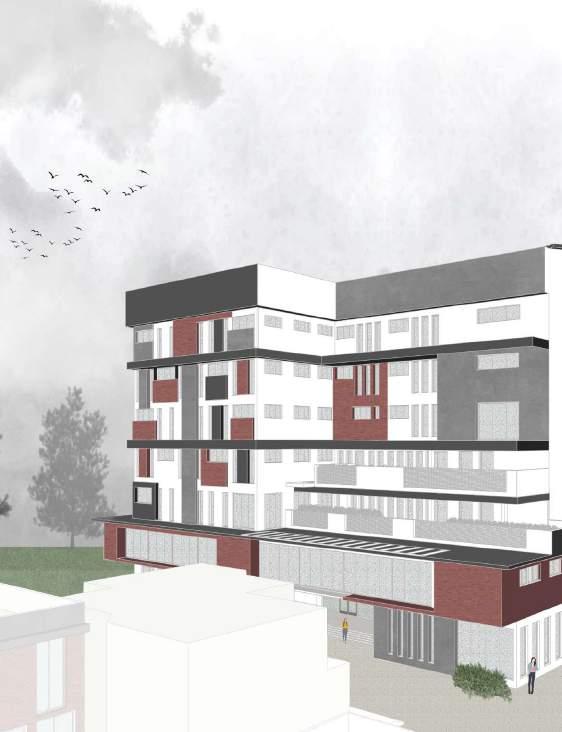
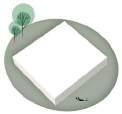
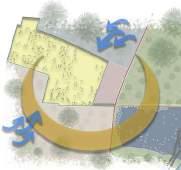
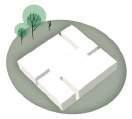
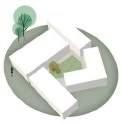
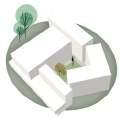
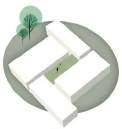
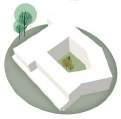
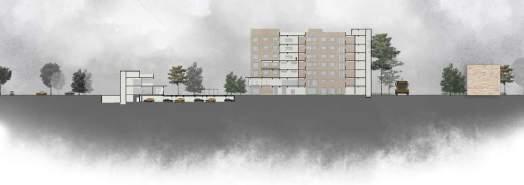
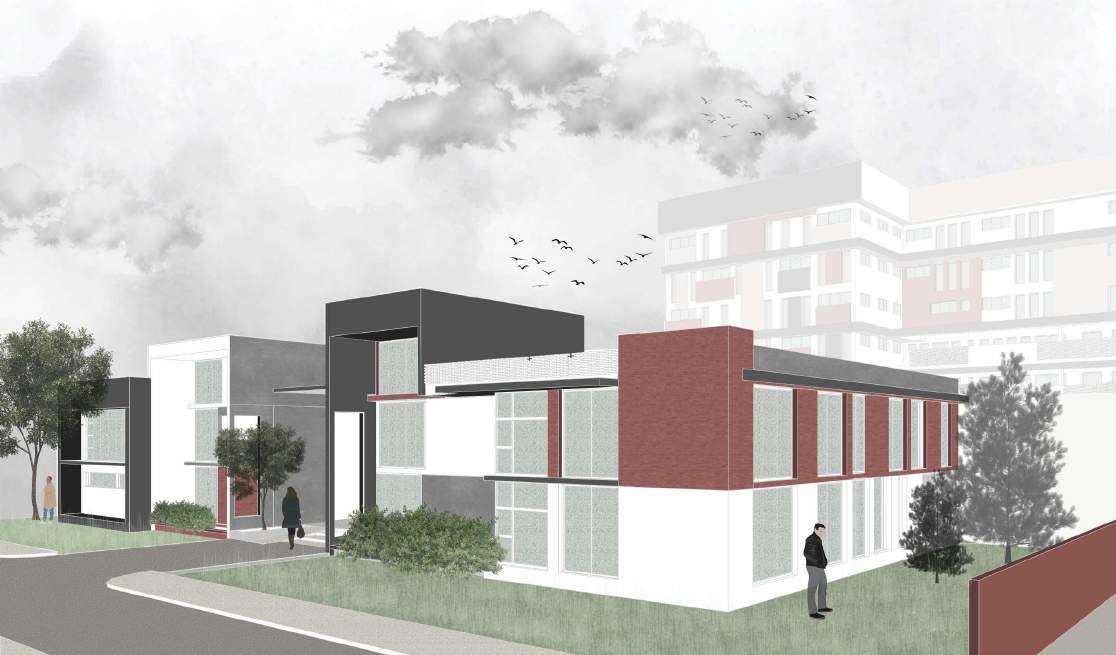
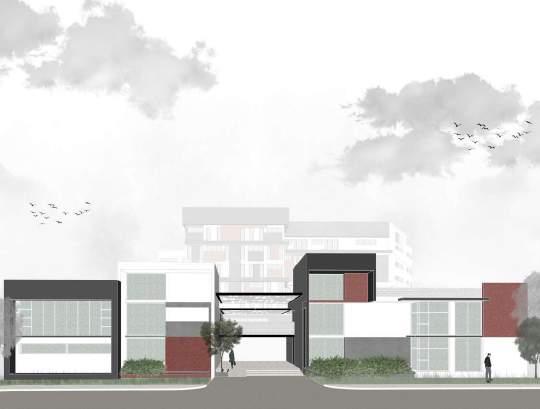
In view of the current urban contexts where land is precious and resources are scarce, the aim of the project was to design a fashion institute on a small urban plot, on multiple levels and still engage with its context and establish an environment within that captures the essential nature of an institution. The design challenge was to meet the requirements of the students of the institution, and the surrounding environment and also keep in mind that there was a weavers settlement opposite the institute.
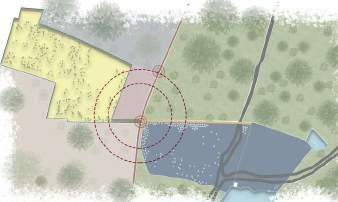
Car Parking
Bus station
Amphitheater
Administration Block
Food court 6. Elevator room from basement parking 7. Academic block
Basketball court 9. Girls Hostel
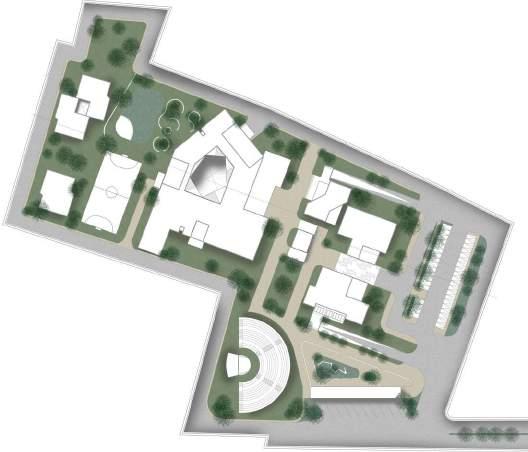
Boys Hostel Service entry and circulation Pedestrian entry and circulation
Courtyard
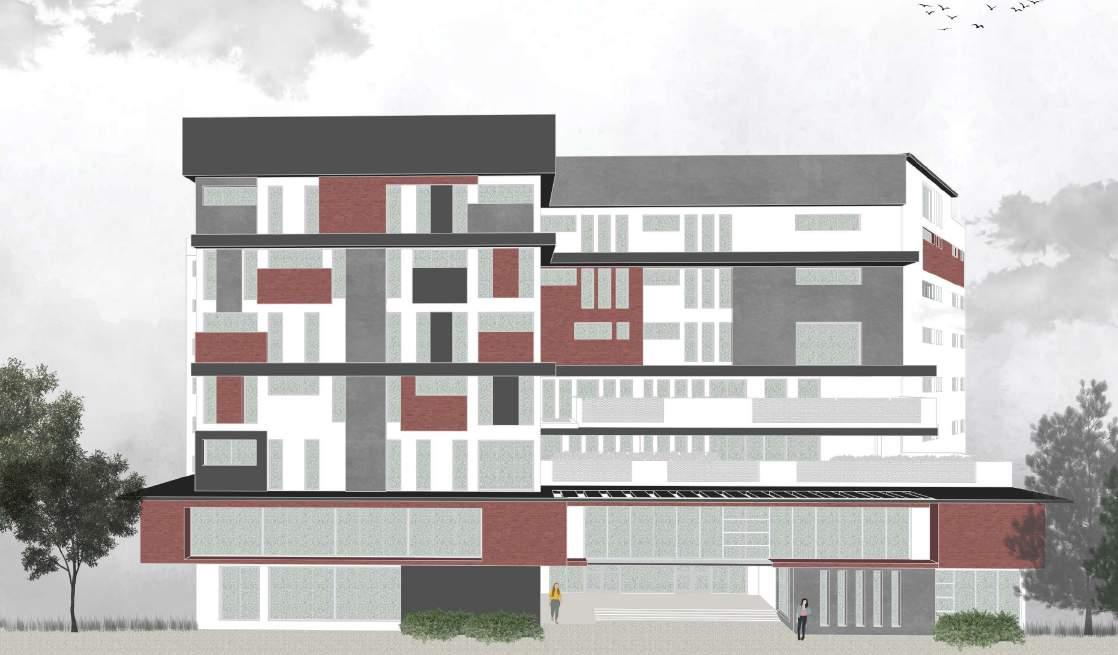
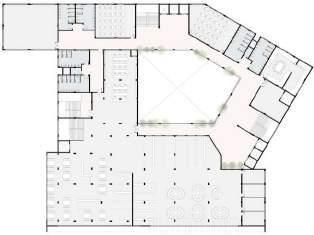
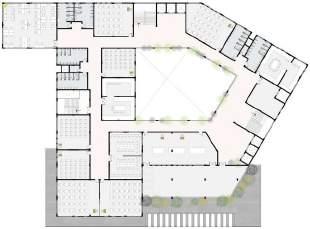
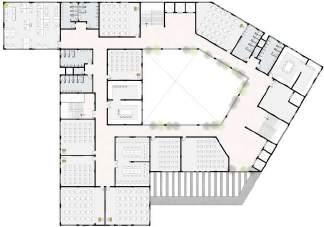
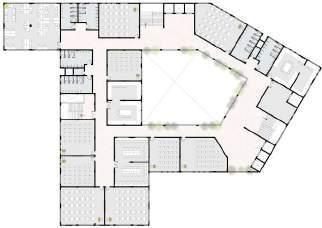
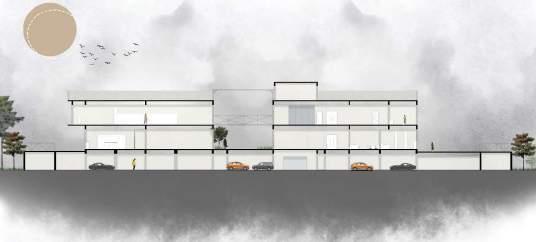
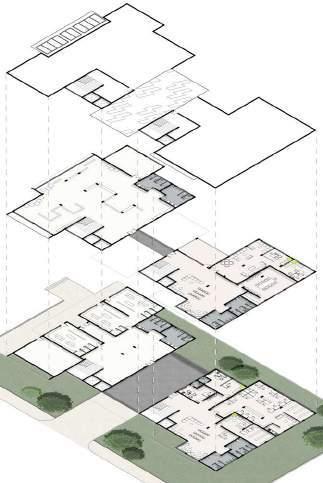
The academic block is designed to meet all the requirements for the students studying at the fashion institute. The central library is placed within the academic block with separate access, a fire exit, and other services. The reason behind having the library within the academic block is that the students could not only utilize the library during class hours but also can access it even after. The block also consists of various labs such as equipment labs, technical labs, and so on. There are studios and exhibit halls which are very important.
FRONT ELEVATION
2.
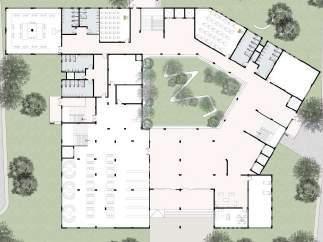
1. Central Library
3.

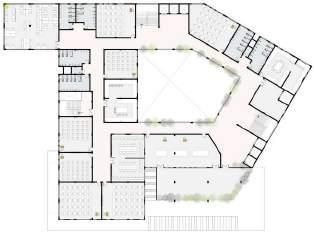




13. Waiting area
14. Conference room
15. Students affair
16. Balcony
17. Connecting bridge
18. Museum
19. Storage
1. Waiting area
2. Gents restroom
3. Ladies restroom
4. Registration and Accounts office
5. General Administration
6. Dean Office
7. Powder room
8. Directors office
9. Multipurpose area
10. Display area
11. Stationery shop
12. Boutique
The academic block is the first block as one enters the site. It is divided into two wings. The one on the right is completely for various administrative purposes. While the right wing can be used by the weaving community that resides opposite to that of this site of study. This wing consists of boutiques, exhibition areas, stationery, and a museum on the first floor. This wing can also be utilized by the students of the institute to exhibit their work to the public.
YEAR: 2020
TYPE: ACADEMIC- 8th Semester
CONTRIBUTION: Data collection, Research, Analysis, Representation and Diagrams. DESIGN DEVELOPMENT: Individual design
URBAN DESIGN: MULTI- MODAL MIXED USE HUB
LOCATION: Hebbal,Bengaluru, India
AREA: 1,16,898. 37 sqm (28.8 Acres)
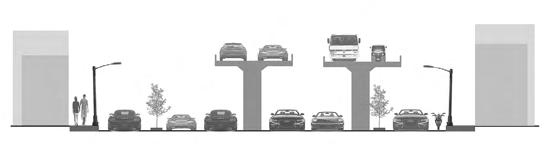
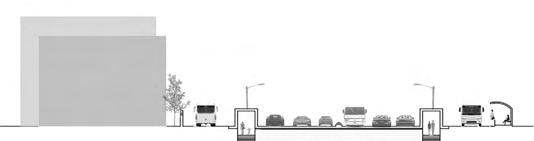
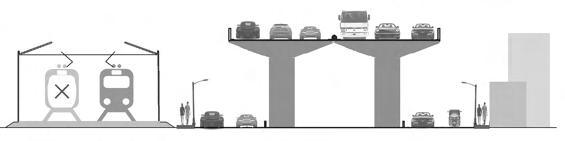
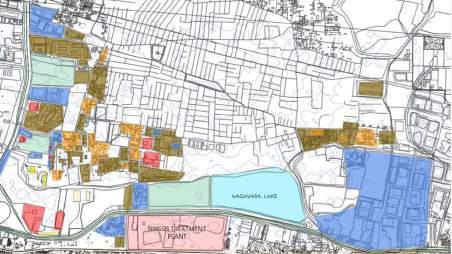
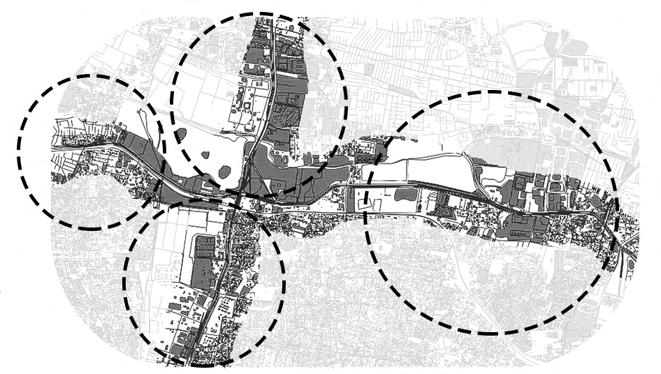
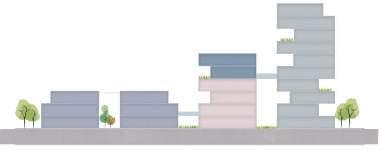
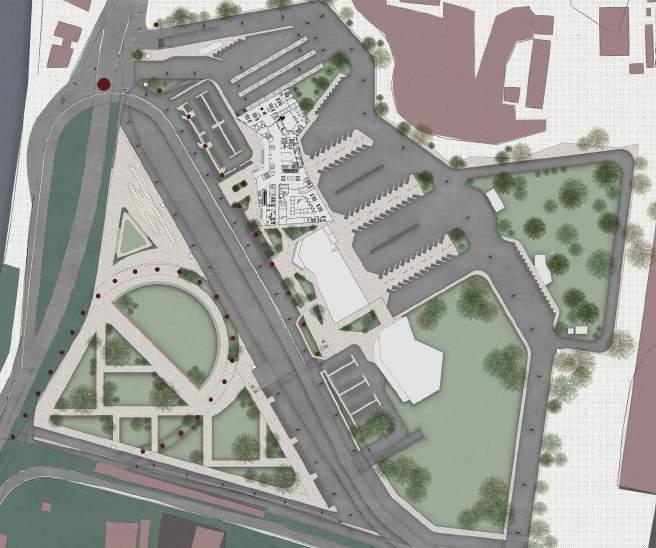
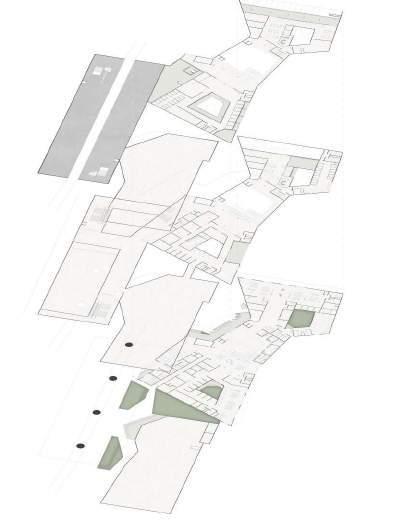
The main objective of this project was to understand, analyze and infer about the history, terrain, socio-economic factors, transportation, physical infrastructure, etc of the study area in Hebbal.
The Hebbal is located in the North of Bengaluru. It is well known for the serpentine maze of flyovers that network the Outer Ring Road and Airport Road on NH 44. This part of Bengaluru mostly houses commercial and institutional buildings. Some part of Hebbal is also dedicated to residential and other activities.


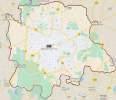

Bengaluru is the capital of Karnataka state and the fifth largest city in India in terms of population. Bengaluru is the foremost IT hub of the country and is popularly known as the ‘Silicon Valley of India. The Bengaluru Metropolitan Region (BMR) is spread over an area of about 1294 sq km and houses 9.1 million people in the Municipal Corporation area i.e., the core of BDA is spread over an area of 712.54 sq km with a population of 8.4 million as per 2011 census.
With an exponential rate of development in residential, work, and transit density, Hebbal is seeing one of the worst traffic congestions. A new Metro line is being provisioned and being an axis for the North-South & East-West it attracts huge bus traffic as well.
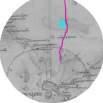
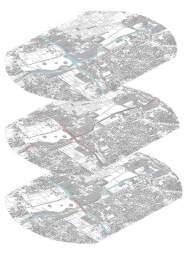
Hebbal lake was developed. It became more prominent and was one of the major trade route connecting various cities to Hampi.
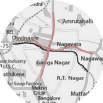
Hebbal was an agricultural land outside of Bengaluru. It was not well established and it had some kaccha roads (mud roads) which were used for commuting.
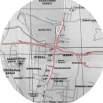
Agricultural lands started to disappear due to urbanisation.
Railway lines were layed.
Hebbal flyover was constructed.
Well defined roads, flyovers, and National highway making Hebbal one of the busiest junctions of Bengaluru.
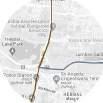
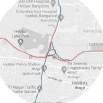
New METRO proposal, PHASE- 3 (brown and blue line)



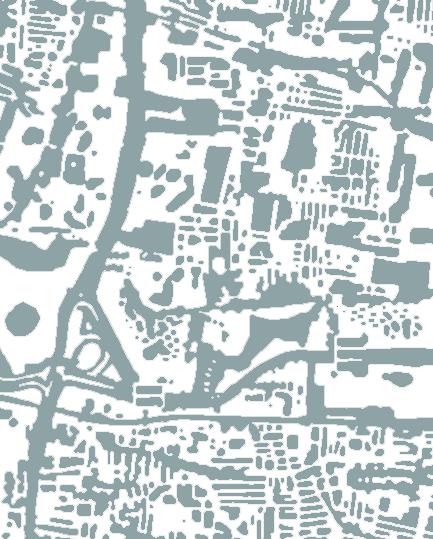
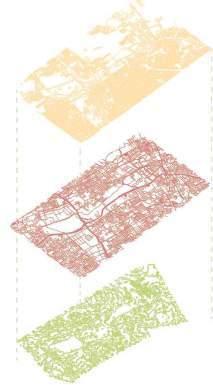
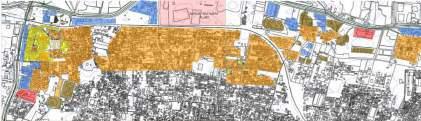
Built spaces
Open spaces
Road network and railways

Water bodies
Open lands
Agricultural lands
• Over a period of time, buildings and other infractures in the area saw the light of development, hence the percentage of open spaces has reduced.
• The remaining open areas do not have proper public amenities and are not well maintained.
• The lack of vegetation within the area has led to a spike in air and noise and pollution. This can be avoided by incorporating and promoting the planting of trees.
• Roadways need to be categorized according to the type of vehicle, which could help with the reduction of traffic.


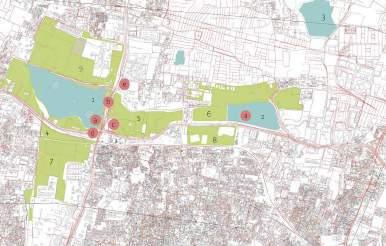
Military base
Hebbal
Rachenahalli lake
BWSSB STP
Nagawara lake
Ministry of Agriculture
Hebbal lake


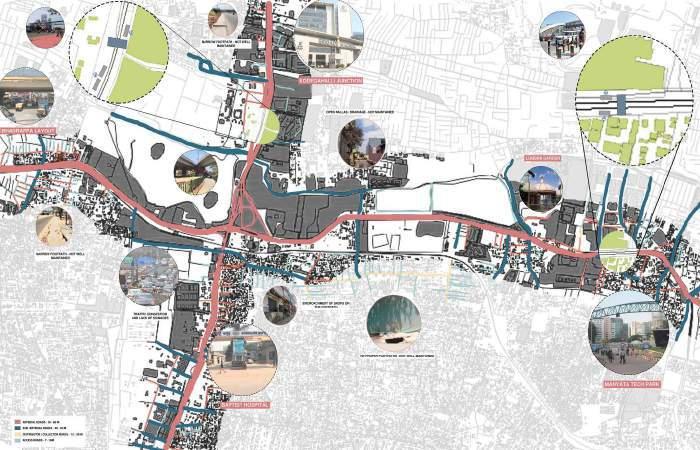
• R O A D :
• The Karnataka state road transport corporation operates buses connecting to Bangalore from other districts in Karnataka as well as others states.
• The bus depots are the Kempegowda bus terminal, Shanthinagar bus station, and Shivajinagar bus station.
BENGALURU TRANSPORTATION AND CONNECTIVITY:
A I R W A Y S :
• Bengaluru is well connected to other parts of the country and outside of India too. This was possible due to the airlines established here.
R A I L W A Y S :
• This city is a part of the Southwestern railways zone of the Indian railways.
• A rapid transit system called namma metro runs across the city. Which encompasses approximately 42. 3 km of the elevated and underground railway network with around 41 stations.




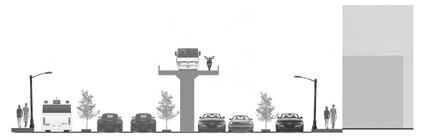
Two
Manyatha Tech park- Badrappa layout
Baptist hospital- Kodigehalli Badrappa Layout to Kodigehalli
Manyatatech park
Kodigehalli
Badrappa layout Auto
Section at Manyatha Tech ParkNew proposed flyover
Section at Hebbal flyoverBaptist hospital
Section at HebbalBhadrappa layout road junction
Section at HebbalManyata Tech park
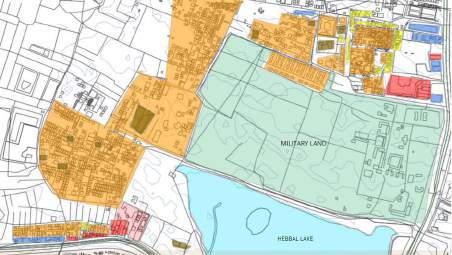
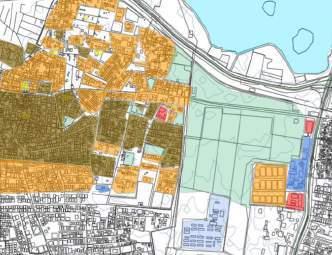
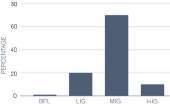
• Apart from the Esteem Mall located near the junction, there is no commercial complex that caters to the middle and above middle class.
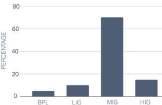
• The presence of minimal eateries, small shops, and Indira canteen indicates the economic group around the space.
KODIGEHALLI TO BHADRAPPA LAYOUT
BAPTIST HOSPITAL AREA
KODIGEHALLI TO MANYATA TECH PARK
Surrounding
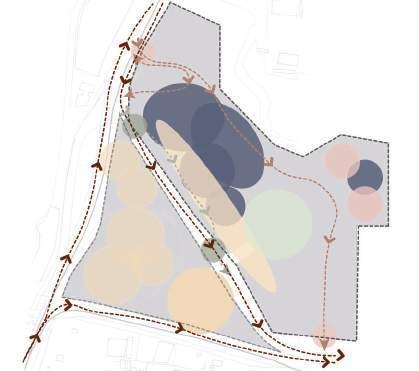
Vehicular movement
ENTRY for Inter-state and BMTC buses
ENTRY for Private vehicles, taxis, autorickshaws.
Surface parking and autorickshaw/ taxi stand.
TOWARDS BADRAPPA LAYOUT
TOWARDS KODIGEHALLI GATE
TOWARDS MEKHRI CIRCLE
Proposed metro line
Vehicular movement
Buses movement
Pedestrian movement
ENTRY for Private vehicles, taxis, autorickshaws.
TOWARDS MANYATA TECH PARK
EXIT/ EMERGENCY ENTRY for buses
BUILDING: HOSPITALITY
TYPE: ACADEMIC
INTERIOR DEISGN: CAFE
LOCATION: Bengaluru, India
AREA: 321.85 sqm
This was a theme-based cafe that was designed for a space at a mall in Bengaluru. The cafe had to be designed keeping in mind the existing factors such as the plumbing lines, water lines, shops in the vicinity, and so on.
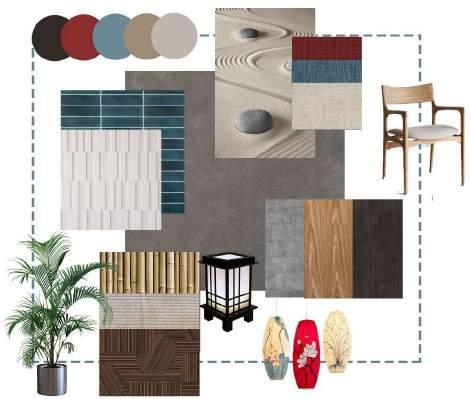
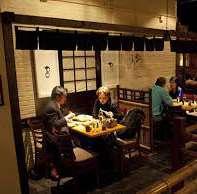
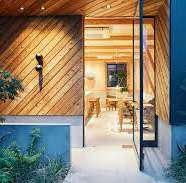
I had designed a Japanese-themed cafe which is not only a unique style but also would be a first in the surroundings. Various traditional and modern elements of Japanese architecture were considered while the cafe was being designed. The utmost attention to the materials, texture, and colors used by the Japanese people is also incorporated.
The place is divided into three types of eating areas, one is the conventional dining style, the second is the one that is inspired by a bar-style seating area and the last is the traditional seating style of the Japanese, which is seating on the floor.
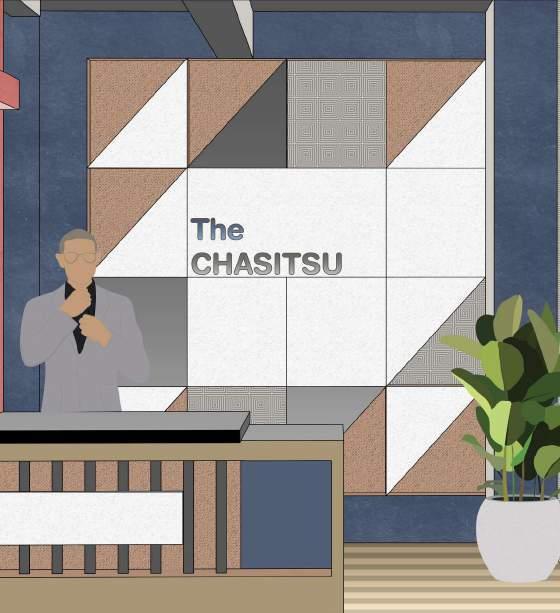
RECEPTION
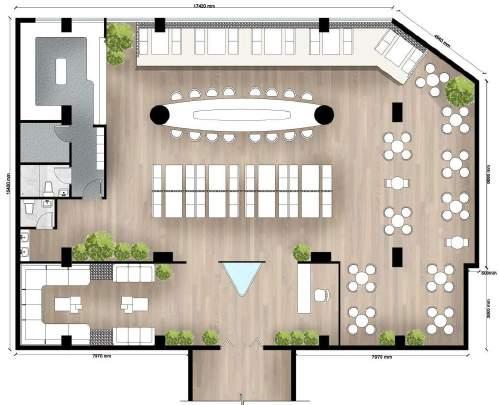
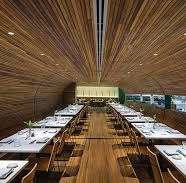
1. Reception
Waiting Lounge
Hand wash
Public Restroom
Employees Restroom
Various elements from Japanese culture, lifestyle, arts and crafts, and so on are considered in the various accessories of the cafe. For example, the traditional Japanese tatami mat is used as an element in the partition. The lamps that are seen around the cafe hold traditional importance. The planning is so done by the already existing services of the mall. There is a separate staff and public restrooms within the cafe. The cafe also houses a decent size pantry or store room right next to the kitchen.
MOOD BOARD
CONCEPT IMAGERY
FLOOR PLAN (NTS)
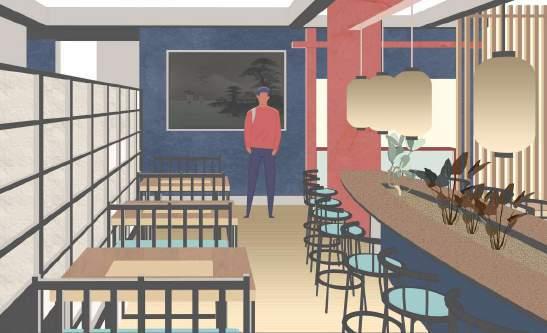
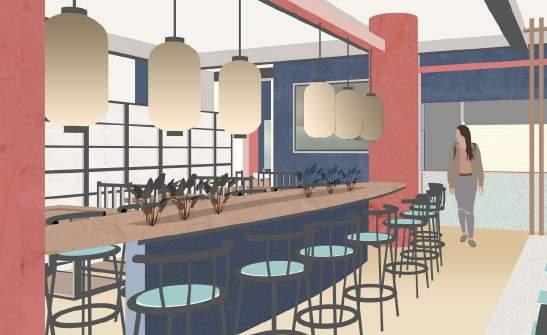
BAR STYLE AND COMMON SEATING AREA
BAR STYLE SEATING AREA
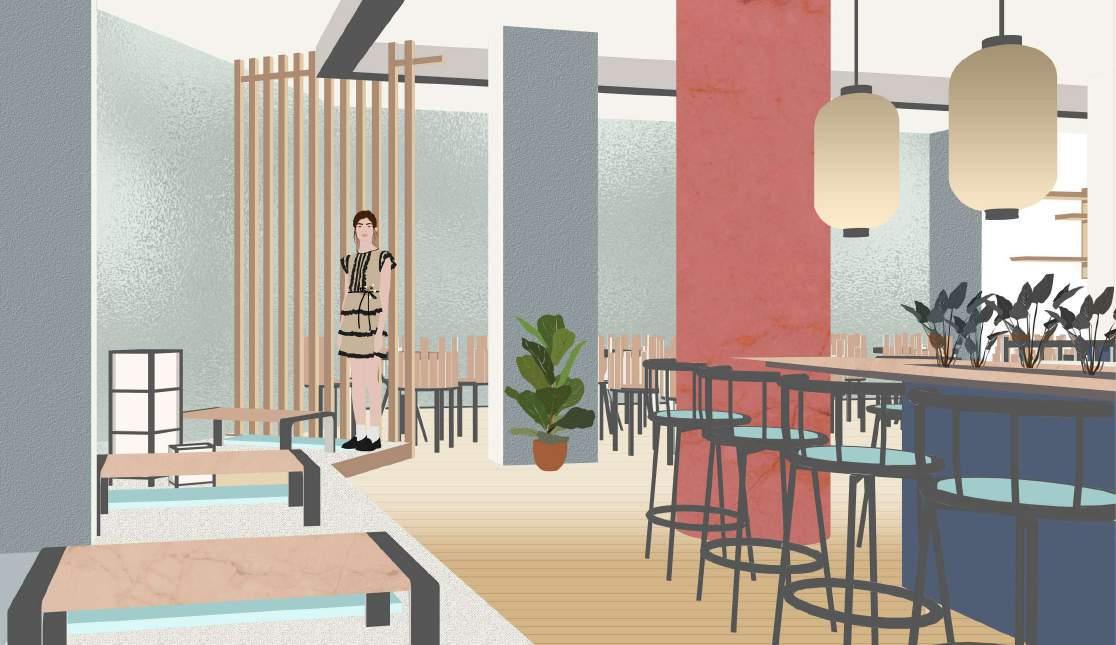
ON FLOOR AND BAR STYLE SEATING AREA
YEAR: 2022
BUILDING: RESIDENCE
TYPE: PROFESSIONAL
CONTRIBUTION:
- Spatial planning
- Elevation design
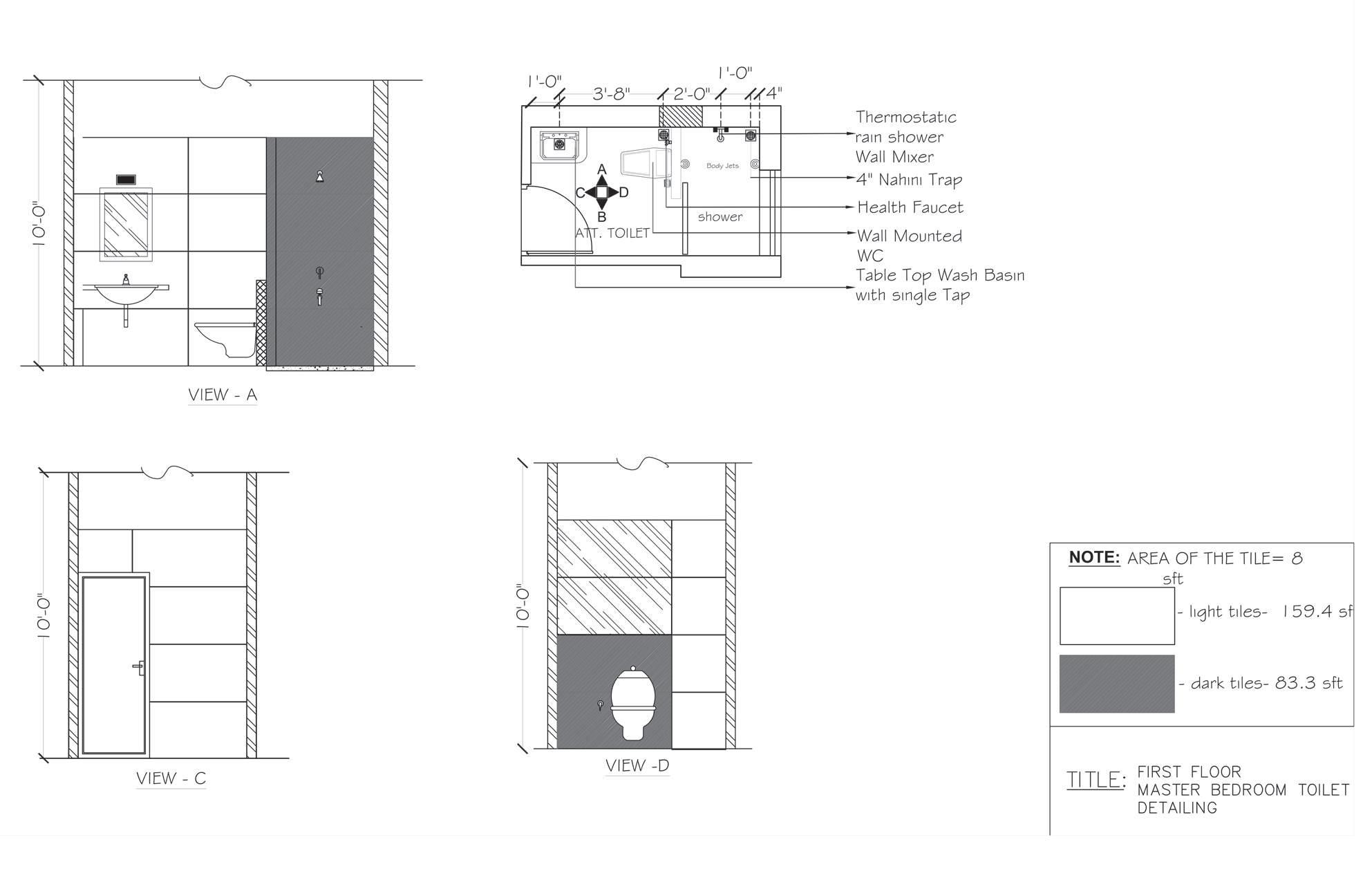
- Development of architectural working drawings, electrical drawings, sections and details
- 3D model
- 3D render and post production
VILLA
LOCATION: Kushal Nagar, India
AREA: 445. 93 sqm
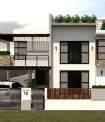
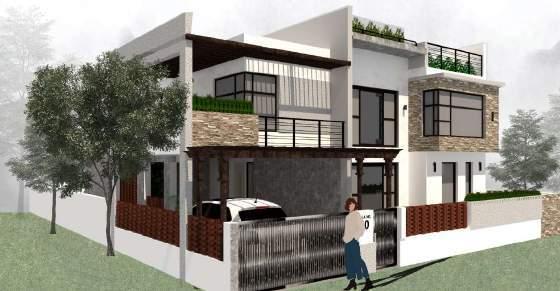
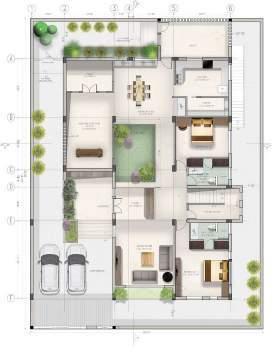
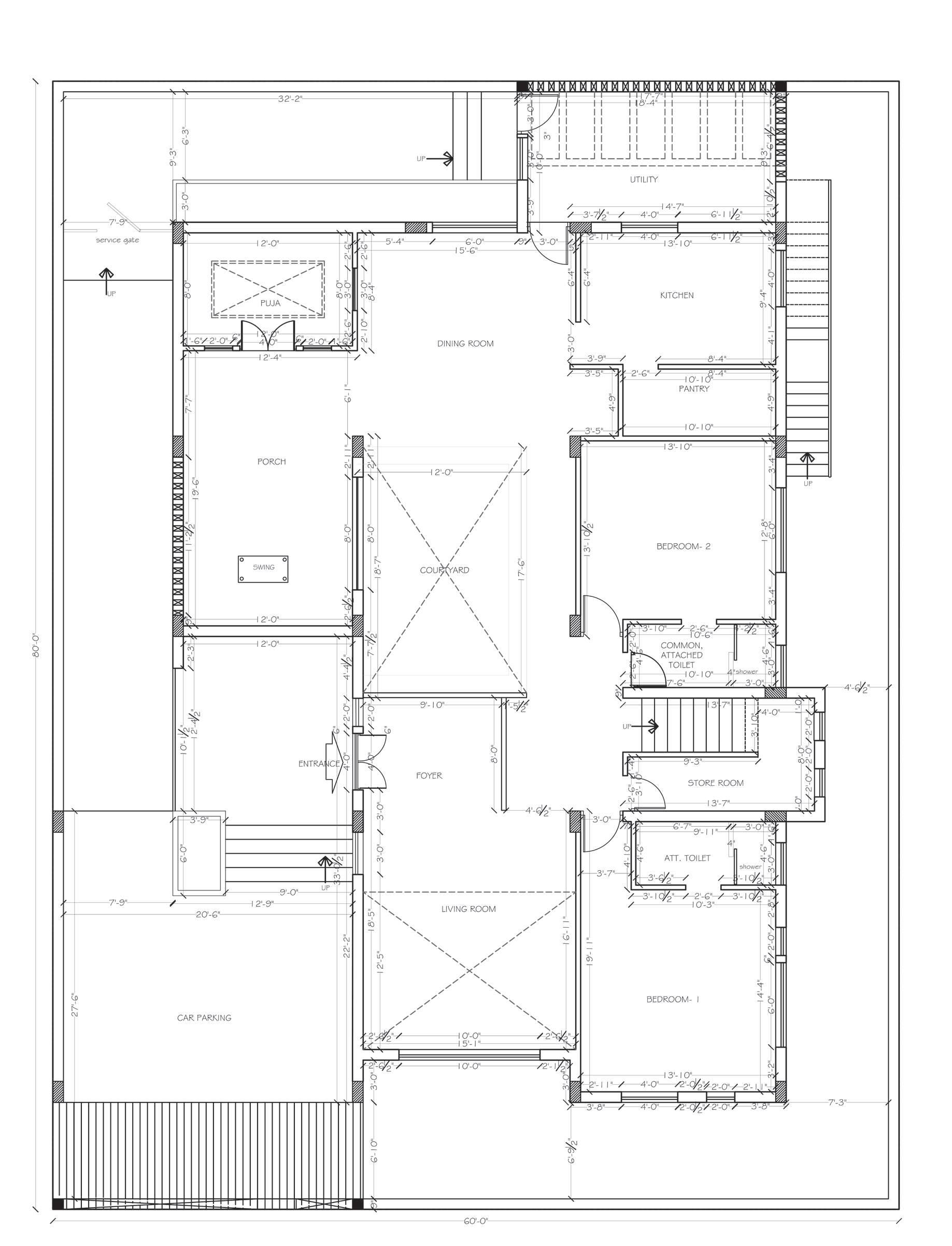
This villa is located in Kushal Nagar and was designed according to the climate and regulations of that place. This was designed for a family of six which included an old age couple. The main criteria that mattered while designing this villa were the client’s requirements, usage, and the warm climate with heavy monsoons.
The design elements and the materials used in this house are a blend of modern, classic, and vernacular styles of that particular space. This fusion can also be observed in the planning of the house.
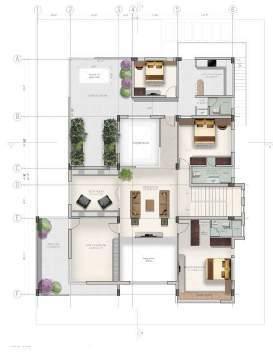
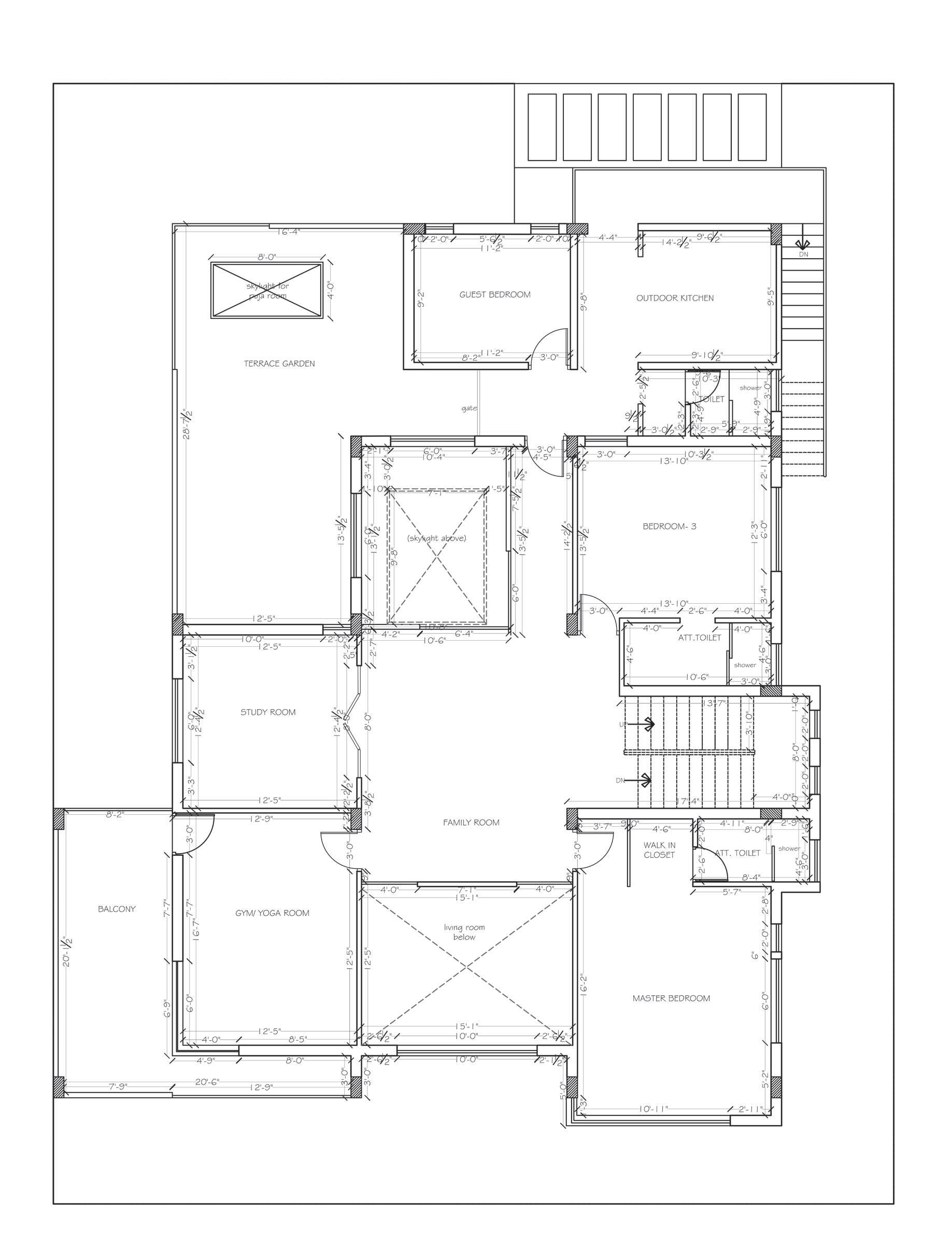
The main attraction of this house is the courtyard. The circulation and placements of various spaces in the house revolve around this courtyard. The spaces in the houses are mindfully segregated with their specific uses and user access. For instance, the terrace garden on the first floor can be accessed without the need to enter the house, which ensures the privacy and security of the owners. Also, the guest room also can be accessed from both indoors and outdoors.


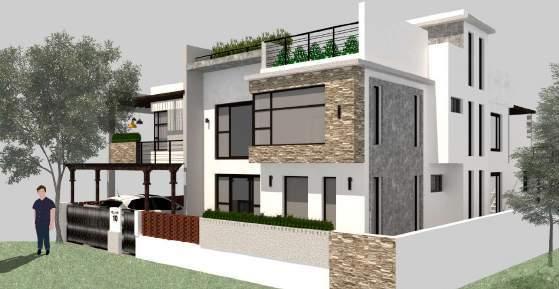
NORTH- EAST VIEW
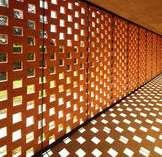
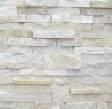
MATERIALS USED
Exposed concrete Wood
Jali Stone cladding
SOUTH- EAST VIEW



boston fern
syngonium
LANDSCAPE DESIGN
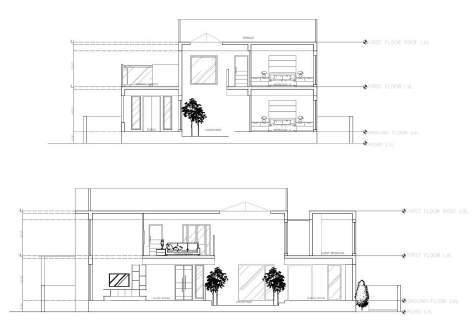
BUILDING SECTIONS
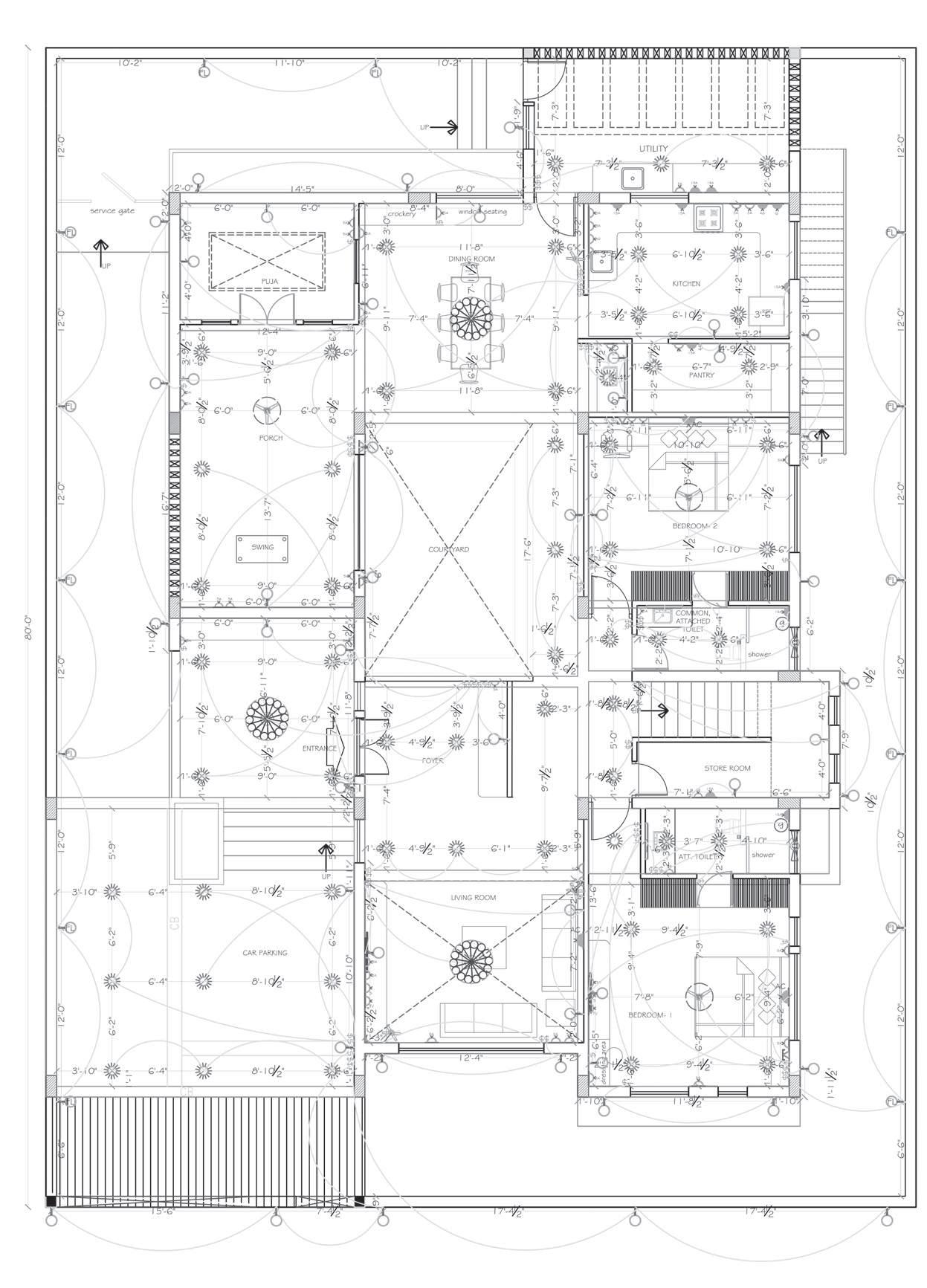
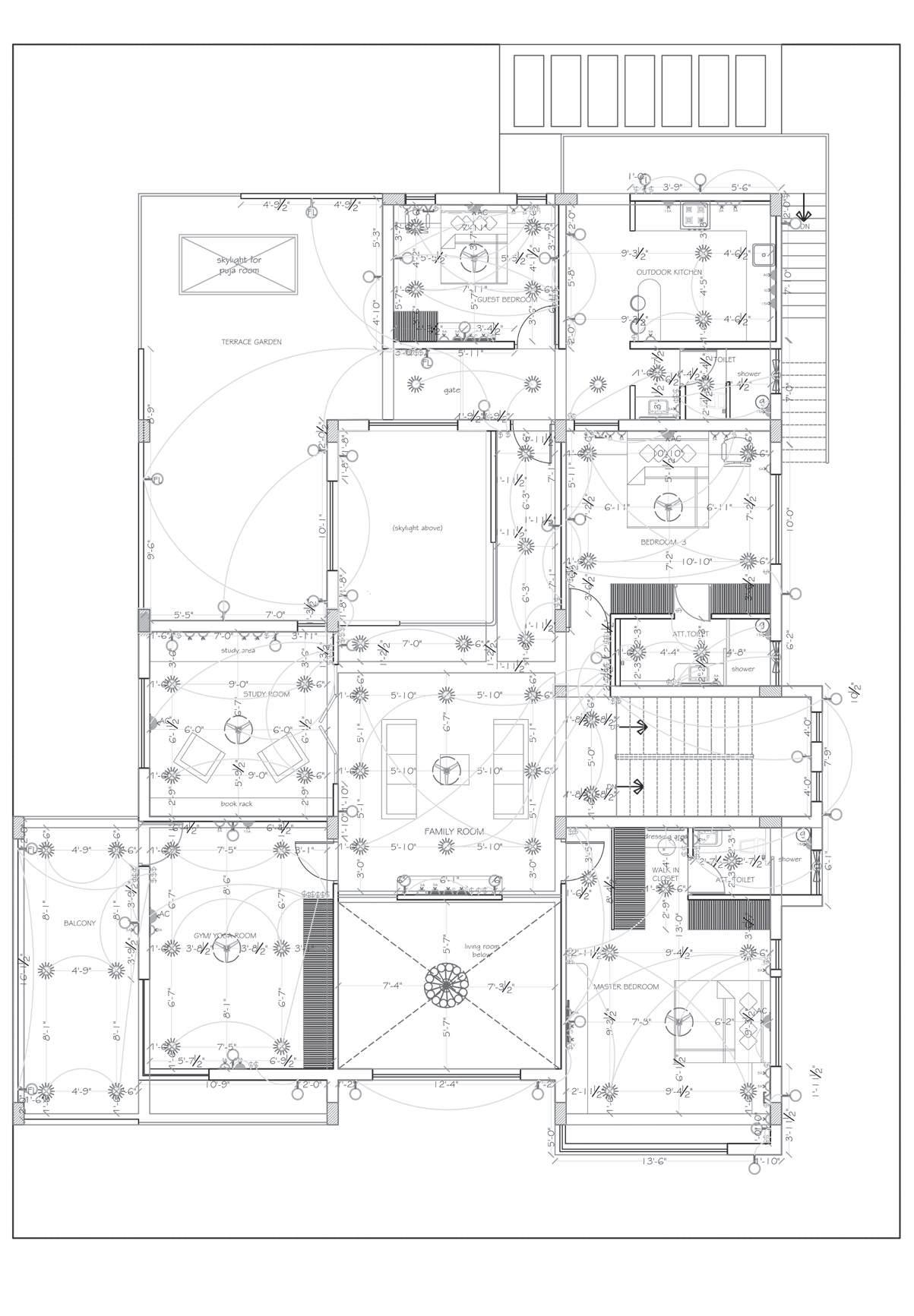
GROUND FLOOR FIRST FLOOR
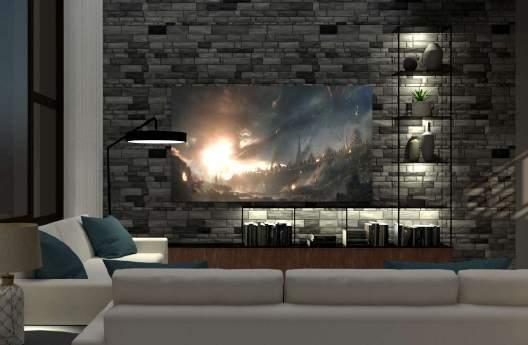
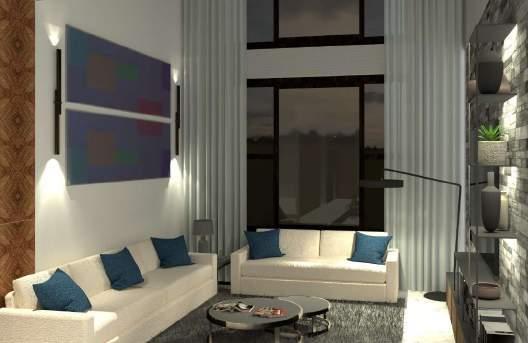
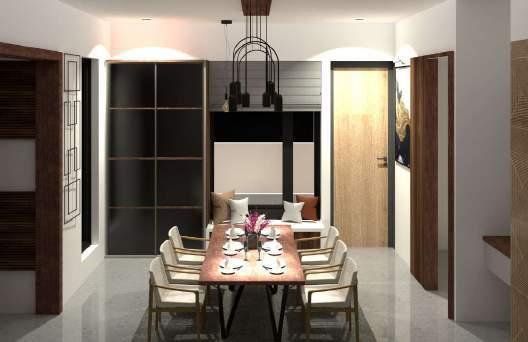
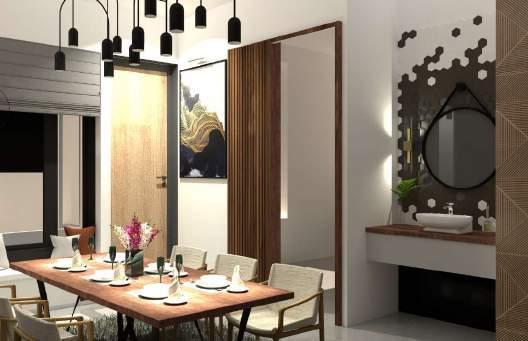
DINING AREA
LIVING ROOM
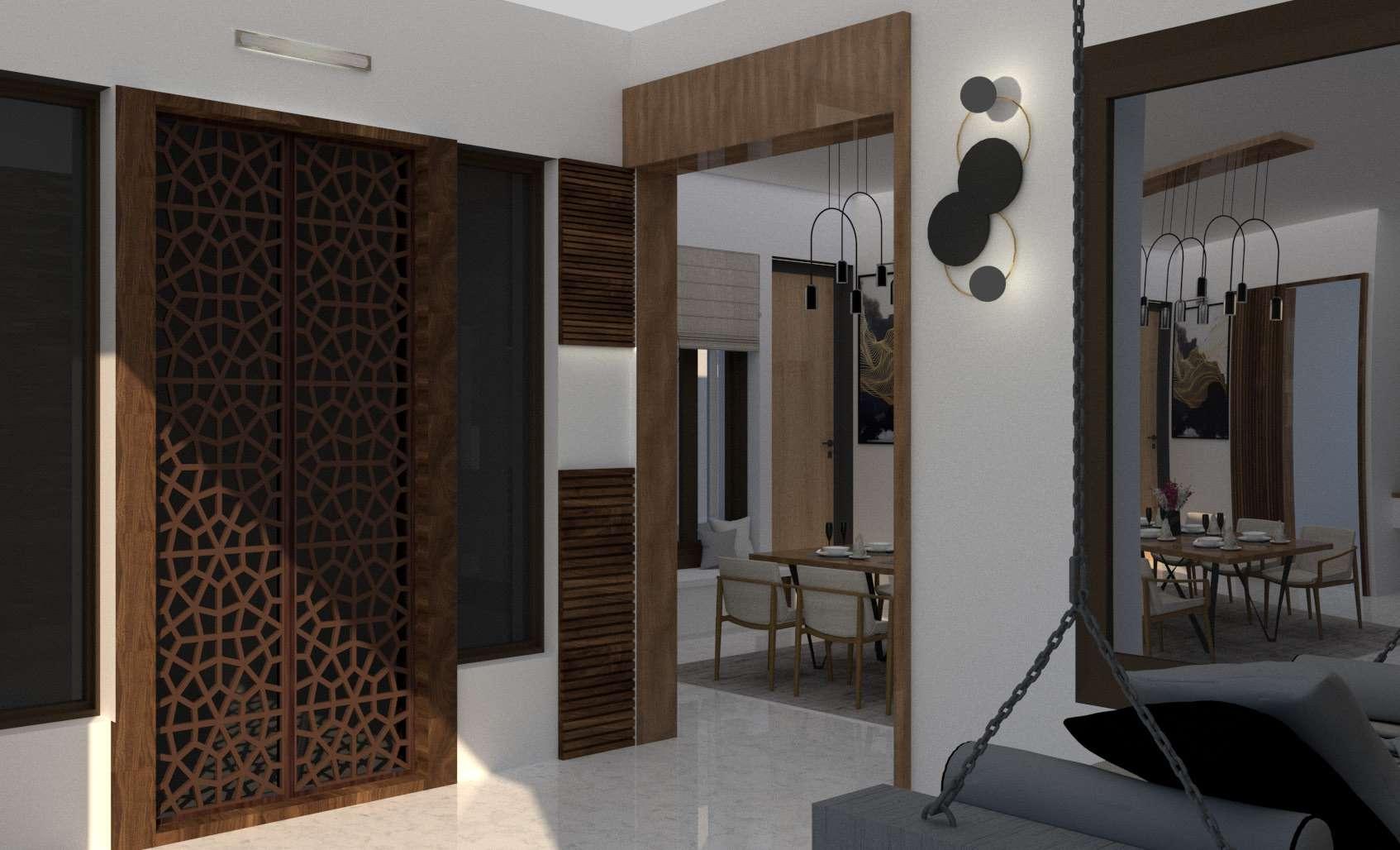
PRAYER HALL AND PUJA ROOM
MISCELLANEOUS 06
PROFESSIONAL AND ACADEMIC
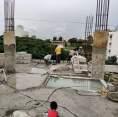
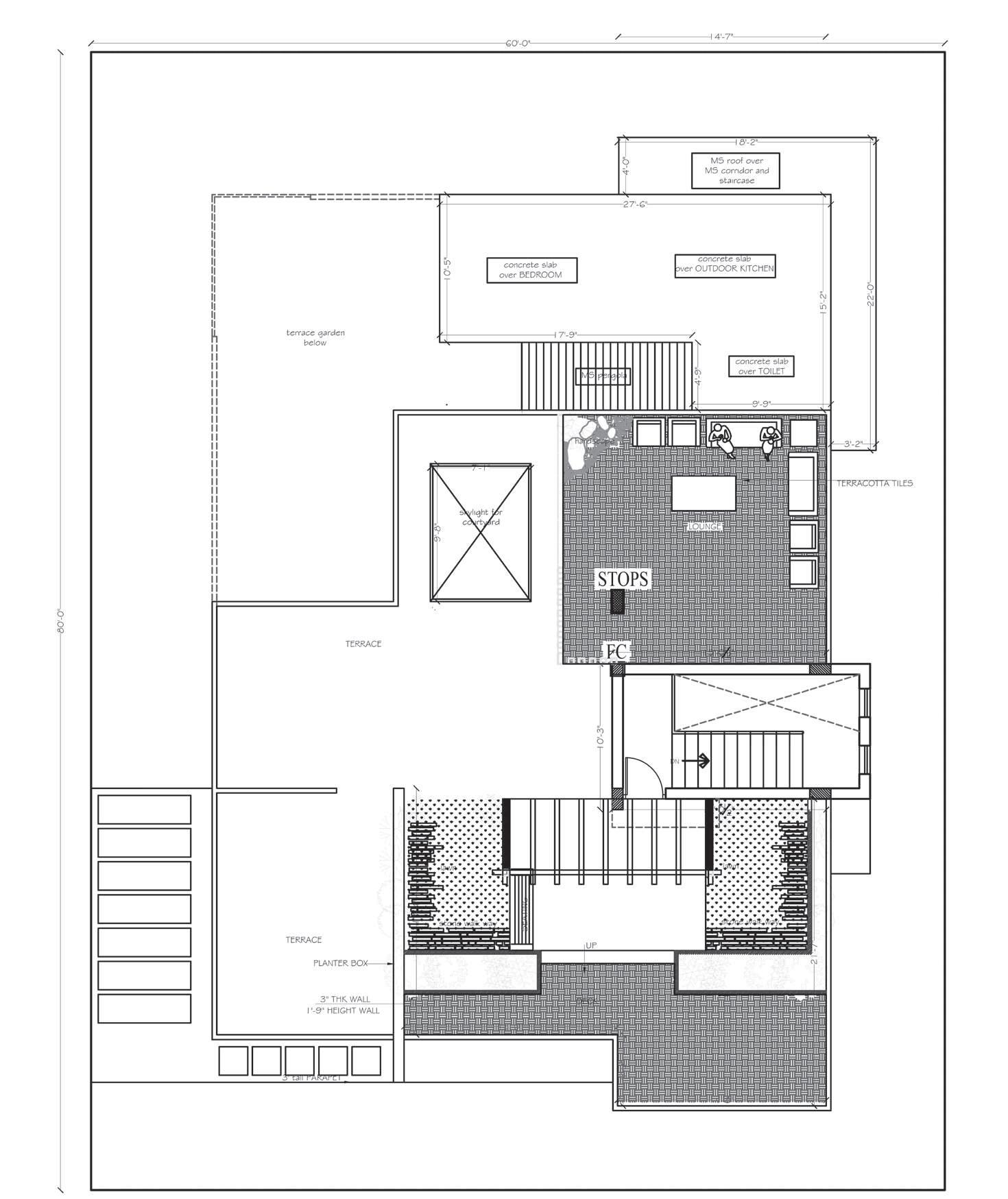
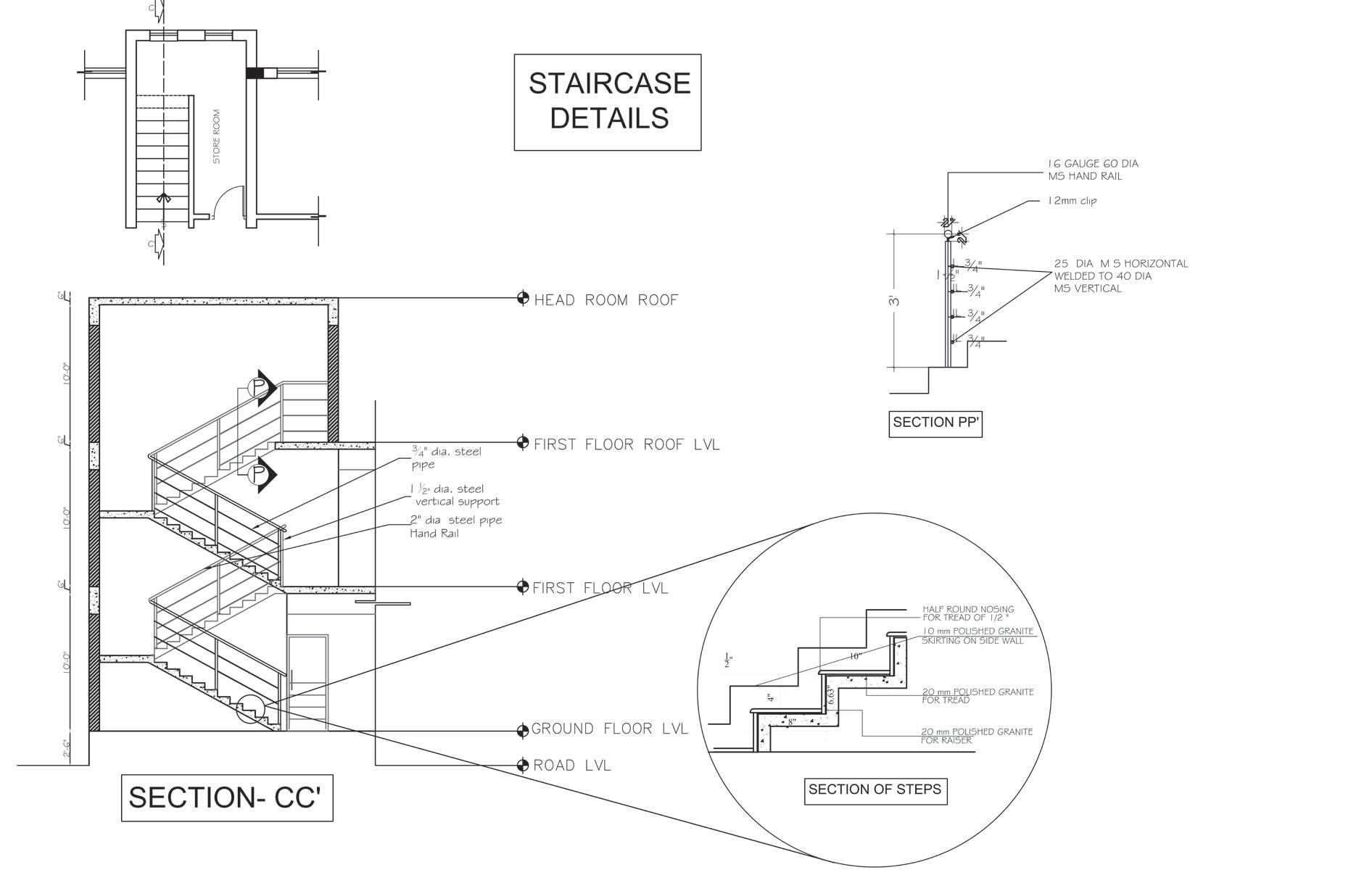
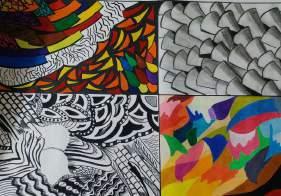
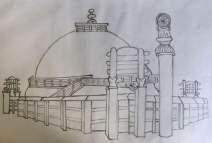
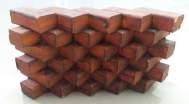
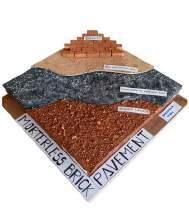
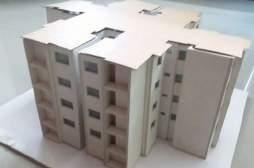
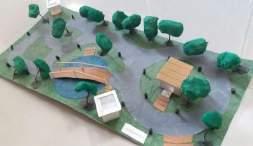
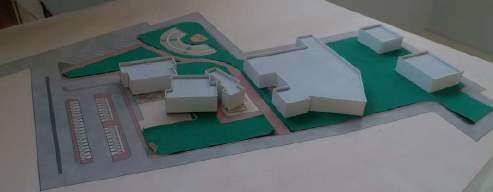
This section consists of few selected projects handled during the working period along with selected works of sketches and models done during the academic period of 5 years.
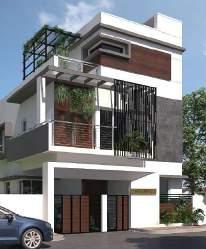
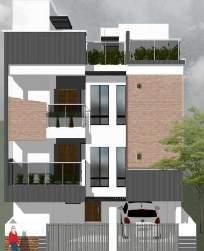
RESIDENTIAL PROJECT RESIDENTIAL PROJECT
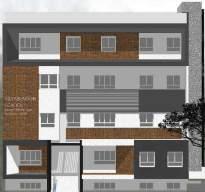
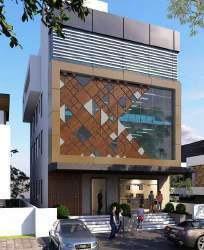
SCHOOL PROJECT COMMERCIAL BUILDING PROJECT

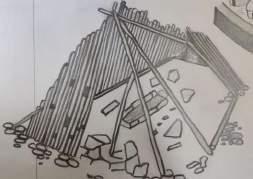
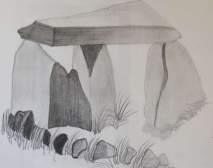
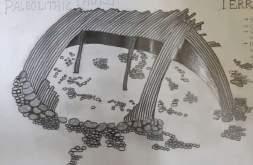
DOLMEN
HUTS DURING LEPENSKI VIR
PALEOLITHIC HUTS SANCHI STUPA
email ID: sharanyarajashekhar5@gmail.com ph no: + 91 81529 48904 Selected works 2016- 2022 Academic and Professional works