

EARTH Scholarships
Programme Impact Portfolio
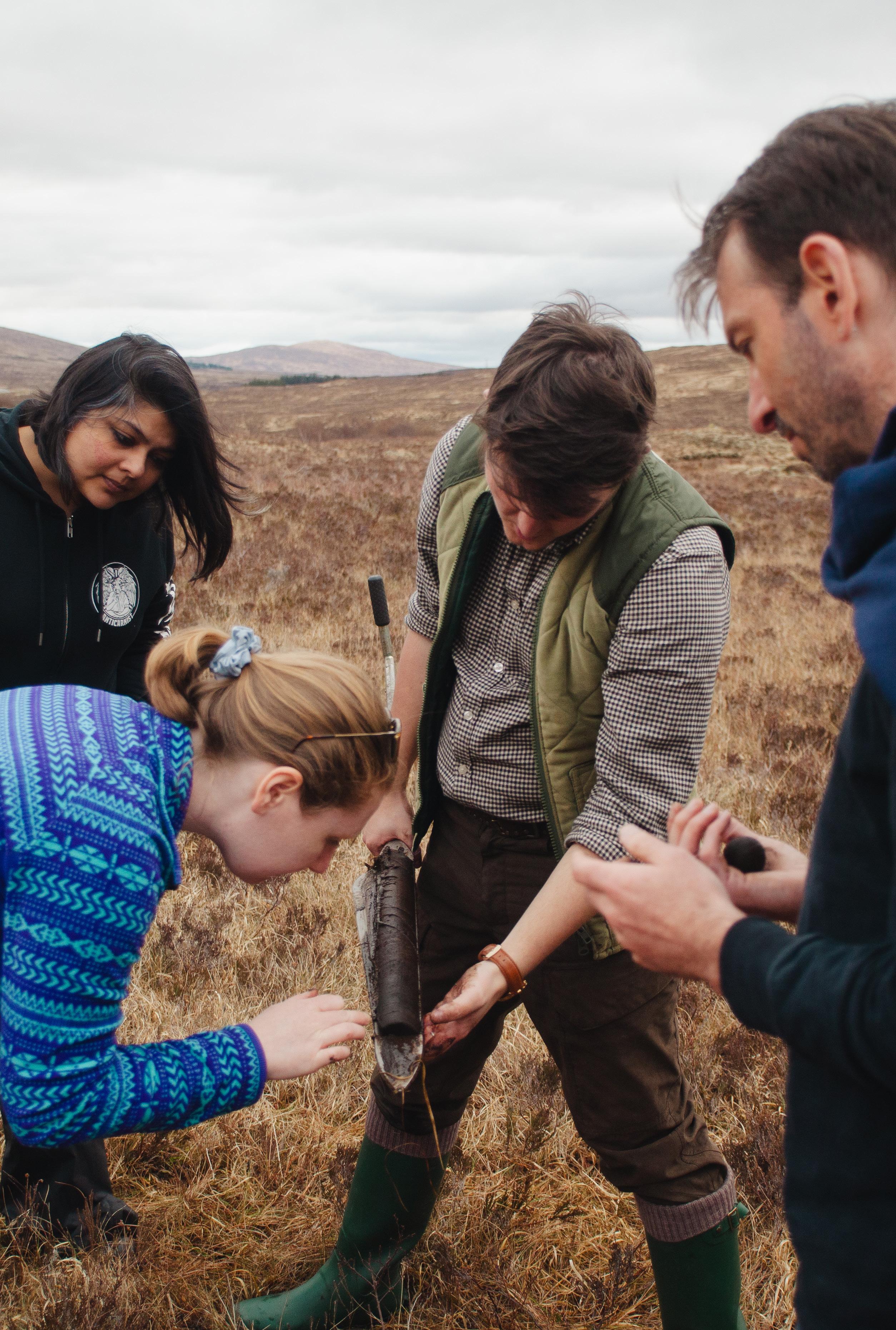
Take a breath offered by friendly winds. They travel the earth gathering essences of plants to clean. Give back with gratitude. If you sing it will give your spirit lift to fly to the stars’ ears and back.

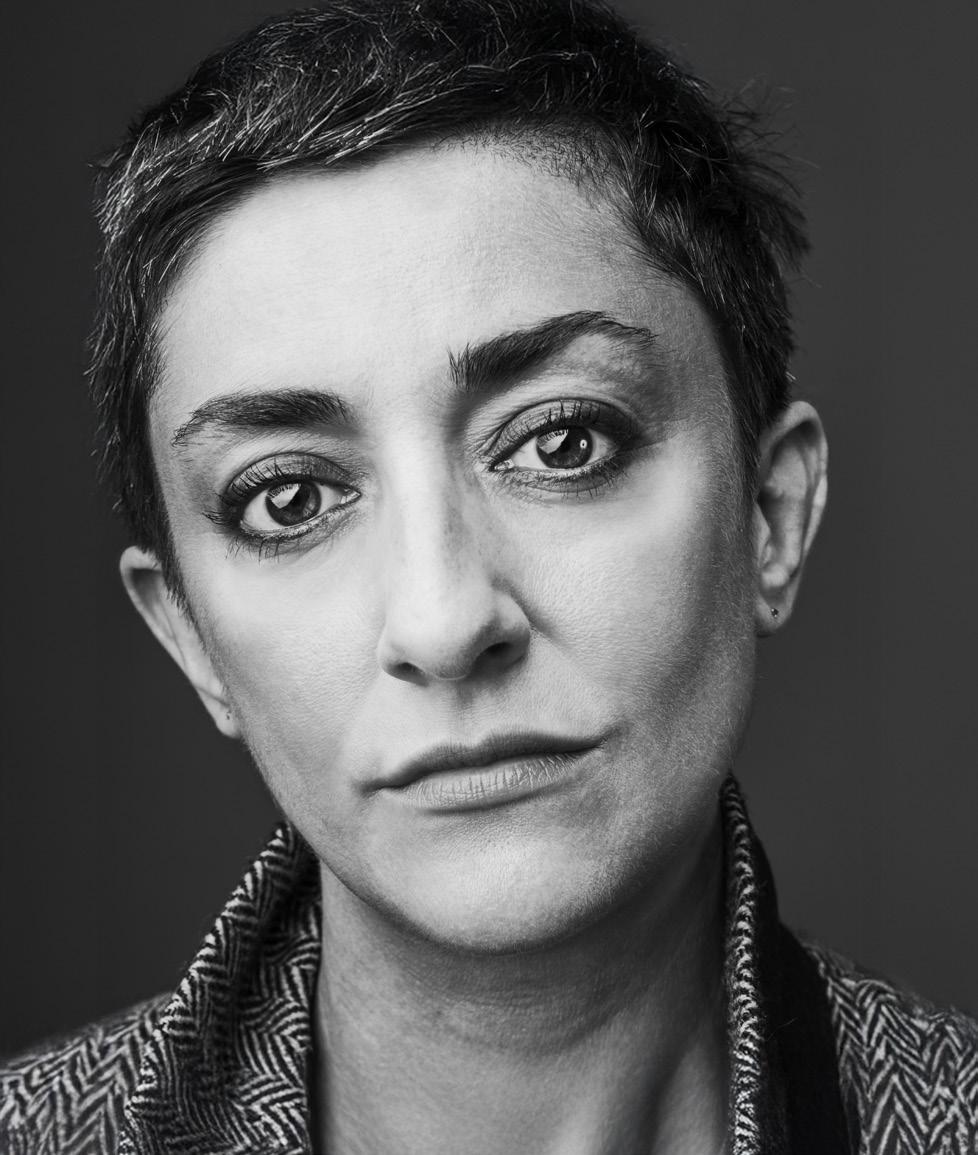
Professor Maria Fusco
2026 Welcome to the EARTH Scholarships Programme Impact Portfolio. As incoming Director of the Scottish Graduate School for Arts & Humanities (SGSAH) in January 2026 I know that I still have much to learn, even more so, I know that I have much to admire.
With generous support from the British Council Scotland, SGSAH led an energetic cohort of thirty-six global Scholars to work alongside thirty-six Scotland-based Scholars. Travelling from fifteen countries, the Scholars embedded their diverse research in an impactful interdisciplinary exchange of ideas and methods across 2023-25.
The EARTH Scholarships is one key action of our GREEN/GRADUATE Strategy. The GREEN/GRADUATE Strategy is founded on SGSAH's commitment to providing intellectual leadership that offers alternatives to existing practices, promoting diversity of thinking on the climate crisis, bringing to bear the
creative and intellectual power of arts and humanities research to recognise the interdisciplinary and intersectional nature of the wider socio-ecological crisis of climate emergency.
Aligning with the British Council's ‘The Climate Connection’ strategic objectives to 2026, SGSAH's leadership of the EARTH Scholarships upholds the same values of sustainability and education, future climate leadership, artistic and cultural response, environmentally responsible organisation, and sharing knowledge. The arts and humanities are singularly positioned to explore the importance of, and reflection on, the climate emergency through the transformative power of the personal with the cultural. Arts and humanities disciplines are increasingly recognised to bolster compassion, to enrich a well-informed society of citizens by fostering critical thinking, equitable resourcefulness and fair communication moving towards climate literacy and justice. Foundationally, the arts and humanities address what it is to be in the world and how we comprehend and address our world: what skills could be better placed to help our communities (local, national, global) understand the vital importance of climate emergency and feel empowered to take action.
The EARTH Scholarships tested these distinctive facets of arts and humanities to great effect, and here you can discover the impact of their research.
Thank you to our funders, our academic and organisational partners, and most of all to our Scholars: you are our future.
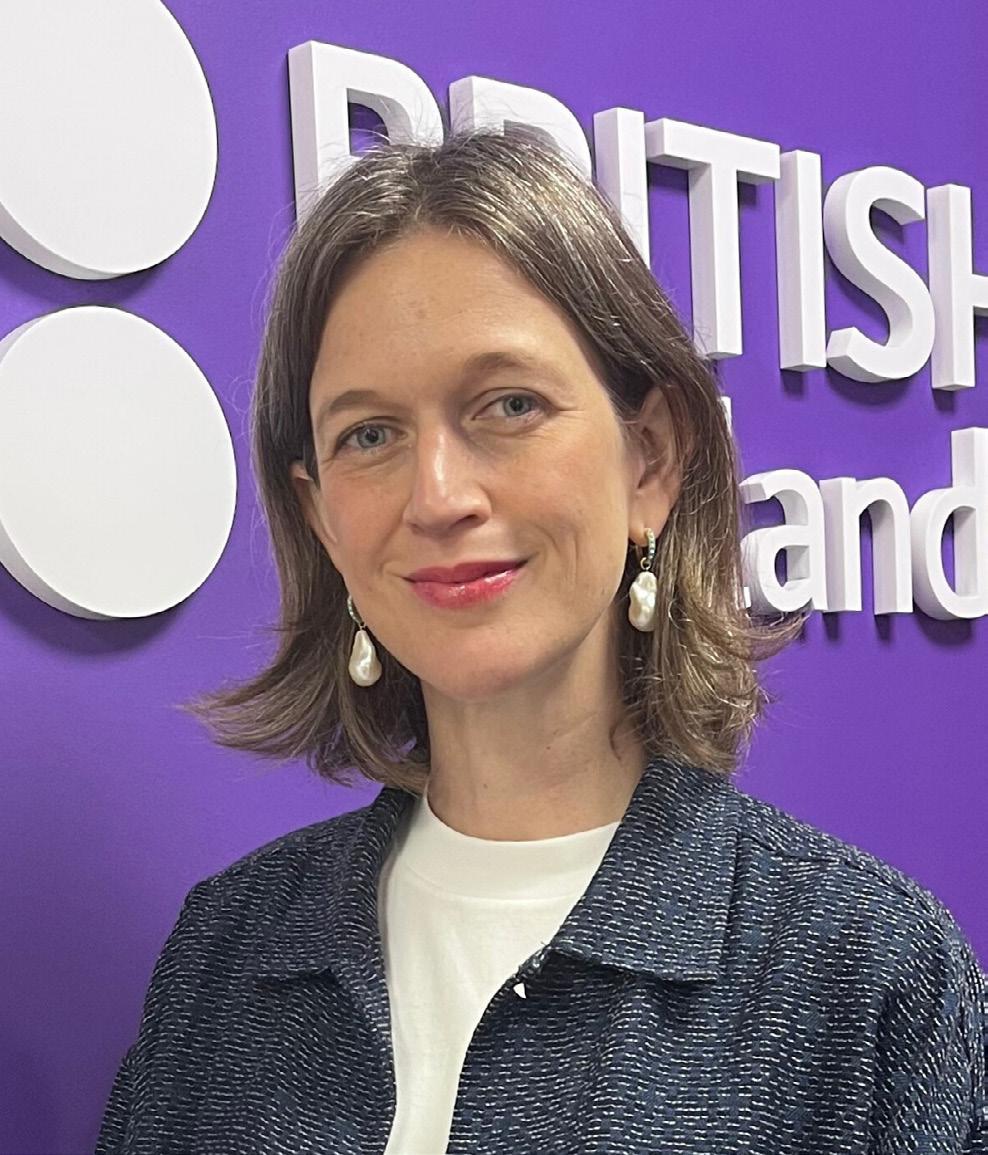
Claire de Braekeleer British Council Scotland Director
At the British Council we connect Scotland to the world and the world to Scotland, through our work in the arts and education. The EARTH Scholarships have been an exemplar of this, enabling an international and truly interdisciplinary approach to the critical topic of our time, the climate emergency. The Scholars have come from across all parts of the world, bringing their knowledge and experience into collaboration with peers in Scotland. This programme has been a lasting legacy of Glasgow's hosting of COP26, and we are proud that the personal connections made and research work undertaken will have an even longer impact.
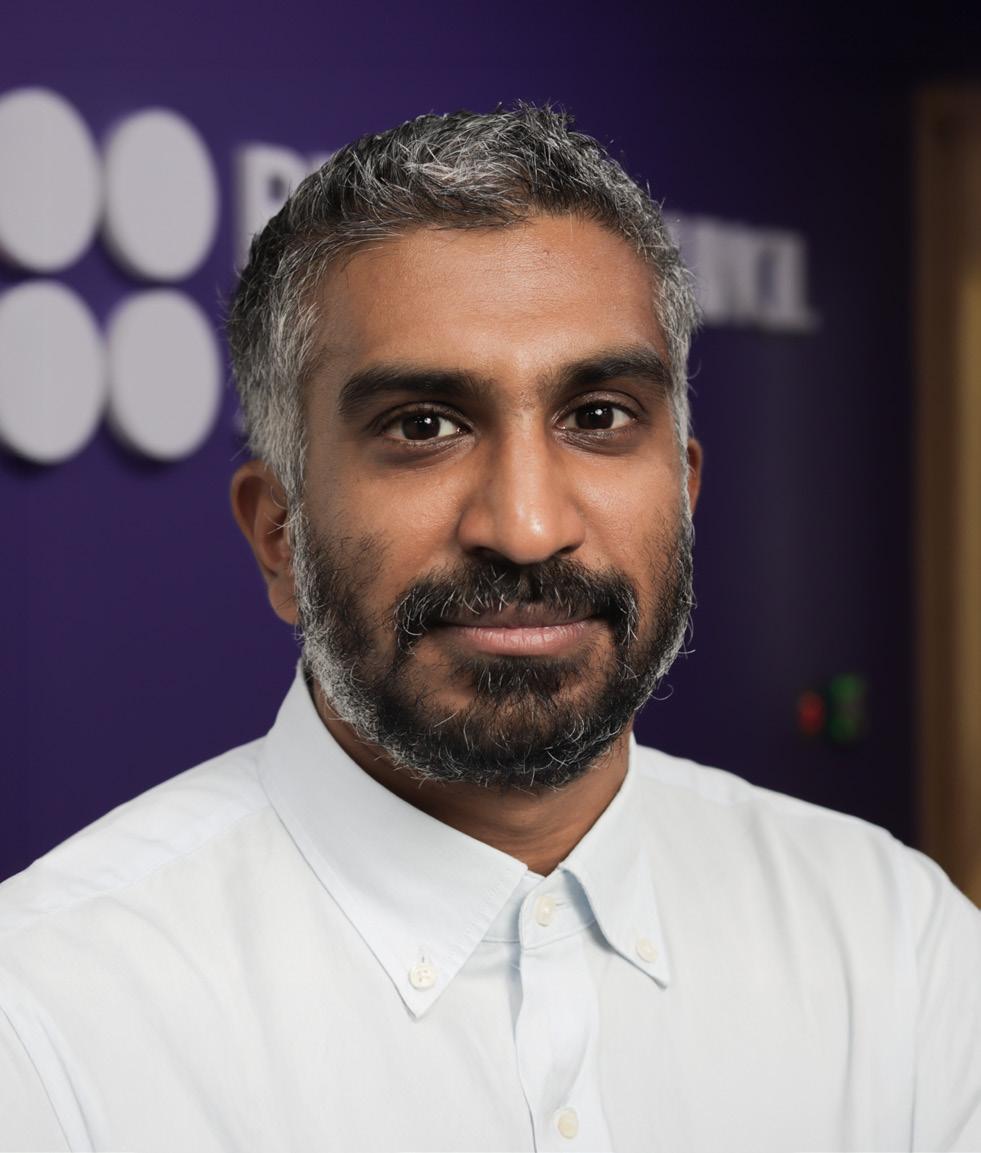
Harish Lokhun
British Council Scotland Head of Education
Engaging with SGSAH and its network of Scottish Higher Education Institutions (HEIs) offered an opportunity for international graduates to work with an academic mentor and access networks and resources from a Scottish HEI to support interdisciplinary connections and approaches beyond the arts and humanities. SGSAH’s extensive network, which includes sector partners such as Culture for Climate Scotland and the Royal Botanic Garden Edinburgh, together with their strong expertise in supporting doctoral researchers in Scotland and their Saltire Emerging Researcher Scheme (developed in partnership with the Scottish Funding Council), positioned them uniquely well to deliver the EARTH Scholarships. SGSAH were able to offer a new platform for international scholars to learn from, and to enhance, Scotland’s world leading institutions’ efforts to address climate change.
‘From our work through the Climate Connection that started at COP26 in Glasgow in 2021, our partnership with SGSAH through the EARTH Scholarships has helped to identify new approaches to addressing the climate emergency, establishing global links between higher education institutions and Scholars. The programme has created research opportunities and international mobility to support sustainable research and cultural interchanges within and beyond the arts and humanities.’
Lokhun
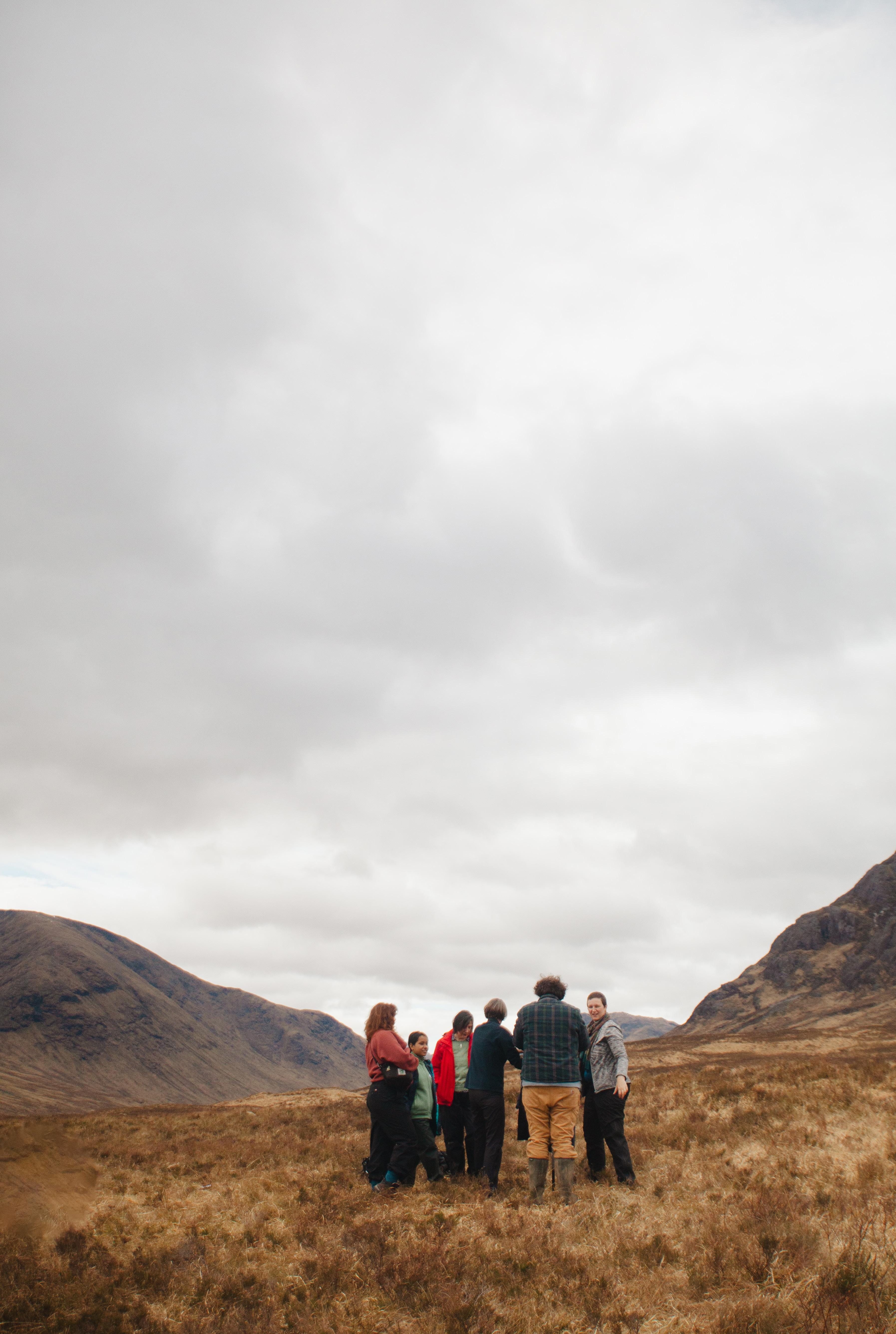
The Scottish Graduate School for Arts & Humanities (SGSAH) delivered the EARTH Scholarships programme throughout 2023-2025 — designed to support international research collaborations between PhD and early career researchers and Scottish HEIs, mentors, and partner organisations. Working in partnership with the British Council Scotland who supported the scheme by providing £330,000 of funding.
The collaboration was founded on a shared commitment to the environmental arts and humanities, and to the vital role that arts, culture, and interdisciplinary research plays in responding to the climate emergency. By enabling international mobility, mentorship, and collaboration across disciplines and sectors, the EARTH Scholarships created space for new ideas, creative practices, and innovative research partnerships to emerge.
This Impact Portfolio accompanies the EARTH Scholarships Impact Symposium, held at the University of Glasgow on 22 April 2026. It reflects on the programme’s journey across three cohorts, to showcase the people, projects, and collaborations that shaped it, highlighting the ways in which the EARTH Scholarships are contributing to ongoing conversations about climate, creative justice, and global research exchange.
The EARTH Scholarships were designed to promote the role of arts, humanities, and culture in responding to climate change, and to support interdisciplinary research across STEAM (Science, Technology, Engineering, the Arts, and Mathematics). Building on the legacy of the British Council’s Climate Connections programme, the Scholarships aligned with SGSAH’s Internationalisation ambitions and GREEN/GRADUATE Strategy, as well as the British Council’s Going Global Partnerships programme. The thematic focus reflected SGSAH’s strategic priority areas of Environmental Humanities and Creative Industries/Economies, alongside the ongoing legacy of COP26, held in Glasgow in 2021.
Each year, an open call for applications was circulated internationally in the autumn preceding the start of the programme, through SGSAH and British Council Scotland networks. Academics, mentors, and partner organisations were encouraged to share the opportunity widely to support broad global reach. To ensure accessibility and clarity for applicants from diverse backgrounds and geographic contexts, a series of online pre-application information sessions and guidance Q&A events were delivered. These sessions provided detailed insight into the programme and supported applicants in articulating their research interests for an interdisciplinary assessment process.
Applications were reviewed by a competitive selection process, with assessment panels comprising SGSAH and British Council Scotland staff alongside academics from Scotland-based HEIs. Successful applicants were notified in December and took part in online induction sessions ahead of their research placements. In some cases, Scholars began elements of their exchange in advance through hybrid or remote engagement, prior to
travelling to Scotland. SGSAH coordinated travel, accommodation, and logistical arrangements where required, with Scholars beginning their placements from March onwards each year.
Across the duration of the programme, academic cluster leads and mentors played a central academic and pastoral role: shaping the intellectual direction of each thematic cluster; supporting Scholars
in refining interdisciplinary research questions; facilitating connections with relevant academics, cultural organisations and sector partners; convening cohort activities including workshops and field visits; and providing ongoing guidance to ensure that individual research projects contributed meaningfully to the programme’s wider climate-focused and STEAM objectives.
I remember vividly the day British Council Scotland came to visit us in the SGSAH offices, to suggest working with us on a new scheme. This was the day that the EARTH Scholarships were born. British Council Scotland already worked closely with SGSAH, and was keen to further its arts, culture and international education activity from COP26. It was a great fit for us, and we quickly came up with a programme that has welcomed almost 40 PhD and early career researchers from around the world to Scotland.
The programme is a perfect illustration of how SGSAH works in partnership with HEIs (and academic mentors in the environmental arts and humanities), with
organisations in Scotland engaged with the climate emergency, and – of course – to support the brilliant work of early career researchers. Each year when the researchers come together for the first time in person it’s been a delight to see them meet, get to know each other, and the ideas start to bubble…
The programme has enabled SGSAH’s internationalisation, furthered a key aspect of SGSAH’s GREEN/GRADUATE Strategy, and developed strong relationships between researchers, the results of which I anticipate we’ll see in collaborations for years to come.
Professor Claire Squires SGSAH Director (2020–2025)
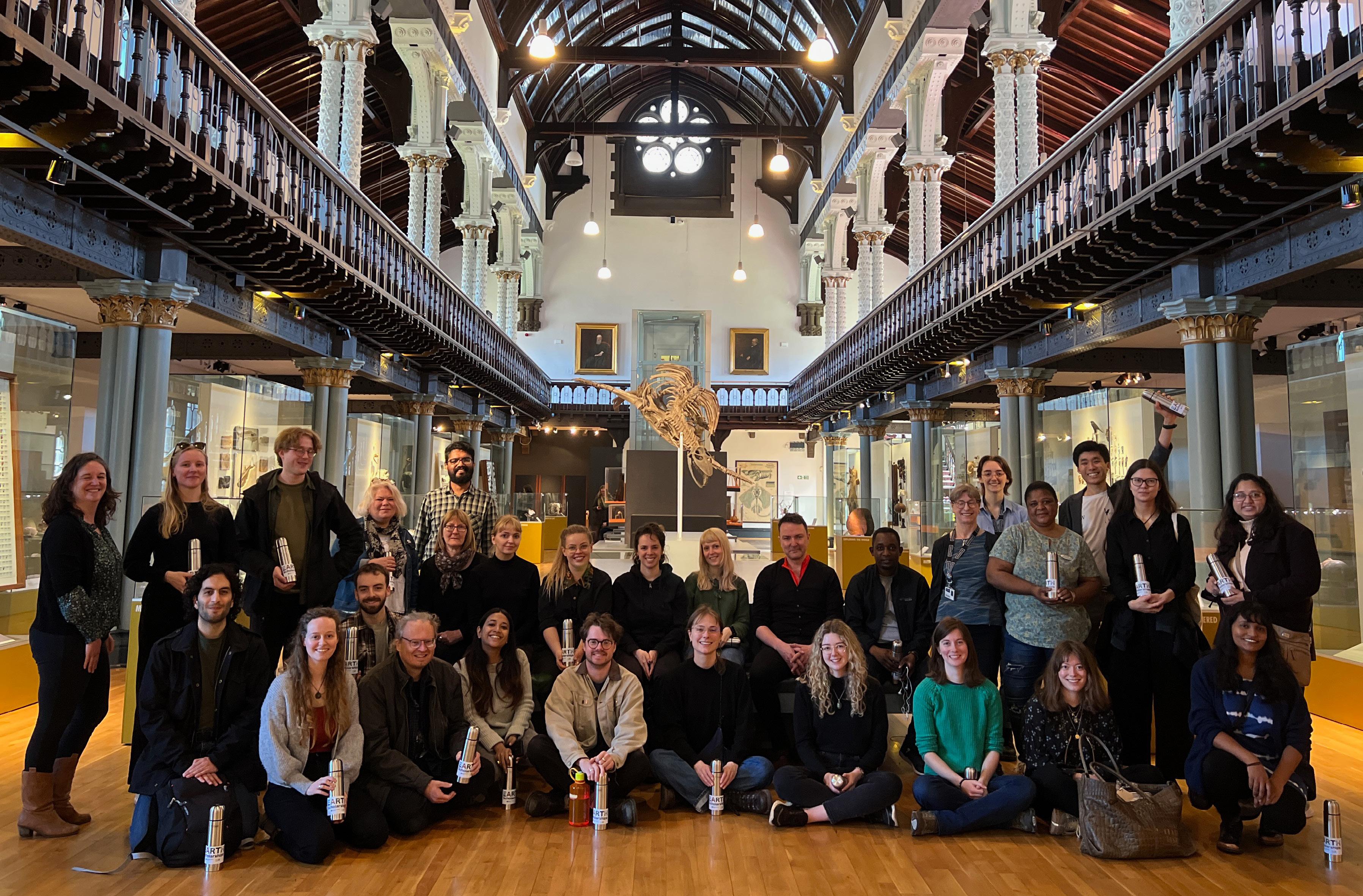
The EARTH Scholarships launched in 2023 with an inaugural cohort of thirteen Scholars, followed by a second cohort of thirteen in 2024 and a final cohort of ten in 2025. A full list of Scholars across all three cohorts is included in the further reading section.
Each year, the EARTH Scholars undertook research placements in Scotland for a period of up to three months, working closely with Scotland-based academic mentors and engaging with wider research communities across the country. The research undertaken through their EARTH Scholarships was diverse in scope and approach. Projects ranged from eco-archaeology, myth and folklore,
and multispecies studies, to marine governance, performance and visual arts, digital technologies, climate justice, and the histories of social movements. While rooted in specific disciplines, the programme encouraged Scholars to work across fields, sectors, and cultural contexts.
This portfolio invites you to learn more about the EARTH Scholars: where they came from, where they were hosted in Scotland, and the research projects they developed. Selected case studies offer a deeper look at how the EARTH Scholarships have shaped research trajectories, collaborations, and ongoing work beyond the programme itself.
‘The EARTH Scholarships programme provided me the opportunity to build dialogue with other researchers in the Scottish context. I’ve found brilliant approaches here and there is an authentic desire to find solutions to the climate emergency.’
Dr Krista Collier-Jarvis 2024 EARTH Scholar
‘In my opinion, arts and humanities can help solve environmental issues by creating or uncovering more caring and curiosity-driven ways of relating to the environment.’
Keili Koppel University of Edinburgh
‘The EARTH Scholarships was a fantastic experience curated with care and academic rigour, facilitated with warmth and generosity, which allowed me to further my ongoing PhD project in the most inspiring company of fellow researchers and artists.’
Marta Kucza 2025 EARTH Scholar
14+ creative outputs
128 programming hours
100% of respondents had a positive experience of the programme

‘The EARTH Scholarships enables participants to cross multiple boundaries: geographical, cultural, linguistic, disciplinary, and even species borders, catalysing new ways of thinking and celebrating the great diversity that makes us human. The EARTH Scholarships epitomises how diversity of thought is our greatest asset for solving environmental and social problems, which must be approached from multiple perspectives.’
Dr Charles Pigott Economy, Ethics and Environment cluster lead & EARTH Scholar mentor
36
Norway, USA, South Africa, Australia, New Zealand, India, Switzerland, Canada, Mexico, Ireland, France, Spain, Sweden, Brazil, Estonia
36 Scotland-based Scholars
16+ publications
7 in print, 1 forthcoming, 1 under review, 7 in progress
37+ conference and seminar presentations
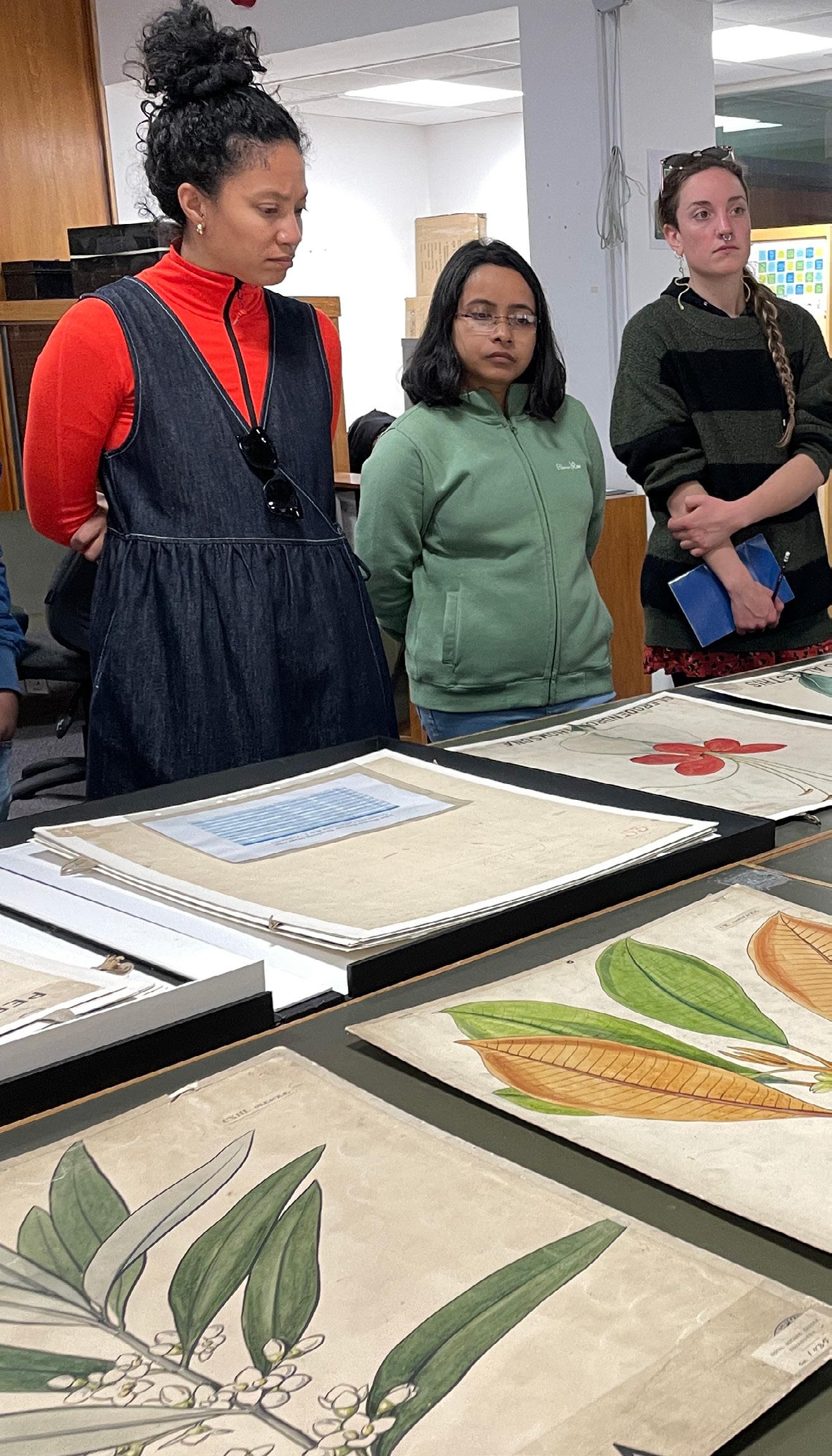
‘Going from strength to strength, the EARTH Scholarships have brought international researchers from multiple disciplines into conversation around the environmental arts and humanities. Across a range of workshops and supervision opportunities, the ethos is always collaborative and open. It’s been great to see Scholars learn skills and offer innovative approaches to some of the biggest challenges of our times.’
Dr Maria Sledmere EARTH Scholar mentor
35 EARTH mentors
26+ engagements with research centres and creative practice groups and projects
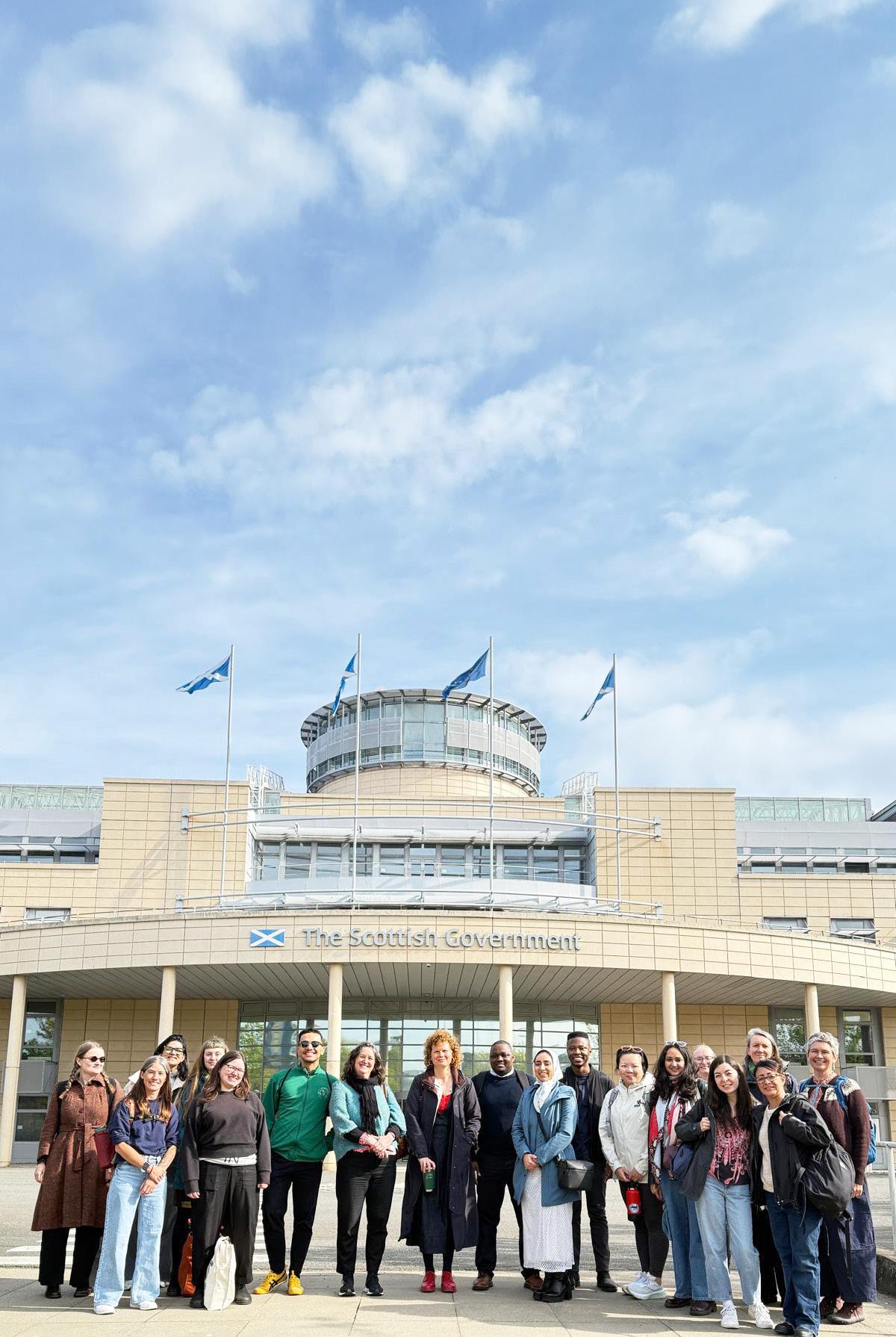
‘Seeing the sheer breadth of work undertaken by the EARTH Scholars was fascinating and surprising. I organised an event where the Scholars could engage directly with policy makers across the Scottish Government and having the opportunity to collaborate internally with such a wide range of my colleagues was a real joy. I’ve now built relationships with people across my organisation that I wouldn’t have otherwise. It was clear from our conversations that the arts and humanities can lend a powerful storytelling ability to any subject, but it appears especially important for something like climate change, the long-term effects of which aren’t always obvious to people.’
Daniel MacDougall Team Leader, Scottish Government Strategy Division
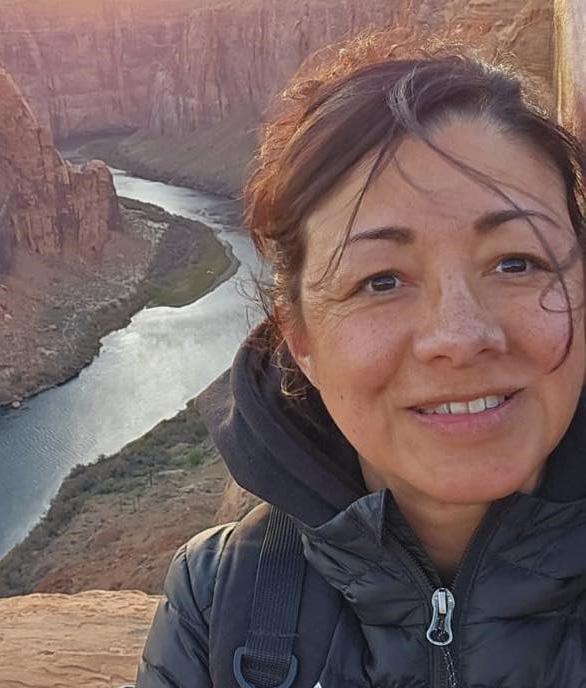
Leyla Craig
2025 EARTH Scholar
University of Edinburgh & University of Sydney, Australia
Examining access and participation through a language lens: communication in science and emergency preparedness with Deaf people
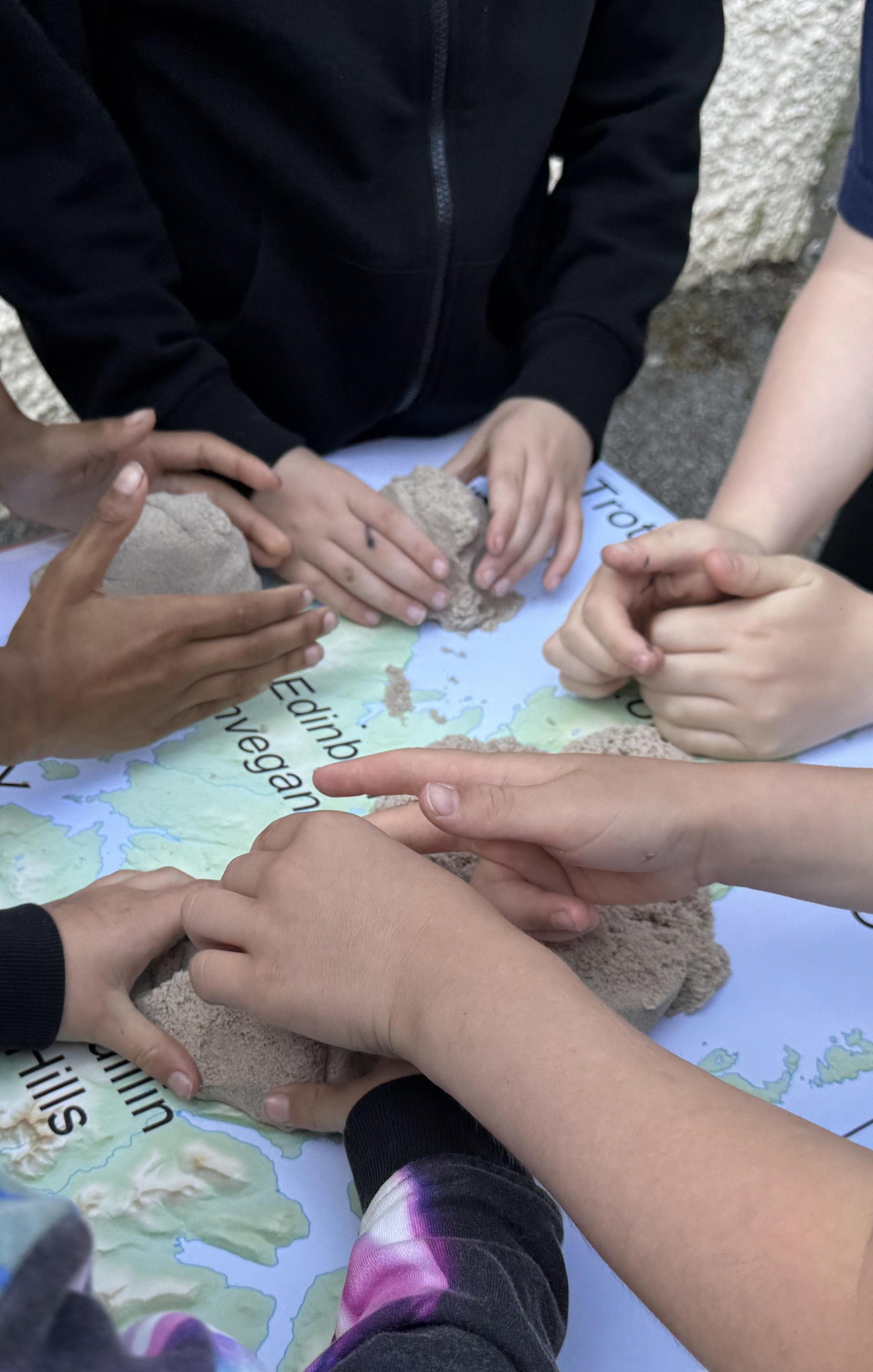
Leyla’s research addresses the ongoing accessibility and language barriers that Deaf people face in understanding and participating in conversations on climate-induced disasters. During her EARTH Scholarship at the University of Edinburgh, Leyla was mentored by Dr Gabrielle Hodge and Dr Audrey Cameron OBE and collaborated as part of the award-winning British Sign Language (BSL) Science Team. This experience exposed Leyla to innovative methods for developing scientific terminology in BSL and designing strategies that enable Deaf children and adults to engage directly with complex scientific concepts in sign language, supporting their understanding and participation.
With Gabrielle, Audrey, and others, Leyla joined a Deafled STEAM research team to explore how Deaf students’ understanding of fire and flood preparedness could be strengthened by linking emergency preparedness with foundational science education. The research team engaged with Scottish emergency organisations including the Scottish Environmental Protection Agency, Scottish Flood Forum, and Scottish Fire and Rescue Service in a two-way knowledge exchange that involved presenting linking science and emergency preparedness concepts, methods, and preliminary findings. This enabled the emergency services organisations to better understand Deaf learning and language needs, while also allowing the research team to incorporate practitioner insights into their educational design. Informed by these engagements, the research team designed and delivered hands-on and visually accessible educational activities for Deaf students and adults in the Highlands.
Leyla’s research contributed to more accessible and equitable disaster risk reduction practice through impact-driven stakeholder engagement and highlights accessibility as a core component of equitable participation in climate justice and resilience.
‘Leyla’s
research has given us incredible insights into the potential for STEAM research to address Deaf signing people’s equitable participation in climate justice and our collective responses to the climate emergency.’
Dr Gabrielle Hodge EARTH Scholar mentor & British Sign Language (BSL)
Science Team
2023 EARTH Scholar
‘Local media producers and content creators have used my research to articulate and document their own stories of socio-ecological crisis.’
University of Glasgow & Indian Institute of Technology Guwahati, India
Environmental humanities and monsoon lives
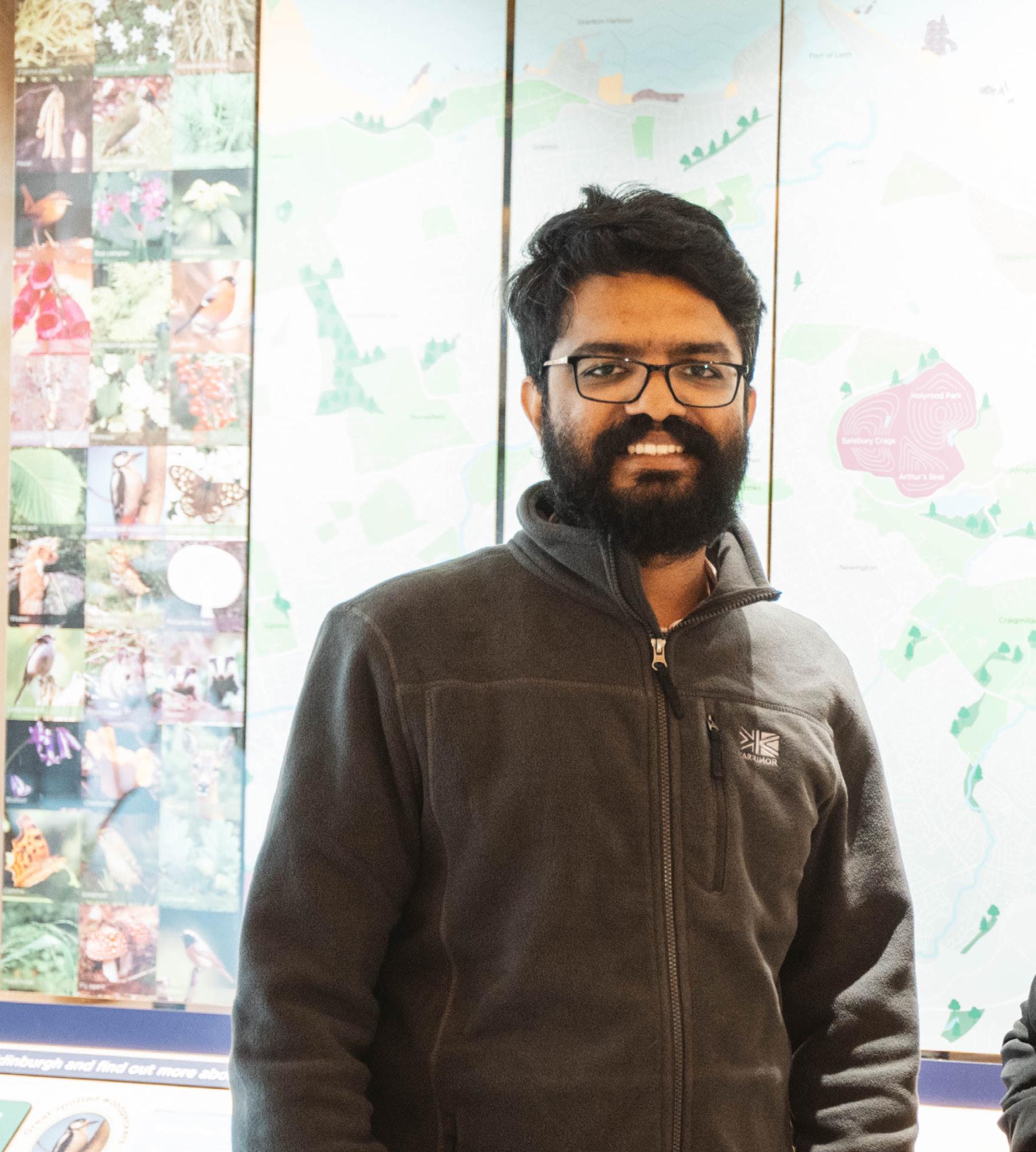
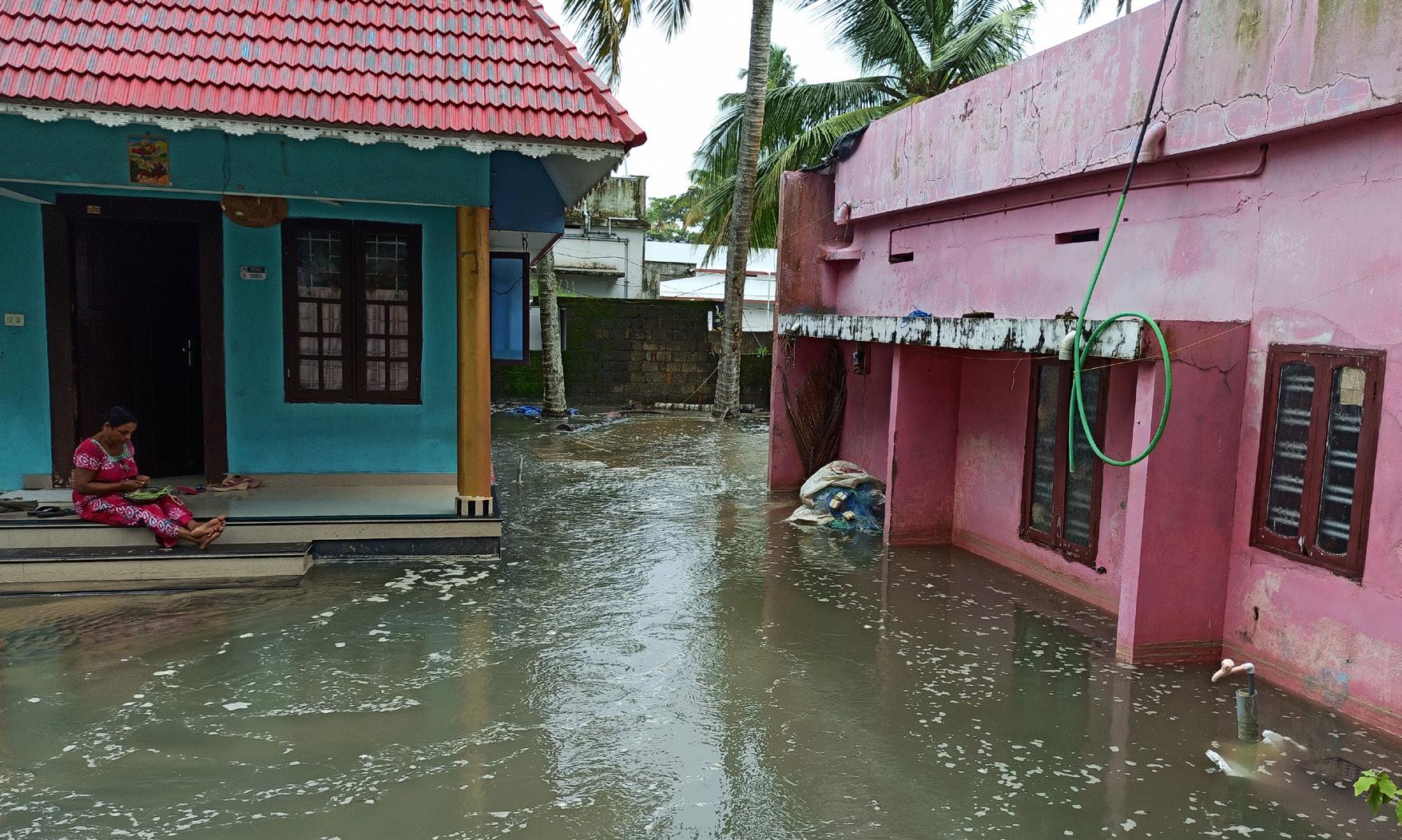
Ajmal spent his EARTH Scholarship investigating how unseasonal rainfall and the corresponding discourse of climate change have weakened the fishing community’s right to the paddy field fisheries in Chellanam, a coastal village in Kerala, India. Ajmal’s time at the University of Glasgow provided the conditions and intellectual environment to sharpen key aspects of his doctoral project. It prompted him to question a largely causative framing, where climate change appears as an external force exacerbating existing socio-economic vulnerabilities, culminating in a shift over the course of the PhD to an approach grounded in socioecological entanglements. The programme also marked a significant reorientation in Ajmal’s approach to ethnographic writing, from treating the everyday conversations that unfold through work and social life as
contextual background, to foregrounding them as core ethnographic material.
Informed by the ethical framework of ‘reporting back’, in follow-up visits to Chellanam after his EARTH Scholarship, Ajmal shared his research with local community members. Seeing their struggles recorded, community members decided to utilise Ajmal’s research to strengthen their own advocacy efforts. Subsequently, local media producers and content creators drew on Ajmal’s research in the creation of digital narratives for social media. These narratives relate to water inundation, farming, and fishing and highlight lived experiences of the socioecological crisis in Chellanam. Through his EARTH Scholarship, Ajmal has enabled empowerment in the local community, by contributing to the articulation of their own stories.
Thainan Rocha
2025 EARTH Scholar
University of Glasgow
& Federal University of Rio Grande do Sul, Brazil
Cultural resilience: sustainable models through participatory technologies
Thainan’s research investigates how the coordination of creative ecosystems can build local climate resilience and sustainability. It responds to the severe flooding of their home state of Rio Grande do Sul in 2024, and the question of what contributions artists can make in times of environmental crisis. Thainan spent their EARTH Scholarship at the University of Glasgow undertaking fieldwork on cultural organisations and networks in Scotland and deepening their understanding of Scottish cultural and environmental policy. Informed by this research, Scotland serves as a comparative model to Brazil in Thainan’s doctoral thesis.

In addition to this influence on Thainan’s academic work, the programme has informed the development of their start-up GUDI, a lifestyle platform that aims to build artist-led climate and economic resilience within Brazil through gamified, localised, cultural passes. GUDI implements principles and approaches from Scottish cultural models into Brazil’s cultural economy, inspired by Thainan’s time in Glasgow. For instance, GUDI holds regular meetings for cultural stakeholders in Porto Alegre, modelled on the membership organisation Creative Glasgow. Thainan’s start-up illustrates the impact of the programme beyond the academy, representing a chain of knowledge translation that is hoped will initiate community action and lasting economic change.
‘The programme was a timely opportunity to help me forge more sustainable and creative futures for my community.’
2023 EARTH Scholar
University of Strathclyde & University of Adelaide, Australia
The history of Scottish working-class environmentalism
With Professor Arthur McIvor as mentor, Nicholas investigated the history of working-class environmentalism in Scotland during his EARTH Scholarship. Though this research focus does not directly align with Nicholas’ doctoral topic, the skills, methods, networks, and knowledge he developed through the programme have directly shaped the conceptual and methodological direction of his PhD, which explores similar themes in Australian history. The intellectual space to reflect on the value of working-class perspectives in environmental historiography provided by the programme enabled Nicholas to hone an interdisciplinary approach that foregrounds labour history, environmental history, and oral history as mutually reinforcing fields.
‘Nicholas’ research builds upon and has informed the wider work of the Scottish Oral History Centre. His interviews are accessible to the public and will be drawn upon in future research on environmental activism in Scotland.’
Professor Arthur McIvor Co-Director of Scottish Oral History Centre & EARTH Scholar mentor
Traditional histories and archives often marginalise workingclass perspectives, yet these voices are essential to understanding how social movements operated at a grassroots level. Through in-depth interviews with five community activists conducted during his time at the University of Strathclyde, Nicholas was able to illuminate how issues were debated and negotiated in the workplace, at demonstrations, and in meetings, not simply as abstract theory. By foregrounding working-class voices, his research contributes to a more inclusive narrative of environmentalism.
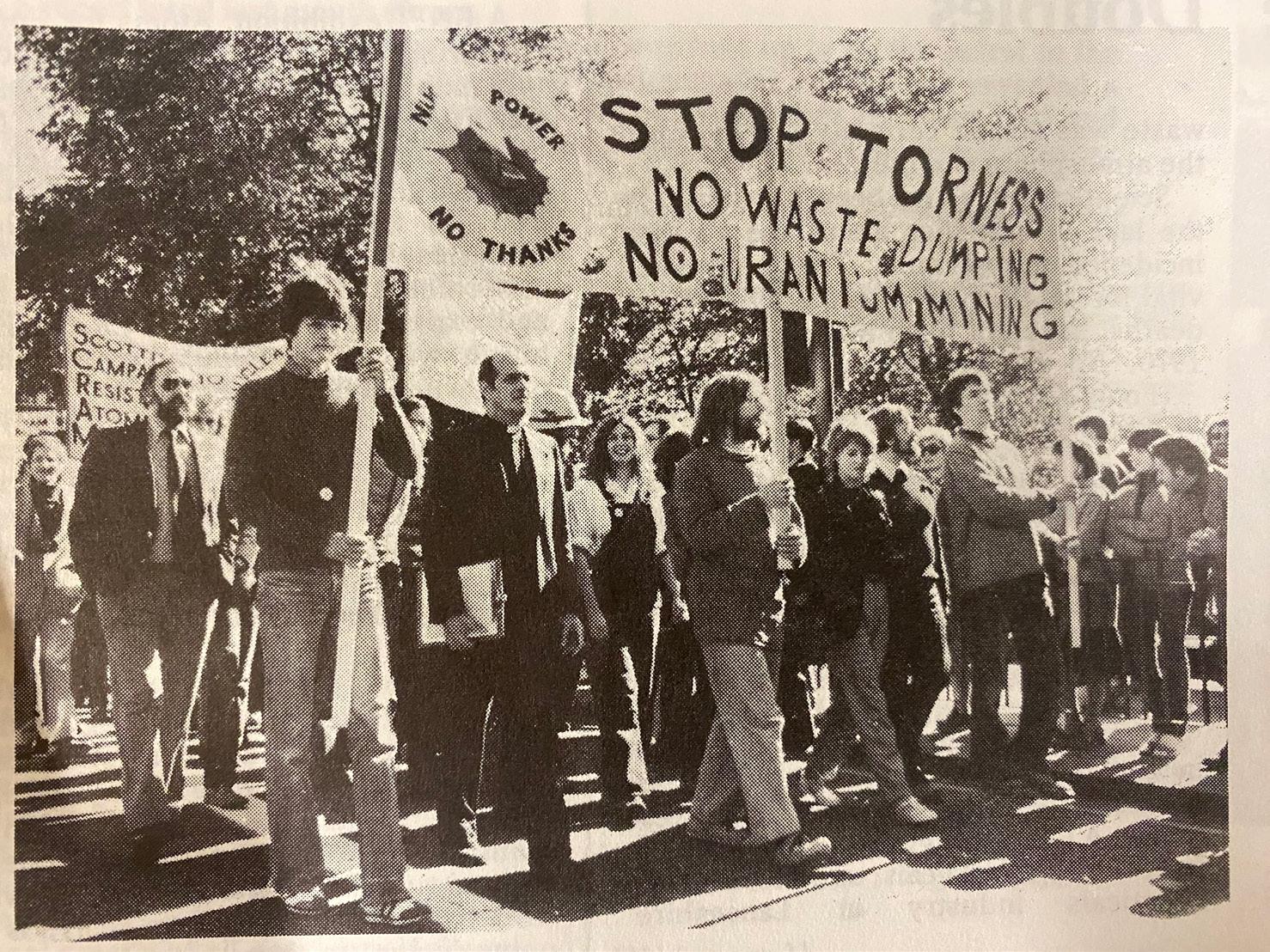
Nicholas’ EARTH Scholarship culminated in the creation of a publicly available collection of original oral history recordings and transcripts, housed at the Scottish Oral History Centre. This ensures that the material can be re-used, reinterpreted and shared beyond the academy. Nicholas’ research produced a resource that researchers, activists, and the public can draw on to reflect on the past and inform future activism.
2025 EARTH Scholar
University of the Highlands and Islands & University of Oslo, Norway
The moving energy theatre
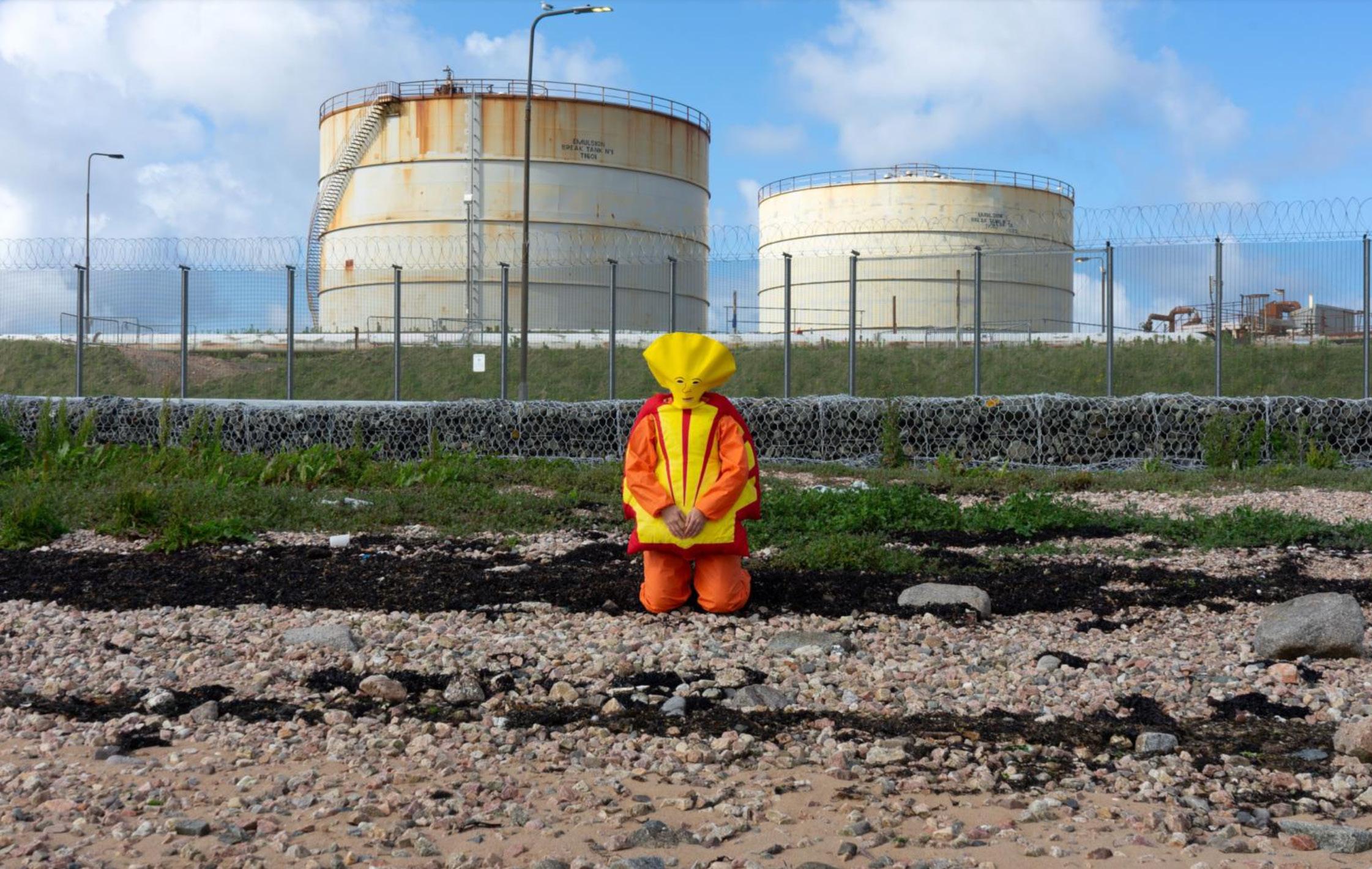
Miriam’s research investigates how Shetlanders utilise their creative culture to translate and oppose oil- and other energy production in the North Sea. During her EARTH Scholarship, Miriam undertook fieldwork on the Orkney Islands to map the broader context of energy production around Shetland. With the TRANSECTS research team, Miriam visited material remnants of energy production sites on the islands, overgrown with grass and forgotten by the local community despite being just a few decades old. This shaped Miriam’s understanding of a group of satirical acts about energy production that were performed by Shetlanders in the last fifty years and documented in Shetland’s archives. Through Miriam’s encounter with energy heritage as archaeology in Orkney, she understood the energy acts as ‘didactic exposés’, showcasing and leading us to places of energy production that are almost invisible in Shetland’s land and seascapes nowadays.
‘Through these costumes, I wanted to spark dialogue about the ongoing influence of energy industries on contemporary Shetland life’ Miriam Sentler
After concluding her background research in Orkney, Miriam began an art project entitled The Moving Energy Theatre that revived a selected number of the energy acts through reenactment. Costumes and props were recreated and placed back into the industrial environments the acts once spoke about. The Moving Energy Theatre toured the Shetland Islands in June and July 2025. These performances sparked conversations with local residents, tourists, and industry workers on contemporary energy extraction in Shetland. The costumes often prompted humour, which helped create a relaxed dialogic atmosphere for people to share their views and experiences.
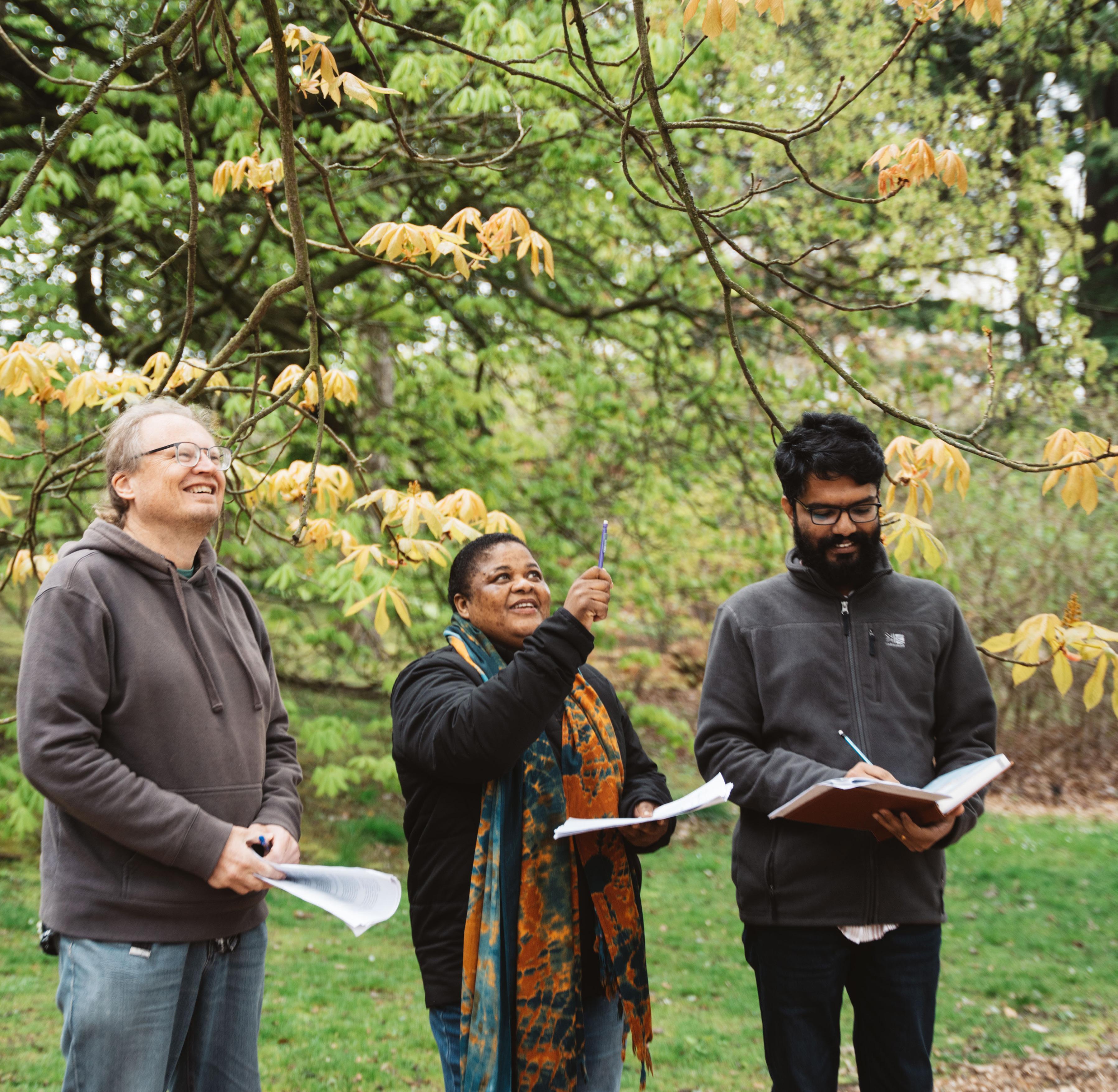
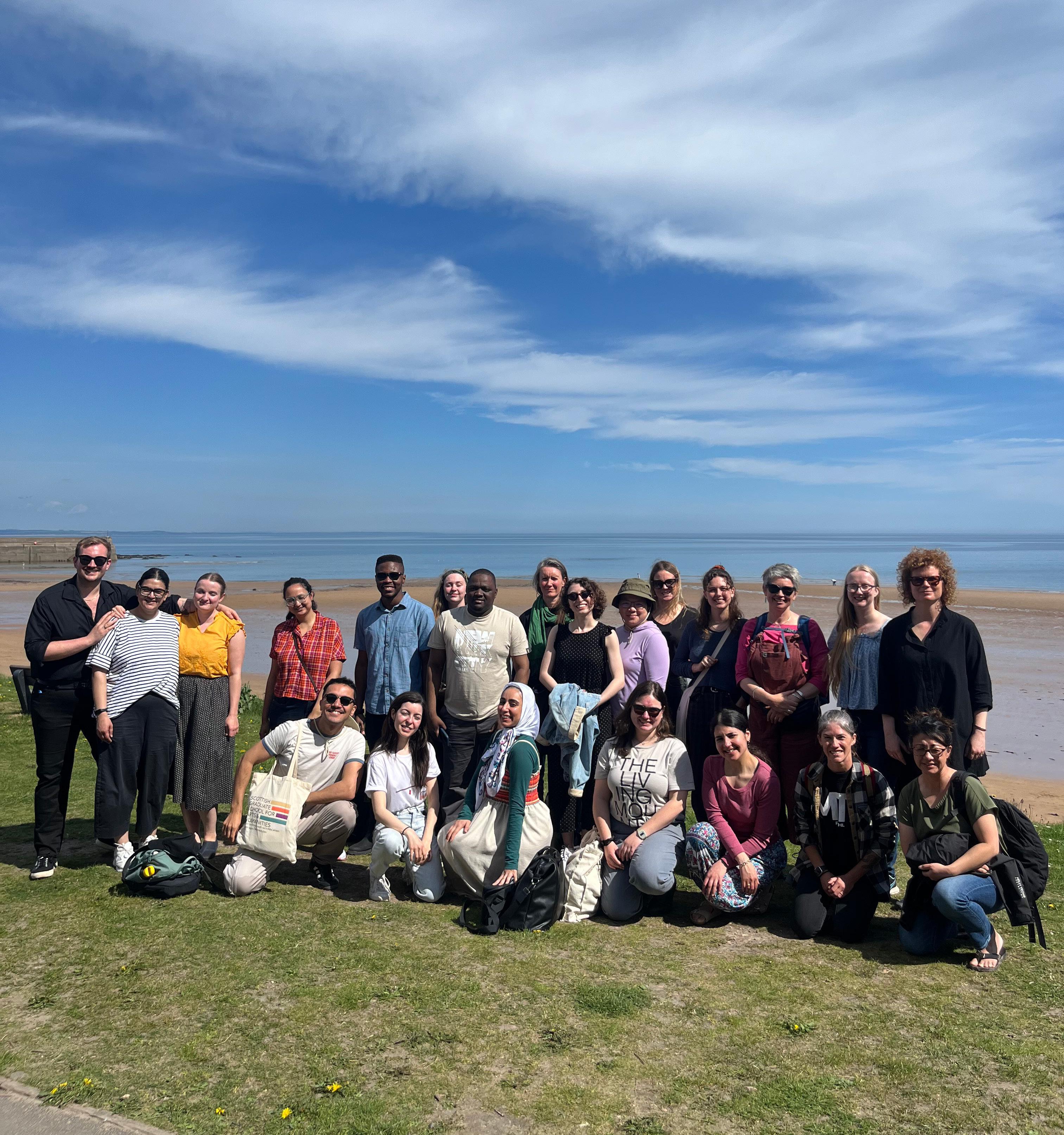
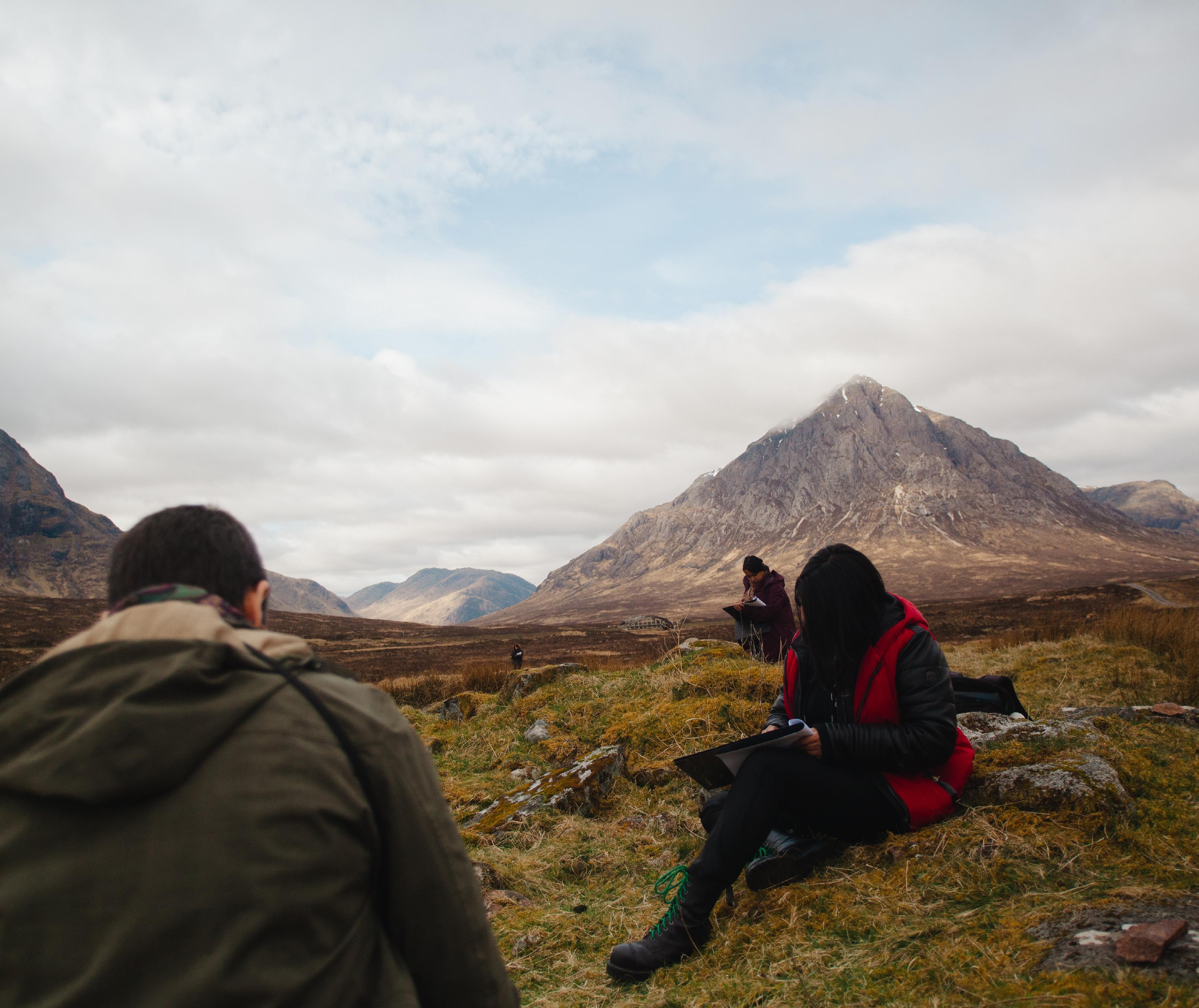
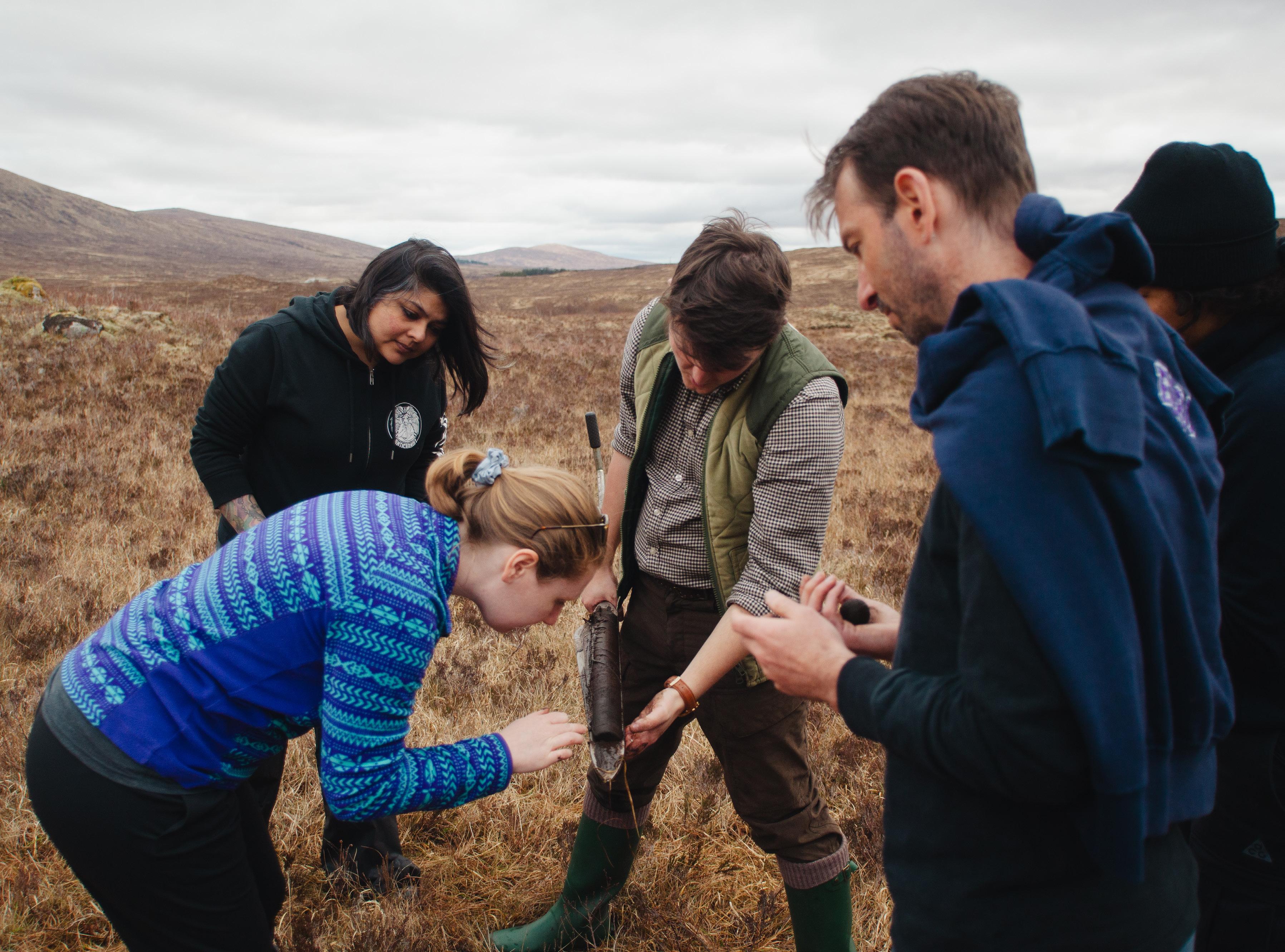
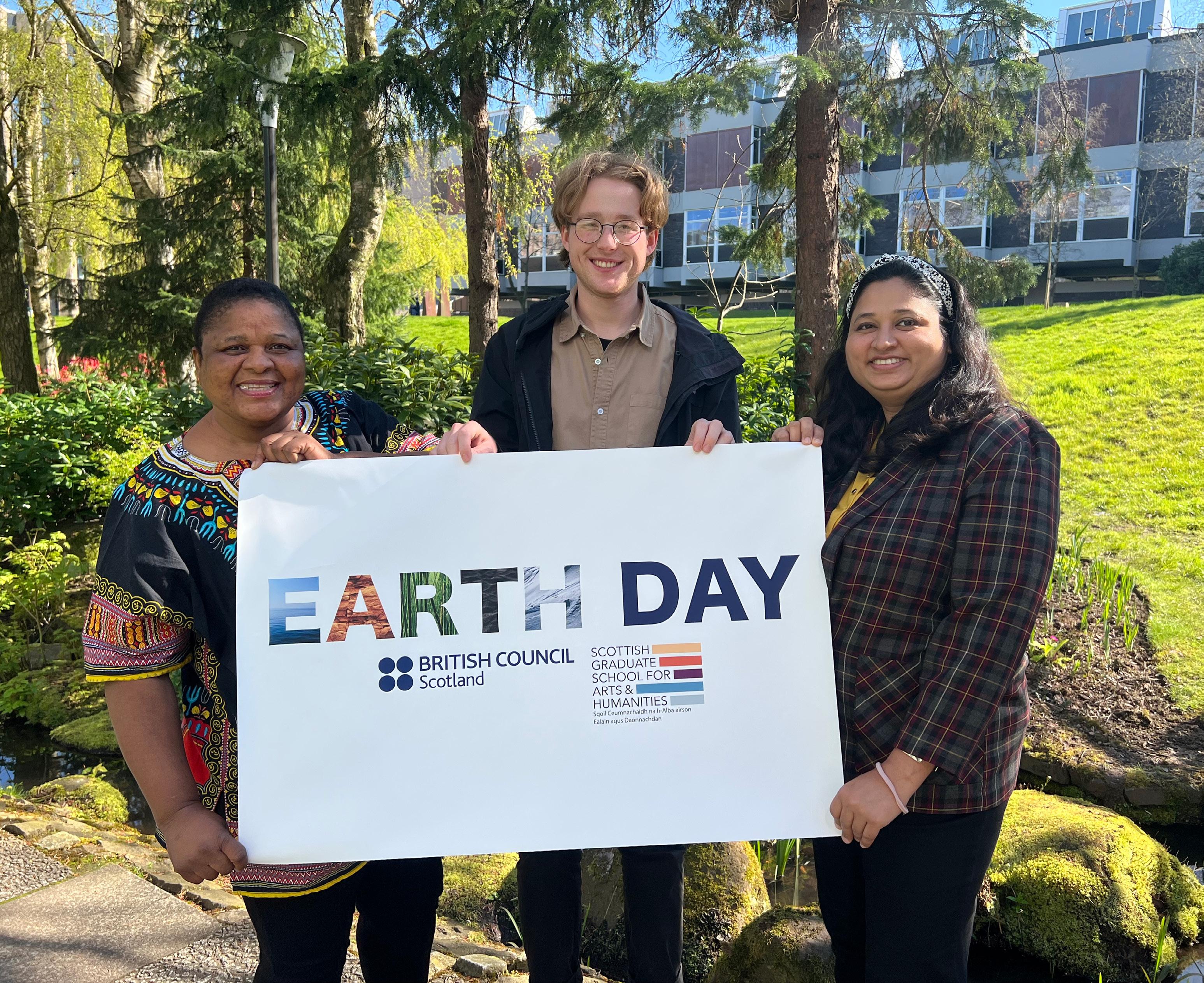
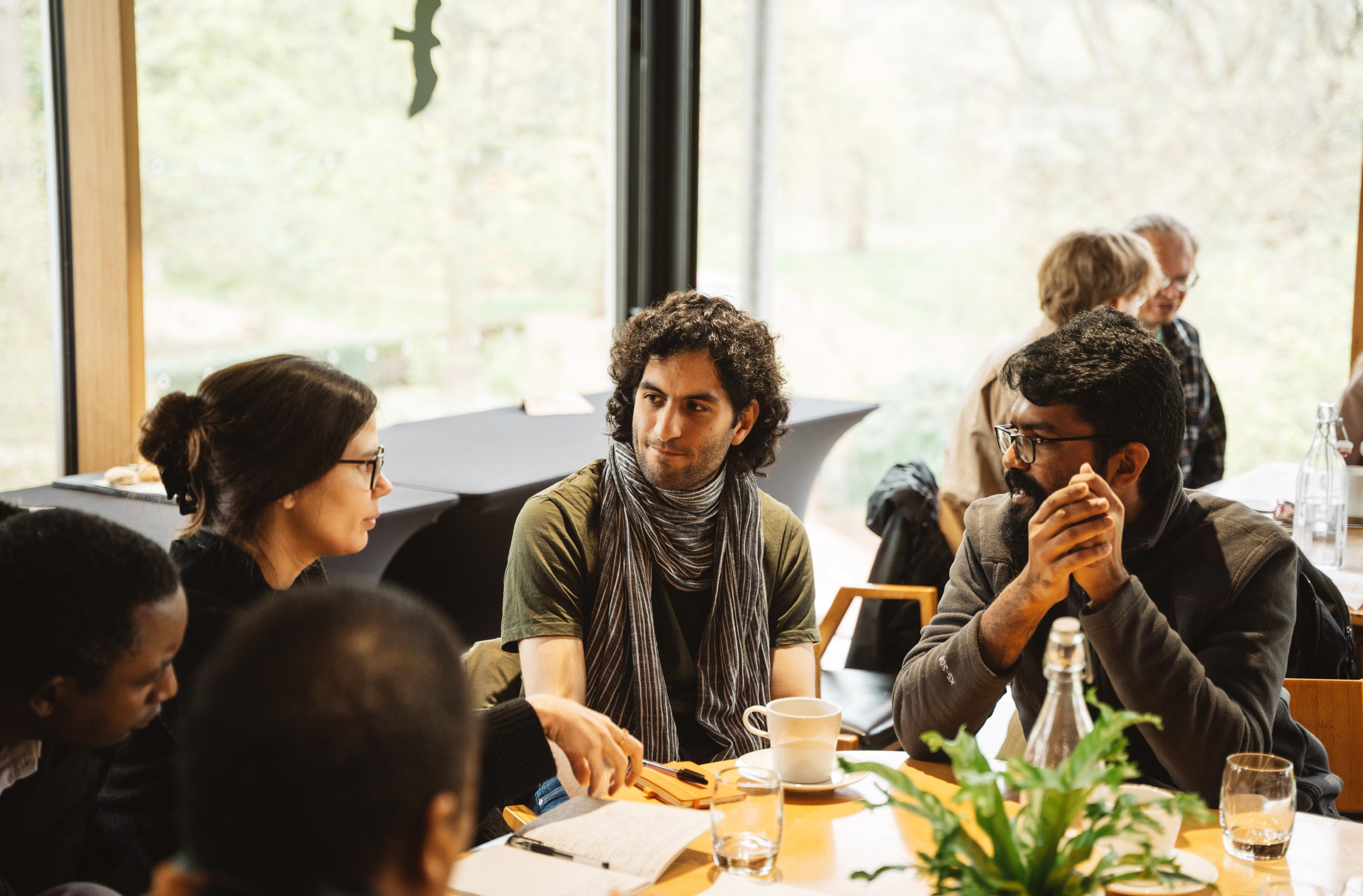
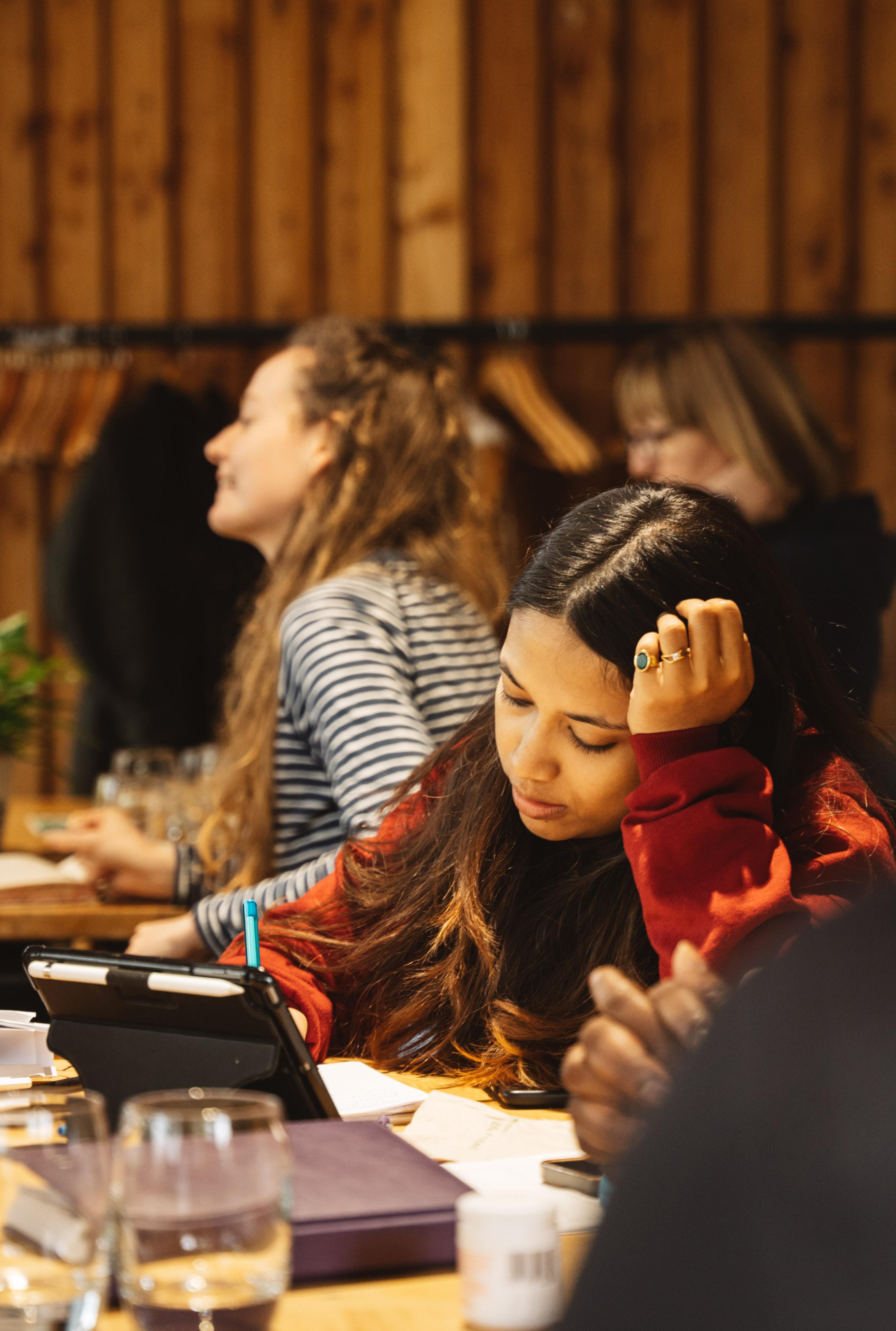
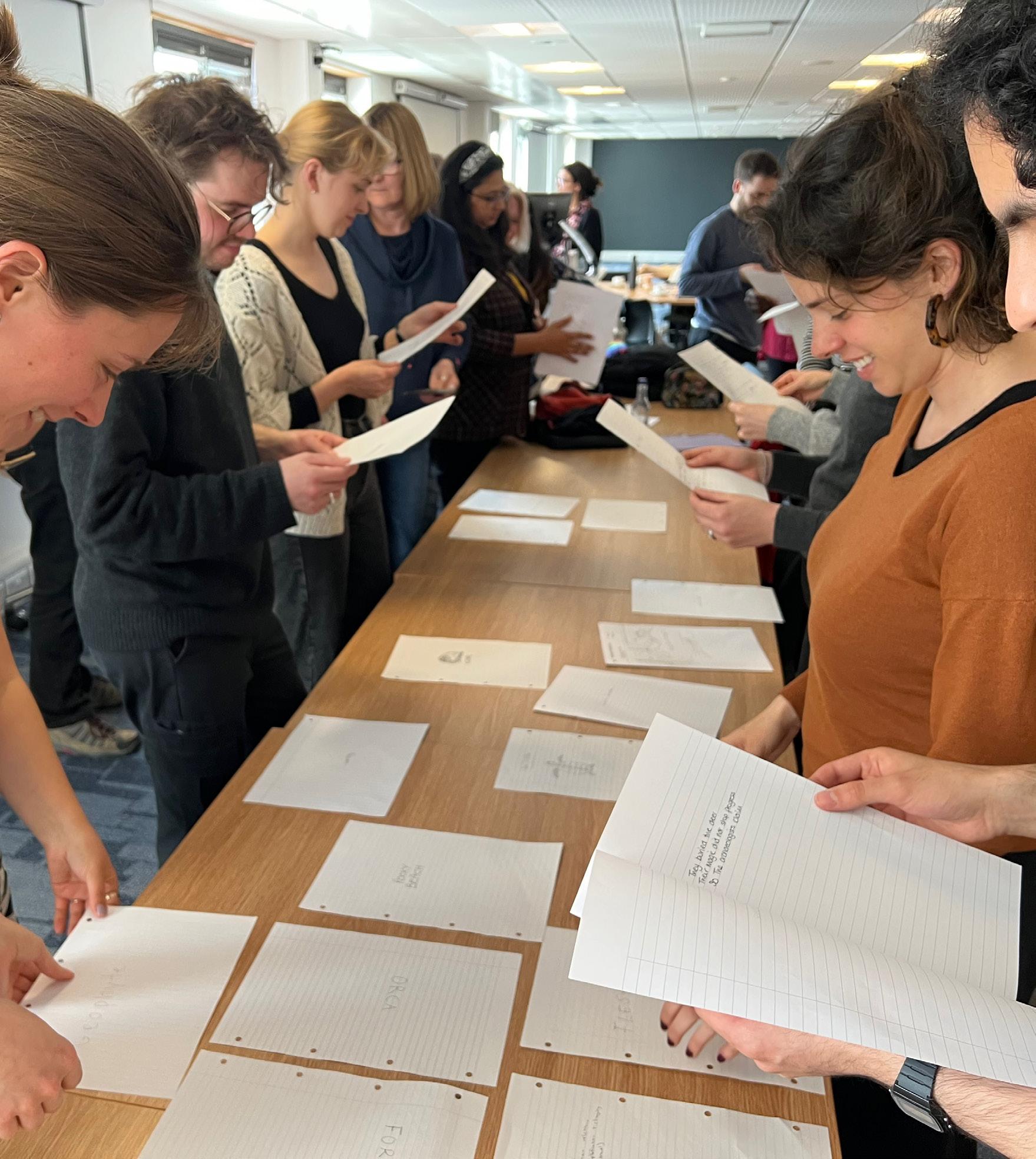
In April each year, the EARTH Scholars came together with an equivalent number of Scotland-based Scholars for a unique and enriching cohort development programme in the environmental humanities, hosted across Scotland. They were welcomed around Earth Day, providing a shared moment for reflection on the environmental themes at the heart of the EARTH Scholarships and anchoring the training within a globally recognised point of focus for climate and environmental action.
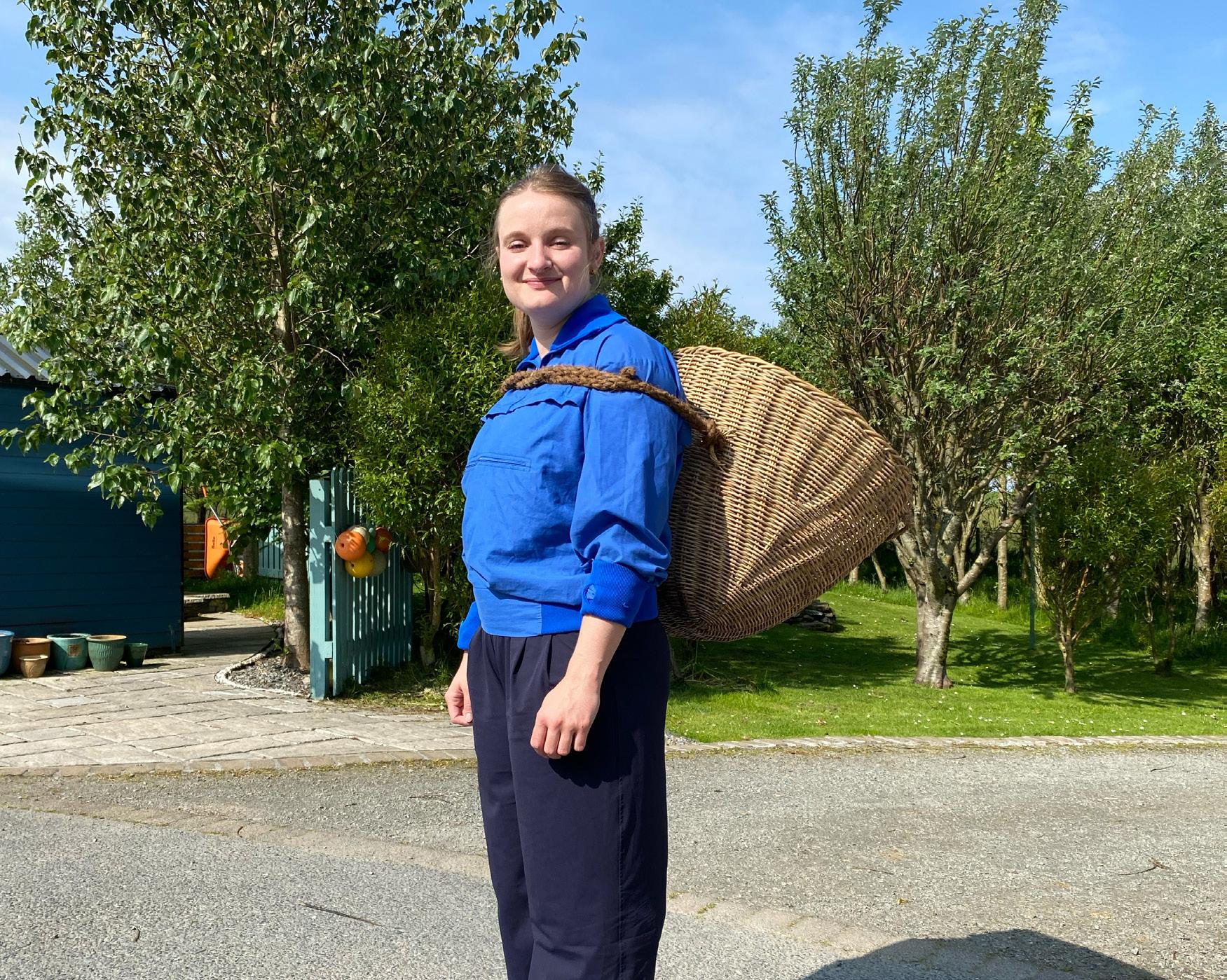
‘The EARTH Scholarships taught me what I could not learn in a classroom set-up. Most importantly, it gave me the opportunity to collaborate with other researchers from around the globe.’
Peter
Mayeso Jiyajiya University of Glasgow
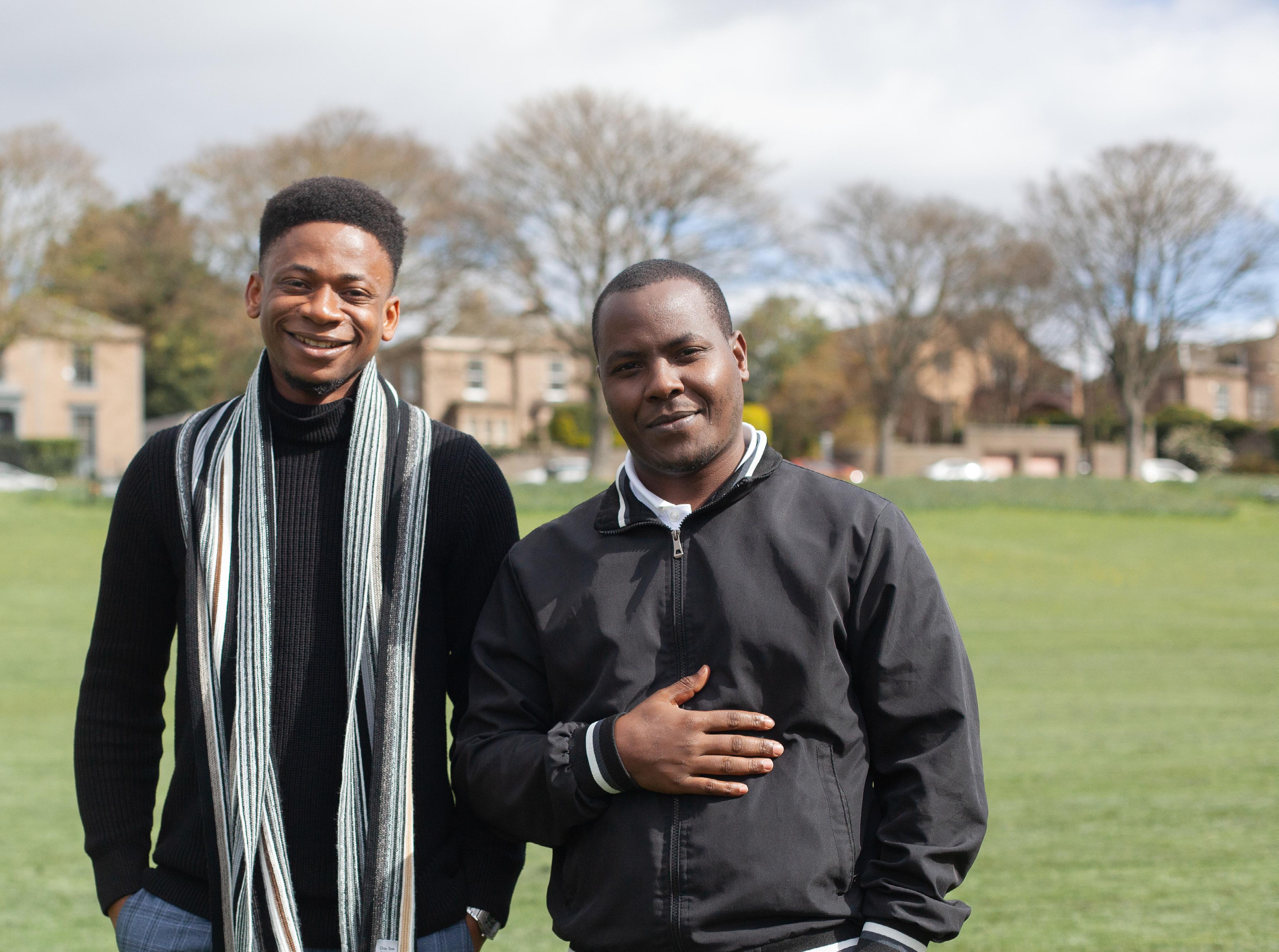
‘The reason I applied to join the cohort training programme as a Scotland-based Scholar is because it offered the opportunity to connect with people that have a very practical concern with the environment—something that directs my own research. I’m interested in what it means to be attentive to other humans and to the more-than-human world, and I’m learning how to sharpen that through communicating with other people here in the programme who bring their own areas of expertise in areas that I’m not especially familiar with.’
Adam Frank
University of Dundee
‘In one of the sessions we had, I came to know about the Glencoe massacre, which really broke my heart. But this made me realise the importance of my research in strengthening human rights protection. Through the programme, I’m finding new data that gives me confidence that my work really matters.’
Wonah Odey University of Stirling
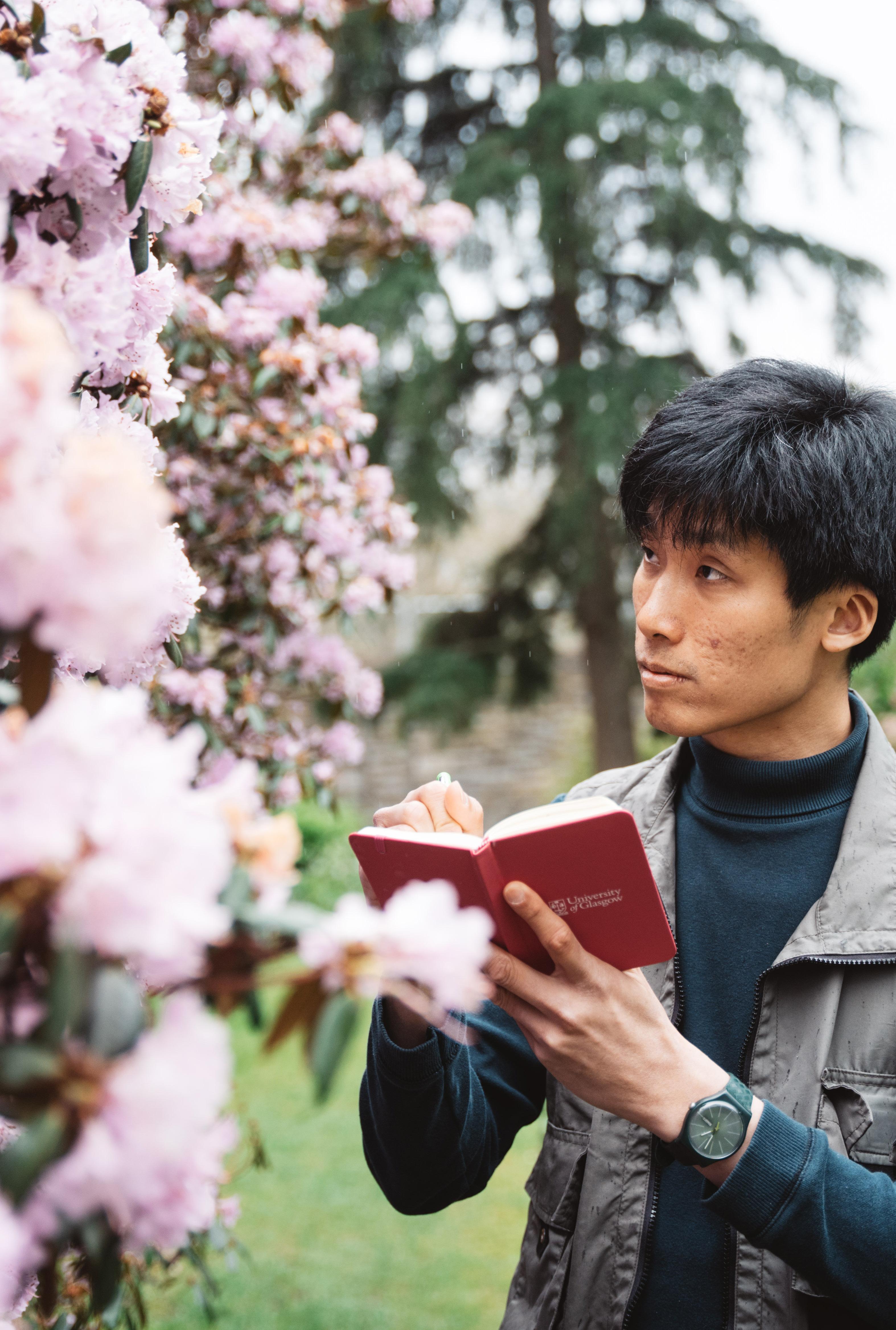
‘The EARTH Scholarships programme was a truly formative part of my PhD career which instigated a suite of positive developments: it strengthened my research and further developed my critical faculties while connecting me with an international network of inspiring and truly world-leading scholars. In so doing, the EARTH Scholarships served as a reprieve to the risks and pitfalls of academic cloistering by fostering truly interdisciplinary discourse and exploring how these conversations can inform interventions into broader cultural, political, and environmental crises.’
Lewis Wood University of Edinburgh

‘It felt especially meaningful that the cohort programme was centred around Earth Day—a time when we can reflect on our connection to nature, think about the earth, past present and future, and consider how we can best protect it moving forwards.’
Rebecca Cornwell University of the Highlands and Islands
Through workshops, site visits, and shared activities, participants engaged with three geographically and thematically structured research clusters, to support collaborative, cross-cultural approaches to the climate crisis grounded in environmental, arts, humanities, and interdisciplinary research. These intertwining clusters shaped the cohort training while also offering research placements, access to arts and cultural sector expertise, skills development, and opportunities for ongoing collaboration.
This cluster brought together a consortium of universities and partners mainly located in the east and north of Scotland, with additional expertise in archaeology and palaeoecology based at the University of Glasgow. Its research strengths spanned the arts and humanities, including historical and political ecology, contemporary policymaking, the psychology of behaviour change, and ecocritical approaches to literature, design, art, and architecture. Activities within this cluster emphasised place-based research, long-term environmental perspectives, and the relationship between past, present, and future environmental action, continuing to inform research conversations and collaborations beyond the life of the programme.
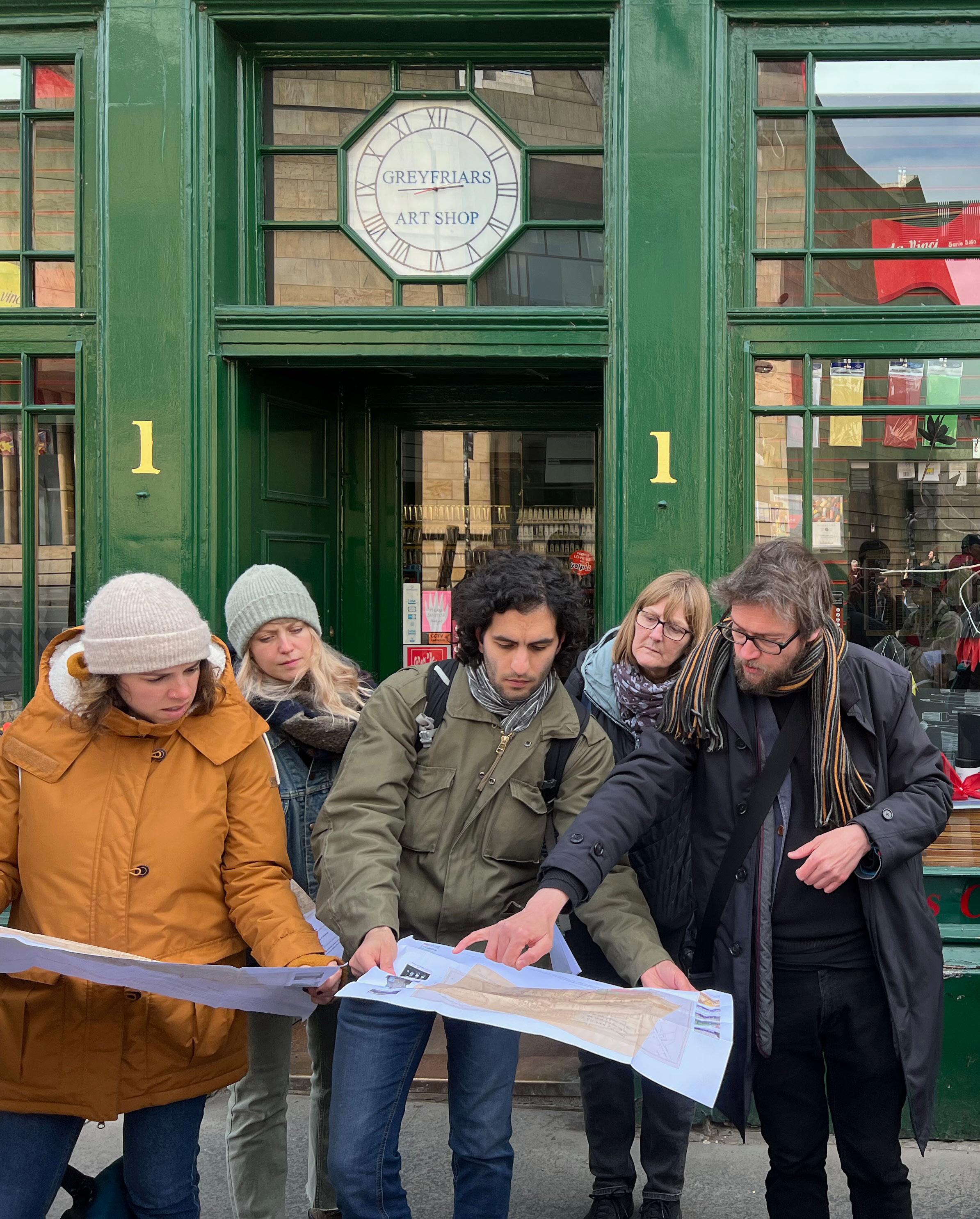
This cluster was rooted in the strong concentration of environmental arts and humanities research in Edinburgh and the east of Scotland. It centred on three interlinked areas. Making drew on traditions of creative practice, including art, film, writing, performance, curating, and gaming. Method foregrounded methodological diversity, engaging with approaches from the social and environmental sciences, exploring fieldwork, communication, data, representation, and exchange across academic, public, and policy contexts. Multispecies research questioned human- centred frameworks, addressing animal, plant, and fungal life, alongside themes of equality, justice, multisensoriality, extractivism, posthumanism, deep time, archaeology, and heritage. Together, these approaches have shaped ongoing interdisciplinary thinking.
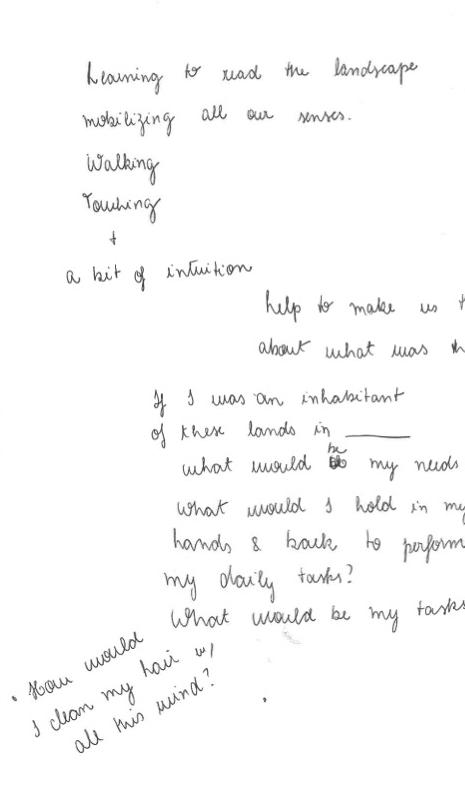
This cluster brought together interdisciplinary arts and humanities expertise across institutions in the west of Scotland and Stirling. Its work centred on three broad and interconnected themes: the cultural and creative economy and its sustainable and socially just futures; ethics, politics, and political ecology in both human and non-human contexts across different historical periods; and theories of environment, including creative and critical approaches to researching species, energy, ecology, and the geohumanities. Cluster activities encouraged Scholars to engage with questions of responsibility, value, and environmental change at local, national, and global scales, seeding conversations and collaborations that continue to develop.
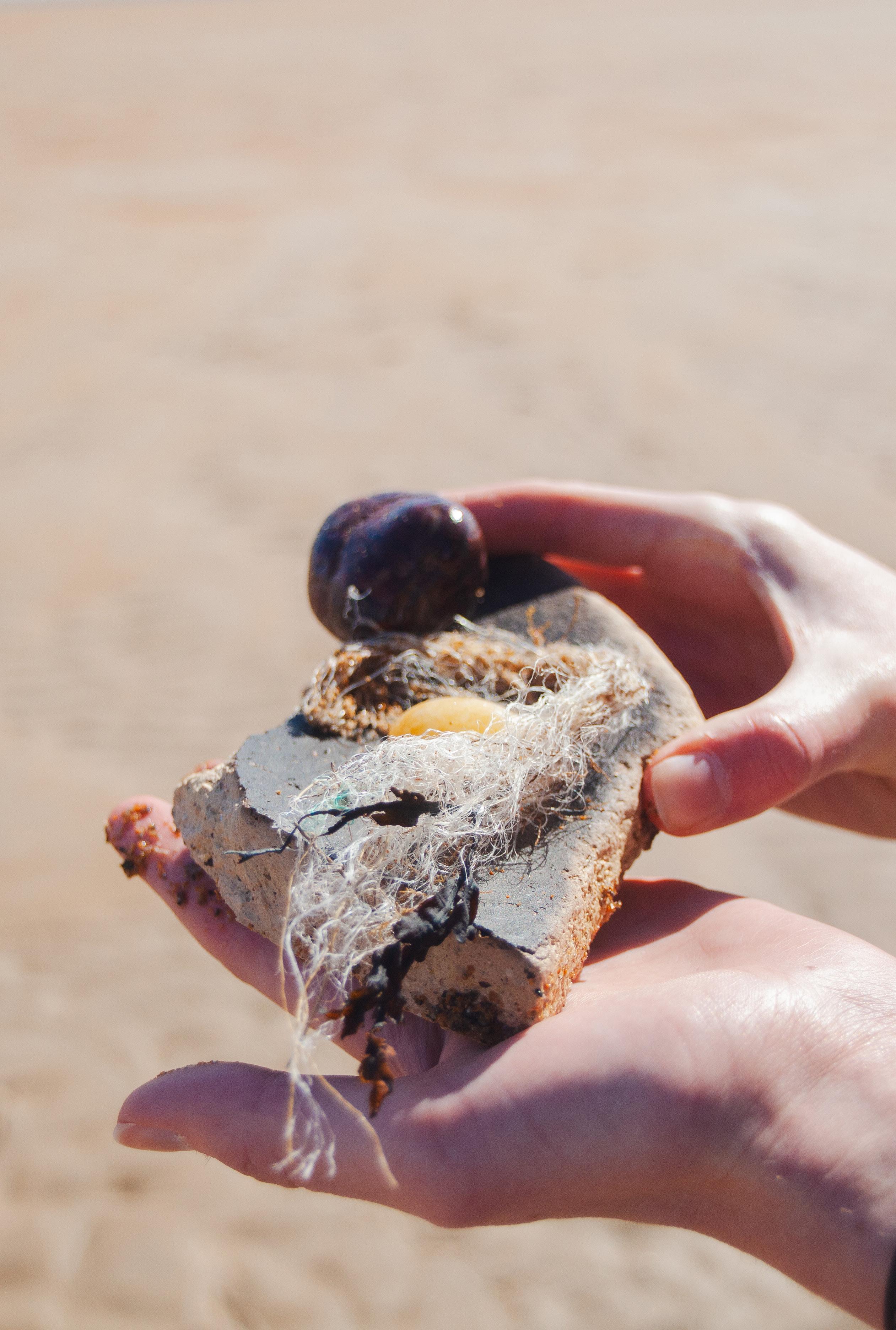

The EARTH Scholarships Impact Symposium marks an important moment within the ongoing life of the EARTH Scholarships programme. Held on Earth Day, 22 April 2026, it builds on the Earth Day–centred cohort training that shaped the programme across its three years, offering a space to reconnect, reflect, and extend conversations that began through the EARTH Scholarships. Bringing together Scholars, mentors, partners, and wider audiences, the Symposium supports continued dialogue, collaboration, and creative exchange, highlighting how the environmental arts and humanities remain central to responding to the climate crisis.
Programme details
22 April 2026, University of Glasgow
Welcome and Introduction
Professor Maria Fusco (SGSAH) and Claire De Braekeleer (British Council Scotland)
Roundtable 1: Place, Time and Action
Ajmal Rasaq, Zahra Tootonsab and Paro Tomar
Roundtable 2: Making, Method and Multispecies
Salomé Ambert, Miriam Sentler and Leena Naqvi
Roundtable 3: Economy, Ethics and Environment
Thainan Rocha and Leyla Craig
Reflections Panel
SGSAH and academic mentors
Since 2023, the EARTH Scholarships programme has demonstrated the transformative power of international and interdisciplinary collaboration in addressing the climate emergency. With a total of £330,000 investment from the British Council Scotland, the programme has enabled three cohorts of doctoral and early career researchers to work across borders, disciplines and sectors, positioning Scotland as a global hub for the environmental arts and humanities.
The EARTH Scholarships programme was founded on a simple but urgent premise: climate change is not only a scientific and technical challenge, but a cultural, ethical, and social one. Through research placements of up to three months, nearly 40 international Scholars have collaborated with Scottish HEIs, academic mentors and
partner organisations. Their work spans eco-archaeology, marine governance, environmental justice, creative economies, performance, multispecies studies, energy heritage and digital innovation. In every case, engagement with the programme has enabled deeper integration between arts and humanities and STEM subjects, advancing genuinely interdisciplinary STEAM research.
The impact is both measurable and sustained. Scholars across the three cohorts have generated over 16 publications, contributed to 37 conference and seminar presentations, with at least 14 creative outputs, alongside 128 hours of collaborative programming. Engagement with research centres, creative practice groups and sector organisations has embedded research within real-world contexts. Fieldwork, site visits, and workshops across urban, rural, and island settings have strengthened connections between academia, communities and the cultural sector.
Beyond outputs, the EARTH Scholarships programme has shifted conversations. It has expanded awareness of environmental arts and humanities within Scotland, demonstrating their essential contribution to climate resilience, just transition and creative futures. Scholars have noted strengthened research capacity, expanded international networks, and new methodological approaches that continue to shape their work. Importantly, 100% of respondents reported a positive experience of the programme, a strong testament to the care, rigour and collaborative ethos that underpinned its design.
The programme’s legacy is already extending beyond its funded period.
An emerging alumni network now connects Scholars across 15+ countries, consolidating partnerships and fostering ongoing intercultural exchange, mentoring and joint research development. Digital resources hosted through SGSAH’s Global Connects International programme and Research Showcase platform provide open-access documentation of talks, projects and outcomes, ensuring continued visibility and public benefit.
The EARTH Scholarships programme has proven that strategic investment in the environmental arts and humanities can lead to international reach, interdisciplinary innovation and sustainable partnerships. It has strengthened Scotland’s global research profile while supporting early career researchers to become leaders in climatefocused scholarship and practice.
At a time when complex environmental challenges demand cultural insight, ethical reflection and creative solutions, programmes like the EARTH Scholarships are not supplementary, they are essential.
Building on its strong foundations, the model we developed has clear potential for further growth, deepening partnerships with communities and cultural organisations, supporting reciprocal international exchange and strengthening Scotland’s leadership in climate-responsive research. With ongoing commitment and partnership, the EARTH Scholarships have demonstrated the potential to develop from a highly successful pilot into a flagship international programme shaping creative and sustainable futures for years to come.
Monica Callaghan SGSAH Head of Operations and Strategy
Dr Uzma Aleem
University of Strathclyde & Western Sydney University, Australia
Media coverage of plastic pollution in Scotland and Australia: finding solutions through online entertainment and gamification
Dr Sonja Åman
University of Aberdeen & University of Oslo, Norway
The impact of changing oceans on space-making practices
Dr Camellia Biswas
University of the Highlands and Islands & Indian Institute of Technology Gandhinagar, India
Orkney’s enigmatic seal-ationship: mapping dynamics of eco-cultural evolution of human-seal relations
Dr Aadita Chaudhury
University of Edinburgh & York University, Canada
Considering the embodiment of time as method in environmental humanities
Megan Denis
University of Glasgow & University of Montana, USA
Rannoch Moor in the Little Ice Age
Dr Mark Dunick
University of Stirling & Victoria University of Wellington, New Zealand
Organising and movement building: lessons from the 1980s British animal rights movement
Marianna Fernandes
University of Edinburgh & Geneva Graduate Institute of International and Development Studies, Switzerland
Data and energy in the North Sea
Dr Buhle Francis
University of Strathclyde & Rhodes University, South Africa
Grandmothers of the sea: protecting women’s rights through art and fair benefit-sharing from seaweed harvesting in the face of climate change
Dr Nicholas Herriot
University of Strathclyde & University of Adelaide, Australia
The history of Scottish working-class environmentalism
Dr Aster Hoving
University of Glasgow & University of Stavanger, Norway
Ocean waves in art, industry and science
Ajmal Rasaq
University of Glasgow & Indian Institute of Technology Guwahati, India
Environmental humanities and monsoon lives
Deborah Schrijvers
University of Edinburgh & University College Dublin, Ireland
Viewing with the nonhuman: time, texture and extinction in Carlos Casas’ Cemetery (2019)
Dr Rita Valencia
University of Glasgow & Centre for Research and Higher Studies in Social Anthropology, Mexico
Decolonial methodologies to unveil and inspire: indigenous agroecological practices and the creation of gardens of abundance
Dr Poulomi Choudhury
University of Edinburgh & University College Dublin, Ireland
Horrors of caste and class in India’s meat production
Dr Krista Collier-Jarvis
Edinburgh Napier University & Dalhousie and Mount Saint Vincent Universities, Canada
Transatlantic fluidities: lochs and bogs
Salomé Ambert
University of Aberdeen & University of Grenoble Alpes, France
Once there were large carnivores: representations of Scotland in contemporary rewilding novels
Luke Kaplan
University of Strathclyde & Rhodes University, South Africa
Making home and coming home for climate refugees in Scotland
Kamila Mamadnazarbekova
University of Glasgow & Sorbonne University, France
Contemporary landscape performance in Scotland: mapping, aesthetics, political effects
Dr Sindi-Leigh McBride
University of Edinburgh & University of Basel, Switzerland
The climate crisis and contemporary African art
Emily McCallum
University of Aberdeen & University of Toronto, Canada
Music, sound, and landscape as British cultural and material resource, c.1900-1927
Aphiwe Moshani
University of Strathclyde & University of Cape Town, South Africa
Balancing the tide: safeguarding international human rights of rural small-scale fisher women in South African ocean governance

Sidney Muhangi
University of Strathclyde & Rhodes University, South Africa
Facilitating a just and transformative transition of smallholder farming through art: a case of Eastern Cape, South Africa
Laura Pannekoek
University of Glasgow & Concordia University, Canada
Geoenergy after coal: minewater geothermal at the impasse
Nabanita Samanta
University of Edinburgh & Indian Institute of Technology Bombay, India
Offshore anthropocene, archipelagic affordances: infrastructure, imaginaries, and (re)making futures
Dr Tilak Tewari
University of St Andrews & Victoria University of Wellington, New Zealand
From Highlands to hill stations: Scots in the mountains of India
Zaellotius Wilson
University of Strathclyde & Arizona State University, USA
The alchemist’s web
Leyla Craig
University of Edinburgh & University of Sydney, Australia
Examining access and participation through a language lens: communication in science and emergency preparedness with Deaf people
Marta Kucza
Robert Gordon University & University of Tartu, Estonia
Neurodivergent modes of enquiry for the study of more-than-human ecosystems
Leena Samin Naqvi
Edinburgh Napier University & Umeå Institute of Design, Sweden
Culturing cultures
David Ogoru
University of Strathclyde & Brown University, USA
Entangled with water
Betlem Pallardó
University of Strathclyde & Universitat de València, Spain
Cultural animals in museums: nature on display in contemporary Spain
Thainan Rocha
University of Glasgow & Federal University of Rio Grande do Sul, Brazil
Cultural resilience: sustainable models through participatory technologies
Miriam Sentler
University of the Highlands and Islands & University of Oslo, Norway
The moving energy theatre
Janet Sit
Royal Conservatoire of Scotland; University of St Andrews & University of California San Diego, USA
Tides and ties of kinship: speculative world-making in Scotland’s multispecies waters
Paro Tomar
University of St Andrews & Shiv Nadar University, India
Colonialism, pastoralism and climate crisis in the Thar desert: a historical overview
Zahra Tootonsab
University of Glasgow & McMaster University, Canada
Our Bakhtiari shelter: weaving sustainable futures through craft, story, and kinship
Ellie Bush
University of Edinburgh
Dr Anne Daffertshofer
University of St Andrews
Adam Frank University of Dundee
Helen Garbett
University of the Highlands and Islands
Emma Hall University of Glasgow
Dr Rowan Bayliss Hawitt University of Edinburgh
Niall Ingham University of Glasgow
Keili Koppel
University of Edinburgh
Matthew Lear University of Edinburgh
Niamh MacKenzie
University of the Highlands and Islands
Peter Mayeso Jiyajiya
University of Glasgow
Benjamin Ong
University of St Andrews
Kathrine Page
University of the Highlands and Islands
Ciara Bolton
University of Edinburgh
Sarah Bresnahan
University of Glasgow
Rebecca Cornwell University of the Highlands and Islands
Hannah Duffew
University of Edinburgh
Alex Gibbons University of the Highlands and Islands
Euan Healey
University of Glasgow
Ines Kirschner
University of Aberdeen
Gwenffrewi Morgan
University of St Andrews
Gala Morris
University of Glasgow
Helena Fornells Nadal
University of Glasgow
Wonah Odey
University of Stirling
Edda Starck
University of Aberdeen
Yimeng Xu
University of Strathclyde
Ley Bergeron
University of Edinburgh
Leonie Charlton
University of the Highlands and Islands
Mattea Gernentz University of Glasgow
Eilidh Guthrie
University of Dundee
Isobel Harvey University of Glasgow
Mara Marxt Lewis University of Aberdeen
Tafadzwa Makara University of Stirling
Alison Scott
Robert Gordon University
Anna Stacey
Queen Margaret University
Lewis Wood University of Edinburgh
EARTH Scholarship Coordinator
2023 & 2024
Professor Ingrid Mainland
University of the Highlands and Islands
Professor Mel Woods
University of Dundee
2025
Dr Ben Elliott
University of the Highlands and Islands
Dr Elodie Laügt
University of St Andrews
2023
Professor David Farrier,
Professor Andrew Patrizio,
Dr Lucy Steeds University of Edinburgh
Dr Demelza Kooij
Edinburgh Napier University
2024
Dr Emily Alder
Edinburgh Napier University
Dr Mark Hilley
University of Edinburgh
2025
Dr Emily Alder
Edinburgh Napier University
Dr Mark Hilley
University of Edinburgh
2023
Professor Mark Banks University of Glasgow
Professor Erica Fudge University of Strathclyde
2024 & 2025
Dr Charles Pigott University of Strathclyde
Professor Mark Banks University of Glasgow
Dr Michelle Bastian University of Edinburgh
Dr Alexandra Campbell University of Glasgow
Professor David Featherstone University of Glasgow
Professor Lesley Henderson University of Strathclyde
Dr Juli Huang University of Edinburgh
Professor Ingrid Mainland University of the Highlands and Islands
Dr Julia McClure University of Glasgow
Professor Arthur McIvor University of Strathclyde
Professor Elisa Morgera University of Strathclyde
Professor Holger Nehring University of Stirling
Dr Andrew Whitehouse University of Aberdeen
Professor Nicki Whitehouse University of Glasgow
Dr Emily Alder
Edinburgh Napier University
Professor Timothy Baker University of Aberdeen
Dr Sourit Bhattacharya University of Edinburgh
Dr Hannah Boast University of Edinburgh
Dr John Clark University of St Andrews
Professor Erica Fudge University of Strathclyde
Dr Jonathan Hicks University of Aberdeen
Professor Carl Lavery University of Glasgow
Professor Elisa Morgera University of Strathclyde
Dr Maria Sledmere
University of Strathclyde
Dr Lucy Steeds
University of Edinburgh
Dr Saskia Vermeylen
University of Strathclyde
Dr Rhys Williams
University of Glasgow
Professor Mark Banks University of Glasgow
Dr Arunima Bhattacharya
Edinburgh Napier University
Dr Daniel Calderbank University of Glasgow
Dr Jen Clarke
Robert Gordon University
Dr Emily Doolittle
Royal Conservatoire of Scotland
Dr Gabrielle Hodge University of Edinburgh
Dr Charles Pigott University of Strathclyde
Professor Bernhard Struck University of St Andrews
Dr Antonia Thomas University of the Highlands and Islands
Dr David Wilson
University of Strathclyde
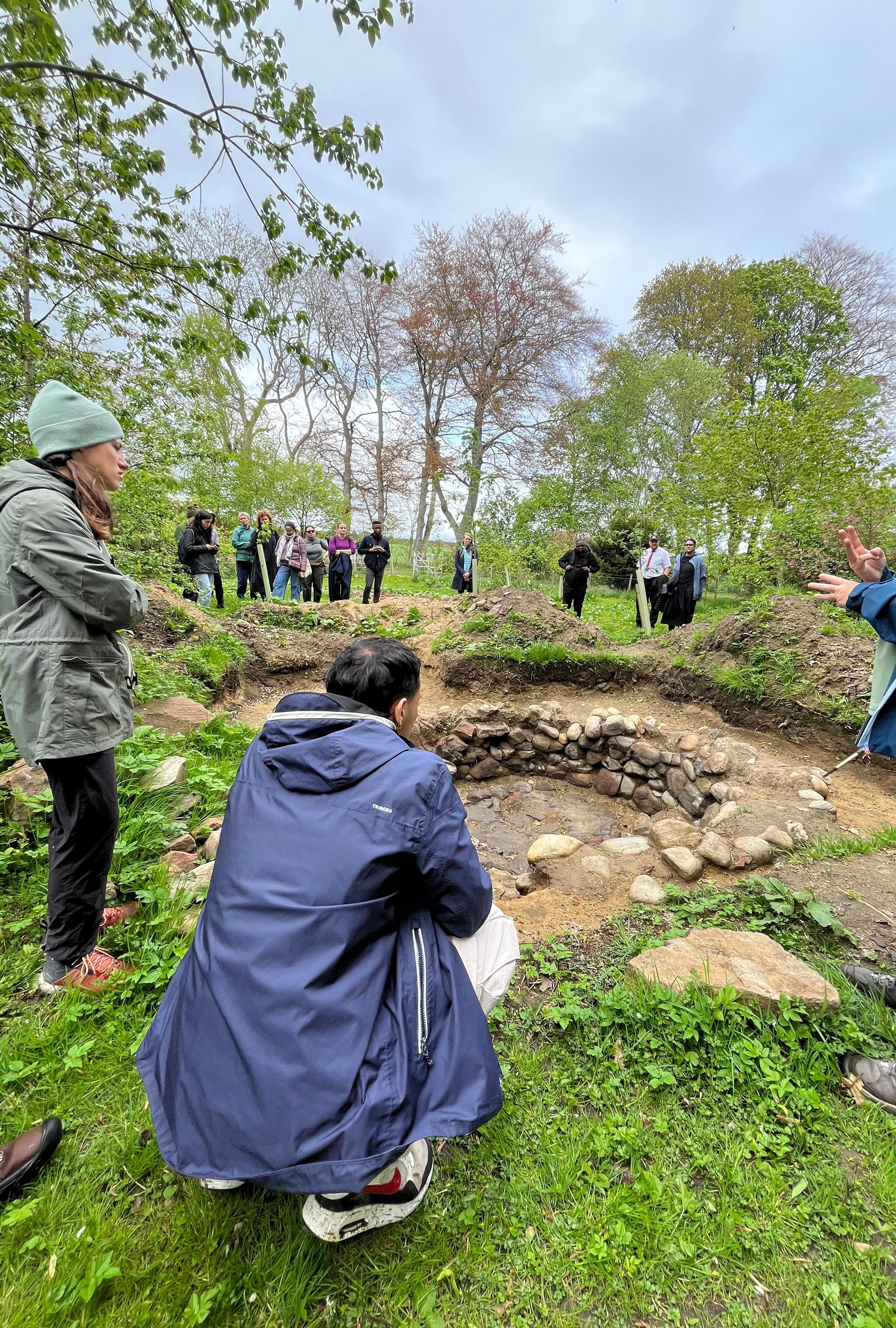
The EARTH Scholars Research Showcases present detailed profiles of each cohort, outlining their research projects, institutional affiliations, and areas of focus during their time in Scotland, providing an overview of the intellectual scope and thematic diversity of the programme across its three years.
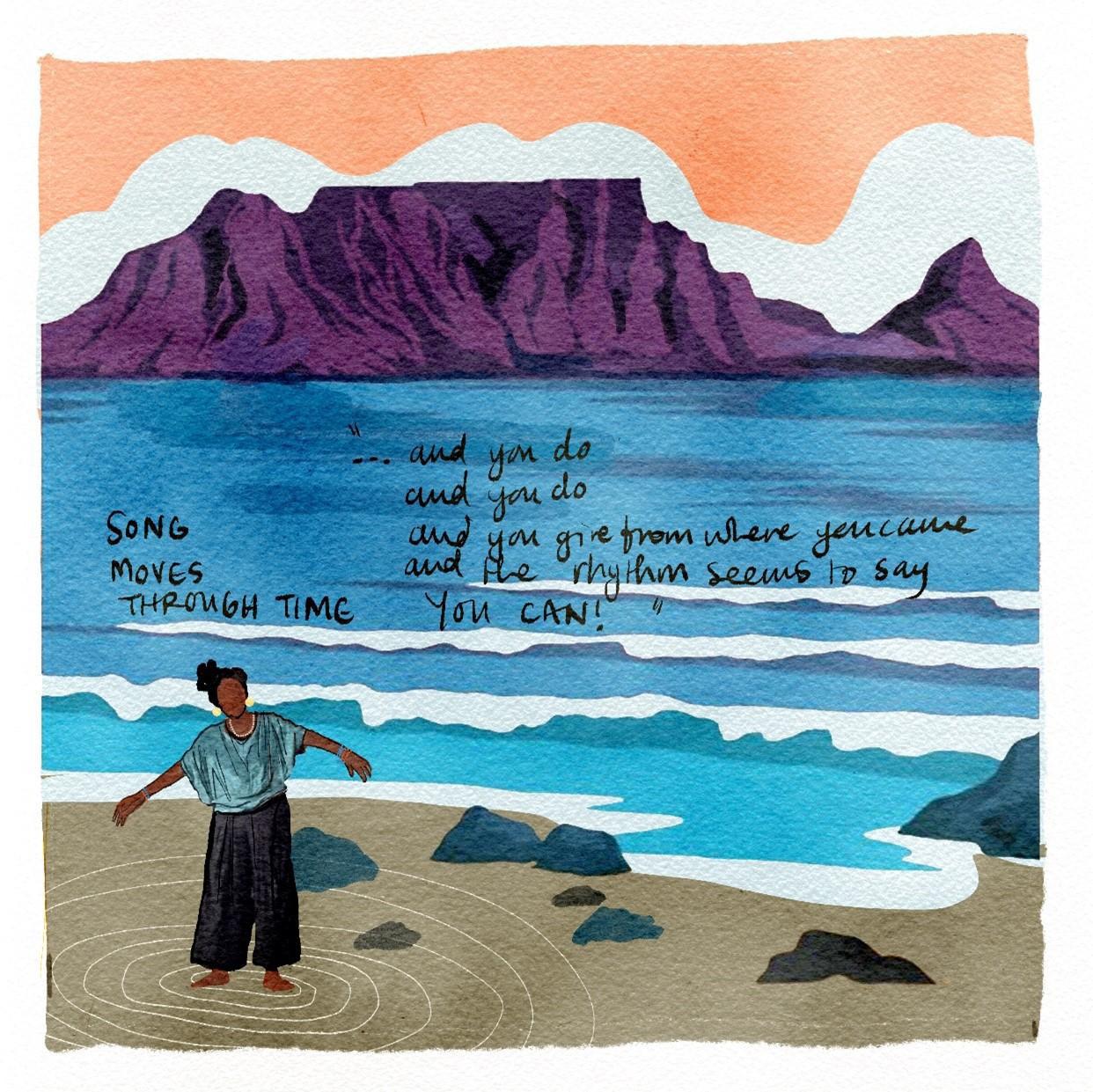
The Global Connects Presentations are a collection of recorded online talks delivered by each cohort at the culmination of their research placements, offering insights into the questions, methods, and collaborations that shaped their projects during their time in Scotland. 2023
2023

SGSAH expresses our deepest gratitude to the British Council Scotland for its partnership and support, without which the EARTH Scholarships would not have been possible. We particularly wish to acknowledge the guidance of colleagues who played a central role in supporting the programme:
Peter Brown, former Director; Lucy Young, former Head of Education; Norah Campbell, Head of Arts; Harish Lokhun, Head of Education; Jane Halstead, Education Manager and Rosalind Gould, former Media & Communications Manager.
Sincere thanks to SGSAH’s 17 member institutions, and to the academics, professional services staff, research centres and groups whose commitment and expertise were integral to the delivery of the programme. We are especially grateful to the EARTH Scholarships research cluster leads and academic mentors for their valued leadership and contribution.
We also acknowledge the many industry and community partners who enriched the cohort training programme, as well as the numerous individuals whose guidance, collaboration, and generosity enabled Scholars to develop and advance their research projects.
Thanks to
Previous SGSAH team members for their invaluable foundation work on this programme, Professor Claire Squires (Director, 2020-2025) and Professor Craig Martin (Deputy Director, 2020-2024).
The SGSAH team for their organisational and editorial work, Sam Morton for designing the cover of this publication, and to Harriet Crisp, in her role as EARTH Scholarship Impact Coordinator.
To Gala Morris, Benjamin Ong, and Lewis Wood, previous EARTH Scholarship Coordinators, for generously providing several of the photographs featured in this publication, and to Thainan Rocha for generously allowing us to adopt ‘Creative and Sustainable Futures’ – a phrase drawn from their reflections on the programme –as the title.
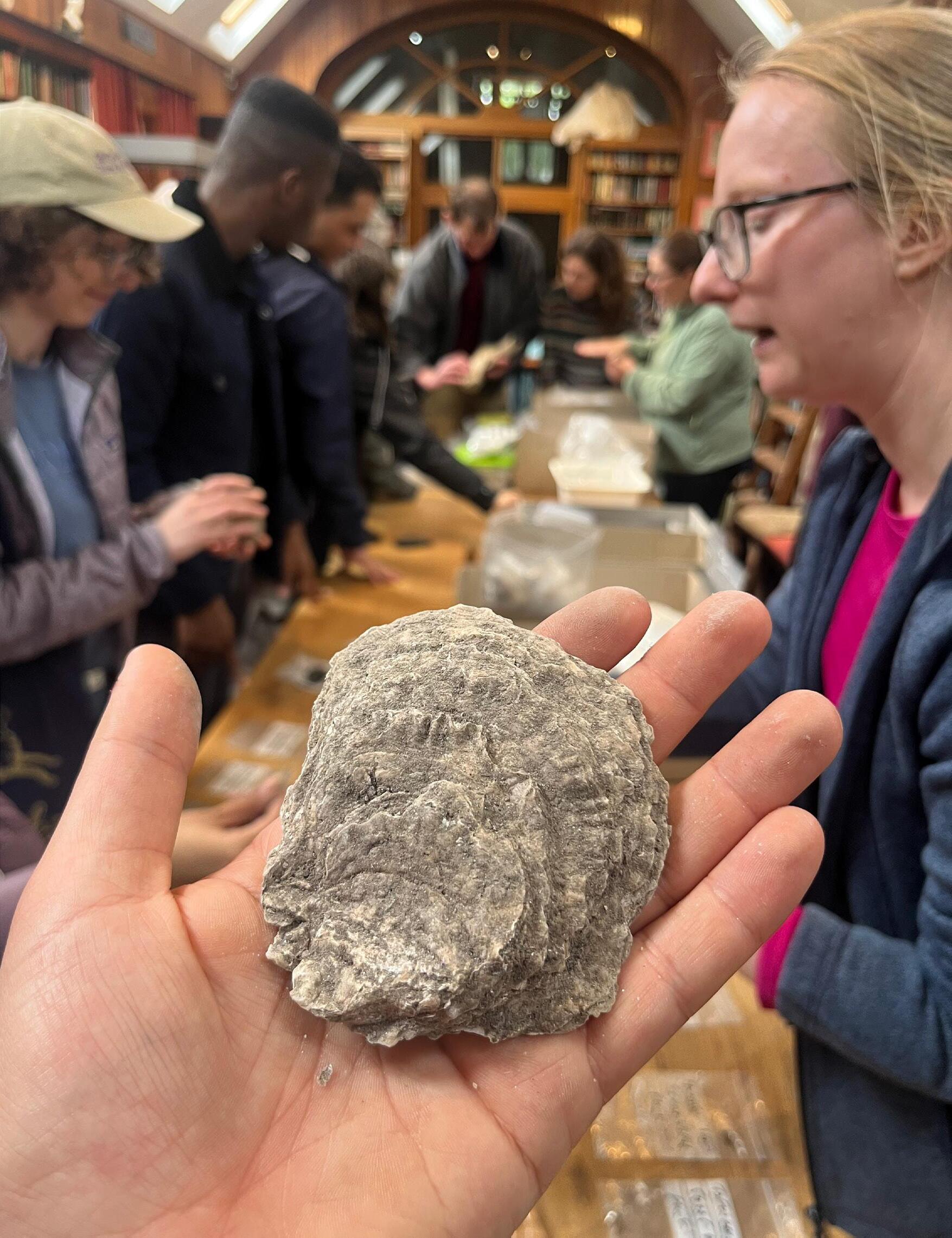
Images throughout this publication are courtesy of SGSAH and British Council Scotland, sourced from activities delivered as part of the EARTH Scholarship programme between 2023 and 2025, as well as from the EARTH Scholars’ research showcases, which you can explore in the additional resources section.
Additional image credits:
Page 23 — Dr Audrey Cameron Page 25 — Rafael França/GUDI