











When








































































When
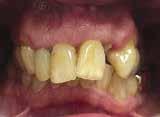
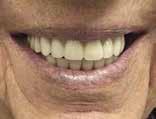
• You'll never have to worry about your teeth slipping or falling out
• No need for adhesive
• Eat and smile like you have had these teeth for your whole life

• Prevent bone loss and gum recession while preserving the jawbone and maintain a more youthful facial structure
• An investment that can last a lifetime
• Increased chewing capacity—eat foods like apples, steak, corn on the cob, and more
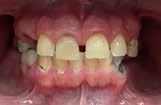
• Same day full-arch restoration with only four implants
• No more traditional dentures & no more denture sores
• Easy to clean and care for
ALL-ON-4© Scan the QR code to schedule your appointment with us today!












If you’ve lived in Southern Utah long enough, you know something about spring. It’s not just blooming trees and longer evenings. It’s not just warm air rolling across red rock and alfalfa fields waking up. Spring is preparation.
Our pioneer ancestors understood this well. They didn’t stroll into spring; they worked into it. Winter had taken its toll. Food stores were low, clothes were worn thin, fences needed repair, tools needed sharpening, and fields needed clearing. Spring meant planning crops before the soil was warm, clearing irrigation ditches before the heat demanded water, and spending long days behind a plow with hands still stiff from winter.

The pioneers knew something simple and powerful: fall doesn’t reward wishful thinking; it rewards preparation. And while most of us are not hitching mules to plows or digging ditches by hand, the principle has not changed. Spring is still the season of preparation, especially when it comes to our health.
We all want the harvest: energy, strength, and resilience. We want to feel good in our own skin when summer arrives. But harvest doesn’t happen by accident. The body, much like a field, reflects what’s been planted, tended, or ignored.
Spring is the time to plant habits that carry you through the heat of summer and into fall’s harvest. It’s the time to clear what winter allowed to pile up and repair what has been neglected. That might mean scheduling the checkup you’ve postponed, addressing lingering pain, adjusting nutrition, committing to regular movement, improving sleep, or strengthening your mental health.
Preparation is rarely glamorous. It is quiet effort—sometimes uncomfortable and often inconvenient—but it gets results. Our ancestors didn’t wait until harvest to decide what to plant. They made those decisions in spring. They used what they had, leaned on neighbors, shared knowledge, and worked together. That same community mindset matters just as much today. Although health is personal, it’s not meant to be isolated. None of us thrive alone. We need resources, guidance, and people who understand the terrain and can help us navigate it.
That’s where Southern Utah Health & Wellness comes in. Think of this magazine as part of your spring toolkit. Inside these pages are professionals dedicated to helping you prepare well: physicians, therapists, fitness experts, nutrition specialists, and financial wellness advisors. Each offers guidance, information, ideas, insight, or support. Preparation without the right tools is frustrating; with the right tools, it becomes empowering.
Each spring, you have a choice: drift into summer and hope your energy improves, your aches ease, and your stress fades—or prepare. Plant new habits. Repair what needs fixing. Gather the right tools. Create the harvest you hope to enjoy.
Southern Utah has always been shaped by resilience. From early settlers carving life out of desert soil to the thriving community we enjoy today, growth has never been accidental. It’s always been intentional. This spring, be intentional with your health. Prepare well, plant wisely, use the tools available to you, and lean into community. When fall comes, let it be said that your harvest wasn’t luck; it was earned.
Brendan Dalley, Editor




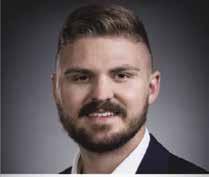
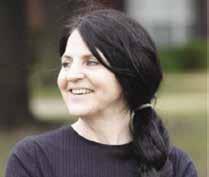
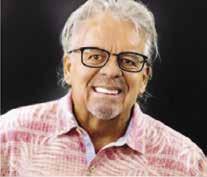
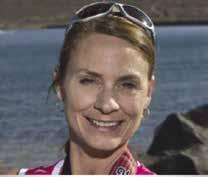


Laci Wall - Life Integrated
Trish DeMarcus - Elemental DNA & Detox
Diane Del Toro - Southern Utah Health & Wellness Magazine
Shannon Mondry - Mondry Design
Tyson Koford - Found Local Marketing
Konner Taylor - Digital Intern
Brad Gilman, Media Manager, IHC Desert Region
Michelle Kelch, Movara Fitness Resort
Dr. Kathleen King, Primal Trust
Richard Preston, Preston Office Solutions
Dr. Ritchie Stevens, 5D Cancer Center
Katie Walker, Utah Tech University
For information on how to contribute or advertise with us, visit our website at www.SUHealthAndWellness.com, email connect@SUHealthAndWellness.com or call us at (435) 236-2966.

Southern Utah Health & Wellness Magazine, proudly published in St. George, Utah
The publisher is not responsible for the accuracy of the articles in Southern Utah Health & Wellness Magazine. The information contained within has been obtained from sources believed to be reliable. Neither the publisher nor any other party assumes liability for loss or damage as a result of reliance on this material. Appropriate professional advice should be sought before making decisions. Outside of our staff authors, articles written by providers or professionals are invited authors and represent the opinions of that particular individual, business, group or organization. If an article is a paid advertisement, we will place the word “Advertisement” or “Advertorial” to identify it as such. ©Copyright 2026.


n January 17, 2026, our community came together for the grand opening of the new City Hall and the annual Heritage Day Celebration. It was a remarkable day filled with gratitude and reflection as residents explored the expanded City Council Chambers, new parking garage, connected atrium, civic room, and striking art features—all designed with the public in mind.
More than a celebration of new spaces, the event was a tribute to the history and spirit that have shaped St. George. Our city’s story is one of vision, collaboration, and continuity, and this new building stands as both a modern civic center and a bridge to our past.
However, our new City Hall is more than just a building. It represents the heart of our community and the story of how we’ve grown together. I shared those thoughts during my remarks that day:
“If you listen closely, you can hear some of the echoes of our past. On the corner is the Dixie Academy building, home of the early years of Dixie College. The old gym sat right over there where the splash pad is, and behind me, the St. George Tabernacle, which opened in 1876, is a cherished landmark.
“Then beyond the tower, on the lawn just south of the Woodward Building, are the old parade grounds. From the late 1800s to the present day, this area has been a gathering spot. That was where soldiers would learn to march and drill and eventually be sent off to war, leaving behind their loved ones.
“In 2007, the City created Historic Town Square to pay tribute to the heritage of the area. And what a wonderful place it has become. From hosting large events such as the St. George Art Festival or IRONMAN world championships; family fun like carousel rides and frisbee tosses; or as a quiet spot to reflect at the Gold Star Families Memorial Monument—Town Square has many public functions and is well loved by our community.
“So I believe it is fitting and appropriate that our new City building—intended to be a gathering place—was built to be a friendly spot to interact with city officials and located just across the street from Town Square.”
Our new City Hall is more than an architectural achievement. It is a promise to continue building a city that honors its past while embracing its future. I invite all residents to visit and explore this space that belongs to every member of our community.
Mayor Jimmie Hughes City of St. George


Dear Neighbors and Friends,
By Katie Walker
Over the incredible past ten months that I have called Southern Utah home, I have quickly grown to appreciate the collective spirit of resilience, vision, and belonging that has guided this community in the past and will continue to carry it forward. Utah Tech University is honored to celebrate the special heritage of Utah’s Dixie each spring by hosting D-Week traditions and festivities.
Dating back to 1915, when the student body constructed the D on the Hill, D-Week is an opportunity to come together, look back, and honor the sacrifice and collaboration that laid the foundation we stand on today. The connection between university and community traces back to when pioneers first settled St. George on the land where Utah Tech’s campus now sits. Here pioneers gathered, built, and believed in a future they couldn't fully see but deeply hoped for.
This partnership continued during the institution’s founding in 1911, when the community fundraised to start the school. The support continued during the Great Depression, when local residents kept the institution afloat through donations and goods in kind until state funding was secured. Now, through community partnerships that offer our students premier internships and hands-on learning, we still work together to make Southern Utah an amazing place to live and learn.
Please join me and all of Trailblazer Nation in celebrating our heritage during D-Week 2026. Weekend festivities will kick off with The Great Race, and I invite you to participate or spectate. Beginning in the 1960s as a bike race through St. George, this longstanding tradition morphed in the 1970s into a relay that
included motocross, horseback riding on Foremaster Ridge, and tubing down the Virgin River before moving to campus in 2000. In its current form, The Great Race features relay teams of ten individuals as they run, pedal, swim, scoot, and slide their way through the course, tackling obstacles like the infamous mud pit before crossing the finish line. This year’s iteration of the storied relay is set to start at 5:00 p.m. on Friday, April 10, in Greater Zion Stadium.
Immediately following The Great Race, Brooks’ Birthday Carnival will offer games and concessions to celebrate the 10th birthday of the university’s mascot, Brooks the Bison. The event will take place from 6:00 to 8:30 p.m. on UT’s Encampment Mall.
Finally, please join us as we wrap up D-Week by applying a new coat of paint to the D on the Hill, an annual tradition dating back to 1915. We will meet at 8:00 a.m. on Saturday, April 11, and breakfast will be served.
Be sure to visit utahtech.edu/dweek to get the full details on all D-Week events. I look forward to seeing you on the Utah Tech University campus as we celebrate all we have accomplished together as a community and university.

Sincerely, Shane B. Smeed Utah Tech University President










Aminuscule bead of water coalesces at the tip of an icicle. Despite the chill, warming rays ninety-three million miles away radiate onto a row of tendril-like frozen spears on the brow of a sandstone ledge. A constant drip, drip, drip—a hundred thousand times over—turns drops into collective puddles. Irregular rivulets snake along carved ridgelines, transecting the slope and filling the backside of shallow catch basins, each capped by thin, melting sheets of ice. Growing pools spill over their rims like liquid in a toddler’s cup. Sand grains and windblown debris race along narrow waterways to the next natural basin.




Farther out and far below, the congregated patterns from numerous side canyons become a raging torrent, gaining fury and momentum like a pushcart in a downhill derby. As if fired from a cannon, the gathering torrent blasts over a precipice, nimbly arching before lambasting a weather-worn lower ledge.


By Mark Wade
I have walked a mile—even ten—just to catch a glimpse of a desert cascade. In fact, my waterfallchasing travels have now likely totaled hundreds of miles on foot, but it’s the moisture’s flow in the desert that has captured my intrigue and held me harnessed like a horse to a carriage Quiet droplets have banded together in a fierce military horde to push aside or reshape everything in their path, sometimes creating a deafening din. Deserts: where moisture is precious and waterfalls are often fleeting.
Weary and sweaty from exertion, I have lain on waterside rocks, absorbing the sound vibrations of the adjacent torrential roar, occasionally mindful of the spattering mist—my eyes batting to clear the collecting moisture. I have gazed at cumulus puffballs in an azure sky, at peace while the world rotated around the sun that brought this temporary reprieve.
At other times, I have slogged through miles of river, up a coarse trail, or delved into the depths of a canyon just to gaze at the evanescent resplendence of spring.
Note: In this area, consider these places to see springtime waterways: Toquerville Falls, Kanarraville Falls, Water Canyon, Zion National Park, Gunlock Reservoir, Red Cliffs Recreation Area, or any rock-filled area during springtime snowmelt or during a rainstorm. As always, be careful around waterways and when entering narrow slot canyons.




Mark Wade is active in hiking, writing, photography, and videography. He works as a tourism marketing consultant, for which he has won numerous awards. For five years, he was a weekly guest on the KSL Outdoors radio show. Mark is the former Director of Tourism for southwestern Utah and has served on the board of directors for various tourism associations.




By Marianne Hamilton
Rachel Kuykendall spends many of her hours thinking about what could go wrong. It’s not that she’s an inveterate pessimist. On the contrary, her disposition is one of the sunniest and most positive imaginable, despite life challenges that might send many off a cliff.
Her workday at Intermountain Health St. George Regional Hospital requires the anticipation of events that could potentially disrupt hospital operations and patient care, such as natural disasters, power failures, and mass casualties. As the emergency management and business continuity coordinator for the facility, Rachel has to think big. She applies her expertise within a highly skilled team of emergency preparedness professionals who support readiness across the Intermountain Health system. She also brings a decade of experience implementing humanitarian response programs in Syria, Palestine, Jordan, and Türkiye, grounding her work in a deep understanding of crisis coordination and resilience.
“I’m not an earthquake expert or an infectious diseases expert,” noted Rachel, who joined the team in October 2025. “But a lot of it is just knowing the key actors and resources we have as a hospital system and being able to connect all of the dots when needed. And it’s making sure that our staff has the training—the ‘muscle memory’—to respond when an emergency arises.”
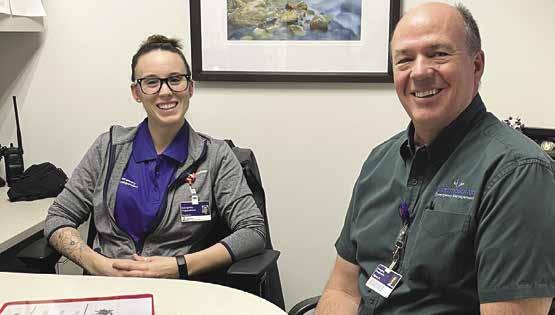
“Rachel hit the ground running, and she was able to contribute right away,” said Steve Rossberg, emergency management and business continuity manager and Rachel’s boss. “She has some great background; now it’s all about translating that into the hospital environment. We do so many things to keep health care accessible and available for everyone. Emergency management is a good portion of that.”
It’s fitting that Rachel’s role has brought her to a health care environment. Born and raised in Fairfax County, Virginia, her
earliest caregiver influences were her mother, who spent decades as a NICU nurse; her physical therapist and nurse anesthetist sisters; and aunts who are nurses, speech therapists, and lactation consultants.
“I admired them all and always loved learning about their jobs, but I knew I could never do that,” she said, laughing. “Still, I wanted a ‘helper’ career. So being able to marry my emergency preparedness and response background with the hospital setting was a really cool career transition for me.”

That background began soon after Rachel received her master’s degree in conflict resolution from Georgetown University, with a certificate in humanitarian emergencies and refugee studies. She was quickly hired by the U.S. Agency for International Development (USAID) in Washington, D.C., then the U.S. government’s primary body for administering foreign humanitarian and development aid and disaster relief.
Beginning as a program assistant, Rachel joined a disaster assistance response team supporting Syria. Since the United States had no diplomatic presence there at the time, she worked with partner organizations stationed in Adana, Türkiye, and Amman, Jordan. “We traveled to meet with our partners to provide support and to make sure, as program managers, that we were responsibly managing U.S. taxpayer funds,” said Rachel.
Rachel spent nearly ten years in her role, steadily rising through the ranks of the agency. She made frequent trips to Türkiye and Jordan, often logging six-month stints away from D.C. When a massive earthquake devastated much of Türkiye in 2023, Rachel was deployed alongside a team of disaster response specialists, including an elite search-and-rescue unit, to coordinate the emergency operation. Her team facilitated the establishment of a field hospital, emergency shelters, and the provision of essential food and water to displaced populations. “It was a really impactful deployment,” she recalled.
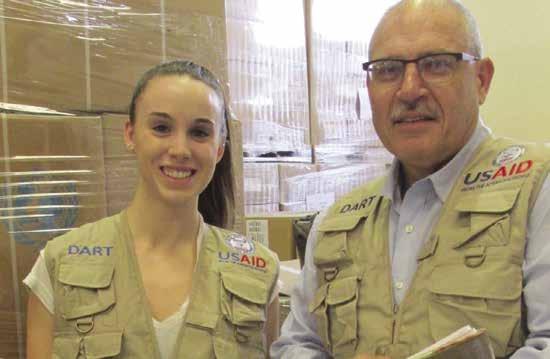
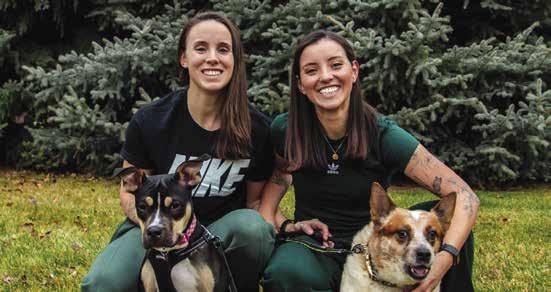
By the time USAID was dissolved last year, Rachel was a resident of St. George, living with her wife, realtor Christina Childs, who had been her high school sweetheart in Virginia. “We met at field hockey tryouts. Christina was the only one who beat me in the mile,” Rachel said, laughing again. “We immediately became best friends.”
Rachel later headed to Georgetown and Christina to the University of Utah. After college, the pair reunited in D.C. But when a friend mentioned the warmth, beauty, and active lifestyle to be enjoyed in Southern Utah, both were intrigued. One month later, St. George became their home. “We absolutely love it! We can hike, bike, ski; we have an incredible circle of friends, and we love everything about this place,” Rachel said.
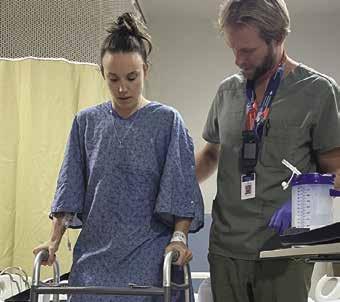
For Rachel, a former basketball, field hockey, soccer, and lacrosse player, that lifestyle has had its challenges. On a deployment to Amman, she experienced severe pain in her left hip. Repeated surgeries stateside did little to resolve the agony for a decade. Then orthopedic surgeon Dr. James Wylie, based at Intermountain Health’s TOSH campus in Murray, ordered a battery of hip-to-toe imaging.
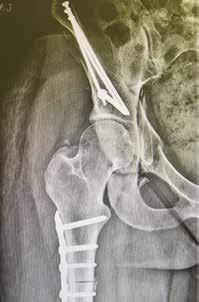
“Dr. Wylie sat me down and said, ‘The bad news is, it’s a textbook case of hip dysplasia—an improper development of the hip joint, causing the socket to be too shallow to fully cover the femoral head—and both of your femurs have significant anteversion; they rotate inward. But the good news is, I can easily fix both at the same time.’ So I was like, ‘Sign me up!’”
In November 2024, Rachel underwent a femoral osteotomy (severing the left femur in two, half-twisting it, and inserting a plate and locking screws) and a periacetabular osteotomy (breaking the hip in three places, then pinning it all back together). Recovery and rehab were lengthy and grueling. But despite the need to relearn to walk, the end of her beloved job, the loss of her dog, and two incidents of home flooding, Rachel never headed off the cliff. She says her marriage, community, and perpetually pragmatic outlook have seen her through the worst.
“I think we did a healthy amount of wallowing,” she acknowledged. “But at some point, you have to get up, feed the dogs, go to the grocery store, and just keep going. Everyone has their peaks and valleys. But we’re healthy, we’re happy, we have a great community here in St. George, and I have a wonderful job. I believe it’s going to be a very good year.”




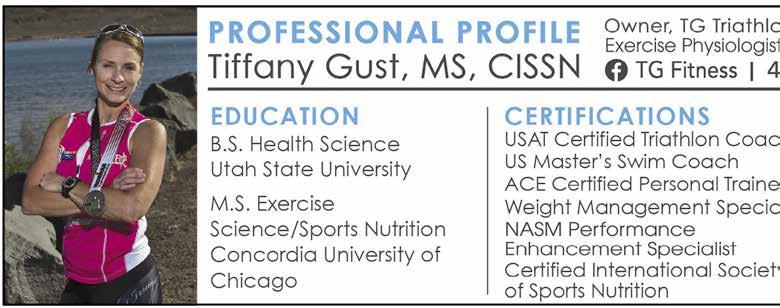
Tiffany K. Gust, MS, NBC-HWC

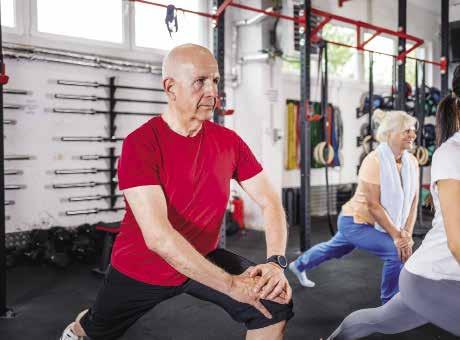
s we age, the movements we perform every day—like sitting, lifting, reaching, and walking—become increasingly important not only for performance but also for independence and quality of life. Functional fitness focuses on training the body to move efficiently and safely through real-world movement patterns. For active adults ages 50–75+, this approach supports longevity, enhances performance, and plays a key role in injury prevention.
Research consistently shows that multicomponent exercise programs combining strength, balance, and mobility improve physical function and reduce fall risk in older adults (Sherrington et al., 2019). Rather than isolating muscles, functional training emphasizes foundational movement patterns that translate directly to daily life and recreation. There are eight components of movement that should be performed a few times a week during strength training. They are pushing and pulling movements, hip hinge, squatting, lunging, core strength, balance, and mobility. Let’s break them down to learn more.
Upper-body pushing and pulling movements help maintain strength for tasks such as opening doors, lifting objects, and maintaining posture. Balanced strength around the shoulders also supports joint health and reduces injury risk. Examples include wall or incline push-ups progressing to dumbbell chest presses, and resistance band rows progressing to seated cable rows or singlearm dumbbell rows. For individuals with shoulder osteoarthritis, exercises should stay within a pain-free range of motion and emphasize controlled tempo.
Hip hinge movements train the glutes and hamstrings, which are essential for walking speed, stair climbing, and lifting mechanics. Reduced hip power has been linked to declines in mobility and increased fall risk. Bodyweight hip hinges can progress to Romanian deadlifts using dumbbells or kettlebells. Individuals with low back pain should master hinge mechanics with light or no load before progressing.
Squatting is a foundational movement for sitting and standing. According to ACSM guidelines, resistance training that includes squat patterns improves functional capacity and independence in older adults. Chair squats are an effective starting point, progressing to goblet squats or loaded variations as tolerated. Those with knee osteoarthritis often benefit from partial ranges of motion and controlled loading.

Single-leg movements improve balance, coordination, and gait stability. Reverse lunges, static lunges, and step-ups challenge unilateral strength and reduce asymmetries that can contribute to injury. For clients with balance deficits, external support such as rails or suspension trainers allows safe progression.
A strong core supports spinal health and enhances movement efficiency. Rather than excessive spinal motion, functional core training emphasizes stability. Exercises such as dead bugs, farmer’s carries, and Pallof presses build anti-rotation strength that transfers to daily activities.

Balance training is a critical component of active aging programs. Evidence shows that balance-focused exercises significantly reduce fall risk in adults over sixty-five. Single-leg stands, heel-totoe walking, and dynamic balance drills should be progressively integrated into workouts.
Joint mobility supports proper movement mechanics and reduces compensations. Regular mobility work for the hips, ankles, and thoracic spine helps maintain movement quality and comfort.

Mobility exercises should be controlled and individualized, particularly for those with joint pain.
The National Academy of Sports Medicine and the American College of Sports Medicine recommend structured, progressive programs that integrate strength, balance, mobility, and core training two to three days per week. Programs should be individualized based on movement quality, goals, and medical history.
Functional fitness is not about doing more; it’s about moving better. With thoughtful exercise selection and progression, active adults can continue doing what they love with confidence.
At Intermountain Sports Performance, we offer Functional Fitness Assessments, Medical Exercise Consultations, and Customized Exercise Prescriptions to help you establish a clear baseline and individualized plan. We also offer group fitness classes designed to support long-term movement health.
To schedule an appointment, email tiffany.gust@imail.org or call 435-251-2256.



By the Vista Healthcare Team
or people living with pain, long waits for specialty care can make an already difficult situation harder to manage. Pain doesn’t stop while you wait for an appointment, and for many patients, delays mean continuing to live with discomfort, limited mobility, and unanswered questions.
In the earlier days of Southwest Spine and Pain Center, providers began noticing how often patients were running into those delays. Pain management was often the first place people turned for help, but it wasn’t always the whole solution.
“We were seeing patients whose pain clearly involved nerve issues or inflammatory conditions,” said Dr. Jon Obray. “Many patients were waiting months to be seen by specialists. During that time, their pain didn’t stop, and their quality of life often continued to decline. That gap in care is what led us to bring specialties like neurology and rheumatology together under one system as part of Vista Healthcare, so patients can get answers sooner and move forward with care. Our ultimate goal is to help them get back to living their lives without unnecessary delays.”
Southwest Spine and Pain Center providers began seeing an increasing number of patients whose pain was caused by more than one issue and couldn’t be addressed by pain management alone. Often, patients needed to see additional specialists to fully understand what was driving their pain, but getting those appointments meant long waits or traveling outside Southern Utah. While they waited, pain continued, daily activities became harder, and recovery felt further out of reach.
As this became more common, the question was simple: How could patients get the specialty care they needed without long waits or having to travel far from home?
Instead of sending patients to multiple specialists across different locations, Southwest Spine and Pain began focusing on a more coordinated approach to care.
That shift led to the creation of Vista Healthcare, expanding specialty care alongside Southwest Spine and Pain to better support patients with more complex needs and reduce delays in treatment.
“When pain involves more than one issue, waiting months between appointments only makes things harder,” Dr. Derek Frieden said. “By integrating neurology, rheumatology, physical therapy, and chiropractic care with pain management, we can evaluate patients sooner and keep treatment moving forward instead of putting care on hold.”
For patients, this often means fewer appointments, less travel, and a clearer path toward understanding and managing their pain.
Today, Vista Healthcare helps patients in both St. George and Cedar City access pain management, neurology, and rheumatology care close to home, with pain management offered in Hurricane and nearby Mesquite, Nevada.
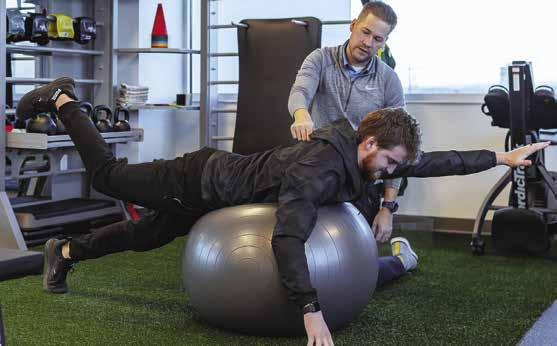
St. George, patients have access to the Sports Spine and Injury Center, which focuses on helping people recover from injuries, improve movement, and get back to daily activities. In April 2026, the Sports Spine and Injury Center will open in Cedar City, expanding local options for injury recovery and spine care.
Vista Healthcare’s growth has been guided by a simple goal: making it easier for patients to get the care they need when they need it. By focusing on shorter wait times, better communication between specialists, and care closer to home, the goal remains to help patients manage pain, maintain mobility, and get back to living their lives.
To learn more or schedule an appointment, visit vista-hc.com or call (435) 215-0257.



Spring is often associated with fresh starts: opening windows, clearing out clutter, and spending more time outdoors. It’s also an ideal season to reset something even more important: your health.
Preventive care focuses on addressing health needs before they become serious concerns. As winter gives way to longer days and fuller calendars, spring offers a natural opportunity to check in with your body, catch up on routine care, and set the foundation for a healthier year ahead.
Spring is an ideal time for preventive care because it allows health concerns to be addressed before summer travel, camps, sports, and busy schedules take over. Scheduling routine visits early helps ensure prescriptions are up to date, vision needs are addressed, and emerging health issues can be identified and managed proactively.
Spring appointments also provide an opportunity to discuss wellness goals with a provider, whether that includes improving sleep, managing stress, reviewing medications, or supporting nutrition and activity levels as routines change. Taking a proactive approach now helps patients move into summer feeling prepared, supported, and confident in their health plan.
Medical, dental, vision, behavioral health, and medication management all play a role in overall well-being. Vision changes can contribute to headaches or fatigue. Dental health can affect heart health and chronic conditions. Stress and mental health concerns often show up physically, impacting sleep, energy, and immune function.
Comprehensive care works best when these areas are addressed together. When patients can access coordinated, whole-person care, they’re more likely to receive timely treatment and feel confident managing their health.



By Lori Wright, CEO Family Healthcare
One of the most common barriers to preventive care is uncertainty around cost. At Family Healthcare, preventive care is designed to be approachable and affordable, so patients feel comfortable seeking care early without fear of unexpected costs or complicated processes. When people understand their options and know what to expect, they’re more likely to prioritize routine visits that support long-term health.
Family Healthcare works to remove financial barriers by offering transparent pricing, accepting most insurance plans, and providing assistance options for those who qualify. With clinics in Cedar City, St. George, Springdale, and Hurricane, this patient-centered approach helps ensure cost and location do not stand in the way of preventive care, allowing individuals and families to stay engaged in their health and address concerns before they become more serious.
Preventive care does not require dramatic changes. It often begins with simple actions like booking an overdue appointment, refilling long-term medications before they run out, asking a provider about lingering concerns, or addressing stress or sleep challenges proactively.
Spring reminds us that growth happens gradually. Small, intentional steps taken now can support a healthier, more active summer and long-term well-being. As the season changes, consider making preventive care part of your spring routine.
Family Healthcare is here to serve the medical, dental, optometry, pharmacy, and behavioral health needs of individuals and families throughout our community, with clinics in Cedar City, St. George, Springdale, and Hurricane as part of our ongoing effort to increase access to affordable care close to home. To schedule an appointment or learn more about available services, call 435-986-2565 or contact your local Family Healthcare clinic.
Lori serves on a variety of committees across the state and throughout Washington and Iron Counties. She is a member of the St. George Area Chamber Board of Governors and Association of Community Health Centers Board. She also serves on the AUCH Health Center Control Network and is a member of Intermountain Health’s Proactive Care’s Clinically Integrated Committee. Lori has completed a BS in Community/Public Health and holds a Master of Public Administration from Brigham Young University, Marriott School of Management.


By Branden DuCharme, CMT
Most people nearing retirement today can remember the 2008 Great Financial Crisis, at least if they stop and consciously think about it. However, few account for it in their investment framework for a couple of reasons.
Adjusting for demographics, many were still in the early stages of the accumulation phase at that time. While a 50 percent loss is devastating, the fewer funds you have, the lower the real-world impact. Similarly, when your portfolio is smaller, your ongoing contributions help “plug the hole” created by losses and enable a quicker recovery.
The 2008 crash was followed by unprecedented money printing and government stimulus, leading to nearly two decades of significantly above-average stock market returns, broadly speaking.
In my observation, this has produced substantial recency bias, both among investors and within much of the financial planning industry. I believe forward return expectations are too high, portfolios are too concentrated in U.S. large-cap index funds, inflation assumptions are too low, and, most importantly, the industry’s preferred measure of risk—volatility as measured by standard deviation—entirely overlooks the significant tail risk many investors carry in their portfolios today.
Bear with my “nerd math” here for a minute. It might change your life.
When using standard deviation as a measure of risk, there’s an assumption that outcomes within two standard deviations of the mean account for roughly 95 percent of all results. In most contexts, outcomes beyond two standard deviations are statistically insignificant. That may be true when measuring something like a consumer’s likelihood of buying a new flavor of juice, but it’s far less true in financial markets.

Markets exhibit what statisticians call “fat tails,” extreme outcomes that occur far more often than a normal bell curve would predict. And these rare events can make life-altering differences.
Let’s use an example from the work of Dr. Ron Piccinini, PhD. In a 2023 paper on statistical concepts, he noted that a $1,000 investment made in 2006 in an S&P 500 ETF would have grown to approximately $4,872 by the time of his publication. However, if it had been possible to avoid just the worst 0.5 percent of trading days, that same investment would have grown to $22,559. Conversely, missing the best 0.5 percent of trading days would have resulted in an ending balance of only about $1,187.
While that example illustrates the dramatic effect both the left and right tails have on portfolio outcomes, it overlooks the work of Ryan Gorman, Shawn Keel, and Vincent Randazzo in their paper “Rethinking Risk Management and the Myth of Missing the Best Days.”
They highlight that, although the “big days” make big impacts, they tend to cluster together. In fact, eighteen of the twenty largest daily gains in the S&P 500 and nineteen of the twenty worst daily losses occurred while the index was below its 200-day moving average.
The simple conclusion from this research is that major market losses are accompanied by volatile up days. But these periods remain a net drag on both total performance and risk-adjusted returns.
If you plan to retire comfortably and on time, it’s worth reconsidering your approach to risk management so your financial life isn’t derailed by the sequence of market returns.

Branden DuCharme prides himself on being a husband, father and community member. Professionally, Branden is specialized in portfolio and investment management, helping clients balance risk and return as a Charted Market Technician. He is a managing partner at DuCharme Wealth Management and a graduate of Utah Tech, with a bachelor degree in finance. Additionally, Branden shares financial insights as the host of the Tall Oaks podcast.
Article Link: https://mebfaber.com/wp-content/uploads/2025/07/rethinking-risk-management-and-myth-of-missing-the-best-days-viewright-advisors.pdf?utm_source=theideafarm. com&utm_medium=referral&utm_campaign=a-historic-dislocation
Disclosure: Information presented is for your educational purposes only and should not be regarded as a complete analysis of the subjects discussed. Discussions and answers to questions do not involve the rendering of personalized investment advice but are limited to the dissemination of general information. A professional advisor should be consulted before implementing any of the options presented.
Encompass More Asset Management LLC is a registered investment adviser with the U.S. Securities and Exchange Commission (SEC) and only transacts business in states where it is properly registered or is excluded or exempted from registration requirements. Local office: (435) 288-3396

By the Washington County Board of REALTORS®
For many homeowners, moving is often about more than just square footage. For first-time buyers, families looking to rebalance budgets, and those needing to downsize, housing decisions are also becoming a wellness reset—and this rings true for homeowners throughout Washington County. A new home is often a strategic move to build stability, reduce stress, and live closer to the amenities that support habits that keep homeowners grounded.
This shift is happening as the local market cools from the frenzy of recent years into something a bit more negotiable, which, for many households, also means more manageable. This extra breathing room in real estate matters not just for negotiations but for decision-making. When sellers and buyers aren’t stressed by rushed transactions, they have time to choose homes that support the life they both want and need to live.
Housing is a major stress factor to consider. The monthly payment, work commute, home maintenance, and neighborhood safety and accessibility all play roles in whether owners feel settled or distressed. Research consistently links housing instability and stress with negative mental health outcomes such as emotional strain, disrupted
routines, and diminished well-being. A “fresh start” move can have a significantly positive impact on homeowners.
In practical terms, some of these benefits can include the following:
• Downsizing for Margin. Smaller or smarter spaces can mean fewer repairs, lower bills, and less weekend work. These tasks can be replaced with more time with family, better sleep, and increased physical wellness.
• Stability. For new buyers in Washington County, owning a home isn’t only a financial milestone but a foundational move that creates stability. With predictable housing, control over personal property, and the ability to build routines, homeowners experience greater stability and reduced mental stress.
• Right-Sizing for Lifestyle. Sometimes a change in housing isn’t about smaller or larger—it’s about smarter. Homeowners are prioritizing proximity to certain schools, hiking trails, parks, and the everyday essentials that allow healthy habits to become second nature.
Washington County’s natural setting isn’t a side benefit or an afterthought for buyers— it’s a lifestyle choice. The communities in
the area make it easy to walk, bike, and get outside, encouraging natural, healthy living. According to the CDC, well-designed parks and trails support physical activity, reduce stress, and strengthen social connections. The parks and open spaces throughout the region are strongly associated with broad health benefits.
Local REALTORS® work alongside residents to help them see that real estate today is about more than appreciation curves— it’s about building a life that’s easier to sustain. They help buyers and sellers make smarter decisions that reduce stress and encourage healthy routines. A fresh start at home doesn’t require Pinterest perfection; it simply requires alignment with a space that supports stability, connection, and the habits that create healthy, happy residents.


By Richard Preston, Preston Office Solutions
As the owner of Preston Office Solutions, I spend a lot of time talking with business owners about cybersecurity. One thing I hear often is, “We’re a small business in a small city. Are we really at risk?” Because our city is smaller, it’s easy to assume cybercriminals are focused elsewhere. But make no mistake. If your business is connected to the World Wide Web, it doesn’t matter where you’re located or how big your company is. Your network is visible, reachable, and vulnerable.
Many businesses believe they’re protected because they’ve invested in cybersecurity tools like firewalls, antivirus software, and multi-factor logins. Those tools are important, but on their own, they’re not enough. Most of today’s security solutions do one main thing: they send alerts. And without someone actively watching, understanding, and responding to those alerts, real threats can go unnoticed.
That’s where Managed Detection and Response, or MDR, becomes the most important piece of cybersecurity. In my experience, MDR isn’t just another layer of protection; it’s what makes all the other tools actually work. MDR adds trained cybersecurity professionals who are watching your systems around the clock and responding the moment something looks suspicious.
Cybercriminals don’t usually succeed because businesses have no security at all. They succeed because alerts get missed, delayed, or misunderstood. Hackers overwhelm systems with activity and wait for someone to slip up. MDR prevents that by putting real people in charge of detection, investigation, and response before small issues turn into major incidents.
I often compare cybersecurity to playing chess. Technology and automation are powerful, but without human strategy, you’re always reacting instead of staying ahead. MDR combines advanced


technology with experienced professionals who know how attackers think and how to shut them down. When hackers realize a business is actively monitored, they move on to easier targets.
This matters even more for businesses in smaller cities, like ours. The idea that “we’re too small to be noticed” is one of the biggest risks out there. Cyberattacks aren’t targeted by location. They’re automated, constant, and global. MDR ensures someone is always watching your business, no matter the time of day or night.
With MDR in place, our team monitors devices, reviews alerts, investigates threats, and takes action immediately on behalf of our clients. Business owners don’t have to guess what an alert means or scramble to respond. That responsibility is handled for them.

At the end of the day, cybersecurity isn’t really about software. It’s about response. MDR is the piece that turns tools into true protection. It allows business owners to focus on running and growing their company, knowing that experts are actively defending their systems behind the scenes. That’s why, at Preston Office Solutions, we see MDR as the core benefit of modern cybersecurity— not an add-on, but the foundation.








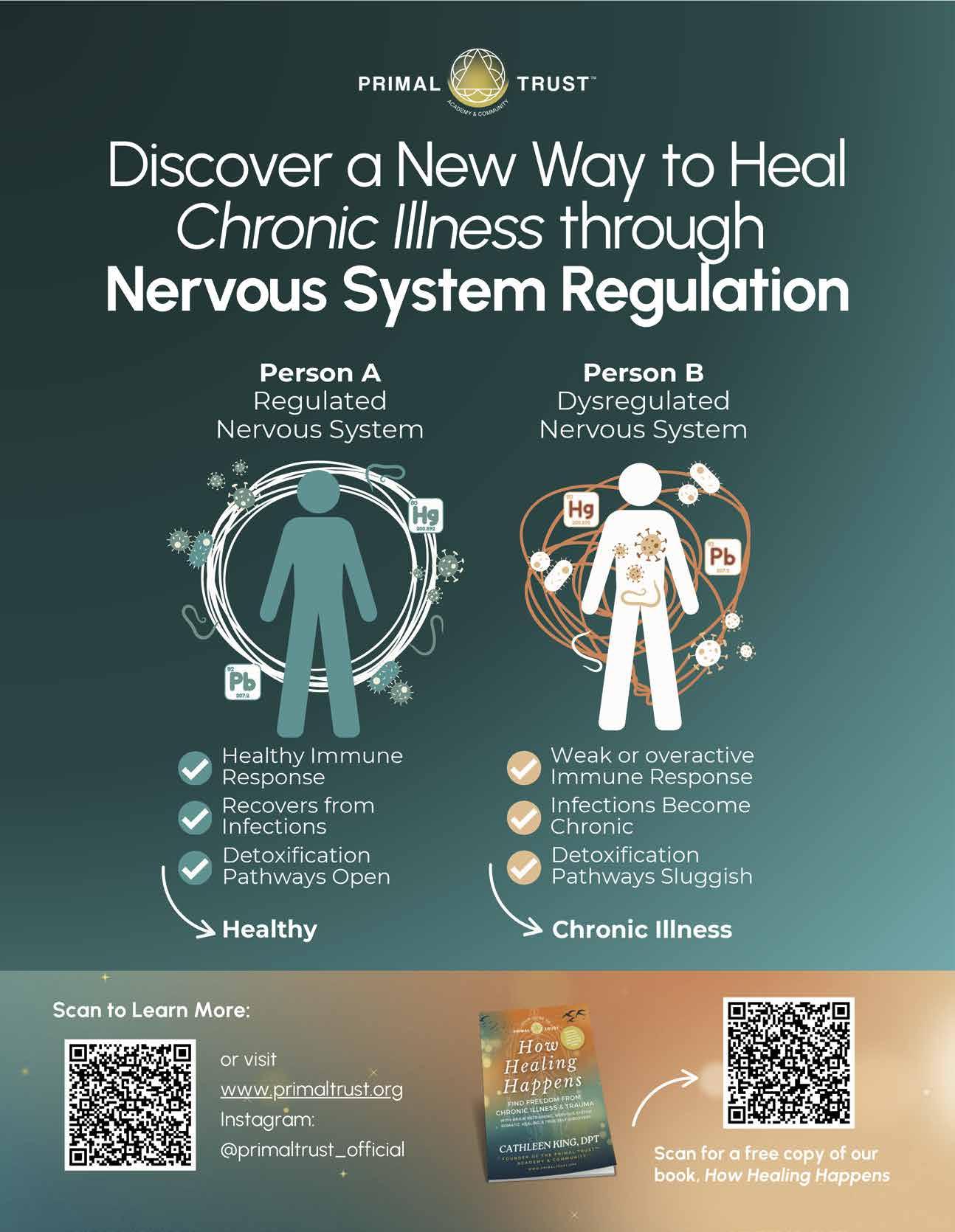
By Dr. Cathleen King, DPT

For over a decade, I lived inside a cage made of symptoms. I experienced debilitating autoimmune flares, neurological symptoms, crushing fatigue, and chemical and food sensitivities that shrank my world smaller and smaller.
I became a student of my own body. I understood lab markers, methylation pathways, and mitochondrial function. I knew which infections I had and which supplements were supposed to fix each problem. I tried everything: the protocols, detoxes, and expensive treatments. Yet, year after year, I stayed stuck.
What I didn’t understand then was that my body wasn’t failing to heal because I hadn’t found the right treatment or perfect diet. My body wasn’t healing because the system running everything underneath was locked in survival mode.
Your autonomic nervous system is like the operating system on your phone: invisible, but controlling everything. It governs digestion, immune response, inflammation, hormone signaling, and cellular
energy. When that system detects danger from infection, trauma, or accumulated stress, it shifts your body into protection mode.
This is your body being brilliant, doing what it’s designed to do: keep you alive. But when that protective response becomes chronic, your body gets trapped in fight-or-flight. At that point, it doesn’t matter how perfect your protocol or even your diet is. The signal from your brain to every cell is still saying, It’s not safe yet.
No treatment will fully heal your body when you are biochemically stuck in a protection response.
The vagus nerve, cranial nerve X, travels from your brain throughout your body, connecting to your heart, lungs, and digestive system. When it’s working well, it tells your body, We’re okay. We can rest, digest, and repair.
Mine wasn’t working well. Years of stress and trauma had broken that communication line. That is the setup for unresolved chronic
illnesses like long-haul COVID, autoimmune conditions, Lyme disease, mold toxicity, chemical sensitivity, digestive issues, and more.
There’s also a part of your brain called the limbic system that acts like a smoke alarm, constantly scanning for threats. Mine was stuck on maximum sensitivity. Everything felt like a five-alarm fire. My body couldn’t tell the difference between real danger and remembered danger, which kept stress chemistry ongoing and my body from healing.
After years of trying to fix my body, I ran out of money and had to quit all my prescribed protocols. Instead, I started working directly with my nervous system using vagus nerve toning, limbic system retraining, and somatic practices, and something profound shifted. This wasn’t about positive thinking. It was about teaching my nervous system how to correctly interpret signals again. By implementing daily brain and nervous system regulation practices, I experienced decreased inflammation, improved digestion, and energy that had been shut down for a decade returned. My immune system stopped treating everything like an invader. Slowly and steadily, I got my life back.
It wasn’t because I finally found the right supplements or diet. It was because I finally addressed the master control center coordinating everything else.
Now I teach thousands of people across the globe through my company, the Primal Trust Academy & Community, how to regulate their nervous systems so their own self-healing can finally kick in. Because once that motherboard resets, the body can do what it’s been trying to do all along.
If you’ve been stuck for years cycling through diagnoses and spending thousands on treatments that help a little but never quite get you there, you’re looking for healing without building the foundation.
Until your nervous system learns it is safe to come out of protection mode, treatments will keep falling short. Your motherboard is still sending the danger signal instead of the repair signal.
Healing begins when your nervous system feels safe again. It’s not the idea of safety, but actual safety that is deep in your mind and heart, the kind your cells can sense. When that happens, your body can finally do what it’s been trying to do all along: heal.
I share this because thousands of us have discovered the same truth: no matter how many diagnoses we carried or how severe our symptoms were, learning to regulate our nervous systems gave us our lives back. The healing we’d been chasing was inside us the whole time.














IBy Chris Eschler, Health and Well-Being Life Coach
recently learned that spring cleaning has been a long-standing tradition throughout the world for thousands of years, with roots in many cross-cultural and religious practices. It is symbolic of spiritual renewal: sweeping out the old and replacing it with purity and freshness. In the United States, the warmer weather of spring was once a practical time to open doors and to sweep out chimney soot and wash it from the walls. Even today, about 80 percent of Americans participate in some kind of spring transformation, whether it’s deep cleaning or decluttering their homes.
Lately, I’ve been thinking about how the spring season can also symbolize personal renewal from the inside out. We often think of spring cleaning as something we do for the physical spaces we occupy, but it doesn’t need to stop there. Spring is considered a fresh start, a new beginning. And it’s the perfect time to rediscover purpose, meaning, and joy that may have gotten lost beneath the daily chaos of living.
We can become so busy keeping up with routines built around who we were yesterday that we forget to rediscover who we are today. What may have brought joy in the past might not fit who you are now. I suggest combing through your daily schedule and routines to decide which activities to sweep away and which to keep.
Get a clear picture of what currently fills your days. Write down daily and weekly tasks, upcoming events, agendas, work schedules, and commute times. Laying everything out helps you see the big picture.
Find a quiet space to meditate as you assess each activity on your list. Pray for guidance, then visualize yourself completing each task. Overwhelm from an overextended schedule can easily be confused with lack of desire, so visualize the activity all the way through. Does it create happiness or satisfaction, or does it leave you feeling heavy or unfulfilled?
Circle or highlight the “feel-goods.” This becomes your keep list. The rest is your discard pile.



Go through each activity one by one and acknowledge what it brought to your life. What did you learn or discover from it? How did it serve its purpose? Offer gratitude for the experience.

Now, visualize sweeping the activity from your life. If immediate termination isn’t possible, imagine a process of healthy closure, and commit to taking the steps necessary to make room for what’s fresh and new. No matter how much debris your past experiences may have left behind, hold onto hope and cherish the blessing of choice and opportunity moving forward.
Be creative. Look at your keep pile with a fresh perspective and through the lens of who you are today. Allow new, inspired, lightfilled ideas to flow in. Take note of the ideas that feel good and right; decide which ones align with your purpose and values.
As you reschedule your days, focus on what matters most. Implement best before good or better. Leave room for flexibility and rejuvenation so your new plan doesn’t become a chore. Reevaluate your new routine often and make adjustments as needed.
As you spring-clean your life, prepare to feel lighter, freer, and happier as you transform into the renewed version of yourself.

Chris Eschler earned a BS in marriage and family sciences at Brigham Young University-Idaho. As a life coach at Ascend Counseling and Wellness. Chris works with individuals to develop their skills and provides a safe, accepting environment for exploring a wide range of thoughts and feelings. Chris knows that you are the expert of your life and that she is simply a guide. She currently sees couples with her husband, licensed therapist Matt Eschler. Together they assist couples with all couples issues, specializing in high conflict couples work. To schedule an appointment with Chris for life coaching, call Ascend Counseling and Wellness at 435-688-1111 or visit https://ascendcw.com/
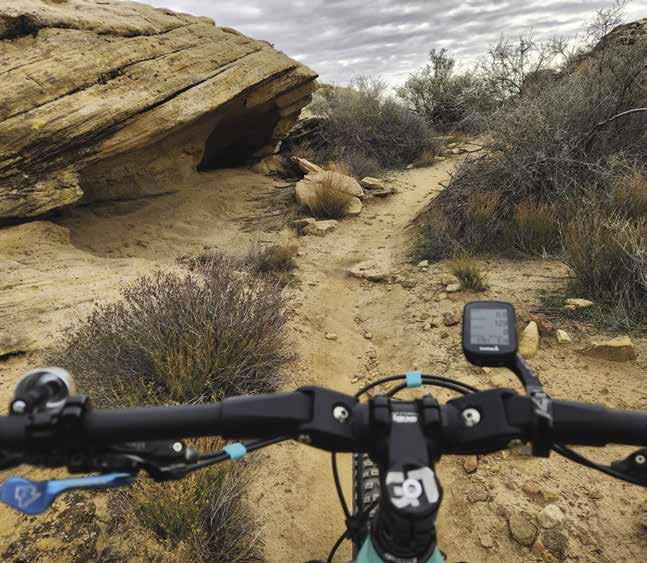
Here we are, with you holding the March/April issue of the Southern Utah Health & Wellness Magazine in your hopefully trail-roughened, mountain-bike-handlebar-holding hands. Hands that followed your New Year’s resolution to ride your bike way more this year. Hands that have curled around grips, pulled brake levers, and clicked shifters countless times. Hands that pushed and pulled the bars to coax your bike over the myriad rock problems our trails afford or swung your bars side to side through swooping corners, leaning the bike over to really dig those tires into the dirt.
If those are your hands and you are indeed on track to do more miles this year, then give yourself a big pat on the back for me!
But statistically speaking, that festivity-blurred, midnight resolution you made on New Year’s Eve to really get out and turn some pedals this year is long forgotten—it was several months ago, after all—and a large number of those who resolve to do better in the coming year have already reverted to their old ways. I’m not judging; life happens.
Let’s be honest. That festivity-blurred night of fun on December thirty-first can be a hard one to bounce back from. The resolution you made may have to wait a day or two while you recover. Or maybe it will have to wait until next weekend—except the leaves need raking. And the weekend after that? Too cold.
By February, the reasons not to be resolute are numerous and easily called upon when the phone rings with a request for your presence on a group ride up Stucki Springs and down Flow Master to Navajo Drive (even the names make it sound like fun!). But there you sit, eating bonbons in front of the TV.
Sorry. That was rather judgmental of me. You might not even like bonbons! You probably have some legitimate reasons for not going on that super-fun trek into the hills, breathing the fresh air, and
By Jay Bartlett
sweating the good sweat with your riding pals. You do have a good reason, right?
I’m writing this article in mid-January, but with my magic crystal ball, I can see that in the present March/April of you reading this, the weather is fantastic. (It’s actually pretty fantastic here in January also, so what was your excuse? Again, not judging.) You have a beautiful spring day—full of sunshine, chirping birds, and singletrack that weaves itself over hills with rushing descents on the other side, washes that snake along in grand serpentine twists, and rocky sections full of self-esteem-building puzzles for you to solve.
Why not get out and ride? There will always be things that need to be done, but don’t forget that one of those things is improving your mental and physical health while boogieing down some flowy trails!
What I’m really saying here is, it’s not too late to kick in your resolution. The weather is right, the days longer, the singletrack enticing. Did you make resolutions your body can’t keep? Then tone them down a bit. Instead of feeling like you blew it because you haven’t hit all your marks, re-resolute—because some riding is better than no riding.
Maybe your resolution could be rewritten simply to do good things for yourself, and riding your bike is one of the best things you can do. Find the time, get out, and do it. You’ll be happier when the next New Year’s Eve comes around.


The Health Department has turned the food pyramid on its head, emphasizing proteins, healthy fats, and plant-based foods over grains. This makes a lot of sense to me.
I always keep in mind, however, that in the 1950s some of the best science encouraged smoking during pregnancy as a way to reduce stress and avoid gaining weight. I love that as we learn more and more about how the body works, we can make adjustments that hopefully improve the quality of our lives.
One point of emphasis in the new food pyramid is eating foods that reduce inflammation and increase alkalinity in the body. Fatty fish, leafy vegetables, colorful fruits, nuts, seeds, and olive oil are known for reducing inflammation. They do this by producing compounds—omega-3 fatty acids, polyphenols, and antioxidants— that modulate the body’s inflammatory responses and neutralize free radicals.
Additionally, these foods, along with root vegetables, garlic and other herbs, broccoli, and asparagus, form alkaline byproducts after digestion that neutralize acids. Your body’s pH doesn’t vary much; it must stay within a tight range. When we see variations, we know something is seriously wrong. Kidney failure, diabetes, or lung dysfunction are all possible causes of a pH drop.
By Dr. William Plumb, Plumb Dental
If your pH balance is off, it’s important to seek out a medical professional. Though we typically see wider pH ranges in the mouth, the same principles of alkalinity apply. The pathogenic bacteria in our mouths, those responsible for gum disease, periodontal disease, and tooth decay, thrive in an acidic environment. As they metabolize sugars, they produce more acid, which promotes further plaque formation and the destruction of oral hard and soft tissues.
The advice you’ll receive from a dentist is similar to that of a nutritionist: eat whole foods focusing on good proteins, fruits, and vegetables. Avoid processed foods and sugar—especially sugary drinks.
I recently placed a dental implant, and the patient commented that if he had been living in pioneer times, he would just have to settle for eating oatmeal the rest of his life. But our ancestors didn’t necessarily have the same struggles we do today, even without access to modern dentistry, because their diet was more natural and organic, and they didn’t consume sugar like we do.
Some of my friends are Diet Coke aficionados. Though this and other diet drinks are low in sugar, they are still very acidic. Don’t be seduced by the beautiful silver can with a red strip. Its pH ranges from 3.1 to 3.6. That’s acidic enough to damage enamel, which begins to occur at
about 5. Even some oral rinses that are ADA approved drop below the pH level where damage can occur.
For that reason, I typically recommend (and use myself) over-the-counter rinses designed for kids. These rinses typically contain more fluoride and are less acidic. Many set goals for self-improvement at the start of a new year. I hope we can include changes in our diets that will make 2026 our healthiest year yet.
Plumb Dental offers general dentistry for the entire family, including preventative care, root canals, implant restoration, cosmetic work—even whole smile makeovers. To schedule an appointment, call (435) 673-9606 or visit their website at plumbdental.com.

Dr William Plumb graduated from the State University of New York School of Dentistry in 2006. He opened Plumb Dental in St George in 2009. He has received extensive continuing education in cosmetic dentistry as well as oral surgery and implantology. He loves living in Southern Utah with his wife Kari and their four children.


By Michelle Kelsch, Movara Fitness Resort
For more than twenty-four years, Movara has helped thousands of individuals see real, lasting results by teaching the fundamentals of movement, nutrition, and a positive mindset. Rather than chasing trends or quick fixes, Movara focuses on the basics: the habits that support long-term health and sustainable weight loss. One simple concept that has helped countless guests build confidence around food is learning the power of a balanced plate.

Examples of one carbohydrate serving include:
• ½ cup cooked brown rice or quinoa
• ½ cup cooked whole-grain pasta


We understand that in order to lose weight, a caloric deficit is required. While this is a foundational principle of nutrition, tracking calories isn’t always easy, enjoyable, or realistic for everyday life. Measuring, weighing, and logging every bite can quickly become tedious and overwhelming. That’s why Movara teaches the plate method as a practical tool to help guests estimate calories visually without having to track every single number.
In a world where nutrition is often overcomplicated, restrictive, and unrealistic, the balanced plate brings simplicity back to the table. Instead of eliminating food groups or following rigid rules, this method teaches guests how to visually balance meals in a way that naturally supports energy, satisfaction, and results.
The balanced plate starts with a nine-inch plate, which helps keep portions appropriate while still feeling satisfying.

Fill half your plate with vegetables such as leafy greens, broccoli, peppers, zucchini, cauliflower, or asparagus. These foods are low in calories but high in fiber, vitamins, and minerals, helping you feel full and nourished while supporting digestion and overall health.
One-quarter of the plate is dedicated to carbohydrates, which typically equals one to two servings. This generally provides an estimated 80–160 calories, depending on portion size and food choice.
• 1 small potato
• 1 slice of whole-grain bread

Carbohydrates are the body’s primary energy source and play a vital role in performance, recovery, and daily function.

The remaining quarter of the plate should include lean protein, usually equal to one serving, providing approximately 90–120 calories. Protein supports muscle repair, metabolism, and satiety, helping you feel fuller for longer.
Examples of one protein serving include:
• 3–4 ounces chicken, turkey, or fish
• 2 eggs
• ¾ cup Greek yogurt or cottage cheese
• ½–¾ cup beans or lentils
• 3–4 ounces tofu or tempeh
Optional Addition: Healthy fats
Healthy fats can be added as an optional component to enhance flavor and satisfaction. Including one to two servings of fat typically contributes about 100–200 calories.
Examples of a fat serving include:
• 1 tablespoon olive oil
• ¼ avocado
• 1 small handful of nuts or seeds
Because fats are more calorie dense, smaller portions go a long way.
By understanding how each section of the plate roughly translates into calories, guests can see how the balanced plate naturally supports a caloric deficit without tracking apps or constant measuring. This visual approach makes nutrition more intuitive, flexible, and sustainable.
At Movara, we’ve seen time and time again that when guests stop chasing extreme diets and start mastering simple habits, results follow. The balanced plate empowers individuals to fuel their bodies with confidence, enjoy their food, and create healthy habits that last. Sometimes the most powerful changes come from keeping things simple—and letting the plate do the work.
By Brad Gilman

When a patient goes to one of Intermountain Health’s clinics for a blood draw, they spend an average of seven minutes with the phlebotomist, hardly enough time to understand the scope and importance of this step in the medical process. It is brief enough that many don’t think much about the encounter, but the phlebotomist is so much more than just the person on the other side of the needle.
After more than twenty years with Intermountain Health as a phlebotomist—and more recently as the phlebotomy supervisor for Intermountain St. George Regional Hospital—Brandon Robertson bristles whenever he hears one of his technicians describe themselves as “just a phlebotomist.”
“I’m quick to tell them, you’re not ‘just’ anything. You are a vital member of this patient’s care team,” Robertson said. “It’s such a valuable role.”
That role includes a combination of technical and interpersonal skills, the latter being the most important, in Robertson’s experience. “We used to look for people during the hiring process who had taken
a phlebotomy course and were skilled in that area,” Robertson said.
“Now we offer our own training in the practical skills, and we look for candidates who are able to make a human connection with patients.”
The idea is that Intermountain Health’s phlebotomy training can teach the logistics of drawing blood, but the innate sense a person has for relating to others is something more difficult to acquire.
“It’s our job to make patients feel at ease, to make a connection with them, and do it over and over again,” Robertson said.
That doesn’t mean the practical skills are unimportant, however. As anyone who has had a blood draw can attest, some phlebotomists can make the experience much more pain-free than others. Just as importantly, the phlebotomist is the one who handles the information that will guide clinicians in determining how best to care for a patient.
“If we’re not there to collect a good blood sample to send to the scientists, the physicians can’t make valuable decisions for a person’s care,” Robertson said.
From the standpoint of someone interested in the medical field, Robertson said phlebotomy is a great way to gain experience across a wide range of departments, experience that may shape the direction a person chooses to take in their career.
“We touch every single department in this hospital, from radiology to the cath lab to surgical, you name it,” Robertson said. “It’s such a great window for our caregivers to see into fields they may not have known were there.”
Robertson said roughly 80 percent of those who come into the phlebotomy program use it as a means of launching their careers

as caregivers in other fields. However, many, like himself, love what they do and stay with phlebotomy their entire careers.
“It’s really rewarding to touch so many lives in a single day,” Robertson said. “We are often with people during their highest and lowest times, depending on their medical diagnosis. After the physician tells them they have concerns and need to run tests, we are the ones in the room with the patient.”
And that, Robertson said, is where the ability to make a human connection really makes a difference.

Brad Gilman is the Media Manager for the Intermountain Health Desert Region, where he leads the development and execution of media strategies to effectively communicate the organization’s mission and achievements. With a passion for storytelling and a sharp eye for detail, Brad works closely with the communications team to ensure impactful and engaging content across all platforms. His expertise in media relations and content creation helps elevate the profile of healthcare in the community.
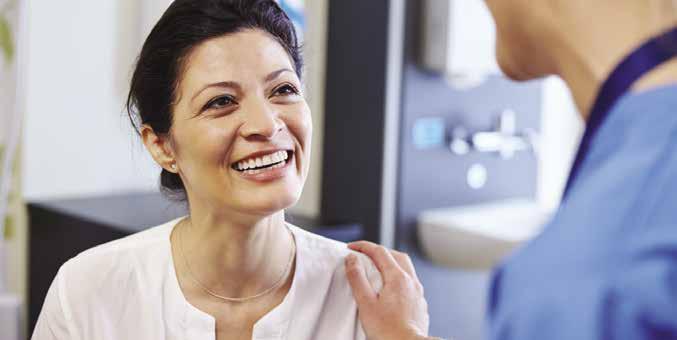
Our skilled primar y care providers in Southwest Utah are now accepting new patients We’re here to make your healthcare experience ea sy and convenient
Why Choose a Primar y Care Provider ?
Health Par tner: Your go -to for preventive care and mana ging health over time.
Comprehensive Care: Get exper t help for most health concerns close to home, avoiding unnecessar y ER visits
Convenient Access: Local providers make it ea sy to get care when you need it .
New Patients Welcome. E xplore and Schedule Today. It ’s ea sier than ever to find care.









WBy Dr. Ritchie N. Stevens
e’re proud to share that a major step forward in cancer care has arrived in Southern Utah. 5D Cancer Services is opening soon in St. George, Utah, bringing with it the most advanced radiation therapy technology available in the state. We are introducing the Akesis Gemini 360, the first adaptive radiation therapy system of its kind in Utah, and it’s available close to home.
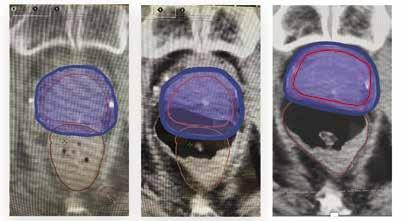
Cancer often develops deep within the body, sometimes near critical organs. From day to day, normal changes such as gas, bloating, or bladder fullness can cause tumors and surrounding healthy organs to shift positions slightly. While traditional radiation machines may detect these changes, they cannot fully adjust their predetermined target zones in real time to account for these position or shape alterations. This can result in a cancer target “miss” or unnecessary radiation given to healthy tissues, thereby increasing side effects.
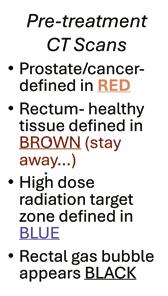
The Gemini 360 changes that. This advanced system allows the radiation target area to be adapted immediately before treatment delivery should adjustments be required, guaranteeing a precise cancer strike while excluding the surrounding, noncancerous tissues. For patients, this means better cancer outcomes with fewer side effects. The illustration below shows the retargeting benefits of the Akesis 360 for prostate cancer despite an unexpected rectum gas bubble appearing on day two, altering treatment area positioning.
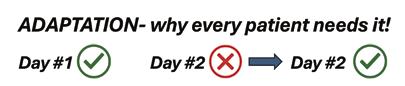
Another major benefit of improved accuracy is time savings. Radiation treatment plans that historically required daily patient visits for multiple weeks can now, in some instances, be completed in as few as five days. This can significantly improve quality of life,




reduce disruption, and allow patients to spend more time at home with their families and support systems.
One recent case using this adaptive technology involved Bill O., a prostate cancer survivor who had to travel to UCLA for his therapy. Bill underwent just five treatments using this advanced approach, reducing his originally suggested treatment protocol by seven weeks without any side effects. His experience highlights the real-world impact of adaptive radiation therapy, which not only improves treatment precision but also shortens treatment timelines for many patients.
“Adaptive technology truly changes the landscape for cancer patients in Southern Utah,” explained Dr. Ritchie Stevens, medical director at 5D Cancer Services. “Patients no longer need to travel out of state as world-class treatment is now available right here in St. George.”
In addition to cancer care, 5D Cancer Services is introducing radiation medicine for select noncancer conditions. Extremely low-dose radiation has shown promising results nationwide for inflammatory conditions such as osteoarthritis, bursitis, plantar fasciitis, and tendinitis, particularly when other treatments have failed. These treatments are noninvasive, take only a few minutes, and are typically administered in six sessions over two to three weeks with minimal to no side effects.
5D is also offering treatment for Dupuytren’s contracture, a condition that causes the fingers to gradually curl toward the palm. In many cases, radiation therapy can help reverse, slow, or stop disease progression and may allow patients to avoid surgery.
As Southern Utah continues to grow, access to advanced medical care close to home is more important than ever. At 5D Cancer Services, our mission is to deliver innovative, precise treatment while allowing patients to remain in their community, surrounded by family and their support network.
Located in the former Gamma West Cancer Center, 5D Cancer Services is now accepting patients and consultations for advanced cancer care and select non cancer radiation treatments.

Dr. Ritchie N. Stevens completed his residency in radiation oncology at the University of California, Irvine, working alongside world-renowned physicians at the City of Hope Medical Center in Duarte, California. For three decades, his work in radiation oncology in southern Nevada remained a dominant force, particularly with prostate and gynecologic malignancies. Over time, his interests increasingly focused on embracing technological advancements that produce superior outcomes, reduce side effects, and shorten treatment times.
Always a proponent of patient education, awareness, and convenience, Dr. Stevens joins 5D Cancer Services with the goal of providing advanced radiation care through leading-edge technologies to the St. George and Southern Utah area, ultimately improving patients’ chances of beating cancer with fewer side effects.





















By Katie Walker ::






The Professional Pickleball Association partnered with Adidas to host the first-ever Adidas Collegiate World Championships, held in Dallas, Texas, Oct. 31–Nov. 2, 2025. Utah Tech competed in the three-day event against athletes from Poland, India, and Malaysia to prove who was truly the best.
“It was awesome to be able to bring home the trophy and represent the legacy that Trailblazer pickleball has and is continuing to build,” said Liam Duffin, one of the winners. “We are grateful for the opportunity to be student-athletes competing at such a high level, as well as the opportunity we have to represent Utah Tech.”
In pool play, Utah Tech went undefeated, sweeping all five of their opponents leading up to elimination play, where they were placed into the top seed and continued their winning streak.
The final match of the tournament, set to determine who would bring home the title, opened with women’s and men’s doubles, where both matches split 21–13: one win for India, one for Utah Tech. With the score tied, tensions rose, and everything hinged on mixed doubles.
UT players Mary Monson and Liam Duffin delivered an impressive performance, swinging the score in Utah Tech’s favor. The results of the final match came down to sibling duo Clayton and Ella Boydston. Like something out of a movie, the score climbed to 20–20. With the score tied, the final point would determine the first collegiate world champion.
After an intense volley, Clayton lobbed the ball over the kitchen, and Ella smashed it down along the right side. The crowd erupted. Utah Tech had done something no team had done before. They had blazed their own trail and claimed the first-ever title of World Collegiate Pickleball Champions.
“I’m so proud of this team for the incredible season they have put together,” said pickleball head coach, Chloee Butterfield. “More

importantly than wins, this team has shown they can show up for each other and push each other to be the best versions of themselves possible.”
The championship title for Utah Tech comes after a partnership with Selkirk Sport as the company’s first-ever collegiate sponsorship. Selkirk Sport is a leading brand in pickleball equipment.

For more information about Trailblazer pickleball, visit recreation. utahtech.edu/club-sports/current-clubs/pickleball-club/












Seasonal allergies aren’t just a human problem. As the seasons change and pollen, dust, and environmental allergens increase, many dogs and cats begin to feel uncomfortable, and they don’t always have an easy way to tell us what’s wrong. Instead of sneezing or watery eyes like people, pets usually show allergy symptoms through their skin. Knowing what to look for and how to help can make a big difference in your pet’s comfort and overall health.
Dogs and cats often react to allergens with itchy, irritated skin. Occasional scratching is normal, but persistent or intense itching can signal an allergy issue. If you notice your pet constantly scratching or chewing at themselves, it’s time to take a closer look.
Some of the most common signs of seasonal allergies include excessive scratching or biting at the coat or skin, red or inflamed patches, and skin that looks irritated or even infected. You may also notice excessive shedding, which can occur when the skin is unhealthy or inflamed.
Dogs, in particular, may lick their paws compulsively, sometimes to the point of rawness. “Boot scooting” or dragging their rear across the floor, can also indicate irritation or allergy-related discomfort. Chronic ear infections or ears that appear red, waxy, or irritated are another red flag, especially in dogs that already have sensitive ears.
Cats are more likely to show respiratory symptoms along with skin irritation. Coughing, wheezing, or difficulty breathing can sometimes




By Anita DeLelles

accompany seasonal allergies in felines, and these signs should always be taken seriously.
Just like humans, pets don’t have a permanent cure for seasonal allergies. However, that doesn’t mean they have to suffer through months of discomfort. There are many ways to help soothe symptoms and reduce exposure to allergens.
One of the first things to check is your pet’s coat for fleas, ticks, or lice. Even in dry or desert climates, pets can pick up parasites from other animals or from visitors who have traveled. Lice, in particular, can be found almost anywhere and are a common cause of intense itching. Ruling out parasites is an important first step before assuming allergies are the only issue.
Topical anti-itch sprays or creams can offer temporary relief and give your pet a much needed break from scratching. Be sure to use only products made specifically for pets, as human products can be ineffective or even toxic.
Bathing can be extremely helpful, especially if your pet tolerates it. Baths help wash away pollen and allergens that cling to the skin and coat. Look for pet shampoos that contain soothing ingredients like aloe vera or honey, which help moisturize the skin, calm itching, and reduce inflammation. It’s important to avoid human shampoos, as pets have a different skin pH. Using the wrong product can worsen irritation.
When a full bath isn’t possible, wiping down your pet’s coat and paws after outdoor time can still make a big difference. A damp cloth or a fragrance-free, hypoallergenic grooming wipe can remove pollen and allergens before they cause irritation. This is especially useful for pets that focus their licking or scratching on their paws.
Fatty acid supplements or small amounts of coconut oil can help improve skin health, reduce itching, and prevent secondary skin infections. These supplements also promote a softer, healthier coat. For dog owners, local honey is another option worth trying. Because local honey is often made from the same pollen that triggers seasonal allergies, consuming small amounts may help dogs build tolerance over time. Honey is generally safe for dogs and doubles as a tasty treat. But be aware that this tip is for dogs only, not cats.
Many pet boutiques carry supplements designed to support skin health and immune function, offering alternatives to medication. However, if symptoms don’t improve, it’s important to seek veterinary
care immediately. Untreated skin irritation can quickly turn into painful infections.
With a little awareness and proactive care, you can help your pet navigate allergy season more comfortably and enjoy the changing seasons right alongside you.

Visit woofcenter.com, call 435-275-4536, or stop by WOOF! Wellness Center & Training Academy in Santa Clara for more information. Email your pet-related questions or topics of interest to anita@woofcenter.com

Anita DeLelles, LMT, is a certified equine and small animal acupressure practitioner with accreditation from the Tallgrass Animal Acupressure Institute and a member of IAAMB. Her Tallgrass training has included two consecutive summers in Bath, England, near where she lived as a child, as well as coursework in Colorado and northern California. Additionally, Anita is certified in animal massage from the Northwest School of Animal Massage as well as human massage in the state of Utah and is a graduate of UNLV. In 2013, Anita and her husband, Ron, opened WOOF! Wellness Center & Training Academy to serve pets and their health-conscious pet parents. WOOF! is dedicated to improving the quality of life for companion and competitive animals through fitness and conditioning, education, and proper nutrition. Anita shares her life with Ron and their overly-pampered cats in Santa Clara, Utah




By Annelies Newman, RDN, CD




Have you ever wondered why sometimes you have plenty of self-control when it comes to healthy eating and other times you crave sweets more than usual? Let’s look at a few reasons why this happens and explore some simple tips to make the best decisions for your body. This is for all you ladies who want to better understand your body’s natural rhythms.
We all experience cravings as they ebb and flow throughout the day. Most of us wake up feeling energized and in control, ready to take on the day. By afternoon or evening, however, fatigue sets in. This is typically when a sweet treat or an energy boost starts calling our name.
The reasons are often easy to spot. A night of inadequate sleep, a day of low water intake, or less-than-ideal meal and snack choices can all play a role in energy levels. Any one of these factors—or all of them combined—can leave us craving treats or drinks that deliver a quick burst of energy.
But what about those times when you’re doing everything right: sleeping well, eating balanced meals, staying hydrated, and even keeping up with your supplements. You are on top of your game when suddenly...cravings! What’s going on? Let’s talk about another factor: your menstrual cycle.
Most women sail through the month feeling great until that week before their cycle begins. They suddenly find themselves saying, I just can’t curb the cravings! This shift is related to the natural decline in estrogen and progesterone that occurs as your body prepares for your period. Serotonin levels also dip during this time, which helps explain the stronger pull toward sugar. You may also notice mild cramping, bloating, fluid retention, or changes in digestion such as constipation or loose stools.
So, what can you do during this phase of the month to feel your best? First, focus on healthy carbohydrates, especially whole grains, whole fruits, and root vegetables that keep cravings down and support your mood. Make sure you’re eating adequate calories. If you are trying to lose weight, consider using this week to maintain rather than lose. You are best served by supporting your energy needs with complex carbs instead of simple sugars.
Many women who are trying to lose weight will notice that, at certain times of the month, they start to ‘binge” more than usual. Although they have been disciplined for weeks, suddenly, it feels impossible to stay on track. This isn’t a lack of willpower; it’s biology. Instead of
cutting calories, practice maintaining your weight during this phase. This will help you with long-term weight loss.
If you are feeling more tired at this time, consider making one pot meals with vegetables and foods that are easy on your digestive system. If energy is flagging and cravings are difficult to curb, indulge in some dark chocolate to boost your mood and satisfy your sweet tooth.
A few supplements have been shown to help during this time as well. Consider taking fish oil or eating fish during this week. Calcium, magnesium, and ginger support digestion, help prevent cramps, and promote a steadier mood, which can ease your cravings even more.
Being aware of your body and your cycle will help you to be gentle with your expectations and treat yourself with kindness and understanding.


Annelies Newman, RDN, CD, received her bachelor’s degree from Brigham Young University with a major in nutrition and dietetics and a minor in music. She is a speaker and presenter on nutrition related topics. Currently, she owns a private practice guiding individuals to make changes for better health and wellness. On the side, she enjoys adventuring with her husband and three little boys outdoors. She believes that real food is good for the body and should be enjoyed!


BY LYMAN HAFEN
few days before last Christmas, my ninety-four-year-old mother had a stroke. She was taken by ambulance to the emergency room at St. George Regional Medical Center, where she was whisked into the hands of amazing and wonderful doctors and nurses. There in the ER, for the first time in my immediate family, I looked mortality straight in the eyes. They were the wonderful eyes of my dear mother, who delivered me into this world seventy years ago.
Through a series of complications that I won’t go into here, and after conferring with a competent and compassionate team of palliative care specialists, we took Mom home in the care of hospice, and she passed away peacefully during the first week of the new year. I share this for two reasons. First, to express appreciation to the excellent folks at Intermountain Health Care, from ER to ICU to rehab to palliative care and hospice; and second, to set up the story I would have loved to share with all those health care professionals who cared so superbly for my mother.

My two brothers and I were with her through several days and nights in the ICU. On one of those mornings, I walked into her room to find her halfway out of bed. She was on her way home. When she was finally “settled” into a patient room on the first floor, we were able to take my ninety-three-year-old father to see her.

My mom, Peggy Nielson Hafen, grew up in the town of Blanding, in the southeastern corner of Utah. It was a community founded in the early 1900s by families who came from the pioneer settlement of Bluff, twenty miles to the south, and by refugees from the
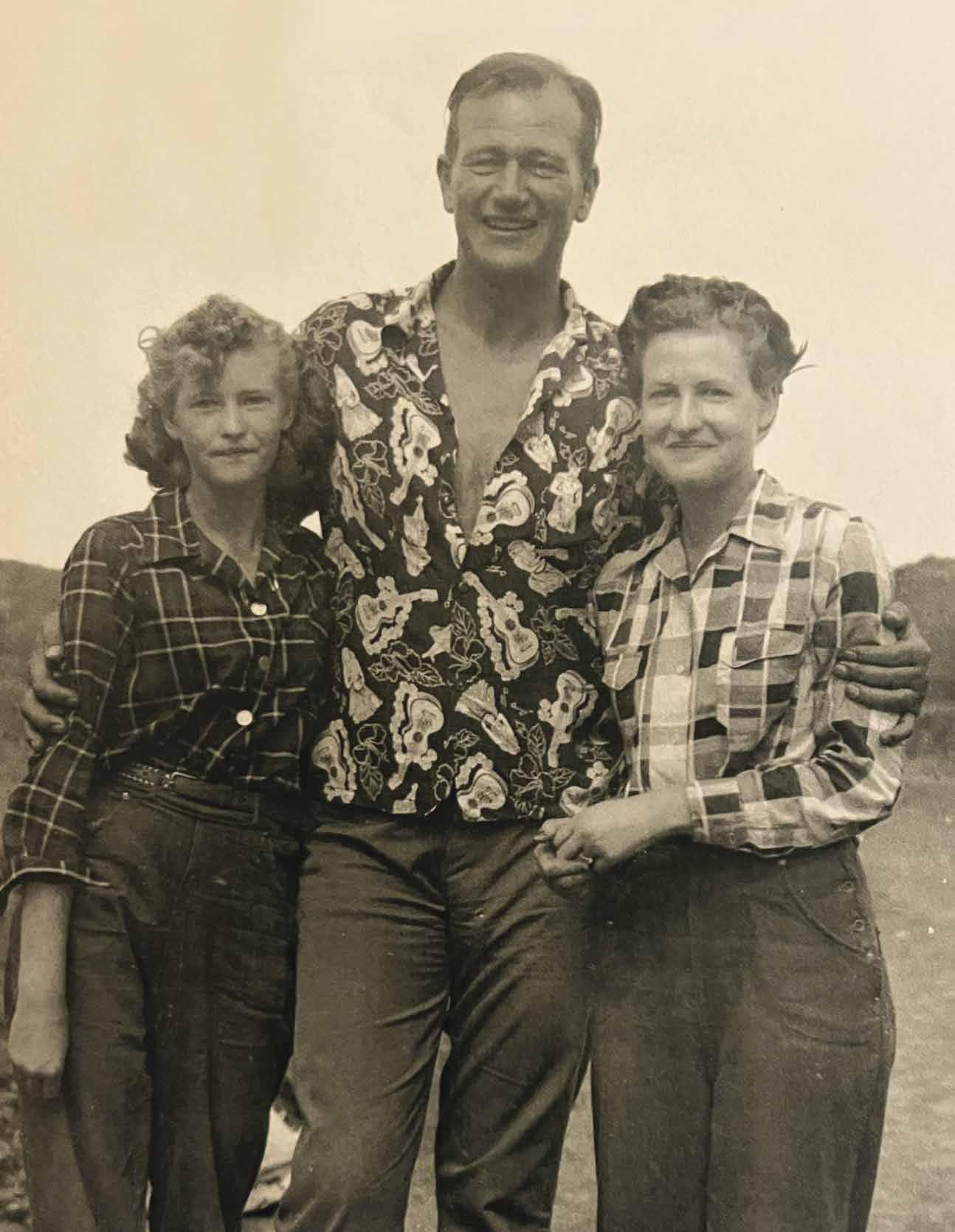


Mormon colonies in northern Mexico who fled their homes, farms, and ranches ahead of Pancho Villa’s raiding parties. My mother’s mother was one of those refugees from Pacheco. Mom’s father came from Bluff, the son of a Hole-in-the-Rock pioneer and a prominent ranching family in San Juan County. Mom was born into that storied Four Corners country late in 1931, a place where just a handful of years earlier some of the last skirmishes between cowboys and Native Americans occurred.
Mom grew up loving to go to the ranch on Elk Mountain with her dad. She rode her horse around the foot of the Bears Ears and down into the majestic canyons among the natural bridges. After graduating from San Juan High School, Mom, like many of her classmates, made the long and circuitous journey to St. George to attend Dixie College in the early 1950s. In those days, you couldn’t get from San Juan County to Washington County without swinging deep into Arizona or north into central Utah. Much of the route was dirt road.
My father, on the other hand, had only a short block-and-a-half walk down Tabernacle Street to the campus of Dixie College. And that’s where he met the cute little coed and cheerleader who would become my mother. After my dad returned from combat in the Korean War, they were married in 1954. Mom made the transition from the daughter of a San Juan rancher to a St. George suburban housewife.
I entered the picture in 1955 and grew up accustomed to traveling the scenic byways between St. George and Blanding as our family made the twice-yearly journey to visit Grandma and Grandpa.
One of the most memorable aspects of those long journeys was the drive through Monument Valley on the Utah–Arizona border. In summertime, the valley’s massive red buttes and delicate thin spires stood powerfully majestic against the hot purple sky. In winter, I gazed through the frosty car window at an otherworldly landscape dusted in white.
Every time we drove through Monument Valley, Mom would tell the story of how, when she was a girl, she got to meet the great John Wayne out there among those buttes. One day in the late 1940s, her parents drove her and her older sister down to Monument Valley to visit the set where John Ford was filming a movie called She Wore a Yellow Ribbon.
“I had my picture taken with John Wayne,” Mom would always say. “It was my one brush with greatness.”
“Where’s the picture?” I would ask.
“Who knows what happened to it,” she would say. “One of these days it’ll turn up, and then you’ll know I’m telling the truth.”
I never questioned my mother’s honesty. As a boy, I always knew she told the truth. And a half century later, her integrity was still beyond reproach. But I always thought it would be fun to see that photo. Every time I’ve driven through Monument Valley as an adult, I’ve thought about Mom and her teenage encounter with the biggest movie star of her generation and longed for a glimpse of that enigmatic photo.
Nearly five decades passed from the time I first heard Mom speak of the picture with John Wayne—nearly a half century of wind and rain and wispy clouds floating across that mysterious valley. Then, I went to visit Mom one evening. We worked through our usual items of discussion: updates on the kids and grandkids, how things were going at work, upcoming events to be noted on the calendar. After a while, Mom casually mentioned she had something to show me.
She slipped into another room and returned with a small rectangular piece of paper in her hand. She reached it toward me, and I saw it was a photo. Then, in one of those bright white moments of epiphany that come but a handful of times in a lifetime, I realized it was THE photo. I saw my teenage mother—my honest, beautiful, wonderful mother—leaning fondly on the hip of the legendary John Wayne, his right arm extended down over her shoulders, his giant hand squeezing her tight to him. On the other side, encircled in the Duke’s left arm, was my Aunt Erma in a similar pose, proud as a San Juan girl could be.
Mom explained that my cousin had recently come across the photo tucked away in a box and forgotten all these years.
“So, there it is,” Mom said. “Proof I did not make the story up.”
“Mom,” I said, smiling from ear to ear, “I never questioned the story.” And it’s true. I’ve never questioned my mother’s integrity, nor her utterly complete and selfless devotion to her role as my mother.
“It was my one brush with greatness,” Mom said proudly.
“No,” I said. “It was John Wayne who had a brush with greatness that day.”


Lyman is the author of a dozen books intent on connecting landscape and story in the American Southwest. He was founding director of the Zion National Park Forever Project and president of the national Public Lands Alliance. He was founding editor of St. George Magazine in 1983, has been recognized with several literary awards from the Utah Arts Council, and won the Wrangler Award from the National Cowboy and Western Heritage Museum. He currently hosts the podcast Not Forgotten: Stories of Utah’s Dixie, found on Apple Podcasts and Spotify. His books are available at LymanHafen.com. He lives in Santa Clara, Utah, with his wife Debbie. They have six children and eighteen grandchildren.
By Dr. Yana Symonenko, L.Ac

Pregnancy is a time of tremendous change—physically, emotionally, and energetically. For many expecting parents, acupuncture offers a safe and natural way to support the body through each stage of this transformation. Rooted in Traditional Chinese Medicine (TCM), acupuncture promotes overall wellbeing and nurtures both mother and baby throughout pregnancy and beyond.
Traditional Chinese Medicine is one of the oldest continuously practiced healing systems in the world. It incorporates a variety of mind-body therapies, including acupuncture, moxibustion, herbal medicine, Tui Na, nutritional therapy, Tai Chi, and Qi Gong, to treat or prevent illness while enhancing overall quality of life.
Acupuncture is based on the principle that all living beings have Qi, the vital energy that sustains life. When the flow of Qi becomes disrupted or imbalanced, physical and emotional symptoms may arise.
Acupuncture therapy works to rebalance this flow by gently inserting sterile, single-use, hair-thin needles into the skin at specific points on the body known as acupoints. Once the needles are placed, the patient rests for twenty to thirty minutes while Qi circulates through the organs and meridians, allowing the body’s regulatory systems to respond and restore internal harmony.
From a biomedical perspective, acupuncture has been shown to influence the nervous, endocrine, and immune systems by modulating neurotransmitters, reducing inflammation, and improving circulation. With a growing body of evidence-based research, acupuncture has gained increasing recognition in the fields of fertility and pregnancy for its ability to support hormonal balance, reduce stress, and alleviate common pregnancy-related discomforts. When thoughtfully integrated with conventional prenatal care, acupuncture can enhance overall well-being for both mother and baby.
Yes, acupuncture is safe during pregnancy and has been shown to be both beneficial and effective when provided by a licensed practitioner.
During the first trimester, treatments focus on supporting the pregnancy, nourishing the body, and easing early symptoms such as fatigue, morning sickness, and heartburn.
In the second trimester, care is directed toward maintaining healthy weight gain, reducing edema, supporting balanced blood pressure, addressing skin imbalances, and helping prevent hemorrhoids.
In the third trimester, regular acupuncture treatments can significantly reduce common pregnancy-related discomforts such as
musculoskeletal pain, bladder issues, headaches, constipation, and ankle swelling.
Throughout all stages of pregnancy, acupuncture also supports emotional well-being and helps prepare the body for a smoother labor and postpartum recovery.
What
Some of the most common complaints during pregnancy include morning sickness, insomnia, pain, swelling, emotional fluctuations, hypertension, indigestion, constipation, and diarrhea.
Regular acupuncture treatments can help reduce the severity and frequency of these symptoms, supporting a more comfortable pregnancy overall. Prenatal acupuncture has also been shown to regulate the nervous and endocrine systems, reduce stress-related physiological responses, and improve overall maternal well-being. These benefits may contribute to increased energy levels, improved sleep quality, better nutrient absorption, enhanced physical comfort, and greater enjoyment of intimacy with your partner. Acupuncture may also help shorten labor duration and foster greater confidence in the body’s ability to give birth with minimal medical or pharmaceutical intervention when appropriate.
Some of the most common complaints during the postpartum period include anxiety, fatigue, depression, pelvic and low-back pain, and poor milk supply.
Postnatal acupuncture can support recovery by helping regulate reproductive and stress-related hormones, reduce inflammation, and promote circulation to tissues affected by pregnancy, labor, and delivery. For individuals experiencing low or inconsistent milk supply, acupuncture, often combined with carefully selected nourishing herbs, may help support lactation by improving circulation and enhancing hormonal signaling involved in milk production.
Regular treatments can also help relieve postpartum anxiety and fatigue, promote better sleep, and restore energy levels. If symptoms of depression are present, acupuncture can serve as a valuable complementary therapy; however, it’s important to discuss any mental or emotional health concerns with your primary care provider or a mental health professional.

Absolutely. Acupuncture is a holistic practice that can support not only the birthing parent but also partners and closely involved family members. Pregnancy can be an emotionally intense and sometimes stressful time for everyone, even when things are going smoothly. Acupuncture helps rebalance Qi and activate the parasympathetic nervous system—the body’s natural “rest, digest, and heal” response—promoting relaxation and supporting overall well-being. For partners and family members, this can enhance emotional resilience, improve physical health, and foster a calmer, more connected family environment. Beyond immediate stress relief, regular acupuncture can also serve as a preventive practice, helping reduce the risk of future illness.
More research on acupuncture in pregnancy is still needed, but my hope is that one day every Women & Newborn’s unit in the country will have its own acupuncture clinic. As more women begin pregnancy in better health, receive more comprehensive prenatal care, and explore holistic options for conception, pregnancy, and childbirth, the demand for integrative support continues to grow. In the meantime, I am honored to provide a safe, compassionate space to help you achieve the healthiest, most comfortable, and fulfilling prenatal and postpartum experience possible.

Dr. Yana Symonenko is the founder of AcupunctureRocks in Santa Clara, Utah, and holds a doctoral degree in acupuncture and Chinese medicine from Pacific College of Health and Science. Guided by an “East meets West” approach, she combines the wisdom of ancient healing practices with a strong foundation in Western medicine to provide personalized, holistic care that addresses the physical, emotional, and spiritual dimensions of health.
Dr. Symonenko is passionate about helping patients restore balance, enhance well-being, and cultivate a deeper connection between mind, body, and spirit through acupuncture. Outside her practice, she enjoys yoga and breathwork, hiking with her pups, traveling, cooking nourishing meals, and exploring human anatomy and physiology—as well as the intersection of Eastern and Western medicine.
Visit www.AcupunctureRocks.com to learn more.
By Dr. Coleen Andruss, Healthy Lifestyles

Life moves fast, and most of us are trying to keep up. Between work, family, and the endless stream of commitments we feel compelled to say yes to, our days fill before we’ve even caught our breath. The constant rush is quietly taking a toll on our health. Over time, the stress of doing too much leaves us tired, anxious, and more prone to a host of health issues. Slowing down isn’t laziness; it’s medicine for both body and mind.
Slowing down in life means making an intentional shift to reduce stress. When we slow down, we help protect our bodies by lowering cortisol levels. High cortisol disrupts every bodily system, leading to weight gain and belly fat, high blood pressure, insulin resistance, weak immunity, insomnia, fatigue, hormonal imbalance, and digestive problems.
Slowing down doesn’t mean doing less; it means fully engaging in life while setting healthy boundaries—mentally, emotionally, physically, and even nutritionally.
To lower cortisol, we should eat mindfully and intentionally, slowing our pace to savor the moment. This includes reducing stimulants such as caffeine, sugar, and alcohol and embracing whole foods that are high in fiber and nutritional value.
The benefits of slower eating include better digestion, improved hydration, easier weight maintenance, and greater satisfaction with meals. It takes about twenty minutes from the start of a meal for the brain to send signals of satiety. Eating slowly gives our bodies time to recognize fulness.
Satiety is different from being full. It’s about being satisfied with the flavor and texture of our food and having appreciation for each mindful bite. On the other hand, eating quickly leads to poor digestion and places stress on the body, raising cortisol.
Think of digestion as a chain reaction. When we see, smell, or think about food, our bodies produce saliva to prepare for eating. Saliva contains enzymes that break down food and moisten the mouth for swallowing. The digestive process continues with stomach acid, digestive enzymes, and intestinal peristalsis that move the digested food along.
If we rush this process, we force our digestive tracts to deal with food before the system is ready for it. The result is poorly digested food, irregular bowel habits, and reduced nutrient absorption. It also makes us feel like the meal is over too soon, prompting us to overeat before our natural satiety signal kicks in.

Studies show that eating more slowly naturally reduces the number of calories we eat. In one study, participants were asked to eat until they felt full. Some of the participants were asked to eat slowly by putting their forks down between bites. These participants ate 579 calories in thirty minutes. Those who ate without restrictions consumed 646 calories in nine minutes. That’s a difference of sixty-seven calories per meal. Extrapolating over three meals a day, that’s 1,407 extra calories per week consumed simply by eating too fast. That same study demonstrated that those who ate quickly reported hunger an hour later, whereas those who ate slowly felt satisfied longer.
Good hydration supports body balance, healthy skin, muscle energy, kidney function, and regular bowel movements. Research shows that slow eaters drink more water during meals, improving hydration.
On average, slow eaters consume about two ounces of food per minute, while fast eaters take in three to three and a half ounces. Fast eaters also take larger bites, chew less before swallowing, and drink less water with their meals, which makes it harder for the stomach to form chyme. Chyme is the semi-liquid mix of partially digested food, water, acid, and enzymes necessary for digestion. Poorly formed chyme can lead to indigestion and other gastric issues.
• Set a minimum number of chews per bite and count them as practice.
• Put down utensils between bites and take a sip of water.
• Engage in conversation with those around you.
• Eat in a calm environment. Avoid eating while driving, watching TV, or scrolling on your phone.
• Pay attention to your food and savor each bite.
• Choose high-fiber foods that take time to chew, such as raw or al dente vegetables and fresh fruits.
• Use smaller plates or try eating with chopsticks instead of a fork.
• Eat with people who eat slowly; it helps set the pace.

Take time to give your body what it needs. When you feel true hunger, you should make time to eat, but eat slowly and savor each bite. Pause occasionally to notice how full you feel, and stop before you’re uncomfortable. Treat your body with respect, slow down, and live a longer, happier, more contented life.


Dr. Coleen Andruss practiced as an internist for ten years and has specialized in weight management for twenty-nine years. She and her staff have personally experienced weight management issues and have a compassionate understanding of patients in the Healthy Lifestyles program. Dr. Andruss’s internal medicine background helps her to see underlying medical problems when formulating individual plans that work.
By Koby Taylor, PharmD
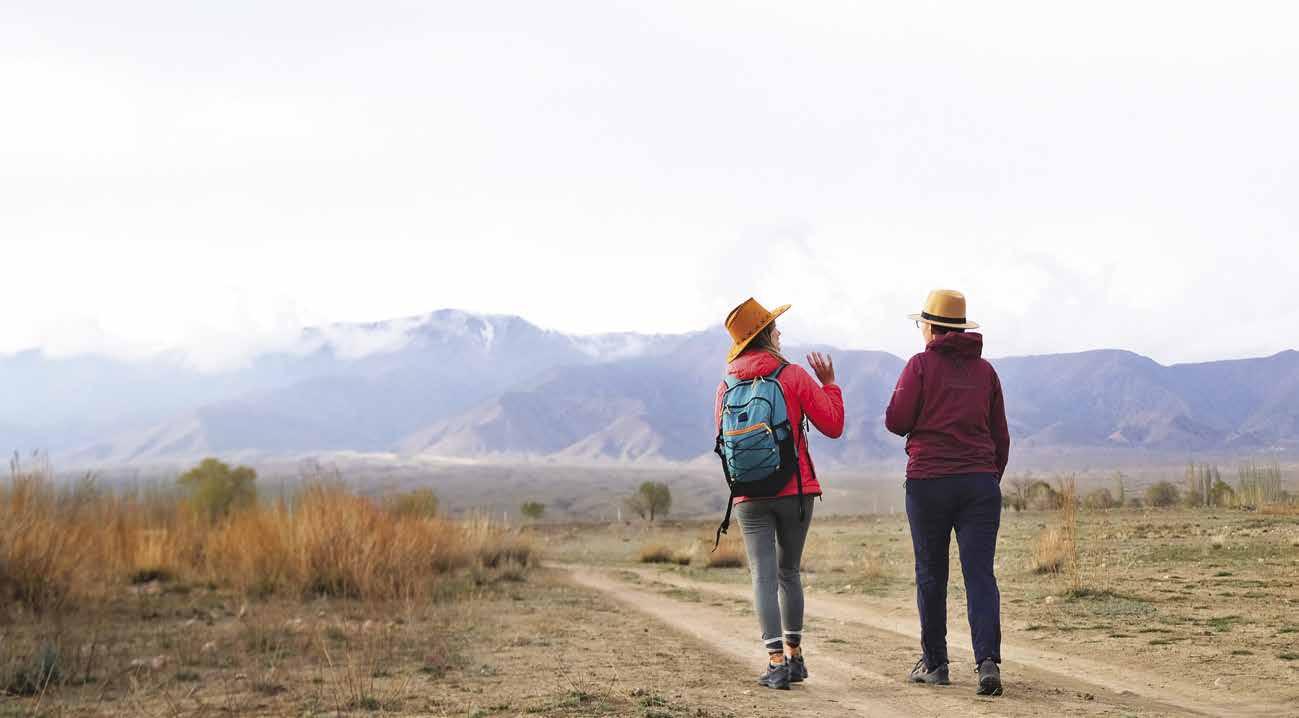
As a pharmacist, I’ve witnessed countless changes in patients and customers over the years. I’ve seen people struggle, succeed, restart, and sometimes surprise themselves in the best possible ways. But what I’ve witnessed within my own workplace has been truly inspirational.
Diane and Stacy are pharmacy technicians with an incredible story of health, resilience, and friendship. I’m deeply proud of their commitment and of how their personal transformation has positively influenced our work culture. Their story is a powerful reminder that sometimes the most effective health strategy isn’t found in a bottle, a supplement, or even a structured program, but in partnership. Here is their story.
One day, a customer stopped by the pharmacy looking radiant, strong, confident, and glowing with energy. Diane and Stacy couldn’t help but notice. When they asked what she’d been doing differently, her answer was simple: barre classes. Later that day, the two coworkers looked at each other and, almost in unison, said, “Do you want to try it?”
That single decision, made casually and without much thought, sparked a six-month transformation. At the time, neither woman realized that their greatest strength wouldn’t be the workouts themselves, but the buddy system that quietly formed as a side effect of simply showing up together.
Diane Powers, 62, had spent years on the familiar roller coaster of weight loss and regain. She believed she was staying active enough,
but in reality, she wasn’t doing the kind of strength training her body truly needed. Her knees hurt, her legs felt weak, and chronic inflammation had become part of her daily life.
Stacy Hansen, 56, had experienced her own wake-up call years earlier when she realized she could no longer lift herself out of a swimming pool. Life—kids, work, responsibilities, and habits—had slowly crowded out consistent exercise. Like many people, she tried several times to restart, only to lose momentum after a few weeks.
Neither woman lacked desire or motivation. What they lacked was consistency. And what finally gave them that consistency was each other.
After that first free barre class, they were hooked. Over time, their routine expanded to include barre, Pilates, yoga, strength training, long walks, stair climbing, meditation, and intentional recovery. Along the way, they also began cleaning up their diets and experimenting with other approaches such as fasting and cleanses. They kept it lighthearted, flexible, and curious rather than rigid or punishing.
What made this work wasn’t willpower; it was accountability. “If I didn’t have Stacy,” Diane said, “I probably wouldn’t be as far along as I am. I know she’s counting on me to show up.” Stacy agreed. “If I was doing this alone, I would’ve quit. Knowing Diane is waiting for me changes everything.”
When one feels tired, the other encourages. When one doubts, the other reassures. There is no shame and no pressure, just steady
“ ” Sometimes, it’s just someone walking beside you, saying, “Let’s go!”
support. That, more than anything else, has made the difference. Somewhere along the way, they have become more than workout partners; they have become best friends.
Exercise was only part of their journey. About two months in, they began focusing more intentionally on nutrition. Both started using a foundational supplement routine known as the “core four” through their workplace, and later, they both completed a full parasite cleanse together. The cleanse became a turning point. For Diane, inflammation in her feet, ankles, and knees disappeared. For Stacy, it felt like waking up in a new body: clearer, lighter, and more connected to how food affected her energy and mood.
Before, both relied heavily on convenience foods, like frozen meals, processed snacks, and sugary treats. Afterward, everything changed. Now their diets focus on fresh vegetables and fruits, clean proteins like chicken and fish, yogurt, salads, and whole foods. Fast food is gone, processed meals are off the table, and sugar is minimal.
“It gave me a clean slate,” Diane said. “There were no cravings pulling me back.” Stacy added, “Now, before I eat something, I actually stop and think about it. I never had that awareness before.”
Six months in, Diane has lost about thirty-five pounds and is working toward losing another thirty as part of her long-term health goals. Her knees are stronger, her endurance has improved, and she hikes, climbs stairs, and moves through daily life with confidence.
Stacy has lost about thirty-five pounds as well, but what she is most proud of is her strength. She can now pull herself out of a pool with ease, something that once felt impossible, and she’s excited about becoming a strong, active grandmother someday.

Emotionally, the changes have been just as powerful. They sleep better. They wake up happier. Their minds feel clearer, and their anxiety is noticeably lower. “I feel lighter in my life,” Stacy said. “Life doesn’t feel so heavy anymore.”
Neither Diane nor Stacy believes this journey would have looked the same if they’d done it alone. The buddy system gave them accountability, motivation, courage, consistency, and joy. Health became something shared, not something endured.
They also learned that the right partner matters. The relationship has to feel respectful, balanced, and supportive, not competitive or forced. Now, even if one can’t make it to class, the other still goes. The habit is built, but the bond made it possible.
When asked what they’d tell someone beginning a health journey, both said the same thing: start—and don’t do it alone. “Find a buddy,” Diane said. “A friend, spouse, coworker, or someone who wants it as much as you do.” Stacy added, “It has to happen naturally, but when it does, it changes everything.”
They also agreed on one more thing: make it fun. Try new classes. Go outside. Experiment. Laugh. Don’t punish yourself. Support yourself. “We didn’t get unhealthy overnight and we won’t get healthy overnight either,” Stacy said. “But we’ll get there together.” And as Diane put it, “This is a lifestyle, not a quick fix.”
In a world that often encourages people to struggle alone, Diane and Stacy are living proof that sometimes the most powerful health tool isn’t a supplement, a class, or a plan. Sometimes, it’s just someone walking beside you, saying, “Let’s go!”
Koby Taylor, PharmD, is the owner and pharmacist of Fusion Pharmacy. Working as a retail pharmacist early in his career, Koby began to see that pharmacy patients needed to have access to available alternative medications. He realized that pharmacy in its truest form is compounding, and he wanted to be able to provide patients with customized medications. He also desired more personalized interactions with patients in order to truly help their health and well-being. To fulfill his passion for improving the health of patients and educating them about compounding, Koby opened the doors of Fusion Pharmacy in 2013. Today, Fusion is nationally accredited with PCAB. It is licensed in and ships to 27 states. Fusion is proud to have two locations to better serve the southern Utah community. Koby graduated from Brigham Young University with a degree in molecular biology in 1995 and from the University of Utah with his Doctorate of Pharmacy in 2000. For more information aboout Fusion Pharmacy visit: www.FusionSpecialtyPharmacy.com
By Matt Eschler, PhD, LMFT

For decades, I have advocated being peacemakers in our relationships and mastering life management through a clear Governing Purpose. Today, I want to merge these two ideals.
I believe every action we take is driven by a purpose, whether it’s fear, a need, or something else. Given this, it makes sense to use our purpose as a guiding framework for our behavior.
Reflect on your habits, automatic responses, and behaviors. Consider how you react when you’re overwhelmed or triggered by a strong memory. Now imagine focusing all these behaviors with precision. Identifying your personal Governing Purpose can make this possible. By living your life according to your defined purpose, you gain control over circumstances, social media influences, trauma, and history.
I once worked on a large, family-owned ranch moving sprinkler pipes without wheels. Each morning, I carried the pipe sixty feet forward, ensuring they were perfectly straight. To achieve this, I tied milk jugs to fence posts on the far end of the field as guides. This simple solution solved the problem of crooked pipelines and kept me out of trouble.
Those milk jugs served as a guide, much like a North Star. By aligning the pipe with the jugs, I controlled the line, just as I can control my actions and behaviors with a memorized, personal Governing Purpose. This purpose is not a goal to achieve but a lifelong statement of your highest aim.
I challenge you to create your Governing Purpose today, incorporating the role of a peacemaker. When you filter your thoughts, beliefs, and

Creating a Governing Purpose begins with self-reflection. Take time to identify what matters most to you: values that remain steady no matter your circumstances. Ask yourself, “What character traits, values, and talents do I have or aspire to build? Think about the moments in life when you’ve felt most grounded, fulfilled, or proud of your behavior. What principles were you living by then? Words like honesty, compassion, integrity, resilience, or growth often rise to the surface. Write down several that resonate with you.
Next, look at how you want to show up in the world. Your Governing Purpose should reflect the person you aspire to be, not a list of goals to accomplish. For example, “I bring calm and clarity wherever I go” is a purpose statement, while “I want to get a promotion” is a goal. A purpose defines your character; a goal measures your progress.
Once you’ve drafted a statement, test it. Repeat it to yourself in stressful situations and notice whether it helps you respond in the way that you want. If it feels off, refine it until it becomes both inspiring and practical. Keep it short enough to remember easily so you can call it to mind in a moment of tension.
Finally, make your Governing Purpose visible. Write it on a card, post it near your desk, or keep it on your phone. Review it each morning as a reminder of how you want to think, speak, and act that day. Over time, your purpose becomes more than words. It becomes the standard by which you live and lead.
actions through this lens, you begin to respond more calmly to the stressors in your world. Consider the difference it can make when you:
• Create a home free of contention by choosing peaceful responses.
• Become a digital bridge builder by posting only constructive, thoughtful messages.
• Repair and strengthen relationships through steady, calm communication.
Living this way doesn’t mean avoiding conflict; it means managing it with purpose and composure.
Today, we face loss, street wars, social media attacks, and widespread violence and tragedy. Without a strong sense of purpose, we risk responding with violent words or actions, falling into despair, defensiveness, and anger. Imagine developing your personal Governing Purpose to guide your responses and focus your actions. You could make a significant difference in your home, your community, and even the world.

Matt lives in St. George, Utah, where he and his wife, Chris, are enjoying their life with each other. Since their children have grown up and moved out to pursue their dreams, Matt and Chris travel the world. They want to visit 200 countries before they are done. Matt and Chris are active in their community and enjoy working out, training for marathons, and spending time participating in numerous activities with their adult children. Matt received a PhD in psychology. He is focused on the arena of resolving personal conflicts and improving interpersonal relationships. In addition to his doctorate degree, Matt has earned a master’s degree in marriage and family therapy, studied criminal justice and received a category one license with Peace Officer Standards and Training, and received a degree in the Arts of Business Management. Matt is a professor at Dixie State University and hopes to be part of the positive growth of Southern Utah.















































By Brigit Atkin



ou know the feeling: life is coming at you at mach speed, personal catastrophes pull the rug out from under you, or life threatens to overwhelm and swallow you whole. At times like these, when life feels out of control, it’s all you can do to hold on and keep standing. Over the years, I’ve learned through personal experience some ways to help maintain a sense of personal power and control in difficult circumstances.
In Stephen Covey’s The 7 Habits of Highly Effective People, we learn about the habit of balancing self-renewal by taking time for yourself—what he calls “sharpening the saw.” It’s a way of taking a break in your busy life so that you can actually become more productive.
I witnessed this in action many years ago from my mother-in-law, Mary Ann. She had eight children, and by the time I joined the






family, there were nearly fifty of us. One particular Thanksgiving, I was at Mary Ann’s home while she was in the middle of preparing homemade noodles, rolls, and all the delicious food for the holiday. I watched in amazement as she happily worked in the kitchen for a while, then poured herself a Diet Coke to enjoy while she sat on the sofa and read a novel. She read for about twenty minutes or so, then went back into the kitchen to continue preparations. Again, after a time, she rejoined her book in the living room.
I couldn’t believe what I was seeing. She was balancing work with rest and pleasure. I didn’t know you could do that! I had always been one to “get the work done first,” which, in fact, left me exhausted by the time I finished. I adopted her method into my own life, and I can personally attest that you will actually get more done if you incorporate rest and enjoyment into your busy schedule. In this way, you will regain control amid the fast pace of life.


Sometimes you might find yourself in the midst of a crisis. This is when you feel you’re hanging on for dear life, just trying to endure the issue at hand. That’s when you drop anything that isn’t necessary and delegate tasks that can be done by someone else. A neighbor can pick up the kids from school; you can order dinner; someone else can do the laundry.

Again, please take some time to rest, even if it’s just sitting down and breathing for ten minutes. On the other hand, doing household chores during turmoil and grief can feel surprisingly empowering. For example, it can feel freeing to clean out the fridge or get rid of that drawer full of holey socks. The key is that your actions—whether resting or cleaning—give you a sense of personal power and control over some aspect of your life.


Life these days seems overwhelming for most of us. Maybe there isn’t a specific crisis in your life right now, but the busyness of everyday living can steal your joy if you aren’t careful. Don’t let that happen! The above scenarios and their remedies apply here as well, so let’s recap:
• Sharpen the saw. Take breaks throughout the day, even if they’re only five minutes. Those few moments can work wonders for your sense of control.
• Delegate to others when you can. If it doesn’t matter who does it and you feel buried in responsibility, let someone else pitch in. You focus on the priority.
• Sit down and breathe. I mean really breathe. Find a method that calms and restores you, and incorporate it throughout the day.
• Take control by taking action. Do what you can control: clean your house or dejunk a drawer. Anything that clears out clutter gives you a sense of peace, empowerment, and control.
Feel free to add to this list. It might include prayer, meditation, exercise, or spending time outside in the fresh air. All of these can renew and refresh you.
In this life, we all have things we can control and many things we can’t. Trying to control what isn’t yours will only add to your frustration. Taking action on the things you can control will help you reclaim your power.


Please know that you can call on others for help. You are not meant to walk through this life alone. Do what you can, then let go. Be as kind to yourself as possible, and trust that life is teaching you profound lessons you can’t learn any other way than by pushing through.
You can do hard things! You can do great things, even in the midst of overwhelm and grief. On the other side of this challenge is a stronger, wiser, and more patient version of yourself. Keep going; the person you’re becoming is worth it.








Brigit Atkin–Brigit of Brightworks helps improve the lives of others facing challenges and difficulties.
She is certified in the SimplyALIGNTM method and was trained by founder Carolyn Cooper herself. For more information, visit www.brightworksbybrigit.com.


By Erin Del Toro, CCHt
Your body believes everything you think. Not emotionally. Not symbolically. Biologically.
Every thought you have triggers a small electrical event in the brain. Neurons fire. Neurotransmitters are released. Hormones follow. Chemistry shifts. Muscles subtly tighten or soften, and your nervous system adjusts its stance toward the world: safe, threatened, open, guarded.
If only our thoughts stayed politely in our heads. But they don’t. They travel, ripple, and land in our bodies.
In the 1970s, biologist Bruce Lipton demonstrated this through experiments using cloned cells grown in Petri dishes. Starting with identical cells—same DNA, same genetics—he placed them into three different environments. From a single cloned cell, he grew bone, fat, and tissue cells. Same genetics, but totally different outcomes. The takeaway was simple and unsettling: genes respond to the environment.
Now consider this question: What environment does your body live in all day, every day?
Yes—food, air, sleep, and stress are factors. But so are your emotional tone, interpretations, expectations, and internal dialogue. All of these shape the internal environment of your body. In fact, chronic stress signals have been shown to activate cancer pathways, dysregulate the immune system, and shorten the telomeres at the ends of our DNA coding which, over time, shortens our lives.
We produce up to 70,000 conscious thoughts per day. But that number barely scratches the surface. Every second, your brain processes between 11 million and 400 billion pieces of subconscious information: sensory input, memories, emotional cues, facial expressions, tone of voice, body sensations, and past experiences, all being filtered in real time. You could never consciously manage that amount of information, and you were never meant to.
Instead, the brain relies on a shortcut: our system of belief lenses. These lenses are installed, most of them before we are eight years
old, to automatically sort incoming information. They decide what stands out, what feels threatening, what feels personal, what confirms what we already “know,” and what gets ignored altogether. Here’s the key point: You do not consciously control the filter that’s managing those 11 million pieces of information. So, whatever your belief lens is tuned to, your life quietly fills up with evidence for it whether you like it or not.
If your lens is set to people don’t treat me fairly, your nervous system will catch unfairness everywhere. If it’s tuned to I don’t belong, moments of exclusion will feel louder than moments of connection. If it expects rejection, your body will brace before your mind even weighs in—not because you’re pessimistic but because your brain is efficient.
Each emotionally charged thought sends a chemical message into the body. Stress-based interpretations tend to activate stress chemistry. Calmer, safer interpretations send a different biological signal. Over time, repeated emotional states help shape how the body regulates inflammation, immune response, energy, and recovery.
This is where epigenetics enters the conversation—not as magic, but as responsiveness. The body adapts to the signals it receives most often.
Your thoughts don’t singlehandedly determine health, but they absolutely participate in shaping the internal environment your body responds to every day. The genes that create disease are more exposed when the internal environment is one of stress or pain. The genes that promote healing and vitality turn on and accelerate with peaceful, joyful thoughts.
At this point, most people ask the obvious question: If thoughts are so powerful, why can’t I just change them?
Because most of the thoughts that shape your chemistry weren’t consciously chosen. They’re generated by belief lenses formed early, often in small moments that carried emotional weight. When we experience a thought and a feeling together in a theta-wave state (which all children are in before age seven), neural pathways form, and a subconscious belief lens is created, often for life.
A ten-year-old not invited to a birthday party might feel hurt and think, There must be something wrong with me. A five-year-old who feels consistently overlooked may pair anger with meaning: People don’t treat me fairly. Emotion plus meaning wires a pathway.
Years later, when something even vaguely similar happens, the reaction fires automatically. The body responds first. The mind explains later. From the inside, it feels like that’s just how I am. From a nervous system perspective, it’s simply a pattern doing what patterns do.
You don’t need to monitor every thought—that would be exhausting. A better place to start is curiosity. Notice:
• What situations reliably trigger strong emotion?
• Which emotional themes repeat?
• When you trace the feeling backward, where did you first experience something similar?
That earliest emotionally charged memory is rarely random. It usually points to the belief lens that’s been quietly filtering your experience ever since. Once you can see the lens, the work changes. You’re no longer fighting thoughts. Instead, you’re updating the system that generates them.
Over time, you can change the state of your body by changing your thoughts and emotions. As you understand your belief lenses and how they formed, you can begin to counter them by being curious about what life could feel like if it were different.
But if you want change now—if you’ve done the “over time” thing long enough and are ready for faster results—the most effective way I know to change a belief lens is through hypnotherapy, not because it’s mystical or dramatic but because it works with the brain in the state where change is biologically easier. In a theta-wave state, the brain becomes highly malleable, about 400 times more so than when trying to make changes with the conscious mind. This is the same state in which belief lenses were originally formed, long before logic had much say.

Hypnotherapy accelerates change at the source, allowing you to transform old belief patterns so that your body responds with ease and vitality. If you’re ready to update the lens itself, please reach out. I’m always ready to help you change. Contact me by visiting lumatheta.com, text or call my office at (435) 429-2560, or email erindeltoro@gmail.com.

Erin Del Toro is an ACHE-registered clinical hypnotherapist, the owner of Luma Theta Hypnotherapy, and the Mindset Director at Movara Fitness Resort. She is passionate about helping others change the effects of trauma, rewrite unwanted habits and behaviors, and unlock the power of their true potential. Erin lives in St. George, where she enjoys mountain biking, hiking, exploring the outdoors of beautiful Southern Utah, and spending time with her twin daughters.



By Trish DeMarcus and Laci Wall :: Photography by Sienna June Herring

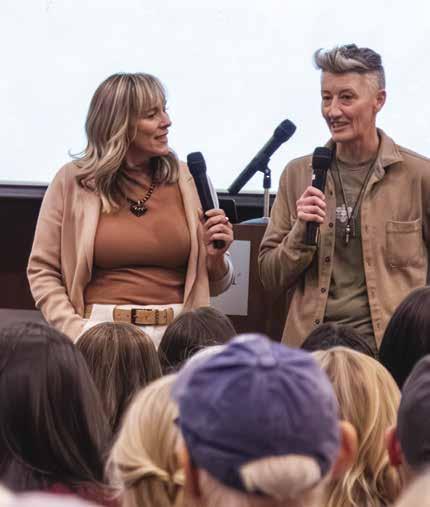




The Heart-2-Heart Live Experience was created as an invitation—not to fix, but to remember.
Held in Southern Utah, this immersive wellness event brought together people from across the region and beyond for a day centered on awareness, connection, and the wisdom held within the subconscious mind. Sponsored in part by Southern Utah Health & Wellness Magazine, Heart-2-Heart reflected the depth and diversity of the local wellness community while offering attendees a powerful firsthand experience of energy-based healing and self-discovery.
Rather than a traditional lecture-style conference, Heart-2-Heart unfolded as a living experience. The day invited participants to witness and feel how the body and subconscious store information, emotions, and experiences, often without our conscious awareness. Through live demonstrations led by Dr. Bradley Nelson, best-selling author of The Emotion Code, The Body Code, and The Heart Code, attendees were shown how trapped emotions can be held within the body and how energetic imbalances, including what is known as a “Heart Wall,” can influence how we experience life, relationships, and even physical well-being.
One of the most impactful aspects of the event was seeing this work in real time. Volunteers were invited onstage, where participants could observe how the subconscious communicates clearly and efficiently when given the opportunity. These demonstrations brought abstract concepts into tangible reality, offering a deeper understanding that the body already knows what it needs; we simply have to ask and listen.
Complementing the main experience was a curated marketplace featuring twenty-two local wellness vendors, each offering insight into their unique modalities. From energy work and body-based
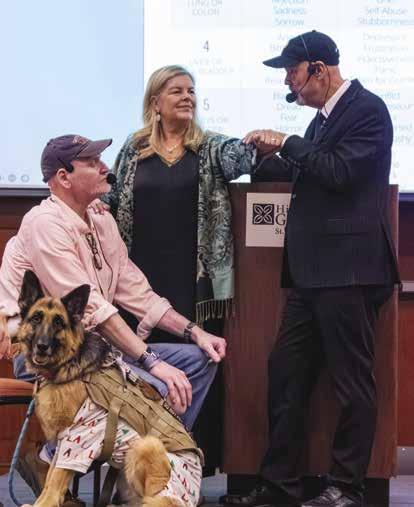


therapies to holistic tools and supportive practices, attendees were able to explore a wide range of healing approaches in one space, highlighting the depth of talent within the Southern Utah wellness community.
Heart-2-Heart was inspired by the mission of 7 Elements of Wellness, a framework that honors wellness as a holistic and interconnected journey. The seven elements—spiritual, mental, emotional, physical, nutritional, relational, and financial—reflect the understanding that true well-being is not one-dimensional.
The mission of 7 Elements of Wellness is to create spaces where individuals feel empowered, sovereign, and supported as they explore what wellness means for them—guided by curiosity, awareness, and personal truth rather than pressure or perfection.
Heart-2-Heart also served as a celebration of St. George itself. Guests traveled from various locations and experienced not only the event but also the warmth, beauty, and collaborative spirit that make this area a growing hub for conscious living and holistic health. Many expressed gratitude for discovering both new modalities and a community rooted in connection.

With the success of this inaugural gathering, the intention is for Heart-2-Heart to become a yearly event, along with additional community experiences throughout the year. Those interested in future events and offerings are invited to stay connected through the provided link or QR code.
Heart-2-Heart offered a powerful reminder: healing does not always come from effort or force. Sometimes, it begins with awareness and the willingness to trust the intelligence already within us.



very January, many of us get swept up in the excitement of new beginnings. We buy planners, write lists, and set ambitious goals, ready to transform our lives.
But by the time March rolls around, most of those goals have quietly faded, crowded out by routines, distractions, and old habits. If you’ve noticed your motivation slipping, you’re not alone. The problem isn’t a lack of willpower; it’s that most goals are built on excitement, not structure. Real change doesn’t come from will. It comes from design.
The good news? It’s not too late to begin again. In fact, spring is the perfect time to refocus and build goals that actually last. Here’s how to create systems that keep working long after the New Year’s spark has faded.
1. Start with What You Want, Not What You Think You Should Want
Most goals fail because they’re borrowed from what others value or what culture praises. Losing weight, saving money, or exercising more are worthy aims, but unless the goal connects to something you deeply care about, it won’t withstand resistance.
Instead of asking, “What should I change?” ask, “What matters most to me right now?” Maybe it’s having more energy to play with your grandchildren, feeling calmer in the mornings, or proving to yourself that you can finish what you start.

By Diane Del Toro


Motivation begins with meaning. When you know why the goal matters, the how becomes easier to figure out.
Big goals look impressive on paper but are fragile in real life. Our brains crave progress, not perfection. Each time you keep a promise to yourself, you strengthen your belief that you can.
“All big things come from small beginnings,” wrote James Clear in Atomic Habits. “The seed of every habit is a single, tiny decision. But as that decision is repeated, a habit sprouts and grows stronger.”
So shrink your first step until it’s nearly impossible to fail.
• Want to walk more? Commit to five minutes a day.
• Want to write a book? Start with one paragraph.
• Want to meditate? Sit quietly for thirty seconds.
• Consistency rewires the brain; intensity doesn’t. Small, steady wins build lasting momentum.
3. Design for the Days You Don’t Feel Like It
Most of us plan for the best version of ourselves—the one who’s rested, inspired, and organized. But change is won on the days you feel tired, bored, or discouraged. That’s why success depends less on motivation and more on systems.



As Clear puts it, “When you fall in love with the process rather than the product, you don’t have to wait to give yourself permission to be happy. You can be satisfied anytime your system is running.”
Ask yourself: What will make this easy to do when I don’t want to do it?
• Keep your walking shoes by the door.
• Prep healthy snacks before you need them.
• Block “goal time” on your calendar as if it were a doctor’s appointment.
When you lower friction, follow-through becomes automatic.
4. Build Accountability That Fits Your Personality
Accountability isn’t about pressure; it’s about connection. Some people thrive on external accountability: a walking buddy, a coach, or an app that tracks progress. Others prefer internal accountability, like a simple journal or daily check-in with themselves.
Whichever approach you prefer, choose accountability that feels supportive, not punishing. Share your progress with someone who encourages you and celebrates small wins. Remember: what gets tracked, gets done.
5. Redefine Success: Focus on the System, Not the Outcome
A goal is a destination; a system is the road you take to get there.
Most people quit because they measure progress only by results: pounds lost, money saved, habits perfected.
But real transformation happens long before the results show up. Every time you act in alignment with your goal, you’re becoming the kind of person who does that thing naturally. “The ultimate form of intrinsic motivation is when a habit becomes part of your identity,” explained Clear. “It’s one thing to say I’m the type of person who wants this. It’s something very different to say I’m the type of person who is this.”
Focus on building the identity; the outcomes will follow.
6. When You Slip, Reset—Don’t Restart
Missing a day doesn’t mean failure. The moment you think, “I blew it,” is actually the turning point between progress and quitting. Treat setbacks as data, not drama. Ask, “What got in the way?” and adjust your system.
Maybe you need to make your steps smaller, schedule differently, or simplify your goal. Every stumble teaches you something about how to make success easier next time.
Habits stick when they’re attached to existing routines. Want to stretch more? Do it right after brushing your teeth. Want to practice gratitude? Say one thing you’re thankful for before dinner.
This method, called “habit stacking,” builds on what’s familiar. You’re not reinventing your day; you’re enhancing it. “Habit stacking increases the likelihood that you’ll stick with a habit by stacking your new behavior on top of an old one,” noted Clear. “This process can be repeated to chain numerous habits together, each one acting as the cue for the next.”
If your New Year’s goals have slipped, don’t see that as failure. See it as feedback. Motivation is fickle, but systems are not. The key to lasting change is designing your environment, schedule, and mindset so that success becomes the natural outcome, not the uphill battle.
Spring is a season of renewal, a chance to clear away what hasn’t worked and start fresh with purpose. Forget about being perfect. Be consistent, curious, and kind to yourself in the process. Small steps, repeated daily, will do what sheer determination can’t: they’ll quietly reshape your routines and strengthen your confidence in what’s possible.
That’s the secret to goals that actually stick.













By Amanda Kotter, Co-owner of Elemental Health
What Is Functional Medicine? Functional medicine is a holistic approach to health care that focuses on identifying and treating the root causes of illness and preventing them from returning. In the following interview, Dr. Wayne Tompkins helps define a functional medicine approach to health and healing.
Amanda: What brings you to the St. George area?
Dr. Tompkins: The beautiful climate and dry air. For eighteen years, I had a thriving functional medicine practice in Branson, Missouri, where I offered chiropractic care, acupuncture, and allergy elimination. I helped people with high blood pressure, digestive issues, and hormonal health. My family and I left Branson after I was diagnosed with Lyme disease, Bartonella, and Babesia, which are common due to the tick population there. I needed a drier climate, and St. George was the perfect place for us.
Amanda: Can you tell us more about being a functional medicine practitioner?
Dr. Tompkins: I’ve practiced functional medicine for about five years. While I truly appreciate what conventional medicine can do, like saving my daughter from asthma attacks and me from anaphylaxis, I believe it follows a “sickness model.” It helps people feel average. A lot of conventional blood work is based on population averages, but functional medicine focuses on what’s optimal.
Amanda: I love that! Can you describe what someone who wants to feel optimal might expect as a patient of yours?
Dr. Tompkins: The first step is a thorough, head-to-toe initial consultation, from headaches and dental work to circulation issues in the feet. Then, we order specialized lab panels tailored to the individual. Sometimes, it’s a stool sample or an allergy panel for food, mold, or pollen. Other times, it’s metabolic testing for blood pressure, blood sugar, or heart health.
Once we have the results, we create a personalized plan of action. It usually includes a nutritional component, an anti-inflammatory approach, and acupuncture.
Acupuncture is a centuries-old healing method that helps the body correct deficiencies. It can halve the healing time of a broken bone, turn a breech baby, regulate hormones, and improve fertility.
We also use allergy elimination techniques. Many allergies are rooted in emotions—not all, but many—so any treatment must consider that component. It can help with sensitivities to gluten, dairy, common foods, and pollen. In Branson, it was ragweed; here, it’s things like sage. I’ve also worked with a number of autistic children. It’s very rewarding work!
Amanda: You mentioned that you combine acupuncture and nutritional therapy. Do you also recommend the NAET (Nambudripad’s Allergy Elimination Techniques) method for your patients?
Dr. Tompkins: Many times, yes. I’m also looking forward to working with you on homeopathic consulting. I’ve found that people respond very well to homeopathy. It’s easier on digestion and often more affordable than herbs and supplements.
Regarding NAET, its benefits go beyond allergy elimination. It can improve nutrient absorption. For example, I had a patient who had to take four capsules of magnesium every night to have a bowel movement the next morning. After clearing her system, she no longer needed to supplement.
Amanda: Helping people absorb their nutrients more effectively and efficiently makes such a difference! We’re really excited to welcome you to the Elemental Health team! Are you currently accepting new patients?
Dr. Tompkins: Yes! I’m thrilled to be part of the St. George community and have already received a warm welcome. I specialize in digestive and hormonal health, and I have had great success helping patients with stress management.
Amanda: We’re glad you’re here helping St. George feel optimal, not average!
We all want the best results possible from any therapy we pursue. Functional medicine may be a path worth considering.
Functional medicine doctor Wayne Tompkins, DC, is a twentyyear practitioner specializing in modalities such as NAET and acupuncture. He is currently accepting new patients. Call Elemental Health at 435-414-7223 to schedule an appointment.
Amanda Kotter is a homeopathy consultant, nutritionist, and bioresonance practitioner. She and her son Lance own and operate Elemental Health in St. George, Utah.



Valerie Acevedo Holistic nervous system support
Scan or follow to learn more











Somewhere between childhood and adulthood, many of us forget how to play. Life becomes about responsibility, productivity, and moving from one obligation to the next. Yet play—unstructured time in nature, moments of curiosity, laughter, and rest—is not frivolous. It is restorative. It resets our perspective and reminds us who we are when we’re not rushing.
Southern Utah has always been a place that invites that kind of reset. The wide skies, red cliffs, and quiet desert mornings create space to slow down and notice the beauty of the outdoors. Long before Ivins, Utah, was a destination, Hidden Springs RV Resort was a natural pause point in the landscape, a place where water surfaced in the desert and where early settlers could raise animals and crops. Families relied on the land not just to survive but to connect, rest, and share time together.
That spirit is woven into the story of Hidden Springs RV Resort today. The land has been in the Graf family for seven generations, originally farmed and cared for as open desert property. Over the years, it became a gathering place for family celebrations, holidays, and everyday moments, where children explored, adults lingered, and time seemed to stretch. The idea to create a resort grew slowly and intentionally, born from a desire to share that feeling with others rather than transform it into something unrecognizable.
Bringing the vision to life wasn’t easy. It took nearly a decade of planning, persistence, and belief: navigating zone changes, financial obstacles, and the uncertainty of a global pandemic. What carried the project forward was the simple conviction that people need places where they can unplug, be present, and feel welcome. The goal was to build a luxury destination while preserving the soul of the land—a place that encourages play, connection, and ease.
Play looks different for everyone. At Hidden Springs, it might mean morning walks as the sun lights the Red Mountain, afternoons in the pool with grandchildren, quiet conversations around a fire pit, or spontaneous laughter with neighbors you’ve just met. These
moments aren’t scheduled or optimized; they happen when we give ourselves permission to slow down.
Hidden Springs RV Resort is more than an RV resort. With luxury suites and cottages nestled among stunning red rock views, it’s the perfect getaway for travelers to make core memories.
In places like this, stillness works quietly on the soul. The landscape invites us to pause, breathe, and notice what we’ve been missing. As we step outside of our routines and into open space, our minds soften, our senses heighten, and perspective shifts. Even a short escape, especially one close to home, can help us return to daily life feeling renewed and clear.
In a world that is constantly asking us to do more, places like Hidden Springs remind us of the value of simply being. Today, it continues to invite people of all ages to play again, reconnect with nature, and rediscover the quiet joy of unhurried time—a timeless kind of wellness found only in the heart of Southern Utah.
Hidden Springs RV Resort is located in Ivins, Utah, just minutes from Snow Canyon State Park. To learn more or to plan your stay, visit www.hiddenspringsrv.camp