San Francisco Marin Medicine, Vol. 99, No. 1,Jan/Feb/Mar
SAN FRANCISCO MARIN MEDICINE
JOURNAL OF THE SAN FRANCISCO MARIN MEDICAL SOCIETY
Standing up for Medicine, Public Health, and Science
Special Section: Healthcare Access Crisis
SFMMS Brings the Fight to Big Tobacco Again Adam Francis, CAE 8 Reflections from My Year as President of the California Medical Association
Shannon Udovic-Constant, MD
20 Primary Care at a Crossroads: From Structural Undervaluation to Measured Rebalancing
Megan Mahoney, MD, MBA 22 Redesigning Health Coverage for California's Uninsured: A Comprehensive Roadmap
Len Finocchio, DrPH 24 Student Essays: The Humanities Belong at the Bedside
Shieva Khayam-Bashi, MD; Therese Santiago and Nina Djukic, MS4
CLASSIFIED ADS
For Lease: Upper Market/Castro Medical Suite 1,309SF. Call Gary Barboro (415) 867- 6512.
Bayside Realty Partners: Move-in ready medical suites, various floors plans and square footage options. 350 Parnassus, price negotiable. Call for details (650) 949-0700. Office Medical Condo at 490 Post Street for sale. 1,580 sq.ft., priced at $1,280,000. Call Markus Shayles (415) 215-0240.
January/February/March 2026 Volume 99, Number 1
3 President's Message: Healthy Advocacy, Engagement, and Policy
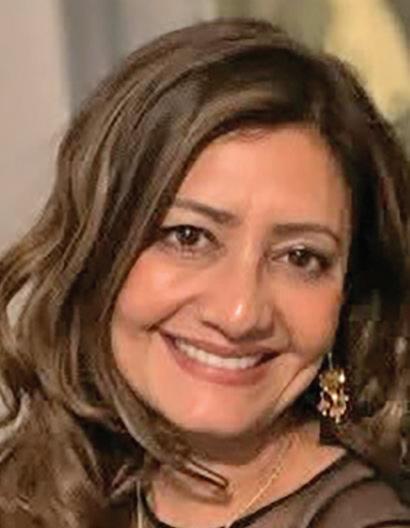
Sarita Satpathy, MD, MPH
5 Executive Memo: We Asked Our SFMMS Physician Members About Workplace Violence. Here's What They Told Us. Conrad Amenta
What You Miss When You’re Always Optimizing
MEMBERSHIP MATTERS
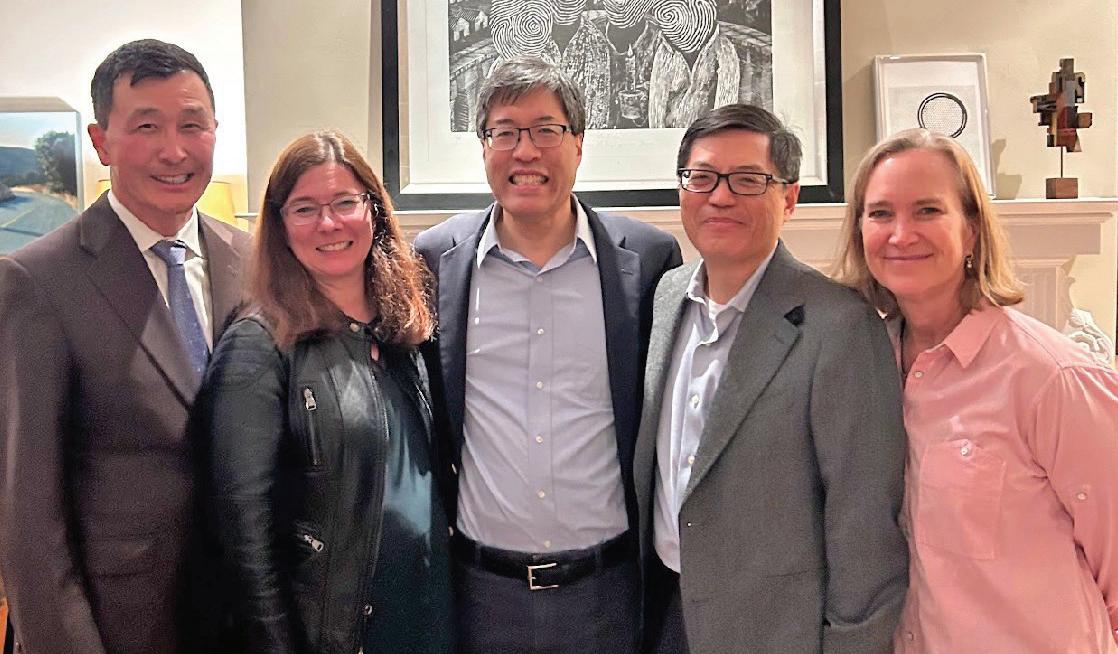
SFMMS leaders in Support of Richard Pan, MD
SFMMS leaders Drs. John Maa, Shannon Udovic-Constant, Roger Eng, and Monique Schaulis flanked California candidate Richard Pan MD at a local event in support of his campaign for Congress.
See Gala photos on page10
January/February/March 2026
Volume 99, Number 1
Editor Michael Schrader, MD, PhD
Managing Editor Steve Heilig, MPH
Production Maureen Erwin
SFMMS OFFICERS
President Sarita Satpathy, MD, MPH
President-Elect Melanie Thompson, DO
Secretary Edward Alfrey, MD
Treasurer Ian McLachlan, MD
Immediate Past President Jason Nau, MD
SFMMS STAFF
Executive Director
Conrad Amenta
Associate Executive Director, Public Health and Education
Steve Heilig, MPH
Director of Operations and Governance
Ian Knox
Director of Engagement
Molly Baldridge, MPH
Senior Director, Advocacy and Policy
Adam Francis, CAE
2026 SFMMS BOARD OF DIRECTORS
Edward Alfrey, MD, Secretary
Melinda Aquino, MD
Julie Bokser, MD
Kristina Casadei, MD
Clifford Chew, MD
Esme Cullen, MD
Anthony DiGiorgio. MD
Manal Elkarra, MD
Tracey Hessel, MD
Cynthia Lin, MD
Ian McLachlan, MD, Treasurer
Jason Nau, MD, Immediate Past-President
David Pating, MD
Dawn Rosenberg, MD
Sarita Satpathy, MD, MPH, President
Michael Schrader, MD, Editor
Yalda Shahram, MD
Neeru Singh, MD
Ranna Tabrizi, MD
Melanie Thompson, DO, President-Elect
Christina Wang, MD
Kristin Wong, MD
Helen Yu, MD
For questions regarding journal, including possible submissions, contact Steve Heilig: Heilig@sfmms.org
PRESIDENT’S MESSAGE
Sarita Satpathy, MD, MPH
HEALTHY ADVOCACY, ENGAGEMENT, AND POLICY
We are three months into 2026 and we are off to a great start! What a privilege to connect with so many members and to see the energy and commitment that make this Society truly remarkable These early months have reminded me how much we can accomplish when we come together to learn, share, and serve our patients and communities.
Medicine today presents both challenges and extraordinary opportunities. Burnout, increasing patient needs, and a complex healthcare system test us every day—but organized medicine gives us a space to support each other, advocate for our patients, and make a difference beyond the exam room. The San Francisco Marin Medical Society brings together physicians across specialties, stages of practice, and communities, allowing us to collaborate, grow, and strengthen the impact of our work.
cisco Dental Society and other local organizations, we are implementing education and prevention initiatives focused on nutrition and long-term health. These efforts are already underway and demonstrate the difference we can make when healthcare professionals collaborate across disciplines.
Community Partnership and Service: Medicine extends beyond the clinic. Through our Community Services Foundation and partnerships across San Francisco and Marin, we continue to support programs that address food insecurity, access to care, and health equity. Working with community clinics, food banks, and nonprofit organizations allows physicians to expand their impact, strengthen communities, and address health at its roots.
This year, our efforts focus on three key priorities: membership engagement, policy and advocacy, and community partnership and prevention. A few words on each:
Membership Engagement: The energy of our membership has been evident in these first three months. Members will join us at a variety of events and programs designed to foster connection, professional growth, and shared learning. Recent highlights include Women in Medicine: New Rules of Menopause with Dr. Kathleen Jordan, a book club, and a financial planning mixer. These early activities reflect the vibrancy and dedication of our members and set the stage for a year of engagement, connection, and meaningful participation.
Policy and Advocacy: Advocacy is medicine in action. Some challenges in our community are not seen as public health crises-but they are. We see the effects of these in our emergency departments and beyond: Two examples of what we are tackling include Gun Violence and Ultra Processed Foods.
Over the past 3 months, I have been actively participating with Brady United Against Gun Violence, Pierce’s Pledge, and the Giffords organization to address gun violence. Our work includes outreach and education campaigns in local schools to promote safety, awareness, and prevention. Physicians bring a trusted voice to these conversations, translating clinical insight into actions that help protect and strengthen our communities.
We are also raising awareness of how ultra-processed foods drive obesity, diabetes, and chronic disease, particularly in underserved communities. In partnership with the San Fran-
A key goal for me this year is to ensure that our Society continues to be a space for connection, learning, and collective action. Our strategic plan is a roadmap for bringing our ideas and energy into action, supporting physicians, advocating for patients, and improving health in our communities. I invite all members to get involved—attend a meeting, join a committee, participate in programs, or mentor a student or resident. Every act of participation amplifies our collective impact and strengthens the future of our profession.
The future of medicine will be shaped by those who choose to engage, learn, and serve together. As a Society, we can continue to grow as a community that is diverse, compassionate, connected, and energized, always moving forward with hope and purpose.
Thank you for your trust and for the honor of serving alongside you.
Sarita Satpathy, MD, MPH, CPE is an internal medicine physician whose career has been rooted in hospital-based care across the continuum— from acute and post-acute settings to long-term and hospice care. She began her career as a hospitalist at Alta Bates in Berkeley and Summit Medical Center in Oakland and held leadership roles with Cogent Healthcare and with Sound Physicians. She has served on the Board of the Saint Francis Hospital Foundation for over a decade and on the San Francisco Marin Medical Society Board for several years prior to her election as President.
She earned her undergraduate degree in Biological Psychology from the University of Texas at Austin, her Master of Public Health from San José State University, and her medical degree from St. George’s University in Grenada.
ABORTION SHIELD LAWS: CALIFORNIAAND SFMMS - LEAD THE WAY
Michael Schrader, MD, PhD
Last year the State of Louisiana brought charges against a California physician for prescribing mifepristone to a woman residing in Louisiana However the physician was protected from prosecution by California’s SB 345 abortion shield law that protects California physicians from prosecution in another state for performing an abortion or gender affirming care. More recently a Texas man has filed a lawsuit against a California physician for prescribing mifepristone to his partner.
Abortion has long been contentious in the United States. Roe v Wade established women’s legal right to abortion in 1973. Prior to this decision access to abortion varied by state. Illegal abortions could be dangerous and even deadly. Obtaining an illegal abortion was fraught with stigma of shame and illegality.
In 2022 Roe v Wade was overturned by the Dobbs v Jackson Women’s Health Organization decision. States were able to outlaw abortion immediately. Many states moved to drastically limit access to abortion. California remained a state where abortion was legal with reasonable restrictions. Other states outlawed abortion even when a woman’s life was endangered or the pregnancy was a result of rape or incest.
Almost immediately the issue was raised about differences in state law: Could a resident of another state be prosecuted for obtaining treatment that is legal in California? San Francisco City Attorney, David Chiu, long a proponent of women’s reproductive rights, organized the San Francisco Bar Association and SFMMS to support legal defense for patients and physicians.
SFMMS immediately began proposing reproductive rights policy to the CMA and we were able to get that adopted. We lobbied for a California abortion shield law. The CMA House of Delegates made reproductive rights a focus of one of the Major Issues in 2022 after this was proposed by our District VIII Delegation, and last year we again added explicit policy protecting access to medical abortion.
The California Supreme Court established the right to abortion in California in 1969 four years before the Roe v. Wade decision. In 2022, California voters passed Proposition 1, which added abortion and contraceptive rights to the California constitution. Other legislative protections passed in the 2023-24 legislative session include AB 1707, which shields physicians from licensing actions initiated by states hostile to abortion; AB 254 and AB 352, which strengthen medical records privacy for abortion; and AB 571 which ensures California physicians have access to professional liability insurance without facing discrimination for being a provider of abortion. In 2025 AB 260 was passed allowing a pharmacist to dispense mifepristone or other drug used for medication abortion without the name of the prescriber or the name and address of the pharmacy.
In 2000 mifepristone was approved by the FDA after years of delays. As described in a previous editorial, in 1992 our
own Steve Heilig, working with some SFMMS physicians and reproductive health advocates, was involved in a publicity effort that landed on the front page of the New York Times and began a series of events that resulted in the approval of mifepristone. Since the approval of mifepristone, it has proven to be extremely safe and medical abortion has become a standard for abortion. Mifepristone is now used in almost two-thirds of all abortions. Medical abortion provided via telehealth now accounts for 27% of abortions.
Since the Dobbs decision which has allowed states to set their own restrictions on medical and surgical abortions the number of medical abortions has increased. In fact the Dobbs decision has not decreased abortion in the United States. The number of medical abortions supplied by mail in states without legal abortion has increased. There are 23 states now that have abortion shield laws.
Abortion opponents were emboldened to ask for a national abortion ban. President Trump declared victory for stacking the Supreme Court to overturn Roe v Wade but has balked at a national ban. For years Republicans had championed making abortion illegal without making substantial progress. This ensured them a core base of enthusiastic support. But banning abortion is politically unpopular. Trump has tried to straddle the abortion issue by claiming it is the right of states to chose their own laws.
Reproductive rights are important to women in so many ways: unwanted pregnancies can result in maternal poverty and have been associated with increased partner abuse. Pregnant women are at higher risk of partner abuse and homicide. And ultimately the decision to become a parent to a child is a personal health decision between a woman and her physician.
The debate over abortion rights encompasses patient/ physician decision autonomy, women’s rights, public health, states’ legal autonomy, and, all too often, political advantage. We can thank our City Attorney, our state legislators, our Attorney General, and our Governor for taking courageous positions to protect our patients both in and outside California as well as our physicians and pharmacists. Our SFMMS and CMA will continue to support reproductive rights and the freedom of patients and physicians to make health decisions.
Dr. Schrader, an internist at UCSF Health, is former Chair of the SFMMS delegation to the CMA and a past-president of the SFMMS.
EXECUTIVE MEMO
Conrad Amenta, SFMMS Executive Director
WE ASKED OUR SFMMS PHYSICIAN MEMBERS ABOUT WORKPLACE VIOLENCE. HERE'S WHAT THEY TOLD US.
Violence in the workplace is an issue that affects not only the safety and well-being of physicians and staff but also the quality of care delivered to patients Although not a new issue, recent incidents of violence against medical professionals have underscored the need to assess and address risks experienced by physicians in San Francisco and Marin.
In January and February of 2026 SFMMS developed and distributed a confidential survey to better understand the challenges faced by our physician members in their practice settings and help identify trends. The results of the SFMMS Workplace Violence Survey reveal a troubling yet nuanced picture of safety concerns among physicians and care teams across a range of practice environments. Respondents represented a wide distribution of practice types, with the largest proportions coming from small/solo practices (24%) and large multispecialty groups (24%). Academic and hospital-based physicians each made up about 14% of responses, while the remaining participants were distributed among medium-sized practices, government-employed physicians, and community health centers.
More than half of respondents (52%) reported having encountered some form of workplace violence. This figure underscores the persistent and widespread nature of the problem across clinical settings. Among those who did experience violence, the most frequently cited forms included verbal abuse and hate speech, threats of physical harm , and, in multiple cases, actual physical violence. Many respondents emphasized that verbal abuse has become normalized in certain specialties, particularly psychiatry and frontline clinical services.
Despite the high incidence of workplace violence, the majority of respondents—71%—reported that they “usually” feel safe at work. Only 19% reported feeling safe merely “sometimes,” and roughly 5% indicated they “always” feel safe. These results may suggest a tension between clinicians’ overall sense of safety and their lived experiences of violence or threats, or the normalization of threats of violence in the workplace. In narrative responses, some physicians explained that feeling “usually safe” was often contingent on factors such as the presence of security personnel, clear protocols, or practice in lower-risk settings.
When asked whether their exposure to violence had changed over the past year, many reported worsening conditions. While responses varied, clinicians in hospital-based, emergencyadjacent, and community settings were more likely to describe an increase in both frequency and severity of incidents. Several respondents highlighted external factors—rising community violence, heightened patient frustration linked to system constraints, and the erosion of trust in the medical profession—as contributors.
Practices and procedures related to the reporting of violence emerged as another challenge. Many respondents who experienced violence did not report the incidents. Common reasons included believing “nothing would be done,” uncertainty about reporting procedures, or fear of retaliation or inaction. Even among those who did report incidents, some described responses from leadership or administration as inadequate or dismissive.
When evaluating their workplace’s preventive efforts, respondents were divided. While some acknowledged the existence of training, protocols, or security measures, many felt that their organizations were not doing enough . Recommendations included adding metal detectors, restricting and monitoring building entry points, increasing security presence, strengthening zero-tolerance policies, and improving administrative follow-through. Several physicians emphasized that the targets of workplace violence disproportionately include women and people of color, highlighting an equity dimension to the issue.
Overall, the survey paints a picture of a profession under strain, where workplace violence is far from rare, and where safety—while often felt—is not guaranteed. Respondents expressed a desire for stronger systems, clearer consequences for abusive behavior, and more consistent institutional support. As SFMMS and our physician leaders advocate for stronger protections and develop resources that support a safe and respectful workplace for all healthcare professionals, please know that SFMMS and CMA is there for our physician members. If you need support, consider using the California Medical Association’s Physicians’ Confidential Line: (213) 383-2691
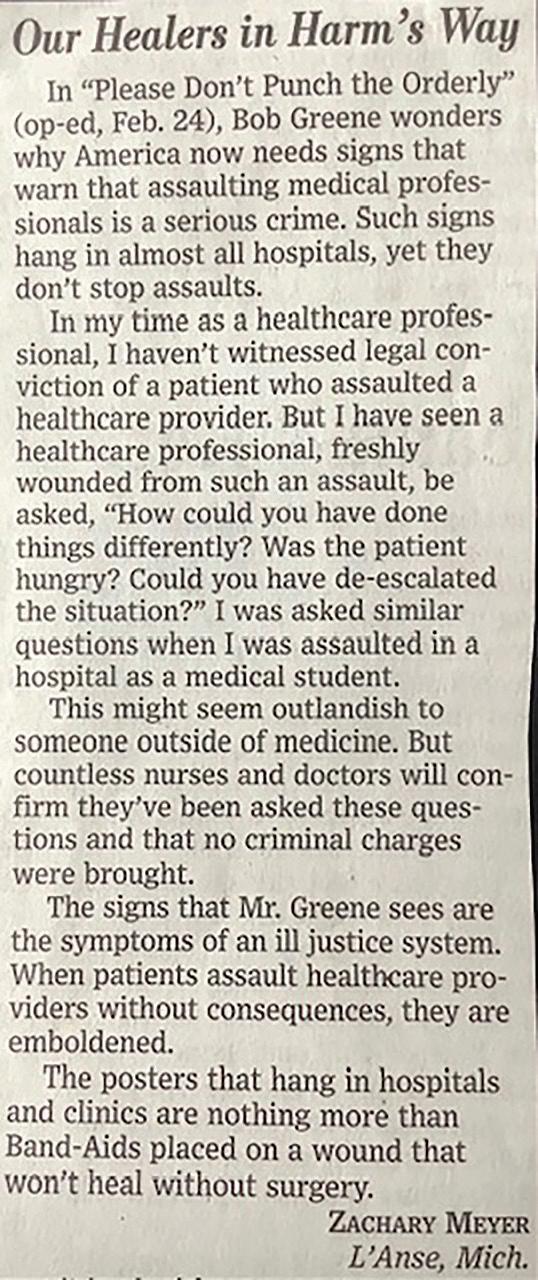
Wall Street Journal, Feb. 2026
SFMMS BRINGS THE FIGHT TO BIG TOBACCO AGAIN
Adam Francis, SFMMS Senior Director, Advocacy and Policy
The physicians of the San Francisco Marin Medical Society (SFMMS) have been at the forefront of fighting tobacco use for many decades From the exam room, to the offices of the State Capitol, to city halls throughout our two counties, San Francisco and Marin physicians have made reducing the use and availability of tobacco a major public health priority. In a recurring theme, the David that is SFMMS continues to defeat the Goliath of Big Tobacco.
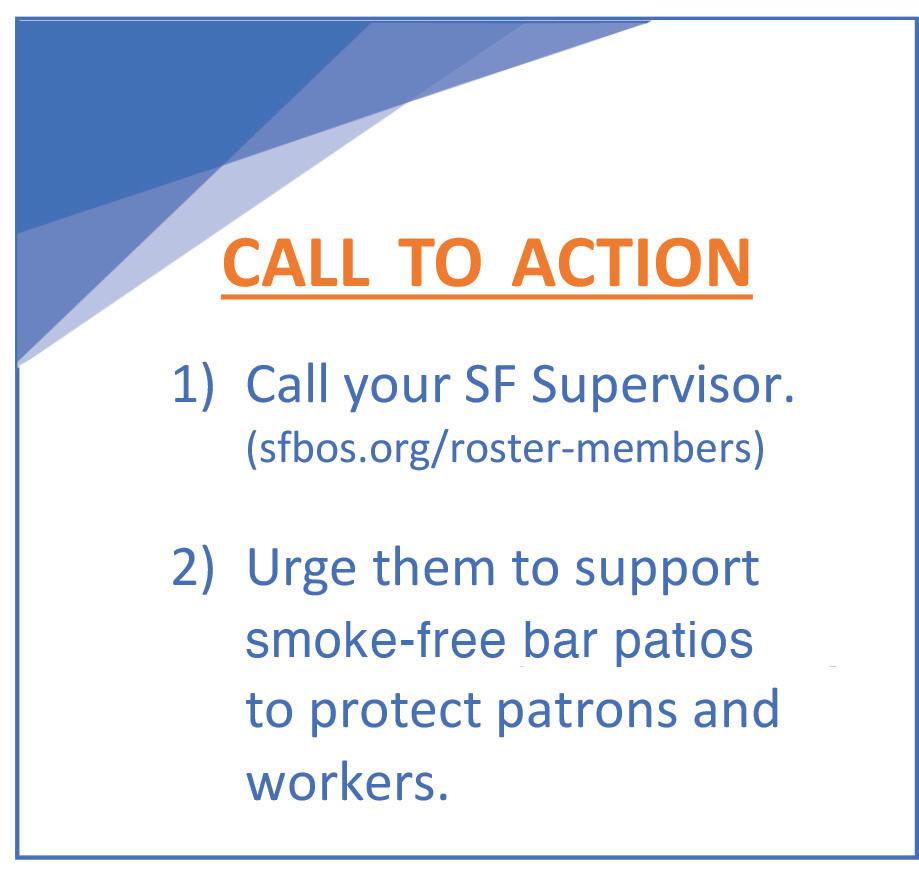
Our fight continues this spring in San Francisco as SFMMS pursues legislation to limit exposure to secondhand and thirdhand smoke. Partnering with the organization LGBTQ Minus Tobacco and more than 30 other organizations, SFMMS is working with Supervisor Myrna Melgar to close a surprising loophole in San Francisco’s health code. Unlike Oakland, San Jose, and more than 50 other Bay Area cities and counties, San Francisco does not yet guarantee clean air for workers and patrons on bar patios. San Francisco law protects people from secondhand smoke nearly everywhere, including farmers’ markets, sports arenas, movie lines, ATM lines, bus stops, parklets, restaurants, and indoor areas of bars, BUT NOT bar patios. Patrons deserve the same protection at bar patios as they have at a bus stop or ATM. No bar worker should have to choose between their health and their paycheck.
Tobacco use remains the number one cause of preventable death. Smoking kills more than 480,000 people in the US each year, including 41,000 from secondhand smoke. 2 Food service workers in San Francisco and Alameda Counties were 5.4 times more likely to report secondhand smoke exposure than management.3 Those workers are disproportionately young, low income, and Latinx. This is also an issue disproportionately affecting the LGBTQ community. Six of nine queer or queer-friendly bar patios visited in San Francisco in 2022 had peak air quality readings in the EPA “Unhealthy” range or higher. Concerns about negative economic impact are unfounded. More than 25 years of data in the United States show that smoke-free air laws do not have a negative impact on bar or restaurant employment. After the 1998 law requiring that indoor areas of California bars be smoke-free, bar revenues continued to climb.4 Despite fears of losing business, a study on the impacts of the change in law showed “the predicted negative economic impact did not materialize, however, and some bars reported a positive effect on business.”5 In addition, a 2023-24 survey6 of 379 people who go to San Francisco bars with patios where smoking is allowed showed nearly half (46%) would go to those bars more often, and 47% would go about as often, if the city required all bar patios to be smoke-free.
We all know the science: the Centers for Disease Control and Prevention (CDC) states there is “no safe level of exposure to secondhand smoke ” People who do not smoke but are exposed to secondhand smoke, even for a short time, can suffer harmful health effects, including:
• Lung, breast, and nasopharyngeal cancer.
• Bronchitis, asthma, and other respiratory infections.
• Heart disease and stroke.
• Damage to blood vessels and increased blood clotting.
I encourage all San Francisco-based members of SFMMS to reach out to your supervisor (https://sfplanninggis.org/sffind/) and urge them to ensure smoke-free bar patios. Please feel free to use the points made in this article or ones personal to you. Even small steps like this can have a big effect on people’s lives.
Do You Work With Uninsured People Who Need Specialty Care?
Uninsured people who earn up to 400% of the federal poverty level ($5,217 per month for an individual, $10,717 for a family of four) are eligible for free specialty care.
Operation Access has immediate openings to provide donated surgical and specialty care through its network of participating medical volunteers and hospital partners. Visit operationaccess.org to refer someone or get involved as a volunteer.
REFERRAL PROCESS
SEND REFERRAL TO OPERATION ACCESS
Filling out our referral form is now optional but recommended to ensure we have a complete referral If more convenient, send referral via fax or email through your Electronic Health Records system along with a patient demographics page. Include specific procedure requested and referral coordinator information Attach relevant chart notes including the medical need for the procedure. Include radiology reports (e g ultrasound, CT scan, X-Rays), lab results, or other necessary items indicated on the referral guidelines.
OPERATION ACCESS SCREENS THE PATIENT
We contact the patient to screen for eligibility by phone Patients are generally contacted within 10 days of referral receipt. An appointment will not be scheduled in this call
ELIGIBLE PATIENTS
We send a text to eligible patients to explain the program and outline the process The referring clinic is notified of the eligibility status of all referrals in the semimonthly Referral Status Notification, requesting action on incomplete and unreachable referrals
*Eligibility: Uninsured and not covered by Medi-Cal, Medicare, and Workers Comp; Earn up to 400% of FPL; In need of outpatient procedure but not ongoing care
WAIT TIMES
4
1 2 3 5
Eligible patients are scheduled with a participating specialist. Most referrals can be sent to a specialist within 1 month The average wait from referral to appointment is 1-3 months.
SCHEDULING AN APPOINTMENT
When a specialist is available, an Operation Access case manager contacts the patient to confirm the appointment
Our case managers try to coordinate appointments close to where the patient resides, but patients may need to travel to a specialist in another county
We notify clinics when cases are completed and provide information about the outcomes, where the patient was served, and how to obtain the medical records
Send referrals by fax to (415) 733-0019 or by email to referrals@operationaccess org
Call us with any questions at (415) 733-0052 or visit www operationaccess org
Direct address (within EMRs): operationaccess@direct sacvalleymedshare org
REFLECTIONS FROM MY YEAR AS PRESIDENT OF THE CALIFORNIA MEDICAL ASSOCIATION
Shannon Udovic-Constant, MD
In October 2025, I completed my term as President of the California Medical Association (CMA), the largest state medical association in the country, representing more than 50,000 physicians It was a year anchored in one central priority: physician empowerment.
Physician leadership matters. When physicians lose influence over the decisions that shape how we care for our patients, professional fulfillment erodes and patient care suffers. If we have ceded that influence, it is time to reclaim it.
We, the physicians, must be the architects of the future of healthcare.
A Proactive Agenda for Physician Empowerment
For CMA this past year, our strategic priority was clear: empower physicians to lead the transformation of healthcare, reduce administrative burdens, support high-quality care, and ensure physicians thrive amid industry consolidation. Organized medicine has often been reactive—defending against harmful proposals. Over the past several years CMA has shifted toward a proactive, aspirational agenda focused on building the healthcare system we want to see.
Healthcare Financing
Financial stability underpins physician autonomy. When reimbursement shrinks, autonomy erodes.
CMA worked at the federal level to reverse Medicare physician payment cuts and advocated for improved Medicaid reimbursement to stabilize practices. In California, voters passed Proposition 35, which utilizes a Managed Care Organization tax to increase Medi-Cal reimbursement rates—a critical step toward protecting access to care and sustaining physician practices. Ensuring fair payment allows practices to remain viable without resorting to unfavorable contracts or external financial pressures that may compromise governance.
Medicaid and Federal Threats
HR 1 was introduced during my Presidential year. AMA decided to prioritize its federal advocacy for Medicare and in the absence of National leadership advocating for Medicaid, CMA organized a coalition sending a letter to oppose HR 1 signed by all statewide medical associations and also coordinated a national texting campaign that targeted swing Congressional votes. Despite this aggressive advocacy HR1 passed.
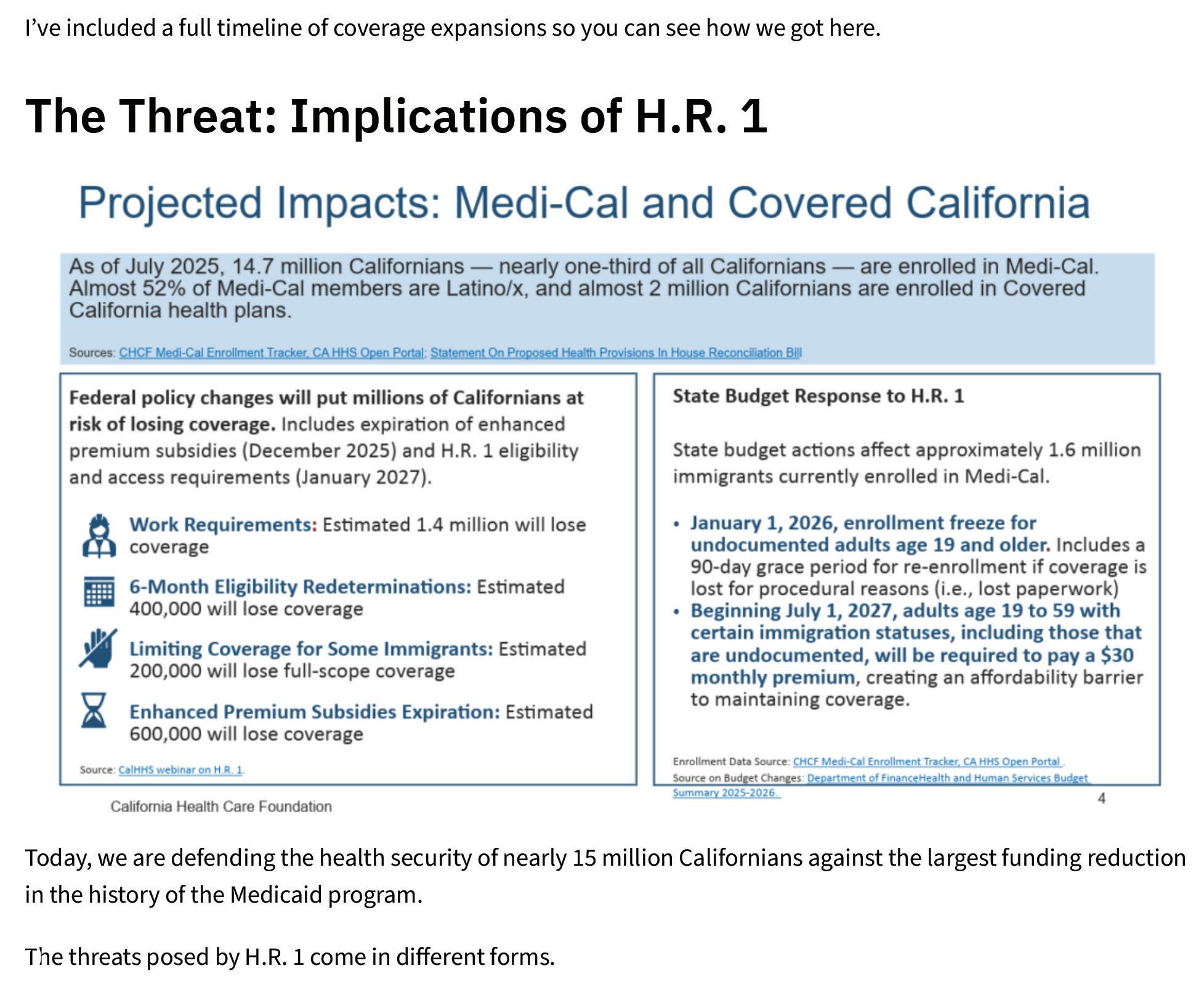
HR 1 will result in approximately $226 billion in Medicaid cuts in California over the next decade —nearly $1 trillion nationally.
Medicaid is the foundation of care for nearly 15 million Californians, including half of all children. Estimates suggest:
• 2.5 million Californians enrolled in Medicaid and 660,000 Covered California enrollees could lose coverage.
• Work requirement verification burdens may cause eligible individuals to fall off coverage.
• Hospital state-directed payment reductions could total $66–128 billion in California.
• Uncompensated care costs may increase by nearly $10 billion over ten years.
• Up to 217,000 California healthcare jobs could be lost, with significant ripple effects on economic output and state tax revenue.
These are not just numbers on a page. This is access to care for our patients. Medicaid cuts would force providers to reduce services, limit clinical hours, cut staff, or in some cases close practices entirely—particularly in rural and underserved communities.
Without access to primary and preventive care, patients will turn to emergency departments for conditions that could have been managed earlier and more affordably. Illnesses become more complex. Costs rise. Emergency departments become overcrowded, affecting care for all patients. I participated in DC meetings in February with California Congressional leaders and our discussions focused on ways to prevent harm from HR1.
Prior Authorization Reform
Administrative burden remains one of the most immediate and frustrating barriers physicians face.
• SB 306 requires annual reporting of prior authorization data from health plans and grants the Department of Managed Health Care authority to eliminate prior authorization requirements statewide on a code-by-code basis.
• AB 539, a two-year bill, extends the validity of approved prior authorizations to one year.
These reforms may seem technical, but their impact is tangible: fewer delays, less paperwork, and more time devoted to patients rather than administrative tasks. Reducing unnecessary administrative burden is one of the most direct ways to combat burnout and restore meaning in clinical practice.
Strengthening Corporate Oversight and Transparency CMA also supported legislation reinforcing corporate practice oversight.
The corporate practice of medicine (CPOM) doctrine exists to protect the physician-patient relationship by ensuring that
medical decisions are guided by clinical judgment, not financial incentives. It generally prohibits:
• Non-physicians or corporate entities from owning medical practices
• Non-physicians from employing physicians to provide medical care
• Business entities from influencing or controlling clinical decisions
The principle is simple: preserve the independence and ethical integrity of medical decision-making.
Yet the business of medicine has changed. Consolidation is accelerating. Many physicians now practice within complex corporate structures. The question is no longer whether corporations will participate in healthcare—they will. The question is whether physicians will retain meaningful governance over clinical decisions. The answer must be yes.
Physicians must assert themselves as the clinical decisionmakers. Contracts must be structured to ensure physician-led governance over decisions that affect patient care.
Physicians must:
• Negotiate contracts that preserve clinical autonomy
• Ensure physician-led governance structures
• Monitor the boundary between business oversight and clinical interference
Passage of SB 351 codified Medical Board guidance restricting non-physicians from making business decisions that infringe upon physicians’ clinical judgment and granted the Attorney General independent enforcement authority. Previously, violations of CPOM often required costly private litigation or regulatory action. Strengthening enforcement mechanisms protects physicians and patients alike.
Corporate interests will always exist in healthcare. They play an important role in infrastructure and operations. But they do not share the same ethical obligations to patients that physicians do. Protecting the physician-patient relationship is not optional—it is our ethical obligation and requires active engagement. Both CMA and AMA have resources on model-staff bylaws and sample contracts to support these principles.
Strengthening Transparency for Informed Decision-Making
California’s Truth in Advertising law—confirming that only licensed physicians (MDs and DOs) may use the title “doctor” in clinical settings—was upheld in federal court. The court found that use of the title by non-physicians in clinical contexts could be inherently misleading commercial speech. This ruling affirms the importance of transparency in healthcare. Patients deserve clarity about the education and training of those providing their care. Informed decision-making depends upon it.
Combating Burnout Through Leadership
Burnout is often framed as an individual resilience issue. In reality, it is frequently a systems issue—driven by administrative burden, financial instability, and diminished autonomy.
One of the most proactive ways to address burnout is through advocacy—by changing the conditions that create moral distress in the first place.
CMA works to defend physician leadership because restoring autonomy restores professional meaning. When physicians have a voice in shaping policy and practice environments, they regain agency. States can serve as testing grounds for innovative reforms. But reform only occurs when physicians step forward to lead.
Two Ingredients for Lasting Impact
Physician leadership that creates durable change requires two essential elements:
• Individual voice.
• Each physician must speak up about the barriers affecting patient care.
• Collective action.
We must prioritize strategically and act together to advance meaningful solutions.
Some physicians engage through organized medicine at the local, state or national level. Others lead within specialty societies, issue-focused organizations, or community initiatives. All forms of engagement matter.
What matters most is participation.
Advocacy is the bridge between the bedside and the legislature. Without physician voices informing policy, decisions will be made without the clinical realities that define patient care.
Looking Forward
I remain optimistic. Across California, I have witnessed an extraordinary community of physician advocates committed to protecting patient access, preserving professional integrity, and shaping a healthcare system that reflects our values.
Physicians must be the architects of the future of healthcare.
And we must lead the decisions that impact the health of our patients.
The responsibility is ours—individually and collectively. Onward!
Shannon Udovic-Constant , MD is a pediatrician at Kaiser Permanente San Francisco, former SFMMS President, and was the 2025 President of the California Medical Association.
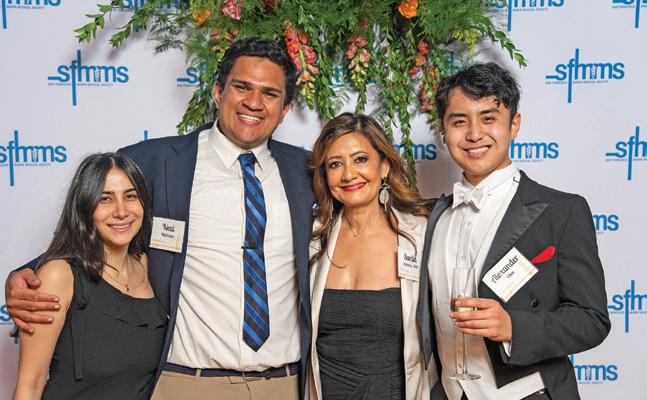
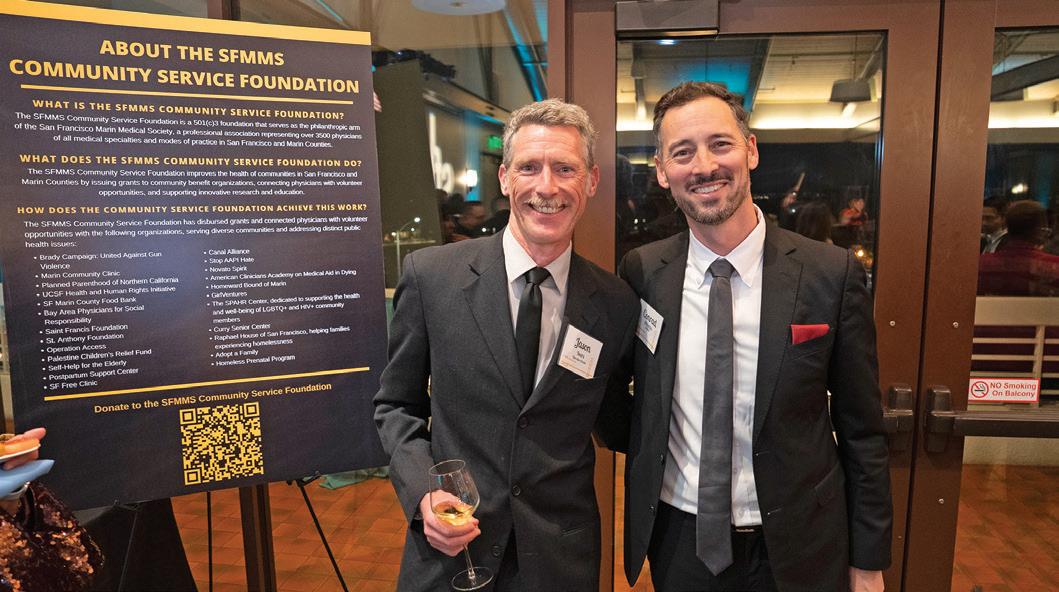
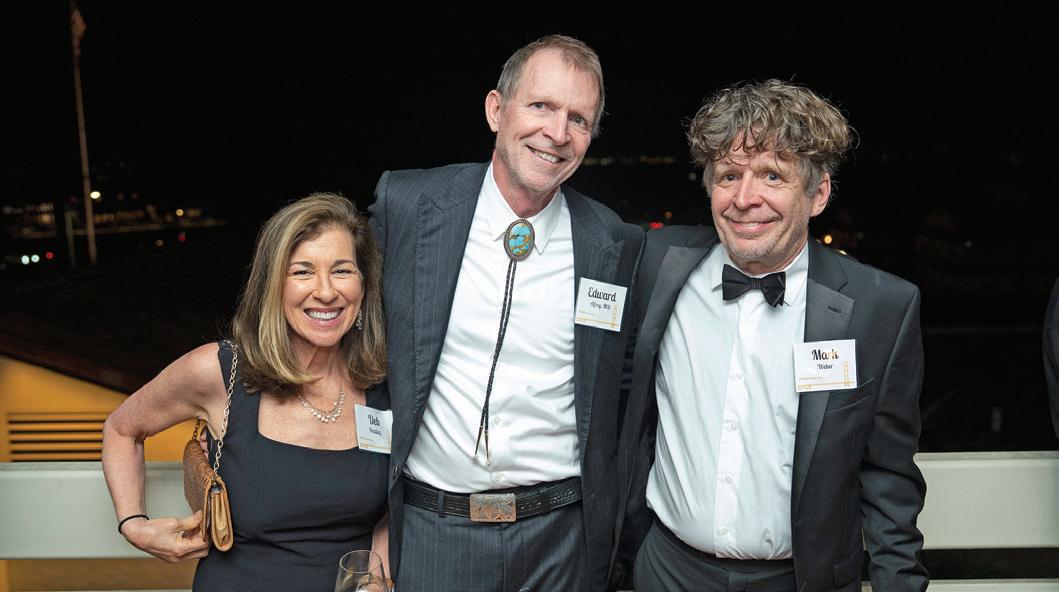
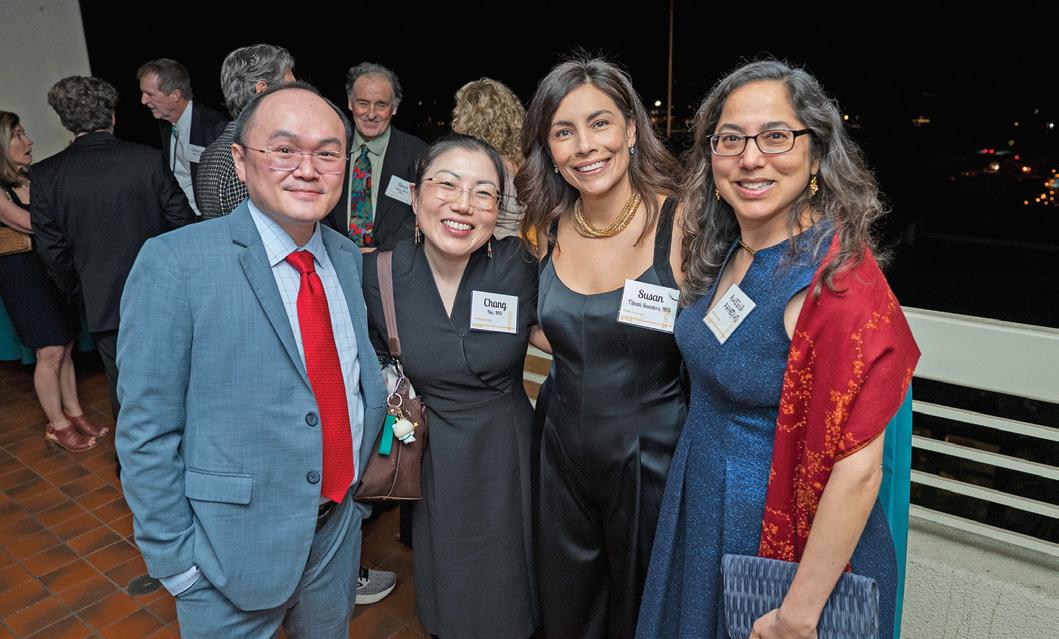
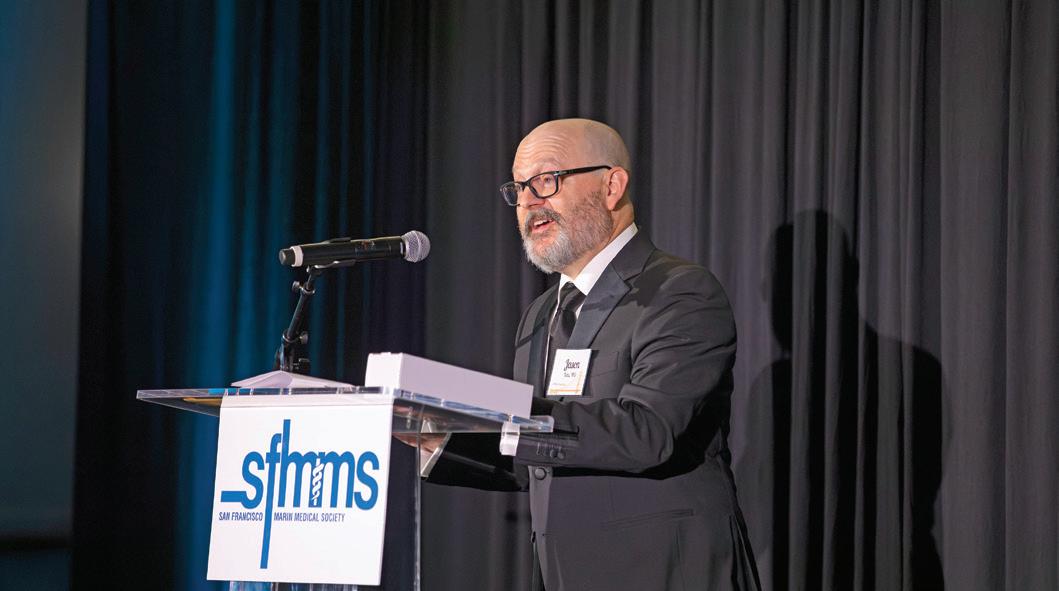
SFMMS Celebrates 158 Years at the SFMMS Annual Gala, Benefiting the SFMMS Community Service Foundation
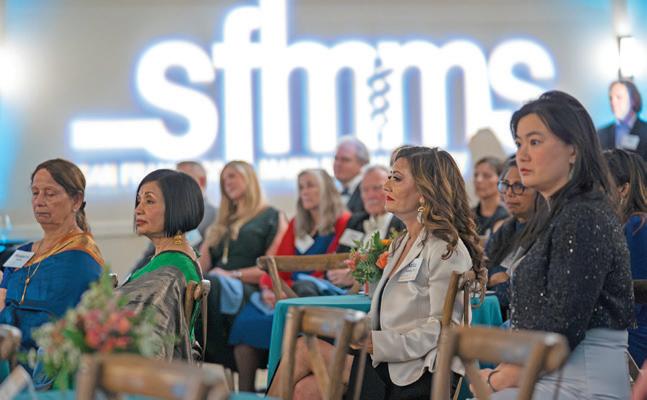
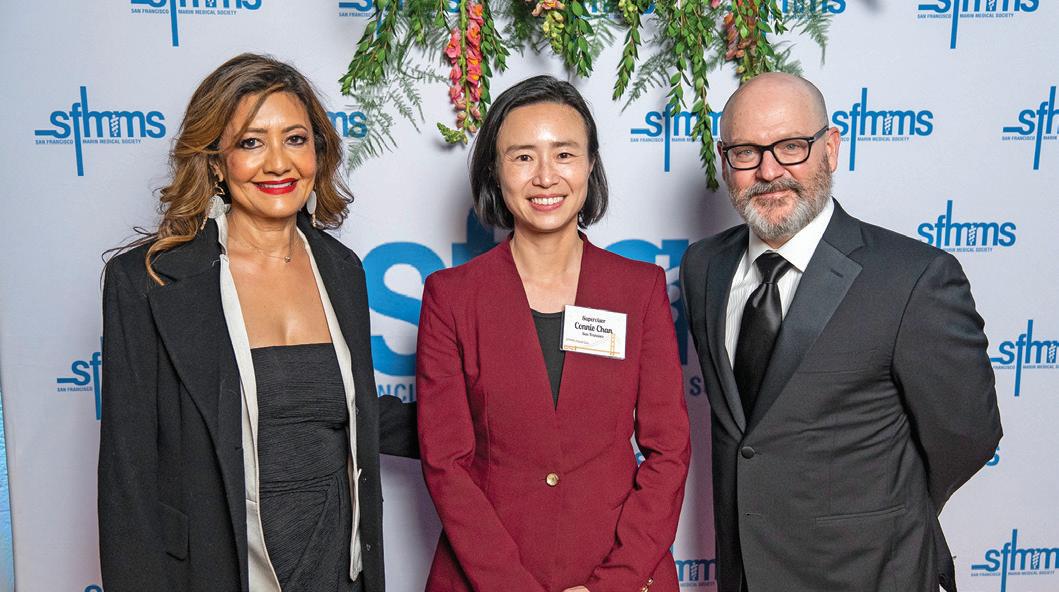
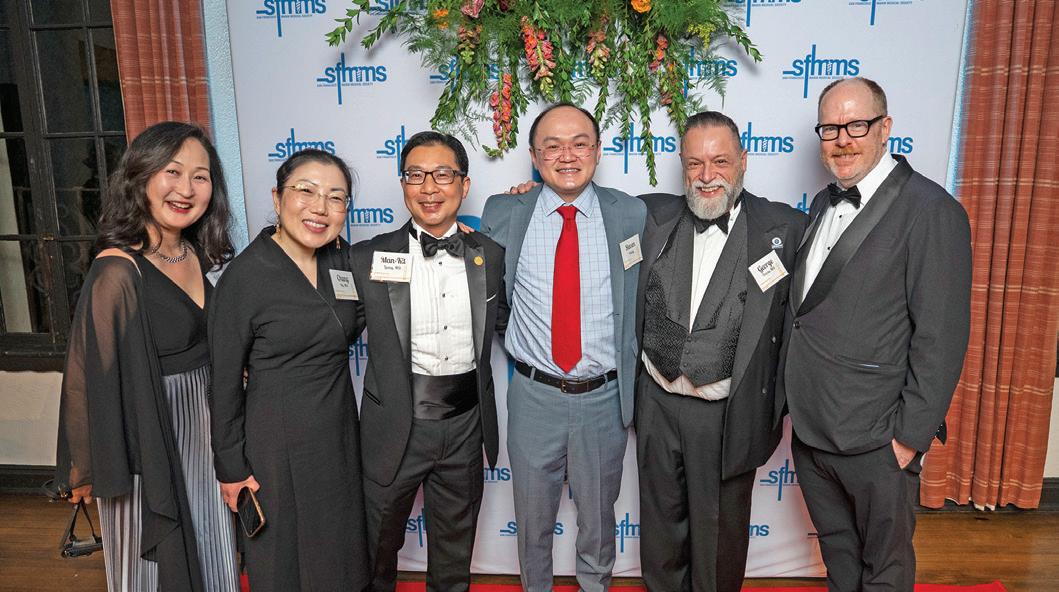
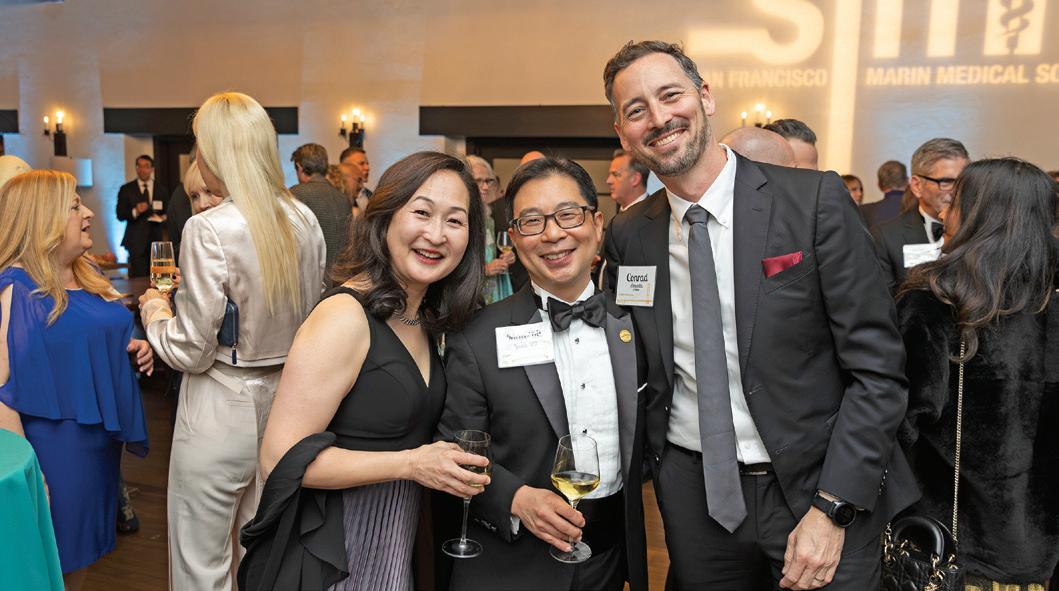
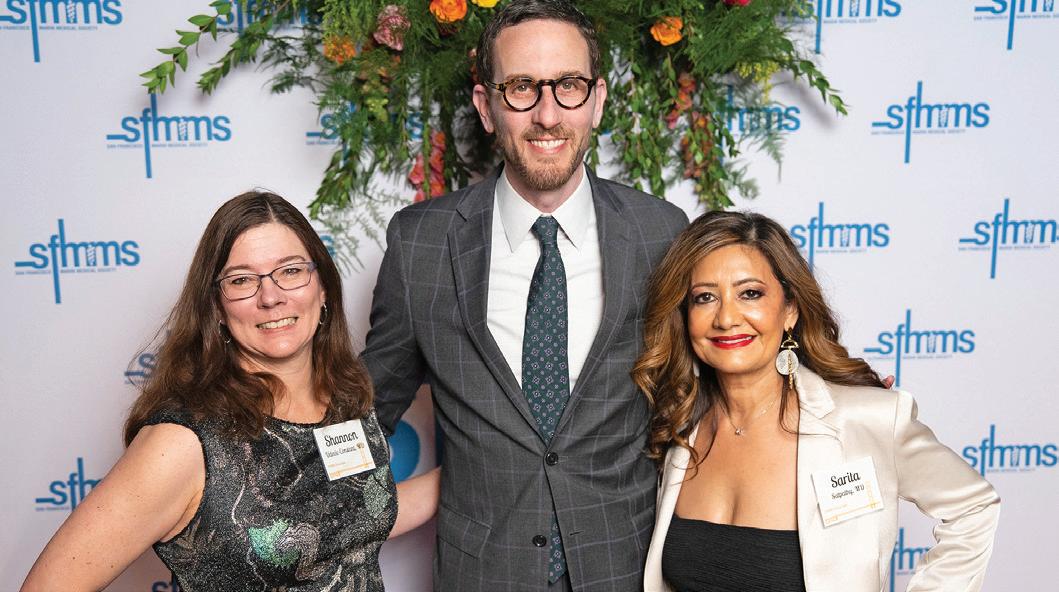
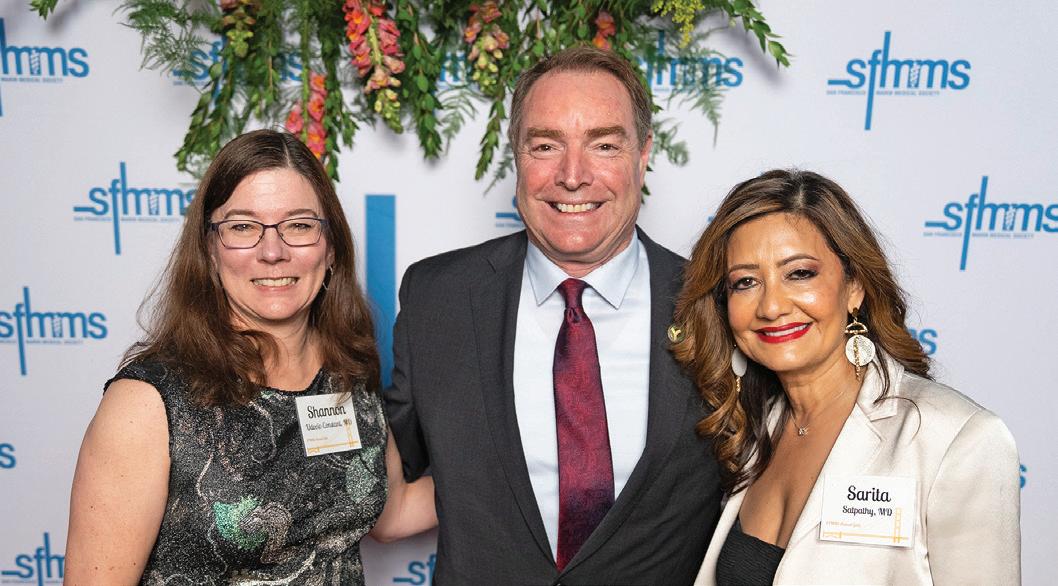
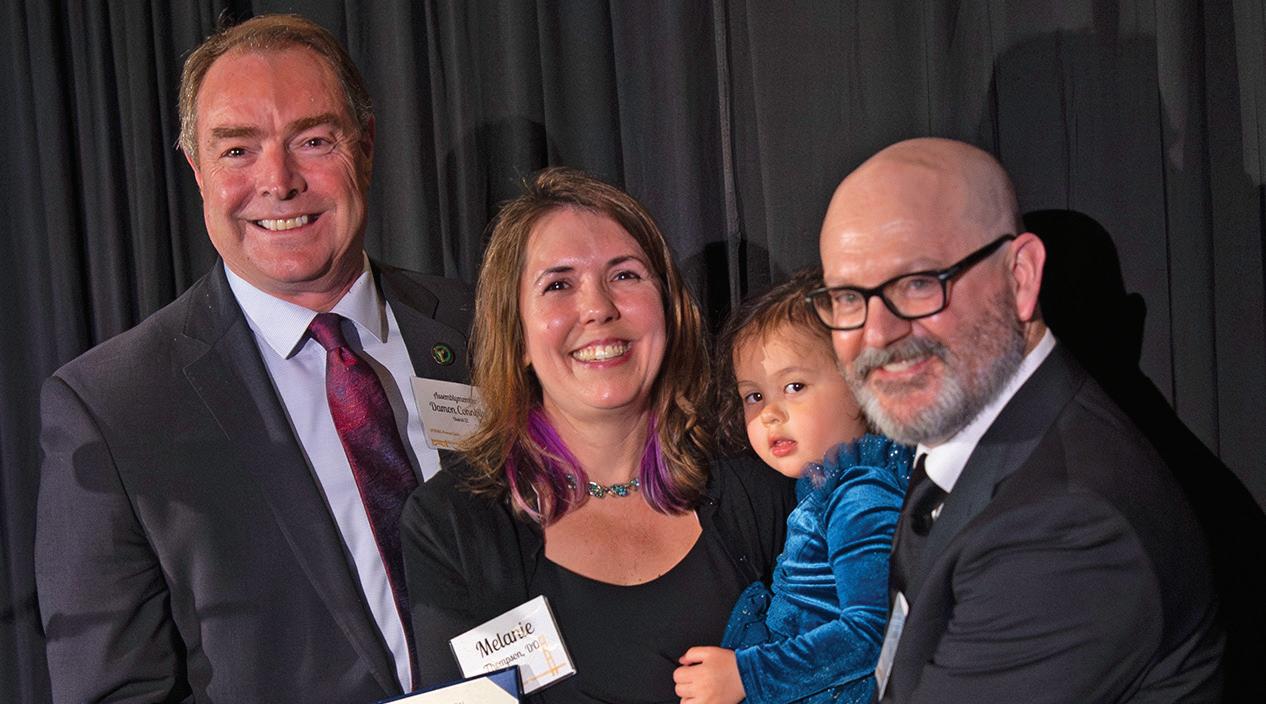
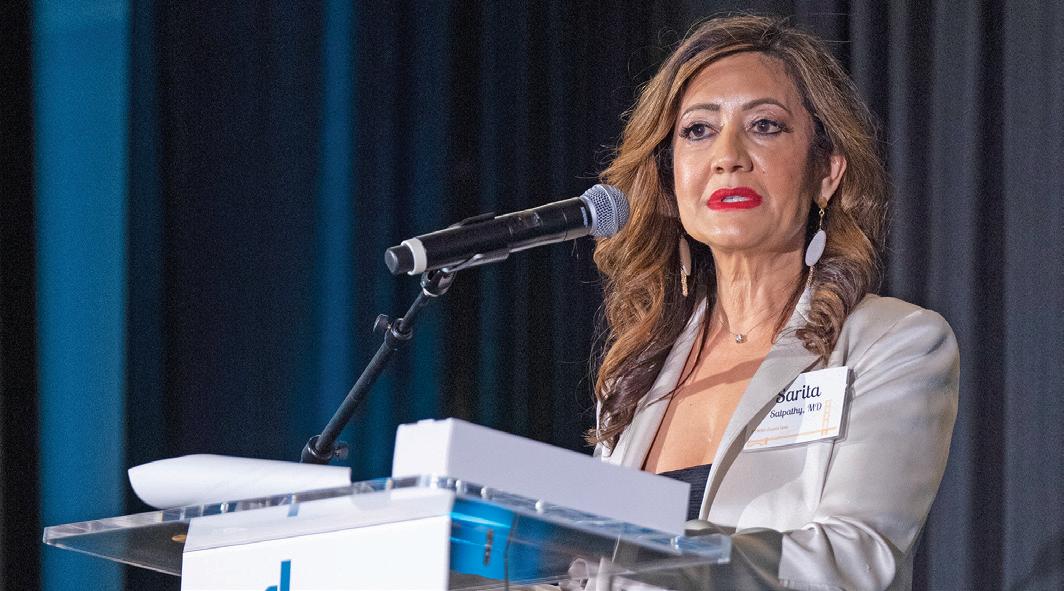
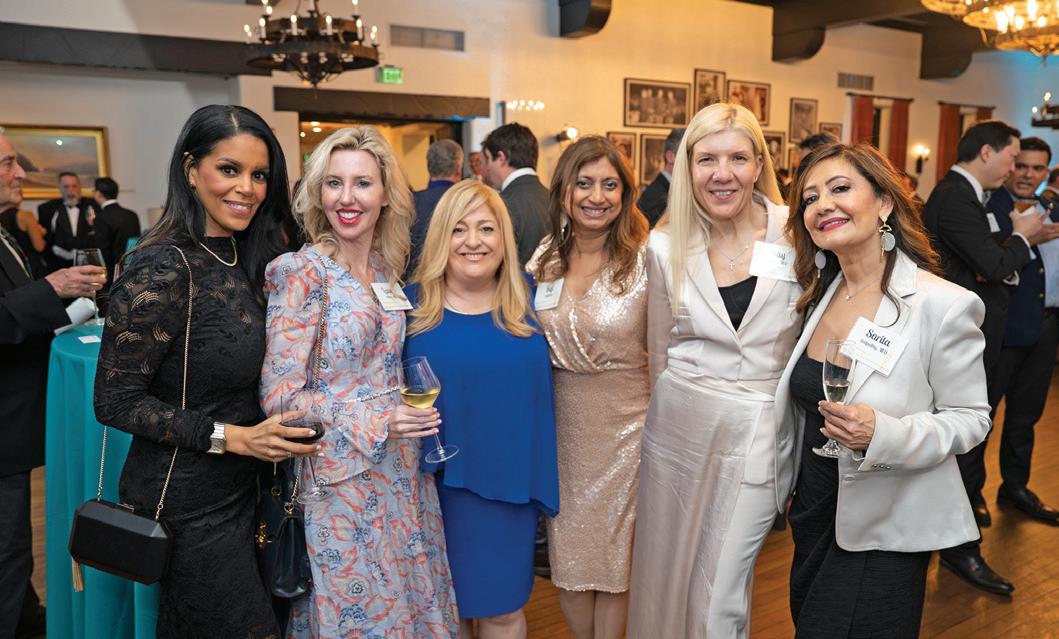
On January 24th, SFMMS celebrated 158 years at our Annual Gala at the Officer's Club in San Francisco's Presidio. The evening included the recognition, by local legislators of Jason Nau, MD, SFMMS Outgoing President, for his dedication and leadership to the SFMMS membership and communities of San Francisco and Marin during his 2025 Presidency; the welcoming of Sarita Satpathy, MD, SFMMS 2026 President; and performances by local violinist, Shaina Evonuik as well as drummers from Oakland Taiko.
Proceeds from this year's Gala supported the SFMMS Community Service Foundation, the philanthropic arm of SFMMS. The SFMMS Community Service Foundation (CSF) improves the health of communities in San Francisco and Marin Counties by issuing grants to community benefit organizations, connecting physicians with volunteer opportunities, and supporting innovative research and education. Learn more about the SFMMS CSF, by visiting www.sfmms.org/about/related-organizations/sfmms-csf and donate to the SFMMS CSF by scanning the QR code with your smartphone.
We are thankful to our SFMMS members and leaders for their incredible work for the communities of San Francisco and Marin. We look forward to seeing everyone at next year’s SFMMS Gala!
In Recognition of our SFMMS Member Milestones:
60-Year Members
David Bloom, MD
Laurie Leonards, MD
Daniel Neustein, MD
James Shepard, MD
Himeo Tsumori, MD
50-Year Members
Stefan Arnon, MD
John Bolton, MD
Robert Branick, MD
Orlo Clark, MD
Robert Cohen, MD
Mary Ducharme, MD
Roger Greenberg, MD
Elias Hanna, MD
Anton Lethin, MD
Joel Levine, MD
Richard Levy, MD
Frank Malin, MD
Gus Raney, MD
Dorsey Reynolds, MD
John Ross, MD
Robert Smith, MD
David Sperling, MD
R Spotts, MD
Ronald Stoney, MD
Robert Weiss, MD
40-Year Members
Luis Bonilla, MD
Seymour Cohen, MD
Roger Friedenthal, MD
Simon Henderson, MD
Dong Hwang, MD
Russell Laros, MD
John Lavorgna, MD
Carol Lee, MD
Rose Lewis, MD
Robert Margolin, MD
Jonathan Nordlicht, MD
David Norman, MD
Emanuel Nosowsky, MD
Jeffrey Pearl, MD
Robert Rodvien, MD
James Sinnott, MD
To-Nao Wang, MD
30-Year Members
Elizabeth Andrews, MD
Kevin (Hong) Cheng, MD
Craig Goard, MD
Cindy Grijalva, MD
Lin Ho, MD
Jinwoo Kim, MD
Peter Lee, MD
Steven Long, MD
Corey Maas, MD
Thomas Meyler, MD
David Pating, MD
Stephanie Po, MD
Arnold Rabin, MD
Peter Sokolove, MD
Lily Tan, MD
25-Year Members
Aana Brenman, MD
Ryan Chang, MD
Tom Cheng, MD
Stephanie Chun, MD
Jaime Cintado, MD
Douglas Corley, MD
Jill Dunton, MD
Peter Emblad, MD
Darragh Flynn , MD
Detlef Goette, MD
Albert Goldberg, MD
Karen Khoo, MD
Leah Klinger, MD
Paul Lapunzina, MD
Alex Lau, MD
Karla Lovett, MD
Charles Metzger, MD
Leigh Miyamoto, MD
Amy Nelson, MD
Robert Nied, MD
Louis O'Brien, MD
Christine O'Brien, MD
Jack Resneck, MD
Donald Schwarcz, MD
Marlena Tang, MD
Magdy Tawadrous, MD
Peter Teng, MD
Stewart Wong , MD
Leonid Yankulin, MD
Rebecca Yee, MD
TRUMP IS WORSENING AMERICA’S DRUG CRISIS. HERE’S WHAT CALIFORNIA IS DOING TO STOP HIM.
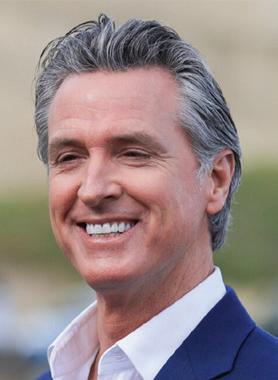
"Greetings to my longtime friends at the San Francisco Marin Medical Society. I’ve been proud of our partnership — from my time as a San Francisco Supervisor and Mayor to today. Your expertise has helped shape our approach to complex health challenges, and I look forward to continuing this work together for years to come."
– Governor Gavin Newsom
The Trump administration is abandoning American families just as the country is making headway in our fight against the overdose epidemic
Almost every family in America, in one way or another, has suffered from the drug overdose epidemic that takes tens of thousands of lives each year. This epidemic has run rampant for decades, touching every community, every socioeconomic class, and destroying too many lives.
Overdose is the leading cause of death in Americans ages 18 to 44. Almost a third of all adults in the United States know someone who has died of a drug overdose. Nearly half of all adults have a family member or close friend who has been or is currently struggling with addiction.
Ale del Pinal of the West Oakland Punks With Lunch harm reduction program readies boxes of Naloxone for distribution in 2022. Gov. Gavin Newsom says the state’s CalRx-branded naloxone is lowering the cost of the overdose reversal drug and saving lives.
Brittany Hosea-Small/Special to the S.F. Chronicle
Thanks to a strong commitment from the Biden administration, America finally saw some progress in reversing this catastrophe. The federal government began investing in treatment and overdose prevention, and from 2023 to 2024, overdose deaths in the U.S. fell by nearly 25%.
But the Trump administration has abandoned American families just as the country was making headway in our fight against the overdose epidemic.
Last year, President Donald Trump slashed the Substance Abuse and Mental Health Services Administration in half and is making concerted efforts to shrink its budget even further. With little warning, earlier this year, Trump moved to terminate thousands of the agency’s grants, potentially $2 billion, that communities across the country use for addiction treatment, preven-
tion and recovery services, and mental-health care. Within a day, he reversed that action. But addiction treatment providers around the country — many already operating on shoestring budgets — still are left wondering how they’ll keep doors open the next time the administration has a whim.
A leader who understands the gravity of this crisis would not toy with the fate of thousands, if not tens of thousands, of lives. Before Trump’s One Big Beautiful Bill was signed into law, researchers warned it would “cause approximately 156,000 people to lose access to treatment for opioid use disorder and that the overdose rate among that group will double, leading to approximately 1,000 additional fatal overdoses each year” in a letter to House Speaker Mike Johnson. The bill passed anyway. And estimates of the damage it will inflict are likely an undercount.
The full scope of the Big Ugly Bill’s harm won’t be quantified for years, in part because Trump laid off the team that managed the Substance Abuse and Mental Health Services Administration’s National Survey of Drug Use and Health. That team produced one of the foremost reports on behavioral health data in the country and provided information that countless other researchers use to identify vulnerable populations, discern what treatments are proving effective and more. Without this team, we have lost critical insight into progress made in the fight against addiction — and the damage Trump is inflicting is that much more obscured.
continued on page 14
California Governor Gavin Newsom
Meanwhile, Trump’s recent Great American Recovery Initiative rolls back so-called “non-effective interventions” like harm reduction. This approach is not rooted in science, no matter what Trump or his secretary of health and human services, Robert F. Kennedy Jr., tells you. Decades of research and evidence make clear that harm reduction strategies reduce mortality rates, protect people from infectious diseases like HIV and Hepatitis C and increase the likelihood of people entering substance use treatment. RFK Jr. has historically advocated for abstinenceonly recovery treatments, which reject the use of medicationassisted treatment like methadone, have concerningly high rates of relapse and may actually be deadlier than receiving no treatment at all. The few elements of Trump’s plan that may actually address the opioid crisis are undercut by the president’s decimation of funding for addiction treatment.
But where Washington retreats, California has stepped up. We built the nation’s largest state-administered purchaser for prescription drugs — Medi-Cal Rx and CalRx — so Californians can bargain with Big Pharma from a position of strength. That work has saved lives in the most direct way imaginable. In the spring of 2024, CalRx-branded naloxone, the miracle drug that can revive overdose victims on the brink of death, hit the market at almost half the existing retail price. We saw quick results: Within a single quarter, overall generic naloxone prices declined by 22%. Before that, generic prices had decreased only 15% over two years.
Competition arrived, prices dropped and more people could get the medication that makes the difference between a funeral and a second chance.
With CalRx naloxone, California has saved more than $40 million in less than two years — and with those savings, we’re doubling down on our fight against the opioid crisis. Through the Naloxone Distribution Project, we are sending free naloxone to community organizations, first responders and local agencies statewide. So far, they have reported that more than 416,000 overdoses have been reversed. That’s 415,000 chances to reach out, get help and live a healthy life again.
We are also confronting the changing face of addiction.
California is getting ahead of a reemerging wave of deadly stimulant addiction — likely the result of cocaine and methamphetamines being cut with fentanyl. Over 12,000 new Medi-Cal members struggling with stimulant use have signed up for con-
tingency management through a Recovery Incentives program, offering the most effective, evidence-based treatment in the absence of Food and Drug Administration-approved medication.
We’ve also been aggressive in targeting fentanyl trafficking and disrupting the supply of deadly illicit drugs, including partnering with local law enforcement and expanding the California National Guard’s role in drug interdiction across the state and at the border.
But victory in this fight is far from guaranteed; the progress we’ve made on America’s overdose crisis is in dire straits — because of President Trump.
This is a cruel slap in the face to the tens of millions of Americans who know firsthand the ravages of drug addiction.
In California, we believe in a “no wrong door” approach to care, that everyone should be able to access the services and resources they need to get back on their feet and live a healthy life. We have the largest emergency department-based opioid addiction treatment model in the country, through the CA Bridge Program, which works with hospitals across the state to provide immediate access to medications for addiction treatment. Whether someone seeks help through their primary care physician, emergency room, community organization or if they’re in jail or prison, we have created a system where stigma and silos don’t stand in the way of saving lives.
Substance use disorder is not a moral failing; it is a medical crisis. No one deserves to struggle through it alone, without support or second chances. Medications should be affordable, and those in need of support should be able to find it.
If the Trump administration truly cared about the health of the American people — or the overdose crisis it so often invokes — it would follow what works, fund what saves and stop pulling the ground out from under communities. Too many lives are at stake.
Gavin Newsom is the governor of California and previous Mayor of San Francisco A version of this piece appeared in the San Francisco Chronicle, March 15, 2026.
The Impact of H.R. 1 and What the State Can Do About It
Special Section: Healthcare Access Crisis
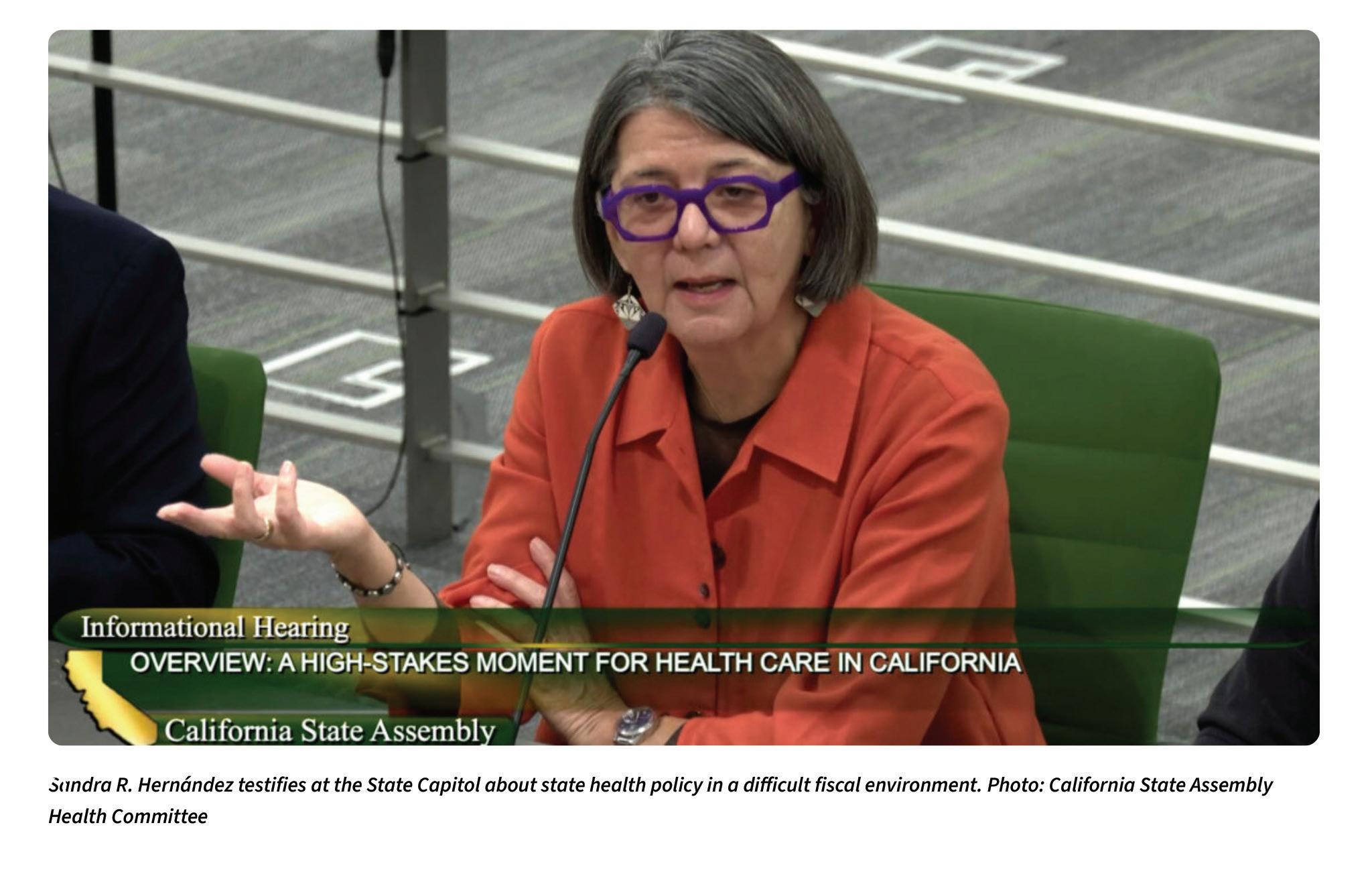
Sandra Hernández, MD MPH, practiced for decades at San Francisco General Hospital, served as San Francisco Director of Public Health and then CEO of the San Francisco Foundation, and is President and CEO of the California Health Care Foundation. She is a longtime SFMMS member.
Special Section: Healthcare Access Crisis
PRIMARY CARE AT A CROSSROADS: FROM STRUCTURAL UNDERVALUATION TO MEASURED REBALANCING
For decades, the United States has underinvested in primary care Today, primary care accounts for roughly 5% of total health care spending across payers, a figure dramatically lower than peer nations. Evidence and policy benchmarks increasingly suggest that dedicating 10–15% of total health expenditures to primary care is necessary to sustain a high-performing health system (Milbank Memorial Fund, 2021; Koller & Khullar, N Engl J Med, 2017). The U.S. both spends far more per person overall and yet devotes a smaller share to the foundational layer of care.
While RBRVS was originally intended to correct distortions in physician payment, it has not prevented widening disparities. CMS has historically accepted the vast majority of RUC recommendations. The RUC, which is convened by the AMA and composed predominantly of specialty society representatives, has exerted substantial influence over valuation decisions. Over time, procedural services accrued higher work RVUs based on time and intensity assumptions, while evaluation and management (E/M) services — the core of primary care — remained comparatively undervalued.
Despite overwhelming evidence that strong primary care reduces mortality, lowers hospitalizations and total costs, and improves quality, continuity, and equity (Bazemore et al., Ann Fam Med , 2015; Basu et al., JAMA Intern Med , 2019), the U.S. payment system paradoxically has long incentivized procedural volume over cognitive, longitudinal care.
The Roots of Undervaluation
The turning point in modern physician payment occurred between 1989 and 1992, when Congress adopted the ResourceBased Relative Value Scale (RBRVS) under the Omnibus Budget Reconciliation Act and Medicare implemented the Physician Fee Schedule. Shortly thereafter, the American Medical Association convened the Relative Value Scale Update Committee (RUC) to advise the Centers for Medicare & Medicaid Services (CMS) on relative value units (RVUs).
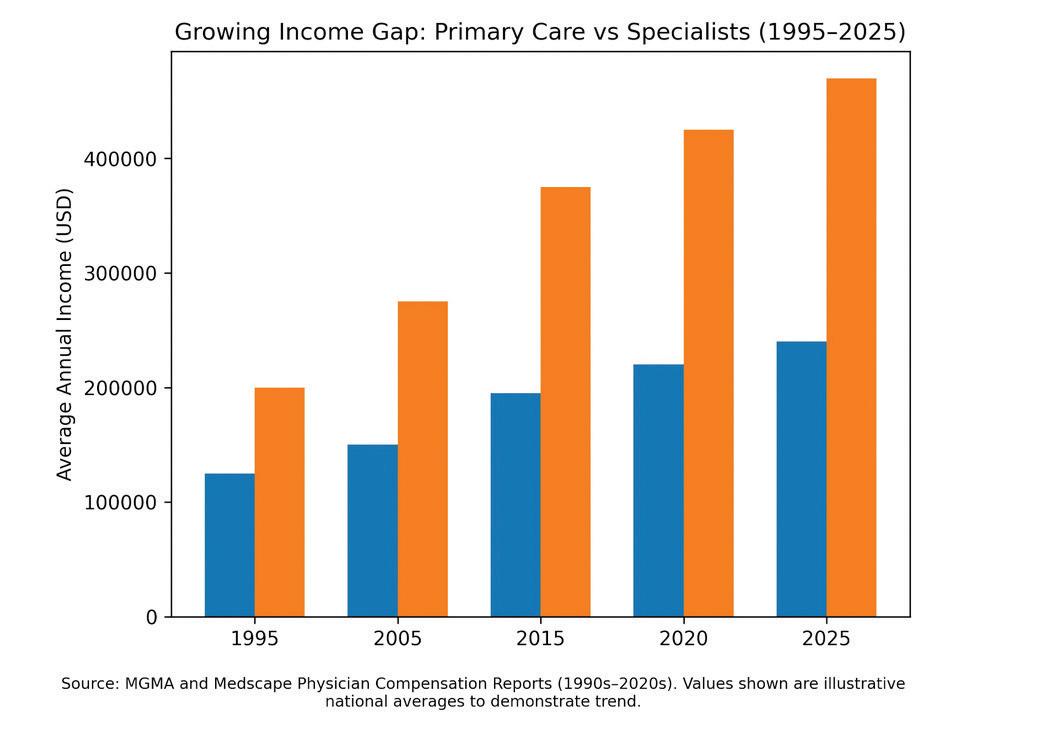
Across the decades, specialists have seen incomes climb steeply while primary care compensation has lagged. The result is an estimated $230,000 annual income gap by 2025 between specialists and primary care physicians. This structural imbalance has fueled workforce shortages, burnout, fragmented care, and misalignment with value-based care goals.
Signs of Rebalancing
Yet the story is no longer solely one of decline. Over the past five years, meaningful recalibration has begun. In 2021, CMS implemented the most significant reform of outpatient E/M coding in three decades. Documentation requirements were streamlined, and code selection shifted to medical decision-making or total time, recognizing the cognitive and coordination work central to primary care (CMS CY 2021 PFS Final Rule). RVU valuations for E/M services increased substantially, redistributing billions of dollars from procedural services toward outpatient care (AMA, CPT® E/M Code Changes, 2019 (eff. 2021)).
Subsequent reforms in 2024-2025 expanded longitudinal and care management codes. CMS finalized Advanced Primary Care Management (APCM) codes and behavioral health integration add-ons, recognizing team-based, continuous, relationshipcentered care. These codes represent a subtle but important shift, rewarding continuity and chronic disease management. The 2026 Medicare Physician Fee Schedule continues this trajectory. CMS finalized conversion factor increases of approximately 3–3.8%, resulting in a net estimated 3% increase in total allowed charges for family physicians (AAFP, Summary of the CY 2026 Medicare Physician Fee Schedule Final Rule, 2025). Importantly, evaluation and time-based codes are exempt from the newly applied “efficiency adjustment” that reduces work
Megan Mahoney, MD, MBA
RVUs for many non-time-based procedural services, further tilting incentives toward cognitive care.
This is not a wholesale correction but it is movement.
States as Laboratories of Reform
States have been more aggressive. Rhode Island pioneered multipayer requirements to raise primary care spending; Oregon, Colorado, Delaware, Washington, Massachusetts, and California have joined with benchmarks and mandates generally targeting ~10–15% of total health spending for primary care. But state authority has limits. Most benchmarks operate through reporting, regulatory pressure, and insurer oversight rather than direct dollar reallocation; states cannot rewrite Medicare’s fee schedule or unilaterally transfer hospital revenue into primary care. Nonetheless, when combined with federal E/M and longitudinal-care reforms, state benchmarks create a twotrack policy dynamic that can shift contracts, payer behavior, and practice revenue models over time.
California’s Office of Health Care Affordability (OHCA), created by SB184 (2022), set an ambitious trajectory to increase primary care share by 0.5–1 percentage points per year to reach 15% by 2034, up from roughly 7% today. Public reporting begins this year. While debates remain about implementation (Chen, JAMA Health Forum, 2025), the benchmark represents one of the most ambitious structural commitments to primary care investment in the country.
The Path Forward
Rebalancing will not be instantaneous. The 2021–2026 federal reforms and state benchmarks mark a different trajectory, but they are incremental. Achieving the outcomes evidence promises will require sustained funding shifts, transparent reporting with enforcement, and policies that address the workforce pipeline (including support for family medicine, which supplies the vast majority of clinicians who actually practice outpatient primary care). Above all, it requires political will to translate benchmarks and coding reforms into durable revenue streams that make primary care a viable, attractive career (i.e., a “great gig” as one of my colleagues calls it), and a robust platform for whole-person, equitable care.
Dr. Megan Mahoney is the Hellman Endowed Professor and Chair in the UCSF Department of Family & Community Medicine.
REDESIGNING HEALTH COVERAGE FOR CALIFORNIA'S UNINSURED: A COMPREHENSIVE ROADMAP
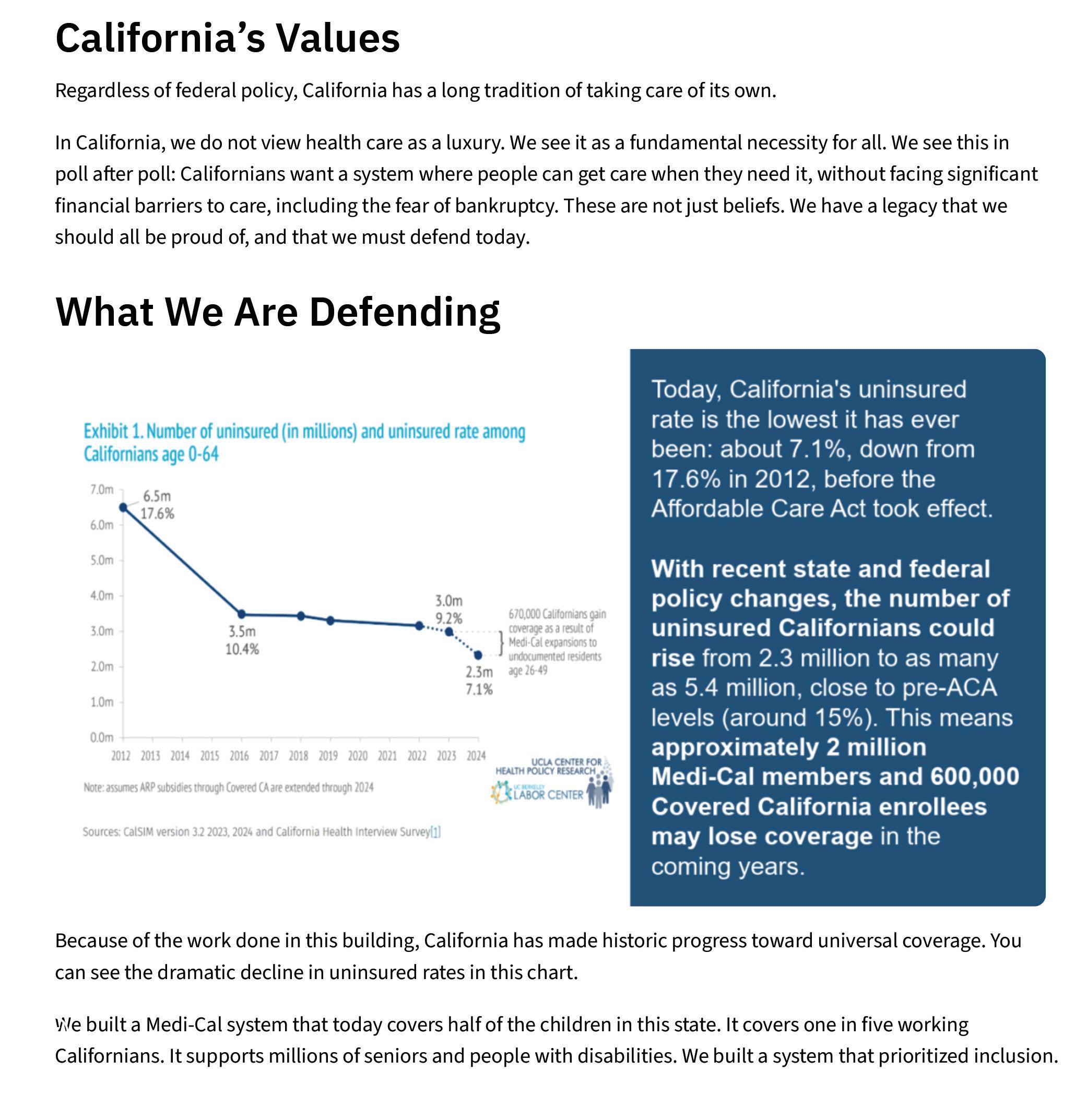
In a state where health policy has long been marked by innovative approaches and evolving challenges, California stands as a beacon of progress in addressing the needs of its uninsured population Over the last decade, the state achieved its lowest-ever uninsured rate — a transformation driven largely by the Affordable Care Act (ACA) and targeted expansions such as Medi-Cal and the establishment of Covered California. However, amid shifting state and federal policies, California now faces the looming possibility that millions may once again lose coverage. This article outlines the successes of the past, the challenges of today, and the strategic questions policymakers must now address.
A Legacy of Expansion and Innovation
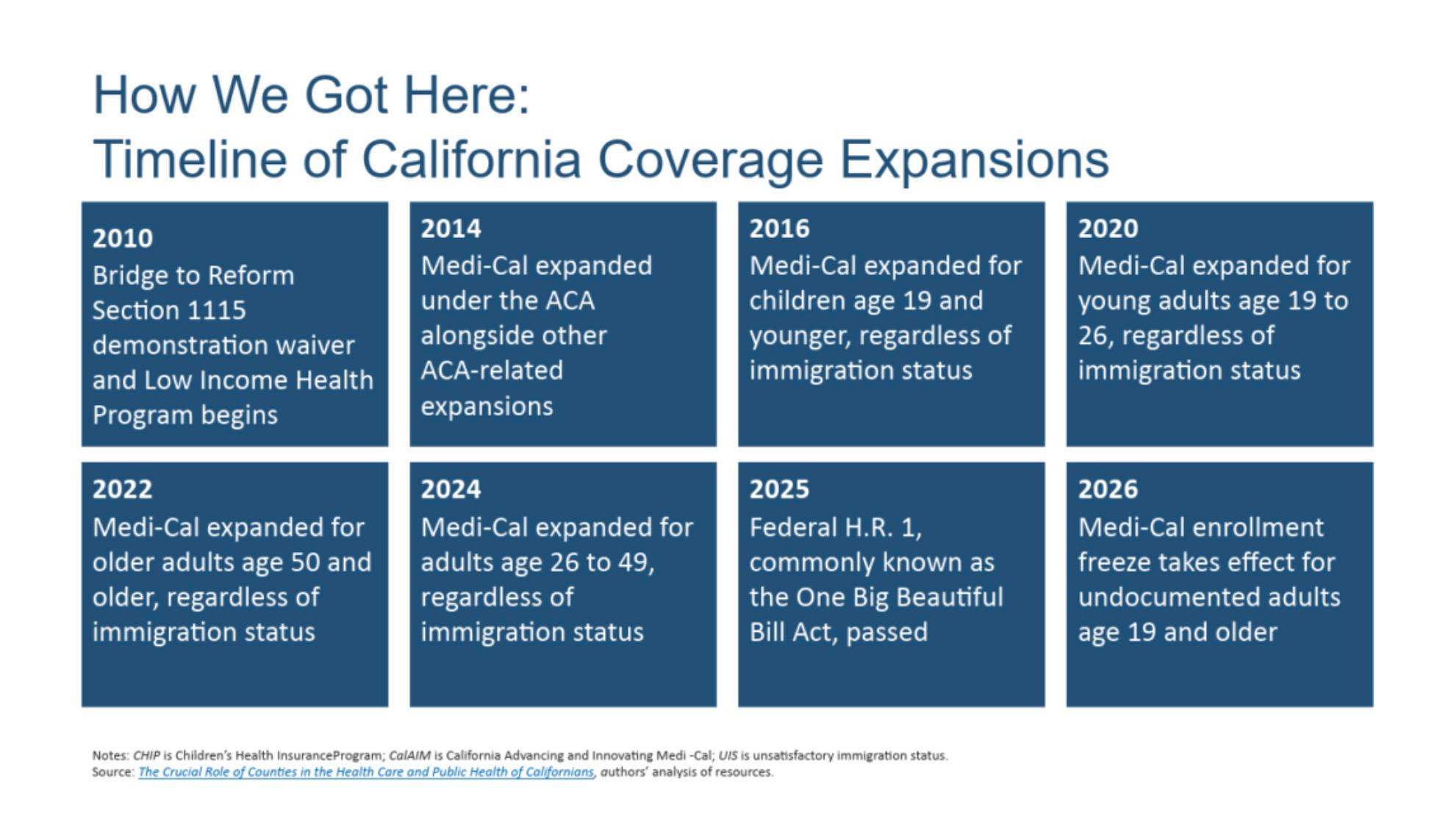
Before the ACA reshaped the landscape of American health care, California's approach to expanding coverage was a patchwork of programs administered by counties, hospitals, and the state itself. More than a decade ago, the uninsured rate in California stood at 15%. Through decisive policy initiatives — Medi-Cal expansions, the establishment of a state-based health benefit exchange, and robust consumer protections — this rate dropped to 8% by 2024. Medi-Cal doubled its enrollment from 8.4 million people in 2013 to 15 million today and expanded to include vulnerable groups such as people with unsatisfactory immigration status (UIS).
Covered California played a critical role in ensuring that nearly 2 million people have access to affordable coverage. The state's emphasis on including immigrants with UIS — a group that has long contributed significantly to California's economy but often faced the highest uninsurance rates — illustrates a forward-thinking policy imperative that still resonates today.
Lessons from the Pre-ACA Era
Before broad-based federal health reform, California had already begun addressing the uninsurance crisis through local initiatives. The state previously relied on programs such as the Low Income Health Program (LIHP), County Medical Services Program (CMSP), and the Major Risk Medical Insurance Program (MRMIP). Although these efforts varied widely in their design, eligibility requirements, and benefits, they collectively provided a vital safety net for uninsured residents.
Large counties developed local programs that tailored their benefits to the unique needs of their populations. Meanwhile, smaller counties joined forces through CMSP to provide essential health care services. Even though many such programs were ultimately absorbed into broader Medi-Cal initiatives following the ACA, they left behind a legacy of localized innovation that
informs much of today's discussions on how to structure future health coverage programs.
Navigating the New Landscape: Key Considerations for Policymakers
As California faces the real possibility that millions might lose coverage due to state and federal policy changes, important questions have emerged regarding how best to redesign the system. Policymakers, health care system leaders, and advocates now need to consider program structure, the range of health care services, financing mechanisms, and ensuring continuity of care.
Values and Goals
State leaders must articulate what values they wish to underpin their actions. Should every income-eligible uninsured Californian receive full-scope Medi-Cal coverage, or would a more limited set of services suffice? These questions reflect budgetary realities and core inquiries about the purpose of social safety nets in an era marked by fiscal constraints and competing priorities.
Governance and Leadership
The governance structure for any new or adapted health care program is a critical factor. Historically, Medi-Cal has centralized much of the responsibility for covering Californians with low incomes. It remains to be seen whether the state should continue in this capacity or if responsibilities should be re-aligned with counties and other local partners.
Borrowing from Existing Models
One promising strategy is to build upon or adapt previous programs that have proven effective. Past initiatives such as LIHP, CMSP, Healthy San Francisco, and MRMIP each offer valuable lessons. Refining and combining these models could offer a robust blueprint for reaching the uninsured.
Financing and Realignment of Costs
Should the state dedicate specific funds from the General Fund and federal financial participation to sustain coverage for the uninsured? There is also the contentious issue of whether employers should bear some of the financial burden. Many stakeholders argue that aligning the financial responsibilities between state, county, employers, and individuals can both expand coverage and incentivize broader economic participation in the health care system.
Ensuring Continuity of Care
Perhaps one of the most immediate challenges concerns the impact on those transitioning out of Medi-Cal. For current
Len Finocchio, DrPH
enrollees whose coverage might be disrupted by future policy changes, continuity of care is not merely a matter of administrative convenience — it is a matter of life and death. There is a need for a carefully planned handoff process to ensure that those who drop coverage due to eligibility changes can transition smoothly into any new program.
A Closer Look at Service Delivery Models
California's diverse service delivery models reveal that there is no one-size-fits-all answer for the uninsured dilemma. The Major Risk Medical Insurance Program (MRMIP) was designed to cover residents unable to access the individual insurance market because of preexisting conditions. Restricted scope Medi-Cal provides a limited set of benefits to ensure that even those who do not meet full eligibility requirements receive critical care during emergencies.
County programs demonstrate how localized solutions can address demographic variations. In urban settings, programs like Healthy San Francisco have provided a comprehensive array of services, while counties in more rural areas have relied on CMSP to ensure that even remote populations receive essential health care.
Anticipating the Future: Policy Implications
Key policy considerations include:
Determining the Scope of Benefits: Should a future program aim to provide full-scope coverage akin to current Medi-Cal offerings, or would a more focused, limited scope be sufficient?
Balancing Centralization Versus Local Control: There is a pressing need to re-assess whether state-run programs or a more decentralized, county-driven model better serve the needs of Californians.
Designing a Transition Architecture: For current Medi-Cal enrollees poised to lose coverage, creating a seamless transition to any new program is essential.
Revisiting Financing Formulas: The discussion includes whether existing funding formulas should be amended and how employers might be integrated more fully into the coverage ecosystem.
Sustaining a Path to Health Equity
The journey from a 15% uninsured rate to historically low levels has not been achieved in a vacuum. It required visionary policy reform, substantial financial investment, and a recognition that health care is a fundamental right for all citizens. A central tenet of any future reforms must be the assurance of health equity. The overarching goal remains clear: sustaining timely access to care for every Californian, regardless of income, immigration status, or geographical location.
Conclusion: Charting a New Course
California's experience over the past decade stands as a testament to what can be achieved when political will, innovative policy design, and collaborative governance come together. The roadmap ahead calls for a reimagining of how health care for the uninsured is structured. Drawing upon lessons from preexisting programs, California now has the opportunity — and responsibility — to create a system that not only meets current needs but sets a sustainable course for the future.
The challenge before California today is not simply about managing a transition but about re-envisioning a system that has already achieved remarkable success. The future of health care for the uninsured hinges on thoughtful planning, a willingness to innovate, and an unyielding commitment to the principle that every resident deserves quality health care.
Len Finocchio, DrPH, is an independent policy expert, researcher, and consultant focused on Medicaid and safety-net programs.
See the full report at: https://www.chcf.org/wp-content/uploads/2025/09/CoveringUninsured_ConsiderationsPrepareCoverageLoss.pdf
THE HUMANITIES BELONG AT THE BEDSIDE
Shieva Khayam-Bashi MD
Something remarkable is happening in medical education Students arrive eager to master the science and craft of medicine, yet equally determined not to lose something harder to name: their sense of the whole person sitting across from them. These students give me hope. In a time when medicine can feel increasingly impersonal, they are insisting on something different. They carry an instinct that no curriculum fully teaches: that a patient is never simply a diagnosis. Every person who comes to us carries a life shaped by history, culture, loss, joy, and meaning, and they want to be seen in that fullness. The medical humanities offer a language and a practice for honoring exactly that.
Each year at UCSF, students can enroll in a two-week Medical Humanities elective, knowing it will ask something different of them than a clinical rotation. It asks them to read, reflect, and look honestly at their own inner lives as emerging physicians. Mary Oliver says it best in her poem "Instructions for Living a Life: Pay attention. Be astonished. Tell about it." Students are
To Sit and Witness
I want to tell you about someone I’ll call Mr. Green.
I heard about him before I met him, or at least, about his disease. A few weeks before we met, the symptoms of his gastric cancer—once cured—had recurred. When he came in for surgery, they found that the cancer had metastasized, everywhere. So, they closed up his abdomen with a long line of staples and referred him to palliative care.
As a third-year medical student on my surgery rotation, I started rounding on Mr. Green every day. Quickly, I learned much more than the chart history I’d heard. Mr. Green was about sixty, with a grizzled beard and kind eyes. He was a retired teacher, and his hospital room was always filled with a gaggle of his former students. He loved talking about his favorite books, and to say that “literature unites everybody”. And, though no one liked talking about it with him, he knew very well that he was dying: on his table was a book called “A Beginner’s Guide to the End.”
We didn’t talk about our feelings very much on the surgery team. But everyone talked about Mr. Green.
One of those mornings, I came in with the resident to change his dressing. As we peeled off the bandages, we asked him more about the students visiting, what else he was reading, Then, we started asking him about his nausea, his pain, his plans for going home.
But Mr. Green stopped us. He looked straight into our eyes.
“You know,” he said, “I’ve been thinking about you guys.”
“You guys have such a hard job. You do! You have to operate all day, be so technical, and then come in here and be so present with people. You have to sit by their sides while they process such
learning to do all three, and to carry that attentiveness into every room they enter.
The students whose work appears in this issue each speak from their own place in the journey, touching on what it means to be present, to be changed, and to be becoming the physicians they are growing into. Their work reminds us that good medicine and deep humanity are not at odds. They belong together. We are grateful to these students for their honesty and curiosity, and for reminding us that the wholeness we try to see in our patients begins with the wholeness we tend in ourselves. It is something we can choose to practice every day, at every bedside.
Shieva Khayam-Bashi, MD is Clinical Professor, UCSF Department of Family and Community Medicine and Sustaining Member, UCSF Academy of Medical Educators.
hard news. It seems so difficult. And I wanted you to know that I see you. Thanks for being my doctors.”
My eyes welled up with tears. It seemed unfair. The hard news, of course, was his news; the life we were grieving, was his life. He could barely eat, couldn’t get out of bed, was in great pain. And yet, as we spent yet another hour tugging at his staples, what he came to us with was gratitude, and care, and compassion. For us.
Even more than his generosity, it was something else that shook me. Mr. Green was the first person all week who had acknowledged what was really going on in those hospital rooms; who named what being a surgeon—or a student—in those moments really meant. Through his eyes, I could see all the feelings I’d been holding, and then, compartmentalizing, all week: through the surgeries we ended at the start because the cancer had spread too far, through the grief and worry of the family members in the waiting room, and through the unpredictability of life, and of death.
That day, beyond the bandages, Mr. Green named what was, yet unsaid, the other thing we were doing in his room. He saw that we were there to witness, and how hard both sides of that could be. And he witnessed us back, with all we were holding.
The year before, while speaking to a group of medical students about starting our clinical year, one of my mentors sat down on the floor. She told us, “all of your greatest teachers from now on will be sitting down.”
Walking out of the hospital that night, I found myself looking back up at the eighth floor, where Mr. Green sat in his bed.
What I can hold feels a little bigger now. He is still teaching me. – Nina Djukic, MS4
The Muddy Path
This Tuesday, the requests for consult are broad: from managing pain and symptoms to requesting spiritual guidance. Diverse, too, is the team: a pediatric palliative care physician, a nurse practitioner, a chaplain, and me, a third-year medical student. It’s Dr. B I’m shadowing today, and though we’ve just met, his gentle manner and focused gaze quickly put me at ease.
This doesn’t make the listening easier. As we run the list, I hear about Nigel, a 15 year old with quadriplegia from a gunshot wound. Carlos, a seven year old with a lymphoma relapse. Trisha, a 17 year old with a disseminated fungal infection, who hasn’t been wanting to take medications.
But unlike other medical rotations I’ve been a part of, I hear, too, about their parents and siblings, their struggles with diagnosis, the art they make, their fears about the road ahead, riddled with potholes in every direction. We have time on palliative care; we aren’t always there to make time-sensitive decisions, to deliver test results or news.
With this in mind, I start walking the floors of the hospital with Dr. B. On the third floor, we meet Carlos’s mother, who has been staying in his room for weeks after his bone marrow transplant. We ask her the team’s usual questions: What kind of kid is he? How has the hospital been so far? What does a good and bad day look like?
We ask, what gives you strength? What are your hopes and fears?
She tells us about a kid who loves art and drawing, eating cheese and noodles. About tantrums that required nurses holding her son down that have morphed into a flaccid acceptance, her son lying still and powerless beneath their hands.
She tells us about her departure from religion and her husband’s solace in it. About screaming in the car on the way home from the hospital. About what music she listens to. About her garden and the creatures who live in it: cherry-headed tortoises and five cats.
We do not try to fix anything, to take anything away. Mostly, we listen. And we ask her what she feeds her tortoises. Kale, she says. Blooming hibiscus.
Immersed in these stories, morning passes quickly into afternoon, and my time with the team whittles down. As we walk downstairs, Dr. B explains the last patient we will see together: Rachel, a two-year-old coming in from the ER with her mother. It is her sixth hospitalization in the last few weeks, and, last month, Rachel’s sister died of the same genetic disease that she has. Dr. B explains that we are going, in part, to address some mounting tensions related to this; Rachel’s family is not ready to withdraw her care, but the pediatric hospitalist team is growing frustrated by her repeated admissions.
At first, this frustration strikes me as callous, near-incomprehensible when imagining this family’s grief. But Dr. B points out that the medical team is also suffering in their own way. With grief, yes, but also with uncertainty; with struggling to find their role if they cannot help in the way they are used to helping. There are limits to staff and resources, sure. But also, they want to avoid putting Rachel through the discomforts of emergent care when they cannot stop her dying.
My mind is whirring, but when we enter the room, it is peaceful: a child lies in bed, hair in pigtails, her tiny chest rising and falling with the mechanical whoosh of the ventilator. Her mother, soft-spoken, smiling, is stroking her forehead.
In speaking with her, I see that Rachel’s mother is under no illusion about the endpoint of all these treatments. On her chest, a pin shines with Rachel’s sister’s face, framed by her birth and death dates, just over a year apart.
We ask her what she thinks about all this. She says, we go with what she gives us. Says, Rachel will tell us when it’s her time.
An ambiguous moment, left open, left muddy. And, unlike the hospitalists, we have the luxury to try to hold this. We aren’t there to make plans. We aren’t there to deliver news. We acknowledge her losses, ask about Rachel’s comfort, talk about options for when things get worse.
As we leave Rachel’s room, Dr. B turns to Rachel’s mother. This is your path, he says. And we are fortunate to walk with you.
No map, no steps. No certainty. But we are calm. We have nowhere else to be.
– Nina Djukic, MS4
continued on page 26
Student Essays
Contemplative Possibilities
As medical students, so much of our education occurs within the confines of classrooms and hospitals, where we reckon with the scientific, existential, and relational nature of this work all at once. Our studies necessitate reflection and contemplation as we grapple with the responsibility of medicine and decide how we wish to contribute to the field.
Through these candid photos of my classmates over the last 6 months, I aim to explore the emotional tides of entering this field. Looking off into the distance, my peers exemplify the sensation of experiencing medicine from the unique vantage point of being fresh medical students. So early in our careers, we often veer into the distance, toward the possibilities that lie ahead, where a confluence of vastness, unknowability, beauty, and depth awaits.
In medicine, we are trained to always look for what needs improvement We scan for the problem, the inefficiency, the loose end. We plan, refine, and anticipate what could go wrong. This way of seeing feels like our responsibility. It also keeps the nervous system slightly braced. It makes you excellent at medicine, but it also makes it harder to fully inhabit your actual life. I now practice a different lens: noticing the beauty that is already here. And not just the beauty in nature or objects—also the beauty in the people you love. If you’re always optimizing, you can miss them, too. The quiet loyalty of a long marriage. The “cup of love” moments—how someone consistently shows up for you in their own imperfect way. When our mind is scanning for what needs fixing, it will find something. Including in our relationships.
If you’re a high achiever, you probably have a well-trained eye for what could be better—at work and at home. I invite you to join me in noticing the ordinary beauty. The beauty that’s right in front of you when you pause long enough to actually take it in. A drop of rain on a leaf. The sound of raindrops. Lemons on trees in midwinter. A cozy corner of your home. The brightness of tulips and daffodils in the grocery store in February. The fact that you can stretch your spine, breathe deeply, and feel sensation moving through your body in yoga. The way someone you love makes coffee. A shared laugh in the kitchen. A moment of effort that would have been easy to overlook. Someone trying— clumsily, imperfectly, humanly.
Sometimes beauty is obvious. Sometimes it’s not. And because your mind has been trained to find the cobweb in the corner first, you miss it. If you notice this tendency in yourself, you’re human. And as a physician, you were trained to be a professional problem-spotter. Beauty as a nervous system practice. This is not a Pollyanna approach. It’s not emotional bypassing. It’s not pretending the hard things aren’t real. It’s strategic. Noticing beauty changes your state. When you train your attention toward what is working—what is supportive, what is steady, what is quietly good—you give your body proof that safety and goodness exist alongside the mess. And from that
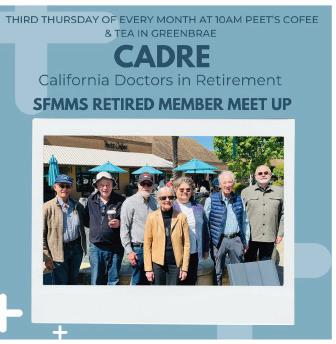
Are you looking to connect with your colleagues?
state, different choices become possible. Your shoulders drop. Your breath deepens. Your thinking becomes more flexible. Your creativity returns. It’s an energy shift that doesn’t require more effort—just a different kind of attention. And in relationships, this matters. When you’re regulated, you’re less reactive. You repair faster. You interpret more generously. You stop keeping score (at least a little). You remember who you’re talking to.
If you want something concrete, try this once a day: Find one beautiful thing. Let your eyes rest on it. Take five breaths. Notice what changes. That’s it.
Once in a while, make the “beautiful thing” a person. Notice one moment of effort. One moment of care. One moment of steadiness. One small “seed of love” that’s already there. You’re not forcing gratitude. You’re not trying to convince yourself that everything is fine. You’re simply allowing your nervous system to register what is also true.
This article was originally a yoga class. Why do I blend coaching themes into yoga? I weave coaching into my yoga classes because transformation happens most effectively when you are relaxed. When your system softens, you learn, absorb, and integrate at the somatic level. That is how real change happens—how new pathways get built, how neural reprogramming becomes possible, how the body begins to trust a different way of being. We move. We stretch. We breathe. And we practice a new relationship with our minds. I teach most Saturdays (sometimes and/OR Sunday) at 9 am Pacific on Zoom. When we gather in community—in a bamboo studio, among trees, or on a mountaintop—there is a beauty that is hard to replicate anywhere else.
Practice yoga with Dr. Mahoney on Zoom by scanning the QR code with your smartphone
Register for the Connect in Nature Retreat at Green Gulch Farm and Zen Center, July 30-Aug 2nd. Co-lead by Dr. Jessie Mahoney and Dr. Ni-Cheng Liang, this retreat is designed as a calm, restorative reset. It blends guided mindfulness practices, mindful yoga, forest bathing in the redwoods, mind-body medicine, mindful communication and eating, and small-group mindset coaching. Open to partners, spouses, and friends and offering up to 12 units AMA PRA, Category 1 CME. To learn more and register, scan the QR code.
Are you looking for additional wellness resources?
The SFMMS Wellness page, curated by your SFMMS colleagues, includes upcoming and past wellness events, resources, and more. Learn more by visiting the SFMMS Wellness page at www.sfmms.org/get-help/physician-wellness.
WELLNESS
Recommended Listening: Healing Medicine Podcast
with Dr. Jessie Mahoney and Dr. Ni-Cheng Liang
To listen, scan the QR codes with your smartphone or visit https://www.jessiemahoneymd.com/healing-medicine-podcast
Fun Filter: Deciding What Lights You Up (Co-Released with Dr Melissa Parsons)
A conversation about living through a "fun filter." What does it look like to let joy, ease, and alignment guide our decisions instead of obligation, striving, or outdated beliefs? A special co-released episode with Dr. Melissa Parsons, fellow retired pediatrician, coach, and kindred.
Why Women Physicians Are So Good at Doing Too Much
In honor of National Women Physicians Day 2026, this episode, Why Women Physicians Overfunction (and How to Start Doing Less Without Guilt) is an invitation to notice overfunctioning with compassion.
When the World Feels Unsteady, Choose Intention Not Panic
We are not here to pretend this is fine. We are here to help you get steady enough to choose how we respond. When fear narrows your thinking, you can come back to the body first. Regulate first. Respond second. In this conversation, Ni-Cheng and I name the collective fear, grief, exhaustion, moral distress, minority stress, and racial trauma.
Gathering Our SFMMS Members in Winter 2025/2026
To learn more about our upcoming events and offerings, visit our SFMMS events page at https://www.sfmms.org/news-events/events.
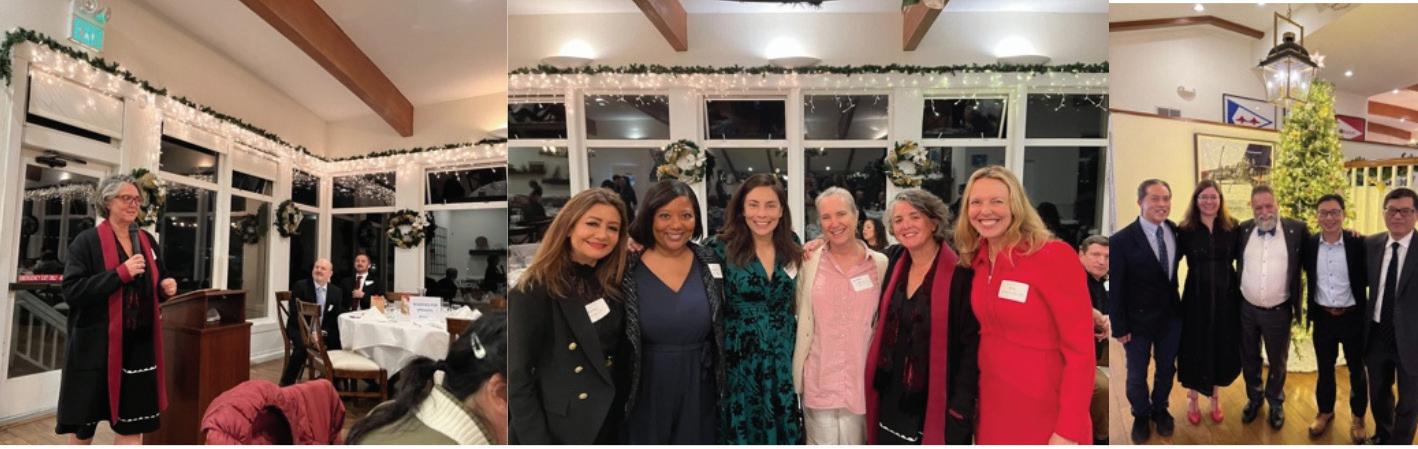
SFMMS Annual General Meeting and Holiday Party
In December, SFMMS hosted our Annual General Meeting at the Golden Gate Yacht Club. The evening included a welcome reception, remarks by local legislators, a buffet dinner, and the recognition of Dr. Jessie Mahoney for her years of service to SFMMS and to physicians in San Francisco and Marin through her wellness programs and offerings, and as Chair of the SFMMS Wellness Committee and, subsequently, the Membership Engagement Committee.
SFMMS Celebrates National Women Physicians Day at the Annual SFMMS Women in Medicine Mixer
Each year, we gather a group of our physician members who identify as women for a meal, connection, and community building. This year, we celebrated National Women Physicians Day and heard from Dr. Kathleen Jordon of Midi Health, who discussed and answered questions about the“New Rules of Menopause” at SIP Tea Room in San Francisco. California Doctors in Retirement (CADRE) Gathers Monthly in Greenbrae
"The monthly CADRE meeting is always fun. This gathering is for special people who have had unique lives. As retired SF and Marin physicians, we can best understand each other.”
Join your fellow retired physician colleagues for CADRE (California Doctors in Retirement) for casual conversation, connection, & free coffee, monthly (3rd Thursday of the month) at Peet's Coffee in Greenbrae.