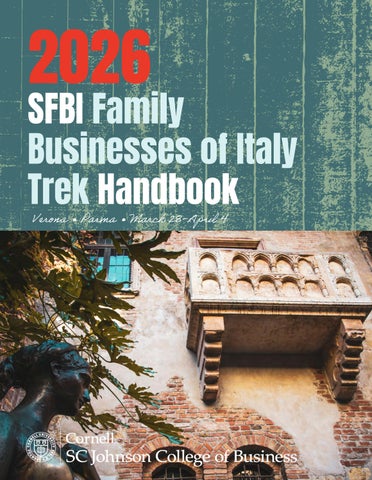

2026 SFBI Family Businesses of Italy Trek Handbook
Verona • Parma • March 28-April 4

Ciao!
About the trek
Each year during spring break, in a course intended to promote the understanding of family businesses, the Smith Family Business Initiative leads a weeklong student trek (NBA 5920) to Italy to explore the country’s many significant family businesses, Italian history, and culture.
For those interested in learning about family businesses, Italy is an important destination. There are estimated to be around 784,000 family businesses in the country, comprising over 85% of the total business landscape and providing around 70% of employment. What distinguishes Italian family businesses is their remarkable longevity: among the world’s 100 oldest businesses, 15 are Italian. Notably, five of these – including Fonderie Pontificie Marinelli (founded in 1000), Barone Ricasoli (1141), Barovier & Toso (1295), Torrini (1369), and Marchesi Antinori (1385) – rank among the top ten oldest family businesses still in operation today.
Through our visits, we seek to peek behind the scenes at business operations and speak with family members to understand the values and beliefs underpinning the foundation of these companies. We hope this trek provides you with valuable insights into the resilience and traditions of Italian family businesses while offering an unforgettable cultural experience. Enjoy the journey, embrace the learning, and most importantly—have fun!

First Name
PARTICIPANTS
Last Name
Camila Alves Guilarducci cag345@cornell.edu (607)697-4561
Gustavo Avila Amat gaa4005@med.cornell.edu (305)301-9222
Joealen Benson Job4032@med.cornell.edu (607)279-5663
Melissa Caramanica mc2952@cornell.edu (646)851-4535
Hursh Desai hdd32@cornell.edu (732)551-5371
Kevin Doan kld222@cornell.edu (607)697-4960
Michele Grant mg2548@cornell.edu (347)204-3918
Kai Wan Gu kg575@cornell.edu (607)339-7007
Sarah Higgins sch263@cornell.edu (360)720-1507
Sophia Imran si297@cornell.edu (607)697-4706
Yiming Ji yj536@cornell.edu (607)280-9689
Elizabeth Kim eek57@cornell.edu (657)253-9684
Christian Kunau ck832@cornell.edu (612)986-5415
Bruno Lamanna brl76@cornell.edu (607)697-5348
Sadie Mecham sm2892@cornell.edu (760)552-9609
Luca Medeiros Mosena lm977@cornell.edu (646)647-5235
Min Namkoong mn648@cornell.edu (240)468-8467
Doh Joon Park dp695@cornell.edu (347)479-9014
Blake Perduk bp478@cornell.edu (949)734-9066
Yifan Ping yp492@cornell.edu (760)508-1939
Anastasiia Shorshina as4356@cornell.edu (312)284-9865
Kaveiya Priya Subramaniyan ks2535@cornell.edu (470)991-5554
Bhavani Sukumar bs925@cornell.edu (631)374-1385
Cara Sullivan ces425@cornell.edu (862)812-6147
Ankita Thodimela ant4038@med.cornell.edu (408)859-2582
Arslan Varaich av634@cornell.edu (607)379 4243
ITINERARY
Trip Summary
March 28 - SAT: Verona | Arrive
at Italy
Today's Travel Details
Daniel Van der Vilet - Pre-Night Accommodations
Students will arrive on flights booked by the traveler
Welcome to Verona! - Verona
Check in to your hotel in Verona - Giberti Hotel Verona
2:45 PM 3:00 PM
PM
PM
PM 8:00 PM 8:20 AM 8:30 AM 9:00 AM 11:30 AM 1:30 PM 2:30 PM 3:30 PM 8:20 AM 11:00 AM 1:20 PM 2:00 PM 4:00 PM
Optional Tour Participants - Meet guide in hotel lobby
Optional Tour - Verona City Tour
Arrival back to hotel after the optional tour
Meet group in hotel lobby and walk to opening dinner
Opening Dinner - Hosted by Michael Cortaletti at his restaurant, Olivo, in Verona
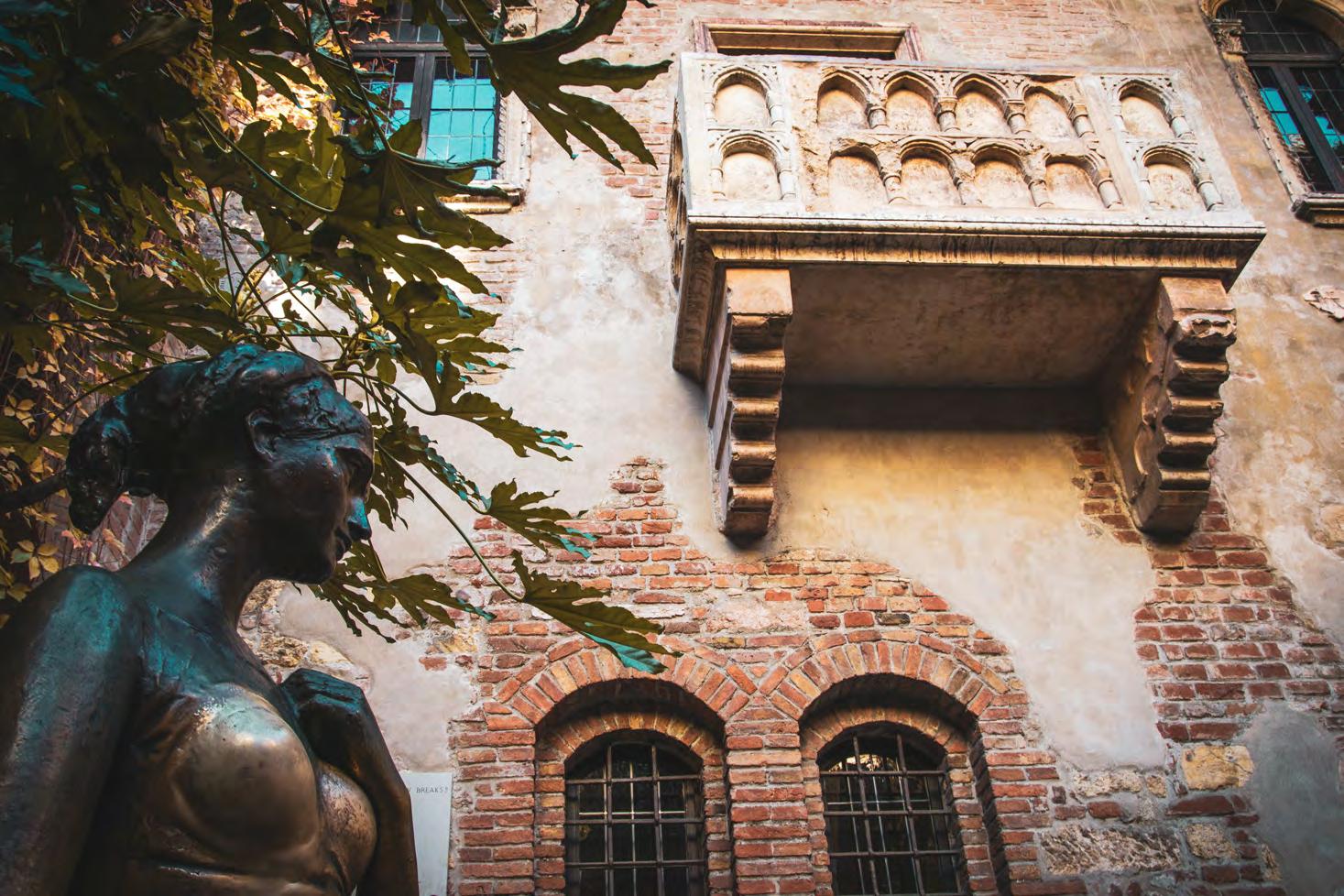
Academic Engagement | Il Balcone di Giulietta
After dinner, walk back to the hotel with the Tour Director or remain in the area
Enjoy the remainder of the evening free
March 29 - SUN: Verona
Today's Travel Details
Breakfast included at the hotel
Meet Tour Director in the hotel lobby and board coach
Coach to depart at this time to transfer to today’s activities
Academic Engagement | Opening Lecture | Businesses in Italy
Academic Engagement | Speri Viticoltori
Enjoy lunch as a group
Enjoy time at the Wine shop
Return to your accommodations
Enjoy the remainder of the evening free with dinner on own
March 30 - MON: Verona
Today's Travel Details
Breakfast included at the hotel
In the morning, enjoy free time to shop, explore, or do work
Enjoy lunch on own
Meet Tour Director at designated location for transfer to afternoon engagement
Sartori Vineyards
After visit, board coach and return to hotel
Enjoy the remainder of the evening free with dinner on own
March 31 - TUE: Verona
Today's Travel Details
Breakfast included at the hotel
8:20 AM Meet Tour Director in the hotel lobby and board coach
8:30 AM Departure for today's engagements at Nardini Grappa Distilleries
11:00 AM Antonio Guarda Nardini at Nardini Grappa Distilleries
12:30 PM
Enjoy lunch as a group at visit
2:30 PM Free time in village
4:00 PM Meet group in designated location and return to hotel
Enjoy the remainder of the evening free with dinner on own
April 1 - WED: Transfer to Parma
Today's Travel Details
Breakfast included at the hotel
8:15 AM Check out of your hotel in Verona and board coach with luggage - Giberti Hotel Verona
8:30 AM Depart to Parma with en-route stop in Mantova
10:00 AM Nicola Levoni, LEVONI S.p.A.
Enjoy lunch as a group at visit
1:30 PM Levoni shop
2:00 PM Board coach and continue transfer to Parma
3:30 PM Estimated arrival time at Grand Hotel de la Ville in Parma
Check in to your hotel in Parma - Grand Hotel de la Ville
Enjoy the remainder of the evening free with dinner on own
April 2 - THU: Parma
Today's Travel Details
Breakfast included at the hotel
9:20 AM Meet Tour Director in hotel lobby and board coach
9:30 AM Depart on coach to Barilla
10:30 AM Academic Engagement | Barilla Visit
Lunch on own, stop provided
1:45 PM Board coach and continue transfer to next visit
3:00 PM Academic Engagement | Dallara Visit
5:00 PM After visit, return to your accommodations
Enjoy the remainder of the evening free with dinner on own
8:50 AM 9:00 AM
April 3 - FRI: Parma
Today's Travel Details
Breakfast included at the hotel
Meet Tour Director in hotel lobby and board coach
Depart on coach to Davines
Academic Engagement | Davines
12:30 AM
9:30 AM 2:00 PM 4:00 PM
7:00 PM
7:10 PM
7:30 PM
Lunch at Davines
Meet group in designated location and transfer to meeting
Academic Engagement | Bertinelli Parmasian
After visit, return to hotel
Meet Tour Director in the hotel lobby for Farewell Dinner
Depart on foot with Tour Director to Farewell Dinner
Farewell Dinner at Ristorante La Forchetta
After dinner, walk back to the hotel with your Tour Director or remain in the area
Enjoy the remainder of the evening free
April 4 - SAT: Program Ends
Today's Travel Details
Breakfast included at the hotel
Check out of your hotel in Parma - Grand Hotel de la Ville
Optional Tour - Parma Walking Tour
Participants are responsible for their own transportation to the airport
Students will depart on flights booked by the traveler
SYLLABUS
NBA 5920-803: FAMILY BUSINESSES OF ITALY: Experiential Trek Spring 2026
Instructor: Daniel G. Van Der Vliet
Office: Statler 389b
Trek Dates: Saturday, March 28 – Saturday, April 4, 2026
Office hours by appointment: https://calendly.com/cornellfambiz
Email: dgv9@cornell.edu
Trek Coordinators: Susan Hu Rhonda Velesquez
Email: yh789@cornell.edu rhv2@cornell.edu
2026 Spring Break
This course provides an opportunity to learn about family businesses, the predominant form of business worldwide, through theory and practice that goes far beyond a typical class experience. Students will delve into issues of local and global business environments, business trends, politics, culture, legacy, and family, to better understand the driving forces behind family enterprise in general, and specifically in Southern Europe, an area where family firms have traditionally been the backbone of the economy. Through site visits with family business owners, managers, and family members, as well as several advisors and scholars, students will have a chance to ask questions and compare notes on doing business, and being family, in another part of the world. Students will be exposed to the challenges family business owners face ranging from family dynamics to political constraints and industry issues.
In Italy, there are estimated to be around 784,000 family businesses – more than 85% of the total number of business [1] – constituting around 70% of employment. In terms of the impact of family businesses, Italian context is in line with that of the main European economies such as France (80%), Germany (90%), Spain (83%) and the UK (80%), whilst the factor that sets Italy apart from these countries is the lesser recourse of family businesses to external managers: 66% of Italian family businesses are fully managed by family members, while this applies to only 26% of French family businesses and just 10% in the UK.
Italian family businesses are also set apart by their longevity: of the world’s 100 oldest businesses, 15 are Italian and, of these, 5 – Fonderie Pontificie Marinelli (founded in 1000), Barone Ricasoli (1141), Barovier & Toso (1295), Torrini (1369) and Marchesi Antinori (1385) –are among the top ten oldest family businesses still active today.
Source: http://www.aidaf.it/en/aidaf-3/1650-2/
EXPECTATIONS / TREK GOALS
Most companies around the world are controlled by their founding families, including more than half of all public corporations in Europe, and more than two thirds of those in Asia. Even in the United States, where ownership dispersion is at its highest, founding families exercise a significant degree of control over more than half of all public corporations.
This course is designed for individuals joining their own family’s or someone else’s firm; or those who will do business with family and privately held firms, consult with them, invest in them, and work with them in private wealth management, mergers and acquisitions, banking, or consulting.
• Students will engage with family businesses and their leaders firsthand to explore the challenges and opportunities of business ownership and family governance.
• The course provides participants with exposure to the unique finance, governance, and management issues faced by family firms; and the ways in which they can be addressed.
• Students will explore numerous industries, as well as premium and luxury brands in competitive markets.
• Using Italy as our laboratory, students will explore why Italian family businesses seem to have unique staying power, as well as strong(er) family ties to the business through active management.
• Students will engage with business owners and Cornell alumni.
• Students are expected to remain with the trek and attend all formally planned activities throughout the entire week’s program.
LEARNING OUTCOMES
• Understand the characteristics that differentiate family firms from other firms.
• Be able to identify roadblocks related to the family, the market, and the institutional environment.
• Understand the challenges of family succession and what to do about them.
• Explore best governance practices.
• Understand conflicts between raising capital and keeping control in an environment where capital markets are not as developed as in the US.
READINGS
Required Readings on Family Businesses and Italian Family Firms (available via Canvas)
Analyzing Family Business Cases: Tools and Techniques, Sharma et. al. Case Research Journal 2013.
Family Business Successful Succession: An Overview of the Environment for Family Businesses in Italy – National Report, 2017. Brizi, M., Ercoli, D., & Trinari, C. Tiber Umbria Comett Education Programme.
Maintaining an entrepreneurial spirit across generations: Guido Corbetta, AIdAF-EY Chair in Strategic Management in Family Business, Bocconi University. EY Family Business Yearbook, 158-162.
Family succession and firm performance: Evidence from Italian family firms, 2008. Cucculelli, M., & Micucci, G. Journal of Corporate Finance 14, 17–31.
From Traditional to Blended Cultures: How Family Enterprises Manage Transitions Across Generations, Jaffe, D. and Grubman, J.
DELIVERABLES
Grading in this course is on a Satisfactory/Unsatisfactory (pass/fail) basis.
A passing grade in this class will require the following:
1. Participate in full in two pre-trip preparation sessions—Wednesday, February 18, from 4:30 - 6:00 pm via Zoom. A second information meeting is scheduled for Wednesday, March 18, from 4:30 - 6:00 p.m., also via Zoom. Failure to participate in pre-trek preparation meetings and travel requirements may negate the student’s ability to participate in the trek and their spot will be forfeited without refund.
2. Signed SFBI Student Code of Conduct Agreement, completed by Friday, March 6 at 4:00 p.m.
3. Prepare a one-page summary handout/info graphic focused on one of the companies, industries, institutions, or speakers to be visited (assigned by the coordinators); the handout is due on Friday, March 20, at 4:00 p.m. Upload to the course Canvas site. You will be asked to present the main points from your handout to the group on the day of the visit. Company background and description should include, to the extent possible:
a. Detailed firm’s history, the firm founders
b. Any significant milestones in the company’s development
c. Current ownership structure and management structure
d. Family structure and current family relations
e. Who are the customers/competitors?
f. What is the macro and business environment?
4. Participate in all formally planned trek activities while in Italy.
5. Post-visit, prepare, individually, a brief reflection of your experience in Italy, which should include, to the extent possible:
a. The context:
i. What did you learn about family businesses?
ii. What is unique about the family businesses in Italy?
b. The journey:
i. What did you see, hear, and learn?
ii. What surprised you?
c. What was the outcome for you?
i. What do you still want to know?
ii. What would have changed or enhanced the experience for you?
d. The reflection is due via Canvas on Friday, April 24, 2026, by 5:00 p.m.
All written deliverables shall be presented with a standard format in presentation (single-spaced, 12-point font), ideally less than 7 pages in length, and involving exhibits of tables, charts, figures or appendices (these are not included in the 7-page limit).
An effective reflection will:
• Have a proper header with your name, date and course title. I will return any reflections without the proper heading.
• Cite relevant articles, research or quotes from speakers.
• Have a clear opening paragraph, supporting evidence throughout, and a solid conclusion.
• Have effective paragraph structure and avoid run on sentences.
• Avoid emotions or subjective words, i.e. “perfect” “most successful of all time”, etc.
• Be properly formatted, correctly proofread and enjoyable to read.
GRADING
The weighting for the final grade is assessed by:
Active Participation throughout trek: 40%
• Pre-trek meetings
• Attending all visits
• Timeliness and attentiveness
Deliverables: 60%
• One-page business summary / infographic
• Post-trek reflection
As a strict rule, there is no extension in the deadline for delivering the necessary materials. You are expected to attend the trek for the entire duration. It is your responsibility to schedule the rest of your activities such that you are able to comply with the requirements of the class and behavioral standards of the trek.
GUIDELINES & CODE OF CONDUCT
It is the expectation of the Smith Family Business Initiative and the Johnson Administration that students who travel on behalf of the college conduct themselves in a manner that will continue to inspire public confidence and trust in our esteemed institution and those associated with it.
1. Participants’ conduct and behavior to, from, and during the trip and at all related events should reflect respect for the group, the college, university, and the individual. This includes private activities and social gatherings.
2. Trek company visits and related activities are integral components of an academic growth opportunity. Participants are expected to attend all business meetings, scheduled programs, social events, and tours as directed by the trek leader. If you are unable to attend, it is your responsibility to make the appropriate notifications.
3. Participants must be prompt and prepared for all sessions and meetings.
4. Participants are to report any accidents, injuries, illness, or significant incidents to their trek leader immediately.
5. Although alcoholic beverages are not prohibited during the trek we ask that you drink responsibly, obey the local laws and conduct yourselves in an appropriate manner.
THE INSTRUCTOR
Dann Van Der Vliet has spent more than 25 years educating and advising enterprising families. As the founding director of the Smith Family Business Initiative at Cornell University, he built one of the world’s leading academic platforms for family enterprise education.
During his tenure, Cornell launched the Family Office Institute – an executive development program for family office professionals – and introduced cornerstone offerings such as the Cornell Case Competition for Family Ownership, the Leaders in Family Enterprise course, and the Sam Seltzer Mentors Forum.
Before joining Cornell, Dann served for 12 years as Director of the Family Business Initiative at the University of Vermont, where he expanded a highly regarded program featuring multiple peer groups, owner forums, and co-founded the Family Enterprise Case Competition, the first global case competition dedicated exclusively to family business.
Dann holds both a B.S. in Natural Resources and an M.Ed. from the University of Vermont.
ASSISTANT DIRECTOR, SFBI and TREK COORDINATOR
Susan Hu joined the Smith Family Business Initiative as Assistant Director in October 2023. In her current role, Susan supports the many programs and activities aimed at expanding the initiative’s reach and impact and also engages students as part of SFBI’s mission to provide education, networking opportunities, and knowledge.
Prior to joining SFBI, Susan served as the Communications Manager at the Parker Center for Investment Research at Johnson. There, she fostered opportunities to promote the center through articles and newsletters, ran events, designed marketing materials, and facilitated communications with students and alumni.
Susan obtained her bachelor’s degree from Wellesley College and holds a Master of Architecture degree from Tsinghua University in China. She has been with Cornell University since 2017. She is an 2027 MBA Candidate at the SC Johnson Graduate School of Business, Cornell University.
BRIEF HI STORY (UNIFICATION OF ITALY)
The Unification of It a ly “ Risorgimento ”
Bruno Lamanna – brl76@cornell.edu
Introduction
Camila Guilarducci – cag345@cornell.edu
The Unification of Italy, known as the Risorgimento, was the political and military process that led to the creation of the modern Italian state during the 19th century. Before 1861, the Italian peninsula was divided into multiple independent states and territories, many of which were controlled or influenced by foreign powers, particularly the Austrian Empire. The unification process combined nationalist ideology, diplomatic strategy, military campaigns, and international geopolitical events.
Italy Before Unification
Following the Congress of Vienna in 1815, the Italian peninsula was fragmented into several states. The Kingdom of Sardinia (Piedmont-Sardinia) in the northwest eventually became the political driver of unification. Northern regions such as Lombardy and Venetia were directly controlled by Austria, central Italy included the Papal States governed by the Pope, and southern Italy was ruled by the Kingdom of the Two Sicilies under the Bourbon dynasty. This fragmentation and foreign dominance fueled nationalist movements seeking a unified Italian state.
Key Figures of the Risorgimento
Three individuals played central roles in the unification process. Giuseppe Mazzini provided the ideological foundation by promoting nationalism and the idea of a unified Italian republic through his movement 'Young Italy'. Camillo Benso, Count of Cavour, Prime Minister of the Kingdom of Sardinia, led the diplomatic and political strategy that aligned Italy with major European powers and provoked conflicts that weakened Austrian control. Giuseppe Garibaldi, a revolutionary military leader, led volunteer forces that conquered large parts of southern Italy during the famous Expedition of the Thousand.
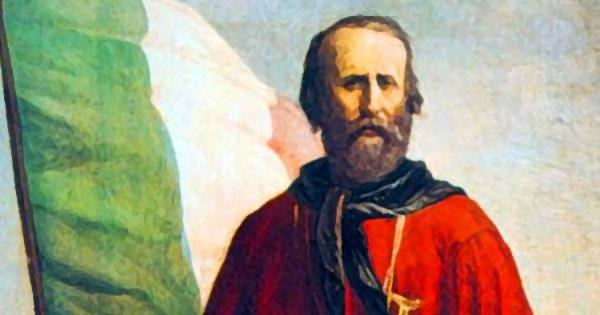
Giuseppe Garibaldi.
Source: Italianita, 2023
Major Milestones
The process accelerated in the late 1850s. After participating in the Crimean War to gain diplomatic visibility, the Kingdom of Sardinia formed an alliance with France against Austria. The Second Italian War of Independence in 1859 resulted in the annexation of Lombardy. In 1860, Garibaldi’s Expedition of the Thousand captured Sicily and Naples, leading to the collapse of the Kingdom of the Two Sicilies. Garibaldi then handed control of the south to King Victor Emmanuel II. In 1861, the Kingdom of Italy was officially proclaimed. Venetia was added in 1866 after the Austro-Prussian War, and Rome was annexed in 1870 when French troops withdrew during the Franco-Prussian War.
Five Lesser-Known Insights
First, Italy was politically unified before a strong national identity existed; only a small portion of the population spoke standard Italian at the time. Second, Garibaldi, despite being a republican, voluntarily handed power to the monarchy to avoid internal conflict. Third, the southern regions experienced significant resistance after unification in a conflict known as the 'Brigandage'. Fourth, the unification process required substantial international financing, including support from major European banking houses. Fifth, the success of the Risorgimento depended heavily on broader European conflicts and alliances rather than purely domestic revolution.
Conclusion
The unification of Italy was not the result of a single revolution, but a complex process shaped by nationalist ideas, diplomatic maneuvering, military campaigns, and international power politics. The creation of the Italian state illustrates how nation-building in 19th-century Europe often emerged from the interaction between domestic movements and broader geopolitical dynamics.
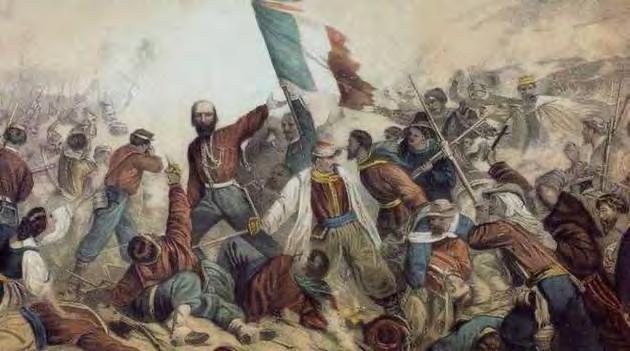
The Risorgimento movimenti Source: Venturing with Veronica “Fatta l’Italia, bisogna fare gli Italiani” - Massimo d’Azeglio
ABOUT VERONA
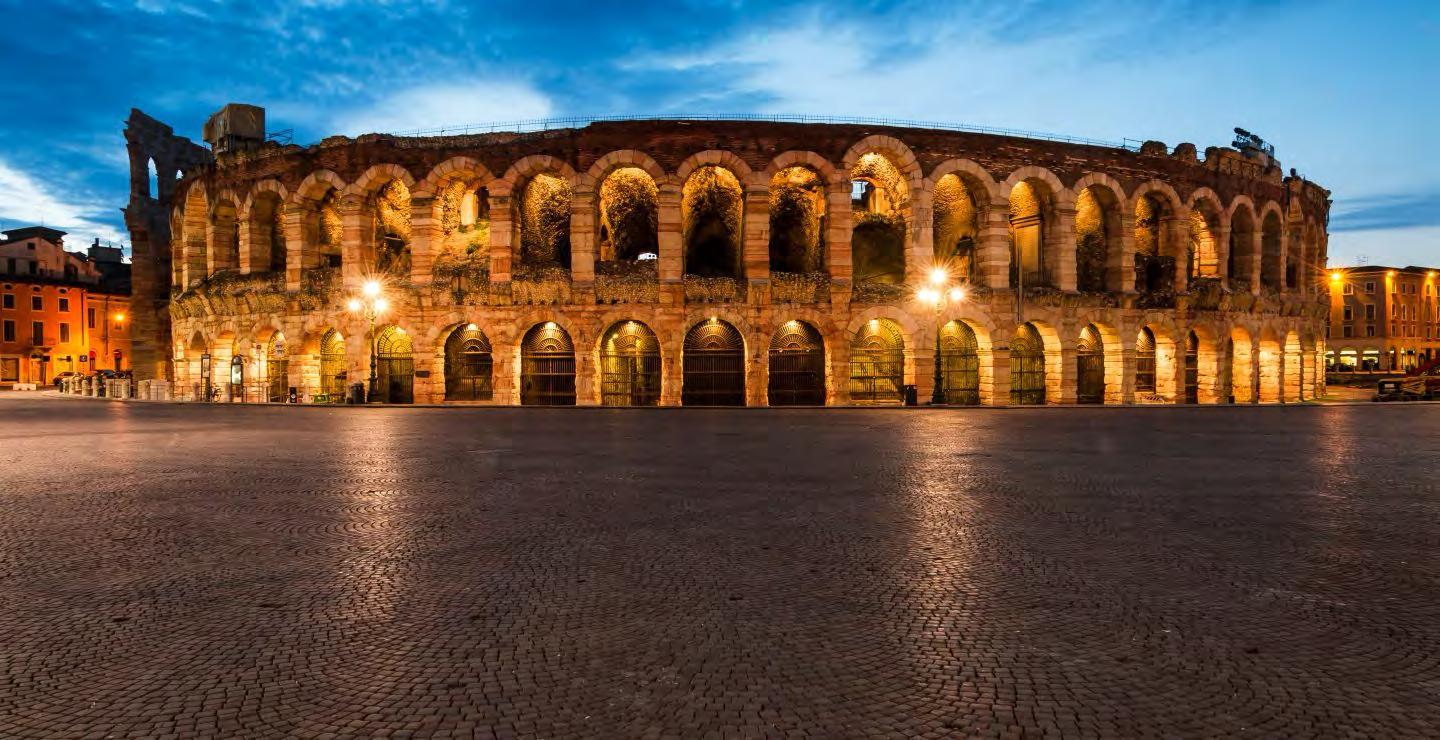
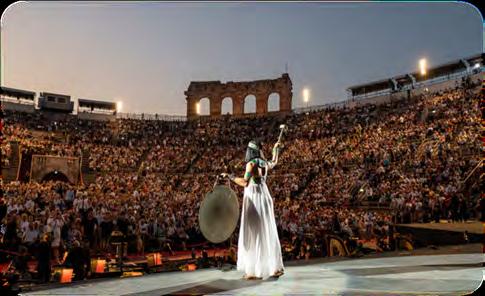
ARENA DI VERONA
One of the World’s Greatest Ancient Amphitheaters
Verona, Italy • UNESCO World Heritage Site • Est. 1st Century AD
HISTORY
Location Verona, Veneto, Italy
Built c. 30 AD (Roman Imperial period)
Type Roman amphitheater
Capacity ~22,000 (ancient); ~15,000 (modern events)
Dimensions 138m x 109m outer ring; arena floor 73m x 44m
Status UNESCO World Heritage Site; active venue
Annual Visitors ~500,000+ per year
ARCHITECTURE & DESIGN
• Constructed from pink and white limestone from the Valpolicella region
The Arena di Verona is one of the best-preserved Roman amphitheaters in the world, constructed around 30 AD during the reign of Emperor Augustus. Originally built outside the city walls of ancient Verona, it was incorporated into the city as the urban boundaries expanded over the centuries. It was used for gladiatorial combat, animal hunts, and public spectacles in antiquity, drawing crowds from across the region.
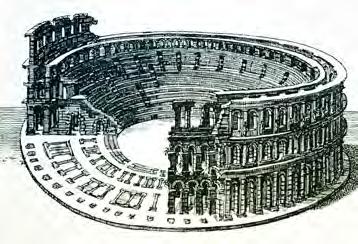
A catastrophic earthquake in the 12th century destroyed most of the outer ring, leaving only a small section of four arches (the “ala” or wing) still standing. The main inner ring, however, survived largely intact and has been in continuous use ever since. In the medieval period it served as a venue for public executions and tournaments before gradually transitioning into a cultural and theatrical space.
• Three-tiered elliptical structure with 72 arches on the outer ring (originally four tiers)
• The cavea (seating area) consists of 44 tiers of stone steps rising steeply around the arena floor
• The surviving “ala” (four-arch fragment of the outer ring) remains one of Verona’s most iconic images
• The vaulted corridors and passageways (vomitoria) allowed rapid entry and exit of large crowds
• Original capacity estimated at 30,000 in antiquity; modern safety regulations limit it to ~15,000
OPERA FESTIVAL
The Arena is world-famous for its annual summer Opera Festival, which has been held continuously since 1913 with only brief interruptions during the World Wars. The festival was inaugurated with a production of Aida by Giuseppe Verdi, and Aida remains the signature production performed almost every season. The open-air setting, the massive stone stage, and the natural acoustics of the amphitheater create an unparalleled operatic experience unlike any indoor venue.
• Festival runs June through September each year
• Attracts approximately 500,000 spectators annually from over 100 countries
• Known for extraordinarily elaborate stage productions, often involving live animals, large casts, and full orchestras
• Signature works: Aida, Nabucco, Carmen, Turandot, La Traviata
• Audience members traditionally bring candles, creating a sea of light at the start of each performance
CULTURAL SIGNIFICANCE
Beyond opera, the Arena has hosted some of the most iconic concerts and events in modern history. Artists including Frank Sinatra, Luciano Pavarotti, Sting, Bruce Springsteen, and Andrea Bocelli have all performed on its stage. The venue’s extraordinary acoustic properties – which allowed 30,000 ancient Romans to hear unamplified speech and performance – make it a uniquely powerful live music environment.
The Arena is inseparable from the identity of Verona itself and was designated a UNESCO World Heritage Site in 2000 in recognition of its outstanding Roman and medieval architecture. It remains one of Italy’s most visited monuments and a symbol of the country’s extraordinary classical heritage.
VISITOR INFORMATION
Opening Hours Museum: Daily 9am–7pm (extended on opera nights)
Admission
Opera Season
Getting There
€10 museum entry; opera tickets from ~€30 to €250+
Late June – early September
10-minute walk from Verona Porta Nuova train station; Piazza Bra, Verona
Tips
Bring cushions for stone seating; arrive early; candles provided at opera nights

meetattheAllianceFrançaise.
● 2010s:TheinnopensasIlSognodiGiulietta, anrecognizedoneofakinddestination.
● 2022:ArchitectMatteodeStefanicompletes afullrenovation,drawingonVerona’s “PaintedCity”tradition.
Ownership & Family Heritage
HotelVerona,HotelDueTorri,andpremium Airbnbs—butnonecanofferexclusivenighttime accesstoJuliet’scourtyard,adifferentiatorthat cannotbereplicated.
TheinnisprivatelyownedbyhospitalityveteransMichaelCortellettiandPersioMuñoz.Cortelletti,trained atThePlazainNewYork,comesfromastoriedVeronesefoodfamily:hisfatherNicola–knownlocallyasIl Baffo–ranPizzeriaImperoforover30yearsandcofoundedItaly’sfirstSchoolofPizzaMakers.Today,the extendedCortellettifamilyoperatessixbelovedvenuesacrossVeronaundertheFoodDemocracybrand, includingCasaMazzantiCaffè,wherehotelguestsenjoybreakfastjuststepsawayonthePiazzadelleErbe.
Macro Context & Market Dynamics
Veronawelcomesroughly3.5millionvisitorsannually,with1.5millionpassingthroughCasadiGiulietta alone.AsaUNESCOWorldHeritagecityandhometotheworldfamousArenaOperaFestival,Verona experiencesintenseseasonaldemandforhighendaccommodations.PostCOVID,experiential micropropertieslikeBalconediGiuliettareboundedfastest,commandingpremiumaveragedailyrates. Keychallengesincludeseasonality,overtourism,andtherevenueconstraintsofa16roomfootprint.
Kaveiya Priya Subramaniyan ks2535 | Sarah Higgins sch263
ABOUT PARMA
Parma
Northern Italy’s city of Parma is the food and culture capital of the region of Emilia-Romagna

183 BCE Middle Ages
Roman colony established along the Via Aemilia.
Pilgrimage and trade routes shaped early growth.
WHY PARMA STANDS OUT
ThecitywastitledtheUNESCO CreativeCityofGastronomyin 2015.From2020through2021, ParmawasnamedtheItalian capitalofculture.Parmaplaysa centralroleinItaly’sFoodValley andhousestheEuropeanFood SafetyAuthority(EFSA).
Historical Arc
1545
The Farnese duchy made Parma an important courtly capital.
Napoleonic Era
French influence and later dynastic shifts reshaped governance.
20th Century
Reconstruction, culture, and food manufacturing drove modern prominence.
Ownership,
Management,
Leadership:
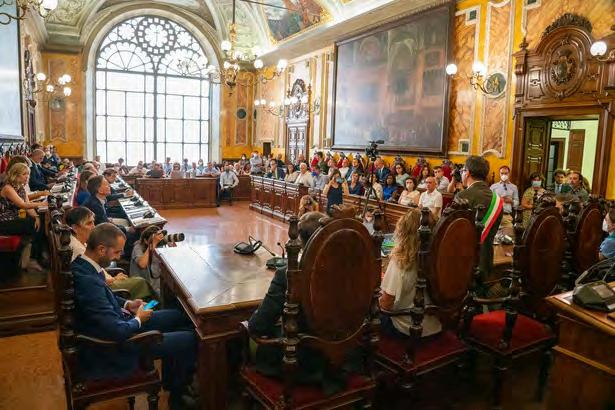
Mayor Michele Guerra assumed office as the Mayor of Parma on July 2022.
and Family Lens
Parma is a public municipality; governance runs through the mayor, council, and civic administration. Current leadership sits within the Comune di Parma under the Mayor, alongside anchor institutions (University of Parma and EFSA). Historic houses: Farnese, BourbonParma, and Habsburg-Lorraine.
Stakeholders,
Competitors,
and Macro
Stakeholders include residents, students, tourists, food producers, exporters, and international regulatory bodies. Parma competes with Bologna, Modena, Florence, and Milan for talent, tourism, and investment, but differentiates itself through premium food branding and compact scale. Macro tailwinds come from EmiliaRomagna’s Food Valley, strong logistics and manufacturing depth, culture, and EU visibility.
SophiaImranandHurshDesai|ItalyPre-TrekInfographic
Parma
A guide on what to visit, to create the most fond of memories.
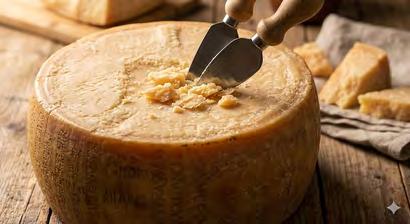
Parmigiano Reggiano
“The King of Cheeses”
Aged to absolute perfection, its rich, nutty flavor profile and signature crystalline texture offer a taste of Emilia-Romagna’s soul that you simply can't replicate anywhere else.
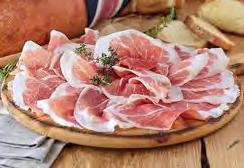
Famous for its delicate, sweet flavor, authentic Parma Ham practically melts in your mouth. Cured for 12-18 months from regional pigs, the unique microclimate of the Parma hills and generations of family expertise produce a culinary masterpiece.
“A Slice of Tradition”
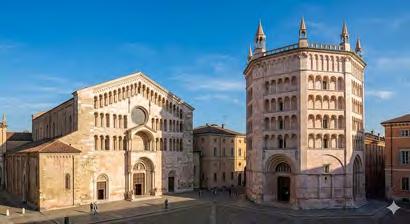
Baptistery of Parma
“A Pink Marble Masterpiece”
Towering over the piazza in striking Verona marble, this octagonal wonder is a breathtaking architectural bridge between the Romanesque and Gothic eras. Step inside to be mesmerized by its vibrant, soaring 13th-century frescoes—a true feast for the eyes and a photographer’s dream.
“A Shoe-Shaped Sweet”
Sugar cookies eaten on January 13th to celebrate Parma’s patron saint. A cobbler gifted shoes to a barefoot Saint Hilary and found them as gold the next morning.
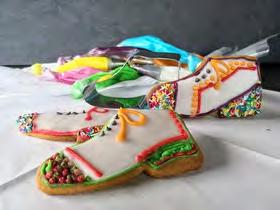
Scarpetta di Sant’Ilario
Step back in time inside this magnificent, velvet-draped 19th-century opera house. Deeply tied to the legacy of local composer Giuseppe Verdi, its glittering chandelier and opulent, gold-leafed balconies offer a spectacular glimpse into the grand cultural history of the city.
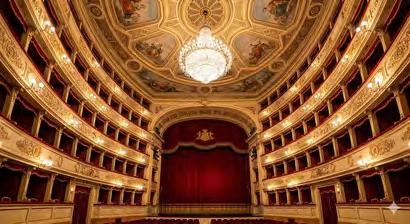
“The
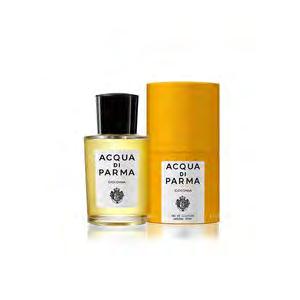
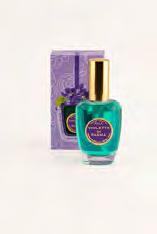
Gifts for Him and Her
Cologne and Perfume: Acqua di Parma and Violetta di Parma.
SophiaImranandHurshDesai|ItalyPre-TrekInfographic
Teatro Regio di Parma
Heart of Italian Opera”
Prosciutto Crudo di Parma
COMPANY BRIEFINGS
Michael Cortelletti & Food Democracy
NBA 5920-803: FAMILY BUSINESSES OF ITALY: Experiential Trek | March 2026
Christian Kunau & Anastasiia Shorshina
Michael Cortelletti: Entrepreneur, Researcher and Public Speaker for the Food, Tourism and Service Industries
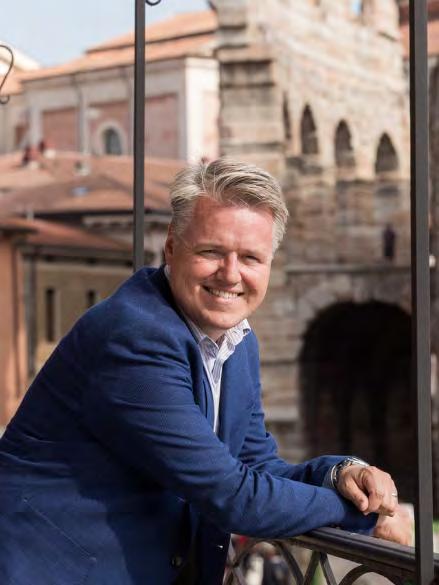
Michael Cortelletti started as a dishwasher, because as a food runner and bar back he kept breaking glasses. Slowly he discovered the pizzeria: first slicing mounts of mozzarella, then approaching the magic of the dough. He was lucky enough to be able to study at university, but his passion for pizza and everything that proofs and ferments remained. He worked as a pizza maker, then as an instructor for pizza makers and finally became a founding member of Pizza New S.r.l. After studying at the Catholic University and at the Bocconi University in Milan, he gained experience outside Italy. First in the U.S. where he studied at Cornell University, then around the world working first for Nordsee GmbH and subsequently Dunkin ‘Brands Inc, owner of such historic brands as Baskin Robbins and Dunkin’ Donuts. Back at his roots in Verona, he wanted to grow the family business with a clear focus on his collaborators, on pizza, quality food and hospitality. Finally, he brings his experience to the service of young entrepreneurs as a business angel.
Food Democracy: Where Guests Are Citizens Who Are Truly Free to Enjoy the Food, the Drinks and the Hospitality They Crave in Verona and Beyond
Food Democracy creates and manages restaurants, as well as operational systems and solutions, with high growth potential, for the restaurant, retail and tourism industries. At the heart of the company are more than 40 years of experience in commercial catering and a team of professional, enthusiastic and close-knit employees.
1968 Giuliano Cortelletti set the foundations of the company when he purchased the “Alla Costa” Bar Pizzeria under the Costa Arch in Verona.
1972 CO.TI. Restaurants S.r.l. was incorporated, and the following year acquired “Impero” Café, later expanding and converting it into a pizzeria and trattoria.
2005 The “Alla Costa” Pizzeria relocated directly in front of the world-famous Arena of Verona and became “La Costa in Bra”.
2012
Michael Cortelletti purchased the historic “Olivo” Restaurant and Pizzeria in Piazza Bra. These restaurants continue to be the core business of the company.
2015 In 2015, “Altro Impero” pizzeria was opened using sourdough and organic ingredients, and “Gelateria Impero” offering Italian ice cream and frozen yogurt.
2016 At “La Costa in Bra”, the Italy’s first gluten-free yeast in collaboration with the AIC was created
2019
Michael Cortelletti takes over the “Casa Mazzanti” Café, a meeting place in Piazza delle Erbe.
Nowadays, this family-owned and privately held business spans across three segments.
Eat
• Trattoria Pizzeria Impero
• Gelateria Impero
• Altro Impero
• Casa Mazzanti
• Birrificio Agricolo e Artigianale B2O
• Balcone di Giulietta
In addition, Food Democracy invests in companies that create innovation for these industries and demonstrate a high potential for growth. These includes Kptn Cook (app with receipts and grocery lists), Qnips (QR code for the cash systems of merchants), Wisefood (edible drinking straws and spoons), Meeters (community that aims to visit unique, suggestive and off-thebeaten-path places), and EatPLANTS (organic sauces and plant-based convenience foods).
The Constitution for Food Democracy
• Italian Excellence. Every dish begins with high quality, Italian ingredients to create the purest expression of Italian cuisine and culture.
• Freshness. Freshness relates not only to ingredients but also our approach, with all day dining options from early morning breakfast to late night drinks. Always served with a smile.
• Passion & Hospitality. For our culture, for hospitality, and aimed to deliver a quality, personalized experience that’s also risk-free.
• Tradition & Innovation. Every pizza and every dish represent tradition and innovation in the same plate: facing the future with a nod to the past.
• La Costa in Bra
• Olivo 1939 Drink
• Cantina Canoso Sleep
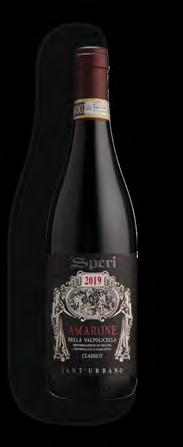
Speri Viticoltori is a family-owned Italian winery producing premium red wines through traditional and sustainable methods for over 150 years.
HERITAGE&MILESTONES
1908
BenedettoSperi winsqualityawards inRome/Verona
1874
Wineryfoundedin Valpolicella(Italy's premierwineregion)
1958
Releasefirst Amarone(richdriedgraperedwine)
1933
Acquireiconic Sant'Urbano hillsidevineyard
WHORUNSSPERITODAY
StillFamily-Owned 100%Sperifamily(6th/7 generations)farming60hectares ofprimeItalianvineyards th
KEYFIGURES
RELEVANT EXTERNAL FACTORS
DOC/DOPandorigin protections strengthenpricing power
ContinuedEUpolicy focusonbalancing supplyanddemand
Increasedattention onclimateresilience inthewineindustry
SECTORDYNAMICS
High:Valpolicella containsmany respectedproducers, includingseveral historicfamilynames
1970s
2015
Achievefull60ha organic certification.
LaunchsinglevineyardAmarone fromtopplots
ThreeGenerationsActive
5th:Carlo(patriarch)
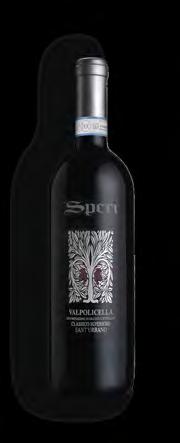
6th:Alberto(winemaking),Giampaolo(admin), Giampietro(vineyards),Luca(sales), Chiara/Laura(hospitality)
7th:Giuseppe(productionsupport)
Exportreliance drivesgrowthbut increasesFX,tariff, anddistributorrisk Demandremains cyclical
Medium:Pressurefor shelfspaceand portfolioallocation.
Distributorsoftencontrol route-to-marketaccess
Premiumplacedon heritage
Decliningalcohol consumption amongyounger consumers
Laborshortages drivenby demographic decline
Producingowngrapes reducesmainrisk.
Supplierexposure remainsinpackaging andlabor
Automation improvesefficiency, quality,andlabor gaps
Supports environmental impact management
s
Low: Regulation,location constraints,costofland, timerequiredtobuild reputationandexport distribution
Sartori di Verona
Prepared by Michele Grant and Bhavani Sukumar
March 2026
Company Overview
Sartori di Verona is a historic winery founded in 1898 by Pietro Sartori in the Valpolicella region near Verona, Italy. Located in the Valpolicella Classica area, the company benefits from a region known for its favorable climate, diverse soils, and long-standing winemaking tradition.
The winery is considered one of Veneto’s “Big Five” producers and is known for its vertically integrated operations, with approximately 2,000 hectares of vineyards and modern production facilities. Sartori combines the historic Valpolicella Classica area with other renowned areas of the Verona province, extending toward Lake Garda.
Now part of the Collis Heritage group, Sartori continues to preserve its family heritage and brand identity while benefiting from expanded production capabilities and international distribution. The company operates with a strong culture of trust, long-term relationships, and a commitment to quality, tradition, and innovation.
History and Founding Family
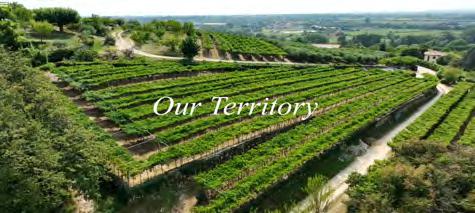
The company was founded in 1898 by Pietro Sartori, a hotelier in Verona who began producing wine to ensure a consistent supply for his business. His son, Regolo Sartori, played a critical role in expanding the winery’s operations and rebuilding the business following World War II.
The third generation, Pierumberto and Franco Sartori, assumed leadership at a young age and continued to expand production and market reach. Over time, the company evolved into an internationally recognized winery while maintaining its strong connection to the Valpolicella region.
Today, the Sartori family legacy continues through subsequent generations, with a focus on preserving tradition while expanding globally.
Key Milestones
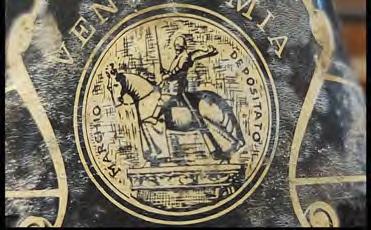
1898 – Pietro Sartori founds the company and acquires the first barrel
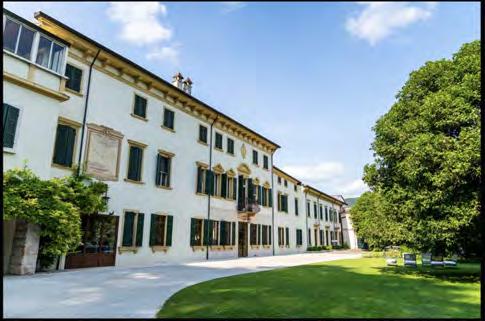
1924 – Acquisition of Villa Maria, including vineyards and drying facilities
1934 – Regolo Sartori assumes leadership and registers the brand
1947 – Villa Maria established as the company headquarters
1952 – Pierumberto and Franco Sartori assume leadership
1961 – First Amarone produced
1965 – Expansion into international export markets
1999 – Strong push toward international expansion and cultural partnerships
2000 – Andrea Sartori assumes leadership and expands global presence
2005 – Partnership with Arena di Verona Foundation
2021 – Cultural preservation initiatives related to regional heritage
Family Structure and Leadership
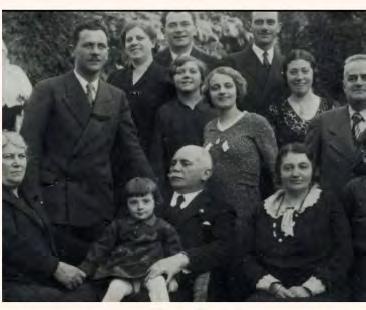
First Generation: Pietro Sartori (Founder) established the winery in 1898
Second Generation: Regolo Sartori expanded vineyards and rebuilt the business after WWII
Third Generation: Pierumberto and Franco Sartori assumed leadership and expanded operations
Fourth Generation: Andrea Sartori, current leader, expanded global presence across Europe, the Americas, and Asia
Fifth Generation: Andrea Sartori’s son and nephew are involved in continuing the family legacy
The company reflects a multigenerational family business model, with leadership transitioning across generations while maintaining continuity in values and strategic direction.
Current Ownership and Management Structure
Sartori di Verona is a historic winery founded in 1898 by Pietro Sartori in the Valpolicella region near Verona. Over more than a century, the company has evolved through five generations of family involvement, reflecting a long tradition of family-led winemaking in northern Italy. The Sartori family established the winery with a strong connection to the Valpolicella territory, and this heritage continues to shape the company’s identity today.
In recent years, Sartori di Verona has operated within the Collis Heritage group, a wine organization formed through the integration of Casa Vinicola Sartori 1898 and Cantine Riondo. This structure
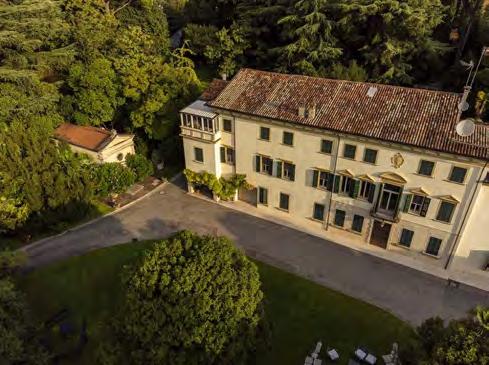
allows the Sartori brand to maintain its historical and family-rooted identity while benefiting from the production scale, distribution capabilities, and international market reach of a larger wine group. Through this model, Sartori combines multigenerational winemaking expertise with a more modern organizational structure designed to compete in global wine markets.
Customers and Competitors
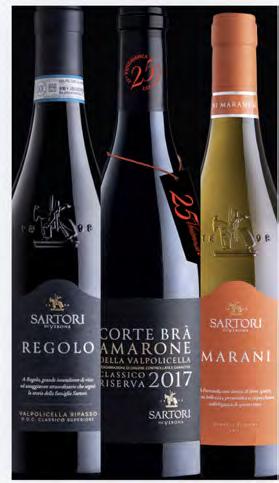
Sartori di Verona produces wines for both domestic Italian markets and international markets. Its portfolio includes wines such as Amarone della Valpolicella DOCG, Valpolicella Ripasso DOC, Soave DOC Classico, Lugana DOC, Bardolino DOC Classico, and Custoza DOC.
The company’s customers include wine distributors, restaurants, specialty wine retailers, hospitality venues, and consumers seeking premium wines associated with the Valpolicella region. Since beginning exports in 1965, Sartori has expanded its global presence and now serves a wide international customer base.
Sartori competes with other established wineries in the Valpolicella and Veneto regions, particularly producers of Amarone, Ripasso, and Valpolicella wines. Key competitors include Masi, Allegrini, and Tommasi, which also have strong brand recognition and international distribution networks.
Macro and Business Environment
Sartori di Verona operates within the Italian wine industry, one of the largest and most influential wine sectors in the world. Italy is consistently among the leading global wine producers and exporters, with strong international demand for premium regional wines.
The Veneto region, where Valpolicella is located, is one of Italy’s most significant wine-producing areas and is widely known for high-quality wines such as Amarone, Valpolicella Ripasso, Soave, and Bardolino.
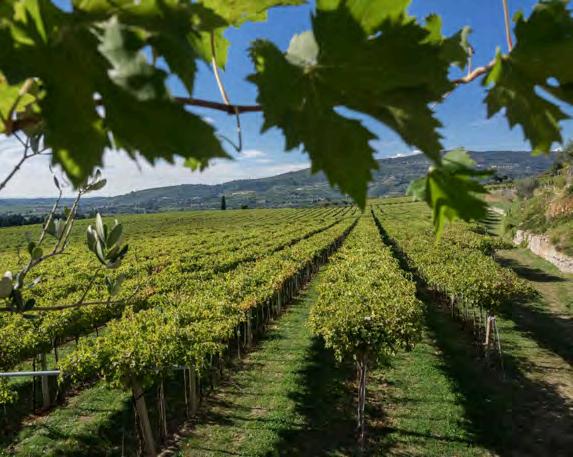
The Valpolicella Classica area benefits from favorable geographic and climatic conditions, including hillside vineyards, diverse soil compositions, and a temperate microclimate influenced by Lake Garda. These environmental factors contribute to the distinctive character and global reputation of wines produced in the region.
Within this environment, family wineries such as Sartori play an important role in preserving regional winemaking traditions while adapting to evolving global market conditions and consumer preferences.
Product Portfolio
Sartori di Verona offers a range of wines across multiple collections, including:
● Heritage Collection
● Classici Collection
● Cru Collection
● Le Corti Collection
● Fira Collection
● Vintage Collection
These collections reflect the company’s ability to balance traditional winemaking with a broader portfolio that appeals to both domestic and international markets.
References
Sartori di Verona – Official Website https://sartoridiverona.it/en/
International Organisation of Vine and Wine (OIV) – State of the World Vine and Wine Sector https://www.oiv.int/what-we-do/global-economic-analysis/state-of-the-world-vine-and-wine-se ctor
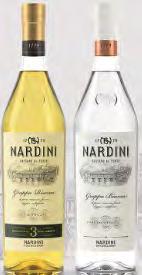
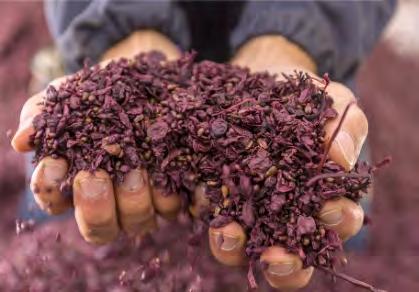
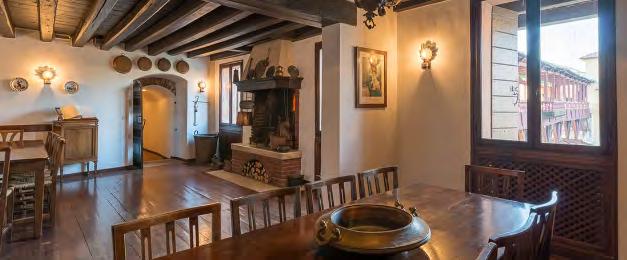
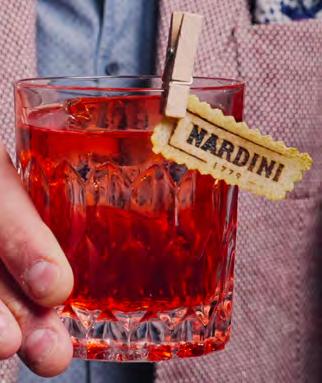
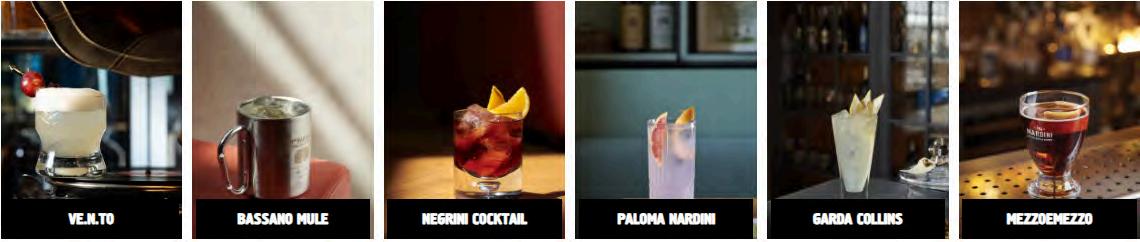
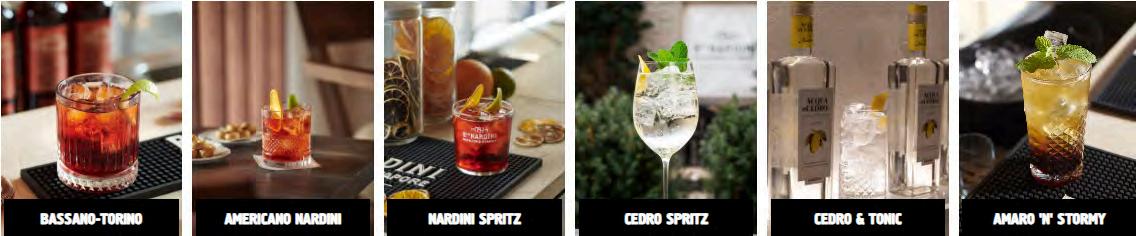
Distilleria Nardini
SARTORI DE VERONA: ITALY’S FIRST DISTILLARY
PREPARED BY: MELISSA CARAMANICA & SADIE MECHAM
OVERVIEW
Located Bassano del Grappa
Pioneering the transformation of grappa into a symbol of Italian heritage through serving travelers
Founder: Bortolo Nardini
240+ years family ownership
FOUNDED
17 79
OWNERSHIP
100% family owned (7 generations) Management
MILESTONES
Leadership roles are held by family members, often supported by professional managers
The governance model blends: Family stewardship Professional management practices
Longterm strategic orientation
This structure allows Nardini to preserve its heritage while adapting to modern markets.
FAMILY
FAMILY STRUCTURE
The family is divided into multiple branches descending from the founder. Leadership typically rotates or is shared among representatives of these branches. The family maintains a strong identity rooted in: Tradition Continuity
Stewardship of the brand
Family Relations
The Nardini family is known for: Stable intergenerational succession
Collaborative governance
Shared commitment to heritage and quality
There are no publicly documented conflicts or succession crises, which is unusual for a multigenerational family business. Their longevity is often attributed to:
Clear division of responsibilities
Strong family values
A unified vision for preserving the brand
CUSTOMERS
DISTILLERIA NARDINI SERVES A MIX OF TRADITIONAL AND MODERN
CONSUMERS:
DOMESTIC ITALIAN CONSUMERS, TEND TO VALUE HERITAGE, AUTHENTICITY, AND QUALITY
INTERNATIONAL SPIRITS ENTHUSIASTS WHO WANT PREMIUM, ARTISANAL PRODUCTS
HOSPITALITY SECTOR (RESTAURANTS, BARS, HOTELS) THAT HAVE GRAPPA AS DIGESTIF OR IN A COCKTAIL TOURISTS VISITING BASSANO DEL GRAPPA
NARDINI’S CUSTOMER BASE IS PREMIUM QUALITY FOCUSED, VALUING CRAFTSMANSHIP, HISTORY, AND BRAND AUTHENTICITY.
ENVIRONMENT
COMPETITORS
NARDINI OPERATES IN THE PREMIUM SPIRITS MARKET WHICH INCLUDES: OTHER TRADITIONAL GRAPPA PRODUCERS NANINO DISTILLATORI AND DISTILLERIA BERTA LARGE ITALIAN SPIRIT COMPANIES LIKE GRUPPO CAMPARI GLOBAL PREMIUM SPIRIT BRANS
NARDINI DIFFERENTIATES ITSELF THROUGH HERITAGE (EST. 1779), FAMILY OWNERSHIP, AND AUTHENTICITY, RATHER THAN MASS PRODUCTION
MACRO
POLITICAL/REGULATORY: EU REGULATIONS ON ALCOHOL, LABELING, AND OTHER RULES INCREASE COST. US TARIFFS INCREASE COST ABROAD AND DECREASE EXPORTS
ECONOMIC: ECONOMIC DOWNTURNS MAY LEAD TO FLUCTUATIONS IN DEMAND
SOCIOCULTURAL: GROWING GLOBAL INTEREST IN AUTHENTIC, ARTISANAL, AND HERITAGE BRANDS BENEFITS NARDINI; HOWEVER, YOUNGER CONSUMERS ARE SHIFTING TOWARD COCKTAILS AND ALTERNATIVE SPIRITS
TECHNOLOGY: ADVANCES IN DISTILLATION AND PRODUCTION MAY IMPROVE EFFICIENCY, WHILE DIGITAL MARKETING EXPANDS GLOBAL BRAND REACH
BUSINESS ENVIRONMENT
INDUSTRY: PREMIUM SPIRITS/CRAFT DISTILLATION TRENDS: PREMIUM SPRITS GROWTH
EXPERIENTIAL TOURISM
SUSTAINABILITY AND TRACEABILITY IN PRODUCTION COMPETITIVE ADVANTAGE:
OVER 240 YEARS OF CONTINUOUS FAMILY OWNERSHIP
STRONG BRAND IDENTITY TIED TO ITALIAN CULTURE BALANCE TRADITION AND INNOVATION

A Family's History in Cured Meats
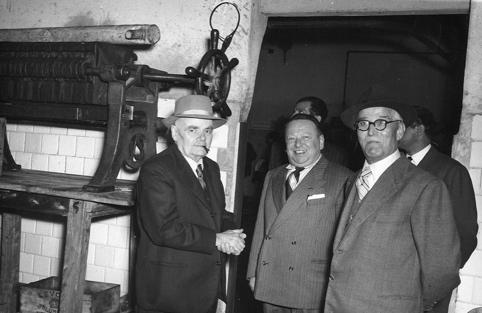
Founded in 1911 by Ezechiello Levoni near Milan, Levoni grew out of its founder’s determination to produce cured meats of exceptional quality using the finest Italian charcuterie techniques. Public sources describe Ezechiello as a trained butcher who developed his craft through apprenticeship in Milan before launching his own factory.
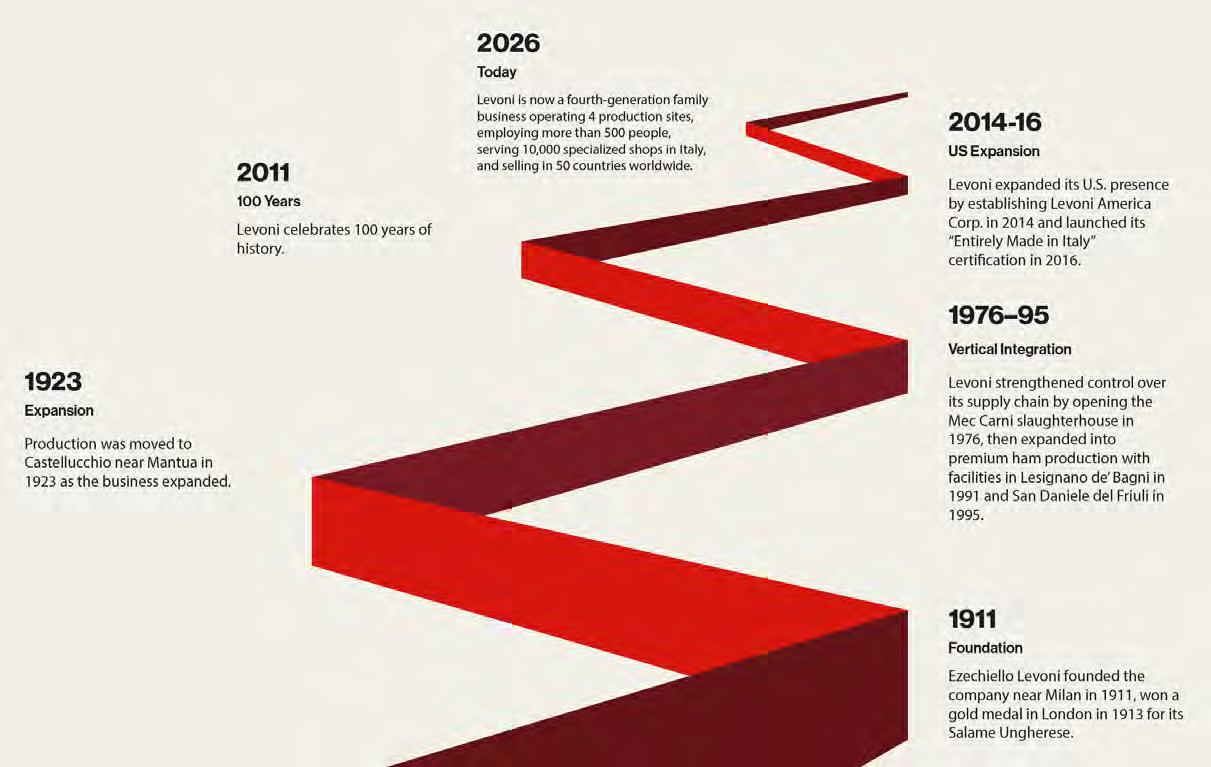

In the past years, sales revenue rose significantly, increasing from €136,470,590 in 2022 to €147,230,621 in 2023 (+7.9%), and reaching €157,822,617 in 2024 (+7.2%).
A Family's History in Cured Meats
Levoni remains a privately held, family-controlled business led by the fourth generation of the Levoni family.
Levoni Holding S.p.A. owns 100% of Levoni S.p.A. Società Benefit, which in turn controls key operating subsidiaries including MEC Carni S.p.A., Levoni America Corp., Levoni Re Management, and Carlo Foppa SA.
Compe:tors
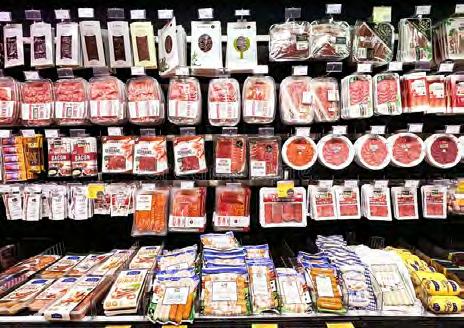
Customers include best delicatessens and butchers, large-scale retail distribution, restaurants, caterers and international distributors.
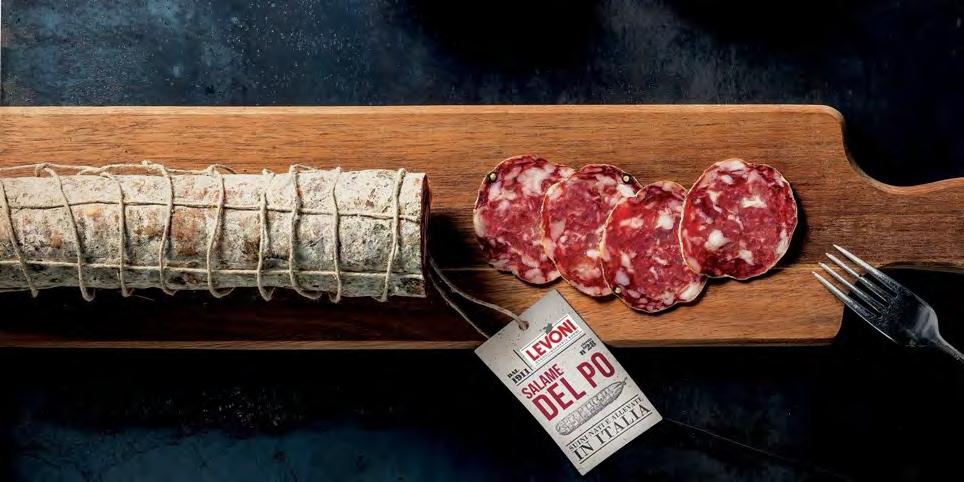
Levoni competes with domestic Italian and international cured meat producers. Key Italian competitors include Beretta, Rovagnati, Fiorucci, Negroni and Veroni, which produce similar products. These competitors also target premium deli, retail and foodservice markets. Levoni also has additional competition that comes from European meat companies such as Campofrío and ElPozo. In addition, Levoni has competitors in North America which include Boar’s Head, Dietz & Watson, Hormel (Columbus Craft Meats).
Macro and Business Environment
Political: Levoni operates within the EU’s stable regulatory environment but must comply with strict food safety rules. International sales may also be affected by tariffs and trade policies.
Social: Italian food heritage supports Levoni’s premium brand. Growing interest in healthier diets and reduced meat consumption may affect demand.
PEST Analysis
Economic: Demand for premium cured meats depends on consumer spending. Cost of living crisis may impact demand. Rising pork, energy and transport costs can also affect margins.
Technical: Advances in food processing, packaging and cold-chain logistics support product quality and global distribution. Digital marketing helps expand brand reach.
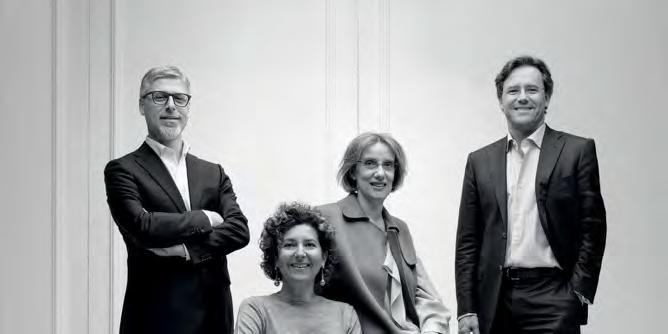
Left to right: Aldo Levoni, Marella Levoni, Daria Levoni (Chief Executive Officer) and Nicola Levoni (President).
BARILLA GROUP
A. History & Founders
• Founded 1877 by Pietro BarillaSr. as a bread & pastashop onVia VittorioEmanuele, Parma. Family baking roots date to1553.
• 1910: Sons Riccardo & Gualtierobuilt first factory (80 workers; 8tons pasta/day). Gualtierodied 1919; Riccardo led on with wife Virginia.
• 1947: Third generation— Pietro Jr. & Gianni— took over, driving mass-market Italy expansion. Pietro creditedwithiconic blue-box marketing and 'quality you can trust' brand identity.
• 1993: PietroJr. died(age 80); fourth generation Guido, Luca& Paolo assumed leadership. Now at the helm 30+ years.
B. Key Milestones
• 1952 — Iconic blue box & transparent window packaginglaunched; bread productionceased tofocussolely on pasta.
• 1965–69 — Breadsticks/crackers added; world's largest pastafactory opened in Pedrignano (1,000 tons/day).
• 1971 — Pietro& Gianni sold 80% to W.R. Grace (~$70M). Gianni wanted out; Pietro lacked funds tobuy his share and resistedtothe end. Pietro triedtobuy back in1978, left Grace's NYC offices intears; succeeded in1979 for ~$65M (with Swiss co. Burhle holding49% until mid-1990s).
• 1975 — Mulino Biancobaked goods brand launched (during the Grace ownership era).
• 1991–99 — International acquisitions: MISKO (Greece), Filiz (Turkey), Wasa (Sweden, world's #1flatbread); first U.S. plant in Ames, Iowa (1999).
• 2002–04 — Harry's (France, bread) and Kamps (bakery) acquired.
• 2018 — Tolerant Organic (U.S. legume-based pasta) acquired.
• 2020 — Joint venture with Russian Direct Investment Fund(RDIF): €100M+ invested inBarilla's Russian subsidiary (BarillaRus)to build new semolina mill andpasta plantnear Moscow.
• 2021–23 — CatelliFoods (Canada), Back to Nature Foods (U.S., plant-based snacks), and PastaEvangelists (UK, premium fresh pasta) acquired.
• 2023 — Gianluca DiTondo appointed CEO (internal promotion from CMO; formerly global Heineken brand lead with 25+ years F&B experience).
• 2024 — €500M syndicatedterm loan closed (BNP Paribas, Intesa Sanpaolo, Bank of America, Citibank, Rabobank & others). Amsterdam hub establishedfor global functions.
• 2025 — #1foodcompany inGlobal RepTrak 100 (2nd consecutive year). 208 activepatents.
C. Ownership & Management
• Privately held; not listed onany stock exchange. Legal entity: Barilla G. e R. FratelliS.p.A. HeldviaBarilla IniziativeS.r.l.
• Guido, Luca, Paolo& EmanuelaBarilla eachhold equal shares of 85% family ownership — PietroJr.'s four children.
• Board: Guido(Chairman & President, since Oct. 1993), Luca& Paolo (Deputy Chairmen), Emanuela (Board Member). Independent directors includeAndrea Pontremoli (since Apr. 2008) and Antonio Belloni.
• ProfessionalC-suite: CEO Gianluca Di Tondo; President Italy & Global CCO Francesco Del Porto; Chief Category & Marketing Officer Ilaria Lodigiani; CFOOddone Incisa (Sept. 2025). Nofamily member in Csuite.
• 30 plants globally (15 Italy, 15 abroad); 21-brand portfolio; ~9,000 employees; 208 patents.
D. Family Structure & Dynamics
• Four generations of ownershipsince 1877— interrupted only 1971–79 (W.R. Grace era).
• PietroJr. had fourchildren with wife MariaMaddalena Da Lisca: Guido (b. 1958), Luca (b. 1960), Paolo (b. 1961), andEmanuela (b. 1968). Emanuela was bornthesameyear as the W.R. Gracesaletalks.
• The 1971 sale was a family governance failure: Gianni wantedto exit; Pietrocould not buy out a 50% co-owner. A textbook succession/liquidity conflict case.
• Current model: siblingconsensusamong three brothers; Emanuelaon the board. No announced 5th-generation succession plan.
• Family philosophy: 'The joy of good foodfor a better life' — rooted in founder PietroSr.'s original vision of 1877.
E. Customers & Competitors
Customers
• Mass-market retail consumers in 100+ countries via supermarkets/hypermarkets. Premium segment growing viaBarillaAl Bronzo and Pasta Evangelists lines.
• Revenue mix (2024): Italy 36.1%,Europe & Russia 38.4%, Americas 24%, Asia1.9%.
• B2B: restaurant chains (e.g., Pastamania), foodservice, andcatering. Private-label brands (e.g., Kirkland/Costco) are a growing threat under inflationary pressure.
Key Competitors — Pasta
• De Cecco, Giovanni Rana (fresh pasta), EbroFoods/Garofalo (~4.6% global dry pastashare), Rummo, La Molisana, Buitoni, F. Divella.
Key Competitors — Bakery &Snacks
• In bakery (Mulino Bianco, Wasa,Harry's, Pan di Stelle): Nestlé, Mondelez, and private labels.
• In plant-based/better-for-you snacks (Back toNature, Tolerant): Kind, Annie's, RXBar.
• Barilla holds ~25% U.S. pastamarket share and is global #1by volume.
F. Macro & Business Environment Financials (FY 2024)
• Revenue: €4.883B (+0.3% reported; +1.7% ex-FX). EBITDA: €537M (+8% YoY). Net profit: €142M (down from €284M — highertaxes). Net equity: €1.9B.
• Volumesurpassed 2M tonnes in 2024 (recovering from 2023decline). Pricecuts enacted early 2024 as raw materialcosts fell. €250M capital investment; €50M infood safety, nutrition& sustainablepackaging.
• Debt: €500Msyndicated termloan (July 2024) across 10+ Europeanand international banks — used tofund investments and potentialacquisitions.
Macro Trends
• Durum wheat & energy cost volatility pressures margins; supply chain resilienceis astrategic priority. 7,000+ farms enrolledin regenerative agriculture programs.
• Diversificationbeyond dry pasta:sweet packaged goods (MulinoBianco, Pan di Stelle), plant-basedsnacks (Back to Nature), and premium fresh pasta (PastaEvangelists). No longer 'just a pastacompany.'
• Russiaexposure: significant productioninvestment pre-2022. RDIF is a sanctioned entity (U.S., EU sinceFeb. 2022); status of theRussianJV is a material geopolitical risk.
• Digital & innovation: all commercial decisions to be data-driven; Barilla AccelerationTeamin London drives analytics & AI. 208 patents across pasta formulation, extrusion, and packagingtechnologies.
• RepTrak: #1foodcompany globally (2024& 2025) —strong intangible asset given family-brand alignment.
AT A GLANCE
Founded 1877, Parma, Italy
Legal Name Barilla G. eR. Fratelli S.p.A.
Ownership Private BarillaIniziative S.r.l.
4th Gen. Owners Guido, Luca, Paolo, Emanuela
CEO (2023–) GianlucaDiTondo
Employees ~9,000
Revenue 2024
EBITDA 2024
€4.88B
€537M (+8% YoY)
Brands 21 (Mulino Bianco,Wasa, Harry's…)
Plants 30 (50% Italy, 50% abroad)
Markets 100+countries
Patents
208 active
Rep Ranking #1 foodco.,RepTrak 2024 & 2025
1972
DALLARA GROUP
Italian Automotive Engineering & Race Car Manufacturer
COMPANY OVERVIEW
Dallara Group is a premier Italian automotive engineering firm and race car manufacturer, globally recognized for its expertise in chassis design and aerodynamics. Founded in 1972 and headquartered in Varano de’ Melegari, Italy, Dallara has grown from a one-man garage operation into the world’s leading supplier of open-wheel racing chassis.
The company specializes in designing and manufacturing chassis for some of the world’s most prestigious racing series. In 2017, Dallara expanded beyond motorsport by launching the Dallara Stradale. This road-legal hypercar brings their racing DNA to the public road.
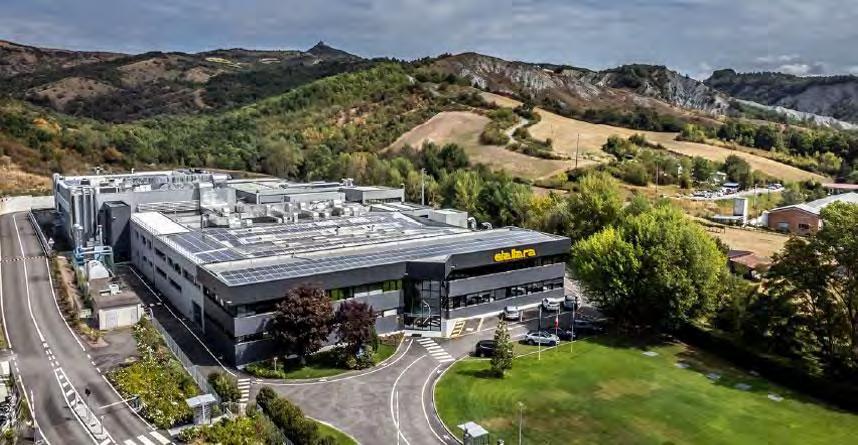
Dallara Headquarters Varano de’ Melegari, Italy
Founder and Leadership
Giampaolo Dallara Founder & President
Studied Aeronautical Engineering at the University of Milan. Before founding Dallara, he built a storied career across the pinnacles of Italian motorsport:
• Engineer at Ferrari
• Engineer at Maserati
• Chief Designer at Lamborghini
• Formula 1 team contributor
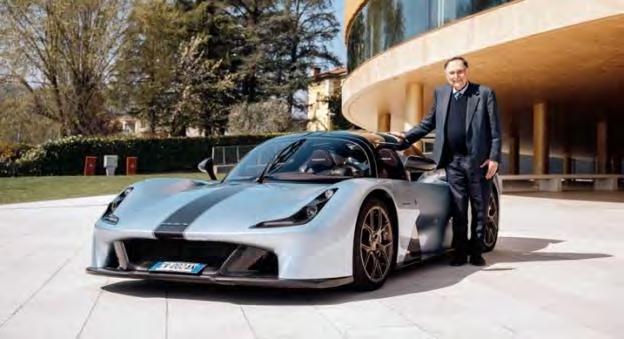
In 1972, Dallara founded his company in a garage behind his house. This represents a testament to his entrepreneurial vision.
Andrea
Pontremoli
Chief Executive Officer
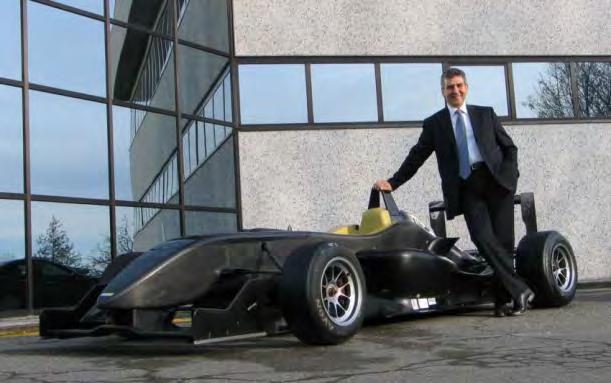
Andrea Pontremoli serves as CEO of Dallara Group, bringing a strong business pedigree from his tenure as CEO of IBM Italy. His leadership has guided Dallara through significant commercial expansion and international growth.
“We don’t just build chassis. We engineer performance.”
KEY MILESTONES
1972 Giampaolo Dallara founds Dallara in a garage behind his house in Varano de’ Melegari, Italy
First Formula 3 chassis developed - launching Dallara’s dominance in junior single-seater racing
U.S. engineering headquarters opened in Indianapolis, Indiana 2017 Road-legal Dallara Stradale sports car launched, marking entry into road car production
Dallara Group Philosophy
CUSTOMERS & COMPETITIVE
LANDSCAPE
Primary Customers
• IndyCar Series (USA)
• Formula 2 & Formula 3
• Super Formula (Japan)
Key Competitors
• Red Bull Advanced Technologies
• Oreca (France)
• Ligier Automotive (France)
MARKET ENVIRONMENT & OUTLOOK
Dallara operates in a favorable and evolving macro environment, with several structural tailwinds driving future growth:
• Global motorsport popularity is surging, driven by media franchises like Formula 1’s Netflix series.
• Expanded global race calendars are boosting demand for Dallara’s core chassis products.
• Formula E and electric racing series are creating new market entry points, requiring Dallara to innovate with electric-compatible chassis and aerodynamics.
• Advances in composite materials, aerodynamics simulation, and CFD technology are lowering R&D costs and opening new performance frontiers that favor engineering-led firms like Dallara.
• Road car expansion via the Dallara Stradale signals ambition to diversify revenue beyond the racing circuit and tap into the growing hypercar market.
COMPANY STORY
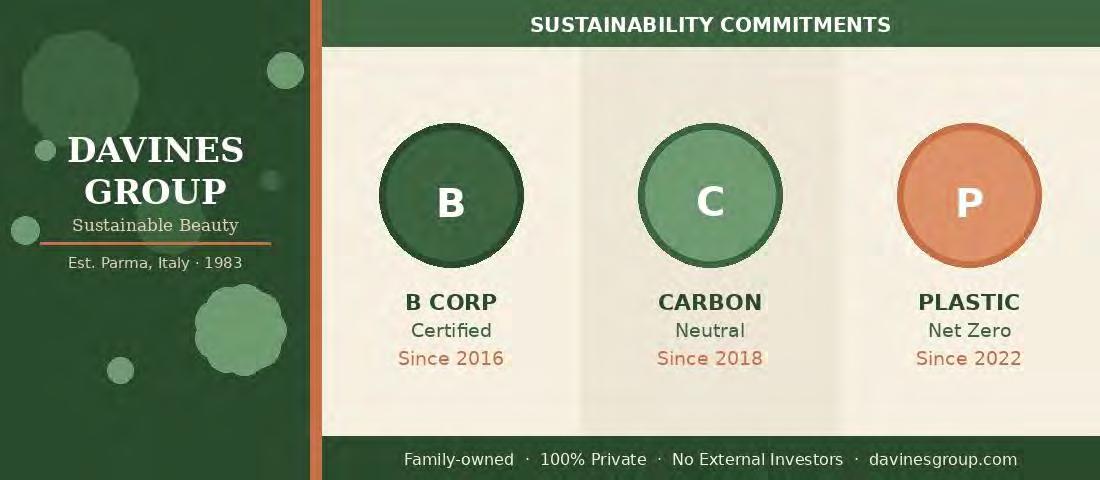
In 1983, Gianni & Silvana Bollati founded a cosmetic research laboratory in Parma, Italy, initially producing private-label formulas for leading global cosmetics companies, spending a decade building world-class formulation expertise. Their son Davide Bollati joined in 1992 following studies in the USA. He rose to Chairman & President, steering Davines toward its defining philosophy of Sustainable Beauty. The company name was crafted from the names of their children: Davide and Stefania
Today Davines remains 100% family-owned with no external investors a deliberate choice to protect long-term sustainability mission from short-term financial pressures. With €295M in 2024 revenues, it is among the fastest-growing premium beauty companies in the world.
KEY MILESTONES
1983 Gianni & Silvana Bollati found cosmetic R&D lab in Parma, Italy
1993 First proprietary Davines products launched for professional salons
1996 [comfort zone] skincare brand for luxury spas launched
2005 Ethical Charter (Carta Etica) drafted with all employees
2006 Philosophy of Sustainable Beauty adopted as core identity
2016 Certified B Corporation one of Italy's first
2018 Davines Village eco-campus headquarters opens in Parma
2019 Registered as Benefit Corporation in Italy and the USA
2020 Anthony Molet appointed Group CEO; Davide Bollati as Chairman
2024 Record revenues of €295M; NYC showroom opens; WWD Top 100
KEY RISKS
Risk Commentary
M&A
Consolidation L'Oréal & Henkel acquisitions intensify competition; validates Davines' independent premium positioning
Capital Constraints Family ownership limits capital market access; growth = self-funded
Greenwashing Risk B Corp certification provides credibility, but requires continuous investment to maintain
Salon Dependency 45,000+ salons = vulnerability to closures & economic downturns (e.g. COVID)
Currency Exposure 82% of revenues international; Euro/USD rate creates earnings headwinds
2024 REVENUE 90+ COUNTRIES
COMPETITIVE LANDSCAPE
Brand Type vs. Davines
★ Davines PRIVATE Benchmark: sustainable, Italian artisan, salon-exclusive
Kérastase PUBLIC French luxury, clinical; less sustainability focus
Olaplex PUBLIC Bond-building science; narrow range, no eco narrative
Oribe CORP Ultra-luxury, fashion-forward; less eco focus
Aveda CORP Closest brand values; larger corporate parent
Kevin Murphy PRIVATE Comparable eco creds; smaller global footprint
MARKET DRIVERS
�� Sustainability
Consumer demand for clean, ethical beauty is the single most powerful driver in premium segment. B Corp status = material competitive moat.
�� Premiumization
Prestige professional haircare outpacing mass market globally. Consumers increasingly pay premium for efficacy + ethics.
�� Channel Shift
E-commerce = 28.6% of professional beauty globally. Davines stays salon-exclusive to protect brand equity & stylist relationships.
�� APAC Expansion
Fastest-growing region, driven by rising middle class in China, India & SEA. Offices in HK & Shanghai established.
Caseificio3030|Noceto,
PremiumParmigianoReggianoPDOProducerSince1895
CompanySnapshot
Founded1895
130+yearsoperating
FamilyLineage
4GenerationsofCheesemakingExcellence
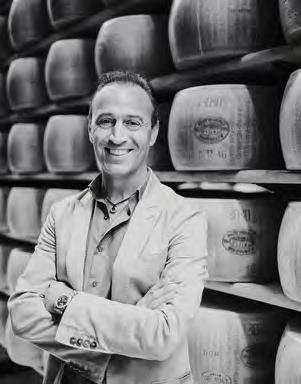
Giovanni Bertinelli 1895 Founder
Gianni Bertinelli
Nicola Bertinelli 1930s-90s 2nd&3rdGeneration
2001 4thGeneration (ParmigianoReggiano Consortium-3rdTerm President)
OwnershipStructure
100%Family-Owned PrivateCompany-BertinelliFamily Multi-generationalsuccessionmodel
NicolaBertinelliLeadership


KeyMilestones
1895: FarmFoundedbyGiovanniBertinelli
1970s-90s: GianniBertinelliexpandsoperations
2000s: NicolareturnsfromCanadawithMBA
2017: ElectedParmigianoReggiano ConsortiumPresident
2021: Re-electedfor2 Termnd
2025: Historic3 termasPresident rd
GeneralManager/Owner,AziendaAgricolaBertinelli
President,ParmigianoReggianoConsortium(3rdTerm)
President,ColdirettiParma&Emilia-Romagna
VicePresident,ColdirettiNational
VicePresident,EuropeodiAREPO
VerticallyIntegratedBusinessModel
NicolaBertinelli Education:DualDegrees(Agriculture& Economics)+MBA(U.Guelph,Canada)
AGRICOLABERTINELLI
Caseificio3030|Noceto,Parma,Italy
PremiumParmigianoReggianoPDOProducerSince1895
ParmigianoReggianoPDOConsortium
ProtectedPDOProductionArea
KeyCompetitorsinParmigianoReggianoMarket Company
Parmareggio S.p.A
Zanetti S.p.A
Granarolo Group
Major Cooperative | Wide distribution network | Strong retail presence
Export Focus | Traditional production methods | European leader
Large dairy conglomerate | Diversified product portfolio
Ambrosi Group International market leader | Premium positioning
Latteria Soresina
Cooperative model | Regional strength
290+ Other consortium members Competitive & collaborative ecosystem
CustomerSegments
Macro&BusinessEnvironment
GlobalMarketSize
$22.93Bby2034(6.2%CAGR)
ItalyExportPosition
2ndLargestExporter|$5.4B(2024)
ExportGrowth
+13.7%Abroad|StrongUS,UK,Asiademand
PDORegulations
Strictqualitycontrols&traceability
Sustainability
EUGreenDealaligned|Organicfocus
Agri-TourismTrend
Farm-to-tableexperientialdemandrising
CompetitiveAdvantages&SuccessFactors
130+YearHeritage
Authenticbrandlegacy &reputation
Innovation+Tradition
Farm4.0Modelwithartisanal craftsmanship
FullSupplyChainControl
Qualityassurancefromforage toconsumer
DiversifiedRevenueStreams
Cheeseproduction+ Agri-tourism+Hospitality
LeadershipInfluence
ConsortiumPresidentposition providesindustryinsight
SustainabilityLeadership
Organiccertification|Animal welfare|Environmental Stewardship
Parma ReggioEmilia
Modena Bologna(leftofReno) Mantua(rightofPo)
Grazie!