

Credit: Deb Burrows
And just like that, we’re back!
It’s been a while since we last spoke, or, rather, I wrote to you. It has been a busy few months, and now we are back on the grind.
Renewal is a tricky concept, especially when you are disabled. Sometimes, we all just need time - time to process, time to take stock, time to reconnect with ourselves. I myself am Autistic, and I often feel like there just is not enough time in the day - especially when you add in ‘funky brain stuff’ due to Long Covid. I have been a compulsive note taker ever since I was approximately twelve; it is a way to regulate myself, as well as cataloguing experiences. It was for this reason why I chose the theme of renewal for this issue; we go again, slowly, after the tumultuous year that was 2025.
I have been a compulsive note taker ever since I was approximately twelve; it is a way to regulate myself, as well as cataloguing experiences.
I’m really proud of this issue, as it seems that everyone was ‘bringing’ their best to our editorial content, and just in time for
Naidex, too. Our columnist Dr Amo Raju OBE has done it again with his acerbically funny column; Mr Cookfulness has provided the best recipe I have ever laid my eyes on, with multiple adaptations. Carole Edrich has also written about her travels for us - a great way to ‘renew’ yourself, which we should all have the right to access.
Sometimes, we all just need time - time to process, time to take stock, time to reconnect with ourselves.
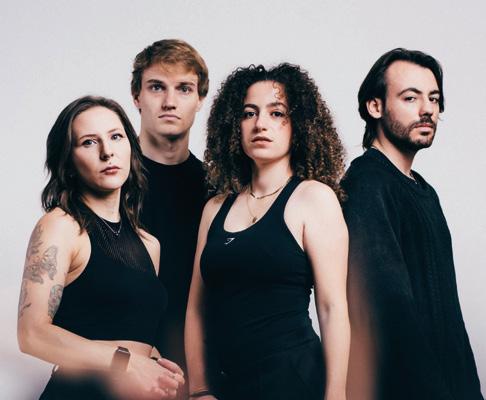
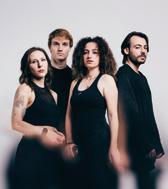
Last year I was lucky enough to dance the night away at London Fashion Week; Unhidden debuted their incoming new designs, soundtracked by the new metal band on the block. Smile, the fearsome single by Mallavora from their new album, soundtracked the night; with lyrics such as “I don’t want your admiration / I am not your inspiration / centuries of degradation / I am not your inspiration”, it was impossible not to feel emotional. All four members of Mallavora spoke at length for this issue. I strongly encourage you all to buy the album, stream it, listen to it and pass it around to every single person you know. The time to disabled talent has never been so important. The album crackles with an anger so many of us feel, it transports you on a journey like any good live act should do.
It’s also important that we turn our attention to the chronically ill community. ME, EDS, POTS - attention needs to be paid, now more than ever before. Last year saw a significant breakthrough when it comes to ME and the toll that it takes being a part of genetics, yet we can all stand to just be kinder. Chronically Jenni makes the case for kindness when it comes to disability - as well as fabulous hacks for managing the every day reality. The world online does not reflect a lived reality all the time; something to remember in the age of artificial intelligence (AI).
Take care of each other, Lydia x




Adapt Ability Limited is an Introducer Appointed Representative of Ideal Sales Solutions Ltd, t/a Ideal4Finance. Ideal Sales Solutions Ltd is a credit broker and not a lender (FRN 703401). Finance available subject to status. The rate o ered is always provisional and will depend upon your personal circumstances, the loan amount and the term.
02 Editor’s Letter A letter from the editor of
All the new and upcoming disability media you need to know about
13 Term Explainer: “Isn’t everyone disabled these days?”
In this term explainer, Disability Review Magazine busts a pervasive myth
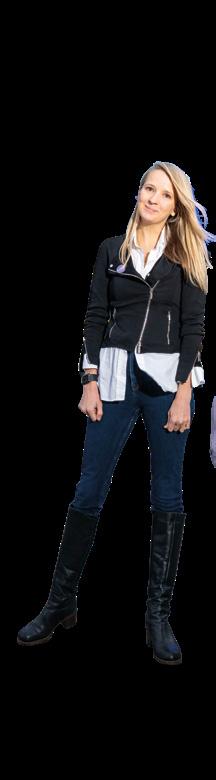
16 Conversations With Chronically Jenni
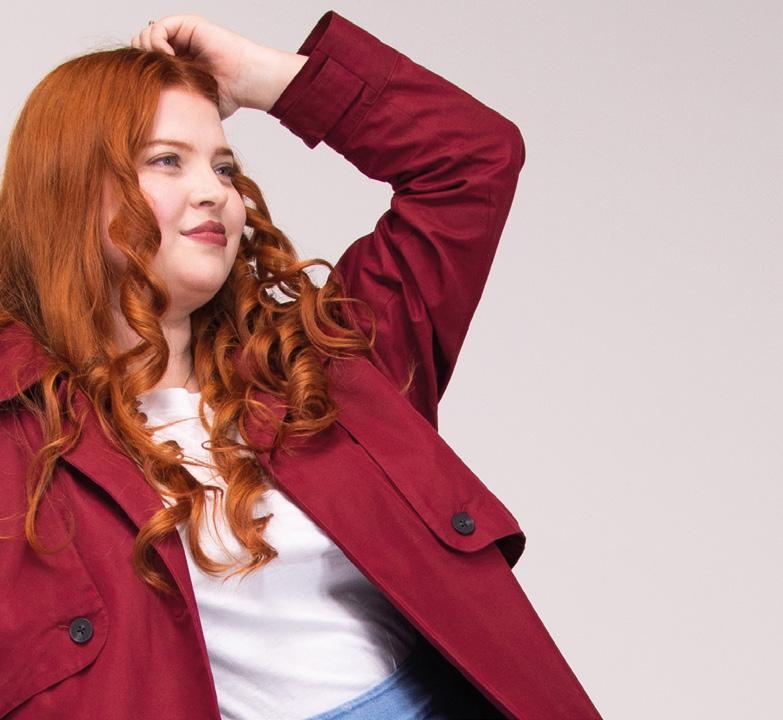
Our cover star opens up about life with chronic illness and her journey to content creation
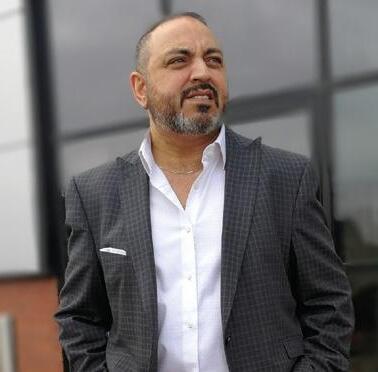
28 Resetting Is Reclamation by Dr Amo Raju OBE
Dr Amo Raju OBE explains how to rest to reset yourself
32 Handbags At Dawn!
Editor Lydia Wilkins on her quest for the perfect accessible handbag
41 Launching The AntiExploitation Academy With Unlimited
Carole Edrich uncovers what can be done about exploitation in the arts
34 How To Make The Internet Accessible
Can AI solve the internet’s accessibility issues? The EnableAll team spoke to DRM about their new product
37 Why Adaptive Fashion Matters
3 adaptive fashion designers weigh in to answer this allimportant question
44 Exploring Gibraltar
Travel columnist Carole Edrich takes us on tour
50 “I think it’s hard enough to be a little bit of an outsider.”
Author Elle McNicoll talks to DRM about her forthcoming adult novel, Unapologetic Love Story
58 What If Better Never Comes?
Metal band Mallavora take us behind their new record, a mediation on the disabled experience
Executive Editor: Lee Gatland
Art Director: Richard Hejsak
Managing Editor: Lydia Wilkins lydia@sevenstarmedia.co.uk
66 “We are just normal humans with normal lives.”
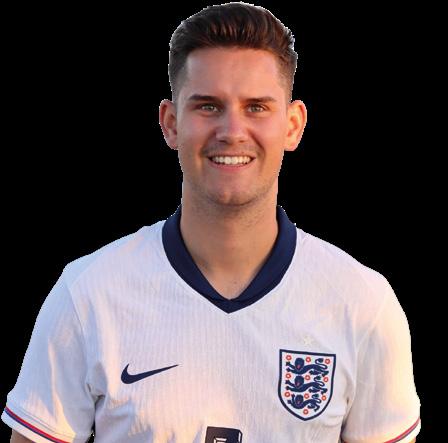
Toby Addison, a.k.a @blindtobes, talks to DRM about blind football and his awareness-raising content
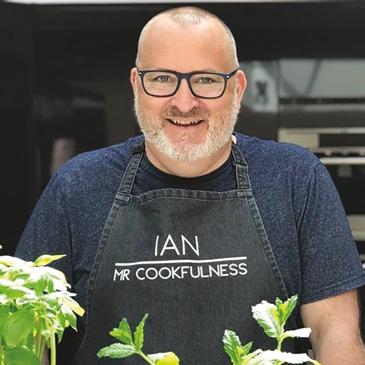
74 How To Make A Beautiful Beef Bolognese Base
Ian Taverner, also known as Mr Cookfulness, has you covered with 7 different dishes
Sales Team: 01959 543 650 sales@sevenstarmedia.co.uk
Published by SEVEN STAR MEDIA LTD
Disclaimer: Disability Review Magazine (DRM) is published three times per annum by Seven Star Media Ltd. No part of DRM may be reproduced, stored in a retrieval system or transmitted to any form without permission. Views expressed in the magazine are not necessarily those of Seven Star Media Ltd, and are included to provide advice only. No content is a substitute for professional medical advice. During printing, images may be subject to a 15% variation. © Copyright of content belongs to individual contributors with the magazine copyright belonging to Seven Star Media. All rights reserved. Please either keep this magazine for future reference, pass it on for somebody else to read, or recycle it. 74
184 Main Road, Biggin Hill, Westerham, Kent Tel: 01959 543659 disabilityreviewmagazine.co.uk
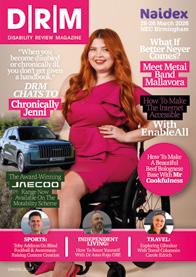
COVER CREDITS:
Photographer: Bethany Peace @PeacePictures_Photography

utism & ADHD... I feel unique, but is that me? I often run when told to walk
And I don't think when I must talk
When criticised I feel uneasy And in large groups I can feel queasy I see things through a different lens Missing social cues and abrubt ends
The lights, my clothes, assault my senses Eat food I hate on false pretences I have one dream I wish was real To truly understand the things I feel
We specialise in providing 'Gold Standard' diagnostic assessments for Autism Spectrum Disorder (ASD) and Attention DeficitHyperactivity Disorder (ADHD) for children, adolescents, and adults who may have undiagnosed or suspected conditions across the UK and abroad.
Our reports are accepted by the NHS, legal, educational institutions, local authorities, and for vocational purposes.

In each issue of Disability Review Magazine, we tell you about the new and upcoming disability media to watch out for.
Naidex
The biggest annual disability conference is back! Held from 25th - 26th March, Naidex will once again be taking place at Birmingham’s NEC. Make sure you book your free ticket to access all areas.
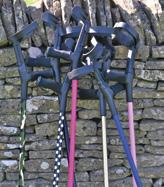
Cool Crutches
In need of a portable mobility aid, such as for a holiday? Cool Crutches has recently released four folding and portable walking sticks, in pink, purple, blue and black. Check out their website for more information.


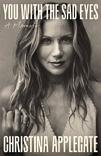
You With The Sad Eyes: A Memoir by Christina Applegate
Known as the acerbically funny character from Dead To Me & other blockbusters, Christina Applegate has written a new memoir that is out this month. Available from all good bookshops.
Kindred, Museum Of The Mind Community, or the lack of, can be felt very keenly when it comes to mental health challenges. This new exhibition at Bethlem Royal Hospital utilises art from its collections on this exact topic, including alternative approaches. On until 20th June.
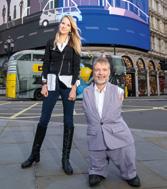
Satsuma Neighbour
Satsuma Neighbour is a CIC that is creating a new and inclusive housing community in London. satsumaneighbour.org
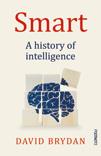
Smart by David Brydan
The concept of intelligence has shaped society dramatically, including on the concept of disability history. And now we have a tell-all book to educate ourseleves about it!
What If Better Never Comes?
A moody metal debut album from Mallavora, What If Better Never Comes? is a new record on the disabled experience. Read on to find out more from the band in this issue.
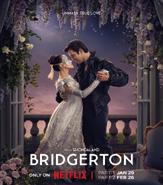
Bridgerton - Series 4, Part 2
Netflix’s Bridgerton has won critical acclaim for its disability representation, and part two of series 4 is out now. You do not want to miss this - or our next issue.
EnableAll
How can we make the internet accessible to disabled people? EnableAll has a new offering that solves that problem - read on to find out more.
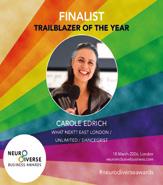
The Neurodiverse Business Awards
Happening on March 18th, our very own Carole Edrich is a finalist for trailblazer of the year. Find out more about the awards at neuroinclusivebusiness.com.
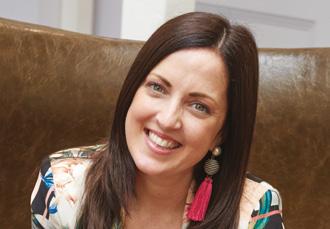
Previous DRM cover star Hester Grainger is going back on the road! She’s touring again, live, on the subject of ADHD. Stay tuned for further updates.
Mental Health Awareness Week
Taking place from 11th - 17th May, this is a week of focusing on how to be kind to your mind. Disability can come with an impact on mental health; this should always be front and centre of how we talk to and about ourselves.
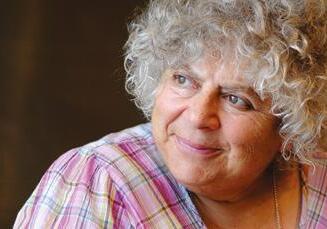
Miriam’s Full English Live
Former DRM cover star Miriam Margolyes is back! Named after the book of the same name, Margolyes will also be going on tour. Get your tickets at fane.co.uk.
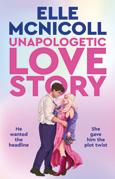
Known for her children’s book A Kind Of Spark, Elle McNicoll will be releasing her debut romance for adults in April. We’ve also interviewed her in this issue.
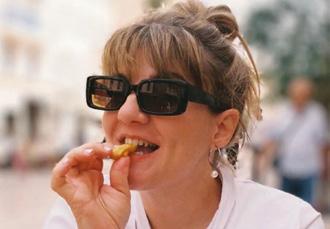
The Rapture
Coming later this year, The Rapture is adapted for screen from the book by the BBC. Starring Ruth Madeley in the lead role, this is set to be a thriller of epic proportions.
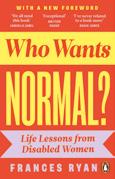
Who Wants Normal?
Set to be released on the 16th of April, Who Wants Normal? will be out in paperback. A landmark book by Guardian journalist Frances Ryan, who we interviewed in this magazine previously, this is a love letter to disabled womanhood.
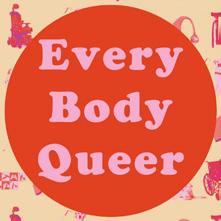
Everybody Queer Meet Up
Taking place on Saturday 25th April
from 5 - 10pm at The Refinery, Bankside, this is a meet up for people who are Queer and Disabled. Follow @everybodyqueer on Instagram for more information and updates on the event.
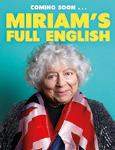
Miriam’s Full English
Former DRM cover star Miriam Margolyes will be releasing another book later this year; training her trademark wit on her homeland, the book makes a case for a united UK.
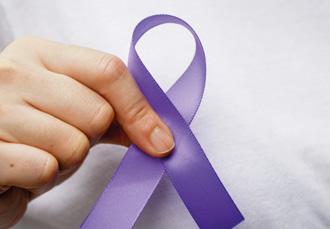
World Lupus Day
Taking place on 10th May, Lupus is something that needs our attention - and we should also be educating ourseleves.

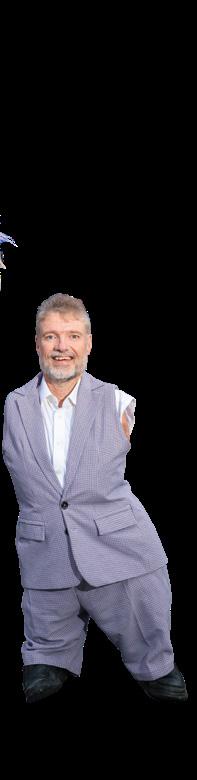
“Everyone is disabled these days!”
Magazine usually deciphers a disabilityspecific term. However, for this issue, we needed to bust a pervasive myth.
Right now, if you look at the daily news, or even just on social media, you’ll probably see it - the assertion that ‘everyone is disabled these days!’ It usually follows the suggestion that particular disabilities are being ‘over-diagnosed’, or that there is some kind of need to cut funding for the disabled; after all, why is it fair that they get free stuff? This is a pervasive myth that is rooted in a lack of understanding, especially on what a disability is considered to be legally, and what it means to be disabled in 2026.
The Equality Act (2010) defines what a disability is in UK law. You are considered to be disabled in the UK if you have A. A physical or mental impairment, with B. A substantial/long term, negative impact on your daily ability to carry out activities. This has to be something that is longer lasts more than a year; the impact can be, for example, taking twice as long to get dressed each morning. Within the piece of legislation itself, Autism is named as an example condition; a person may not view themselves or identify as disabled, however. Regardless, there is still the option of reasonable adjustments and protection against discrimination, including in the workplace.
At the time of writing, the Equality Act is still in place; this still means that organisations, including employers, have to follow reasonable adjustments for anyone who may be included in the definition of disability. A disability diagnosis does not mean a person automatically receives any kind of funding, or even a wheelchair; there are waiting lists and often many forms to fill out. The last government census notes that 24% of the UK population is disabled, which equates to roughly one in four Americans.
As a general rule, it is best to avoid euphemistic language - such as ‘differently abled’, ‘superpower’, ‘person of determination’, ‘overcome’.
Language can be a tricky topic, especially because it is almost always evolving. There are also significant differences depending on where you are in the world, as well as if you identify yourself as a disabled person or a caregiver.

As a general rule, it is best to avoid euphemistic language - such as ‘differently abled’, ‘superpower’, ‘person of determination’, ‘overcome’. This is to avoid the implication of shame; identity is not a crime, and it also allows for clear communication.
A person may have their own language preferences for themselves, which should also be taken into account when one-on-one; they may prefer to describe themselves as neurodivergent, for example. Meanwhile, take into account differences if you’re in other territories. The US may prefer to use the expression ‘person with disabilities’, which can be taken as offensive in the UK. When in doubt, just ask the question of language preference.
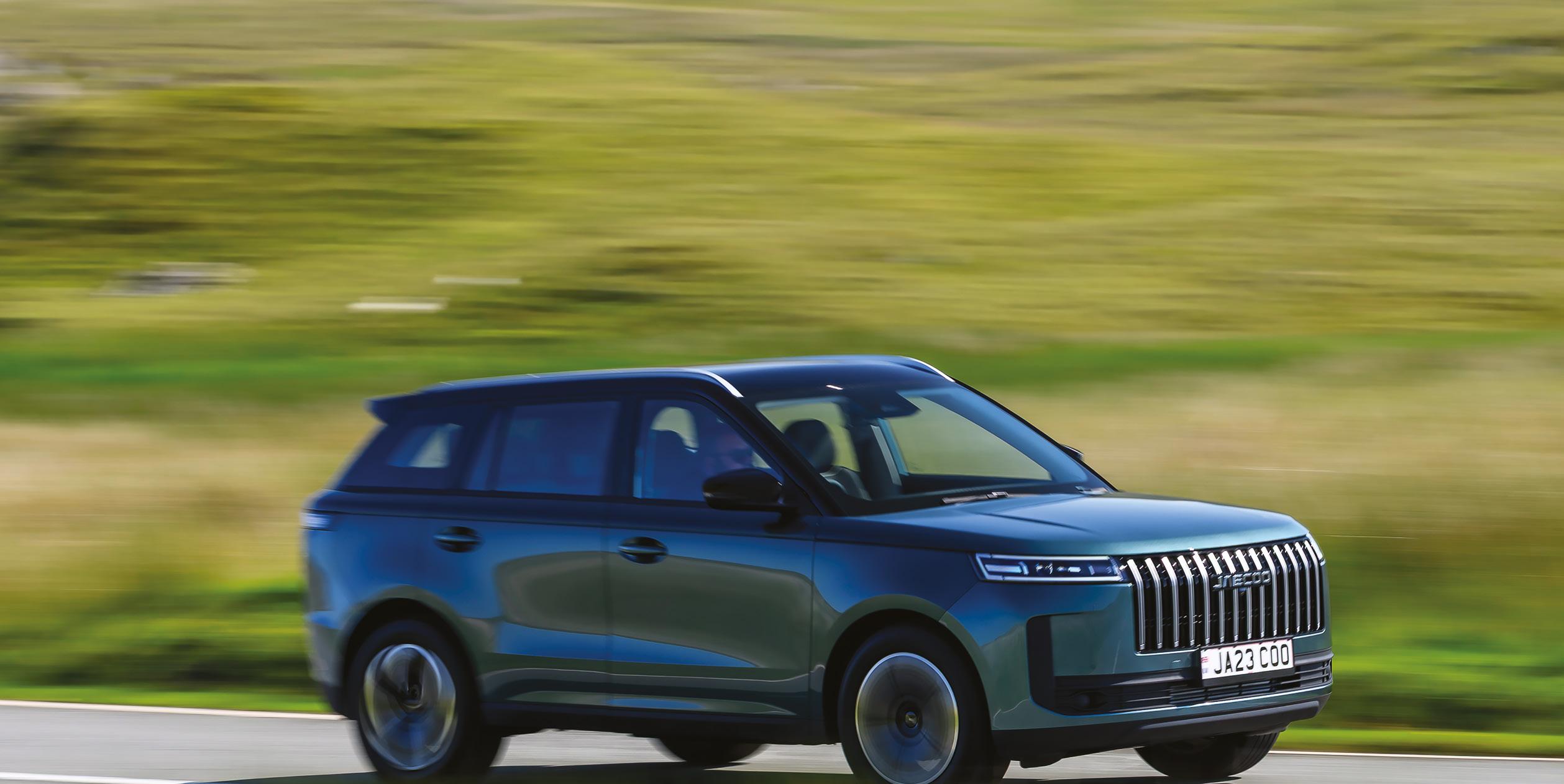
We are proud to announce we are now the Main Agent for Luggie Sales & Repairs in England & Wales.
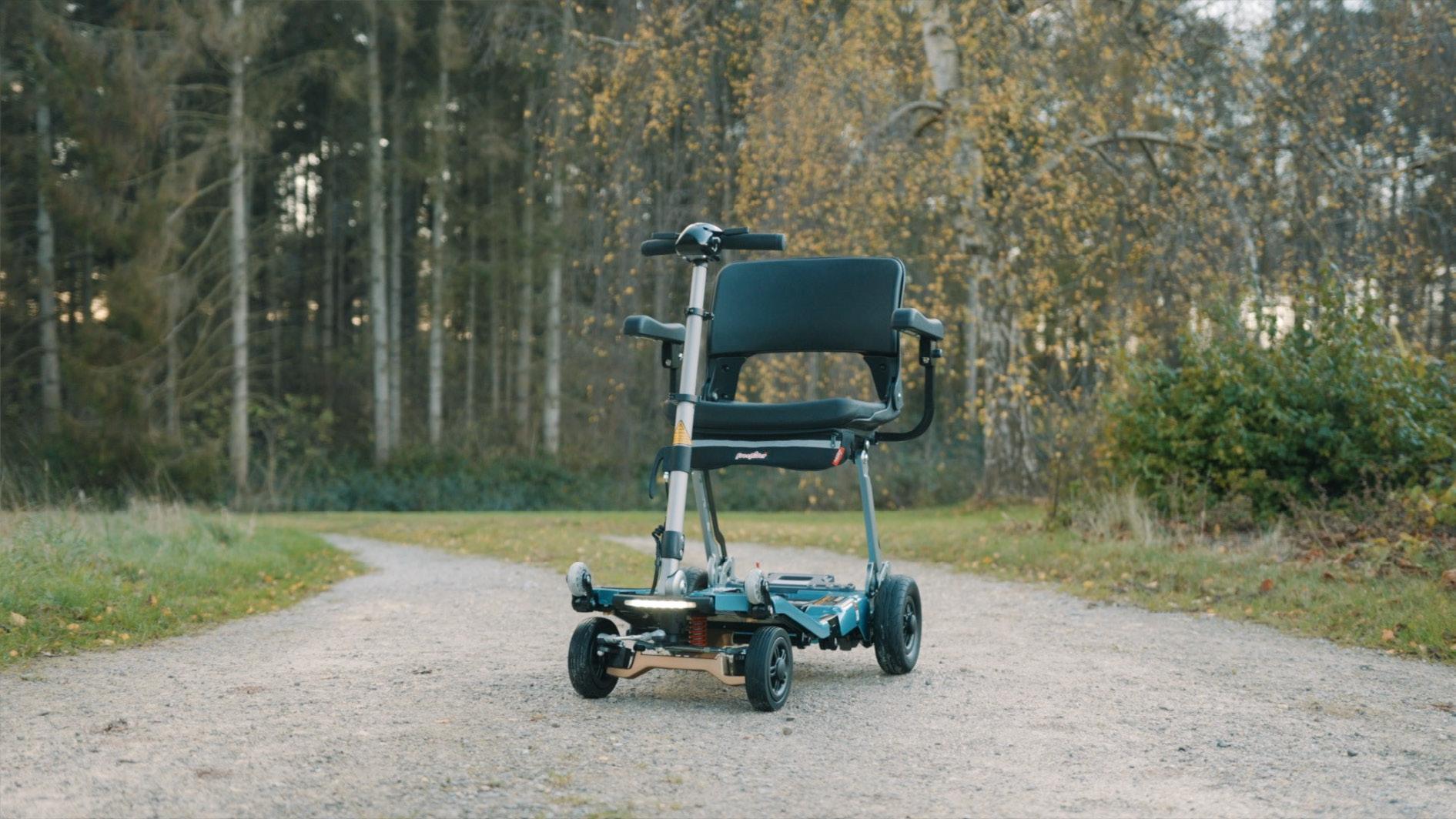
Get ready for the season with the world’s most versatile travel scooter, now backed by MLV’s premier support and service.
As the days get longer and the weather warms up, our thoughts naturally turn to getting out and about. Whether it’s a holiday cruise, a trip to the coast, or simply enjoying the local park, Spring is the season of movement.
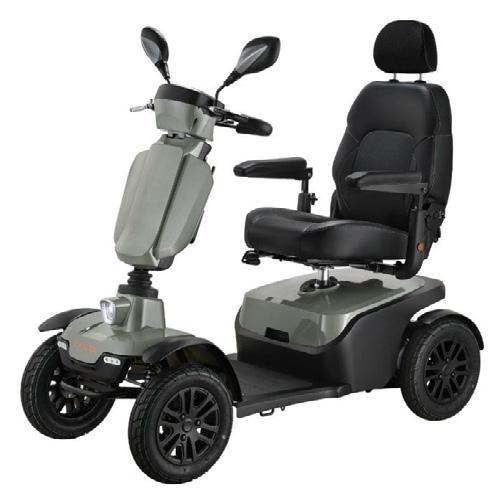
At MLV Mobility, we are thrilled to kick off this season with huge news. We have officially become the Main Agent for Luggie Sales and Repairs.
The Luggie has long been the gold standard for travel scooters. Famous for its smart folding design, lightweight frame, and ability to slide easily into the boot of a car or accompany you on a plane, it is the ultimate tool for independence.
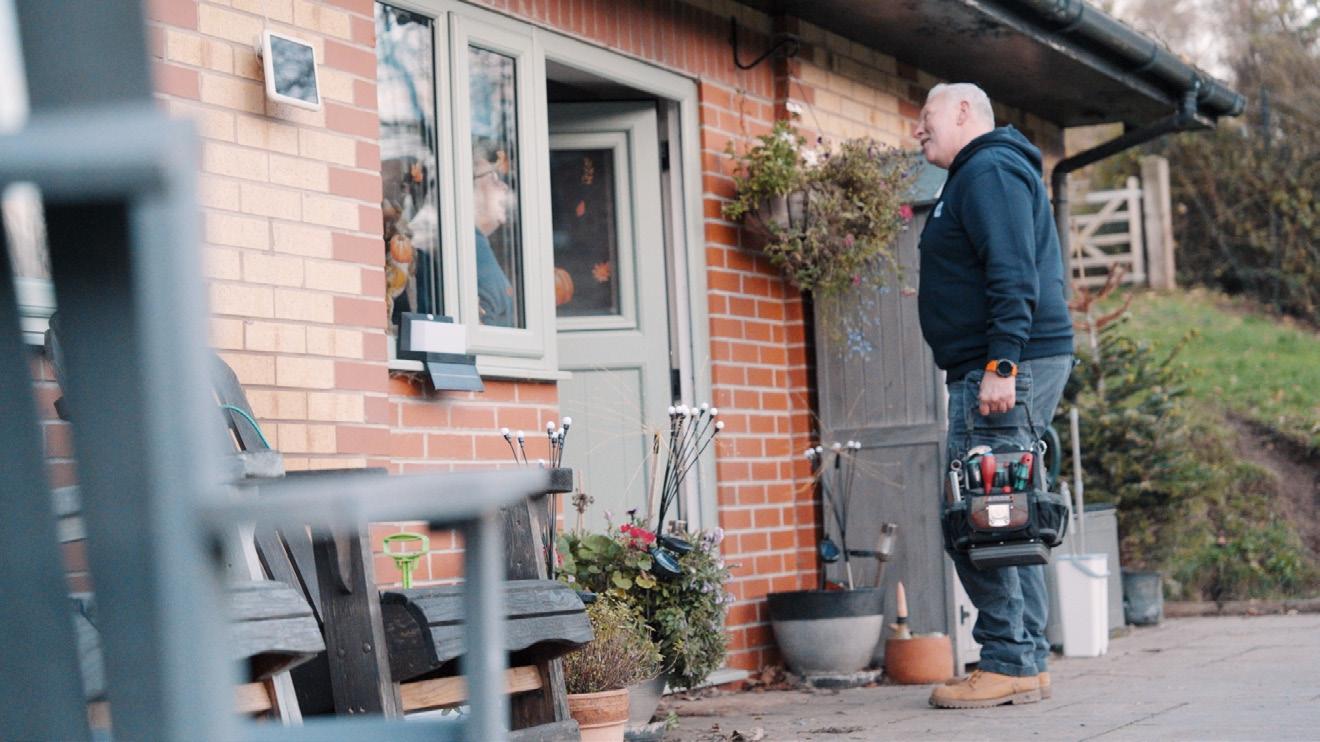
By bringing the Luggie range under the MLV Mobility roof, we are combining this world-class engineering with our signature customer care We now hold full stock of the latest models and have a dedicated demonstration area where you can try the folding mechanism for yourself.
Selected by Freerider. Trusted by you. We are honoured to be the new official home of Luggie.
While

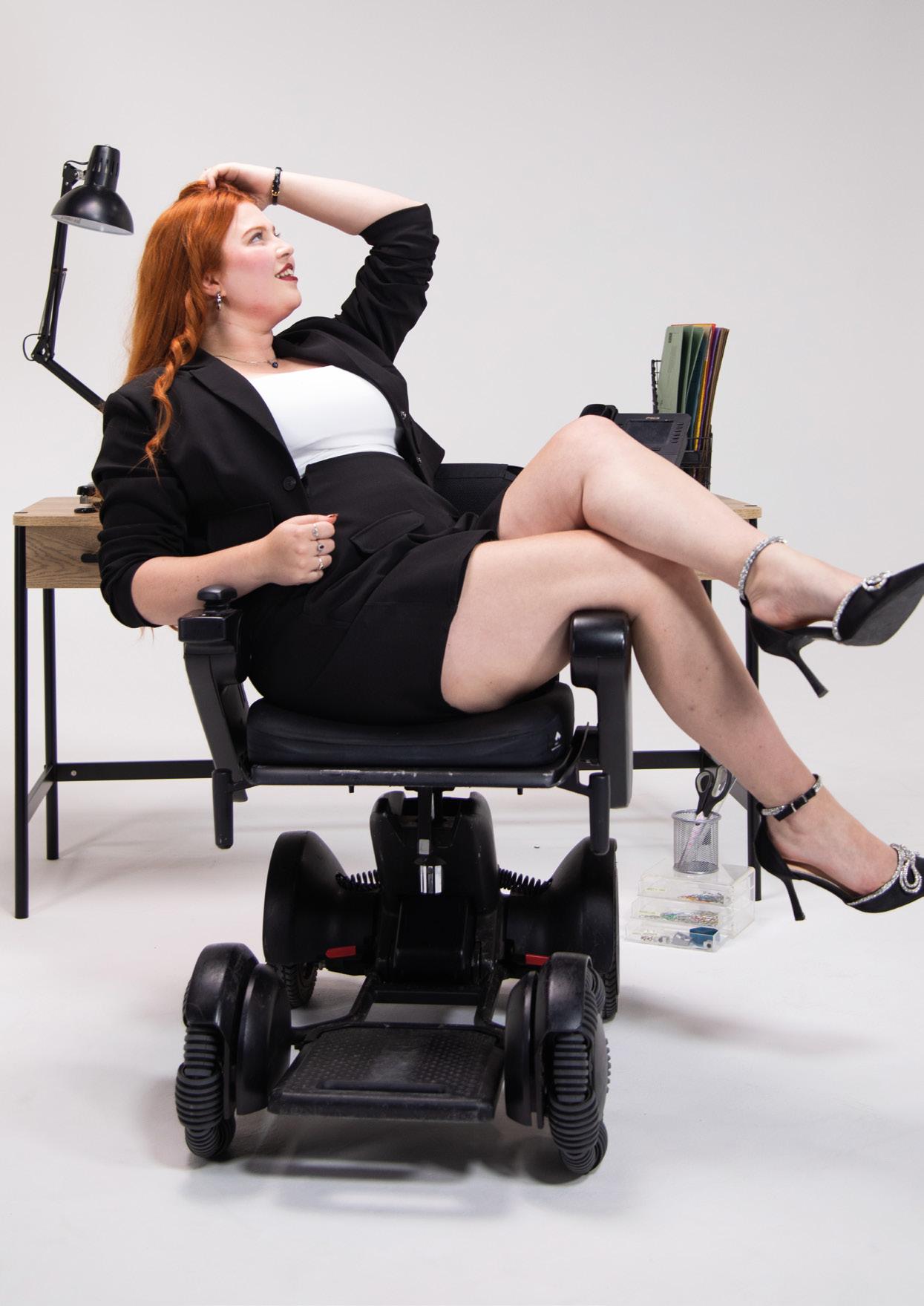
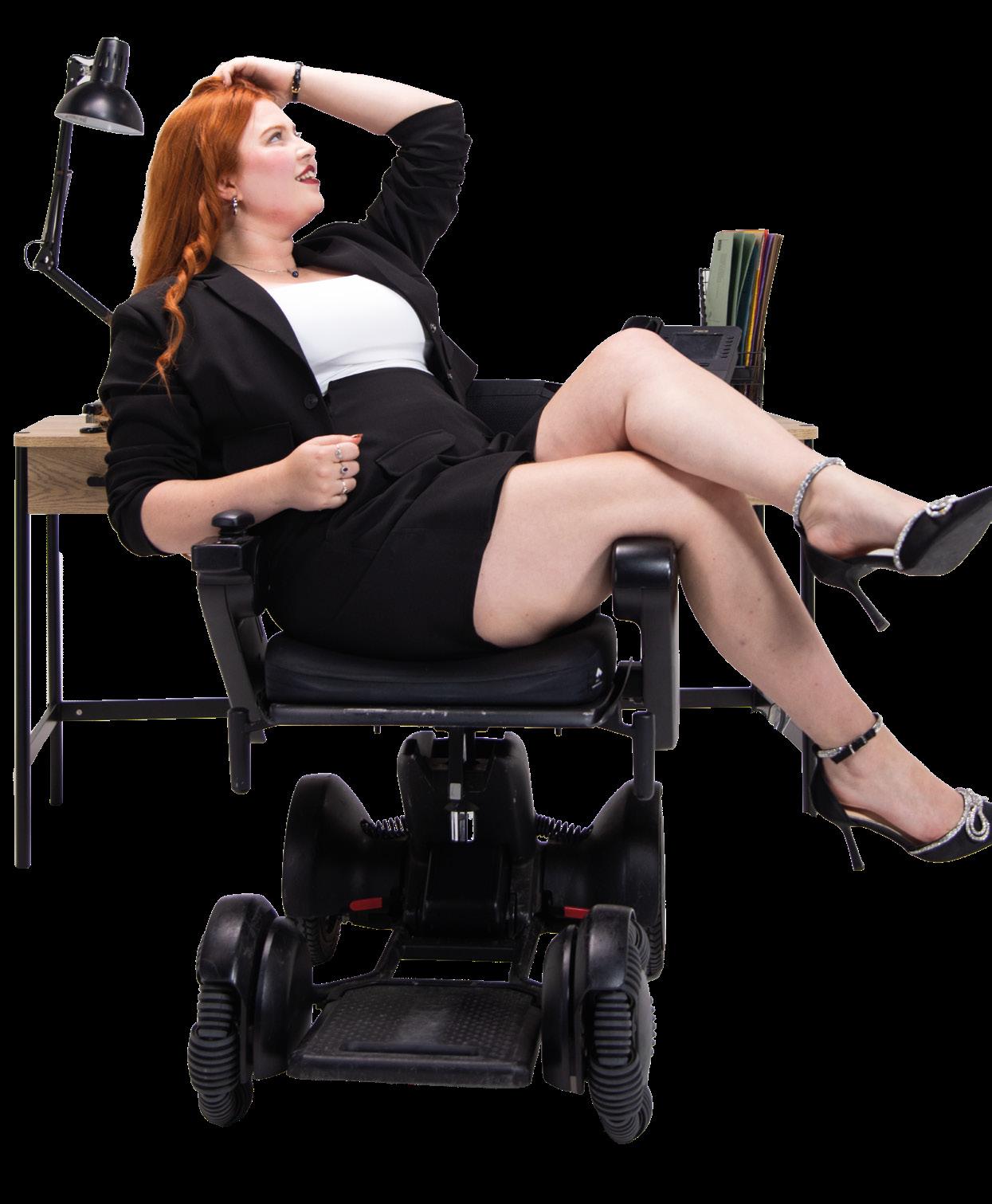
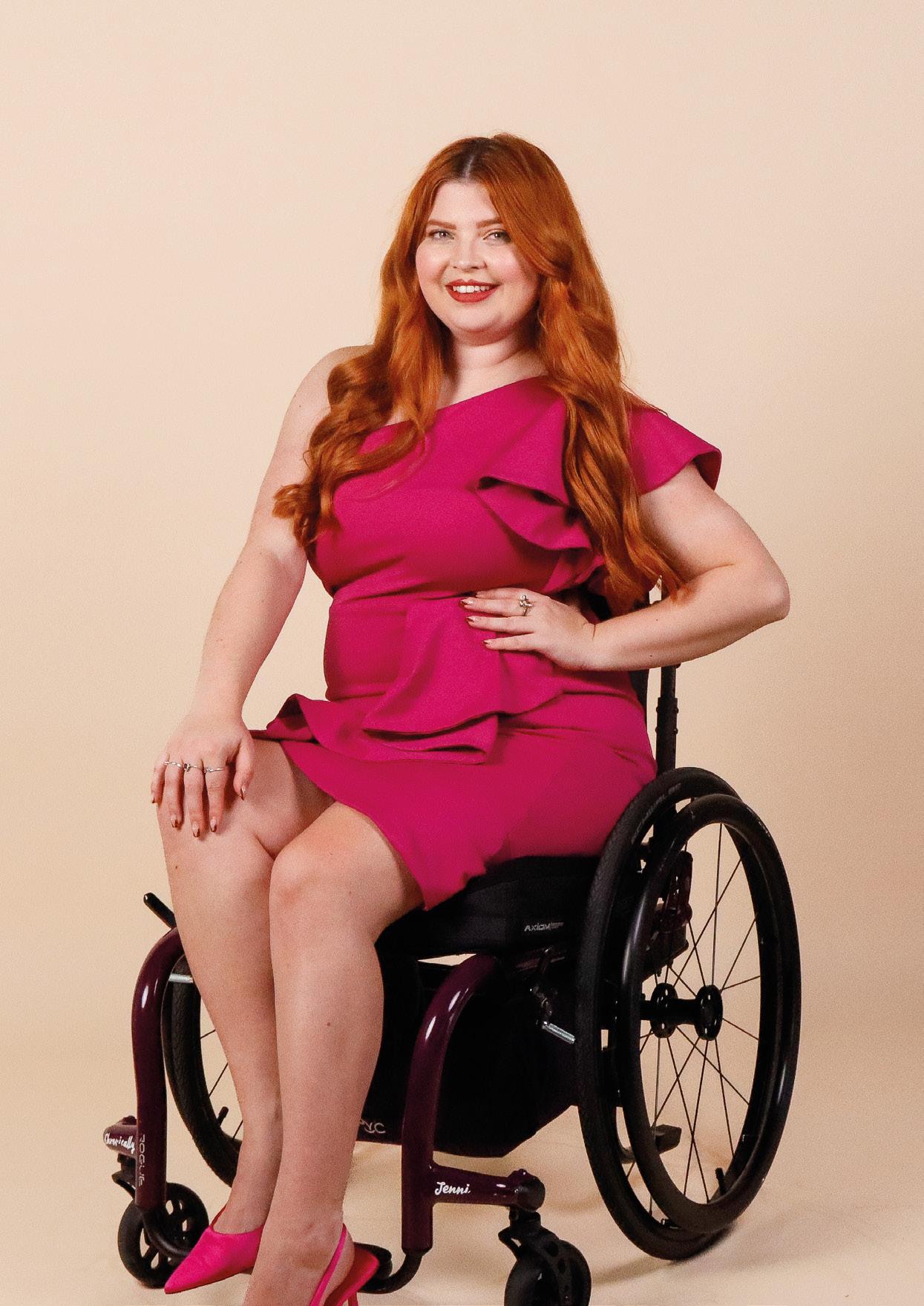
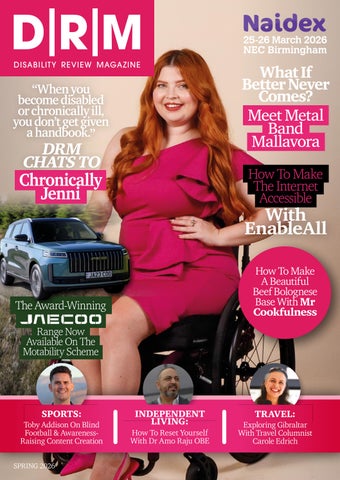
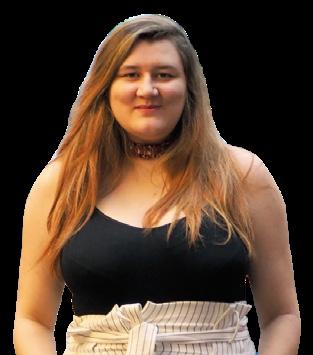
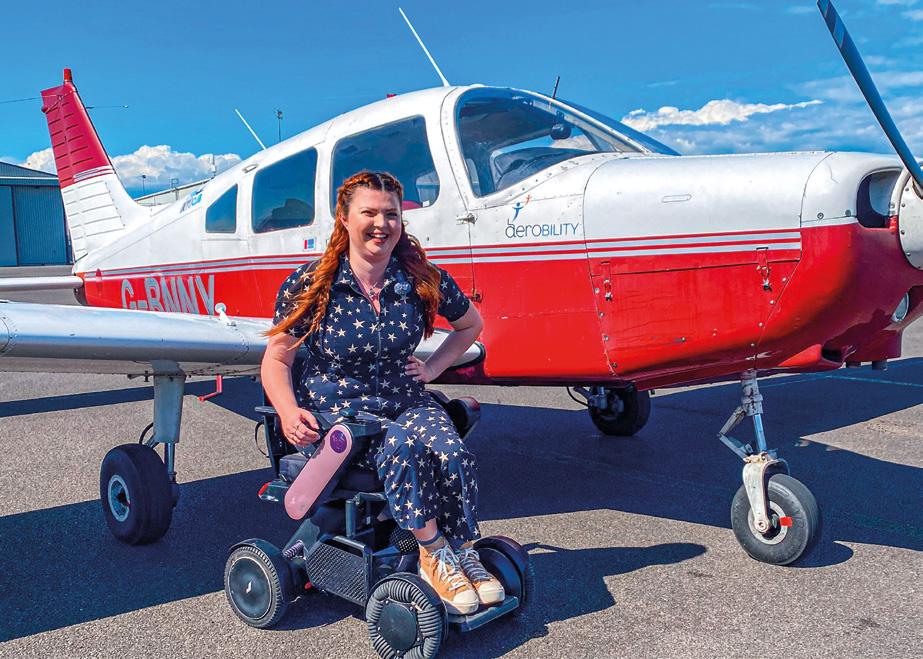
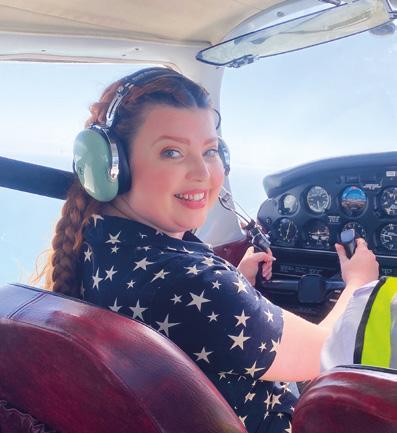
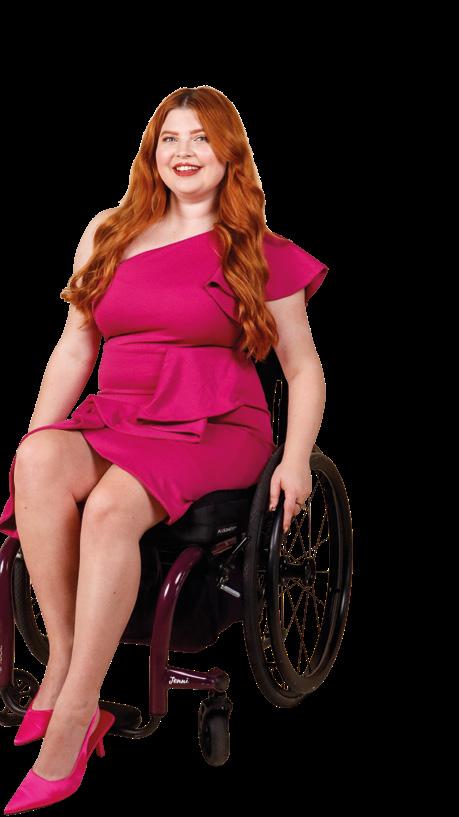
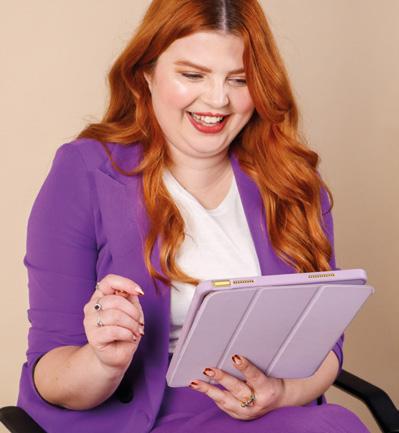
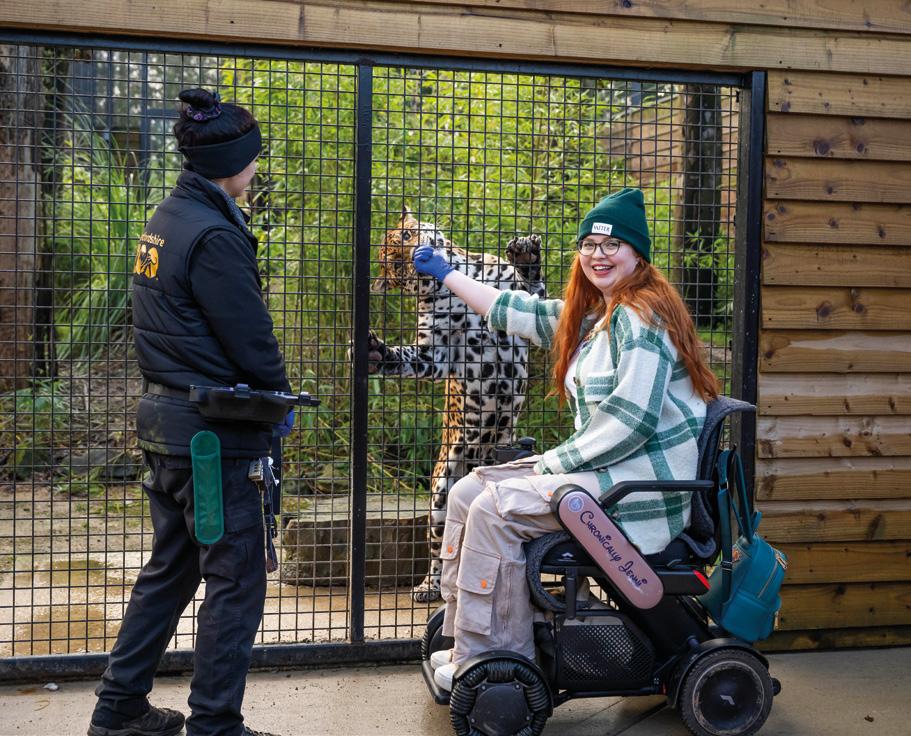
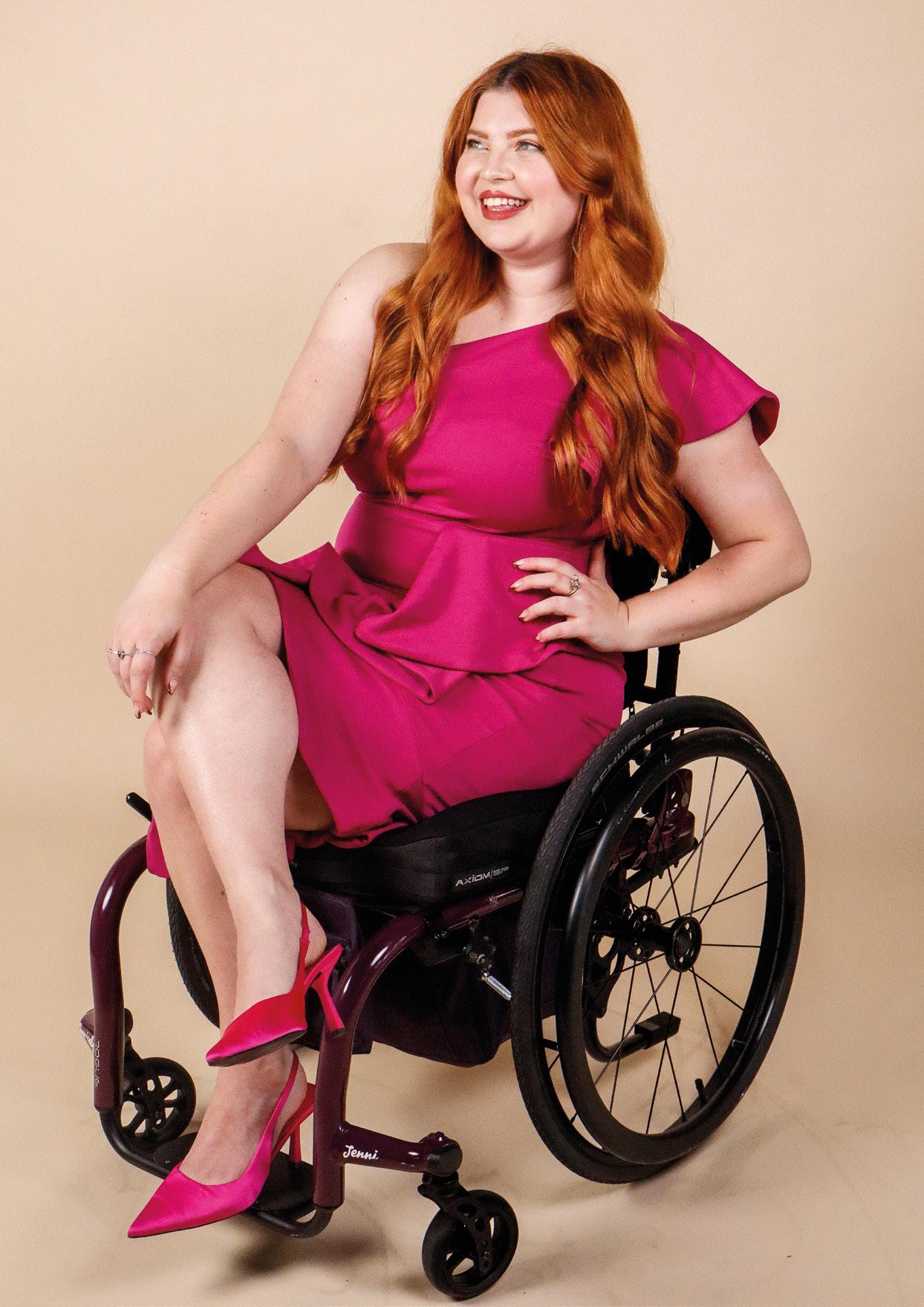
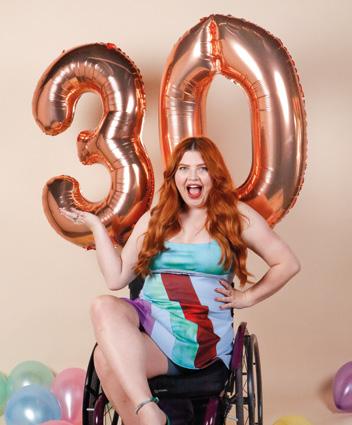
A content creator, speaker and model, Disability Review Magazine caught up with the woman known online as Chronically Jenni to discuss content creation, chronic illness & the need for kindness. As told to editor Lydia Wilkins.
Q
Talk to us about the name Chronically Jenni. How did that come about?
A I mean, actually, it was 1nvisibl3girlJenni at the very, very start. But I had to have like ones and numbers, and it was an interesting handle when I very first started. And I think just, yeah, when I, like, [when] starting chronic illness stuff, it just kind of flowed and [it seemed to] fit. So that’s kinda how the name kind of came about. But it was a strange one, because I’d started blogging kind of randomly as more
of a food blog when my diet was changing around chronic illness stuff, and kind of navigating that. And it wasn’t really until I finally had some answers and had some more information on my chronic illnesses that Chronically Jenni kind of came into being.
QChronic illness is very much under-recognized. It’s also perhaps either undiagnosed or misdiagnosed by people who should know better. Would you be open to talking to us about your diagnoses?
But it’s something so simple as sitting down in the shower that people just don’t even think about and recognize in themselves.
AYeah, 100%. My diagnosis and the process was a bit unusual, because I was very much dismissed for years as having nothing wrong. Um, and [I] saw lots of different doctors, and you know, went through the general trauma that one faces when trying to get a diagnosis… And it was finally when I got to see… you know, to the point I’d left university, I finally got to see a doctor who was like, “I don’t know what this is, but I know someone who will.” And I went to the guy that he recommended and had referred me to, and I got three diagnoses on a plate.
The last thing people with chronic illness need is to be told that they’re not doing enough or to do more, or because such simple minute details that everyone else takes for granted are so difficult.
So it wasn’t like I had a lot of people come to me and say, “Oh, I think I might have POTS” or “I think you might have EDS.” Um, like, “How do I go about getting a diagnosis?” Whereas mine was actually the complete opposite. I’d never heard of my conditions before I was diagnosed. It actually all started for me with a CSF leak, which is a complication of EDS that is quite rare, and definitely is under-recognized. Like, usually to have a CSF leak, you have to have a severe impact trauma. But for those with EDS, it can happen, um... I can’t think of the right word. It just happens. Um, they have a special name for it, but I can’t remember off the top of my head. I was living with that for a long time, and that’s kind of what set my POTS off. And because I was having to lie down a lot with the leak and then the POTS, then my mobility got worse. I lost a lot of muscle, and that’s where my EDS started [to present itself.]
You know, looking back, you can
see all the signs throughout your life. It wasn’t until that point [that] it became disabling to me. It was very interesting when I got diagnosed that my mum, who was in her fifties at the time, it was like, “Oh, yeah. You’ve got that, too.” And then we got the diagnostic criteria, and it was like, “Well, I’ve had that, I’ve had that, I’ve had that.” And no one had ever put the dots together.
QWowsers.
I’m not really sure what to say to that. That is quite a lot for anyone to have to deal with.
You also regularly film hack-related videos for your social media. What would you say are your most favored hacks in adjusting to chronic illness?
AI think some of the really straightforward things that
people don’t think about, like a shower stool. I got a shower stool as a gift for my 21st birthday because that’s what I wanted, because I’d just been diagnosed with POTS and was having a really hard time. That was such an important thing for me to get back independence. But it’s something so simple as sitting down in the shower that people just don’t even think about and recognize in themselves.
And especially with chronic illness, it’s so… you kind of feel like you have to justify things to yourself, especially when it’s an invisible illness or disability. You’re kind of like, “Oh, well, I don’t need that.” And it’s like, “Well, yeah, but it’s gonna help.” It was the same with... I discovered this.. I had a stand for my hair dryer that would help me dry my hair. Now I use, um, like one that’s made for pet grooming. I mean, it just holds your hair dryer for you, and it’s just one other simple change that is really not, like, making a big difference to how you’re perceived, but it makes your life so much easier as someone with a chronic illness or a disability.
Those were kind of my big, like, first two hacks that are still useful to this day. Over the years I’ve just discovered so many little gadgets and products and little ways to make life
I’ve still burnt out, but a heck of a lot less than I used to…
easier, and, like, you know, when you become disabled or chronically ill, you don’t get given a handbook. And that’s what I kind of wanted to create with my platforms, [to be like] a handbook [that says] “Okay, so you’ve just been diagnosed. Here’s all the things that I’ve learned, so you don’t have to do the same trial and error, messy, like, situation that I had to do.”
QTrial and error is a wonderful phrase. I’m sure a lot of people would very much identify with that.
If I may, why did you also decide to go into content creation? Just because it’s notable that we’re seeing a lot more disabled people identify themselves as content creators, particularly in chronic illness circles.
AMy blog actually started as a food blog and a way for me to kind of say, “Oh, yeah, you can eat, like, gluten-free and dairy-free, and it’s not, like,
boring.” People would ask me, “Well, what do you eat?” And I was like, “Well, I eat.” I was sugar-free at the time and all these sorts of things. So that’s kinda how it started.
But then it transformed when I had to leave university, and I was starting to have surgeries and things for my CSF leak. It was a way of sharing just what was happening to me. At the time I was diagnosed, I was told these conditions were really rare, so I thought I was the only person on the planet living with these things. I obviously have now learned [that is] nowhere near the case!
But I wanted to speak about it and find other people living with it. And I got a lot of support from the EDS UK support groups and things. And I actually, I went back to university to go and see my… cause I’d had two years out, I went to go and see my friend’s final year production that I would have been in. And one of my friends said to me, “Jenni, you know, you’d be a really good vlogger.” I was like, “Mm, I haven’t really thought about it.” I’d dabbled in YouTube when I was a child and got quite a lot of hate at the time, so I was really scared about it. But I just thought, “You know what? I’m trying to get back to university.
So I think that’s what we have to remember about adaptive fashion and adaptive anything is that nothing is gonna be a one-sizefits-all tool.
I’m trying to get my mindset back into deadlines and that kinda thing.” And I was like, “Okay, I’m gonna make videos. That’s what I’m gonna do.” So I started in 2017, making videos, and it just kinda carried on from there. And I was on YouTube first and foremost, and then it, it kind of… Yeah, I was just sharing what had helped me, sharing my journey. I found a group of other chronically ill people at universities, and we got really close, it just continued until I left university, and I started really struggling with normal jobs.
Um, and yeah, [I] eventually ended up taking content [creation] full-time in 2022, had a break for my mental health in 2023, and then have been going, you know, full at it since 2024, really.
Q In that respect, you’re something of a multi-hyphenate. So that includes modeling, content creation. You now also have a namesake suit, social media, etc.
A Yep.
Q How do you manage it all?
A [Laughs] Poppy! [Gestures to support worker Poppy, off camera.] Access To Work is a nightmare of a system, but it gave me such a lifeline with my support team, because they really changed… You know, before, I had no consistency. It wasn’t a business. It was, it was still my hobby that it had been throughout uni, that I was doing on the side of things. Despite the fact that I’d been
earning money on social media since, like, 2020, I didn’t really see it as a job and a business. Whereas since 2024, and having the team on board, we’ve been able to manage it like a business. We’ve doubled our workload in the past year, but I’ve burnt out a heck of a lot less. Uh, I’ve still burnt out, but a heck of a lot less than I used to…
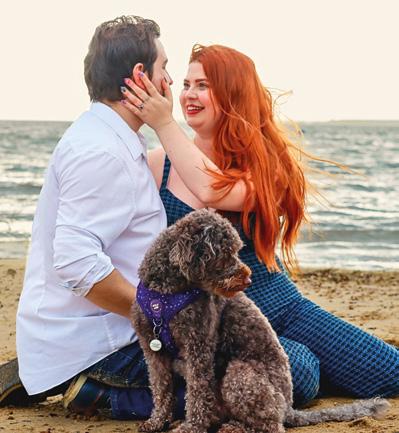
It’s been two years [since] I’ve been on a waiting list for [a] ADHD assessment, and that’s my thing, is that my brain always wants to do stuff. And that’s why I like doing modeling, public speaking, content creation, like, changing it up and doing a bit of everything. My mind needs that stimulation, but my body, I have to… Poppy is the one who thinks about my energy limits and that kinda thing. When I come up and say, “I have a wild idea.” She’s the realistic one that’s like, “Maybe not this week. Maybe we leave that. Maybe we park it.”
For me, like, rest and renewal kind of looks like finding a series that sparks my interest in my brain and sitting with that.
Q[Both laugh.] Very good.
I
need to ask you about your namesake suit.
AYes. Working with Intotum [an adaptive fashion label] has been fantastic. Like, I’ve loved adaptive fashion and, and being like, you know, trying all the different new ranges that are coming out and seeing how it’s, it’s blossomed and doing real reviews of it.
Hanan [Intotum’s founder] and I, back at Naidex last year, were kind of like - I was wearing a suit jacket and a skort, and it was just not comfortable. It was lovely, but it wasn’t right as a wheelchair user.
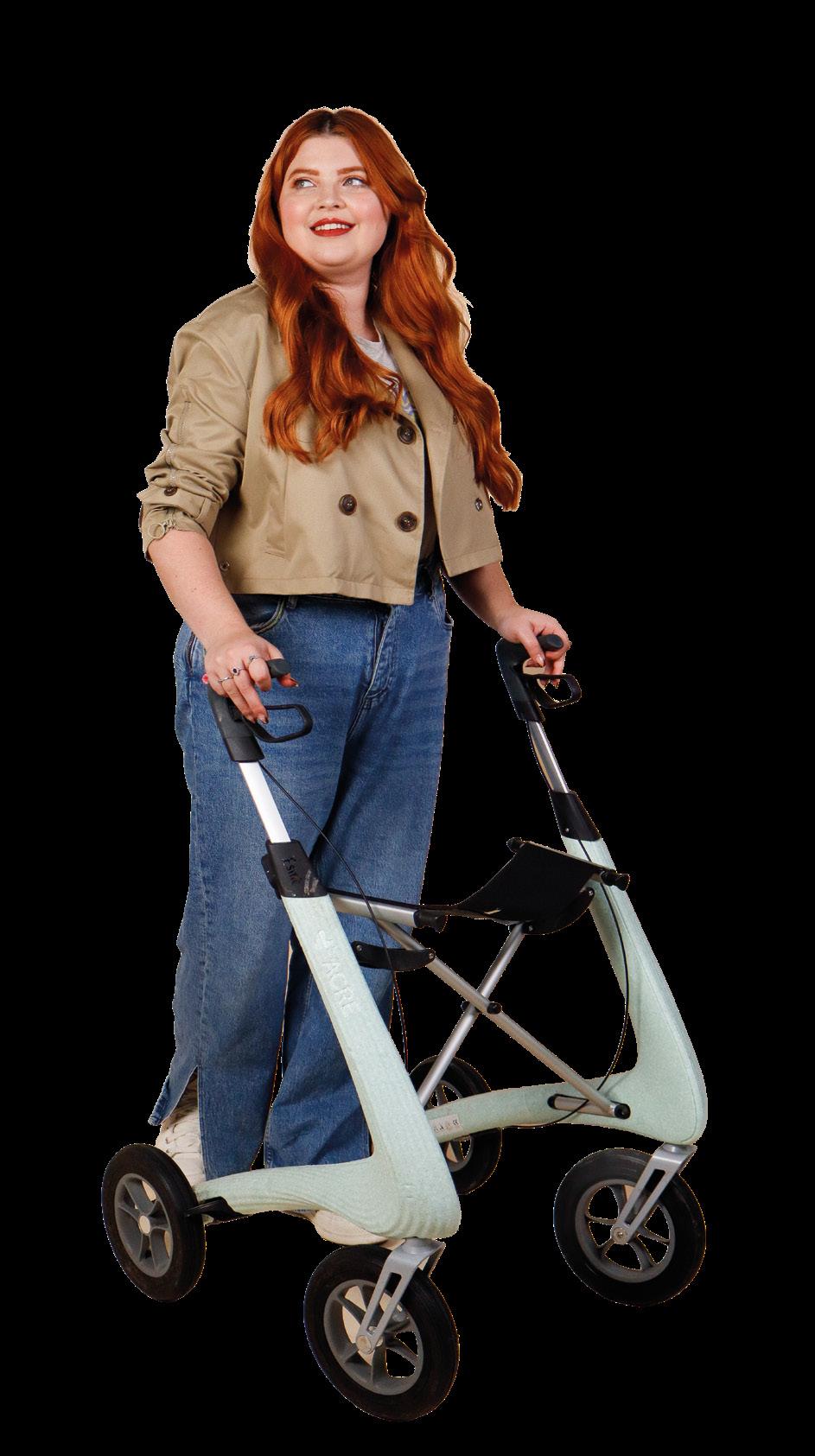

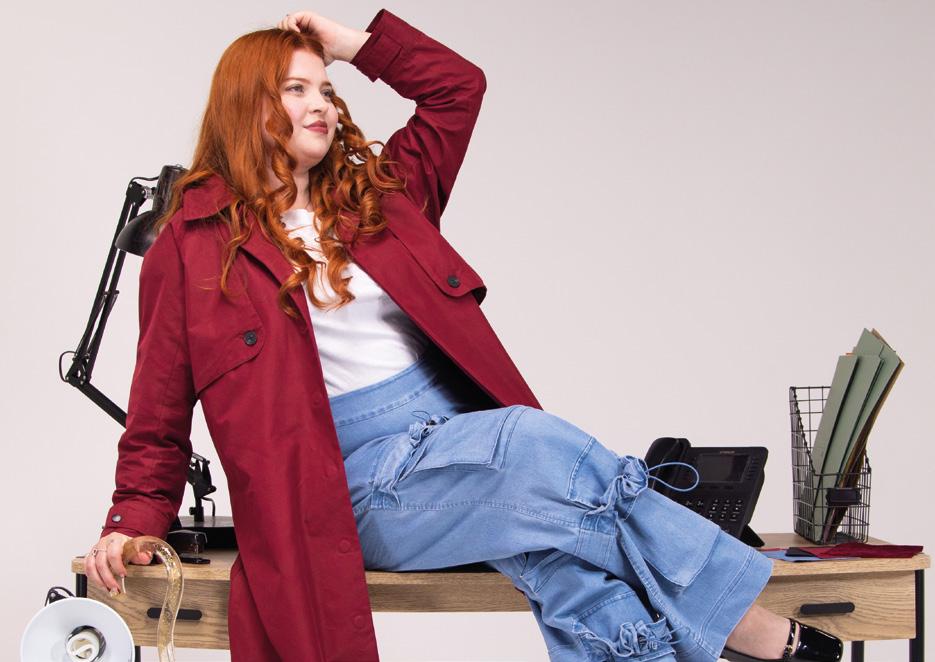
And I kind of was like, “Yeah, skort please,” like, as a joke. “Um, I need a Jenni suit.” And then, six months later, she’s designed and worked on, um, a [namesake] suit! We had the [clothing] shoot back in September. And getting to try it on properly for the first time… And ever since then, she made adjustments. I had the skirt on and was like... We both looked at it, and we’re like, “Hmm, that Velcro is slightly too far in.” Like… And literally called the manufacturers and was like, “Right, we need it, like, an inch over”, just to make it more comfortable. And I just think Hanan is an absolute genius at seeing what people need from adaptive fashion and making it so seamless that it doesn’t... Like, it doesn’t feel like adaptive fashion at all.
Q While we’re on the topic of adaptive fashion, you are somebody who has a chronic illness, and yet adaptive fashion very often is only based on physical disabilities.
AYeah.
Q For somebody who is chronically ill, how could adaptive fashion adapt to your access needs?
AI mean, this is the great thing about lots of the adaptive fashion pieces that are out there at the moment, is that they have lots of different features for lots of different people. They have openings for people who are tube-fed or have ports or that kind of thing, as well as the kind of things specifically for [a] physical disability. But also just the putting on and taking off is so much easier, which, when you have an energy-limiting condition, makes life so much easier, regardless of physical disability. But also different ranges within the adaptive fashion market are doing different things and kind of focusing on different areas. So we tried the George At ASDA range, and because that had been brought about by a cancer campaigner, it had a lot more of the medical, chronic illness kind of things that you would think about, like being able to… It has all, like, plastic zips, so
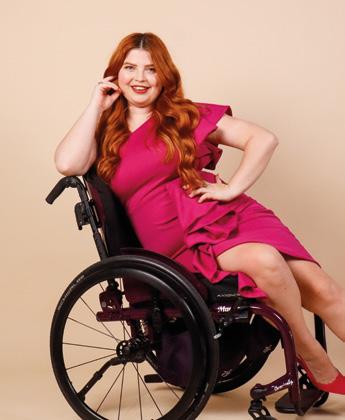
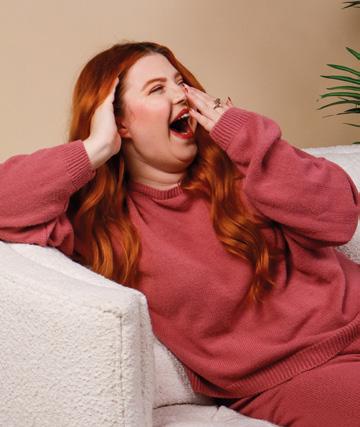
Adaptive fashion doesn’t just have to be for the disability market. It can be for everyone to make life easier.
you can take it in an MRI, take it in a CT [scan]. It wasn’t great as a wheelchair user. Like, sitting down, it wasn’t fantastic, but it had so many elements that would be great for chronic illness or being in hospital on a regular basis. So I think that’s what we have to remember about adaptive fashion and adaptive anything is that nothing is gonna be a one-size-fits-all tool.
And that’s what I love about Intotum, is that they’ve got a seated option for their trousers and a standing option. So it’s not just [for] wheelchair users, um, but also, we’ve got different ranges targeted towards different groups of people within that kind of adaptive fashion thing.
And the Primark range, the magnetic zips. Like, I came home with that hoodie, and my support worker, Eboni, was like, “Well, I just want that on every hoodie.” Adaptive fashion doesn’t just have to be for the disability market. It can be for everyone to make life easier.
QSo the theme for this issue is the theme of renewal. We’ve kind of talked about... well, skirted around the edges,
such as with burnout and that kind of thing. How do you take time to rest and renew yourself?
AI’m a “do as I say, not do as I do,” human being. [Both laugh.] It’s something that I find really difficult to this day. I’ve got a heck of a lot better over the years at thinking more about my pacing and trying to take some time out. And that’s the difficult thing is, as someone with a chronic illness, it’s always that, “Are we truly resting or are we just recovering?” And most of the time, I’m just recovering. But I’m trying more and more to build in some of that actual rest time, like scheduled rest time. And
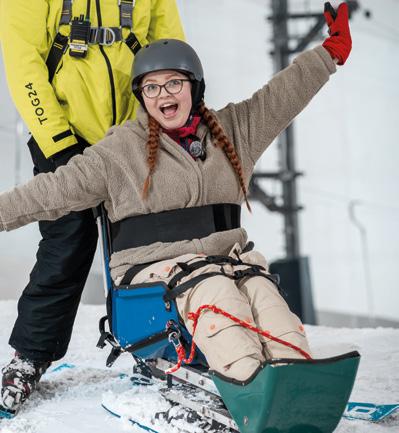
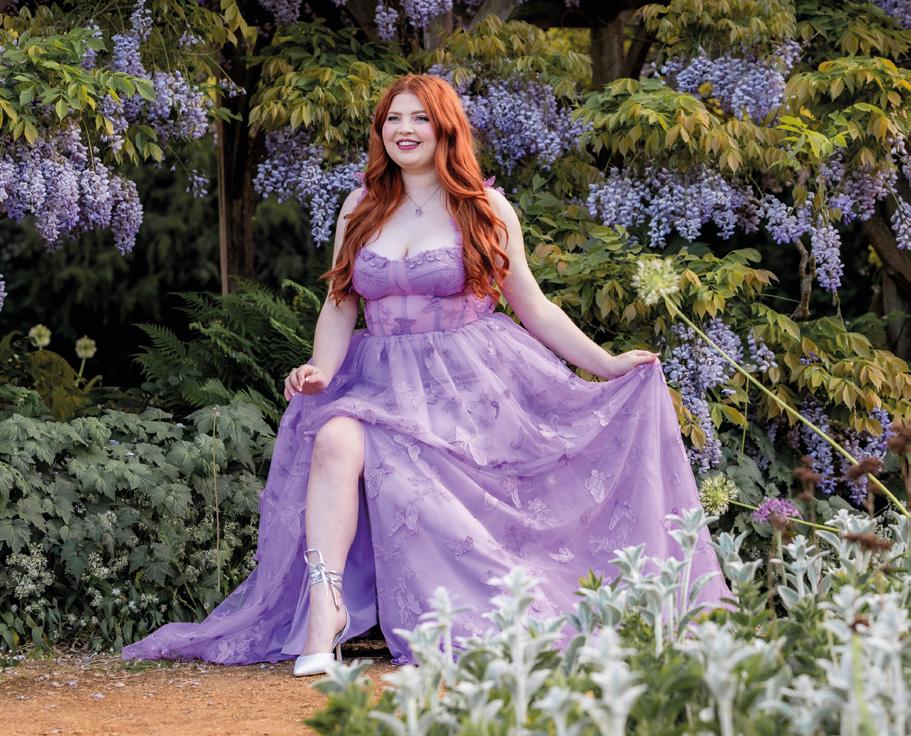
also schedule... We, we call it kind of, like, filling up my cup. Like, we need to... You know, I do [attend a] choir when I’m able to. Just kind of having that... You know, I’d be... I’m doing a bit of, like, coloring. I’m getting back into crafting. It doesn’t happen on a regular basis. Because with a chronic illness, you can’t predict what’s gonna [happen]… And a chronic physical illness and a chronic mental illness, like, sometimes my depression and anxiety don’t let me do the nice things that I wanna do.
For me, like, rest and renewal kind of looks like finding a series that sparks my interest in my brain and sitting with that. It’s, you know, spending time with my dog, and my partner, and my friends. It’s doing crafty things, um, and it’s having some of that, that space outside of, like work, or medical admin, or expectation, um, ‘cause I think so many people with, with chronic illness, we put so much pressure on ourselves to, to do the, the normal stuff.
And actually, the level of pressure and life that all of us have to do is beyond anything that our bodies were really made to do, I think, chronic illness or not. I think we have to remember, and I say this as someone on social media, my social media is often, often a highlights reel of the days that I am feeling well, because realistically, I spend 99.9% of my time on this sofa in my pajamas, and that’s not what people see. [What] people need to remember is that you’re not gonna see [disabled] people on their worst days, [and won’t] know what that reality is like, because the last thing I want to do when I’m having a bad day is pick
up a camera. I want to try and be as authentic as I can. The last thing I want to do is pick up a camera! We need to stop comparing ourselves, I think. I did so much of that at the start of my journey, like, “Oh, but this person is, is doing this,” and we, we don’t know the reality.
QFor the nondisabled who may be reading this, what is the one thing that you would like them to understand about chronic illness and why?
APff. I mean, there’s so many things. [Choosing] one thing is hard!
AQ[Laughs.] Pick two, then!
I think one of the things, I think often people don’t realize is how much extra energy very simple things take. Often just having a shower counts me out for a day or two. People are kind of like, “Oh, well, just like, you know, make a meal or whatever.” And
I think one of the things, I think often people don’t realize is how much extra energy very simple things take. Often just having a shower counts me out for a day or two.
that’s not something that my energy allows me to do alongside the work that I do. It’s a constant balancing act of tasks, and that’s a constant minefield in your head of thinking as well.
The last thing people with chronic illness need is to be told that they’re not doing enough or to do more, or because such simple minute details that everyone else takes for granted are so difficult. And especially when you have an invisible chronic illness, trying to communicate that...
I did a video recently about pacing and the tools I used to communicate that to other people. And there were so many comments where people were just like, “Oh, well, [other] people should just know.” And it’s like, no, I’ve had to tell myself 1,000 times that I need to slow down, that I can’t keep up with the rest of the world, let alone trying to communicate to other people that actually, no, my energy… I’m appearing like this, but my energy is down here, doesn’t compute.
And that’s what I want more people to realize, is that even though I’m there and chatting for an hour and getting on with my day, does not mean I’m a functional human being. It’s that balance, and I think that non-disabled people, and people in general, just need to learn to be kinder to other people and have a bit more thought for what other people might be going through behind closed doors, because people don’t have to share the minute details of their lives for you to have kindness and respect and understanding.
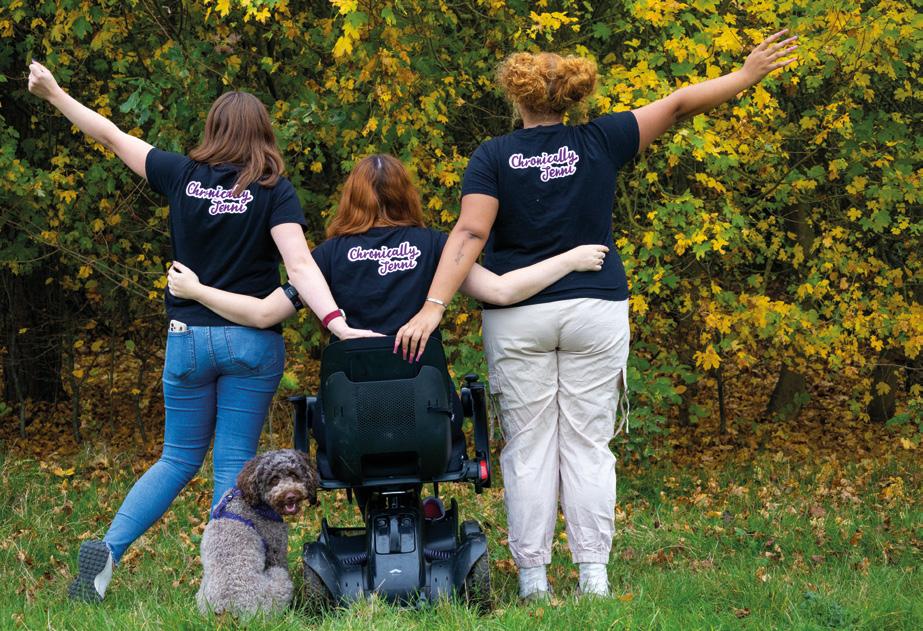
[Disabled] people should be allowed to say, “I’m having a hard day,” and not be expected to, like, give 10,000 excuses. If one of the girls [Jenni’s support workers] says they need time off, I don’t ask them a million questions as to why. I respect that they’ve got things going on in their lives. Just like if I need[ed] today off, I’ve got things going on, I’m having a bad day, I don’t need to explain it to them. They’re just like, “Okay, we’re having a bad day today. Let’s readjust our plan.” I think that’s more of what just humans need to do to each other.
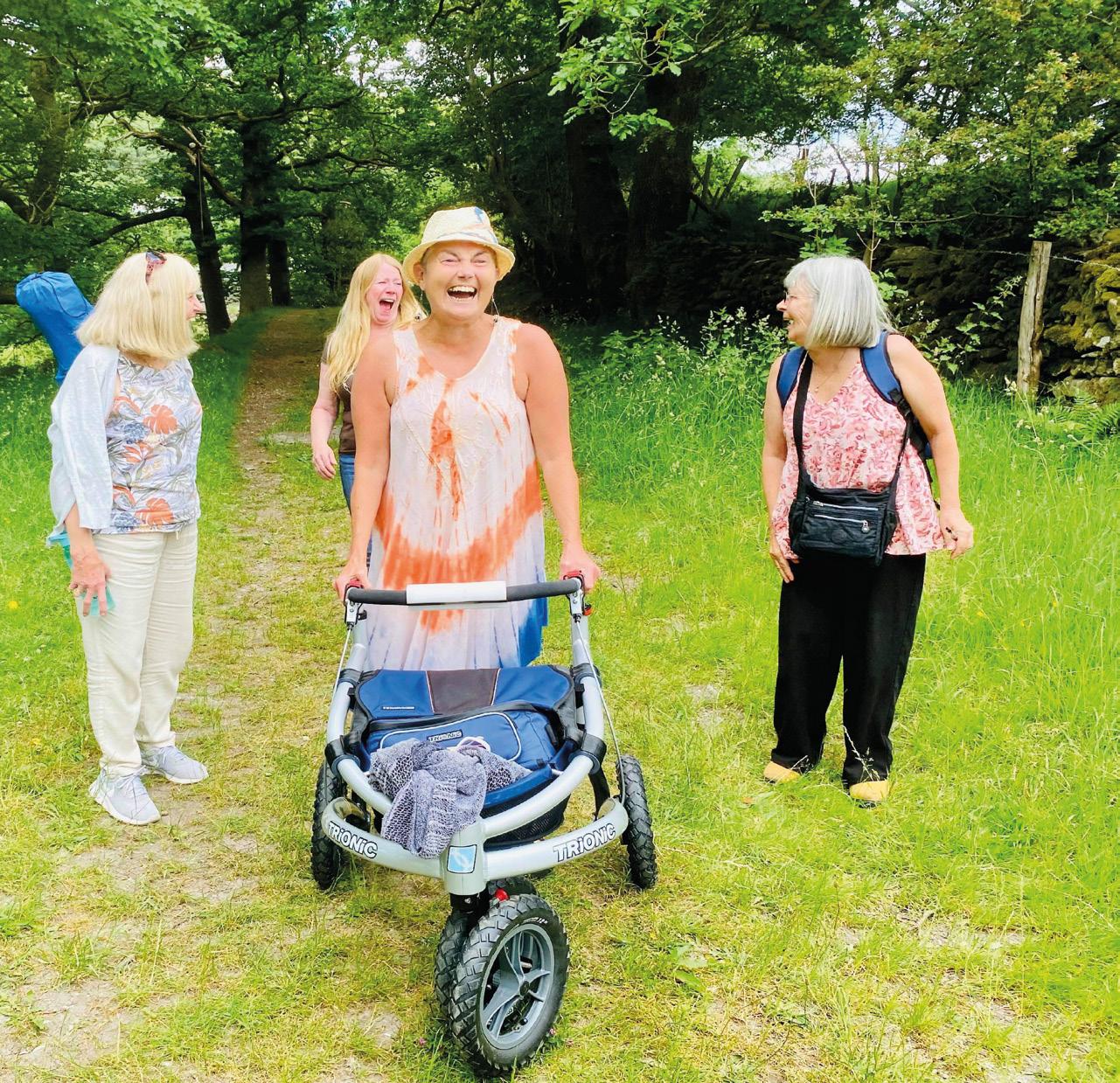
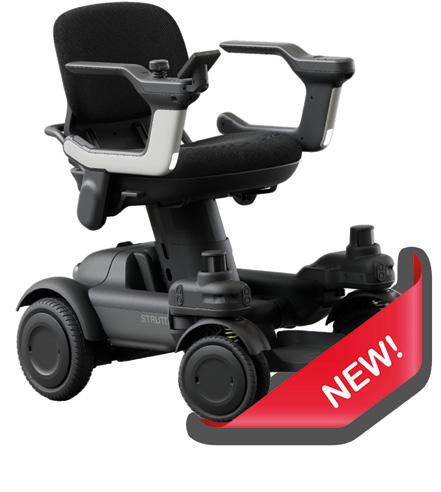
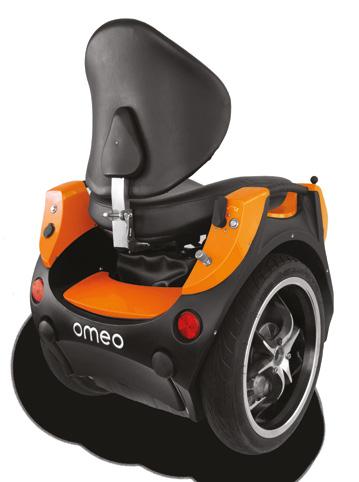
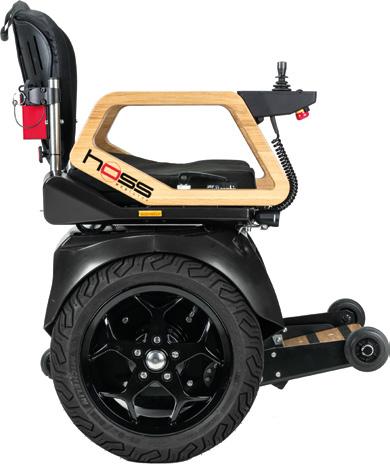
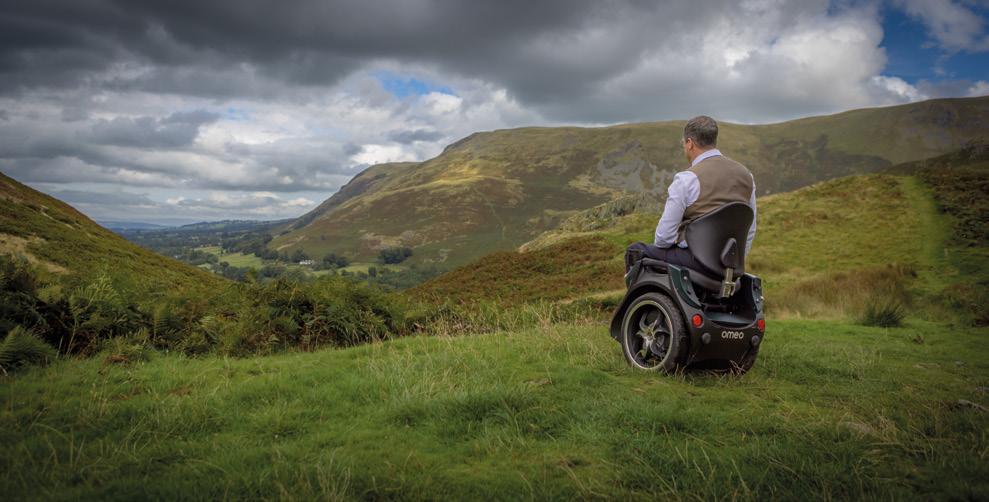
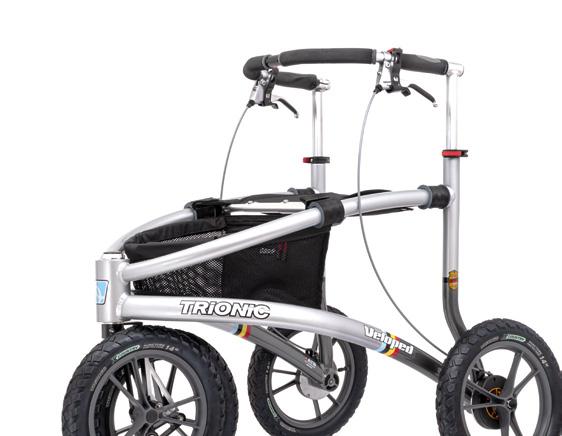
The Veloped is a mobility machine designed for those who want more—more comfort, confidence, and adventure. Whether you’re navigating city streets or exploring off-road trails, it’s time to move beyond the ordinary and step into what’s possible. Every step you take should feel like a choice, not a compromise.


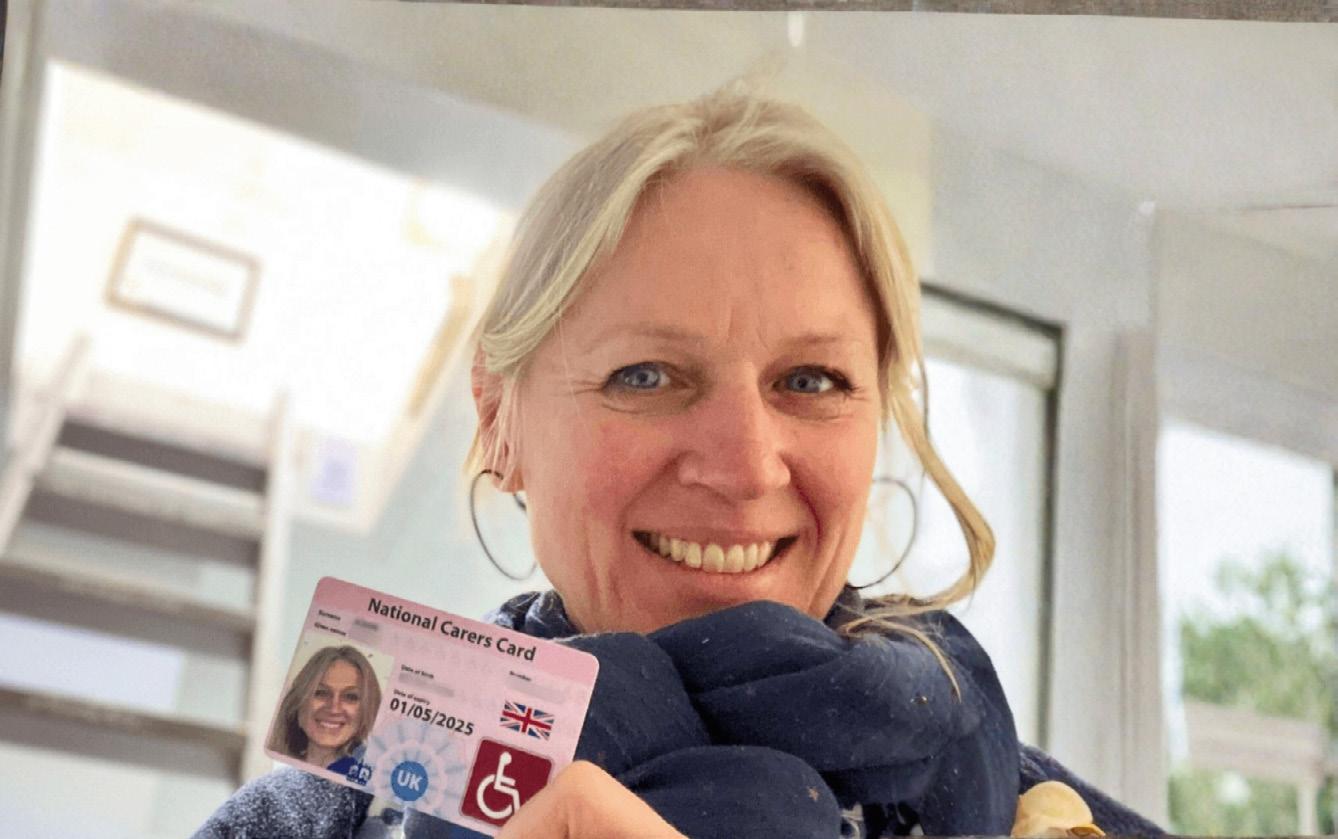
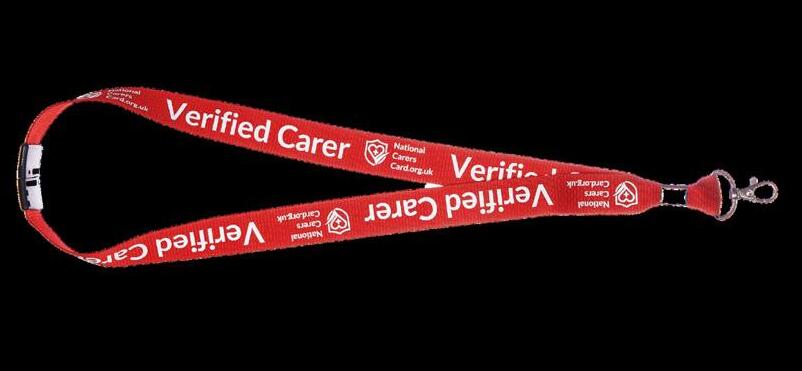





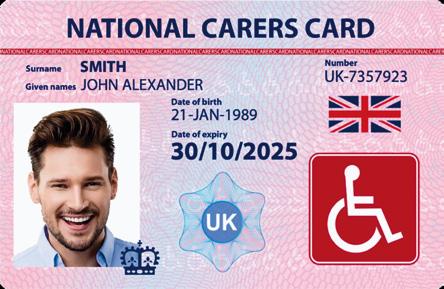







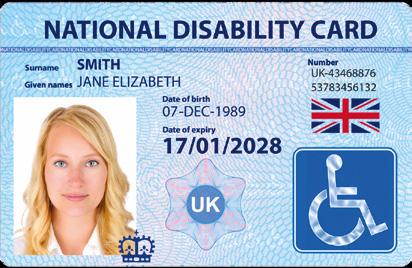

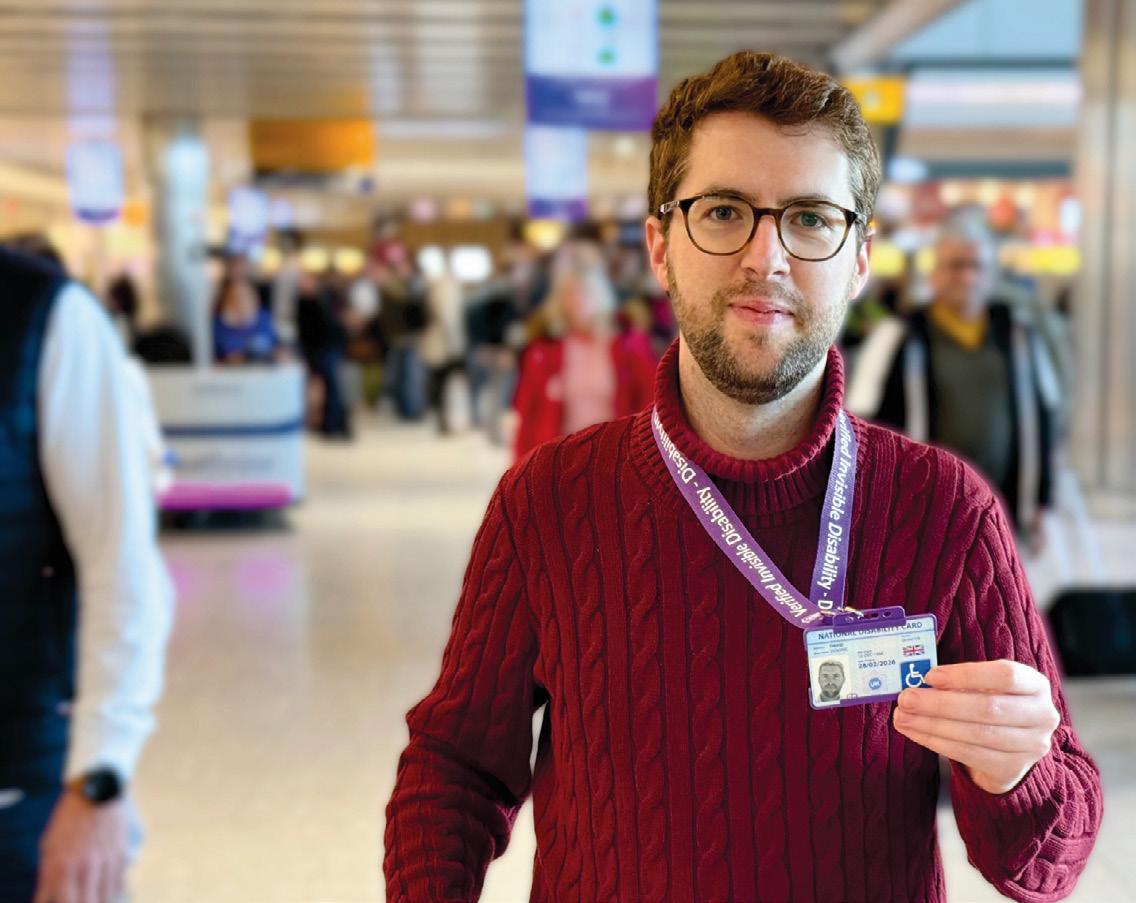
Exclusively for disabled people
Easy to carry - fits in your wallet
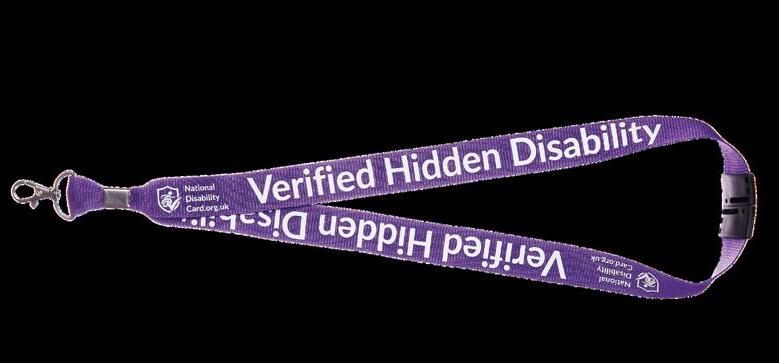
Get help & understanding faster
Accepted at 600+ locations
Save hundreds every year with exclusive shopping discounts


Advanced security features
Emergency contact QR code
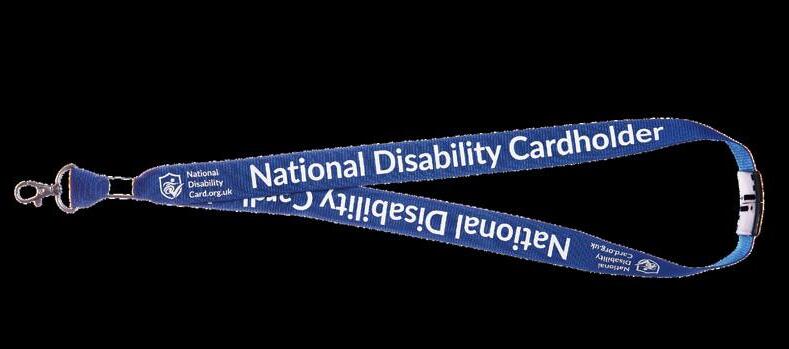
Lanyards & RADAR Keys available exclusively to card holders



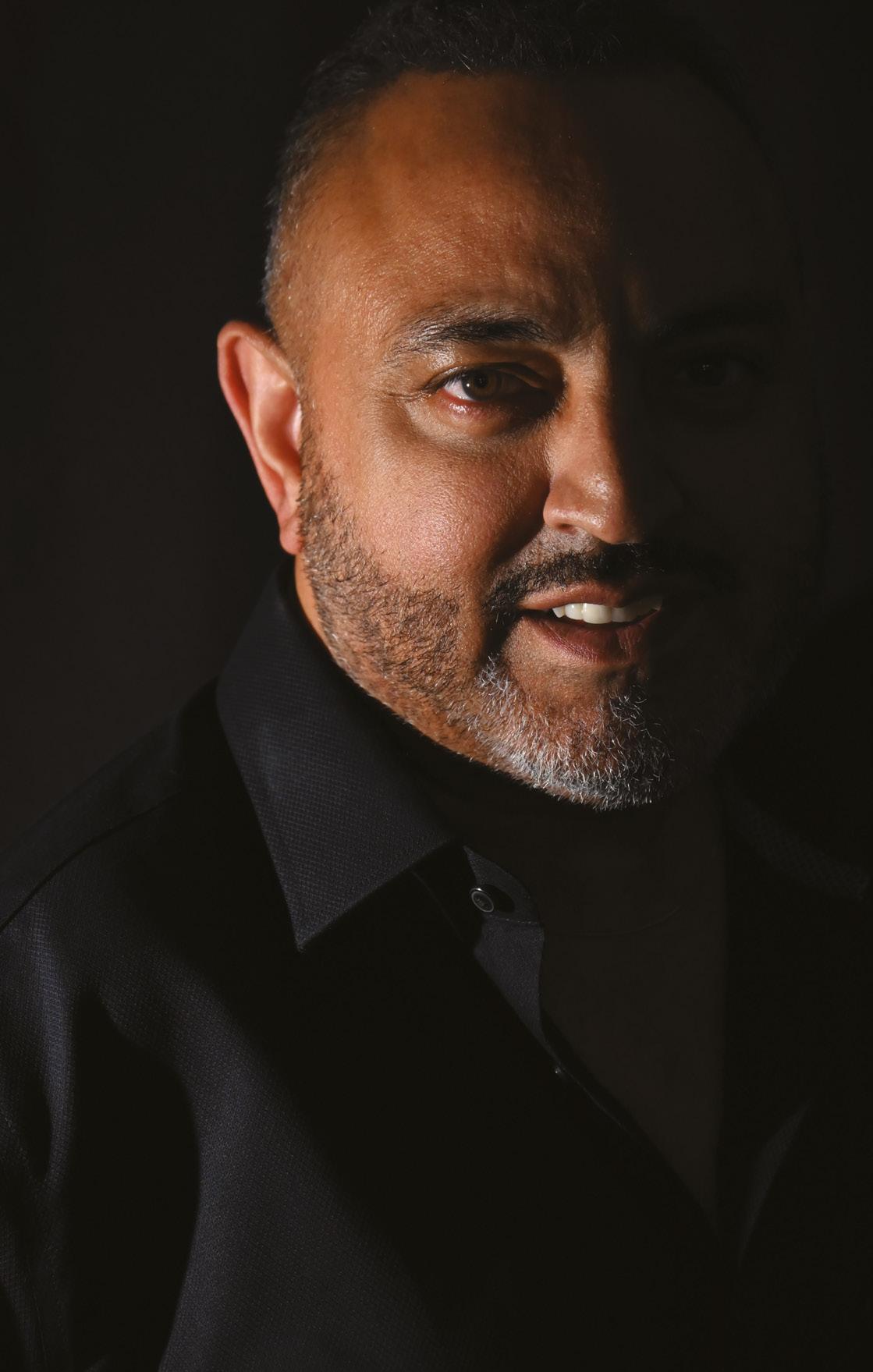
At a time of renewal, how can resetting be an act of reclamation? Dr Amo Raju OBE explains his point of view.
We are regularly encouraged to “start afresh” and reinvent ourselves. For disabled people, this burst of optimism is accompanied by the quiet knowledge that none of the systems around us have changed whatsoever. Transport remains inaccessible. Services remain underfunded. Decision-makers still confuse consultation with telling us what they have already decided. By all means, this is clearly the moment for personal transformation!
Disabled people do not need reinvention. What we need, repeatedly, is a reset. Not the dramatic, life-changing, all-or-nothing sort that photographs well, but the practical, unspectacular kind that allows us to keep going in a world that seems committed to wearing us down.
Much of the language around renewal assumes a level playing field. It presumes energy that is reliable, bodies that are compliant, and systems that respond if you try hard enough. We know that exhaustion is not a personal failing but an occupational hazard. Advocating for your own basic rights is, after all, a full-time occupation.
What concerns me most is how easily this pressure is internalised. Disabled people speak about burnout as though it is a weakness, rather than a rational response to years of hitting the same inaccessible wall. Resetting, in this context, is not indulgence. It is maintenance.
depends on disabled people burning out is not a movement that is serious about change. Another thing worth resetting is the expectation that disabled people must be everywhere, all the time. Too often, one individual is positioned as the voice in the room, expected to represent an entire community while simultaneously educating, challenging and remaining endlessly polite. It is exhausting. Renewal happens when activism becomes collective care, rather than heroic endurance.
Resetting, in this context, is not indulgence. It is maintenance.
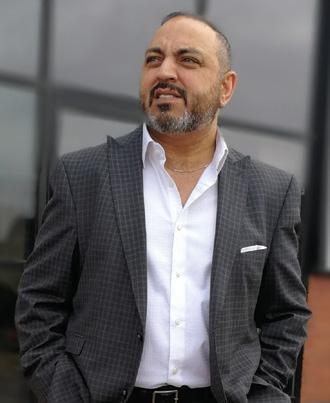
What concerns me most is how easily this pressure is internalised.
There is also an unhealthy obsession with urgency in activism. Everything must happen now. There is no time, apparently, for accessibility, rest, or reflection. Disabled people are told to hurry up, usually by systems that have been “working on inclusion” for decades and would still appreciate a little more time. Forgive us if we are not convinced.
Resetting means reclaiming pace as a political choice. Working more slowly, more deliberately and in sustainable ways is not a lack of commitment. It is a refusal to replicate the very systems that exclude us. A movement that
We might also consider resetting how we measure success. Disabled activism is frequently assessed by visibility, how often we speak, how present we are and how many rooms we enter. Yet some of the most meaningful change happens quietly; a policy clause adjusted, a process questioned, a door left open. Not all impact is visible, and not all visibility is impactful.
Perhaps the most important reset of all is returning to purpose rather than pressure. Anger is understandable and often justified, but it is not an infinite resource. Activism driven solely by outrage will eventually consume the people it relies on. Renewal comes when we remember why we are doing this work, who it is for and what kind of future we are trying to build.
Resetting is not retreat. It is resistance. In a society that expects disabled people to either inspire or disappear, choosing to pause, reassess and continue on our own terms is quietly radical. It says we will not sacrifice our health for someone else’s timetable, nor will we apologise for needing to survive the struggle we are trying to change.
iDr Amo Raju is the author of ‘Walk Like A Man’, now available on Amazon.
AUTHOR: Dr. Amo Raju
TWITTER: @AmoSinghRaju
INSTAGRAM: @amorajuofficial
TIKTOK: @amorajuofficial
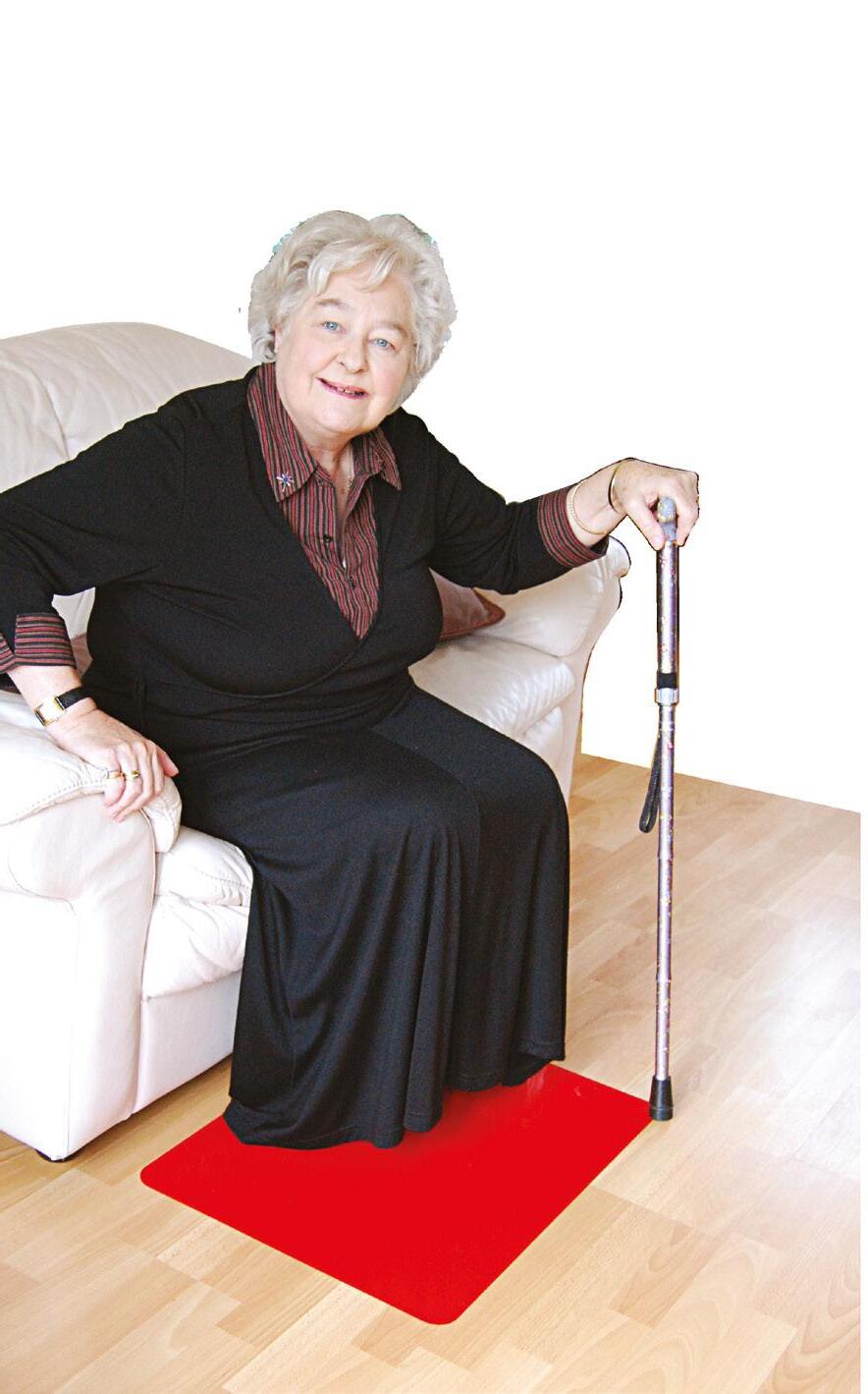
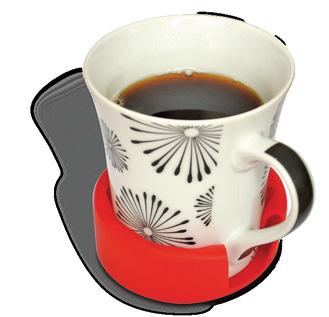
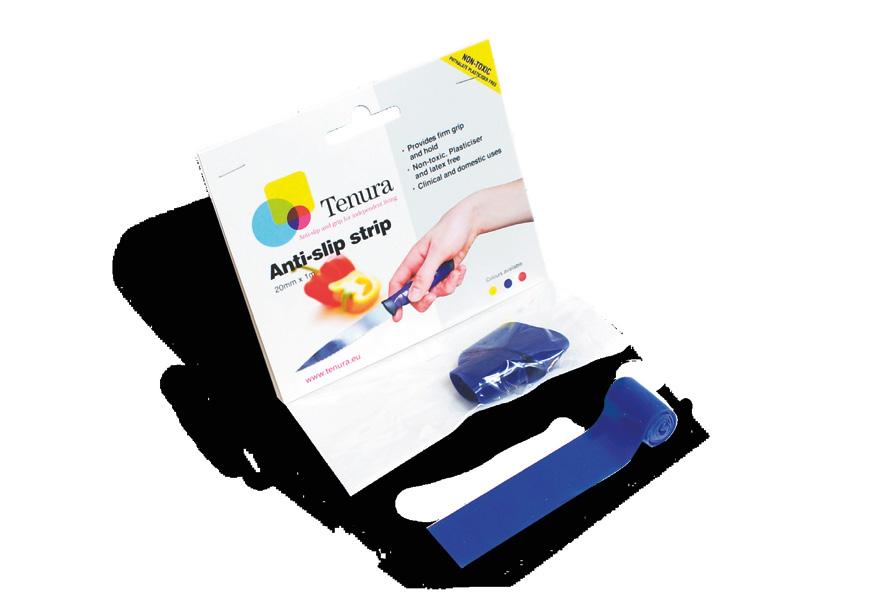
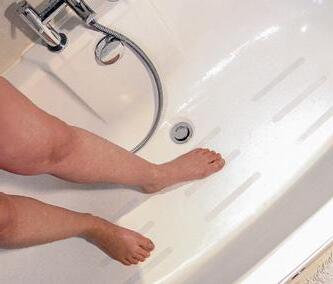
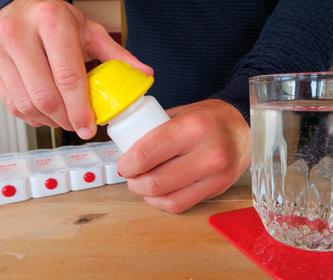
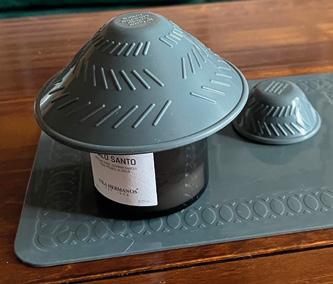
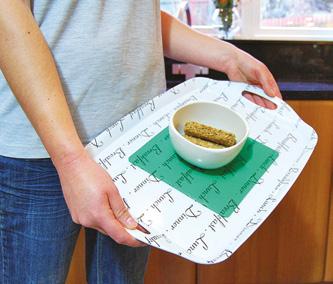
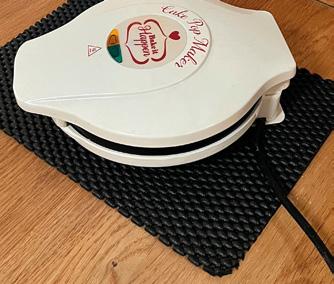
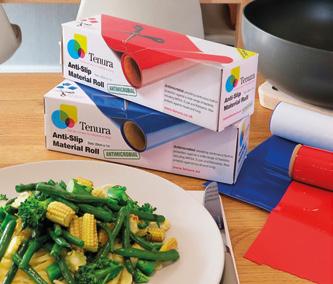
Innovative, non-slip daily living aids designed to enhance safety, comfort, and independence in everyday tasks.
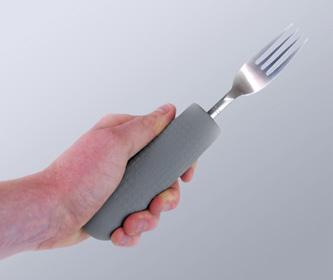

DRM’s editor Lydia Wilkins details her quest to find the ultimate accessible handbag
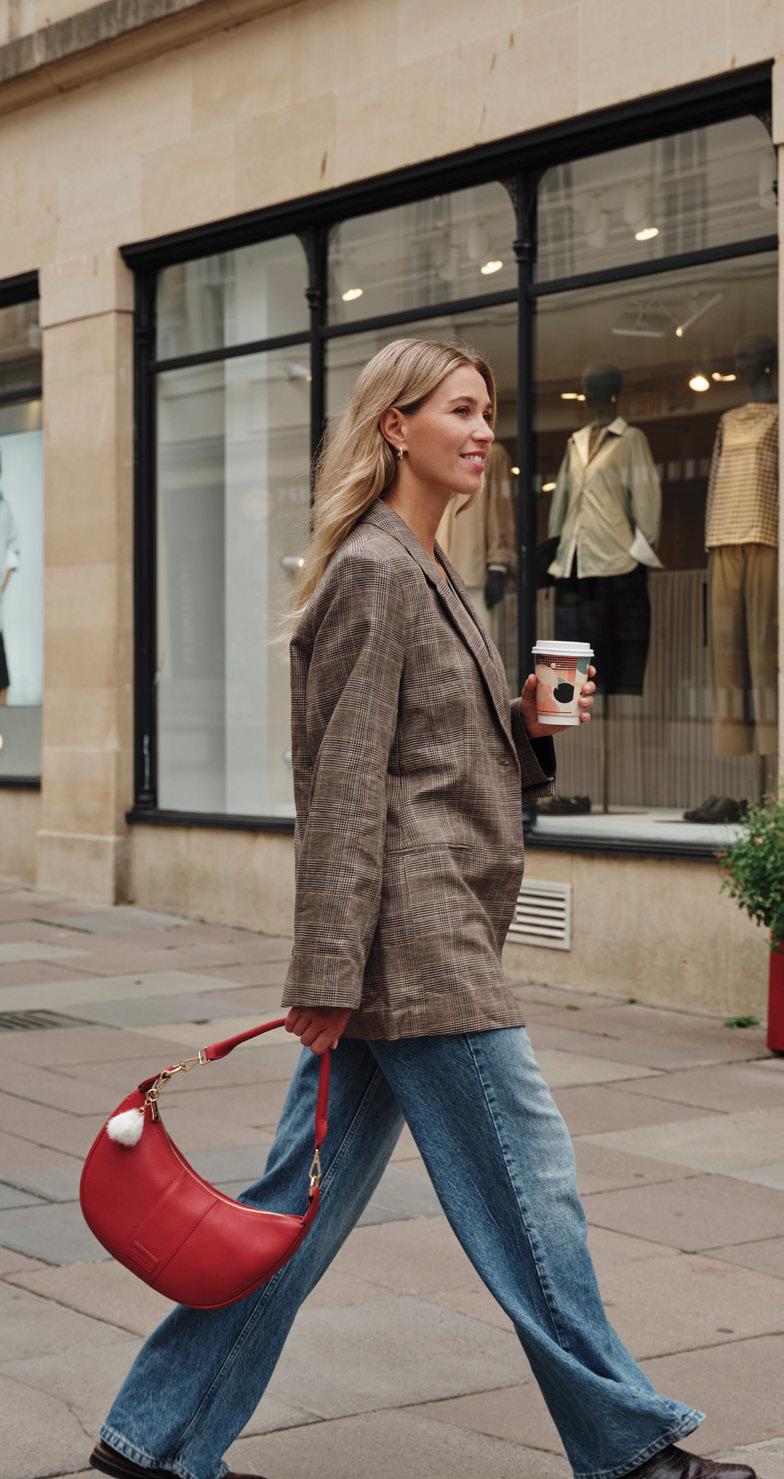
Ihave a confession to make; I have a ‘handbag habit’. It’s an eternal quest, seemingly - to find the one perfect handbag, as if my life will suddenly click into an organised placement. As a teenager, it seemed the ultimate ‘adult’ acquisition, a way to sashay into a life of my dreams, with an aspirational quality that I have to achieve. A girl can dream of being Carrie Bradshaw after all, right?
As a disabled teenager and then a disabled young woman who became more disabled with the advent of Long Covid, this became an ever-pressing issue. I’ve written about adaptive fashion extensively as a journalist, for titles such as GLAMOUR, the much-missed PosAbility Magazine and Refinery 29, even this very magazine you’re reading. I’d also collected a litany of fancy canes, some with glitter and colour-changing lights, but it was not lost on me how there was a lack of accessories for an outfit that adapted to my access needs. Most ‘options’ were impractical, such as tiny handbags or purses that could just about fit a packet of mints. How unrealistic is that?
A girl can dream of being Carrie Bradshaw after all, right?.
Disability means extra admin, as well as having to carry so much more to just function on a daily basis. There is a weight, both physical and emotional, to this. I have been diagnosed as Autistic for over a decade; this means carrying extras such as ear buds, pass cards, documentation, as well as my planner for travel reasons (or I cannot access the world whatsoever.) Long Covid means more is added to the bag, along with having to manage ongoing appointments; my handbag is weighted by medications, masks, hand sanitiser, a handy gadget to hook my cane to any chair or table (so it won’t ever fall.)
I also needed to be able to navigate with my mobility issues caused by Long Covid; a cane does
the detection of the ground for me, meaning I can move around, as well as keeping me upright and far less fatigued. To have my hands free would be a bonus; if you have to, say, use the tube, this would make access a whole lot easier. Escalators are where I am at my most disabled, due to the ‘funky stuff’ ongoing in my brain. The world that is fixed moves in front of my eyes, the world makes me dizzy; it can mean collapsing, at a serious risk to yourself, owing to being unable to balance or move with frozen limbs. It’s frustrating, but we have to roll with it - and sometimes, you still just want to feel pretty and good about yourself. Disabled women (and the guys, too!), are allowed to want to feel good about themselves.
Disabled women (and the guys, too!), are allowed to want to feel good about themselves.
Pom Pom London had been on my radar for a long time. Just looking around the V&A
as part of a press day event recently, the ‘disgustingly educated’ TikTok women (I refuse to use the expression ‘girls’) had taken to the brand, along with an abundance of bag charms. All of them were hands-free, able to make sketches or photographs. I loved that. We still have a need to learn! And we can look pragmatic and fabulous while doing so! Art is good for your mental health!!
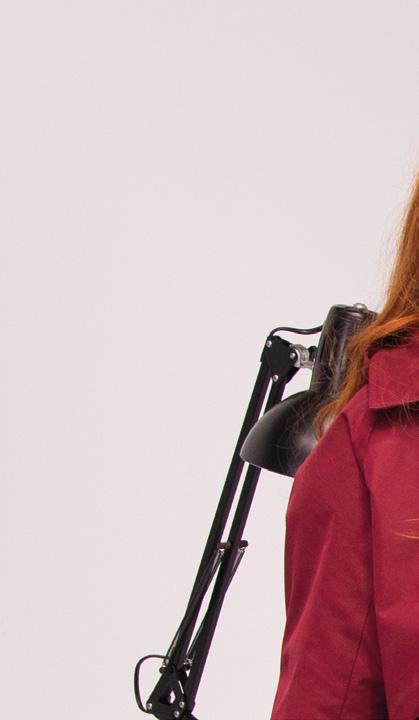
I chose the Sutton Sling Bag in a vibrant scarlet hue: There’s a litany of straps that you can choose from; at £99.95, it’s definitely a splurge, what fashion magazines would probably call ‘an investment piece’. Leather is also a consideration to take into account; I was after something with a waterproof material, and to not have to think about it again - at least, for a long time. Overconsumption has been on my mind a lot
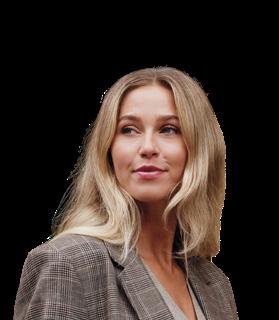
over the last year; one handbag is enough, particularly since that the handbag handles are easily clipped on and off. I can go across body at a restaurant, or even a short strap for more official events, such as when I need to network. Bonus! It is already hard enough to get dressed as a disabled person; this meant a no-fuss approach, which I liked. Maybe it’s time for my ‘red accents era’. And it matches my staple lipstick of choice! Maybe next I need a coordinating cane?
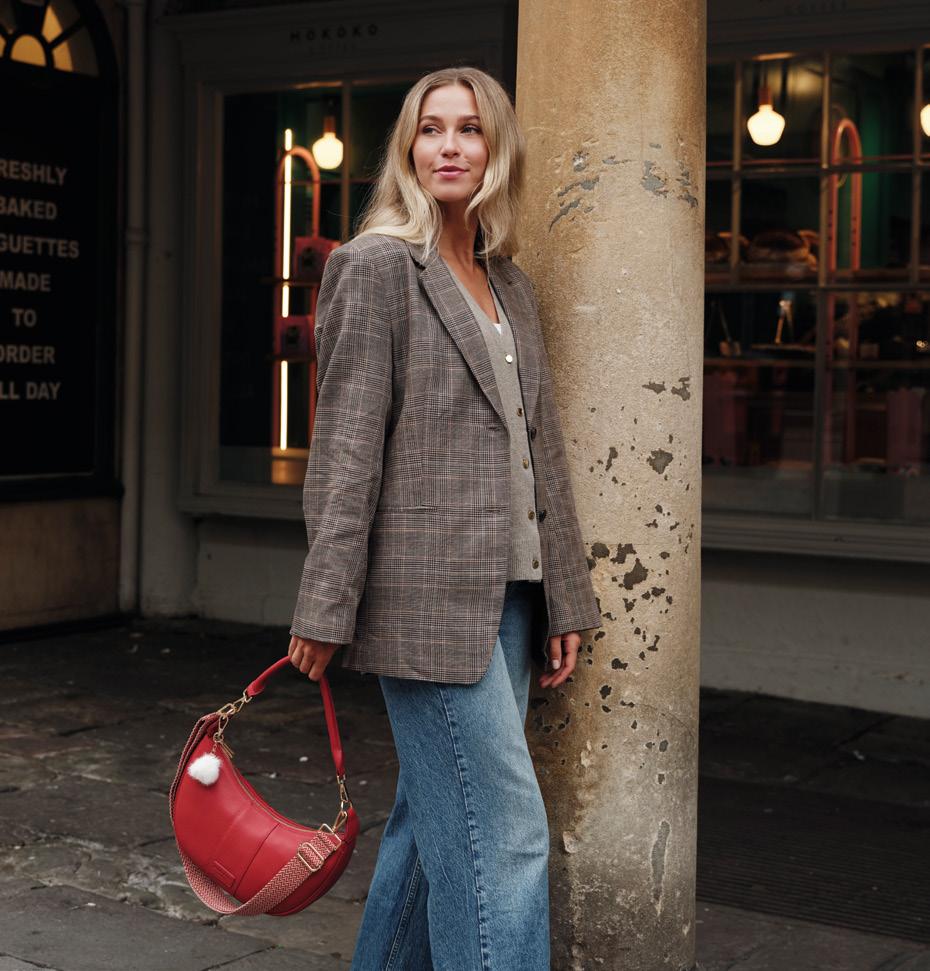
able to make sketches or photographs, I loved that.
The bag is a lot more roomy than I thought it would be; I was pleased to see that all of my medication can fit inside it, as well as tiny gadgets and gizmos I rely on. (The radar key is quite the odd shape to contend with. I also use ear buds for sensory issues, such as on the Underground.) And it fits my planner! I cannot cope without it, as it’s a disability aid; Long Covid scuppered my memory / recall, and it means coping as an Autistic person. The relief was palpable. A side note of caution, however, is not to overpack; your shoulder can hurt depending on where your strap is looped over the body! Less stuff, always the way. I love that my body has been freed up, and is able to cope just that little bit more.
My only criticism is that I wish there was a less ‘snazzy’ variety of extra straps to choose from; my favoured strap is the American flag print, as it distributes more evenly across my shoulders, as well as having more of an option to shorten its length. (Maybe not the best print to wear at this current moment in time!) Patterns are an issue for me due to two of my disabilities; I’d like more options for plainer, wider straps. But this is well worth the investment.
pompomlondon.com/collections/ sutton
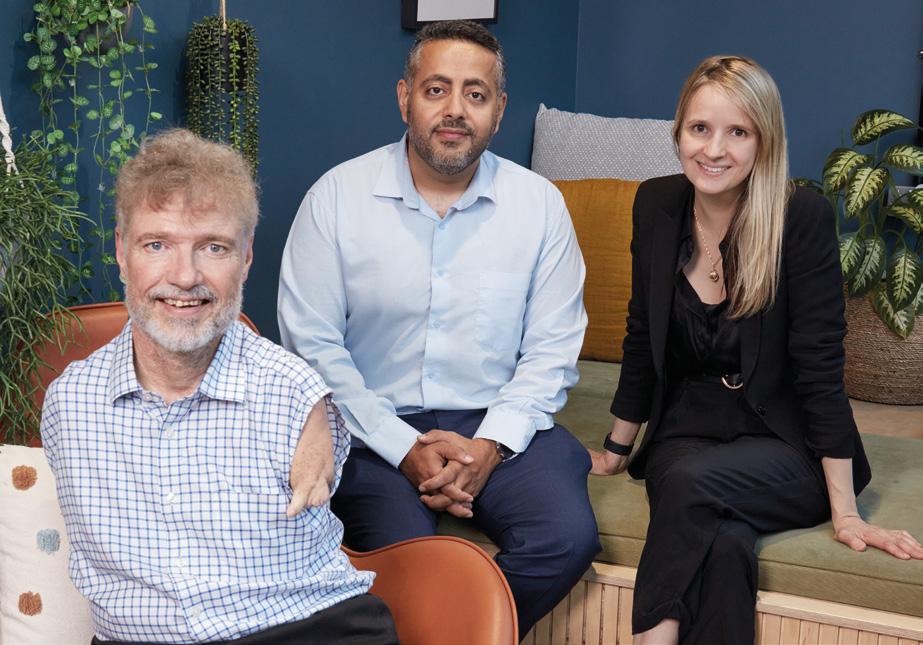
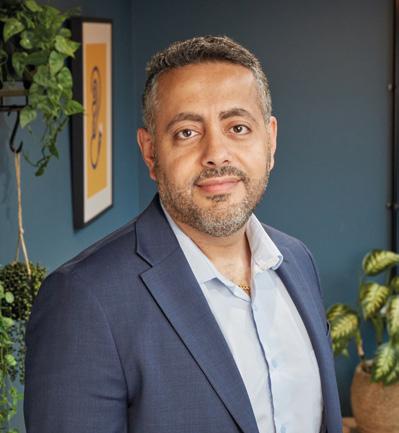
EnableAll has launched an e-commerce accessibility tool that fixes website access issues from behind the scenes. Disability Review Magazine chats to Mike Adams OBE and Imogen Wethered to find out more.
QSo, as a first question, tell us about EnableAll. What’s the origin story?

Mike Adams OBE: So, I know Victoria Jenkins [founder and CEO of adaptive fashion label Unhidden], because she’s one of our ambassadors for Purple Tuesday. And Purple Tuesday is an initiative to support businesses [to] become more accessible. And when it was created six, seven, eight years ago, we realised that we were on the cusp of
[society changing]… And it’s really strange to think back to that time, but online shopping was just starting, and to now think that most people use it most weeks or a hybrid about how they live their lives is just unbelievable, how fast it has come. But where we got to was we could spend, we had spent 20, 30 years as a disability movement, kind of dealing with physical barriers, and then we resolve[d] that and the world moves to digital, and then we have digital barriers. And so EnableAll was conceived as a concept of how we make digital online access accessible.
So that was the idea, and it came out of… it was the son or daughter of Purple Tuesday, it was the online digital [alternative]. And originally, what we wanted to do was create a marketplace. So think Amazon, you know, EnableAll could be a marketplace that was accessible. But ultimately, we’ve evolved into a product that goes into websites at code level.
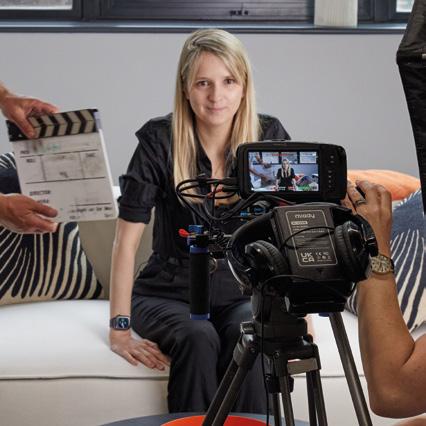
I am really not technical, so I am not going to get technical because I can’t. But most websites create what they call overlays that can make one or two, three changes, whereas EnableAll fixes the issue

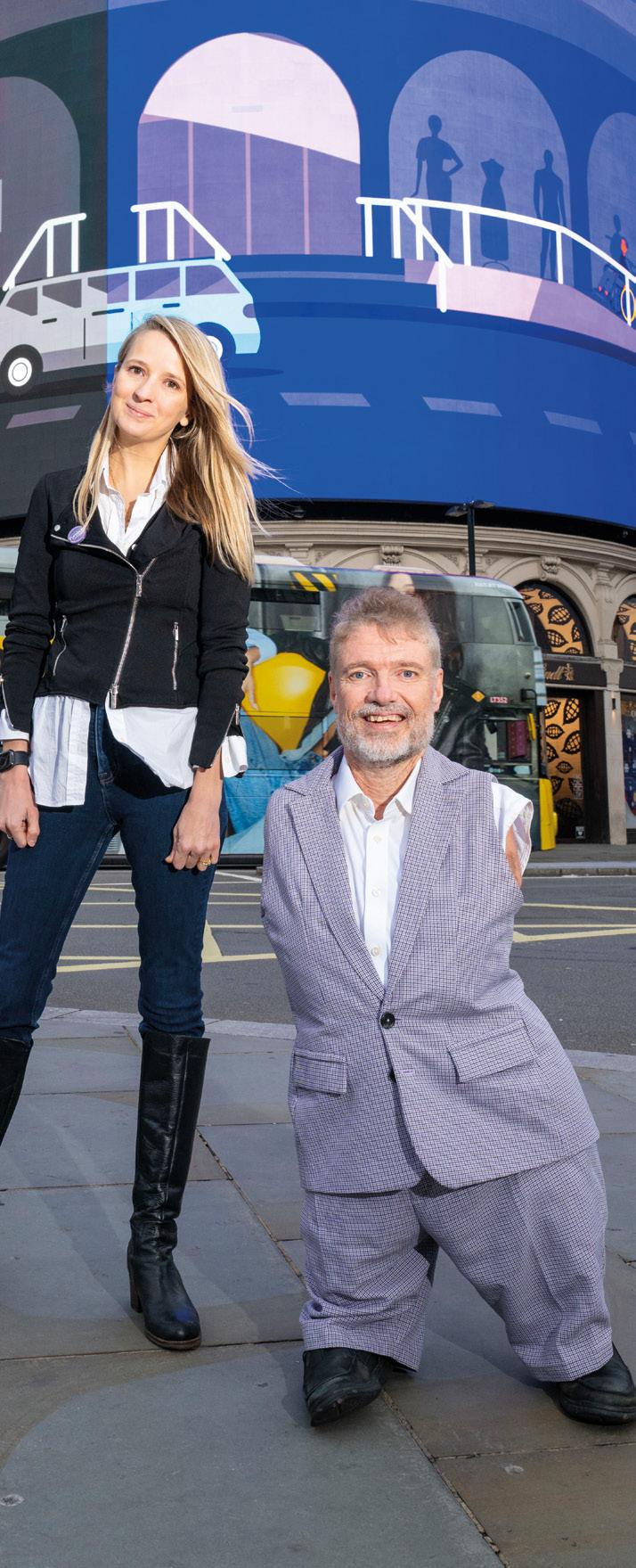
My existence and what we do at Purple and EnableAll is: disabled people are customers, you know, and as a customer, you want a quality experience
at code [level], so can make many more [changes] for many more people. And we have now created a product that we launch internationally next week [at the time of the interview] that will do just that, and I think will be very different and a different experience to what .disabled people have previously had.
QWhat is the current state of play of websites and their accessibility issues?
Imogen Wethered: So I think it’s something that most businesses don’t even think about or know about. So, for example, I used to run a software business before, and it was only when we started building in the US that we even heard of WCAG, the Web Content Accessibility Guidelines. To us at the time, it was just kind of a burden and a headache. I think in the UK, most businesses, they haven’t even thought about it. Most of the agencies that they work with don’t even know about it.
And if you have a quality experience, you’ll go back to that brand or that product and buy it again and again and again.
They’re having people who are building their websites who don’t know about it. Like most website developers haven’t really studied it. So it’s kind of something that you have these specialists [look at], who are able to do it, or just people who don’t really know much about how to make a site accessible.
So you’re having a lot of images uploaded without descriptions. So therefore, the site’s not easy for someone who’s blind to go through it. You’re getting kind of keyboardlike issues, that just make it hard for a keyboard-only user to get through the site seamlessly. But no one kind of tracks why people don’t buy something on their site or why they stopped. So there’s just lots of customers who aren’t able to use the site, and businesses don’t even know that they’re losing them.
QA question to Mike; how does a business benefit from taking accessibility–related measures?
Mike Adams OBE: My existence and what we do at Purple and EnableAll is: disabled people are customers, you know, and as a customer, you want a quality experience. And if you have a quality experience, you’ll go back to that brand or that product and buy it again and again and again. And that’s no different to nondisabled people. And our existence is to say why would any business want to exclude 24% of the population who happen to have a disability? If you think about a tourist destination that’s not accessible, if the disabled person can’t go, then the whole family doesn’t go. And so not
being accessible has a ripple effect impact on the family as well as the disabled person. So our argument to businesses is, look, you could open your markets to 23, 24% more people simply by being more accessible. So why wouldn’t you? And really, it’s as simple as that. So there are the commercial benefits, you know, you widen your pool to more potential customers, and then there is what I call the social common sense. Why wouldn’t you? And if you have a solution like EnableAll, why wouldn’t you?
QWhich is a fair question.
Mike Adams OBE: Yeah.
QWhat is one quick takeaway that businesses can take from your argument about accessibility?
Mike Adams OBE: For me, I always find that people have said about disability in the past, it’s too complicated, it’s too difficult, we don’t have disabled employees, we don’t have disabled customers, we don’t need to [make inclusion a priority]. And that’s not true on any account. But on the basis that we give you a solution, why wouldn’t you? And so if you’re being given the solution, why wouldn’t you take it? That would be my takeaway.
Imogen Wethered: For businesses, the kind of things that some… but some businesses are just ready to be inclusive, and it’s a no-brainer for them. Others are like, oh, we don’t want to, we’re focused on conversion and our argument that this is as much a conversion tool, as it is kind of an inclusion and a compliance tool. Firstly, you’re enabling one in four customers to shop more seamlessly and therefore to check out. They’re therefore more likely to tell their friends and their families and to come back. And in addition, Google prefers more accessible sites, so you’re more likely to rank better in the search engines and, as a result, drive more traffic to your site. So it’s a no-brainer growth tool as much as it is a compliance tool.

Adaptive fashion is an industry rising in value; Disability Review Magazine asked 3 adaptive fashion designers to weigh in.
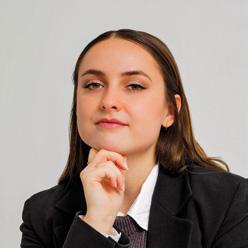
Founder of: Dewey
Back story: Adults who are 4ft - 5’4” are generally not catered for by the fashion industry. There needed to be a change to counter the lack of options.
“Adaptive fashion is crucial to society because it ensures that disabled individuals are not isolated or overlooked by the fashion industry. Fashion is a key part of identity, and everyone deserves to feel represented and stylish. Furthermore, since 84% of people acquire disabilities over their lifetime, adaptive fashion should be both functional and fashionable. In short, adaptive fashion is not just important but essential, and the industry must move faster to offer stylish options.
Visit: deweyclothing.com/ for more information.
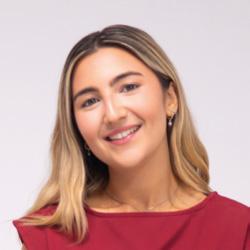
Founder of: Intotum
Back story: Having seen a close relative struggle with clothing that denied them dignity while undergoing cancer treatment, Hanan Tantush stepped up to create a solution.
“I started Intotum because clothing wasn’t being designed for disabled bodies, so we work alongside the disabled community to create independence, confidence, and joy without compromising on style.
“Adaptive fashion matters because it gives people their identity back - it allows you to dress yourself, feel comfortable in your body, and still look like you, not like you’ve had to compromise. When disabled people are involved in the design process, clothing becomes a tool for expression rather than another barrier.”
This issue’s cover star worked with Intotum over her namesake suit, which is suitable for wheelchair users. Visit : intotumfashion.com for more information.
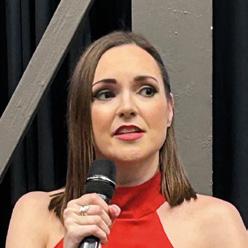
Founder of: Unhidden Back story: Traditionally trained technologist Victoria Jenkins witnessed a patient denied her dignity, while she herself was also undergoing hospital treatment; a need to offer a corrective was born. She also co-designed Primark Adaptive, which launched last year.
“It matters because the disabled community has enough to deal with, without getting dressed and accessing their own body being another barrier to an equal standard of living. The data is there that when we feel like we look good, we feel better (disabled or not), and that’s not withstanding that there are occasions where we have to dress a certain way and simply can’t, and that has a huge impact as well.”
Visit unhidden.com/ for
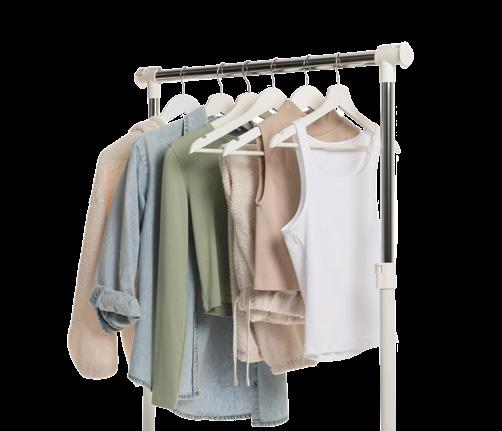


At Sensory Playground, we understand that disability and neurodivergence shape daily life in ways that aren’t always visible but are deeply felt.


We choose sensory tools that make a difference because we use them in our own home. Living with neurodivergence and disability means thinking about regulation every day, and the products featured here reflect the needs we see most often.
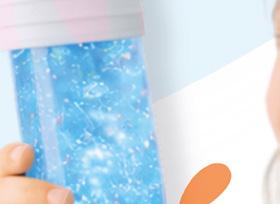
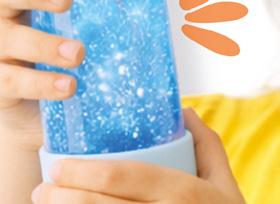
Calming bottles offer gentle visual focus during overwhelm. Chewable necklaces provide safe oral input to support concentration. Tactile fidgets and squish tools help channel restless energy. Even flavour-free toothpaste can ease daily routines.

Small adjustments, but in the right moment, they can make a huge difference.









you know?
neurodivergence is a recognised disability in the uk when it impacts daily life



That means support isn’t optional, it’s a right.



















































































































We’re a family-run, independent UK business shaped by lived experience. With sensory needs in our own household, we know that regulation is simply part of everyday life. That perspective guides every product we choose.
Trusted by parents, carers, educators and therapists, we focus on inclusive sensory tools that support wellbeing at every age.




Each item in our range is carefully chosen for comfort, engagement and practical support, from calming fidgets and tactile toys to visual aids, weighted products and learning resources, designed for both children and adults.










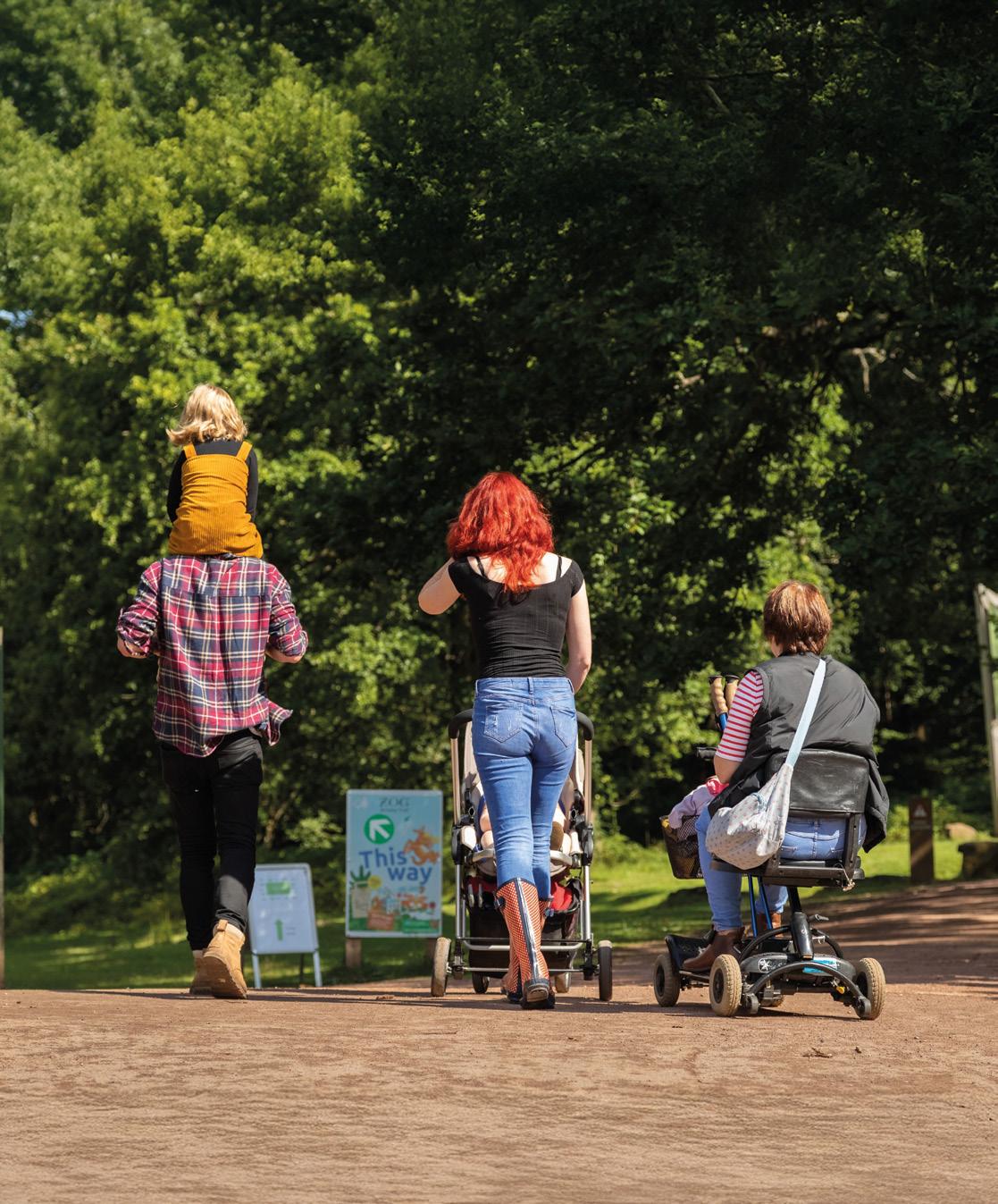
With more accessibility improvements than ever before, why not try one of the nation’s forests for your next outdoor adventure.
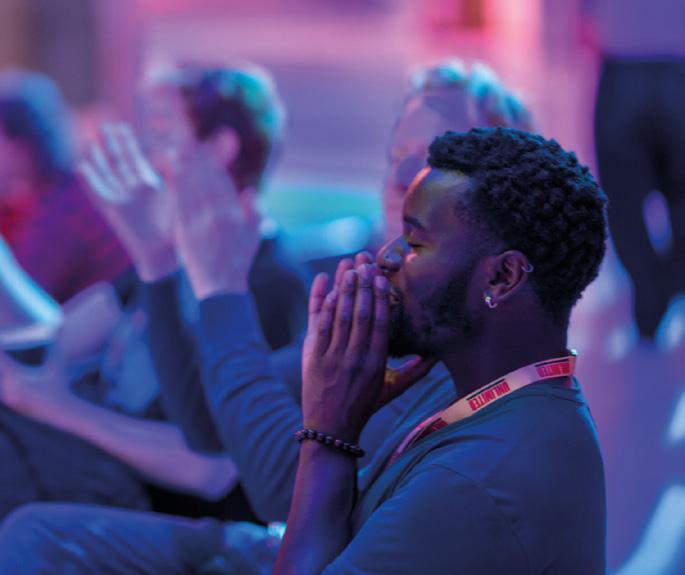
Carole Edrich uncovers what can be done about exploitation in the arts, with the launch of the Anti-Exploitation Academy
We all know it happens. We’ve all been subject to it. If we’re honest, most of us have imposed it on others, too. The expectation of free labour in the arts isn’t a dirty secret. It’s standard operating procedure, even survival for smaller organisations. It runs through the sector like damp through old walls: in the unpaid consultation that’s framed as a favour, the ‘exposure’ offered in lieu of a fee or the emerging artist told their enthusiasm should be payment enough. It extends well beyond the arts too. The gig economy, the internship culture, the corporate
assumption that passion negates the need for payment.
But it hits hardest where resources are at their thinnest and power in its most asymmetrically distributed places. In the UK and most of Europe, that means disabled people – particularly creatives – bear a disproportionate share of the cost. Systemic and structural incentives are stacked against change and organisations already running on fumes, goodwill and the ghosts of the fumes. So it’s no surprise that organisations are looking to free labour to survive, or that individuals fear that saying no means never being asked again. None of this will be fixed quickly, or by a single initiative. But it can be fixed incrementally,
practically and with the kind of cleareyed honesty that refuses to pretend the problem is somebody else’s responsibility.
In January, at the launch of the Anti-Exploitation Academy, Jo Verrent, Director of Unlimited explained: “When exploitation becomes normal, it stops being visible. We stop questioning it and start justifying it. But normal shouldn’t mean acceptable.” She added: “I wouldn’t be in the role I am now if I hadn’t done work for free in the past. I don’t think this is right or fair. But it’s true.” She also says that she has lived both sides of this problem, and discusses more in her blog post at tinyurl.com/tuaxuyza .
But it hits hardest where resources are at their thinnest and power in its most asymmetrically distributed places.
The Academy grew out of Unlimited’s Nothing for Nothing campaign, which, back in 2023 surveyed over 300 disabled artists, creatives and arts workers (myself included). The findings were awful. We disabled people make up at least 23% of the working-age population (about 10.2 million), 86% of respondents had been asked to work for nothing, and only 2% said they never had. They followed that survey with case studies, resources, an organisational pledge scheme and a series of online events. But Jo wanted something with a longer reach. Not just a campaign moment, but a permanent practical tool. The Academy took a good year to build, and it’s where much of her 2025 energy went. I’m on the Unlimited Board (we’re all disabled, intersectional, have protected characteristics or are neurodifferent, and by ‘we’ I mean Board and staff alike).
Unlimited launched The AntiExploitation Academy in January this year. It’s Unlimited’s first ever online course. It’s free, anonymous, needs no login and collects no user data. Find it at tinyurl.com/2zch2xnw. Jo says that change starts when we start to notice. I hope that noticing helps you as much as it helps me.
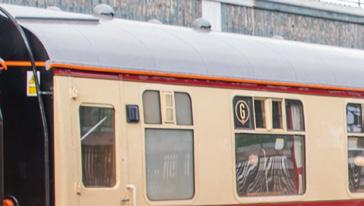
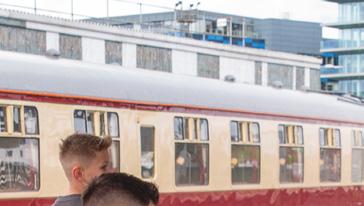
Your experience can help change that
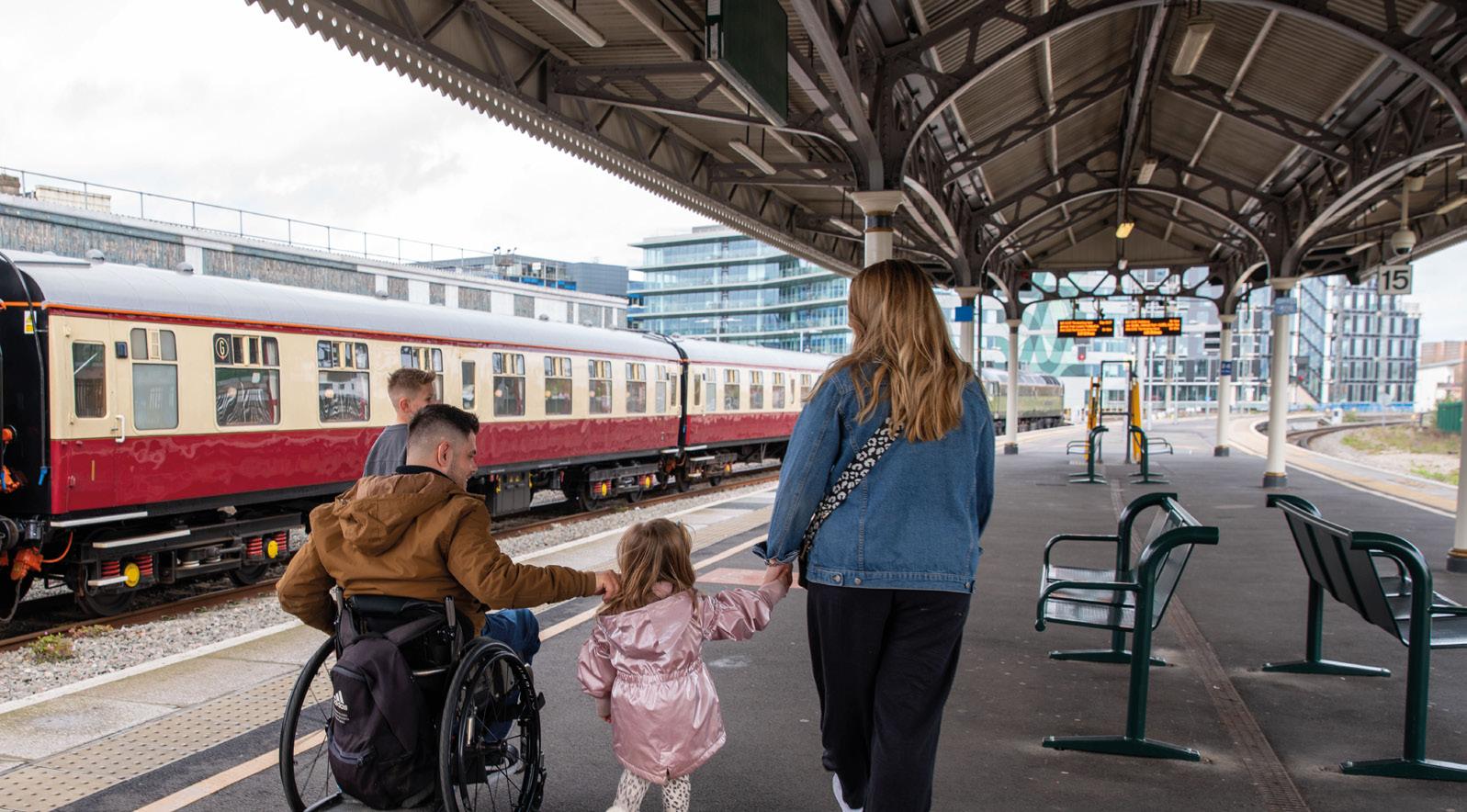
Join the Community of Accessible Transport (CAT) Panel and work with ncat (The National Centre for Accessible Transport) to inform research and decisions to help improve accessible journeys across the UK.
The CAT Panel brings together disabled people from across the UK to share insight, experience and expertise that informs research, innovation and transport decision-making. As a member, you can:
• Share your experiences of travelling and using transport
• Tell us the reasons why you may not currently travel
• Contribute to research influencing future services and policy
• Highlight barriers and identify practical improvements
• Take part in surveys, discussions, workshops or testing activities
Panel members are valued for the insight and experience they bring. Remuneration reflects the level of involvement and contribution to each project, recognising the importance of your time and input. Participation is flexible, allowing you to choose opportunities that align with your interests and availability.

ncat works with industry leaders, policymakers and innovators to help strengthen transport decision-making by using our research and insight.
We support organisations to:
• Understand barriers across whole journeys
• Apply our insight to design, planning and delivery
• Develop inclusive solutions shaped by passenger experience
We work across the aviation, bus, maritime and rail sectors, helping to inform the UK government, organisations and businesses to deliver accessible, joined-up journeys.
For news and updates scan here
The National Centre for Accessible Transport (ncat) is funded by the Motability Foundation and delivered by a consortium of organisations that includes Coventry University, Connected Places Catapult, Designability, Policy Connect, the Research Institute for Disabled Consumers (RiDC), and WSP.
Visit our website: www.ncat.uk

I’m not exactly sure of the last time I was in Gibraltar, which I once visited regularly to see a good friend. Direct flights were hugely expensive, so I’d often fly to Malaga. The bus from there to the Rock took hours, hurtled over bridges, followed scary winding roads, and left me with motion sickness that took a full day to subside. I am on the way back for three days which turn into a little more than two. Strong winds, driving rain and waterspouts on Gibraltar’s runway make us divert to Malaga and go the rest of the way by
coach. On touchdown we’re told that anyone using a wheelchair or who might have difficulties should stay back, tell the staff, and they’ll be given a taxi to Gibraltar. Had we realised that leaving with everybody else would mean wandering around Malaga airport until we eventually stumbled on the coach departure area, being turned out with our luggage on the Spanish side of the airport, then battling the same weather that had caused the plane’s diversion, we would have stayed behind.
My ADHD loves Gibraltar because there’s so much to find in such a small space. Ian Fleming developed


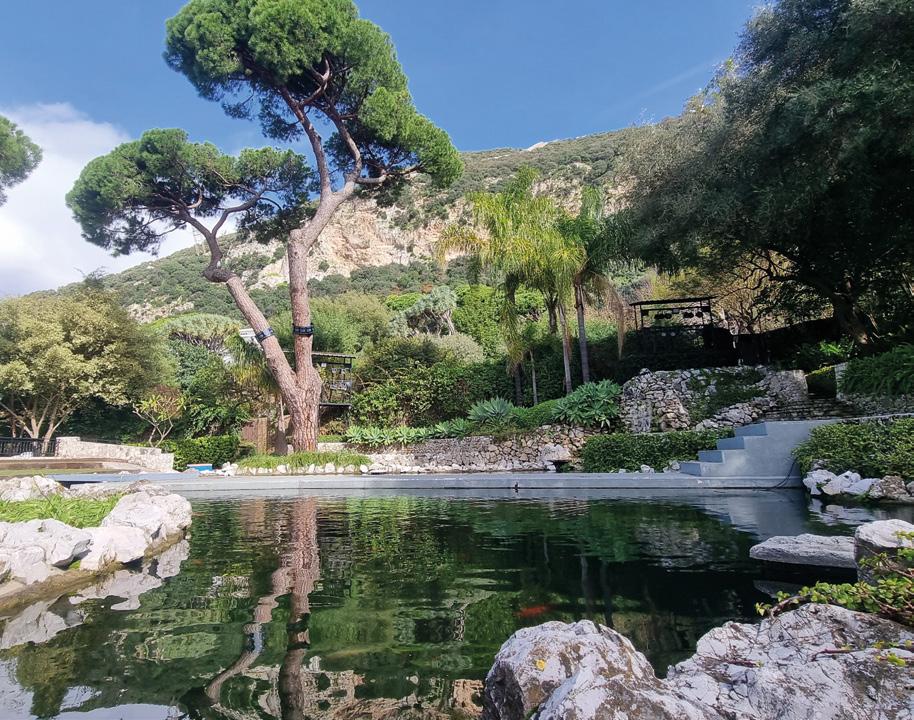
It feels like they’ve reclaimed half as much land again as they once had. The reality’s closer to a (still amazing) 10%, with more to come.


number of vehicles per kilometre of road in the world, walking remains the dominant mode of getting from A to B. Everywhere can be walked or bussed to. The bus we want to Europa Point is full and doesn’t let us on, and when we decide to walk instead, we find more than one road with absolutely no pavement.
My ADHD loves Gibraltar because there’s so much to find in such a small space. Ian Fleming developed Operation Goldeneye here when he was a real spy.
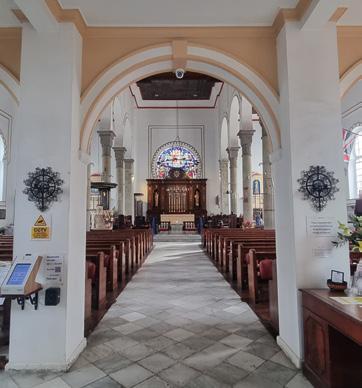
Operation Goldeneye here when he was a real spy. Sean Connery stayed here. The opening scene of The Living Daylights has Timothy Dalton careering down roads on the Rock itself. There’s a farm with wild noisy cockerels right in the middle of the city, an entire offshore gambling and finance industry tucked beside 14th and 15th century walls, and Barbary macaques steal tourists’ sandwiches (legend has it they’ll protect British Gibraltar for as long as they stay). I’ve been commissioned to photograph around 100 places of interest. For an ADHD brain that thrives on pressure, it is perfect. For an ME body that requires careful management, it is about as stupid as it gets.
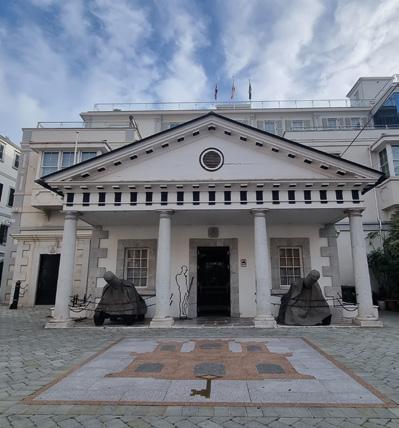
So much has changed! Main Street (think a Spanish-looking, Englishspeaking, duty-free version of London’s Oxford Street) has been pedestrianised since 2001, and even though Gibraltar has the highest
It feels like they’ve reclaimed half as much land again as they once had. The reality’s closer to a (still amazing) 10%, with more to come. I think it looks like more because Gibraltar itself is a whopping great rock and the older buildings have accreted around it, while reclaimed land is flat, modern and accessibly designed. The first time I went, Casemates Square was a car park. Now it’s a tourist-and-entertainment centre with an impressively accessible loo.

Sitting in the lounge I reflect on how Gibraltar has so successfully renewed itself between this and my last visit.
Gibraltar has five Changing Places Toilets in other locations which, if you look at percentages, puts it only slightly behind the very best of the UK. Eastern Beach and Catalan Bay also have free amphibious chairs, mobi-mats and dedicated attendants for wheelchair sea dips.
That doesn’t mean the whole place is accessible. After all, it’s a rock. Because of this there will always be challenges. Many accessibility ramps (as distinct from streets named for military ramps) are often alarmingly steep. A local in a wheelchair tells me that you’re fine if your wheelchair’s electric. I suspect it would have to be souped up. The famous tunnels are dark, extremely damp, very long, and without seating. St Michael’s Cave with its stalagmites, stalactites and light show is full of steps, but the cave is quite small, and wheelchair users can still see the famous angel and get to the natural auditorium. Wheelchair users aren’t charged the £30 access fee for Upper Rock locations, so they need not force themselves to cram as much as possible into one visit,
something I’d have liked to do too, to better manage my ME. My two-day rush ends after walking to the airport on the only road in the world that cuts right across the runway. Sitting in the lounge, I reflect on how Gibraltar has so successfully renewed itself between this and my last visit.
Gibraltar survived being cut off from Spain by Franco for over fifteen years, changed its economy when the British military left, reduced unemployment to less than 1%, increased visitors from four to twelve million annually, and renewed so much land through reclamation. Soon its border will change again, fully opening the Territory to Spain and Europe, and another renewal will begin.
Meanwhile, once I’ve emailed this feature in to the editor, Lydia, my adrenaline will drop and my ME will take over. Can I renew myself before losing the next five days to my disability? If a whole territory can be as resilient as Gibraltar, surely – hopefully – I can too.
When the undocumented, painful but hilarious trials I’m currently stuck in one place managing are over, I plan to tour my solo comedy show where I combine tasting (non-alcoholic drinks or wine, and I might add different waters) with standup about my travel muck-ups. I want to do this in nontraditional venues, like the funeral director, hair salons, wine bars and nail bars that I’ve sold out at before. Unsurprisingly, there’s no directory of places-that-aren’t-performancevenues-that-might-be-persuadedto-host-one, so until recently I was a bit stuck on how to find them. Then I found this wonderful list of accessible loos in Gibraltar (tinyurl. com/vh7p65sj) which made me think there might be similar lists elsewhere. Problem solved! If they’ve already thought about accessibility, they’re my type of people (and more likely to welcome a disabled performer). I’ve since discovered lists of hair and nail salons, beauty parlours, wine bars, funeral directors and more which have accessible loos, in the UK and beyond. What better places to start!?
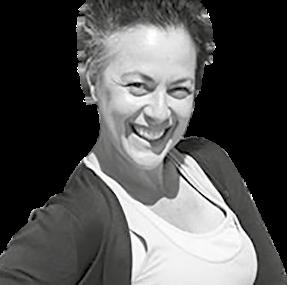
AUTHOR: Carole Edrich is a photographer, journalist, and board member for Unlimited. She is also a resident travel columnist for Disability Review Magazine.
SUBSTACK: caroleinnit.substack.com
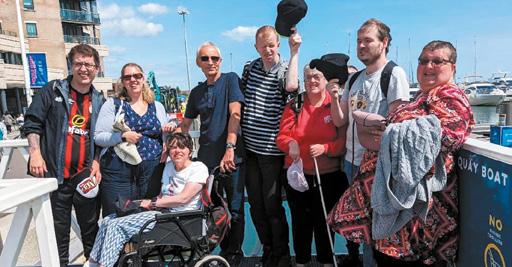
We believe that people are the foundation of our society that everyone has a role to play in its success.
Our vision is a world where people with a learning disability have the same rights as everyone else, have access to the same opportunities as everyone else and receive the support they need, in the way they need it, so that they can live happy, healthy, productive lives as independently as they can.
Our core values and shared objectives are rooted in our belief that every person we support is a valuable member of our society and equal to everyone else within it.
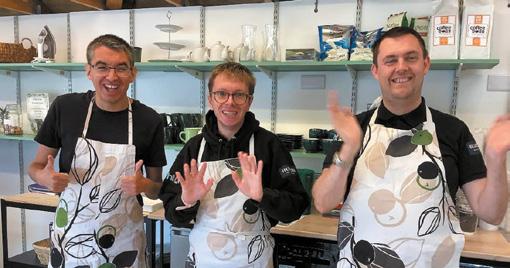
We offer a varied, stimulating skills-based programme, with work experience opportunities, that supports the development of lifeskills and promotes independence.
» Arts & crafts
» Cookery
» Cycling
» Healthy Lifestyles
» Lifeskills
» Makaton
» Music & Dance
» Pottery
» Woodwork
We provide Supported Living services in eight beautiful spacious homes in Southbourne, Bournemouth – shared homes where people are supported to live their own best lives.
With 24/7 staffing and access to day services and other community provision, people really are able to live as independently as they can, with person-centred, individually focused support.
We provide an eight bed, shared residential flat, set in our beautiful grounds in Bisterne, with access to our on-site day services, and opportunities to participate in the wider local community.
With 24/7 staffing, personalised care and support plans, and a warm and homely environment where people can live their lives with freedom and choice, with the knowledge that expert care is always available. For more information visit www.sfht.org.uk T: 01425 478043 (Head Office); 01202 022587 (Southbourne Office) | E: reception@sfht.org.uk
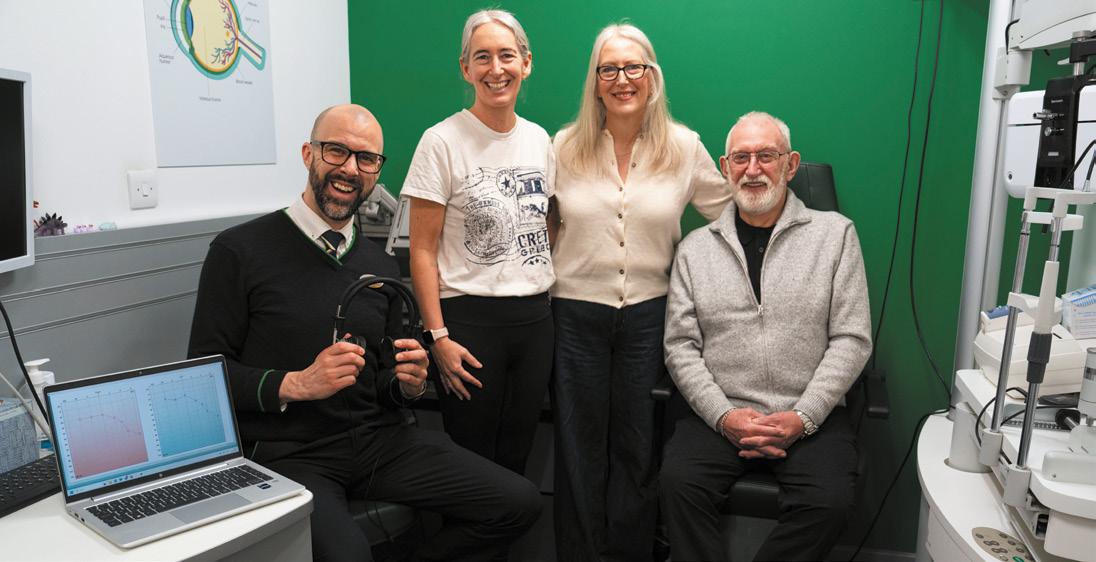
Drew Johnson spent three decades in the security industry, keeping a watchful eye on o ices and factories. Later in life, however, the grandad from Scotland realised he needed some help with one of his other senses, his hearing.
Thanks to the work of hearing experts at his local Specsavers store, the 79-year-old is celebrating a ‘remarkable’ transformation and has been able to re-connect with his family.
Before seeking help, Drew found hearing in busy environments di icult. He’d moved from Dundee to live with his daughter Lynn in Musselburgh, which made the issue impossible to ignore in a bustling household that was a challenge to navigate.
‘I found myself looking at people’s lips just to understand what they were saying,’ Drew says. ‘I was worried, and I was annoyed at myself.’
Drew visited hearing expert Jonathan Bell at the Specsavers Musselburgh store, who fitted him with discreet, modern hearing devices after identifying changes in Drew’s hearing.
‘I just couldn’t believe how small they were when I saw them,’ Drew says.
“I found myself looking at people’s lips just to understand what they were saying, I was worried, and I was annoyed at myself.”
Jonathan adds: ‘Seeing Drew joined by his daughters, Lynn and Laura, shows how hearing change doesn’t just a ect the individual; it a ects the whole support network. Drew’s journey from being ‘annoyed’ by his hearing di iculties to being delighted and independent is why
Hearing devices today are truly remarkable. They’re smaller than ever and packed with smart technology that helps you rediscover the sounds you’ve been missing.
Specsavers has been providing hearing care services on the high street for over 20 years now. Their hearing experts have a wealth of experience and always recommend what’s right for you.

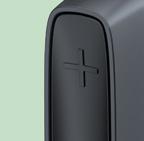


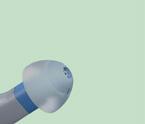
One of the latest devices in the Advance range is the Advance 65. One of the smallest rechargeable devices with artificial intelligence* on the market, they help you hear more clearly in noisy environments, making conversations easier and more enjoyable again, with up to 30 hours of use on a single charge.


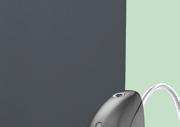

If a hearing device could help, there’s a wide range available at Specsavers. Their full range includes devices from world-leading manufacturers, as well as Specsavers’ own range – Specsavers Advance – created for them by trusted hearing technology brands and starting at just £500.
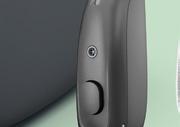
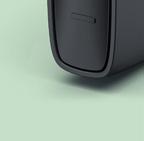


The Advance 65 works with Auracast™, the latest generation of Bluetooth® technology, for e ortless streaming. And they’re compatible with Specsavers’ range of hearing accessories that help boost your listening experience even further, including the TV-Streamer+, which sends TV audio direct to your devices.
For peace of mind, all hearing devices from Specsavers come with a 100-day money back guarantee** and a four-year warranty,*** as well as full aftercare service.****





starting at just £500.


we’re so passionate about looking after our community’s hearing.’
For Drew’s daughter Lynn, the change has been emotional. She says: ‘He’s so much more involved now. At the dinner table, he’s back in the heart of the conversation instead of being switched o . Seeing him have that confidence back at his Friday morning club is amazing.’
“I THINK IT’S HARD ENOUGH TO BE A LITTLE BIT OF AN OUTSIDER.”
Author Elle McNicoll, known for A Kind Of Spark, talks to DRM about her forthcoming adult novel, Unapologetic Love Story
Q First of all, congratulations on Unapologetic Love Story.
AThank you.
Q What’s your reasoning behind the book, and where did the impetus for that come from?
AI mean, two, two things. First and foremost, I love romance fiction, and it’s a big escape for me. I love the genre. So that being the very boring answer, is [that] I’ve been loving it since I was 13. And then the more serious answer, I think, is I am also a screenwriter, as well as writing books. And I was doing press for a television show I wrote a few years ago. It would have been 2023 now. And we were doing one of these junket days, where you do about 20 interviews in one morning and it.. [was] over Zoom, which makes it even more difficult as an autistic person because you’re trying to
read people’s tones, and it’s a lot of... It’s a lot going on. It was an American journalist, and they were interviewing me, and it was the usual kind of questions. And then they leaned in, and...’cause I said something... I think I mentioned my fiancé or something to that effect, even though I was talking about children’s books.
I think disabled people have to be allowed to be angry.
And they leaned in, and they said, “So...” And then they went, “Off the record...” You know, thank God (!) They went, “Off the record, you, you have, like, a partner.” And I went “Yeah….” And they looked as if they couldn’t conceive of such a thing, because we’d just been talking about Autism. And then they went, “So you, you have relations?” And I went, “Yeah...?” I wanted to write something adult, and something where I could talk about this properly. I can’t, obviously, and would
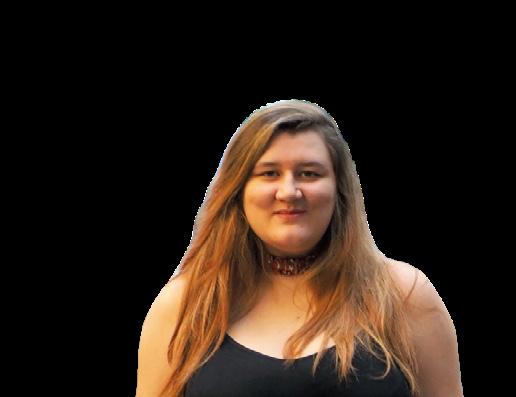
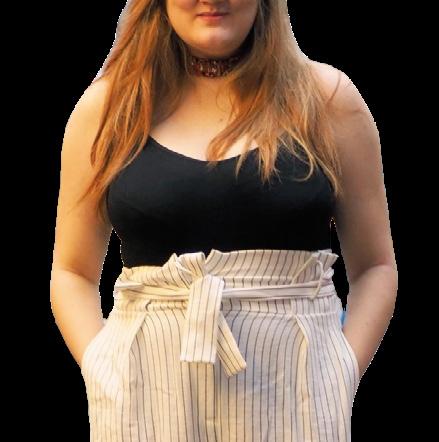
Credit: © Aashfaria A. Anwar
never talk about this in my children’s books, but I will happily talk about it in an adult romance novel. And so that is one of the main themes the novel, is the, the unpacking of expectations that people have on disabled women.
Q Did you borrow from your own life, such as with the love of Liberty, vintage, as well as the passages around neurodivergence and femininity?
A I think [so], yeah. I think... I never write a character and go, “Right, this is my avatar, and I’m gonna channel everything through this person.” But I definitely think things crop up. And I love Liberty. I think when it comes to special interests in my writing, that’s always real. I can’t... I don’t... Well, I probably could, but why conjure up a fake special interest when you can use your own?
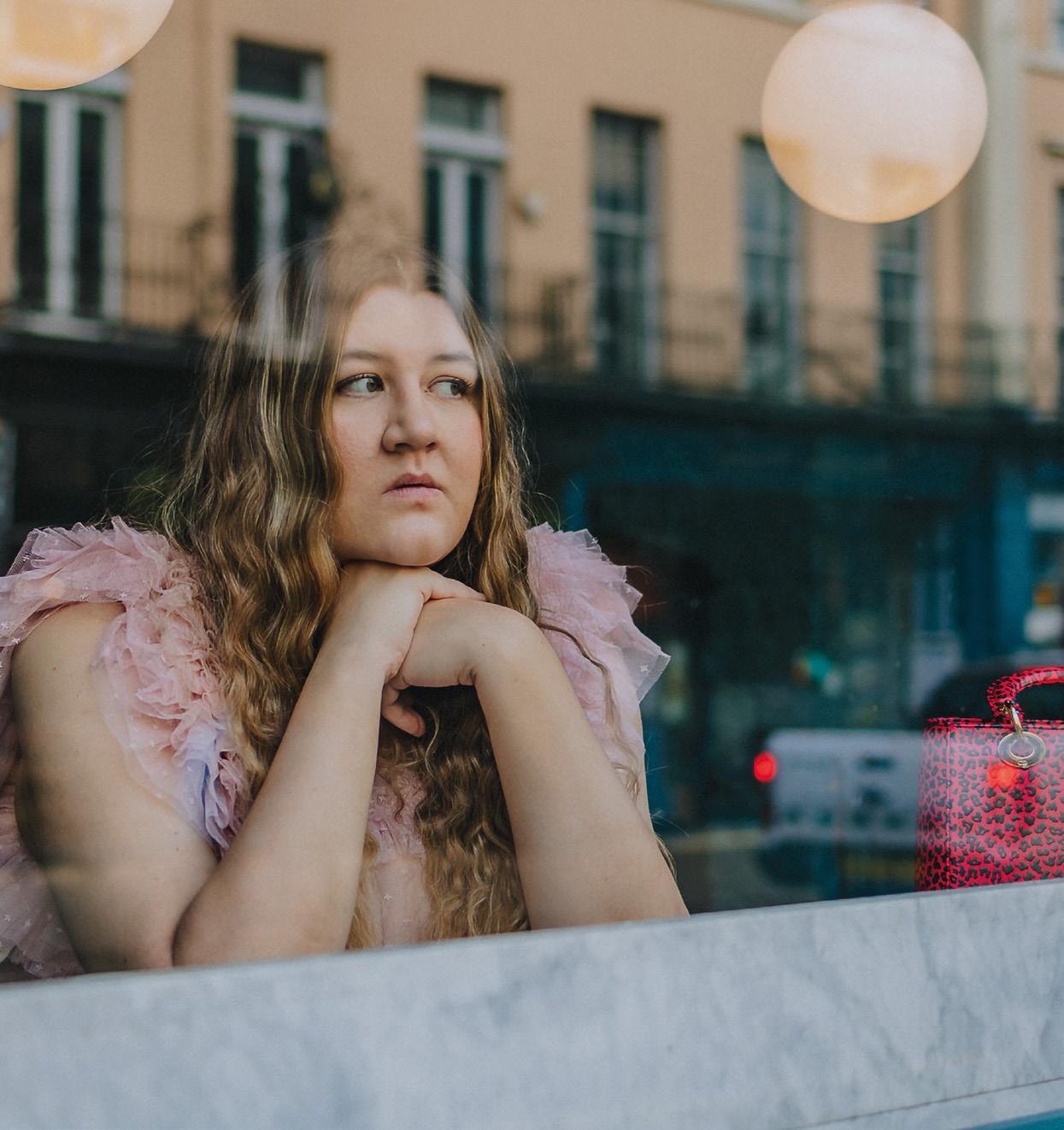
I think being autistic in public, being autistic outside of your house, means that you are constantly getting feedback on what that should look like.
I think that’s much more fun. And, um, Liberty is a great... Uh, you know, it’s a very proud London landmark. And it was one of the first places I stumbled into when I moved to London, and it’s, it’s... You know, everyone’s different, but as an autistic who loves to shop, Harrods and Selfridges are a nightmare for me. They’re, like, sensory overloads. But Liberty is always much, much more autism-friendly, I find.... So I.. that was real. And in terms of neurodiversity and femininity, yes. Again, it’s like the previous question. I think being autistic in public, being autistic outside of your house, means that you are constantly getting feedback on what that should look like. I’m always being told, “Yeah, but you don’t, you don’t dress like most autistic women. They all like to wear things like...” I don’t even know what they imagine other autistic women dress like, but they’ll say, “You don’t dress like that.” And I just find it so jarring and also uninteresting when people keep trying to conjure up this one way that Autism’s meant to look like. And so, I think I wrote those passages, and I wrote them in
genuine, I think, [as a] genuine question rather than [an] answer. I was going, “Am I the only person that loves this?” I really don’t think so. I think, actually, a lot of undiagnosed autistic girls have real special interests in beauty and makeup and fashion, and that’s why a lot of them go undiagnosed, because people don’t look twice at them. It felt real to me, so I wrote about it in that sense. Again, I’m not trying to make sweeping judgments about anyone else. I just thought I’ve always found that to be part of my mask.
I use those things to mask in certain situations, and I have tried to unpack some of it, and some of it I can’t unpack and it feels like battle armour sometimes, and it is a construct. But I wrote about it because I don’t want anyone who is like me in that regard to feel like they are an outlier in a community, an outsider in a community of outsiders. I think it’s hard enough to be a little bit of an outsider. To be constantly told that you’re doing ‘outsider’ wrong is really hard. I don’t want anyone to feel that.
I think, actually, a lot of undiagnosed autistic girls have real special interests in beauty and makeup and fashion, and that’s why a lot of them go undiagnosed, because people don’t look twice at them.
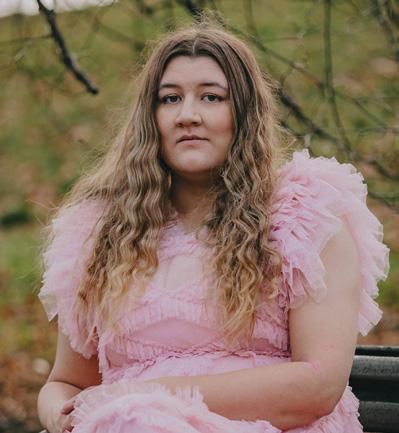
Q Just as an observation, you’re currently exhibiting two characteristics from one of the characters in the book. You’ve got the red lipstick, and your earrings are in the shape of the notorious vase [in the book].
A [Laughs.] Yes, but ears! Yeah, I suppose that’s true. Yeah. Well, yeah.
Q There’s also the point made of being allowed to be angry, such as autistic women being around toxic friends and deserving better [in the book].
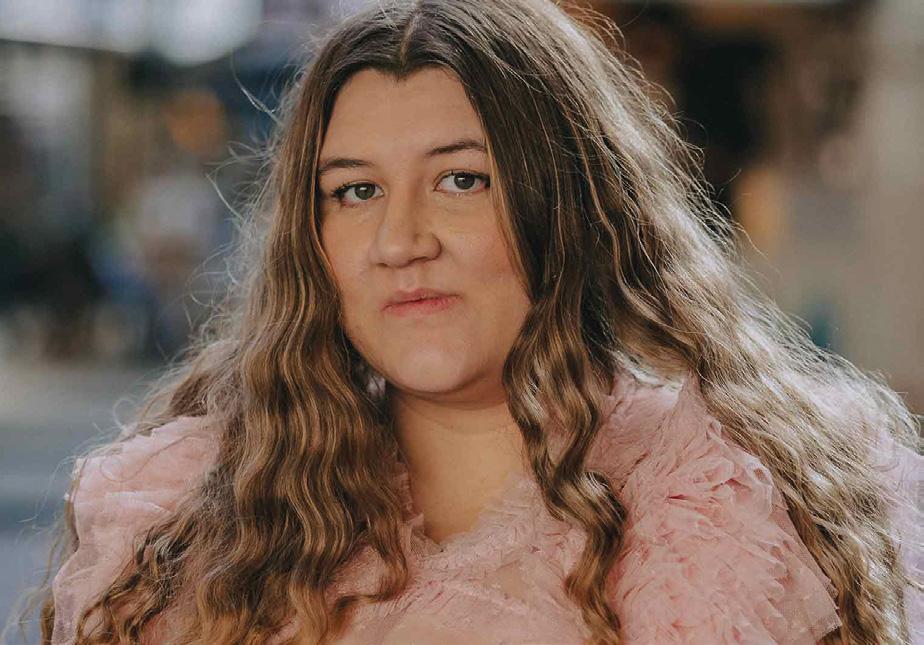
AYeah.
Q Do you think that disabled/ neurodivergent women are allowed or not allowed to be angry and why?
A I think we should be allowed, but I don’t think we are allowed. I think, and if I can take myself out of this for a moment, because I think I’m a very privileged neurodivergent person, but I think disability, in the wider conversation, I constantly see people who are more visibly disabled
than I am, [and] their language, their, their moods, everything [is] being policed. If a disabled person rightly points out that they are entitled to a space on a bus instead of a pram, they will be treated as if they’ve said they want to kill somebody.
Like, the level of policing that disabled women face, the more visible they are, the more they seem to face it, is shocking to me. I don’t think we are allowed at all to be angry. I don’t think society right now allows disabled women to be anything other than inspirational and gracious. And if you don’t fall into either of those categories, then they completely lose interest, and I think that’s a sign of real dehumanisation.
I think disabled people have to be allowed to be angry. They have the absolute right to be angry , and to deny that agency, I think, speaks to a huge problem in how society views disabled people and disabled women.
QAnd is that something you deliberately set out to, as you said previously, unpack in the book?
AI don’t think it was deliberate. I think very little in a novel is that deliberate. A lot of it comes quite, um, organically. But I think it came naturally. I think I really fight against the ‘inspirational’ label. Obviously, disabled people can be inspirational. They could do things that are inspirational. But just existing is not inspiring And so, in the novel, Raina ends her disability podcast every day by saying, “stay uninspiring,” meaning, “just be a human.” And it doesn’t mean be, you know, don’t be ambitious. It doesn’t mean don’t be interesting. It just means don’t put pressure on yourself to justify why you’re here. You’re allowed to be here just as you are. You don’t need to have all these credentials or all of these experiences to justify why you’re here.
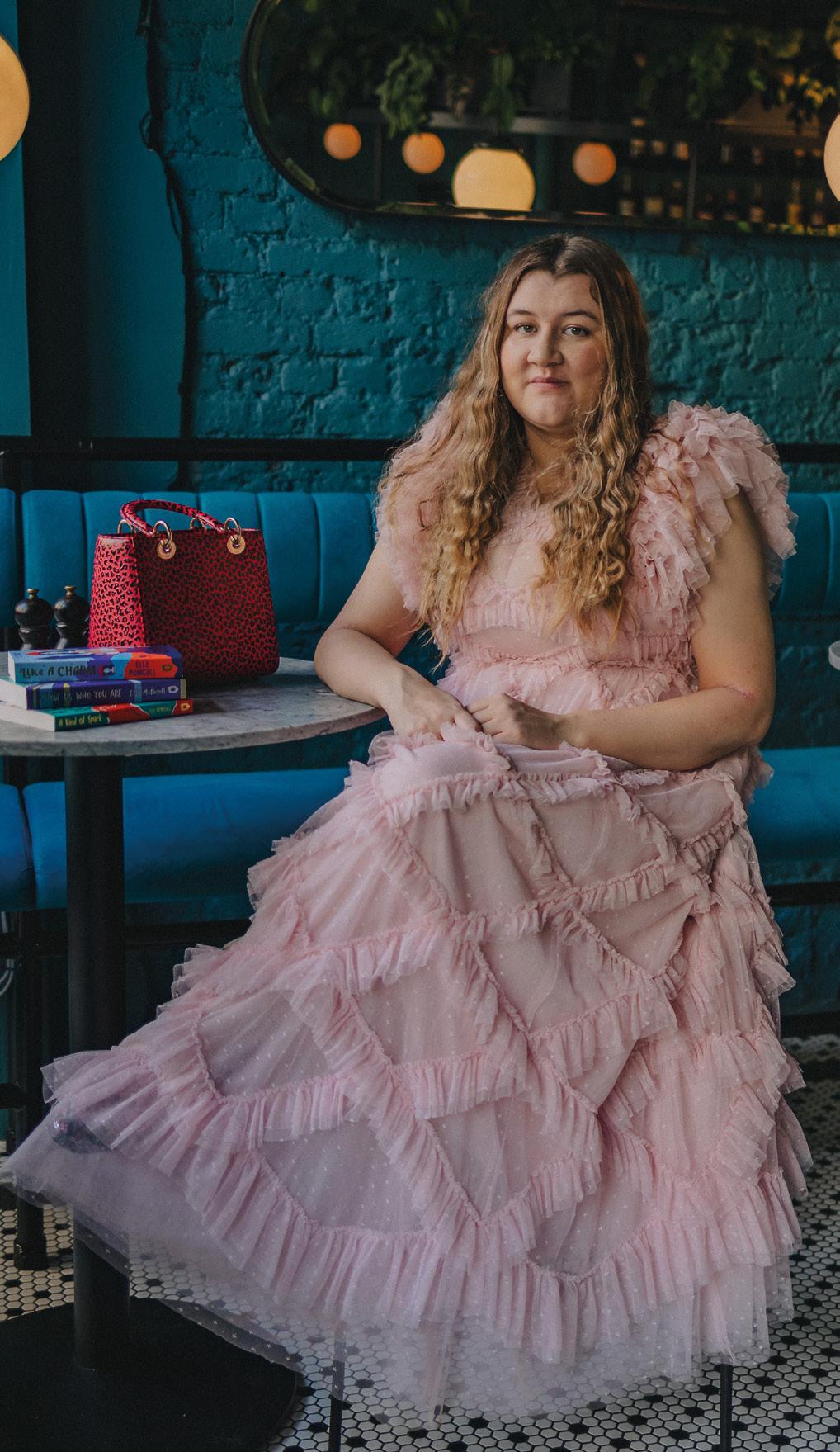
To be constantly told that you’re doing ‘outsider’ wrong is really hard. I don’t want anyone to feel that.
And that, I think, was the only deliberate thing I set out to do. That, and obviously the love story, which in itself felt quite radical.
We’re always hearing able-bodied society telling disabled people, “Oh, your disability doesn’t define you.” And what they mean by that is, “Don’t talk about it. Don’t bring it up. Don’t make it uncomfortable. Just make it this compartmentalised thing that we don’t ever have to address.” And I think my message, if there ever is one, although I don’t intend to put messages in books, is,”You define it. You are the only one that defines it, nobody else.”
Q Publishing and diversity have come in for a bit of a reckoning as of late, especially the time that we’re talking in, when there are huge questions around artificial intelligence.
AYeah.
Q
That is also in the book quite amusingly. What needs to change to be inclusive about publishing?
A [Laughs] In one answer, um, I think publishing has made some good strides. I think there’s some good people with really good intentions. I think what actually really needs to change is a societal change. I think publishing is always a mirror. It’s always kind of reflecting the times that we live in, sometimes to the utmost capitalist degree. I think society needs to get better at normalising disability and sitting comfortably in the middle of the spectrum, where at one end of the spectrum is a wonderful Paralympian who can fly and breathe fire - and on the other end is someone who is deeply underprivileged and requires a lot of support from the community at large. And I think we need to support both of those things, and we need to celebrate those things, and we need to accept and humanise those things. But we also need to get better at sitting comfortably in the middle, which is where so many people live, who can do a really good job if their accommodations are met, who can do a really, really amazing thing for their
community in their own way, which might not look the way everyone else has done it. And I think we need people to be curious about people who are different to them, and to have empathy with people who are different to them.
You cannot compare yourself to other writers, because their journey’s completely different.
And that is a societal mission, and only once society is better at having those conversations will publishing really reflect that. Although I will say, I’ve been so privileged in publishing, partly because of how amazing my readers are. It’s just about showing up as well for disabled creators and writers and artists, and reminding publishing that the audience wants what they’re making.
QAnd as a parting question, for people who may be reading this, what would be your advice for aspiring authors?
AI would say, write the book you want to read. I would say write it as fast as you can, because I find the longer people take with a manuscript, the more outside influences start to creep in. So it’s better to write a bad first draft in a blur of time than to write an okay one over a really long period and then lose your spark. Again, every writer is so different.
But I would also say show up and be in community with other writers like you. I’ve met so many amazing neurodivergent writers, and then they’ve gone on to get book deals, and now they’re colleagues, and it’s because they were really within the community.
This is the thing that no one ever really hears me say. Don’t compare yourself with other people, because this industry is so driven by luck that there is no one way to do anything. Unapologetic [Love Story] is my ninth book, my first book for adults, but my ninth book, and I still see videos or TikTok’s of other authors, and they have the most perfect desk, and they have their entire book mapped out on the wall, and they have perfume samples of what every character smells like, and they have a manifestation journal where they’ve written all their goals out. And all I have is a can of warm Diet Coke and some willpower. And that’s the only thing getting me through.
You cannot compare yourself to other writers, because their journey’s completely different. Be a magpie. Pick on what you admire and what you think will work for you, but do not worry about what’s going on in the other tree, because that bird is a different bird to you, and you don’t need to know how it flies in order for your wings to work.
Unapologetic Love Story is out on 2nd April.
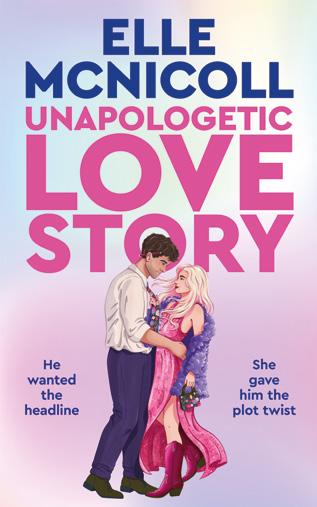





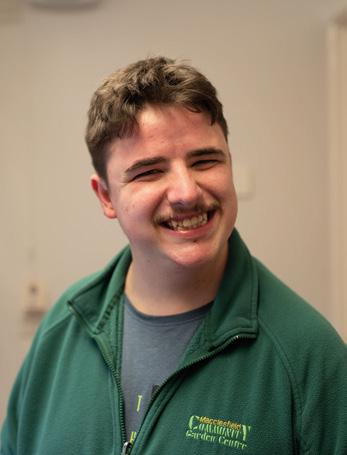
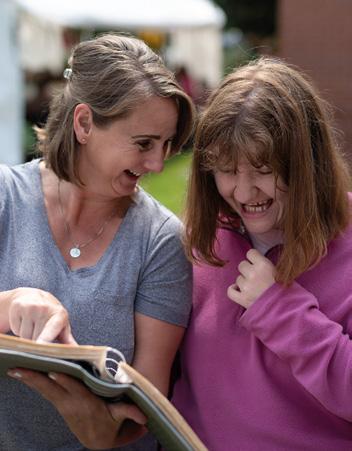
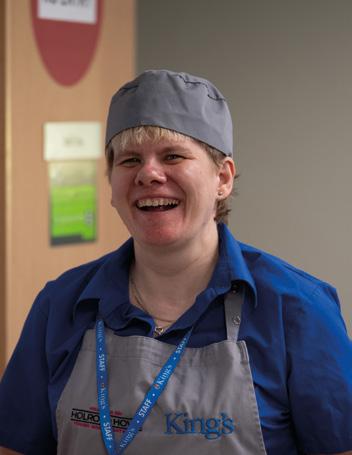
Our Supported Living service helps people live independently in a place they can truly call home.
Every tenant has their own tenancy and receives support tailored specifically to them. Moves are carefully planned with individuals, families and professionals, ensuring transitions are calm, considered and based on personal choice. Our focus is on building confidence, skills and long term independence in a safe and supportive environment.
Aidan’s journey to supported living took place at his pace, from early planning with his family to gaining confidence through horticulture sessions at Oakwood. When ready, Aidan got to know his new home, fellow tenants and staff before signing his tenancy. Now settling in, he’s building independence on his own terms.
“Finding a forever home where Aidan could carry on with his established routine was very important.”
— Aidan’s mum
Building confidence through meaningful activity, Oakwood provides a welcoming, structured environment where people can take part in experiences that build confidence, wellbeing and social connections.
With support tailored to individual needs, we help reduce isolation and encourage people to develop skills, friendships and a sense of belonging. Activity sessions build routine, independence and self esteem.
When Hannah joined Oakwood after leaving further education, she was shy and rarely communicated in groups. With gentle encouragement, she began engaging, forming friendships and expressing herself more confidently. She is now thriving, contributing to group tasks, and supporting her peers.
“As a parent, the relief you feel knowing your child is happy, safe and able to choose their own activities is fantastic — and Oakwood delivers all this and more!”
— Hannah’s mum
WorkTaste offers tailored work placements that help people develop practical skills, gain confidence and experience real workplace environments.
We match each person with opportunities suited to their interests and abilities, giving them the chance to contribute meaningfully within local businesses and organisations. Support is always on hand, helping individuals grow at their own pace and succeed in their role.
Since joining WorkTaste, Lisa has built skills and confidence through placements in the hospitality sector and is now working in a local school’s kitchen. She prepares food, decorates cakes and supports the team — thriving in a role where her contribution is truly valued.
“I love the people, and I enjoy my job!” — Lisa
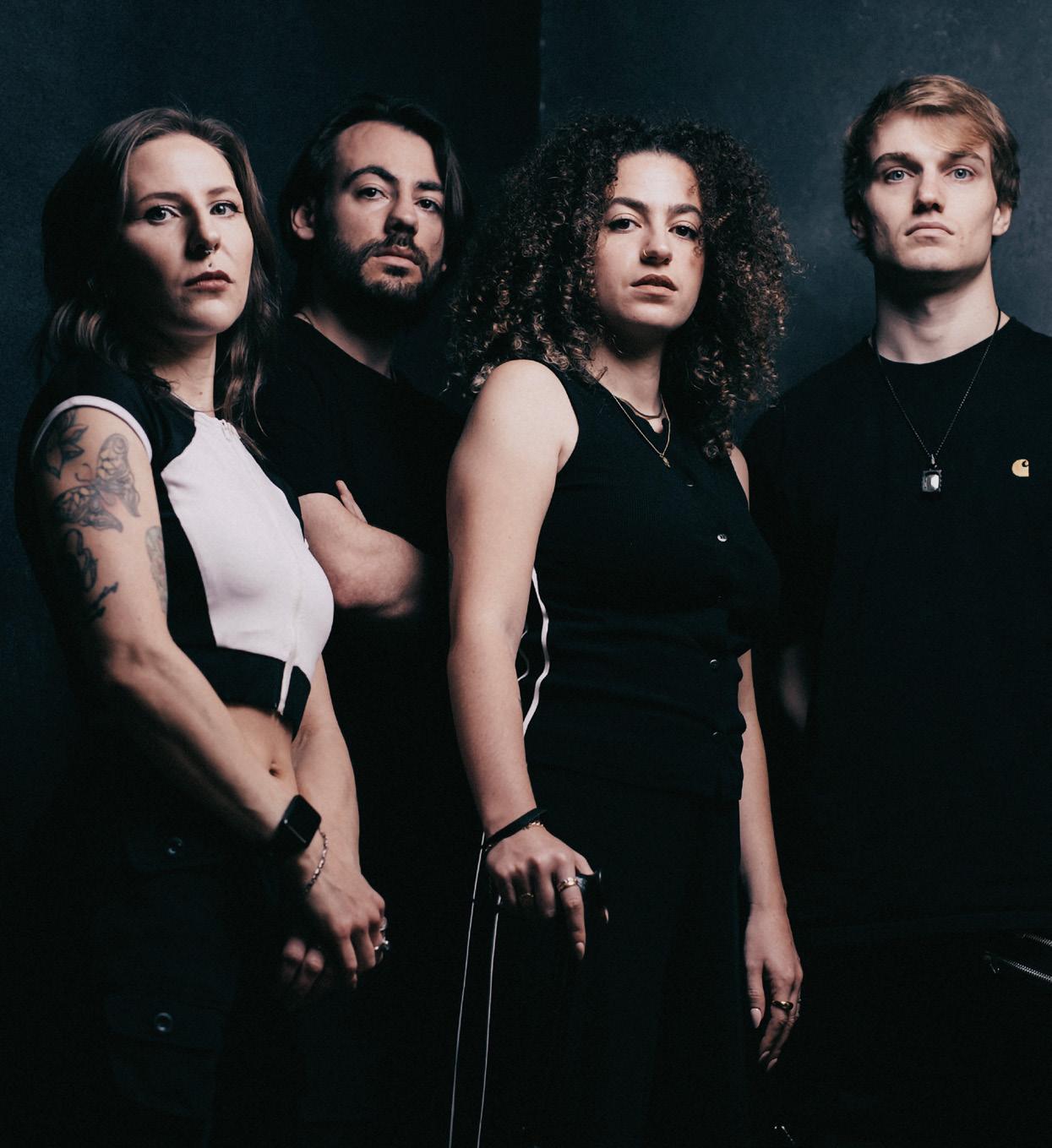
Meet Mallavora, the new metal band about to release their debut album. A polemic on living life with a disability, DRM sat down with all four band members to find out more
If you watched the Celebrity Traitors last year, you’ll remember the Banshees who captivated the nation. You should meet Mallavora, the new metal band set to release their debut album this month; vocalist Jessica Douek loaned her voice to the Banshees, an impressive metal sound that had to be replicated by the celebrities as part of their challenge. Along with three other members, the band will release their debut album, What If Better Never Comes?, a moody metal record on what it means to live with a disability in the twenty-first century this month.
You guys offered it to me, like, on the spot. I was like, ‘Damn.’
years ago, Ellis [James, bassist] and I met at university. We shared some modules and things, so we met through that and started jamming in Birmingham for a little while. And then in 2019 we asked Jess [Douek, vocalist] to join the band, and we played a couple of festivals in the West Midlands and then wrote our first EP.
Guitarist Larry Sobieraj smiles as he’s asked about the band’s formation: “So we actually formed in Birmingham a few
“And then you fast-forward to literally just earlier this year [2025] when we met Sam [Brownlow, drummer], who joined the band in January [2025]. She was recommended to us by a good friend of ours, and we watched a video, one of the videos that she had on Instagram of her playing the drums, and we were just like, “Yep, that’s our drummer,” straight away.”
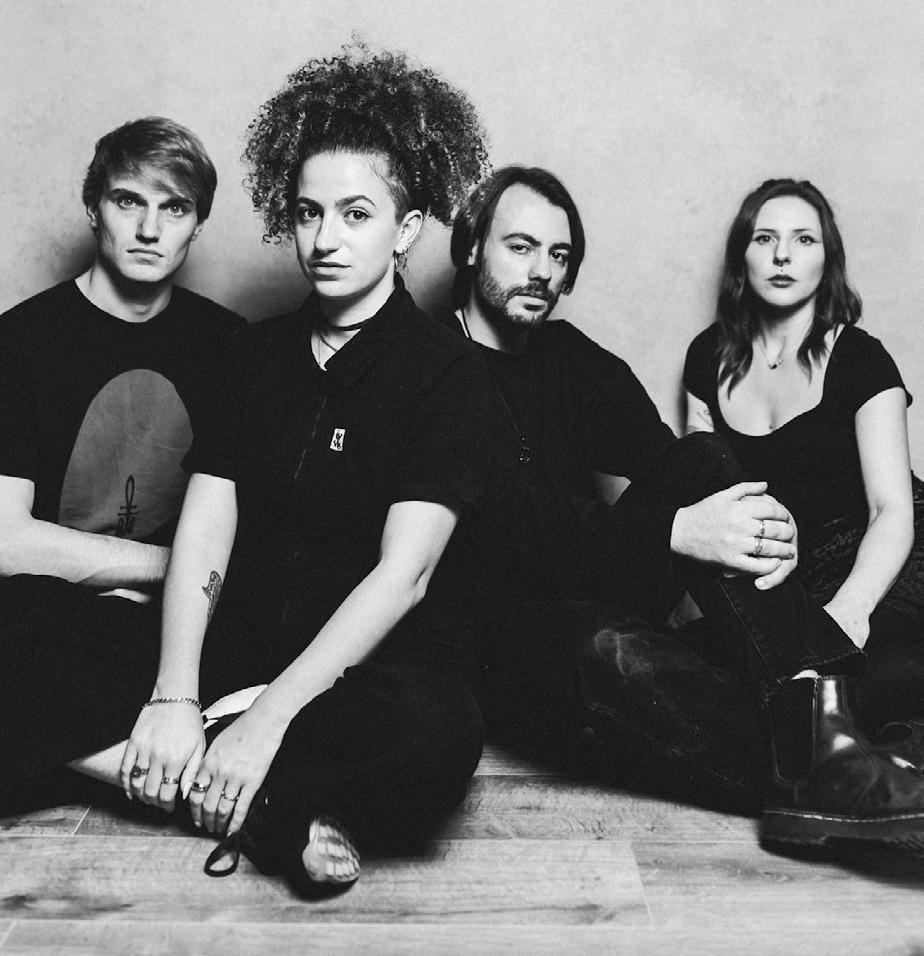
And how was it, being asked to join an up-and-coming metal band? She answers, slightly shy at the question: “I was aware of the band before [joining as a drummer]. Don’t think I’d seen you live, but definitely aware of the name, and then … Saw the message, like, checked out the music. I was like, “I love this so much. This is, like, totally my bag.” Um, and yeah, met them and was like, “It’s really great.” We clicked.”
In the music world, usually there’s an expectation of having to audition first before joining a band - but this was not the case for Sam. “I was like, ‘Oh, I’m gonna have to wait [to see if she had made the cut],’ but yeah, it’s … You guys offered it to me, like, on the spot. I was like, ‘Damn.’ “
Fast forward to 2026, and hot on the heels of a litany of live performances, the band is about to release their debut album. The lead single of What If Better Never Comes?, a sardonic track titled Smile,
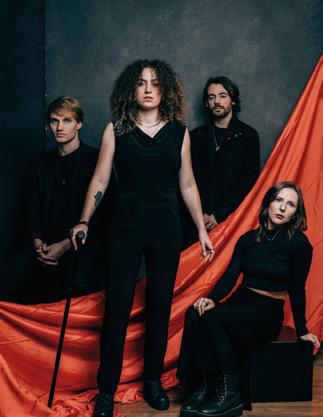
is a fearsome tribute to the passing of the Disability Discrimination Act (DDA) in 1995. It got its first airing at London Fashion Week last year, where adaptive fashion label Unhidden showcased their upcoming designs with slogans such as ‘Not A Burden’ on display. As the soundtrack for the event, its lyrics included lines
such as: “Had to fight for ’95/We’re still fighting for our lives” and “I am not your inspiration / centuries of degradation.”
So why choose to write an album on the theme of disability? Jessica Douek, vocalist, spoke to that: “It wasn’t actually a really conscious thing that we went into [recording], thinking, ‘We’re gonna write an album about disability.” It wasn’t a conversation that we had. The creative process that we have is like, between Larry and I in particular, we sort of naturally write as a kind of outlet for our experiences.
This album, there was a lot more intent and particularlypurpose,coming from Larry as to what he wanted the songs to end up like.
“And, like, Larry, like the big thing that he’s been dealing with for the last few years is having Long Covid, and he always starts, when we write, he always starts with the instrumentals. And he, like, he uses the writing to, like, process living with Long Covid basically, and his life changing and all the associated feelings of everything that comes with that.
“The three of them, the instrumentalists, like, work together to kind of, like, add their kind of identities and create an instrumental that really feels like it’s saying what we want it to say.”
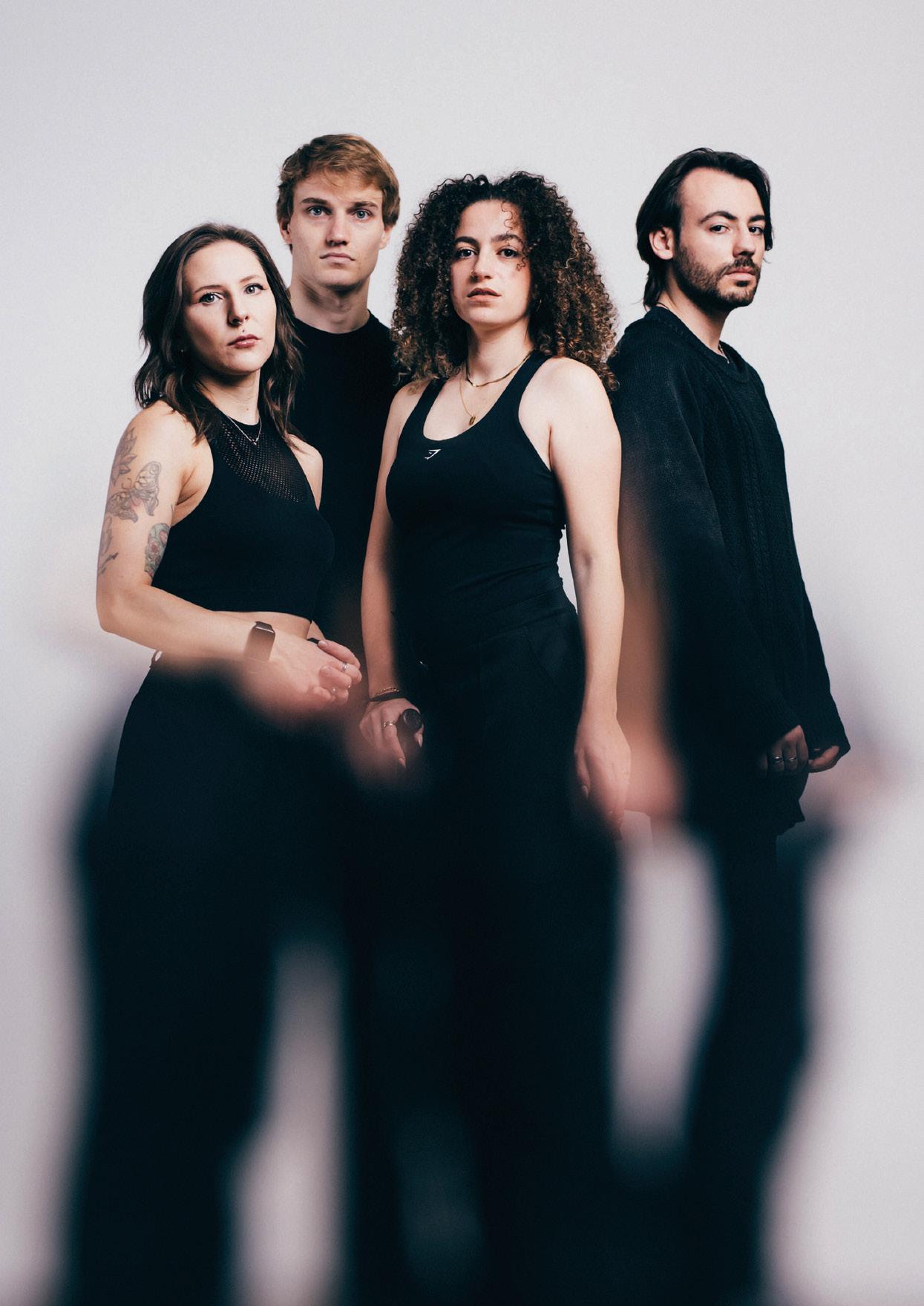
So many of us struggle with life and just existing for so many different reasons, and like, kind of stopping and confronting that question of like, the fear of like, “Wait, is there a better tomorrow?”
Ellis James, bassist, chimes in: “This album, there was a lot more intent and purpose, particularly coming from Larry as to what he wanted the songs to end up like. We were lucky to be able to go away and, like, write collectively and as a group down in Cornwall for a bit. It was a different process to how we’ve done it before.
“There were a couple of songs where I wanted to understand exactly what was going on behind them. Whereas previously, when we’ve written songs, it’s not that there hasn’t been an intent, but there’s not been as necessarily a strong emotion that we’re trying to deliver or a journey through the song. Whereas this album is very much from the outset, that’s been the purpose of it.
“As a musician, I’ve definitely in the past kind of been, I guess, guilty of, like, writing stuff because like, purely ‘cause I think, like, you know, it sounds good. But with this album, it was a bit more of a, not challenge, but I guess, like, a mission to try and deliver these feelings.” While he speaks, all three members are vigorously nodding their heads in agreement, much to our amusement.
Thematically, disability can take a lot to process, particularly with a new or unexpected diagnosis; creativity can provide an outlet, to sit with the multitude of emotions. Larry Sobieraj, guitarist, had written the instrumental for Make The World Wait, from a low place on having been told there was nothing more to be done in respect of his Long Covid diagnosis. Encouraged by his other bandmates, writing became a way to process the new reality.
And speaking of reality, given the ongoing attacks on the rights of disabled people, is there a better tomorrow? Sobieraj answers immediately: “That is the question!” Jessica Douek, vocalist, sighs in exasperation, horror playing across her face. “I think that’s, that’s like the, the existential question of the album. And it’s a scary question actually, to, like sit with that and go, “Wait a sec, is this gonna get better?” Like, and, and is that personally, but also, you know, societally, and just like…
So many of us struggle with life and just existing for so many different reasons, and like, kind of stopping and confronting that question of like, the fear of like, “Wait, is there a better tomorrow? And not knowing the answer to that, and then trying to put that into music and capture that feeling…
“I guess what we’re trying to say
with the album, in some ways, is that in order to get there, we think, in order to get there, we have to seriously think about how we’re operating, like, as a society, and, like, collectively and individually. Like, can we continue driving ourselves into the ground like this? How much longer can this go on for? And at some point, maybe we all need to have like a collective realisation of like, this isn’t good, and, and something, something big needs to change for things to get better.”
As the Zoom call draws to an end, Larry quips the best answer to the question, perhaps: “Unfortunately, it’s a 48-minute-long answer!”
What If Better Never Comes?, the debut album by Mallavora, is out everywhere on 27th March.
I think that’s, that’s like the, the existential question of the album. And it’s a scary question actually, to, like sit with that and go, “Wait a sec, is this gonna get better?”
I’m not usually a fan of metal, and much prefer soft, indie music; having attended London Fashion Week last year, I was very much intrigued by Mallavora. Vocalist Jess opened the show with an unrehearsed speech; after the longest year, which saw attacks on the rights of disabled people, it was hard not to feel emotional. What If Better Never Comes? offers a zeitgeist-y anger that AI could never give or create; this is why music has to matter, now more than ever before. The conceptual introduction, lead single Smile, and songs such as Waste are absolute gems on the record. If we read books to learn about ourselves, we should be listening to music to understand these strange times that we live in. Maybe our political leaders can start with What If Better Never Comes?
5/5 Raiting
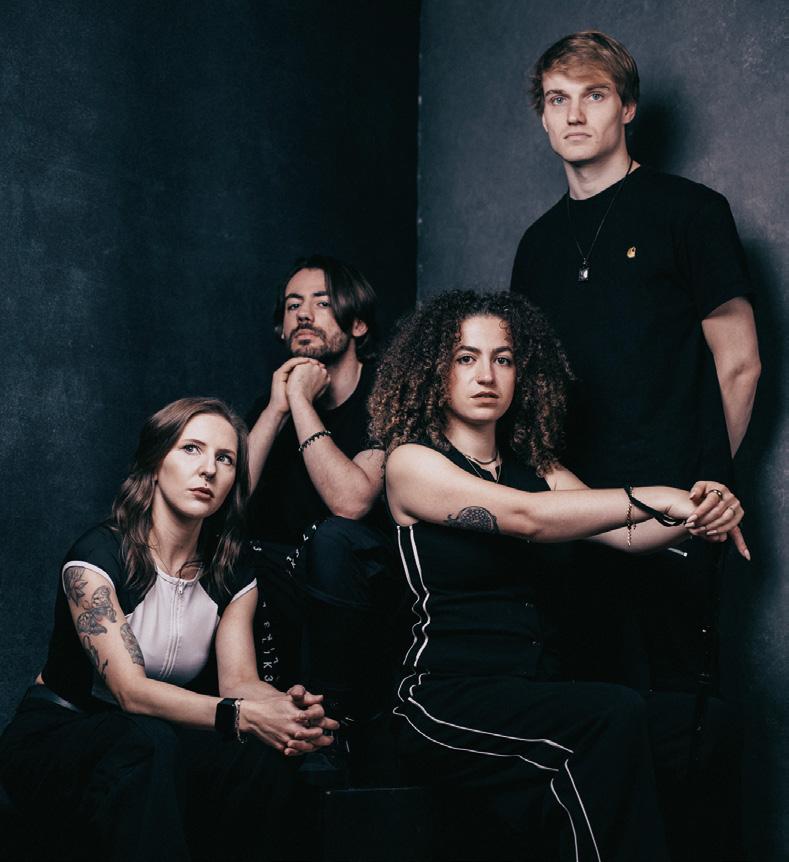
Sale of daily living aids, mobility aids, mobility scooters and powerchairs, vehicle adaptations, riser recliners, incontinence items, stairlifts and wheelchairs
We do all of the Stage 2 conversions for the Motability Wheelchair Accessible Vehicles (WAV’s)
Battery checks and fitting
Installing vehicle adaptations including, Steering wheel aids, Hand controls, Twin Flip left foot accelerators, Right hand brake and accelerators, 40Kg, 80Kg, 120Kg Boot hoists, Transfer plates, Docking systems and pedal extensions
Scooter and powerchair servicing and repairs
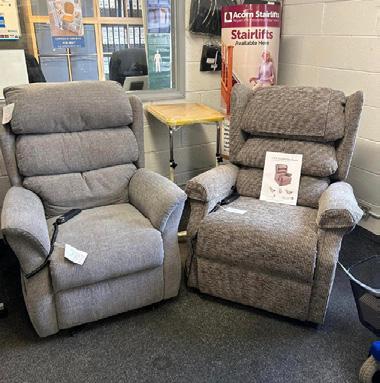
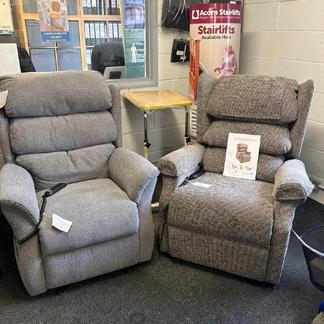
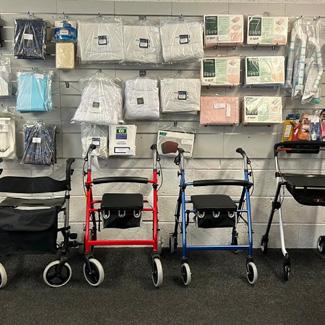
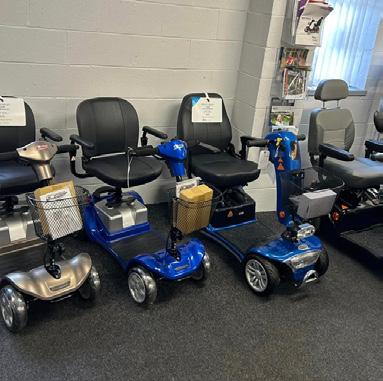
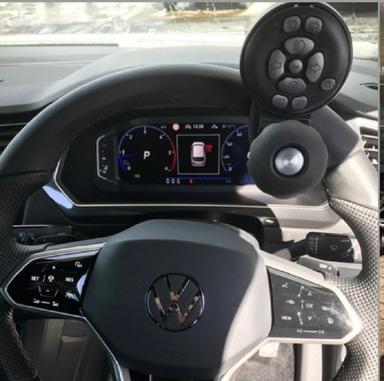
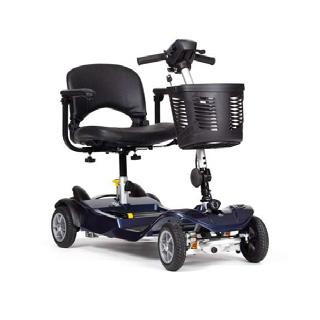
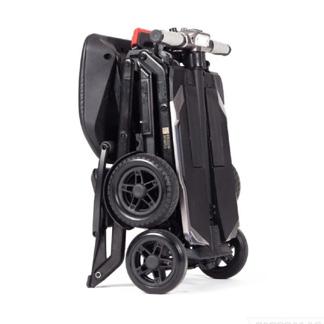
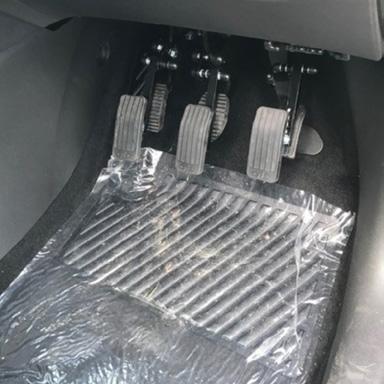
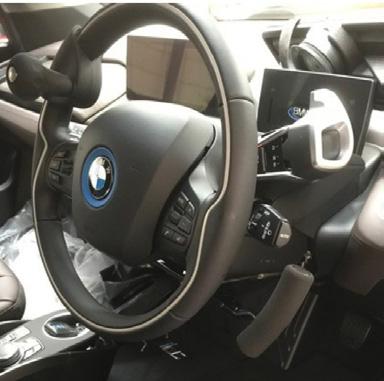
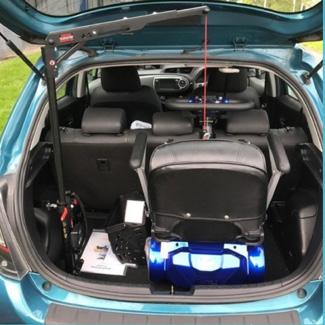
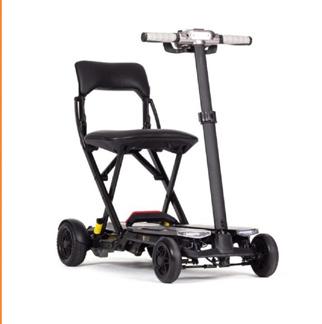
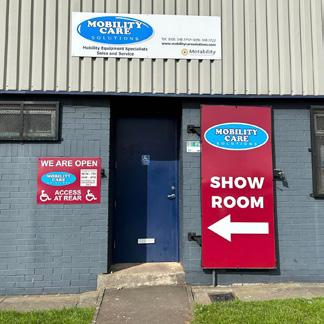
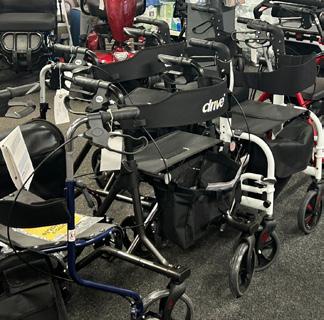
Sale of daily living aids, mobility aids, mobility scooters and powerchairs, vehicle adaptations, riser recliners, incontinence items, stairlifts and wheelchairs.
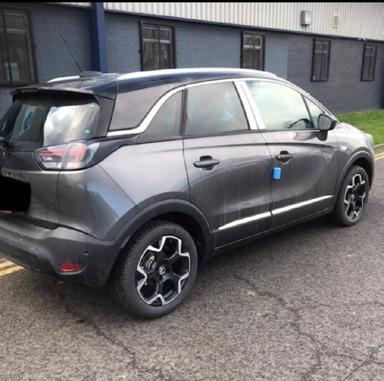
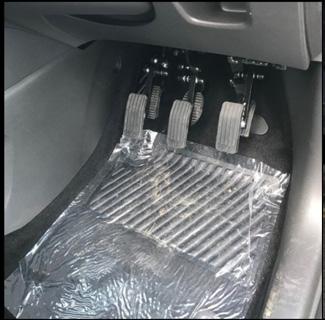
Installing vehicle adaptations including, Steering wheel aids, Hand controls, Twin Flip left foot accelerators, Right hand brake and accelerators, 40Kg, 80Kg, 120Kg Boot hoists, Transfer
“WE ARE JUST NORMAL HUMANS WITH NORMAL LIVES.”
Known by the online handle @blindtobes, Toby Addison talks to Disability Review Magazine about blind football and his awareness-raising content.
QYou describe yourself as a disability advocate. How did that journey begin?
AI started posting on social media quite randomly. I was finishing my degree at the time in 2022. And the video wasn’t intended to be anything related to advocacy or, you know, I didn’t really consider that I could ever have a platform besides what I do. But the content that I posted started to gain traction on social media, especially on TikTok, and I realised that there was a big community that I could have built. And lots of people were asking questions about blindness and disability. Lots of parents of children who were losing their vision were getting in contact with me.
We are just normal humans with normal lives.
And I just thought to myself, you know, “If I can educate the wider population while also answering questions that my own community has, then why not?” And I was picked up by an agency which gave me the opportunity to do content full-time, and yeah, I’m so grateful. We’ve been doing it now for four years, literally in a, in a few
days, um, which is crazy. It’s gone so fast, but it’s the best job in the world.
Q Well, congratulations on your four-year anniversary.
AThank you.
Q For people who may not know, would you mind talking us through your diagnosis?
AYeah, so I have a condition called Retinitis Pigmentosa. And alongside that, I’ve got early-onset Rod and Cone Dystrophy. So to clear up the kind of jargon, the Retinitis Pigmentosa means that the cells on the back of my eye, or eyes, are dying, and then the Rod and Cone Dystrophy means that the kind of sections of your eye that deal with processing light and dark, don’t function as they should. So when I was two years old, my

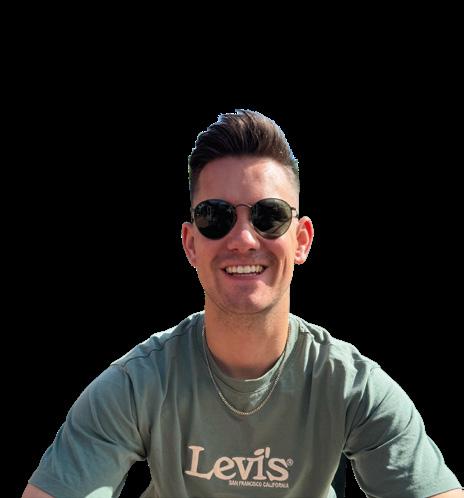
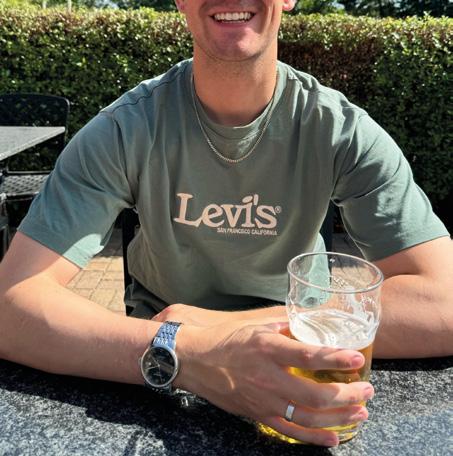
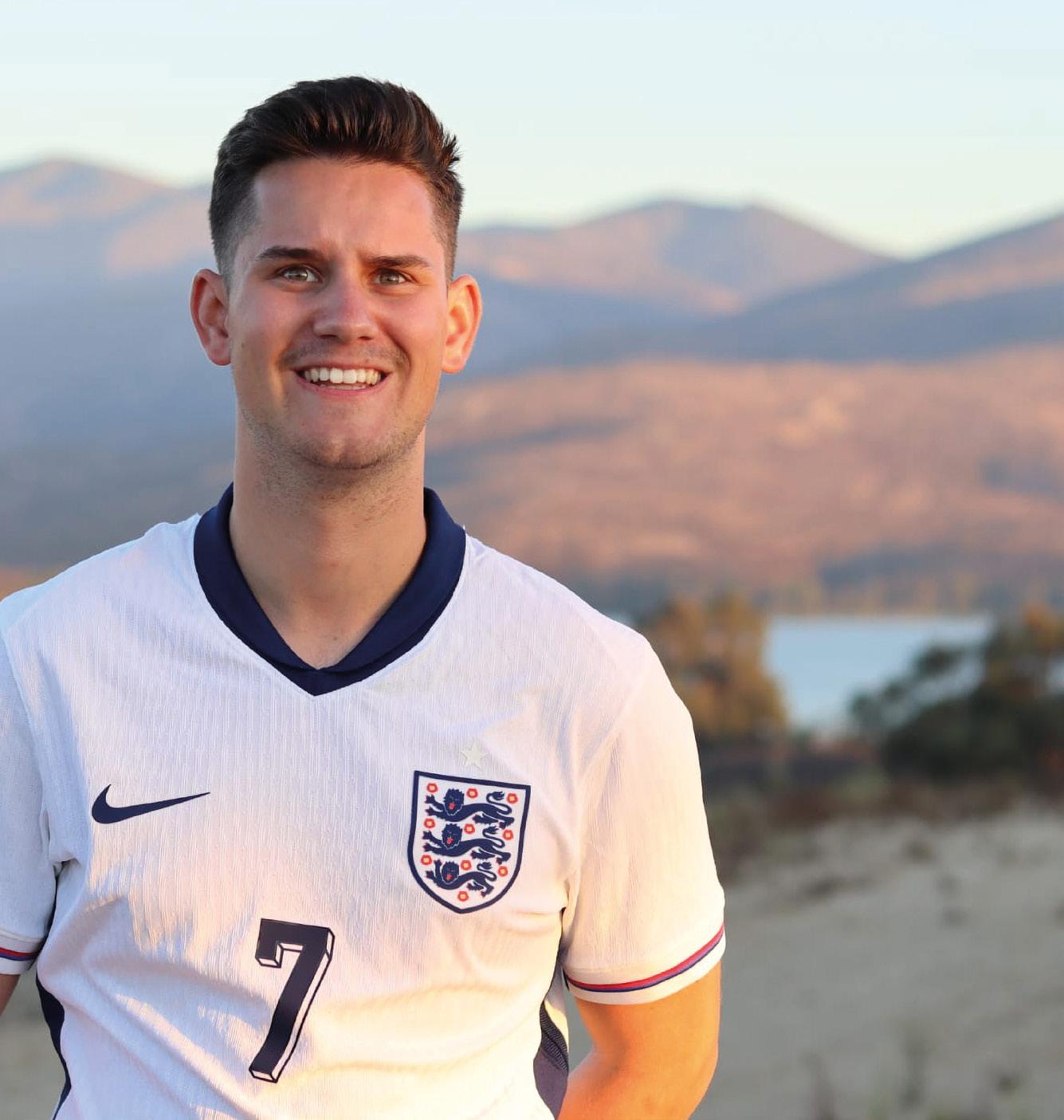
It’s changed my life, and I think it can change thousands, if not millions, of other people’s lives as well.
parents noticed that I had some behaviours that were slightly abnormal. For example, I didn’t look at people when they entered the room or necessarily recognise who was talking to me. And I kept walking into things repeatedly, like I didn’t move out of the way of certain objects, like sofas or… There was the Christmas tree, [it] was up at the time. I kept walking into the branch of a Christmas tree. So my parents took me to the GP, who then referred me to, I believe it was Great Ormond Street Hospital, where we went and saw some eye specialists. And they gave my parents the news that I had those conditions after some scans and some imaging. And they said that within sort of 20 years or so, I’ll be, like, blind blind, ‘cause there’s a whole kind of spectrum of sight, and being registered blind to being completely blind is quite a big difference. They gave us that timeline, and then from that point onwards, I lost my vision slowly until the point where I had kind of no usable vision left, kind of just light perception and, um, kind of the ability to make out shapes in some lighting. That was probably when I was about 17, 18 years old.
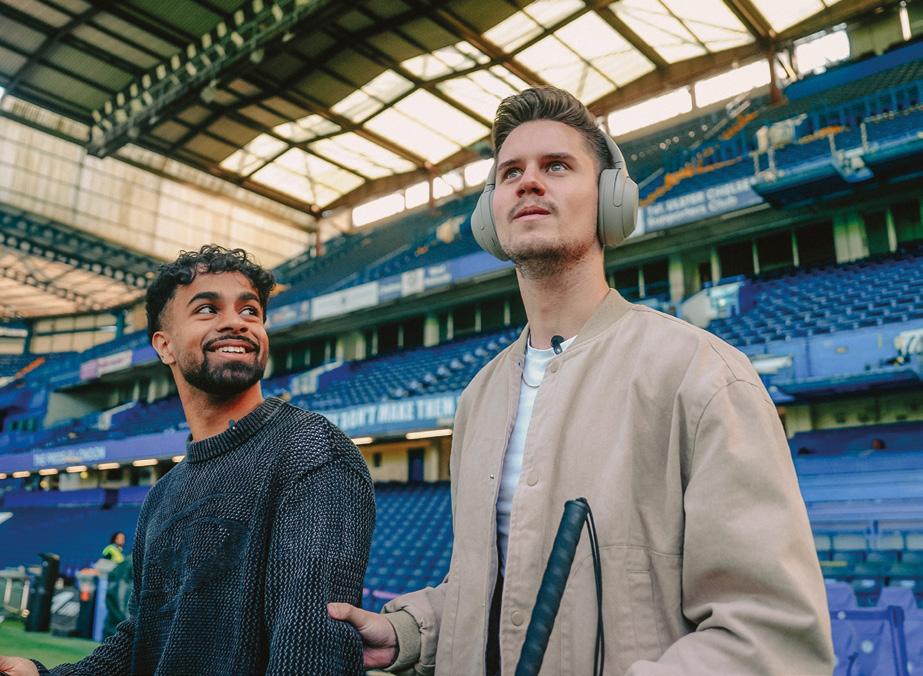
I lost my vision quite quickly from about the age of 12, 13, which meant that I had to stop playing football with my friends, which was a massive hit for me, for my mental health, and, um, you know, exercise is such a cathartic thing, especially at that age. So that was quite damaging.
QDo you mind me asking what your access needs are? You’ve spoken about there being a spectrum when it comes to blindness, and you’re also known particularly for amusing skits and sketches when it comes to misconceptions of an ableist nature?
AYeah, so my kind of access needs from day to day, um, have stayed the same ‘cause my eyesight’s quite stable now. So for the past few years, it’s... You know, I’m self-employed, so I’m quite lucky [in] that I can manage my own access needs generally. And as long as I’ve got someone with me in unfamiliar places, that I can just hold their elbow and walk around, you know, I’m completely fine. And I’m quite lucky that I’ve been able to adapt to the life that I’ve got now.
I think that I’d struggle a lot more if I was in a kind of more traditional occupation. That’s kind of a facet of what my skits and content, um, are really, is kind of challenging these stereotypical views of what blindness and disability is, and playing on the kind of ableism in a way, and using that as my humour. And then making it very clear that actually, that’s a wrong way of thinking.
We are just normal humans with normal lives. And that’s the message that I’m actually trying to spread. I’ve reflected on my life and my journey a lot since doing content, and I’ve grown up a lot. And I think at first, I had a bit of a chip on my shoulder to create content that made me look a bit like a superhero, you know, completely competent all the time. Whereas now, I just wanna be perceived as normal, you know, your average lad, because that’s what I am. I’m not incompetent, but I’m also not a superhuman. And I think a lot
of people, especially my audience at least, have resonated with that.
QDo you mind me asking, how did your love of football begin?
AI’ve always, always loved football. My dad and, well, my whole family supported Chelsea from when they were children. So as soon as I was born, I was basically [put] into a Chelsea babygrow, [and] playing football from a very young age. I had enough vision to play sighted football growing up. If I wasn’t at school, then I was out playing football, whether that was with my friends or with my dad. My dad had a huge influence on that and still does. We live quite a long way away from each other, but we’re always messaging and phone calling about the football and the games.
I lost my vision quite quickly from about the age of 12, 13, which meant that I had to stop playing football with my friends, which was a massive hit for me, for my mental health, and, um, you know, exercise is such a cathartic thing, especially at that age. So that was quite damaging. I didn’t kick a ball really for a good seven or eight years until I found blind football, towards the end of my [time at] university.
It was actually my content that introduced me to blind football. One of the England players who lived really close to me had seen my
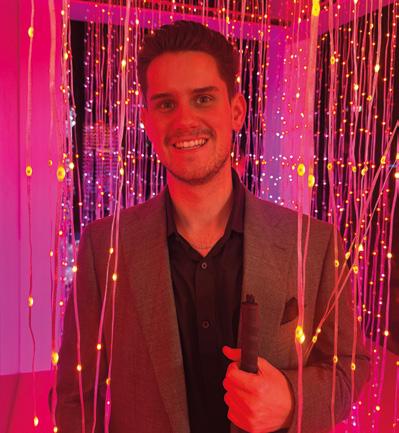
content and invited me to come and give blind football a go, and I was absolutely terrible at it, ’cause it’s so different technically and physically to sighted football, which I was used to. So I wasn’t very good, and I thought, “Oh, okay, well, you know, glad to give it a go, but maybe not something I’ll revisit.” But I think my love for football, it’s like gravity. I get pulled towards it all the time. It’s a massive, massive part of my life, and I think that even if I wasn’t great at it, I just wanted to play again.
And thankfully, I picked up the skills needed for blind football quickly. I kept going back and kept going back, and eventually, somehow, I found my way into the England set-up a couple of years ago, and now it dominates my life. Yeah, if I’m not training in the gym or on the pitch, then I’m traveling for training camps with England or, you know, fixtures abroad in Europe. So yeah, it’s a huge part of my life now.
QPotentially terrible question to ask: How does blind football… How is it different from non-disabled football?
ANo, I get it completely. On paper, if I told you you’ve got eight blind people on a pitch playing football, running around completely free, no limits, and there’s metal boards on either side of the pitch that the players run into frequently, and somehow they create these moments of technical brilliance, and amazing football that, you know, really has a huge wow factor and a huge level of entertainment, I wouldn’t have believed you if you would’ve told me that before I knew about blind football.
The ball’s got ball bearings inside of it, so it rattles, and we can, you know, understand where it is audibly.
So yeah, it’s a five-a-side game. You’ve got your two goalkeepers who are fully sighted on each team. And then the four outfield players on each team are completely blind, and we play with blindfolds on to mitigate anything like light perception. I’ve got, like, light perception, whereas some of the players are completely blind and see nothing at all, so that’s just to level out that playing field.
The ball’s got ball bearings inside of it, so it rattles, and we can, you know, understand where it is audibly.
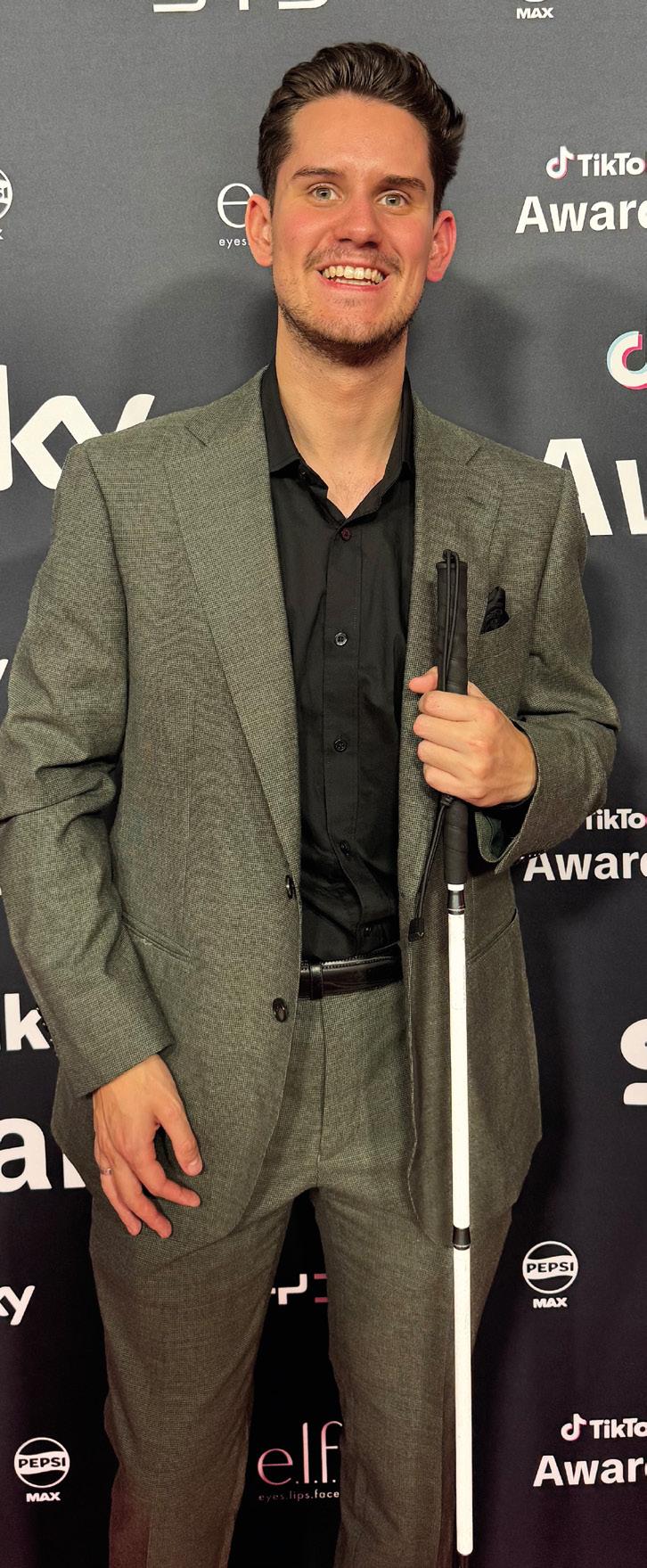
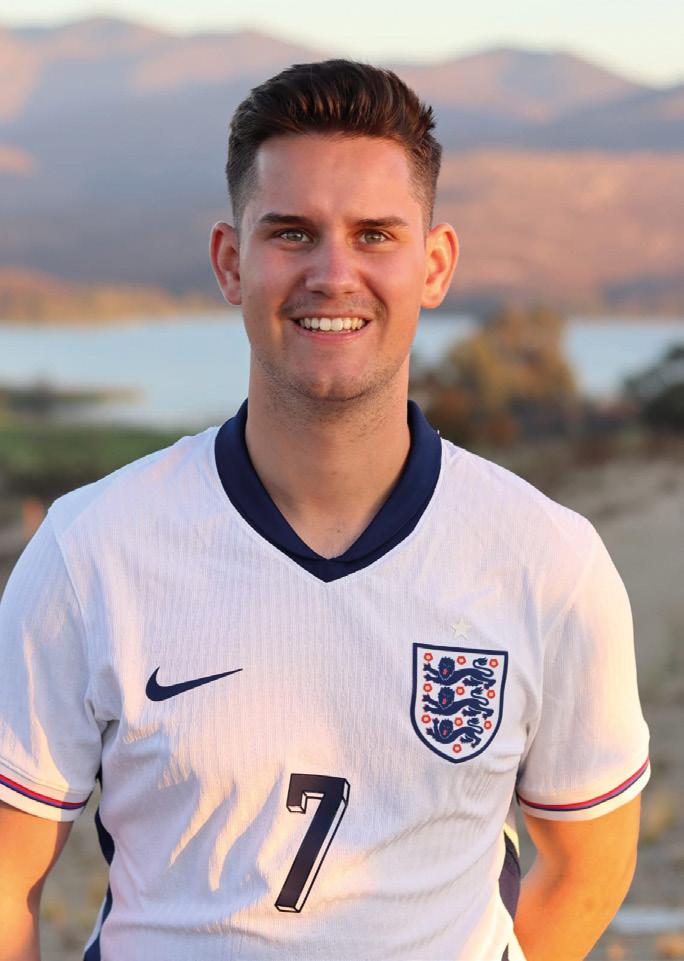
Don’t
QAnd as a final question, when it comes to sports and access to sports, what is the one thing that you would like to see improved and why?
AThere’s guides behind each goal, which give information to the attacking players as to where the goal is.
get me wrong, I wasn’t very good. But, firstly, the level of athleticism and professionalism that’s available, not just from the athletes in these sports, but also the coaching, really impressed me.
It makes quite a loud noise when you’re inside, but as you can imagine, like, on a pitch outside when you’ve got lots of people shouting, and you’re trying to think about your orientation and where you are on the pitch, it becomes quite hard to track it sometimes. I mean, it all just comes down to communication. We, like in sighted football, have very strict tactics that we play by. And, you know, subsequently you should know where your teammates are, in relation to where you are. That’s if they’re doing their job properly. Um, and yeah, [it] just comes down to
communication, good tactics, good awareness of the game, and doing the basics well.
There’s guides behind each goal, which give information to the attacking players as to where the goal is. I think a lot of people get confused as to how we can even understand where the goal is in the first place, but we do get spoken through that. It’s a really fast-paced physical game. It’s more of a mix of, like, mixed martial arts and rugby than football, but, um, yeah, I love it. It’s a good watch. If you ever get a chance to YouTube it, I’d highly recommend.
I think general information and, and signposting around disability sport. I think there’s a lot more out there than people actually realise. I did a fantastic series with British Blind Sport a few years ago, leading up to the World Championships, for the blind and visually impaired sports, and I went round the country and gave all of these really amazing sports a try, and I was rubbish at them. Don’t get me wrong, I wasn’t very good. But, firstly, the level of athleticism and professionalism that’s available, not just from the athletes in these sports, but also the coaching, really impressed me. And then also the variety of sports. I had no idea that some of them existed. You know, cricket, tennis, athletics, swimming, cycling, you name it, there will be some form of variation made accessible for disabled people, but I didn’t have any idea, and I’m a sports enthusiast.
I think sport is such an amazing tool for people to use for their mental health, for socialising, for fitness, and I think that, just because you’re getting into sport, doesn’t mean you have to have the aim of being world-class and competing. It can just be a tool, like I said. I think that’s part of what I’m trying to do with my content, is [to] raise awareness of these sports and our ability as a community to take part in sport. It’s changed my life, and I think it can change thousands, if not millions, of other people’s lives as well.
Follow Toby on TikTok: tiktok.com/@blindtobes
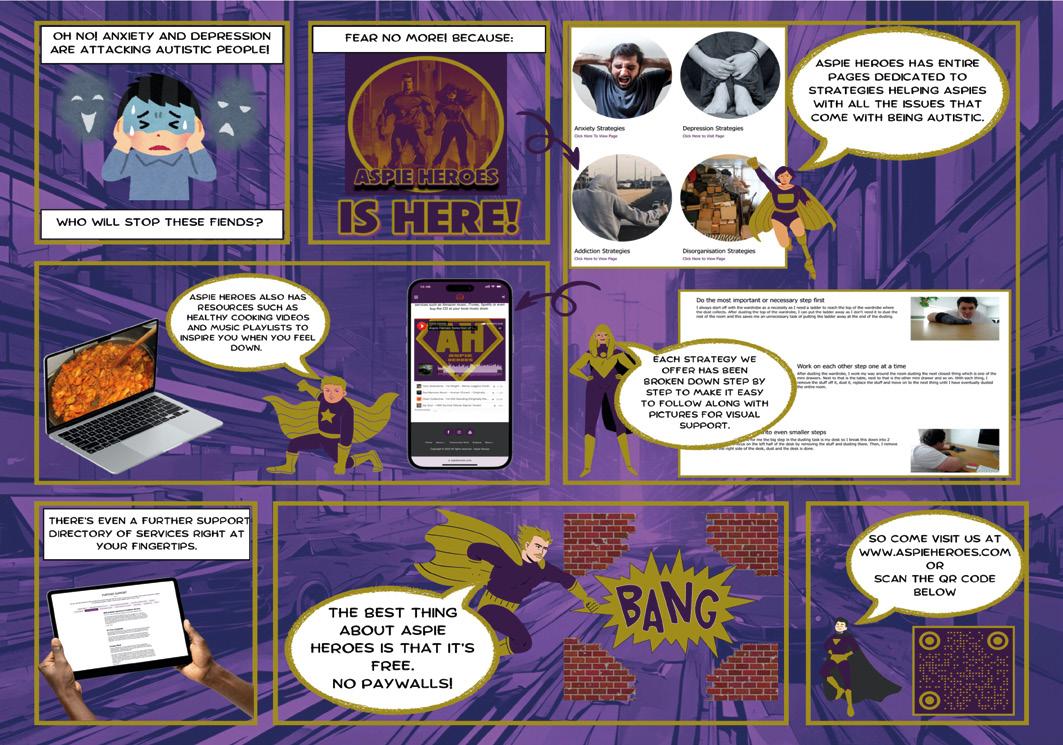
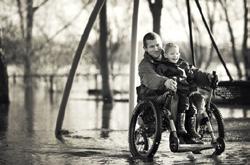
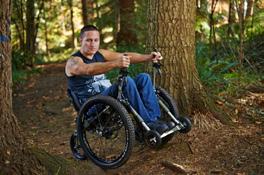
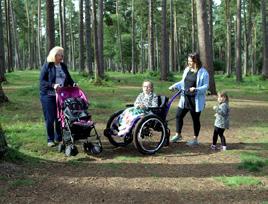
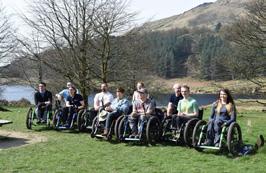
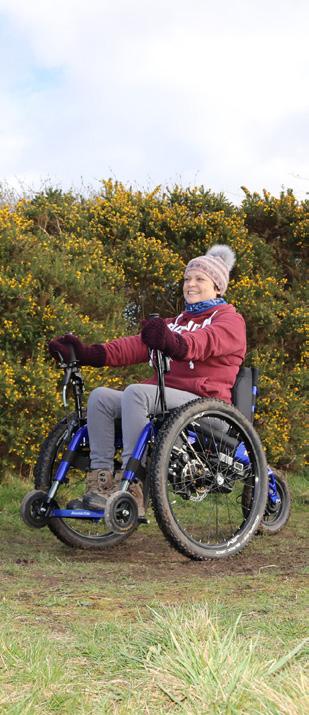
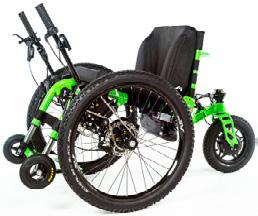
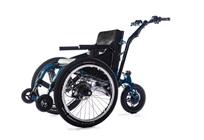
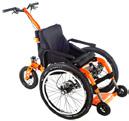
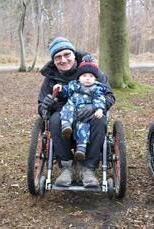


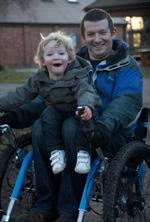
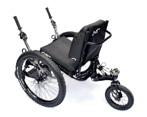

By Ian Taverner
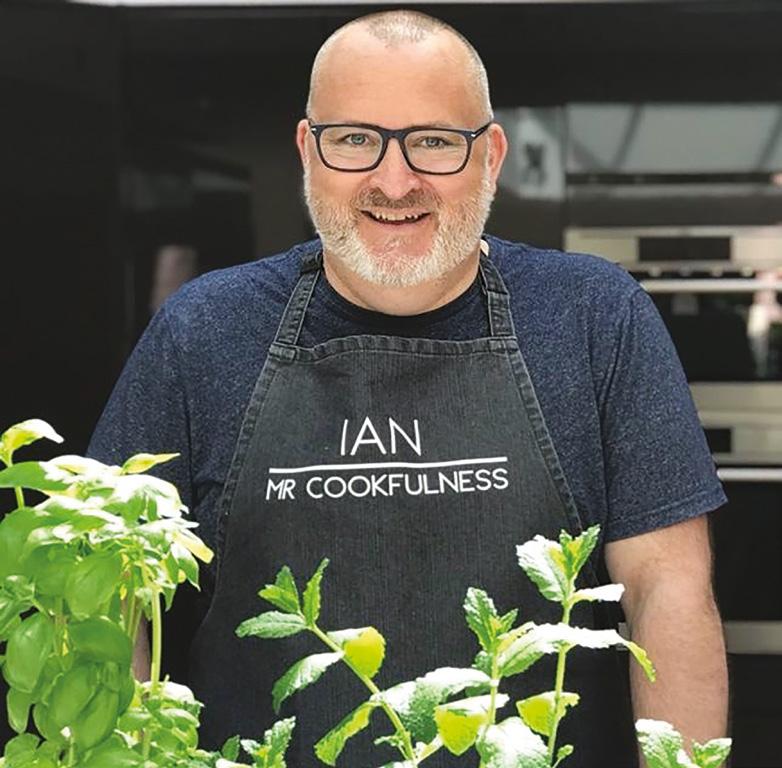
In a time of needed renewal, a bolognese base can be easily adapted across a range of meals; Ian Taverner, also known as Mr Cookfulness, has you covered, including with 7 different dishes.
You might think that renewal and cooking don’t have too much in common; well, that couldn’t be further from the truth! Let me start by asking you some questions: do you constantly battle with your household’s meals & ingredients, likes & dislikes? Food allergies, intolerances, dish lovers and haters, it is so hard! Do you shop for and cook pretty much the same dishes each week? I think most of us would admit to this! It is easier, it is quicker, you know people will eat it, and you can stay on budget. Have you lost or started to lose the joy of cooking as a result of this repetitiveness? Does the thought of having to think up, shop for,
and test out new dishes fill you with absolute dread? Don’t worry, you aren’t alone! If you could continually renew a dish you know works but everyone is a bit tired of, you’d take it, right?
A bolognese is a classic, a family favourite, but it is also incredibly versatile, too.
A bolognese is a classic, a family favourite, but it is also incredibly versatile, too. It can be gluten-free, vegan and vegetarian-friendly, pescatarian, chickenarian (you
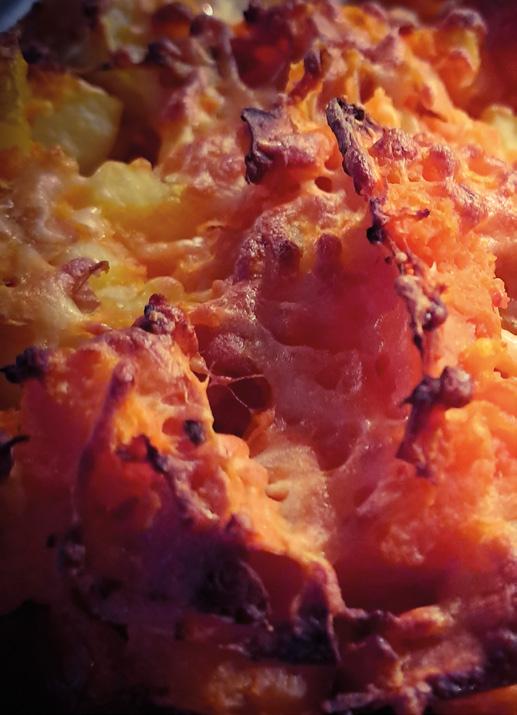
know what I mean!), but it can also be renewed over and over to create lots of variations that only require a tweak to your base recipe to keep things exciting. Lots of new dishes, all created from your bolognese - so minimal fuss, minimal cost, minimal family upsets but maximum variety, maximum taste sensations & maximum new meal options!
Let me start by sharing my absolute favourite recipe, my beef bolognese, followed by some fabulous renewal options for you to try and enjoy. I will also recommend some ingredient changes to suit all dietary needs. Look out for my ‘secret’ ingredient.
Serves: 4-6 people | Cooking time: 45-50 minutes | Preparation time: 25 minutes | Total duration: 85 minutes
DIFFICULTY RATING: 3/5
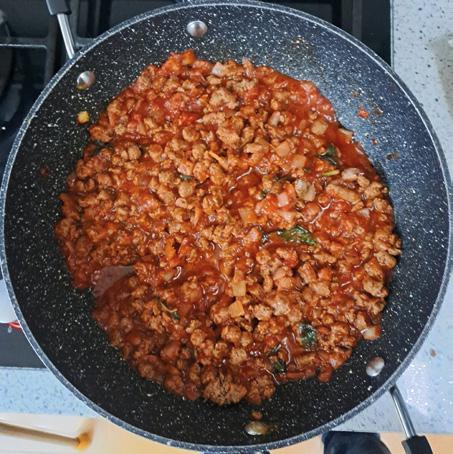
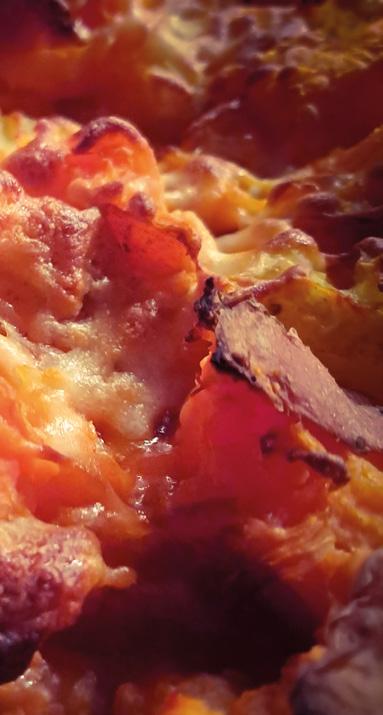
1 cup | 1 teaspoon | 1 tablespoon | 1 knife | 1 chopping board | 1 large measuring bowl | 1 can opener | 1 jar opener (if required) | 1 large wide & deep frying/cooking pan with a lid | 1 large heat-proof mixing spoon
3 tablespoons of olive oil
1 cup of ready-chopped frozen white onion (or 1 fresh onion, chopped)
1 teaspoon of garlic paste
1 teaspoon of ginger paste
1 large carrot, peeled and chopped into roughly 1cm cubes
500 grams of beef mince
1 tablespoon of Worcestershire sauce
1 tablespoon of tomato puree
1 can of chopped tomatoes
750ml of beef stock (from cube is perfect)
1 tablespoon of Italian mixed herbs
1 teaspoon of chipotle paste Optional: salt and pepper to taste
1 Place the pan on your hob with a medium heat and add the oil. Once heated, add the onion and carrot and fry for a minimum of five minutes, stirring frequently. Add the garlic and ginger paste, stir well to combine and fry for another minute.
2 Breaking it up as best you can, add in the beef mince, then fry until all of the beef is browned, mixing every 30 seconds or so.
3 Add the Worcestershire sauce and mix well to ensure everything is coated. Add the tomato puree, mix to combine; make sure you cook this for at least five minutes.
4 Add the chopped tomatoes, dried herbs, beef stock and chipotle paste to the mix, then make sure it is all combined.
5 Put the lid on the pan, reduce the heat to a low simmer for 15 minutes. Make sure to keep stirring the mix every few minutes.
6 Remove the lid and continue to cook until the liquid has reduced to the level of the beef mixture; this will take approximately 20 minutes.
7 Optional: Add salt and pepper to your taste. Now, serve!
You can buy carrots that are pre-chopped into batons, which can then be more easily halved; this will help with the chopping and the dicing. Tomato puree does need those five minutes of cooking to remove the ‘tinniness’. Making a little extra of this base than what you need means you can freeze some ready for renewal! (And it’s great for meal planning/prepping.)
If you could continually renew a dish you know works but everyone is a bit tired of, you’d take it, right?

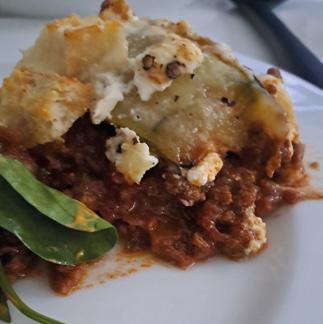
How To ‘Renew’ This Recipe: For dietary/ preferential straight swaps:
Use gluten-free Worcestershire sauce and stock cubes.
Use minced pork or chicken instead of beef.
Use a selection of vegetable or Quorn mince instead of the beef; other alternatives could be cauliflower florets, sweet potato chunks, butternut squash chunks, green beans, or even spinach.
1
Cottage pie. Simply topping the base with mash and a bit of cheese, then bake it to create a whole new dish. However, don’t stop at mashed potato; try adding some root vegetables to your potatoes, like carrots, parsnips. sweet potato, even broccoli. This makes a fantastic green speckled mash. Getting creative with the mash topping means you can pack in more vegetables but still please the doubters!
2 Lasagne. Layer the bolognese with dried lasagne sheets and then top with a lovely cheese sauce for another option of renewal. You can then take this in another direction by breaking up the dried lasagne sheets and adding them to your
pan when you get to the ‘add tinned tomatoes, stock etc’ stage; it will give you lovely big ribbons of pasta, just cooking in the dish! Cheese sauces can be tricky if you make from scratch, so a simple tip for an (almost) instant sauce is to get a large tub of cream cheese into a saucepan and add some milk. Then slowly mix on a medium heat until combined. You can then add more cheesiness with grated extras as much as you want. And try adding different flavour options of cream cheese for variety.
3
Add to the base recipe to create new dishes. Simple two or three ingredient additions can completely transform your bolognese base.
4
Bean chilli and/or tacos. Add a tin of kidney beans or mixed beans, along with a teaspoon of smoked paprika and a teaspoon of ground cumin, to get this beautiful dish.
You can buy carrots that are prechopped into batons, which can then be more easily halved; this will help with the chopping and the dicing.
5
Moussaka. A little booster to the lasagne of option two is to replace the lasagne sheets with slices of aubergine, while adding a teaspoon of dried cinnamon and a teaspoon of dried oregano to the mix. Aubergine does need a little extra attention by grilling the slices so they brown up before adding to the layered dish. You can then use the same type of cheese sauce as above (again in option two.)
6
Use any of the above renewal options. No matter what you pull from the fridge or freezer, and sometimes it really is hard to tell what you have in there isn’t it (!?), a great one to try is..
7
Stuffed Mixed Peppers. Take a selection of different coloured peppers and
carefully slice off the top, keeping as a lid for later. Remove any seeds or obvious sinews and then start to fill. Fill roughly a third of the peppers with the base mix, then add a slice of mozzarella cheese or dietary alternative, and repeat until you have a final cheese layer on top. Into the oven it goes! Cook at 190c* for 20 - 25 minutes, then serve using the different coloured lids to create some visual fun.
The bolognese base - true royalty of renewal, and versatile cooking! Have fun trying all of these, but don’t limit yourself to them. Try other combinations you like or might have seen somewhere, and have so much fun doing it.
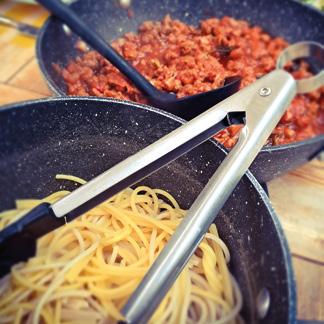
iIan Taverner, A.K.A Mr Cookfulness, is available for bespoke cooking shows, demonstrations, workshops, talks, and courses. To inquire:
WEB: cookfulness.co.uk
EMAIL: cookfulness@gmail.com
TWITTER: @cookfulness
YOUTUBE: @cookfulness
The Cookfulness Cookbook is available in hard copy & e-book on Amazon | BookshopUK | Waterstones