Handbook
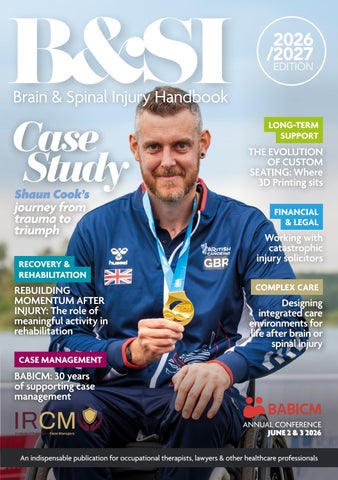
Study Case
Shaun Cook’s
journey from trauma to triumph
RECOVERY &
REHABILITATION
REBUILDING MOMENTUM AFTER INJURY: The role of meaningful activity in rehabilitation
CASE MANAGEMENT
BABICM: 30 years of supporting case management

LONG-TERM THE EVOLUTION OF CUSTOM SEATING: Where 3D Printing sits
COMPLEX CARE FINANCIAL SUPPORT
Working with catastrophic injury solicitors Designing integrated care environments for life after brain or spinal injury & LEGAL

JUNE 2 & 3 2026
W e a r e a C Q C - r e g u l a t e d , p r e m i e r c o m p l e x c a r e c o m p a n y
p r o v i d i n g 2 4 / 7 a t - h o m e T D D I N u r s i n g , C o m p l e x C a r e a n d
M e n t a l H e a l t h s e r v i c e s f o r a l l a g e s
B a c k e d b y a m u l t i d i s c i p l i n a r y t e a m w i t h e x p e r t i s e i n n u r s i n g ,
c a r e , e x e c u t i v e s e a r c h a n d m a n a g e m e n t c o n s u l t i n g , w e w a n t
t o t r a n s f o r m a n d m a x i m i s e t h e c a r e e x p e r i e n c e t o s u i t t h e
u s e r ’ s l i f e s t y l e a n d g o a l s
W e s u p p o r t
A c q u i r e d b r a i n a n d s p i n a l c o r d i n j u r i e s
T r a c h e o s t o m y a n d v e n t i l a t o r c a r e
G a s t r o s t o m y
C a t h e t e r c a r e
N e u r o l o g i c a l r e h a b i l i t a t i o n
C h a l l e n g i n g b e h a v i o u r , A S D , m e n t a l h e a l t h
E N Q U I R I E S @ A B I L I T I E S E N A B L E D . C O . U K








Welcome
Supporting recovery. Sharing knowledge. Changing lives.
Dear
Reader,
Welcome to the 2026/2027 edition of the Brain & Spinal Injury Handbook — an essential resource for individuals, families, and professionals navigating life after brain or spinal injury. This publication exists to bring clarity where there is complexity, and connection where there is often isolation.
A TRUSTED RESOURCE ACROSS CARE AND RECOVERY
The Brain & Spinal Injury Handbook is widely used by case managers, clinicians, solicitors, rehabilitation specialists, and carers. It brings together expert insight, lived experience, and practical guidance across medicine, law, and long-term rehabilitation.
At its heart, this handbook is about one thing: helping people rebuild lives with dignity, confidence, and support.
STORIES THAT MATTER
Inside this edition, you’ll find lived experiences, professional guidance, and real-world perspectives from those working and living within neuro-rehabilitation.
From complex care pathways to

everyday independence, each contribution has been selected to inform, support, and inspire.
Our goal is to offer hope, comfort, and practical information that genuinely improves daily life for those affected by brain and spinal injury.
GET INVOLVED
If you have insights, experience, or expertise in brain and spinal injury care and would like to contribute to a future edition, we would love to hear from you.
claire@sevenstarmedia.co.uk
With thanks
We extend our sincere thanks to all contributors whose knowledge and lived experience make this publication possible.
Until next year. The B&SI Handbook Team
THE PLG DIFFERENCE
WHY PROCESS MATTERS IN COMPLEX HOUSING CASES
When a home must support specialist equipment, care arrangements and long-term clinical needs, property decisions carry far greater consequences than a typical residential purchase. In cases where litigation is ongoing, the wrong property can introduce cost, delay and disruption. What may appear suitable at first can quickly prove impractical once adaptation, access, care provision and family life are considered together.
For the client’s professional team, property decisions are not simply about location or value. They require careful assessment, clear reasoning and a process that protects the client’s long-term interests.
At PLG, this structured approach is often referred to as the PLG Difference, a combination of expertise, process and coordination that underpins how we work.
LOOKING BEYOND THE PROPERTY LISTING
Property listings present homes at their best, but presentation alone rarely reveals whether a property can support accessible living. Factors such as ceiling heights, layout, external access and circulation space can determine whether meaningful adaptations are possible.
WHY PROCESS MATTERS
JOINED-UP THINKING ACROSS THE PROPERTY JOURNEY
Complex housing projects involve multiple specialists, from property professionals and architects to clinical experts and contractors.
At PLG, property finding and architecture form part of the same process. Architectural insight informs property selection from the outset, helping identify potential challenges before a purchase progresses and ensuring continuity into design and construction.
“ “ A suitable home can make a huge difference to someone’s independence. That’s why getting the property decisions right is so critical. PHILL GILL
In straightforward property purchases, decisions are often made quickly. In complex housing cases, however, every decision can have lasting consequences. A purchase may represent a large portion of a client’s settlement, and adaptation works can take many months.
A clear, structured process allows risks to be identified early, assumptions to be tested and decisions to be supported with confidence.
SUPPORTING DECISIONS WITH EVIDENCE
Property decisions in these cases often involve substantial financial commitments. For deputies and legal teams, they must be supported by clear evidence. Structured reporting, including property assessments and pre-purchase evaluations, ensures decisions are well informed and transparent.
A HOME, NOT JUST A PROJECT
When a family finally moves in, the value of the process becomes clear. What began as property searches and design discussions becomes a home that supports independence, care and everyday life. Because ultimately, the work is not simply about property. It is about creating homes that allow people to move forward. Because the work is never simply about property. Its about the people we love to serve. 0333

• Property Finding for Rentals and Purchases
• Reports that are Clear, Precise and Meaningful
• RIBA Chartered Architectural Practice
• A Solution Focussed & Experienced Team
• Over 300 years of experience

CONTENTS
RECOVERY & REHABILITATION
11 Rebuilding Momentum After Injury: The role of meaningful activity in rehabilitation
12 The Role of Family in catastrophic injury rehabilitation
14 Kevin’s Story of Neuro Rehab
16 Brainkind: Delivering outcomes in neurorehabilitation and complex care
20 Supporting the child in the room: The Missing Piece in Rehabilitation
30 From rehabilitation to real-world independence: The Askham Rehab approach
32 COVER STORY - Against the current: Shaun Cook’s journey from trauma to triumph
36 Advancing rehabilitation through Neurotechnology
38 Sleep assessment in people with life-changing injuries
42 Turning setbacks into comebacks
46 John Ford Group
52 Building confidence and independence with ceiling hoist rehabilitation: Leo’s story at The Children’s Trust
56 Neuroplasticity and the neuro physiotherapist: Unlocking the brain’s remarkable abilities
60 William Martin Property Consultants Ltd
82 From incident forms to insight: How behavioural data is changing brain injury rehabilitation
86 BIS Services
87 Beth Cordrey occupational therapy: Limiting the impact of injury
124 When transport becomes the biggest barrier
136 Why personal insurance matters: Expert insurance advice for complex clients’ needs
CASE MANAGEMENT
67 Overcoming challenges: A short case study of rehabilitation and resilience
68 The Brain Collective: Transforming complex rehabilitation by making the invisible visible
70 StanleySmith Case Management and Litigation: Bridging the gap
72 BABICM - 30 years of supporting case management
74 Positive OT & Case Management
76 You wouldn’t use an unregistered case manager, would you?

78 Early intervention in neurological rehabilitation: Why case management is central to better outcomes
80 ABI Case Management Ltd
COMPLEX CARE
08 The Live In Care Company: Delivering specialist live-in care for brain & spinal injury
26 Designing integrated care environments for life after brain or spinal injury
28 Putting lived experience at the heart of care Steve Brown’s lived experience perspective on rehabilitation
44 The central role of neuropsychology in sustainable neurorehabilitation
49 The three Cs: How connection, consistency and creativity strengthen complex care at home
54 Delivering complete accommodation solutions for complex injury claims
66 Secure Healthcare Solutions: Specialising in person centred, nurse-led complex care in the community
90 When home is the right answer: Delivering complex spinal injury care safely in the community
94 Providing a smooth transition: SweetTree assisted hospital discharge planning
98 First Active 365 Homecare: Leading the way in specialist care
100 Transforming lives with nurse-led Care from Radis community care
102 Steps Ahead Care & Support: Outstanding care, designed to be different
104 Moira’s story: Living life together with purpose and independence
106 YorHealth: Above and beyond in complex care for paediatrics and adults
110 Inspire Neurocare: Delivering specialist neurological care across rehabilitation, long-term and complex care pathways
112 Who cares for the carer? Why respite homecare gives families the time, strength and reassurance they deserve
114 OneCall24 Healthcare: Specialist complex care services, delivered with consistency and confidence in our client’s own home
116 Appletree support Ltd
118 Specialist home care that supports independence: How Alcedo Care helps Will and Aaron live life their way
142 Aspire Care: Aspire Care Southwest and Wales
MEDICO-LEGAL
99 Jane James and Associates, expert witness reporting for over 35 years
LONG-TERM SUPPORT
24 Travel as rehabilitation: The clinical value of travel after brain and spinal injury
40 PJ Care: Leading the way in specialist care for brain and spinal injury
58 Functional electrical stimulation (fes) for correction of dropped foot
126 Case study: Going the extra mile for Nikita
127 Case study: A stylish new vehicle for Natalie
130 When the right equipment changes everything
132 Back behind the wheel on your terms
134 The evolution of custom seating: Where 3D Printing sits
138 DIETZ Mobility UK: Masterpiece of empathy
140 Discover a new freedom with Triride
143 Lightweight Mobility
144 Does using a specialist create a better outcome?
145 Introducing the new Quantum Edge 4 Powerchair
FINANCIAL & LEGAL
146 Working with catastrophic injury solicitors
149 Life-changing bespoke support after serious injury
150 Case study: Following Sarah on her personal injury trust journey
152 One Sqaure Chambers - Leading experts, specialists acting for a multitude of clients in all forms of personal injury
PERSONAL PROFILES & CONTACTS
155 Personal profiles
156 Brain & Spinal Injury contact information
160 A very special thank-you to all our contributors
Executive Editor Lee Gatland lee.gatland@sevenstarmedia.co.uk
Art Director Richard Hejsak richard@sevenstarmedia.co.uk
Sales Team Claire Hollingdale claire@sevenstarmedia.co.uk Tel: 01959 543 659

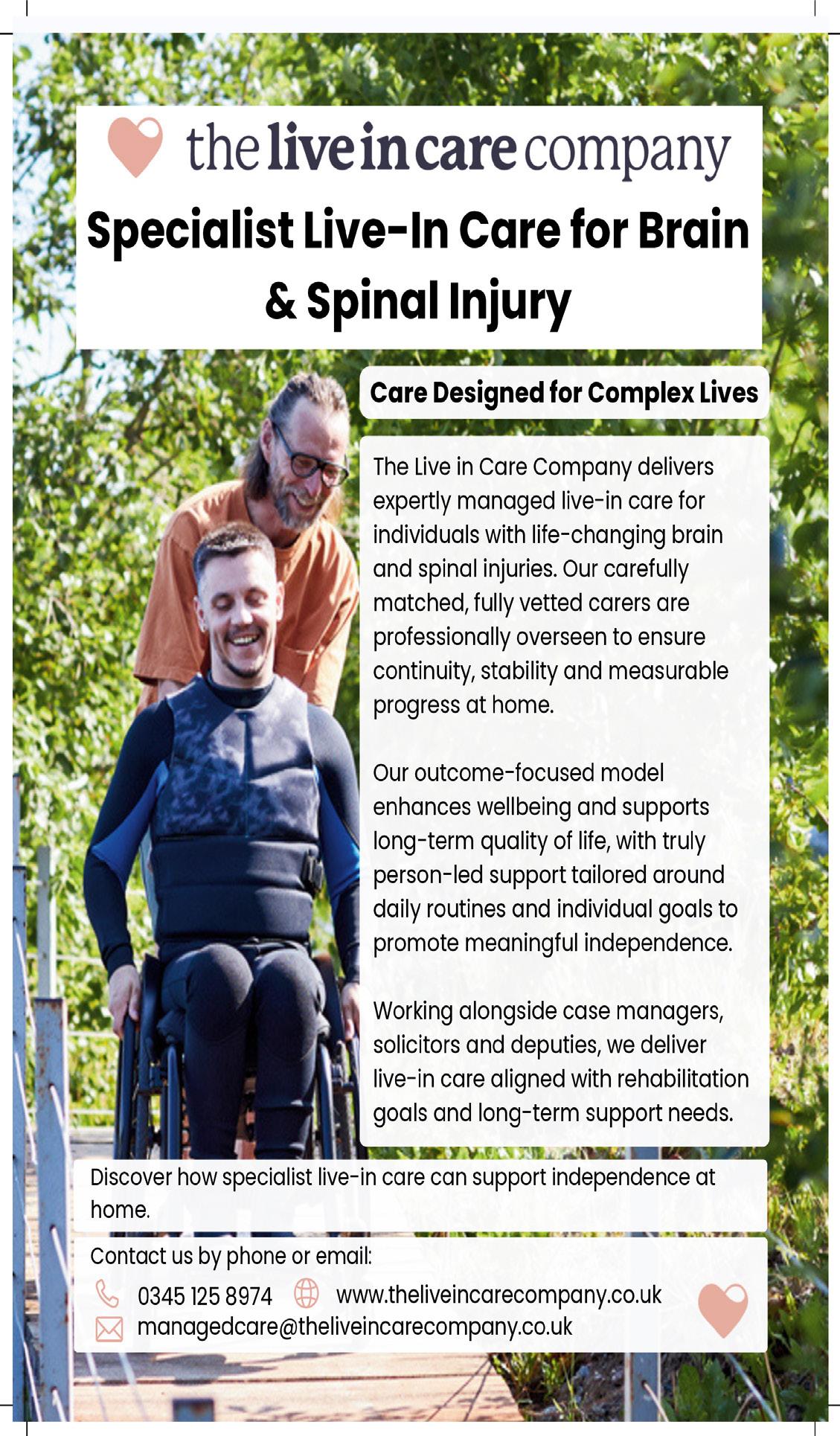
THE LIVE IN CARE COMPANY Delivering Specialist Live-In Care for Brain & Spinal Injury
The Live In Care Company provides specialist, person-centred live-in care for individuals with life-changing brain and spinal injuries, enabling safe discharge, longterm stability and meaningful independence at home.
For individuals living with complex brain and spinal injuries, the right care package is fundamental to safety, rehabilitation and long-term quality of life. The Live In Care Company provides personcentred, professionally overseen support tailored to each client’s unique needs and litigation context.
LISTENING AND COMMUNICATION: THE CORNERSTONE OF SUCCESSFUL LIVE-IN CARE
Delivering effective live-in care for individuals with brain or spinal injuries requires far more than simply placing a carer in the home. While clinical planning and rehabilitation goals are essential, the success of any care package ultimately depends on how well the agency absorbs the needs of the client and maintains high standards of communication.
At The Live In Care Company, our managed live-in care service was developed with this reality in mind. Brain and spinal injuries rarely follow a fixed path.
In our experience, the difference between a care package that survives and one that thrives is communication. When information flows well between the client, carers, therapists, case managers and families, the whole system works more effectively. Therapists gain a clearer picture of the client’s day-to-day progress, case managers can respond quickly when needs change, and families are relieved of the burden of coordinating the entire care package.
At The Live In Care Company, our service was developed with this reality in mind: each client has their own individual needs. Brain and spinal injuries rarely follow a fixed path. Circumstances evolve, rehabilitation goals shift, and progress often happens gradually and in unexpected ways.
Live-in carers are often the first to notice small but important changes: a subtle drop in energy, a change in mood, or stalled progress with a rehabilitation goal. Because they are present day to day, they can provide valuable insight that helps the wider team respond quickly and adjust support where needed.
A key part of our role is ensuring that these observations are communicated effectively to therapists, case managers and families.
Continuity of care is equally important. We prioritise stable, dedicated care teams so that the same carers remain involved over time. This reduces information loss during handovers and allows carers to develop a deeper understanding of the person they support, their routines, motivations and what “normal” looks like for them.
Ultimately, successful care at home is not about filling shifts on a rota. It is about building a coordinated and committed team around the individual and ensuring that team communicates clearly and consistently..
FLEXIBLE PATHWAYS TO SUIT INDIVIDUAL NEEDS
Alongside our Managed Live-In Care service, we also offer an introductory live-in care option for clients whose needs are less complex and do not require structured oversight or regulatory governance. This flexible pathway allows professionals and families to match the level of support to the individual’s requirements.
At The Live In Care Company, our priority is simple: making a real difference to quality of life. Delivering safe, sustainable and person-centred support that enables individuals with brain and spinal injuries to live well at home. ■
For further information, please visit: Web: www.theliveincarecompany.co.uk
Email: managedcare@theliveincarecompany.co.uk
Tel: 0345 125 8974
Rebuilding Lives Through Clinican-led Rehabilitation
TAILORED. TRUSTED. TRANSPARENT.
Proactive, personalised rehabilitation for people of all ages following serious injury, focused on what really matters. From initial assessment to long-term recovery, Think Therapy 1st delivers client-led support build around real lives, not just treatment.
WHAT SETS THINK THERAPY 1ST APART
Clinician-led from start to finish
Rehabilitation embedded in daily routines
Transparent, fixed-fee service packages
Local specialist rehabilitation occupational therapists (SROT) with consistent national standards
Dedicated referrer support from initial enquiry to final outcome

No two journeys are the same. Think Therapy 1st delivers practical, evidence-based rehabilitation shaped around lifestyles, priorities, and recovery goals.
Rebuilding Momentum After Injury:
THE ROLE OF MEANINGFUL ACTIVITY IN REHABILITATION
Rehabilitation is more than a process; it’s a journey, and no two routes are the same. Think Therapy 1st (TT1st) uses an approach that’s as dynamic, responsive, and individual as the clients being supported
Several months after a road traffic collision that resulted in a traumatic brain injury and multiple physical injuries, Simon, who had previously worked in construction and spent much of his spare time restoring vehicles, found himself largely housebound. Alongside the physical impact of his injuries, fatigue, reduced confidence and difficulty managing everyday tasks meant he had withdrawn from many of the routines that had previously structured his day.
Following a brain or spinal injury, rehabilitation is often focused on restoring physical function. However, progress can stall when individuals struggle to reconnect with the roles, routines and activities that previously shaped their independence. Rebuilding engagement in meaningful activity can play an important role in helping rehabilitation regain momentum.
UNDERSTANDING LIFE BEFORE INJURY
Occupational therapists approach rehabilitation by considering the whole person within the context of their life before injury. Work, family roles, hobbies, and daily routines all shape how individuals experience themselves as independent and confident.
When injury disrupts these roles and routines, the impact extends beyond physical ability. Many individuals experience a loss of structure, identity and purpose, which can affect motivation and engagement in rehabilitation. In practice, understanding how a person lived before injury often helps identify the activities that are most meaningful to reintroduce during recovery.
Meaningful activity frequently acts as the bridge between clinical rehabilitation and real-life independence.
WHEN REHABILITATION STALLS
It is common to see individuals withdraw from activities following serious injury. Pain, fatigue and uncertainty about what is safe to attempt can all contribute to reduced participation in everyday tasks.
When activity levels decrease, confidence can decline, and individuals may become increasingly cautious about reengaging with their previous routines. This can slow progress and make rehabilitation more difficult to sustain.
Rehabilitation that gradually reintroduces meaningful activities can help address this challenge. Linking therapy to
the activities that matter most to the individual often enables clients to see tangible changes in their everyday function.
REINTRODUCING MEANINGFUL ACTIVITY
For Simon, rehabilitation focused on gradually rebuilding participation in practical activities that reflected his previous routines. Initial work centred on structured tasks at home before progressing to activities in the community, including short journeys outside the home and time spent on simple mechanical tasks.
When activity levels decrease, confidence can decline, and individuals may become increasingly cautious about re-engaging with their previous routines.
As Simon began to re-engage with familiar activities, confidence improved, and participation increased. These changes allowed rehabilitation to progress further, eventually supporting a return to work and greater independence in daily life.
REBUILDING MOMENTUM
Specialist Rehabilitation Occupational Therapy (SROT) focuses on helping individuals reconnect with meaningful activities in a structured, supported way. By understanding the person’s life before injury and linking rehabilitation to everyday routines, progress can become easier to sustain.
At Think Therapy 1st, this approach helps ensure rehabilitation remains focused on rebuilding independence and supporting individuals to return to the activities that matter most in their lives. ■

For further information contact: Stephanie Fleet: stephanie.fleet@tt1st.co.uk Web: www.tt1st.co.uk
The Role of Family in CATASTROPHIC INJURY REHABILITATION
STEPS Rehabilitation marks its ninth anniversary in 2026, celebrating nearly a decade as a specialist facility supporting individuals following brain injury, spinal injury, complex orthopaedic trauma, polytrauma, and traumatic amputation.
Since opening in May 2017, STEPS has redefined neurological rehabilitation by combining clinical expertise, cutting-edge technology, and a truly holistic approach. Recognising the unmet need for comprehensive polytrauma rehabilitation in the UK - previously only available in military facilities - STEPS has pioneered this approach for clients more broadly.
As a groundbreaking facility, it continues to set new benchmarks in neurorehabilitation, delivering life-changing outcomes, establishing industry-leading standards, and enabling individuals to reach their rehabilitation goals When someone sustains a catastrophic injury, the immediate priorities are clear: , specialist medical care in an acute setting, and intensive rehabilitation. Beyond these clinical imperatives, however, lies another critical factor, the active involvement of family. Research, clinical guidance, and lived experience increasingly demonstrate that the presence, support, and participation of loved ones can profoundly influence recovery and long-term outcomes.
Research, clinical guidance, and lived experience increasingly demonstrate that the presence, support, and participation of loved ones can profoundly influence recovery and long-term outcomes.
At STEPS, this principle is key and, in most cases, shapes rehabilitation programmes. Programmes are designed to actively involve families at all stages, encouraging visits, mealtimes, participation in therapy sessions, and overnight stays where appropriate. Couples and family members can remain together in accommodation created specifically to keep people close during this often-challenging time.
THE EVIDENCE FOR FAMILY-CENTRED REHABILITATION
UK-based research continues to reinforce what clinicians witness in practice: when families are supported to participate actively in rehabilitation, outcomes improve.
The presence of family provides reassurance, emotional stimulation, familiarity, and continuity of identity, all vital elements in neurological recovery.
A 2024/25 study from the University of Leicester, examining children and young people (CYP) with acquired brain injuries, highlights the pivotal role of family in recovery. The study found that 53% of UK parent-carers reported reduced family functioning following injury, which was closely associated with poorer clinical outcomes and reduced social participation for the young person. For residential rehabilitation settings, these findings emphasise the critical importance of family-centred care and the need to involve and support loved ones during the rehabilitation process. Integrating families into therapy sessions, daily routines, and decision-making allows clinical professionals to monitor emerging needs, support emotional wellbeing, and empower individuals to rebuild their lives surrounded by those who matter most.
The UK Acquired Brain Injury Forum’s 2025 Right to Rehabilitation campaign further highlights that family-centred neurorehabilitation could reduce the long-term social and economic impact of brain injury, estimated at £43 billion annually in the UK, by lowering dependency on care services.
Similarly, NICE Guidelines on Rehabilitation for Chronic Neurological Disorders, including Acquired Brain Injury (published 15th October 2025) stress the importance of supporting people to make decisions about their health and social care. The guidance recommends involving family members, carers, or other significant individuals in decisionmaking, particularly for those with complex communication or cognitive needs, either as informal supporters or formally appointed advocates, with the person’s consent.
REIMAGINING REHABILITATION THROUGH FAMILY INTEGRATION
Residential rehabilitation can last anywhere from several months to several years. With a limited number of specialist neurorehabilitation facilities in the UK, families
are often confronted with long-distance travel, costly hotel stays, or prolonged separation. In some instances, more extreme measures are taken, such as living in camper vans near the facility, to remain close and support recovery.
The presence of family provides reassurance, emotional stimulation, familiarity, and continuity of identity, all vital elements in neurological recovery. For individuals in prolonged disorders of consciousness (PDOC) or minimally conscious states, familiar voices, touch, shared memories, and emotional connection are important components of sensory and cognitive stimulation. For those with spinal cord injuries or complex orthopaedic trauma, family involvement enhances motivation, engagement, and psychological resilience. In these contexts, family presence is not simply comforting; it can be clinically meaningful.
Maintaining parental identity, partner roles,
and
familiar family
routines has a proven positive impact on psychological wellbeing, which in turn strengthens engagement in therapy and supports overall recover.
SUPPORTING PARENTS, YOUNG ADULTS AND CHILDREN
STEPS welcomes clients aged 16 and over from across the UK and internationally. The facility recognises that individuals in this age group may require ongoing parental presence throughout rehabilitation. Families are actively encouraged to remain involved, and children are always welcome to visit.
For parents, being separated from their children during rehabilitation can be especially challenging. One former client, a young mother recovering from a life changing road traffic accident, had a son who was just four months old at the time of her injury. Thanks to the independent living apartment at STEPS, she was able to remain with her baby throughout her rehabilitation, continuing her role as a mother while receiving the specialist support she needed. From mealtimes to therapy sessions, parenthood stayed central to her everyday life. For her, rehabilitation did not mean being apart from family; it meant rebuilding life together. Maintaining parental identity, partner roles, and familiar family routines has a proven positive impact on psychological wellbeing, which in turn strengthens engagement in therapy and supports overall recovery.
COUPLES AND SHARED RECOVERY
In some situations, both partners may have been injured in the same incident. Being separated during rehabilitation can heighten feelings of trauma and anxiety, making recovery even more challenging. STEPS’ flexible accommodation options, including the apartment with its private kitchen, dining, and living area, as well as the transitional living unit, allow couples to remain together throughout their rehabilitation journey. This continuity
fosters emotional stability, strengthens mutual motivation, and supports shared adjustment, enabling partners to draw resilience and confidence from one another.
16 TROUTBECK ROAD: A HOME AWAY FROM HOME
Recognising that not all families can relocate indefinitely, and that hotels are neither practical nor sustainable, STEPS provides dedicated family accommodation at 16 Troutbeck Road, a renovated property within walking distance of the main facility.
The house features:
Two double bedrooms and one single bedroom
A modern kitchen/diner
A comfortable lounge
A private garden
As neurorehabilitation continues to advance, actively involving loved ones in the recovery process is increasingly recognised as best practice. Purpose-built accommodation, flexible family stays, and programmes that integrate relatives and partners into therapy and daily routines create a supportive, familiar environment in which recovery can flourish. Keeping families and couples together during this period promotes emotional stability, enhances motivation, and strengthens resilience, all of which contribute to improved clinical outcomes. At STEPS, family-centred care is central to every aspect of rehabilitation, setting new benchmarks in specialist neurorehabilitation and demonstrating that recovery is most effective when it happens alongside those who matter most. ■
For further information about STEPS Rehabilitation, please contact: enquiries@stepsrehabilitation.co.uk Tel: 0114 258 7769 www.stepsrehabilitation.co.uk
SOURCES
Rachel Keetley, Joseph C Manning, Jane Williams, Iain Stewart & Kathryn Radford (2024) Child and family health-related quality of life and participation outcomes and goals after acquired brain injury: a cross-sectional survey, Brain Injury, 38:3, 217-226, DOI: 10.1080/02699052.2024.2309244
https://doi.org/10.1080/02699052.2024.2309244
Hidden toll of brain injury costs economy £43 billion a year - United Kingdom Acquired Brain Injury Forum Overview | Rehabilitation for chronic neurological disorders including acquired brain injury | Guidance | NICE
Kevin’s Story of NEURO REHAB
Richardson Care has pioneered a person-centred, psychology-led approach to deliver positive, life-changing outcomes for survivors of brain injury.
After just 16 months of specialist brain injury rehab at Richardson Care in Northampton, Kevin* was able to move to a supported living placement.
As a young man, Kevin suffered a traumatic brain injury in a road traffic collision. He was in a coma for several weeks and sustained several broken bones. After regaining consciousness, he received his initial care at a rehabilitation hospital and was discharged to his family home after six months. Unfortunately this didn’t work out due to Kevin’s challenging behaviours, so he was admitted to a psychiatric hospital and cared for under the Mental Health Act, 1983.
Three years after sustaining his injuries, Kevin moved to Richardson Care for holistic community-based neuro rehab. At the time, he presented with low self-esteem, lack of motivation, low mood, difficulties in regulating emotions, traumarelated difficulties and impaired cognitive functioning. He had to re-learn how to walk and requires adaptive and protective devices as a result of his physical injuries.
such as personal care, cooking, going shopping and using public transport.
Later, he went to live music events, including a concert in Hyde Park, which he was looking forward to for weeks! Kevin enthusiastically toured football stadia. He developed his interest in anime, a style of Japanese animation, and visited local anime stores, openly sharing his interest and interacting positively with staff.

Supported by a Multi-Disciplinary Team (MDT) of therapists and dedicated care team, Kevin gradually rediscovered his sense of self, his love of football, music and other interests – and his cheeky grin!
MULTI-DISCIPLINARY APPROACH
Kevin was supported within a trauma-informed framework by Richardson Care’s MDT: Neuro specialists in psychology, psychiatry, occupational therapy, physiotherapy and speech and language therapy are available on-site to support service users to recover from the emotional and physical effects of their injuries.
ACTIVITIES FOR EMOTIONAL AND PHYSICAL WELL-BEING
With support, Kevin grew in confidence, his mood and motivation improved. He started to become more independent and better at regulating his emotions. He became more confident in completing daily living tasks,
PSYCHOLOGY INPUT
Key to Kevin’s recovery was regular psychological input consisting of weekly one-to-one sessions as well as group sessions. A range of therapies (including DBT, CBT, CST, psycho-education, goal setting, relaxation) supported him to develop cognitive skills and regulate his emotions.
KEVIN’S PROGRESS
When Kevin arrived at Richardson Care, he presented with a range of psychological and cognitive difficulties that were impacting his ability to function independently and engage meaningfully in daily activities. However, through psychological interventions and support from the MDT, Kevin overcame many cognitive challenges.
Kevin will continue to need ongoing support to consolidate the gains that he has made, but his move to a specialist supported living placement shows how far he progressed in 16 months. ■
Richardson Care has three specialist brain injury services in Northampton. Call 01604 791266 to find out more and arrange a visit.
Email: admissions@richardsoncares.co.uk Web: www.richardsoncares.co.uk
*We have changed his name to retain his anonymity
• Family-orientated brain injury rehabilitation
• Specialist clinical input in a homely environment
• A holistic approach combining a high-calibre MDT and experienced care team
• Holidays and supported home visits
• A focus on community participation and a wide range of activities
BRAINKIND delivering outcomes in neurorehabilitation and complex care
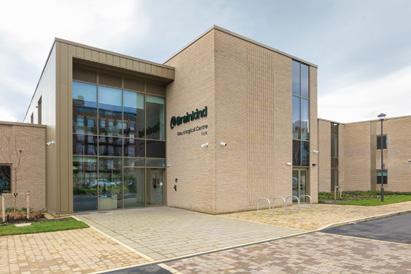
Brainkind operates in a space where neurorehabilitation and complex care journeys may extend beyond standard pathways and placements.
For almost four decades, Brainkind has supported people with brain injury and other neurological conditions whose needs are not always possible to meet within standard pathways. Today, Brainkind is the UK’s largest not-for-profit provider in this field, delivering specialist neurorehabilitation, neurological complex care, and long term support through a national network of services
That work spans the full pathway. Brainkind supports people following acquired and traumatic brain injury, stroke, and a wide range of neurological conditions, including Huntington’s disease, Parkinson’s disease, multiple sclerosis, and motor neurone disease. It also works with people whose needs sit at the intersection of neurology, behaviour, and mental health, often the people who struggle getting placements or who are most vulnerable to pathway breakdown.
This breadth is critical. Neurorehabilitation begins with referral and continues through rehabilitation, transition, and longer term support. When that pathway fragments, progress is lost. When it is held, recovery is more likely to be meaningful and sustained.
Alongside service delivery, Brainkind contributes nationally through research, policy influence, and campaigning to improve recognition and support for people living with brain injury. Its clinical model has evolved through the interplay of evidence and practice, with contributions to tools such as the BMIPB (the Brainkind Memory and Information Processing Battery), and outcome measurement and research underpinning routine care to ensure clinical effort translates into real world change.
The central issue is whether people reach the right service at the right point and whether the pathway holds as their needs change. Brainkind leads the way in ensuring this is the case for the people we support and the people who care for them.
ADAM
Adam was told he would probably never work again. Following a traumatic brain injury sustained during an assault, he was admitted to hospital in a critical condition.
When he regained consciousness, he had little memory of events and limited awareness of the impact of his injury. His family were trying to make sense of a future that had changed overnight.
Once medically stable, Adam was referred for rehabilitation. At that stage, much remained uncertain. His needs were still evolving. His level of risk was not fully understood. Decisions about where he went, how quickly, and into what type of environment would shape everything that followed. Adam expected to stay for a week. He stayed for a year.
WHAT CHANGES OUTCOMES
Adam’s case is unfortunately not uncommon. Outcome is rarely determined by the injury alone. The quality of assessment, the appropriateness of placement, and the stability of the pathway often matter more. In many systems, referral is treated as an administrative step rather than a clinical decision. Placements are made quickly, but not always well. Cognitive and behavioural needs may be underestimated. Engagement falters. Progress slows. Further moves follow. Clinical and care fragmentation place goal achievement and the maintenance of rehabilitation gains at risk.
At Brainkind, sound clinical practice is embedded in all our work. From the outset, teams take a whole pathway view, considering not only current presentation but likely progression.
Every transition carries a cost. Each move risks eroding gains already made. At Brainkind, sound clinical practice is embedded in all our work. From the outset, teams take a whole pathway view, considering not only current presentation but likely progression. Attention is given to cognition, behaviour, fatigue, risk, and an individual’s capacity to engage with rehabilitation.
This approach supports timely decisions for those ready for focused, fast stream rehabilitation, while ensuring that people with more complex presentations are directed to environments capable of managing risk and sustaining engagement. The objective is consistent: start well, avoid misplacement, and build a pathway able to support recovery over time.
REHABILITATION IN PRACTICE
When Adam entered rehabilitation, it soon became clear that physical recovery was only part of the picture. Like many people with brain injury, he experienced reduced insight, emotional changes, and difficulties with regulation and initiation, factors that frequently determine whether rehabilitation progresses or stalls.
Brainkind’s neurobehavioural approach is designed for people like Adam. Cognitive, emotional, and behavioural
rehabilitation are integrated within a structured environment, delivered consistently by a multidisciplinary team.
Rehabilitation in Brainkind goes far beyond timetabled therapy sessions. It is embedded throughout the day, reinforced through repetition, and applied in real world contexts. This reflects a core principle of neurological recovery: sustained change depends on practice and application, not isolated intervention. It is sustained by highly skilled clinicians and support services that maximise what our rehabilitation support workers and other staff achieve with the people we support.
For Adam, this meant gradually developing insight, improving emotional regulation, and rebuilding functional skills alongside physical recovery.
A CLINICAL CULTURE THAT DELIVERS
This approach is underpinned not only by clinical models, but by culture. Across Brainkind services, practice is shaped by a clear rehabilitation principles that translate evidence into everyday action. We have engaged the whole organisation with a set of twelve “rehab mantras” evident in all our work. Examples of these mantras include:
Do with, not for – independence develops through participation
Consistency leads to success - structure drives recovery, which is why consistency and repetition enable change
Rehab is 24/7 – progress extends beyond formal therapy
Every interaction is rehab – we meet the person where they are – engagement comes before improvement
Clinically and evidence driven, such initiatives ensure that sound clinical practice permeates every aspect of what we do, maximising our outcomes in rehabilitation and complex care.
In Adam’s case, rehabilitation was something he actively participated in rather than “received”.
As his awareness increased, so did his engagement. As engagement strengthened, independence followed.
HOLDING THE PATHWAY
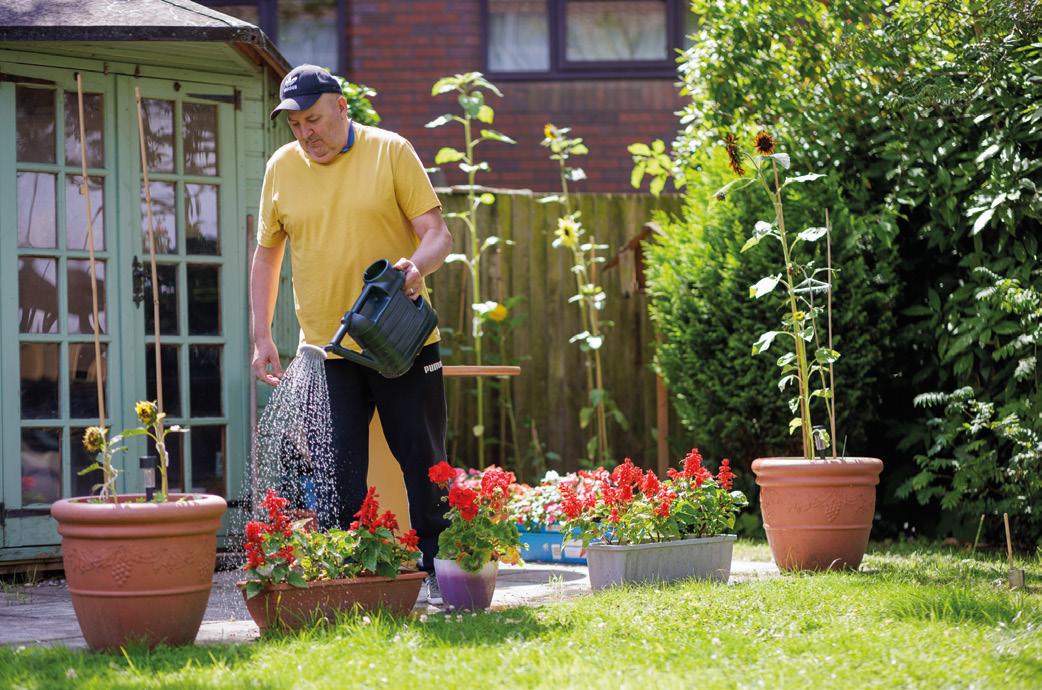
As Adam progressed, his pathway evolved. He moved into supported living within the service, where he could practise everyday activities: managing routines, preparing meals, making decisions within a structured and supportive environment. This is a common point of failure in neurorehabilitation. Gains made in therapy do not always transfer into daily life. For Adam, the clinical approach remained consistent. Expectations were clear. Support adapted but did not fall away. Progress continued because the pathway held.
OUTCOMES THAT MATTER
Across Brainkind services, outcomes are measured routinely and systematically. Recent analyses of longerterm data show:
79% of people we support reduced their level of supervision
87% moved into a more independent setting
58% increased engagement in leisure or vocational activity
85% of people we support and 94% of families reported improvement following rehabilitation
At six month follow up, gains are sustained and often continue to improve, with increasing levels of independent living and participation in work or education.
These figures reflect functional change. They also underline a broader point: when access is timely, placement is appropriate, and care is continuous, rehabilitation delivers.
WHY THIS MATTERS
For case managers, commissioners, and statutory services, the challenge is identifying a provider that can:
assess complex presentations accurately respond quickly without compromising clinical judgement manage cognitive, behavioural, and emotional needs adapt support as needs evolve maintain continuity across the pathway deliver outcomes that endure
National guidance consistently emphasises coordinated, multidisciplinary pathways. The difficulty lies in delivering this reliably in practice and this is what we have been doing at Brainkind for decades.
THE BRAINKIND DIFFERENCE
For many, Brainkind helps build a pathway to recovery and independence through clinically excellent rehabilitation. For others requiring ongoing specialist support, we walk alongside them through changing needs, increasing complexity and the later stages of life.
Adam returned home after a year. He is now back at work. He spends time with his children. He has rebuilt a life that once seemed out of reach.
We helped Adam shape his outcome through a series of clinical decisions, made at the right time, within a pathway that adapted as his needs changed and did not fragment.
That is what we do at Brainkind.
In neurorehabilitation, potential is only the starting point. What follows is what determines the outcome. ■
To learn more about Brainkind’s work, please visit www.brainkind.org. For details on our services across the UK, contact our Business Development team at business.development@brainkind.org

Accelerating Recovery, Reducing Costs
Specialist neurorehabilitation that works.
Brainkind collaborates with NHS and Local Authority referral pathways, as well as key partners in the medico-legal, case management, and insurance sectors, to deliver specialist neurorehabilitation that drives better patient outcomes while reducing long-term costs.
Refer with confidence
Hospitals
Neurological
Residential
Support
Our end-to-end pathway supports individuals with acquired brain injury and other neurological conditions from hospital admission through rehabilitation and back to independent living — helping to:
✳ Facilitate timely transitions from acute care, reducing hospital bed pressures
✳ Improve long-term recovery, preventing costly re-referrals
✳ Deliver cost-effective rehabilitation, aligned with community-based care priorities
With specialist services across the UK, we provide the right care at the right time.
Proven Outcomes
86%
rated ‘good’ or ‘outstanding’
87%
Almost nine in ten people (87%) move to more independent accommodation following our support
82%
of people needed less supervision when they were discharged from our services
SUPPORTING THE CHILD IN THE ROOM: The Missing Piece in Rehabilitation
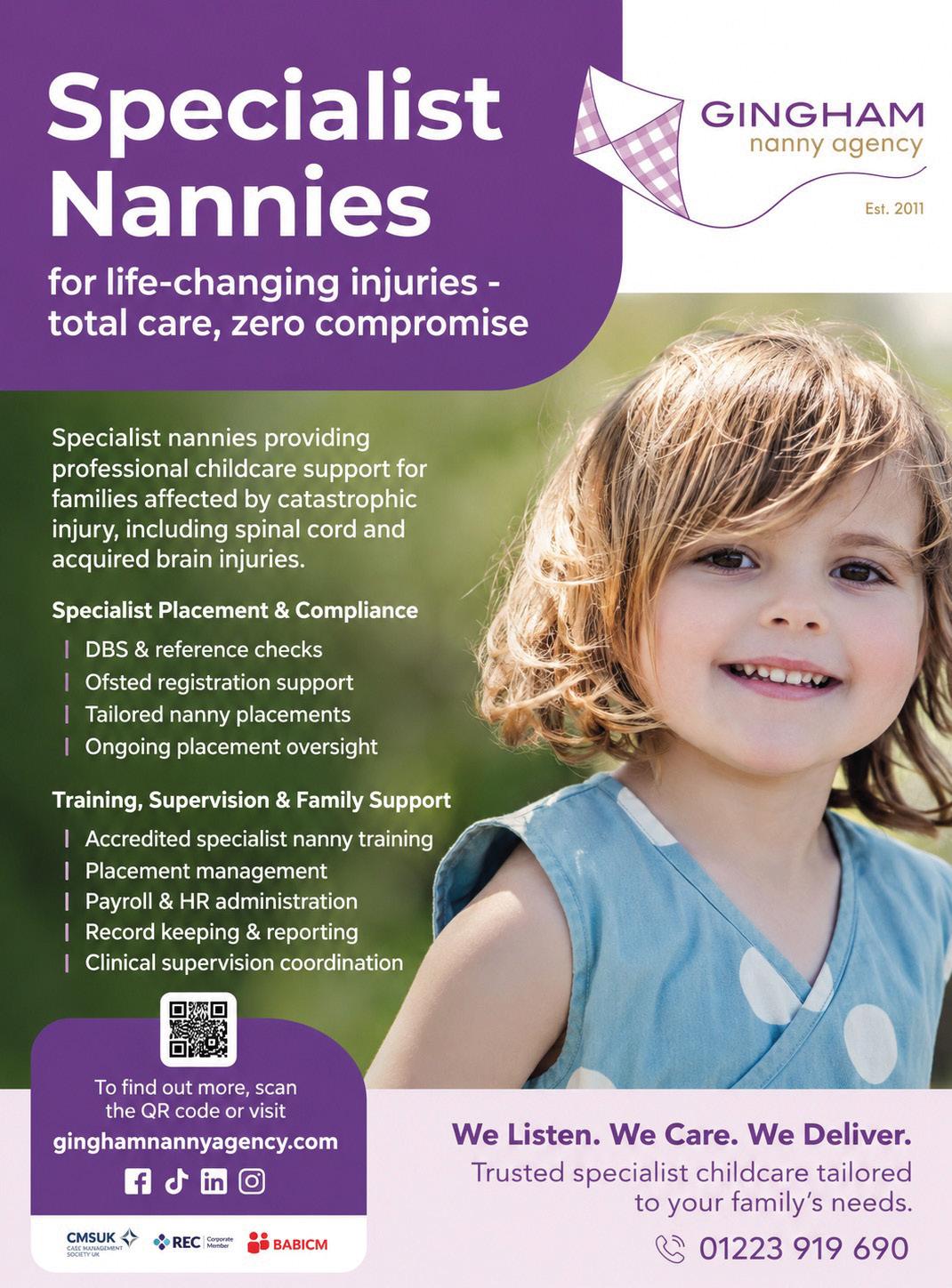
Dee Modric, Founder – Gingham Nanny Agency
Supporting Case Managers, Solicitors & Rehabilitation Professionals Nationwide
When a family experiences a life-changing injury, the focus quite rightly turns to the injured individual — their recovery, rehabilitation, and long-term prognosis. However, in many cases, there is another perspective that remains less visible: the experience of the child.
THE OVERLOOKED IMPACT
Children living within acquired brain or spinal injury households are often navigating a world that has changed overnight.
Routines shift. Emotional availability may alter. The stability they once relied upon can become unpredictable.
Whilst rehabilitation teams provide essential clinical support, it is the day-to-day lived experience that often shapes the child’s long-term emotional and developmental trajectory.This is where a critical gap can emerge.
STRUCTURE MATTERS
For children, structure is fundamental. In environments affected by trauma, the absence of consistency can lead to:
Emotional dysregulation
Increased behavioural challenges
Strain on attachment relationships
These challenges are often amplified by fatigue, cognitive changes, and reduced capacity within the parenting role.
Introducing structured, consistent support within the home provides and restores a sense of safety. It allows the child’s world to feel predictable again.
A CASE IN PRACTICE
We supported a family following a serious road traffic accident where the parent’s ability to maintain routine had been significantly affected.
At referral, the child was presenting as anxious and increasingly unsettled. Mealtimes lacked consistency, sleep routines were disrupted, and engagement both at home and school had noticeably declined.
A specialist nanny was introduced to provide structured, consistent support. The impact was measurable.
Routines became predictable and stabilised
Emotional responses reduced significantly
Engagement improved both at home and in education
Parent-child interactions became more positive and less pressured
Detailed daily records provided clear, factual evidence of progress — supporting both the MDT and the wider litigation process.
BEYOND CHILDCARE: A SPECIALIST ROLE
Within complex cases, the role of a specialist nanny extends far beyond traditional childcare. They provide:
Consistency and structure
Developmental support
Positive role modelling
Clear, factual documentation
When integrated effectively, this role becomes an essential extension of the rehabilitation framework — supporting both the child and the wider family system.
MITIGATION STARTS AT HOME
Early, structured intervention can significantly reduce:
Long-term emotional and behavioural needs
Dependency on future services
Escalation of family breakdown
Specialist childcare is preventative intervention.
WORKING TOGETHER
Clarity within the MDT is key. Understanding the distinction between:
Rehabilitation-focused roles
Childcare-led stability and structure ensures that each professional contributes effectively without overlap of responsibility.
A MORE COMPLETE MODEL OF REHABILITATION
When we begin to recognise and address the experience of the child within these households, we move towards a more complete and sustainable model of childcare.
Because rehabilitation does not happen in isolation. It happens within families.
Within those families, the child in the room matters.
Extending specialist interdisciplinary rehabilitation beyond hospital and into the community
A new partnership between HCA Healthcare UK’s Acute Neurological Rehabilitation Centre at The Wellington Hospital and specialist neurological speech and language therapy providers, Linguistic Resolutions, delivers a seamless rehabilitation pathway, providing high-intensity treatment for patients with complex brain injuries – all the way from hospital to home.
The Wellington Hospital’s Acute Neurological Rehabilitation Centre has pioneered neurological rehabilitation for over 25 years. One of the largest private rehabilitation centres in the UK, the Acute Neurological Rehabilitation Centre offers end-to-end rehabilitation programmes delivered by specialist teams and personalised to each individual patient.
To further support their rehabilitation offering, The Wellington Hospital has partnered with Linguistic Resolutions, a leading independent speech and language therapy (SLT) service specialised in neurorehabilitation, offering intensive treatment for patients with life-changing neurological conditions and injuries that affect their speech and swallowing.
Led by Sally Ghibaldan, a specialist neurological speech and language therapist with 25 years’ experience, this community-based team offers detailed assessments, personalised treatment programmes, and a holistic, interdisciplinary approach to caring for patients with long term, complex rehabilitation needs.
By working as a fully integrated team, we can now deliver outstanding specialist rehabilitation from the acute inpatient setting through to the community, giving patients seamless support throughout their recovery journey.
Alison Hamilton, Director of Rehabilitation Services at The Wellington Hospital

Alison Hamilton, Director of Rehabilitation Services at The Wellington Hospital says, “Linguistic Resolutions is widely recognised for its exceptional specialist services and expertise in brain injury, and their approach aligns closely with the Wellington Hospital’s commitment to high quality, innovative rehabilitation services.”
Born out of a long-standing successful working relationship, this clinical partnership means patients across the UK can benefit from intensive rehabilitation therapies delivered within their home, community, place of work and other meaningful environments — services that were previously only available in inpatient settings within HCA UK.
Alison continues, “Through Linguistic Resolutions’ specialist expertise and regional network we now have the ability to support patients with complex rehabilitation needs across the UK.”
With extensive medico-legal experience, Linguistic Resolutions supports patients with a diverse range of neurological conditions, many of whom present with complex communication and swallowing problems following brain injury. Offering individualised, goal orientated recovery pathways, the team works towards meaningful, personal outcomes, adapting input at each stage of the patient journey. Services include Intensive Comprehensive Aphasia Programme (ICAP), bespoke group therapy, instrumental swallow assessments, facial palsy clinics and Prolonged Disorders of Consciousness expertise.
HCA UK are proud to be the first provider in the independent sector to offer a fully integrated rehabilitation pathway extending from critical care through inpatient and outpatient services and into people’s homes and communities.
Sally Ghibaldan, Managing Director of Linguistic Resolutions says, “We’re delighted to build on this relationship and continue developing innovative, integrated, high-dose treatment pathways together that transform the rehabilitation journey – supporting patients to re-engage in meaningful life participation and maximise long term wellbeing.”
Some of the conditions treated by Linguistic Resolutions include:
• Language processing disorders, including dysphasia and aphasia
• Cognitive communication disorders associated with underlying cognitive impairment
• Motor speech disorders, including dysarthria and dyspraxia
• Neurogenic dysphonia and voice changes
• Dysphagia (swallowing disorders) involving oral, pharyngeal and/ or oesophageal impairments.
To discuss a referral, please call 020 7483 5348
TRAVEL AS REHABILITATION: The Clinical Value of Travel After Brain and Spinal Injury
Reframing holidays as structured opportunities for functional recovery, confidence rebuilding and social reintegration
For many individuals living with brain or spinal injury, travel is often viewed as a luxury. Within rehabilitation planning it may be postponed or treated as something to consider once more immediate clinical priorities have been addressed. Yet participation in everyday life is a central goal of rehabilitation. When viewed through that lens, travel can offer far more than leisure. It provides a structured opportunity to practise functional skills, rebuild autonomy and apply rehabilitation strategies in realworld environments.
The question is not whether travel is indulgent. The question is whether we are overlooking its clinical value.
TRAVEL WITHIN REHABILITATION PLANNING
Clinical and community rehabilitation settings are necessarily structured and controlled. Travel introduces unfamiliar environments, evolving routines and the need for adaptive thinking in real time. In this context, strategies developed in therapy move from theory into practice.
For individuals with brain injury, travel can create opportunities to:
Practise executive functioning in unfamiliar contexts
Apply planning and sequencing skills across full days
Monitor and regulate fatigue in dynamic environments
Manage emotional responses when plans change
For individuals with spinal injury, travel reinforces practical independence. Manoeuvring across different surfaces, managing transfers in unfamiliar bathrooms and maintaining pressure care routines away from adapted home environments all require the application of learned skills in realistic settings.
Travel therefore becomes a functional rehearsal space. It highlights competence while also revealing areas where further support or adaptation may be required.
Travel is not an escape from rehabilitation. For many people rebuilding life after brain or spinal injury, it is where rehabilitation is truly tested.
CONFIDENCE AND RECALIBRATING RISK
Following catastrophic injury, confidence is often significantly reduced. Individuals may avoid unfamiliar environments because of anxiety, fear of failure or concern about physical safety.
Travel, when carefully structured, offers graded exposure to independence. Airports require navigation and communication with unfamiliar staff. Hotels introduce new spatial layouts and routines. Public environments demand adaptive thinking.
When these situations are successfully navigated, several positive outcomes can emerge:
Increased confidence in unfamiliar environments
Reduced avoidance behaviours
Greater willingness to participate socially A more realistic perception of personal capability
IDENTITY AND SOCIAL REINTEGRATION
Brain and spinal injury frequently disrupt identity. Employment may change, independence may alter and social networks can narrow. Individuals can become defined primarily by therapy schedules and medical appointments.
Rehabilitation appropriately focuses on restoring physical and cognitive function. Travel contributes to restoring participation.
Experiencing environments beyond clinical settings allows individuals to reconnect with aspects of identity linked to autonomy, curiosity and social interaction. Taking part in ordinary activities such as visiting a new city, sharing meals in restaurants or exploring public spaces can help shift perception from patient to participant.
For families, this shift can be equally meaningful. Travel creates space for relationships to operate outside caregiving structures and therapy routines. Parents, partners and children can reconnect through shared experiences rather than medical necessity.
Travel can also act as a powerful marker of progress. For many individuals and families, it represents recognition of how far recovery has come and provides a meaningful sense of achievement after a long period dominated by treatment and rehabilitation.
These psychosocial outcomes play an important role in long-term adjustment and wellbeing.
What appears to be a simple holiday can represent a major milestone in confidence, independence and identity after injury.
FATIGUE AND COGNITIVE LOAD
Travel inevitably introduces cognitive and physical demand. For individuals with brain injury, overstimulation, disrupted sleep patterns and environmental unpredictability can exacerbate fatigue and reduce processing capacity.
However, with thoughtful planning, travel can become a practical environment in which fatigue management strategies are applied. Structured pacing, planned rest periods and simplified itineraries allow individuals to practise recognising limits and implementing coping strategies developed during rehabilitation.
Rather than removing challenge entirely, the goal is to ensure that the level of demand remains manageable and supportive of continued progress.
MANAGING RISK IN ACCESSIBLE TRAVEL
Travel does present risks. Equipment damage, inaccessible environments or miscommunication regarding assistance can undermine confidence and compromise safety.
For travel to function constructively within rehabilitation planning, appropriate professional oversight is essential. Preparation may involve confirming accessibility details directly with accommodation providers, documenting wheelchair specifications accurately for air travel and ensuring safe and suitable transport arrangements.
Contingency planning also plays an important role. Considering how equipment issues, access barriers or unexpected disruptions would be managed helps reduce uncertainty and protects the individual’s experience. When foreseeable risks are anticipated and mitigated, travel becomes a manageable and constructive extension of rehabilitation rather than an avoidable hazard.
KEY CONSIDERATIONS FOR PROFESSIONALS
When incorporating travel into rehabilitation or life care planning, several practical considerations should be addressed: What specific rehabilitation goals could be reinforced through real-world exposure? Is the individual clinically stable and able to tolerate environmental variability?
How will fatigue, cognitive load and pacing be managed throughout the trip?
Has accessibility been independently verified rather than assumed from marketing descriptions?
Are wheelchair dimensions and battery specifications clearly documented for airline compliance?
What contingency planning is in place for equipment damage or assistance failures?
Has suitable insurance been secured to reflect complex medical and mobility needs?
Travel should not be viewed solely as discretionary leisure. When structured appropriately, it can support community participation, confidence rebuilding and meaningful social reintegration, and may form a legitimate consideration within longterm rehabilitation and life care planning.
TRAVEL WITHIN LIFE CARE PLANNING
Within litigation contexts, travel expenditure may initially be viewed as discretionary. However, when considered within recognised rehabilitation principles and long-term quality of life outcomes, its relevance becomes clearer. Travel can support community participation, social inclusion, maintenance of family relationships and psychological wellbeing. It also plays an important role in preventing isolation, which can become a significant barrier to recovery.
A life rebuilt after brain or spinal injury should not be confined to therapy sessions and medical appointments. Participation in ordinary life experiences is often one of the most meaningful indicators of successful long-term rehabilitation. ■
Travel is not an escape from rehabilitation. It can form part of it.

Web: www.worldaccessibleholidays.co.uk
Email: info@worldaccessibleholidays.co.uk Tel: 02921 283143
Designing integrated care environments for LIFE AFTER BRAIN OR SPINAL INJURY
Bob Oliver, Client Relations Director, Innova Care Concepts

Bob Oliver
The journey after a brain or spinal injury does not end at discharge from rehabilitation. For many individuals and their families, it marks the beginning of a new set of challenges; rebuilding confidence, regaining independence and adapting to life at home in ways they may never have anticipated.
At Innova Care Concepts, we understand that returning home can be both hopeful and daunting. Clients often tell us that spaces they once moved through effortlesslybathrooms, bedrooms, kitchens, even garden access - suddenly feel restrictive or out of reach. Reduced mobility, fatigue and complex care needs can limit access to areas of the home they once enjoyed, impacting not only physical independence but emotional well-being too.
By bringing together design expertise, specialist equipment and project management under one roof, we create environments that are tailored, compliant and future-proofed. We collaborate closely with occupational therapists, clinicians and families to ensure each solution reflects the client’s clinical requirements, personal goals and long-term prognosis.
Importantly, we consider not only immediate needs but also how those needs may evolve. A well-designed space should adapt as rehabilitation progresses, supporting increased independence wherever possible.
By bringing together design expertise, specialist equipment and project management under one roof, we create environments that are tailored, compliant and future-proofed.
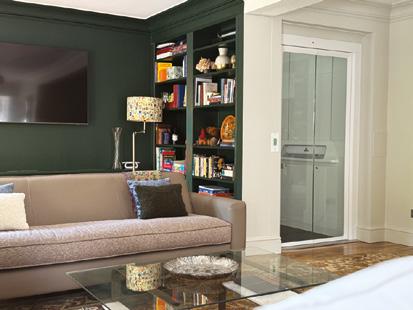
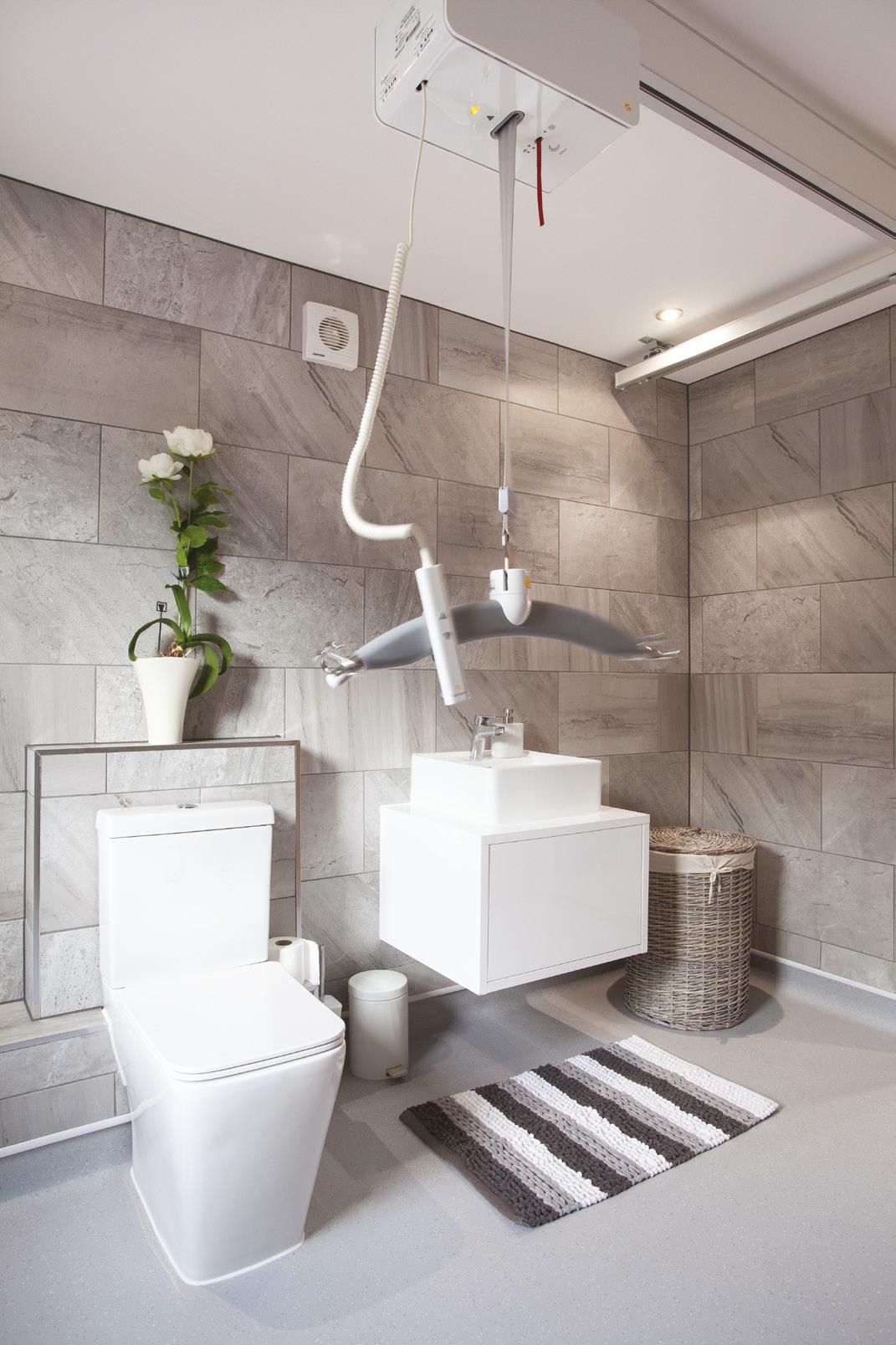
Designing an integrated care environment is about far more than installing equipment. It is about restoring dignity, enabling routine and supporting the everyday moments that matter most. Whether that means creating a fully accessible bathroom with a height-adjustable wash basin and specialist bathing solution, incorporating ceiling track hoists for safe transfers, or ensuring appropriate changing facilities, every element must work seamlessly together.
A COORDINATED APPROACH TO COMPLEX NEEDS
Too often, families and case managers are left juggling multiple suppliers, contractors and equipment providers. This can add unnecessary stress at an already overwhelming time. We make home adaptations simple: Simplifying complex care projects with one coordinated solution and the most comprehensive specialist equipment range.
RESTORING CONFIDENCE THROUGH DESIGN
An integrated environment can play a powerful role in rebuilding confidence. When individuals can safely access their bathroom without fear of falls, transfer with dignity, or move freely between rooms, it can significantly improve their quality of life. Small gains, like washing independently, preparing a drink, spending time in communal spaces, contribute to a renewed sense of control.
For professionals supporting clients with brain or spinal injury, the physical environment is a critical part of the rehabilitation pathway. Thoughtful, coordinated design helps bridge the gap between clinical care and everyday living.
At Innova Care Concepts, our focus is always on creating spaces that enable life beyond injury; environments that empower individuals not just to live at home, but to live well. ■

Book your free showroom visit: Tel: 0345 034 1450 Web: www.innovacareconcepts.com
Transforming Homes & Enhancing Lives
Specialists in the design, installation & maintenance of specialist equipment & furniture for accessible homes that promote independence and wellbeing.
From small installations to full home fit-outs, Innova create unique, bespoke and beautiful environments where end users and their families can truly thrive. We transform homes into accessible havens and provide freedom and independence to those who need it most.
• Hoisting Solutions
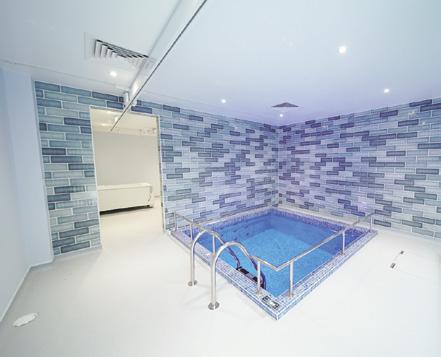
• Hydrotherapy Pools
• Accessible Kitchens
• Care Beds
• Specialist Baths
• Hygiene Equipment
• Servicing & Maintenance Packages


Putting Lived Experience at the Heart of Care Steve Brown’s Lived Experience Perspective on Rehabilitation
Former Paralympic captain and coach, award-winning TV presenter and ambassador for the Spinal Injuries Association, Steve Brown, highlights the importance of lived experience in care.
When someone experiences a life-changing injury or neurological condition it affects far more than their physical health, it can turn someone’s world upside down. Their confidence, independence, relationships and sense of identity can all be shaken at once. It also affects the people around them meaning partners, parents, children and friends are suddenly navigating a very different reality.
My role with Active Neuro, (part of Active Care Group), a pioneering provider of complex care in the UK, exists to help make sure we never lose sight of that human side of rehabilitation. I come at this work from a place of lived experience. Having gone through my own life-changing injury I understand first-hand how important the right support, environment and mindset can be when someone is trying to rebuild their life. My role is to bring that perspective into the organisation and help shape how we support the individuals in our care.
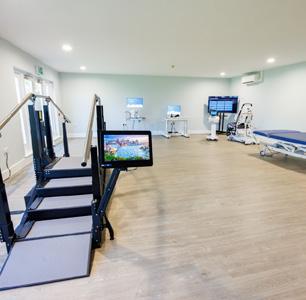
after a brain injury or neurological condition, the design of a space can either support that progress or unintentionally make it harder. Simple things like bedroom and bathrooms layouts, well-designed therapy spaces or outdoor areas that encourage independence can help people practise real-life skills and regain confidence.
Another part of my role is peer support for individuals and families. The early stages of rehabilitation can feel overwhelming and uncertain. Sometimes it helps to speak to someone who has been through something similar and understands the emotional side of the journey, not just the clinical one.
A SHARED COMMITMENT TO BETTER OUTCOMES
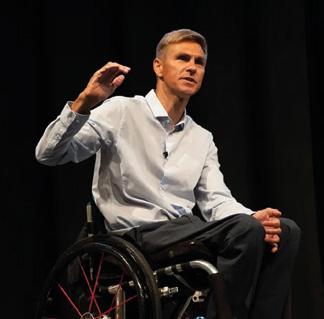
Across the Active Neuro services, I see dedicated professionals doing incredibly important work every day and supporting people through some of the most challenging periods of their lives. My role is to help ensure that alongside the clinical expertise and specialist therapies there is always a strong focus on the human experience of rehabilitation. Because when people feel understood, supported and given the right opportunities to grow, the outcomes can be extraordinary. That belief sits at the heart of everything we are trying to achieve across Active Neuro. ■
PERSON-CENTRED APPROACH TO REHABILITATION
A big part of what I do involves working with staff across Active Neuro, our technology-enhanced rehabilitation service within Active Care Group, running training sessions, workshops and facilitating informal conversations with teams to help keep the focus firmly on the people we support. Clinical expertise and therapies are incredibly important, but the way someone is treated day to day, how they are spoken to, encouraged and included can make just as much difference to their confidence and progress.
I also work with teams to think about the environments we create. When someone is relearning everyday skills
I understand first-hand how important the right support, environment and mindset can be when someone is trying to rebuild their life.
Steve Brown
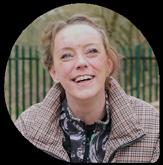
Steve Brown, Lived Experience Director, Active Neuro (part of Active Care Group)
Web: www.activecaregroup.co.uk
Email: steve.brown@activecaregroup.co.uk
Specialist rehabilitation that transforms recovery
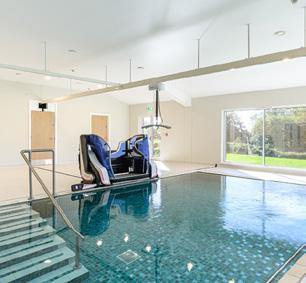
Combining innovative technology, expertise and therapeutic environments, we deliver specialist rehabilitation for people with spinal cord injuries, strokes, brain injuries and other neurological conditions to rebuild and transform their lives.
Everyone’s recovery is different. We offer personalised, bespoke, and flexible care packages, providing our clients with access to the right level of support for where they are in their journey, including inpatient and outpatient rehabilitation services.
• Experienced multidisciplinary team
• Advanced rehabilitation technology
• Rehabilitation centres across the UK
• Modern and state-of-the art facilities
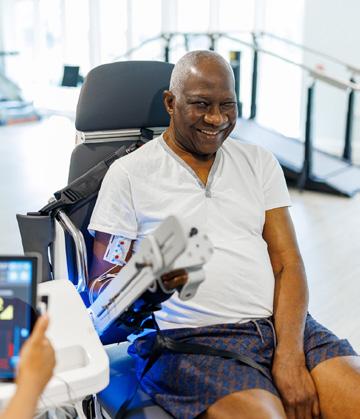
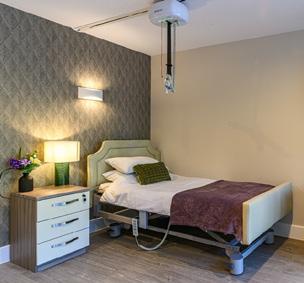
Jodie’s story
Jodie arrived at Active Neuro’s Woodlands centre unable to walk, with little expectation of significant recovery.
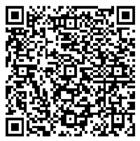
Scan the QR code to see how the Woodlands team supported Jodie’s recovery journey.



From Rehabilitation to Real-World Independence: THE ASKHAM REHAB APPROACH
By Lyndsey Marie, Clinical Lead at Askham Rehab
Neurorehabilitation is no longer defined solely by the therapies delivered, but by the ability to translate clinical progress into meaningful, real-world outcomes. At Askham Rehab, our focus is on supporting individuals recovering from complex neurological injuries to regain independence, reduce care needs, and return to their everyday lives with confidence.
We recognise that every individual’s rehabilitation journey is unique. That is why our approach is built around structured, measurable progress, ensuring that every intervention is purposeful and aligned with clearly defined goals. Using outcome measures such as FIM/ FAM, Goal Attainment Scaling, and fatigue and functional assessments, we are able to track meaningful change and demonstrate the impact of rehabilitation in a tangible way.
Central to our service is the integration of specialist expertise with advanced rehabilitation technologies. Our multidisciplinary team—including physiotherapists, occupational therapists, speech and language therapists, neuropsychologists, nurses, and a consultant in neurorehabilitation—work collaboratively to deliver tailored programmes that address the full complexity of each individual’s needs. However, what truly differentiates our approach is how this expertise is translated into functional, real-world progress.
flats, activities of daily living (ADL) simulation, and structured discharge planning, individuals are supported to practise and regain the skills required for life beyond rehabilitation. This focus on real-world application ensures that progress made in therapy is directly transferable to home and community settings.
Our investment in advanced rehabilitation technology further enhances outcomes. Equipment such as Omego, Pablo, Tymo, Myro, and Amadeo allows us to deliver highintensity, task-specific training while providing objective feedback to both clinicians and patients. Combined with approaches such as hydrotherapy and functional retraining, this enables us to optimise recovery and engagement throughout the rehabilitation process.
Rehabilitation at Askham extends far beyond the therapy environment. Through the use of on-site independent living flats, activities of daily living (ADL) simulation, and structured discharge planning, individuals are supported to practise and regain the skills required for life beyond rehabilitation.
A defining feature of Askham Rehab is our ability to support individuals with complex, multi-factorial presentations. Many patients present with a combination of acquired or traumatic brain injury alongside polytrauma, orthopaedic injuries, or amputation. Managing these overlapping needs requires a level of specialist expertise and integration not commonly found within a single rehabilitation setting. At Askham, we are uniquely positioned to deliver this level of care, providing cohesive rehabilitation that addresses neurological recovery, physical rehabilitation, and functional independence simultaneously. This ability to manage neurological injury alongside complex physical trauma within a single rehabilitation pathway is a key factor that sets Askham Rehab apart.
Rehabilitation at Askham extends far beyond the therapy environment. Through the use of on-site independent living
This is further supported by the development of specialist pathways, including our Lower Limb Trauma Pathway, which enables structured and intensive rehabilitation for individuals with complex orthopaedic and neurological needs.
The impact of this approach is reflected in the outcomes we achieve. Individuals who arrive with high levels of dependency are supported to regain independence in mobility, personal care, and daily activities— often enabling discharge home with reduced or no ongoing care needs. Beyond physical recovery, we prioritise psychological wellbeing, confidence, and social reintegration, recognising that true rehabilitation is about restoring quality of life.
At Askham Rehab, our goal is not only to deliver excellent clinical care, but to ensure that rehabilitation is meaningful, measurable, and life-changing. By focusing on real-world outcomes and individual goals, we support people to move beyond injury and towards independence. ■

For more information, please visit: www.askhamrehab.com Call us on: 01354 740269 or email us at info@askhamrehab.com
Specialist Neurorehabilitation for Brain & Spinal Injury
Specialist Neurorehabilitation for Brain
Comprehensive | Measurable | Life-Changing
Comprehensive | Measurable | Life-Changing
Complex Rehabilitation in the East of England
Complex Rehabilitation in the East of England
Askham Rehab delivers highly specialist, interdisciplinary rehabilitation for individuals recovering from life-changing brain and spinal injuries. Our patients benefit from personalised pathways that integrate clinical expertise, advanced technology, and functional retraining — supporting both physical recovery and long-term independence.
Askham Rehab delivers highly specialist, interdisciplinary rehabilitation life-changing brain and spinal injuries. Our patients benefit from personalised clinical expertise, advanced technology, and functional retraining — supporting and long-term independence.
Clinical Spotlight: Real-World Outcomes
Clinical Spotlight: Real-World Outcomes
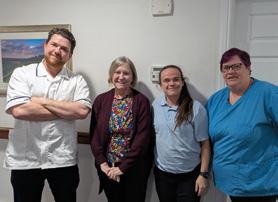
Deborah’s Journey
Cervical Myelopathy & Spinal Rehab
Deborah’s Journey Cervical Myelopathy & Spinal Rehab
Following spinal surgery and progressive immobility, Deborah worked with our interdisciplinary team to regain her strength, confidence, and independence. After six weeks at Askham Rehab, she returned home without a care package — walking with a stick, managing household tasks, and engaging in her community again.
Following spinal surgery and progressive with our interdisciplinary team to regain independence. After six weeks at Askham a care package — walking with a stick, managing engaging in her community again.
Luke’s Journey
Luke’s Journey
Transverse Myelitis & Complex Needs
Transverse Myelitis & Complex Needs
Luke, a young father diagnosed with a rare spinal cord condition, arrived at Askham non-weight-bearing and fully dependent. Through structured physiotherapy, occupational therapy, assistive technology, and psychological support, he progressed to self-propelling in a wheelchair, managing personal care, and preparing to return to family life in an adapted home.
Luke, a young father diagnosed with a rare at Askham non-weight-bearing and fully physiotherapy, occupational therapy, assistive support, he progressed to self-propelling care, and preparing to return to family life
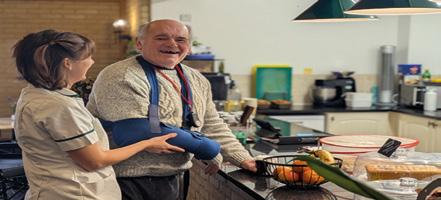
Interdisciplinary Expertise: Neuro physios, OTs, psychologists, speech and language therapist, orthotists, nurses, and consultant.
Interdisciplinary Expertise: Neuro physios, language therapist, orthotists, nurses,
Evidence-Based Practice: FIM/FAM HADS, Goal attainment scaling, fatigue & functional assessment and training
Evidence-Based Practice: FIM/FAM HADS, & functional assessment and training
Advanced Technologies: Omego, Pablo, Tymo, Myro, Amadeo, SaeboStim, and hydrotherapy
Advanced Technologies: Omego, Pablo, and hydrotherapy
Real-World Preparation: On-site flats for ADL simulation, risk assessment, independence trials and discharge planning
Real-World Preparation: On-site flats independence trials and discharge planning
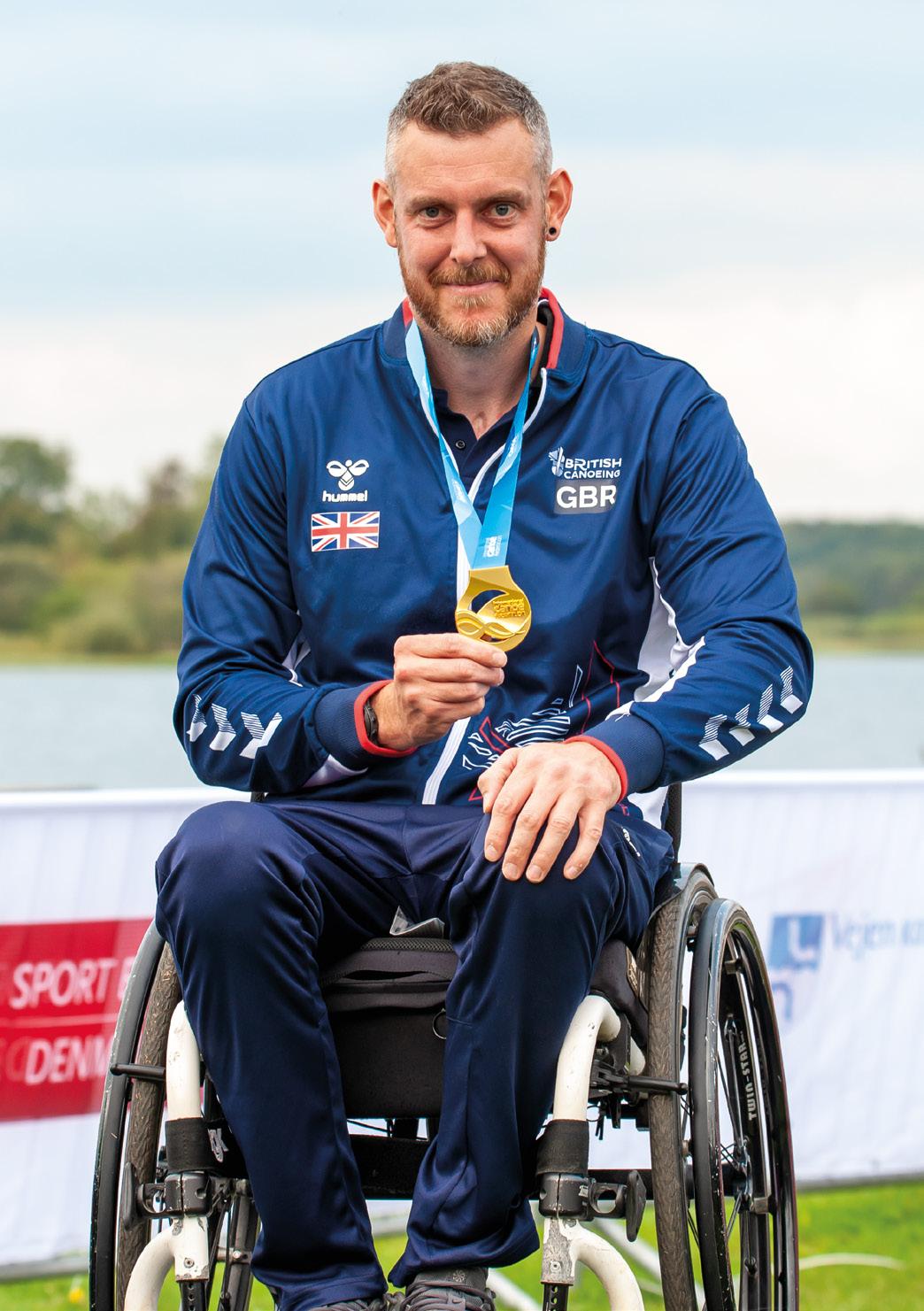
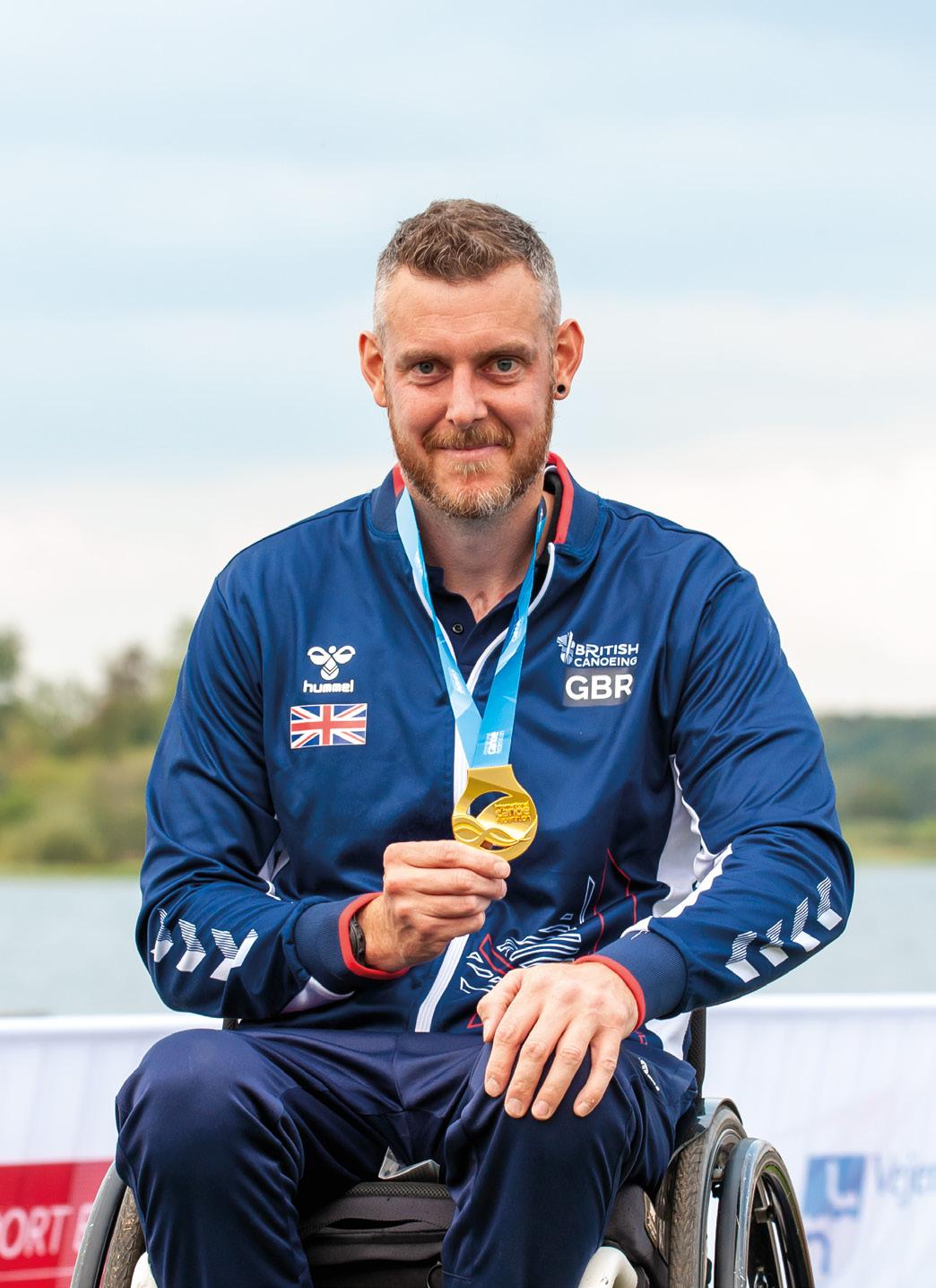
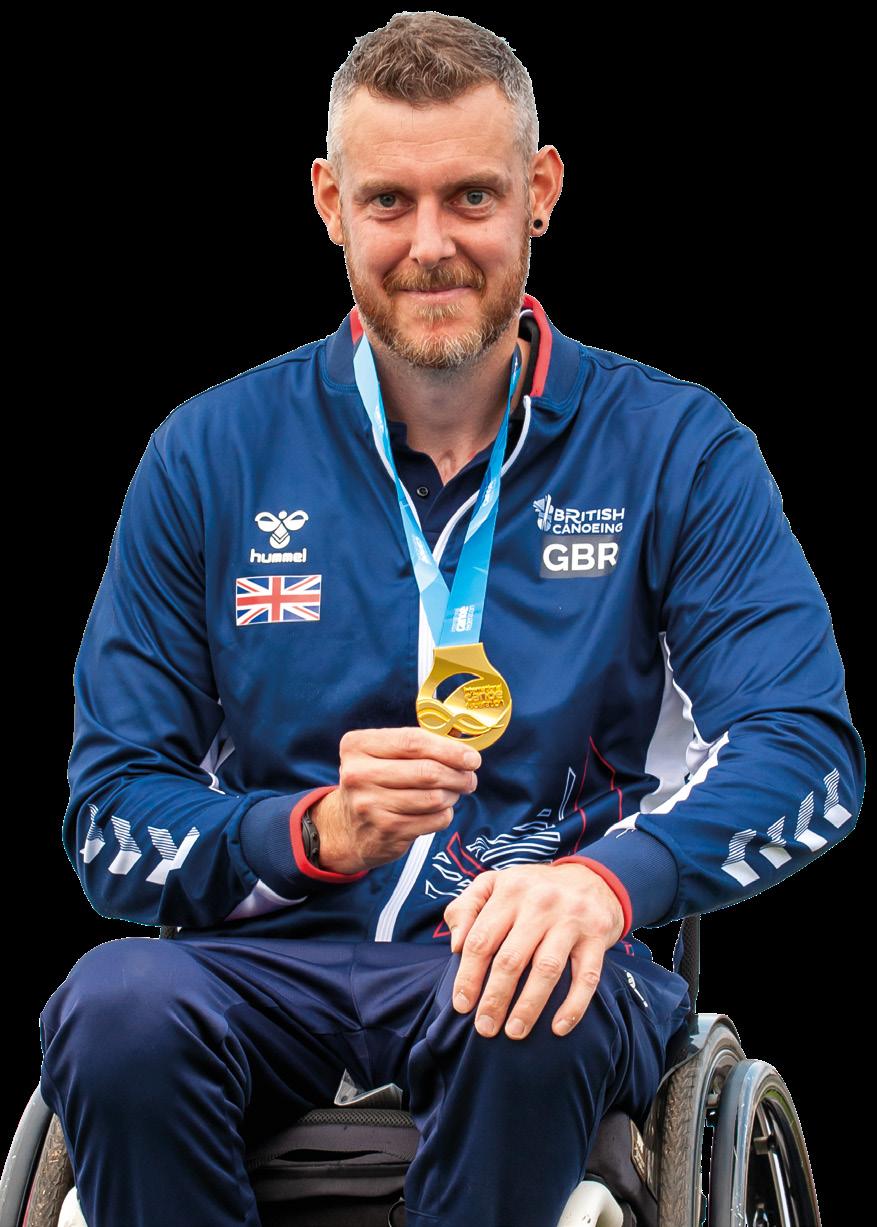
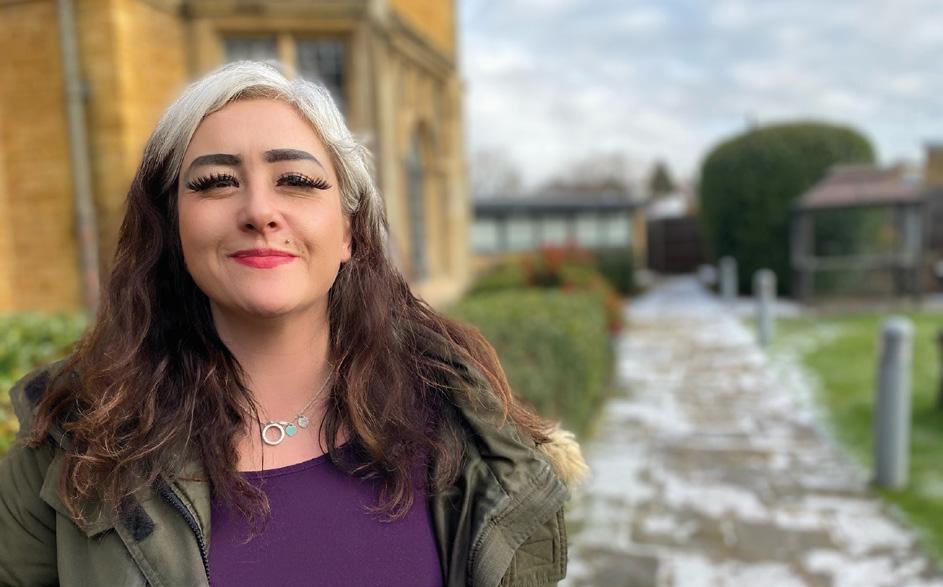
AGAINST THE CURRENT SHAUN COOK’S JOURNEY FROM TRAUMA TO TRIUMPH
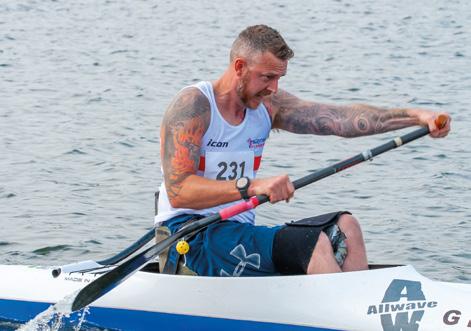
A devastating crash could have defined his limitsbut instead it revealed new possibilities. Turning to competitive canoeing he found clarity, control and a renewed sense of identity.
Shaun Cook was just 32 years old when he was knocked off his motorbike on the seafront in Great Yarmouth in April 2018. At the time, he worked as a mechanic and a doorman in local pubs and clubs, leading an active, hands-on lifestyle.
Immediately after the accident, Shaun was airlifted to Addenbrooke’s Hospital with life-threatening injuries, including an incomplete fracture at T7/8 and a lesion at T2. He was placed in a medically induced coma for six weeks, during which his family were asked to prepare for the worst. “A nurse later told me that nobody thought I would survive,” Shaun recalls. After four weeks on a ventilator in ICU, he was moved to a ward where he received limited physiotherapy sessions.
In this article, Shaun reflects on the past eight years of his life, his journey through spinal injury rehabilitation, the discovery of a new passion, and the support that has enabled him to achieve goals he once thought impossible.
EARLY REHABILITATION
In June 2018, Shaun was transferred to the Princess Royal Spinal Injuries Centre in Sheffield for a threemonth programme. During this time, he received daily physiotherapy and occupational therapy, alongside optional sessions at the hospital sports club and the Back Up wheelchair skills course. By September, Shaun had returned home, where minor adaptations, including a stairlift and wet room, had been installed by his partner Kelly and the local council.
It was during his time in Sheffield that Shaun first heard about STEPS Rehabilitation, through the clinical team at the hospital and his case manager.
STEPS REHABILITATION
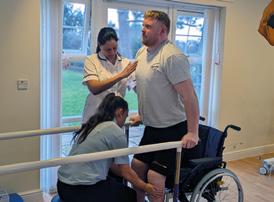
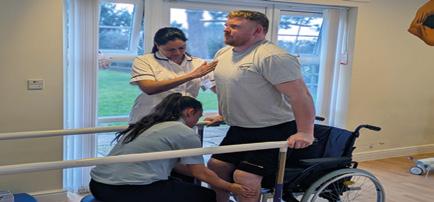
sports. By the end of the first week, he noticed small improvements in his left leg. By week three, Shaun was walking in the pool during hydrotherapy sessions, progressing to ankle weights.
During my second week, my technical instructor noticed I wasn’t myself,” he recalls. “At the end of our session, she took me outside and we did some boxing. The more physical I am, the better I feel mentally. I hated being treated like I was made of glass by everyone, and I love that STEPS pushed me to my limit .
Shaun’s focus and dedication to his rehabilitation were unwavering: by the end of his programme, he aimed to walk from the back door to the front door of STEPS using a walking frame. “When I first left Sheffield Spinal Injuries Centre, I didn’t leave the house unless it was for physio appointments. After just three weeks at STEPS Rehabilitation, I already felt fitter, better, and more positive,” he says.
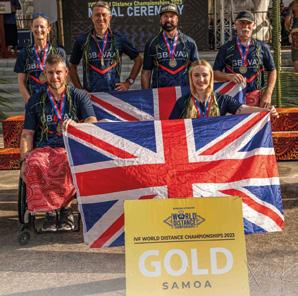
Shaun arrived at STEPS in June 2019 to begin a six-week intensive residential rehabilitation programme, funded through interim insurance payments. His rehabilitation plan was tailored to his individual goals and preferences, and he moved into the Independent Living Apartment, which provided privacy while also allowing visits from Kelly and his son, Ricky.
STEPS has a positive buzz around it; the staff are always laughing. Throughout this whole process, I’ve only ever felt like a number, but at STEPS I felt like a person again, with my own goals .
SPINAL CORD INJURY REHABILITATION
Shaun’s programme combined physiotherapy, hydrotherapy, occupational therapy, and adaptive
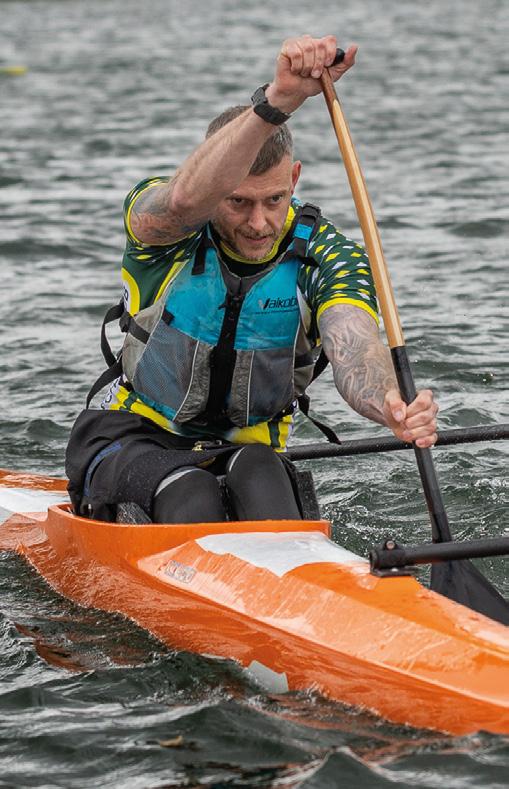
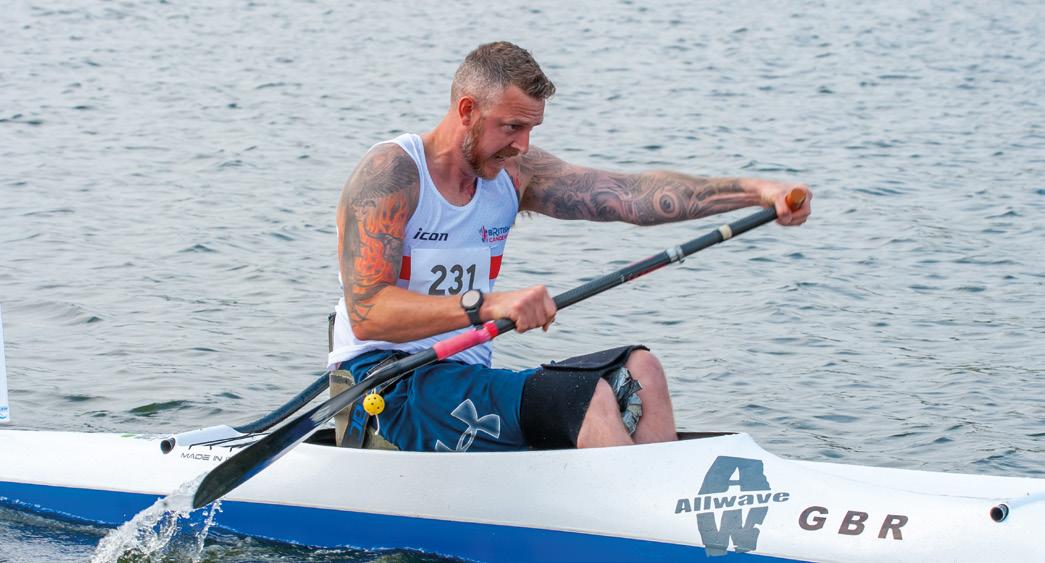
FINDING A NEW PASSION
Back at home, Shaun was determined to get active again. Introduced to kayaking by a friend and encouraged by Tim Scott at Norwich Canoe Club, what began as a hobby quickly became a passion. His dedication and commitment soon took him to international competition, where he won gold at the International Va’a Federation World Distance Championships in Samoa (2022) and the International Canoe Federation World Marathon Championships in Denmark (2023).
STEPS invited Shaun to return and share his journey with the team and clients. Speaking openly, he offered both encouragement and practical advice, emphasising the importance of celebrating even the smallest victories.
“When I was first injured, I thought, ‘That’s it, you’re paralysed now. All I can do is sit in front of the TV, sob and play computer games.’ Looking at my life now, this is probably the best thing that has ever happened to me,” he reflected.
He continued, “Remember to reward yourself for all the small wins, they build up to bigger achievements. Keep winning, and you’ll start to see how these small victories contribute to the bigger picture of what you can achieve.”
Through canoeing, I’ve been fortunate enough to travel and do things I never dreamed of, even as an able-bodied person. Ironically, when I’ve been at my least able, I’ve achieved the most, things I never thought possible, Shaun reflects.
The Foundation’s support highlights the transformative impact of specialist rehabilitation combined with targeted backing, helping former clients discover new passions, pursue ambitious goals, and regain independence. For Shaun, that journey has led to competing internationally for Team GB in marathon paracanoe. With a selection race coming up in May, he hopes to secure a place at the European Marathon Championships in Pitești, with the possibility of progressing to the ICF Canoe Marathon World Championships in Argentina.
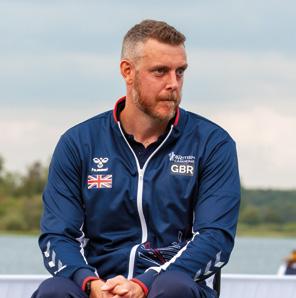
Alongside his personal ambitions, Shaun remains committed to inspiring his son and others living with spinal injuries. ■
STEPS REHABILITATION FOUNDATION –SUPPORTING DREAMS
Shaun’s para canoe has been supported by the STEPS Rehabilitation Foundation, which provided funding towards an adaptive Va’a outrigger canoe. This state-of-the-art para canoe ensures comfort, balance, and performance, allowing Shaun to train for elite competition.
Tel: 0114 258 7769 www.stepsrehabilitation.co.uk
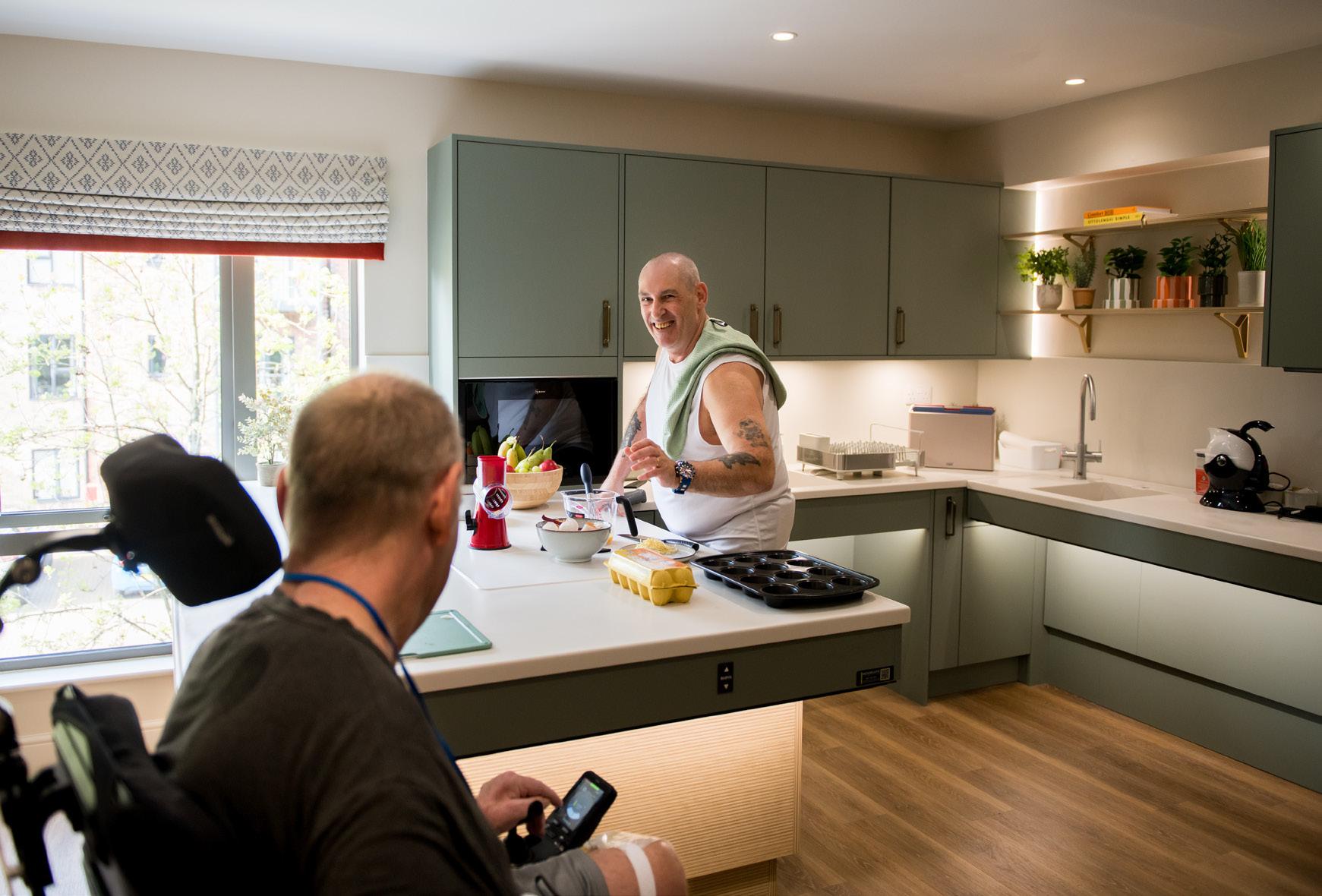
centre, everything we do is designed to keep clients and their loved ones close.
Dedicated family accommodation, flexible visiting, and overnight stays mean that for most clients, rehabilitation doesn’t have to mean separation.
individual within their own family context, and flexible arrangements can be incorporated within personal injury or clinical negligence claims.
Family involvement improves rehabilitation outcomes.
We make that possible.
AdvancingthroughRehabilitation NEUROTECHNOLOGY
Every year, 40,000 children in the UK experience a brain injury. Around 350 sustain a severe acquired brain injury requiring rehabilitation, but only a fraction can access the specialist treatment provided by The Children’s Trust. For those who do, the impact can be life-changing.
At the national specialist centre in Tadworth, Surrey, The Children’s Trust is integrating advanced neurotechnology into paediatric neurorehabilitation, using robotics, anti-gravity support and virtual reality to help children rebuild movement, independence and confidence after brain injury. A critical success factor in rehabilitation is repetition: the more repetitions, the better the outcome. Through technology, we can increase the intensity and precision of rehabilitation programmes in ways not previously possible, opening opportunities for progress beyond what traditional therapy alone can achieve.
NEUROTECHNOLOGY IN ACTION
Teddie, who is now three years old, underwent major brain surgery aged just six months, leaving him unable to sit up, crawl or use his right hand. With support from therapists and the Innowalk-Pro, he was able to practise stepping for the first time. Shortly after, when his mum Laura took him to soft play at The Children’s Trust, Teddie bum-shuffled to the trampoline, pulled himself to his knees, and climbed up and back down again. “I’d never taken him to soft play before because I thought he wouldn’t be able to do anything,” Laura said. “That to me was just brilliant.”
When teenager Jake was diagnosed with a brain tumour, surgery left him with Posterior Fossa Syndrome, losing the ability to walk, talk, eat and drink almost overnight. After three months in hospital, he arrived at The Children’s Trust. The neurotechnology such as the anti-gravity walking machine, allowed him to build movement with minimal pressure on his joints, while Diego and Pablo targeted his left-sided weakness. Jake left The Children’s Trust, walking into his school prom, head held high, with his friends, looking like any other teenager. “The Children’s Trust has given Jake the chance to lead the life he wants to lead,” Amy said. “Now we owe it everything.”
LOOKING AHEAD
The Children’s Trust has given Jake the chance to lead the life he wants to lead,” Amy said. “Now we owe it everything.
Systems such as Diego and Pablo (TyromotionGo ©) enable more intensive upper limb rehabilitation, helping children regain skills essential for everyday life such as brushing their hair, online gaming and managing dressing. The Innowalk-Pro (Made for Movement ©) offers children the opportunity to stand and experience upright movement, even where this has not been possible with traditional equipment.
Experiences like Teddie’s and Jake’s reflect what becomes possible when expert clinical care is combined with innovative neurotechnology. With funding secured to grow the neurotechnology programme, and the first UK paediatric national trial of the Robert® robotic device undertaken, The Children’s Trust continue to push the boundaries of paediatric neurorehabilitation. ■
us on: 01737 365 080 Web: thechildrenstrust.org.uk Email: childrenstrust.tctplacements@nhs.net
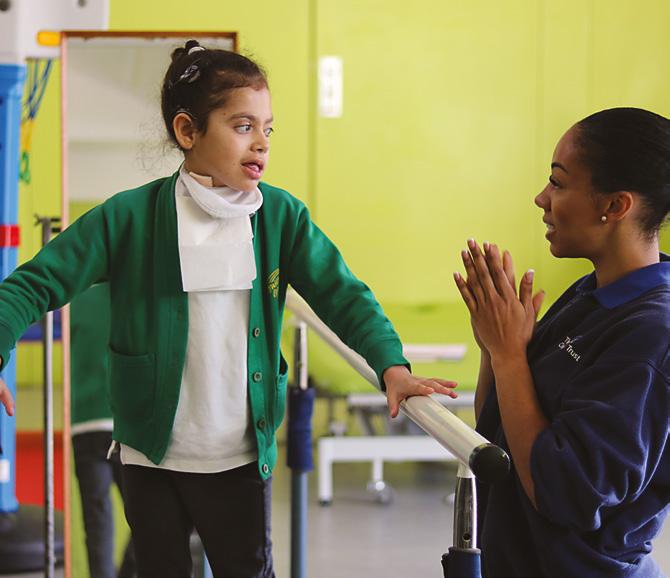
Services and support for children with brain injury
Specialist neurorehabilitation
From our national centre of excellence in Tadworth, Surrey (junction 8, M25), our multidisciplinary team combines medical care, therapy, education, play and family support, delivering the most complex rehabilitation outside of a hospital setting.
Support in your community
Specialist goal-orientated neurorehabilitation delivered in the child’s environment (at home and/or in school), offering information and resources, hands-on multidisciplinary therapy for children and young people living in the South-East, and virtual and hybrid packages of support for those further afield.
Please contact our dedicated placements team to find out more or to make a referral. +44 (0)1737 365 080 placements@thechildrenstrust.org.uk childrenstrust.tctplacements@nhs.net (for those working in the NHS and using secure mail)
Further information about all of our services is available on our website thechildrenstrust.org.uk/our-services
SLEEP ASSESSMENT IN PEOPLE WITH life-changing injuries
By Dr David R Lee | BSc PhD CertEd AFBPsS CPsychol CSci
Dr David R Lee
Sleep is our number one occupation; we spend between a quarter and a third of our lives asleep and it is the single most common activity that we all engage in throughout the course of our lives.
Sleep is essential for emotional regulation, memory and performance, indeed, the entirety of our mental and physical health is predicated on good quality sleep. If something goes wrong with our sleep then every other occupation that we might engage in is made more challenging, and potentially more risky. We will experience more negative symptoms and will be more likely to then require further intervention, experience a reduction in our quality of life, and so provide an increased burden to health services.
Sleep disturbances are very common after sustaining a brain injury (Ouellet, Beaulieu-Bonneau, & Morin, 2015) and experiencing increased awakenings during the night are also often associated with negative behavioural manifestations during the day (Prigatano, Stahl, Orr, & Zeiner, 1982). These are also associated with negative consequences for carers, both during the night-time and during the daytime; and in terms of management of the person whom they are caring for, as well as themselves, and commitments to other family members etc. It is also not uncommon for people who have sustained a closed head injury to sleep for lengthy periods in the immediate aftermath of the index accident (Ouellet, Beaulieu-Bonneau, & Morin, 2015)
their lives; including engagement with therapy and therapists, interpersonal relationships with family and friends, the ability to engage fully in any ongoing litigation process, alongside the obvious benefits to improved cognition and enhanced rehabilitation rates.
Unfortunately, it is quite common for sleep issues in this atrisk group of clients to be overlooked at a significant detriment to the client themselves as well as their family members, treating professionals and the wider multidisciplinary team.

Often there is a large amount of complexity presenting with more serious cases, more medication may be being consumed, and rehabilitation trajectories may be slow and protracted.
The NHS recommends that the first line treatment for managing insomnia disorder in the UK is cognitive behavioural therapy for insomnia (CBT-i). This set of psychological and behavioural interventions has a proven efficacy of 70%, i.e. 7 out of 10 clients who engage with this process will move from the clinical range into the healthy range. CBT-i has been in existence since the mid 1990s, with initial research being conducted on adults with insomnia. Owing to its success rates, since that time CBT-i has been rolled out much more widely, including delivery via the internet (so-called digital CBT-i), into a wide range of different client groups. Although people with brain injuries are a relatively under researched group, we do have some promising findings from a few studies which were reviewed in 2026 by Zhu and colleagues. Their systematic review confirms the efficacy and safety of using CBT-i in clients who have sustained significant life changing injuries, and that delivery has efficacy in both face-to-face, and across digital mediums (Zhu et al., 2026). Our experience of utilising CBT-i in well over 800 patients over the last 18 years or so, certainly reflects this finding.
The assessment and effective treatment of sleep problems in people who have sustained life changing injuries is crucial in the ongoing management of any rehabilitation program, as well as having significant positive impacts on all other aspects of
Compliance with CBT-i, leading to effective management of a client’s sleeping problems has concomitant benefits to all other aspects of their care and the optimisation of their rehabilitation trajectory. There is much evidence across a wide number of client groups surrounding the improvement of other symptoms, once sleep problems have been effectively managed. Four
example a reduced requirement for psychotropic medication such as antidepressants or anti-anxiolytics, or less reliance on pain medication. Indeed, just about every negative symptom that one can think of is exacerbated by poor sleep. We see increased incidence of epileptic activity when people living with this condition when tired for example. Perimenopausal symptoms are alleviated with better sleep as well as are the sometimeschallenging symptoms of neurodiversity. The list goes on.
Sleep is traditionally assessed using the “gold standard” method of polysomnography. Whereby electrodes are attached to the scalp of the client, as well as other parts of the body to measure the electrical activity of the brain and so determine the stages of sleep.
Accessing trained health professionals who are experienced in the assessment and treatment of sleeping disorders using the NHS guideline of CBT for insomnia is problematic for many. However, services are available and should be investigated as the first-line before venturing down the route of sleeping medication. Hypnotic drugs do not have anywhere near the efficacy of the psycho-behavioural interventions mentioned here. We also have issues surrounding hangover effects, tolerance, amnestic effects, and dependency. These negative side-effects are obviated when we approach the management of sleep with efficacious psychological and behavioural interventions, as recommended by NICE here in the UK. Our primary treatment pathway of choice is CBT for insomnia, second to that is hypnotic medication. At the present time, no other treatment modalities are approved for the management of insomnia disorder by our health commissioning body (NICE, 2016).
Once their sleep is effectively managed, clients who are better rested will be better able to engage with their treatment protocols. Case managers will see benefits to their clients by their being better able to engage with the services that they are providing for them. The treating multidisciplinary team will see better results in terms of their treatment outcomes. Remission rates will drop and there will be less requirement for engagement with health services including the prescription of many types of medication. Clients will also be able to engage more fully with their lives and interact with their family, friends and loved ones more easily and therefore enjoy a better quality of life.
Often there is a large amount of complexity presenting with more serious cases, more medication may be being consumed, and rehabilitation trajectories may be slow and protracted. There may also be other health conditions which can cause a client difficulties such as pain and low mood for example. In such cases, a detailed assessment, preferably generating objective, clinically relevant data is essential to inform not only sleep management but also the pacing and delivery of other interventions for clients. There is also an evidential point to make here for people who are working in the legal domain. Generating objective data can be very useful to the courts in terms of tracking rehabilitation progress, but also in accurately identifying a loss of function and/ or dependency which may be resultant from an index event. Furthermore, the requirement for additional care provision, e.g. in the form of overnight waking care staff, to support carers.
Sometimes it is important to measure people concurrently as dyads (the client, as well as their primary carer) in order to provide such information to the courts. There is much utility in assessing carers in such situations in order to ensure that they receive the support that they need to continue to provide care for their loved one.
Sleep is traditionally assessed using the “gold standard” method of polysomnography. Whereby electrodes are attached to the scalp of the client, as well as other parts of the body to measure the electrical activity of the brain and so determine the stages of sleep. However, this method is not well tolerated by more at-risk groups as the glueing of a large number of electrodes to the scalp is quite intrusive. Moreover, sleep is often required to take place in an unusual environment (the sleep laboratory). As a result, actigraphic sleep assessment is preferable for this client group as they can be monitored in their own home, and in a much less obtrusive way. Actigraphs are very sensitive, validated and reliable wrist-worn devices, they have agreement with polysomnography at around 90% and are therefore considered to have utility in both clinical and research settings. Polysomnographic sleep assessments are usually only conducted for 2 to 3 nights, due to cost. Whereas actigraphy can be conducted over several weeks in the clients’ own home, thus generating much more data, which can also be useful for the multidisciplinary team in terms of timing of interventions and rest periods during the day. As such actigraphic assessments are worthy of consideration for any client who has sustained significant injuries and their carer(s) to inform their treatment plans more broadly (when to schedule interventions and when to rest) and address their sleep issues more specifically.
The training of health professionals in the use of CBT for insomnia both in terms of assessment and treatment is also an important issue owing to the current lack of trained and experienced practitioners with this method. Broadening out the delivery of this set of non-toxic, psychological and behavioural interventions will facilitate all other aspects of working with such clients, as well as alleviating the need for resorting to the use of hypnotic medications, which is highly problematic, especially for more at-risk client groups. ■

For more information, please visit: www.sleepunlimited.co.uk or see: “Teaching the World to Sleep” by David R. Lee Routledge, London, 2nd Edition, 2023.
References
National Institute for Health and Care Excellence . (2016). Clinical Knowledge Summaries. http://cks.nice.org.uk/insomnia#!scenariorecommendation:2
Ouellet, M. C. , Beaulieu-Bonneau, S. , & Morin, C. M. (2015). Sleep-wake disturbances after traumatic brain injury. Lancet Neurology, 14: 746–757.
Prigatano, G. P. , Stahl, M. L. , Orr, W. C. , & Zeiner, H. K. (1982). Sleep and dreaming disturbances in closed head injury patients. Journal of Neurology, Neurosurgery and Psychiatry, 45(1): 78–80.
Zhu H, Wen Q, Zhang F, Li S, Wang X, & Li J. (2026). The efficacy of cognitive behavioral therapy for sleep disorders following acquired brain injury: a systematic review and meta-analysis. Sleep Medicine 138:108678.
PJ CARE: Leading the Way in Specialist Care for Brain and Spinal Injury
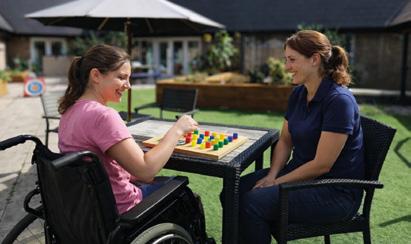

When life is changed by an acquired brain or spinal injury, rehabilitation must extend far beyond physical recovery alone. The consequences of neurological injury are complex, long lasting and deeply personal, affecting cognition, behaviour, emotional regulation, relationships and identity. At PJ Care, we deliver specialist, integrated rehabilitation that recognises this complexity and is focused on a single, unifying goal: to maximise independence and self determination.
ACQUIRED BRAIN INJURY: ADDRESSING THE INVISIBLE CHALLENGES
For people living with acquired brain injury (ABI), the most disabling consequences are often not immediately visible. Difficulties with behaviour regulation, impulse control, emotional awareness and social interaction can profoundly affect a person’s ability to maintain relationships, engage safely with others, and participate meaningfully in everyday life.
At PJ Care, rehabilitation explicitly addresses these challenges. Our neuropsychology led approach supports individuals to understand and manage changes in behaviour, emotional responsiveness and social judgement, while developing insight, coping strategies and psychological resilience. This work sits alongside structured interventions for cognitive impairment, communication difficulties and functional limitations, ensuring rehabilitation is genuinely holistic rather than narrowly task focused.
Crucially, therapy is needs led and adaptive, evolving in response to clinical presentation, risk and progress rather
than being constrained by rigid timetables. This enables sustained therapeutic input for individuals with complex neurobehavioural needs, supporting safer decision making, improved emotional regulation and greater participation in community life.
SPINAL INJURY: REHABILITATION THAT SUPPORTS PSYCHOLOGICAL ADJUSTMENT
Spinal injury presents a different, but equally profound, rehabilitation challenge. Alongside altered physical function, individuals must adapt to changes in bodily autonomy, independence, self identity and future expectations. Without appropriate psychological support, adjustment can be as limiting as the physical injury itself.
PJ Care’s spinal rehabilitation pathways integrate neuropsychology, neuro physiotherapy and neuro occupational therapy from the outset. Psychological support is embedded throughout rehabilitation, helping individuals process loss, rebuild confidence, and develop adaptive strategies for living well with changed physical ability. This integrated model ensures that physical rehabilitation is aligned with emotional adjustment, motivation and realistic goal setting.
Neuro physiotherapy and neuro occupational therapy work collaboratively to restore function, promote safe independence and enable meaningful engagement in daily activities, while neuropsychology supports adjustment, emotional wellbeing and long term resilience.

Care and treatment is individualised and responsive to changing clinical needs over time.
Estefania Triguero, Consultant Clinical Neuropsychologist and Head of Therapy
WHY CHOOSE PJ CARE?
PJ Care’s reputation and ethos of care from the heart
Our excellent reputation for treating patients with brain and spinal injuries with successful outcomes is matched by our unwavering commitment to tailored person-centred support, strong focus on dignity, safety and quality of life. No two journeys are the same. We design pathways that address the full complexity of a brain and spinal injury that empower you to regain strength, confidence, skills and independence.
Allan Perry, Neuropsychologist | Director of Clinical Services
Bronia Davison, Physiotherapist: We assess everybody as an
individual.
We look
at their limitations, how they move their body moves, and analyse that. Then we work on treatment that takes a variety of different forms.
Highly Specialised Multidisciplinary Team Our in-house team includes Consultant Neuropsychologists, Clinical Psychologists, Consultant Neuropsychiatrists, Speech and Language Therapists, Physiotherapists, Occupational Therapists and dedicated Therapy Assistants and Technicians.
Medical & Nursing Oversight
Specialist Nursing Team, including 24 - hour neurological nursing care. Nursing staff are integral MDT members and provide continuous observation, feedback and implementation of therapeutic strategies. Medication.
Exceptional Staff-to-Resident Ratio
We maintain high staffing levels and a large number of qualified nurses, ensuring personalised attention and timely support.
No Agency Staff – Ever
All PJ Care staff are fully employed, guaranteeing consistency, continuity and quality of care.
Specialised In-house Training
Our dedicated training team delivers advanced programmes beyond statutory requirements, equipping staff to manage complex neurological conditions and spinal injuries with confidence and compassion.
Nutritional support
Nutrition plays a vital role in the journey to recovery. For our ward-winning catering team, food is not just fuel, it’s care. It’s comfort, identity, dignity and connection.
Family and Carer Support
We provide support, education, resources and self-help groups to help families and friends know how best to assist loved ones in their recovery journey and how to take care of themselves.
OUR FACILITIES AND OUR PROMISE
Our award-winning centres in Milton Keynes and Peterborough are purpose-built. Injuries Editorial
Comfort meets clinical excellence. Our centres feature:
Hydrotherapy pool
Physiotherapy gyms
Sensory rooms
Therapy kitchens
Private consultation rooms
Beautiful gardens and engaging activity spaces
These environments are designed to promote recovery, independence and well-being.
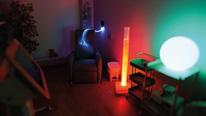

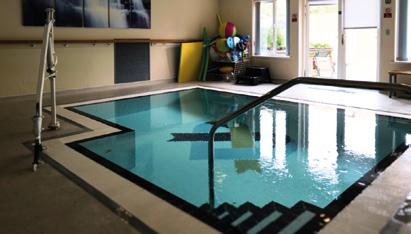
WE SUPPORT ADULTS WITH:
Acquired Brain Injury (e.g. ABI, TBI, Guillain Barre, Stroke)
Functional Neurological Disorder (FND)
Complex neurological conditions with physical, cognitive, communication, behavioural and psychological needs
Claire’s story: Upon arrival at PJ Care, Claire had minimal trunk control, couldn’t bear weight, and was unable to blink due to severe peripheral nerve damage. PJ Care’s multidisciplinary team assessed her needs, prioritising intensive physiotherapy.
Claire received two sessions of person-centred physiotherapy five days a week. In her determination to recover, Claire continued her own physical exercises in between her sessions and at weekends. After 16 weeks of dedicated rehabilitation, she returned home fully independent, requiring no care package.
The
support I received was unbelievable.
OUR PROMISE
At PJ Care, rehabilitation is not simply about managing disability. It is about restoring agency, supporting adjustment and enabling people to rebuild meaningful lives following brain or spinal injury — always with the aim to maximise independence and self determination. ■
Contact Us Today
Referrals and Placements Manager, Robert Jones. Milton Keynes | Peterborough | Tel: 01908 648198
Email: pjcare.referrals@nhs.net
Web: www.pjcare.co.uk

PJ Care – Care, Compassion, Commitment. Specialist neurological care and rehabilitation when it matters most.
TURNING SETBACKS INTO COMEBACKS
Inside CHD Living’s Approach to Rehabilitation and Complex Care
When life is disrupted by illness or injury, recovery can feel uncertain. But at CHD Living, rehabilitation and complex care are delivered with a simple belief: people can rebuild, restore and reclaim more than they thought possible.
Through personalised support, clinical expertise and a focus on potential, CHD Living helps individuals regain independence, rebuild confidence and move forward - one step, one goal, one moment at a time.
SPECIALIST REHABILITATION THAT DELIVERS RESULTS
At the heart of their rehabilitation offering are two purpose-built centres in Surrey: Bagshot Park Neurorehabilitation Centre and Kingston Rehabilitation Centre. Each provides specialist support for adults with brain or spinal cord injuries, neurological conditions and long-term disabilities. Their pathways include (but aren’t limited to) post-operative recovery and high-acuity needs - all in calming, homely surroundings.
The
results speak volumes.
CHD
Living’s latest Rehabilitation Services and Clinical Outcomes Report shows: 94% of residents improved their functional independence 47% were discharged hometwo-thirds without a formal care package
NIGEL’S STORY:
REGAINING STRENGTH AFTER STROKE
rehabilitation and with support from our multidisciplinary team including Physiotherapists, Occupational Therapists, Speech & Language Therapists and Clinical Psychologists, he worked toward clear goals: walking, talking, and reconnecting with his passions, especially cycling.
Over the months that followed, he achieved each one, leaving the centre independent, mobile and full of plans for the future.
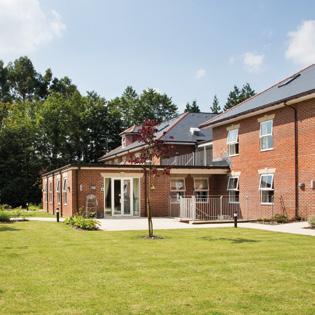
Complex Care, Delivered with Confidence
CHD Living offers complex care not only within its specialist rehabilitation centres, but also across its broader network of residential-led services and in the comfort of people’s own homes. From long-term disability and behavioural needs to tracheostomy and ventilated care, every package is personalised and medically led, designed to evolve with the individual. Each care plan is built in close partnership with the person and their family, shaped by trust, dignity and compassion at every stage.
Built Around People
Facilities across CHD Living’s services include hydrotherapy pools, Independent Living Suites, sensory spaces and private en-suite bedrooms. These are uplifting environments designed to help people practise real-life skills and feel safe, supported and empowered.
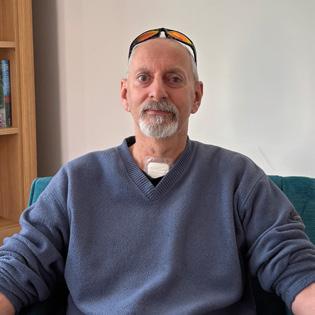
When Nigel, a former HGV driver, experienced a brain stem stroke, he faced major challenges. He lost speech clarity, developed severe balance and coordination issues, and required a tracheostomy and PEG tube. Intensive care saved his life – but his independence hung in the balance.
Nigel was transferred to Bagshot Park for a period of
People First, Always
CHD Living’s approach is shaped by its ethos of Creating Happiness Daily, making sure every person feels seen, heard and hopeful. Their multidisciplinary teams work together to help each individual achieve meaningful milestones, no matter how big or small.
Whether you’re looking for rehabilitation after a setback, or longerterm complex care, CHD Living provides flexible pathways built around people - their needs, their stories, and their futures. ■
Email: clientrelations@chdliving.co.uk Call: 01428 772 469 Web: www.chd-rehab.com
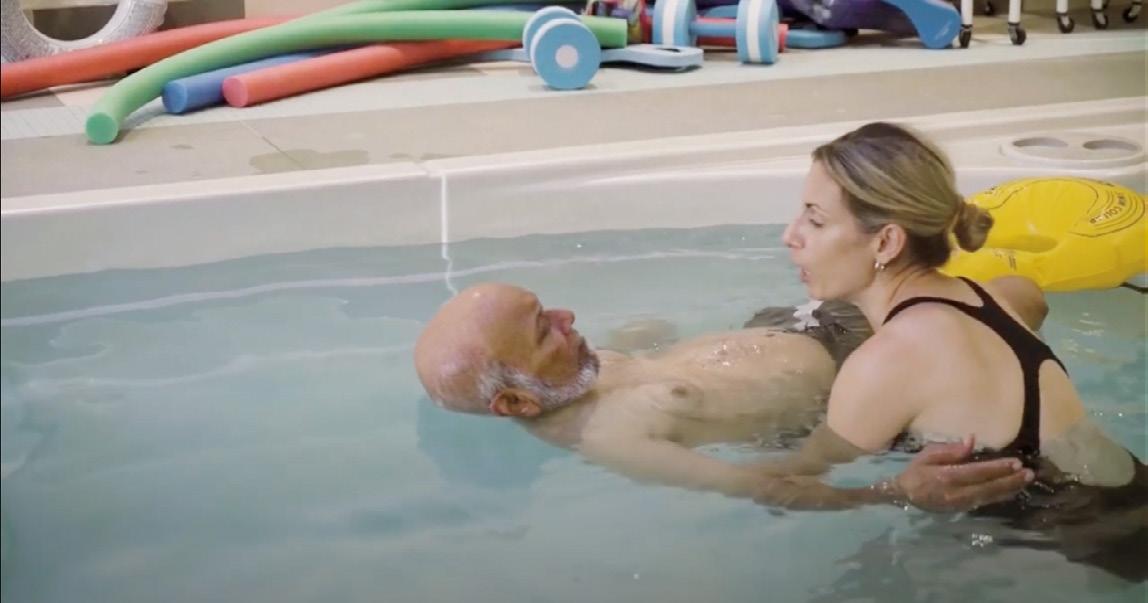
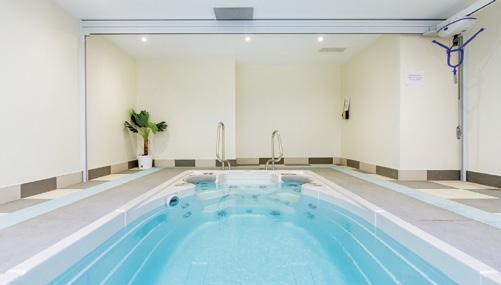
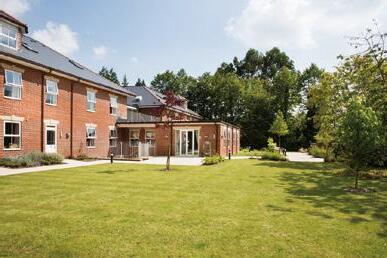
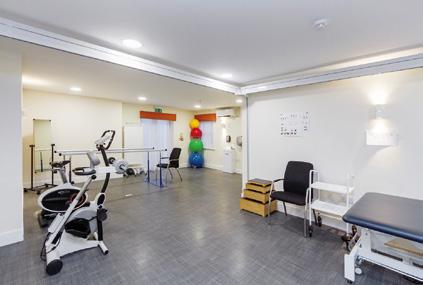
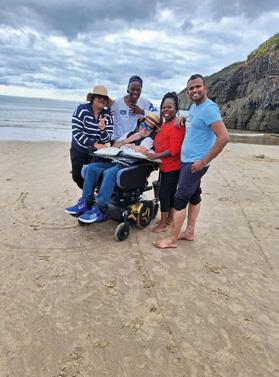
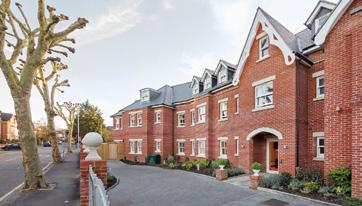






‘The Central Role of Neuropsychology in SUSTAINABLE NEUROREHABILITATION’
By Newby Psychological Services Ltd.
Advances in acute care have significantly improved survival following brain and spinal injury, yet the challenges faced by individuals and families rarely end at hospital discharge. Cognitive change, emotional adjustment, altered behaviour, and loss of role or identity often present the greatest barriers to rehabilitation and long-term recovery. Neuropsychology plays a critical role in addressing these complex and interrelated difficulties, ensuring rehabilitation is not only effective, but sustainable and person centred.
Effective neurorehabilitation requires close collaboration with multidisciplinary teams. Neuropsychologists contribute formulation-led perspectives that inform cognitive rehabilitation, psychological therapy, risk management, and behavioural support. Consultation and clinical leadership within teams enhance consistency of approach, support staff decision-making, and ensure that interventions remain aligned with the individual’s goals, values, and changing needs over time.

Family members are often profoundly affected by acquired brain injury, yet their needs can be overlooked.
Newby Psychological Services provides specialist neuropsychology, offering comprehensive assessment, neurorehabilitation, cognitive rehabilitation, and psychological therapy. Our Associates work collaboratively with multidisciplinary teams, providing consultation and clinical leadership to support integrated, high-quality care. Patientcentred rehabilitation goals are developed through detailed formulation, ensuring intervention is tailored to the individual’s cognitive profile, emotional needs, and life context. NPS also offers specialist expertise in mental capacity assessment, supporting clinical teams, legal professionals, and families in complex decision-making processes.
SUPPORTING FAMILIES
Family members are often profoundly affected by acquired
brain injury, yet their needs can be overlooked. Supporting families to understand the consequences of injury, adjust to change, and navigate evolving relationships is an essential component of rehabilitation. Structured family support and therapy can improve outcomes not only for relatives, but also for the injured person, strengthening engagement and reducing distress across the system of care. Families often describe feeling overwhelmed, disconnected, or unsure how to move forward, and our family therapy sessions provide a safe, non blaming space to help them regain a sense of direction. Within this supportive environment, families can reflect on the emotional and relational impact of traumatic brain injury, deepen their understanding of each other’s experiences and coping strategies, rebuild communication patterns disrupted by injury, and explore new ways of working together as roles and routines inevitably shift.
As private rehabilitation services continue to evolve, neuropsychology remains essential to delivering outcomes that reflect not only physical recovery, but psychological wellbeing, autonomy, and quality of life. Collaborative, formulationdriven neuropsychological input ensures that rehabilitation addresses the full impact of brain injury on individuals, families, and the teams who support them. ■
Please feel free to contact us directly to discuss your needs: Jo Gregory, Business Manager jo@newbypsychological.co.uk
We would be delighted to accept referrals from Case Managers, Solicitors and other professionals working for clients. www.newbypsychological.co.uk





JOHN FORD GROUP
At John Ford Group, we understand that a property adaptation is never just a construction project
For a brain injury client, it is a critical part of rehabilitation, independence, dignity, and long-term wellbeing. For the case manager, it is a complex process that must be delivered with precision, sensitivity, and absolute reliability.
That is where we come in. We specialise exclusively in high-quality disability adaptations, working alongside brain injury case managers, occupational therapists, architects, and solicitors to deliver tailored environments that genuinely support each client’s needs. Our role is not simply to build, but to take ownership of the adaptation process so that you can focus on your client.
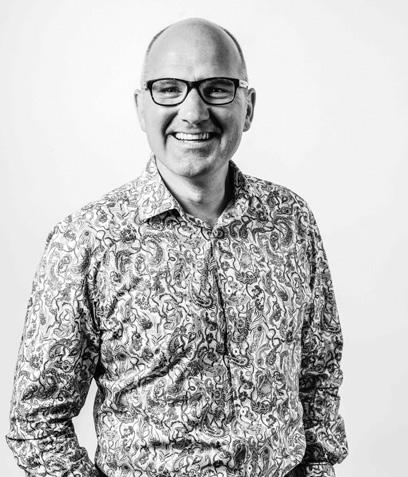
UNDERSTANDING THE COMPLEXITY BEHIND EVERY CASE
Brain injury cases are rarely straightforward. Cognitive challenges, behavioural considerations, physical impairments, and future-proofing requirements all intersect within the built environment. We recognise that what may appear to be a “standard adaptation” often requires a far deeper level of planning and execution.
Our team is experienced in:
Delivering projects where client needs evolve during the build.
Working in occupied properties where routines and sensitivities must be respected.
Managing complex stakeholder groups with differing priorities.
Translating clinical recommendations into practical, buildable solutions.
We approach every project with the understanding that flexibility, communication, and foresight are essential.
A STRUCTURED, PROFESSIONAL APPROACH YOU CAN RELY ON
Case managers need certainty. Delays, cost overruns, and poor communication can have a direct impact on rehabilitation outcomes and client wellbeing.
We provide a fully managed service that removes uncertainty and gives you confidence at every stage:
Clear, detailed scopes aligned with OT recommendations.
Transparent cost planning and budget control. Realistic programming using professional scheduling tools.
Regular, structured progress reporting.
Proactive risk identification and mitigation.
Our systems and processes are built around accountability. When we commit to a programme or cost plan, we take that responsibility seriously.
COMMUNICATION THAT SUPPORTS YOUR ROLE
We understand the pressures on case managers. You are coordinating multiple disciplines, managing expectations, and often reporting back to deputies or solicitors.
Our communication is designed to support you, not add to your workload.
You can expect:
Concise, professional updates you can forward directly to stakeholders.
Early warning of any potential issues, with solutions already proposed.
Clear records of decisions, variations, and progress.
A responsive team that is accessible when you need us.
We aim to become a dependable extension of your team, not just another contractor.
SENSITIVITY IN LIVE ENVIRONMENTS
Many of our projects take place in occupied homes, where clients may be vulnerable or easily distressed by disruption.
Our site teams are carefully selected and trained to work in these environments. We prioritise:
Respectful, calm, and professional conduct on site.
Minimising noise, disruption, and intrusion wherever possible.
Maintaining safe and usable living spaces throughout the works.
Adapting our approach to suit the client’s behavioural and cognitive needs.
We never lose sight of the fact that we are working in someone’s home.
FUTURE-PROOFING AND LONG-TERM THINKING
Adaptations for brain injury clients must stand the test of time. Needs may change, equipment may evolve, and layouts may require flexibility.
We work closely with the wider professional team to ensure that:
Designs accommodate future changes wherever possible.
Materials and systems are durable and appropriate for long-term use.
Maintenance considerations are built into the solution.
The final environment remains functional, safe, and comfortable over time.
This reduces the risk of further disruption and additional cost in the future.
MANAGING RISK AND COMPLIANCE
As a specialist contractor, we are fully aligned with UK construction regulations and best practice, including CDM compliance, health and safety management, and quality assurance.
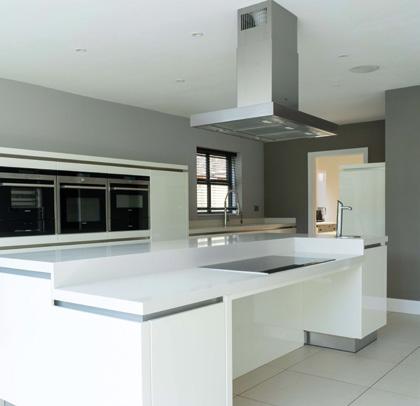
We take a proactive approach to:
Identifying project risks early.
Ensuring all works meet current building regulations and standards.
Maintaining a safe environment for clients, families, and professionals.
Delivering consistent, high-quality workmanship.
For case managers, this provides reassurance that the project is being handled professionally and responsibly.
A PARTNER YOU CAN TRUST
Our reputation is built on reliability, transparency, and results. We understand that your choice of contractor reflects directly on you, and we take that responsibility seriously.
When you work with John Ford Group, you are choosing a partner who:
Understands the unique challenges of brain injury adaptations.
Communicates clearly and consistently.
Delivers on commitments.
Places the client’s wellbeing at the centre of every decision.
We are proud to support the vital work carried out by BABICM members and are committed to raising standards in adaptation delivery across the sector.
If you are looking for a contractor who will manage complexity, reduce your workload, and deliver environments that genuinely improve lives, we would welcome the opportunity to work with you. ■
Visit: www.johnfordgroup.co.uk
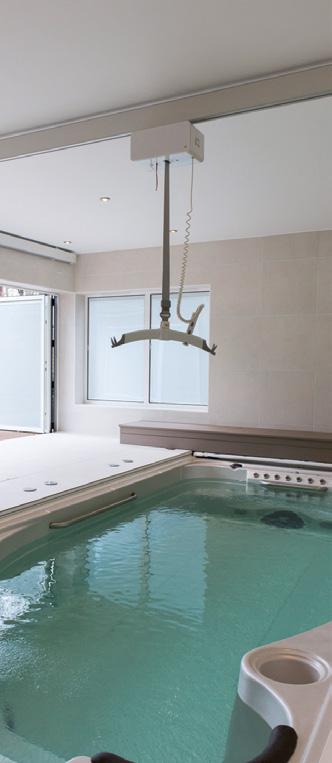

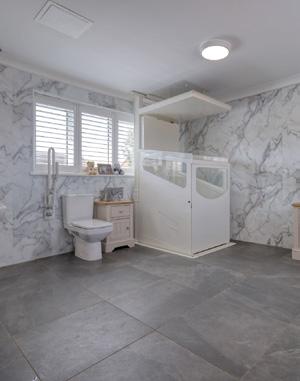
The Three Cs: How Connection, Consistency and Creativity Strengthen Complex Care at Home
By Louise Joslin, Managing Director, Libertatem Healthcare
Complex care at home relies on more than clinical expertise, it depends on the quality of relationships, the stability of support systems, and the ability to adapt to individual needs.
At Libertatem Healthcare, these ideas come together in what we call the Three Cs: Connect, Consistency and Create. These principles guide how we support adults and children with brain and spinal injuries and shape the way our teams work across the UK.
CONNECT: UNDERSTANDING PEOPLE, NOT JUST CARE NEEDS
Connection is fundamental to meaningful, person centred support. Truly knowing an individual—their strengths, routines, preferences and aspirations—allows care to be shaped around who they are, not only the clinical interventions they require. For people living with brain or spinal injuries, this depth of understanding can influence everything from communication approaches to rehabilitation opportunities and day to day quality of life.
Our organisational structure is designed to make this connection easier. Care is delivered by a network of dedicated carers who are supported locally by clinical leads, field care managers, care coordinators and regional managers. This distributed model ensures that teams have regular access to guidance, problem solving support and specialist input. It also keeps decision making closer to the individual receiving care, allowing responses to be timely, informed and personal.
CONSISTENCY: STABILITY THAT ENABLES QUALITY
Quality in complex care is built on reliability. Stability in staffing, confidence in clinical processes and dependable lines of communication all contribute to safe, effective support. Inspection outcomes reflect this: in the past year, Libertatem Healthcare was graded Outstanding by the CQC for the second consecutive time and CIW graded Welsh services Good. These ratings capture an important part of the picture, but consistency extends far beyond a single measure. It is also about ensuring that the people delivering care feel supported in a consistent way. That includes access to the right tools, technology and professional development. Recent investments have focused on strengthening these foundations:
A new hub in Wales, providing a modern, accessible space for collaboration and service coordination.
Enhancements to technology platforms, designed to support quicker communication, clearer documentation and more efficient processes.
Expanded training programmes, including OSCE preparation for clinical colleagues and psychology focused development to help teams better understand and support family dynamics.
These elements work together to create dependable, cohesive experiences for the individuals at the centre of care.
CREATE: INNOVATING FOR BETTER LIVES
Creativity in complex care means remaining open to new ways of working and being willing to adapt when needs evolve. Innovation may come in the form of technology, training, problem solving approaches or service design. What matters most is that new ideas translate into better experiences and improved outcomes for the people receiving support.
LOOKING FORWARD
As the landscape of complex care continues to evolve, the importance of connection, consistency and creativity becomes even more evident. By investing in strong foundations, skilled teams, supportive infrastructure and thoughtful innovation, care at home can be not only safe and effective, but genuinely life enhancing for individuals living with brain and spinal injuries ■

Web: www.libertatemhealthcare.co.uk
Web: 01189 730006
Email: info@libertatemhealthcare.co.uk
Louise Joslin

Libertatem Healthcare are specialists in providing complex care, at home, for adults and children.
About Libertatem
We go beyond outstanding care to help people thrive - living life at home with comfort, dignity, and independence. Our packages of care are co-created with people and their families to make sure they meet their needs and reflect their goals. Libertatem goes ‘beyond outstanding’ to provide specialist home care and support and you can be sure your clients’ care is in safe hands. We understand the very specific requirements of pre and post settlement, and our teams can support through that process.
We are a trusted provider of high quality complex home care for people with a range of conditions, offering national coverage with a local presence. We are registered to provide care in England, and Wales. Our dedicated clinical team oversee the quality of care in the home, supported by our team of care-coordinators. There is 24/7 support available.
Our desire is to be an extension of case management and legal teams- working together to provide a seamless service to clients.
From our senior management team to our colleagues working directly with people within their homes, and everyone in between, clients are at the heart of all we do. Operating across the UK, our propriety technology enables us to offer a mostly paper free service with robust compliance.
Our dedicated and talented clinical team oversee the quality of care in the home, supported by our team of care-coordinators – together they ensure our services operate smoothly. There is 24/7 support available. We want to go above and beyond the usual expectations of a service provider.
What can we offer?
• Bespoke care including hourly, waking night and sleeping night support
• Live in care
• Educational attendance support
• 2:1 complex healthcare support
• PA support
We are able to support adult or paediatric patients and can help those transitioning from paediatric to adult provision.
What conditions can we support?
Our multiskilled and flexible care staff have the ability to support people living with a range of complex and clinical needs including:
• Acquired Brain Injury
• Spinal Cord Injury
• Cerebral Palsy: Spastic, Dyskinetic, Ataxik
• Home ventilation and respiratory support
• Renal care
• Stroke
• Motor Neurone Disease
• Multiple Sclerosis (MS)
• Epilepsy
• Low self-esteem/confidence
• Depression
Why Choose Libertatem?
Our outstanding support means you can be
We offer:
• Daily reports
• A tailored focus on achieving positive outcomes for our clients’
• Professional transfers of care
• Increased independence
• High customer satisfaction levels
Ultimately, we are focused on what matters to clients.
An established and accomplished team
We have a long track record in working alongside case managers and litigation teams in helping provide optimum outcomes for clients. With excellent communication, state-of-the-art digital technology, careful colleague selection and best-in-class training, professionals acting on behalf of clients can be assured Libertatem is provider that goes beyond outstanding.
Training and bespoke support
We create a bespoke training course based on the actual needs of the individual. Examples of these are bowel care, cough assist, autonomic dysreflexia, ventilation and suctioning.
To find out more visit referral@libertatemhealthcare.co.uk
Building Confidence and Independence with Ceiling Hoist Rehabilitation
Leo’s
Story at The Children’s Trust
The Children’s Trust is the UK’s leading charity for children with brain injuries and neuro disabilities, providing expert rehabilitation, education, and care. Its facilities are designed to meet the complex needs of young people undergoing intensive therapy, and recent investments in assistive technology are already making a measurable impact.
The installation of four GH3+ ceiling hoists with Trainer Modules was a transformative addition to the trust. These include a room covering system with GH3+, a Trainer Module, and positioning lock in their training room, as well as a straight rail system along a long corridor, specifically designed to support gait training. The remaining two hoists are in the lounge areas to improve accessibility and comfort during everyday activities. This allows the children to engage in rehabilitation in a safe, supported, and dynamic environment.
Leo is a courageous and determined 14-year-old who began his rehabilitation at The Children’s Trust in 2024 after a complex medical journey. Diagnosed with medulloblastoma in 2023, Leo underwent chemotherapy and radiotherapy. Although the tumour was successfully removed, postoperative swelling led to a spinal cord injury, resulting in tetraplegia and respiratory complications that required a tracheostomy and ventilator support.
transitioned from hoist transfers to using a manual transfer aid.
The ceiling hoist has been instrumental in building Leo’s confidence and independence. It allows him to safely engage in daily activities and rehabilitation while conserving energy. He also uses a power chair when needed and is now eating orally, working toward a consistent routine that includes toileting and self-care.
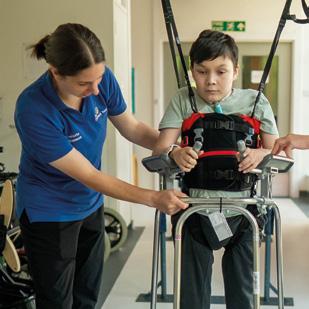
Initially, Leo was fully dependent on his ventilator and had minimal movement. His left side was significantly weaker than his right, and he struggled to sit unsupported or hold his head up for more than a few seconds. Early physiotherapy sessions were challenging and Leo experienced fatigue, anxiety, and distress. However, with consistent support and a strong therapeutic relationship, Leo began to make remarkable progress.
During his first placement in 2024 at The Children’s Trust, Leo transitioned from relying on a spinal brace to sitting briefly unaided. He began accessing a supine standing frame and developed flickers of movement in his left leg, eventually kicking with his leg hovering off the floor. By the end of that phase, he could stand for short periods with support and
Leo’s goals reflect his vibrant spirit and ambition: to walk with minimal help so he can take his future dog on walks, move around the house with a walking frame, manage his morning routine independently, and enjoy outdoor adventures like treetop climbing. He also hopes to use his hands to text friends and rejoin life beyond the rehabilitation setting.
Leo’s journey is a powerful testament to his resilience, the unwavering support of his family and care team, and the transformative impact of rehabilitation. His progress continues to inspire everyone around him. ■
Rachel Garrett, a physio at The Children’s Trust, says that
The ceiling track hoist by Guldmann allows us to start rehab really early… in rehab we take a lot of risks. And the hoist allows us to maybe take that risk a little bit earlier.

Web: www.guldmann.com/uk
Email: info_uk@guldmann.com
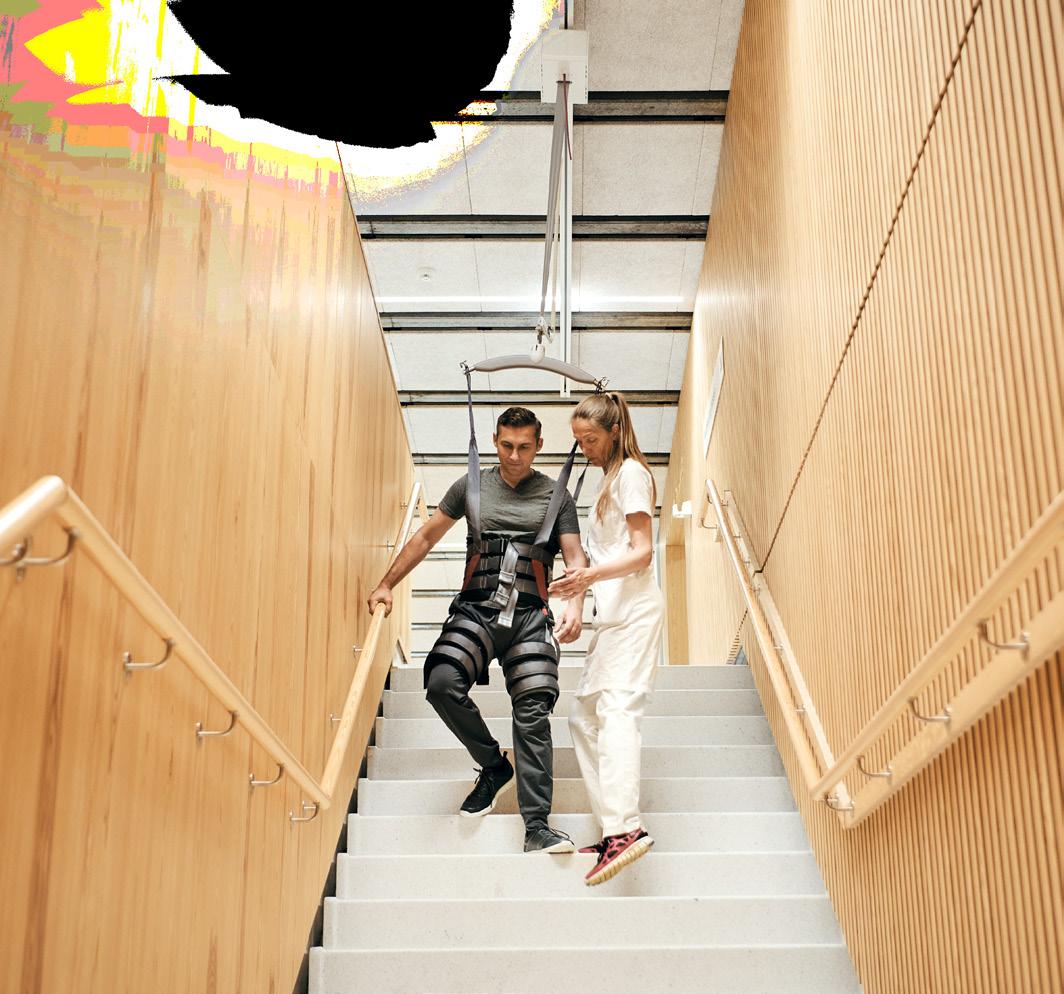
Delivering Complete Accommodation Solutions for Complex Injury Claims
Steven Docker Associates (SDA) are leading adaptation experts dedicated to creating specially tailored, inclusive home environments for individuals following life-changing injuries.
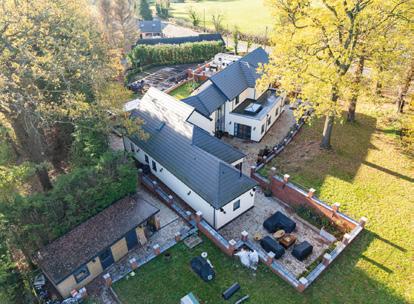
We specialise in providing comprehensive accommodation solutions, driven by a core mission to deliver a home without barriers. By providing truly end-toend service, spanning initial property finding and landlord negotiations to bespoke architectural design and complete project management, we alleviate the practical, logistical, and administrative burdens for both the client and their professional teams.
The journey of Dr Ed Hudson, who sustained a severe C4/C5 spinal cord injury, perfectly exemplifies how this complete lifecycle management facilitates a seamless transition from clinical rehabilitation to independent living.
INTERIM SOLUTIONS AND HOSPITAL DISCHARGE
During Ed’s intensive rehabilitation, early intervention was vital to facilitate a safe discharge. Instructed to source an interim property, SDA’s property-finding team, led by Tom Docker, located a suitable bungalow in Burton Joyce, Nottinghamshire. Crucially for the instructing legal team and case manager, SDA handled the complex landlord negotiations, securing permission for essential adaptations. Funded via interim payments, SDA appointed and managed the contractors to deliver widened doorways, a ceiling track hoist, and a bespoke wet room on schedule and within budget. This allowed Ed to safely transition into the community whilst his litigation progressed.
POST-SETTLEMENT: FROM DEMOLITION TO A FOREVER HOME
Following the settlement of Ed’s claim, the focus shifted to a permanent solution. Operating with a clear brief, our property experts sourced a quiet, rural site with an existing property.
To ensure Ed’s home met the long-term requirements of his care regime and lifestyle, SDA advised demolishing the original structure. SDA’s Alex Jones stepped in as Project Manager, leading the design and construction phases. By overseeing the initial search, the demolition, and the complete architectural phases, we ensured every detail, from level access and automated environmental controls to a private annexe for carers, was integrated seamlessly.
A COLLABORATIVE, EXPERT APPROACH
The resulting property, Oak Holt, which was recognised at the East Midlands LABC Building Excellence Awards as Best Individual New Home, is a masterclass in inclusive design. For the instructing parties, SDA’s complete service provided a single point of contact throughout the litigation and post-settlement phases, mitigating risk and ensuring funds were utilised effectively.
For Ed, the meticulously managed transition from a modified rental to a permanent home has been transformative. The physical barriers have vanished, leaving him free to focus on his family, his independence, and his future.
When you need a trusted partner to navigate the complexities of property search, adaptation, and project management, SDA delivers. ■

Tel: 01477 544 499 Email: info@stevendocker.co.uk
Accommodation Experts in Personal Injury and Clinical Negligence litigation.
Multi-award-winning Specialist Property Finding & Architectural Services.

Accommodation Needs Reports Property Finding Architectural Services
Neuroplasticity and The Neuro Physiotherapist: Unlocking the Brain’s Remarkable Abilities
As a Chartered Physiotherapist specialising in neurological rehabilitation, I’m constantly amazed by the brain’s extraordinary capacity for change and recovery. I love it when my patients challenge conventional thinking and achieve outcomes they did not expect or anticipate. That’s why I describe myself as a self-confessed Neuroplasticity Nerd!
In this article, we’ll explore neuroplasticity and neuro physiotherapy — a powerful combination that’s helping patients regain function and independence.
WHAT IS NEUROPLASTICITY?
Neuroplasticity continues to be one of neuroscience’s most groundbreaking discoveries. It refers to the brain’s ability to reorganise itself by forming new neural connections throughout life. Far from being a fixed structure, the brain is dynamic and adaptable. Even after injury, it can transform in remarkable ways. And whilst not a new science, it has perhaps taken us some time as clinicians to find out how to implement into best practice to maximise outcomes for patients.
KEY
MECHANISMS OF NEUROPLASTICITY
Here are the main ways the brain adapts:
Synaptic Plasticity: Strengthens or weakens connections between neurons based on experience.
Neurogenesis: Generates new neurons, challenging the belief that we’re born with all the brain cells we’ll ever have.
Axonal Sprouting: Allows neurons to grow new connections, creating alternative pathways when original ones are damaged.
Neuroplasticity – the brain’s ability to reorganise and form new neural connections – isn’t just a buzzword in rehabilitation; it’s the foundation upon which all recovery is built.
This is where neuroactive exercises become gamechangers.
NEUROACTIVE REHABILITATION BY DESIGN
When designing exercise for brain injury rehabilitation it is important not only to align with the patient’s long-term goal but to make exercises engaging and fun in the short term. Because the best evidence informed exercises are not going to work if they stay ignored on a piece of paper.
As a Physiotherapist I am constantly asked “What is the best exercise?” My answer is always the same – “the one you do.
Just think about the static bike you bought last Christmas with the best of intention that now doubles as a clothes maiden!
WHY NEUROACTIVE EXERCISES ARE THE KEY TO
UNLOCKING NEUROPLASTICITY
Traditional rehabilitation often focused on building strength and range of motion – essential components of movement certainly. But the damage left by a stroke, a brain injury or other neurological condition is not in the power generators, ie: the muscles or the joints, but within the control centre of the brain and this is where the old phrase “Power is nothing without control” comes into play.
Unlike traditional physiotherapy, which focuses on joints and muscles, neuro physiotherapy targets the brain itself. Neuro physiotherapists aim to stimulate and harness its natural neuroplastic abilities.
This approach is vital for conditions like stroke or traumatic brain injury. The goal isn’t just physical recovery—it’s helping the brain reorganise and adapt.
Neuroactive exercises bridge this gap by:
Challenging the nervous system to create new pathways and strengthen existing ones
Integrating multiple systems – balance, proprioception, cognition, and motor control
Promoting functional movement patterns that translate directly to real-world activities
Stimulating neuroplasticity through varied, progressive, and meaningful tasks
THE SCIENCE BEHIND THE APPROACH
Here’s where it gets fascinating: the cerebellum and the motor cortex learns through errors, not repetitions. Simply performing endless repetitions doesn’t drive neuroplasticity nearly as effectively as encountering controlled challenges that create prediction errors – moments when the brain’s expected outcome doesn’t match reality.
The motor cortex thrives on solving problems and adapting to unexpected outcomes. When we present controlled challenges that create small errors, the brain works overtime to refine its predictions and motor commands, leading to genuine neural reorganisation rather than just stronger muscles.
This is where neuroplasticity and neuro physiotherapy work together to retrain the brain.
We teach patients how their body moves and should move, supporting self-evaluation to reinforce feedforward and feedback mechanisms essential for motor learning. We encourage and support the patient to critique their own performance and be their own cheer leader. Not in some happy clappy dance but to reinforce feedforward and feedback ie; how motor learning occurs.
We provide neuroplastic environments in which neuroactive exercises can be challenged. For example, working on a wobble board whilst counting backwards from 100, to ensure balance is practised on a unconscious and not a conscious level.
We modify targets and goals to create a deeper experience, for example; using moving targets instead of fixed repetitions like 3×10.
WHY HOME-BASED NEURO PHYSIOTHERAPY WORKS FOR NEUROPLASTICITY
Delivering neurological rehabilitation in the home environment offers unique advantages for neuroplasticity. The familiar surroundings provide natural contexts for functional training, while family involvement creates opportunities for carry-over and practice between sessions. The brain adapts best when exercises relate directly to the environment where skills will be used.
Using the home environment enables kitchen work tops
to be used for balance practice, tape to be placed on mirrors to encourage alignment, post-it prompts to support memory and engagement.’
GOLDEN RULES
It’s important that the home environment is enriched to support positive neuroplastic change. Neuroplasticity can be both positive and negative depending on environmental factors. The key is consistent, progressive stimulation.
To support our patients, we’ve developed our 10 golden rules:
1. Brains don’t stop learning – but it matters what they learn.
2. Physio is something you do not something you receive.
3. Physios are movement teachers; patients are the movement makers.
4. Quality over quantity – if you don’t know, ask.
5. Stand often, stand safely and stand well.
6. Practice little and often, because practice makes perfect.
7. Use prompts -stickers above kettles are a favourite – 3 minutes of exercise whilst the kettle boils – they soon mount up.
8. Set yourself targets and rewards – rehab is difficult – you deserve it!
9. Being more active is fun with friends and family.
10. Rehab is 24 hours a day every day – good resting positions (not slouching on the couch) and good rest are important.
LOOKING AHEAD
As we learn more about neuroplasticity, the future of neurological rehabilitation looks brighter. New technologies and deeper understanding promise even better outcomes. The brain’s ability to rewire itself is truly remarkable. As neuro physiotherapists, we guide patients on this journey— helping them rediscover movement, independence, and quality of life.
ABOUT THE AUTHOR
Susan Pattison is a Chartered Physiotherapist and the founder of SP Therapy Services. ■

Chartered Physiotherapists: Experts In Neurorehabilitation; Home visit Specialists: Valued by families : Collaborators with MDTs : Trusted by solicitors and case managers
We have specialists based in: Bury, Bolton, Blackburn, Stalybridge, Bradford, Holmfirth and Barnsley. Web: www.sptherapyservices.co.uk
FUNCTIONAL ELECTRICAL STIMULATION (FES) for correction of dropped foot
FES is increasingly being seen as a first line intervention to improve the mobility of people with neurological disability. Dr Paul Taylor has pioneered its use within the NHS.

Dropped foot is the inability to lift the foot as the leg swings forward when walking. It is caused by weakness in the muscles that lift the foot and/or excessive activity (spasticity) in the antagonist muscles. Dropped foot increases the risk of falls, reduces mobility and participation in activities of daily living.
WHAT IS FES AND HOW DOES IT WORK?
Functional Electrical Stimulation (FES) is the production of functional movement in paralysed or weak muscles by the application of small pulses of electrical current to the nerves that supply them. The Odstock Dropped Foot Stimulator (ODFS®) Pace stimulates the common peroneal nerve using self-adhesive skin electrodes. Stimulation is timed to the walking cycle by using a pressure switch placed in the shoe under the heel. Stimulation begins when the heel is lifted from the ground and ends just after heel strike. Stimulation causes the foot to lift and stabilises the ankle when it is returned to the ground.
FES has undoubtedly allowed me to carry on a normal way of life that includes work... It’s a lot easier for me to be mobile with FES than anything else. Using FES makes me feel more confident, particularly with walking .. and it means that you tire less as well.
FES user with Spinal Injury
The ODFS® Pace is primarily used as a long-term assistive device. However, therapeutic training benefit has been demonstrated in people who have a dropped foot due to stroke, spinal cord injury, Parkinson’s and some people with MS. It can also be used in early gait re-education, including the retraining of knee and hip control. Because FES can reduce spasticity through activation of reciprocal inhibition, it is often a more effective mobility intervention than passive orthotics and can enable greater range of movement and ground clearance.
THE MAIN EFFECTS OF THE ODFS® PACE (FES DEVICE) ARE:
Increased safety due to reduced tripping and increased stability in stance, reducing falls by 72%
Increased walking speed, functional ambulation category and distance range
Reduced effort of walking
Greater confidence, independence and quality of life
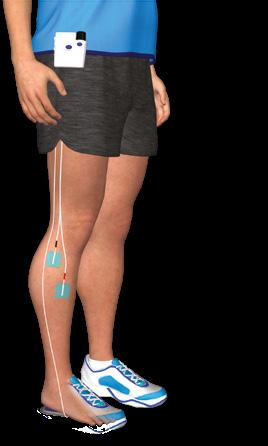
These effects are also mirrored in our FES user survey 2025 with 84.4% reporting that they fell less often since using FES and 100% of people being likely or extremely likely to recommend the FES service.
The ODFS® Pace is a practical device with adherence to treatment at one year of 86%. FES can be used to assist walking in any neurological condition resultant from an upper motorneuron lesion (lesion within the brain or spinal cord above T12).
FES for correction of dropped foot is a recommended treatment in NICE guidelines IPG278, NG211, NG236, NG252, NG119, ACPIN, ANPT and Royal College of Physicians stroke clinical guidelines.
OML provides training courses for clinicians wishing to use FES in their clinical practice. OML also has treatment clinics throughout the UK. Please visit our website for further details ■

Dr Paul Taylor
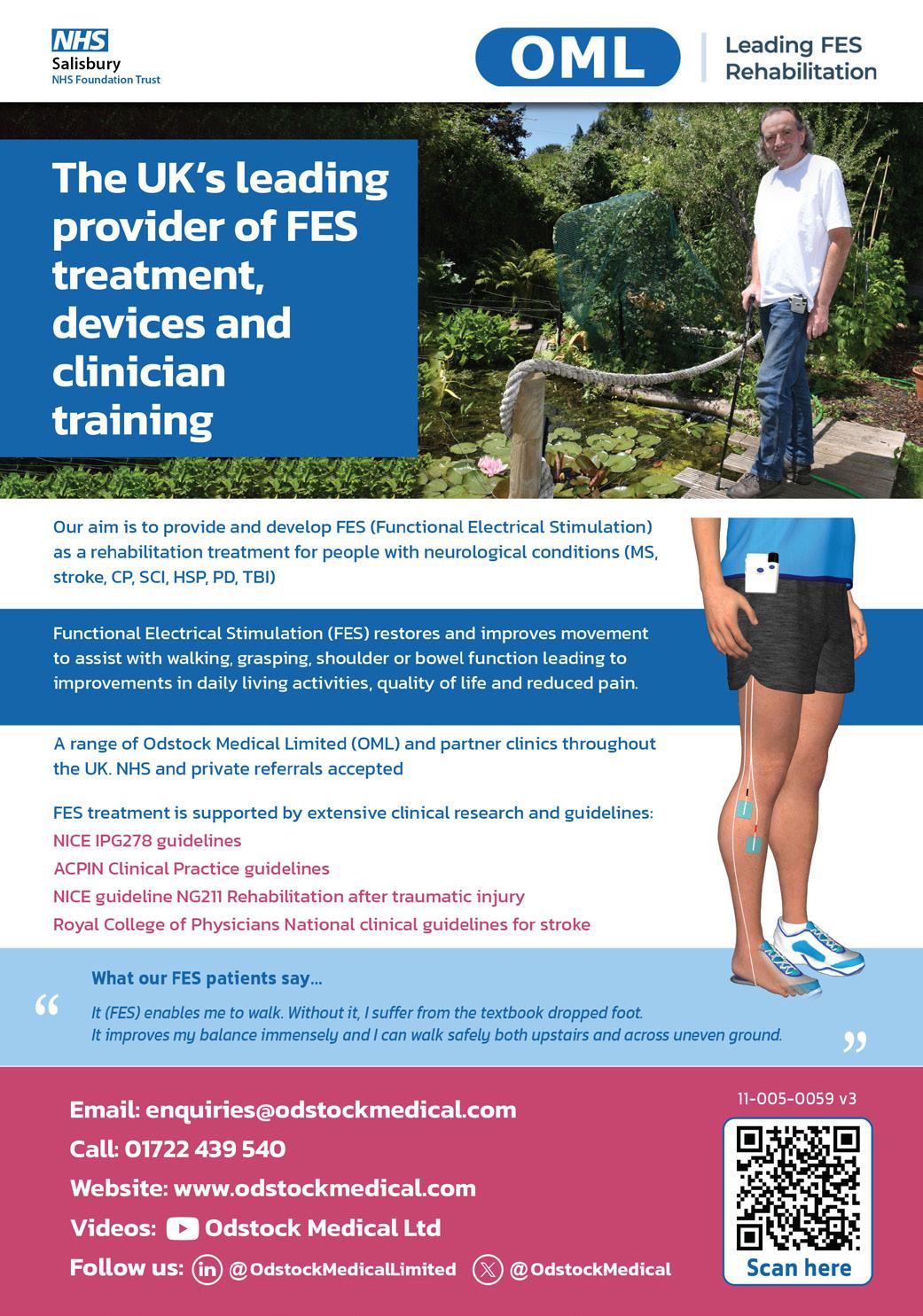
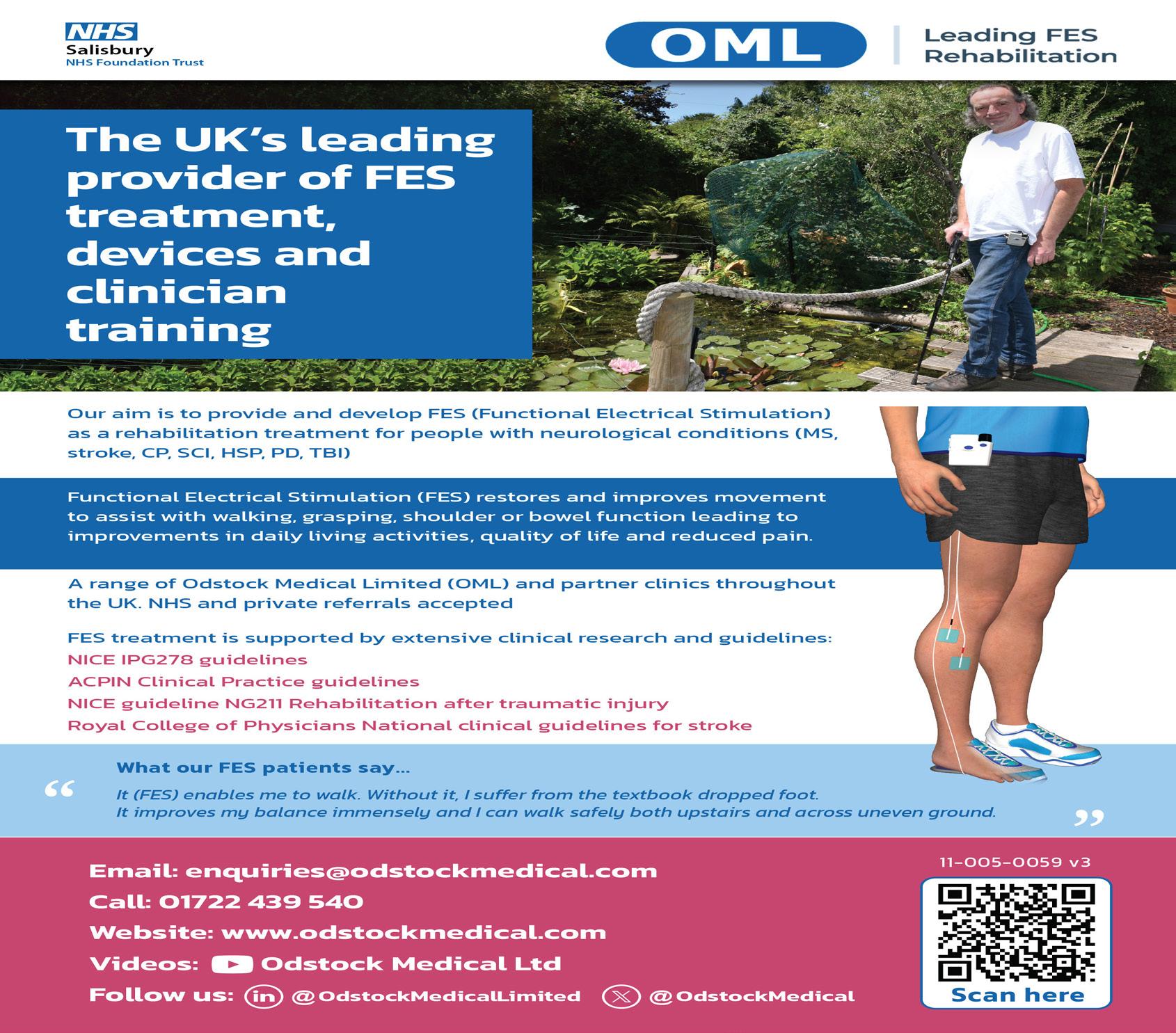
WILLIAM MARTIN Property Consultants Ltd
We are a property and construction consultancy providing tailored services for our clients throughout the UK
Our professional team provides building surveying, quantity surveying, project management & monitoring, architecture and associated services.
The William Martin team provides expert opinion on the quantum of claims concerning accommodation issues arising from personal injury and medical negligence litigation.
We act for both the Claimant and Defendant and also as a Single Joint Expert. Our Experts are often retained post-claim to design and deliver schemes to adapt and construct accessible accommodation, working closely with the Claimant and family, together with their legal and care teams.
Our friendly, experienced team can provide suitability reports and assessments of an existing property prior to purchase. We undertake project analysis to support legal issues incorporating liaison with care professionals, legal representatives and other consultants as part of an integrated team. Design solutions are created and tailored to fulfil each clients’ individual needs. We look to incorporate specialists’ recommendations for bespoke equipment and hi-tech facilities to assist rehabilitation and independent living, as well as enhancing quality of life. ■
Web: william-martin.co.uk
Tel (London Office): 020 7378 5800
Tel (Manchester Office): 0161 457 0336
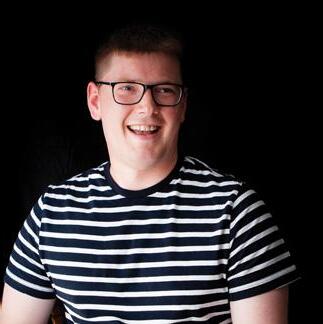
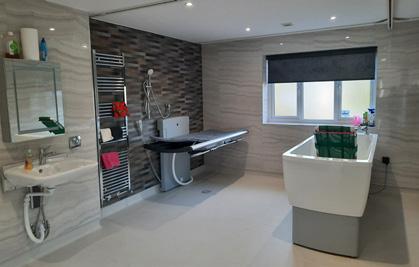
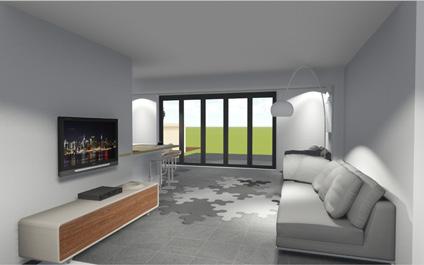
Krysalis’s approach is totally centred around the individual and their needs.
‘Onwards and upwards’ is often declared when the small things become part of the big picture.
SPARE SPACE
Neurological Occupational Therapy
Krysalis is the UK's leading provider of neurological occupational therapy.
Our nationwide team helps ensure that our clients remain central to our process, which combines expert knowledge with innovative treatment approaches.
We’re here to help individuals realise their true potential.
...realising potential, transforming lives
Accessible and Inclusive Environments
Julian Rendall: jrendall@william-martin.co.uk
James Nocker: jpn@william-martin.co.uk
London: 0207 378 5800
Manchester: 0161 457 0336
www.william-martin.co.uk
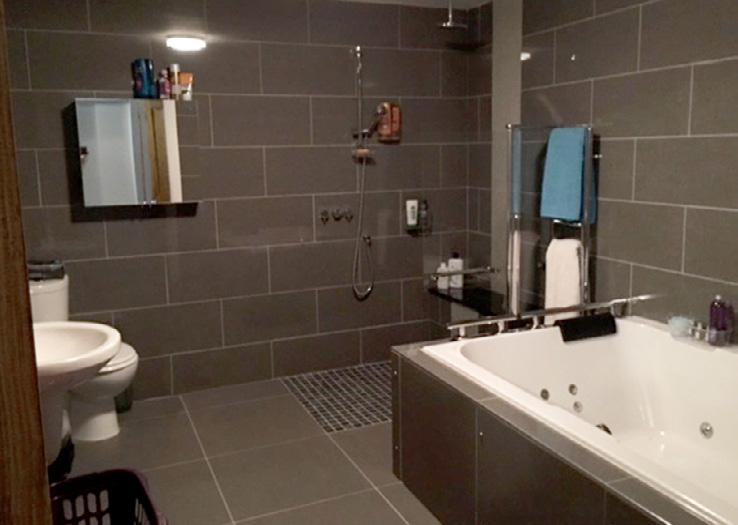
BUILDING SURVEYING ARCHITECTURE & DESIGN CONTRACT ADMINISTRATION
PRINCIPAL DESIGNER / CDM
COST CONSULTANTS
EXPERT WITNESS
PROPERTY FINDING SUITABILITY REPORTS
Could you be our next expert?
Are you an experienced occupational therapist or case manager looking for a new challenge? Have you ever considered becoming an expert witness or would you like to find out more?
Sherwood Therapy Services are an occupational therapy and case management company looking to expand our well-established expert team. We can offer you the perfect place to develop your skills as a medico-legal expert in care and rehabilitation.
We offer:
• A small, friendly, team environment, where you will work alongside like-minded clinicians.
• An experienced office support team who will guide you every step of the way.
• Mentoring by our clinical leads.
• Monthly CPD sessions, study days and full training to get you expert ready.
• Lots of interesting and varied work with people of all ages.
• Highly competitive rates of pay.


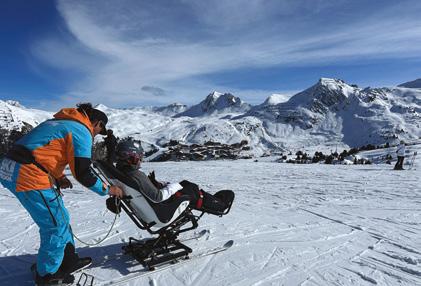

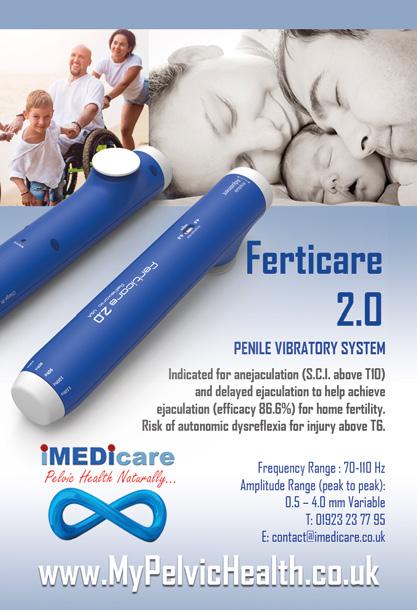
idapt design
Ben Burton Partner
Welcome to Idapt Design. I am Ben Burton, and I lead a team dedicated to creating beautiful accessible environments that prioritise both function and style. We offer a unique 'all under one roof' approach, combining property finding, design services, project management and expert witness accommodation reports. We’re set apart by our bravery to innovate; we use the latest scanning, rendering and VR tech to ensure your vision is realised on time and on budget. Whether you are a private client, a Deputy or a legal professional, we are here to turn complex accessibility challenges into stunning, liveable realities. We would love to hear about your project.
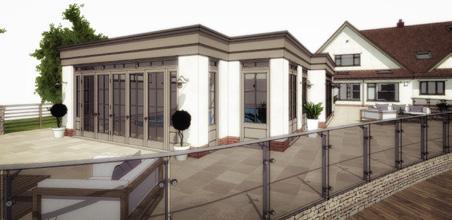
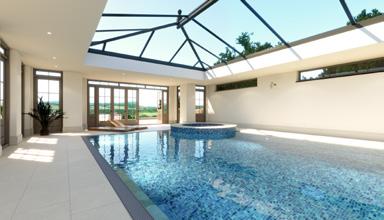
Experts in Complex Care Services
Secure Healthcare Solutions are a national and CQC regulated Complex Care Provider, supporting Children and Adults across the UK with bespoke complex homecare.
Our primary aim is: “To deliver outstanding, genuine, person-centred care to all of our service users”
Recognised by the Spinal Injuries Association as a Trusted Care Partner for the Midlands, Secure Healthcare Solutions specialise in delivering complex care to individuals with Spinal Cord Injury. Secure Healthcare Solutions are also Corporate Members of Headway, reaffirming our commitment to providing the highest standards of care nationally to individuals with Brain Injuries.
Ventilator Nursing Care
Providing nurse-led, in-home support for individuals with breathing difficulties, including non-invasive ventilation care for those using BiPAP and CPAP.
Gastrostomy Care
Experienced Registered Nurses provide compassionate gastrostomy and PEG care, supporting continuous or bolus feeding and helping individuals transition back to oral nutrition and fluids where appropriate.
HOW WE CAN HELP:
• SCI
• ABI
• Cerebral Palsy
• MND
• Duchenne Muscular Dystrophy
• Neurological conditions
• Intermittent Catheterisation
• Peristeen – rectal irrigation
• Suppositories and digital stimulation for bowel management
• Bladder washout
• Convene
• Urethral and Supra Pubic Catheter
• Cpap, BiPap and Vpap ventilation
• Cough Assist
• Diabetes blood sugar monitoring
• Stoma – Ileostomy, Colostomy, Urostomy
• Inhalers
• PEG feeding including bolus & continuous Nebuliser
• Insulin injections
Emergency Home Care
Providing rapid emergency complex care, or crisis care, for individuals who need urgent support within days, helping families and professionals respond quickly when situations change suddenly.
Continence Care
Providing personalised continence care, from initial assessment through to support and training, tailored to each individual’s bladder and bowel needs and preferences across a range of continence techniques.
Working with the multi-disciplinary teams to ensure person centred care, whilst providing robust governance throughout. Ensuring we deliver to the highest standards expected by CQC.
OUR PURPOSE
To improve lives and enable people to live independently within their local community. We pride ourselves on helping every client build the confidence and self-belief needed to pursue their personal goals and dreams.
WE DELIVER
• Efficient and safe discharges
• Bespoke, client-centred care plans
• Excellent communication
• Experienced, personable staff
• Homecare services
• End of life care
• Avoidable admissions
We work in collaboration with individuals, ICBs, Case Managers, Solicitors, and private funders to facilitate safe, fast discharges into the community. We also support the mobilisation of care packages from hospital to home, alongside individuals already living in their own homes.

Address: 55 Waterloo Rd, Wolverhampton WV1 4QQ
Email:


“From the very beginning, (the Support Worker) was absolutely brilliant. Her energy, enthusiasm, and knowledge were clear. She demonstrated an ability to connect”
– Case Manager
“Brilliant communication, amazing staff members”
– Granddaughter of client
“The nurses and carers were absolutely amazing. Please extend our deepest gratitude to the entire team for their dedication and exceptional care. It meant so much to us to know that P was well looked after during this time.”
– CHC Nurse Assessor


Secure Healthcare SOLUTIONS:
Specialising in person centred, nurse-led complex care in the community
Secure Healthcare Solutions provide bespoke complex care for Children & Adults in the community, across the UK. We support individuals with complex care needs, including individuals with Spinal Cord Injury and Acquired Brain Injury. We specialised in Brain and Spinal Cord Injury complex care, whereby all of our packages of care are nurse led and have full clinical nurse oversight. Our recruitment is managed in house, alongside our bespoke clinical training. We have a dedicated, clinically robust workforce who deeply, truly care.
We can mobilise packages of care starting from 6 hours to 24/7, 1:1 and 2:1 care. The areas we cover are across the Midlands and the North of England. We believe that people who live with complex care needs should be able to live fulfilled lives, in their own homes.
WE SUPPORT INDIVIDUALS WITH VARIOUS COMPLEX CARE NEEDS, INCLUDING BUT NOT LIMITED TO:
Spinal Cord Injury
Acquired & Traumatic Brain
Injury
Cerebral Palsy Home ventilation
Disabilities
We are highly experienced in supporting individuals with Spinal Cord Injuries, Acquired and Traumatic Brain Injuries. As Trusted Care Partners with the Spinal Injuries Association and Corporate Members of Headway, we are truly proud to work with these phenomenal charities, working collaboratively to ensure individuals live wonderful lives in their own homes, receiving the highest standards of care.
We provide in person competency based training and our clinical training is extremely thorough, in person and tailored to each individual’s specific needs. Our online operating systems provide real-time care notes.
WE CAN SUPPORT WITH: 24/7 1:1 or 2:1 Care
Waking Night Care
Sleeping Night Care
Double up support (geography dependant)
Hospital to Home
Personal care
The 4 principles of person-centred care that Secure Healthcare Solutions deliver as standard are:
Treat People with dignity, compassion and respect
Provide safe, clinically robust co-ordinated care
Deliver bespoke, person-centred care
Enable service users to develop their strengths and abilities, enabling them to thrive
INDIVIDUAL CARE PLANS:
Secure Healthcare Solutons creates personalised care plans to meet the specific needs of the individual and their family. We offer Meet & Greets with potential members of their team, to ensure the individual and their family feel comfortable with their Carer, Support Worker or Nurse. If you have any questions regarding our services or how we can support you, please contact us, we will be happy to help you. ■
Bespoke complex care, tailored to each individual’s needs
Tel: 0121 285 9449
Email: info@securehealthcaresolutions.co.uk
Web: www.securehealthcaresolutions.co.uk

OVERCOMING CHALLENGES: A Short Case Study of Rehabilitation and Resilience
Client P, 25, has faced the long-term effect of TBI. This case study offers an insight into the challenges involved in managing catastrophic injury cases while striving for positive outcomes. P is supported by case manager, Matt.
P’s injury at 11 years old resulted in lifelong cognitive challenges, including memory issues, impulsivity, and difficulties with initiating and completing tasks. These challenges were compounded by substance abuse involving alcohol, class A drugs, and deceitfully acquired prescription medications. Known to social services and the police for petty crimes and wasting police resources, P presented a complex case.
Litigation had concluded before Matt’s involvement, with the Court of Protection appointing a Finance and Property Affairs deputy. Due to contributory negligence,
the compensation awarded was inadequate for managing P’s complex needs. P’s history of failed residential arrangements, often due to antisocial behaviour, led to being blacklisted from the rental market.
Resentment grew as P couldn’t fully access compensation, leading to abusive interactions with the deputy and case manager. P struggled with long-term planning, risking financial stability. Cognitive limitations meant plans often unravelled quickly, and risk-taking behaviour further depleted funds. Despite these challenges, efforts were made to promote P’s autonomy through risk assessment and management. The deputy and case manager worked closely, facing local authorities reluctant to fulfil their Care Act and Safeguarding responsibilities.
After significant efforts, the local authority assumed responsibility, providing housing and funding a care package. This support improved access to appointments and community engagement. Implementing strict budgets, with clear communication about their necessity, facilitated better financial planning. Though initially resistant, consistent messaging and support led to improved behaviour and reduced risk-taking. Progress was made toward reapplying to the Court of Protection for property purchase, acknowledging remaining risks but finding them more manageable with professional intervention and a consistent approach. ■
Matt Mclean is a Case Manager with Unite Professionals and a qualified Learning Disability Nurse. To learn more about how we can support complex catastrophic injury cases, please contact: admin@uniteprofessionals.co.uk
The Brain Collective
Quantitative electroencephalography (qEEG) is especially useful in head injury rehabilitation because it gives an objective, functional view of how the brain is actually operating, not just what it looks like structurally.
After a traumatic brain injury (TBI), standard imaging like CT or MRI Scans may appear “normal,” yet the person still experiences symptoms, Quantitative electroencephalography (qEEG) helps bridge that gap.
Using advanced qEEG brain mapping, Neurofeedback, and Neuromodulation, we provide clinicians and case managers with clear, actionable insights to accelerate recovery for clients with catastrophic or life-changing injuries. Our evidencebased approach supports emotional regulation, cognitive function, sleep, and therapy engagement—promoting greater independence and improved long-term outcomes.
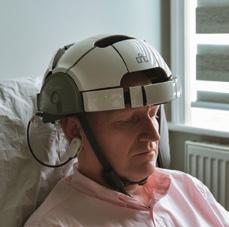
AI-driven brain mapping technologies. This non-invasive, cloud-based system delivers revealing and meaningful insights in just ten minutes, guiding more precise and effective therapy decisions.
Our clinic was founded by Dr Melanie Dakin and Maria Walters 15 years ago after traditional pathways fell short. Our work is driven by lived experience, innovation, and compassion. We understand the urgency families feel and the responsibility professionals carry when progress matters most.
If you’re navigating a complex client case, we’re here to help deliver targeted, measurable, and meaningful rehabilitation. The future is here. ■
We are proud to bring to the UK one of the world’s first
To find out more visit: Web: thebraincollective.co.uk
Email: harrogate@ thebraincollective.co.uk Tel: 01423 611389




StanleySmith Case Management and Litigation: BRIDGING THE GAP
Development officer and former personal injury solicitor Liz Makin reflects on her new career working for StanleySmith Case Management after a long career in personal injury litigation and the job satisfaction she achieves by helping clients from a different perspective.
So why the change?” asks practically every lawyer I come across. After a thirty-year career as a personal injury solicitor, last year I joined StanleySmith Case Management as a development officer.
I had loved my job: working with some fantastic colleagues and getting immense satisfaction from helping clients at some of the worst points in their lives, but I had done it a long time and needed a change.
In litigation, so much focus is on the loss: identifying it, evidencing it and negotiating its value. Case management is more positive: assessing needs and then facilitating positive change: “project managing someone’s recovery”, as one of our case managers defines the role.
My new job still involves helping very vulnerable clients, but, unlike the case managers, I am not “front line”; I support the case managers behind the scenes to help them provide an excellent service.
I provide bespoke training for our case managers: teaching them what they need to know about personal injury and clinical negligence litigation and the roles of Court of Protection lawyers and deputies.
as many lawyers in the past six months as in thirty years of practice. I also deal with new referral enquiries, being well placed to understand legal issues surrounding the requests.
For me, the effort and responsibilities involved with managing directly employed care teams have been a revelation. Recruiting and setting up a bespoke group of carers is a key service offered by StanleySmith and we aim for excellence. Ongoing training and support are provided and carers feel valued, many choosing to stay with our clients long term.
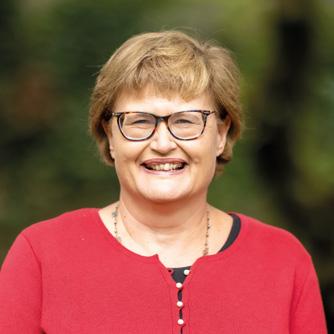
After clinical proofing by a BABICM advanced accredited mentor, I undertake the final proof of our case management reports, insisting on the definition of medical terms for the benefit of the lawyers’ medically untrained eyes; to avoid the need for Googling whilst reading a report. I have agreed with one case manager that I shall buy her a drink the day I don’t write “please define for the lay person” whilst proofing her high-quality clinical reports. So far, I am winning!
Reaching out to solicitors and seeing how we can meet the needs of their clients is a joy; I have spoken to
CQC registration involves complying with strict requirements; some of our nurse case managers oversee governance, carrying out training and medication and training audits.
In my first few months, I visited a client with an acquired brain injury. On the journey there, his case manager announced with modest pride that the support in place for him was “just what you would want for your own dad”. Having met him and his carers and seen the provision: the walks on Dartmoor; the art classes; the cake baking; the Qigong sessions and the amazing rapport he has with his 24-hour carers and his case manager herself, I must say I agree. ■

To find out more contact Liz Makin, Development Officer and non-practising solicitor at: liz@sscasemanagment.co.uk Tel: 01752 466173 Web: www.sscasemanagement.co.uk











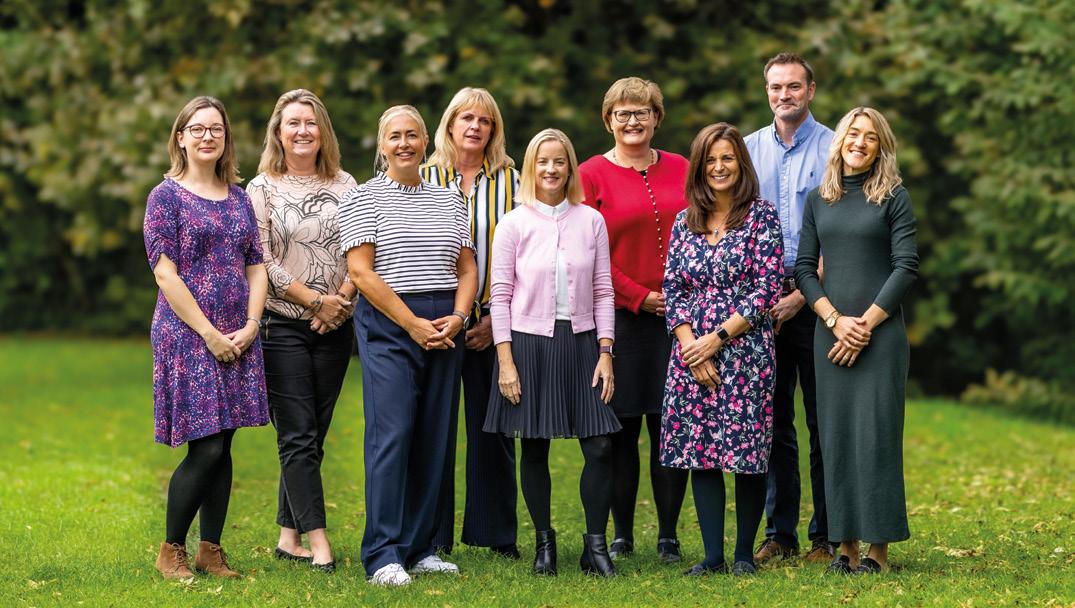

BABICM - 30 years of supporting case management
As the British Association of Brain Injury and Complex Case Management (BABICM) celebrates its 30th anniversary, we look at how the organisation continues to grow and develop
Back in 1996, when the role of case management within neuro-rehab in the UK was beginning to be realised, the need for a body to unite those with a shared commitment to supporting people after brain and complex injury was realised.
Case management had only been in operation for a few years, with the first British case management business established in 1989, but the growth was rapid and strong – with the legal sector being quick to realise the benefit bespoke support for their clients could deliver.
To help guide and inspire the ongoing progress of this emerging sector, the British Association of Brain Injury Case Managers was born, as it was then known. To reflect its presence across all aspects of neuro-rehab, BABICM took its current name – which also brings complex injury into focus – in 2019.
Over the past 30 years, the organisation has played a central role in the development of case management, delivering the support, training and development case managers need at all stages of their careers. Its membership has grown strongly, welcoming those from associated professions in addition to case managers, creating a unified voice of professionals from across the world of neuro-rehab
who are passionate about making a difference.
And as BABICM celebrates its landmark anniversary, it looks to the future with confidence, well placed to continue to support its members and the ongoing development of case management for many years to come.
ONGOING GROWTH
BABICM now has at least 1,560 members – and counting. Membership spans case management and a host of associated professions, bringing together voices from across neuro-rehab to ensure that BABICM is truly representative of the sector.
Over the past 30 years, the organisation has played a central role in the development of case management, delivering the support, training and development case managers need at all stages of their careers.
Membership continues to grow, with particularly strong growth seen over the past five years and
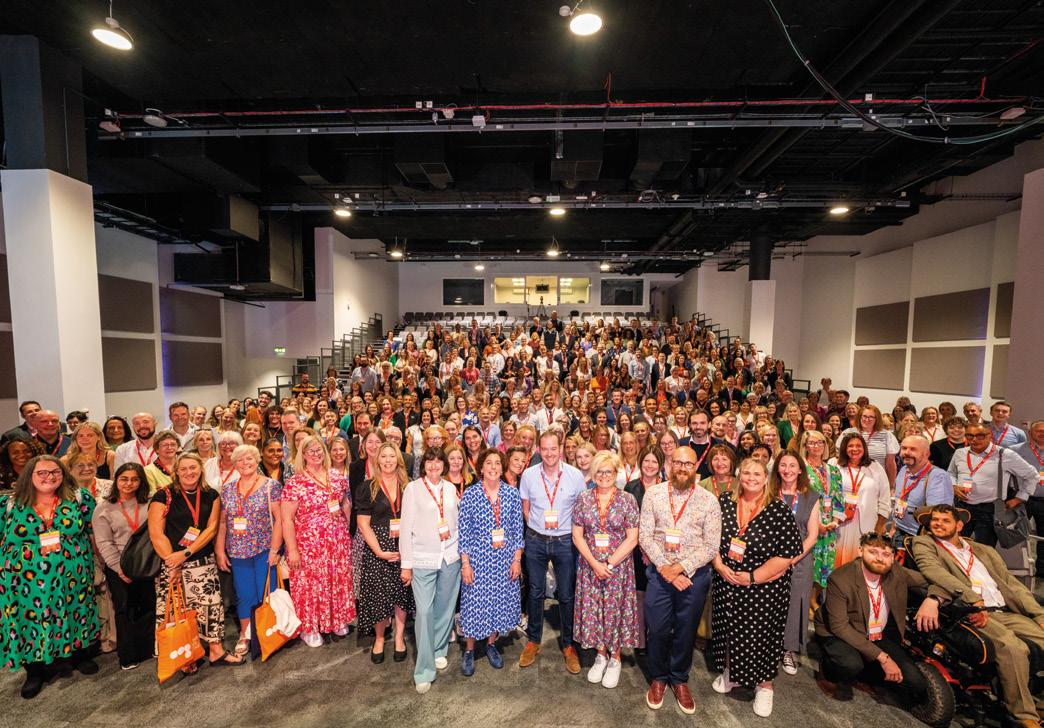
the COVID pandemic, during which time BABICM’s role in helping to guide and support its members has never been more crucial. The organisation was quick to adapt its offering to embrace digital, supporting case managers to adapt the way they interacted with clients, and enabling vital opportunities for interaction between professionals despite the social distancing requirements.
Events have grown strongly, both in volume and attendance, and BABICM now offers a packed calendar of training events each year. During COVID times, the organisation introduced online events for the first time, and the popularity of these has meant they are now a staple of the events calendar.
BABICM’s growth is underpinned by the work of its Chair and leadership team, Council and working groups – all of whose contribution helps the organisation to grow and develop, and respond to the needs of members in an efficient and effective way. The appointment of BABICM’s first-ever Chief Executive last year, Anne Bishop, has enabled a new governance structure which allows it to plan for the future.
As it looks to the next 30 years and beyond, BABICM’s contribution to the development of the wider sector is a priority for the organisation. Through research, it has helped to make its influence felt on a national policy-making level; and its role in the creation of the Institute of Registered Case Managers (IRCM) is bringing new levels of accountability and trust to the case management profession.
TECH-LED AMBITIOUS ORGANISATION
What began as a response to the COVID pandemic has helped to create an organisation in which digital now plays a central role – changing the way it communicates with members and creating a new image for BABICM.
Technology is very much at the heart of the way BABICM operates, and is something which has been quickly integrated into the organisation since 2020. The adoption of online events has enabled BABICM to now regularly deliver webinars and presentations to hundreds of attendees, adding to its in-person events calendar to ensure members can benefit from regular and convenient training opportunities.
The development of the BABICM app, and major investment in its new website, have enabled new means of communication with members and the wider world. Interaction is now easier than ever, and both contain a host of resources to members which are easily accessible and relevant to their everyday practice.
Insight, its digital magazine, has increased that further still. A quarterly design-led publication, bringing together contributions from members with expert insight from across the wider sector, Insight has created another new means of communicating with members. It has also led to new opportunities for members to become involved, and each issue welcomes contributions from anyone who wishes to share their expertise.
The focus on digital technology has helped to create a new brand image for BABICM, as an organisation keen to embrace change and development for the benefit of its members.
CONFERENCE – THE HOTTEST TICKET IN TOWN
The annual BABICM Conference has grown to truly become a ‘must attend’ event for professionals across the world of case management and wider neuro-rehab sector.
Attracting hundreds of delegates both to its two-day conference offering and evening dinner, Conference offers a packed schedule of speakers, addresses a wide array of topics, and helps to set and lead the agenda for the sector.
While the event itself routinely sells out, exhibitor stands at Conference are event more in demand – stands for 2026 sold out in 15 seconds, and had 25 extra stands than 2025. This helps to demonstrate the ongoing growth of Conference, with its 30th anniversary event set to be the biggest it has ever held.
From its earliest days, Conference has been helping to push for, and achieve, meaningful change – one example of many being when Denzel Lush, then Master of the Court of Protection, introduced professional deputies for the first time following an interaction that occurred at Conference.
Conference also plays a vital role in bringing the whole membership base together, and each year welcomes many new additions to the BABICM world for the first time. The opportunity to network, socialise, share insight and expertise and make new connections is another widely appreciated aspect of Conference, and a reason so many people come back time and time again.
COMMITTED TO INCLUSIVITY AND DIVERSITY
As BABICM has grown into the organisation it is today, equity, diversity and inclusion (EDI) has been a continuing priority across all of its activities and opportunities.
With more diversity in its membership than ever before, BABICM is intended as a home for everyone – the outcome of 30 years of ongoing efforts to foster a culture of equity and acceptance, with the chance for everyone to progress and develop.
Opportunities also exist for all members across the entire organisation. Anyone can join one of the working groups, to play their role in shaping the future of the organisation, whatever their level of experience or seniority in their profession. While previously some BABICM groups were only open to Advanced members, this is no longer the case to ensure it delivers on its commitment that everyone’s voices can be heard. Members can also write for Insight, and contributions on a wide range of topics are welcomed.
BABICM prides itself on working for and with its members, and welcomes the input of members as the organisation works collectively to shape its future. ■
POSITIVE OT & CASE MANAGEMENT
Positive OT & Case Management is a clinician-led, family-run provider of occupational therapy and case management, supporting adults and children living with complex and catastrophic injuries, including brain and spinal cord injuries and amputations.
The team works across the North of England and the Midlands, providing coordinated rehabilitation and consistent, practical support during what are often very challenging periods following life-changing injury.
PERSON-CENTRED APPROACH
At Positive OT & Case Management, rehabilitation is built around the individual. Support is clinically sound but also grounded in what genuinely matters to each person and their family.
The focus is on helping people rebuild confidence, regain independence and re-engage with everyday life. This approach underpins everything from initial assessment through to ongoing intervention, ensuring that support is practical, tailored and focused on meaningful, real-world outcomes.
OUR BACKGROUND
Positive OT & Case Management was founded in 2017 by Occupational Therapist and Case Manager Jackie Chappel, drawing on extensive experience across the NHS, local authority services and independent practice.
Occupational therapy focuses on helping people overcome barriers to everyday activities (‘occupations’) which are essential to health and wellbeing. This includes self-care, family life, education, employment, leisure and community participation. Support is always individualised and may involve rehabilitation planning, home adaptations, assistive technology and developing everyday functional skills.
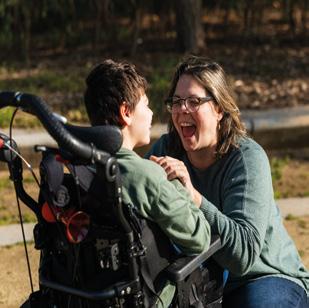
Case management sits alongside this, coordinating the wider rehabilitation process. Case managers work with individuals, families and legal teams to assess needs, plan and oversee rehabilitation, and bring together the right professionals to support progress. This includes coordinating input across health, care, education and social services, as well as supporting the development and management of care packages.
PROFESSIONAL DEVELOPMENT AND SUPPORT
The organisation places strong emphasis on supervision, mentoring and ongoing in-house training, supporting clinicians and case managers at all stages of their careers and helping to maintain consistently high standards of practice.
From the outset, the aim has been to combine strong clinical reasoning with a practical, problem-solving approach, delivering rehabilitation that makes a tangible difference in people’s day-to-day lives.
A
dedicated Support Worker
service further strengthens the provision, supporting the recruitment, training and coordination of care teams.
Jackie is also a Board Director at CMSUK, contributing to the ongoing development of standards within the case management profession. Positive OT & Case Management provides both occupational therapy and case management services.
A dedicated Support Worker service further strengthens the provision, supporting the recruitment, training and coordination of care teams. Support workers provide practical and emotional support with daily living, health needs, leisure and life skills, working closely with clinicians to translate rehabilitation goals into meaningful, day-to-day progress.
OUR FOCUS
Through this joined-up approach, Positive OT & Case Management supports individuals to move from higher levels of dependency towards greater independence and fuller participation in family life, education and work.
The organisation is registered with the Care Quality Commission and continues to grow, with a clear focus on delivering high-quality, person-centred rehabilitation under strong clinical leadership. ■
Web: www.positiveotcm.co.uk
Email: enquiries@positiveotcm.co.uk
Tel: 0113 871 5975
Jackie Chappel
Compassionate care. Professional expertise. A personal, down-to-earth approach.
Positive OT & Case Management provides specialist case management and occupational therapy for adults and children who have sustained complex and catastrophic injuries.
We work closely with clinical negligence solicitors, families, deputies, and multidisciplinary teams to deliver robust, practical rehabilitation that stands up to scrutiny and supports long-term outcomes, with an expert, down-to-earth approach.
Our team can assist with:
• Case management instructions
• Specialist occupational therapy
• Rehabilitation planning and coordination
• Support worker recruitment and ongoing management





We support people with complex needs arising from:
• Acquired and traumatic brain injury
• Spinal cord injury
• Amputation and complex orthopaedic injury
• Birth injury and developmental conditions









Fiona Paynter
Sheryl Harling
Katie Guest
Kelly Williamson
Melek Topcu
Emily Carnall
Liz Lambert
Amanda Knight
Claire Howie
Grace Raven
Kirsty Dickinson
Rachel Husband
Jenny Cooper
Kate Barron
Tracy Banks
Kate Seedhouse
Lauren Cregeen
Katie Francis
Ashleigh Carnall
Annette Broadhead
Kelly Macleod
Claire Godolphin
Claire Chadwick
Joe Hudson
Lesley Anne Boyle
Mia Whitehead
Jackie Chappel
Sonia CampbellThompson
You wouldn’t use an unregistered case manager, WOULD YOU?
Brain and spinal injury cases are complex, often involving multiple professionals across hospital, rehabilitation and community settings.
Service user needs change over time and extend beyond physical recovery to include cognitive, emotional and social challenges, as well as long-term decisions about care, housing and work. In this context, coordination is essential to achieving the best possible outcome.
For families, this can be the difference between feeling overwhelmed and feeling supported.
WHY CASE MANAGEMENT MATTERS
Case management developed in response to that need. At its best, it brings clarity to what can otherwise feel like a fragmented system, assessing needs, planning support and coordinating input across services.
In practice, this might mean coordinating discharge from hospital to home, aligning therapy programmes with available funding, or ensuring equipment, care and housing plans progress together. Done well, it can be transformative.
However, without clear expectations of practice, quality can vary. In complex cases, particularly those involving litigation, this can lead to gaps in provision, duplication of services, or difficulty explaining and justifying decisions.
For many individuals and families, this is unfamiliar territory. In most areas of health and social care, professionals are regulated and held to defined standards. Case management has historically been different. There has been no single, dedicated regulatory framework specific to case management practice in the UK, despite the level of responsibility involved.
Anyone can call themselves a case manager, but not everyone is accountable for how they practise.
WHAT IS THE IRCM?
The Institute of Registered Case Managers (IRCM) was established to address this. Its purpose is to protect the public by setting out what safe and effective case management should look like, and by providing registers of case managers who meet those expectations.
IRCM sets and publishes standards of proficiency, maintains a public register of Registered Case Managers and a Pre-Registrant Pathway and operates a clear concerns process so that issues can be raised and addressed where necessary. Together, these create greater consistency across a diverse field.
IRCM’s Vision
Every case manager delivers safe, ethical, quality services.
Registration is not simply a title. It requires case managers to have the knowledge, skills, experience and professional judgement needed to practise safely. It also brings an ongoing responsibility, to work within defined standards, maintain competence and work within an appropriate scope of practice.
While anyone can call themselves a case manager, those on the IRCM Register of Case Managers (Registrants) or Pre-Registrant Pathway (Pre-Registrants), are choosing to work within a recognised framework and to be accountable for how they practise.
For clinicians, legal professionals and commisioners, this provides a clearer benchmark for evaluating practice. For individuals and families, it offers reassurance that decisions are being made within a structured and accountable system.
STANDARDS OF PROFICIENCY IN ACTION
The IRCM Standards of Proficiency set out what safe and effective case management looks like in practice. They are organised around four areas: ethical practice, case management delivery, leadership and responsibility, and ongoing learning.
Carole Chantler
In real terms, this means case managers are expected to:
Work in a person-centred way, taking account of the individual’s goals, values and changing needs
Use structured assessment, planning and regular review to guide decisions
Apply professional judgement and explain the reasoning behind recommendations, particularly in complex or high-risk situations
Communicate clearly with everyone involved, including clinical teams, families and legal representatives
Recognise the limits of their role and seek input where needed
Keep clear and accurate records to support transparency and accountability
Good case management turns complexity into something manageable.
This provides a consistent foundation for practice, while still allowing flexibility to respond to the realities of complex cases.
SUPPORTING COMPLEX INJURY PATHWAYS
Brain and spinal injury recovery is rarely straightforward. People may move between services over months or years, with changing needs and different providers involved at each stage.
Case managers working within IRCM standards help maintain continuity across this journey. They support transitions between acute care, rehabilitation and community living, coordinate specialist neurorehabilitation input, and contribute to longer-term planning around care, accommodation and return to work.
At its core, the role is about bringing everything together into one clear, workable plan.
Many cases also involve a legal claim. Here, decisions about care, therapy and long-term support need to be even more clearly explained and evidenced.
Case managers often sit between clinical and legal worlds, translating rehabilitation recommendations into plans that can be understood, costed and, if necessary, challenged. Working within IRCM standards means they are expected to document their reasoning and ensure their recommendations are proportionate.
This brings greater clarity to reporting, reduces the scope for dispute and helps build confidence between parties.
People living with brain or spinal injury may be vulnerable for a range of reasons. Case managers can often identify risks early, ensure appropriate support is in place
and raise concerns where needed.
IRCM registration adds a further layer of accountability. Case managers are expected to work within clear ethical boundaries, manage conflicts of interest and be open to scrutiny. Where concerns arise, there are formal processes to review practice and act if required.
Case management is an ongoing process of setting goals, reviewing progress and adapting plans as needs change. A clear, structured approach helps keep the focus on what matters, whether that is increasing independence, returning to work or improving quality of life. It also supports better use of resources, particularly in long-term and high-value cases.
KEEPING PRACTICE UP TO DATE
Case management sits across health, social care and legal systems, all of which continue to evolve. Staying current is essential.
IRCM-registered case managers are expected to maintain and develop their skills through ongoing learning and reflection. This supports consistent, informed decisionmaking in situations where no two cases are the same.
WHY CHOOSE A REGISTRANT OR PREREGISTRANT?
As more people live with complex, long-term conditions, the demand for high-quality case management continues to grow. Expectations around transparency, accountability and evidence-based practice are also increasing, particularly in the medico-legal arena.
Regulation exists to protect the public. It sets out what is expected and provides a way of addressing concerns when standards are not met. While many case managers come from regulated professional backgrounds, this does not automatically extend to their case management practice.
IRCM provides a clear framework for what good case management should look like. In brain and spinal injury cases, where complexity is the norm, that structure is essential.
For individuals and families, it offers reassurance. For clinicians, legal professionals and commissioners of services it provides a recognised benchmark. Across all settings, it supports a more consistent, accountable and coordinated approach, one that ultimately benefits everyone involved. ■
To find a Registered Case Manager, Pre-Registrant or learn more about IRCM standards, visit: www.ircm.org.uk
Carole Chantler, Chair Institute of Registered Case Managers
Early intervention in neurological rehabilitation Why case management is central to better outcomes
Early intervention is widely recognised as best practice in neurological rehabilitation, but it is not simply about starting therapy sooner.
At its core, early intervention is about protecting people with life changing injuries from avoidable risk, unsuitable interventions and unnecessary distress at a time when statutory services are under significant pressure. For individuals with spinal cord injury, delays can have lasting consequences. Specialist Spinal Cord Injury Rehabilitation Case Manager, Joanna Eksteen, explores how early case management plays a central role in safeguarding clients and improving outcomes from the outset.
1
WHAT EARLY INTERVENTION REALLY LOOKS LIKE IN PRACTICE
Early intervention often begins in the acute hospital setting, and ideally a case manager should be involved while the individual remains medically acute. Following initial surgery, clients may wait many weeks, or even months, for admission to a specialist NHS Spinal Cord Injury Centre (SCIS). During this time, they are frequently cared for on general wards where essential elements of spinal cord injury management, such as bladder and bowel care or monitoring for autonomic dysreflexia, may be missed.
Early involvement of a case manager enables timely advocacy at a critical point in recovery. This ensures that specialist spinal cord injury needs are recognised and addressed, while also maintaining a broader view of the client’s circumstances. An Immediate Needs Assessment provides a structured overview of clinical, practical and psychosocial needs, identifying gaps where statutory services may fall short. If a client cannot return home because their property is no longer suitable, alternative housing must be explored early, particularly given the lengthy waiting lists for adapted social housing.
Early case management extends well beyond clinical care. A spinal cord injury has a ripple effect across every aspect of life, affecting not only the individual but their family. Practical support may include arranging transport for hospital visits, coordinating childcare, or supporting
benefits and funding applications. Attention to detail is crucial. Early intervention aims to reduce pressure at an overwhelming time by providing practical, functional and psychological support.
2
WHY TIMING MATTERS AND THE COST OF DELAY
Without early intervention, uncertainty is prolonged for injured people and their families. Many are unsure who to turn to, creating emotional and financial strain. Delays in accessing essential equipment, such as appropriate wheelchairs, can significantly limit independence, while psychological support is often minimal despite the life changing nature of the injury.
Inadequate early planning can also undermine rehabilitation. One 19 year old client I supported was discharged to the third floor of a dementia care home due to a lack of available appropriate housing. Others return home to live with a hospital bed and commode in the lounge while waiting months, or longer, for essential adaptations.
3
HOW EARLY CASE MANAGEMENT IMPROVES OUTCOMES
Early case management safeguards clients and improves quality of life by ensuring access to appropriate rehabilitation and support from the outset. In one case, early escalation enabled transfer from an unsuitable general ward to a specialist neurological rehabilitation unit better equipped to meet complex needs. In another, early housing planning secured fully adapted accommodation prior to discharge, allowing intensive rehabilitation and meaningful progress within months.
Early intervention through effective case management is not just about coordination. It is about advocacy, foresight and safeguarding when people are most vulnerable. ■
Tel: 020 8649 8006 Email: info@hcml.co.uk Web: www.hcml.co.uk
Improving outcomes, changing lives
We support people who have experienced life-changing injury, helping maximise independence, quality of life and long-term outcomes.
Through our specialist case management and care services, we guide individuals and families through complex situations with clarity, assurance and compassionensuring access to the right rehabilitation, treatment and support at the moments it matters most.
Clinical expertise and unrivalled clinical governance.
Single or joint instruction, providing bespoke rehabilitation plans and bringing stakeholders together.
Early access to rehabilitation through deferred funding.
Care built around the individual, not a package.
Recruitment, training and ongoing supervision of care teams.
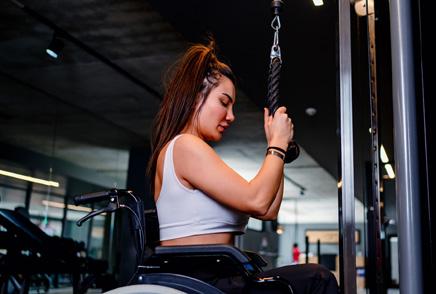
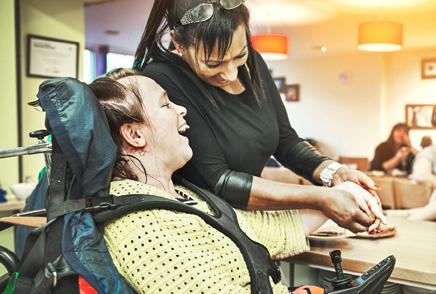
Our managed care services are delivered through specialist CQC-registered providers ILS Case Management and CA Case Management, both part of HCML.
ABI Case Management Ltd
Covering the Midlands, North West, North East of England and North Wales, ABI Case Management Ltd is dedicated and professional service providing specialist case management to clients with Acquired Brain Injuries (ABI), Spinal Injuries (SI), other catastrophic injuries and vulnerable adults.
Taking single or joint instruction from Defendants, Litigation Solicitors, Court of Protection Deputies, lay Deputies or the client themselves - we provide assessment and ongoing case management services assessing and facilitating support for our clients from the post-acute and rehabilitative stages of recovery through to ongoing maintenance and longer-term support programs.
I have had nothing but positive experiences with ABI Case Management - who continue to work collaboratively with my client, their family and support team to help them to achieve their rehabilitative and life goals.
COURT OF PROTECTION DEPUTY
Our case managers have extensive backgrounds and clinical experience in neuro-rehabilitation and the longterm management of the health, medical and social needs consequent of head injury and spinal cord injury.
Our innovative and dedicated team of case managers
include specialist occupational therapists, physiotherapists and nurses who adopt a collaborative, pro-active and needs led approach to supporting our clients through their rehabilitative journey to maximise their recovery, potential and reclaim their lives ■

For further information please visit our website at www.abicasemanagement.co.uk For referrals, please email Ann Unsworth at admin@abicasemanagement.co.uk

Specialist Case Management
Occupational Therapy and Nursing Assessment
For Acquired Brain, Spinal and Catastrophic Injury
For referrals and information please email Ann Unsworth at admin@abicasemanagement.co.uk
Or visit our website - www.abicasemanagement.co.uk

Case Management for People with Complex Needs
We work with people with a wide range of complex needs, finding solutions and providing effective case management to help meet these needs in a truly holistic and person centered individualised way. We care about people, about what we do and about getting it right.
Resurgence Case Management provides effective and efficient Case Management for clients with a wide variety of complex needs
If you are interested in referring someone to us or in joining our friendly skilled team, please make contact with Mike on 07422 965098 or mike@resurgencecasemanagement.com

FROM INCIDENT FORMS TO INSIGHT: how behavioural data is brainchanging injury rehabilitation
People with acquired brain or spinal injuries often present with complex, unpredictable behaviours such as agitation, aggression and self- harm or other more subtle behaviours that hamper rehab. These can place huge strain on patients, families and staff, and make consistent therapeutic care difficult. Yet many teams still rely on paper or basic electronic forms, fragmented notes and memory to make sense of behaviour. In 2026, with demand and scrutiny rising, neurorehabilitation services need a more reliable way to assess, track and act on behaviours that challenge.
THE PROBLEM: BEHAVIOUR IS EVERYONE’S CONCERN BUT NOBODY’S SINGLE VIEW
Behavioural issues aren’t confined to one discipline — they affect staffing, safety, goal progression, discharge planning and family relationships. But behavioural information is rarely joined up.
Incident forms sit in one system, paper charts in another, and staff handover relies on recall. Data often focuses only on severe incidents, missing the subtle build-up of frustration over time and rarely captures positive behaviour events to truly paint a holistic picture of the patient. Disciplines use different tools and language, making it hard to create a shared picture. Patterns over time — such as triggers, responses to interventions or time -of-day trends — are almost impossible to see without hours of manual collation.
Teams know behaviour drives both clinical risk and service cost, yet struggle to demonstrate how it changes, whether interventions work, or what level of support is truly needed at different stages of the care pathway.
WHAT “GOOD” BEHAVIOURAL DATA LOOKS LIKE
Drawing on NICE guidance and established neurobehavioural clinical practice, a modern approach to behavioural assessment should combine: Standardised tools using recognised behavioural rating scales, capturing a broad range of behaviours rather than focusing narrowly on challenging incidents, and enabling functional analysis of why behaviours occur.
Consistency through regular, scheduled review of behaviour over time, moving away from purely incident based or reactive reporting.
Whole team input from nurses, therapists, support staff, and families, so that data reflects multiple perspectives and real world contexts and can inform a shared clinical formulation.
Visualisation over time with simple charts and trend lines that link behaviour patterns to specific interventions or changes in care, making functional hypotheses and treatment effects easier to see and test.
This description is aligned with principles in NICE guidance on challenging behaviour and learning disabilities (NG11), and reflects established neurobehavioural clinical practice.
With these elements, teams can tailor care plans to the patient’s triggers and strengths, evaluate the impact of interventions, support discharge planning, and clearly communicate needs to families, commissioners and funders.
FROM “WE THINK” TO “WE CAN SHOW”
Take a patient with a severe brain injury described as “agitated and aggressive,” needing a high degree of support. Traditionally, this would appear only in narrative notes and incident forms. By digitising behavioural assessments, the team begins recording short, standardised measures each shift informing joined up communication and decision making.
Patterns emerge over weeks (or sooner in some cases) e.g. incidents clustering around mealtimes, after family visits or a rise in agitation with unfamiliar staff. From this insight, interventions to employ might include introducing a structured pre -meal routine and targeted communication plan for certain members of staff.
This data transforms conversations. Instead of “he’s very challenging,” the team can show reduced incident frequency and severity, justify targeted 1:1 support when required and demonstrate clinical progress to commissioners — supporting safer discharge or transition planning.
EXTENDING INSIGHT INTO THE COMMUNITY
For people living at home, behaviour often determines whether care packages succeed. Digital behavioural tools now let support workers and families log quick observations via phone or tablet, automatically generating graphs and summaries. Clinicians and case managers can remotely track changes, guide decisions and evidence the right level of support. The result: safer, more sustainable community care built on data, not anecdote.
“Melo is the injection of technological advancement neurobehavioural rehabilitation has been waiting for. It’s the most exciting development I’ve seen in behavioural assessment in 30 years.” — Dr Caroline Knight, Consultant Clinical Neuropsychologist, The Oakleaf Group
WHERE MELO FITS IN
Melo is a behavioural insights platform built with neuropsychologists, behavioural specialists and clinical teams to capture a holistic, person-centred view of behaviour following brain injury. It digitises gold-standard assessments, enables whole -team contributions and visualises trends in real time. Across NHS & private inpatient and community settings, services use Melo to increase behavioural understanding & communication, speed up care decisions and strengthen clinical and funding decisions.
Melo also supports the care for other patient groups, including dementia, learning disability and autism. ■
Find out more at www.melo.health or contact hello@melo.health
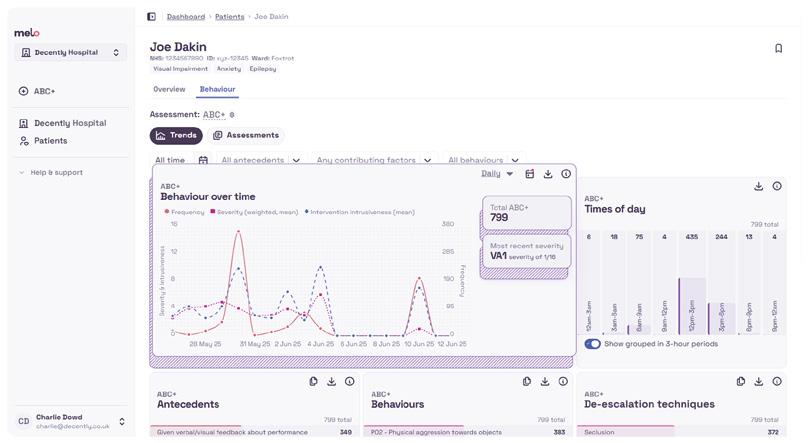

Caring for patients with brain injuries and other complex needs means navigating behavioural challenges that are unpredictable and hard to act on.
Behavioural observations are often overly wordy, inconsistent and still live in paper folders, messy spreadsheets and basic EPR forms - slowing decisions and fragmenting care.
Melo changes that. Designed with clinicians, it makes behavioural data easy to capture, share, and provides a holistic view of the individual — so teams can act faster and stay focused on the patient.
Case managers, rehab providers and legal professionals working with complex brain or spinal injury Melo gives your team the clarity to act.

With Melo you can:
Digitise gold-standard behavioural assessments for ABI and complex neuro patients
Access Live dashboards to spot trends early and reduce restrictive practices and incidents
Formulate and trial collaborative intervention strategies to help re-shape environment, routines & communication
Quickly provide evidence for commissioners, case managers and legal teams to secure the right rehab and care packages
Melo is already being used across NHS and independent neuro rehab and complex needs services, with tens of thousands of assessments completed.
Contact us to explore a trial in your service. hello@melo.health
Bespoke Specialist Case Management, Care & Support Services
CASE MANAGEMENT SERVICES
We provide high quality tailored case management, care and support services across Essex, Hertfordshire, Cambridgeshire, Kent and Suffolk, from our offices in Great Dunmow, Bury St Edmund’s and Dartford.
Basic Home Help through to Complex Care
Brain Injuries, Cerebral Palsy, Multiple Sclerosis, Stroke, Orthopaedic Injuries, Mental Health, Spinal Injuries, Motor Neurone Disease, Multi-Sensory Impairment, Amputations, Multiple Complex Injuries & Clinical Negligence
Person Centred Support Tailored to Individual Requirements
Complete In House Service-Case Management, Care Management, Care & Support
Skilled, Dedicated & Reliable Management & Support Team
Complete Service including Tailored Reports
Consistently High Standards with Over 25 Years’ Experience
CQC Registered
All Staff Enhanced DBS Checked
Comprehensive Staff Training & Assessments
Annual Leave and Sickness Cover to maintain Continuity of Service
Promoting Independence & Supporting with both Physical & Mental Health
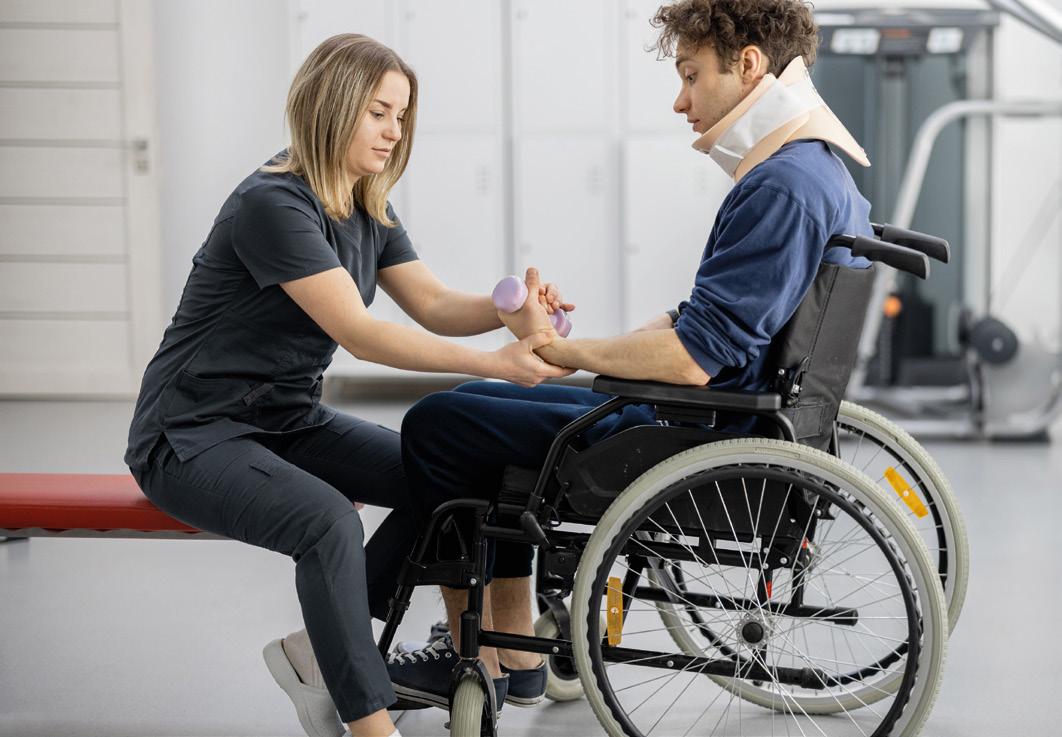
MAPLEWOOD INDEPENDENT LIVING BESPOKE CASE MANAGEMENT, SPECIALIST CARE & SUPPORT
Maplewood Independent Living creates bespoke case management, rehabilitation, care and support services for individuals in your community. Our goal is to facilitate positive outcomes for those who have suffered life altering injuries.
We genuinely believe that all people should lead as fulfilling and independent a life as possible, which is made a reality with the right support in place.
Every aspect of what we do is undertaken in a personcentred way and all case managers, care and support staff are matched to the individual as no two people are the same.
Our multidisciplinary approach is second to none and ensures each individual fulfils their needs and aspirations. It is our belief that mental health is just as important as physical wellbeing, and we recognise the important link between the two.
We provide case management, clinical assessment and input, rehabilitation, care and support services, including palliative care, to both adults and children who suffer from complex needs, such as those arising from an acquired injury, inherited condition, other life limiting condition or following surgery, for example:
A bespoke and comprehensive service is provided from initial assessment, planning and management, through to the ongoing rehabilitation and day to day care and support, and encompassing all steps in between; whether for a determined recovery period or lifelong.
We manage all aspects of the case management, care and support under cover of a case manager, CQC registered branch manager and the care and support teams and we work seamlessly with multidisciplinary teams where necessary.
Management, recruitment, training, supervision and compliance are all undertaken in house, so everything is in one place ensuring our high standards and continuity of service are maintained.
We have over 25 years’ experience, are CQC registered, and all staff are enhanced DBS checked and undergo regular and comprehensive training and assessments.
We pride ourselves on the high standards we consistently deliver to those we support.
Brain Injuries
Spinal Injuries
BIS Services
BIS Services provide high calibre, quality rehabilitation assistants who work collaboratively to increase function and develop independence. Our award winning team are raising the standards in cognitive rehabilitation provision throughout the UK, enabling clients to reach their own goals and develop their skills.
We are committed to providing a person centered quality service to adults and children living with cognitive deficits acquired through brain injury and neurological illness, with an innovative and practical approach to cognitive rehabilitation. Our interventions enable reintegration into the community, work, educational and vocational environment and promote independence in activities of daily living.
Specialised cognitive rehabilitation assistants provide education and compensatory strategies for clients and their families, allowing for immediate feedback and metacognitive skill building, in a variety of settings. Our high level training to all CRAs ensures that clients and teams are assured of a highly
specialised service, with exceptional feedback and report writing skill. Complemented by high levels of mentoring and supervision, our assistants are able to provide a high quality, bespoke approach to cognitive rehabilitation. With expertise in Neurodiversity and Brain Injury, and FND, you are assured of an specialised and effective service.
Goal setting and attainment is key to our input and is a collaborative process with the client, their families and treating therapists. We work closely with case managers, solicitors, and allied therapists to ensure dovetailing and a co- ordinated approach to client rehabilitation and support programmes. Our CQC registered service is monitored continuously for quality and outcomes.
Building on our expertise in delivering packages for independent living trials, BIS Services have developed The Link Assessment alongside our specialist ILT programs. This approach bridges the gap between acute medical settings and return home, allowing for a 12 week period of independent living assessment, providing detailed feedback of support need for future support requirements, or a lead into longer term ILT provision. ■

Tel: 01622 584 456 or Email: office@thebiss.co.uk Web: www.thebiss.co.uk


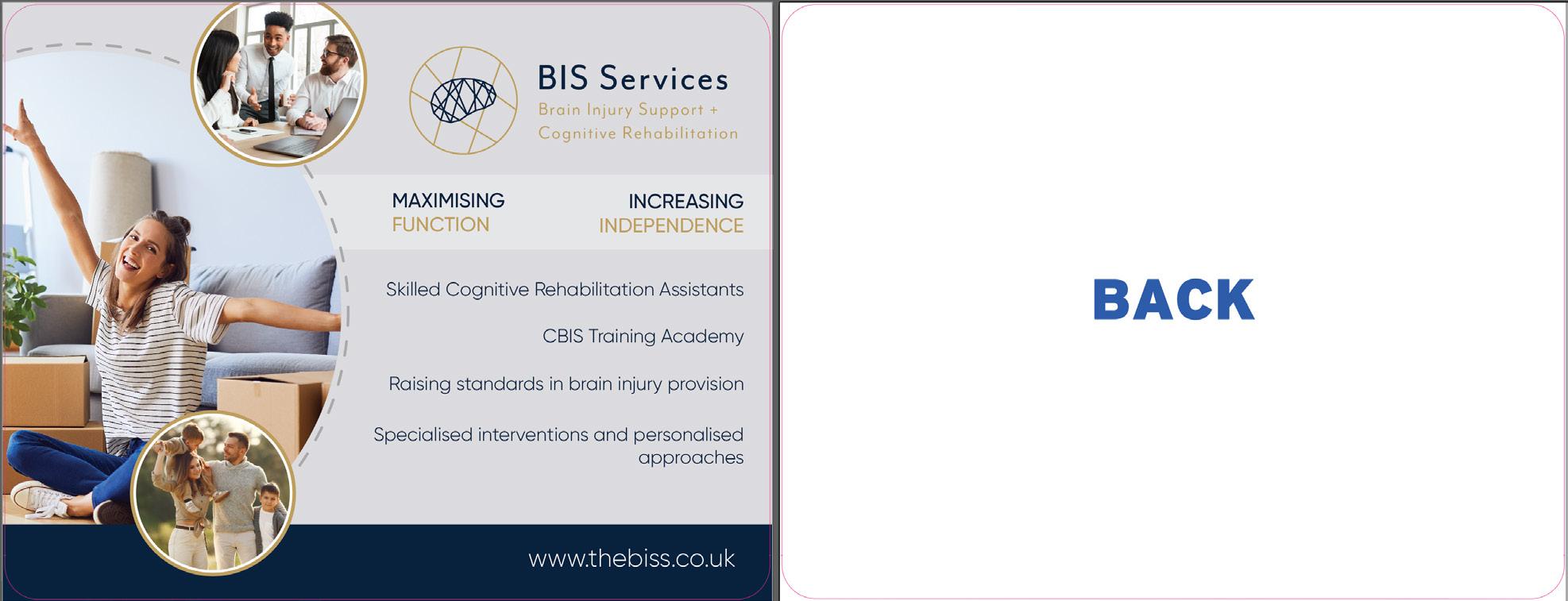
BETH CORDREY OCCUPATIONAL THERAPY Limiting the impact of injury
We are a team of independent occupational therapists specialising in rehabilitation after serious injury, supporting people to reconstruct meaningful lives. Working with solicitors, insurers, case managers, and individuals, our team brings deep clinical expertise and genuine commitment to every case.
Our practice model is grounded in occupational science and the reality of how people rebuild their lives after catastrophic injury. Our approach recognises that serious injury disrupts far more than physical function. It can fracture identity, isolate people from community, and extinguish hope. Rehabilitation that addresses only what a person can do risks leaving them diminished in the ways that matter most. We work across all four dimensions of occupation: doing, being, belonging, and becoming.
We take time to build a thorough picture of each client: observing real-life functioning across settings and over time, looking beyond what someone can or can’t do to understand what’s driving the occupational picture. Our model responds to the natural ebb and flow of recovery, flexing in intensity as clinical need, tolerance, and readiness change.
Relationship-led rehabilitation. Built around the person, not the process.
Everything we do is organised around three principles: Assess, Address, Empower. We assess continuously, not as a one-off event but as a process that evolves with the person. We address needs that are clinically indicated, proportionate, and aligned with what matters to each client. And we empower people toward sustainable, meaningful participation in their own lives, building confidence, agency, and identity, not just function.
Our network of specialists spans all of the areas affected by serious injury and we work together on every case. Each client benefits from the right expertise for their needs: genuine breadth of clinical knowledge, not just the perspective of a single therapist. ■ Contact us.

Email: hello@bethcordreyot.co.uk
Tel: 07476 559220
Web: www.bethcordreyot.co.uk



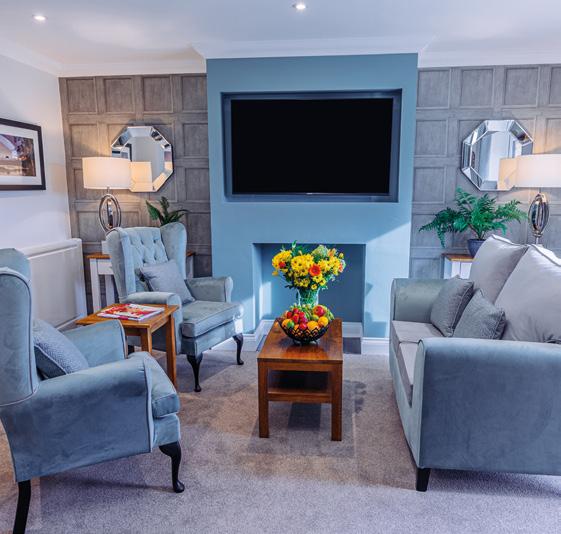
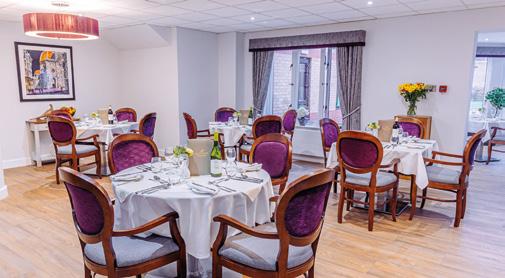
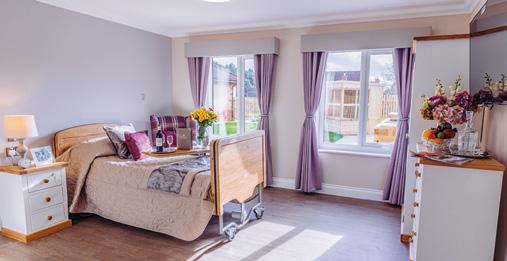
Specialised Neurological and
Respiratory
Care Services
Hawthorns Care Centre provides care and rehabilitation services for those who require Specialist and Complex Neurological and Respiratory Care.
At the heart of the Hawthorns team is a shared passion to provide the best care possible for each individual.
We enable individuals to regain control and independence where possible and ensure that not only the individual, but their families and friends, are supported through challenging times.
Our approach to care is to provide a safe, homely environment in which our clients can achieve their maximum potential. We facilitate this through open and honest communications with the client, their families and all healthcare professionals involved.
Regular MDT meetings in which goals are set and reviewed enable us to ensure we are meeting the individual needs of our clients, using a holistic approach to their rehabilitation journey.
For more information on the types of complex neurological services we provide, please visit our website at barchester.com or call 0191 4487 239 .
Hawthorns Care Centre, O’Neill Drive, Peterlee, SR8 5UP
Complex Care Services at Hawthorns Care Centre, Peterlee
Finding the right kind of care can be difficult for everyone involved, but finding the right care service can relieve worry, knowing that you have found the best possible care for you or a member of your family.
Designed with the people we care for in mind, Hawthorns Care Centre provides purpose-built accommodation, specifically created for adults with complex neurological, physical or cognitive needs.
Run by Barchester Healthcare, Hawthorns provides neurological care services for those recovering from traumatic or non-traumatic brain or spinal injury. This includes support for those with long-term neurological conditions within a higher dependency unit, where care is provided for people with complex neurological and respiratory care and rehabilitation needs.
Our specialist care service provides support for individuals who require higher dependency nursing and multidisciplinary team interventions, as well as patients with complex respiratory needs. In addition, we also support patients with minimal consciousness who require invasive and non-invasive ventilation support.
Active rehabilitation packages at Hawthorns are available for both long term and respite placements. Our goal-orientated therapy programmes are all tailored to an individual’s ability and potential.
We’re proud to have a Headway accreditation as an approved provider. Treatment plans use the SMART method (Specific, Measurable, Accountable, Realistic and Time Limited) to provide accurate assessments and treatments.
Our experienced and highly qualified care and therapy teams, led by a Consultant in Rehabilitation Medicine, are passionate about independence, dignity and choice for all patients within their care. Our well-trained care staff focus on the individual needs of each patient, developing a bespoke care plan for each and every person.
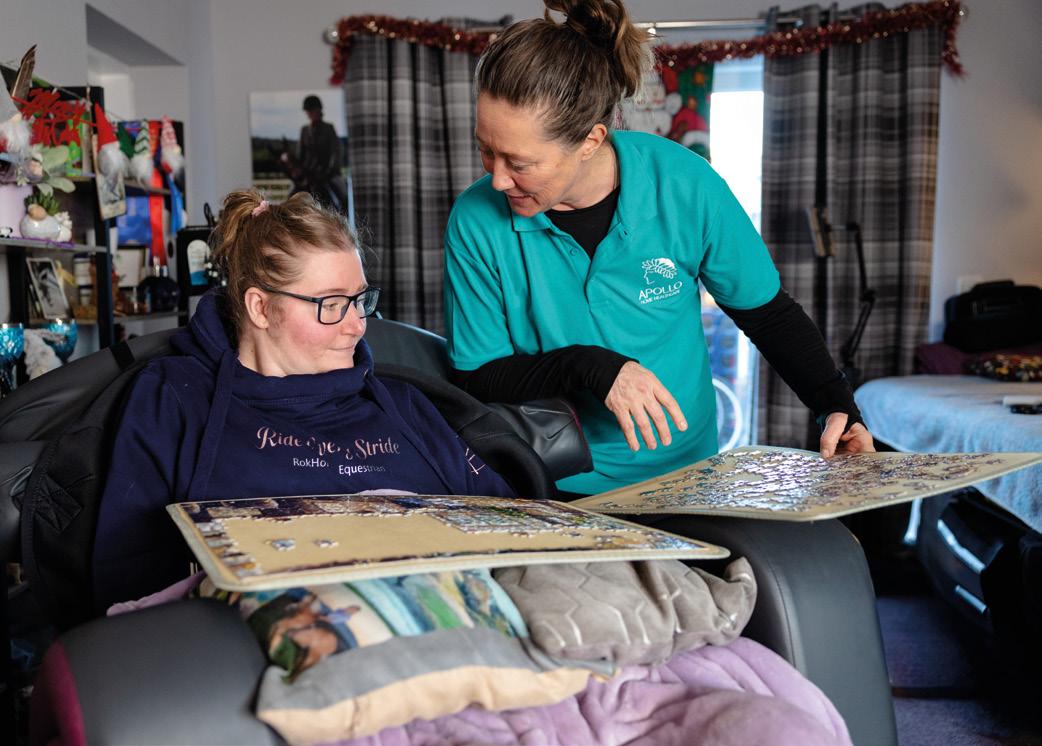
WHEN HOME IS THE RIGHT ANSWER: delivering complex spinal injury care safely in the community
Following a life-changing spinal injury, the challenge is not identifying the need for care, but determining how that care can be delivered safely, consistently, and in a way that protects identity and quality of life.
Gemma’s experience shows how high acuity, spinal injury care can be delivered successfully at home, when the right clinical governance and long term approach are in place.
Gemma sustained a C4 spinal cord injury after an accident involving a horse. She requires full assistance with daily living, complex clinical interventions, and ongoing management of her health and wellbeing. While her physical needs are significant, she is clear about her preferences, routines, and the importance of maintaining choice and control.
A period in residential care met Gemma’s clinical needs but did not support her emotional wellbeing or autonomy.
She felt disconnected from the aspects of life that gave her purpose, and it became evident that a different approach was needed.
The care home isn’t where I wanted to be, I wanted to be in my own environment.
Returning home required more than replicating residential care in a domestic setting. It demanded a provider with the clinical competence to manage high acuity, spinal injury care and the operational maturity to build a stable, compatible care team.
Apollo Home Healthcare was selected for its exclusive focus on complex, nurse-led homecare. Comprehensive assessment, robust care planning, and matched staffing ensured a safe, sustainable package from the outset.
A key part of Gemma’s care focuses on rehabilitation and promoting independence. Her dedicated care team leads and delivers her physiotherapy programme as part of her daily routine, ensuring consistency, safety, and steady progression. Through structured exercises and ongoing encouragement, Gemma is growing stronger each day, building both her physical resilience and confidence in her abilities.
Today, Gemma is supported by a consistent team who deliver clinically governed care while enabling her to live meaningfully at home. Her story demonstrates that with the right provider, home can be a safe, psychologically supportive, and long-term alternative to residential care.
Thanks to the independence her care package provides, Gemma visits her beloved horse, Optimal Spirit (Charlie), at the stables every day. Their dedication to one another was recently recognised with the prestigious Sir Peter O’Sullevan Charitable Trust Retraining of Racehorses Partnership of the Year 2026 award.
HOW WE WORK WITH CASE MANAGERS
From the point of referral, every package is triaged by our senior clinical team to establish clarity around risk,
complexity, and feasibility. We provide transparent timeframes, clear expectations and a structured mobilisation plan from day one, ensuring a safe and efficient transition into home-based care.
Comprehensive clinical and environmental assessments underpin robust care planning and risk management, supporting sustainable care for individuals with complex spinal and brain injuries. Care teams are selected for both clinical competence and compatibility, promoting continuity and reducing turnover, with clients having full choice and control over who joins their team.
We maintain proactive communication throughout delivery, with regular updates, clear reporting and defined escalation pathways, ensuring full visibility and assurance. Commercially, our approach is transparent and predictable, with honest costing from the outset and no hidden uplift.
Our focus is long-term stability. Through strong governance, careful team matching, and retention strategies, we support clients to remain safely at home, safeguarding wellbeing and enabling sustained progress. ■
For more information contact: Email: commercial@apollohomehealthcare.com Web: apollohomehealthcare.com Tel: 01902 847111
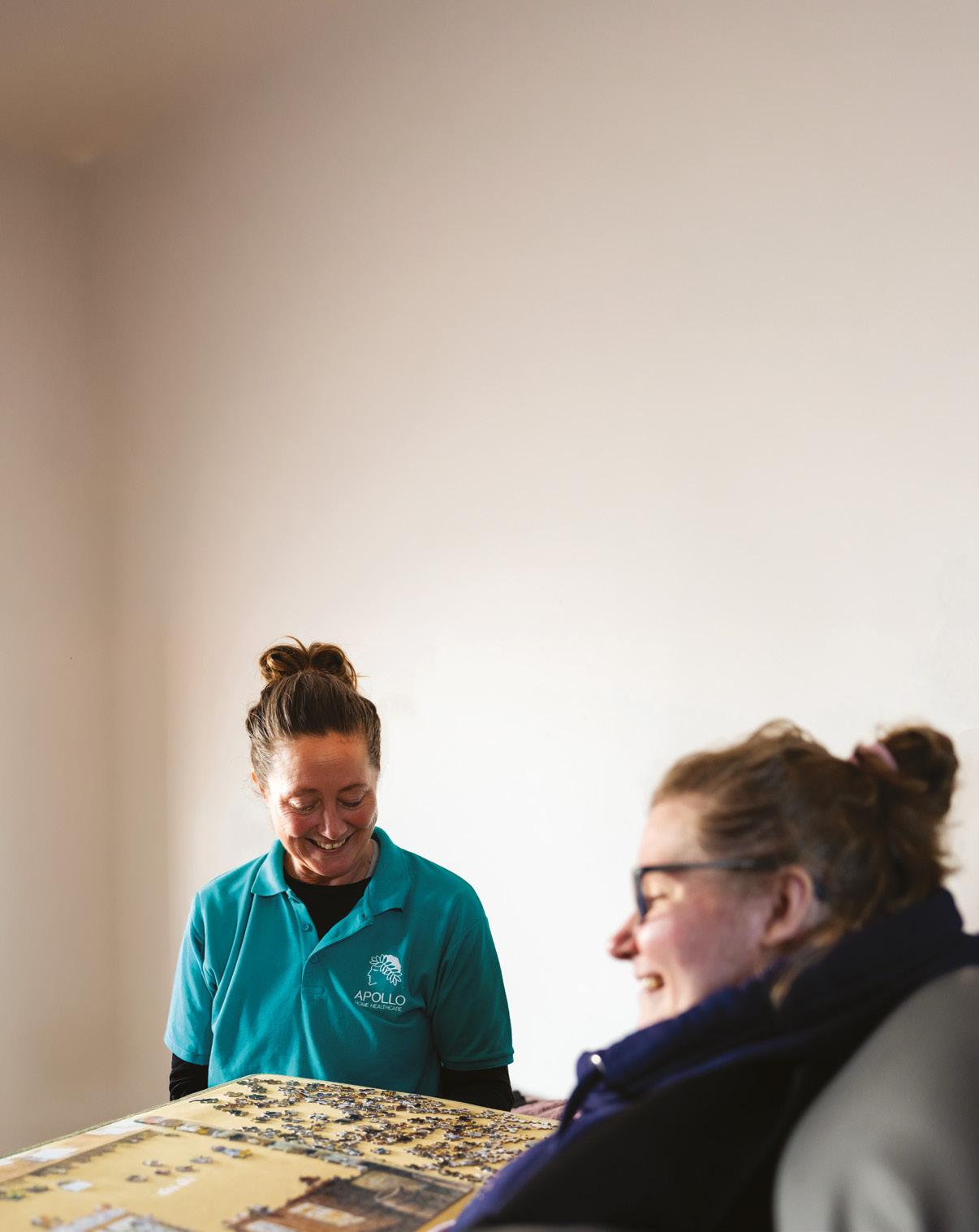
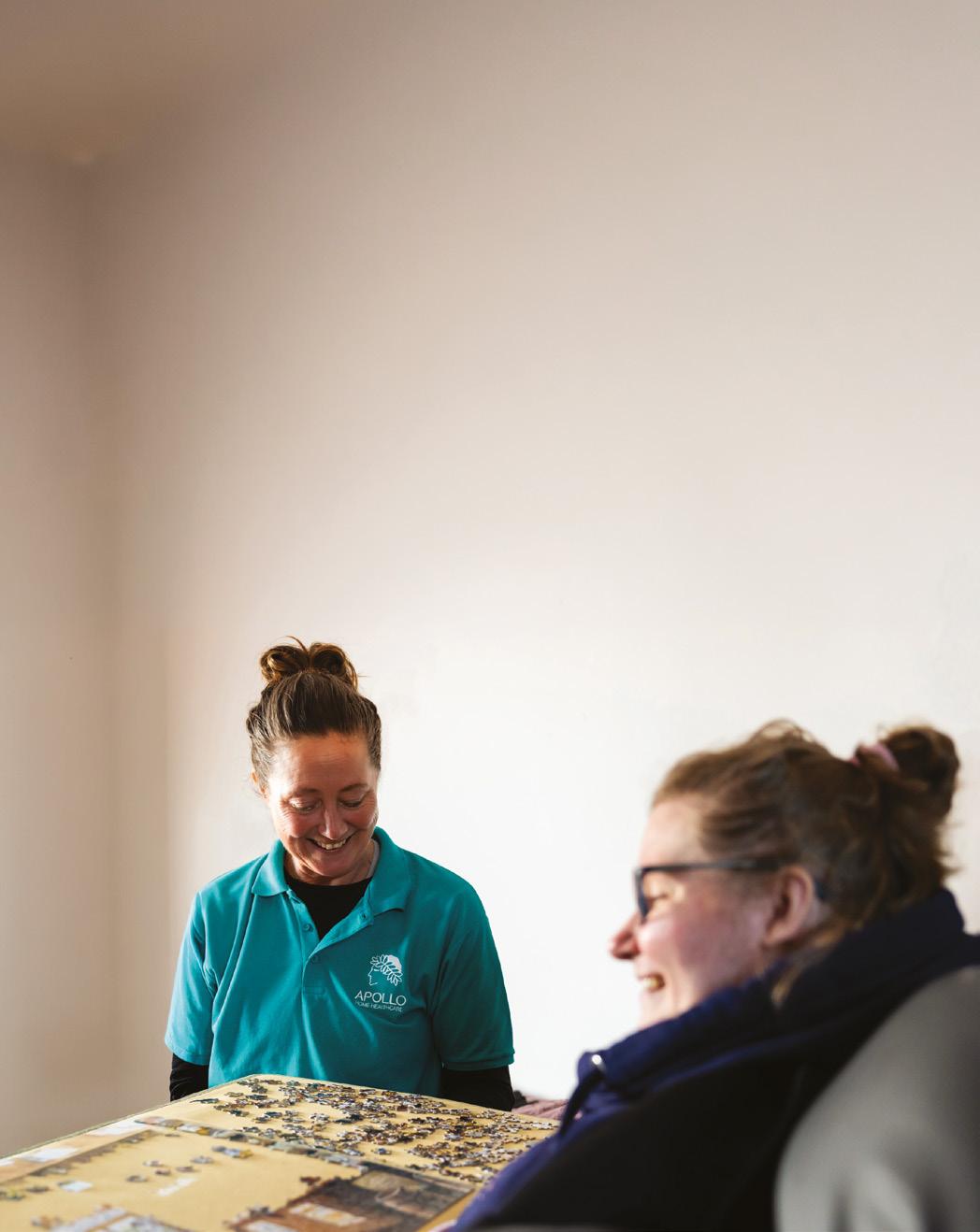

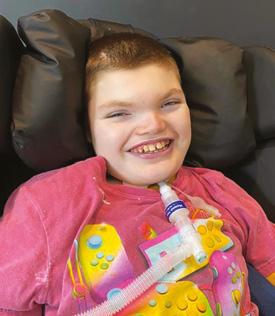
PROVIDING A SMOOTH TRANSITION: SweetTree Assisted Hospital Discharge Planning
The transition from hospital to home or supported accommodation is a crucial stage for individuals recovering from brain or spinal injuries. SweetTree’s assisted discharge planning supports this process by introducing care early, coordinating with all professionals involved, and ensuring the individual’s needs remain at the centre.
With decades of specialist experience, SweetTree Home Care Services takes an approach to support that prioritises continuity, dignity and meaningful outcomes. Reflecting this commitment, the organisation has been named a finalist for Complex Care Provider of the Year at the Health Investor Awards 2026.
SweetTree has long provided specialist support for people living with brain injuries and recently launched a dedicated spinal injury service, building on years of experience supporting individuals with complex needs. Together, these services aim to ensure that individuals transitioning from hospital to home receive consistent, carefully coordinated care that supports rehabilitation and quality of life before, during, and after this transition.
THE CHALLENGE OF TRANSITIONING FROM HOSPITAL TO HOME
Discharge following a serious injury often involves multiple stakeholders (clinicians, therapists, case managers, social services and families, etc.), all working towards a safe and effective transition.
With decades of specialist experience, SweetTree Home Care Services takes an approach to support that prioritises continuity, dignity and meaningful outcomes.
Even small disruptions can have a meaningful impact on recovery. Daily routine changes or missed therapy sessions may slow the progress achieved during inpatient rehabilitation and make the adjustment to life at home more difficult. Equally important is the emotional impact of an uncoordinated transition. Uncertainty about support and routine after such a significant life change may add
unnecessary stress during an already challenging time.
PRESERVING THE ROUTINES THAT MATTER
Effective discharge planning ensures that the person’s routines, preferences and clinical needs continue seamlessly from day one. This can include maintaining preferred eating habits, ensuring specialist moving and handling techniques are followed exactly as established during rehabilitation, and supporting daily therapies or exercise programmes recommended by clinicians.
Continuity of companionship is also vital. Where possible, maintaining a pre-existing relationship with a trusted support worker can help individuals feel confident in their new environment.
By working closely with multidisciplinary teams, community providers can act as an extension of the clinical team ensuring that care plans, medication regimes and therapy goals are maintained consistently.
SPECIALIST EXPERTISE IN SPINAL INJURY CARE
SweetTree’s dedicated spinal injury service is led by Care Manager Ella Barrow, who brings over 25 years of experience in care, including 10 years specialising in spinal injuries, alongside Clinical Advisor Lynda Emerson, who has more than 40 years of nursing experience, including 18 years in spinal injury rehabilitation.
The goal is simple but powerful: to maintain the progress already achieved in hospital while supporting people to rebuild their lives in the community. ■
Web: www.sweettree.co.uk
Tel: 020 7624 9944


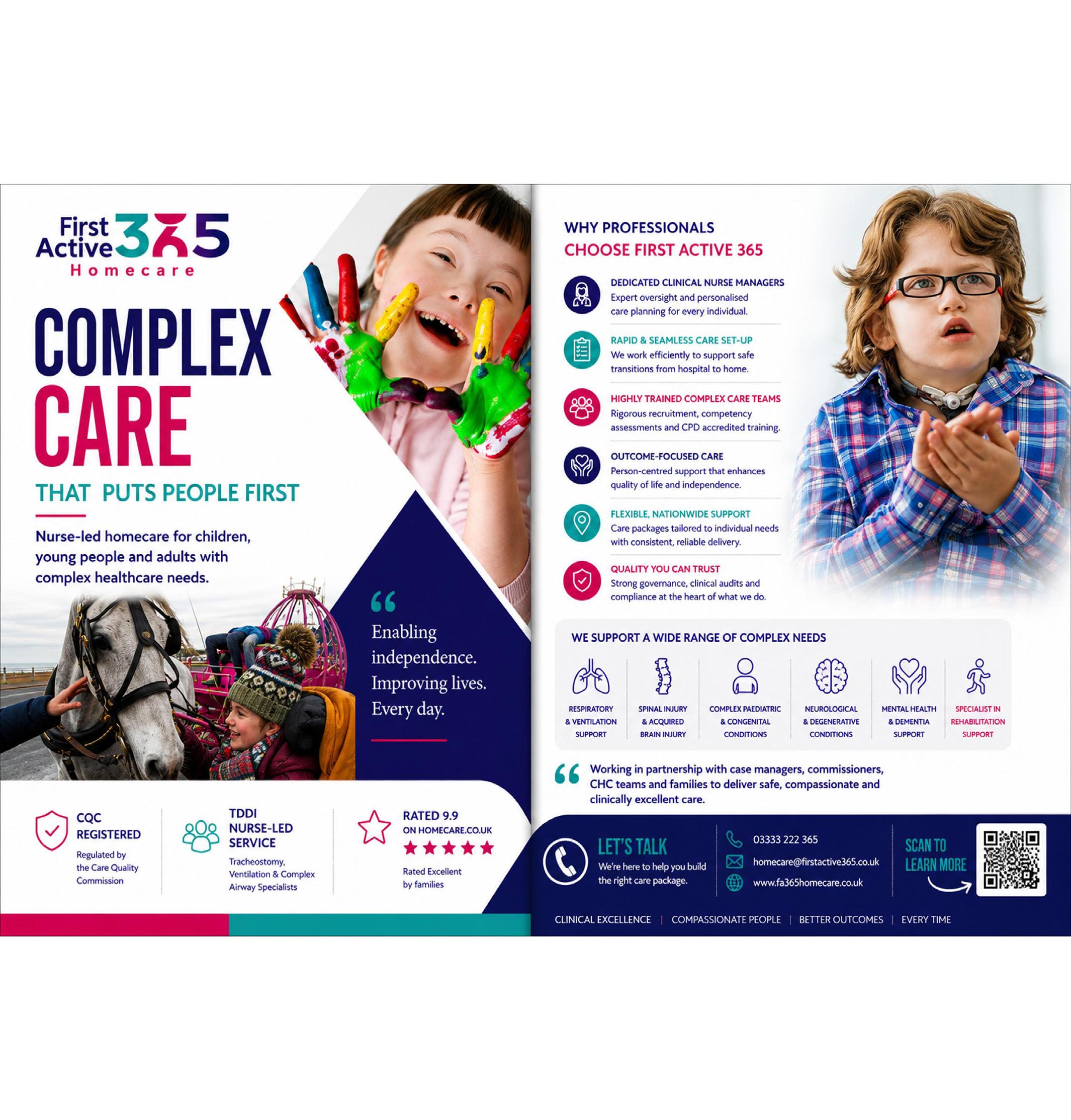
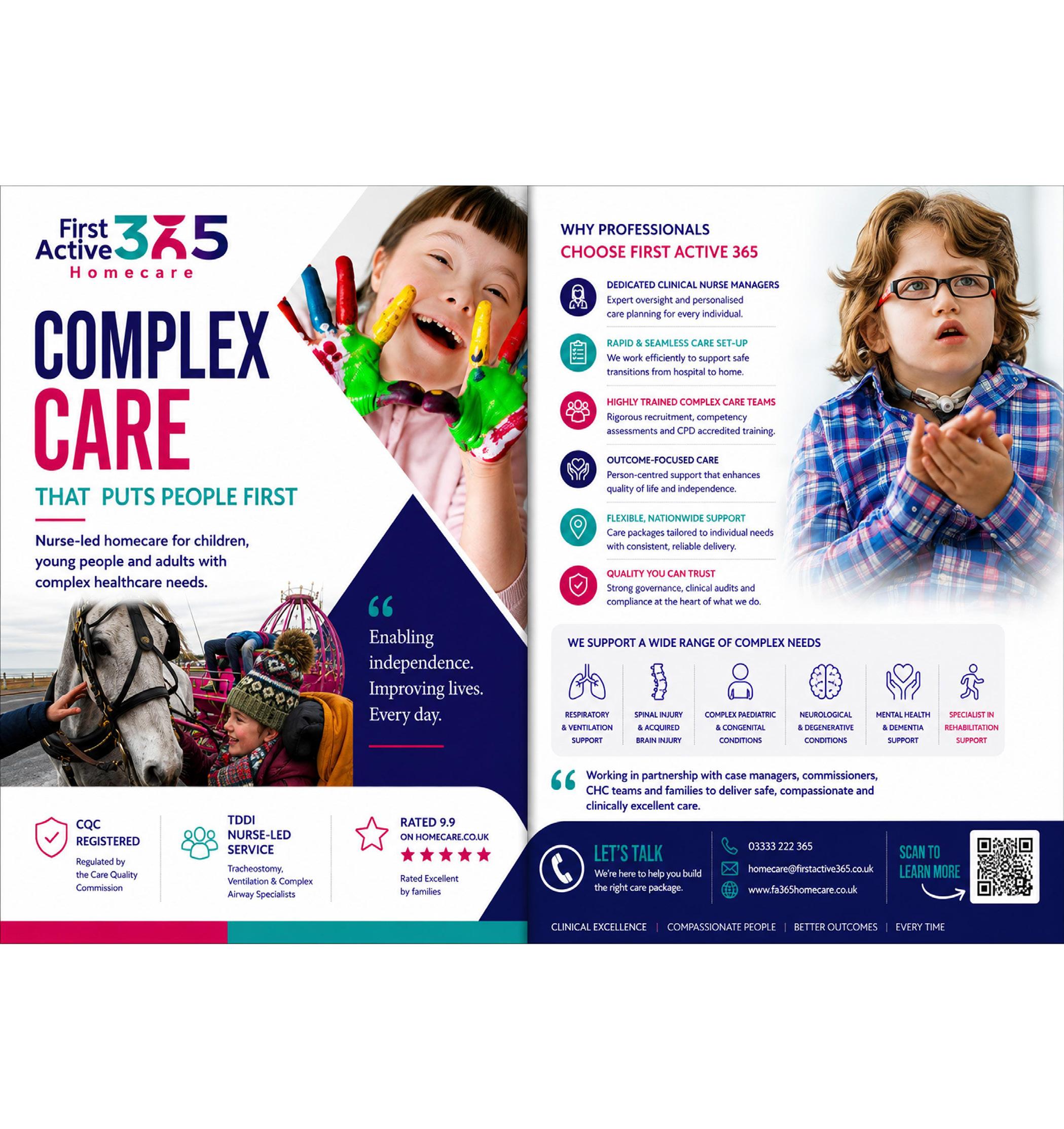
First Active 365 Homecare: LEADING THE WAY IN SPECIALIST CARE
NURSE-LED, REHABILITATION-FOCUSED HOMECARE - At First Active 365 Homecare, we believe that exceptional care goes beyond basic support—it requires clinical expertise, rehabilitation-focused strategies, and a commitment to positive change. Our nurse-led service ensures that every care package is developed and overseen by experienced healthcare professionals, allowing us to provide a level of care unmatched by standard homecare providers.
We specialise in supporting individuals with brain and spinal injuries, offering tailored, high-quality homecare solutions that empower clients to live independently and with dignity.
WHY FIRST ACTIVE 365 HOMECARE STANDS OUT
Nurse-Led Clinical Expertise – Every care plan is overseen by our highly skilled nurses, ensuring advanced medical care and specialist support for complex needs.
Rapid Response & Assessments – We complete assessments within 48 hours, allowing us to start care packages promptly and efficiently.
Nationwide Coverage – Our services extend across the UK, ensuring we can provide consistent, high-quality care wherever it’s needed.
Rehabilitation-Focused Support – We work closely with physiotherapists, speech and language therapists, and other rehabilitation specialists to enhance mobility, communication, and overall independence.
Empowering Clients to Regain Independence – We recognise that gaining or regaining independence is a crucial part of rehabilitation, especially for individuals with acquired brain injuries (ABI) and spinal injuries. Our care plans focus on developing life skills, confidence, and autonomy, whether that means relearning daily tasks, accessing the community, or returning to meaningful activities.
WE SUPPORT CLIENTS IN:
Building confidence in personal care and household tasks
Developing communication and cognitive skills through specialist therapies
Encouraging safe mobility and movement with expert-led rehabilitation
Facilitating access to community activities, education, and employment opportunities
With a client-centred, goal-oriented approach, we help individuals move towards greater self-sufficiency and an improved quality of life.
Bespoke & Personalised Care – Unlike many providers, we tailor every package to the client’s unique medical and personal needs, ensuring a truly client-centered approach.
Consistency & Reliability – Our dedicated staff team ensures continuity of care, reducing stress for clients and families.
Clinical & Specialist Care – We provide advanced support for Gastrostomy care (PEG, JEG, Button and more), bowel care, catheter management, tracheostomy care, seizure management, and other complex clinical needs.
CASE STUDY: FAST & EFFECTIVE COMPLEX CARE
We recently worked with a client who required urgent, specialist neurological care. Within 48 hours of referral, we conducted a full assessment and collaborated with their deputy for sign-off. Our team successfully initiated care within 14 days, delivering a structured, nurse-led approach that enabled the client to transition from hospital to home with 24/7 tailored support. The outcome was a seamless, stress-free experience for the client and their family, reinforcing our ability to provide fast, effective, and compassionate care.
WHAT OUR CLIENTS SAY
From Case Managers: ““First Active 365 Homecare has set the gold standard for note-taking and care documentation. Their attention to detail and consistent communication make managing care seamless.”
From Family Members: “The team at First Active 365 Homecare has transformed our lives. Their professionalism and compassion have given us peace of mind, knowing our loved one is in the best hands.”
SUPPORTING CLIENTS IN LIVING THEIR BEST LIVES
At First Active 365 Homecare, we advocate for our clients’ best interests, continuously highlighting positive changesto enhance their quality of life. Our nurse-led approach ensures that every decision prioritises safety, independence, and long-term well-being.
If you are looking for a provider that goes beyond standard homecare to deliver expert-led, rehabilitation-focused support, First Active 365 Homecare is here to help. ■
Visit: www.fa365homecare.co.uk to learn more, or contact us today to discuss how we can support you on 03333222365 or Bookings@fa365homecare.co.uk
Jane James & Associates, Expert Witness Reporting FOR OVER 35 YEARS
We are an award-nominated, familyrun expert witness reporting company with over 35 years of experience in the medico-legal industry.
With over 35 years of experience, we provide straightforward, highly regarded clinical negligence and personal injury reports, supported by a first-rate personalised and professional service you can rely on.
We work with both Claimant and Defendant legal representatives. We go the extra mile for our clients. When you engage our services, you benefit from a motivated and well-supported team of experts who are genuinely invested in providing the best possible, high-quality reports for the Court.
In addition, our dedicated internal expert liaison team is always on hand to provide pragmatic, professional advice and ensure your instructions run smoothly.
Our liability reports are well-presented, clear and concise,
and our team of liability experts are trained to understand the terminology and phraseology relating to the legal tests used in liability reporting.
Our quantum reports are equally well-presented, robust, straightforward to read and transparent on costs. Our quantum experts are trained to understand that the objective is to quantify the Claimant’s past, ongoing and future needs and their recommendations must be reasonable and justifiable to the Court.
Our experts are based across the UK. They are highly experienced registered nurses, midwives, occupational therapists, and neurological physiotherapists, many of whom work as case managers within litigation. JJ&A experts receive comprehensive expert witness training and understand and adhere to the Civil Procedure Rules.
Lucinda Lloyd, our Managing Director or Megan Rhys, our Client Services Manager, would be delighted to discuss our teams’ expertise and any of our report services with you. ■
Contact us on 01249 456360 or info@jjaltd.co.uk or visit www.janejamesandassociates.co.uk to find out more about our experts and to view their profiles.
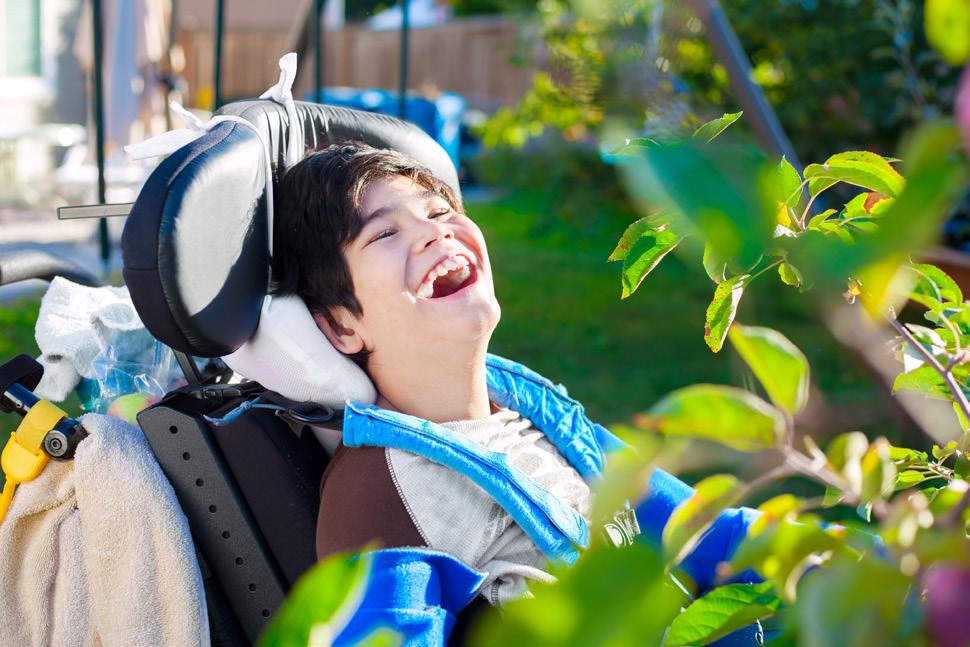




With over 35 years of experience, we provide straightforward, highlyregarded clinical negligence and personal injury reports supported by a first-rate, personalised, professional and award-nominated service you can rely on.
We work with both Claimant and Defendant representatives and our high-quality services extend across the UK, Ireland, and internationally.
Transforming lives with Nurse-led Care from Radis Community Care
Whether it’s a life-changing injury or chronic health condition, Nurse-led Care by Radis Community Care offers a holistic approach to clinical care that adapts to an individual’s changing needs. Radis supports people to live independently and safely in the comfort of their own home, as an alternative to residential care.
HOW NURSE-LED CARE TRANSFORMED BARRY’S RECOVERY
Barry Johnson, a 79-year-old retired army officer, fell and sustained a spinal fracture that resulted in incomplete tetraplegia, respiratory weakness, and significant functional loss. With support from the Clinical Services Team at Radis, Barry’s rehabilitation became much more than a story of clinical recovery.
At first, Barry required intensive support for PEG feeding, bowel and catheter care, respiratory management, and mobility assistance. The clinical team worked closely with Barry, his wife Annette, and a number of professionals to create a comprehensive person-centred care plan, including handson nursing input and ongoing practical training for carers.
INTERVENTIONS SUPPORTING BARRY’S HEALTH, COMFORT AND DAILY LIVING
Home adaptations, guided by occupational therapy teams, made their house more accessible, including setting up an adapted workspace. In addition, following close collaboration between the clinical team, dietitian, and SALT, Barry’s PEG was safely removed, allowing him to enjoy meals with his family again. With the new workspace and family mealtimes, Barry’s wellbeing improved and whilst he gained independence, he has embraced his new norm.
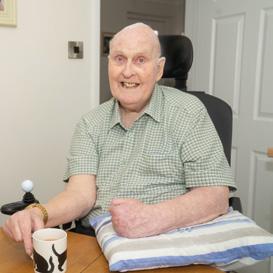
The clinical team introduced manual cough assist which safely helped improve his breathing and gave everyone more confidence, and ongoing checks of Barry’s skin, hydration and bowel health helped prevent issues before they became problems.
Clear, simple guidance for PEG and bowel management meant care was delivered the same way every day, reducing problems and helping Barry feel more comfortable. Regular health checks picked up early signs of change, allowing nurses to step in quickly and avoid hospital visits.
REBUILDING CONFIDENCE, INDEPENDENCE AND A SENSE OF NORMAL LIFE
Beyond the physical injury, there was a huge emotional adjustment. Barry was worried about losing his independence and initially felt uncertain about how to navigate this new chapter. The clinical team helped Barry rediscover control over his own life. He was involved in all decisions, and all milestones big and small were celebrated.
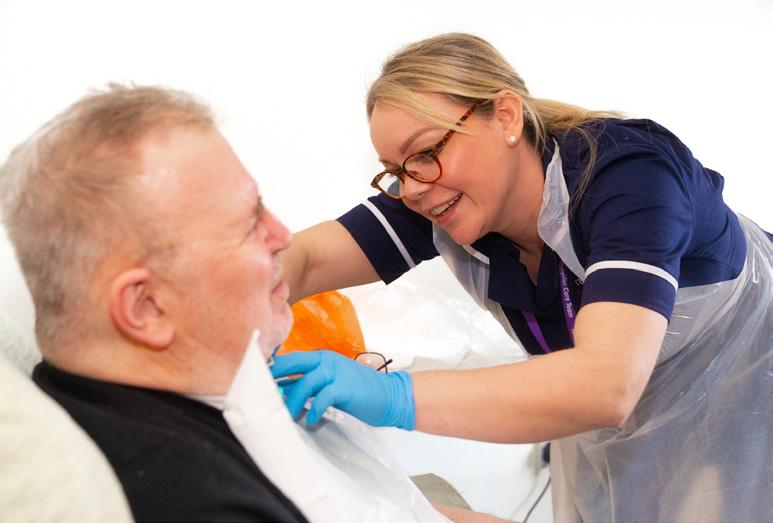
CLINICAL SUCCESS AND THE FUTURE
In addition to an enhanced quality of life and psychological wellbeing, there are many clinical improvements from zero unplanned hospital admissions, stable respiratory function with no chest infections post-discharge, safer medication management, and positive safety audit results.
Barry’s story demonstrates what can be achieved when clinical expertise meets compassion. Today, Barry continues to set new goals: extending time in his wheelchair, and planning to watch his favourite football team.
“When we look back, it’s amazing to see how far Barry has come since leaving hospital,” Annette reflects. “We couldn’t have done it without the incredible support from Radis and from our family, who’ve been by our side all the way.” (author: Radis Community Care) ■
If you’d like to find out more about the Nurse-led Care Service by Radis Community Care, Call: 0330 100 8150 or email: complexcare@radis.co.uk Web: www.radis.co.uk
by Radis Community Care Nurse-led Care
Our Nurse-led Care Service provides clinical support for people with complex needs, in the comfort of their own home.
Having TDDI (Treatment of Disease Disorders and Injuries) registration through CQC ensures that our registered managers and staff are highly skilled to manage the individual’s clinical needs.
We offer 24hr advice and support ensuring client safety is at the forefront always.
Applying the Biopsychosocial Model
Get in touch
If you have any questions or would like to speak to a member of the team, call us, send us an email, or visit our website.
Support is specifically tailored to each individual.
STEPS AHEAD CARE & SUPPORT Care,OutstandingDesigned to be Different
Steps Ahead was established 17 years ago with one aim in mind: to change how care is delivered and perceived. Our organisation is designed and centred around the people who use it everyday. We have now become a multi-award winning, specialist provider of person-centred care for people with complex needs across England –built around trust, positive risk-taking, consistency, and the belief that great care should enable life, not limit it.
Outstanding care comes from genuine curiosity, commitment and a willingness to find solutions – not barriers. We don’t just provide care; we actively shape it around people’s goals, lives and potential.
Our care is underpinned by a rehabilitation-led model, with a strong focus on goals, outcomes, and increasing independence wherever possible. Our model is designed to be collaborative with MDTs, to ensure care compliments wider rehabilitation plans.
We support individuals, families and professionals with tailored care packages that evolve over time. From rehabilitation-led support and day-to-day care, to holidays, events, and life’s bigger moments, our role is to make support feel possible, reliable and genuinely empowering.
Our aim is not just to support, but to enable. We promote informed choice, independence and meaningful progress. Where appropriate, we co-design communitybased rehabilitation programmes with therapists,
supporting skill development, confidence and a gradual reduction in support.
Our mission has always been, and will always be, to empower everyone to speak up for what they believe in, and do the things that sometimes seem a bit scary.
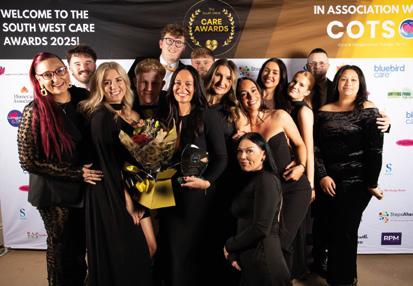
Steps Ahead place an emphasis on positive-risk taking – always asking “how can we make this work?” rather than defaulting to no. This proactive mindset, combined with a genuinely personal approach, is what people say makes us different. Growth often comes with risk – when managed well. We collaborate with MDTs to carefully plan and support positive risk-taking, enabling clients to achieve things that once felt out of reach. Most of our most meaningful successes have come from this approach, backed by our own technology systems for a data-led approach to care.
Everyone has a right to take risks – we all take risks and make decisions everyday, and everyone deserves a chance to do that. Our mission has always been, and will always be, to empower everyone to speak up for what they believe in, and do the things that sometimes seem a bit scary. We encourage people to go to the festival, take that ski trip, or go on that holiday – you never know what could come of it!
Steps Ahead’s support is designed to be different, to facilitate independence and to show people how care can be perceived and received when it is designed for, and with, that person. ■
HQ: 01752 547257
Email: admin@stepsaheadsupport.co.uk Web: stepsaheadsupport.co.uk
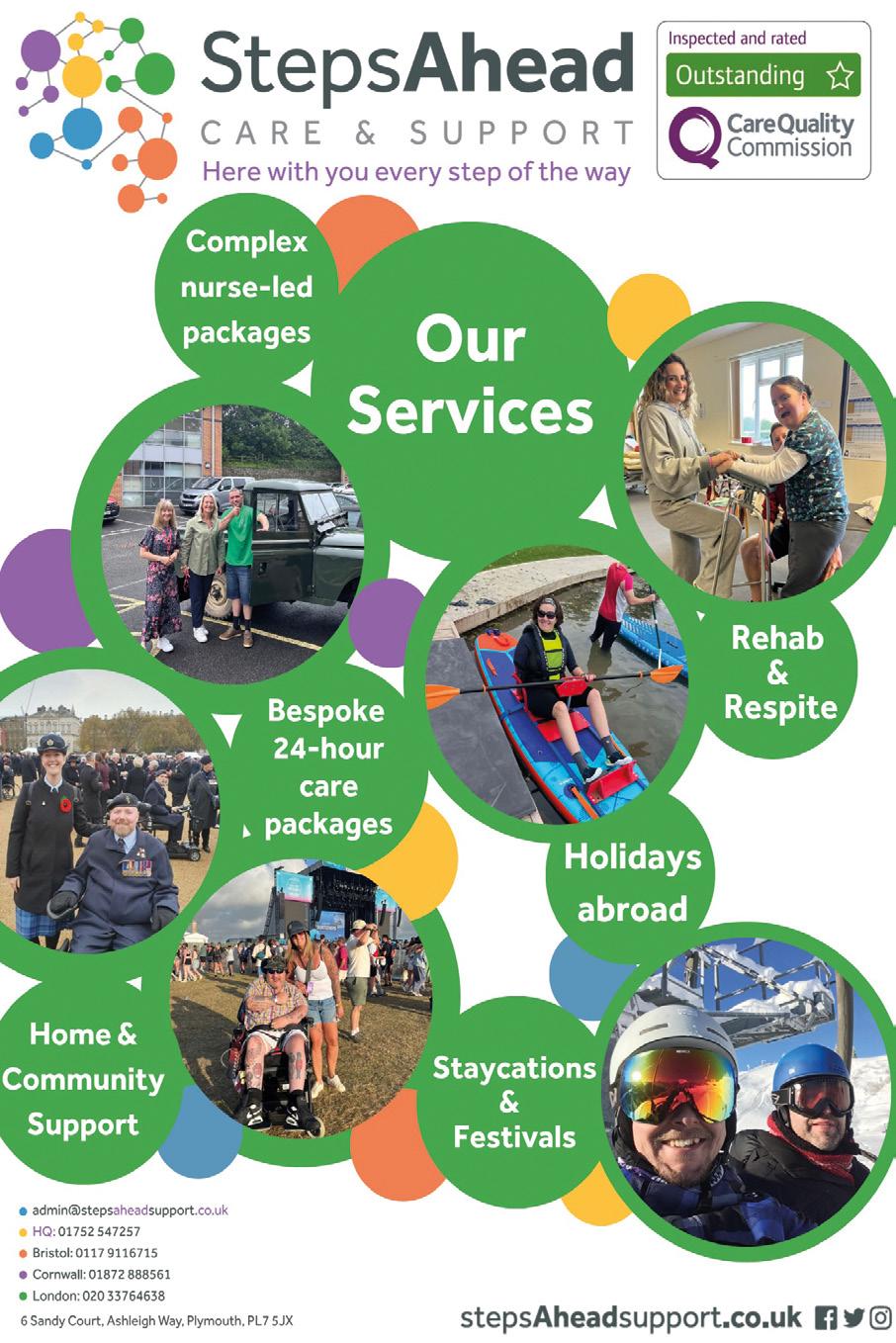
MOIRA’S STORY: Living Life Together with Purpose and Independence
Fourteen years ago, Moira’s life changed in an instant. A fall from her horse resulted in a life-changing spinal injury. After a prolonged stay in hospital, she faced the reality of living with tetraplegia—paralysis from the neck down, with partial movement in her arms and legs. This marked a period of profound adjustment, not only for Moira, but also for her husband, Colin, and their family.
Today, Moira lives at home with Colin, supported by a dedicated team of acuity care professionals who provide 24-hour support. While her physical circumstances have changed, her determination to live as fully and independently as possible has remained constant.
STAYING ACTIVE AND WELL
Maintaining physical activity is central to Moira’s wellbeing. Each day, her support team assists her to use an exercise machine that enables movement in both her arms and legs. This routine plays an important role in supporting her physical health, while also contributing to her motivation and overall sense of wellbeing.
At home, Moira and Colin also make use of their indoor swimming pool. Swimming is an activity they continue to enjoy together, with a support worker present to assist when needed. This allows them to spend meaningful time together while maintaining both safety and independence.
INDEPENDENCE IN THE COMMUNITY
Remaining active in the community is a key priority for both Moira and Colin. Their adapted vehicle enables them to visit friends, go out for meals, and stay socially connected.
For Moira, maintaining a sense of normality in these moments is especially important. One detail mattered deeply to her—being able to sit in the front passenger seat beside her husband, just as she had always done. Colin reflects that adjusting to having carers in their home was initially challenging. He describes it as an intrusion into their private life. However, over time, this perspective has shifted:
“I really struggled in the beginning, but now I’m used to it—and I couldn’t do it without them.”
The support team has become an integral part of their
daily lives, offering not only practical assistance but also consistency, trust, and reassurance.
I really struggled in the beginning, but now I’m used to it—and I couldn’t do it without them.
HOLDING ONTO WHAT MATTERS MOST
Horses have always been a significant part of Moira’s life, including her involvement in point-to-point racing. Although her role has changed, her passion for horses remains an important part of her identity.
Family life continues to be central. Moira and Colin have two adult daughters, with whom they maintain a close and regular relationship.
A LIFE LIVED WITH STRENGTH AND SUPPORT
For Moira and Colin, what matters most is continuing to live their lives together—with independence, dignity, and a sense of normality. With the right support in place, Moira’s story demonstrates that life following a spinal injury can still be rich in purpose, connection, and fulfilment.
Her experience highlights an important principle: effective support is not about taking over, but about enabling people to live the lives they choose ■

Web: www.acuitycare.com
Email: hello@acuitycare.com Tel: 0115 857 2928

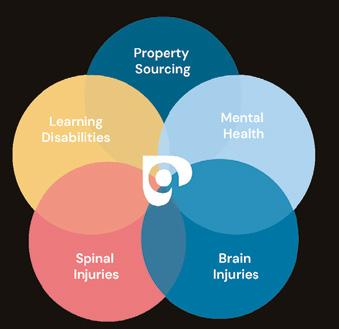
YorHealth: Above and Beyond in Complex Care For Paediatrics and Adults
Behind every diagnosis is a person. Behind every care plan is a family seeking trustworthy support. YorHealth delivers complex care with compassion and expertise, serving both children and adults with specialised medical needs.
COMPREHENSIVE COMPLEX CARE
This dedicated healthcare provider specialises in integrated care for individuals with serious, often multiple conditions, including:
Acquired brain or spinal injuries
Neurological disorders
Respiratory conditions requiring ventilation
Life-limiting illnesses
Conditions requiring complex medication management
Their person-centred approach ensures each care plan addresses unique physical, emotional, and clinical requirements through specialised services such as airway clearance, catheter care, epilepsy management, and respiratory support.
SPECIALISED PAEDIATRIC CARE
Children with complex needs receive exceptional care from dedicated paediatric teams led by nurses experienced in complex care. These professionals deliver evidencebased support for young people with conditions requiring specialised attention, working closely with families, schools, and local services to ensure consistent, sensitive care that allows children to thrive.
“Our team creates safe, tailored care plans to meet each child’s unique needs,” notes Managing Director. This approach helps young people maintain normal childhood experiences while receiving the complex medical support they require.
ADULT-FOCUSED SOLUTIONS
For adults with complex conditions, the care team provides support that promotes independence and dignity. By integrating assistive technologies and adaptive equipment, clients are empowered to pursue education, return to work, or enjoy everyday activities that bring fulfilment and purpose. everyday activities that bring fulfilment and purpose.
CLINICAL EXCELLENCE & GOVERNANCE
The organisation maintains rigorous standards through a comprehensive governance framework that places quality and safety at the forefront of all operations. Their clinical practices are continuously evaluated and refined to incorporate the latest evidence-based approaches and innovations in complex care.
Their robust governance structures exceed regulatory requirements through regular internal audits, comprehensive training programmes, and a culture that welcomes feedback. This commitment to excellence ensures that care delivery remains consistent, safe, and of the highest possible standard.
A dedicated clinical leadership team oversees all aspects of care provision, supporting frontline staff with ongoing professional development and expert guidance. This approach guarantees that each client receives care that is not only compassionate but clinically exceptional.
THE YORHEALTH DIFFERENCE
What sets this care provider apart is their team— professionals selected not only for clinical expertise but also for values of kindness and emotional intelligence. Families often describe caregivers as extensions of their own family, reflecting the trust built through personalised care. ■
With YorHealth, clients and families partner with professionals who:
Respect individuality
Deliver compassionate, clinical care
Build trust-based relationships
Champion independence and dignity
Consistently exceed expectations
Whether for a child with complex medical needs or an adult requiring specialised support, this dedicated team stands ready as more than caregivers—they are committed partners in comprehensive healthcare designed around the individual.
Contact YorHealth: Web: www.yorhealth.uk Email: enquiries@yorhealth.uk






years, we have provided high-quality, care to both adults and children with healthcare needs, all in the comfort and health Complex Professionals
For over 10 years, we have provided high-quality, nurse-led care to both adults and children with complex healthcare needs, all in the comfort and health
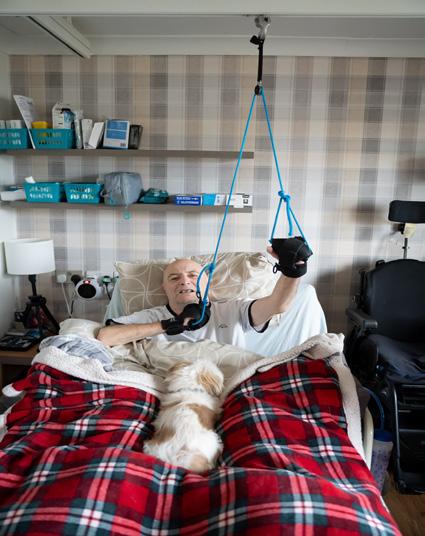
provide specialist support for and children with complex
adults and children with complex
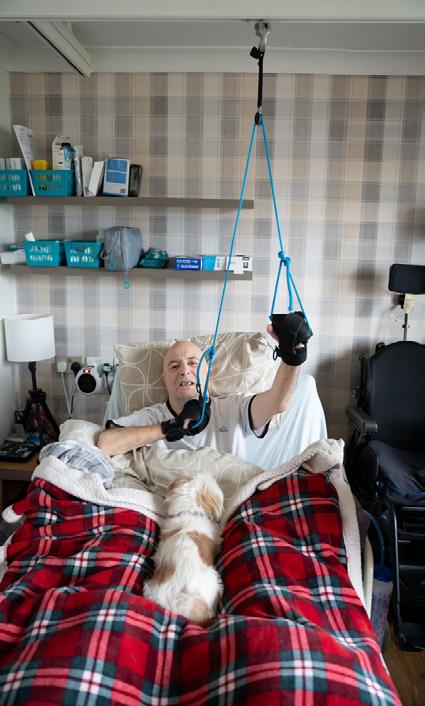
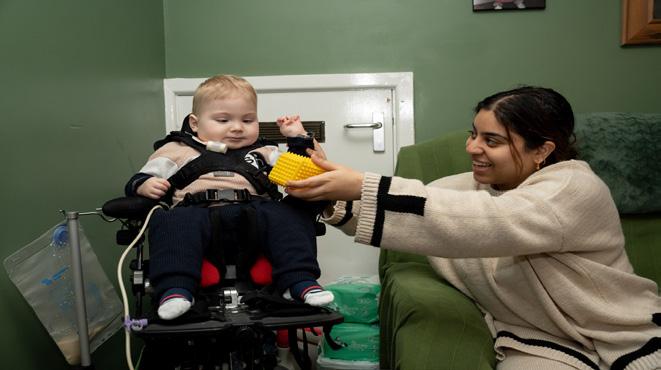
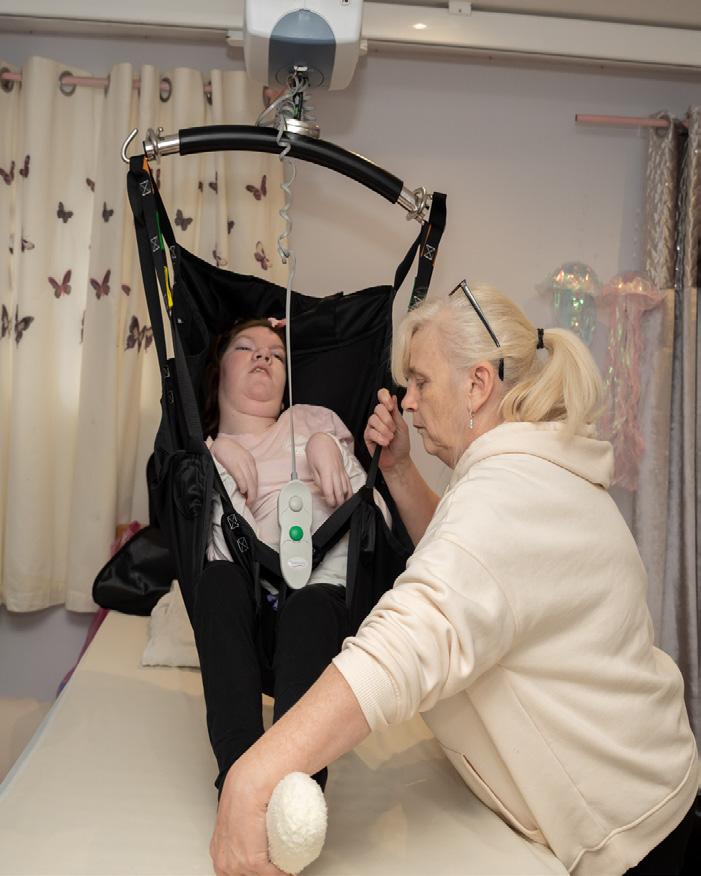
Adult conditions we support:
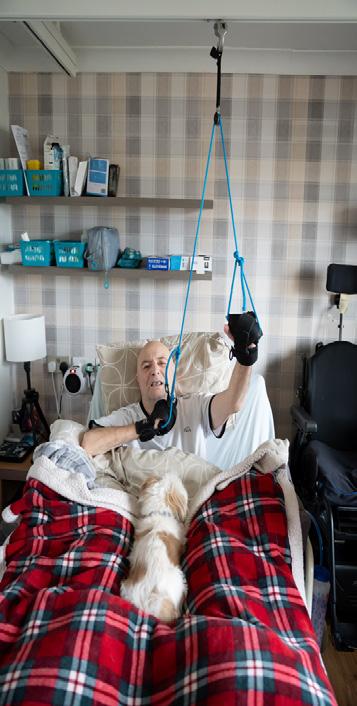


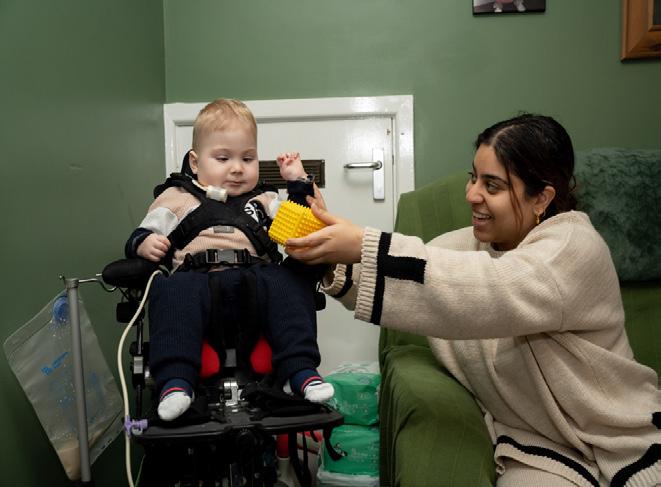

Motor Neurone Disease


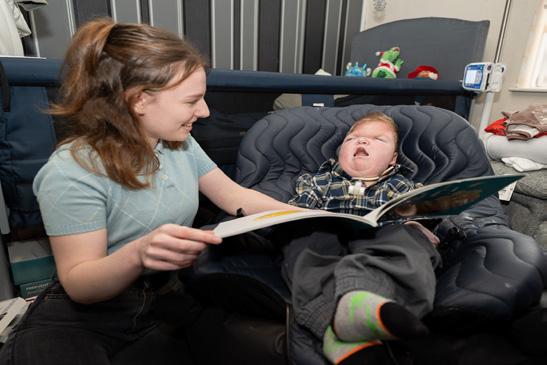
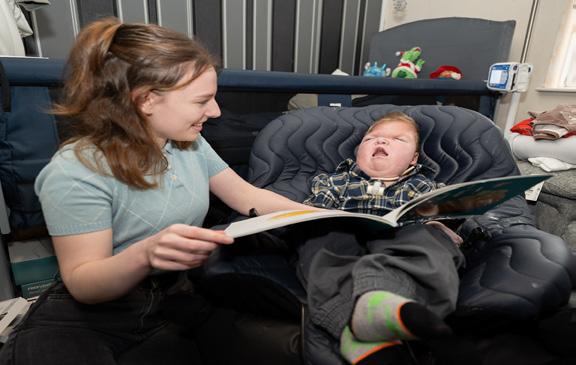
Paediatric conditions we support:
Paediatric conditions we support:


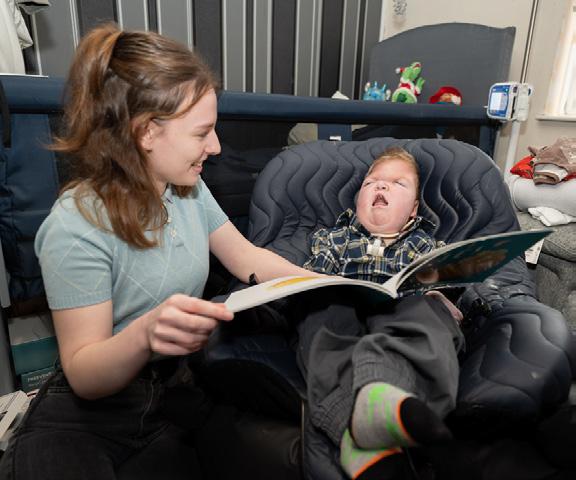
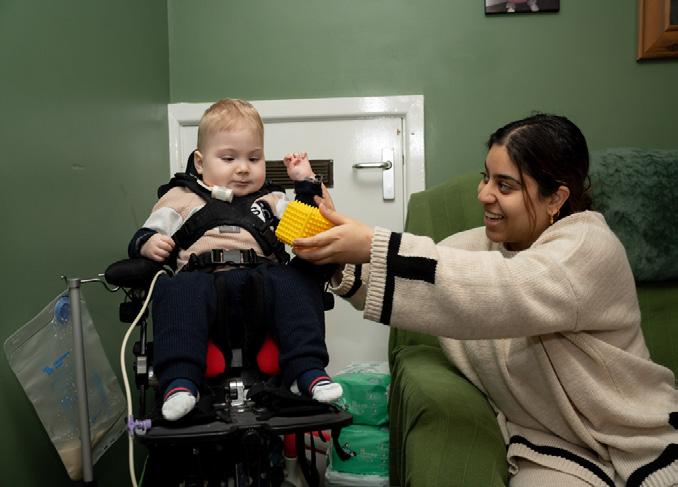
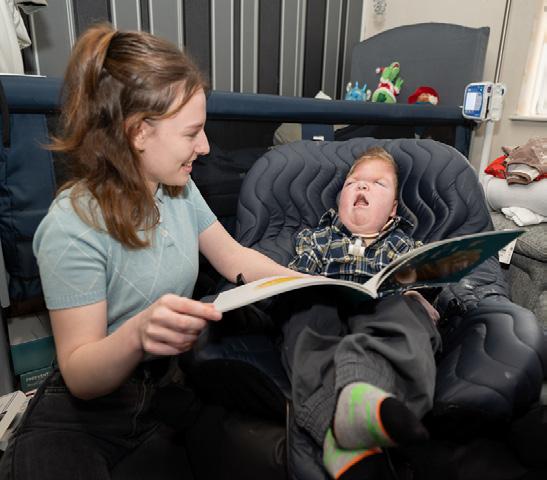


Multiple Sclerosis
Multiple Sclerosis


conditions we support: Acquired Brain Injury Spinal Cord Injury Tracheostomy & Ventilation


Acquired Brain Injury

Acquired Brain Injury


Cord Injury
Spinal Cord Injury
Multiple Sclerosis Acquired Brain Injury Spinal Cord Injury


Parkinsons Disease
Parkinsons Disease


Epilepsy

INSPIRE NEUROCARE
Delivering specialist neurological care across rehabilitation, long-term and complex care pathways. By Inspire Neurocare
I shall never forget the day we arrived. We got out of the car and we just knew that this was the right place.
Aneurological condition affects more than the individual. The move into specialist care can bring both relief and uncertainty. Families often arrive having experienced significant change, whether following a sudden event or as part of a longer journey, resulting in an often overwhelming search for the right support. Whether someone is moving from a hospital ward, leaving a family home that can no longer meet increasingly complex needs, or transitioning from another placement, the priority is the same - finding a place where they are safe, understood, and where both clinical and emotional needs are expertly supported.
Neurological care is, at its core, about people. It brings together clinical expertise with an environment that feels calm, consistent and lived in. At Inspire Neurocare, this means supporting people across a range of pathways - from neuro-rehabilitation through to long-term care and highly specialist provision - through a consistent interdisciplinary approach that focuses on meaningful outcomes, quality of life and dignity.
NEURO-REHABILITATION - BUILDING A NEW LIFE AFTER LIFE-CHANGING EVENTS
The transition into a specialist neuro-rehabilitation setting marks a shift from medical stabilisation to active recovery.
People may be admitted following stroke, brain injury or neurological illness, often at a point where the next steps are uncertain. Progress is rarely linear and is built through small, consistent gains, supported by an experienced team that understands when to encourage, when to step in, and when to give space.
At Inspire Neurocare, rehabilitation is delivered through a coordinated interdisciplinary team, including neuroconsultant, physiotherapy, occupational therapy, speech and language therapy, dietetics, neuropsychology and nursing. The environment plays an important role,
with spaces designed to support therapy and daily living, enabling people to build skills, confidence and practical strategies to live as independently as possible.
From rebuilding mobility to relearning everyday tasks, these small, often hard-won achievements create momentum. For some, this leads to a return home or progression into more independent living. For others, it provides the foundation for longer-term support.
LONG-TERM NEUROLOGICAL CARE IN A PLACE THAT FEELS LIKE HOME
For people living with long-term or progressive neurological conditions, the point of arrival is different. It is less about recovery, and more about finding stability and a sense of ease in everyday life.
Many people require 24-hour specialist nursing care, often alongside complex clinical interventions such as tracheostomy care, NG or PEG feeding, PICC line management or respiratory support. These needs are significant, but they do not define the person.
At Inspire Neurocare, clinical care is delivered in a way that is consistent and seamless, allowing daily life to take centre stage. The focus shifts from being a patient to being a person, with individual routines, preferences and relationships recognised and supported.
Environments are designed to feel like home, with families part of everyday life. This consistency creates a sense of stability, which is essential for both individuals and those close to them. ■
I know the job can’t be easy, especially when residents are unwell and require extra time and encouragement. Their effort, patience and compassion shown has not gone unnoticed.
FAMILY MEMBER

Web: www.inspireneurocare.co.uk
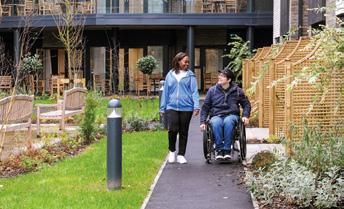

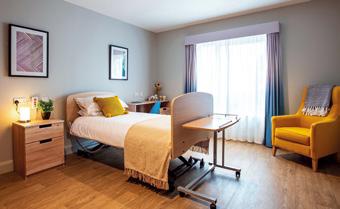

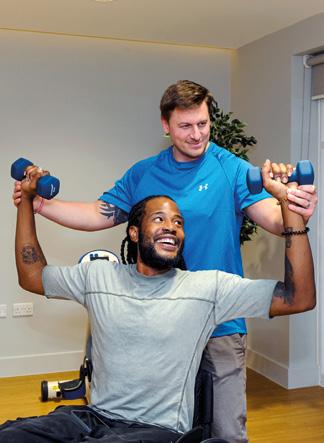

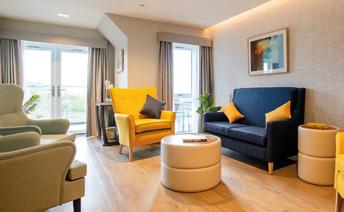
Care Pathways
Specialist neurological care across rehabilitation, long-term and complex care pathways. Our services support people at different stages, providing the right environment and clinical expertise to deliver consistent, high-quality care.
Specialist Neurorehabilitation
Long-term Neurological Care
Stroke Care & Rehabilitation Pathways
Complex Nursing & Slow Stream Rehab
Spinal Injury
Functional Neurological Disorder
Mild Learning Disability & Complex Needs
Huntington’s Disease
Advanced Neurological, Tracheostomy & Respiratory Needs
Complex Clinical Needs, PICC Line, NG Feeding & Central Line
Ventilator Management & Long Term Care
Young people transitioning from Children to Adult Care
Complex Dementia Care
Neuro-behavioural Care & Support


www.inspireneurocare.co.uk | referrals@inspireneurocare.co.uk

Southampton Worcester Farnborough Basingstoke
WHO CARES FOR THE CARER? Why respite homecare gives families the time, strength and reassurance they deserve
It’s important to care for yourself while caring for someone else. As families emerge from the latest school break, many are feeling the strain of balancing family life, work commitments and caring responsibilities. With another holiday period approaching, the thought of managing everything again can feel overwhelming.
School holidays often reveal just how much unpaid carers carry every single day. Respite homecare offers practical support and emotional reassurance, helping families continue caring for loved ones at home while protecting their own wellbeing.
For many families, caring for someone at home is an act of deep compassion. Yet even the most dedicated carers need time to rest, recharge and focus on other parts of life. Respite homecare provides flexible, professional support that allows families to step away temporarily, knowing their loved one remains safe, comfortable and cared for in familiar surroundings.
SUPPORTING FAMILIES WHEN LIFE GETS BUSY
Periods such as school holidays highlight the pressures carers face. Parents and grandparents may be juggling childcare, family visits, work schedules and medical routines all at once. Respite care helps ease that pressure through tailored support, whether for a few hours, overnight stays or longer planned breaks.
to families of all backgrounds and needs, while remaining meaningful by making a genuine difference to everyday life. Each visit aims to create a positive experience for both the person receiving care and those supporting them.
PEACE OF MIND THROUGH TRUSTED SUPPORT
Many families hesitate to ask for help, often feeling they must manage everything alone. In reality, respite care strengthens the caring environment rather than replacing it. Professional carers can assist with personal care, companionship, medication support, mobility assistance or simply provide reassuring company while family members step away.

For many families, caring for someone at home is an act of deep
compassion.
Sometimes families don’t need more strength; they simply need support. Respite homecare is not about taking over care. Instead, it works alongside families, providing continuity while enabling carers to attend school events, spend quality time with children, take holidays or simply rest without worry. This peace of mind can make a lasting difference to long-term wellbeing.
At NursePlus Care at home, respite support is built on the belief that care should be inclusive and welcoming
Respite care isn’t stepping away from caring, it’s protecting your ability to keep caring.
Reliable respite homecare allows carers to prioritise their own health, relationships and responsibilities, helping prevent burnout and ensuring loved ones can remain supported long term. Guided by NursePlus Care at home’s IMPACT values, working altogether, delivering caring support and remaining trustworthy, families receive dependable and transparent care they can rely on.
As summer approaches, respite homecare gives families something invaluable: the chance to be present not just as carers, but as parents, partners, friends and individuals. Because caring for yourself is an essential part of caring for someone else. ■
NursePlus Care at home
Giving families the support they need with flexible respite and homecare services.
Visit: nursepluscareathome.com



Care that makes a difference, delivered with heart.


Bringing comfort and reassurance to families by providing heartfelt and dependable care for their loved ones at home.
For over 20 years, NursePlus has been providing care that truly makes a positive impact in the lives of individuals and families across the UK.
Thinking about care for yourself or a loved one? We’re here to help. Contact us today to find out more.


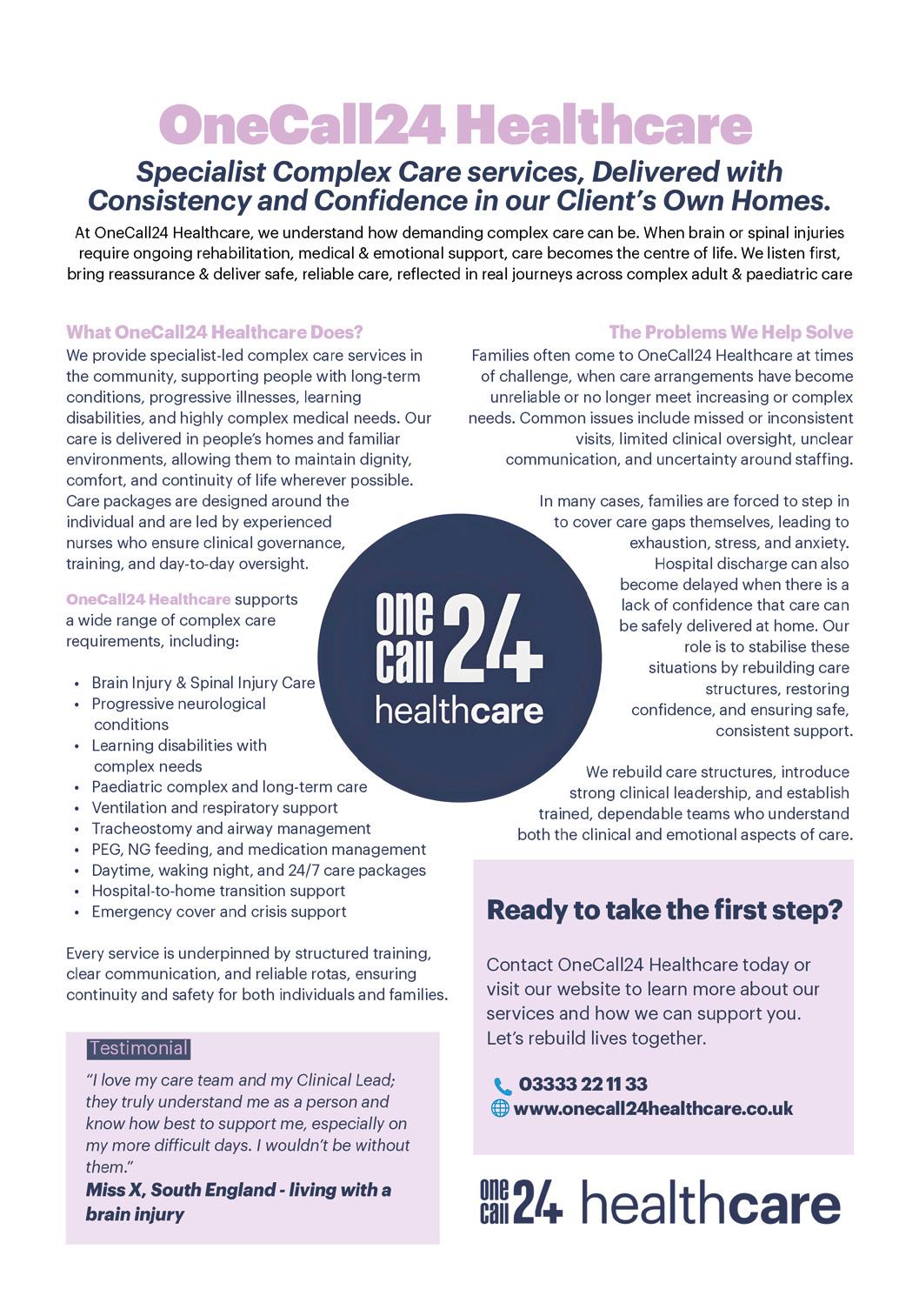
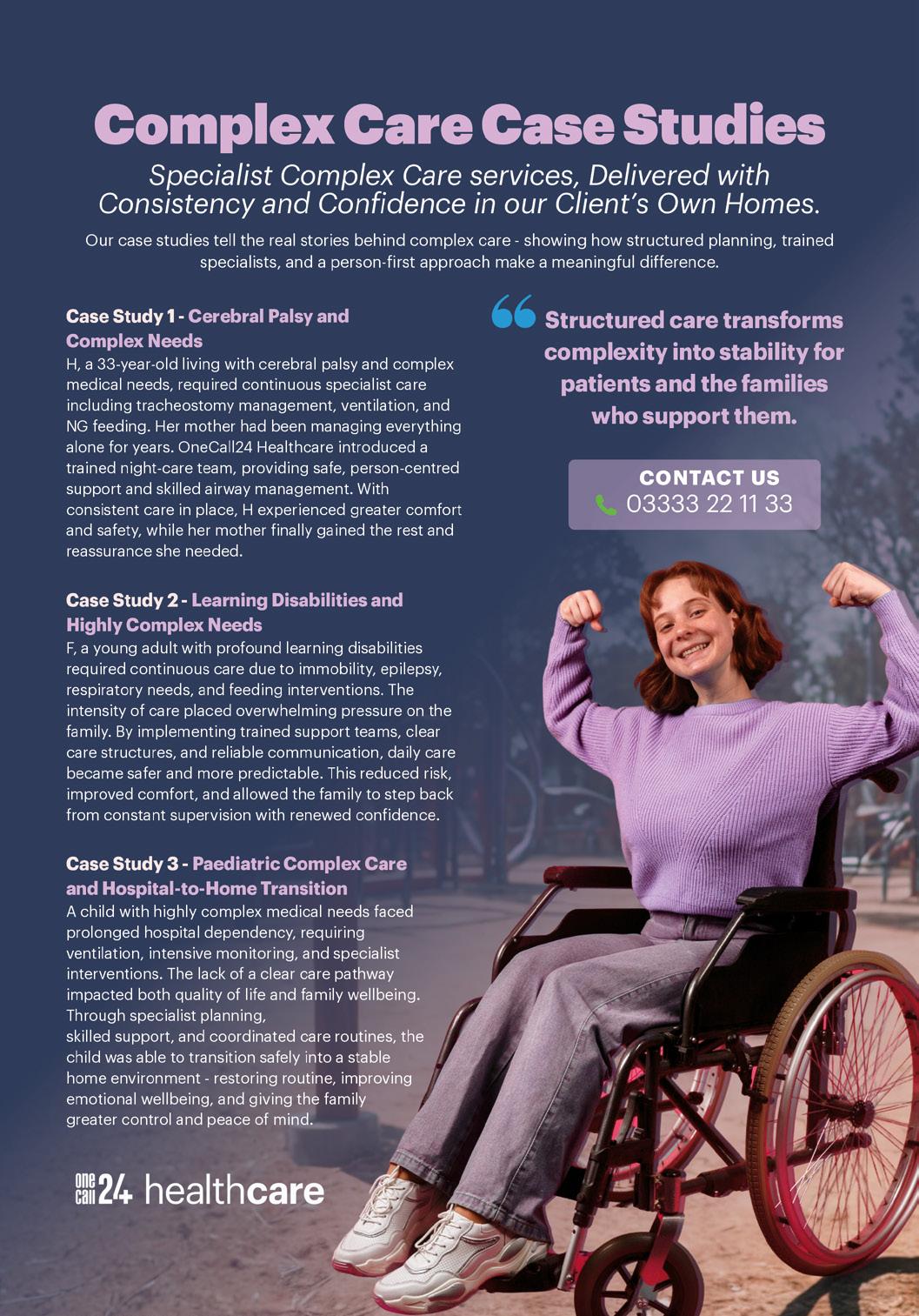
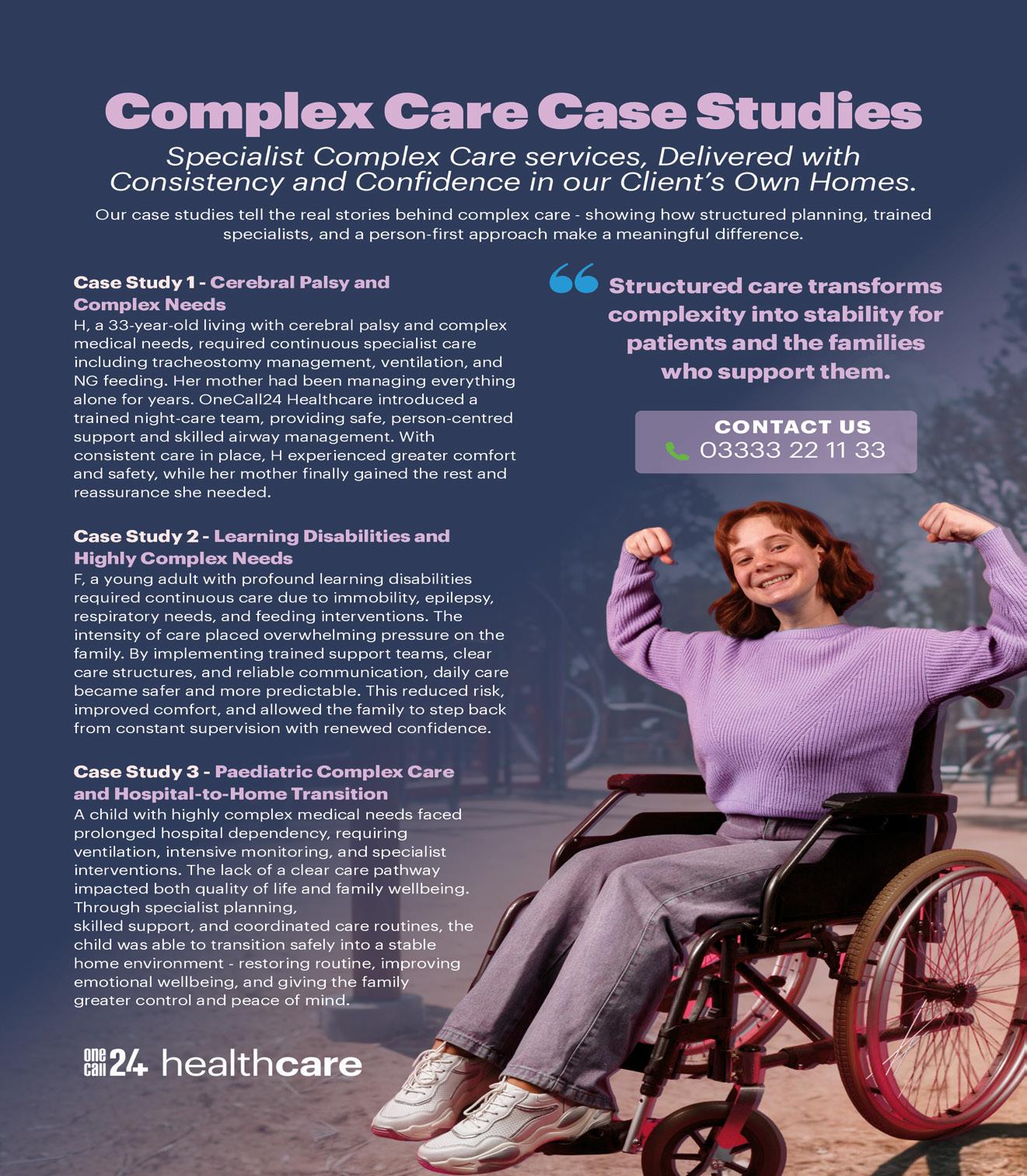
Appletree support Ltd
Home Based Specialist Nursing and Complex Care for Children with Brain Injuries
We are an award winning, family run complex health care company with over 17 years of experience in the care industry.
At Appletree, we provide bespoke nursing and complex health care for children and young people living with brain injuries and other complex medical needs. Our clinically led teams deliver high quality, person centred care in the place children feel safest: their own home.
We value Appletree’s consistent, small care team. It enables Alice to build meaningful, trusting relationships, which enhances her comfort and wellbeing.
Our team of Registered Nurses and Care professionals deliver a wide range of specialist interventions, including home ventilation, PEG and stoma care, IV therapies, tracheostomy management, suction, medication support, and the safe response to seizures. All staff receive tailored, brain injury specific training designed around each individual’s care plan, therapeutic goals, and clinical requirements. This ensures our teams deliver care that is safe, confident, and responsive to each child’s needs.
We support children at local schools throughout the academic year or children returning home from specialist residential schools during holidays, working closely with placements to mirror routines and ensure seamless care
across settings. Our teams collaborate with consultants, specialist nurses, therapists, and education professionals as part of a joined up multidisciplinary approach.
ALICE’S STORY
Alice is a teenager who sustained a brain injury at birth and requires continuous specialist support. Our overnight team assists with her nutrition, hydration, medication, personal care, repositioning, and preparation for the school day, while also ensuring her clinical requirements are met safely and consistently. Staff are trained in her communication methods and assistive device, ensuring she is always heard and understood.
At Appletree, our commitment is simple: to deliver compassionate, expert, reliable care underpinned by clinical excellence so that every child can live each day with safety, comfort, and connection. ■

www.appletreesupport.co.uk
Specialist Home Care That Supports Independence: How Alcedo Care Helps Will and Aaron Live Life Their Way
At Alcedo Care, we believe that home is where people recover, grow, and thrive best - especially those living with brain or spinal injuries.
Our nurse-led complex care teams provide the specialist, person-centred support that empowers clients to live active, fulfilling lives in the comfort and familiarity of home. Two people who embody this approach are Will and Aaron, whom we are proud to support as they continue to pursue the lifestyles they love.
PERSONALISED HOME CARE FOR COMPLEX NEED
Will sustained a life-changing spinal injury in 2012 that significantly affected his mobility. After years of struggling to find a care agency that truly understood his needs, he and his family came to Alcedo Care - and immediately felt the pressure lift. With a strong local presence and teams based close to our clients, we were able to build a care package tailored around Will’s goals, routines, and busy lifestyle.
CARE THAT REDUCES FAMILY STRESS
Before any package begins, our nurses provide intensive, client-specific training to the care team, ensuring staff are fully confident and signed off on all clinical competencies
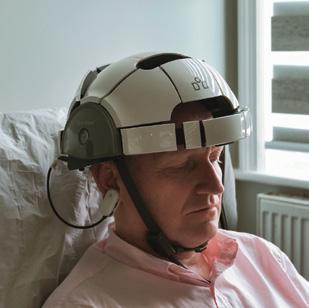
Before any package begins, our nurses provide intensive, client-specific training to the care team, ensuring staff are fully confident and signed off on all clinical competencies. This commitment to safety, quality, and preparation has allowed Will to continue enjoying many of the activities he loved before his accident. Once a keen sportsman, he still regularly takes part in sailing and other pursuits, supported by a team that understands not just his clinical needs, but what motivates him as a person. As Will says, with Alcedo Care he feels “more than just a number” and his family can finally relax knowing he is receiving reliable, compassionate support.
We also provide personalised care for Aaron, who experienced a brain injury as a child following a road traffic accident. For Aaron, the focus is less on clinical tasks and more on supporting him to enjoy his hobbies and community life. His care includes medication reminders, meal preparation, and light household help - but most importantly, it enables him to get out and about with the right support. He loves having a male support worker, Leo, who is close to his age, and together they enjoy going to football and spending time with friends. “It’s less stress for my mum and dad,” Aaron explains, “so they don’t have to worry about me.”
At Alcedo Care, we support people of all ages and conditions, offering the expertise of highly skilled healthcare professionals alongside bespoke nurse-led training tailored to each individual. Our goal is simple: to enrich lives, promote independence, and ensure everyone we support can live the life they choose - safely, confidently, and at home ■

Discover more at www.alcedocare.co.uk
Tel: 01704 829590
Facebook: @alcedocare
Twitter: @alcedocare
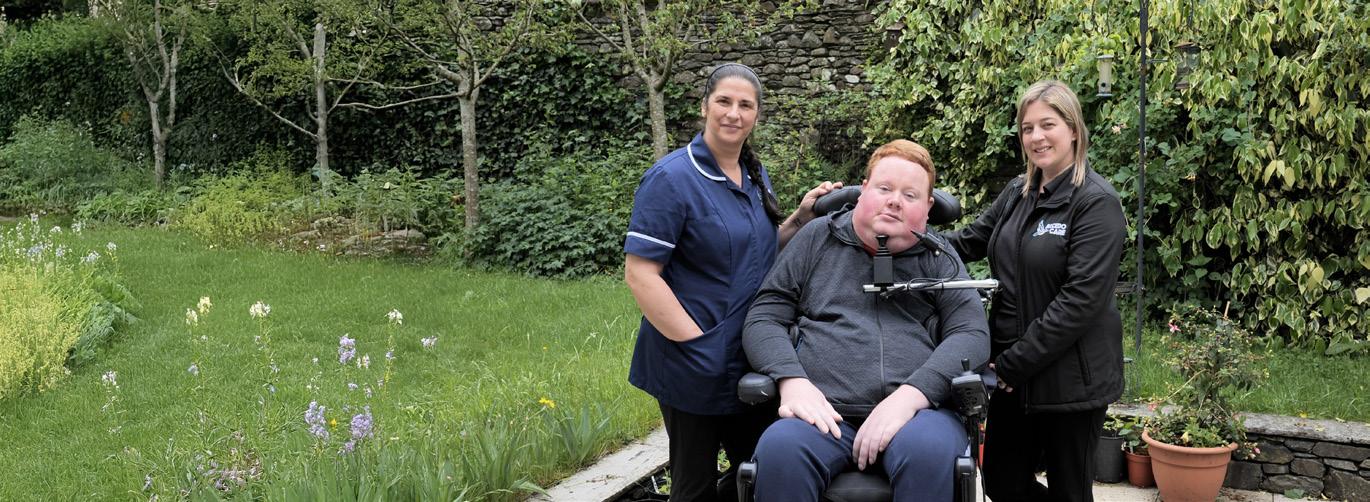
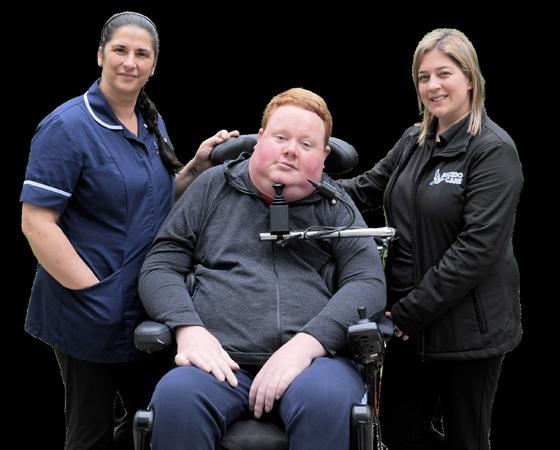
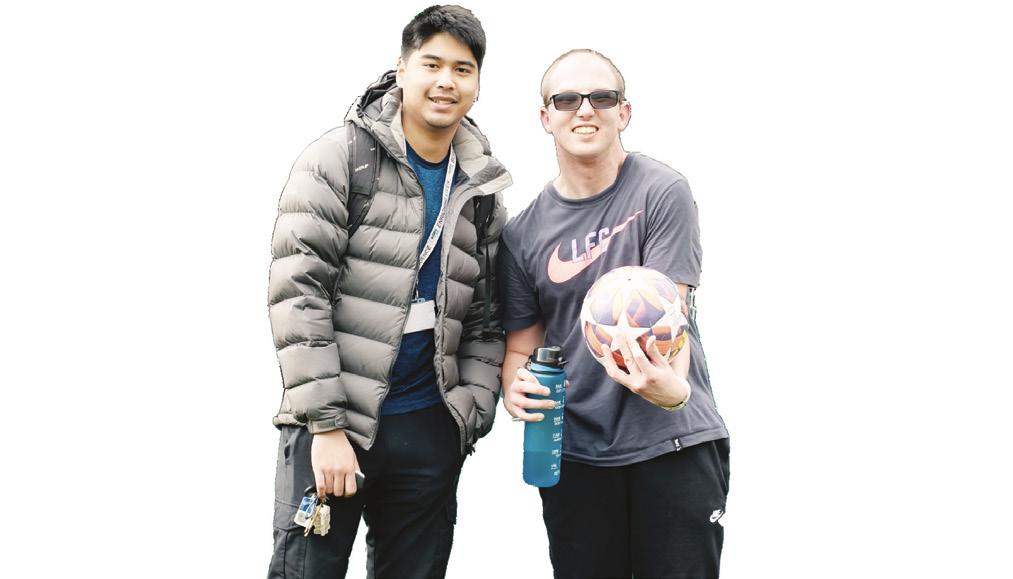
“It’s good that Alcedo have a local presence because we’ve had teams as far away as Northampton and with the best will in the world, a nurse just cant be available when you need them at that distance. We are more than just a number, they get to know you on a personal level”
Will C


At UK Phoenix Healthcare, we deliver personalised, nurse-led support that helps people rebuild life after injury. We see beyond the diagnosis — to the person, their goals, and their future.
More Than Clinical Care
A life-changing injury affects every part of life. That’s why we go beyond clinical care — offering emotional support, practical planning, and a belief in possibility. Our team specialises in spinal cord injuries and complex conditions, supporting people in managing their health and chasing their goals — even the bucket list kind.
“K had a seizure in public, and the staff handled it brilliantly — especially Saadiah. K is the happiest she’s been in a long time.”
— A, K’s Dad
From Injury to Independence
No two paths are alike. Our onboarding is personal and thorough, shaped by empathy and partnership. We co-create dynamic care plans that evolve with the individual, promoting safe, positive risk-taking to help people regain confidence and control.
Whether someone is returning home or adjusting long-term care, we ensure they feel supported, empowered, and in charge of their journey.
Real Progress, Real Impact
Success isn’t just clinical — it’s emotional and personal. It’s stepping outside again, reconnecting with loved ones, or trying something new. Our nurse-led care balances clinical expertise with what matters most: living life fully.
Case Management with Heart
We guide smooth transitions from hospital to home, supporting clinical needs and emotional wellbeing. Working closely with local services and families, we create a network of care rooted in integrity, collaboration, and innovation.
At UK Phoenix Healthcare, we’re not just caregivers — we’re partners on your journey, committed to helping you own your new normal. Helping
Email: Enquires@ukphoenixhealthcare.co.uk
Tel: 0330 043 0463
Web: www.ukphoenixhealthcare.co.uk

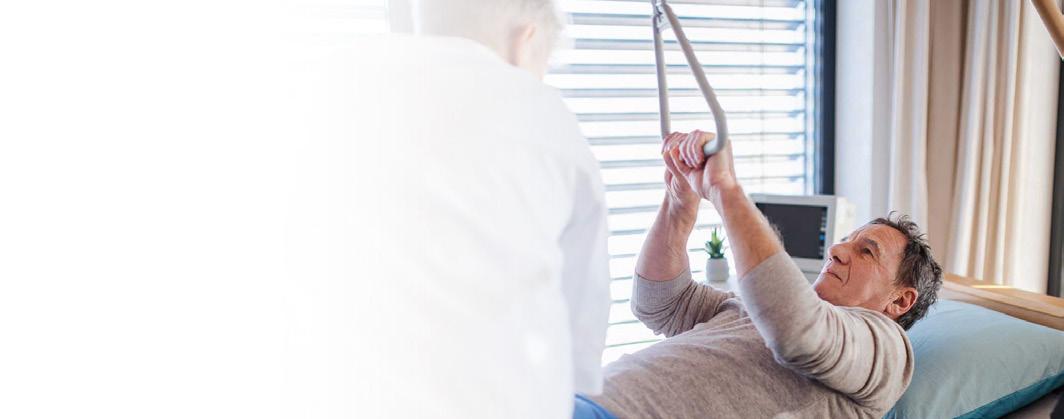

Specialists in Brain & Spinal injury Complex Care
At Clover Care Group, we provide highly personalised, compassionate support for Children and Adults living with Brain and Spinal injuries, neurological conditions and complex care needs across the UK. We recognise that every client’s journey is different. That’s why we create tailored care packages designed around individual clinical requirements, rehabilitation goals, independence and quality of life.
PERSON CENTERED CLINICALLY LED FAMILY FOCUSSED
Our Brain & Spinal Injury Support includes:
Specialist Care & Rehabilitation
Tailored support to help rebuild skills, independence and daily living.
Behavioural Emotional Support
Understanding behaviours as communication and promoting emotional and physical well being.
Home & Community Support
Enabling meaningful lives at home and in the community.
Collaborative Working
Working closely with ICBs, insurance companys & legal teams, case managers, families, therapists and funders.
Safety & Clinical Excellence
Alll staff are highly training, with string governance and 24/7 support
Person Centered Goals
Supportig each indiiudal to achive their goals and live life their way.


Building
Clover Care Group – Delivering exceptional Care with compassion, dignity and respect. We strongly believe that “ “The Best People Care” and that is exactly what we do.
When transport BECOMES THE BIGGEST BARRIER
A survey of UK rehabilitation professionals highlights how transport barriers can slow recovery after injury, and why flexible accessible vehicle hire is becoming an important bridge.
After a brain or spinal injury, mobility can change overnight. Rehabilitation plans continue. Appointments are scheduled. Discharge dates arrive. Life does not pause, even when transport becomes uncertain.
For many families, accessible transport quickly becomes one of the most immediate practical challenges, yet it is often treated as a later-stage decision, something addressed once longer-term mobility needs are fully understood.
Yet rehabilitation rarely follows a predictable timeline. Buying a wheelchair accessible vehicle (WAV) or adapted car can feel like a significant commitment at a time when needs may still be evolving. Lead times can be long, funding pathways may still be in discussion, and long-term ownership may not yet be appropriate.
THE SCALE OF THE TRANSPORT BARRIER IN REHABILITATION
Despite how frequently it arises, transport barriers are rarely measured or discussed explicitly in rehabilitation planning.
To better understand how often these challenges occur, Open Road Access conducted a survey of more than 100 occupational therapists across the UK, working in both rehabilitation and community settings.
The results highlight how widespread the issue is. More than 70% of therapists reported that at least a quarter of their clients experience barriers due to transport or vehicle access, with many reporting significantly higher levels.
When asked whether flexible, medium-term access to wheelchair accessible vehicles could benefit their clients:
41% said it could support between 25–50% of their cases
30% said it could support more than half of their cases
The data suggests that accessible transport is not a niche requirement during rehabilitation. It is often a central practical challenge affecting recovery pathways.
Therapists also reported that mobility needs during recovery frequently extend beyond very short timeframes, with the majority indicating that clients typically require accessible vehicles for more than four weeks.
A FLEXIBLE BRIDGE DURING RECOVERY
For many individuals, temporary access to a wheelchair accessible vehicle can provide an important bridge between hospital discharge and longer-term mobility decisions.
Services such as Open Road Access (ORA) provide wheelchair accessible vehicle hire nationwide, ranging from short-term rental to medium-term subscription options, with vehicles often available within 48 hours (subject to availability and location).
With over 1,500 accessible vehicles, the largest accessible vehicle rental fleet in the UK, ORA supports a wide range of manual and powered wheelchairs, complex seating systems and passenger configurations.
Instead of requiring an immediate long-term commitment, flexible hire allows families and professionals to focus on what matters most: maintaining continuity in rehabilitation.
Rehabilitation is about possibility. By making transport flexible, clients have the space to test, adapt and rebuild confidence, without the financial or logistical barriers that so often hold them back.
Kate Sheehan, Internationally recognised Occupational Therapist and University of Worcester Fellow
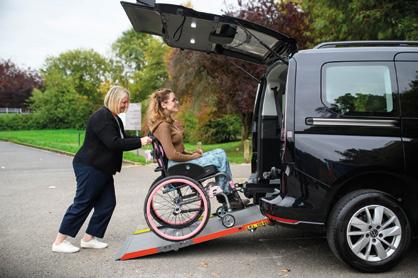
MOBILITY DESIGNED AROUND REAL-LIFE NEEDS
Accessible transport decisions are rarely straightforward. Wheelchair dimensions, ramp type, restraint systems, seating configurations and driver requirements all influence which vehicle will be appropriate.
Because needs vary widely, many families benefit from discussing compatibility before arranging hire.
ORA’s vehicle hire arrangements include practical support such as driver insurance, breakdown cover and delivery directly to the client’s address, helping remove several of the logistical hurdles families often face when arranging mobility quickly.
Short-term hire can support immediate needs following discharge, while longer-term options allow individuals to maintain independence during longer rehabilitation pathways.
When clients can access a WAV for just a few months to trial realworld goals — like returning to work or community life — it turns transport from a static cost into an active part of recovery. That’s what modern, person-centred rehabilitation looks like.
Allyson Ballard, Managing Director and CoFounder, Remedy Healthcare UK
SUPPORTING
REHABILITATION TEAMS, CASE MANAGERS AND LEGAL PROFESSIONALS
Accessible vehicle hire is increasingly used across a range of rehabilitation and medico-legal contexts.
Clients are returning home following hospital discharge
Rehabilitation requires regular travel to therapy appointments
Funding decisions for long-term vehicles are still in progress
Mobility needs are still evolving Court of Protection or case-managed arrangements are being established
In these situations, flexible vehicle access can allow rehabilitation plans to continue while longer-term mobility decisions are explored.
Having a predictable monthly mobility solution rather than relying on open-ended taxi accounts gave everyone confidence — the client, the family and the funder.
South-West based Case Manager
For my client, the key was maintaining momentum. Reliable transport meant therapy could continue without interruption while longer-term mobility options were being explored.
London based Personal Injury Solicitor
A PRACTICAL FIRST STEP
Because no two wheelchairs or recovery journeys are the same, many families and professionals begin by confirming which vehicles will be compatible.
Open Road Access offers a free WAV Fit Check and Access Plan, a short conversation designed to help individuals and professionals:
Confirm which car will your wheelchair fit in
Discuss ramp and restraint requirements
Explore seating layout
Outline suitable hire options – short term rental vs ORA subscription
Receive clear, transparent pricing
This allows decisions to be made with confidence before arranging transport. ■

Book your Free Fit Check
Visit: www.openroadaccess.co.uk/brainspinal Call: 0300 045 4505
Email: Message “FIT CHECK” at: info@openroadaccess.co.uk
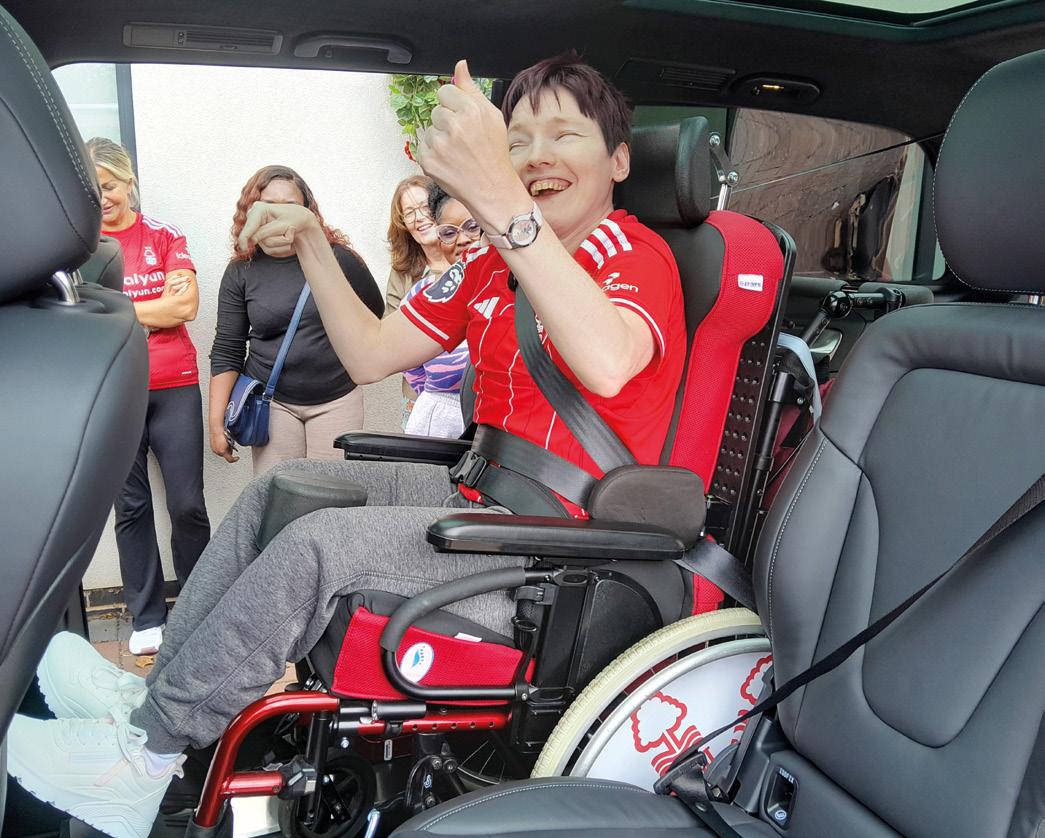
CASE STUDY: Going the Extra Mile for Nikita
Recently marking 40 Years of Engineering to Enable by going the extra mile for our clients – we continue to celebrate our milestone by creating unforgettable customer experiences wherever we can.
When we heard how much of a fan Nikita is of Nottingham Forest we wanted to make the handover extra special for her. Ahead of the delivery of her new vehicle we reached out to the club – who kindly provided us with a team shirt, signed by the Forest squad!
Alongside the delivery of her Forest-inspired Hyacinth Red Mercedes-Benz V-Class, we were delighted to surprise Nikita – who can now look forward to travelling to the City Ground in comfort, inclusion and safety – with an extra ‘thank you’ from the Brotherwood team. ■
“Thankyou everyone at Brotherwood for this amazing vehicle which is a joy to drive and is so comfortable, Nikita is looking forward to making so many special memories with us and her fantastic care team, she is loving this WAV so much.
Also thankyou to Nottingham Forest for her surprise signed home shirt which she will proudly hang on her bedroom wall.”

For more information contact Brotherwood today on: 0330 1747 555 or visit: brotherwood.com
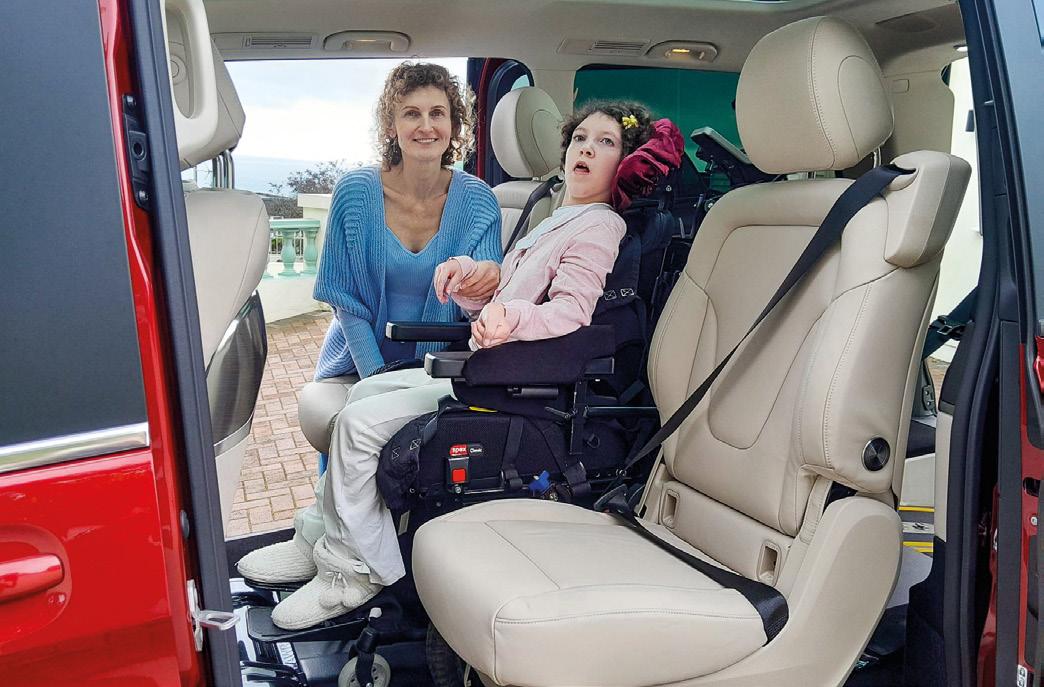
CASE STUDY: A Stylish New Vehicle for Natalie
The UK’s Wheelchair Accessible Vehicle specialists Brotherwood were delighted to deliver a stylish new vehicle for Natalie – a stunning Hyacinth Red Mercedes-Benz V-Class with our incredible ‘Klastar’ WAV conversion.
The luxurious new adapted vehicle enables Natalie to travel inclusively with her family, with exceptional ride comfort – perfect for everything from day to day school runs and shopping to longer distance trips.
“The central wheelchair location and flat, level lowered floor gives Natalie an excellent view out of the windows and windscreen, with the twin panoramic sunroof overhead adding to the light spacious feeling.”
Combined with the high specification, easy-to-use driver assistance functions and quality interior, the Brotherwood ‘Klastar’ is the perfect accessible vehicle for the whole family to enjoy.
With Natalie’s previous adapted vehicle beginning to feel a little too small, the wheelchair-adapted Mercedes-Benz
V-Class from Brotherwood offers increased interior space – whilst providing two comfortable full-size passenger seats in the second row, complete with ISOFIX fittings, and finished in original Mercedes-Benz Nappa leather. Separate climate control, and two-way speakers in the front and rear make communication easy between the first and second rows and enables every passenger to enjoy even longer journeys in comfort.
“With unique, easy-to-use features such as the powered rear access ramp, PAWRS combined winch and restraint system and STORQ selftensioning restraint system, the Brotherwood conversion makes it fast and easy for Natalie to access her new vehicle and travel safely”
Mum Alex thanked the Brotherwood team for their “very high quality service throughout the process, informative, kind and helpful” – and would definitely recommend the Brotherwood Klastar to others! ■
For more information contact Brotherwood today on: 0330 1747 555 or visit: brotherwood.com

When the Right Equipment Changes Everything
How joined-up equipment provision turns rehabilitation goals into everyday independence. By The Specialist Assessor Team, Millercare
After a brain or spinal injury, independence is rarely given back all at once. It is rebuilt — carefully, incrementally, through good therapy, the right support, and the right environment. Equipment is part of that environment. Chosen well and prescribed with genuine clinical understanding, it reinforces every gain made in therapy. Chosen without that insight, it can just as easily hold progress back.
A DIFFERENT KIND OF ASSESSMENT
At Millercare, we established our Specialist Assessor Team because complex cases need a different approach. Before recommending anything, we want to know what the clinical team is working towards — attending joint home visits, reviewing rehabilitation plans, and asking what the equipment needs to enable.
WORKING WITH YOUR TEAM
We are not here to replace the clinical team — we join it. Working flexibly alongside the professionals already in place, our approach is the same regardless of how a referral comes in: listen first, recommend second, document everything.
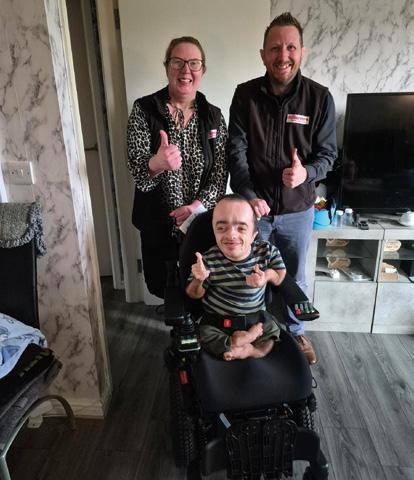
We are a BABICM and CMSUK member with longstanding relationships with case management services. We understand what both legal teams and therapy professionals need from an equipment partner.
A NETWORK BUILT ON TRUST
Over the years we have built genuine working relationships with neurological and occupational therapy professionals across the North West and beyond — spanning TBI, stroke, spinal cord injury, acquired neurological conditions and complex physical disability.
This network directly informs our approach to the areas where clinical and equipment expertise must work most closely together, including complex powerchair assessment, specialist seating, postural management and pressure care. When a referral comes in, we already know who to involve and how to move it forward.
We work collaboratively with The OT Practice — the largest independent OT network in the UK — combining their nationwide expertise with our specialist equipment provision to deliver coordinated outcomes that maximise independence.
NHS AND COMMUNITY REFERRALS
We welcome referrals from NHS community OT teams, discharge planners and community neurorehabilitation services. Our assessors are experienced in NHS frameworks and can provide documentation required for equipment justification processes.
FROM OUR CLINICAL NETWORK
Helena Amos, Helena Amos Occupational Therapy — Principal OT, 12+ years. Home-based rehabilitation, daily living, home adaptation and equipment assessment.
Katy Herbert, 360Neuro Physio — Specialist neurological physiotherapist, advanced Bobath trained, 10+ years across NHS and private neurorehabilitation. TBI, stroke, spinal cord injury, MS and Parkinson’s. ■
The right equipment, prescribed with genuine clinical understanding, is one of the most powerful tools in any rehabilitation plan — and we are here to help get
it right.
THE SPECIALIST ASSESSOR TEAM, MILLERCARE
Transforming Independence Through Better Equipment
For over 70 years Millercare has helped people live more independently — with one of the most comprehensive ranges of mobility aids, assistive equipment and home adaptations available. Our Specialist Assessor Team joins your clinical network, works to your goals, and stays involved until the solution is genuinely working. Built for complex cases. Built for your clients.
WE PROVIDE:
Complex powerchair assessment & provision
Specialist seating & postural management
Manual wheelchair assessment
Profiling beds & bathroom adaptation
Hoists, slings & daily living aids
Assistive technology & home adaptations
Equipment hire for interim need
NHS & community referrals welcomed
15 Showrooms across the North West
Over 70 years of specialist experience
National Coverage
Product manufacturer trained assessors
Free assessments
Maintenance and repair services
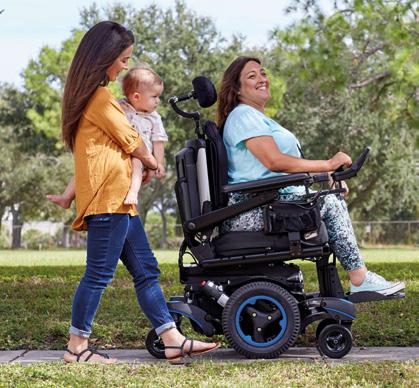
Tel: 01254 356565
Web: www.millercare.co.uk
Email: BSI@millercare.co.uk

Back Behind the Wheel ON YOUR TERMS
Driving represents freedom. It’s the ability to work, socialise, travel and live life independently. After a brain or spinal cord injury, that freedom can feel uncertain, but with the right support, expertise and vehicle adaptations, getting back on the road is possible
At Mobility in Motion, we believe driving is about more than transport. It’s about restoring confidence, control and choice.
REBUILDING CONFIDENCE THROUGH REHABILITATION
Every journey back to driving is unique. Recovery depends on the nature and extent of your injury, and professional guidance is essential. Specialist driving assessment centres and occupational therapists play a vital role in assessing your needs and identifying suitable vehicle adaptations. From hand controls that allow you to operate the accelerator and brake by hand, to steering aids for onehanded control, today’s adaptive technology is more advanced and discreet than ever before. With the right driving aids and training, many drivers rediscover not just their mobility, but their independence.
INTRODUCING ADAPT & DRIVE
We understand that choosing the right vehicle can feel overwhelming. That’s why we created Adapt & Drive; a simple way to purchase, adapt and own a brand-new vehicle tailored to you.
The Adapt & Drive scheme allows you to select a new car, have it professionally adapted to your exact requirements, and drive away knowing everything has been expertly managed. It’s about giving you long-term ownership, flexibility and peace of mind all in one seamless process.
Whether you need assistance getting seated comfortably, help with safe driving controls, or solutions for loading and storing a mobility device, we ensure your vehicle works around you and not the other way round.
EXPERT SUPPORT, NATIONWIDE
Our story began in 1975, when engineer David Walker was paralysed in an accident and determined to find a way to travel independently. That pioneering spirit still drives Mobility in Motion today.
We now offer one of the UK’s most extensive ranges of driving aids and vehicle adaptations, supporting people with all levels of mobility needs. From your first conversation with us, our focus is on understanding you. We provide tailored advice, confirm vehicle compatibility, explain costs clearly and offer demonstrations so you feel confident
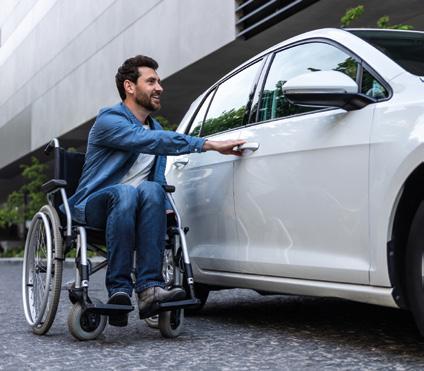
We now offer one of the UK’s most extensive ranges of driving aids and vehicle adaptations, supporting people with all levels of mobility needs.
in every decision. With a trusted nationwide network of professional installers, we ensure precise fitting wherever you are in the country.
Our relationship doesn’t end once your adaptations are fitted. You’ll benefit from friendly aftercare, a three-year warranty and the option of annual servicing. And if your needs change, we can often transfer adaptations to a new vehicle or safely remove them ensuring your independence evolves with you. Driving again after a brain or spinal cord injury is a powerful milestone. It marks independence regained, possibilities reopened and a future driven by choice. ■
Start your journey today. www.mobilityinmotion.com Call us on: 0800 0590 074







































































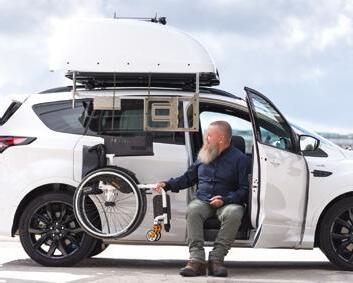

















































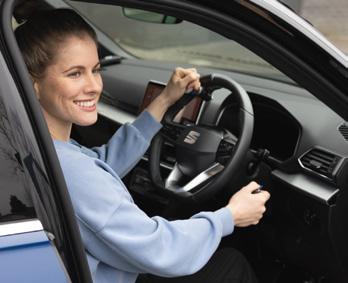







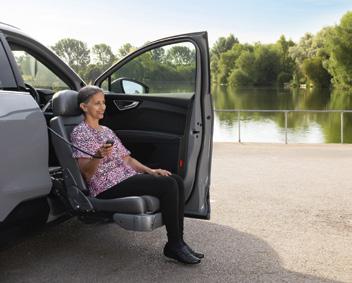
THE EVOLUTION OF CUSTOM SEATING: Where 3D Printing Sits
When prescribing seating for individuals with brain or spinal injury, clinicians are often balancing a number of priorities: postural support, pressure management and longterm stability. While the clinical principles of seating remain the same, the technology available to support those goals has evolved significantly.
Historically, when a client presented with complex asymmetry or fixed deformity, foam carve seating was often considered the gold standard. By capturing the individual’s body shape using a vacuum mould, clinicians could create a highly customised support surface designed to maximise contact area. Increasing contact area helps distribute load more evenly and reduce peak pressures over vulnerable areas such as the sacrum or ischial tuberosities.
For many individuals with complex postural needs, this approach remains extremely effective. However, foam also has limitations. It retains heat, gradually compresses over time and produces significant waste during manufacturing due to the subtractive carving process.
Over the past decade, modular seating systems have also developed considerably. Adjustable backrests, lateral supports and pelvic positioning components allow clinicians to achieve increasingly complex postural corrections without necessarily progressing to a fully moulded solution. This can be particularly useful in neurological conditions where posture may change over time, allowing systems to be adjusted rather than remoulded entirely.
More recently, additive manufacturing –commonly referred to as 3D printing – has begun to play a role within seating and positioning.
and moisture build-up at the seating interface. Both of these factors are recognised contributors to pressure injury risk. Early studies examining lattice seating materials have demonstrated improved airflow and temperature regulation compared with traditional foam cushions whilst others are looking to quantify how and in which direction loads are redistributed.
POSSIBILITIES BEYOND SEATING
Additive manufacturing is also opening up new possibilities beyond traditional cushions and backrests.We recently worked with a client who struggled to maintain arm position within standard gutter armrests. Significant muscle wasting meant the forearms no longer sat securely within the supports, and during tilt or transport the arms would migrate, which in turn affected trunk alignment.
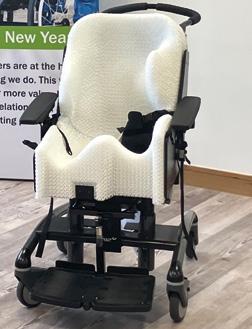
Additive manufacturing is also opening up new possibilities beyond traditional cushions and backrests.
Unlike traditional foam cushions, 3D printed seating components are constructed using lattice structures. These lattices can vary in density and stiffness across different areas of the surface, allowing greater support under higher loads while neighbouring regions allow deeper immersion. Because the transitions between these zones are continuous rather than layered, pressure distribution can be improved and production time is considerably lower.
Another advantage of these lattice structures is airflow. The open design allows air to circulate through the cushion more effectively than solid foam, helping to reduce heat
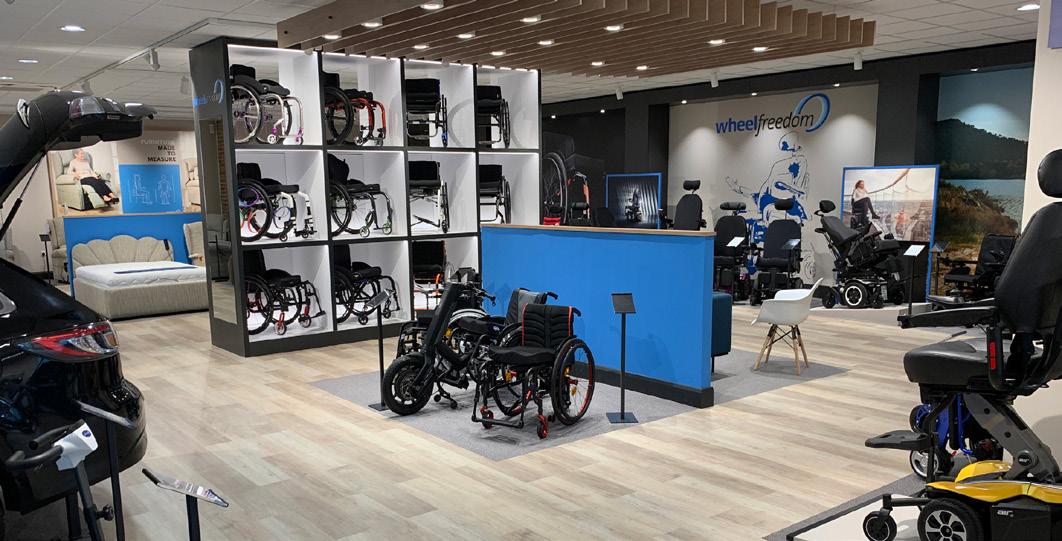
By capturing the shape of the forearms and producing custom 3D printed arm supports, we were able to create a more stable interface that maintained positioning more consistently. Once the upper limbs were properly supported, trunk alignment improved noticeably, highlighting positioning components that might traditionally be considered secondary can sometimes have a significant impact on overall posture. While technologies such as additive manufacturing are exciting, they do not replace the need for careful clinical assessment. Posture is dynamic, and factors such as tone, fatigue, transfers and transport all influence how an individual interacts with their seating system.
What these technologies do offer is greater flexibility in how clinicians approach seating challenges. The range of available options continues to grow, by staying informed about the latest developments and thoughtfully integrating them into clinical practice, we can maximise choice and independence. ■
For further information, please visit: www.wheelfreedom.com
Tel: 0800 025 8005
PRESCRIPTIVE MOBILITY SOLUTIONS
MOBILITY SPECIALISTS
MOBILITY SPECIALISTS
Founded in 2007, Wheelfreedom specialises in tailoring prescriptive equipment.
Wheelfreedom provides one-to-one assessments at its industry-leading showroom in London, and in homes across London and the South East of England. Services include pressure mapping, custom-made seating and special controls.
Founded in 2007, Wheelfreedom specialises in tailoring prescriptive equipment. Wheelfreedom provides one-to-one assessments at its industry-leading showroom in London, and in homes across London and the South East of England. Services include pressure mapping, custom-made seating and special controls.
Products include:
Products include:
Wheelchairs
Wheelchairs
Powerchairs
Powerchairs
Paediatrics
Paediatrics
Specialist seating
Specialist seating
Power add-ons
Power add-ons 24-hour postural management
24-hour postural management
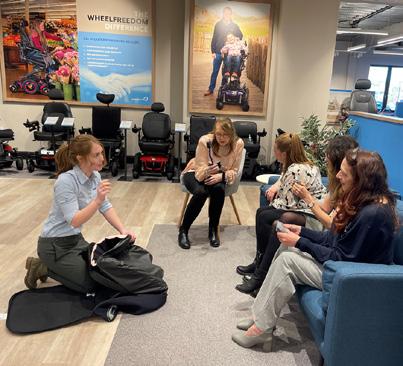
CPD
CPD
Wheelfreedom are CPD accredited to support health professionals and Occupational Therapists. Gain 3 CPD points as you learn about the latest innovations in mobility and seating at their London showroom.
Wheelfreedom are CPD accredited to support health professionals and Occupational Therapists. Gain 3 CPD points as you learn about the latest innovations in mobility and seating at their London showroom.
Recent courses include:
Recent courses include:
Mastering Mobility: Special Controls for Power
Innovations in Wheeled Mobility
Mastering Mobility: Special Controls for Power
Posture and Clinical Seating Solutions
Innovations in Wheeled Mobility
Posture and Clinical Seating Solutions
Why Personal Insurance Matters: Expert Insurance Advice For Complex Clients’ Needs
Laura Aldridge, Head of Tysers’ Mobility Team, explains how her team supports clients with complex needs and why specialist insurance is essential.
Personal insurance is a cornerstone of financial planning, offering protection against unexpected events that could lead to significant financial hardship. For Deputyship clients, however, the insurance landscape can be far more complex.
Standard policies often don’t accommodate the unique circumstances of deputyship clients. That’s where specialist insurance, and the expertise of our Mobility Team, becomes essential. We work closely with case managers and deputies to make sure clients receive suitable, tailored protection.
When we’re contacted, we issue an application form that captures the information needed to provide an accurate, personalised quote. Our team remains on hand throughout, ensuring the process is clear, efficient, and supportive. Once the form is returned, we quickly assess the client’s needs and identify the most appropriate insurers.
WHY STANDARD POLICIES AREN’T ALWAYS ENOUGH
Mainstream insurance products are built for typical consumers: easy to access, affordable, and widely available. However, they often don’t work for clients under the Court of Protection or managed by Trustees, who may require more flexible and comprehensive arrangements.
At Tysers, we understand that many clients are minors and that policies must reflect their legal and practical circumstances, such as being placed in the client’s name, acting via their Deputy. Our specialist solutions are built around these requirements.
WHAT MAKES OUR COVER DIFFERENT
Our bespoke policies address the gaps standard policies often overlook.
Home Insurance: Protection for both standard and high -value homes, including those with specialist adaptations such as hydrotherapy pools, lifts, or medical equipment. Some policies can be arranged without security warranties.
Motor Insurance: Cover for medically modified vehicles up to £130,000, with flexible Any Driver options for carers aged 17+, ideal for teams providing rotational support.
Unoccupied Property Insurance: Suitable for homes undergoing renovations or adaptations to meet a client’s needs.
Travel Insurance: Options that cover pre - existing medical conditions, plus carer support, available as single-trip or annual cover.
WHY WORK WITH TYSERS
We’re more than brokers, we’re long-term partners. Our dedicated team specialises in insurance for Deputyship and Trust clients, and we’ve established strong relationships with insurers who genuinely understand these cases. We’re always available to offer guidance, answer queries, and help ensure every client is properly protected.
We’re here to help you make confident, informed decisions that aim to help protect your clients and give you peace of mind.
Laura Aldridge
WHAT TO KEEP IN MIND
Specialist insurance offers tailored protection, but there are practical considerations:
Higher premiums: Bespoke cover can cost more. Smaller market: Fewer insurers means limited choice. More complex terms: Policies can vary significantly, so understanding exclusions and conditions is essential.
Working with an experienced specialist like Tysers helps navigate these complexities and ensures the policy is aligned with each client’s needs.
WHY ONGOING SUPPORT IS IMPORTANT
Client circumstances often change, and we’re here to adjust cover whenever needed. If a claim arises, our in-house claims team manages the process directly with insurers, advocating on behalf of clients, ensuring clear communication and a smooth journey from notification to settlement.
We also manage renewals proactively, issuing terms 23–30 days before renewal to allow time for review and discussion.
FINAL THOUGHTS
Insurance is never one-size-fits-all, particularly for Court of Protection clients. While standard policies may suit some, those with more complex needs require specialist support to ensure robust and appropriate protection. ■
Tel: 01462 439 856 | Email: Laura.Aldridge@tysers.com





DIETZ Mobility UK MASTERPIECE OF EMPATHY
Passion combined
with
many
years of experience provides the force
behind
the DIETZ Mobility team
as they work to optimise the quality of life for people with reduced mobility.
DIETZ Power is highly successful in combining functionality with modularity. This means they can supply wheelchairs for any type of user and any environment, and that each one is fully adjustable in terms of both functionality and comfort, right down to the last detail. At the same time, the wheelchair’s design is always in perfect balance.
SANGO POWERED WHEELCHAIRS
Every individual is different. And that is why every powered wheelchair needs to be different too. DIETZ Power succeeds in combining the uniformity required for keeping production speed low and service levels high with the modularity and adaptability the market needs. After first building a sturdy base version, DIETZ Power then set to work on developing different models of wheelchairs. This means that there is a suitable DIETZ Power wheelchair for most types of user – for anyone of light and average build, and for heavier users and children too. The wheelchairs can be adjusted to the user and to the particular environment, right down to the very last detail and, when needed, can be tailor made.
SEGO SEATING SYSTEM
excellent support for the whole body. The SEGO seating systems and support elements provide the very best comfort under any conditions. And it goes without saying that the materials used are of the highest quality. As the seating system is so easy to adjust to size, it can also easily be readjusted when needed. This also makes it ideal for mounting segmented, foam carve and other specialist seating solutions.
OPTIONS
There are numerous options for the SANGO including a selection of different chassis, colours, wheel types, powered adjustments, seat and backrest cushions, legrests, armrests, headrests, trays and accessories.
SPECIALS
As DIETZ Power wheelchairs are modular in design and offer a whole range of options, standard components go a long way towards meeting needs in most cases. If, however, an individual user still requires any additional adaptations, wheelchairs can be customised to order.
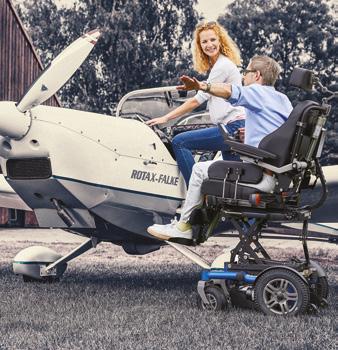
We had one very clear goal in mind: to develop powered wheelchairs that are adaptable right down to the last detail
Comfort is incredibly important! That is why the SANGO is fitted with the SEGO seating system, which provides
In the 35 years the DIETZ Power developers have been working in this field, they have received numerous special requests. These often come from users who, due to their particular disability, require special controls or need unusual functionality or adaptations to be made to their wheelchair. Each day, a separate department within the company works on such special adaptations. The people in the adaptations team are all experts who know the standard products through and through, and therefore also know where space makes an adaptation possible. These ‘inventors’ do not give up until they find a safe and practicable solution. ■
Contact: Darren Legg Tel: 0330 113 1544
Email: info@dietz-mobility.co.uk
Web: www.dietz-mobility.co.uk
Darren Legg
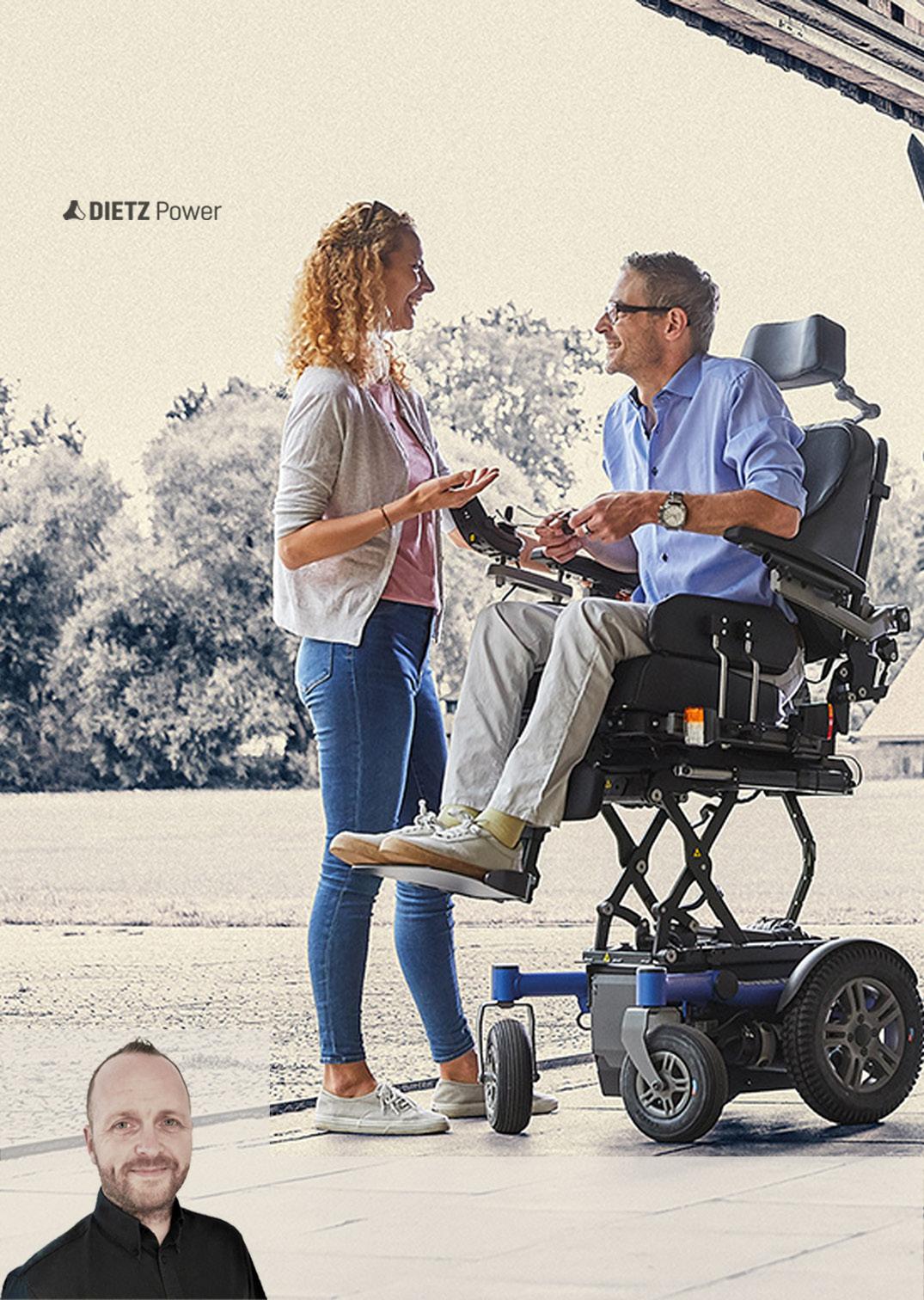

Discover a New Freedom with TRIRIDE
Triride a market leader in power add on technology, redefining what manual wheelchair users can expect from everyday mobility. Designed to attach in seconds, Triride solutions transform a wheelchair into a versatile, powered mobility system—opening the door to greater independence, confidence, and freedom of movement.
For users seeking reliable, all round assistance, Triride’s compact electric add on options deliver full electronic support in a lightweight, transportable design.
Triride’s small footprint makes them easy to lift into a car boot, while still providing enough power to confidently
tackle steep inclines, longer distances, and light off road conditions. Advanced driving technologies such as intelligent cruise control and braking systems ensure smooth, predictable handling, even when travelling alongside friends or family.
Those who enjoy a more active experience can benefit from Triride’s hybrid-assisted handcycle solutions, which combine personal input with electrical assistance. This approach promotes engagement and control while reducing fatigue, making longer journeys more enjoyable and accessible.
For adventurers wanting to push beyond city streets, Triride integrates seamlessly with the MTW Trekking power system. This innovative rear axle solution enables three wheel drive and enhanced traction, allowing users to confidently explore challenging terrain such as gravel paths, countryside trails, and uneven ground.
What truly defines Triride is adaptability. With multiple configurations supporting indoor use, urban travel, and off road exploration, Triride empowers our users to move freely—without limits, compromises, or boundaries.+ ■

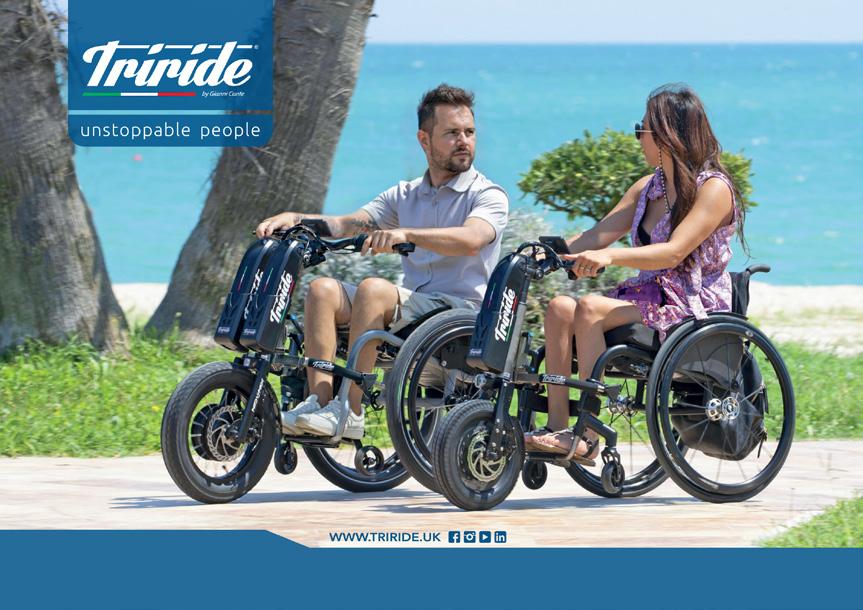



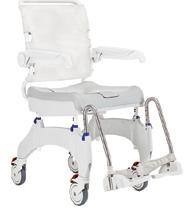
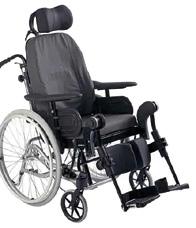

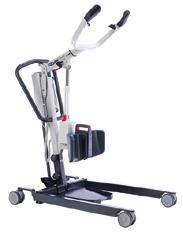

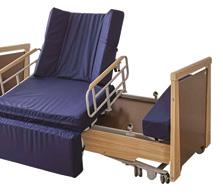


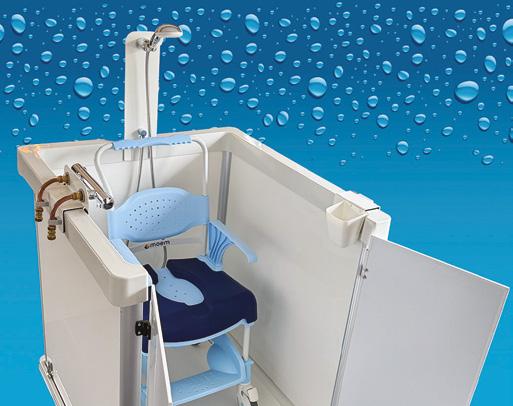
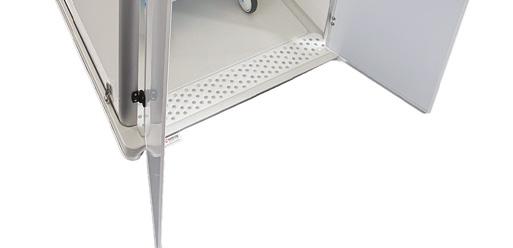
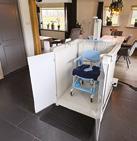


ASPIRE CARE
Aspire Care Southwest and Wales
Aspire Care is a family established Nursing and Care Agency. Supporting clients in their own home with Complex Health Diagnoses. With a 24/7 on-call system managed by an experienced office team and Nurse oversight.
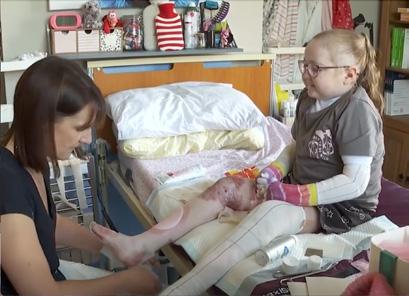
ASPIRE CARE’S BESPOKE PACKAGES
Complex care and nursing support includes Complex Health Needs inc. Spinal & Brain Injuries
Challenging Behaviour (including PBM)
Tracheostomies & Ventilators
Epilepsy, VNS & Rescue Medication (Inc. Training)
Medication administration (PR, Nebuliser, Intraocular, Topical)
Oral and Deep Oral Suctioning, Cough Assist, CPAP, BIPAP
Learning Disabilities, Autism & Mental Health
Diagnoses
Passive Limb Exercises, Chest Physio PEG, NGT & Jejunostomy Tubes
Dystonia & Cerebral Palsy
ABOUT US
Aspire Care has been supporting children and adults within
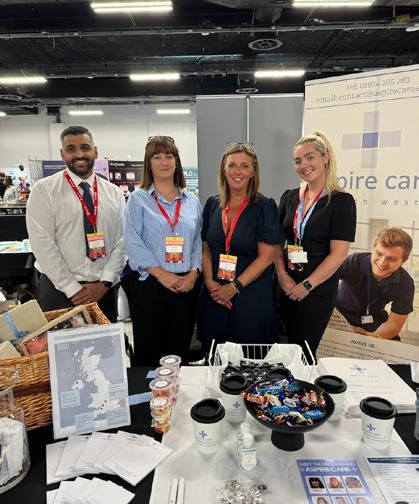
OUR SERVICE INCLUDES
24/7 On-Call Support
Nurse-Led Clinical Oversight
Tailored Care Packages and Risk Assessments
Client and Family Meet-and-Greet Before Care Begins
Ongoing Internal Training Led by Registered Nurses
Collaborative Working with Healthcare Professionals
www.aspirecaresw.com
0117 472 9901 – BS16 5EL
Bristol@aspirecaresw.com
01452 224109 – GL8 8HZ
Tetbury@aspirecaresw.com
Wales Office – CF83 3GG contact@aspirecaresw.com
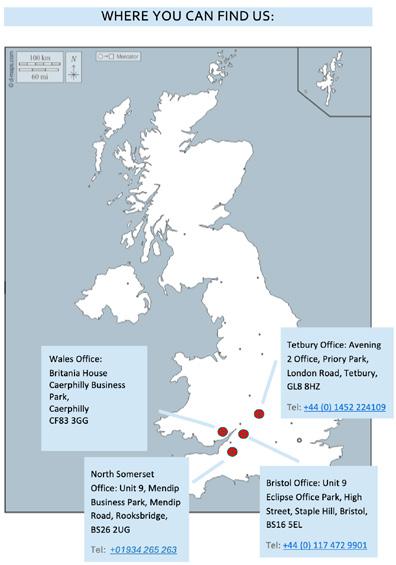
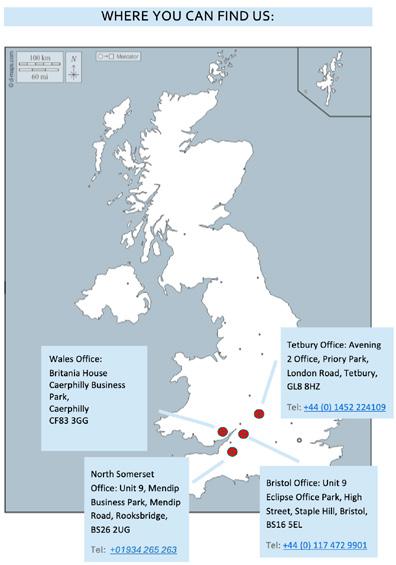
LIGHTWEIGHT MOBILITY
After 35 years working in the mobility industry mainly working for Sunrise Medical / Invacare & Ki Mobility in various roles. Sean decided to take the leap and start his own rehab business in 2022 after talking to various therapist and Case managers who wanted a more personal one to one service for clients. The core business is working with clinicians to provide a solution for clients that is clinically led.
My focus is ensuring a client is matched to the right product and I have teamed up with the industry’s best suppliers to ensure I can offer clients choices in order to get the right fit.
Lightweight Mobility & Seating is Rehab and healthcare equipment provider aiming to be a one stop shop for customers and clinicians. With a new retail Showroom based off Junction 12 M40 this offer a place to view a larger range of products, or the option of a product advisor to do a home visit.
We provide a wide range of equipment including manual/ powered wheelchairs, car seats, power add-ons, Ergo Seating & desks. Also, trikes for children & adults as well as offering servicing and repairs.
As Lightweight Mobility’s director and main product specialist, Sean prides himself on helping client choose the right products “My focus is ensuring a client is matched to
the right product and I have teamed up with the industry’s best suppliers to ensure I can offer clients choices in order to get the right fit.”
As is his background, Sean specialises in prescriptive products, working closely with core manufacturers regularly keeping updated with training on their products to ensure he can prescribe products confidently and enabling his customers. ■
If you’re interested in finding out more about Lightweight Mobility, please visit: www.lightweightmobilityandseating.co.uk
Tel: 01926 969699
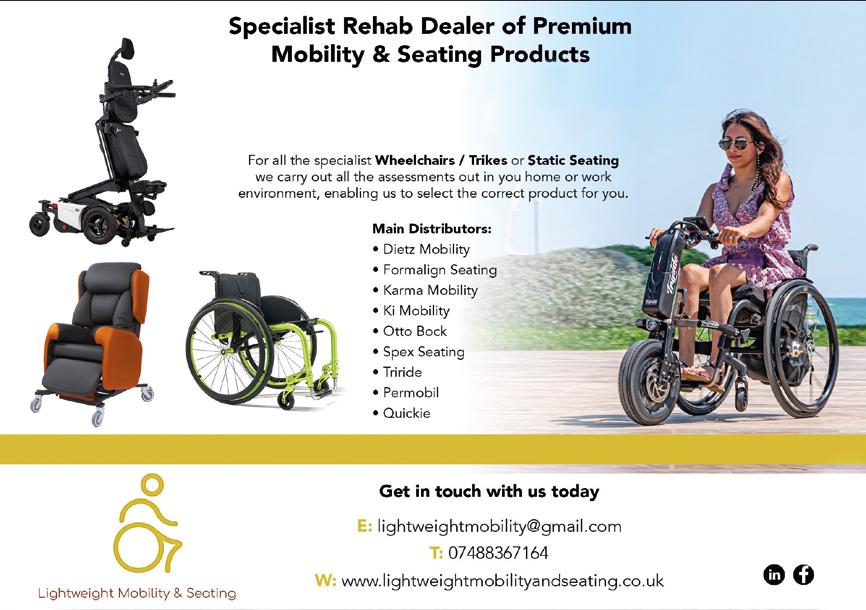
01926 969699

Lightweight Mobility & Seating
Does using a specialist create a better outcome?
When looking for rehabilitation equipment it’s all too easy to find a ‘one stop shop’ that has a little bit of everything.
From the outside this can look like a great solution but look a little deeper and it is easy to see where gaps in product knowledge occur when trying to work with a large range. Complex injuries and cases require not only the product but also the experience and knowledge of how to get the most from it and that is where the true value of ‘specialising’ can be realised.
Blackmore Mobility and Seating have comined 40 years of experience in the sector.
Blackmore Mobility and seating have a combined 40 years of experience in the sector and over that time have created a tight product range offering class leading solutions in each product category we work in. With a small range comes greater knowledge of each product we provide, this not only impacts
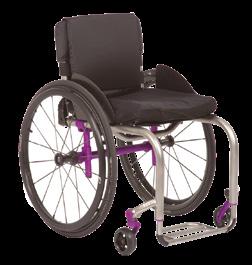
the assessment stage but also after-care where an in-depth understanding of a product and how it works can really shine through. We are truly passionate about improving outcomes for clients, from the very first interaction right through to the inservice product care and support, we are here for the journey.
If you would like to see how working with us can improve your clients experience, feel free to reach out to us at info@blackmoremobility.co.uk for an open and honest conversation.
Web: www.blackmoremobility.co.uk Tel: 01606 241 016
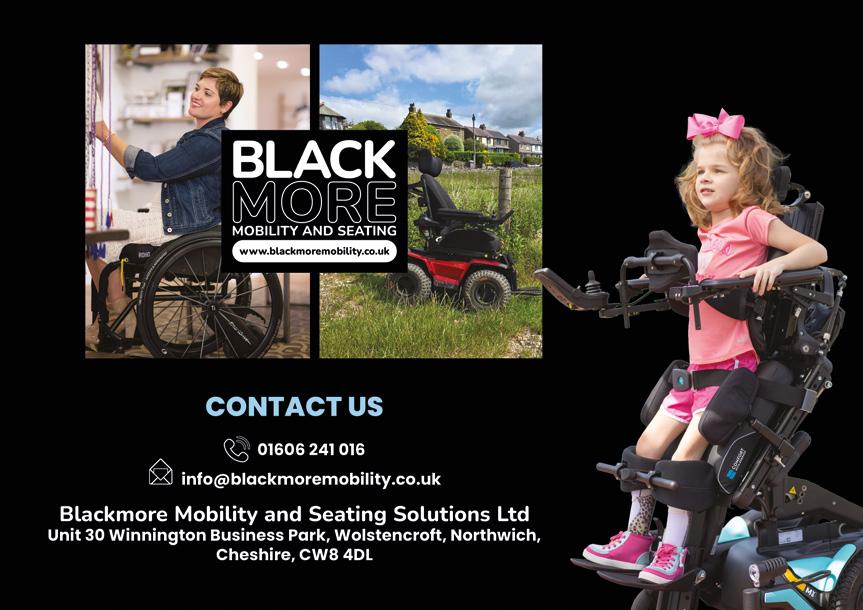
Introducing the New Quantum Edge 4 Powerchair
Advancing Mid-Wheel Drive Excellence for Enhanced Independence
At Quantum Rehab, we are dedicated to developing innovative, user-inspired complex rehab power mobility solutions that prioritise comfort, performance, and everyday freedom.
The new Edge 4 is our latest mid-wheel drive powerchair, designed to support users in navigating diverse environments with greater confidence and ease. It features 7” front and rear castors that help manage real-world obstacles smoothly, powerful 4-pole motors for speeds up to 7 mph (11 km/h), and a compact turning radius of 22.8” for effortless manoeuvrability in tight indoor spaces and varied outdoor settings.
The Edge 4 carries you forward with power, grace, and the kind of confidence that makes the world feel wide open.
Independent Smooth Ride Suspension delivers a stable, comfortable experience over uneven terrain, helping reduce the impact felt during daily journeys. Larger batteries provide an extended range of up to 18.1 miles per charge, supporting longer outings without frequent recharging.

The Edge 4 integrates seamlessly with our TRU-Balance 4 power positioning system, offering options such as up to 30° anterior tilt, 12” of iLevel® seat elevation (with drive speeds up to 4.5 mph while elevated), and memory seating for personalised positioning throughout the day. Standard switch-operated LED accent lights in the castors and fenders enhance visibility and safety in lower-light conditions. The Edge 4 also introduces 8 brand new Quantum colours, bringing the total selection to an impressive 15 choices for greater personalisation and style. By focusing on thoughtful, user-centred design, the Edge 4 promotes greater stability, versatility, and freedom for more active, independent living. ■
For additional information, contact Quantum Rehab UK: Tel: 01869 324600
Email: sales@quantumrehab.co.uk Web: www.quantumrehab.co.uk
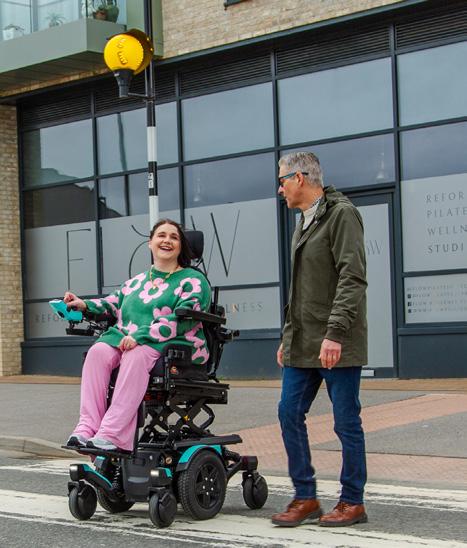

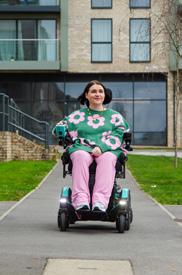
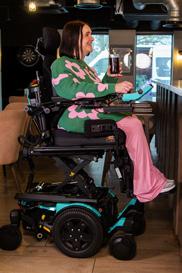
8








Working with CATASTROPHIC INJURY SOLICITORS
Occupational therapists play a vital role in catastrophic injury claims. Ben Townsend, a partner at law firm Stewarts, explains how to build effective working relationships with solicitors to achieve the best outcomes for claimants.
Akey priority for claimant catastrophic injury solicitors is to install a rehabilitation team around their clients as soon as possible. Occupational therapists (OTs) are an important part of that team. OTs should have an effective working relationship with the solicitor. Their communications should flow in both directions to ensure the OT can assist the claimant to achieve the best possible results from their rehabilitation and litigation. Although this article is aimed specifically at OTs, much of it also applies to other rehabilitation providers.
OTS AS PART OF THE REHAB TEAM IN A COMPENSATION CLAIM
As with all professionals, OTs have a duty to act in their clients’ best interests. This applies to the rehabilitation the client requires. It also means the OT needs to assist the claimant’s solicitor in maximising the compensation recovered for their client.
Solicitors ought to take an active role in their client’s rehabilitation. It is not their role to direct that rehabilitation, but they ought to be aware of the rehabilitation their client is receiving and the issues the rehabilitation team, including the OT, is encountering. The solicitor needs to attend multidisciplinary team meetings, which are an opportunity to assess how effective the rehabilitation regime is.
Solicitors ought to take an active role in their client’s rehabilitation, but it is not their role to direct that rehabilitation.
BEN TOWNSEND, PARTNER, STEWARTS
OTS AND OT EXPERTS
In addition to the OT on the rehabilitation team, there may be OT experts on both sides involved in the compensation claim who report to the court. The solicitor will therefore potentially have access to the views of three OTs in the case.
When the solicitor receives OT expert evidence from either side, they will want to consider whether the rehabilitation being implemented reflects the OT experts’ recommendations. It is not the experts’ job to drive the direction of the rehabilitation. However, if their views diverge from those of the rehabilitation OT, they ought to be carefully considered. The solicitor will probably want to put the expert OTs’ views to the rehabilitation OT. While the OT is not obliged to follow those views, they should be aware of alternative views and prepared to justify their divergence from them.
For instance, when an OT expert recommends a piece of equipment, it would be sensible for the client’s solicitor to ask whether the rehabilitation OT also backs it for the client. Differences of opinion between similarly qualified professionals can happen, but the solicitor and their client should consider the reasons given by those concerned.
OT RECOMMENDATIONS
The rehabilitation OT will have views on the client’s equipment needs. They will recommend items the client should try. The solicitor will need to obtain money from the other side to pay for the recommended items.
The work the OT needs to put into justifying a piece of equipment will depend on the expense involved. For instance, if the client requires equipment costing £20 to help her to tip a kettle of boiling water safely, little justification will be required. For more expensive items, a letter outlining the recommendation may suffice. For large items, perhaps costing tens of thousands of pounds, a formal report may be justified.
Ben Townsend
It is likely that a variety of approaches can solve the client’s issue, only one of which may involve an expensive piece of equipment. The OT will need to consider the alternatives, explain their pros and cons and the reasons for the final recommendation. It is not helpful to ignore the downsides of the equipment, as the defendant’s solicitor will raise them. If the rehabilitation OT has not addressed those at the outset, it can make their report appear weak and poorly considered.
If the client requires an expensive piece of equipment, there may be similar items available from several different providers. The rehabilitation OT should review the various suppliers and the differences between their products. Very expensive items may be subject to an individual quote. However, it is always helpful to have a number of quotes. The client does not have to choose the cheapest option; the court just wants to know they have acted reasonably. That is not the same as purchasing the cheapest item available. The rehabilitation OT needs to be able to justify why cheaper items do not meet the client’s needs if they are not recommended.
It is always helpful for the OT to arrange for the client to trial the recommended equipment or something similar, confirm that it works for them and is something they wish to obtain. It is much easier to persuade the defendants and the court to provide money for an item that is not just useful in theory.
The OT will need to consider whether the item is available free of charge through statutory services, such as the NHS or the local authority. While the client is not obliged to use equipment available through statutory services, it makes sense for the OT to consider the possibility. The OT will outline the likely lead-in time through that route and any restrictions in the equipment that can be provided. For instance, a wheelchair obtained through statutory services may not meet the client’s reasonable needs.

The occupational therapist will need to plan the client’s equipment needs, potentially well in advance. There may be a significant delay in obtaining the money for a large, expensive item. The process for the solicitor may be as follows:
1. Obtaining a full report from the rehabilitation OT.
2. Ensuring the rest of the rehabilitation team supports it, to the extent it comes within their expertise.
3. Checking the expert OT supports the item.
4. Checking the client is content with the recommendation and wishes to proceed with requesting a large interim payment to pay for the recommendation.
5. Requesting an interim payment from the other side. There may be a significant delay whilst the defendant takes instructions from their insurer client.
6. If the defendant’s solicitor rejects the request, the claimant’s solicitor may need to apply to court for the money, a process that can take weeks if not months.
This process means that anything the OT can do to flag future needs to the solicitor in advance will make the process run quicker and more smoothly.
Anything the OT can do to flag future needs to the solicitor in advance will make the process run quicker and more smoothly.
BEN TOWNSEND, PARTNER, STEWARTS
CONCLUSION
The relationship between treating OTs and claimant solicitors is a two-way conversation between professionals working together to obtain the best possible result for their mutual client. It is important that they collaborate closely to ensure the client receives the rehabilitation and compensation they need to cover their equipment costs for the rest of their life. ■

Contact Stewarts | Tel: 0113 2220022
Email: btownsend@stewartslaw.com Web: www.stewartslaw.com
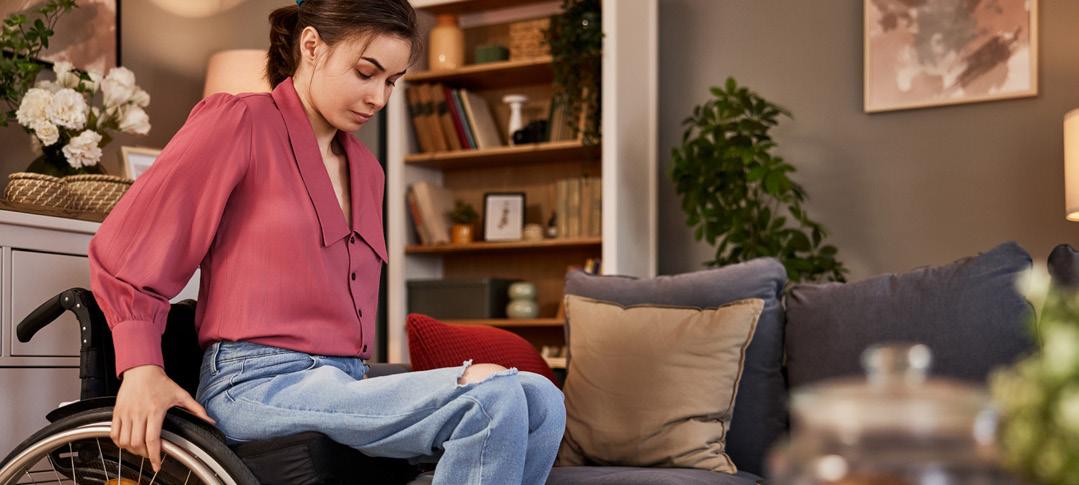
At Slater and Gordon we understand the devastating affects a brain and spinal injury can have on an individual and their loved ones.
Long-term recovery is at the centre of everything we do. Our legal experts work in seamless partnership with dedicated rehabilitation coordinators from the very beginning.
By bridging the gap between clinical excellence and legal advice, we ensure the best possible start to recovery and lifelong support.
For a confidential discussion, please get in touch.

Tracey Benson Head of Serious Injury - South 0330 995 5578
tracey.benson@slatergordon.uk
www.slatergordon.uk
Authorised and Regulated by the Solicitors Regulation Authority
Life-changing bespoke support AFTER SERIOUS INJURY
Expert legal advice and an empathetic approach are at the heart of Slater and Gordon’s work with families after traumatic brain and spinal injuries.

Tracey Benson
Helping individuals at what is often the worst time of their and their families’ lives is a responsibility we do not take for granted. Over the course of many years, we have built a track record and reputation for securing the best care and rehabilitation together with financial compensation enabling a secure future.
Traumatic brain injuries cause approximately 160,000 people to be admitted to hospital in the UK each year, whilst around 2,500 people in the UK sustain new spinal cord injuries. Through my work, I see first-hand the devastating effects of this.
The impact is felt not only by the person who has been injured, but their loved ones too. The consequences of such life changing events are financial, physical and emotional, and can have a profound effect on whole families.
Working with the most appropriate experts from a rehabilitation and medico-legal perspective is essential as it enables us to fight for our clients and deliver the best outcome possible.
SUPPORT FROM AN EXPERT TEAM
It is important that a specialist solicitor, is appointed in such a case – someone who understands the many nuances of complex injuries and can navigate the claim successfully. The priority is to secure interim funding at the earliest possible
stage to fund a package of specialist rehabilitation. This will relieve financial distress, maximise rehabilitation potential, and enable, as far as is possible, an injured person to reach their maximise potential and return to the lives they enjoyed before they sustained their injury.
Working with the most appropriate experts from a rehabilitation and medico-legal perspective is essential as it enables us to fight for our clients and deliver the best outcome possible. At Slater and Gordon, we work closely with many excellent rehabilitation providers and medical experts.
My colleague, Fiona Flynn, a Rehabilitation Co-Ordinator at Slater and Gordon, is integral to our work. She can provide immediate support and will undertake a detailed assessment to identify immediate needs. She can liaise with treating professionals and attend discussions regarding discharge and transfers and ensure a smooth transition is achieved. She can also assist with immediate equipment and transport needs as well as urgent housing and benefits issues in some cases. Fiona’s work alongside the Lawyer is essential in ensuring individuals are supported with a full understanding of the process.
SECURING LIFE-CHANGING OUTCOMES
I have represented many individuals who have sustained life changing injuries often with a team of lawyers. One recent example involves a young man with a severe brain injury. He was a pedestrian struck by a car whilst crossing the road.
The case has presented multiple challenges in respect of proving full liability and also dispute surrounding the extent of the rehabilitation required. We commenced Court proceedings at the earliest opportunity to make sure this young man and his family had the resources they needed to support their son with rehabilitation and a return to the community.
We secured interim payments approaching £2million which meant this young man and his family were able to move into a fully adapted property, with a full case managed care package and ongoing therapy. ■
Contact: Tracey Benson, Slater and Gordon lawyers | Tel: 0330 995 5578
Email: tracey.benson@slatergordon.uk Web: www.slatergordon.co.uk
CASE STUDY: Following Sarah on her Personal Injury Trust journey
Since appointing Wrigleys Trustees Limited as a professional trustee to work alongside her partner and co-trustee John, Sarah feels genuinely supported in the management of her compensation award.


To ensure the complete set-up of her Personal Injury Trust, there are some legal and practical next steps to consider.
1.
MAIN CONTACT
Sarah will have a named solicitor and paralegal at Wrigleys as her main points of contact to best support her needs.
2. OPENING A TRUSTEE BANK ACCOUNT
This account will need to be opened in the name of the Trust with the trustees, who are the legal owners of the Trust funds, as the signatories. Payments from the trust to suppliers or to Sarah are usually made from this account. Direct debits and standing orders can also be set up for regular expenditure.
3. ENSURE ALL PERSONAL INJURY MONEY IS PLACED WITHIN THE TRUST
Only funds derived from Sarah’s injury can be placed into the Trust. This may involve tracing the funds if they have been held elsewhere, such as in the litigator’s account or in Sarah’s own account. Once in the Trust, the funds are disregarded for means tested benefits. Personal injury funds held outside of a Trust can be disregarded for benefits purposes for a period up to 52 weeks but this is dependent on when the first payment was received by Sarah. This would all be checked by the team at Wrigleys to ensure all eligible funds can be placed into the Trust.
4. ALL REQUESTS FOR FUNDS NEED TO BE APPROVED BY THE TRUSTEES
All trustees need to agree before any distributions are made from the Trust. Budgets will be set to support the long term management of the funds. As the professional trustee, we will keep clear records of all transactions and their purpose.
5.
TAX AND TRUST ACCOUNTS
Sarah set up a Personal Injury bare Trust, so any tax obligations fall on her personally. Wrigleys has a specialist team who support clients with their tax affairs to ensure compliance. Trustees must keep clear records of transactions, which are then used to prepare formal Trust accounts.
6.
SEEK INDEPENDENT FINANCIAL ADVICE
An independent financial advisor (IFA) will need to be appointed to ensure the funds are invested appropriately and planned to last for Sarah’s lifetime. This includes cash flow modelling, reviewing expenditure and setting and monitoring budgets, while making sure her needs are fully met.
7. ANNUAL TRUST MEETINGS
We will arrange to meet with Sarah and John, as our co-trustee, along with the IFA annually to review progress and plan for the next 12 months and beyond, helping to give Sarah continued peace of mind that her trust affairs are in order and being looked after. ■
With the Trust now established and managed by the trustees, Sarah can begin to focus on everyday life again.

To find out more contact: Thomas Mundy, Partner at: thomas.mundy@wrigleys.co.uk or: Isabel Mclver, Managing Associate at: isabel.mciver@wrigleys.co.uk
Tel: 0114 267 5588

Thomas Mundy
Isabel McIver
































SPECIALIST COURT OF PROTECTION & PERSONAL INJURY TRUST SOLICITORS


















We have extensive experience working with individuals who have been injured, particularly in matters concerning the Court of Protection.
We are well-positioned to assist you in this specialised area because we are independent and not part of a litigation firm.
Our team of experts handle various matters that arise following catastrophic injuries, including:
• Applications to the Court of Protection
• Professional deputyship
• Professional trusteeship for adults and minors (including s.21.11 trust applications)
• Acting as professional Litigation Friend
• Property purchases and adaptations
• Issues concerning community care
• Statutory Wills
• Liaison with the CICA regarding the terms of proposed trust arrangements
• Direct employment

























WHY WRIGLEYS?








We are nationally recognised and respected in this area of expertise, and we work with you to achieve the best outcomes for your clients.
We have one of the largest trust and Court of Protection administration teams of any national law firm, including tax specialists, trust specialists, and legal experts.
We believe that a strong, long-standing professional working relationship is key, and we pride ourselves on our caring approach. We build relationships that last a lifetime.



















We are Dementia Friends
Leading EXPERTS
Specialists acting for a multitude of clients in all forms of personal injury.
Aspecialist set with 85 members, including 21 King’s Counsel, Old Square Chambers provides advocacy, advice and drafting of the highest quality, at trial and appellate level. Our exceptional clerking team are also recognised for providing friendly and professional support.
Old Square Chambers has proven expertise, at all levels of seniority, encompassing the full spectrum of personal injury matters. Our members are particularly recognised for their experience in high value and complex claims, frequently acting for claimants in cases involving catastrophic and fatal accidents, and traumatic brain, spinal and life-altering injuries. We service a wide range of work across the UK to get the compensation our clients and their families need to help rebuild their lives and cope with these life-changing injuries with expert rehabilitation,
medical care and support. Our team’s experience in other associated areas, such as clinical negligence, costs work, product liability and professional regulatory disputes, allow us to provide a fully comprehensive service.
Recognised for their experience in high value and complex claims
Our priority is to achieve the best result possible for our clients; we will do all that we can to achieve that and provide a professional and compassionate service untiringly. ■

For more information, please call one of our clerks on 0207 269 0300 or email clerks@oldsquare.co.uk
Rehabilitation-Focused Personal Training Within
a Structured Medical-Legal Framework
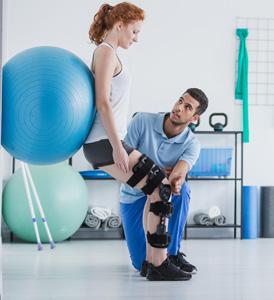
RMR Rehabilitation provides access to personal trainers working within our internal Medical-Legal Framework, designed to support safe, professional, and collaborative practice within rehabilitation and case management settings.

Safeguarding & professional boundaries
MDT collaboration & communication
Rehabilitation-focused exercise support
Governance-led framework
Professional reporting standards
Nationwide trainer network
07518 964 332
rowanmorganruffley@rmr-rehabilitation.co.uk www.rmr-rehabilitation.co.uk
Supporting clients with: Brain Injury | Neurological Conditions | Spinal Injury | Chronic Pain | Reduced Mobility | Long-Term Rehabilitation

Sleep Unlimited Ltd – the largest private company of sleep experts in the UK - specialise in the assessment of people who have sustained a life changing injury – and our reports have been used by many legal practitioners in successful litigation.
We also offer highly acclaimed training in CBT for insomnia to healthcare professionals, corporate training and consultation, both apnoea testing and assessments for insomnia disorders, and Bond Solon trained expert witness testimony.
Please see our website for further details, or contact our friendly team - we look forward to hearing from you.
info@sleepunlimited.co.uk

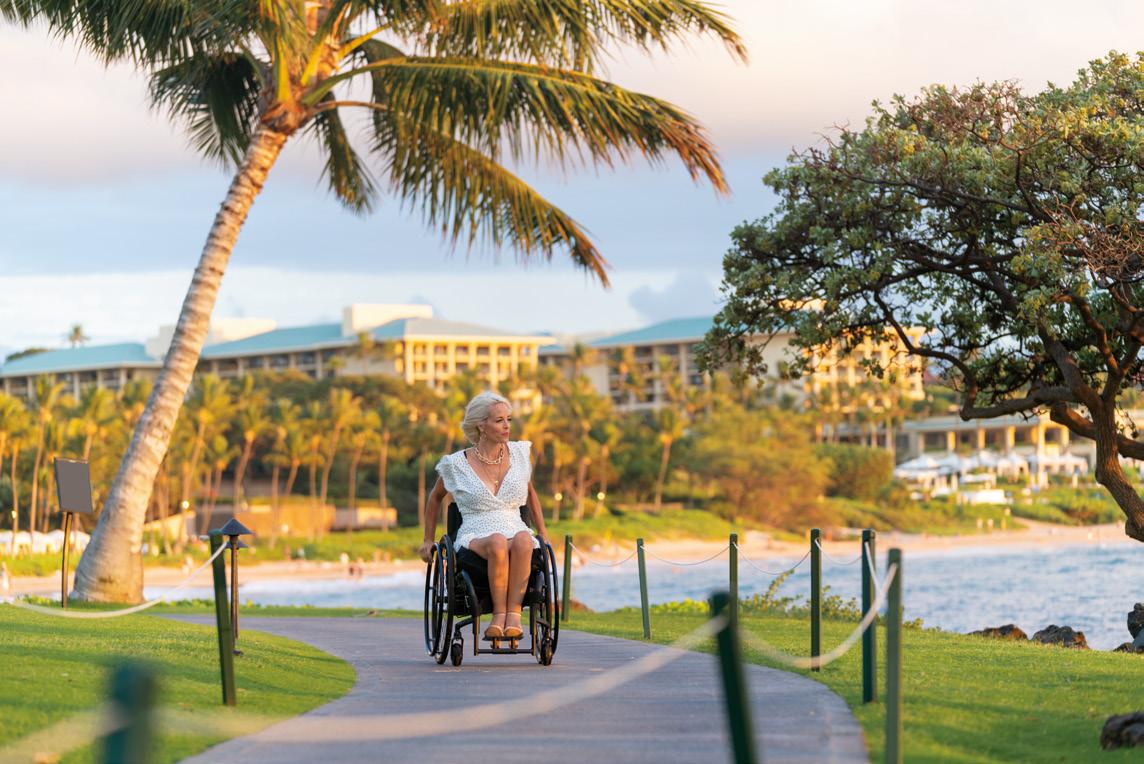
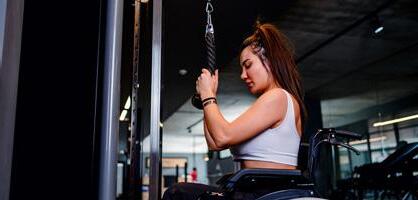





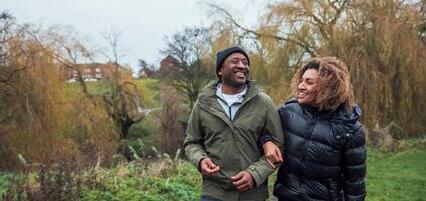
Brain & Spinal Injury CONTACT INFORMATION
Support groups, charities and other useful contacts and organisations across the UK.
Vocational Rehabilitation Association UK
The VRA represents all those involved in delivering vocational rehabilitation services. A number of professional fgroups are involved from both health (NHS and private) and other government agencies e.g. the Department for Work and Pensions. www.vrassociationuk.com
Brainkind
Brainkind is the UK’s leading charity supporting people after brain injury, offering innovative rehabilitation and long-term support to help individuals rebuild skills, regain independence, and lead fulfilling lives www.brainkind.org
IRCM
IRCM is a leading UK organisation dedicated to supporting people after brain injury, offering innovative rehabilitation and long-term services that help individuals rebuild independence and improve quality of life. www.ircm.org.uk
Brain & Spine Foundation
Provides support and quality information to people affected by brain and spine conditions, in order to reduce anxiety and help inform their choices. A free helpline is staffed by neuroscience nurses to answer questions about all neurological conditions and offer information and support on any medical and emotional issues. Helpline Number 0808 808 1000 www.brainandspine.org.uk
Carers UK
An excellent source of information, advice and support, this charity is at the forefront of campaigning for carers. www.carersuk.org
The Children’s Trust
A national charity, The Children’s Trust provides care, education, therapy and rehabilitation to children with acquired brain injury, multiple disabilities and complex health needs. It runs the UK’s largest paediatric brain injury rehabilitation centre at Tadworth (Surrey), and services include nationwide support in the community for children and young people with acquired brain injury. www.thechildrenstrust.org.uk
Child Brain Injury Trust (CBIT)
A leading charity providing non-medical services and support, including a telephone helpline, for families. CBIT also provides training for health and social care professionals working with families. Helpline Number 0303 303 2248. www.childbraininjurytrust.org.uk
Headway
A national brain injury charity that promotes understanding of all aspects of brain injury and provides information, support and services to brain injured people, their families and carers. Headway also operates a regional network of branches and support groups. www.headway.org.uk
The United Kingdom Acquired Brain Injury Forum (UKABIF)
The United Kingdom Acquired Brain Injury Forum (UKABIF) is a membership organisation and charity which aims to promote the understanding of all aspects of acquired brain injury. There are also regional groups throughout the UK, and UKABIF works with these groups to set common aims, encourage sharing of information and practice and co-ordinate group work.
www.ukabif.org.uk
Spinal Injuries Association (SIA)
Spinal Injuries Association (SIA) are a charity that provides information and support to spinal cord injured people, their families and health care professionals. www.spinal.co.uk Brain & Spinal Injury
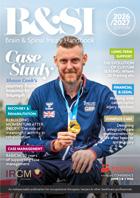

The Backup Trust
The Backup Trust provides support services for people of all ages with spinal cord injury. Services include wheelchair skills training, activity courses, mentoring and support to get back to work or school after an injury. www.backuptrust.org.uk
Aspire
Aspire works with people with a spinal cord injury to create opportunity, choice and independence. They aim to support people to lead a fulfilled and independent life from the moment of their injury throughout their life. They are also committed to research in the field of technology to find cost effective solutions to improve the quality of disabled people’s lives. www.aspire.org.uk
Association of Personal Injury Lawyers (APIL) Association of Personal Injury Lawyers (APIL) is an independent, not for profit organisation providing accreditation to lawyers specialising in the area of personal injury law. Website includes a directory of accredited solicitors. www.apil.org.uk
British Association of Brain Injury Case Managers (BABICM)
British Association of Brain Injury Case Managers (BABICM) is a professional association that was established in 1996 to promote the development of case management in the field of acquired brain injury. www.babicm.org
Law
Society
Law Society is the professional association that represents and governs solicitors for the jurisdiction of England and Wales. It provides services and support to practising and training solicitors, as well as serving as a sounding board for law reform.
www.lawsociety.org.uk
The Case Management Society UK (CMSUK)
The Case Management Society UK (CMSUK) is a non-profit association of Case Managers, committed to the delivery of quality case management through standards of best practice while promoting the individual and collective development of case management throughout the United Kingdom. www.cmsuk.org
The Neurological Alliance
The Neurological Alliance is a wide range of neurological charities which have come together to make life better for people in the UK with a neurological condition. Their aim is to raise awareness of neurological conditions and their impact; inform and influence policy makers about the needs of people with neurological conditions; secure the highest standards of service and improved care for people with neurological conditions; promote research and the dissemination of information about neurological conditions.
www.neural.org.uk
We are your Partner in Care Case Managers
& Law Firms
Court of Protection & Litigation Support
Real-time access to care logs, weekly download of all care logs, key metrics and outcomes for each care user
Monthly care analyses and improvement on outcomes
Care assessments and recommendations
Expert witness testimony
Regulatory compliance with the CQC
Support with setting up a therapy multidisciplinary team
Assessment & Care Planning
Our care plans and assessments are designed to be person-centred and meet the immediate and long-term needs of our clients All our care plans are dynamic and are reviewed at least once a month to be adapted as the client’s condition or legal situation changes We provide
Detailed assessments for clinical and care needs
Complete nurse-led clinical oversight and management of care plans

“I can honestly say that I have never been let down by Abilities Enabled Every shift has been consistently covered, and we have never experienced last-minute cancellations. I find Abilities Enabled to have a highly professional approach
The new online care notes are clear and easy to review, and all documentation is up-to-date and accessible at any time Furthermore, their invoicing is clear and straightforward to review”
Maria Jackson North Star Case Management

“Abilities Enabled have assisted us with a number of clients who have sustained traumatic brain injuries They have been flexible and efficient in their approach to setting up and maintaining stability on the packages that we share The management team are approachable and available and work hard to address any issues whether they be minor or more significant The care staff are committed to our clients and always want to be sure that their care is given at the highest quality Abilities Enabled have worked within some tight criteria to ensure that our packages are stable and delivered seamlessly“
Amy Iddon AI Case Management
“I currently work with Abilities Enabled on other care packages in Coventry and Hertfordshire, and have been consistently impressed by:
Their commitment to person-centred care
Their responsiveness
The quality of staff recruited
Their willingness to collaborate and adapt
Their proactive communication
This proven track record increases confidence that they can safely and sustainably support [client]”
Jo Kerr Karen Burgin Ltd
“Working alongside Abilities Enabled has been an exceptional experience for our physiotherapy team, particularly with clients who present with complex rehabilitation needs Their support workers consistently demonstrate a level of professionalism, care and empathy that gives us and the clients we share genuine peace of mind It’s clear that the team is committed to doing things properly, not just quickly Communication with their team members and management has always been excellent
We’ve found their staff and trainers to be responsive, accessible, and proactive This makes a tremendous difference in maintaining rehabilitation momentum for complex cases Perhaps most importantly for us, their support workers are open to training, conscientious, and genuinely capable of carrying out rehab programmes between physiotherapy sessions This continuity is vital to ensure the very best outcomes It means clients don’t lose progress between appointments, and as therapists, we can see the positive impact of the care team’s consistent intervention. I have no hesitation in recommending them”.
James Creak
Physio
4 You
A VERY SPECIAL ‘THANK-YOU’ to all our contributors




Disclaimer: Brain & Spinal Injury Handbook is published annually (once per annum) by Seven Star Media Ltd. No part of Brain & Spinal Injury Handbook may be reproduced, stored in a retrieval system or transmitted to any form without permission. Views expressed in the publication are not necessarily those of Seven Star Media Ltd, and are included to provide advice only. No content is a substitute for professional medical advice. During printing, images may be subject to a 15% variation. © Copyright of content belongs to individual contributors with the publication copyright belonging to Seven Star Media Ltd. All rights reserved. Please either keep this magazine for future reference, pass it on for somebody else to read, or recycle it.

Long Term Recovery is Our Priority
At Slater and Gordon we understand the devastating affects a brain and spinal injury can have on an individual and their loved ones.
Long-term recovery is at the centre of everything we do. Our legal experts work in seamless partnership with dedicated rehabilitation coordinators from the very beginning.
By bridging the gap between clinical

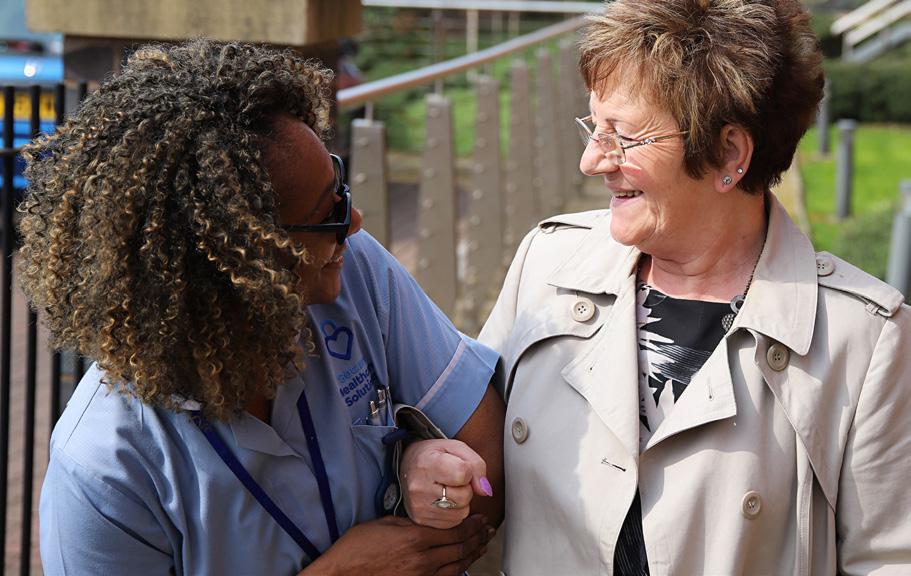
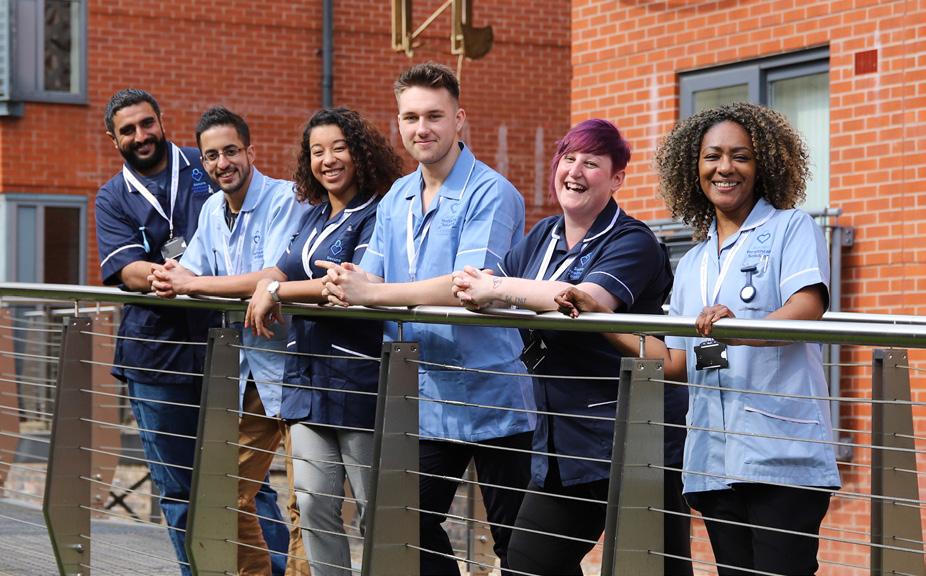
We Are A Specialist, Nurse-Led Complex Care Provider
Experts in bespoke home care services


Secure Healthcare Solutions are a national and CQC regulated Complex Care Provider, supporting Children and Adults across the UK with bespoke complex homecare.

We believe that people who live with complex care needs should be able to live fulfilled lives, in their own homes.
We work in collaboration with individuals, ICBs, Case Managers, Solicitors and Private funders, to facilitate safe, fast discharges into the community. We also support with mobilising packages of care from hospital to home, alongside supporting individuals who are already living in their own homes. Get In Touch
Address: 55 Waterloo Rd, Wolverhampton WV1 4QQ
Email: info@securehealthcaresolutions.co.uk
Phone: 0121 285 9449