A MESSAGE FROM THE INTERIM SUPERINTENDENT
Celebrating 75 Years of Excellence in Education
Dr. Jennifer Perry is the Interim Superintendent of the Cherry Creek School District, bringing nearly three decades of experience in education and 25 years in the District.
Since July 2021, Perry has served as the Deputy Superintendent, leading a variety of teams and initiatives across the district, including Strategic Planning, Curriculum and Performance Improvement, and Career and Innovation.
Prior roles within the district include Assistant Superintendent of Educational Operations, Executive Director of Elementary Education, Elementary Principal,
Strategic Plan

Literacy
Develop independent and confident readers, writers, communicators, and thinkers by providing every student with authentic and rigorous learning experiences through a structured, culturally responsive, and evidencebased approach to literacy instruction.
Key Strategies:
• Multi-tiered Systems of Support (MTSS)
• Cherry Creek Literacy Plan
• Universal Literacy Instruction
Elementary Assistant Principal, and Teacher, specializing in 2nd-grade and Title I reading. Previously, Perry taught at Jefferson County Public Schools from July 1997 to June 2001, focusing on kindergarten and multi-age 1st and 2nd-grade classes.
Perry holds a Doctor of Education in Educational Leadership and Policy Studies from the University of Northern Colorado, along with a Master’s degree in School Administration and a Master of Education. Perry earned a Bachelor of Arts in Early Childhood Education and Teaching from Metropolitan State University of Denver.
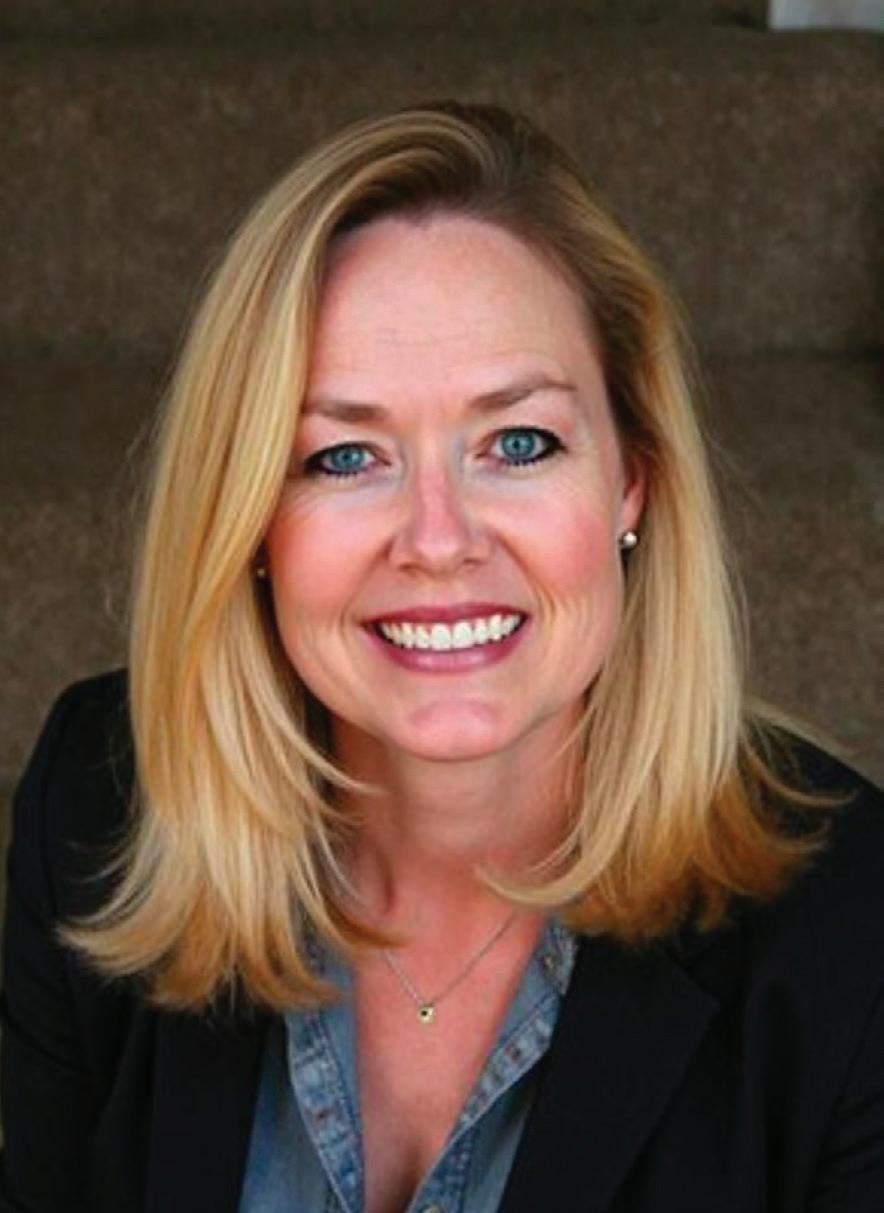
DR. JENNIFER PERRY INTERIM SUPERINTENDENT

Health & Wellbeing
Support students and staff in their social, emotional, and physical wellbeing so they can learn, teach, grow, and find their Pathway of Purpose.
Key Strategies:
• Physical Safety
• Psychological Safety
• Increased Healthcare Access

Disproportionality
Ensure all students thrive regardless of where they are in their learning journey.
Key Strategies:
• Discipline Practices
• Equitable Identification

CORE VALUES
The Cherry Creek School District engaged with and listened to stakeholders and community members to identify what students need to thrive in school and beyond. From those conversations, five Core Values emerged which guide our work and help empower every student to find their Pathway of Purpose.

Mission
To inspire every student to think, to learn, to achieve, to care.
53,000
STUDENTS
Indian/Alaskan Native

67 SCHOOLS
Vision
Pathway of Purpose
Native Hawaiian/Pacific Islander White
or More Races
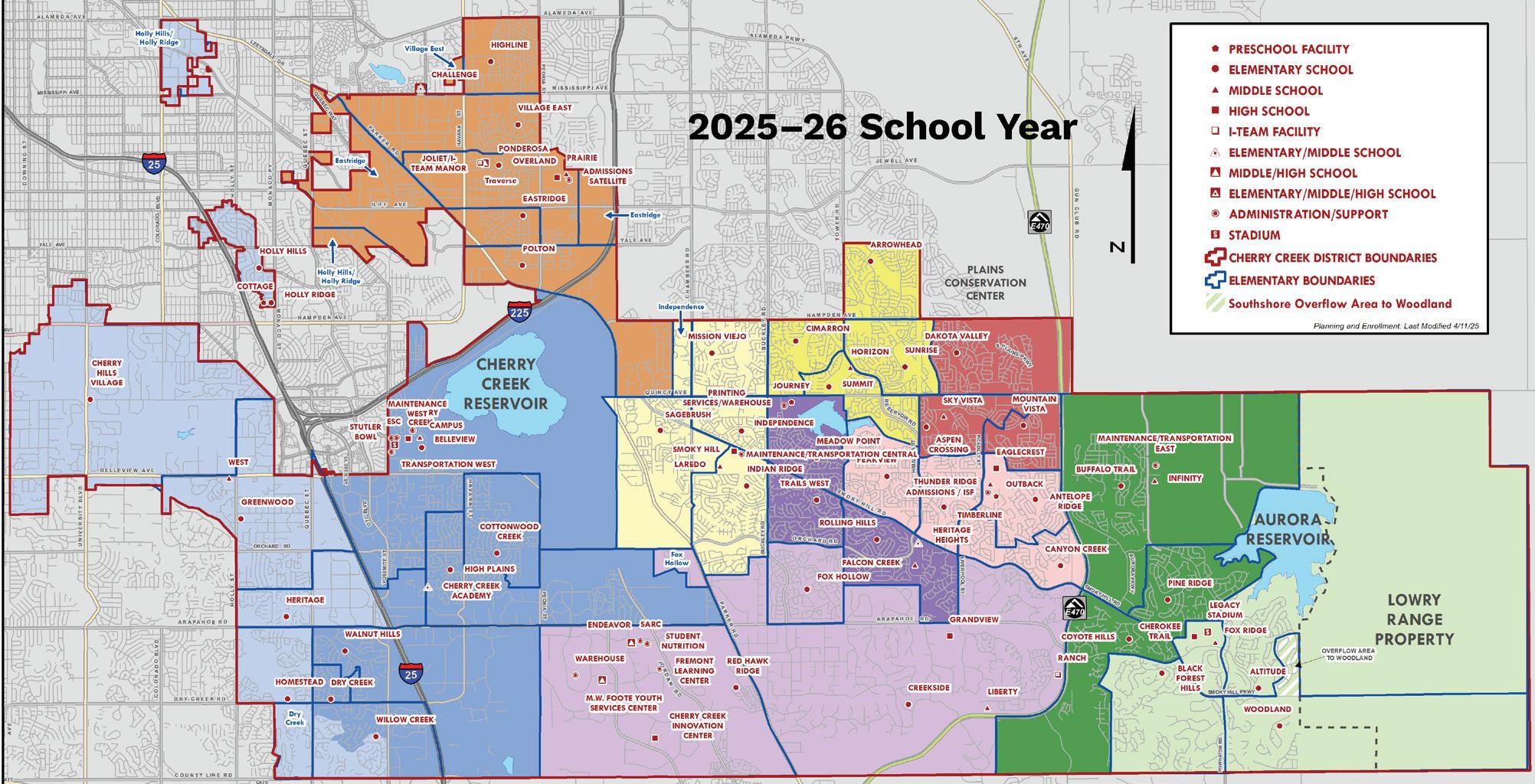


91.6% GRADUATION RATE


90 CAREER & TECHNICAL EDUCATION PROGRAMS
150+ LANGUAGES SPOKEN
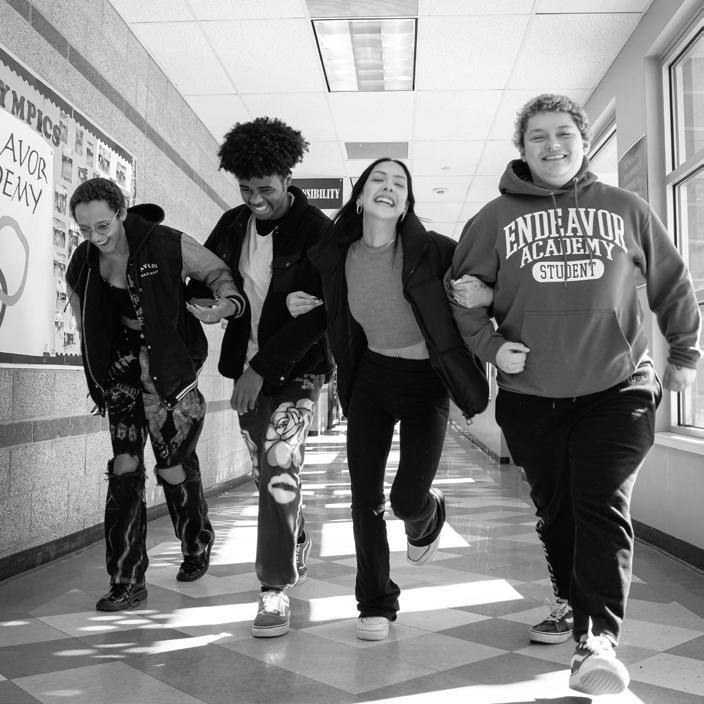

#1 DISTRICT FOR TEACHER SATISFACTION
100+ PARENT & COMMUNITY ENGAGEMENT GROUPS
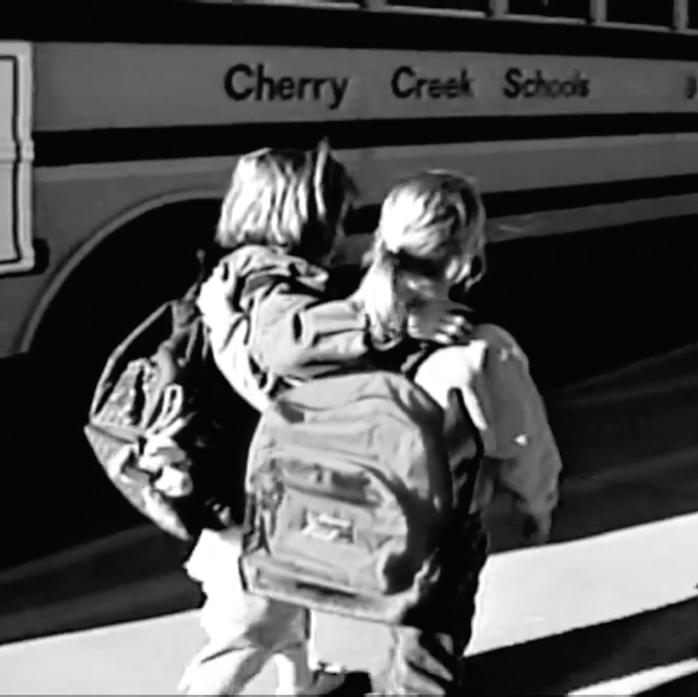

67% PARTICIPATION IN ATHLETICS & ACTIVITIES
$50M COLLEGE SCHOLARSHIPS AWARDED PER YEAR

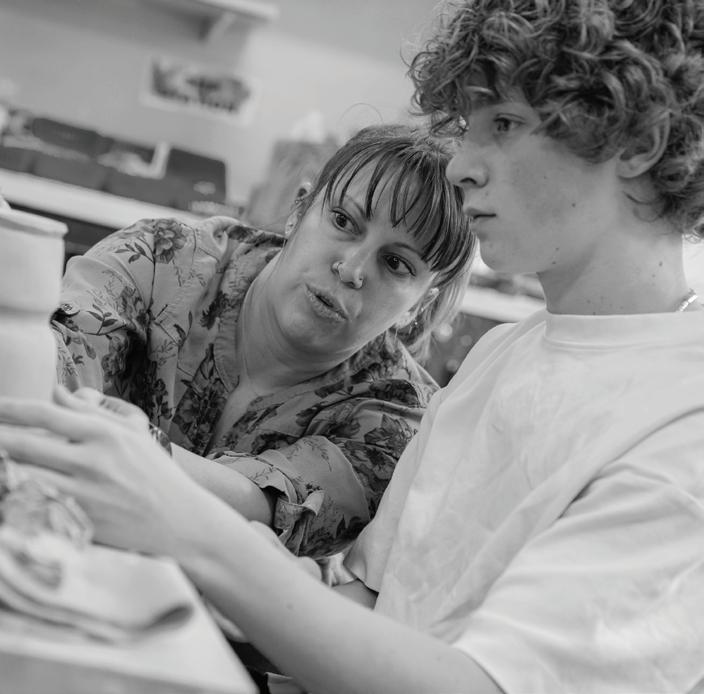
6M MEALS SERVED IN 2024-25
776 INDUSTRY CERTIFICATIONS
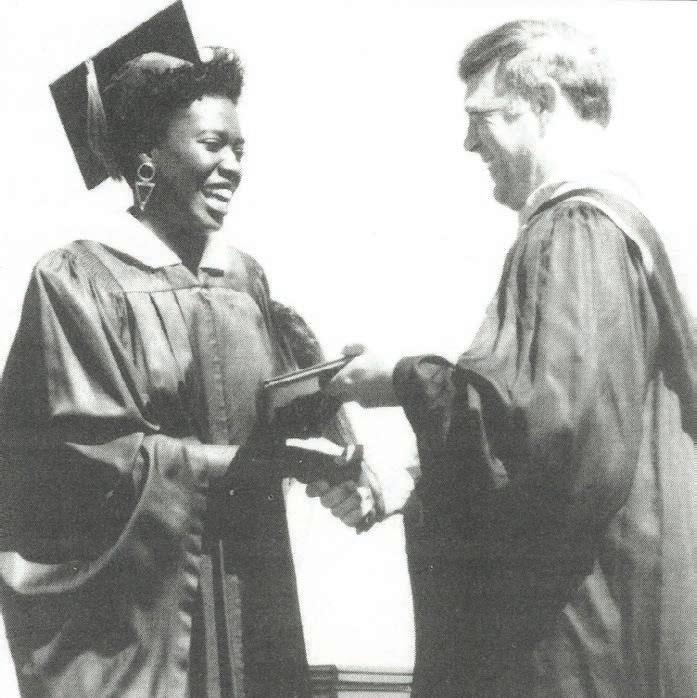
150 SECURITY STAFF, INCLUDING 25 SCHOOL RESOURCE OFFICERS
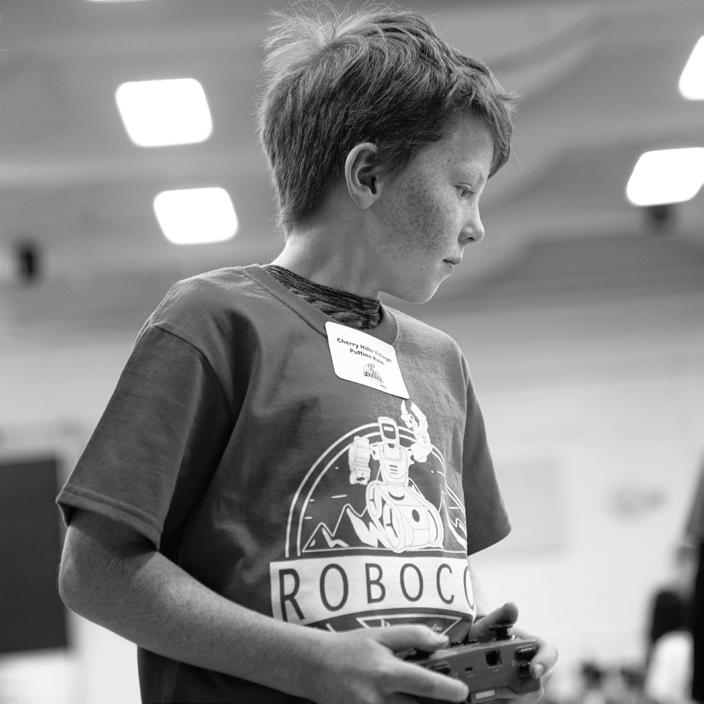
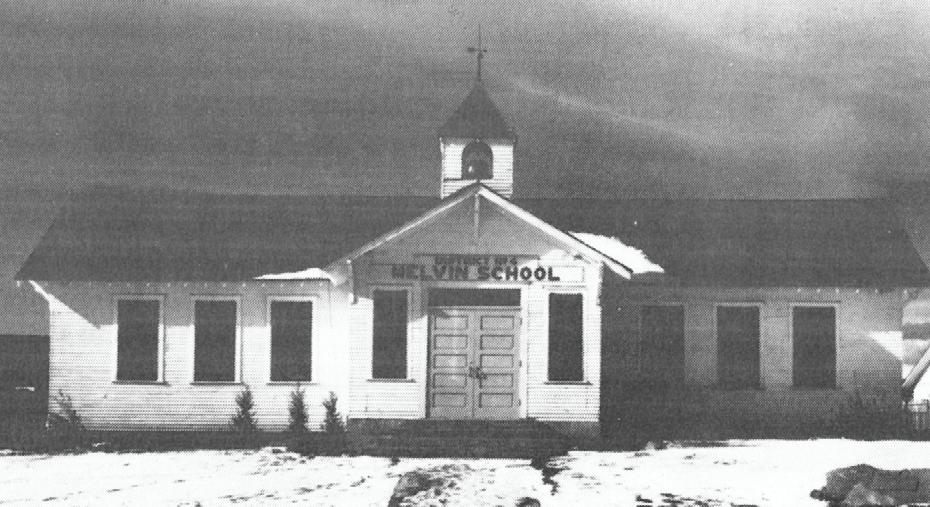
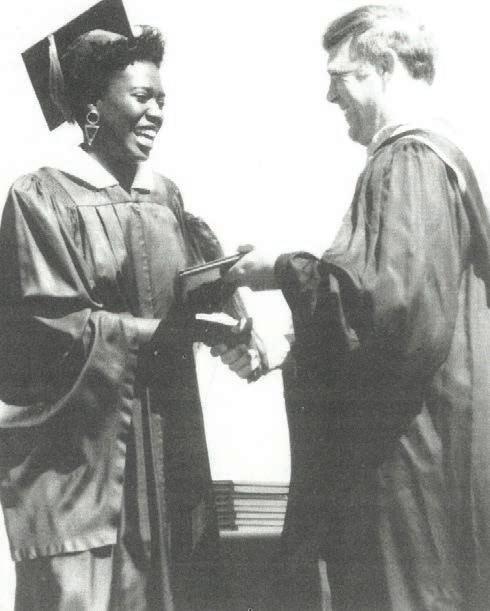
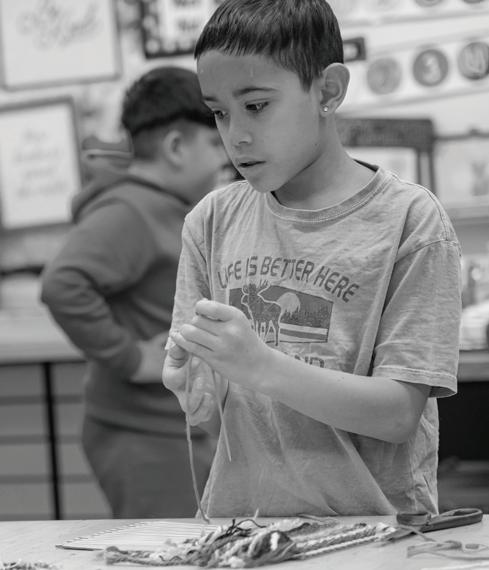
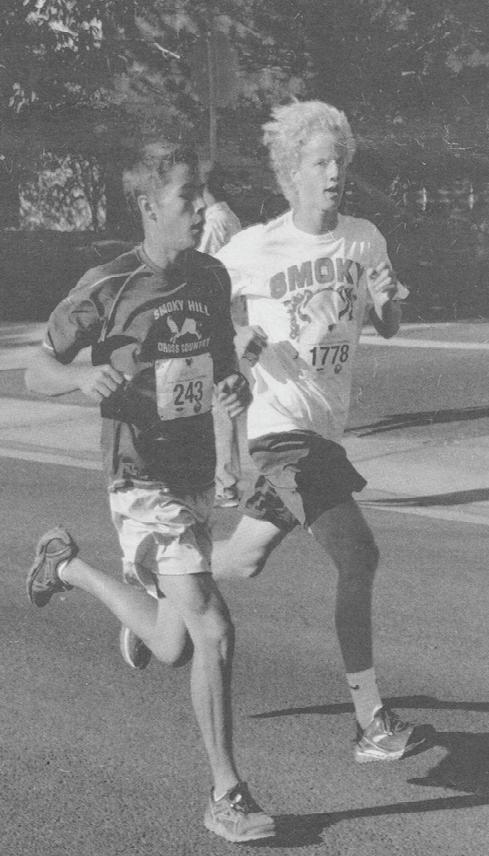
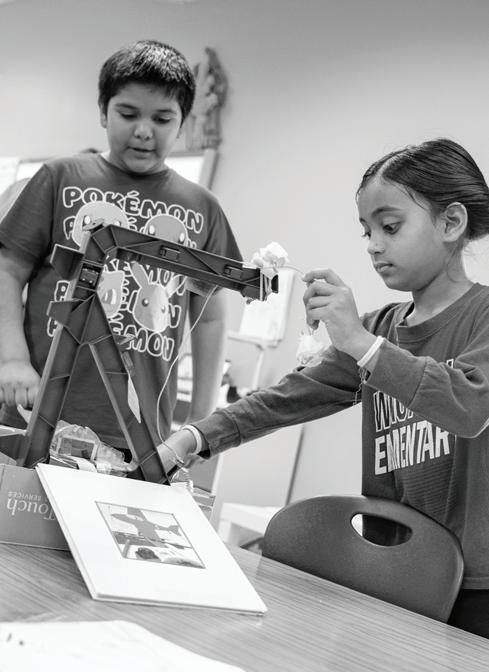
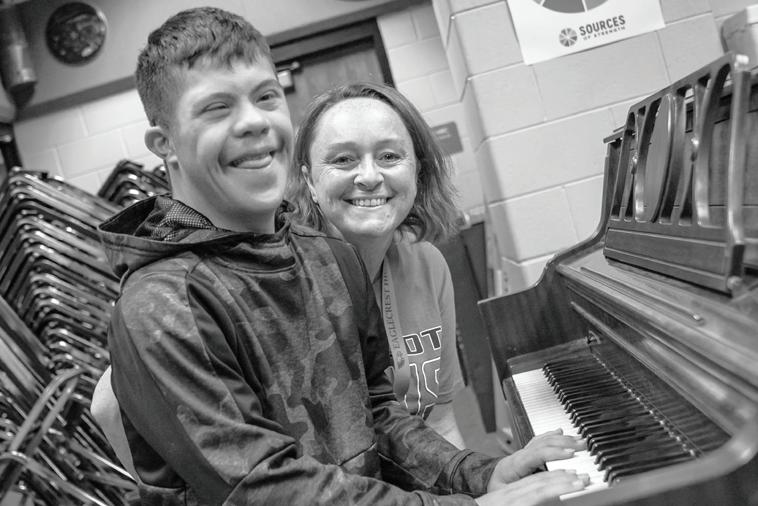
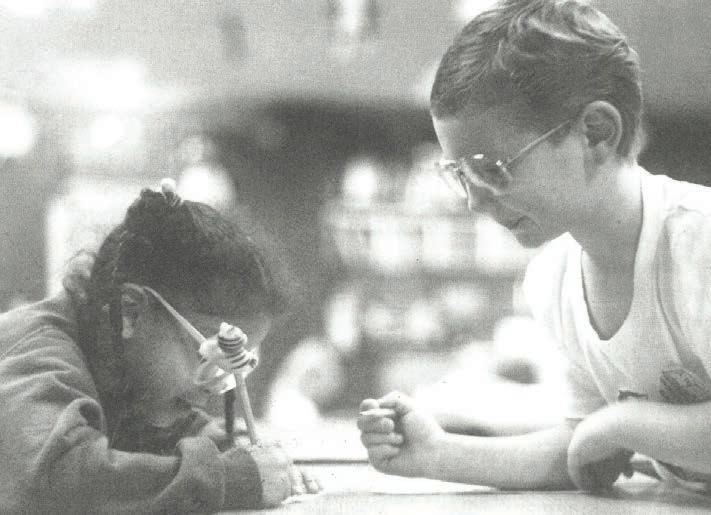

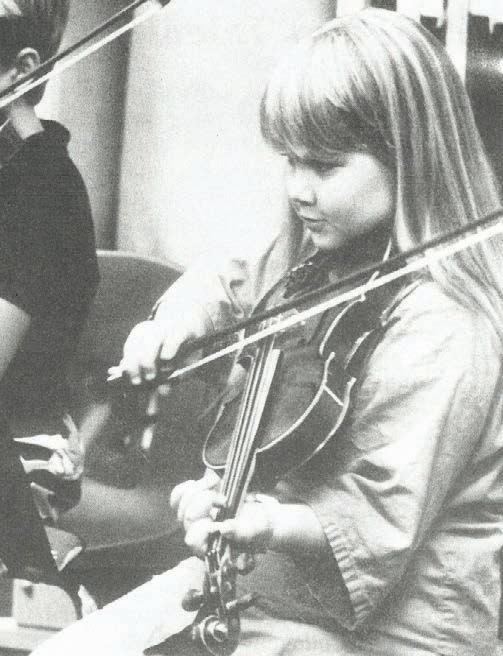
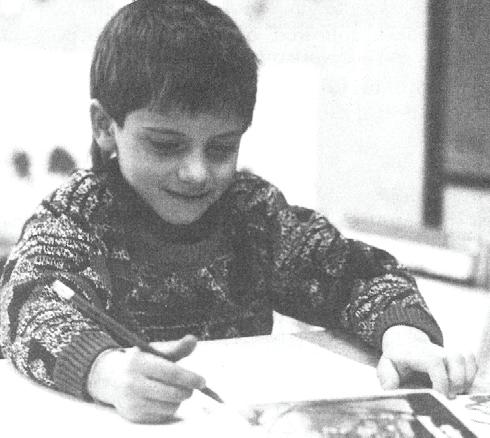
CELEBRATING 75 YEARS OF EXCELLENCE
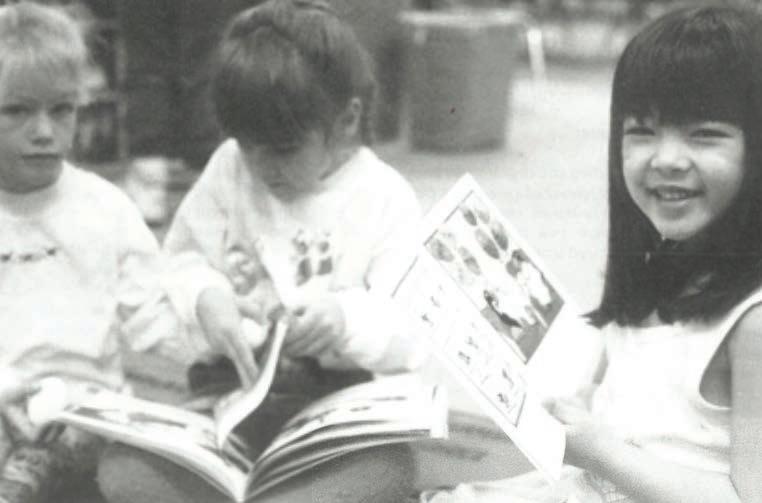
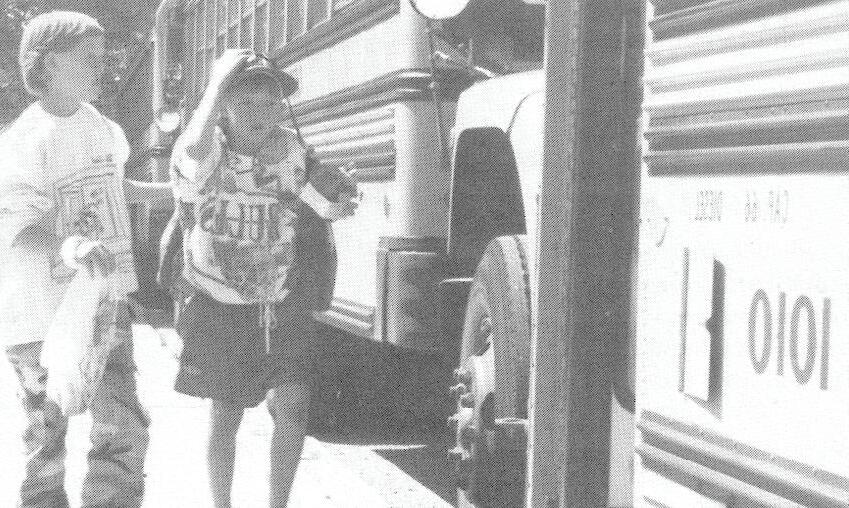
For 75 years, Cherry Creek Schools has been dedicated to inspiring minds, empowering futures, and strengthening our community.
Thank you to the students, families, staff, and community members for your ongoing support and involvement.
HERE’S TO 75 YEARS OF EXCELLENCE AND TO MANY MORE AHEAD!





CHERRY CREEK SCHOOL DISTRICT
Sleep training is no longer just for babies. Some schools are teaching teens how to sleep
BY JOCELYN GECKER, AP Education Writer
The topic of a new course at Mansfield Senior High School is one that teenagers across the country are having trouble with: How to Get to Sleep.
One ninth grader in the class says his method is to scroll through TikTok until he nods off. Another teen says she often falls asleep while on a late-night group chat with friends. Not everyone takes part in class discussions on a recent Friday; some students are slumped over their desks napping.
Sleep training is no longer just for newborns. Some schools are taking it up-
on themselves to teach teenagers how to get a good night’s sleep.
“It might sound odd to say that kids in high school have to learn the skills to sleep,” says Mansfield health teacher Tony Davis, who has incorporated a newly released sleep curriculum into a state-required high school health class. “But you’d be shocked how many just don’t know how to sleep.”
Adolescents burning the midnight oil is nothing new; teens are biologically programmed to stay up later as their circadian rhythms shift with puberty. But studies show teenagers are more sleep deprived than ever, and experts believe
it could be playing a role in the youth mental health crisis and other problems plaguing schools, including behavioral and attendance issues.
“Walk into any high school in America and you will see kids asleep. Whether it’s on a desk, outside on the ground or on a bench, or on a couch the school has allotted for naps — because they are exhausted,” says Denise Pope, a senior lecturer at Stanford Graduate School of Education. Pope has surveyed high school students for more than a decade and leads parent sessions for schools around California on the importance of teen sleep. “Sleep is directly connected with mental


health. There is not going to be anyone who argues with that.”
How much sleep do teens need?
Adolescents need between eight and 10 hours of sleep each night for their developing brains and bodies. But nearly 80% of teens get less than that, according to the U.S. Centers for Disease Control and Prevention, which has tracked a steady decline in teen sleep since 2007. Today, most teens average 6 hours of sleep.
Research increasingly shows how tightly sleep is linked to mood, mental health and self-harm. Depression, anxiety and suicidal thoughts and behavior go up as sleep goes down. Multiple studies also show links between insufficient sleep and sports injuries and athletic performance, teen driving accidents, and risky sexual behavior and substance use, due in part to impaired judgment when the brain is sleepy.
For years, sleep experts have sounded an alarm about an adolescent sleep crisis, joined by the American Medical Association, the American Academy of Pediatrics, the CDC and others. As a result, some school districts have shifted to later start times. Two states — California and Florida — have passed laws that require high schools to start no earlier than 8:30 a.m. But simply telling a teenager to get to bed earlier doesn’t always work, as any parent can attest: They need to be convinced.
That’s why Mansfield City Schools, a district of 3,000 students in north-central Ohio, is staging what it calls “a sleep intervention.”
‘Sleep to Be a Better You’
The district’s high school is piloting the new curriculum, “Sleep to Be a Better You,” hoping to improve academic success and reduce chronic absences, when a student misses more than 10% of the school year. The rate of students missing that much class has decreased from 44% in 2021 but is still high at 32%, says Kari Cawrse, the district’s attendance coordinator. Surveys of parents and students highlighted widespread problems with sleep, and an intractable cycle of kids going to bed late, oversleeping, missing the school bus and staying home.
The students in Davis’ classroom shared insights into why it’s hard to get a good night’s sleep. An in-class survey of the 90 students across Davis’ five classes found over 60% use their phone as an alarm clock. Over 50% go to sleep while looking at their phones. Experts have urged parents for years to get phones out of the bedroom at night, but national surveys show most teens keep their mobile phones within reach — and many fall asleep holding their devices.
During the six-part course, students are asked to keep daily sleep logs for six weeks and rate their mood and energy levels.
Freshman Nathan Baker assumed he knew how to sleep, but realizes he had it all wrong. Bedtime meant settling into bed with his phone, watching videos on YouTube or Snapchat Spotlight and often staying up past midnight. On a good night, he got five hours of sleep. He’d feel so drained by midday that he’d get home and sleep for hours, not realizing it was disrupting his nighttime sleep.
“Bad habits definitely start around middle school, with all the stress and drama,” Baker says. He has taken the tips he learned in sleep class and been amazed at the results. He now has a sleep routine that starts around 7 or 8 p.m.: He puts away his phone for the night and avoids evening snacks, which can disrupt the body’s circadian rhythm. He tries for a regular bedtime of 10 p.m., making sure to close his curtains and turn off the TV.
He likes listening to music to fall asleep but has switched from his previous playlist of rousing hip hop to calmer R&B or jazz, on a stereo instead of his phone.
“I feel a lot better. I’m coming to school with a smile on my face,” says Baker, who is now averaging seven hours’ sleep each night. “Life is so much more simple.”
There are scientific reasons for that. Studies with MRI scans show the brain is under stress when sleep-deprived and functions differently. There is less activity in the pre-frontal cortex, which regulates emotions, decision making, focus and impulse control and more activity in the emotional center of the brain, the amygdala, which processes fear, anger and anxiety.
Parents and teens themselves often aren’t aware of the signs of sleep deprivation, and attribute it to typical teen behavior: Being irritable, grumpy, emotionally fragile, unmotivated, impulsive or generally negative.
Think of toddlers who throw temper tantrums when they miss their naps.
“Teenagers have meltdowns, too, because they’re tired. But they do it in more age-appropriate ways,” says Kyla Wahlstrom, an adolescent sleep expert at the University of Minnesota, who has studied the benefits of delayed school start times on teen sleep for decades. Wahlstrom developed the free sleep curriculum being used by Mansfield and several Minnesota schools.
Social media isn’t only to blame
Social media has been blamed for fueling the teen mental health crisis, but many experts say the national conversation has ignored the critical role of sleep.
“The evidence linking sleep and mental health is a lot tighter, more causal, than the evidence for social media and mental health,” says Andrew Fuligni, a professor of psychiatry at the University of California, Los Angeles, and co-director at UCLA’s Center for the Developing Adolescent.
Nearly 70% of Davis’ Mansfield students said they regularly feel sleepy or exhausted during the school day. But technology is hardly the only reason. Today’s students are overscheduled, overworked and stressed out, especially as they get closer to senior year and college applications.
Chase Cole, a senior at Mansfield who is taking three advanced placement and honors classes, is striving for an athletic scholarship to play soccer in college. He plays on three different soccer leagues and typically has practice until 7 p.m., when he gets home and needs a nap. Cole wakes up for dinner, then dives into homework for at least three hours. He allows for five-minute phone breaks between assignments and winds down before bed with video games or TV until about 1 a.m.
“I definitely need to get more sleep at night,” says Cole, 17. “But it’s hard with all my honors classes and college stuff going on. It’s exhausting.”
There aren’t enough hours in the day to sleep, says sophomore Amelia Raphael, 15. A self-described overachiever, Raphael is taking physics, honors chemistry, algebra and trigonometry and is enrolled in online college classes. Her goal is to finish her associate degree by the time she graduates high school.
“I don’t want to have to pay for college. It’s a lot of money,” says Raphael, who plays three sports and is in student council and other clubs.
She knows she’s overscheduled. “But if you don’t do that, you’re kind of setting yourself up for failure. There is a lot of pressure on doing everything,” said Raphael, who gets to bed between midnight and 2 a.m. “I am giving up sleep for that.”
CLASS OF 2026 GRADUATIONS
Indigenous Graduation
Sat., May 9 | 9:00 a.m.
Grandview High School 20500 E. Arapahoe Road Aurora, CO 80016
Cherry Creek High School
Wed., May 20 | 8:00 a.m.
Stutler Bowl 9300 E Union Ave Greenwood Village, CO 80111
Endeavor Academy
Wed., May 20 | 1:30 p.m.
Hamilton Gymnasium
2240 Buchtel Blvd S Denver, CO 80210
Smoky Hill High School
Thurs., May 21 | 1:00 p.m.
Ritchie Center
2240 Buchtel Blvd S Denver, CO 80210
Grandview High School
Fri., May 22 | 8:00 a.m.
Ritchie Center
2240 Buchtel Blvd S Denver, CO 80210
We’re excited to celebrate the Class of 2026 as graduation season begins across Cherry Creek Schools. Families, friends, and community members are invited to attend and honor the achievements of our seniors as they take this next step.
Military Service Celebration
Sat., May 16 | 1:00 p.m.
CCIC
8000 S. Chambers Road Centennial, CO 80112
Cherry Creek Elevation
Wed., May 20 | 11:00 a.m.
Hamilton Gymnasium
2240 Buchtel Blvd S Denver, CO 80210
Overland High School
Thurs., May 21 | 8:00 a.m.
Ritchie Center
2240 Buchtel Blvd S Denver, CO 80210
Eaglecrest High School
Thurs., May 21 | 6:00 p.m.
Ritchie Center
2240 Buchtel Blvd S Denver, CO 80210
Cherokee Trail High School
Fri., May 22 | 1:00 p.m.
Ritchie Center
2240 Buchtel Blvd S Denver, CO 80210
No Bag Policy at Ritchie Center and Hamiliton Gymnasium
Please do not bring a bag to graduation ceremonies at the University of Denver Ritchie Center and Hamilton Gymnasium. This is part of an effort by DU to speed up entry to events and maintain the safest possible environment for all guests.
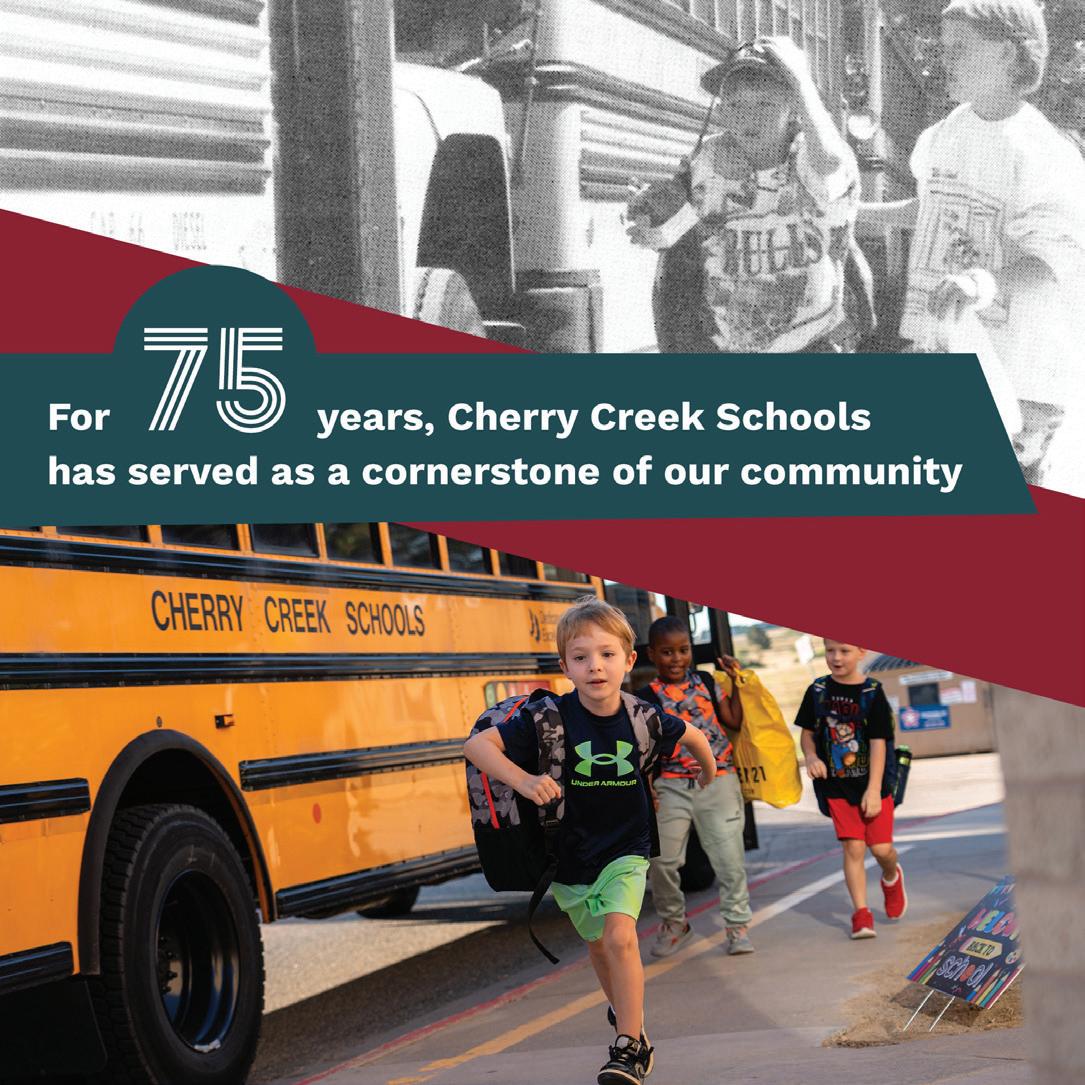






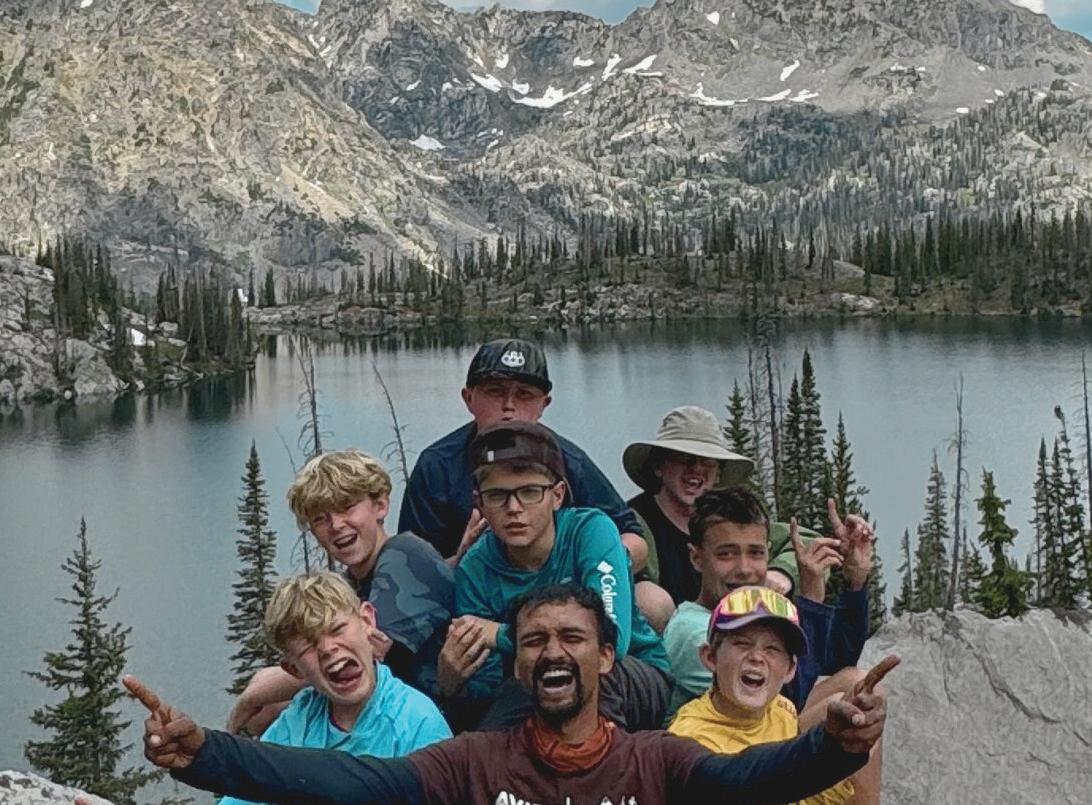































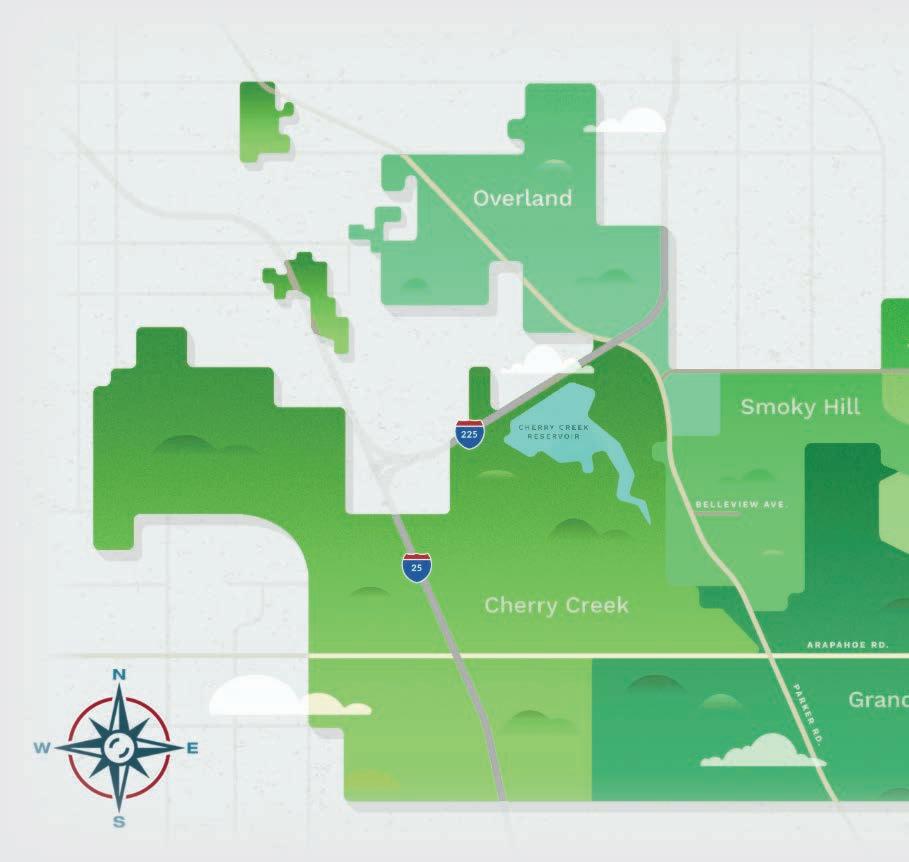
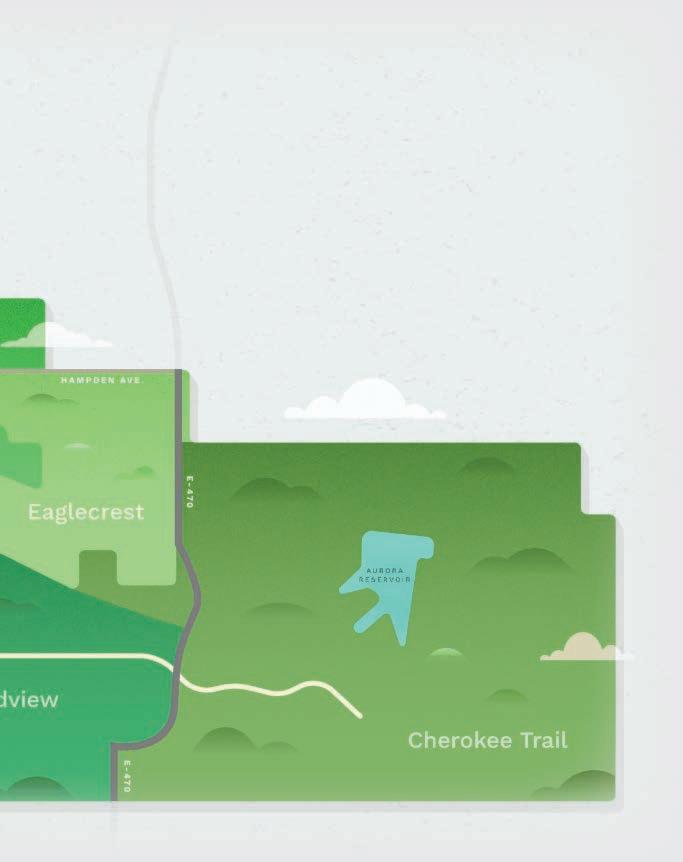
DELIVERING ON OUR PROMISE TO VOTERS
2024 Bond Projects Breaking Ground


Cherry Creek High School Rebuild (Phase I)
The 2024 bond measure is the first in a multi-year effort to replace aging facilities on the Cherry Creek PreK–12 campus. Phase I includes demolishing two administrative buildings and rebuilding the West Building on the Cherry Creek High School campus.
Cherry Creek Innovation Campus (CCIC) Expansion
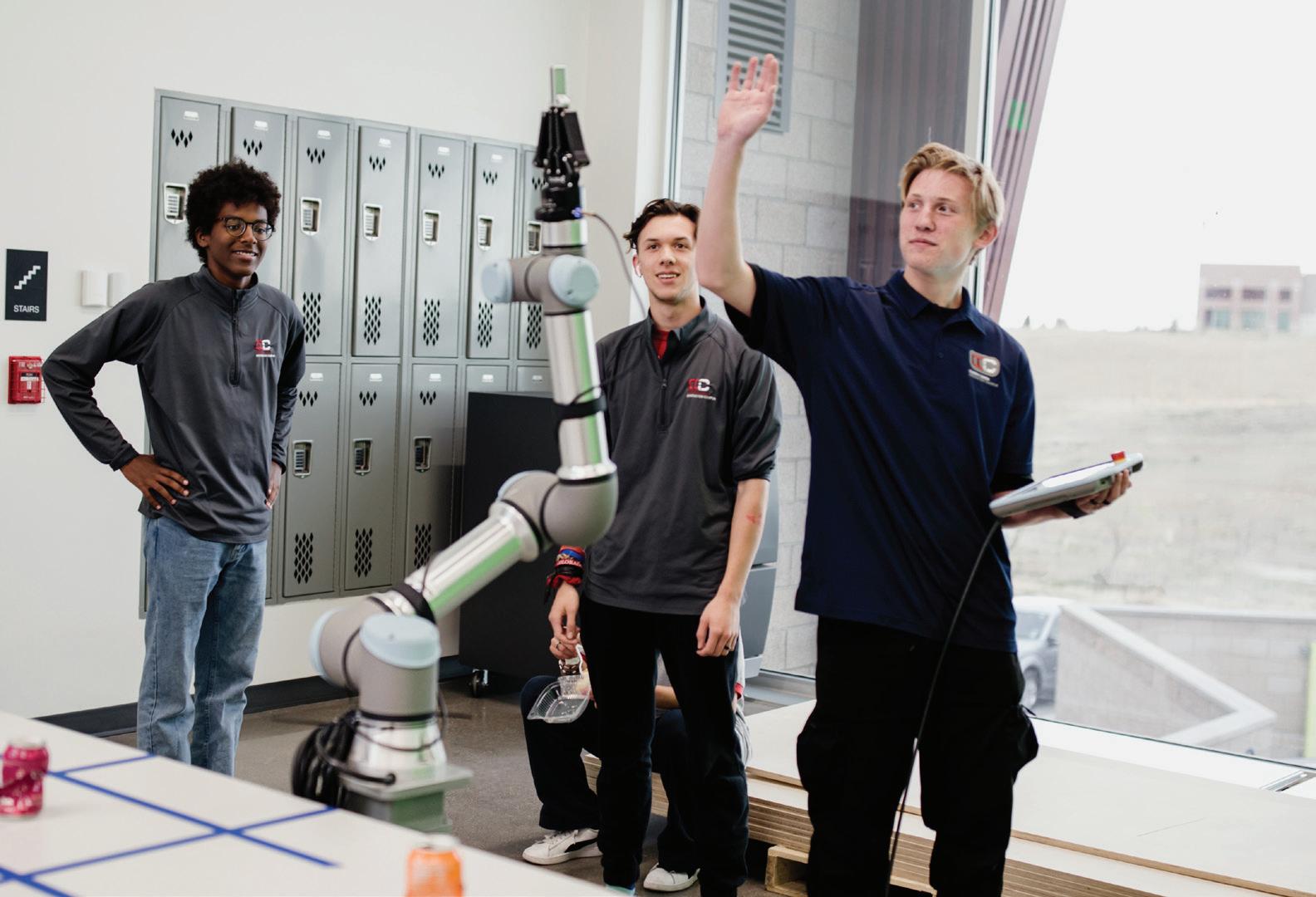
The Cherry Creek Innovation Campus is expanding to add nine new career pathways, opening the doors for 70% more students to gain realworld experience in high-demand fields. This addition will strengthen connections between education and industry, preparing students for success beyond graduation.



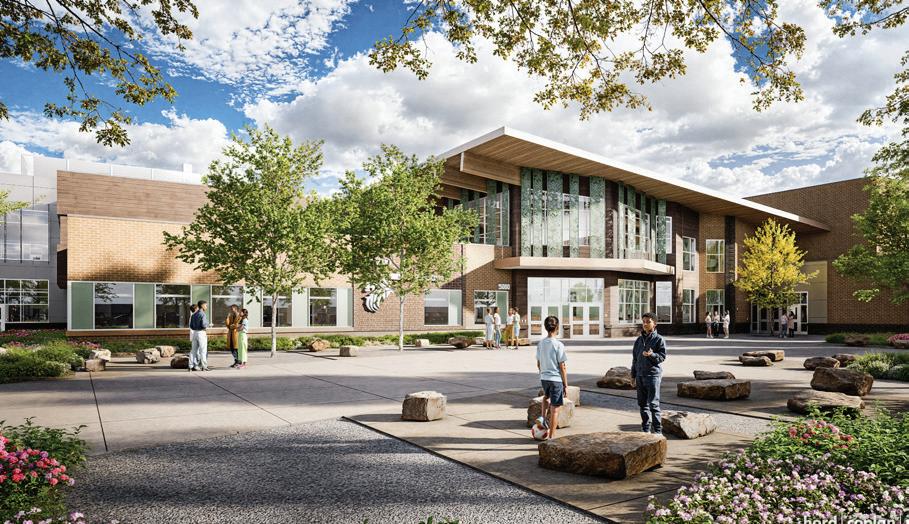
New Holly Hills Elementary School
A brand-new Holly Hills Elementary School is being built to serve students from both Holly Hills and Holly Ridge, two of the district’s oldest elementary schools. The project will bring the two communities together in a shared, modern space designed for future generations of learners.
New pool and Institute of Science and Technology (IST) renovation at Overland High School

The IST building, located between Overland High School and Prairie Middle School, will be renovated to expand access to in-demand career pathways in Health & Wellness and Criminal Justice & Law. This project also includes the construction of a new pool and renovations inside Overland HS to accommodate new programming.
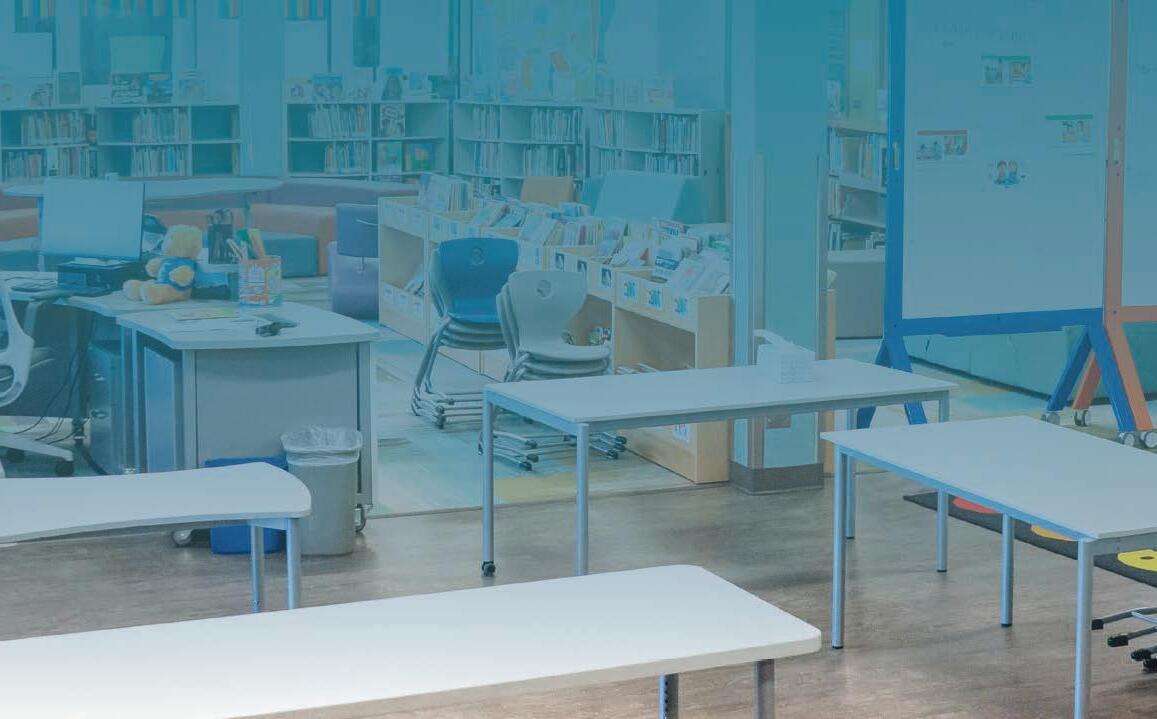
New Laredo Middle School
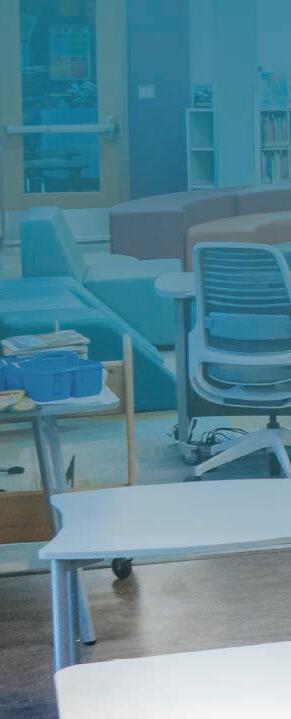

Laredo Middle School will be rebuilt to meet today’s student and programmatic needs, replacing the original 1974 building with modern, future-ready learning spaces. The new school will provide bright, flexible, and innovative learning spaces while improving traffic flow and pedestrian safety around the school.

BUDGET & FUNDING OVERVIEW
Colorado remains in the bottom third of states in the nation when it comes to K-12 educational funding, trailing the national average by $2,000–$2,500 per student. If K-12 education made up the same percentage of the State’s General Fund budget today as it did in FY 2007-08, school districts would receive an additional $2 billion in funding.
2007 - 2008 State General Fund Budget
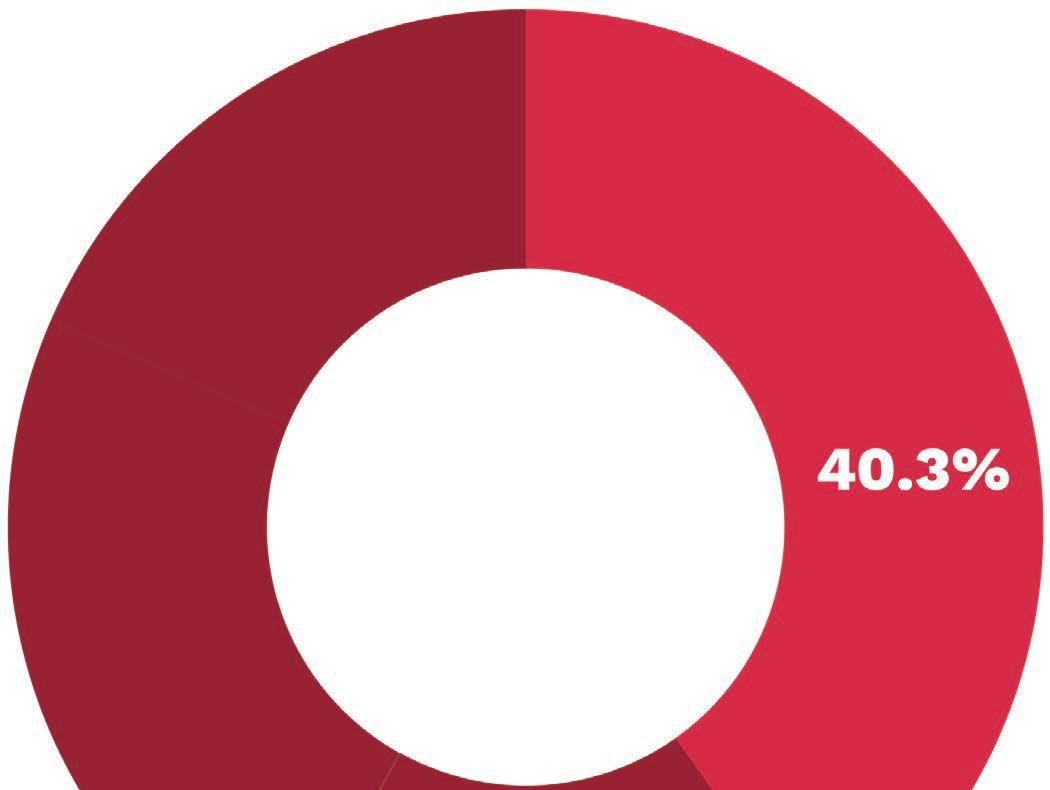

2024 - 2025 State General Fund Budget
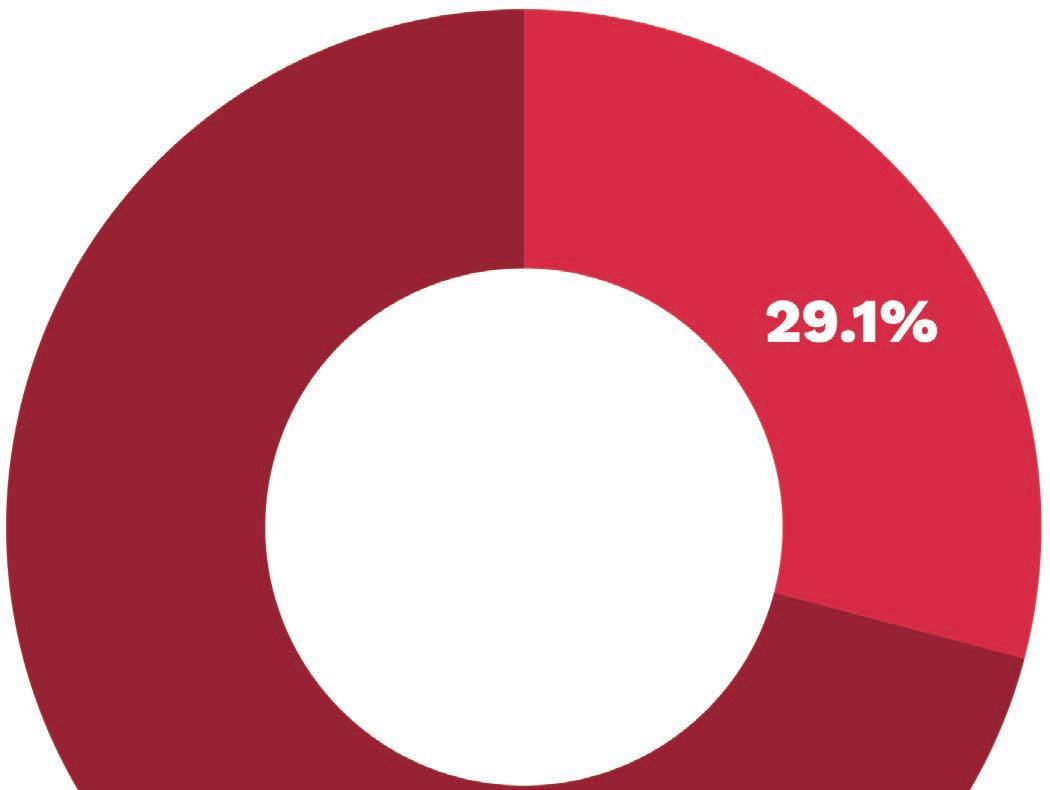

Current Tax Rates for Local School Districts
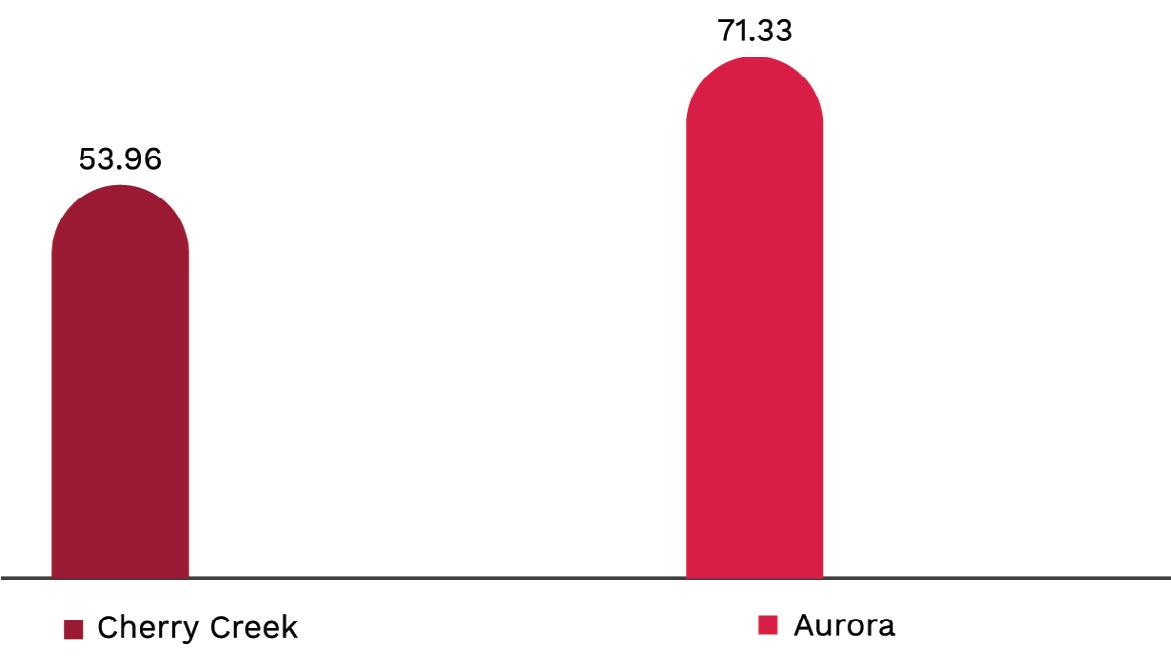
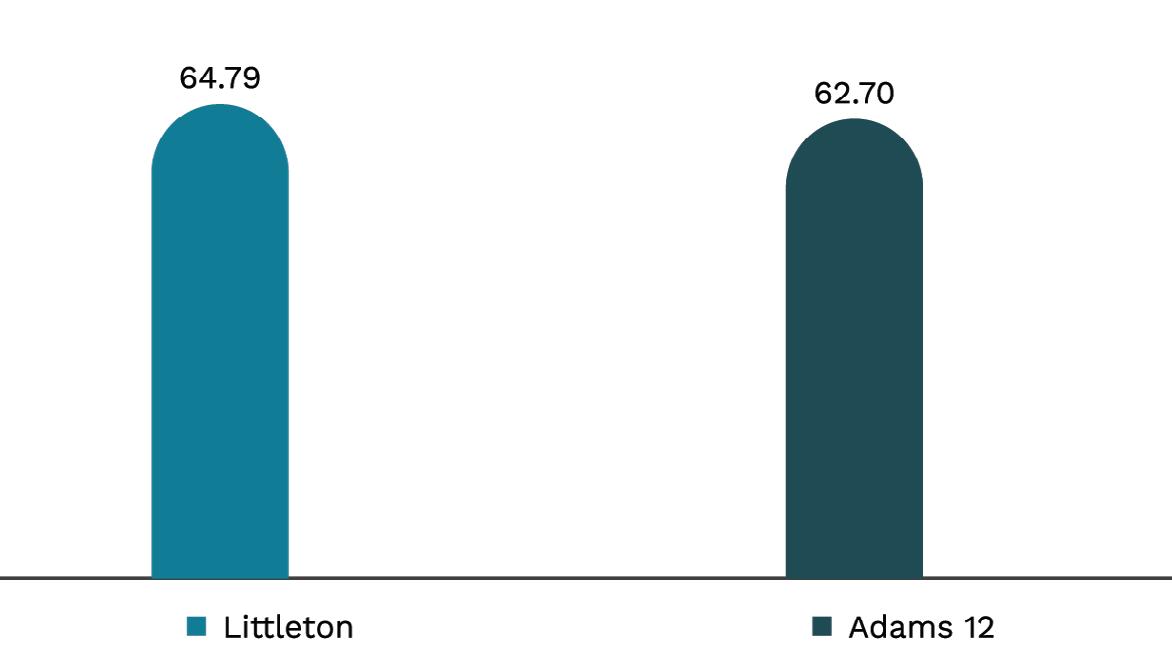
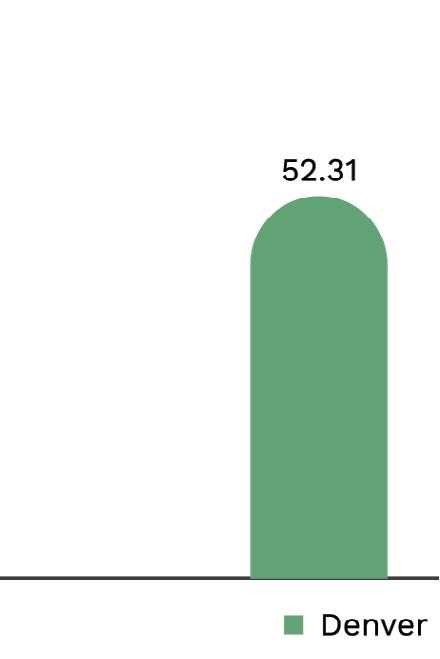
3.8% of CCSD’s budget is spent on central office staff
100%
of Cherry Creek schools will receive improvements through the 2024 Bond.
87% of CCSD’s budget goes directly to schools, such as teachers, paras, nurses, classroom supplies, etc.
Everything
Dear Readers: Yes, pen pal programs still exist in a digital world
BY HOLLY RAMER, Associated Press
In 1985, a 13-year-old girl in New Zealand spotted a pair of purple, lip-shaped sunglasses in “Young Miss” magazine. In March, I traveled 9,000 miles from New Hampshire to deliver them to her, finally fulfilling my pen pal’s decades-old request.
International Youth Service, the agency that matched us up 40 years ago, has long since folded, but other pen pal programs have survived — or even began during — the internet age. And even though New Zealand’s postal system has reduced home delivery days, Denmark has stopped delivering letters altogether and Canada is moving in that direction, some see signs of a letter-writing resurgence.
“The hunger is there,” said Rachel Syme, a writer for The New Yorker magazine who created a pen pal program during the COVID-19 pandemic and later published a book encouraging others to take up handwritten correspondence.
More than 15,000 people signed up for Syme’s Penpalooza project in 2020, and she still gets hundreds of takers when she coordinates a new round of matchmaking every few months. She also gets requests for pen pals at book signings for “Syme’s Letter Writer – A Guide to Modern Correspondence,” and the stationery stores she frequents in New York City are always crowded with customers.
“People are very interested in physical, analog things right now,” she said. “I think it really has an appeal especially
to a younger generation who grew up with a phone glued to their hand, to do something that’s more tactile, slower, more intentional, more mindful, but also just disconnected from the internet in every way.”
“Yours (hopefully)”
I was still 10 years away from connecting to the internet when I opened my first aerogramme from New Zealand, a sheet of pale blue paper that served as both writing surface and envelope adorned with a 45-cent stamp. That missive ended with a formal “Yours (hopefully) Molly Nunns,” but within a year, she was signing off with “Lots and lots of love” or “Your friend forever.”
In letter after letter, Molly drew little hearts on the tails of y’s in both of our first names, asked for updates on my middle school crushes and shared stories about her classmates and family. I could clearly picture her life, though it was hard in snowy New Hampshire to imagine celebrating Christmas during the summer.
“I am thinking of you heaps and I wonder what you are doing because you’re a SUPER pen friend and I hope that we never stop writing to each other and that one day we will get to meet each other,” she wrote in early 1986.
Julie Delbridge, 65, fostered similar friendships after joining International Pen Friends as a teenager in 1979. Writing to pen pals in more than a dozen countries from her home in Australia was such a positive experience that she began working for the organization as an adult and took over as its president
in 2001. While she loved sharing photos, postcards and treats with her pen friends, it also was a therapeutic experience at a time when her parents were going through a bitter divorce.
“It was a pastime that I totally immersed myself into in a positive way and gained a lot of enjoyment from,” she said. “There was an abundance of non-judgmental friendship, fun and different perspectives.”
Over its 59-year history, IPF has provided pen pals to more than 2 million people ages 8 to 80+, she said. Membership peaked in the late 1990s but surged again during the pandemic, and this year, there’s been an increase in people ages 21-26 joining.
Pen pals in the classroom
In 2021, the U.S. Postal Service sent cards and envelopes to 25,000 elementary school classrooms for a pen pal project, but older students also are putting pen to paper.
In Texas, a group of medical students created an anonymous pen pal program to promote peer support and personal reflection. At Villanova University, professor Kamran Javadizadeh requires students to send letters to each other as part of a literature class called “Letters, Texts, Twitter” that examines different forms of epistolary communication in literature.
“I make them put pieces of paper in envelopes and take them to the post office and send them to each other even though they could just as easily hand it to the person in class,” he said. “Something is lost when you have in-

stantaneous communication. So I’m interested in the relationship between synchronous kinds of intimacy and asynchronous forms of intimacy.”
Gordon Alley-Young, dean of communications at New York’s Kingsborough Community College, believes letters are like vinyl records — they’re coming back into fashion as young people explore a tangible medium from the past. He has both studied the history of letter writing and used it to teach students empathy.
In an interpersonal communication class, he noticed that students analyzing case studies about relationship problems offered matter-of-fact, almost insensitive diagnoses. But when he rewrote the case studies in the form of letters from friends and had students respond in kind, they began sharing their own feelings and offering more open-ended advice.
“We really want students to connect to what they’re looking at,” he said. “And letter writing encourages that.”
Pen pals in the digital age
An app called Slowly seeks to combine modern technology with the old-fashioned anticipation inherent to the pen pal relationship. Users send messages digitally, but delivery is delayed from an hour to several days to mimic snail mail.
“This delay naturally encourages longer, more thoughtful messages because you wouldn’t just say ‘hi’ if you know you have to wait days for a reply,” said cofounder JoJo Chan.
Since 2017, the app has gained 10 million users in more than 160 countries, most in their 20s and 30s. One user said he was curious about pen pals after hearing about them from his grandpar-
ents, Chan said.
“Slowly offers a convenient way and a modern way for them to try that experience,” she said.
Syme, however, is all about the tangible aspects of letter writing. Her book includes advice on paper and pens plus all kinds of goodies that can be tucked into envelopes.
“There is joy to be had once you fully embrace the medium’s outdated extravagance,” she writes.
But letter writing, she said in an interview, is like a swimming pool, both shiny and deep. The frippery and embellishments don’t matter in comparison to what you actually put on the page.
“That’s where I think it can get very real, very quickly,” she said.
>>>>>>A special connection Molly and I had been writing for 15 years by the time we met in person, spending a day together in New York when she toured the U.S. in May 2000. We crossed paths in London a few years later, and in 2018, she and her family visited New Hampshire.
“Who would have thought when we started writing in 1985 that one day you’d be sitting here? It’s quite amazing,” she said during my recent visit. “We’ll always have a special connection, I’m sure.”
In addition to the sunglasses, I also gave Molly a bound book of 200 pages of her letters that I scanned and printed. At age 13, I never could have imagined that someday I’d have searchable PDFs of our teenage scribblings that could be summarized in 10 seconds by artificial intelligence. But what amazes me more is the depth of the connection I felt during our tearful airport goodbye.
We will for sure meet again. Until then, lots and lots of love, Holly.

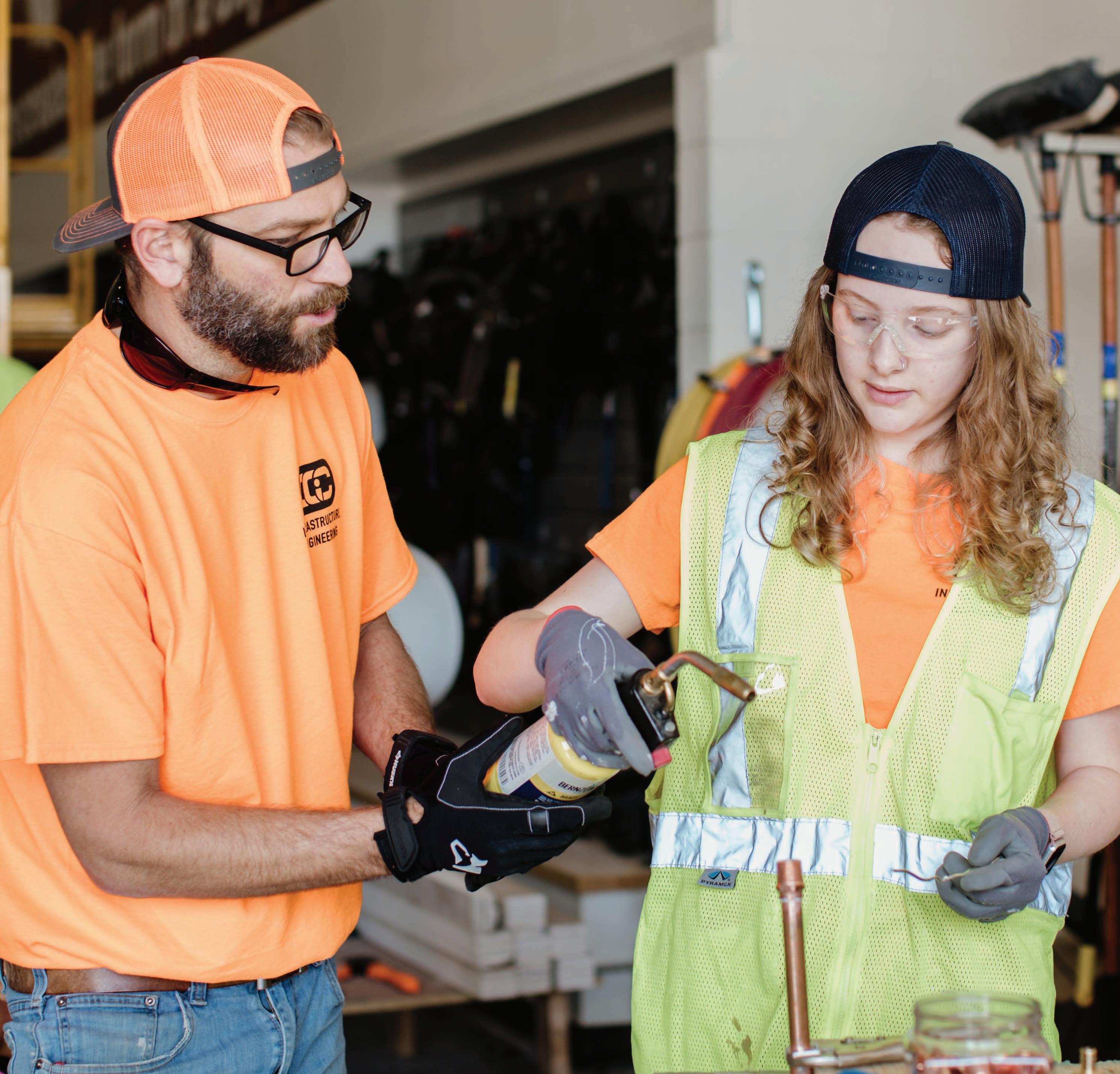
Cherry Creek Innovation Campus (CCIC)

Grants Awarded
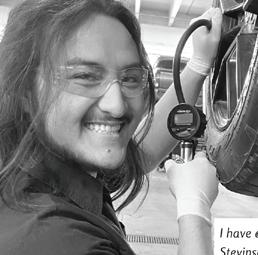

I have an apprenticeship at Stevinson Toyota East. I work on customers’ vehicles in a high-volume environment. I am learning the professional side of the industry at a fast pace!
Reily Kirk
AUTOMOTIVE SERVICE TECHNICIAN
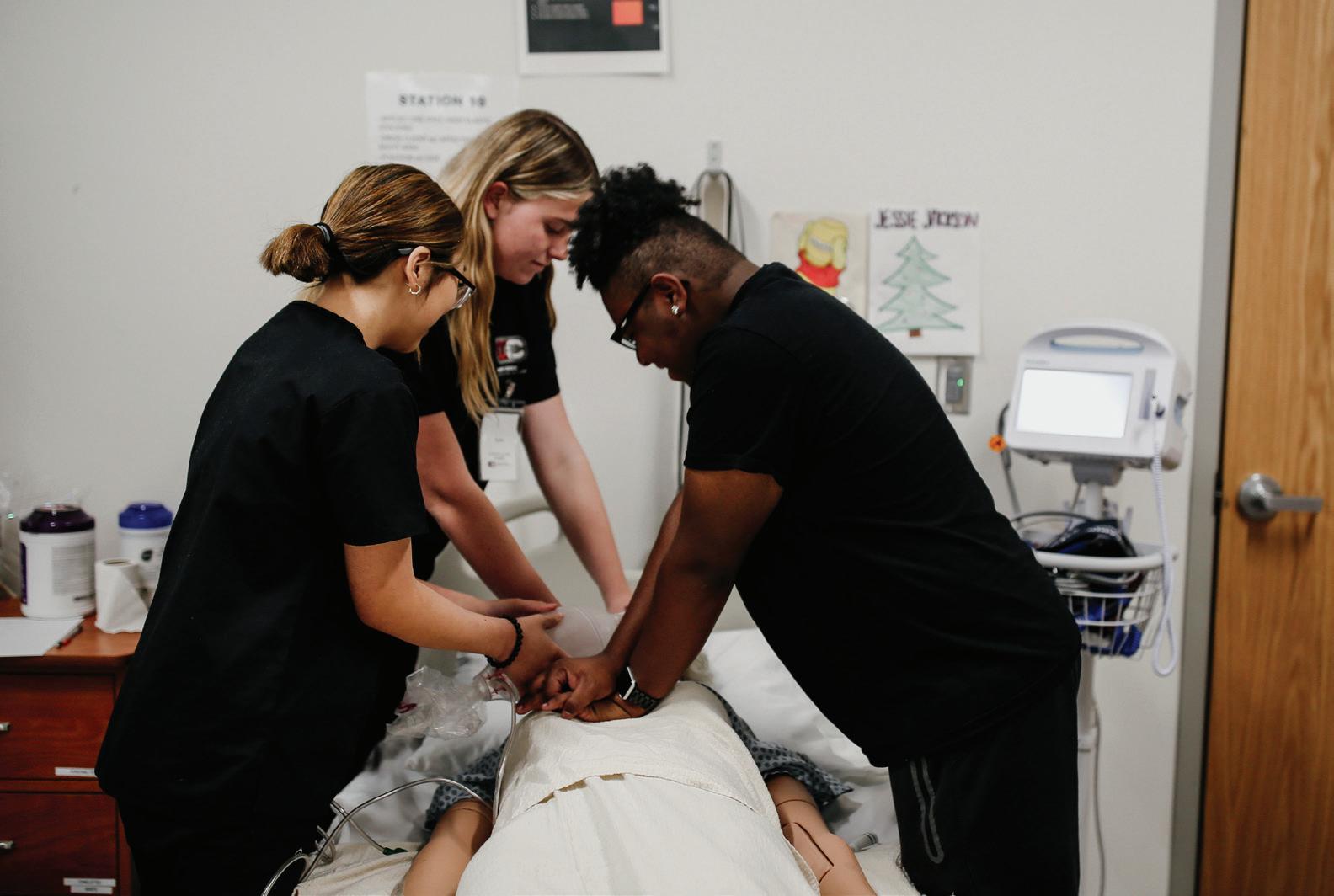
CCIC has given me so much knowledge that I am so thankful for. I have my CNA license and am working as a caregiver in memory care at Pine Grove Crossing.
Devin Gilbreath
CERTIFIED NURSING ASSISTANT (CNA)

and Technical Education (CTE) Makes a Difference of CCIC students go to college 80% higher graduation rates* 10% more likely, CTE students report real-world skill satisfaction* 3x of parents want more career education in high school 89% hardest-to-fill jobs are in technical fields or require a CTE background 6/10 *Compared to non-CTE students
CCIC Impact
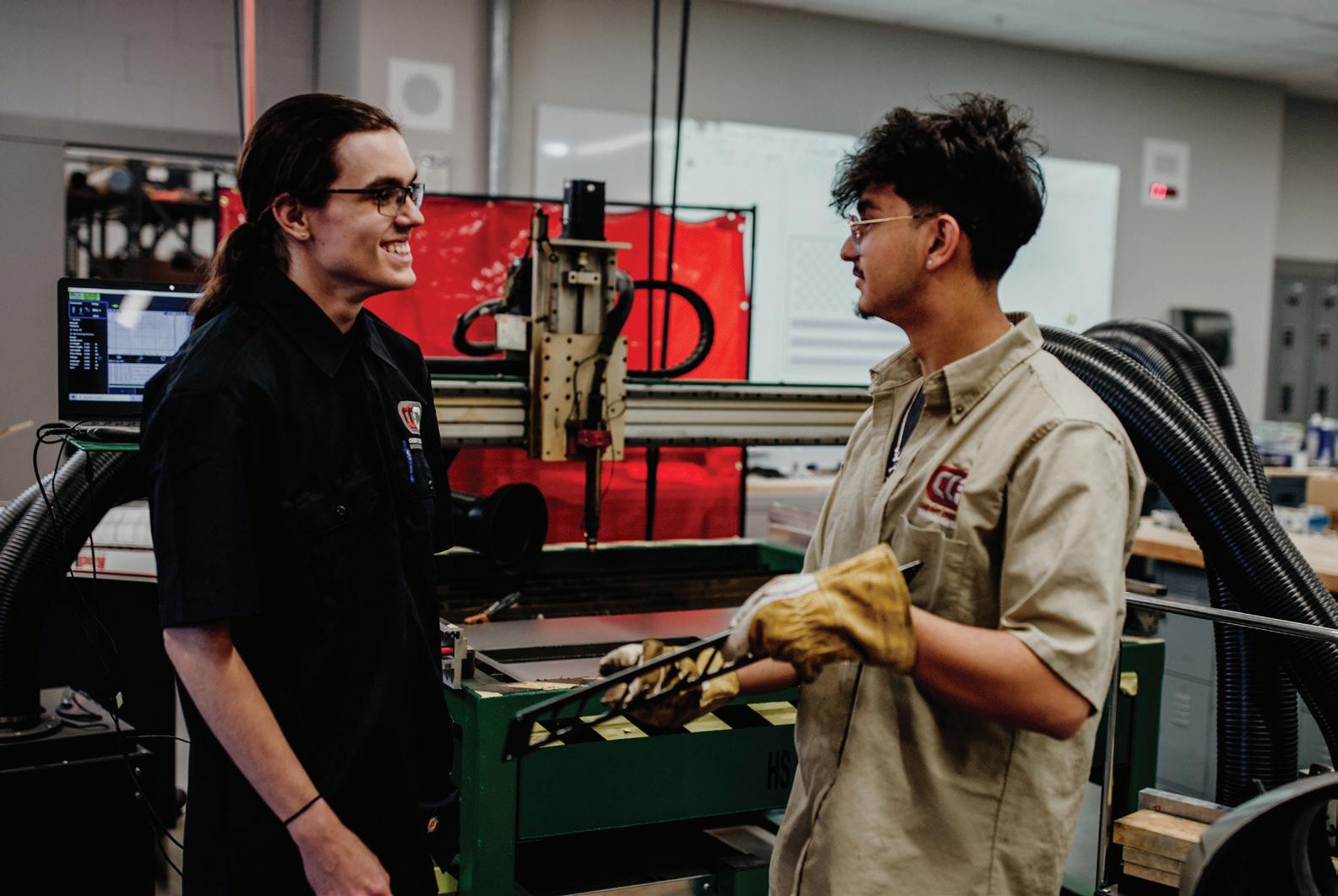
Students who take CCIC courses are more likely to enroll in college and find employment after high school. CCIC supports academic achievement, high school completion, employable skills, and college readiness. Students who focused on career and technical education in high school had higher median annual earnings than those who did not.
LEARN MORE ABOUT CCIC
Health advice is all over social media.
Here’s how to vet claims
BY DEVI SHASTRI, AP Health Writer
Anew survey by the Pew Research Center finds that about 4 in 10 U.S. adults — and around half of those under 50 — get health information from social media or podcasts.
Researchers also looked at the social media profiles of 6,828 health and wellness influencers with at least 100,000 followers. Only about 4 in 10 list a background as a health professional. About one-third called themselves coaches, about 3 in 10 described themselves as entrepreneurs and about 1 in 10 cited their own life experience, like being a parent.
Despite the wide range of expertise, about half of people who get health and wellness information from influencers said the influencers help them better understand their own health, while about one-third said it hasn’t made much difference. About 1 in 10 said it made them more confused.
Experts say a bit of skepticism is key to interacting with posts about fitness, mental health and personal health. Here are their tips on how to be a smarter consumer.
How to vet a health influencer’s credentials
Experts said the biggest green flag is when an influencer’s credentials are easy to find on their profile. Beware the fill-in-the-blank “coach” who can’t prove their training.
Courtney Babilya, a certified medical exercise specialist and personal trainer who has more than 430,000 followers on Instagram, has seen this with maternity content: “Someone has a baby and suddenly they’re a pregnancy coach.”
“We have to be careful with people who have an experience in one thing and suddenly become a ‘coach’ on that,” she said.
Coach is a business model, not a sign of training. Babilya shares her own experience dealing with chronic illness online, but keeps it separate from her professional advice.
“You do have an obligation to make sure that you are not giving someone a false idea or spreading a message that isn’t going to be applicable to everyone,” she said.
Don’t fall for viral shock factor
If it brings up big emotions, pause. For people who can’t access care or feel unheard by their doctors, an offbeat opinion could feel like a longsought answer. The Pew survey found 53% of uninsured people got health information from social media, compared to 38% of those who were insured.
But people who are trying to share good medical information online are not trying to incite fear or surprise, said Dr. Fatima Daoud Yilmaz, an OB-GYN at Stony Brook Medicine in New York, whose popular “Feminine Aisle” video series rates drug store products.
Even if the person has expertise, ask yourself: Are they speaking outside the scope of their knowledge? Is what they’re saying in line with scientific consensus?
“All opinions are not created equal when it comes to something such as health or medicine or science,” said Daoud.
Look out for exaggerated or definitive claims, especially in the first few seconds of the video when influencers are trying hard to grab your attention, added Babilya.
Ambivalent wording is a good sign, said Nedra Glover Tawwab, a practicing therapist and author. In her videos on boundaries and mental health, she couches with “maybe,” “sometimes,” “perhaps,” rather than diagnosing her 1.8 million followers on Instagram.
If you feel like you’ve found a diagnosis online, that is your sign to seek out a professional, Tawwab said.
Follow the influencer money
People on social media are making money — for some, it is their livelihood.
“It doesn’t mean that all of the information that they put out is biased, but it should tell consumers of that information to take it with a grain of salt because they do have financial incentive to be pushing information like this,” Daoud said.
Babilya’s platform is now a full-time job, and the way she helps support her family. Taking partnerships and brand deals was not an easy decision, but one that makes her work sustainable.
Babilya said she prioritizes being

upfront with her audience and making sure her ads are transparently labeled.
Stop being a passive scroller
Experts also recommend pausing to check the video’s sources. Look for gold standard science. Some posts are not well fact-checked, Babilya warned, citing studies that have nothing to do with what the influencer says it does.
Use the same standard as when you’re vetting a purchase online. Look at the larger conversation around the advice as you would reading product reviews, Tawwab said.
Two-thirds of users said they just
happen to come across the content rather than seeking it out, according to the Pew survey.
If you want to control your feed, it will take time and ongoing effort, said Ash Milton of the University of Minnesota, who studies how users navigate online mental health information.
“You have to work for it because the algorithm is designed to be passive consumption,” Milton said. You can use “Hidden Words” on Instagram or “Not Interested” on TikTok to filter out certain content, though Milton notes TikTok might not know exactly what in the video you’re not interested in. Use your own reaction as
a barometer to limit content by asking yourself: Is the health information actually applicable and helpful to your life, or just relatable?
Find a doctor you trust Confirm with a trusted health professional before acting on anything you see online.
Influencers can say anything while medical professionals are ethically and legally liable for your care, and “may face professional and personal consequences for the advice that they give you,” Daoud said.
“Ultimately, talk to the medical provider who knows you,” she said.





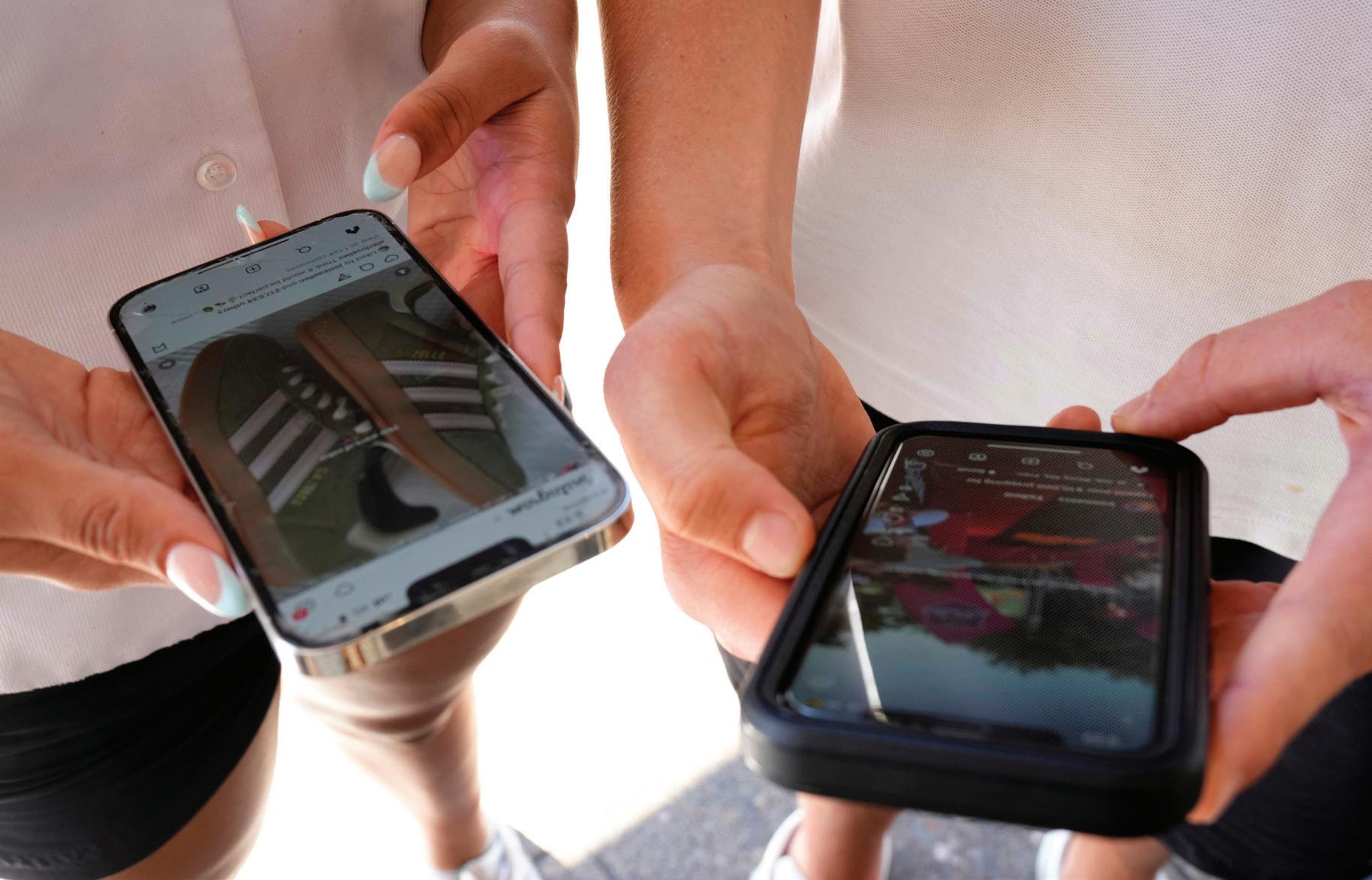
Young people use their phones to view social media in Sydney, Nov. 8, 2024.
AP Photo/Rick zRycroft














Pediatricians group finds kids of all ages need regular recess for physical and mental health

BY LAURA UNGAR, AP Medical Writer
Recess isn’t just a fun break for grade schoolers. It’s crucial to good health and good grades for kids of all ages.
That’s the message from a leading pediatricians group, which just released the first new guidance in 13 years about this unstructured time at school and how it needs to be protected.
The updated policy statement by the American Academy of Pediatrics comes after years of shrinking recesses and worsening children’s health.
The group “has always supported play – free play for kids – but it’s been increasingly threatened over time,” partly by the drive for higher test scores, said Dr. Robert Murray, a lead author. “It has a very powerful benefit if it’s used to the fullest.”
The new guidance, published Monday in the journal Pediatrics, is similar to the previous policy statement but cites the latest research on why these breaks are essential for kids’ academic success and mental, physical, social and emotional growth.
For example, new evidence shows that kids need pauses between concentrated bouts of learning so the brain can hold and store the information.
Researchers also say recess gives kids a chance to navigate relationships and build confidence, which is just as important for older kids as younger ones.
Murray and his colleagues also stressed the importance of physical activity in preventing obesity, a condition that now affects about 1 in 5 U.S. children and teens.
Given these benefits, they recommend that recess be protected and never withheld for academic or punitive reasons, as sometimes happens in schools.
“If the child is disruptive or rude and disrespectful, recess is one of the
things that teachers use to punish kids,” Murray said, adding that students struggling with behavioral issues or grades are often the ones who need recess most.
But those students aren’t the only ones losing out. Recess has been waning for all kids. Since the mid-2000s, up to 40% of school districts nationally have reduced or eliminated recess, according to data from the group Springboard to Active Schools in collaboration with the U.S. Centers for Disease Control and Prevention.
Today, the duration of recess varies widely across U.S. schools, ranging from less than 10 minutes to more than an hour a day, the pediatrics group said. Older kids generally get less time than younger ones.
Ideally, studies show, kids should get a minimum of 20 minutes a day and multiple breaks. In other countries such as Denmark, Japan and the United Kingdom, students get breaks after every 45 minutes to 50 minutes of classroom instruction.
“They should get a long enough period of time where they can de-stress and blow off steam and prepare for the next class,” Murray said.
Dr. Lauren Fiechtner, a childhood obesity expert at Mass General Brigham for Children in Boston, said she’s glad about the updated recess recommendations. She’s seen the importance of recess as both a doctor and mother of two. She recalled how her 8-year-old son learned how to play basketball at recess and now loves the game.
Fiechtner, who wasn’t involved in creating the guidance, agrees with the recommendation that middle and high school students need recess, too.
“As kids get older, they’re more on their screens. So it’s really helpful, I think, for outdoor activity and recess to be happening,” she said. “Recess is great. We all kind of need recess.”
Students play ball during recess at the St. Agnes Elementary School in Phoenix, Ariz., on March 3, 2020. AP Photo/Dario Lopez-MIlls
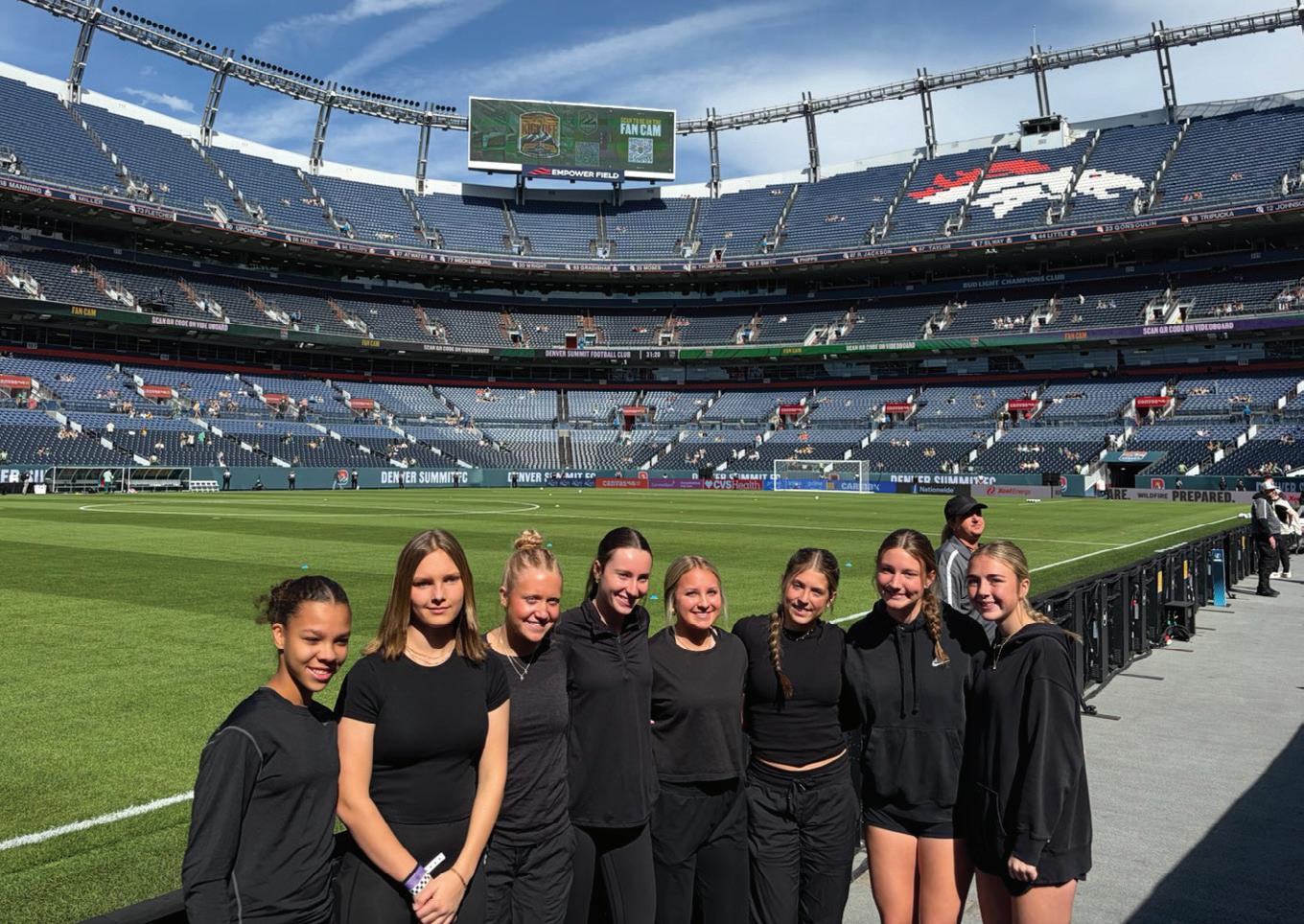
CCSD Forms New Partnership with Denver Summit FC
An
investment in world-class facilities, real-world learning, and once-in-a-
lifetime opportunities for students
Cherry Creek Schools has entered into a new partnership with Denver’s National Women’s Soccer League (NWSL) team, a collaboration that will expand athletic facilities in Centennial and provide new hands-on learning opportunities for students. District leaders say the partnership supports long-term educational goals while preserving all commitments made to voters in the 2024 bond package.
The project includes the construction of new multisport playing fields and a district-owned stadium. These facilities will be used for a wide range of athletics, aside from tackle football, and will also be available for community and youth sports. Funding for the project is made possible through the district’s December sale of its first issuance of voter-approved 2024 bonds. Because of the district’s strong credit rating, the bonds sold at a premium, generating an additional $46 million dollars for capital improvements. These funds will support the NWSL partnership project without reducing or altering any bond projects promised to the community. State law limits the use of bond dollars exclusively to construction and facility projects, not staffing or operational expenses.
Student-Centered Benefits
Beyond facilities, the partnership provides a broad set of opportunities intended to support student growth, career exploration, and real-world learning. These include:
• Internships in sports management, health and wellness, facilities and equipment operations, and other supporting roles within a professional sports organization
• Instructional sessions and mentorship opportunities with NWSL staff and players for CCSD athletes
• Presentations and workshops for athletics programs and CCIC business students
• Support for CCSD’s Teacher Apprenticeship Program for athletes interested in exploring careers in education
• Five hundred NWSL tickets donated for students and families to attend regular-season matches
• A $100,000 donation to the Cherry Creek Schools Foundation to support district wide student programming


An Investment in Students and Long-Term Community Use
As the preferred school district partner of the Denver NWSL, CCSD will own and maintain long-term control of the new Centennial stadium and playing fields. The district intends for the spaces to serve not only students, but also local youth programs that face limited access to athletic fields across the metro area.
District leaders emphasize that the partnership aligns with the mission of Pathway of Purpose, CCSD’s ongoing work to help students explore interests, build skills, and prepare for life after graduation. While the project has prompted discussion within the community, district officials note that this partnership gives CCSD the ability to expand access to highquality facilities and provide meaningful opportunities for students without impacting the projects voters approved.
Every dream begins with an idea.

Money Happens: Tips for dealing with student loan debt when it affects your mental health
BY ADRIANA MORGA, Associated Press
Between her college and master’s degrees, Justene Bologna accumulated over $200,000 in debt. It has affected not only her finances but also her mental health.
“I have severe stress and anxiety,” said Bologna, 30.
While student loan debt is at the root of Bologna’s worries, it’s not her only financial constraint. After she gave birth to twins a few years ago, she also accumulated medical debt. Her debt has impacted how much money she has in the day-to-day, impacting her ability to afford groceries and other basic needs. But it also is affecting her relationships.
“Sometimes people underestimate the way that these big financial stresses impact all of the aspects of our lives,” said Helen Colby, a professor at Indiana University.
After student loan payments were paused during the pandemic, more than 40 million Americans started to pay back their federal student loans. The rising cost of living combined with an increasing amount of other types of debt is causing issues for many people.
If student loan debt is affecting your mental health, here are three tips for you:
Set time to not think about debt
Debt can quickly become overwhelming, consume your every thought and prevent you from planning for your long-term goals. To avoid this, Colby recommends setting specific times when you don’t think about your financial worries and focusing on the bigger picture.
“Sometimes we can give ourselves permission to stop worrying about those other things and focus on the big picture if we delineate the time,” Colby said.
When focusing on bigger-picture plans, some might find they need to pivot careers to earn a higher sala-
ry. Others might find that moving to a cheaper city could help them save on rent to pay off their debt. Whatever your plan is, setting aside some time can help, even when you’re stressed about debt, Colby said.
Practice mental bootstrapping
Dealing with your finances requires knowing how much debt you have and making a plan to pay it off. But what happens when the thought of sitting down and looking at that dollar number is overwhelming? This is when you practice mental bootstrapping, Colby said.
“It’s this idea that, if you’re going to do something you really don’t want to do, either giving yourself a reward afterwards or doing something fun and then going to do that thing that you really don’t want to do,” Colby said.
For example, you could watch one hour of your favorite feel-good show before spending one hour reviewing your budget. Or, after spending a couple of hours making a plan to pay off your debt, treat yourself to your favorite dessert.
Pairing something that brings you joy with something that stresses you, like looking at your finances, can make your goals easier to achieve.
Don’t be afraid of sharing your worries with loved ones
Debt can make you feel isolated, so sharing your experiences with your loved ones can be helpful for your well-being.
“In many situations, I talk with people and their family doesn’t know they’re struggling, their friends don’t know, their boss doesn’t know,” Colby said. “And you don’t necessarily have to share everything.”
Sharing as much or as little of your financial concerns as you feel comfortable with can help alleviate some of the stress that you feel.







(AP Illustration / Eva Malek)
Kids spend a lot of time outside in the summer.
Here’s how to deal with their common injuries
BY THE ASSOCIATED PRESS
For kids, summer can revolve around playgrounds, pools, bikes and just being outside.
For parents, it can mean a litany of ouchies to take care of — including scrapes, sunburns and dehydration, pediatricians say.
“Kids should play and have every opportunity to use their imagination, but we need to take precautions to keep them as safe as possible,” Dr. Danielle Mercurio, a pediatrician at Johns Hopkins All Children’s Hospital.
Here are the top things pediatricians say you should keep an eye on.
What to do when your child is overheated
It’s important to take precautions in warmer weather, especially with younger kids, who are more susceptible to heat illness, Mercurio said. That means keeping a water bottle with them when they’re outside, wearing sun-protective clothing and mineral sunscreen and not staying in the sun too long.
Parents also should monitor kids for signs of fatigue and pay attention to the warmth and color of their skin — if it’s red and hot, they probably need to take a break inside or under a shaded area.
You should also know what the three different types of heat illness are, Mercurio said, each more severe than the next.
The first is heat cramps, and the only remedy is giving kids fluids that contain electrolytes — like coconut wa-
ter or sports drinks — to replenish salts that the body lost from sweating.
The next level is heat exhaustion, which causes nausea, vomiting and feeling weak or anxious. It’s typically accompanied by a fever. You can try taking the child into a cooler area, giving them fluids, spraying them with water or putting them in front of a fan to cool them off.
If your child has all of those all of those symptoms and is also acting confused or responding strangely, that’s a heat stroke, which warrants a trip to the hospital.
Are fireworks safe for kids?
Fireworks are fun and bright, but they’re not for kids. The American Academy of Pediatrics recommends keeping children away from all fireworks.
Even sparklers can be dangerously hot, said Dr. Poj Lysouvakon, the University of Chicago’s Pediatric Injury Prevention Program director.
He also says to avoid fireworks shows unless they’re sponsored by a government agency and put on by professionals in a controlled setting.
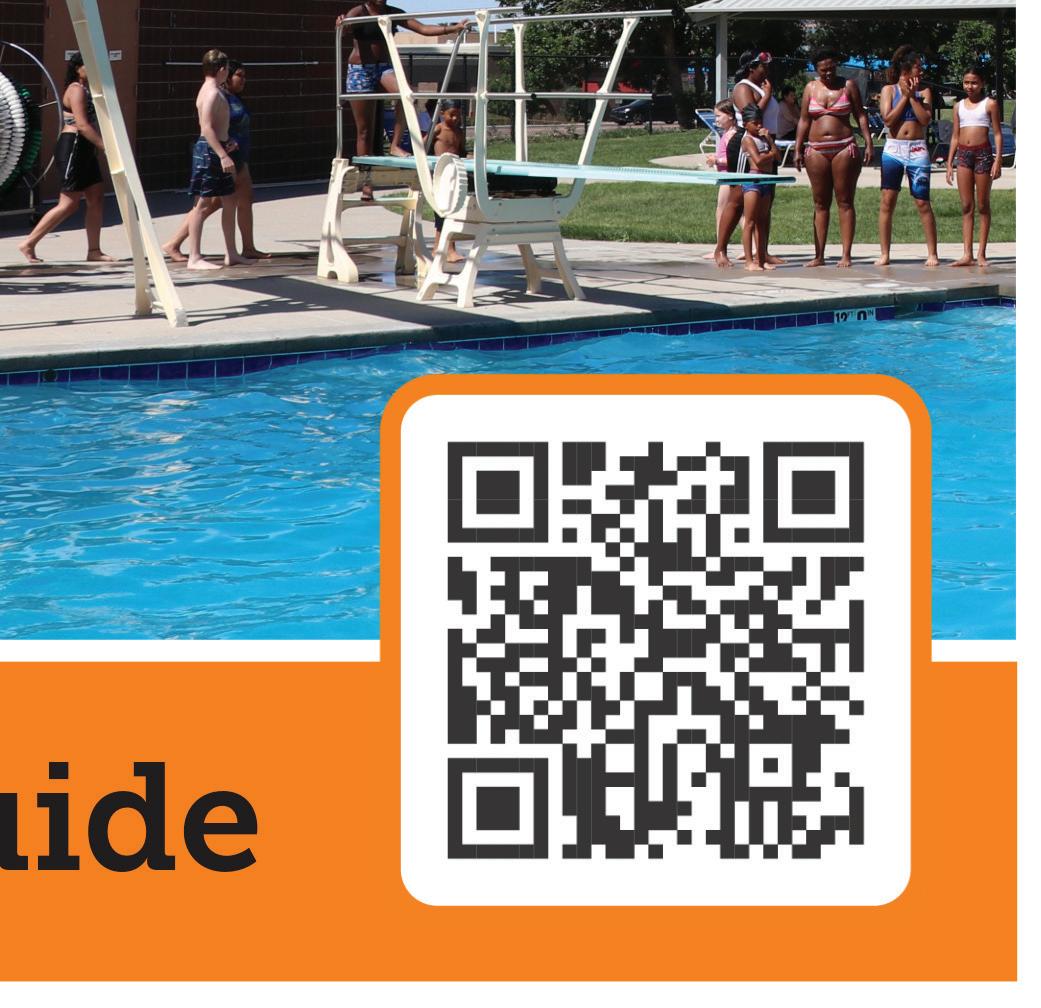
How to play in water safely
Pools, lakes and other bodies of water are common sites for summertime injuries, Lysouvakon said.
One must-have, he said: A designated adult whose only job is monitoring


the pool while kids are in it. If you have an above-ground pool, make sure it’s fenced in with 4-foot walls to keep kids out when there aren’t adults around.
Any type of water can be a source of drowning — even an inch can be dangerous for little ones, said Dr. Christina Kratlian at Boston Children’s Hospital. She suggests draining, flipping and deflating inflatable pools after every use.
And if a child is rescued from the water and has experienced choking or difficulty breathing or lethargy, that might mean there is water in their lungs, and that requires medical attention, according to Dr. Danielle Grant from Texas Children’s Hospital.
Soothing scrapes and bruises
Kids fall off bikes and fall down on trampolines, and they might come back in with scrapes and bruises.
If your kid is on a bike, they should be wearing a helmet, experts say; make sure it fits correctly and the strap is snug under a child’s chin. Trampoline injuries are common, too, especially when there’s more than one kid on at a time.
Parents should make sure that if kids go to a playground, it “matches the child’s age,” Kratlian said. For example, a little toddler shouldn’t be in a large swing that doesn’t fit them or climbing

tall structures. Metal slides can get hot under the sun, so check it before a kid launches down one.
Most scrapes can be taken care of at home by cleaning them and applying antibacterial ointments and bandages, especially if they’re not infected.
But any time there’s a significant fall, especially on the head, take your child to the doctor. Other warning signs include inability to move an arm, leg or joint; big cuts; and redness, puss, heat or streaking around a cut or scrape.
When in doubt, Grant said, call your pediatrician.

SENTINEL FILE PHOTO
Alumni in Action
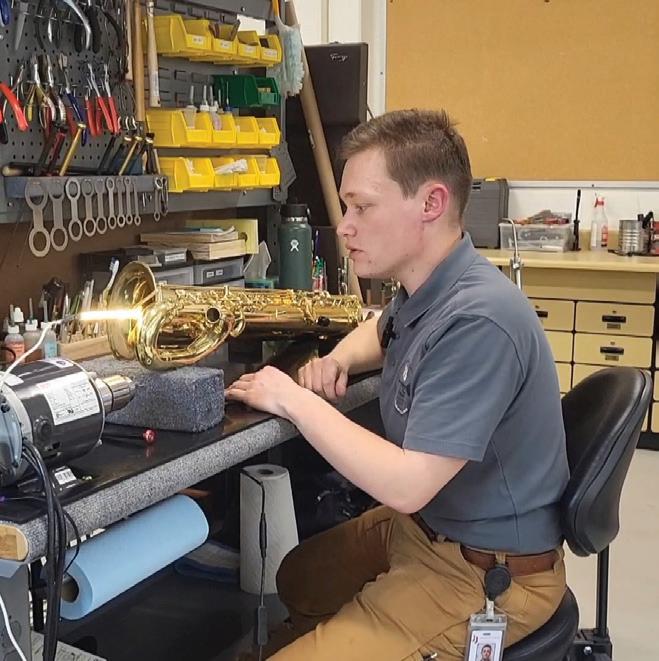


2019 Overland High School graduate Alan Davis never imagined his Pathway of Purpose would lead him back to his alma mater, this time as one of Cherry Creek Schools’ new instrument repair technicians. Working in the district’s state-of-the-art instrument repair shop at Overland, Davis now restores band and orchestra instruments for students across the district, helping the next generation discover the same joy of music that first inspired him.
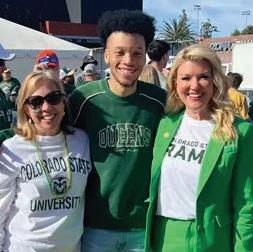
2023 Eaglecrest High School graduate Jakye Nunley is a proud Raptor who believes in embracing every opportunity life has to offer. Now a junior at Colorado State University studying Business Administration, Nunley continues to lead with passion, returning to Eaglecrest to inspire students with his message of pride, opportunity, and staying connected to the Cherry Creek Schools community.
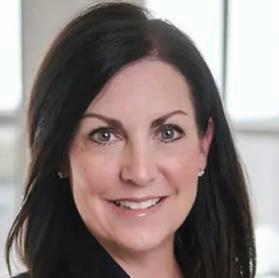
1988 Overland High School graduate Wendy Merchant turned a high school art lesson on perspective into a lifelong passion for engineering. After a successful 20-year career as a mechanical engineer, Merchant founded STEMblazers, a nonprofit inspiring girls to pursue STEM careers, which is now active in all 13 Cherry Creek middle schools as an extra-curricular activity.
2006 Cherry Creek High School graduate Jake Eskanos turned his lifelong love of baking into a thriving side business during the pandemic, Jake’s Sweet Bakes. From carrot cake to lemon tarts, the self-described “tinkerer” credits his Cherry Creek education for giving him the confidence to explore new passions like this one.
1994 Cherry Creek High School graduate Jason Wesoky turned his competitive spirit from the pool into a successful career in law as a partner at Denver firm Ogborn Mihm. A former state champion swimmer, Wesoky credits his Cherry Creek education with building the discipline and focus that fuel both his legal career and his lifelong love of challenge.
ALAN DAVIS
JAKYE NUNLEY
WENDY WERCHANT
JAKE ESKANOS
JASON WESOKY