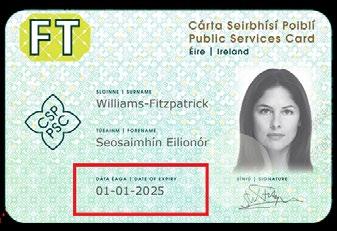
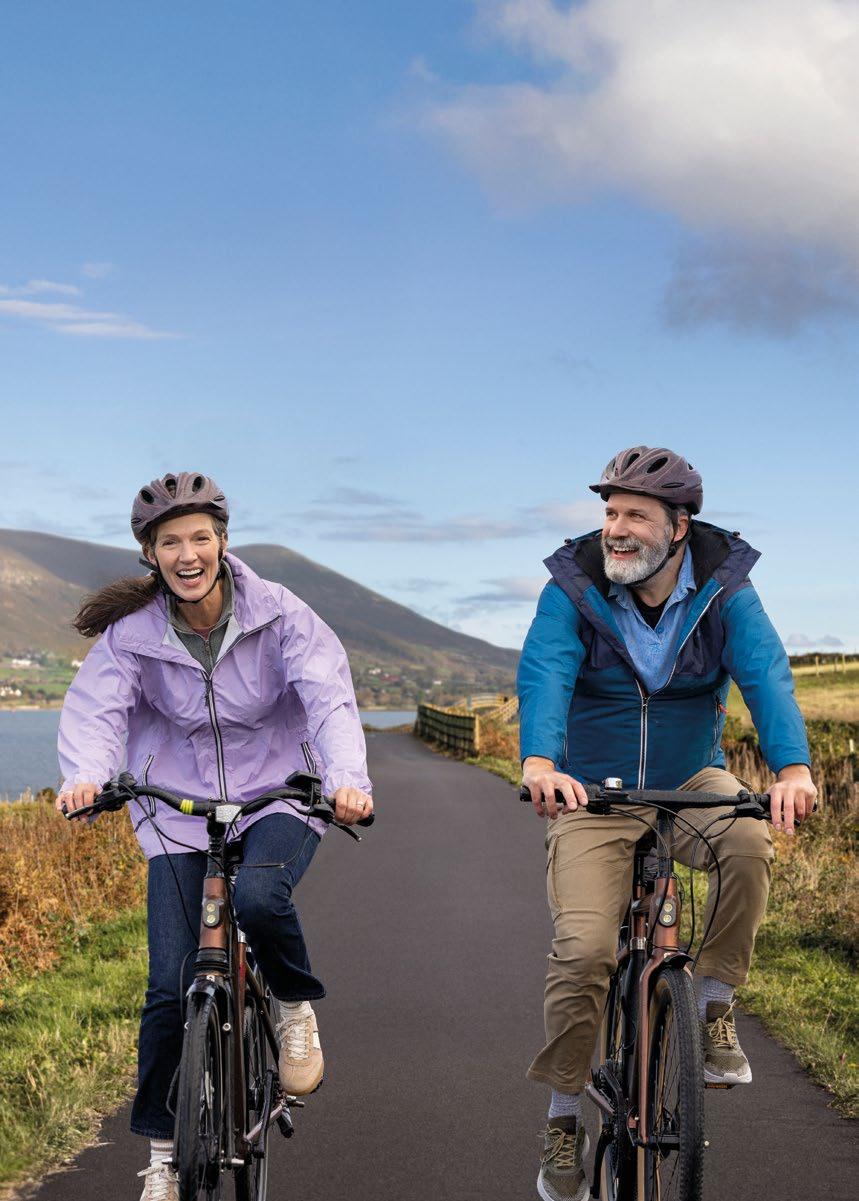
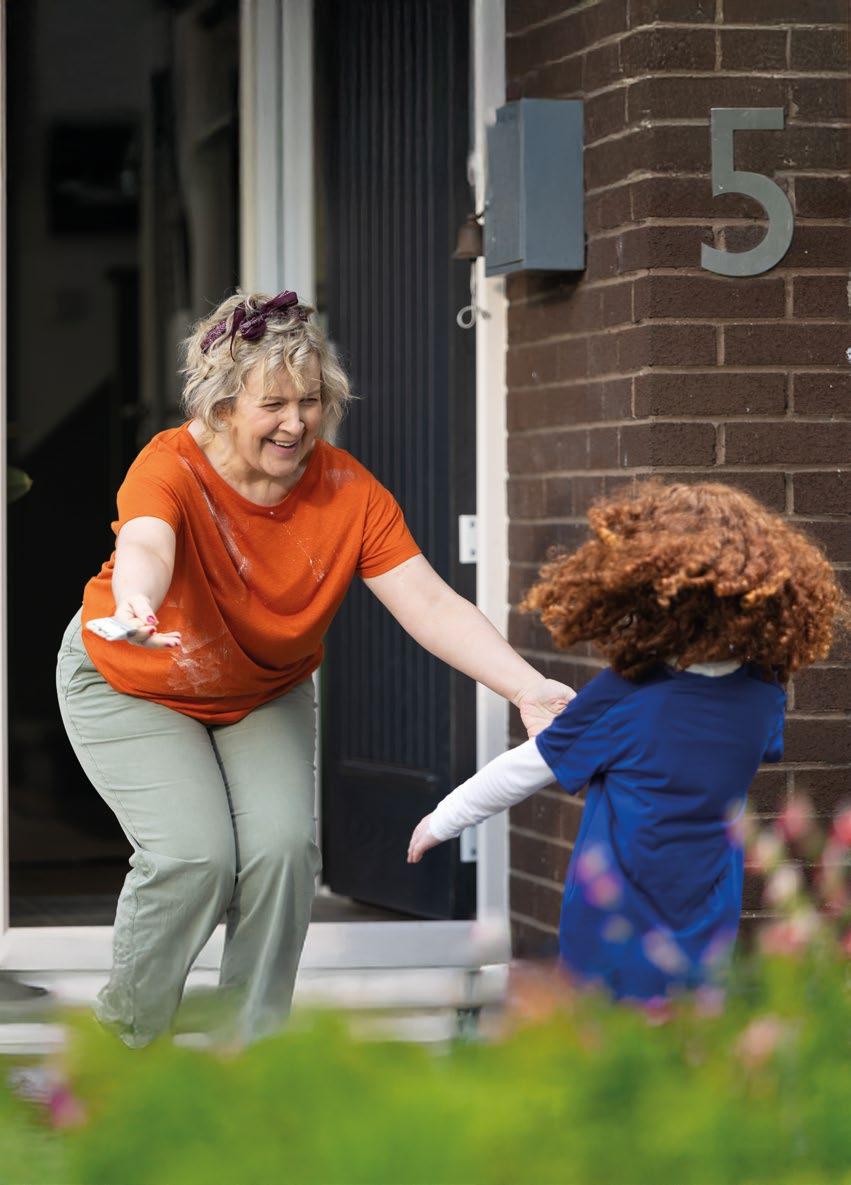
From 1 March 2026, only a valid in-date Free Travel PSC will be accepted
Check your card expiry
Still using a paper Free Travel Pass? Time to switch!
From the 1st March 2026 any expired Free Travel Public Service Cards or Paper Passes will no longer be valid for travel. Apply
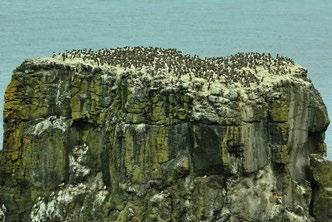
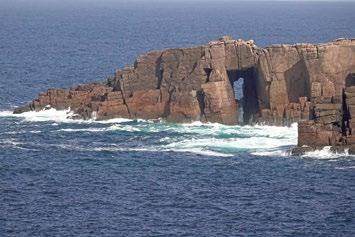
the second part of her of her examination of our islands by the sea,
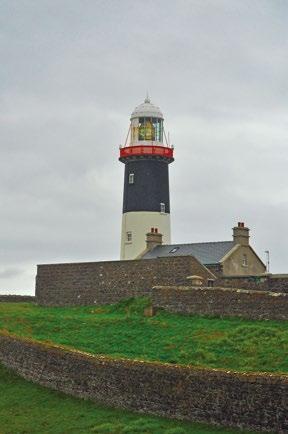
focuses on more offshore outrocks, including Rathlin, Northern Ireland’s only
Publishing Directors: Brian McCabe, Des Duggan
Editorial Director: John Low
Advertising: Willie Fallon
Design & Production: www.cornerhouse.ie
Contributors: Dermot Gilleece, Lorna Hogg, Mairead Robinson, Eileen Casey, John Feehan, Connie McEvoy, George Keegan, Pat Keenan
Michael O’Loughlin and Eamonn Lynskey.
Published by S& L
Ltd.,
Tel: +353 (01) 4969028. Fax: +353 (01) 4068229
Editorial: John@slp.ie
Advertising: willie@slp.ie
News Now
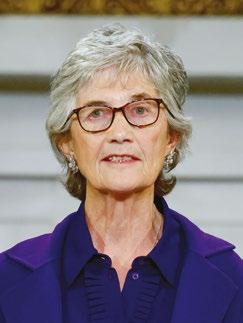
President launches Simon report on ‘growing crisis’ in the number of older adults becoming homeless
President Catherine Connolly last month launched the Simon
the assumption that older people own their own homes or have security of
Wendy Wu Tours has spent more than 25 years creating fully inclusive, expertly guided holidays designed to remove the stress from travel. From visas and flights to hand-picked hotels, meals, touring and the services of knowledgeable
temples or witness India’s Taj Mahal at sunrise — all within carefully paced itineraries that balance iconic sights with meaningful cultural experiences.
Travelling solo? You won’t be alone. Many guests choose to travel independently while enjoying the
on land, the company’s popular Cruise & Tour collection combines immersive touring with the comfort of river or ocean cruising — offering a relaxed yet enriching way to explore further. If you’re ready to turn lifelong travel dreams into reality, discover more at www.wendywutours.ie
A Sensible Time to Rethink Where Your Savings Sit
There comes a stage in life when your relationship with money changes. The focus shifts from building wealth to protecting it. From taking risks to seeking steadier ground. And from long-term growth to reliable income and peace of mind.
Yet despite that shift, many Irish savers still have large portions of their cash sitting in accounts that pay little or no interest.
Irish household deposits reached €170.3 billion last October. A significant share of that continues to sit in overnight accounts. These are convenient, certainly. But they often deliver returns close to zero. Over time, and particularly in periods of inflation, that can quietly erode the spending power of money that may have taken decades to accumulate.
Convenience Has a Cost
Eoghan O’Hara, Country Manager at Raisin, believes many savers simply have not revisited old habits.
“For years, leaving money in an easyaccess account felt like the sensible default,” he says. “But the reality is that better rates have been available, particularly on short-term fixed deposits. Many people are missing out simply because they have not reviewed where their savings are held.”
Short-term fixed deposits, typically lasting three to twelve months, have grown in popularity over the past year. However, they still represent
a relatively small portion of overall household savings.
For those thinking about retirement income, or already drawing from their savings, even a modest improvement in interest can make a noticeable difference over time.
A Measured Approach
Revisiting your savings strategy does not mean locking everything away for years.
One practical approach is to keep a comfortable buffer, perhaps two to three months of essential expenses, in an instant-access account. Funds beyond that could be placed in shorterterm fixed deposits, allowing you to earn more while still maintaining regular access as each term matures.
“It is not about taking on additional risk,” says O’Hara. “It is about ensuring that money which does not need to be immediately accessible is earning a fair return.”
In an environment where living costs remain elevated, making savings work a little harder can help protect financial independence.
Starting Small
For those who prefer to test the waters, short-term options can provide a gentle introduction. Raisin Ireland’s Starter Account, for example, offers 3.10% AER for three months on deposits between €1 and €100,000.
There are no fees, and once the three months end, savers can withdraw their money or choose another product. Managed securely online, it allows customers to compare deposit accounts from a range of European banks in one place.
“The key is not to overhaul everything overnight,” says O’Hara. “Even small, considered adjustments can add up over time.”
A Quiet Opportunity
For many people at this stage of life, the goal is simple: preserve what you have built and ensure it continues to support you.
A new year offers a natural moment to pause and ask whether your savings are working as effectively as they could be. In some cases, a small change may be all that is needed.
Take control of your savings this year.
Visit https://www.raisin.com/en-ie/ st to open your Starter Account and see how much more your money could earn in just three months.
‘Ireland’s fastest growing whiskey festival’ kicks off at Cork City Hall
Ireland’s fastest growing whiskey festival, Cork Whiskey Fest, returns to Cork City for its fourth year from 27–29 March 2026. The festival will feature a relocation to Oliver Plunket St for all Masterclasses and expanded Brand Expo & Socials and a packed programme of tastingsincluding rare whiskeys - and expert-led experiences.
The 2026 edition will also include a carefully curated line-up of masterclasses, exclusive tastings and storytelling sessions, celebrating the craft, creativity and heritage of Irish whiskey and spirits. Designed as an experience suitable for all, Cork Whiskey Fest 2026 will bring festival-goers face to face with the people behind the liquids, from established distilleries to the exciting new producers at the vanguard of the Irish Whiskey Revival.
The main festival highlight, both Brand Expo & Socials, are moving to a new home in Cork City Hall this year, where increased capacity will see more than 60 distilleries, breweries and brands gather under one roof on Friday 27th & Saturday 28th March (7.00–10.30pm). Attendees can enjoy complimentary tastings of new and rare whiskeys, beers, ciders, gins, rums, vodkas and poitíns, which can all be paired with complimentary mixers, whilst discovering first-hand the stories and craftsmanship behind each spirit. Every ticket holder will receive a specially crafted Cork Whiskey Fest glass, with gourmet food vendors on site selling tailored bites throughout the evening.
Across the weekend, Oliver Plunkett Street will come alive with more than 15 intimate events, including masterclasses, historic deep-dives and exclusive tastings led by producers, brewers and whiskey historians. There will be an opportunity to sample innovative new and rare spirit releases and of course, plenty of craic. Festival highlights include A Pint & A Drop, delivered by the head brewers from 3 Cork Breweries - Rising Sons Brewery, Blarney Brewing Co and Original 7 Brewery.
Other standout sessions delve into Vintage Whiskey Crocks, Peated Pot Still Irish Whiskeys from Killowen Distillery, and a rare Midleton warehouse tasting hosted at the Imperial Hotel Ballroom. One of the most sought-after tickets of the weekend is Distillery Day at Midleton Distillery on Saturday 28th March, offering unparalleled access to the distillery, warehouses and master craftspeople alongside exceptional tastings.
Organised by Laurie O’Dwyer (host of Whiskey Chats Podcast) and Sonya O’Dwyer, the festival is proudly sponsored by Irish Distillers/ Midleton Distillery and IrishMalts.com.
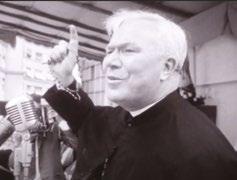
Discover the inspiring legacy of venerable Patrick Peyton ‘The Rosary Priest’
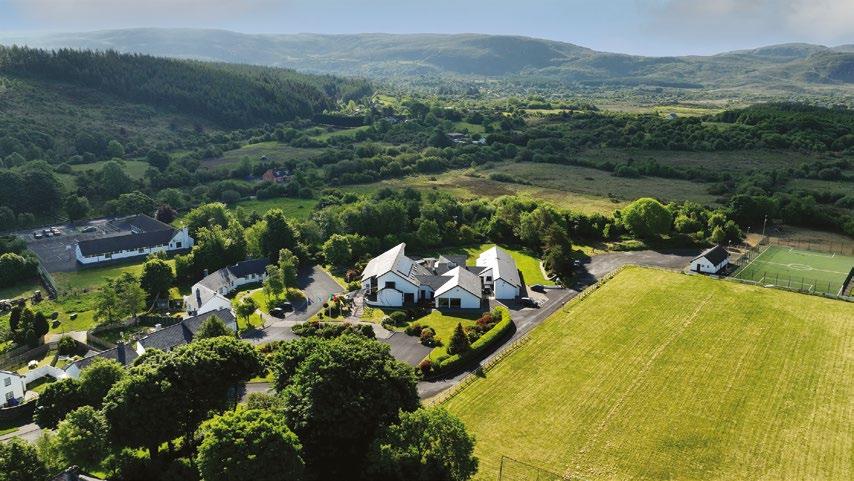
Peyton Centre is a true hidden gem. Welcoming visitors from across the globe, this year-round sanctuary is both a cultural treasure and a peaceful retreat—a place where history, faith, and natural beauty come together in harmony.
The Centre honours the life and legacy of Venerable Patrick Peyton C.S.C., one of Ireland’s most influential spiritual figures and a beloved advocate for family prayer. Known worldwide as “The Rosary Priest,” Father Peyton dedicated his life to spreading the message: “The family that prays together stays together.”
Patrick Peyton was born in 1909 in the rural village of Attymass, the sixth of nine children raised on a small farm. Though he dreamed of becoming a priest, his family could not afford to send him beyond primary school. Together with his brother Tom, he emigrated to the United States, where he completed his high school studies and later attended Notre Dame University in Indiana.
Near the end of his training for the priesthood, he contracted tuberculosis and was given little hope of survival. Choosing prayer over surgery, he and his family turned to Our Lady for intercession. To the astonishment of his doctors, Patrick recovered and was ordained in 1941.
In gratitude for what he saw as a miraculous healing, Father Peyton pledged to devote his life to promoting family prayer. He launched the Family Theatre program in Hollywood, enlisting stars like Bing Crosby, James Stewart, and Maureen O’Hara, who volunteered their talents to the cause. His Rosary rallies drew millions across the world, reaching an estimated 26 million
Ministry of Health launches public consultation on the next ‘healthy Ireland framework’.
The Minister for Public Health, Wellbeing has launched a nationwide online public consultation’ to help inform the development of the next Healthy Ireland Framework.
Building on the solid foundations laid by the Healthy Ireland Framework 2013–2025, this consultation offers an opportunity for the public to collaboratively reimagine what health and wellbeing can mean for every individual and community across the country. It invites people from all walks of life to share their views, experiences and ambitions as Ireland creates a new roadmap towards greater health equality, with a particular focus on supporting minority and disadvantaged groups.
The forthcoming Healthy Ireland Framework 2040 will be built around four central ambitions:
1.Increasing the number of people who enjoy good health at every stage of life.
2.Reducing health inequalities across all communities.
3.Protecting the public from threats to health and wellbeing.
4.Creating a society where individuals, communities, and every sector can work together to achieve better health outcomes.
Minister Murnane O’Connor said: “Improving health and wellbeing across every region of our country is at the heart of this Government’s vision for Ireland. Meaningful progress happens when we listen. We want this framework to reflect the real experiences, priorities, and ideas of people across the country.
“This is a national conversation and a shared responsibility. I encourage everyone to take part and to provide open and constructive feedback so that we can work together to build a robust framework that will help shape the future of health and wellbeing in Ireland.”
The public consultation will remain open until 22 April 2026 and is available in English and Irish
people during his lifetime and bringing family prayer into hundreds of millions of homes through radio, television, and film.
Whether you are drawn by history, faith, or the desire for a quiet escape, the Father Peyton Centre and Melody Residence offer a unique experience rooted in inspiration, steeped in legacy, and surrounded by natural beauty. To learn more, plan a visit, or book accommodation at the Melody Residence, contact the Father Peyton Centre or visit www.fatherpeytoncentre.ie
Iron contributes to the reduction of tiredness and to the normal function of the immune system
• Available in both a liquid and tablet version
• Contains highly absorbable iron gluconate
• Contains Vitamin C to increase iron absorption
• Floradix Liquid iron is suitable for vegetarians
• Floradix Tablets are suitable for vegans
• Free from preservatives
Marilyn Monroe In Her Own Words
This is the centenary year of Marilyn Monroe. She was born in 1926 and died in 1962: a sad reversal of the numbers. Aubrey Malone has written a conceptual diary of her life in her own words, detailing seminal dates in her life and events that happened on those dates with thoughts he imagines she might have had on those dates. The Marilyn Diaries Carlini, a former New York restaurateur, who founded the Casa Carlini publishing company. It gives us the internal Marilyn, struggling against a life in the spotlight that she craved before realising how much it could steal away her soul. Below are some of her thoughts from 1952;
April 6
Was at a party tonight. One of those that makes you lose the will to live. Too many celebrities nursing their egos, making moves with agents, in love with their own voices as they told me how wonderful they were in their last movie. I could almost see the dollar signs in their eyes as they dreamt about Cadillacs and Swiss bank accounts and kidney-shaped swimming pools in Bel Air – not to mention winning an Oscar at the Dorothy Chandler Pavilion.
Then there was little old me in a corner, being tapped on the shoulder by this sad sack who couldn’t get the girl he’d been chatting up all night and who suddenly decided I’d “do.” He started making eyes at me, gesturing the bedroom upstairs. He pointed to something in his pocket that could have been a condom. Or a drug.
“I’m not that cheap,” I said. He said, “How cheap are you?” and left. I got a cab home and cried myself to sleep.
April 13
I tell people my mother is dead. If I say she’s in a mental home, which she is, my career is as good as over. I hate telling lies
but this business is built on them. We’re actors, aren’t we? That’s another word for lying. If we’re good enough at it we get to keep our careers.
April 14
Checked into a hotel tonight and the receptionist was rude to me. She pretended not to know who I was. Sometimes they really don’t, but I was dressed like Cleopatra and I had an entourage with me. Duh!
I didn’t let it faze me. You always know that look that says, “You think you’re better than me, don’t you?” Because you’ve achieved something and they haven’t. And they’re sore about it. Well you know what, honeybunch? I do think I’m better than you. So there.
April 17
People flocking around me. It’s like being swallowed up by piranha fish.
April 28
Had my appendix out. I asked the doctor to just leave a small scar. He said, “Is it going to be on the cover of a movie magazine?” I deserved that.
May 3
It’s come out that my mother is alive. Ruins all that publicity about me being an orphan. I never wanted that. Serves the studio right. The lies they tell. Lies always come back to haunt you. At least they didn’t say “Marilyn Monroe – Playboy
Táimid ag earcú do 2027
Déan iarratas in 2026 ar:
Oifigeach Idirchaidrimh Daonáirimh agus Maoirseoir Réigiúnach
22 Aibreán 2026
Maoirseoir Allamuigh
7 Meán Fómhair 2026
Oifigeach Tacaíochta Allamuigh
23 Samhain 2026
Apply in 2026 for:
Census Liaison Officers & Regional Supervisors
22 April 2026
Field Supervisors
7 September 2026
Field Support Officers
23 November 2026
Dublin to Clifden
Departing 20 April for 4 days th €470 per person sharing | €570 single
Cork to Tralee
Departing May 10 for 4 days th €480 per person sharing | €570 single Clare/Limerick/Tipperary to Wicklow
Departing
May 21
Was meant to have wardrobe fittings for “Niagara,” my next movie, ” today. Instead I flew to New York to spend a few days with Joe. That’s my boyfriend DiMaggio in case you didn’t know. People say, “What’s she doing with that dullard.” They don’t realise:. I’m the lucky one. What a gentleman he is.
Once I stepped inside Toots Shor’s bar, I couldn’t drag myself out of it. “This is where I want to spend the rest of my life,” I told him. He said, “If you do, it won’t be a very long one.” A lot of drinking got itself done there – mostly by me.
June 1
My birthday. It arrived with good news. I’m getting a part in Gentlemen Prefer Blondes. But do blondes prefer gentlemen? That’s the question. (This one does).
June 2
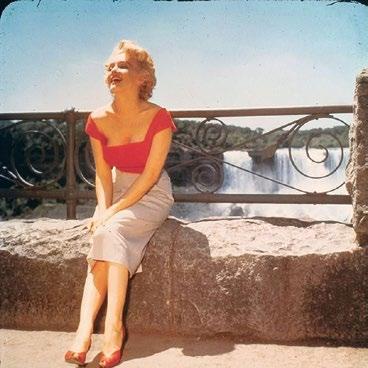
Shooting Niagara. What a beautiful location. The Falls take my breath away. It’s being directed by John Huston. Joseph Cotten and Jean Peters are in it with me. Or should I say I’m in it with them? Jean thinks I flaunt myself too much. Is that another way of saying she’s jealous?
June 5
Today I was photographed at the foot of the Falls in a publicity shot. One of my sedate poses. The “mature” Marilyn. Is that a contradiction in terms? I didn’t want to be mature. I wanted to rip off all my clothes and throw myself down into the foam.
I read once about a man who crossed the Falls in a barrel. That wouldn’t have been any good to me. I’d have wanted to break
he told me they turn off the Falls at the weekend to save energy. Come on, Joe. I may be dumb, but I’m not that dumb.
June 11
I’m stealing most of the scenes from Joseph. He doesn’t like it. The expression on his face is half horror and half disbelief.
“Play it a bit cooler and you’ll last longer in movies,” he said to me. I said, “I spent too long waiting for this opportunity. It’s time to pull out all the stops.” Okay, so I’m overacting, but so is he. The waterfall is giving
could do a dramatic role instead of the usual dizzy blonde ones. Personally I feel overcooked it. What a nutter. Lock her up quick!
August 7
Am getting fed up playing victims in films. It’s spilling over into my real life – whatever that is. Why is it nobody realizes I’m different than the person who appears on screen? Isn’t that what acting is all about? People come up to me on the street and go, “Marilyn, you poor creature. Those men who treat you like that.”
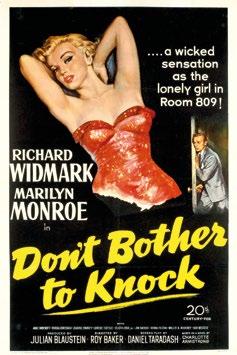
(L to R) Marilyn's Movies, 'Niagara' (the Falls took her breath away), 'Don't Bother to Knock' (Typical exploitative pose of Marilyn) and 'Clash by Night' with beefy Keith Andes
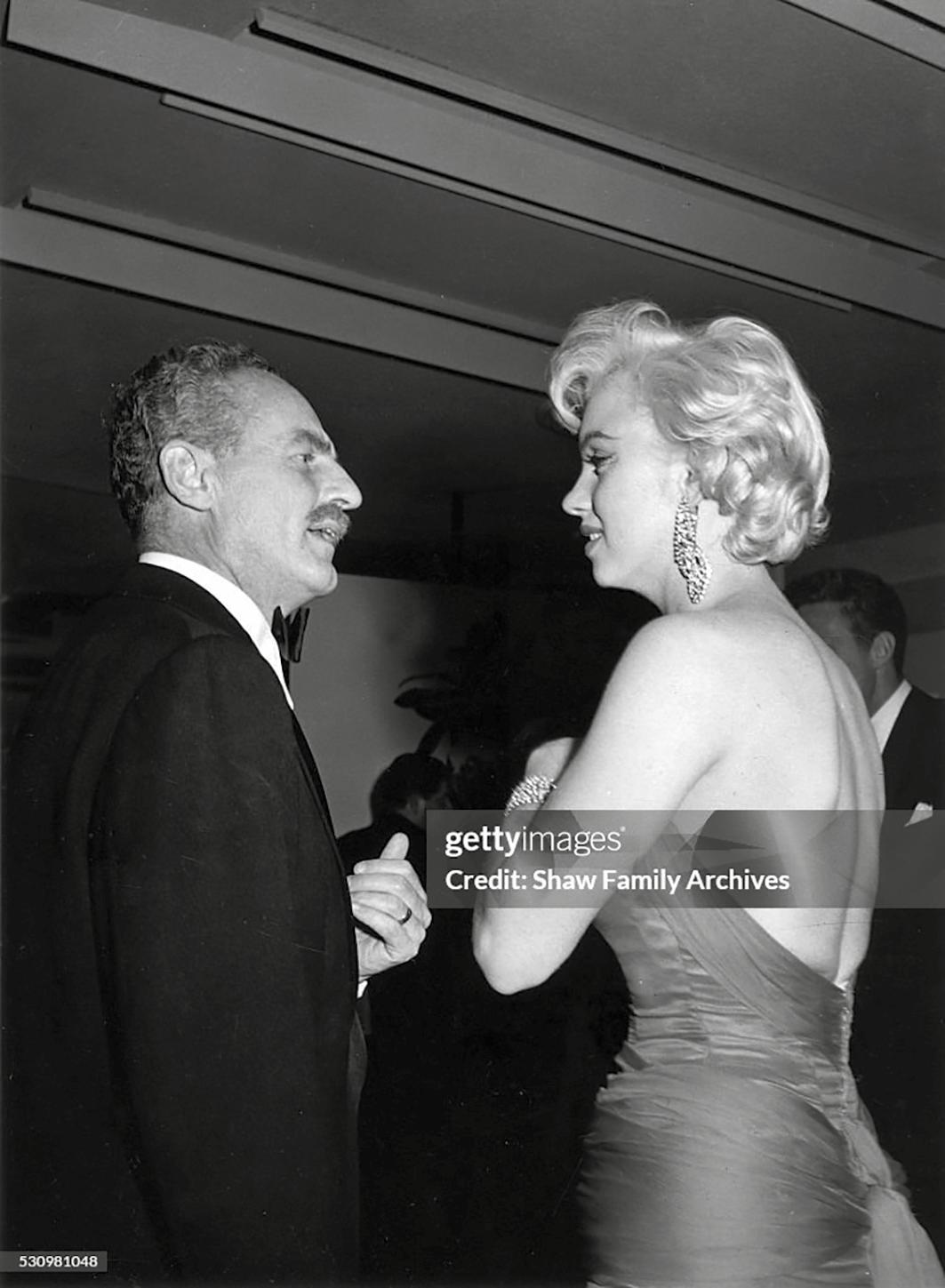
Marilyn with Darry F. Zanuck who told her she'd never make it.
IMMUNE SYSTEM
OXIDATIVE STRESS
METABOLISM
HAIR NAILS
SelenoPrecise is one of the most rigorously tested selenium supplements on the market. In the last 35 years it has changed the lives of millions of people in more than 45 countries worldwide.
Contains the patented SelenoPrecise yeast (organic selenium), which is widely known for its superior bioavailability (89% absorption) and safety records.
Selenium contributes to:
Normal function of the immune system, thyroid function, normal spermatogenesis, maintenance of normal hair and nails and the protection of cells from oxidative stress.
Pioneers in Nutritional Healthcare
Visit: www.pharmanord.ie to find out more about BioActive SelenoPrecise and our full range of high-quality supplements.
You can also sign up for our newsletters and stay informed on the latest health headlines.
I play along with them because it saves time. What’s the point of saying, “It’s only a movie”? It would burst their bubble. They go to the cinemas to get away from their problems, not to have them waved in their faces. If I told them how really messed up I was, they’d probably sink into a gloom. And of course, it would be something completely different to what happened in the movie. Poor little rich girl.
September 2
Flew to Atlantic City for the premiere of Monkey Business, another of my recent productions. I’ve been busier than I thought. Did I really make all those movies? Every time one finishes I forget it. Joe thought my dress was too revealing in it. “I’m not a nun,” I said to him, “This is what they pay me for.” He doesn’t like men looking at my breasts. “If I cover them too much,” I told him,“They look at them more.” He doesn’t understand that most of sex is in the imagination. Because he doesn’t have an imagination.
September 12
Started work on Gentlemen Prefer Blondes, yet another film. Yes I know, I’m gonna burn out soon. But you have to strike while the iron is hot. I spent too many years as a nobody. Jane Russell is my co-star. So far, she’s getting top billing. I said, “Whoa there. Who’s the blonde in this movie?” She’s also getting $400,000 to my $11,250. It sounds like gentlemen prefer brunettes. Or bank managers.
September 16
Went to another party. Everyone acted friendly to me but when someone more important than me entered the room they moved away from me. If the person who entered wasn’t important, they kept talking to me. I knew what was going on. It’s like a grid. They’re all trying to claw their way up the ladder. If my last movie was a hit, I go up a rung. If it wasn’t, I go down one. Or more. Being a failure in this town is like having leprosy. Nobody wants to be within a ten-mile radius of you. The phone
doesn’t ring. You call your agent and get the reply: “Oh, he’s just stepped out. Would you like to call back?” Actually, no, I wouldn’t.
September 18
People call me a whore because I slept with some men to get ahead. If a man sleeps with a woman to get ahead, or for any other reason, he’s praised for being a stud. That’s how crazy this life – and this business – is.
Success isn’t about talent if you’re a woman. We all know that. It’s about what you have to do to get a part. Once you get it, it leads to other ones. At a certain point you can stop sleeping with men you don’t like – if you’re lucky. You can even get married and sleep with someone you love. At least until he starts sleeping with other women. Forgive me for being cynical but I’ve been there too many times.
Sometimes men go to bed with me just to say they did. They don’t get anything out of it and neither do I. I lock my emotions out to prevent myself from being hurt. That’s why they call me a sex maniac. People look at me as if I’m nothing more than my legs, my breasts. I’m told I have eyes that say, “Come to bed with me.” I don’t want to be that person. I don’t want my eyes to say that. Why can’t I get them to say what I want them to say – “Love me.”
December 15
ladder.” They get a few bucks for kicking their heels up and down. Then they’re sent home until the next cattle call. I was them once. Maybe a part of me still is.
Being unfamous, like being poor, stays with you forever. Every morning of my
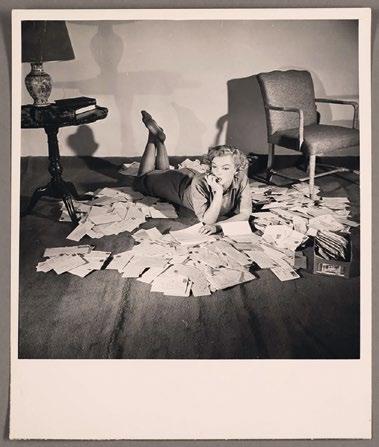
Getting 5,000 fan letters a week. Imagine trying to answer all of them. Your hand would fall off.Why am I not able to get over the idea that this is all happening to someone else? Is it because I’ve felt like someone else all my life? Because I never really knew who I was? Or where I came from?
A part of me feels I don’t deserve it even though I’ve worked hard for it. I see chorus girls who work themselves to the bone. There’s a look in their eyes that says, “I know this is as far I’m going to go up the
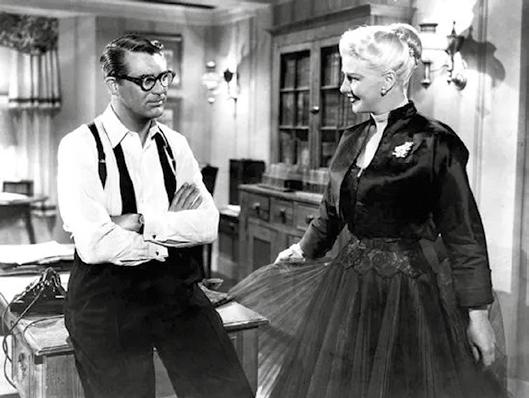
Co-stars Cary Grant and Ginger Rogers in Monkey Business
Gentlemen Prefer Blondes, seen here with co-star Jane Russell
The Marilyn Diaries is published by Casa Carlini at $18.99. It is available from Amazon.
Plan your next short break at
Braveheart
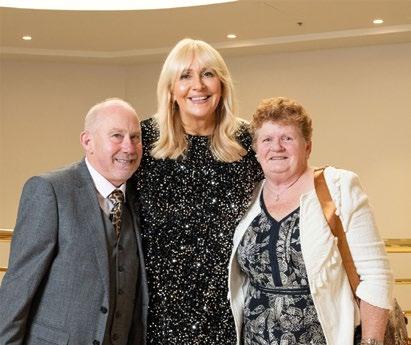
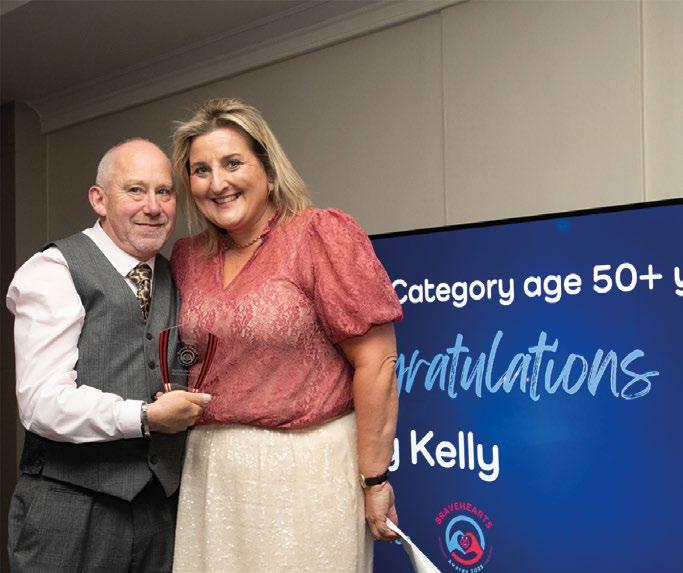
Gerry Kelly with his wife Anne and Miriam O’Callaghan at the Heart Children’s Braveheart Awards.
Donegal-based Gerry Kelly is one of the country’s oldest congenital heart disease (CHD) patients. The sixty-one year-old has had open heart surgery three times, having been diagnosed at Temple Street Hospital at the age of two. He has Tetralogy of Fallot, a rare heart condition which consists of four different heart problems. The problems affect the structure of the heart. The condition causes altered blood flow through the heart and to the rest of the body. Babies born with Tetralogy of Fallot often have blue or gray skin due to low oxygen levels.
The condition is usually diagnosed during pregnancy or soon after a baby is born. If the heart changes and symptoms are mild, Tetralogy of Fallot may not be noticed or diagnosed until adulthood. Anyone diagnosed with the condition needs heart surgery and will require regular health check-ups for life.
Despite this terrible setback in life, not to mention being born in a Mother & Baby home in Roscrea in 1964, Kelly comes across as cheery. When asked if he has to follow a very healthy diet, Kelly says: “I don’t abuse myself but I have a terrible sweet tooth.” But he is philosophical about his health.
“I’m a firm believer that everybody has a date mark coming into the world and a date for going out of it. I’ve proved my date hasn’t yet come. Before, I thought it was coming but whatever is up there doesn’t want me yet. I just enjoy life everyday as it comes.”
However, ten years ago, Kelly had to retire from his truck driving job which took him all over the country. He enjoyed the work but says he was “probably doing things that I shouldn’t have been doing like lifting boxes that were a little heavier than recommended for me to lift.”
Fitted with an implantable defibrillator ten years ago, Kelly’s doctor recommended that he take things easy and so he gave up his job. Kelly lives in Ballyshannon in Co Donegal with his wife Ann and two dogs, Patch and Molly, whom he adores.
There are approximately 500 to 600 babies born with CHD in Ireland each year. It’s estimated that about 19,000 people live with the condition in Ireland.
Kelly came into the world as a small ‘blue baby’. He describes himself as “the faulty one” which meant he didn’t get a home in America – the destiny for many babies born to single mothers during Ireland’s repressive days.
In 1960s Ireland, there was no congenital heart disease surgical service to speak of but Kelly was operated on by a “courageous team” at Baggot Street Hospital and went from strength to strength. Such was the dearth of information regarding Kelly’s medical records that he didn’t even know he’d had an operation at Baggot Street Hospital when he was aged two.
“I knew there had been an operation but I thought I was operated on at Temple Street. I used to wonder why there was a mark on my back. I knew it was something to do with the heart, but I didn’t know what exactly.” It was a nurse that gave Kelly his medical records later in life.
Kelly lived at the former residential care centre, Madonna House in Dublin, until he was six-and-a-half. The centre, run by the Sisters of Charity, was closed down in 1995 because of allegations of sexual and physical abuse of children there. Kelly says he never suffered abuse of any kind. He says his memories of Madonna House are vague. “It was run by a very nice nun, Sr Carmel Anthony.”
After Madonna House which only facilitated children up to the age of six-and-a-half, Kelly was sent to Cappagh Hospital where he stayed until he was almost eleven years of age. At the age of nine, he had open heart surgery at the Mater Hospital under the pioneering heart surgeon, Maurice Neligan.
Kelly, now five feet two inches, says he was exceptionally small as a child. When he was twelve, he looked like a six or seven-year-old.
Colette Sheridan talks to Gerry Kelly on surviving congenital heart disease and three open-heart procedures
Because he didn’t know anything else, Kelly didn’t mind living in a hospital. “I’d see other kids going home from Cappagh Hospital with their mums and dads collecting them. A lot of the nurses at the time were nuns who went out of their way to make me feel at home. I came across a lot of good people. I know it sounds like a strange situation. You’d imagine a child in my situation would be asking ‘why am I not going home?’ There was a nun there who had a sister in Clara, Co Offaly. I used to be taken there for a couple of days. It was a break for me. There were good people who looked out for me.”
Kelly says that a social worker at the hospital knew a woman called Carmel O’Byrne, married to Maurice O’Byrne, and asked Carmel if she’d consider fostering Kelly. Carmel and Maurice agreed to take Kelly. It was Valentine’s Day when they first brought him to their home in Fairview in Dublin.
“It took about six months. They took me for weekends at first to see how I’d fit in. It worked out well.” Kelly calls the three children in the family his siblings. He called the couple “mam and dad.” They died in their nineties.
“I had very happy teenage years with the family. I was a little tearaway because obviously coming out of a hospital and into the outside world, I’d say I was hard to handle at the best of times.”
While at Cappagh Hospital, Kelly got some basic education from a teacher that used to call in to the children there. He says he can read and write, but was never a dedicated scholar.
When he left the hospital, the one thing he disliked about his new life was school. “I never really got on at school. I didn’t do
the Inter or the Leaving. Because I started school late, I was two or three years behind so they put me in third class (when he was twelve). He repeated the class and
“Mam said I couldn’t leave school until I had a job. Believe it or not, I love baking. Through Manpower, which is something like FÁS, I got a job in a small bakery in East Wall. I learned a lot but I was only there for three months (as it was a placement.) Then I got a full time job with a distributor driving a van. I was there for nine years.” Kelly then drove all around Ireland when the company was taken over by a bigger firm. He has a truck driving licence and loved the work
In 2000, Kelly had open heart surgery for the third time just before his fortieth birthday. “I had no idea that I needed another operation. I used to go to the Mater for my annual visit where I saw Professor Kevin Walsh. He dealt with older patients. Initially, it was a shock to hear I needed surgery. But apparently, the heart was under a lot of strain and it was enlarged. I had been
Kelly was recently fitted with a new defibrillator. “It’s put underneath your skin. If you tap your finger on it, it feels like a little metal device. But it doesn’t hinder you in any way. If the heart decides to go on an irregular beat, the defibrillator resets the heart. If the heart stops, it will kick start it. Thankfully, that hasn’t happened. My heart has never stopped but it has gone into an irregular beat.”
How did Kelly end up in Donegal? “When I was fourteen, my dad, who was from Glencolmcille in Co Donegal, decided to visit. With my mam, we stayed in Kilcar (a village in Donegal.) I just fell in love with Donegal.”
Kelly had a contact there and went to visit him. Sometime later, he got in touch with the man that had rented a house to the O’Byrnes. They became good friends. Kelly met the Donegal woman who was to become his wife.
On just one occasion, Kelly met his birth mother. “My mam who fostered me was always pushing me to try and find out who my mother was. So at twenty-one, I met her.” But Kelly didn’t ask her about any possible hereditary heart conditions.
“I was a fairly slow person. It took me a long time to cop onto life. I wouldn’t have thought the same way as a normal twentyone year old.” Nor did he ask about his father. Kelly’s birth certificate states that his father is unknown. He felt his mother wouldn’t want to disclose his father’s identity.
While Kelly describes his heart operations as ‘miracles,’ he is not religious. “I do believe there’s something out there. I just don’t believe in church teaching. For me, it’s a bit too much to swallow.”
*Heart Children organises support groups for adults with ongenital heart disease.
Visit www.heartchildren.ie
Gerry Kelly with Mater nurse Rhona Savage at the Braveheart awards
Learning Without Limits:
How an Age-Friendly University is Shaping a Longer-Lived Society
What does a university look like when learning truly lasts a lifetime? At Dublin City University, the Age-Friendly University (AFU) initiative offers a compelling answer: education is open, welcoming, and relevant at every stage of life.
A recently developed visual framework maps the Ten Principles of an AgeFriendly University against the United Nations Sustainable Development Goals, highlighting a powerful message: universities are not only places of knowledge, but engines of inclusion, wellbeing, and social progress. By connecting age-friendly practice with priorities such as quality education, reduced inequalities, good health, and strong partnerships, the framework shows how lifelong learning is becoming central to building resilient, future-focused communities.
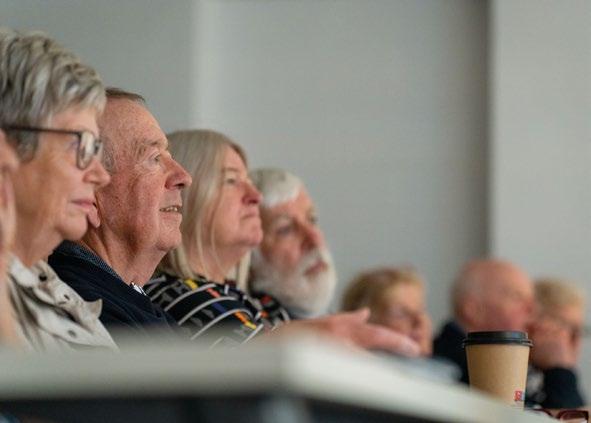
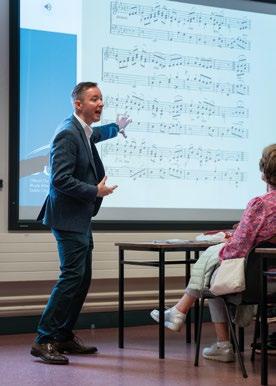
This vision is brought to life through a rich and diverse programme of learning experiences. Participants can immerse themselves in the drama and emotion of opera, exploring not just the music but the stories and historical context that give it meaning. Literature sessions invite lively discussion and reflection, while history modules help learners connect personal memories with broader national and European narratives. One of the most cherished offerings, Songs of Ourselves, blends music, storytelling, and shared cultural heritage, demonstrating how creativity can spark joy, confidence, and a powerful sense of belonging.
Importantly, the experience extends well beyond the classroom. Social activities
such as informal gatherings, campus events, and shared cultural moments create space for friendships to form and confidence to grow. These connections are not incidental; they are central to the ethos of an age-friendly university. Research increasingly shows that opportunities for participation and social engagement play a vital role in supporting wellbeing, reducing isolation, and strengthening communities.
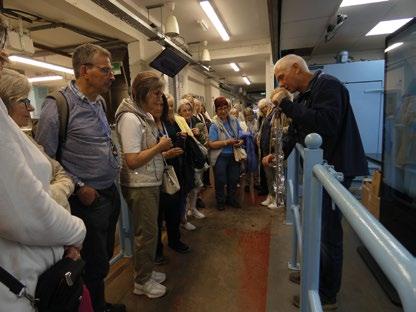
The initiative is also outward-looking, with international collaboration continuing to expand. A recent Erasmus Adult Accreditation visit to Girona provided AFU participants with an opportunity to exchange ideas with European partners and explore innovative approaches to adult and lifelong education. Encounters like these bring fresh perspectives back to campus, enriching local programmes with global insight while also showcasing Irish leadership in inclusive education.
Momentum is building toward an important milestone later this year: an international conference in October, “Generations at Work: A fairer future for learning, earning and longevity”. Will focus on how societies can better support learning, working, and thriving across longer lives. The event will bring together voices from education, enterprise, health, community organisations, and policy to explore practical pathways toward fairer opportunities across the life course. By creating space for dialogue between generations and sectors, the conference aims to turn lived experience into meaningful action.
Taken together, these developments reflect a confident and evolving model of higher
education, one that recognises that ageing populations are not simply a challenge, but an opportunity. The Age-Friendly University approach demonstrates how campuses can become vibrant hubs where people continue to learn, contribute, and connect throughout their lives.
From opera and literature to music, history, and international exchange, the message is clear: education has no expiry date. By embedding lifelong learning, participation, and partnership into its core mission, Dublin City University is helping to shape a future in which universities are defined not by age boundaries, but by curiosity, creativity, and shared purpose.
Dr. Christine O’Kelly, Director, Age-Friendly Unit, Dublin City University
For more information: www.dcu.ie/agefriendly
Tel : 01 7005454
Email: afuinfo@dcu.ie
A spiritual journey through India:
Ayushi Singh visits the timeless city of Varanasi
India has always attracted travelers in search of something more than just landscapes and monuments. For many, it offers a kind of emotional and spiritual connection that stays with you long after you return home. Among the countless places across this vast country, the city of “Varanasi” holds a unique place not just on the map, but in the hearts of those who visit.
Often described as the spiritual capital of India, Varanasi is located on the banks of the River Ganges and is believed to be one of the world’s oldest living cities. Its name appears in ancient texts, and its streets continue to echo the traditions and rituals that have taken place there for thousands of years.
A city older than time?
Varanasi also known by its ancient name ‘Kashi’ is believed to be over 3,000 years old, though some local traditions claim it predates even that. It is considered the spiritual capital of India and holds a sacred place in Hinduism, Buddhism, and Jainism.
In Hindu belief, the city was founded by Lord Shiva, one of the principal deities, and is seen as a place of enlightenment and liberation. Every day, thousands bathe in the River Ganges, seeking to wash away sins, while many others bring the ashes of loved ones, hoping to set their souls free.
The city where life and death meet In Varanasi, life and death are not kept apart. They are visible, side by side, in a way that may feel unfamiliar to many visitors from Western cultures. It is a city where the funeral pyres burn near the river as prayers are chanted a few steps away. While this may sound unsettling at first, for locals, it is simply part of the cycle of existence.
According to Hindu belief, Varanasi is the holiest place to die, as it offers the soul a chance to escape the cycle of rebirth. Families often bring their elderly or ill loved ones to the city to spend their final days. Death here is not feared, but accepted. It is treated not as an end, but as a return.
This deep respect for both beginnings and endings shapes much of the city's atmosphere. It’s common to see early morning prayers taking place just metres away from cremation ceremonies. And yet, there’s a sense of peace throughout.
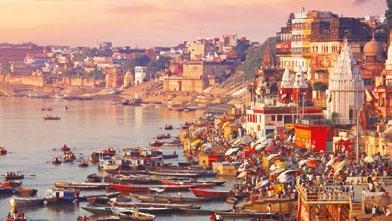
A city that lives by the river Varanasi sits on the banks of the River Ganges, which Indians call “Ganga Maa” or Mother Ganges. This river is more than a waterway. It is sacred, believed to carry the prayers and hopes of millions. Every morning, as the sun rises, people gather by the river’s edge to bathe, pray, or light small lamps that float gently on the water.
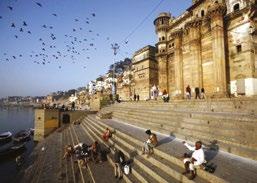
It is here, on the stone steps called ghats, that the heart of the city beats. You’ll see everything - young boys diving into the water, elderly men sitting in quiet meditation, and women offering flowers in silence. Life and death meet here without fear or fuss. Everything is part of a cycle, and the river carries it all.
The Ghats: the city’s open heart
The Ganges River is the center of daily life in Varanasi. Lining its banks are the city’s famous “ghats”, broad stone steps that lead from the streets down to the river. Some ghats are used for bathing or performing rituals, others for meditation, and a few for cremations.
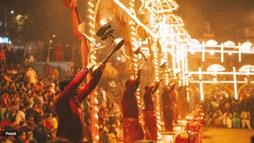
No two ghats feel the same. Some are quiet and still, while others are filled with movement and sound. The most well-known, “Dashashwamedh Ghat”, is where the daily evening ceremony known as the “Ganga Aarti” takes place. Priests perform an elaborate ritual using fire, incense, and bells as an offering to the river. Locals and visitors gather along the steps or sit in boats to watch. It’s not a tourist show, it’s a sacred moment that draws in anyone who’s present. Nearby is “Manikarnika Ghat”, where funeral rites are carried out around the clock. For many travellers, this ghat offers a deeply moving experience. It is not about curiosity, but about understanding a different relationship with mortality. Here, there is no attempt to hide grief, nor to dramatise it. It is simply a part of life.
Your Public Services Card
The Public Services Card (PSC) gives you safe and easy access to public services, including travel, revenue, and social welfare services.
Talk to us at The 50 Plus Show in the RDS Dublin, 12 and 13 March at Stand 144. We will be offering a special walk-in service for people who want to apply for, or renew their PSC, including the Free Travel PSC.
For more information, please visit gov.ie/psc
Brought to you by the Department of Social Protection
The narrow streets
Away from the ghats, the old city is a maze of winding alleys, ancient temples, and tiny shops selling everything from silk saris to sweets. It is easy to get lost here, and most visitors do at some point…but that’s part of the experience. The city doesn’t open up all at once. It reveals itself gradually, through small conversations, quiet corners, and unexpected moments.
The people of Varanasi are deeply connected to their faith. It is not unusual to see someone pause in the middle of a busy street to touch the feet of a small shrine or whisper a quick prayer. Ritual is not saved for special occasions it is woven into everyday life.
There is also a rich tradition of music, art, and scholarship in the city. Many classical Indian musicians and spiritual teachers have come from or spent time in Varanasi. The city has long been a centre for learning, especially in Sanskrit and philosophy.
You may find yourself sitting next to a local priest who casually explains the meaning behind a chant, or watching people rush past on their way to daily rituals. While the slow sounds of a sitar once drifted through the air, today it’s more likely the honk of a rickshaw or the hum of temple bells that fills the background. Life here moves faster than it once did, but the spiritual undercurrent still flows quietly beneath the noise.
A city that cooks with heart
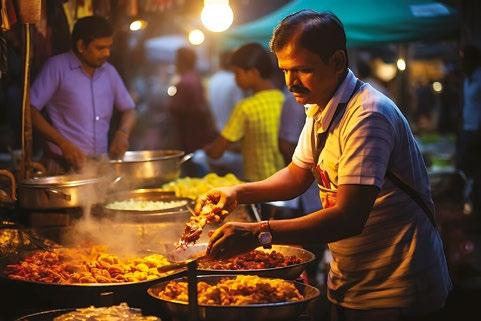
What sets Varanasi’s food apart isn’t just the recipes. It’s the care. Most of the food is made fresh, by hand, often right in front of you. Whether it’s a plate from a roadside stall or a dish in a family kitchen, you can taste the time, tradition, and love in every bite.
For older travellers especially, the food in Varanasi offers comfort and curiosity in equal measure. It tells the story of a city that honours both ritual and joy, one spoonful at a time.
A morning worth waking up for
Start your day in Varanasi and you will quickly notice the scent of fried dough in the air. The locals swear by ‘kachorisabzi’ a dish made of puffed, crispy bread served with a spicy potato curry. It is hearty, warm, and eaten early. No
fancy cutlery, no elaborate setting, just a small shop, a steel plate, and the sound of conversation in the background. Most shops making this dish have been doing so for generations. The recipes are not written down. They live in the hands of the cook, passed from mother to daughter or father to son. Pair this breakfast with some pieces of jalebi, a bright orange sweet spiral soaked in sugar syrup, crunchy on the outside and soft within. Sweet and spicy in the same meal - Varanasi’s way of balancing the flavours of life.
The tea culture
No day in Varanasi is complete without chai. Served in small, handleless cups, it’s strong, sweet, and cooked over open flames in large pots. Each cup is a pause in the day. You might find yourself sitting beside a shopkeeper or a priest, quietly enjoying the same tea.
Many elderly visitors love this part of Varanasi, the way tea brings people together. There's no hurry. People talk, smile, and simply sit. It’s a moment of calm, not just caffeine.
Conversations that stay with you
One of the most memorable parts of a visit to Varanasi is the people you meet. Unlike places where tourism feels separate from daily life, here it is often woven in. You may end up having tea with a silk shop owner who tells you about the generations of weavers in his family, or speak with a boatman who explains why he prays before each ride.
Some of the most meaningful conversations come from people who have come to Varanasi not to work or guide, but to reflect. You may meet a woman from South India who brought her mother’s ashes to the river, or a young man studying ancient texts, or a European visitor quietly sitting at the ghat each morning, watching the sunrise. These are not people seeking escape or entertainment. They are people, like you, who are looking for meaning. And often, they find it not in loud answers,
but in the quiet awareness that there is something deeply human about this city and its rhythms.
A Different Kind of Journey
Travelling to Varanasi is not like going to a tourist spot with sights to tick off a list. It’s about observation, stillness, and reflection. There is noise and colour, certainly but there is also a kind of slowness that invites you to pay closer attention. Many who come here say they begin by being an outsider, but slowly feel something shift. Whether you join in a ritual or not, whether you sit by the river in silence or speak with locals, the experience tends to stay with you. It is not a city that teaches through signs or explanations. It teaches by being itself. And for many older visitors, it offers a chance to connect with some of life’s deeper questions without needing quick answers.
The meaning of Varanasi
What makes Varanasi special isn’t just its age or its rituals. It is the way it holds opposites together: joy and sorrow, noise and calm, celebration and farewell. In many parts of the world, death is kept hidden, and grief is managed quietly. In Varanasi, it is met with ritual, music, prayer, and acceptance. At the same time, life carries on. Children play, people bargain at markets, students attend classes, and marriages are celebrated with flowers and dancing. It’s all happening at once. And somehow, it all fits. If you're someone who believes that travel should offer more than just photos and souvenirs, Varanasi may offer exactly that. It is not always easy to describe. But for many, it becomes a place they remember not just with their minds, but with their hearts.
Are your phone and broadband weather ready?
During severe weather, networks can be affected by power cuts, flooding or fallen trees which may interrupt services.
If you rely on your phone, internet or other connected devices like a medical alarm, it’s important to stay connected.
Here are some simple tips from ComReg.
Before a severe weather event
Emergency services
• Your mobile phone will connect to any available network to make an emergency call, even if your network is down.
• “Emergency Calls Only” on screen still allows 112 or 999 calls.
• Some newer phones support text-based emergency services contact via satellite when no mobile network is available.
After a severe weather event
• Charge mobiles, power banks and other devices.
• Top-up prepay mobile credit.
• Use a battery back-up for essential devices and internet connectivity.
• Set up emergency contacts and Medical ID on your mobile.
• Keep a written list of important contacts.
• Use a battery or crank radio for updates during outages.
Register vulnerable needs with your provider
• Service providers have a register of customers with disabilities and those with additional needs so they can better support them.
• If you are a vulnerable customer with specific needs, some providers may have support services through a dedicated contact channel.
During a severe weather event
• Turn on mobile battery saver mode, and lower screen brightness to conserve your battery.
• Use Wi-Fi calling if your broadband works and mobile networks are down.
• Apps like WhatsApp, Messenger or FaceTime can also be used to make calls from a mobile using your broadband.
• Use your mobile phone as a hotspot for internet access if there’s a broadband outage.
• Charge devices in your car if safe to do so.
• A surge protector can help protect routers, modems and landline phones from power surges caused by lightning.
• Check with your provider for restoration updates.
• Notify your service provider if you’ve lost service. They may be able to provide a temporary service. Let them know your needs or reliance on the service, if you have a disability or are vulnerable in any way.
• Ask about credits or refunds for time without service.
For more visit www.comreg.ie/severeweather
Who is ComReg?
ComReg is the regulator for phone, broadband and the postal sector in Ireland.
Our Consumer Care team is available if you need advice and to help if you have a complaint about your provider.
Contact our Consumer Care team
Monday to Friday: 8am to 8pm, Saturday: 9am to 1pm
Phone: 01 8049668
Email: consumerline@comreg.ie
Text: COMREG or ASKCOMREG to 51500 to receive a call or text back (standard SMS rates apply)
Post: Consumer Care team, ComReg, One Dockland Central, Guild Street, D01 E4XO
Webchat and online form: comreg.ie
Irish Sign Language: Facility available on request
Text Relay: Contact us through the Irish Text Relay Service. See more at ITRS.ie
The day Aya got her first school bag
Seven-year-old Aya sits very still on her first ever day of school.
She's never been in a classroom before because conflict forced her family to flee and school was no longer an option.
Aya is in a Makanna centre - “our space” in Arabic - a calm, child friendly place supported by UNICEF for children whose lives have been torn apart by conflict.
With wide eyes and a shy smile, Aya whispers something small but telling: she wants somewhere safe to keep her books and pencils.
Her wish isn't unusual. But what is unusual, is she can say it in a classroom at all.
In Sudan, war has shut down thousands of schools. Around 8 million children are out of school and roughly one in three schools are no longer operational.
With so many emergencies competing for the world’s attention, Sudan has become a crisis hidden in plain sight. UNICEF warns it is “the world’s largest humanitarian emergency – and one of the least visible.”
But children do not get to pause growing up while the world looks elsewhere.
Much more than just a safe place to learn
Walk into a Makanna centre and the first thing you notice is the calmness and the gentle hum of activity. Children are reading, colouring, talking quietly.
For many, it’s the first time in months they have felt safe.
Makanna centres bring several essentials under one roof: education, child protection and water, sanitation and hygiene (WASH).
Children can get safe drinking water, clean toilets (including separate facilities for girls) and a stable environment where learning can restart.
In a conflict, “school” is rarely just school. It's safety, a routine and an adult who says, “you matter.”
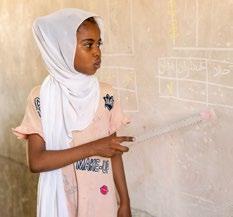
Aya is not the only one rebuilding. Thirteen-year-old Shaza (pictured below) fled Khartoum after losing her father. She arrived frightened and unsure. Then one day, during a maths lesson, she bravely volunteered to lead an exercise for her classmates.
Using an abacus and a few pencils she showed her classmates how to add numbers. This small act gave Shaza some much needed confidence.
Shaza wants to become an engineer and rebuild her family home. “This was my father’s only wish,” she says.
How
learning continues - in or out of the classroom
Of course, not every child can reach a centre. Some are displaced multiple times and some live far from any safe building.
This is why UNICEF also uses the “Learning Passport”; a digital platform used in the classroom but designed so children can keep learning even when schools close.
Seven-year-old
Aya proudly hugs her new books and pencils she has received from her teacher in Tawila, North Darfur, Sudan.
It works online and offline - which matters in places with little internet or unreliable power.
For a child whose education has been interrupted by war, it’s a way to catch up. It restores progress and gives them a sense of control when everything else feels uncertain.
Learning Passport now supports over 10 million children in 47 countries.
Products like this don’t appear overnight. UNICEF relies on donations and gifts in Wills to make these long-term investments in education, building content that matches curricula, making it work offline, keeping it updated and getting it into the hands of children who may be moving from place to place.
And also working with the help of governments and partners to match the curricula and languages of individual countries. This is one reason why a gift in your Will is so vital.
It's the funding which enables UNICEF to deliver innovations like Learning Passport for the long haul. And takes it to displaced children wherever in the world they are.
Protecting education in Gaza
Nowhere is this more urgent than in Gaza where UNICEF and partners are creating more than 100 temporary learning spaces. Here children can read, write, play and receive emotional support.
UNICEF’s “Back to Learning” programme is being expanded to reach 336,000 children - one of the largest emergency learning efforts anywhere in the world.
“It’s about protecting the engine of Gaza’s future. And it is a bridge - not a substitute - to the full restoration of Gaza’s schools, so every child can return to formal education and a real classroom.”
- James Elder, UNICEF Spokesperson.
A different way to think about your legacy
In Ireland, many people first think about making a Will for practical reasons: to spare family hard choices later, to tidy loose ends, to make sure wishes are clear.
UNICEF Ireland’s Bucketful of Dreams starts there, but does much more …
“It is a free, no-pressure invitation to reflect on your life, your values and your next chapter,” explains Pauline Murphy, UNICEF Ireland's Legacy Gifts Manager.
“It’s part journal, part keepsake and a simple way to add something truly extraordinary to your bucket list by leaving a gift in your Will, giving children hope to fulfil their dreams."
Many people don’t realise how important legacy gifts are; funding the work that has to be planned, built and sustained over time. They give UNICEF the flexibility to strengthen programmes, respond to emergencies and adapt when priorities
[Please detach form]
Get in touch with our Legacy Manager to talk in confidence about your Will.
Justin Killeen, UNICEF Ireland, at a Makanna Centre in Abdallah, Port Sudan, last July, where girls study using learning devices designed to support their specific needs.
shift. This matters in places like Sudan and Gaza.
A lasting gift helps fund the long-term rebuilding and tools to keep education going – even if schools close or families are forced to move again and children need to catch up. Leaving a legacy is both an act of care and a reflection of your hopes. And your gift protects and supports children far into the future.
Your Bucketful of Dreams
UNICEF’s Bucketful of Dreams helps making – or revising – your Will easier. You get a journal, which offers you a space to reflect on what matters most to you. A place to capture your dreams, whether they are accomplished or still waiting to be achieved – and a way of leaving behind your personal memories and messages.
The journal also has space for the details relatives often end up searching for later. From key contacts and accounts to the small information – like your Wi-Fi code – which relieves stress for those left behind.
With your Bucketful of Dreams journal, you will receive a Will Planner for people who are unsure how to start to make a Will. Giving you peace of mind that you are prepared to meet with your solicitor.
What to do next
To start filling your Bucketful of Dreams and receive your legacy information pack, visit unicef.ie/bucket.
If you'd rather have a conversation about it, just call Pauline Murphy, UNICEF Ireland’s Legacy Manager, on 01 878 3000 or complete the form below.
Or complete the form to receive a free, no-obligation legacy information pack which includes a Will Planner. Pauline Murphy Legacy Gifts Manager pauline@unicef.ie +353 1 878 3000 unicef.ie/bucket
I would like to receive updates on how my support has helped children and information on other ways to help:
If you prefer not to be contacted by post in the future, please contact us at info@unicef.ie Visit unicef.ie/about/privacy-policy for information about UNICEF’s data management practices. Phone Email
Details you need to include a gift in your Will to UNICEF:
Comprehensive health check-up programs in Latviayour path to preventive care!
We often neglect our health and only find ourselves when we are already feeling unwell and in pain. Using the possibilities offered by medicine and modern technology, regular health checks help us detect health problems and prevent them early on.
Latvian Health Tourism Cluster clinics in Riga offer specialized Check-up programs that are ideal for busy, active and forward-thinking people who value time and quality. All necessary tests can be performed without an overnight stay in the hospital and it only takes 1 to 3 days.
Check-up programmes are intended for everyone, but are especially recommended for people with a genetic predisposition to certain diseases (e.g. diabetes, cardiovascular diseases, cancer), athletes and those who lead an active lifestyle to monitor the functional state of the body, before major surgeries or treatment courses to assess the general state of health, as well as for older people to monitor the development of chronic diseases.
The main goal of a Check-up is to identify potential health risks in a timely manner and prevent the development of diseases. By conducting regular checks, it is possible to delay the onset of the disease, and in the case of a serious illness, to slow down its progress.
A general health examination (Checkup) provides a comprehensive assessment of the state of health, allowing for the timely detection of pathologies, deviations from the norm and other risks. This makes it possible to start the necessary treatment in a timely manner and to carry out preventive measures more effectively.
Check-up programmes are based on an individual approach to each patient. A personalised examination plan is drawn up, taking into account the patient's previous illnesses, current complaints, as well as family history of diseases (first and second degree relatives). Such an approach ensures the most accurate and effective health monitoring.
Thematic check-up programmes are tailored to different health needs and risk factors:
· For men and women in certain age groups, Check-ups include a general health assessment, hormonal tests and specific examinations, such as a PSA test for men and mammography or gynecological ultrasound for women.
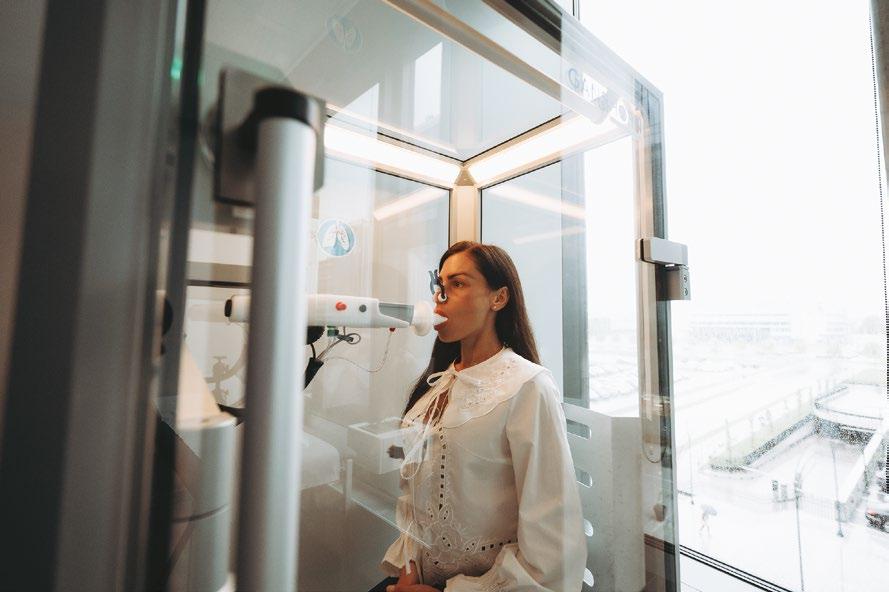
· Programmes for smokers focus on lung health, including X-rays, spirometry and cancer screening.
· Athletes are offered stress tests, joint and muscle ultrasound, as well as electrolyte and vitamin analyses.
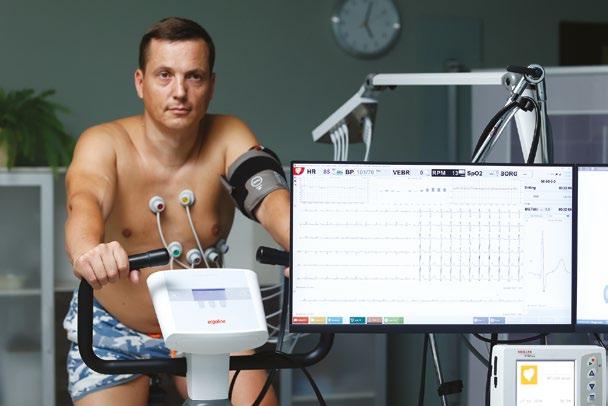
· Cardiology programmes include ECG, cardiac ultrasound and cholesterol level determination to assess the condition of the cardiovascular system.
· Oncology programmes help to detect cancer risks early with specific tests and imaging methods.
· Dizziness tests include a complex of vestibular and neurological examinations to identify possible causes.
· Digestive health Check-up programmes are designed for preventive diagnostics and timely assessment of health risks. They help to detect possible changes in the digestive tract early, assess risk factors and receive a medically justified further action plan. The programmes are suitable for both people without complaints for regular health checks, and patients with long-term or recurring digestive system problems, when indepth diagnostics are required.
Cardio Check-up programme:
This program helps to detect cardiovascular problems in a timely manner and take the necessary measures to prevent them. Program includes:
· Family doctor consultation
· Analyses
· Electrocardiogram
· Echocardiography
· Holter 24h
· Sports doctor consultation and cardiopulmonary stress test
· Body plethysmography
· USG of the abdominal cavity
· USG of the neck blood vessels
· Repeated consultation/remote consultation of the family doctor to review the results and provide recommendations.
The program can be completed within 3 days. Price: from €760
Check-up programme for women:
A program for maintaining general health and preventing diseases. It is personalized, taking into account age.
· First consultation with a family doctor
· Blood tests (22 markers)
· Ultrasound of the abdominal organs
· Ultrasound of the thyroid gland
· Echocardiography
· Electrocardiography
· Dermatological consultation + dermatoscopy
· Gynecologist consultation
· 2D ultrasonography + tests
· Ophthalmologist consultation and vision diagnostics
· Final consultation with a family doctor. This program can be completed in 1 day. Price: €785
Check-up programme for men:
A program for maintaining general health and preventing diseases. It is personalized, taking into account age.
· Express visit of a leading doctor, an internal medicine doctor
· Blood tests
· Electrocardiogram (ECG)
· Express visit of a vascular surgeon, phlebologist and vein screening
· First consultation with a family doctor
· Blood tests (23 markers)
· Ultrasound of the abdominal organs
· Echocardiography
· Electrocardiography
· Dermatological consultation + dermatoscopy
· Urologist consultation
· Ophthalmologist consultation and vision diagnostics
· Final consultation with a family doctor.
Smokers, regardless of smoking history, are recommended to undergo a bronchodilation test to exclude chronic obstructive pulmonary disease (COPD) and also a reduced-radiation CT lung screening.
This program can be completed in 1 day.Price: €680
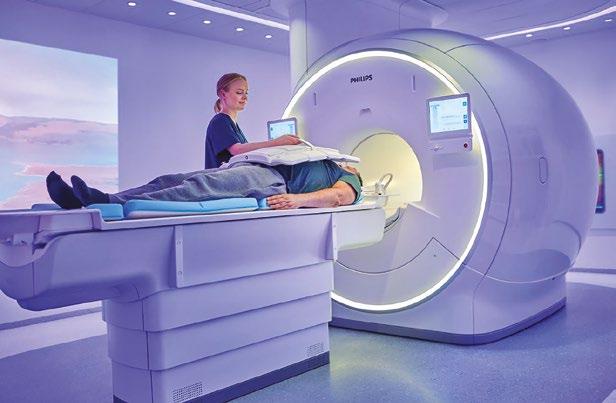
Whole-body magnetic resonance screening
Whole-body magnetic resonance imaging is performed to rule out clinically significant diseases, most commonly oncological diseases and various neoplasms. The patient receives a description of all organ systems at the corresponding levels: lungs, heart, lymph nodes, thyroid, liver, gall bladder, pancreas, spleen, adrenal glands, kidneys, bladder, prostate, testes, uterus, ovaries, aorta, head (sinuses, orbits, inner ear structures, throat, larynx, salivary glands), brain, cervical, thoracic, and lumbar spine, and sacroiliac joints.
Why choose Riga, Latvia?
· Express visit of a nutritionist
· Express visit of a dermatologist
· Ultrasonography of the abdominal cavity
· Ultrasonography of the thyroid gland
· Oligo Check with the SoCheck platform (determination of the potential level of trace elements and oxidative stress in the body, as well as determination of the concentration of heavy metals)
· EMSella procedure
· Bioimpedance examination
· Duplex examination of the neck vessels
· Express visit of a body aesthetics specialist
· Express visit of a physiotherapist
· Lung X-ray
· Express visit of an ophthalmologist
· Repeated consultation with a leading doctor, an internal medicine doctor.
These examinations are organized once a month, usually taking a couple of hours (9:00-14:00). Price: from €678
Digestive system health Check-up programme:
• Short (3 hours), direct and affordable flights from Ireland (round trip around €200)
• Lovely hotels that won’t break the bank - 4-star comfort from around €75 per night
• Procedures available within 2 month time
• Riga is the perfect place to relax and recover
• Hassle-free offers for peace of mind
• A little holiday on the side - explore Riga’s beautiful Old Town, relax by the sandy seaside and enjoy delicious food from Michelin's list of recommended restaurants!
This programme can be completed in 1 day. Price: €335
Book a free specialist consultation and get answers to your questions!
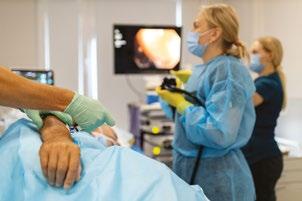
This programme is designed for preventive assessment and early identification of potential gastrointestinal health risks. It allows timely detection of abnormalities, evaluation of individual risk factors, and the development of a clear and personalised follow-up plan. The programme is suitable both for individuals without symptoms who wish to undergo regular preventive monitoring and for patients experiencing long-term or recurrent complaints requiring more comprehensive gastrointestinal evaluation. This program includes:
· Upper endoscopy
· Colonoscopy
It provides comprehensive endoscopic evaluation of both the upper and lower
gastrointestinal tract and is designed for the early detection of esophageal inflammation and reflux-related changes, gastritis and peptic ulcer disease, possible Helicobacter pylori infection, intestinal polyps and adenomas, inflammatory bowel diseases, as well as early precancerous or malignant conditions.
The programme also includes a structured pre-procedure consultation based on a completed health assessment questionnaire. Following the examinations, the findings are discussed in detail during a consultation with a gastroenterologist.
This program can be completed in 1 day. Price: €860.00*
*The fee does not include therapeutic interventions (e.g., polypectomy). If such procedures are required, an additional charge applies.
After the Check-up tests, you will receive a complete overview of your health status and a consultation with a doctor with instructions for further treatment. Regular Check-up programs are an effective way to detect possible diseases at an early stage and take the necessary preventive measures to live longer and better. Each program can be adjusted individually based on your complaints and needs. Take care of your health on time!
Cluster clinics offering Check-up programs:
AIWA Clinic
Capital Clinic Riga
Dr. Feders Center
Medical Center ARS
Gastro Center
Anti-Aging Institute
Dr. Vasaraudzes privātklīnika
Book a service or consultation. Share your needs with us, and we’ll connect you with the most suitable clinic for your situation.
info@healthtravellatvia.lv
Discover the full range of services and opportunities at www.healthtravellatvia.lv
Bridge
Michael O’Loughlin has enjoyed teaching bridge for over 40 years; his book, “Bridge: Basic Card Play” is available from the Contract Bridge Association of Ireland (01 4929666), price: €10.
Calling all Novices –Intermediates!
Bridge byt by Michael O’Loughlin
by Michael O’Loughlin
Calling all Novices – Intermediates!
Be a top defender
TOP defence involves:
Be a top defender
TOP defence involves:
“T” for Trick target – focus on how many tricks you need to defeat the contract. Need just one more and have an ace! Then lead it.
“T” for Trick target – focus on how many tricks you need to defeat the contract. Need just one more and have an ace! Then lead it.
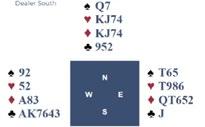
West counted his side’s tricks (the “T” of TOP defence) and realised that just one more trick was required to defeat the contract. Looking at dummy (“O”) it wasn’t coming from spades (no more), diamonds (no more) nor clubs (with ♣AK9xx against his ♣10863).
“O” for Observe dummy. Look for its weakness – a suit of three small cards being ideal versus a suit contract.
“O” for Observe dummy. Look for its weakness – a suit of three small cards being ideal versus a suit contract.
“P” is for Partner. What did they bid? What have they led? Never forget, partner is on the same side as you – you must fight together.
“P” is for Partner. What did they bid? What have they led? Never forget, partner is on the same side as you – you must fight together.
Dealer: South None Vul
Dealer: South None Vul
The only hope of a further defensive trick was from hearts, trumps. But that didn’t mean leading a trump, for if East had a certain trump trick, ♥QJx or the like, then any lead from West would suffice. The critical situation was East having a holding such as (in fact precisely) ♥Qx, which in the normal course of events his ♥Qx would fall under ♥AK, but where the lead of a suit in which East was void (even if declarer and dummy were also void) would see East’s ♥Q being promoted into a winner. Therefore, at trick five West led his thirteenth spade (key play/ only hope). Whether or not declarer trumped with dummy’s ♥A/K, East’s ♥Q had to score (a classic Trump Promotion). At the table declarer discarded from dummy, East immediately trumped/ruffed with the ♥Q and that was down one. Good bridge.
East immediately trumped/ruffed with the ♥Q and that was down one. Good bridge.
Today, we practiced TOP defence.
Today, we practiced TOP defence.
“T” for Trick Target, don't lose sight of how many tricks you need to defeat the contract;
“T” for Trick Target, don't lose sight of how many tricks you need to defeat the contract;
“O” for Observe dummy, look to attack dummy's weakest suit; “P” stands for Partner - the most important person, try to work out what (on earth!) they're doing.
“O” for Observe dummy, look to attack dummy's weakest suit; “P” stands for Partner - the most important person, try to work out what (on earth!) they're doing.
3
South ends up being declarer in 4♠. Opening Lead: ♣A.
South ends up being declarer in 4♠ Opening Lead: ♣A.
As West, you cash the ace-king of clubs, East discarding, and are just about to lead a third club for partner to ruff when ... When you realise partner doesn't know whether to lead back a heart (which would be fatal because declarer would then be able to discard her one losing diamond on dummy’s 4th heart), or a diamond. So, before you lead that third club for the ruff, bag the ace of diamonds (key play). Then lead a third club for the ruff. One down.
As West, you cash the ace-king of clubs, East discarding, and are just about to lead a third club for partner to ruff when ... When you realise partner doesn't know whether to lead back a heart (which would be fatal because declarer would then be able to discard her one losing diamond on dummy’s 4th heart), or a diamond. So, before you lead that third club for the ruff, bag the ace of diamonds (key play). Then lead a third club for the ruff. One down.
More tips for Intermediate players can be https://www.andrewrobson.co.uk/ andrew/tips_for_intermediates/ https://www.andrewrobson.co.uk/andrew/tips_for_intermediates
On our featured - 3♥ - deal, West remembered his partner’s 1♦ bid (the “P” of TOP defence). His top-of-a-sequence ♦10 (the lowest honour sequence is 10-9) was won by East’s ♦K. East now observed dummy (the “O” of TOP defence) and saw no more diamonds and three losing spades.
At trick two East switched to the ♠ 4. Declarer correctly tried the ♠ 10, hoping East held the ♠ J, but West won the ♠ J and led back the ♠ 3, East won the ♠ A and led back the ♠ 9, to ♠ Q and West’s ♠ K.
Free bridge emails
If you wish to receive three times per week free bridge emails which include lessons, videos & quizzes, please email me: michaelolough@yahoo.com
Your Health, Your Way
Now is a good time to look after those health concerns you may have been putting off.
Health screening can aid early detection, which may help prevent serious health issues. Put your mind at ease with a comprehensive health screening that helps identify the risk factors, signs, and symptoms of common conditions.
HealthCheck at Mater Private provides a detailed snapshot of your health in one convenient 3-hour visit. Any additional tests or scans you may need can be arranged, with cardiology testing and radiology available in the same location.
HealthCheck Screening – Your Health, Your Way
For more information scan the QR code / visit www.healthcheck.ie
To book your appointment call 01 885 8257 / 885 8258 or email healthcheck@materprivate.ie
Getting started: for Absolute Beginners
MiniBridge is a simplified form of Bridge and a great way to start your journey. Originally designed for teaching children, it has proven to also be a very effective way of teaching adults. MiniBridge was first developed in France and the Netherlands as an introduction to bridge for schoolchildren and was soon acknowledged as an excellent game in its own right. Card playing helps children to identify numbers, colours, similarities and sequences. By the age of six or seven, many children own or have access to a computer in the home or at school, and the first thing they often try to do is play the free card games that are available. Children love being clever and working things out - and winning. These are all possible when children learn to play MiniBridge, but because it is a partnership game they will also learn that they need to co-operate, share information and combine as a team to beat the opposition. But MiniBridge is not just a game for the younger age group. It can be taught to any age, to pupils and students in primary, secondary and tertiary education right through to adults. It is widely used as a precursor to learning bridge for all ages and is universally found to be both effective and enjoyable.
Question 1 of 4
Which suit is this ♣
Question 2 of 4
How many Aces are there in a pack of cards?
Question 3 of 4
In whist and bridge the two is higher than the Ace True or false?
Question 4 of 4
Following suit means playing a.....
Card of the same suit as the card that was led
Card of the same suit as the player just before us
Answer 1 ♣ is the symbol for the Club suit.
Answer 2: The are four Aces.
Answer 3: False. The two is low, the Ace is high.
Answer 4: Following suit means playing the same suit as the card that was led.
MiniBridge is a trick-taking game. One player starts by ‘leading‘ or playing the first card to a trick. Each player in turn clockwise contributes one card to each trick and the highest card played wins the trick. Aces are high, followed in order by the king, queen, jack, ten, nine and so on down to the two, the lowest card in each suit. There are four suits of these 13 cards: Spades and Hearts (major) Clubs and Diamonds (minor) When playing to a trick, each player must ‘follow suit’ with a card of the suit led if possible. Otherwise, they may discard/throw any card they like.
1. A standard deck of 52 cards.
2. The 4 suits are Clubs, Diamonds, Hearts, and Spades.
3. Cards rank in order A, K, Q, J, 10, 9, 8, 7, 6, 5, 4, 3, 2. Ace is always high.
4. Cards are dealt and each player gets 13 cards which is their 'hand'.
5. The 4 hands form a 'deal'.
6. Each player plays one card in turn clockwise round the table.
7. The 4 cards make a 'trick'.
8. We have to play a card of the same suit as the first card of that trick if we have one (this is called 'following suit').
The winner of a trick makes the lead to the next trick. Deals may be played in ‘no trumps’ or with a trump suit, i.e., a master suit – one which is more powerful than the others. Say spades are trumps then any spade beats any card in the other three suits.
Players must still follow suit to each trick if they can, but when unable to follow, a trump may be played which will win the trick (unless another player plays a bigger trump card to the trick). The main feature of MiniBridge that distinguishes it from whist and other similar trick-taking games is the existence of a ‘declarer’ who decides the ‘contract’ – that is, the choice of trump suit and a targeted number of tricks to be won by the partnership. The contract must always be for at least 7 out of the 13 tricks available.
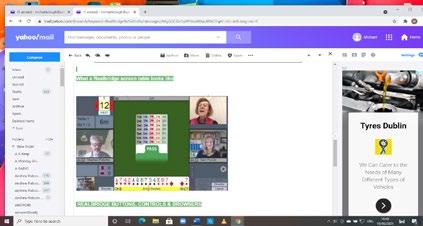
What is RealBridge?
If you wish to receive three times per week free bridge emails which include lessons, videos & quizzes, please email me:
9. If we can’t follow suit, we can play any card.
More about MiniBridge in the next issue.
• See and speak to your partner and opponents - just like face-
• Connect with everyone at the table. Bid and play and go over the hands afterwards to learn from the post mortem. If you wish to try RealBridge for free, just email me:
just like face-to-face bridge.
• Connect with everyone at the table. Bid and play and go over the mortem.
Tues 7th july
Tues 14th july
Tues 28th july
Tues 11th aug
Tues 1st sept Tues 8th sept
23rd july
30th july
Giorgio Belladonna
Giorgio Belladonna (7 June 1923 – 12 May 1995) was an Italian bridge player, one of the greatest of all time. He won 16 world championship titles with the Blue Team, playing with Walter Avarelli from 1956 to 1969 and later with Benito Garozzo. A leading theoretician, he was the principal inventor of the Roman Club bidding system, from 1956, and with Benito Garozzo after 1969 created Super Precision, a complex strong club based method.
Alan Truscott described him as "a cheerful extrovert" and "normally unflappable at the table". He had been "a potential soccer star, but World War II interrupted that career path". He worked in the Social Security Administration until 1970. This Belladonna hand featured in “The Bridge Immortals” by Victor Mollo:
Dummy ♠K 3 2
♥A 10 4
uK 8 4
♣A K 6 4
If you win the ♣K lead, cross to the uA to finesse the ♥K, East wins and returns a trump. Now you are booked to lose 3 Heart tricks plus a trump.
Alternately, you could try a spade finesse at trick two. Neither of these approaches works given the actual lay-out (assuming best defence) and you would go one down.
More about MiniBridge in the next issue.
Before reading on, consider how you would ensure your contract.
Declarer
Declarer (Belladonna) was in a 5u contract. Opening lead: ♠J. Belladonna has two unavoidably losers: a Spade and a Heart – so has to avoid losing a trick to the uQ. He has a two-way finesse for the uQ. Belladonna avoids the guess by eliminating the Hearts and the Clubs and then throwing one of his opponents on lead by playing his third losing Spade from each hand. Declarer has lost two tricks with three tricks to go. He has ruffed two Clubs and one Heart in his own hand leaving the uK 8 4 in dummy and uA J 10 in his own hand. Having been thrown in with a Spade one of his opponents is on lead at trick eleven. Therefore, no matter what card that opponent leads, declarer is guaranteed to win the last three tricks and make his 5u contract.
This famous hand appears on the front cover of some editions of Victor Mollo’s classic “The Compleat Bridge Player”:
Declarer two, the lowest card in each suit. There are four suits of these 13 cards: Spades and Hearts (major) Clubs and Diamonds (minor) When playing to a trick, each player must ‘follow suit’ with a card of the suit led if possible. Otherwise, they may /throwdiscard any card they like. The winner of a trick makes the lead to the next trick. Deals may be played in ‘no trumps’ or with a trump ,suit i.e., a master suit – one which is more powerful than the others. Say spades are trumps then any spade beats any card in the other three suits. Players must still follow suit to each trick if they can, but when unable to follow, a trump may be played which will win the trick (unless another player plays a bigger trump card to the trick). The main feature of MiniBridge that distinguishes it from whist and other similar taking-trick games is the existence of a ‘declarer’ who decides the ‘contract’ – that is, the choice of trump suit and a edtarget number of tricks to be won by the partnership. The contract must always be for ta least 7 out of the 13 tricks available.
It is a Teams Competition - so South has to make sure of his contract of 4♠. Overtricks are not a consideration. There are many lines of play to choose from, and your job is to find the one that offers the best chance for the contract.
The correct approach is to lead a low heart from dummy at trick two! This unusual play is sure to produce at least 10 tricks. If East plays low, you play the jack and cannot be stopped from either ruffing a heart in dummy or averting a trump loser. If East happens to have the queen and plays it, your jack later becomes a trick, and the most you can lose is a trump and two hearts. It is surely uncommon to handle the combination of K-x opposite J-x-x by initially leading low towards the jack, but this in itself is not a good reason for failing to make the proper play.
Victor Mollo tells us that Giorgio Belladonna is reputed to have found the correct approach without batting the proverbial eyelid. Where was the hand played? In a European Championship according to one version. In a tournament in Venice, according to another.
However, when asked directly, Belladonna claimed to have never seen the hand before and to know nothing whatsoever about it. All the writers who have ascribed it to him have been victims of a delusion.
A masterpiece had come to light. No one seemed to know the origin, so by common consent it was attributed to Giorgio Belladonna. Se non e vero e ben trovato. Which translates as: Even if it is not true, it is well conceived or more loosely : Even if it is not true, it makes a good story.
Could there be a greater tribute to a player’s genius?
Like other members on the squadra azzurra, Belladonna was fond of music. He was keen photographer and played tennis, but first things came first and that, in the life of Giorgio Belladonna that was always Bridge.
Belladonna died of lung cancer on 12 May 1995 in Rome.
Mastering Bridge with Andrew Robson
Whether you’re a beginner or an experienced club player, join the BridgeCast community and access the expertise and insight of a world-renowned player and teacher to improve your bridge game. BridgeCast is a monthly video subscription service offering Andrew's new Bridge videos either daily or three times a week.
Make the most of Live By The Bay with an overnight stay at The Maritime Hotel. Enjoy pre-show dining, live entertainment onsite, and the comfort of staying right here after the show. No taxis, no rush — just great food, live music and a relaxing night away by Bantry Bay.
Book now and turn your night out into a coastal escape.
More islands by the sea..
In the second part of her examination of our islands by the sea, Zoe Devlin focuses on more offshore outrocks, including Rathlin, Northern Ireland’s only inhabited island
Towards the end of the last Ice Age, as the frozen seas thawed, a massive volume of water was released and this flowed, gradually, around the coast of Ireland, raising sea levels and creating many islands, principally along the western seaboard. Some of these have been inhabited for centuries, their residents carving a living out of the land or fishing or now, in this digital age, working remotely. A few islands are connected physically to the mainland by bridges so no longer are dependent on the state of the weather for safe passage to and from their island, but others are still reliant on a dependable ferry service. One such is Rathlin Island, Northern Ireland’s only inhabited offshore island, home to 141 folk in the 2021 census.
Rathlin – Reachlainn – lies six nautical miles across the north Irish Sea from the coastal town of Ballycastle and when I visited a few years ago in May, I took the ferry across to the island, arriving in the small harbour at Church Bay to the sound of ‘cooing’ from a small raft of Eider Ducks. A few seals swam lazily around the boat, dipping and surfacing in the golden evening sun. We had accommodation overlooking the harbour for a few days, giving ourselves plenty of time to enjoy exploring this boomerang-shaped island and all it had to offer. It is not a large piece of land – only four miles from east to west and two-anda-half from north to south but we used Bert’s Puffin Bus service to convey us to the West Light Seabird Centre, the Royal Society for the Protection of Birds’ (RSPB) nature reserve near the western tip of the island. This gave us views of tens of thousands of seabirds – representing about thirty bird families, the guide told us. The bird colony is an amazing sight with umpteen avian creatures vying for space on a large sea stack some distance away – Razorbills, Fulmars, Guillemots, Kittiwakes and Puffins –with others that could be seen on the cliffs adjoining the nature reserve’s visitors’ centre.
On the return journey, we asked the driver of the bus to let us off halfway and as we wandered along the narrow road we were delighted to find a relatively rare wildflower, the very small Pyramidal Bugle, a species that was classified as being ‘vulnerable’ in the National Parks and Wildlife Service’s Red Data List of Vascular Plants of 2016. Apart from its foothold in Rathlin, this pretty little species is only ever found in the Burren. Not quite so rare but very beautiful were the blue flowers of Spring Squill which we came across at the southern
tip of the island, Rue Point, quite close to one of the islands three lighthouses. We spent quite a lot of time wandering the various narrow roadways in the hope of catching a glimpse of a Corncrake but were not successful. However we did see a couple of Choughs, possibly the only breeding pair in Northern Ireland.
One special creature that you will only see if you are extremely patient, immensely lucky and know where to find it, is Rathlin Island’s Golden Irish Hare. This is an amazingly striking creature that has pale, blonde fur and blue eyes and it is a unique variant of our native Irish hare. I have only seen it in photographs, notably by Rathlin Island wildlife photographer, Tom McDonnell1
as far as Ballycastle by public transport, free of charge (due to our advanced age!) and with a reduced fare on the ferry.
Eider Duck Spring Squill
Bird colony, Rathlin Island Lighthouse, Rathlin Island
Rathlin Island’s Golden Irish Hare, photo credit Tom McDonnell
MIND IT! With Sinead Ryan
Sinead Ryan looks back at her series of SeniorTimes, consumer related podcast series..
I’ve been speaking at the Senior Times 50+ expos for many years now on Fair Deal and Inheritance, along with a big panel of diverse and knowledgeable experts, and it’s always a super turnout of people interested in topics as diverse as retirement savings to solar panels, holidays to e-bikes.
But even with the expansion of venues (Dublin, Cork, Limerick, Galway and Sligo), it’s still the case that many people simply can’t get there in person.
So we decided to bring the experts to you, in the form of a new podcast, called Mind It!
where I ask the country’s experts for the low down on the most often asked questions and topics at our 50+ Expos. I’m delighted that we recently launched Series 2 of themes discussed in the first series and the best news is that all episodes are up online now, and are completely free, but if you like, and subscribe, you’ll be sure to be notified as they load.
Some of my favourite episodes have been:
Energy Grants: this is a complex area but one which interests many members, but it’s hard to know what grants are available for things like insulation, solar panels and heat pumps, and how to get them. Speaking to experts from the Bord Gais Energy One Stop Shop, and the Sustainable Energy Authority of Ireland, we discovered it’s quite simple, once you know who to ask!
As the host, I’m privileged to speak to people across a huge range of industries and themes, all of interest to older people as they navigate their ‘Third Age’.
Mind It! is a series of 15 – 30 minute interviews with fantastic tips and hints
The grants have recently been increased, so our Series 2 talk with the SEAI’s Brian McIntyre, is enlightening and valuable.
I really enjoyed speaking with the Retirement Planning Council’s Declan Lawlor who side-stepped the topic of pensions, to chat about the joy and freedom of retirement, and the importance of staying in touch with community, keeping up hobbies and interests and how our health and wellbeing is affected by retirement.
I had fun talking all things travel with two special guests: Paul Hackett, CEO of Click & Go – voted Ireland’s most trusted travel agent again this year, spoke about the pleasure and value in longer breaks – up to a month or more e
Thanks to Raisin Bank for their support in making Mind It!
specially when you can travel outside the busy summer months and we had a great chat about the burgeoning River Cruise market.
Andrew Yates is head of Expressway, and told me about the dozens of routes now available in Ireland where a five-star service is provided along the byways and highways of the country for surprisingly good value.
Also up on Mind It! are interviews on making an Enduring Power of Attorney, investing your money, using the State’s new low-cost scheme, buying a new car or e-car and lots more.
Like and Subscribe now – and why not suggest guests or topics you’d like us to cover next time!. You can contact us with your suggestions at info@slp.ie
To listen to any of the Mind It! Podcasts with Sinead Ryan go to www.seniortimes.ie
NEW PODCAST MIND IT! with Sinead Ryan
weekly from July 4th
Gola
On the north-west coast, about halfway between the islands of Tory and Arranmore is the easily accessed Gola – Oileán Ghabhla – which lies off Gweedore in County Donegal. With a population of fifteen, this is a place to wander freely, enjoying the feeling of being separate, away from the life’s problems, if only for a few hours. From June to September, a ferry at Magheragallon Pier, Derrybeg, conducts visitors across the one kilometre stretch and a circular route is signposted for ramblers, guiding them towards superb rock formations, sea arches and beaches. The island is also home to my all-time favourite wildflower, Grass-of-Parnassus, an autumn-flowering delight, its creamy petals full of intricacies best viewed through a hand lens.
Inishmore, Inishannon and Inisheer
On your journey through Ireland’s islands, a visit to at least one of the three Aran Islands – Inishmore, Inishmaan and - Inis Mór, Inis Meáin and Inis Oírr would be hard to beat for all these islands have to offer in both wildlife, rugged scenery and history. Ferries are from Rossaveal (in County Galway) and Doolin (County Clare) with daily and scenic flights from Connemara Airport (Inverin) and a connecting bus service from Galway. With a combined population of 1,347, the three islands’ main income comes from tourism and, being part of the Gaeltacht, many visitors travel to these islands in order to learn or improve their Irish.
The geology is similar to that of the Burren in County Clare, the islands having been separated from that area by rising sea levels after the last Ice Age. Carboniferous limestone forms a major part of the landscape and, like the Burren, the unique terrain contains grykes (fissures) and erratics (large boulders) and clints (blocks of limestone), all of which are home to many plants and insects that are unique to this type of habitat. Like the Burren, plant species normally found in the Arctic grow side by side with those of the Alps and Mediterranean. It is not unusual to see Mountain Avens sharing space with Spring Gentian. The former is Iceland’s national flower, a stunning, white-petalled beauty and is usually found at latitudes way higher than ours, whereas the vivid blue flowers of Spring Gentian are more often seen in sunny Alpine meadows.
A major tourist attraction on Inishmore (population 820) is the Bronze and Iron age site – Dun Aengus – Dún Aonghasa. This is a dry stone construction, a fort that is thought to have been oval or D-shaped, however over time, part of the building has collapsed into the sea, some 100 metres below. To learn more about the history of this site, visitors can access a small museum2 nearby.
Inishmaan has the smallest population of the three islands at 184. It is the location of a cottage called Teach Synge – the house where John Millington Synge stayed over five summers and where he was motivated to write, among other works, his ‘The Playboy of the Western World’. Similar biodiversity to its larger neighbour survives on this island and it boasts one of the lengthiest growing seasons in Ireland or Britain.
Inisheer (343 residents) is the most easterly of the islands and shares most of its geological features with both the Burren and its sister islands. One of the rare wildflowers normally found around the Mediterranean – the very small Dense-flowered Orchid – is native to this island.
Approximately eight miles off the south-west tip of Ireland is Cape Clear - Oileán Chléire – an island (population 110) that becomes a birdwatcher’s paradise in late summer and autumn. Along with a window during spring, migrating birds make landfall on this island, making a stopover either en-route to or from their breeding grounds. From April to late October, the Cape Clear Bird Observatory2 opens its doors to ornithologists, both beginners and those wanting to learn the fine art of bird-ringing. Springtime sees birds such as Whitethroats and Chiffchaffs making a break on their way back from their wintering grounds in Africa and September is possibly the best month of all with sightings of many migratory birds such as Manx Shearwater and Storm Petrel. Not only is this an excellent place to hone the birdwatching skills but it is also a good spot from which to observe whales, porpoises and dolphins.
Access to the island, which is dependent on weather and tides, is by ferries from Baltimore (year-round) or Schull (seasonal).
Saltees
Lying a few miles off the County Wexford coast are two islands, the Saltees – Na Sailtí – the Great and the Little. These islands are part of a Special Area of Conservation that stretches to the east of the fishing village of Kilmore Quay, itself a lovely spot to spend a bit of time. Around the islands, a wide zone of the sea has been designated a Special Protection Area in order to preserve the precious habitat. This is a valuable breeding ground for many seabirds as well as grey seals and to help to protect the delicate balance between the needs of the birds and the numbers of visitors to the islands, the National Parks and Wildlife Service (NPWS) recently appointed Seabird Wardens. Their role is to raise awareness, during the summer months, about the diversity of the many seabirds on the island, how to protect their colonies, especially during breeding season, and diminish disturbance from the increased numbers of visitors. Speaking at the appointment of these wardens, Minister for Housing, Heritage and Local Government, James Browne TD said:
“The seabird population is what makes a visit to the Great Saltee Island so special, and many of us travel there hoping to catch a glimpse of a puffin or a gannet. But our seabirds are vulnerable to disturbance caused by us, especially as they pair up, nest and raise their young".
Landing on the smaller island, which is extremely difficult, is not permitted, but there are several companies offering a twenty minute ferry service from April to August across the three mile stretch from Kilmore Quay to the larger island. Be prepared for a
transfer from the ferry to a smaller boat as there is no pier on the island.
Ireland’s Eye
Off the coast of north County Dublin, lie two interesting islands, Lambay Island and Ireland’s Eye. Access to the former, which is in private ownership, is by invitation only. Ireland’s Eye is a small uninhabited island, recently purchased by an investment group, Tetrarch Capital. They have pledged to keep it accessible to visitors and to preserve the beauty, amenity and accessibility of the island. It can be visited easily as several boat companies ferry visitors from Howth, a trip of twenty minutes or so. This is an unspoilt and protected island with a lot to offer lovers of wildlife and to those interested in the history of this small piece of landscape. Designated both a Special Area of Conservation and a Special Protection Area, large populations of seabirds flock around the rocky cliffs and small sea stacks. Visitors are advised to do their best to leave the birds undisturbed, especially in the breeding season and to avoid walking on the island’s wildflowers such as Spring Squill and Dog-violet species. Unfortunately the island has not escaped the dreaded invasive alien plants such as Montbretia and Japanese Rose, both very pretty and colourful but with awful manners!
For those interested in the history of this island, there are the ruins of a church dating back to the 8th century – the Church of the Sons of Nessan – as well as a Martello tower, one of the many built around the coast of Ireland in the early 19th century.
Médecins Sans Frontières/ Doctors Without Borders (MSF) is
Discover the inspiring legacy of venerable Patrick Peyton C.S.C The Rosary Priest
A Place of faith, Family and reflection in the heart of Co Mayo, Ireland. Nestled at the foot of the Ox Mountains in the heart of County Mayo, the Father Peyton Centre is a true hidden gem. Welcoming visitors from across the globe, this year-round sanctuary is both a cultural treasure and a peaceful retreat—a place where history, faith, and natural beauty come together in harmony.
The Centre honors the life and legacy of Venerable Patrick Peyton C.S.C., one of Ireland’s most influential spiritual figures and a beloved advocate for family prayer. Known worldwide as “The Rosary Priest,” Father Peyton dedicated his life to spreading the message: “The family that prays together stays together.”
Patrick Peyton was born in 1909 in the rural village of Attymass, the sixth of nine children raised on a small farm. Though he dreamed of becoming a priest, his family could not afford to send him beyond primary school. Together with his brother Tom, he emigrated to the United States, where he completed his high school studies and later attended Notre Dame University in Indiana. Near the end of his training for the priesthood, he contracted tuberculosis and was given little hope of survival. Choosing prayer over surgery, he and his family turned to Our Lady for intercession. To the astonishment of his doctors, Patrick recovered and was ordained in 1941.
In gratitude for what he saw as a miraculous healing, Father Peyton pledged to devote his life to promoting family prayer. He launched the Family Theatre program in Hollywood, enlisting
like
James
and Maureen O’Hara, who volunteered their talents to the cause. His Rosary rallies drew millions across the world, reaching an estimated 26 million people during his lifetime and bringing family prayer into hundreds of millions of homes through radio, television, and film.
A Living Legacy in Attymass
· A DVD presentation of Father Peyton’s remarkable life story
Guided tours featuring personal items such as his rosary beads, vestments, and photographs
· A gift shop and bookstore filled with religious items, Irish crafts, and literature on Father Peyton and Irish heritage
A restaurant renowned for its fresh, locally sourced ingredients and homemade baking, especially apple tarts and scones
A prayer garden and looped walking trails, perfect for quiet reflection or for walkers and cyclists exploring the Mayo countryside
The Centre is also a hub of community life. Each Tuesday, senior citizens from surrounding areas gather for Mass, lunch, and social activities with support from Local Link Bus Services. More than 1,000 students participate annually in
its school retreat program, which fosters self-awareness and connection through group activities. For those planning pilgrimages or retreats, staff can tailor programs for both youth and adults.
Stay in Comfort
For visitors seeking an overnight stay in peaceful surroundings, the Melody Residence offers seven ensuite bedrooms, each fully wheelchair accessible, along with spacious communal areas. Named after Father William Melody, a cousin of Father Peyton and a key supporter of the Centre’s establishment, it is an ideal base for families, groups, or solo travelers. Set between Ballina and Foxford, the residence is perfectly placed for exploring the River Moy, the Foxford Woollen Mills, or simply enjoying the serenity of Mayo’s countryside.
Plan Your Visit
Whether you are drawn by history, faith, or the desire for a quiet escape, the Father Peyton Centre and Melody Residence offer a unique experience rooted in inspiration, steeped in legacy, and surrounded by natural beauty. To learn more, plan a visit, or book accommodation at the Melody Residence, contact the Father Peyton Centre or visit www.fatherpeytoncentre.ie.
Fr Peyton Centre, Attymass, Ballina, Co Mayo Tel: 096 45374
stars
Bing Crosby,
Stewart,
What is AgeFriendly AI?
AI is everywhere these days and everyone is talking about it. Maybe you're wondering what it means for you and your life?
Age-Friendly AI is Ireland’s National Artificial Intelligence Literacy Initiative for Older Adults. The two-year project is developing a training programme with and for older adults, dedicated to making Artificial Intelligence accessible for everyone.
What is AI?
Artificial Intelligence, or AI, is when technology is designed to do tasks that usually need human thinking, like finding patterns in huge amounts of information – it is used on your phone, for example in predictive texting or in online shopping for making suggestions. You may also have a voice assistant like Alexa (Amazon’s AI Assistant) at home, or Siri (Apple’s AI Assistant) or Gemini (Google’s AI
From a Dialogue to Age-Friendly AI Training
In 2025, we visited 11 counties across Ireland, speaking with over 600 older adults about their hopes, concerns, and ideas for making AI more inclusive. A few clear themes emerged, such as knowing where to find AI in daily life and the desire to recognise what is real and what is fake on the internet. As one Dublin participant noted: “I felt that I wasn’t alone. That all my age cohorts are equally anxious but not afraid. It is a great sharing experience and was very well facilitated.”
Thanks to so many people who have taken part, we have developed an Age-Friendly AI Training that reflects these themes, so that older adults across Ireland can apply the information directly to their own lives.
What to Expect in 2026: Skills For Life
Training will roll out to public libraries across Ireland in 2026, beginning with Module 1: Introduction to Artificial Intelligence.
Launching under the national Skills For Training will roll out to public libraries M o d u l e 1 : I n
As one participant from Slane mentioned: “I didn’t realise I used AI as much. It does make a difference.”
As one participant from Slane mentioned: It does make a difference.”
In Module 1, you will learn more about what AI is and where it is being used. At some of our training sessions you will also have the opportunity to try out AI technology together with our project team. No experience with AI is needed - just curiosity.
In Module 1, you will learn more about At some of our training sessions you AI technology together with our project needed - just curiosity.
Don’t miss the next Age-Friendly AI workshop in your region! Sign up for the monthly Age-Friendly AI newsletter by scanning the QR Code below to keep up to date with the activities of Age-Friendly AI and to attend the next Age-Friendly AI Training in your region:
Sign up for the monthly Age-Friendly Code below to keep up to date with attend the next Age-Friendly AI Training
Continue to contribute to AgeFriendly AI
We still want to hear from you! Take part in our FREEPOST AI Opinion Campaign by submitting your experience with AI through our website: https://agefriendlyai.ie/share-yourthoughts/.
We still want to hear from you! Take Campaign by submitting your experience https://agefriendlyai.ie/share-your-
If you’ve set up a walking group in your community, don’t forget to register with Get Ireland Walking! Whether you have an existing walking group or if you are thinking of setting up a new walking group in your community, Get Ireland Walking is here to support you.
It’s quick, easy and free to register your walking group with Get Ireland Walking. We can help new members to find you, as well as offering training, support and practical advice.
Visit: getirelandwalking.ie
Get Ireland Walking is a national initiative that aims to empower and support people to choose to walk more often for recreation, transport, and health as part of their everyday lives.
Dublin Dossier
Pat Keenan reports on happenings in and around the capital
Brendan with an unfamiliar drink
Remembering Brendan at his Russell Street birthplace
A plaque to honour Brendan Behan was unveiled by the Lord Mayor of Dublin Councillor Ray McAdam, marking the writer, poet, novelist playwright former home at 13 Russell Street, near Mountjoy Square, a continuation of Jones's Road at the Canal End of Croke Park. The unveiling was just two days before what would have been his 103rd birthday. He was born at Holles Street Hospital and grew up here with his working class and staunchly Republican family at 13 Russell Street until 1937. The house, originally owned by his grandmother, is gone. Appropriately it is replaced by 'Fighting Words’ a company offering: "workshops, designed to promote creativity and writing as a fun and powerful means of self-expression". (www.fightingwords.ie) At the unveiling the Lord Mayor added “Brendan Behan was a fearless, unmistakably Dublin writer, a man who took the language of the streets and proved it belonged on the page and on the stage. His work gave voice to lived experience and working class Dublin, with all its wit, tenderness, and hard truth."
Brendan is well known for his alcohol dependence, and referred to himself as "a drinker, with a writing problem" How he managed to complete so much work into 41 years is remarkable. He was barred from almost every pub in Dublin due to his rowdy manner. Famously, Gill’s Corner House on North Circular Road is genuinely reckoned to be the only pub that never barred him.
Finally in March 1964 Brendan Behan collapsed in the Harbour Lights Bar, now known as Harkin's The Old Harbour on corner of Echlin Street and Grand Canal Place, ironically beside the Guinness Brewery, where he suffered his final collapse before dying in hospital. Allegedly his last words to the nun nursing him in the hospital were: “Sister, may all your sons be bishops.”
Rupert, left, and Guy, grandsons of Brendan Behan at the unveilings of the plaque (below) for their grandfather at Russell Street, Dublin.
Seán Lemass and Capel Street
Seán Lemass, Taoiseach from 1959 to 1966, was the second son of John T. Lemass and Frances Phelan, was born in Ballybrack, Co. Dublin. The family was large, at least nine children are listed in the census, and they lived at 2 Capel Street, close to the quays on the north side of the river Liffey. His father John T. Lemass, also had a men's hatter and outfitter shop here until 1950. This side of the street runs back from the quays to Upper Abbey Street had shops, two public houses, two boarding houses and a bank.
In 1916 it was also the site an unfortunate family tragedy when Seán, then just 16 accidentally shot his baby brother Herbert. In 2016 over 100 years after his death, his grandniece and the family gathered in Glasnevin cemetery and added the name of Herbert
Sean, however, is not buried here. During His last few years as Taoiseach, his health deterioratd. He retired in 1966 and while watching a rugby match at Lansdowne Road in 1971, feeling ill he was rushed to Mater Hospital where he died of pyopneumothorax, a collapse of the lungs.
Rejecting the pomp and militaristic ceremonial he decided not to be buried at the Republican plot in Glasnevin and was buried on 14th May in Deansgrange cemetery.
Quakers legacy continues to diminish
The Quakers, Religious Society of Friends in Ireland founded Bloomfield Hospital in 1812 as an independent non-profit organisation and charity providing care for people with mental illness. Motivated, they said, to provide humane care for people with mental illness and to provide "moral and humane psychiatric care" inspired by the work of other Quakers like William Tuke, who founded the York Retreat in England which also closed in 2018 and the City of York Council transferred services to the Mencap Society.
Their original hospital was in Donnybrook. In 2005, they moved to Stocking Lane, Rathfarnham.
Like so many 'religious' hospitals they are primarily funded by the Health Service Executive (HSE). It provides specialist mental health assessment, treatment, and support services to adults with serious and enduring mental health issues and neuro-psychiatric disorders.
Early this year the Quakers in Ireland announced the sale of the hospital due to their boards ageing profile and the dwindling of the Quaker community.
The gates of the Royal Hospital, Donnybrook. The hospital was
by The Society of Friends in 1812
Sean Lemass rejected the pomp of Glasnevin to be buried in Deans Grange Cemetery (above right) on the southside of the city.
Capel Street where Sean Lemass’s feather had a mens’ outfitters shop
founded
EXPERIENCE THE DIFFERENCE WITH
LOCK IN LOWER ENERGY COSTS AND PROTECT YOUR PENSION.
Another cheer for the Little Museum of Dublin
Regular readers will realise I have a soft spot for the Little Museum of Dublin, on St Stephen’s Green. Glad to say I'm not alone. Ranked in the top 1per cent of museums worldwide on Tripadvisor, the Little Museum of Dublin has become internationally recognised for its guided tours, distinctive Irish humour and engaging exploration of the city’s social, cultural and political history. Visitors this year can expect brand new exhibitions.The museum tells the story of Dublin through a carefully curated collection of objects
donated by the people of Dublin and those forced through circumstances live in the rest of Ireland.
Their "I Love Dublin" education programme, now sponsored by Dublin Port provides schoolchildren an opportunity to explore the story of Dublin through artefacts, interactive activities and guided tours. And adults go free on the first tour every Wednesday, Dublin Port Heritage Director Lar Joye says, “We are thrilled to be partnering with the Little
Museum of Dublin to offer free school visits for schoolchildren across Ireland. The Port was founded in 1708 and has had a 318-year relationship with the city, helping Dublin connect with the world. For Dublin Port, this partnership with the Little Museum helps us to reconnect the city centre to its citizens of all ages."
The Museum now offers a new book: 'On Dublin' telling stories of Dublin’s Viking origins and English rule to its place at the heart of a modern republic. The author is journalist Louise East, with photography provided by Pulitzer Prize-winning photographer Deanne Fitzmaurice. On Dublin offers an insider’s portrait of life in the Hibernian metropolis, capturing life in a city that is as complex, creative and charismatic as the people who call it home. Accompanied by visual narrative photography on the subtle but permeating buzz around Dublin, the book encapsulates a Dubliner’s connection with the city, spanning strolls through the Moore Street markets to morning sea swims at Portmarnock beach.
'On Dublin' is available for purchase at littlemuseum.ie and in the Little Museum bookshop The museum opens seven days a week from 9.30am to 5.00pm, with guided tours running every forty-five minutes. A daily walking tour, The Little Walking Tour of St Stephen’s Green, also take place each afternoon at 2.15pm
Memories of my youth at the Marine Hotel
though I did OK. Back in those days The Marine was out of the ordinary. Out the back there was a lean-to glass-enclosed conservatory where you could enjoy a drink surrounded with plants and a wonderful view of across a lush green lawn sweeping down towards Dublin Bay.
In those days the owner was Oswald Johnston a tall man, with a Northern accent and an eye for any detail, correcting anything out of place. Some regulars would jest, to be of best behaviour, "Oswald is coming !"
Oswald Johnston and his wife, Maureen owned the hotel until 1989. They made some significant additions, the swimming pool and a restaurant extension around 1970. They sold the hotel in 1989 and retired to Port d'Andratx, Mallorca.
I went walking to my doctor in Sutton for my yearly health check up. For someone who doesn't act his age, all's well. Passing by the Marine Hotel at Sutton Cross brought back memories past, of a bright
young man with a lifetime ahead swanning in to the fancy bar/lounge to observe how the other half lived and dreams of one day being rich, well to do, maybe even a millionaire. Well, that didn't happen,
Sadly Google and AI gave the news that Oswald, husband of the late Maureen and father of Jane, Dawn and Mark, died in 2018 at Orchard Lodge Care Home, Armagh, He ran a great hotel.
The Marine Hotel, Sutton Cross, once owned by the fearsome Oswald Johnston
The top ranked Little Museum of Dublin
MEDIEVAL SOURCES FROM THE IRISH MANUSCRIPTS COMMISSION
by
THE STATUTE OF KILKENNY THE ORDINANCES OF 1351 preceded
edited
and translated by
Keith Busby
This is the first critical edition of this wellknown medieval text since 1907.
Passed at a parliament in Kilkenny on 18 February 1366, the Statute of Kilkenny is best remembered for its notorious attempt to regulate relations between the English colonial community and the Gaelic Irish population. It also reflects more broadly the political, economic, and cultural instability of the time, proposing measures to restore peace and prosperity to the island.
This edition by Keith Busby is the first ever full investigation of the surviving manuscripts. It also offers a reliable base text, a concordance with earlier legislation of 1351, a glossary, and a commentary. This volume is a boon to Irish medievalists, to scholars of language and cultural history, to historians of frontiers and colonial societies more generally.
978-1-906865-99-3 | hardback | lii + 128 pp | €40
Poetry
At The Limerick City Gallery
Killing an hour on a sticky day, I saw a single word: Installation.
I am not a fan of installations, but idleness and curiosity sent me in.
No artist’s namesomeone challenging hubris. No catalogue, the installation left to speak for itself.
A new departure, utterly unique and true to the subject.
Dusty cardboard underfoot, spattered drapes, half-full pots of paint.
Men on scaffolding playing at painting. A radio calling softly. I drift to the centre.
Performers, scaffold-sitting, legs dangling, nod greetings. Others remain in character. In exalted mood, the work continues up to the first floor, where men singing out of tune, exchange ribaldries.
I stand in thought — installation, or performance?
Suddenly, recalling my meeting, I rush out.
On a paint-spattered truck, in bold lettering, the simple titles of artist, exhibition, and location: Cecil Street Installations Limerick.
Genius. An exquisite touch.
Five poems by Louis Mulcahy
Between Braunschweig and Berlin
We, two Irish gobdaws, stood thumbing to eternity
as snow slipped and fell in lumps from unrelenting skies above long, brooding lines of congregated pines.
Down the autobahn snaking to infinity an unending stream of tanks and jeeps
was breaking a blockade.
Near the centre of Nikita’s war —
unknown to us cut off from news — a soldier from a jeep flipped a sardine key, Hey fella get this … the key to American success.
A relief from the menace in the air, or maybe in our minds, the brooding trees, the word verboten
emblazoned black on signs near holes of coffin shape behind the rastplatz lines.
A soldier, AK-47 raised, red star on his cap, came jogging through the trees.
The muted plop of boots on snow the only sound, until his shouted остановка
echoed down the silence. Gesticulating with the rifle he beckoned move away. We did.
Dusk to Dawn
Declining sun slants shadows from the trees while weaving through the dropping veil the sough of leaves and buzz of bees are easing now to stillness out of sight. The day in thrall to darkness sheds its light.
Minds review the stories of the day, let go, then clean the slates, prepare them for the next, when light will shine again revealing that not much has changed but shadows, that now lie the other way.
Fleeing North
The blood on these heels is nothing to the blood on our city’s buckled streets. Two years since the spilling started. Kobani's walls made powder by sellers of arms.
Fahimah and Fareeha gone screaming to silence, as terror became concrete in the dust.
Hassan, Hussein fret, but grow fast, grow lean on little. Nothing since the whispers in the night, the rush of feet, the hammered door. We only had my clothes, my rings and fear.
Amira cries. We carry her. I share, but not so much.
I am afraid for the life within and your little men are strong. I must stiffen. We are all men now. There was this boat, the captain took our dreams.
Ten days swaying sick. Food, then water gone. The children hurting, I am ill. Ten weeks we’ve walked, bartering my skills. So often we buried the dead. Sami, I hope you live to read this. The bombardment is const
Them and Us
All around the screams of wretches trounce old dreams of peace and quiet, flail the air with foreign noises, sounds that rend white cold of night.
Through the trees come cries and curses of defenders long abandoned, collateral debris, dead or dying, trampled on the heart-scald ground.
Their only course, to mind the mothers, the youth, the sick, the frail and old, with fevered drive to stop subjection, while we care not to smudge our shoes.
Louis Mulcahy is an Irish potter who sings and writes poetry. He has published one collection in Irish and four in English, the latest of which is Lisbeth – New & Selected Poems (Concerto Books, 2024).
www.louismulcahy.com
Over 50s Feel Disadvantaged by Health Insurers
One in three people believe that over 50s in Ireland are not treated as fairly as younger people by private health insurers, according to new research carried out by Red C on behalf of Cornmarket, Ireland’s largest health insurance broker.
The study reveals that 40% of adults do not feel insurers understand the needs and priorities of people over 50, while 80% believe older customers face higher premium increases, a perception that significantly shapes their trust in insurers.
Almost 60% of respondents think insurers are less likely to offer their best plans to older members, and 30% say communications feel less clear or less personal once customers move into older age brackets.
“The findings reflect day-to-day feedback from our customers, which shows recurring concerns around communication, pricing fairness, and how well insurers understand and support the needs of older policyholders, says Dermot Wells, head of health insurance at Cornmarket.
“Although Ireland’s community-rating rules mean all customers pay the same price for the same plan regardless of age, the reality is that many older adults remain on legacy plans, which often experience higher rate increases.
“Insurers also tend to prioritise competitive pricing on acquisition-focused plans targeted at younger consumers. This can leave long-standing customers absorbing the compound effect of multiple annual increases, even when better value alternatives exist. For older adults who have stayed on the same plan for five, ten, or even fifteen years, the result is gradual but significant overpayment relative to current market options.”
Despite these concerns, two-thirds of insured adults have never switched insurer, citing trust in their current provider (47%) and fear of losing benefits (33%) as the main reasons. Only 32% of those surveyed feel that they clearly understand their cover and benefits, while 56% find it difficult to compare health insurance plans.
“The research shows that a lack of clarity persists, with many struggling to compare plans or fully understand their benefits. Contrary to popular belief, long-held plans do not automatically represent better value. In practice, many older policies are expensive and outdated, while newer plans often offer more relevant benefits at a lower
cost. Age, health history and loyalty are not in fact barriers to switching,” continues Dermot Wells.
Expert advice removes uncertainty when switching health insurers, ensuring continuity of cover, clarity on waiting periods and a smooth transition to the best available plan.
Proactive Steps to Consider
1. Make sure the cover fits each family member
Families change over time. Children grow up, health and lifestyle needs evolve, and priorities shift. Rather than having one plan that tries to suit everyone, it can be helpful to check whether each family member’s cover still matches their stage of life.
2. Review day-to-day benefits carefully Some plans include refunds for GP visits, physiotherapy, dentists, and consultant appointments. These can be very useful, but they also increase the cost of a policy, often by around 15% to 19%. If you do not regularly use these services, it may be worth considering whether your insurance should focus more on hospital cover for unexpected events.
3. Ask about newer versions of your plan Insurers regularly introduce updated plans to reflect changes in healthcare and customer needs. Indeed, they often release new plans tailored to multinationals, but you can access these too. Asking whether there is a more up-to-date plan with similar benefits can sometimes result in better value, while keeping the same level of cover.
4. Check that your hospital cover suits your needs
Some policies provide access to every private hospital, while others focus on a more defined hospital list. Reviewing the hospitals included can help ensure you are paying for access you’re likely to use, without limiting essential care.
5. Consider whether a small excess or increased excess might help
For some people, choosing a modest excess can lower the overall premium, while still keeping strong hospital cover in place. Many consumers now select excesses of between €150 - €300. It’s about finding the right balance between cost today and protection when it matters most.
6. Ask for a discount
Many Insurers offer short-term or retention discounts including young adult and children’s offers. These rates do not apply
in a clear, straightforward way, giving reassurance that your choice is wellinformed. On average, families who shop around and switch to better value plans could save as much as €700 per year on a comparable level of cover.
Dermot Wells is head of health insurance at Cornmarket, Ireland’s largest health insurance broker. For further information, visit www.cornmarket.ie
About the Research
Research was conducted by Red C on behalf of Cornmarket to explore public attitudes, perceptions and misconceptions about health insurance in Ireland. It was carried out in November 2025 among a nationally representative sample of over 500 adults aged 18+.
About Cornmarket Health Insurance
Cornmarket is Ireland’s largest health insurance broker. With more than 100,000 clients and a team of 30 specialists, Cornmarket’s health insurance comparison service provides expert analysis of all health insurance plans from all four providers in Ireland. For over 50 years, Cornmarket has worked with public sector unions, associations, employers, and individual clients, to meet their insurance and financial needs. To find out more, visit www.cornmarket.ie
About Dermot Wells
With over 20 years’ experience in health insurance and financial services, Dermot is a regular advisor on health insurance market developments. Under his leadership, Cornmarket delivers health insurance advice and comparison services to both individual and corporate clients across the public and private sectors. In 2025, Dermot was recognised by the AllIreland Business Foundation (AIBF) as Insurance Industry Business Person of the Year.
Marie Antoinette
Earlier this year, my daughter and I made our newly established annual pilgrimage to London. Ironic really, as fifty years were to pass since my first visit to London, aged sixteen. I stayed with my sister for that glorious summer in Willesden. Over the ensuing years, I’d been to UK of course - Bath for example, walking in the footsteps of one of literature’s most famous novelists, sampling afternoon tea Jane Austen style (difficult when there’s a combination of cream buns and small children!). But now, The Ampersand Hotel, South Kensington and the delights of The Marie Antoinette exhibition beckoned from the Victoria & Albert Museum.
Anyone’s who’s travelled to Heathrow via Air Lingus knows that a smooth flight, pleasant flight attendants and a quick and easy journey is almost guaranteed. After navigating the airport, we stepped into the underground: destination South Kensington towards the direction of Cocksfosters (on the Piccadilly Line). For the duration of our weekend visit, the underground became our friend, although a lot of attractions were within walking distance (The V&A for one). Less than an hour later we were walking up the front steps of a rather imposing building.
The Ampersand is a five star boutique hotel, a little pricy for our shared room for two nights (rates vary with the time of year and there’s always special offers to be had) - however, worth every penny. Situated in a fashionable neighborhood, it’s stylish and welcoming, beautifully decorated throughout. Understated rather than pretentious. Known as a ‘small’ hotelmy companion/ daughter Rebecca worked for a time in Dublin’s ‘Wilder Hotel’ and subsequently has a fondness for what these type accommodations can offer. The room delivered everything two women about town could want. Coffee machine, tea/coffee tray, underfloor heating, glamorous bathroom with luxury lotions. On this note however, I have to say that a grab rail in the shower wouldn’t go amiss. I’m of a certain age and although active; where suds are concerned, it’s good to have a rail in a shower and I think that goes for all ages. Obviously, the
comes to Kensington
hotel might have rooms which have this facility and it’s worth checking on booking. Breakfast was not included in our rate, a deliberate choice on our part - ( the Ampersand has a cosy restaurant downstairs by the way). So we’d cross the road to Prét a Manger (there’s a branch at Dublin airport and in Dublin 2) where we enjoyed porridge (with coconut), fresh croissants and absolutely delicious coffee. I’m very fussy about my coffee so this is a huge compliment!
Directly across from The Ampersand is a gem of a restaurant; Cocotte. We dined there the first day and returned the second. It boasts delicious food, served with a smile at a reasonable cost. We both had warm baguette with salted butter, healthy (super) salads, gorgeous French fries, popcorn chicken (my daughter is vegetarian). £25 or under is the usual cost of lunch here. I thoroughly recommend it. I can’t say the same for nearby Khands Indian Restaurant however, where we dined the second night. Over-priced and frankly not very good. I asked for a very mild prawn curry…what did I get? A mouth burning fiery offering. I won’t be returning. That said, my daughter enjoyed her meal so I guess it really is a matter of taste. We also visited ‘Honest Burger’, a plant based burger franchise. We had gone to this franchise the year before and loved, loved, loved it. However, this time, I felt the fries were over salted and the burger was cold in the middle and just didn’t cut it. My daughter didn’t get her order! And as we had tickets booked for the V & A, we couldn’t linger. A pity ‘Honest Burger’ disappointed, it was much looked forward to but unfortunately, it failed to live up to expectations.
Eileen Casey enjoys a memorable event at London’s Victoria & Albert Museum
Explore Foynes Through Air, Water, Land & Irish Coffee
Foynes Flying Boat & Maritime Museum, housed in the original terminal building in Foynes, recalls that nostalgic era when Foynes became the centre of the aviation world from 1937-45.
On 9th July 1939, Pan Am’s luxury flying boat the ‘Yankee Clipper’ landed at Foynes to become the first commercial passenger flight on a direct route from USA to Europe.
Take a trip though time with our historical articles below, which detail everything from the first passenger flights, through the War Years right up to the post-war era and beyond.
Travel back to the 1930s and ’40s, when Foynes played a pivotal role in establishing commercial transatlantic passenger flights. Learn the history of Flying Boats and the diverse range of people who arrived and departed from Foynes through our comprehensive collection of historical and interactive exhibits and memorabilia. We’ve brought these stories to life for our visitors since 1989, right here in the original Foynes Airport Terminal Building.
IT ALL BEGAN IN FOYNES
WALK IN THE FOOTSTEPS OF PIONEERING AVIATORS & HOLLYWOOD ICONS IN THE BIRTHPLACE OF IRISH COFFEE.
Discover the history of the world-famous
Irish Coffee
and explore our NEW
includes a reimagined aviation wing, expanded Maureen O’Hara exhibition (incl. her Academy Award), 100-seater premium cinema, conference space and more.
Rediscover the ambiance of bygone days at O’Regan’s Restaurant located within the museum.
Foynes Flying Boat & Mariti me Museum is THE place to visit in 20 26
Foynes Flying Boat & Maritime Museum, housed in the era when Foynes became the centre of the aviation world f rom 1937-45. Immerse yourself as you board the world’s
Foynes is the only Limerick discovery point along the Wild Atlantic Way and is also the place where Irish Coffee was
drink in our
Centre
museum which
Aras Ide, Main St, Foynes, Co. Limerick, Ireland V94 T6C1.
Creative Arts
Marie Antionette Exhibition
The same cannot be said of The Marie Antoinette exhibition. Tickets were priced at £25 per person (slightly cheaper during the week). Again, worth every penny of the admission. The exhibition remains open until 22nd March and for anyone interested in understanding fashion as a way of life, it’s a true celebration. I had already seen Sofia Coppola’s eponymous film (starring Kirsten Dunst) so I was prepared for the glamour scale awaiting (which is off the charts). The film itself is glorious to look at. It’s mostly concentrated on court life, the various rivalries and machinations, the vying for the young Queen’s attentions. But always to the fore, the trying on of shoes resembling French fancies…almost good enough to eat – together with plush swatches of fabric under consideration for gowns. Marie Antoinette had her very own style journal. The film is still showing on Netflix and a tonic to jaded senses. It’s such a high level sensual feast laced with luxury and wantonness. This latter was asserted at the time in question, presenting in countless pamphlets and satirical prints. Marie Antoinette was depicted engaged in sexual activities with her closest ladies-in-waiting, the princess de Lamballe and the duchess of Polignac. Yet, the human side of this global fashion icon is also demonstrated in the film at any rate. When she left Austria she had to forego all things Austrian and transform herself into the acceptable face of French royalty. The world at court seemed to be a treacherous one, difficult for a young Austrian to navigate.
and her husband Louis XVI features on most Paris travel itineraries. When I visited Versailles, the long gleaming hall of mirrors proved spellbinding. I could imagine the swish of velvet or satin brushing tiled floors, skyscraper wigs (the taller the better) were a feat of wig-making engineering. Yet, there was no mention of the bugs and rodents who resided in such edifices. Nor of the stink that permeated the Palace and caused lace handkerchiefs to be dipped in perfume and kept close to the nose. The rank side of life extended to salacious titbits whispered behind gorgeous, hand-made silk fans. Reputations were won and lost, favours curried or rejected and all in a single evening. The bedrooms at Versailles reveal again the small dimensions of the bodies who slept in them. And no visit to Versailles would be complete without seeing the Petit Trianon, a neoclassical chateau on the palace grounds. It was gifted to Marie Antoinette by her husband in 1774 and served as her private retreat. She enjoyed an English style garden and a rustic Queen’s hamlet. Here, the Queen could escape to a simulated countryside life, a ‘simpler’ proposition than the scandalous wastefulness of life in the Palace. Wastefulness measured in the sheer extravagance of tasty delicacies stacked on tables (largely uneaten) while subjects died from starvation beyond the Palace gates. For which, it’s fair to say, Marie Antoinette paid a heavy price, losing her head at the age of 39 to Madame Guillotine during the French Revolution in 1792.
But fast forward from such a scene to the V&A exhibition where court life is recreated, in terms of showing style in various accoutrements (jewellery, furniture) existing while Marie Antoinette lived. Inspiration and an enduring legacy for designers who came after her, such as Vivienne Westwood and Manola Blahnik, among others. There are some original pieces in the exhibition, Marie Antoinette’s jewellery case and a pair of tiny child-size mules she wore. Women were so much smaller then as the shoes and waistlines attest.
The scale of Marie Antoinette’s excesses were not completely foreign to me. I had visited Versailles, on the outskirts of Paris, almost twenty years ago now. The Palace of Marie Antoinette
It felt strange to peer into another century, another era where the peasantry and lower classes were so exploited in order to provide luxuries for their rulers. King Louis XIV funded Versailles through massive taxation. Other examples are owed to King Leopold 11 of Belgium who exploited the Congo Free State for his own personal fortune. Closer to home, King Henry VII of England spent his inheritance on lavish banquets, jousting tournaments and homes such as Hampton Court. History furnishes us with many such examples, from The Robber Barons of 19th Century United States during the Gilded Age to Pol Pot, the leader of the Khmer Rouge. However, there is a shining light of sorts in the form of José Mujica of Uruquay who lived in a modest farmhouse and donated 90% of his salary to charity.
Centuries later, the fascination for Marie Antoinette and her courtiers endures. Such absolute extravagance while shocking us, apparently also appeals. It’s both sides of the human coin. The woman whose nickname earned her the title ‘Madam Deficit’ had no problem ordering up to 300 gowns a year together or with gambling away the nation’s coffers. It’s reputed that she never wore anything twice. Her Petit Trianon allowed her expensive tastes free reign.
Perhaps her outward show of sheer reckless spending was a consequence of having to marry a man she’d never met, while at the tender age of 14. Born Maria Antonia Josepha Johanna in Vienna, Austria in 1755, she was already a royal. Daughter of Empress Marie Theresa and Francis 1, the Holy Roman Emperor, she became a pawn in the Seven Years War which raged across five continents and left Europe divided. In an attempt to ally with France, Maria was married to LouisAuguste the grandson of the French ruler, King Louis XV. Her arrival into France showed the economic mettle with which France would have to grabble with. She travelled with a procession of 57 carriages, 117 footmen and 376 horsemen.
If she lived today, Marie Antoinette would probably own the world’s most renowned (and expensive fashion label. As it is, after the First World War, the 18th century appeared to be a lost golden age. In the 1920s her style became associated with escapism, magic and fairytales. Leading illustrators used her image to convey melancholy and enchanted beauty. Despite her ignoring the poverty outside the walls of Versailles, the public, in the beginning at any rate, were captivated by her voluminous, heavily decorated creations. She used her ‘poufs’ (high hair
designs) to reference events of the day. Caricatures began to surface concerning these hairstyles, playful vignette’s showing a hairdresser climbing up a ladder to dress his client’s towering headpiece, observed by a man with a telescope. She set new trends when she opted for simple muslin gowns in whites and pastel colours. Although it’s disputed whether she actually said ‘Let them eat cake’, in the 1780s with political, financial and social instability growing daily, Marie Antoinette’s celebrity deteriorated into notoriety. Her style was condemned as an outward show of royal excess and she was finally cast as the source of the nation’s woes. With the outbreak of revolution in 1789, the writing was soon on the wall. The old regime was cast aside in favour of a new order. A poignant exhibit is the plain white muslin she wore to her execution, eschewing all previous pomp and ceremony.
On the evening of my visit to The Victoria & Albert, I observed a thriving hunger for the pursuit of culture. A group of artists were sketching some of the sculptures in the main hall, people of all ages bustled to the various exhibitions on view. The shop (always a lovely port of call) displayed various sumptuous replicas of Maria Antoinette ephemera. The next time we return to London we’ve scheduled the David Bowie exhibition (part of V&A Storehouse, Hackney Wick). Bowie, another style icon, accumulated over 90,000 items, including costumes, handwritten lyrics, and other personalized items. And lest I forget, on the home front, and an exhibition I’m thoroughly looking forward to at the National Gallery of Ireland (in partnership with Tate) is: William Blake: The Age of Romantic Fantasy (16th April - 19th July ).
Acknowledgements to The V&A for use of images included here. https://ampersandhotel.com
Greying the Open Road:
On Two Wheels
John Feehan has some seasonal advice for riders getting back on the road...
Irish Riders Prove Motorcycling Isn’t Just for the Young
motorcyclists share their extensive skills and experience, to help you get more out
home. Plenty of today’s Irish bikers grew up during the golden era of motorcycle culture in the 60s, 70s and 80s — and that nostalgia runs deep.
Happy Days, you’ll remember Henry Winkler roaring around as the Fonz on his Triumph, leather jacket zipped and attitude to spare. Or maybe it was the counterculture road trip of Easy Rider with Peter Fonda and Dennis Hopper that stuck with you. Then there was Steve McQueen, arguably the coolest man ever to throw a leg over a bike, in The Great Escape and the documentary On Any Sunday. And for a lighter spin, plenty of us remember CHiPs on RTÉ — sun, sirens and California highway patrol on two wheels.
now in their later years, those images never quite left. Retirement brings a bit more time, perhaps a bit more disposable income — and suddenly that old dream of the open road doesn’t seem so far-
Safety First — Especially on Irish Roads
Let’s be honest: riding in Ireland isn’t the same as cruising down Route 66. We’ve got narrow boreens, patchy rural surfaces, Atlantic crosswinds and weather that can turn on a sixpence.
As we get older, reaction times can slow and eyesight may not be as sharp as it once was. That doesn’t mean it’s time to hang up the helmet — but it does mean riding smarter.
Many experienced Irish riders adjust rather than quit. That might mean:
• Avoiding peak commuter traffic around Dublin, Cork or Galway
• Steering clear of heavy rain and icy winter mornings
• Choosing shorter spins instead of allday marathons
• Favouring scenic coastal routes over busy motorways
Regular GP check-ups are just as important as servicing the bike. Vision, hearing, balance and flexibility all play a part in safe riding. A quick annual onceover can give real peace of mind. And don't forget your road sense too. Maybe try and get a place on a Garda BikeSafe course near you. BikeSafe isn’t a formal training programme, but a workshop built by bikers, delivered by bikers, for bikers. It’s a Garda-led initiative where advanced Garda
You’ll first learn the theory behind advanced riding, such as reading the road, cornering, positioning, breaking, hazard perception and rider attitude. Once you’ve grasped this, you’ll then put it to the test during an observed ride with a Garda biker following you, stopping regularly to give you practical advice on how to push these skills. Afterwards, they’ll give you feedback on how to take this further, with pointers on what you can do next to become the best of your ability. It’s about knowing your limits — and respecting them.
Gear That Works for Irish Conditions
If there’s one thing Irish riders know, it’s that good gear isn’t optional. It’s survival.
most important piece of kit you’ll buy. European safety standards (ECE approval
On two wheels
For older riders, weight and comfort matter more than ever. A lighter helmet reduces neck strain on longer spins — handy if you’re heading down the Wild Atlantic Way for the day. Good ventilation and low wind noise also make a serious difference.
Jackets: Built for Four Seasons in One Day
Irish weather demands versatility. Textile touring jackets with waterproof liners are hugely popular here for good reason. Leather still has its place — and its style — but practicality often wins out. Heated garments are also available that plug in to the bikes electrical system, and many touring bikes now have a socket to plug into.
Look for:
• CE-approved armour at shoulders and elbows
• Back protection (or space to add it)
• Adjustable ventilation
• A fit that allows movement without flapping in the wind
As bodies change, comfort becomes more important. Protective trousers with knee and hip armour are worth the investment. Stretch panels help on longer rides.
Boots should:
• Support the ankle properly
• Have non-slip soles (wet petrol station forecourts are no joke)
• Protect against engine heat
Gloves are often overlooked but crucial — especially in colder Irish months. Waterproof, insulated options are a blessing from October through March.
Health Matters More Than Pride
There’s sometimes a stubborn streak among bikers — “I’ve been riding 30 years, I’ll be grand.” But staying safe means being honest with yourself.
An annual medical check-up can flag issues with reaction time, flexibility or medication side effects. Even small adjustments — stretching more, improving core strength, switching to a slightly lighter bike — can extend your riding years comfortably.
Finding Community in Ireland
One of the best parts of riding later in life is the camaraderie. Across Ireland, there are countless local motorcycle clubs, charity spins and touring groups that welcome mature riders.
Whether it’s a Sunday spin through Wicklow, a loop around Connemara, or a breakfast run out in West Cork, the social side is as important as the riding itself. Online forums and Irish biking Facebook groups also provide advice on routes, gear suited to local conditions, and meetups. You’re rarely riding alone, even if you prefer solo spins.
Freedom Doesn’t Have an Age Limit
There’s something special about riding along the coast in Clare or through the Glens of Antrim with the wind in your face. That sense of freedom doesn’t fade with age — if anything, it deepens.
For older Irish riders, the key ingredients are simple:
• Respect your limits
• Invest in quality gear
• Keep on top of your health
• Ride for enjoyment, not ego
Motorcycling isn’t about proving anything. It’s about the hum of the engine, the curve of the road ahead, and that quiet moment when the world narrows to you and the bike.
So if you’ve been thinking about getting back on two wheels — or staying there — you’re in good company. Ageing? Maybe. Giving up the open road? Not a chance.
Drinks World
Welcome to the cocktail hour!
Mairead Robinson celebrates this classic pre-dinner occasion.
If enjoying a fancy tipple before dinner reminds you of another time in your life, or indeed of movies that you have enjoyed in the past, perhaps it is time to re-introduce the treat, even if only for weekends or special occasions. Cocktails have not gone out of fashion at all, in fact we have numerous bars and hotels around Ireland that have very interesting cocktail menus, and I must admit that reading them is as much fun as reading the dinner menu itself!
Enjoying the pre dinner aperitif is always fun and an opportunity to mingle with everybody before you are all seated for dinner. And there is no need for those who are not partaking of alcohol to feel left out as there are nearly as many non-alcoholic cocktails available now as there are those with a punch. Cork’s Monk Cocktail Bar in is a really popular bar and great for cocktails, which is their speciality. And they pride themselves on the quality of their non-alcoholic cocktails too. They have a constant rotational non-alcoholic menu that comprises of drinks that are viewed as seriously as their regular cocktails made with alcohol.
‘Monk opened their doors in 2018,’ Eoin continued, ‘which was when cocktails were becoming increasingly popular in Ireland among the general public. Over the years then the cocktail bar developed different themes and ideas while always tying to the original concept. The bar was gaining great traction before Covid 19 when it was busy welcoming regular cocktail drinkers and others who did not have much experience but were nevertheless interested in cocktails.
General Manager Eoin Lyne explains ‘The staple of our nonalcoholic menu is a drink called ‘1219’ (which is a reference to when the monks landed on the site and built a monastery here. They used the natural spring well, located on site, as a clean water source for cooking but most interestingly for brewing beer. They believed the well had curative properties. This cocktail is their classic and comprises of Tanqueray 0.0 Gin, Granny Smith Apples and Cherries.
As for many other businesses in the hospitality sector, the global pandemic was very tough. And the years immediately afterwards were difficult too, but it not until late 2023 that owner Shane Long together with Manager Eoin Lyne developed a more cohesive area fully dedicated to cocktails. ‘We opened our doors on the 18th of April 2024 and since then we have gone from strength to strength, receiving some official recognition and awards along the way’ says Eoin.
Now my love live forever of dogs will
Now my love live forever of dogs will
Now my love live forever of dogs will
“What I love about dogs is that their love is unconditional. So I want my love to live forever, with a gift in my Will.
Now my love live forever of dogs will
“What I love about dogs is that their love is unconditional. So I want my love to live forever, with a gift in my Will.
“What I love about dogs is that their love is unconditional. So I want my love to live forever, with a gift in my Will.
“What I love about dogs is that their love is unconditional. So I want my love to live forever, with a gift in my Will.
When we were making our Wills, it was an easy decision to leave a gift to Dogs Trust. Now it feels really good, to know that when I’m gone I can still help dogs.”
Gifts in Wills help Dogs Trust be there for abandoned and surrendered dogs, through this dog crisis, and long into the future.
Gifts in Wills help Dogs Trust be there for abandoned and surrendered dogs, through this dog crisis, and long into the future.
Gifts in Wills help Dogs Trust be there for abandoned and surrendered dogs, through this dog crisis, and long into the future.
Will you leave a gift in your Will today?
When we were making our Wills, it was an easy decision to leave a gift to Dogs Trust. Now it feels really good, to know that when I’m gone I can still help dogs.”
When we were making our Wills, it was an easy decision to leave a gift to Dogs Trust. Now it feels really good, to know that when I’m gone I can still help dogs.”
Gifts in Wills help Dogs Trust be there for abandoned and surrendered dogs, through this dog crisis, and long into the future.
Will you leave a gift in your Will today?
Ruth, Dogs Trust Ireland Supporter
Ruth, Dogs Trust Ireland Supporter
Ruth, Dogs Trust Ireland Supporter
When we were making our Wills, it was an easy decision to leave a gift to Dogs Trust. Now it feels really good, to know that when I’m gone I can still help dogs.”
Ruth, Dogs Trust Ireland Supporter
Will you leave a gift in your Will today?
To find out more or to have a conversation about leaving a gift in your Will, call Katie on 01 879 1845 or visit DogsTrust.ie/Legacy
Will you leave a gift in your Will today?
To find out more or to have a conversation about leaving a gift in your Will, call Katie on 01 879 1845 or visit DogsTrust.ie/Legacy
To find out more or to have a conversation about leaving a gift in your Will, call Katie on 01 879 1845 or visit DogsTrust.ie/Legacy
To find out more or to have a conversation about leaving a gift in your Will, call Katie on 01 879 1845 or visit DogsTrust.ie/Legacy
It is indeed heartening to see the story having a happy ending for cocktails and cocktail bars, which are certainly becoming very popular with younger clients, where previously it was considered a more senior activity.
Of course there is no reason why you cannot make your own cocktails at home. Your dinner party friends will no doubt be delighted! So what is involved. Well for starters a cocktail is generally a combination of one or more spirits mixed with other ingredients such as juices, flavoured syrups, tonic water and bitters. The history of cocktails actually goes right back to ancient Greece. Moving rapidly forward to the 1800s in the United States, when the thirst for cocktails really took off. Nowadays, it is very easy to make cocktails at home as there is such a lot of information out there, including of course, recipes. The trick is to read up on the ingredients, and particularly the measures of each ingredient, and perhaps start with the classics, before experimenting away on your own!
Some advice from Eoin when it comes to making your cocktails at home. ‘The most popular cocktails that we make in Monk at the moment are probably the Margarita or the Whiskey Sour.
Away from classics our most popular signatures currently are “Darth Vader” – Don Julio Blanco Tequila, Perro de San Juan Mezcal, Cochhi Americano, Plum & Bluberry or “Malificent” – Dingle Vodka, Melon, Blackcurrant & Lemon.
Making cocktails at home
Making cocktails at home is much easier than most people think. At the end of the day it comes down to the quality of the ingredients used but most importantly the ice.
In most cocktail bars we use a certain brand called Hoshizaki Ice.What you want to look for in your ice is a big cube. This makes all the difference. Most cocktail bars used completely solid pieces of ice while making their drinks which leads to less dilution. Outside of the ice quality products make all the difference. The slightly more expensive products will completely transform your drinks. If this is not feasible the ice used will bridge the gap.’
So why not check out some classic cocktails and see how your guests enjoy them. You cant go far wrong with a classic Martini, Expresso or Dry; Negroni, Margarita, Daiquiri, Opificio 77, Alperol Spritz, Mojito and Paloma.
You will find all information regarding ingredients and preparation on line for these and many other classic cocktails.
It is certainly fun and your friends will be so impressed! It is also a good idea to check out the correct glasses to serve your cocktails in, to complete the image and presentation. Remember less is more when it comes to alcohol ingredients, so start carefully, and I always say to stick to one cocktail before dinner. Enjoy!
Cork’s Monk Cocktail Bar in is a really popular bar and great for cocktails
FraudSMART warningBeware of courier card scams
A courier card scam is where fraudsters pretend to be your bank and arrange for your bank card to be collected from your home under the guise of “security reasons”.
FraudSMART is warning consumers about a highly convincing scam where fraudsters pretend to be your bank and persuade you to hand over your bank card for ‘security reasons’.
These scams are carefully planned and designed to create urgency and fear. Many victims genuinely believe they are dealing with their own bank and do not realise what has happened until it is too late.
How the scam starts
The scam usually begins with a text message claiming there has been suspicious activity on your bank account. The message can look genuine and may even appear to come from your bank.
You may be asked to reply to the message or to click a link. If you do, the fraudsters then have a way to continue the scam.
The follow-up call
Shortly afterwards, you may receive a phone call from someone claiming to be from your bank’s security or fraud team. The caller sounds professional and reassuring but creates a strong sense of urgency.
They may tell you that your card is at immediate risk and mention convincing (but false) transaction details. The aim is to stop you from taking the time to check independently.
Card collection at the door
You might be told that, for security reasons, your bank card must be collected immediately. The caller may say that a courier or taxi has been arranged by your bank.
During the call, the fraudster may ask you to disclose your full PIN or to enter it in on the phone. Some people are told to delete their banking app as part of what is described as a “security process”.
No bank will ever send someone to your home to collect your card. Once the card is handed over, it is immediately used to withdraw cash or make purchases.
Why this scam works
These scams are designed to be extremely convincing. Victims often report that they genuinely believed they were speaking to their own bank. The messages look authentic, the caller sounds professional and appears knowledgeable, and the pressure to act quickly can make it hard to stop and think.
Fraudsters use tried and tested tricks that can catch anyone off guard especially when they make it seem like your money is at risk.
Top tips to protect yourself
Your bank will never ask for your full PIN, either verbally or by asking you to key it into your phone.
Your bank will never ask you to delete your banking app.
Your bank will never send a courier or taxi to collect your bank card.
If you receive an unexpected call or text about suspicious activity, do not respond. Contact your bank using the number on the back of your credit or debit card or listed on the official bank website.
If you believe you may have been targeted, contact your bank immediately and report the incident to your local Garda station.
Consumers can access a wealth of other advice on how to avoid scams by visiting www.FraudSMART.ie and signing up for email alerts on current risks and scams as they emerge at www.fraudsmart.ie/sign-up
Golf
Dermot Gilleece recalls the memorable encounter Bangor man Garth McGimpsey had with The Bear at Augusta..
The Masters, The gift that keeps on giv ing..
In February 1987, Garth McGimpsey discovered that qualifying for the US Masters was a gift that would keep on giving. The Bangor man’s reward for competing at Augusta National in 1986 as British Amateur champion from the previous year, was a practice round with the great Jack Nicklaus.
Now, in the hope of renewing the experience on his second Masters appearance in April, he had written to Nicklaus. And as a sporting gesture typical of the man, the Bear had replied that he would be delighted to do so. As in 1986, he would meet McGimpsey on Augusta’s putting green on the Tuesday of Masters week.
The circumstances of their first meeting was memorable in itself. After losing the side-bet on their practice match, Nicklaus wrote the amateur a cheque for four dollars with the explanation: “For getting beat at Augusta National.” Not surprisingly, the cheque wasn’t cashed. Rather was it framed and given a prominent place in McGimpsey’s home. It hardly mattered that the recipient had missed the cut after two rounds of 78.
Forty years ago, the 1986 Masters captured the very essence of Nicklaus, the supreme competitor. While lesser, wouldbe challengers stumbled through the critical, closing holes of Augusta National,
Nicklaus seemed only to grow in strength as he edged closer to the target. Soon, unbelievably, he would be slipping his arms into the coveted green jacket for a recordextending, sixth time.
Looking back on the amazing happenings of that unforgettable April 13th, it is interesting to note the part that a fellow scribe played, albeit unwittingly, in the story. Indeed one could well understand the writer's thinking as he set about analysing the field for his Atlanta newspaper.
He noted that in the build-up to the event, Nicklaus had earned a meagre $4,403 from seven tournaments and was languishing in 160th position in the money list. Furthermore, he had missed three cuts; had a best finish of 39th and was 157th in the putting statistics. And worst of all, he hadn't broken 70 since February.
Even Nicklaus had to agree his form was far from inspiring. "I really have played just awful," he conceded. "As many people have said, this is the December of my career."
So, the Atlanta writer felt himself fully justified in telling his readers that 46-yearolds didn't win the Masters, especially on the sort of form that Nicklaus had been displaying. As it happened, a mischievous friend couldn't resist the temptation to attach the clipping to the Bear's fridge.
"I thought about it all week," said Nicklaus afterwards. "I was done. Through. Washed up. Sometimes you need something like that to get you going."
On arrival at Augusta, his worst fears seemed to be realised in an opening round of 74. He even found himself admitting: "Maybe I should quit right now, but I'm not that smart." So he played on; made the cut with a second round of 71 and then moved among the fringe contenders after a third round 69.
Going into the final round, Nicklaus considered the eight players who were ahead of him _ Seve Ballesteros, Tom Kite, Greg Norman, Nick Price, Tom Watson, Tommy Nakajima, Bob Tway and Donnie Hammond. Some of them would back off, but he couldn't bankon all of them coming back to him, certainly not former winners ofthe title such as Ballesteros and Watson.
In such situations, the Bear always set himself targets. Indeed the same thinking applied, even if he were battling for no more than his honour. Like five years previously in the Open Championship at Royal St George's, where he was asked what it meant to him to shoot a wretched, opening round of 83. "It means I need to shoot 65 or 66 to make the cut," he said calmly. He shot 66 and made the cut by two strokes.
Garth McGimpsey discovered that qualifying for The Masters was a gift that would keep on giving
Jack Nicklaus receives the coveted green jacket from Bernhard Langer after winning the 1986 Masters.
Looking at his position on that Sunday morning at Augusta, he decided he needed a 66 to tie; 65 to win. And remarkably, he carded the winning number. Even more astonishing was the fact that he managed to reach a winning target after playing the first eight holes of his final round in level par.
It was then that the game's greatest competitor revealed his gift for making things happen on a golf course. Standing on the ninth tee, he decided it was time to make his move. So it was that he carded a birdie for an outward 35, which left him two under par for the tournament at that stage.
The 10th and 11th were also birdied, sending shock-waves throughout the course and, no doubt, through some of his less staunch-hearted rivals. Could this be the start of an irresistible surge which would take him ultimately to the title? Just when the fans had allowed themselves to believe that the miracle could happen, the magic seemed to be shattered by a bogey at the treacherous, short 12th.
Maybe it was too much to hope for: attention turned back almost inevitably to Ballesteros and his serene progress through some of golf's most treacherous terrain. But Nicklaus refused to drift back into the pack. Indeed pulses began racing again when he birdied the long 13th and made a solid par on the next.
Now he was on the tee at the long 15th, four strokes behind Ballesteros with four holes to play. And after a solid if unspectacular drive, he was standing in the middle of the fairway, asking his son Jackie, who was caddying for him: "How much good do you think a three wood would do?" There was no reply.
What it did was to leave the ball 20 feet from the hole. And when the putt went down for an eagle three, Jackie gave the sort
of leap of delight, that might have rivalled the exploits of basketball star Michael Jordan, a decade later.
Father and son were cheered to the echo as they made their way to the tee at the short 16th. Meanwhile, CBS anchorman Jim Nantz asked Tom Weiskopf in the commentary booth what he thought might be going through Nicklaus's mind at that moment. Weiskopf, who had been joint second in the Masters in 1974 and 1975, replied: "If I knew how he thought, I’d have won this golf tournament."
Nicklaus almost holed in one, his tee-shot landing just to the right of the flagstick and stopping three feet away. He would later recall of that birdie two: "The ovation was unbelievable. The sound was deafening. I couldn't hear a thing.”
Ballesteros had seen it all from the 15th fairway, where he had hit a huge drive of 301 yards. The Spaniard, who had been Masters champion in 1980 and again in 1983, remained firmly focused on a third Augusta triumph. He had less than 200 yards to the flag _ then disaster. With one of the worst swings of his tournament career, Ballesteros hit a low, pull-hook which never had a chance of clearing the water.
Before the ripples had reached the edge of the pond, a roar went up from the gallery. "I heard this cheer, this roar," recalled Nicklaus. "I told myself he's either hit it in the water or holed it."
Presently, with the Spaniard's challenge in ruins, Nicklaus would stand on the 17th tee, tied for the lead. And he would proceed to sink a 17-foot putt to go six-under for the back nine, seven-under for the day and nine-under for the tournament. The roar which greeted that birdie was such that, more than 400 yards away on the 18th green, Corey Pavin felt obliged to back off a putt while completing a final round of 71.
Said Jackie Nicklaus, “When the putt went in, you could have heard it in Atlanta."
After Nicklaus had completed the job with a tap-in putt for a par on the 18th, he was hugged by his son, who had never known a prouder moment. Then, to tumultuous applause from almost hysterical galleries, the Bear went off to the Butler Cabin looking no more perturbed than a benign bishop.
So it was that Nicklaus had emulated Ballesteros to become only the second winner to break 280 at Augusta National since the conversion to bent greens in 1980. He had been the youngest winner of the title in 1963 and now, 23 years on, at the age of 46, he had become the oldest Masters champion and the only man in history to have won six green jackets.
As a result of that triumph, the MacGregor company would sell a record number of the rather cumbersome-looking putters which Nicklaus used so effectively on that fateful day. And artists from around the world would do their best to capture oncanvas some of the lasting images of the occasion, like Nicklaus leaping on the 15th, raising his putter on the 17th and rolling his eyes skywards as he walked to the 18th tee.
"To have those things happen to you and to have them happen again and at a place like Augusta, which means so much to me, had me close to tears," he said afterwards. He would go on to have many more memorable rounds at Augusta, culminating in a wonderful share of sixth place in 1998 at the age of 58.
Nothing, however, could ever compare with those heady days of '86, when the passing years and pre-tournament form were rendered utterly meaningless by a gigantic golfing talent. Quality mattered. And Nicklaus always had that in abundance.
Going into the final round of the 1986 Master, Jack Nicklaus was pursued by eight heavyweights, including Tom Kite, Greg Norman, Bob Tway and Tom Watson
Choosing Solar for the Long Haul:
Kevin’s Experience With Activ8 Solar Energies
When Kevin installed solar panels on his family home in March 2024, he wasn’t looking for quick wins or overnight payback. As an engineer, he understood the long term promise of solar energy and the importance of choosing a provider that would still be around to support him years down the line. Today, nearly a year on, the investment is paying off in more ways than he expected.
A Rising Energy Bill Sparks a Search for Solutions
For years, Kevin’s electricity bills hovered around €300 every two months. With a household of six, constantly moving between school, sports, work, and the inevitable stream of hot showers, energy consumption was always high.
“Hot water was a huge issue in the summer” Kevin explains. “We run on solid fuel, which we don’t light during the warmer months, and the immersion was hard on electricity. Turning on the oil boiler wasn’t efficient either.”
The combination of cost, inefficiency, and rising demand pushed him to start researching solar systems.
Experience Matters: Why Kevin Chose Activ8
As he compared providers, one factor rose above the rest: long term reliability. “I didn’t want a company that had only been around a couple of years, made a lot of money, and disappeared” he says. “Backup service is incredibly important, what does it look like in five or ten years?” Activ8 stood out as one of the most established players in the Irish solar market. Their partnership with SSE was a major reassurance.
“SSE wouldn’t align with anyone unless they trusted the system and the quality of the work” Kevin notes. “That told me everything I needed to know.”
And when installation day came, the experience exceeded expectations.
“They arrived exactly when they said they would. When they finished, everything was immaculate. If I hadn’t been home, I wouldn’t even have known they were here.”
Immediate Daily Benefits: Hot Water and Lower Bills
Kevin’s initial goal was consistent hot water through the summer, and this was achieved immediately.
“My experience has been super. We have hot water all the time now.”
But the unexpected bonus has been the electricity savings. With surplus power being sent back to the grid, Kevin is regularly in credit on his account.
“Pretty much, the system pays for my electricity usage all the time,” he says. “It’s fantastic.”
The app that comes with the system has made solar use even easier.
“We use it to time appliances for when the sun is shining. It’s simple, and my wife and I both check it regularly.”
A Referral Scheme That Paid Off, Literally!
Every time you refer someone who sits an appointment with our team, you’ll receive €25. If that appointment converts to a sale, you’ll receive an additional €225, bringing your total reward to a generous €250 per referral. Refer six people who go on to install solar with us and you could earn up to €8,000 off the price of your Activ8 solar system.
When Activ8’s representative first explained the referral scheme, Kevin didn’t think much of it. “Six referrals sounded hard to get” he admits. But solar is a conversation starter. Colleagues asked questions, wanted advice, and soon enough he had referred enough people to earn the full reward.
“It feels great because it basically pays for the system. Now I have solar installed for years to come, and I got €8,000 back. People at work are shocked when I tell them.”
Cheap Isn’t Always Best
Although Kevin received lower quotes from other installers, he’s adamant he made the right decision.
“Cheaper isn’t always best. The comfort of knowing Activ8 will still be around in 10 years, that’s worth paying for. Their experience, and the alignment with SSE, sealed it for me.”
A Recommendation Backed by Real Results
Looking back, Kevin says he would recommend solar panels—and Activ8 in particular to anyone considering the switch.
“The experience was excellent, and the long-term support gives me real peace of mind. I’d encourage anybody to go for it.”
Watch Kevin’s full video on https://www. youtube.com/activ8solarenergiess
For a free quote, contact Activ8 Energies on 042 969 0352 or visit www.activ8energis.com
BuzzingBelfast
Mairead Robinson suggests Belfast for a perfect City Break
We all love to get away for a few days and explore the shops, sights and restaurants of somewhere new. This is particularly true for the dark winter months, where a mid-week break can be very affordable. And for those with a Free Travel Pass - and where there are no flights or luggage restrictions - the destination has to be to head north. I am talking Belfast, where you can reach by train using your Travel Pass and it only takes a few hours to bring you to the very heart of the city. And now there is a train every hour from Dublin to the centre of Belfast. Travelling has never been so easy!
I have visited Belfast several times over the years, and always loved the hotels, restaurants, shops, sights, theatres and unique history which is part of our own, yet also separate. Now if this is your first visit to the city, you are in for a right treat, as there are so many great attractions and activities awaiting. First up has to be The Titanic Experience. This is where you can learn the story of the legendary ocean liner and her fateful journey across the Atlantic. This large exhibit takes you through ten galleries at the site of the ship’s construction. This would be the number
one experience to enjoy in Belfast, followed by the Game of Thrones Experience where you can get behind the cameras and discover the secrets that made Game of Thrones the world’s most successful TV series.
Having enjoyed both those experiences, I got a taste of the more recent past by taking a Black Cab Ride through some of the most well known areas of the city which featured largely during The Troubles. One thing that really strikes you on any tour of the city, be it walking or in a cab, is the neighbourhoods and area names that you might have only be familiar with through television news. We did an extraordinary walking tour recently entitled A History of Terror, which lasted two and half hours and covered all the history you knew and all you didn’t! It started from City Hall where we were treated to a short introduction to Irish and British history and the background to the start of the Troubles in the late 1960s. Our guide was called Mylie and she certainly knew all the dates and details and she guided us to seven locations in the city centre where major events occurred between 1971 and 1976.
The vibrant Cathedrals Quarter is popular with interesting restaurants and bars
The Titanic Experience
It was an outstanding experience for those of us who remember hearing about the bombings on our televisions in 1972 and 1974 particularly, two of the worst years of the violence. ‘A History of Terror’ is a Tripadvisor ‘Best of the Best’ and has been graded five stars by Tourism NI. It has been the number one walking tour in Belfast since 2014 and really helps you to understand the history of the troubles and the path to peace. For details of this and other sightseeing tours, check out Belfast City Walking Tours, www. deadcentretours.com. Certainly a walking tour of Belfast city is the best way to learn the history, see the marvellous murals, and discover it’s history and culture.
If the darker side of history fascinates you, then a visit to Crumlin Road Gaol is a ‘must’. It is a 19th century Grade A listed gaol which is open to the public for guided tours, concerts and events. You can experience all aspects of the gaol, including the hanging cell! Some of the old photographs are quite moving, and included those of the Suffragettes and even children. www.crumlinroadgaol.com
Interestingly enough, Belfast Distillery Company is located in the historic A-wing of the gaol, so you can visit both experiences under one roof!
One of the highlights of our recent visit was going to the world premiere of Lyric Theatre and starring Patrick O’Kane and Anna Healy. These two fine actors have appeared in many film and TV productions, including The Fall, Game of Thrones and The Last Jedi (Patrick O’Kane) and both have received many theatre, Radio and TV credits. To see such accomplished actors on stage in Belfast was a real treat.
And finally, after packing so much into our visit, we were keen to try out some of the newer restaurants that we had not visited before. And indeed, we were not disappointed. Belfast’s food scene is alive and thriving.
Our top three restaurants of choice were Nova, Home and Coppi. With an Italian feel, we had the most delicious food, prepared
with great care and delivered in a friendly atmosphere. We had lots o f fish, including Tuna Carpachio Seabass, Mussels, Frito Misto and gorgeous cod. Each of those restaurants offered lovely starters and delicious main courses proving the food scene in Belfast is as good as ever and well worth the trip.
As we stayed in The Europa Hotel in city centre, we were literally three minutes walk from Belfast main station, and only a ten minute walk from our chosen restaurants. Indeed, Belfast has so much to offer as a great city break, that like ourselves, you will want to return again and again.
For more information on visiting Belfast check out www.discovernorthernireland.com
Crumlin Road Gaol is a ‘must’ visit and you can joint one of their tours
HMS Caroline, Titanic Quarter, Belfast
Senior Times, in association with the publishers Corek University Press, is offering three copies of Dánfhocail Irish Epigrams in Verse in this issue’s crossword prize. Irish literature has a long and rich history of wisdom-texts, from the Early Irish Tecosca Cormaic (Cormac’s instructions) down to the robust modern proverbial tradition. Dánfhocail: Irish Epigrams in Verse brings together a vibrant strand of this literary heritage, the poetic epigrams scattered throughout Irish manuscripts of the modern period onwards (1600 – ). Edited by Thomas F. O’RahillyTranslated by Aidan Doyle and Ken Ó Donnchú. Illustrated by Ellie Farr.
Name:
Address:
Phone:
Email:
Send your entry to Senior Times Crossword Competition, Senior Times, PO Box 13215, Rathmines, Dublin 6.
The first four entries drawn are the winners. Deadline for receipt of entries is 22nd April 2026
Crossword
Crossword
1 Often part of a Bank Holiday (6)
4 Once known as ___, now Zimbabwe (8)
9 Having a lower temperature (6)
12 Barmy .. or property website (4)
17 She/he might live in Oslo? (9)
18 Overindulge or stuff oneself (5)
19 Given for victory or a lottery win (5)
20 Anew .. once more (5)
21 Waterford born singer ___ Doonican (3)
22 Spiral or the theatre at DCU? (5)
23 Sedate or sombre - like melons? (6)
24 Rushed .. hastened (4)
25 Spread made from finely minced meat (4)
30 Jane ___, wrote ‘Sense & Sensibility’ (6)
32 Giant planet with three rings of ice (6)
33 St Patrick said ‘Leave’! They never came back! (6)
34 One piece garment for a woman (5)
38 Gothic cathedral in Northern France (8)
39 Style of 1930’s swing music & dance (4)
41 Gradually leak out (4)
42 Puccini’s Paris-set opera (2,6)
45 Brother of Tweedledum (10)
47 Malicious woman or female fox (5)
48 Starred in ‘Good Will Hunting’, Matt ___ (5)
49 Can you face this small restaurant? (4)
54 Cost of sending a letter by mail (7)
56 Samuel Pepys kept one (5)
57 Juan Peron’s second wife’s nickname ___ (5)
58 Can you assuage this part of the full Irish? (7)
59 Small bulb, all shot with onion-like flavour! (7)
61 Stony broke! (5)
63 Having a sharp incline (5)
65 The first screen James Bond, Sean ___ (7)
66 Meat from domestic pig (4)
67 Sir Terry ___, famed for ‘Blankety Blank’ (5)
68 Georges ___, best known for ‘Carmen’ (5)
69 Having no bearing on a subject .. not pertinent (10)
75 Novel by Charles Dickens, ‘___ Nickelby’ (8)
77 ‘___ is where the heart is’ (4)
78 Device in which an animal is caught (4)
79 Regal kin have roles in this Shakespeare tragedy (4,4)
83 Soprano and actress___ Fleming (5)
84 Dennis the ___, always a source of danger! (6)
86 Upper house in Oireachtas Eireann (6)
87 Crenelated home – could be Blarney or Kilkenny? (6)
91 Sweater worn by Irish fishermen (4)
92 Strongbox where valuables are kept (4)
93 Late Irish poet, Paul ___ (6)
94 George Eliot wrote ‘__ Marner’ (5)
95 Late singer & entertainer ___ Dolan (3)
101 Awkward and clumsy (5)
102 Out of the sun or of questionable morality (5)
103 Do teens become stretched or taut? (5)
104 Comic opera by Gilbert & Sullivan (3,6)
105 Freshwater fish or heather (4)
106 I meant a person in jail! (6)
107 There are fir cones on these evergreens (8)
108 The sex that is a ewe or a doe (6)
1
Bord na ___ or ___ Lisa? (4)
2 Was Bellini’s opera set in a manor? (5)
3
Very capable brother of Cain! (4)
5 He crossed the Alps & defeated the Romans (8)
6
7
8
9
Do the gods look kindly on these canines! (4)
Cut of beef for frying (7)
Everlasting .. unceasing (7)
There’s open change in this Danish city (10)
10 Province known to a listener! (8)
11 George Clooney acted in ‘Ocean’s ___‘ (6)
13
Slide of snow & ice down a mountainside (9)
14 Dublin Port ___ connects to M50 (6)
15 Duck whose feathers make warm quilts (5)
16 Small loaf or roll of soft bread (3)
26 Surgeon’s knife (6)
27
Small US change - found in the centre! (4)
28 Roman god of love (5)
29 He’s the guy getting married (5)
31 Not fresh - unoriginal (5)
35 Go back on a promise (6)
36 Slang .. jargon .. lingo spoken on patios?(6)
37 Burial ground (8)
40 Sister to Charlotte & Anne Bronte (5)
41 Can a large yellow turnip grow among weeds! (5)
43 Quarrel or conflict between two families (4)
44 Besieged coastal strip bordering Israel & Egypt (4)
46 Lethal .. extremely poisonous (6)
50 Memorable saying or byword (5)
51 Portlaoise is its county town (5)
52 Moral weaknesses (5)
53 ‘The Owl & the Pussycat’ dined on slices of this fruit (6)
54 Defer or hold over until later (8)
55 He was ‘The Beatles’ drummer, Ringo ___ (5)
60 Ma’s hot on this Dublin street (6)
61 Box lightly or verbally (4)
62 ___ three is six (5)
63 Perfume or pleasant odour (5)
64 Dark-red dessert wine (4)
65 Person in a circle or in religious orders! (6)
70 Turn away or stave off (5)
71 Republic in Asia Minor & the Balkans (6)
72 Assembly of witches (5)
73 Anyone cold? Arthur ___ ___ created Sherlock Holmes (5,5)
74 Ulster county bordering Northern Ireland (5)
76 Method of delivery for some babies (9)
80 Ruminant .. either Billy or Nanny (4)
81 Could a dreamer like this brown sugar! (8)
82 Is this metal food container a scantier one! (8)
85 Fickle, liable to change suddenly (7)
86 Airport between Ennis & Limerick (7)
88 Was ___ Day Lewis in the lion’s den? (6)
89 ‘Elementary my dear __' (6)
90 He or she makes bread or cakes (5)
96 US President who preceded Trump’s first presidency (5)
97 Pig’s pen (3)
98 Two cartoon pals, Mutt & ___ (4)
99 Female spouse (4) 100 Symbol of peace (4)
The many benefits of a therapeutic massage
Mairead Robinson recommends a good massage to ease all tension in mind and body.
There is no doubt that within the growth of the popularity of spas around the country and the many therapies that they offer, massage is certainly out there at the top of the list. This is true for men as well as women, sports and fitness fans and indeed those with a ‘gra’ for wellness. The many benefits of a good professional massage include reduced stress, pain relief, improved circulation, better sleep, enhanced mood by lowering cortisol while also boosting serotonin, helping with anxiety, muscle stiffness, headaches and supporting immune function and recovery.
A good massage can also promote relaxation increase flexibility and can aid in managing chronic conditions and post-surgery pain, creating a deeper sense of well-being.
It is important to note that the key benefits of massage have a very positive impact on numerous conditions and these include:- Physical Pain and Tension Relief – where the massage can target deep muscle tension, reducing stiffness and soreness in joints and muscles.
Stress Reduction is another key benefit of massage, and it lowers cortisol levels
by up to 30% while releasing endorphins, promoting relaxation.
Circulation is also improved with regular massage, which is important as we age, and our immune system is boosted with the increase in the production of white blood cells. Finally massage helps to alleviate symptoms of anxiety and depression, and improves sleep quality. How many of us have ‘nodded off’ during the massage treatment and felt so totally relaxed!
Now there are different types of massage, so it is important to speak with your therapist about the type of massage you are keen to experience, and to ensure that the pressure applied is just right for you. There is little benefit from a very light touch where the muscles are not engaged and also when the pressure is too hard and uncomfortable, there is no relaxation at all and this defeats the propose.
The types of massage that you will come across include Swedish – which can be gentle or full-body; deep tissue which can involve intense pressure for chronic knots, Sports massage for injury prevention and Hot Stone which involves the use of heated stones for
muscle relaxation. Key types include Shiatsu (finger pressure) Thai (stretching) Prenatal and Aromatherapy.
As a fan of massage, I have experienced most types over the years, and mostly my experience has been very positive. But it is vital that you seek out the right therapist and explain exactly what you want to get from the experience. A professional therapist will generally discuss with you in detail prior to the treatment and get you to fill out a form detailing your health history.
One type of massage which has become increasingly popular in recent years is Reflexology. This is were the massage is concentrated solely on the feet, where different parts of your feet correspond to different areas in the body. I admit to being a regular with Reflexology sessions, and they really do pinpoint troublesome areas in the body, just by working on the feet. Of course getting a good and well qualified therapist is essential, but it is one therapy that I have found really gives key indicators of issues throughout the whole body, just by working on the feet alone. And you can also claim back on your private health insurance for a good percentage of the cost of each session.
Health & Beauty
And finally I have to mention Thai Massage. Twenty years ago on a visit to Thailand I availed of a Thai Massage while visiting family over there. It was not well known in Ireland back then, and I must admit I had no idea what I was letting myself in for! At that time the only massage I was familiar with was an aromatherapy one, which was gentle and relaxing, and I had no idea what a Thai massage entailed. I was certainly in for a shock!
A beautiful smiling young girl who was half my size walked up and down my back, pulled my arms and legs almost out of their sockets and what was more, she giggled and smiled throughout the session!
It was certainly nothing like I had experienced previously in Ireland, I likened it to a tough yoga class where your body was pulled into place with no mercy! But I must admit, it was very good.
So if you have experienced massage already, you will know that each one is different. I recommend talking to a good registered therapist, and explaining
exactly what you want. You are not signing up for a torture session, but for a therapy that will benefit your health in many ways.
Finally, I am a keen advocate for massage at this stage of my life, as I know it is highly beneficial for our overall well being. I also really enjoy a good massage, and look forward to each appointment. Just make sure you find a good therapist that you can communicate with and will benefit from the therapy. It might be worth deciding to treat yourself if you are not already a fan of massage – you could be very pleasantly surprised.
Staying Strong, Eating Well: Discover JustTaste Bean Pasta
As we grow older, looking after our health becomes more important than ever. Maintaining strength, supporting digestion, protecting heart health and managing blood sugar levels are all key parts of healthy ageing. At the same time, food should still be enjoyable, comforting and easy to prepare.
That’s where JustTaste comes in. JustTaste is proud to offer a range of high-protein, high-fibre organic bean pastas that provide real nutritional benefits — without compromising on flavour or texture. Designed for modern, health-conscious consumers, JustTaste pasta is particularly well suited to seniors across Ireland who want to eat well, stay active and feel their best.
A Smarter Alternative to Traditional Pasta
Traditional wheat pasta is largely made up of carbohydrates. While it can be part of a balanced diet, it offers limited protein and fibre. JustTaste bean pasta is different.
Made from 100% organic beans and legumes such as edamame, chickpeas,
black beans and mung beans, JustTaste pasta delivers:
• Up to 41g of protein per 100g
• Up to 31g of fibre per 100g
• Only around 14g of carbohydrates per 100g
• Naturally gluten-free
• 100% plant-based and free from additives
This makes it a nutrient-dense option that supports several important aspects of senior health.
For added convenience, JustTaste bean pasta can be ordered directly from the company’s website at www.justtaste.ie. Delivery is available throughout Ireland, making it easy to stock your cupboard with a healthier alternative to traditional pasta — without leaving home.
Whether you are looking to increase your protein intake, improve digestive comfort, reduce carbohydrates or simply try something new and nutritious, JustTaste offers a practical and delicious solution.
Eating well should never feel complicated. With JustTaste, it’s as simple as putting the kettle on and getting the pasta pot ready.
Healthy ageing starts with everyday choices — and sometimes, it begins with what’s on your plate.
Meeting Place
QUESTION AND QUERIES
If you have a question or a query regarding Meeting Place, e.g. how to post and reply to an advertisement, email your query to john@slp.ie or telephone 087 2312640
SINGLE DUBLIN GENT MID 60s fit and healthy, GSOH. WLTM a lady like me who believes that laughter is the best medicine. Have a well-developed funny bone, cheerful with a positive attitude. I love sun holidays, 70S music and live concerts. If you’re that lady that love spontaneity and cherishes new experiences I would love to hear from you for a chat.REPLY TO BOX NUMBER V1
THE WEDNESDAY CLUB is a social club based in Stillorgan, Co Dublin for widows/ widowers, single people age 55 and over. Activities include dining out, theatre, cinemas, golf, snooker, bridge, poker and occasional trips away. We are currently open for applications from those who would be active contributors to the club. For more information email wednesdayclub01@ gmail.com or reply to:
REPLY TO BOX NUMBER V2
SOUTH EASTERN LADY, single, no ties, no family. Retired professional, considered attractive. Have varied interests including music, golf, writing, theatre, concerts, dining out and theatre. WLTM a nice genuine gent mid-60S
REPLY TO BOX NUMBER V3
MID 70S DUBLIN GENT, NS, SD WLTM single lady for companionship that brings joy, comfort and connection to share coffee, chats, walks, nature, theatre and concert’s. REPLY TO BOX NUMBER V4
SOUTH DUBLIN WIDOWER, 70s WLTM a nice lady for friendship and for sharing good times together. Interested in all types music, eating out, walks in the country Looking for friendship and maybe more. REPLY TO BOX NUMBER V5
CORK GENT LATE 60s looking to meet lady with similar interests which include all type of music, cooking, eating out, trips away. I live alone since my divorce some years and miss the company of a nice woman
REPLY TO BOX NUMBER V6
CORK CITY LADY from a rural background, outgoing, sociable. Enjoy all types of music, theatre, nature, and walking, etc. Interested in meeting a gent to share good times.
REPLY TO BOX NUMBER V7
NB: When replying to advertisements give only your phone number and/or your email address. Do not give your postal address!
DUBLIN GENT 70s retired professional, NS, SD GSOH, height 180cm, medium build. I play music and sing. Many other interests include walking , social dancing, travel home and abroad, eating out, current affairs, bridge, reading, gardening, . WLTM kind, educated, lady with some of these interests.
REPLY TO BOX NUMBER V8
SOUTH DUBLINLADY early 60s, NS, occasional SD, wide range of interests WLTM a good , kind- hearted and good natured gentleman of similar age with whom to share good conversation, pleasant company and quality time together. I’m seeking friendship, companionship, and possible long term relationship.
REPLY TO BOX NUMBER V9
I AM A SING NORTH WEST WOMAN looking for a gentleman for companionship around the west of Ireland. Friendship to begin with and see where it goes. I would like to meet someone who is interested in similar hobbies as myself, walking, nights out, all kinds of music, cinema, weekends away, cooking and eating out. I am a quiet woman who is retired and wants someone to share life with. If interested, please get in touch.
REPLY TO BOX NUMBER V10
CONNAUGHT-BAED FORMER SALES
REP looking to make contact with former sales reps in the Connaught Region who called to Agribusiness or Hardware Customers. Life on the road was all about deadlines and targets and there was never enough time. But now life is a little less hectic, so if you fancy meeting for a coffee and a chat get in touch.
REPLY TO BOX NUMBER V11
NORTHSIDE DUBLIN WOMAN, LATE SIXTIES, tall by Irish standards WLTM gent of similar age. Now I am in the process of organising our 1st ever school reunion. As Victor Meldrew would say " I Don't Believe it". 50 years left school. Retired early to look after our mother, worked in a family business for 28 years. When my Mam passed, I joined MovieExtras.ie, I wanted to do something totally different. Still doing the films and the odd TV add. I joined a book club, which thankfully has introduced me to books I might never have read. All my life I have been involved in sport, playing coaching etc I play golf now. Major rugby fan, love to dance when the knees allow, not a big drinker, but like a G&T. The ball is in your court now, cheers.
REPLY TO BOX NUMBER V12.
RETIRED TIPPERARY PROFESSIONAL LADY
This was the heading of an advertisement | placed over a year ago. I had a nice reply from a gentleman in North County Dublin. Unfortunately I lost his details. If he sees this and is still interested perhaps, he could reply to the box number below. REPLY TO BOX NUMBER GI
DUBLIN GENT MID 70s fit and healthy, average height and build. Interests include reading, walking, travel in Ireland and abroad, dining out, theatre, films. WLTM lady of similar age and with similar interest’s. REPLY TO BOX NUMBER G2
SINGLE PROFESSIONAL LADY MID60s, RC, WLTM a tall single gent 5ft 116ft, 66-76in. Interests include social outing and dancing and concerts, theatre, world travel, cinema, GAA and all sports. Other interests include charity work, swimming, cooking, baking, current affairs, animals, reading, ballroom dancing. A big plus if you can dance. Must be of a generous nature.
REPLY TO BOX NUMBER C1
CONNAUGHT-BASED RETIRED
PROFESSIONAL LADY 70 active, healthy, widowed, with a very positive attitude to life and enjoys good company. Interests include, golf, bridge, dancing, reading, current affairs and travel. Home and abroad. WLTM a lik-minded gentleman of similar age for friendship, companionship and come shared interests.
REPLY TO BOX NUMBER D1
SOUTH DUBLIN WIDOWER 70 WLTM a nice lady to spend good times together. I’ve had a good life with a lot of travelling. Italy has been my go-to destination over the years. I like all sports and enjoy the outdoors with walks etc. I play music as my main hobby. Get in touch if you feel I can enrich your life.
REPLY TO BOX NUMBER D2
GENT WICKLOW AREA, 60S GSOH, average height, and friendly. Interests include music, theatre, outdoor pursuits such as walking. Easy going, good perople person. WLTM A LADY OF SIMILAR AGE AND INTERESTS, Prepared to travel to meet REPLY TO BOX NUMBER D3
REMEMBER YOUR CONTACT DETAILS! When sending in a reply to an advertisement ensure that you include your phone number or email address. But do not give your postal address
MID WEST WIDOW, caring, a good listener having a positive outlook, enjoying travel, gardening, art, current affairs, armchair sports and socialising.. WLTM a good natured, kind happy and interesting good humoured NS gent 66 - 76 for developing friendship and companionship and shared activities.
REPLY TO BOX NUMBER K1
FEMALE WLTM other females to socialize in Dublin and surrounding areas interests include all types of music, walks in th country and fireside chats, and doing things in general such as meeting for a coffee and chat. Age group 60s to 70s.
REPLY TO BOX NUMBER Q1
DUBLIN GENT 62 Single , healthy, respectful, neat dresser and young at heart. Enjoy socialising, weekends away, sun holidays, concerts and sports and having the craic and always open to new adventures and most important of all a wonderful sense of humour. WLTM a lady who enjoys a full life and laughter. Ladies always remember if you’re not having fun, you’re doing something wrong. So why not put pen to paper!
REPLY TO BOX NUMBER Q2
CO CARLOW RETIRED FEMALE 69 WLTM gent for socialising an perhaps more.. N S SD and young at heart. Enjoy muris, films, reading, and travel. . Would like to meet gent with similar interests to share life with.
REPLY TO BOX NUMBER Q3
RETIRED NORTH WEST LADY looking for companionship with man frim north west, midlands or west of Ireland. Interests include DIY, walking, music of all types, travel, cinema and cooking. Lookinh for a gent 60-75 to share life with.
REPLY TO BOX NUMBER Q4
MIDLANDS MAN 73 fit slim looking to meet a lady similar age, for nice times, coffee, music and culture walks/drives, midlands area please
REPLY TO BOX NUMBER Q5.
DUBLIN LADY 60 GSOH WLTM lady or gent of similar age for socialising in the Dublin area. Interests includes coffee meetings, dining out, dancing and theatre. Anyone looking for company over Xmas? REPLY TO BOX NUMBER Q6
KILDARE WIDOW 63 Good appearance, medium height and build, NS, SD. Sociable and chatty. Interests include most types of music, current affairsome sports, the outdoors, days out and weekends away WLTM gent late 60S early 70 for friendship, companionship and possibly relationship.
REPLY TO BOX NUMBER Q7
DUBLIN SOUTHSIDE WIDOWER 70s Own house and car. Very active, nice
appearance. WLTM a lady who enjoys driving at home and abroad. Love fun times, dancing meals out, delightful living plus everything else that would make us both really happy. NS, SD and jolly good company! REPLY T0 BOX NUMBER Q8
WICKLOW GENT MID 60s NS , GSOH and coversationist. Interests include music, reading, theatre. walking and the outdoors. WLTM lady of similar age. Am prepared to travel.
REPLY TO BOX NUMBER W1
MIDLANDS BASED RETIRED professional lady, 65, well- travelled, many interests including all types of music, travel, reading, walking and the theatre. WLTM tall gent 60-70 for relationship, weekends away and holidays
REPLY TO BOX NUMBER W2
EAST CORK LADY WLTM kind, intelligent gent 68-75 to share life experiences and maybe create new ones. Must have a GSOH. Interests include the arts, reading, current affairs and history
REPLY TO BOX NUMBER W3
NORTH CO DUBLIN LADY, 75 , slim, medium height WLTM an educated gent. Interests include travel abroad, theatre, art appreciation, walking, dancing, reading, classical and traditional music
REPLY TO BOX NUMBER W4
SINCERE LADY separated many years, a young 74, living in Dublin Southside originally from Kerry. I'm fit and healthy, kind and of good appearance, sociable and friendly. I love the outdoors all year round.I enjoy music,reading,history,current affairs,many sports.Like to travel here and abroad.I love poetry and do a bit of writing I'm a nonsmoker, but like a glass of good wine and healthy food. Have simple tastes like coffee in nice surroundings and good conversation. WLTM a nice man with similar interests and a zest for life for companionship and perhaps more.. REPLY TO BOX NUMBER W5
DUBLIN MALE, SEPARATED. 72, NS SD 180cm height, still reasonably fit and energetic. Like the great oudoors, fine dining, cinema, theatre, walking etc. WLTM lady with similar interests who would like to be a companion for social events etc.
REPLY TO BOX NUMBER W6
NORTH EAST BASED GENT EARLY 70s
NS SD WLTM lady of similar age from anywhere in the country to share days and evenings out. Intersts include, cinema, theatre, dining out, and many types of music. REPLY TO BOX NUMBER W7
NORTH WEXFORD LADY 65 NS, SD own house and ca, WLTM a kind and
honest gentleman of similar age (ie under 70) with similar interests I like walking in nature, travelling at home and abroad, eating out, coffee in nice surroundings, reading, social dancing etc. Am seeking a long-term respectful relationship.
REPLY TO BOX NUMBER B1
TO PLACE AN ADVERTISEMENT
If you are interested in meeting someone of the opposite or same sex, send your advertisement, with four stamps (which is the average reply rate) enclosed in the envelope, to:
Meeting Place, Senior Times, PO Box 13215, Rathmines, Dublin 6 Or email: john@slp.ie
NOTE: When submitting advertisements ensure you include your surname as well as your christian name.
IMPORTANT
Ensure you give your approximate age and the area you live, noting your interests. The advertisement should not be more than 60 words.
If you are replying to the advertisement via Senior Time’s email, ensure you include your postal address for those not on the Net. (Only Senior Times will have these details).
Deadline for receipt of advertisements for the next issue is 23rd April 2026. TO REPLY TO AN ADVERTISEMENT
Each reply to an advertisement should be enclosed in a plain, stamped envelope, with the box number marked in pencil so that it can be erased before being forwarded to the advertiser. Send these envelopes in a covering envelope to the address , above, so that we can forward them to the advertiser. There is no limit to the amount of advertisements to which you can reply, provided each one is contained in a plain, stamped envelope. Ensure you give your approximate age and the area you live.
For those submitting their advertisements by email ensure that you also supply Senior Times with your postal address so that we can post replies from those who have replied by post. (Only Senior Times will have your postal address).
Now is the Time to Plan Your Spring Break at Sunset Beach Club!
WELCOME TO PARADISE!
If the winter chill has overstayed its welcome, there’s no better remedy than a dose of Costa del Sol sunshine. Spring arrives early in southern Spain, bringing bright blue skies, gentle sea breezes, and daytime temperatures that often reach 18ºC or more. With regular direct flights from Dublin to Málaga, you can leave home in the morning and be enjoying a sunny terrace by lunchtime. And with Sunset Beach Club just 15–20 minutes from the airport, your Spring escape couldn’t be easier.
Perfectly positioned on the seafront of Benalmádena Costa, the Irish owned Sunset Beach Club combines the comfort of apartment style accommodation with the full services of a 4 star resort. It’s a favourite among guests seeking sunshine, relaxation, and warm Irish hospitality abroad. Whether you’re dreaming of a cultural tour of Andalucía, a gentle break to warm your bones, or simply a few days of sea views and serenity, this is the ideal place to stay.
COMFORT, CHOICE, AND NEWLY REFURBISHED ROOMS
Accommodation options include open plan suites, studio apartments with one bedroom, two bedroom apartments, and penthouses. Every room features a kitchenette, lounge area, and private terrace, giving you the flexibility of self catering with the convenience of hotel services. Choose from Room Only, Bed & Breakfast, or Half Board, or your can simply pay for meals as you go.
The newly refurbished Prime Studio Apartments have guaranteed sea views, and have been redecorated with Mediterranean tones. New sofas, soft furnishings, and stylish terrace furniture give these rooms a bright, modern feel.
DELICIOUS DINING & LIVELY SOCIAL SPACES
Food lovers will feel right at home. Start your day with a generous buffet breakfast in the Oasis Restaurant, enjoy an al fresco lunch at La Terraza,
and sip a cocktail at the Panorama Bar on the 6th floor, where the Mediterranean views are spectacular. Don’t miss the daily Happy Hour, which is the ideal time to meet fellow guests and make new friends. In the Spring evenings, there is regular entertainment with live singers in the La Terraza restaurant and tribute shows and entertainment in the Moonlight Bar.
ACTIVITIES, ADVENTURES, AND RELAXATION— YOUR WAY
Your Spring break can be as active or as laid back as you wish. The hotel’s activities team offers a full programme suitable for seniors, including morning stretching, yoga, cookery workshops, darts, bingo, and petanca. Prefer to explore? The on site Leisure Desk can arrange day trips and provide maps, bus timetables, and insider tips. You can also visit local markets, walk along the beachfront or take a stroll to Benalmádena Marina, explore Mijas village, or enjoy a cultural day out in Málaga’s historic centre. Another popular option is to simply relax by the pool or on your private balcony with a good book.
EASY TRAVEL, GREAT VALUE, AND IRISH HOSPITALITY
With excellent flight connections and a short transfer time, getting here is effortless. And with competitive Spring rates, flexible board options, and the comfort of apartment style living, Sunset Beach Club offers outstanding value for money. Book directly at sunsetbeachclub.com for Best Conditions.
Spring sunshine, a seafront location, great food and friendly faces are waiting to welcome you at Sunset Beach Club!
Spring Breaks
Sunset Beach Club, Spain
· 4* Hotel with Apartments & Suites
· Benalmádena Seafront Location
· 20 minutes Málaga Airport
· Apartments with Kitchenette and Terrace
· Free Activities & Entertainment
STUDIO-APARTMENT MOUNTAIN VIEW
MARCH from 98€* per apt/night APRIL from 109€* per apt/night MAY from 120€* per apt/night
Sea view apartments, suites and other room types also available. Please check prices and availability online. www.sunsetbeachclub.com
prices are subject to change.
BOOK DIRECT for
· Best Rate Guarantee
· Priority Room Assignment
· Free Wi-fi Premium
· Late Checkout* *Subject to availability sunsetbeachclub.com
Fairways in the Sun: Why Senior Golfers Are Choosing the Costa del Sol
For senior golfers seeking reliable sunshine, world-class courses and a relaxed Mediterranean vibe the Costa del Sol remains one of Europe’s most popular golf holiday destinations.
With over 50 18-hole golf courses concentrated within this 150-kilometre stretch of southern Spain the region more than lives up to its long-standing nickname of the ‘Costa del Golf’. As well as the huge number of courses to choose from the area benefits from a combination of warm year-round golf climate (even December and January winter temperatures average 17°C), course playability for golfers of every ability and numerous opportunities to soak up some culture, or the sunshine, on the days when you are not playing golf.
Year-Round Play
One of the principal operational advantages of the Costa del Sol is its warm microclimate. With approximately 320 days of sunshine annually and mild winter temperatures averaging 17–20°C the region offers very enjoyable playing conditions. For senior golfers who prefer to avoid extreme summer heat the optimal travel windows for golf holidays on the Costa del Sol are:
• September–November (warm seas, softer light, less peak-season traffic)
Winter golf, particularly December to February, is also entirely feasible offering lower prices, quieter courses (making tee-time access easier) and a more relaxed, less frenetic, pace of play.
Accessibility & Logistics
For travellers from northern Europe the main entry airport is Málaga (AGP) Costa del Sol. Flight times from Eire average under three hours with the added benefit of direct routes operating all year-round.
Off-Course Lifestyle: Recovery & Recreation
Golf holidays are not solely about tee times. When you visit us here on the Costa del Sol make sure you take advantage of all the rest facilities our wonderful region has to offer including:
- Beaches and long promenades
- Fresh Mediterranean cuisine, tapas and lots of fish dishes!
- Ports and marinas including: Benalmadena, Fuengirola, Puerto Banus & Marbella
- Make sure you make time to visit Malaga, Ronda or any of the many picturesque towns of historical and cultural interest which the region has to offer.
Plus, for the non-golfers in your party, there are plenty of options to keep them busy whilst you are playing golf in the sun.
Practical Considerations for Senior Golf Travellers
To optimise your Costa del Sol golf holiday you should think about:
1. Choosing to play forward tees to maintain pace and reduce fatigue.
2. Schedule alternate-day play to allow recovery and sightseeing.
3. Travel in shoulder seasons for optimal pricing and course availability.
4. Engage local golf tour operators who will know the area and the courses and can make recommendations based on your specific requirements and budget.
Sunshine Golf – Golf Holidays & Discounted Green Fees
As a golf tour operator based here on the Costa del Sol we are a fully bonded travel agent offering our clients:
• Stay & Play accommodation and multi-round packages
• Discounted Green Fees
• Accommodation
• Airport & Golf Transfers
• In house PGA Pro Advice from our Director, Mike Roberts
Whether you have questions, are looking for recommendations or just want to chat about your latest birdie (or bogey) we are here for you.
We are a fully bonded and licensed Golf Tour Operator (founded in 2003) based locally in Calahonda
Don´t miss out – grab those golf shoes, polish up your clubs and get ready for a hole-in-one golf break experience with us.
We can´t wait to help you plan your next golf holiday. Fore-ever (see what we did there!) at your service – Sunshine Golf – Golf Holidays & Discounted Green Fees.
W www.sunshinegolf.com E golf@sunshinegolf.com T+34 952 494 161
Crafts
Eggstraspecial!
difficult to decide whether Christmas or Easter was the most enjoyable time of the year, there was great excitement on both occasions making Christmas and Simnel cakes plus decorations and
When I was ten years old my Grandma Kavanagh gave me a black bantam hen that laid white eggs. My Father Pat Kelly patiently demonstrated the method of blowing them in order to extract the innards and encouraged me to paint two of them that Eastertide so I got my water colour paint box out and painted a Pimpernel on one and an orange tip butterfly + forget-me-nots on the other one. Years later I painted other eggs but decided not to varnish them as the varnish seemed to have yellowed the bantam eggs to a degree during the passage of time.
On reaching my 14th birthday my Aunt Mai Osborne gave me a beautiful Barred Rock cockerel that I admired while on a Summer holiday at her residence, I was very disappointed when the holiday was over as my Mother Brigid Kelly had a flock of pure bred White Leghorns hens and instructed me to take him to the market in Bunclody on the following Saturday morning. I duly obeyed and as I was about to take him off the carrier of my bike a woman approached me and asked me to sell him to her as she needed a cock like him for breeding purposes while slipping ten shillings and sixpence into my hand.
She didn’t even ask for luck penny and went away with a very happy expression on her countenance, I must admit that I was fairly happy myself with that outcome and when I got home I painted my beautiful Barred Rock cockerel in acrylics so he is still with me every Easter.
Three copies of Alice Taylor’s Weathering Storms Eamon Halpin,