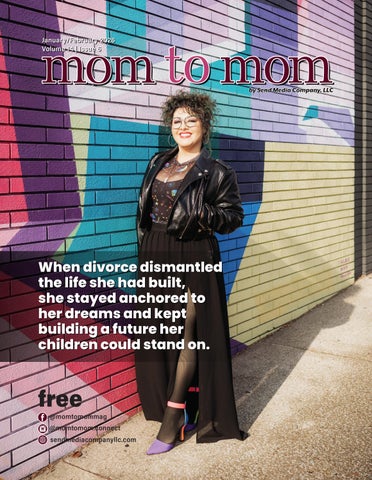
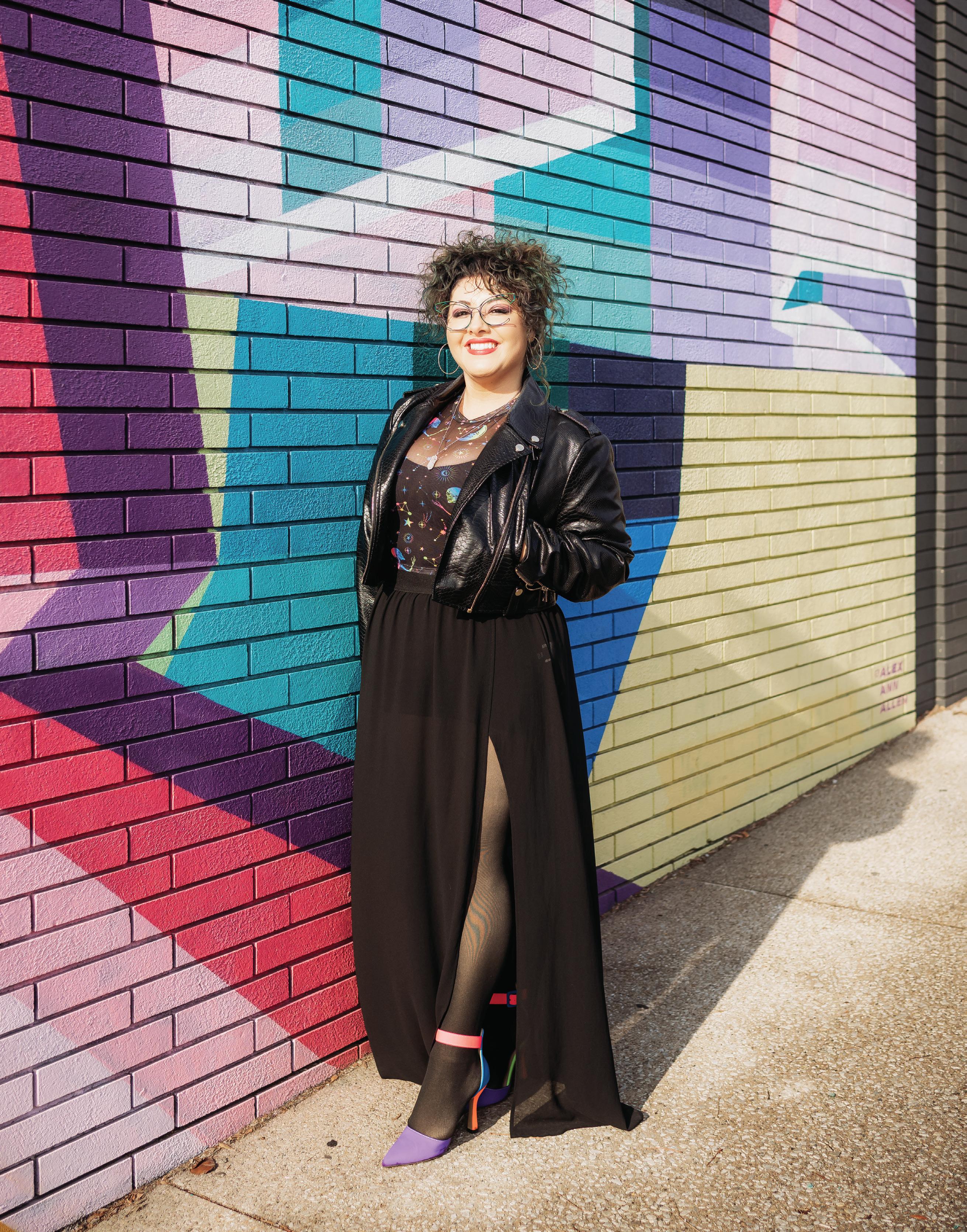
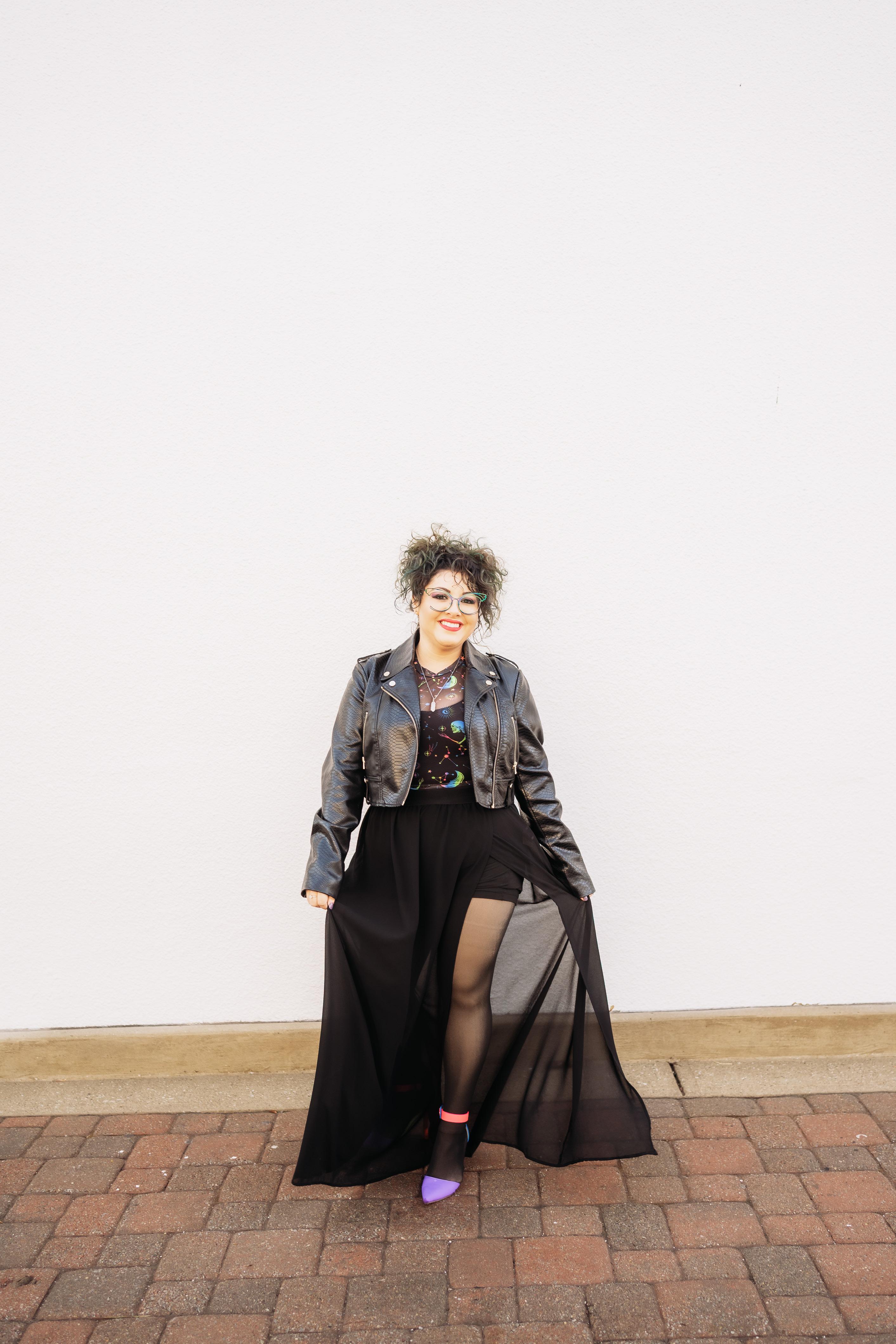
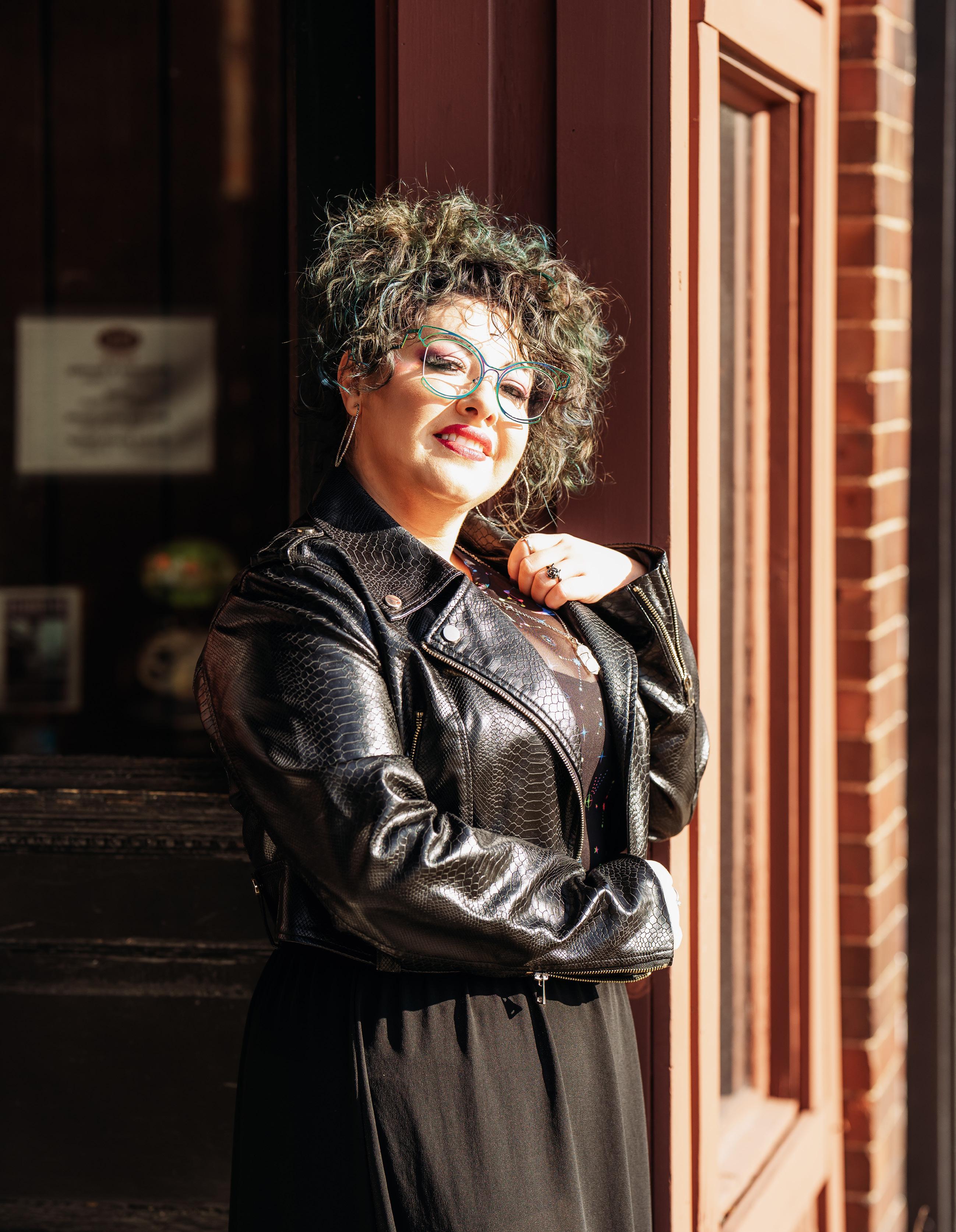
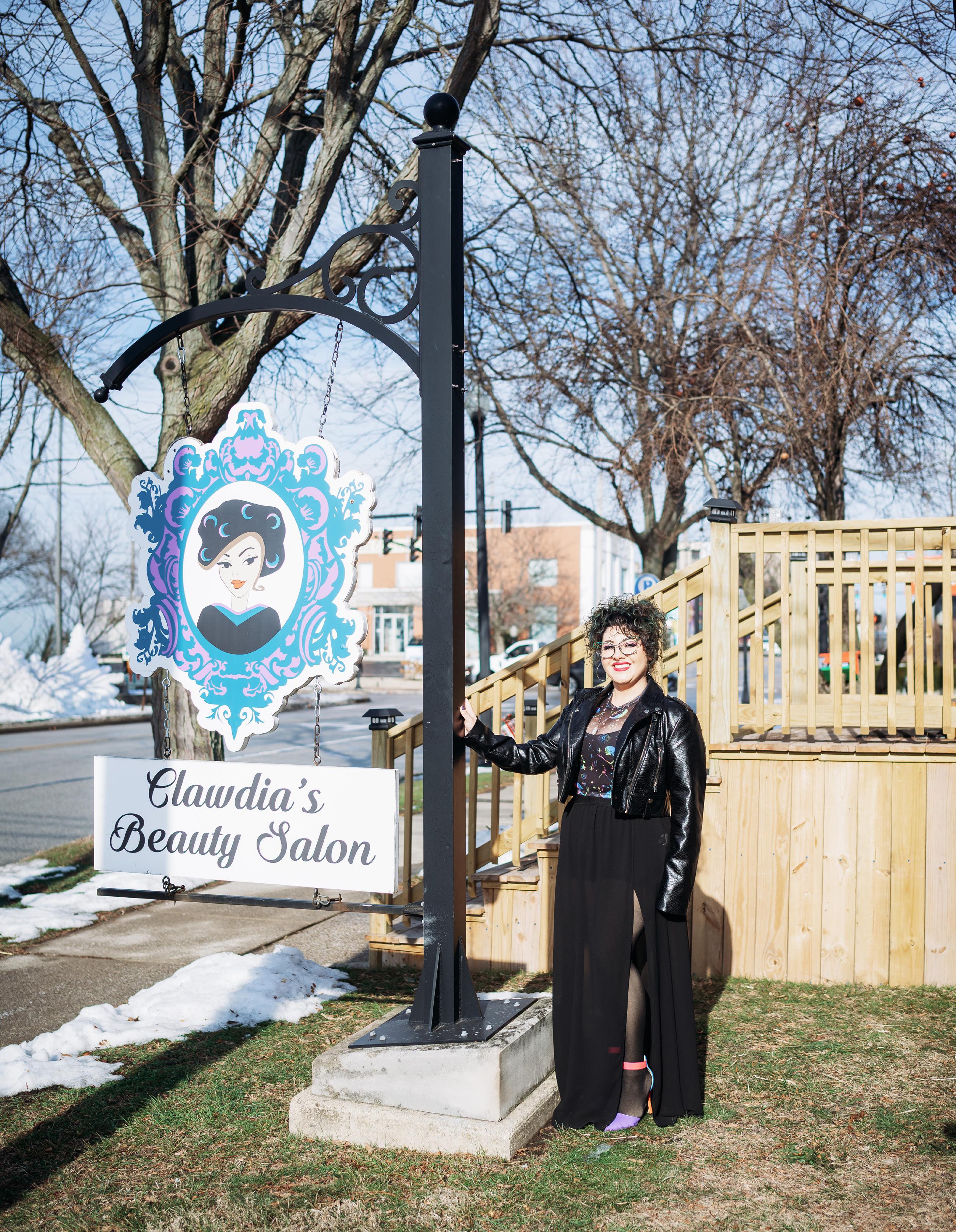
When divorce dismantled the life she had built, she stayed anchored to her dreams and kept building a future her children could stand on.
When divorce dismantled the life she had built, she stayed anchored to her dreams and kept building a future her children could stand on.
by Send Media Company, LLC
Photo credit: Nicole Vadas Photography
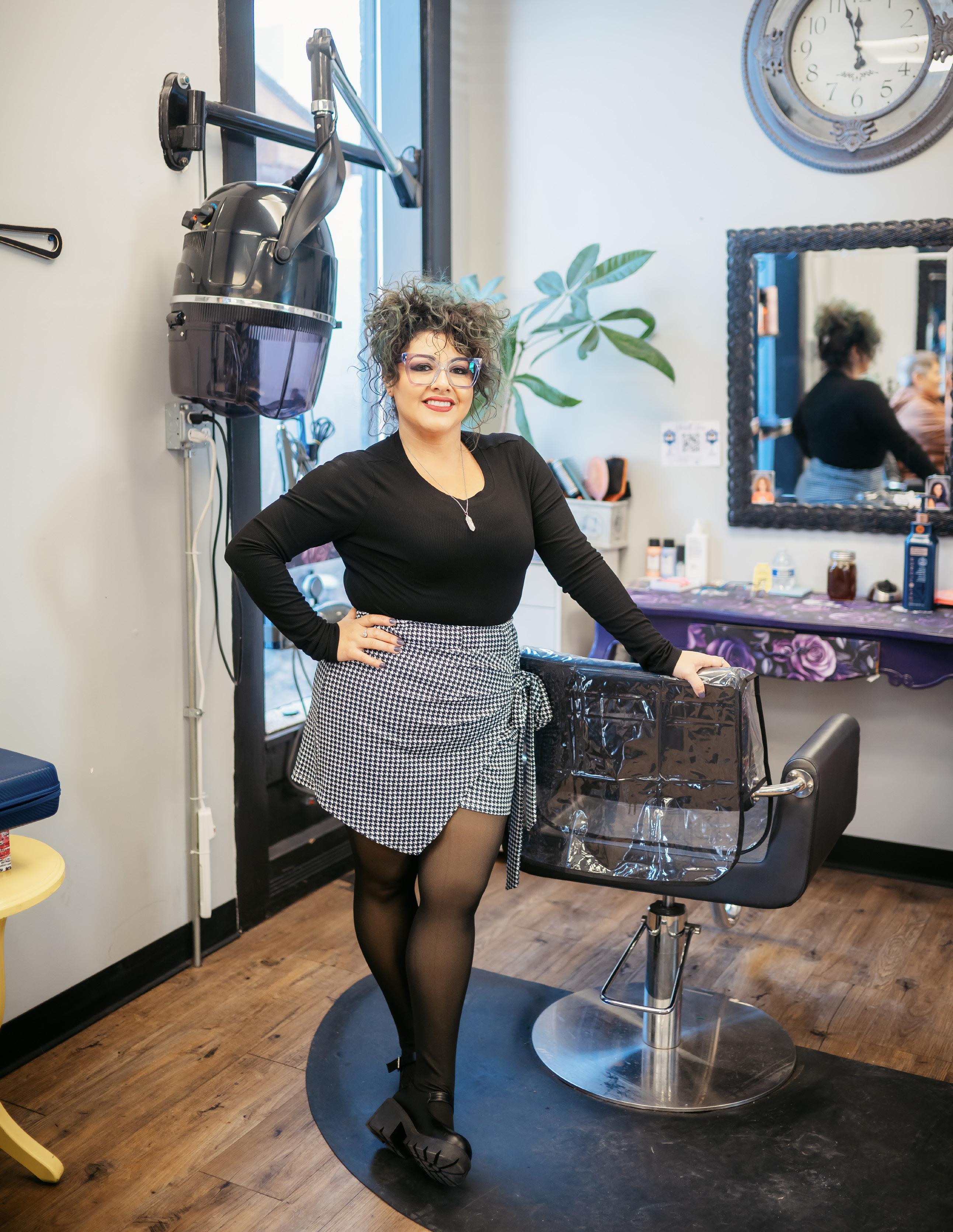
ClawdiaMartinez
Taking Up Space
BORN TO BE EXTRAORDINARY
Life is made of hand-holds, giggles and those butterfly flutters you feel in your belly. It’s the small joys, the gentle pauses – these tiny miracles.
At Franciscan Health, we’re here to help you celebrate each and every extraordinary moment.
FranciscanHealth.org/LaborAndDelivery
little BIG DECISIONS
Preschool Shopping?
Here’s How to Find the
One You’ll Love
By Sara Jimenez
Every year, right about the time we finally thaw out from winter, families dive into one of the biggest decisions of early childhood: choosing a preschool. For some, it’s exciting. For others, it can feel… well, a little overwhelming. There are so many options, and so many “shoulds” floating around.
As the Head of School at Valparaiso Montessori School, and as a mom of three who’s been through this myself, I’ve seen it all. I know how many questions pop up and how big this choice can feel. I want to share encouragement, a little perspective, and a few practical tools to make the whole process feel more doable (and maybe even enjoyable).
Preschool is so much more than a place for children to spend a few hours. It’s their first little community outside the family, where they start figuring out who they are and how to make friends. And yes, choosing that space matters… but it doesn’t have to be stressful. With a little bit of research, a sense of what your family is looking for, and a simple checklist, you can absolutely find a preschool that feels like the right fit for your child, and for you.
Before you start booking tours, take a moment to think about what you’re hoping to find. It’s a bit like house-hunting, you need to know what matters to you before you start walking through doors. Preschool programs come in all kinds of shapes and styles: play-based, academic, Montessori, Reggio Emilia, faith-centered, nature-focused… the list goes on.
Start by picturing your child. Are they the type who thrives on routine, or do they prefer to wander and explore at their own pace? Do they burst into new situations with confidence, or do they ease in slowly, taking time to observe first? Understanding your is one of the most helpful things you can do. It points you toward an environment where they’ll feel secure, capable, and excited to learn.
It also helps to think about the values that matter most to your family. Maybe independence is big for you, or creativity, or structure, or diversity, or giving your child plenty of room for play and exploration. Consider what balance you want between early academics and social-emotional growth, and then, on a practical note, what schedule or hours will truly support your family’s daily schedule.
Once you’ve narrowed down what matters most to your family, it’s time to dive into research, but don’t let it take over your life. A little browsing, parent groups, and social media is fine, but remember that those are the appetizers. The real insight comes from talking with the school and actually stepping inside the classrooms. Pay attention to how the space feels, how teachers interact with children, and whether the school’s philosophy genuinely lines up with your family’s values. You’ll learn more from one good tour than from hours of scrolling through comment threads where parents debate the importance of sensory bins.
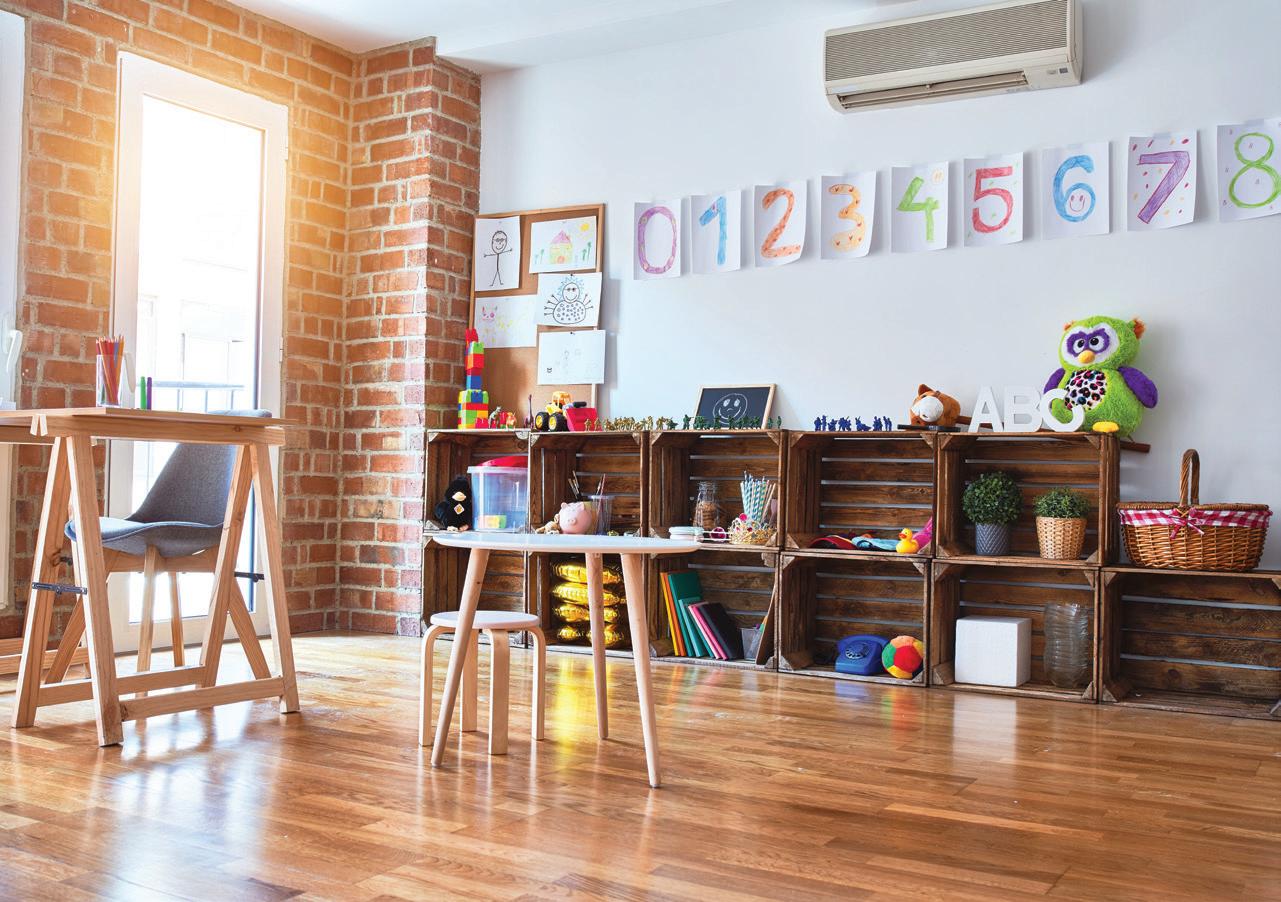
And that’s the the fun part: touring schools. Walking into a classroom is like stepping backstage, you can instantly feel the rhythm, the energy, and the approach to children. If Montessori is on your radar, look for the real deal: trained Montessori guides, mixed-age classrooms, and materials that are thoughtfully arranged and inviting. Step inside, and you’ll feel it immediately: calm, purposeful, and designed for children. Independence isn’t just encouraged here; it’s celebrated (yes, even when that means your child’s “work” is scrubbing a tiny table with heroic seriousness). In a true Montessori classroom, everything quietly says, “Try me, figure me out, do it yourself,” and somehow, it works.
Other approaches such as play-based, nature-focused, or faith-based, each have their own magic, too. Your goal isn’t to inspect every detail, it’s simply to get a sense of where your child will feel at home and where you can genuinely picture them thriving. As you wander through the space, notice how teachers
interact with children. Are they respectful, calm, and engaged, or constantly hovering and micromanaging? Watch how children move through the room. Are they confident, purposeful, joyful? Peek at the layout: is it inviting, organized, and developmentally thoughtful, or a jumble of chaos? Don’t be shy about asking questions. A good school will welcome your curiosity. Ask about routines, how conflicts are handled, and how teachers support emotional growth… These are just as important as whether your child is learning their letters.
And here’s the secret: no school is perfect, and no child will magically bloom overnight. The first few weeks can be emotional for them and for you. Children may test boundaries, take time to settle in, or do things differently than you would at home. That’s okay. Preschool, especially Montessori, isn’t about rushing milestones or cramming knowledge, it’s about cultivating independence, confidence, and a genuine love of learning. Skills grow gradually, and in a thoughtfully prepared environment, children flourish at their own pace. The right school will understand this, support both child and family through transitions.
And now, let’s be real: between all the tours, brochures, and endless “advice” from everyone you know, it’s easy to feel like your head might explode. Enter: the trusty checklist. Think of it as your superhero sidekick for preschool hunting. It keeps your priorities front and center and saves you from second-guessing everything. See:
• Clear philosophy (not chaos disguised as “learning”).
• Teachers who actually like kids.
• Classrooms that are safe, clean, and inviting (bonus points for peace and order).
• Mixed-age groups or age-appropriate setups (Montessori fans, you know).
• Independence and choices for the children.
• Balanced days with movement and outdoor time.
• Clear communication with families.
• Positive discipline that’s fair but consistent.
• Strong community and positive vibes.
• A place where your child actually feels at home.
At the end of the day, trust your instincts. The right school isn’t always the one that looks perfect on paper: it’s the one where your child feels seen, supported, and excited. And remember: preschool isn’t just a building or a schedule: it’s a community. You, the teachers, and the school team all play a role in helping your child thrive.
Sara Jimenez is the Valparaiso Montessori School Head of School. She was born and raised in Spain, where her early experiences shaped a deep appreciation for culture, curiosity, and lifelong learning. I pursued my undergraduate studies in Nottingham, England, earning her bachelor’s degree and broadening my global perspective through academic and personal experiences abroad. She later completed her master’s degree at Purdue University. She is the parent of three children who continue to inspire her belief in the power of meaningful, child-centered learning. Reading is her greatest passion, and sees it as both a source of knowledge and a gateway to imagination and empathy.
Smile Day a Give Kids
Kids
Kids
you should know
you should know
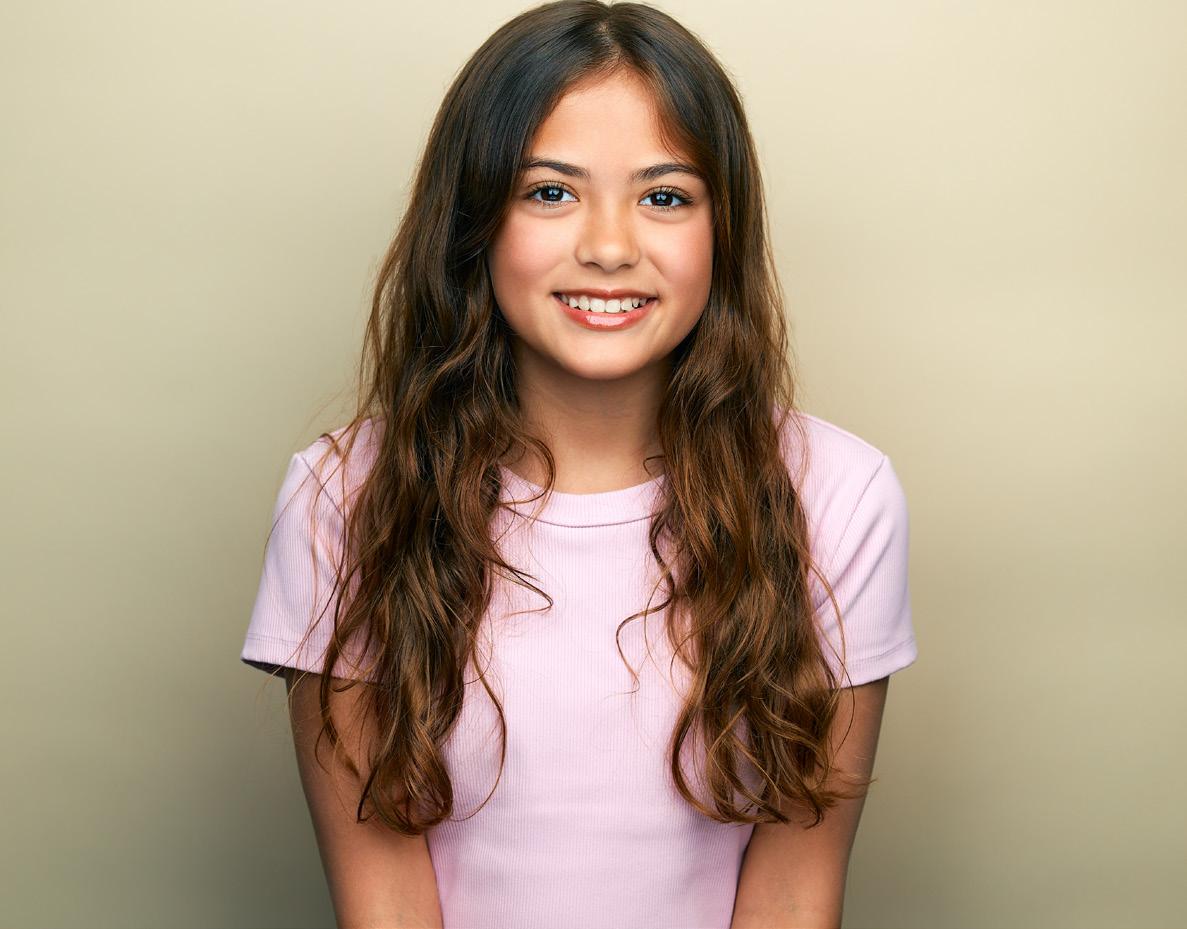
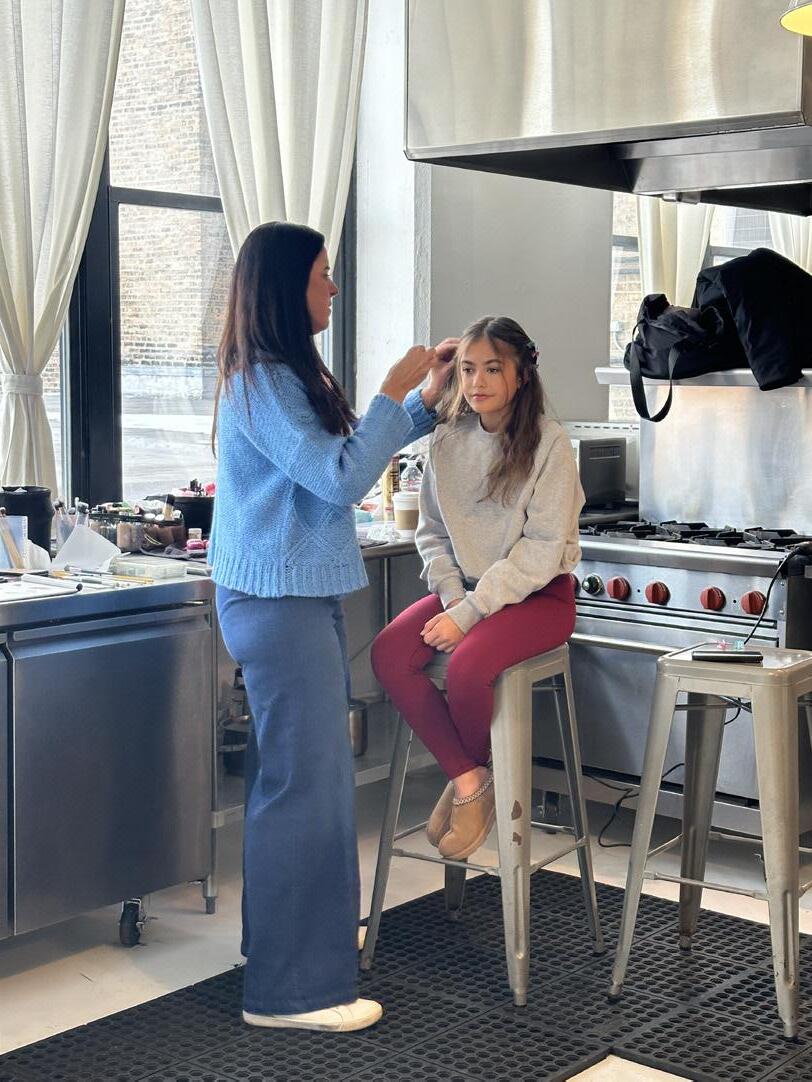
with Layla Grace, 12
Winter Energy
Winter Energy(ThatHacksActually
By Julia Randall
Winter energy hacks, but make them realistic. No six-step morning routine. No “just wake up earlier.”
Let's break down snacks, hydration, movement and little rituals that keep the whole house functioning through the deep freeze with small, smart changes.
Winter can mess with your mood, your energy, and your motivation in a way that feels personal. After the holidays, the sunlight is low, the cold is loud, and suddenly even basic tasks feel like a lot. So let’s talk about winter energy hacks that are simple, effective, and realistic.
The Early Bird Gets It Done
Schedule your most important work early in the day. According to our circadian rhythms, we are often most productive earlier, when we’re well-rested and more alert. This matters even more in Winter when the sun sets early and evening can feel like nighttime.
If you’re worried you will get distracted, write a plan or a to-do list for the morning. Try not
(ThatHacksActually Help)
Help)
to go on your phone or social media until you complete what you set out to do. Then plan something relaxing for later as a reward, and to help your brain wind down before bed.
Maximize the Light
Many people in colder climates are low on vitamin D. Consider asking your primary care provider (PCP) to check your levels, since it is not always part of routine labs. Low vitamin D can mimic symptoms of depression, so it’s worth ruling out a deficiency when looking at mental health.
Vitamin D is best absorbed through your eyes, so maximize natural light. Open curtains and blinds first thing in the morning. A walk outside while it’s light out can help too, and you get movement at the same time.
One creative trick: add disco balls to rooms with windows. It sounds silly, but they can amplify the light that enters your home and make the space feel brighter.
Find Gentle Movement
It’s natural to want to slow down in winter, but we do not want to stop moving
altogether. Movement helps regulate circadian rhythms, releases endorphins, and boosts mood.
If you want to scale back, choose a gentle activity. Yoga is adaptable for different levels and often happens in warmer rooms, which feels especially good in Winter. If intense workouts feel like too much, a walk is still a win, outside or even on an indoor track.
Get Outside
Yes, it’s cold. Still, the benefits of being outside apply in Winter too: better sleep, lower stress, mood support from natural light, and potentially even immune benefits.
Try a walk with a little mindfulness. Bring attention to your senses: what do you see, hear, smell, taste, and feel? If you have access, Winter sports can be fun too, skiing,
ice skating, snowboarding, even sledding with the kids.
Hibernate a Little
Resting is still doing something, and Winter is a season to prioritize it. It’s normal to want more sleep, just try not to oversleep. In general, sleeping more than 12 hours at a time can backfire and make you feel more tired.
When you wake up, get out of bed and move to a different room so your brain understands sleep time is done.
Most importantly, aim for balance. Perfection is not needed, and chasing it can turn into an all-or-nothing mindset. Do what you can. When you fall short, ask: “What is the next right thing to do?”
AdobeStock_321300392
Julia Randall has been a licensed therapist for over ten years and works in an outpatient therapy practice specializing in anxiety and eating disorders. She is also a content creator and mom of two who lives in the Chicago suburbs.
A Thoughtful Reading List for Every Season of Parenting
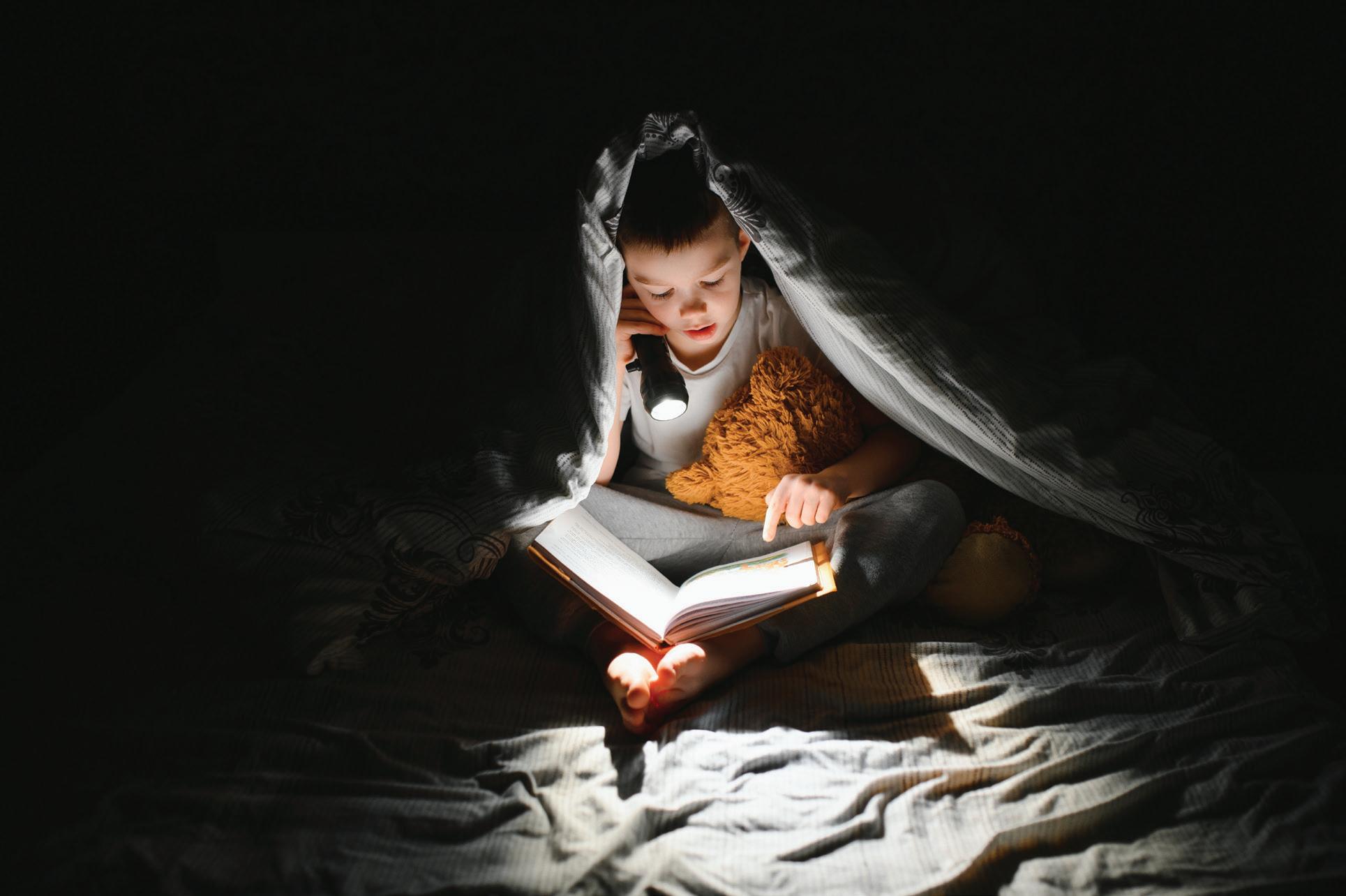
From stolen pages after bedtime to sticky-fingered storytime on the couch, reading looks different in every stage of family life. This curated list offers something for everyone; a little escape for moms, meaningful reads for parents, and engaging books for kids from toddlerhood through the tween years.
A Guilty Pleasure Read for Moms
“The Seven Husbands of Evelyn Hugo” by Taylor
Jenkins Reid
Genre: Contemporary Fiction / Women’s Fiction
If you’re craving a book you can’t put down, this one delivers. Set against the backdrop of old Hollywood, this novel explores love, ambition, identity, and the cost of fame. It’s emotional, dramatic, and completely absorbing, perfect for moms who want to get lost in a story once the house finally quiets down.
A Trend-Forward Parenting Read
“The Gardener and the Carpenter” by Alison Gopnik
Genre: Parenting / Psychology
This thoughtful book reframes modern parenting, encouraging adults to stop “engineering” outcomes and instead focus on nurturing curiosity, resilience, and independence. It’s research-backed but highly readable, ideal for parents who enjoy reflective, mindset-shifting reads.
For Kids Up to Age 5
“The Wonderful Things You Will Be” by
Emily Winfield Martin
Genre: Picture Book
A lyrical, beautifully illustrated celebration of possibility and unconditional love. This is a go-to bedtime favorite for toddlers and preschoolers, offering comfort and inspiration without being overstimulating.
For Elementary-Age Readers
“The One and Only Ivan”
by Katherine Applegate
Genre: Middle Grade / Animal Fiction
Told from the perspective of a gorilla living in captivity, this story explores friendship, empathy, and hope in a way that’s accessible for young readers but meaningful for adults, too. A gentle introduction to deeper themes without overwhelming kids.
For Tweens (Ages 8–12)
“Front Desk”
by Kelly Yang
Genre: Middle Grade / Contemporary
Set in the 1990s, “Front Desk” follows Mia Tang, a Chinese American girl whose immigrant parents manage a motel while secretly helping other families in need. Smart, warm, and empowering, this book tackles themes of belonging, fairness, and using your voice, without heavy or distressing content. It’s a favorite among educators and a great fit for sensitive tweens.
A Reading Challenge That Grows With Your Family
Here are several meaningful ways to make reading part of your year and beyond.
1,000 Books Before Kindergarten
An early-literacy challenge encouraging families to read 1,000 books before a child enters school, repeated reads count! A fun, pressure-free way to build lifelong reading habits.
The Year-Long Family Reading Challenge
• One new genre per month
• One shared family read per quarter
• One “read aloud” book everyone enjoys together
Read for Connection
Choose books that spark conversations about kindness, courage, diversity, or empathy and talk about them during dinner or bedtime.
Where to Find Books (Free, Affordable & Gently Used)
Free & Digital Options
• Your local public library (print, eBooks, and audiobooks)
• Library apps like Libby or OverDrive
• Little Free Libraries in neighborhoods
• Community book swaps or school/public library sales
Gently Used & Discounted Books
• Local used bookstores and thrift shops
• Online retailers like ThriftBooks or AbeBooks
Instagram-Famous Bargain Spot
• Book Warehouse - Located inside Tanger Outlets, Kensington Valley, Howell, Mich.
This outlet-style bookstore is known for deep discounts on overstock and remaindered titles many priced under $5 and is frequently featured in social media “book haul” videos.
List curated by Mom to Mom Magazine team
New Year, Same Kid Playlist
Fresh start energy, but make it living-room friendly. These 5 songs were all big on the charts and they’re upbeat enough for a quick kitchen dance break before homework, dinner, or that nightly “who left this cup here” mystery.
“Golden” — HUNTR/X
Big, bright, main-character energy, and yes it’s been a real chart moment.
“Soda Pop” — Saja Boys
Pure fun, super bouncy, and basically made for kids who need to just move.
“Man I Need” — Olivia Dean
Warm, happy, and makes the whole room feel softer without putting anyone to sleep.
“Ordinary” — Alex Warren
Uplifting in a real way, like sing-it-in-the-car and pretend you’re in a montage of energy.
“Love Me Not” — Ravyn Lenae
Cool-girl beat, tween-approved, and it was everywhere this year for a reason.
List curated by Ashley Franklin, Mom to Mom
Kid Life Editor
&
by Niki Cordell
Curry Chicken Soup
PEDIATRIC EXCELLENCE in NWI
Available through referral from any Franciscan ER or ExpressCare
Franciscan Health Crown Point brings specialized inpatient newborn and pediatric experts from Ann & Robert H. Lurie Children’s Hospital to the Region, keeping families closer and stronger!