Sustainable livelihoods and healthy lives for all in a changing climate
VISION MISSION
We aim to alleviate hunger, poverty, social inequality and the impact of climate change through community-led, market-based and enterprising focused approaches, so that people have access to nutritious food, clean water, decent employment and incomes, while sustaining natural resources
CORE VALUES
Impact
We are accountable, ambitious and committed to systemic change
Community
We are inclusive, honest and have integrity in our relationships
Innovation
We are agile, creative and enterprising in an ever changing world
YEAR IN REVIEW
In 2025, Self Help Africa (SHA) Malawi reached 1,603,082 people (724,415 men and 878,667 women) across 17 districts. The year was defined by a peaceful transition of power, alongside difficult economic fragility—marked by foreign exchange shortages, fuel disruptions, and a State of Disaster due to intensifying food insecurity— during which our country programme demonstrated remarkable agility and impact.
Navigating a Shifting Landscape
The suspension of U.S. foreign assistance in early 2025 created sector-wide uncertainty. However, SHA Malawi’s diversified donor base allowed us to maintain operations and navigate the disruptions. Notably, we launched a new FCDO-funded resilience programme in Nsanje, Phalombe, and Chikwawa. Leading a seven-partner consortium, we integrated cash transfers, irrigation, and anticipatory action to deepen our commitment to locally-led disaster risk management and response. This followed the successful closure of our ECHO HIP project, which supported 15,000 households.
• Agriculture: Farmers produced over 508 metric tonnes of irrigated crops, generating more than €250,000 in income.
• Diversification: Community
beekeeping harvested 470 kg of honey, while local stewardship expanded protected forest areas.
• Financial Resilience: Village Savings and Loan Associations (VSLAs) reached cumulative savings exceeding €117,000, providing a critical safety net for households.
Innovation in WASH and Energy
We continued to enhance water point functionality and sanitation through district council partnerships. A major highlight was the expansion of our clean cooking work. Partnering with ATEC and the Klik Foundation, we launched one of Malawi’s first government-to-government carbon initiatives for induction e-cooking.
Operational Excellence and Equity
Managing a €10.2 million portfolio, we transferred €4.5 million directly to local partners, honoring our partnership framework. Our commitment to compliance earned us recognition from NGORA as Malawi’s most compliant NGO. Furthermore, we achieved an “excellent” safeguarding rating and advanced toward gender parity; women now comprise 40% of our Management Team and Malawi Advisory Committee.
Looking Ahead
While the funding landscape remains constrained, SHA Malawi remains large enough to meet the highest global standards yet small enough to remain rooted in the communities we serve. We are driving progress toward a resilient, self-reliant Malawi, contributing directly to the Government’s Vision 2063. We are deeply grateful to our partners for making this progress possible.
NOTE FROM THE MALAWI ADVISORY COMMITTEE
Dear Friends and Supporters,
As members of the Malawi Advisory Committee, we are pleased to present this Annual Report reflecting the resilience and impact of Self Help Africa Malawi throughout 2025 — a year shaped by political transition, deepening food insecurity and significant shifts in the donor landscape.
We commend the Country Team for the successful implementation of the ECHO HIP project and leading a new FCDO-funded resilience consortium. The work to expand clean energy and carbon initiatives, and strengthening agricultural production and WASH systems in some of the most vulnerable districts is commendable. We are also happy to see that despite the shrinking of donor funding SHA Malawi has increased its budget for 2025 by 61%.
As a Committee, we were proud to have participated in the 2025 NGORAhosted governance and compliance summit, reaffirming our engagement with regulatory developments. We continue to progress toward inclusive leadership, with women now representing 40% of the Committee, and progress towards the NGORA Regulations around local partnerships.
We extend our sincere thanks to the Country Team, partners and donors for your continued dedication and support.
With appreciation,
Henry Mvaya
On behalf of the Self Help Africa Malawi Advisory Committee
2025 SHA MALAWI GEOGRAPHIC COVERAGE
Chitipa
Nkhatabay
Nkhotakota
Salima
Dedza
Mzuzu
Mzimba
Kasungu
Dowa
Lilongwe
Ntcheu
Machinga
Phalombe
Mulanje
Thyolo
Nsanje Chikwawa Zomba
Balaka Blantyre
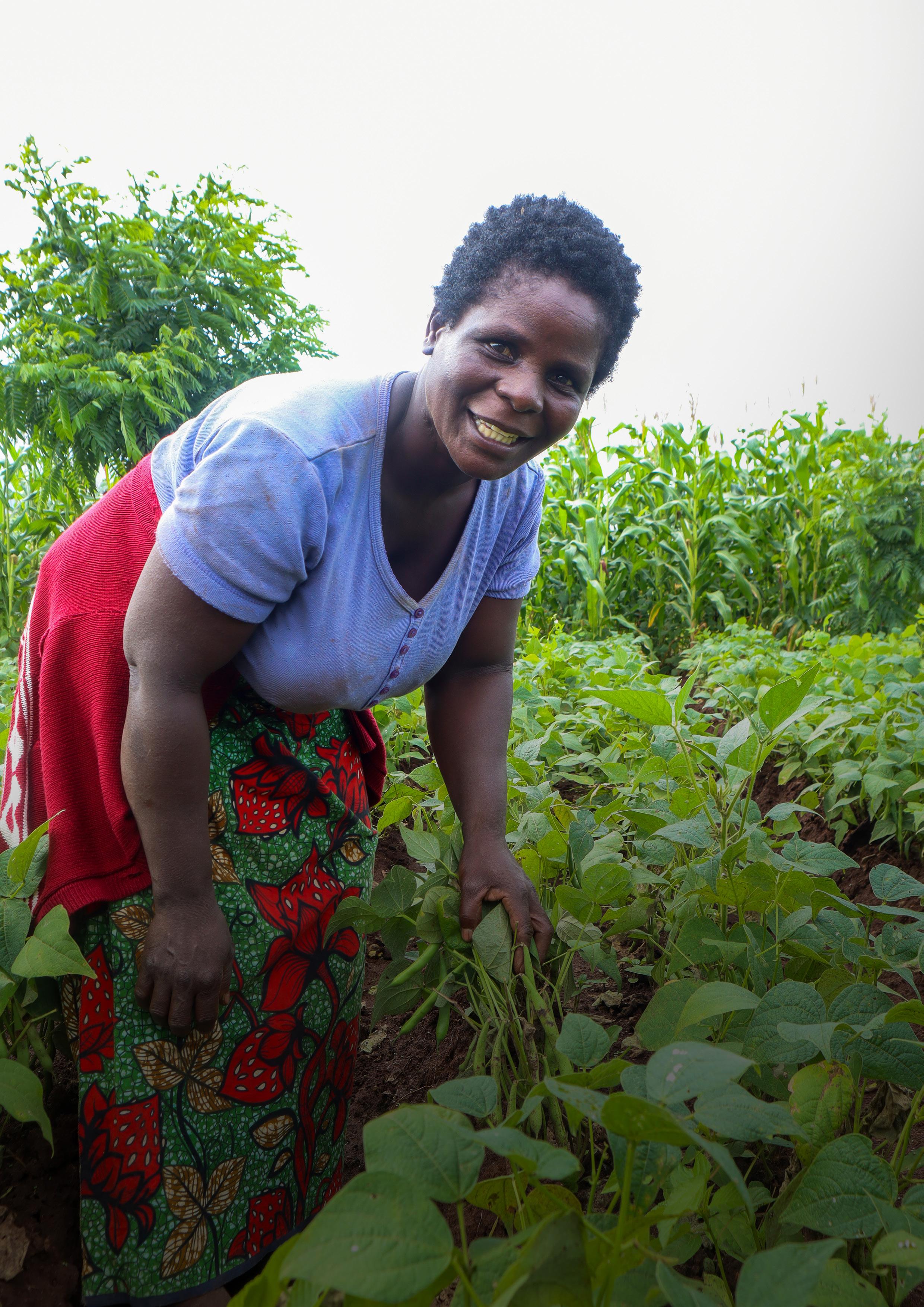
Mercy Goodson in her bean field, Dedza
THE YEAR IN NUMBERS
People supported directly
1,603,082
724,415 Men 878,667 Women 165,625 Youth 11,809 People with disabilities
410,527 Indirectly people reached
176,881 Men 233,646 Women
KEY METRICS
SO 1: SUSTAINABLE LANDSCAPES, HEALTHY & RESILIENT FOOD SYSTEMS & HEALTHY COMMUNITIES
520,470 People (Safe water)
225,567 People (Improved sanitation)
151,076 People (Apply good hygiene)
170 hand pumps constructed/ rehabilitated. 92% meet low risk standards for diarrhoeal diseases (<10 CFU/100ml E Coli)
2,798 Ha under Catchment management. 488 Ha of Forest restored and sustainably managed
23,281 Households (Access to inputs)
6,199 Households (Crop diversity)
20,932 Households (Food secure)
15,890 Households (Acceptable dietary diversity)
189,586 Households use Green technologies
SO 2: SUSTAINABLE BUSINESSES, DECENT EMPLOYMENT AND A THRIVING ECONOMY
16,647 Households accessed new markets, 68% are female headed households
SO 3: CRISIS RESPONSE & RESILIENCE
248,600 People reached through humanitarian response
3,535 Entrepreneurs with access to finance
2,149 Decent jobs in enterprise generated
SO4: SYSTEMS STRENGTHENING
28,400 Farmers accessing climate information
66 Maintenance service providers trained to sustain WASH services
SUSTAINABLE LANDSCAPES, HEALTHY & RESILIENT FOOD SYSTEMS & HEALTHY COMMUNITIES
METRICS
• 170 hand pumps constructed/ rehabilitated, 92% meet low risk standards for diarrhoeal diseases (<10 CFU/100ml E Coli)
• 115,660 households (520,470 people) and 21 schools have access to safe water
• 151,076 households apply good hygiene and sanitation practices
• 35,668 and 14,458 households have access to basic and improved sanitation respectively
• 132.3 Ha under irrigation with 2,099 (50% women) farmers practicing irrigation farming
• 15,890 households meeting acceptable level of dietary diversity
• 20,932 households with year-round access to food
• 2,798 Hectares (Ha) under catchment management and 488 Ha of forests restored and are being sustainably managed
• 82 Village Natural Resources Management Committees established or strengthened
Highlights
CONTRIBUTING TO MALAWI 2063
ENABLER 5: HUMAN CAPITAL DEVELOPMENT, ENABLER 6: ECONOMIC INFRASTRUCTURE, AND ENABLER 7: ENVIRONMENTAL SUSTAINABILITY.
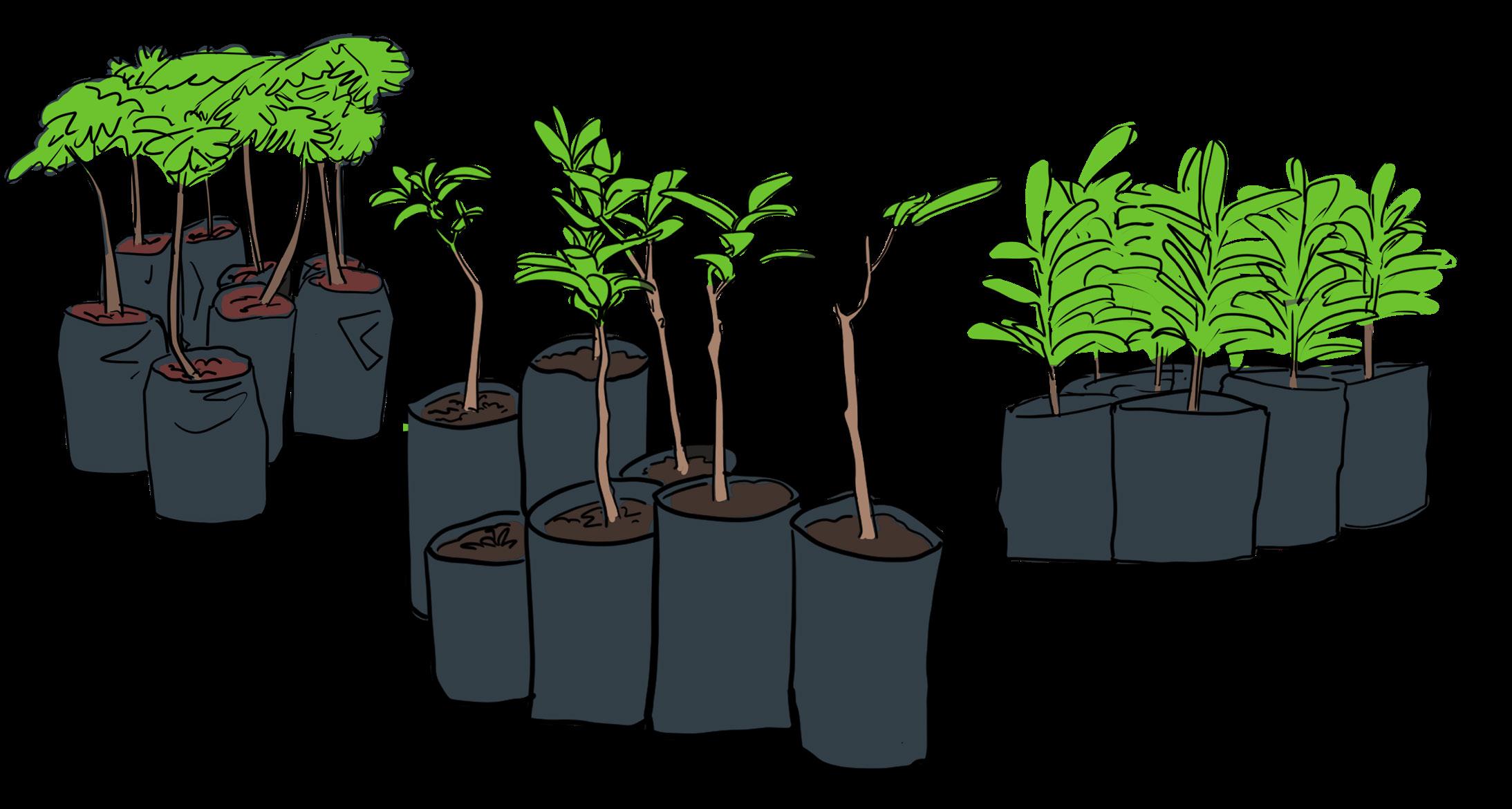
• SHA Malawi, a partner in the Restore Africa project, in Chitipa district, in collaboration with Catholic Relief Services has established 188 community nurseries producing 1.36 million indigenous and agroforestry seedlings for the 2025/26 planting season.
• SHA Malawi finalised its Food Systems Position Paper, funded by Irish Aid, bringing together organisational learning and aligning programme design with national priorities. This will ensure that agriculture, nutrition, WASH, climate and livelihoods interventions are part of an integrated food systems approach.
• Our charity: water funded project in Dowa District, looking at Professionalising Rural Water Services, enabled 349,200 people to access functional water services through the maintenance of 954 water points. 96.5%
of the water points were fully functional, exceeding the 85% project target, contributing to more reliable access to safe water and reducing the risk of waterborne diseases in communities.
• With funding from Action on Poverty (AOP) through Australian Aid, SHA constructed a Diffused Light Storage facility at Muolokera Irrigation Scheme in Dedza to reduce postharvest seed losses and improve yearround access to quality planting material. Certified potato seed and Orange Fleshed Sweet Potato (OFSP) vines were distributed alongside climate-smart and nutritionsensitive production training for 2,376 farmers (788 men and 1,588 women). As a result, 64% of households reported improved food security and 80% increased access to diversified and micronutrient-rich foods.
• Integrated nutrition and WASH interventions under the Irish Aid-funded Sustainable Production, Economic Growth, Accountability and Resilience (SPEAR) project reached over 3,600 people. Behaviour change and diversified food production supported 7,372 households to maintain backyard gardens and improved micronutrient intake, while 6,273 households adopted improved hygiene and sanitation practices. Water scarcity remains a key constraint, underscoring the need for climate-resilient water systems.
• With multiannual funding from The One Foundation, our Beyond Boreholes project in Thyolo district strengthened climate-resilient water and sanitation systems increasing safe water coverage from 82% to 93.4%. Preventive treatment and district-wide hygiene campaigns contributed to zero suspected cholera cases, while the Hygiene Heroes “SHASHA wa Thanzi” approach reinforced sustained hygiene behaviour change in schools and communities.
• A waste management pilot under the SPEAR project demonstrated the viability of converting organic waste into compost to improve soil fertility and reduce input costs. A compostbased demonstration plot at Bembeke Market successfully produced 13kgs NUA beans, highlighting opportunities to strengthen circular food systems, diversify production and improve food security and livelihoods.
• With support from the European Union, the FOCUS Project is expanding access to biofortified and fortified foods such as Orange-fleshed Sweet Potato (OFSP), Pro-vitamin A maize and high-iron beans. 90 agro-dealers were assessed across four districts, with 40 selected for targeted engagement. Value chain assessments are informing the selection and installation of food fortification dosing equipment, alongside miller capacity building to establish localised maize flour fortification.
SO1 GENDER EQUALITY AND INCLUSION
The Restore Africa project acknowledges the socio-cultural barriers in northern Malawi, particularly in Chitipa District, where patriarchal norms, limited educational access, and customary decision-making often restrict women’s participation in leadership and community decisions. To address these challenges, the project has engaged 2,417 youths (1,279 female) through Community Voice and Action Plans (CVAP), awareness campaigns, and Free, Prior, and Informed Consent (FPIC) processes, while also involving 45 persons with disabilities. Gender Champions have been trained to challenge harmful norms and promote women’s participation. These initiatives will continue to be strengthened, with progress monitored to guide further interventions and gradually improve gender balance in the region.
With support from Action on Poverty, we developed an organisational Disability Inclusion Guide to enhance the accessibility and inclusiveness of our programmes for people living with disabilities. The guide also provides a foundation for engaging other marginalised groups, ensuring that interventions are equitable from design through to implementation. Full rollout is planned in 2026.
HASSAN’S STORY
Hassan Simbani, a smallholder farmer from Makankhula Village, Dedza, struggled for years with rain-dependent, low-yield farming, earning very little and relying on government assistance for vulnerable households. In 2016/17, he began small-scale irrigation using watering cans, which was exhausting and produced minimal income.
Through the Irish Aid-funded SPEAR project, Hassan gained access to a 25-hectare gravitybased irrigation system, quality inputs through project expos, and training in sustainable farming. In 2022, he harvested 30 bags of maize and 32 bags of Irish potatoes, earning MWK 730,000 (approx. €803). After repaying a MWK150,000 (approx.€165) loan, he reinvested the rest into upland farming. By 2023, his maize harvest generated MWK2,700,000 (approx. €2,970). Since then, Hassan has built a maize shelling machine (2024), expanded trading, upgraded his home, and purchased a car in 2025. Most importantly, he is food secure, he also supports his family and community, and demonstrates how others can transform smallholder farming into a sustainable livelihood.
HASSAN SIMBANI’S STORY
SUSTAINABLE BUSINESSES, DECENT EMPLOYMENT AND THRIVING ECONOMY
METRICS
• 2,149 decent jobs in enterprise generated
• 2,056 (54% women) individuals earning income from energy technologies
• 473 female business leaders trained
• 35,143 (62% women) Individuals in group-based savings
• 3,535 households accessed financial services
• 16,647 (68% women) individuals accessed new markets
• 99,896 cleaner cook stoves sold
• 157,448 households using improved cooking services
• 189,586 households using green or circular economy
CONTRIBUTING TO MALAWI 2063
ENABLER 5: PRIVATE SECTOR DYNAMISM, HUMAN CAPITAL DEVELOPMENT, ENABLER 6: ECONOMIC INFRASTRUCTURE, AND ENABLER 7: ENVIRONMENTAL SUSTAINABILITY.
Highlights
• The African Minigrids project strengthened rural enterprise ecosystems by linking businesses to renewable energy access. Productive-
use equipment, including milling, grinding, refrigeration, phone charging and lamp rental services, alongside nine agro-processing machines, enabled new income streams and strengthened local value chains in off-grid communities.
• The Chitetezo Mbaula project, funded by South Pole, is transitioning from the unpredictable voluntary carbon market to compliance-grade carbon systems aligned with Article 6, and is exploring eligibility under CORSIA, the international scheme for airlines to offset emissions. Unlike the voluntary market, where cookstove carbon credits face price volatility and uncertain buyers, CORSIA offers stable, predictable demand backed by regulation. Its stricter eligibility rules also ensure higher credibility and environmental integrity, strengthening the impact and sustainability of clean cooking projects.
• Regulatory compliance and private sector engagement in renewable energy were strengthened through government approval to upscale SHA’s two existing minigrids in Dedza. Renewable energy capacity was expanded from 11.52 kW
to 18.8 kW at Mthembanji and from 10.92 kW to 17.88 kW at Kudembe sites, improving reliability and enabling new household and enterprise connections.
• The Livelihoods Fund Chitetezo Mbaula project continues to work with eight Stove Production Groups, which have produced and distributed cookstoves reaching over 98,000 people. These groups have generated approximately €18,000 in income, supporting livelihoods while improving local productivity. The project is prioritising stove quality improvements, ensuring durable, high-performing stoves that maintain community trust, sustain clean cooking adoption, and continue to strengthen household incomes.
• Financial inclusion and enterprise development were strengthened through the integration of 29 Village Savings and Loan groups into sanitation and hygiene markets under the Beyond Boreholes Project Phase 5. Reaching 347,633 people across 244 villages, participating households reported daily incomes rising from MWK10,000 (€5) to MWK50,000 (€26), highlighting the potential of WASH-related enterprises to drive inclusive economic growth.
• Through the GIZ-funded EnDev RBF DSS project, 18,683 households have adopted improved cookstoves and 13,917 gained Solar Home Systems, with the project expanding clean energy access to seven districts. Working with 24 suppliers, the programme is strengthening local markets, and has created 333 green jobs, supporting livelihoods and sustainable rural development.
• The eCooking induction stove project, implemented with ATEC and the Klik Foundation, introduced a ResultsBased Financing model with real-
sustained adoption. Through eight lastmile distributors, the project is expanding access in underserved urban and periurban communities and strengthening clean cooking markets. The project is also generating evidence on the commercial viability and carbon mitigation potential of electric cooking to inform national energy transition priorities and future climate finance opportunities.
• SHA was recognised as a Green Growth Champion at the Impact Integration and Investment Forum held in Lilongwe on 5 December 2025, organised by Stratedge in collaboration with the Ministry of Trade, Tourism and Industry Malawi under the theme Igniting Private Capital towards Malawi’s Vision 2063. The award highlighted SHA’s role in expanding access to reliable and clean electricity through minigrids, linking energy infrastructure to improved household welfare, women’s economic participation and growth of small businesses in rural areas.
• The GIZ-funded Endev Commercial Programme was successfully concluded, selling 166,002 stoves over 29 months, averaging 5,724 stoves per month. The project’s local distribution network included 35 Local Logistics Entrepreneurs and 402 promoters, while 60 Community-Based Organisations (CBOs) mobilised over 600 members to sell and distribute stoves to underserved households, significantly expanding access and strengthening community-level clean cooking networks.
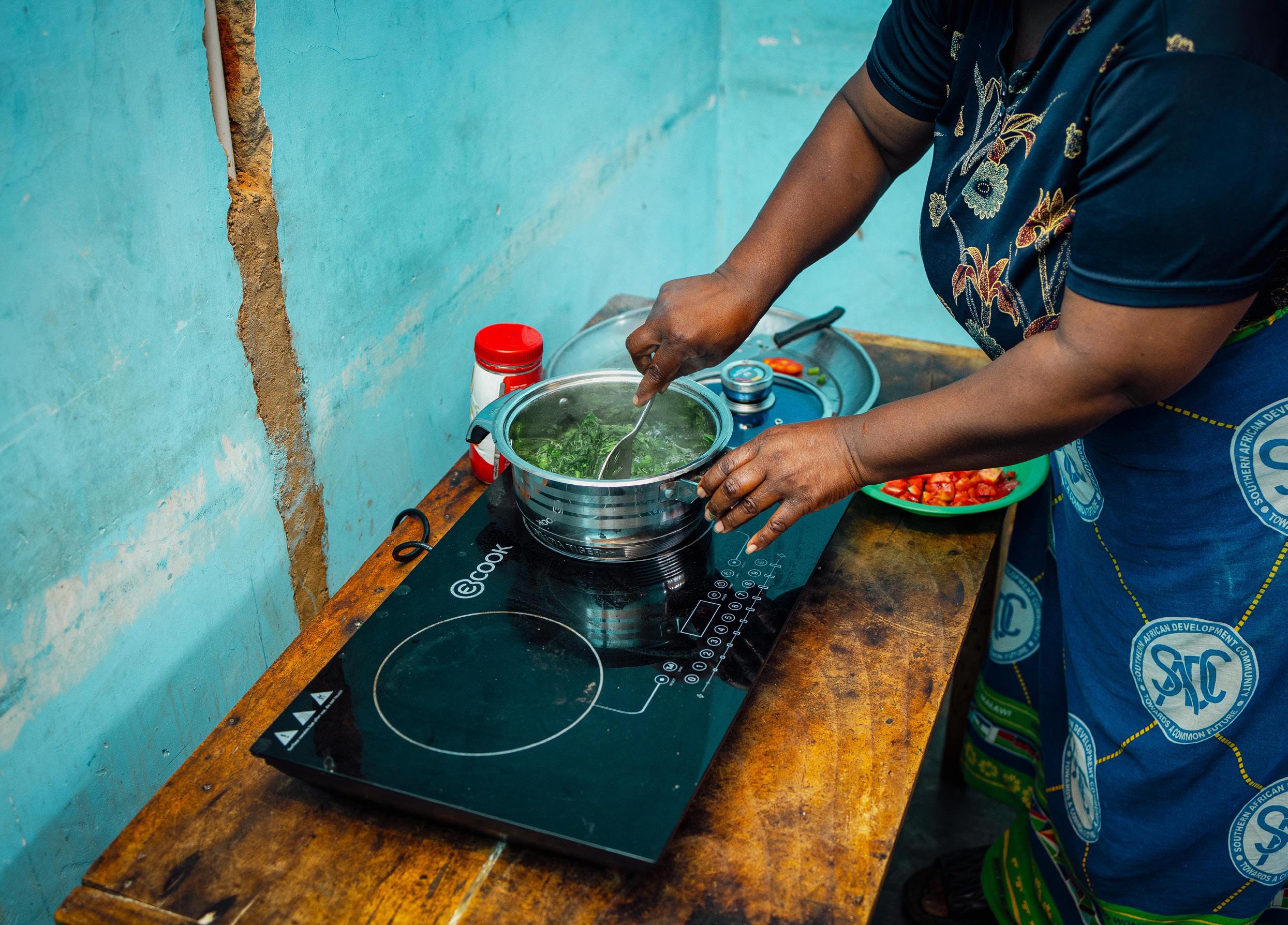
The eCooking induction stove being used in a household that tracks electricity consumption to ensure affordability
SO2 GENDER EQUALITY AND INCLUSION
Through the African Minigrids project, women entrepreneurs gained access to productive energy technologies and enterprise financing, enabling a transition from subsistence activities to diversified, income-generating enterprises. In total, 29 women received appliance loans, while 77 completed training in business management, financial literacy, and electrical safety thereby strengthening their capacity to run sustainable businesses.
Women’s leadership in nutrition-sensitive enterprises was strengthened through the establishment of 14 community bakeries, with over 90% female membership. These enterprises generated approximately €30,500 in gross revenue and €12,000 in net income, supporting women-led livelihoods while improving access to Vitamin A-rich foods and linking economic empowerment with improved nutrition outcomes.
Under the Beyond Boreholes Phase 5 project, three women trained as Area Mechanics are stepping into roles traditionally held by men, challenging entrenched gender norms while improving service reliability and building community trust.
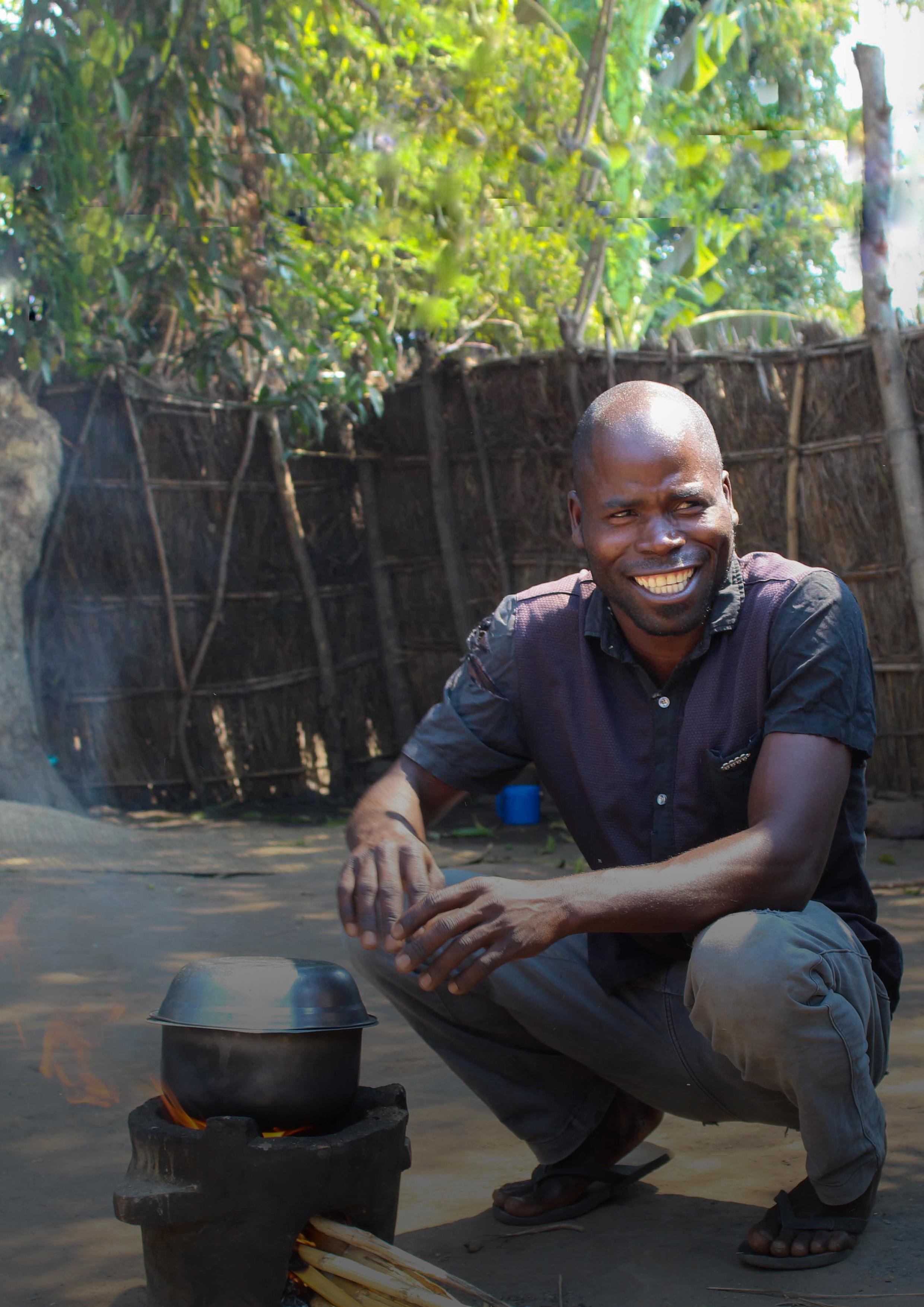
Daud Mwawadi cooking a meal for his family, Salima
CRISIS RESPONSE AND RESILIENCE
METRICS
• 248,600 people supported with humanitarian assistance
• 28,400 farmers accessing climate information
CONTRIBUTING TO MALAWI 2063 ENABLER 5: HUMAN CAPITAL DEVELOPMENT, ENABLER 7: ENVIRONMENTAL SUSTAINABILITY.
Highlights
• SHA strengthened national and community resilience systems through close partnership with the Department of Disaster Management Affairs, contributing to national coordination, co-design of the Malawi Drought Response and Climate Adaptation and Resilience programmes, and alignment with national disaster risk priorities. This included coordination support to 21 national and international organisations and strengthened community disaster risk management structures.
• As a partner in the CARE-led, ECHOfunded Malawi Drought Response project, SHA led the crisis response and cash transfer component, reaching 14,741 households. Monitoring showed strong outcomes, with 97% of households prioritising food and all maintaining acceptable Food Consumption Scores, demonstrating the effectiveness of flexible, cash-based approaches during climate shocks.
• Community preparedness was strengthened through the SPEAR project in Dedza with a total of 26 Area Disaster Risk Management Committee members trained, and further cascading skills to 21 communities, and supporting the establishment of local early warning systems in 10 communities.
• In response to increasing and overlapping climate shocks in Southern Malawi, SHA secured and is leading the approximately EUR 3.5 million FCDO funded Climate Adaptation and Resilience programme, coordinating seven NGO Humanitarian Committee partners across three districts in southern Malawi, reaching over 235,000 people through integrated resilience, preparedness and response.
• Beyond Boreholes Phase 5 is building climate-resilient water systems by using remote sensing to map 470
hectares and strengthen watershed stability, groundwater recharge, and water quality. The project also installed flood-proof infrastructure to ensure continuous access to safe water during extreme weather. Findings from the 2024 Climate Vulnerability Study, conducted with the University of Bristol, were shared through conferences and learning platforms, turning evidence into action and unlocking new district funding from The One Foundation and The Shockwave Foundation.
• Data-driven preparedness further strengthened water safety and emergency response. Through digital mapping of 503 water points
in Kapichi and Khwethemule, the mWater platform enabled rapid identification and prioritization of contaminated or high-risk sources during Cyclone Jude. This timely response improved public health protection and reinforced districtlevel emergency preparedness and water management.
• Following the El Niño-induced drought and Cyclone Jude, the ECHO HIP project activated a crisis modifier, providing timely support to 2,688 asylum-seeker households in Nsanje District.
SO3 - GENDER EQUALITY AND INCLUSION
The Malawi Drought Response promoted gender-responsive and shock-responsive social protection by delivering electronic cash transfers to 4,000 households, including 2,935 female-headed households. Digital delivery strengthened women’s direct control over resources while reducing protection and security risks associated with physical cash distribution.
Integrated nutrition and health screening reached 23,400 children under five and 604 pregnant and lactating women, identifying 66 cases of severe acute malnutrition and 905 cases of moderate acute malnutrition. Severely malnourished children were referred through 11 health facilities for timely treatment, ensuring life-saving care for vulnerable children.
Rapid WASH support following Cyclone Jude directly benefited 3,822 women and girls through safe water, emergency sanitation, hygiene materials and 2,800 fuel-efficient cookstoves, reducing firewood use and protection risks.
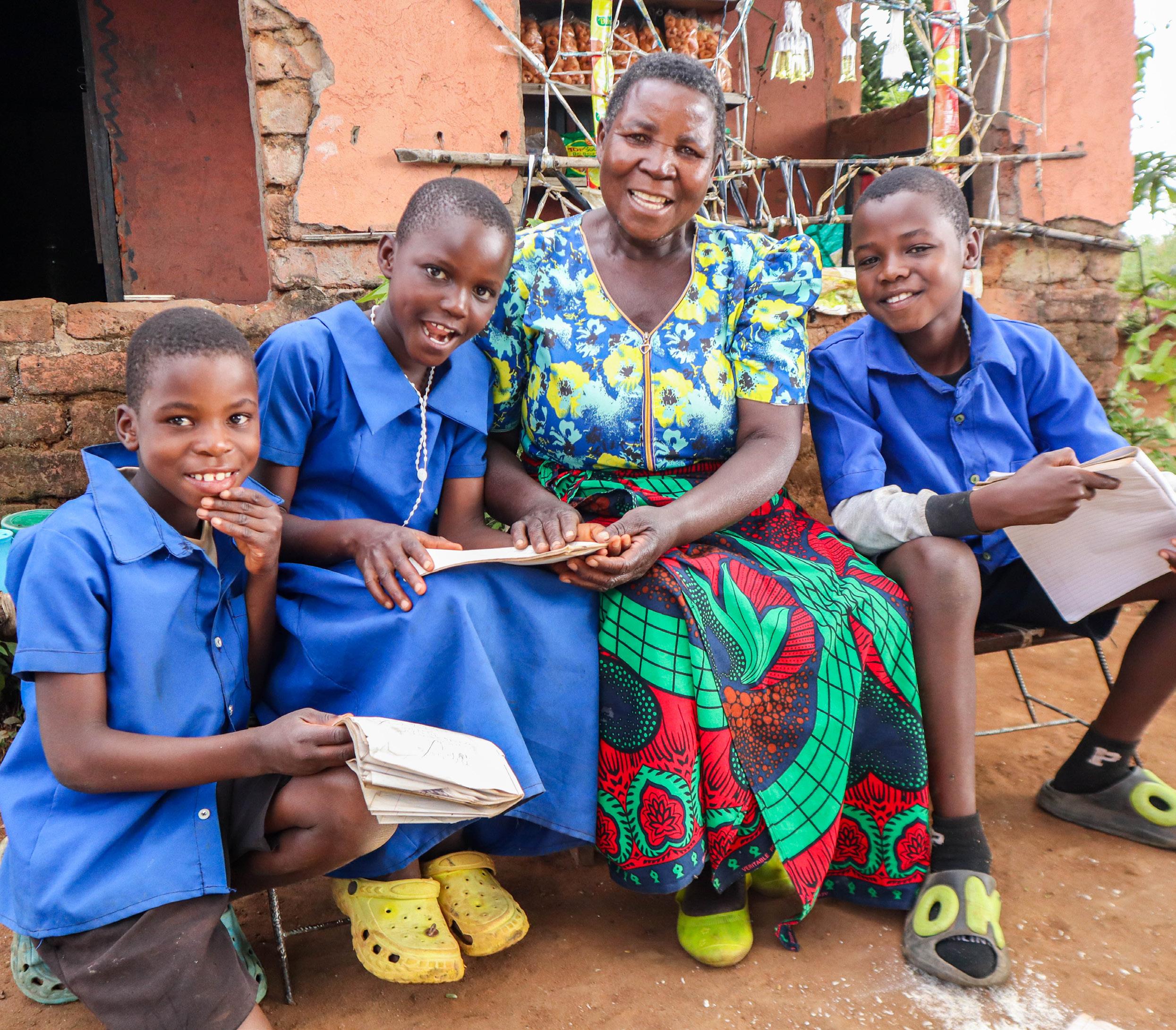
Estere Mofolo, a 63-year-old grandmother from Andrasan village, Zomba, faced severe hardships when her husband fell sick and she became responsible for three grandchildren. Poor health and traditional gender roles made daily survival difficult.
Through the ECHO HIP project, implemented by members of the NGO Humanitarian Committee including Self Help Africa, Estere received three multi-purpose cash transfers totaling MK277,500 (approx. €305) over three months to support her family during the El Nino induced drought. She used the funds to buy school uniforms for her grandchildren, start a small grocery shop, and purchase two local chickens to improve nutrition and diversify income. With an initial investment of MK80,000 (approx. €88), her shop inventory grew to MK150,000 (approx.€165), providing a sustainable source of income.
Today, Estere has transformed a small cash transfer into a thriving small business, food security for her family, and long-term resilience.
ESTERE MOFOLO’S STORY
SYSTEMS STRENGTHENING & AN ENABLING ENVIRONMENT
METRICS
• 44% of leadership positions filled by women in supported community structures
• 66 Maintenance service providers trained to sustain WASH services
CONTRIBUTING TO MALAWI 2063 ENABLER 5: HUMAN CAPITAL DEVELOPMENT, ENABLER 7: ENVIRONMENTAL SUSTAINABILITY
Highlights
• The Professionalising Rural Water Services project strengthened local water governance through 519 Service Level Agreements, promoting preventive maintenance, accountability and clearer roles between communities, Area Mechanics and District Councils. Digital mWater tools enabled early identification of faults and improved oversight, with 93% community satisfaction reported, reinforcing trust in rural water services.
• Through the Carbon Monitoring Entity initiative, SHA built early awareness and foundational capacity on carbon
markets among 17 partner organisations. Despite being paused following the USAID stop order, the initiative strengthened partners’ understanding of carbon concepts and improved their readiness to engage in future climate and carbon market opportunities.
• Under the Water Carbon project, Malawi’s first pilot of water metering on Afridev hand-pumps introduced outcome-based monitoring aligned with carbon ‘Gold Standard’ methodologies. The use of analog meters provides real-time data on water abstraction, pump usage, and service levels. In collaboration with District Councils, data is informing sustainable financing models enhancing transparency and long-term sustainability of rural water services.
• Nutrition governance and citizen accountability were strengthened under the FOCUS Biofortification project. SHA supported 32 civil society organisations through structured capacity strengthening on advocacy, food fortification and social accountability.
• Local governance and community rights in climate and carbon programming were strengthened under the Restore Africa project through structured Free, Prior and Informed Consent processes. Carbon awareness reached over 9,000 community members in Chitipa,
resulting in 375 signed Livelihood and Carbon Development Agreements that formalised land, tree and carbon rights while strengthening equitable benefitsharing systems.
• Governance and institutional sustainability of SHA’s energy social enterprise, Kuyatsa, advanced through strengthened board oversight and the drafting of internal HR systems. Strategic refinement of the business model explored diversification into battery swapping, e-mobility and expansion to underserved lakeshore communities, positioning the enterprise for long-term financial viability and growth in emerging green energy markets.
• SHA’s commitment to accountability and organisational excellence was recognised through the Most Compliant NGO Award from the NGO Regulatory Authority. SHA also participated in the NGORA Governance Summit, represented by women from both the Advisory Committee and Senior Management Team, engaging in national dialogue on governance, compliance, localisation and sustainable leadership. This reinforced SHA’s role in promoting a credible, transparent and high-impact NGO sector in Malawi.
SO4 - GENDER EQUALITY AND INCLUSION
Institutional capacity for gender equality and social inclusion was strengthened across private sector and government partners. Under the GIZ-funded RBF project, 39 representatives from companies and public institutions received training on practical tools to integrate gender, safeguarding, and inclusion into organisational systems and service delivery. The training also reinforced the integration of community-led programming into partnerships, ensuring organisational improvements are aligned with local priorities and sustainable practices.
Through its membership in the Malawi Irish Consortium on Gender-Based Violence, SHA contributed to national policy influence on gender equality and GBV, including technical contributions to the National Gender Policy (2025–2030) and participation in key advocacy platforms. In 2026, SHA will assume the role of Vice Chair, further reinforcing its leadership in national coordination and policy reform.
Youth leadership and participation in climate governance was strengthened through restoration programmes, with over 2,400 young people engaged in planning, decisionmaking and safeguards processes. A youth representative also joined SHA’s Malawi Advisory Committee, strengthening youth voice in organisational governance.
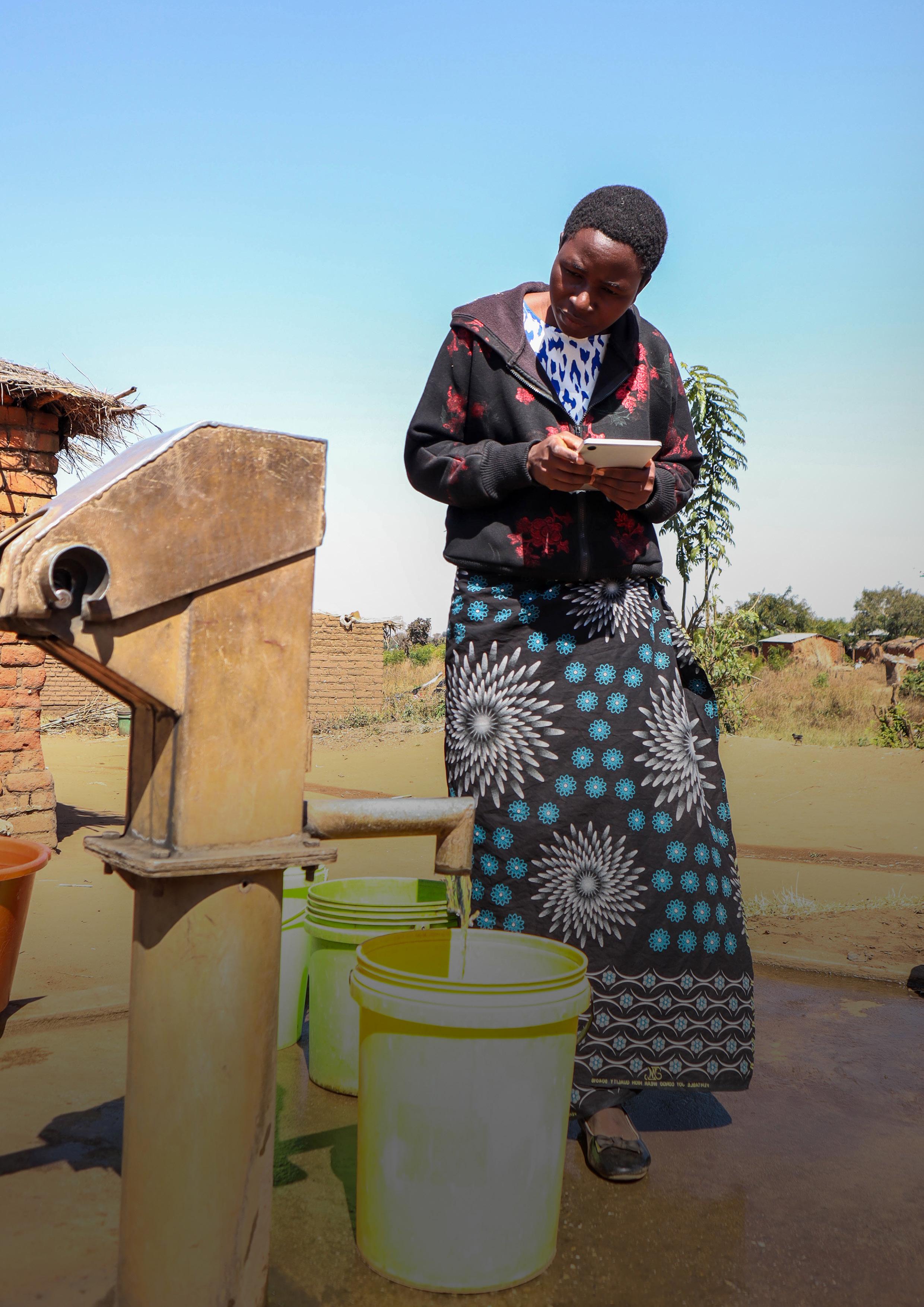
Wezzie Mkolongo, a water monitoring assistant digitally tracking water points, Dowa
FINANCING MODELS & FUNDING
FINANCIAL OVERVIEW FOR 2025
• SHA Malawi recorded substantial income growth, reaching EUR 10,199,587, representing a 61% increase from 2024, well above the annual growth target of 15–20%. The increase was primarily driven by the FCDO-funded Building Resilience and Adapting to Climate Change in Malawi programme, alongside strong progress in clean energy through the EnDev-funded Results-Based Financing project, where subsidised sales of off-grid solar products and improved cooking stoves gained traction among ultra-poor and vulnerable populations.
• While new funding secured in 2025 was slightly lower than in 2024, the Business Development team continues to push forward despite a shrinking funding landscape. We achieved 28 successful proposals out of 38 proposals submitted, 28 were successful, achieving a 74% success rate and contributing to a strong pipeline for 2026.
• New partnerships were established with Malawian organisations, over
44% of total expenditure channelled through national partners, including private sector actors and local NGOs. Outside of this, a partnerships framework was launched in February 2025 to standardise partner selection, engagement, and performance management. The framework supports a structured on-granting approach, enabling increased resource transfer to local actors while maintaining accountability and programme quality.
SYNERGIES, GROUP DEVELOPMENT AND ALIGNMENT
• SHA launched a nationwide procurement tender to prequalify goods and service providers across a wide range of categories, enhancing transparency, broadening participation, and strengthening competitiveness. This was complemented by increased use of e-procurement through Emere to solicit bids, further improving efficiency, accountability, and auditability across procurement processes.
• As part of wider efforts to digitalise core operational processes, financial information management was transitioned to electronic filing systems. This transition improved efficiency in record management and retrieval,
enhanced effectiveness in financial reporting, and strengthened internal controls through better data security, access management, and audit trails.
• Key global policies were updated in 2025 and are scheduled for rollout in 2026. These include Anti-Terrorism & Anti-Money Laundering, Localisation, Data Protection, Anti-Fraud, Whistleblowing, Artificial Intelligence and Information & Digital Security policies. These updates mean our teams can work smarter, safer, and more innovatively, strengthening local partnerships, and embedding robust governance into everything we do.
CULTURE, PEOPLE & RESOURCING
• As part of our HR policy, we operationalised Safe Employment Procedures, recognising that safe hiring practices are the cornerstone of workplace safeguarding.
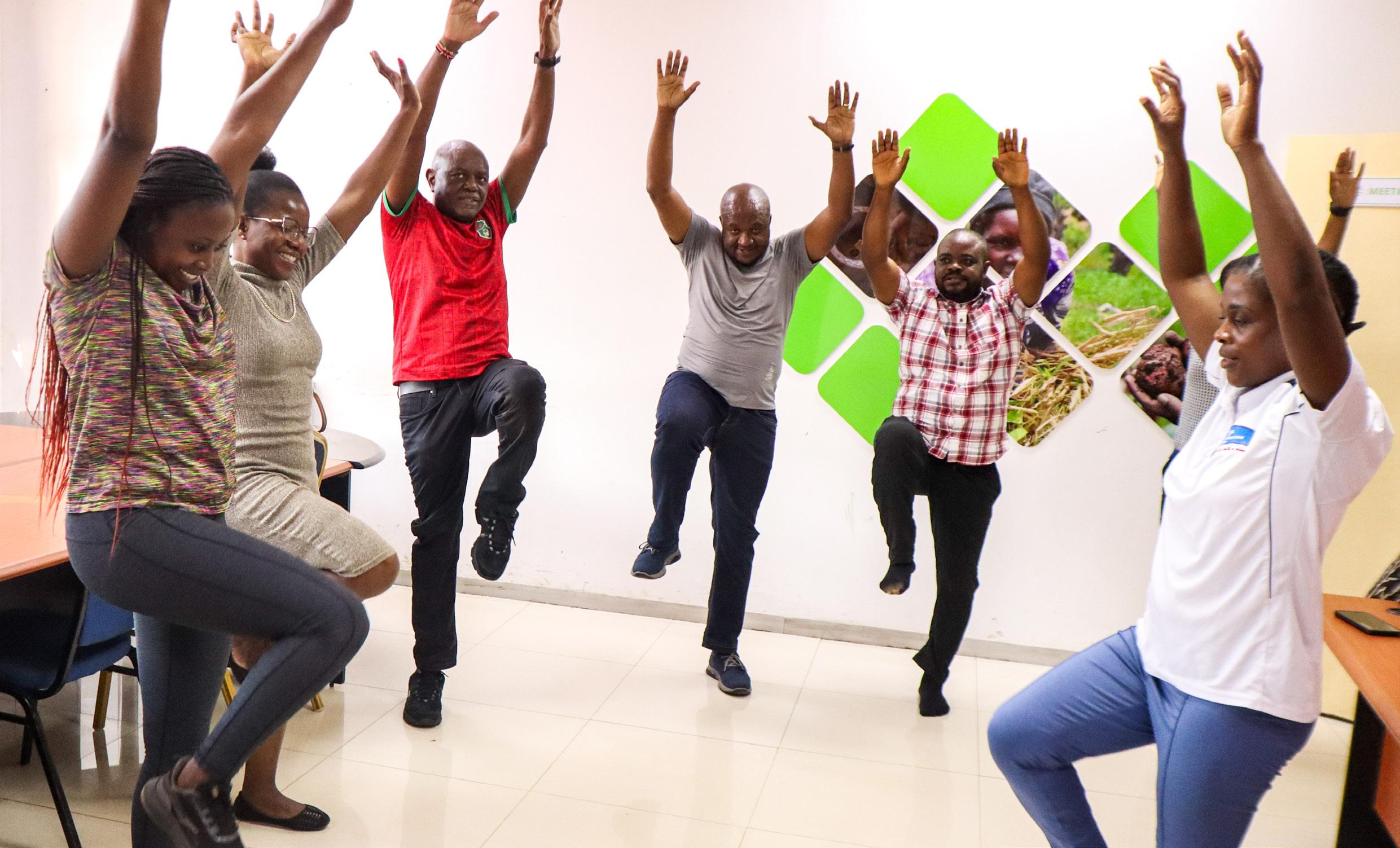
• SHA Malawi rolled out its Wellbeing Guide across all offices to promote staff wellbeing. Activities such as staff aerobics and wellbeing webinars support physical and mental health, helping staff stay engaged, resilient, and productive. Full operationalisation of the guide demonstrates the organisation’s commitment to embedding wellbeing into daily operations, while plans for 2026 to implement additional components signal a continued focus on strengthening a safe, supportive, and inclusive workplace.
• SHA strengthened project delivery and organisational systems through a two-day training workshop for project
managers. The workshop enhanced leadership skills, technical knowledge and the practical application of SHA’s core policies. As a result, 64% of the participants expressed confidence in applying what they learnt and are better equipped to lead teams with confidence, translate policies into day-to-day practice, and drive stronger governance, compliance, and programme quality across the organisation.
• Surveys on pension and medical schemes provided staff insights, enabling SHA management to tailor engagement strategies that strengthen well-being, motivation, and participation in workplace benefits.
• The HR department actively supported the HR sub-committee under the INGO Forum, contributing content to the online resource centre and sharing best practices in HR management, organisational development, and capacity building.
SHA Lilongwe wellbeing session in progress
DEMONSTRATING IMPACT
• MEAL staff, through the vibrant M&E Working Group, received training in GIS and remote sensing, strengthening their geospatial data skills to map services, monitor coverage, and visualise information. This enhances evidencebased decision-making, enabling SHA to target interventions more effectively and improve programme quality and impact.
• The SPEAR Midterm Review provided evidence of the project’s impact, confirming improved market access and financial inclusion through partnerships with Kadale and CUMO Microfinance. It also highlighted spillover benefits from grain banks and livestock pass-on initiatives, strengthening resilient livelihoods and local food security even amid high inflation and climate shocks.
• Key surveys completed in 2025 including a baseline for our EU-funded Biofortification project, an endline for the Beyond Boreholes project, a postdistribution survey for the FCDO-funded Climate Adaptation and Resilience
for Communities project, and the SPEAR Midterm Review generated critical data to assess programme outcomes, guide planning, and inform future interventions.
• In collaboration with the Malawi University of Business and Applied Sciences, SHA is contributing to the JustGESI research programme (2025–2027), analysing structural barriers to gender equality and social inclusion and informing more inclusive energy policies and regulatory frameworks.
• SHA continued disseminating findings from the 2024 Climate Vulnerability Study through national and international conferences, learning workshops, and funder engagements. These dialogues helped translate recommendations into actionable programming. An article based on the study, ‘Response of Water Supplies and Household Toilets to Climate Extremes: Evidence from Southern Malawi’, was published on the ACS ES&T Water website in July 2025.
OUR BEHAVIOURS
In 2025, we ran a staff survey to assess how our country office is living up to our organisational behaviours. Out of 117 staff members, 41 participated, giving a 35% response rate. While higher participation would have been ideal, the responses provided valuable insight into our culture.
The results indicate a generally positive climate, with 80% of responses reflecting alignment with our values. Staff reported strong performance across most principles, highlighting that our organisation is fundamentally values-driven and committed to impact. At the same time, 1 in 5 responses flagged areas requiring focused attention. We appreciate the honesty of our staff and continue to give and receive feedback constructively, providing safe spaces for open communication.
Key areas of concern included staff wellbeing, psychological safety, and consistent inclusion. Management will continue to address these through:
Wellbeing: One hour weekly is allocated for staff to participate in wellbeing sessions for stress relief and movement.
Mental health and connection: Mental health talks, conducted by qualified health personnel, provide practical skills to support psychological wellbeing and demonstrate integrity in maintaining a safe and ethical environment. A safeguarding and wellbeing staff retreat, among other activities, is planned to further strengthen inclusion, organisation culture, team building across the organisation.
Recognition and appreciation: Introduction of the “High 5 Awards” allowing staff to nominate and celebrate each other’s contributions, with recipients recognised during quarterly all-staff meetings, embedding a culture of appreciation directly into organisational behaviours.
The survey confirms that the organisation has a strong values-based foundation, with broad alignment to its behaviours and purpose. At the same time, it highlights the need for continued investment in staff wellbeing, psychological safety, and inclusion. Addressing these areas will further strengthen organisational resilience, staff engagement, and overall performance in 2026 and beyond.
With thanks to our partners
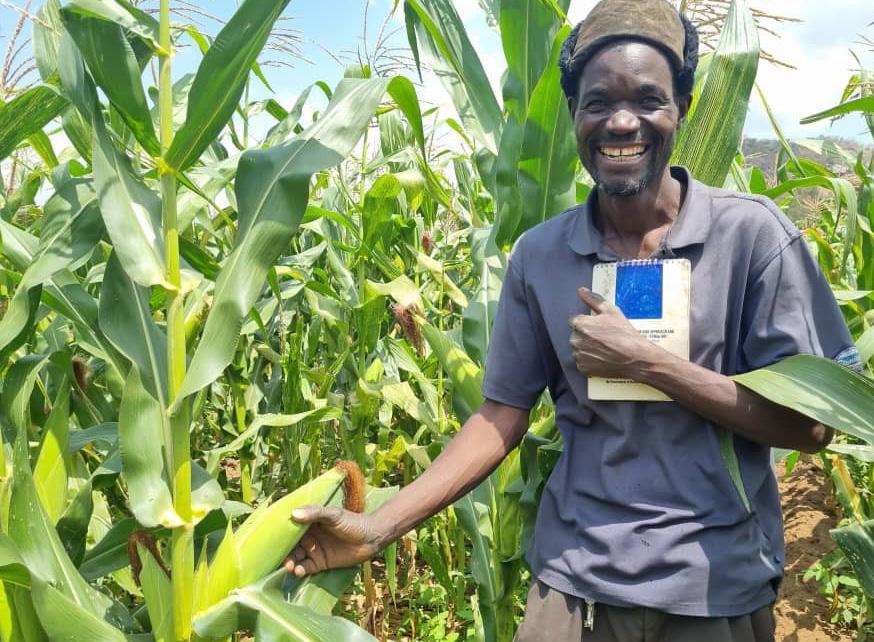
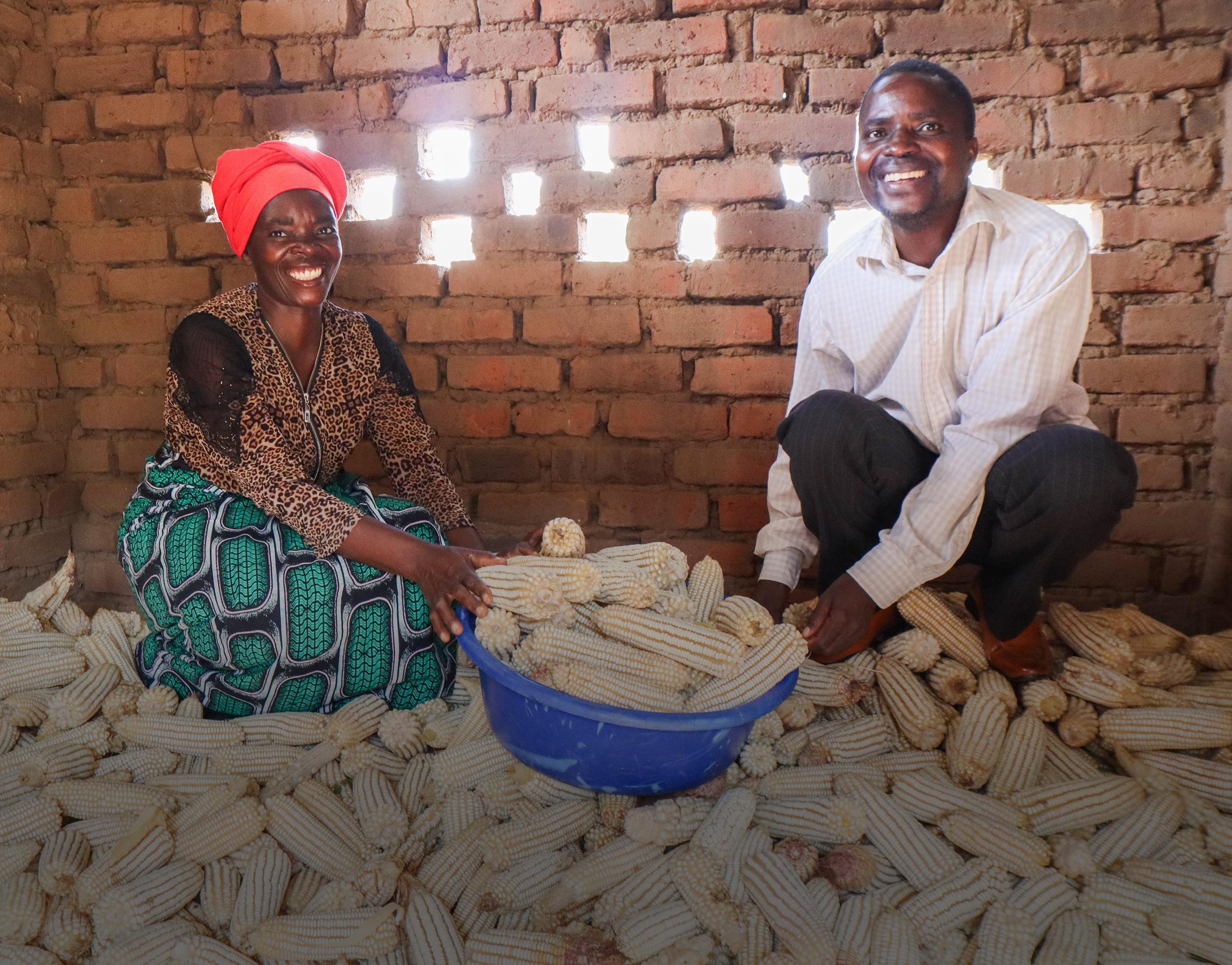
Lebium & Eliza Sefasi farmers under the SPEAR project proudly showcasing their yield, Dedza