BEYOND THE LOGO
A LOGO CAN TRAVEL ANYWHERE.
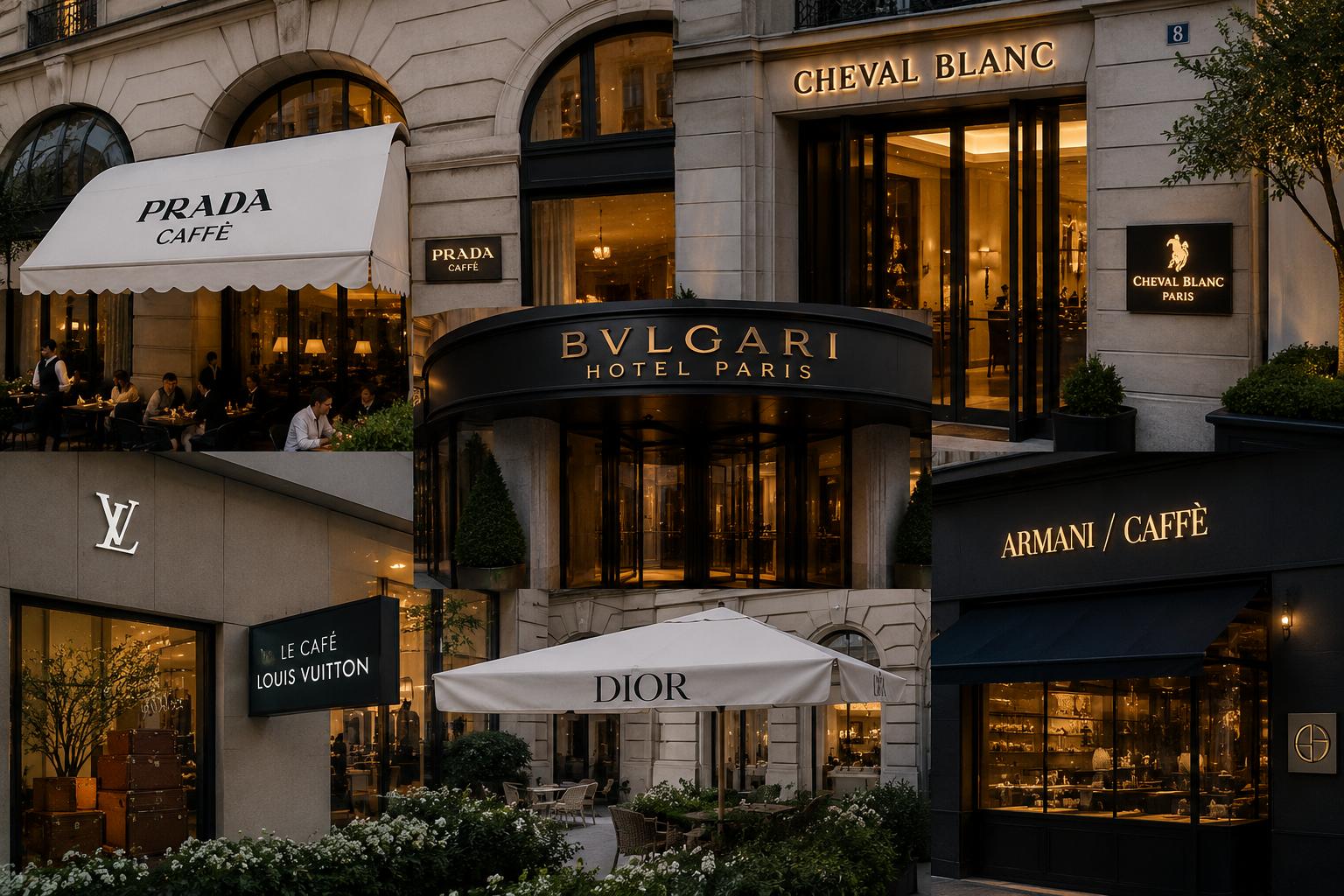

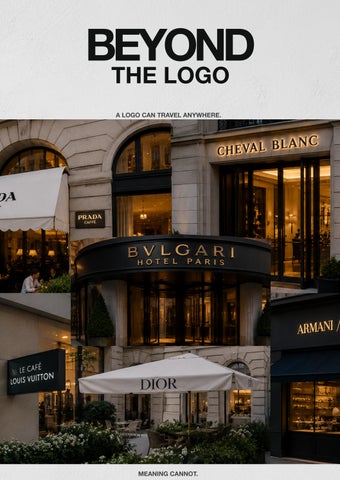
A LOGO CAN TRAVEL ANYWHERE.
In an age where luxury brands can place their names on cafés, hotels, residences, clubs and experiences, growth is no longer limited by opportunity.
It is limited by meaning.
The question facing every ambitious brand today is no longer how far it can expand. The question is whether the idea that created it is capable of expanding with it.
This question has become increasingly relevant as many luxury houses, hospitality groups and lifestyle brands move far beyond their original purpose.
Fashion brands open cafés. Wine estates become hotels. Hotels launch residences. Developers create clubs. Clubs become communities. Communities aspire to become ecosystems.
On paper, this appears to be a natural evolution.
In reality, it is a test of something far more fragile than financial capital.
It is a test of meaning.
Because every successful brand ultimately rests upon an invisible asset: a set of associations, emotions and expectations accumulated over years, sometimes generations. Clients do not simply buy products. They buy what those products represent. They buy belonging, aspiration, memory, trust and identity.
That reserve of meaning is extraordinarily valuable.
It is also finite.
The mistake many organisations make is assuming that awareness and equity are the same thing.
They are not. Awareness creates recognition.
creates permission.
A brand may be famous enough to enter almost any category. Yet fame alone does not grant the right to belong there.
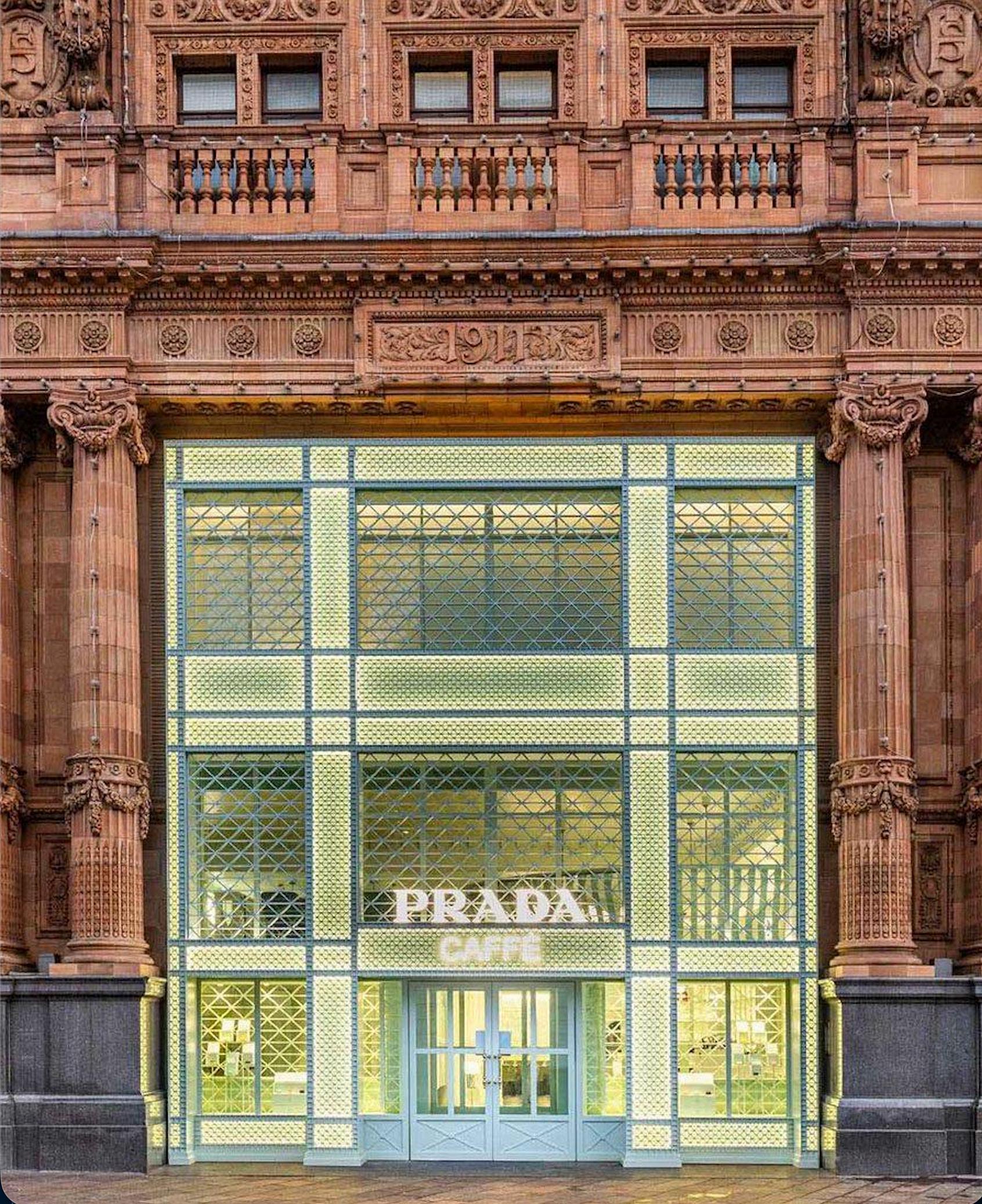
The client instinctively understands this distinction, even when unable to articulate it. They recognise when an extension feels authentic and inevitable. They also recognise when it feels manufactured, opportunistic or disconnected from the story that made the brand desirable in the first place.
This is why expansion should never be viewed as a simple exercise in addition.
Every new venture draws upon existing equity.
The question is whether it replenishes that equity or merely consumes it.
The difference is rarely visible in the first year.
Revenue appears quickly.
Dilution arrives slowly.
Often it is only years later, when pricing power weakens, differentiation erodes or emotional connection begins to fade, that leadership discovers the true cost of growth undertaken without narrative discipline.
The strongest examples of expansion succeed because they are not expanding products. They are expanding meaning.
The lesson is evident across many of the world’s most admired brands and institutions.
Prada serves coffee.
Armani welcomes guests.
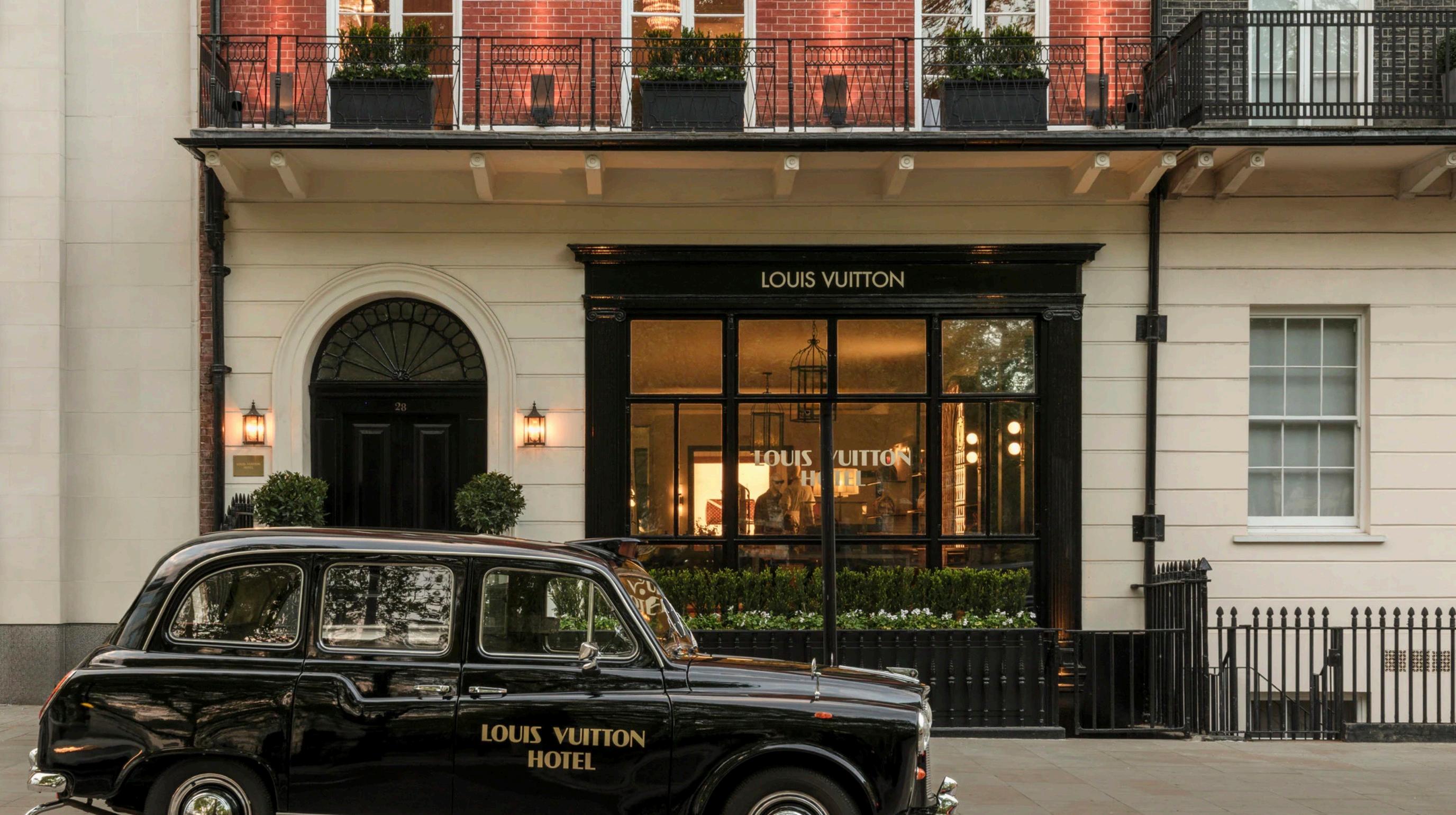
LVMH operates hotels.
The question is no longer whether brands can expand.
The question is what gives them permission to.
Some extend from a clearly defined worldview. Others extend from an uncompromising standard of execution. The most successful achieve both.
In each case, the client encounters the same essence, regardless of the format.
The category changes.
The story does not.
This distinction becomes particularly important as organisations increasingly pursue the language of “lifestyle.”
Lifestyle is not created by adding more touchpoints.
A café does not create culture. A residence does not create belonging.
A wellness centre does not create purpose.
These are merely platforms through
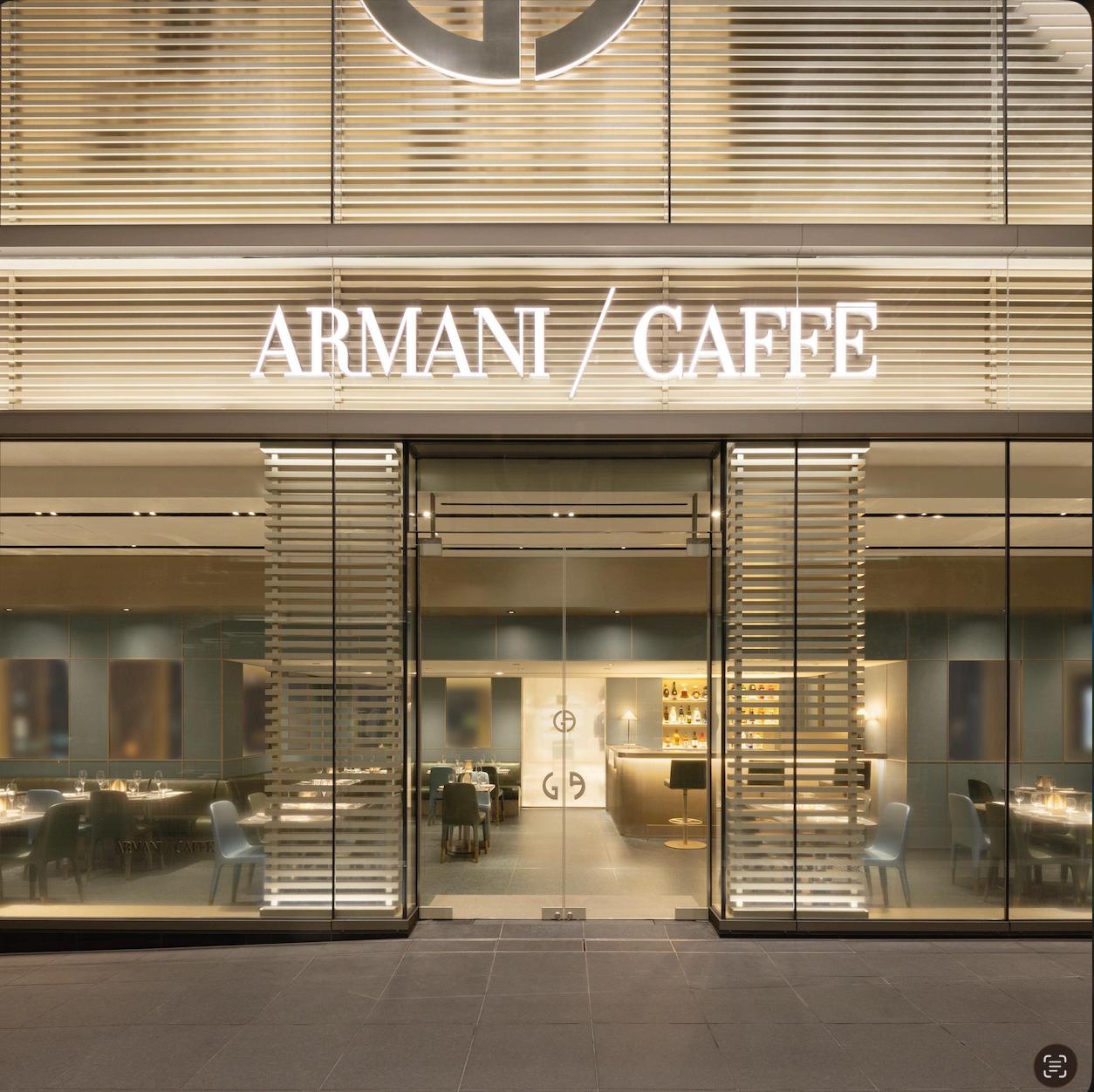
which meaning may be expressed.
Without a coherent narrative, they remain isolated assets connected only by a logo.
One useful test is surprisingly simple.
• Remove the signage.
• Remove the logo.
• Remove the brand name from the experience.
• Would a guest still recognise whose world they have entered?
• Would the architecture, service philosophy, atmosphere, values and emotional tone reveal the answer?
If not, the organisation may be extending assets rather than extending identity.
Fashion became hospitality.
Hospitality became lifestyle.
Lifestyle became belonging.
The logo remained the same. The meaning had to become larger.
The distinction matters.
Because the future of luxury, hospitality and destination development is increasingly shifting away from ownership and towards ecosystems of participation.
People are no longer searching merely for products.
They are searching for places, communities and experiences that reflect who they aspire to become.
The brands best positioned for the coming decade will not necessarily be those with the largest portfolios.
They will be those with the clearest sense of self.
Those capable of creating multiple expressions of a single idea.
Those able to move from product to place, from transaction to relationship, from customer to participant, without losing the essence that made them relevant in the first place.
This requires discipline.
Not every opportunity deserves to be pursued.
Not every adjacent category deserves permission.
And not every source of revenue strengthens the long-term value of a brand. Indeed, some of the most important strategic decisions are the opportunities declined.
Because growth without meaning is merely expansion.
Growth that deepens meaning becomes evolution.
The difference may appear subtle.
Yet it determines whether a brand becomes larger—or whether it becomes greater.
Ultimately, the most enduring organisations understand a simple truth:
A logo can travel anywhere. Meaning cannot.
Meaning must arrive first. Everything else must follow.
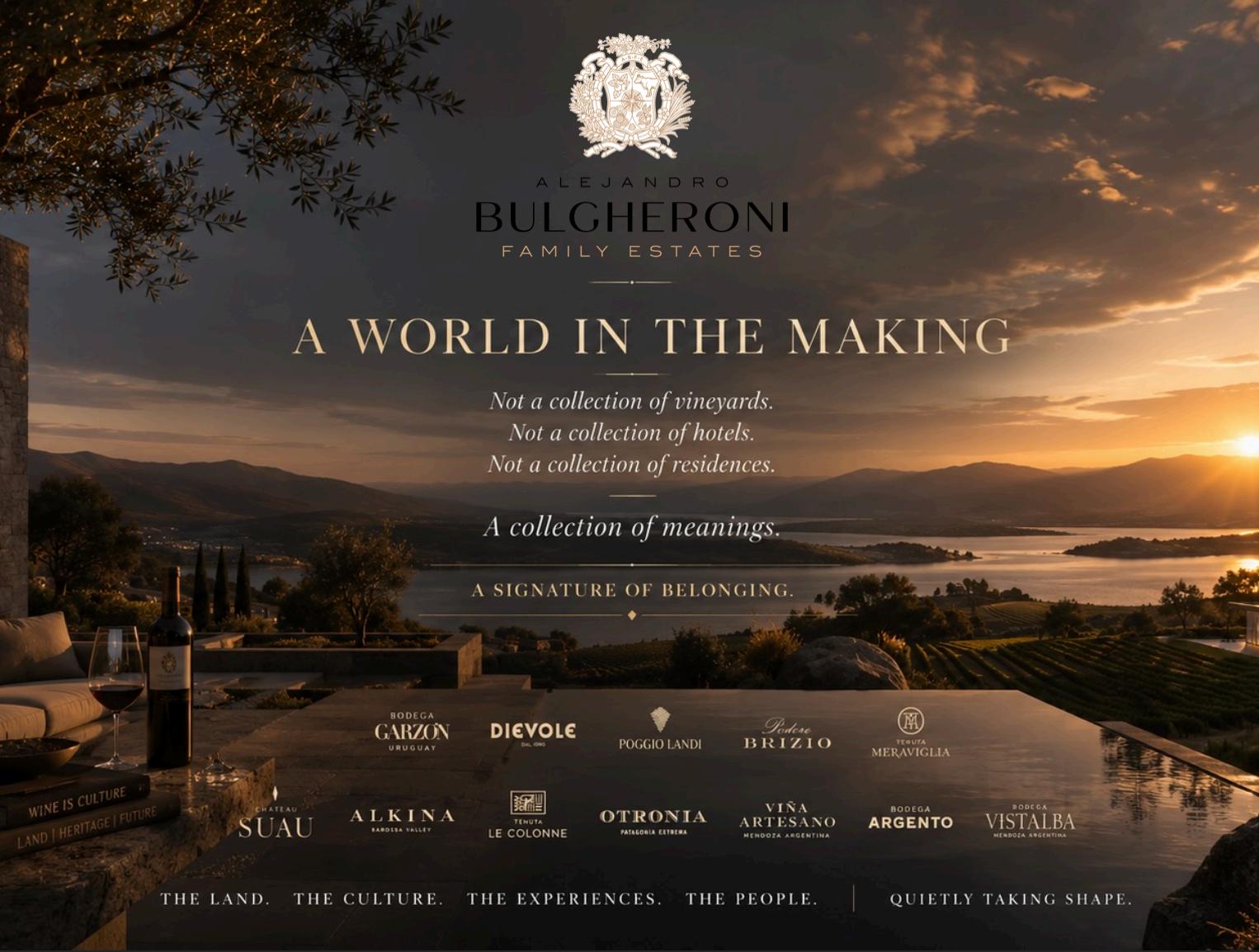
As I reflect on many of the themes explored throughout these papers, I find myself particularly grateful to be contributing to a journey that, in many ways, brings together decades of observations across hospitality, branding, culture and luxury. It is a privilege to work alongside a visionary entrepreneur whose remarkable global portfolio of award-winning wine estates was built not only through commercial success, but through a genuine passion for land, craftsmanship and legacy. Even more inspiring has been the trust placed in me to help explore the next chapter: evolving a collection of vineyards into a broader world of hospitality, belonging and meaningful experiences, while helping shape a number of extraordinary new developments that have the potential to enrich both the estates themselves and the communities around them. Such opportunities are rare in a professional lifetime. To participate in the thoughtful creation of something designed not merely for today, but for future generations, is both a responsibility and a privilege for which I remain deeply grateful.