pLANE: Las Vegas, NYC, & Edinburgh TRA IN: Overnight from Seattle to LA CA R: Camping & Tri-Cities
PLUS: Six tips for traveling with kids





























pLANE: Las Vegas, NYC, & Edinburgh TRA IN: Overnight from Seattle to LA CA R: Camping & Tri-Cities
PLUS: Six tips for traveling with kids









APRIL 10-12 & 17-19 Lincoln City invites you to a celebration of sea and sand, of chowder bowls and gallery strolls, of headland hikes and beachcombing walks. It starts the moment you arrive and lasts for days of sunsets. Dress is casual. Come as you are.
















































Thirty years ago, my world stopped. I was just out of college when my brother, Arnie, was killed by a
student who brought a firearm to Frontier Junior High School in Moses Lake. In minutes, he was gone, along with a
teacher, Leona Caires, and another student, Manuel Vela Jr. Another student, Natalie Hintz, was critically injured, and more than a dozen students were held hostage. Arnie was 14 years old.
Every year, February comes with its own weight for my family. Other people may move
through the month without thinking twice. We, unfortunately, can’t. We live in the permanent deficit of the years Arnie never got to have. As his anniversary passed again this year, I found myself struck by the sheer volume of life that was stolen from him, and how
March/April 2026 // Issue 516
“Seattle is my town. I know this city inside and out… or so I thought until I had kids.”
Seattle’s Child is your guide to getting to know your city all over again. Finding things to do, places to eat, and how to get around — it’s a whole new ballgame with kids in tow. We’re interested in how parents make homes in a space-challenged urban environment, how families create community, and what parents are really talking about. Seattle’s Child reflects real Washington families and their broad range of parenting experiences.
ANN BERGMAN Publisher, Founder abergman@seattleschild.com
JASMIN THANKACHEN Associate Publisher jasmin@seattleschild.com
KATHRYN HOLLOWAY Art Director
CHERYL MURFIN Managing Editor, Print cheryl@seattleschild.com
BRITT THORSON Managing Editor, Digital britt@seattleschild.com
JOSHUA HUSTON Photographer
ROSE WILLIAMSON Proofreader
JEFF LEE, MD Columnist
NILS DAHLGREN BRETT HAMIL
KATHRYN HOLLOWAY
RENÉE HOPKINS MELODY IP JANET KIM

«What
CONTINUED
avoidable that theft was. Unfortunately, my family’s tragedy isn’t unique.
CHERYL MURFIN ALLISON PETERSON JEN SAUNDERSON JASMIN THANKACHEN ELLIE WHITE
Contributors
ADVERTISING
NOAH DRETSKE Account Executive noah@seattleschild.com
YULIA FIALA Account Executive yulia@seattleschild.com AMBER ELBON Ad Production Manager amber@seattleschild.com
Seattle’s Child has provided useful information to parents since 1979. In addition to our magazine, look for our special themed publications — Family Guide, School, Explore, Get Moving!, SummerTime and Early Years — distributed free throughout the Puget Sound area. Seattle’s Child is published every other month. ONLINE seattleschild.com Facebook facebook.com/seattleschild Twitter @SeaChildMag Instagram @seattleschildmag MAIL c/o Postal Plus 1211 E. Denny Way, Seattle, WA 98112
VOICE 206-441-0191
TO ADVERTISE advertise@seattleschild.com
STORY IDEAS editor@seattleschild.com
CALENDAR SUBMISSIONS calendar@seattleschild.com Include date, time, cost, appropriate ages, address, contact information and description.


The loss, obviously, didn’t hit us once and then pass. It settled in and stayed. I watched my mom carry a heavy weight no one should ever have to carry. I watched his friends try to make sense of trauma they were too young to name. And I watched our community absorb a heartbreak that never really healed. Grief doesn’t disappear with time. It changes shape, but it stays with you. It becomes part of the air you breathe.
People often ask me why I lead the Alliance for Gun Responsibility. The answer is simple: I am fighting for the “what if.”
What if Washington had the kind of safe storage requirements we have been pushing for since 1996? What if that gun had been inaccessible to a child? Arnie would have come home. I would be calling my brother to talk about our lives instead of writing an op-ed to defend his memory and ask for safeguards that should already be the norm.
This year, we worked to move safe storage forward in Olympia, but it did not receive the urgency it deserved and the bill stalled. That is hard to accept.
Gun violence remains the leading cause of death for children and teens in our country. Often overlooked is the fact that young people are more likely to be victims of unintentional shootings, domestic violence, or suicide. In Washington alone, suicide accounts for 53 percent of all youth firearm deaths.
The reality around storage is just
as sobering. Fifty-four percent of gun owners fail to lock all their guns securely. An estimated 4.6 million children in the United States live in a home with at least one unlocked and loaded firearm. Nearly 360 children unintentionally shoot themselves or someone else each year. The U.S. Secret Service has reported that 76 percent of school shooters acquired their firearm from the home of a parent or close relative.
These numbers are not abstract. They point to something preventable.
We have made progress in Washington before. Voters and lawmakers have taken steps that have reduced harm and strengthened accountability. This session, however, was a reminder that progress is not guaranteed. When basic safety measures fail to move forward, it sends a message about what is, and is not, being prioritized.
Secure storage is not controversial. It is about responsibility. It is about making sure a moment of anger, despair, or curiosity does not lead to a lifetime of loss. Unsecured guns do not simply sit untouched. They are found. And when they are found by children, the consequences are permanent.
My work is fueled by the silence Arnie left behind. It is a drive to make sure no other sister has to measure her life in decades of considering what might have been. We have the tools. We have the evidence. What we need is consistent leadership that treats child safety as urgent, not optional.
The bill may not have moved forward this year. But the need did not disappear. And neither did the families who are still waiting for change.
Let’s not lose another Arnie.
by JEFF LEE, MD

This year, a 15-year-old exchange student from Barcelona has joined our family. It’s been a joy to have her, and she’s having a fantastic experience. Lately, though, when she reads about ICE agents roaming American cities and detaining people based on their accents or their lack of citizenship, she comes to us with a lot of questions. She has a valid student visa, and she came here through a formal exchange program and a reputable agency. Still, when we ourselves find recent events so disturbing and confusing, it’s hard to calm her fears.
We try to reassure her that her white skin, her middle class appearance, and this progressive city we live in will protect her — but as we do, it feels profoundly wrong. We know all too well that there are other children who lack those safeguards, and who are suffering because of it. There are too many examples to count, but here are a few.
This January, a 5-year-old Ecuadorian boy named Adrian Conejo Arias was pulled out of his father’s car as they returned from his preschool. Masked agents took him to the door of his home and made him knock, in an attempt to lure other family members outside. He was detained with his father and separated from his mother for 12 days, until a federal judge ordered his release.
In 2017, a 10-year old Mexican girl named Rosa Maria Hernandez was detained by Border Patrol on the way to the hospital for gallbladder surgery. Agents followed her to the hospital and arrested her, without a warrant, directly from her hospital bed. She was transferred to a facility 150 miles from her family and held there until litigation gained her release 10 days later.
In 2018, a 19-month-old toddler named Mariee Newberry Juarez fled gang violence in Guatemala with her mother to seek asylum in the United States. They were held in an unheated facility in a locked cage with 20 other people, and slept on a concrete floor. From there, they were transferred to a family detention center packed with sick children. Mariee developed a fever of 103.3 degrees and was diagnosed with acute bronchiolitis and treated with antibiotics (which are useless for viral bronchiolitis) and Vicks VapoRub (which can cause
respiratory irritation and distress in children under 2). Over the next several days her symptoms worsened, but she was medically cleared for travel without being examined. She was then transferred to New Jersey, where she was finally seen by a pediatrician who diagnosed her with acute respiratory distress and admitted her to the intensive care unit. She died there after a six-week struggle in the hospital. It would be one thing if this kind of cruelty in immigration enforcement were a rare exception, but that’s clearly not the case. In 2018, the Trump administration’s border policy resulted in 2,737 documented cases of children being separated from their families for an average duration of five months. Officials warned that this tally likely underestimated the true number by thousands, because documentation and tracking were so poor. That same lack of care made reuniting those families difficult, and in some cases impossible. Human Rights Watch reported that as of December 2024, as many as 1,360 children had not yet been reunited with their families — six years after the forcible separation policy began.
Immigration is an emotional and controversial issue in this country. There’s heated disagreement about who should be allowed to come here, who should be allowed to stay, and under what circumstances. But for the most part, no one is arguing that immigration policy needs to put cruelty at its center, or to treat these children as an imminent threat or as disposable human beings.
In any civilized society, the care and protection of its most vulnerable and powerless members falls to everyone. These children belong to all of us — and the way our government treats them, in our name and with our tax dollars, reflects on us as surely and tellingly as our own actions and words.
And while we’re at it, let’s not forget that Renee Good, the unarmed protester who was shot to death by ICE agents in Minneapolis, left behind a 15-year-old, a 12-year-old and a 6-year-old. Those children are ours now, too.
ABOUT OUR COLUMNIST
Jeff Lee lives, works, parents and protests in Seattle, WA



Weekly service includes diaper delivery, pick up and responsible disposal to recycle diapers... from waste to energy! babydiaperservice.net 206-634-2229 info@babydiaperservice.net






by DR. SUSANNA BLOCK
Parenting a teen can be, well, let’s call it exciting! Teen drama, intense crushes, or shifting moods are some of the behaviors you might be navigating. It can feel hard to track, but these truly are all aspects of normal development. When you wonder what’s going on in their head, remember that sometimes it is literally about what’s going on in their brain. A better understanding of your teen’s brain can help you support their healthy development.


The dramatic development in a teen's brain helps explain why parenting teens can be equal parts joy and exasperation. You might admire their creativity, fast learning, and adaptability, while also seeing them struggle with impulse control, decision-making, and evaluating consequences. Both the dizzy excitement and door slamming we see from teens can, in part, be explained by changes in the brain. What is going on with my emotional teen’s brain?
A teen’s brain relies more on the emotional, reactive center, the amygdala, than an adult’s does. The area of the brain that controls reasoning and helps us think before we act, the prefrontal cortex, is still changing and maturing well into our 20s.
Compared to adults, the teen brain has a harder time thinking before acting or stopping action once it’s started. Their judgment can be overwhelmed by impulses, making it harder to choose between safer and riskier choices.
This doesn’t mean teens can’t show self-restraint or don’t know right from wrong, but they are partly driven by a brain that is
relying heavily on emotional and reward-driven centers. That can lead to positives like strong social connections and challenges like reckless behavior.
Why is my teen obsessed with K-pop or video games?
There is increased activity in the part of the brain that heightens sensitivity to rewards in teens. The midbrain reward system is the area at the root of romantic love, habit formation, and the desire to be a part of the pack.
Teens will be seeking social approval and exciting experiences. They’ll get immersed in listening to their favorite song or in trying every new game. This reward-focused part of the brain can influence things like forming habits and addictions, but it can also lead to positive outcomes, such as joining peers in peaceful activism or volunteering.
Why is my teen so stressed?
There are plenty of stress triggers at this age. Combine that with stronger emotional reactivity and still-developing coping systems, and stressful situations can feel overwhelming. Teens may react more intensely than adults and also may be more susceptible to stress-related problems like anxiety and depression. There are hormonal changes
at play that affect the limbic system and the neurotransmitter serotonin, which is important in mood regulation.
Why is my teen still asleep at noon?
This has biological roots too (they are also flexing their independence muscles). Teens are experiencing a shift in their circadian clocks, including changes in the sleep hormone melatonin, causing them to feel awake later at night and struggle with early mornings. Not getting enough sleep can further disrupt hormones and increase impulsivity and emotional volatility. What helps teens, and their brains, thrive?
Amid all this change, adolescent brains are learning rapidly and have a great capacity for adaptation, called neuroplasticity. You’ll likely see them develop new skills and strengths, make social connections, and think in different ways. Engaging in healthy, challenging activities can help strengthen those brain circuits and promote development.
Here are some things you can do to support your teen and their growing brain power:
• Practice patience. What might seem like willful defiance, oversized emotions
or thoughtless risk-taking can actually be about how their brains are wired at this age. You’ll still need to parent around those behaviors, but you can acknowledge the biological side while maintaining consistent expectations.
• Prioritize good sleep habits. Sleep is essential. When possible, aim for a balanced schedule that aligns with their adolescent biology.
• Be a coach. They are at an age where they are asserting their independence but still reliant on their caring families. Help them reflect on choices and consequences and coach them on different behaviors rather than criticize.
• Help them cope with stress. It’s a good time to practice coping skills with your teen, as they have a lot of cognitive flexibility, which allows them to adapt and shift their perspective more easily.
• Seek support if needed. That applies to both you and your teen. Considering how dynamic the adolescent brain is during this period, it’s not a coincidence that major mental health conditions, including anxiety and depression, often appear during this time.
Links between the prefrontal cortex and the midbrain reward system develop over time and at different rates in different kids. While a teen’s brain reaches its largest physical size early in adolescence, it continues to change and develop well into the mid20s. Have some patience and enjoy the ride. It’s an amazing thing to see your child become a teen and find their own path.
ABOUT OUR COLUMNIST
Dr. Susanna Block, MD, MPH, is a pediatrician with Kaiser Permanente in Seattle and lives with her family in Queen Anne. SPONSORED BY

5
Spring is nigh, and that means cheery hues will soon come out of hiding. For extreme hits of pigmentation, consider these five very colorful and free upcoming events:
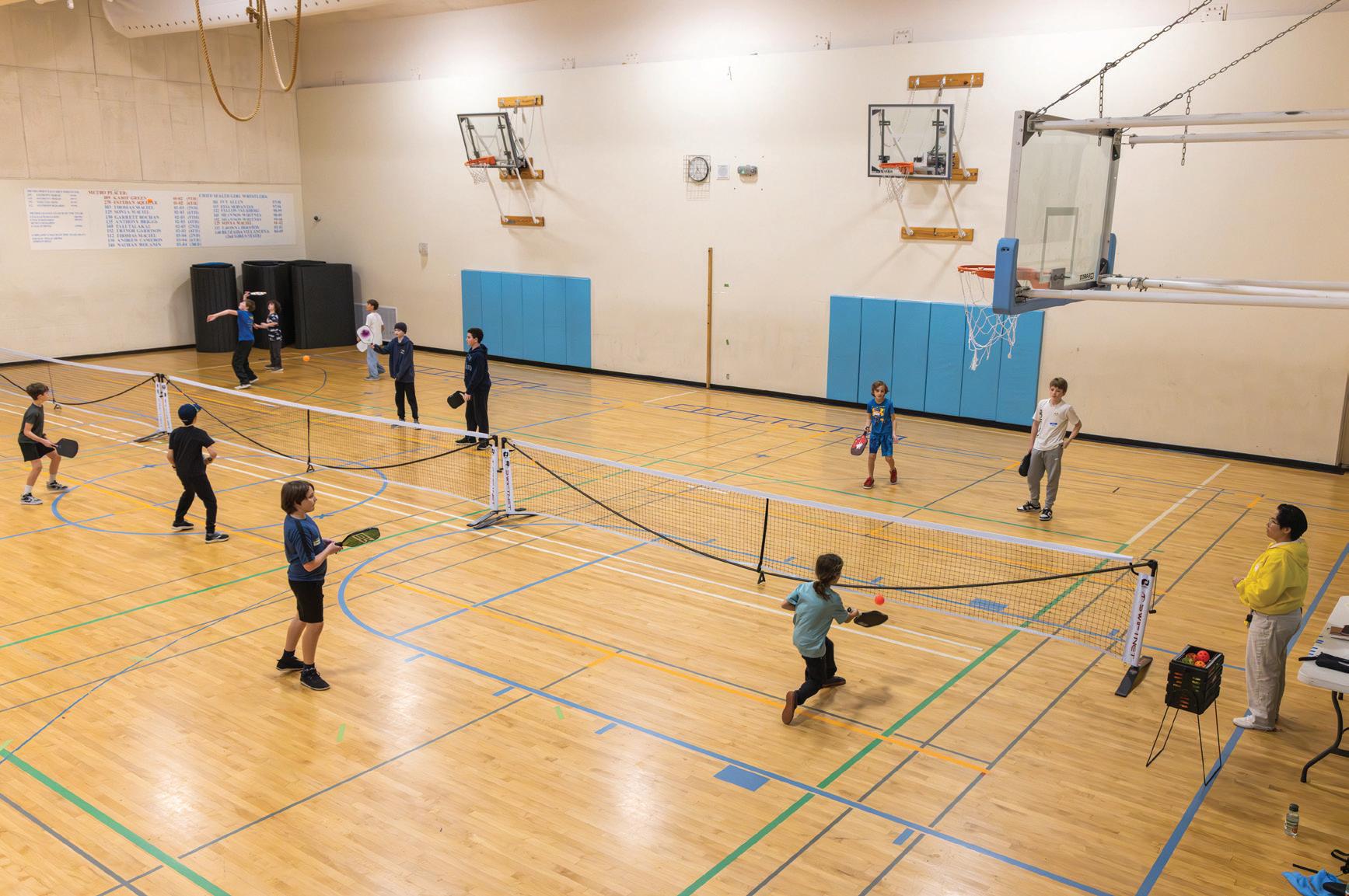
plentiful opportunities for younger players to participate.
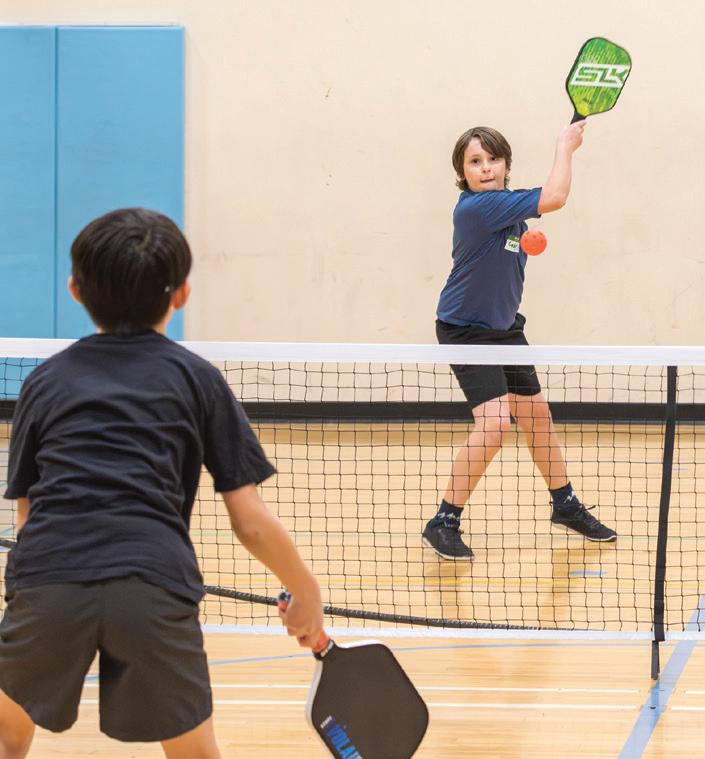
Growing up in Seattle, it made sense that pickleball was a staple gym class. After all, the game was invented just a ferry ride away on Bainbridge Island in 1965. It is surprising, then, that it has only recently exploded in popularity with players of all ages.
Pickleball is played both indoors and outdoors on scaled-down courts that resemble tennis courts.
Players strike a Wiffle ball with solid paddles that could be mistaken for oversized table tennis paddles. It can be played as singles, but doubles is the most popular version. The game has been the fastest-growing sport in the U.S. for the past four years. Top professionals are beginning to secure sponsorship deals, and tournaments offer significant prize money. That exponential growth has resulted in
In the greater Seattle area, organizations like Let’s Play Pickleball and Westside Pickleball have popped up to serve kids and help them develop skills and a love for the game.
Ta-Ming Shih, Head Coach and Director of Let’s Play Pickleball, began volunteering three years ago, offering an after-school pickleball program at McDonald International Elementary in North Seattle. After meeting and talking with other players and coaches, a CONTINUED
1
Winthrop (WA) Balloon Roundup
With daily morning launches of colorful hot-air balloons (7-9 a.m.) and balloon glow on Saturday night at 5:30 p.m., the roundup makes for a great weekend getaway.
3winthropballoon roundup.com
2
Seattle’s St. Patrick’s Day Parade
Think green, wear green, eat green, and watch a whole lot of green roll along Seattle’s Alaskan Way starting at 12:30 p.m. on March 14. Get there early.
3
Holi Color Celebration at Seattle Center
The colored powder will be flying at this all-arewelcome celebration of Indian Holi at the Center’s Mural Amphitheater on March 28, 11 a.m. to 4 p.m. Wear old clothes. 3seattlecenter.com/ events/event-calendar/ seattle-color-festival
4
Roll through the tulip rainbows of Skagit Valley
Assuming the weather cooperates, flowers will be blooming in April. Skagit Valley Tulip Festival runs April 1-30, with the Tulip Festival Street Fair April 17-19. 3tulipfestival.org
5
Daffodil boat parade — FREE Boats decorated with abundant color will sail along Tacoma’s Ruston Way and into Thea Foss Waterway on April 19, starting at 11:30 a.m. 3tacomayachtclub.org —Cheryl Murfin
non-profit organization was established and expanded to eleven schools throughout the Seattle School District and Shoreline.
“I love the pickleball community and wanted to get my kids involved,” says Shih. “It’s easy to learn but hard to master. We can usually get kids to be able to rally after the first session, then the players get hooked and want to get better.”
While the curve to get better is not as steep as in other paddle and racquet sports, it can be intimidating for young players to turn out and jump into one of the many open-play sites on public courts packed with adults. The accessibility gap is what these youth-centered programs are now trying to bridge.
On a recent Wednesday afternoon, 18 kids warmed up in the gym at John Stanford International Elementary for their weekly pickleball class. Led by three experienced coaches, the group included both beginner and advanced players. After warmups, they moved on to skill introduction and practice, then spread out across three courts to rally with each other. Asta, a fourth-grader and pickleball beginner, found the hand-eye skills helped with other sports, while Maria, also in grade
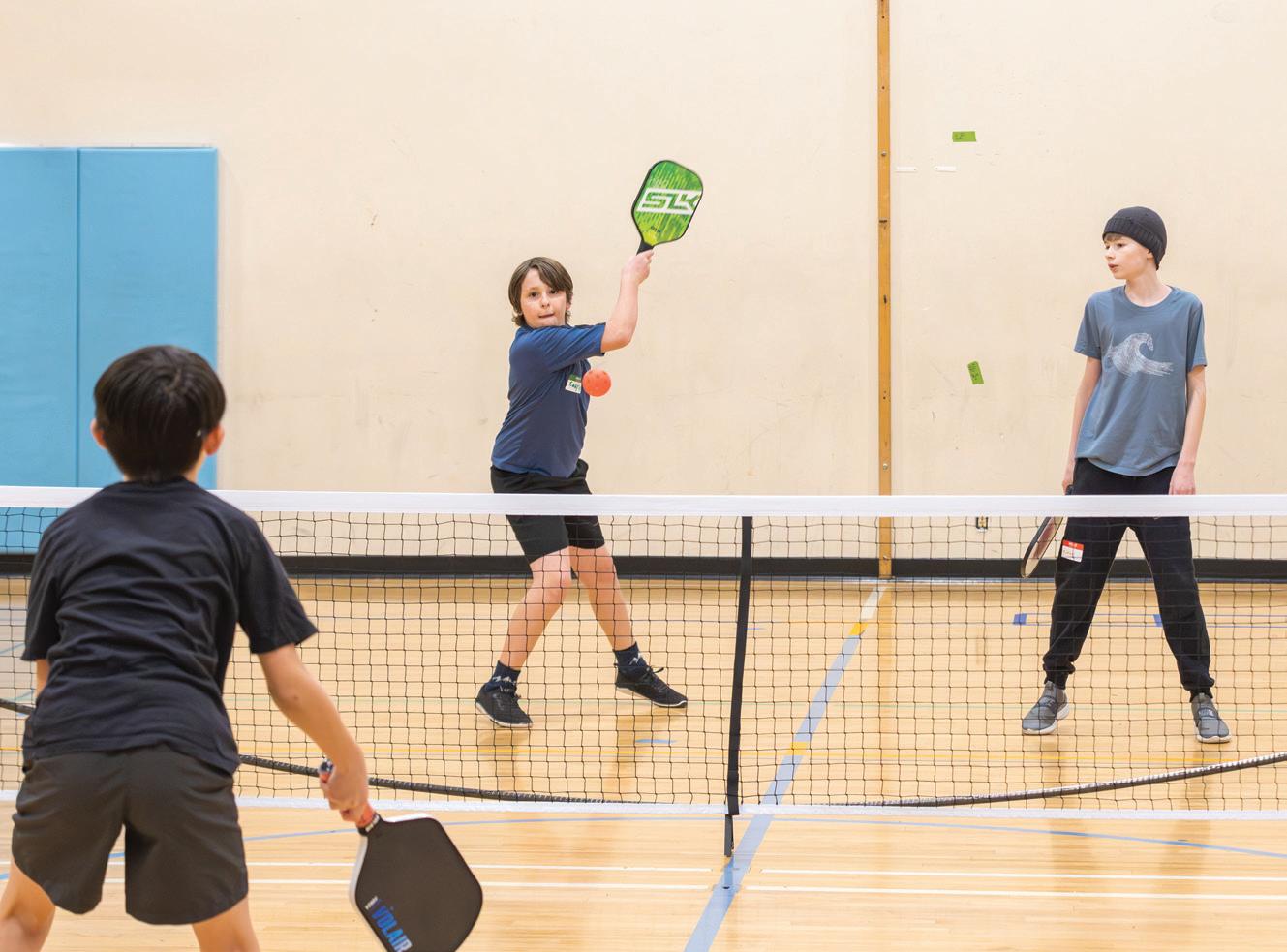
4, said she really enjoys “the chance to play games with my friends.”
Shih explains, “There are a lot of team sport opportunities for kids, but not a lot of individual sport experiences. Every rally can be challenging but also very fulfilling.”
Over in West Seattle, kids participating in the Westside Youth Program meet every Sunday in the auxiliary gym at Chief Sealth High
School. The 8-week program began in the fall of 2025 at the request of parents who play in Westside Pickleball’s adult programs. Volunteer instructors work with kids to master various types of shots, and then kids are paired off to play doubles games.
Kelly Holman and her son were looking for an activity that was social and not too intense. They’d tried a number of other youth sports but found them to be overly competitive.
“There isn’t a lot of pressure in the program here,” Holman said. “They learn court etiquette and get to just play. He is really looking forward to playing pickleball now with our extended family.”
Mateo, 14, is in his second threemonth session with Westside. He started playing with his family in 2024 and enjoys the variety of playing with others: “It’s fun to meet new kids and not always play with the same people,” Mateo said.
For parents looking to get their kids interested in pickleball, the Holmans’ and Mateo’s experiences offer a great guide. Pick up paddles and play together. Some manufacturers even offer smaller, lightweight paddles that are easier for small hands to maneuver. The court dimensions and emphasis on shot placement over power make pickleball an ideal multigenerational game. Several local YMCA centers offer weekly timeslots for all ages and family drop-in opportunities.
For kids ready to play with their peers, Westside Pickleball’s current session runs through May 3, with plans for additional dates in the future.
Let’s Play Pickleball has camps this summer in both North and South Seattle for 7 to 13-year-olds, as well as an upcoming youth tournament in the spring.
Don’t miss these stories on 3seattleschild.com
I stopped measuring my worth after becoming a parent 1
Curious about your family’s ancestry? Free monthly genealogy help at Seattle libraries 2
Do some good together in March (April) 3
by MELODY IP
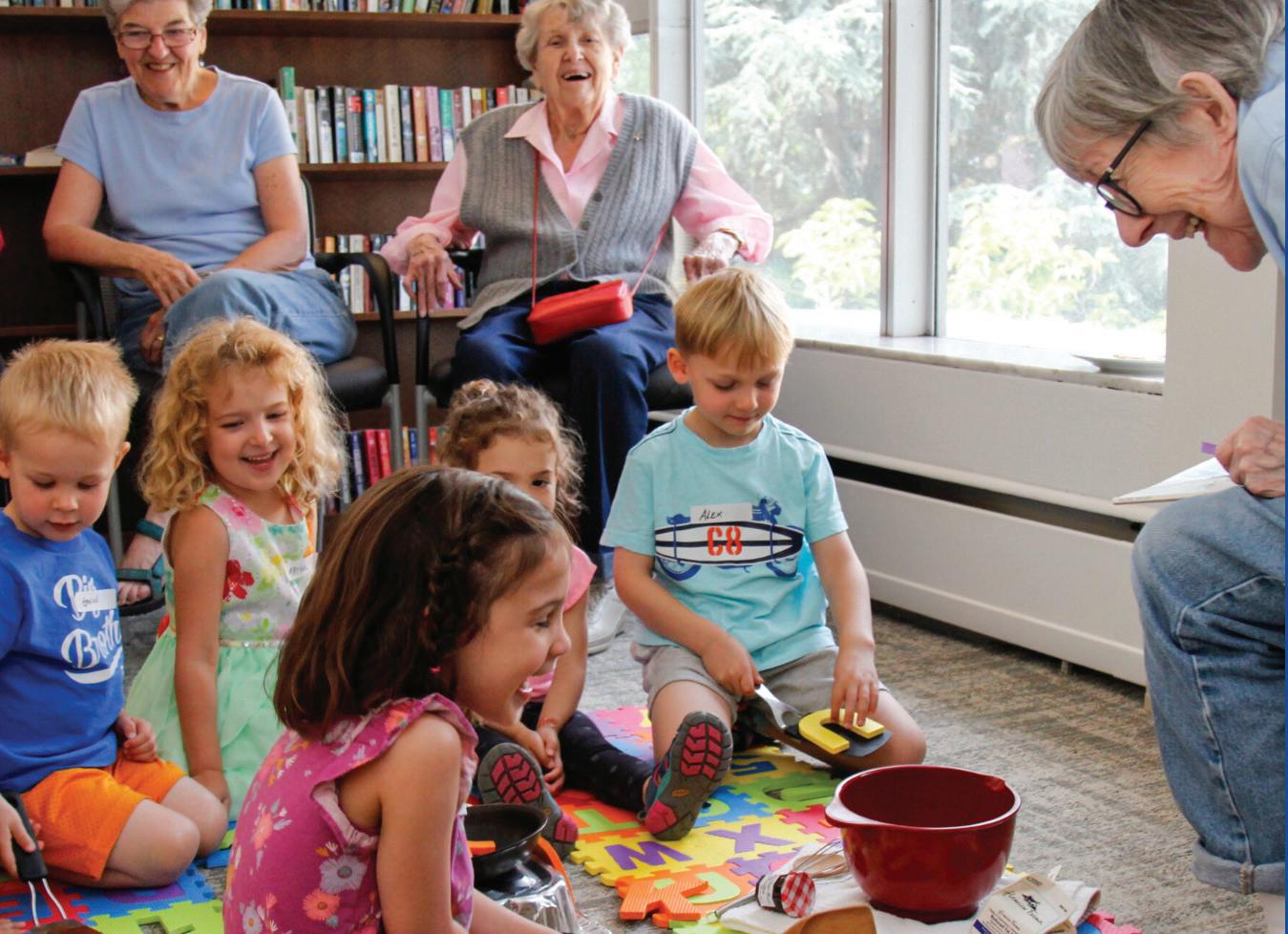
The library at Bayview, a 10-story building and senior living community at the base of Queen Anne Hill, was quiet on a Tuesday morning. One Bayview resident sat near the window, reading a newspaper. Several others spoke
in lowered voices. Then a voice broke the silence: “Here they come!”
A group of children — ranging from 2 1/2 to 5 years — filed in, murmuring excitedly. Some strutted in confidently, while others shyly stayed close to their
teachers. When the group settled onto the carpet, community resident Marlene Peters opened a picture book and began to read aloud.
Bayview, a nonprofit “life plan community,” provides independent living apartments, assisted living, and memory care to more than 225 residents aged 62 and older. It is also home to the Intergenerational Children’s
Center (ICC) which provides care for up to 44 children — from infants to pre-Kindergarteners — and offers daily connection between its kids and resident seniors. Storytimes and music classes are scheduled activities, but the unplanned exchanges between the two groups are equally valuable.
“There are brief interactions
when some of the kids might have a question [for a resident] when we’re walking through the hallways,” said Kesan Tyrone Holt, assistant director of ICC, giving the example of a child asking about a resident’s walker. “They’re so honest, and they’re just taking in everything.”
Moments like these teach empathy and compassion naturally. During the children’s time at Bayview, “they have learned that walkers and wheelchairs and wrinkles aren’t scary at all,” said Nancy Weinbeck, CEO of Bayview. “Unfortunately, we live in an ageist society. But if the kids are raised where there’s love and magic [around aging] instead of fear, that changes everything for them.”
Research published in the June 2021 journal “Archives of Gerontology and Geriatrics” has shown that youth also develop a greater sense of purpose and
self-esteem, and an increased interest and empathy toward older people, when they have more meaningful intergenerational engagement. Conversely, research published in the September 2025 journal International Psychogeriatrics confirmed seniors often display improved cognitive function, physical health, and overall quality of life.
For some ICC students, the impact is so deep that they return to Bayview to work as adults. Weinbeck mentioned that some employees in the dining staff were once kids in the ICC, and the love fostered then for the residents and older generation shaped who they are today.
Elsewhere in the Seattle area, preschoolers who attend Pike Place Market Child Care & Preschool visit a senior center nearby during their walks for unstructured time with residents. At West Seattle’s Intergenerational Learning Center (ILC) at Providence Mount St. Vincent, elderly residents and ILC students — ranging from
babies to age 6 — come together for singing, performing plays, and doing service projects. At the end of each day, they all gather to shake hands, give hugs, and blow kisses before the children leave.
At ICC, children recognize that Bayview residents are the ones who read books at storytime, beat drums during music class, smile and wave while children are at the playground, and are handy with glue and paper when making crafts. Peters, who leads storytime, also nurtures a small garden — planting carrots and flower bulbs — and involves the children when tending to the plot. Over the last three years, the gardeners have grown carrots that the children can take home.
“I like that they’re curious and interested in all the things that are around them,” Peters said. “They’re such bright shining stars. And they’re so honest and generally answer just like they feel — there isn’t any pretense.”
One two-year ICC resident,

who didn’t want her name used, mentioned that her grandchildren are not young kids anymore, and she missed time with them during COVID. Seeing children now helps. Cranson said experiencing the children’s joy at the ICC and getting to know them is life-giving. For Carol Olwell, who has only been at Bayview for a few months, the ICC was an important factor when choosing where to live.
After retirement, people who identified strongly with their career often look for personal meaning beyond those identities. Lacking a sense of purpose can lead to depression and social isolation.
“It’s important to continue that sense of ‘you’re really important and you bring value,” Weinbeck said, noting that former educator Peters' expertise helps everyone. “It doesn’t matter if you’re 80 or you’re 30; to know that you’re having such a positive impact on another human being — that’s what we’re all here on this planet for.”
Looking for ways to show your kids the importance of caring for the planet, pitching in to keep the environment clean, and caring about ecosystems? There’s no better way than attending Earth Day events. Here are several free gatherings to consider:
• Clean up the Seattle Arboretum on April 18 from 9 a.m. to 1 p.m.
• Join the Salt Water State Park clean up in Des Moines, April 18, 10 a.m. to 3 p.m.
• Clean up Magnuson Park April 18, 10 a.m. to noon. Meet at E3 Magnuson Park Back-Lot.
• Check out EarthFest at Bellevue Botanical Garden on April 18, times and events TBA.
• Head to Issaquah Salmon Hatchery to help with habitat and engage in fun, educational activities on April 19, 10 a.m. to 2 p.m.
—Cheryl Murfin
2
Don’t miss these stories on 3seattleschild.com
3
5 Travel Tips For

that something finally clicked: our son had undiagnosed learning needs. After a series of evaluations, he was diagnosed with a learning disability. We knew we needed additional support at school, but where to begin? Thus began our family’s quest to learn about the special education process.
When schools closed in 2020, our family, like so many others, was thrown into the immediate challenge of assisting our children with schoolwork at home. It was during this time of 24/7 observing and assisting our children
The federal Individuals with Disabilities Education Act (IDEA) ensures children with disabilities have access to a free and appropriate public education tailored to their unique needs. For most school-aged children with disabilities, unique needs are
met through the creation and implementation of an Individualized Education Program, or IEP. In the 2024-2025 school year, approximately 18% of students in Seattle Public Schools in grades PK-12 had an IEP.
A student’s IEP is a customized written legal record of the special education services and accommodations they will receive during the year. The document is developed by a team of collaborators that includes teachers, specialists, school administrators, parents or guardians, and (when appropriate) the stu-
dent. Each calendar year the IEP is reviewed and updated, and a child who continues to qualify for an IEP will continue to receive services throughout their time in school. Setting up and maintaining an IEP can be daunting for parents. We asked Susan Hernandez, MPA, PhD, president of Seattle Special Education PTSA, for advice on navigating the process. Hernandez is a mother of a child with an IEP and an advocate for other families.
Seattle’s Child (SC): What is the parents’ role in the IEP Process?
Susan Hernandez: Parents and caregivers are officially part of the team. They play a critical and unique role in the IEP process. They know their child best and are in the strongest position to advocate on their behalf. It is important for parents to trust their intuition and request an evaluation if they suspect their child may qualify for an IEP, or to advocate for changes if the current IEP is not helping their child make progress toward their goals.
SC: What should parents bring to the table at each IEP meeting?
Hernandez: Before the meeting, families should discuss goals and challenges with
their child (if appropriate), review the current IEP, and carefully examine the draft IEP. Requesting documents, data, and work samples at least a week in advance, as well as inviting private providers or an interpreter if needed, helps families participate effectively. It may be helpful to review Seattle Special Education PTSA’s free Guide to Special Education, written by parents for parents, so you can arrive prepared and ready to engage.
SC: How can families learn about potential IEP accommodations?
Hernandez: There are some accommodations that are very common, such as having extra time to complete assignments or tests. Other accommodations require creativity on the part of the IEP team to tailor them to a child’s specific learning needs and goals. Before your IEP meeting, refer to special education resources and check in with special education communities to see what accommodations are recommended for specific learning needs. During the IEP meeting, ask generic questions such as: “What has been done in the past in this situation?”
SC: What if parents feel their child’s needs aren’t being met?
Hernandez: Most families prefer to resolve issues collaboratively with the school. Start by

Find the Special Education PTSA Guide to Special Education online at 3seattlespecial educationptsa.org/ resources
documenting any challenges your child is experiencing at school or at home. Communicate your concerns in writing to your child’s teacher, special education case manager, and principal. If issues persist, schedule an IEP meeting outside of your scheduled annual IEP meeting. If that meeting does not resolve the issues, you can then escalate your concerns to the district or through formal channels including filing a Special Education Community Complaint with OSPI.
SC: Where should parents just beginning the IEP process turn?
Hernandez: Seattle Special Education PTSA offers several resources for families, including regular meetings with guest speakers and community sessions. The Arc of King County provides training and support. More special education information and advocacy are also available from state agencies and community resources such as OSPI, Disability Rights Washington, and Roots of Inclusion.
In Washington, schools are required by law to screen all students in kindergarten through second grade for signs of reading difficulties. Where do you begin if the evaluation indicates your child has dyslexia? The 75-page Washington State Dyslexia Resource Guide, produced by the state Office of the Superintendent of Public Instruction (OSPI), is a good introduction to understanding the diagnosis and supporting your child.
If, perhaps like your child, you take in information better through audio or video, check out Seattle Special Education PTSA’s three-part partnership series on YouTube: Dyslexia 101, The Science of Reading, and Literacy Advocacy.
—Seattle's Child staff





Trip length: 35 hours one way
Cost: Approx. $2,400 round trip for a family of four
Ideal kid age range: All ages
Getting there: Arrive at the station 30 minutes before departure. Checking bags? One hour early.
Stroller-friendly:
Ditch the stroller and let kids ride the luggage.
Reality hit: Zero Wi-Fi. Phone tethering is limited in rural areas. Bring analog fun.
story and photographs by JEN
SAUNDERSON
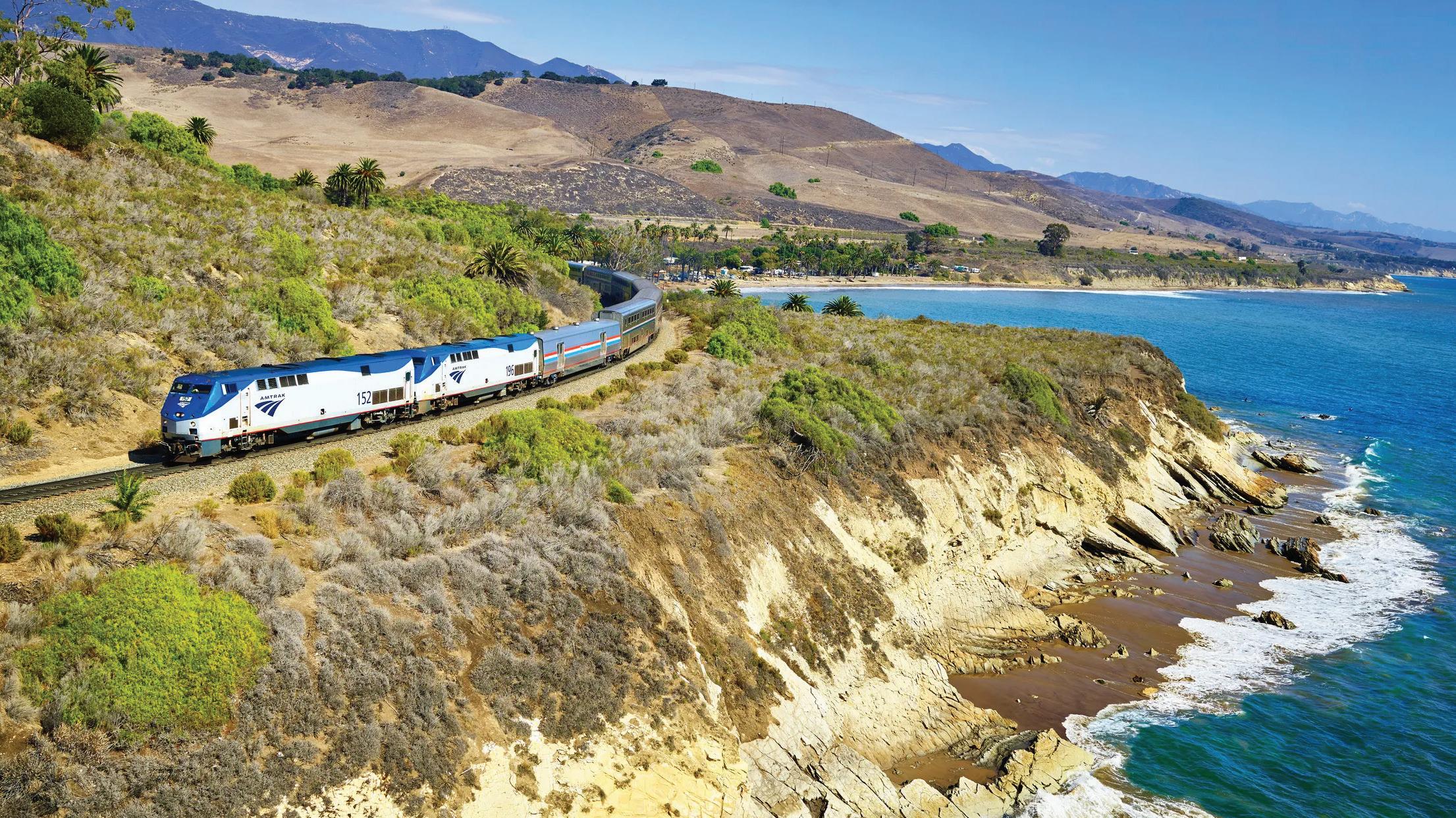
When the world feels like it’s in chaos mode it may seem impossible to slow down, but when it comes to travel there’s an option that offers just that: the train.
During our annual holiday trip to Seattle from Los Angeles, we did six different family visits while also working remotely. We needed one-on-one quality family time getting there and back.
Why not drive or fly? Because we’d ridden the rails before and knew that Amtrak’s Coast Starlight would provide respite and an oasis from the overstimulation of the holidays.
WHICH ROOM AND WHAT DID IT COST?
When planning for our train trip down the Pacific coast we opted for a private room. Our kid is a wanderer, so doors with locks helped avoid an emergency intercom shout: “Toddler on the loose!” To stretch funds, we purchased a coach seat for my husband and a “roomette” for the kiddo and me
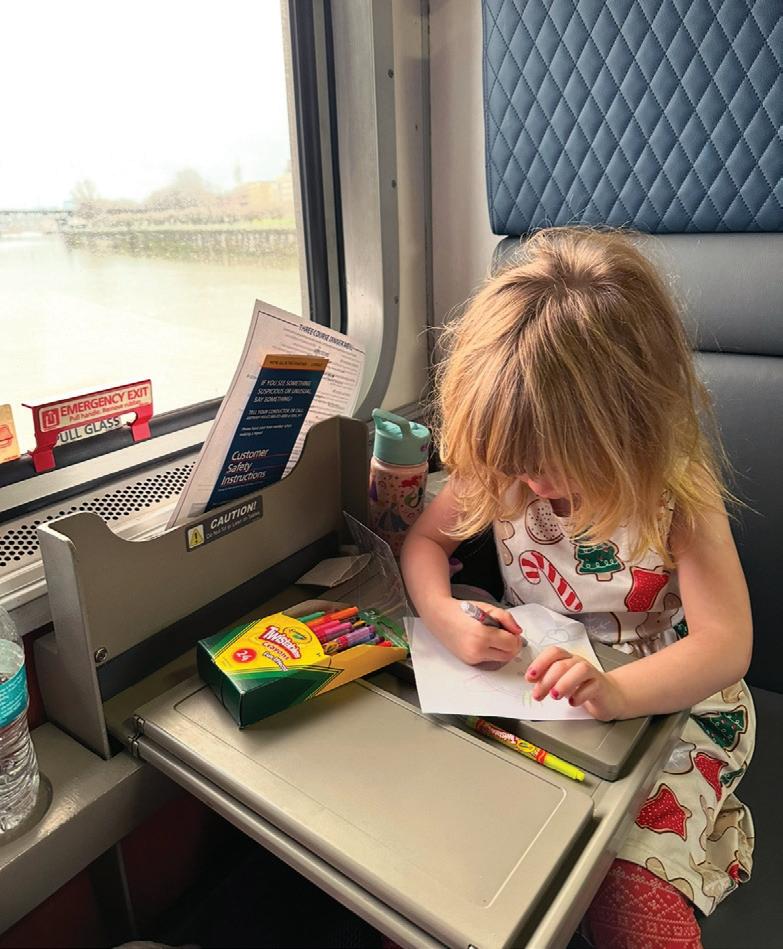
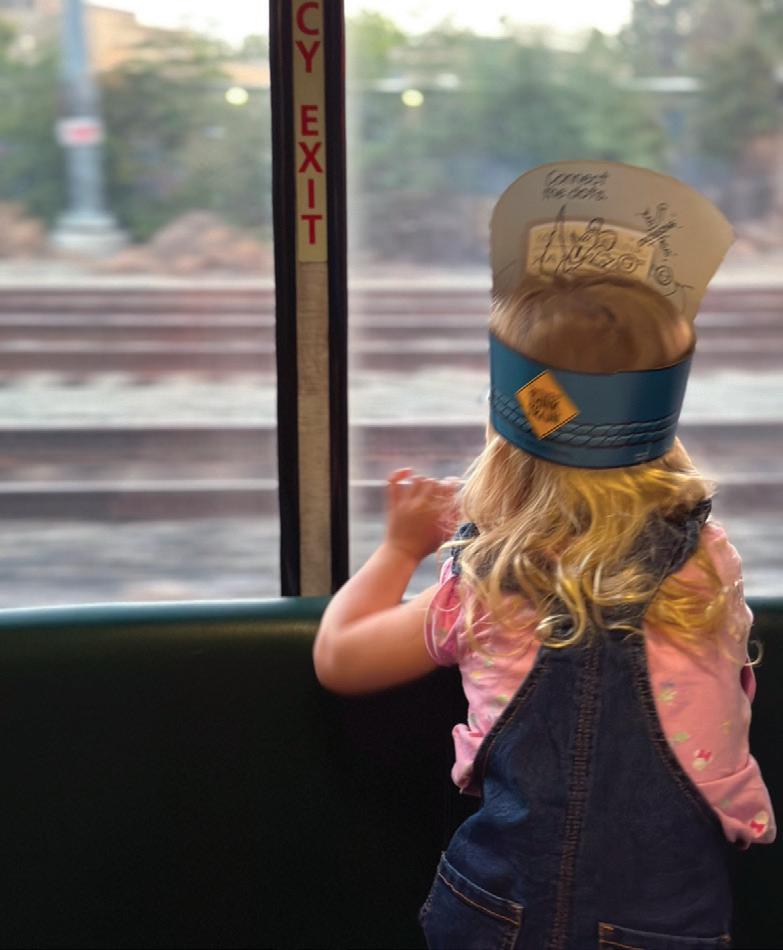
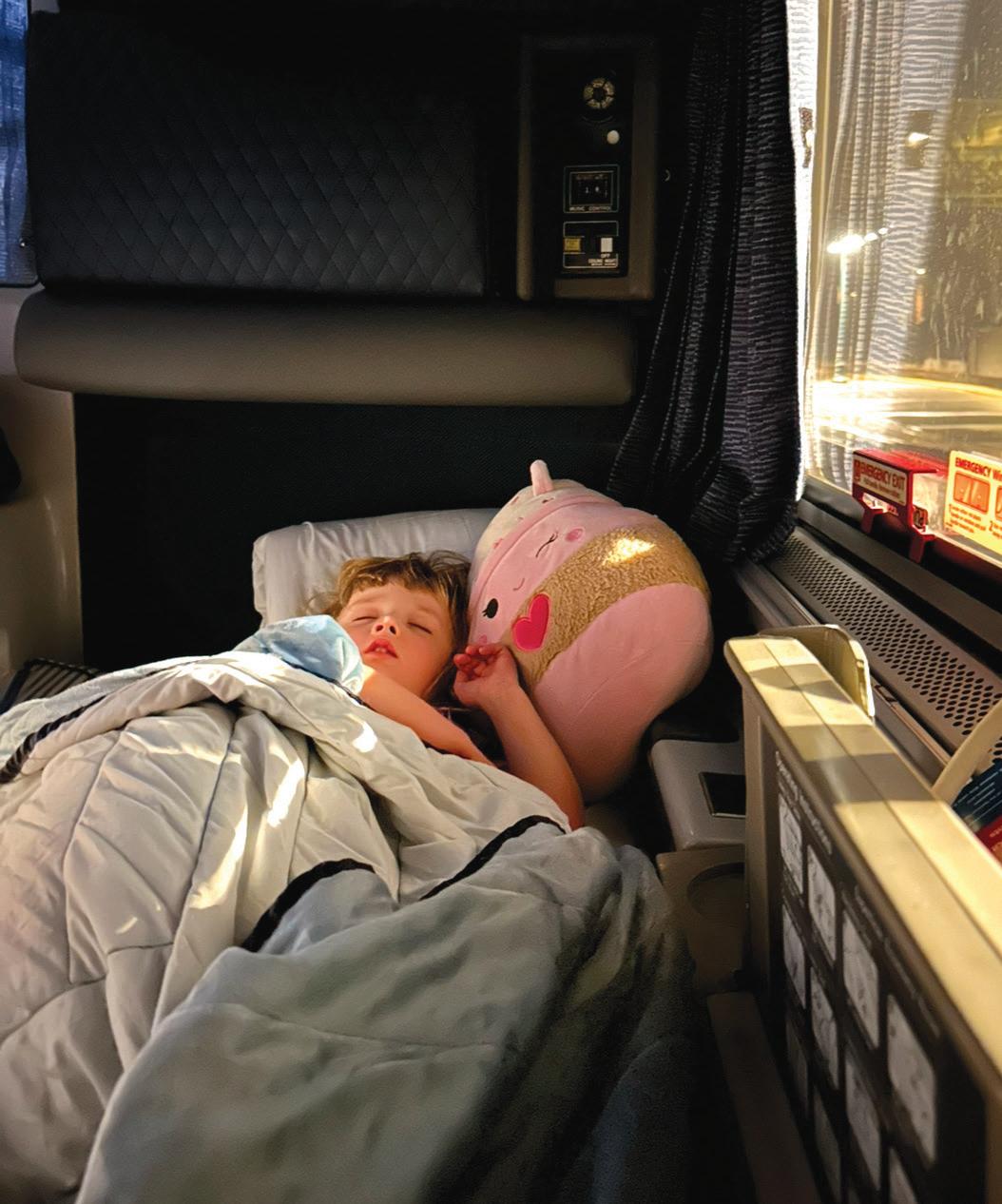
(assume $1,100 one way). My husband was with us during the day but he slept in his coach seat. Word to the wise: The top bunk is close to the ceiling, a tad claustrophobic. My daughter and I shared the bottom bunk, which was cozy. She stayed up a little later than normal looking out the window at the stars and towns in an activity that we called, “watching the world go by.”
On the way back we reserved the family room (using 66K Amtrak points but it would have cost around $1,300 one way) which sleeps four comfortably with four bunks plus windows on both sides enabling you to see the view from both sides of the train. During our sold-out train ride we were able to use some of the bunk space for bags. Bag allowance is where trains beat out planes! All passengers are allowed one personal item (25 pounds) and two additional bags (50 pounds).
There are options for all budgets: coach for one adult and one child is $189 one-way (kids 2-12 are half off, under 2 are free). Meals for coach seats are not included, but you do have access to booking a meal in the dining car ($20-$45 per person) or getting food in the cafe car ($3-$9). Pro tip: To save money, we used points from Amtrak’s credit card. We waited until the signing bonus was doubled from its standard 20,000 points. This promotion hap-
No matter what your mode of transportation — car, train, or plane — getting there is part of the adventure. »»
pens a couple times a year and is announced over Amtrak social media.
The observation deck is also a wonderful place to take in the sights and hear from occasional speakers about the history of a region. Pro tip: Not enough room in the busy observation deck? There are large windows in the cafe car and it’s less crowded.
Be sure to exercise during the longer stretch breaks at select stops along the way.
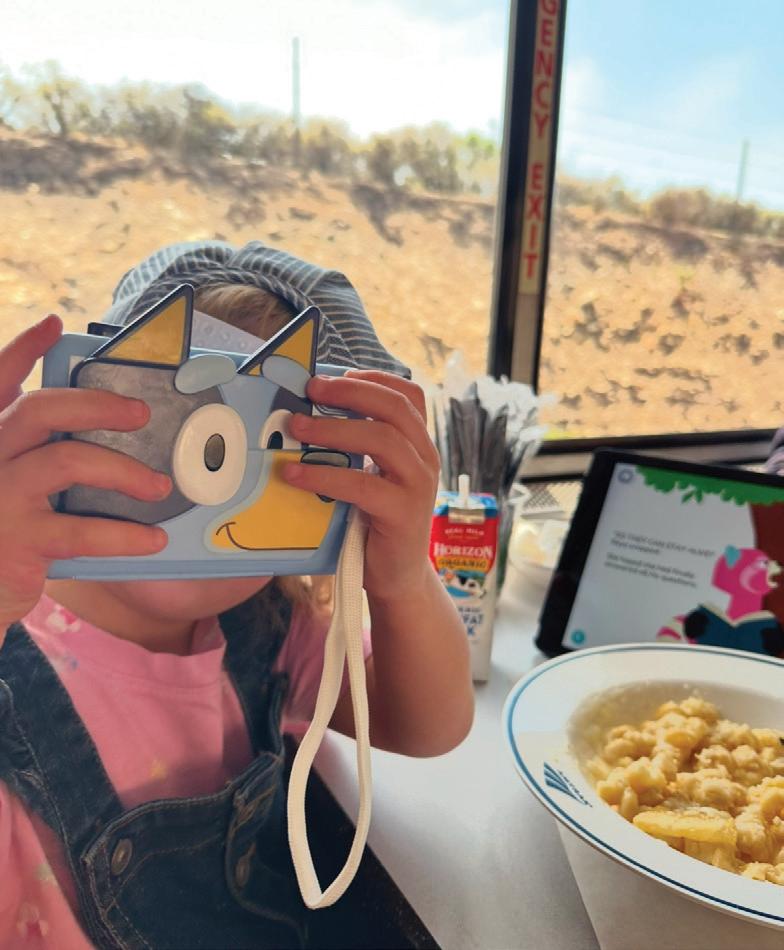
This is important: Amtrak does not offer WiFi so it’s important to be prepared for alternate ways to entertain lil’ ones. Before our trip my daughter found activity books related to her favorite characters (Lots of Bluey!), coloring books and scratch art paper books. She’d been obsessed with slumber parties so we downloaded a few movies for her iPad, got some snacks
On the Train
Be sure to bring entertainment for your kids: coloring books, a camera, play "watching the world go by," and even sleeping.
from the cafe car and declared the evening a family slumber party!
WHAT’S ON THE MENU
The kids’ menu includes mac-and-cheese, hot dogs, and grilled cheese, all served with potato chips. Grab some veggies from the cafe car to provide variety. The Amtrak signature French toast was our kid’s favorite. Adult options are fancier (think Atlantic salmon in lobster sauce). Definitely do dessert: my kids loved the butter cake, my biggest love of the whole rolling experience was the chocolate spoon cake — may it never be removed from the menu.
Amtrak service is impeccable and staff are particularly great with kids. The waiter’s improv upon hearing our daughter’s Coca Cola for breakfast order, and seeing my face, was perfect: “Sorry lil’ one, but the Coca Cola is not ready until lunch.”
And that’s a good reason to have $40-$50 cash on hand for tips. There are no ATMs available at the stops.
The train is like a cruise ship on land, but a cruise ship from the early 1900s. No Leo or icebergs, just relaxation. But take my advice: get the travel insurance (we paid $36 for family room coverage). Rain and flooding on the tracks required a reroute back to Sacramento and an insurance-covered overnight in a hotel. It added another 14 hours of travel, but also provided an extra night in a new town and more time together as a family.

Ideal trip length: 4 days, 3 nights
Cost: Approx. $1,600 for a family of four
Ideal age: 5 and up
Book early: Alpaca farm visit requires booking and fills fast.
Bring: Discover Pass for Sacajawea Historical State Park.
Getting there:
Plan 3 1/2-hour drive from Seattle with stretch stops at Ollalie State Park and Sand Hollow Recreation Area.
story and photographs by
JASMIN THANKACHEN
My affection for the sun-soaked, wideopen lands of Eastern Washington began years ago, when I went on a wine country trip with my mom-friends, desperate for an escape from daily diaper changes, chores, and my kids’ constant calls of “Mom!” I needed “me time.”
A few years later, I returned with my family to explore the Ginkgo Petrified Forest, marveling at ancient stone trees and realizing how much there was to see east of the Cascades for curious kids. And, more recently, looking for a getaway that balanced learning, outdoor exploration, and good food for a 9- and a 12-year-old, we hit more gold. The Tri-Cities (Pasco, Richland, and Kennewick) delivered all of that, and then some.
The Tri-Cities sit at the confluence of the Yakima, Snake, and Columbia rivers, about a three-and-a-half-hour drive from Seattle. As we crossed the mountains, the landscape shifted from dense evergreens to brush steppe, farmland, and vineyards. The change felt almost cinematic.
We stopped at Sand Hollow Recreation Area along the Columbia River, where the kids skipped rocks and searched for tiny clam shells while we
talked about glaciers and imagined what this land looked like thousands of years ago, when powerful rivers carved their way through the region.
We made the Lodge at Columbia Point our home base. It’s a boutique hotel perched right on the river in Richland, where mornings were especially peaceful. Our balcony overlooked the river, and while there was some ambient noise from nearby restaurants and boat traffic, the location more than made up for it.
Not to mention, the hotel pool was open late and, paired with a hot tub, it became our nightly ritual.
Food was a highlight throughout the trip, but Dovetail Joint Restaurant in Richland’s Uptown Plaza stood out. Easy to miss from the outside, the interior is warm and modern, buzzing with energy from an open kitchen.
We leaned into small plates: meatballs with ricotta, Spanish shrimp with hummus, and crispy potato wedges. We quickly realized we’d ordered far too much, a problem we were happy to have. My 9-year-old declared his chicken sandwich “the best I’ve ever had,” high praise at that age.
The REACH Museum in Richland was an unexpected favorite. Focused on the natural environment of the Columbia River region, it’s packed with hands-on exhibits about geology, plants, animals, and local history.
One wing explores the Manhattan Project and

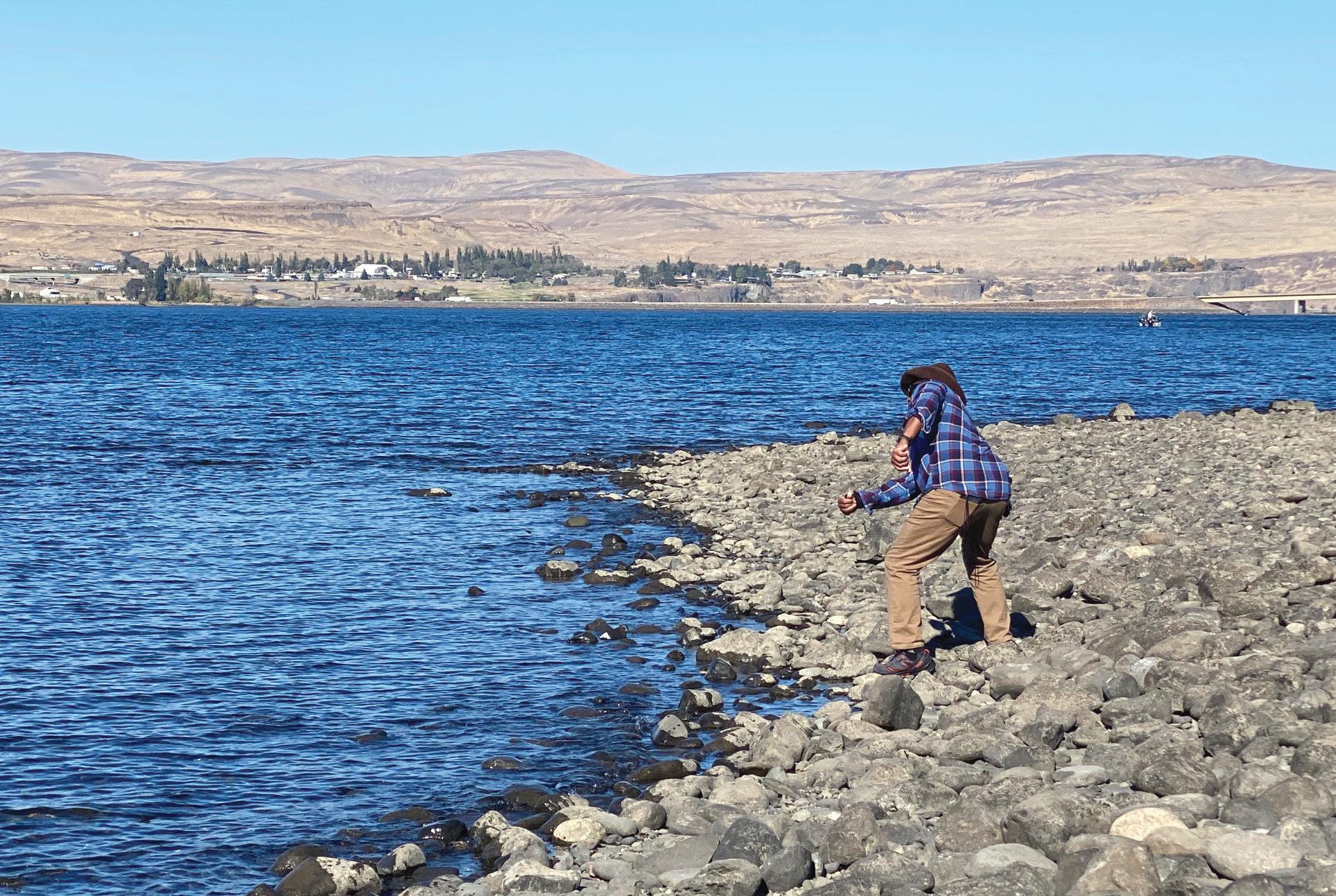

its role in shaping the area. My kids were drawn to the interactive displays, opening drawers to reveal fossils, watching short videos, and testing materials for radioactivity. The small aquarium, showcasing fish native to the Columbia River, was another hit. Outside, we followed a path toward the river, stopping to read about local ecosystems. There were swings, grassy areas, and plenty of space for kids to burn off energy before we moved on.
Sandollar Farms in Kennewick felt like a hidden pocket of calm, tucked between housing developments. Home to Suri alpacas and Great Pyrenees dogs, the small urban farm welcomed us with warmth. The kids were mesmerized by the alpacas’ long, mop-like hair and fascinated by the process of turning fleece into yarn and felt. The farm’s owners also work with leather, creating beautiful belts, saddles, and bags.
Then came the Great Pyrenees! Fluffy, gentle, these dogs tested every ounce of my parental restraint to not book a spot to receive a puppy from their next litter. Before we left, we watched homing pigeons take flight, circling and swooping through the sky before returning to the roof. It was a quiet, beautiful moment none of us expected.
Eastern Washington is Wine Country. And in that country, kids are welcome at most wineries, in tasting rooms and on winery tours (with some restrictions). Many Tri-Cities wine makers — Frichette Winery, Kiona Vineyards, Treveri Cellars, and Longship Cellar among them — feature expansive lawns and outdoor areas, snacks and, in some cases, lawn games and regular family-friendly events.
At Sacajawea Historical State Park in Pasco, we slowed down and leaned into history. Inside the small museum, we explored Indigenous artifacts and learned more about the Lewis and Clark expedition. Outside, we wandered among seven circular earthworks by artist Maya Lin, reading and reflecting as we walked. It was a reminder of how deeply native stories are embedded in this land.
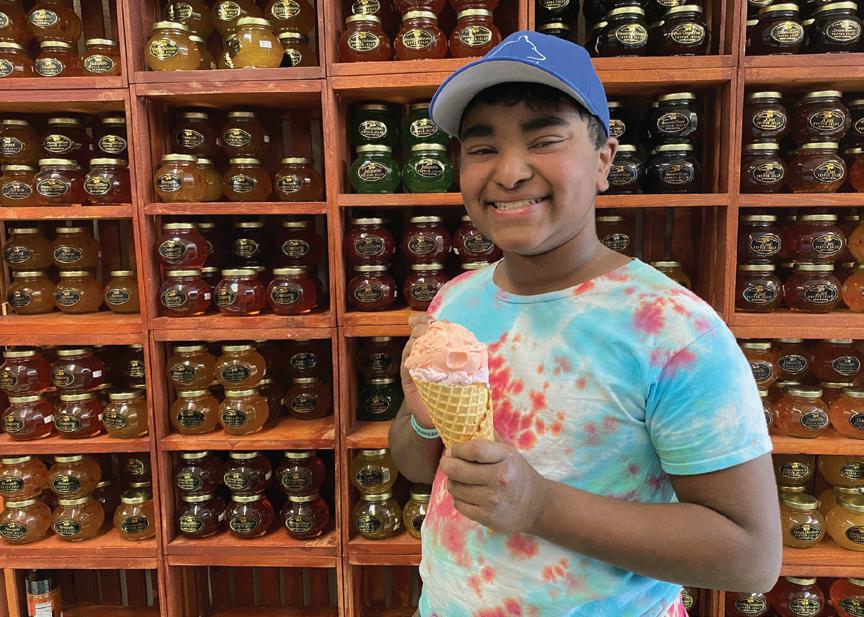
The Country Mercantile Enjoying ice cream before heading
Before heading home, we made one final stop at The Country Mercantile. What began as a produce stand has grown into a family-friendly market filled with local foods, handmade chocolates, and, best of all, samples. In the fall, the farm behind the market hosts families for pumpkin picking, a corn maze, and other seasonal activities.
With the car packed full of produce and treats, we headed back home, tired, sunwarmed, and already talking about when we’ll return to Eastern Washington.
also a short drive north of Longmire Ranger Station, where my daughter’s favorite hike was the Trail of the Shadows. Hint: Both our kids completed the Junior Ranger Program, where kids fill out an activity book, get “sworn in” as junior rangers, take an oath, and receive a badge. 3Recreation.gov
Rock Campground
MIDDLE FORK SNOQUALMIE CAMPGROUND NORTH BEND
One of our go-to campgrounds — this campsite is a mere hour-plus drive from Seattle. Yet you’ll feel worlds away while there.
Ideal trip length: 4–7 days
Cost: Between $12–$60 per night for basic or standard campsites depending on park and utilities; up to $250 for group sites
Ideal age: 5 and up
Best time: Western WA: summer and fall; Eastern WA: spring, summer, and fall
Bring: Bikes, hiking shoes, and Discover Pass
Getting there: Depending on location, drives range from 45 miles (North Bend) to 110 miles (Wenatchee). Ferry required for Lopez.
Parent pro tip: Book sites months in advance.
story and photographs by ELLIE WHITE
In six years of camping as a family, we’ve stayed at a lot of sites in Washington — amazingly, we’ve never had a negative experience.
One recent factor in our always-positive track record is Washington State Parks’ new-ish same-day camping reservations system. No more rolling the dice on first-come, first-served sites. Just visit 3washington. goingtocamp.com or call 1-888-CAMPOUT.
From Mount Rainier to the San Juans to the Cascades, here are four favorites campsites, for us and families we’ve camped with.
COUGAR ROCK CAMPGROUND
MOUNT RAINIER NATIONAL PARK
This is one of only two reservable campgrounds at Mount Rainier National Park. It’s just a short drive from the Paradise Visitor Center, making it a perfect location for exploring Mount Rainier with easy access to the Nisqually River (just across the street from the campground), short day hikes, and mountain viewing.
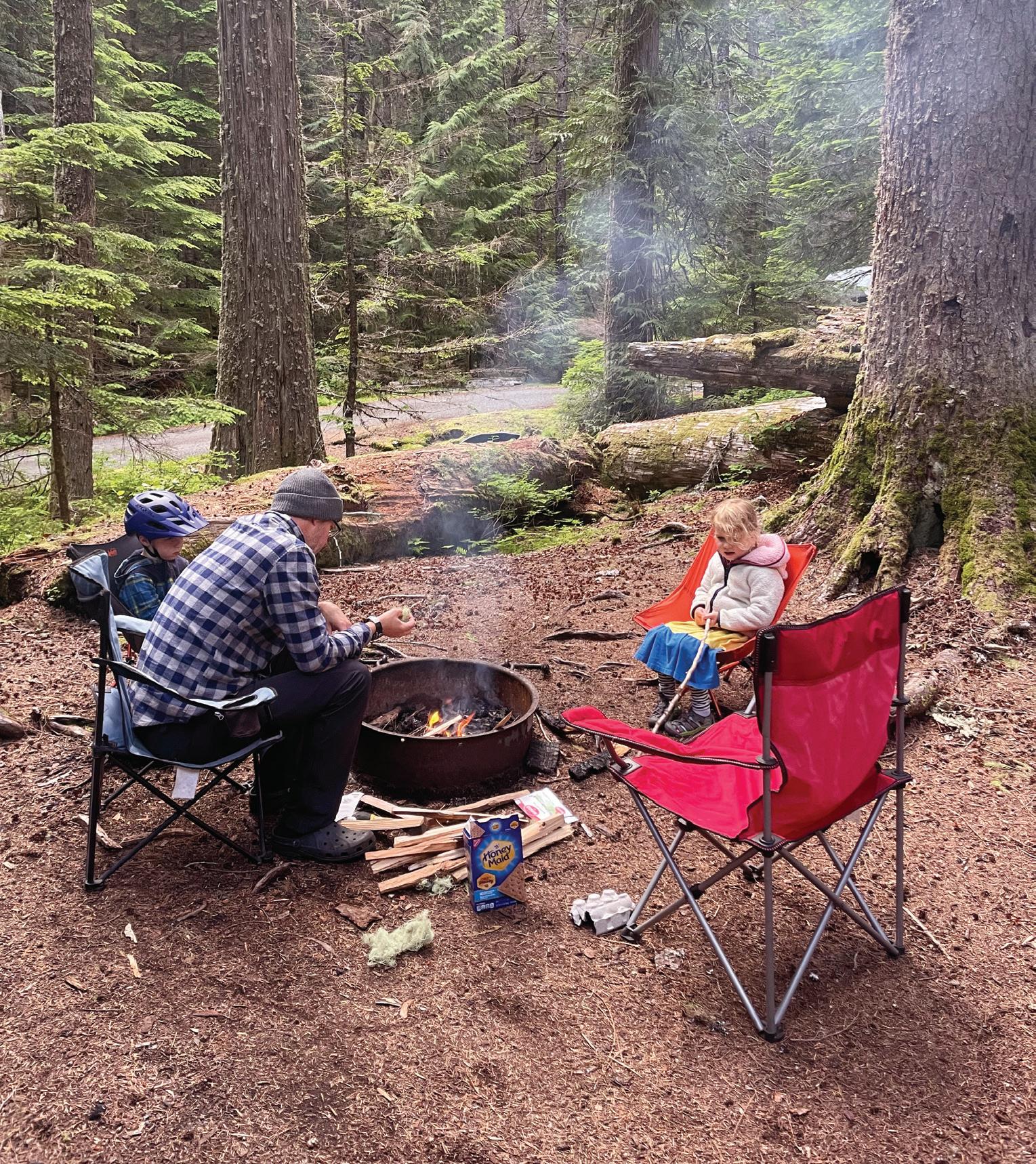
A quiet campsite and a road around it allowed our 5-year-olds to bike quite comfortably. The campsite is
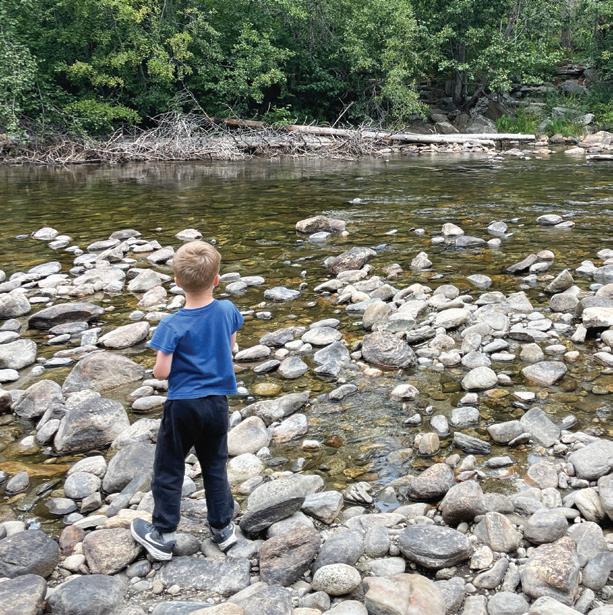
A short walk from the campground, our kids loved the wide, rocky spot by the river. They could have spent hours here wading and exploring. The trailheads for the Middle Fork Snoqualmie Trail (which seems to go on forever) and Garfield Ledge Trail are a short walk from the campground. Our 4-year-olds managed the nearly two-mile Garfield walk, including the steep pitch to its highest viewpoint. 3Recreation.gov
Our parenting group took our annual camping trip to Spencer Spit when our kids were 4. I learned this: Book ferries way ahead. The island is so small and easy to explore with the campground as base. We visited beaches, did short hikes, and went into town. Our kids enjoyed bikes in the park as parents stood guard. The campground is on the water, with a short (steep) walk down to the water to explore and swim.
Our group of three families stayed at the group campsite — one that accommodates up to 80 people — so we had plenty of space. And we got the reservation the day before the trip. Just know that summers are busy, so don’t count on that. Located on beautiful Lake Wenatchee, the site features a swimming area at the beach, including a wheelchair-accessible ramp down to the water.
Unlike smaller sites, kids easily bike and play baseball and soccer at our campsite. The whole family enjoyed walking along the river connected to the lake. And just across the street, we had a great time horseback riding with Icicle Outfitters & Guides. One more perk: the park store rented gas fires, so although there was a fire ban, we had a “campfire.”
A note on reservations: Washington state parks staff cuts have resulted in some closures. Always check official campground websites for current status. Have a
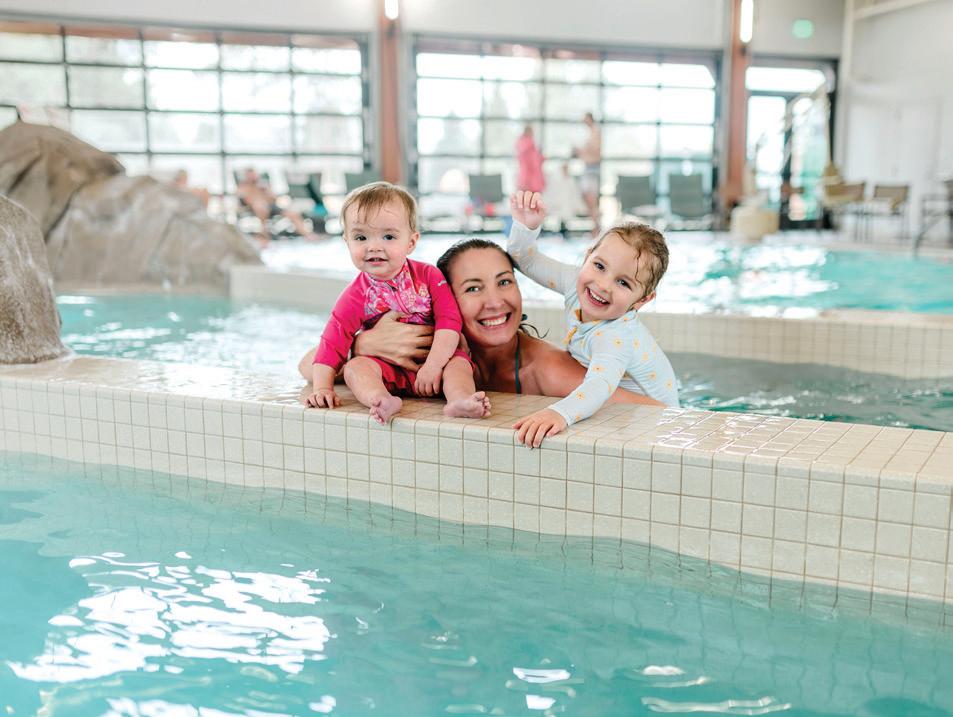
Surrounded by Central Oregon’s wide-open landscapes, Sunriver Resort is where sunshine stretches longer, nature feels closer, and every day invites families outside. This one-of-a-kind wilderness retreat spans 3,300 acres in the high desert, just 15 minutes from Bend. With endless ways to bike, splash, explore, and unwind, Sunriver Resort makes it easy for kids to roam, parents to relax, and everyone to reconnect in the Pacific Northwest’s most treasured outdoor playground.






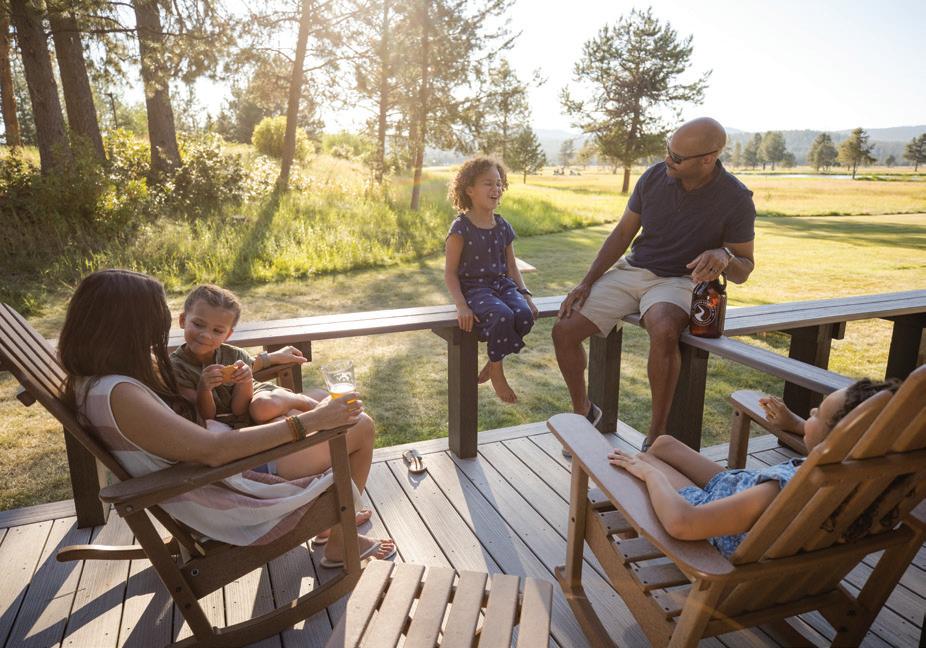
Enjoy quiet moments and fresh air from your room’s private patio
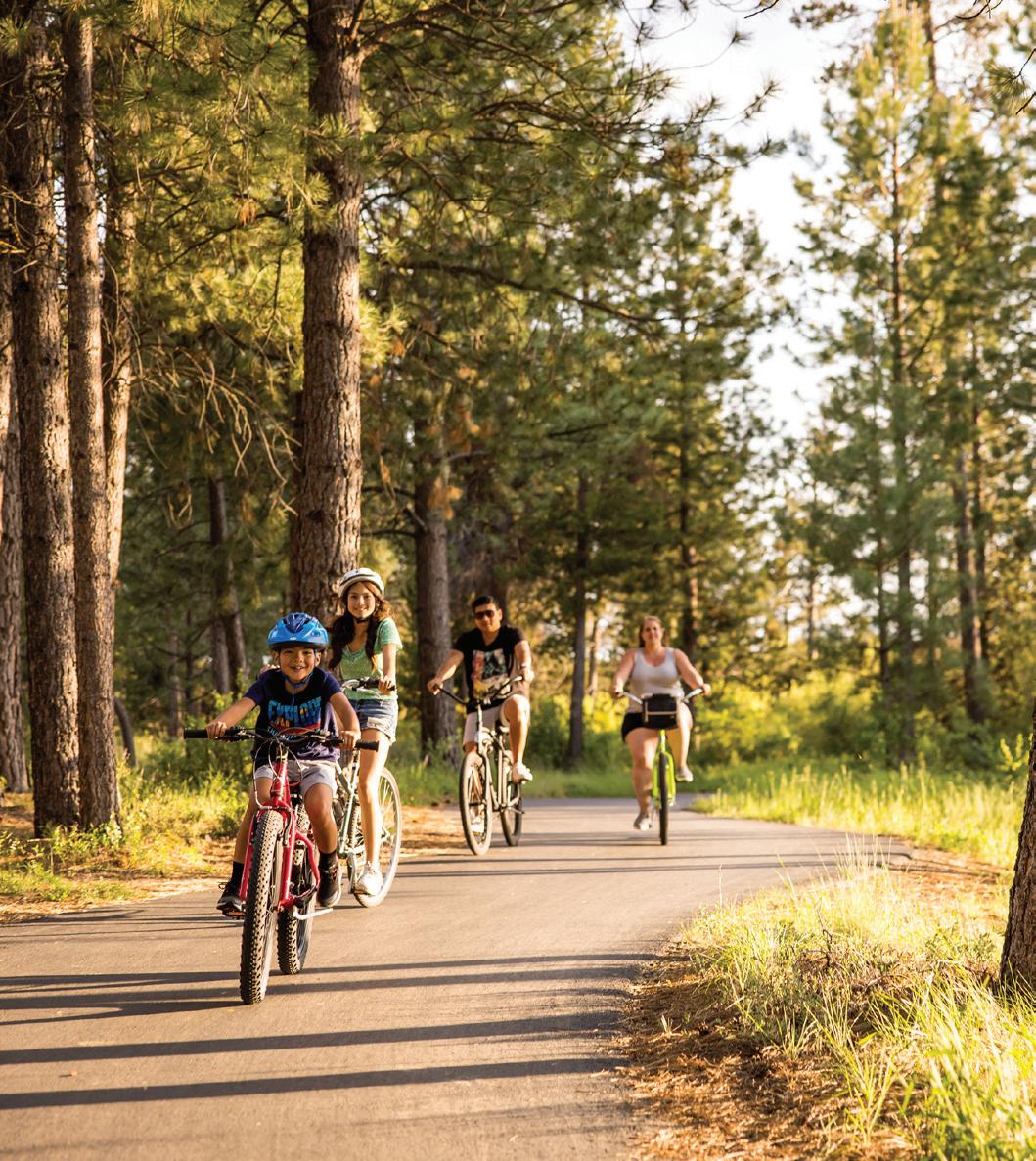
9 A.M. Start the morning biking Sunriver’s pine-lined trails, where kids can spot deer and early spring blooms. Mild weather makes exploring an easy, refreshing way to begin the day.
11:30 A.M. Visit the Sunriver Nature Center for hands-on learning. Meet raptors, explore natural exhibits, and enjoy seasonal programs that introduce families to the wildlife and ecosystems of the high desert.
12:30 P.M. Head to Lodge Kitchen for a relaxed, family-friendly lunch. Afterward, head to the indoor pickleball courts, where you can take a lesson with the pros.
KIDS LOVE biking forest trails, splashing at the Cove, exploring nature programs, roasting s’mores under high-desert skies, and ending the day with stargazing that turns every night into an adventure.
3 P.M. Spend the afternoon at the Cove Aquatic Center. Kids zip down waterslides while parents unwind poolside.
EVENING After dinner at one of our four signature restaurants, head to The Backyard for s’mores and stargazing. Clear high-desert skies make every spring evening feel wonderfully expansive.
PARENTS LOVE elevated dining at Lodge Kitchen, peaceful moments on forested trails, relaxing soaks in heated pools, and the simple joy of exploring Sunriver by bike or foot — all with kid-friendly ease woven throughout. sunriverresort.com reservations (855) 420-8206

Ideal trip length: 3-7 days
Cost: Approx. $3,000, one week for a family of four (includes airfare, lodging, food, and attractions)
Ideal age: 5 and up
Best time to visit: February, April, May, September, October for comfortably sunny days for outdoor activities.
Getting around: Use the 3.9-mile automated monorail.
Getting there: There are 6080 direct, 2.5-hour flights each day from Seattle (I looked this one up).
Parent pro tips: Fly from Paine Airport in Everett for smaller and less busy airport
TRAVEL TIP #4
‘Sin City’ has plenty to offer the whole family
story and photographs by JANET KIM
My husband’s birthday was around the corner. A major one. The Big 4-0.
So, with midwinter break also coming up, I set out to find a vacation spot where the kids would be happily entertained, and we could properly celebrate Dad’s milestone. The question became: Is there a destination that feels like one big birthday party for the whole family? Turns out there is.
Las Vegas, often called “Sin City” for its reputation of nonstop glitz, gambling, and party vibes, might seem like an odd choice for a getaway with kids. It turns out, however, that it was the perfect place — plenty of activities, food, and entertainment for an 8-year-old and a 5-year-old; festive, celebratory atmosphere for their dad.
There were many affordable options on the Las Vegas Strip, where you’ll find the majority of the famous resorts and casinos. We ended up at Resorts World Las Vegas, one of the newest resorts on the north end of the strip. It was convenient to have a food court and other restaurant options in-house. As any parent knows, convenience is a gift in itself when traveling with kids.
We rented a car but talked to other families who

took the Las Vegas Monorail around the strip, a 3.9mile automated monorail that starts at SAHARA Las Vegas Station and ends at MGM Grand Station, with several stops along the way. Leaving every four to eight minutes, it’s a great option if you’re staying on the strip, where you can walk to most places.
The food in Las Vegas was incredible. Full stop.
Our hands-down family favorite: 888 Japanese BBQ, an all-you-can-eat meat restaurant, where you cook your food on a grill at your table. Per reviewer tips, we arrived 20-30 minutes before opening, and a line had already formed outside. By the time we left, the wait was more than 90 minutes.
Las Vegas pan roast is an iconic, cult-favorite, must-try. What is it? Think tomato-based seafood stew, served over rice. We found our pan roast just off the strip at PK Oyster Bar.
Then there was Dad’s birthday meal at Carmine’s Las Vegas, an Italian place that takes family portions to the next level.
The Bellagio Las Vegas Hotel and Casino has a fountain show set to music that runs every 15 minutes. It’s especially spectacular to see at night. The
The Strip
Enjoy the fountains outside The Bellagio and find recognizable landmarks like the replica Eiffel Tower. iStock
Conservatory and Botanical Gardens
Located inside The Bellagio, the gardens are often decorated in a theme, like the Lunar New Year.
hotel is also home to the Conservatory and Botanical Gardens, which often displays a variety of themes. When we went, it was decorated for the Lunar New Year with beautiful dragons and pops of color. You don’t have to stay at the Bellagio to enjoy these, and both are free.
Walking the Las Vegas strip and finding recognizable landmarks like replicas of the Statue of Liberty and Eiffel Tower was a real highlight for us, especially for my geography-loving 8-year-old.
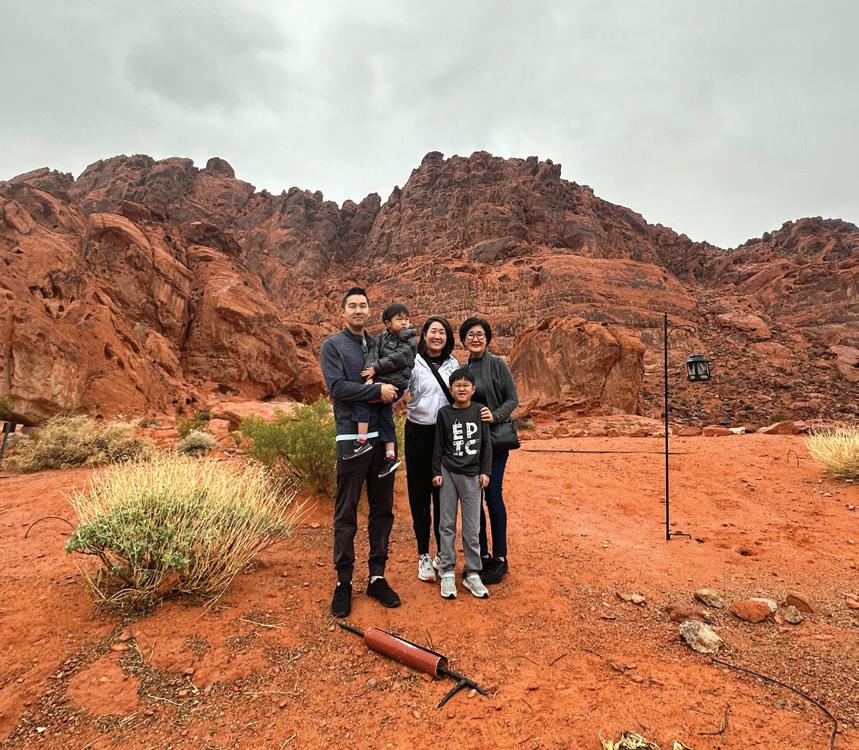
There are also several state parks within a short drive of the city. We wanted to visit both the Valley of Fire State Park and Red Rock Canyon, but we only had time for the former. The entry fee per car was $10 ($15 for non-Nevada vehicles), and it was truly magnificent.
Trips to Hershey’s Chocolate World, Las Vegas, and M&M’s Las Vegas can be low-cost or a splurge. Going inside to take photos with the character displays is free, but buying candy and souvenirs can add up.
A SPLURGE
Our big spend was a trip to Adventuredome inside the Circus Circus Hotel & Casino — a complete indoor amusement park with carnival games and an arcade. The $60 entry ticket (for anyone over 48”) only covers the rides and attractions. You will have to buy a game card for the carnival and arcade games, and it can get pricey.
Las Vegas had the perfect mix of fun for our family. There are direct flights out of Paine Field Airport (PAE) in Everett. Much smaller and less busy than SeaTac; the parking and check-in process were a breeze.
I couldn’t think of what to give my husband for his big birthday. Turns out I didn’t need to think about it. This activity-packed vacation together as a family was the best gift of all.







Ideal trip length:
We packed a ton into three full days, but you could easily spend a week.
Cost: $2,500 for a family of three (includes airfare and four nights at the Romer Hell’s Kitchen)
Ideal age: Activities could be catered to a wide range of ages, toddlers to teens.
Stroller-friendly:
Rent a stroller if you don’t need it for the airports.
Getting around: Walk, take taxis or Ubers, and hop on the subway
story and photographs by KATHRYN HOLLOWAY
“Is New York a real place?”
It was a question my 4-year-old asked at least once a day for months. Watching “Secret Life of Pets” and singing Taylor Swift’s “Welcome to New York” had her wondering if this place existed. And no matter how many times I would answer, “It is real,” or “Yes, Mommy lived there one summer,” she wasn’t convinced.
With a week’s vacation from school looming, I set out to prove it to her. I booked a girls trip to the city, invited my mom along for the fun, and planned our kid-friendly itinerary by neighborhood.
CENTRAL PARK & THE UPPER WEST SIDE
You cannot go to NYC with kids and skip Central Park, with its rolling lawns, woodland walks, and

The Central Park Zoo, which squeezes a ton of animals into a small footprint. My bird-loving girl was obsessed with the zoo’s free-ranging tropical birds.
If you walk around Central Park long enough, you’ll run into a playground. We spent time at Heckscher Playground near Umpire Rock before heading up the pathway to the Central Park Carousel, featuring 57 hand-carved horses. I somehow negotiated my daughter down from an infinite number of rides to two.
At the edge of the park, the American Museum of Natural History spans five floors with more than 40 permanent exhibits. My advice: don’t miss the giant dinosaurs, African mammal dioramas, or the hall of ocean life (a giant blue whale hangs from the ceiling).
Nearby: Conservatory Water, Alice in Wonderland statue, and The Guggenheim.
FINANCIAL DISTRICT
We enjoyed the play space at The Battery, which
is divided into five ecology zones: the bluff with granite slides, a riverbed with a sand basin, the marsh with tree houses, the dunes with a climbing wall, and the meadow.
My daughter couldn’t pass the SeaGlass Carousel without a ride. Here iridescent fish dance and LED lights create an underwater effect.
Save money by skipping Ellis Island and taking the free Staten Island Ferry. It passes right by The Statue of Liberty. Twice.
Nearby: Brooklyn Bridge and the 9/11 Memorial and Museum.
Chelsea Market, a food and retail marketplace, has something for everyone, no matter the age. We enjoyed burgers and milkshakes from Creamline, and bought souvenir postcards and magnets from Posman Books.
Next we hit the High Line, an old elevated railway track transformed into a walking path with gardens and art. Stop at the overlook at 10th Avenue Square and climb exposed steel at Pershing Square Beams.
Nearby: Dylan’s Candy Shop and the Little Island, a park suspended over the Hudson River.
Behold the mecca of toy stores, FAO Schwarz. Soldiers perform an opening ceremony each morning. For her one toy, our girl settled on a unicorn she named Sparkle Horn.
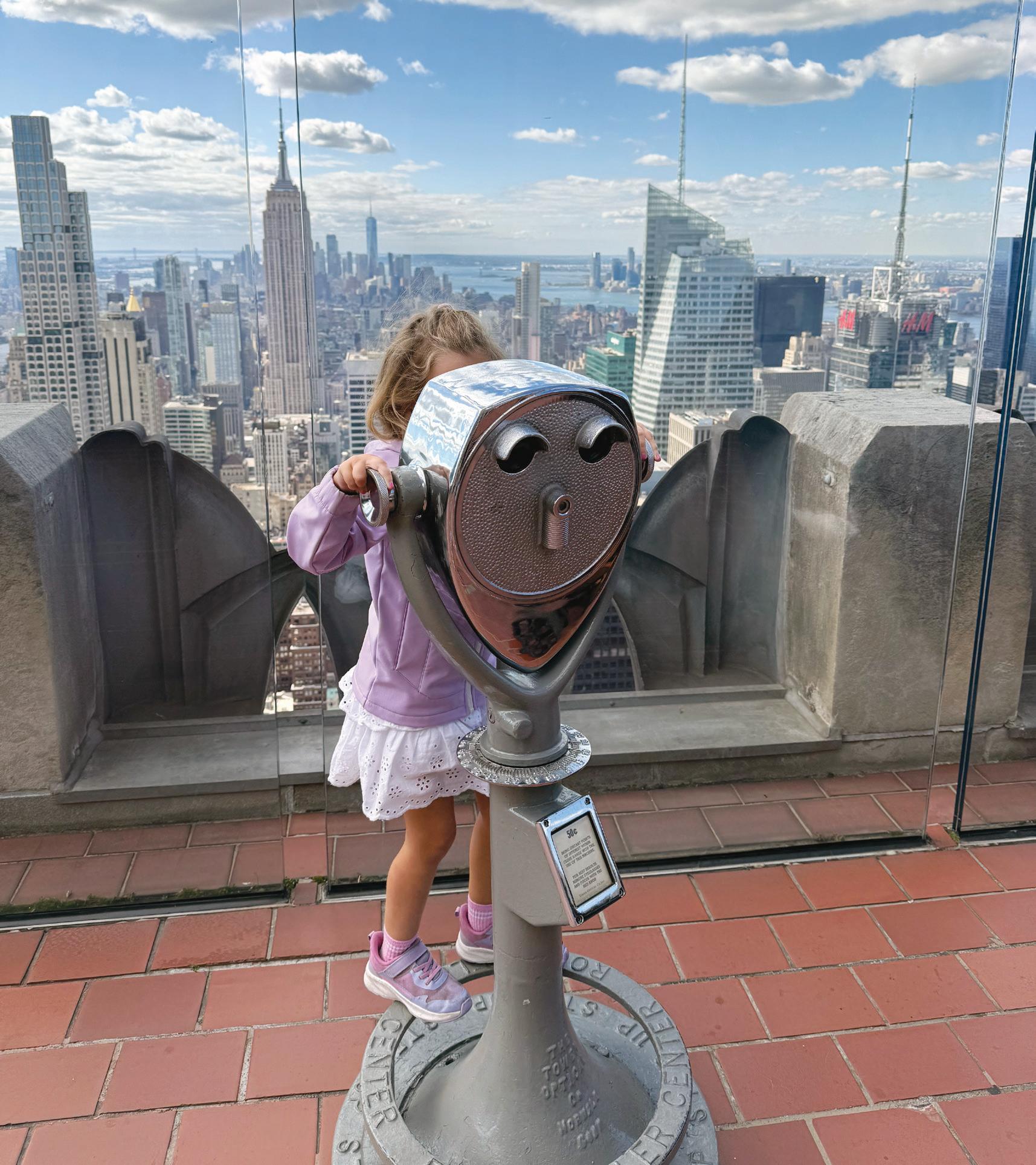
For an unforgettable, 360-degree view, ride into the sky at Top of the Rock (the top of 30 Rockefeller Plaza). My daughter loved looking through the view finders, even though I didn’t put in money.
We had to see Times Square at night at least once so we made a stop on the way back to the hotel after dinner one evening — plenty of time to see the lights and feel the energy, but quickly.
Nearby: FDNY Fire Zone, Bryant Park, and the New York Public Library.
“Planning the trip for a 4-year-old made us slow down,” my mom, Erin Palagonia, said. “Spending time playing in the parks was as much fun as watching her see the Statue of Liberty.”
My daughter now believes that New York is a real place. But she has started asking if other places are real, like Paris!













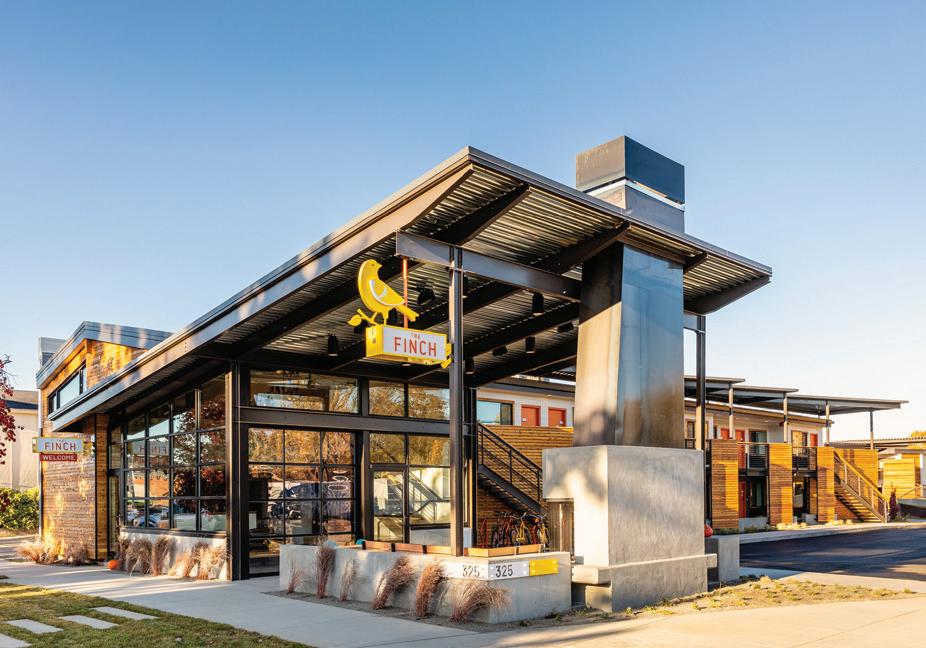
Welcome to Walla Walla, one of the most unexpected family-friendly vacation getaways in the Pacific Northwest! With easy access to parks, great hiking and biking, kid-friendly but chef-driven dining, fun shopping in the historic downtown, and the gorgeous Whitman College campus, this welcoming town is a feast for the senses and offers experiences to meet any budget. No matter your age or what your family may want to do, there is something here to satisfy virtually any interest or appetite!
and



KIDS LOVE getting a taste of the outdoors at one of the many city parks or nearby farms, and stepping back in time at the local museum or summer drive-in theater.
PARENTS LOVE elevated dining and craft beverage tastings in kid-friendly restaurants and tasting rooms, as well as the ease of exploring on foot (or bike!) the historic downtown and neighborhoods.
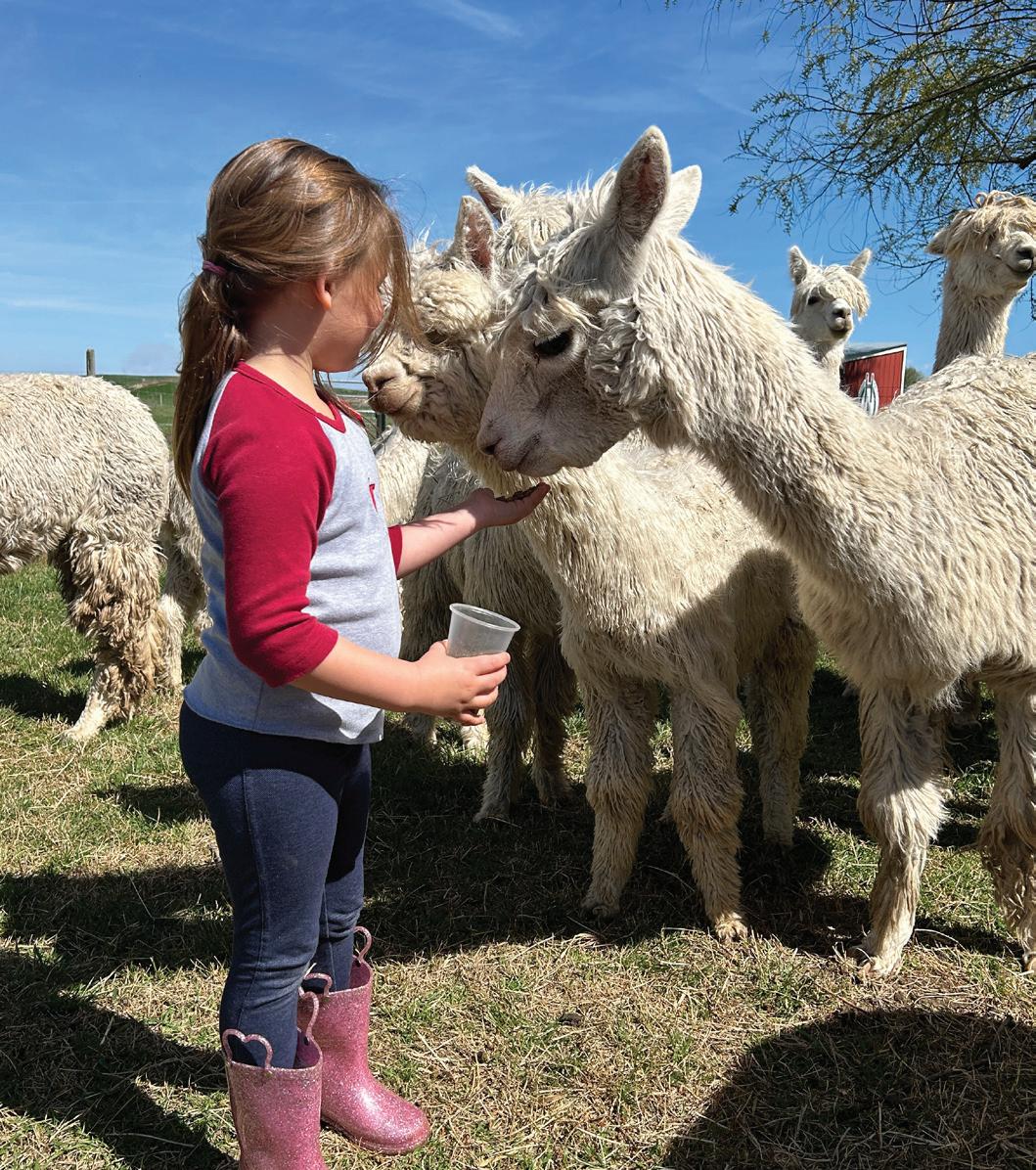
9 A.M. Visit Old Homestead Alpacas to hand feed alpacas, Frog Hollow Farm to wander the fields of produce and flowers, or Sweet Bee Honey to learn from a 5th-generation beekeeping family.
11:30 A.M. Head to the Fort Walla Walla Museum to learn about the history of the Inland Pacific Northwest and see the state’s oldest surviving locomotive.
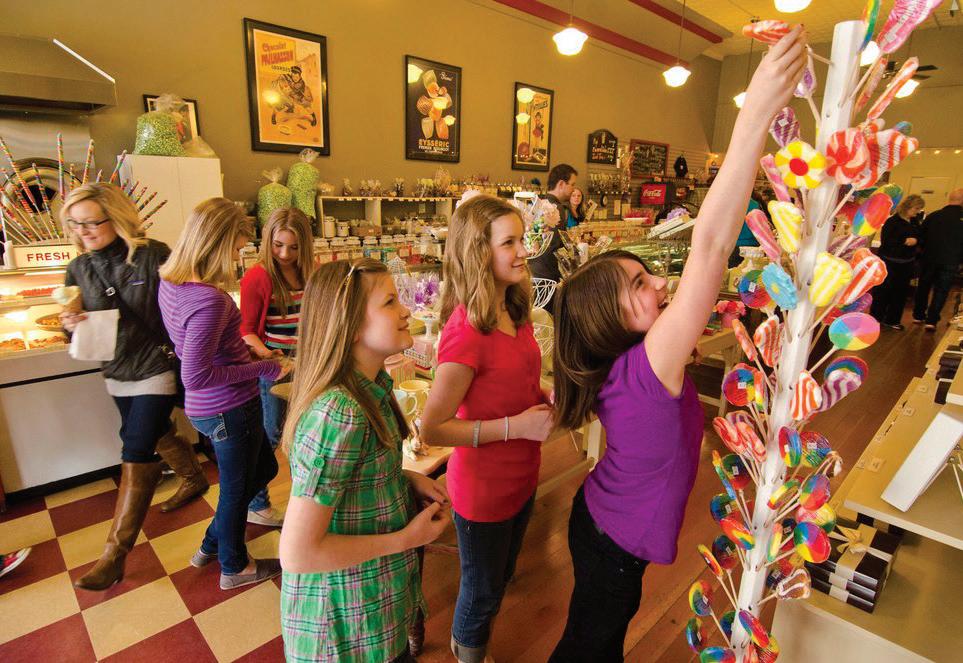
1 P.M. Wander Main Street shops and enjoy lunch downtown at one of the many family-friendly restaurants, topped with a sweet treat from Bright’s Candies or Pine Cone Creamery
3 P.M. Cool off at Veteran’s Memorial Pool which offers an outdoor Olympic-sized pool, splash pad and two water slides, or explore the shady aviary at Pioneer Park
EVENING This summer, catch a movie at the Milton-Freewater Drive-In or experience live musical theater at one of Walla Walla Summer Theater’s productions of “Godspell” or Disney’s “Newsies.”
wallawalla.org
visitor info info@wallawalla.org | (509) 525-8799

Ideal trip length: One week covers a lot
Cost: Family of six (one infant) — $8,500 (budget season) to $12,000+ (summer/Fringe Festival). Includes airfare, lodging, food, and attractions.
Ideal age: 5 and up. Great for tweens/ teens interested in art, medieval history, dragons and such.
Best time to visit:
Low crowds, May and September; Best for budget, January and February (very cold); Tweens and teens? August, for citywide performing arts Fringe Festival.
Getting around:
Use the metro and tram.
Getting there: Flights direct from Seattle
Stroller-friendly: Carrier packs are better.
by CHERYL MURFIN
“Can we go to the dungeon next?”
I’m just leaving Edinburgh Castle, walking alongside a Bend, Oregon family of five whose kids have been rapt during stories delivered by Edmund, our theatrical castle tour guide, when the oldest — 12-year-old Simon — starts angling for one of the city’s most popular tween-and-teen attractions: the Edinburgh Dungeon.
His parents exchange silent signals over the heads of their two daughters, ages 6 and 8, both dressed as Elsa from “Frozen.” Moments later, Simon and his dad peel off down an eerie cobblestoned close.
“I think I’ll take them for tea and medieval clothes at the National Museum of Scotland,” mom Merit winks at me. Princesses and dungeons, she explains, are “a rough match.”
YOU’LL NEVER HEAR “I’M BORED”
Edinburgh doesn’t announce itself as a kid
destination. It doesn’t need to.
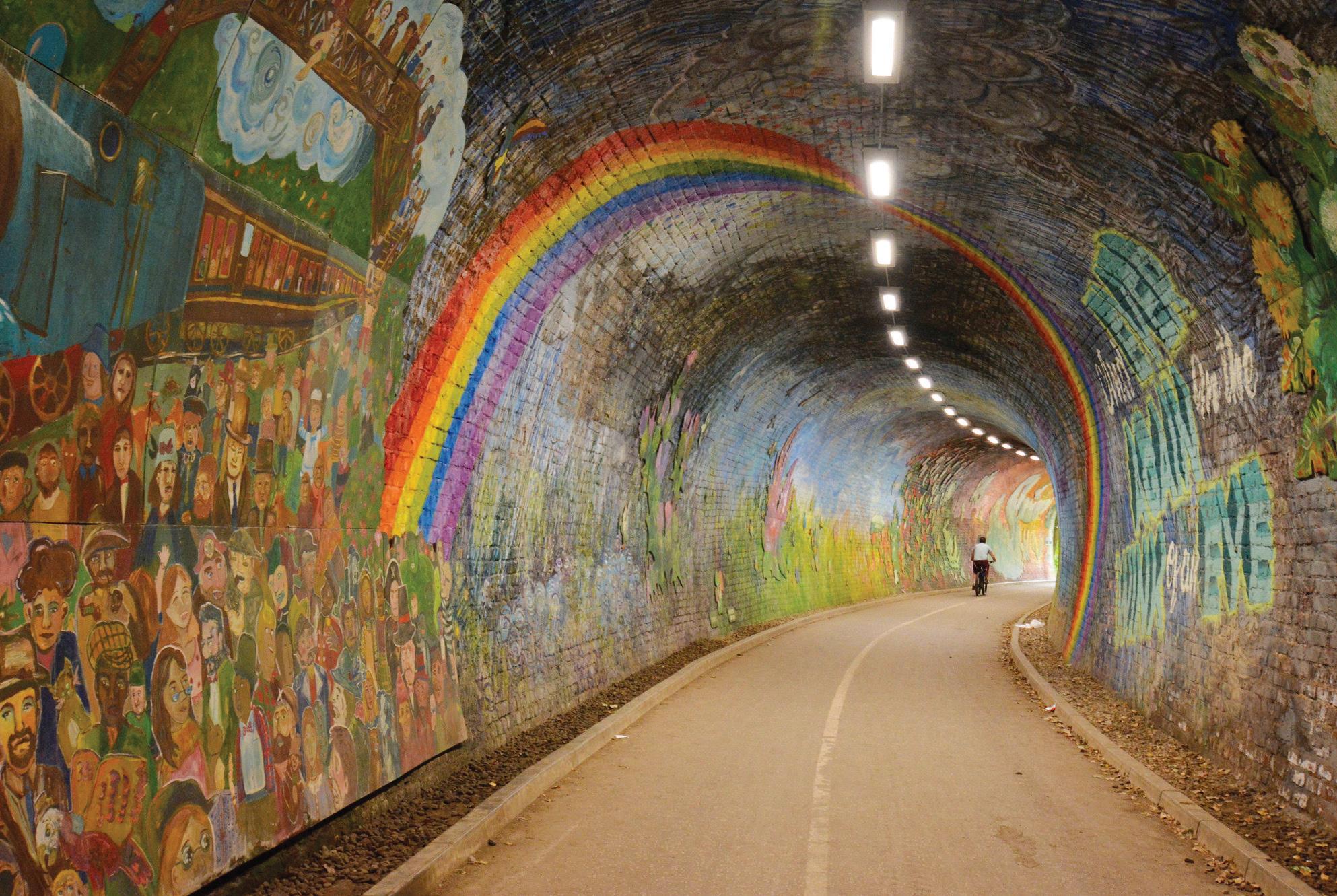
The city simply unfolds — cobblestones underfoot, a castle rising impossibly from black rock, narrow closes that beg to be explored. It’s manageable, walkable, and refreshingly honest about the fact that learning and play don’t need to be separate endeavors.

History here isn’t cordoned off behind glass. It’s something to climb, question, touch, and imagine.
Merit’s family was wrapping up a weeklong Edinburgh stay when I met them. She cited the city’s compactness, cultural density, and the fact that many of its best attractions are free (Edinburgh Castle is an exception).
“This has been the best vacation we’ve ever taken,” she said. “We haven’t heard a single ‘I’m bored’ out of any of them.”
Beyond airfare — which, with advance planning, can run as low as $700 round-
trip per person — a week in Edinburgh is relatively affordable for a family trip to a European city. A family of four can spend roughly $4,000 total, including food, lodging, and entry to paid attractions.
The trick: book a self-catering apartment. Reliable options include HometoGo, Edinburgh Self-Catering Co., and Booking.com. Cook some meals at home. Groceries cost about a third of U.S. prices. That tram everyone raves about? A day pass is about $3 for adults and half that for kids. And most major attractions are easily walkable.
You could pack every day to the gills, but I’m a believer in vacation chill time — especially with kids. After a hearty breakfast (always say yes to Scottish oats cooked in real milk), plan just one or two major attractions per day, with plenty of wandering in between.
With seven days, here’s a first-time Edinburgh itinerary that works beautifully for families:
Day 1: Arrive, settle in, and take the World Famous Ghost Tour in the evening. It’s theatrical rather than terrifying and keeps everyone awake until a reasonable 9 p.m. bedtime — key for beating jet lag.
Day 2: Start strong with Edinburgh Castle. Yes, it’s busy. Yes, it’s worth it. Pre-book tickets, arrive early, and let kids imagine life inside fortress walls. After

lunch, head next door to the Camera Obscura and World of Illusions — five floors of interactive exhibits, including a spinning tunnel. If your kids crave gore, the dungeon is nearby. Otherwise, walk The Royal Mile to the Palace of Holyroodhouse, former home of Mary, Queen of Scots. We all know the gore that ends that reign.
Day 3: Book The Real Mary King’s Close for an honest, entertaining look at medieval life. Kids emerge both fascinated and deeply grateful for modern plumbing. Follow with The Chocolatarium tour and tasting, then wander Grassmarket, once used for cattle sales — and public executions. End the day at Craigmillar Castle, where kids hunt for hidden rubber duckies, watch medieval-style artisans at work, and make crowns and swords in a lush park setting.
Day 4: Free museum day. Start at the Museum of Childhood, featuring five (five!) levels of toys, games, and memorabilia. Next, head to the National Museum of Scotland, which easily fills several hours. Inside: everything from fashion and technology to the original Dolly the sheep, the world’s first cloned animal.
“For us, it was our hands-down favorite

destination, and it’s completely free,” said Seattle mom Molly White. “It’s like the Pacific Science Center combined with art, history, and culture. The building itself is a spectacle.”
Nearby, the Writers’ Museum offers a
The CDC Yellow Book provides detailed health, vaccine, and disease-prevention guidance for international travel. The American Academy of Pediatrics recommends seeing a travel medicine specialist 4–6 weeks before travel outside North America and Europe. Passport Health (Seattle, Lynnwood) and UW Medical Center–Northwest Travel Medicine Clinic. —Dr. Mollie Graves Grow, pediatrician, Seattle Children’s

The weather and mood of Scotland during much of the year is aptly described by an old Scottish word, “Dreich,” meaning cold, dark, slow and tedious. However, Edinburgh in summer is anything but, with sunlight hours stretching late into the evening and an influx of international visitors enlivening the 900-year-old city.
It’s also when the Edinburgh Fringe Festival kicks into gear: one of the world’s oldest, largest, and most vibrant performance festivals. During the month of August, the ancient streets and buildings of Edinburgh transform into one giant, joyful performance and the spectacle packs rewards for all ages.
Molly White visited Edinburgh during the 2025 Fringe with her four children, ages 11, 8, 6 and 1. While there are many ticketed events geared toward children (check out The Bonham Hotel’s Family-friendly Fringe Guide), much of the entertainment at the Fringe can be discovered free of charge and without a schedule. Her family filled a weeklong itinerary walking between the city’s museums, parks, and historic buildings, enjoying street performances along the way.
The Royal Mile becomes an open-air stage from morning until night. Expect to see magicians, acrobats, musicians, human statues, fire jugglers, drag performers and Shakespearean characters, sometimes all on one block — a whole world of colorful weirdness that can occasionally border on the bawdy. Expect massive crowds, making for slow progress from one destination to the next. If traveling with young children, prepare for vehicle traffic that can be aggressive and unforgiving along the city’s narrow roads.
The 2026 Edinburgh Festival Fringe is scheduled for August 7 to 31, offering thousands of performances across various genres. Show, venue, and ticket booking details are expected to emerge soon. Learn more about Fringe for Kids on the festival website.






charming introduction to Robert Louis Stevenson of Treasure Island fame.
Day 5: Bus to Dynamic Earth, a multisensory journey through the planet’s history, followed by time in Holyrood Park. The climb up Arthur’s Seat — an extinct volcano — rewards families with sweeping city views. Later, relax in The Meadows or stroll Princes Street Gardens below the castle.
Day 6: Take an early ScotRail train for the
1.5-hour trip to Blair Drummond Safari Park, home to chimpanzees, lions, and another castle.
“A complete slam dunk,” White said. “The kids thought it was better than Disneyland. The bird show convinced my 11-year-old he wanted to be a falconer.”
Day 7: Take it easy. Hydrate. Tram to the airport. Promise yourselves you’ll be back.
ONE WORD OF WARNING: LOOK LEFT
Pedestrians technically have the right-ofway in Edinburgh, but you wouldn’t know it.
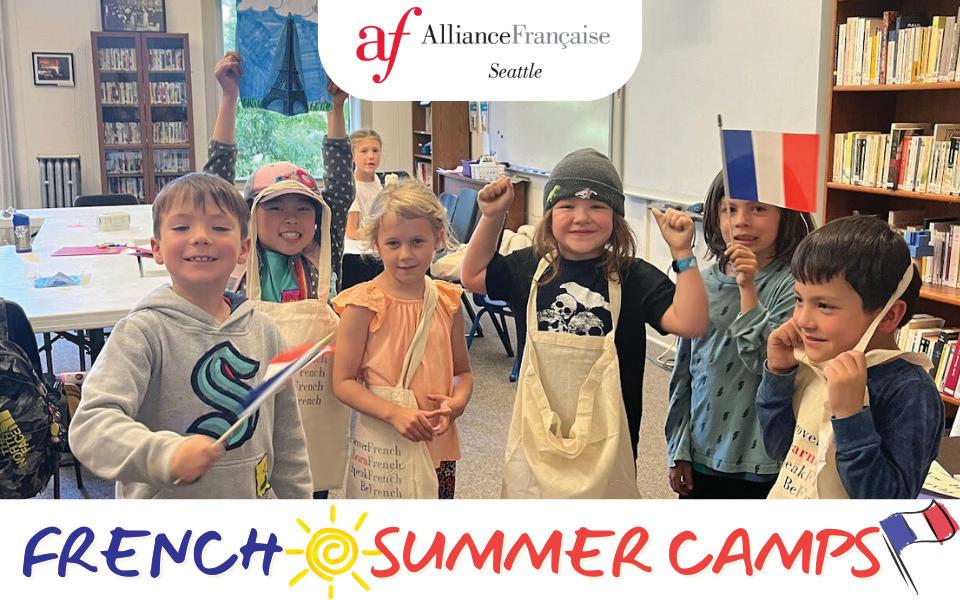
Ages 6–17
4649 Sunnyside Ave. N, Seattle 98103 (206) 632-5433
info@afseattle.org afseattle.org/summercamps
Have fun in French this summer! The Alliance Française de Seattle invites kids ages 6–12 (beginner and intermediate) and teens ages 13–17 (intermediate) to experience French through themed weekly camps and a playful, action-oriented approach. Campers will enjoy a mix of short French lessons, games and outdoor play in beautiful Meridian Park, exploratory activities in the historic Good Shepherd Center, and hands-on projects to express themselves in French through creativity and collaboration. Full-day camps for kids, afternoons only for teens. Registration is open.
Streets are narrow, curbs uneven, buses wide, and cars drive on the left. That means pedestrians must always — always — look left before crossing. Start the habit with your kids before you go.
In a city built on centuries of stories, that small lesson may be the most important one they take home.
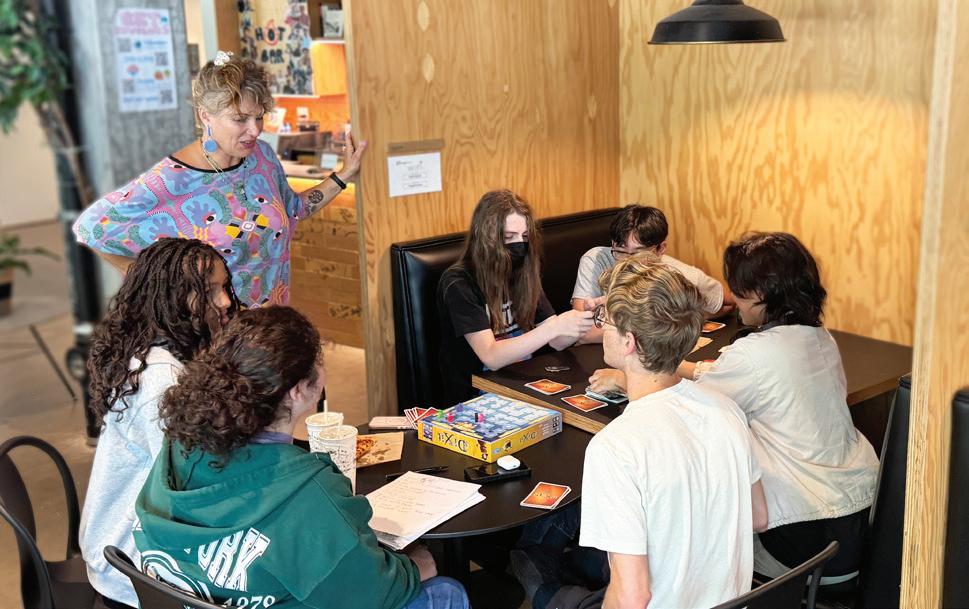

Ages 13–18
Hugo House: 1634 11th Ave, Seattle 98122 (206) 322-9083 info@clarionwest.org clarionwest.org
In this small-group intensive writing camp, teens learn about creative writing through science fiction, fantasy, and horror with professional author Tara Campbell. Each session is highly focused on individual attention and developing friendships. Over 10 days, participants explore various Seattle art spaces, museums, and speculative fiction pieces as inspiration with Hugo House as home base. Camp is held July 20–31, Monday–Friday, 10 a.m.–2 p.m.


Grades 1–6
3201 E Republican St., Seattle 98112 (206) 408-8078 camp@girlsrockmath.org girlsrockmath.org
Girls Rock Math is an arts-based math camp focused on empowering girls in STEAM subjects. Our hands-on themes capture the imagination, ignite deeper mathematical thinking, and help campers feel confident in their abilities. As part of a community where “Girl Power” rules, our campers develop leadership skills, make friends, take on challenges, and learn together in a meaningful way. With so many curricular themes to

Ages 8 and up
22313 70th Ave. W, Suite U1A, Mountlake Terrace 98043 (425) 312-3345
info@nextsteparchery.org nextsteparchery.org
Our Summer Archery Camps are the perfect opportunity for new archers to learn fundamental skills in a structured and supportive environment. Over the course of four days, participants will be introduced to equipment handling, safety protocols, shooting form, and games. Each session is designed to maximize handson experience. To ensure individual attention and quality instruction, camp sizes are limited to 8 or 10 archers per session. All equipment is provided, so participants only need to bring themselves, a great attitude, and a willingness to learn! Spaces fill quickly — secure your spot today!

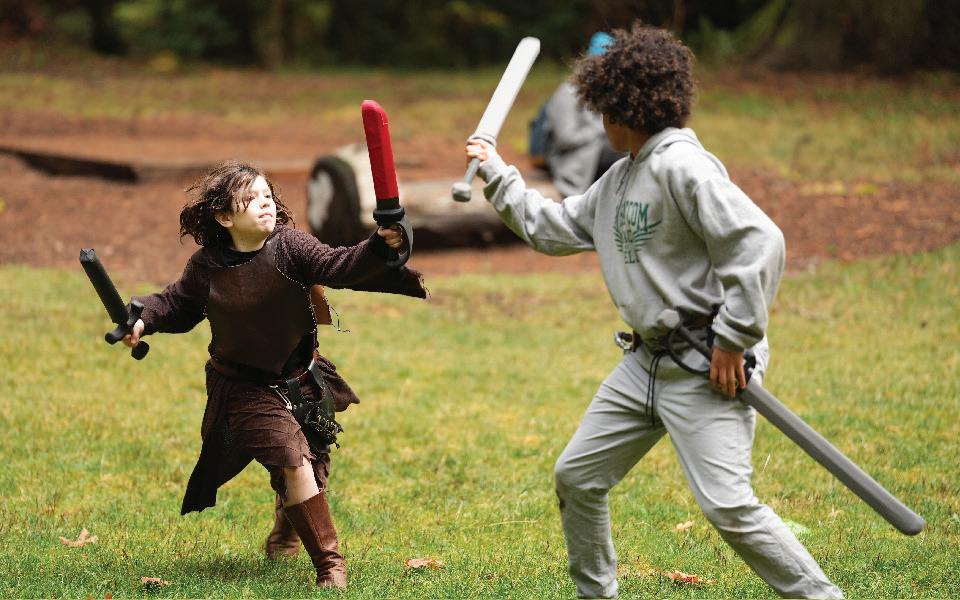
Ages 6–17
Woodland Park, 1000 N 50th St., Seattle 98103 (360) 836-0386
info@majesticadventures.net questnorthwest.com/seattle
At Majestic Adventures, children and teens become the heroes of an incredibly fun and active role-playing adventure, working together in a mythical and magical world to overcome dynamic challenges, solve mystifying riddles, brainstorm unique solutions to puzzling dilemmas, and swashbuckle with foes. Each week of camp is a unique adventure—an interactive story that engages the campers’ imaginations, exercises their bodies and minds, and teaches them the fundamental principles of responsible empowerment, creative problem-solving, teamwork, and cooperative conflict resolution.
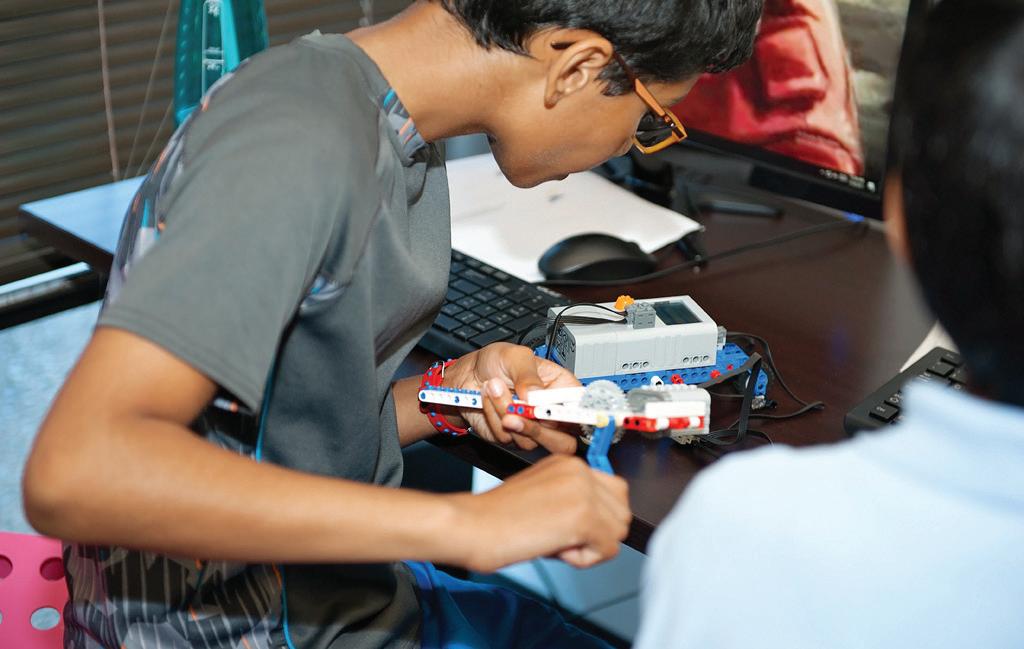
Ages 5–14 13208 NE 20th St., Suite 100, Bellevue 98005 (425) 559-6238 office.seattle@itstep.org itstep.us/camp
Give your child a fun and productive summer. Our hands-on camps for grades K–8+ introduce students to today’s most exciting tech skills: game development, robotics, AI, Minecraft mods, VR, web design, animation, and more. Campers are divided into groups by grade: K–2, 3–5, and 6–8+.
As an international technology education company, we bring global expertise to every classroom. Choose full- or half-day sessions and take advantage of early bird pricing. Enroll now for a summer of creativity, skills, and tech adventure!