HOW TO CUT FOOD COSTS
KID SNACK TASTE TEST WHY ONE PARENT IS COMMITTED TO GATHERING









































Don’t miss these stories on 3seattleschild.com
1
Seattle families fight to save community college co-op preschools
Is now the time for a $480 million library levy?
3

HOW TO CUT FOOD COSTS
KID SNACK TASTE TEST WHY ONE PARENT IS COMMITTED TO GATHERING
Don’t miss these stories on 3seattleschild.com
1
Seattle families fight to save community college co-op preschools
Is now the time for a $480 million library levy?
3
Education, health, development and more

ideal state.
For far too long, the administrative leadership of the Seattle Public Schools has been relatively removed from our students, educators, staff, families, and the broader society of Seattle. Like the Wizard of Oz, we were “the man behind the curtain.” The community was
seen as an entity we had to deal with, rather than true partners in the work for student achievement and success.
In order to change this narrative, we must be present, listen, learn, and collaborate. We must see the current state of things and then try to create the
That is why I began my time as superintendent with a simple commitment: visit all 106 schools during my first 100 days. I wanted to start where the students spend their time: in classrooms and in hallways, on playgrounds and in “cafetoriums.”
With every school visit I try to start with a guiding question to the principal: How can the dis-
trict help you, help the students?
This framing is important. Rather than being seen as the “Suits from Downtown,” the district office, especially the superintendent, needs to be thought of as a help, a support, a person whom the schools can rely on to help move student success forward.
I have strongly encouraged principals to be open and honest
May/June 2026 // Issue 517
“Seattle is my town. I know this city inside and out… or so I thought until I had kids.”
Seattle’s Child is your guide to getting to know your city all over again. Finding things to do, places to eat, and how to get around — it’s a whole new ballgame with kids in tow. We’re interested in how parents make homes in a space-challenged urban environment, how families create community, and what parents are really talking about. Seattle’s Child reflects real Washington families and their broad range of parenting experiences.
ANN BERGMAN Publisher, Founder abergman@seattleschild.com
JASMIN THANKACHEN Associate Publisher jasmin@seattleschild.com
KATHRYN HOLLOWAY Art Director
CHERYL MURFIN Managing Editor, Print cheryl@seattleschild.com
BRITT THORSON Managing Editor, Digital britt@seattleschild.com
JOSHUA HUSTON Photographer
ROSE WILLIAMSON Proofreader
JEFF LEE, MD Columnist
NILS DAHLGREN CASEY FUNKE
TIFFANY DOERR GUERZON BRETT HAMIL
ELIZABETH HUNTER
MELODY IP CHERYL MURFIN ALLISON PETERSON BEN SHULDINER
Contributors
ADVERTISING
NOAH DRETSKE Account Executive noah@seattleschild.com
YULIA FIALA Account Executive yulia@seattleschild.com
AMBER ELBON Ad Production Manager amber@seattleschild.com
Seattle’s Child has provided useful information to parents since 1979. In addition to our magazine, look for our special themed publications — Family Guide, School, Explore, Get Moving!, and SummerTime — distributed free throughout the Puget Sound area.
Seattle’s Child is published every other month. ONLINE seattleschild.com Facebook facebook.com/seattleschild Twitter @SeaChildMag Instagram @seattleschildmag MAIL c/o Postal Plus 1211 E. Denny Way, Seattle, WA 98112
VOICE 206-441-0191
TO ADVERTISE advertise@seattleschild.com
STORY IDEAS editor@seattleschild.com
CALENDAR SUBMISSIONS calendar@seattleschild.com Include date, time, cost, appropriate ages, address, contact information and description.



with me. I don’t want a dog and pony show. Show me the tiles falling from the ceiling or the second grade teacher who is struggling with classroom management. Take me to the classroom that is doing amazing work, so we can emulate it, but also take me to the classroom that needs help. I am looking for the truth.
I have had teachers light up when they tell me I was the first or second superintendent in decades to walk into their classroom. This is important, not because a superintendent’s visit is the point, but because they want to know someone from the central office cares enough to show up, observe their craft, and help them serve the children.
Students hand me notes and small books they made themselves, wishing me luck and sharing what leadership means to them. Those moments are fun, generous, and deeply moving. They remind me that students are paying attention and care deeply about their education. They know when adults are showing up for them. And often, they see things with a clarity we would be wise to learn from. Rather than just accept these gifts and walk away, I try to do a classroom reading of them, or engage one-on-one with students, talking to them, learning from them, and sometimes helping them with a math problem.
Too often, school districts can feel closed off and become myopic around their decisions. And with that myopia, the school district also loses out on support.
That starts with our caregivers. Seattle is fortunate to have families who care deeply about public education. They are one of the greatest assets we have. They are a fountain of knowledge about their children, their schools, and this city. They often see problems before the system does.
That’s why I’ve hosted eight community meetings with thousands of people across our city to hear what is working, what is not working, and what tangible things we can do to improve. We did not go into those conversations looking to defend past decisions or explain away frustration.
The instructions to the staff helping facilitate were clear: write down what you hear. Capture it. Clarify when needed, but don’t editorialize, push back or parry. Make sure people feel heard. Do not dismiss concerns.
Ultimately, listening means more than inviting comments. It means being open to changing course. It means admitting, sometimes publicly, that parents were right and the district was wrong.
To date, I have received and responded to thousands of emails from families and community members. The sheer number of correspondences says something very important about Seattleites: they care and want to help.
So my message is simple: Keep reaching out. Keep sharing your ideas. Keep telling us what you see and how you can support SPS.
My job is not to protect the system from the public. My job is to open the doors wider and help build a school district where people feel heard, respected, and included.
But, once we have heard your voice we must then act with alacrity, vision, and strength. When we welcome the truth, we can make clearer budget decisions, improve transparency in enrollment and hiring, and strengthen our instructional programs to help students meet higher expectations.
That’s how we will build the best urban school system in America for the children of Seattle.
ABOUT THE AUTHOR
Ben Shuldiner is Superintendent of Seattle Public Schools.
by JEFF LEE, MD
Years ago, I remember standing next to a friend of mine at a family holiday party. She was an early childhood educator, and an experienced mom with two teenaged children. We were watching another woman move through the crowd holding hands with her four-year-old son. He was dressed in an adorable little suit, and she was wearing a sparkly cocktail dress. They were the handsomest pair in the room — happy and radiant, and so obviously in sync. The bond between them was almost palpable.
My friend sighed and said: “Aren’t they lovely? They have no idea how many times they’re going to break each other’s hearts.” I laughed, but I didn’t fully understand what she meant. At the time, my oldest daughter was only two. Now, with thirty more years of parenting experience under my belt, I finally get what she was saying. There’s a psychotherapist named Orna Gurlnik who’s best known for her television docuseries Couples Therapy. She believes that the fundamental task and challenge of relationships is figuring out how to deal with what she calls “otherness.” She likens it to a political system, in which people have to come together for the common good, but can only do so if they figure out how to tolerate — and ultimately appreciate — each other’s differences.
In the couples that Gurlnik works with on her show, those differences have been present from the start. Sure, with new love there’s a certain blurring of boundaries, and for a time we feel as if we and our partners complete each other. Part of that completion, though, is because of our differences. We look to our romantic partners to fill in some of the holes in our life, and they are able to do that (at least for a while) precisely because they are different from us.
By contrast, consider the bond between a parent and their infant. Otherness is not part of that equation. The boundaries that exist in any other relationship are completely absent, because parent-infant codependency is built right into our DNA to ensure the survival of our species. If managing differences is a challenge for two lovers as they grow older and grow apart, it’s no wonder that a parent and child experience the same struggle on
steroids. Not only are the rate of change and magnitude of growth much greater, but the power of the enmeshment is many times stronger. The inevitable separation between a parent and child is the ultimate abandonment. In most people’s lives, it’s the original betrayal.
This is why toddlerhood and adolescence are so hard. Both are developmental gauntlets a child has to run in order to create a new level of separateness. At the same time that they’re driven to push away from their parents, they’re experiencing the loss of a bond that they’ll never be able to fully replace. No wonder they explode with tantrums and wild emotional swings. How else should they respond to such loss, but with grief, fear, and rage?
Often, when our kids go into these developmental freefalls, we desperately want to rescue them. We see their pain, and we want to make it go away, but we have no idea what to do. How are we supposed to help them when most of the time we have no idea what they’re so upset about?
This is one of those times when we should take the parenting advice of our friendly neighborhood flight attendant: “In case of emergency, put your own oxygen mask on first.”
The thing we often forget, when our kids are panicking through this separation pain, is that we’re on the same flight they are. That infant-child bond that they felt at the beginning of their lives was an unspoken promise that we believed in, too. Maybe not intellectually, but in our hearts and our guts and our bones. We lived as though that bond would never be broken. We loved as if there was no such thing as betrayal. Even as our children feel abandoned by us, we feel abandoned by them.
What our kids need most when the cabin pressure drops is for us to stay calm and fully present. We can’t be thrashing around gasping for air and unbuckling our lap belts. To help them deal with their own grief and uncertainty, we have to recognize and take care of our own.
Take a deep breath. Tighten your seatbelt. Put your own mask on first.
ABOUT OUR COLUMNIST
Jeff Lee secretly misses free airline food in Seattle, WA

When longer days delay bedtime, simple routines help kids sleep
by KAISER PERMANENTE
As the sun sets later during spring and summer, bedtimes become brighter. You might soon notice your kids sneaking out of bed, too. Children can struggle with shut-eye at any time of year, but it’s especially difficult when it’s still light at bedtime.
Yet sleep is essential for kids, allowing them to recover physically, mentally, and emotionally, explains Dr. Ashok Shimoji-Krishnan, a clinical psychiatrist for children and adolescents at Kaiser Permanente Capitol Hill Medical Center.


“As kids sleep, the brain organizes the previous day, discarding some memories and experiences, and putting others in buckets that make it easier to recall things the next day,” he says. Sleep serves as a decluttering tool, clearing the brain’s working desktop.
Sleep offers kids a break from stress and helps regulate hormones and growth, restoring their energy stores. Some studies have found links between poor sleep among youth and failure to meet expected growth curves, he says. Along with exercise and diet, sleep promotes better cognitive health.
Without enough sleep, kids could appear exhausted in the morning, tire easily, and struggle to manage their emotions — showing increased irritability, moodiness, anger, anxiety, and sadness. They’re less capable of learning, listening, writing, processing, and problem-solving effectively, and show stronger emotional responses.
Ideally, you want children to fall asleep more quickly and
sleep more soundly. Here are tips to keep kids on the right sleep track:
Create a sweet-sleep environment
Good sleep starts with the right surroundings. In the summer, some children have trouble with early wake-ups and late bedtimes because light enters the bedroom.
“To help us sleep, our brains produce the natural sleep hormone melatonin, but melatonin is very sensitive to light,” Shimoji-Krishnan says. This is why many of us hibernate easily in winter but struggle with sleep in summer.
Make sure electronics are completely out of the room, whether iPads or phones. “If your kids struggle to put phones away, be an example and put all family phones in the kitchen at night,” Shimoji-Krishnan says.
And finally, keep the bedroom cool — generally around 65 to 68 degrees Fahrenheit.
Develop a sleep routine
A child’s sleep routine should start an hour before bed.
“Research shows that routines lower cortisol levels and allow melatonin to rise. Routine trains the brain and body to know that I’m winding down and going to sleep,” says Shimoji-Krishnan.
Try combining different relaxing elements from the list below:
• Putting on pajamas
• Brushing teeth
• Showering or bathing
• Quiet, calm music such as jazz
• Reading a paper-and-print book in low light
Avoid too much excitement before bed
Just as a sleep routine can provide a “to-do” list, there’s an important list of activities that disrupt healthy sleep, he notes. Increasing adrenaline and dopamine right before bedtime can recharge tiny batteries, causing tossing and turning.
These to-don’ts include:
• Wrestling and horseplay
• Electronic use, including games or shows on TVs, phones, and iPads
• Overly exciting books
Adrenaline and dopamine activate the brain and can be triggered by light from screens and other stimuli. Just like you probably wouldn’t be sleepy after riding a roller coaster, it’s difficult for young brains to wind down after an exciting chapter.
Address sleep struggles
If your child continues to have trouble sleeping despite these optimized steps, consult your primary care doctor. Physical issues like iron or thyroid imbalances, or mental health conditions such as depression,
anxiety, or ADHD, might be preventing kids from sleeping well.
Some sleep issues, including sleepwalking and night terrors, aren’t uncommon. “If a child sleepwalks, gently redirect them to bed without waking them,” he says. Make your home safe for sleepwalkers by blocking potential hazards like stairs or other escape routes — usually, a gate or barrier will be enough to stop a sleepwalker from injury.
Night terrors can be more frightening for caregivers than for kids, he says. Children might look awake during these events, but are still asleep. Hold your child to calmly comfort and prevent them from hurting themselves. For most children, night terrors typically end between ages seven and nine, Shimoji-Krishnan says.
In both cases, daytime excitement and anxiety can cause the issues above. Turn off screens and scary programs before bed.
“If you think the sleep issue is part of a larger issue, reach out to your child’s doctor and ask, ‘What do you think?’” Shimoji-Krishnan suggests. “Get it addressed and assessed by professionals there to support families around these issues.”
Changing a sleep cycle or rhythm doesn’t happen overnight, he says. “It’s going to take time to be effective, typically three weeks. Give it three weeks before you determine whether it’s working. Some kids take longer to build a sleep routine or may fight it more.”
ABOUT THE DOCTOR
Dr. Ashok Shimoji-Krishnan is a child and adolescent psychiatrist at Kaiser Permanente Capitol Hill Medical Center. When he's not at work, he enjoys spending time with his wife and kids and playing music.
SPONSORED BY

Parent Review: First look at greater Seattle’s newest indoor adventure park
(all under 2 miles) 2
Parent Review of the Jr. Ranger parks program 3
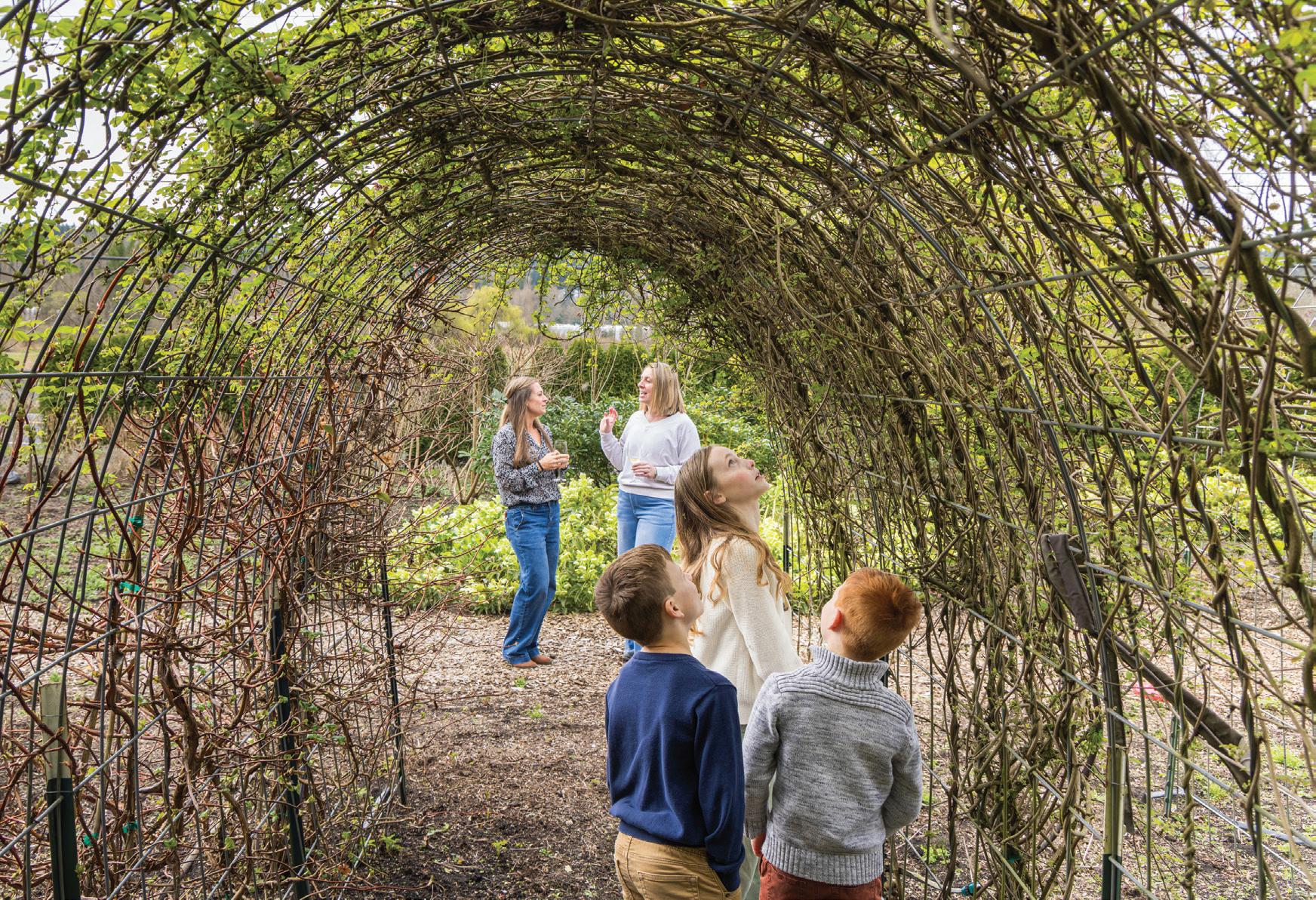
A day of tasting and exploring
by ALLISON PETERSON
When our family moved to north King County nearly a decade ago, one of the first things I noticed was the abundance of wine tasting rooms in the region. As a mom who also enjoys a great glass of wine now and then, I was excited to discover how family-friendly “wine country”
actually is. Read on for tips on how to spend the perfect day of food, wine, and fun in Woodinville, King County’s very own wine capital. Head out in the morning Begin with a visit to the delectable and Instagram-worthy She Chill Patisserie with its freshly baked French-Asian pastries, specialty lattes, and artisan breads. Another plus, the patisserie will validate three hours of parking in the underground retail parking garage with any purchase. Move on to the Woodinville Farmer’s Market, which is right outside the bakery doors and continues down the stairs into Festival Street (Saturdays, 10 a.m. to 2 p.m., May through September). Walk past CONTINUED ON NEXT PAGE >
5
Not only does May bring flowers, it brings great cycling weather. Check out these five parentapproved rolls: Best overall Burke-Gilman Trail is fully paved, long, mostly separated from cars, easy to choose your distance on, and offers parks, bathrooms, and food along the way. Watch for congestion near Fremont and UW.
3 2 1
Best for beginners Green Lake: It’s short (2.8 miles), offers constant visibility, and has bathrooms, playgrounds, and snack stops to boot. Watch for heavy pedestrian traffic — especially on weekends.
Least stressful Sammamish River Trail is extremely wide, flat, and typically uncrowded. Great for family rides but with fewer food stops. Plan ahead and bring snacks.
4 5
Most scenic payoff for kids Alki offers a long, flat waterfront ride, with a wide path and ocean views. Not to mention nearby beaches and ice cream shops. Caution: Crowds are large on sunny days.
Best on-road, no-cars experience On select dates May through September the City of Seattle closes a portion of Lake Washington Boulevard to cars for Bicycle Weekends. We’ve posted the schedule at 3seattleschild.com/ bicycle-weekendson-lake-washingtonblvd-announced-forsummer-2025/ —Cheryl Murfin
adjoining sports fields and across the street to Wilmot Gateway Park to enjoy a beautiful playground and grassy fields. Be sure to bring bikes or scooters to explore the paved Sammamish River Trail that bisects the park and continues for more than ten miles before connecting to the Burke-Gilman Trail.
Lunch
All that will get you to lunchtime. My family recommends a stop at The Pizza Coop for Detroit-style pizza, pasta, salads, and sandwiches. While you wait for your order, check out the restaurant’s arcade games and foosball table. If it’s a nice day, consider ordering lunch to go and enjoy a picnic in one of Woodinville’s parks. DeYoung Park is just up the road, and kids might get a kick out of dining in the “treehouse” elevated picnic shelter
or swinging in the giant bench swings.
Responsible visiting and tasting
Most of Woodinville’s wine tasting rooms open in the early afternoon, so right after lunch is a good time to visit. Keep in mind that while wine tasting with kids in tow, it’s important to be a responsible participant. To do this, we:
• choose a designated driver before the day begins,
• limit the number of wineries we visit to one or two, or
• spread our tastings out with plenty of time to recoup before driving.
There are several family-friendly options to choose among; Woodinville has 130 (and counting!) wineries and tasting rooms. For the smoothest visit, confirm operating hours and make reservations if required. Most

tasting rooms charge a tasting fee of $20–$30 per tasting flight, but this fee is usually waived with a minimum bottle purchase. We’ve enjoyed these:
• Novelty Hill-Januik Winery has a beautiful outdoor space complete with bocce ball, firepits, and a full food menu on weekends featuring chef-prepared fare.
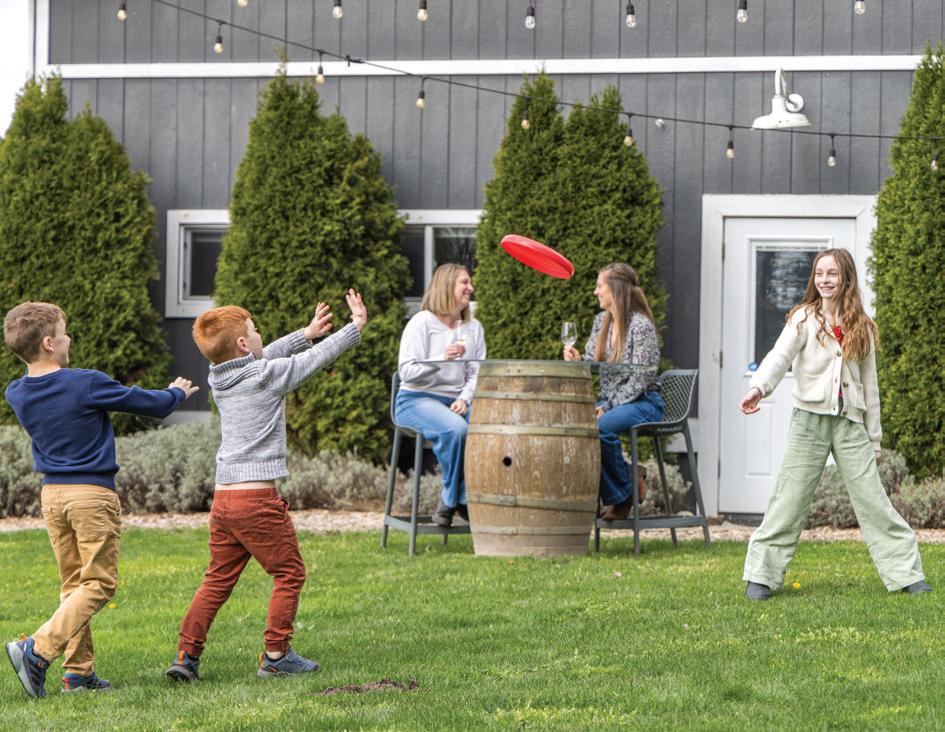
• Matthew’s Winery is in a parklike setting where kids can toss a frisbee or explore the gardens and creek while adults enjoy an al fresco wine tasting.
• Patterson Cellars (with tasting rooms in both the Hollywood Hill and Warehouse districts of Woodinville) offers kids complimentary juice boxes, goldfish crackers, and coloring materials.
• Two Vintners has a cozy play corner stocked with a foosball table, toys, and games so kids can play while adults supervise from nearby tables.
• Barrage Cellars is a family-run winery that has shuffleboard and its own winery dog who is known to visit.
Plan on spending about an hour at each wine tasting. This will allow enough time to enjoy the tasting without testing the patience of the younger set. Bring along a “boredom buster” toolkit for kids, and include age-appropriate items such as playing cards, board games, coloring materials, and snacks to help keep everyone happy and entertained.
Many tasting rooms also offer light bites or charcuterie boards and non-alcoholic beverages for purchase, in case extra goodies are needed to fuel the afternoon’s activities.
Dinner and done
If the kids are game, finish your day with a memorable dinner in Woodinville. With delicious food and seasonal outdoor dining, Von’s 1000 Spirits is a great option for families.
Von’s kids’ menu features childhood classics such as “I’m not hungry” (cheeseburger), “Can I eat later?” (fish and chips), “I don’t know” (cheese pizza), and a special sparkling mocktail. Not to be outdone, the full menu offers housemade sourdough pizzas and pasta, burgers, salads, and seafood. Request a table outside and enjoy the firepits and comfy garden-like atmosphere. Reservations are recommended.
With so much to see and do (and eat and drink) there is no shortage of fun in King County’s wine country. Stay for the day and experience all that this region has to offer!
by NILS DAHLGREN
The Saturday volunteer shift at the farm began with what Scott Behmer described as the “releasing of the bees.” Dozens of mason bee cocoons stored over winter were brought out and inserted into lengths of hollow bamboo. At the same time, their houses were being prepared with tightly rolled paper tubes. They would soon be filled with pollen from the garden by the newly hatched bees.
Scott is the coordinator of Solid Ground’s Giving Garden at Marra Farm in Seattle’s South Park neighborhood. He handles all aspects of the farm’s operation, from planting to picking. But the harvests don’t happen without the combined efforts of dozens of volunteers who come out on Wednesdays, Fridays, and Saturdays from early spring to late fall to help with everything from preparing the ground to weeding to building trellises to supporting the bees.
On this particular weekend, half a dozen of us turned out to work, including 12-year-old Yuki and her parents, Yoko and John. The Bothell family had first visited last fall, helping to put the garden to rest for the winter, and were back to experience the farm in the springtime.
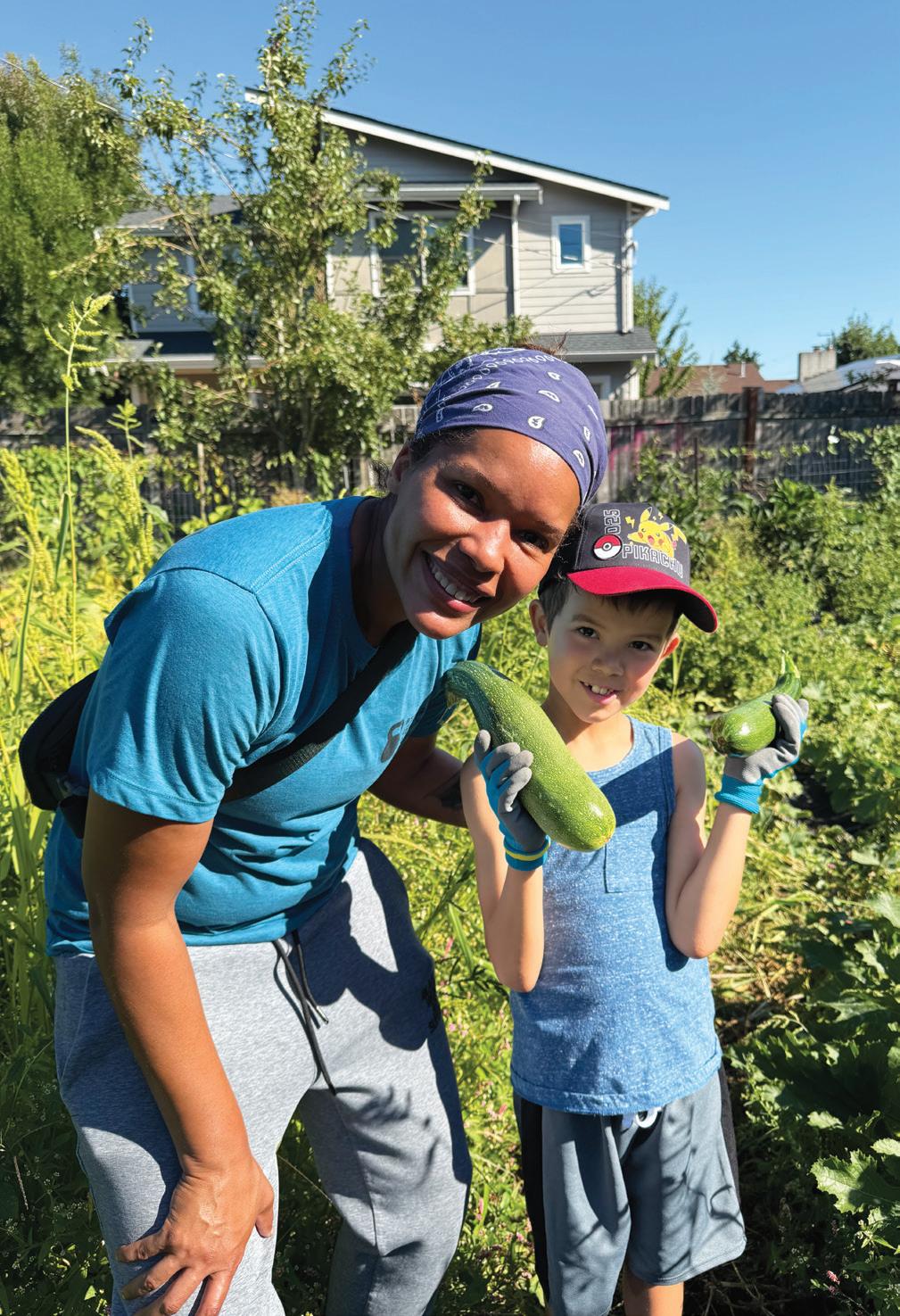
As John explained, “They offer a great chance for us to drop in and do a variety of different jobs on the farm. It’s not the same thing every time, which has been
fun for my daughter.”
Added Yuki, “I like seeing the sprouts from the seeds we planted on the previous visit. I like thinking about how they’ll
Volunteers are welcome weekly, March to November, on Wednesdays and Fridays from 9 a.m. to 2 p.m. and Saturdays from 10 a.m. to 2 p.m. No gardening experience necessary. Dress for the weather (layers, boots, rain gear, sunscreen, hat). Equipment is provided — including gloves. Bring a lunch, snacks, and a water bottle — additional water provided.
grow to help people.”
Marra Farm covers more than 8.5 acres of the city’s Marra-Desimone Park. It’s like a giant P-Patch dedicated to supporting Solid Ground’s mission to help disadvantaged communities meet their basic needs. The farm produces thousands of pounds of food annually, distributed via food banks and through the organization’s partnership with Sea Mar Community Health Centers.
After placing the mason bee houses outside the tool shed, we moved on to planting carrots and radishes — creating furrows, dropping in the seeds, and covering. With so many hands, the work flew by.
Volunteering at Marra Farm is uniquely suited for families.
Unlike many organizations that have age restrictions for volunteers or require regularly scheduled hours, Marra welcomes families of all ages and with no long-term time commitment. Volunteers simply sign up on the Solid Ground site and show up.
“We know a 5-year-old probably won’t make it through a full volunteer shift,” Scott said. “We are happy for them to be there as long as they can, take as many snack breaks as they need, and leave when they need.”
After lunch, we snacked on sorrel and pea shoots, another perk of working on the farm. “Kids will eat anything they can pick,” Scott said. “They’re at that younger age of developing and just need to keep trying things.”
For the remainder of the time, we split into groups, one half weeding along the edge of the vegetable beds, and the other building a seven-foot-tall bean trellis from bamboo stalks and twine.
Work at the Giving Garden is one small, tangible way to make a meaningful impact on the large problems of poverty and food insecurity in our region, while also fostering connections with other volunteers.
As John put it, “It’s been a chance for
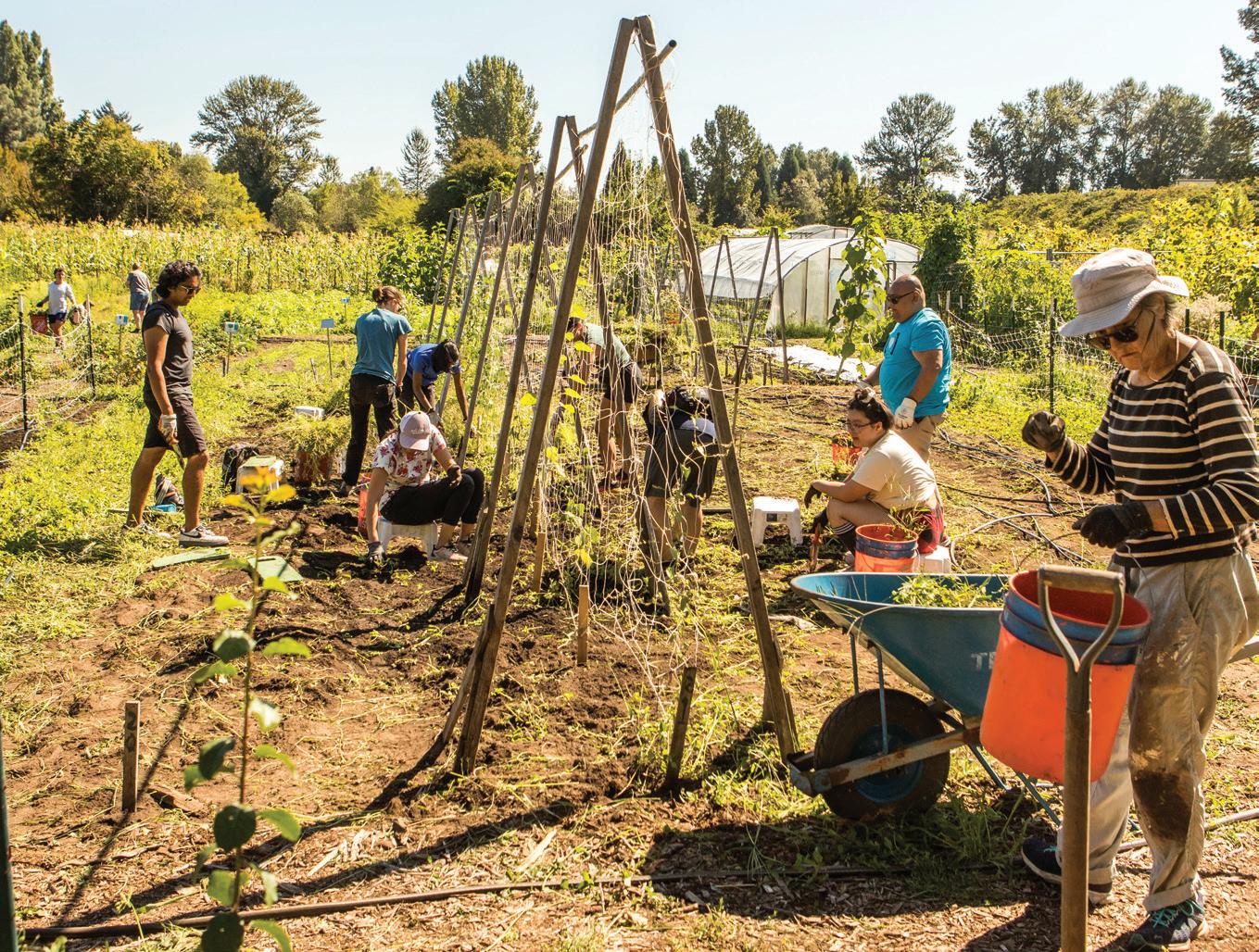
Yuki and I to meet a lot of interesting people from different communities, some long-time folks and some people just dropping in. Just getting to see how many different people care about the community has been great.”
Yuki added: “Even if you get your hands dirty, it’s still fun.”
The day ended back at the tool shed,









putting tools away. The sun was out, the sky was blue, and there were already a few bees exploring the houses we’d set up. We left satisfied, knowing that we’d made a little progress toward Solid Ground’s goal of helping our neighbors access fresh produce, and that the next group of volunteers would likely see sprouts from the seeds we’d planted.
So, you want to volunteer in your community, but what about your kids? Why not take them with you and volunteer as a family?
On the first day of each month, in partnership with the national nonprofit Doing Good Together, Seattle’s Child posts a long list of volunteer opportunities that welcome parents and their supervised children. By making volunteering part of your schedule, you teach your kids that “giving back” is an important part of keeping the community healthy. Go to 3seattleschild.com/category/ take-action/donate-volunteer
—Cheryl
Murfin
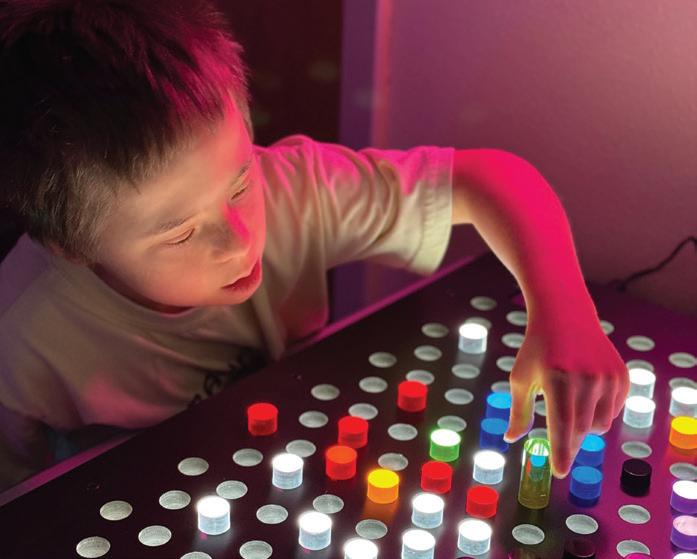
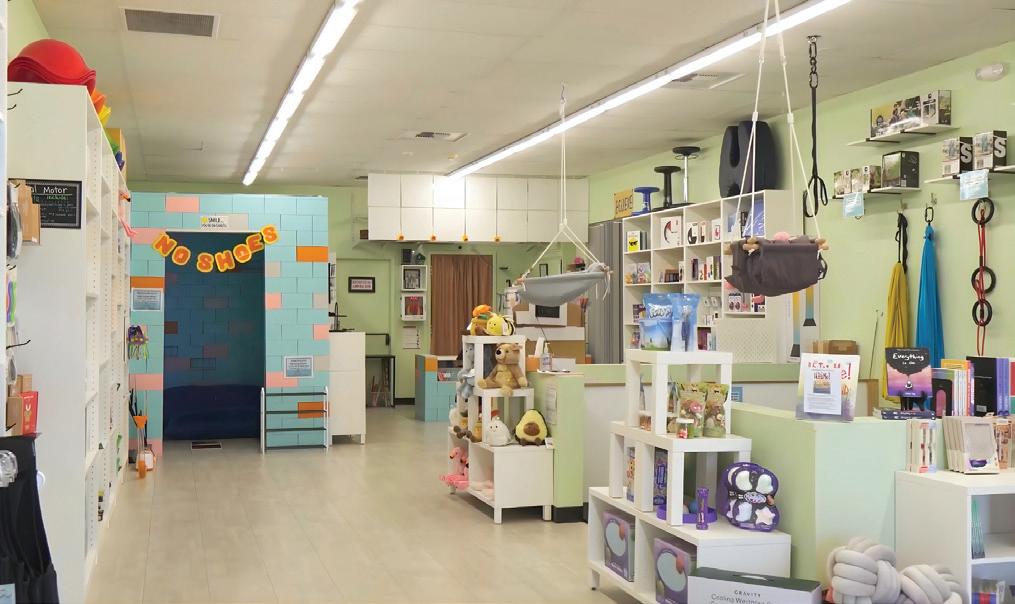
Walking into Sensory Tool House in Lacey, you’re immediately surrounded by subtle clues that the store was purposely built for neurodivergent people. The flooring was installed so that its parallel lines direct you inward. The walls are painted in calming colors that research has shown to be conducive for sustaining regulation. And, perhaps most important, all merchandise is kept out of the package for curious hands to explore.
“It’s try-before-you-buy,” explains Sensory Tool House Vice President Lauren Howard. “You’re not gonna know if that neato squishy everyone is talking about is gonna be a good fit for you if you aren’t able to engage with it before you buy it.”
Walking the aisles, you’ll find every possible product for supporting an under- or over-stimulated neurodivergent mind, from lava lamps, whose slow, mesmerizing visual display can soothe anxiety, to compression swings that help develop balance and motor skills while enveloping the user in a calming, hug-like embrace. They have weighted blankets, wiggle seats, adaptive feeding accessories, crash pads, and “chewelry” (chewable necklaces). And, of course, there are the fidgets — that ever-evolving array of self-regulation aids. The folks at Sensory Tool House stay on the cutting edge of tactile toy innovation.
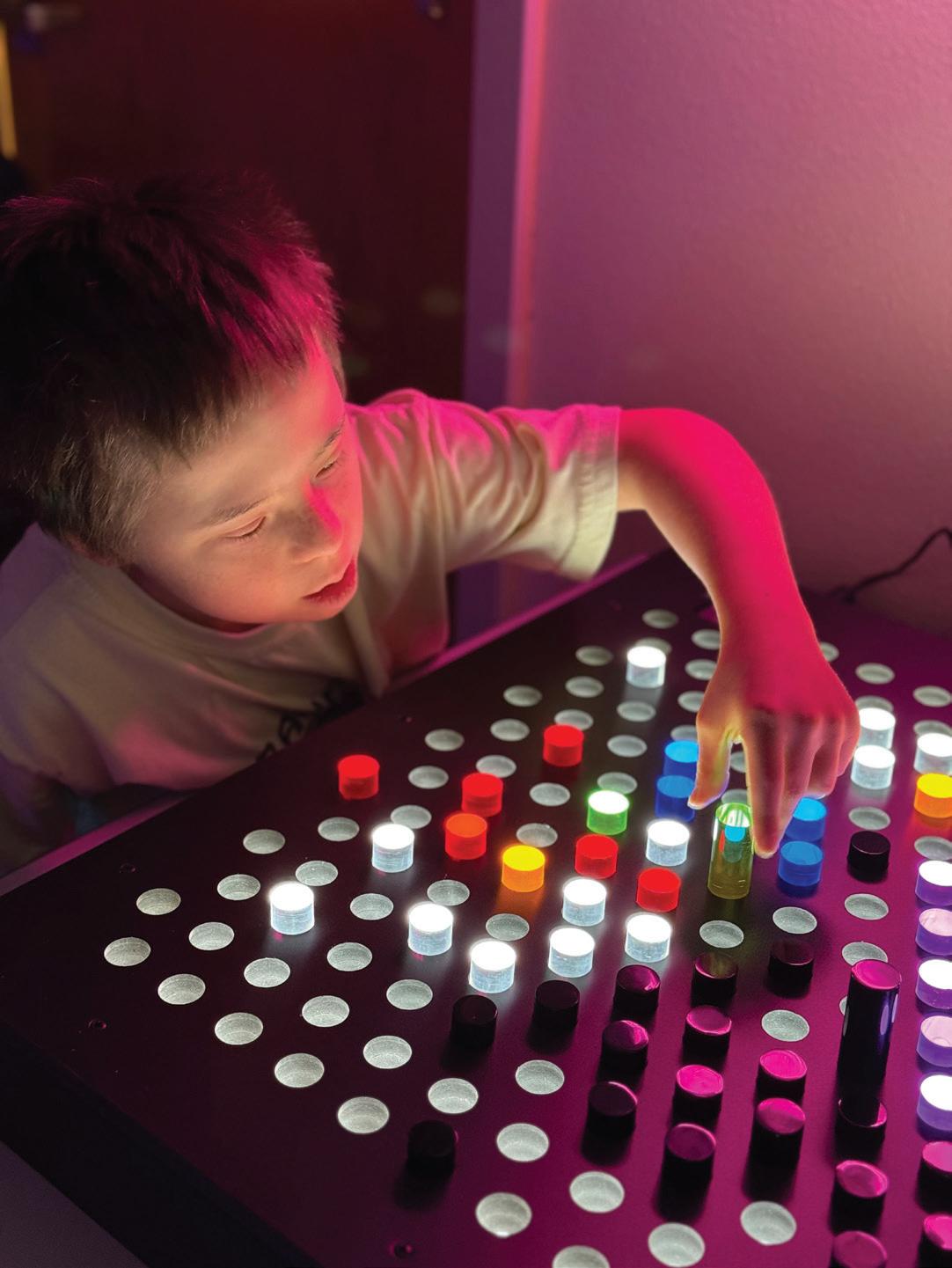
“Our staff is roughly 95% neurodivergent, and we have a wildly talented inventory and purchasing team,” says Howard, “They’re always saying, ‘I saw this on TikTok. Is this something we should be carrying?’”
Howard and the store’s
founder and CEO, Katie McMurray, are driven by a commitment to accessibility and inclusion. It’s personal for them; they’re both neurodivergent, with neurodivergent children. They understand the stigma and judgment that CONTINUED ON NEXT PAGE >
In Seattle and surrounding King County, there are options for temporary or short-term care for children with special needs when school is closed or they need to stay home for another reason. Here’s a start:
First stop
Make your first stop Child Care Resources (CCR), a care referral service that has been connecting families with child care providers for 36 years. CCR can also help you locate special-needstrained providers near your home or work. Call (206) 329-1011 or go to 3childcare.org
In-home care
If being in a familiar surrounding is best for your child, consider these local resources:
Jovie of Seattle places trained nannies and babysitters experienced with special-needs children and can provide flexible schedules including short-term care. 3jovie.com
Autism Babysitters have experienced sitters in Seattle for kids from age 2 to young adults age 22. 3autismbabysitters.com
Respite care (short-term relief care)
Respite care is temporary care provided by trained staff so caregivers can work or take a break. In Seattle, check out:
• Lifespan Respite Washington
• Jewish Family Services home care
• Catholic Community Services
• Community Support Solutions
Inclusive childcare play program
Located at Colman Playfield in Seattle’s Beacon Hill neighborhood, Seattle Children’s PlayGarden Preschool has an inclusive preschool where children with and without disabilities learn and play together. Ask about PlayGarden season-dependent dropin programs or extendedcare options.
— Cheryl Murfin
can arise from something as simple as going shopping with a neurodivergent kid who might be overwhelmed or stimming. To counteract this, the store has a simple rule: no apologies needed.
Howard says, “As a parent, a lot of times your gut reaction is to apologize for your kid’s behavior, and why? It’s a regulatory behavior, it’s natural, it’s not gonna cause any harm. For us the goal has always been to get rid of some of these antiquated ableist notions and allow families to show up authentically. We’re not shushing!”
For the child or caregiver who needs to take a break from shopping there’s the Sensory Room, a shoes-off “Zen Den” designed to help calm anxiety with soft furniture, low lights, and engaging colors. You can even schedule a 30-minute consultation to design a sensory space in your own home, on your budget.




Kristina Hawley traveled down from Bothell with her two neurodivergent kids to visit the store for a “Sensory Santa” Christmas event and left delighted.
“It was super well thought out,” said Hawley. “The lighting was low yet still festive and visually engaging, and the space was quiet. They had soft cushions on the floor for seating, a sensory bin set up for kids to play in, and flexible, non-fragile decorations that were clearly selected by someone who knows how some kids can turn nearly anything into a weapon!”








saying, ‘There can be a place for you in this other place.’”
As someone with AuDHD, Hawley sometimes struggles to meet social expectations, and she appreciated the intentionality behind the store design and her interactions with staff: “I definitely felt seen there.”
Since the store’s founding in 2021, Howard has worked to populate the calendar with instore activities.
“One of the things I set out to do was to have more events in our space: dance classes, watercolor classes, toddler playgroups, a neurodivergent teen book club,” she explains, “But it was still ‘othering.’ We were
She’s now working to make Sensory Tool House extend outward into the broader community, facilitating access to events for neurodivergent kids in locations like Olympia’s Hands On Children’s Museum and the public library. Last month they set up a Sensory Recovery Area amid the bustle of the Lacey Cultural Celebration to give attendees a space to regulate and reset.
For Howard, the move now is to work on making the world outside the shop more welcoming for the people who come inside:
“Instead of saying, ‘You can have access and you can be included in this specialized store that was built to support people like you,’ we can find ways to facilitate these events in their spaces, so that the community is being more inclusive, we’re not just an inclusive space within the community.”

Grades K–8
434 NE Ravenna Boulevard, Seattle 98115 (206) 512-9546 chessape@outlook.com orangutanacademy.com
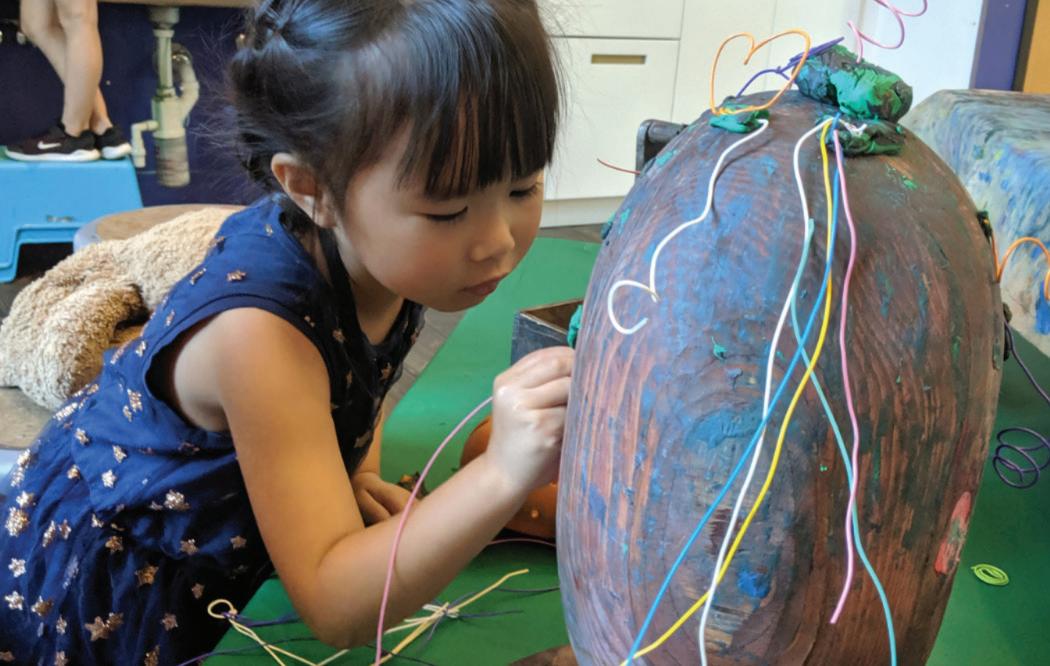
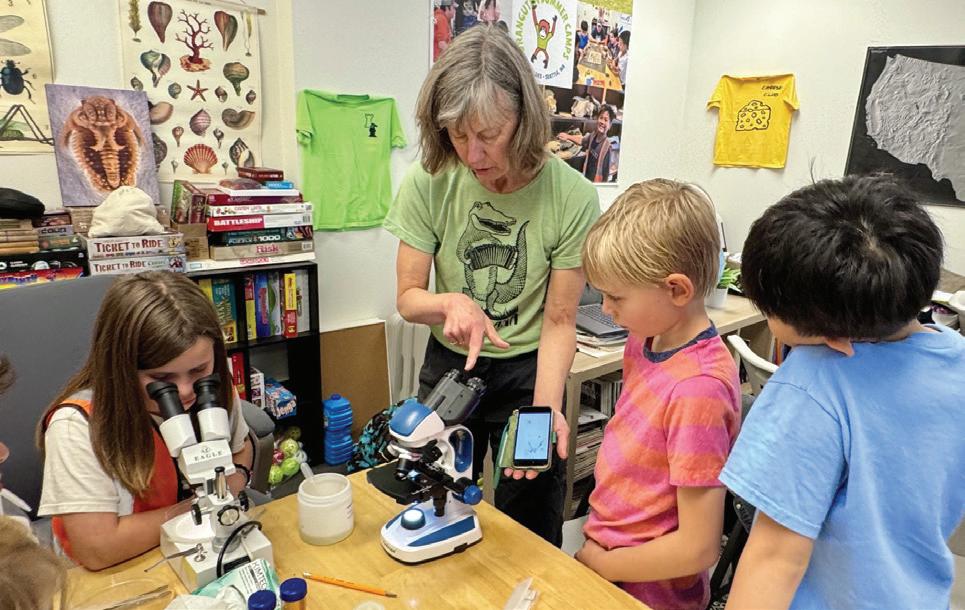
Sign up for fun, safe, indoor-outdoor STEAM camps near beautiful Green Lake Park in North Seattle. Our instructors have 40+ years of professional teaching experience in science, math, and chess. Our Summer STEAM camps run weekdays from 8:45 a.m.–3:00 p.m., with an option to extend to 5:00 p.m. We have field trips every week. Registration options are full week, single day, and half-day. Our students stay active all summer: they averaged 2.0+ miles per day in 2025.
Ages 5–9
7526 20th Ave. NE, Seattle 98115 (507) 400-7526 director@roaringmouse.org roaringmouse.org
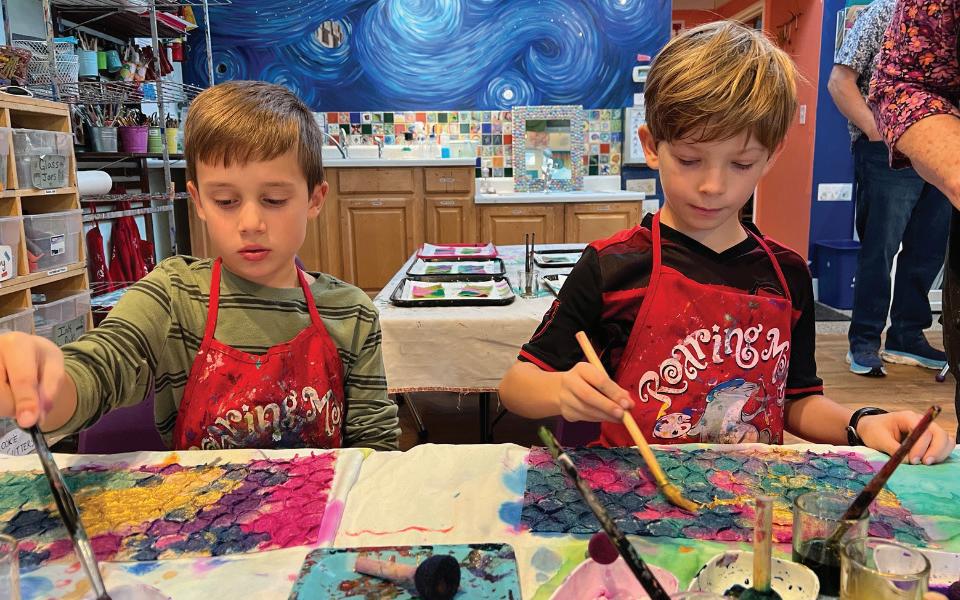
Roaring Mouse afternoon summer camps feature time for play and art, plus plenty of opportunities to experiment with different materials. Each week, students will explore a different theme and leave camp with unique creations that they can keep playing with at home well after camp ends. Sessions include playtime, art making, and snack time. Camps run Monday–Thursday, 1–4 p.m.
Summer 2026 themes include: Fun with Fibers, The Magic of Nature Art, Time Travelers, Earth Wonders and PNW Hikers.

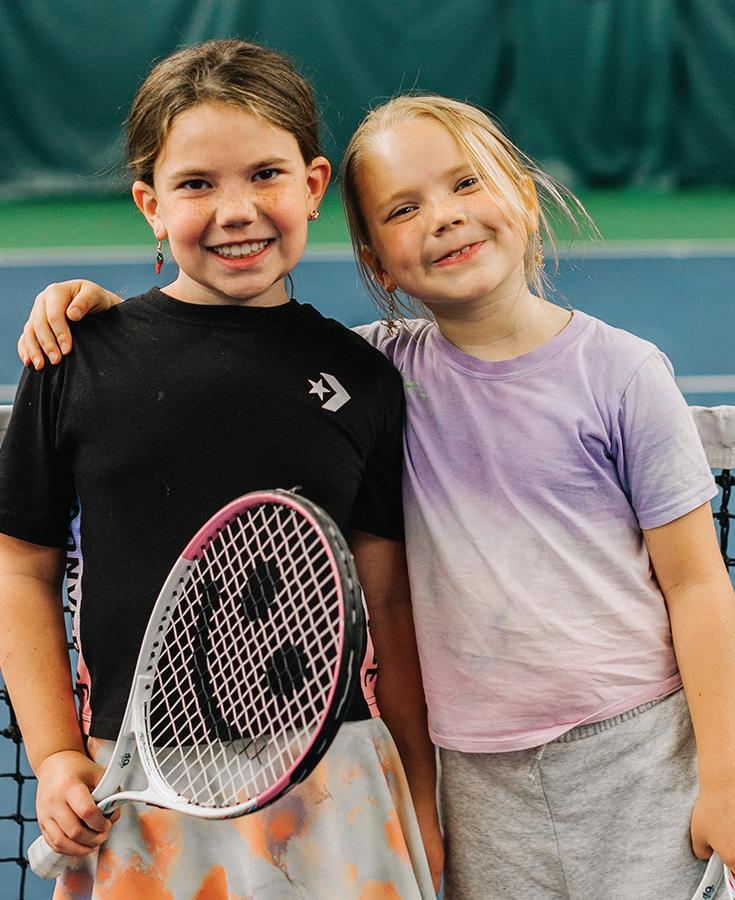
Ages 3–18 4455 148th Avenue NE, Bellevue 98007 (425) 885-5566 camps@proclub.com proclub.com/club/youth/camps
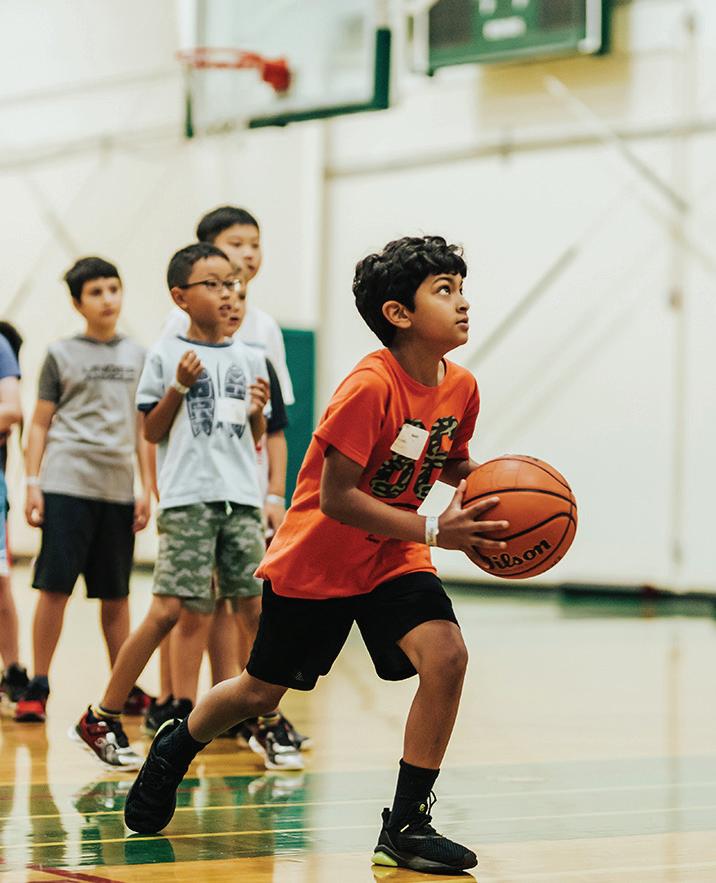
At PRO Club Camps, kids experience summer on a whole new level. Set on our Bellevue campus, campers enjoy swimming, sports, creativity, and friendships, with new themed adventures each week. Camps are led by experienced coaches and educators, with age-appropriate groupings. Safety is a top priority, with built-in breaks and flexible programming. Choose from half-day, full-day, or single-day options to fit your summer schedule. Non-members are welcome — members always receive a discount.

Ages 5–12
15231 Lake Hills Boulevard, Bellevue 98007 (425) 746-1160 info@samena.com samena.com/summer-camps
Get ready to dive into a sea of fun! Every week at Samena, campers will be splashing, swimming, and meeting new buddies. We’ll get their heart racing with daily free swim, indoor/outdoor games, racquet sports, and more. Plus, we’ll challenge their creativity with crafts and small group games tailored to each week’s theme. Structured swim and tennis lessons are also available for an additional price. Space is limited. Sign up today!

Ages 5–17
Locations in Seattle and Edmonds (206) 748-1552 greenstage@greenstage.org greenstage.org
GreenStage theatre camps are a week-long dive into Shakespeare for students ages 5–17. Our instructors bring the same passion and craft you’ll find on our main stage, creating a space where young performers take risks, find their voice, and discover that Shakespeare was writing about them all along. No experience necessary — just curiosity and a willingness to play. The week ends with a FREE performance for family and friends in the park. Picnic recommended.
Ages 6–14
2900 Grand Ave., Suite A, Everett 98201 (425) 314-0245
info@summiteverett.com summiteverett.com
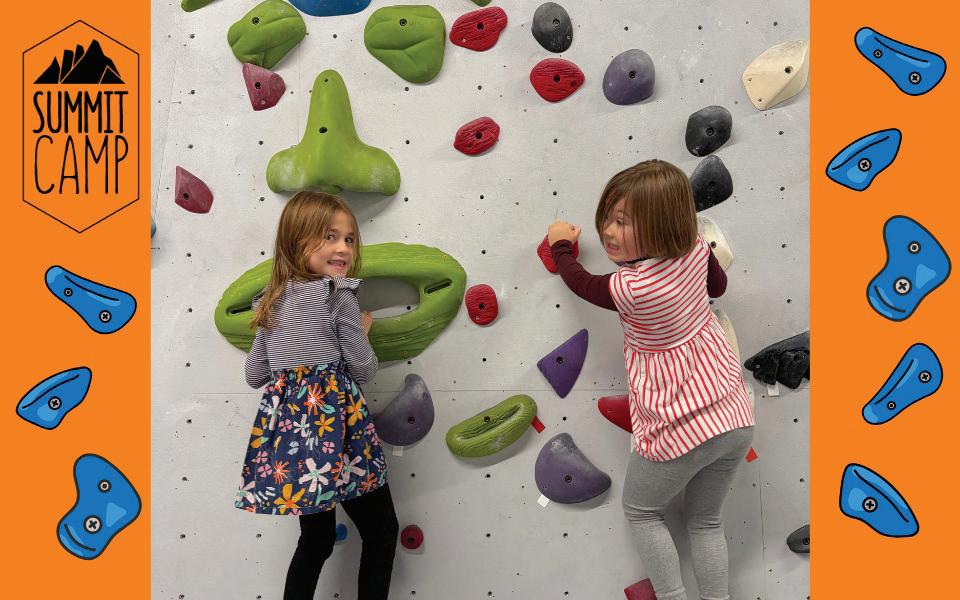
At Summit Everett’s indoor Climbing Summer Camp, kids reach new heights in every sense. They build confidence with every climb, foster growth through new challenges, and build community with fellow adventurers who become friends. Our expert instructors create a safe, supportive environment where campers of all skill levels learn proper climbing techniques, problem-solving skills, and the value of persistence. From first-timers to experienced climbers, every child finds their challenge and celebrates their progress alongside a community that cheers them on.

Ages 6–12 6256 NE 159th St., Kenmore 98028 (425) 366-7688
info@splashingcatstudio.com splashingcatstudio.com
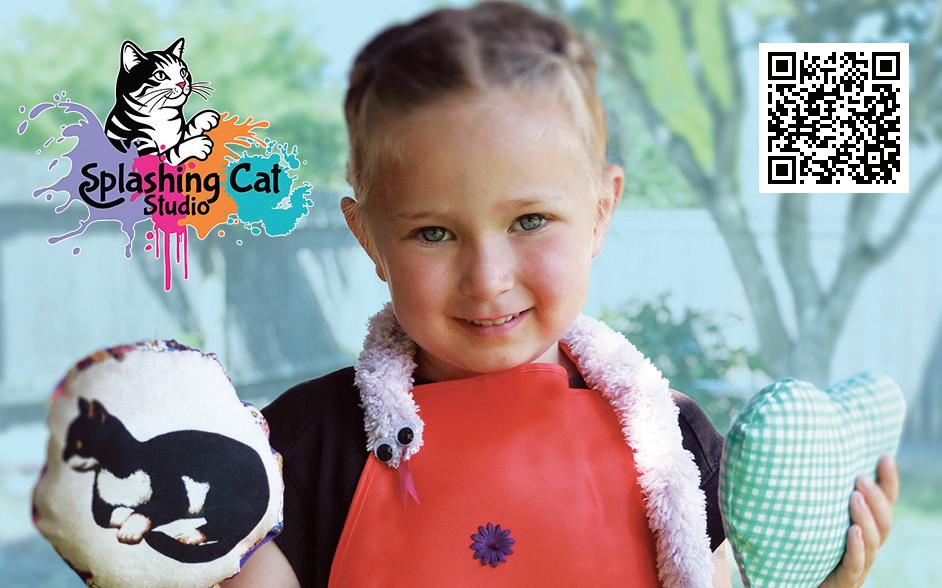
Splashing Cat Studio offers fun, engaging summer art camps filled with hands-on art-making — balanced with time to move, play, and recharge.
Young artists explore a variety of media and choose from exciting themes like Glow Art, Cute Creations, Papermaking, and more.
Optional extended care is available for busy families.
Receive 5% off for siblings with code SIBLING26.
Ages 5–12
Locations in Bellevue and Bothell (425) 224-7804 info@thinkaheadlab.com thinkaheadlab.com/camps
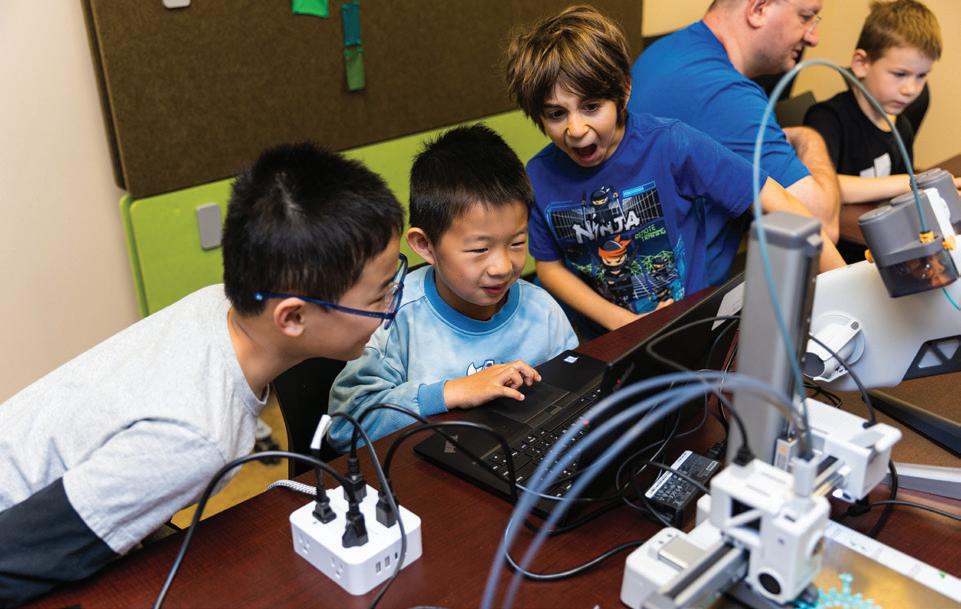
Robotics, 3D printing, chain-reaction machines, and game design — four hands-on camps where kids choose their own challenge level and build real things they take home. Built on our 7 Pillars teaching framework, every session starts with a question that pulls kids in through curiosity before any instruction begins. Small groups (1:8 instructor ratio) mean every child gets real attention. Full-day camps, Mon–Fri, 9 a.m.–4 p.m. Locations in Bellevue and Bothell. Early bird pricing ends May 15.

A special place for kids and families
BY JULIE HANSON



children’s hospital is a very special place.


In fact, Jeff Poltawsky, president of MultiCare Mary Bridge Children’s Hospital, uses the word “magic” to describe a facility designed, dedicated, and staffed entirely with young patients in mind.
The Pacific Northwest gets an extra dose of that magic when the brand new Mary Bridge Children’s opens in Tacoma on May 16.
The six-story, $479 million facility will have 82 patient rooms, eight operating rooms, and a helipad in addition to hundreds of “specially trained, driven and committed” staffers providing child-focused care in every specialty except for transplants.
Mary Bridge Children’s currently shares a facility with MultiCare Tacoma General Hospital, but starting this spring, it will return to being a free-standing hospital just for kids. The new, 262,000-square-foot hospital is on the site of the original at Division Avenue and Martin Luther King Jr. Way.
It comes at a time of growing demand by families seeking high-quality pediatric services close to home. And that means much, much more than having a few small beds and maybe a toy or two.

“Children are not small adults,” Poltawsky explains. “Everything has to be specific to them.” They also have different emotional needs and require different types of support.
The hospital will serve newborns through adolescents from across the state, as well as Oregon and Idaho, with a full spectrum of care. World-class professionals specializing in treating young patients will work in beautiful, sophisticated facilities equipped with state-ofthe-art technology.
The pediatric emergency department, with 38 treatment rooms and a mental health crisis stabilization unit, is the only Level II pediatric trauma center in Western Washington.
There’s a pediatric intensive care unit to help meet the region’s growing need for critical and specialty care. One of the operating rooms is especially for cardiac care. Mary Bridge Children’s recently launched its new Heart Center in collaboration with Cincinnati Children’s.
The hospital is designed not only with the latest equipment and technology, but also keeps in mind the unique challenges and potential stressors of having a hospitalized child.
For instance, every patient room will be private and have family quarters, including a pullout full-sized bed and a bathroom.
Larger, child- and family-focused spaces are also located throughout the facility. There will be playrooms on the floors housing young children. Adolescents will have access to areas designed for teenagers. There’s also an on-site bistro and coffee shop.
“By having unique spaces for all age groups, we make it as familiar and comfortable as possible for kids,” Poltawsky says.
That fits with Mary Bridge Children’s goal of putting kids and families first by tailoring medical care to young patients. Child Life Specialists aim to reduce kids’ anxiety by involving them in their care and explaining things in ways they can understand.
“That’s what’s special about a children’s hospital,” says Poltawsky, who is particularly excited for people to see the hospital’s interior
spaces, which he said are “beautiful and also playful.”
“Every child will see themself in the spirit of the building somewhere,” he said. Local artists were involved in designing spaces that reflect Washington geography: the sea, mountains, forests, and rivers. They added special touches and fun details to be discovered upon close examination.
All in all, Poltawsky said, the design creates a safe, pleasant, comforting environment that also sends a message: You’re in good hands here.
Other thoughtful touches include dedicated parking, a single, easy-to-find entrance, accessible outdoor greenspaces and wide sidewalks.
Work began in early 2021 on the new Mary Bridge Children’s, which also houses medical offices and has room for future growth. Poltawsky thinks it might be Tacoma’s “best-kept secret.”
There’s also a special Tacoma story that unites the current and future Mary Bridge Children’s hospitals.
Of the $479 million cost to build the new facility – much of which was spent locally – $100 million came from local donations, including $20 million from the Tacoma Orthopedic Association, aka the Mary Bridge Brigade, which had been the driving force behind the original, 1955 hospital. That facility became possible when local physician Dr. Albert Bridge bequeathed his estate to build a children’s hospital, which was named for his mother, Mary.
“Their legacy continues,” Poltawsky said, “and will position Mary Bridge to be a dominant force in pediatrics.
“It’s a new era of world-class health care here in everyone’s backyard.”
IN PARTNERSHIP WITH





by
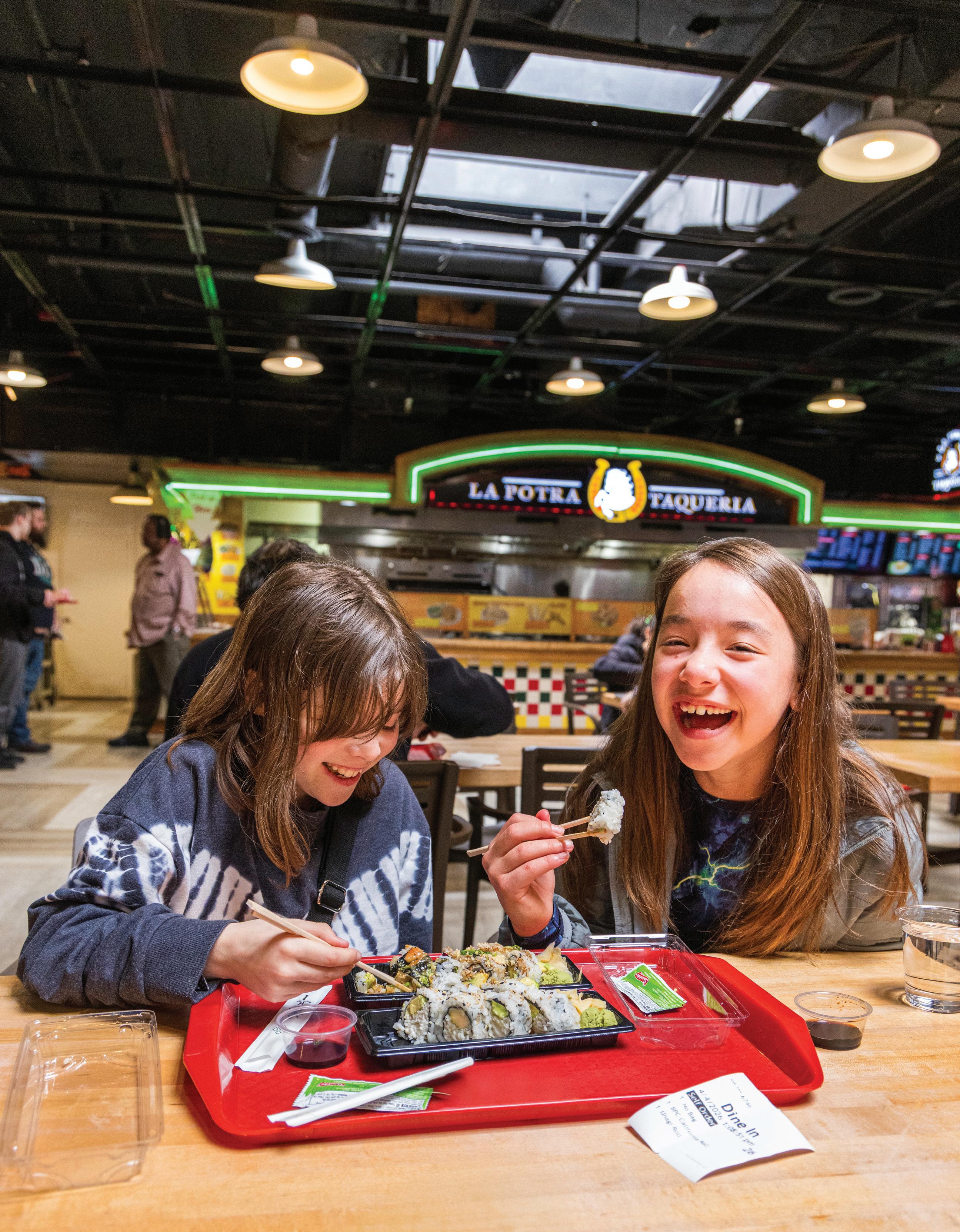
Everyone’s happy when they pick their own bites
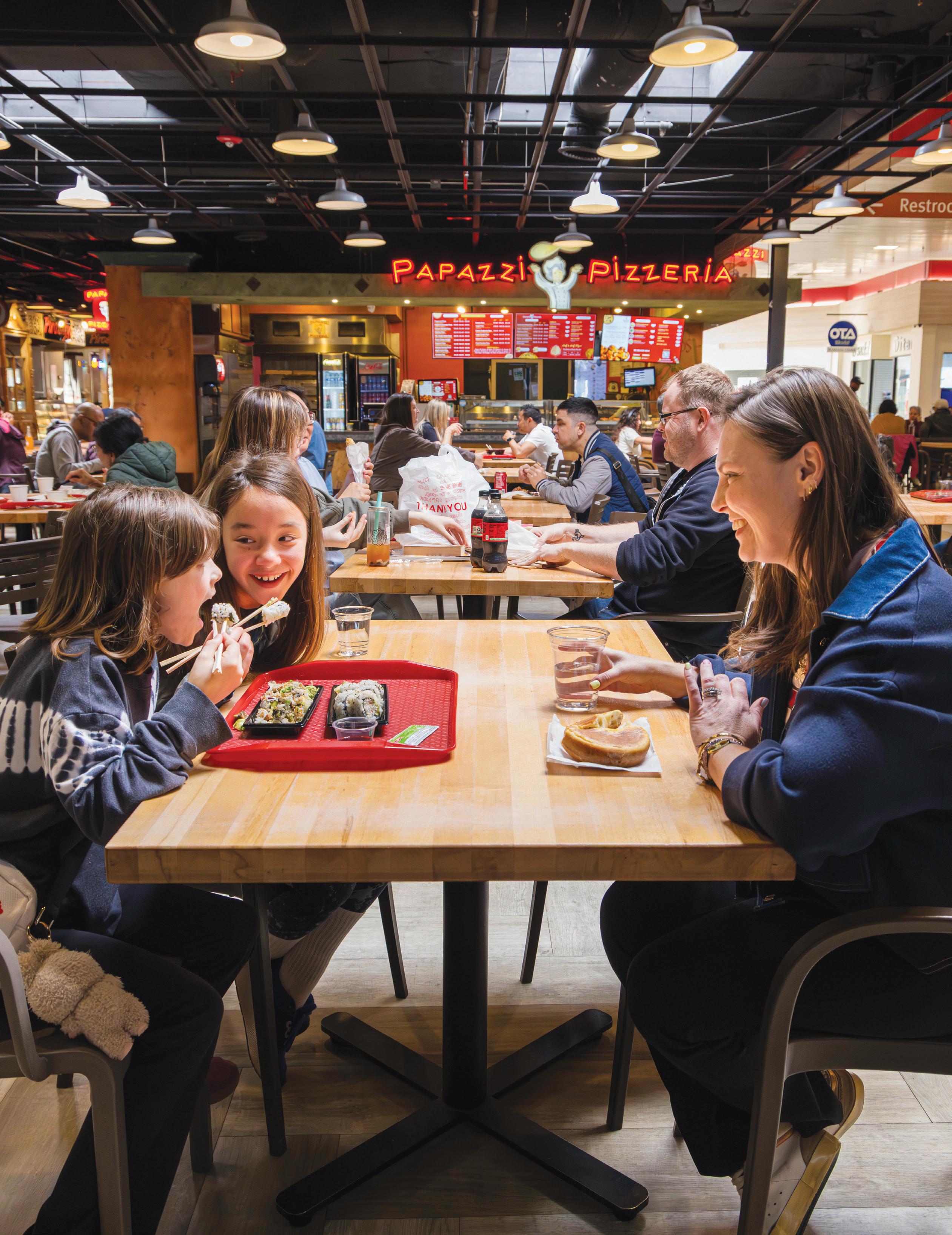
Food halls aren’t a new phenomenon — Quincy Market in Boston opened in 1826; Philadelphia’s Reading Terminal Market in 1893 — but the idea has evolved. Food halls today are culinary experiences, bursting with flavor, designed not only to satisfy the appetite but to cultivate community and curiosity. And greater Seattle is home to a variety of them.
What most have in common is that they are a parents’ dream: where, in most cases, everyone in the family chows down because they get to choose their own bites. Here’s what my family found on a recent food hall tour:
Crossroads Food Court
15600 NE 8th St., Bellevue
Yes, it’s a shopping mall, but not a typical one. It’s kind of a local legend. Built in 1962, Crossroads Bellevue offers shopping, civic and cultural activities, a King County library, and a farmers’ market in the summer.
What makes it legendary, though, is the Crossroads Bellevue Dine: a collection of more than 30 deliciously diverse dining options under one roof.
I visited on a busy Saturday, with companions, Cora, 9, and Kira, 10. Though their hearts were set on sushi, we checked out all that was on offer. In addition to the regional standbys — burgers, Thai, Vietnamese, Mexican — we found Russian piroshky and pierogi, Colombian empanadas, Hotpot, Hawaiian, and more. We plunked down with 16 pieces of sushi from Mix Sushi Bar, two bobas, and a piroshky from the Piroshky Bakery, a 30-year Crossroads veteran.
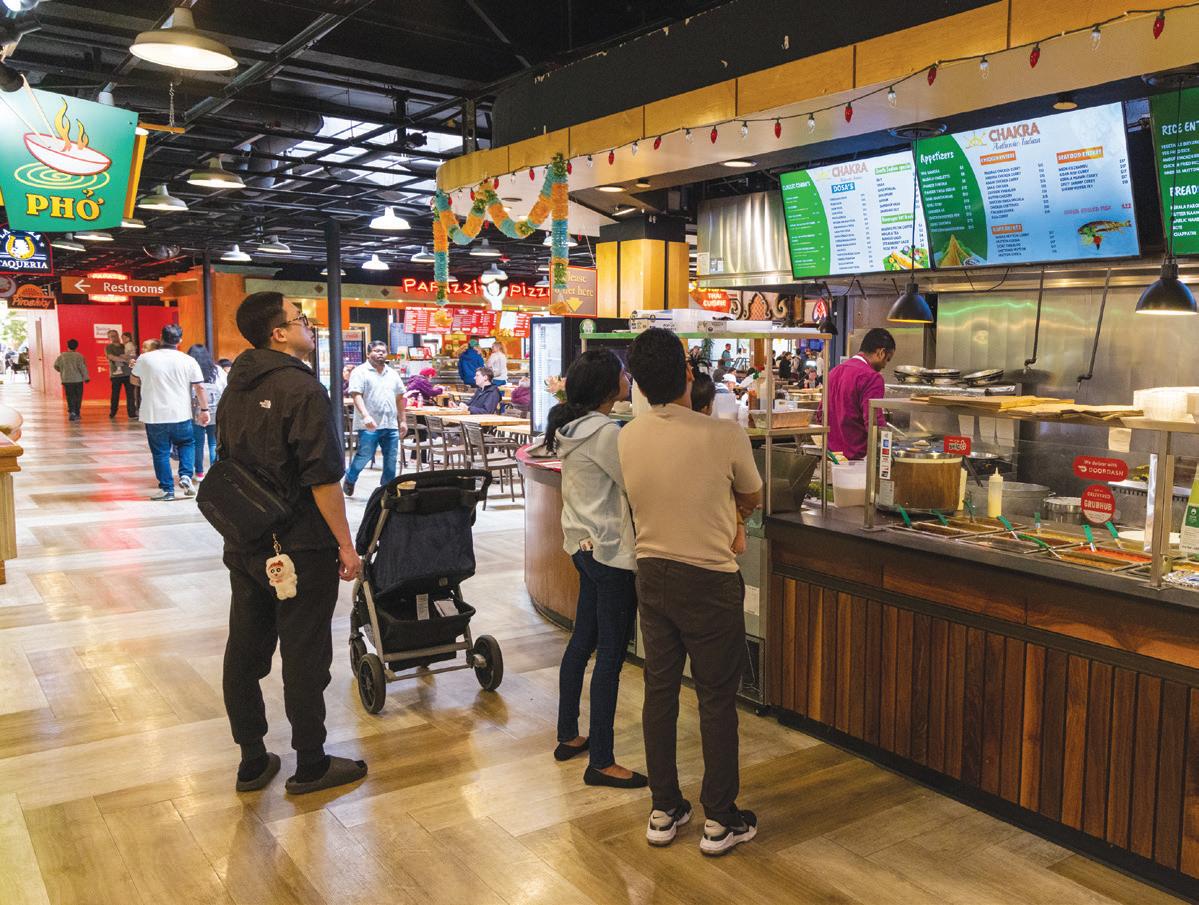
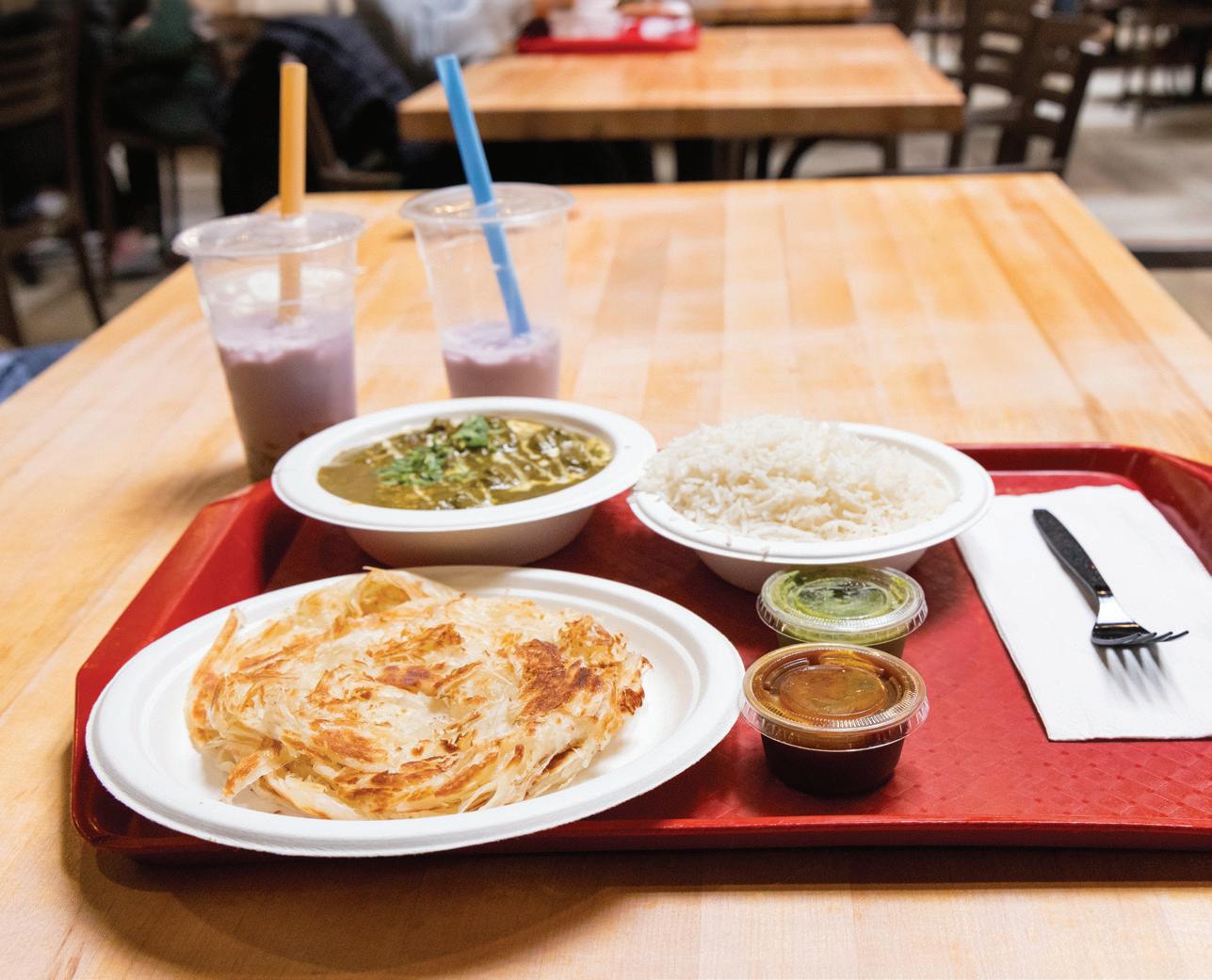
Then we noticed others with trays of dosas — a thin, crepe-like vessel for savory South Indian specialties, and I decided to enjoy my piroshky later and also order from Chakra, one of three Indian restaurants. With my saag aloo, I ordered kerala parotta — it was incredible, sweet and savory, buttery and thin.
Even after 16 pieces of sushi, the girls helped me devour it.
“We’re getting that again,” said Kira, “and next time the dumplings, too.”
“And the bakery with the buns,” added Cora, referring to Teews Bakery’s pineapple bubble buns.
When you visit Crossroads Bellevue food court, there’s always something saved for “next time.”
Seattle Center Armory Food Hall
305 Harrison St., Seattle
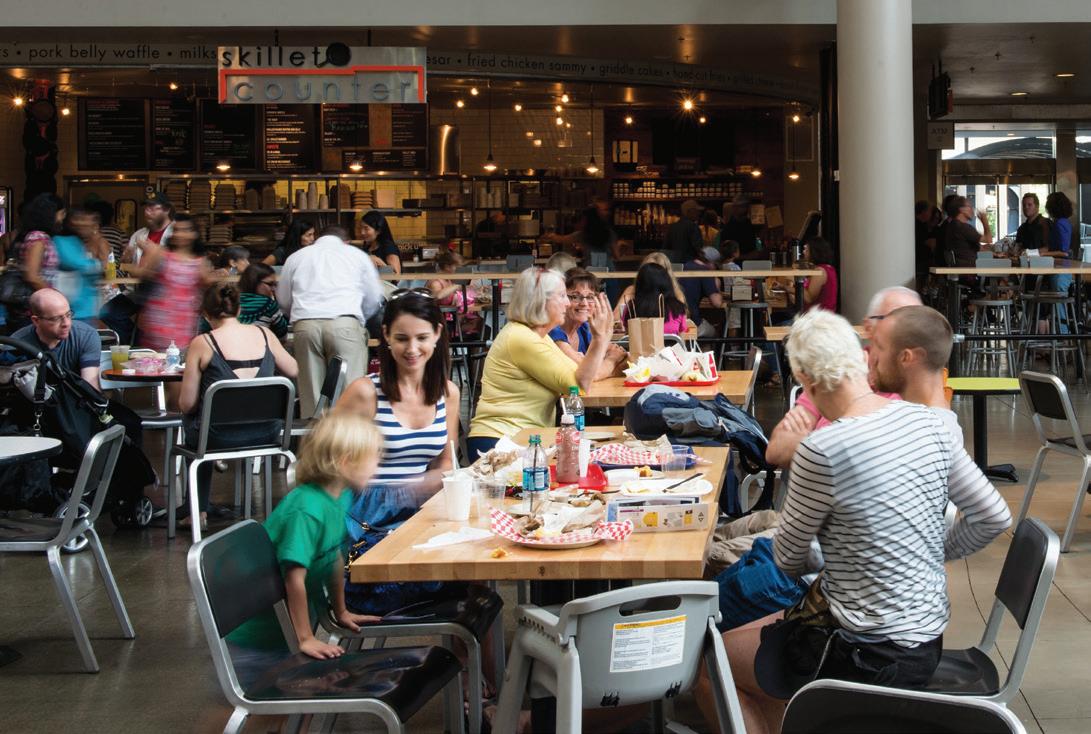
If you’re touring Seattle food halls with kids, the Seattle Center Armory is the one you can’t skip — it’s where Seattle’s idea of a shared, public food space really took root.
What began as a 1939 National Guard building became the “Food Circus” during the 1962 World’s Fair, and it’s been feeding families ever since. There are 14 counters (and counting) here
— offering pizza, noodles, burgers, and global bites — and lots of wide-open seating. Can’t decide what to eat? My 7-year-old and I love the burgers at Skillet Counter.
Often, you’ll see live entertainment (at 3,000 performances a year, it’s highly likely). But this spot is about more than chasing the “best bite” and enjoying the entertainment, it’s about connecting food, culture, and community.
Fairview Market Hall
400 Fairview Ave. N, Seattle
Fairview Market Hall opened 10 years ago but feels brand new. We hoped to catch a slice of the much-lauded Pizza By Ruffin, but they were sold out. My two dining partners, Cora and 10-year-old Eloise, decided on sushi (again) and a matcha green tea tiramisu from Mikan Sushi and Bento Co. I went for the customer favorite at Bleuwiches: the bulgogi beef banh mi. It was fantastic: sweet, sour, rich, and spicy.
Like its contemporaries (Melrose Market, CONTINUED ON PAGE 20 >
Families ordering from Chakra, one of three Indian restaurants.
The kerala parotta with saag aloo from Chakra.
Seattle Center Armory Food Hall
Seattle Center Armory is a food hall you can’t skip, not because it’s trendy, but because it’s where Seattle’s idea of a shared, public food space really took root.
Courtesy of Seattle Center Marketing
Uwajimaya Food Hall
Now nearing its centennial anniversary, Uwajimaya is the essential food hall: delicious, diverse, and fun.
Melrose Market
1501 Melrose Ave., Seattle
Want to go upscale?
Melrose Market will get you there. This hip market food hall offers a variety of dining and retail options. You can’t miss with a sandwich from Eggslut. Not the place for picky eaters; but if that’s what you have, it still makes a great parent and date spot.
Chophouse Row
1424 11th Ave., Seattle
If you’ve got kids, you go to this upscale option for the best ice cream in Seattle, found here in the form of Sweet Alchemy. To. Die. For. But before you hit the dessert, there’s a lot of food to explore, including eight eateries amid the retail shops. If you time it well, you may find an event or two to go with your meal.
Lake Union Eats
1601 Dexter Ave. N, Seattle
U District Eats 5600 Roosevelt Way NE, Seattle
Cap Hill Kitchens
525 13th Ave., Seattle
The Eats co-op locations offer a new spin on food halls. There is no seating, but you can order from a number of local restaurants and pick up. Then take your eats to UW campus or University Village, the lawns and picnic table by Lake Union Park, or Cal Anderson Park on Capitol Hill.
Chophouse Row), Fairview Market Hall is a mixed-retail space, with plenty of diversion beyond the food vendors. We caught Fairview’s newest tenant, Jenelle Melchior of The Craft Room, on her second day of business. The business drew the girls in like moths to a colorful flame, giving me an extra 10 minutes to enjoy my Sukura Mochi Mochinut. Kids won’t be able to resist the eclectic mix of fabric, beads, ribbons, and more, and Melchior even sent the girls away with their own free gift bag.
515 Weller St., Seattle
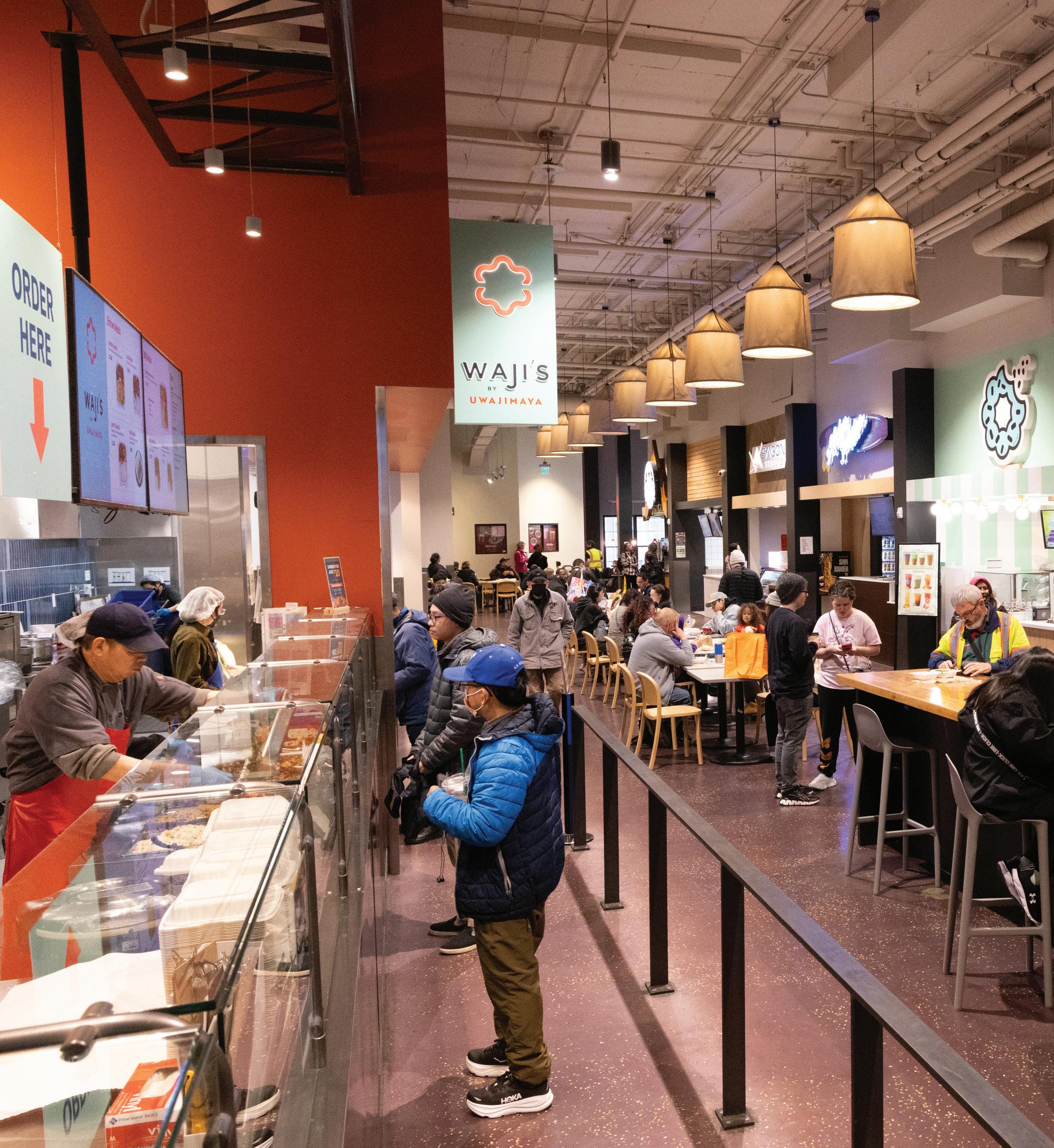
As native Seattleites, my kids’ comfort food is Asian: pho, dumplings, rice, maybe a creampuff or mochi donut for dessert. Naturally, we’ve been going to Uwajimaya Food Hall for years. Well before its big renovation in 2020, we’d pop down to grab a plate of roasted Peking duck, wander the grocery store,
and then decide which stuffed animal was cutest at Kinokuniya Bookstore.
Now nearing its centennial anniversary, Uwajimaya is the essential food hall: delicious, diverse, and fun. Denise Moriguchi, CEO of Uwajimaya, said “Families love bringing their kids to Uwajimaya Village because it turns a simple
visit into an experience — where kids can discover new snacks and share a meal from our food hall that offers a range of Asian cuisines.”
As Moriguchi added, and I agree: “It’s a space that naturally sparks curiosity and makes trying something new feel fun and approachable.”

From a mom who wrote two books on it
by TIFFANY DOERR GUERZON
Ilook at my bank statement and sigh. Daily needs are so expensive — gas, utilities, medical costs, and, of course, food.
Several years ago, as a stay-at-home mom of three living on a single income, I started researching and writing about cutting food costs to help my own budget. After a ton of reading on the subject, and through experimentation and trial-and-error, I figured out which methods lowered our grocery bill while providing healthy meals, even against the backdrop of a pandemic and continued price spikes. Two books later, it’s fair to say I am intimately familiar with the rising cost of feeding a family.
All that is to say, if you’ve felt the slow drain in your bank account, you aren’t alone. Between 2020 and 2025, food costs rose
by 27.14%. For context, if you were spending $600 per month on groceries in 2020, that price tag today would be $762.84. And, although food inflation is rising at a slower rate than in previous years, according to the USDA, prices are predicted to continue rising another 3.1% in 2026.
Some things are rising more precipitously than others. Beef prices are 14.4% higher than a year ago and are up a whopping 52.5% since 2020. Fresh vegetables, sugar, sweets, and other nonalcoholic beverages have also spiked in cost. And with the current volatility of diesel prices affecting shipping, food inflation is unlikely to slow anytime soon.
So how do families put healthy meals on the table without going broke? The trick is to control how you shop and cook. Here are a few of my best hacks:
Shop your pantry, fridge, and freezer
Look through your pantry, fridge, and freezer, and take an inventory. Then, see if

Serves 6-8
I invite you to rediscover the casserole. I’m from the Midwest, where everyone has a favorite casserole recipe. These comforting, hearty meals can feed a crowd and are kind to your budget. Here is one of my family’s favorites.
8 corn tortillas
1 cup chicken or vegetable broth
2 cups shredded chicken (shredded rotisserie chicken works well)
1 onion, diced (or 1 cup frozen, diced onion, defrosted and drained)
1 green bell pepper, diced (seeded, membranes removed)
1 tbsp chile powder
1 tbsp garlic powder
1 family-sized can of Cream of Mushroom Soup
1 cup salsa
2 cups shredded cheddar cheese
1. Spray a 9x13-inch casserole dish with nonstick cooking spray. Dip tortillas into broth, then lay them out in the bottom of the pan, covering the bottom evenly.
2. Layer the shredded chicken evenly over the tortillas. Sprinkle the onions and bell pepper over the chicken, then sprinkle chile and garlic powder over.
3. Using a large spoon, add dollops of the soup, then spread evenly over the top. Add salsa in the same way. Top with shredded cheese.
4. Cover pan with foil and bake at 350 degrees for 30 minutes or until mixture is hot and bubbly.
you can make a meal plan for the week with what you have. After that, try doing a “pantry challenge” every few months: create meals out of what you already have, shopping only for fresh items as needed.
Shop at a cheaper store

Convenience is king when it comes to grocery shopping, but if there is a less expensive store, even if it is more out of the way, head there to stock up on staples. WinCo is a discount win in my area. For families with food allergies and intolerances, Grocery Outlet offers lower prices on specialty items. Make a meal plan and a list
Plan your weekly meals based on what is on sale and what you already have. Leave one night open for leftovers to cut down on food waste. Once you have a plan, make a shopping list and stick to it.
Seeing a lot of impulse purchases come home? There may be a nominal fee for ordering online and picking up your groceries, but in-store shoppers won’t get anything that isn’t on your list!
Switch to store brands
Store brands average 20-25% less than name brands. At my local Fred Meyer this week, a family-size can of Kroger brand Cream of Mushroom Soup cost $1.89, while the comparable Campbell’s cost $3.49.
Shop the sales cycle
Stores tend to put staple items on sale every four to eight weeks. Note when you see an item that you purchase regularly on sale, then pay attention to when the next discount happens. Once you figure out the cycle, you can plan to buy enough to get you through to the next sale.
Save on meat
For ground beef, buying in bulk is almost always cheaper. Current prices at my local Fred Meyer are $7.99/pound or $18.99 for three pounds. Bulk is clearly the better deal at $6.66/pound.
Divide the package into one-pound bags for the freezer. Many recipes for soups or casseroles call for one pound of ground beef. Use three-quarters of a pound instead of a whole pound of meat, then put that extra quarter pound back in the freezer. Three dishes later, you’ll have another ¾ pound of meat in the freezer. Trust me, no one will miss that quarter pound.
The same method helps cut chicken costs. I am a huge fan of Costco’s $5 rotisserie chicken: remove the meat and freeze in one-pound amounts. I usually get almost three pounds of meat from each Costco bird.
Last, don’t forget to check the marked-down, soon-to-expire section at the meat counter. Cook these right away, or toss in the freezer.
ABOUT OUR WRITER
Seattle writer Tiffany Doerr Guerzon is the author of “Save Money on Groceries Without Losing Your Mind: 15 Strategies Anyone Can Use.” She’s been a featured grocery shopping expert on local news stations and speaks on grocery budgeting for the MOPS Speaker Network.
Makes 7, 1/2 cup servings
This dressed-up version of canned refried beans makes a great filling for tacos, burritos, or quesadillas on its own, or can be added to any of these to cut down on the amount of taco meat needed.
1 cup chopped onion
4 tbsp olive oil
4 cloves garlic, minced (if using refrigerated minced garlic, 2 tsp)
2 16-ounce cans of fat-free refried beans ¼ cup taco seasoning
1. In a medium saucepan, saute the onion in oil over medium heat until translucent.
2. Add minced garlic and saute one minute, stirring constantly to avoid burning.
3. Turn the burner heat to low. Add beans and mix well, then add taco seasoning and mix again.
4. Simmer on low for 20-30 minutes to allow flavors to blend, stirring occasionally.
5. If you have a stick blender, you can blend the mixture for a smoother texture.
County health department publishes a planet-friendly
by CHERYL MURFIN
Earlier this year, Public Health—Seattle & King County (PHSKC) rolled out a surprising publication. Known for its health alerts, data tracking, and other notices, the department proudly unveiled its first cookbook: “A Shared Table: Delicious, Climate-Friendly Recipes from King County.”
The idea is simple. Cooking meals that are good for our bodies — and a little gentler on the planet — can be one small, doable way families support both health and climate goals. The recipes in the free downloadable cookbook are plant-forward and approachable, and many cultures are represented in its pages, including dishes from Afghan, Mexican, Peruvian, Chinese, Sri Lankan, Pakistani, Indigenous, Black, and African American residents of King County.
“We were looking for a way to connect with local communities about several factors that impact public health, including the food we eat and its relationship to the environment we live in,” says PHSKC’s Meredith Li-Vollmer. “Working with local people to create a cookbook of healthy recipes that also have lower impacts on the environment seems like a great way to jump-start these health conversations and foster community connections at the same time.
“A Shared Table” provides other useful information. It offers tips for eating and cooking on a budget, guidance on getting food assistance in King County, and ways to reduce food waste. Between the breakfast, light bite, and main dish sections, you’ll find write-ups on sustainable farming, local and sustainable fishing, the connections between health, food, and climate, and other topics. If you’ve got kids in the house, reading these sections together can spark conversation and interest in exploring healthy eating as a way of protecting the planet.
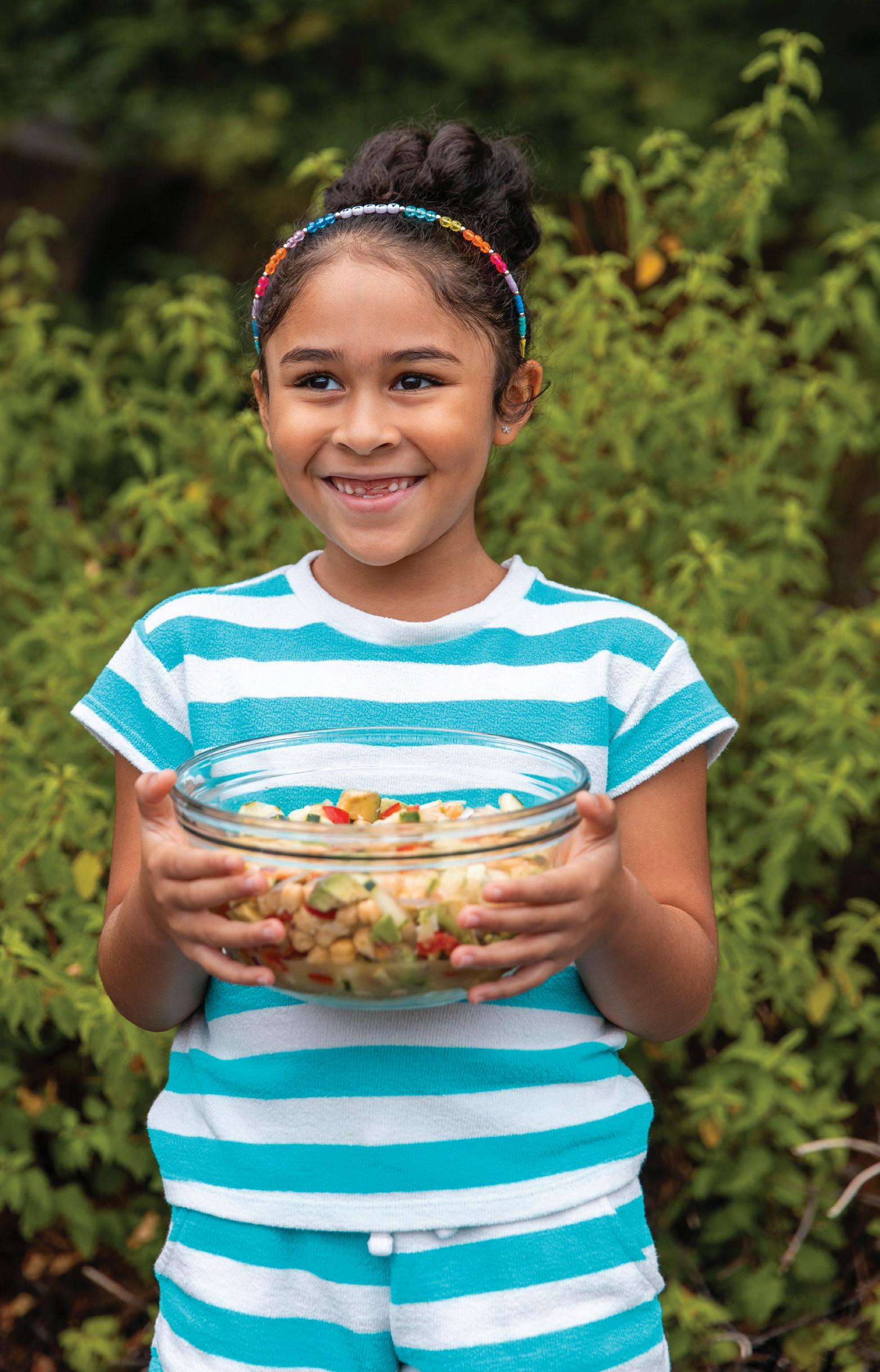
Li-Vollmer hopes those conversations will start as the family cooks and eats together.
“Peer-reviewed research shows that involving children in meal preparation results in kids eating more — especially vegetables,” says Li-Vollmer. Research also links frequent family meals to better mental health outcomes for parents and children.
“There are so many other takeaways,” Li-Vollmer adds, “eating a healthy, plant-based diet can be affordable and achievable; with the right recipe, home cooking with kids is possible and even fun; and that one of the best ways to get to know one another’s cultures is to share food.”
Perhaps the biggest link Shared Table makes is that between climate change, public health goals, and how we eat.
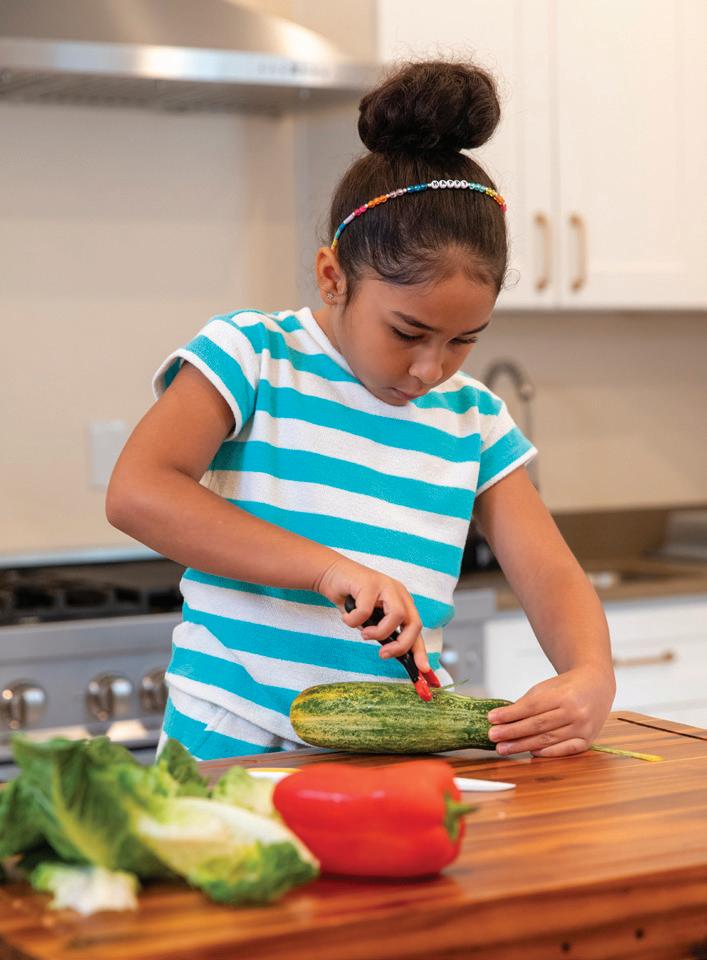
Serves 4
1 English cucumber or 4 Persian cucumbers
1 tsp salt
2 tbsp olive oil
1 tbsp lemon juice ¼ tsp ground cumin ¼ tsp pepper 1 15 oz can of chickpeas
1/2 red bell pepper, diced
1 avocado, diced ¼ cup red onion, thinly sliced Optional: 1/2 cup crumbled feta
1. Partially peel cucumber with a vegetable peeler, leaving skin on in an alternate stripe pattern. Cut into bite-sized pieces of your choosing, diced or sliced. Place in a colander after tossing in a teaspoon of salt. Set aside while preparing the remaining ingredients.

The public health department stresses that climate change is a leading threat to public health. To mitigate the impacts of climate change, such as drought, heat, and poor air quality, humans need to reduce their reliance on fossil fuels.
“One way we can do this is by eating a plant-based diet,” Li-Vollmer stresses. “The production of food involves activities that are drivers of climate change.
“Sustainable food practices can help decrease greenhouse gases. That’s why more people are choosing climate-friendly approaches to food, like eating less meat and dairy and cooking with more local ingredients.”
2. Whisk oil, lemon juice, cumin, pepper together in a large bowl. Add chickpeas, bell pepper, avocado, onion to dressing and gently toss to cover.
3. Shake cucumber in the colander to release moisture then add to the large bowl, toss once more. Add in feta, if using.
Even when it’s hard, sitting together makes a difference
by CASEY FUNKE
Irecently listened intently as friends told me about their goals for getting together more in 2026. Then I heard an episode of The Ezra Klein Show on the topic. Both conversations got me thinking; gathering feels relevant right now. Essential even. Having children hasn’t changed my desire to gather, but it has transformed the experience.
The obvious gathering spot: The family table
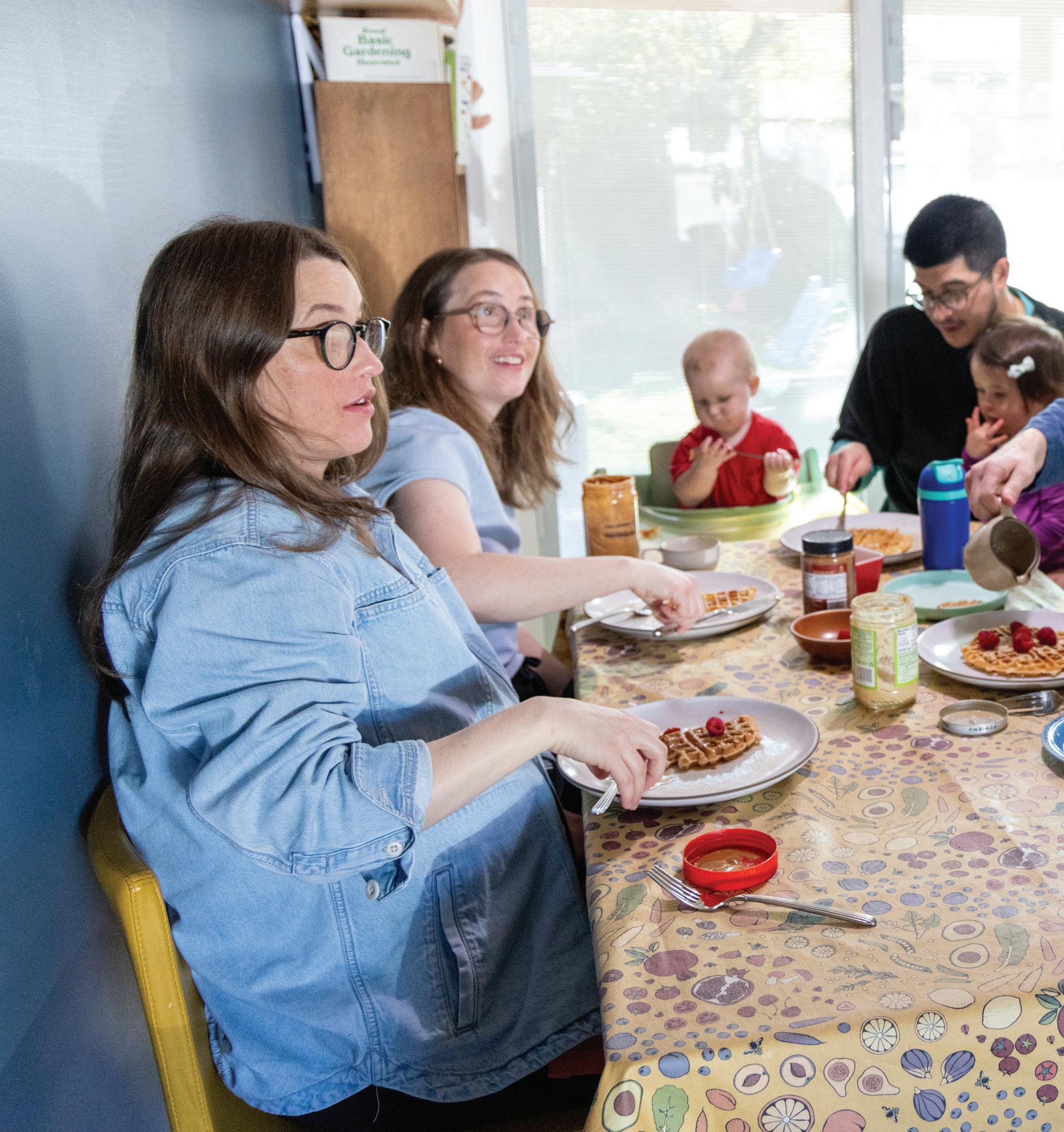
The first, and perhaps simplest, place we gather in our family is in our home, around the table, at mealtimes. There is consensus among health professionals that gathering for family meals is hugely beneficial — eating together regularly is associated with lower risk of child obesity, better family mental health and well-being, better academic outcomes, and more. At the same time, a 2025 review in the Health Promotion International journal acknowledges that family meals can be “chaotic, messy, and stressful.”
With two boys under five, that’s usually the case in our household.
Case in point: A few nights ago, my niece and son were arguing over cup colors. There was a green cup and a blue one; they both wanted blue. I suggested my son pick the cup color, and his cousin pick the lid color. My son ended up with a blue cup and a green lid. His cousin, a green cup and a blue lid. All were happy. What a perfect teaching moment: “That’s compromise, kids.” Our
family meals are never easy. They include “on-the-go” bites, pets underfoot, and lots of negotiation. But they always bring us together. These kids will be OK
I feel lucky to live close to my family. My parents live a few neighborhoods away, my in-laws are within walking distance, and my aunt is around the corner.
When we had kids, these relationships took on new purpose. Grandparents became caregivers. Aunts and uncles became stalwarts. The way we gathered changed, too. I think about the time we all brought ukuleles to a party. We are not a family of musicians, but my son was really into them for a time. We played while my son danced in the middle of the room — he’s always liked being the center of attention. We would never have done this before children. Yet there we were, gathered around a printout of ukulele chords, singing “You Are My Sunshine” and laughing.
I’m also lucky to have a steadfast group of friends nearby. We all have children of a similar age. Rather than let that get in the way of gathering, we’ve adapted our gatherings to accommodate this new stage of life.
When we held our first Friendsgiving in 2014, we stayed out late and opened many bottles of cheap red wine. Last November, our Friendsgiving included a bouncy house, a BYOH (bring-your-own-highchair) policy, and a home-by-8 p.m. goal. As I looked around that table, I felt a sense of pride. I knew in my heart that this group of friends, no matter the circumstances, would continue coming together to raise this next generation. These kids will be OK. Neighbors make good community
Since moving into our home, we’ve made it a point to get to know our neighbors. There’s no question that having kids and the convenience of a neighborhood nanny
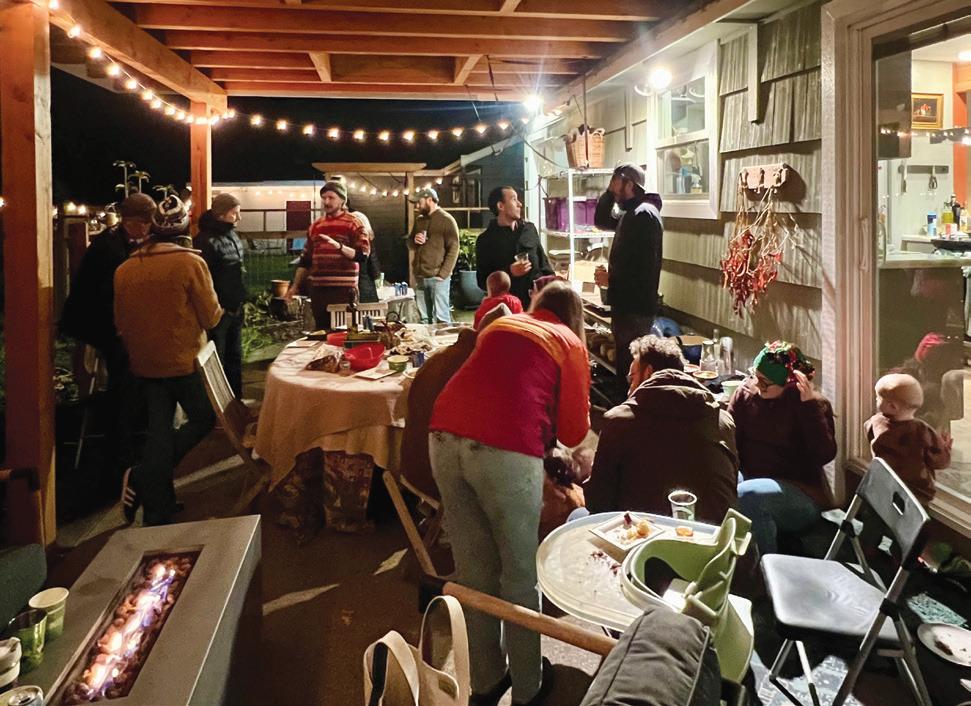
share helped. But mostly, we’ve made a concerted effort to build community with people we share space with. We host a winter solstice party for our neighborhood. We meet outside under cover, bring blankets and warm soups, and celebrate our growing community. Our kids dress in Tuffo suits and rain boots, and stomp around the muddy yard while the adults eat and converse. It’s one of my favorite traditions. It’s not easy, but we’ll keep doing it
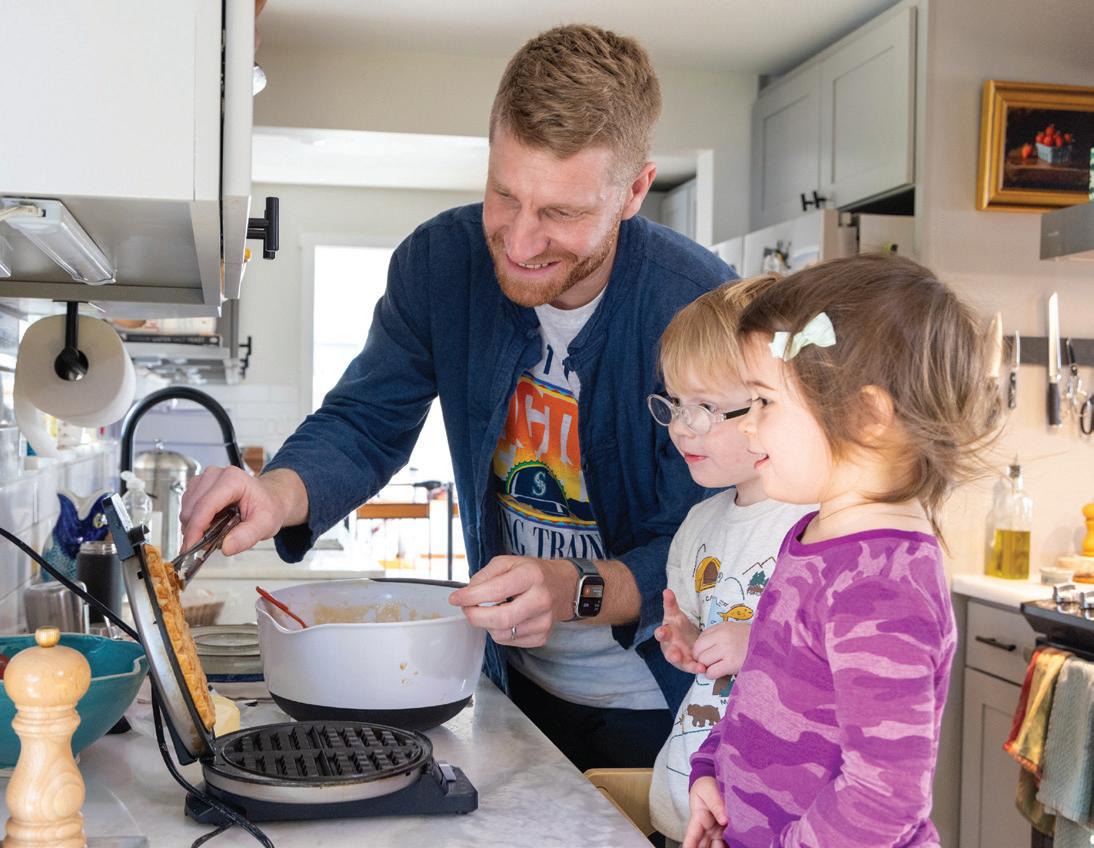
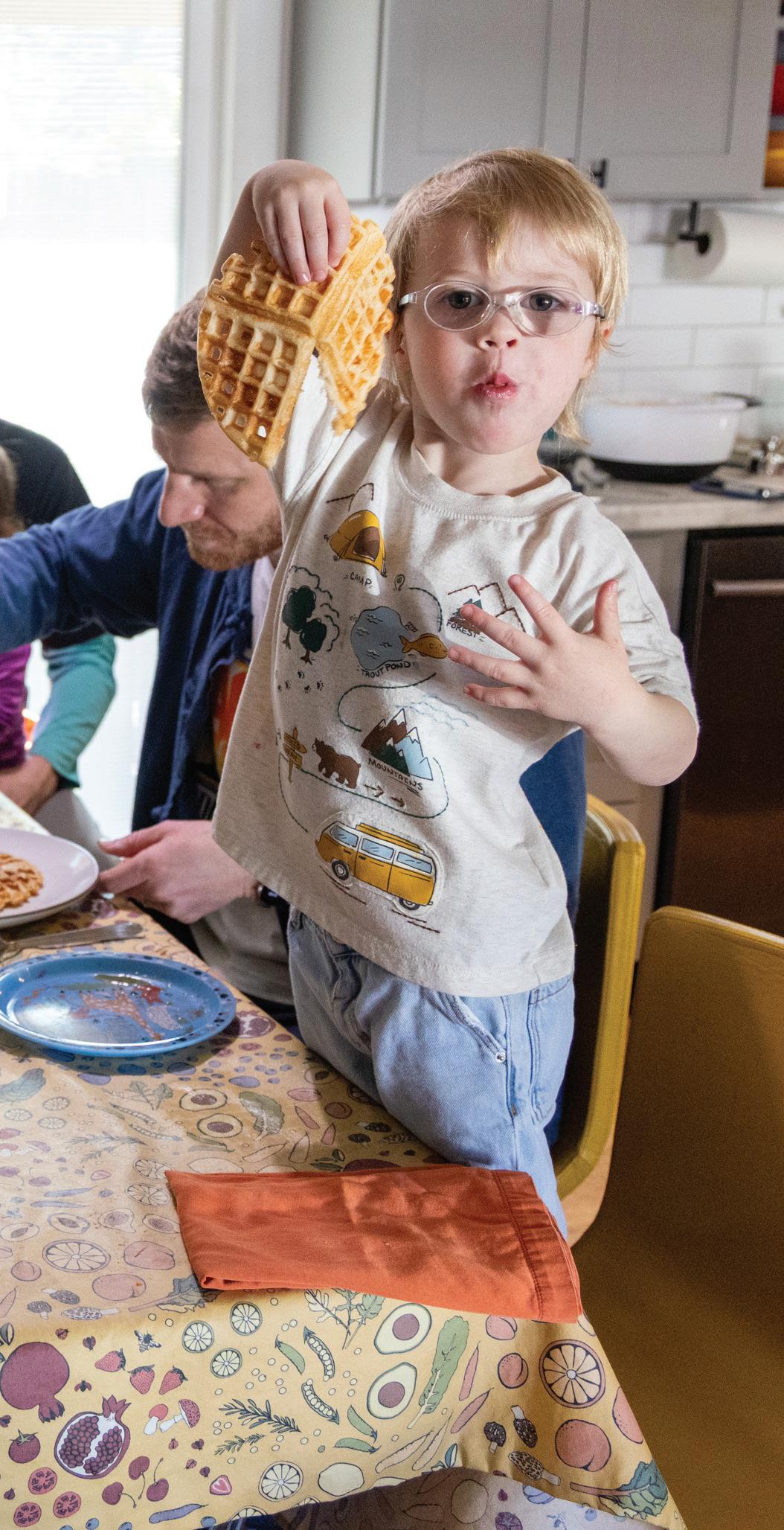
Like our solstice party or our Friendsgiving tradition, gathering is often centered around food. This can be as simple as inviting our extended family over for Sunday morning sourdough waffles. Or as hectic as a house of twelve adults and ten children, in Suncadia for our annual winter retreat, serving up those same sourdough waffles, 4X the batch.
Food brings us together. But when you introduce children, who turn eating into a chore, gathering can feel intimidating. I’ve found it’s easy to get caught up using children as an excuse not to get together. I’m guilty of that sometimes myself.
But I’m also cognizant of it.
And, knowing the benefits, I actively work to push back on taking the easy road. Sometimes we choose chaos. And usually we’re better for it.
by SEATTLE'S CHILD STAFF
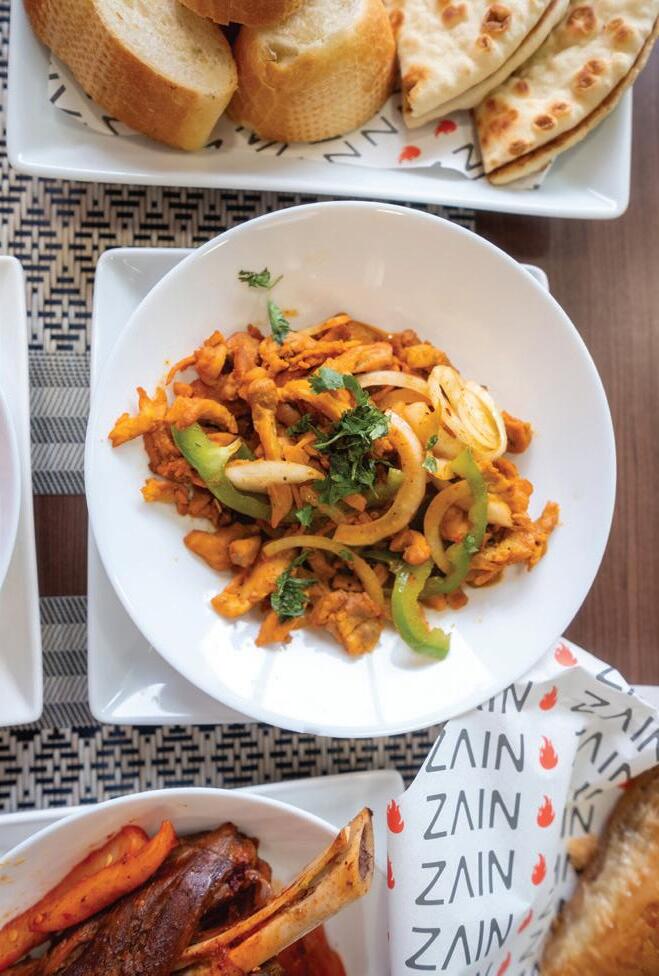
Looking for a single destination to introduce your kids to foods from around the world and the ingredients that make them? Head out to the newly dubbed World Table District, the row of nearly 30 restaurants, cafes, and international markets found along International Boulevard on the east side of Seattle-Tacoma International airport.
That’s where you’ll find Ethiopian and East African eateries, Latino cafes and diners, Thai street food and restaurants, Peruvian bites, vintage Americana, and more. Nearby several international markets specialize in African, Asian, and halal foods.
What’s the difference between an international market and a regular grocery store? “These markets also serve as cultural hubs for the community. Many offer fresh-baked goods or prepared foods and reflect the everyday food traditions of the neighborhoods they serve,” say district promoters.
Find the map and dining options at 3seattlesouthside.com/world-table
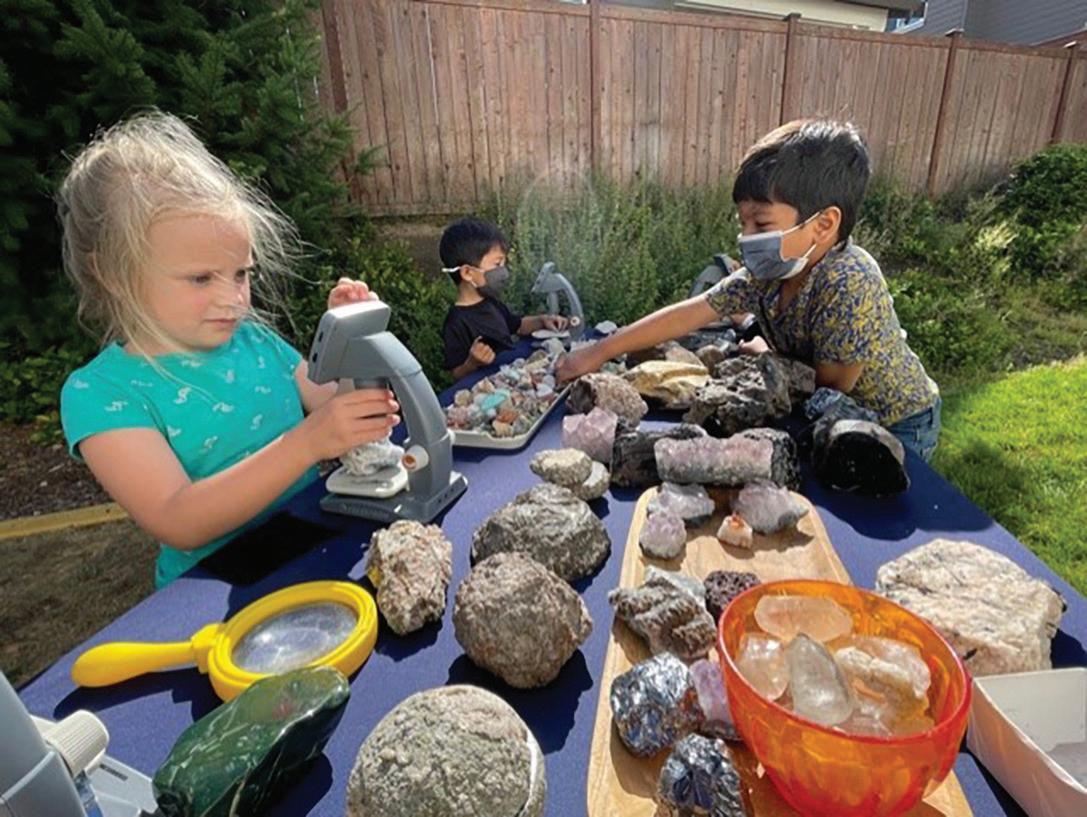
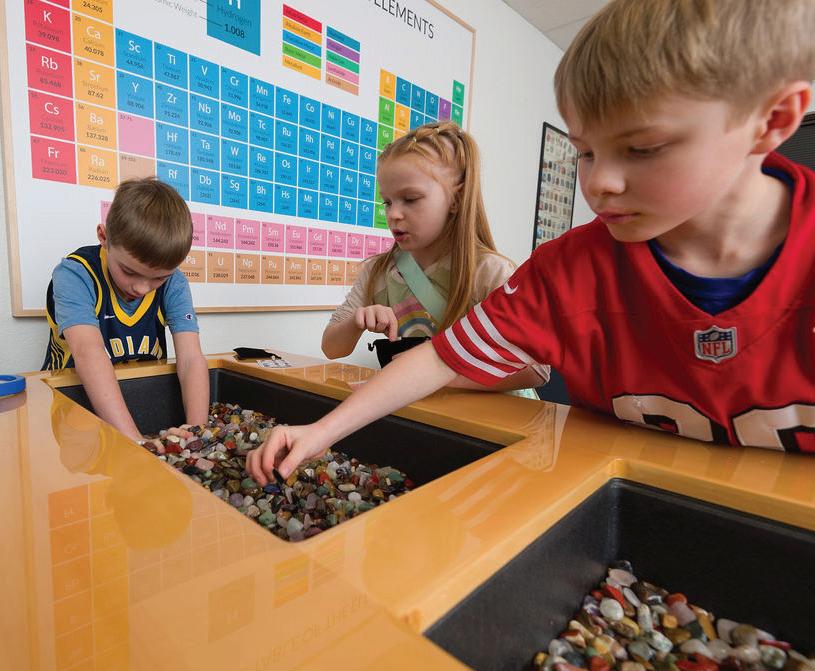
Offering fun, hands on geology programs for kids of all ages. The lab experience comes to you!
Hands-on science fun for kids and families. Come explore, play, and get curious.
ROCKS • MINERALS • FOSSILS CURATED ROCK BOXES
ADVENTURE DIGS



by MELODY IP / photographs by JOSHUA HUSTON
Most kids need two to three snacks between meals to power them through the day. But which ones are most likely to get a kid’s thumbs-up these days?
We polled Seattle-area parents representing nearly 40 kids, as well as several teachers at local elementary and middle schools, about their favor ites. We then took their 10 most common responses and hosted a taste test to determine which snacks were kid hits and which they would pass up. (We excluded candy, but if we hadn’t, Nerd clusters and sour gummies would have run circles around the list.)
Trends at local grocers reflected some of our unscientific findings. Their sales show that protein-heavy snacks, gut-friendly products, drinkable yogurts, and charcuterie-style lunches are all the rage. Textural contrast, flavor combos, and being dye-free are big pluses. Here’s our list of the top 10 snacks local kids (and parents!) love.

Homemade or store-bought. We tested store-bought cheddar, butter, and kettle corn. Depending on how you flavor it, popcorn can be a tasty and healthy snack.
PRICE/LOCATION: $3-$6; most grocery stores
KIDS SAY: “The sweet and salty one is sweet, but not enough to feel bad about eating.”

These coated biscuit sticks first sold in 1966 have incredible staying power. Among chocolate, banana, and passion fruit yogurt with mango and cookie bits, chocolate was the obvious favorite with taste testers.
PRICE/LOCATION: $2-$3; most major grocery stores
KIDS SAY: “Smells and tastes like a weird banana.”
PARENTS SAY: “Tastes like a banana Laffy Taffy on a Pocky stick. Not a huge Pocky fan.”


This literal twist on traditional pretzels livens up the snack game with a hint of umami from Maui onion and the sweetness of monk fruit. Bonus points for being vegan.
PRICE/LOCATION: $4.50-$6; most grocery stores
KIDS SAY: “It had the best flavor because it was a little sweet.”
“It’s sweet and addicting.”
PARENTS SAY: “I’m not a fan of buttery sweet pretzels; I prefer a clean, savory crunch!”

Ramen snacks come in flat waves, crispy clusters, or crumbly bits, with flavors like soy sauce, red chili, tonkotsu, or wasabi. Some include seasoning to sprinkle on the noodles, while others have flavors baked in.
PRICE/LOCATION: $2-$4; most Asian grocery stores
KIDS SAY: “Crunchy and crispy, but leaves residue on fingers.”
PARENTS SAY: “I like the crunch and subtle flavor of the soy sauce flavor, and I prefer the wide strips over the tiny pieces — too messy!”



Industry trends and grocers point to the popularity of drinkable yogurt, for their probiotics and high protein.
PRICE/LOCATION: $2-$4; most grocery stores
KIDS SAY: “The tropical one
Nori seaweed sheets are packed with iron and other beneficial vitamins, hiding nutrients in a tasty snack. Be yond basic sea salt season ing, try flavors like wasabi, chili lime, and Korean BBQ.
PRICE/LOCATION: most grocery stores
KIDS SAY: one is kind of bland, light, and crispy.”
PARENTS SAY: haven’t had time to go to the grocery store, and I’m low on fresh produce, I feel a little bit better packing seaweed, knowing that they’ll get

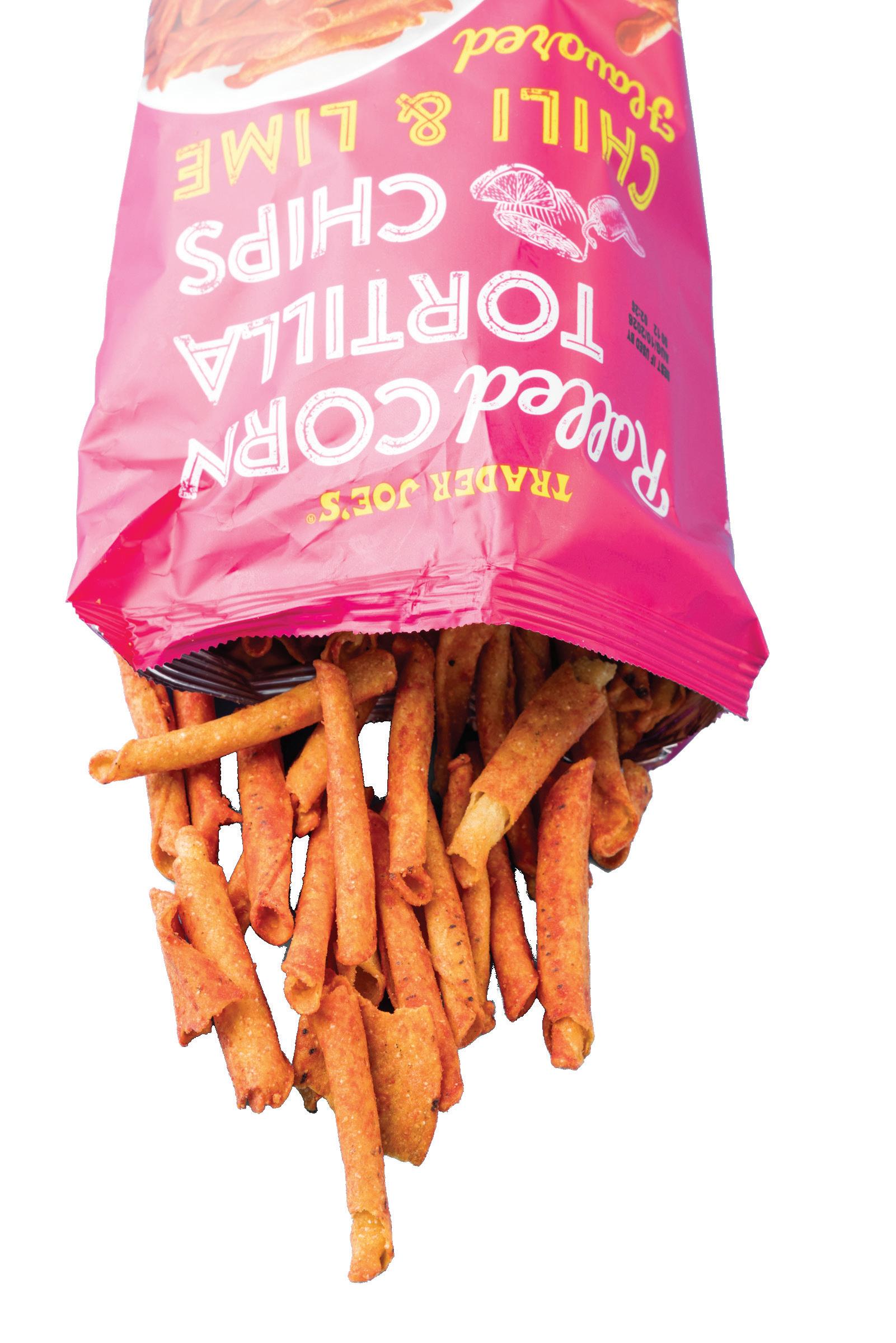
These tangy chips (aka “Trader Joe’s Takis”) have consistently topped the company’s customer choice awards. They’re gluten-free, with coloring from vegetable juice, and paprika and turmeric extracts. (Safeway has a similar product, which our taste testers said was slightly milder than Trader Joe’s.)

PRICE/LOCATION: $2.99; Trader Joe’s “Intense salty/spicy flavor — a bit sour.” “The spice might be a little too intense for some people.”
“What I love most? The price.”
Packed with protein, sticks come in flavors like original beef, taco seasoning, or smoky BBQ, and are made from beef, pork, turkey, or venison. Watch for sodium levels, preservatives, or added sugars.
PRICE/LOCATION: $2.50-$4; most grocery stores
“The smoky flavor was very good. Meat sticks are a little tough.”
“What I like about Chomps is that … it’s made without antibiotics, added hormones, and grass-fed. I especially like that it’s low on the sodium scale!”
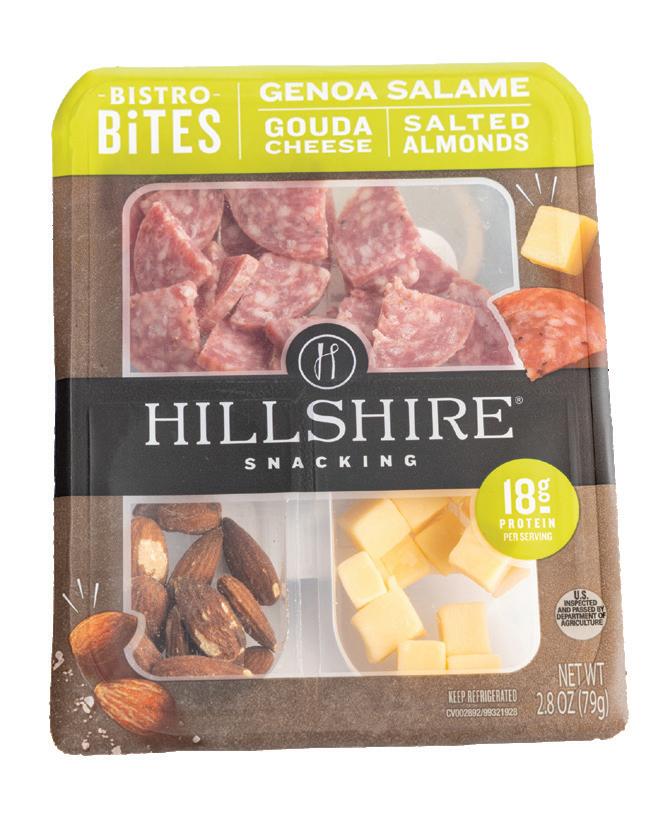


We’ve come a long way from Lunchables. Packs cater to your kids’ preferences around meat, cheese, crackers, and dessert. You could also create your own and let your child customize their balanced, healthy snack.

PRICE/LOCATION: $3-$5; most grocery stores
KIDS SAY: “Meat and cheese taste pretty good together, but it usually is pretty messy and chewy.”
PARENTS SAY: “Sometimes my child is too lazy to make a sandwich, so she’ll pack deli meat, cheese, and crackers. That’s my ideal lunch, too!”
Mother's Day events:
SEATTLE ART MUSEUM
May 1
Organized by teens, for teens, Teen Night Out at SAM is an annual after-hours celebration featuring one-of-a-kind programming created and presented by Seattle’s talented teens. This year’s theme — Sunken Soirée — invites ages 14-18 into a world of jazz, candlelight, and underwater glamour. FREE

MONTLAKE CUT
May 2
Stand along the shores of the Montlake Cut near Husky Stadium and watch over 800 rowers compete in the ne plus ultra Seattle rowing event, followed by the Seattle Yacht Club’s Opening Day Boat Parade. FREE
CHILDREN’S DAY
JAPANESE CULTURAL AND COMMUNITY CENTER
May 3
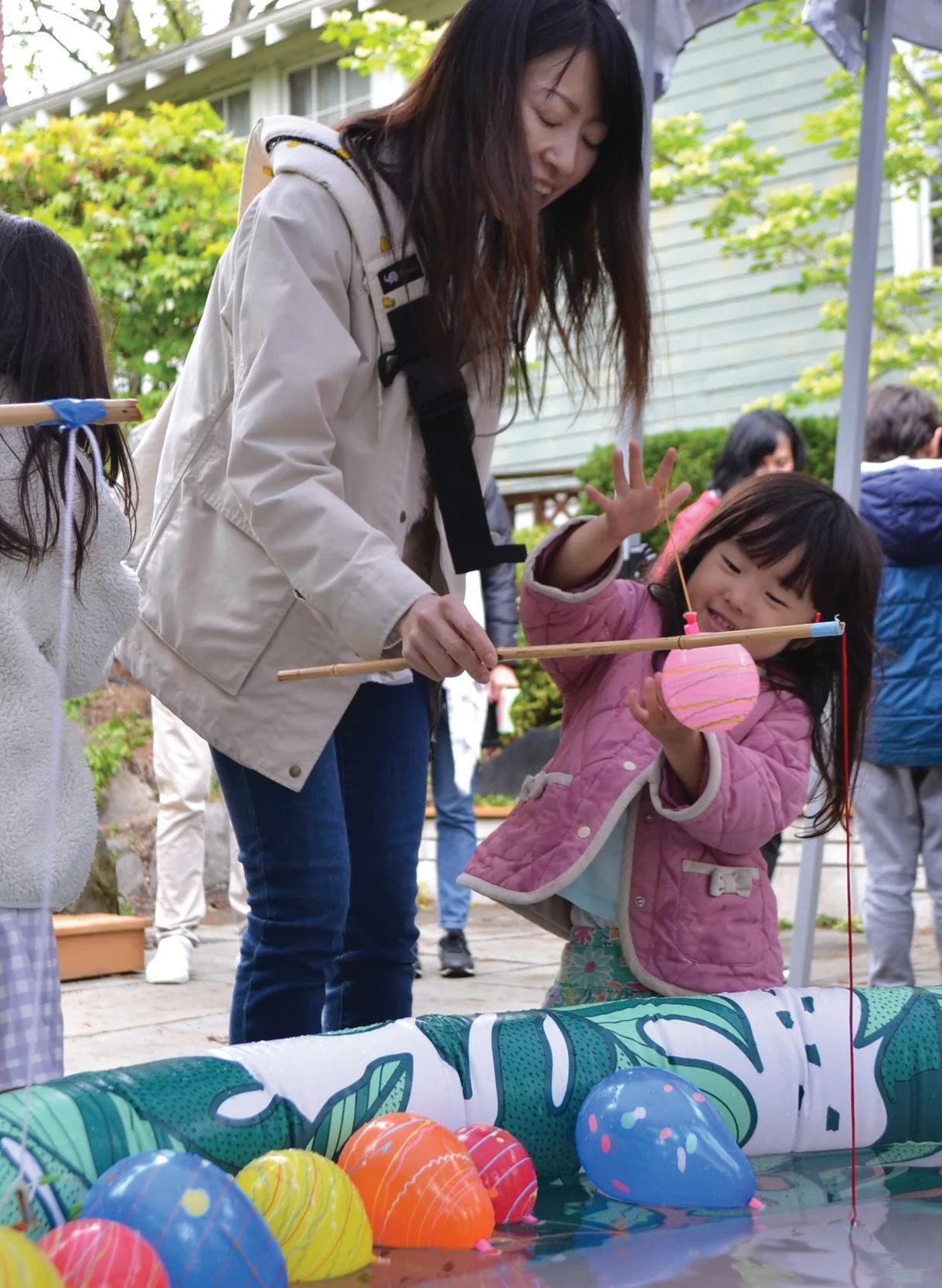
Enjoy traditional Japanese festival games from omikuji (fortune telling) to water yo-yo fishing, and the tricky coin drop. Craft handmade masks or koinobori (koi streamer) bags and see live performances such as taiko drumming and martial arts. Also delicious Japanese treats such as onigiri and wagashi! FREE

GREATER SEATTLE AREA
On National Bike and Roll to School Day, thousands of kids, teachers, and parents get to school on wheels. Cascade Bicycle Club has extensive resources about getting kids ready for their ride to school and how to get their school involved.
COUPEVILLE
May 9
Take a day trip to Whidbey Island to enjoy annual tribal canoe races, Native arts & crafts vendors, storytelling, musical and dance performances, artist demonstrations, authentic Native foods, youth activities, and exhibits in the charming waterfront town of Coupeville. FREE
PIKE PLACE MARKET
May 9-10
Celebrate spring with seasonal bou-
The 55th Annual Northwest Folklife What's happening around town
quets from more than 30 local flower farmers and live music performances throughout the day. The Market will be filled, inside and out, with flowers from King, Snohomish, and Whatcom counties. FREE
SAM OLYMPIC SCULPTURE PARK
May 9
Join the fun at scenic Olympic Sculpture Park when DJ Groove Gardener and his hype ensemble are firing up music for ages two and up to move to the sounds and bubbles in the Woodland meadow. There will also
be art activities and a food truck.
Space limited — RSVP. FREE
SEATTLE OPERASEATTLE CENTER
May 10
Family Day at Seattle Opera presents “Carmen,” one of the world’s most popular operas. Family Day also features special student-oriented activities prior to the performance. For these specially designated performances, students ages 18 and under pay only $25 for almost any seat. Adult tickets: $137.50-$445.

SEATTLE JAPANESE GARDEN
May 16
By mid-May koi fish will be waking up from their winter hibernation and ready to eat. At the Seattle Japanese Garden May Family Saturday there will be free koi food, a koi presentation by the Washington Koi & Water Garden Society, and a thunderous taiko drum performance by Kokon Taiko. Tickets: Adults $12, Teens $6, Ages 12 and under free.
UNIVERSITY DISTRICT
May 16-17
The U District Street Fair on “the Ave” returns for its 55th year with 15 blocks of arts & crafts, live performances — including jazz ensembles, marching bands, DJ’s and Taiko drumming — and more than 50 food trucks and booths. The Fair regularly attracts more than 90,000 visitors; parking is difficult — link light rail will take you to NE 43rd St. FREE
SEATTLE CENTER
May 22-25


Festival at the Seattle Center is a much-loved start-of-summer tradition for thousands in the greater Seattle area. This family-friendly festival is a vibrant mix of music, dance, arts, food, and traditions, and offers a unique opportunity to immerse oneself in the rich cultural fabric of our region. FREE
LAKE WASHINGTON BLVD
May 23-25
On Bicycle Weekends the three-mile stretch of Lake Washington Boulevard between Mount Baker Beach and Seward Park is closed to motorized vehicles and the road provides easy pedestrian and bike access to a very scenic (and flat) ride along Lake Washington. The first Bicycle Weekend in 2026 of the summer will be Memorial Day weekend. FREE
MARYMOOR PARK VELODROME
May 29
Kiddie Kilo invites kids through age 12 to the Velodrome race track to ride a bike, trike, or push bike for a fun lap around the track at Friday Race Nights, every Friday night May 29-August 28. To participate, kids need helmets and a legal guardian to complete a quick registration on-site. Free for kids/$5 for adults.
GEORGETOWN, COLUMBIA CITY, PRATT PARK
May 29-31
Parks & Recreation for their 25th Annual Juneteenth Celebration. Enjoy performers and food trucks and learn about community resources. FREE
OLYMPIA REGIONAL AIRPORT, TUMWATER
June 20-21
In a time when the number of airshows has dramatically decreased, come watch more than 18 aerobatic perfor mances by many renowned air show performers in a variety of historical aircraft. No pets. Tickets: $20 on-line; $25 at door; 6 & under free.

LANDMARK CREST MOVIE THEATER, SEATTLE
June 20-August 12
KIDSQUEST CHILDREN’S MUSEUM
May 31

Enjoy a morning dressed in party best and sipping colorchanging tea. Be sure kids bring a favorite stuffie. Light bites for kids and adults, then toast with the tasty tea. Pinkies up! Tickets: $16-$25.
SEATTLE CENTER ARMORY
June 6-7
The festival celebrates Philippine
Street will be lined with live music, youth performances, vendor booths and art demonstrations and in nearby local parks kids’ play zones, contests and games, food vendors, a car show, a beer garden and, at the end of the day — fireworks! FREE
SEATTLE CENTER ARMORY
June 13
Seattle Center Festál presents Indigenous People Festival in partnership with Seattle Indian Health Board (SIHB). The festival provides a venue for Native people to celebrate unique Native cultures through song, dance, performances, art, food, and the sharing of Indigenous knowledge. FREE
HONK! Fest West is a three-day festival held in a different location each day: Georgetown on Friday, Columbia City on Saturday, and Pratt Park on Sunday. Featuring bands that draw inspiration from Brazilian Samba, Punk, Funk, Hip Hop, Eastern European and Latin American traditions, percussion ensembles, acoustic street bands and other music from around the globe. FREE
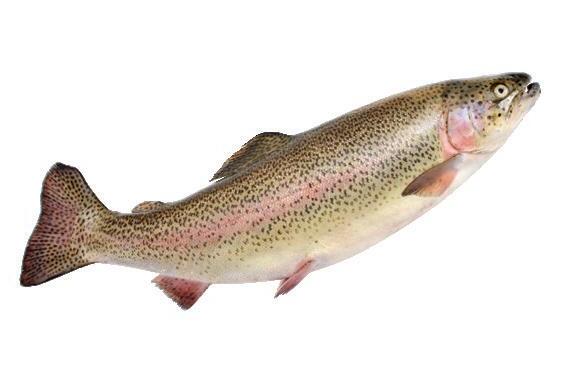
On the annual Free Fishing Weekend, Washington state fishing licenses are not required to fish for most species. This event coincides with free entrance at Washington State Parks. FREE
DUVALL
June 6
Duvall Days kick off with the Grand Parade at 10:30 a.m. All day Main
LAKEWOLD GARDEN
June 13-14
Discover charming faerie houses, enjoy hands-on fairy-focused activities, explore the gardens. Bring a picnic to enjoy on the lawn, search for magical creatures among the foliage, and make a tiny faerie door to place in your home garden. Tickets: Adults $12, Youth 6 - 17 $6, 5 & under free.
LAKE WILDERNESS PARK
June 12-14
Don’t miss the big parade at 10 a.m. on Saturday — floats, dance teams, and marching bands. There will be vendors, music and entertainment, food, kids’ activities, carnival, arts festival, and more. FREE
RAINIER COMMUNITY CENTER PLAZA
June 18
Join Atlantic Street Center and Seattle
The Crest Theater in north Seattle is offering family-friendly movies this summer for $2 per person (all ages) on Saturdays, Sundays, and Wednesdays at 11 a.m. Movies: “The Bad Guys”, “Kung Fu Panda”, “The Goonie”, “The Lego Ninjago”, “The Iron Giant”, “A Minecraft Movie,” “Over the Hedge.” Tickets: $2 all ages.
GREENWOOD AVENUE, SEATTLE
June 27
After a hiatus, the Greenwood parade returns for its 73rd year and kicks off the season of Seafair parades with the whole shebang — pirates, marching bands, drill teams, and clowns. The parade will start at 73rd Street. Children (with a parent) are encouraged to join the parade — check their website to sign up to participate. FREE
MEYDENBAUER CENTER, BELLEVUE
June 27-28
Japan Fair is a two-day festival that celebrates Japanese art and culture. Musicians, artisans, community organizations, and businesses from both Japan and the U.S. come together to share their products, talents, and knowledge of Japan. Through live performances, hands-on exhibits, cultural workshops, and vendor booths, the public is immersed in Japan's music, dance, artisanry, and philosophy. FREE
Find details on all these and many more events at 3seattleschild.com/calendar
Subscribe


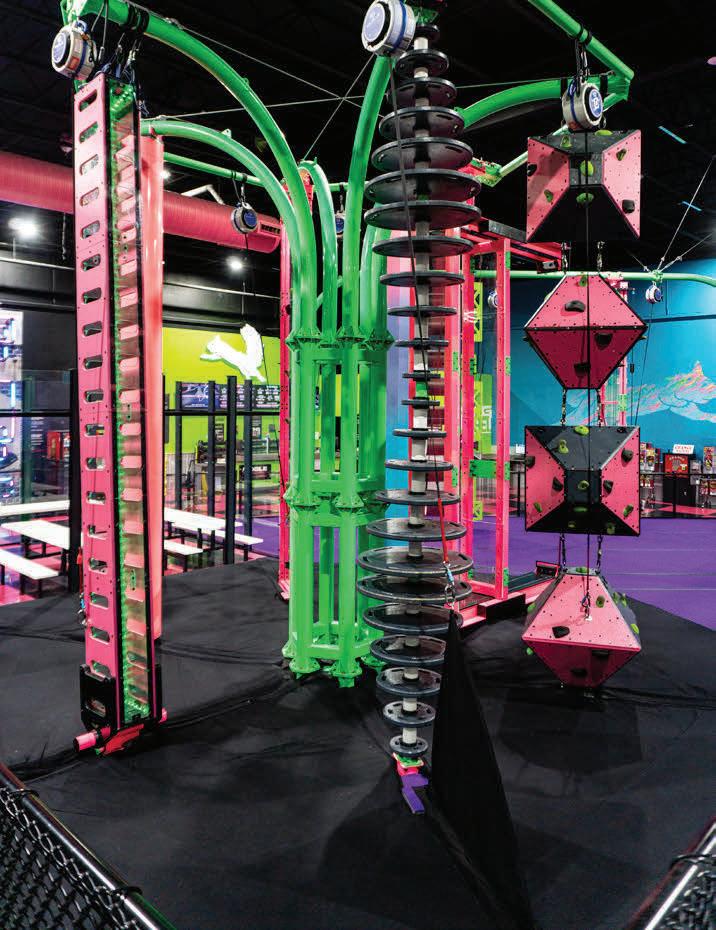

It’s time to celebrate! Planning a birthday, family gathering or fun event with friends? Check out these party places that help entertain the children and take care of all the little details. Make your event a special day to remember.
Club SciKidz Seattle
425-623-4452 leena@clubscikidz.com seattlenorth.clubscikidz.com
The top choice for STEM birthday parties in the Greater Seattle area! Choose from our standard themes or customize your package. All parties are held at your location.
Emerald City Pirates
All ages
Fishermen's Terminal, Dock 9 206-639-8689 emeraldcitypirates@gmail.com eccruises.com
Join our band of merry pirates aboard Queen Anne’s Revenge for an action-packed, fully interactive adventure on Lake Union! Swashbucklers of all ages are invited aboard for an unforgettable journey where every guest is part of the pirate crew.
Flying Squirrel
TrampolinePark Everett Ages 6+
1325 SE Everett Mall Way, Suite A, Everett 98208 425-297-1950 Everett@Flyingsquirrelsports.com flyingsquirrelsports.us/everett-washington
Flying Squirrel Trampoline Park Everett is an indoor adventure park packed with wall-towall trampolines, dodgeball courts, slamdunk hoops, foam pits, and climbing features. With attractions for all ages, premium safety standards, and a high-energy atmosphere, it’s the perfect place to jump, play, and celebrate.
KidsQuest Children’s Museum
Ages newborn-10
1116 108th Ave NE, Bellevue 98004 425-637-8100 info@kidsquestmuseum.org kidsquestmuseum.org
Celebrate your child’s big day with hands-on fun at KidsQuest Children’s Museum! Our interactive birthday parties spark creativity, exploration, and play for kids ages 0–10.
Enjoy engaging exhibits, a dedicated party space, and easy planning for caregivers. Make memories with a playful, stress-free experience where learning and fun come together.
Kraken Community Iceplex
Ages 3-14
10601 5th Ave NE Seattle 98125 206-279-7770 kciservice@seattlekraken.com KrakenCommunityIceplex.com
Plan the coolest birthday party in Seattle at the home of the Seattle Kraken! Birthday Parties at Kraken Community Iceplex feature a 45-minute pizza party for up to 14 kids in a semi-private party room, leading up to a fun ice skating session on the Kraken's practice ice.
Seattle Children's Museum
Ages newborn-10
315 Harrison St., Seattle 98109 206-441-1768
Parties@SeattleChildrensMuseum.org SeattleChildrensMuseum.org
Make a playdate of your next special occasion with a party at Seattle Children’s Museum! All parties include access to a colorful room for 90 minutes and offer all-day museum play for your attendees. Add-on play packages are also available to boost your party time and activities.
Waterland Arcade
All Ages
22306 Marine View Dr. S, Des Moines 98198 206-653-7679 jason@waterlandarcade.com waterlandarcade.com
Step into the world of arcade gaming! Experience classic retro games, pinball, birthday parties, and exciting events you won’t find anywhere else. From Pac-Man to Street Fighter to pinball, we have it all, unlimited gaming for everyone! All party packages include unlimited gaming for all guests.