THE SEAL WELFARE ORGANISATION


Educate Campaign Protect
Spring 2023 Newsletter




Campaigning for better protection for seals
Celebrating our1 anniversary!

Inthisissue:



News Disturbance Entanglement Rescue and rehab Education Our team
In this issue: News.................................................................................................3 Disturbance......................................................................................8 Code of Conduct..............................................................................12 Entanglement...................................................................................13 Sick or Injured Animals...................................................................22 Education.........................................................................................24 Our team...........................................................................................24 What’s next ......................................................................................25
A warm welcome from co-founders and trustees
Lorna, Richard, Chris, Kristen, Adge, Ashley, Sarah and Amanda.
Our group formed as a small charity on February 8th 2022. Our aim is to raise awareness of the public in the subject of seal conservation and welfare by campaigning and advancing education with an aim to protecting seals from disturbance, entanglement and other threats.
Welcome to the Spring 2023 issue of the SWO’s newsletter
As we reach the SWO’s first anniversary, we look back on what we have achieved in the last year.
Monitoring and Recording
Regular monitoring and counting has helped highlight the travelling distances of tagged seals and post success of released seals.
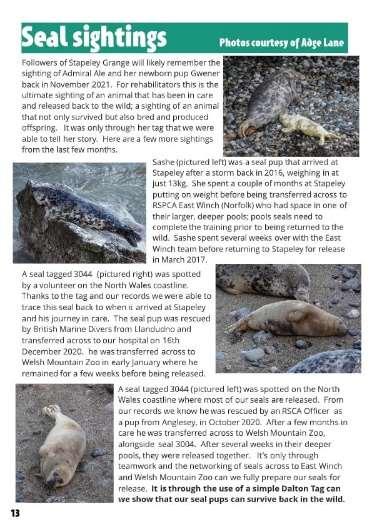
Our trustees have liaised with RSPCA centres around the UK and also with wildlife trusts and seal groups to identify individual tagged seals. The extract from an RSPCA newsletter on the left shows photographs of tagged seals spotted and submitted by our trustee Adge.
Our trustees also highlight and note disturbances and liaise with other conservation charity volunteers.
Our team comprises dedicated seal conservationists who tirelessly monitor seals to:
record movements and distribution of rehabilitated seals
report on disturbance, injuries and entanglement.
Monitoring for Dalton tags fitted to the flippers of rehabilitated seals helps to build a picture of post-rehabilitation movements and travelling distances. This data is shared with other organisations with some sightings published in the RSPCA newsletters. Some seals are not local but have been released following rescue and rehabilitation. We know, from observations and following up seal tagging data, that some seals travel great distances between sites (e.g. south west England to north Wales).
Studies have shown that seals travel between land and foraging sites and so preference for certain environments is likely to be related to activity state. For instance, foraging habitat preference is likely to be related to the influence of the environment on distribution or
3 News
catchability of prey species. Environmental drivers may include sediment type, depth and sea temperature. Tag tracking has shown that grey seals range far from land and juveniles may have more long ranging movements than adults. One study found that between 21% and 58% of females used different regions for breeding and foraging. Resting (prolonged surface activity) occurred at foraging patches, likely for food digestion (SMRU 2014).
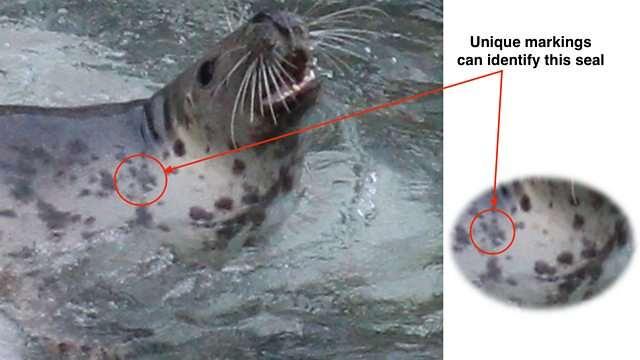
Seals have been recorded as travelling long distances between sites in north Wales and Isle of Man and Northern Ireland. One rehabilitated individual whose tag number identified her as a rehabilitated seal had travelled hundreds of miles from south west England. Although pelage markings can facilitate identification of individuals, tag sightings are a vital part of identification and help to increase our knowledge and understanding of seal dispersal and distribution around the UK. In the photograph below taken by trustee Richard, the unique markings on this seal help to identify it but tagged seals help to provide a clear picture of post rehabilitation movements and success.
Monitoring and recording injuries helps to inform conservation and rescue groups about the effects entanglement can have on successful foraging and movement.
Entanglement
We have encountered several cases of entanglement with fishing gear and other plastic objects. See our article on entanglement on Page 13.
BBC Autumnwatch
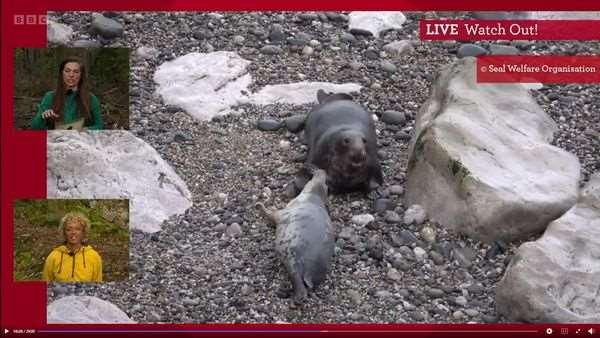
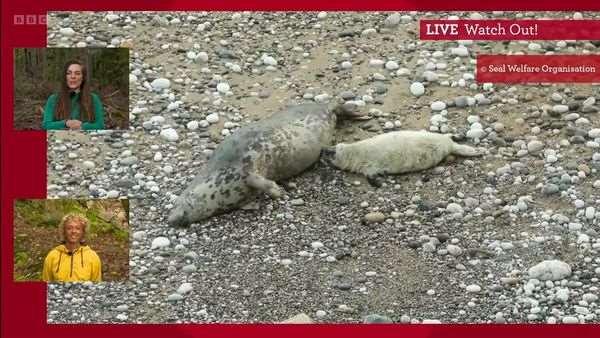
The SWO were proud to contribute to the BBC Autumnwatch Watch Out broadcasts with Hannah Stitfall and Gillian Burke. Our footage showed seal behaviour and highlighted the effects of disturbance on breeding seals.
4
Footage from our trustees appeared on BBC Autumnwatch
Unexpected visitors
Freya the walrus caused a media stir when she visited the UK in 2022. Eventually she made her way back home but, unfortunately, this did not result in a happy ending. The Norwegian government made the controversial decision to euthanize Freya on grounds of human welfare. The Seal Welfare Organisation is one of many signatories on an open letter written to condemn this action.
5
Since then, a walrus named Thor has also made visited to our shores. Let’s hope for a better outcome for other individuals that visit our shores. The open letter can be viewed at: https://bdmlr.org.uk/wp-content/uploads/2022/09/Open-letter-updated-01.09.22.pdf.
Operation Seabird
Operation Seabird is a national campaign which aims to engage and educate people about the sensitivities of the coastline, and how simple changes in behaviour could reduce pressure on our unique wildlife.
After being contacted by the RSPCA National Wildlife Coordinator the SWO were keen to take part in Operation Seabird.
Three of our trustees, Ashley, Richard and Lorna, attended a local Operation Seabird event.
We continue to support and promote the operation through sharing resources and attending events.
We are currently compiling a disturbance report, highlighting sensitive areas and incidents, to share with local wildlife crime teams across the North West and Wales.
Eco Magazine
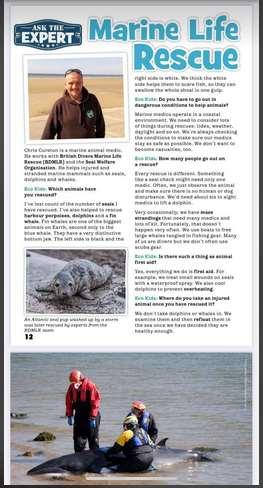
Trustee, Chris, recently had an article published in which he explained about his role as a BDMLR marine mammal medic and also highlighted the threats to seals.
Sea Women Expeditions
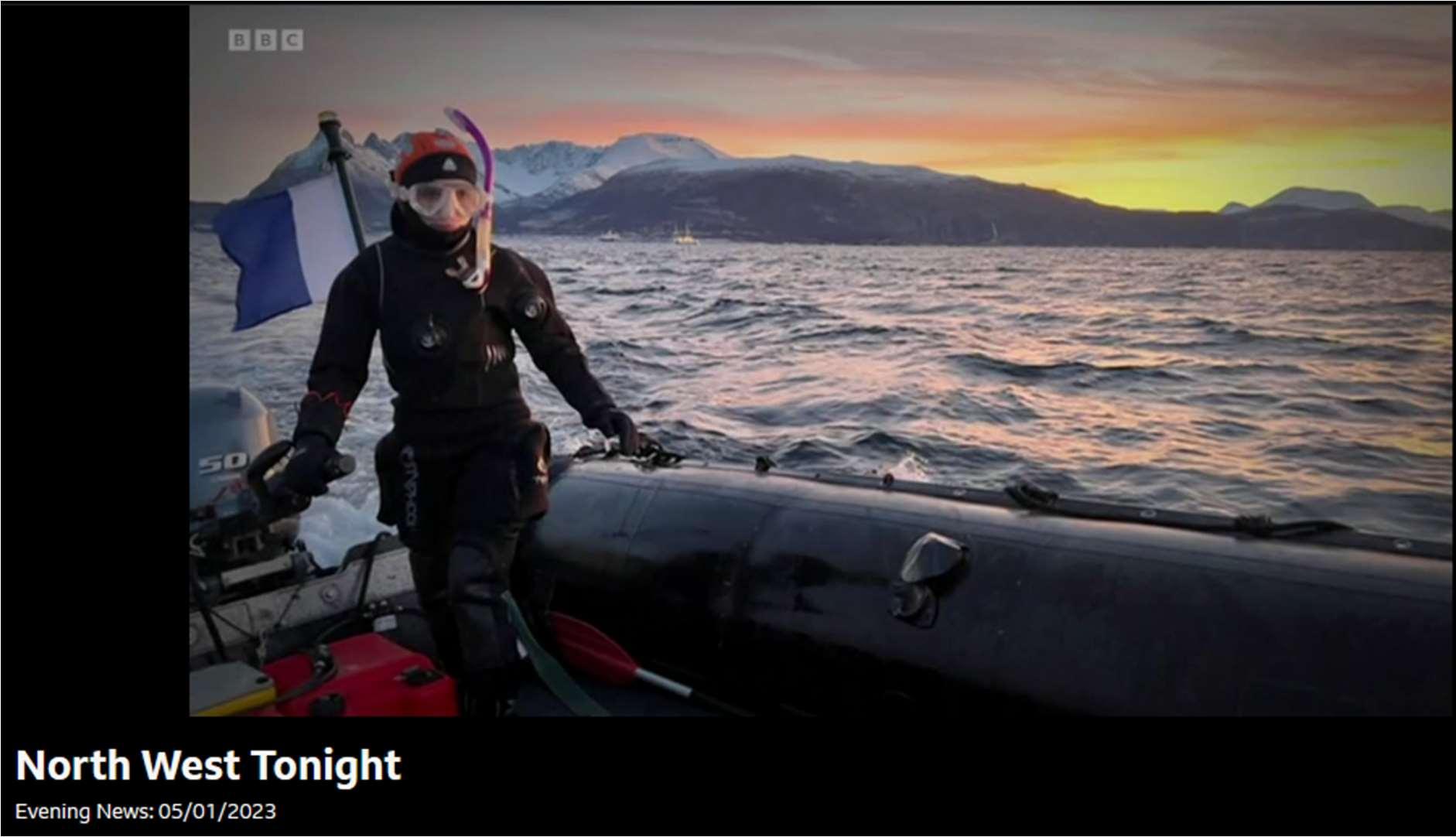
Trustee, Sarah, has recently returned from her expedition to the arctic to record and monitor cetacean behaviour.
She was interviewed on BBC Northwest about her exciting experiences which included being eyeballed by a humpback whale!
6
Collaborations
The SWO has initiated and maintained contacts with many other organisations such as:
Local seal conservation groups
Haul-out site wardens and volunteers
Wildlife trusts
BDMLR
RSPCA
Wildlife crime police
Our collaboration with other organisations has helped to promote seal awareness and, through participation of events, have actively helped to recruit more seal enthusiasts.
7
Check out Sarah’s adventures on BBC iPlayer
Disturbance
One of our aims is to educate people about the threats to seals from human disturbance, whether unintentional or intentional. Disturbance to seals can come from a number of sources. These can include:
• Recreational water sports (e.g. jet skis, kayaks, paddleboards)
Sporting activities, such as base jumping
• Dogs
• Walkers
• Photographers
• Tour boats
• Fishing
• Wildlife watching
• Drones
• Industrial development
Seals haul-out for resting, breeding and moulting and these haul-out sites are carefully chosen to ensure protection from the elements. Seals choose pupping sites that are sheltered from the elements; are not completely inundated with water at high tide and where pups can retreat to safe, drier areas.
Human disturbance may lead to permanent abandonment of haul-out and breeding sites.
Vincent et al. (2001) found evidence of different habitat preferences by grey seals in Brittany, France, during different stages in their life history. During moulting and nursing, seals selected permanently emerged islands with associated less tidal disturbance, whereas tidal pools were used as resting habitat during the rest of the year.
The same study noted that impacts, such as construction on the seabed or extensive boat traffic, may prevent seals from accessing one of their optimal haul-out sites. A study by Madsen et al. (2006) noted that pile-driving and other activities that generate intense impulses during construction are likely to disrupt the behaviour of marine mammals at ranges of many kilometres.
However, Edre´n et al. (2004) observed no long-term change in the proportion of grey and harbour seals hauling-out at Rødsand, a key haul-out site in the Baltic Sea, from the baseline phase to construction phases of an offshore wind farm. They concluded that there was no effect of the construction activities on the local seal population.
Whilst there may be no lasting effect of a construction phase on seal haul-out habitat selection, the report suggested that a short term displacement of animals from a key site may have consequences for fitness. This needs to be taken into account when assessing the environmental impact of offshore construction. This may be relevant to areas of potential disturbance within one of our monitoring areas.
8
One of our trustees, Amanda, regularly monitors for news on potential disturbance from construction or for waste disposal that may impact seals and their habitat.
We are currently monitoring several areas of potential disruption and disturbance from construction of tidal stream energy devices and other green energy production projects.
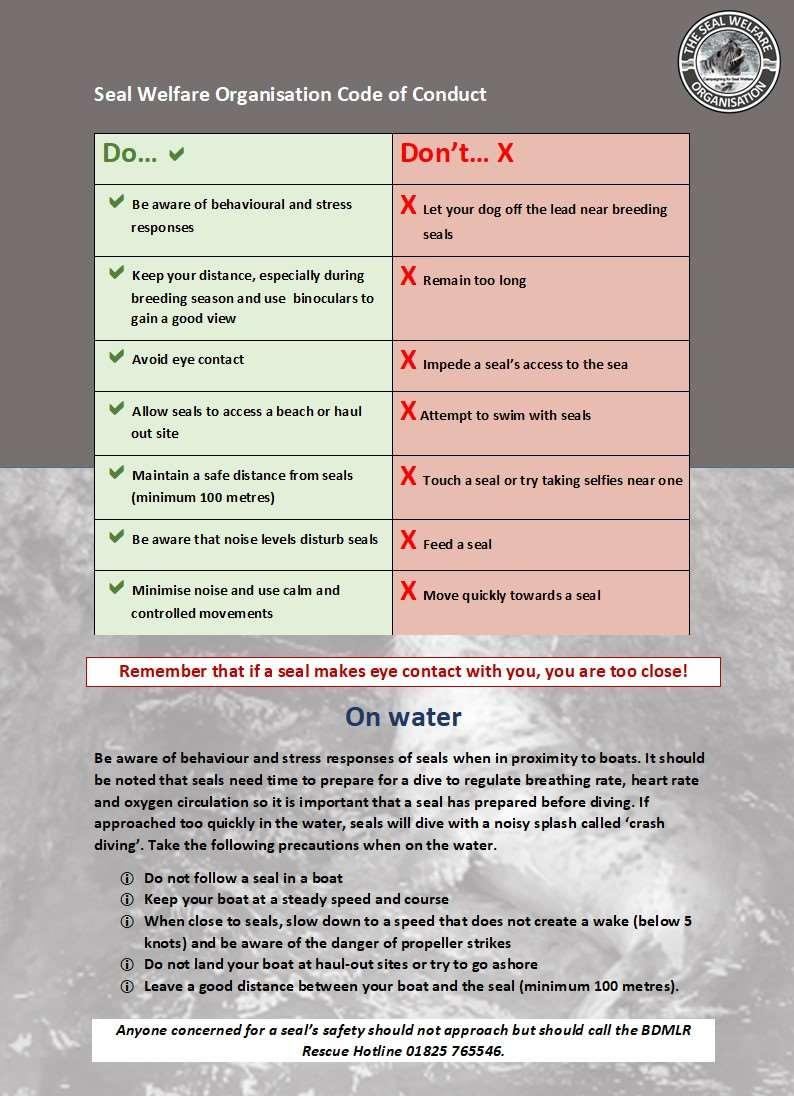
PLEASE KEEP YOUR DISTANCE!
There have been recent cases of pregnant grey seals being harassed by people getting very close in an attempt to take photographs whilst deliberately agitating the seal to provoke a reaction. Female grey seals are heavily pregnant when they arrive at pupping sites (usually around the end of August/beginning September depending on location within the UK), having mated the previous year. Expectant mothers need rest and time to build strength and energy reserves to help them cope with the breeding and nursing period. Disturbance affects a seal’s ability to build sufficient energy supplies and can make them use up valuable reserves if they are harassed into the water. Disturbance can also increase stress hormone levels. Sometimes, at a time when an expectant mother should be resting, she is forced to remain alert due to the presence of humans or dogs within the vicinity. Watching seals can be a wonderful experience but we must give seals space and watch from a distance.
Please use a camera with a zoom lens or use binoculars.
It is vital that we don’t compromise their ability to rest and build up layers of blubber needed for the lactating period when they will be busy feeding new-born pups for up to 3 weeks.
Seals can also be disturbed by vessels in the water. Disturbance can make seals flush into the water, sometimes causing a stampede over rough terrain thereby injuring themselves in the process.
Stampeding can be fatal to both the mother and the unborn pup. When in a boat, please follow the advice and stay at least 100m away from cliffs, do not follow seals and recognise the signs of a stressed animal, such as crash-diving (a sudden dive with a noisy splash).
Ideally, you should be at a distance where a seal should not be able to see, hear or smell you.
Remember that if a seal is watching you – you are too close!
9
Flushing – read the signs
In the same way as humans, seals undergo stress ‘fight or flight’ responses when exposed to danger, with increased heart and breathing rate and an increase in stress hormones.
When sensing danger on land, seals exhibit alert responses
o The first response is to raise their heads and look in the direction of the disturbance
o The second response is to start moving away from the disturbance
o The third response is to move from the resting place and enter the water
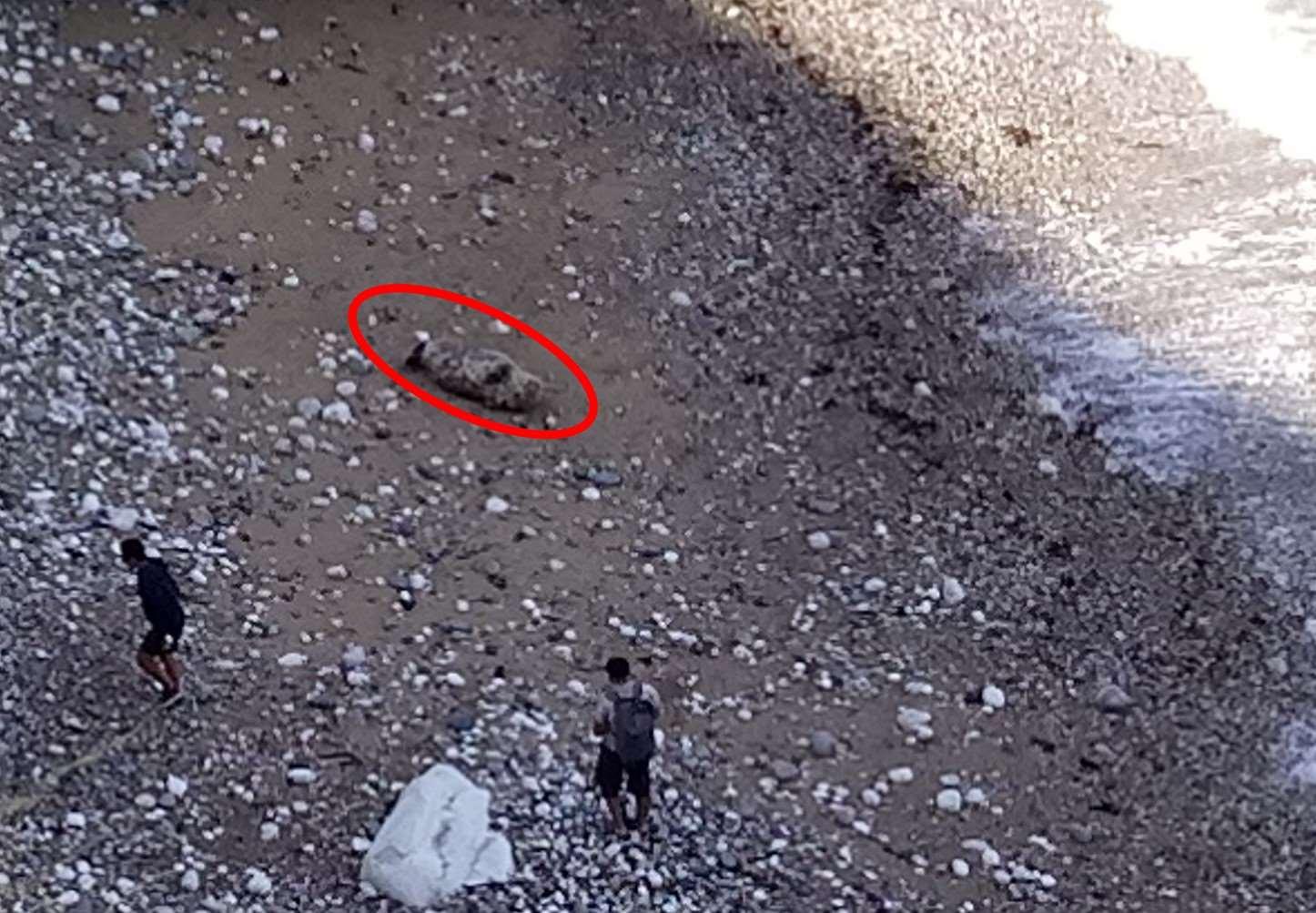
Disturbance that results in flushing may occur before the seal has rested sufficiently to recover oxygen supplies or energy.
Of course, it’s not just on land that seals are subject to disturbance. Stress responses in water may manifest themselves as diving with a noisy splash if approached too quickly in the water.
Seals need time to prepare for a dive to regulate breathing rate, heart rate and oxygen circulation so it is important that a seal has prepared before diving.
10
These photographers were persuaded to move away from the heavily pregnant seal
As we know, seals haul-out for resting, breeding and moulting and these haul-out sites are carefully chosen to ensure protection from the elements. Human disturbance may lead to permanent abandonment of haul-out and breeding sites.
Highlighting habituation
Seals may become habituated to repeated disturbance. This dilutes their natural responses to threats and may lead to decreased vigilance. Habituation and tolerance is not the same. Habituation may cause an animal to respond unnaturally and compromise its safety.
Therefore, even if we continue to see healthy populations in this area, we need to monitor the effects of repeated incidents which result in habituation and subsequent behavioural changes.
One detrimental effect of repeated human contact is conflict between seals and humans, especially wild swimmers, paddle boarders and kayakers.
Seals can move quickly over land in short bursts and people can be fooled initially by their apparent docility. Seal bites can be painful and result in a bacterial infection known as ‘SEAL FINGER’ which creates a painful swelling that must be treated with antibiotics. Increased interaction between humans and seals may result in increased incidents such as seal bites. Notwithstanding disturbance issues and other threats to grey seals around the UK, an increase in the number of grey seals has been noted at some of our monitored sites.
Non-disclosure of sensitive haul out sites – our policy
The threat to seals from people and dogs is well documented and, as such, we do not make sensitive locations public. Some sensitive sites get explicitly mentioned in newspapers and over social media. These sites have been subject to many disturbances and threats from people, dogs, fishing and leisure boaters. There are dedicated volunteers in these areas who diligently monitor for disturbance and threats. Revealing the location of sensitive sites like this is irresponsible and helps to increase occurrences of the very threats that we all campaign against. Please do not share posts containing information about haul out locations on a public platform
11
Entanglement AGrey Outlook for Seals?
By Lorna Bointon, co-founder and trustee of the Seal Welfare Organisation
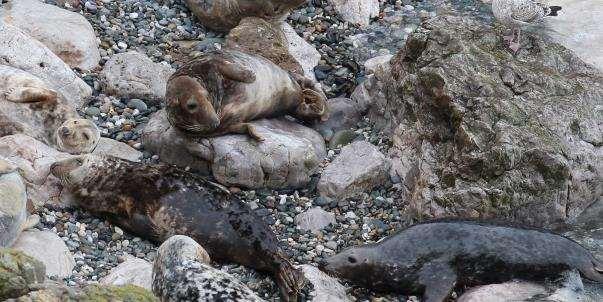
In the UK grey seals, Halichoerus grypus, account for nearly half of the world’s population for this species. Although numbers may appear to be healthy, globally they are a scarce species. It’s a tough life for a grey seal. They have to navigate treacherous seas and extreme weather conditions, tolerate disturbance from people, dogs, vessels and industry and cope with the effects of plastic pollution and discarded fishing gear in our oceans, all of which can impact site selection, food sources and development.
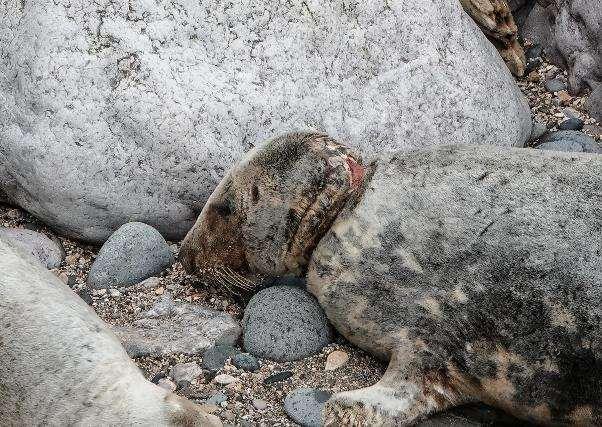
At a site in North Wales observers from the Seal Welfare Organisation recorded eight individuals exhibiting injuries from different types of neck entanglement in one haul-out alone. The following images are all from the same haul-out site and highlight the issues surrounding discarded plastic and fishing gear.
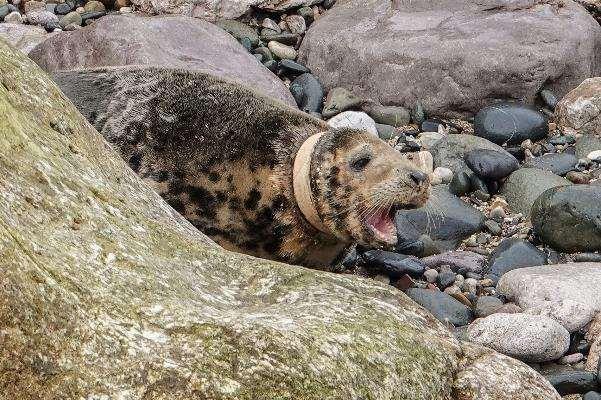
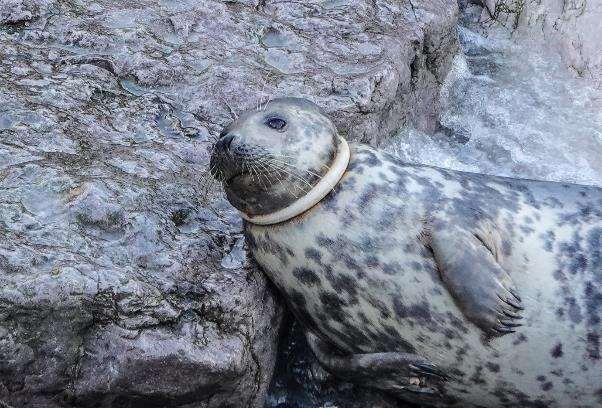
Discarded fishing gear includes hooks, netting, ropes and monofilament fishing line. Plastics include flying rings and a variety of objects that may end up lodged around a curious seal’s neck. Plastic rings may become stuck fast around the neck of playful juveniles and become tighter and more restrictive as they develop into adults.
13
Fiftyshades of grey? Grey seals exhibit a varietyof pelage colours (Image: Richard Bointon)
During their lifetime, which is around 25 years for a male and 35 years for a female, seals may get entangled with discarded fishing gear, hooks, bands and plastic rings. Entanglement with monofilament fishing lines made from a single fibre of plastic material, can cause open neck wounds and bleeding, sometimes leading to infection.
In November this year, one seal was found by BDMLR rescuers in Cornwall with multiple injuries from hooks embedded in her body, flippers and mouth. Luckily for this seal, she is expected to make a full recovery but for some it leads to a lifetime of misery or, in some cases, death.
14
Don’t ring us, we’ll ring you….. (Image: Adge Lane)
15
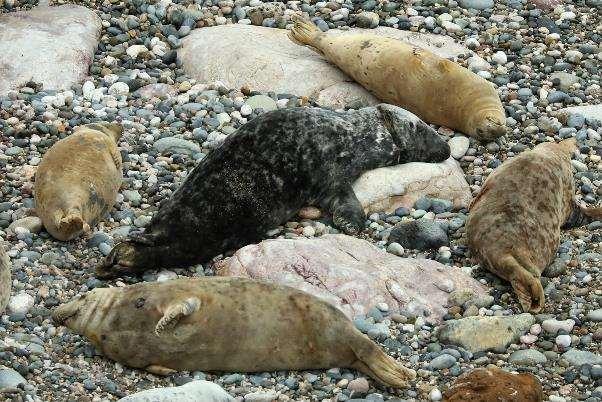
A seal (in the centre) with a monofilament line neck injury (Image: Ashley Perkins)
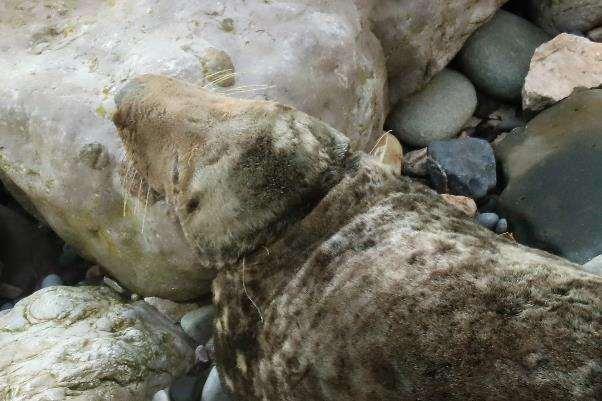
A seal named ‘Stringfellow’ due to the type of neck entanglement (Image: Ashley Perkins)
16
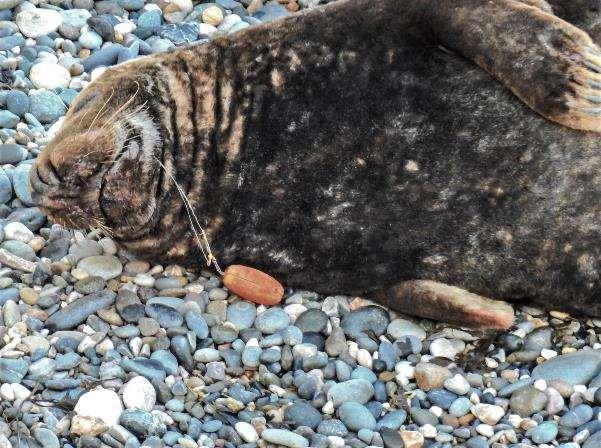
Thin line or wire has cut into this seal’s neck (Image: Adge Lane)
Hooked on a fishing line and float (Image: Adge Lane)
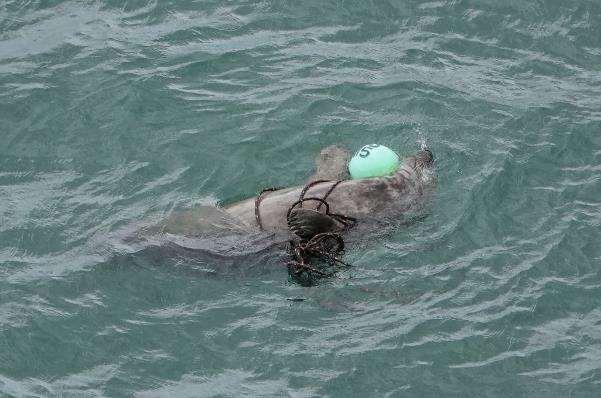
Seals are inquisitive animals and juveniles will play with any object in the water. Seals have been observed playing with the ropes of lobster pot markers, becoming entangled and subsequently trailing these ropes behind them. This of course seriously impairs movement and their ability to forage.
Although seals have been found to survive for many years with entanglement, it can severely restrict movement, eating and quality of life.
The best and most effective option is to prevent injurious and potentially fatal objects, including discarded fishing gear and plastic waste, from reaching our seas in the first place.
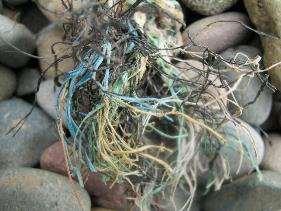
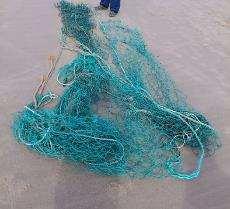
Discarded fishing gear can prove dangerous to marine life (Images:
17
Curiosity nearly killed the seal (Image: Adge Lane)
Richard Bointon)
Plastic leaks into soil, into water, into the air that we breathe and ultimately into bodies –both animal and human. More and more marine animals are being found to have died through ingesting plastic and many of our UK seals are frequently encountered with entanglements from fishing gear and also from a variety of plastic objects, such as flying rings. A few innocent moments of fun investigating and playing with plastic objects such as this may be followed by a lifetime of misery, throttled slowly by plastic.
18
Maintaining a tight grip on Halichoerus grypus (Image: Adge Lane)
Not so fantastic plastic
Plastic is part of our modern lives – it is a versatile and durable material that can be used in a variety of ways. It's the durability of plastic that is the issue – plastic doesn’t go away once discarded. It remains in the environment for many hundreds of years, entering the food chain and proving fatal for marine life. A report written by the Environment, Food and Rural Affairs Committee states that the world now produces an estimated 380 million tonnes of plastic every year. UK government figures for 2021 suggest that the UK produced over 2.5 million tonnes of plastic packaging waste alone.

19
Hooks and netting, close to a hauled-out seal (Image: Richard Bointon)
Of course, our waste gets taken by the tide, ending up in the wider ocean and ultimately onto distant shores, where it becomes an issue for the marine environment in other countries.
Some of our waste may also be transported abroad due to economic necessity. Because the UK currently doesn’t have the capacity to process all of its own plastic waste some of it is exported to other countries. MPs on the Environment, Food and Rural Affairs Committee have recently called on the Government for a ban on exporting plastic waste by the end of 2027.
The UK has so far introduced a plastic packaging tax on packaging that contains less than 30% recycled plastic, a ban on microbeads in rinse-off personal care products, and measures to restrict the supply of plastic straws, plastic drink stirrers and plastic-stemmed cotton buds. It is claimed that the carrier bag charge has reduced the use of single-use carrier bags in the main supermarkets by over 95%.
Recent steps to ban single use plastics in the UK has seen Wales become the first of the devolved nations to commit to legislation banning the sale of disposable products to consumers. However, this will not take effect until Autumn 2023.
20
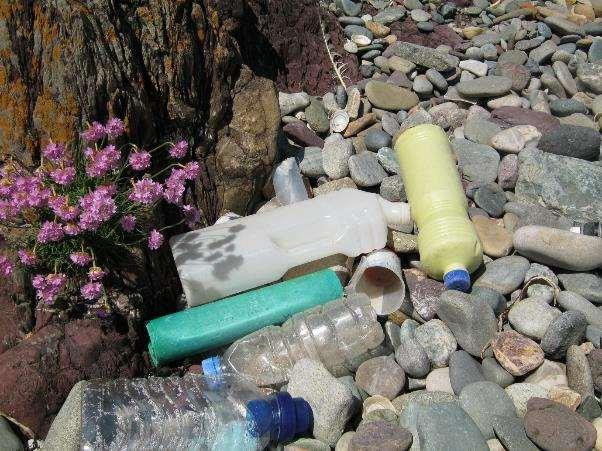
Plastic waste discarded on a beach (Image: Lorna Bointon)
There have also been talks between the Environment Minister and scientific communities, civil society and environmental and business groups, designed to shape a legally-binding global treaty that aims to end plastic pollution by 2040.
Meanwhile, as seals deal with a lifetime of misery, injury and death from interactions with plastic waste and discarded fishing gear on our shores, consumers can help by making informed choices about the products that they buy, use and discard.
It’s not just seals who suffer from our discarded waste; all marine life is affected to some extent by plastics and discarded fishing nets and other equipment (called ‘ghost gear’).
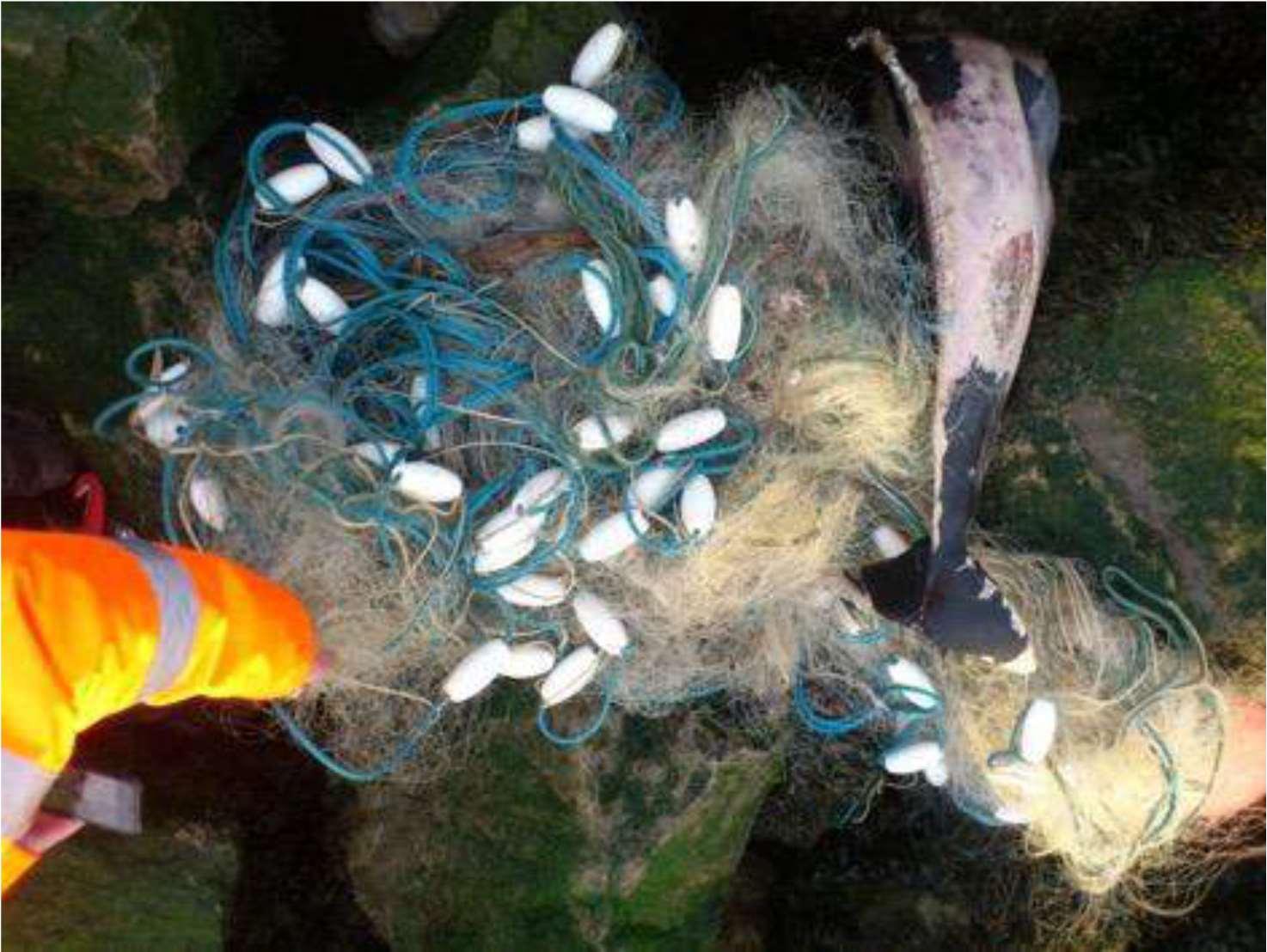
Some of our smaller cetaceans, such as porpoises, may become entangled in gill netting, along with other species including dogfish and crustaceans.
Recently, a whale necropsy found a rusted fishing hook in the genitals of a True’s beaked whale and also a toothbrush in its stomach. Whether it is sea turtles suffocating on polythene bags, micro and nano-plastics found within the bodies of marine organisms or plastic rings throttling inquisitive seals, our waste is dangerous to the marine environment and potentially to us, as consumers.
Out of sight shouldn’t mean out of mind; we all have a duty of care for our oceans and the creatures that live within it.
Our own future depends on it.
21
Ghost gear wrapped around a dead porpoise (Image: Chris Cureton)
Dealing with sick or injured marine mammals
To report an injured or sick seal, please contact the following organisations:
FOR LIVE STRANDINGS
England
Sometimes, we may encounter dead or injured seals or cetaceans which have stranded. In the case of dead cetaceans or seals, please record any sightings to UK Cetacean Strandings Investigation Programme (CSIP).
Due to the threat of Avian flu please do not touch dead or sick wild animals but instead report them to local and national authorities, which are monitoring the situation. Do not allow your dog to approach a dead seal.
FOR DEAD STRANDINGS
Any pictures of Welsh strandings can also be sent to info@strandings.com
What happens during a seal rescue?
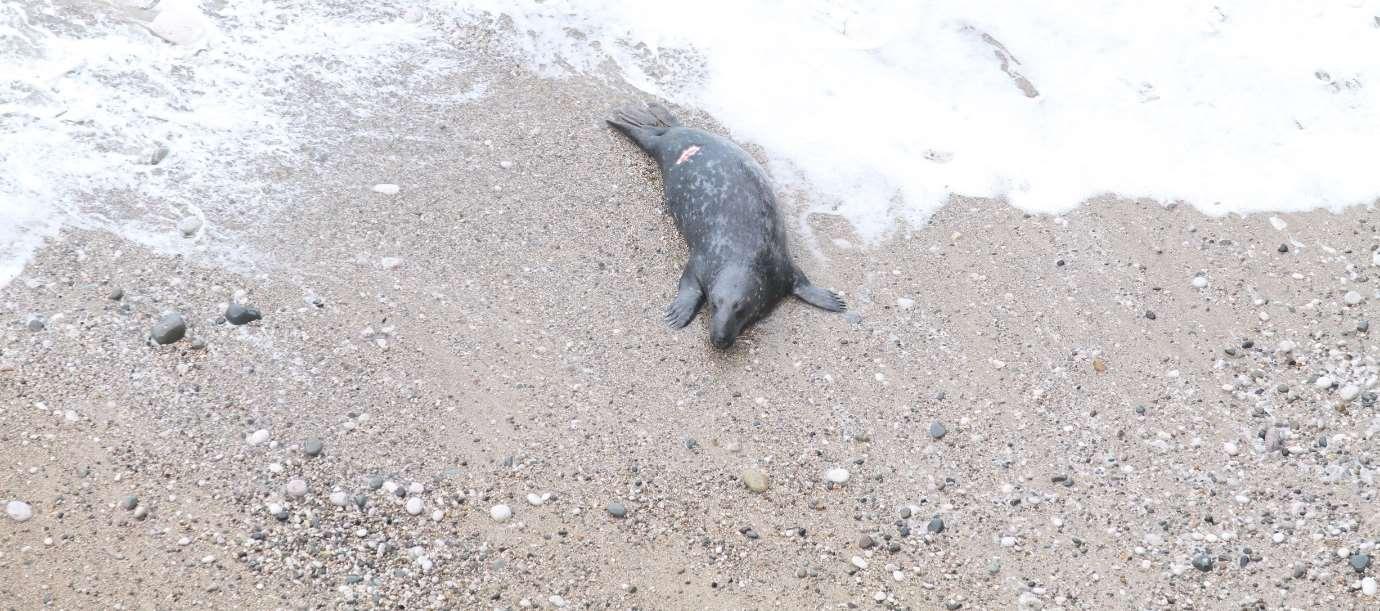
Seals may exhibit injuries caused by fighting (real and play-fighting). Most of these are minor superficial ‘wounds’ that will heal within the salt water environment without any need of human assistance. The photograph below, taken by SWO trustee, Richard, shows a superficial clean wound.
22
British
& Wales: RSPCA 0300 1234999
Divers Marine Life Rescue 01825 765546
Scotland: SSPCA 0131 3390111
Strandings Investigation Programme 0800 652 0333
UK (all species): Cetacean
Scotland (out of hours): Scottish Marine Animal Strandings Scheme 07979 245893
Superficial, clean wound
A number of rescue callouts are related to human disturbance. In some cases, dog attacks on seals have resulted in severe injuries or death. It is important to act responsibly at sites where seals have hauled out to rest or digest their food and especially during the pupping or moulting seasons.
Before a rescue, seal pups that appear to be healthy with no sign of injury should be observed from a safe distance for several hours to determine whether the mother is in the vicinity. During the weaning period, a grey seal pup will gain weight on its mother’s fat rich milk and begin to moult its white ‘baby’ fur, called the lanugo. The pup will remain with its mother for up to three weeks and during this time it is important that they are not disturbed and that the mother/pup bond is not broken. Only if the mother is absent and there are indications that the pup has been abandoned should the pup be approached and handled; and then only by an experienced handler/rescuer. The decision to take action will depend on whether the pup is weaned or unweaned; the body condition and weight and any signs of illness/injury. An unweaned pup (e.g. still maternally dependent), will not survive without its mother and, if lifted to a seal rescue facility, will need to be fed regularly on a calorie rich fishy ‘soup’ in place of its mother’s milk until it can feed independently. If the seal has weaned and capable of self-feeding, it may remain on dry land for many weeks during the post-weaning fast period gradually losing weight until instinct kicks in prompting them to find food. In some cases, if dealing with a weaned juvenile, seals may be assessed by a veterinarian on the scene and then released into the sea.
If a seal needs veterinary treatment along with a period of care and rehabilitation it will be transported to a centre that specialises in marine mammal care, sometimes in a relay if over a long distance. An initial assessment includes taking the weight and assessing body condition, sexing the animal and taking the temperature. The animal may also require medication, such as painkillers or antibiotics to be administered. The animals may also need to be tube fed until they are capable of independent feeding.
The seal pup may then remain at a specialist centre until it has reached an optimum weight for release. After undergoing a period of rehabilitation, the seals are released into their
23
natural environment. The release site is usually the location from where the animal has been rescued but, if not appropriate, a different site will be carefully chosen. The release site is determined by factors such as habitat type, food availability and weather conditions.
You can read more on rescue, rehabilitation and release in the BBC Autumnwatch article –Recovery Services - written by SWO trustee, Lorna.
Education
Our aim is to help raise awareness of seal disturbance, entanglement and other threats. To do this, we actively approach members of the public and visitors at seal haul-out sites to give advice and information.
As part of this goal, our trustees either write or submit footage for BBC Springwatch blogs and Watch Out broadcasts with the aim of getting our message across to a wider audience.
Our quarterly newsletter will also include educational pieces on factors that impact on seals and the marine environment.
Some of our trustees are also lecturers and trainers and have individually produced training materials, such as presentations and webinars on a variety of marine themes, including marine mammals. Our plans are to build on this to create educational resources, suitable for a variety of levels and age groups.
Our Team
Our team comprises 8 passionate individuals from different walks of life, all with the same aim: seal welfare.
Our team comprises marine conservation monitors, marine mammal medics and instructors, regional coordinators for marine conservation charities, marine biologists, writers, lecturers and assessors.
24
What’s Next?
We aim to educate the public about the dangers of disturbance and habituation.
We will continue to monitor population numbers at sites
We will record entanglement cases, highlight the physical dangers to seals, e.g. threats from plastic waste and entanglement with discarded fishing gear that can result in injury and death, injuries caused by boat collision and propellers and by-catch.
We will campaign for better protection and changes to legislation.
We aim to highlight other threats, such as overfishing of prey species, destruction of habitat and also marine pollution.
We will maintain a tag database and share sightings and data with other organisations.
Our next newsletter is out in May 2023!
25