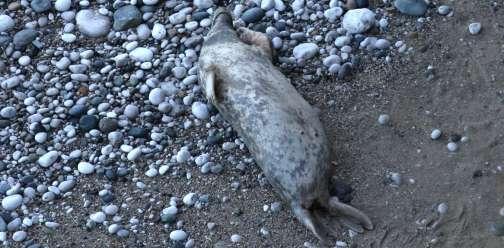
A warm welcome from our founder members and trustees
Lorna, Richard, Chris, Kristen, Adge, Ashley, Sarah and Amanda.
Our aim is to raise awareness of seal welfare to help protect seals from disturbance, entanglement and other threats
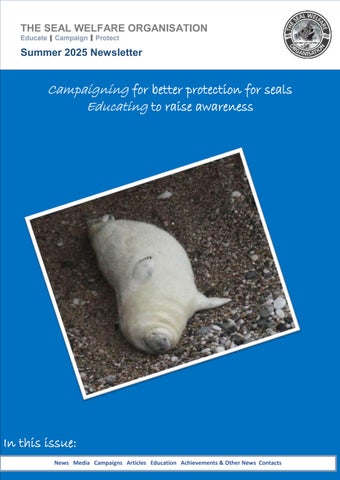
Welcome to the Summer 2025 issue of the SWO’s newsletter
Our aim is to work towards better protection for seals within the UK. As part of this, we liaise with other groups, organisations and the police. Read on to see what we’ve been up to in the past year:
What’s been happening – a round up 2024/2025
Bionet - North East Wales Local Nature Partnership Nature Day
The Seal Welfare Organisation is proud to be a partner of a local biodiversity network, BIONET. As part of this partnership, SWO founding members and trustees, Lorna and Richard, joined in with other conservation and environmental groups to celebrate the natural world at the Wales Nature Day event held in North Wales.
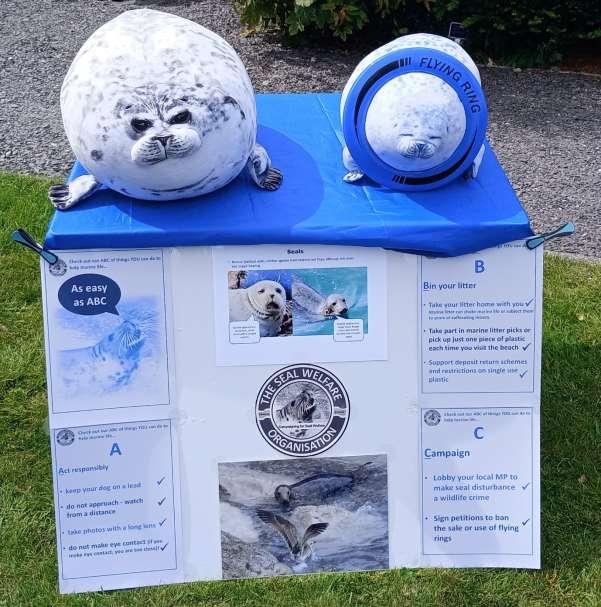
Our small stand helped to highlight the threat to seals from flying rings. As this was a family day, we didn't want to make this too graphic or upsetting for little ones. But this proved to be quite a talking point and we had some interesting conversations with visitors, the local mayor and other environmental organisations.
Flying Rings
Flying rings are dangerous to seals. Seals are curious and playful creatures, who will investigate and play with various objects in the water, including flying rings and other plastic debris. Eventually the ring tightens, leading to a life of suffocating misery, potential bacterial infection and death. Please don't use flying rings (if you own one, please make sure it is cut into pieces before being disposed of responsibly) Solid disc Frisbees are a safer alternative, preferably non-plastic.
Please consider signing the online petition to ban flying rings from import and sale in the UK:
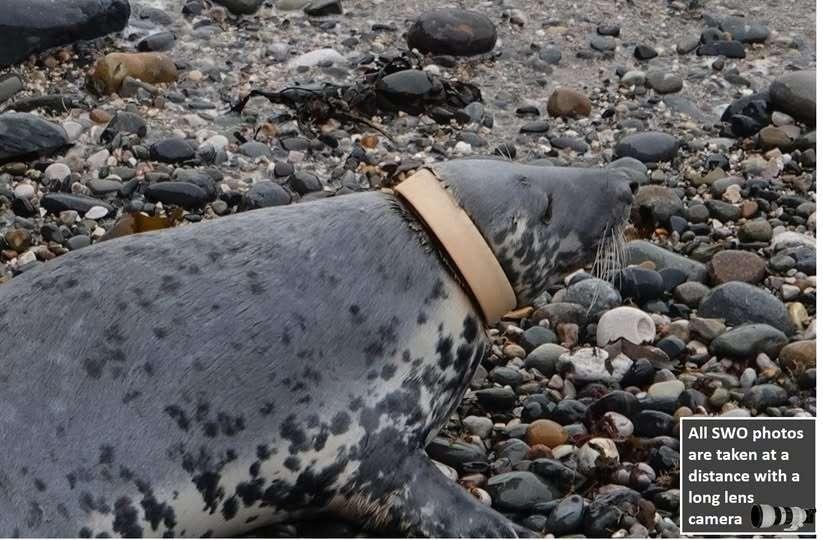
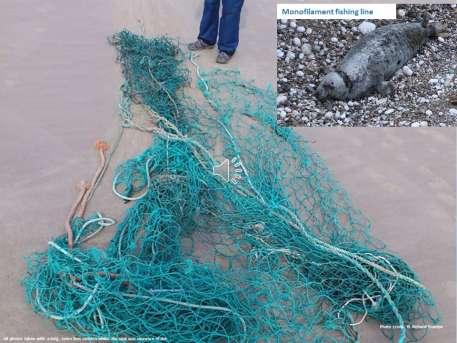
Sadly, we see many entangled seals living a restricted life due to human actions. This was highlighted in our previous newsletter but, since that publication, we have also witnessed the sad death of one of our well-known entangled seals which we knew as ‘Neck Brace’.
Photo credit: R Bointon
All seals are at very real risk of injury from entanglement with monofilament fishing line, netting and from a variety of plastic, pvc and rubber objects. Anything with a hole big enough for a curious seal to poke its inquisitive head into can result in a lifetime of suffocating misery. Young seals are particularly curious and want to investigate and play with new objects that wash up ashore. Once they've got their head through it, it gets stuck fast and continues to tighten as the seal matures.
Whether it's monofilament line, a flying frisbee or an object of unknown origin, all types of entangled material can cut into their bodies, eventually causing infection. Although some seals may live for many years with entanglement, it may affect their movements and ability to forage effectively.
Unfortunately, it isn't always possible to safely intervene with adult seals, particularly when they haul out on inaccessible sites or within large numbers with other seals in breeding or moulting seasons. Sadly, last December, we had to report the death of 'Neck Brace'.
Whether death was caused by a recent storm or from the entanglement is unclear but, even if the latter was not the cause of death, it would most likely have curtailed the usual activities that seals freely enjoy.
If you find any object on the beach that could become a dangerous plaything to a seal, please pick it up and dispose of it safely.
Let's work together to keep our seals safe.
RIP ‘Neck Brace’
Collaborations
Partnership
The SWO has initiated and continues to maintain contacts with many other organisations such as local seal groups, site wardens and volunteers, wildlife trusts, BDMLR, RSPCA and wildlife crime police
As part of our dedication towards collaboration with other organisations to promote nature conservation, we are a member of Bionet, the Nature Partnership for North East Wales.
Proud to be in partnership:
*Bionet is the Nature Partnership for North East Wales. It covers the counties of Conwy, Denbighshire, Flintshire and Wrexham. Bionet’s purpose is to conserve, protect and enhance the biodiversity of North East Wales for current and future generations.
Co-ordinators
Two of our members are Regional Coordinators with the Sea Watch Foundation. Back in April, Lorna produced a presentation for the Sea Watch Foundation’s AGM which highlighted disturbance and threats to seals, including entanglement.
Photo credit: L Bointon
Rescue me…
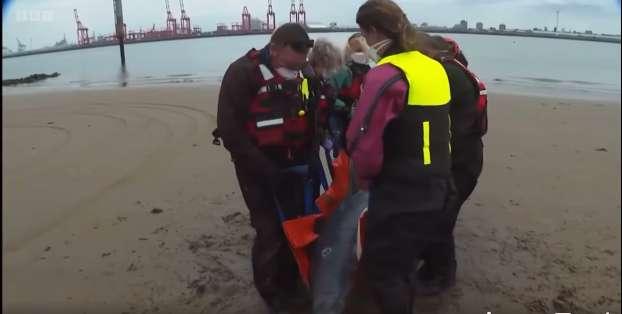
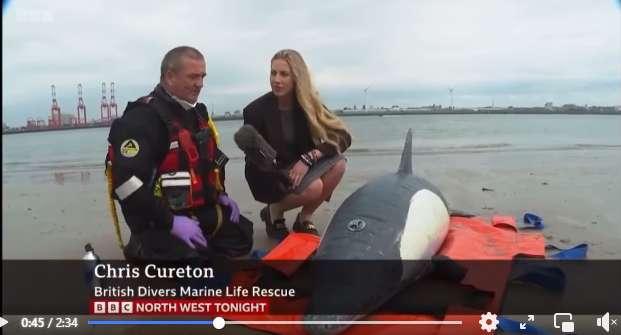
A number of our trustees are also BDMLR marine mammal medics and/or area coordinators.
This footage from BBC Northwest Tonight features two of our co-founders and trustees, Christopher and Kris Cureton (British Divers Marine Life Rescue Area Coordinators), leading a refresher training session to demonstrate how marine mammal rescues are carried out.
Well done North West team!
Papa said go to rehab…
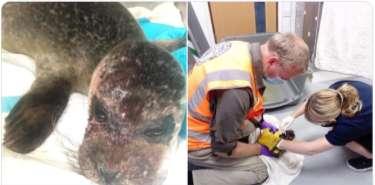
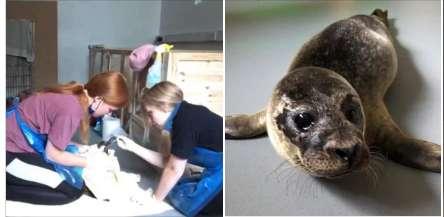
Collaboration is a key component of animal welfare and of ensuring a successful outcome. One such collaboration involved a rescued seal called Zebedee. This story demonstrates how, when we all work together, we can make a real difference. This particular rescue involved many BDMLR marine mammal medics, three of whom are also co-founders and trustees from The Seal Welfare Organisation. Little Zebedee was a common seal found in North Wales in a pitiful state who was transported by two of our co-founders (and medics) Lorna and Richard to Kendal College Animal Rescue Centre for treatment by fellow SWO cofounder/British Divers Marine Life Rescue co-ordinator and animal management lecturer, Sarah Neill. As part of his journey, Zebedee also received a check-over (and vital fluids) from dedicated vet Zoe Mayo. After receiving care and critical treatment at Kendal, Zebedee was then transported to RSPCA Stapeley Grange for rehabilitation. It is important that seals are given sufficient time to gain weight in order to survive in the wild once released. Zebedee made a full recovery and was successfully released near the site at which he was found.
Best wishes Zebedee wherever you are now
During rescues, we rely on many other organisations – the RSPCA, RNLI, Coastguard, Wildlife Police and local conservation groups.
Photo credit: Sarah Neill, Kendal College Animal Rescue Centre
Keeping tabs on tags…
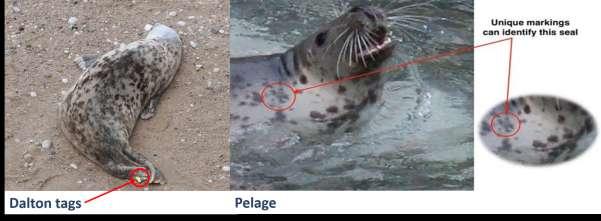
We are sometimes asked how we monitor seals. Our trustees can recognise regular visitors to local haul-out sites in the following ways:
- by checking unique Dalton tags.
- through identification of individual pelage markings
Seals that have been rehabilitated and released can be identified by the Dalton tags fitted to their tail flippers. Each tag is unique and provides information about where the seal was tagged. These tags are useful ways to monitor rehabilitation success, travelling distances and distribution of seals around the UK. Some seals travel great distances and are spotted many miles from the release site. Two of our co-founders and trustees, Adge and Ashley, are keen tag spotters and have monitored tagged individuals each year since their release, helping to build a picture of their movements.
‘Pelage’ refers to the coat of a seal. It’s derived from an old French word for hair or wool of an animal. Each seal has a unique coat pattern. The pattern of blotches and spots can be used to identify individuals.
A traveller’s tale
Common Seals (aka Harbour Seal) are actually less common in the UK than the bigger Atlantic Grey Seal.
After the weaning period, when they are no longer maternally dependent, young common seal pups undertake journeys, some of which may be of a significant distance, exploring the coastline for resources and shelter. They may travel hundreds of miles, even across different countries, in their first few months of life. These journeys are a crucial part of their development, allowing them to learn about their environment and establish territories.
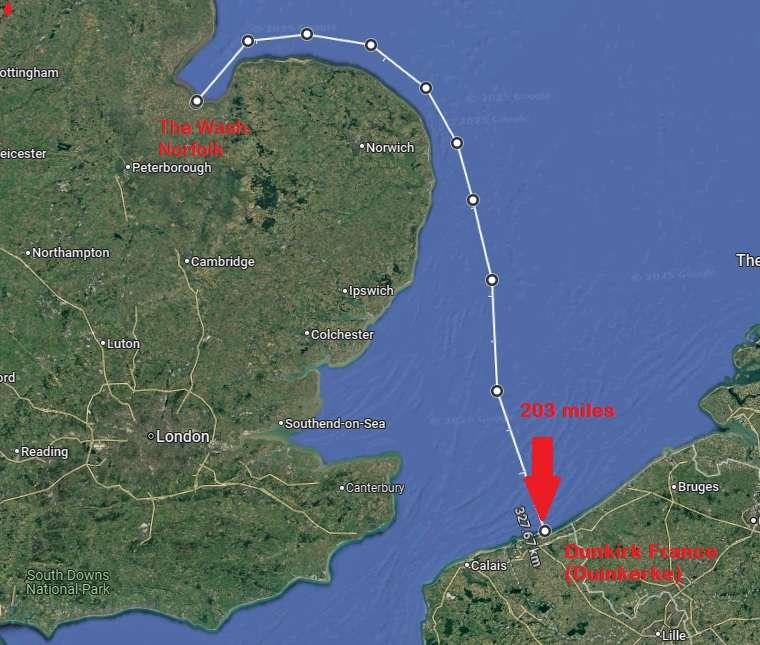
One such seal was spotted on a beach in Dunkirk, France....200 miles from the beach in Norfolk where she was released less than a year earlier. This sighting was made possible by the Dalton tag fitted to the rear flipper of the seal after rehabilitation.
Photo credit: R Bointon
Co-founder and trustee, Adge recognised her tag as a UK tag, specifically from RSPCA East Winch Wildlife Centre in Lincolnshire. Evangelos at East Winch confirmed that the tag identified the seal as 'Geodude', a common seal that came into the RSPCA East Winch centre for care and rehabilitation in June 2024 from Snettisham, Norfolk. Her weight on admission was a tiny 9.2kg and she was dehydrated and malnourished. After months of rehabilitation at the centre, she was released in October 2024 on a coastal beach in Norfolk with a release weight of 35kg.
She was then sighted in early February 2025 alive and well on a beach in Dunkirk, France.
A journey of discovery
RSPCA Wildlife Centres care and rehabilitate many seals each year, a labour intensive and expensive process. Public support enables these centres to provide seals with the care they need so that, after months of rehabilitation and treatment, they can be successfully released in full health into their natural environment.
Campaigns
Our social media campaigns continued throughout the year with the aim of encouraging responsible seal watching.
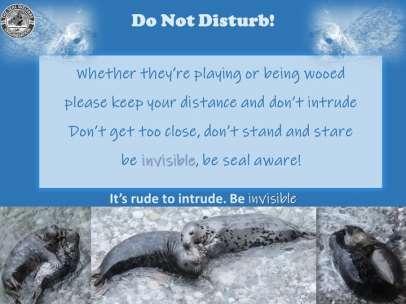
As part of this, our posts have highlighted the need to keep your distance when watching or photographing seals.
Responsible wildlife watching and photography advice:
* Do not approach beyond at least 100m of resting seals
* Ensure that you cannot be seen, heard or smelled
* Keep dogs on a lead (well away from the haul-out site)
* Do not obstruct a seal from entering or leaving the water
* Do not share specific locations of sensitive sites online
Be SEAL AWARE
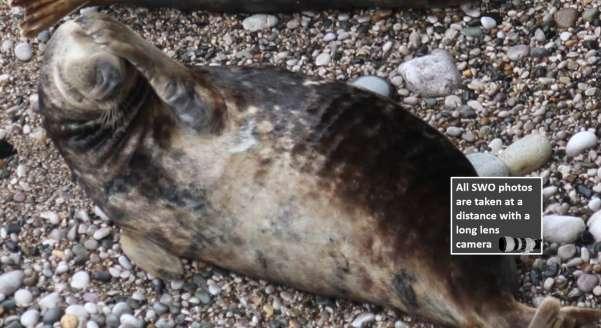
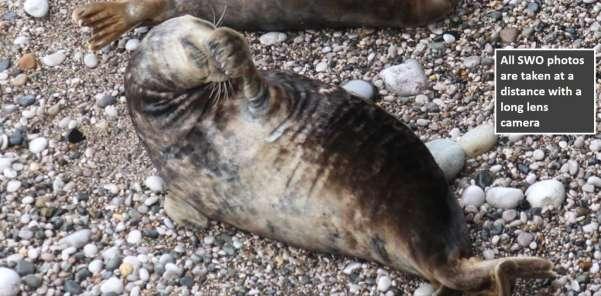
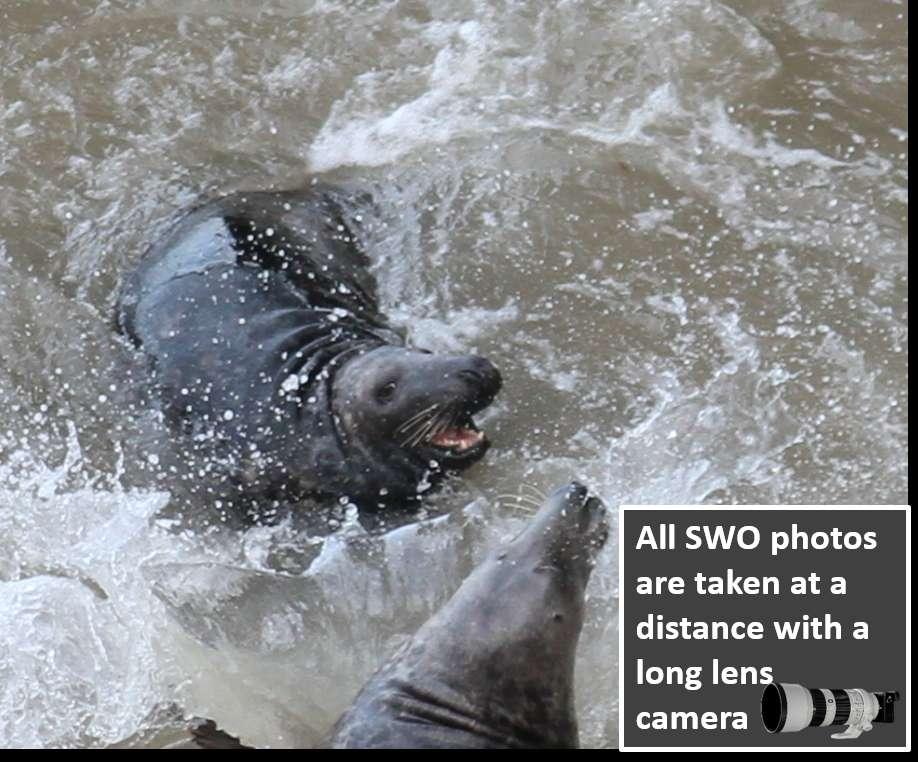
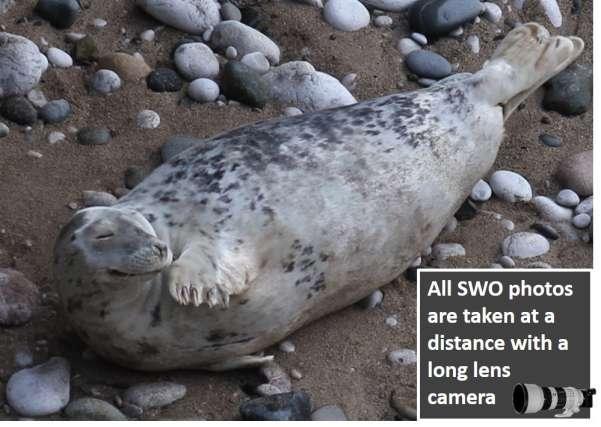
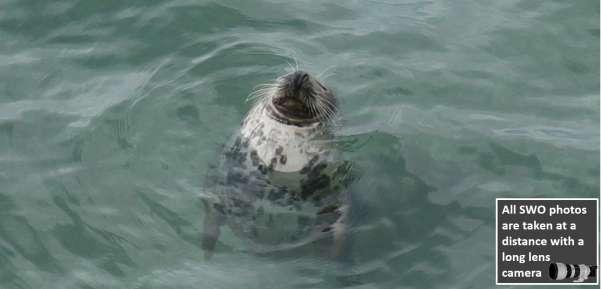
*All of our photographs are taken at a distance using a long lens camera
Highlighting safe seal watching*. Photo credit: R. Bointon
Be invisible to seals.
SWO Photography policy
All footage follows our policy of using a long lens/zoom to take photographs at a distance so that seals are unaware of our presence. Seals shouldn’t be able to:
see you
hear you
smell you.
If a seal makes eye contact or becomes aware of your presence, please back off and give them space. The best photos are those showing a totally relaxed seal that is unaware of the photographer’s / watchers presence.
Photo credit: L Bointon & R Bointon
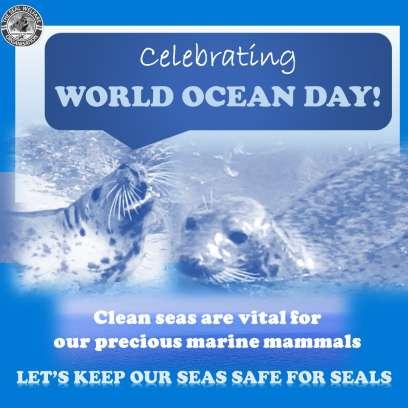
Part of our social media campaigns included celebrating milestones related to the marine environment. On World Ocean Day we highlighted the need for clean seas. This includes picking up just one piece of plastic each time you visit the beach.
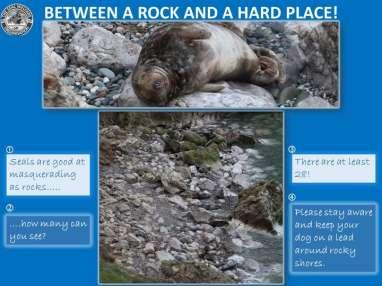
Seals are very good at masquerading as rocks. We highlighted how easily it is to overlook seals on rocky shores and the importance of being seal aware at all times. This means keeping your dog on a lead when near potential seal resting places and haul-outs.
Photo credit: L Bointon & R Bointon
Be seal aware Photo credit: R Bointon & L Bointon
SAFE AND RESPONSIBLE SEAL WATCHING
Pregnancy
During the latter part of the summer we need to be very careful not to disturb pregnant females or lactating mothers and pups. Grey seal pupping season can range anywhere from August to January. During this period, pregnant females haul out to rest for longer periods and so are more vulnerable to disturbance.
Imagine an expectant mother who has travelled many miles to a favoured sheltered beach or rocky shore to haul out and await the birth of her precious pup. She just needs to rest and conserve vital energy stores, built up in readiness to maintain her strength during lactation. With a swollen belly, heavy with new life, she hauls out onto her chosen spot only to be met with noise and disturbance.
Seals exhibit fidelity towards favoured sheltered spots on which to give birth and tend their young. They need to rest, give birth, feed, and lactate without disturbance during this important period.
Pregnant pause – did you know?
Once lactation has ended, mating will occur and females will become pregnant. The gestation period is roughly 9 months but, due to delayed implantation, the actual gestation period lasts around 11-12 months. This is due to embryo development being put on hold for about 3 months, allowing birth to occur at the right time of year.
Pups
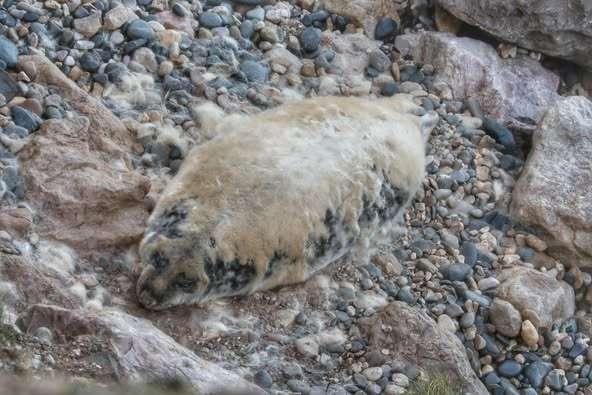
Although common seal pups lose their 'baby' fur in the womb, during August to January, grey seal pups are born with a yellowish-white lanugo of soft downy 'baby' hair. For the first three weeks of its life the pup is maternally dependent, gaining weight on the fat rich milk provided by its mother up to 6 times a day. During the lactation period, a pup mostly rests
Photo credit: R. Bointon
until hunger kicks in. At this point, they may call plaintively for mum. She will not be far away in the surf keeping a watchful eye on her precious offspring.
However, it is important to remember that disturbance may lead to abandonment.
At birth, grey seal pups weigh a meagre 10kg-14kg. During this time, they gradually gain the weight needed to ensure they can withstand the post-weaning fast.
Body condition at weaning may affect the prospects of survival for these young pups and they need to gain at least 10kg per week to get to the optimum weight of around 3540/45kg. Anything under this weight and post-weaning prospects become poorer.
A vital connection
An umbilical cord is a remnant of the maternal attachment between mother and pup. This vital life-line will have supplied the foetus with oxygenated, nutrient-rich blood from the placenta.
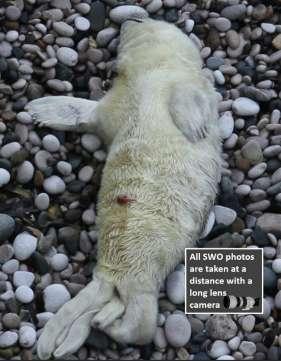
Presence or absence of the umbilical cord can also help to age pups. At 1-3 days old the umbilicus will be pink and fresh, at 4-7 days old it will appear dry and dark and after 7 days (sometimes longer) it will be absent. The first week of a seal pup’s life is when they are most vulnerable.
Lanugo. Photo credit: R. Bointon
A seal pup should never be disturbed back into the sea as it may still be maternally dependent, be too young to swim or injured, ill or exhausted. If the mother has been absent for several hours and there are indications that the pup has been abandoned, call a rescue organisation such as BDMLR 01825 765546
A mother’s love
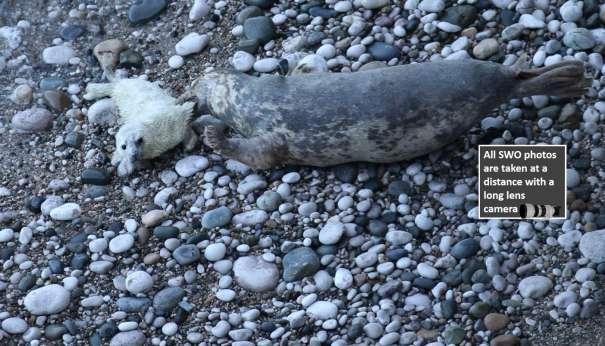
When a grey seal gives birth, an important hormone comes into play - oxytocin - a vital hormone in birth and lactation. This is comparable to levels within humans during lactation. It plays an important role in stimulating uterine contractions during birth, has an influence on lactation and also, crucially, on maternal behaviour. Levels of this hormone are linked to the formation of maternal bonds with pups. In one study*, it was found that nursing mothers with high levels of plasma oxytocin remained closer to their pups reducing the likelihood of separation during this vital period. Immediately after birth, the mother also uses her sense of smell to identify her pup. This will help her recognise and detect her own offspring on busy haul-out sites. This, along with a strong maternal bond, plays a key role in the survival of the new-born infant.
Disturbance from humans and dogs can disrupt the mother-pup bond. This is why it is so important to let seals rest.
*Study source: Robinson, Kelly & Twiss, Sean & Hazon, Neil & Pomeroy, Patrick. (2015). Maternal Oxytocin Is Linked to Close Mother-Infant Proximity in Grey Seals (Halichoerus grypus). PloS one. 10. e0144577. 10.1371/journal.pone.0144577.
Umbilical cord. Photo credit: R. Bointon
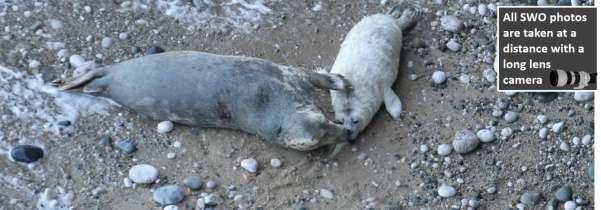
It can be a difficult time for mums and pups during pupping season. Not only do mums have to contend with hormone charged bull seals but they and their pups may also face aggression from other females too. A mother will choose a prime position on the beach for her pup to rest whilst she goes off to forage. She will not tolerate unwelcome interlopers. Pups need to be especially careful, risking a sharp rebuke if they do stray into another seal's territory. This may just be a quick nip of the flipper, as witnessed below, to send the unwelcome pup on its way or it may be a bit more aggressive, which may be upsetting to observe. This is natural behaviour and part of a seal's lifecycle.
Post-weaning fast
After around 3 weeks, the mother will leave her pup to fend for itself. This period is known as the post-weaning fast. The post-weaning fast may last for several weeks whilst they remain on shore losing weight before natural instinct kicks in (and the need for food), prompting them into the sea. During the post-weaning fast, pups will not only lose their
A mother’s love. Photo credit: R. Bointon
Sending a young interloper on its way. Photo credit: R. Bointon
baby fur and replace it with a waterproof coat but will also lose the weight and energy reserves gained during the lactation period. This means that - sometimes for up to several weeks - they need to live off the fat from their mother's milk. During this time they remain vulnerable to disturbance from people and dogs. A seal pup can lose around 0.5kg a day when resting, but more if active. Eventually, the urge to feed will prompt the pup into the sea. It is important that they are allowed to undergo the post-weaning fast without interference and disturbance, so that they can enter the water and begin feeding by themselves when they are ready.
It's a sobering thought that many of our globally rare Atlantic grey seal pups may not even reach their first birthday.
Moulting pup. Photo credit: Ashley Perkins
Disturbance
Disturbance may come from people engaging in various activities - i.e. walking, wildlife watching, photographing, boating, dog-walking, fishing or other activities that may prevent the mother from coming ashore and feeding her pup. Prolonged or severe disturbance may lead to permanent abandonment and, in the absence of its mother's milk, it doesn't take long for a pup to lose weight and start weakening. Eventually the pup will perish unless the mother returns or a rescue organisation intervenes. To avoid this scenario, we need to take care around seals.
Please watch from a distance (at least 100m) where the mother and pup can not see you, hear you or smell you. If in a boat, please be aware that the mother may be ready to come in and feed her pup but your boat may be between her and the shore. Be careful not to create a barrier that prevents the mother from returning to shore to nurse her pup. Of course, it goes without saying that we should NEVER let our dogs off the lead around pupping sites and should not attempt to touch a seal. A seal pup should never be put back into the water as it may be too inexperienced, ill or exhausted to swim. If you think a seal pup may be sick, abandoned or injured, please observe from a distance and call a rescue organisation. Keep your eyes peeled for the presence of the mother in the surf. Remember that the mother may leave the pup for many hours before returning to feed it and any disturbance may prevent her from coming ashore. Be seal aware
Remember: Seals have a keen sense of smell which mums use to seek out their pups on busy haul-out sites. So, even if a seal can’t see or hear you, it may be able to smell you. Seals need to haul out to rest, digest food and replenish oxygen supplies. They may also haul out in large numbers to moult their coats. Once a seal knows you are there, it will remain alert instead of resting.
Keen sense of smell. Photo credit: R. Bointon
Activity Budgets
Seals spend around 70% of their time foraging and travelling and the remaining 30% resting. With so much energy invested in finding food, it is important that seals are allowed to rest, digest their food and replenish oxygen supplies once they haul out on shore. In the same way that we may need to take an after dinner nap, once hauled out on shore after a busy foraging session, seals also need to rest to avoid an activity budget deficit where movement and activity outweighs rest. Disturbance keeps a seal on high alert and prevents them from undergoing this much needed rest period. The first sign of disturbance is when a seal looks towards the direction of movement or noise. This may just be someone taking photographs from what they consider a safe distance. The recommended distance away from seals is 100 metres in a position where the seal cannot see, hear or smell you.
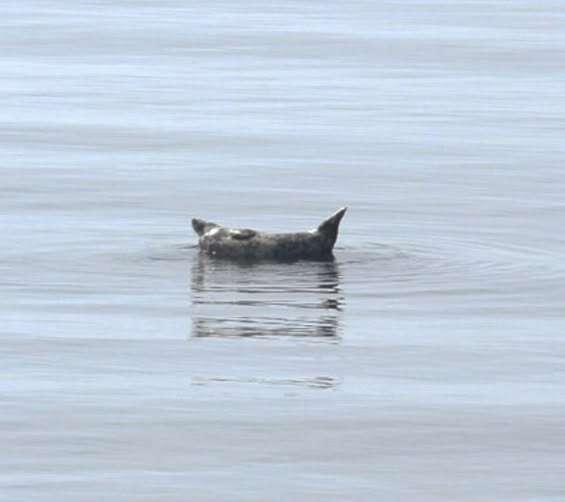
Seals may haul out on shore, on (sometimes submerged) rocks in sheltered bays or in a vertical position within the water, known as 'bottling'. This seal lost its perch once the tide came in!
Resting seal. Photo credit: R. Bointon
Flushing
One threat that seals face is when they are at their most vulnerable – the moulting season. This occurs during the early part of Spring from around January to April. After building up their energy reserves beforehand, large numbers of grey seals gather on beaches to moult their coats.
During this time, they remain for longer on shore and so are more vulnerable to disturbance. They may get itchy and squirm around a bit, getting tetchy and irritable with their neighbours, as they shed their fur. This is an important part of their lifecycle when they will re-grow a new coat and, in the process, be vulnerable to disturbance from people, leisure craft and dogs.
Disturbance can lead to 'flushing'.
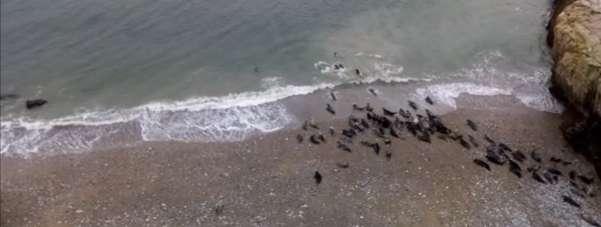
Flushing is when seals are disturbed into the sea before they are ready, usually en-masse. Seals will have built up their energy reserves beforehand but will be largely fasting during this period. During the moulting period, a seal's ability to thermoregulate is reduced and the last thing they want is to enter the water before they are ready. This can also be dangerous to younger seals and result in injury if flushing turns into a panicked stampede or if it occurs over rocky ground.
Seals are usually spread out in large numbers on beaches during this time. Signs that a recent flush has occurred can be seen in the grouping of seals - they tend to remain close to each other at the water's edge, ready to flee until the disturbance event has passed, just like the image in this post. Please be mindful when visiting beaches at this time of year. Please keep your distance, remain quiet and keep dogs on a lead.
Seals grouped to one side of beach after disturbance. Photo credit: R. Bointon
Sirens of the sea….
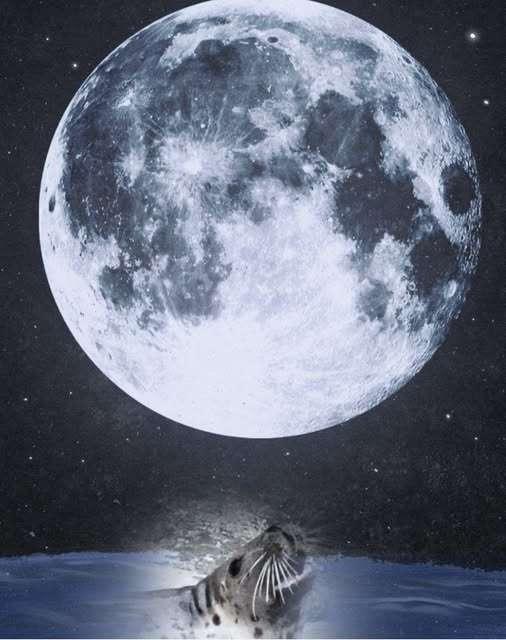
Once known by sailors as the 'Sirens of the Sea', seals appear in many fantastical tales. One of these tales includes the power of the moon to help seals shapeshift into human form.
According to Celtic legend, seals come ashore by the silvery light of a full moon to transform their sleek bodies into attractive male or female human form. These are called Selkies and they will dance in the moon beams on shore before enchanting and enthralling a willing human to follow them into their watery home. Once seduced into the waves by a Selkie, the enraptured human will never set foot on dry land again.
Fact or fiction? Who knows? But, to stay safe, best to keep at least 100m from seals at all times
Seal image credit: R. Bointon.
It’s the little things that matter (Part 2)
From honeycomb reefs to algal blooms
By Lorna Bointon, co-founder and trustee of the Seal Welfare Organisation
Honeycomb Worm Reefs
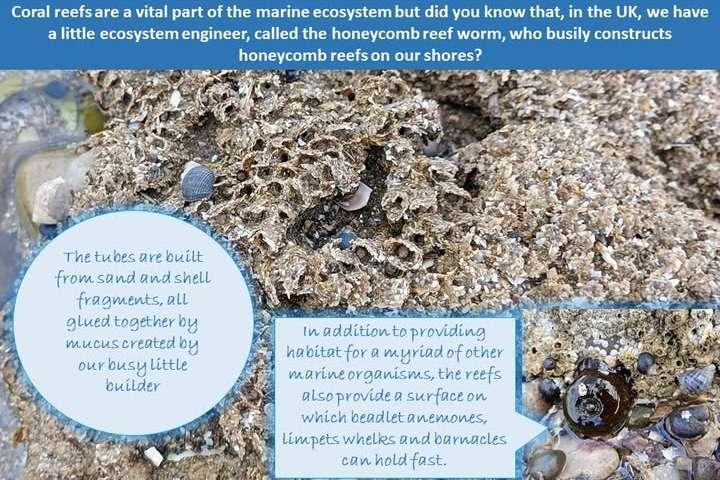
We often focus on the bigger, showier things in nature, sometimes at the expense of the little things. Sometimes it's these little things that matter most, especially when they form part of the complex marine food chain, helping to support a wide range of marine organisms, such as our precious marine mammals. As such, we are giving a call out to the humble honeycomb worm and the reefs that this little eco-system engineer constructs. It's not a coral and may not be a spectacular as the Great Barrier Reef, but it's important in terms of the biodiversity it supports.
The worm creates little tubes from sand and shell fragments, all glued together by mucus created by our busy little builder. In addition to providing habitat for many other marine organisms, the reefs that this worm creates also provide a surface on which beadlet anemones, limpets and barnacles can hold fast.
Join us in celebrating a little worm that makes a big difference.
Photographs: R Bointon
With acknowledgement to Ian Willow and Ruth Kennedy who alerted us to local reefs.
Phytoplankton
Phytoplankton are tiny marine organisms that are at the base of the food chain. Apex predators such as cetaceans and seals rely on these important links within the food chain. Phytoplankton is eaten by zooplankton which in turn get eaten by fish which are then consumed by larger fish and mammals. Because they are photosynthetic, phytoplankton are also important for climate regulation and oxygen production. However, some phytoplankton are toxic. Climate warming may lead to increased sea temperatures which encourage an over-growth of phytoplankton, leading to harmful blooms
Marine planktonic diatom genus Pseudo-nitzschia and the effect of neurotoxins on seals
One of these is the phytoplankton genus Pseudo-nitzschia. There are many species of this phytoplankton genus but not all are toxic (although approximately 50% are). Like all phytoplankton, this genus of phytoplankton is photosynthetic, meaning that it positively responds to higher light levels and this, along with increased nutrients and climate driven warmer seawater temperatures, may be responsible for elevating the growth of harmful algal blooms. One of these toxins, called Domoic Acid, is a neurotoxin which affects the nervous system. A study in 2017* showed that Domoic Acid in shellfish was positively correlated with warm regimes. Further studies** highlight how harbour seals in Scotland have been exposed to this neurotoxin.
Domoic Acid accumulates in high concentrations in the tissues of filters feeders, such as shellfish and zooplankton, thereby getting into the food chain and the diet of seals, cetaceans and marine birds (and humans causing amnesic shellfish poisoning).
This neurotoxin can cause seizures, brain damage and eventually heart failure. Seals may exhibit erratic behaviour which can lead to increased aggression. If you see any seal exhibiting signs of distress, e.g. disorientation, bobbing head, seizure or lethargy call a rescue organisation and do not approach. Keep at least 100m from the seal and ensure that you don't add to its distress by being visible. Please remember that some of these signs may be caused by other illnesses, disease or injury.
REMEMBER: All wild animals can be driven to bite regardless of whether they have been subject to toxins. Just like all wild animals, seals may bite when disturbed or scared as a
Photo credit: R Bointon
natural self-defence mechanism. Seals tend to prefer flight over fight but sometimes, they don’t have this option. When defensive actions don't work, i.e. flipper waving, open mouth, accompanied by hissing and growling, a seal will lunge at the harasser and bite as a last resort. Mothers can be ferocious when protecting their pups and males can become aggressive during the mating season. A seal bite is painful and can lead to a nasty bacterial infection in humans, caused by a Mycoplasma species that requires specific antibiotics.
during pupping
This is why it is important that we remain seal aware and keep our distance. When observing seals, make sure you are positioned so that they cannot see you, hear you or smell you.
References: *McKibben, W. Peterson, A.M. Wood, V.L. Trainer, M. Hunter, & A.E. White, Climatic regulation of the neurotoxin domoic acid, Proc. Natl. Acad. Sci. U.S.A. 114 (2) 239244, https://doi.org/10.1073/pnas.1606798114 (2017)
** Ailsa J. Hall, Elizabeth Frame, Evidence of domoic acid exposure in harbour seals from Scotland: A potential factor in the decline in abundance?, Harmful Algae, Volume 9, Issue 5, 2010, Pages 489-493, ISSN 1568-9883, https://doi.org/10.1016/j.hal.2010.03.004. (https://www.sciencedirect.com/.../pii/S1568988310000272)
Territorial males
season. Photo credit: R Bointon
Non-disclosure of sensitive haul out sites: Our policy
The threat to seals from people and dogs is well documented and, as such, we do not make sensitive locations public.
Some sensitive sites, such as regular haul-out and pupping sites, get explicitly mentioned in newspapers and over social media. These sites have been subject to many disturbances and threats from people, dogs, fishing and leisure boaters.
Revealing the location of sensitive sites like this helps to increase occurrences of the very threats that we all campaign against.
For the sake of our seals, please do not share on public platforms posts containing information about haul out locations.
Thank you
Keep seals safe from disturbance. Photo credit: R Bointon
Dealing with sick or injured marine mammals
To report an injured or sick seal, please contact the following organisations:
FOR LIVE STRANDINGS
National: British Divers Marine Life Rescue 01825 765546
England & Wales: RSPCA 0300 1234999
Scotland: SSPCA 0131 3390111
Sometimes, we may encounter dead or injured seals or cetaceans which have stranded. In the case of dead cetaceans or seals, please record any sightings to UK Cetacean Strandings Investigation Programme (CSIP).
Due to the threat of zoonotic disease please do not touch dead or sick wild animals but instead report them to local and national authorities. Do not allow your dog to approach a dead seal.
FOR DEAD STRANDINGS
UK (all species): Cetacean Strandings Investigation Programme 0800 652 0333
Any pictures of Welsh strandings can also be sent to info@strandings.com
Wildlife Crime: If you witness a suspected wildlife crime in action call 999 immediately and ask for the police. For all other enquires call 101. For your own safety, do not approach suspects yourself or touch anything at the scene.
Education
Our aim is to help raise awareness of seal disturbance, entanglement and other threats. To do this, we actively approach members of the public and visitors at seal haul-out sites to give advice and information.
As part of this goal, our trustees either write or submit footage for BBC Springwatch blogs and Watch Out broadcasts with the aim of getting our message across to a wider audience.
Our annual newsletter also include educational pieces on factors that impact on seals and the marine environment.
Some of our trustees are also lecturers and trainers and have individually produced training materials, such as presentations and webinars on a variety of marine themes, including marine mammals. Our plans are to continue to build on this to create educational resources, suitable for a variety of levels and age groups.
Our Team
Our team comprises 8 passionate individuals from different walks of life, all with the same aim: seal welfare. We comprise marine conservation monitors, marine mammal medics and instructors, regional coordinators for marine conservation charities, marine biologists, writers, lecturers and assessors.
News
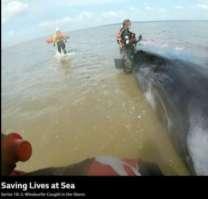
Six of our trustees are also BDMLR marine mammal medics and have previously been featured on Saving Lives at Sea (Series 8, Episode 3, available on BBC iPlayer) as part of a rescue attempt of a juvenile fin whale in 2020.
The new series of Saving Lives at Sea recently showed a clip of this rescue which was a reminder of how important collaboration is with other organisations.
Local fishermen and members of the RNLI worked tirelessly alongside us, hauling buckets of water to help keep the whale cool and comfortable before the tide came in and we could attempt a refloat. The Flint RNLI crew were also a comforting source of safety
Image taken from BBC iPlayer August 2025
Stop Press!
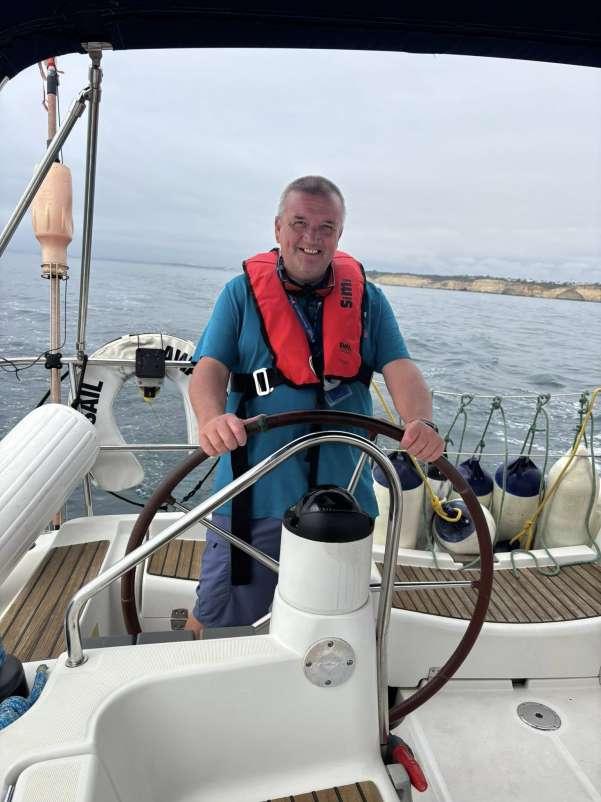
Well done to co-founder and trustee, Chris, on achieving RYA Day Skipper. Aye, aye, Captain!
Courses of interest & Activities/Events
Events
Join the National Whale and Dolphin Watch in 2026:
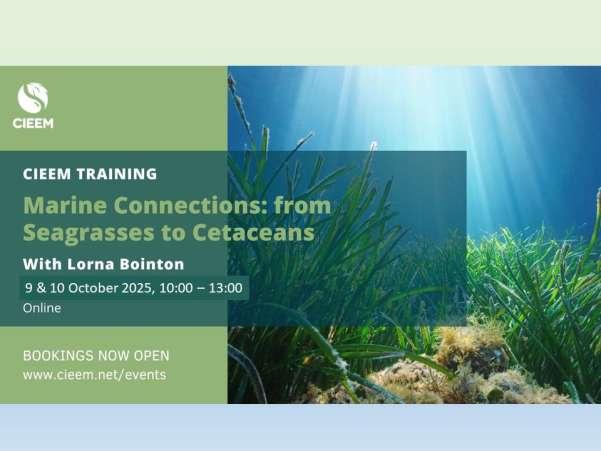
Book an online course - Marine Connections: from Seagrasses to Cetaceans, 9th & 10th October 2025:
CIEEM : http://events.cieem.net/Events/
What’s Next?
We aim to educate the public about the dangers of disturbance and habituation.
We will continue to monitor population numbers at sites
We will record entanglement cases, highlight the physical dangers to seals, e.g. threats from plastic waste and entanglement with discarded fishing gear that can result in injury and death, injuries caused by boat collision and propellers and by-catch.
We will campaign for better protection and changes to legislation.
We aim to highlight other threats, such as overfishing of prey species, destruction of habitat and also marine pollution.
We will maintain a tag database and share sightings and data with other organisations.
Keep chilled…
Soothed by the lilting lullaby of the lapping waves, the slumbering seal soundly snoozes with sleek somnolent body lazily suspended, swaying slightly in the upsurge of a soft swell….