Boca Club News


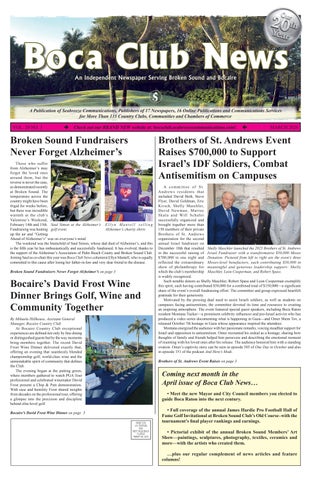
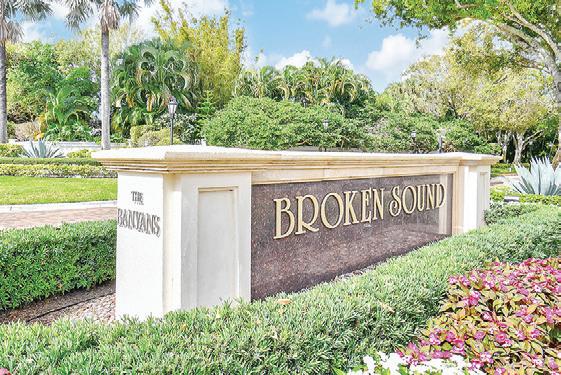
Those who suffer from Alzheimer’s may forget the loved ones around them, but the reverse is never the case, as demonstrated recently at Broken Sound. The temperature across the country might have been frigid for weeks before, but there was incredible warmth at the club’s Valentine’s Weekend, February 14th and 15th. Fundraising was heating up the air and “Getting Ahead of Alzheimer’s” was on everyone’s mind.
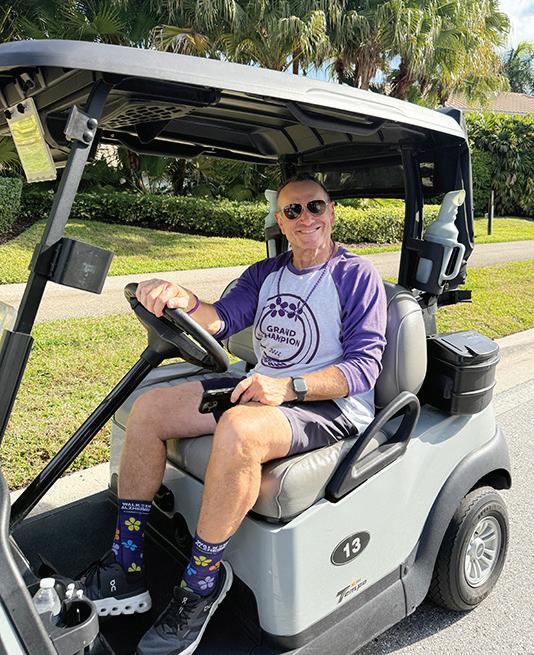
The weekend was the brainchild of Saul Simon, whose dad died of Alzheimer’s, and this is the fifth year he has enthusiastically and successfully fundraised. It has evolved, thanks to the support of the Alzheimer’s Association of Palm Beach County and Broken Sound Club. Joining Saul as co-chair this year was Boca Club News columnist Ellyn Mantell, who is equally committed to this cause after losing her father-in-law and very dear friend to the disease.
By Mihaela Hillhouse, Assistant General Manager, Bocaire Country Club
At Bocaire Country Club exceptional experiences are defined not only by fine dining or distinguished guests but by the way moments bring members together. The recent David Frost Wine Dinner delivered exactly that, offering an evening that seamlessly blended championship golf, world-class wine and the unmistakable spirit of community that defines the Club.
The evening began at the putting green, where members gathered to watch PGA Tour professional and celebrated winemaker David Frost present a Chip & Putt demonstration. With ease and humility Frost shared insights from decades on the professional tour, offering a glimpse into the precision and discipline behind elite-level golf.
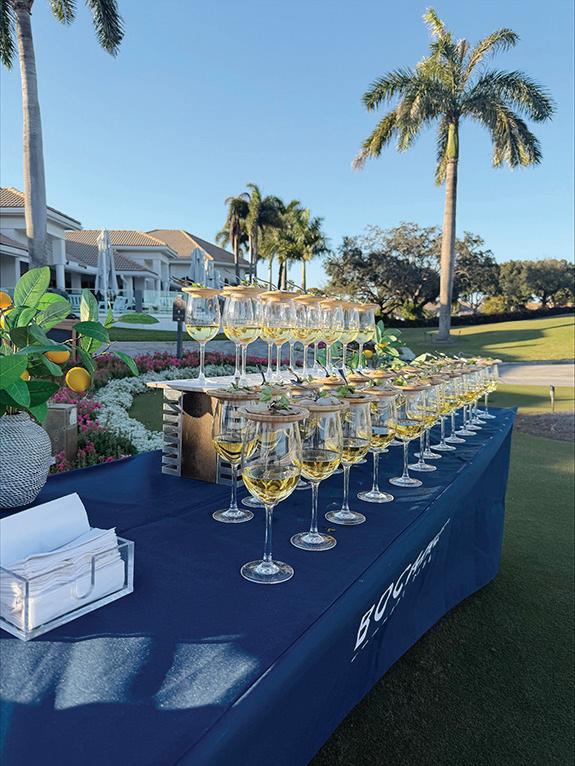

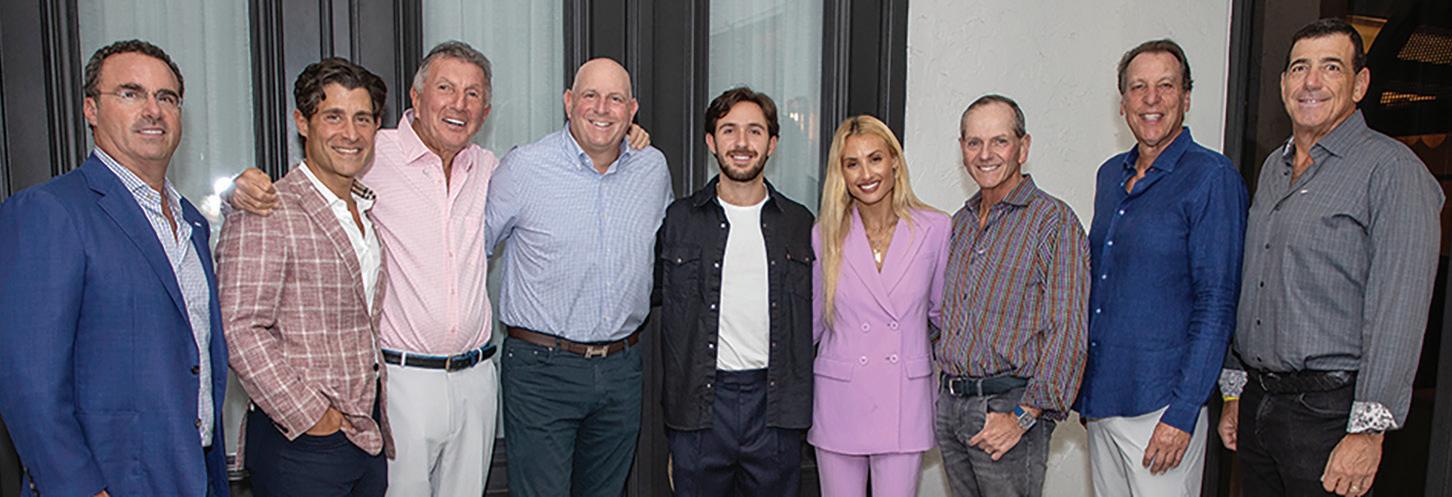
A committee of St. Andrews residents that included David Beth, Steve Flyer, David Goldman, Eric Kirsch, Shelly Maschler, David Newman, Murray Skala and Will Schafer successfully organized and brought together more than 150 members of their private Brothers of St. Andrews organization for the second annual Israel fundraiser on December 10th that resulted in the successful raising of $700,000 in one night and reflected the extraordinary show of philanthropy for which the club’s membership is widely recognized.
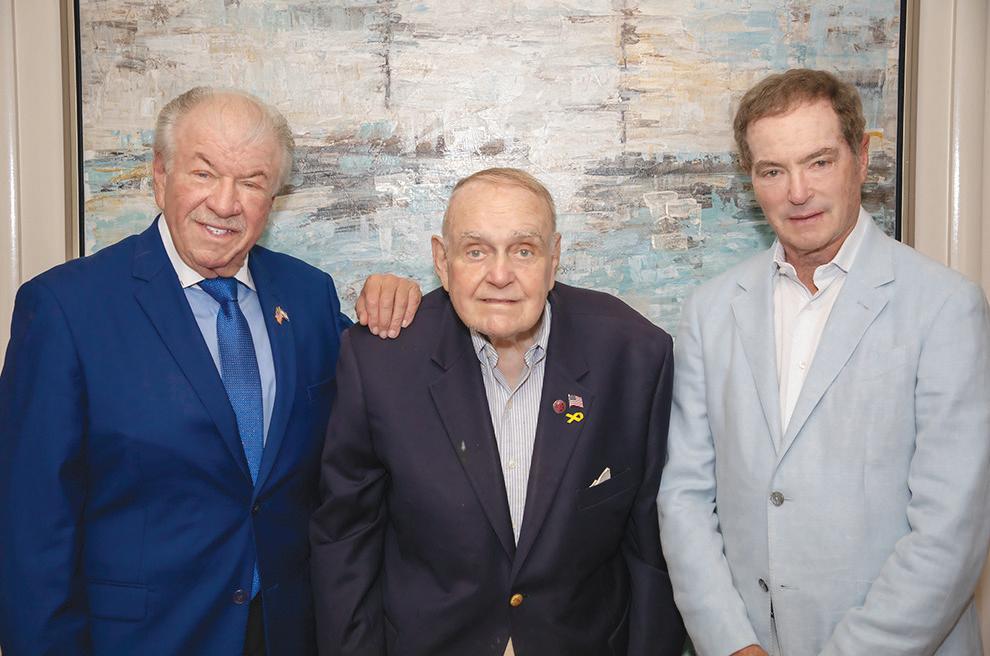
Such notable donors as Shelly Maschler, Robert Spass and Leon Cooperman exemplify this spirit, each having contributed $50,000 for a combined total of $150,000—a significant share of the event’s overall fundraising effort. The committee and group expressed heartfelt gratitude for their generosity.
Motivated by the pressing dual need to assist Israeli soldiers, as well as students on campuses facing antisemitism, the committee devoted its time and resources to creating an inspiring atmosphere. The event featured special guest speakers, including Boca Raton resident Montana Tucker—a prominent celebrity influencer and pro-Israel activist who has produced a video series documenting what is happening in Gaza—and Omer Shem Tov, a released October 7th hostage in Gaza whose appearance inspired the attendees.
Montana energized the audience with her passionate remarks, voicing steadfast support for Israel and opposition to antisemitism. Omer recounted his ordeal as a hostage, sharing how thoughts of family and friends helped him persevere and describing the emotional moment of reuniting with his loved ones after his release. The audience honored him with a standing ovation. Omer’s captivity story can be seen in episode 505 of One Day in October and also in episode 151 of the podcast And Here’s Modi
Coming next month in the April issue of Boca Club News…
• Meet the new Mayor and City Council members you elected to guide Boca Raton into the next century.
• Full coverage of the annual James Hardie Pro Football Hall of Fame Golf Invitational at Broken Sound Club’s Old Course–with the tournament’s final player rankings and earnings.
• Pictorial exhibit of the annual Broken Sound Members’ Art Show—paintings, sculptures, photography, textiles, ceramics and more—with the artists who created them.
…plus our regular complement of news articles and feature columns!
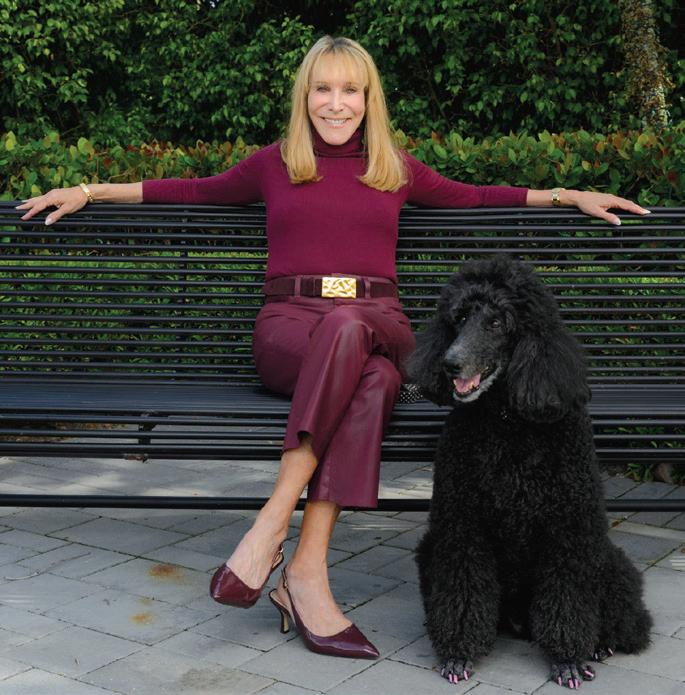



























Co-Chairs who helped support the efforts were: Steve Berger, Josh Goldman, Artie Grossbard, Jeff Halpert, Steve Hersh, Keith Jaffee, Dr. Ronald Krinick, Kenny Lipschutz, Mike Manis, Andy Monfried, Dan Schwab, Mike Teitelbaum, Barry Swidler and David Winter.
The purpose of the event was to direct donations toward Students Supporting Israel (“SSI”) and Yashar Lachayal. SSI’s international membership includes over 4,000 students on more than 110 campuses around the world. Their mission is to serve as a voice supporting Israel and to empower students in grassroots advocacy while shaping tomorrow’s Jewish leaders. SSI fosters a safe environment for Jewish students to collaborate and openly support Jewish life and Israel on campus.
Yashar LaChayal was established by founder Leon Blankrot in the wake of the 2006 Second Lebanon War after a group of people drove essential humanitarian supplies to soldiers on the northern border of Israel during the conflict. The volunteers decided to continue this work officially by founding Yashar LaChayal (Hebrew for “straight to the
Broken Sound Fundraisers Never Forget Alzheimer’s from page 1
Behind every undertaking of this size is the support of a team, and this year it was Ken Karlan, Jeff Unger, Bonnie Silverman and Mitch Krasne. As an introduction to the weekend, on January 16th, Broken Sound hosted an informational on “Getting Ahead of Alzheimer’s.” With donations still pouring in the projection is that this year’s successful event will result in the funds raised significantly surpassing last year’s total.
The speakers included representatives from The Meridian at Boca Raton, which highlighted their memory care facility and David and Clare Uhlfelder. David is an Alzheimer’s patient who is living a clean and healthy lifestyle as he tackles this horrendous disease, and is a motivational speaker stressing there is hope. Claire is the wind beneath his sails as he is part of medical trials and motivates other patients and their caregivers.
soldier”), an organization dedicated to providing humanitarian aid and support directly to IDF soldiers wherever they are stationed, whether in urban centers or remote border areas.
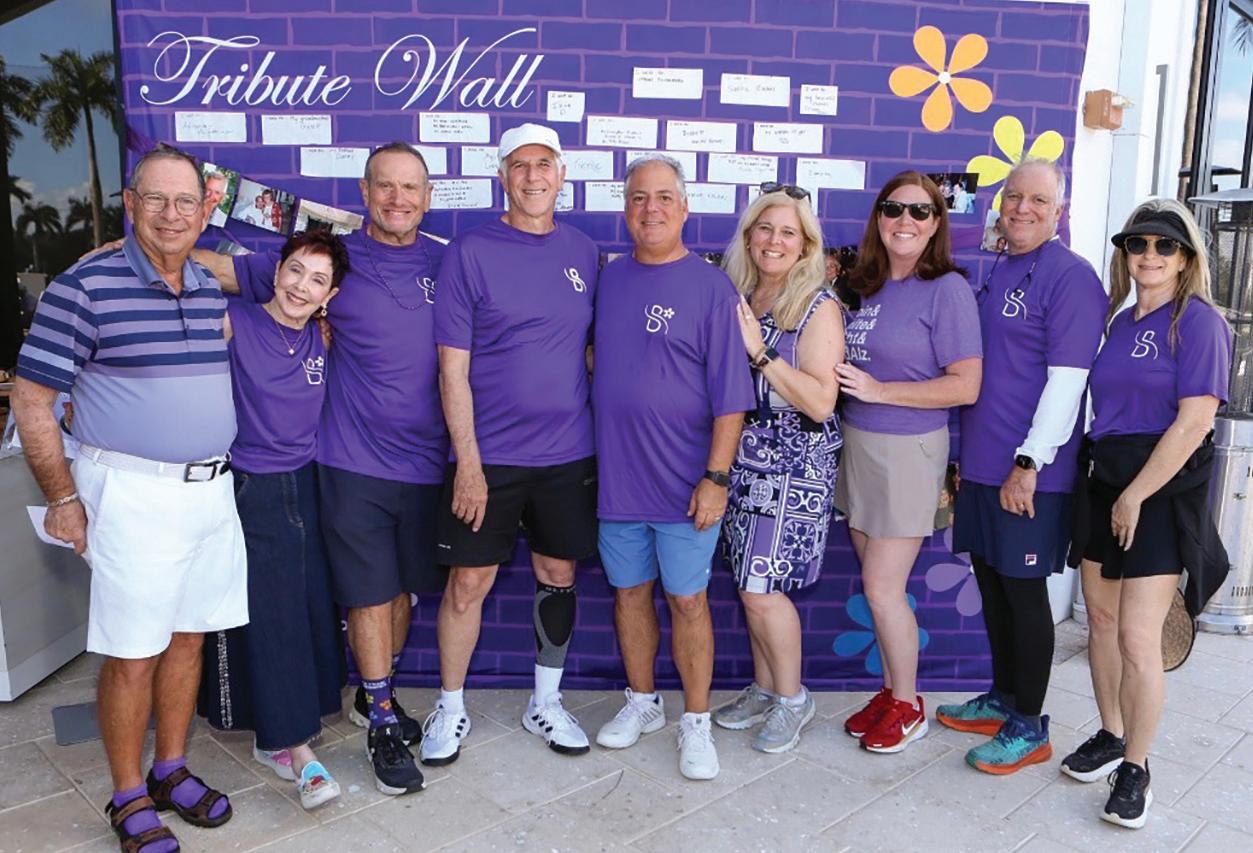
This piqued the interest of Broken Sound members as they then fully embraced Valentine’s Day weekend with love in their hearts. A 2.5 mile walk kicked off the weekend on Saturday, the 14th, which was attended by not only humans, but pets as well. Dancing with Becca Tebon and music warmups revved up the group of over 75 attendees as they proudly wore their purple shirts and carried colorful Alzheimer’s recognition pinwheels. It was a huge success with Ellyn Mantell chairing that event.
Sunday’s successful day began with an 18-hole golf shotgun tournament. Chairman Bruce Mantell coordinated
with the pros at Broken Sound to accommodate 102 participants, all with an eye toward a BMW for a hole-in-one, as well as a golf cart prize. Although there were no hole-inone winners the smiles on players’ faces showed evidence of an amazing round, all with their eyes on the greater prize: the end of Alzheimer’s!
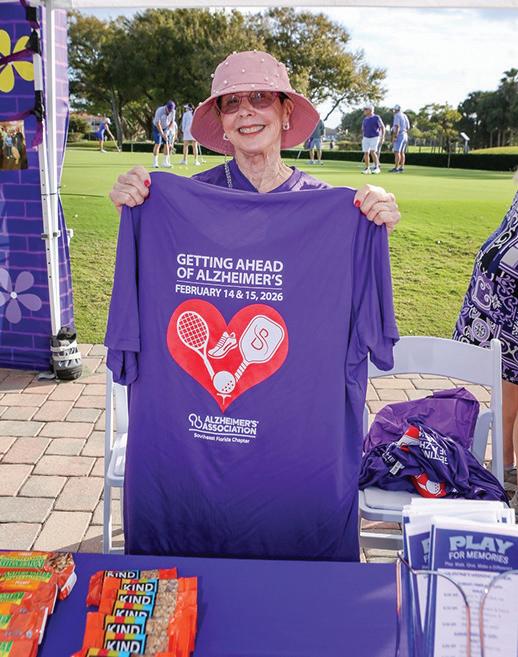
Jeff Unger chaired the pickleball tournament with 44 participants wearing the symbolic purple Alzheimer’s shirts, and all of the shirts for the event were donated by Ken Karlan and Saul Simon.
A reception to end the weekend on a high note followed, with gratitude to Rachel Little from Broken Sound Club overseeing the delicious buffet. As is always the case it takes a village, so thanks to Ken Kosak, General Manager

Dr. Rosenbusch has been practicing dentistry for 38 years and has extensive experience in many aspects

and Federica Davis, Assistant General Manager, with family support from Michelle Krasner and Sheryl Unger, Zoel Silverman—as well as Allison Gollin and Emily Golden, who flew down from New Jersey to assist their parents, Bruce and Ellyn Mantell. Additionally, gratitude to Tracey Wekar-Paige, Monique Stevens, Stefanie Marder and their team for all of their guidance and assistance.
Those wishing to donate to Alzheimer’s Association—so that ours may be the last generation to have Alzheimer’s Disease ruin the lives of vital, intelligent and loving people— can do so by calling Saul Simon at (908) 512-5161.
Members observed closely as he demonstrated technique and strategy, transforming a simple predinner gathering into an engaging and educational experience. The setting created a relaxed yet elevated atmosphere, allowing members to connect through a shared appreciation of the game while enjoying a glass of wine as the sun began to set.
Following the demonstration members moved into the dining room for a chef-curated four-course wine dinner designed by Executive Chef Jay Prisco and the culinary team. The transition felt seamless as the energy from the green carried into an elegantly set dining space prepared for an evening of storytelling, flavor and connection.
Each course was thoughtfully paired with selections from David Frost Wines, creating a culinary journey that balanced refinement with approachability. Throughout the dinner Frost entertained the members with stories from both his golf career and his South African winery, adding depth and personality to every pairing. His presence brought authenticity to the experience, allowing members to engage not just with exceptional wines but with the passion and craftsmanship behind them.
What distinguished the evening most, however, was the atmosphere created by the membership and team alike. Conversations flowed easily across tables, laughter filled the room, and the service team operated with remarkable harmony and attentiveness. The evening reflected the best of Bocaire hospitality, where kindness, teamwork and genuine care elevate every detail.
Events such as the David Frost Wine Dinner highlight the evolving experience at Bocaire. By pairing a PGA Tour professional who is equally accomplished as a winemaker with a chef-driven culinary vision, the Club created an event that felt both sophisticated and deeply personal. It was an evening that celebrated excellence while remaining grounded in connection and community.
Long after the final course was served what remained was a shared sense of appreciation, not only for outstanding wine and cuisine but for the opportunity to gather, learn and celebrate together. The David Frost Wine Dinner stood as a reminder that the most meaningful Club experiences are those that bring people closer, creating memories shaped by hospitality, warmth and a true sense of belonging.
A rare gathering of musical legends will take the stage when “Rock Meets Soul” comes to Mizner Park Amphitheater on Saturday, March 21st, delivering a night of classic rock, soul, funk and R&B performed by the original artists who shaped the sound of multiple generations.

The concert will be presented outdoors under cover, creating a dynamic, immersive setting designed to elevate both sound and audience experience…rain or shine. This is a ticketed concert. Doors open at 5:30 p.m. Show begins at 6:30 p.m. For tickets to the March 21st Rock Meets Soul concert visit the website: www.eventbrite.com/rockmeetssoul-tickets.
Headlining the evening will be John Oates, co-founder of the most successful duo in rock history and a member of both the Rock & Roll Hall of Fame and the Songwriters Hall of Fame. Celebrating 25 years as a solo artist, Oates is currently touring with The Good Road Band, performing new original music alongside the iconic songs that influenced his career—from rock and soul to folk and R&B. His storied


career includes more than 80 million albums sold, eight solo albums, and participation in some of music’s most historic moments, including Live Aid and We Are the World
The evening will be hosted by radio personality Tyrone DuBose and feature an exceptional lineup of original artists, including Firefall, whose country-rock hits such as You Are the Woman and Just Remember I Love You helped define the 1970s and continue to resonate with audiences worldwide. More than 50 years after their debut the band remains a global touring favorite.
Also appearing will be Wil Hart, the last living original member and lead singer of The Delfonics, bringing the signature Philadelphia soul sound behind classics like La-La (Means I Love You) and the Grammy-winning Didn’t I (Blow Your Mind This Time).

R&B and funk fans will enjoy the unmistakable grooves of Raydio, whose chart-topping hits include You Can’t Change That and A Woman Needs Love , performed by an eight-piece band led by original member Arnell Carmichael. Guitar virtuoso and Grammy-winning artist Randy Hall adds contemporary soul and jazz energy to the lineup, while John Ford Coley, half of the Grammynominated duo England Dan & John Ford Coley, performs beloved soft-rock classics such as I’d Really Love to See You Tonight Together, “Rock Meets Soul” offers a cross-generational concert experience filled with unforgettable performances, master musicianship and the songs that continue to define American music.
A heartfelt naming ceremony took place on Monday, February 16th, at the Toby and Leon Cooperman Sinai Residences in Boca Raton named for the St. Andrews couple whose generous philanthropy has supported the five-star, notfor-profit continuing care retirement community located on the campus of the Jewish Federation of South Palm Beach County— the largest land-based Federation campus in the nation.
The event was the dedication of the “Katz Family Discovery Garden,” a new space that will include a koi pond, butterfly garden and Town Center Mall-inspired space “donated by the family of Alan Katz, a current resident of the facility, to honor him.
Family members, residents and Sinai leadership gathered in the Health Center courtyard to commemorate the occasion and recognize the meaningful impact of the Katz family’s philanthropy. The central courtyard, now officially named the Katz Family Discovery Garden, will serve as a vibrant and therapeutic outdoor space designed to foster engagement, connection and joy for memory care residents and their loved ones.
Alan Katz moved into memory care at Sinai Residences in March 2025. His family selected Sinai for its exceptional memory care program and its commitment to supporting not only residents, but their families as well, ensuring loved ones remain connected, supported, and actively involved in their care journey.
“This is deeply personal for our family,” said Matthew Katz, son of Alan and founder of the Katz Foundation, during the ceremony. “Sinai Residences has had a meaningful impact on my dad’s life first and foremost, but just as importantly
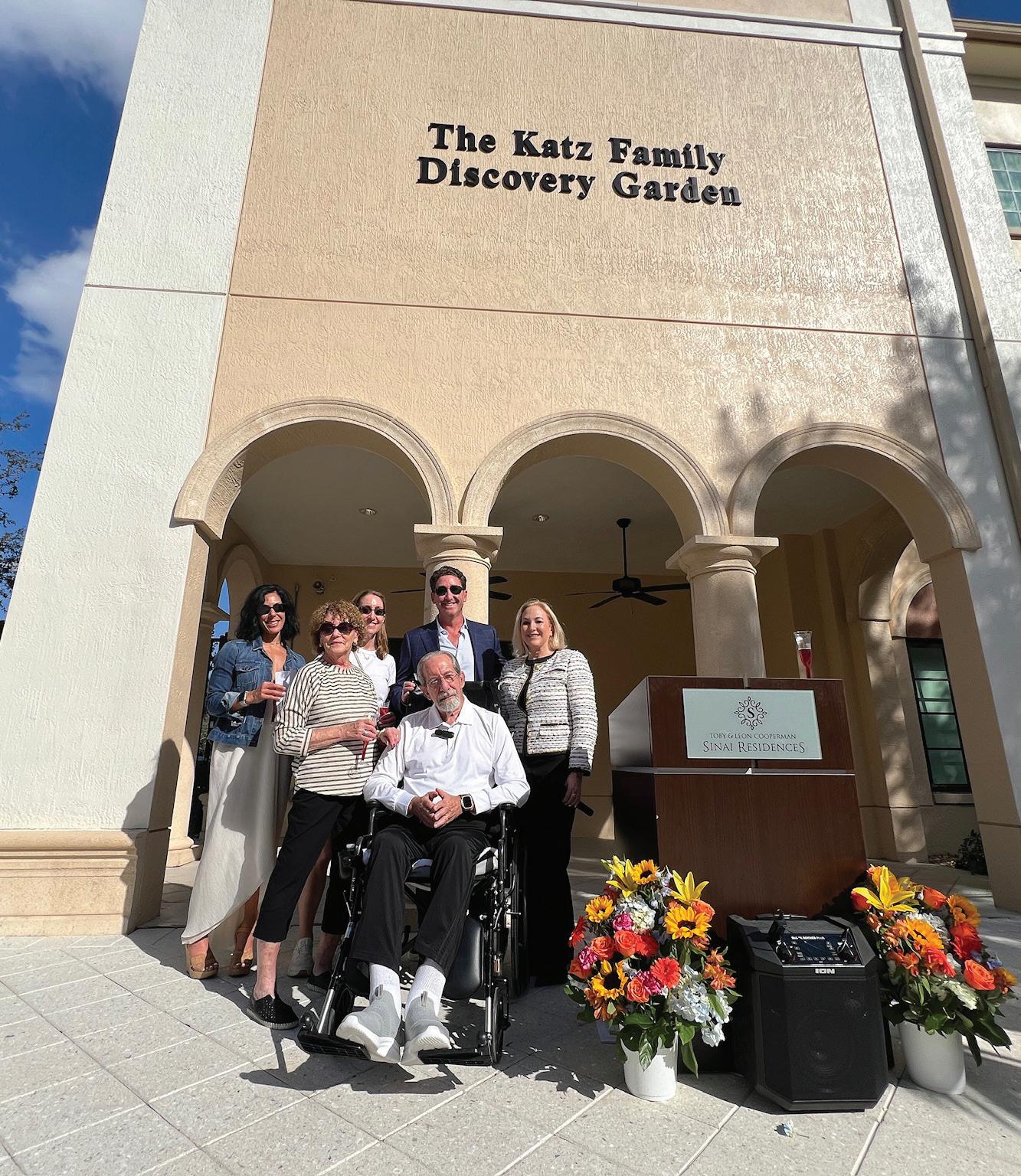
on my mom’s life, and therefore on my sister’s and on my own. This is an opportunity to pay it forward. I would love for my dad to see our family name outside and feel proud. This is an investment in the courtyard—to make it better for current residents and for generations to come.”
According to Rachel Blumberg, President & CEO of Sinai Residences, the koi pond and butterfly garden should be complete in three to six months, while the mall build out will take upwards of six to twelve months.


















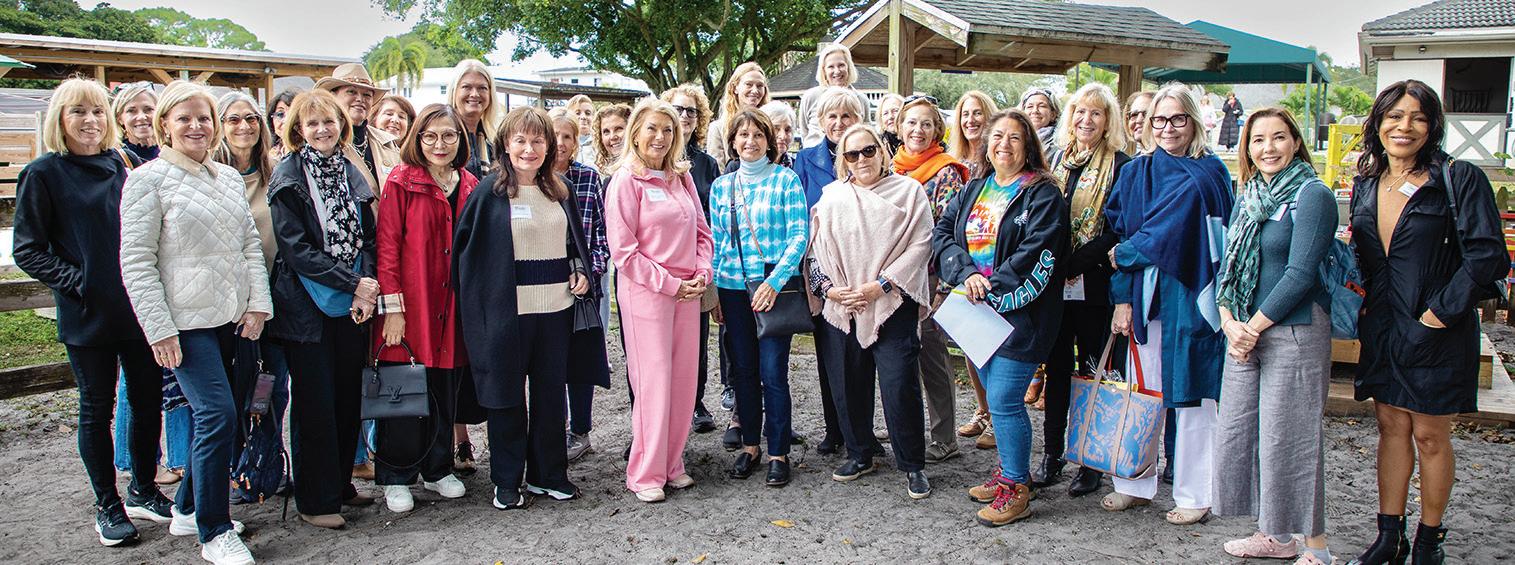
Seventy-four women. Two buses. Six life-changing missions. One powerful morning of impact.
Impact 100 Palm Beach County members recently stepped off the page and into the heart of their philanthropy during a special Bus Tour visiting six nonprofit organizations that have received $100,000 grants from the women’s collective giving organization. “Experiencing these programs in person reminds us why we give,” said Janean Mileusnic, President of Impact 100 Palm Beach County. “It’s not just about the grant, it’s about the ripple effect in our community.”
The day began with breakfast and a warm welcome from Mileusnic, who thanked members for their commitment to transformational giving and reminded them that “Together, we are not just writing checks, we are changing lives and making real impact, right here in South Palm Beach County.”
Members boarded two buses, one traveling northbound and one southbound, to visit three nonprofits each. By the end of the morning all six organizations had been toured, stories had been shared and impact had been witnessed firsthand. The tour, chaired by Helen Ballerano and Ingrid Kennemer, concluded with a celebratory luncheon at the Dr. André Fladell Civic Center, where members connected and strengthened bonds rooted in shared purpose.
The nonprofits visited were the following:
Morningday Community Solutions. Impact 100 funding helped expand membership outreach in southern Palm Beach County, enabling 44 new nonprofit members to join Morningday. The project resulted in 245 tons of retail waste diverted from landfills and an estimated $312,400 in annual savings for new members, demonstrating how environmental sustainability and nonprofit support go hand in hand.
Tomorrow’s Rainbow. This Palm Beach County grief and trauma support organization provides equine-assisted programs for children experiencing loss. Impact 100 funding helped launch a mobile program serving children across partner sites, resulting in 1,385 sessions delivered and 98% of participants utilizing coping strategies learned. The grant allowed the organization to reach vulnerable youth, including undocumented and refugee children, in safe, trauma-informed environments.
Place of Hope. Impact 100 PBC’s $100,000 grant supported initiatives providing essential services to children, families, and youth who have been abused, neglected or in crisis. The funding aided plans to expand Place of Hope’s Boca-area campus with three new triplex housing units, increasing capacity for families in need and strengthening transitional housing and support services.
Milagro Center (GEMS – Girls in Engineering, Math & Science). Through GEMS programming, 63 girls in southern Palm Beach County have already participated in STEM-focused workshops and field trips designed to empower young women of color in middle and high school to pursue careers in science, technology, engineering and math. The Impact 100 PBC grant supports hands-on learning, mentorship and academic readiness initiatives.
Delray Beach Children’s Garden. Through science field trips for Title I students, 391 second through fourth graders have engaged in hands-on environmental education experiences, with 85% demonstrating increased knowledge of science concepts following participation. The initiative fosters curiosity, ecological literacy and academic growth through immersive outdoor learning. Roots & Wings, Inc. at Plumosa School for the Arts. The Impact 100 PBC grant supports “Project Uplift,” an artificial intelligence–enhanced literacy initiative serving 3rd and 4th grade students reading below grade level. To date, 358 students have enrolled in the Buddy Books AI-supported
reading program, with 24 of 38 teachers underwritten by the grant. The initiative strengthens literacy foundations and academic confidence for some of the community’s most vulnerable learners.
Collective Giving in Action
Impact 100 Palm Beach County brings together women who each contribute $1,000 annually, pooling their resources to fund transformational $100,000 grants. By seeing projects firsthand, members were able to witness the tangible results of their collective investment from housing expansions and environmental sustainability to grief counseling, literacy advancement, STEM education and food security.
As the buses returned and the morning concluded one theme rose above the rest: when women come together around a shared mission impact grows exponentially. Many guests joined as new members, bringing this Impact chapter closer to their goal of 1,000 members in this milestone 15th year of giving.
About Impact 100 Palm Beach County. Impact 100 Palm Beach County is a women’s collective giving organization that funds transformative grants to nonprofit organizations serving southern Palm Beach County. Over the past 14 years its members have invested $7.7 million through 124 grants, including 73 high-impact $100,000 grants and 51 merit grants—each creating lasting, tangible change in the community.
Four hundred attendees celebrated inclusivity, confidence and community during an event in December when JARC Florida held its eighth annual “A Fashion Show with Heart!,” raising a total of $171,499 for individuals with intellectual and developmental disabilities.
Held at the Boca West Country Club the event featured 17 JARC Florida clients—adults with intellectual and developmental disabilities, including autism—who lit up the runway with confidence and joy. They were joined by family members, friends and JARC board members as they showcased apparel from Shop Finally and Scales Gear.
Chaired by Paula Rosenblum, with honorary co-chairs Annette Stone and Kelly Blackman Stone, this year’s fundraiser directly supported the organization’s Dr. Allen & Annette Stone Adult Day Training Program, which equips clients with essential vocational skills, including cooking, packaging and

horticulture, to help them gain meaningful employment and increased independence.
“This event truly embodies the spirit of JARC Florida— community, joy and the belief that everyone deserves the opportunity to shine,” said Jeff Zirulnick, CEO of JARC Florida. “Seeing our clients celebrated in such a meaningful way is what makes this event so special.”
JARC Florida is a non-sectarian Boca Raton-based organization whose vision is to remove barriers to independence so that each person with intellectual and developmental disabilities is better able to reach his or her potential. JARC currently operates ten group homes in the Boca Raton and Delray Beach area for adults with developmental disabilities and offers apartment living for those who do not require 24-hour supervision, as well as vocational training in the Mel & Elaine Stein Living and Learning Center. Learn more at http://jarcfl.org.


The City of Boca Raton’s popular Bark Beach is now open seven days a week. Located at Spanish River Park, Bark Beach is where Boca Raton’s canine community can enjoy the sun, sand, and surf—giving dog lovers even more opportunities to experience the city’s favorite dog-friendly beach.
Bark Beach pass holders can bring their pups to play off-leash running, making new friends, chasing frisbees, playing fetch, enjoying a swim in the surf or just chilling on the sand at this beloved spot. Bark Beach is located at Spanish River Park Beach, between lifeguard towers 18 and 20, at 3001 N. State Road A1A in Boca Raton.
Dogs are welcome at Bark Beach during designated hours: 7:00 a.m. – 9:00 a.m.

and 3:00 p.m. to sunset (5 p.m. to sunset during daylight saving time), 7 days a week.
A $15 Bark Beach pass good for three days is required (pricing is per dog); it must be used on three consecutive days.
An annual pass is available for $35 to City of Boca Raton residents and Greater Boca Raton Beach and Park District residents.
An annual non-resident pass is available for $210.
To find out how and where to obtain your pass first check your home address against the Boca Raton Residency Map to confirm your residency before purchasing so that you will know which type of pass for which you will be eligible. Then call the Boca Raton City Hall—(561) 292-7700—and you will be guided to the right section of the city’s official website where you will find details about the rules for online or in-person purchase of the permit. Driver’s license is necessary for confirmation of home address to prove residency.
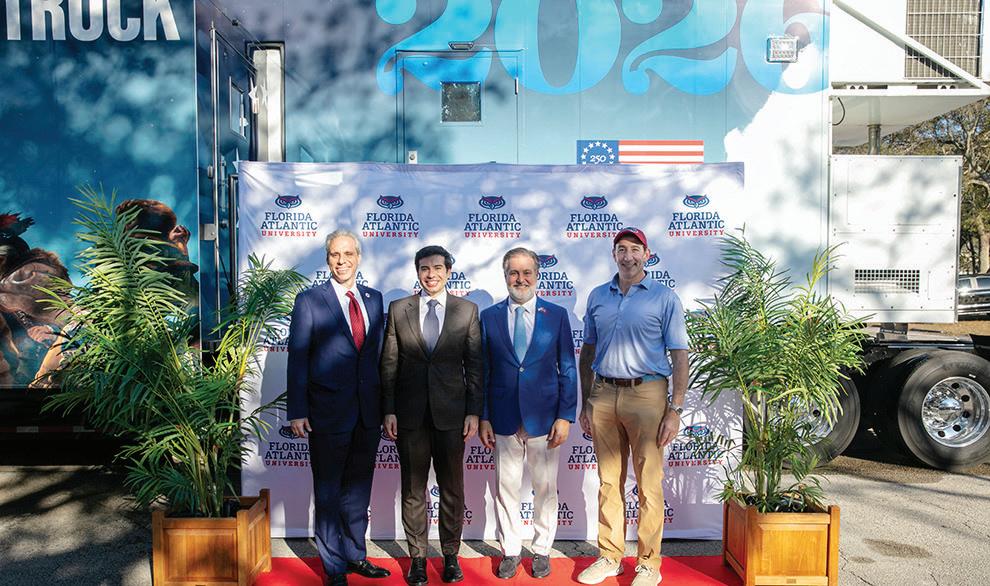
As the nation approaches its 250th anniversary Florida Atlantic University hosted on February 20th one of six “Freedom Truck” mobile museums currently touring the United States. The walkthrough exhibit features original historic artifacts from the nation’s founding era. With interactive content for visitors of all ages it tells the story of how 13 colonies declared independence, fought the Revolutionary War and secured American sovereignty 250 years ago. Digital displays and interactive storytelling include a kiosk to sign your name digitally to the Declaration of Independence and a wall of 50 American heroes.



The Spanish River Branch of the Boca Raton Public Library is currently presenting two art exhibits. On view until March 30th are paintings by local Artist Sandra Gorman. Ms. Gorman has been painting from an early age, as teachers encouraged her to pursue her love of the medium. She studied at the National Academy of Design, the Art Students League in New York, and at the Boca Raton Museum of Art School. She has exhibited her artwork in South Florida and New York for both solo and group shows.
Sandra Gorman works with oil, acrylics and pastels and largely paints portraits, landscapes and still lifes. “Painting is a passion for me,” Gorman says, “and I am on a journey discovering new materials, experimenting with mixed media, and working on large, abstract paintings.” Gorman is inspired by nature and her surroundings, alongside both well-known impressionist painters and contemporary abstract painters.
This is a free exhibit that will run to March 30th in the second-floor Art Gallery at the Spanish River Library location, 1501 NW during regular library hours.
A second exhibit, “Earrings and Buttons and Pins, Oh My!!” by artist Libby Jacobs, who goes by the name
LIBBY. She has owned the Mixed Media My Gallery for over 22 years in Fort Lauderdale, Florida, creating her own artwork and helping to expose the work of other artists to the world while also working with the South Florida Fairgrounds and Antique Show. LIBBY began her work in California as a costumer in the film industry creating vintage costumes and using this start as inspiration for her vintage-inspired pieces.




Using “up-cycled” materials, LIBBY creates vintage-style works with embellishments to give new life to these older materials. Using older wooden boxes, frames, letters and more, LIBBY has created an eye-catching, charming and bold collection of materials for all to enjoy.
“Earrings and Buttons and Pins, Oh My!!,” a free exhibit, will run to April 3rd in the first-floor display area at the Spanish River Library location during regular library hours.
A real treat is in store for comedy fans who take advantage of the opportunity to attend the performance of Yakov Smirnoff at the Aventura Arts and Cultural Center in Aventura on Thursday, March 26th at 8 p.m. Smirnoff has become a legendary figure in American comedy since he emigrated from the former Soviet Union in 1977 and arrived in the United States with little more than a dream.
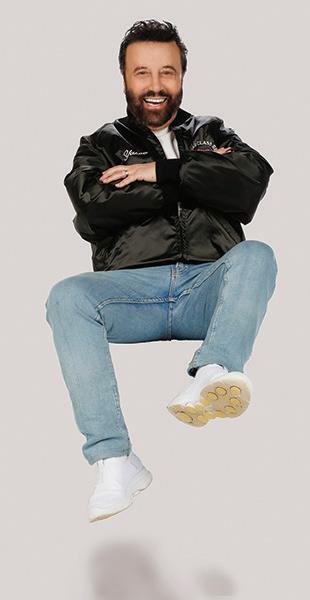
He began his career working as a bartender at Grossinger’s Catskill Resort in New York, where he started telling jokes to customers each evening while still learning English. As his language skills improved his humor quickly gained attention and popularity. Smirnoff later moved to Hollywood to pursue comedy full time, where his unique perspective as an immigrant and his optimistic view of life resonated with audiences nationwide.
He rose to prominence through appearances on The Tonight Show with Johnny Carson and numerous other television programs, including a recurring role on Night Court. He also starred in his own television show, titled after his well-known catchphrase, “What a Country.”
VIP tickets are available as an add-on and include a post-show meet and greet/photo opportunity with Smirnoff. Tickets to all shows are on sale now. Ticketmaster is the only official ticketing service of the Aventura Arts & Cultural Center. Tickets are available online at aventuracenter.org, by phone at (877) 311-7469 or (954) 462-0222 or in person at the Aventura Arts & Cultural Center box office Wednesday through Saturday from noon to 5 p.m. and 90 minutes prior to the performance. For Group Sales call (954) 660-6307. The Aventura Arts & Cultural Center is located at 3385 N.E.188 Street in Aventura.






The Cornell Art Museum at Old School Square in Downtown Delray will once again present Art on the Square, a two-day premiere juried outdoor fine art show on Saturday, March 28th and Sunday, March, 29th, on the Cornell Art Museum front lawn. Free and open to the public, Art on the Square will transform the historic campus into an open-air gallery featuring original works by approximately 50 fine artists from across the country. Thousands of visitors are expected to stroll the grounds, meet artists, acquire original art, enjoy live music and take in refreshments.



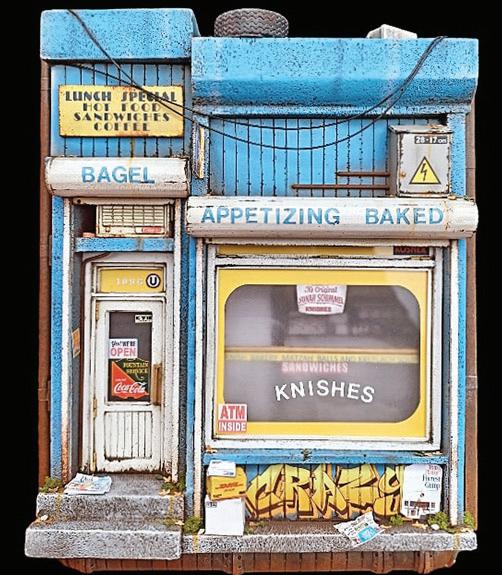
Produced by Marusca Gatto, Cultural Arts Director at Cornell Art Museum, Art on the Square builds on a proven track record of six successful fine art shows produced between 2017 and 2020. Notes Gatto, “Our goal is to bring the community together and visitors to Downtown Delray Beach by offering many diverse art talents in one location, including our regional non-profit art groups, engaging and discussing their work with curious art collectors.”
In addition to fine art, Art on the Square will feature:
• A Kids Space with interactive art activities and face painting;
• Live painting by mural artists and Urban Sketchers throughout the weekend;
• Live music performances;
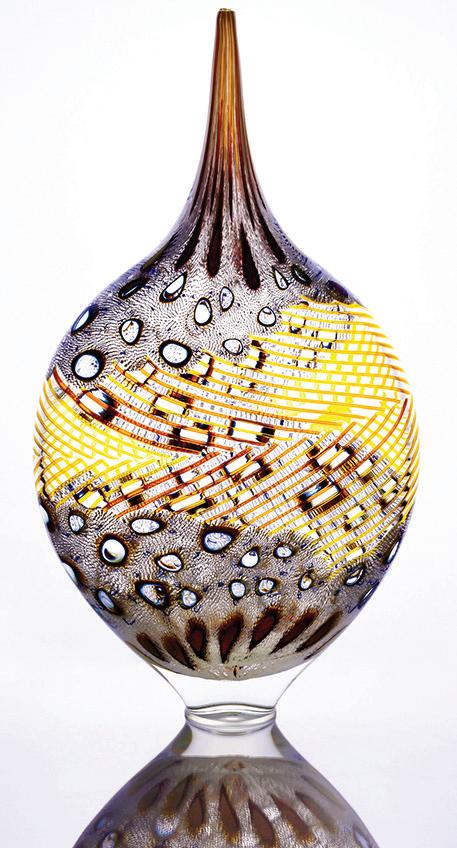
• An awards presentation recognizing winning artists;
• A Gourmet Café in the Concession Building offering wine, beer and gourmet bites;
• Participation from local nonprofits including Art Connect, Urban Sketchers and Creative Art School.
The Cornell Art Museum also selected one Emerging Artist to receive a complimentary tent and display space to show and sell work alongside professional artists. This year’s Emerging Artist is Sabrina McCranels of Lake Worth, a recent graduate of Florida Atlantic University with a Bachelor of Fine Arts degree. McCranels was selected from among 15 applicants for her uniquely inspired paintings exploring how people engage with emotions of trust and shame.


Scott Singer is the 35th Mayor of Boca Raton and was re-elected in 2023. A South Florida native, attorney and small business owner, Scott and his wife Bella live in Broken Sound with their two children.
As I share this month’s column I do so with a full heart, because it will be my last you’ll read while I am Mayor.
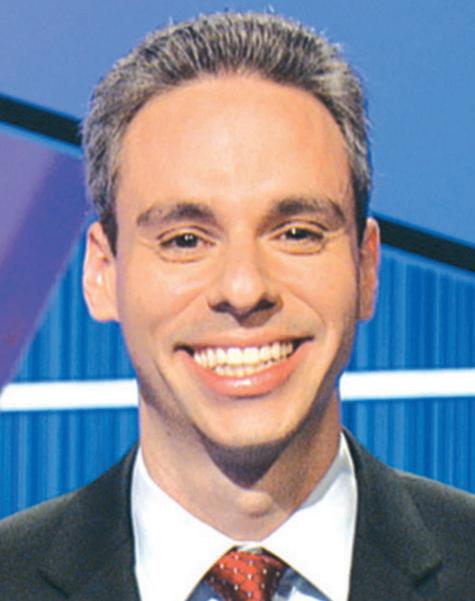
Serving the residents of Boca Raton has been the honor of a lifetime. From the residents who devote so much to helping neighbors, to the businesses that drive our booming economy, to the dedicated city staff and community volunteers who give so much of themselves—every step of this journey has been meaningful.
Over the years we have celebrated milestones, including a banner Centennial year in 2025, and worked side by side to keep Boca Raton one of the most desirable places to live, work and raise a family.
Public service is a sacred trust and I am deeply grateful for the faith you have placed in me to contribute to our community. The relationships forged, the partnerships built and the progress we achieved—together—will stay with me always.
While we have much to be proud of I would like to start by highlighting our public safety record. At the bedrock of any great city is public safety. Low crime rates are not accidental; they are the result of strong leadership, smart policy, and the unwavering dedication of our first responders. In Boca Raton we have made public safety a top priority, because safe neighborhoods are the foundation upon which everything else is built: thriving businesses, strong property values, vibrant parks and a true sense of community. When residents feel safe opportunity flourishes.
Since I took office as mayor in 2018 our already low crime rates have continued to drop by more than 25 percent. In 2025 our Police Services Department became the first agency in the state among hundreds undergoing accreditation to achieve Excelsior status for the sixth time.
Our Police Department is not the only department achieving national acclaim. Our Fire Rescue Department once again achieved the ISO Class 1 rating, the highest rating awarded in the U.S. Our first responders answered more than 55,000 calls for service in 2025.
I am especially grateful to our police officers, firefighters and emergency personnel who serve with professionalism and integrity every day. Their commitment ensures that Boca Raton remains not only beautiful and prosperous, but secure.
Our safe city attracts investment. We are the economic engine of Palm Beach County, attracting hundreds of high paying jobs for both startups and large companies. During my service our economic development efforts have attracted thousands of new, high-paying jobs. This year we are already securing more jobs with news that D-Wave, a quantum computing company, is leaving Silicon Valley for our Boca Raton Innovation Campus and bringing in 100 high-paying jobs. Concorde Holdings, Inc. will bring another 30 jobs with its forthcoming corporate headquarters relocation.
While many cities across the nation are struggling to fill downtown office space we are getting ready to welcome more Class-A office space. We recently celebrated the groundbreaking of The Aletto at Sanborn Square, a project that represents vision, investment and confidence in the future of our city. Innovators, job creators and economic leaders know Boca is the place to be. Strong leasing data and job reports continue to prove it.
In addition to our strong safety record our low tax rates also attract job creators and innovators.
As DOGE efforts continue at the federal and state levels, and as agencies look to cut waste, we can again take heart that we have continued steady decreases of our millage rate. Our residents pay the lowest property tax rates of any fullservice city in the state. We want more money to remain in the pockets of our hardworking taxpaying families.
We continue to have the highest property valuation of any city in the county. As our federal government combated two shutdowns we have balanced our budget, lowered our tax rate, invested tens of millions of dollars in our infrastructure, maintained healthy reserves and retained our coveted Triple A bond rating.
As my tenure as mayor comes to an end I am proud to have championed efforts to make life better for our residents: new and expanded public schools, new waterfront parks and expanded recreation, the Brightline high-speed rail station, a more efficient and responsive city convenient, and so much more.
Together, we strengthened our economy, invested in infrastructure, enhanced public safety and preserved the exceptional quality of life that defines our community.
Even though I term out in March I’ll be back with another column that will run next month. Moreover, I am eager to continue serving as I am now running for United States
Congress to work for this great community where I grew up and where we are raising our family. Please continue to reach out @ScottSingerUSA. Even as this role ends my love for Boca Raton and helping others will continue. Thank you beyond words for the opportunity to work for you.
By
Anne M. Gannon, Constitutional Tax Collector serving Palm Beach County. You can reach her office by Email: ClientAdvocate@ taxcollectorpbc.com. Phone: (561) 355-4271.
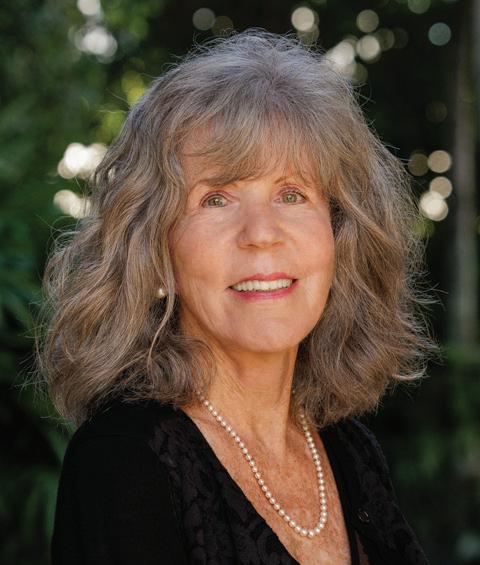
This time of year my office starts gearing up for some of our favorite community events. First up was the Jupiter Jubilee that was held on Saturday, February 7th. This Town of Jupiter community event has been happening since 2003.
In March we participate in the Delray Beach St. Patrick’s Day parade on Saturday, March 14th and then on March 28th and 29th we will have a booth at the Palm Beach Pride event in Lake Worth Beach. This premier LGBTQ+ celebration culminates with an exciting parade on Sunday, March 29th.
Then in April our community engagement team will host a booth at the Belle Glade Black Gold Jubilee on Saturday, April 18th. This annual event, which began back in 1976, draws several thousand attendees from near and far. My team and I look forward to seeing you at one of these Palm Beach County community events!
Stop & Go: Tips for a Successful Driver’s License Road Test. (Please Note: Effective February 9th the Florida Department of Highway Safety and Motor Vehicles directed that all driver license knowledge and driving exams administered in the State of Florida will be offered exclusively in English. In addition, and through March 31st these exams will also be offered in Spanish. Language translation services will no longer be permitted.)
White knuckles, sweaty palms, and the sudden realization that you have forgotten which side the blinker is on— welcome to the road test! It is a rite of passage for every new driver but it doesn’t have to be a nightmare. Here is some
expert advice on how to cruise through your skills exam without breaking a sweat.
During the driving skills exam our examiner will observe your ability to control the vehicle and how well you obey traffic laws. I asked two of our Client Service Specialists from our Central Service Center for some tips and advice for taking the driving skills exam for the first time. Here is what they had to say:
Coleen Plata says that clients are often anxious about taking the exam. To help them relax, Coleen says, “I usually just joke with them. I try to make them laugh to break the ice. I talk to them and ask them personal questions about themselves.” She continues, “Usually, people are more inclined to talk about themselves. They tend to become more relaxed during the exam when they are talking about something other than the exam, and then we proceed with the exam.”
Her colleague, Madison Buera, says that teenagers are usually nervous when taking the road test. She has two techniques for helping new drivers feel more comfortable behind the wheel during the test. “I go over all the instructions with them, and before we start any maneuver I give them a chance to ask as many questions as they need and I give them some time to think about what they are doing before they begin,” says Madison.
She also notes that teens are the most nervous when their parents are watching near the road test course. Madison says, “I offer the parents the option to sit inside our service center and wait and that usually calms some of the teen’s nerves.”
Coleen and Madison shared these helpful tips for taking the road test:
Even though it is a closed course, treat it as if you are on the road.





Memo from County Tax Collector from page 10
Learn which way to turn the wheels when backing/ reversing, i.e. when backing out of a parking space or reversing from a three-point turn.
Avoid all distractions: no radios, phones or eating/drinking while driving. Always use two hands on the steering wheel for better control of the vehicle. Get comfortable with the car; know where the pedals, signals and wipers are. Practice in big/empty areas. Be courteous of other drivers. Signal at every turn. Be aware of your surroundings and stop signs. Hopefully, if you are about to embark upon your first road test you find this information helpful. Coleen, Madison and our staff members are always ready to answer your questions and help you be successful in getting your driver license. It is rewarding for us to see the smiles on the faces of our new Florida drivers.
For more information for first time drivers or to make your reservation for a road test, visit www.pbctax.gov.
Say What? Lingo at the TCO. At the TCO you will hear our staff using numerous acronyms and phrases for terms associated with our services. For example, TCO is Tax Collector’s Office. To help you, here are some common terms you might hear the staff speaking “the lingo” during your interaction with us.
Ad Valorem: From the Latin term “according to worth,” that refers to taxes levied annually based on the value of an object. Pertains to both property tax and tangible personal property tax.
BTR/LBTR: Local Business Tax Receipt is required to operate a business in Palm Beach County. For more information visit pbctax.gov/taxes/business-tax/.
CCR: Client Care Representative is the title of our staff that assists you over the phone and when you email our office at clientadvocate@pbctax.com.
CSS: Client Service Specialist is the title of our staff that assists you in our service centers when you transact with us. If either of these two positions sound interesting to you and you would like to join our award-winning organization, know we are hiring. Visit www.pbctax.gov/resources/cultureand-careers/.
DETS: Driver Education Traffic Safety Course is a sixhour course required if you are under 18 years old prior to obtaining a driver’s license for the first time. For more information visit www.pbctax.gov/driver-license/get-yourfirst-driver-license/.
eCheck: Electronic check payment. This free, secure service uses your bank account and routing numbers to process your payment.
IPP: Installment Payment Plan, for real estate and tangible personal property taxes. IPP divides your taxes into four quarterly payments due in June/July, September, December and March. To enroll, visit www.pbctax.gov/taxes/installmentpayment-plan/.
ELT: When an e-titled vehicle is purchased using a loan, the lender issues an Electronic Lien Title (ELT). For more information visit www.pbctax.gov/motor-vehicle/titles/.
Non-Ad Valorem Tax: Assessments not determined by millage or value. The levying authority calculates the tax using a unit of measure to assess the cost of services. For example, Solid Waste Authority fees are based on the property producing the waste.
TDT: Tourist Development Tax is required of anyone offering accommodation for short-term rental of six months

or less. Also known as “bed tax” and applies to all hotels, motels, accommodations and privately-owned homes listed for short-term rental. For more information visit www.pbctax. gov/taxes/tourist-development-tax/.
These are just a few of the common acronyms and phrases we use regularly. Visit www.pbctax.gov/tpsg for more information on all of these and much more in the latest edition of our signature publication Tax Planner & Services Guide, also known as TPSG.
Check your Postmark. If you prefer to make your payments to our office via mail here is some important information that you need to be aware of before you send in your next payment.
Traditionally, we have all been used to the mail we drop off at the post office being postmarked that same day. But recent processing changes at the U.S. Post Office have changed that. Dropping off your mail at the post office is no longer a guarantee it will be postmarked that same day.
Now, once you drop off your mail, it is then transported to a processing facility where the postmark is applied. Due to changes in transportation the time it is postmarked may not be the same day you dropped the payment off, possibly causing your payment to arrive at our office late. If you need a same day postmark you can visit a Post Service retail location and request a manual (local) postmark at the counter. Manual postmarks are free of charge. So keep in mind when sending in payments that you need to allow some extra time for the postmark to be applied to your mail, unless you opt for the manual postmark.
To ensure you don’t miss any upcoming deadlines if you plan to mail us your payment, here are some important upcoming payment deadlines:
2025 Property Tax – March 31st, 2026
2026 Installment Payment Plan Payment 1 – June 30th or July 31st, 2026
2026 Installment Payment Plan Payment 2 – September 30th, 2026
2026 Installment Payment Plan Payment 3 – December 31st, 2026
2026 Installment Payment Plan Payment 4 – March 31st, 2027
Of course, to avoid all this and not stress about the timeliness of the postmark you can simply pay online at www.pbctax.gov/pay-online.

or call 844-967-4446

Commissioner Woodward, a 20-year resident of Boca Raton, was elected in November 2022 as Palm Beach County District 4 Commissioner. She serves on the following board of directors as a representative of the county commission: Palm Beach Transportation Planning Agency; South Florida Regional Transportation Authority (TriRail); Treasure Coast Regional Planning Council; CareerSource Palm Beach County; Palm Beach Cultural Council, and Value Adjustment Board. Ms. Woodward graduated from the University of South Carolina-Aiken with a Bachelor’s Degree in Fine Arts.
Two years ago a veteran approached me with an idea that has stayed close to my heart, the creation of a Veterans Services Advisory Board to help veterans in our county navigate available services and to give veterans a voice in shaping those programs. Recently I had the opportunity to attend one of their Board meetings and was reminded just how critical these services are and how challenging it can be to know where to start.
With the Board’s support I asked our county staff to create a one-page crisis resource flyer that can be shared throughout the community, ensuring that veterans have quick access to essential services. We are also working on a comprehensive online landing page that will include employment opportunities, transportation options, legal assistance, community organizations, veteran events and county agenda items that impact veterans.
This cause is personal for me. My father was a veteran, so I understand firsthand how complicated navigating these systems can be. While we continue to develop the landing page, I wanted to share a few emergency crisis resources and the largest South Florida veterans Facebook group to help veterans access immediate support. If you have information you’d like to see included on the landing page please contact my office.
Additionally, after seeing how valuable these discussions are I plan to include a Veterans Services section in my newsletter so that we can share resources and updates each month, helping our veterans and their families access the services they need more easily. You must be enrolled in the VA to access a number of these resources; call (877) 222-8387 for help getting started.
Emergency Hotlines:
• Veterans Crisis Hotline: Call or text 988 then press 1 or chat online at www.veteranscrisisline.net. No enrollment required; can remain anonymous.
• National Homeless Veterans Call Center: Call (877) 4243838 where trained counselors are ready to talk confidentially. Housing and Homelessness:
• Palm Beach County Human Services: Call (561) 355-4775 for assistance with emergency rent and utility payments, food vouchers, indigent cremation and other support services.
• Stand Down House: Call (561) 968-1612 for emergency transitional housing for veterans experiencing addiction, mental health challenges or PTSD.
• Salvation Army Center of Hope: Call (561) 682-1118 for transitional housing for eligible male veterans. Emergency Support Services:
• Wounded Veterans Relief Fund: Call (561) 855-4207 for help with emergency financial needs and critical dental care. Emergency Counseling/Mental Health:
• Palm Beach Vet Center (561) 422-1201 and Jupiter Vet Center (561) 422-1220: Call for counseling services for depression, PTSD and other related mental health concerns. Community Facebook Group:
• Veterans of South Florida: A community for veterans to support one another by accessing resources, sharing events, submitting requests and posting veteran-related information. For any veteran-related questions, call our Community Services Hotline at 833-CSD-WILL
Thank you for allowing me to serve those who have served us. Your input is always welcome. Together, we can ensure that every veteran in our community has the support they deserve. Homebuyer Match Pilot Program. I am thrilled to see the Homebuyer Match Pilot Program come to fruition, a program I initiated to help more residents in Palm Beach County achieve the dream of homeownership. This innovative program provides a dollar-for-dollar match of up to $50,000 toward the purchase of an eligible for-sale home, making it easier for hardworking families to put down roots in our county.
The pre-application portal will open on March 30st at 12:00 p.m. and will close on April 20th at 11:59 p.m. A total of 30 applicants will be selected from the submitted pre-applications. Informational orientations for interested parties are tentatively scheduled for:
• March 3rd at 2 p.m.
• March 12th at 7:30 a.m.
• March 17th at 4 p.m.
• March 24th at 10 a.m.
Let’s Talk Property Taxes. I am embarking on a Property Taxes “Tour” throughout District 4, meeting directly with local HOA communities to discuss property taxes and the county budget. As this topic continues to be widely discussed at the state level I believe it is important to engage directly with residents here in Palm Beach County.
I will provide a brief, 30-minute presentation that includes clear, hard numbers on our budget, potential reductions and the services property taxes support. We will also include an interactive poll to gather real-time feedback and better understand your perspectives. If you would like me to visit your community, please have your HOA president or designated representative contact my office to schedule a date. I look forward to the conversation.
Nonprofit Spotlight. Barky Pines Animal Rescue & Sanctuary is a local nonprofit dedicated to rescuing homeless, unwanted, senior and special needs pets in Palm Beach County, giving them a second chance at loving forever homes.
Founded in 2015, Barky Pines operates with a devoted team

and volunteers who care for animals that might otherwise be euthanized, providing rehabilitation in a loving, home-like environment. They also focus on matching pets with seniors, veterans and individuals in rehabilitation programs to foster meaningful human-animal connections.
Beyond adoptions, Barky Pines runs a low-cost veterinary clinic offering spay/neuter services and affordable care, helping pets stay healthy while reducing overpopulation. As many of you know I have adopted two wonderful dogs from Barky Pines, Fritz and Toby, and they have truly completed our family alongside Michael and Zoey. Recently we bundled up and headed out to their 7th Annual Puppy Love 5K to cheer on participants and show our support for this incredible organization. A heartfelt thank you goes to Elizabeth Accomando for the invitation and, most importantly, for bringing Fritz and Toby into our lives!
For more information, visit https:// barkypinesanimalrescue.com/.
If you require assistance, please contact our office at 561355-2204 or email Mwoodward@pbcgov.org.
Marcia Finkelstein 22600 Meridiana Drive, Boca Raton, FL 33433 866-949-TRIP (8747) / 732-222-2111 732-616-5404 Cell mfinkelstein@dreamvacations.com www.cruisesandtoursworldwide.com Book Now & Save! Exclusive limited-time offers, onboard credit, and early-booking perks available.
Here’s Why You Should Always Book With Dream Vacations.


By Dale Brown, B.S., M.S., C.E.C.
Dale is a Certified Life Coach, motivational speaker and author of her recent book, “Small Steps…Big Changes. The Personal Stories of a Life Coach.” Her formal education and years of training elite gymnasts and serving as an international Olympic level judge has enabled her to sharpen her knowledge in many areas related to health and fitness. The topics of Dale’s column are varied focusing primarily on the importance of living a purposeful and healthy lifestyle. Dale is a current resident of Bocaire Country Club, and welcomes her readers’ thoughts and comments. She can be reached at dollieb@comcast.net.
Not too long ago I wrote an article titled, “Your Weight Loss Doesn’t Have to Come From a Syringe.” Fast forward to today and it’s a whole different story. How many people do you know who have suddenly appeared to be a slimmer version of their former selves? In one short year the rapid rise of GLP-1(glucagon-like peptide) medications such as Ozempic, Wegove, and Zepbound have jumped dramatically. Who could have predicted that by 2026 losing weight could come by way of injection or pill?
To say it was much needed you need only to look at the latest statistics that estimate 1 in 3 adults in the U.S. are classified as obese. As it stands now, approximately 1 in 8 adults are currently taking GPL-1 drugs to combat weight loss as well as chronic health conditions.
For years people have struggled to find the right diet that would actually work to help them achieve their weight loss goal. The benefits of losing weight cannot be underestimated. It has a powerful effect on self-esteem, and goes much deeper than simply liking how you look in the mirror. It makes people feel more assertive, more willing to try new things, and be less self- conscious in social settings.
Even people who for years have exercised and maintained healthy eating habits had difficulty losing weight at some point in their lives. For example, take a look at world-famous tennis player Serena Williams, who proudly points to the use of GLP-1 medications as the reason for her physical transformation. As a former athlete she was disciplined in exercise and diet, but after the birth of her kids couldn’t seem to lose weight no matter how hard she tried. In the words of Serena, GPL-1 medication “was a shortcut to better health,” giving her the help she needed to lose 34 lbs. She emphasized that GLP-1 didn’t replace her prior efforts to lose weight, but rather worked hand in hand to get where she wanted to be.
Like many medical breakthroughs, GLP-1 drugs are slowly having an impact on society, forcing changes in healthcare priorities and cultural attitudes toward weight, health and personal change. Opinions around body image, stigma and personal responsibility are also evolving as people reconsider what it means to “choose” health when powerful medications exist to move them in that direction.
The ripple effects are striking, both culturally and economically. Appetite-reducing medications are beginning to change consumer habits, with some food companies reporting shifts in demand toward smaller portions and healthier products, while such industries as fashion, fitness and even workplace wellness programs adapt to a population losing weight more rapidly than before.
“If it sounds too good to be true it may not be!” There are usually downsides to everything. Rapid weight loss might bring emotional and physical drawbacks that you don’t expect. When you drop pounds quickly you may also lose muscle tone, experience fatigue and nutritional gaps.
Emotional changes aren’t always evident at first but as your body changes so too does your mind. You may struggle with new expectations from others or fear of
regaining weight. Some individuals struggle with the idea of relying on a drug indefinitely, along with concerns about cost, side effects or what happens if it no longer is available. Over time, this can turn weight control into a source of pressure instead of freedom, reminding us that ongoing habits, emotional support and realistic expectations matter just as much as the number on the scale.
If you’re considering trying a GLP-1 medication the best advice would be to treat it as a health decision, not a quick weight-loss fix. Here are a few tips for you to think about and discuss with your health care professional.
• Have realistic goals. Pressure to “stay thin” may lead to anxiety and worry about weight regain.
• Know side effects. Nausea, constipation or fatigue may happen.
• Plan lifestyle habits now. Protein-rich meals to protect muscle, strength training, regular sleep and hydration. Avoid greasy foods and eat smaller meals.
• Prepare for long term. If you continue to take the medication indefinitely look at cost, insurance coverage and availability.
• Go easy – Do it with support, patience and kindness to yourself.
Choosing a GLP-1 medication can be a powerful step toward better health, but it works best in tandem with healthy habits and regular activity. As was the case with Serena Williams, medication only amplified her progress rather than carried the entire burden of losing weight.
The most sustainable path to longevity isn’t about chasing a number on the scale; it’s about building a lifestyle that supports energy, confidence and vitality for decades to come. In that light medication becomes one helpful tool in a much bigger picture, empowering you to feel strong, capable and fully engaged in your life.

“Moving to MorseLife gave me more freedom than I
By Paul D’Ortona, DVM, M.S., Calusa Veterinary
Center, 6900 Congress Avenue, Boca Raton, FL 33487. (561) 9993000.
www.CVCBoca.com
One of the most common reasons a pet is taken to the veterinary emergency room is for vomiting, and there are many reasons dogs and cats may vomit. When determining the cause of vomiting your veterinarian will develop differential diagnoses categorized as causes originating from within the gastrointestinal (GI) tract: (primary gastrointestinal causes) versus causes from outside the gastrointestinal tract (extra-gastrointestinal causes).
The most common primary gastrointestinal causes of vomiting include inflammation of the GI tract (gastroenteritis), a foreign object causing stomach or intestinal obstruction, intestinal parasites, ulcers, inflammatory bowel disease and cancer of the GI tract. On the other hand, causes of vomiting originating from outside the GI tract can include inflammation of the pancreas (pancreatitis), diseases associated with the liver, gallbladder and kidneys, electrolyte imbalances, stress and ingestion of toxic substances. Changes in your pet’s normal behavior, such as vomiting, poor appetite and/or lethargy, are all concerning signs that your pet is sick and may require veterinary care.
Early evaluation of vomiting in your dog or cat is essential to determining the cause and starting treatment before your pet becomes severely ill. When presenting to the emergency room the veterinarian will perform a physical examination, which is one of the most important diagnostic tools in veterinary medicine since our pets cannot tell us why they feel unwell. In cases of vomiting the veterinarian will likely be able to estimate the degree of dehydration caused by fluid lost in the vomit, as well as the presence of abdominal pain, free fluid in the abdomen or potentially a tumor taking up space in your pet’s abdominal cavity.
Following the physical examination bloodwork to evaluate your pet’s overall systemic health and abdominal

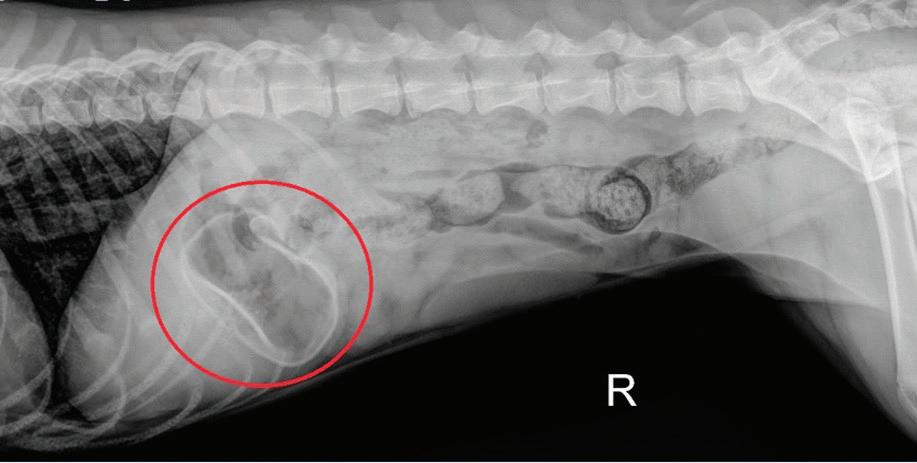
radiographs (X-rays) to look for structural abnormalities within the abdominal cavity will likely be recommended. These diagnostics will be essential for helping identify the cause of your pet’s vomiting and guiding the veterinarian in making the most appropriate treatment recommendations, which include hospitalization, outpatient treatment or surgery.
A case example illustrating the progression of diagnosis and treatment in a vomiting dog involves a six-month-old spayed female mixed-breed dog that had multiple episodes of vomiting earlier in the morning and was lethargic. The owner withheld food and brought her to the emergency room to be evaluated. The patient’s vital signs (temperature, pulse, respiratory rate) were all normal for a puppy. The puppy was mildly lethargic on presentation, and her physical examination was overall normal with minimal dehydration and no evidence of abdominal discomfort during examination. Bloodwork showed evidence of mild dehydration, normal liver and kidney function, and a normal canine pancreatic lipase (cPL), which is a test to rule out pancreatitis as a cause of vomiting. Abdominal radiographs were taken and a foreign object within the stomach was identified (Figure 1).
There are several methods of foreign body removal from the GI tract, including inducing your pet to vomit with a specific injectable medication, endoscopic retrieval of the object from the stomach or surgical removal of the object from the GI tract. The method of removal depends on the location of the object in the GI tract and the amount of damage caused to the intestines by the foreign object. If an object is within the stomach or can be pushed back into the stomach from the intestines an incision into the stomach, known as a gastrotomy, can be made for removal.
If the object is stuck in the intestines an incision will be made into the affected intestine for removal, which is called an enterotomy. In the most severe cases damage to the intestinal blood supply and/or intestinal perforation caused

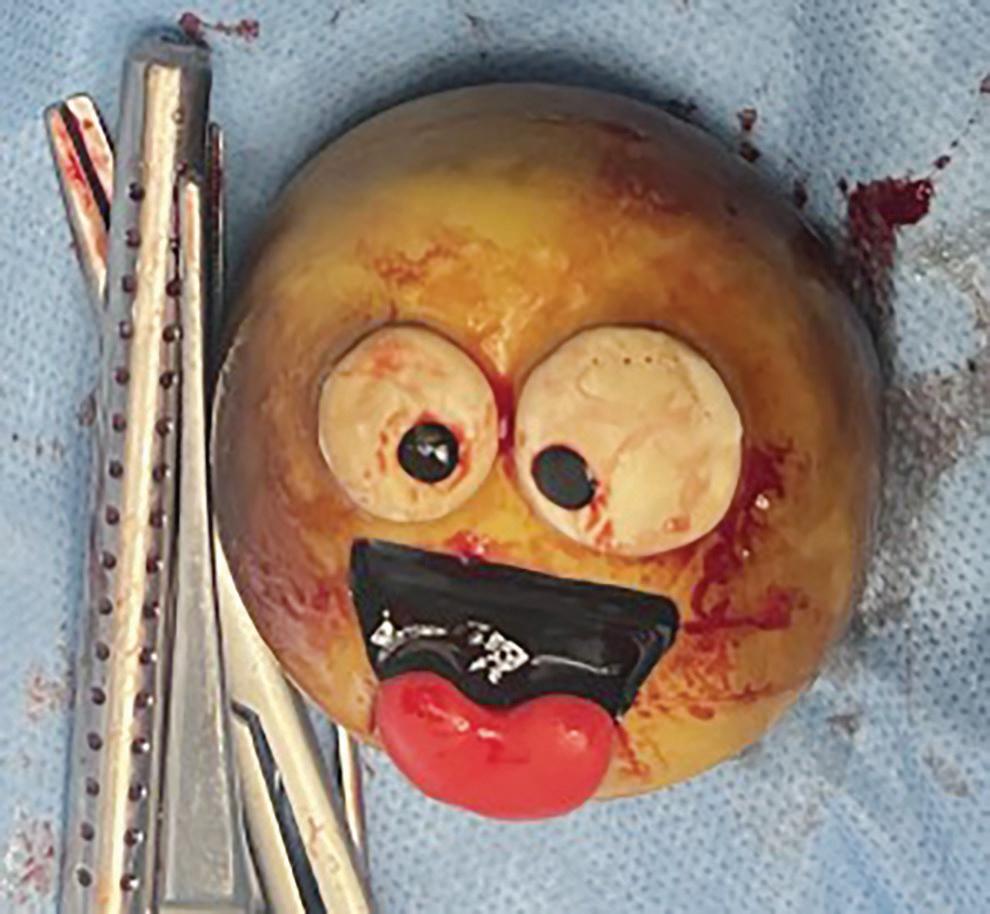
by pressure from the object would require removal of the affected section of the intestine and suturing the healthy ends of the intestine back together, which is known as an intestinal resection and anastomosis. While the prognosis for all three types of procedures carries a good prognosis for full recovery, enterotomy and intestinal resection and anastomosis carry a slightly higher risk of leakage of GI contents from the incision, leading to septic peritonitis (severe abdominal infection) within the first three to five days following surgery.
Given the size of the foreign object in the case example, inducing vomiting and endoscopic retrieval were considered unlikely to be successful. Therefore, an open abdominal approach and surgical removal of the object from the stomach via gastrotomy (incision into the stomach) was elected and successfully performed (Figure 2). The patient did well under general anesthesia and no surgical complications were encountered.
Postoperatively, the patient was hospitalized overnight for intravenous fluid therapy and supportive care. She began eating six hours after surgery and was able to be discharged the following morning. Postoperative care following an abdominal procedure involves a two-week recovery period of strict activity restriction to prevent running, jumping, playing with other pets, swimming and baths. In addition, an Elizabethan collar (“cone of shame”) is essential until the incision is completely healed, as self-trauma (licking and chewing) to the incision is the leading cause of surgical site infections and opening of the incision.
In summary, vomiting in dogs and cats can be caused by a variety of factors and should never be ignored. If there are any concerns regarding your pet’s health the best course of action is to visit your pet’s primary care veterinarian or a 24-hour emergency veterinarian. A thorough physical examination and diagnostic testing are the first steps to helping your pet feel better and getting the treatments needed to continue living a happy and healthy life.


By Michael J Posner, Esq., a partner in Lippes Mathias LLP, a national real estate and business-oriented law firm with sixteen locations nationwide. Michael specializes in real estate and association law. He can be reached at (561) 594-1452 or at mjposner@lippes.com.
With the real estate market still stalled in many places (including Florida), several new proposals have been introduced that if passed may help improve the market by enabling bigger savings, more income and more affordable housing. These proposals are pending final approval, and some may not ever be passed.
The Florida Senate passed a “Granny Flat” housing bill which would legalize apartments and other accessory dwellings on single-family home lots. This law would override any municipal restrictions that previously prevented such occupancy. These secondary dwellings, commonly referred to as granny flats or ADUs (accessory dwelling units) could help address the affordable housing shortage by providing small less expensive rentals in communities. In addition, these rentals would provide additional income to the owner of the single-family lot, helping families as well.
The legislation passed unanimously in the Florida Senate but has not been taken up yet by the Florida House. It is not clear if the House will address the issue in the Spring Session. An attempt to pass similar legislation last year failed due to the two chambers’ inability to reconcile the competing House and Senate versions of the proposal.
A variety of bills have been proposed in the Florida House relating to reducing or eliminating real property taxes on primary residences. The House also passed, on a party line vote, to put in motion a possible constitutional amendment on the November ballot that would completely end non-school property taxes for homesteaded properties beginning on Jan. 1st, 2027.
It is unlikely that the Senate will accept the proposal, with a likely smaller scale proposal, such as the plan to
gradually increase the homestead exemption for non-schoolrelated property taxes by $100,000 each year for next 10 years. The governor is pushing this proposal, and it is likely that some property tax relief will be presented to voters to approve in November.
The fiscal impact of such a proposal would be vast, with Florida’s Revenue Estimating Conference claiming that a total elimination, as proposed, would cost local governments $13.3 billion annually. The Florida House’s staff analysis estimates that approval of the amendment would have a negative cash impact of $4.8 billion and a negative recurring impact of $14.7 billion. However, cash-strapped homeowners may be willing to approve a measure that gives them short-term tax relief in exchange for fewer local government services.
The U.S. House of Representatives has passed a bipartisan bill to aid affordable housing by seeking to cut costs with streamlined zoning, financing and federal programs. Called the Housing for the 21st Century Act, its main goal is to increase the supply of affordable housing.
Affordable housing is defined as housing where the occupant pays no more than 30% of their gross monthly income for housing costs, including utilities. With gross monthly income averaging about $5,100, affordable housing would have to cost less than $1,530. At current 6% rates this means housing that costs less than $300,000. This is far below the median price of a home in Florida of about $370,000.
The Housing for the 21st Century Act features several proposals to accomplish the goal of less expensive housing. This includes modernizing local development and rural housing programs so as to eliminate regulatory bottlenecks and expand financing for affordable housing. The Act includes grants that are designed to incentivize local municipalities to reform their land-use policies and update zoning codes to allow for more affordable housing at lower costs.
Another element of the Act is to expand funding programs, including adjusting the HOME Investment Partnerships Program so that eligibility caps are raised



to equal the median-family income of a geographic area. This will allow these funds to reach more middle-income families.
The Act also reduces the environmental burden on certain developments by streamlining the review process required by the National Environmental Policy Act (NEPA) and elimination of duplicative environmental reviews.
The final element of the Act is to expand availability of manufactured homes. The requirement for a manufactured home to be constructed with a permanent chassis has been eliminated and construction and safety standards have been revised to be less burdensome.
The Senate has its own competing bill, and it will require both houses to reconcile same that will also include the support of President Trump. The President is pushing for inclusion of a limitation on large investor purchases of single-family homes, a proposal that may not have much support in Congress.

By Alan Serinsky of Bocaire Country Club.
Hungry Al’s love for food started very young. Never satisfied with his Mom’s dishes, he started to cook his way through her “Betty Crocker Cookbook.”
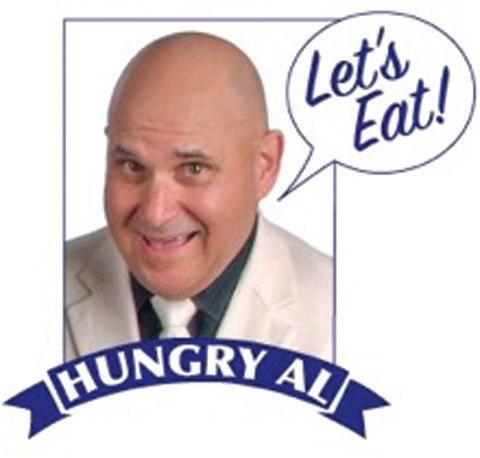
During the years to follow he spent many hours working in restaurants, both as server and cook, attending cooking classes and traveling the world in an effort to expand his palette. As a professional writer, Hungry Al offers his perspective on current food trends and guides you through your local restaurant options.
Tropical Smokehouse
524 Atlantic Ave.
Delray Beach, FL, 33444 (561) 408-1572
Food for Thought: I know very few folks who don’t like BBQ and those who do usually love smoked meats. It wasn’t until later in my life that I discovered this type of preparation of protein. Let me take you back to my youthful years. In my family everybody loved brisket, except me. I just couldn’t get through the tough texture and whatever that brown sauce my mother concocted.
Now fast forward to about eight years ago. I’m in Park City, Utah, and my dear friend had just plated a smoked brisket on the table. Of course, I shuddered in my chair facing embarrassment and the thought of having to endure these long-forgotten tasteless memories.
But it took only one brisket bite to make me a total convert. After dinner my friend Danny took me to his garage and displayed his amazing six-foot stainless-steel smoker. He opened the door and the scent of hickory smoke filled my nostrils with those outdoor campfire flavors that bring back memories.
Yes...I was now sold on brisket. And smoked ribs...smoked pork...smoked turkey...and smoked salmon. It took only a few months before the delivery truck pulled up to my garage with a smaller version of his smoker. Danny soon became, as he labeled himself, “the holy smoker” and me his “grasshopper.”
I soon learned the art of smoking along with how to make my own homemade rubs, barbeque sauce and glazes.
Which brings me full circle on how I got to the new Tropical Smokehouse with a fellow smoker, my son-in law Sean.
First Impressions: If you’ve ever been down Atlantic Ave. in Delray you probably passed this small nothing-to-think-about building as it hugs the street curb, residing next to a small park amphitheater. For years it was simply a dive bar and suffered many revisions. But after needed renovations it now serves as an additional location for the very successful Tropical Smokehouse in West Palm Beach.
To help minimize your expectation don’t picture a fancy dining room or, in fact, any dining room. At this smokehouse you’re either coming or going. If you do decide to stay you have a choice of a few tables inside and if the weather is favorable a nice family-inducing seating in their outdoor picnic bench setting. To add to the authenticity of the smokehouse there is an active huge smoker outside, its racks lined with dozens of pork butt shoulders, ribs and briskets.
Regardless of your lunch or dinner plans this one is worth the visit! If you are hunting down a parking spot I suggest the empty unused one just to the west of the smokehouse. I was told they won’t tow you.
Straight From the Smoker: Having my son-law with us was like having an Olympic BBQ judge at the tasting table. He’s accurately traveled the country eating at just about every famous BBQ pit on both sides of the Mississippi. So, there wasn’t an item for which I didn’t seek his thumbs up or down. Since this Hungry Squad was made up of family members we ordered just about everything on the menu.
The Ribs ($19 half/$36 full): Utilizing a combination of hickory and oak woods these scored high on quality, leanness and flavor.
The Brisket ($19): Here you’ll need to make a choice: fatty or lean. Please don’t be confused by the word “fatty.” In BBQ terminology it really means “moist.” If you don’t clarify your intentions they will deliver lean. As for this table the first few slices of lean were a bit dry and the staff gladly corrected it with a few more slices of the moist option. These were excellent and would be my recommendation.
The Mojo Pulled Pork ($12.50): Hungry Al had selected this menu choice for the table as a sandwich. This was good but not my favorite. It really needed to be mixed with sauce to help moisten the meat. The good news is, there is a wide array of sauces to accompany your protein. Choose from: sweet, honey, coffee, white or fire BBQ sauces. I would also recommend that Tropical consider a better bun. This one was soggy and small for the huge portion they provided.
Jerk Chicken Sandwich ($13): Here again the flavors of wood smoke resonated the small chopped pieces of white chicken. We were a bit skittish about the heat of “jerk” but were informed it leaned more on the side of sweet jerk. The description also mentioned a jerk sauce consisting of spices, soy and sour orange, but I couldn’t distinguish the different tastes.
The Sides They Serve: BBQ doesn’t usually exist without the typical list of accompanying sides. Those we ordered were really good. The Hush Puppies, Plantains, Mac & Cheese, Caribbean Coleslaw and Crinkle Fries helped round out this BBQ feast!
There Is No Dessert Tray: Here the choice is limited. Two sweet entries: Cowboy Cookie ($3) and Jimmy Red Cornbread ($5). If you desire more, slip a snack bar or cupcake into your carry-on and enjoy your own. No one will make an issue of it.
Check, Please: If you’re wondering who is feeding the fire I assure you this Pit Master, Rick Mace, is truly a “holy smoker.” In 2023 he was a semi-finalist for the James Beard Best Chef South award.
For those of you who still reminisce those tasty finger-licking ribs of Uncle Tom Sr. these could be considered a close second. When it comes to BBQ you really don’t need a fancy sit-down restaurant. And most of the notable ones around our country are found in the owner’s backyard. So, after we finished cleaning our ribs to the bone this Hungry Squad is telling you to follow the smoke signals and give this southern BBQ a try. These “holy smokers” are going to rub and mop out at least 3½ golden smoke houses.

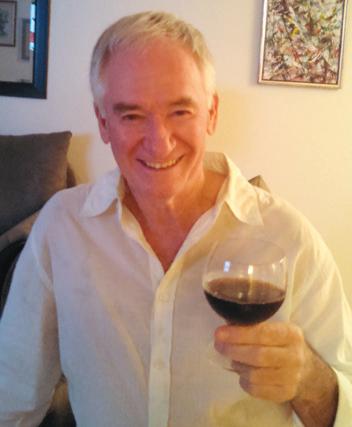
By Ed Wolfarth, who decided move to South Florida after retiring with his wife, Vicki, as Professor of Sports Sciences & Physical Education at both Queens College and Hofstra University. He is a nationally ranked senior tennis player and long- time USPTA Elite Teaching Professional. Ed has written many educational and tennis articles in the past. Over the past few years, Ed has turned his hobby of wine collecting into a way of continuing his passion for writing and has written on the subject for publications. As a self-proclaimed “wine snob,” he has collaborated on many wine lists for private clubs and a few restaurants. Ed can be reached at wolfarthe@msn.com.
Recently, on the weekend of February 5th, I was on the tasting panel for the annual blind tasting by the AFWC— the American Fine Wine Competition, a prestigious organization. This three-day event took place at the Harry Chaplin School of Hospitality & Tourism in Miami. Twentyfour judges occupying six tables tasted and scored more than 200 wines. Producers and vineyards from all over the U.S.A. were invited to partake. While California, Oregon and Washington State wines were most prevalent there were wines from Texas, Virgina, Idaho and more than 10 other states all hoping for high scores, Gold or Silver Medals to hype their sales and marketing.
There were sommeliers, winemakers, restaurant owners, retailers and writers. All wine professionals with exceptional

palates. While my taste buds are reasonably honed, some of my colleagues, especially the women, were able to correctly identify many more aromas and tastes than myself. Seems one needs a frame of reference. For example, if you’ve never tasted a lychee nut it would be difficult to identify that sensation in a glass of wine. Seems women are definitely “super tasters” when it comes to wine. Many studies have confirmed this. Each flight had six to eight wines. There was a flight of Rosés, Pinot Noirs, Cabernets, Zinfandels, Sparkling wines, red blends, odd grapes and others. We were given a price range and told, in some cases, the specific region or AVA. After examining, smelling, sipping and spitting (not recommending drinking!) we individually rated the wine on a scale of up to 100. Then we discussed each wine and came to a consensus to score. Most of the judges, me included, were pretty much in agreement as to which wines were Best in Show. Of course, there are always exceptions when it comes to preferences in wines. One Zinfandel, to my taste buds, had a funky aroma but went down quite pleasantly. I didn’t score it too high since I couldn’t get over the sm ell! Other judges liked it. On another occasion, one of my glasses had a soapy residue odor that spoiled the tasting. The Wine Angels, students at the school, were in charge of cleaning hundreds of glasses for each flight. A difficult chore at best! When you begin tasting wines at 9 a.m. and finish around 4 p.m.—well you can imagine!!?? The American Fine Wine Competition was founded by three extraordinary wine professionals in 2007. Their aim was


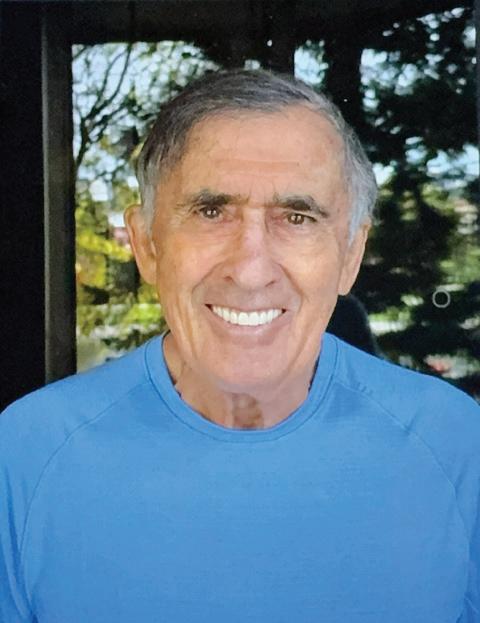
Irving Swedko and his wife, Beverly, are members of Broken Sound Club. He hails from Ottawa, the capital of Canada, where he spent more than 50 years in the produce business that included taking a small fruit and vegetable retail store and expanding it across the city and into other areas to include wholesale, food service and importing, bringing trucks of fresh produce from across the U.S. directly into Ottawa. His experience made him an expert on all things producerelated, from how to select the perfect melon to the best way to store fruits and veggies. After retiring, Irving and his wife Beverly became snowbirds and have been enjoying life at Broken Sound for 20 seasons. He is the
proud father of three daughters and looks forward to family time with his seven grandchildren.
Before anyone reaches for sports equipment, let’s clear something up right away. This is about squash the vegetable, not the game. The edible kind that shows up every fall, stays through the winter and quietly earns its place on the dinner table.
Squash belongs to the gourd family and comes in an astonishing number of varieties. There are hundreds grown around the world, from familiar pumpkins and zucchini to oddly shaped squash that look more decorative than edible. Squash originated in the Americas and has been eaten for thousands of years. Today it is grown widely in the United States, Mexico, Italy, China and throughout Central and South America, which explains why it appears in so many cuisines.
Squash is generally divided into two main groups: summer squash and winter squash. Summer squash includes such
Introduction
If the value of your stocks, bonds, or other capital investments has increased substantially, there are a few steps you can take to minimize taxation. These include timing the sale of your capital assets, using capital losses effectively, and passing assets to heirs at your death. In addition, you might consider charitable giving.
Timing the sale of assets is important
Generally, you can choose when to sell your investments, potentially shifting taxes owed. Therefore, if your capital assets have appreciated substantially, you can control when you recognize the profit (capital gain) on these investments. If you are in a high tax bracket, you may want to hold on to your highly appreciated investments for longer than 12 months in order to get favorable longterm capital gains tax treatment. Long-term capital gains are generally taxed at special capital gains tax rates of 0%, 15%, and 20% depending on your taxable income. By contrast, because short-term capital gains are taxed as ordinary income, the top short-term capital gains tax rate can be 37%. Higher-income taxpayers should be aware that they may be subject to an additional 3.8% Medicare unearned income tax on net investment income (unearned income includes capital gains) if their adjusted gross income exceeds $200,000 (single filers) or $250,000 (married joint filers). As you can see, a little patience can pay off handsomely.
Moreover, if you expect to have substantial tax deductions in a particular year, it may be wise to wait until that year to sell, so that the resulting gain can be offset.
Using capital losses effectively
You can minimize taxation of your capital gain income by using capital losses effectively. More specifically, you can generate capital losses to offset capital gains, and you can use your capital gain income to utilize unused losses. Capital losses must be netted against capital gains in a specific manner. Excess losses may offset up to $3,000 ($1,500 if married filing separately) of ordinary income per year. Losses remaining after the limit may be carried forward indefinitely to offset future income.
Planning with capital losses can be an important method of minimizing taxes on highly appreciated assets. If you expect to recognize a substantial capital gain this year, you should review your portfolio to make use of any capital losses you may have.
Is it better to gift highly appreciated assets during your lifetime or to pass them to others at death?
Property that has already appreciated substantially may not be the best candidate for a lifetime transfer or gift. That is because the recipient of a gift takes a carryover basis in the property; that is, the recipient's basis in the property is the same as your basis was. In contrast, the basis of property passed at your death is generally stepped up (or down) to its fair market value (FMV) at the time of your death.
You may not want to give highly appreciated property if the donee will recognize a substantial capital gain when the property is sold.
On the other hand, you may want to make that gift if the sale of the property is imminent anyway and the donee is in a lower tax bracket.
You (the donor) may increase the basis of appreciated property by the portion of any federal gift and generation-skipping transfer taxes you pay that are attributable to the appreciation element. Since the donee takes a carryover basis, the capital gain recognized by the donee will be less than it would have been without the adjustment. You cannot increase the basis of the property any higher than the property's fair market value on the date of the gift.
Remember, you can currently make federal tax-free gifts of $15,000 per recipient under the annual gift tax exclusion. If you exceed this amount, you may owe gift tax, however, gift tax owed may be offset by your applicable exclusion amount to the extent that is available.
Gifting highly appreciated assets to charity
When you donate stock or other intangible long-term capital gain property to a qualified public charity, you can deduct the full FMV of the property to the extent that it does not exceed 30 percent of your adjusted gross income. Any amount that cannot be deducted in the current year can be carried over and deducted for up to five succeeding years. You benefit in two ways: (1) you get a tax deduction, and (2) you remove interest, dividends, and/or capital gains from your investment portfolio. If you wish to donate highly appreciated assets to charity, however, it is important to apprise yourself of all relevant rules. Also, certain types of property may be more advantageous to donate to charity than others.
varieties as zucchini, yellow squash, pattypan and crookneck. These have tender skins, soft flesh and are eaten soon after harvest. Winter squash includes butternut, acorn, spaghetti, hubbard, kabocha, delicata and pumpkin. Despite the name, winter squash is harvested in the fall and stored for use throughout the winter. These varieties have thick, hard shells and dense flesh that keeps well for long periods.
Most squashes are mild and slightly sweet. When cooked they become soft, creamy and comforting. Some have a nutty flavor, others are buttery and many simply take on the taste of whatever herbs or spices are added. Their agreeable flavor is one reason squash has remained popular for centuries.
Squash is also very nutritious. It is especially high in vitamin A, which supports good eyesight and healthy skin. It contains vitamin C for immune support, fiber for digestion and potassium, which helps with muscle and nerve function. Squash is naturally low in calories and fat but filling, making it a satisfying and healthy choice, particularly in colder months when heavier foods are tempting.
Selecting a good squash is straightforward. Choose one that feels heavy for its size and has firm, unbroken skin. Avoid soft spots, cracks or mold. The color should be rich and even, and a dry, intact stem usually indicates proper maturity and good storage quality.
Squash comes in many colors, including orange, green, yellow, cream, striped and even bluish-grey. Sizes range from small squash meant for one or two servings to large varieties that can feed an entire family. Shapes vary widely, from round and smooth to long, pear-shaped or deeply ridged. Cutting into a hard squash can be intimidating, but there is an easy trick. Microwaving the whole squash for one to two minutes slightly softens the skin, making it safer to cut. Using a sharp knife cut it in half, scoop out the seeds and it is ready to cook.
One of squash’s greatest strengths is how well it stores. Whole winter squash should be kept in a cool, dry, wellventilated place, not in the refrigerator. Under proper conditions many varieties will keep for one to three months, and some even longer. Once cut, squash should be wrapped and refrigerated and used within a few days. Cooked squash keeps well in the refrigerator for several days and freezes very well for long-term storage.
Squash is eaten around the world but is especially popular in North America, Italy, Mexico and Japan. In colder climates it is eaten far more in fall and winter, partly because it stores so well and partly because fresh produce is more limited during those months. For generations squash has filled the seasonal gap between harvests.
Although squash is an ancient food it may be more popular today than ever. Interest in healthy eating, farmers’ markets, and home cooking has renewed appreciation for it. Squash is also generally affordable and often costs less than many vegetables, while providing several meals from a single purchase.
Cooking squash does not need to be complicated. A simple roasting method works for almost any variety. Cut the squash in half or into chunks, scoop out the seeds, drizzle with olive oil, season with salt and pepper, and roast at 400°F until tender and lightly browned, usually 30 to 45 minutes. From there it can be served as is, sweetened slightly or seasoned with herbs and garlic.
Squash may not look glamorous but it is reliable, nutritious, versatile and built to last. When winter arrives and fresh choices become limited squash quietly proves why it has been part of human diets for thousands of years.
Grape Expectations from page 16
to find small, independent wineries and get their names in front of the wine-loving public. In addition, the AFWC has become the most influential wine invitational in the country and has donated close to two million dollars to various charities.
Next time you order a bottle of wine at a restaurant or peruse your local wine shop for an American wine, check out the label. You might see a rating of 90 or more and a gold or silver medal. Thank you very much!
And lastly, most of us know what we like when it comes to drinking wine. I prefer a degree of noticeable acidity in my white wines and a hint of oak in red wines. However, wines that don’t fit my profile I can still appreciate for their balance and drinkability. Your taste buds determine your preferences. There’s a saying in the “wine world” that suggests, we talk dry but drink sweet! To become a bit more knowledgeable, however, I suggest you taste purposely. That is smell and taste and try to identify familiar sensations. Store them in your memory bank even when eating fruits, veggies etc. This way you’ll have a frame of reference and sound like us wine snobs! ENJOY!
By Nils A. Shapiro.
Nils began his career as Marketing Director for a major book publisher before joining Clairol as its Marketing Director. He has since edited the authors’ manuscripts’ for more than 20 published books, written more than 200 book reviews, served as Publisher of several millionplus paid circulation national magazines, created the official Yearbooks for teams in Major League Baseball, the National Football League, National Basketball Association and National Hockey League, served as a consultant for the launch of three other national magazines as well as for two radio stations, and “retired” as President of a successful telecommunications company before being appointed Editor of Boca Club News when the newspaper was launched in January 2007.
One day, shortly after I had begun to read the paperback, “The Triumph of Seeds,” my wife, Linda, passed by as I was settling in my favorite chair to continue my reading. She noticed the title, looked at me rather incredulously and asked, “Are you serious? Do you really plan to use that book for one of your review columns? Will any of your readers be interested in a subject like that?!”

I hesitated a moment...then asked her to listen to a paragraph or so from a page that I had just reached in the book. This was it, starting with the chapter heading, “Sometimes You Feel Like a Nut”:
“In the late 1970s, the Peter Paul Manufacturing Company raised the suggested retail price for Almond Joy candy bars to twenty-five cents. But although this figure equaled my entire weekly allowance, I never regretted investing those wages in a confection that ad jingle summarized as ‘rich milk chocolate, coconut, and munchy nuts too!’ At the time, it never occurred to me that my future career would reach this enviable moment: the opportunity to buy my favorite candy bar as a business expense. But a fact that escaped me then is extremely relevant now; from the first crunch of the roasted almond to the chewy sweetness of the chocolate and coconut finish, savoring an Almond Joy is an entirely seed-based experience. And while it’s tempting to chalk up Almond Joys to the same logic that Benjamin Franklin used for beer—‘proof that God loves us’—there’s far more to the story. The seeds involved don’t just taste good; they demonstrate beautifully the incredible range of ways that a plant can pack lunch for its offspring.”
species—370,000 of which are estimated to exist throughout the world today—so that is the system that eventually evolved.
It is important to understand what a seed is: a package that contains an embryo (as with a human, the DNA of what will become in this case the new living plant), plus a supply of all the nutrition that the embryo will need in order to survive until it germinates (is “born”), all packed together inside a protective outer shell. The seed is a reproductive unit that develops from an ovule, usually after a fertilization depending on the type of plant.
But that is where it gets extraordinarily interesting. Equally incredible are the myriad and complex arrangements that plants have worked out to give their offspring the best chance for survival.
Seeds have evolved into every size, shape and color imaginable. The largest is the coconut, the smallest about 1/6 of an inch. They can travel thousands of miles across oceans and continents. Since it would not be a good idea for a seed to germinate right below or next to its mother plant and compete for the available natural resources (such as light and moisture), different plant species have developed various strategies to accomplish two specific objectives: First, to arrange for the seed to be carried to a suitable location where it can best thrive it must attract a local bird, animal, insect or even human—or depend upon its local environment. One such strategy is to place the seed inside a tasty fruit so that, for example, after a bird or animal carries it away and eats the fruit the seed will be deposited in soil in the creature’s dung. In other cases the seed is so light and feathery that it is carried a long distance by the wind—or, in the case of the coconut, ocean waves at high tide carry it from its original beach to another island.
But the mother plant’s strategy is not complete until the
only germinate when dropped in soil that is in a constant state of wetness with no constant blazing sun above. There are even seeds of forest plants that will lie dormant when placed in a bright sunny location but then germinate if moved into the shade, even if just under a pile of leaves.
In 2005 an archeologist took the seed of a date palm found at Masada—the site of one of the most famous historic battles described in “The Bible” in AD 72-73 when the Israelites destroyed all of their property and committed mass suicide rather than surrender to the invading Roman army—and planted the seed that had been buried under all of that for about 2,000 years! As of the writing of this book less than a decade later by Thor Hanson, the Masada seed had grown into a tree already reaching ten feet tall. Named Methusaleh, it is the world’s oldest known example of the dormancy capability of seeds.
In addition to that already ingenious plan mother plants build in another survival factor: germination cannot take place until all environmental conditions are right. Some plants are found naturally in hot, sunny desert regions, others in rainforests, still others in shady temperate zones, and so on. In many cases if a seed is carried by, say, a bird to a location that is not suited to that plant seed’s natural environment it will not germinate but will, instead, lie dormant. And, as we have seen in the case of the Masada date palm that can be for hundreds or more years. In some instances seeds of plants that thrive in forests that naturally experience periodic fires will actually require the heat from fire in order for the protective shell to open and allow the plant to germinate.
There is much more to this story and Thor Hanson is an inspiring writer. That’s why, just a few days after I read that brief paragraph to Linda she was not surprised to see a second book delivered to our front door: an oversized,

That did it. Linda walked away, laughing. “I get it, I get it.”
What she “got”—and what you will “get,” too—is that author Thor Hanson, a conservation biologist, Guggenheim Fellow, Switzer Environmental Fellow and winner of the John Burroughs Medal, is a master at presenting in a clear and wonderfully accessible writing style the science of one of nature’s most miraculous achievements: the strategy that plants have evolved to give their offspring the best possible chance for survival. There are numerous black-and-white drawings in the book that are interesting and helpful, as well.
The first seed-bearing plants did not appear on this planet until about 360 million years ago. Until then—for about 240 million years—plants, generally fern-like in appearance, reproduced by means of male and female spores. But seeds are a much more efficient way for plants to ensure the continuation and survival of their
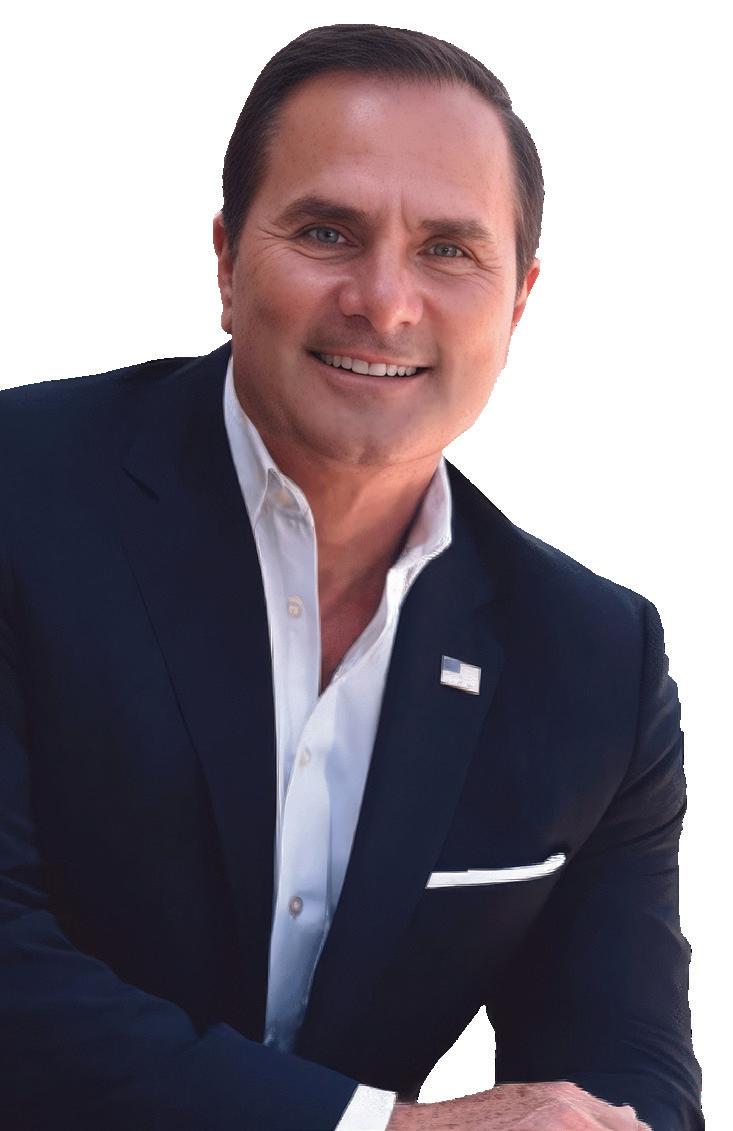
Sonia Ravech is a native of Massachusetts and a resident of Broken Sound for more than 30 years. She is the mother of four, grandmother of seven, and great grandmother of six. She is the facilitator of two Writing Workshops at Broken Sound.
“You can bury a lot of troubles digging in the dirt.”
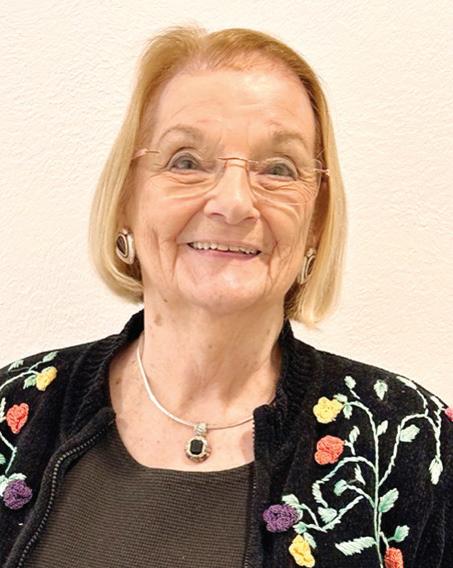
Gardening is my passion. When I feel the earth between my fingers and the sun on my face while in the garden, I am at peace. I relish going to the nursery to select the plants, and designing in my imagination the patterns and shades of flowers I want to plant in the various areas of the landscape.
Creating a mass of vibrant color from a bare patch of ground is both challenging and fulfilling. I even enjoy the tug of war I share with the weeds as perspiration pours down my face. Gardening is hard, physical labor that is good for the psyche as well as the body. It involves bending and stretching, digging and tilling, mixing potting soil with peat, vermiculite and fertilizer, planting rows of tiny plants, mulching, watering and waiting for the bountiful results.
Then the chore of maintenance begins: weeding, pruning and spraying for insects. Depending on the size of the garden this can be an arduous, time-consuming project, but there is nothing quite as rewarding as watching the garden continue to bloom and flourish.
Vegetable and herb gardening brings with it a different type of satisfaction. Produce always seems to taste better
when it is home grown; tomatoes are sweeter and cucumbers crispier when eaten fresh from the vines. Picking herbs from the garden to use in cooking not only enhances the flavor but smells divine. There is no better place than a garden to feel close to God. The fragrances that attract bees and the colors that attract butterflies and hummingbirds combine to join forces with nature, and instill the joy of creation. Coming from Massachusetts, as I do, the months one is able to garden are limited to April through September. In warm sunny Florida, gardening can be a twelve months of the year pastime. So take advantage of the opportunity. Go to the nursery, pick out some plants, grab your trowel and brighten not only your environment but your soul.
By Ellyn Mantell,
whose many activities at Broken Sound include membership chair of the Women’s Club at Broken Sound, co-chair of Alzheimer’s events at the club and a member of its Writers Group. She is a motivational speaker, essayist and author whose recently released latest book, a memoir, is entitled “The Best We Could: Healing from Intergenerational Trauma.” Ellyn is a mentor for Take Stock in Children and an Advocate for Ostomates and Digestive Diseases. This is the first in a series of feature columns that she will from time to time contribute to Boca.
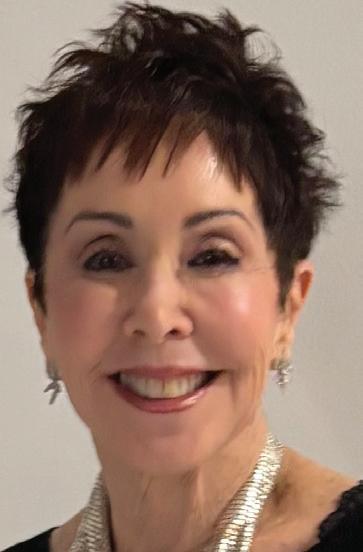
A beautiful story, one that has stood the test of time. Why would two 12-year-old wrestlers, now in their mid20s, remain on the mat, a metaphor for life, perhaps their lives? Read on to what would have been to me, more than likely, just another interlude on Good Morning, America in June of 2013 had my own grandson, Jake, not been of a similar age, a wrestler, proud to wear his singlet. I learned, through Jake’s training, that the mat is a combat zone. The few exhausting minutes of mano a mano in the circle grows young warriors who compete with respect for their opponents, even as they are flooded with powerful victory-seeking adrenaline!
The story that was newsworthy spoke of two young men, intertwined with kindness, heroism and heart. Jared Stevens was handicapped by cerebral palsy but loved wrestling, so his father encouraged his participation in the sport. Wheelchair bound and spastic in his movements, his father assisted him in training with the local team. My assumption is that everyone knew Jared would never compete. Even Jared and his father knew that, as well. I could mention how heartbreaking this image had to be each



week for both father and son but you can already feel that for yourself.
However, for the last meet of the season Jared told his father he was “ready” to try his skills. Mr. Stevens, knowing this was most likely an impossibility, faced another devastation for his child. But again, as a parent, I imagine he would do anything within his power to make his son’s wish a reality. Jared’s dad, no doubt empowered by the strength of the self-determination of his son—who had faced so many challenges and disappointments—walked calmly to the coach of the opposing team. He asked if there was a young man with “a big heart” who would be willing to wrestle Jared.
Justin Kievet, also aged 12, was wrestling his first match and willing to oppose Jared. Both boys were on the mat. Justin would later say that he instinctively “wrestled” in a way that would allow Jared to triumph. He pulled Jared over him, slid beneath him and helped Jared to hold him down for a pin until the referee lifted Jared’s arm in victory.
This overwhelmingly human show of compassion was enough to erase any dry eye in the cheering stands. But it was also a great statement about courage on the part of Jared for taking on an opponent who might have pummeled him, as well as the incredible show of character on the part of Justin. I will never forget either of these boys nor their parents, for the amazing guidance, motivation and heart they have given their sons.
It is no secret we live in a society where “winning isn’t everything; it is the only thing.” We have come to believe that winners are strong, losers are weak. What if we instead looked at the ability to make things right as a strength, praising each other as a motivator and letting our young know there will be days when they are ahead, and days when they are behind? All of this is part of the human condition. And what if being good, kind-hearted and caring about others is its own reward?

The day that Jared and Justin wrestled there were two winners on the mat. Justin allowed Jared to feel victory, show the world what he had, and he was the only person who could do it at that moment. And Jared showed Justin what a fine young man he was, with his heart and empathy. He, too, was the only one who could do it that day.
I have no idea where these two young men, now in their mid-20s are at this moment. I am hoping they are winners in the game of life. Both have heart, both have understanding and both know victory and defeat are not opposite ends of the spectrum. Sometimes they are just part of what makes a human…well, human.
Book Review from page 18
I had been motivated by the subject to order “The Book of Seeds,” a major reference guide that, after an informative section about the nature and history of seeds, presents large fullcolor photographs— alongside actual size photos—of 600 seed species from around the world together with interesting descriptions about each’s plant species, engravings of the mother tree, flowering plant, shrub, etc., plus a world map showing where it can be found, and more. It is a reference book I have already turned to many times for both pleasure and information. The book is edited by Dr. Paul Smith, Secretary General of Botanic Gardens Conservation International, a nonprofit organization that promotes plant conservation in historic gardens.
As an example, when I read in “The Triumph of Seeds” about the successful planting in 2005 of the 2,000-year-old date palm seed from the Masada site in Israel I immediately turned to page 172 in “The Book of Seeds,” saw what the seed looks like and learned even more details about it.




As I have noted before in this column it is a blessing that, in one’s retirement years, a continuing thirst for knowledge can be so rewarding when there is an open mind about subject matter. These books are wonderful examples of that.
A typical page includes an enlarged photo that reveals the seed's shape, color and texture plus a photo that shows the seed's actual true size–in this case 3/4inch.
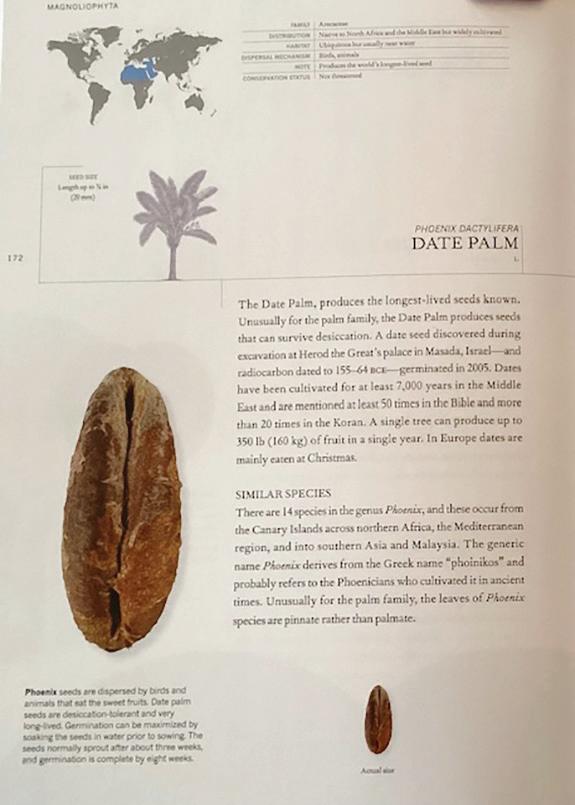
By Nils A. Shapiro
When I learned that the new 2026 film, The Rip, starring Matt Damon and Ben Affleck, had just debuted on Netflix I was excited and immediately decided to schedule it for this month’s review column. After all, it is only the sixth time these two friends since childhood have appeared on screen together after they initially burst onto the Hollywood scene almost 30 years ago co-starring in Good Will Hunting, with an Academy Award-winning screenplay they had co-written themselves.
Each, of course, has become a major star in his own right since then. I have enjoyed many of their box office successes, so the news that The Rip had been rated the most-watched film on Netflix over its first two weeks of streaming came as no surprise.
What did come as a surprise—for me at least—was my disappointed reaction to the film as its end credits rolled down the screen.
As we learn from a statement at the opening of the film this story is based on true events—the 2016 Miami River Cops scandal.
To begin with, I had wondered about the meaning of the film’s title, a term with which I was unfamiliar. It turns out that a Rip refers to “Miami police slang for stealing or confiscating large amounts of cash, drugs or weapons from criminals. It signifies a robbery in progress, representing the moral erosion of officers who keep seized money for themselves,”
The film opens with a dramatic night scene of a woman, clearly a police officer, ambushed by two unidentified shooters at the edge of a body of water. She is killed and the brief scene ends.
As the Miami Police Department begins to investigate the murder of their female officer, Lieutenant Dane Dumars (Matt Damon) and Detective Sergeant J.D. Byrne (Ben Affleck) lead the Tactical Narcotics Team for a raid on a seemingly nondescript home that they have a reason to believe is being used by a drug cartel to hide a large stash of money.
Living in the home is a simple Latino woman who claims to know nothing about cartels or hidden money, but when the Tactical Narcotics Team tears down the walls of the empty attic they find barrels filled with U.S. currency and are instructed by Lieutenant Dumars to begin counting the money.
That is when the film runs into trouble, in my view. With more than $20 million on the line, greed an obvious temptation and an unexpected phone call from the cartel threatening to kill them all making it clear that there is a traitor in their group, trust in one another between Detective Sergeant Byrne and Lieutenant Dumars begins to fray. From that point on the confusion became a spoiler for me. Apart from the inevitable nighttime car chases and extended shoot-em-up action—while I can understand the film’s writerdirector, Joe Carnahan, thinking it might be a good idea to keep the audience guessing—so much is left unexplained until the very end that my wife, Linda, and I kept looking at each other in frustration with the same question: “What is going on? Who is the good guy and who is the bad guy?” Apparently, we were not entirely alone in that. The Washington Post awarded the film 2.5 out of 4 stars. As for my recommendation to this column’s readers, this is a tough one. I am still a fan of both Matt Damon and Ben Affleck— even though it was difficult for me to recognize them at times through their scruffy mustaches and beards—so while for me this was a waste of 113 minutes it is possible you may get a little more out of it.