SATURDAY, DECEMBER 8 & SUNDAY, DECEMBER 9, 2018 9 TO 11 A.M.
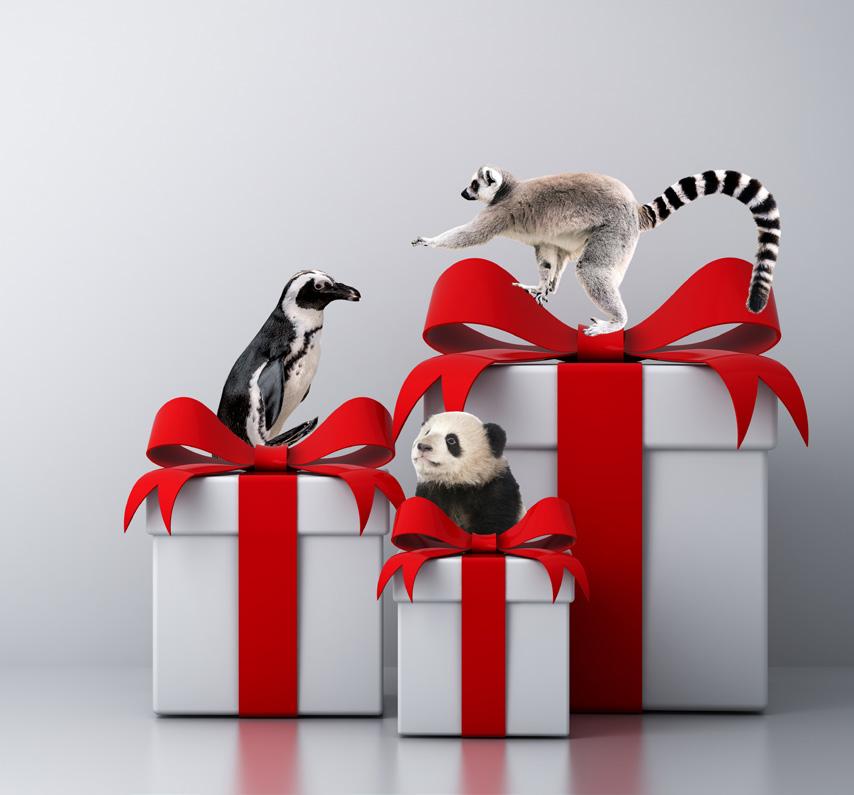
Santa Claus is coming—to the Safari Park! He’ll be here for breakfast and would love to see you and your family. Gather at the Park’s scenic Kilima Point for a bountiful breakfast buffet with the jolly ol’ elf himself.
Cost is $29.95 for adults, $18.95 for children ages 3 through 11, plus tax and Safari Park parking. Nonmembers add Safari Park admission.
CALL 619-718-3000 TO RESERVE YOUR SPOT. VISIT SDZSAFARIPARK. ORG/DINING-EVENTS FOR MORE INFORMATION AND THE MENU.
MONDAY, DECEMBER 31, 2018
SEATING BEGINS AT 5 P.M.
Join us to celebrate another fantastic year at the San Diego Zoo, and enjoy a gourmet dinner prepared by Executive Chef Carissa Giacalone and Albert’s Chef Grant Toraason.
Cost is $65 per person, plus tax and gratuity. Admission required for nonmembers. Wine pairing is available for an additional $15. For complete menu and details, visit zoo.sandiegozoo.org/dining-events.
FOR RESERVATIONS, CALL 619-685-3200 BETWEEN 11 A.M. AND 3:30 P.M. DAILY, OR BOOK ONLINE.
Breakfast at Penguins Saturday, December 22, 2018
Forests are a vital part of our planet. But the alarming rate of deforestation taking place is a big concern for conservationists. BY
KAREN
E. WORLEY AND AMY BLANDFORD
Ending Extinction: Challenge Accepted
As a conservation organization, San Diego Zoo Global is taking the knowledge gained from past projects and combining it with today’s latest advances, in order to protect and save endangered species for the future. BY
KAREN E. WORLEY
2019
Featuring 12 species that San Diego Zoo Global is working to save from extinction. More
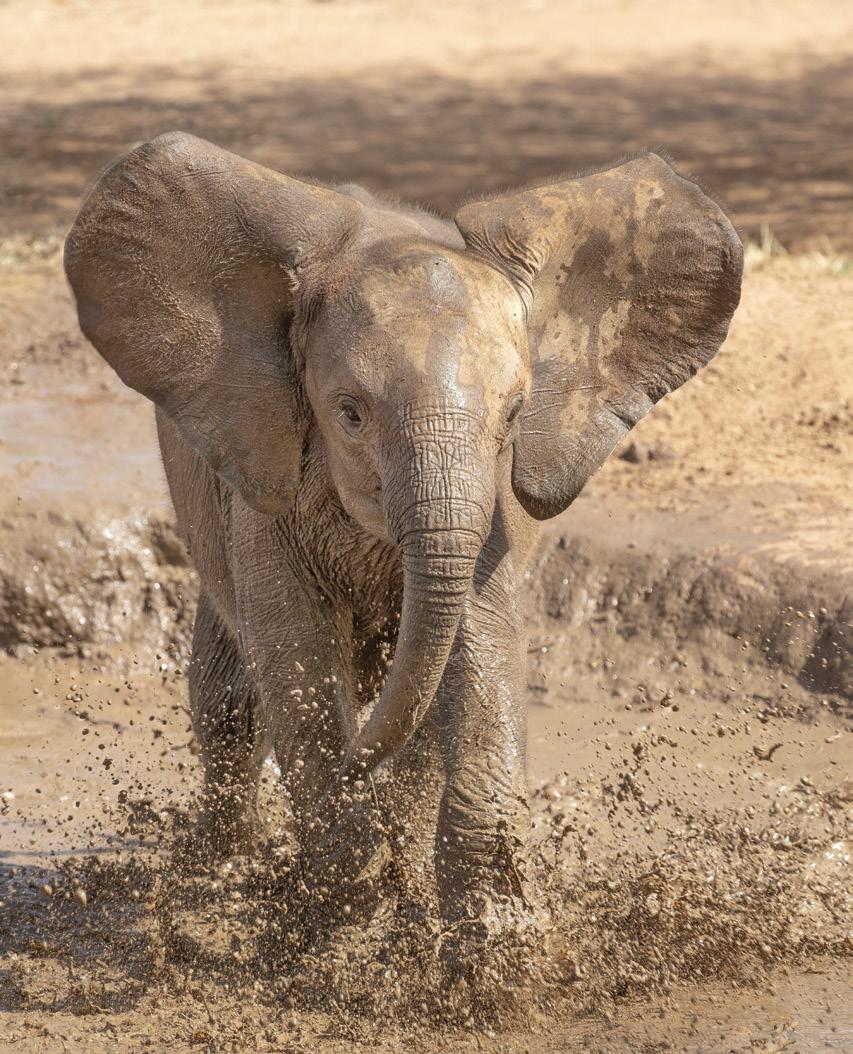
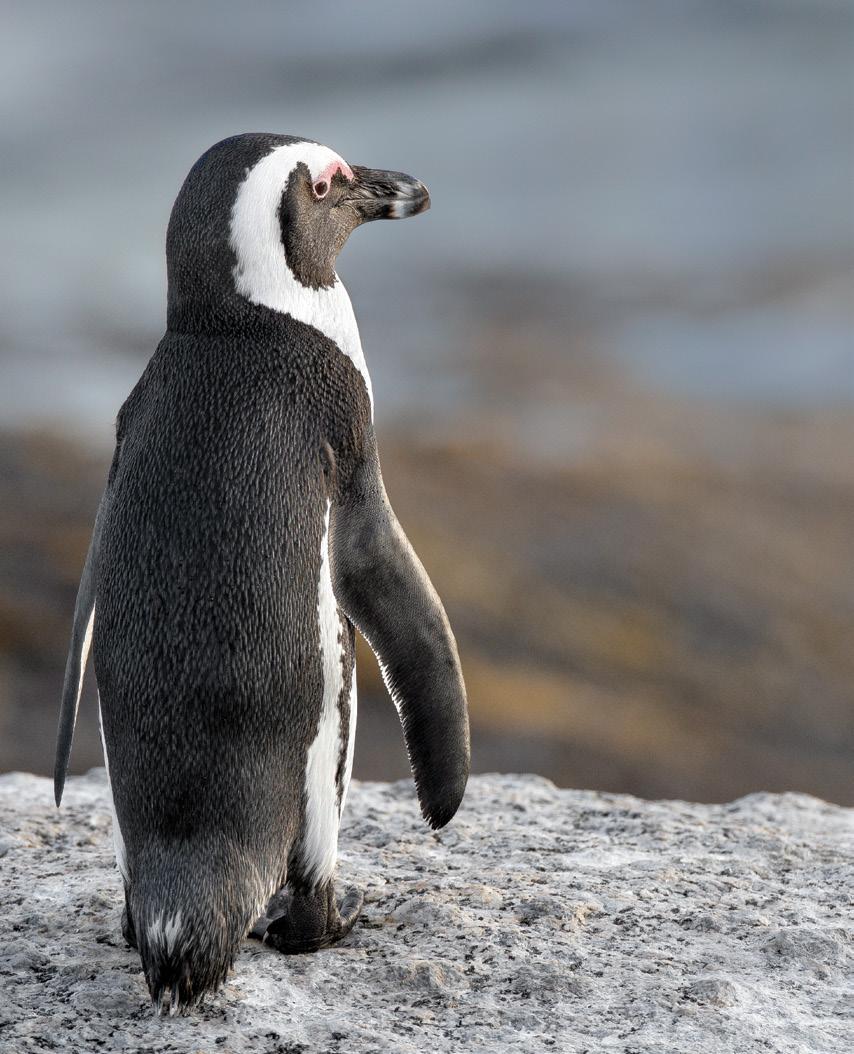
2 Nooz Notes 7 SDZ Kids Page 38 WorldWild Tours 40 Support 44 In the Field ON THE COVER: African elephant Loxodonta africana THIS PAGE: African penguin Spheniscus demersus
PHOTOS BY: Ken Bohn, SDZG Photographer
WHAT’S IN STORE?
Wild Holiday Shopping
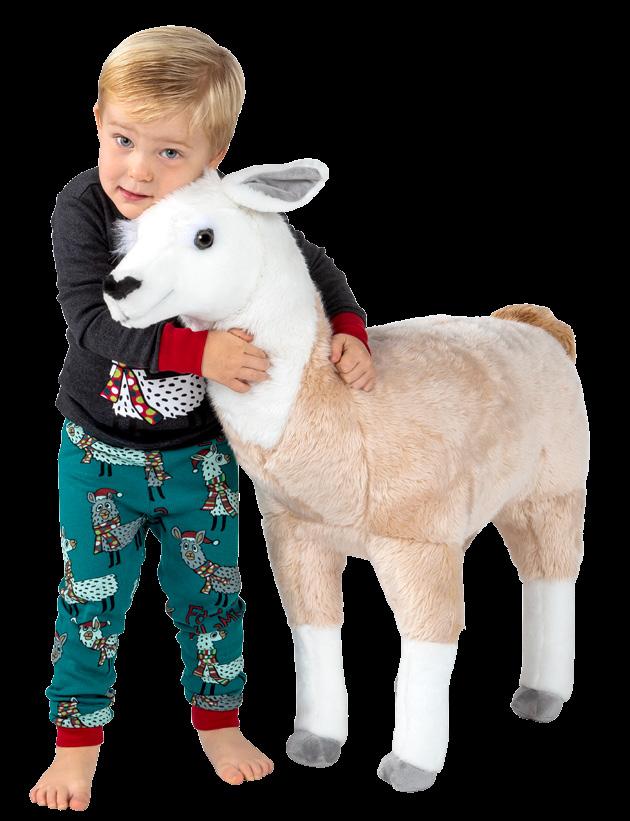
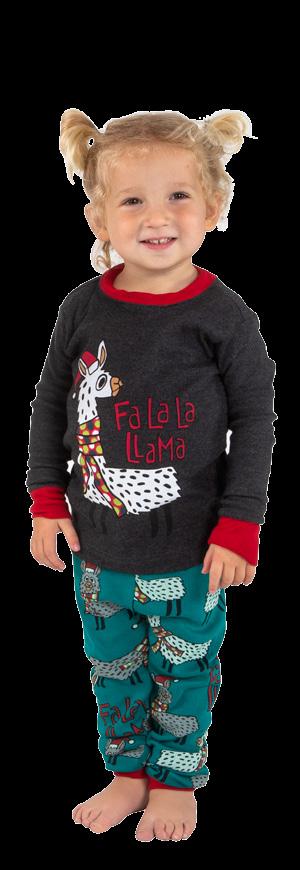
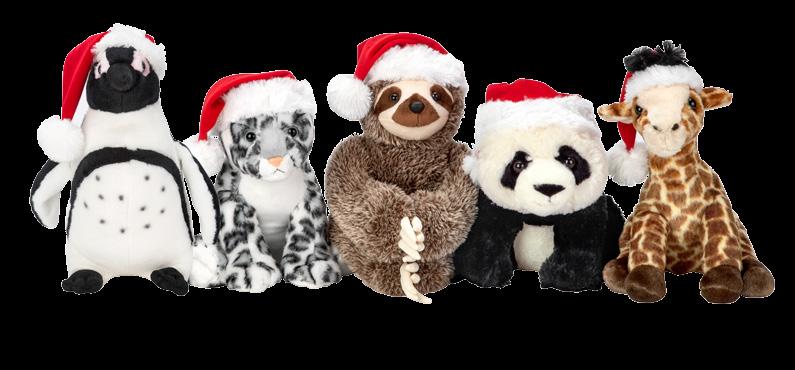
Make your list and check it twice—we have the perfect "wild" gift for everyone! From cozy llama jammies for the whole family to Jungle Bells swag, there's something here for every stocking. Check out the gift shops at
What’s happening at the Zoo and Park this month and next (Z) Zoo events (P) Park events
NOVEMBER 3, 10
Morning Stroll
Photography Workshop
Join our professional photographers at this two-session early morning class at the Safari Park, open to guests 16 or older. Call 619-718-3000 or visit sdzsafaripark.org. (P)
NOVEMBER 3; DECEMBER 1, 15
Kids’ Wild Night Out
Leave your kids at the Zoo for a wild night out with Dr. Zoolittle and animal friends. Sorry, no grown-ups allowed! Call 619-718-3000, or book at sandiegozoo.org. (Z)
NOVEMBER 3, 17; DECEMBER 1, 15
KinderZoo
Animal interaction and fun for children ages 3 to 5, with an adult. Call 619557-3962 or book online at sandiegozoo.org. (Z)
NOVEMBER 22
Thanksgiving Dinner Buffet
Enjoy a delicious
Thanksgiving dinner buffet with all the trimmings at the Zoo or Safari Park. See page 5. (Z) (P)
NOVEMBER 24
Breakfast with Tigers
Watch our tigers start their day, and then enjoy a buffet breakfast. Call 619-718-3000 or book online at sdzsafaripark. org/dining-events. (P)
NOVEMBER 24
Holly Jolly Jungle Roar & Snore
This all-ages holidaythemed sleepover at the Safari Park offers activities and fun for the whole family. Call 619718-3000 or book online at sdzsafaripark.org. (P)
DECEMBER 8, 9
Breakfast with Santa For event information, see inside the front cover of this issue. (P)
DECEMBER 13
Wild Night Out— 21 and Up
Join us at the Zoo for an evening of music,
Holiday Time
A
socializing, animal friends, and all the fun of Jungle Bells—for ages 21 and up only. Call 619-718-3000 or make reservations at sandiegozoo.org. (Z)
DECEMBER 14–JANUARY 6
Jungle Bells presented by California Coast Credit Union Visits with Santa, seasonal decorations, and live music are just
PRESIDENT/CEO’S NOTE
DOUGLAS G. MYERS
some of the delights, as Jungle Bells fills the Zoo with holiday cheer. (Z)
DECEMBER 22–JANUARY 6
Wild Holidays at the Safari Park Celebrate the season with us! (P)
NOVEMBER 17, DECEMBER 29
Winter Winemaker Dinners For reservation
NOVEMBER 3, 4, 24; DECEMBER 1, 2, 29 Sunrise Surprise Stroll
Enjoy the Zoo before it opens, walk the grounds with experienced Zoo educators, learn “inside secrets,” and hear stories about special animals. Call 619-718-3000 or visit sandiegozoo.org. (Z)
information, see page 43. (P)
DECEMBER 31
Albert’s Mildly Wild New Year’s Eve Dinner
Join us to celebrate a great year at the San Diego Zoo, and enjoy a gourmet dinner prepared by Executive Chef Carissa Giacalone and Albert’s Chef Grant Toraason. For details, see the inside front cover. (Z)
s we approach the end of 2018, we at San Diego Zoo Global are giving thanks for a great year, with the opening of Walkabout Australia at the Safari Park, significant births like our rhino, elephant, and giraffe calves, Amur leopard cubs, West African dwarf crocodile hatchlings, and alala chicks, and significant progress in conservation field projects, from pocket mice in San Diego to penguins in South Africa. We are looking forward to the holidays at the Zoo and Safari Park, with our traditional Thanksgiving dinners on Thanksgiving Day; our new Wild Night Out— 21 and Up on December 13, a fun evening when adults have the Zoo to themselves; and plenty of festive holiday cheer during the Zoo’s Jungle Bells presented by California Coast Credit Union, from December 14 to January 6, and the Safari Park’s Wild Holidays, from December 22 to January 6. And don’t forget, we ring in the New Year with a Mildly Wild New Year’s Eve Dinner at Albert’s. I hope you will join us for the joyful celebrations at year’s end. I wish you and yours very Happy Holidays!
Let’s Talk
Follow @sandiegozoo & @sdzsafaripark.
Share your #SanDiegoZoo & #SDZSafariPark memories on Twitter & Instagram.
AT THE ZOO AND PARK | NOVEMBER 22, 2018
SAN DIEGO ZOO ALBER T’ S THANKSGIVING DINNER
CONTINUOUS SEATING
11 A.M. TO 3:30 P.M.
Join us at Albert’s Restaurant and enjoy a three-course Thanksgiving feast with all the trimmings. The menu boasts free-range turkey, slow-roasted prime rib, and vegetarian options; with traditional side dishes, salads, and decadent desserts.
Cost is $42.95 for adults and $15.95 for children ages 3 to 11, plus tax and gratuity. Zoo admission is required for nonmembers.
For reservations, please call 619-557-3964 between 10 a.m. and 4 p.m. daily and ask for Thanksgiving Day Dinner. Secure your reservation with a credit card. For complete menus and details, please visit zoo.sandiegozoo.org/dining-events.
SAN DIEGO ZOO TREETOPS THANKSGIVING BUFFET
CONTINUOUS SEATING 11 A.M. TO 4 P.M.
At the Zoo’s Treetops Banquet Room, a lavish buffet offers Thanksgiving favorites along with traditional side dishes, salads, artisan breads, and a dessert bar.
Cost is $49.95 for adults and $19.95 for children ages 3 to 11, plus tax and gratuity. Zoo admission is required for nonmembers.
For reservations, please call 619-557-3964 between 10 a.m. and 4 p.m. daily and ask for Thanksgiving Day Buffet. Secure your reservation with a credit card. For complete menus and details, please visit zoo.sandiegozoo.org/dining-events.
SAN DIEGO ZOO SAFARI PARK
THANKSGIVING DAY BUFFET
SEATINGS AT 11:30 A.M. AND 3 P.M.
Celebrate Thanksgiving Day at the San Diego Zoo Safari Park’s Hunte Nairobi Pavilion, where you can enjoy a lavish buffet with Thanksgiving favorites and chef’s specialties, as well as a special selection just for the kids.
Guests will be seated at their own reserved table, set for the number in your party. Cost is $49.95 for adults; $19.95 for children ages 3 to 11, plus tax and parking. Nonmembers add Safari Park admission.
For reservations, call 619-718-3000. For complete menus and details, please visit sdzsafaripark.org/dining.
4
The number of decades that the Frozen Zoo ® has been operating, housed at the San Diego Zoo Institute for Conservation Research.
It’s only a number
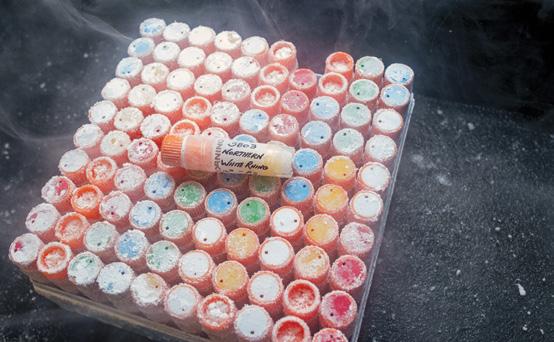
When Dr. Kurt Benirschke began the Frozen Zoo® in 1975, it was not yet clear how the material collected could be used to help conservation. But he and his fellow researchers surmised that as science and technology progressed, it would become quite valuable. They were right—and now the Frozen Zoo is the world’s largest resource of endangered species’ genetic material, including ova, sperm, DNA, and cell lines.
10,000
Number of living cell cultures, oocytes, sperm, and embryos of endangered species stored in the Frozen Zoo.
ZOONOOZ ®
PUBLISHED SINCE 1926
NOVEMBER 2018 | VOL. XCI NO. 06
MANAGING EDITOR
KAREN E. WORLEY
ASSOCIATE EDITOR
PEGGY SCOTT
STAFF WRITERS
WENDY PERKINS
KARYL CARMIGNANI
DONNA PARHAM
COPY EDITOR
ESTON ELLIS
DESIGNER
KERRI ABRAMS
SAN DIEGO ZOO GLOBAL
PHOTOGRAPHERS
KEN BOHN
TAMMY SPRATT
SR. PHOTO
IMAGING SPECIALIST
TAMMY SPRATT
DESIGN AND PRODUCTION
KAMBIZ MEHRAFSHANI
KIM TURNER
AMY BLANDFORD
LISA BISSI
JENNIFER MACEWEN
PREPRESS AND PRINTING
QUAD GRAPHICS
6
Number of cryogenic tanks that hold the genetic material, kept frozen at -320 degrees Fahrenheit.
1,000
Number of species and subspecies represented in the Frozen Zoo.
The Zoological Society of San Diego was founded in October 1916 by Harry M. Wegeforth, M.D., as a private, nonprofit corporation that now does business as San Diego Zoo Global.
The printed ZOONOOZ® magazine (ISSN 0044-5282) is currently published bimonthly, in January, March, May, July, September, and November. Publisher is San Diego Zoo Global, at 2920 Zoo Drive, San Diego, CA 92103, 619-231-1515. Periodicals postage paid at San Diego, California, USA, and at additional mailing offices.
ADDRESS CHANGES: Please send to Membership Department, P.O. Box 120271, San Diego, CA 92112.
$166.50, new; $151.50, renewal. One adult $112, new; $102, renewal. Each membership includes unlimited entrance to the San Diego Zoo and the San Diego Zoo Safari Park.
Subscription to ZOONOOZ magazine: $25 per year, $65 for 3 years. Foreign, including Canada and Mexico, $30 per year, $81 for 3 years. Contact Membership Department, P.O. Box 120271, San Diego, CA 92112, for subscription information.
As part of San Diego Zoo Global’s commitment to conservation, ZOONOOZ is printed on recycled paper that is at least 10% post-consumer waste, chlorine free, and is Forest Stewardship Council ® (FSC®) certified.
SAN DIEGO ZOO GLOBAL OFFICERS
Steven G. Tappan, Chairman
Javade Chaudhri, Vice Chairman
Linda Lowenstine, DVM, Ph.D., Secretary
Richard B. Gulley, Treasurer
BOARD OF TRUSTEES
Rolf Benirschke
Clifford W. Hague
Robert B. Horsman
Steven S. Simpson
Ryan Sullivan, Ph.D.
Judith A. Wheatley
TRUSTEES EMERITI
Frank C. Alexander
Berit N. Durler
Thompson Fetter
Bill L. Fox
Frederick A. Frye, M.D.
George L. Gildred
Yvonne W. Larsen
John M. Thornton
A. Eugene Trepte
Betty Jo F. Williams
12
Number of cell lines of individual northern white rhinos saved in the Frozen Zoo.
SAN DIEGO ZOO HOURS
November 1–3: 9 a.m. to 6 p.m.
November 4–December 13: 9 a.m. to 5 p.m.
December 14–23: 9 a.m. to 8 p.m.
December 24: 9 a.m. to 5 p.m.
December 25–31: 9 a.m. to 8 p.m.
SAFARI PARK HOURS
November 1–December 31: 9 a.m. to 5 p.m.
WEBSITE sandiegozoo.org
PHONE 619-231-1515
ZOONOOZ® Online web publication zoonooz.sandiegozoo.org
FSC® is not responsible for any calculations on saving resources by choosing this paper.
James Lauth, General Counsel to the Board
Douglas G. Myers, President/CEO
Charles L. Bieler, Executive Director Emeritus
THE FOUNDATION OF SAN DIEGO ZOO GLOBAL OFFICERS
Judith C. Harris, Chair
Chris Eddy, Secretary
Susan N. McClellan, Treasurer
Mark A. Stuart, President
Amy B. Parrott, Vice President
Douglas G. Myers, Ex officio
Steven G. Tappan, Ex officio
BOARD OF DIRECTORS
Christine L. Andrews
Joye D. Blount
Rick Bregman
Sophie W. Bryan
Douglas Dawson
Berit N. Durler
U. Bertram Ellis, Jr.
Arthur E. Engel
Valerie A. Ewell, DVM JJ Fetter
Susan Guinn
Murray H. Hutchison
Nikita Kahn Ellison
Lynelle Lynch
Susan B. Major
Joshua A. Pack
Maryanne C. Pfister
Philip C. Seeger
Elizabeth W. Shoemaker
Carter Skeath
Dig in help! and
Search your brain for words to fill in the blanks, and discover an owl with a surprising lifestyle, the trouble it faces, and whooooo is helping!
To find out about these and other animals, plus videos, crafts, stories, games, and more, visit kids.sandiegozoo.org.
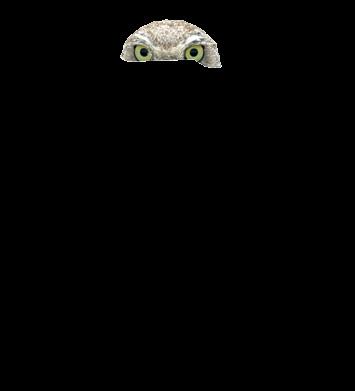
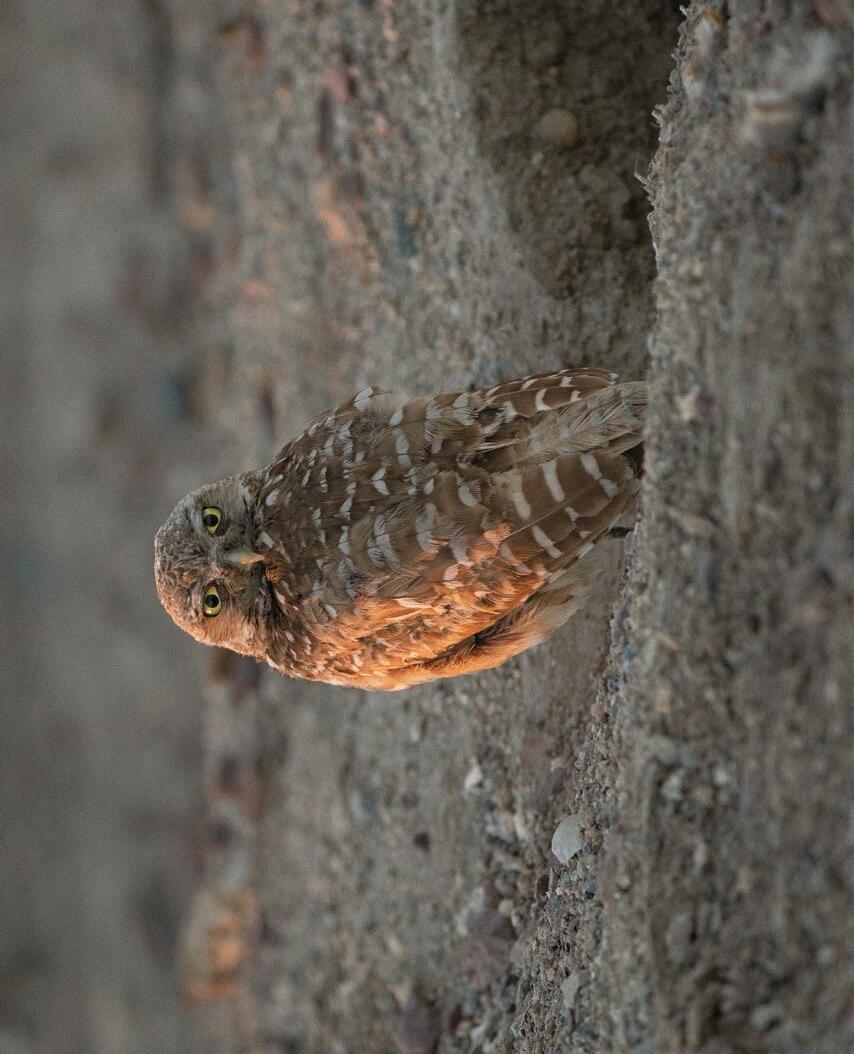
For burrowing owls, a hole in the ground is home. But these small birds don’t dig them— they use _______________ dug by ground squirrels. The _______________ but mighty owls sleep and raise chicks in the _______________ tunnels. And when these tiny hunters catch more than they can eat, they store the extra in their _______________ for times when they may not be able to _______________ food. Without _______________, these _______________ birds can’t survive, and in some places, they are losing habitat. San Diego Zoo Global is working to help burrowing owls in Southern California. Our scientists have placed human-made pipe burrows in protected areas for the birds to use. They even added _______________ cameras inside to see what happens inside the _______________ . What they learn will help protect these _______________ birds so they don’t _______________ forever.
Learn more about burrowing owls at kids.sandiegozoo.org/animals/burrowing-owl.
Trees, Please!
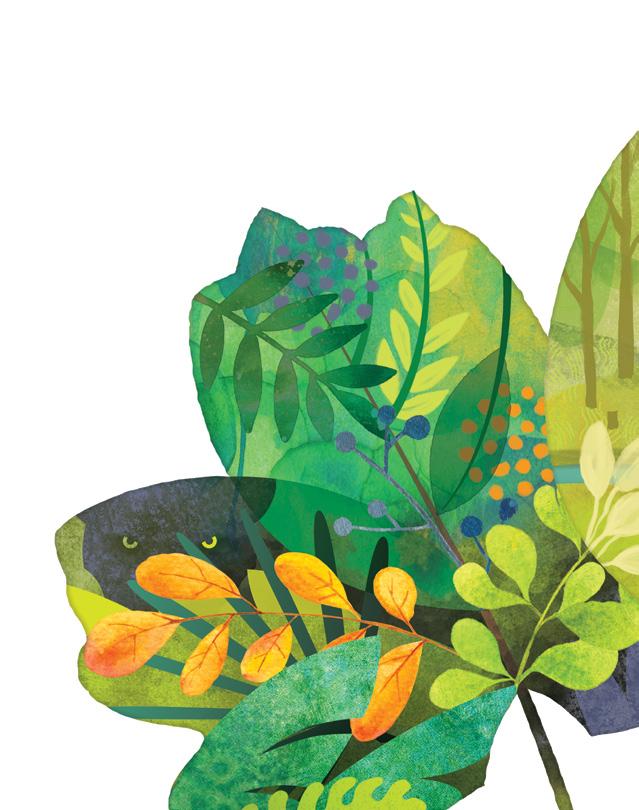
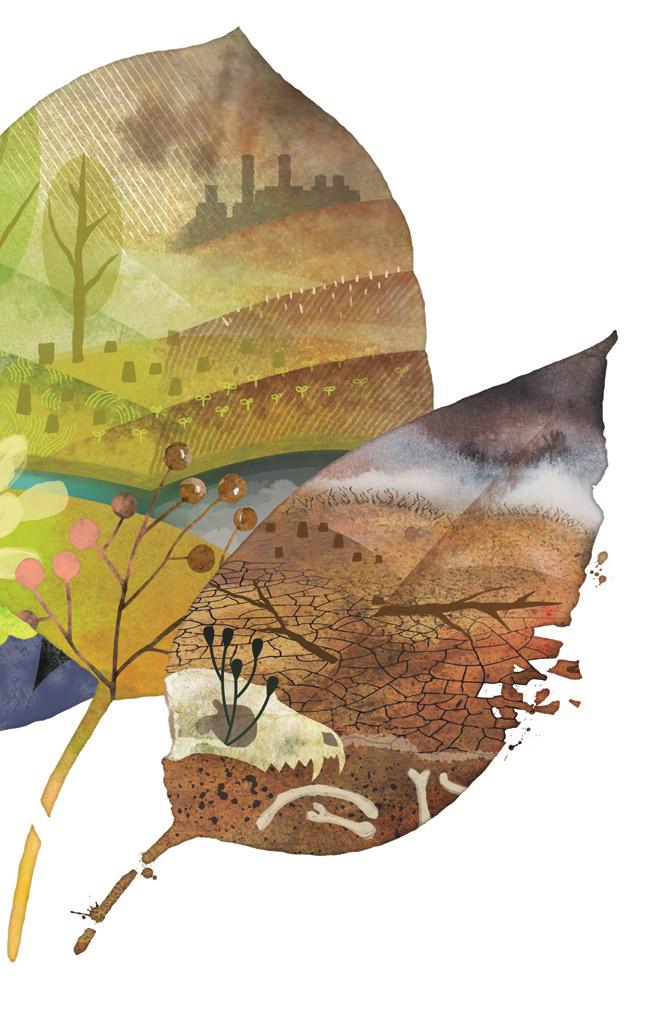
Deforestation is one of the most troubling conservation issues facing our world today. As people continue to populate more of the planet, they continue to cut down more forests. While trees do provide important products, they are also extremely valuable staying planted in the ground. As a little fellow called the Lorax said, we must "speak for the trees!"
BY KAREN E. WORLEY | MANAGING EDITOR ILLUSTRATION BY AMY BLANDFORD
people rely on forests for shelter, water, food, fuel, and their livelihoods.
percent of the world’s species live in forests.
100
1.6 billion mature trees can absorb 139,000 gallons of water per year, helping reduce the effects of flooding and stablizing the soil.
66 1 TREE 6,000 POUNDS OF OXYGEN ~50 YEARS
Lungs of the Planet The trees and other plants in forests absorb carbon dioxide—which acts as a greenhouse gas in excessive quantities—from the atmosphere, using photosynthesis to build their structures and storing the carbon in their wood, stems, leaves, and roots. That makes them a major ally in combating climate change. They then produce and release oxygen, giving animals and humans what we need to breathe.
The best time to plant a tree was 20 years ago. The second best time is now. —CHINESE PROVERB
PLANT TREES where there were none before (afforestation) or restore areas where trees have been cut down (reforestation).
CREATE URBAN FORESTS: plant and maintain trees in parks and green areas within
SUPPORT SUSTAINABLE-USE, COMMUNITY-BASED FOREST MANAGEMENT in developing countries; protects forests and provides a livelihood for local communities.
PURCHASE WOOD products only made from trees grown in sustainably harvested and managed forests.
REDUCE, REUSE, AND RECYCLE paper products and packaging; use repurposed and reclaimed wood.
Ending Extinction: Challenge Accepted
BY KAREN E. WORLEY | MANAGING EDITOR PHOTOS BY KEN BOHN | SDZG PHOTOGRAPHER
San Diego Zoo Global’s vision is to “lead the fight against extinction.” That’s a tall order. It’s an idea that gives one pause, an audacious undertaking with the potential for pitfalls, setbacks, frustrations, and uncertainty. But as the saying goes, “Fortune favors the bold.” Conservation cannot wait—the world has too much to lose. San Diego Zoo Global has rolled up its sleeves, pulled on its boots, and is hard at work, here in San Diego and around the world.
MAKING STRIDES
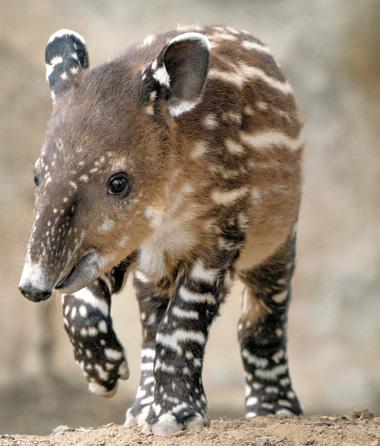
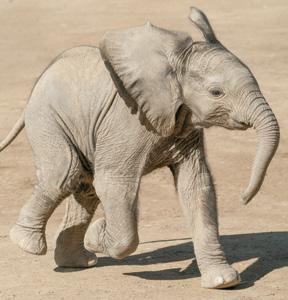
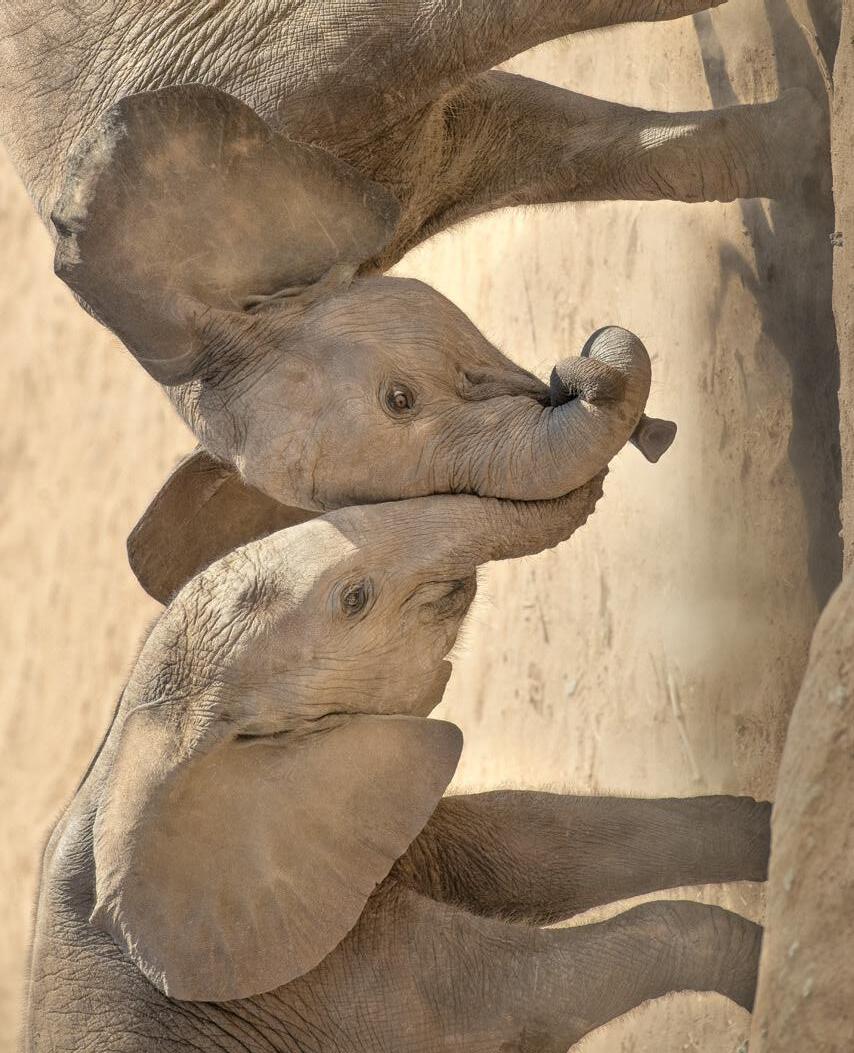
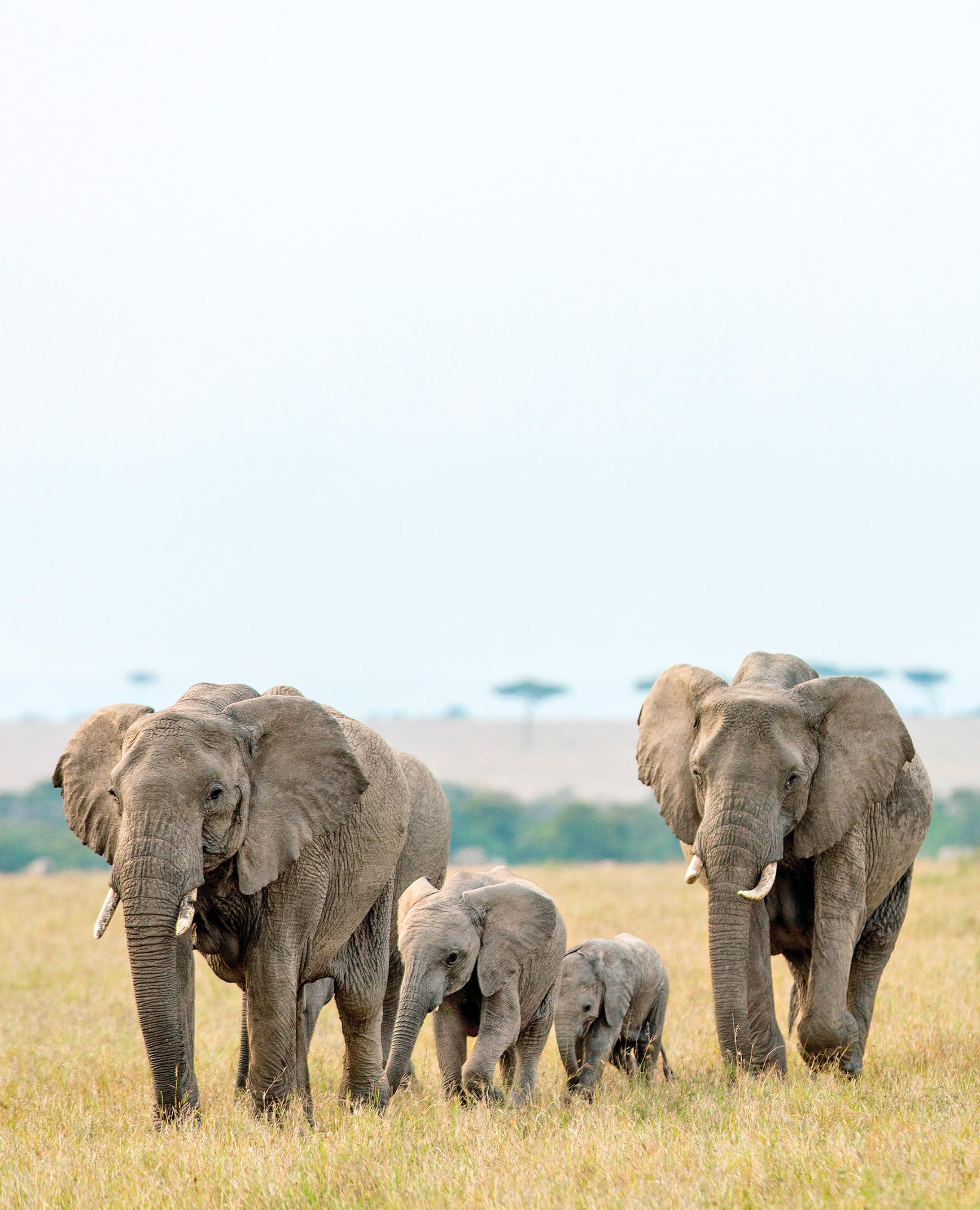
Even in the past few months, great things have happened. The Zoo saw the first birth in 30 years of an endangered Baird’s tapir; and 2 Amur leopard cubs were born, the Zoo’s first of a critically endangered cat with only about 80 individuals left in the wild. The Safari Park saw its twelfth birth of an African elephant calf to the herd that had been saved from being killed in Swaziland in 2003, and then brought to San Diego—a sign of hope for a species that is under seige.
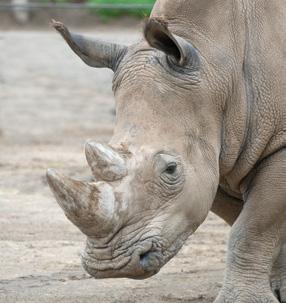
We had exciting news at the Nikita Kahn Rhino Rescue Center in August: southern white rhinos Victoria and Amani are pregnant— the result of the first-ever artificial inseminations of southern white rhinos at the Safari Park. That’s not only a huge gain for southern whites, it’s also a step toward helping northern white rhinos, if genetic rescue techniques continue to progress.
OUTSTANDING IN THE FIELD
The good news continued with field projects. San Diego Zoo Global (SDZG) researchers observing a group of burrowing owls noted they were in poor condition and needed help. The little owls were brought to the Paul Harter Veterinary Medical Center, where they were found to be anemic and weak from a particularly nasty flea infestation. Fortunately, the care they received brought them back
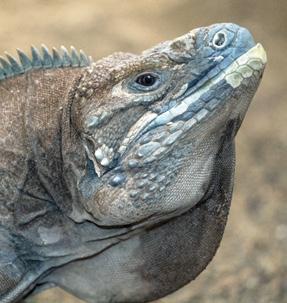
to health, so that researchers could bring them back to their burrow. In Hawaii, a critically endangered songbird called the akikiki bred and hatched a chick at the Hawaii Endangered Bird Conservation Program facilities for the first time. The staff was thrilled, not only because their propagation was successful, but also because the parents are raising the chick—a win-win. Another win was the release of 50 Jamaican iguanas, which had been raised in protected care by incountry partners until they were big enough to fend off predators. With this return to the native habitat, a total of 399 of these impressive lizards, which almost went extinct, are now living on their island home.
CONSERVATION MATTERS
Still, the multitude of challenges facing wildlife today is daunting. Dwindling habitats and food sources, the effects of climate change, pollution, disease, wildlife trafficking, poaching, and more—all are cause for alarm. Taking action is more urgent than ever if we are to save endangered species from extinction. But that’s where conservation organizations like SDZG come in. Working in partnership around the world, a cadre of dedicated professionals is using ingenuity, experience, and determination to find answers and create solutions. As a global, multidisciplinary organization, SDZG has more than
200 experts at work in the field, in the lab, and in communities and classrooms in over 35 countries worldwide. SDZG also has the valuable benefit of learning from the animals and plants at our Zoo, Safari Park, and Institute for Conservation Research. By integrating these approaches, our organization can bring to bear the latest technologies and newest advances in biological, veterinary, and animal husbandry sciences.
LONG-TERM COMMITMENT
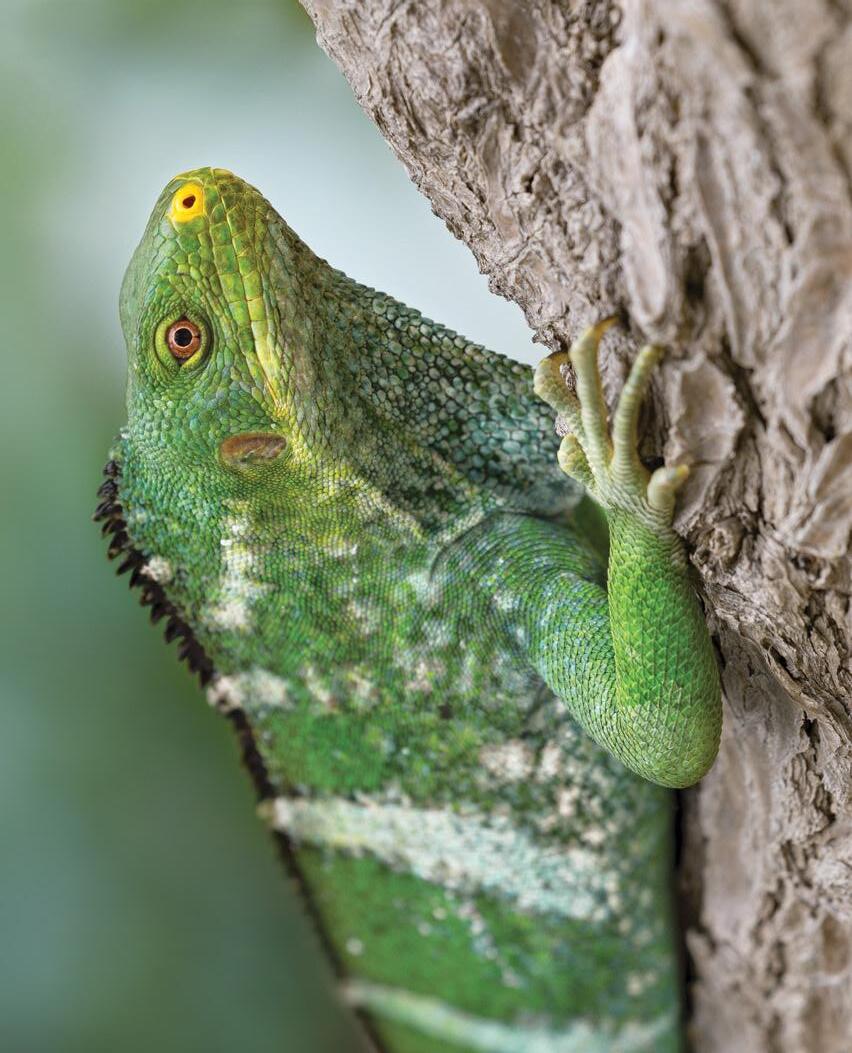
Engaging in the complexities of conservation is not new to SDZG. Some projects harken back to the 1960s and 1970s, like efforts to help the Fiji iguanas, Przewalski’s horse, Arabian oryx, and southern white rhino. Successes led to the reintroduction of the horses and oryx to their native habitat, and muchneeded increases in the populations of the iguanas and rhinos.
But the road of conservation is rarely smooth—there are many bumps, obstacles, and twists along the way. Due mainly to the introduction of non-native predators that threaten the iguanas, and unrelenting poaching of rhinos for their horns, today SDZG researchers are once again working with our partners to save both species, determined to prevent them from going extinct.
Some of SDZG’s long-term projects are also some of the best
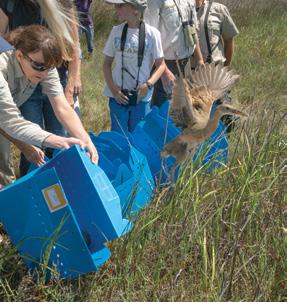
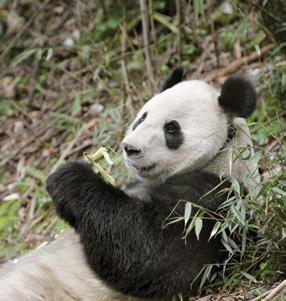
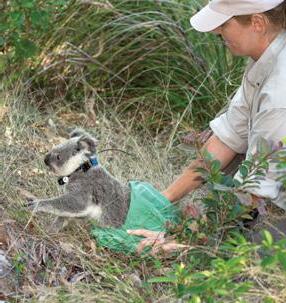
Rows, left to right: SDZG works with the Twiga Walinzi (Giraffe Guards) to research and protect giraffes in Kenya; more than 200 California condors once again fly in their native habitat, a success story; Victoria the southern white rhino is pregnant as a result of the first successful rhino artificial insemination; Zuli is the twelfth elephant calf born at the Safari Park from a herd that was saved from culling; SDZG has participated in raising lightfooted Ridgway’s rails and releasing them to local marshes; happily, giant pandas have recovered enough for their status to change from Endangered to Vulnerable; the critically endangered akikiki is singing in Hawaii again; SDZG researchers helped bring Jamaican iguanas back from extinction; studying the habits and habitat of radio-collared koalas provides key information for conservation management.
known. Work to save the California condor has been ongoing since the early 1980s, resulting in the release of condors to their native habitat.
Collaborative studies on the habitat use of koalas started in the late 1980s, and expanded to include studies of behavior and health— much-needed information as koalas face growing threats from drought and disease in their native forests.
The arrival of giant pandas Bai Yun and Shi Shi in 1996 famously began conservation research on panda reproduction, behavior, and habitat needs. In conjunction with researchers in China, that work resulted in increasing the number of pandas, and, along with protection of wild panda habitat, also resulted
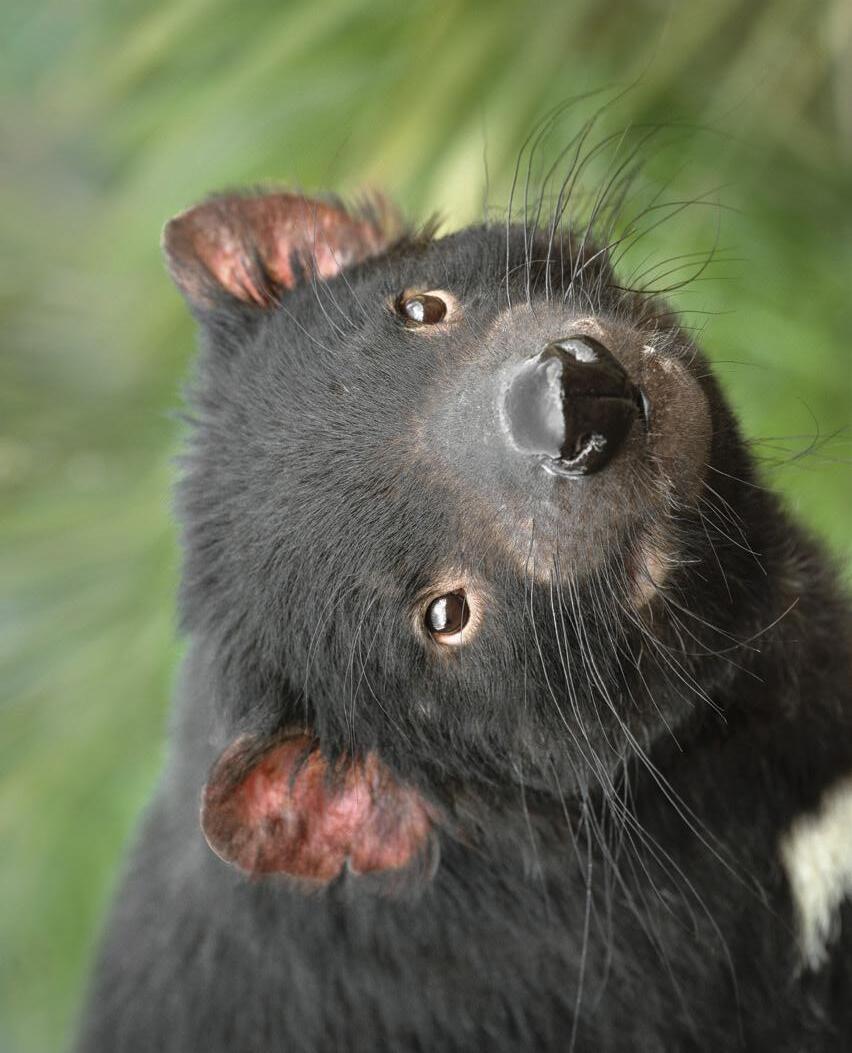
Above:
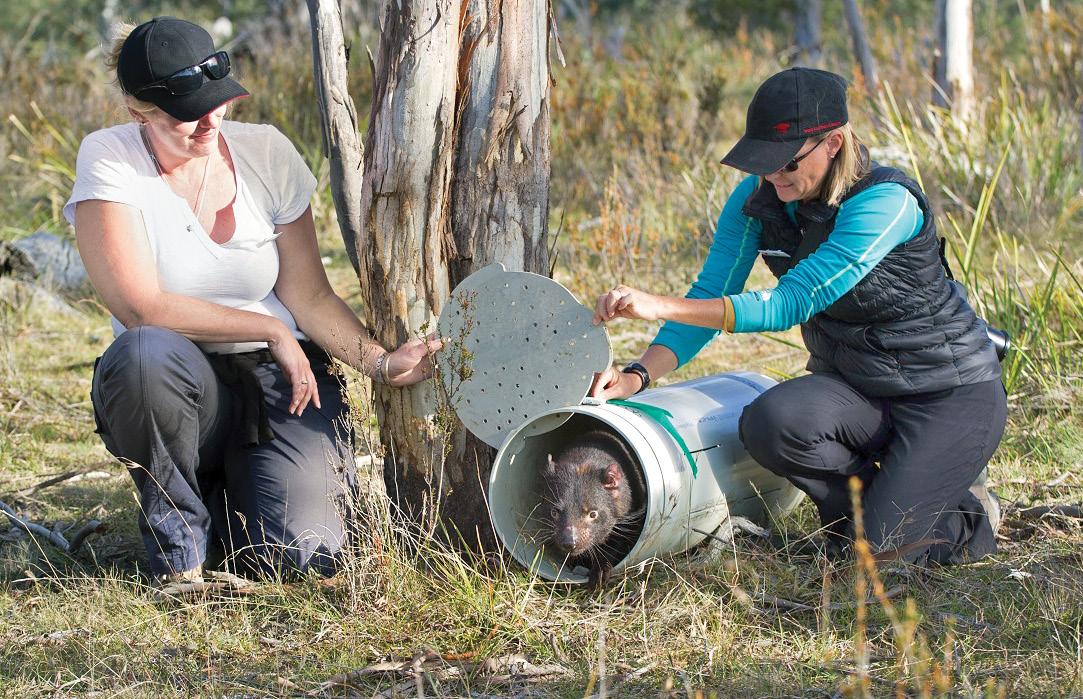
Establishing a disease-free population of Tasmanian devils is essential.
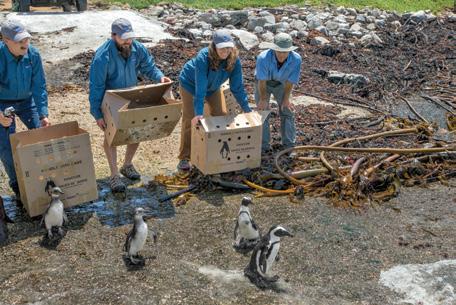
Below: The three Rs for African penguins— rescue, rehabilitate, and release.
in a positive status change—from Endangered to Vulnerable. For over two decades, SDZG has been in the thick of the ups and downs, disappointments and triumphs of conservation for so many species, including the San Clemente Island loggerhead shrike, okapi, alala, cheetah, and bighorn sheep, among others. At 102 years old, SDZG has the benefit of longevity with many projects. But in taking on the challenge of conservation, there is always more to do.
THE NEXT GENERATION
In recent years, SDZG has expanded its conservation horizons even further. Work to help species like
Andean bears, giant otters, palms, and jaguars takes place in Peru, some of which is based at Cocha Cashu, one of the five conservation field stations SDZG operates. Other projects that SDZG has lent a hand to before have become a greater commitment. They include rescuing and rehabilitating African penguins in South Africa, and establishing protected populations of Tasmanian devils to shield them from contracting the deadly devil facial tumor disease (DFTD) that threatens the species.
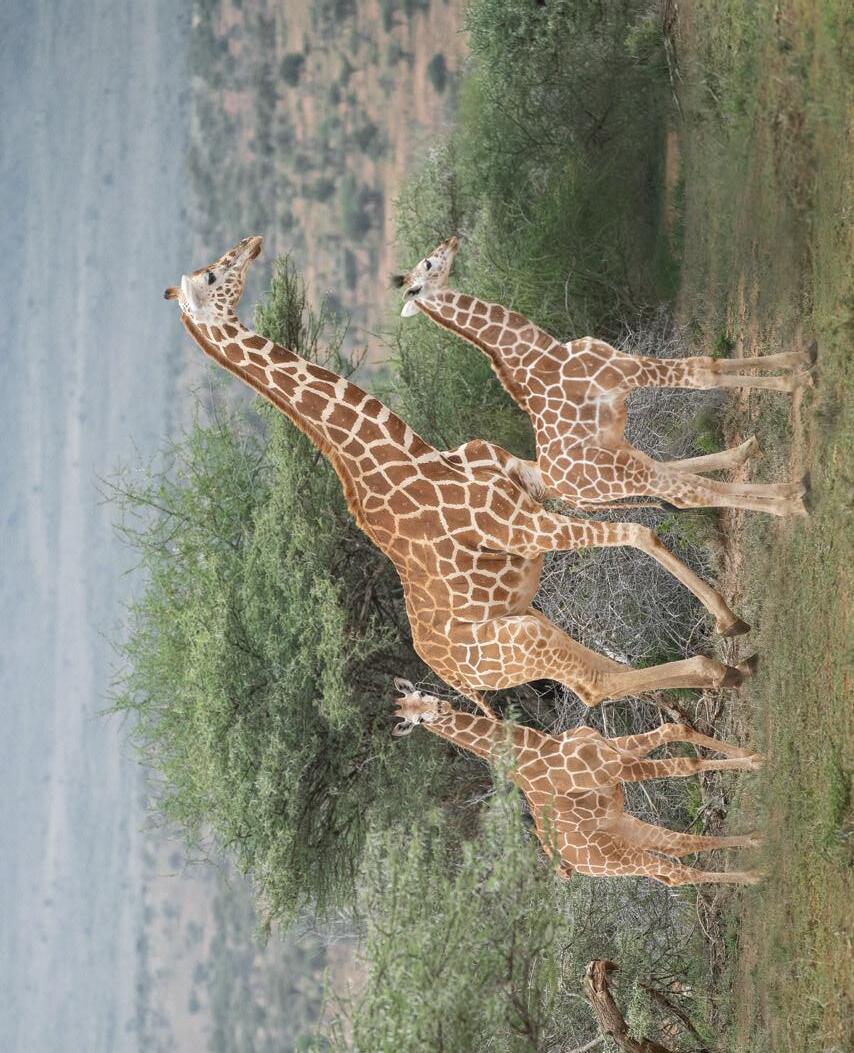
One project has SDZG researchers looking up—way up: reticulated giraffes. Giraffes are experiencing what has been called a silent extinction: people weren’t aware that the populations were in rapid decline until recently. Having a long history with giraffes and partnerships in Kenya, SDZG was in a position to help. A corollary to that project has been the rise of citizen science—more than 12,000 volunteers have aided SDZG researchers in identifying and categorizing giraffes and other wildlife from trail camera photos they view on their computers. Their help has accelerated the research process so data can be compiled and analyzed much faster, and used to help guide decisions in the field.
THE ROAD AHEAD
SDZG is more dedicated than ever to saving species from extinction, igniting a passion for wildlife, and joining forces with conservation partners to create a sustainable future. Looking forward, there is much yet to accomplish. Making conservation the heart of SDZG is not the easy choice, and leading the fight against extinction is not a simple vision. But wildlife needs champions. Challenge accepted.
BY THE NUMBERS
259 Mountain yellow-legged frogs released in June 2018
1,000 Seedlings of the endangered Tecate cypress tree propagated at the Safari Park
300+ Partners that San Diego Zoo Global collaborates with on conservation work
44 Species that San Diego Zoo Global has helped release back into native habitat to date
14 Years that San Diego Zoo Global has been working with the community conservancies in Kenya’s Northern Rangelands Trust
Looking for the perfect holiday present for the animal lovers in your life? Our exciting tours, programs, and special experiences at the San Diego Zoo and Safari Park make truly memorable gifts! We have something for everyone, and a visit with pandas, koalas, flamingos, gorillas, tigers, rhinos, and giraffes is sure to be their favorite gift this holiday season. Visit sandiegozoo.org and sdzsafaripark.org to browse the many options and make your selections today! CALL
TALL ORDER
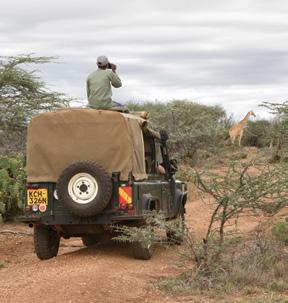
Reticulated giraffes have declined over 70 percent in the past 20 years, and SDZG is collaborating to reverse this trend. Field cameras installed in northern Kenya are capturing photos of local wildlife, and volunteer citizen scientists are classifying the images on wildwatchkenya.org to help the conservation research project.
February
DISAPPEARING DESERT DENIZENS
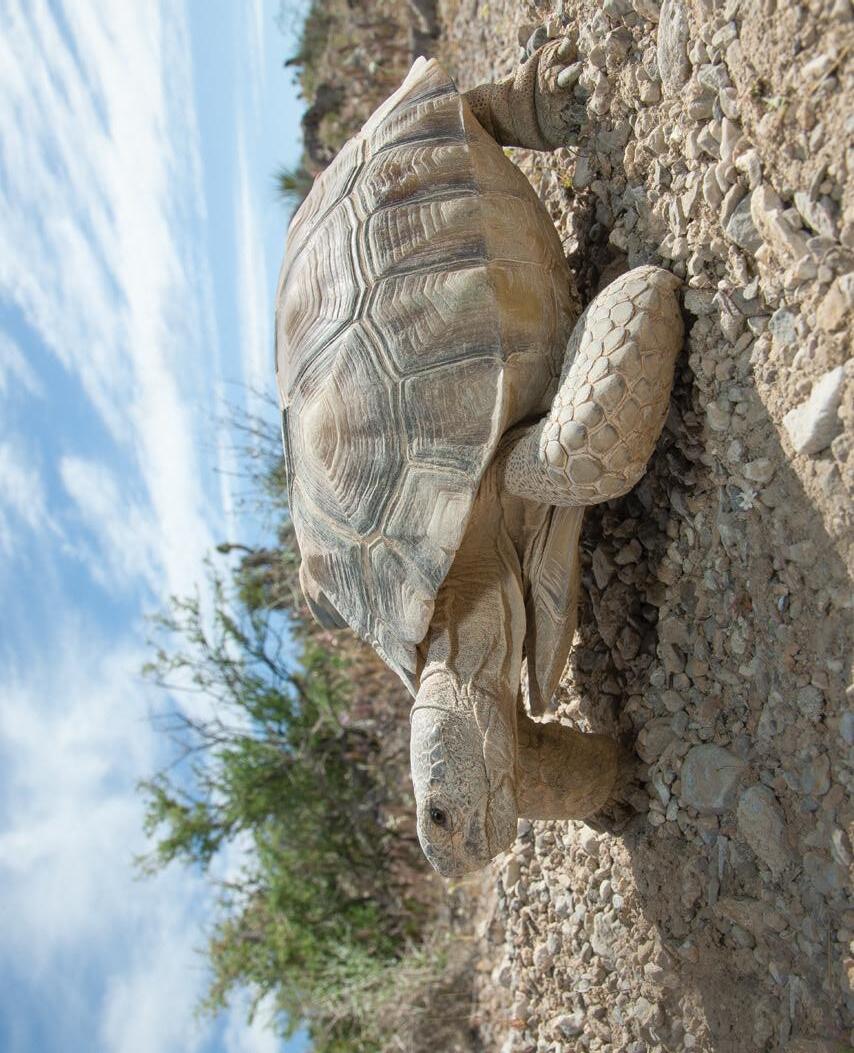
SDZG and its partners plan to hatch, headstart, release, and track desert tortoises at California’s Mojave Trails National Monument and Edwards Air Force Base, in a project aimed at increasing the tortoises’ survival rate.
TURNING THE TIDE
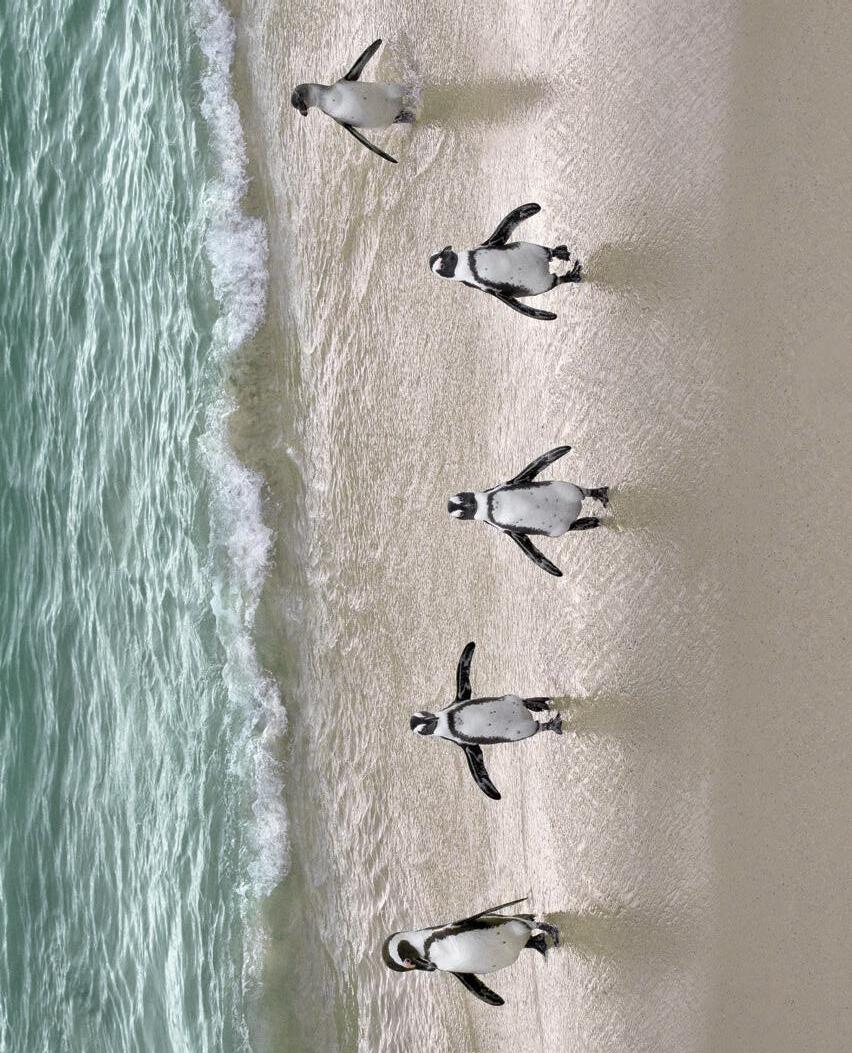
SDZG is working with the Southern African Foundation for the Conservation of Coastal Birds (SANCCOB) to bolster the wild population of endangered African penguins, which has declined by 60 percent in the last 30 years.
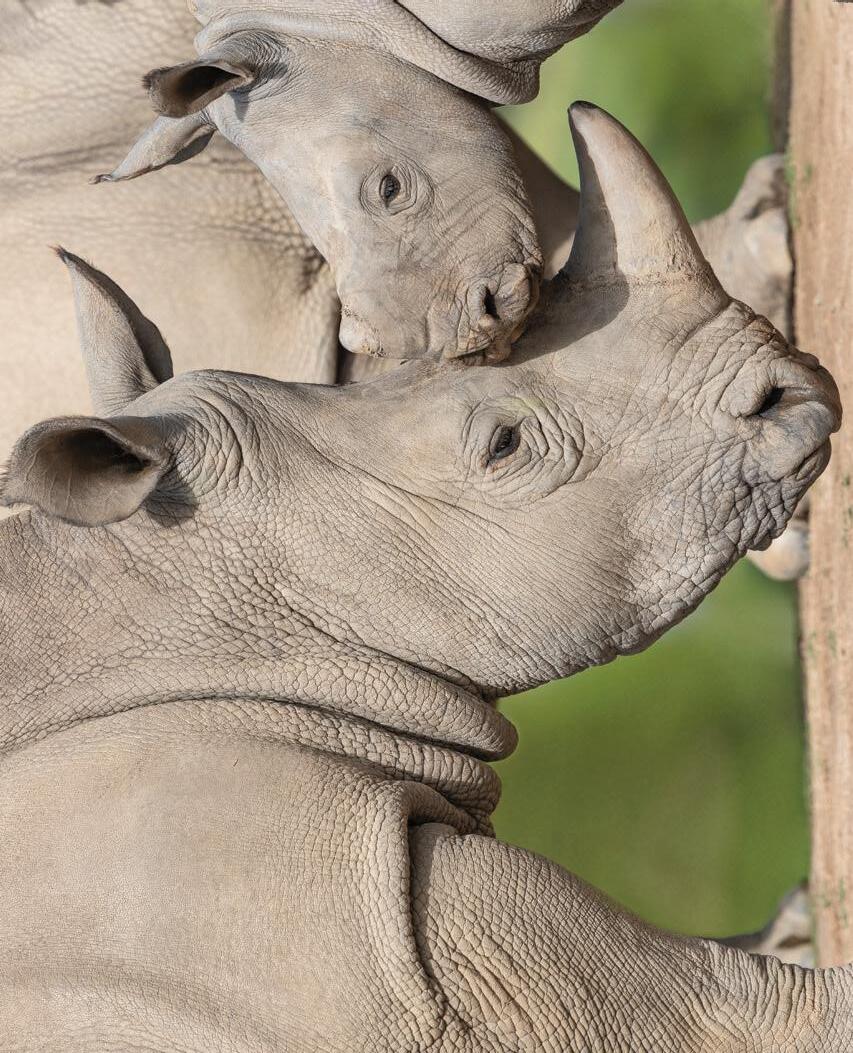
RHINO MILESTONE With the help of southern white rhinos at the Nikita Kahn Rhino Rescue Center, SDZG and research partners are breaking ground to genetically recover the related northern white rhino. Learn more at institute.sandiegozoo.org.
ROOTING FOR THE HOME TREE
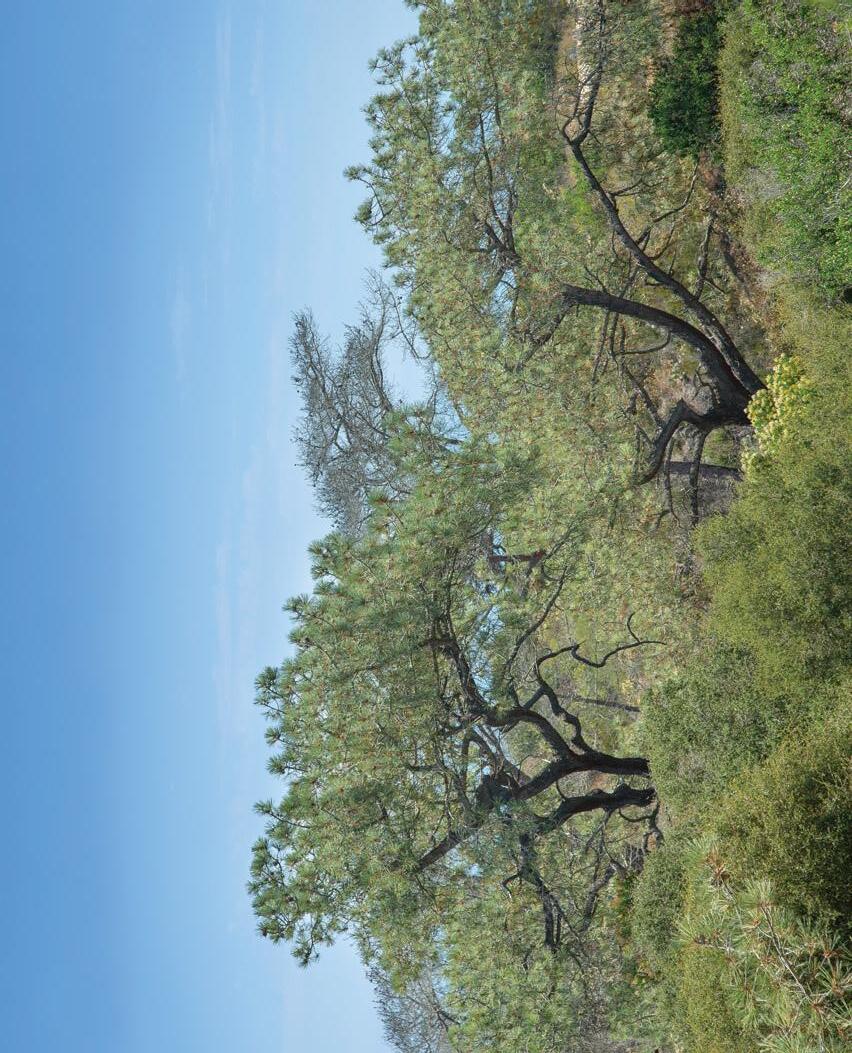
Found only on Santa Rosa Island and in pockets of Del Mar and La Jolla in San Diego County, the critically endangered Torrey pine is threatened by bark beetles and a drying climate. SDZG’s Plant Conservation team is using next-generation tools to understand the tree’s genetic diversity and prevent its extinction in our own backyard.
May
BOOSTING BABIES SDZG works with the Reteti Elephant Sanctuary in Kenya to enhance care for orphaned pachyderms brought in for support and rehabilitation. We provided equipment, supplies, and knowledge to set up a dedicated veterinary clinical laboratory and improve the calves’ survival rate.
June
RETURN OF THE ALALA
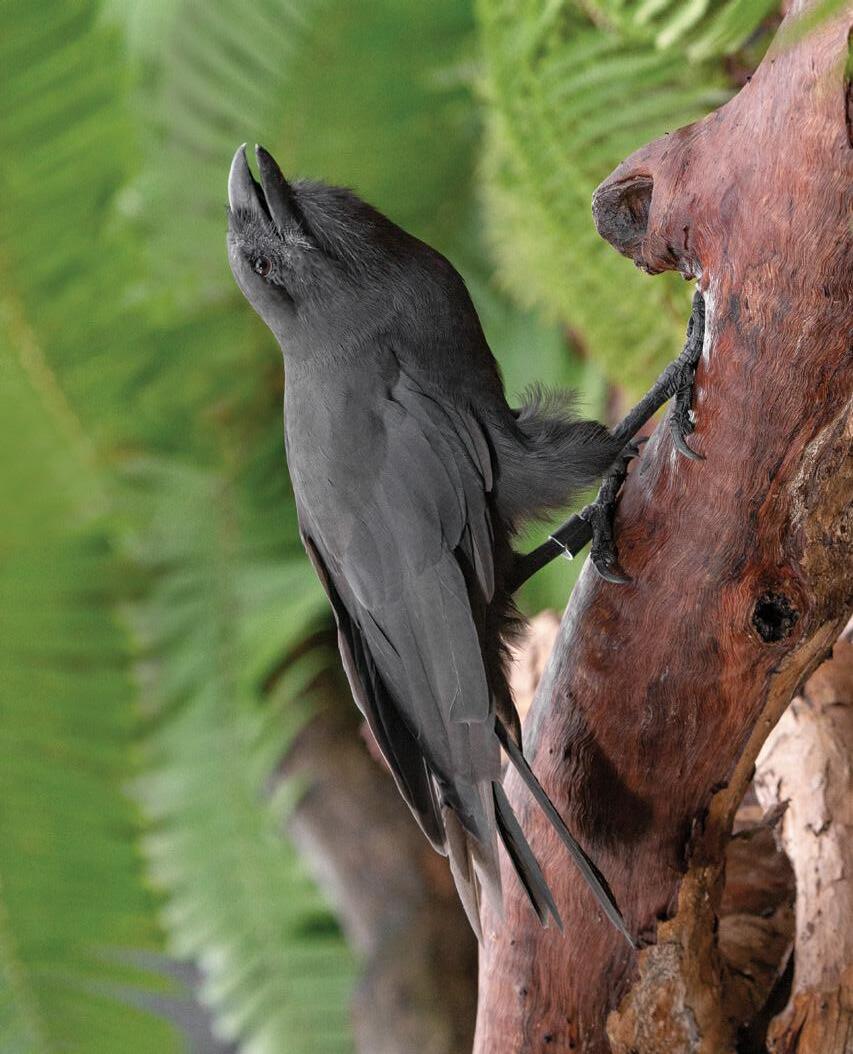
Declared extinct in the wild in 2002, Hawaii’s alala is back in the forest again. Conservation partners in Hawaii and from SDZG have hand raised birds, managed habitat, and planned for the birds’ release. The hard work paid off: In 2017, 11 alala successfully returned to their native habitat, and in 2018, 10 more were released.
July
SPEAK OF THE DEVIL
Tasmanian devil populations have been decimated by a fatal and infectious cancer. Introducing healthy animals to disease-free areas and establishing collaborative genetic research may be their best hope for survival.
GHOST OF A CHANCE
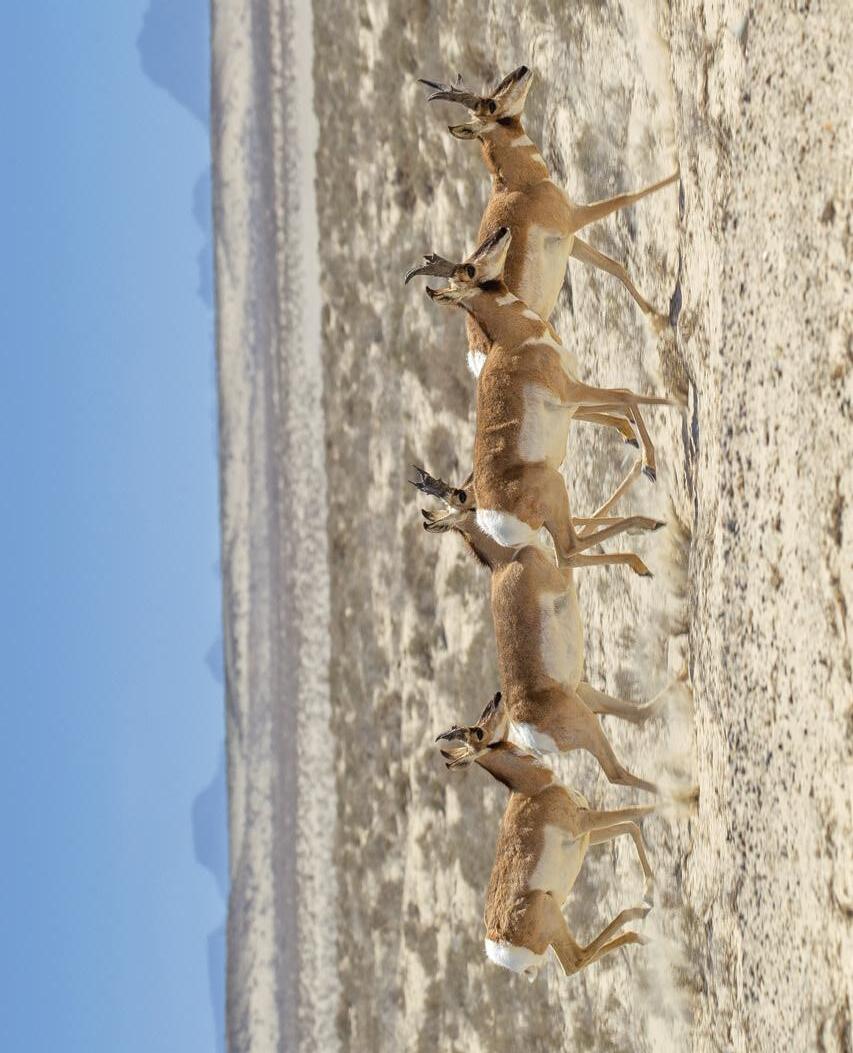
Through creating assurance populations and restoring habitat, SDZG, other zoos on both sides of the border, the Mexican government, and non-governmental organizations have united to keep the “ghost of the desert,” the peninsular pronghorn, from disappearing completely.
TIPPING THE SCALES
Only 30 of Fiji’s 300 islands are still home to the colorful Fiji iguana. SDZG and partners in Fiji are surveying the lizard populations, building assurance colonies, and doing genetic research to inform conservation and reintroduction efforts.
BACK TO THE BURROW
At risk of extinction locally because of habitat loss and fragmentation, western burrowing owls are revealing their secrets as researchers study their habits and habitat. All eyes are on two groups that SDZG released in 2017, to watch their progress.
December
MIGHTY MOUSE MAKES COMEBACK
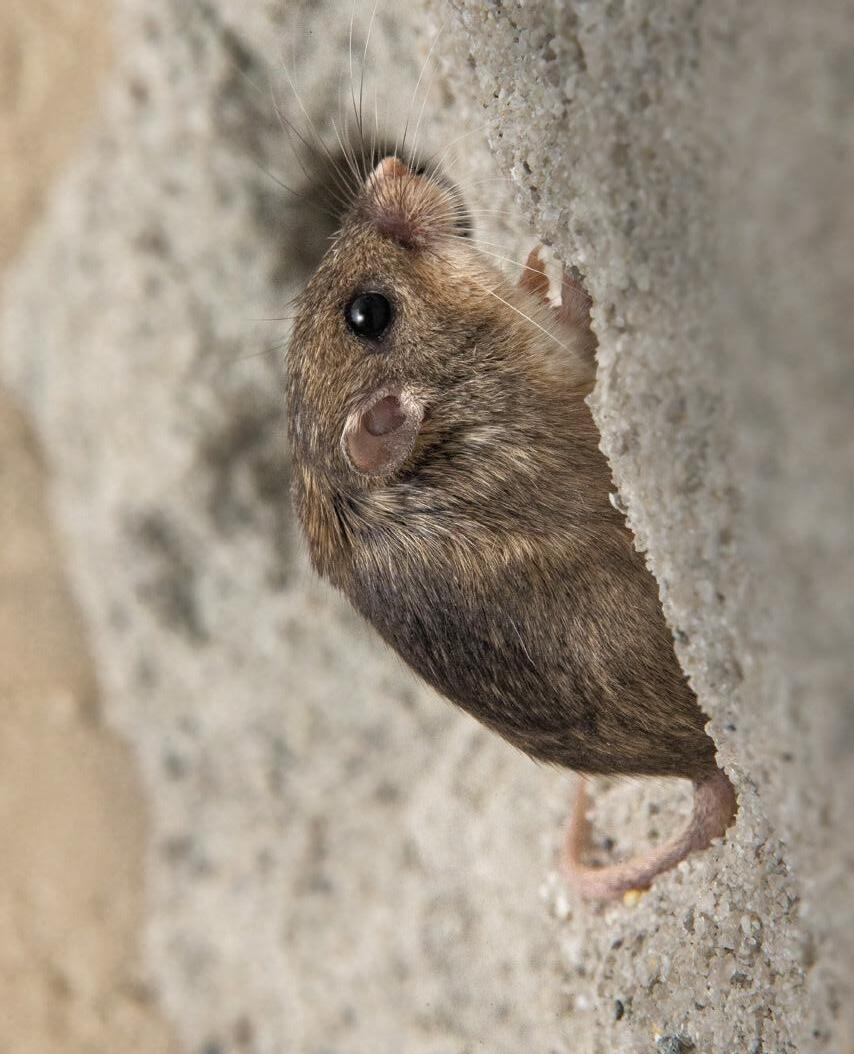
Once thought extinct, the Pacific pocket mouse is making great strides. SDZG and its partners have bred and reintroduced this tiny rodent into its Southern California range, and the species is now reproducing on its own in Orange County.
Bells begins, through January 5, 2020, except December 24 (Zoo) Happy Holidays Happens at Albert’s, through January 5, 2020 (Zoo)
Holidays begins, through January 5, 2020 (Park)
Day and Orchid Odyssey (Zoo)
TRAVEL THE WORLD WITH THE SAN DIEGO ZOO
Experience the beauty of wildlife in its natural habitat. We craft our WorldWild Tour itineraries to include exhilarating encounters with nature and the animal expertise that you can get only from the San Diego Zoo. For more information, visit sandiegozoo.org/travel or call 619-685-3205.
CHINA AND ITS GIANT PANDAS
MAY 12–25, 2019
Come face-to-face with giant pandas, climb the Great Wall, visit the Terra-cotta Warriors, and cruise down the Yangzi River. $6,395 plus airfare (per person, double occupancy)
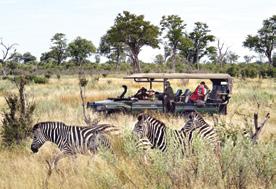
BOTSWANA
MAY 17–27, 2019
Adventure is wrapped in luxury in Botswana, where you’ll encounter Africa’s exceptional mammals and birds on safari while staying in exquisite tented camps. $7,995 plus airfare (per person, double occupancy)
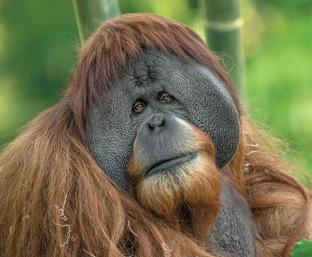
BORNEO
AUGUST 12–23, 2019
Discover Borneo’s unmatched biodiversity, including orangutans, sun bears, proboscis monkeys, thousands of orchid species, and rare birds found nowhere else on the planet. $7,995 plus airfare (per person, double occupancy)
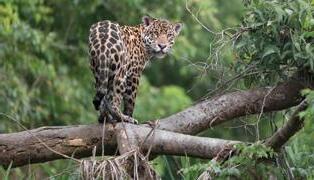
AMAZON VOYAGE
SEPTEMBER 27–OCTOBER 6, 2019
Cruise over 500 miles of the Amazon River and delve into its most pristine areas to experience the world’s largest tropical rain forest and its astounding wildlife diversity. Starting at $5,698 plus airfare (per person, double occupancy)
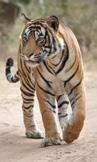
SRI LANKA AND INDIA
KENYA
second chance— You are their
DON’T LET THEM DISAPPEAR FOREVER.
Wildlife is disappearing at an alarming rate. San Diego Zoo Global is saving species worldwide, but we can’t do it without your help. Your monthly gift to the Wildlife Conservancy will help rescue and protect vulnerable species to ensure their survival for generations to come. Monthly donations are the heartbeat of all we do. Become a monthly donor. They need you.
endextinction.org/heartbeat
BY MARY SEKULOVICH | SENIOR EDITOR, DEVELOPMENT DEPARTMENT
BY KEN BOHN | SDZG PHOTOGRAPHER
ur first Children’s Zoo was ahead of its time in 1957, with open moats, diversity of species, and child-sized exhibits. Kids could get eye to eye with birds, primates, and Galápagos tortoises. There was always something for everyone to marvel at, learn, and enjoy in “the little zoo.”
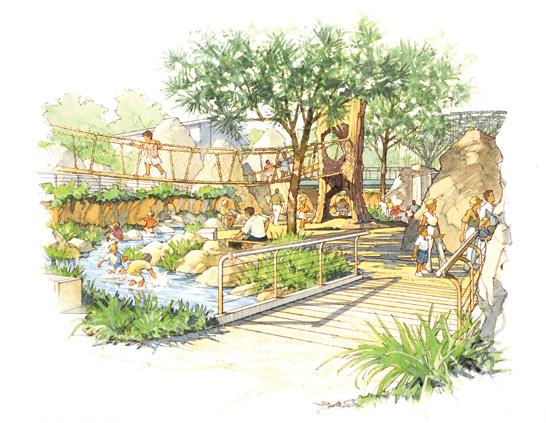
A lot has changed since the 1950s, and children are not playing outside like they did 60 years ago. Today, they often focus more on the latest technologies indoors. There is also less open, natural space where kids can wander. But one thing hasn’t changed: their fascination with animals. Now is the perfect time to build the new Sanford Children’s Zoo and inspire them to get back into nature. Engaging and interactive experiences will allow them to play, explore, and discover, while being in the Zoo will ignite a lasting love for wildlife and nature.
Nature-play encounters in the brand-new Children’s Zoo will include seeing the world like an insect does, exploring dens and burrows, climbing through the trees like a squirrel monkey, scaling rocks like a lizard, splashing in a stream, and much more.
Childhood is the time to encourage curiosity, imagination, and exploration: meet intriguing animal ambassadors, have adventures, and discover wonder—it is everywhere we look in nature. So let’s come together and create excitement outside, where the wild things play!
PLEASE JOIN US!
Many of us have unforgettable San Diego Zoo memories growing up: favorite animals, family picnics, school field trips, up-close encounters with amazing animal ambassadors, summer camp adventures, or Zoo birthday parties. Now, your support is needed to create a place where kids can reconnect with the natural world. The Sanford Children’s Zoo will inspire new memories for the next generation through natureplay and discovery. With your gift, the Zoo can move one step closer to bringing hope— and passion—to all things wild!
CONTACT US
To make a gift or for more information about the amazing Sanford Children’s Zoo, please visit sandiegozoo.org/ childrenszoo.
PHOTOS
December 13, 2018, 5:30 to 9 p.m.
Have a Wild Night Out this holiday season at the San Diego Zoo— just for guests ages 21 and up! $40 per person. Tickets available online at zoo.sandiegozoo.org/wild-night-out, by calling 619-718-3000, or at the Zoo entrance.
• Get a special preview of Jungle Bells presented by California Coast Credit Union.
• Receive a 10% discount on items in our gift shops (this night only).
• Enjoy special keeper presentations, animal ambassadors, music, and entertainment.
Tickets for Wild Night Out—21 and Up include admission, entertainment, and one complimentary beverage (beer, wine, soda, or water). Additional beverages and food available for purchase. Ages 21 and up only. Must show ID/proof of age at entrance. For more information, visit sandiegozoo.org.
$20 exclusive donor discount price for members at the Keeper’s Club level and above can be purchased by phone at 619-718-3000, or at the Zoo (this discount is not available online). Valid membership card required at time of purchase.
GIVE THEM THE ZOO AND THE
SAFARI PARK THIS YEAR
Wondering what to get for those hard-to-shopfor people? Give them an animal adventure! This year’s stunning gift card features our festive, multi-animal design and can be used toward any purchases at the San Diego Zoo or Safari Park. Purchase a gift card of $50 or more and receive a FREE plush animal, which can be shipped to any domestic street address you specify (shipping and handling charges apply). What could be better than giving that special someone a visit with their favorite Zoo and Park animals?
San Diego Zoo Global’s mission to end extinction takes place not just at the Zoo, Park, and Institute for Conservation Research, but also through fieldwork in projects around the globe. Each issue, we share an update on these projects.
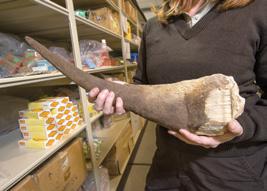
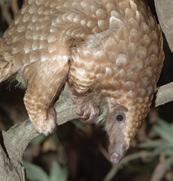
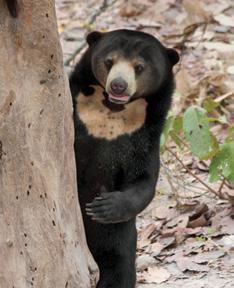
Clockwise: Rhino poaching for their horns is a grave threat to all five species; bear bile is considered a folk remedy; Asiatic black bears are hunted and “farmed” for their parts; male saigas are killed for their horns, used in folk remedies; pangolins are killed en masse for their scales.
SLOWING TRAFFIC
BY KARYL CARMIGNANI | STAFF WRITER
As San Diego Zoo Global strives to end extinction at home and abroad, one complex aspect is tackling illegal wildlife trade (IWT). The illegal and unsustainable trafficking of plants, animals, and their parts—including meat, ivory, horns, bones, teeth, fur, skin, organs, scales, wood, seeds, leaves, feathers, and shells—causes immeasurable harm to species and ecosystems. This multibillion-dollar trade is a major threat to biodiversity around the globe. Seen through the prism of culture, demographics, and belief systems, the “whys” of wildlife consumption are often spatially and socially varied, and ingrained. Behavioral and cultural change is needed to stop the demand, so that wildlife products are no longer valuable. Our field team collaborates with key partners to achieve shared conservation goals, and combined ecological and social science research data will help guide effective in-country communication to provide alternatives to using wildlife products.
For instance, in some areas of Asia, the consumption of wildlife parts has placed severe pressure on sun bear and Asiatic black bear populations. “Bear parts are used for a variety of reasons in the region,” explained Elizabeth Davis, researcher, SDZG Community Engagement, “like bear bile tonics for illnesses, bear claws for protection, bear leather for handbags, bear paw rice wine, and bear meat for food.” Additionally, men may consume bear parts socially, while women may consume them for post-partum “weakness.” Different conservation messaging is needed to appeal to these very different consumers. Collaborative human dimensions surveys are also underway to help decrease the drivers behind saiga poaching in Russia and giraffe meat consumption in Kenya. SDZG also provides refuge to surviving trafficked plants and animals confiscated at the US-Mexico border and international airports.
‘Tis the season to ring in holiday merriment at the San Diego Zoo! We’re transforming the Zoo with animal-shaped light sculptures and festive decorations, holiday treats and entertainment, and fun animal experiences. The holiday magic includes decorated trees, music, and visits with Santa— he’ll be here November 23 through 25, and December 1 and 2, 8 and 9, and 14 through 25.
Check sandiegozoo.org/ junglebells for all the holiday happenings!
Happy HappensHolidays
December 14 through January 6 (dark December 24) | Daily from 3 to 5 p.m.
Happy Holidays Happens again at Albert’s Restaurant! Enjoy select specialty cocktails, glasses of wine or beer for $7, and $8 appetizers. Stay for dinner and make it a special occasion.
Reservations are not required, but are recommended. Call 619-685-3200 to reserve your table.
RING IN THE HOLIDAYS!
JUNGLE BELLS AT THE ZOO, DECEMBER 14—JANUARY 6
Check everyone off your holiday shopping list with a membership to the San Diego Zoo and Safari Park.
They’ll go wild, and your gift will give back, supporting the animals in our care and conservation efforts worldwide.