Looking for something exciting and different for your Thanksgiving celebration this year? How about a feast fit for your “pride” at the San Diego Zoo or the Safari Park? Our chefs are cooking up the perfect meal to share with family and friends on Thanksgiving Day, November 26, 2015, featuring traditional favorites, new treats, and a fun and festive atmosphere!
At the Safari Park’s Hunte Nairobi Pavilion, a bountiful buffet offers a Thanksgiving feast with all the trimmings, as well as selections just for the kids.
Two seatings, at noon and 3 p.m.
Cost is $44.95 for adults and $18.95 for children ages 3 to 11, plus tax, gratuity, and Safari Park parking. Nonmembers add Safari Park admission.
Join us at Albert’s Restaurant and enjoy a three-course Thanksgiving feast. The menu boasts free-range turkey, hand-cut rib-eye steak, and vegetarian options, with traditional side dishes, salads, and decadent desserts.
Seating available from 11 a.m. to 3:30 p.m.
Cost is $40.95 for adults and $14.95 for children ages 3 to 11, plus tax and gratuity. Admission is required for nonmembers.
At the Zoo’s Treetops Banquet Room, a lavish buffet offers Thanksgiving favorites along with traditional side dishes, salads, artisan breads, and a dessert bar.
Continuous seating from 11:30 a.m. to 4 p.m.
Cost is $44.95 for adults and $18.95 for children ages 3 to 11, plus tax and gratuity. Admission is required for nonmembers.
CALL 619-718-3000.
inside november 2015
8 100 Years of the San Diego Zoo, Part 1
The San Diego Zoo has a remarkable and rich history, full of interesting people and amazing animals. This issue kicks off a series of articles telling the Zoo story by the decades—starting with how the Zoo began!
12 2016 Calendar Pages
In celebration of the San Diego Zoo’s centennial, meet 12 animals that helped make the Zoo world famous.
chairman’s note
IA Centennial Celebration
t began with a roar of a lion in 1916! And the San Diego Zoo has been making history ever since that fateful day. This 2016 calendar edition of ZOONOOZ kicks off our centennial celebration, a significant milestone for our organization. Looking back over our 100-year history, from where we started to where we are now, is an uplifting and humbling experience—one that gives us the opportunity to remember the many accomplishments of San Diego Zoo Global, celebrate where we are today, and look to our future endeavors with purpose and passion.
This is how our story begins: at the close of the 1915-1916 Panama-California Exposition in Balboa Park, a group of animals remained from a small exhibit, including Rex, a male lion. When Dr. Harry Wegeforth and his brother were driving past the park one day, they heard Rex roar. Dr. Harry had long harbored the dream of a zoo in San Diego, and that roar was his inspiration to start what has become a much-loved San Diego institution.
Perhaps Dr. Harry could not have imagined what he and several other like-minded San Diego individuals were creating when they put together a charter for the Zoological Society of San Diego on October 6, 1916. But his love of animals was a lifelong passion, and he wanted everyone to share his devotion and concern for the plight of our planet’s wildlife. He faced doubts and criticism at many points in those early days, yet he had a vision for the mesas and canyons—and Dr. Harry was confident he could make it happen. And he did. In the last 100 years, the Zoo has grown significantly and has become a world-leading organization—a testament to the man and his dream.
Over the last 100 years, San Diego Zoo Global has led the way in the conservation of animals and plants of all kinds, and we work in collaboration with other wildlife organizations around the world. From the rare collection of animals Dr. Harry gathered in the early days, San Diego Zoo Global has taken on some of the most difficult conservation challenges: pioneering work with lowland gorillas and Galápagos tortoises, breeding success with southern white and Indian rhinos, and reintroductions of Arabian oryx, Przewalski’s horses, and California condors. Today, we continue to work on conservation solutions for a wide variety of species: saving rhinos, elephants, giraffes, and lions from extinction; solving the puzzles of giant panda reproduction and reintroduction; and studying the causes of the decline in songbird and amphibian species worldwide, among so many other projects. And we have no intention of stopping there. The years ahead will reveal ever more vital conservation and wildlife work, and we will take on these challenges with the same dedication and energy that have always characterized our organization.
I think Dr. Harry would be amazed to witness how far we have come in turning his dreams into realities. As you visit us at the Zoo and the Safari Park during our centennial year, take a few moments to reflect upon your personal experiences and memories of the Zoo, the tremendous growth we have experienced over the years, the impact we are having on conservation around the world, and what the future holds for us. From our goal to end extinction to many other exciting projects, San Diego Zoo Global’s next 100 years promise to be most productive and impactful. As we celebrate this milestone year together, we extend to you a heartfelt thank you for your contributions and support, which will allow us to continue our story and carry the work of our founders still further into the future.
Robert B. Horsman Chairman
OFFICERS
Robert B. Horsman, Chairman
Sandra A. Brue, Vice Chairman
Judith A. Wheatley, Secretary
Steven G. Tappan, Treasurer
BOARD OF TRUSTEES M. Javade Chaudhri
Berit N. Durler
Richard B. Gulley
Clifford W. Hague
Linda Lowenstine, D.V.M., Ph.D.
George A. Ramirez
Patricia L. Roscoe
TRUSTEES EMERITI
Frank C. Alexander
Kurt Benirschke, M.D.
Thompson Fetter
Bill L. Fox
Frederick A. Frye, M.D.
George L. Gildred
Yvonne W. Larsen
John M. Thornton
Albert Eugene Trepte
Betty Jo F. Williams
James Lauth,
General Counsel
Douglas G. Myers, President/CEO
Charles L. Bieler, Executive Director Emeritus
THE FOUNDATION OF
OFFICERS
Murray H. Hutchison, Chair
Maryanne C. Pfister, Vice Chair
Susan N. McClellan, Secretary
Richard M. Hills, Treasurer
Mark A. Stuart, President
Robert B. Horsman, Ex officio
Douglas G. Myers, Ex officio
BOARD OF DIRECTORS
Christine L. Andrews
Joye D. Blount
Rick Bregman
Lisa S. Casey
Douglas Dawson
Berit N. Durler, Ex officio
U. Bertram Ellis, Jr.
Arthur E. Engel
Craig L. Grosvenor
Michael Hammes
Judith C. Harris
Michael E. Kassan
Susan B. Major
Michael D. McKinnon
Thomas Tull
Margie Warner
Ed Wilson
HAVE BREAKFAST WITH SANTA!
SAN DIEGO ZOO SAFARI PARK | SATURDAY, DECEMBER 12, 2015, 9 TO 11 A.M.
Santa Claus is coming—to the Safari Park! He’ll be here for breakfast and would love to see you and your family. Gather at the Park’s scenic Kilima Point for a bountiful breakfast buffet with the jolly ol’ elf himself.
Cost is $24.95 for adults, $15.95 for children ages 3 through 11, plus tax and Safari Park parking. Nonmembers add Safari Park admission.
Call 619-718-3000 to reserve your spot at Santa’s breakfast table! Visit sdzsafaripark.org/dining-events for more information and the menu.
through the lens
ZOONOOZ®
PUBLISHED SINCE 1926
NOVEMBER 2015
VOL. LXXXVIII–NO. 11
MANAGING EDITOR
KAREN E. WORLEY
ASSOCIATE EDITOR
PEGGY SCOTT
STAFF WRITERS
WENDY PERKINS
KARYL CARMIGNANI
COPY EDITOR
ESTON ELLIS
SAN DIEGO ZOO GLOBAL
PHOTOGRAPHER
KEN BOHN
DIGITAL IMAGING TECHNICIAN
TAMMY SPRATT
DESIGN AND PRODUCTION
DAMIEN LASATER
KERRI ABRAMS
HEIDI SCHMID-ROMERO • LISA BISSI
JENNIFER MACEWEN
PREPRESS AND PRINTING QUAD GRAPHICS
The Zoological Society of San Diego was founded in October 1916 by Harry M. Wegeforth, M.D., as a private, nonprofit corporation that now does business as San Diego Zoo Global.
The printed, hard-copy version of ZOONOOZ (ISSN 00445282) is currently published bimonthly (Nos. 1, 3, 5, 7, 9, and 11 of each year’s volume; the even-numbered issues of each volume are available in digital format only). Publisher is San Diego Zoo Global, at 2920 Zoo Drive, San Diego, CA 92103, 619-231-1515. Periodicals postage paid at San Diego, California, USA, and at additional mailing offices.
POSTMASTER: Send address changes to Membership Department, P.O. Box 120271, San Diego, CA 92112.
Copyright 2015 San Diego Zoo Global. All rights reserved. “ZOONOOZ” Reg. U.S. Pat. Office. All column and program titles are trademarks of San Diego Zoo Global. Annual Memberships: Dual $125, new; $110, renewal. Single $102, new; $90, renewal. Each membership includes unlimited entrance to the San Diego Zoo and the San Diego Zoo Safari Park.
Subscription to printed issues of ZOONOOZ $25 per year, $65 for 3 years. Foreign, including Canada and Mexico, $30 per year, $81 for 3 years. Contact Membership Department, P.O. Box 120271, San Diego, CA 92112.
As part of San Diego Zoo Global’s commitment to conservation, ZOONOOZ is printed on recycled paper that is 30% post-consumer waste, chlorine free, and is Forest Stewardship Council (FSC ) certified.
FSC® is not responsible for any calculations on saving resources by choosing this paper.
SAN DIEGO ZOO HOURS
November 1: 9 a.m. to 6 p.m.
November 2–30: 9 a.m. to 5 p.m.
December 1–10 and 24: 9 a.m. to 5 p.m.
December 11–23 and 25–31: 9 a.m. to 8 p.m.
SAN DIEGO ZOO SAFARI PARK HOURS
November 1–26 and 30: 9 a.m. to 5 p.m.
November 27–29: 9 a.m. to 6 p.m.
December 1–25: 9 a.m. to 5 p.m.
December 26–31: 9 a.m. to 6 p.m.
WEBSITE sandiegozoo.org
SAN DIEGO ZOO PHONE 619-231-1515
DIGITAL ZOONOOZ® issuu.com/sdzglobal
Giving Thanks— and Looking Ahead
It’s November, with San Diego’s sunny days and cool, crisp evenings, and a season of family celebrations just around the corner. We’re reveling in fall with a Late Harvest Winemaker Dinner at the Zoo’s Albert’s Restaurant, and our annual Thanksgiving feasts at the Zoo and the Safari Park. For those who would rather skip the cooking and the dishes, spending Thanksgiving with us means great food from our wonderful chefs, fun with family and friends, and an atmosphere that can’t be beat.
We have a lot to be thankful for this year, particularly thriving animals and a renewed and invigorated commitment to conservation—and to our vision of leading the fight to end extinction. The #Rally4Rhinos campaign in May was a great success—it brought much-needed international attention to the plight of rhinos, and it was a first step to our building a Rhino Rescue Center at the Safari Park to continue to bring aid to these species facing unprecedented threats in the wild.
This year has also been an exciting one in terms of construction and preparation at the Zoo for our upcoming centennial. The beautiful new additions to Wegeforth Bowl are now complete, and the film experience at the Bus Tour loading area is nearly finished. We are also remodeling the entry plaza at the Zoo, to open it up more and make way for some impressive new additions to be unveiled next year. Africa Rocks is also underway, and as part of that huge construction project, we have discontinued and removed the moving sidewalk that used to go from Asian Passage to Elephant Odyssey. In addition, some animals have been relocated for now. Just as Dr. Harry Wegeforth and Belle Benchley remarked in the past, the Zoo is a living and changing thing, always in progress!
And speaking of our history, a celebration of the San Diego Zoo’s centennial is the theme of the 2016 ZOONOOZ calendar in this issue. I hope you enjoy the look back at some of the memorable animals that have been an important part of our history, and I invite you to join us for all the festivities we have planned next year to celebrate our 100 thbirthday! Thank you for all you have done to keep San Diego Zoo Global successful and vibrant for a century—and for your support as we head into the future.
5, 6, 11-25 Visits with Santa at Santa’s Igloo—Zoo
6 Orchid Odyssey—Zoo
11 Member Preview of Jungle Bells presented by California Coast Credit Union—Zoo 11, 12, 18, 19 KinderNights—Zoo
12 Jungle Bells presented by California Coast Credit Union begins (through January 3)—Zoo
12 Breakfast with Santa—Park
18 Plant Day and Orchid Odyssey—Zoo
31 Albert’s Mildly Wild New Year’s Eve Dinner—Zoo
100 Years of the
By Karen E. Worley MANAGING EDITOR
The San Diego Zoo has a long, grand, and remarkable history. It is rich in stories of extraordinary people and animals, significant milestones, and the challenges and triumphs of a San Diego icon 100 years in the making. In celebration of our centennial in 2016, we’d like to share the San Diego Zoo story with you. Starting with this centennial calendar edition of ZOONOOZ and continuing with the 2016 issues, we’ll take a look back at the San Diego Zoo’s history, divided into 10 decades. It is a rollicking journey and a memorable tale—one for the ages!
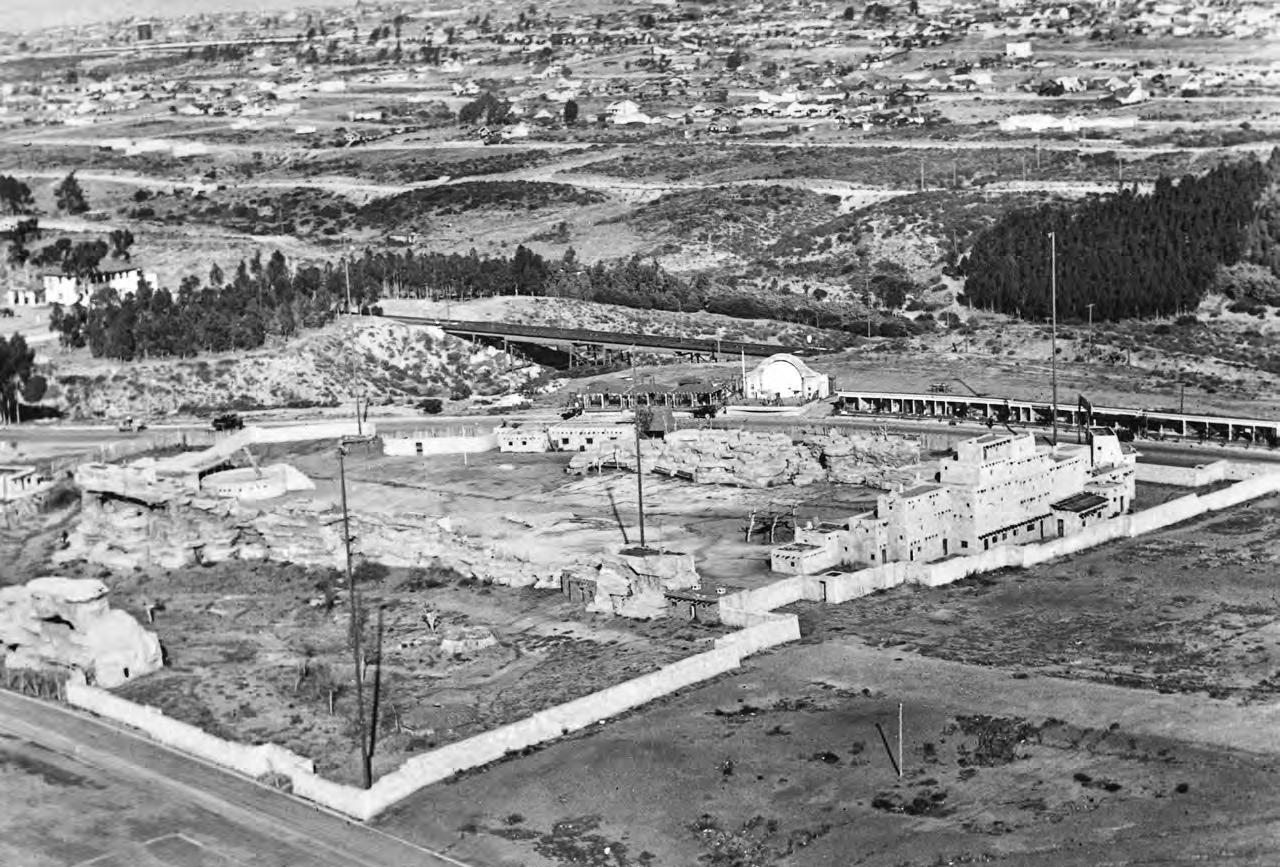
This photo shows part of what remained of the Panama-California Exposition in 1916, where the Zoo now stands. In the upper right is the row of animal cages that Dr. Harry took over to start the Zoo.
Photos by SDZG
San Diego Zoo
PART 1: BEGINNINGS, 1916-1926
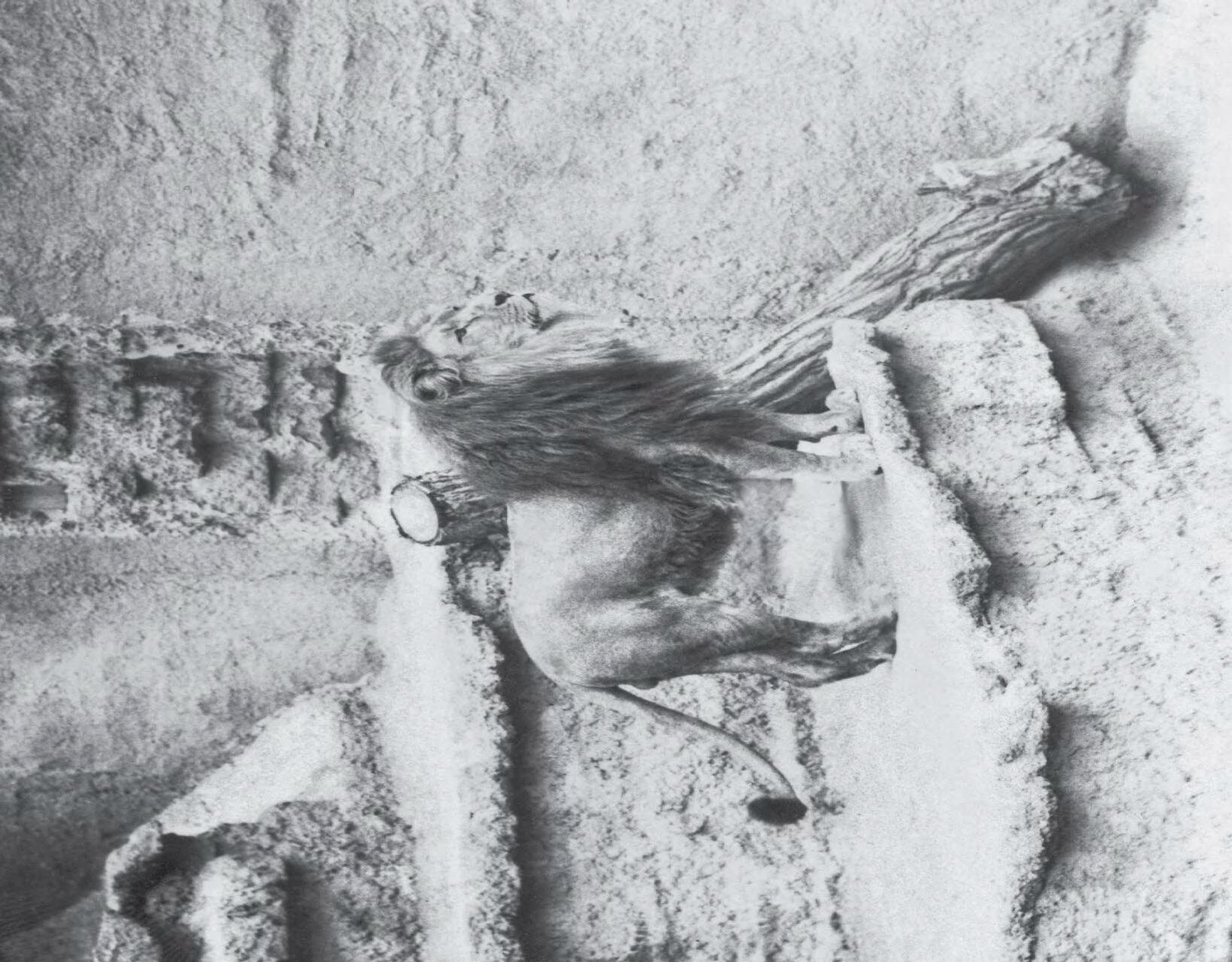
Longtime members and supporters know that the San Diego Zoo really did begin with a roar. As the story goes, on September 16, 1916, Dr. Harry Wegeforth, a local physician, was driving back to his office after performing surgery, along with his brother, Paul. When they drove past Balboa Park, they heard a lion roaring among animals left over from the 1915-1916 Panama-California Exposition. Dr. Harry turned to his brother and said, half jokingly and half wishfully: “Wouldn’t it be splendid if San Diego had a zoo! You know…I think I’ll start one.”
And that’s exactly what he did. On October 2, 1916, Dr. Harry and his brother met with three local colleagues—Dr. Fred Baker, Dr. Joseph Thompson, and naturalist Frank Stephens—to form the Zoological Society of San Diego. The articles of incorporation were approved by the City of San Diego on December 11, 1916, and by the end of the year, the new society had 120 members. However, at the time, the majority of the San Diego community thought Dr. Harry was a fool, sure that the enterprise would fail. The Zoo was considered a joke, and people referred to it as “Wegeforth’s Folly.” Nonetheless, Dr. Harry was determined and brought his considerable energy and enthusiasm to the project. He knew it was a gamble, but more than anything he loved a challenge, and he knew he could make it happen.
WHERE TO START?
But all he had to begin with were the animals from the Panama-California Exposition. At the close of the exposition, the company that had originally been in charge of the animal exhibits had left, with just a few caretakers remaining. The rag-tag collection consisted of a row of cages with wolves, coyotes, bears, monkeys, lions, and a few other small species, plus groups of bison, elk, and deer in Balboa Park. The City of San Diego
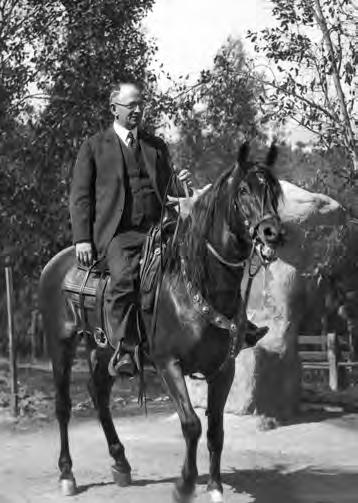
Above: Dr. Harry Wegeforth planned out the Zoo by riding his Arabian stallion up and down the canyons and mesas.
was reluctantly in charge of the animals, but city managers were looking for another option. They were undoubtedly relieved when Dr. Harry stepped up in 1917 and said he would assume responsibility for the animals as the beginning of the San Diego Zoo.
For the next few years, Dr. Harry spent every spare moment planning the Zoo. He rode his Arabian stallion La Sed up and down the brush-covered mesas and canyons, laying out in his mind where the exhibits would go. He also planted a number of seeds. He’d poke his sharp pointed cane into the ground, drop a seed in, and stomp it with his foot, saying “If half these things grow, we’ll have a great place.” In between appointments and surgeries at his medical offices, he was usually found gulping down a sandwich while poring over sketches and plans. He was also endlessly persistent—and vocal—in lobbying the City Council to permanently designate land in Balboa Park for the Zoo. It took a lot of persuading, but in 1921 they finally relented and granted the land for the Zoo.
BUILDING A DREAM
One of Dr. Harry’s biggest supporters and most generous benefactors was Ellen Browning Scripps. Despite continued skepticism from San Diego community leaders and the conflict with city officials that Dr. Harry faced, she believed in him and what he wanted to achieve. When the land was finally granted in 1921, she funded the fence that marked the designated boundaries of the Zoo for the first time. Having a closed boundary made it possible to charge 10 cents admission to enter the Zoo—vital revenue that could be used for building projects and acquiring animals.
From the start, Dr. Harry wanted the San Diego Zoo to be innovative. He had heard about a new type of exhibit that was being used in German zoos: open-air grottos instead of cages with bars. He decided to design some of the fledgling San Diego Zoo’s
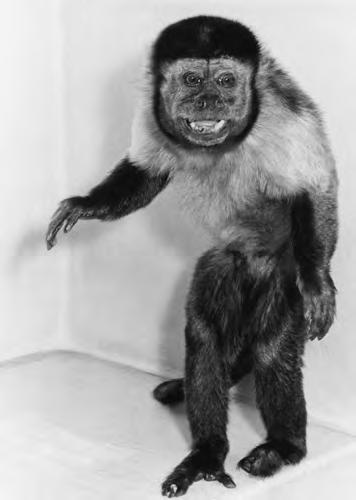
Below: Irish the capuchin monkey came to the Zoo in 1927 and was a favorite with guests for more than 30 years. PART 1
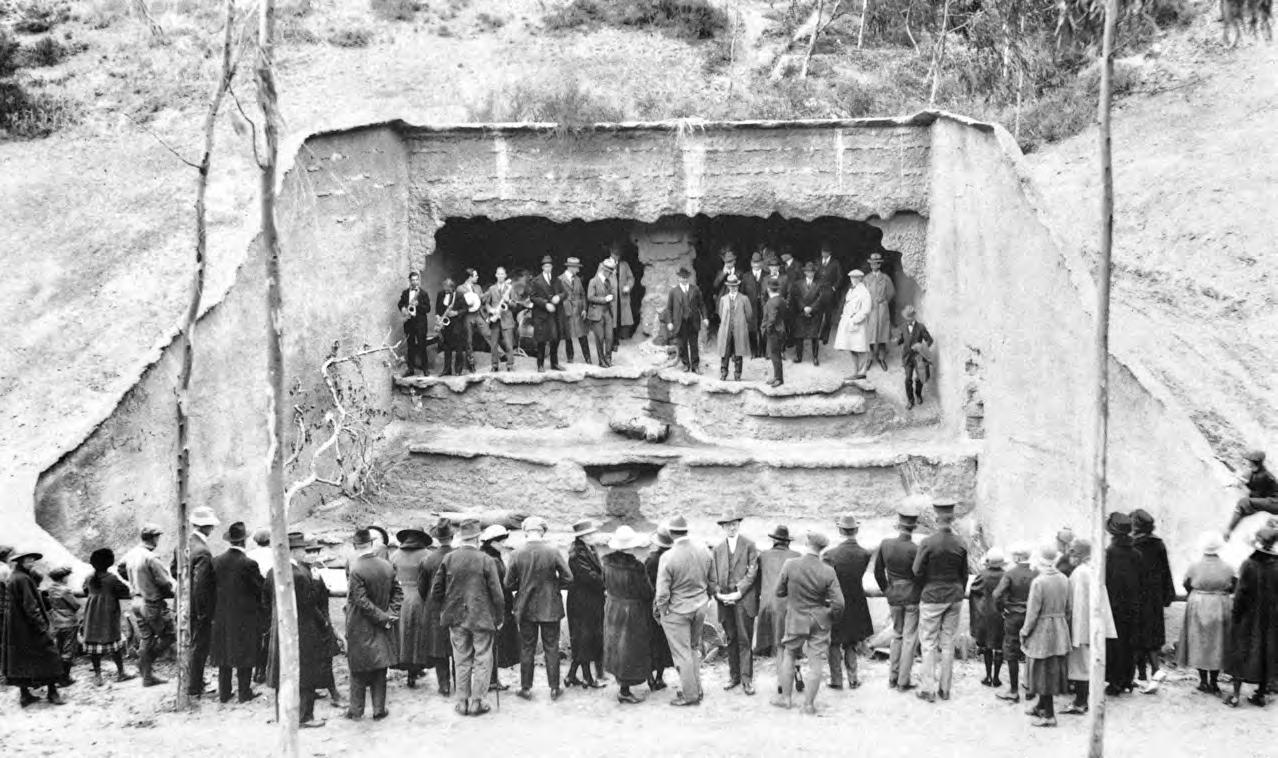
The dedication in 1923 of the Zoo’s first open-air grotto lion exhibit drew quite a crowd. This type of exhibit was a daring innovation at the time, and curious San Diegans wanted to see how Dr. Harry Wegeforth had built it. There was even musical accompaniment—if you look closely in the upper left, a group is playing saxophones and a banjo!
exhibits in this style. The bear exhibit he and the meager staff built in 1920 was the first one in a US zoo. The public had not seen open exhibits like this, and didn’t realize there was a moat separating the animals from the public area. The bears were on the same level, and from a distance, it looked like they could just walk out. For many months, people would regularly run to the front office, exclaiming, “The bears have escaped!” They had to be reassured that the bears really couldn’t get out.
The Zoo’s second grotto-style exhibit was an even more elaborate construction built in 1923, for lions Prince, Julia, and Sara—the first time such an exhibit had been built for large carnivores. People at other zoos said it couldn’t be done, that it wasn’t safe. But Dr. Harry researched how high and how far lions could leap, and made the walls and protective moat higher and farther than that—and it worked. Once again, his friend Ellen Browning Scripps stepped up and provided the funds to make it possible.
A CHALLENGE OF LARGE PROPORTIONS
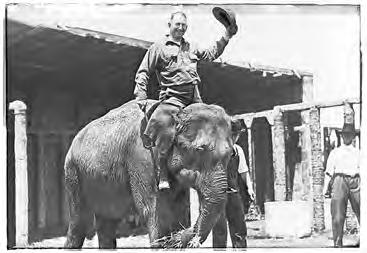
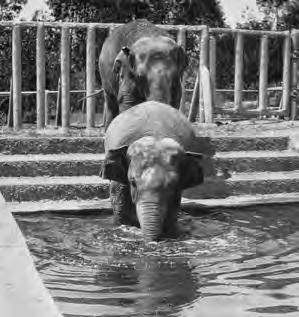
One of Dr. Harry’s early adventures began with the arrival of two Asian elephants for the new Zoo in 1923. They came to San Diego by train, and Dr. Harry and head keeper Harry Edwards went to the station to meet them. Despite having caused a ruckus at the start of the journey, the two elephants, named Empress and Queenie, arrived safely. They were led out of the train car, but stopped and refused to move any farther, apparently having had enough of traveling.
Then Dr. Harry realized that no one had arranged for a way to get them to the Zoo. There were no trucks available that were big enough to carry them. It was 9 o’clock at night. The two Zoo men found themselves in quite a predicament. Dr. Harry laughed and said to Edwards, “Harry, did you ever ride an elephant?” Edwards rather boldly responded, “No, but I can.”
Dr. Harry figured the elephants were used to being ridden. He took a chance, and with a boost, he scrambled up onto Em-
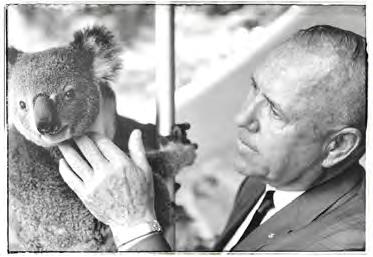
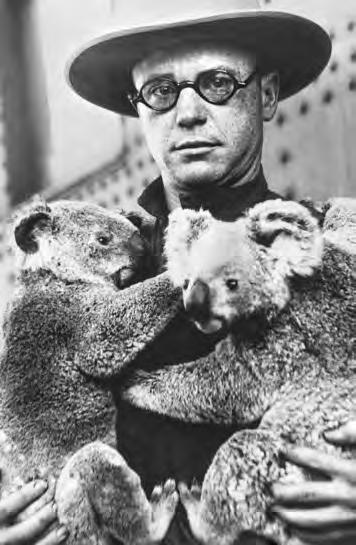
Curator Richard Addison says hello to Snugglepot and Cuddlepie. The arrival of the first koalas in 1925 was a major coup for the fledgling San Diego Zoo.
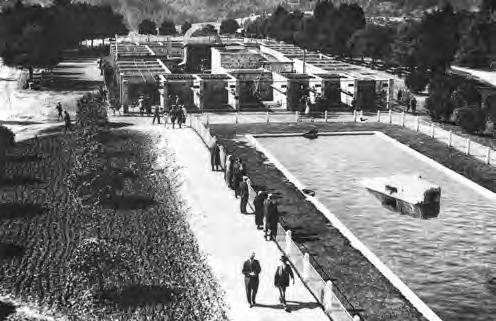
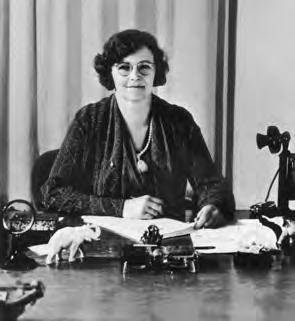
From left: Empress and Queenie, the Zoo’s first elephants, made quite a splash in 1923. Upon entering the Zoo in the 1930s, visitors were greeted with the Mirror Pool and primate exhibits—plus the remains of an orange grove at the left. When Mrs. Belle Benchley took a temporary bookkeeper job in 1925, little did she know that she would become one of the San Diego Zoo’s pioneering leaders.
press’s shoulders—and she didn’t protest. Edwards then got up on Queenie, and slowly but surely, they guided the elephants out of the train station. The elephants proceeded through the streets of downtown with the men on their shoulders, up Fourth Street to Laurel, and finally through the Zoo gates. You can imagine the startled and amazed looks they got along the way!
FUZZY AND FAMOUS
In 1925, a momentous event took place that gave the little San Diego Zoo international attention: the arrival of koalas. They came as part of a shipment with many other Australian animals—a first for the United States. This feat was the culmination of more than a year of phone discussions and negotiations with the directors of the Taronga Zoo in Sydney. It required a long sea voyage, which was undertaken by then San Diego Zoo director Tom Faulconer.
His adventure included cajoling displeased ship captains; raging storms and seasick animals; and even an alligator that got loose and took a stroll on deck, much to the dismay of the terrified passengers!
Faulconer made it to Sydney, and enjoyed a respite there before it was time to load up the Australian animals and return. But the animals he had wanted the most weren’t there: the koalas. The Australian government had not granted the permits to remove this species from the country. Faulconer said later, “I just decided to swallow my disappointment and be grateful for all the other amazing animals I was bringing back to San Diego.” Then at the last minute, when the ship was getting ready to leave, a
small truck came racing down to the harbor, beeping its horn. On its side was a sign that read “Koalas from the children of Sydney for the children of San Diego.” The permits had been granted at the last minute, and the San Diego Zoo was getting koalas!
The koalas were named Snugglepot and Cuddlepie, after the characters in an Australian children’s book. They were a huge hit at the San Diego Zoo, of course, and people came from all over to marvel at these adorable marsupials. They were also the subjects of newspaper and radio reports across the country, bringing attention to the fledgling San Diego Zoo.
HE COULDN’T DO WITHOUT HER
There was another event that happened in 1925, one that seemed insignificant at the time but would end up impacting the entire future of the Zoo: a temporary bookkeeper was hired to fill in for someone on vacation. Her name was Mrs. Belle Benchley. From the start, she tackled much more than just the books. She researched and answered animal questions on the phone, found materials for keepers and solved problems, handled Dr. Harry’s extensive correspondence, and took over his public speaking engagements. She stated later that she was very nervous at first, and didn’t know much about animals, but she was determined to help out wherever she was needed. Soon, she was too busy to be anxious anymore. She was also tremendously capable, and within a year, she had become Dr. Harry’s right hand. He often said he didn’t know what he would do without her. Needless to say, her position was no longer temporary.
Join Us for Our Community Celebration
The San Diego Zoo would not be what it is today without the enthusiastic, loyal, and heartfelt support of our community throughout the years. We invite you—and all of San Diego—to join us next summer in Balboa Park for a joyous, colorful, and rocking party to celebrate our 100 th birthday! The party is free for everyone, and there will be some spectacular surprises, along with music, animals, and a roaring good time for all. Stay posted for further details about the date and time, which will be announced in ZOONOOZ and on our website. In the meantime, visit the beautiful centennial website at sandiegozoo100.org to discover more fun stories about the Zoo’s history!
NO JOKE AFTER ALL
When the Zoo’s first decade came to a close, it was already gaining international acclaim, and attendance was on the rise. School groups were coming to the Zoo for educational field trips, and Dr. Harry and Belle Benchley were hard at work expanding the species in the collection, purchasing and trading for animals with other US zoos and even overseas. San Diego was beginning to realize that “Wegeforth’s Folly” might just become successful after all. The San Diego Zoo was on its way. n
To be continued, in the January 2016 issue— Part 2: Tenacity, 1927-1936
Prince | Lion
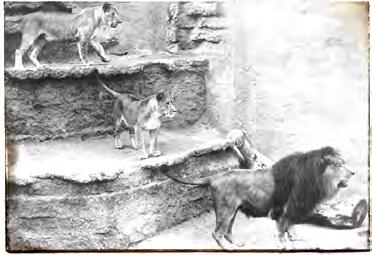
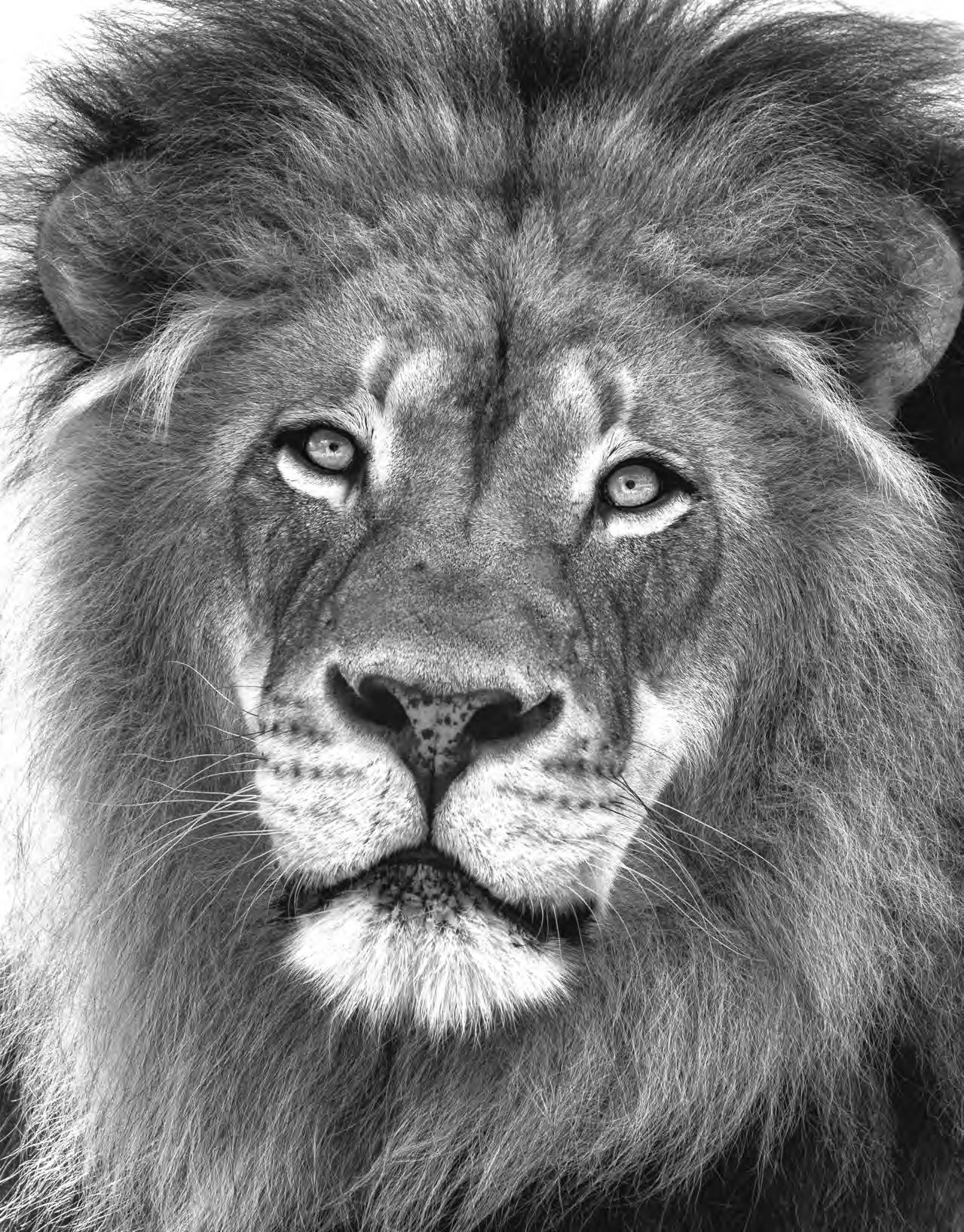
The San Diego Zoo really did begin with a roar! When Zoo founder Dr. Harry Wegeforth heard a lion roaring from what remained of the Panama-California Exposition, it gave him the idea to start the San Diego Zoo in 1916. In 1923, the Zoo opened the first open-air grotto exhibits in a US zoo, and majestic Prince, the Zoo’s “mane man” at that time, reigned with his pride in the lion exhibit. He sired many cubs over the years, and despite his imposing appearance, he was a doting father. He let his cubs pounce on his tail and crawl over him, and he was careful not to disturb them when they fell asleep draped across his huge paws.
| Koala
Snugglepot & Cuddlepie
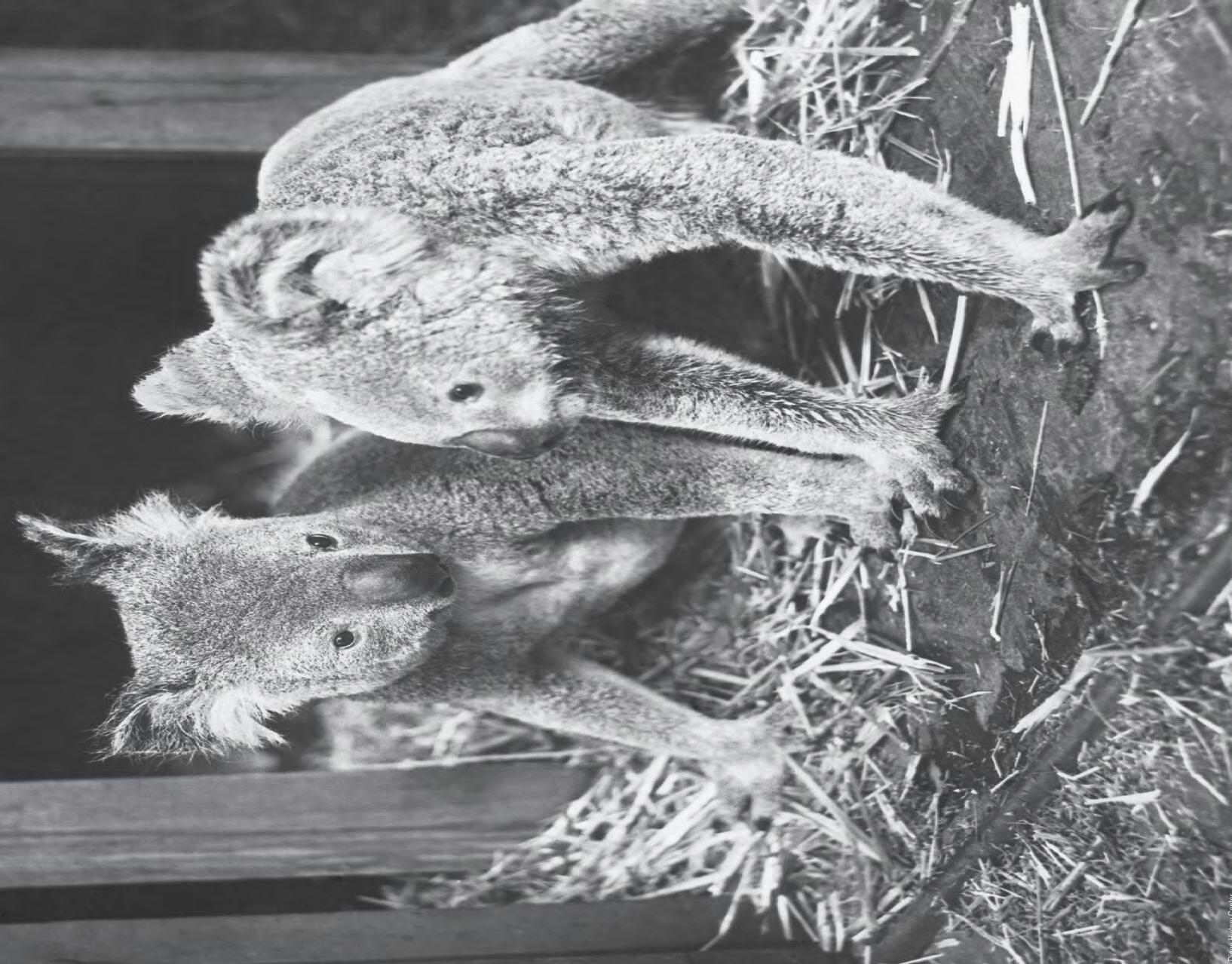
The Zoo’s first koalas were named Snugglepot and Cuddlepie, after characters in a children’s story. They arrived in 1925, as a gift “From the children of Sydney to the children of San Diego.” They were the first koalas ever in the US, a huge accomplishment for the young San Diego Zoo. The koalas sailed aboard ship from Australia with then-Zoo director Tom Faulconer and many other Australian species bound for the Zoo. The koalas charmed the passengers, and their arrival in San Diego was a huge sensation, covered in newspapers and on the radio nationwide.
FEBRUARY
| Hippo
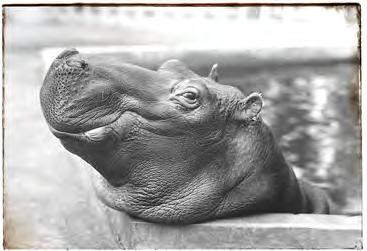
Puddles
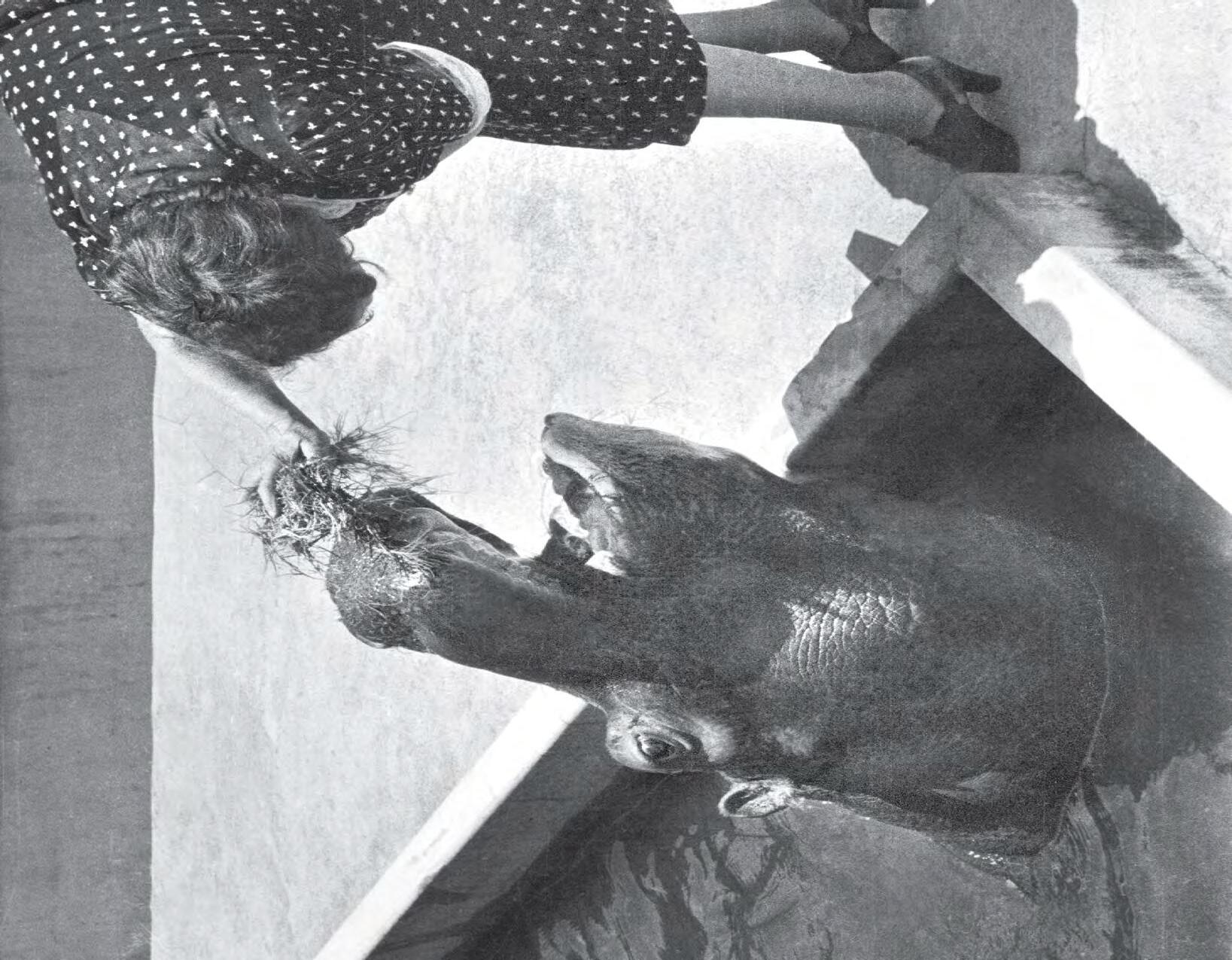
Puddles was the Zoo’s first hippo, and he was a character. From the day he arrived in 1936, he let everyone know he was boss. But he also loved to show off for visitors, opening his huge mouth wide to hear the gasps and exclamations. He did somersaults in his pool, and sometimes he rolled on the ground, waving his stocky legs in the air like a puppy. He had a special hippo house and was a favorite among Zoo visitors and staff—director Belle Benchley stopped by to visit with him often, giving him handfuls of grass as a treat. He was a big draw and helped the Zoo’s attendance during the war years.
| Polar Bear
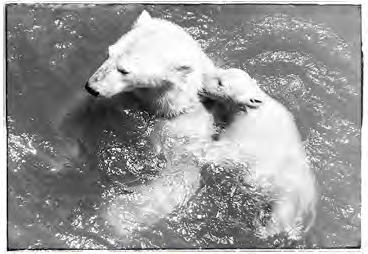
Taku
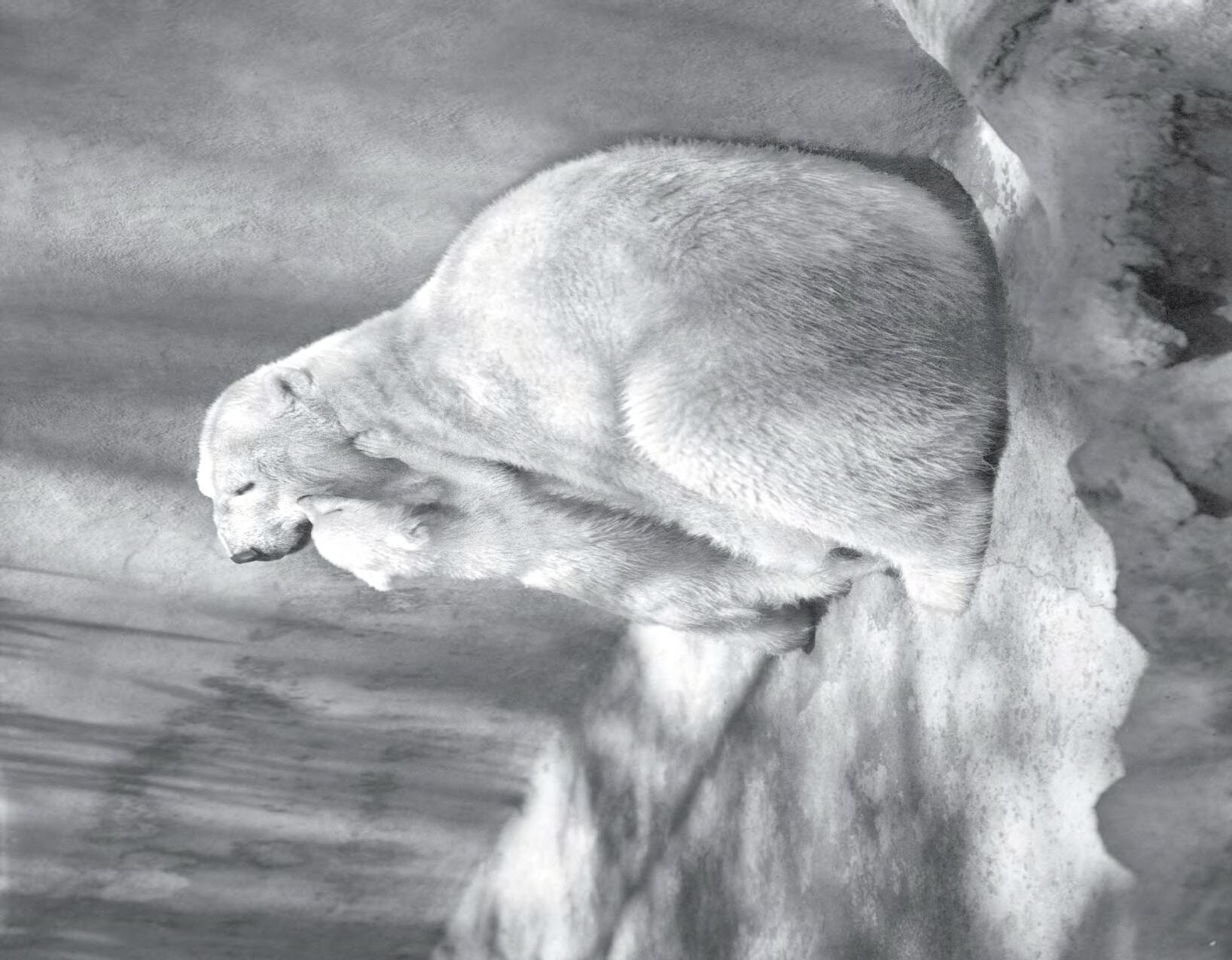
In December 1941, the San Diego Zoo welcomed a tiny cub that would become quite famous: Taku, the first polar bear cub born at the Zoo. When he and his mother first went out into the main exhibit after being in the cubbing den, Taku was wary of the new surroundings. His mom loved the pool and immediately slid in for a swim—which Taku apparently thought was very dangerous. He ran up and down along the side trying to convince her to come out! Eventually Taku discovered swimming himself, and he became a master diver. He would jump off the highest point on the pool’s rim and try to land on his mom to dunk her. He was popular with visitors, and thousands of photographs were taken of him, including for the newspapers.
APRIL
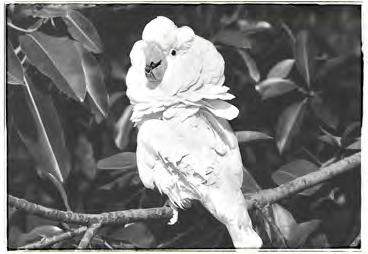
| Salmon-crested Cockatoo
King Tut
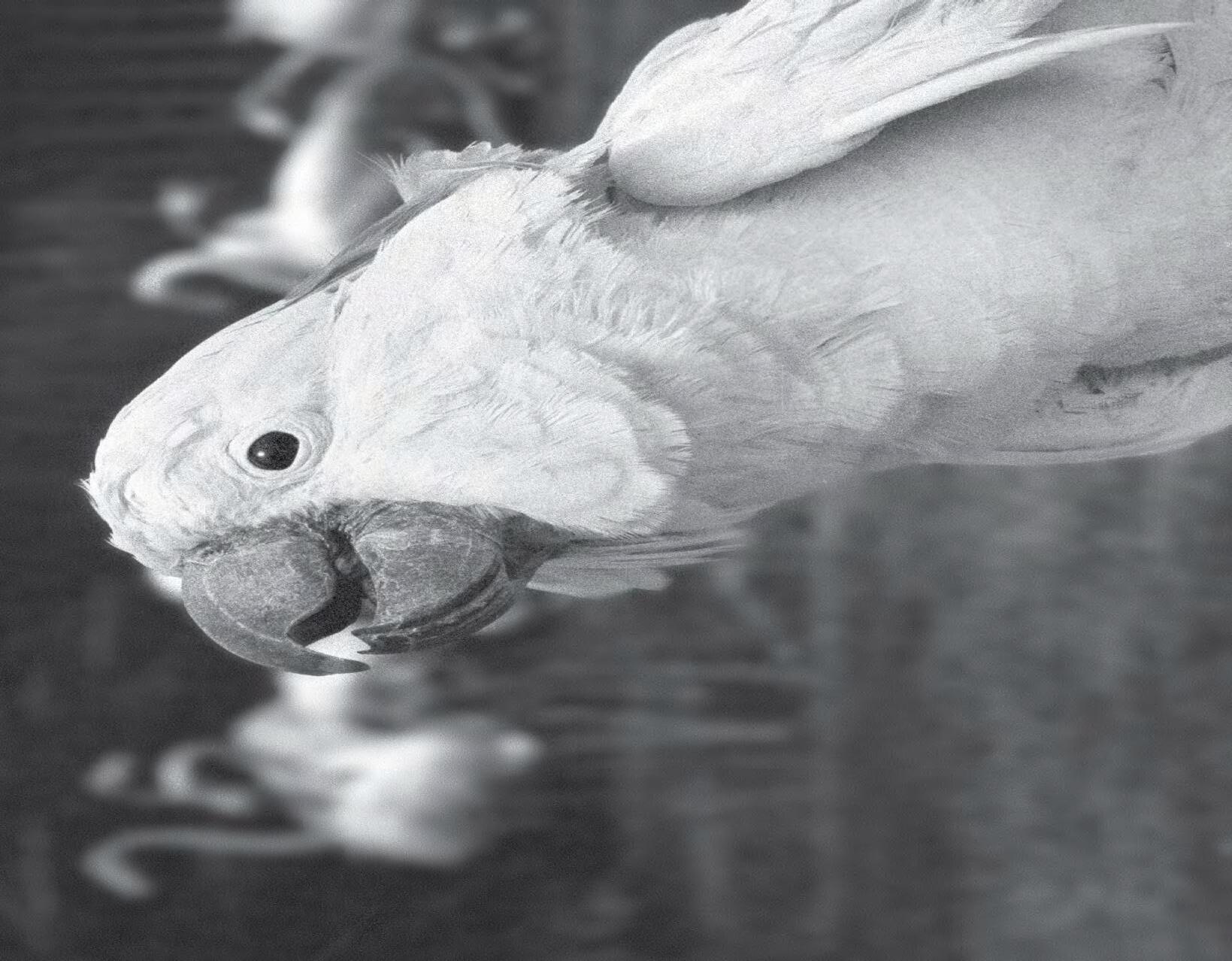
King Tut originally came to the Zoo in 1925, brought from the East Indies by adventurer and early Zoo director Frank Buck. At first, Tut’s time was divided between the Zoo, where he delighted visitors with his vocal and physical antics, and starring in various motion picture and theatrical productions—including a role in fan dancer Sally Rand’s famous act. King Tut was a very friendly bird and loved people, and in 1951, he took up his longtime spot in front of Flamingo Lagoon as the Zoo’s official greeter. Millions of people stopped to say hello to Tut during his long life at the Zoo, and he’d respond with a whistle or little dance to greet them in return!
Alvila | Gorilla
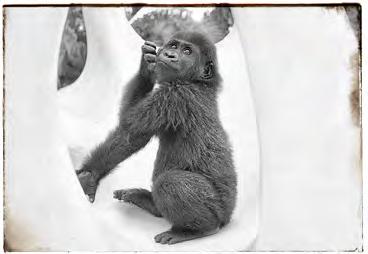
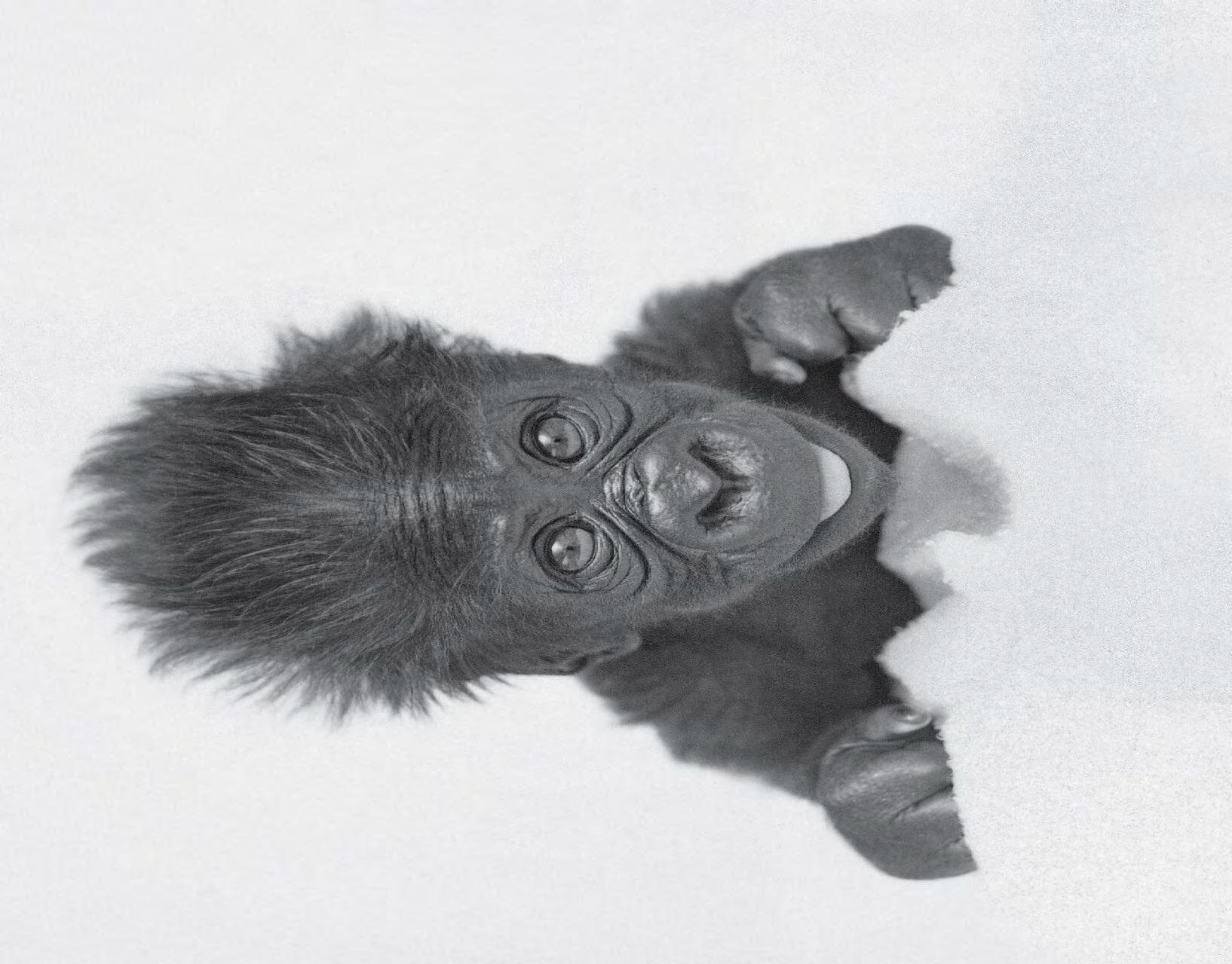
When Alvila was born in 1965, it was huge news. She was the first gorilla born at the San Diego Zoo and only the seventh surviving gorilla born in any zoo worldwide. She was raised by keepers in the Children’s Zoo nursery, and visitors flocked to see the bright-eyed baby ape. Her name was a combination of her father’s name, Albert, and her mother’s, Vila. She was part of the Zoo’s Gorilla Tropics troop for many years, and had four offspring. She also became a surrogate mother to other youngsters, including Imani, who now lives at the Safari Park.
Tortoise
| Galápagos
Diego
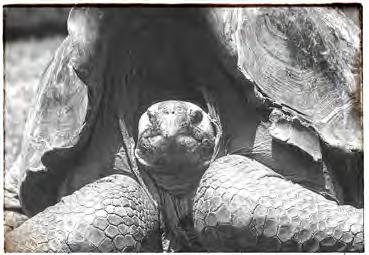
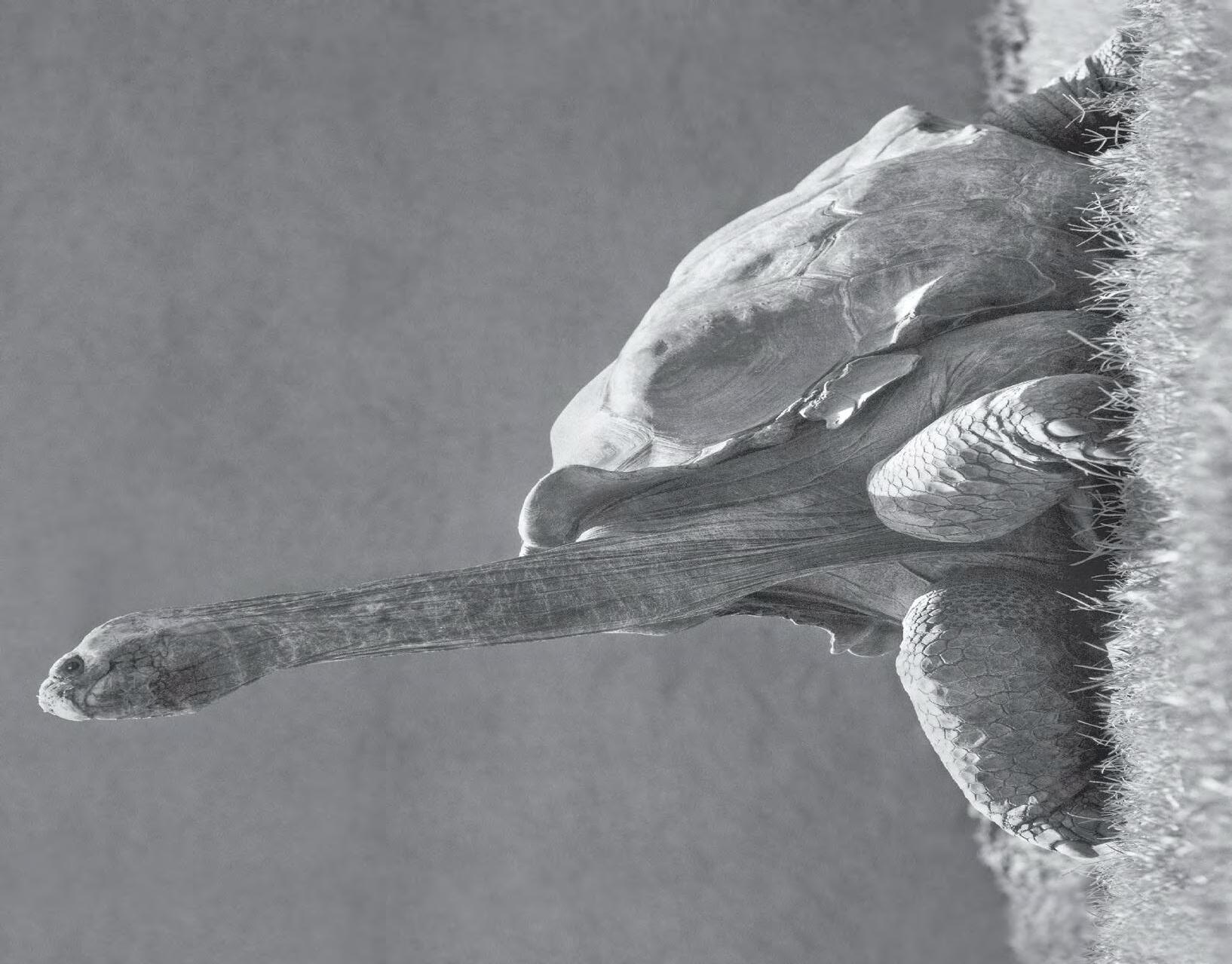
Back in 1933, a group of Galápagos tortoises came to the Zoo, including Diego, an adult male from Española Island. By the 1960s, the tortoises of Española Island were critically endangered, and the remaining 2 males and 12 females from the wild were brought to the Charles Darwin Research Station for protection. Because Diego could make a significant contribution to saving his species, the San Diego Zoo sent him to the Galápagos to join his fellow tortoises in 1977. Diego soon proved his worth, siring several clutches of baby tortoises. Since then, you could say he has dedicated himself to the survival of his species: estimates indicate he has about 1,700 offspring, and he’s still going strong at about 130 years old!
JULY
Carol | Asian Elephant
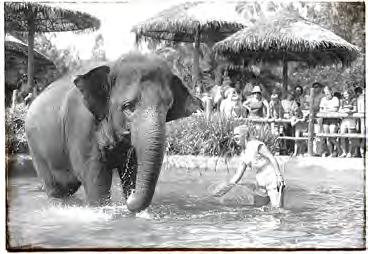
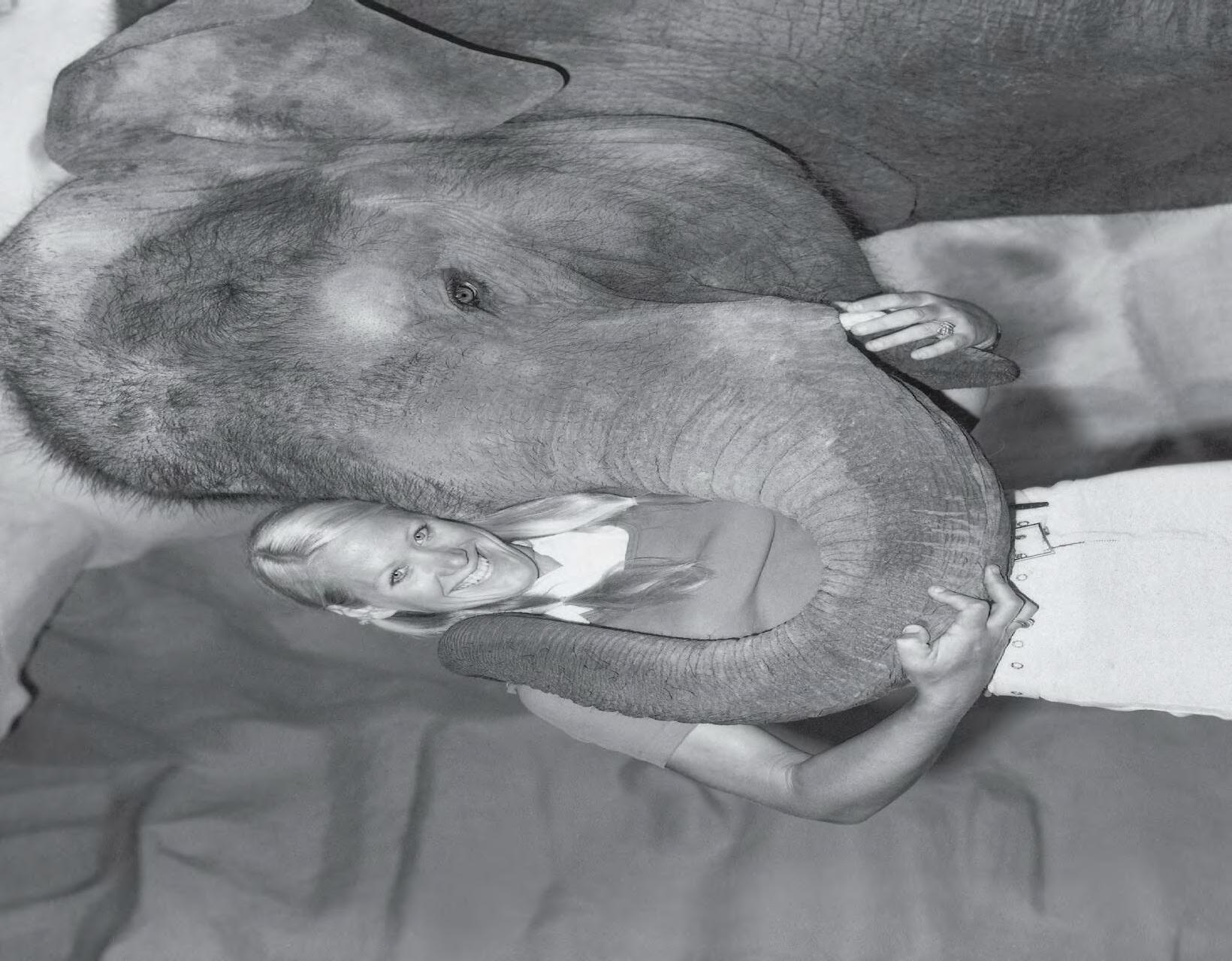
Carol arrived in San Diego in 1968 as a one-year-old calf, and she grew up in the Children’s Zoo. One of her keepers was the young Joan Embery, and the two formed a strong bond. Joan taught Carol to paint by holding a brush in her trunk, and the two became famous when they made appearances on The Tonight Show
Starring Johnny Carson. In 1978, Carol joined the herd of Asian elephants at the Safari Park. She and Joan continued to do presentations for delighted visitors for several years, and Carol was much loved by visitors and staff alike throughout her life.
AUGUST
| California Condor
Sisquoc
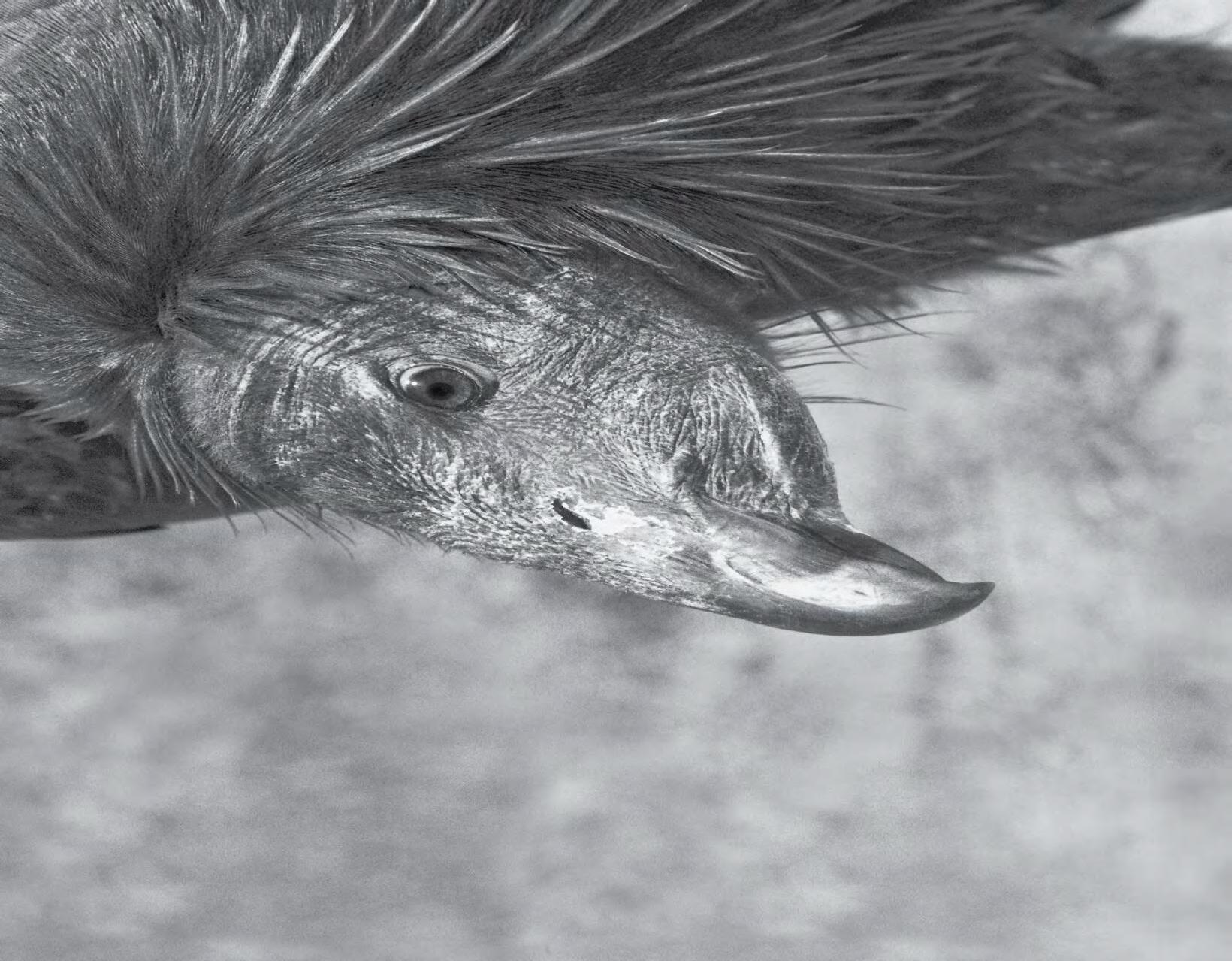
The California Condor Recovery Program—and bird enthusiasts everywhere—were overjoyed in 1983 when the first California condor in a zoo hatched. The egg had been collected from a wild nest and was carefully incubated and cared for at the San Diego Zoo Avian Propagation Center. When the chick began to pip, cracking the eggshell, the condor keepers gingerly helped peel away bits of shell, and the chick made his entrance. He was named Sisquoc, in honor of the Sisquoc Condor Sanctuary area of California. He then went to the Safari Park’s “condorminium” facility, where he grew up to help save his species. He has 18 offspring—including the most recent, Antiki, as well as Saticoy and Cuyamaca, who have both been released into native habitat and are among more than 160 California condors now flying in the wild.
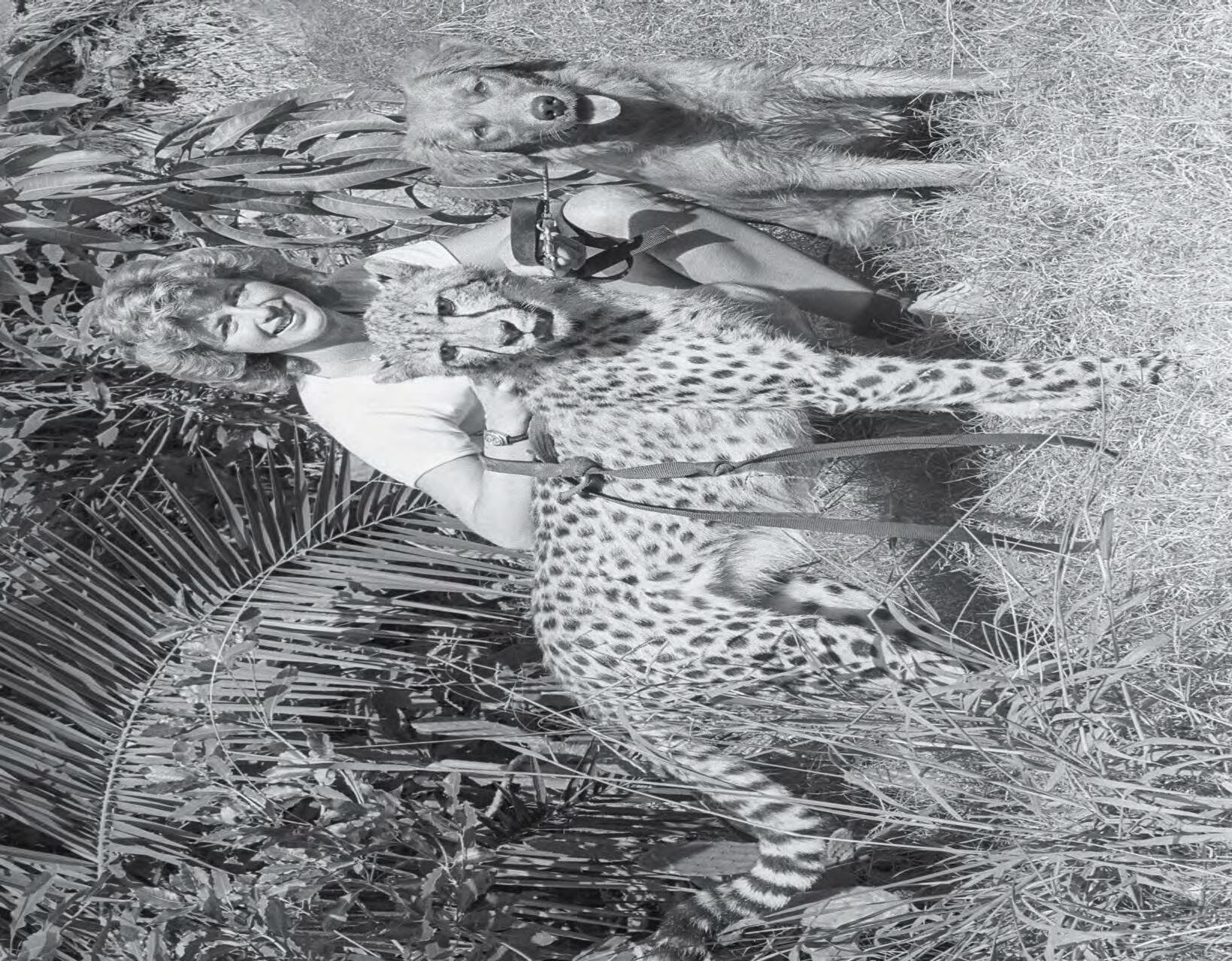
| Cheetah & Dog
Arusha & Anna
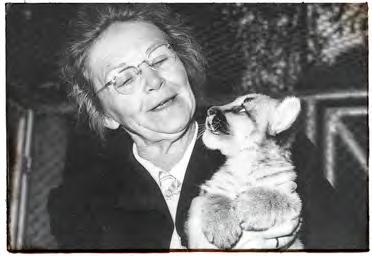
Arusha the cheetah was hand raised, and keepers felt he needed a companion. But another cheetah cub wasn’t available, so they decided to try a novel approach and find a dog companion for him. When Arusha first met Anna the golden retriever, he hissed and swatted at her. But Anna stood up for herself, and soon she was in charge. The two became best friends, playing, sleeping, and going everywhere together, and Anna helped Arusha feel comfortable in new situations. As animal ambassadors, they met thousands of Zoo visitors and celebrities and made numerous television appearances with their trainers, like Kathy Marmack, seen here. The friendship between this seemingly unlikely pair started a tradition of cheetah and dog pairs at the Zoo and the Park that continues today.
OCTOBER
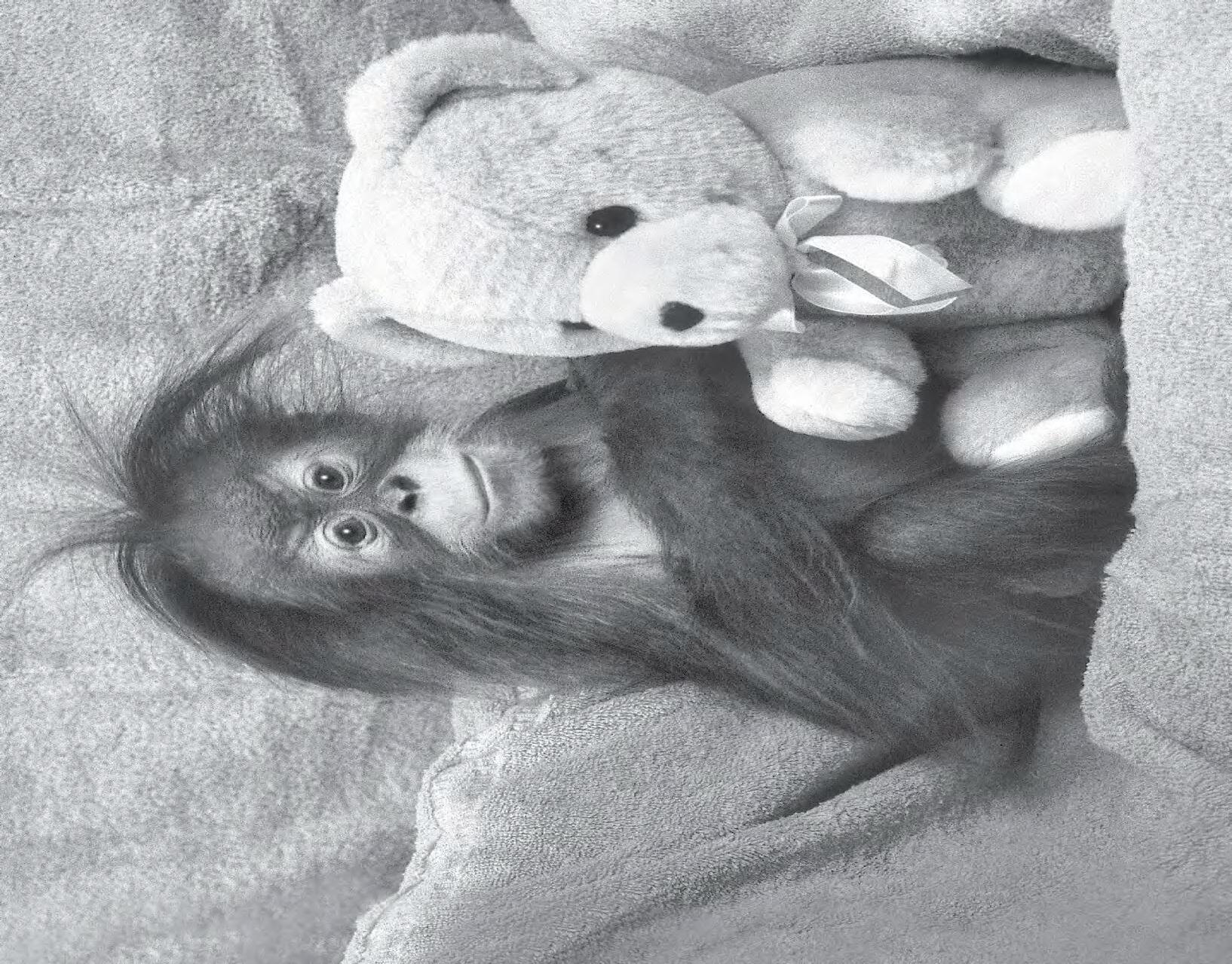
Karen | Orangutan
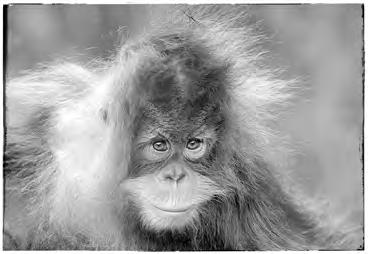
Zoo staff and visitors alike were thrilled when adorable Karen the orangutan was born. But soon, keepers and veterinarians noted that she wasn’t growing the way she should. After tests, they discovered that Karen had a hole in her heart, a birth defect that also affects human children. A remarkable team of specialists came together, including veterinary surgeons and human pediatric surgeons, to perform open-heart surgery on Karen—the first time this had ever been done on an ape. The extraordinary procedure was a success, and Karen recovered. People from around the world sent her get-well cards. She grew up strong and healthy, and is still at the Zoo today!
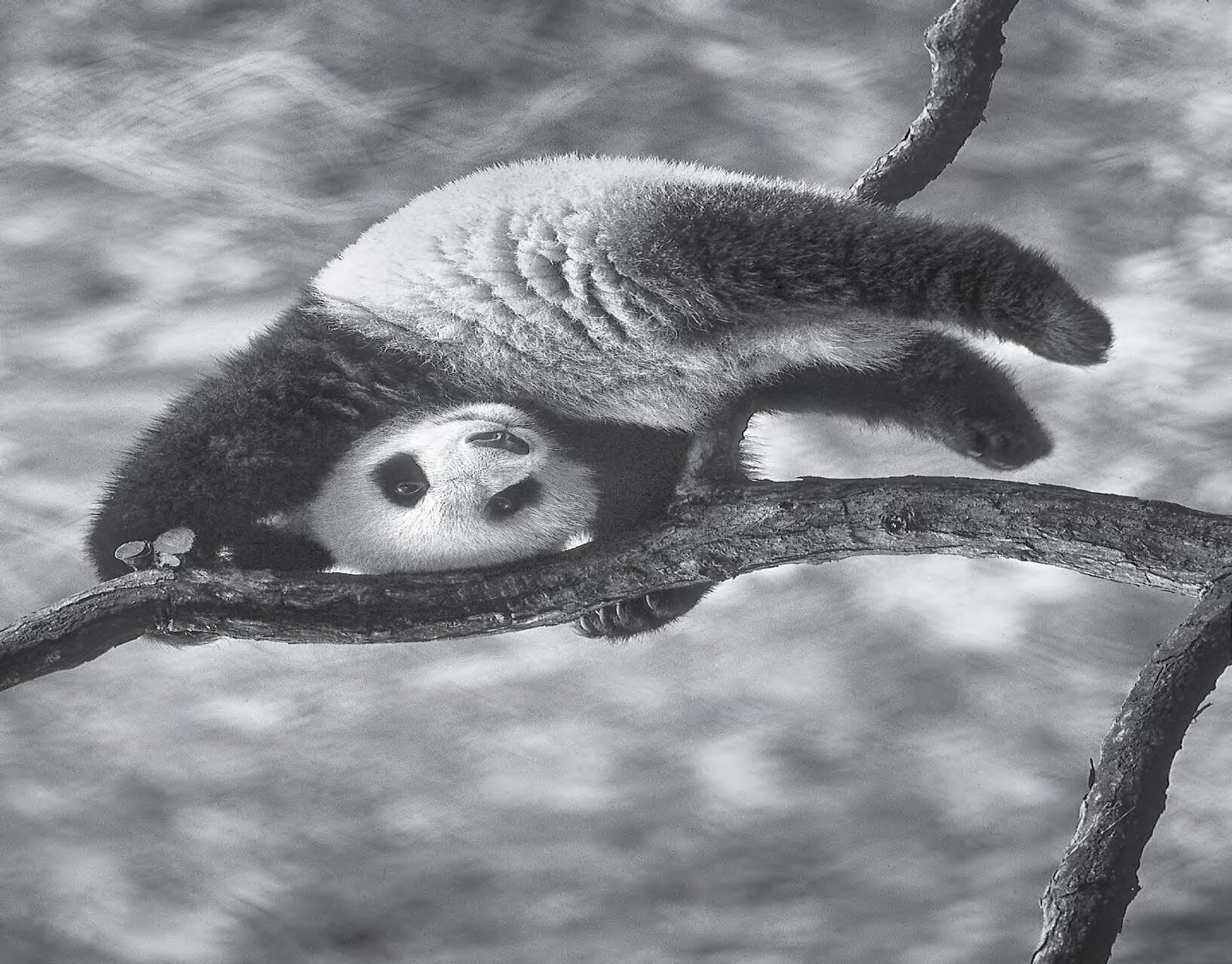
Hua Mei | Panda
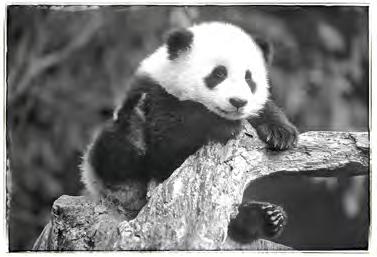
Researchers had been on birth watch 24/7 for a couple of weeks when the report came in that it looked like giant panda Bai Yun was in labor. It was standing room only in the observation room, as staff watched with bated breath via remote camera. When Bai Yun scooped up her tiny white baby and it squawked loudly, everyone cheered. Hua Mei, the Zoo’s first panda cub, had arrived. Hua Mei grew into a robust and rambunctious cub whose every move was followed by panda fans, in person at the Zoo and via Panda Cam online. Her name means “China USA,” to honor the collaboration between the two countries to save pandas. Hua Mei has made a significant contribution to saving her species: after returning to China, she has had 11 healthy cubs of her own, including 3 sets of twins!
DECEMBER 2016
with discounted drinks and appetizers from 3 to 5 p.m daily. Join us for plenty of good cheer—we’ll be there with bells on!
Awesome Aussie Adventure Conrad Prebys Australian Outback:
By Mary Sekulovich SENIOR EDITOR, DEVELOPMENT DEPARTMENT
Photos by Ken Bohn SDZG PHOTOGRAPHER
every exhibit at the Zoo and Safari Park has its fans—the members and other visitors who return again and again to stroll by and visit favorite animals also enjoy watching their behaviors and their antics. This is true of the Zoo’s newest major exhibit, Conrad Prebys Australian Outback, which opened in May 2013—thanks to the generosity of lead donor and namesake Conrad Prebys, as well as 1,500 additional friends, who made this dream come true. We wondered how the koalas and other species have adapted to this new exhibit. Has it created a better visitor experience? And how is it supporting our conservation efforts?
Of course, we wanted to make the exhibit easily accessible to all, so our architects planned for a walkway that meets ADA standards, with thanks to Barbara Menard and the Menard Family Foundation for stepping forward to fund it. We also created a Queenslander-style house; added our first-ever education classroom embedded in an exhibit, with more thanks to Olivia and Peter Farrell; included an animal care center with a glass-fronted keeper kitchen; and invited our dedicated volunteers to interact with visitors and answer questions about unique Aussie species like koalas, wombats, echidnas, wallabies, and Tasmanian devils. Recently, we asked our keepers, educators, researchers, and volunteers if Australian Outback met or exceeded their expectations. We heard some surprising—and awesome—comments.
An Abundance of Koalas. . . and More!
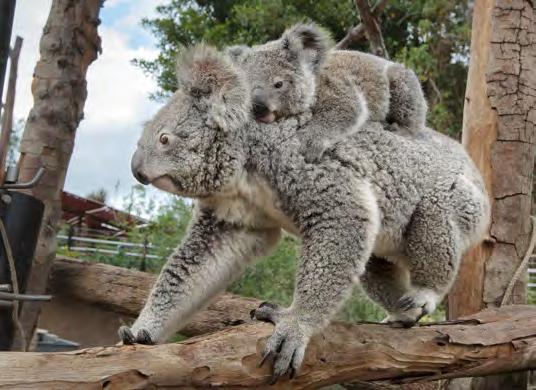
Meeting 22 endearing koalas is definitely the experience of a lifetime: this is the largest and most successful breeding colony outside Australia. Two years after the exhibit’s debut, the excitement is still palpable, as visitors stroll from the Zoo’s entrance, pass the Aboriginal-inspired totems, and walk onto the wraparound veranda to observe the fuzzy marsupials. Our keepers tell us all the animals have settled nicely into their “outback” homes, where you can see them climbing,
foraging, and sleeping. We had two koala joeys born in 2013 and three in 2014, which is a sure sign of animal contentment and health. With luck, you might even see a keeper weighing a joey in the exhibit. Also, with the entire koala colony housed outdoors, their tall perches create an even more naturalistic environment. The keeper kitchen is another convenient feature, with its walk-in fridge for eucalyptus browse that makes preparing daily meals so much easier. Visitors can watch this process, which is a bit like a florist making bouquets. Keepers take a lot of care when making the “euc” bundles, which have to be just right.
We grow 36 species that keepers need to identify so the koalas have a variety to choose from each day— and some koalas have definite personal preferences.
Farrell Family Education Station:
Welcoming Students of All Ages
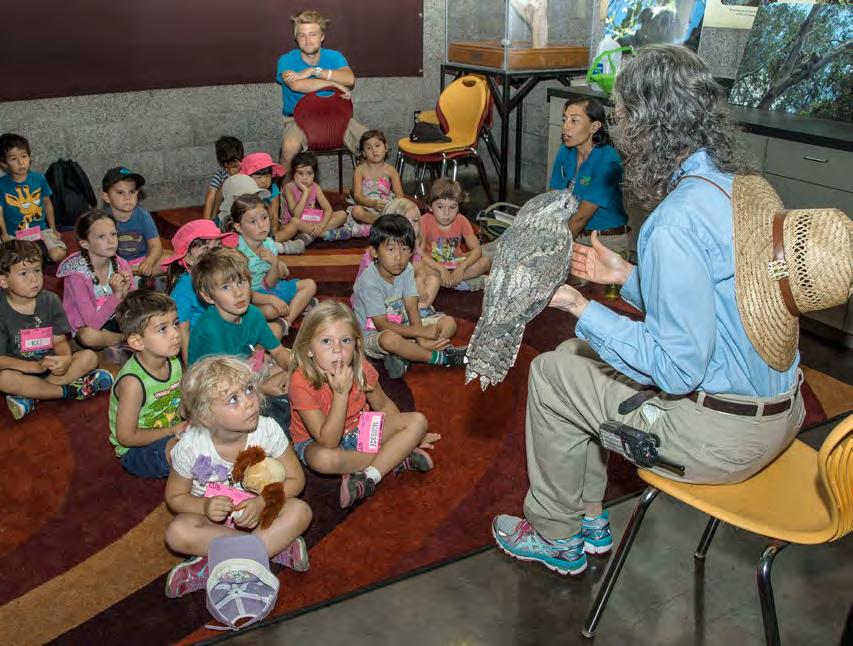
School groups are excited to enter this classroom—and then they might turn and see a koala in the tree next to them! Or an educator might bring in Matilda the kookaburra and encourage her to begin
Left: The Farrell Family Education Station is a great space for visitors to learn even more about Aussie animals.
Above: Five koala joeys have been born in Conrad Prebys Australian Outback since it opened!
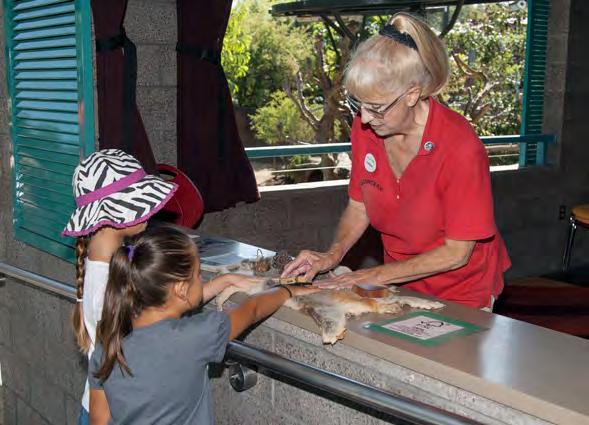
Our enthusiastic and dedicated interpretive volunteers bring additional experiences to our guests and provide in-depth information.
her signature call, a raucous “laugh” that inspires giggles. It’s a magical experience every time we see surprise and awe on kids’ and adults’ faces. Other visitors who are walking by will gather around the classroom door, curious to find out about all the noise and fun. This inspirational learning space welcomes more than 20,000 students and guests throughout the year, and we hear comments like “fun,” “cool,” “oooh,” and “ahh” over and over. With more than 16 programs and activities planned for this Education Station, it’s a great way for the Zoo to connect people to wildlife and conservation.
Helping Hands for Wild Koalas
Our koala colony, along with the keepers and veterinary staff who care for them at the San Diego Zoo, connect us to our Institute for Conservation Research and Australian partners as we work together on conservation strategies to save wild populations of this beloved marsupial. Three of our new koalas were donated by Dreamworld, with help from the Australian and Queensland Wildlife Authorities,
and they will increase genetic diversity in our group. For more than 30 years, the Zoo’s Koala Conservation and Education Program has enabled us to collaborate with Australian conservation organizations and researchers on projects to help koalas in their native habitats as well as in urban areas. Our research in Australia is helping with subspecies identification, so better conservation plans can be created, as well as monitoring habitats where koala populations are expanding. Goals include finding the best areas where koalas can thrive, developing strategies to manage disease in the wild, and developing social media conservation messages that will help communities understand how to protect koalas living in or near cities. Today’s conservation partnerships multiply the ways we can save wildlife and their habitats.
Our Invaluable Volunteers
When we asked dozens of our dedicated interpretive volunteers who staff Australian Outback daily—and who contributed 1,640 hours of service from January to July—if they think the exhibit is a success, their enthusiastic replies would fill several ZOONOOZ issues. They all agreed that it was a genius idea to build walkways that brought visitors to eye level with koalas, so they can experience mothers cuddling their joeys or males bellowing next door—even sleeping koalas are delightful! The multispecies exhibit is another plus, as guests also become interested in wallabies or palm cockatoos, for example, and want to learn more about them. Australian Outback offers so much more than koala viewing! Animal facts and individual stories appear on graphics and pique visitors’ interest, so they ask more questions of volunteers and keepers nearby. Even Australian visitors are intrigued by the many facets of the exhibit, and they ask how and where we contribute to conservation efforts back home. Children enjoy a climbing structure with life-size koala sculptures, and everyone can learn about marsupial adaptations for life in the wild. Guests are inspired to protect wildlife in their neighborhoods. Visitors can take their time with each visit since no one is hurried or crowded on the spacious walkways. Keepers are visible and friendly, volunteers love to discuss San Diego Zoo Global’s vision to end extinction, and guests are truly captivated by this exhibit. We couldn’t ask for more. n
You can help secure the future
Travel the World with the San Diego Zoo
WORLDWILD TOURS
Travel with the San Diego Zoo’s WorldWild Tours™ to some of the wildest places on Earth in 2016 and 2017. Our itineraries highlight the wildlife at each destination and include expert naturalists and a San Diego Zoo escort, plus a group of like-minded travelers. For brochures visit sandiegozoo.org/travel or call Julia Altieri at 619-685-3205.
Birding in Vietnam
March 4 – 21, 2016
Experience Vietnam’s amazing beauty and biodiversity, and spot hundreds of Southeast Asia’s endemic bird species.
$4,195 plus airfare (per person, double occupancy)
Brazil’s Pantanal
August 19 – 27, 2016
Explore Brazil’s Pantanal, known as the Serengeti of South America and the world’s largest wetland.
$6,673 plus airfare (per person, double occupancy)
Namibia: From Dunes to
Desert Wildlife
May 13 – 25, 2016
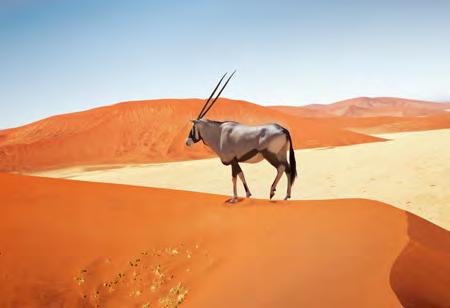
Discover magnificent landscapes and charismatic wildlife— including black rhinos and cheetahs—in Namibia.
$7,995 plus airfare (per person, double occupancy)
Cuba and Its Wildlife
October 22 – 30, 2016
From Havana to the national parks, explore the vibrant wildlife and culture of this mystical island country.
$5,995 plus airfare (per
Adventure
October 28 –November 3, 2016
Chill out with polar bears in their native habitat from the comfort of the Tundra Buggy Lodge in Churchill, Canada.
$5,924 plus airfare (per person, double occupancy)
Exclusive Private Jet Tour
Around the World
September 29 –October 22, 2016
Experience a lifetime of must-see iconic destinations, including Machu Picchu, the Great Barrier Reef, the Serengeti Plain, and Angkor Wat.
$76,950 plus round-trip airfare to and from departure city (per person, double occupancy)
Coming in 2017
Wild Patagonia and Chile
February 2017
China and Its Giant Pandas
May 2017
GIVE THEM THE ZOO AND THE SAFARI PARK THIS YEAR !
T CAR D FOR THE HOLIDAYS
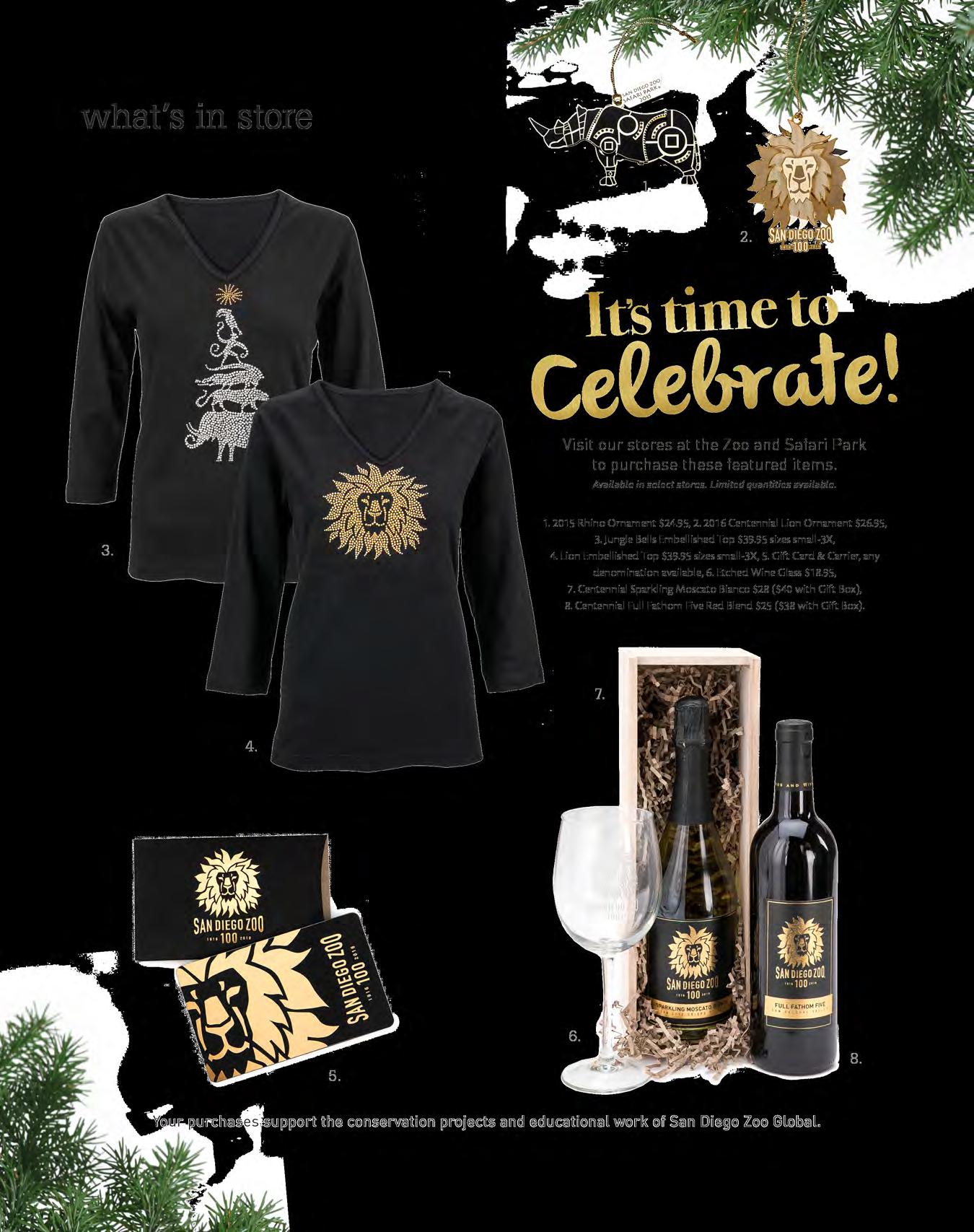
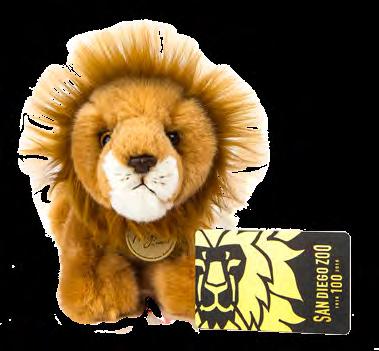
Wondering what to get for those hard-to-shop-for people? Give them an animal adventure! This year’s stunning gift card features our centennial design and can be used toward any purchases at the San Diego Zoo or Safari Park. Purchase a gift card of $50 or more and receive a FREE plush animal, which can be mailed to any domestic street address you specify (shipping and handling charges may apply). What could be better than giving that special someone a visit with their favorite Zoo or Park animals?
GIFT CARDS MAY BE PURCHASED ONLINE OR BY CALLING 619-718-3000. NOT VALID WITH ANY DISCOUNTS. OFFER VALID THROUGH JANUARY 31, 2016, WHILE SUPPLIES LAST.
He Started a Zoo
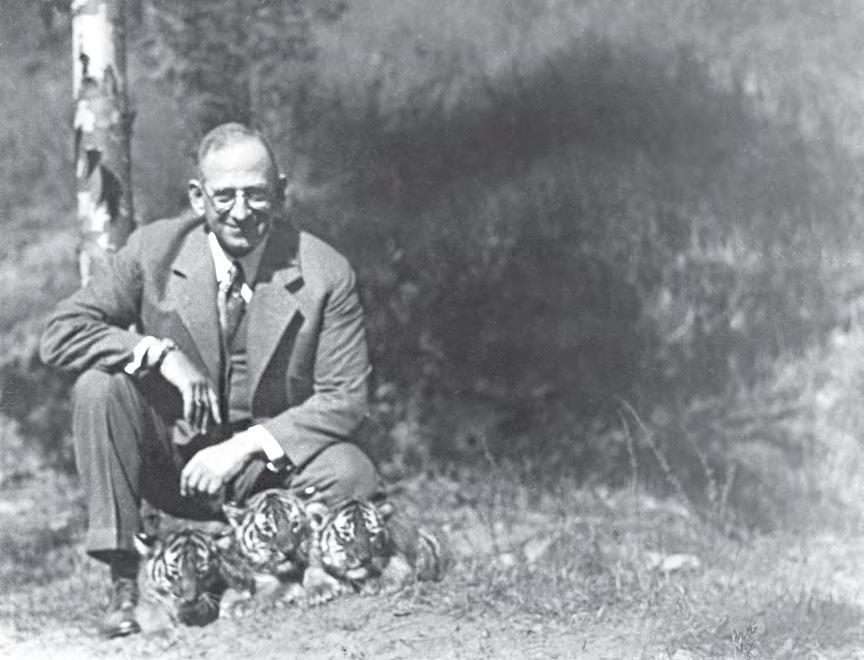
Dr. Harry Wegeforth was one of those rare individuals with the vision, energy, talent, and good-natured stubbornness to create something grand from almost nothing, no matter what challenges came his way. He was a self-taught zoo pioneer who loved animals and became one of the leading experts on running a zoo and caring for wild animals—often by sheer force of will. He was also self-effacing and always wanted the spotlight on the Zoo, not on him. He was happy to share stories of the growing Zoo with reporters, but he invariably ended interviews with “Just leave my name out.”
He also thoroughly enjoyed every moment of his Zoo adventures. “A zoo,” he said, “is just about the most fascinating place in the world. And it gives you a sense of awe to be responsible for so many strange animals. It takes a little time usually to find out what they want, but that’s the most fun of all.” His unflagging dedication inspired those he worked with, and those who would take up the San Diego Zoo flag after him. Dr. Charles Schroeder, Zoo veterinarian in the 1930s and later Zoo director himself, described Dr. Harry this way: “I have never met a man with Doctor Harry’s animal-like persistence, or his tenacity of purpose to do the job and carry it to completion, come hell or high water.... He planted the seed. We did his bidding without further interference. He knew how to pull the most out of everyone who would help, and you felt good about it. He gave you the authority to act in your position, as well as his support, and always his personal gratitude. The world has known no more stubborn or determined man.... His enthusiasm was catching. You knew that when you were on Doctor Harry’s side you were on the winning side....”
One hundred years later, Dr. Harry’s vision for a world-class zoo in San Diego is going stronger than ever. He might be astonished to see all that his Zoo has achieved—then again, maybe he wouldn’t. Perhaps he would just nod approvingly and say, “Yes, that’s what I had in mind. Good job.” He’d probably then want to see the plans for the next new exhibit, and have several ideas about how to build it. n
ZOONOOZ®
SAN DIEGO ZOO GLOBAL
Box 120551, San Diego, CA 92112
Your 2016 Calendar is inside!
ALBERT’S MILDLY WILD
NEW YEAR’S EVE DINNER
THURSDAY, DECEMBER 31, 2015
SEATING BEGINS AT 5 P.M.
Celebrate another fantastic year at the San Diego Zoo, and enjoy a gourmet dinner specially prepared for the evening by Executive Chef Chris Mirguet and Albert’s Chef Charles Boukas.
$65 per person, plus tax and gratuity. Nonmembers add Zoo admission. Wine pairing is available for an additional $15. Maximum party size is eight people. Menu substitutions are not available for this event.
To make your reservations, call 619-685-3200 from 11 a.m. to 3:30 p.m. daily and ask for the New Year’s Eve Dinner, or book online at zoo.sandiegozoo.org/alberts. Visit zoo.sandiegozoo.org/dining-events for more information and the menu.