San Diego Zoo Wildlife Alliance Journal November 2023
Journey Through Our Conservation Work This issue of the San Diego Zoo Wildlife Alliance Journal focuses on the Oceans hub. To learn more about our collaborative conservation programs around the world, including our wildlife care at the San Diego Zoo and San Diego Zoo Safari Park, visit sdzwa.org.
Cover Story
Penguin Care
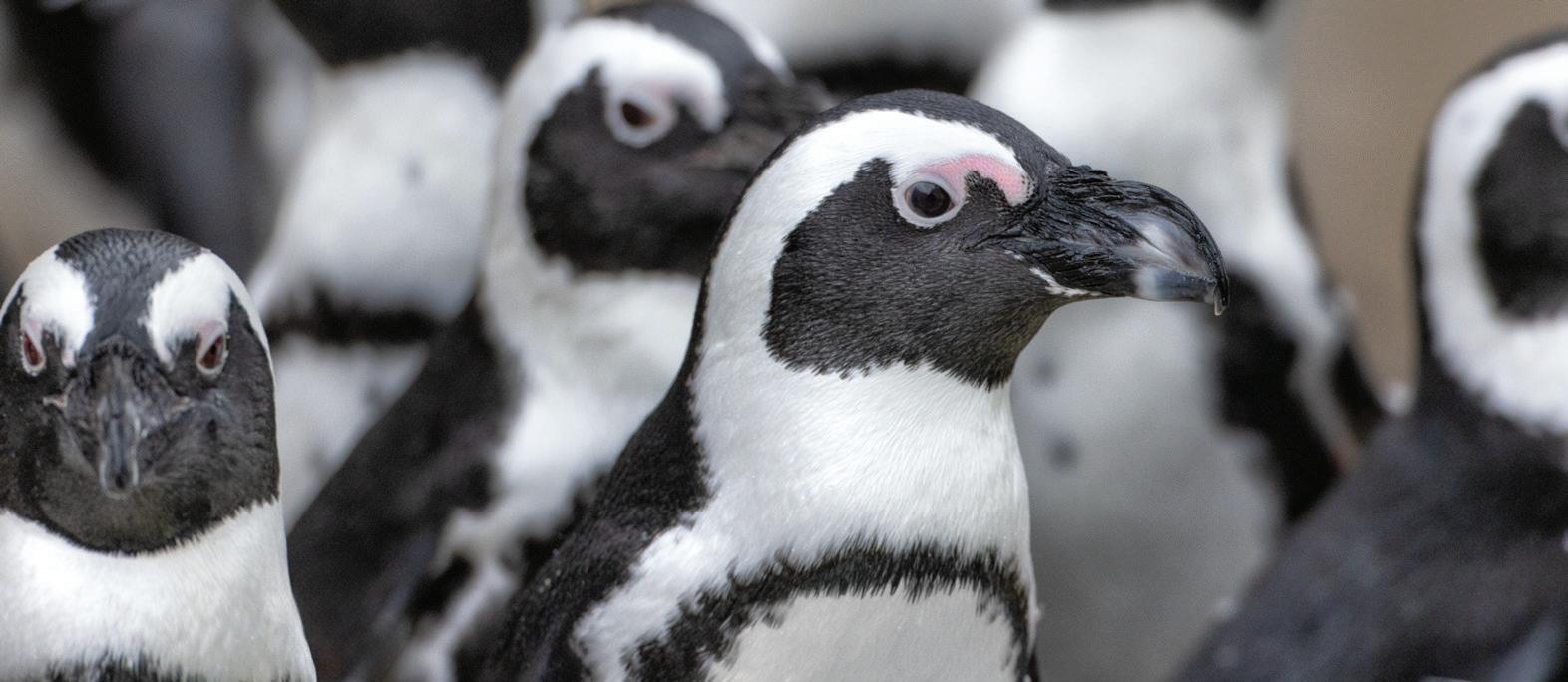
It takes a team—and some careful observation—to keep the San Diego Zoo’s colony of 25 black-and-white African penguins in the pink. Find out what a day in the life of a penguin wildlife care specialist is like.
Features
2024 Calendar
Every birth (or hatching) at the San Diego Zoo and San Diego Zoo Safari Park represents hope for the future. Our 2024 calendar offers 12 examples of what conservaton success looks like.
44
Visualize It
“Making waves” can be a good thing. The way water moves around the globe may not be something you think about often, but ocean currents play a crucial role in the aquatic health of our planet.
Forest Gorilla
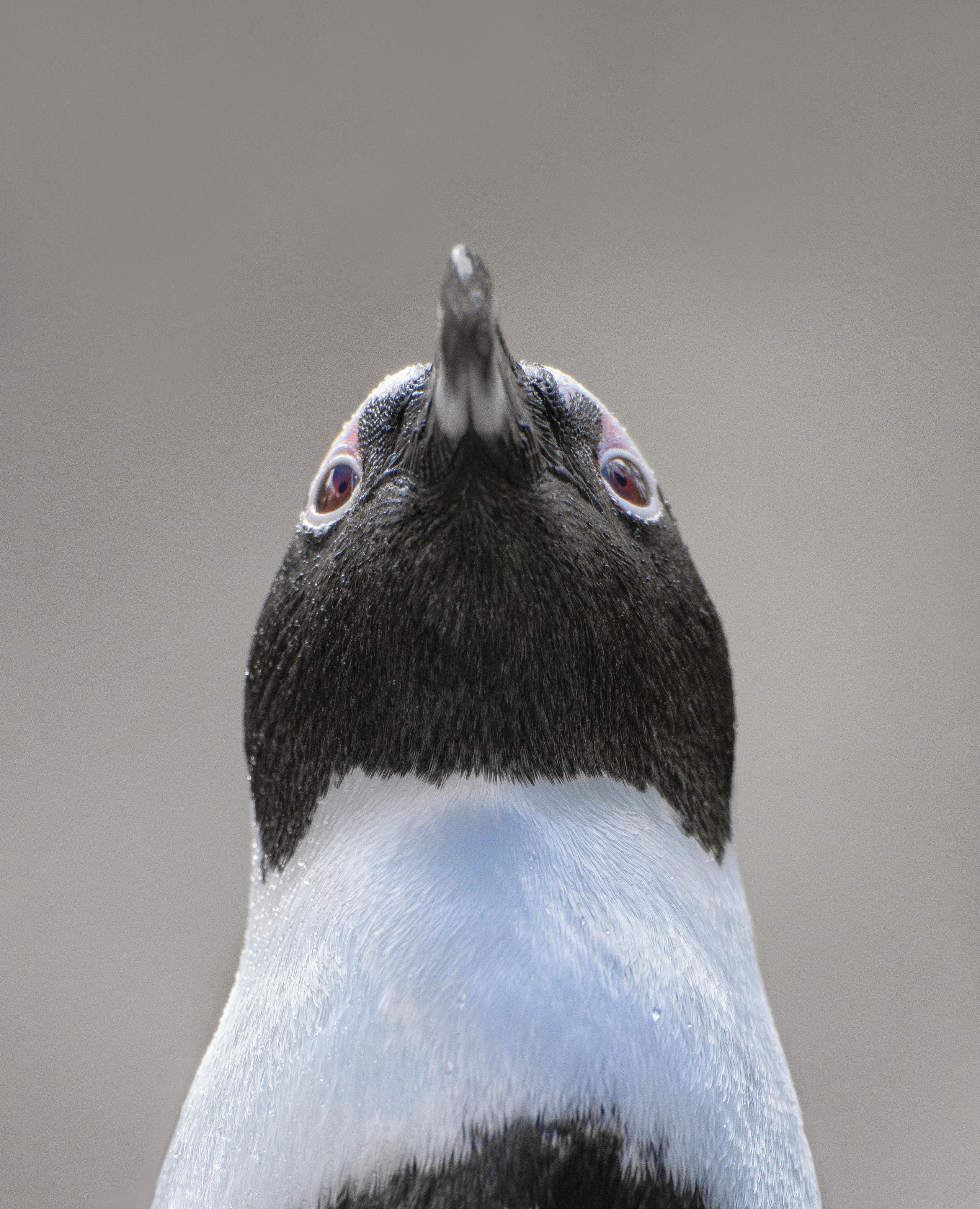
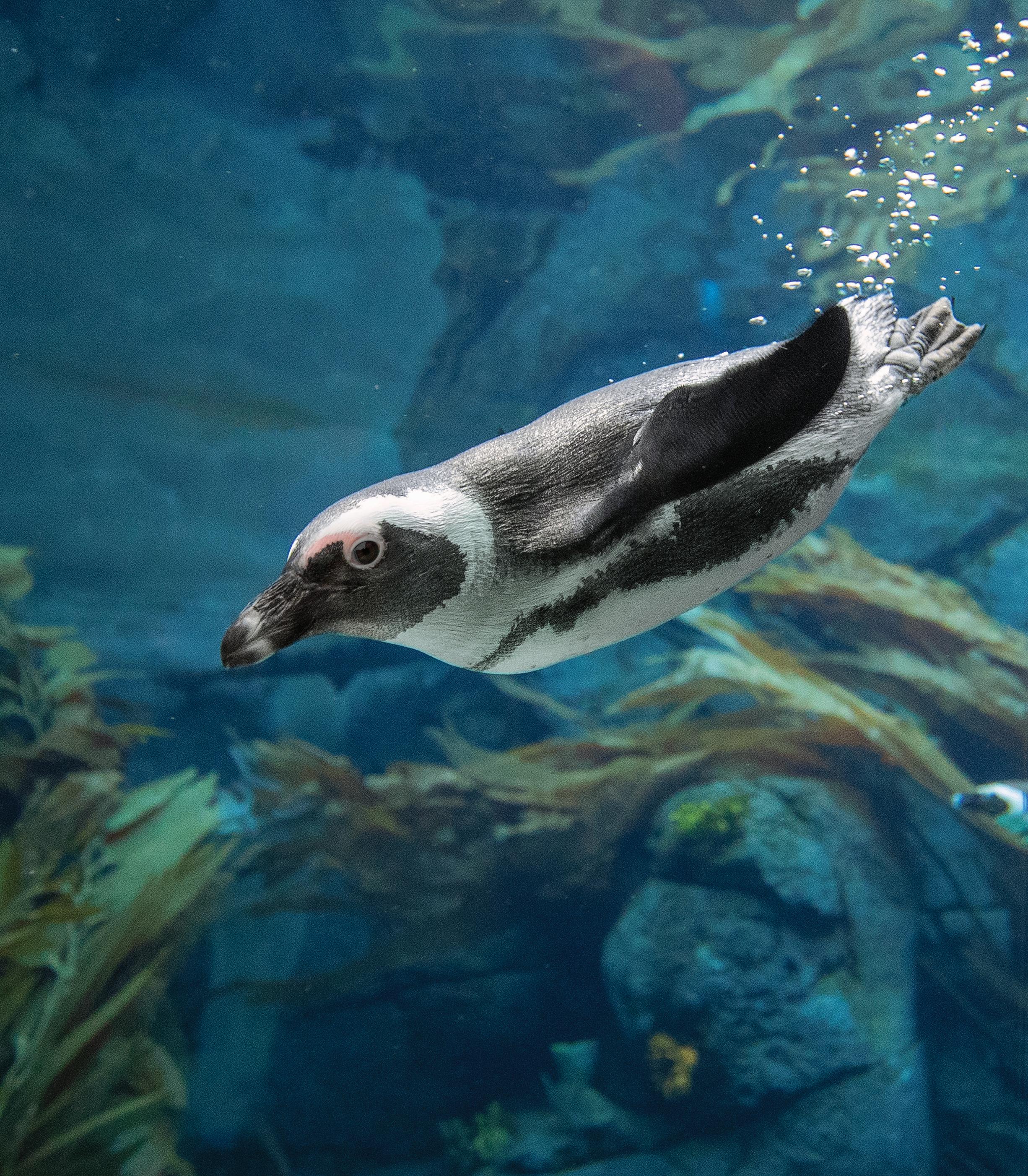
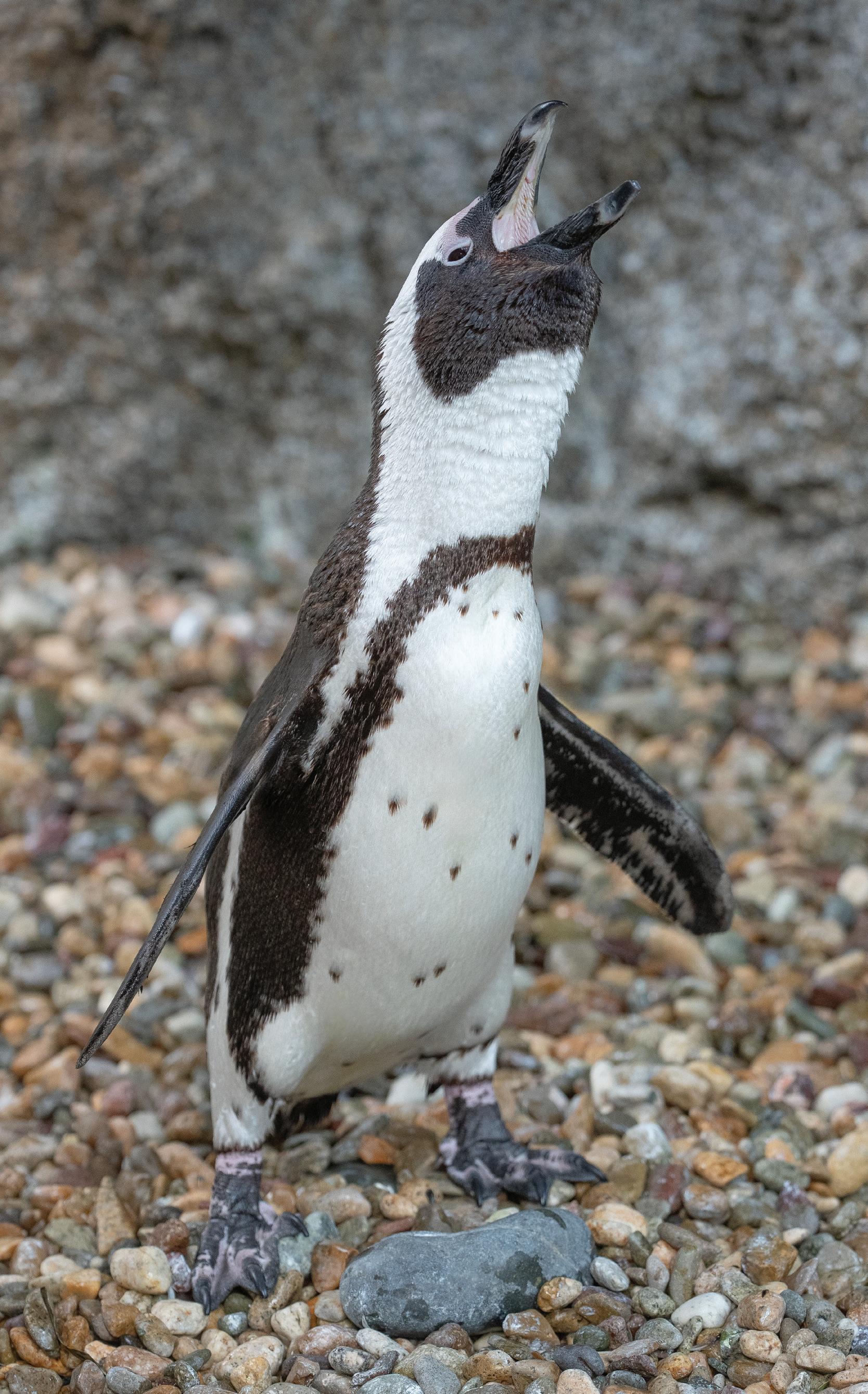
On the Cover: African penguin Spheniscus demersus. Photo by: Ken Bohn, SDZWA photographer
Pacific Islands ‘Alalā Australian Forest Platypus & Koala
JOURNAL
SENIOR EDITOR Peggy Scott STAFF WRITERS
Elyan Shor, Ph.D.
Alyssa Leicht
Arwen Neski
COPY EDITOR Eston Ellis
DESIGNER Christine Yetman PHOTOGRAPHERS
Ken Bohn
Tammy Spratt
DESIGN AND PRODUCTION
Kim Turner
Lisa Bissi
Jennifer MacEwen
PREPRESS AND PRINTING Quad Graphics
Let's Stay Connected
Follow @sandiegozoo & @sdzsafaripark.
Share your #SanDiegoZoo & #SDZSafariPark memories on social media.
The Zoological Society of San Diego was founded in Octo ber 1916 by Harry M. Wegeforth, M.D., as a private, nonprofit corporation, which does business as San Diego Zoo Wildlife Alliance.
The printed San Diego Zoo Wildlife Alliance Journal (ISSN 2767-7680) (Vol. 3, No. 6) is published bimonthly, in January, March, May, July, September, and November. Publisher is San Diego Zoo Wildlife Alliance, located at 2920 Zoo Drive, San Diego, CA 92101-1646. Periodicals postage paid at San Diego, California, USA, and at additional mailing offices.
POSTMASTER: Send address changes to San Diego Zoo Wildlife Alliance, P.O. Box 120271, San Diego, CA 92112-0271.
If your mailing address has changed: Please contact the Membership Department; by mail at P.O. Box 120271, San Diego, CA 92112, or by phone at 619-231-0251 or 1-877-3MEMBER.
For information about becoming a member of San Diego Zoo Wildlife Alliance, please visit our website at ZooMember.org for a complete list of membership levels, offers, and benefits.
Paid subscriptions to San Diego Zoo Wildlife Alliance Journal are available. Contact Membership Department for subscription information.
Reflecting on Conservation and Hope for Our Future
Our conservation journey has been filled with hope and discovery as we’ve collaborated with partners worldwide and innovated to support the world’s wildlife. This year has reminded us that together we can create transformative change that ripples across the globe and helps create a world where all life thrives. The San Diego Zoo and San Diego Zoo Safari Park are at the heart of everything we do, and every day, we share our expertise in wildlife care and wildlife health, and connect our allies with life-changing moments. We are fortunate to have the support of our community and millions of allies like you, and we celebrate our accomplishments as we look forward to the possibilities for conservation in the year ahead.
Every journey has hills and valleys, and our heart continues to be with the people, wildlife, and vibrant ecosystems of Maui. In this unimaginable moment, San Diego Zoo Wildlife Alliance team members found themselves on the front lines as wildfires arrived at the doorstep of our Maui Bird Conservation Center—and they heroically protected its vulnerable inhabitants. At this one-of-a-kind sanctuary, our team of conservationists care for some of the most delicate and critically endangered species on the planet, including the last remaining 'alalā on Earth. We’re beyond grateful that all team members and all the birds we are caring for there are safe. As we have for more than 30 years, we will support our partners as we seek sustainable conservation solutions for wildlife and ecosystems in this critical moment. Sharing the stories of our journey worldwide helps strengthen our Alliance. It reminds everyone of the vital role that leading zoos play in conservation, and their importance to the well-being of wildlife in our own communities.
Our hope for tomorrow begins with all of you today. With the support of millions of people in our own backyard and billions around the world, we can make a difference that will be felt for generations. When you find yourself looking for your next moment of inspiration, we hope you find yourself at the San Diego Zoo and San Diego Zoo Safari Park to experience the immersive conservation experiences illuminating how connected we all are.
As part of San Diego Zoo Wildlife Alliance’s commitment to conservation, this magazine is printed on recycled paper that is at least 10% post-consumer waste, chlorine free, and is Forest Stewardship Council ® (FSC ®) certified. FSC ® is not responsible for any calculations on saving resources by choosing this paper.
Now, let’s wrap up this year’s journey as we explore nature, our Oceans Conservation Hub, and all that’s happening at our two “front doors.” Your 2024 calendar is also included in this issue, featuring the wildlife newcomers at the Zoo and Safari Park.
Paul A. Baribault President and Chief Executive Officer Onward,
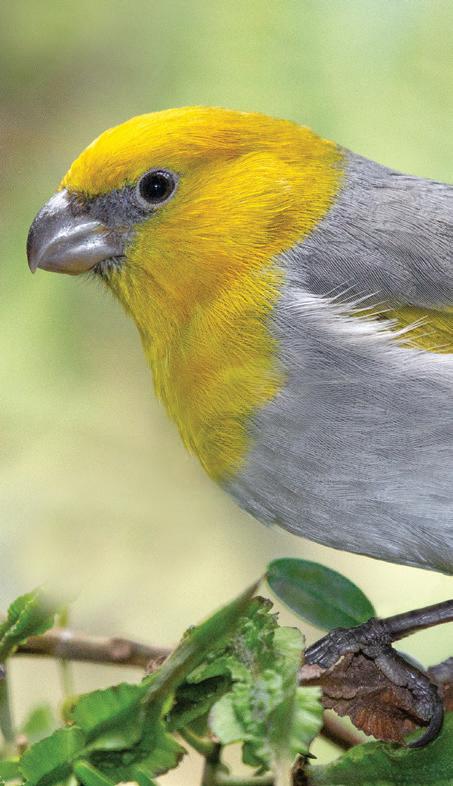
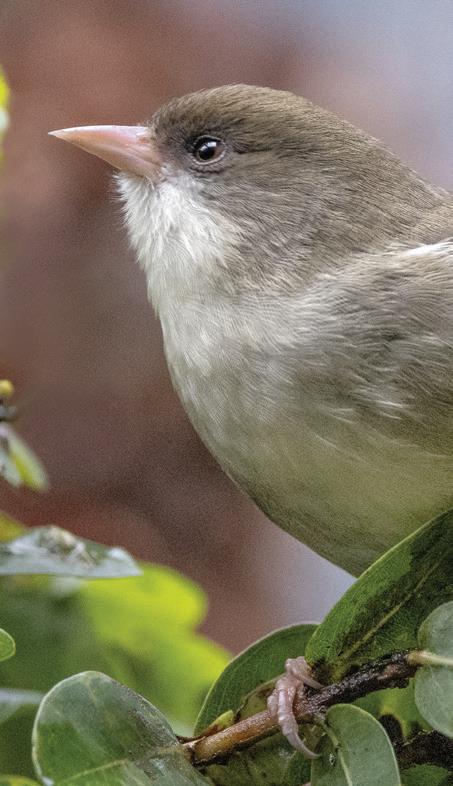
Palila ‘Akikiki ‘Alalā
BY THE NUMBERS
Deep Thoughts
In the world’s oceans, marine plants, invertebrates, fish, birds, and mammals all rely on each other in a complex and remarkable environment. Covering approximately 71 percent of the Earth’s surface, oceans are home to between 50 and 80 percent of all life on the planet, but only about 15 percent of the world’s species. More than 80 percent of the world’s oceans have never been mapped, and there is still much we do not know about this vast and important SDZWA conservation hub.
2,000
The average number of new marine species discovered and described by scientists each year.
12K+
97%
Scientists estimate that 97 percent of the water on Earth is in the world’s oceans.
<20%
Less than 20 percent of the oceans have been mapped.
The estimated average depth of the world’s ocean basins is 12,080 feet.
450+
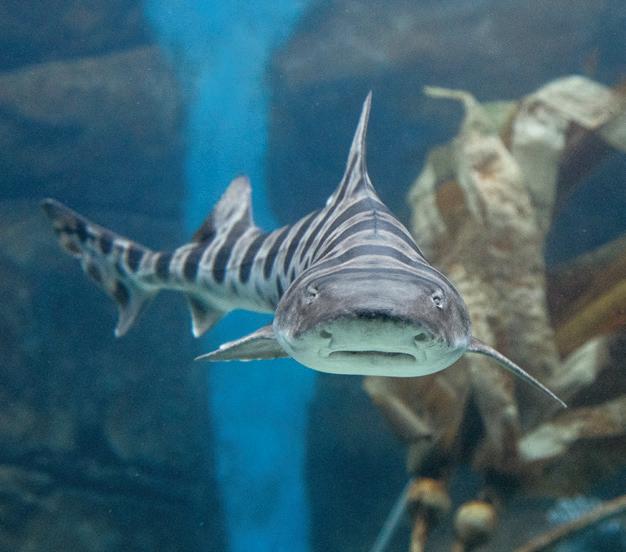
More than 450 species of shark live in the world’s oceans.
2023 Board of Trustees
OFFICERS
Javade Chaudhri, Chair
Steven G. Tappan, Vice Chair
Gary E. Knell, Vice Chair
Steven S. Simpson, Treasurer
Richard B. Gulley, Secretary
TRUSTEES
Rolf Benirschke
Kathleen Cain Carrithers
E. Jane Finley
Clifford W. Hague
Linda J. Lowenstine, DVM, Ph.D.
Bryan B. Min ‘Aulani Wilhelm
TRUSTEES EMERITI
Berit N. Durler
Thompson Fetter
Robert B. Horsman
John M. Thornton
Executive Team
Paul A. Baribault
President and Chief Executive Officer
Shawn Dixon
Chief Operating Officer
David Franco
Chief Financial Officer
Erika Kohler
Executive Director, San Diego Zoo
Lisa Peterson
Executive Director, San Diego Zoo Safari Park
Nadine Lamberski, DVM, DACZM, DECZM (ZHM)
Chief Conservation and Wildlife Health Officer
Wendy Bulger
General Counsel
David Gillig
Chief Philanthropy Officer
Aida Rosa
Chief Human Resources Officer
David Miller
Chief Marketing Officer
San Diego Zoo Wildlife Alliance (SDZWA) protects and restores nature in eight conservation hubs on six continents. Below are recent discoveries and progress reports from around the world.
Andean Bear Genomics
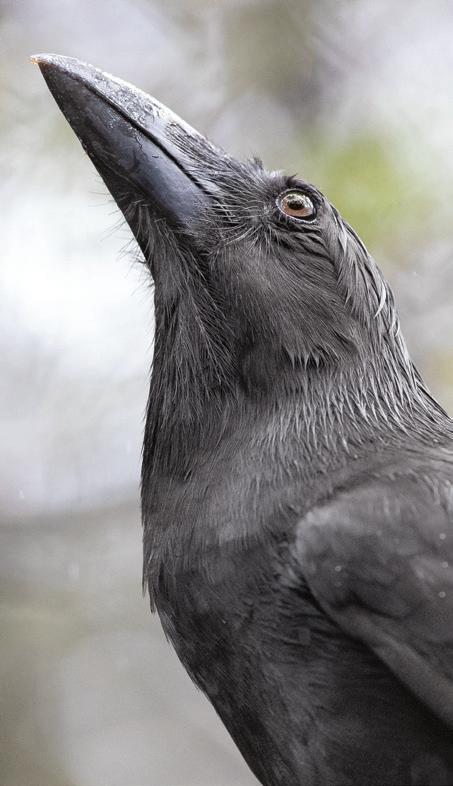
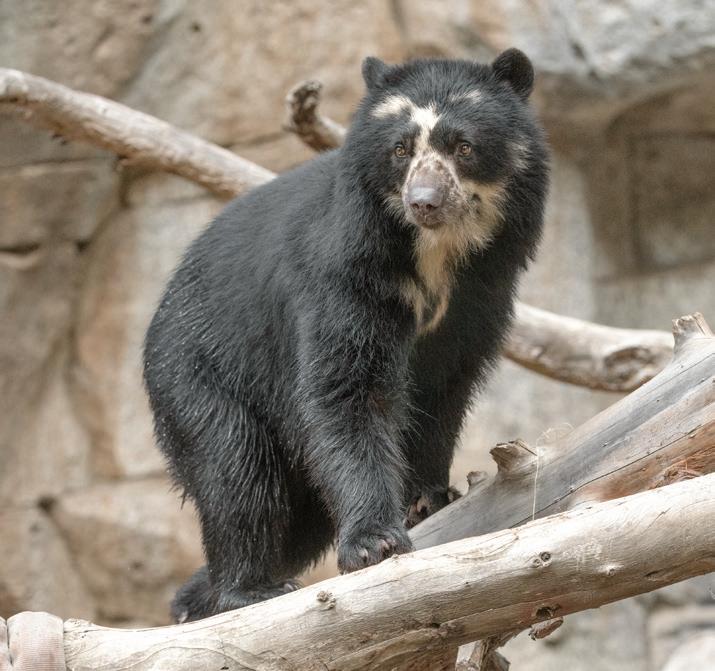
At the Wildlife Conservation Laboratory at Los Amigos Biological Station in Peru— operated by our partners at Conservación Amazónica (ACCA)—SDZWA and our partner Peruvian scientists recently sequenced the genomes of three Andean bears. Whole genome sequencing is critical to the development of advanced genotyping tools. Our team and partners will apply these tools for monitoring bears in the field, and the genomic data and tools will also be made freely available for use by researchers and communities in Peru and around the world. Our objective is to provide local scientists with tools to determine bears’ identity, sex, and geographical origin. This information will crucially support conservation action for this threatened bear across its range.
Working Toward Coexistence
Studying Effects of DDT
Owl Rescue
In collaboration with San Diego State University’s School of Public Health and other partners, SDZWA recently received one of four California Sea Grant awards to address the role of deep ocean DDT contamination in Southern California. Hundreds of thousands of barrels of DDT were historically dumped in the waters off the coast of Southern California, and although DDT and related contaminants persist in the water today, scientists do not yet have a full understanding of their distribution and health effects. Our project will help fill in these data gaps by identifying which chemicals are present in marine animals, and the biological effects of these chemicals on wildlife and people.
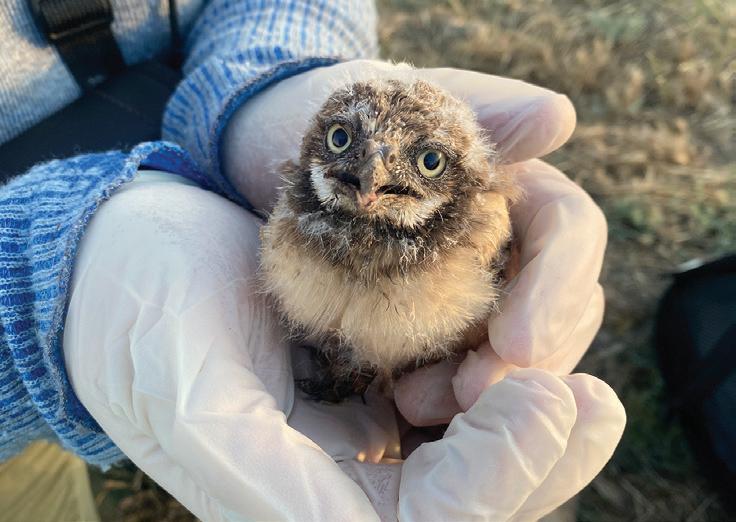
Our Burrowing Owl Recovery Program team rescued three juvenile burrowing owls from two nests in Otay Mesa. Following the disappearance of one of the parents, the remaining adult was unable to adequately care for the chicks. We consulted with partners at the U.S. Fish and Wildlife Service and California Department of Fish and Wildlife, and together determined that headstarting would offer the best opportunity for survival. The three chicks were transferred to the Safari Park’s Bird Conservation Center for overwintering, and they will be reintroduced in early 2024 to help augment existing breeding nodes in San Diego County.
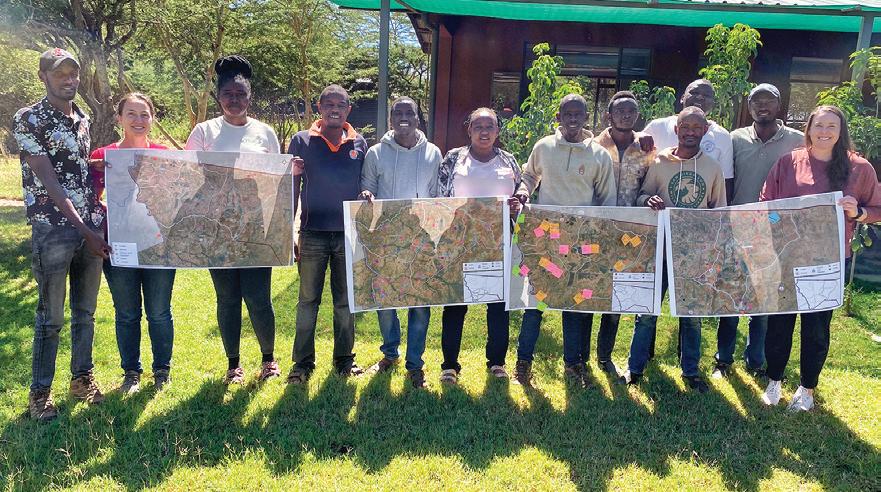
SDZWA initiated a pilot project on human-elephant coexistence with Naibunga Lower Conservancy, a Northern Rangelands Trust community conservancy in Kenya. The project involves co-producing maps with community members to understand patterns of conflict and identify priority zones for mitigation techniques. Examples of conflict in pastoralist communities include damages to water infrastructure (such as tanks and pumps) and concerns around community member safety while walking to school or during livestock grazing. Our purpose is to integrate community knowledge into strategies that both address people’s well-being and reduce direct threats to elephants. The next steps will be to rank the highest-priority conflicts so that we can begin to trial mitigation strategies.
Sip, Snack, Save Species
Stay fueled up by enjoying a delicious treat at one of our specialty snack stands on your next visit. The San Diego Zoo and San Diego Zoo Safari Park thank our partners for their continued support!
How does wildlife nutrition differ from nutrition in people?
There are many parallels: wildlife nutrition goals for any individual are good health, well-being, reproductive success, and a long life. Where it diverges from people is that we (people) are one species. To serve an incredibly wide variety of wildlife species, we must be multidisciplinary, considering ecology, behavior, morphology, physiology, life history, and evolutionary biology in nutrition strategies.
What is the most unusual aspect of your job?
Having to be so multidisciplinary means this job isn’t for everyone; I describe my knowledge as a mile wide and an inch deep. All SDZWA wildlife are cared for by the Wildlife Nutrition team— that’s about 15,000 animals that need to eat, every day—so, a practical mindset is essential. The “best” diet has zero value if wildlife won’t eat it. You must consider food form, preferences, behavioral and social components, etc., to ensure the diet is consumed, and species-specific needs are supported.
What are the biggest challenges you face in your field, and how do you work to overcome them?
The scarcity of data is significant—and because wildlife nutrition spans many scientific fields, it’s necessary to think creatively about who might have studied a particular aspect of nutritional care, or how information for a comparable species could be extrapolated. Also, supply chain disruptions are presenting logistical challenges more frequently, requiring exploration of how we can diversify the options available.
Andrea Fidgett, Ph.D.
As SDZWA’s director of Wildlife Nutrition, Andrea leads a team of specialists who plan, procure, store, prepare, and offer specialized diets for all wildlife at the San Diego Zoo and San Diego Zoo Safari Park, ensuring that each individual receives the nutrition they need to thrive.
How do you see wildlife nutrition evolving in the future?
Applying nondestructive food analysis methods developed for agriculture to wildlife nutrition could revolutionize how we approach caring for herbivorous species, especially those that eat “browse” or leafy plant material. Using portable near infrared spectroscopy (NIR) for nutritional analysis could help us create nutrient profiles of preferred foods according to location, stage of growth, and seasonal variation—without destroying the plant, like traditional methods do. Insight into the nutritional value of plants as they grow, coupled with observations of wildlife consuming those plants, could refine our understanding of species requirements, allowing for more tailored dietary plans.
QWhat advice would you give to young people with similar career aspirations?
Be curious—I didn’t know I was interested in this discipline until I was asked to study the diet of a rare parrot and realized how little we knew, and the contribution my small project could make to its care. Be collaborative— my entire professional career is a series of wonderful, often serendipitous collaborations, creating this amazing network of knowledge I can call upon when a species’ diet has me stumped! And have fun— your best learning happens when you enjoy what you do and are in the flow.
DECEMBER 9, 2023 THROUGH JANUARY 1, 2024
MEMBER PREVIEW DECEMBER 8!
The magic and the spirit of the holiday season return! The Zoo lights up the night with amazing entertainment featuring the spectacular show, Aurora. Bring the family, and enjoy some tasty treats and the warmth of the holidays.
Visit sandiegozoo.org/junglebells for exact dates and times.
Aurora Dining Package
Fully Connected
Experiencing Nature Mindfully for the Long-term Sustainability of Our Planet
SDZWA Staff Writer Alyssa Leicht charts a course for experiencing nature in ways that support a bright future for all living things—for generations to come.
No matter how big or small, our actions have ripple effects on the world around us. The daily actions we take—how we eat, travel, work, and play—collectively add up to impact our ecosystems—for better or worse. To help create a world where all life truly thrives, becoming mindful about how we experience nature and the possible long-term effects our actions have on our planet is essential. When we do this, we can make a
world of difference together.
To start, reflect on how you experience nature. We can each make a big difference when we gain greater awareness and mindfulness of our choices.
As alluring as it may seem to explore uncharted areas, sticking to established trails, walkways, and waterways helps protect people and wildlife alike. Hiking off trails and pathways can harm native vegetation and lead to erosion. Over time, trampling can decrease plant cover—build-
ing a domino effect that results in biodiversity loss. In the water, anchoring boats or swimming too close to coral reefs can damage or even destroy them. Stay mindful not to touch or accidentally kick corals you see in the ocean. And whether hiking or boating, keep food to yourself. Feeding wildlife can create an association between food and people, drawing wildlife (including those that spread disease) too close to people and vehicles—a hazardous scenario for all.
When creating memories with wildlife, it’s possible to get too close. Remember the bigger picture when taking photographs in nature—we are each one part of a greater ecosystem. Especially when attempting to take selfies near wildlife in their native habitats, remember that you are a guest in their space. While it may seem tempting to inch a little closer for the perfect shot, you’re responsible for your safety and for the safety of wildlife around you. If you are close enough to take a selfie with wildlife in their native habitat, you are too close. Instead, maintain a safe distance and use a zoom lens.
Some tourist attractions that allow
people to take photos while holding or petting wildlife may have unethical practices behind them. Wildlife may have been obtained illegally, be kept in poor conditions, and have unnatural and unrealistic living conditions. While there are many wildlife tourist experiences with ethical practices, it’s best to ask questions before participating. When in doubt, stick with experiences offered by Association of Zoos and Aquariums (AZA)-accredited facilities that meet the highest standards for wildlife care and welfare.
The good news is, when it comes to quantifying our experiences with nature, more is better! A 2021 international health study found that increased time spent in nature is associated with greater perceived value for and connection to nature and, subsequently, greater pro-environmental attitudes and behaviors. That means the more we get outside and experience nature, the more we’ll feel connected to and invested in the health of our planet. So, get out there and experience the incredible diversity of wildlife our world has to offer!
We can each make a big difference when we gain greater awareness and mindfulness of our choices.
PHOTO BY: TAMMY
PENGUIN CARE
A Day in the Life with the Colony
BY DEBBIE DENTON
| PHOTOS BY KEN BOHN
Who doesn’t love a penguin? They’re cute and curious, and their antics can keep Zoo guests interested and engaged for hours. Penguins are colonial birds, meaning that they seek safety in a crowd, so that’s why you’ll see large numbers of them living or swimming together. Even though the 25 African penguins at the San Diego Zoo’s Dan and Vi McKinney Penguin Habitat at Africa Rocks usually gather in a big group, they each possess distinct personalities, and we treat them as individuals. A big part of our wildlife care specialists’ daily responsibilities is ensuring that each penguin stays healthy—and to do this, we must be familiar with what normal behavior is for each bird in the colony.
Food for Thought
Penguins are predators (they hunt fish), but they are also prey. They will mask illness, acting as if nothing is wrong when they are sick, to avoid becoming an easy meal themselves. This makes our job challenging, because a healthy-looking bird could actually be ailing. Subtle changes in behavior and appetite can indicate they need medical attention.
Each day, we start with a walkthrough of the penguins’ habitat, noting where each bird is resting and where they might have spent the night. Are they with their mate, or are they with a new member of the flock? Are they alone and away from the group? How do the penguins respond to wildlife care specialists’ presence? Each of these questions is important for us to consider; and what is normal for one penguin can be something that is abnormal
for another.
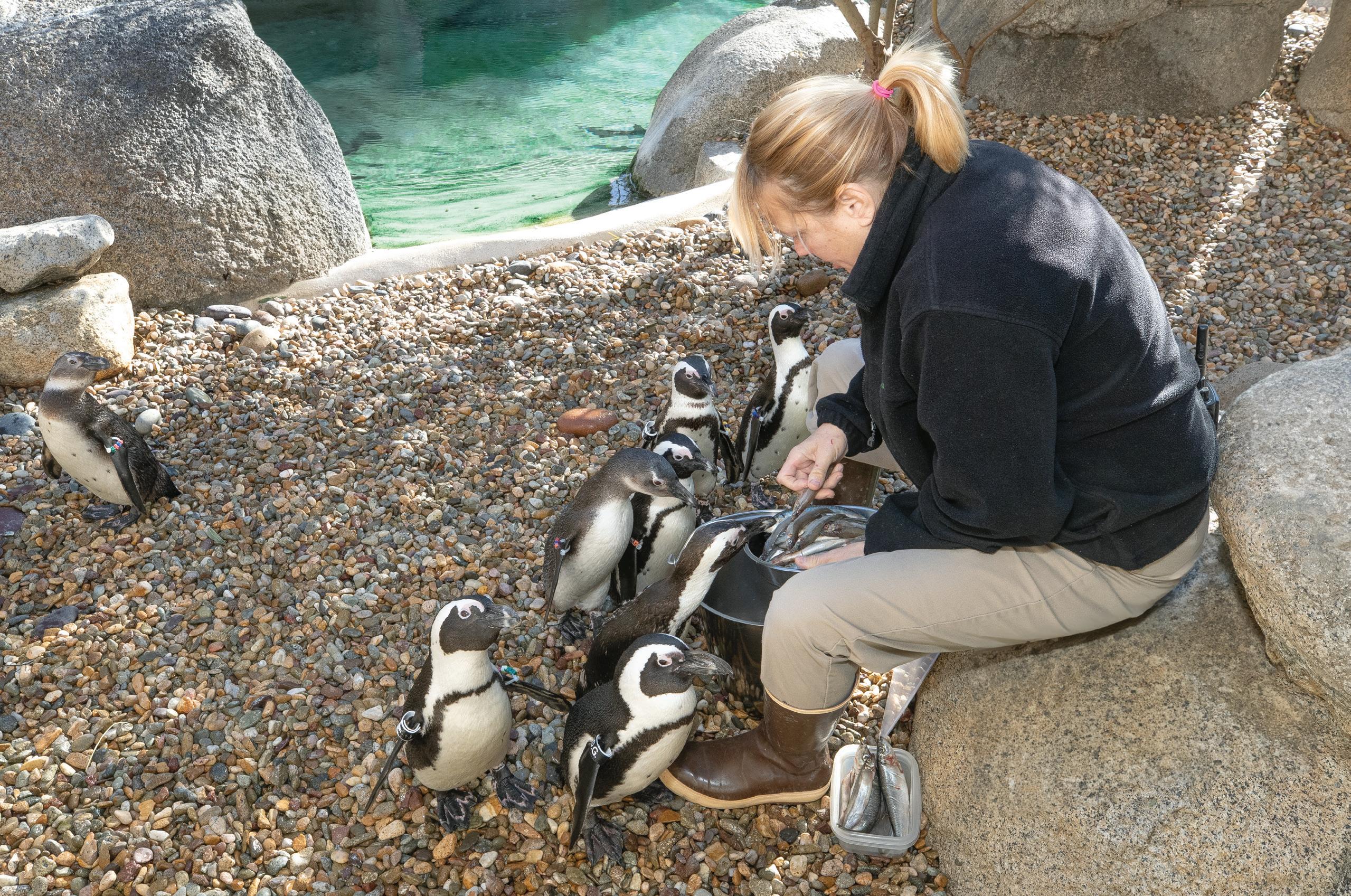
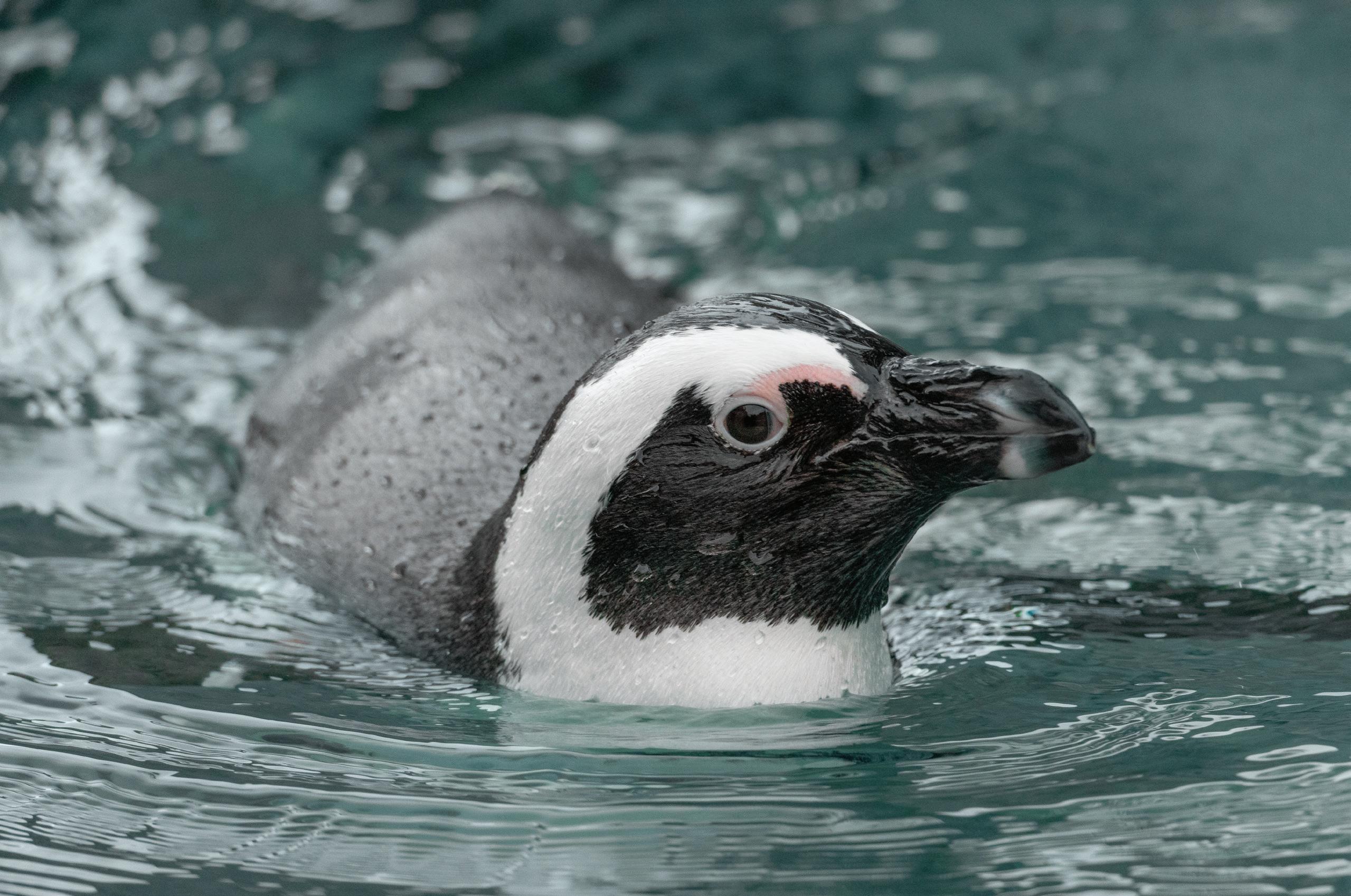
The most important part of the day for wildlife care specialists is feeding time. Hand-feeding our flock gives us a chance to evaluate each of our penguins up close, and gives us the opportunity to check the brightness of their eyes, the pinkness of their dermal patches, and the condition of their feathers. We can see the inside of their mouth when they reach for a fish, and observe their gait as they walk toward the bucket. We’ll evaluate their appetites, and how eager they are for food. We count every fish that each bird is offered, so we can determine the appetite and feeding routine for each penguin. Appetites will fluctuate with the seasons. Hungry birds preparing for molt will eat just about anything offered to them, but if there’s a very hungry bird who isn’t putting on weight, something may be wrong.
Along with our morning observations of physical activity and food drive, we’ll note whether an animal is acting normally, or if something is different and a vet exam might be necesssary. But what do we see that could tell us a penguin is not at their best? And what could possibly be bothering them?
An Abundance of Caution
People in North America don’t normally think much about malaria, but as penguin care specialists, it’s something we consider every day. Avian malaria can be transmitted through a mosquito bite, and although humans can’t contract this particular type of malaria, it can be serious for penguins, which are highly susceptible. We do our best to eliminate standing water where mosquitoes can breed, and surround the habitat with insect-repelling plants. We
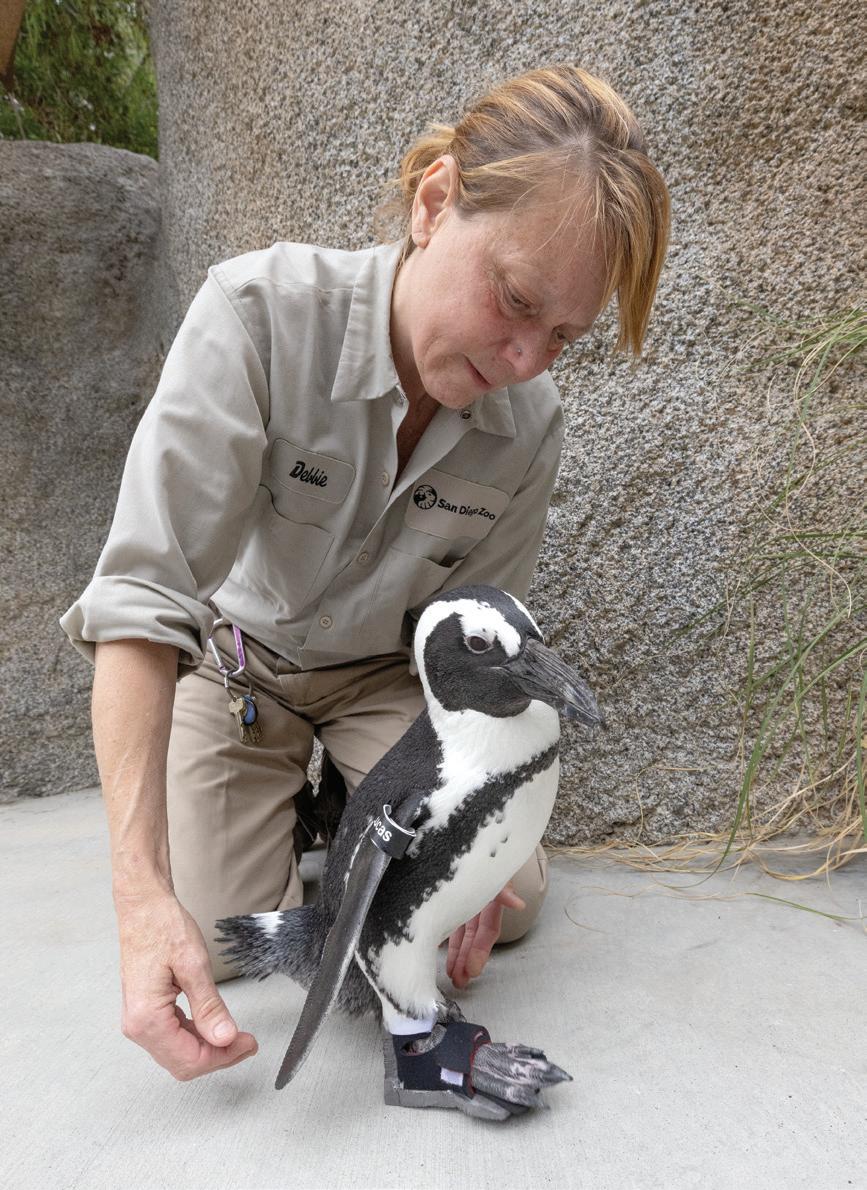
An early start: (Above) Each morning, team members like senior wildlife care specialist and article author Debbie Denton offer our penguins fish supplemented with vitamins and keep track of the appetites for all the birds in the colony. Opposite page, from top: Swimming in their pool helps keep our penguins in shape; Debbie Denton tests a prototype shoe on Lucas, a penguin being treated for bumblefoot.
DID YOU KNOW?
Male African penguins are larger than females, with larger beaks.
administer medication to the colony every other day to prevent them from contracting malaria, but it’s not 100-percent foolproof— we’ll still get cases in our penguins. Some cases are acute—it can be fatal within 24 hours of being bitten—so, if we believe that one of our penguins isn’t feeling well, we’ll get a blood sample to screen for the parasite. We’re very successful at treating our malaria cases to a full recovery with medications, fluid therapy, and TLC—but the parasite can stay in their system for years, and something as stressful as a molt can activate the parasite again, even if the bird hasn’t recently been bitten.
Steps to Prevent Bumblefoot
Penguins spend most of their life at sea, so their bodies aren’t built to stand for long periods of time. We do all we can to encourage our birds to swim, but we know they will be standing more than they would in their native ranges. We offer engaging
opportunities for active swimming and diving, but penguins also choose to stand on the beach. Our cobble beach was a conscious decision in the habitat; its irregular surface distributes weight across their feet every time they take a step, and this is vital to their overall health. Standing on a flat surface for extended periods of time can cause pressure sores to form on their footpads and toes: a condition called “bumblefoot.” Bumblefoot is a common problem across penguin populations, and can be treated in a variety of ways. Foot cream, pain medication, laser therapy, and even custom-made shoes have helped alleviate the discomfort associated with the condition.
Alleviating Aspergillosis, and Preventative Care
If we hear one of our penguins coughing or sneezing, we know it’s not a common cold like we might get. It could be an indication of a fungal respiratory infection called
aspergillosis. This spore is abundant in the environment and is usually noninvasive.
We do our best to ensure each of our birds stays healthy throughout the year. Each spring, we gather the entire colony to be checked by our veterinarians. They administer a vaccine booster to everyone to prevent West Nile virus, another mosquitoborne illness. We check their weights and collect a small blood sample from their foot to screen for avian malaria.
Ten pre-selected birds will be transported to the hospital for a preventative medical exam, or PME. This detailed exam includes a CT scan. We can evaluate any changes to their bones or overall skeleton. The veterinarians will also take a close look at the condition of their eyes, to detect any abnormalities or the beginning of cataracts; and will test flexibility in their joints to see if they still have the full range of motion. Finally, we take a picture of the bottoms of both feet, to see if there has been any change to their footpads. With a clean bill of health, the birds will pass their physical and will get their next PME again in three years.
Just as you provide daily care to keep your family healthy, we are taking the necessary steps each day to keep our active colony of penguins healthy, too!
Debbie Denton is a senior wildlife care specialist at the San Diego Zoo.
Bill of health:
Our penguins’ regular checkups ensure they are the (black-and-white) picture of health.
& HOPE INSPIRATION
Stories of Resilience and Love for Wildlife
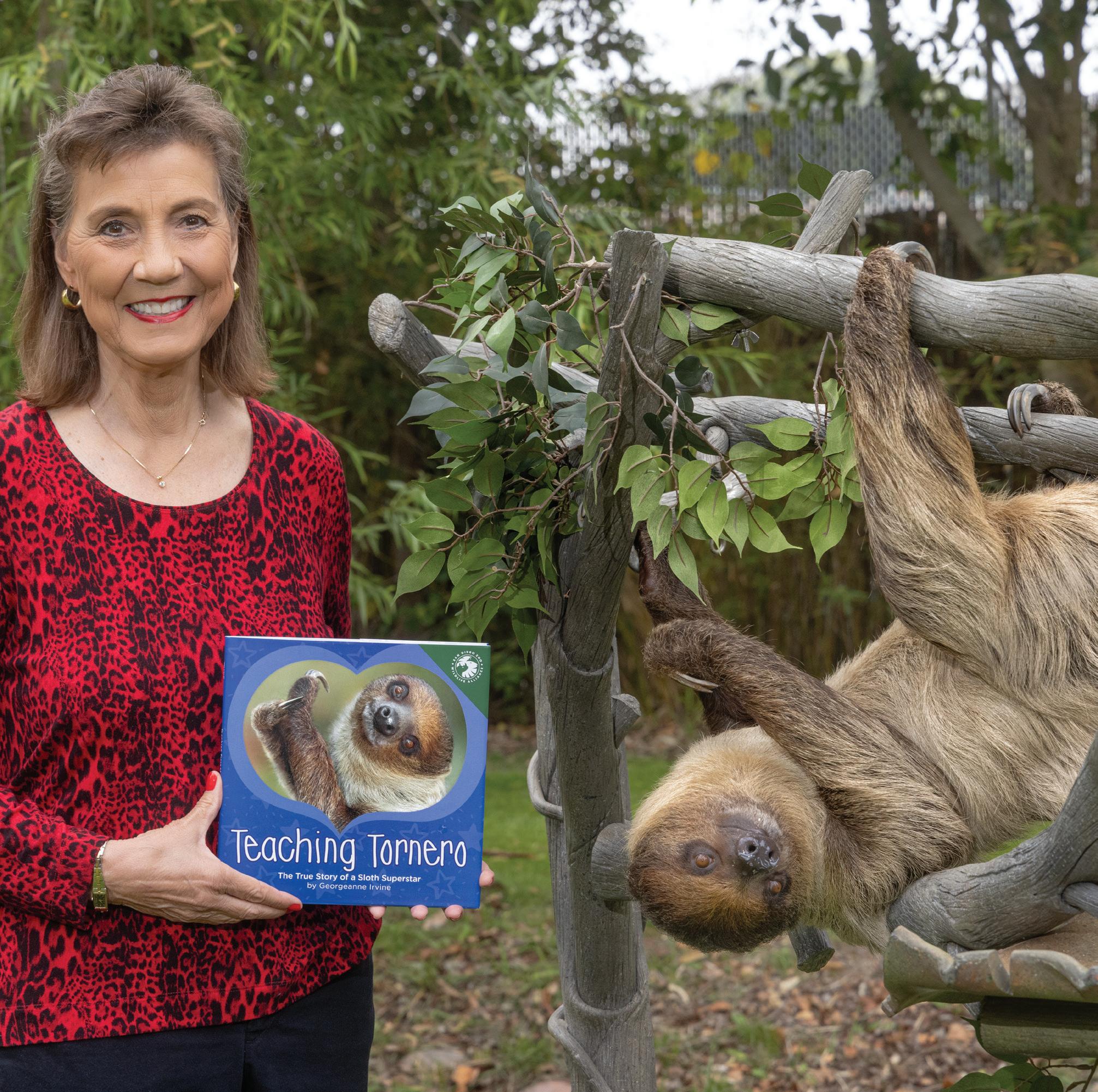
Sloth superstar: Author
Georgeanne
Irvine, who has written about countless wildlife subjects during her 45 years with San Diego Zoo Wildlife Alliance, hangs out with superstar wildlife ambassador Tornero the two-toed sloth.
PHOTO BY: KEN BOHN/SDZWA
Take a journey with a tiger cub rescued from wildlife traffickers. Get to know a baby tapir who overcame a rocky start to life, and meet a remarkable baby monkey raised by his grandma. While fictional creatures often inhabit children’s literature, the contemporary tales of author Georgeanne Irvine’s Hope & Inspiration book collection present something different: amazing, true stories about wildlife at the San Diego Zoo and San Diego Zoo Safari Park. Published by San Diego Zoo Wildlife Alliance Press, the collection shares unforgettable tales of animals who overcame major challenges— showing young readers how they, too, can overcome challenges in their own lives, and thrive. These books reveal the power of perseverance, compassion, and believing in yourself.
The collection has garnered a Silver and four Gold Benjamin Franklin Awards for Best Non-fiction Children’s Books from the Independent Book Publishers Association, and Best Children’s Book Collection honors from the National Parenting Product Awards. However, some of the most memorable tributes are messages Georgeanne has received from parents and teachers of young readers. One told of a courageous boy from Fort Worth, Texas, who found comfort reading Karen’s Heart: The True Story of a Brave Baby Orangutan about an orangutan who underwent history-making open-heart surgery—while recovering from his own heart surgery. And another described how at Bourne Primary School in Eastbourne, England, students learned about the power of resilience by reading Fabulous Floyd, the True Story of a Flamingo Who Never Gave Up —the tale of a bird who overcame many obstacles in his life, including an unprecedented series of operations to straighten his crooked legs.
Give a young reader a gift of inspiration while fostering a love for wildlife. The Hope & Inspiration book collection is available for purchase at ShopZoo.com.
JUST PUBLISHED
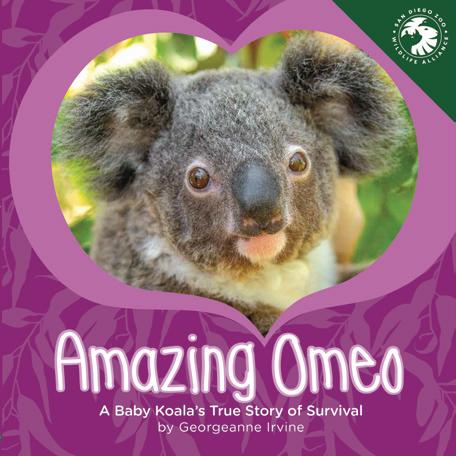
Amazing Omeo: A Baby Koala’s True Story of Survival is now available!
Give Hop e Thi s Holiday Season
Your purchases support our conservation efforts around the world
Shop now at ShopZoo.com
Sign up for our e-newsletter to receive weekly emails with special offers and new arrivals!
Hope for Tomorrow Is Growing Today
SAN DIEGO ZOO WILDLIFE ALLIANCE 2024 CALENDAR
BY PEGGY SCOTT | PHOTOS BY KEN BOHN
Fuzzy little faces with bright eyes. Gangly legs and adorably oversized feet. Downy feathers and tiny wings. Sleek skin and iridescent color. The appeal of baby animals is undeniable. But the arrival of every new bundle— furry, plumed, scaly, or otherwise—is also a living, breathing beacon of hope for the future of all species. For some, the addition helps keep its numbers steady. For endangered species, however, each newcomer represents a brighter tomorrow, as there are often so few individuals left in the native range.
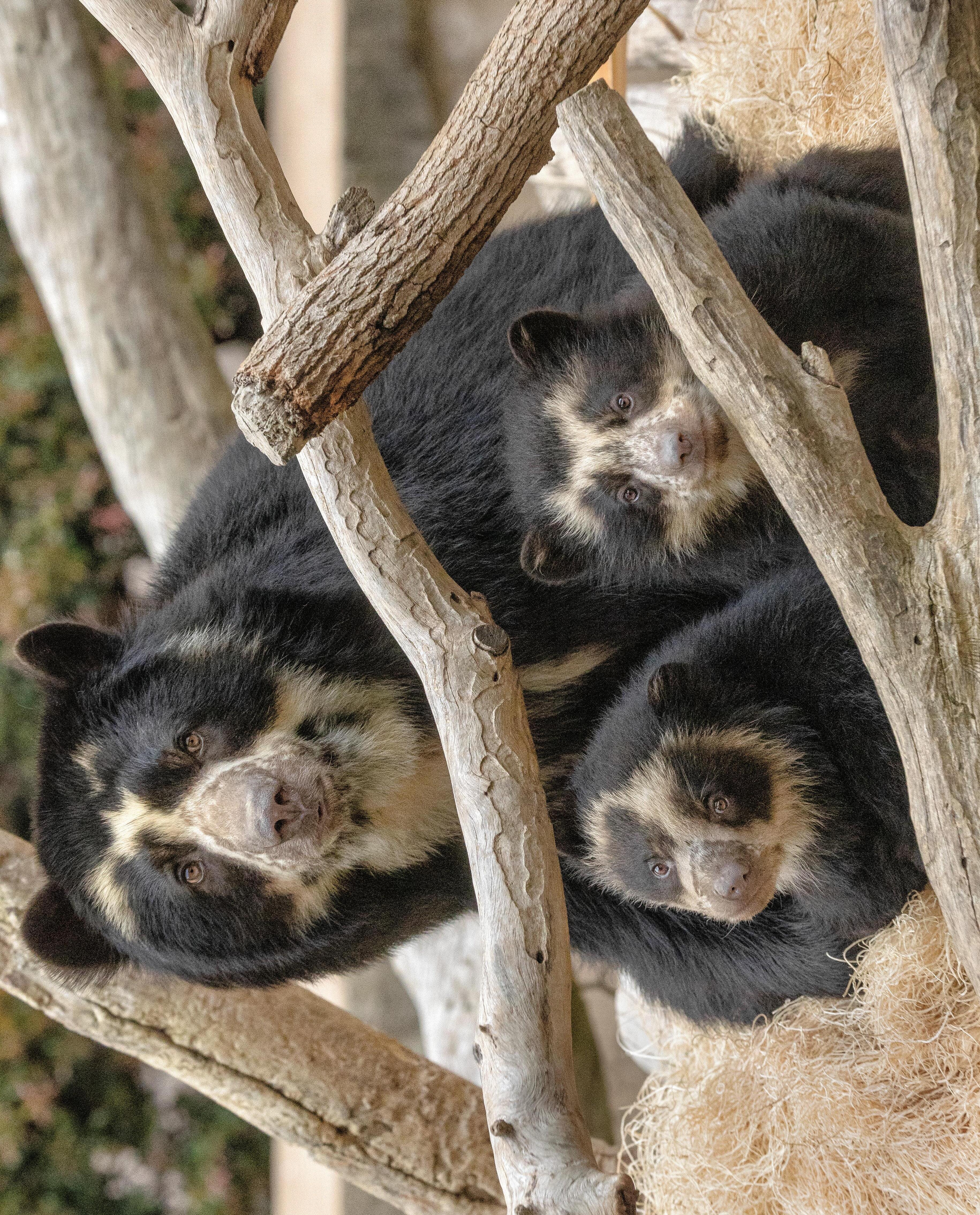
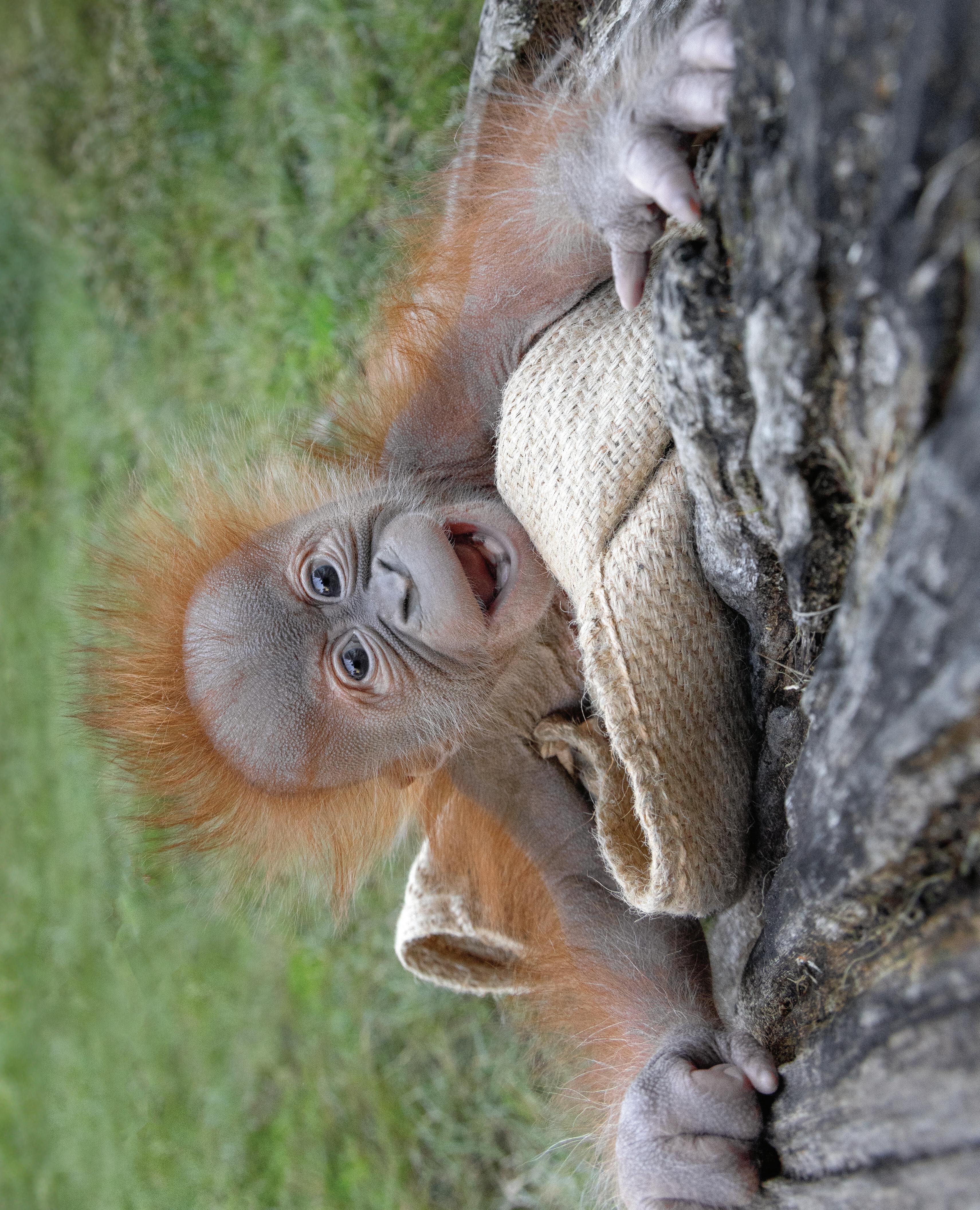
From cubs and foals to chicks and hatchlings, San Diego Zoo Wildlife Alliance celebrates all young wildlife wonders, including some you’ll meet on the pages of our 2024 calendar. Despite early complications, Kaja the Sumatran orangutan infant overcame issues and—with help from wildlife care specialists—has bonded with his mother and his primate family at the San Diego Zoo. Also at the Zoo, the world’s Amur leopard population got a wonderful boost—two, actually—when mother Satka gave birth to twins. Another precious pair— Andean bear cubs—were born to Alba, whose maternal habits provide clues as to how this notably secretive species cares for its young in its South
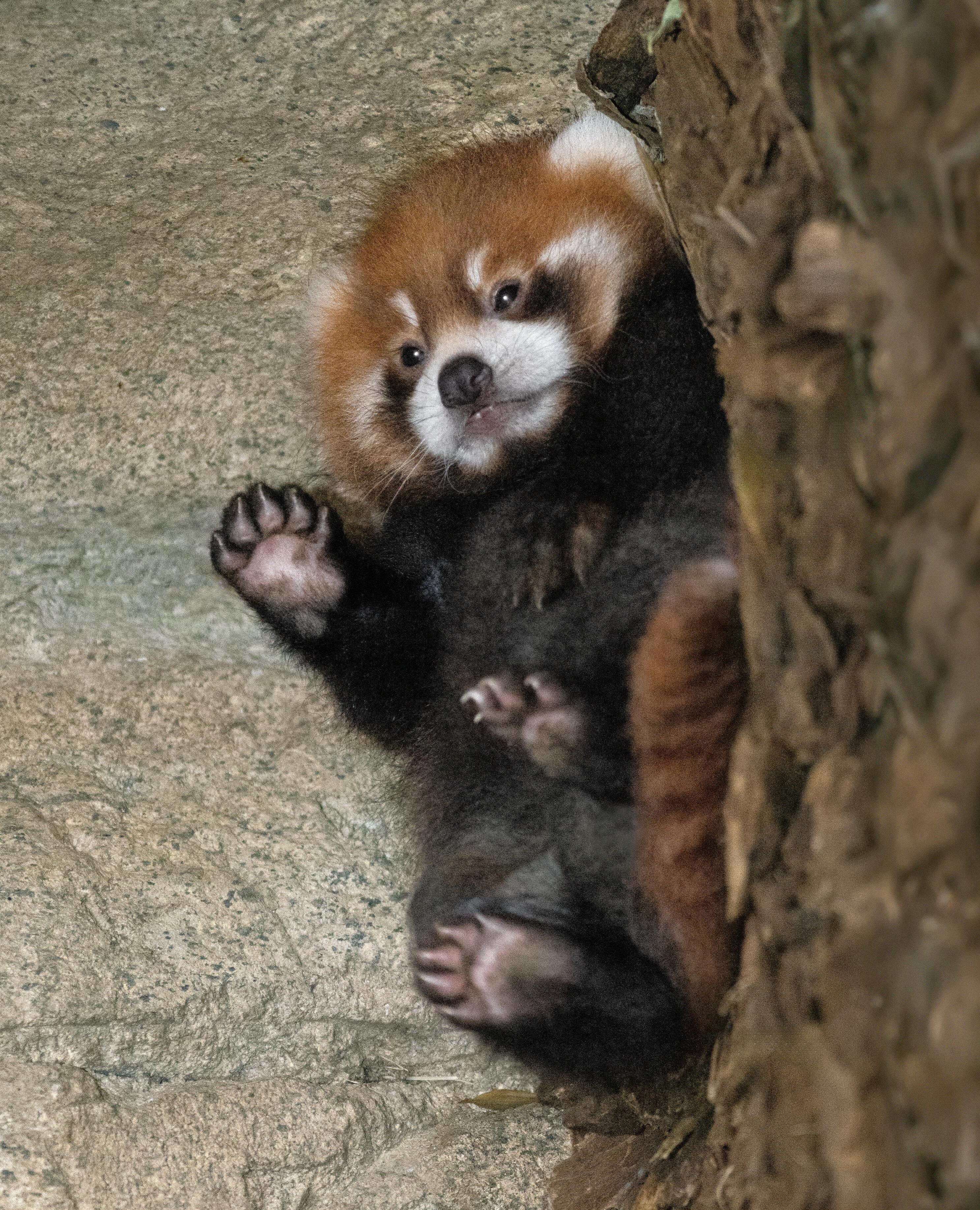
American native range. In the Zoo’s Asian Passage, Adira had guests seeing red (in a good way) for the first time in almost two decades: the red panda gave birth to a cub!
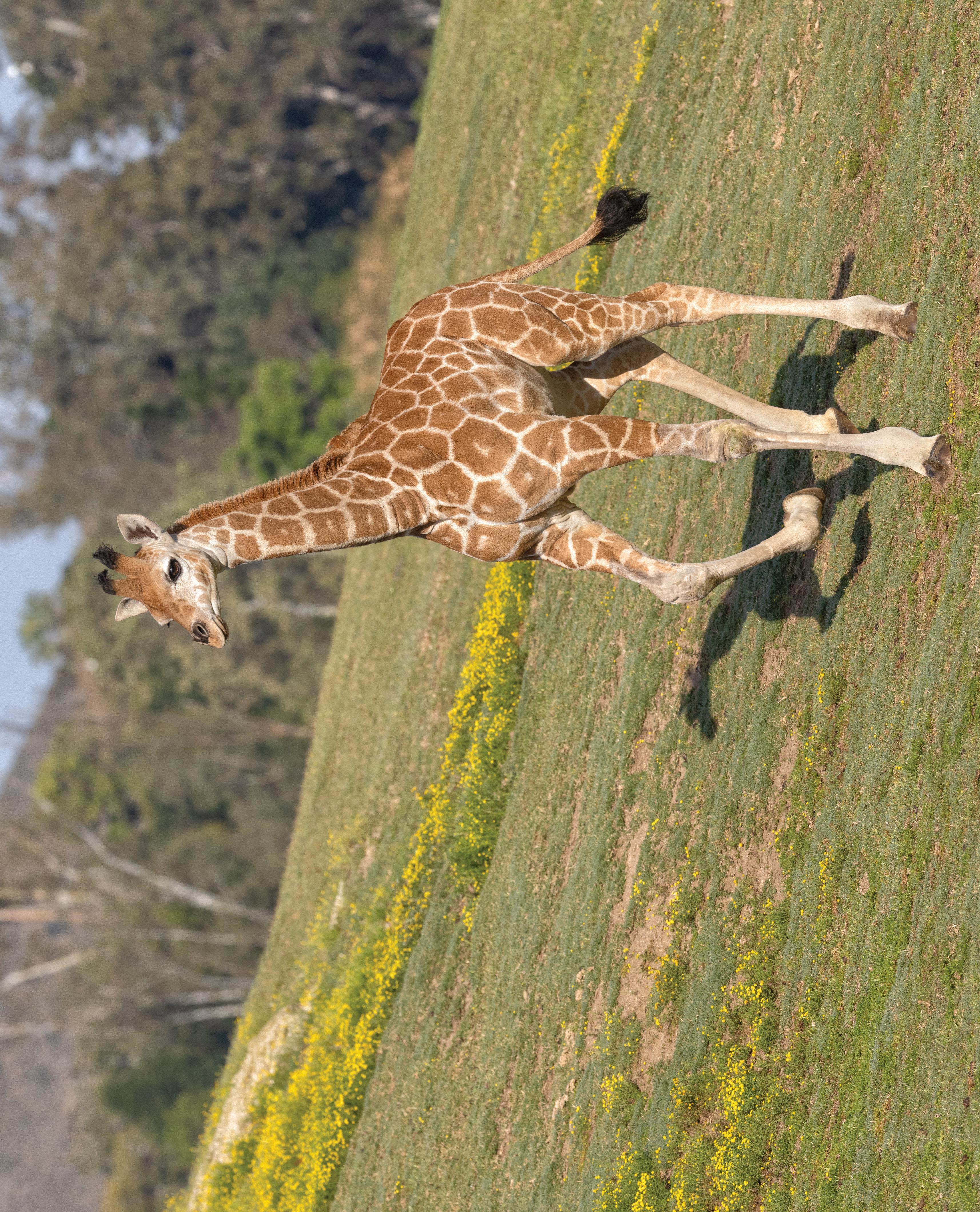
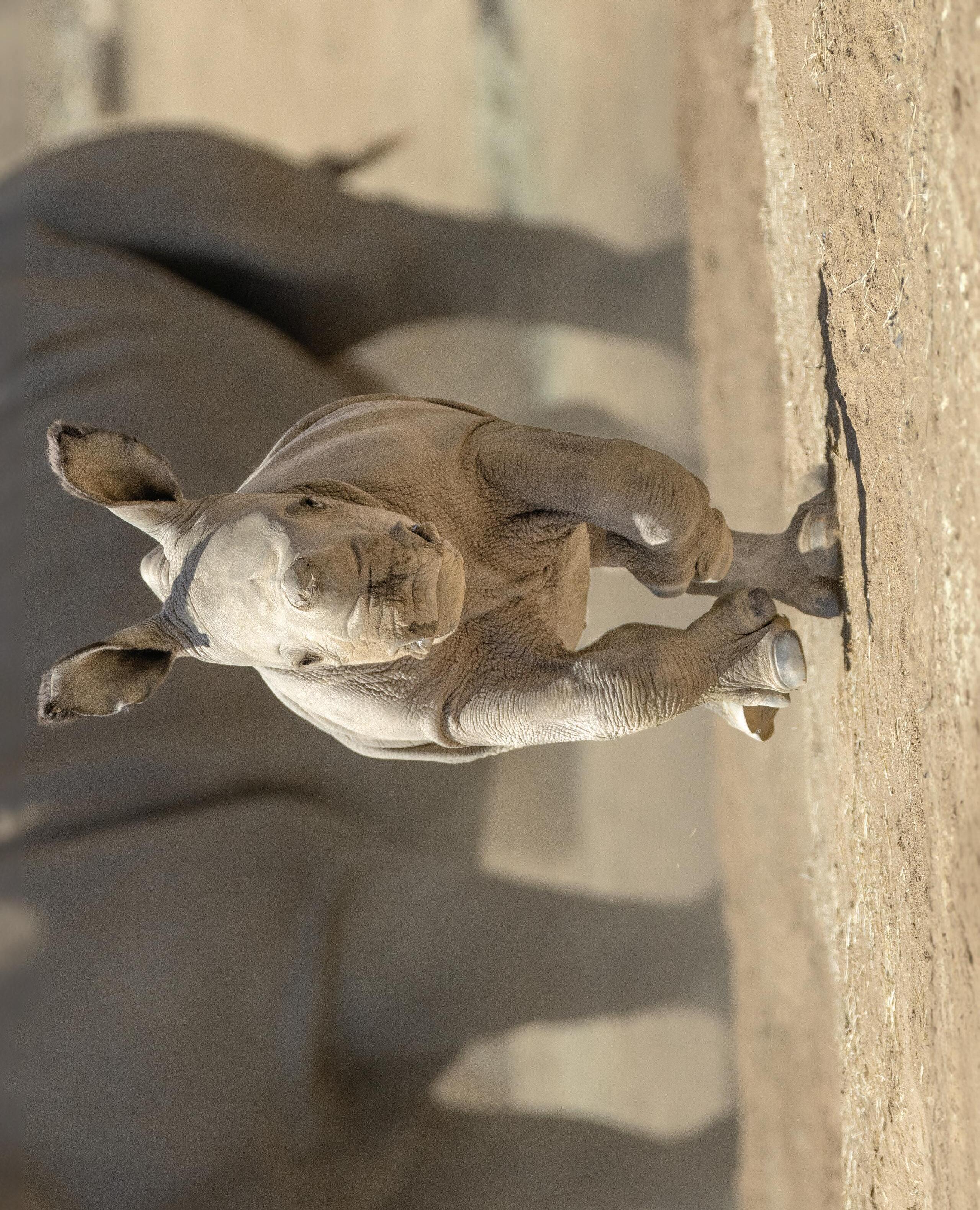
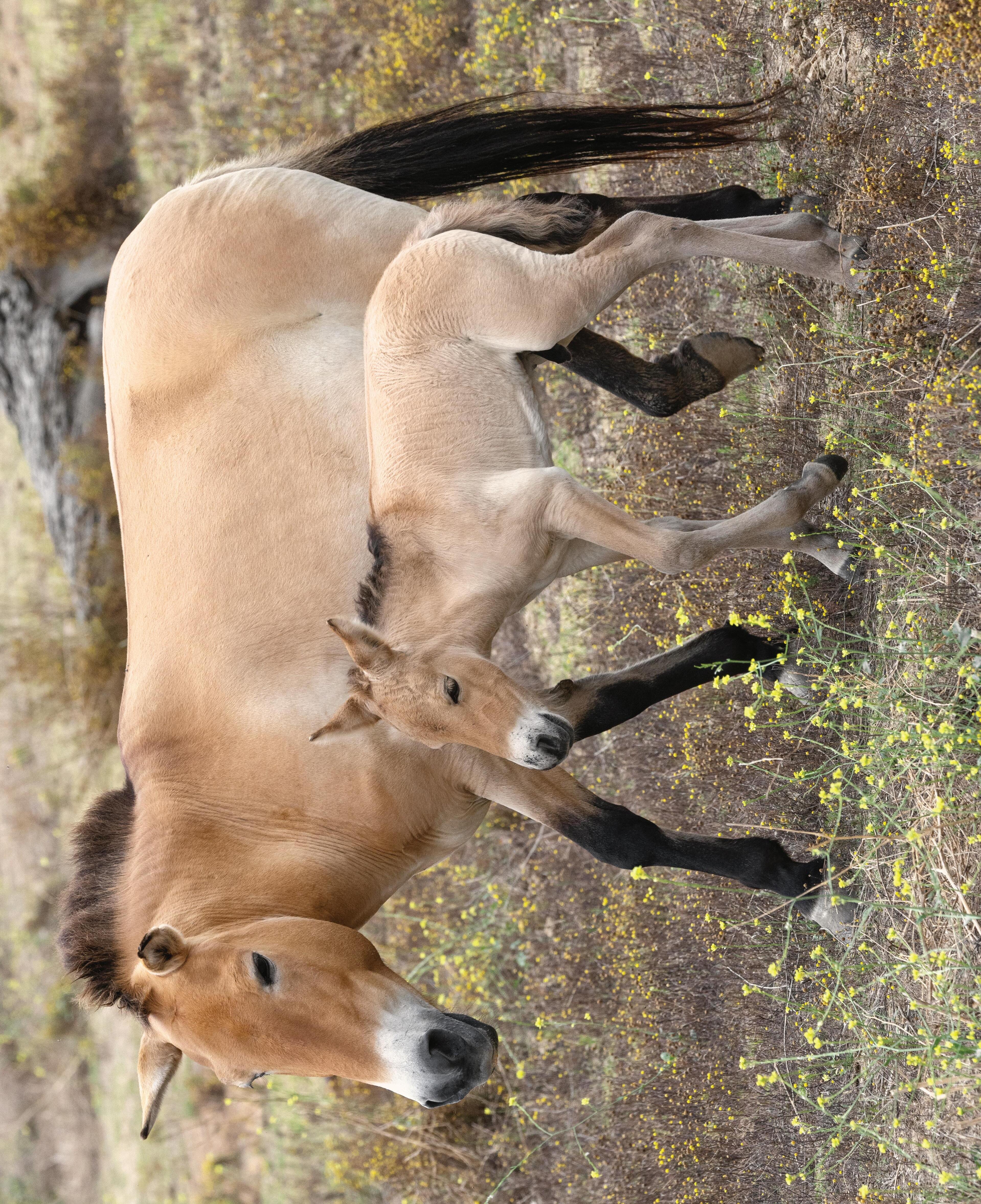
The Safari Park experienced a baby boom of its own, welcoming births such as that of Msituni the giraffe calf, who didn’t let a bone issue slow her down. With the guidance of our veterinary and wildlife care teams—and the temporary help of orthotic leg braces—Msituni was up and running with the herd in no time. There was some “kidding” around the Safari Park’s African Plains with the addition of a baby Nubian ibex; and the birth of Neville, a southern white rhino calf at the Nikita Kahn Rhino Rescue Center, brought us one step closer to saving the northern white rhino. Neville has much in common with another arrival at the Safari Park, Ollie the Przewalski’s horse colt. They represent some of the most recent progress being made by our Wildlife Biodiversity Bank and assisted reproductive technologies, including artificial insemination and in vitro fertilization.
Babies of all kinds are a promise for the future, and our 2024 calendar is a good place to start planning a good one. Here’s to starting tomorrow— and next year—by engaging with wildlife today.
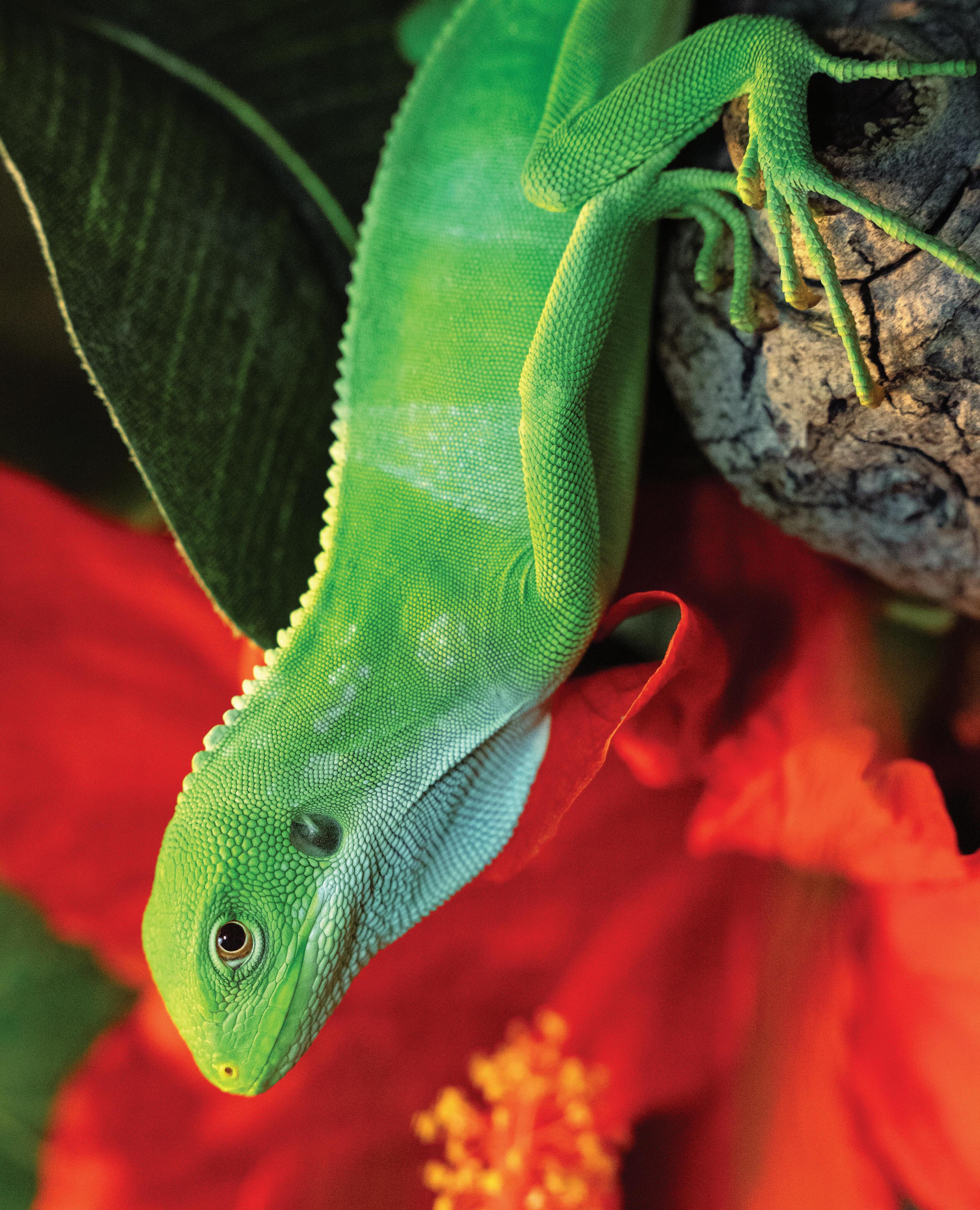
Reaching reproductive maturity at three to four months of age, female Fiji iguanas typically lay a clutch of about five eggs, which incubate for seven to nine months.
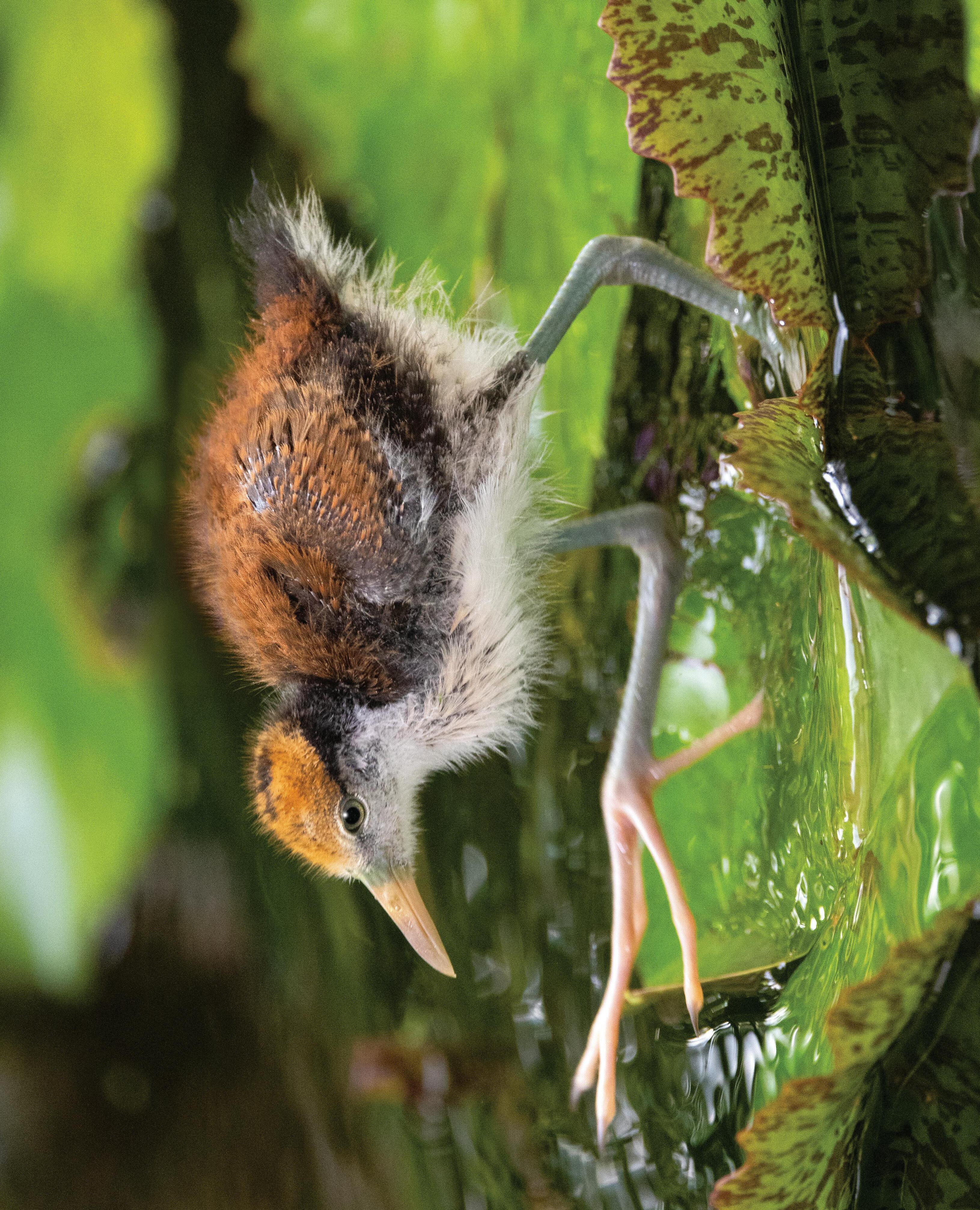
offspring. After the female has laid a clutch of four eggs, the male takes over
Male jacanas do most of the nest
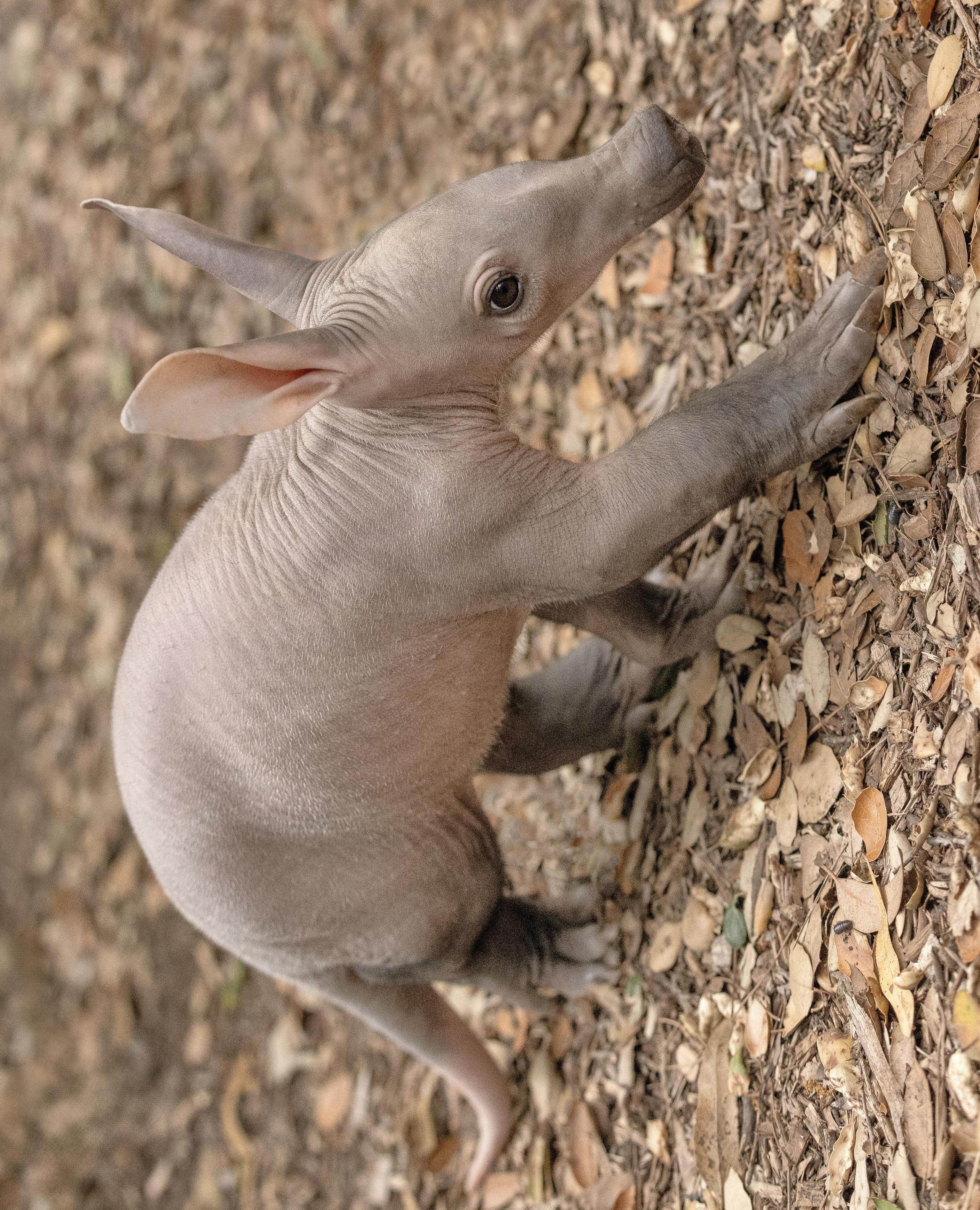
Native to sub-Saharan Africa, the aardvark is a unique species of mammal. The name aardvark is derived from Afrikaans, and is literally translated to mean “earth pig.” Their strong front legs and long claws are adapted for digging burrows.
calves grow one inch each day during their first
Measuring about six feet tall at
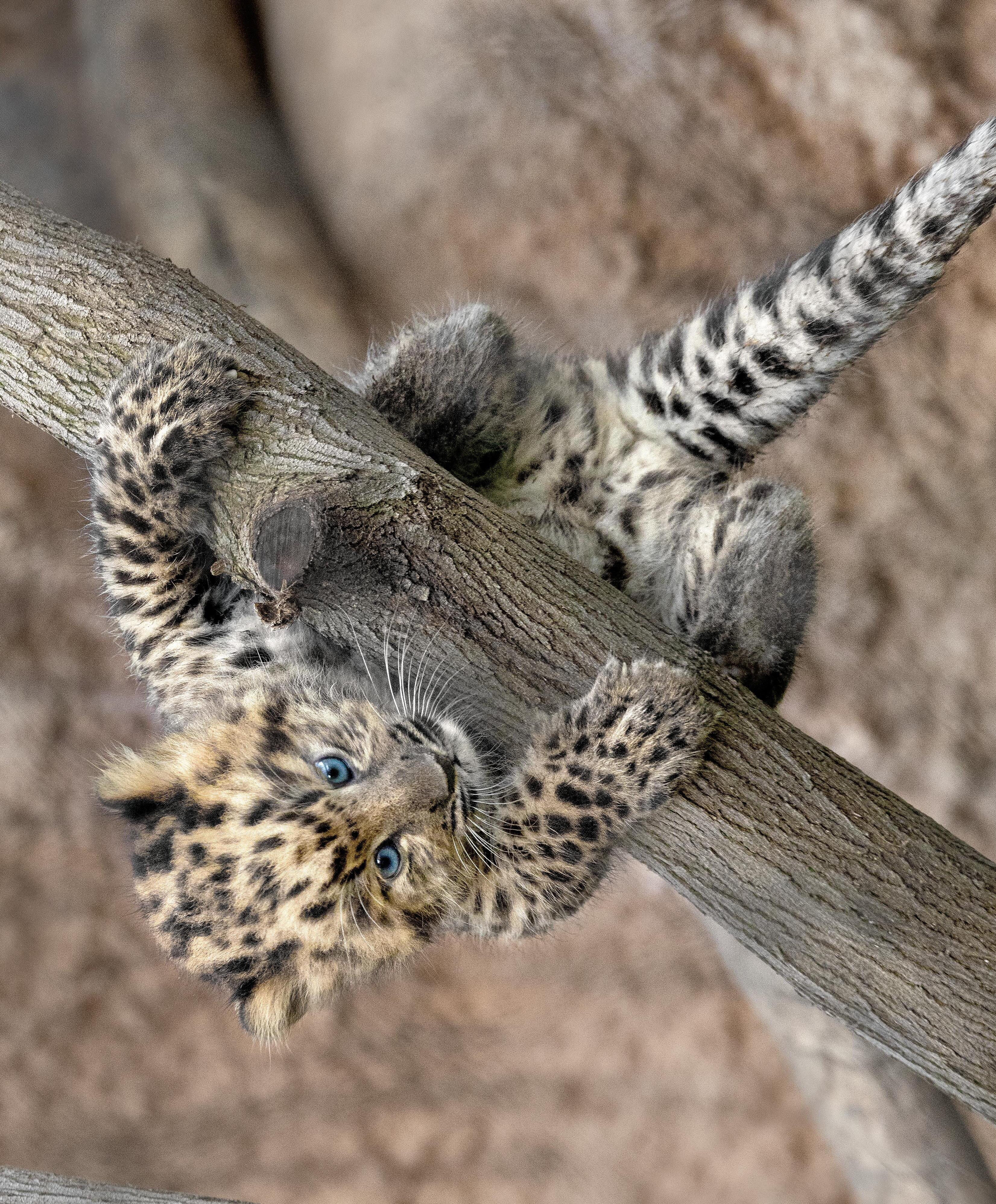
The world’s rarest leopard, Amur leopard cubs weigh less than two pounds at birth. By the time they’re a few weeks old, they’re already eating meat, but still stay with their mother until age two.
(Zoo)
(Zoo) Plant Day (Zoo) Ellen Browning Scripps Day
infant at age 12 to 15. For its first few weeks of life, the baby holds tight to its mother’s belly as she moves around. Later, it rides “piggyback.”
Female orangutans usually give birth to
Przewalski’s horse foals are born after an 11-month gestation period, and are up and moving with the herd about 30 minutes after birth. By one week of age, they can eat grass and start practicing their kicking skills.
The Ocean’s Dance
The Impact of Ocean Currents
Have you ever wondered how the oceans move? It’s all due to currents. The way water moves around the globe may not be something you think about often, but ocean currents play a crucial role in the aquatic health of our planet. They affect climate, ecosystems, and marine life. These currents are like rivers in the sea, moved by wind, tides, differences in water temperature and density, and even the spinning of the Earth.
Illustration by Amy Blandford
SURFACE CURRENTS
TINY TROUBLE: MICROPLASTICS
Plastic particles, many of them smaller than a sesame seed, are causing major problems in our oceans. Each year, millions of tons of plastic trash enter the ocean, are broken down, and are dispersed widely by currents. Marine wildlife consume these toxic plastics, mistaking them for food, which can injure or kill them.
You can help by using fewer plastic bags and bottles, recycling plastic packaging, and participating in beach cleanups.
Think of surface currents as nature’s climate control system. Driven by wind, they’re constantly moving the top 10 percent of ocean water around, helping to keep our global climate in check.
STRATIFICATION
Just as cakes have layers, the ocean does too. Currents separate ocean water into horizontal layers based on density, in a process called stratification. Cold, nutrient-rich water moves to the surface mix layer through upwelling , and warm surface water moves downward to take its place through downwelling . But while currents naturally help create smoother transitions between these layers, climate change has increased ocean stratification, impacting marine life by making it harder for nutrients to reach the surface and for oxygen to reach deeper water. These changes in nutrient and oxygen distribution threaten wildlife by disrupting the balance of both the food web and ocean habitats.
DEEP CURRENTS
Deep currents are like the unseen engines of the ocean, driving 90 percent of its water in a dance known as thermohaline circulation . Differences in water density propel this movement thousands of meters below the ocean’s surface—as colder, saltier water near the poles sinks, surface water flows in to replace it, beginning its 1,000-year journey around the globe. thermo = temperature haline = salinity
November and December Hours
San Diego Zoo*
9 a.m.–5 p.m.
Extended Hours
During Jungle Bells
9 a.m.–8 p.m.
San Diego Zoo Safari Park*
9 a.m.–5 p.m.
Extended Hours
During Wild Holidays
9 a.m.–8 p.m. sdzwa.org
619-231-1515
*Exceptions apply. Please check our website daily for the latest updates on opening and closing times.
(Z) = San Diego Zoo
(P) = Safari Park
EVENTS
November
SAN DIEGO ZOO
Proudly Supported by California Coast Credit Union
The magic and the spirit of the holiday season return! The Zoo lights up the night with amazing entertainment featuring the spectacular show, Aurora. Bring the family, and enjoy some tasty treats and the warmth of the holidays. On December 8, members are invited to join us for a Jungle Bells Member Preview. (Z) Visit sandiegozoo.org/junglebells for exact dates and times.
NOVEMBER 4–5
Wild Weekend: Oceans
Learn more about the wildlife of our Oceans Conservation Hub, with special activities, wildlife care specialist talks, and more. (Z)
NOVEMBER 17 AND DECEMBER 15
Plant Day and Orchid Odyssey
On these special days, guests can take a rare look inside the Zoo’s Orchid Greenhouse from 10 a.m. to 2 p.m., learn about the Zoo’s botanical collection from Horticulture staff on the Botanical Bus
Tour at 11 a.m., and check out the Carnivorous Plant Greenhouse from 11 a.m. to 1 p.m. A variety of plants grown by Horticulture staff will be available at the Plant Sale, from 10 a.m. to 2 p.m. in front of the Orchid Greenhouse entrance. (Z)
OFFERED DAILY
Wildlife Wonders
At the Zoo’s Wegeforth Bowl amphitheater, wildlife care specialists will introduce you to wildlife ambassadors representing San Diego Zoo Wildlife Alliance’s conservation work around the world in Wildlife Wonders, presented daily at 2 p.m. Learn about amazing wildlife—from the Amazon to right here in our own backyard in San Diego—and find out what everyone can do to help conserve wildlife and the world we all share. Presentation runs 15 to 20 minutes. (Z)
FOR MEMBERS
NOVEMBER 5 AND DECEMBER 10
Member Exclusive Early Hours Rise and shine with the sights and sounds of the San Diego Zoo. Members can enter the Zoo one hour before the general public. To join us, simply present your membership card at the main entrance beginning at 8 a.m. (Z) EVERY DAY
Wild Perks SM San Diego Zoo Wildlife Alliance members are eligible for Wild Perks SM . Show your membership card each time you make an on-grounds purchase and save up to 20%, depending on your membership level. Some exclusions apply; for details, visit sdzwa.org/membership/ wild-perks (Z)
& December
SELECT DATES IN NOVEMBER AND DECEMBER
Wild Holidays
Spend evenings at the Safari Park until 8 p.m., go on a holiday expedition of light, and travel through places that twinkle and glow with holiday cheer. Fanciful characters, musical entertainment, storytelling, and culinary treats round out the seasonal festivities. On November 24, members are invited to join us for a Wild Holidays Member Preview. (P)
OFFERED DAILY
Journey into the Wild
Join our wildlife care specialist team as they introduce you to wildlife ambassadors representing SDZWA’s conservation work in our Amazonia Conservation Hub in South America, and right here in the Southwest. This new conservation presentation begins at 2 p.m. daily, at Benbough Amphitheater. (P)
NOVEMBER AND DECEMBER, SELECTED DATES
All Ages Holly Jolly Jungle Roar & Snore Safari
Enjoy a holiday-themed Safari Park sleepover for the whole family! Call 619-718-3000 to make your reservations. (P)
FOR MEMBERS
NOVEMBER 5 AND DECEMBER 10
Member Exclusive Early Hours Rise and shine with the sights and sounds of the Safari Park. Members can enter the Safari Park one hour before the general public. To join us, simply present your membership card at the main entrance beginning at 8 a.m. (P)
EVERY DAY
Wild Perks SM
San Diego Zoo Wildlife Alliance members are eligible for Wild Perks SM . Show your membership card each time you make an on-grounds purchase and save up to 20%, depending on your membership level. Some exclusions apply; for details, visit sdzwa.org/ membership/wild-perks (P)
SAFARI PARK
Visit the San Diego Zoo Wildlife Explorers website to find out about these and other animals, plus videos, crafts, stories, games, and more!
SDZWildlifeExplorers.org
A Cool Bear Tale
For each blank space, ask a friend or family member to give you a word—an adjective or a noun or whatever the space calls for—and use it to fill in the space. When you get to the end, read the whole story aloud and see what kind of wild tale you came up with!
TIME OF DAY
ADJECTIVE
ADJECTIVE
ADJECTIVE
VERB, PAST TENSE
VERB, ENDING IN ING
TYPE OF FOOD
NOUN
VERB
ADJECTIVE
SAME ANIMAL
VERB, PAST TENSE PLACE
NOUN
ANIMAL
VERB, PAST TENSE
VERB, PAST TENSE
VERB, PAST TENSE
ADJECTIVE
NOUN
NOUN
VERB, PAST TENSE
ADJECTIVE
DIFFERENT ANIMAL
VERB, PAST TENSE
BODY PART PLACE
NOUN, PLURAL
It was very early in the on the tundra. The mother polar bear her out of the den. The snow was . It had been hard for two days. Mother bear was and she needed to find for herself and her cubs. Her two cubs were very . Mother bear and her cubs across the snow and came to the edge of a . The bears did not slip on the ice because of the on the bottom of their . It was cold, but the bears were warm enough because of their thick . The bears came to a hole in the . Soon, a popped up through the . Mother bear tried to it, but the was too fast and back into the water. Mother bear was patient and for another chance. Soon, a appeared above the surface. Mother bear it and she and her cubs . With their full, mother bear and her cubs back to their cozy . They curled up together, and , and went to sleep, dreaming of . It was a way to end the day.
BODY PART
BODY PART
ADJECTIVE
LAST LOOK
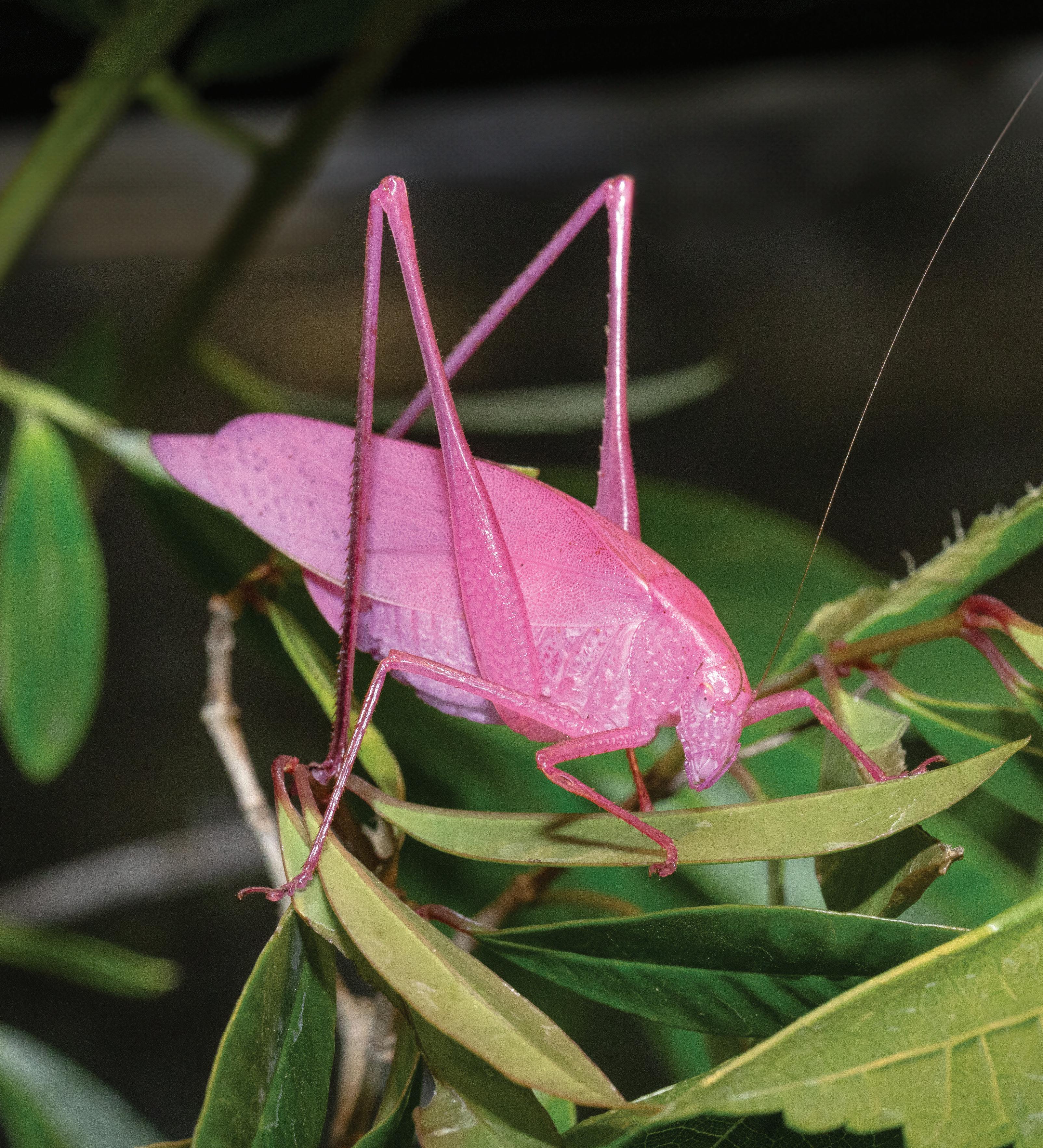
Also known as bush crickets, katydids are leggy, longantennaed insects related to grasshoppers. Some experts estimate that only 1 in about every 500 katydids are pink, and that people only have approximately a 1 percent chance of seeing one in their lifetime. Photographed by Ken Bohn, SDZWA photographer.