Witness Yellowstone’s remarkable geothermal sights, as we connect with the land and animals that inspired the establishment of the world’s first national park in 1872. June 13-17, 2027
Family Botswana Safari
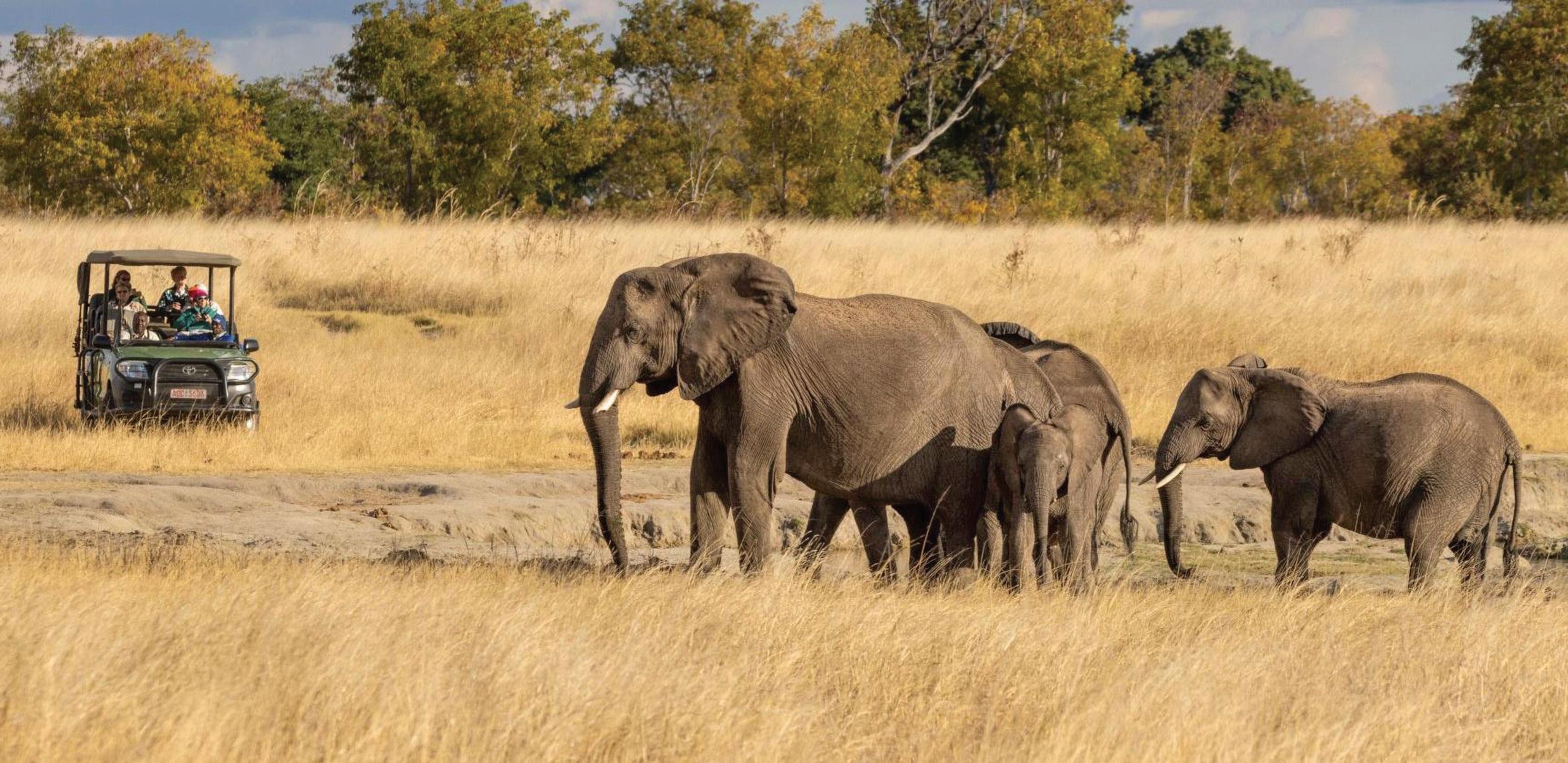
From the vast expanse of the Kalahari Desert to the emerald marshes of the Okavango Delta and the thunder of Victoria Falls, our Botswana family safari unveils new thrills day by day. June 13-22, 2027.
$6,000 discount for children 12 & under
Book now! For details about this trip and all our Adventures, visit adventures.sdzwa.org .
Photos Provided by Natural Habitat Adventures
MAY & JUNE 2026
MANAGING EDITOR
Peggy Scott STAFF WRITERS
Mike Hausberg
Aubrey Lloyd
Sara Maher
Ellie McMillan
Elyan Shor, Ph.D.
CONTRIBUTING EDITOR
Justin Weber
DESIGNERS
Kaitlyn Lara
Christine Yetman
PHOTOGRAPHERS
Ken Bohn
Tammy Spratt
DESIGN AND PRODUCTION
Lisa Bissi
Jennifer MacEwen
PREPRESS AND PRINTING
Quad Graphics
Let's Stay Connected
Follow @sandiegozoo & @sdzsafaripark Share your #SanDiegoZoo & #SDZSafariPark memories on social media.
The Zoological Society of San Diego was founded in October 1916 by Harry M. Wegeforth, M.D., as a private, nonprofit corporation, which does business as San Diego Zoo Wildlife Alliance.
The printed San Diego Zoo Wildlife Alliance Journal (ISSN 2767-7680) (Vol. 6, No. 3) is published bimonthly, in January, March, May, July, September, and November. Publisher is San Diego Zoo Wildlife Alliance, located at 2920 Zoo Drive, San Diego, CA 92101-1646. Periodicals postage paid at San Diego, California, USA, and at additional mailing offices. POSTMASTER: Send address changes to San Diego Zoo Wildlife Alliance, PO Box 120271, San Diego, CA 92112-0271.
Under to raise awareness and brighten the future for
14 Visualize It
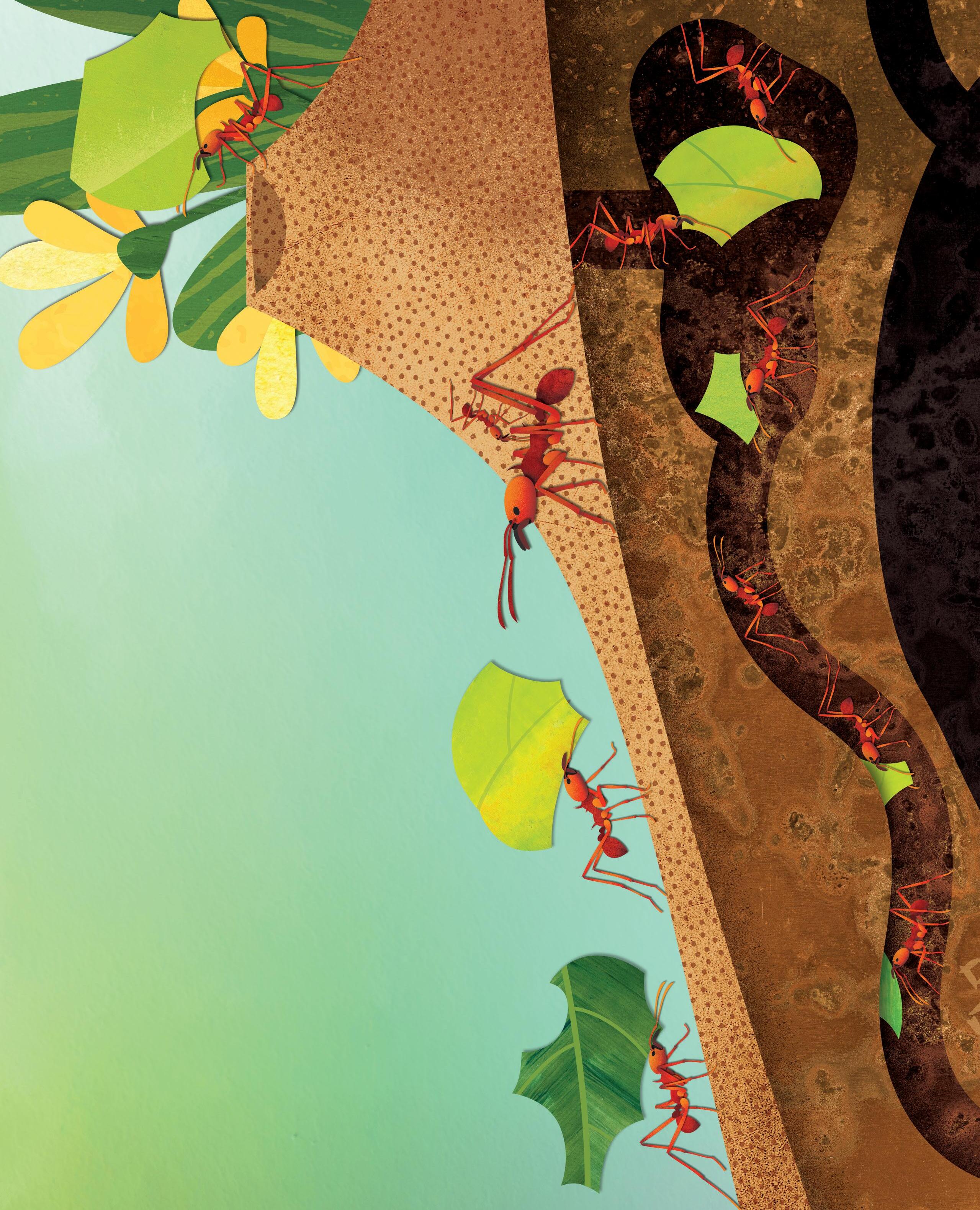
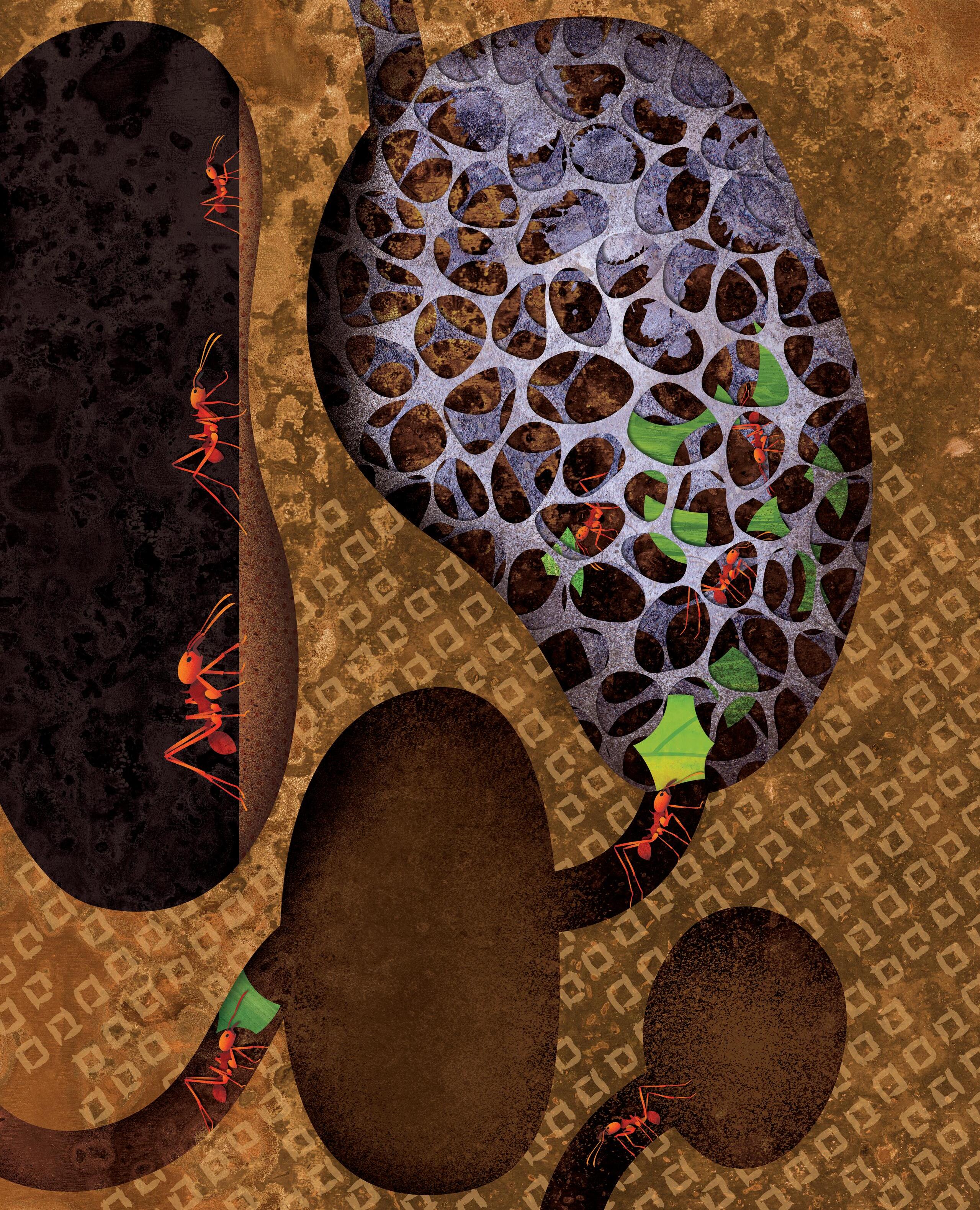
Go underground and follow a leafcutter ant colony’s meal from (fungus) farm to “table.” 18 Loulu Palms
The future of this Hawaiian Islands native is rooted in the spirit of Aloha—and collaboration. 22 Study Guide
The scores are in: Our Teacher Workshops program is getting high marks for its 20 years of promoting positive change for communities and wildlife.
Council® (FSC ®) (COC) certified. FSC ® is not responsible for any calculations on saving resources by choosing this paper.
If your mailing address has changed: Please contact the Membership Department by mail at PO Box 120271, San Diego, CA 92112, or by phone at (619) 231-0251 or 1-877-3MEMBER
For information about becoming a member of San Diego Zoo Wildlife Alliance, please visit our website at ZooMember.org for a complete list of membership levels, offers, and benefits.
Paid subscriptions to San Diego Zoo Wildlife Alliance Journal are available. Contact the Membership Department for subscription information.
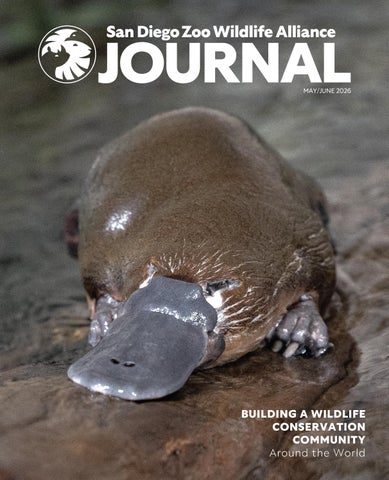
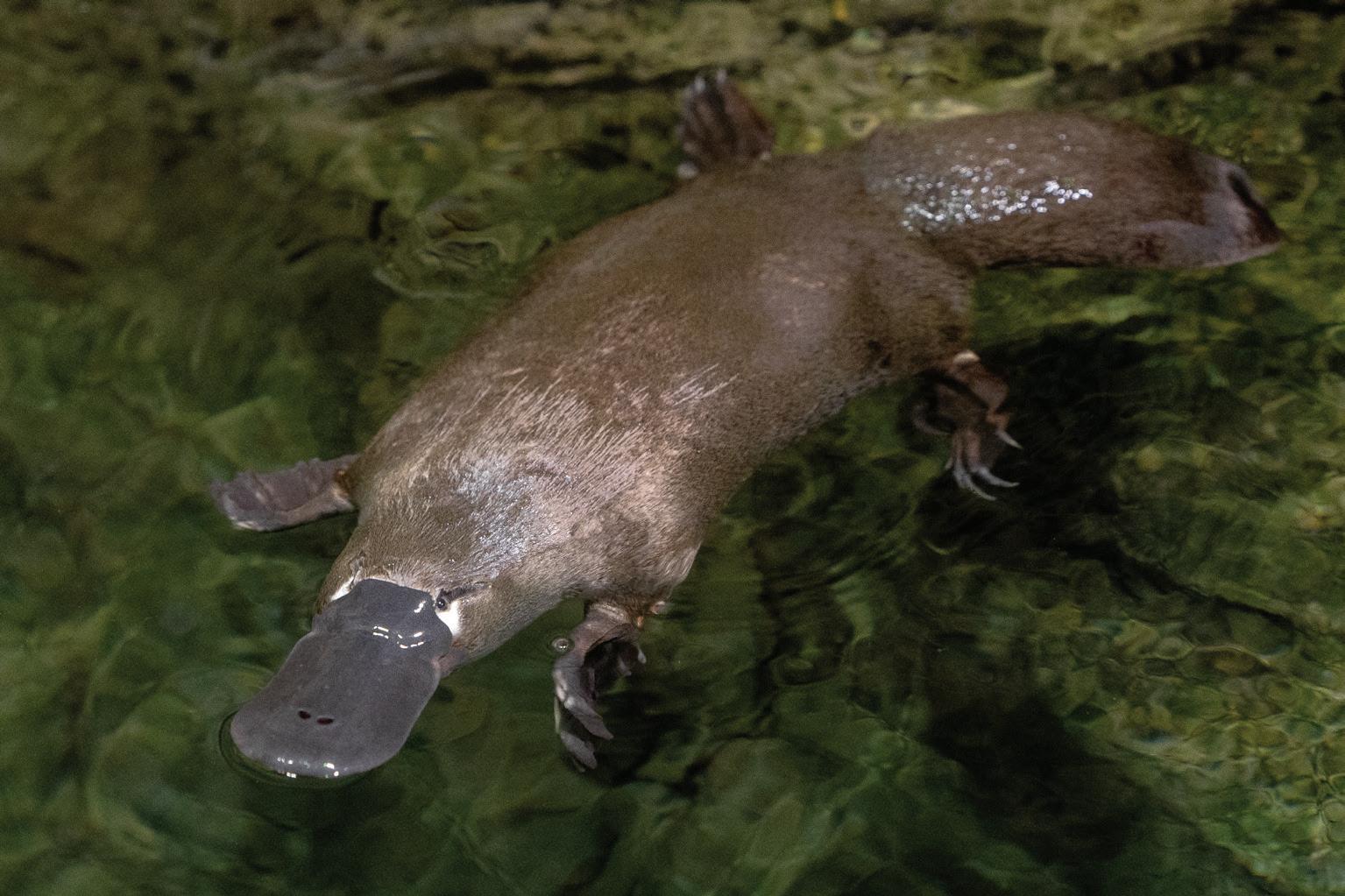
On the Cover: Platypus Ornithorhynchus anatinus Photo by: Ken Bohn, SDZWA photographer
Joining Communities Around the World
The scope of our work at San Diego Zoo Wildlife Alliance is vast, opening doors to collaboration across languages, countries, and traditions. While our efforts have made history and built deep connections within our San Diego community, they’ve also fostered a thriving global community united by a shared commitment to conservation.
In this issue of the Journal, you’ll discover how our Alliance contributes to this larger global community. The challenges we face while working to save species and protect our planet’s biodiversity demand collaboration and innovative solutions. From reducing demand for bear bile in Vietnam to protecting different bear species in Asia; partnering in Australia to secure a future for the platypus, and inspiring students worldwide to care for the natural world around us, our work demonstrates the power of collective action.
As our teams travel year-round to conduct research and learn from local communities, I’ve personally witnessed the profound value of these global
partnerships in places like Australia, China, and Kenya. Over time, relationships with an array of partners and communities build respect, understanding, and a shared vision for a better future. Thanks to your support, our work reaches new heights every day.
Thank you for being an essential part of this global community.
Together for wildlife,
2026 Board of Trustees
Officers
Rolf Benirschke, Chair
Steven S. Simpson, Vice Chair
Adam Day, Treasurer
Gary E. Knell, Secretary
Trustees
Tom Chapman
E. Jane Finley
Clifford W. Hague
Bryan B. Min
Kenji Price
Corinne Verdery ‘Aulani Wilhelm
Trustees Emeriti
Javade Chaudhri
Berit N. Durler
Thompson Fetter
Richard B. Gulley
Robert B. Horsman
Steven G. Tappan
John M. Thornton
Executive Team
Shawn Dixon
President and Chief Executive Officer
David Franco
Chief Financial Officer
Erika Kohler
Senior Vice President and Executive Director, San Diego Zoo
Pat McTigue
Senior Vice President and Executive Director, San Diego Zoo Safari Park
Nadine Lamberski, DVM, DACZM, DECZM (ZHM)
Chief Conservation and Wildlife Health Officer
Wendy Bulger
General Counsel
David Gillig
Shawn Dixon President and Chief Executive Officer
Chief Philanthropy Officer
Aida Rosa
Chief Human Resources Officer
David Miller
Chief Marketing Officer
PHOTO BY: KEN BOHN/SDZWA
Deep-Seeded Connection
San Diego Zoo Wildlife Alliance is a leader within a community striving to preserve the diversity of plants vital to ecosystems worldwide. A key part of this collaboration is our Native Plant Gene Bank, which preserves invaluable genetic material of thousands of different plant species. These samples and the knowledge gained while collecting and preserving them are shared with partners around the world, creating a network rooted in connection and dedicated to planting seeds of change.
6
The Wildlife Biodiversity Bank is organized into 6 subcollections, including the Native Plant Gene Bank, composed of seeds, plant cuttings, and other specimens.
1 , 166
We aligned with the California Plant Rescue Project to bank all 1,166 of California’s threatened plant species. In November 2025, we were 97% done.
79 922
The Native Plant Gene Bank preserves materials from 79 of San Diego County’s most threatened native plants, preventing irreversible loss of a globally rare population.
Each of the Native Plant Gene Bank’s 922 seed collections conserves the genetic material of thousands of members of a plant population.
We are one of 83 conservation partners in the Center for Plant Conservation, a network collaborating to save threatened plants.
San Diego Zoo Wildlife Alliance protects and restores nature in eight Conservation Hubs on six continents. Below are recent discoveries and progress reports from around the world.
STICK INSECT SAMPLES BANKED
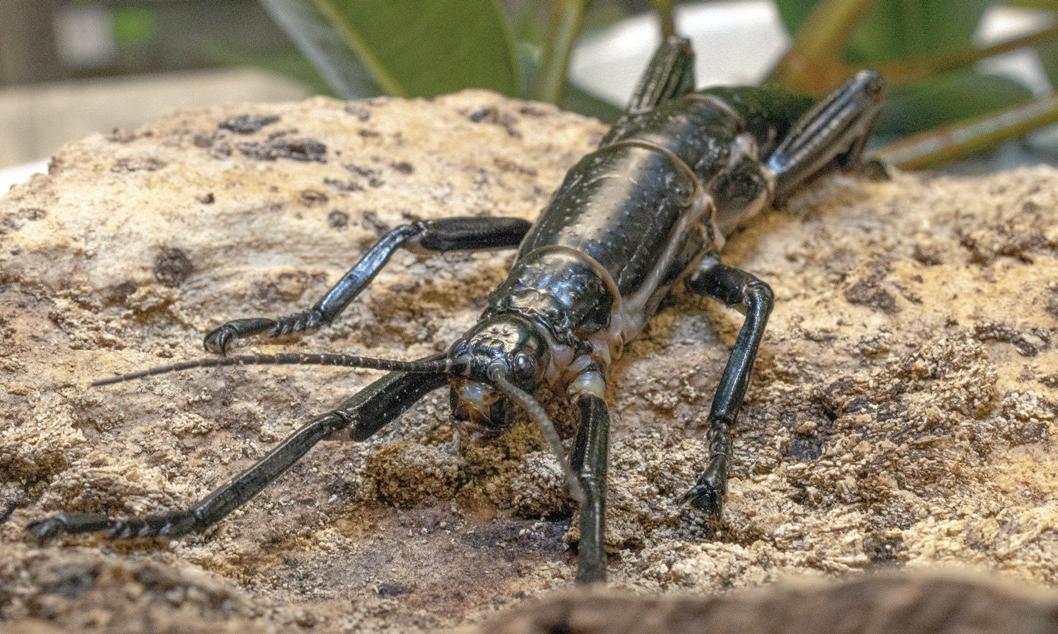
We recently added Lord Howe Island stick insect (LHISI) reproductive materials to the Frozen Zoo ®, representing the first insect samples to be banked in our cryopreserved collection. Our team collected sperm from two LHISI that passed away of old age. It is typically difficult to collect gametes from insects due to their small body size; however, since LHISI are relatively large, we were able to identify their reproductive tracts and retrieve live sperm. Because LHISI are critically endangered (only about 30 of them remain in their native habitat), our team hopes to opportunistically bank more reproductive materials to safeguard their genetic diversity. The San Diego Zoo is home to the only LHISI in North America, and we are now the first organization in the world to bank LHISI sperm.
KANGAROO RAT HABITAT RESTORATION
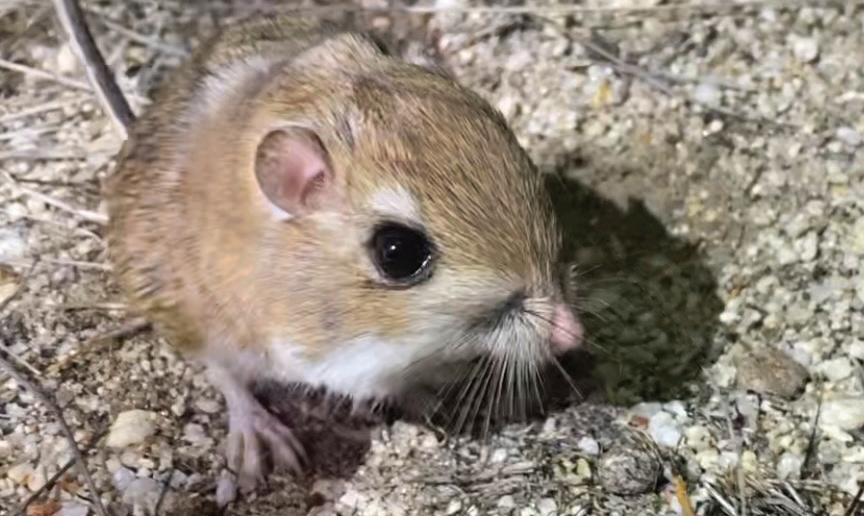
Our team collaborated with local landowners to experimentally restore 12 acres of habitat for the San Bernardino kangaroo rat, an endangered species with a shrinking range in rapidly developing Southern California. We treated patches of the habitat with several different techniques, including adding or removing sediments. Through 2027, we’ll monitor the habitat to determine whether kangaroo rats prefer areas treated with certain techniques. Our findings will guide future largescale restoration efforts, helping to create more suitable landscapes for this unique species. Habitat restoration is a critical step in ensuring the survival of the San Bernardino kangaroo rat and supporting biodiversity in California.
UNDERSTANDING DESERT TORTOISE RESILIENCE
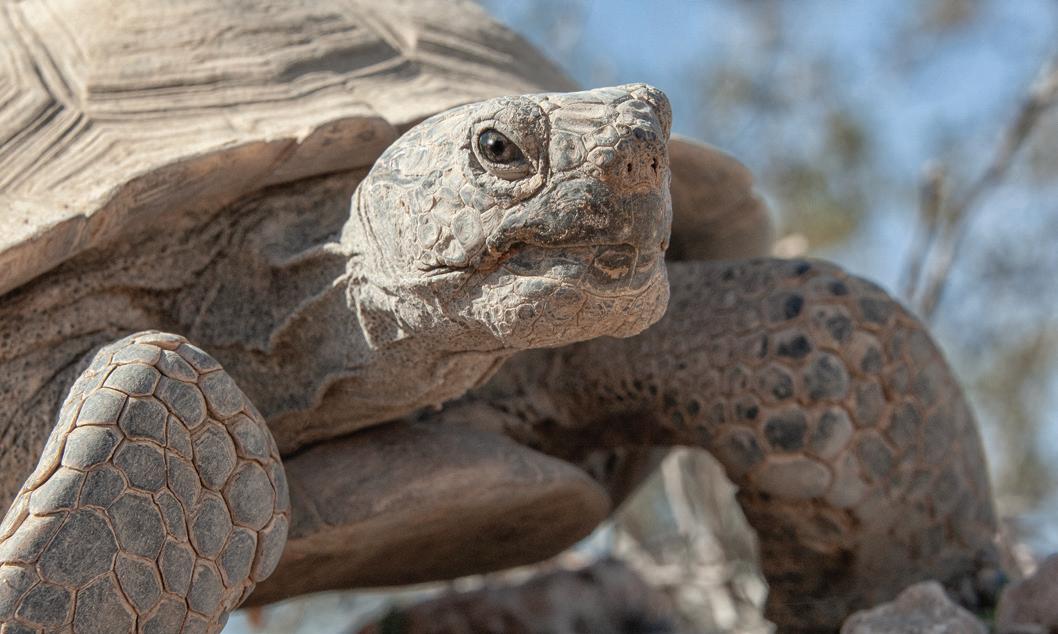
San Diego Zoo Wildlife Alliance and our partners at University of North Carolina, Chapel Hill are exploring how desert tortoises adapt to temperature extremes. Studying Mojave desert tortoises at Edwards Air Force Base, we collected data overnight—when tortoises are naturally calm and sleepy—to measure their energy use and water balance. These data will reveal how metabolic rates in tortoises of different ages respond to temperature and humidity. This research will help us understand how tortoises cope with extreme heat and a changing climate, and how well their underground burrows buffer temperature and water stresses. These findings will guide efforts to identify and protect the best habitats for tortoises of all ages, ensuring their resilience for generations to come.
AUSTRALIAN FOREST
SOUTHWEST
From San Diego to the world
Go further with 1,000+ global destinations and 30+ airline partners. Plus, Alaska Airlines still o ers the most nonstop ights from San Diego.
O cial Airline sponsor of San Diego Zoo Wildlife Alliance
REDUCING DEMAND
Elizabeth Davis, Ph.D., a scientist with San Diego Zoo Wildlife Alliance’s Community Engagement team, helps save bears inAsia by guiding public opinion toward alternatives to bear bile use.
Illegal and unsustainable wildlife trade is responsible for the decline and extinction of species worldwide.
Wildlife trade has historically been addressed through “top-down” measures, such as policy change (banning trade in certain wildlife) and enforcement of those policies through fines and jail time. While these are important, it has been evident for decades that these strategies alone are not enough to reduce trade. A complementary and critically important strategy is to reduce demand for wildlife by changing the behavior of individuals consuming wildlife.
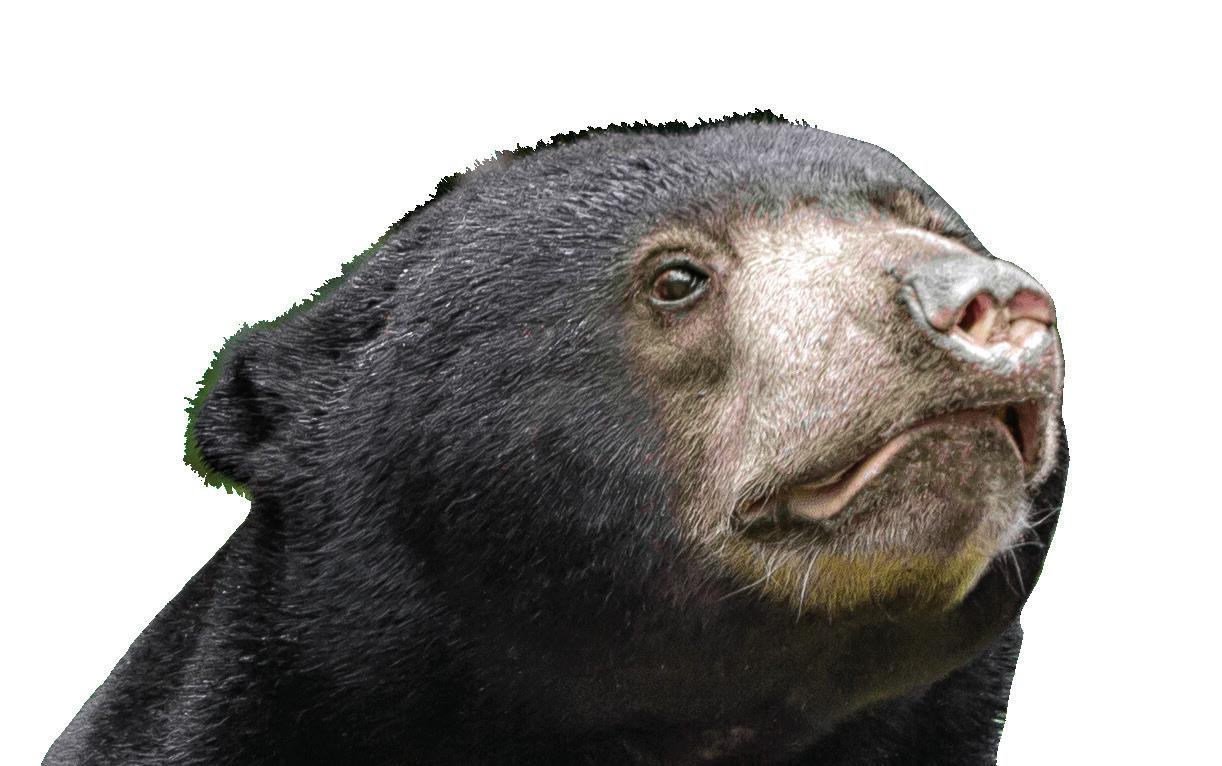
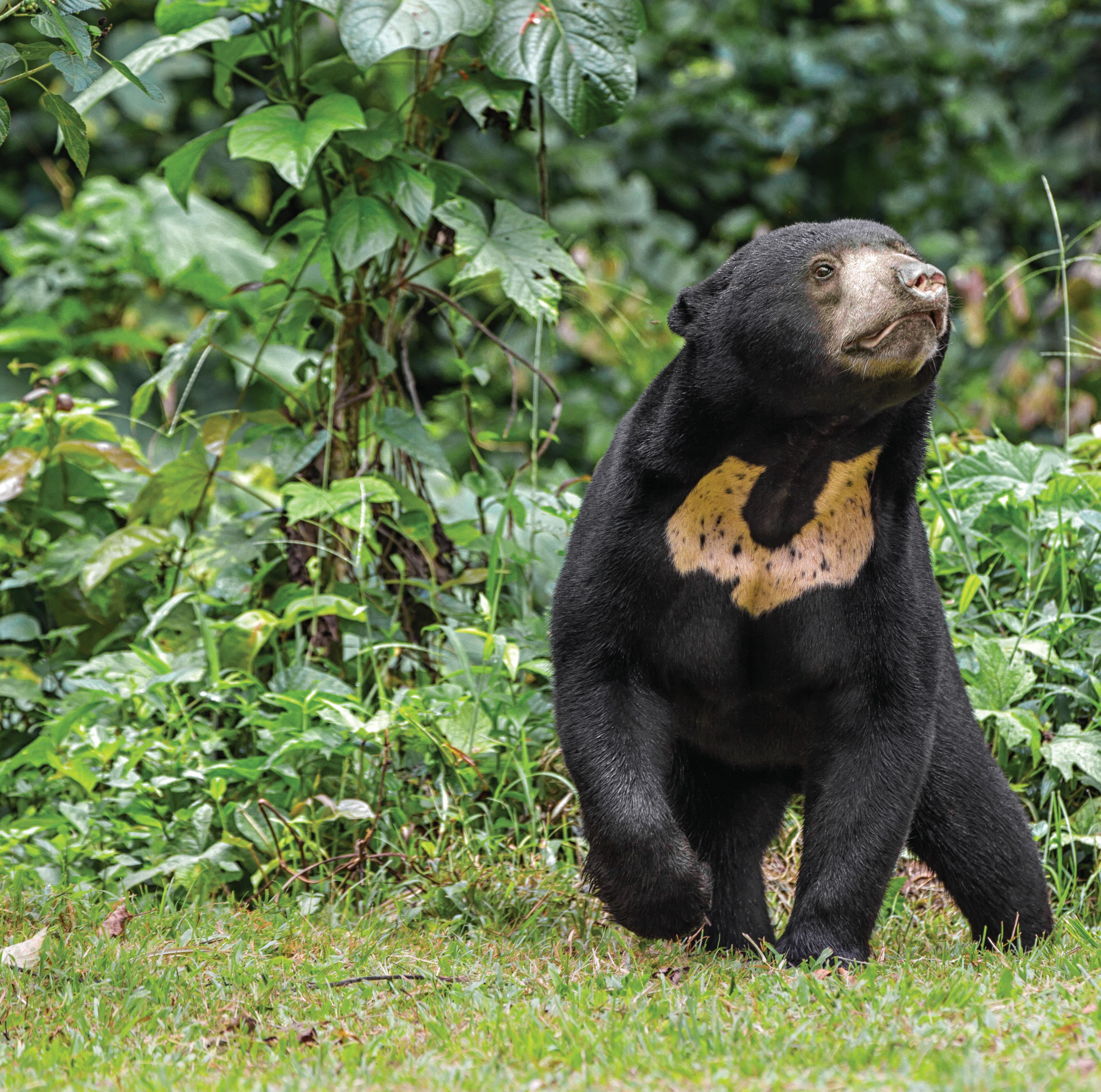
In many countries within East and Southeast Asia, Asiatic black bears and sun bears are harvested for their bile. The demand for bear bile has led to severe population crashes of these bear species across Southeast Asia, and is critical to halt if we hope to retain
one of the last remaining carnivores in this region. Bear bile is believed to have medicinal properties, particularly for reducing pain and inflammation, and addressing severe liver ailments. The chemical properties of Asiatic black bear have been shown to be effective at addressing such ailments, but the effective chemical compound is easily synthesized in a lab, and is comparable to common biomedicine compounds, such as acetaminophen.
In the mid-2000s Vietnam was one of the premier bear bile consumption countries, with an estimated 5,000 bears taken from their native range and put on “bear farms” for extraction of bear bile for human consumption. As bears cannot reproduce on
bear farms, this resulted in the loss of a significant proportion of the population. If demand for bear bile were to persist in Vietnam, both bear species could become locally extinct. In 2019 San Diego Zoo Wildlife Alliance (SDZWA) started working directly in Vietnam with our key local partner, Vinh University, to understand the characteristics of bear bile consumers across the country, as well as what motivated these consumers to use bear bile. In 2022, we presented this information to a diverse group of stakeholders including wildlife rescue NGO representatives, community members, government officers, and university staff, to
gather feedback on potential messages that would discourage the consumption of bear bile. Using that feedback, we designed a campaign wth core messages such as “herbal alternatives are a natural way to heal your body and celebrate biodiversity in Vietnam,” and “the best gifts are those that honor Vietnamese heritage. Choose gifts that do not contain Vietnamese wildlife.”
We implemented the campaign at the end of 2023, and we used a Before-After-ControlImpact design for campaign evaluation. Specifically, we ran the campaign in a “treatment” area, and chose a comparative “control” area where we had no influence. In
“Are you in pain? Listen to your doctor’s advice.”
“Use western medicine and herbal medicine as directed by your doctor for effective treatment.”
both areas we collected before and after survey data on the use of bear bile. We found that our campaign had an incredible impact—16% of our sample were using bear bile before campaign implementation, and only 1% were using bear bile after the campaign. While our messages were effective and resonant, the incredible efforts of our in-country partners to cultivate trust and engagement within our treatment commune enabled this change. Incountry team members attended community meetings, had numerous one-on-one meetings, and even worked in the rice fields
with local farmers to cultivate buy-in.
While this is a heartening result that gives us hope for the future of bear conservation in Vietnam, the isolated and depleted bear populations are still threatened by indiscriminate poaching by food-insecure, forest-adjacent communities. Our organization is working with community members, government officers, and our local partners to co-create community engagement plans that support local households, while reducing indiscriminate poaching. As always at the Alliance, we envision a world where all life thrives.
Team Monotreme: Safeguarding Platypus Populations
BY MEREDITH CLANCY, DVM, MPH, DACZM; AND ROB BROWNING, MS, DVM, DACZM
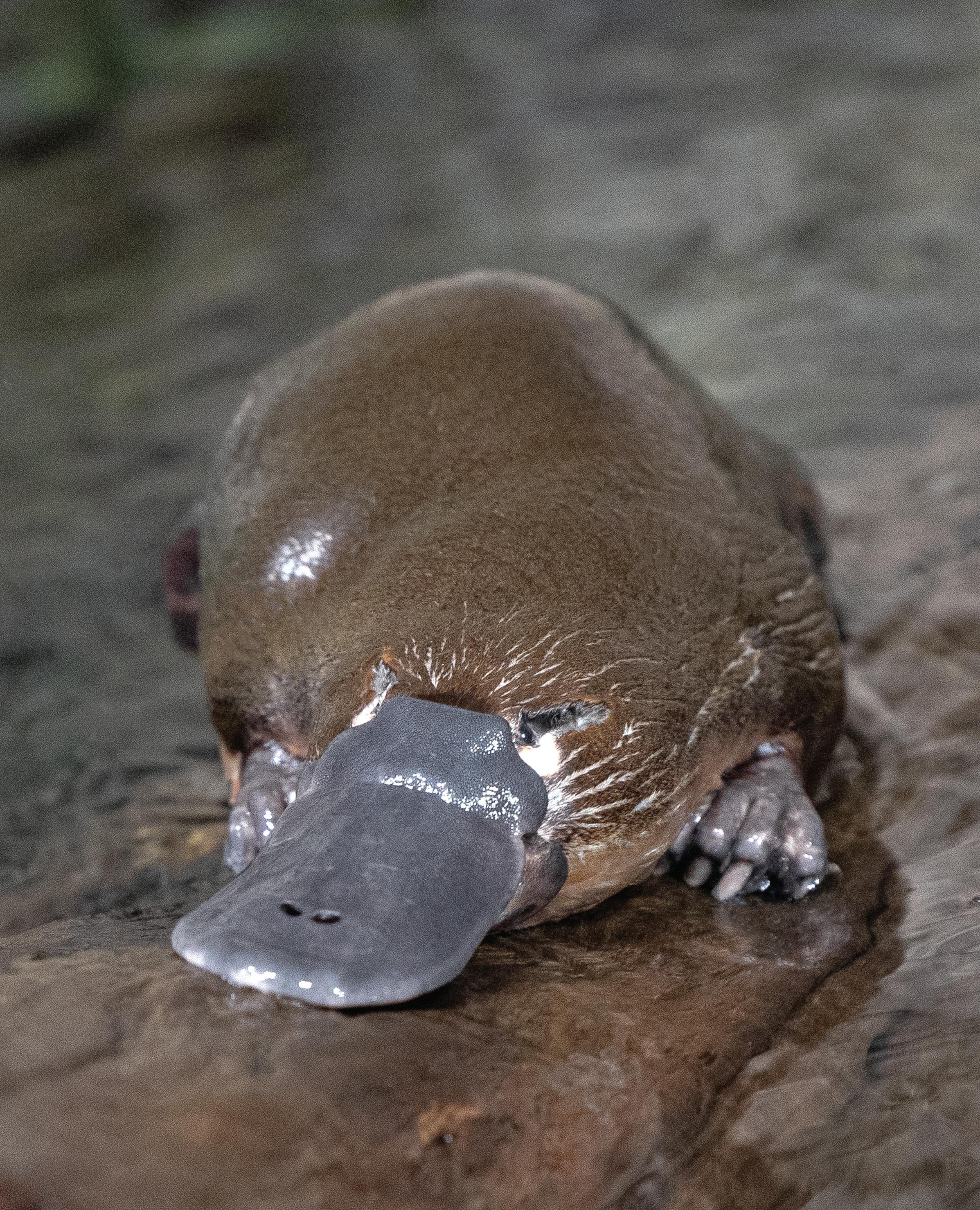
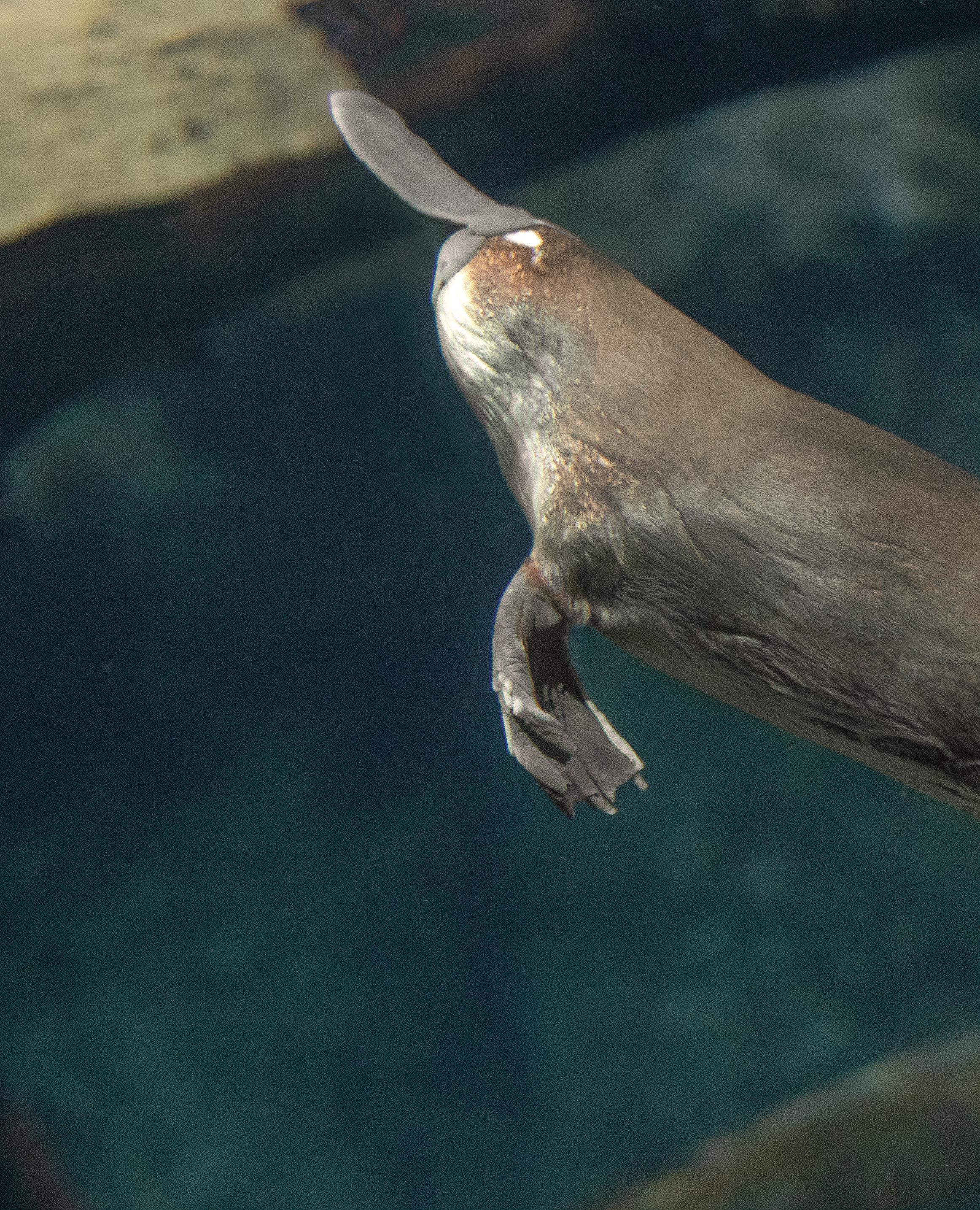
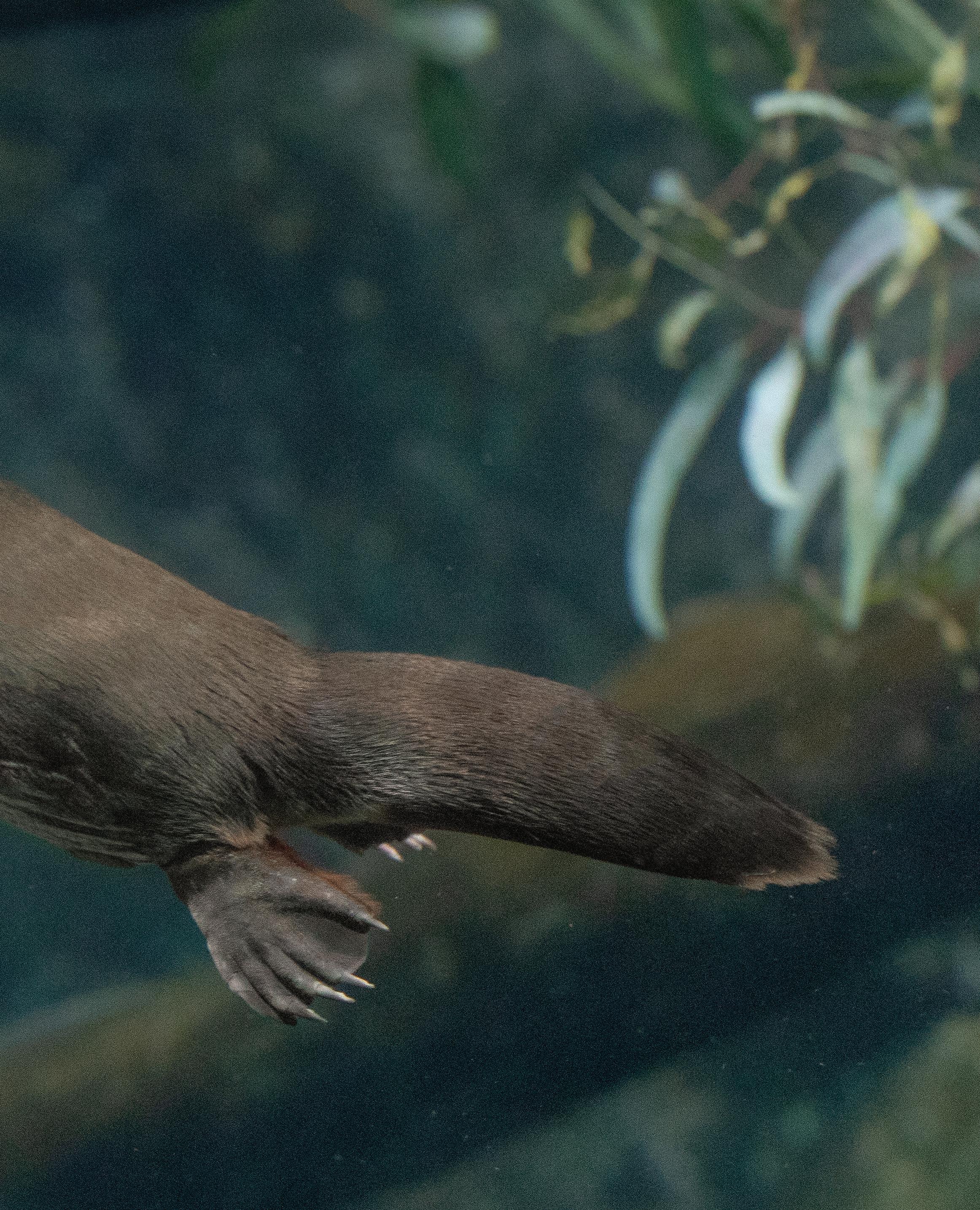
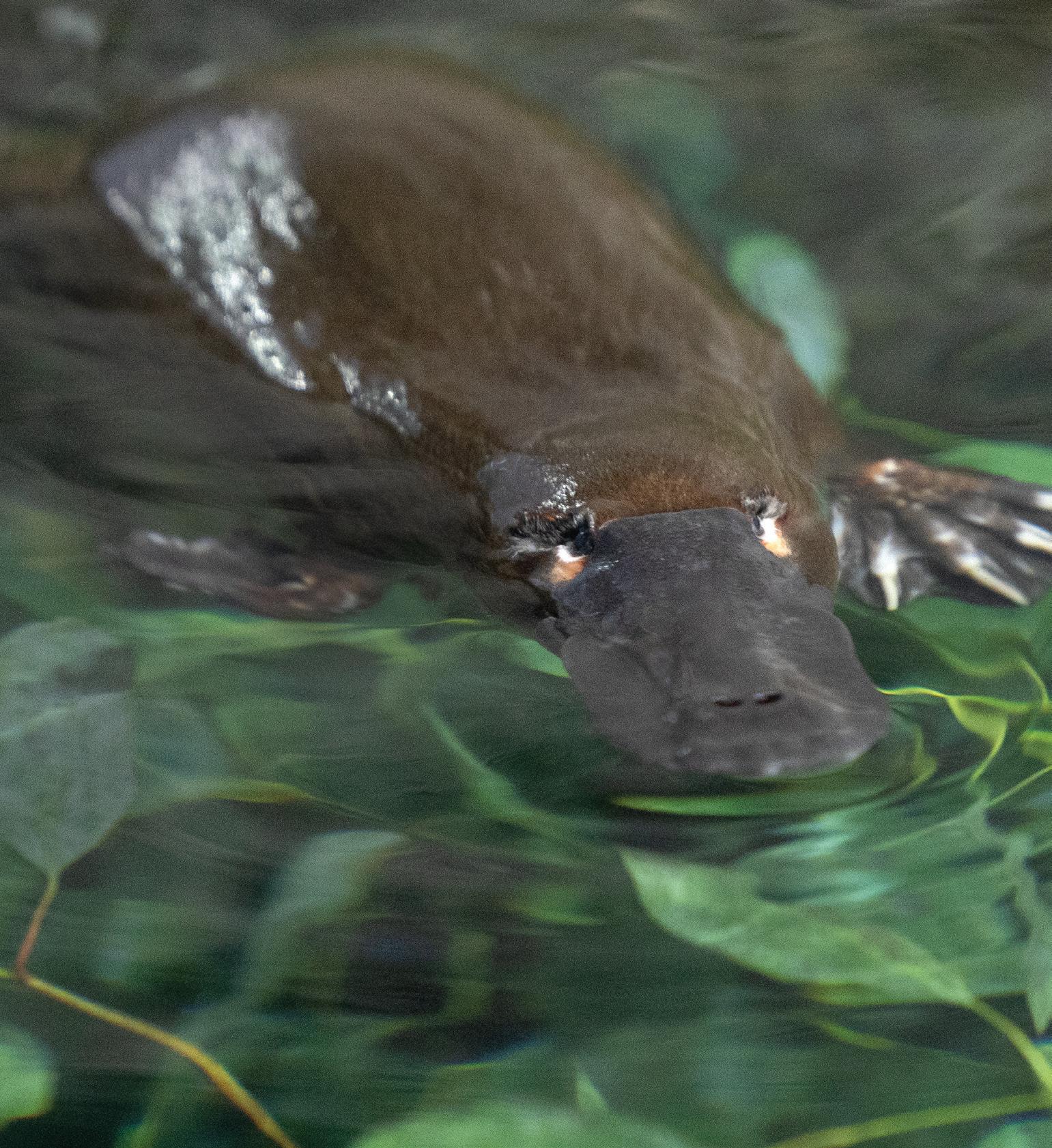
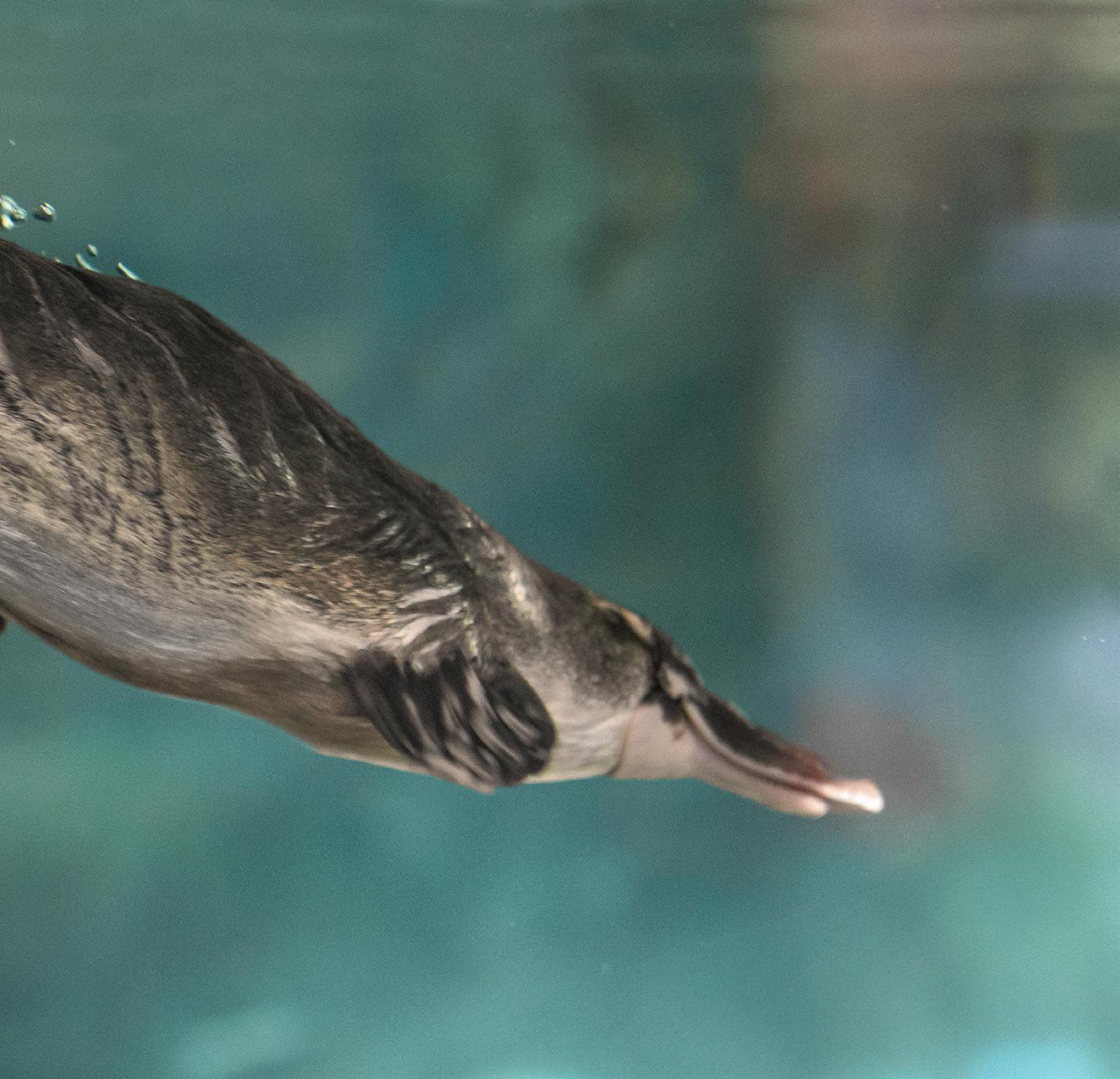
An iconic animal, a rare sight in zoos, a great conservation partnership—you may be imagining a giant panda, but these characteristics also describe the platypus Ornithorhynchus anatinus. From the inception of the San Diego Zoo Safari Park’s Walkabout Australia, the platypus was included as a major and important part to transport guests to the waterways and landscape of Australia, but also to tell the story of water conservation and threatened wildlife that parallels our own native conservation work.
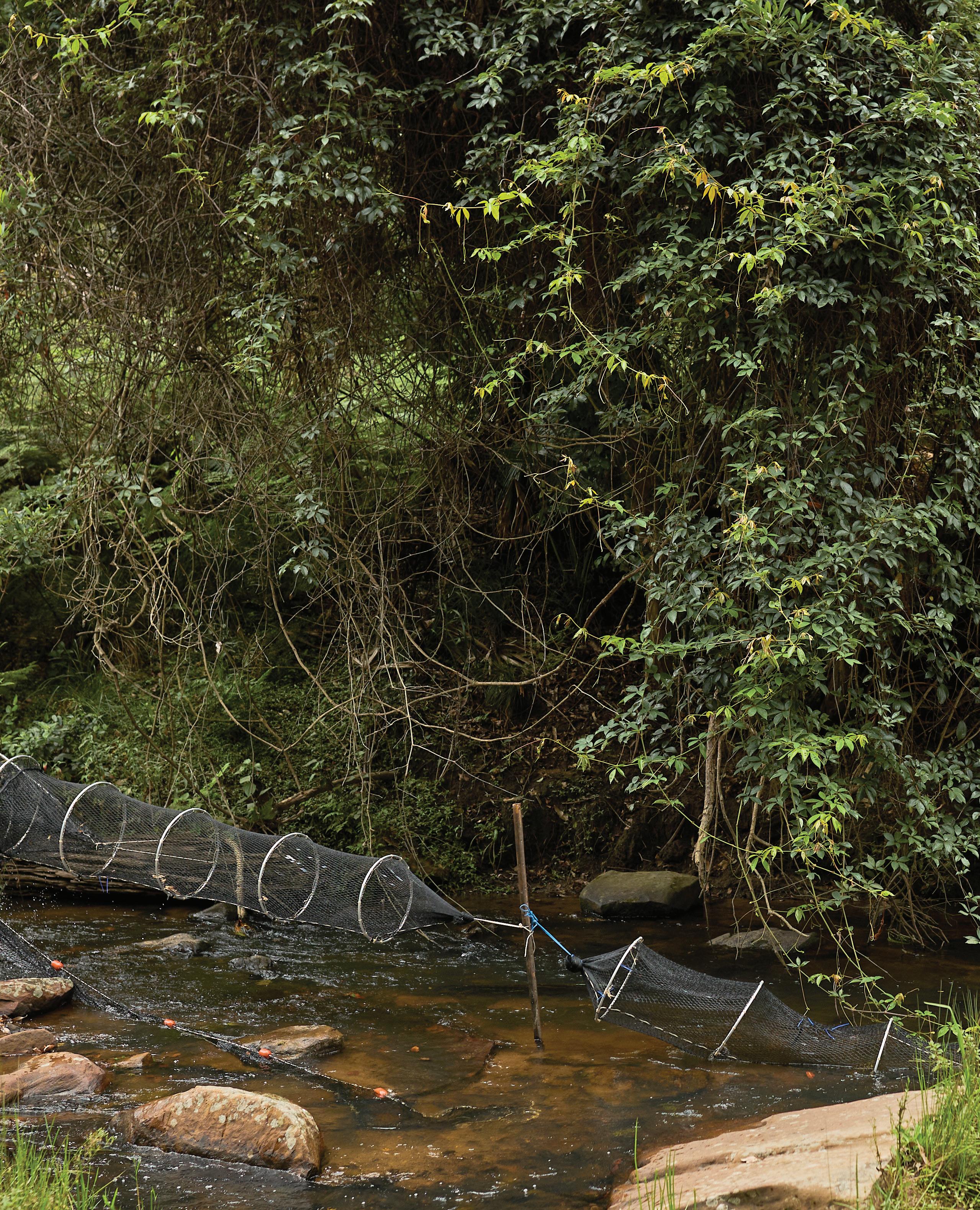
PLATYPUS FYKE NETS
A system of cylindrical one-way netting called a “fyke net” is placed into shallow riverbeds and streams to contain platypuses for health assessments in their native habitats. The platypus enters the funnel-shaped fyke net and travels to the end , which is anchored out of the water where the research team can safely retrieve it.
Platypus Populations
San Diego Zoo Wildlife Alliance is committed to saving platypuses. Listed by the IUCN as near threatened when last evaluated in 2014, the platypus is endangered in South Australia but not listed in New South Wales (NSW), other states, or nationally. Widespread population surveys are challenging due to the species’ secretive nature, but estimates of populations and the geographic range of platypus are concerning. In NSW, their range has declined over 21% with an additional 40% decline projected over the next half decade; and local extinctions are reported. Platypuses face threats of habitat loss, degradation, and poor water quality related to disturbances in waterways, land and river management, natural disasters such as drought and fires, and environmental instability. Although significant advances in uncovering the perils and plight of platypus have been made, an urgent need remains to ensure their sustainability and resilience in the native range.
Nearly seven years ago, members of the Wildlife Care and Veterinary teams visited Australian institutions, including Taronga Conservation Society Australia, to learn all they could about this species. The Alliance’s visit was highlighted in each organization’s
television programs, likely due to the exciting collaboration between two well-known conservation entities. Taronga Zoo is our antipodal partner, with a beautiful urban zoo and more rural, safari-type park of their own—just located some 7,400 miles away.
Working Together
In 2023, we partnered with Taronga to undertake a multi-year collaborative research program with the University of New South Wales in consultation with First Nations communities. The objectives of this program were to build capacity in response to natural disasters, enhance our understanding of platypus reproduction, and develop strategies to improve resilience in platypus populations in their native range. The multidisciplinary and multifaceted program involves ex situ work at the state-ofthe-art Taronga Zoo Platypus Rescue HQ facility, as well as in situ work to monitor wild platypus throughout NSW.
As partners and veterinarians responsible for caring for the only two platypuses outside Australia, we are fortunate to assist with in situ field work in Australia, learn from our Taronga
partners, and help build capacity to support platypus rescue and translocations when needed. In May 2025, we sent one of our Safari Park veterinarians to travel to Australia on one of these trips.
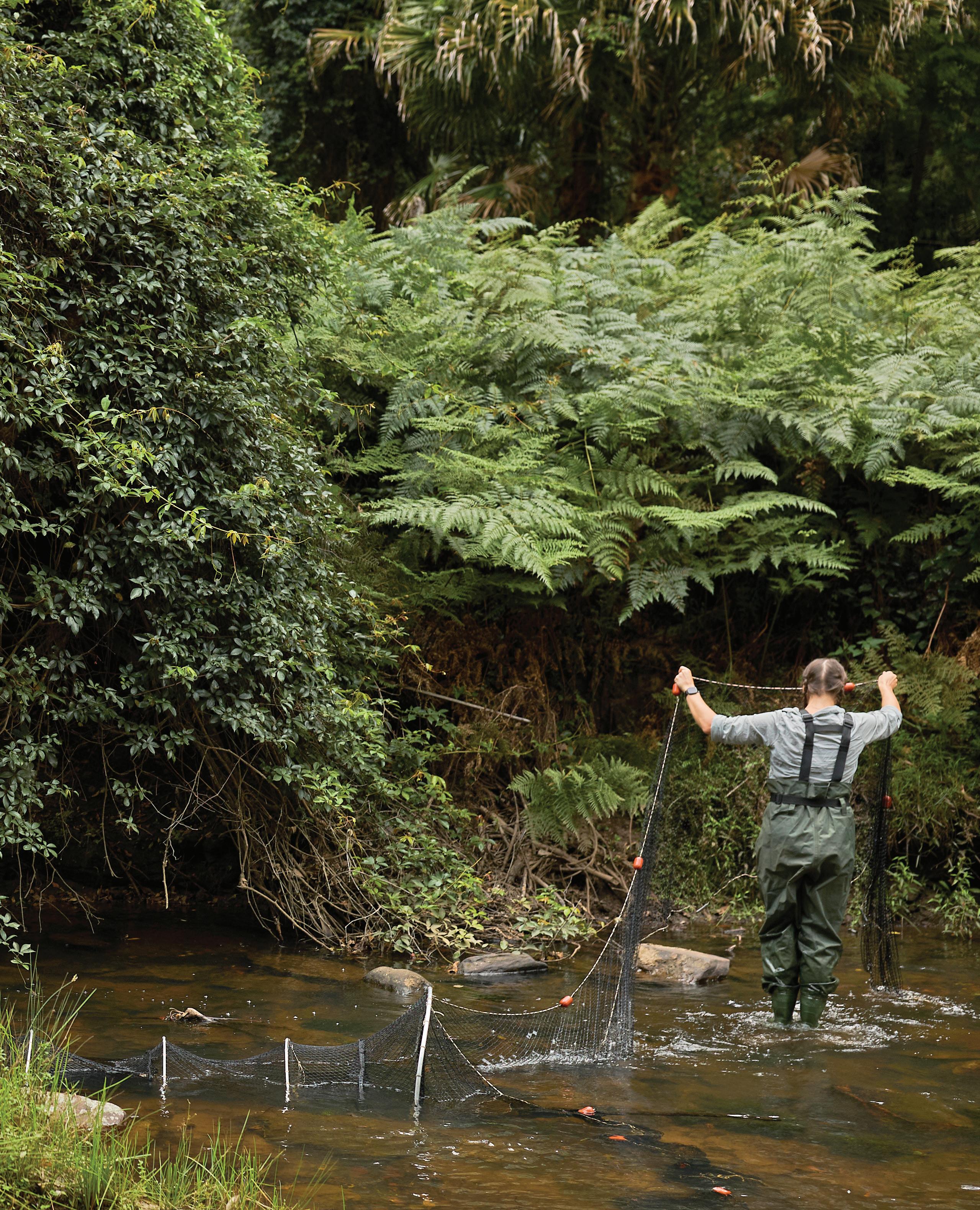
A nocturnal and elusive semi-aquatic species found in waterways, surveying platypus in the wild meant setting up camp at field sites in the afternoons and working late into the early hours of the morning. Our field team, led by platypus experts from Taronga Zoo, spent a week at multiple carefully identified catchment river sites throughout NSW. We set two types of nets just before dusk: mesh nets, which run parallel to the shore in relatively deeper rivers; and fyke nets, which are a series of connected cone-shaped nets placed in stream beds. Camped out next to the stream or river, we would listen carefully for the subtle splashing of a platypus swimming through a net at the surface or serendipitously see one when taking turns shining the flashlight over the river. When a platypus was present, a quick signal to the team meant running down to the rowboat to retrieve the platypus, carefully transporting it back to shore.
Platypuses received health assessments at the field sites. A portable gas anesthesia machine equipped with isoflurane was
used to anesthetize each platypus in the field; the same process we follow with the two platypuses in San Diego. We drew blood from the bill sinus, examined for signs of disease or underlying health conditions, and obtained morphological metrics including venomous spur length in males. Additionally, we evaluated their body condition score by taking tail volume index measurements, which are a specific measurement to assess fat stores in platypus.
During these exams, we obtained samples and data to contribute to research studies in monotreme reproduction, epigenetics, and health. While the specifics of veterinary care felt all too familiar, the stark differences in setting—next to a river in Australia in the native range of platypuses, occasionally visited by a native wombat, brush-tailed possum, or wallaby passing by, and surrounded by the diverse Australian landscape—were all reminders of the incredible opportunity to be part of this collaborative conservation program.
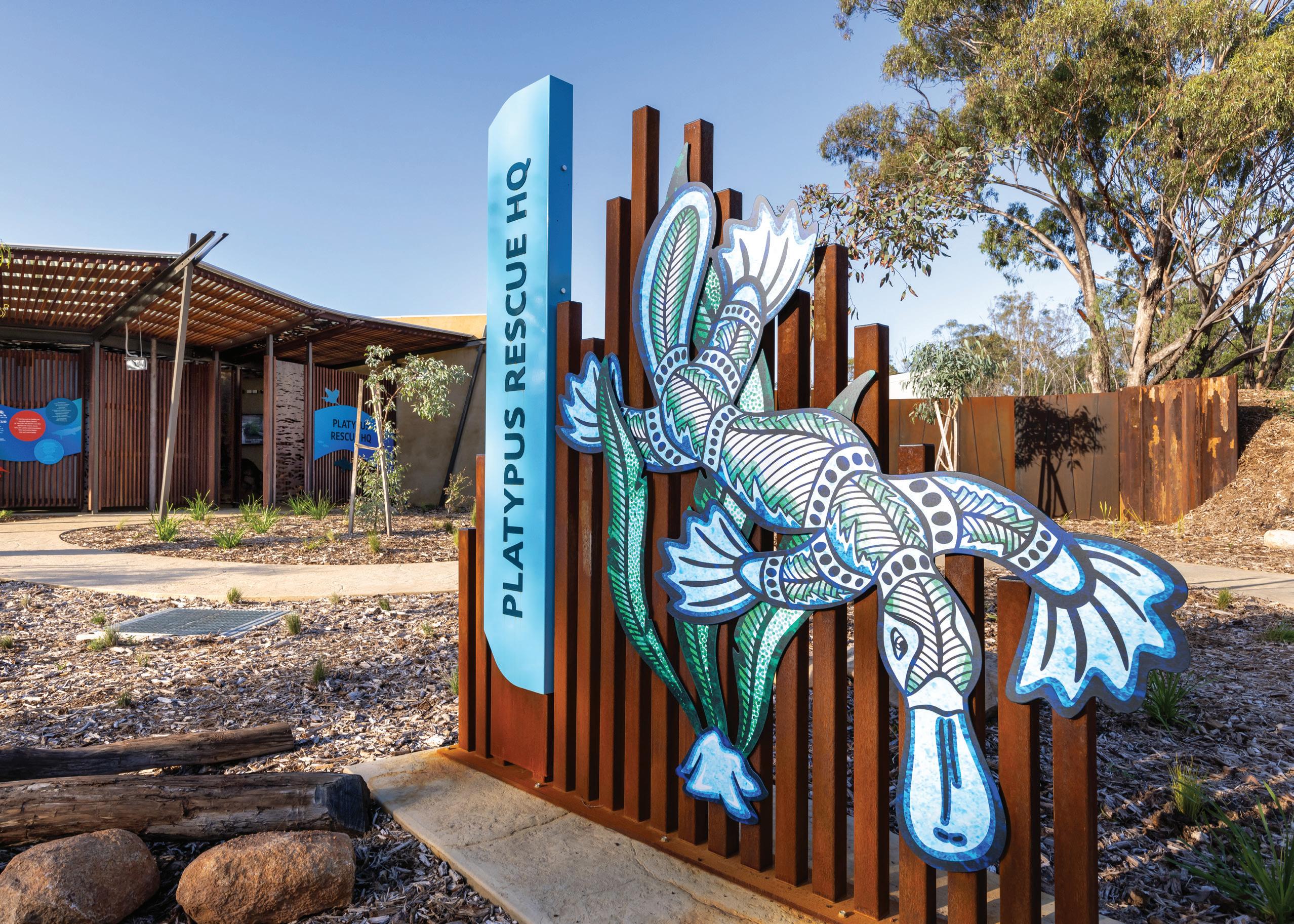
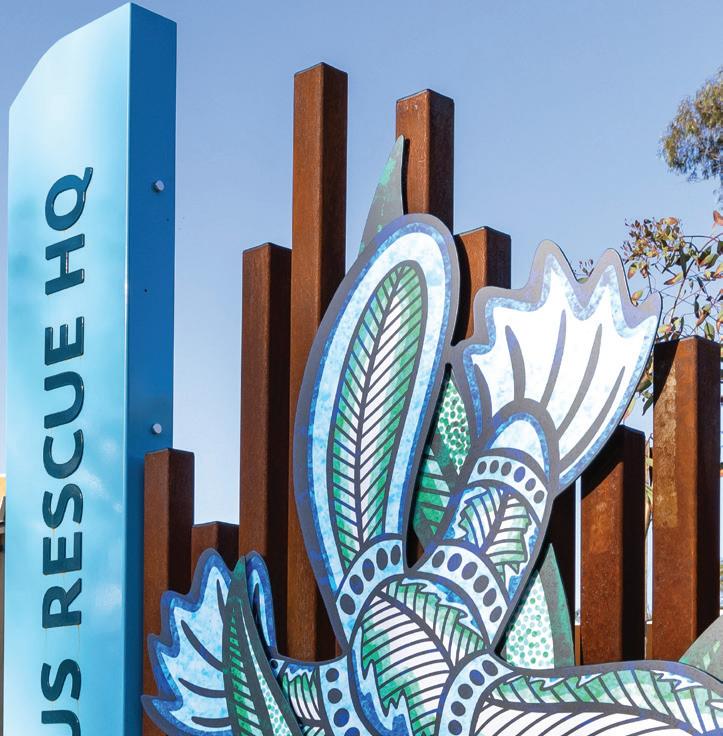
While in Australia, the opportunity to visit Taronga Zoo Sydney and Western Plains in Dubbo meant spending time with the facilities’ incredible veterinary and wildlife care teams responsible for caring for their unique wildlife. In Dubbo, visiting the Platypus Rescue HQ was a highlight and showcased the commitment that the Taronga Zoo and its partner organizations, including the Alliance, have made to saving the platypus. The facility, which debuted in 2024, has the capacity to house 65 platypuses, designed speci cally for their unique care and social needs. Platypus Rescue HQ is the only large-scale emergency refuge site in Australia for platypuses in the event of natural disasters that have imperiled the species and ecosystem in their natural range, such as floods, droughts, and bushfires. The state-
SAFETY ZONE
The Platypus Rescue HQ in Dubbo is the only large-scale platypus emergency refuge site in Australia.
BY:
PHOTOS
RICK STEVENS
of-the-art research facility allows conservation scientists to learn about platypus reproduction and improve breeding success for a future assurance population, and the public-facing exhibit and its ambassador, “Mackenzie,” allow guests to learn about Platypus Rescue HQ and inspire them to take action toward conservation
As veterinarians with San Diego Zoo Wildlife Alliance, we felt a sense of pride seeing our logo nearly 8,000 miles away and what it represents: our commitment to saving species worldwide, our expertise in wildlife care and conservation science, and our dedication to inspiring passion for nature.
On the Horizon
Looking ahead, we continue to value our partnership with Taronga Zoo and explore ways to collaborate to achieve our shared goal of saving the platypus. In June 2026, we will partner in hosting Targona Zoo’s 2026 Platypus Conference: Collaborative Approaches to Platypus Conservation and Biology. We look forward to learning from and uniting with subject matter experts in the field, partner organizations, local and international stakeholders, and First Nations communities. In addition to sharing the innovation and expertise at the Alliance, the conference offers opportunities to enhance our role and commitment as leaders in platypus conservation. Representatives from San Diego Zoo Wildlife Alliance’s
Veterinary and Wildlife Care teams will travel to Sydney to continue to strengthen alliances, support long-lasting transglobal initiatives, and contribute to the conservation of this iconic species.
Meredith Clancy, DVM, MPH, DACZM, is veterinary clinical operations manager for San Diego Zoo Wildlife Alliance based at the Safari Park. Rob Browning, MS, DVM, DACZM, is a senior veterinarian for San Diego Zoo Wildlife Alliance based at the Safari Park.
Remembering Eve
San Diego Zoo Wildlife Alliance is sad to share the passing of Eve, the 21-year-old female platypus we had the honor of caring for at the San Diego Zoo Safari Park. Eve had been receiving ongoing medical care for pneumonia. She and a male platypus, Birrarung (Birra), were welcomed to the Safari Park in October 2019. Their arrival marked the first time in 50 years platypuses were cared for outside of Australia. Eve will be fondly remembered by all who had the privilege of knowing her.
Farming Food
An underground garden feeds the colony.
One of the biggest examples of community spirit can be found in one of the smallest species: the leafcutter ant. These industrious insects eat fungus. They grow the fungus on the leaf pieces they cut. When an ant brings a plant piece to the nest, it hands it off to another member of the colony. The leaf piece is taken underground.
Each size of ant has a job.
Minim: The smallest ants in the colony, they mostly tend to the fungus farm and the ant nursery.
Media: These middle-size ants do a lot of the finding and carrying of leaves.
Maxima: The largest, they patrol and protect the rest. They also help harvest leaves.
Other ants bite it into smaller pieces, then lick, scrape, and tuck them into holes. They pinch off a piece of fungus from nearby and plant it on the leaf piece. It grows into food for the rest of the colony.
What foods do humans grow on farms?
PIPER HAMILL
Research Coordinator, Community Engagement
San Diego Zoo Wildlife Alliance
Piper coordinates and facilitates Teacher Workshops in Conservation Science held each summer at the Arnold and Mabel Beckman Center for Conservation Research. She also designs and teaches educational labs for the team’s ongoing Exploring Conservation Science field trip programs.
How did you become interested in conservation science?
From an early age I always enjoyed learning, science, and being outdoors, but I did not know much about the field of conservation science. At the time, I only knew I did not want to be a doctor or chemist (my idea of a typical “science-y” job). It was not until I started as an Environmental Systems major at the University of California San Diego that I realized I could combine my love of science with my love for wildlife, nature, and the outdoors. Visibility of the field is one reason I love sharing conservation science with others today.
You have worked for the Alliance in different capacities. Did those experiences guide you toward your role with the Community Engagement team?
Definitely! Starting out as a tour guide really opened my eyes to the role a zoo can play in larger conservation efforts. Working at the Safari Park, I saw how our stories and wildlife can inspire guests to support conservation. Now, I get to develop and facilitate experiences through science that motivate students and teachers to take action for wildlife. I have become really passionate about understanding how we can build on these experiences to best guide the public to be better environmental stewards in our own communities.
What
role does community engagement play in conservation?
Anything and everything. Every conservation problem and solution has a human community attached to it. Instead of typical top-down mandates, community engagement brings people into conservation and fosters them as stewards from the bottom-up. It allows people to be the solution, resulting in increased conservation support and more sustainable and meaningful change. Community engagement is a core piece to both local and global conservation efforts. Even if the folks I interact with are not interested in being conservation scientists, they can all be conservation stewards in their daily lives.
What is your favorite part of your job?
Always learning something new! Between reading the latest San Diego Zoo Wildlife Alliance science to develop our lab curriculum, interacting with teachers from all over the globe, and seeing new students each day with unique questions, my own growth and perspective never feels stagnant. There is always new conservation research, best practices for communication, and diverse audiences to learn from.
Who, or what, inspires you?
I am so fortunate to be surrounded by inspiring people. Sometimes it’s young students who already know they want to be a wildlife geneticist. Other times it’s teachers who work so hard to inspire a passion for nature in their own communities. I will also say that leadership really makes a team, and I have an amazing set of women around me. They have been incredible role models and supported my journey, and I hope that I can now foster that spirit in others.
What is your favorite wildlife species and
why?
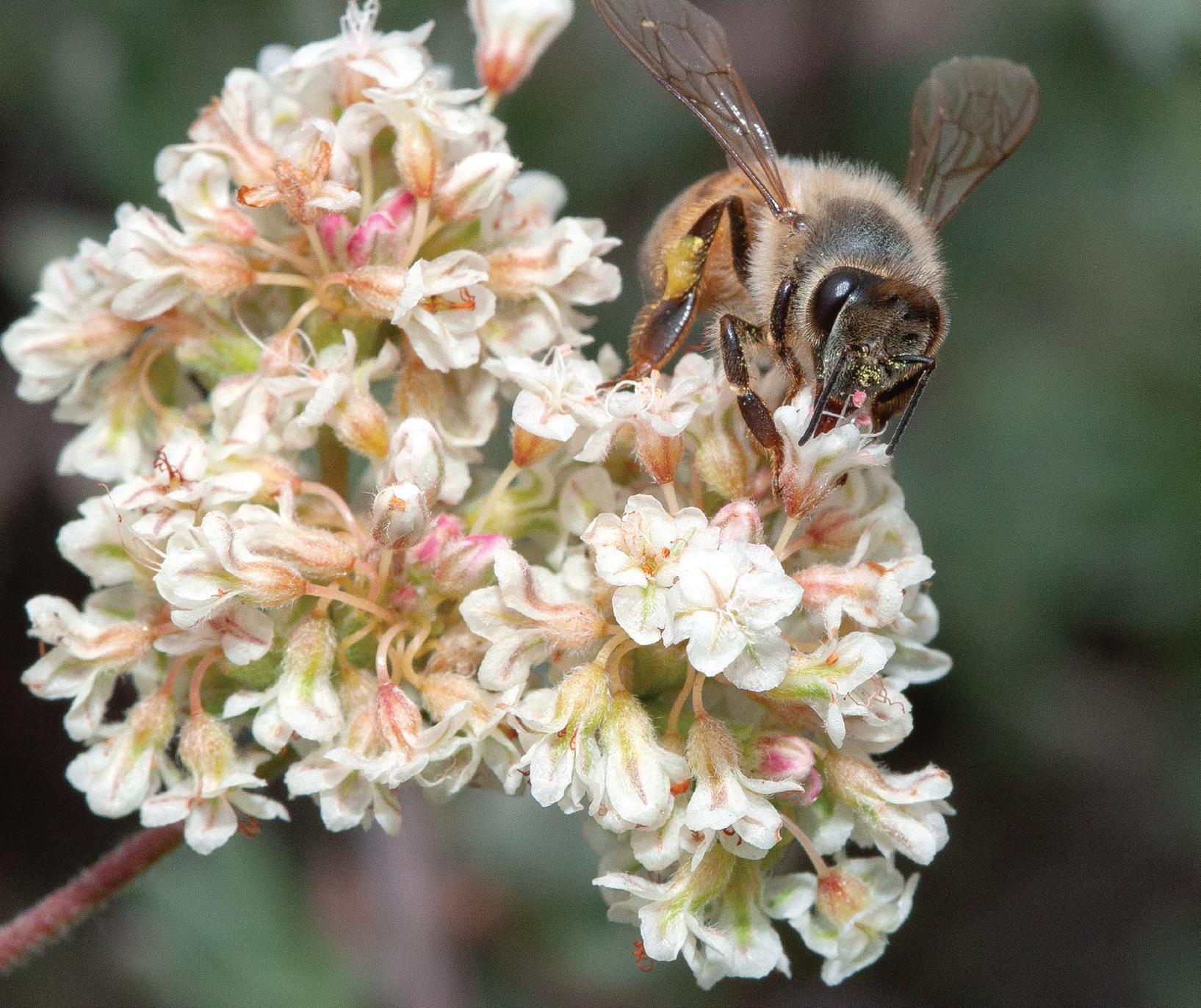
I think I will have to go with California buckwheat Eriogonum fasciculatum. It is the first native California plant I could identify as an early environmentalist. It is incredibly hardy but still has delicate flowers, and coincidentally, Buckwheat’s Kumeyaay name is hamill. My dad and I actually have matching buckwheat tattoos!
PHOTO BY: (TOP): TAMMY SPRATT/SDZWA
Loulu Palms and the Power of Partnership
BY ANDRES ESPINOSA
LOCALS ONLY
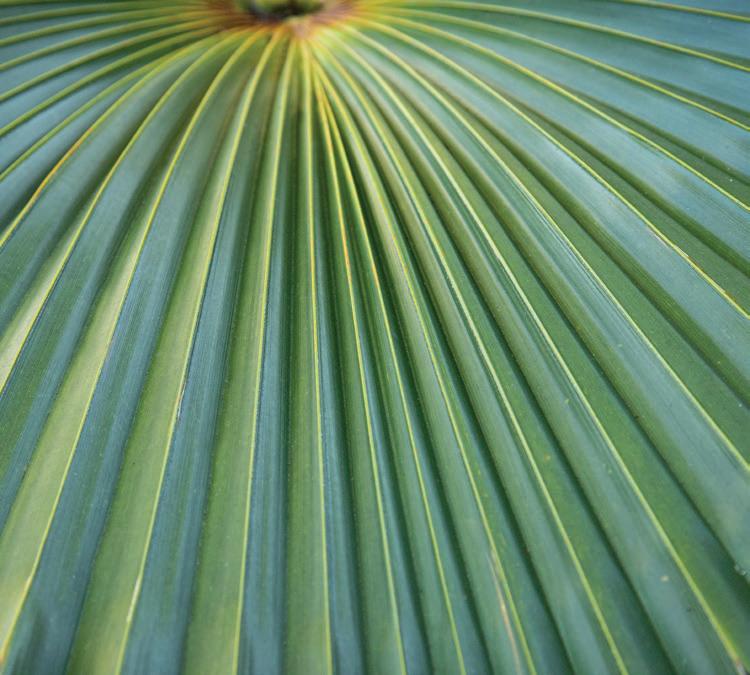
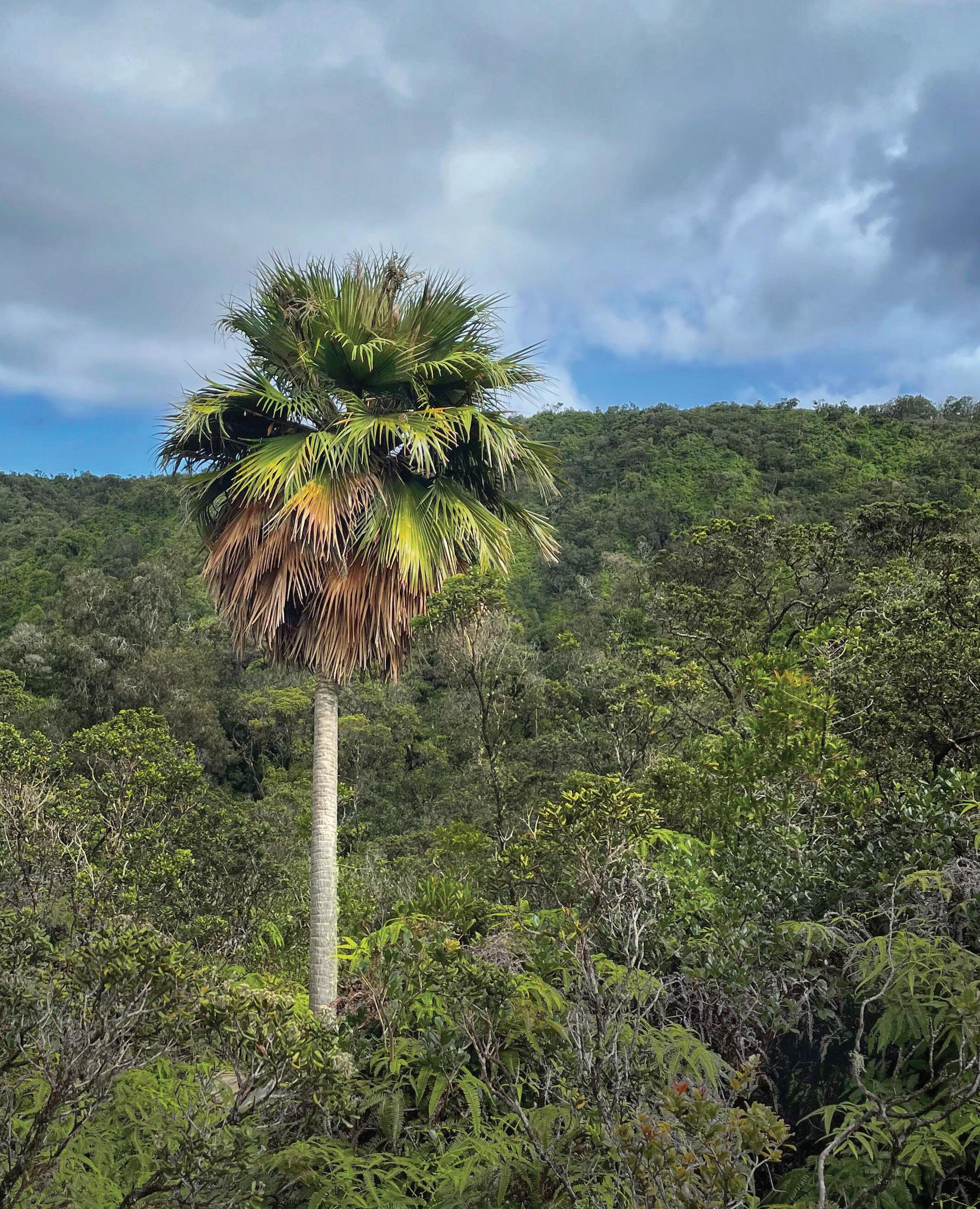
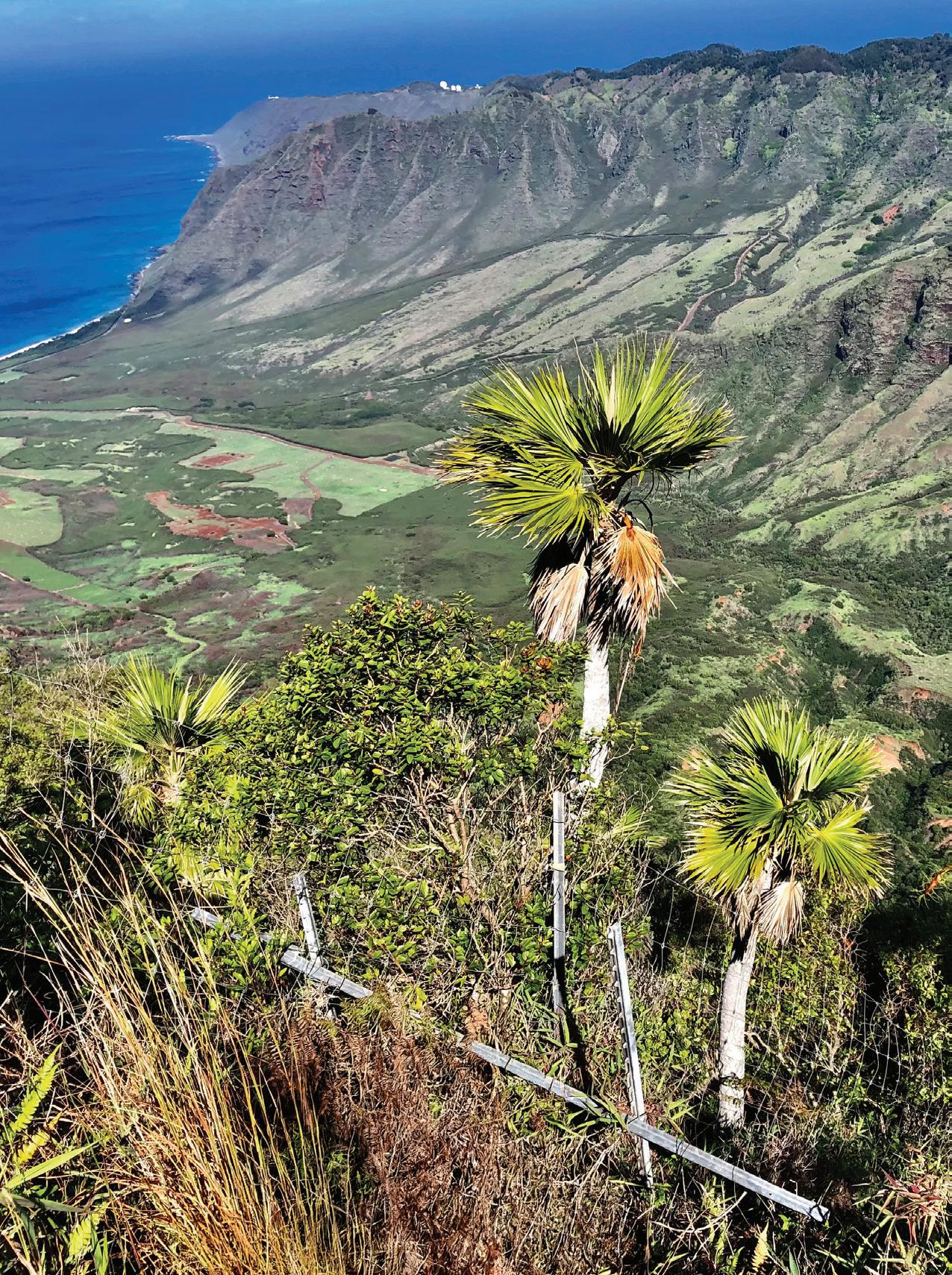
This Oahu native, Pritchardia kahukuensis, is a solitary palm that rises above the Hawaiian landscape, reaching heights of up to 60 feet.
The Hawaiian Islands are often described as paradise—a place of beautiful beaches, perfect weather, breathtaking volcanoes, and rich cultural traditions. They are also recognized as one of the world’s most biodiverse hotspots. Isolated in the middle of the Pacific Ocean, they are home to some of the planet’s most unique and endemic flora and fauna. However, Hawai‘i also faces one of the highest extinction rates in the world due to habitat loss, invasive species, and climate unsustainability. Despite accounting for less than 1% of the landmass of the United States, the islands are home to roughly 44% of the nation’s threatened and endangered species. Native Hawaiian plants— particularly those with extremely small populations— are in critical need of protection. Among the islands’ most iconic native plants are the loulu palms, a group of fan palms belonging to the genus Pritchardia.
The Sway of the Loulu
As the only palm trees native to the Hawaiian Islands, loulu palms hold significant ecological, cultural, and historical importance. The genus Pritchardia currently represents 27 accepted species, 3 of which are not found on the Hawaiian Islands but distributed throughout islands in the South Pacific. The remaining 24 species are spread throughout the 8 main islands of Hawai‘i. It is believed that Pritchardia first arrived in Hawai‘i millions of years ago via what has been called “The Three W’s”: water (floating seeds carried across the ocean currents and washing ashore), wings (seeds dispersed by birds), and the wind—though most loulu fruits and seeds are too heavy to be effectively winddispersed. Once established, Hawai‘i’s geographic isolation and diverse microclimates drove speciation, giving rise to the many distinct species found across the islands and even within individual valleys.
Once abundant across coastal and upland forests, loulu palms have faced numerous threats, including habitat destruction, seed predation by invasive rats, competition from non-native plants, and damage from feral ungulates such as pigs and goats. Much of Hawai‘i’s diverse forests were cleared for ranching, agriculture, and urban development. As a result, these combined pressures have not only erased many of the lowland and coastal habitats that once supported abundant loulu palms, but have also caused most of these species to become critically endangered.
The most recent emerging threat to loulu palms is the coconut rhinoceros beetle (CRB), an invasive
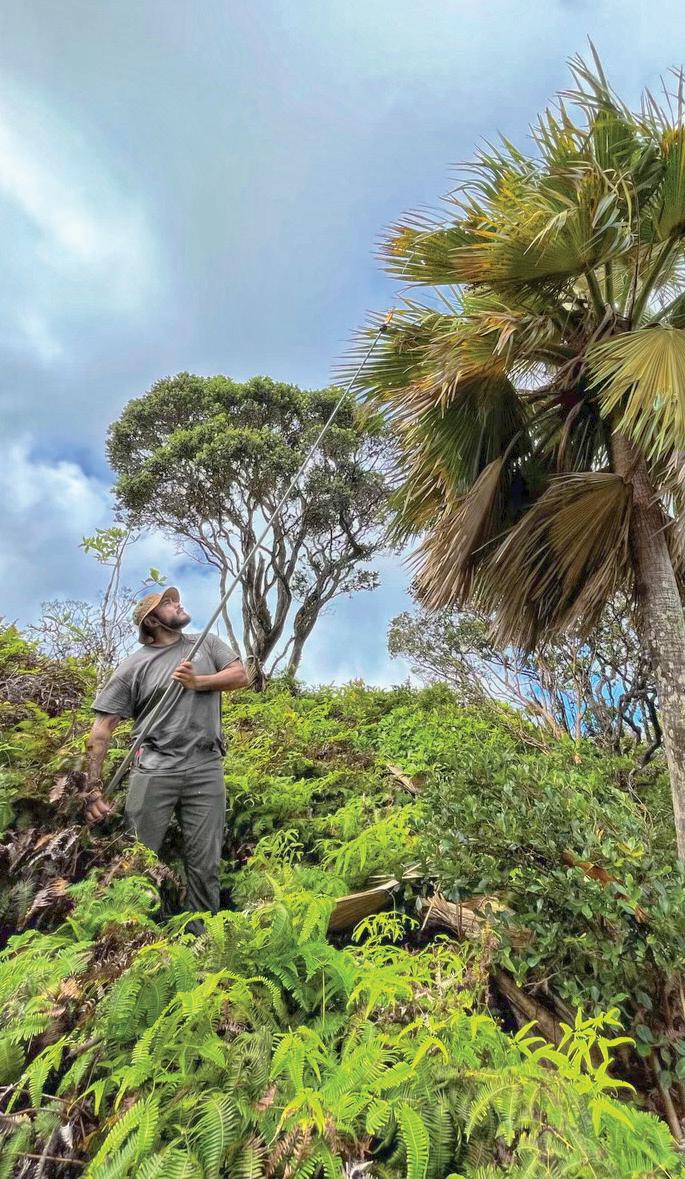
pest that bores into the crown of palms, often killing them. First detected on O‘ahu in 2013, the CRB has devastated large numbers of coconut palms, agricultural crops, and culturally significant plants. A primary concern across the South Pacific, the beetle has now begun to spread to native loulu populations on several Hawaiian Islands. To address this threat, the San Diego Zoo’s Horticulture team has been given the opportunity to collaborate with the State of Hawai‘i to help protect these endemic palm species.
Hope Through Collaboration
At San Diego Zoo Wildlife Alliance, we are dedicated to protecting plants and wildlife worldwide. By generating, sharing, and applying scientific knowledge vital to the conservation of animals, plants, and habitats, we contribute to the global fight against extinction. Our collaborative work in Hawai‘i has often highlighted the ‘alalā and palila birds, but we have also partnered with plant conservation programs to amplify our collective impact. Over the years, we have had the privilege of working with institutions such as Waimea Botanical Garden, Honolulu Botanical Gardens, and the National Tropical Botanical Garden (NTBG).
In recent years, our partnerships have expanded to include the Department of Forestry and Wildlife (DOFAW), the Plant Extinction Prevention Program (PEPP), the O‘ahu Army Natural Resources Program (OANRP), and the University of Hawai‘i’s Lyon Arboretum. Together, these partnerships collectively support the recovery of all 24 recognized Pritchardia species across the Hawaiian Islands. The conservation of Hawai‘i’s rare plants rely on coordinated efforts among these partners. DOFAW, part of the Department of Land and Natural Resources (DLNR), leads the state’s management of native ecosystems, endangered species, and public lands. Its Rare Plant Program protects wild populations through seed banking, greenhouse propagation, outplanting, and population monitoring.
DOFAW also supports PEPP, an emergency initiative focused on more than 260 critically endangered Hawaiian plant taxa, often requiring challenging fieldwork such as accessing remote cliffside populations, collecting seeds and cuttings, and fencing small habitats to exclude invasive animals. The OANRP complements these efforts by propagating and outplanting rare species, restoring habitat, managing invasive species, and maintaining seed banks and nurseries. Lyon Arboretum’s Hawaiian Rare Plant Program (HRPP), affiliated with the University of Hawai‘i at Mānoa, strengthens conservation through
OPPORTUNITY TO GROW
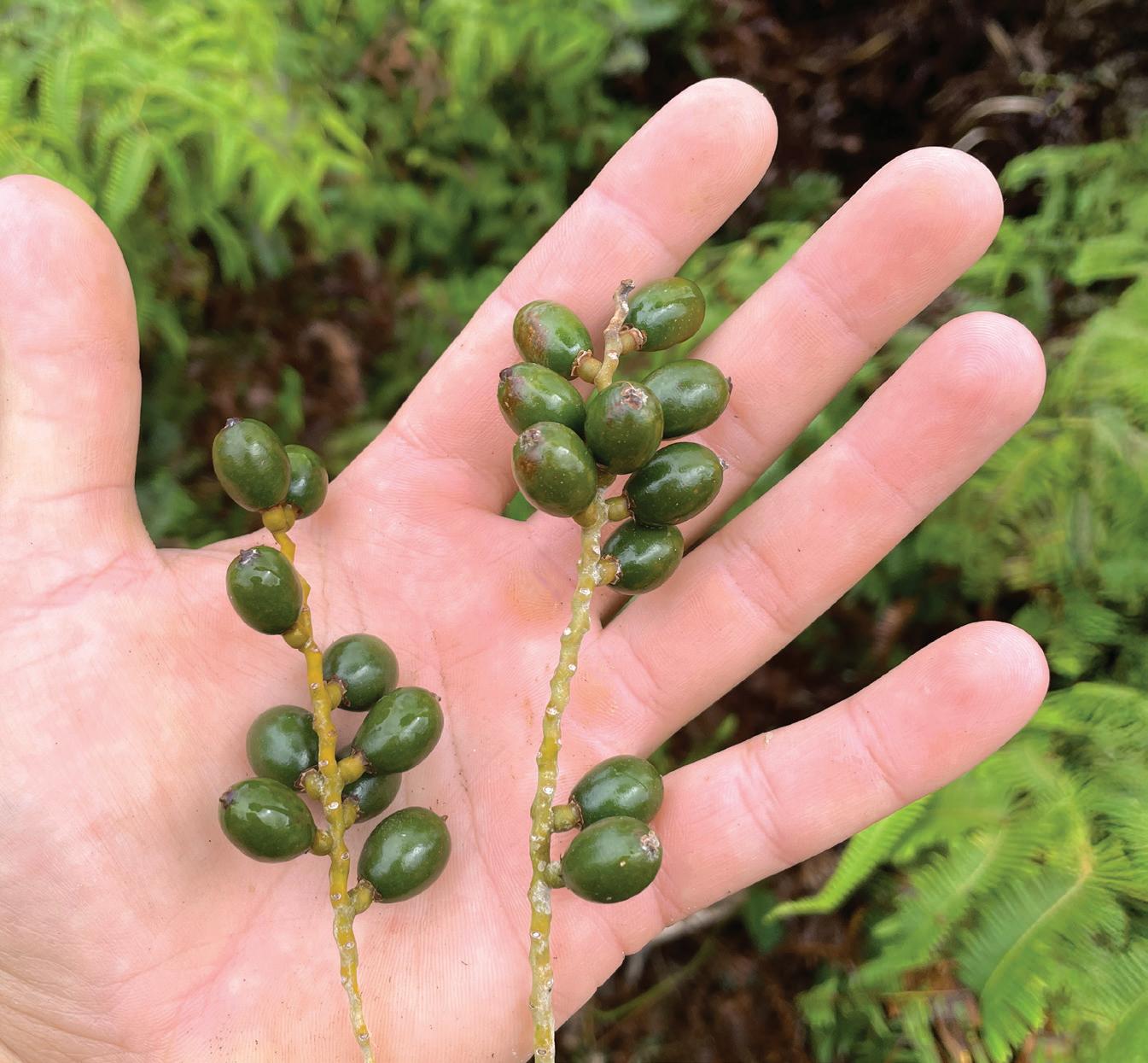
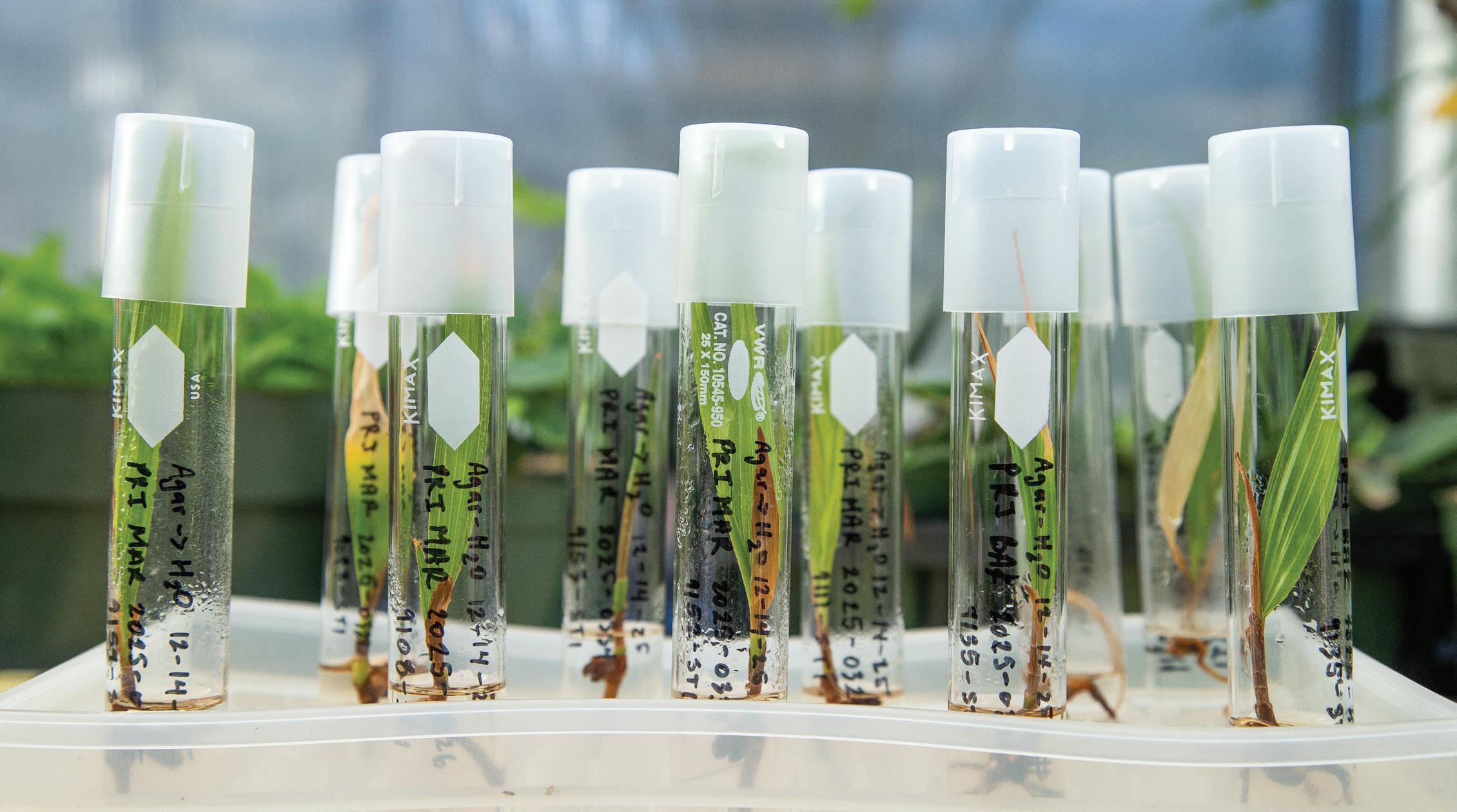
Palms are exception species, meaning they cannot be stored in traditional seed banks. Tissue culture offers a way to propagate immature seed and ease of transport between Hawaii and the San Diego Zoo.
its specialized micropropagation lab. The lab uses tissue culture to grow plants from embryos, buds, or cuttings under sterile conditions—a critical strategy for species with very few individuals or whose seeds are nonviable or difficult to germinate naturally.
Rooting for the Future
One of the tissue-culture techniques used at Lyon Arboretum’s micropropagation lab is aseptic embryo extraction, which is often applied to immature palm fruits. Field teams from DOFAW, PEPP, and OANRP head into the field, often hiking through difficult terrain, to collect fruit from loulu palms. If only immature fruit is available, the teams test for embryo viability and collect some to bring to Lyon Arboretum’s lab. Under sterile conditions, embryos are removed from the fruit and placed in tubes containing nutrientrich agar media. They then develop in a controlled environment with optimal nutrients, humidity, temperature, and lighting. Once embryos grow roots and fronds, they are either shipped to the San Diego Zoo or picked up during horticulturist work trips to Hawai‘i. Once at the Zoo, the horticulture team determines which embryos need subculturing to encourage root development, which can undergo deflasking to harden off, and which are ready to transition to soil-less media in our propagation greenhouse.
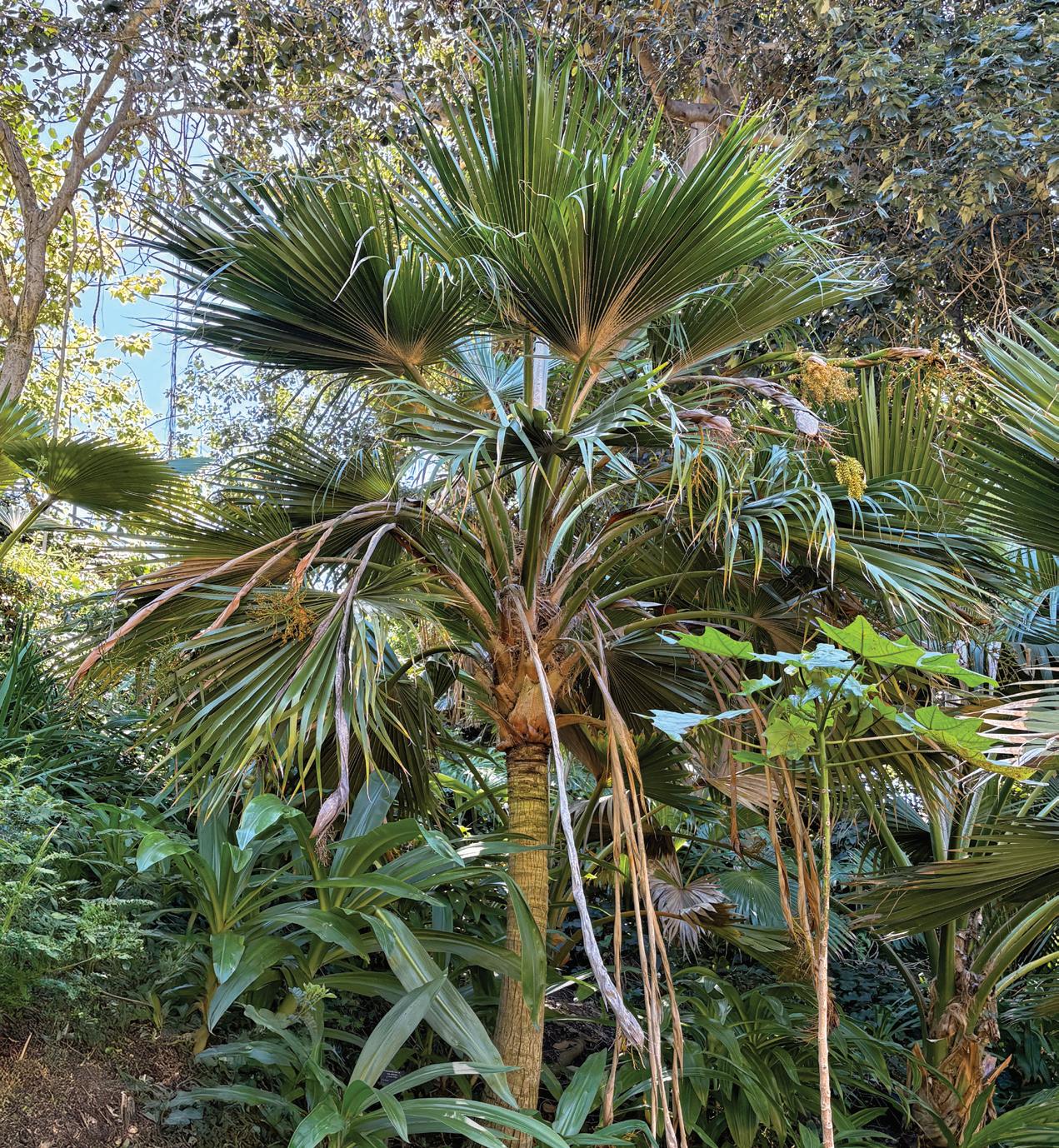
Since 2022, we have committed to receive over 160 palm seedlings that, once mature, will be planted on Zoo grounds. Our facilities and mild coastal climate allow us to complement these efforts by cultivating and maintaining propagated plants both in the lab and in the landscape. These palms will be planted in groves, giving guests the opportunity to observe these beautiful specimens as they grow to maturity. Importantly, these conservation groves will function as an ex-situ resource for our Hawaiian partners. The pollen, fruits, seeds, and seedlings harvested from these trees will be used to further research, preserve genetic populations, and produce biomaterial to help our partners in Hawai‘i.
Ultimately, the goal is for these species to produce fruit that can be sent to our partners in Hawai‘i for reintroduction into the native habitats from which their parent seeds were originally collected. Guided by this mission and vision, we remain steadfast, recognizing that the accelerating rate of species extinction demands our unwavering commitment. Through these collective efforts, we strive to create a world where all life can thrive.
Andres Espinosa is a senior horticulturist at the San Diego Zoo. He is part of the Hawaiian collection team with Mike Letzring and Maricela Lou.
STUDY GUIDE
Partnering with Teachers to Amplify Our Conservation Impact
SCHOOL DAYS
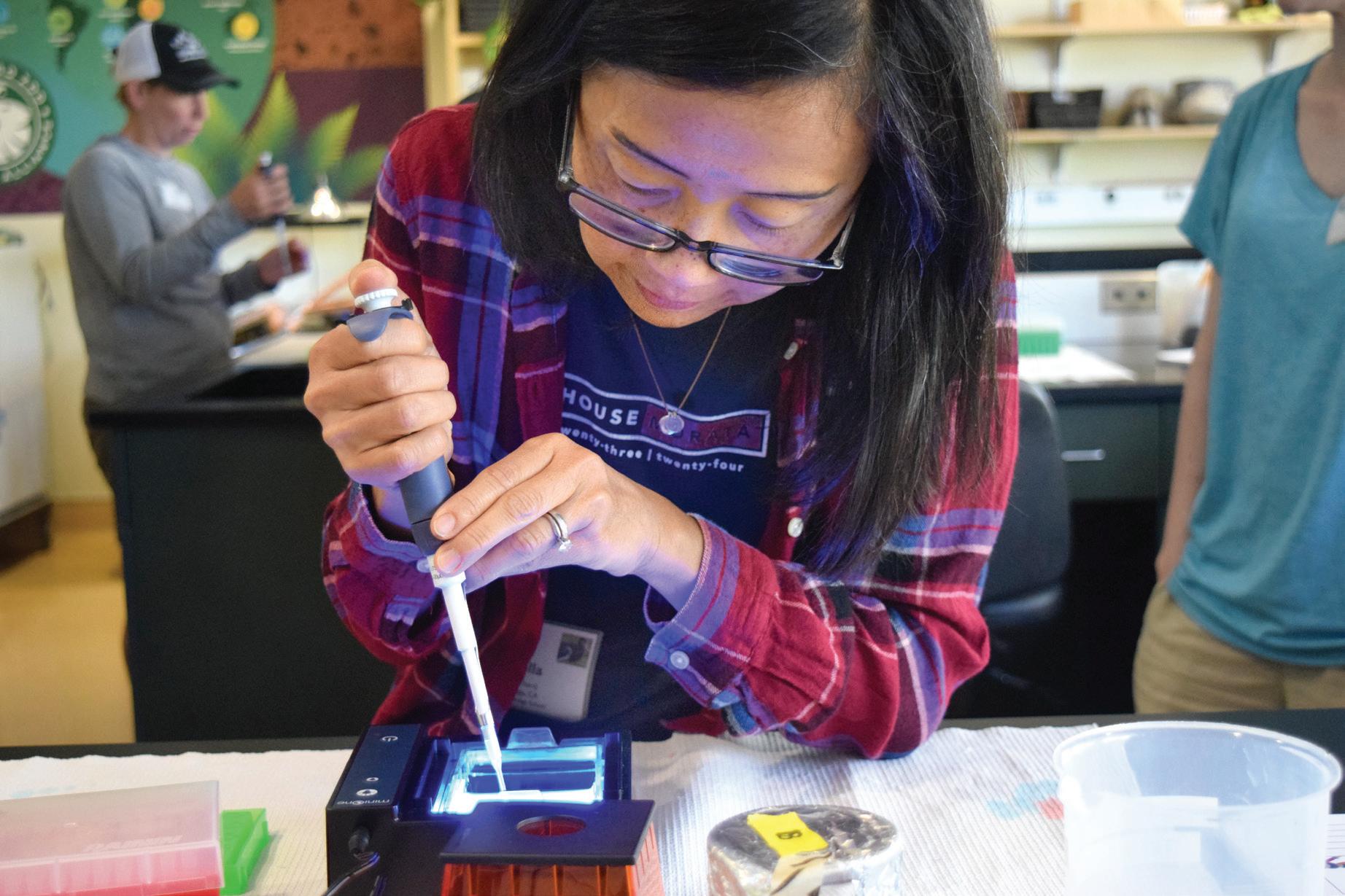
(Above) Middle school science teacher Estella Tai tries her hand at gel electrophoresis. (Right)
Middle school science teachers
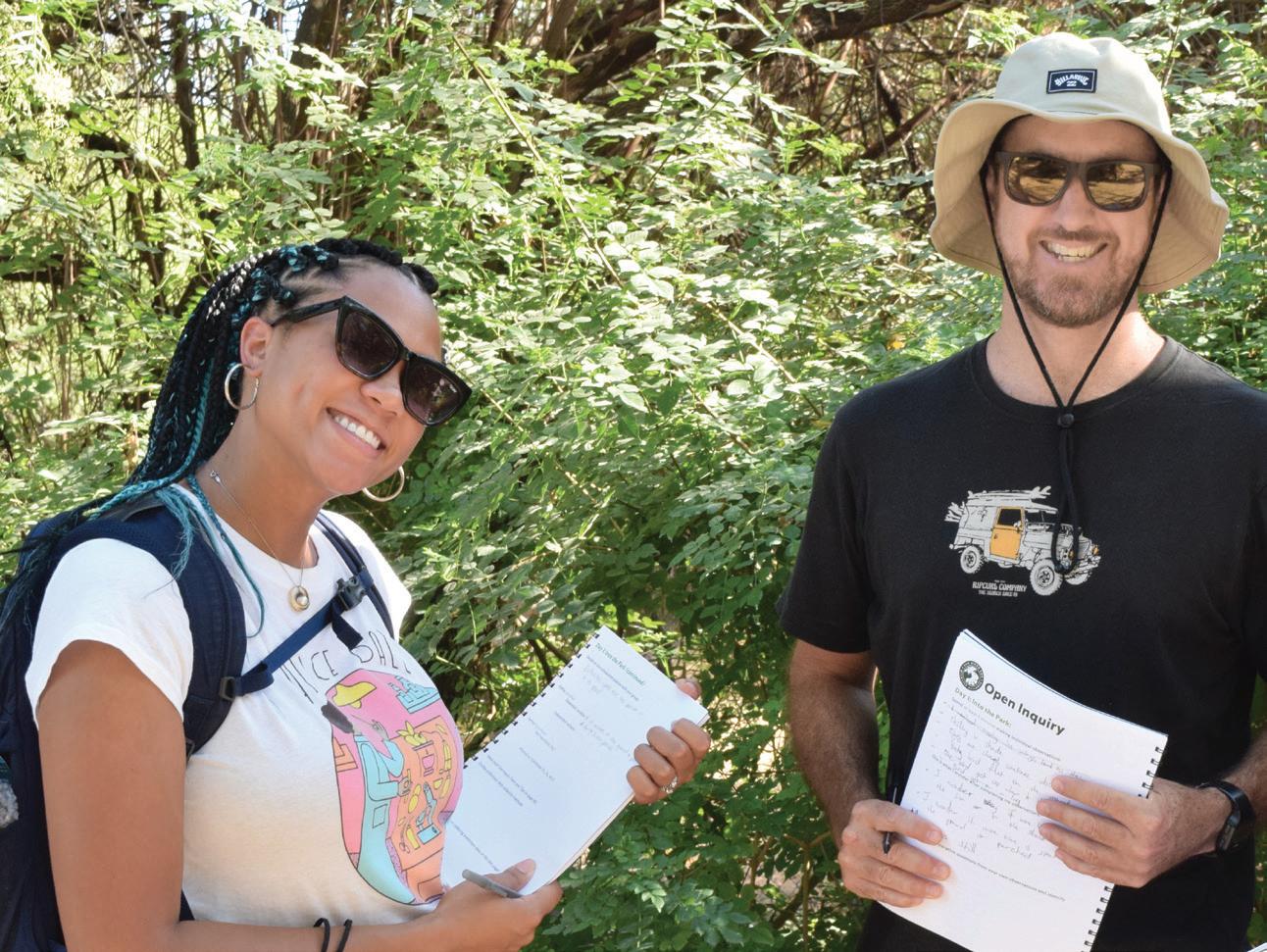
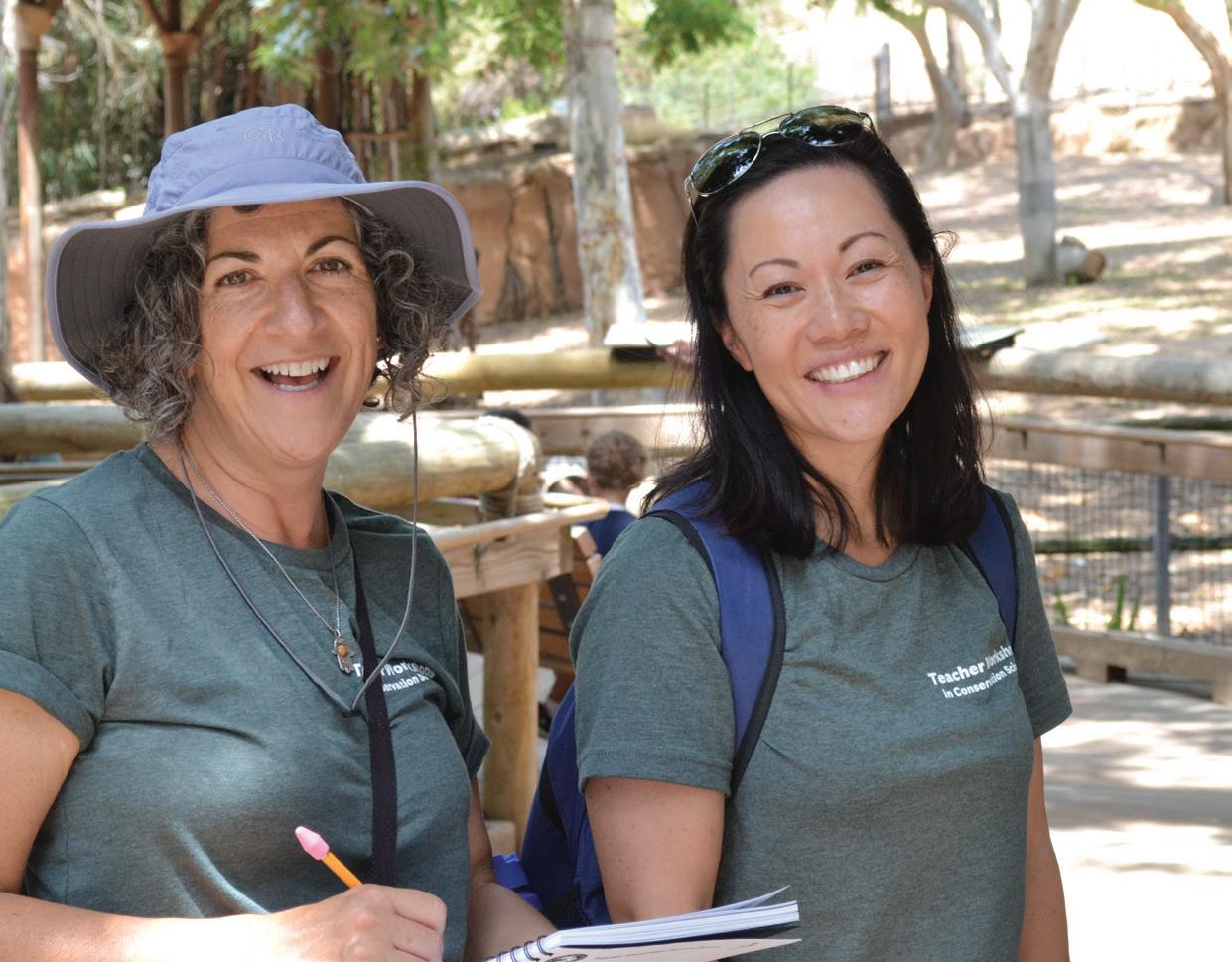
Elan Patterson, left, and Sam Bourke collect wildlife data at the Safari Park. (Facing page)
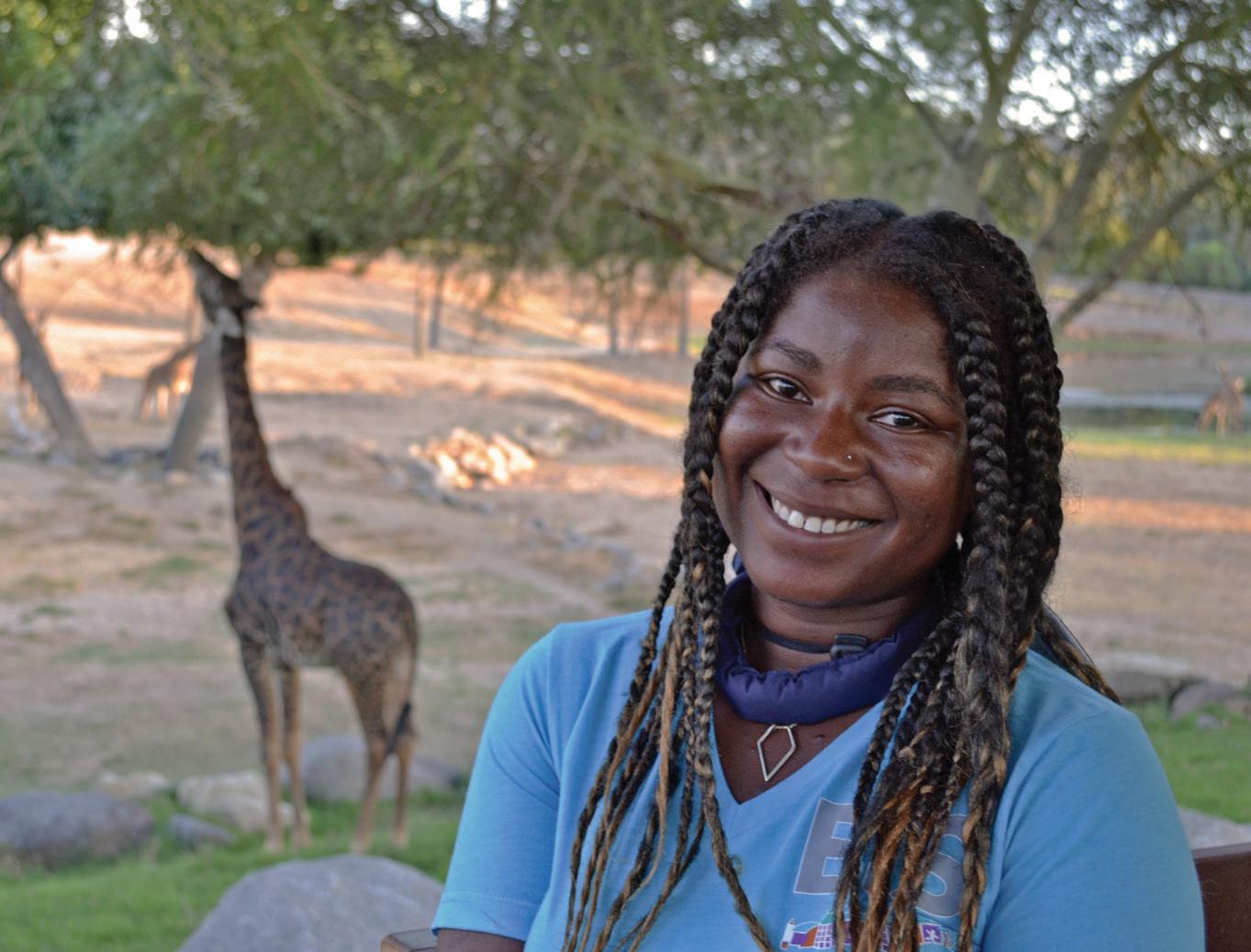
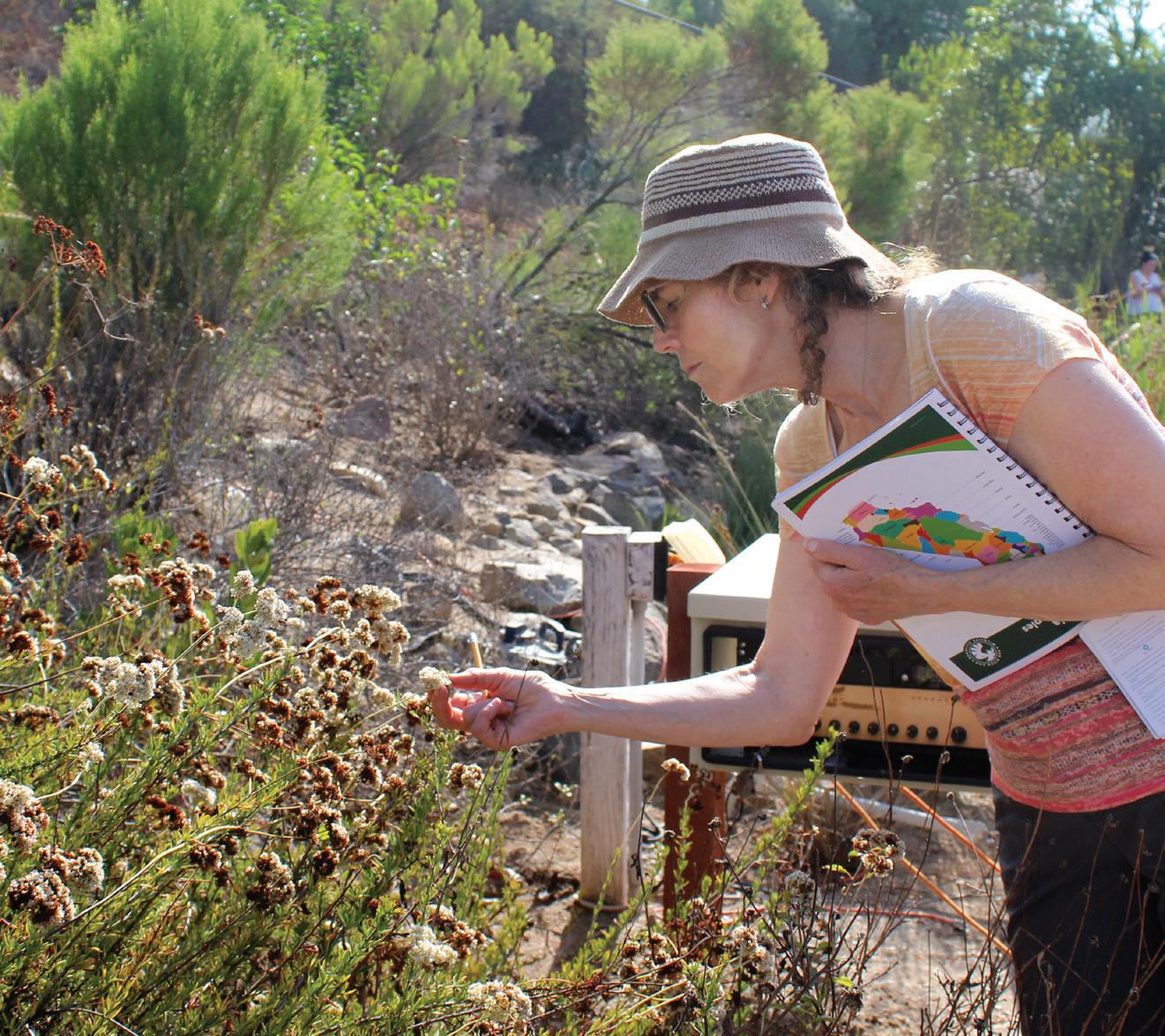
Science educator Amirah Burleigh gets up close with African flora and fauna at the Safari Park.
At San Diego Zoo Wildlife Alliance, it has long been our core belief that conservation is about people. It is the plain truth that we, as people, contribute to many of the most complex challenges facing wildlife today. However, we are also integral to each and every conservation solution, as we work to protect and restore habitat, reduce pressures on wildlife populations, influence policy and governance, drive changes in our own behavior and in the behavior of those around us, and inspire future generations of conservation stewards. It is therefore a central strategy of ours to partner with community stakeholders at all levels to bring about positive change for both wildlife and people.
Teachers’ Aid
When we look across human communities worldwide, there is arguably one stakeholder group that is most important for driving the changes that will safeguard our collective future: Teachers. We recognize the profound and unique impact that teachers have on the world as they help to shape not only individual lives, but also entire communities and broader society. Teachers act as important community anchors and their essential work sets the foundation for creating positive change as they help to build knowledge and skills, reduce inequalities, support wellbeing and stability, and promote global citizenship.
This outsized importance is precisely why we set out 20 years ago to design and implement a unique experiential learning program just for teachers. With the debut of our Teacher Workshops in Conservation Science, we envisioned a transformative experience that would provide teachers, and by extension their students, with engaging laboratory and fieldbased activities focused on the innovative science behind species conservation so they could help foster a more conservation-literate and active public.
In the summer of 2006, we invited 12 high school science teachers from across Southern California to experience a week in the life of a conservation biologist at our research headquarters, the Arnold and Mabel Beckman Center for Conservation Research, adjacent to the Safari Park in beautiful San Pasqual Valley. This pilot offering gave teachers a glimpse into the overwhelming time, energy, and monetary commitment involved with recovering even a single species, as they examined the complex conservation history and recovery of the California condor.
“I feel renewed in my mission as a teacher. I’m excited to share what I learn and help my students see that they, too, can be part of creating a better, more sustainable world—regardless of the barriers they may face.”
Lesson Plan
Two decades later, our Teacher Workshop program has grown into a nationally recognized, fully accredited, and amazingly popular professional development offering that has engaged more than 2,100 educators from all 50 states and 30 countries across the globe. Participating teachers spend three days and two nights at the Beckman Center and Safari Park, engaging with conservation scientists, collaborating with peers, exploring specialized laboratory and field techniques, and investigating animal behavior through the process of inquiry. It is our aim to provide a highly collaborative environment where teachers work together on linking relevant and replicable conservation activities back to textbook concepts in their classrooms, thereby offering students more concrete connections to science and wildlife conservation.
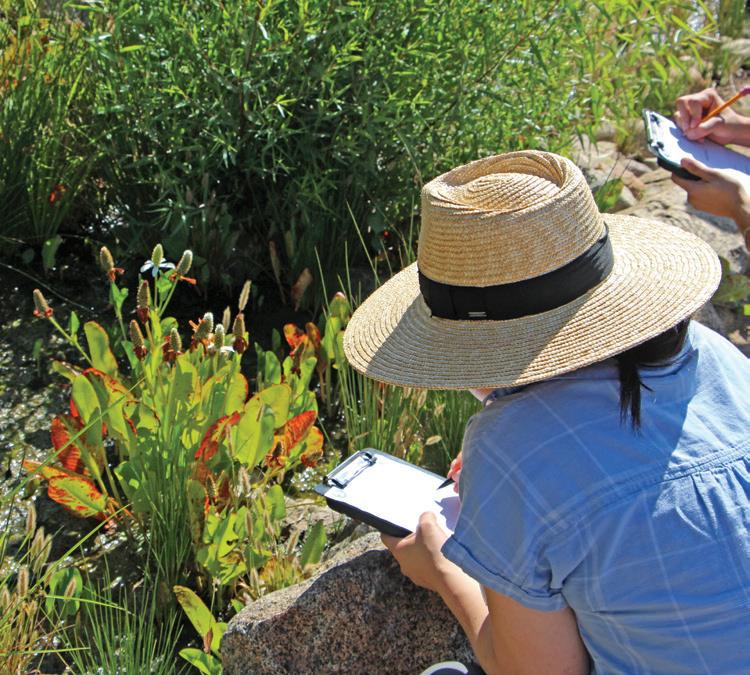
Through our hands-on curricular labs, our teacher partners have the opportunity to engage with tools and techniques that showcase the multidisciplinary nature of conservation. For example, they use micropipettes to examine sexually monomorphic species through gel electrophoresis, explore the role of biodiversity banking in species conservation, and conduct mock hormone assays to assess the reproductive status of animals in our care in order to enhance reproductive success and improve health outcomes. They explore the causes and implications of climate sustainability in the context of polar bears and their disappearing Arctic habitat, discovering how our scientists and wildlife care specialists use operant conditioning and positive reinforcement to learn about the energetic requirements and hearing ranges of bears at the Zoo as a model to better understand human impacts on bears in their native range. They learn about the reintroduction and monitoring of threatened species and use radio telemetry and spatial software to identify potential reintroduction sites as they track model frogs on our research campus. In our Eddy Family Outdoor Learning Lab, they explore the unique importance of native species as they practice plant monitoring techniques, analyze human impacts on local ecosystems, and discover diverse approaches to habitat conservation.
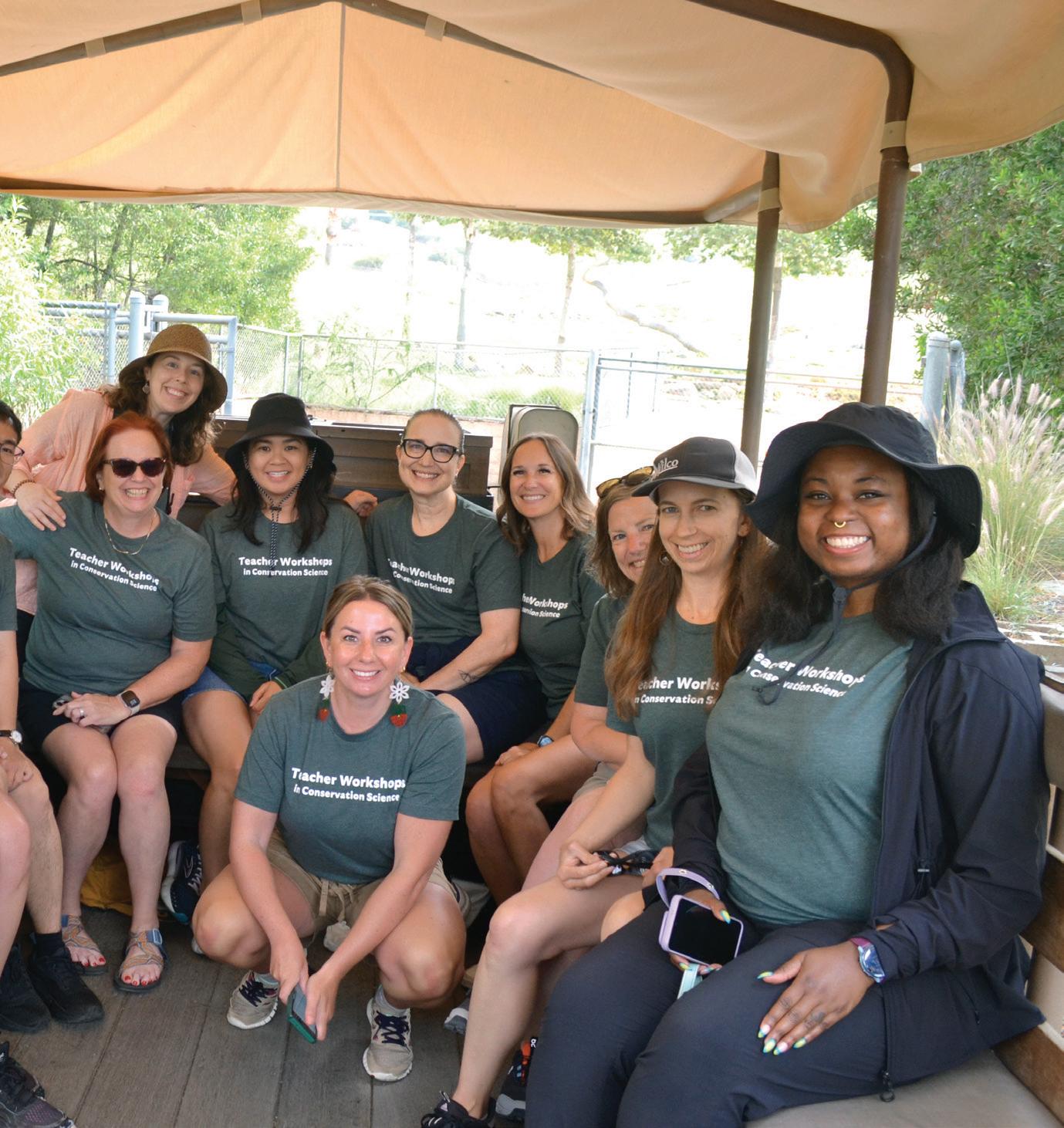
FIELD TRIP (Left, from top) Science educator Beth Callaghan explores California native plants. Educators from China, Canada, California, North Carolina, and Washington State set out to explore the savanna habitats at the Safari Park. High school science teachers Hayley Salazar (left) and Joanne Yan observe wildlife at the Safari Park.
Back to School
Beyond science content and activities, the workshops offer important opportunities for teachers to network and share best practices, co-develop new ways to incorporate conservation learnings into diverse educational and community settings across the world, and motivate and inspire each other as they head back to their classrooms. By the end of the workshop, teachers report that they are more knowledgeable about conservation topics and more confident in introducing conservation themes and inquiry-based lessons in their classrooms.
But it’s what happens after the workshops that proves so critical for creating sustained positive outcomes for wildlife, communities, and the landscapes we all share. When our teacher partners return home to their campuses, they gain access to free, mobile conservation science kits that enable them to replicate even the most sophisticated workshop activities back in their classrooms, and over 85% of them report an increase in student engagement due to workshop resources. Not only do we see teachers more effectively engaging their students with scientific practices, but we also see them lean more heavily into their role as influential environmental stewards in their own communities. Consistently across years, nearly 100% of participating teachers say they’re likely to change their own behavior and habits as a result of their workshop experience. They also become advocates for driving conservation action as consistently more than 90% say they’re likely to engage their students in taking community-level action because of their workshop experience. Thanks to their reinvigorated passion for conservation and nature, our workshop alumni have shared stories of supporting their students in a wide array of environmental efforts including recycling, composting, cleaning up local beaches, planting native and pollinator-friendly gardens, establishing environmental clubs, contributing to community science platforms, reducing energy use, and even working with campus facilities teams to transition entire school cafeterias away from single-use plates and cups.
It is this unique amplifier effect that makes teachers such powerful allies in the fight against extinction. Like tossing a stone into a pond, the remarkable influence of these community anchors ripples outward, far beyond individual classrooms, and for many years into the future. We’re incredibly proud that two decades of partnership with teachers through our Teacher Workshops in Conservation Science has an impact potential of more than 2.7 million students worldwide. At the end of the day, connecting teachers, and their students, to their own critical role in wildlife conservation moves us closer to our vision of a world where all life thrives.
Maggie Reinbold is director of community engagement for San Diego Zoo Wildlife Alliance; Piper Hamill is a community engagement research coordinator.
PHOTO BY: KEN BOHN/SDZWA
Feel good about booking with us!
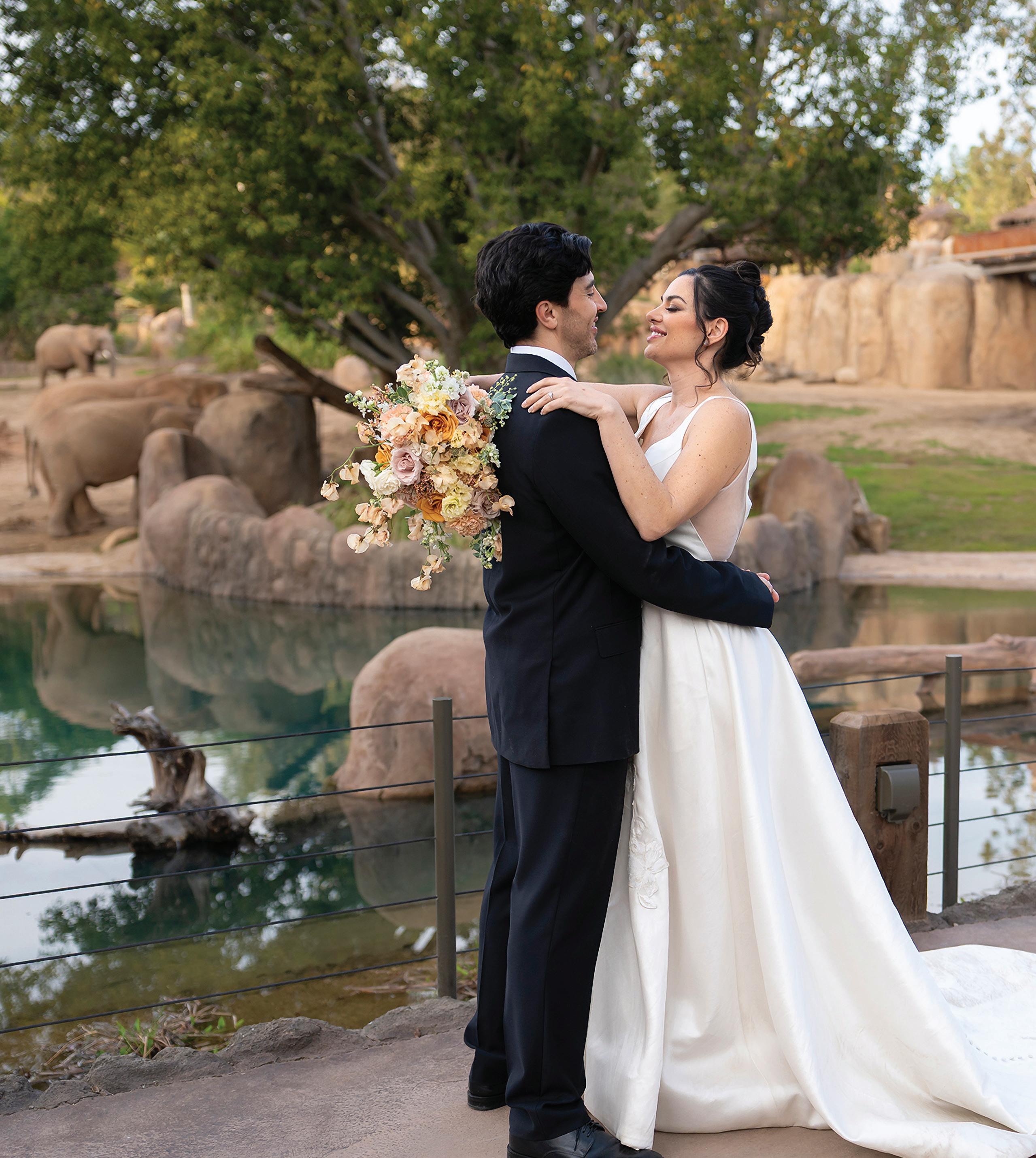
Couples looking for adventure, romance, and a one-of-a-kind wedding day can continue their love story at the San Diego Zoo and the San Diego Zoo Safari Park. From sweeping savanna views to lush green hideaways, we have the wild wedding venue of your dreams! Now booking private events in Elephant Valley’s Mkutano House.
EVENTS &MAY JUNE
MAY 22–AUGUST 9
Nighttime Zoo:
A Celebration to Remember
Join us all summer long to soak up the last season of Nighttime Zoo. The Zoo is open from 9 a.m. to 8 p.m. Enjoy live music, spectacular entertainment, and one-of-akind moments with your favorite wildlife. You’ve celebrated the season with us for more than 25 years, and the curtains are closing on this family-favorite experience August 9. But there’s good news! In 2027, we’re excited to welcome a brand-new seasonal festival. Get ready to make new generational memories over and over again! Member preview May 22. (Z)
SAN DIEGO ZOO
MAY 15 & JUNE 19
Plant Day and Orchid Odyssey
On these special days, guests can take a rare look inside the Zoo’s Orchid House from 10 a.m. to 2 p.m., learn more about the Zoo’s botanical collection on the Botanical Bus Tour at 11 a.m. and noon, and check out the Carnivorous Plant Greenhouse from 10 a.m. to 1 p.m. A variety of plants grown by the Horticulture team will be available at the Plant Sale, happening in front of the Orchid Greenhouse entrance from 10 a.m. to 2 p.m. (Z)
OFFERED DAILY
Wildlife Wonders
During Wildlife Wonders at the Zoo’s Wegeforth Bowl amphitheater, presented daily at 2 p.m., wildlife care specialists will introduce you to wildlife ambassadors representing San Diego Zoo Wildlife Alliance’s conservation work around the world. Learn about amazing wildlife—from the Amazon to right here in San Diego—and find out what everyone can do to help conserve wildlife and the world we all share. The presentation runs 15 to 20 minutes. (Z)
FOR MEMBERS
MAY 10 & JUNE 14
Member Exclusive Early Hours
Rise and shine with the sights and sounds of the San Diego Zoo. On select days, qualifying members* can enter the Zoo one hour before the general public. To join us, simply present your qualifying membership card at the main entrance beginning at 8 a.m. *Excludes memberships with blockout dates. (Z)
EVERY DAY
Wild PerksSM
San Diego Zoo Wildlife Alliance members are eligible for Wild PerksSM. Show your membership card each time you make a purchase and save up to 20%, depending on your membership level. Some exclusions apply; for details, visit sdzwa.org /membership/wild-perks. (Z)
SAFARI PARK
OFFERED DAILY Journey Into the Wild
Join our wildlife care specialists as they introduce you to wildlife ambassadors representing conservation work in our Amazonia Conservation Hub in South America as well as right here in the Southwest. This conservation presentation begins at 10:30 a.m. daily at Benbough Amphitheater. (P)
Now Departing: Safari Excursions
Your safari adventures and special experiences begin at this brand-new depot located in the heart of the Safari Park. Here you’ll be immersed in the world of wildlife before you even step onto your safari vehicle. Register and relax before your journey, then get whisked away to wild places from across the globe—all from this central location. (P)
May and June Hours
For San Diego Zoo and Safari Park operating hours, visit sdzwa.org
Wildlife Awareness Days
While every day is a good day to celebrate the amazing wildlife with which we share the planet, there are a number of upcoming dates that offer the chance to honor some special species. Join us at the Safari Park to experience wonderous wildlife.
MAY 21
Climb on up for World Tree Kangaroo Day to discover more about these elusive marsupials.
MAY 31
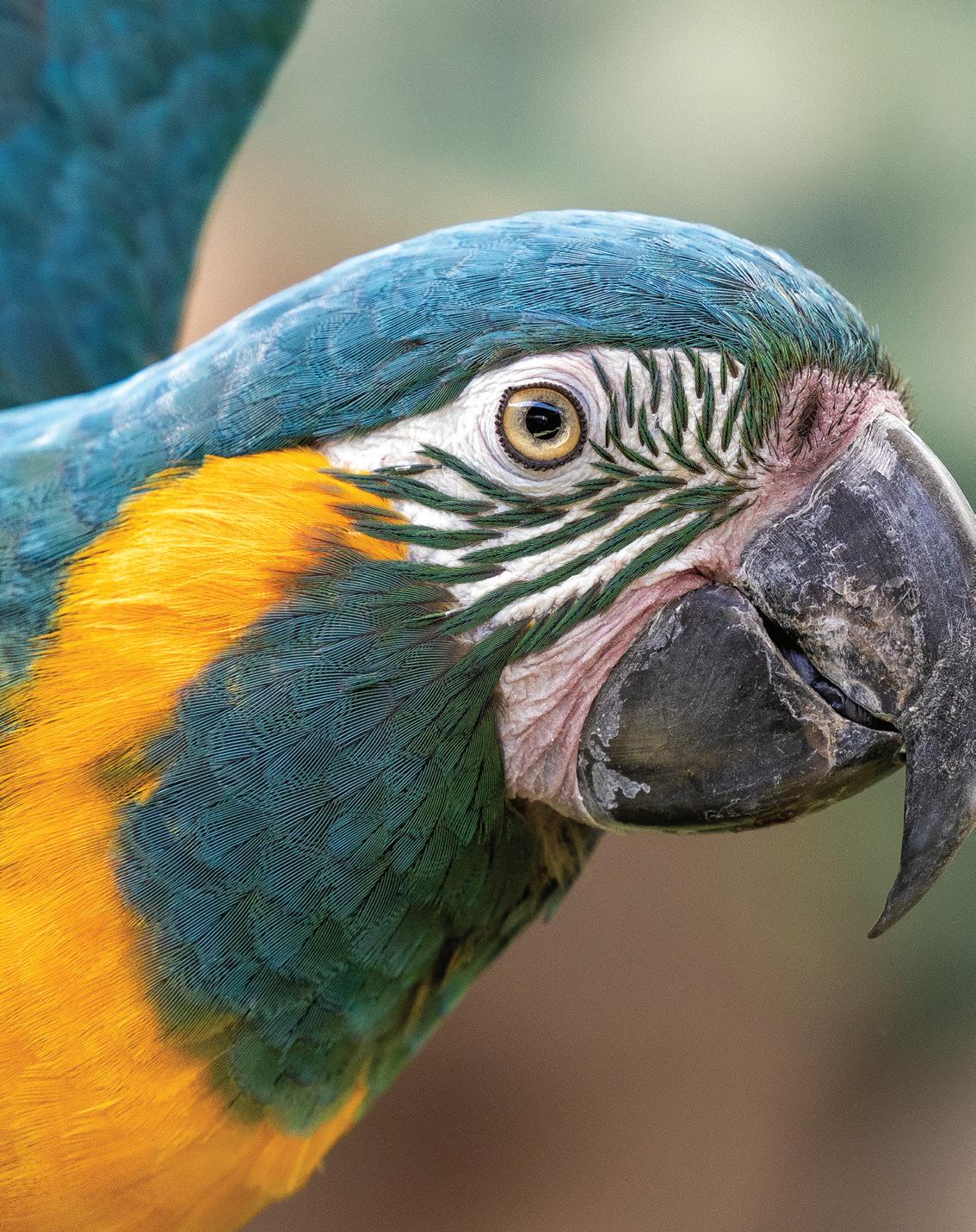
Take flight for World Parrot Day to meet our experts and engage with these colorful birds at various locations throughout the Safari Park.
JUNE 12
No (mountain) “lion”—June 12 is National Cougar Day, so stalk on over for some felid-focused fun.
JUNE 21
Long story short: On the longest day of the year, the longest-necked mammal in the world stands tall for World Giraffe Day (P)
FOR MEMBERS
MAY 10
Member Exclusive Early Hours
Rise and shine with the sights and sounds of the Safari Park. On select days, qualifying members* can enter the Safari Park one hour before the general public. To join us, simply present your membership card at the main entrance beginning at 8 a.m. *Excludes memberships with blockout dates. (P)
EVERY DAY
Wild PerksSM
San Diego Zoo Wildlife Alliance members are eligible for Wild PerksSM. Show your membership card each time you make a purchase and save up to 20%, depending on your membership level. Some exclusions apply; for details, visit sdzwa.org /membership/wild-perks. (P)
sdzwa.org
(619) 231-1515
Programs and dates are subject to change—please check our website for the latest information.
(Z) = San Diego Zoo (P) = Safari Park
San Diego Zoo Wildlife Explorers website to find out about these and other animals and plants, plus videos, crafts, stories, games, and more! SDZWildlifeExplorers.org
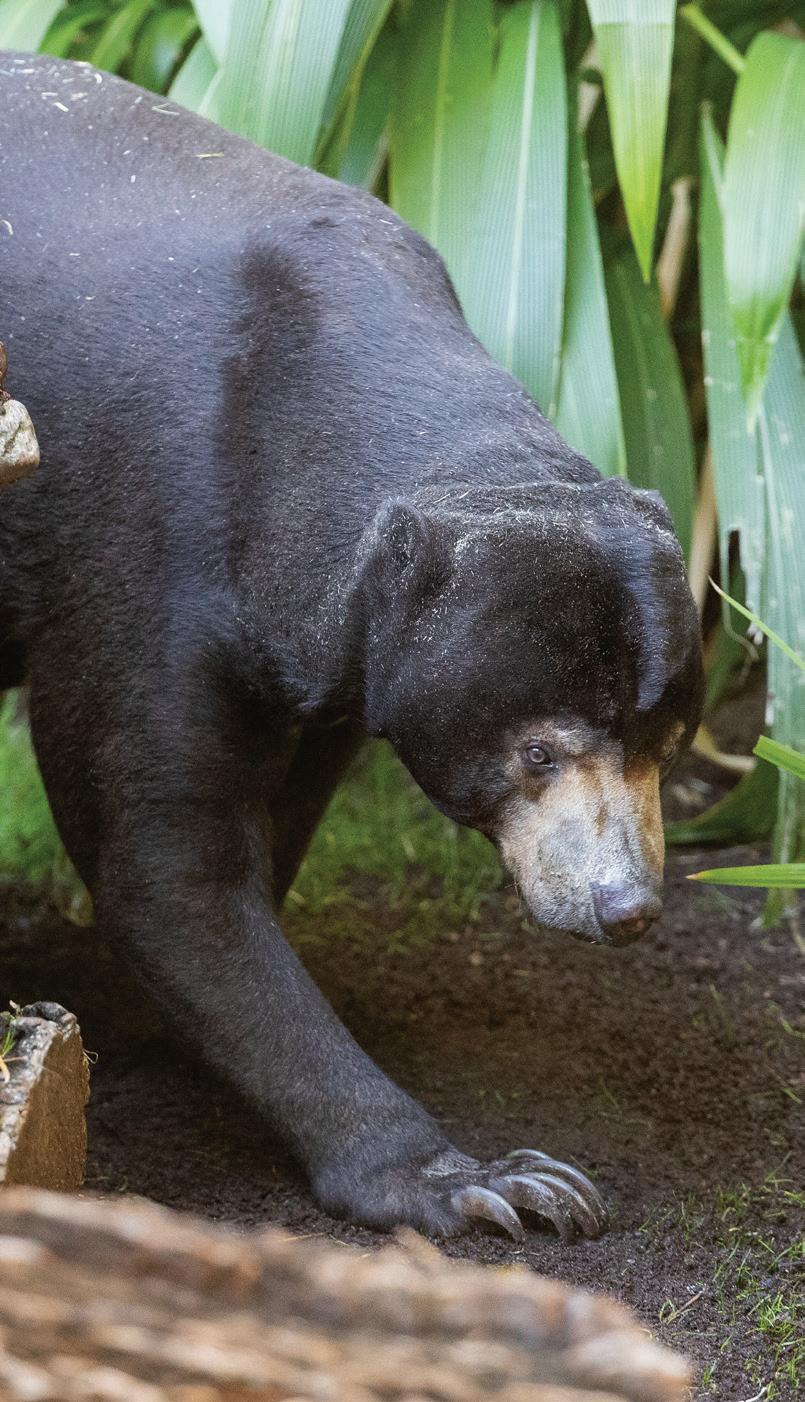
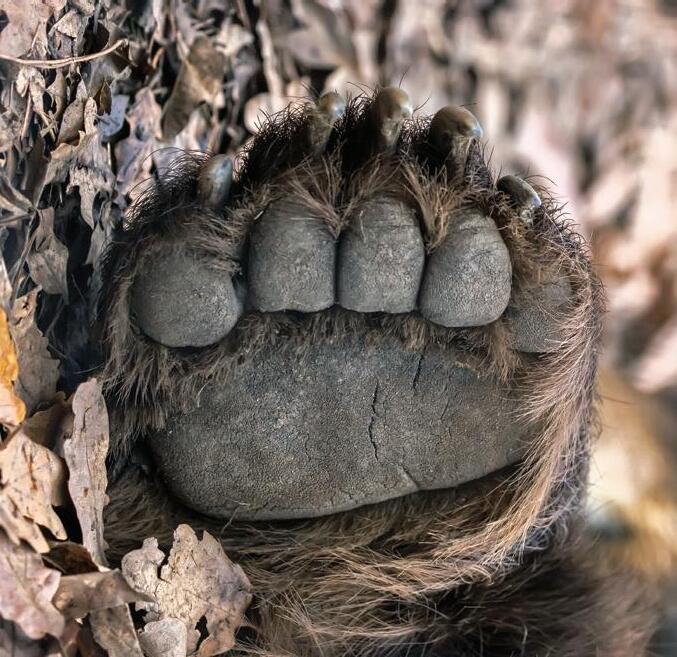
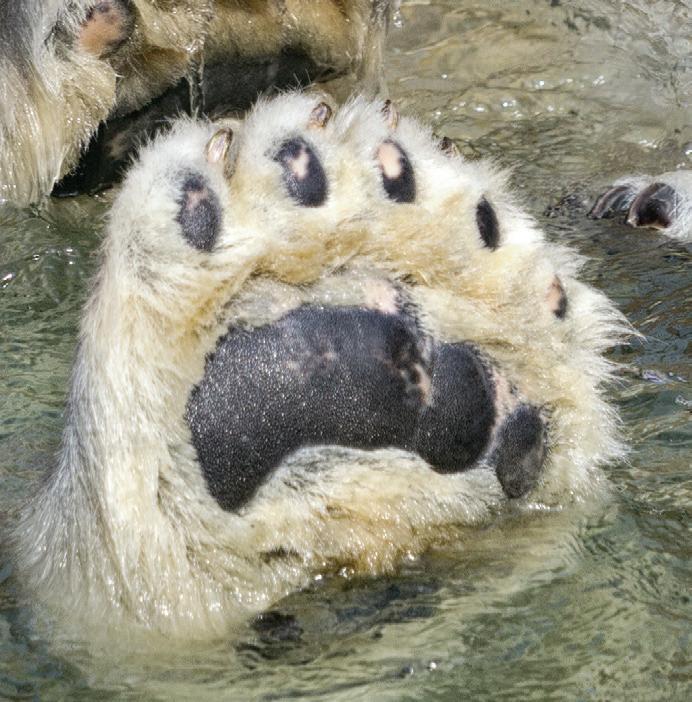
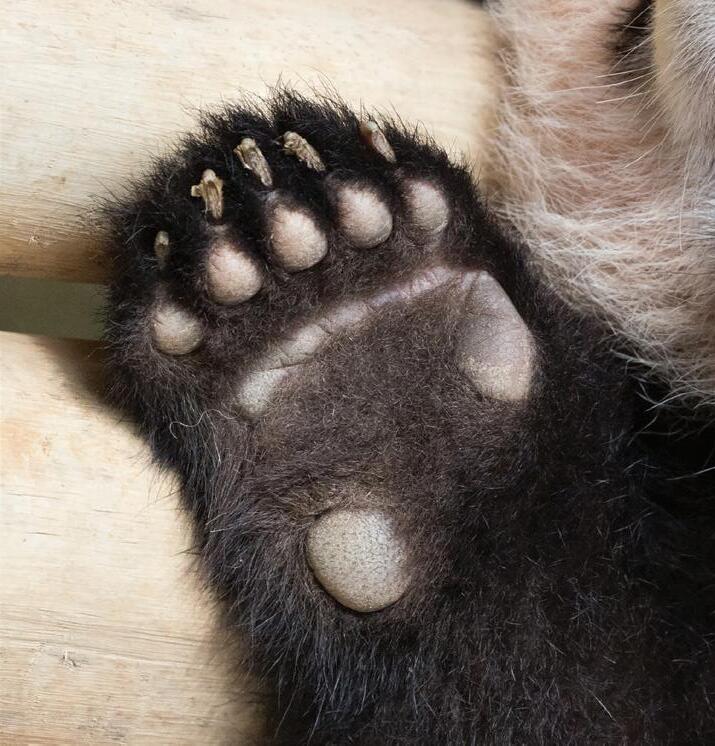
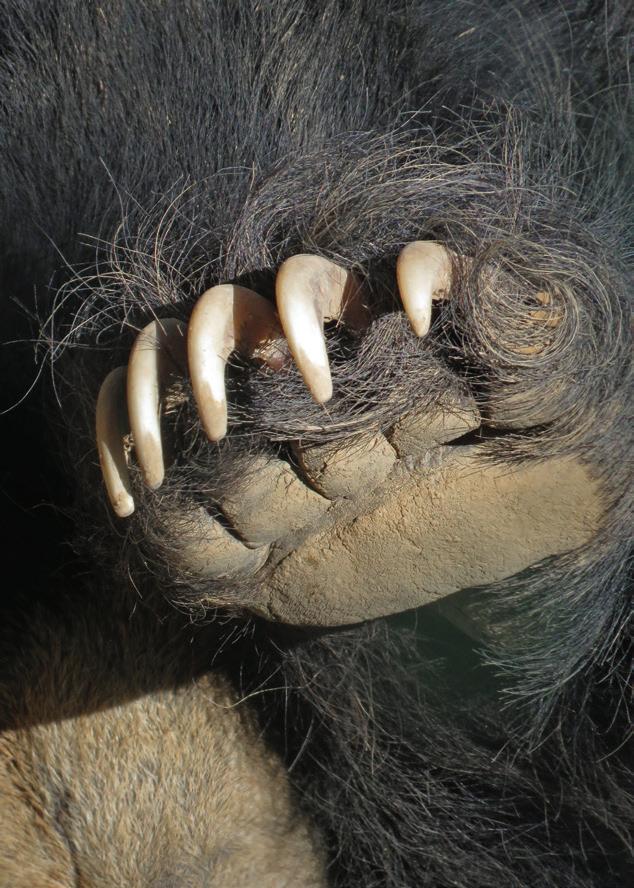
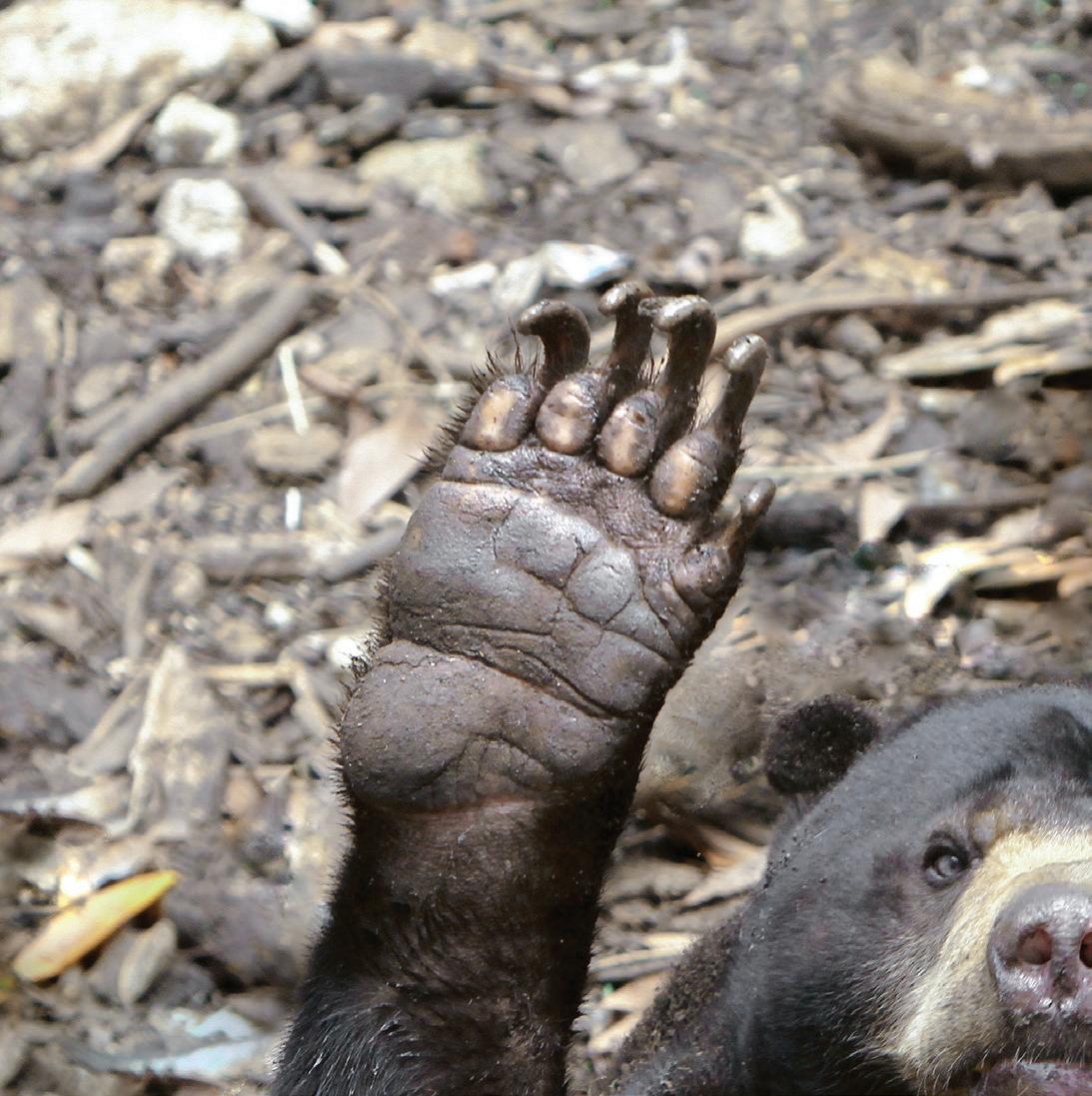
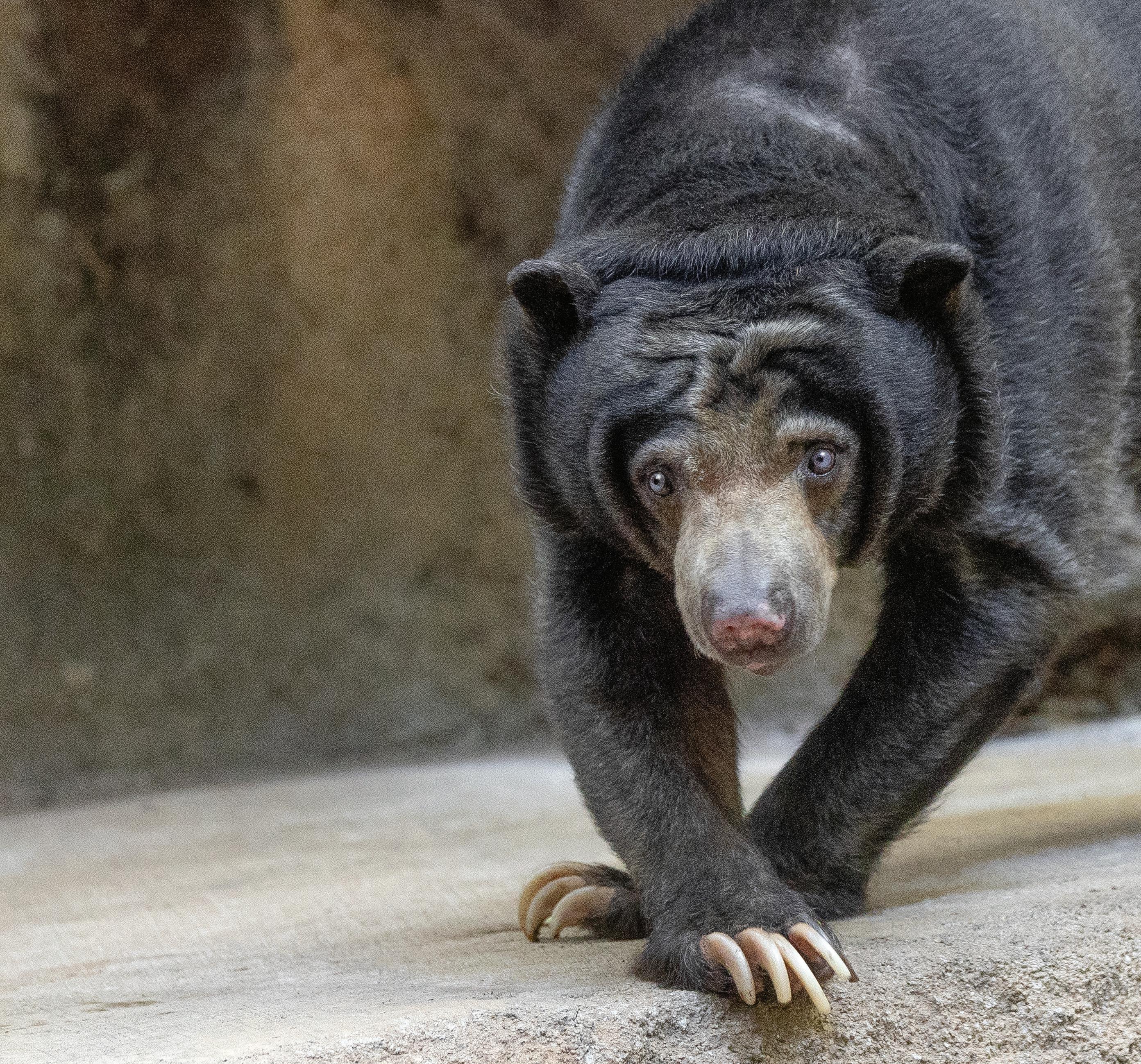
All bears have thick limbs, big bodies, and large heads. This strong build pairs perfectly with their wide paws and curved claws, which they use as tools that help them eat, climb, dig, and thrive in native habitats.
Did you know there are only eight bear species and each one’s feet have uniquely adapted to their needs. Can you match five bear species with their paws below?
Sun bears
The world’s smallest bears move with ease through high tree canopies thanks to their large paws with hairless soles.
Polar bears
Small bumps on the pads of this sea bear’s wide paws grip slippery Arctic ice when they walk. Fun fact: their huge paws are also webbed to help them swim.
Sloth bears
The thick, 3-inch claws on this fluffy bear sure come in handy. In their grassland and forest homes, they use their claws when they dig into hidden termite nests in soil, fallen logs, or trees.
Giant pandas
Special wrist bones that kind of act like our thumbs make it easier for these black-and-white bears to eat their favorite food: bamboo.
Brown bears
These powerful diggers mostly use their claws to excavate a cozy den or search for tasty snacks buried in the ground rather than climbing.
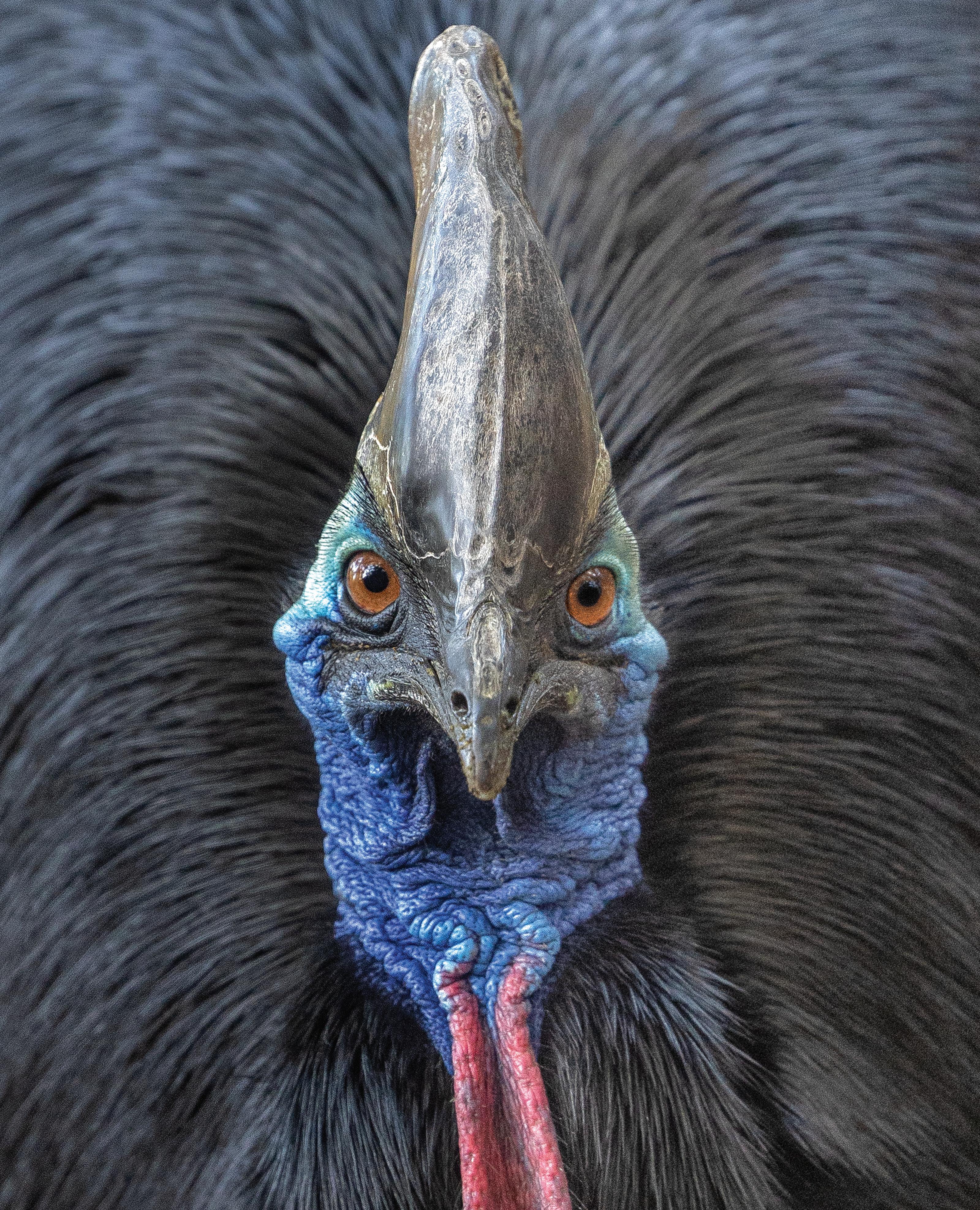
The southern cassowary may be flightless, but this large Australian bird is nonetheless stunning. A jet black, feathered body is topped with jewel-toned skin on the face and neck. The crowning glory?
An eye-catching casque that is thought to help the bird make sounds. Because of its powerful kick and dagger-like claws on its inner toes, the cassowary is considered the most dangerous bird in the world. Photographed by Name, SDZWA Photographer