Discover an “eighth continent” you never knew existed, as we enjoy close encounters with some of the planet’s most unusual species. July 22–August 3, 2027
Australia South: Tasmania, Kangaroo Island & the Great Ocean Road 2027
Southern Australia is full of dramatic landscapes, unique flora and quirky wildlife. From the familiar koala and ferocious Tasmanian devil to the lesser-known wombat and echidna, native wildlife abounds. October 22–November 3, 2027
JULY & AUGUST 2026
MANAGING EDITOR Peggy Scott
STAFF WRITERS
Mike Hausberg
Aubrey Lloyd
Sara Maher
Ellie McMillan
Elyan Shor, Ph.D.
CONTRIBUTING EDITOR
Justin Weber
DESIGNERS
Kaitlyn Lara
Christine Yetman
PHOTOGRAPHERS
Ken Bohn
Tammy Spratt
DESIGN AND PRODUCTION
Lisa Bissi
Jennifer MacEwen
PREPRESS AND PRINTING
Quad Graphics
Let's Stay Connected
Follow @sandiegozoo & @sdzsafaripark Share your #SanDiegoZoo & #SDZSafariPark memories on social media.
The Zoological Society of San Diego was founded in October 1916 by Harry M. Wegeforth, M.D., as a private, nonprofit corporation, which does business as San Diego Zoo Wildlife Alliance.
The printed San Diego Zoo Wildlife Alliance Journal (ISSN 2767-7680) (Vol. 6, No. 4) is published bimonthly, in January, March, May, July, September, and November. Publisher is San Diego Zoo Wildlife Alliance, located at 2920 Zoo Drive, San Diego, CA 92101-1646. Periodicals postage paid at San Diego, California, USA, and at additional mailing offices. POSTMASTER: Send address changes to San Diego Zoo Wildlife Alliance, PO Box 120271, San Diego, CA 92112-0271.
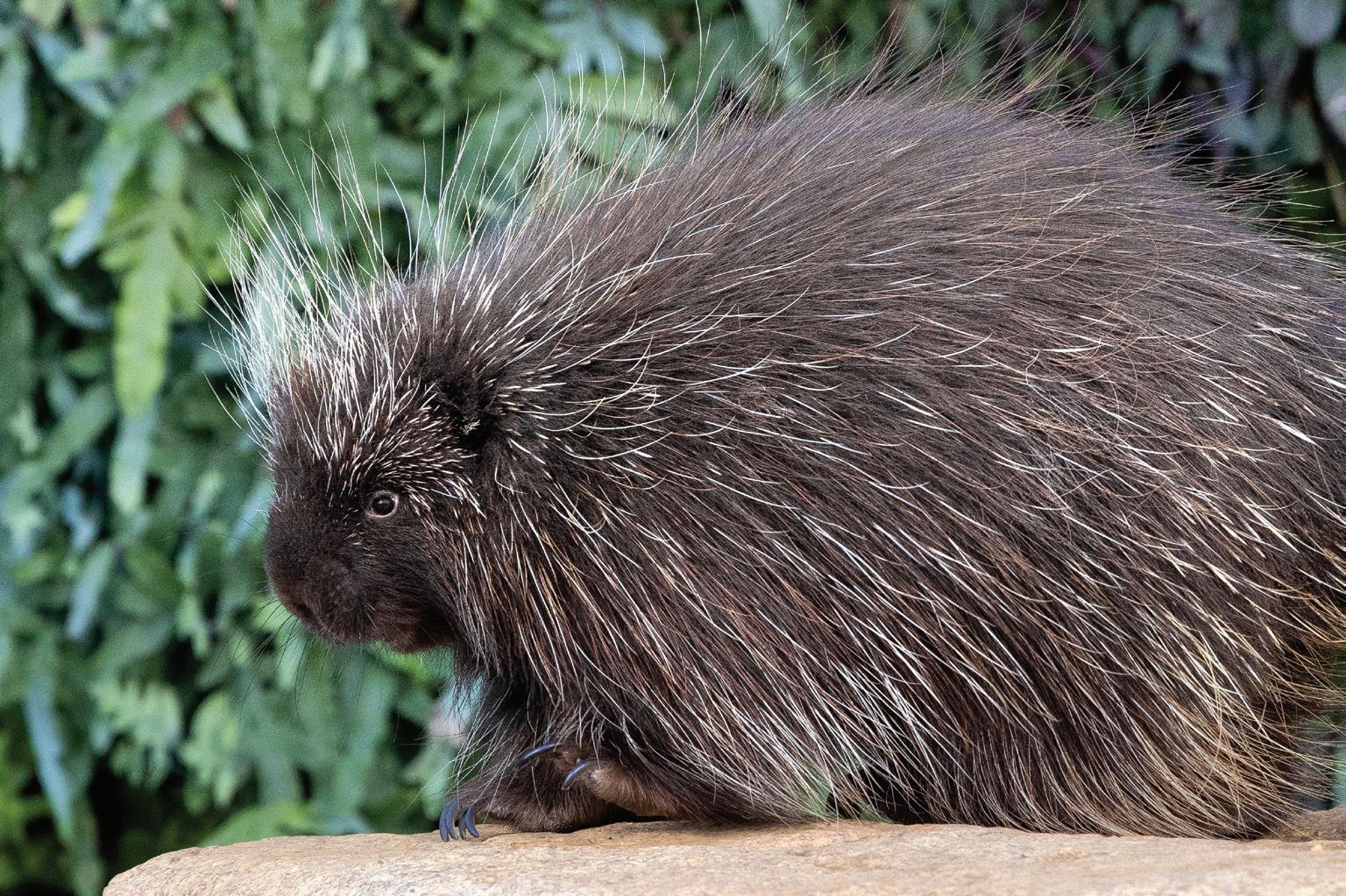
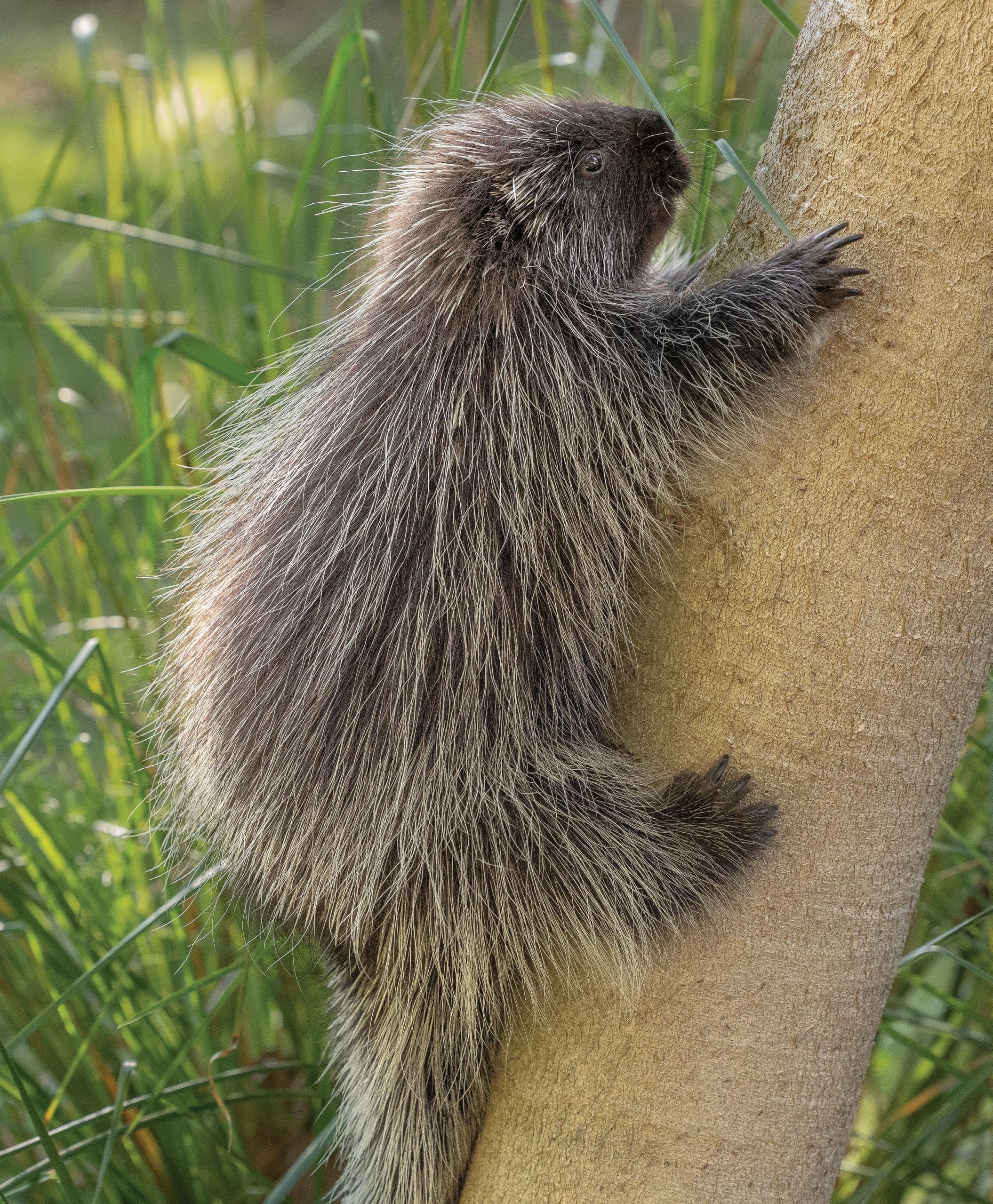
When Maizey, a North American porcupine, experienced birth complications our veterinary and care teams made sure she and her baby survived—and made history as well.
Visualize It
As great apes, bonobos and chimpanzees share numerous similarities; but also possess adaptations all their own.
Setting the Standard
The Paul Harter Veterinary Medical Center at the Safari Park is marking 25 years of providing innovative care for wildlife great and small.
Fostering Innovation
It took a village (the Alliance’s two state-of-the-art wildlife facilities) to help a special palm cockatoo chick spread her wings.
As part of San Diego Zoo Wildlife Alliance’s commitment to conservation, This product is made of material from wellmanaged FSC ® -certified forests, recycled materials, and other controlled sources, chlorine free, and is Forest Stewardship Council® (FSC ®) (COC) certified. FSC ® is not responsible for any calculations on saving resources by choosing this paper.
If your mailing address has changed: Please contact the Membership Department by mail at PO Box 120271, San Diego, CA 92112, or by phone at (619) 231-0251 or 1-877-3MEMBER
For information about becoming a member of San Diego Zoo Wildlife Alliance, please visit our website at ZooMember.org for a complete list of membership levels, offers, and benefits.
Paid subscriptions to San Diego Zoo Wildlife Alliance Journal are available. Contact the Membership Department for subscription information.
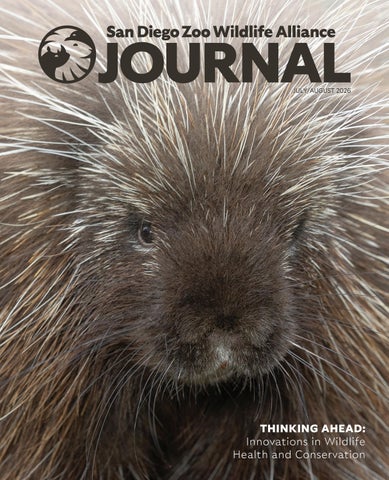
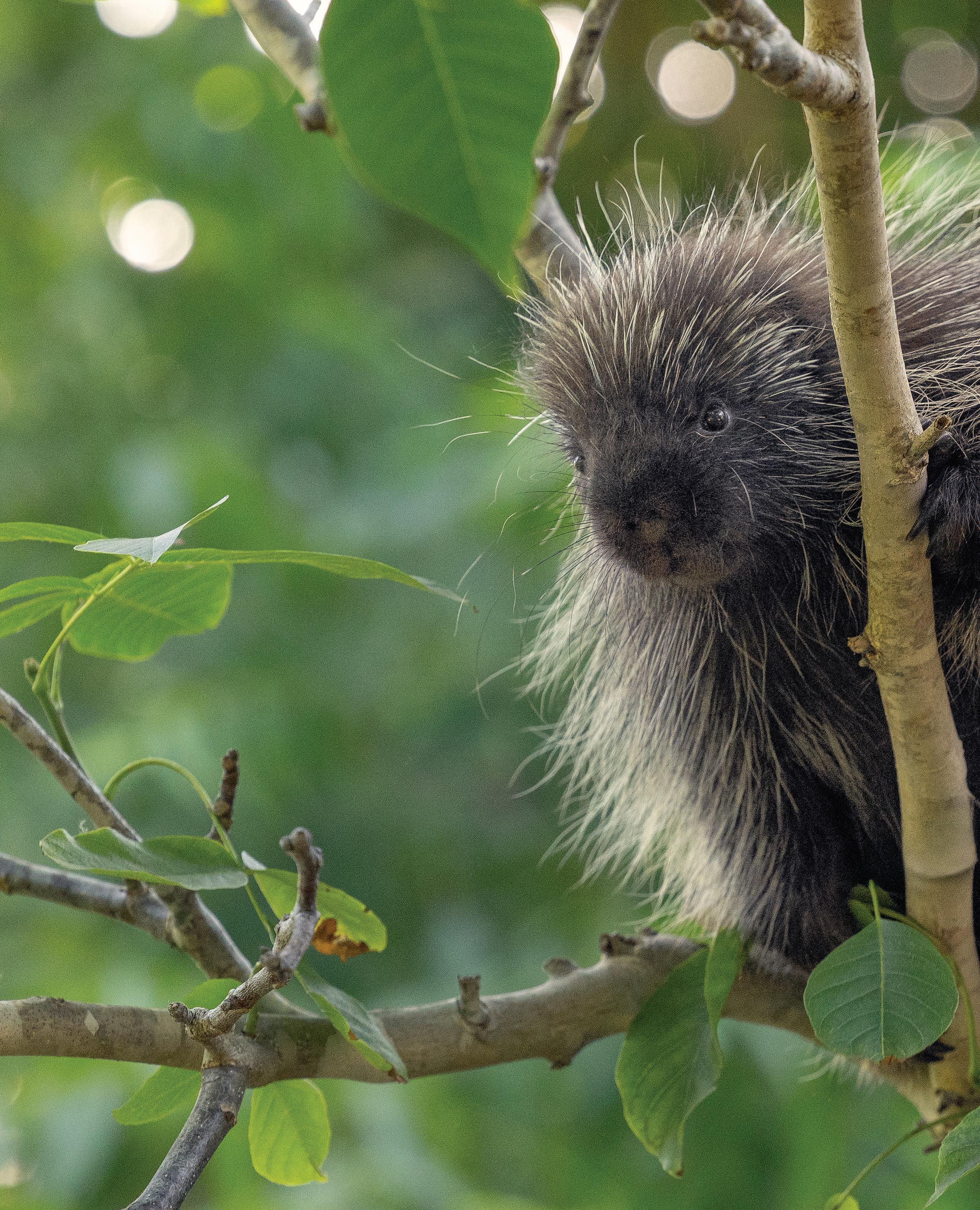
On the Cover: North American porcupine Erethizon dorsatum Photo by: Ken Bohn, SDZWA photographer
A Visionary Approach to Conservation
When we talk about innovation at San Diego Zoo Wildlife Alliance, we mean more than new technology. Our dedication to finding solutions and meeting challenges keeps us at the forefront of global wildlife care and conservation. In this July issue, we celebrate the creative, trailblazing work of our teams.
In this issue you’ll read about a historic medical milestone: the first successful cesarean section performed on a North American porcupine. And you’ll discover how our wildlife care teams orchestrated the world’s first successful foster-parenting of a threatened palm cockatoo chick, opening new doors for global conservation breeding programs.
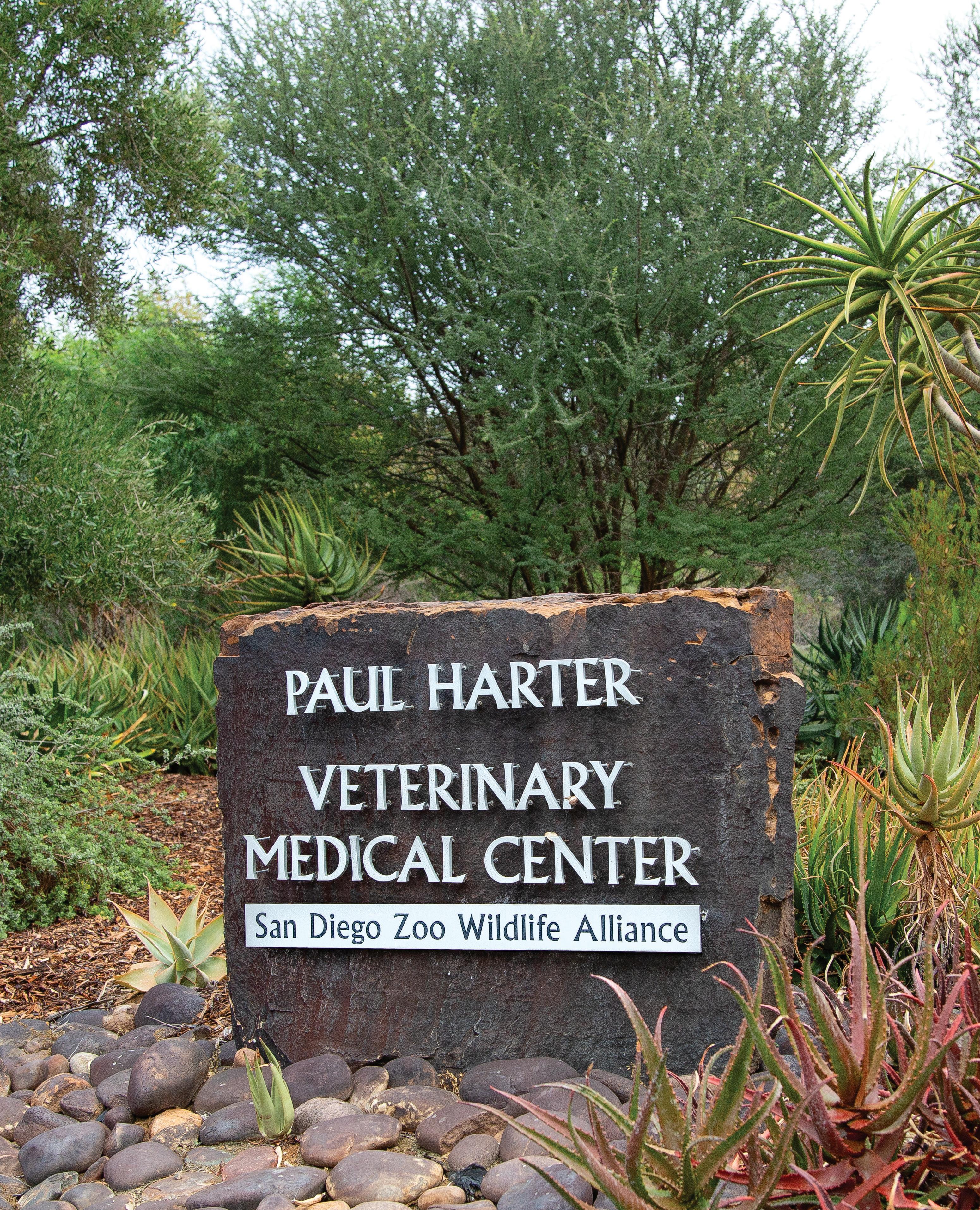
These stories reflect the expertise, care, and innovative thinking behind our work, grounded in the foundation of advanced veterinary medicine we continue to build. For 25 years, the Paul Harter Veterinary Medical Center at the Safari Park has been at the forefront of veterinary medicine, using everything from advanced CT scans to custom-designed orthotics to diagnose, treat, and heal the wildlife in our care.
This innovative spirit extends far beyond San Diego. We recently partnered to open a state-of-the-art
2026 Board of Trustees
Officers
Rolf Benirschke, Chair
Steven S. Simpson, Vice Chair
Adam Day, Treasurer
Gary E. Knell, Secretary
Trustees
Tom Chapman
E. Jane Finley
Clifford W. Hague
Bryan B. Min
Kenji Price
Corinne Verdery
‘Aulani Wilhelm
Trustees Emeriti
Javade Chaudhri
Berit N. Durler
Thompson Fetter
Richard B. Gulley
Robert B. Horsman
Steven G. Tappan
John M. Thornton
veterinary diagnostic laboratory in the heart of the Lewa Wildlife Conservancy in northern Kenya. Through our support, we’re providing local veterinarians with the tools they need to better manage wildlife and livestock that share the landscape.
These milestones are made possible by close collaboration, thoughtful problem-solving, and a commitment to continuous learning. I’m incredibly grateful for the long hours and personal dedication our team members give to bring this work to life, and for allies like you who make every one of these moments possible. Together, we are pioneering a future where all life thrives.
Warmly,
Shawn Dixon President and Chief Executive Officer
Executive Team
Shawn Dixon President and Chief Executive Officer
Annie Fitzgerald
Chief Operating Officer
David Franco
Chief Financial Officer
Erika Kohler
Senior Vice President and Executive Director, San Diego Zoo
Pat McTigue
Senior Vice President and Executive Director, San Diego Zoo Safari Park
Nadine Lamberski, DVM, DACZM, DECZM (ZHM)
Chief Conservation and Wildlife Health Officer
Wendy Bulger
General Counsel
David Gillig
Chief Philanthropy Officer
Allyson Carr
Chief Human Resources Officer
David Miller
Chief Marketing Officer
PHOTO BY: KEN BOHN/SDZWA
Caring for Palms, Porcupines, and Pollywogs
Providing world-class care for wildlife means thinking outside the exam room. From tiny insects to tall, tall trees, teams across San Diego Zoo Wildlife Alliance are taking innovation in wildlife health to all-new heights.
Hawaiian partners entrusted us to care for 160 loulu palm seedlings in San Diego, protecting and preserving genetics that can one day contribute to repopulating native habitats.
For the first time, we successfully used artificial fertilization on mountain yellow-legged frog eggs at the Alliance. Twelve tadpoles hatched, a major breakthrough in supporting populations.
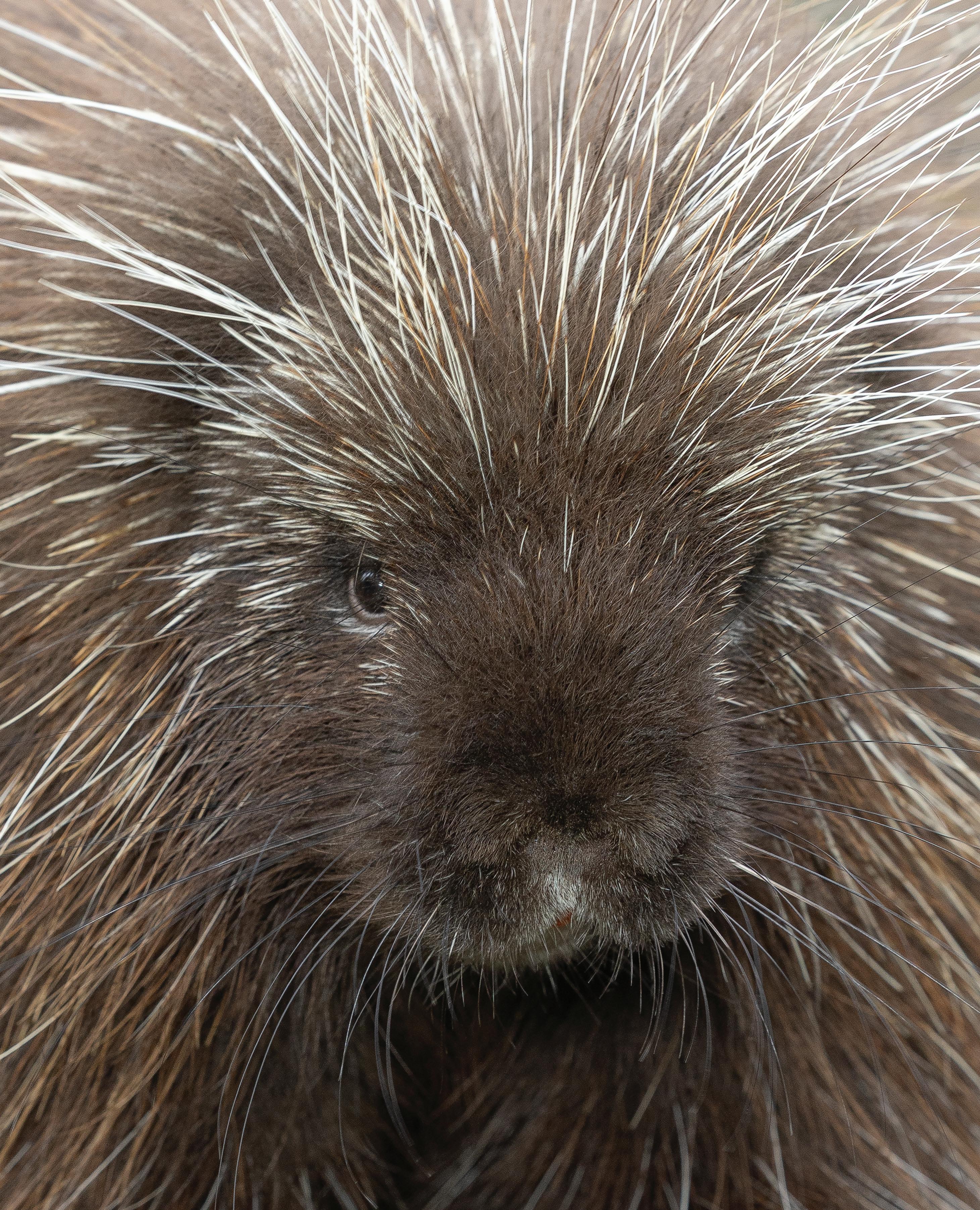
Alliance veterinarians performed the first successful C-section on a North American porcupine, a remarkable achievement. Mom and porcupette are both thriving.
Using microsurgical tools, Alliance veterinarians repaired a hernia on a two-inchlong ghost mantis, providing vital insights into insect health and care.
2
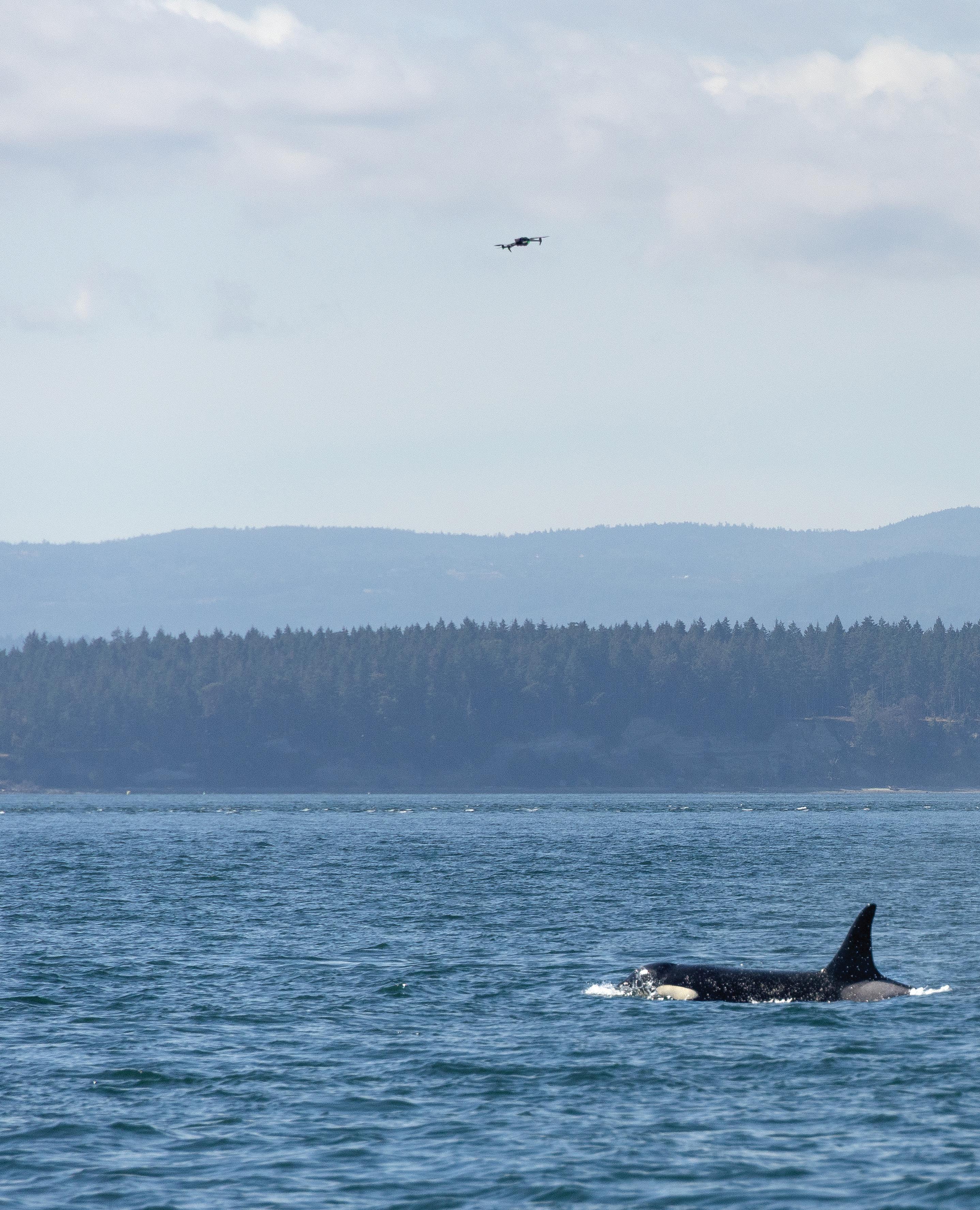
Using two petri dishes attached to a drone, we collect droplets from breath plumes of endangered Southern Resident killer whales to noninvasively monitor their health.
San Diego Zoo Wildlife Alliance protects and restores nature in eight Conservation Hubs on six continents. Below are recent discoveries and progress reports from around the world.
CACTUS RESCUE
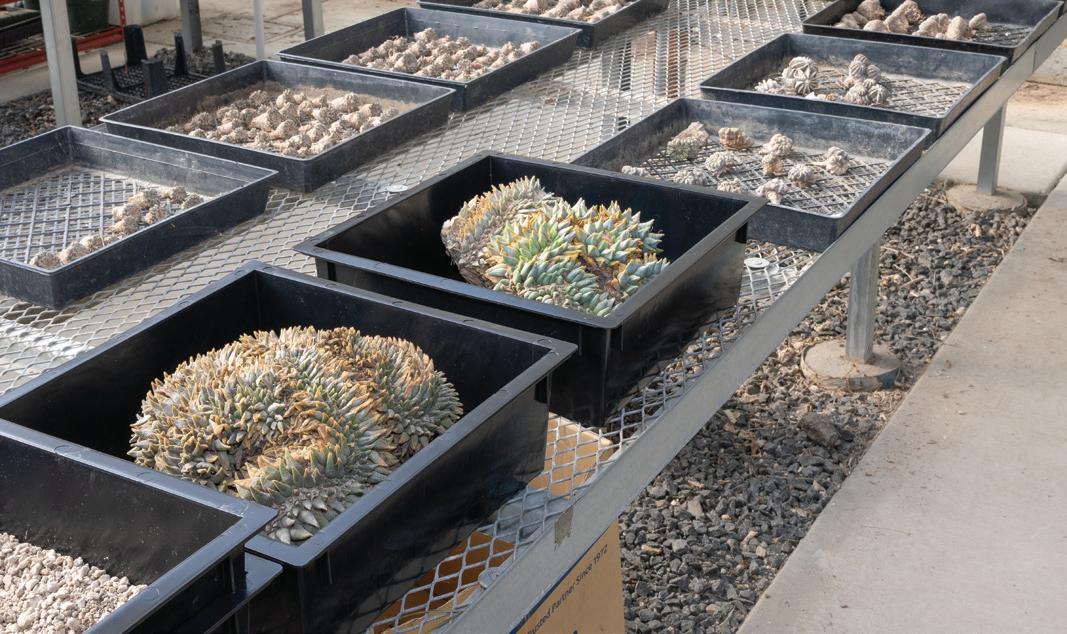
As a designated Plant Rescue Center, the San Diego Zoo Safari Park is a haven for endangered and illegally trafficked plants. In late 2025, the United States Fish and Wildlife Service entrusted the Safari Park with a large shipment of confiscated succulents. The succulents were intercepted at the United States-Mexico border after being illegally poached and smuggled from their native landscapes in Mexico. These unique cacti occur in highly localized habitats and are often restricted to small, fragmented populations. We received a total of 234 succulents, representing 4 genera and multiple species. Our team is working on potting the plants to allow the roots to reestablish themselves. We hope to eventually plant these on Safari Park grounds, where they will be protected from further tampering and help educate our guests about illegal wildlife trade.
KELP CRYOPRESERVATION
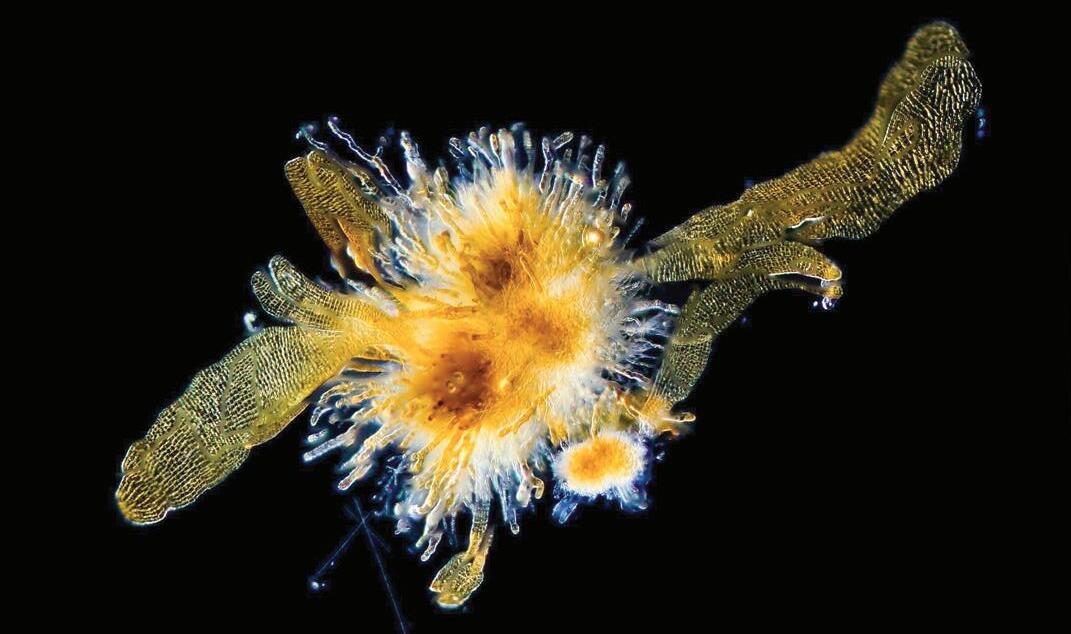
Giant kelp is found along the Pacific coast of North America, including in kelp forests that support immense biodiversity. The largest kelp forests on the US West Coast are found along the San Diego coastline. However, our giant kelp is declining due to climate change, and innovative intervention is necessary to preserve it. Our team is collaborating with the Scripps Institution of Oceanography to develop a protocol to cryopreserve (deep freeze) giant kelp gametophytes (the algae reproductive phase). We tested different cryoprotectants, gametophyte densities, and freeze rates. Our preliminary results indicate successful fertilization of thawed gametophytes and development into sporophytes (the next phase in the kelp life cycle). Our goal is to generate a cryopreservation toolkit that captures state-wide genetic diversity in California’s kelp forests, starting with giant kelp and expanding to seven additional taxa.
HANDHELD TECHNOLOGY FOR HONEYCREEPERS
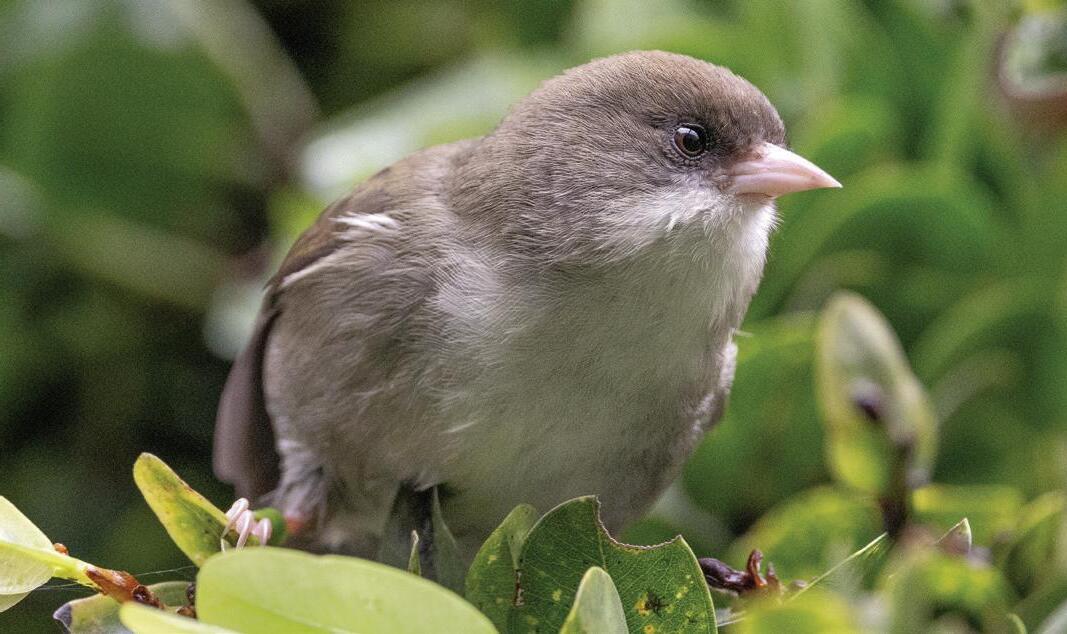
Our team is developing a method to determine sex in five Hawaiian honeycreeper species using handheld, portable DNA analysis units in the field. We have successfully tested this system in our lab, and we are now adapting the procedure to the portable field units. Because honeycreepers are sexually monomorphic (males and females look essentially the same), sex cannot be reliably identified by appearance. Confirming a bird’s sex rapidly in the field helps us bring balanced numbers of males and females into our care at the Maui and Keauhou Bird Conservation Centers, crucially supporting our conservation breeding and reintroduction efforts. With many honeycreepers on the verge of extinction, identifying and bringing birds into our care is vital in efforts to save these species.
PHOTOS BY:
PACIFIC ISLANDS
THROUGH AUGUST 9
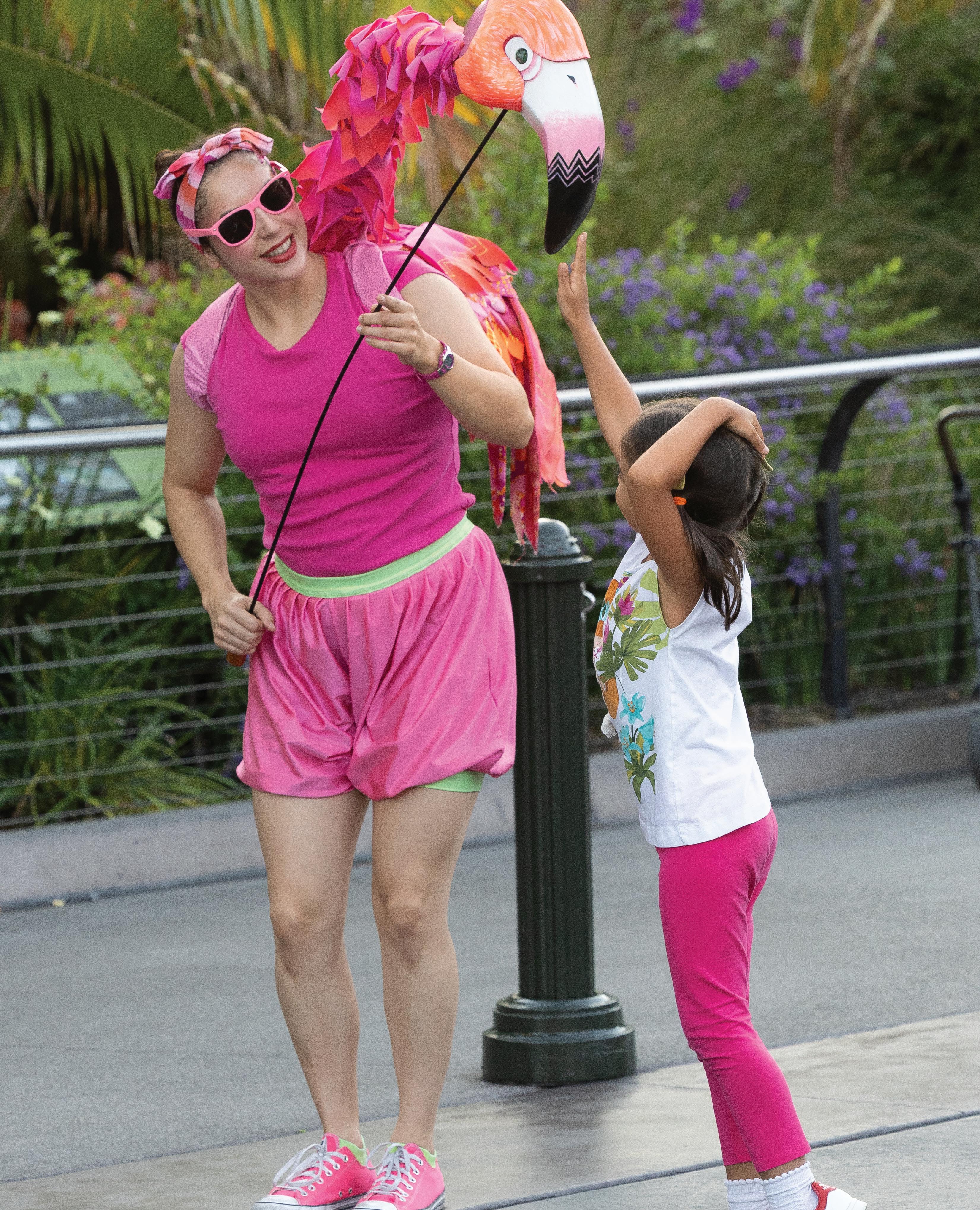
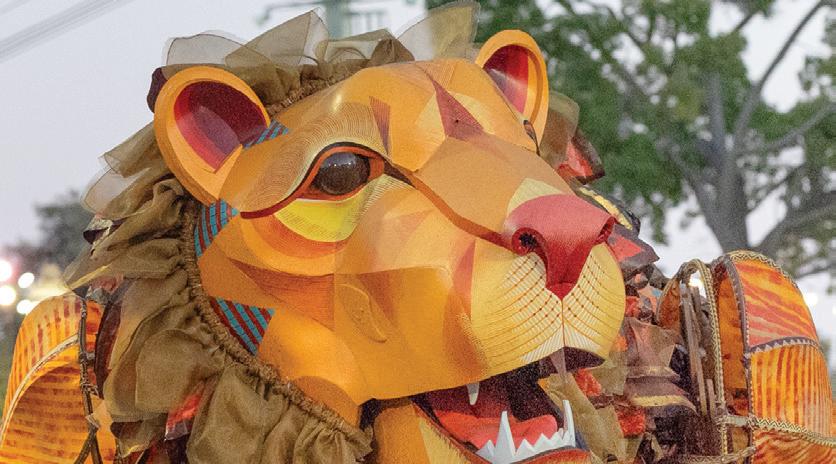
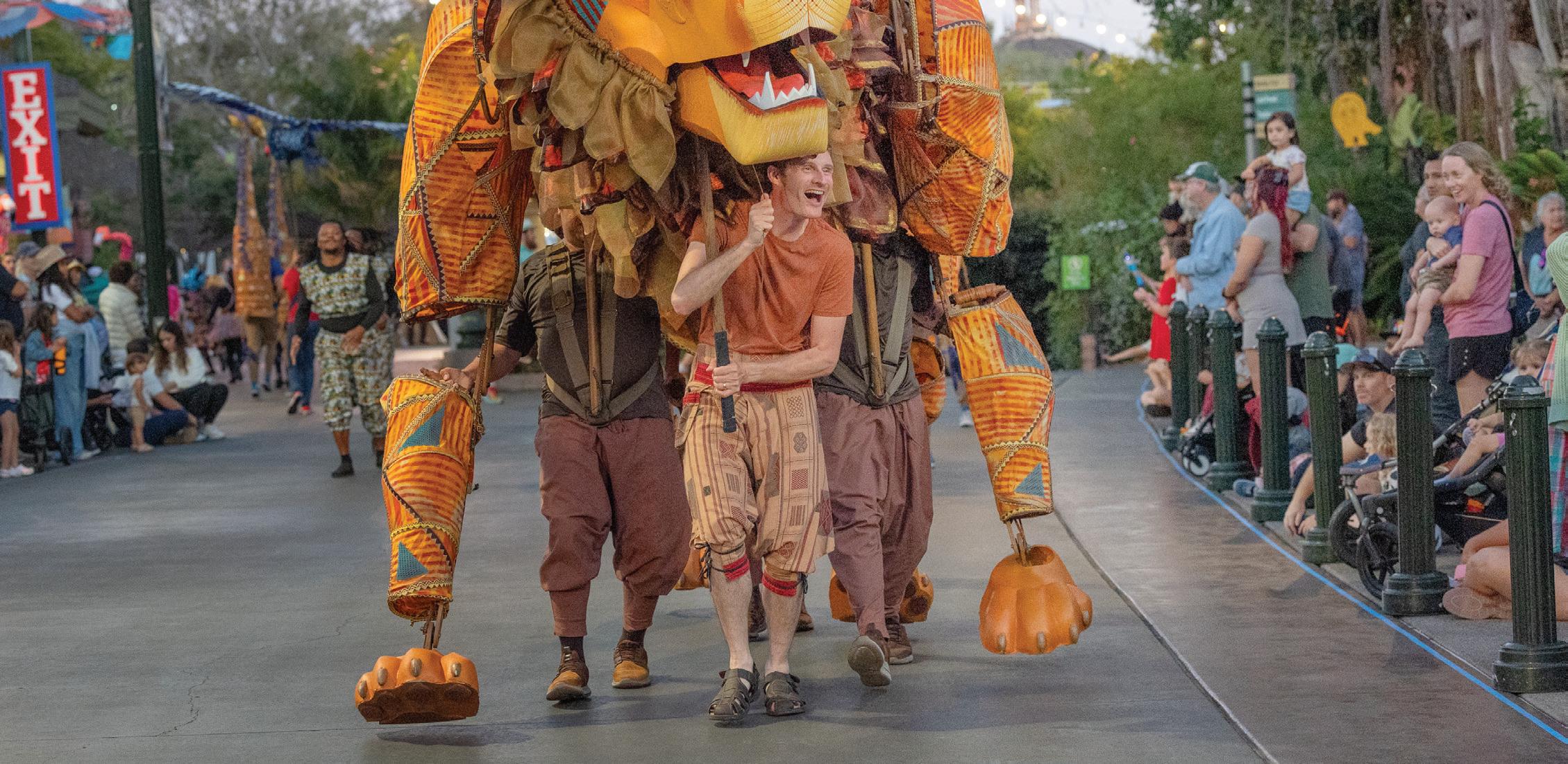
Join us all summer long to soak up the last season of Nighttime Zoo. The Zoo is open until 8 p.m. with music, spectacular entertainment, and one-of-a-kind moments with your favorite wildlife. After 25 years, the curtains are closing on this family-favorite experience August 9. But there’s good news! In 2027, we’re excited to welcome a brand-new seasonal festival. Come see Nighttime Zoo before it ends!
THE STRONGEST LiNK
With this laboratory in place, the goal is to have a safe haven for unique and valuable samples, the ability to quickly diagnose disease, or for biobanking.
San Diego Zoo Wildlife Alliance Associate Director of Clinical Laboratory Services, Laura Keener; Science Communications Manager Elyan Shor, Ph.D; and Vice President of Wildlife Health Hendrik Nollens, DVM, MSc, Ph.D explore the importance of international teamwork in wildlife conservation innovation.
The savanna landscapes of Northern Kenya are remote and home to a rich diversity of wildlife. But wherever there are animals there is a need for veterinary care, and the remoteness of these landscapes also means that it’s a far distance to the necessary infrastructure for veterinary diagnostics.
Veterinarians of the One Health mobile veterinary units working in the ranges of Northern Kenya identified the need for a diagnostic laboratory many years ago. These veterinarians are out in the field responding to critical health concerns, such as injuries, entanglements, and disease outbreaks in wildlife and livestock. In most of these instances, determining ailments requires obtaining and analyzing biological samples like blood, feces, biopsy tissues, or even ticks loaded with blood. But once these samples are obtained, they need somewhere to go for analysis.
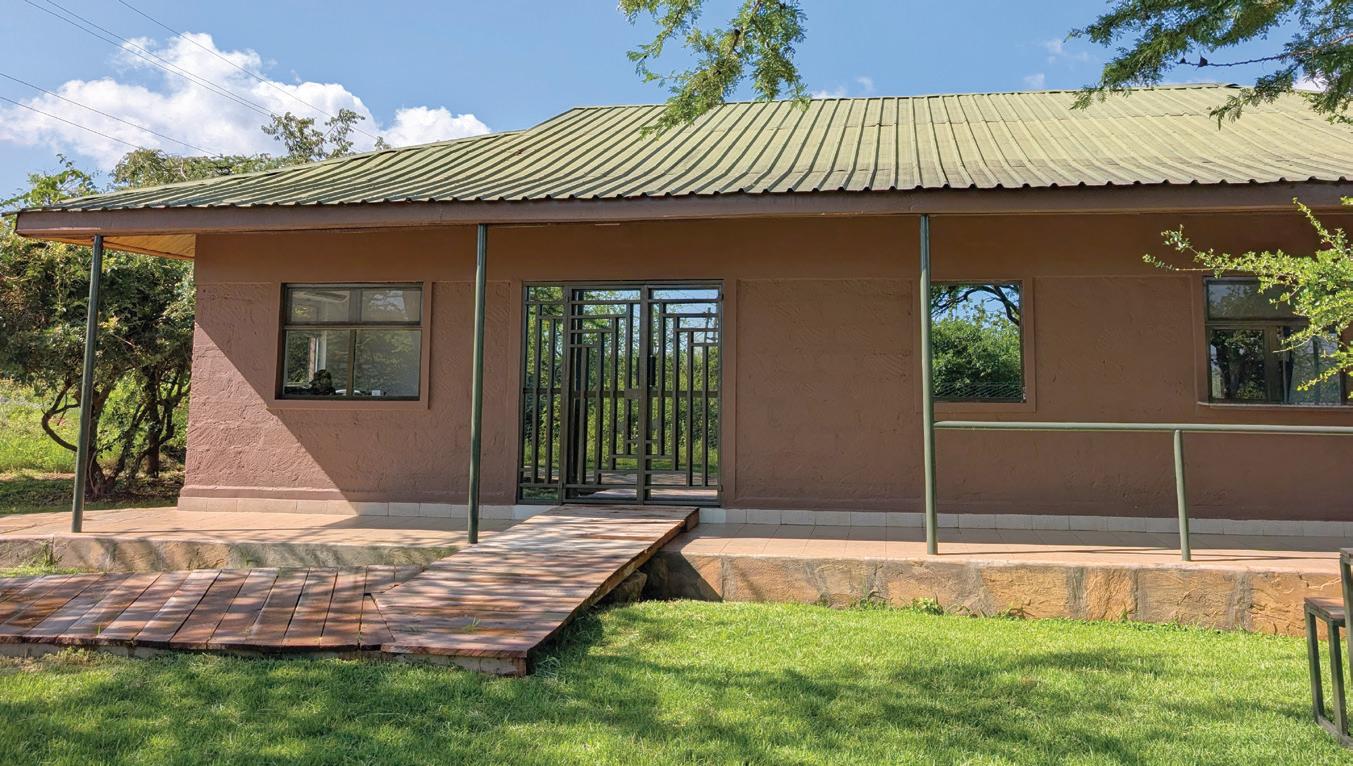
To meet this need, we formed a partnership to create the Laboratory in Northern Kenya (LiNK). The LiNK is a diagnostic laboratory at the community-based Lewa Wildlife Conservancy (Meru, Kenya). Placement of the lab at Lewa makes it an accessible resource to quickly receive, test, and store biological
samples from farther reaches in Northern Kenya—samples that might otherwise never make it to any lab. The lab is designed to be a resource for partnerships in wildlife health interventions and investigations, and other veterinary laboratory activities. These efforts will improve veterinary medicine in wildlife conservation.
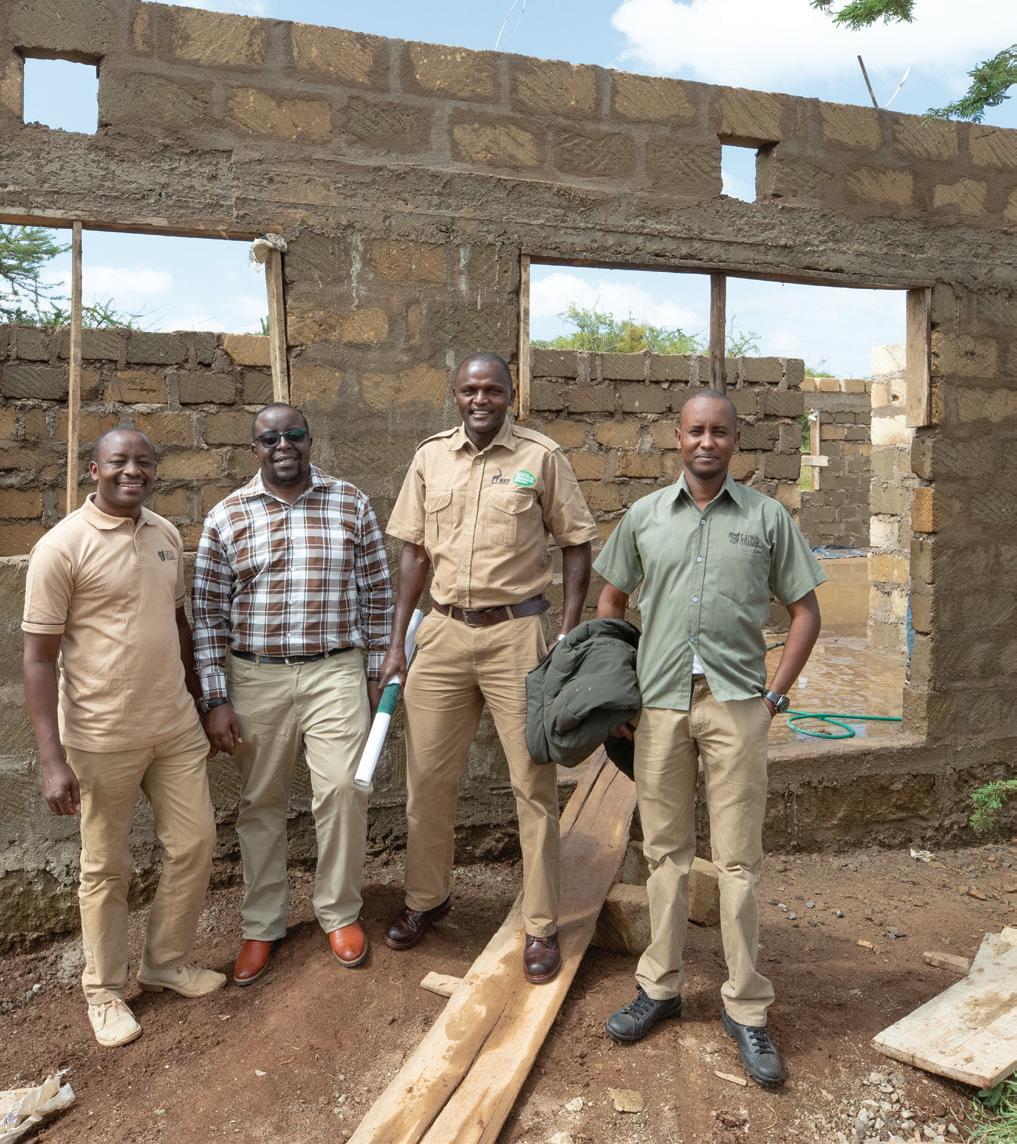
A team representing the institutions that partnered to form the LiNK— San Diego Zoo Wildlife Alliance, Kenya Wildlife Service, the Wildlife Research & Training Institute, Lewa Wildlife Conservancy, Northern Rangelands Trust, the Rare Species Conservatory Foundation, and San Diego Zoo Wildlife Alliance-Kenya (our Kenya-based office and team)—has overseen the initiation and establishment of the lab. The construction of the building started in January 2020 but almost immediately experienced some inevitable delays due to the COVID pandemic. To make decisions about the building’s infrastructure and equipment, representatives from all six founding partners, plus two laboratory professionals from Nairobi, collaborated on the LiNK Advisory Technical Team to advise and oversee the construction. We employed Kenyan medical lab scientists to guide the team through all the Kenyan
certifications, laws and safety regulations that are very different than in the United States.
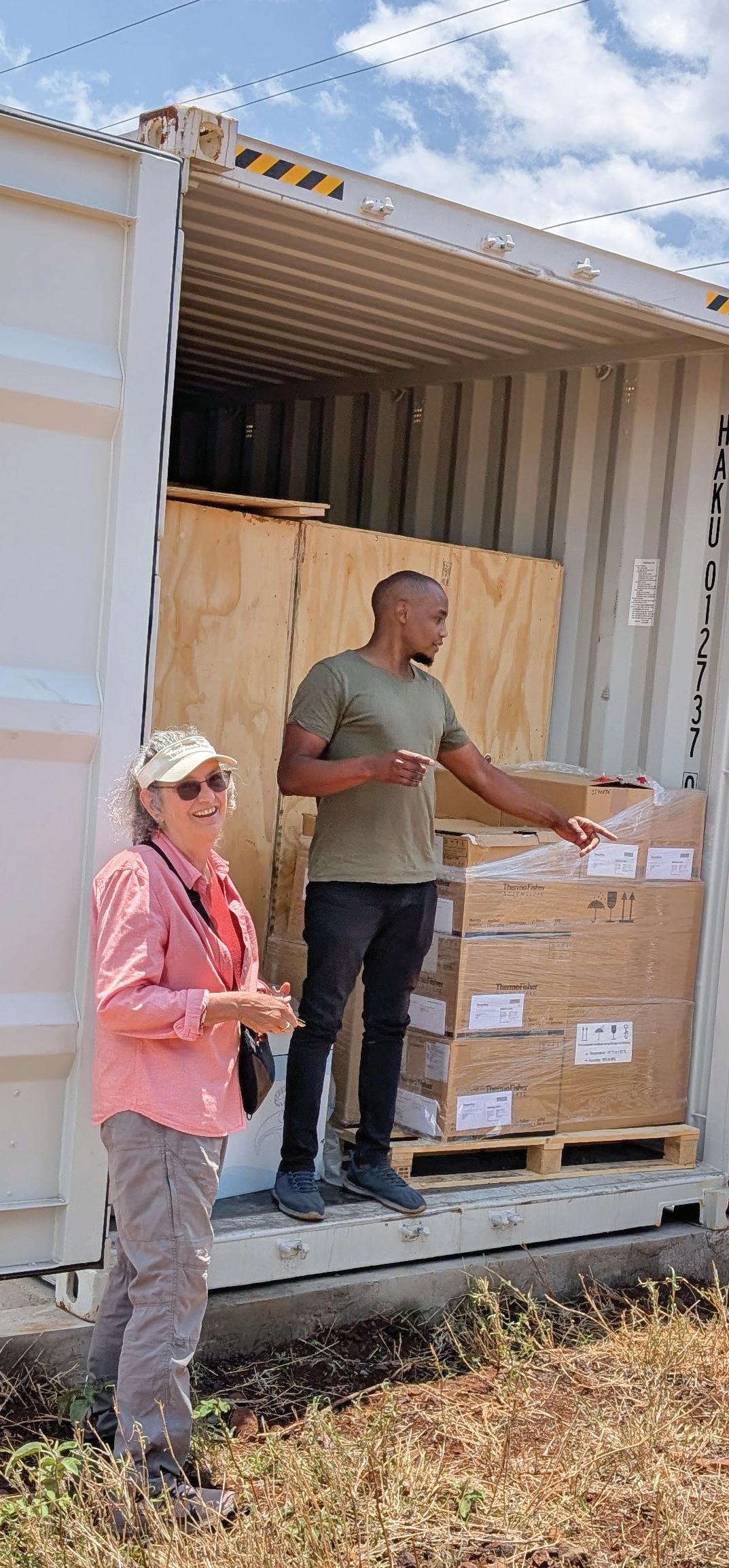
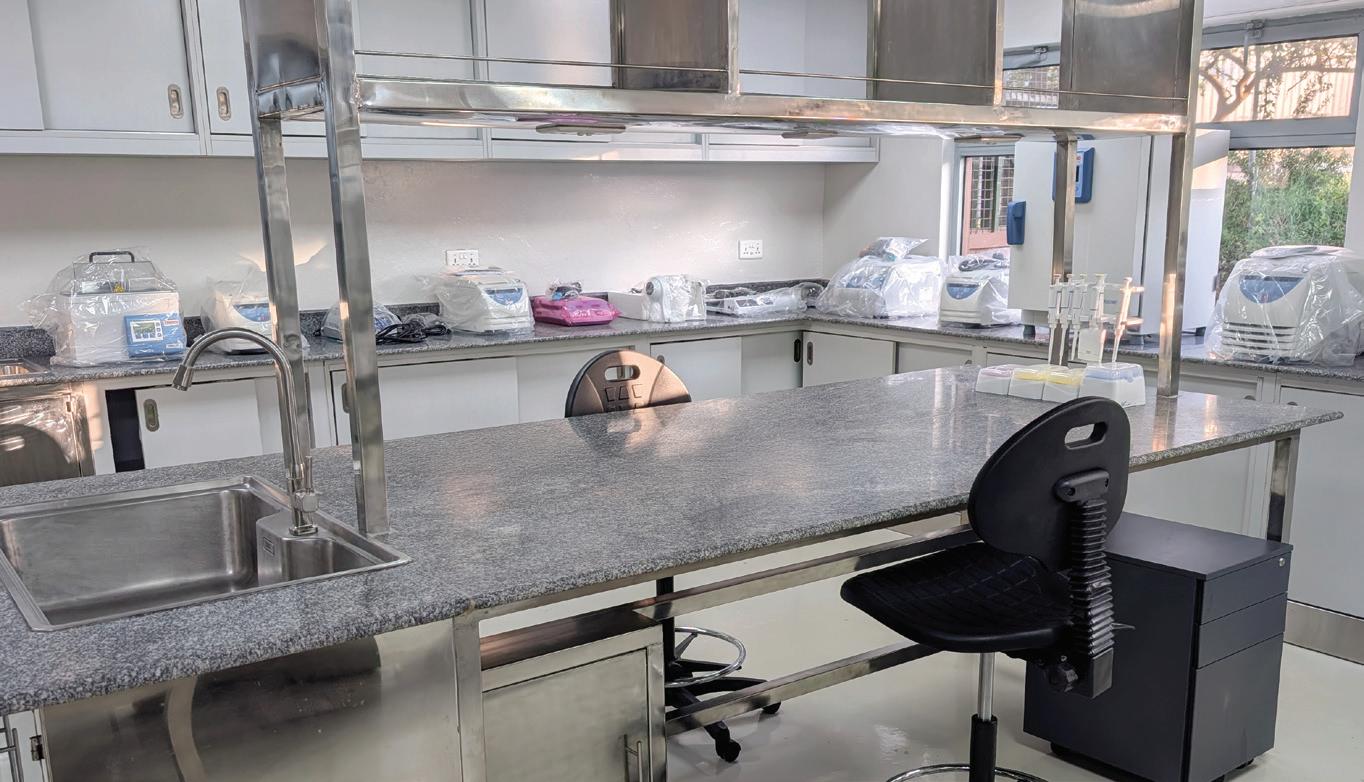
With the building structure completed in August 2025, a 40-foot cargo container full of ultralow freezers, refrigerators, biosafety cabinets (to use when working with pathogens), centrifuges, and more diagnostic lab equipment arrived at the LiNK. We kept the emptied cargo container and are repurposing it as additional office and work space next to the lab.
The team at the LiNK will be responsible for receiving, processing, analyzing, and storing samples. The laboratory manager, a Kenyan scientist, will work with a Kenyan-licensed veterinarian to ensure the lab meets the requirements of a veterinary diagnostic lab certified by the Kenya Veterinary Board. With the team and equipment in place, the lab officially opened in June 2026.
The Laboratory in Northern Kenya brings the lab to the landscape. It allows our team and partners to quickly diagnose diseases so that veterinarians can rapidly deploy the right treatments. It’s also a safe haven to store unique and clinically valuable biological samples that could inform wildlife healthcare in the future. The lab is a catalyst for an environment where Kenyan wildlife and the communities and livestock that coexist with them can thrive.
WORK IN PROGRESS
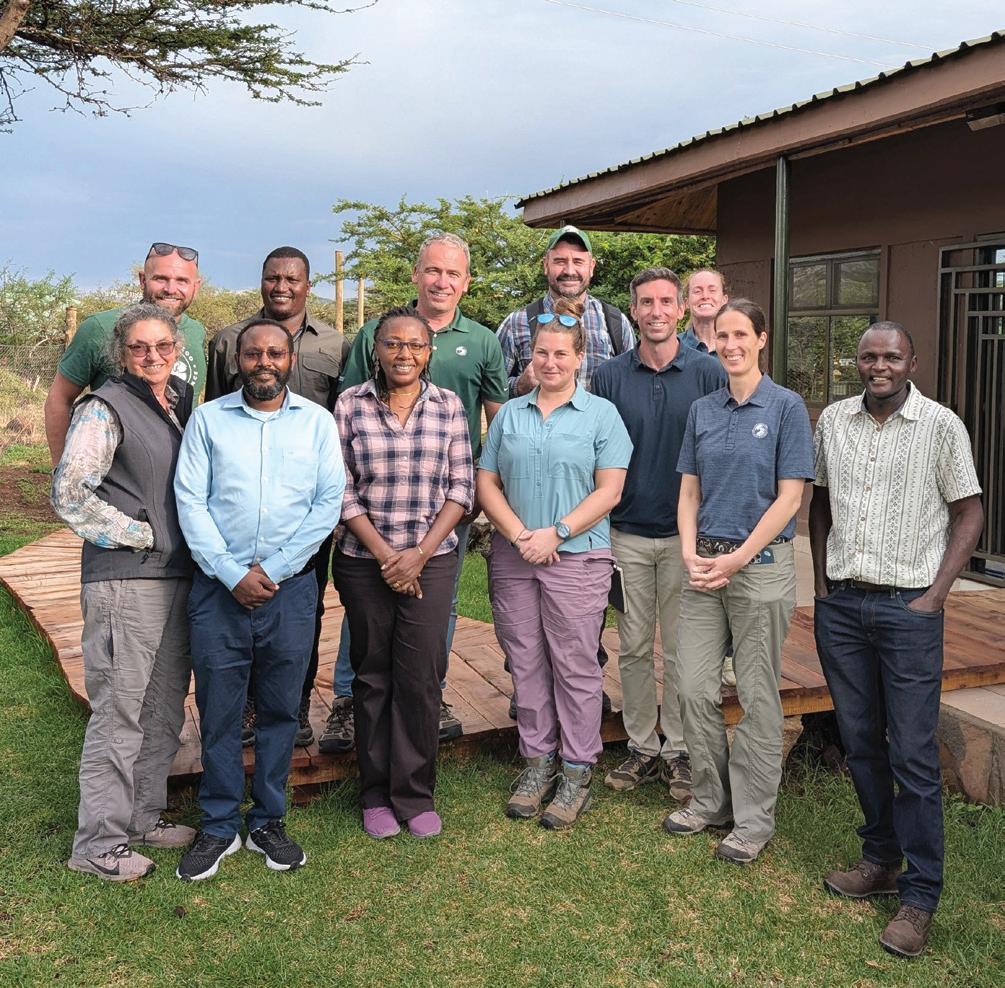
(Clockwise from top left) Kenyan veterinarians and engineers oversee the early design and construction of the building. The newly completed laboratory. The large main part of the laboratory, fully equipped and ready for samples. Kenyan and San Diego wildlife health professionals gather together to discuss the present and future operation of LiNK.
Special Delivery
A Trailblazing Porcupine Birth
BY PEGGY SCOTT PHOTOGRAPHY BY KEN BOHN
Necessity is the mother of invention, and in April 2024 at the San Diego Zoo’s veterinary hospital, invention helped a pregnant porcupine become a mother via a necessary—and groundbreaking—procedure.
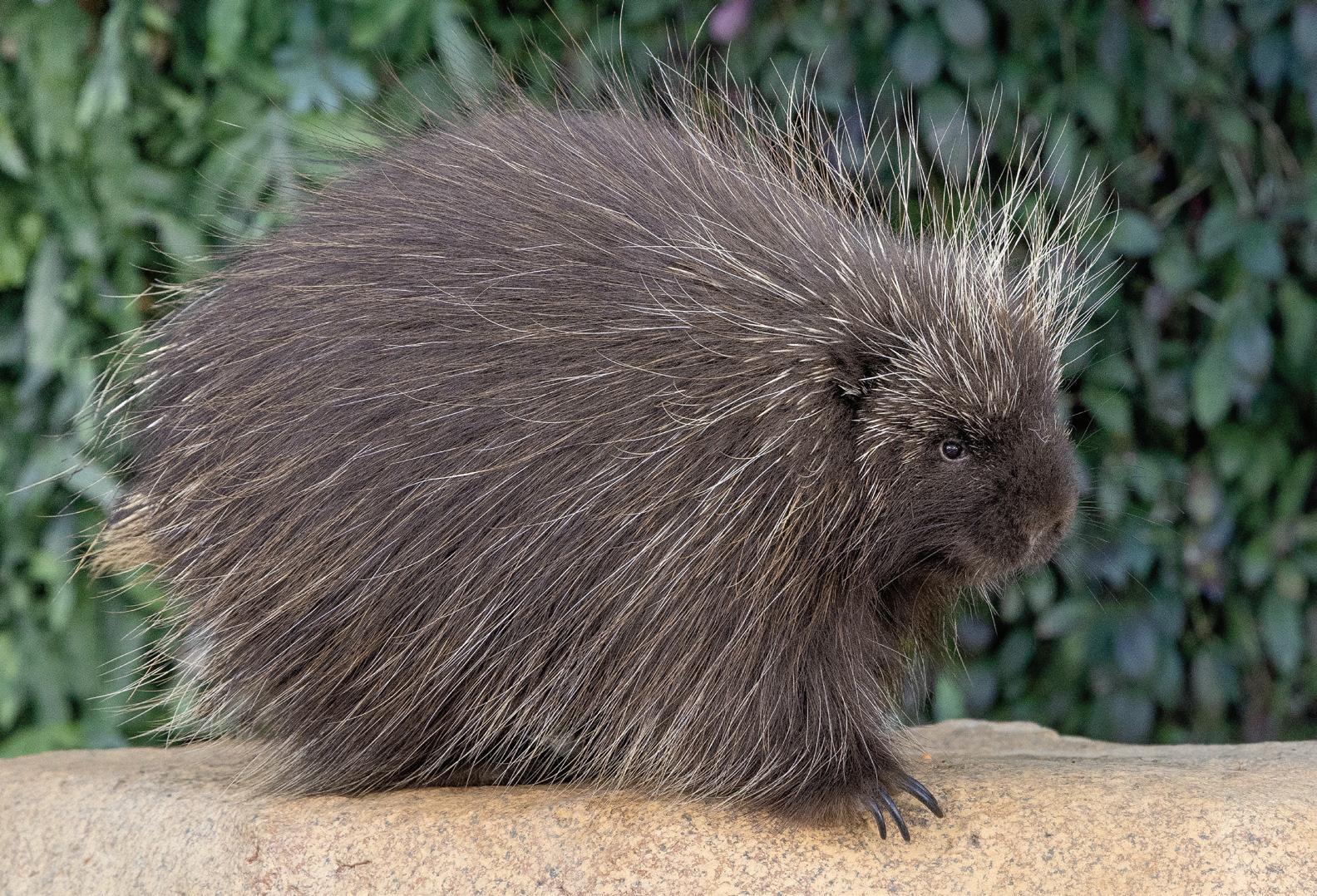
Following a relatively uneventful 7-month gestation, Maizey, a 13-year-old North American porcupine, went into labor. In her maternity den in her habitat, Maizey paced, stretched, and rolled on her side in an attempt to bring her offspring into the world herself. Because the first-time mother’s age deemed her pregnancy “geriatric,” Maizey’s care team had been monitoring her closely, and when she began experiencing symptoms of dystocia (a slow or obstructed birth), they sprang into action. What happened next—a porcupine birth by cesarean section—would not only save Maizey and her baby; it would earn a spot in veterinary history for Dr. Garrett Fraess, DVM, Dipl ACZM, several Zoo care teams, and even Maizey herself.
Baby Monitor
While the complication with Maizey’s delivery was cause for concern, Dr. Garrett explains that significant preplanning greatly improved the chances for a positive outcome.
“The [Wildlife] Basecamp team did such an incredible job of monitoring Maizey,” he says. “They knew the exact day she bred, so they could calculate when she should give birth. She learned to participate in behavioral pregnancy checks to track the size and vitality of the fetus.” He added that having what he calls a “decision tree” as part of Maizey’s birth management plan was important. “Knowing ahead of time that if this happens, we respond by doing this. If something else happens—it has its own action lined up. There’s security in that,” Dr. Garrett says.
When Maizey went into labor and the progress stalled, her care team was
LABOR OF LOVE
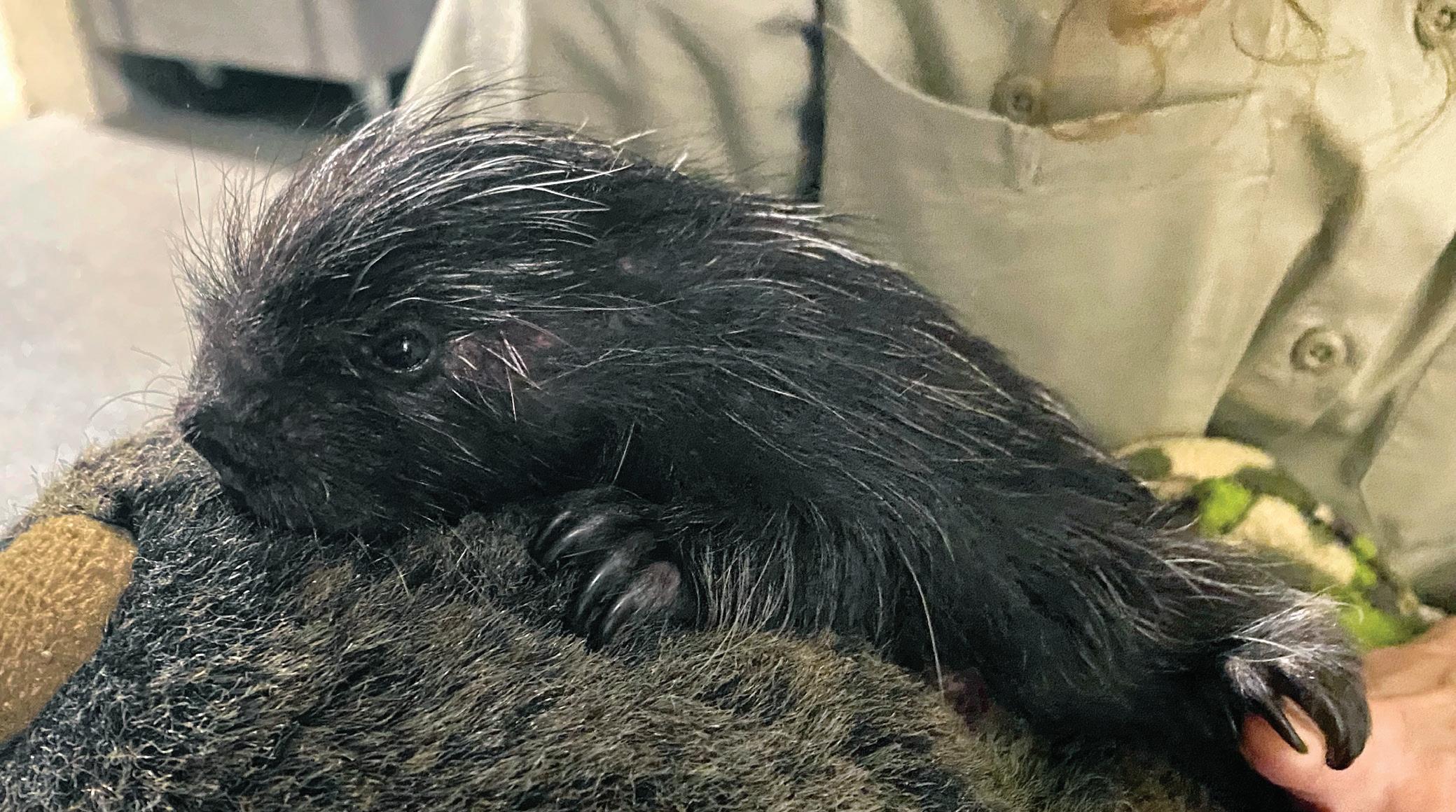
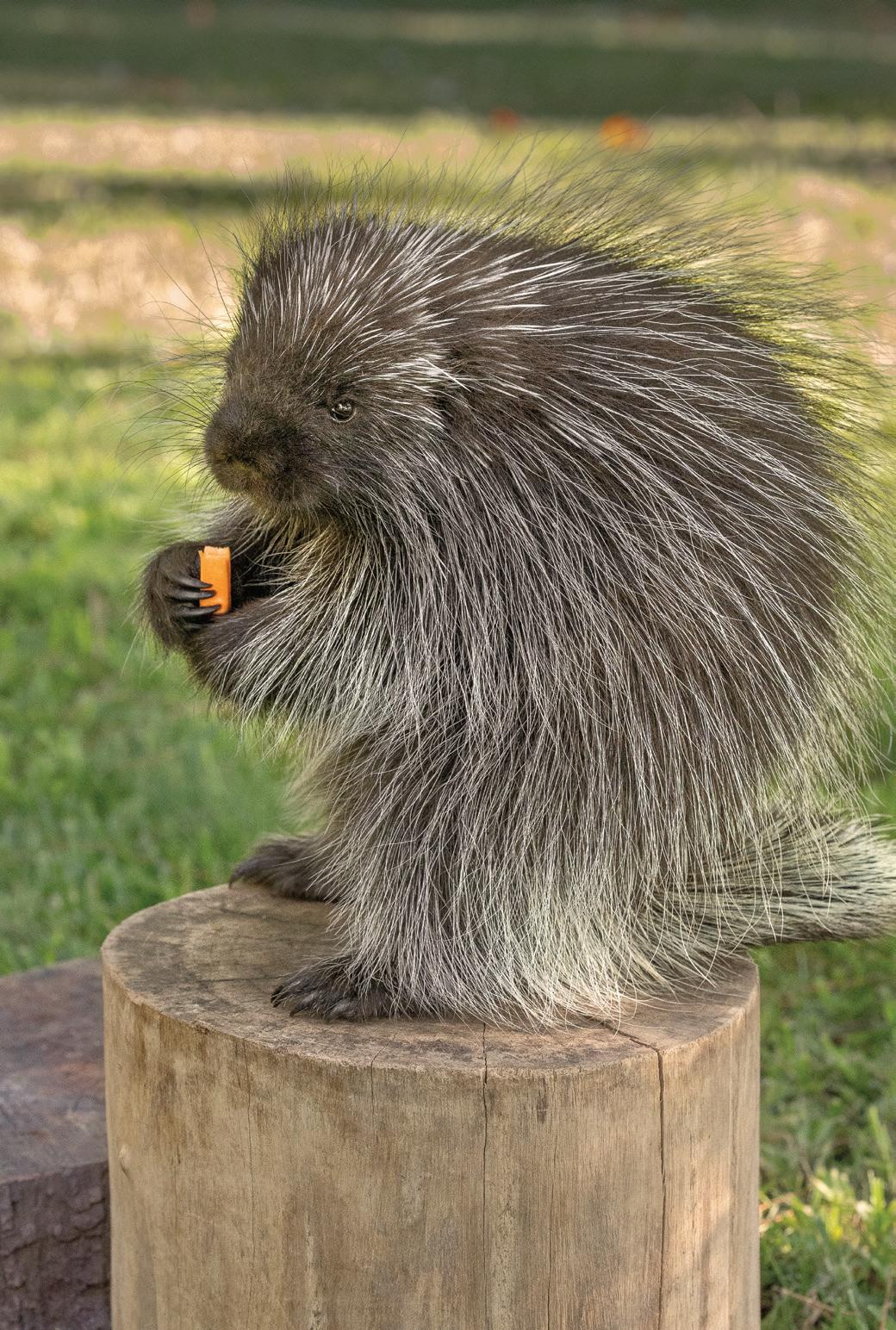
(Clockwise, from above) Maizey the North American porcupine. In order to save both Maizey and her male porcupette, Dr. Garrett Fraess, DVM, Dipl ACZM, performed a groundbreaking C-section. Dakota, Maizey’s offspring, thrived and was reunited with his mother once she had recovered.
ready—and able to lend a hand. Because of the incredibly trusting relationship that her wildlife care specialists have built with Maizey, Dr. Garrett was able to gently palpate her abdomen, feeling the baby’s position. He could tell that the baby was stuck, and that it wasn’t likely the little one could be manually guided. An x-ray confirmed the sticky situation: Maizey’s pelvic canal was not able to dilate sufficiently and the porcupette was too big to maneuver through the birth canal. And as with most births, Dr. Garrett notes, the longer the process takes, the greater the chance of distress to both mother and offspring. As the minutes ticked by, it became apparent to Maizey’s care team that if her baby was coming out, it was going to be via cesarean section—a procedure that, to our knowledge, had never successfully been performed on a porcupine.
Operation Porcupette
While Maizey’s story marks a medical success, the unprecedented C-section was anything but ordinary. As they prepared for the procedure, Maizey’s veterinary team knew they would face a bevy of challenges. From safely anesthetizing a mother and baby to careful surgical technique to prevent damage to Maizey’s delicate internal organs in a species prone to internal inflammation, each
surgical moment required planning, patience, and precision.
As Maizey was anesthetized and surgery got underway, there were a lot of experts in her corner: Along with Dr. Garrett acting as the primary veterinarian, the porcupine’s delivery involved three other assisting veterinarians, four veterinary technicians, three hospital wildlife care team members, and two neonatal wildlife care specialists.
An early challenge involved the lack of specific published protocols and procedures in zoo animals. “There isn’t a porcupine surgery manual,” Dr Garrett explains. “We start with our general medical training, take comparative medical knowledge of somewhat similar species (like guinea pigs), and pull from knowledge of many other animals including even human medicine, and mix it all together to create a tailored plan for a unique patient.”
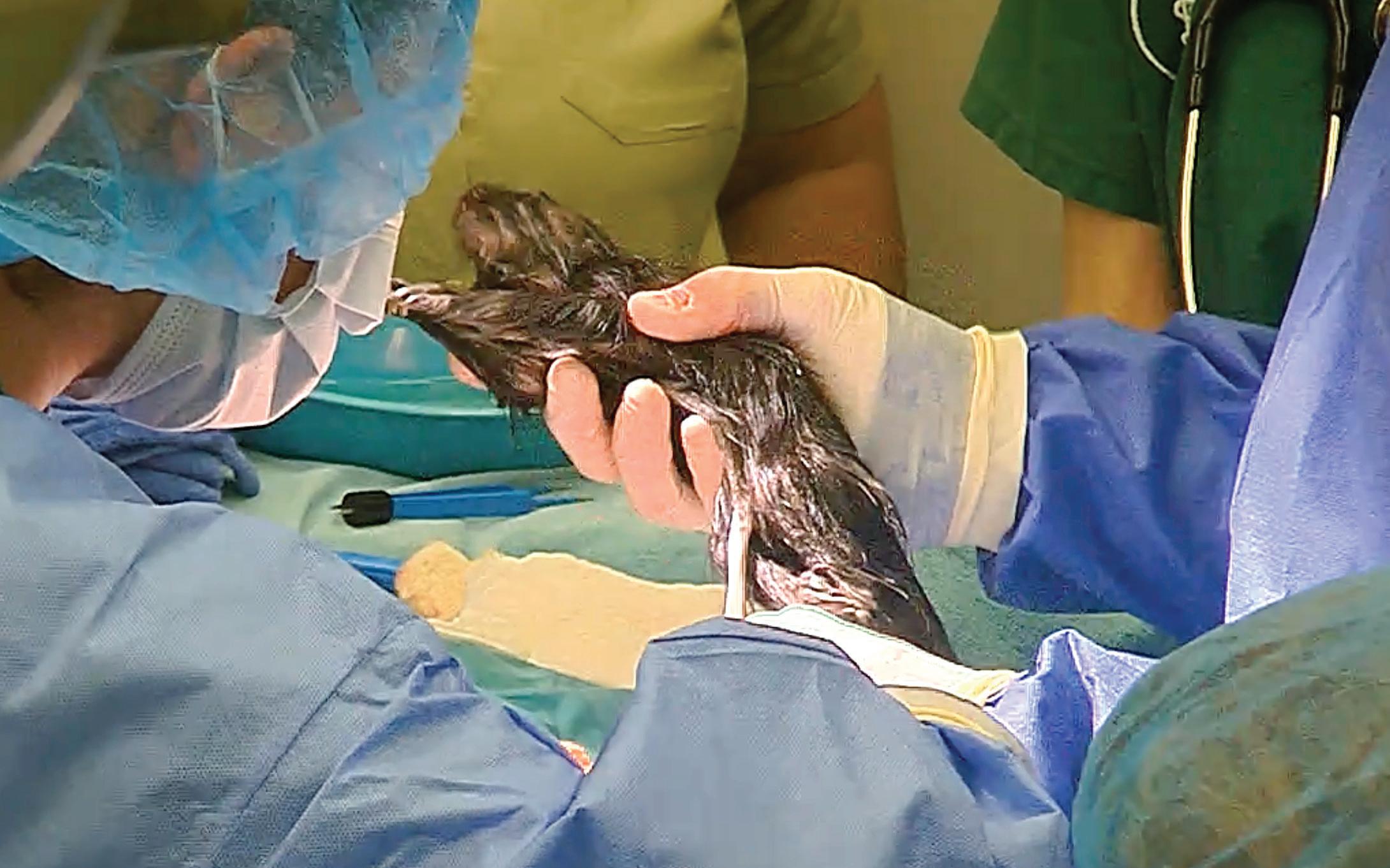
During the two-hour surgery, the porcupette was removed, placed in an incubator, and taken to the Zoo hospital’s ICU for care. Once the baby was out, Dr. Garrett noticed that his work was not yet done. In utero, porcupettes have soft hairs that harden into quills within a day after birth. But in Maizey’s case, because she had been in various stages of labor for 72 hours, some of the porcupette’s quills had begun to harden and embed themselves
PICTURE OF HEALTH
Dakota (pictured above) and Maizey are wildlife ambassadors, helping spread the word about their species’ role in their native range as well as the importance of wildlife conservation.
BY:
PHOTO
Lorem Ipsum
The medicine for each may look a little different, but the goal is still the same: a gold standard for every species.”
internally. This required meticulous removal by our veterinary team, who took their time examining Maizey for any stray quills. In the end, they found that three quills had fully perforated her uterine wall and extracted them from the abdominal cavity one by one. After the operation’s finishing sutures, Maizey and baby went to recovery and received around-the-clock monitoring to ensure there were no further complications. Happily, she was on the mend and soon on her way back to her habitat.
Unbeknown to Dr Garrett in that surgery suite, this procedure had never been successfully performed on a porcupine resulting in a live mother and baby. When asked about it after the fact, he stated “I am glad they told me it had never been done successfully AFTER both animals had successfully recovered.”
A Bright Future
Maizey’s offspring, a male named Dakota, blossomed into a spunky and playful porcupette who spends his time exploring his habitat and learning new porcupine skills, including perfecting his twirly spins accentuated by fully flared quills. While the youngster plays, he is also practicing an innate mechanism for defending against predators.
Maizey had a complete recovery from her surgery and is back to her normal self, living in her habitat in the Zoo’s Denny Sanford Wildlife Explorers Basecamp. Her easygoing nature makes her an excellent wildlife ambassador, having educated guests about her species for many years.
The C-section’s successful outcome was celebrated not only by Maizey’s care team, but the Alliance as a whole. The collaboration involved was a critical key that Dr. Garrett considers invaluable. “I am always amazed at what our teams are able to do,” Dr. Garrett says. “So many people are willing to sacrifice and invest their time and effort for wildlife. While it’s easy to celebrate the team members who took part in the operation and recovery, it’s important not to forget other team members who filled in to cover their other tasks, making sure all wildlife received the best possible care.”
Ben Nevitt, DVM, Dipl ACZM, director of veterinary services at the San Diego Zoo, oversees the veterinary team and says everyone impresses him on a daily basis. “The veterinarians, technicians, and wildlife care specialists are all flexible and great problem solvers,” he says, adding that cases like Maizey’s allow the Alliance to help wildlife beyond its two campuses. “After word of the procedure spread, other zoological facilities were asking for information about the surgery and what to look for so they can be ready should it happen at their zoo.”
Dedication and teamwork are behind everything the Alliance does, and our wildlife care and veterinary teams exemplify this. “Every species deserves the highest-quality care,” Dr. Garrett notes. “The medicine for each may look a little different, but the goal is still the same: a gold standard for every species.”
Primate Primer
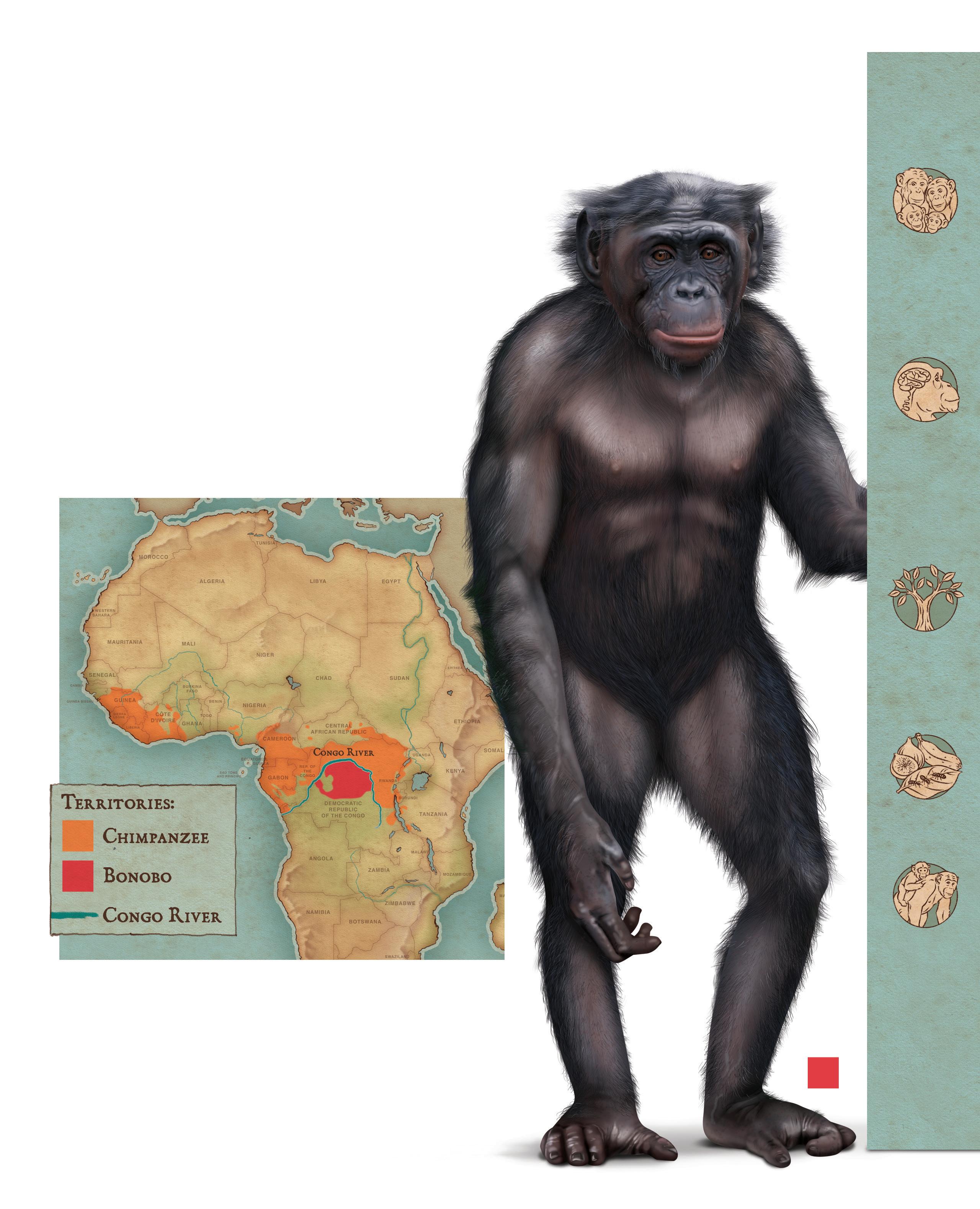
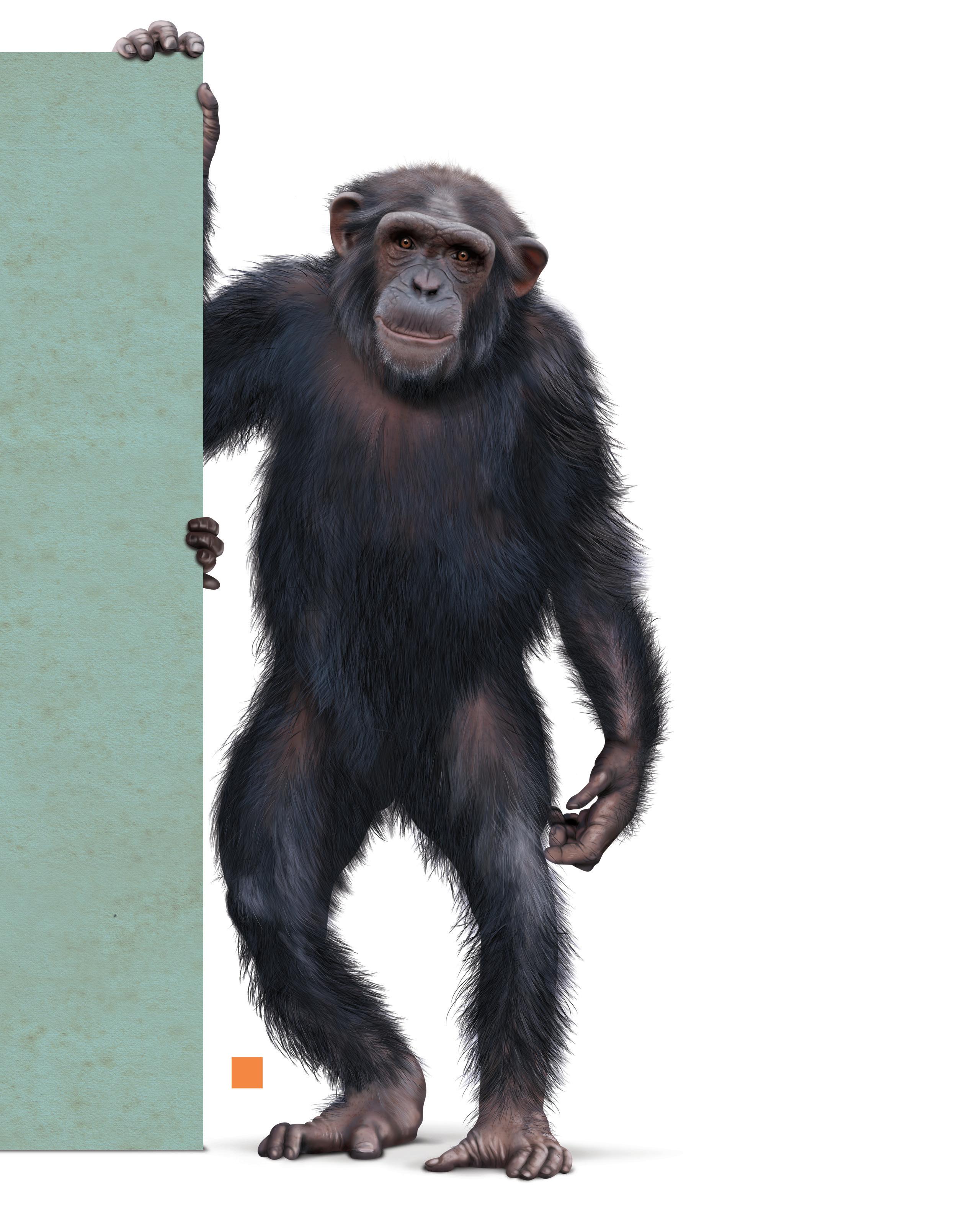
At first glance, bonobos and chimpanzees can seem pretty alike. They do share some characteristics, and—along with humans, gorillas, and orangutans—belong to the family Hominidae. But these great apes also possess their own distinctive adaptations and traits. Here’s a quick look at what these somewhat similar simians share, and where they shine on their own.
BY PEGGY SCOTT ILLUSTRATION BY AMY BLANDFORD
Where are you from?
Bonobos’ native range is south of the Congo River (Democratic Republic of Congo). Chimpanzees can be found across central and western Africa.
Something(s)
Bonobo
Something(s) in Common
Family resemblance
Bonobos and chimpanzees look comparable, including similar body size, opposable thumbs, forward-facing eyes, and expressive faces.
Think about it
Bonobos and chimpanzees are highly intelligent. They are capable of problem-solving, tool use, learning symbols, and complex communication.
Relatively speaking
Both belong to the genus Pan. The scientific name for bonobos is Pan paniscus; chimpanzees’ scientific name is Pan troglodytes.
Food for thought
As omnivores, both species will eat fruit, leaves, insects, and occasionally small prey.
Forever young
The bond between bonobo and chimpanzee mothers and offspring is strong, with the juvenile period lasting up to nine years.
A World of Difference
Social studies
Bonobo life is matriarchal with males never leaving their mothers; egalitarian, and cooperative. With chimpanzees, the group tends to be male-dominated, and is often hierarchical and competitive.
Let’s work this out
When conflict arises, bonobos use social bonding and tension reducing affiliative behaviors such as mating behaviors. Chimpanzees are more likely to use hierarchical displays of dominance, coalition building, and physical aggression to settle disputes.
What’s the vibe?
Generally speaking, bonobos are tolerant, playful and socially cohesive; while chimpanzees tend to be more territorial and competitive, although they do display play and social cohesive behavior.
Something looks different
There are quick ways to tell bonobos and chimpanzees apart. Bonobos have a more slender build, longer legs, smaller heads, pinker lips, and flatter faces. Bonobos have a signature middle parting of the hair on their head. Chimpanzees are stockier with lighter faces and more pronounced brow ridges.
Chimpanzee
Most nonstop destinations from San Diego
Official Airline Sponsor of the San Diego Zoo Wildlife Alliance
ARYN WILDER, PH.D.
Scientist, Conservation Genetics Beckman Center for Conservation Research
As a conservation geneticist, Aryn sequences, analyzes, and deciphers wildlife genomes. She translates genetic data into information about species’ histories, health, conservation statuses, and future trajectories. By decoding genomes into actionable insights about biology and the relationships between species and their environments, Aryn and her team inform conservation strategies to save wildlife from extinction.
Why did you become interested in a career with wildlife?
I have always loved the natural world. Growing up in the suburbs of Los Angeles, I would find little pockets of “wild” spaces and immerse myself in that world, making a home there (and I mean this literally: I had many secret tree houses and forts). I started my career as an ecologist and got into genetics as a tool to understand how species move around the landscape. I then became increasingly fascinated by the rich information that can be gleaned from DNA. My ultimate goal is to apply my genetics work to the conservation of nature, ensuring those wild spaces persist in good health for future generations.
What might a typical week be like in your role?
If we collect a DNA sample from an animal, we might spend a week in the lab sequencing its genome and then spend the next two years analyzing the vast amount of information we get from that single sample. So, a lot of time in a typical week is spent in front of the computer, analyzing data, writing code, interpreting results, and drafting management plans and papers. I also talk to other researchers and conservation managers to plan
studies, implement genetic findings in conservation actions, learn about critical management questions, and keep up to date on the best tools for addressing those questions.
How has the rise of genomics changed the kinds of questions and strategies conservationists can address?
When the human genome was first sequenced in 2003, it cost $2.7 billion and took 13 years. We can now sequence a genome for less than $250 in a single day. The accessibility of genomic tools allows us to apply cutting-edge technologies to threatened species. This has provided tremendous insights into the genetic constraints on wildlife health, such as mutations that underlie genetic diseases, and how we can manage for them. Genomics can also help identify and predict populations at risk of extinction. It can tell us if a population is suffering from inbreeding, and whether moving individuals between populations might help increase survival and reproduction. It can even help us restore genetic diversity to an endangered population using cryopreserved cells.
Is there a project that you’re especially proud of?
One project that stands out is a partnership with high schools in Hawai‘i to sequence the genomes of native Hawaiian birds. For the students, the partnership enables their direct participation in local conservation decision-making, giving them a voice in discussions about data and resource management from which they are often excluded. For our Alliance team, collaborating with local communities—from choosing the most relevant scientific questions, to conducting research, to sharing its benefits—increases the impact and success of our scientific and conservation goals.
BY:
PHOTOS
KEN BOHN/SDZWA
SETTING THE STANDARD
25 Years of Veterinary Innovation at the Harter Veterinary Medical Center
BY MATT KINNEY, DVM, DACZM
PHOTOGRAPHY BY KEN BOHN
Imagine a hospital where a patient is admitted through a specially designed hallway with cushioned and non-slip flooring, moved into an anesthesia induction room with a large movable wall to support anesthesia initiation, and gently placed on a carbon fiber table using an overhead hoist capable of moving a 1-ton animal.
MEDICAL PLAN
The stateof-the-art
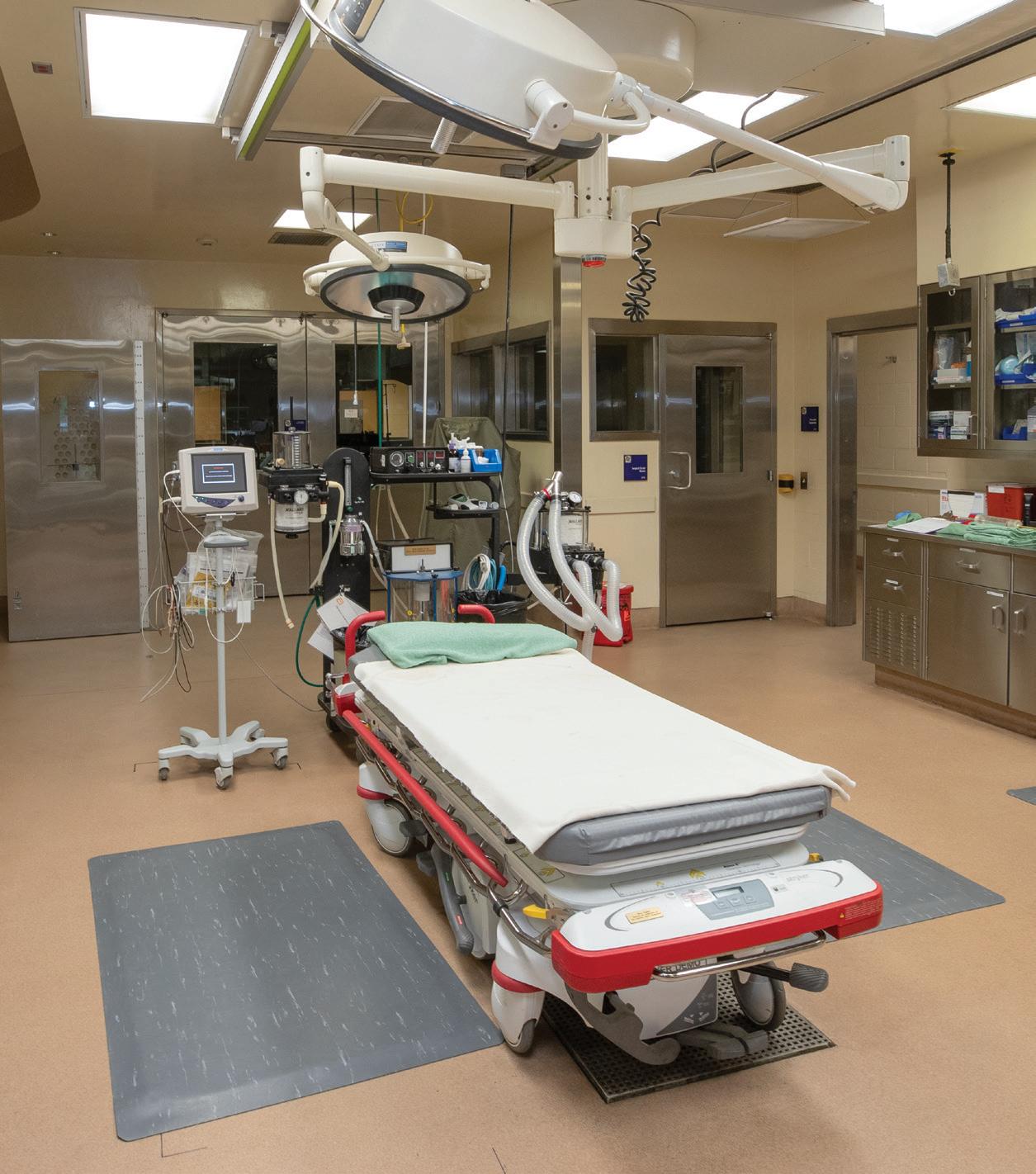
Paul Harter Veterinary Medical Center is equipped to treat patients of all sizes— and species.
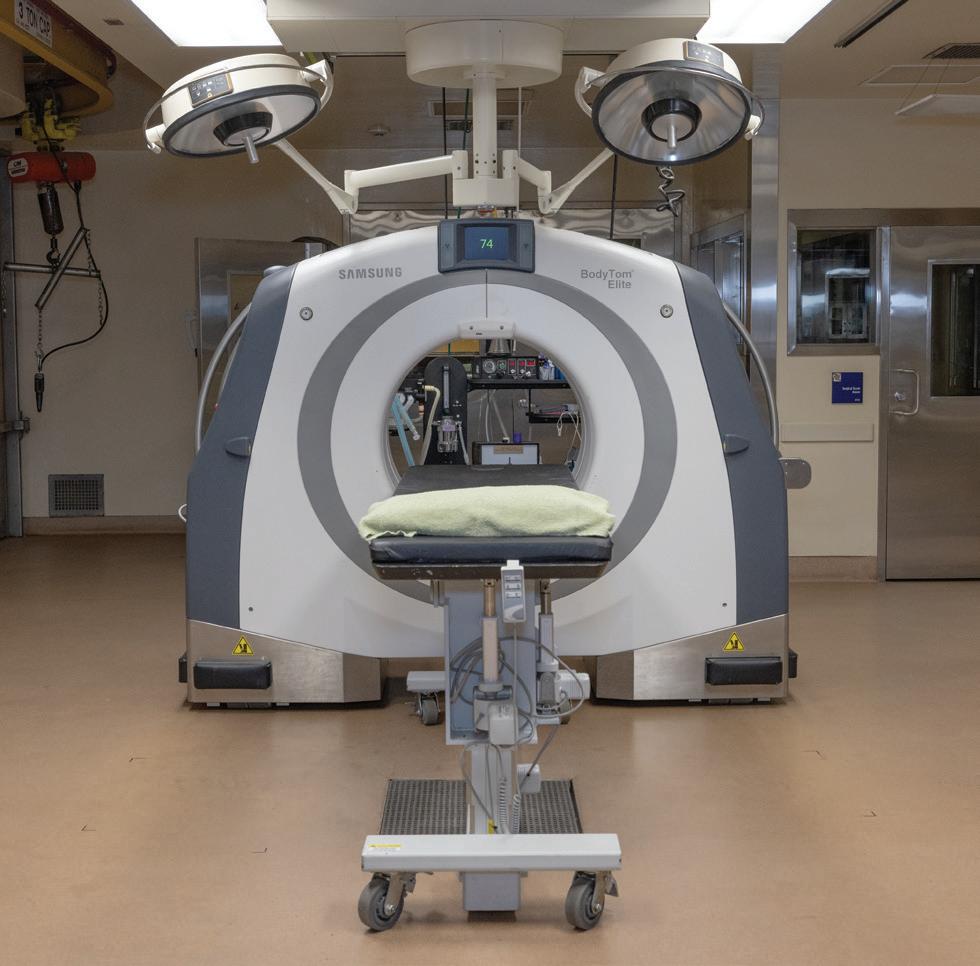
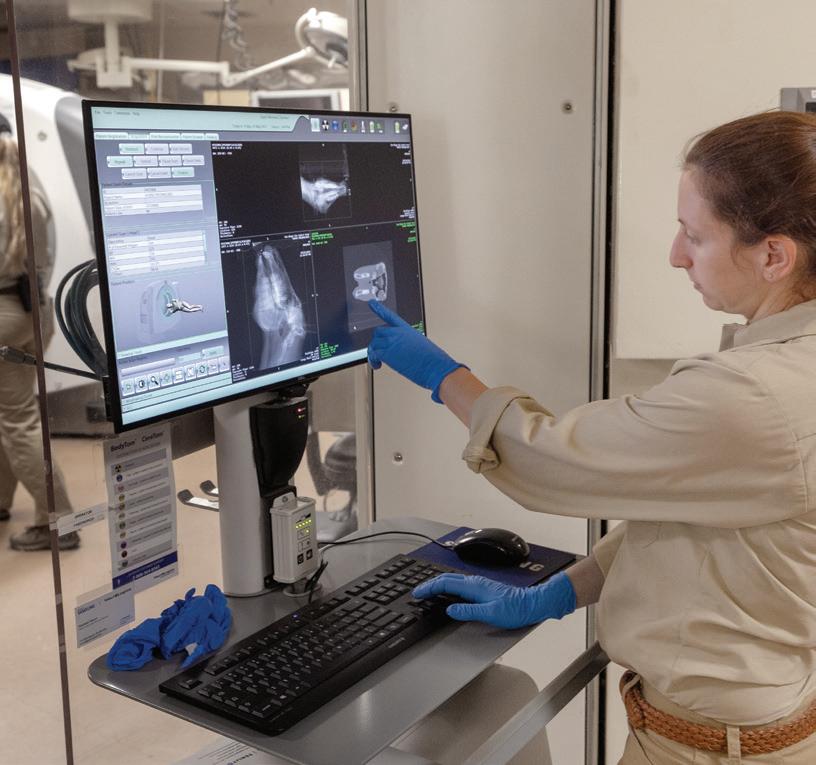
Once on the procedure table, the patient is intubated so the veterinary team can take over breathing for them and attached to anesthetic monitoring equipment that rivals human hospitals. Within minutes the patient has a complete physical exam, blood is collected for analysis, and a computed tomography (CT) and ultrasound study are performed. The bloodwork is analyzed in-house along with the CT scan and ultrasound, and first round of treatments is initiated.
WELL-EQUIPPED
Having the proper diagnostic tools is key to providing top-notch care for such a wide array of species. The Center has treated more than 50,000 patients.
A team of veterinarians, registered veterinary technicians, hospital wildlife care specialists, and wildlife care team members discuss the diagnosis and treatment options, and then an intervention plan is developed that focuses on health and welfare. A number of expert consultations are a phone call away if consultation is required for advanced care. The treatment plan for the patient includes setting up an intravenous catheter for fluid and medication support, which is placed while under anesthesia. The patient is then sent to recover in a room with temperature and lighting control, non-slip flooring, padded walls, and a novel system that avoids entanglement of the fluid line so IV fluids can be continuously delivered while standing, walking, or resting. The patient is monitored on a camera in an effort to facilitate a gradual and seamless anesthesia recovery, intravenous treatments
are delivered through a port such that the patient is unimpacted by the medication administration and presence of caretakers.
As the patient responds positively to treatment, a housing transition is made to a space with indoor and outdoor options for fresh air and sunlight. As the patient’s condition further improves, a housing transition is made to acclimate to return to habitat. Initially the individual is supported with heat during the cool nights and water misters during the day as the temperatures rise. Once the patient is fully recovered and re-acclimated to environmental temperatures, an exit weight is obtained using an in-floor scale and the patient is smoothly guided into a trailer using specially designed padded walls that slowly encourage trailer loading for transport. This is not a health care dream; it’s a common experience for veterinary patients at the
Harter Veterinary Medical Center (HVMC) at the San Diego Zoo Safari Park.
A Quarter Century of Care
Since its beginning, the HVMC has served over 50,000 animals with 14,000 individuals hospitalized for care. The HVMC is the hub of zoological medicine innovation and the core of the veterinary service department at the San Diego Zoo Safari Park. The Center provides for the health care needs of wildlife within the Safari Park and is part of the conservation program in our Southwest Hub.
The vision for the hospital was initiated in the mid-1980s and the HVMC opened in 2001 when the first patients were welcomed. The facility serves as the base for the three ambulatory veterinary trucks and has the capacity to provide care to species as small as a Pacific pocket mouse up to a neonate giraffe or rhinoceros and everything in
between. Every aspect of the hospital was intentionally designed to maximize safety, health, and welfare.
The flooring where hoofed animals are cared for is made from running track-like material to provide cushioning for delicate hooves; a non-slip surface, and easy cleaning. The doors in these areas have specially designed handles that are flush with the walls so nothing can injure the patients when they are moved throughout the hospital. All the bird housing has the capacity to provide indoor and outdoor access for sunlight and fresh air, and most medical equipment is stored in portable carts to provide easy access to supplies in one of the six rooms used for medical or surgical care.
An Eye to the Future
The innovations at the HVMC do not stop at facility design, and have continued beyond the opening of the hospital in 2001. Over eight years ago we advanced our diagnostic imaging capabilities by becoming an early adopter of computed tomography in zoological medicine. Since embracing this technology we have performed over 1,500 computed tomography studies at the Safari Park. Including this technology in our practice has allowed us to build a large patient imaging database, greatly increases our diagnostic specificity and sensitivity, and improves the care we can provide to wildlife for which we are responsible. Additionally, within the past 10 years we have transitioned a large portion of our surgical procedures to laparoscopic approaches—using a small camera and specially designed instruments to evaluate and perform abdominal surgery on wildlife as small as dik-dik antelope to as large as Javan banteng. This allows us to diagnose and perform surgery on individuals using incisions smaller than the diameter
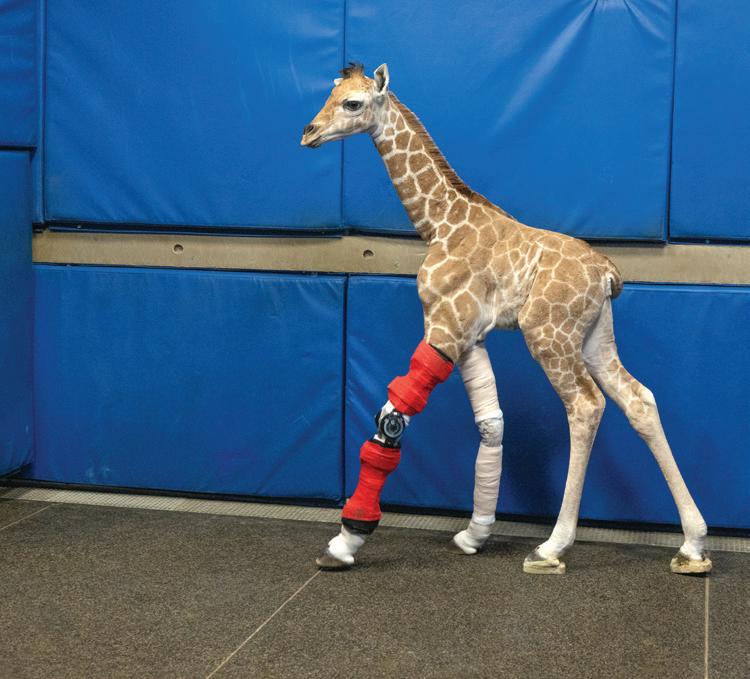
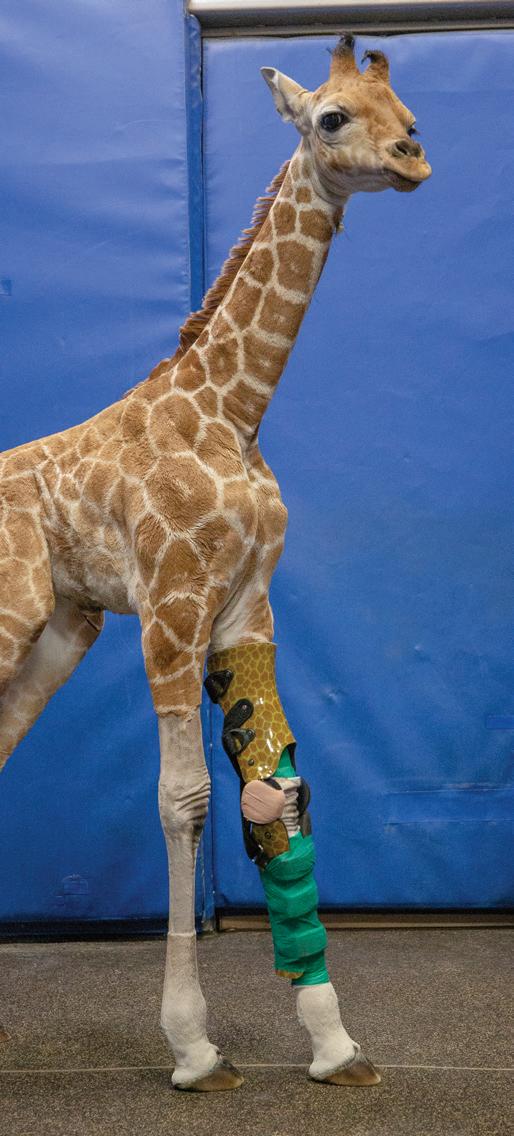
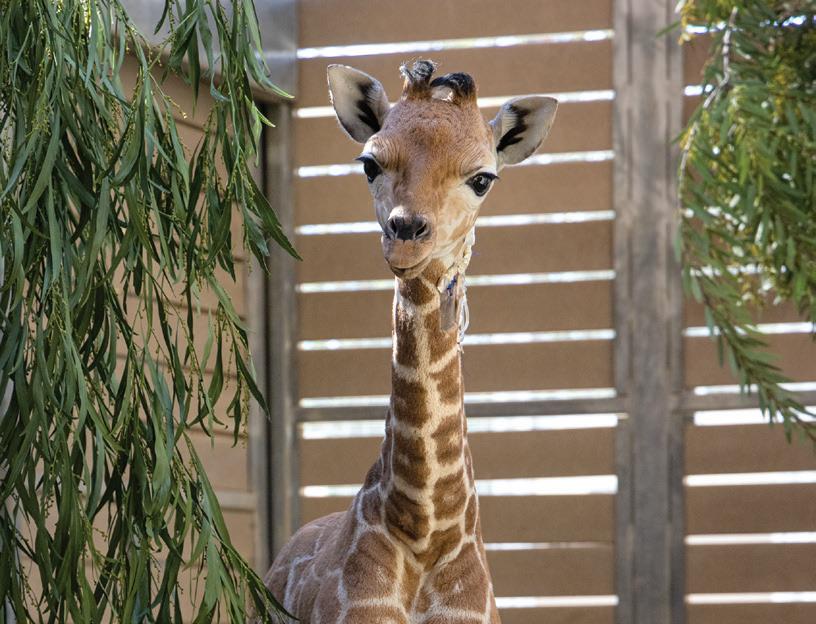
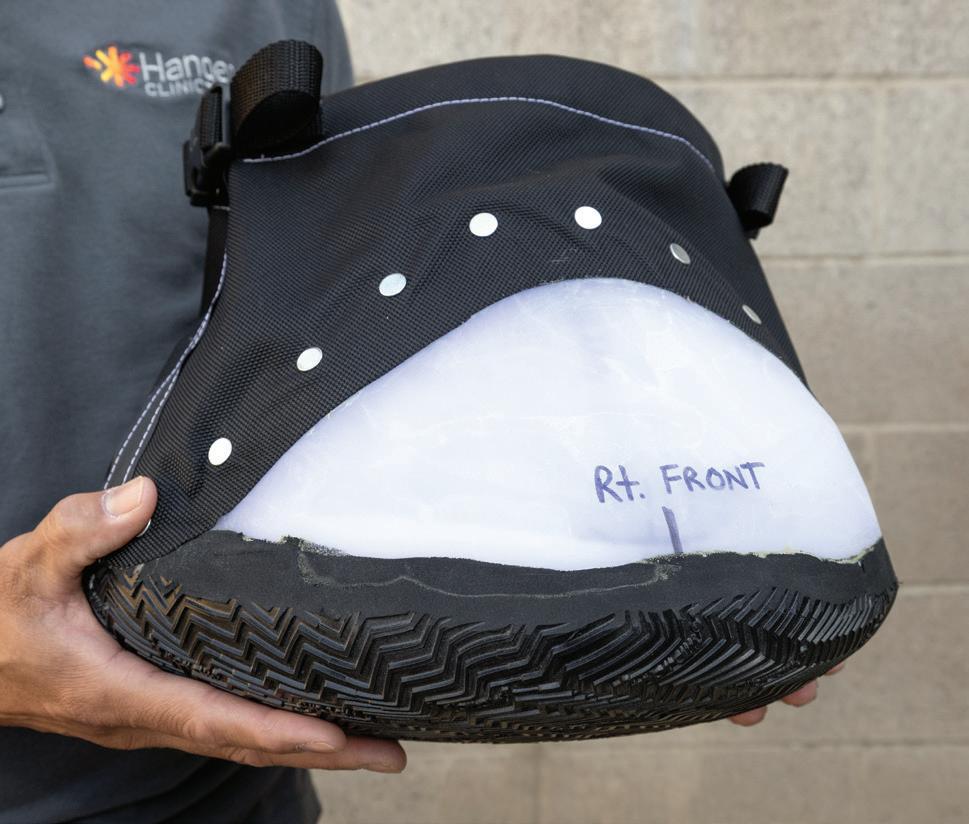
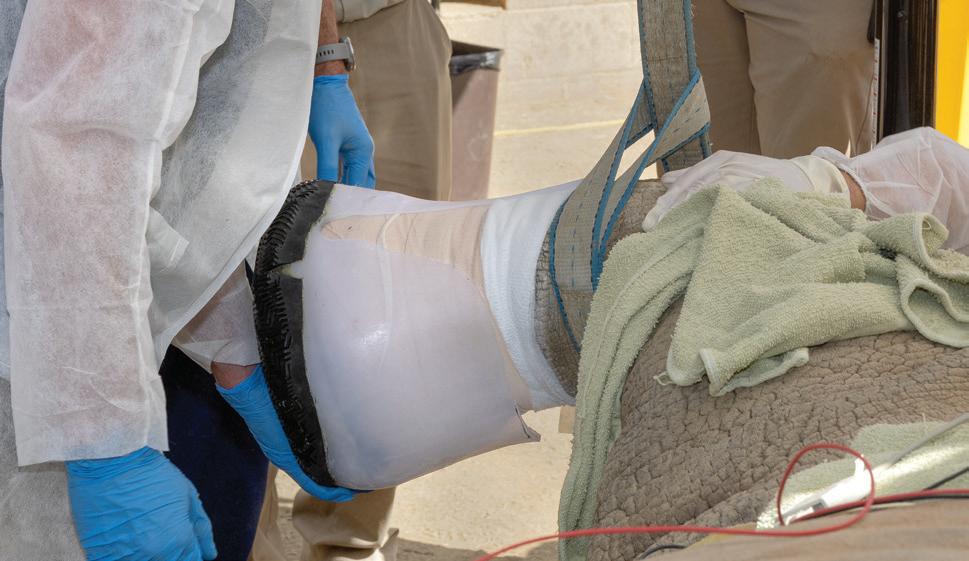
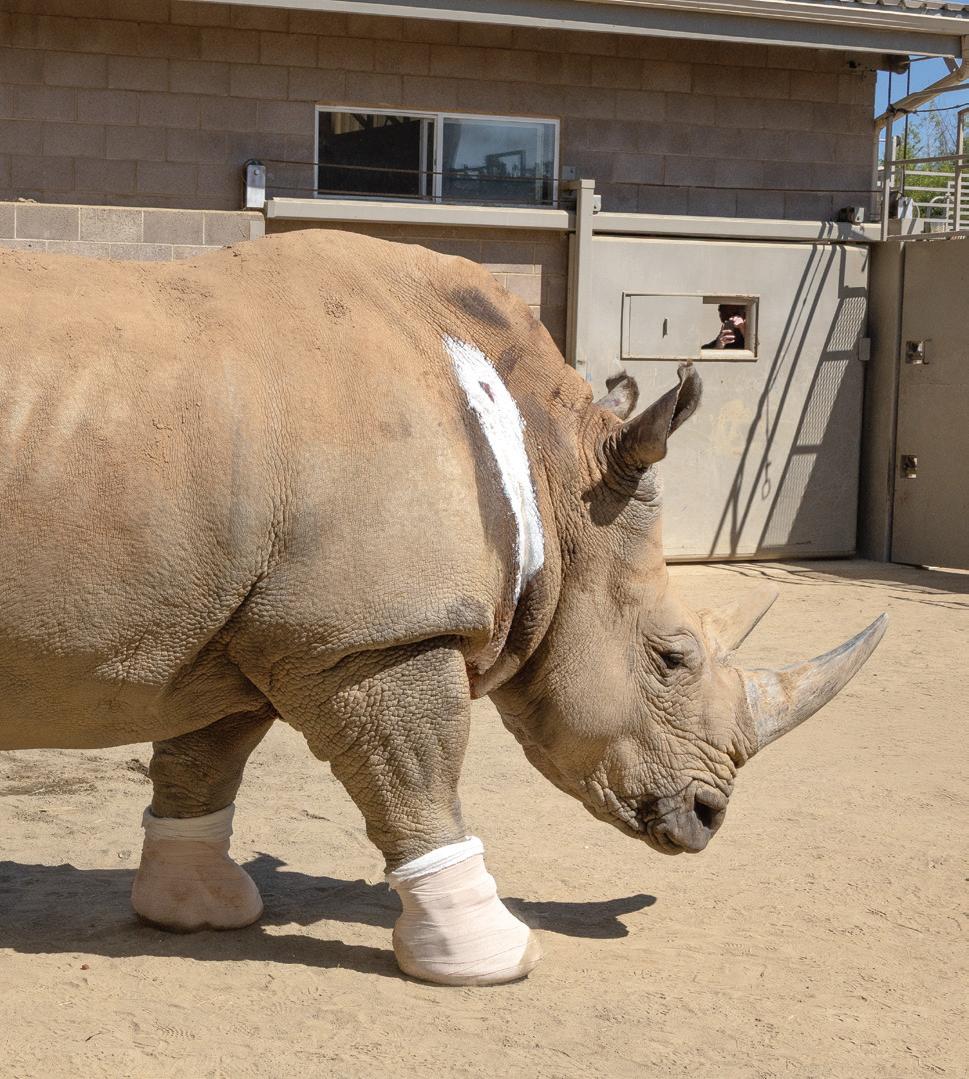
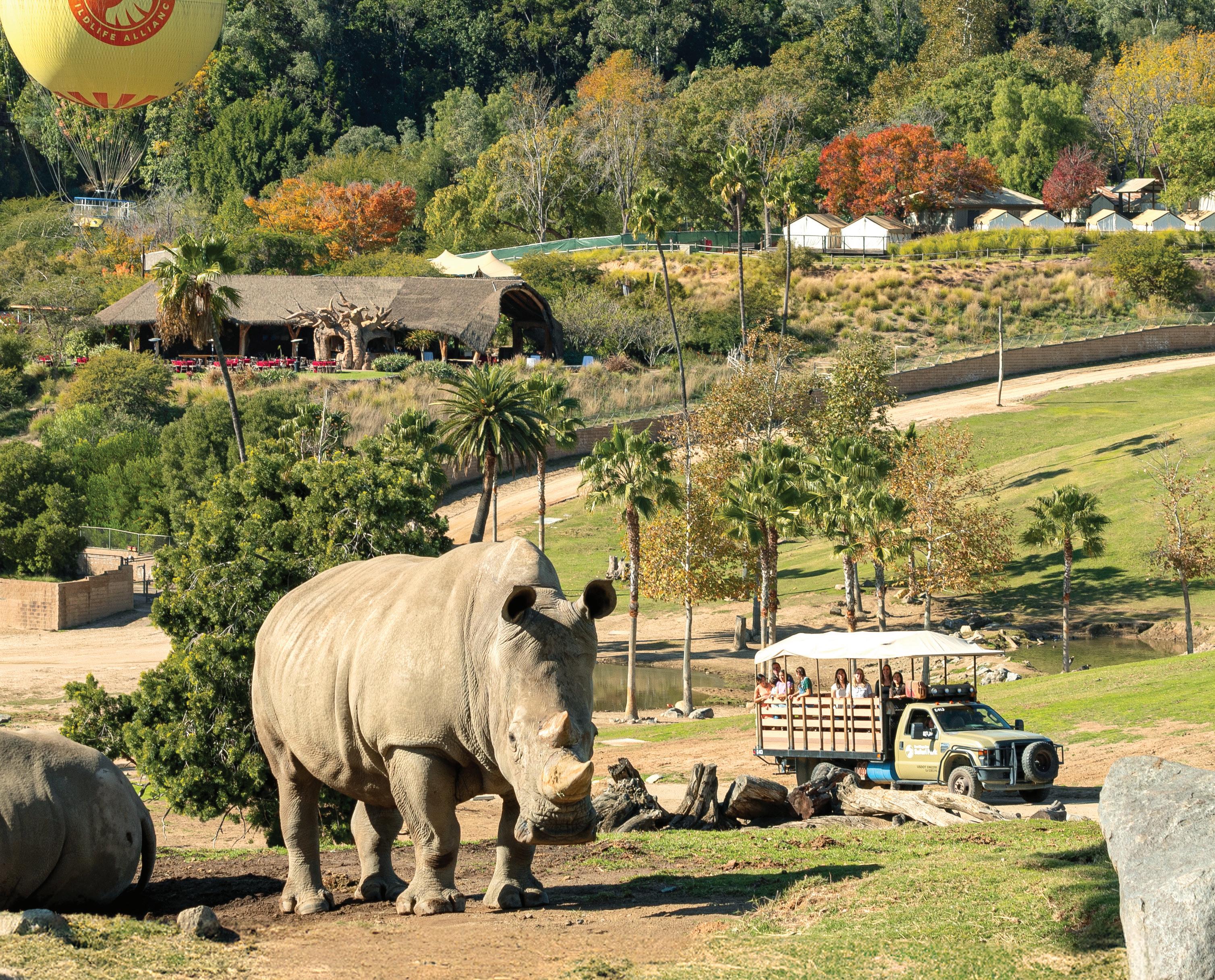
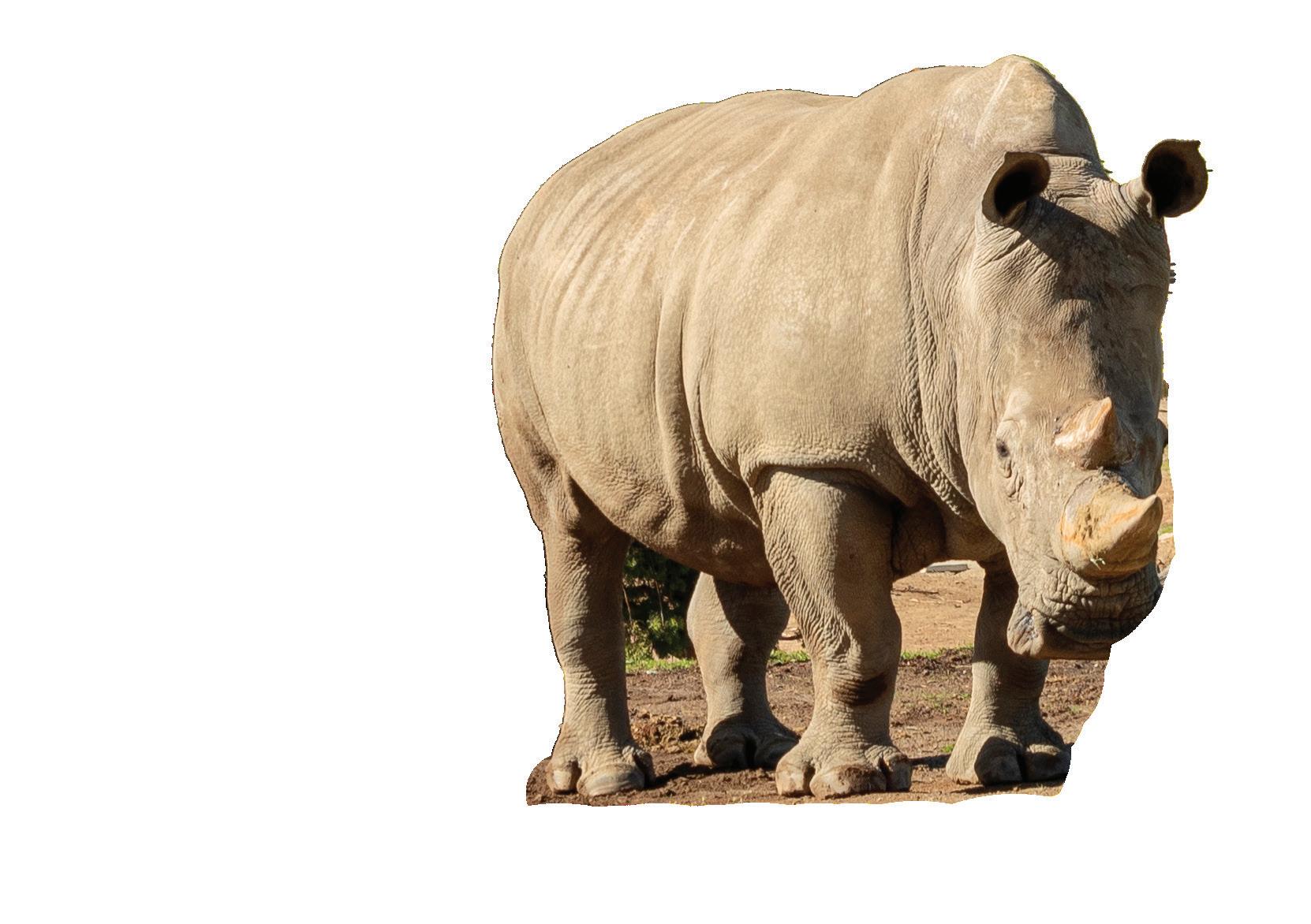
of a nickel. Laparoscopic surgery not only promotes quicker healing and return to normal activity for our patients, it has also allowed us to perform procedures that would have been very technically challenging if not impossible in many species. Collaboration with internal or external work groups is at the core of accelerating innovation at the HVMC. Recently the veterinary team worked in partnership with a human prosthetic and orthotics company to custom design and fabricate a brace to prevent over-extension of the forelimbs of a giraffe; and a shoe for a southern white rhinoceros to wear during wound healing following extensive damage to the bottom of both forelimbs.
The future of innovation at the HVMC at the Safari Park continues to burn bright with a motivated team and organization that uses their experience, curiosity, and creativity to develop in-house solutions to complex medical problems and collaborates with professionals across human and veterinary medical platforms to translate and implement cuttingedge equipment and techniques into zoological medicine. If the past 25 years is any reflection of the next 25 years, innovation will continue to be a cornerstone of care at the Harter Veterinary Medical Center.
Matt Kinney, DVM, DACZM, is director of veterinary services at the San Diego Zoo Safari Park.
ON THE RIGHT FOOT
In collaboration with a human prosthetic and orthotics company, HVMC was able to provide a rhino with much-needed walking boots for protection following treatment.
Fostering Innovation
A simple egg switch cracked open new opportunities for palm cockatoo conservation.
BY SARA MAHER
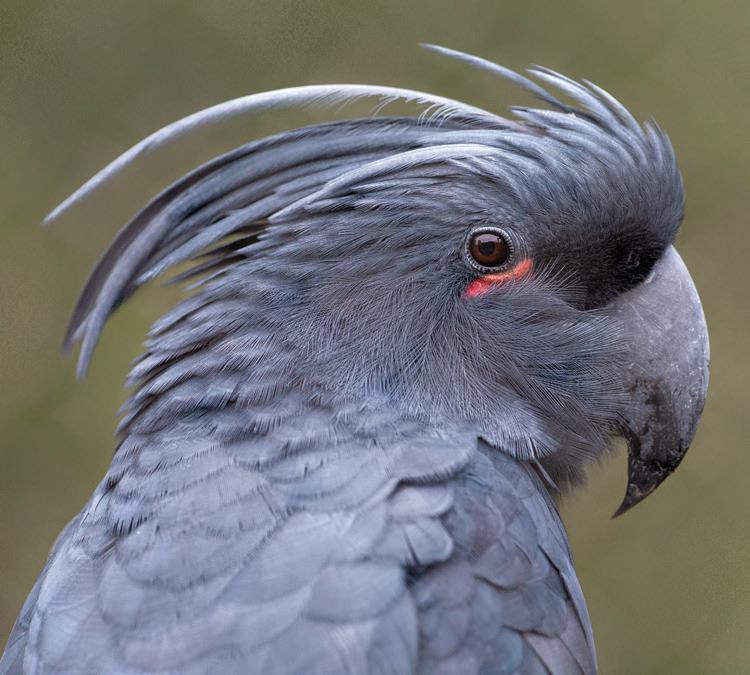
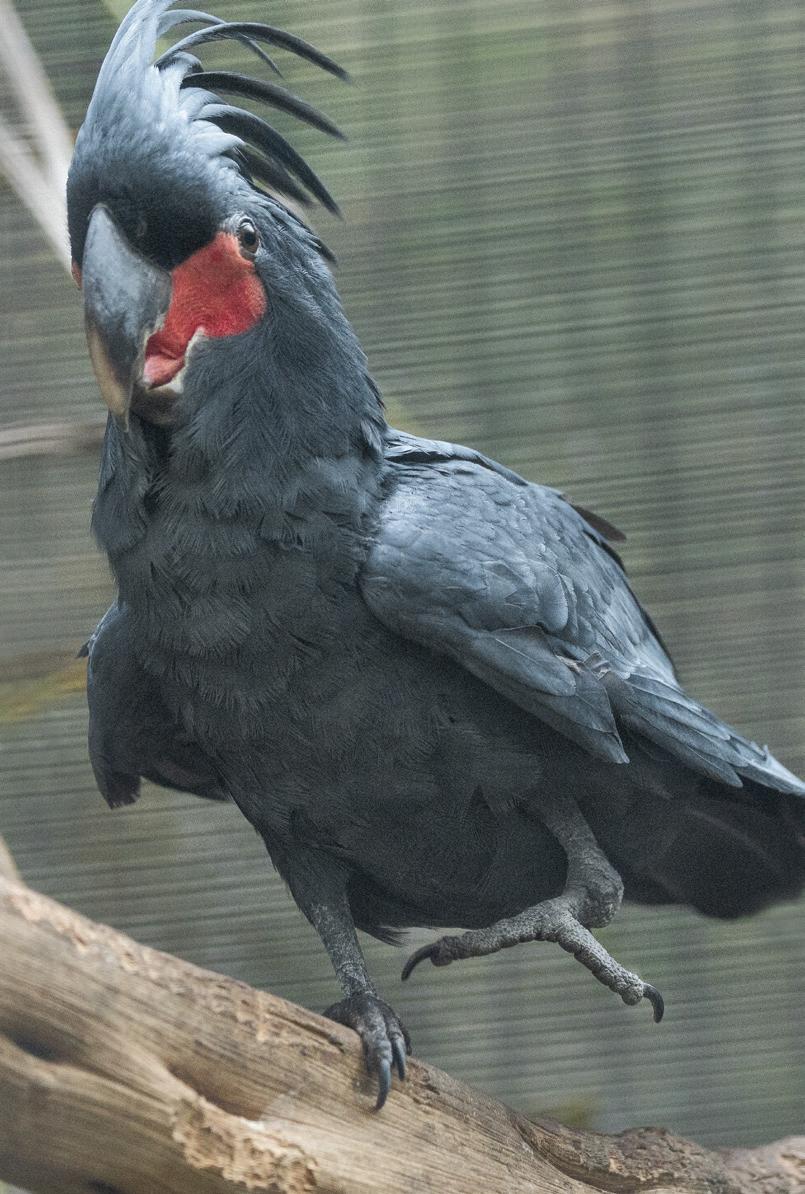
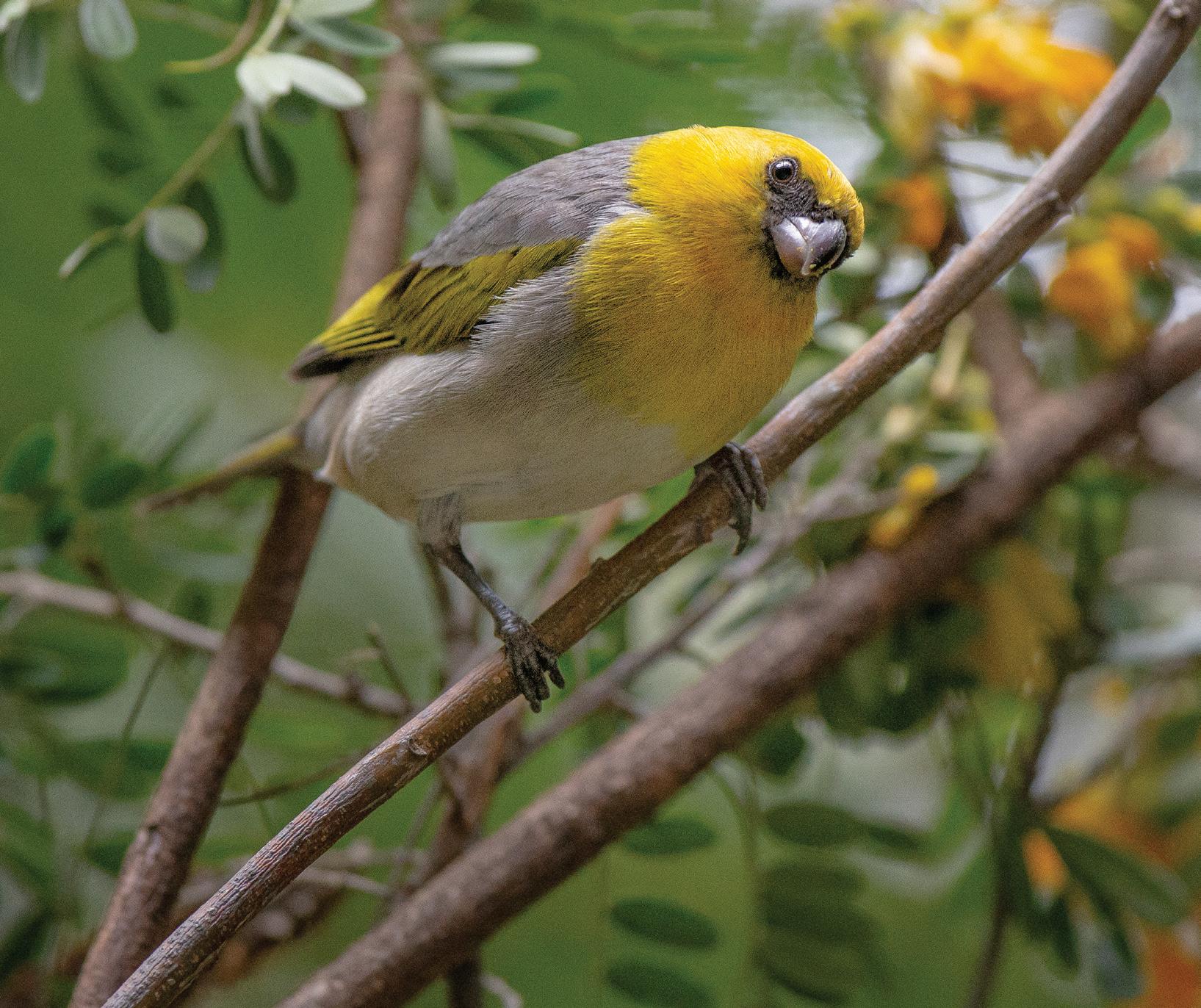
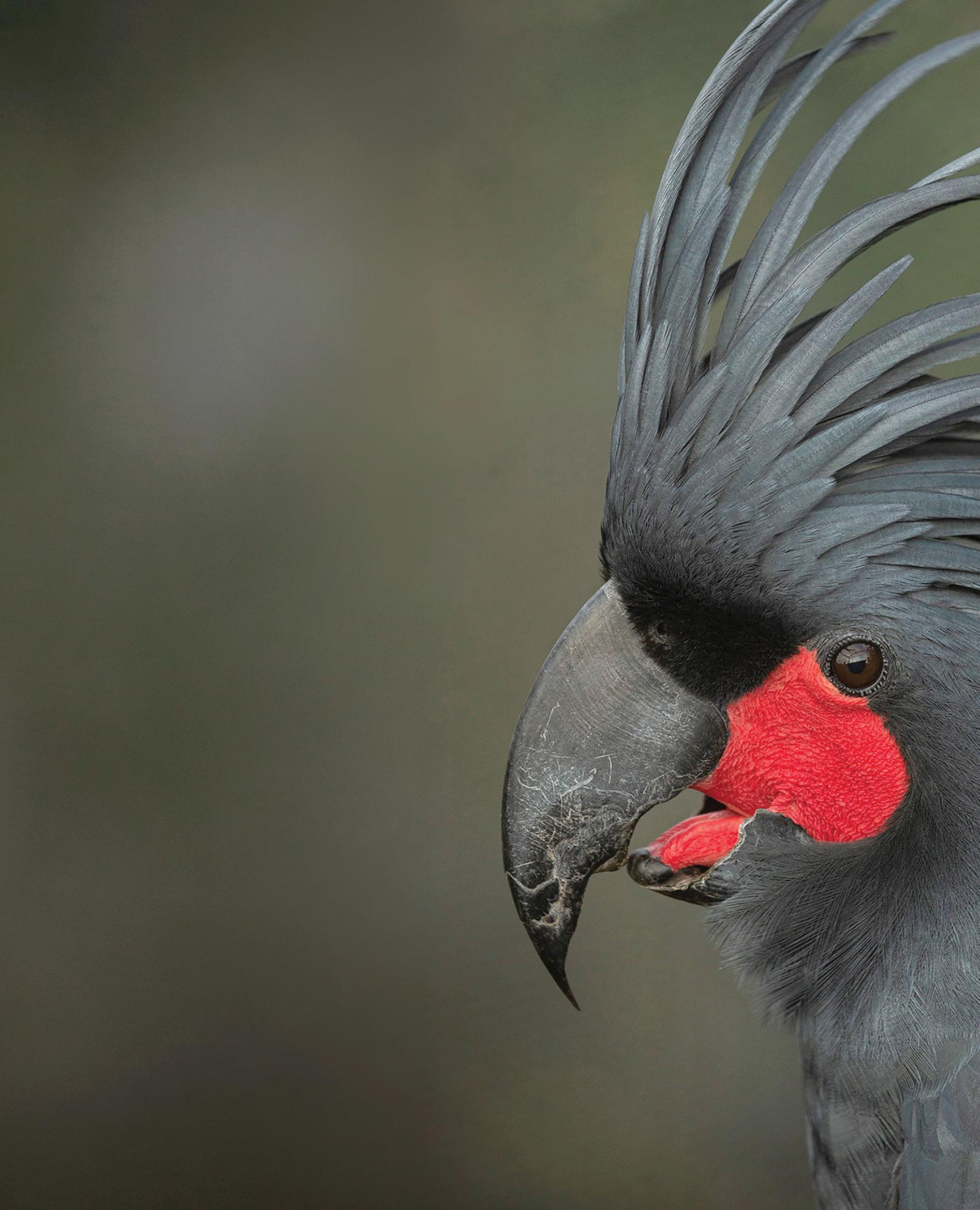
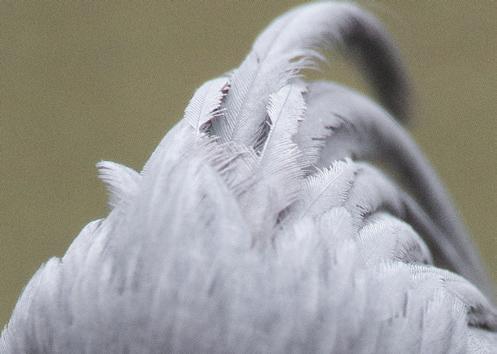
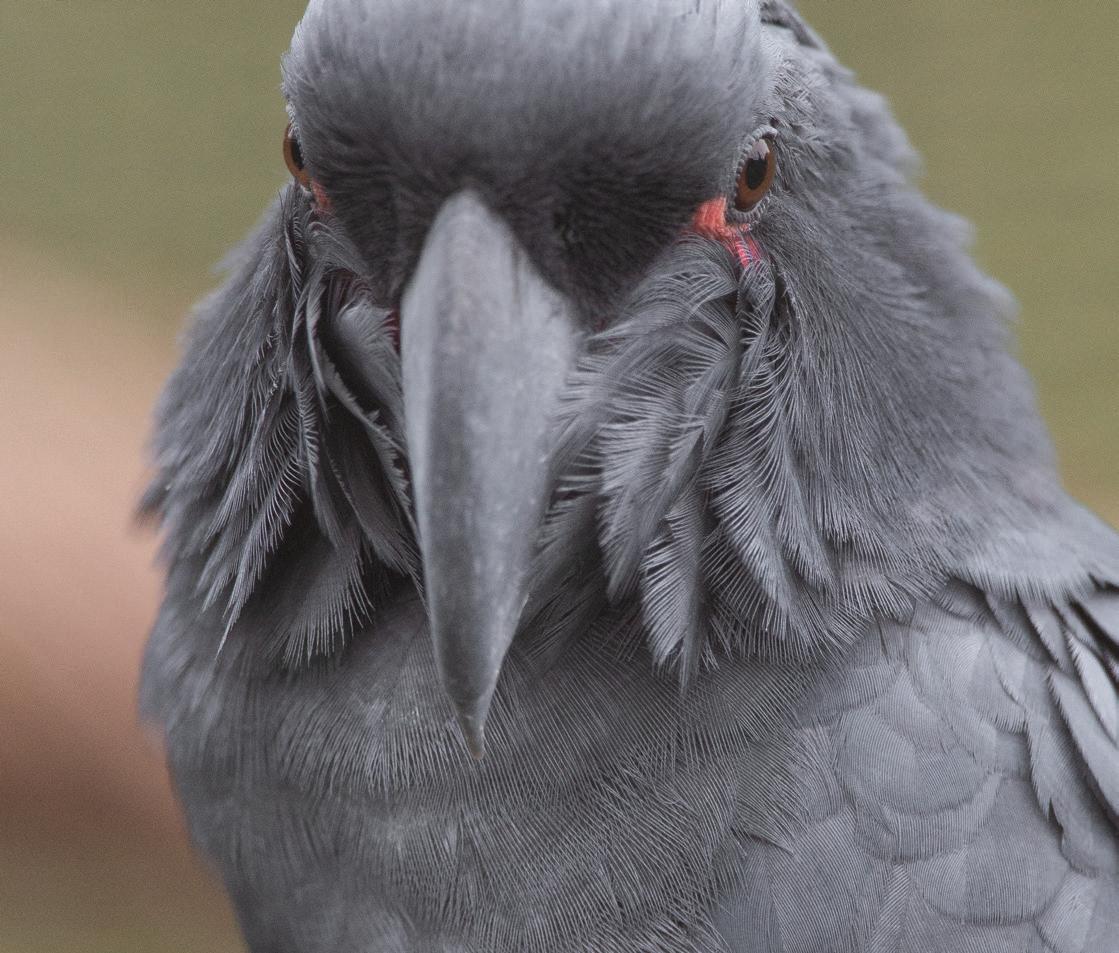
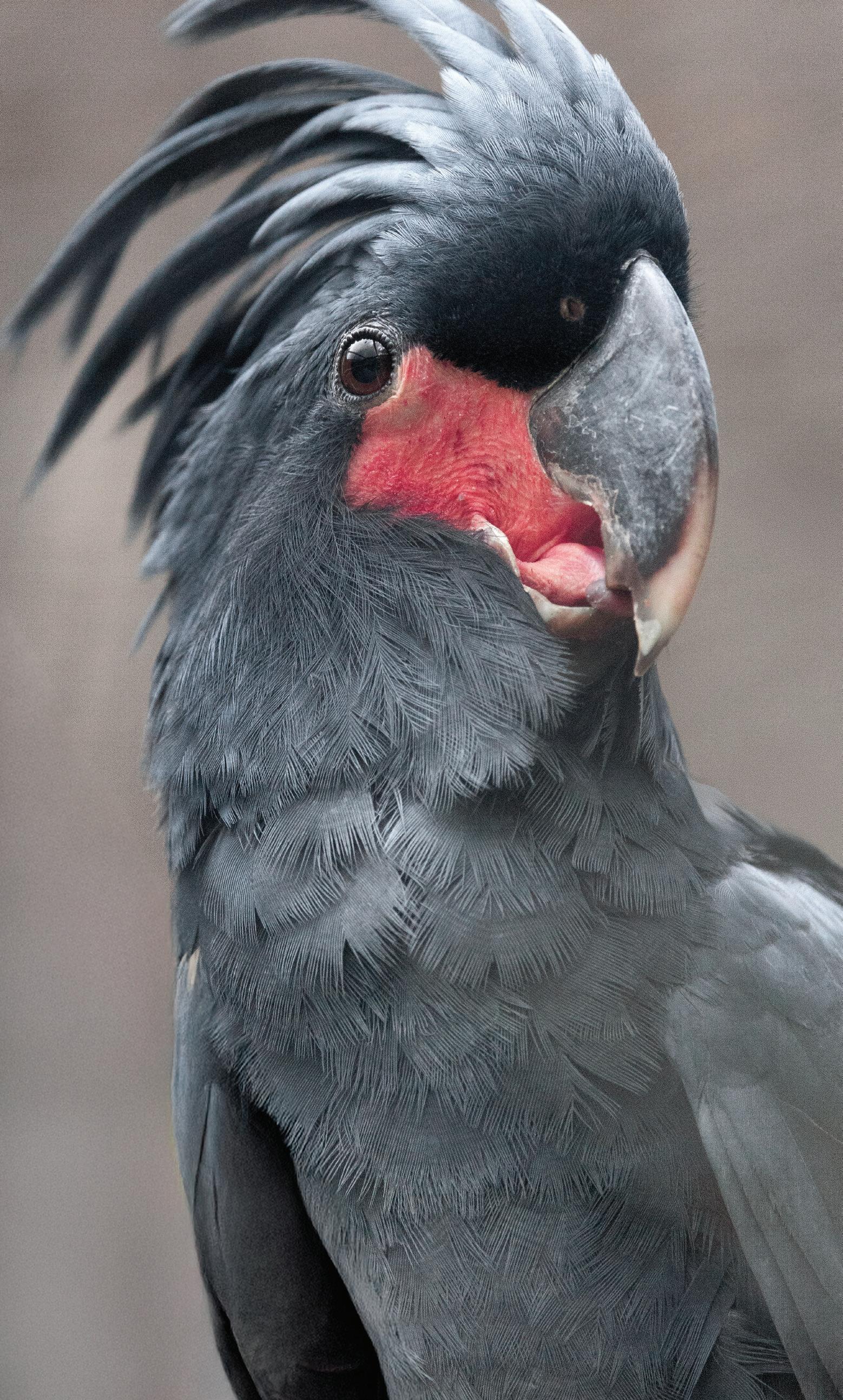
A burst of blue-black feathers perches high in a tree. A bright eye looks down, curious and alert. This is the San Diego Zoo’s newest palm cockatoo, a chick just over a year old. She looks like her parents, watching from a neighboring habitat, as well as another pair, miles away at the San Diego Zoo Safari Park. She doesn’t know it, but she’s a very special chick—the first palm cockatoo to be successfully raised by foster parents. Her story marks the beginning of an innovative new era for palm cockatoo conservation.
A Tale of Two Eggs
San Diego Zoo Wildlife Alliance is one of only 15 Association of Zoos and Aquariums (AZA)-accredited organizations that care for palm cockatoos. This species is classified as near threatened by the International Union for Conservation of Nature, with populations in decline. They are native to the island of New Guinea, as well as the northern tip of Queensland, Australia, where it is estimated fewer than 2,000 remain. The Alliance welcomed its first palm cockatoos to the Safari Park in 1980, followed by the Zoo in 1982. While the birds thrived, formed bonded pairs, and mated, the first successful chick wasn’t hatched until 2008.
This first chick, a male, was hand-raised at the Zoo’s Avian Propagation Center (APC).
“The coolest thing about the bird department is there are so many things that have not been done, and species that haven’t been figured out yet.”
—QUINTON PYLE
Wildlife Care Supervisor for Birds
Diego Zoo
When he reached maturity, he bonded with a female. They lived together in the Zoo’s Australian Outback, but didn’t lay an egg. When they moved to their current habitat in the Australasia area of Aviary Trail, off Treetops Way, they quickly settled in and started laying eggs. Unfortunately, none of them hatched.
Another palm cockatoo pair lived at the Bird Conservation Center, a behind-the-scenes area at the Safari Park. This pair produced many fertile eggs, but they still hadn’t hatched a chick. When they laid another fertile egg, wildlife care experts decided to bring it into human care, give the pair a dummy egg, and return the real egg once it started hatching so the parents could raise their chick. But toward the end of the incubation period, both parents stopped sitting on the dummy egg. Not wanting to lose the fertile egg, which was due to hatch soon, Andrew Stehly, curator of birds at the Safari Park, reached out to the APC to see if they could hand-raise the chick.
With this, an opportunity presented itself. The pair at the Zoo had just started sitting on an infertile egg. Like the egg’s biological parents, these two tended to stop sitting on eggs before they were ready to hatch. But what if they skipped sitting, and went right to hatching?
Christy Simeone, wildlife care supervisor at the APC, and Quinton Pyle, wildlife care supervisor for birds at the Zoo, decided this was the perfect time to try something that had never been done before. Working together, the Alliance decided to give the pair the chance to be foster parents.
Walking on Eggshells
Neither the Zoo nor the Safari Park have had the opportunity to allow a pair of palm cockatoos to parent-rear a chick. Teams weren’t sure what to expect, but they were in agreement that no matter what happened, they would not intervene.
San
DID YOU KNOW?
Palm cockatoos breed very slowly, making every chick essential in supporting this threatened species.
The palm cockatoos at the Zoo were given the fertile egg, and they faithfully sat on it. It ended up hatching in four days, with a healthy little female chick. To everyone’s astonishment, the foster parents knew exactly what to do. But it wasn’t at all what they were expecting.
Alycia Ficano, senior wildlife care specialist for birds at the Zoo, recalled watching the foster parents and comparing what they were doing to what care specialists would be doing at the APC. “There would be times we’re like, is this normal? And we just trusted the process.”
“We had a lot of moments,” agreed Quinton. “It can be hard for our care staff to not be helicopter parents.”
To avoid distracting the busy new parents, care teams cleaned the habitat as little as possible and mostly made sure they were fed—a lot. Palm cockatoos regurgitate to feed young chicks, and mom and dad had a variety of foods so they could choose whatever they wanted. The care specialists carefully noted what the birds were eating and collaborated with the Nutrition and Veterinary teams before making changes to their expertly curated diets.
A NEW HOPE
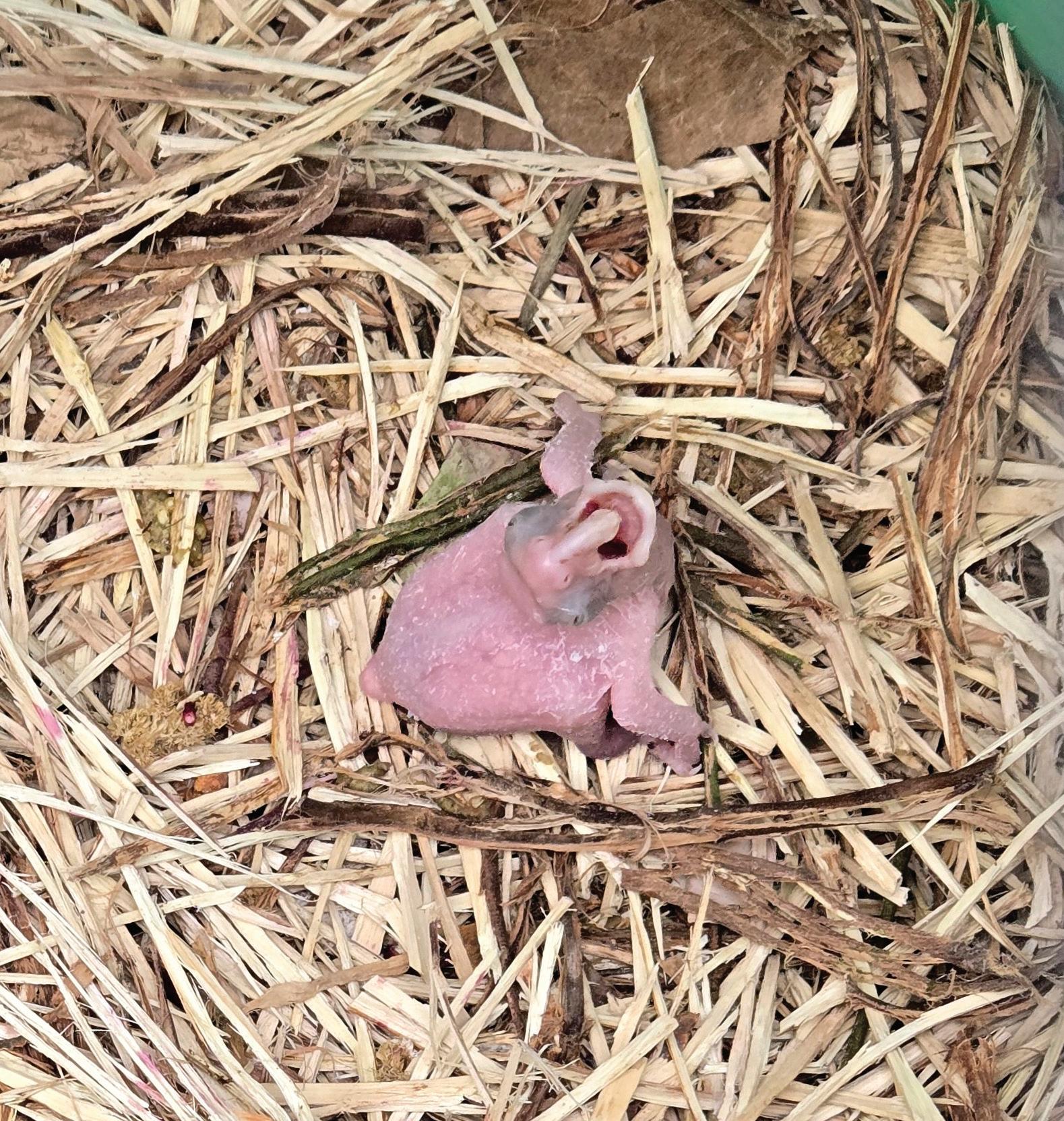
This chick (above, 7 days old and left, approximately 9 months old) could be the first of many palm cockatoos to be successfully raised by foster parents.
Some of the things the pair chose to eat with their chick were not what they typically had in their day-to-day diet. “It was interesting to see how, as the chick grew and progressed, they would eat different things,” said Jama Kasowicz, senior wildlife care specialist for birds at the Zoo. “We just flowed along the diet with what they were consuming.” The APC often feeds chicks steamed yam, so care specialists offered this to mom and dad, thinking they would want to feed it to their chick as well. They didn’t go near it. But they did want shelled pine nuts and, later, far more greens than usual.
“It was very nerve-wracking,” said Alycia. “The whole time you’re like, oh, we made it this far. We made it this far.” But the chick did more than make it. She grew very quickly and hit all of her developmental milestones. And it wasn’t just the chick who thrived. The team was especially surprised by how much the male took to being a dad. Alycia remembered that when the chick first hatched, the father’s typically impertinent behavior changed, and he seemed almost excited. “He was singing a lot,” she said. “He calmed down, and he was really good. It was a very big surprise.”
PHOTOS BY: KEN BOHN/SDZWA
“We were just amazed,” added Jama. “It’s just been great. Everything with this has gone as positively wonderful as it could.”
Birds of a Feather
With their little chick out of the nest, this mother and father became the first known palm cockatoo foster parents. Their accomplishment creates unprecedented opportunities for supporting global populations of this threatened species.
Chicks raised by parents learn appropriate palm cockatoo social cues, so even if this mom and dad never hatch a biological chick, they can raise birds that are more likely to be nurturing parents themselves. “We can take eggs from other pairs across the country that are not successful in hatching out their chick, but they lay fertile eggs,” said Quinton. “We can put it underneath this pair of birds that is successful in parent-rearing, which opens up a whole new level of ability to have these well-socialized, parent-reared chicks.” And having proven foster parents at the Zoo could lead to fewer chicks being raised at the APC, allowing care specialists to focus on birds that need more intensive care.
It also opens avenues for collaboration across other accredited conservation organizations. Both Quinton and Jessica Theule, senior wildlife care specialist at the APC, are prominent members of AZA advisory programs for parrots and palm cockatoos. They now have firsthand knowledge about the palm cockatoo fostering process and can be a resource for others, helping increase the number of palm cockatoos that are natural parents. Having chicks from more parents promotes genetic diversity and supports healthy populations of palm cockatoos worldwide.
“The coolest thing about the bird department is there are so many things that have not been done, and species that haven’t been figured out yet,” said Quinton. “Working with birds, you can be the one that figures that out . . . We may be the only one that has been successful with fostering this species in the world.” But thanks to innovative collaboration across San Diego Zoo Wildlife Alliance—and the efforts of two dedicated foster parents—this may not be true for much longer.
EVENTS &JULY AUGUST
THROUGH AUGUST 9
Nighttime Zoo: A Celebration to Remember
Join us all summer long to soak up the last season of Nighttime Zoo. The Zoo is open from 9 a.m. to 8 p.m. Enjoy live music, spectacular entertainment, and one-of-a-kind moments with your favorite wildlife. You’ve celebrated the season with us for more than 25 years, and the curtains are closing on this family-favorite experience August 9. But there’s good news! In 2027, we’re excited to welcome a brand-new seasonal festival. Come see Nighttime Zoo before it ends! (Z)
JULY 17 AND AUGUST 21
Plant Day
On these special days, guests can take a rare look inside the Zoo’s Orchid House (and visit the plant sale) from 10 a.m. to 2 p.m. Discover more about the 700,000 plants we care for when you hop on the Botanical Bus Tour at 11 a.m. and noon, and check out the Carnivorous Plant Greenhouse from 10 a.m. to 1 p.m. A variety of plants grown by the Horticulture team will be available at the Plant Sale, happening in front of the Orchid Greenhouse entrance from 10 a.m. to 2 p.m. (Z)
THROUGH AUGUST 9
FOR MEMBERS
JULY 12 & AUGUST 9
Member Exclusive Early Hours
Rise and shine with the sights and sounds of the San Diego Zoo. On select days, qualifying members* can enter the Zoo one hour before the general public. To join us, simply present your qualifying membership card at the main entrance beginning at 8 a.m.
*Excludes memberships with blockout dates. (Z)
EVERY DAY
Wild PerksSM
San Diego Zoo Wildlife Alliance members are eligible for Wild PerksSM. Show your membership card each time you make an on-grounds purchase and save up to 20%, depending on your membership level. Some exclusions apply; for details, visit sdzwa.org/ membership/wild-perks. (Z)
SAN DIEGO ZOO
SAFARI PARK
JULY 19 AND 29; AUGUST 12
Wildlife Awareness Days
While every day is a good day to celebrate the amazing wildlife with which we share the planet, there are a number of upcoming dates that offer the chance to honor some special species. Join us at the Safari Park to experience wonderous wildlife.
JULY 19
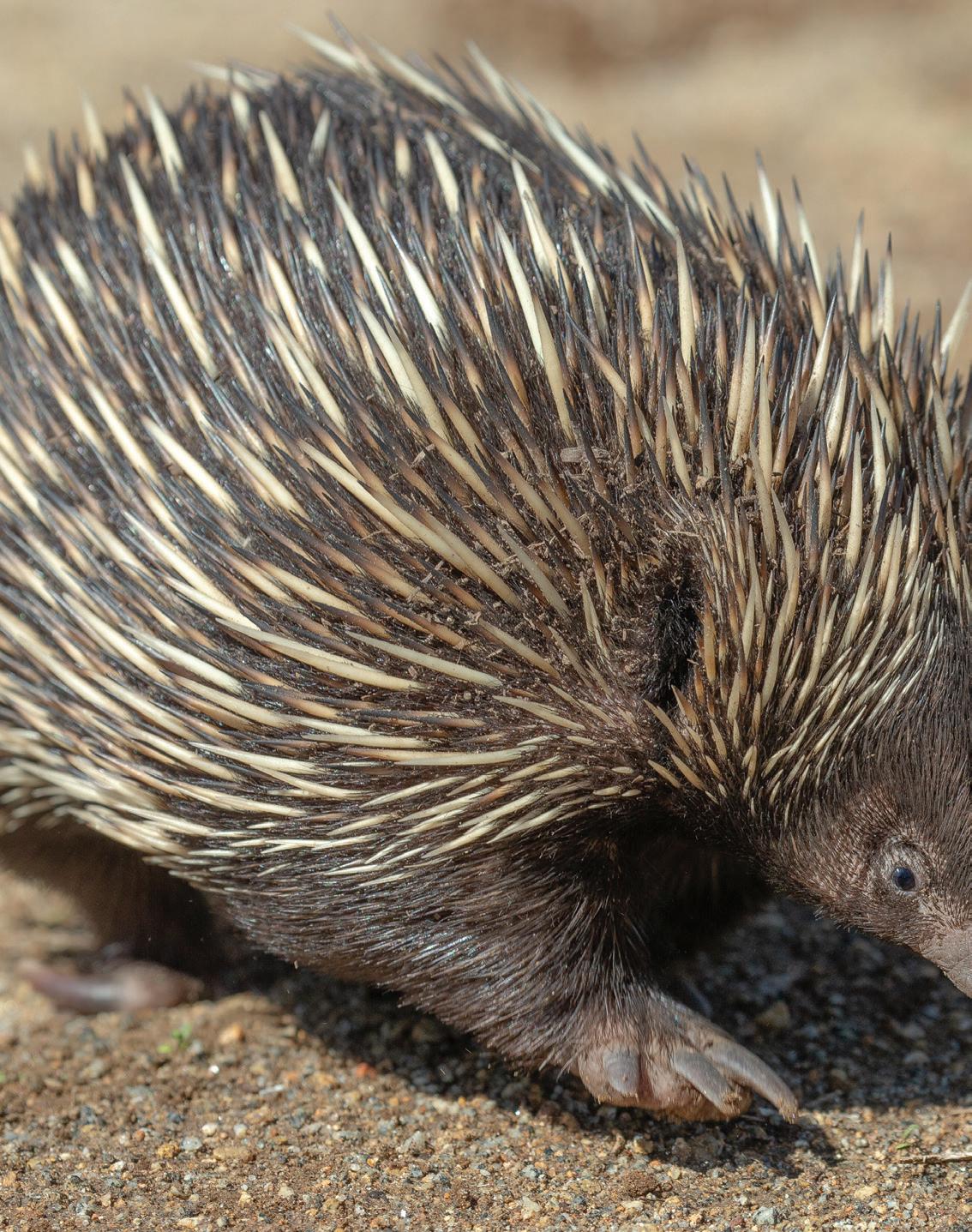
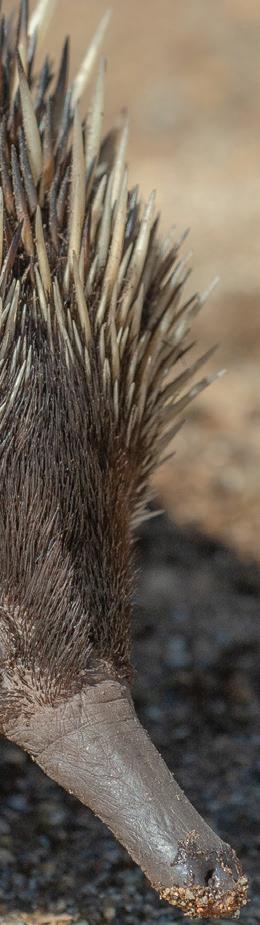
Let’s get right to the point: echidnas are amazing, quill-covered monotremes and World Echidna Day is the perfect chance to find out all about them. (P)
JULY 29
Any big cat fan worth their stripes will pounce on the opportunity to come honor International Tiger Day. (P)
AUGUST 12
You “herd” it first here: the world’s largest land mammal is marking its own big day—World Elephant Day! (P)
OFFERED DAILY
Journey Into the Wild
Join our wildlife care specialist team as they introduce you to wildlife ambassadors representing our conservation work around the world. This conservation presentation begins at 10:30 a.m. daily at Benbough Amphitheater. (P)
FOR MEMBERS
JUNE 13–AUGUST 31
Early Opening
Rise and shine with the sights and sounds of the Safari Park.
All Safari Park guests will enjoy a special 8 a.m. open time. Join us for early tram departures. Explore the all-new Elephant Valley, ending your journey with a specialty African inspired cocktail at Mkutano House. (P)
EVERY DAY
Wild PerksSM
San Diego Zoo Wildlife Alliance members are eligible for Wild PerksSM. Show your membership card each time you make an on-grounds purchase and save up to 20%, depending on your membership level. Some exclusions apply; for details, visit sdzwa.org/ membership/wild-perks. (P)
July and August Hours
For San Diego Zoo and Safari Park operating hours, visit sdzwa.org
sdzwa.org
(619) 231-1515
Programs and dates are subject to change—please check our website for the latest information.
(Z) = San Diego Zoo (P) = Safari Park
Visit the San Diego Zoo Wildlife Explorers website to find out about these and other animals and plants, plus videos, crafts, stories, games, and more! SDZWildlifeExplorers.org
Jumble in the Jungle
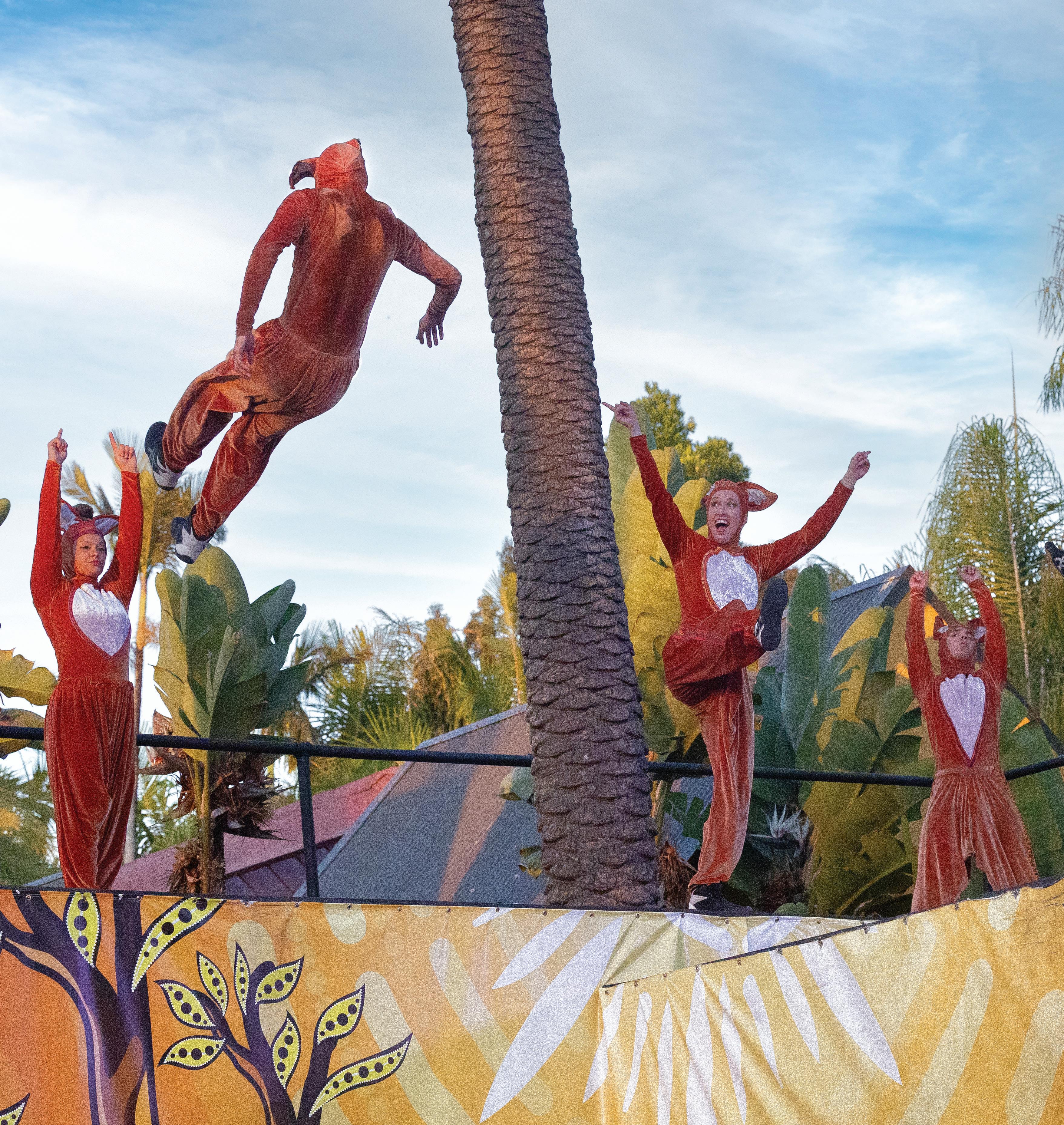
The bright lights, colorful characters, and warm evening air mean Nighttime Zoo is here once again! Through August 9, this special way to experience the Zoo features live performances, seasonal food and drinks, and, of course, the many species we care for across their varied habitats.
The acrobats are getting ready, flipping and flying and having fun. But they flipped so much that they jumbled up the letters on these signs! Can you unscramble them to find out what exciting things you’ll experience when you visit Nighttime Zoo this summer?
C U S I M
Sing along with your favorite summertime tunes.
A N C D N I G
Move and groove with our energetic hosts.
K S A C S N
Eat some treats as you continue your adventure.
D I W I L F E L
Discover animals and plants of all shapes and sizes.
S P P U T E P
Meet fun new friends that come to life on strings or by hand.
T O P O H S
Snap some pictures and save your memories forever.
LAST LOOK
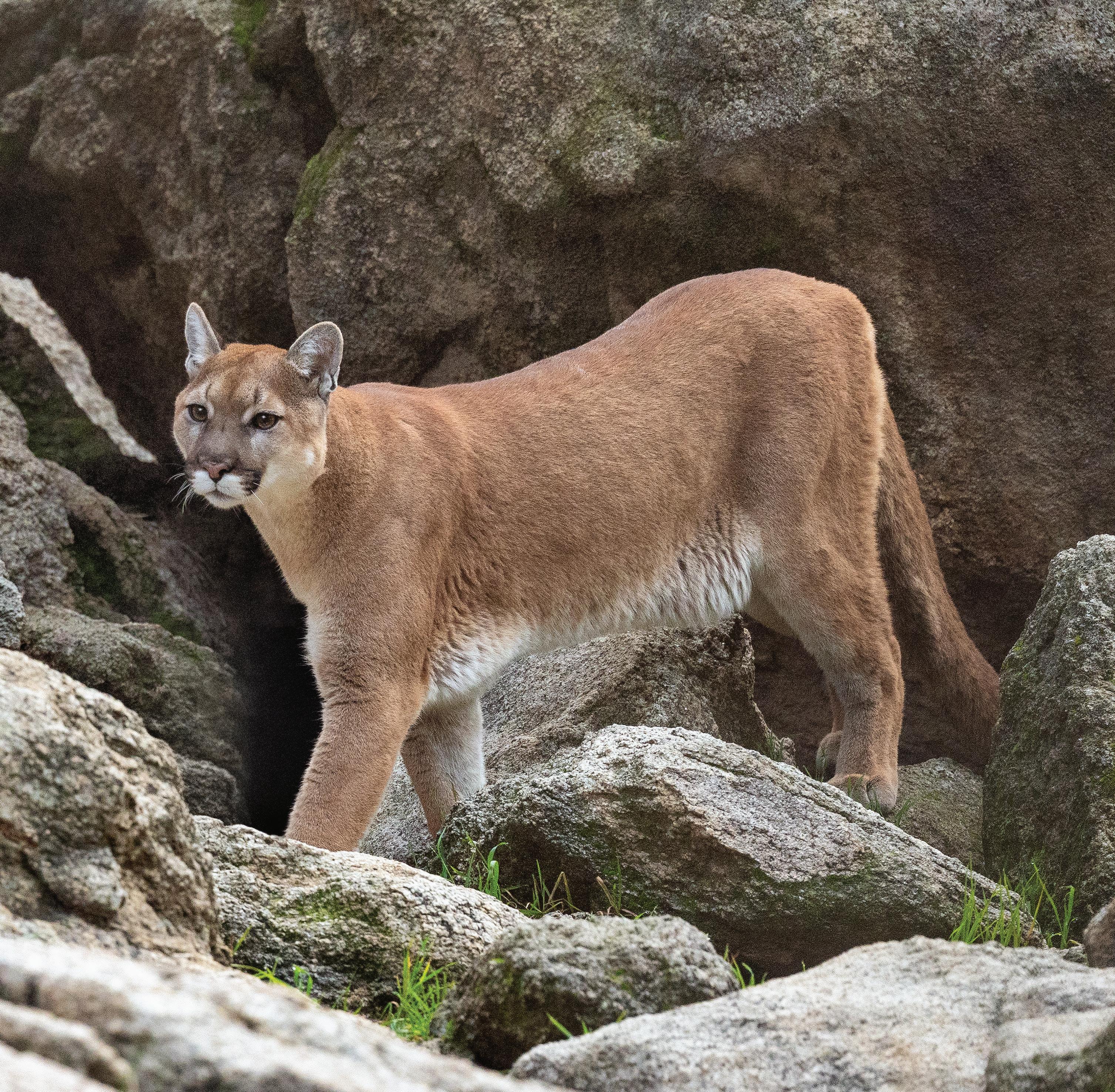
What a difference two years (and top-notch care) make! Once a vulnerable orphaned cub, Pehkaay the mountain lion is now a confident young adult. She and her brothers, Hemuk and Te’Oyee, were rescued by the Safari Park’s wildlife care team after they lost their mother. Without the survival skills they would have learned from her, it was determined that the Safari Park could provide the care and expertise for the trio to thrive. Photographed by Ken Bohn, SDZWA photographer.
San Diego Zoo Wildlife Alliance PO Box 120551, San Diego, CA 92112