JANUARY/FEBRUARY 2026
JANUARY/FEBRUARY 2026
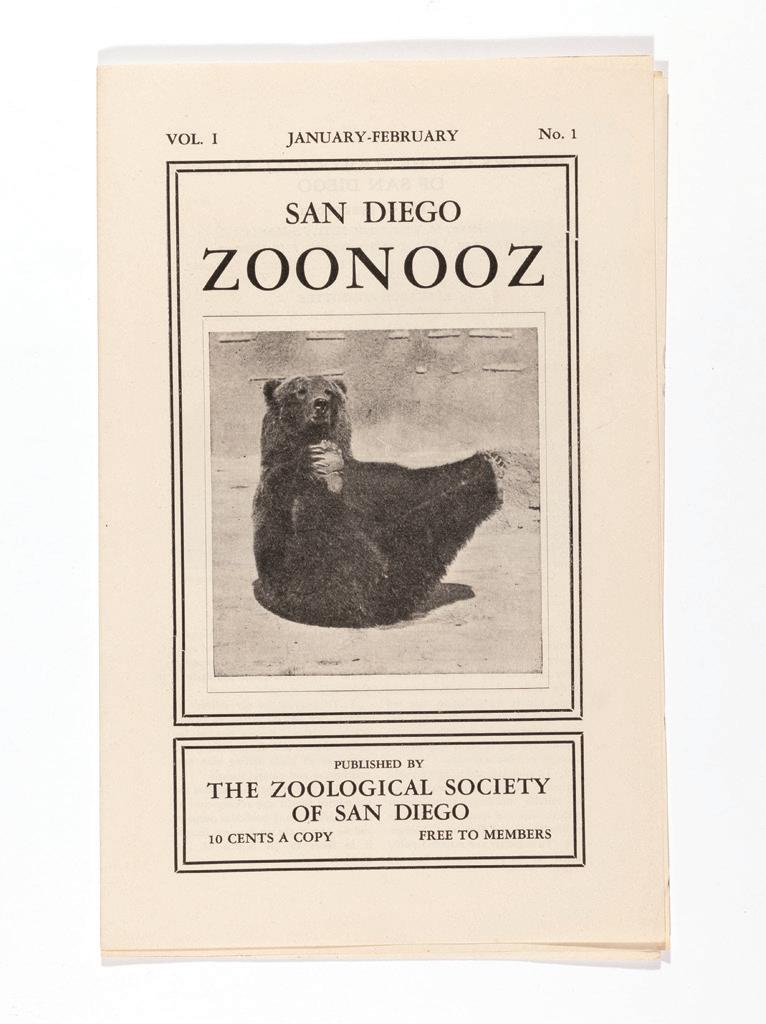
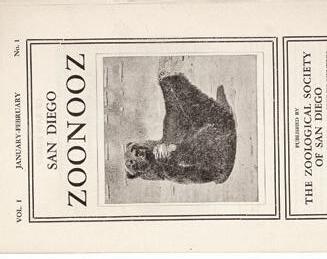
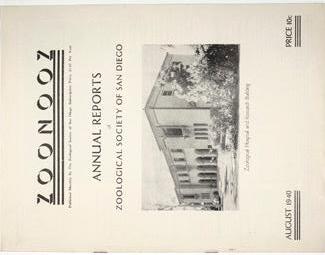
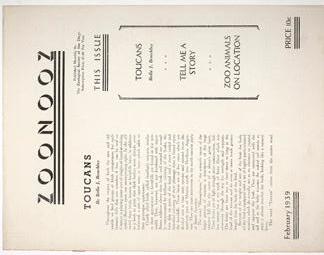
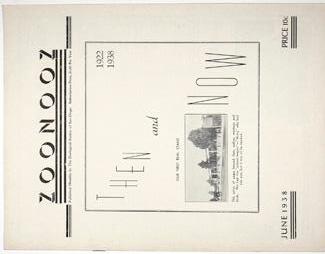
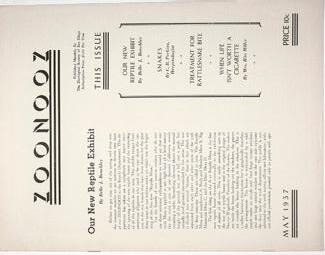
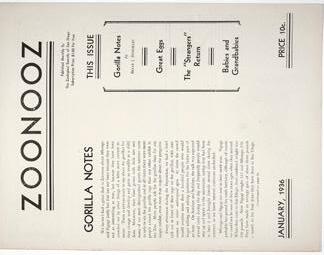
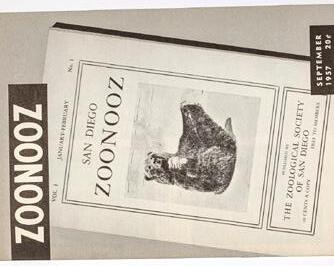
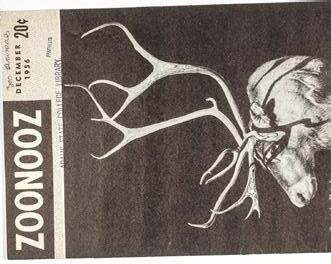
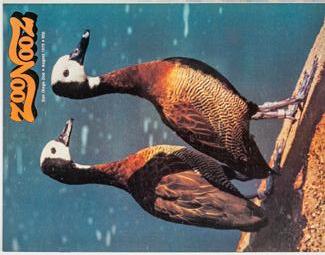
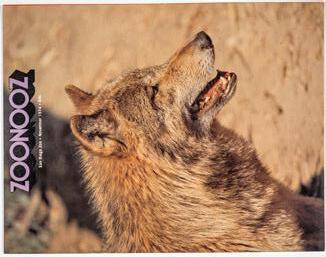
In the early 1920s, the idea of a zoo in San Diego was big news—so big that the San Diego Sun newspaper saw fit to dedicate a regular column to reporting the progress of the fledgling San Diego Zoo. The column, named ZOONOOZ by writer W.B. France, shared items about new species coming to the zoo, the addition of new habitats, and the growing excitement of citizens who were becoming very invested in “their” zoo. ZOONOOZ was catchy—it encapsulated what the content would be—news about the zoo— and the word was a whimsical palindrome, reading the same way backwards, forwards, and upside down. By 1926, the Zoological Society of San Diego (now San Diego Zoo Wildlife Alliance) was ready to print its own publication, and W.B. was kind enough to gift the organization the use of the name. The first issue of ZOONOOZ published by the Society in January 1926 consisted of 8 pages and its cover featured the image of a beautiful brown bear that had come to the San Diego Zoo in 1917. The bear arrived with the name Caesar—even though she was actually female. Over the next nine decades, the Zoo would grow to become a world leader in wildlife conservation and expand to include the San Diego Zoo Safari Park, the Beckman Center for Conservation Research, and eight Conservation Hubs on six continents. In order to more
fully represent our efforts toward a world where all life thrives, ZOONOOZ became the San Diego Zoo Wildlife Alliance Journal in 2021.
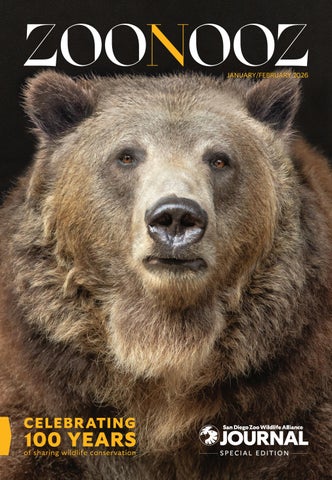
This month we celebrate 100 years of sharing stories about our wildlife conservation work with Alliance members, our guests, and subscribers. We wouldn’t be here if it weren’t for San Diego Zoo pioneers like Dr. Harry Wegeforth and, in regard to our publication, W.B. France. In honor of our beginnings, this issue of the SDZWA Journal carries the ZOONOOZ masthead, as well as a photo of a San Diego Zoo bear. In the pages that follow, you can revisit the astonishing changes that have taken place over the years. But one thing hasn’t changed. The Alliance is still dedicated to a better tomorrow for wildlife, and all of us.


A century ago, our founders began documenting the happenings of the San Diego Zoo in a magazine called ZOONOOZ. Over the following decades ZOONOOZ evolved, eventually becoming the San Diego Zoo Wildlife Alliance Journal, but its deep connection to our members and guests has remained steadfast. As we celebrate the magazine’s 100th anniversary, we revisit defining moments in our history and reflect on the remarkable achievements we have shared in print since 1926.
Throughout the years, this publication has celebrated the passion and dedication of our team members, along with the milestones that have shaped the zoological world today. In the inspiring stories that follow, you’ll discover how our work in veterinary care, conservation, habitat design, horticulture and more, has progressed over time.
I’m also excited for you to explore the broader connections within San Diego’s history that helped us become a beloved conservation organization, one committed to offering hope for wildlife, people, and the planet we share.
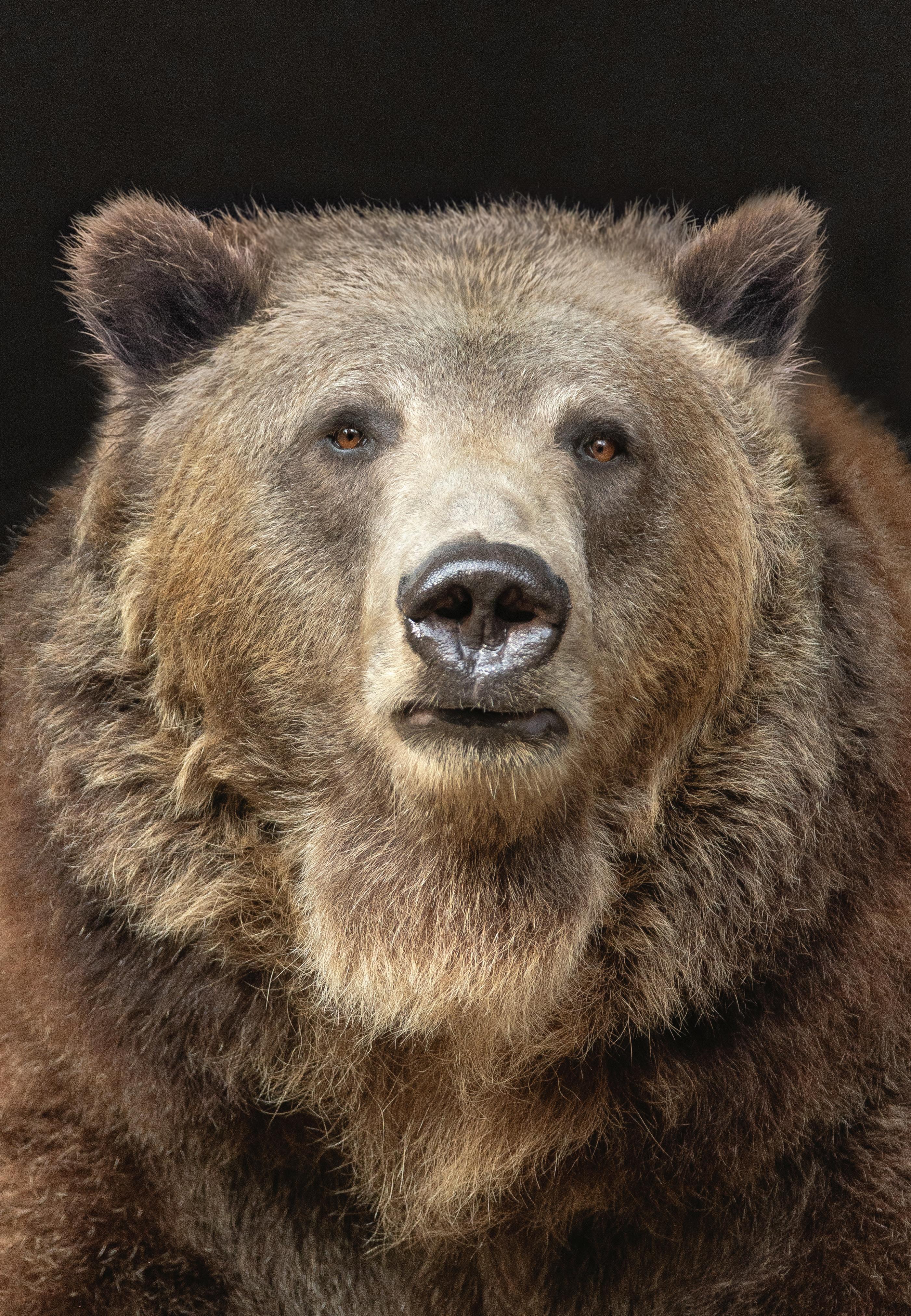
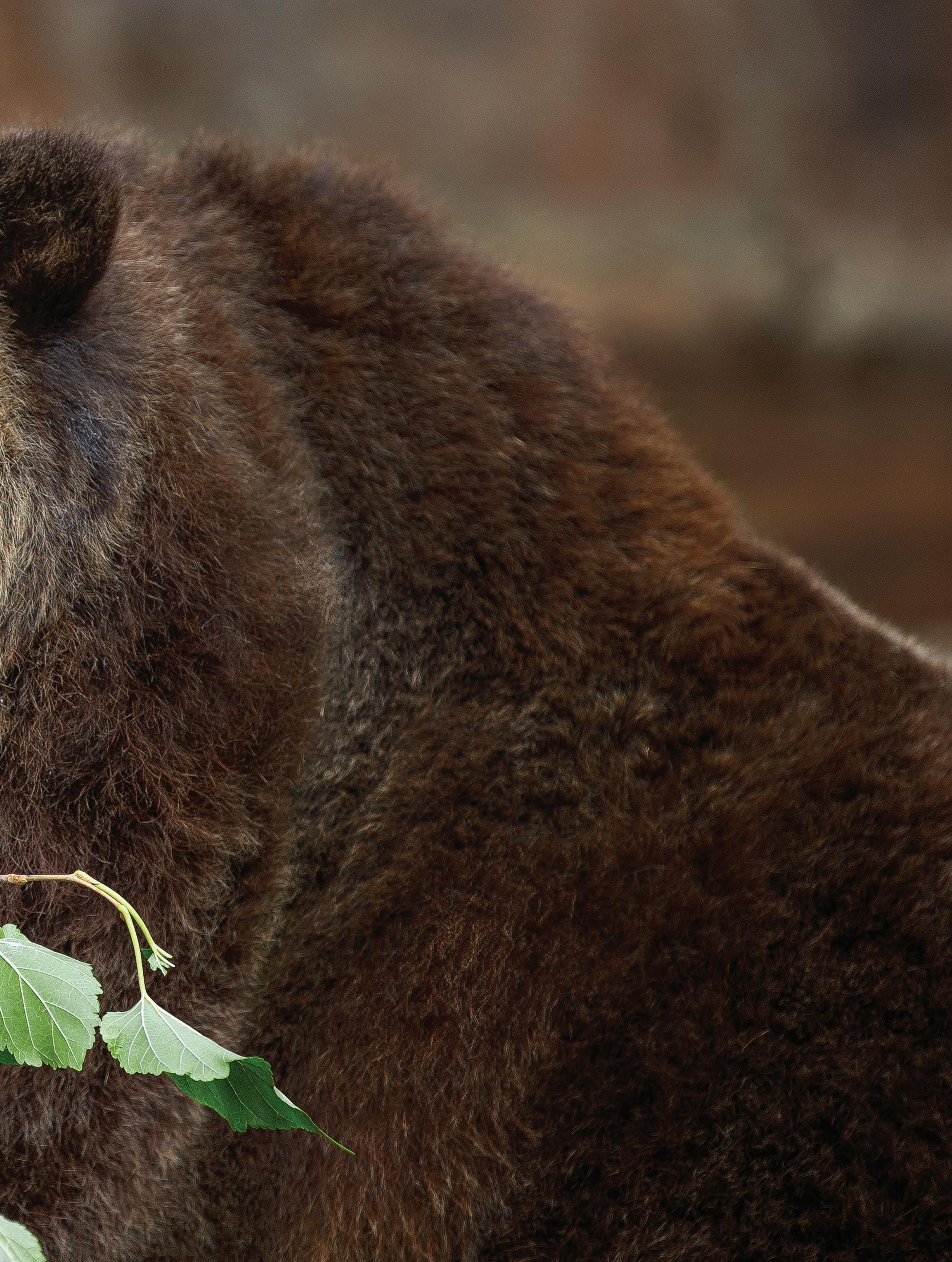
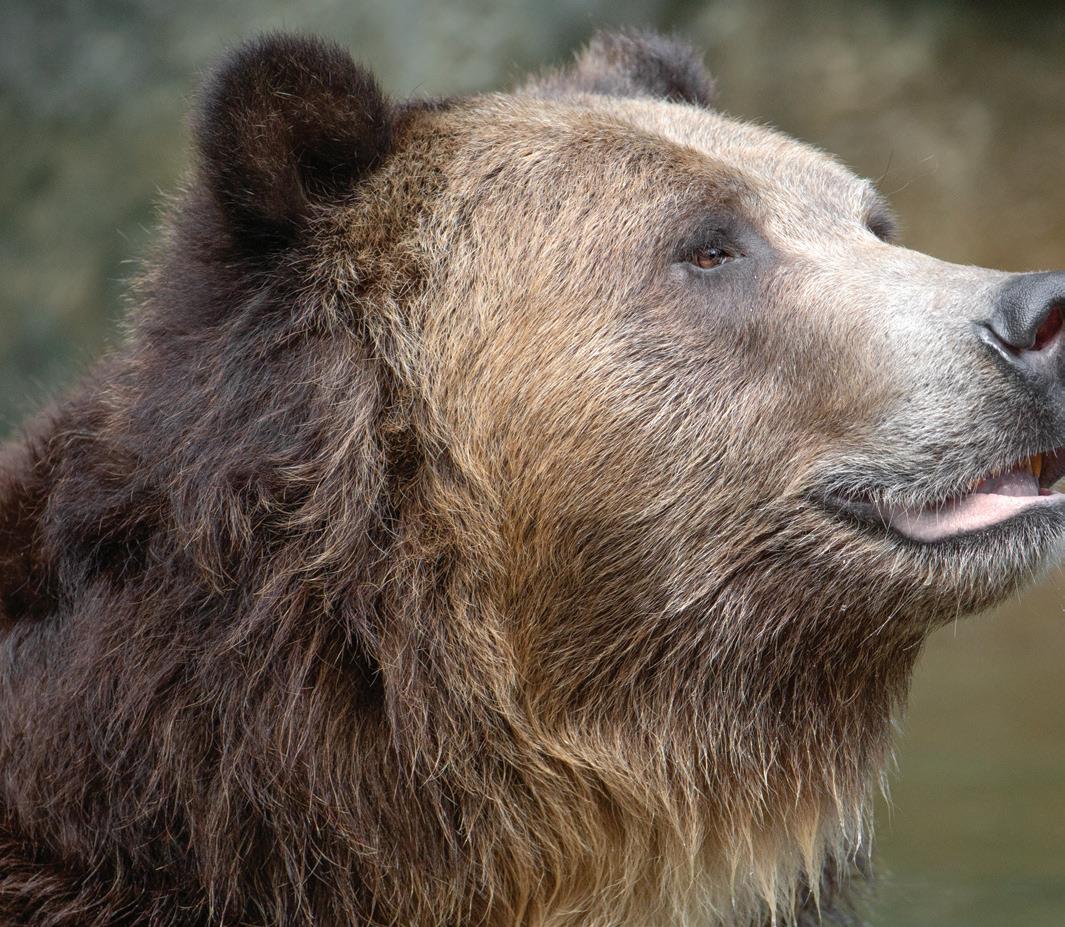
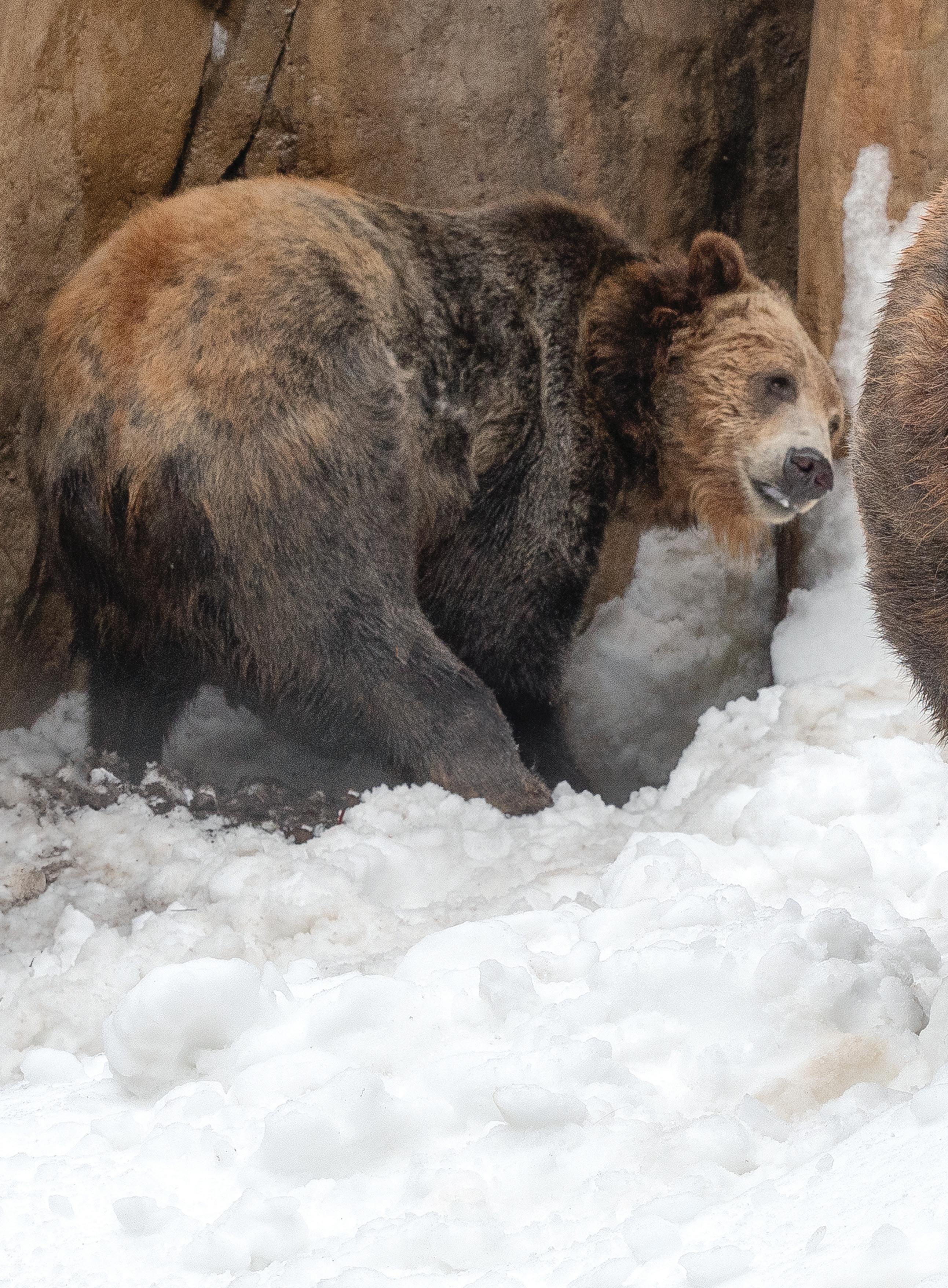
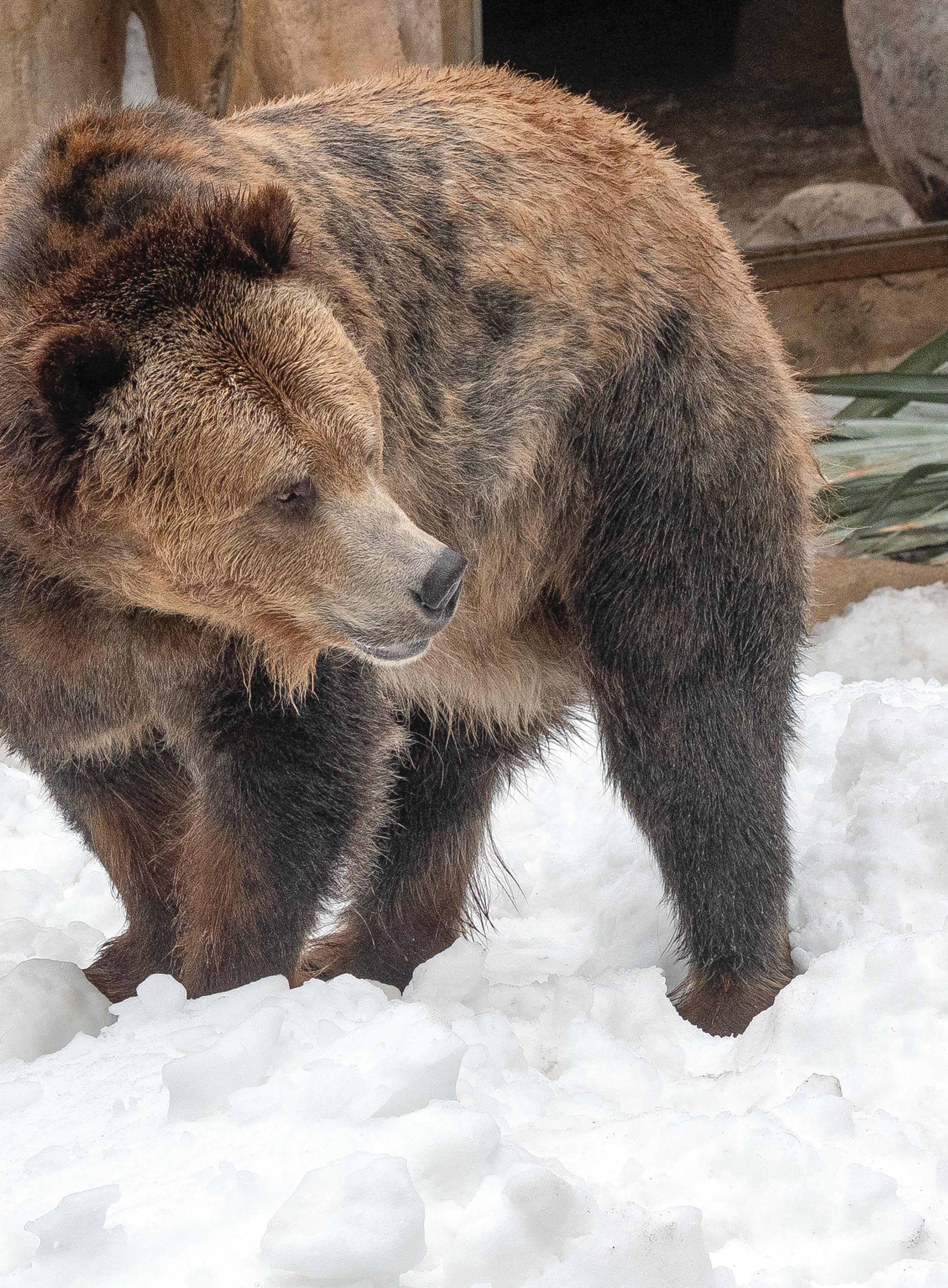
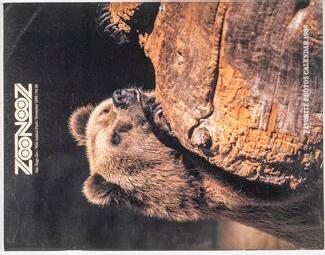
The cover of this issue, featuring Scout the grizzly bear at the Zoo, is a special nod to the first issue of ZOONOOZ published in 1926, which also showcased a bear named Caesar. This connection is especially meaningful to me after spending 15 years living in Alaska and Wyoming, where I had the chance to observe black and brown bears in their native habitats. Those humbling experiences deepened my respect for these incredible animals and the pristine areas they call home.
We hope you enjoy this commemorative centennial issue of ZOONOOZ. Thank you for being a vital part of the history of San Diego Zoo Wildlife Alliance. We are grateful for your continued support in this next century as we work together for a world where all life thrives.
Together for Wildlife,
Shawn Dixon President and Chief Executive Officer
Officers
Rolf Benirschke, Chair
Steven S. Simpson, Vice Chair
Adam Day, Treasurer
Gary E. Knell, Secretary
Trustees
Tom Chapman
E. Jane Finley
Clifford W. Hague
Bryan B. Min
Kenji Price
Corinne Verdery
‘Aulani Wilhelm
Trustees Emeriti
Javade Chaudhri
Berit N. Durler
Thompson Fetter
Richard B. Gulley
Robert B. Horsman
Steven G. Tappan
John M. Thornton
Executive Team
Shawn Dixon President and Chief Executive Officer
David Franco
Chief Financial Officer
Erika Kohler
Senior Vice President and Executive Director, San Diego Zoo
Pat McTigue
Interim Executive Director, San Diego Zoo Safari Park
Nadine Lamberski, DVM, DACZM, DECZM (ZHM)
Chief Conservation and Wildlife Health Officer
Wendy Bulger
General Counsel
David Gillig
Chief Philanthropy Officer
Aida Rosa
Chief Human Resources Officer
David Miller
Chief Marketing Officer
MANAGING EDITOR
Peggy Scott
STAFF WRITERS
Mike Hausberg
Aubrey Lloyd
Sara Maher
Ellie McMillan
Elyan Shor, Ph.D.
CONTRIBUTING EDITOR
Justin Weber
DESIGNER
Christine Yetman
PHOTOGRAPHERS
Ken Bohn
Tammy Spratt
PRODUCTION
Lisa Bissi
Jennifer MacEwen
PREPRESS AND PRINTING
Quad Graphics
Follow @sandiegozoo & @sdzsafaripark Share your #SanDiegoZoo & #SDZSafariPark memories on social media.
Bearing Witness
From grizzlies to pandas, bears have played a major role in San Diego Zoo Wildlife Alliance history for decades, and they are helping save their counterparts in their native ranges.
14
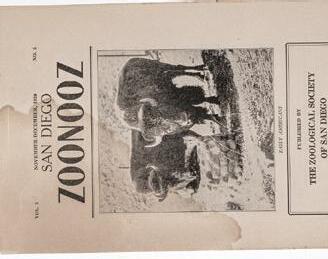
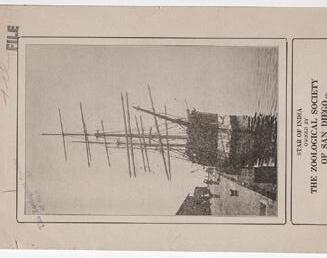
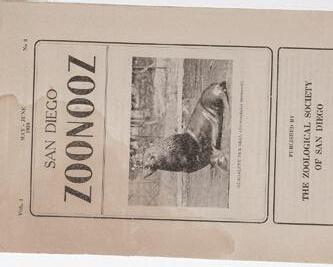
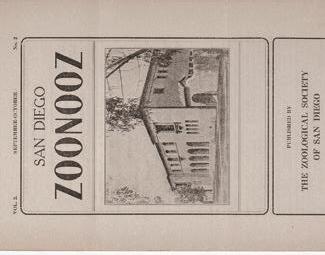
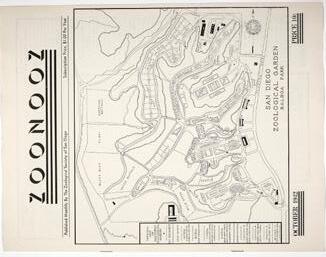
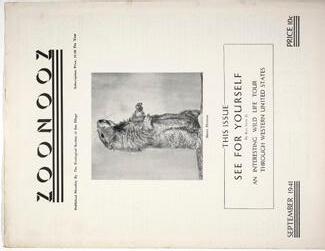
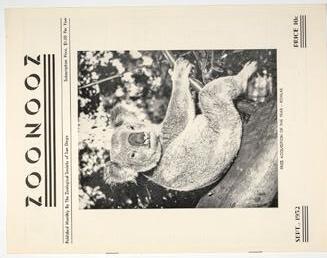
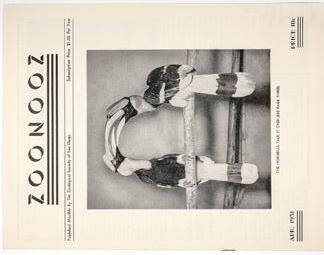
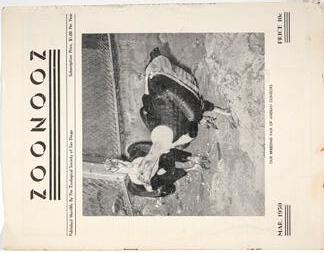
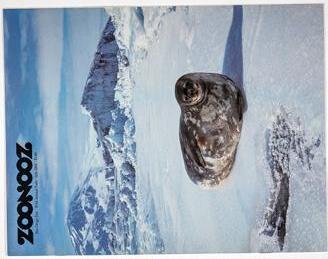
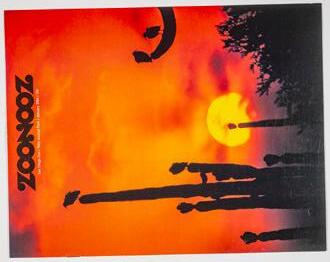
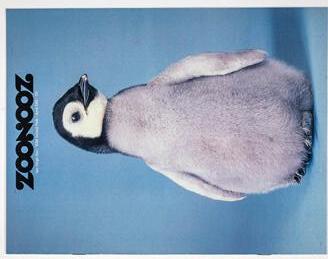
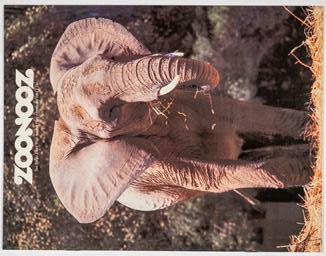
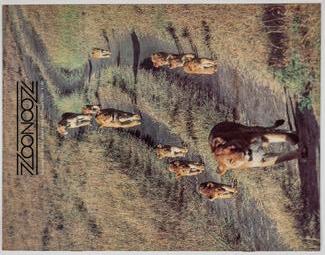
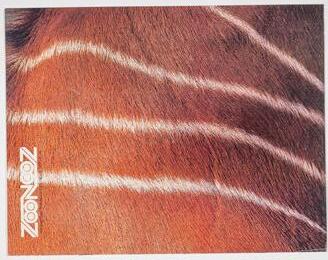
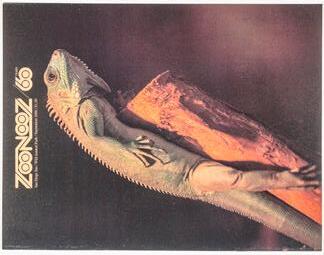
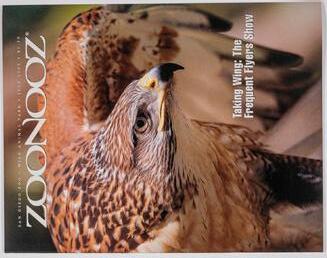
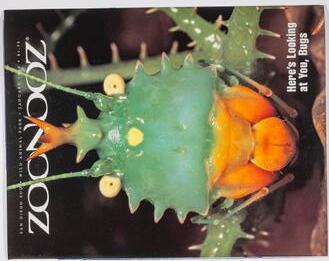
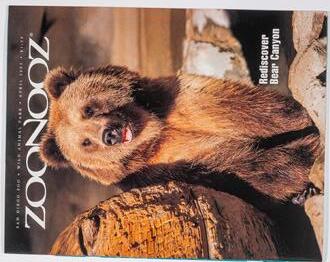
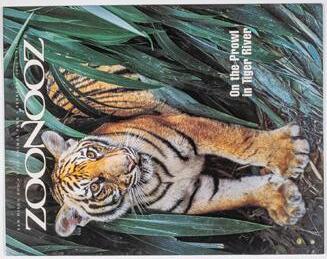
Visualize it: Cover to Cover Take a trip down memory lane via the front pages of ZOONOOZ and the San Diego Zoo Wildlife Alliance Journal 18
Through the Lens of Time
Revisit some of the Alliance’s earliest days and see the beginnings of wildlife conservation in San Diego.
22
Designing for the Wild Habitats have evolved over time as we learned more about wildlife’s needs.
As part of San Diego Zoo Wildlife Alliance’s commitment to conservation, This product is made of material from wellmanaged FSC ® -certified forests, recycled materials, and other controlled sources, chlorine free, and is Forest Stewardship Council® (FSC ®) (COC) certified. FSC ® is not responsible for any calculations on saving resources by choosing this paper.
The Zoological Society of San Diego was founded in October 1916 by Harry M. Wegeforth, M.D., as a private, nonprofit corporation, which does business as San Diego Zoo Wildlife Alliance.
The printed San Diego Zoo Wildlife Alliance Journal (ISSN 2767-7680) (Vol. 6, No. 1) is published bimonthly, in January, March, May, July, September, and November. Publisher is San Diego Zoo Wildlife Alliance, located at 2920 Zoo Drive, San Diego, CA 92101-1646. Periodicals postage paid at San Diego, California, USA, and at additional mailing offices. POSTMASTER: Send address changes to San Diego Zoo Wildlife Alliance, PO Box 120271, San Diego, CA 92112-0271.
Copyright © 2026 San Diego Zoo Wildlife Alliance. All rights reserved. All column and program titles are trademarks of San Diego Zoo Wildlife Alliance.
If your mailing address has changed: Please contact the Membership Department by mail at PO Box 120271, San Diego, CA 92112, or by phone at (619) 231-0251 or 1-877-3MEMBER
For information about becoming a member of San Diego Zoo Wildlife Alliance, please visit our website at ZooMember.org for a complete list of membership levels, offers, and benefits.
Paid subscriptions to San Diego Zoo Wildlife Alliance Journal are available. Contact the Membership Department for subscription information.
1924
First column of ZOONOOZ appears in the San Diego Sun, written by W.B. France.
Very early issues lists prize money and points awarded to local residents who collect snakes and bring them to the Zoo for the collection.
The first number drawn by Selective Services for World War II belongs to a young Zoo employee, Howard Lee, who would serve with the Army. The publicity given Lee’s leaving his job is carried all over the world. During the war, ZOONOOZ contains a “Zoo Honor Roll” of Zoo staff members overseas.
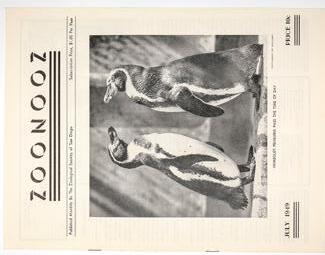
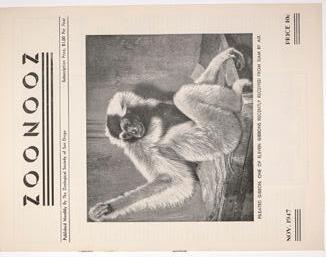
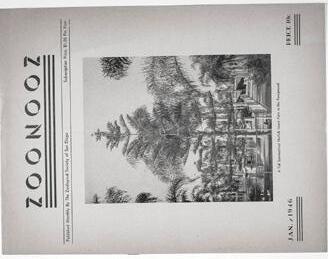
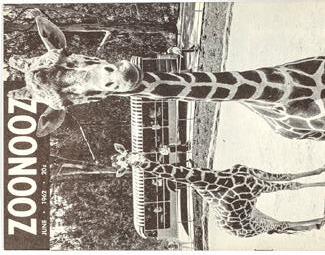
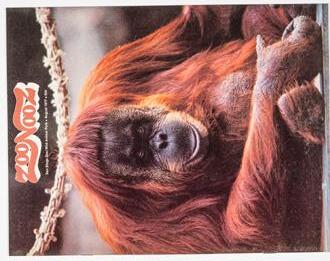
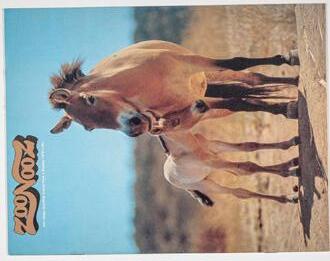
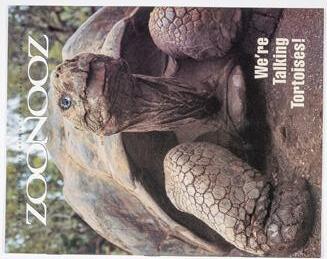
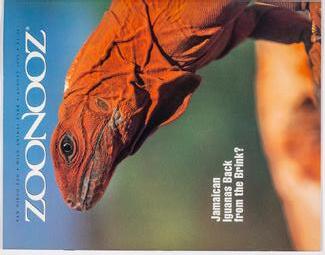
FOR 100 YEARS —minus brief interruptions during the Great Depression and World War II —San Diego Zoo Wildlife Alliance has published a wildlife conservation magazine. Those early issues of ZOONOOZ focused on not only building community support for a local zoo, but cultivating an interest in wildlife and its
In the inaugural issue of ZOONOOZ magazine, editor Richard A. Addison extends “a world of thanks to W.B. France and the San Diego Sun newspaper for giving us the name of ZOONOOZ,” which France coined while writing a zoo column. The first issue contains 8 pages.
Belle Benchley takes over as editor of ZOONOOZ 1930
The March 1954 issue features “Ketchum’s Korner,” the first children’s publication, written by Cynthia Ketchum, children’s editor.
The January 1966 issue’s cover is the first in color.
The December 1999 issue includes an insider’s look at the first 54 days in the life of Hua Mei, whose birth was the result of the first successful artificial insemination of a giant panda outside of China. She would become the first giant panda cub to survive and thrive in the United States.
conservation. Readers were introduced to new species, new habitats, and innovations in wildlife care, science, and technology. The San Diego Zoo Wildlife Alliance Journal showcases our dedication to ensuring a world where all life thrives. Here are a few of the highlights that have appeared on our pages over the years.
The November 1975 issue is the first calendar issue (1976 calendar) 1975
October 2012 brings the first all-digital version of ZOONOOZ. Published February, April, June, August, October, and December, the tablet issues run through December 2015.
In March 2021, San Diego Zoo Global becomes San Diego Zoo Wildlife Alliance, and the member publication is renamed the San Diego Zoo Wildlife Alliance Journal.
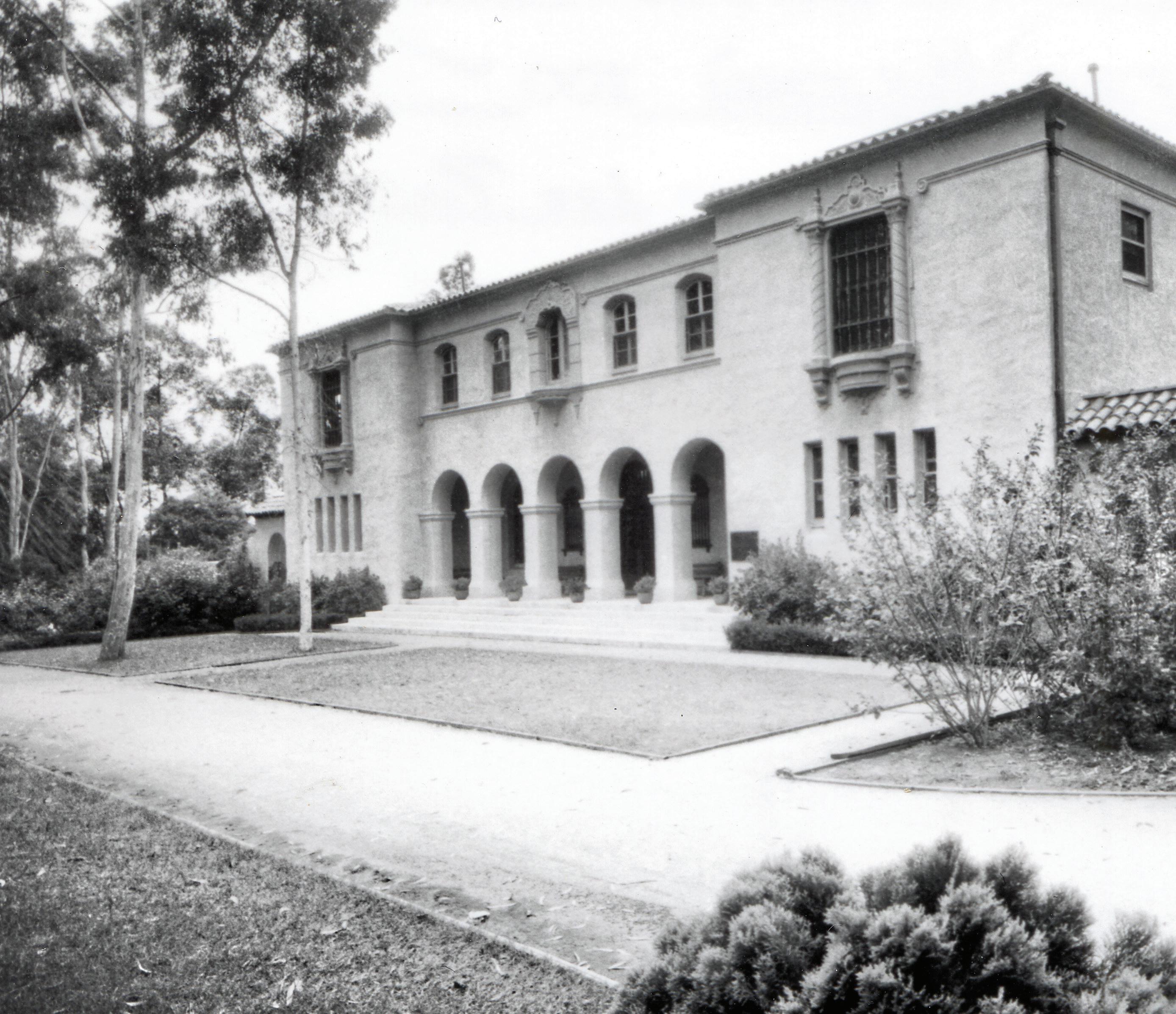
Ben Nevitt, DVM, director of veterinary services at the San Diego Zoo, examines how San Diego Zoo Wildlife Alliance’s medical procedures have advanced over the decades and expanded to emphasize preventative medicine and advanced diagnostics.
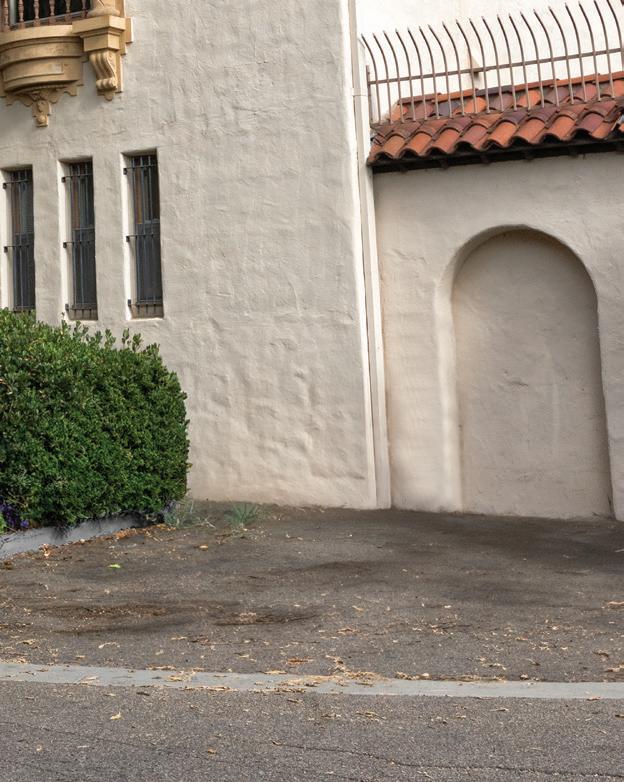
The Zoo’s first hospital opened in 1927, just over a decade after the Zoo itself was established in Balboa Park. At the time, medical practices were limited to the tools and knowledge available for people and domestic animals, and most treatments were reactive—responding to illness or injury as it occurred. Composed of Dr. Harry Wegeforth and his colleagues that were MDs, the early medical teams were not veterinarians. They did their best with what they had, often adapting procedures from humans, livestock, or companion animal care for use with exotic species.
In 1927, the Ellen Browning Scripps Zoological Hospital and Biological Research Institute opened. The Zoo’s first full-

time veterinarian and research director was Dr. R. A. Whiting, a graduate of Cornell University and associate professor of pathology at Purdue University. In the 1930s, Dr. Charles Schroeder, a graduate of Washington State University, was hired as a full-time veterinarian and pathologist. Dr. Schroeder later became Zoo director from 1954 to 1972.
as well as a better understanding of species-specific physiology and behavior. In 1977, the Jennings Center for Zoological Medicine opened at a cost of approximately $1 million. This facility allowed for a greater level of care for wildlife that needed hospitalization, preventive medicine, nutrition services, and comparative biology and pathology. In the early 1990s, Ph.D. student Mark Edwards came to the Zoo to study GI transit times in lemurs. Once he obtained his Ph.D., he was hired as the zoo’s first full-time nutritionist
Park. With dedicated surgical suites, diagnostic imaging, laboratory space, and areas for both small and large species, the Harter hospital elevated the standard of care dramatically. It also provided greater opportunities for research, collaboration, and training, reinforcing the Alliance’s role as a global leader in wildlife health.
Today, veterinary care at both the San Diego Zoo and Safari Park is proactive, comprehensive, and rooted in a philosophy of preventative medicine. Rather than waiting for wildlife to show signs of illness, the veterinary teams focus on regular health monitoring, nutrition, enrichment, and early diagnostics to detect and address potential issues. Preventative care includes everything from dental cleanings and routine blood work to vaccine protocols and behavioral conditioning that allows for voluntary participation in health checks.
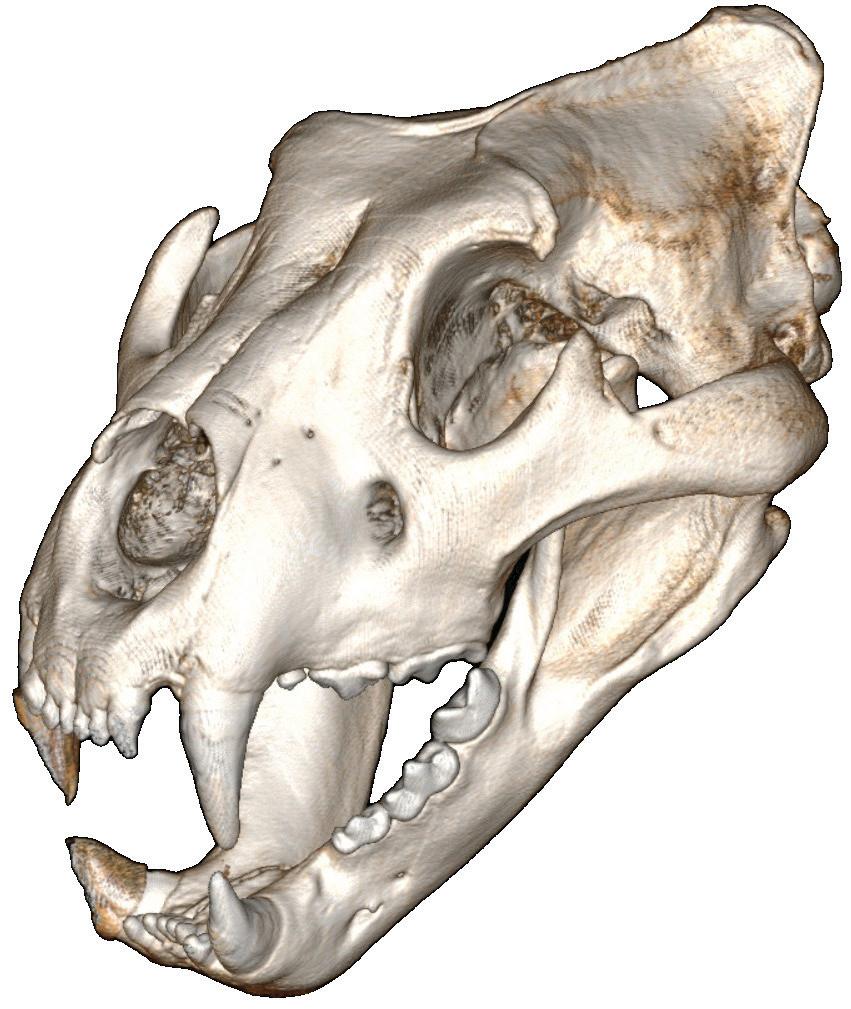
Computed tomography (CT) scans now allow for detailed imaging of everything from a lion’s skull to a tortoise’s shell...
in 1994 and San Diego developed one of the first clinical nutrition programs when most other nutrition programs were research oriented.
As the Zoo grew and the need for specialized care increased, veterinary medicine began to develop into a true science of zoological medicine. This transformation accelerated in the late 20th century, driven by improvements in anesthesia, imaging technology, and surgical techniques,
A major Alliance milestone came in 2001 with the opening of the Paul Harter Veterinary Medical Center at the San Diego Zoo Safari Park. This state-of-the-art facility was designed specifically for the medical care of wildlife species, especially the variety of hoofed animals that resides at the
Modern tools have transformed what’s possible. Computed tomography (CT) scans now allow for detailed internal imaging of everything from a lion’s skull to a tortoise’s shell, enabling veterinarians to diagnose internal conditions with remarkable accuracy. Minimally invasive procedures, such as endoscopy and laparoscopy, are used to perform surgeries or obtain biopsies with less pain and faster recovery times—crucial advantages when treating endangered species. Looking ahead, the future of veterinary medicine at the San Diego Zoo will be just as exciting. Decades of innovation, along with the ever-growing understanding of the role veterinary care plays in wildlife conservation, are the perfect prescription for a healthy tomorrow.
BY MEGAN OWEN, PH.D. PHOTOGRAPHY BY KEN BOHN
From sun bears to giant pandas, and from teddy bears to Paddington, there is something undeniably charismatic about bears. They are interwoven into the culture and lore of the communities that have lived alongside them for millennia, as well as into popular culture.
Despite the large presence bears hold in our collective psyche, the bear family—Ursidae—is quite small, comprised of only eight species. Giant pandas, American and Asiatic black bears, sun bears, sloth bears, polar bears, brown bears, and Andean bears make up the bear family, and each is unique and can be found in various habitats across the globe. Just as bears have both unique and shared characteristics, factors that threaten each of the bear species are also both unique and shared.
As large carnivores, perceptions of danger can illicit fear, and undermine coexistence between bears and humans. The cascading impacts of habitat instability threaten wildlife around the world, but for polar bears the very habitat they depend on—Arctic sea ice—is actually melting right out from under them. Other forms of habitat loss and fragmentation are also common drivers of decline for all bear species, from giant pandas to Andean bears, but for the diminutive sun bear, their increased visibility due to habitat fragmentation is compromising their very existence. The illegal wildlife trade is also a major threat to both Asiatic black bears and sun bears. And because bears can be so challenging to monitor and study in their native range, management of bear populations is often done with limited data and with mixed success.
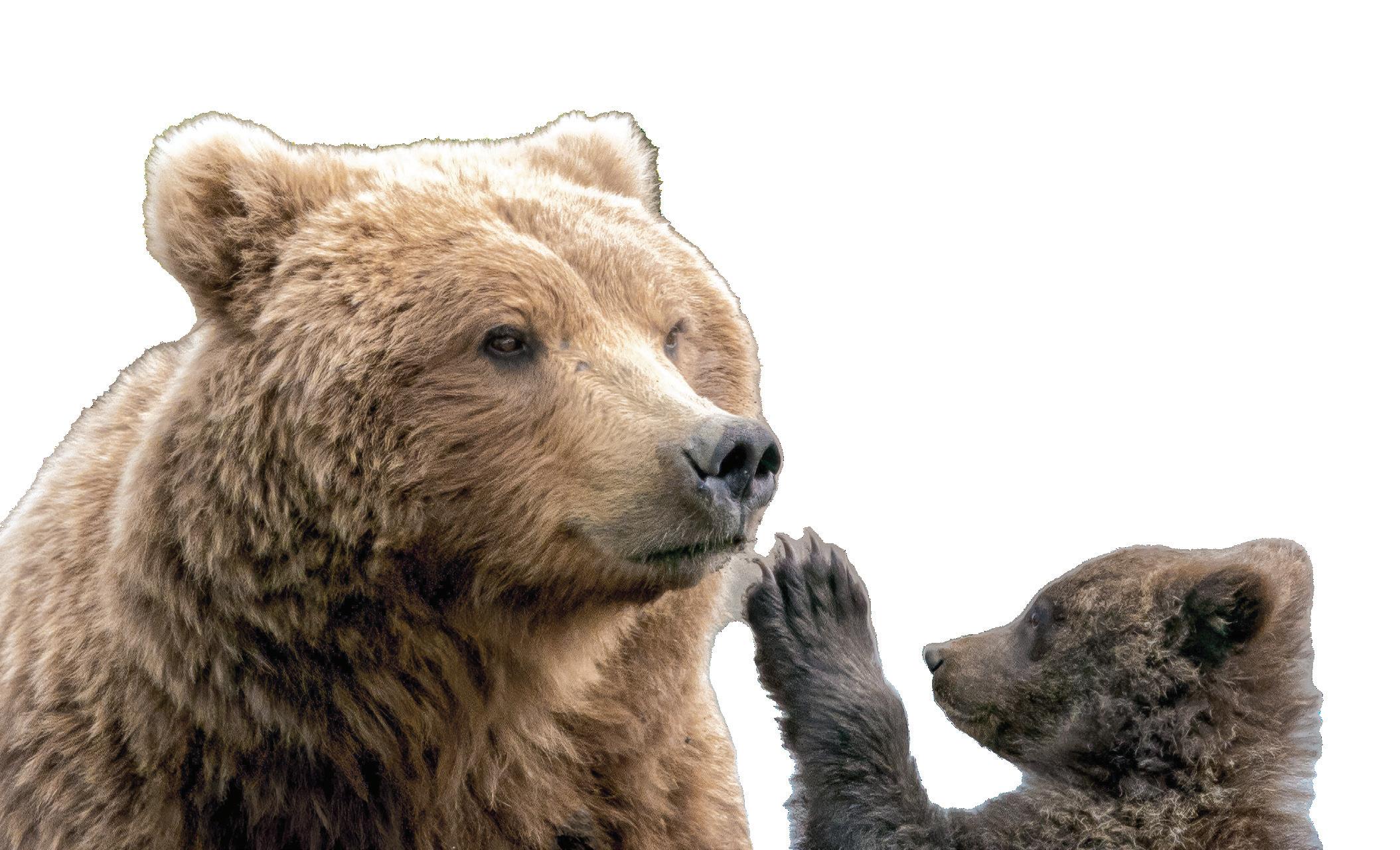
San Diego Zoo Wildlife Alliance (SDZWA) has a long history with bears, and we have pioneered approaches to engaging the bears in our care with scientific studies that help inform conservation strategies for their counterparts in their native ranges, bridging the information gap as best we can. From giant pandas to polar bears, the bears in our care have made meaningful contributions to our understanding of what bears need to survive, and have engaged millions of guests along the way, fostering great empathy and understanding for the importance of bears in our natural world. We are also actively engaged in conservation programs for bears in their native habitat around the world.
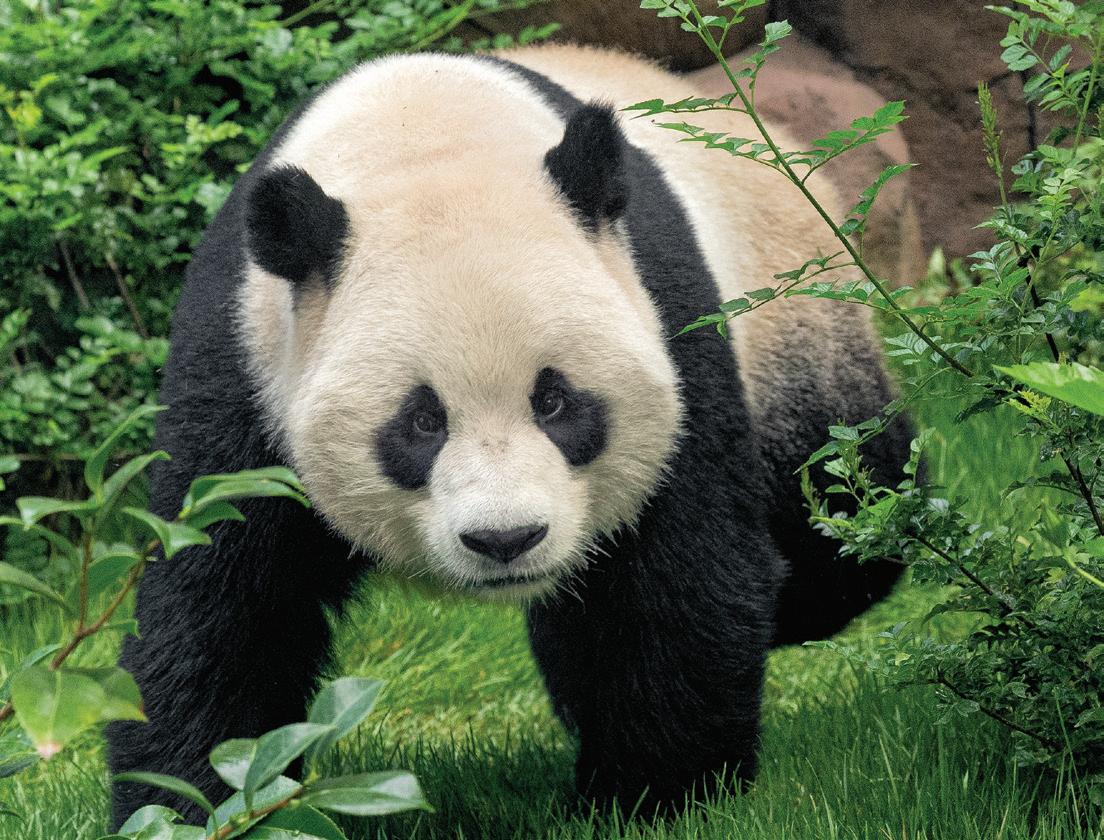
Giant pandas arrived in San Diego in November 1996 as part of a collaborative conservation agreement with China. At that time, little was known about the panda’s biology and natural history, and a conservation breeding program was just getting underway. With little success in the early years, conservationists turned towards the study of giant panda reproductive biology, including behavior and physiology, to help turn around the conservation breeding program and establish an assurance population. From about 1,000 pandas in the wild to more than 2,000 now, and from fewer than 50 pandas in managed care to a bustling population of more than 700, giant pandas are on the rebound and SDZWA has had a long history of contributing to giant panda conservation through sharing our expertise in wildlife care, health, and science.
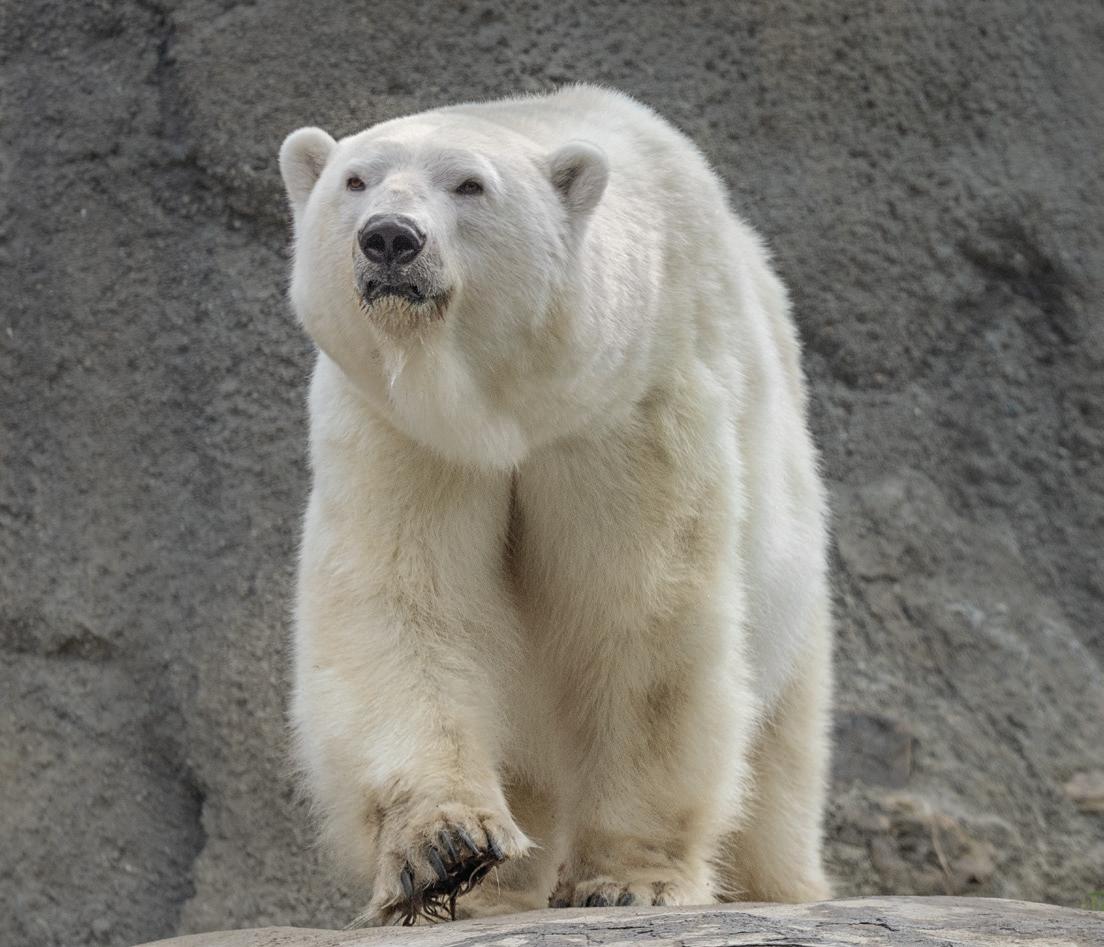
Polar bears have had a long history at the San Diego Zoo. Threatened by the cascading impacts of global habitat instability and sea ice loss, the conservation efforts of SDZWA have largely focused on mitigating the impacts of changes to the environment, including protecting maternal denning and promoting coexistence, as polar bears come ashore in larger numbers than ever to escape the worsening conditions of the Arctic sea ice. With a short 250,000 years separating them from their closest relative, the brown bear, polar bears exemplify how adaptative evolution has resulted in a highly specialized lifestyle and needs, including an entirely carnivorous diet largely made up of fat-rich ice seals.
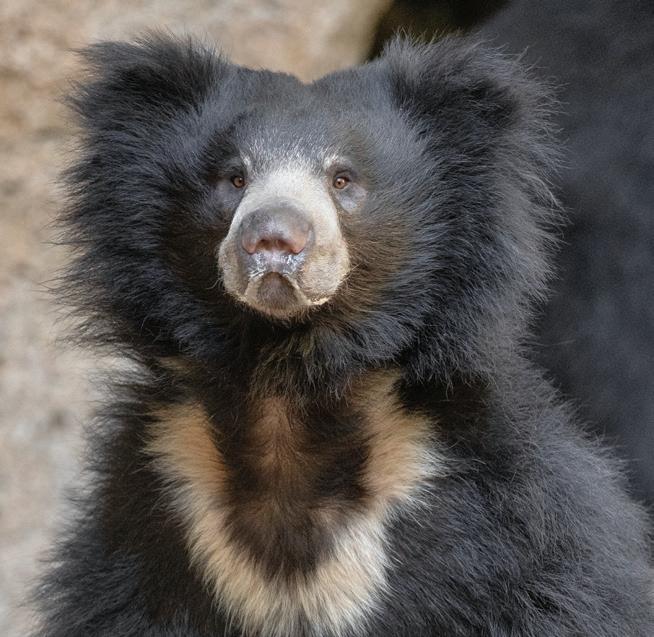
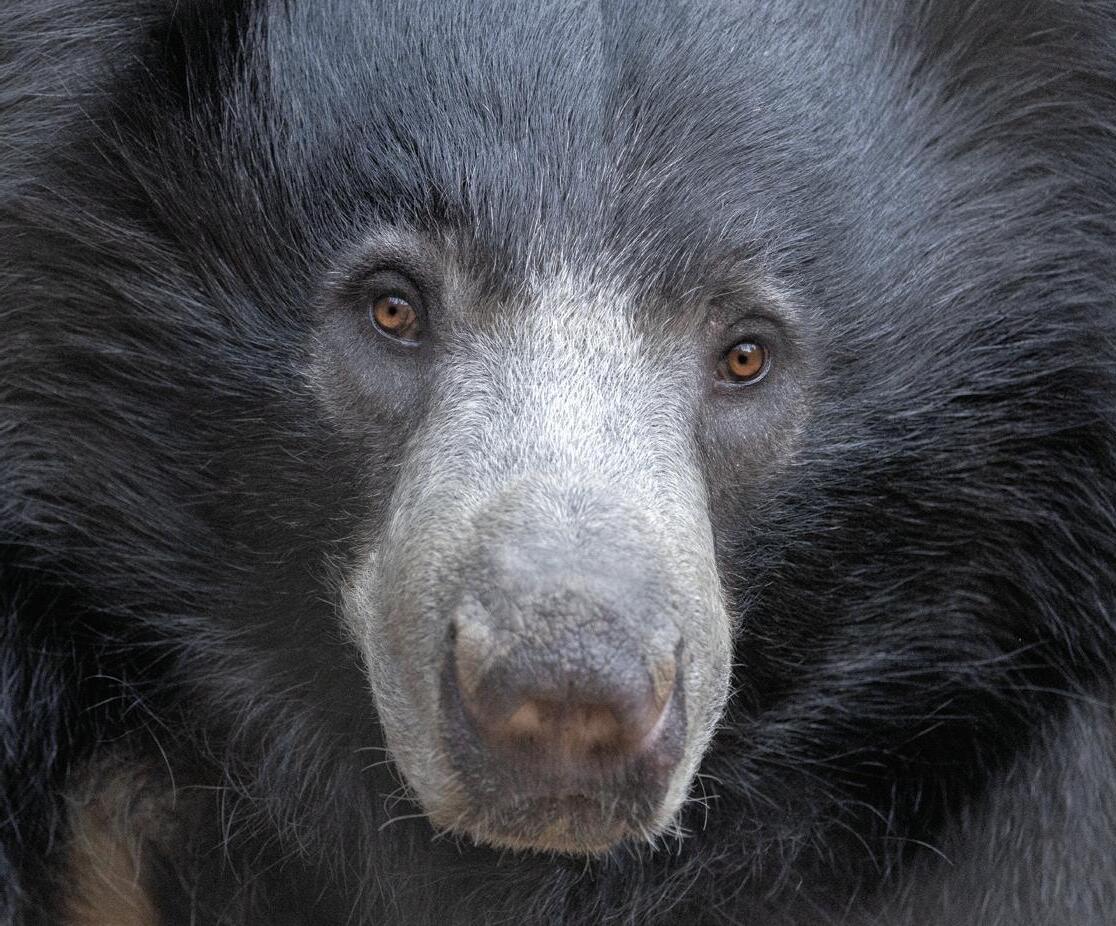
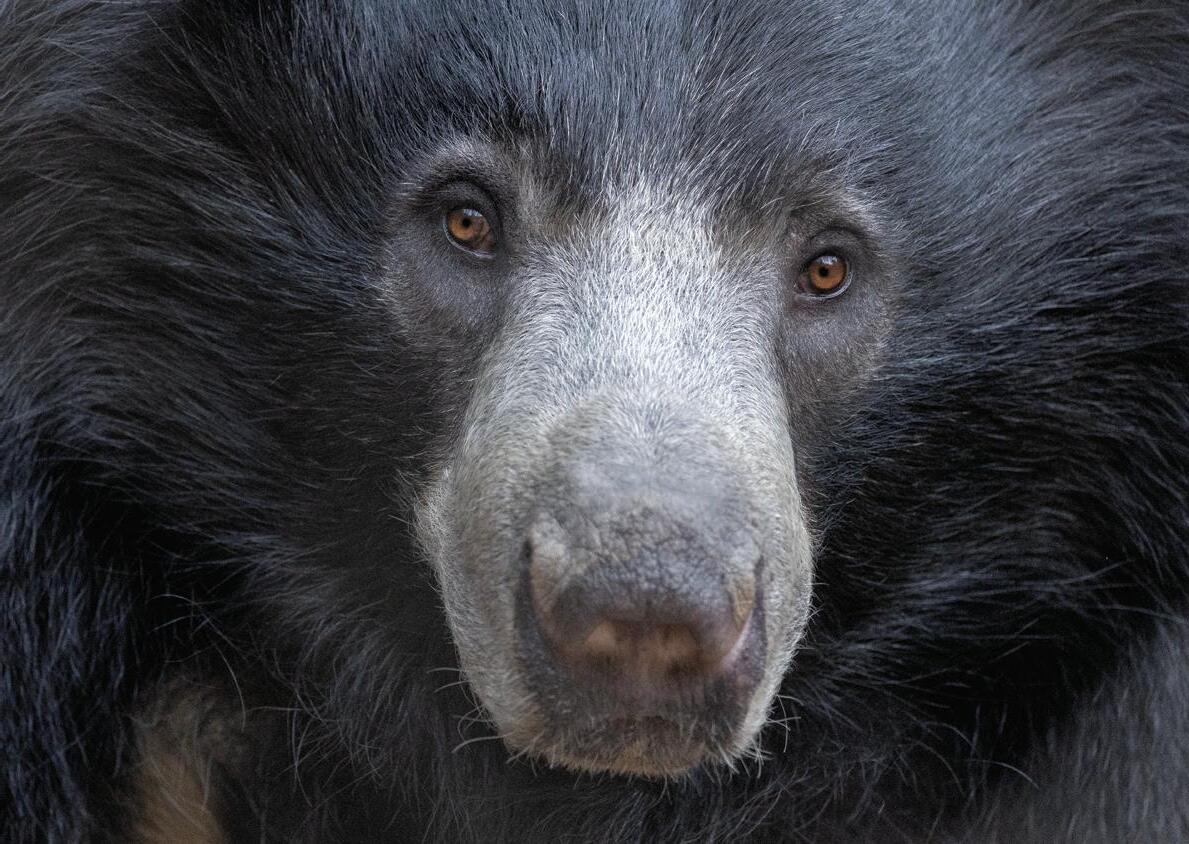
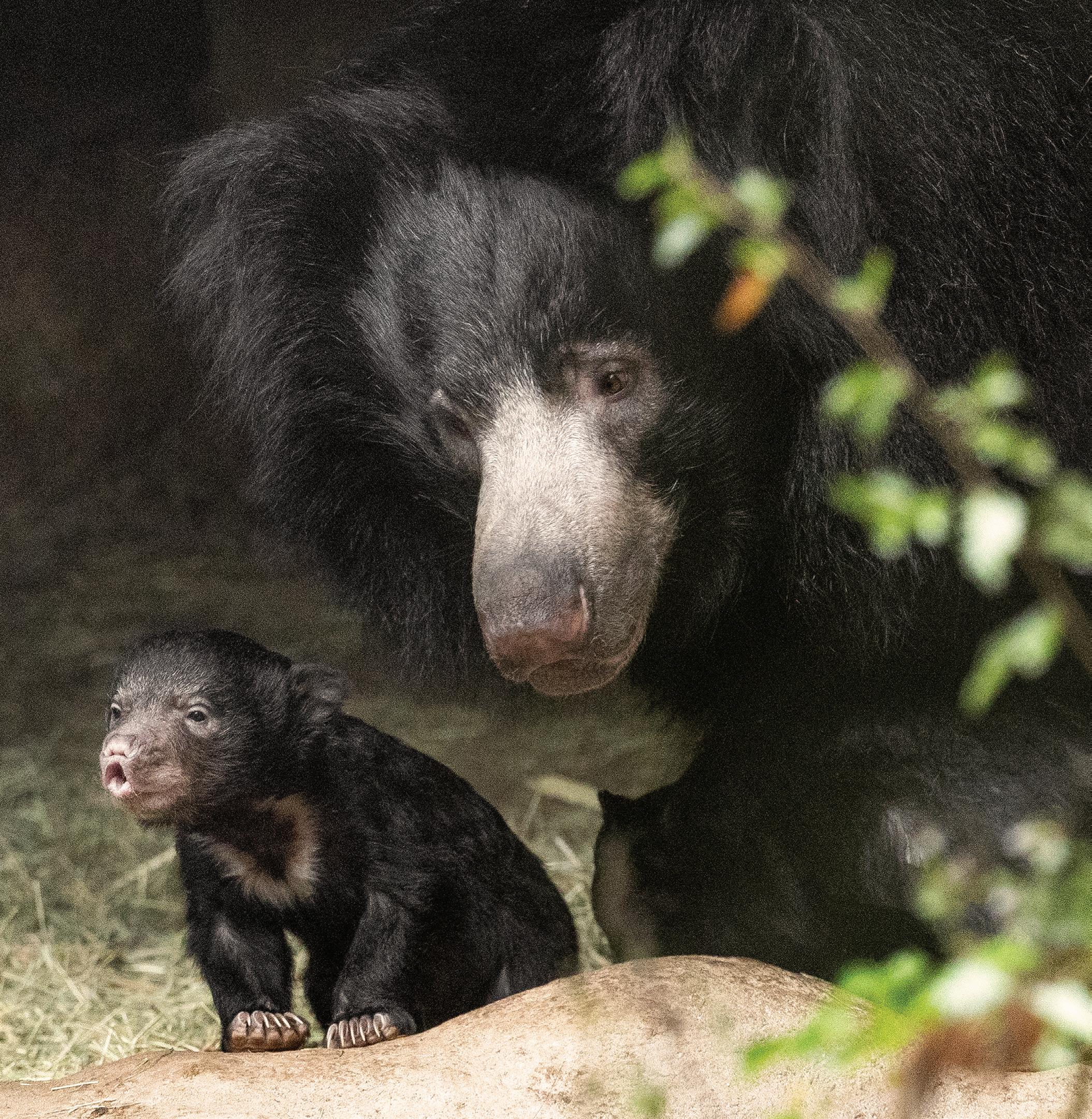
Sloth bears at the San Diego Zoo provide our guests with a great view into the unique lives of these shaggy and charming bears. In their native habitat, sloth bears share the landscape with human communities, and so conflict can arise, threatening their existance. Indigenous to the Indian subcontinent, the sloth bear has shaggy black fur and long, curved claws—great tools for digging out termites and ants. Unlike other bear species, sloth bears are primarily insectivorous. They are classified as vulnerable, with declining populations due to habitat loss, poaching, and conflict with local communities.
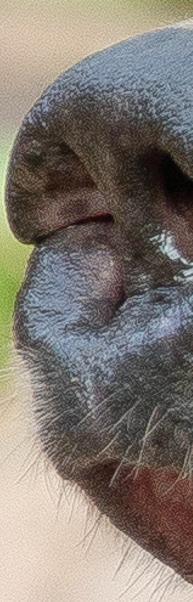
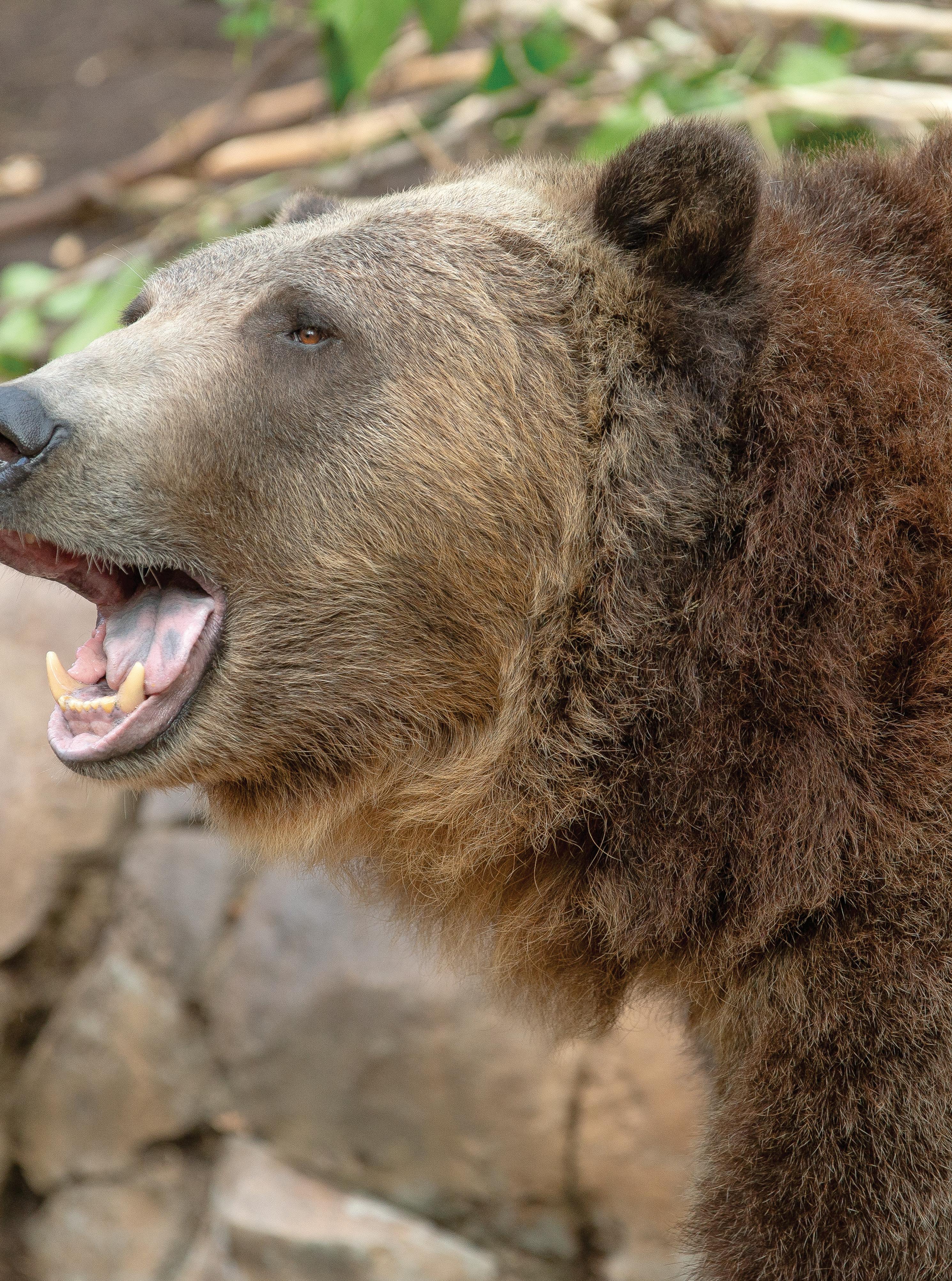
DID YOU KNOW?
There are approximately 200,000 brown bears worldwide.
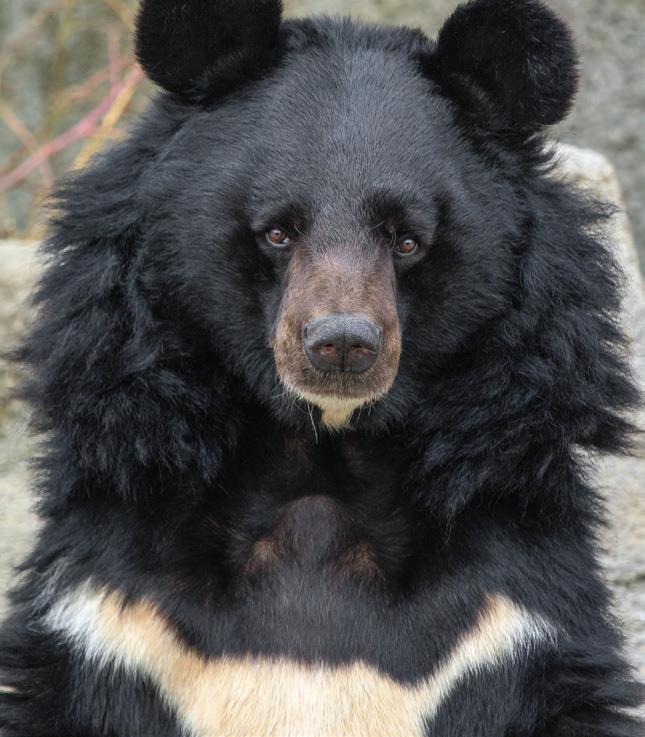
The Asiatic black bear, known for its distinctive white chest markings, ranges from the Himalayas to Southeast Asia. This species, also referred to as the moon bear, primarily inhabits forested areas. Unfortunately, it is classified as vulnerable and close to extirpation in major areas of its range; with major threats including habitat loss, and poaching for medicinal use. Our team is working in communities in Southeast Asia to reduce demand for bear bile, which is used to treat common ailments such as bruises and pain.
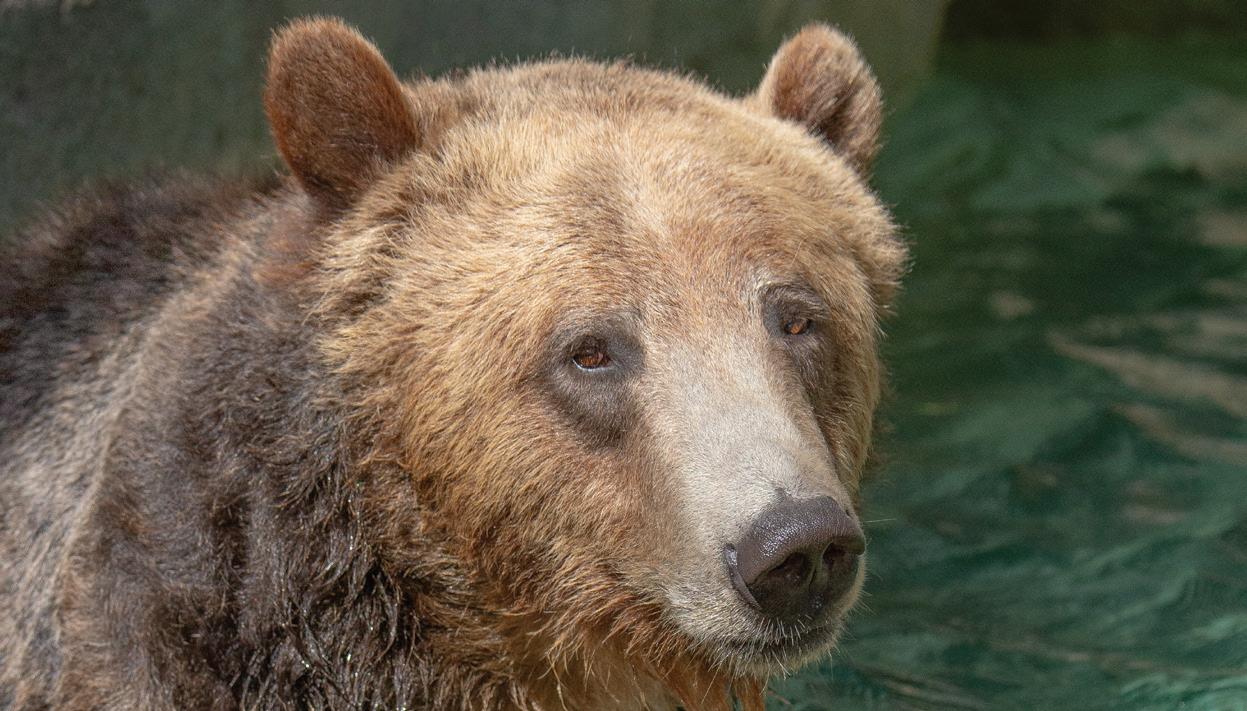
Brown bears are the most widely distributed bear species, found in North America, Europe, and Asia, and this wide distribution has resulted in a number of brown bear types, including the grizzly bear, Kodiak bear, and Eurasian brown bear, among others. Brown bears have a diverse diet that ranges from berries and roots to fish and small mammals. As a species the brown bear is ranked as of least concern, although certain subspecies face threats from habitat loss and hunting, and the return of the grizzly bear to the Greater Yellowstone Ecosystem in North America can be considered a great example of successful conservation management.
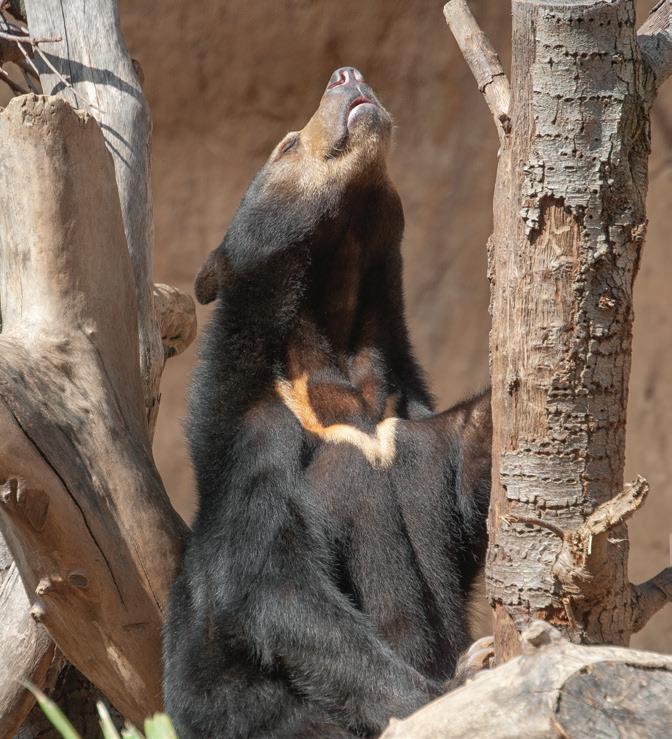
The sun bear is the smallest of the bear species and can be found in the tropical forests of Southeast Asia. They are characterized by their short fur and a distinctive light-colored patch on their chest, resembling a sun. Sun bears are the most arboreal of bear species and are excellent climbers! The San Diego Zoo has cared for sun bears for many years, and we have learned much about the species as a result. Sun bears are classified as vulnerable, and close to local extinction in major areas of their range, mainly due to deforestation and illegal hunting to support the illegal wildlife trade.
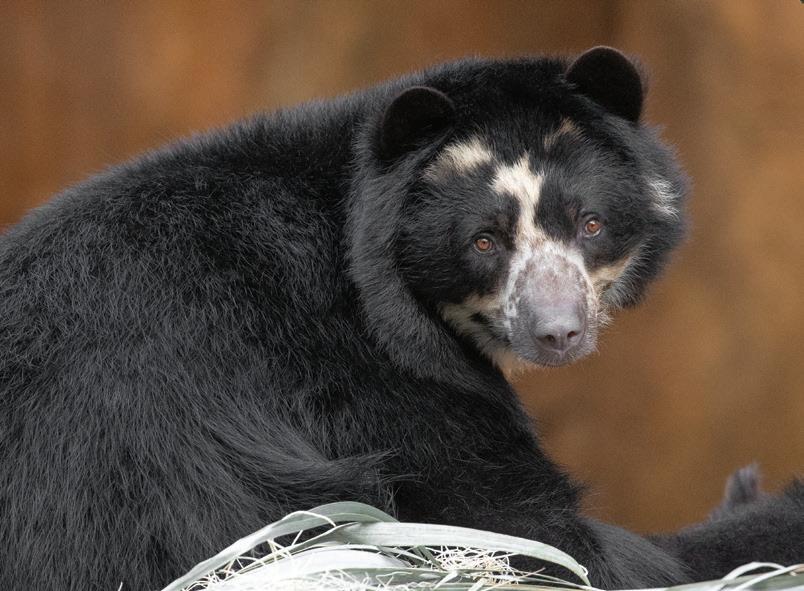
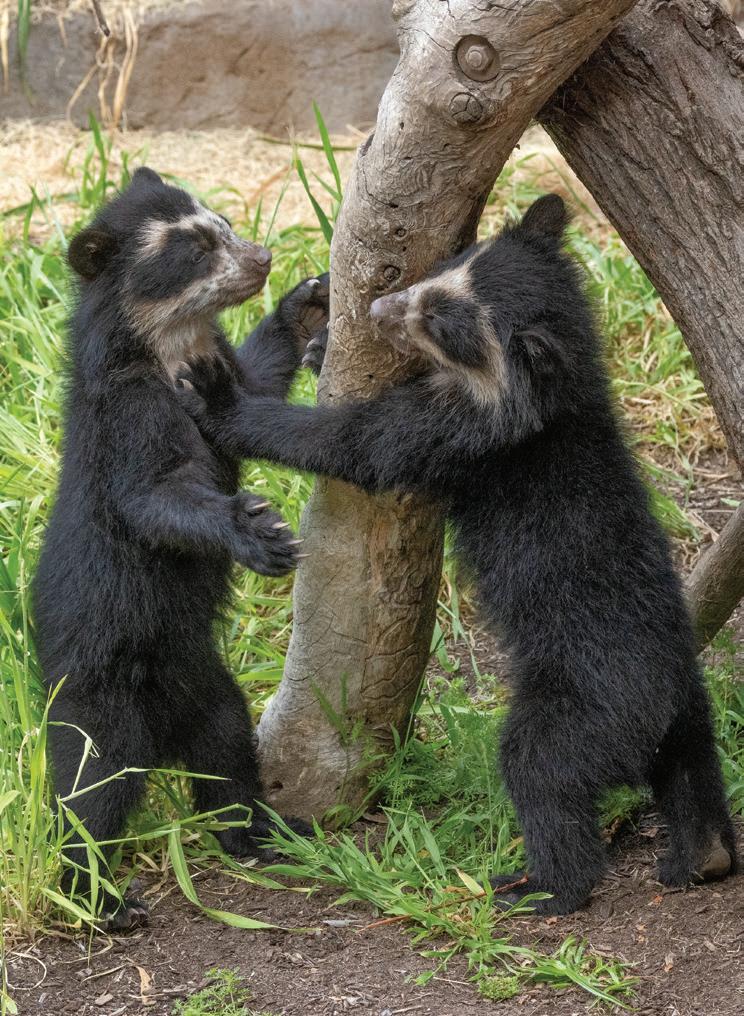
The Andean bear, also known as the “spectacled bear” is the only bear species native to South America. Named for the unique markings around its eyes, this species inhabits cloud forests and other habitats of the Andes. It is primarily herbivorous, feeding on fruits and leaves, including bromeliads. The Andean bear is classified as vulnerable, threatened by habitat loss and fragmentation, and human-wildlife conflict. Andean bears at the San Diego Zoo have shown us just how clever these bears are, and we have learned much about the species through close observation. Conservation efforts throughout their range include a focus on protecting habitats, promoting community-based conservation programs, and enhancing connectivity between fragmented forests.
Bears may symbolize strength and resilience, but many face significant challenges in our rapidly changing world. Conservation efforts for each species require tailored approaches considering their ecological needs and the regional contexts in which they reside. Collaborative conservation initiatives that start with local communities
and governments, and with contributions by international organizations are essential in ensuring the future of these magnificent animals.
Megan Owen, Ph.D., is San Diego Zoo Wildlife Alliance’s vice president of wildlife conservation science.
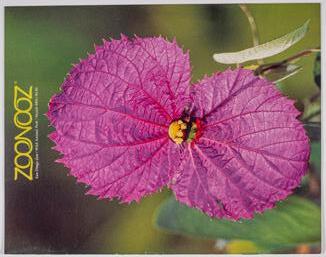
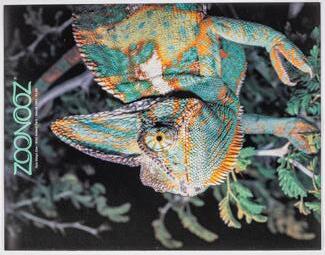
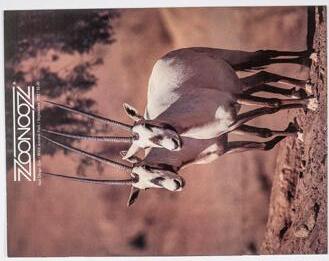
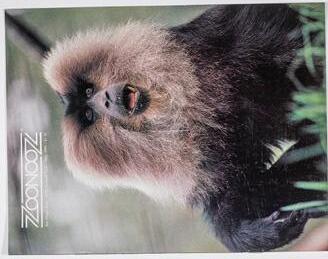
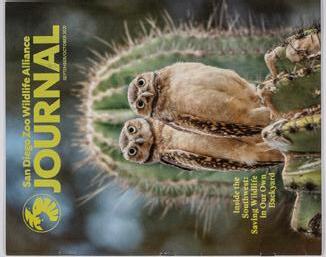
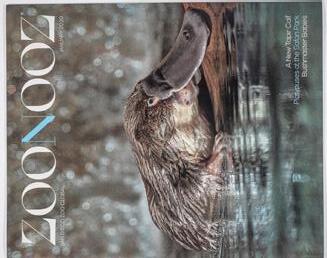
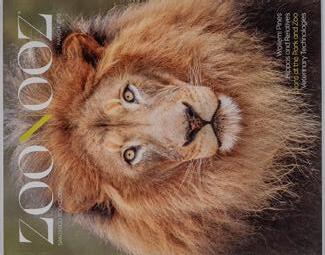
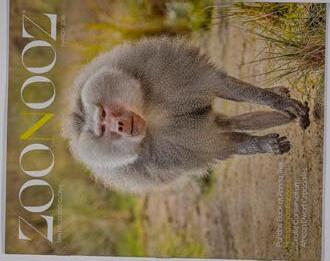
To celebrate this milestone, we’ve curated 100 iconic covers, one from each year of the Journal ’s history. Together, they chronicle the remarkable journey of our publication, our organization, and our allies who are helping us create a world where all life thrives.
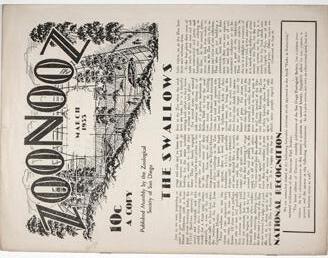
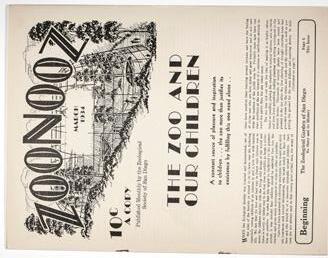
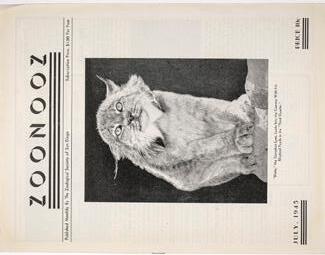
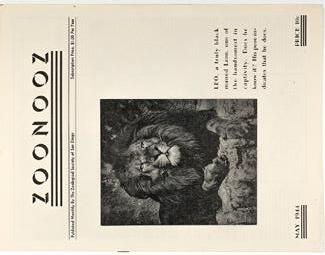
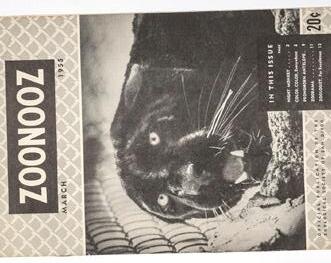
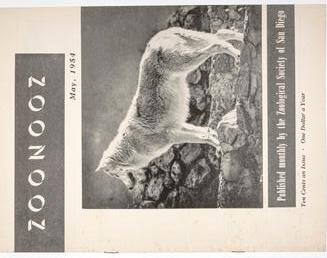
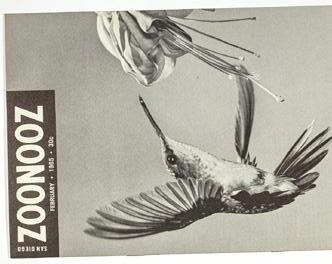
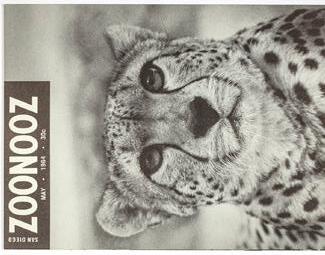
For 100 years , the San Diego Zoo Wildlife Alliance Journal has been a window into the extraordinary world of wildlife. We’ve shared a century’s worth of inspiring stories, from caring for animals and plants at the Zoo and Safari Park, to conservation efforts with partners across the globe. In that timespan we’ve published more than 1,000 issues—a staggering achievement made possible by loyal readers like you.
BY MIKE HAUSBERG
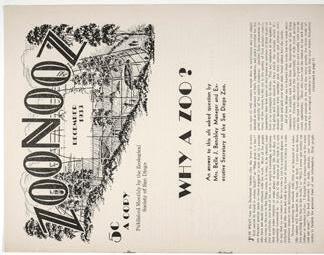
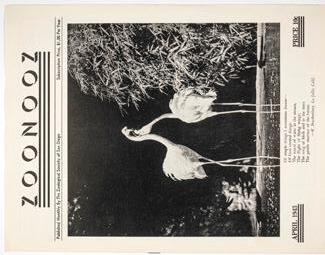
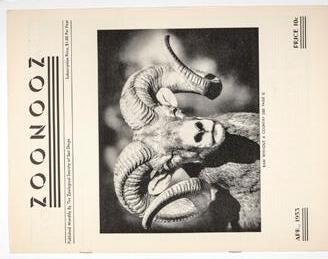
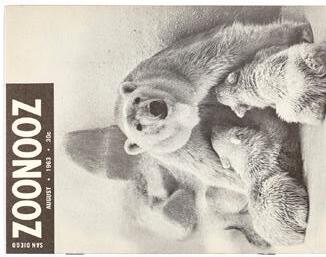
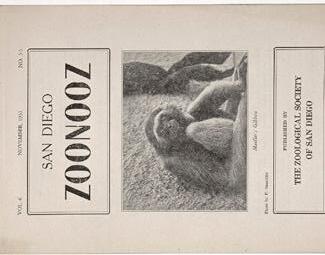
Due to the Great Depression, ZOONOOZ is not published in 1932.

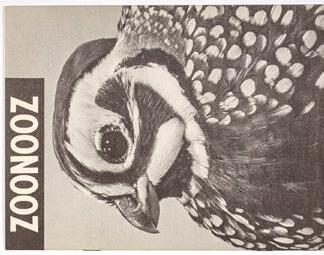
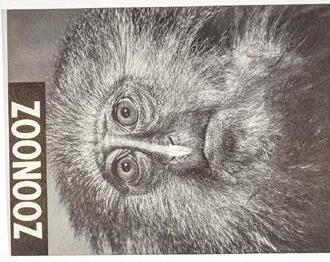
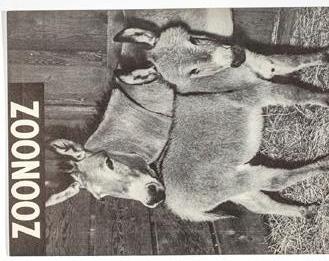
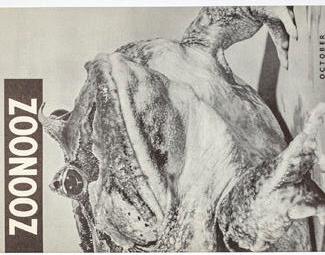
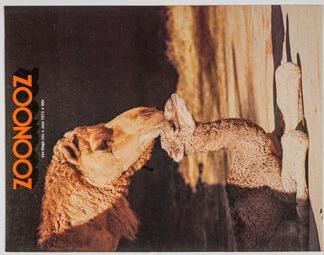
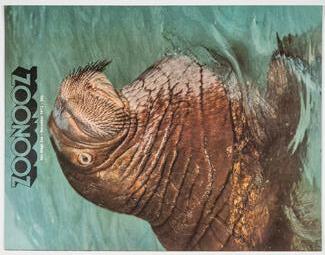
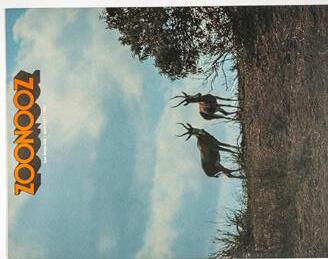
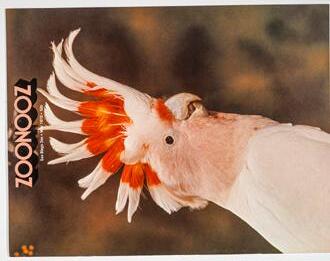
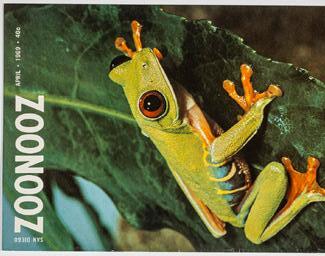
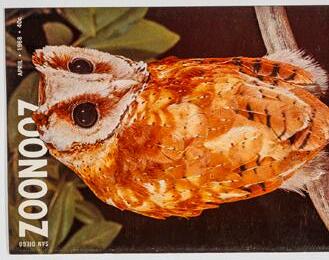
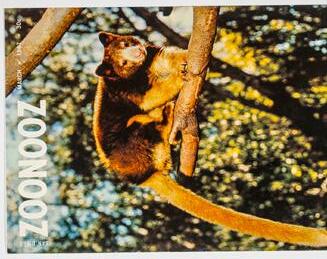
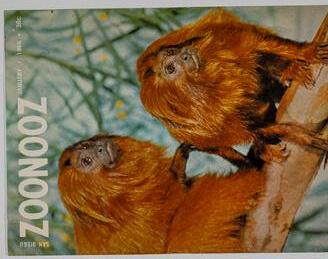
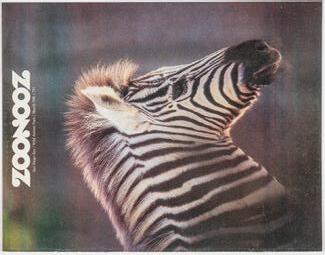
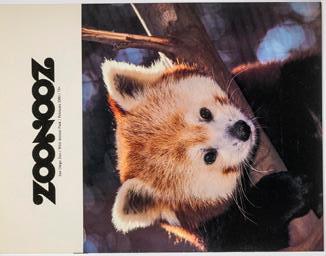
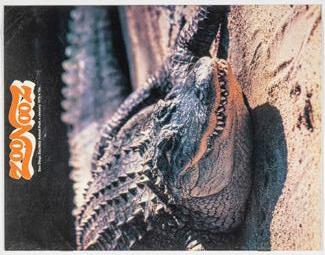
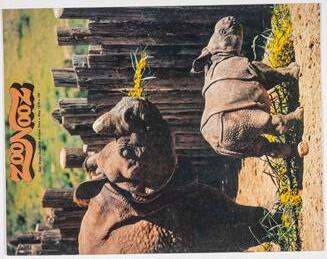
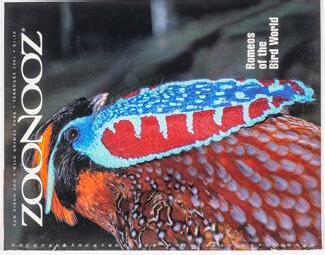
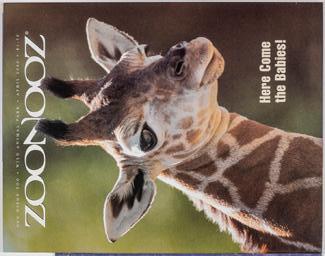
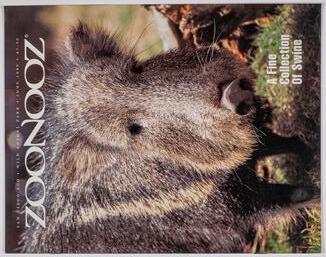
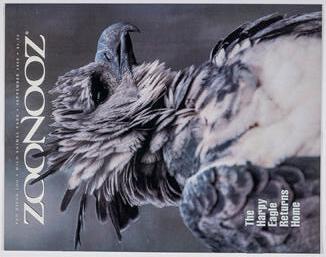
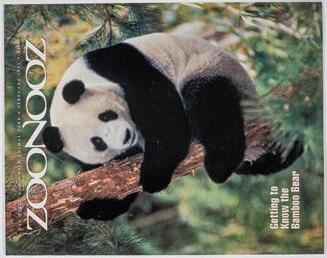
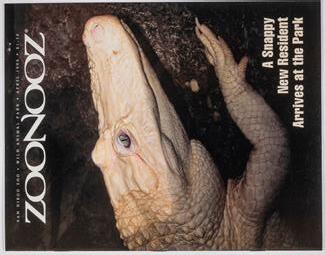
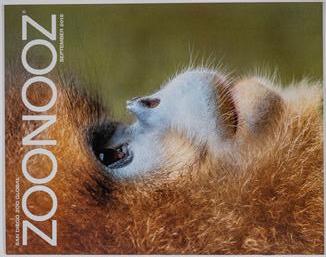
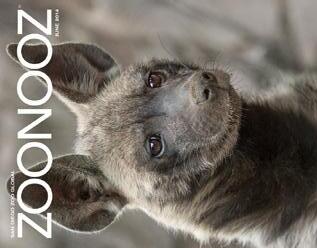
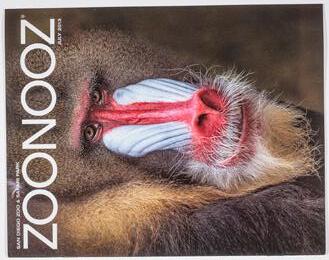
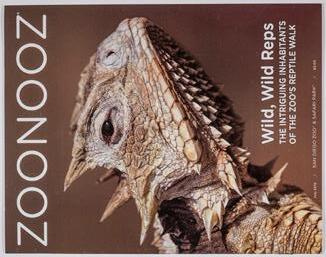
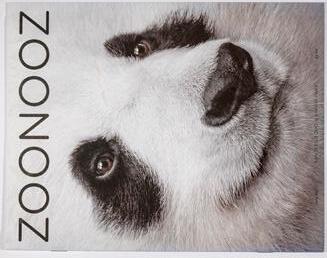
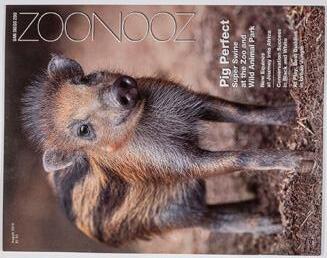
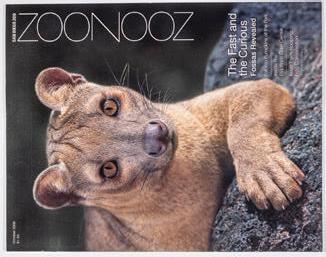
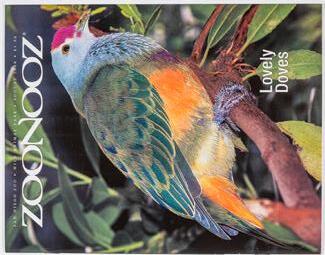
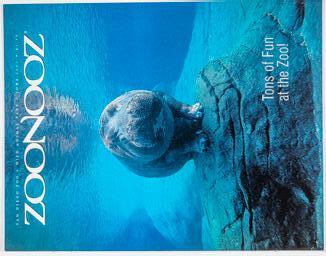
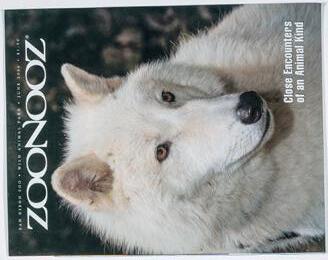
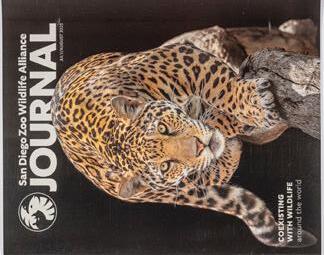
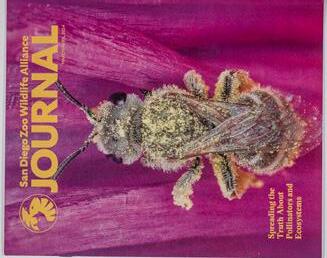
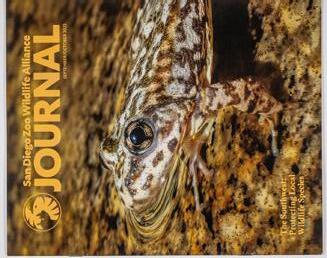
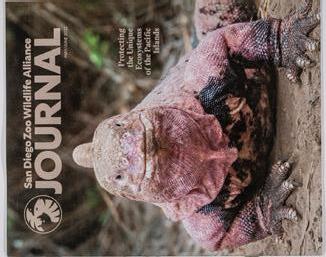
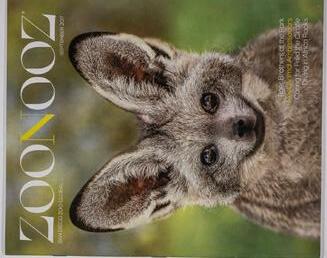
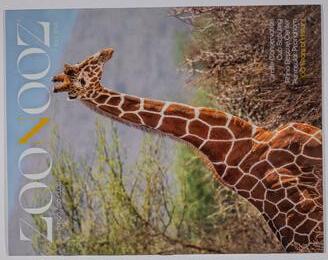

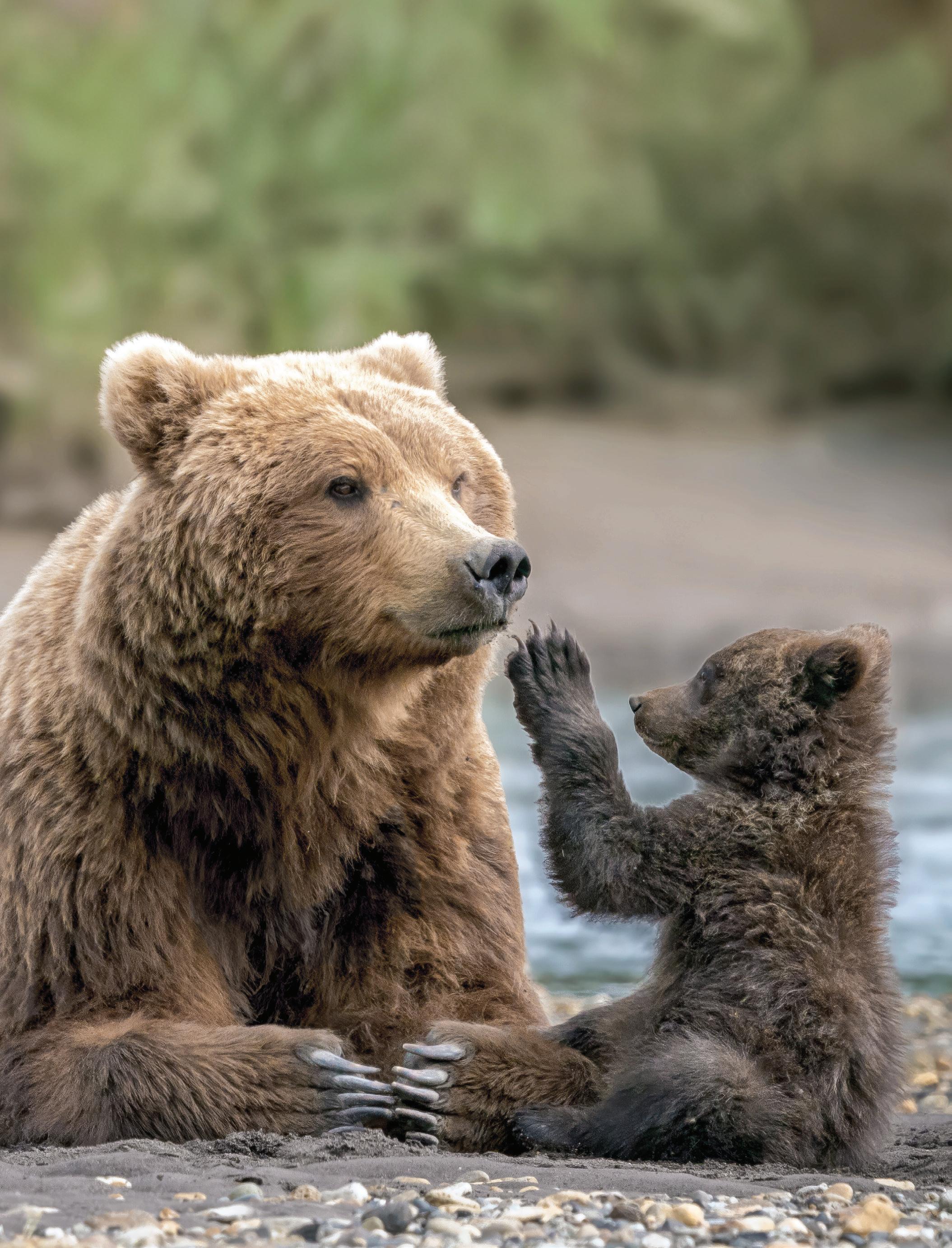

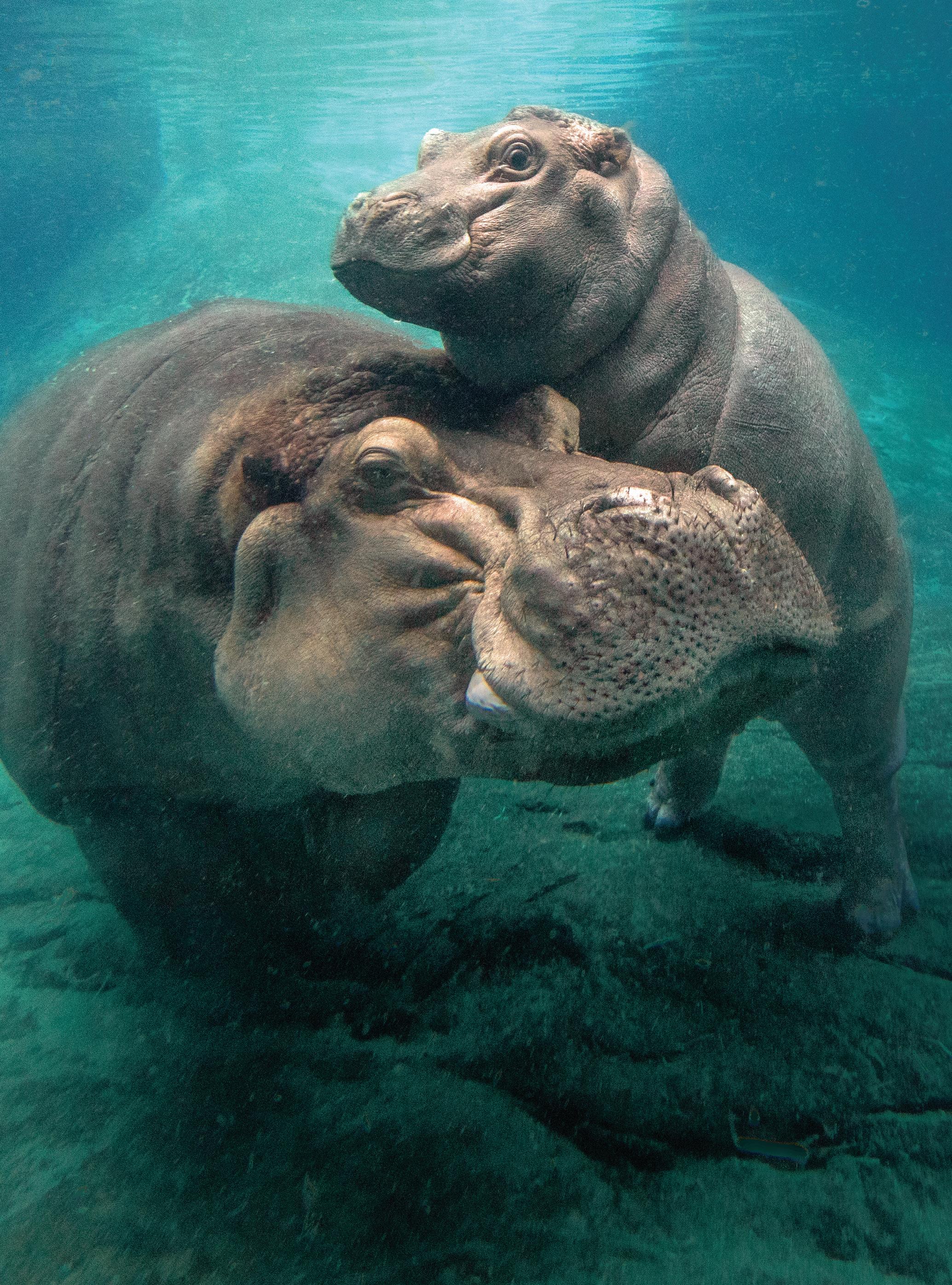

As managing editor of the San Diego Zoo Wildlife Alliance Journal, Peggy Scott works with experts throughout the organization to develop and share engaging stories about wildlife conservation and the dedicated people who make it possible.
What is your official title, and can you describe what you do?
I’m the managing editor of the SDZWA Journal, but that title is a bit of a catch-all. I help plan the editorial calendar and keep track of content and where each issue is in the production process, but I also write articles as needed. Our authors are brilliant conservation and wildlife experts, and I love helping them shape their articles to share their knowledge. They have such amazing stories to tell—I’m privileged to assist them in telling them.
How did you first become interested in doing what you do—and what led up to a career in both journalism and wildlife conservation?
Landing this job was like winning Willy Wonka’s Golden Ticket because it combines two of my favorite things—writing and wildlife. I started writing in high school when I joined the school newspaper and never stopped. After getting a journalism degree from San Diego State University, I took
an entry-level job at the San Diego Tribune and worked my way up from there. I’ve loved animals my whole life—the concept that I could write about animals (and plants) from all over the world was born when I first read ZOONOOZ as a child—I’m pretty sure it was at the dentist. Nowadays, I bring copies of the Journal to my appointments to leave in the waiting room to inspire others.
What are the coolest and most rewarding parts of your job?
I’ve been with the Alliance since 2003, and the one aspect that still makes me smile is how much the team here cares. Every wildlife care specialist I have ever interviewed is passionate about the species they care for. It can be a bird, mammal, plant, reptile, amphibian, arthropod, whatever—their species is the best and should be on the cover of the magazine every month. The scientists venture out into all kinds of conditions and terrain to further their projects. The passion they all have for wildlife and conservation is contagious—and inspiring.
How are you and the Journal team making a difference?
We use words and pictures to connect people to wildlife. “Wildlife conservation” can be an abstract concept for some, and I am convinced that telling stories about species and individual animals and plants helps readers engage with the other inhabitants with which we share the world. Our magazine is an invitation to meet amazing wildlife at the Zoo and Safari Park—and a window into how you can help their species in their native ranges.
What is your favorite animal, and why?
It’s hard to pick, but I have a special fondness for bears, hippos, horses (they’re related to hippos!), and dogs.
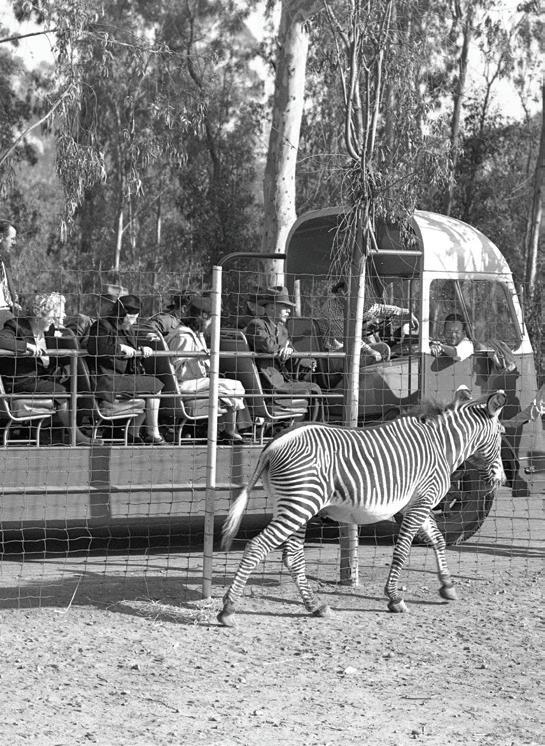
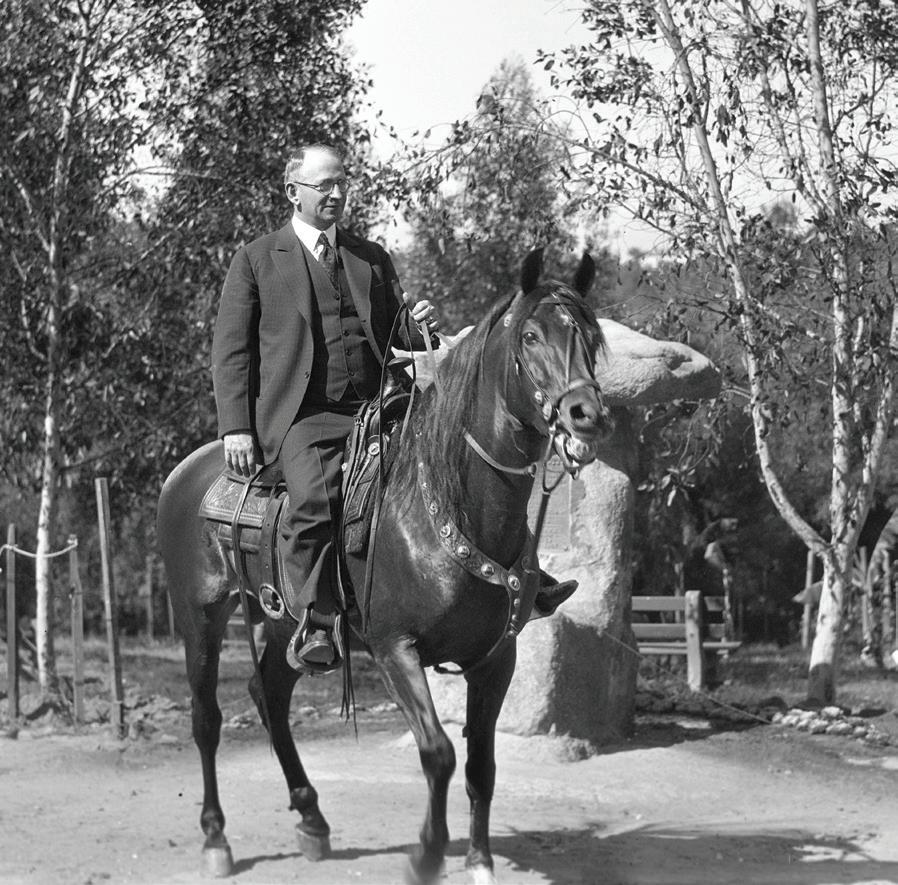
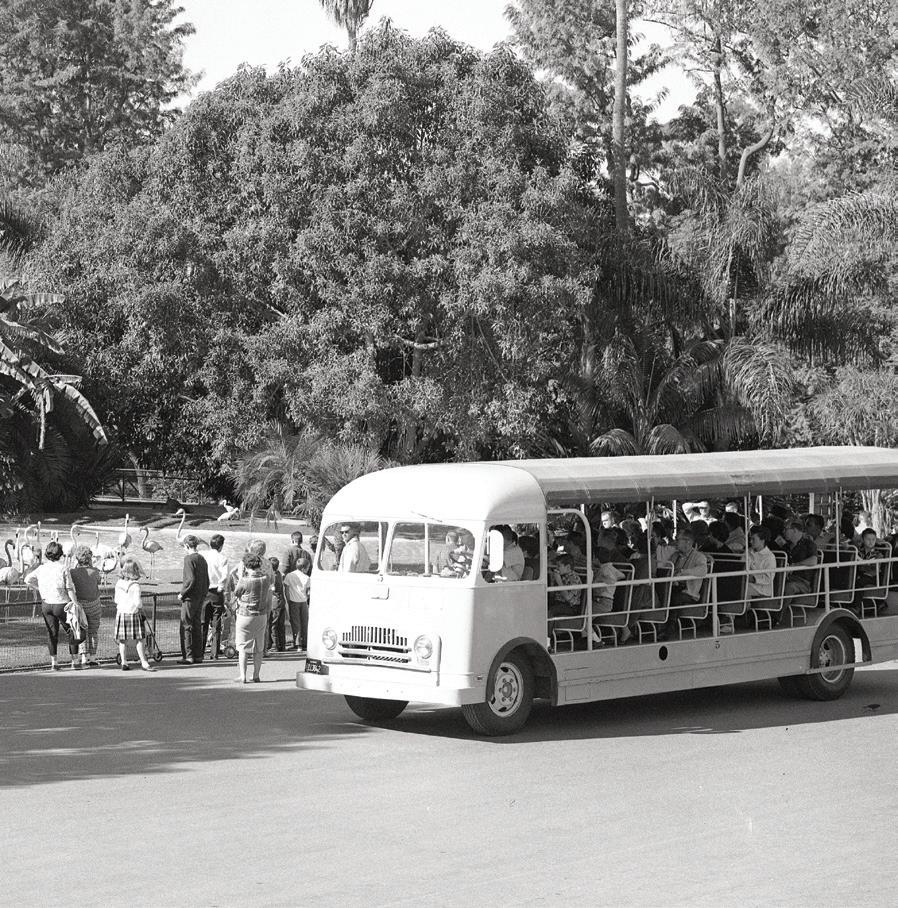
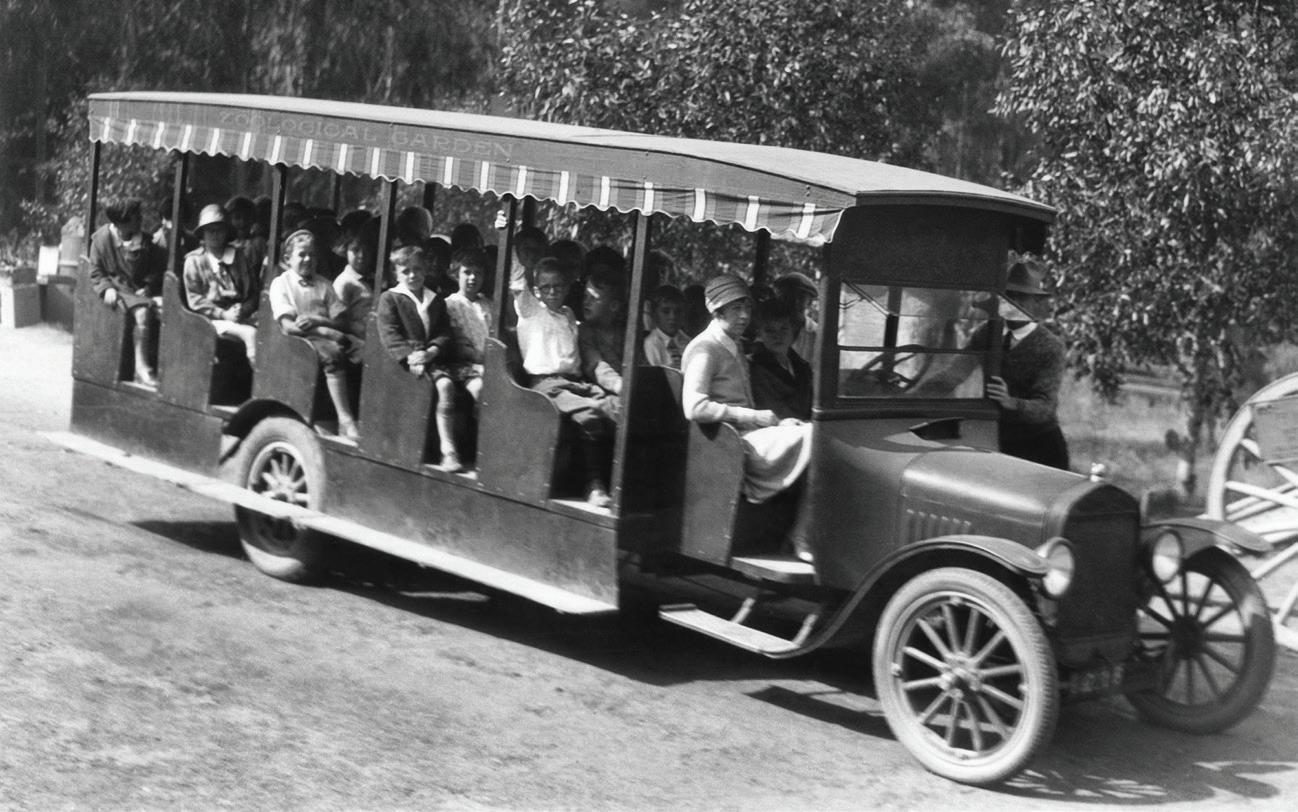
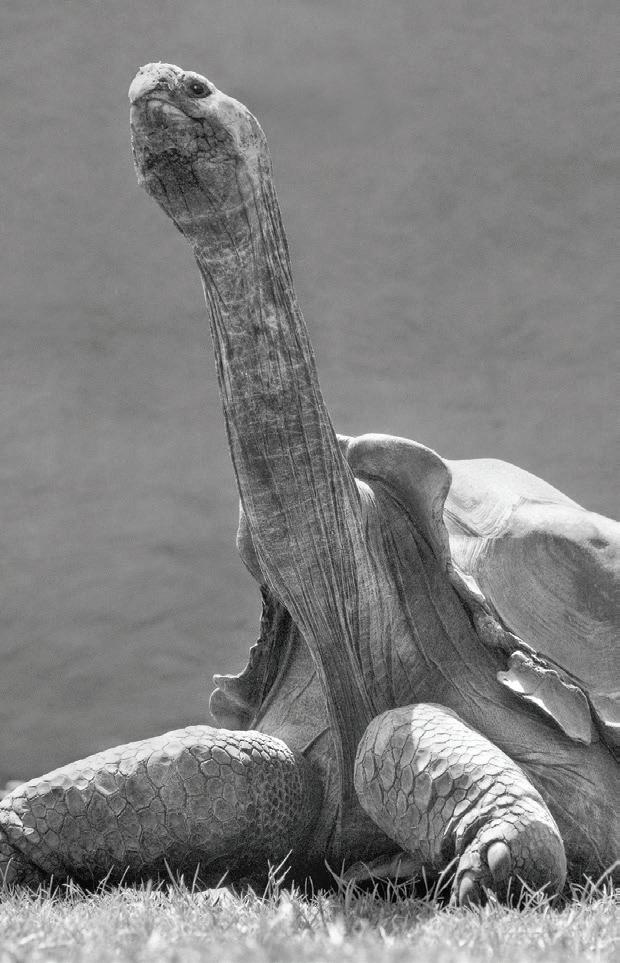
Clockwise from left: In the early days, Dr. Charles H. Townsend helped Dr. Harry Wegeforth acquire tortoises. Dr. Harry traversed Zoo grounds on horseback. By th time this photo was taken by Flamingo Lagoon in 1963, the practice of offering bus tours of the Zoo could already be traced back decades.
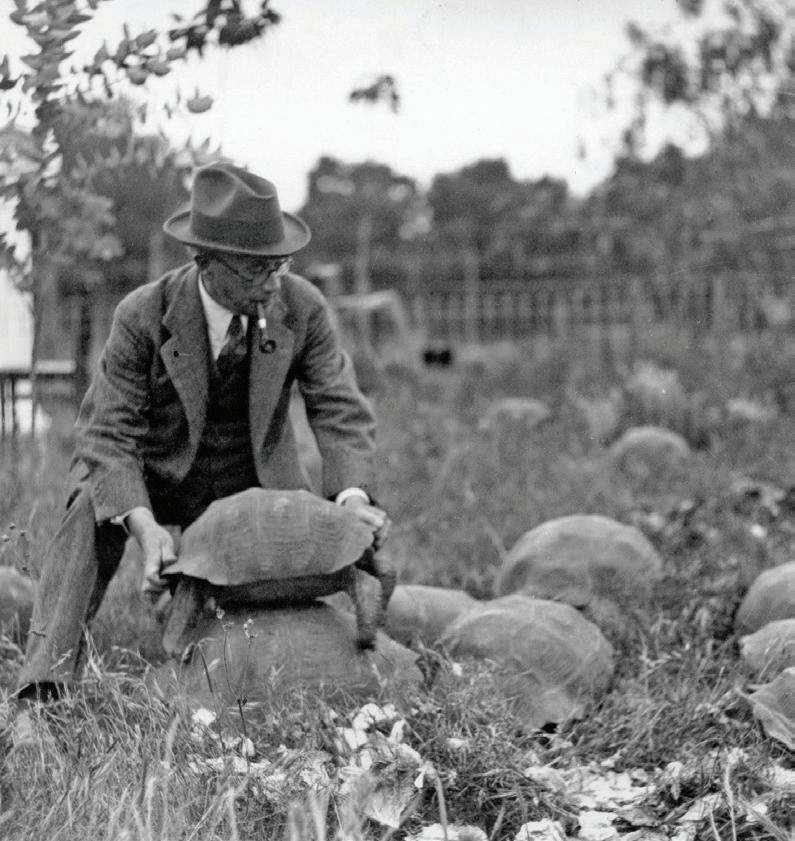

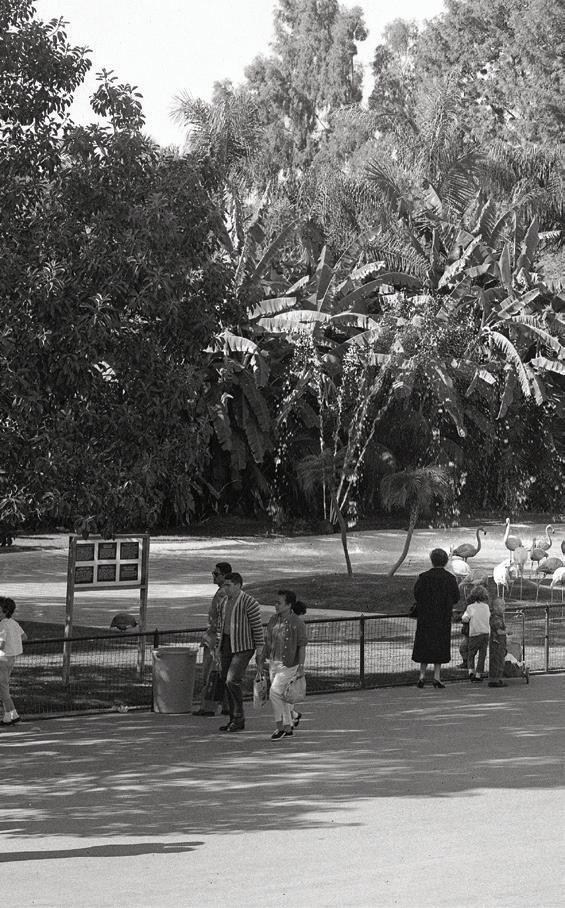

When we look at the history of the San Diego Zoo —especially in photos—we catch a glimpse of the organization’s forward-thinking, innovative endeavors in the world of wildlife care, horticulture, education, and conservation for which San Diego Zoo Wildlife Alliance (SDZWA) is so well known today. From those modest beginnings, the Alliance—which began as the Zoological Society of San Diego—has made great strides and is now a world leader in those areas. In celebration of the 100th anniversary of documenting those achievements and milestones—first through ZOONOOZ magazine and now the San Diego Zoo Wildlife Alliance Journal— here are a few vignettes that take a look back at how far we have come.
Dr. Harry Wegeforth, the visionary founder of the San Diego Zoo, had a great love and respect for wildlife but he also realized the importance of the botanical side of nature. In the early 1920s, the Zoo’s location was considered a useless tract of land with its brushand-cactus-covered hillsides, canyons, and mesas. Dr. Harry didn’t see it that way, though—he regularly rode his Arabian stallion through the arid landscape, studying it to determine the best

BY GEORGEANNE IRVINE
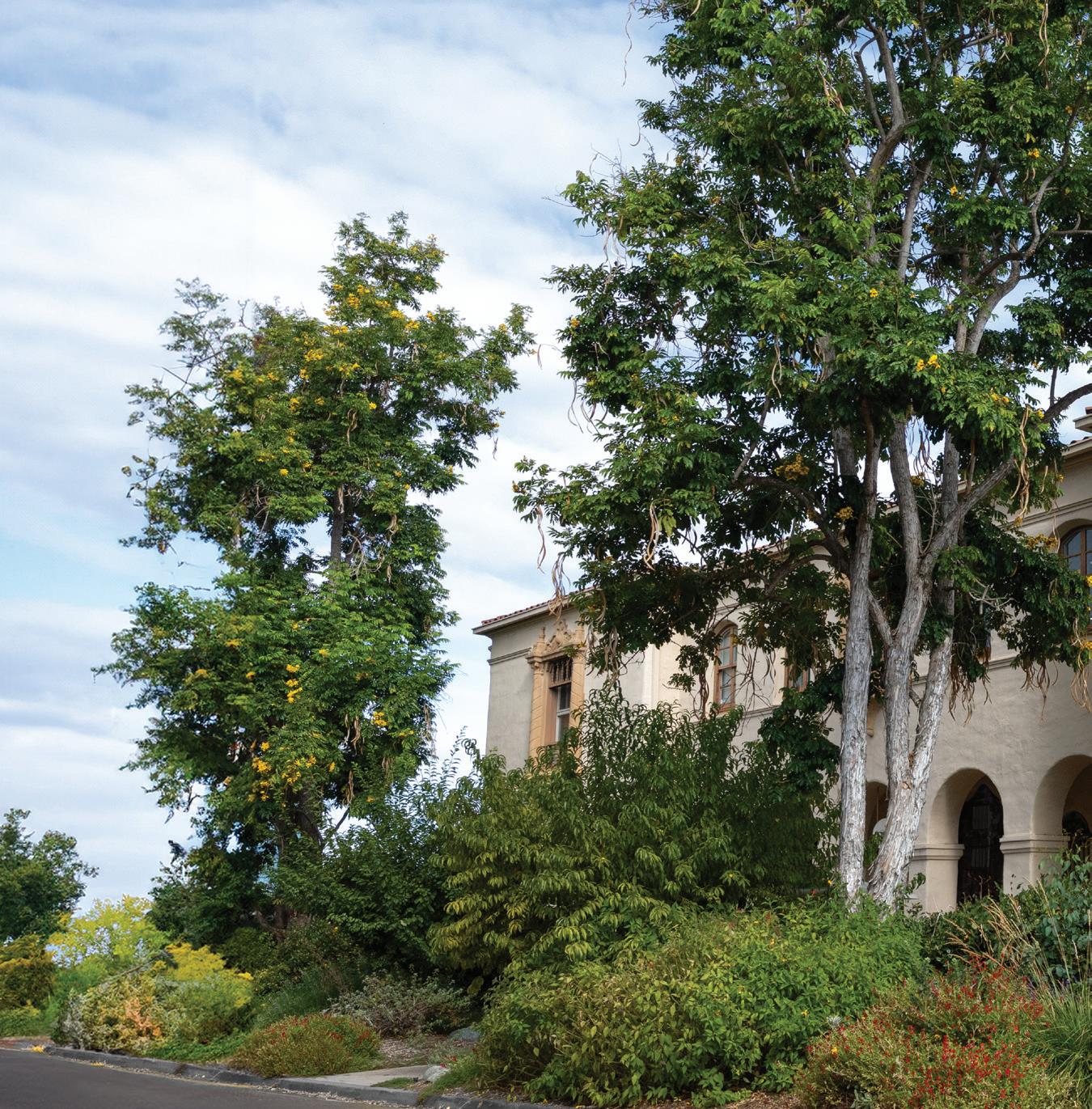
places to build the habitats. As was noted in “It Began with a Roar,” a book that outlined the Zoo’s early years, Dr. Harry saw “the marvelous potential of the grounds, with its mesas and canyons, for development into a capacious, sylvan zoo.” In 1926, he directed his staff to plant 5,000 trees on Zoo grounds, many of them from all over the world.
Today, Dr. Harry’s botanical dream has come full circle.
The San Diego Zoo and Safari Park are internationally accredited botanic gardens and Level IV arboretums. The Alliance works with partners locally and internationally to help save some of the world’s most critically endangered plants. In addition, the organization preserves seeds from San Diego County flora in the Native Plant Gene Bank. Last summer, SDZWA won a prestigious Garden of Excellence Award, presented by the American Public Gardens Association. The honor is in recognition of SDZWA’s commitment to horticulture, conservation, education, and sustainability.
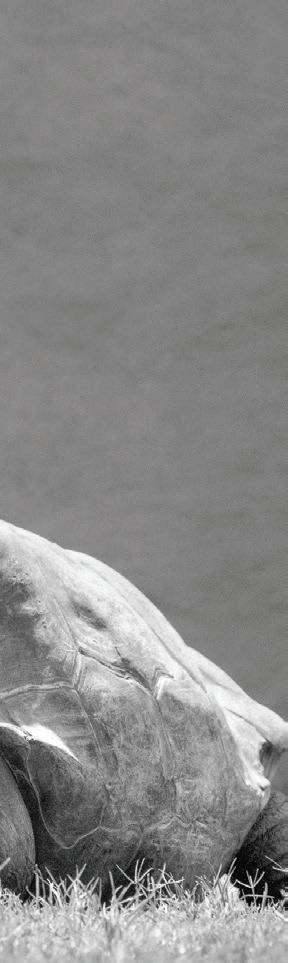
Turtles and tortoises were among Dr. Harry’s favorite wildlife. When Dr. Charles H. Townsend, director of the New York Aquarium, visited San Diego Zoo in the 1920s, Dr. Harry said “Why is it that nobody ever gives me any turtles? Can’t you send me some turtles.” Townsend ventured on Zoo grounds to look at the turtle collection. He wanted to see what turtles and tortoises were already living in the Zoo and to assess what species he might be able to add to the mix. He was back in Dr. Harry’s office within a few minutes, laughing. “I have just visited your turtle basins—all 48 of them, you rascal. This is the biggest collection of turtles in the world!” Dr. Harry just smiled.
In 1928, Dr. Townsend embarked on an expedition to the Galápagos Islands to collect Galápagos tortoises. He wanted to save them from extinction by establishing breeding colonies in zoos and aquariums. The tortoise population had been decimated between the 17th and 19th centuries when seafaring merchants, pirates, and whalers stocked their ships with giant tortoises to use for food. Dr. Townsend acquired 180 young tortoises (estimated to be 10 to 20 years old) during the expedition—and provided the San Diego Zoo with 17 of them.
Over the years, the San Diego Zoo
has hatched more than 90 Galápagos tortoises and helped fund and establish a tortoise breeding facility at the Charles Darwin Research Station on Santa Cruz Island in the Galápagos Islands. In 1977, the Zoo returned Diego, an adult male Galápagos tortoise from Española Island, to a breeding program at the Research Station. Diego, who arrived in San Diego in the early 1930s, was one of only three adult male Española tortoises that were left in the world at the time. Diego fathered 800 hatchlings at the breeding facility, which has helped save that critically endangered tortoise population. Diego is still alive today! He is retired from breeding and was returned to Española Island in 2020, where he is living with many of his offspring and grand-offspring, which were also reintroduced there.
In addition, of the original tortoises that arrived at the San Diego Zoo in 1928, seven of them still reside in our Galápagos tortoise habitat on Reptile Mesa. Females Madeline, Isabell, and Chips; and males Wallace, Augustus, Oliver, and Abbot are estimated to be more than 115 years old and continue to thrive as they inspire Zoo guests.
In 1917, board member Dr. Joseph H. Thompson felt that the Zoological Society needed to feature educational lectures about wildlife near the habitats,
and he was willing to be the lecturer. On the Saturday afternoon of the first talk, rain poured down on San Diego. Dr. Harry and Dr. Thompson were concerned that no one would show up. To their surprise and delight, 50 people, with umbrellas in hand, were standing in the rain, waiting for the lecture to begin. The talks were so successful that the Zoo began hosting nature walks and also included other natural history topics in the lectures.
For the younger audience, school groups, accompanied by teachers, traveled by streetcar to the Zoo on field trips. In San Diego schools during the 1920s, there were usually 30 children in each class but Dr. Harry noticed that only 20 children per class were visiting the Zoo. He learned that one third of the children didn’t have the money to pay for the streetcar fare. He felt it was essential for those children to experience the Zoo, too, so in mid-1926, he convinced a donor to provide enough money to purchase two Model-T Ford buses that could ferry entire classes of 30 children to and from the Zoo. And, when school wasn’t in session, the buses were used for paid tours around the Zoo, which generated extra income for the organization.
Today, more than 100 years after those first wildlife lectures, the education offerings of the San Diego Zoo Wildlife Alliance are more

comprehensive than any other zoo in the world. From the guided tours of the Zoo and Safari Park to the school groups that regularly visit each location on field trips to Summer Camp programs and youth programs such as the Conservation Corps, our education teams connect with millions of people each year. SDZWA’s Conservation Science division features teacher workshops, a conservation education lab, student field trips to conservation sites, internships, in-situ education opportunities in the countries of our conservation partners, and a one-of-a-kind Master’s Degree program in partnership with Miami University. In addition, the SDZWA Academy offers world-class training for the zoological profession via online classes.
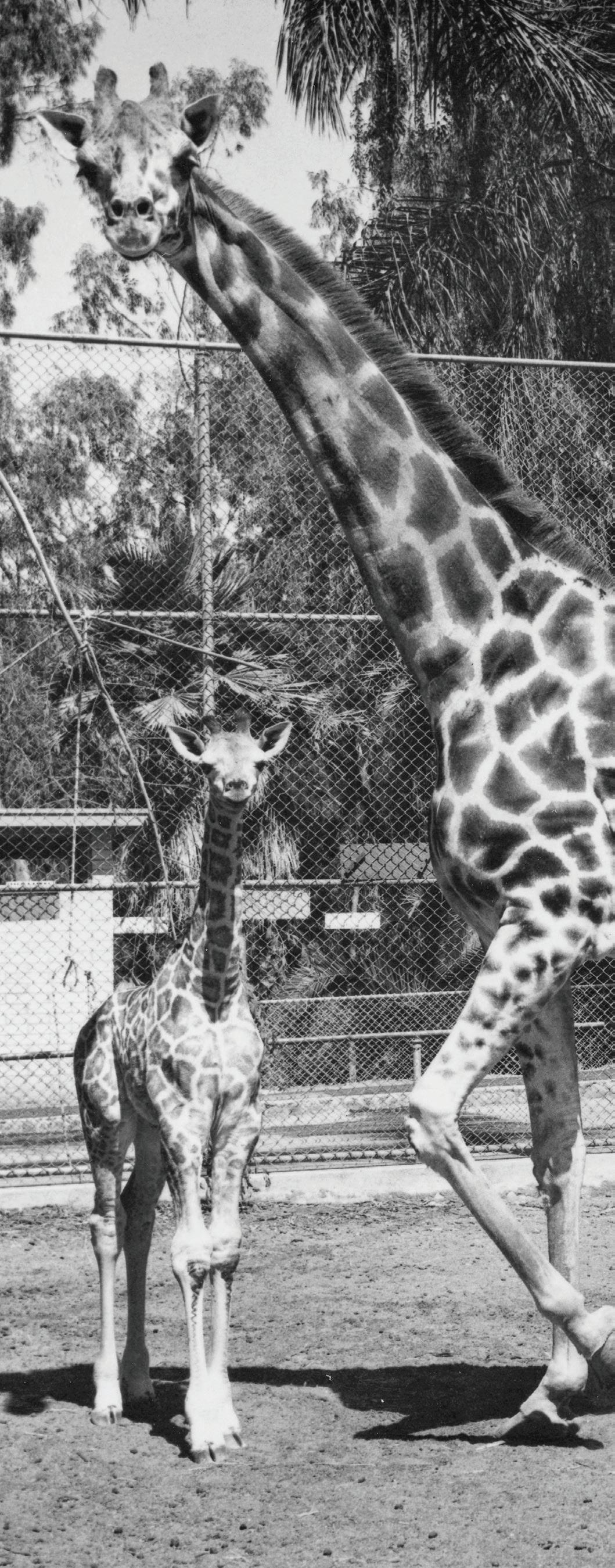
Lofty and Patches, the Zoo’s first giraffes, arrived in San Diego in 1938 after an overseas adventure across the Atlantic Ocean from Africa to New York, and then a cross-country truck expedition to California. The Baringo giraffes made front page news when they landed in New York because they were considered the only giraffes to ever weather a hurricane.
Animal care specialist Charley Smith met the giraffes in New York and accompanied them to San Diego after they were quarantined in New Jersey for several weeks. They were transported in tall crates atop the bed of a truck for the 2,745-mile odyssey. ZOONOOZ editor and curator Ken Stott wrote “Newspapers in every corner of the United States followed Charley Smith and his two precious charges day by day as they made their careful journey across the continent. As the giraffes moved westward, a thousand amusing stories found their way into print and America took time to smile at the ludicrous travels of a man and two giraffes…” When Lofty and Patches finally reached San Diego, they were an instant hit with zoogoers, who immediately fell in love with them. In 1942, the Zoo’s first giraffe calf, a male named Raffy, was born to Lofty and Patches. Since Raffy’s birth, more that 250 giraffes have been born at the Zoo and Safari Park.
In 2026, Twiga Walinzi, a giraffe conservation initiative founded by SDZWA and a variety of partners, including Giraffe Conservation Foundation, Northern Rangelands Trust and Kenya Wildlife Service, will be 10 years old. Twiga Walinzi means “giraffe guards” in Swahili—and the mission is to “slow and reverse the decline of reticulated and Nubian (Rothschild’s) giraffe populations” in central and northern Kenya. A key to this initiative is working with local communities who live alongside these giraffes in more than 20 conservancies in the area.
Georgeanne Irvine is director of historical affairs for SDZWA.


Throughout the history of the San Diego Zoo and San Diego Zoo Safari Park, wildlife habitat design has gone through several shifts reflective of major trends in both zoological park priorities and public perceptions of nature. These shifts are informed by the ever-growing body of knowledge in wildlife care and behavior produced by the evolving field of conservation science. While some of the earlier examples of habitat design can still be seen at both the San Diego Zoo and the Safari Park, large areas of both parks have been transformed over time thanks to San Diego Zoo Wildlife Alliance’s organization-wide commitment to world-class facilities and the generous philanthropic spirit of its valuable supporters. Each transformation is representative of a massive multiyear effort and dedication to continuous improvement for the benefit of wildlife and new opportunities to connect every generation to nature in meaningful ways.
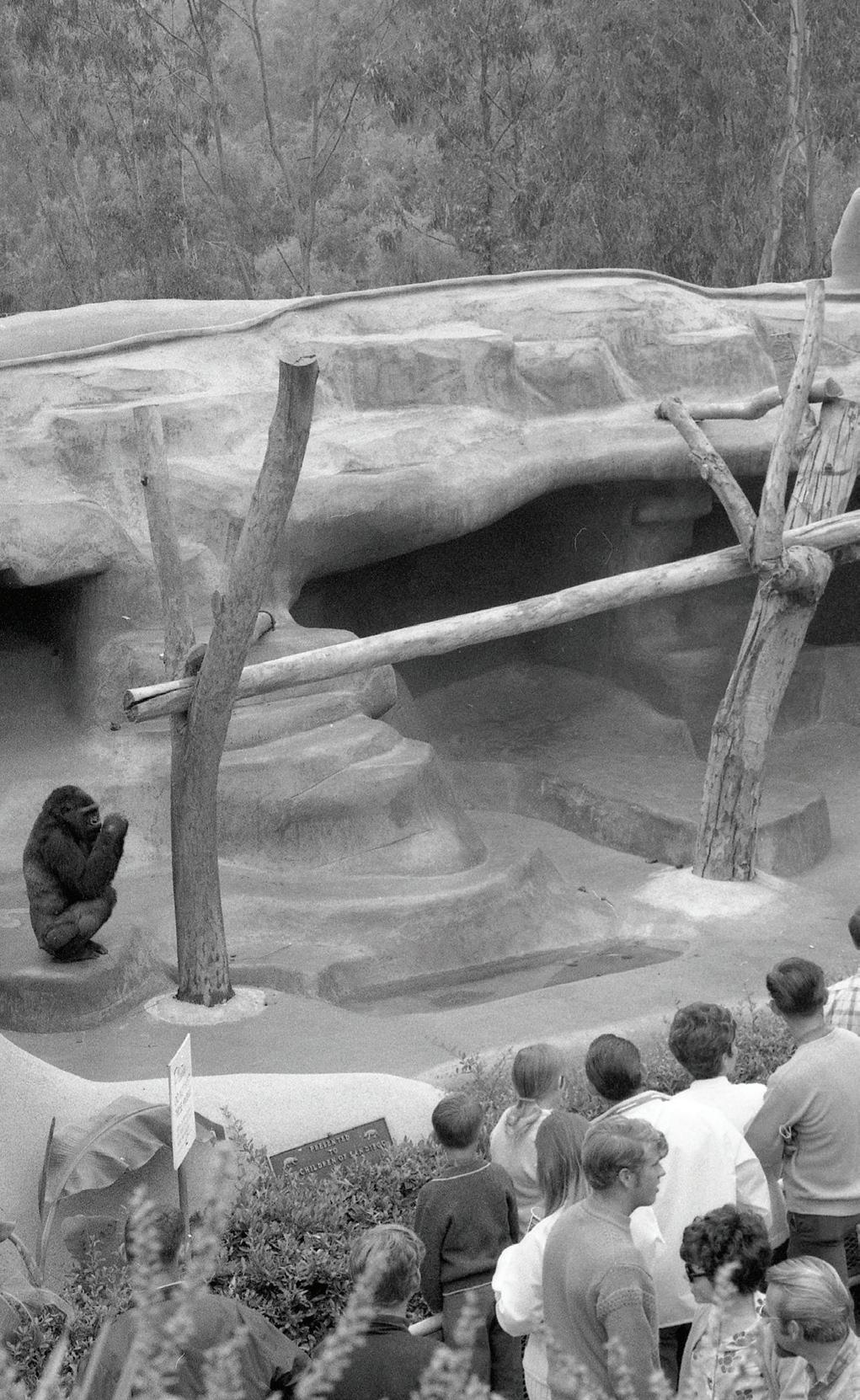
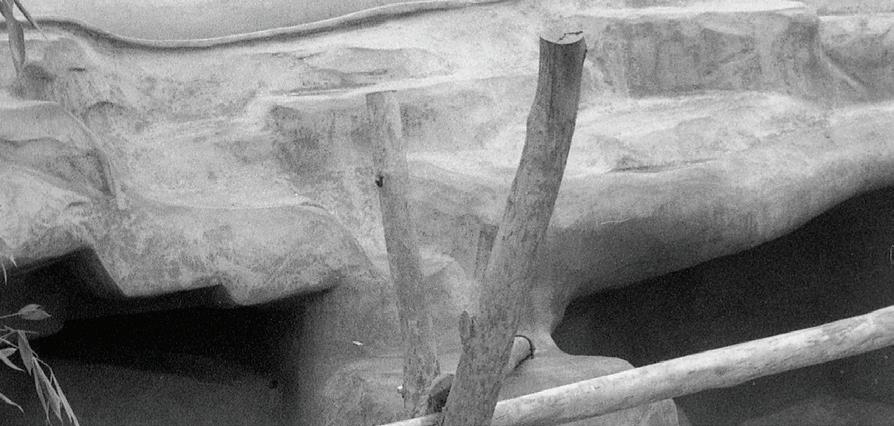
To get an understanding of how much habitat design has changed over the last 100 years we can start by taking a look at what was happening the year the first issue of ZOONOOZ was published—1926. At this time American zoos were just starting to move away from barred cages and pit-style enclosures and beginning to utilize moats and grotto or cavelike habitats, such as the Zoo’s Lion Grotto. This allowed for a viewing experience that felt more open, but the habitats themselves were primarily concrete constructions that had nothing in common with the native ranges of the wildlife, nor did they provide much opportunity to support natural behaviors. But changes were on the horizon.

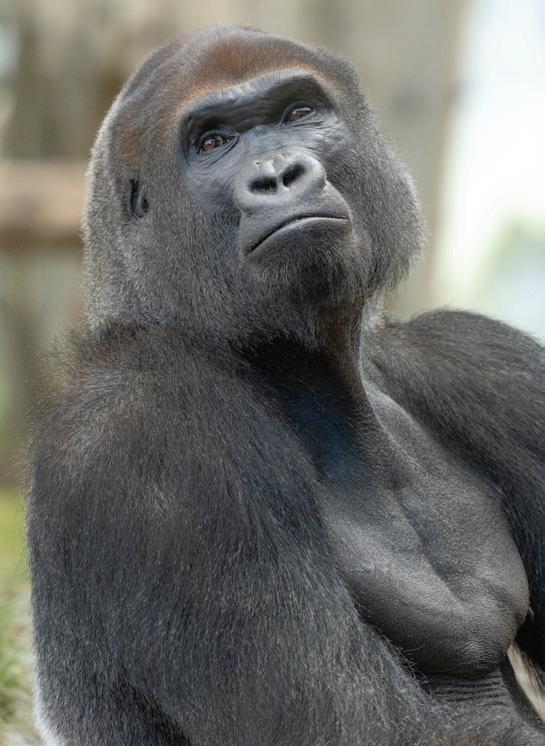
The early 1960s saw the construction of a new gorilla grotto at the San Diego Zoo. While these habitats increasingly had backdrops reminiscent of natural rock formations, they still had a ways to go in order to reflect the species’ native range and to include natural substrate or vegetation. It wouldn’t be until the mid-1970s that American zoo “exhibits” would finally start to transition into habitats with the emergence of the Landscape Immersion movement in zoo design. This movement was reflective of a growing cultural shift toward increasing environmental awareness.
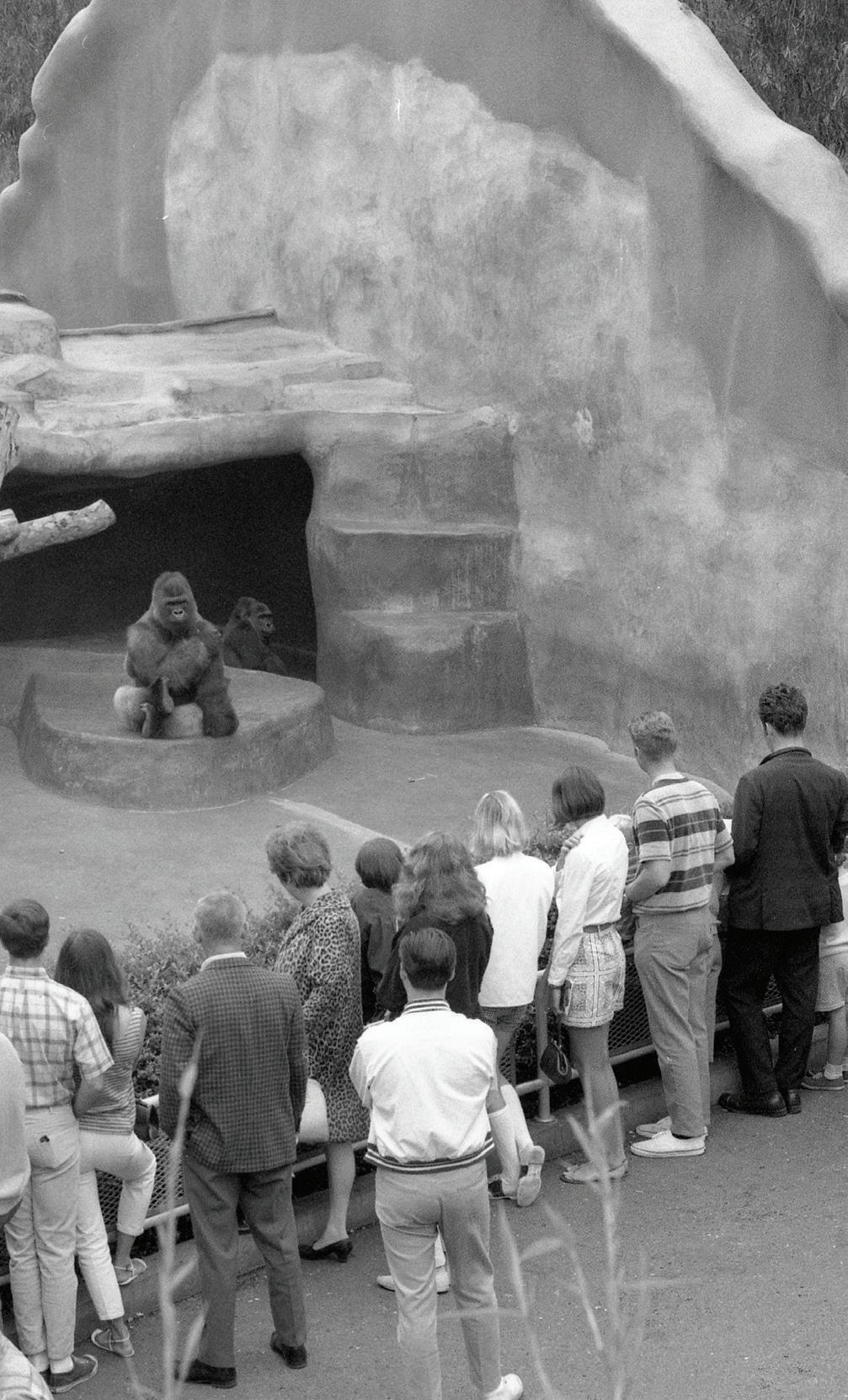
An evolution in zoo habitat design, from the concrete grottos of the 1960s to an early example of the Landscape Immersion design movement in the 1980s.
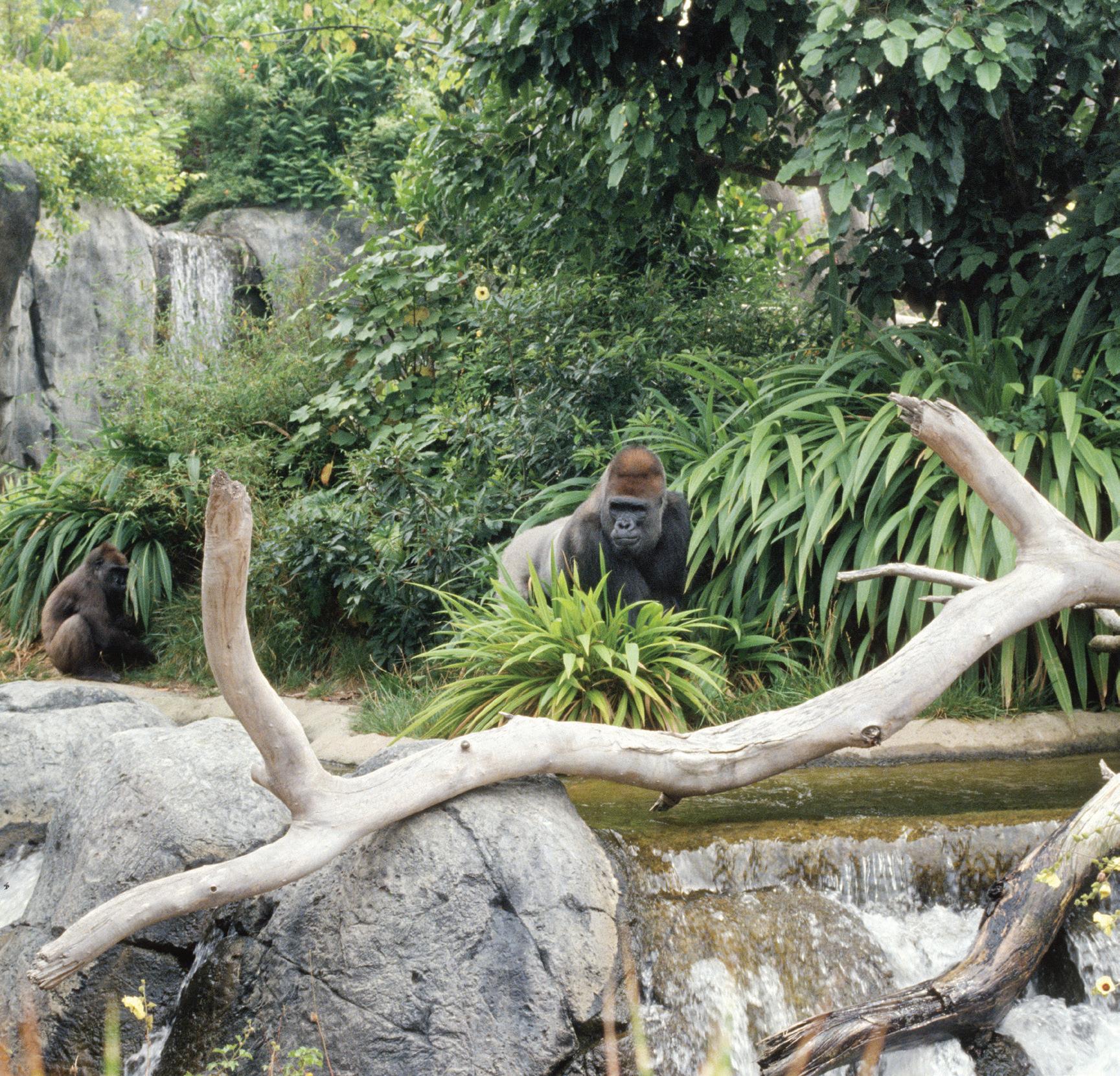

The most important concept of Landscape Immersion is to extend the landscape experience of an animal’s habitat into the realm of the guest viewing area. This extension of the landscape is paired with naturalistic landscape designs intended to reflect the species’ native habitat. The intent of combining these strategies was to transport the imagination of the guests to places not typically accessible in their everyday lives and to foster an emotional reaction and greater sense of appreciation for the natural habitats of the wildlife living in zoos. Of equal importance, the Landscape Immersion design strategies represented a shift in zoo philosophy to a biocentric ethic that set the stage for creating habitats that emphasized the experience of wildlife with increasing opportunities to engage in natural behaviors supported by their environment. Ahead of its time, the Safari Park (then the Wild Animal Park) opened to the public in 1972. Many of the underlying concepts of Landscape Immersion were present in the design of the new field habitats. The natural climate and landscape of the San Pasqual Valley provided an excellent starting point for the creation of wide-open naturalistic habitats that are a very close proxy to the native habitats of the many wildlife species that the guests of yesterday and today can see roaming
here. The field habitats were also an early example of mixed species living together in natural habitat groupings, providing guests with a unique glimpse of what they might see in the wildlife’s native ranges if they were to travel to some of the remote regions of Africa or Asia. In conjunction with the utilization of the natural climate and topography, these first Safari Park habitats employed layered landscape views, regionally appropriate plant palettes, and thematic architecture to connect guests to the natural habitats of the wildlife and highlight the importance of conservation in the protection of both plant and animal species. As was written in the May 1972 issue of ZOONOOZ, “Join us here… to contemplate the wild animals of the World and Nature’s wilderness… to strengthen a commitment to wildlife conservation throughout the world… and to strive toward Man’s own survival through the preservation of Nature.”
The first Landscape Immersion habitat at the San Diego Zoo was the 1982 Whittier Southeast Asian Habitats, which were the first phase of the transformative Heart of the Zoo projects and the Zoo’s first major renovation in 10 years. Thought to
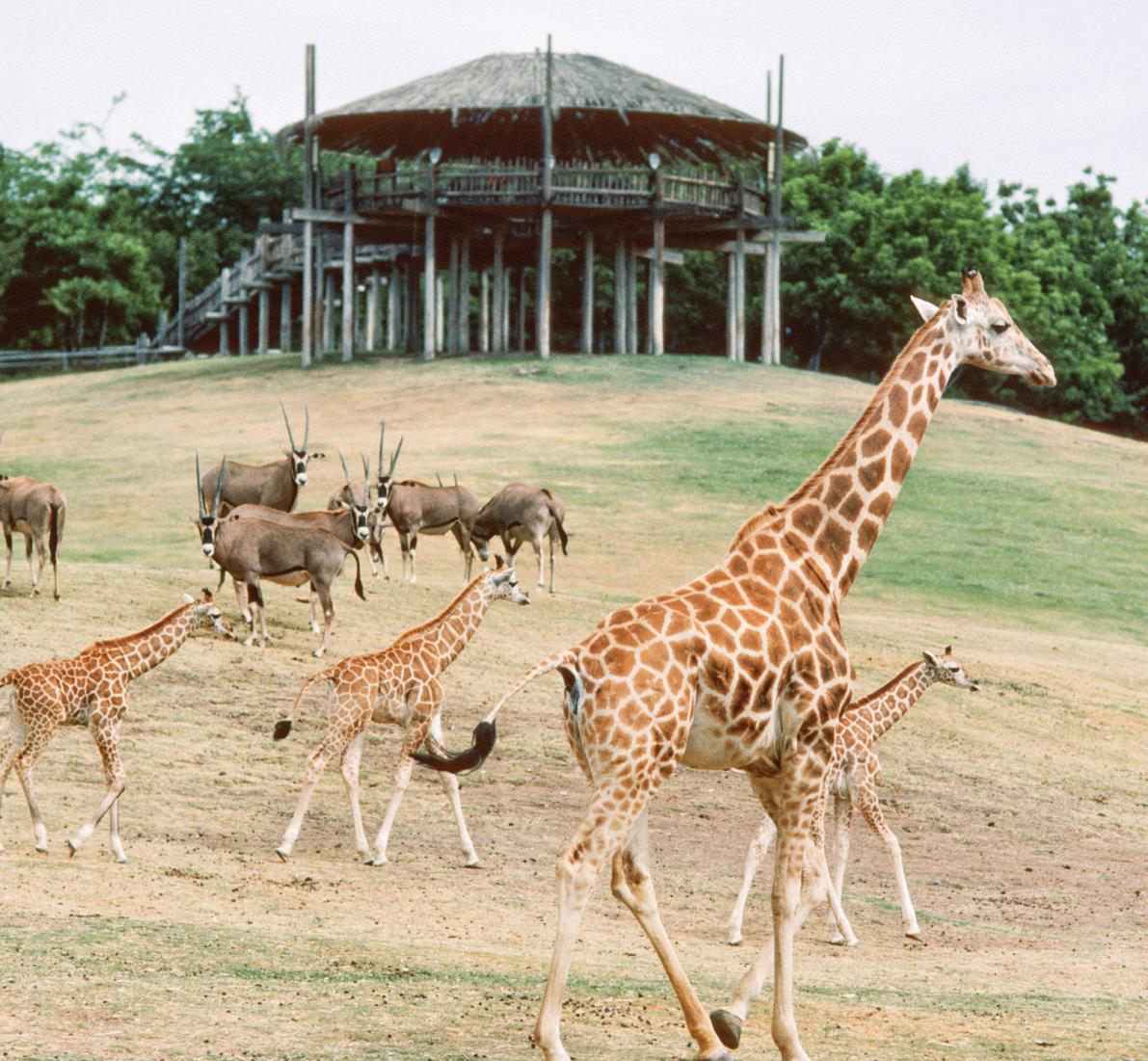
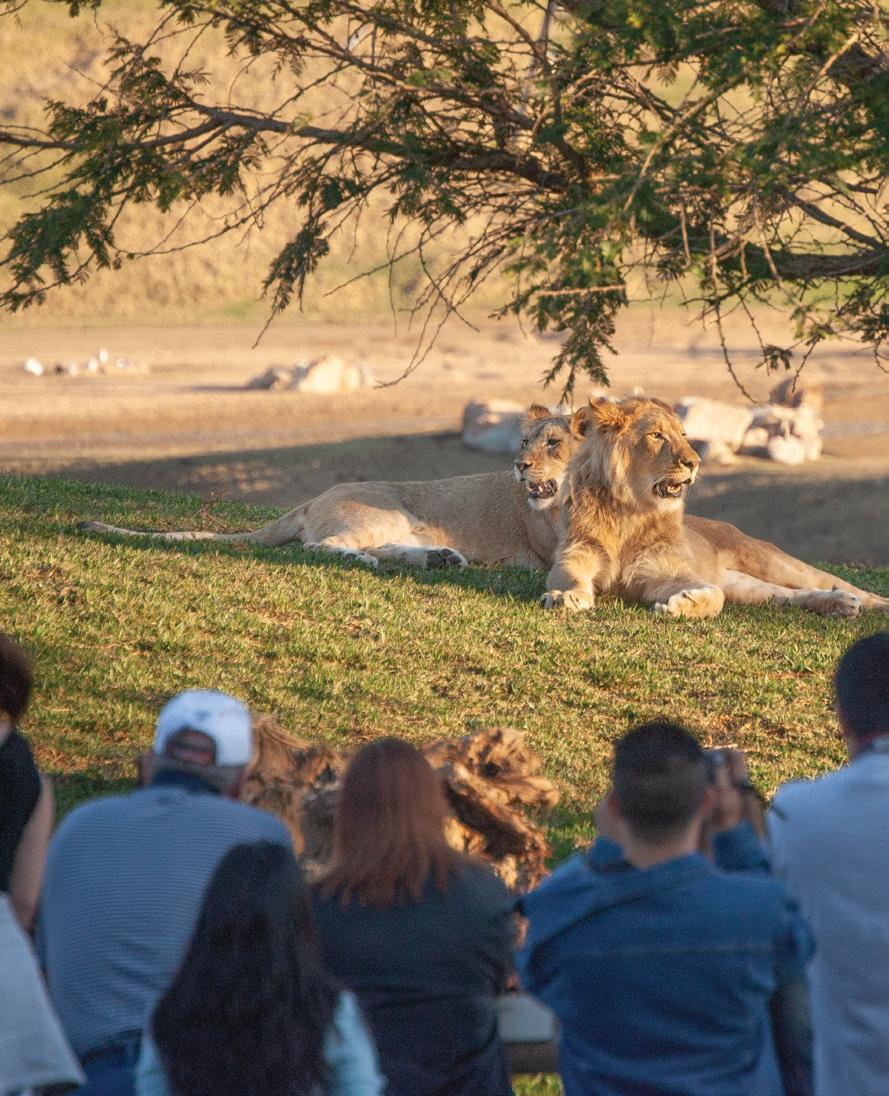
(Above, left) The Safari Park’s expansive, multi-species habitats closely replicate the wildlife’s native ranges. (Above, right) The Safari Park’s Sylvia G. Straton Lion Savanna’s Lion Camp provides the big cats with grassy hills, logs, rocks, and shade trees.
be a glimpse of the zoo of the future, these habitats were the beginning of what was to be a complete metamorphosis of what was then known as Bird and Primate Mesa to a bioclimatically accurate representation of the tropical rainforests of the world. Whittier Southeast Asian Habitats included what is now known as the Parker Aviary, a lush habitat for Southeast Asian birds, and six new immersive primate habitats including an orangutan habitat where it is currently located today perched above Fern Canyon. To reach the immersion goals of this first phase of the Heart of the Zoo, the Horticulture team, after six years of planning, spent four years collecting and germinating seeds for the establishment of mature plants in the construction phase. In addition, three large mature Southeast Asian fig trees were relocated from an area near the Warner Administration building to the project site.
It would be almost another 10 years before Heart of the Zoo phase two would be completed which included Gorilla Tropics, in the 2.5-acre Michael Dingman Family African Rain Forest that included the renovation of the Scripps Aviary. Gorilla Tropics became home to thousands of native African plants, multiple wildlife species, and a soundscape to recreate the ambiance of the lowland gorilla’s native habitat. Along with the continued development of Heart of the Zoo over time, the Zoo and Safari Park have built many projects with deep roots in the Landscape Immersion design movement. In more recent years these include Tull Family Tiger Trail and Walkabout Australia at the Safari Park, and Conrad Prebys Africa Rocks at the San Diego Zoo. These projects are all examples of the ever-growing trend of Landscape Immersion in representing habitats from around the world by incorporating
the plants and wildlife native to these regions and creating a cohesive experience that blends the design of the habitats and guest areas. The foundation of this trend is to foster new understandings and appreciation for the different habitats of the world along with the importance of conservation in supporting their continued existence. These principles still dominate zoo design today, but with a growing ability to support natural behaviors and connections to conservation stories that bring the actual work of conservation closer to home.
So what’s next? Current perspectives on the future of zoo design continue to be grounded in the principles of Landscape Immersion but reach for the next level in authentic habitat experiences for wildlife, inspiring future conservationists, and integrating sustainable design and operations practices more cohesively. Zoo habitats of the future are trending toward being larger and in closer alignment to habitats in nature with the coalition of 4D experiences for wildlife like seasonal phenomena and needing to migrate or move to another area in search of resources or a mate. The increased emphasis on connecting guests with the importance of conservation work and the continued trend toward sustainable design, construction, and operation of habitats and facilities reinforces the healthy planet, healthy people ethos that underscores SDZWA’s vision of a world where all life thrives.

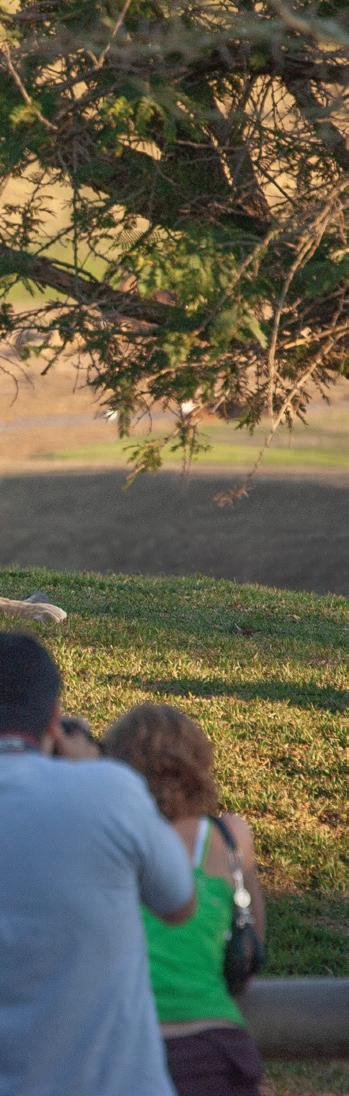
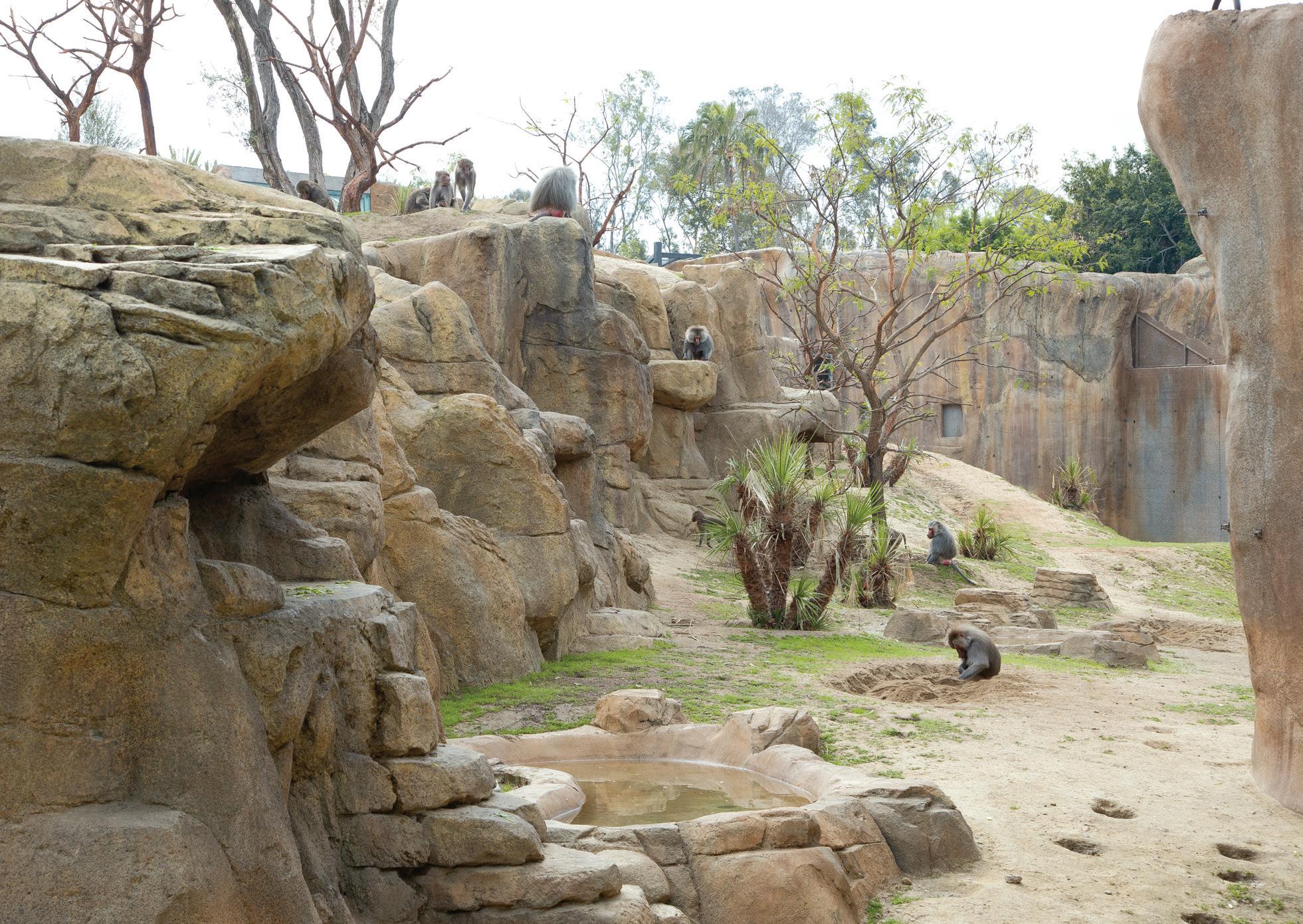
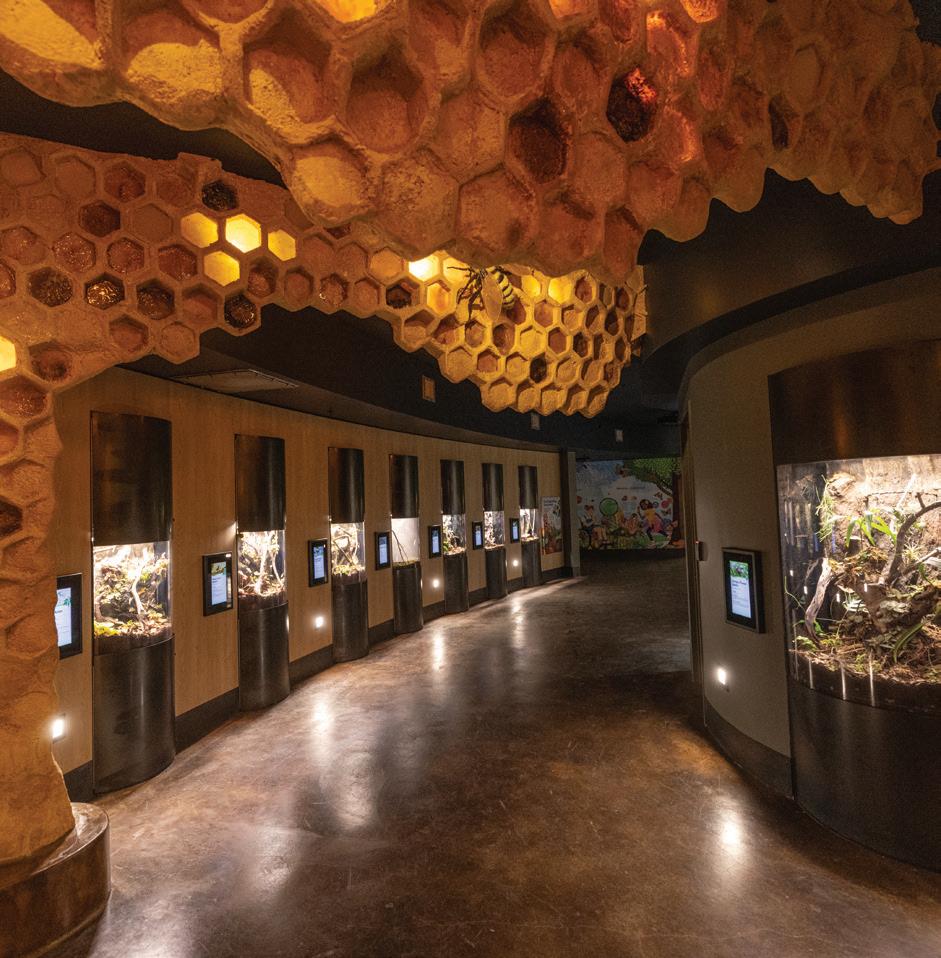
For decades, guests have experienced habitats such as (clockwise from upper left) the San Diego Zoo’s Conrad Prebys Africa Rocks, the Safari Park’s field habitats, and the McKinney Family Spineless Marvels habitat in the Zoo’s Denny Sanford Wildlife Explorers Basecamp.


FEBRUARY 21–22
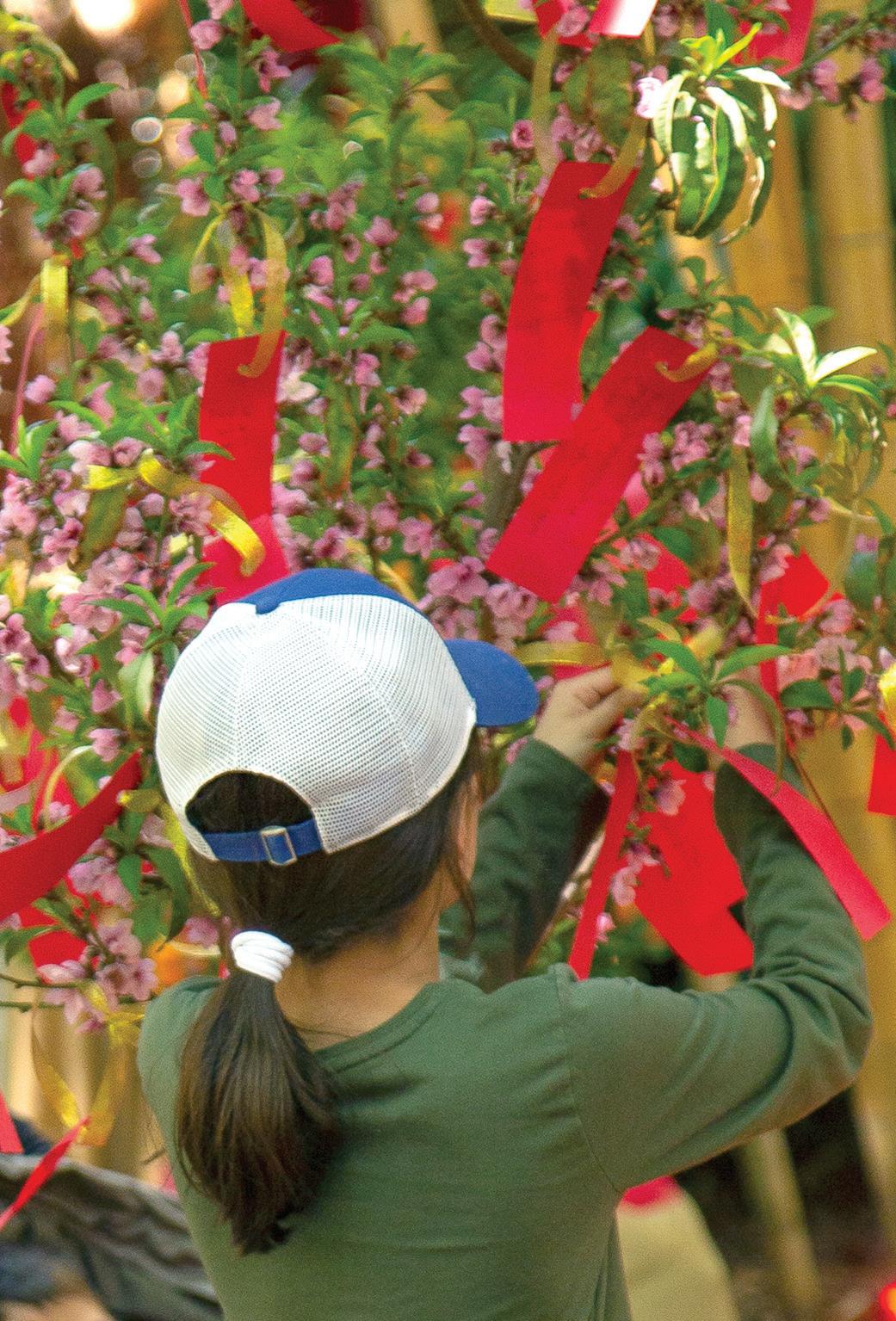
This Lunar New Year, celebrate good fortune at the Zoo! You can experience Wild Weekend: Asia, an exploration of this dynamic ecosystem and its incredible wildlife— including everyone’s favorite black-and-white bears, giant pandas! Special Lunar New Year activities, surprises, and more are planned. For more information, visit sdzwa.org/lunarnewyear
JANUARY 16 AND FEBRUARY 20
Plant Day
On these special days, guests can take a rare look inside the Zoo’s Orchid Greenhouse from 10 a.m. to 2 p.m., learn about the Zoo’s botanical collection on the Botanical Bus Tour at 11 a.m. and noon, and check out the Carnivorous Plant Greenhouse from 11 a.m. to 1 p.m. A variety of plants grown by the Horticulture team will be available at the Plant Sale, happening in front of the Orchid Greenhouse entrance from 10 a.m. to 2 p.m. (Z)
OFFERED DAILY
Wildlife Wonders
During Wildlife Wonders at the Zoo’s Wegeforth Bowl amphitheater, presented daily at 2 p.m., wildlife care specialists will introduce you to wildlife ambassadors representing San Diego Zoo Wildlife Alliance’s conservation work around the world. Learn about amazing wildlife—from the Amazon to right here in San Diego—and find out what everyone can do to help conserve wildlife and the world we all share. The presentation runs 15 to 20 minutes. (Z)
JANUARY 11 & FEBRUARY 8
Member Exclusive Early Hours
Rise and shine with the sights and sounds of the San Diego Zoo. One Sunday each month, qualifying members* can enter the Zoo one hour before the general public. To join us, simply present your membership card at the main entrance beginning at 8 a.m. *Excludes memberships with blockout dates. (Z)
OFFERED DAILY Wild PerksSM
San Diego Zoo Wildlife Alliance members are eligible for Wild PerksSM. Show your membership card each time you make a purchase and save up to 20%, depending on your membership level. Some exclusions apply; for details, visit sdzwa.org/ membership/wild-perks. (Z)
FEBRUARY 21
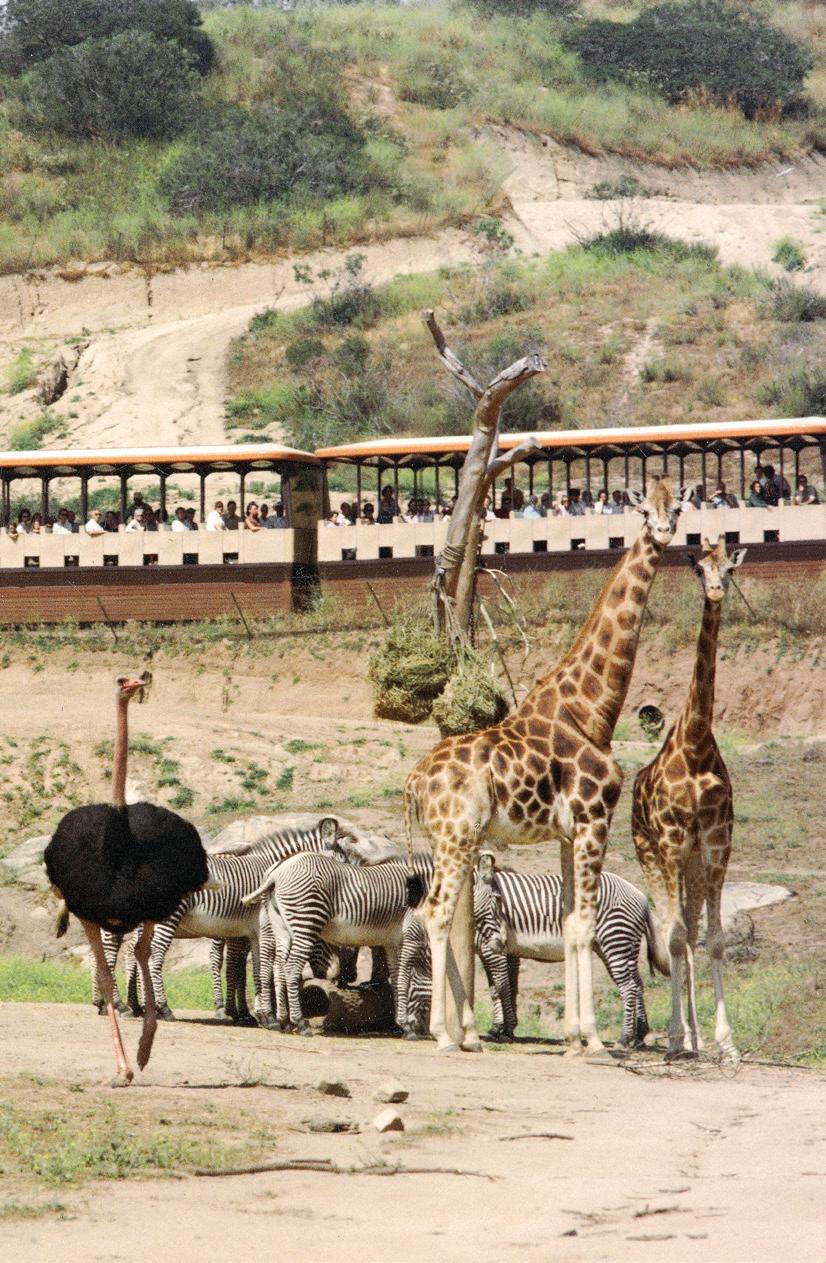
This Lunar New Year, celebrate good fortune at the Safari Park! You can experience Wild Weekend: Asia, an exploration of this dynamic ecosystem and its incredible wildlife. Special Lunar New Year activities, surprises, and more are planned. For more information, visit sdzwa.org/ lunarnewyear. (P)
FEBRUARY 1–28
Seniors Free at the Safari Park
Seniors ages 65 and older get free admission to the San Diego Zoo Safari Park through the entire month of February. For full details, visit sdzsafaripark.org. (P)
OFFERED DAILY
Journey into the Wild
Join our wildlife care specialist team as they introduce you to wildlife ambassadors representing San Diego Zoo Wildlife Alliance’s conservation work in our Amazonia, African Savanna, and Southwest Conservation Hubs. This conservation presentation takes place daily at 1 p.m. in Benbough Amphitheater. (P)
OFFERED DAILY
Wildlife Safari
Travel into our expansive savanna habitats in the back of an open-air safari truck with an expert guide. Book online at sdzsafaripark.org/safaris or call (619) 718-3000. (P)
For San Diego Zoo and Safari Park operating hours, visit sdzwa.org
sdzwa.org
(619) 231-1515
Programs and dates are subject to change—please check our website for the latest information.
(Z) = San Diego Zoo (P) = Safari Park
JANUARY 11 & FEBRUARY 8
Member Exclusive Early Hours
Rise and shine with the sights and sounds of the Safari Park. On select days, qualifying members* can enter the Safari Park one hour before the general public. To join us, simply present your membership card at the main entrance beginning at 8 a.m. *Excludes memberships with blockout dates. (P)
OFFERED DAILY
Wild PerksSM
San Diego Zoo Wildlife Alliance members are eligible for Wild PerksSM. Show your membership card each time you make a purchase and save up to 20%, depending on your membership level. Some exclusions apply; for details, visit sdzwa.org/ membership/wild-perks. (P)
For many years, special wildlife of all kinds have lived at the San Diego Zoo and San Diego Zoo Safari Park. Below are just a few of the species you can see there—in living color! If you could design your own elephant, rhino, lion, panda, and orangutan, what hues would you choose to make them? Is your rhino red? How about a pink panda? It’s up to you—ready, set, color!
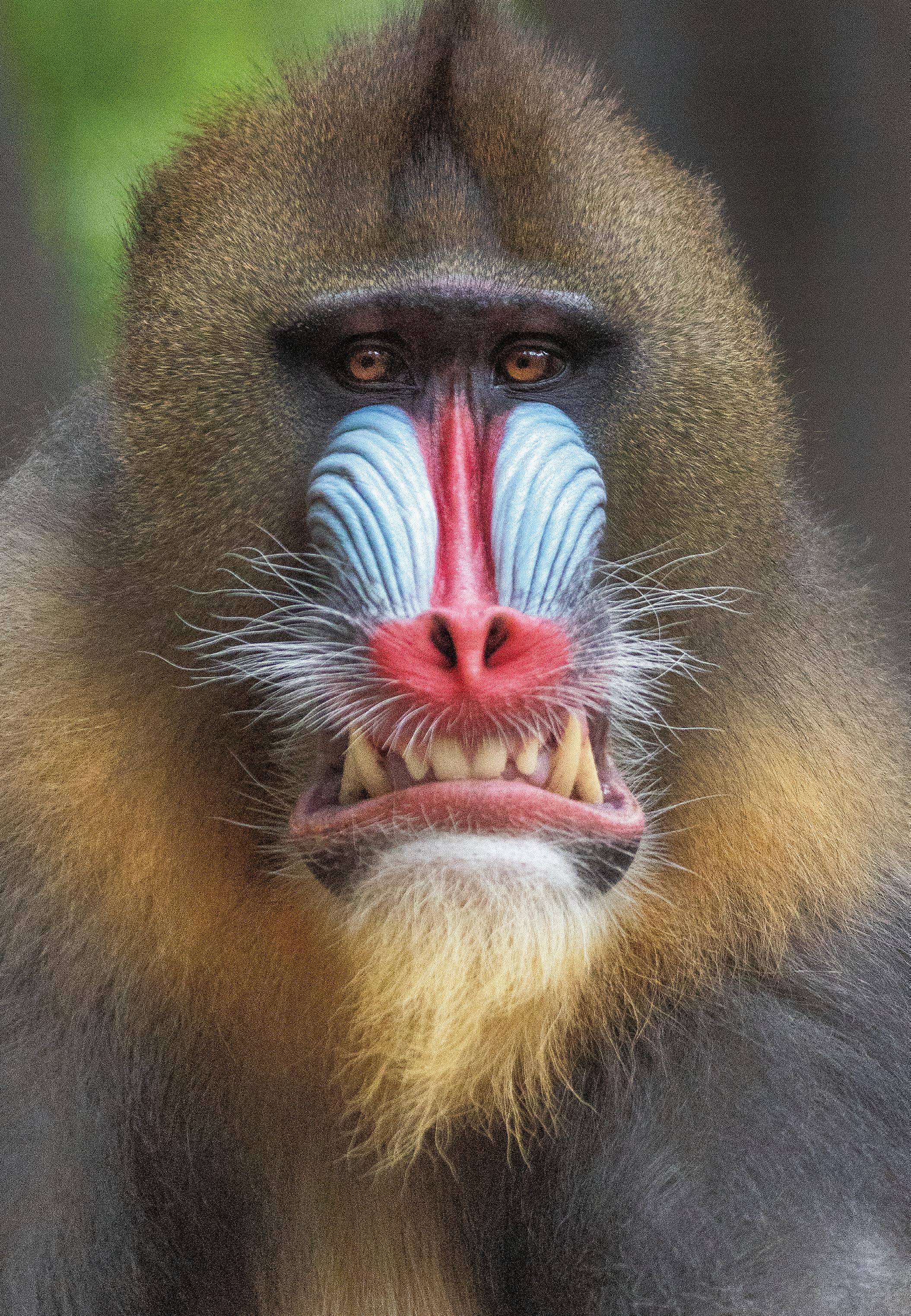
Mandrill, what big teeth you have! The better to crack hard nutshells and seeds to eat! Native to the rainforests of equatorial Africa, these large monkeys are known for their striking features. The adult male mandrill with the brightest and most distinctive colors on his face likely attracts the most females. Photographed by Ken Bohn, SDZWA photographer.
PO Box 120551, San Diego, CA 92112