2025 ANNUAL REPORT
TRANSFORMING CONSERVATION TOGETHER

To Our Wildlife Allies,
The theme of our 2025 annual report, “Transforming Conservation Together,” reflects an incredible shared journey through our 109th year. With you by our side, along with our partners, allies, and community, we made it a year of extraordinary conservation milestones and renewed hope for the future. We write to you with deep gratitude, knowing every achievement in these pages is possible because of your support.
This year, we saw our past and future connect in remarkable ways. The 50th anniversary of our Frozen Zoo® was a testament to how we innovate, preserving genetic lifelines for countless species and opening doors to possibilities once out of reach. That same forward-looking spirit also fueled our critical conservation initiatives, helping secure the future for wildlife and natural places.
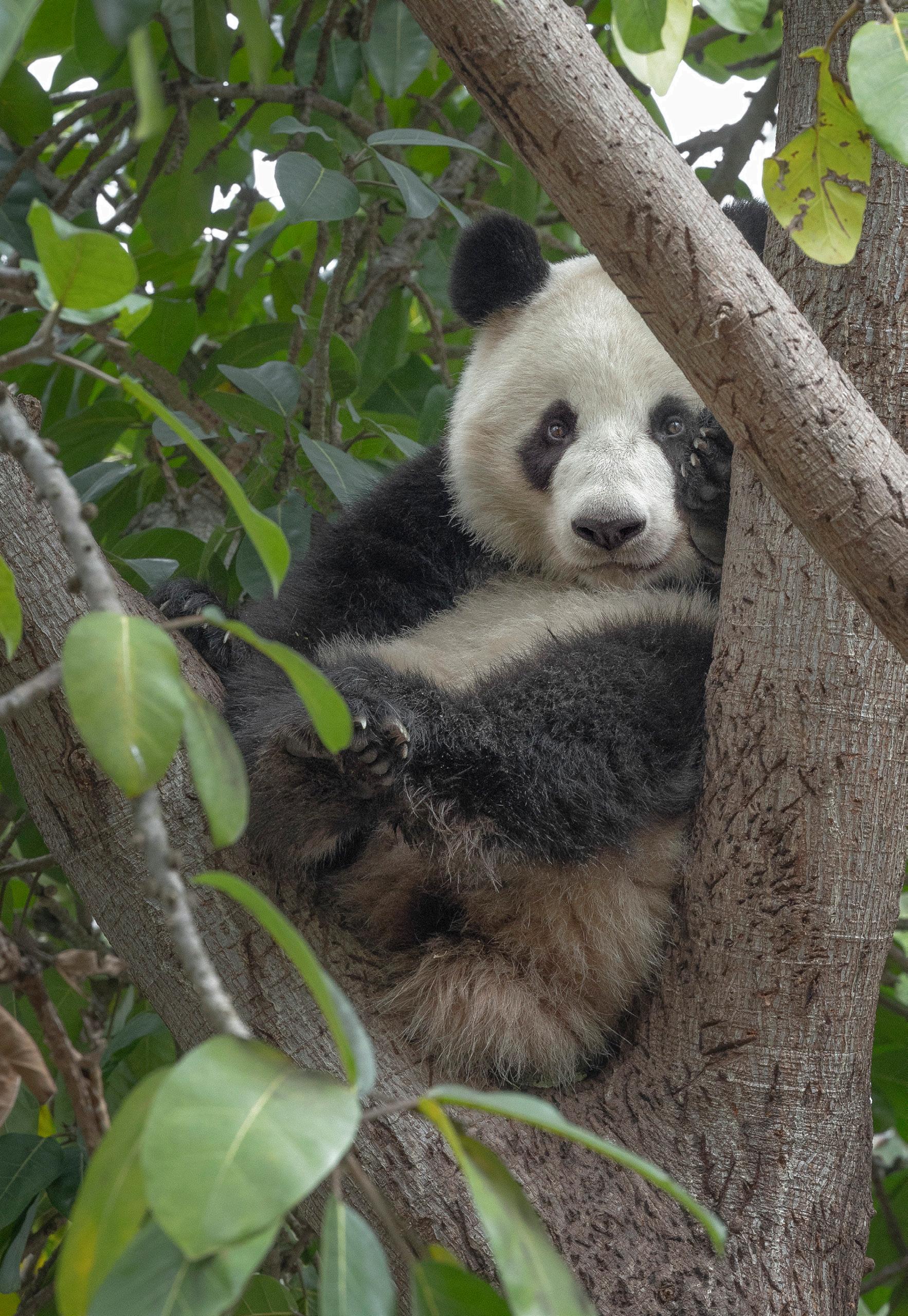
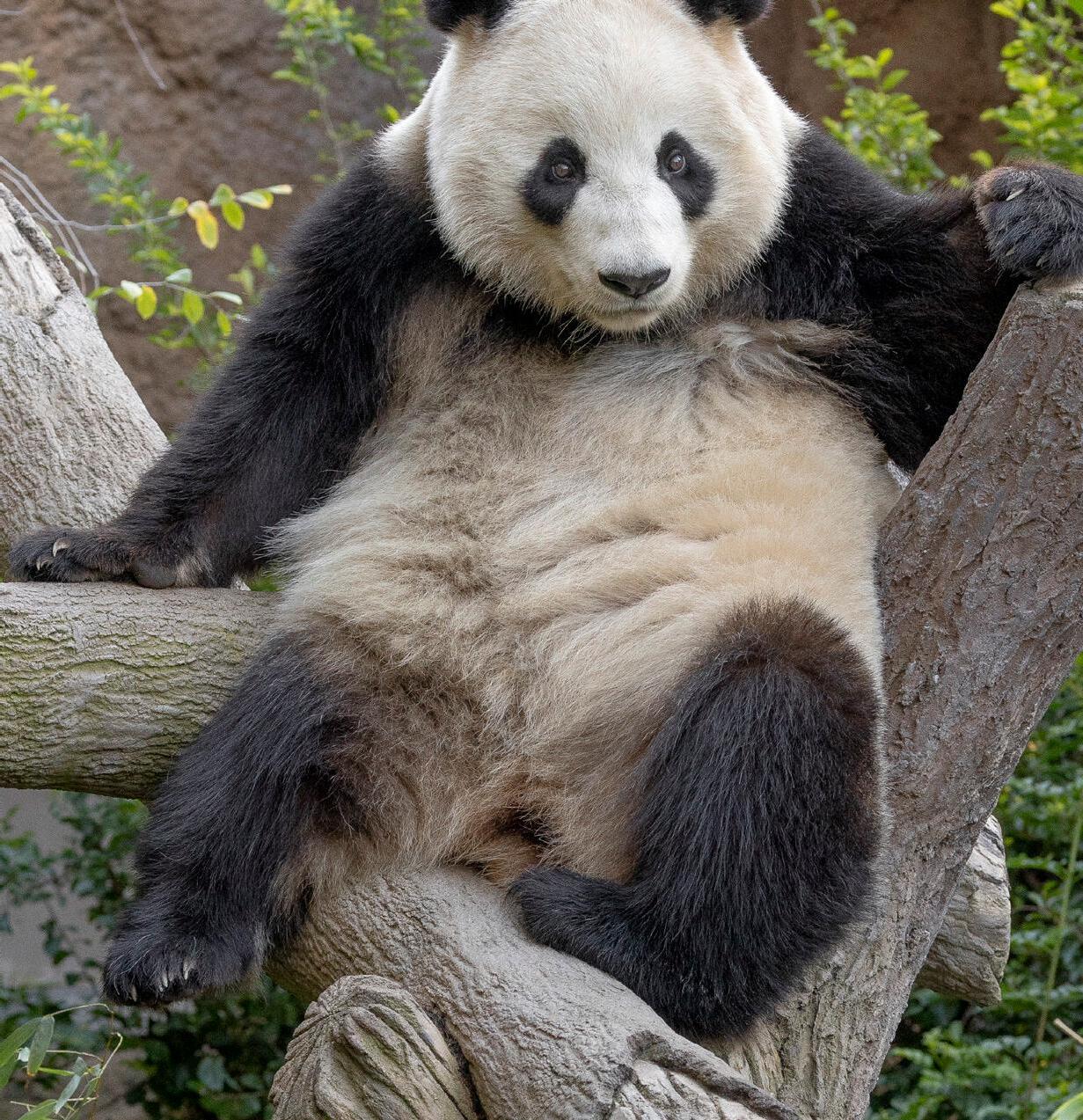
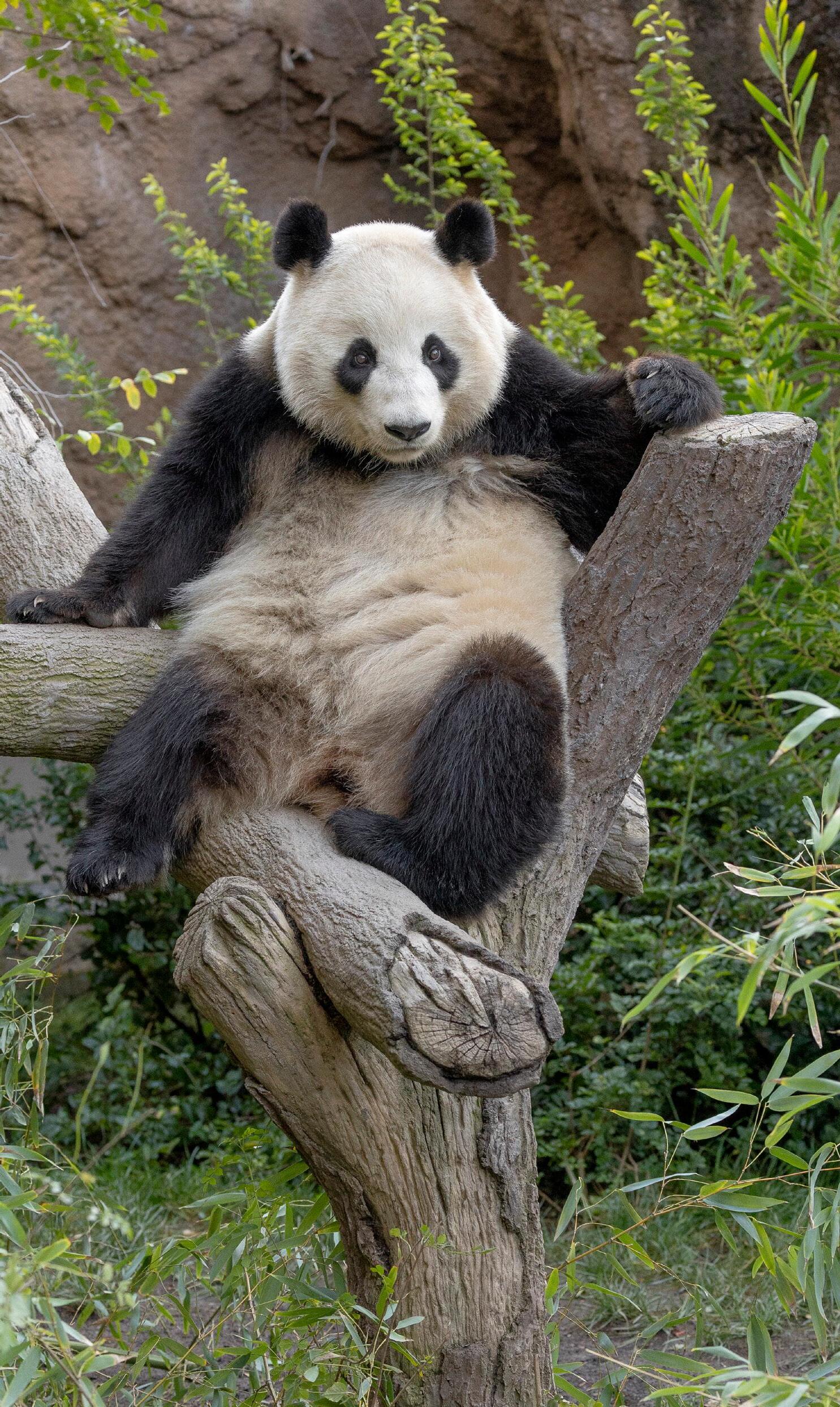
A standout moment was celebrating one full year of giant pandas being back at the San Diego Zoo, reminding us all of what’s possible when we collaborate. At the San Diego Zoo Safari Park, landmark conservation reproduction and reintroduction programs continued to make a difference in San Diego and beyond. And across our eight Conservation Hubs worldwide, teams and communities came together to help protect ecosystems and ensure wildlife thrive for generations to come.
Our dedication to our mission shines not just through science, but the ways we engage wildlife allies, moving them toward understanding and then toward action. In 2025, we reached new and familiar audiences alike with the help of award-winning storytelling, inspiring education programs, and millions of visits to our parks. Each of these moments of connection sparks a deeper passion for protecting wildlife and natural places, bringing us one step closer to fulfilling our mission.
Thank you for being a vital part of our Alliance as we work toward a bright future for wildlife, people, and the planet we all share. Your support inspires us every day, and we are deeply grateful for you.
Shawn Dixon
Steven S. Simpson President and Chief Executive Officer Chair, Board of Trustees

Who We Are
San Diego Zoo Wildlife Alliance is an international nonprofit organization with the goal of being the most effective conservation organization for the world. It all begins with our two conservation parks, the San Diego Zoo and San Diego Zoo Safari Park, where millions of guests from around the world join us to connect with wildlife every year.
Conservation is at the heart of everything we do, and it begins with those connections we make between people and nature every day. Our two conservation parks make our mission, conservation work, and partnerships possible.
With more than 100 years of expertise, we integrate wildlife health and care, science, and education to develop sustainable conservation strategies at home and across the globe. As an Alliance, we partner with allies in eight strategic regions worldwide, known as our Conservation Hubs.
By uniting our strengths, knowledge, and resources, we have a greater impact as we work together to safeguard the future of the planet, its wildlife, and the spaces we all share. Because when wildlife thrives, all life thrives.
Our Vision A World Where All Life Thrives
Our Mission
San Diego Zoo Wildlife Alliance is committed to saving species worldwide by uniting our expertise in wildlife care and conservation science with our dedication to inspiring passion for nature.
Our Values
Collaborate
We nurture alliances with an array of teams, peers, partners, and communities to expand and deepen our impact.
Innovate
Together we pioneer new ideas and approaches to ensure the long-term health and survival of wildlife.
Inspire
We share our passion for nature to increase understanding, empathy, advocacy, and action for wildlife.
Thrive
When we collaborate, innovate, and inspire, we help people and wildlife thrive together for a healthy planet.
Our Logo
Our logo represents over a century of achievement and San Diego Zoo Wildlife Alliance’s future as a force for conservation.

The Rhino Represents the icon of our no place like it on Earth Safari Park.
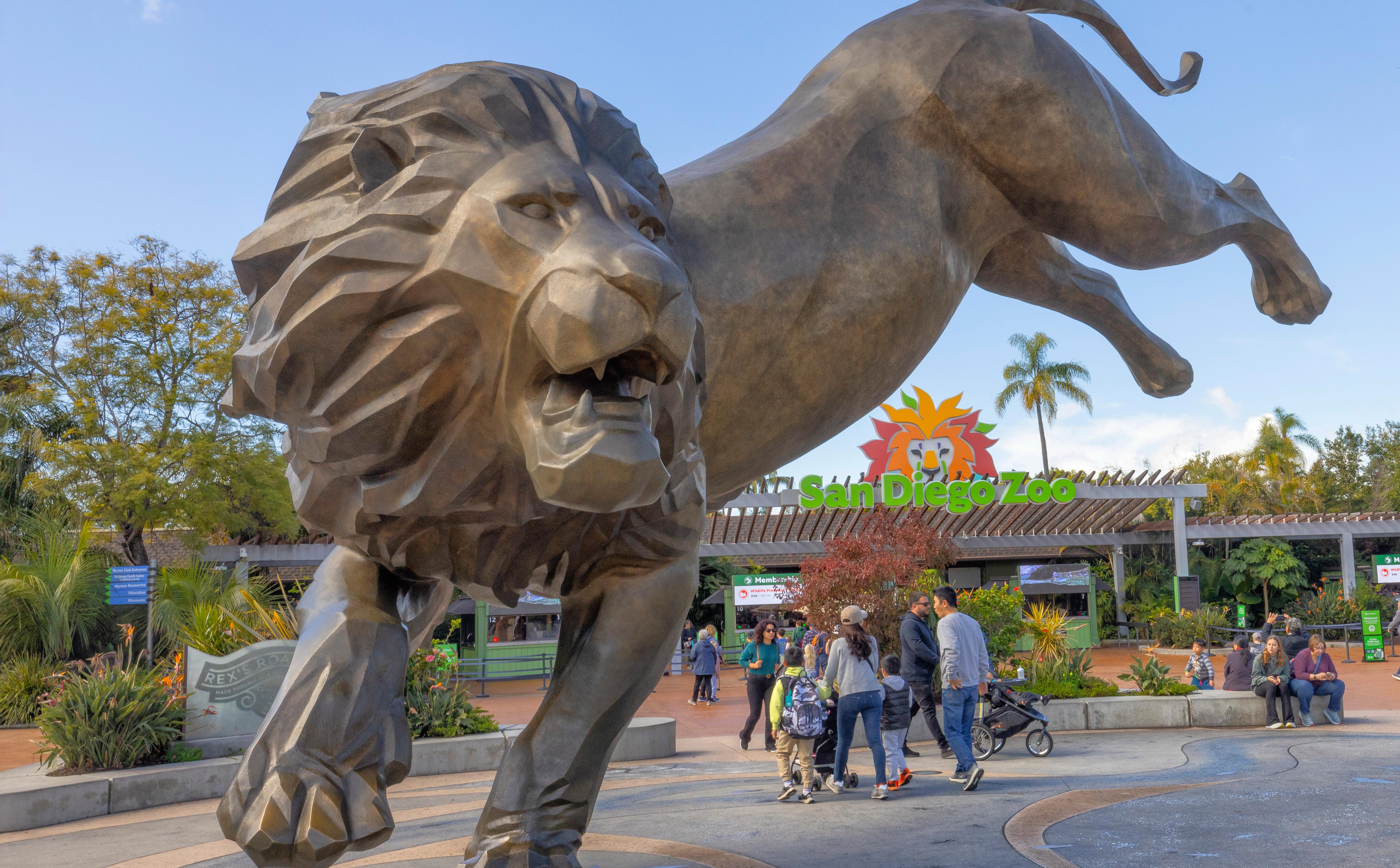
The Lion Represents the founding of the San Diego Zoo more than a century ago.
The Bird Represents our groundbreaking historical and ongoing conservation efforts.

Our Two Wildlife Conservation Parks
At the San Diego Zoo and San Diego Zoo Safari Park, we welcome millions of guests and foster connections with wildlife. Our parks fuel our mission, allowing us to invest alongside our allies and partners in our vision of a world where all life thrives.
Our Responsibility
With over a century of experience, we’ve honed a unique set of skills and strengths that has become a significant contributor to vital global conservation efforts. The privilege of working
with and gaining a deeper understanding of wildlife comes with a responsibility to use our insights to secure the future for wildlife, people, and the planet—and to inspire others to join us.
We care for more than 15,000 animals and over 2 million plants at the Zoo and Safari Park.
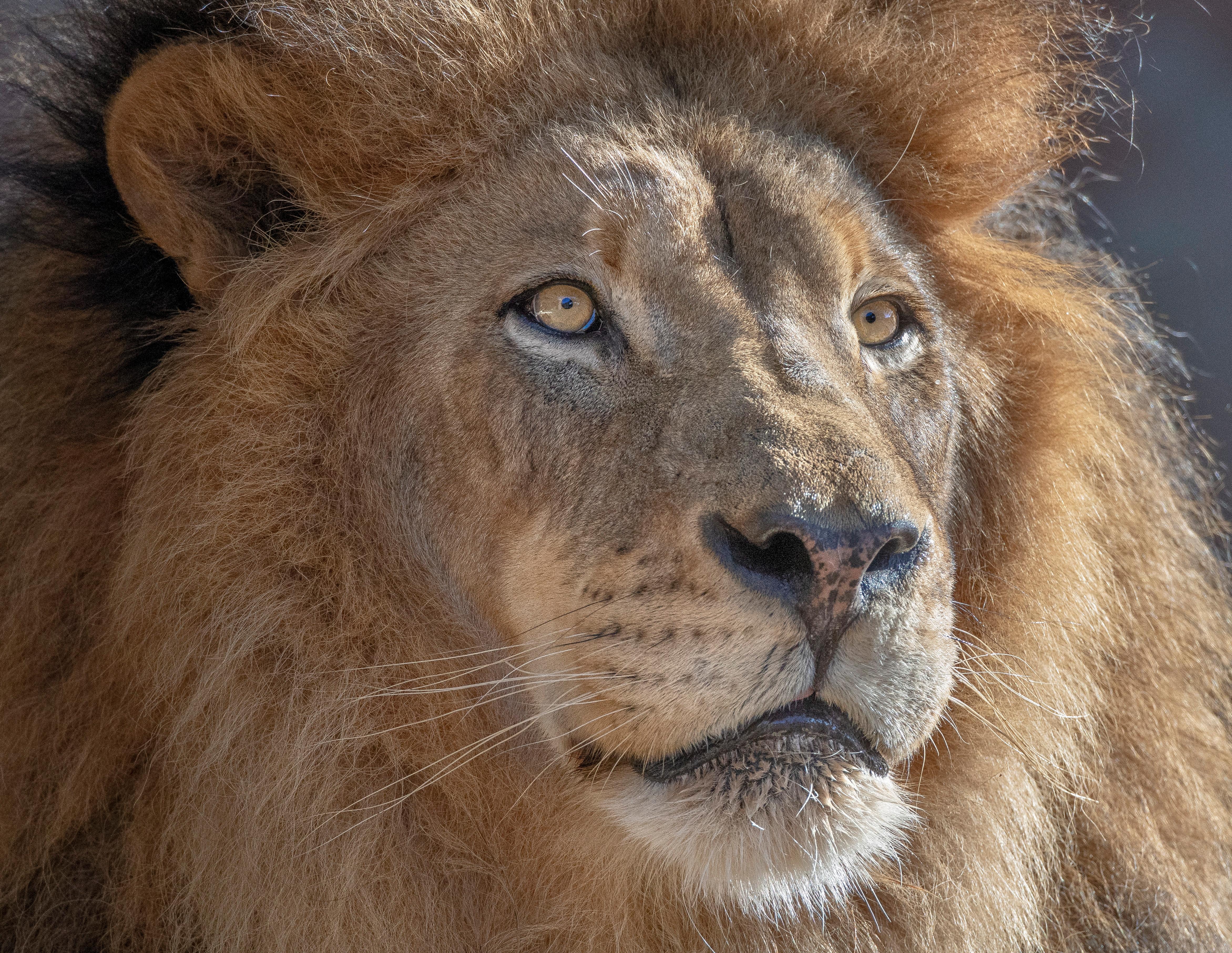
It Began with A ROAR
when the San Diego Zoo was founded to foster connections between people and wildlife. Approximately 4 million guests every year join us to make lasting memories and connect with wildlife. Spanning 100 acres in the heart of Balboa Park in downtown San Diego, we offer allies of all ages countless opportunities to learn about animals, plants, conservation, and the ecosystems we share through inspiring and educational experiences.

Step into Ecosystems
With each new step to every one-of-a-kind habitat, you’re immersed in ecosystems from across the globe. Guests can journey from savanna to seashore, explore the wonders of the Land Down Under, meander through lush rainforest, and so much more.
Enjoy the Views
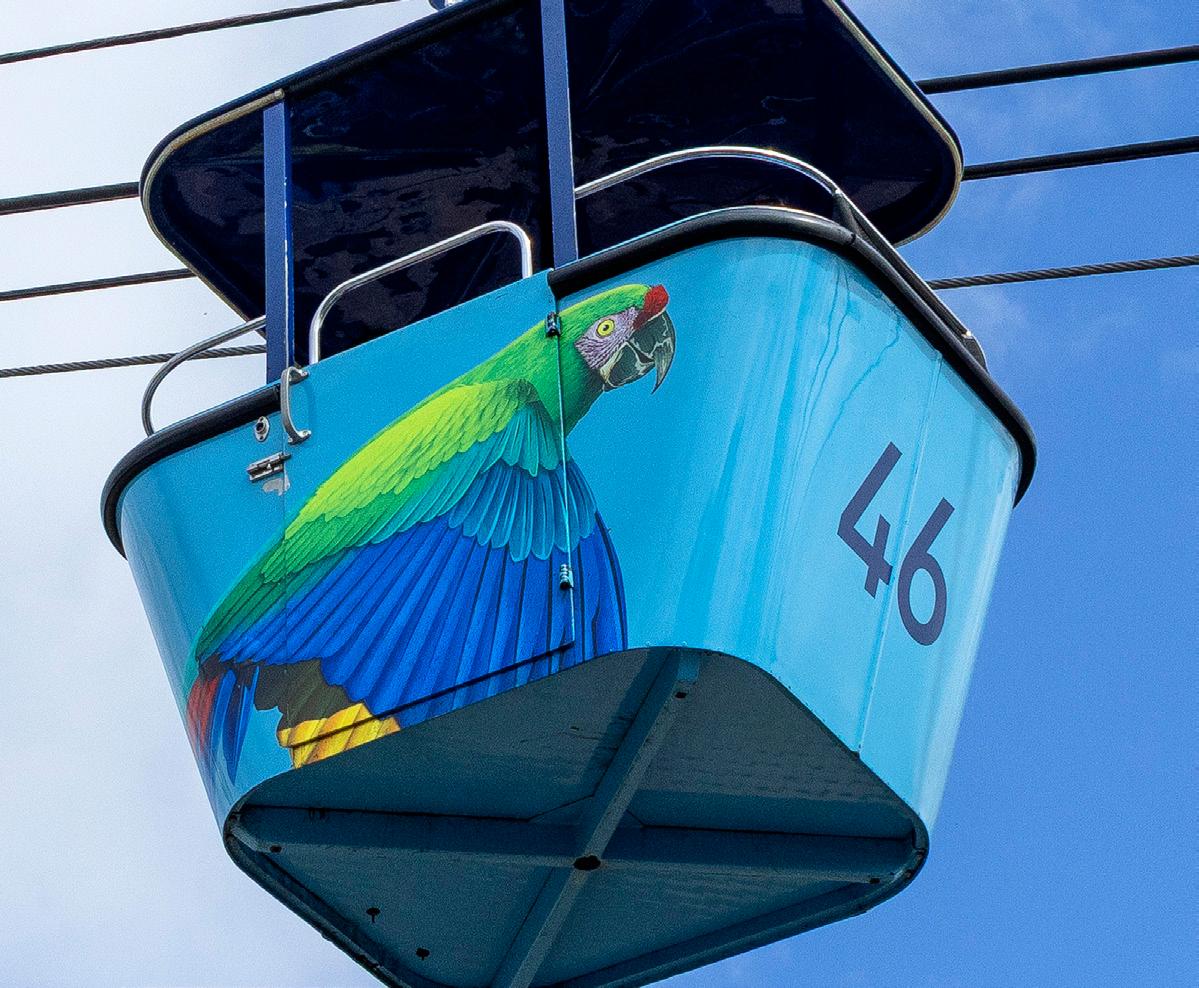
Take a stroll through buzzing aviaries and forests with trickling streams, and experience bird’s-eye views from Bashor Bridge, Skyfari®, and our signature double-decker buses. Everywhere you look, you’ll discover different ways to connect with nature.
Fuel Your Exploration
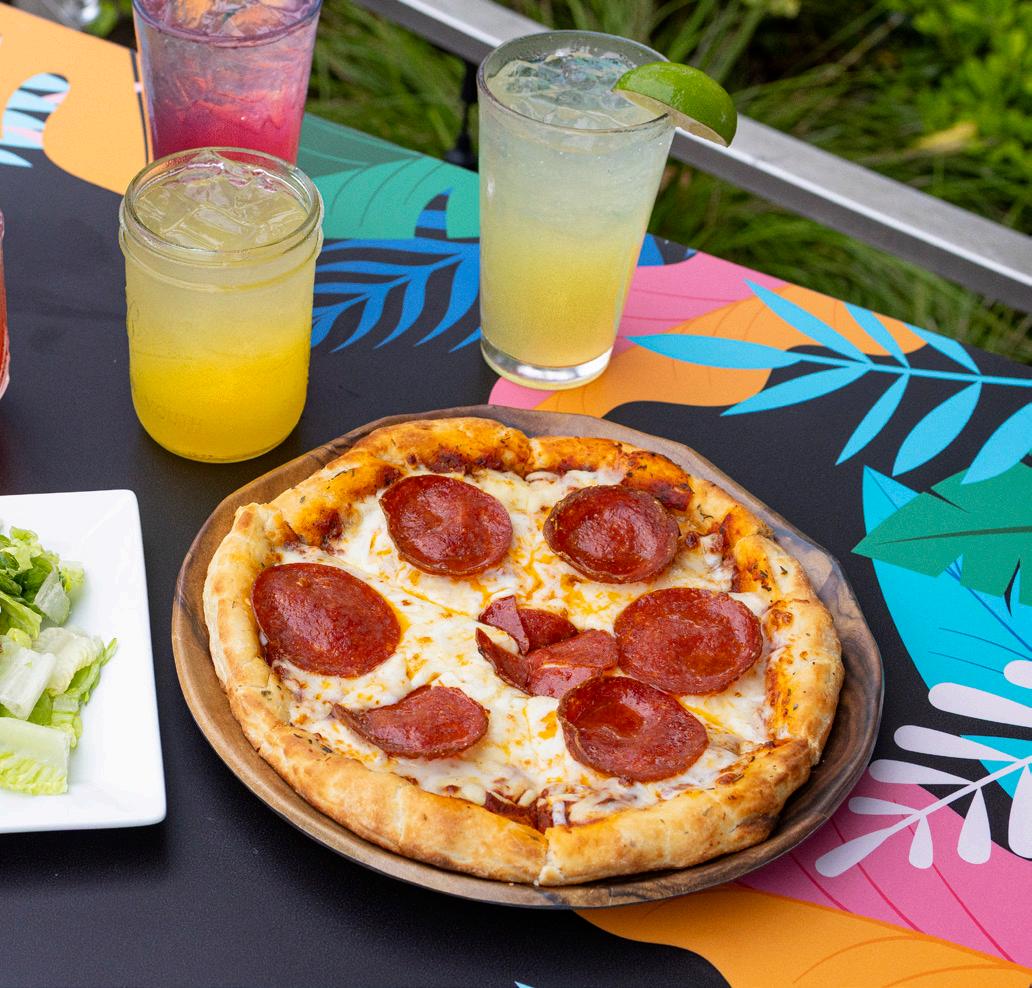
In our 30 unique dining locations, you’ll find tasty options ranging from quick bites, sips, and snacks to gourmet dining.
Where Plants Thrive
We’re an accredited botanical garden, caring for more than 700,000 individual plants of over 3,100 species. The Zoo is also a haven for endangered and illegally trafficked plants, and we’ve earned Level IV accreditation as an arboretum—the highest rank awarded by ArbNet.
Wildlife Wonders
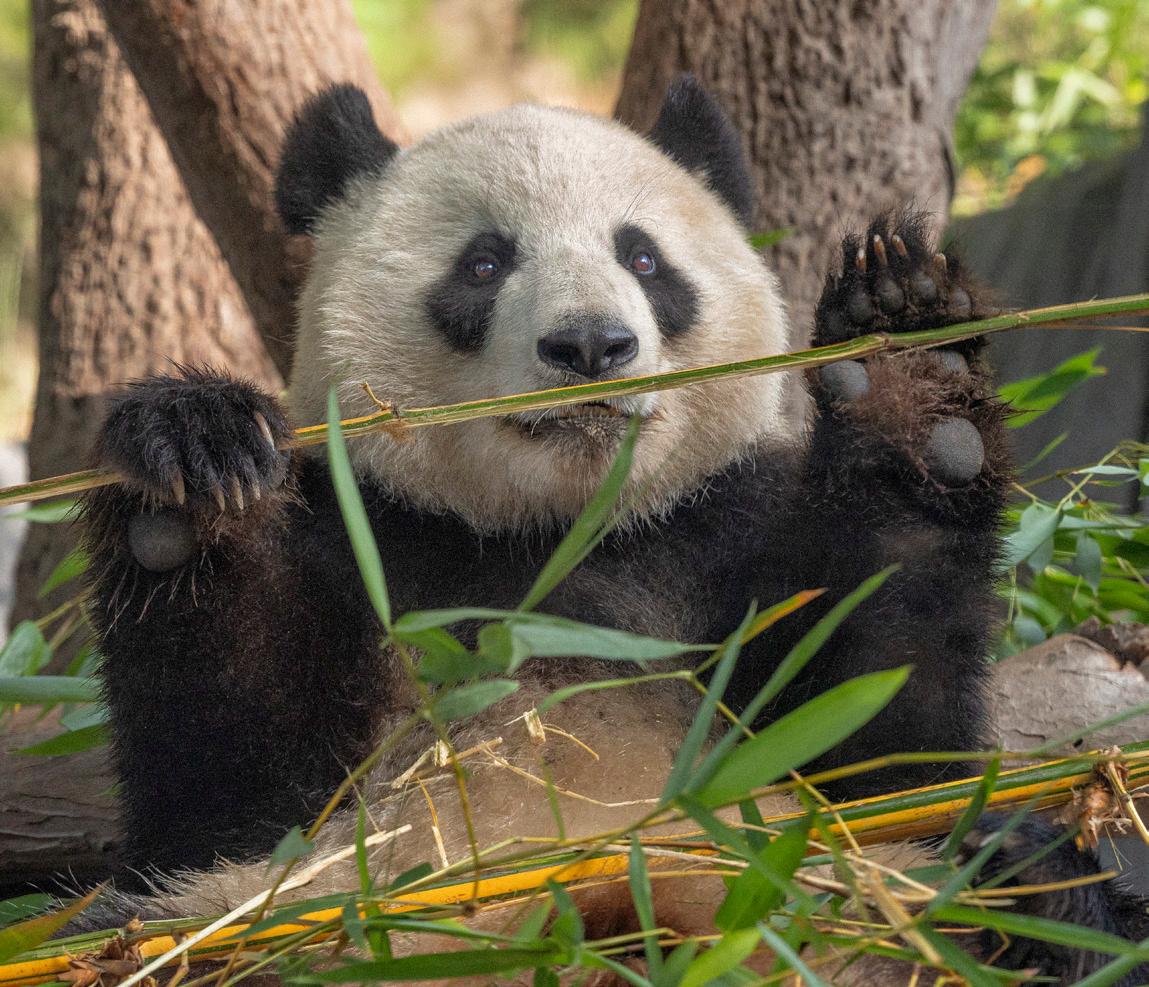
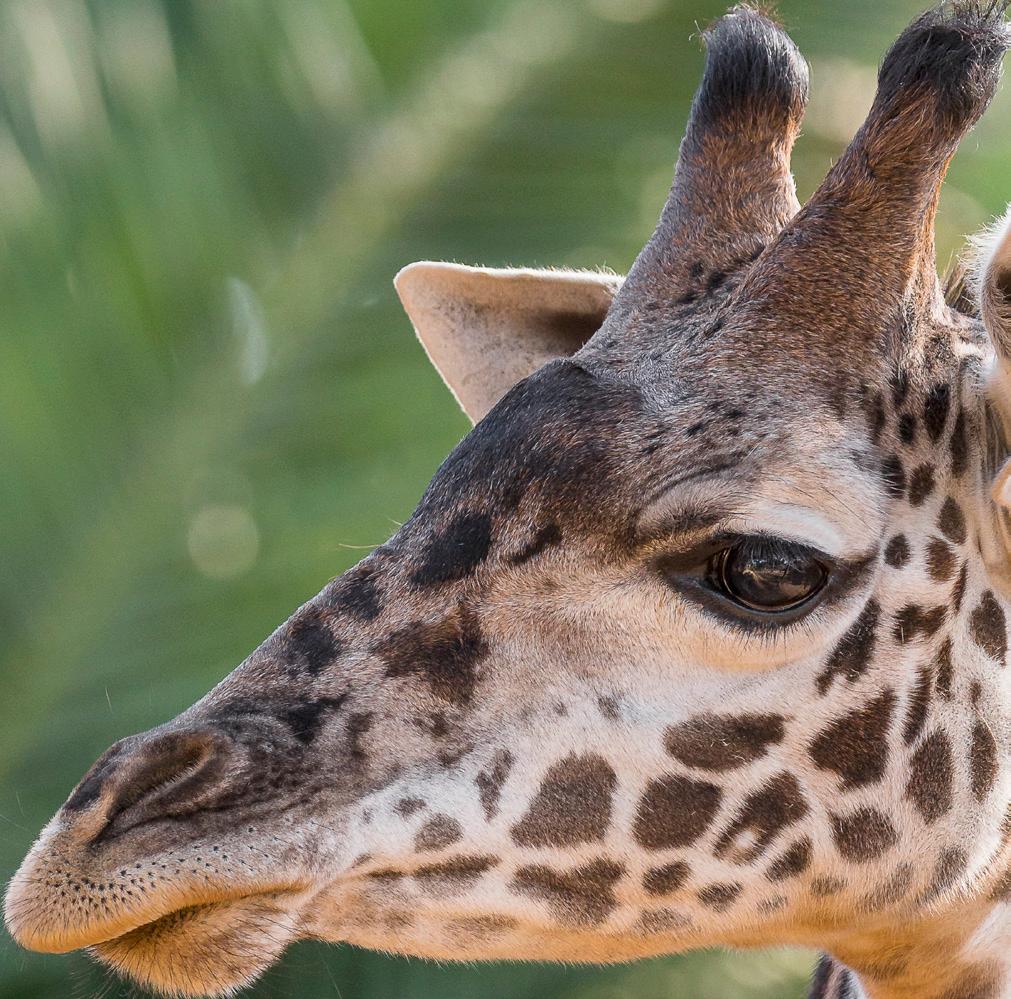
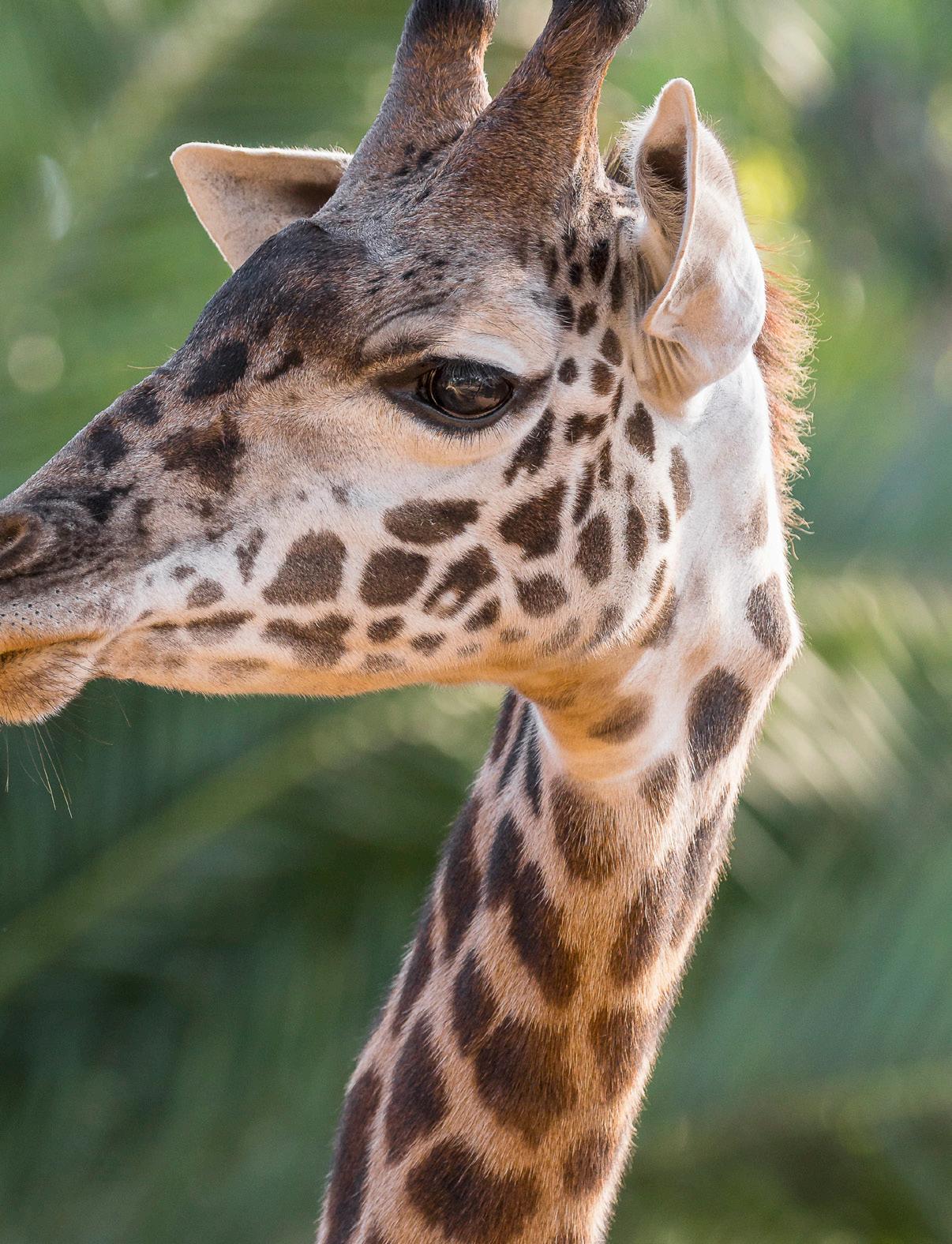
From giant pandas exploring bamboo forests at Denny Sanford Panda Ridge to orangutans swinging through the treetops, new discoveries await around every corner. We care for more than 12,000 unique and endangered animals representing over 680 species.
Finding Inspiration
At Denny Sanford Wildlife Explorers Basecamp, the next generation of conservationists and caretakers of our planet encounter new worlds and learn about nature while they climb, jump, and play alongside wildlife.
Engaging Adventures
Discovery awaits in experiences that bring allies even closer to wildlife.
• Inside Look tours
• Wildlife encounters and experiences
• Exclusive VIP Experiences
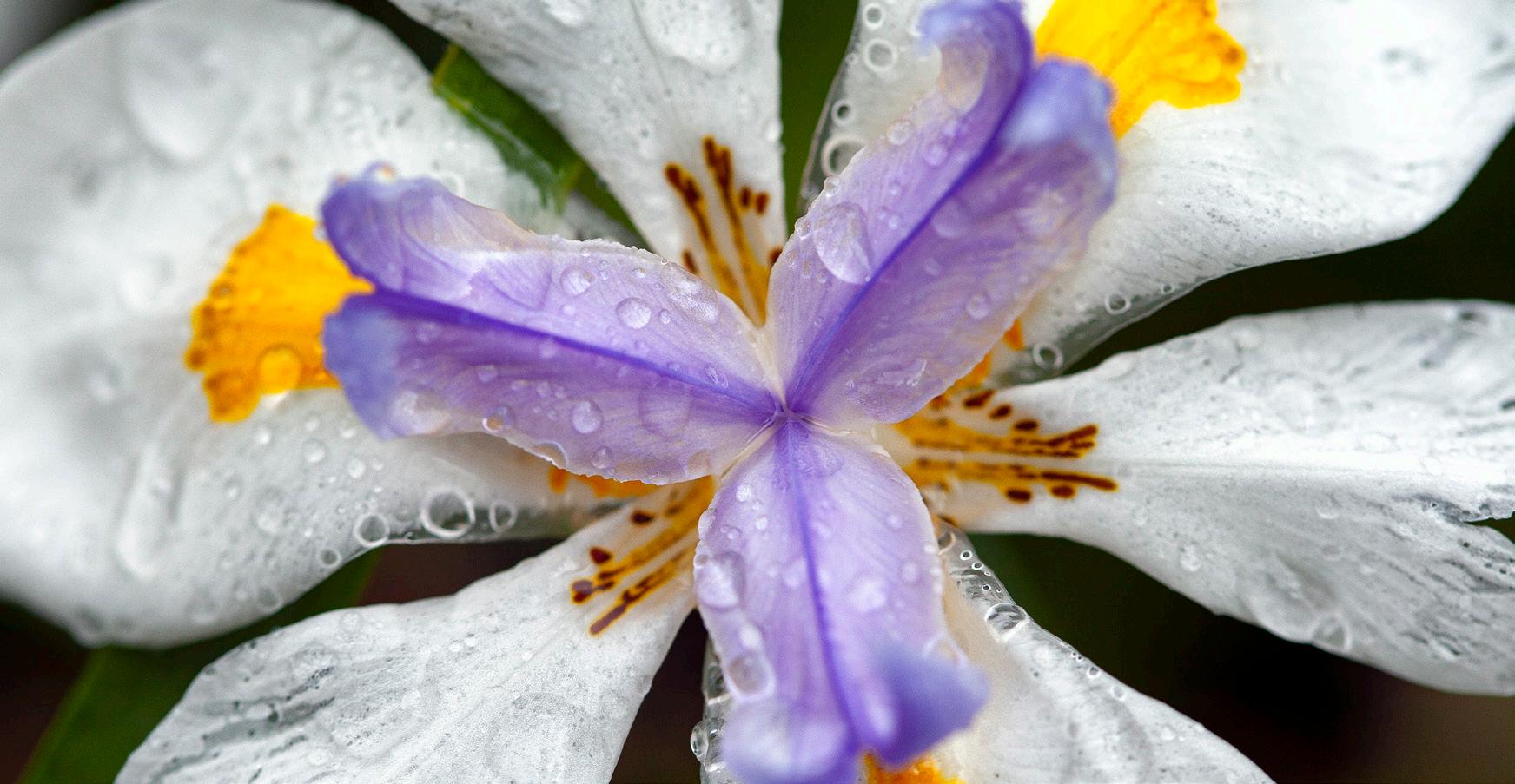
• Plant Days and Orchid Odyssey
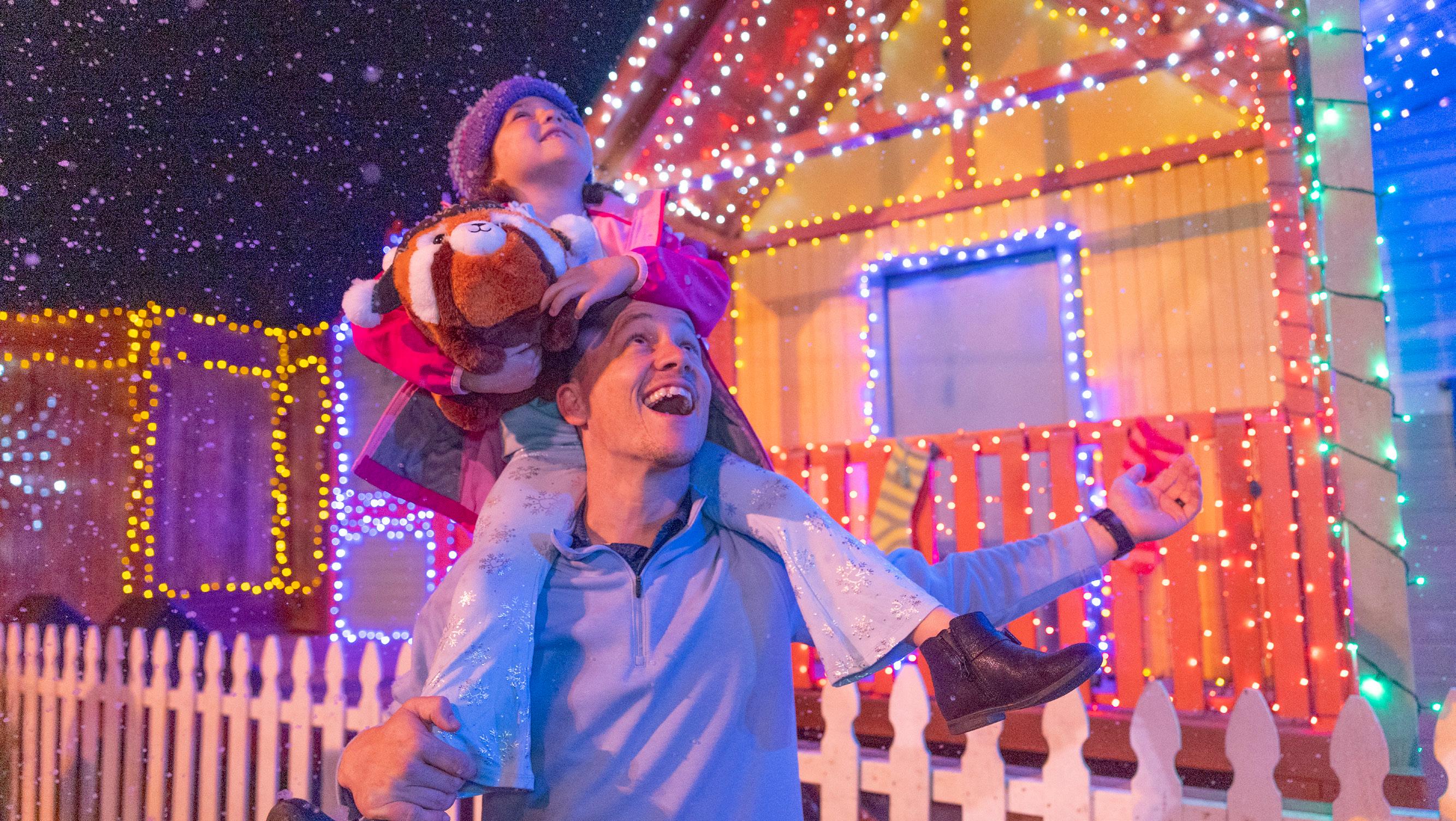
• Seasonal events, including HalGLOWeen, Jungle Bells, and Food, Wine & Brew
Conservation Begins Here
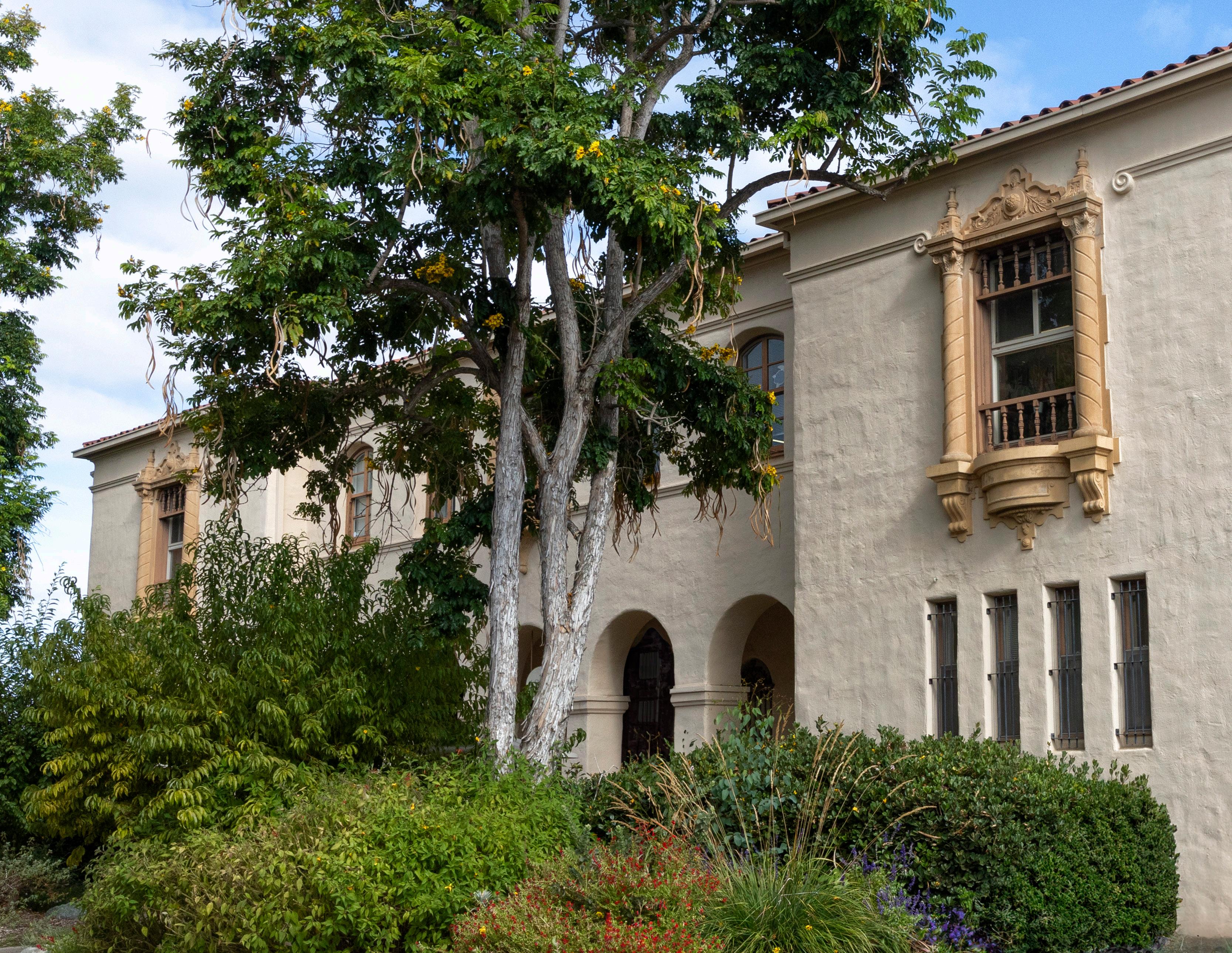
A renowned veterinary hospital and museum-accredited pathology archives are based at the Zoo. At the Scripps Building, our Disease Investigations team works to address wildlife disease and performs health surveillance, and our Wildlife Nutrition and Curatorial teams collaborate to provide world-class care.
There’s No Place Like It ON EARTH
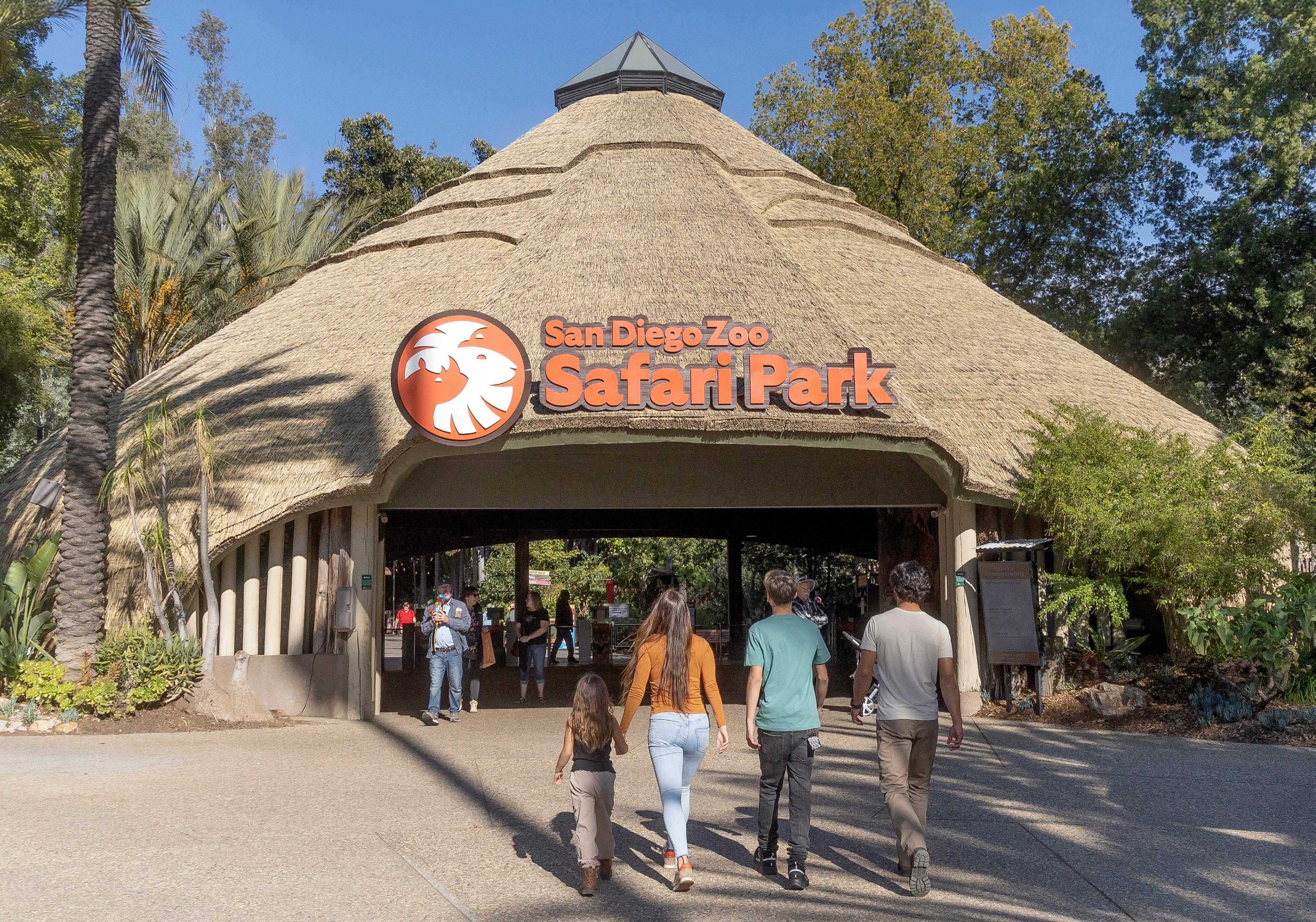
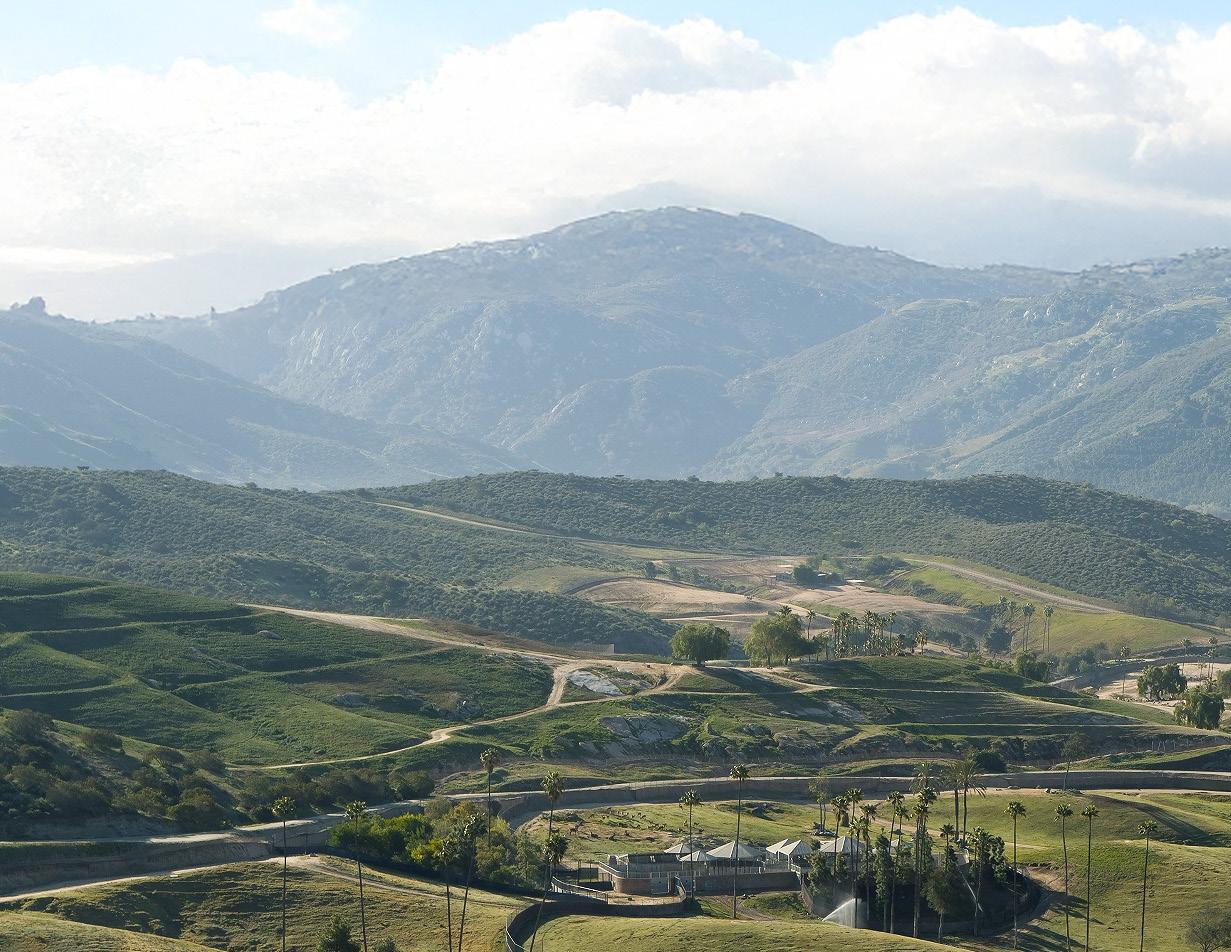
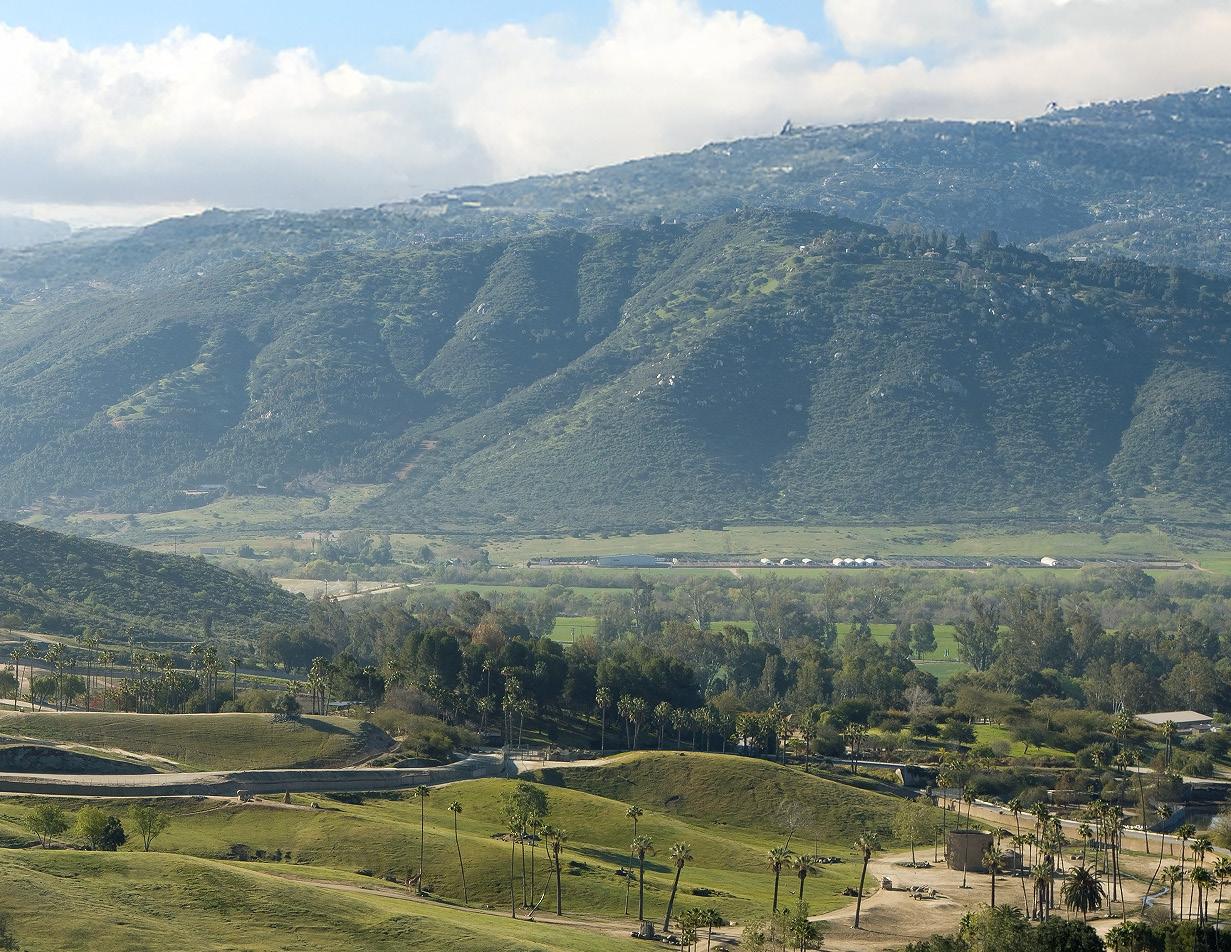
Immersive, authentic, adventure-oriented experiences spread across 1,800 acres in Escondido, California, offer guests the opportunity to connect with extraordinary wildlife and ecosystems—from Australian forests and Asian rainforests to the chaparral of North America’s Southwest and vast savannas of Africa. Life-changing moments happen here every day, inspiring over 1.3 million allies who visit us each year to join our efforts to save, protect, and care for wildlife worldwide.
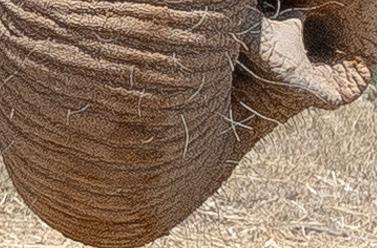
We extend our deepest gratitude to Marian Frank for her support of Safari Park habitats, including a special space for three rescued mountain lions.
Now Boarding
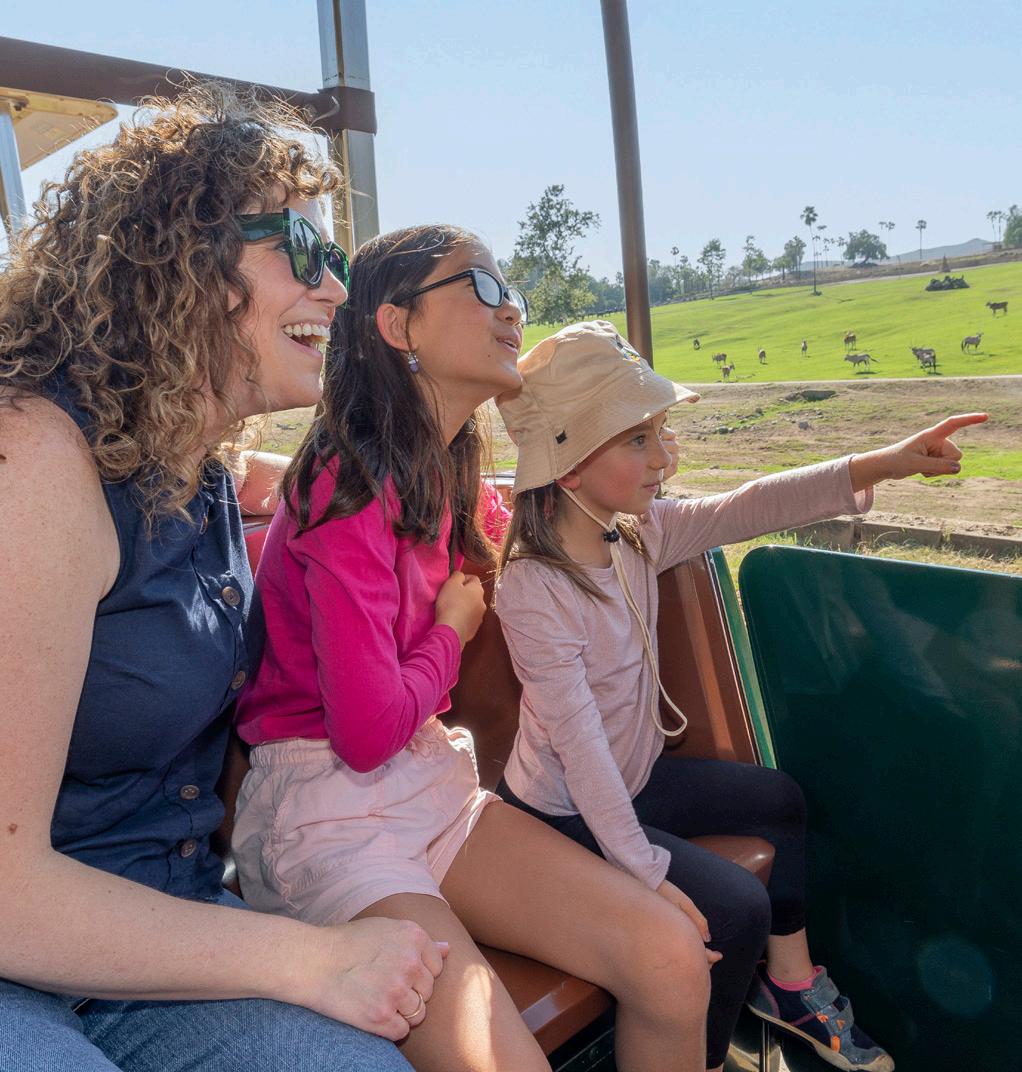
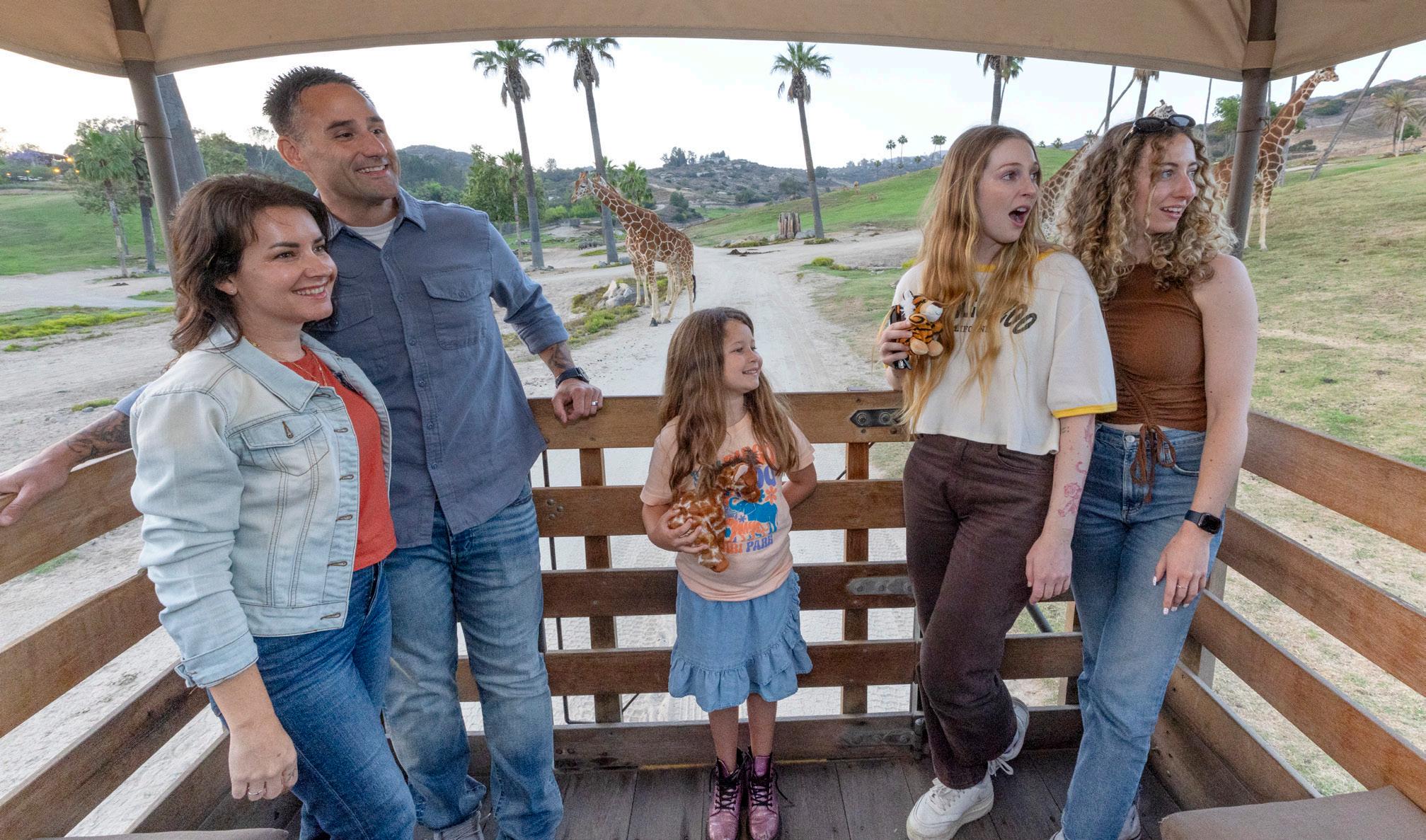
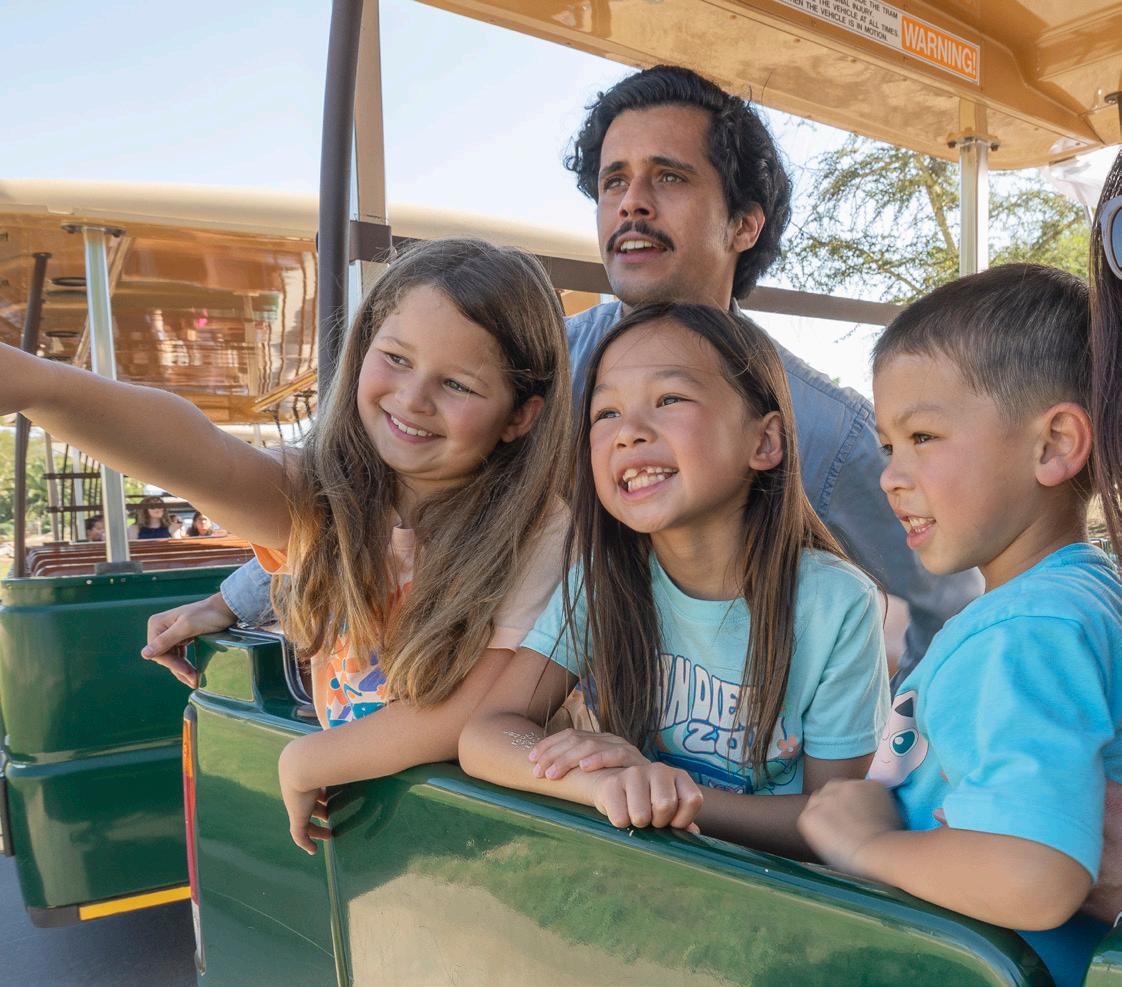
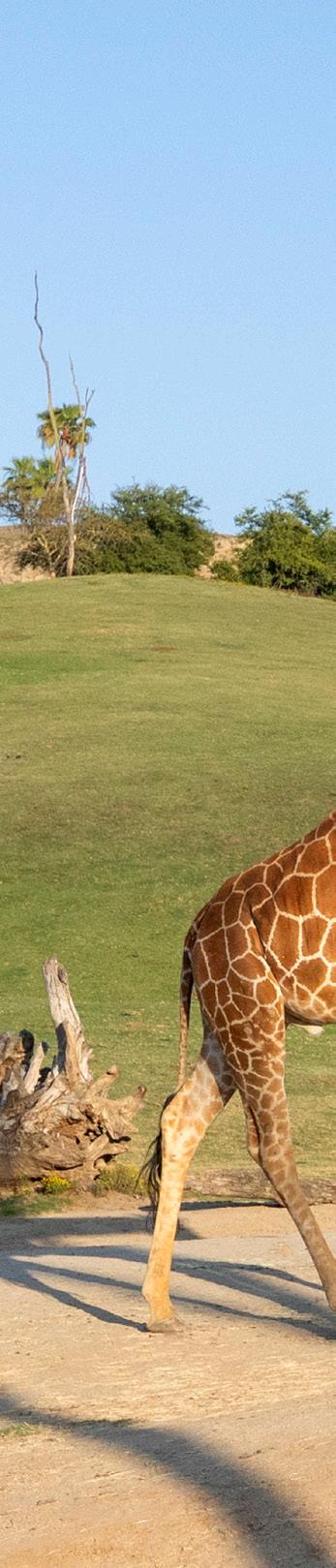
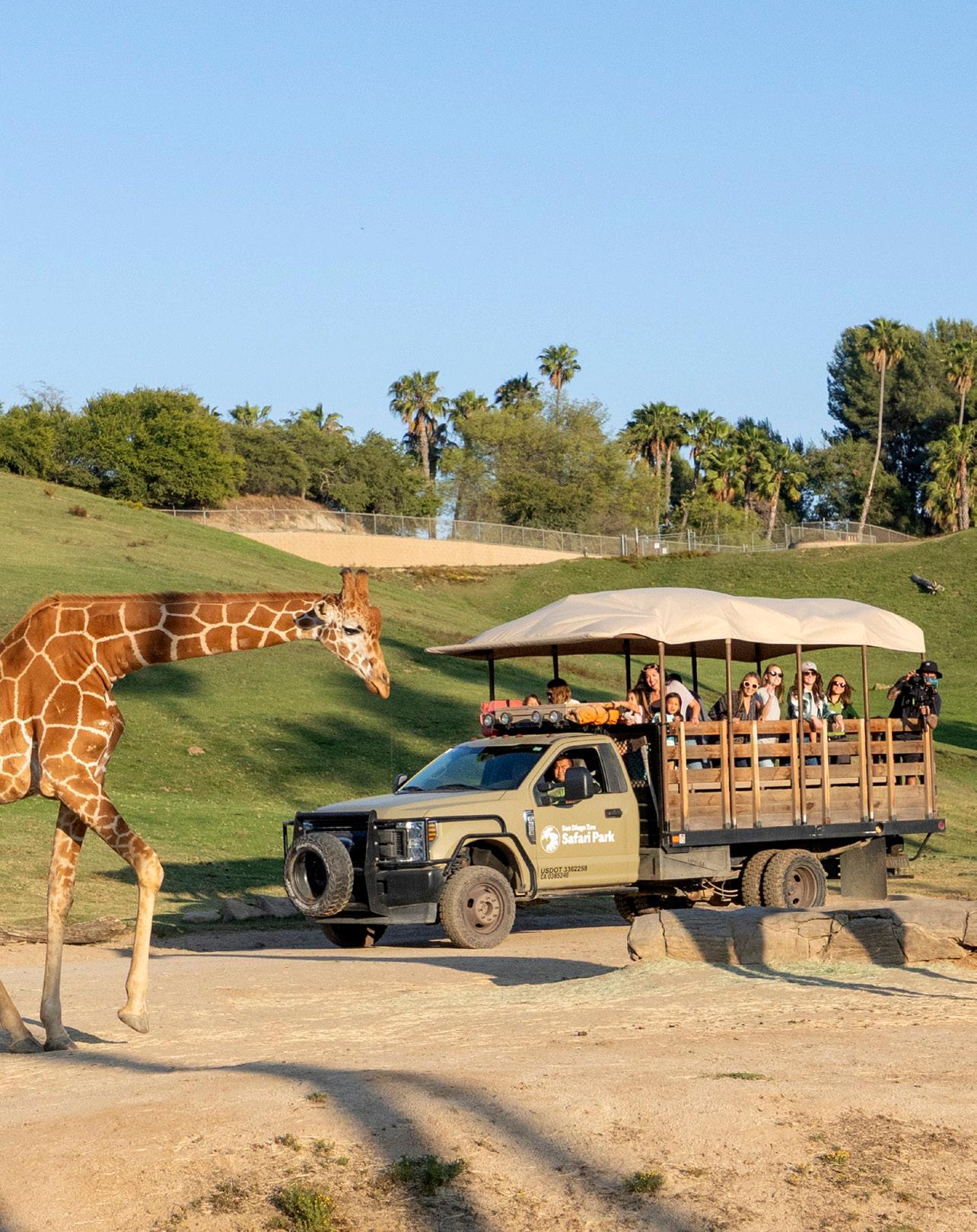
Take a ride on our iconic Africa Tram, inspired by the legendary safari trains of Africa. Each guided 2.5-mile adventure whisks you away to expansive savannas to experience towers of giraffes, crashes of rhinos, flocks of rare birds, and so much more.
Denny Sanford Elephant Valley
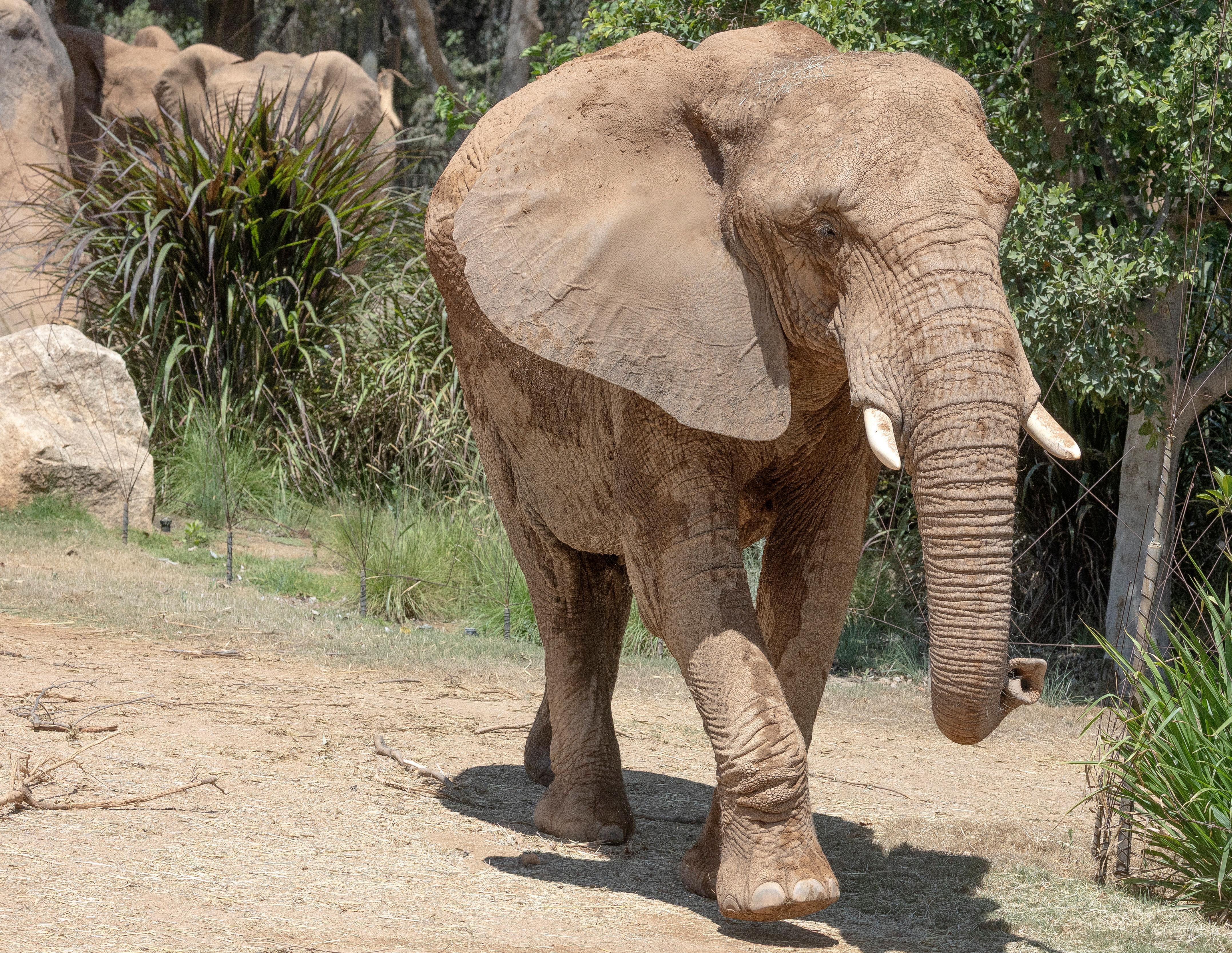
With your support, we’re transforming the heart of the Safari Park with the reimagining of Elephant Valley. This dynamic new experience is a one-of-a-kind place where guests walk alongside the herd and connect with them on an entirely new scale, becoming part of a movement working to secure their future for generations to come.
Tasty Treats
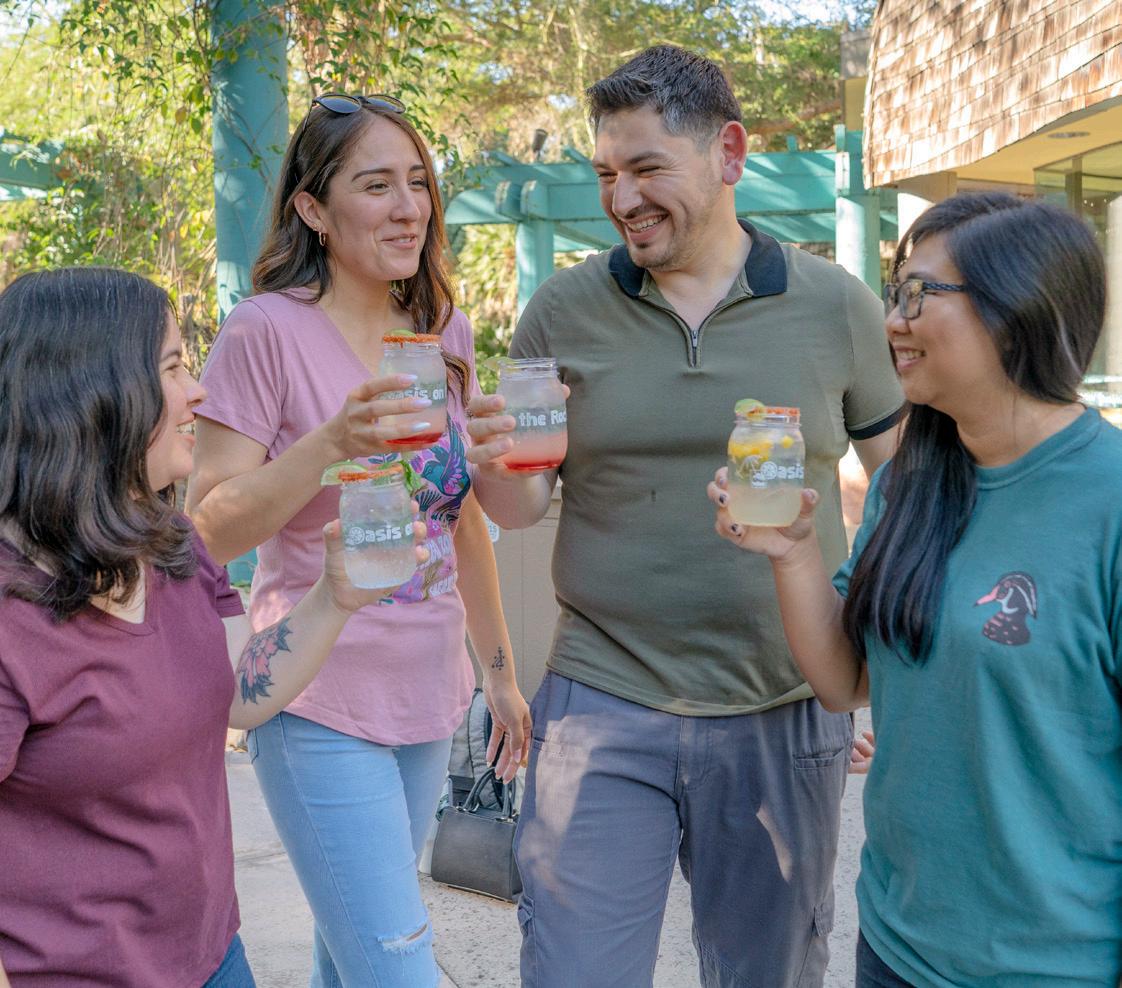
Delicious menu options abound at our 17 dining and snacking locations, from small bites to full-service meals and delectable seasonal offerings.

Places to Play
Interactive areas engage our youngest allies with wildlife-themed fun, including Mawazo Woods Discovery Area, Conservation Carousel, and Camp Play Area at Tull Family Tiger Trail.
Encounter Wildlife
We care for more than 3,000 animals representing over 293 species. You’ll discover endless opportunities to connect with the world’s wildlife, from tigers prowling bamboo forests to gorillas interacting across leafy glades and a platypus swimming through bubbling streams.
Verdant Vistas
Here we care for more than 1.3 million plants of over 3,700 species. Our accredited botanical gardens transport you into habitats from around the globe, from the Baja and Old World Succulent Gardens to the California Nativescapes Garden. We’ve achieved Level IV accreditation as an arboretum—the highest rank awarded by ArbNet.
Choose Your Adventure
Guests enjoy a range of thrilling, educational, and adventure-oriented experiences.
• Wildlife and Safari Experiences
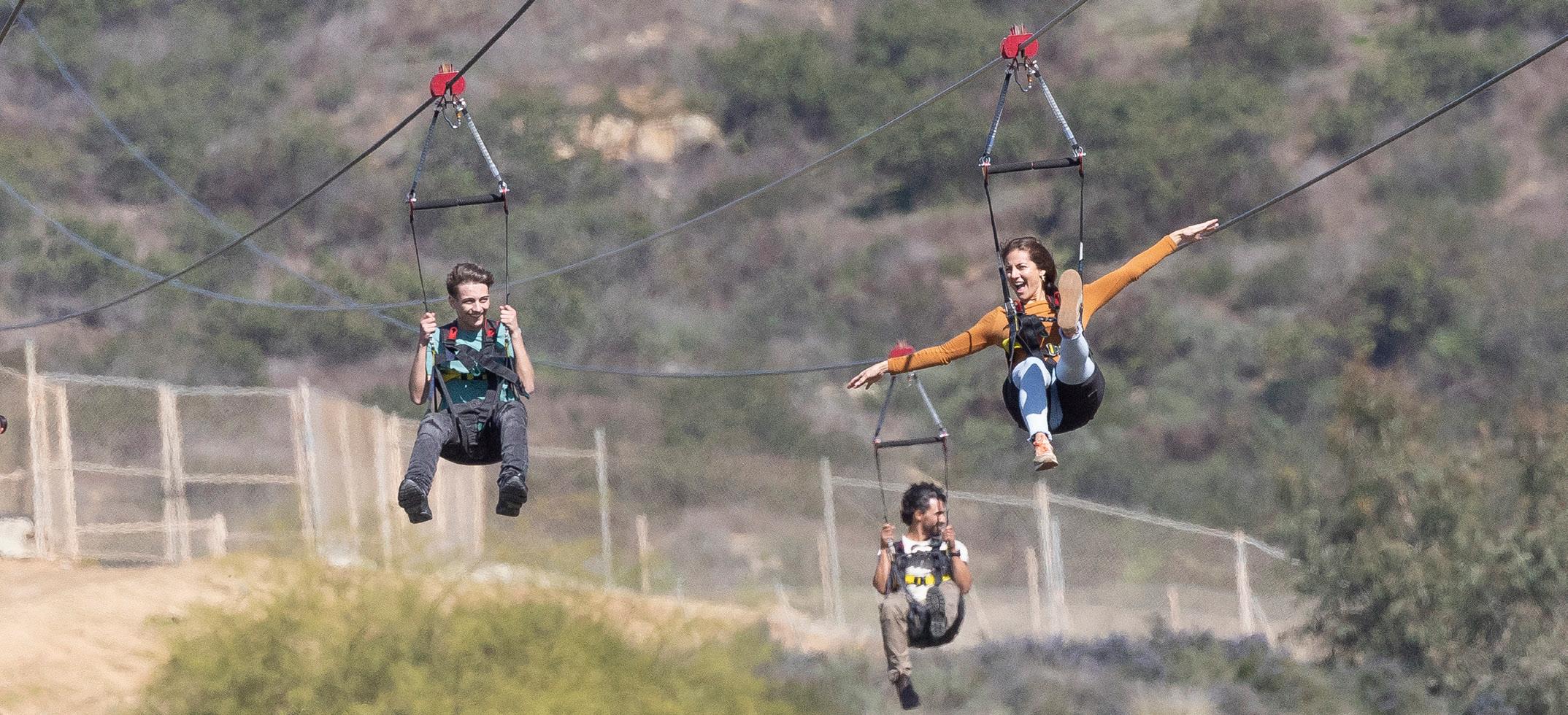
• Zip lining on Flightline Safari
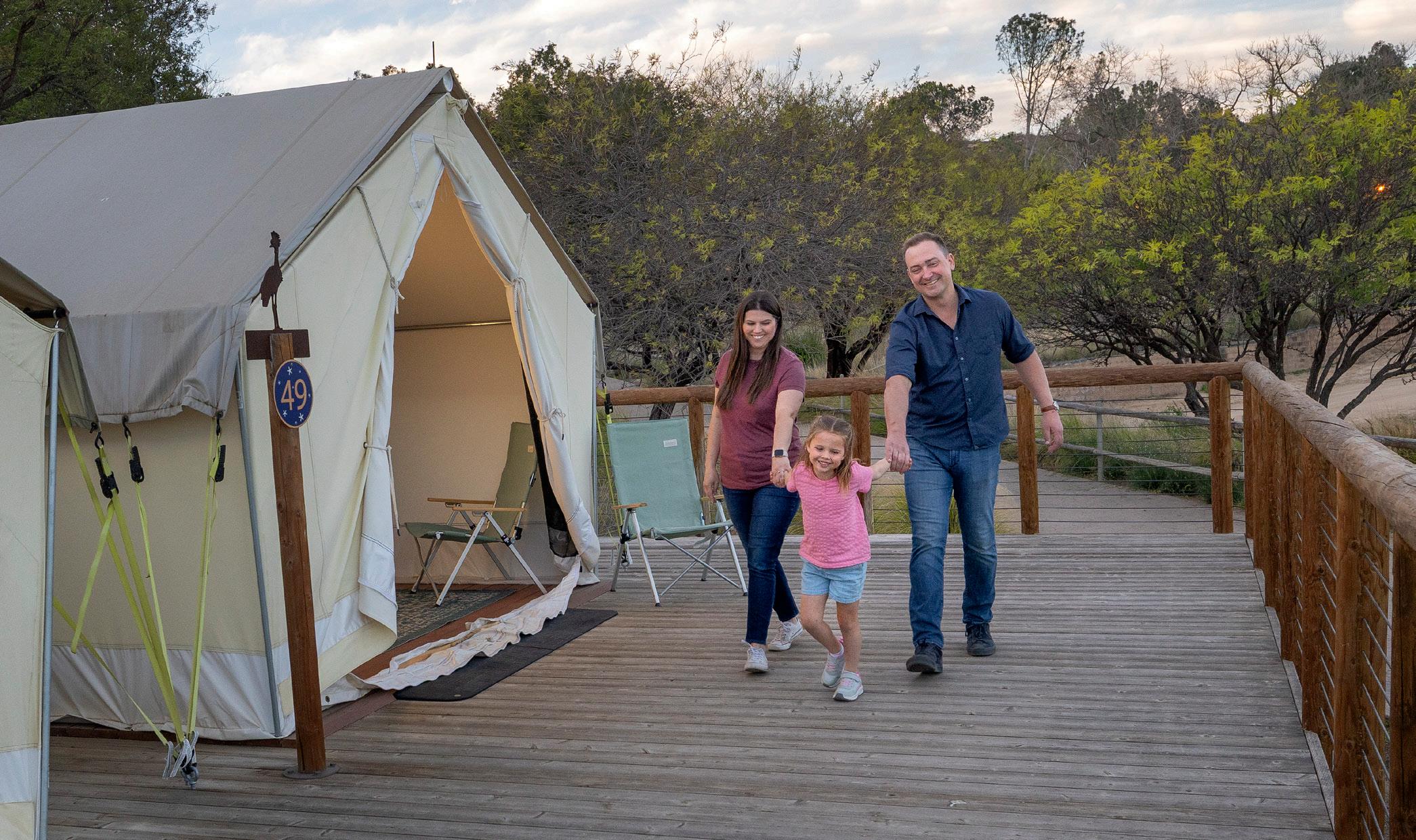
• Roar & Snore overnight camping
• Ultimate Safari
• Wildlife encounters
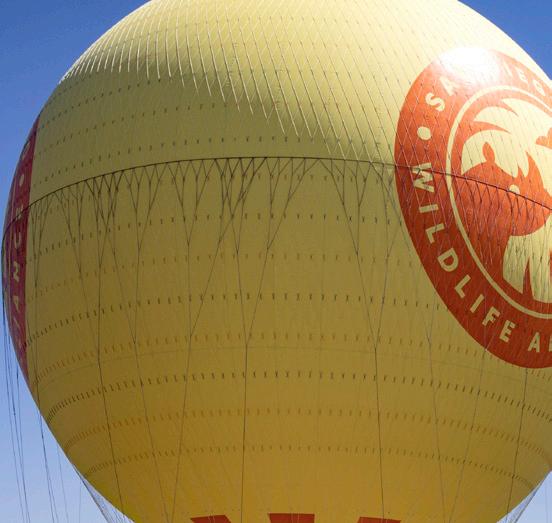
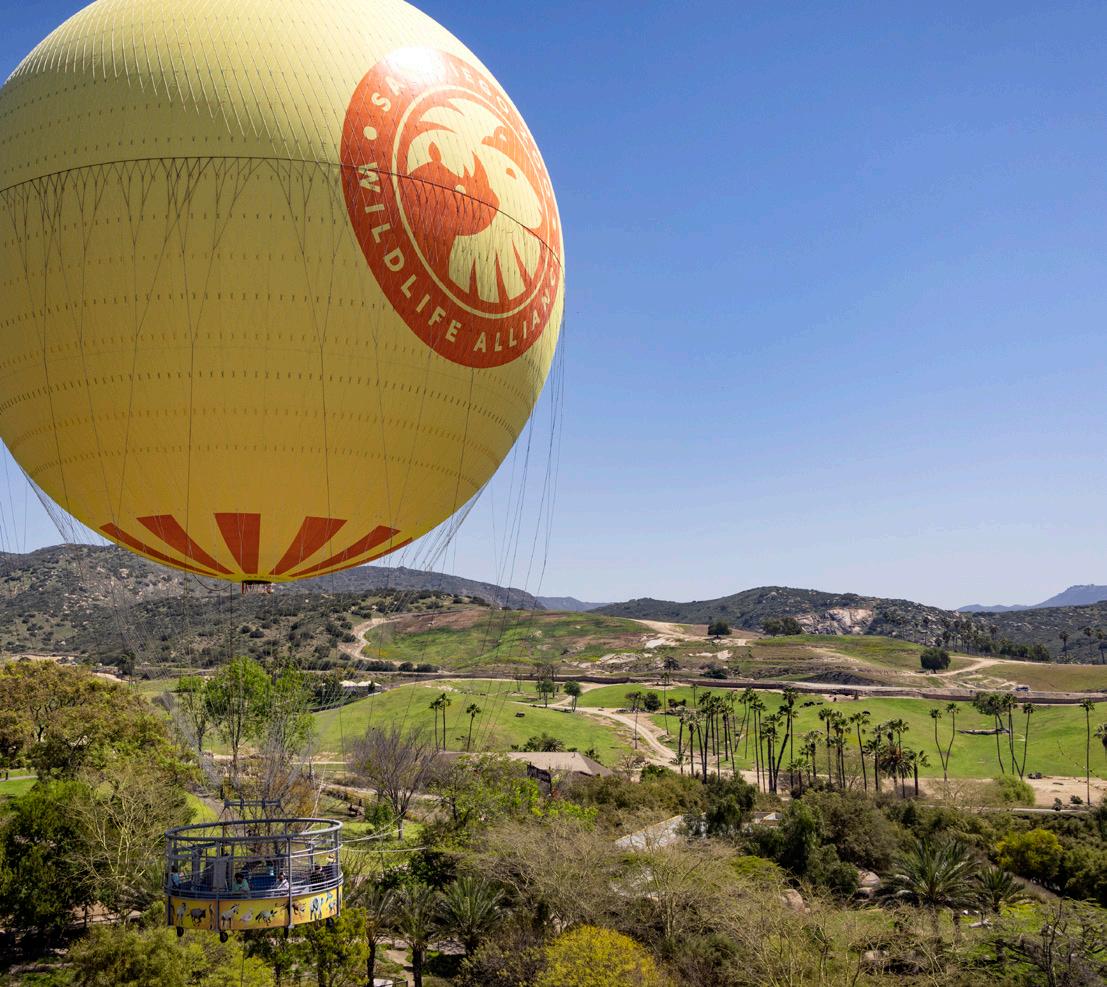
• Balloon Safari
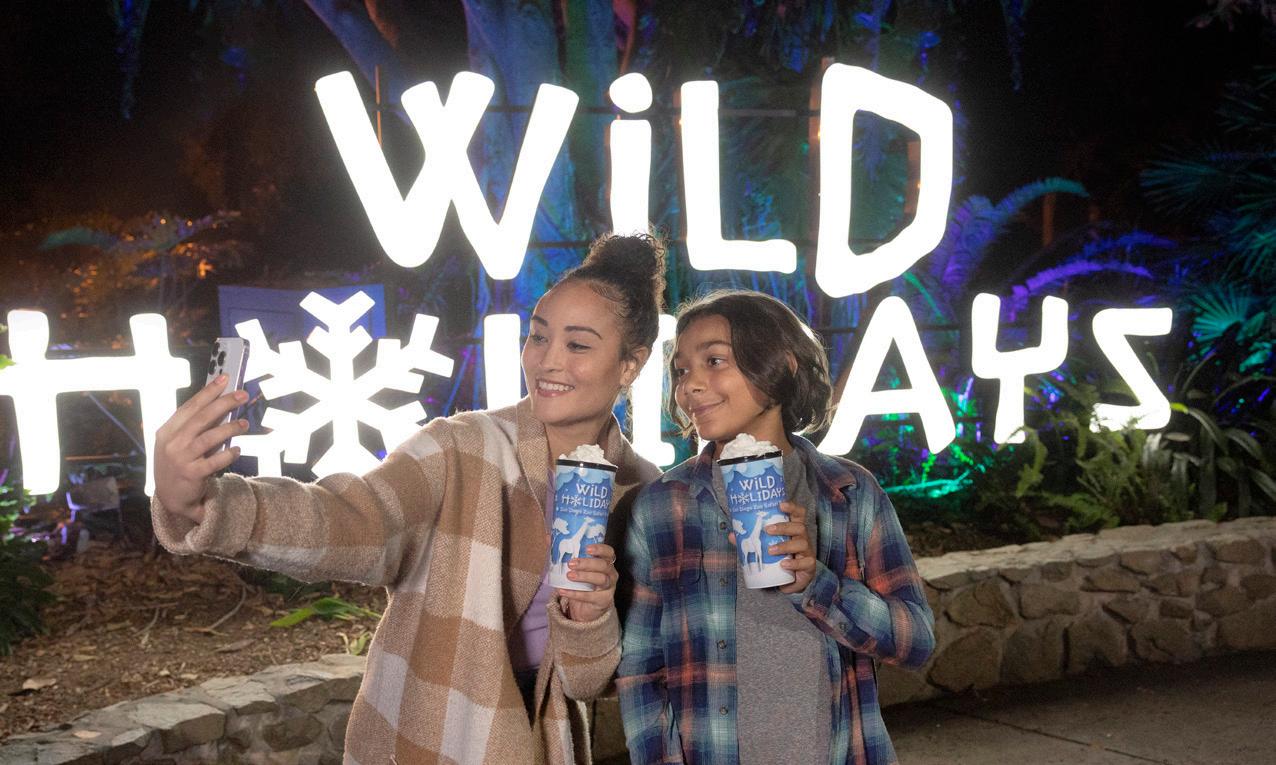
• Seasonal adventures, including Butterfly Jungle, Autumn Festival, and Wild Holidays
Remarkable Reserve
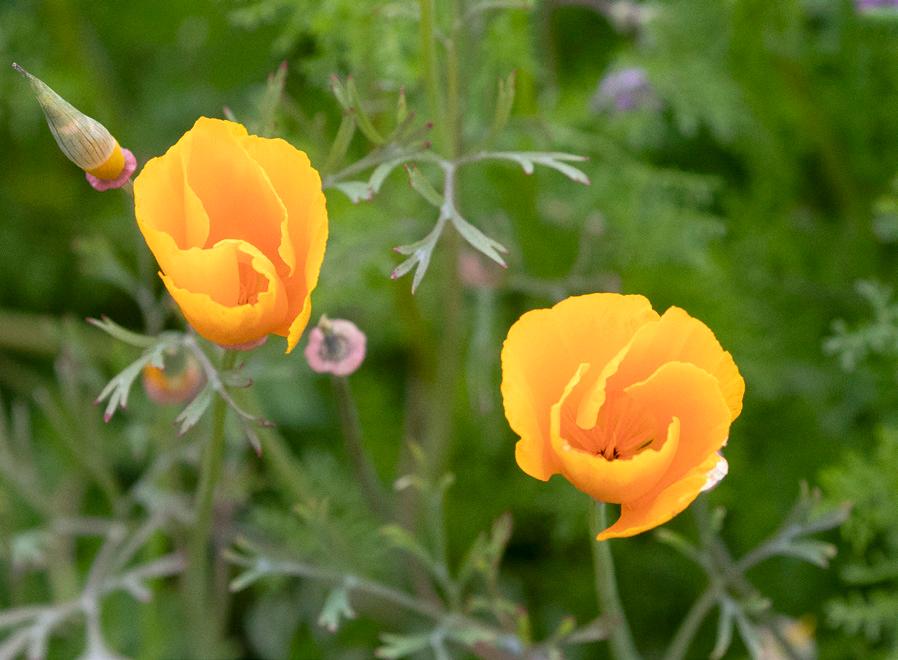
The Biodiversity Reserve, a maintained wilderness of vital native coastal sage scrub habitat, makes up nearly 1,000 of the Safari Park’s 1,800 acres. It is designated as a protected area by 30x30 California, an effort to protect 30% of California’s lands and coastal waters by 2030.

Arnold and Mabel Beckman Center for
Conservation Research
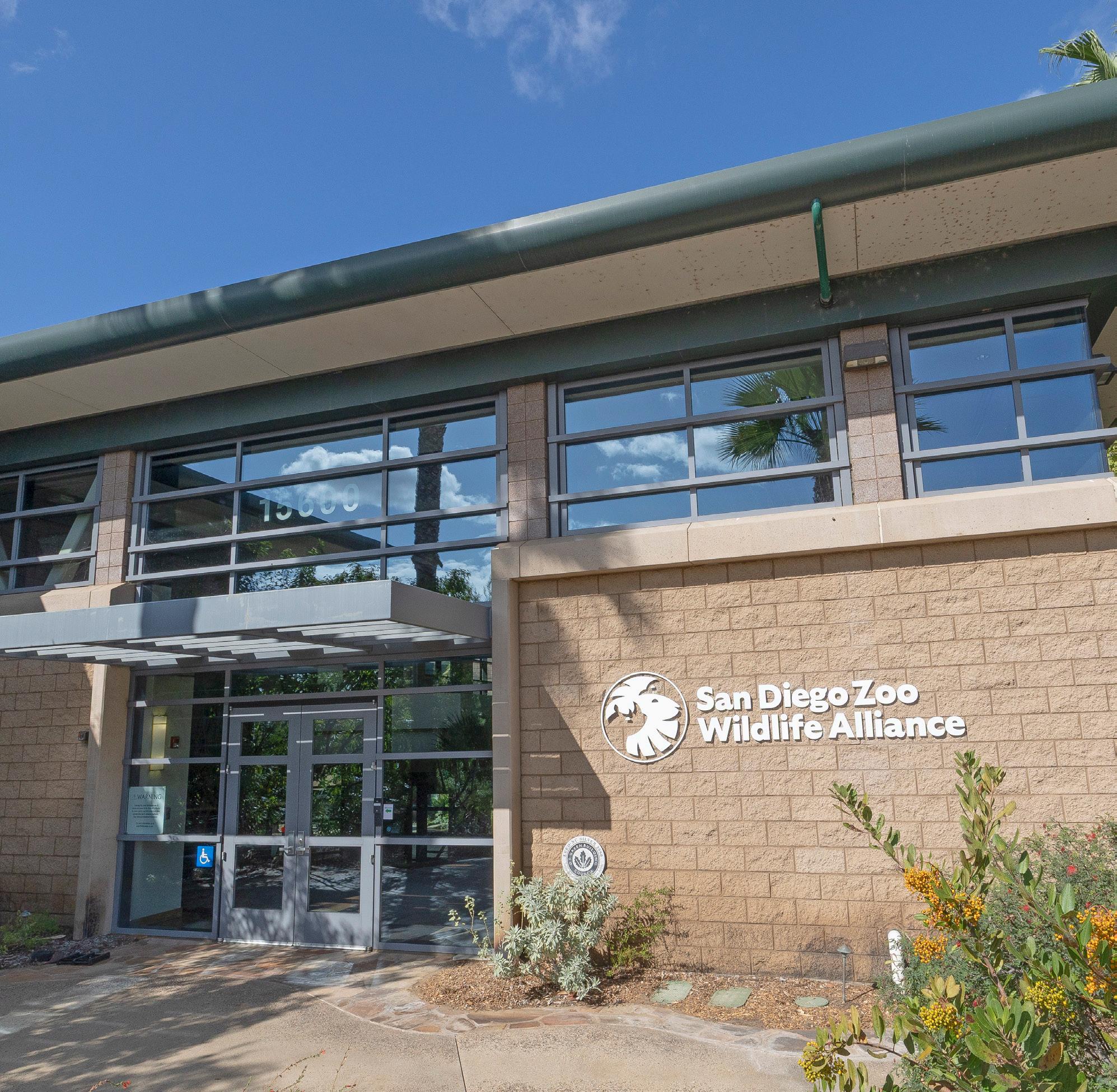
At this home base for innovation—and our Conservation Science and Wildlife Health teams—you’ll find our library, laboratories, Wildlife Biodiversity Bank, Conservation Education Lab, and The Eddy Family Outdoor Learning Lab.
A Conservation Center
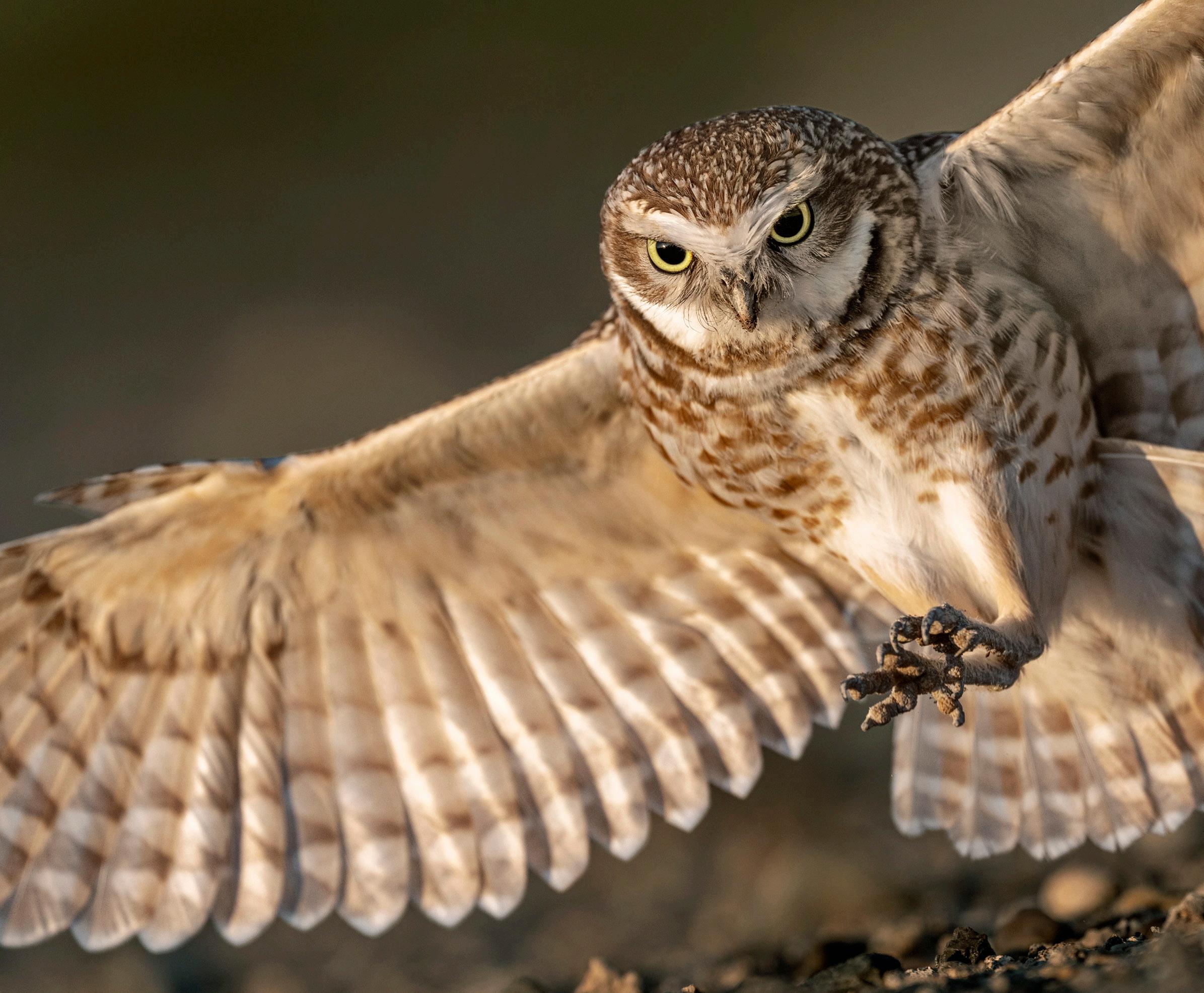
The Safari Park was founded as one of the boldest preservation projects in history, and it continues to lead the way for conservation. Programs to save and protect California condors, western burrowing owls, rhinos, and other endangered species are headquartered here, along with the state-of-the-art Paul Harter Veterinary Medical Center.
Everyday Allies
Each year, around 5.3 million guests join us to connect with wildlife at the Zoo and Safari Park. Every single one of those visits, the lifelong memories they create, and the positive impact they make for wildlife across the globe are only possible because of the thousands of team members and volunteers making it happen each and every day.
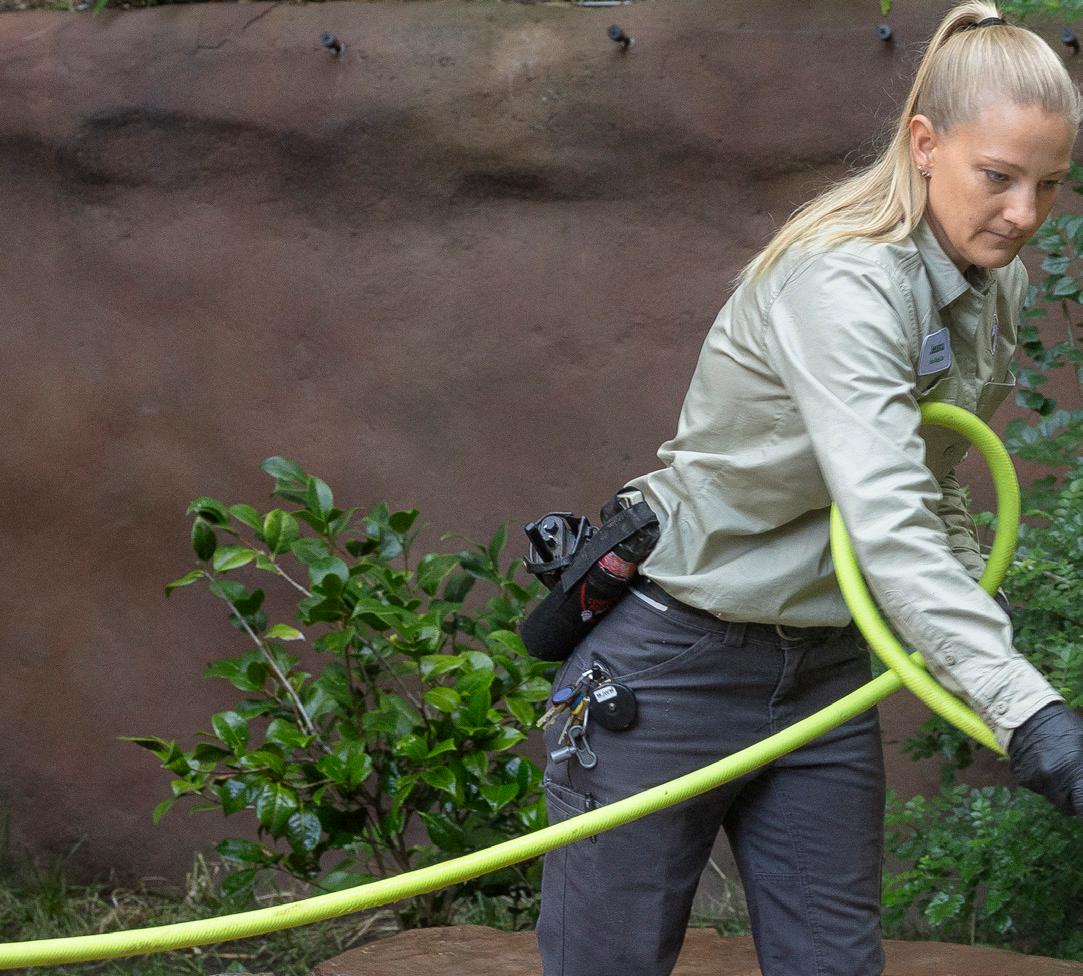
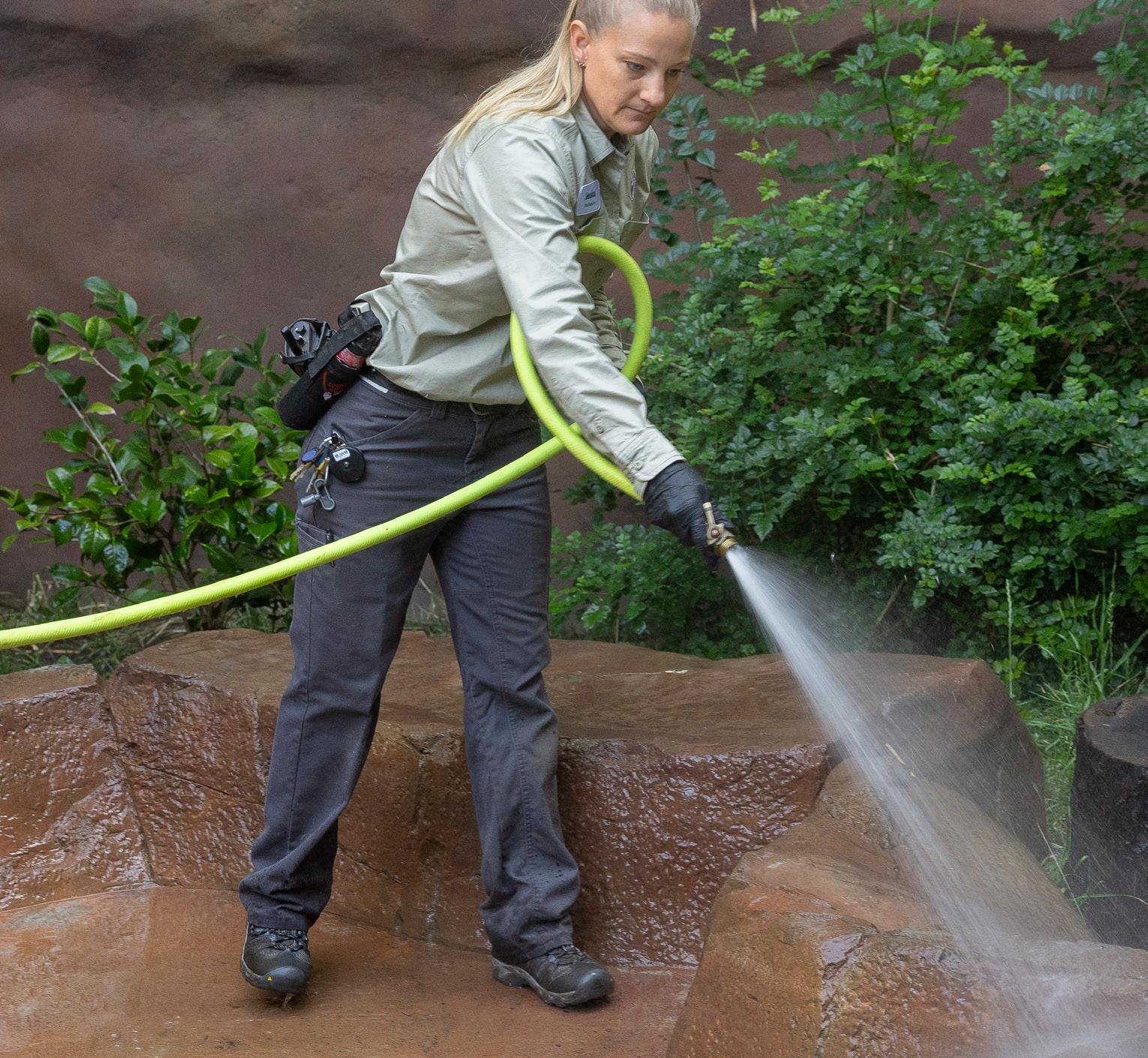
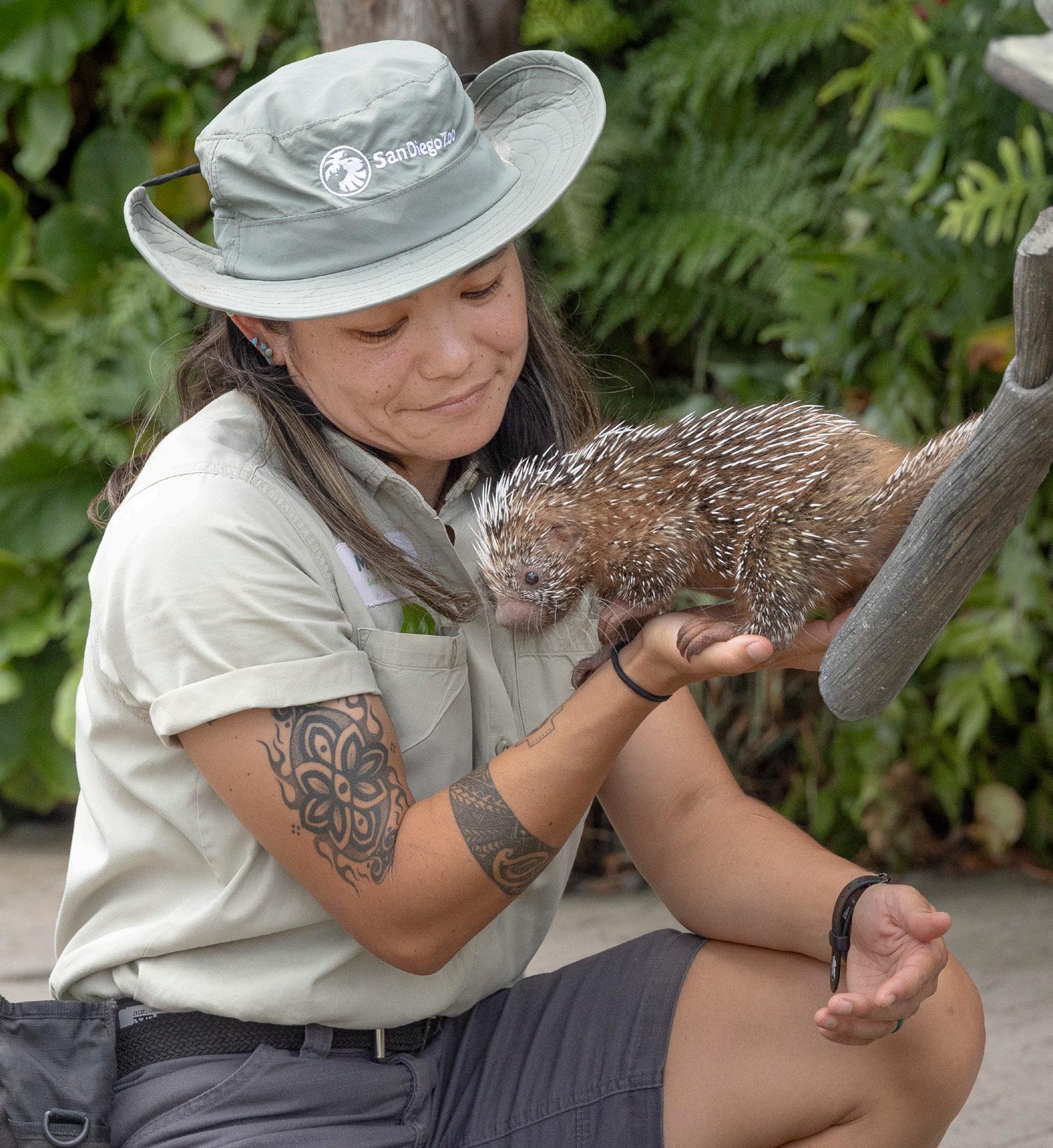
My work gives me the chance to inspire action for conservation on behalf of our mission. When I see the “light bulb” going on for guests, it brings me joy.
SAM F., Tours/Transportation
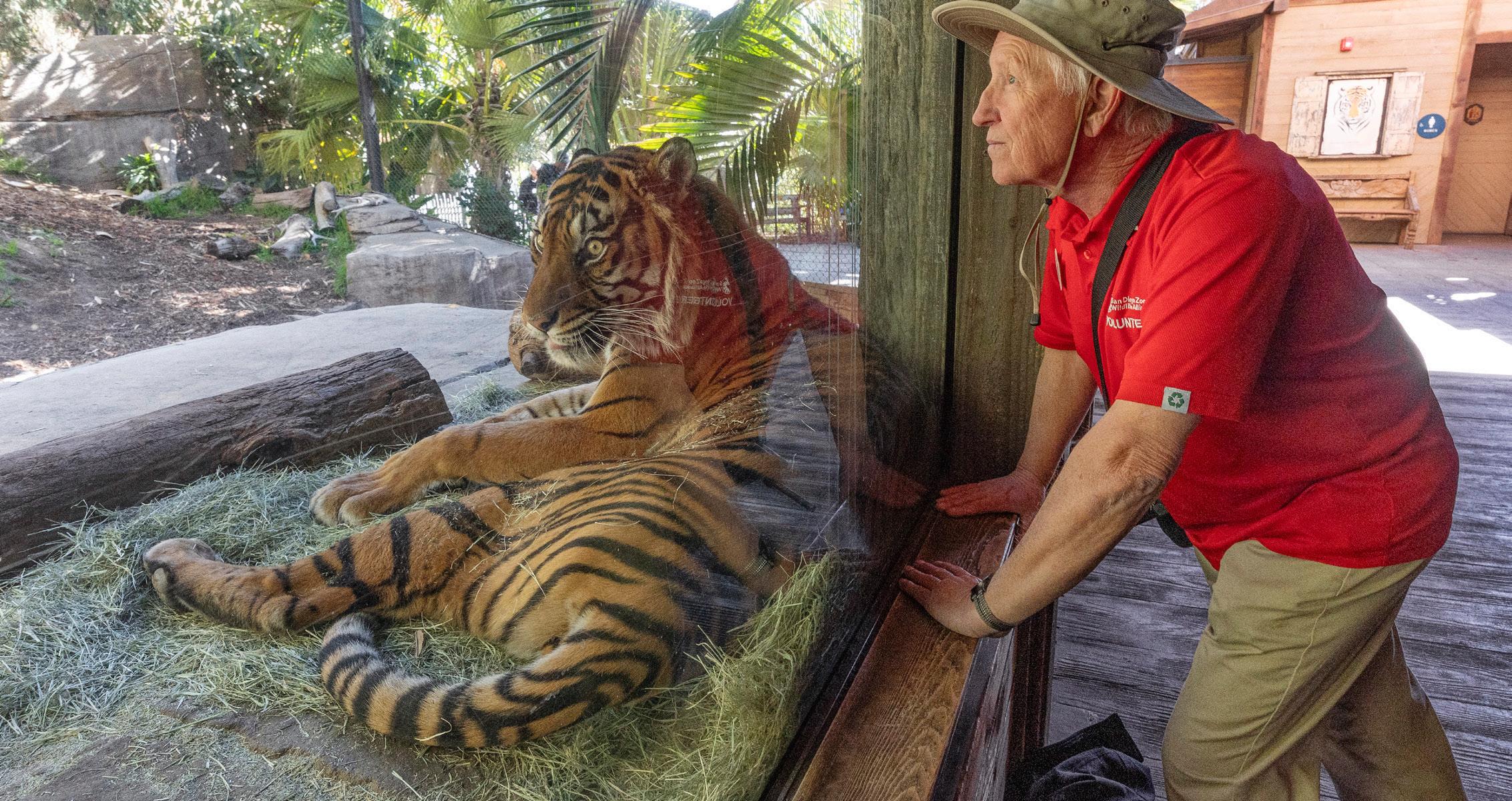
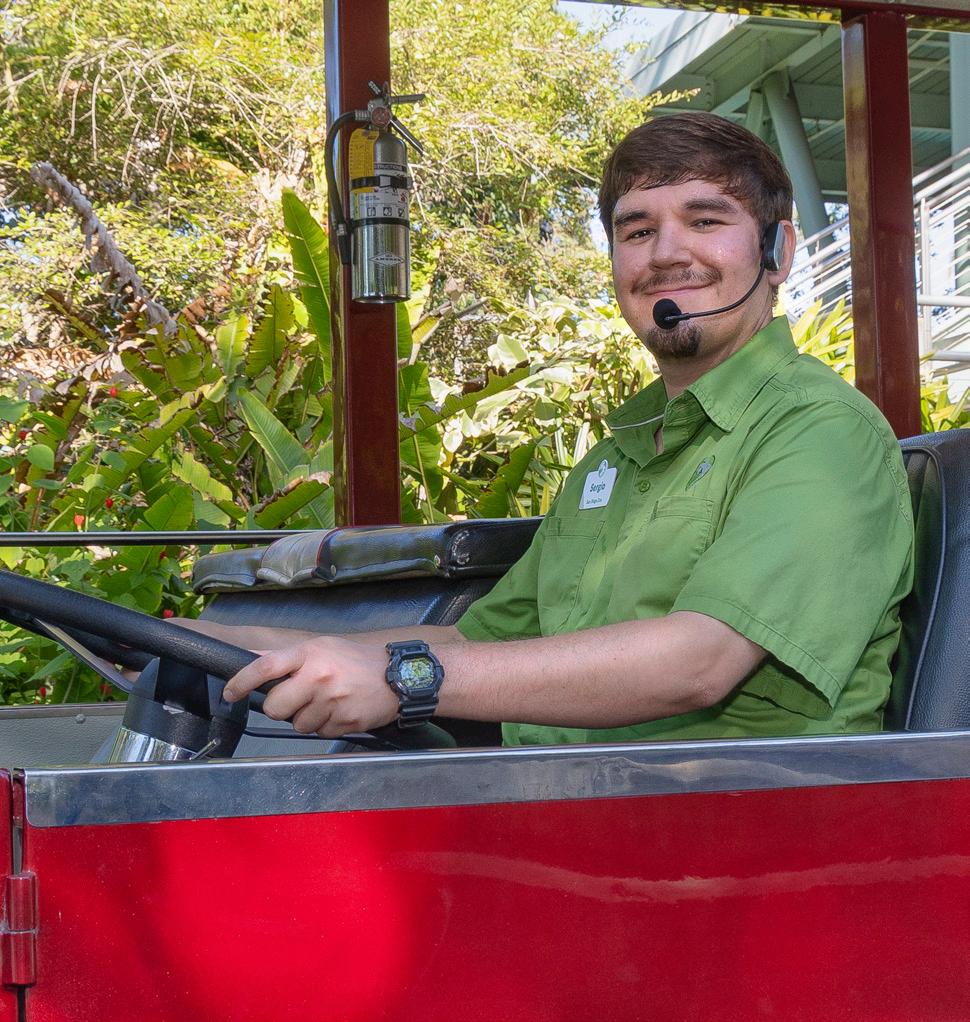
3,000+ Dedicated Team Members worked to fulfill San Diego Zoo Wildlife Alliance’s mission in San Diego and across the globe in 2025.
1,889
Invaluable Volunteers work alongside our teams. They share their passion for conservation with guests of all ages, lend their unique skills and expertise behind the scenes, and are making a difference for our mission.
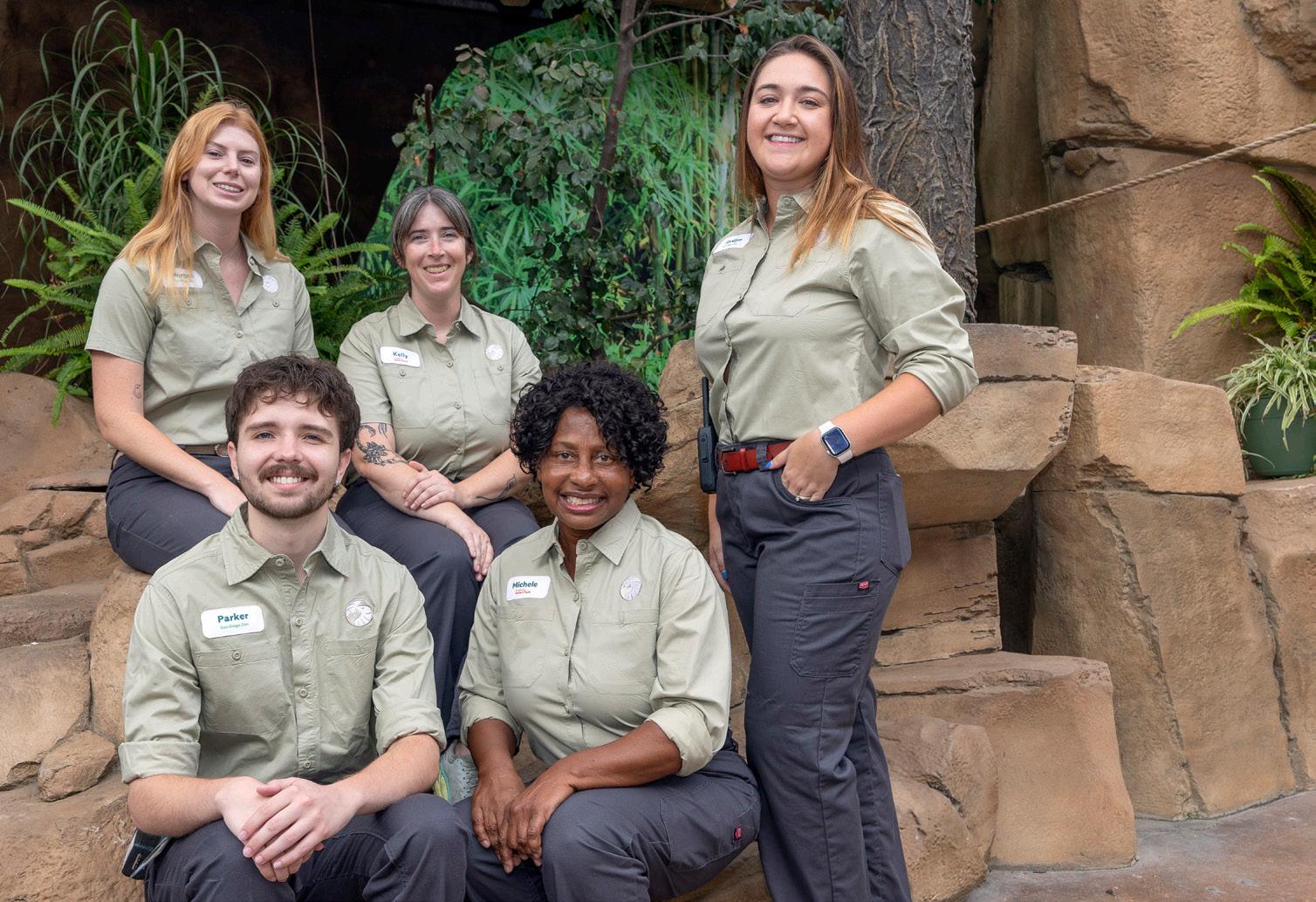
264,000+ Hours of Service contributed by our volunteers.
2025 Milestone Moments
From heartwarming highlights at the Zoo and Safari Park to conservation achievements and global media impact, these are some of the moments that defined our year.
8 critically endangered
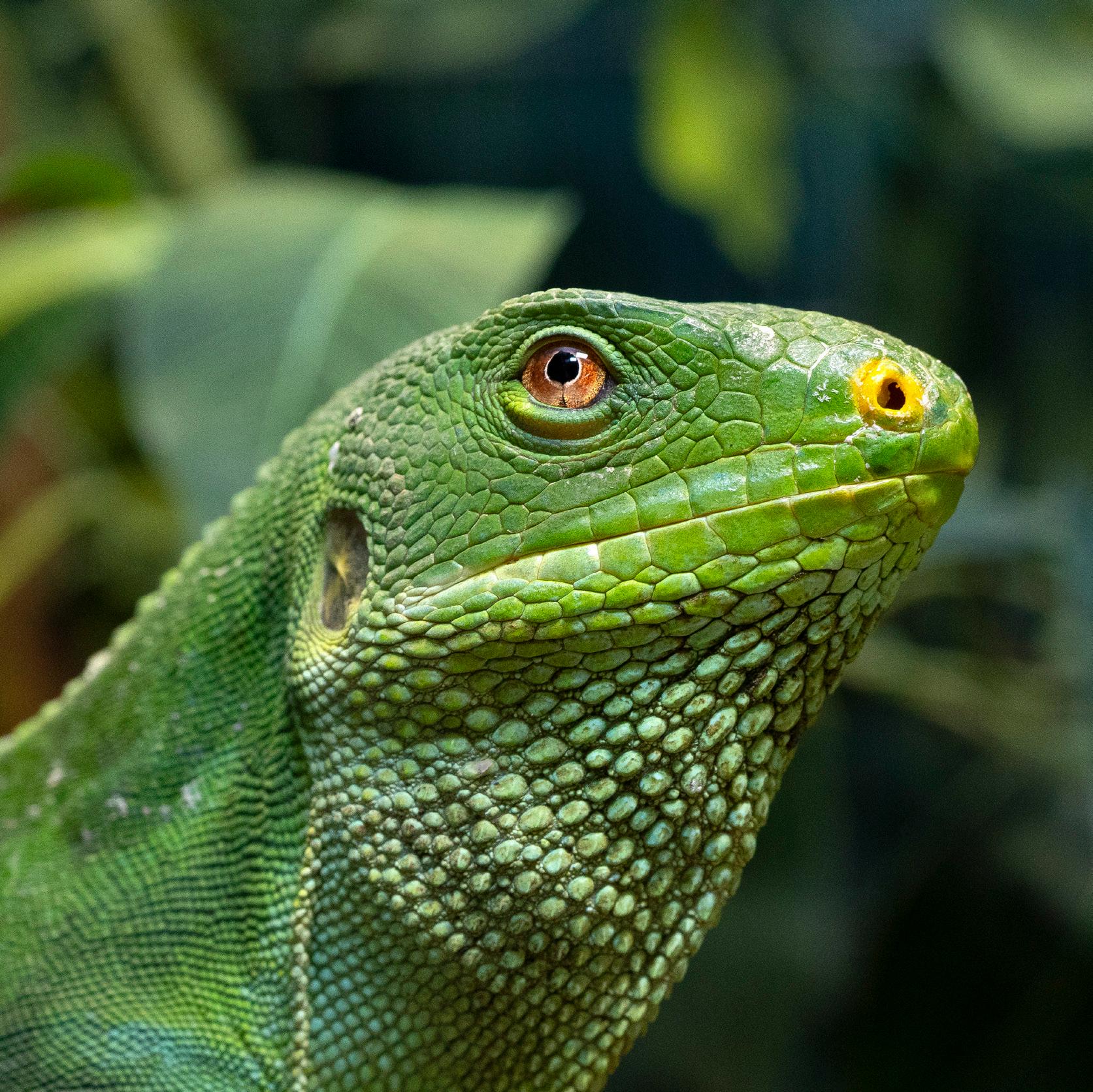
Number 1
We’re the largest provider of informal STEM education in San Diego County (page 76).
117 million+
visits to our website from people across the globe.
About 5.3 million guests came to the Zoo and Safari Park to experience life-changing moments with wildlife.
50 Years
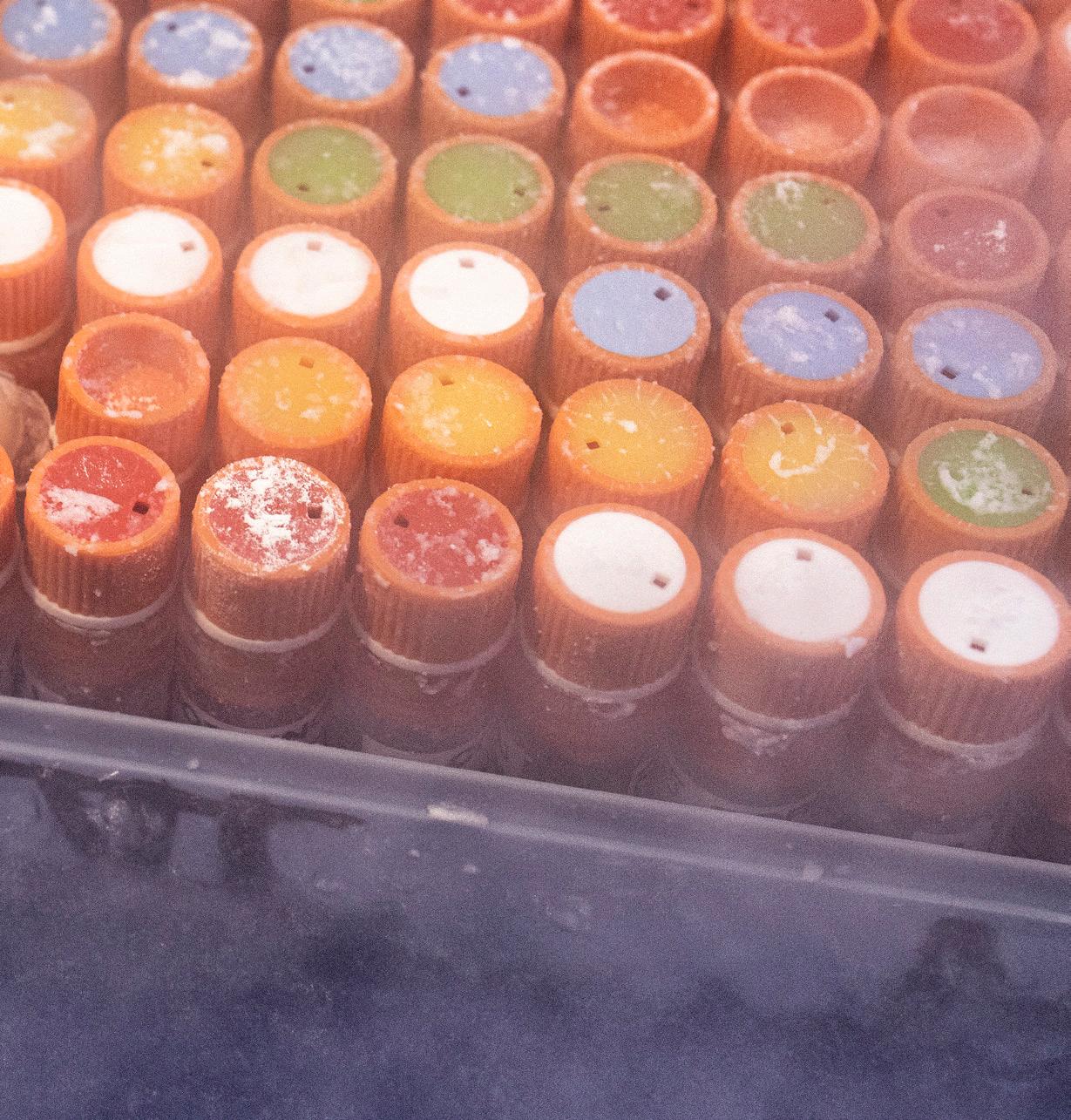
We marked 50 years of the Frozen Zoo and looked ahead to what’s next for this pioneering and irreplaceable resource (page 28).
100
We celebrated 100 years of partnership and conservation with Taronga Conservation Society Australia (page 68).
Hidden Gems
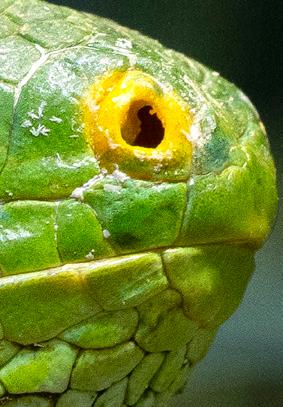
A plant species previously unknown to science was discovered growing at the Zoo (page 24).
+1
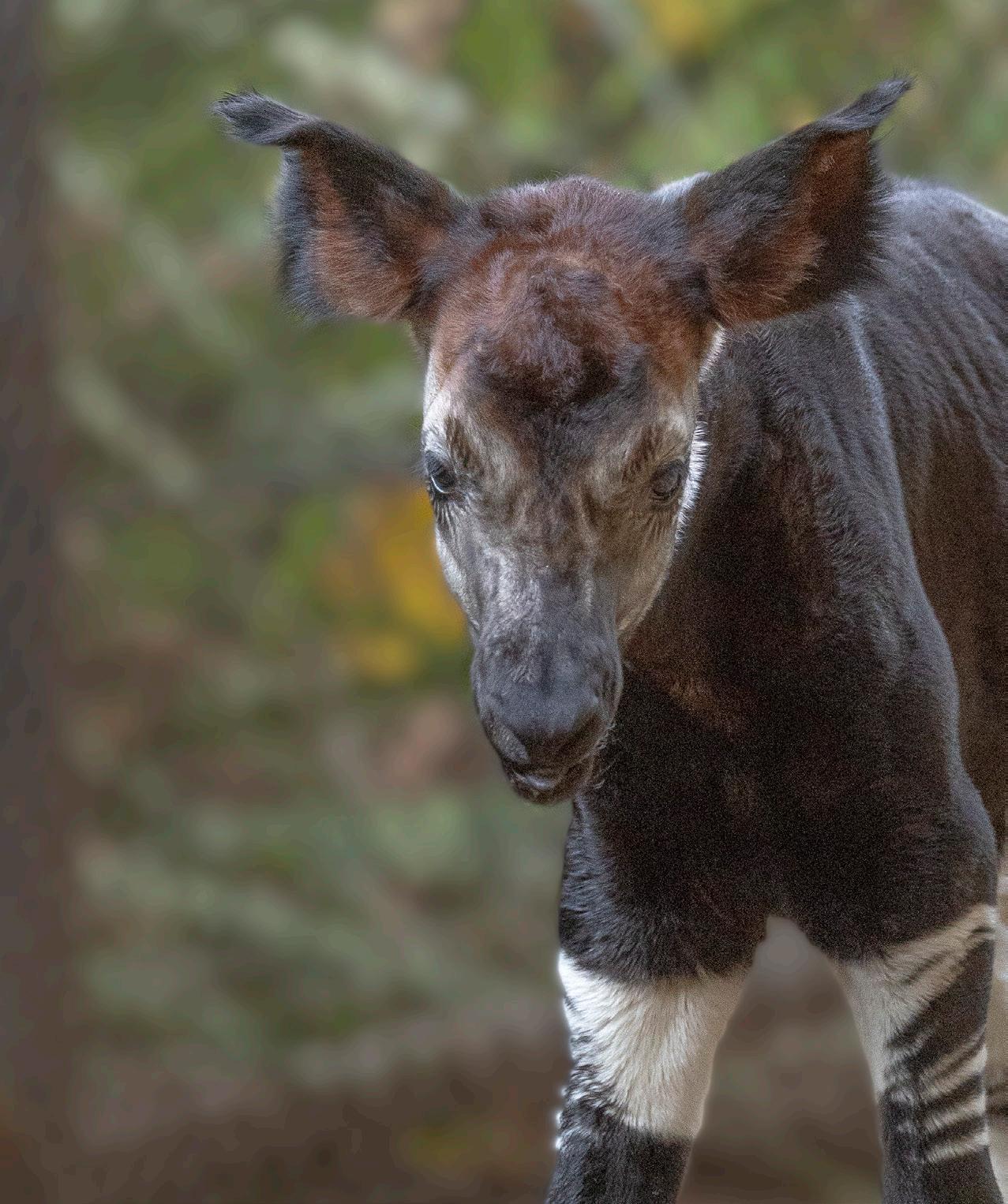
An endangered okapi calf was born at the Zoo for the first time since 2021 (page 55). habitat (page 41).
400,000 members call the Zoo and Safari Park their home away from home—one of the largest membership bases of any zoo in the world (see pages 80–83 for more about how you
29,000+ donors generously supported our mission, helping wildlife in San Diego and worldwide.
Nearly 250,000 learners joined us for one-of-a-kind educational programming (page 76).
2025 Honors & Awards
We received global recognition for everything from our conservation work and on-grounds experiences to our podcast and websites.
With Purpose
San Diego Zoo Wildlife Alliance was named “Nonprofit of the Year” at the PRWeek Purpose Awards for the way we engaged global audiences with our mission.
The Power of Storytelling
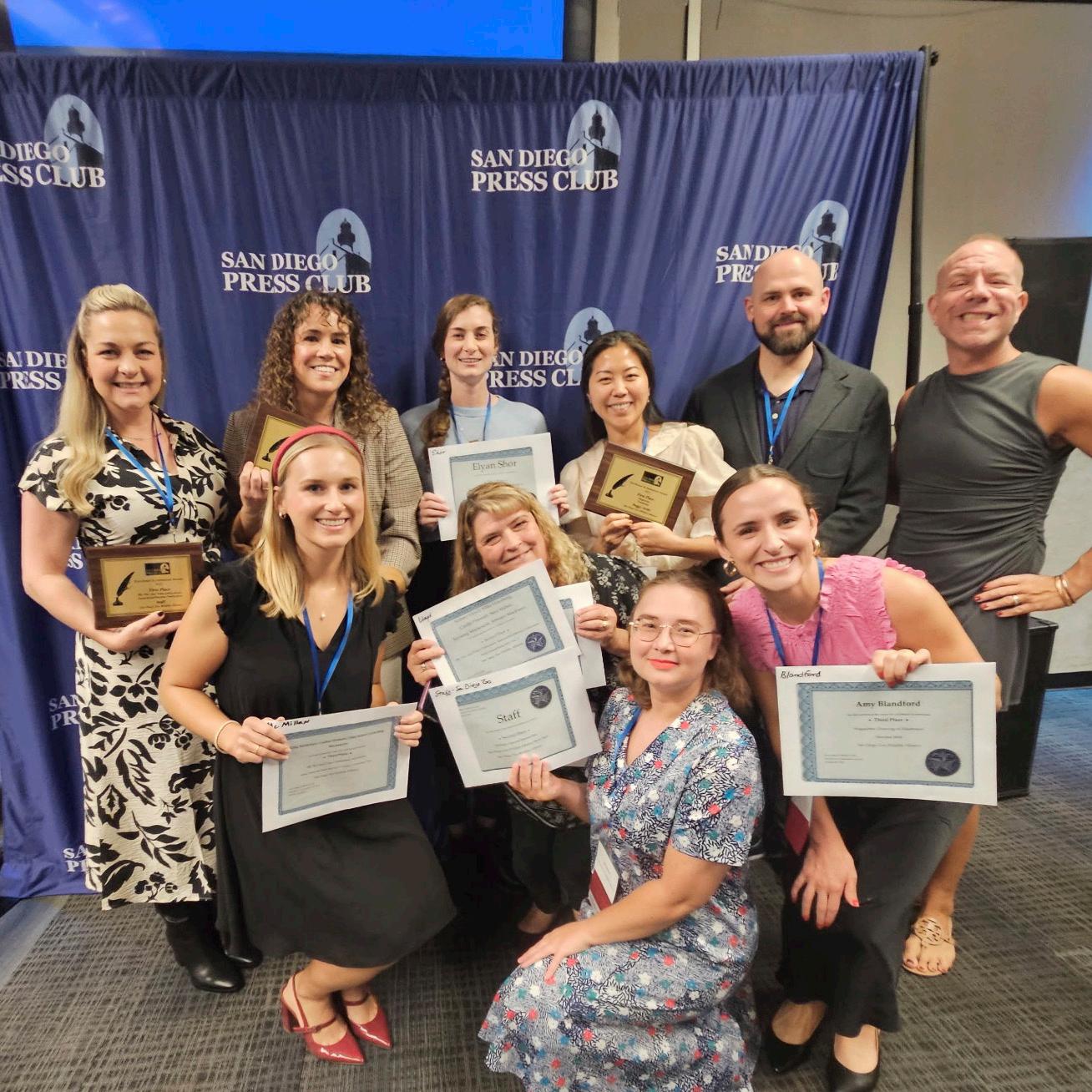
Teams won 12 awards in 8 categories at the 2025 San Diego Press Club Excellence in Journalism Awards, recognizing our websites, conservation newsletters, magazine, and illustrations.
Top Honors
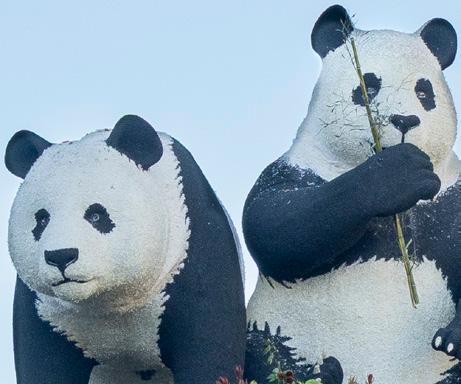
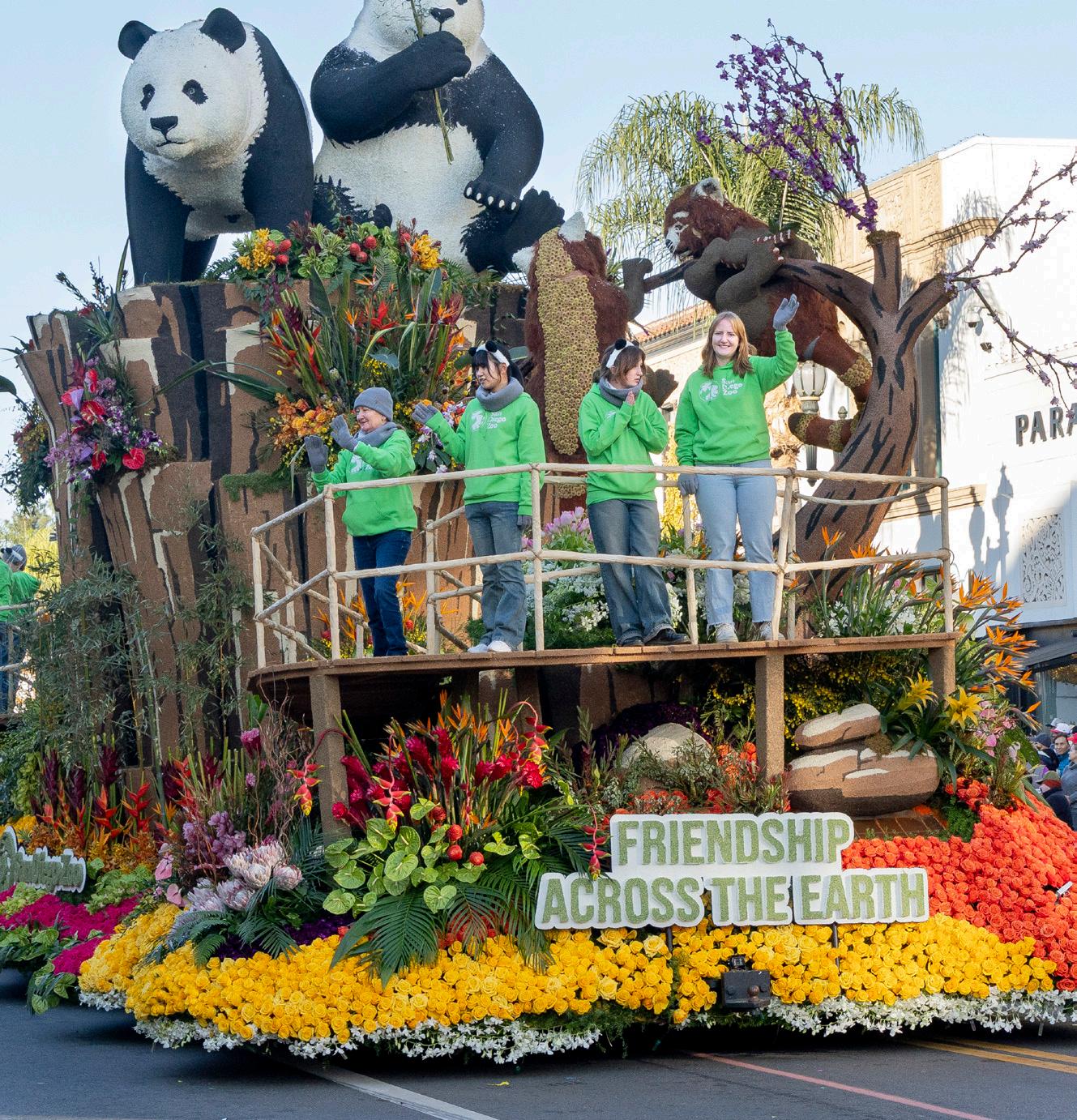
For the second year in a row, we won the Sweepstakes Award for our Rose Parade float. Its theme, “Friendship Across the Earth,” celebrated the historic arrival of giant pandas. More than 50 million viewers in 170 countries tuned in (page 92).
Taking Home Silver
The fourth season of Amazing Wildlife: A San Diego Zoo Podcast (page 93) was honored with a silver Signal Award.
Association of Zoos and Aquariums (AZA) Awards
Earned Media Excellence
Recognizing the vital role of public relations and earned media in inspiring audiences.
North American Conservation
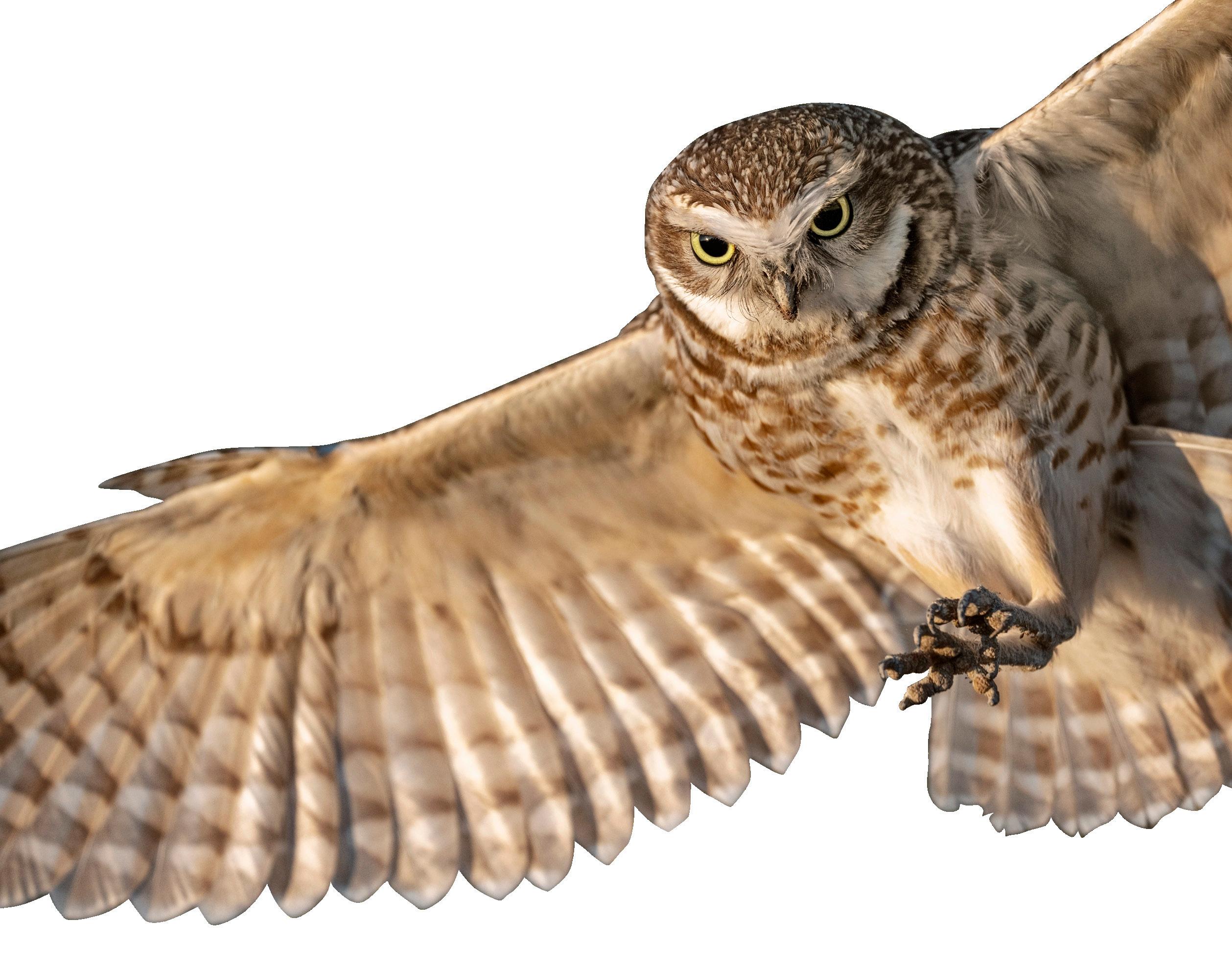
Honoring our impactful Southwest Conservation Hub programs supporting threatened species, including the Pacific pocket mouse, desert tortoise, mountain yellow-legged frog, burrowing owl, and kangaroo rats.
Volunteer Engagement Award
Celebrating the teamwork behind Wild Heroes, which supports wounded service members, veterans, and their families through activities like guided hikes and wellness workshops, achieving measurable health improvements.
20+ Years
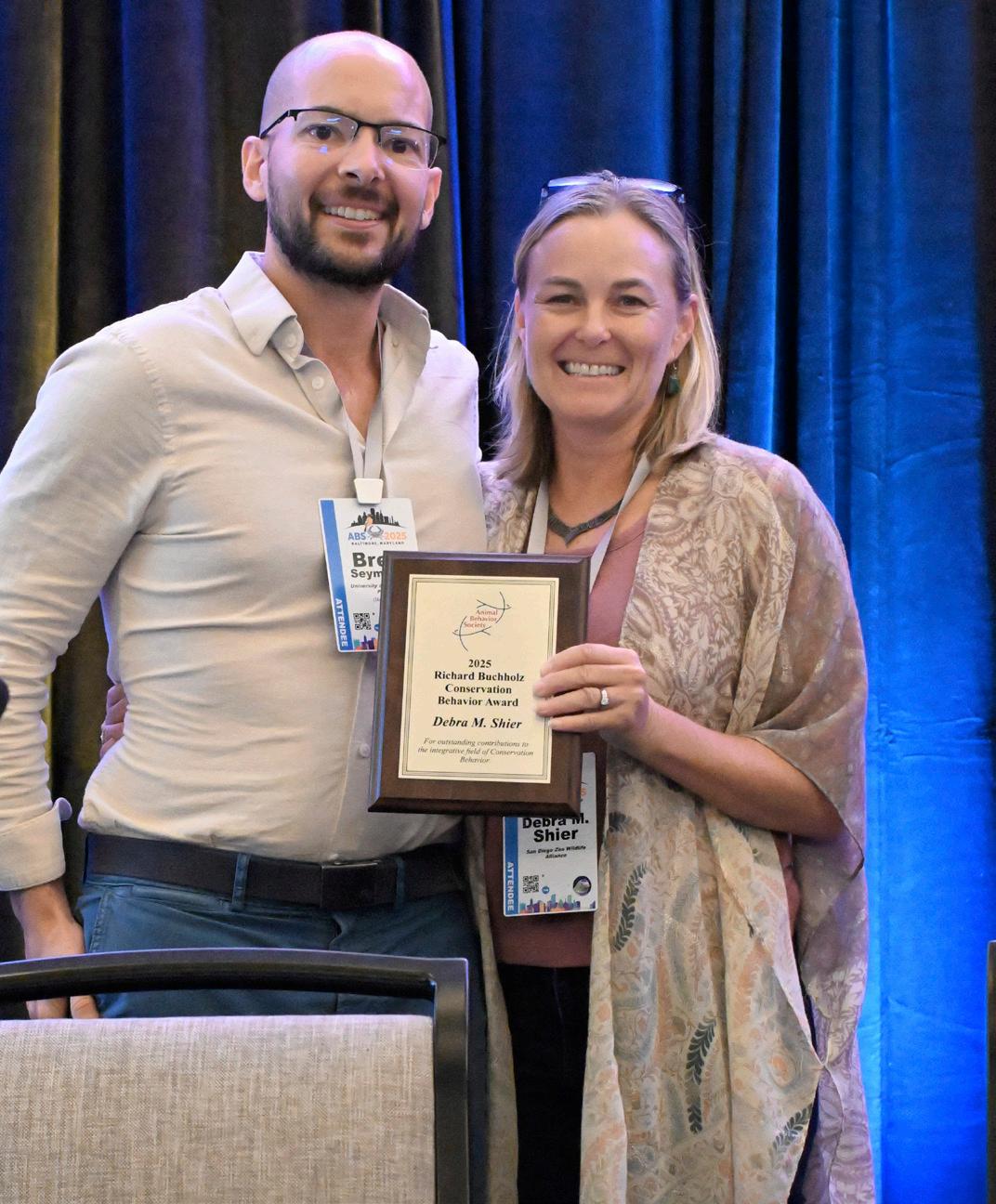
Dr. Debra Shier, Brown Endowed Associate Director of Recovery Ecology, received the prestigious Richard Buchholz Conservation Behavior Award from the Animal Behavior Society, honoring more than two decades of groundbreaking work in wildlife behavior and conservation science focusing on our Southwest Conservation Hub (page 36).
Excellence in Bloom
The American Public Gardens Association’s prestigious Garden Excellence Award honored our exceptional contributions to horticulture, conservation, education, and sustainability (page 25).
Love Notes
For the third year in a row, we won both The Knot’s Best of Weddings and WeddingWire’s Couples’ Choice awards.
Awarding Impact
Our Wildlife Biodiversity Bank (page 26) was recognized for delivering measurable, positive outcomes for wildlife and ecosystems as a finalist for the World Association of Zoos and Aquariums (WAZA) Conservation Award.
Engaging Allies
Countless guests each year celebrate vibrant plant life and engage with experts at the Zoo and Safari Park. Both are accredited arboretums and USDA Plant Rescue Centers that care for
Rooting for Conservation in 2025
The dedicated experts on our award-winning Horticulture teams care for more than 2 million plants at the Zoo and Safari Park, cultivating and maintaining lush landscapes that support wildlife and inspire millions of visitors each year. From nurturing rare and endangered plant species to designing sustainable and inspiring habitats, their work is vital to our mission of connecting people to nature and protecting biodiversity. This year there was much to celebrate.
15 cycad cones
Nearly 20,000 guests attended monthly Plant Days and Orchid Odyssey at the Zoo, stepping into the Carnivorous Plant Greenhouse and Orchid House. They also embarked on special Botanical Bus Tours that have become so popular they now take place weekly.
2,000+ guests at the Safari Park joined 81 Botanical Tram Tours, while more explored lush garden trails, celebrating diverse plant life.
Self-guided plant tours offer insights into our botanical collections and gardens, unveiling hidden gems at each park.
from 2 endangered species were pollinated using both fresh and frozen pollen. This groundbreaking milestone offered valuable insights into pollen viability and conservation techniques.
Branching Out
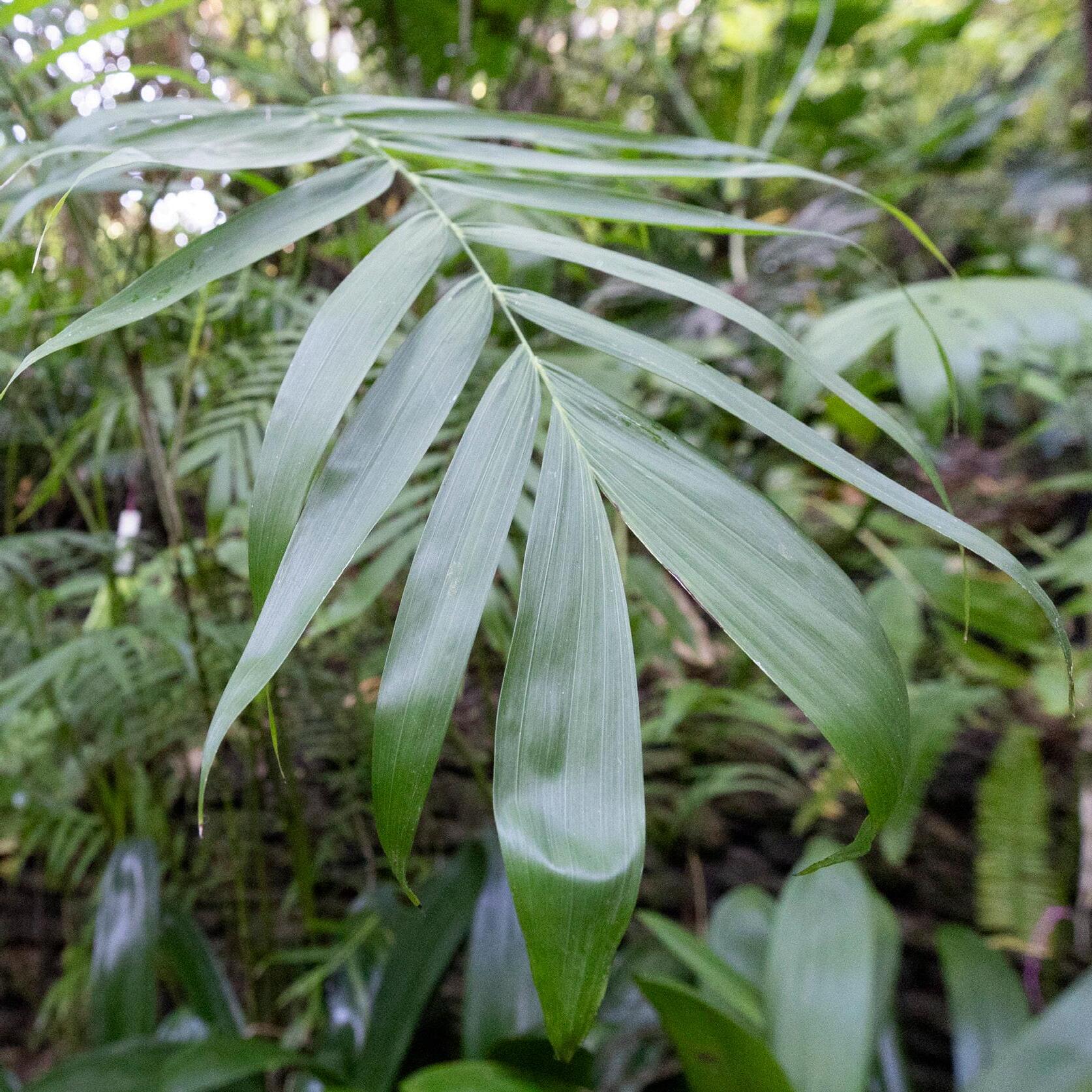
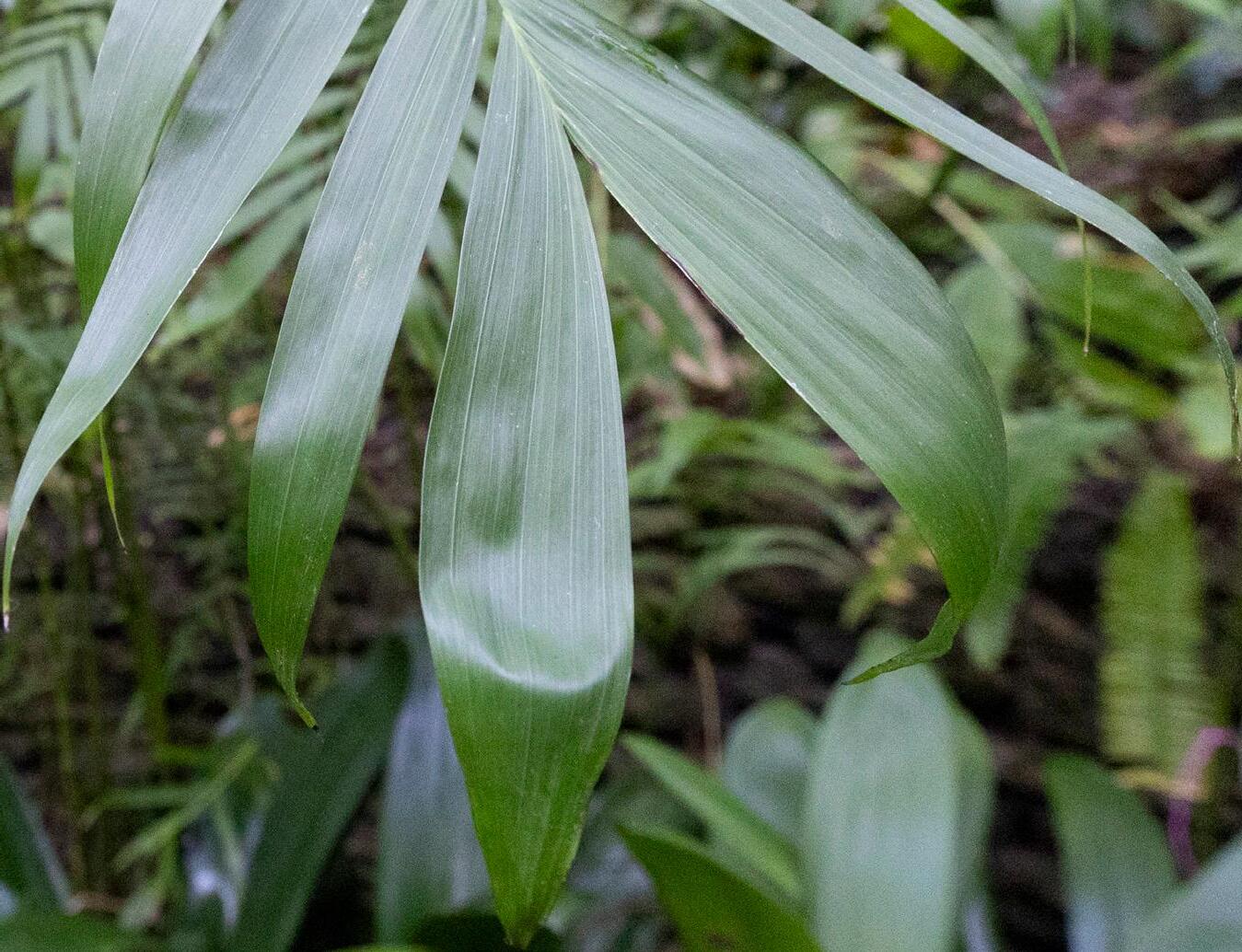
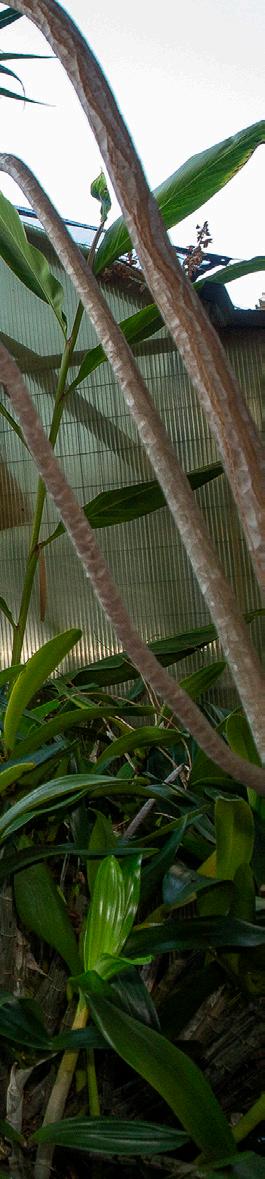
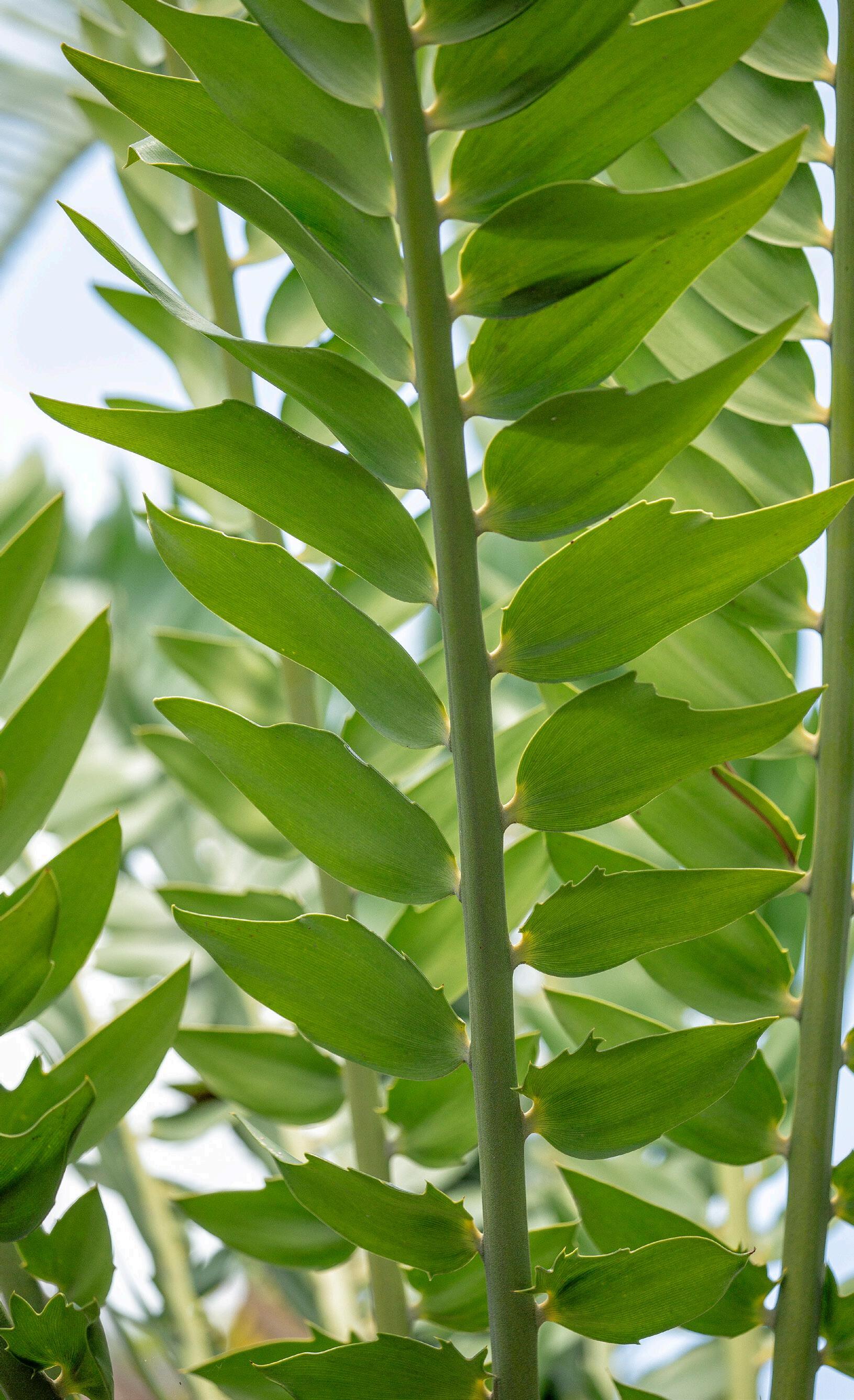
A previously unknown species, called the dainty bamboo palm, was discovered growing in Fern Canyon at the Zoo.

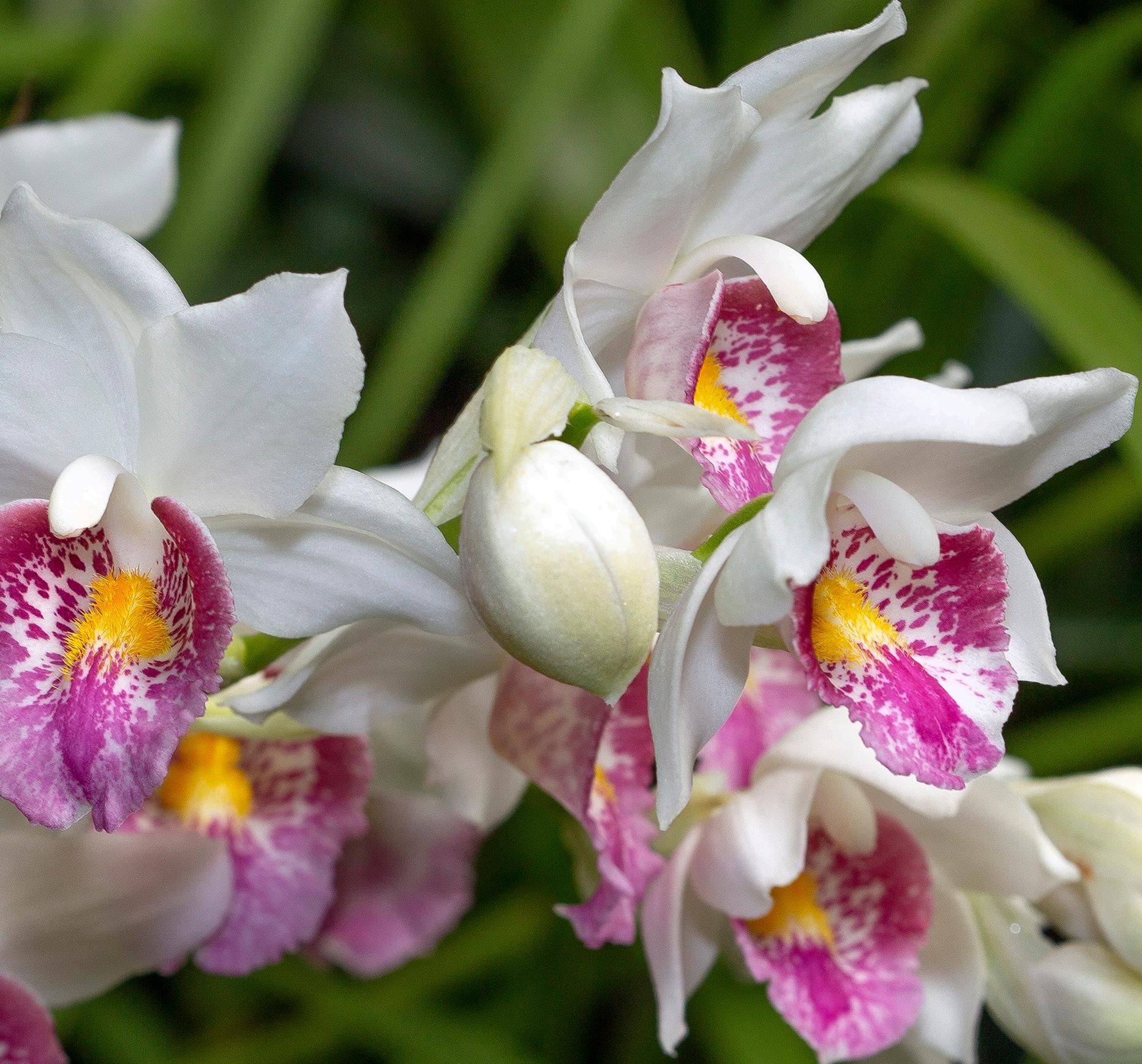
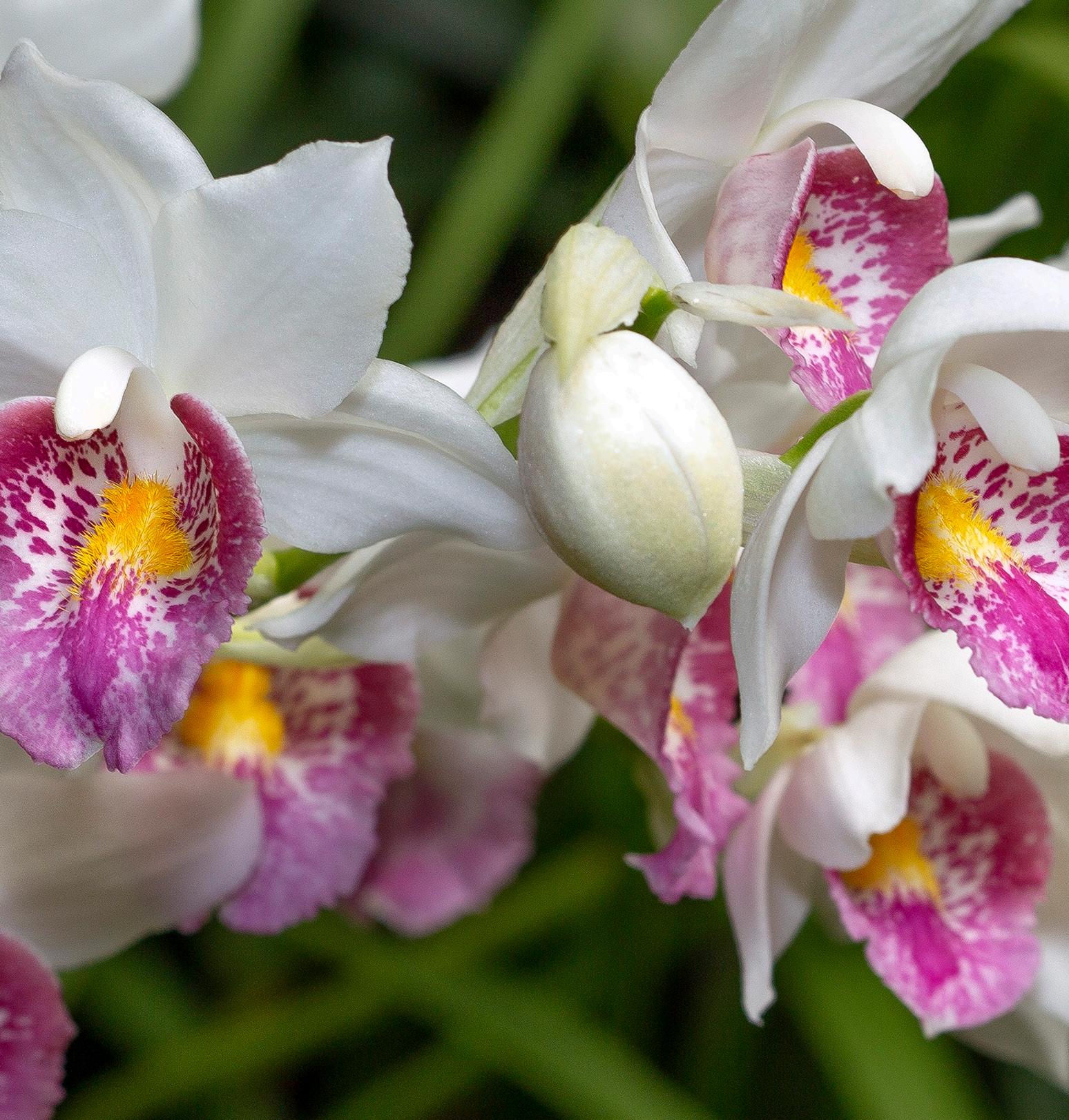
50 years
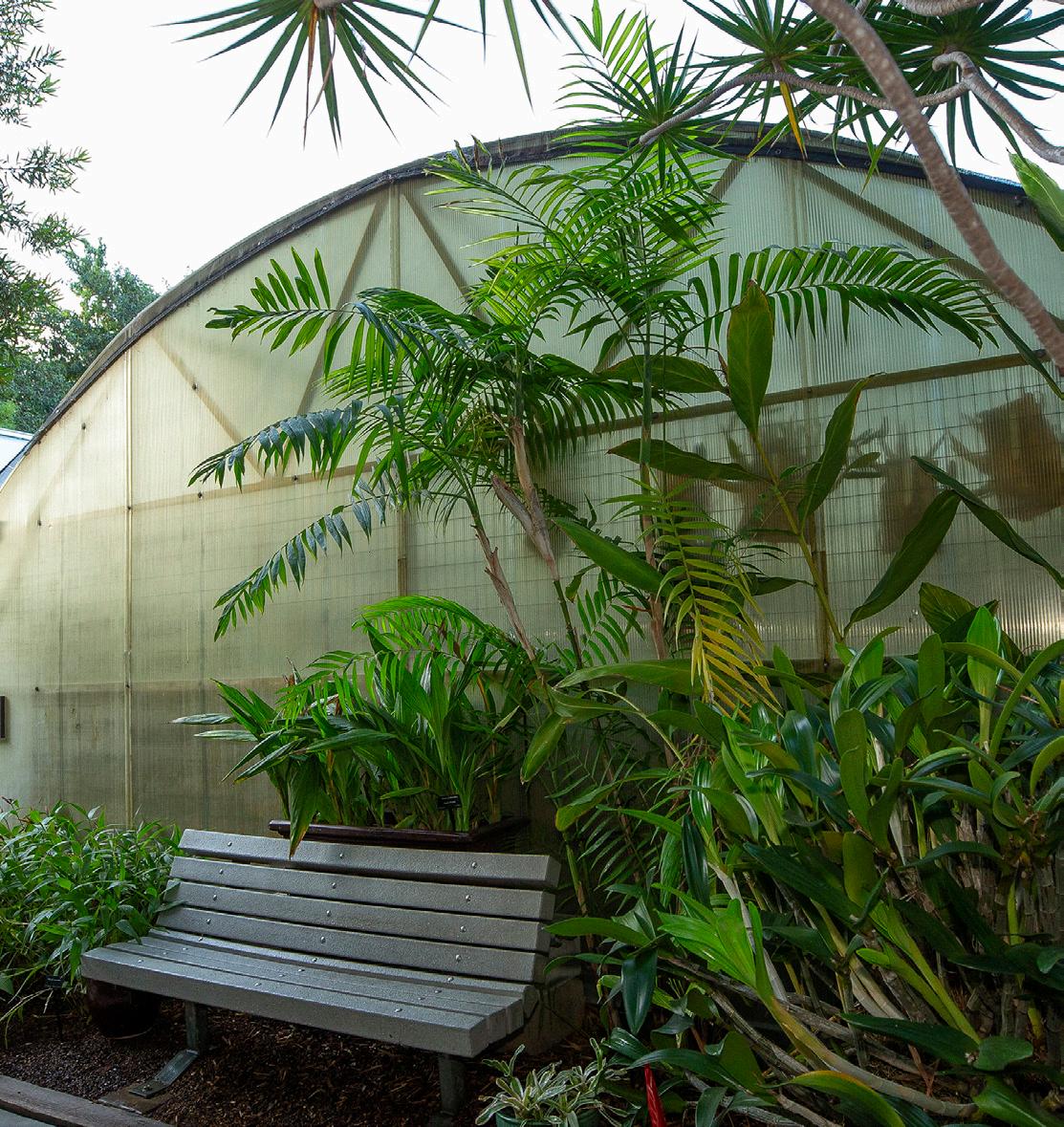
rescuing and caring for orchids in
Nearly 50 years of our browse program
What began as a eucalyptus farm now feeds hundreds of animals daily.
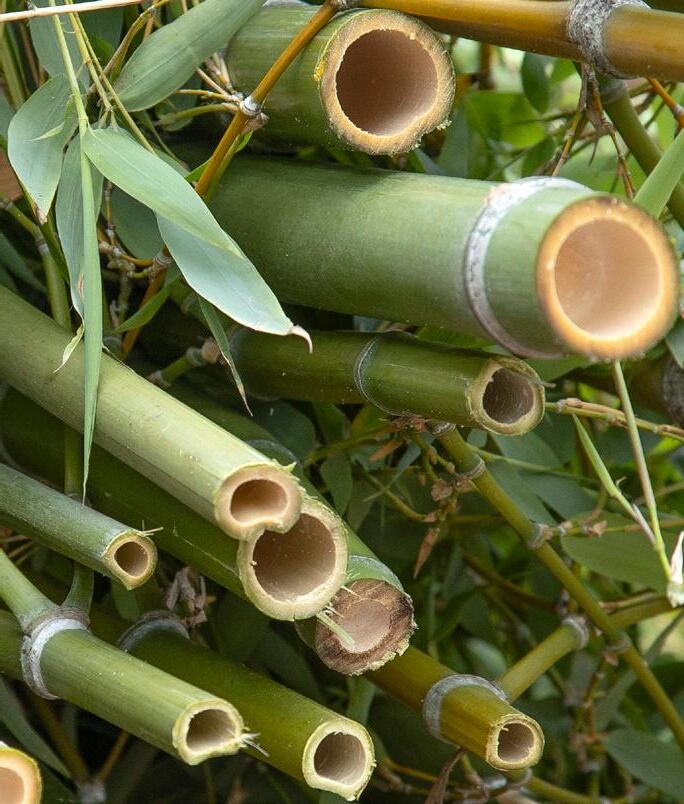
1,778,200 linear feet of plant material and browse items—including shoots, bark, buds, leaves, and branches— were farmed, serving wildlife from insects to giant pandas.
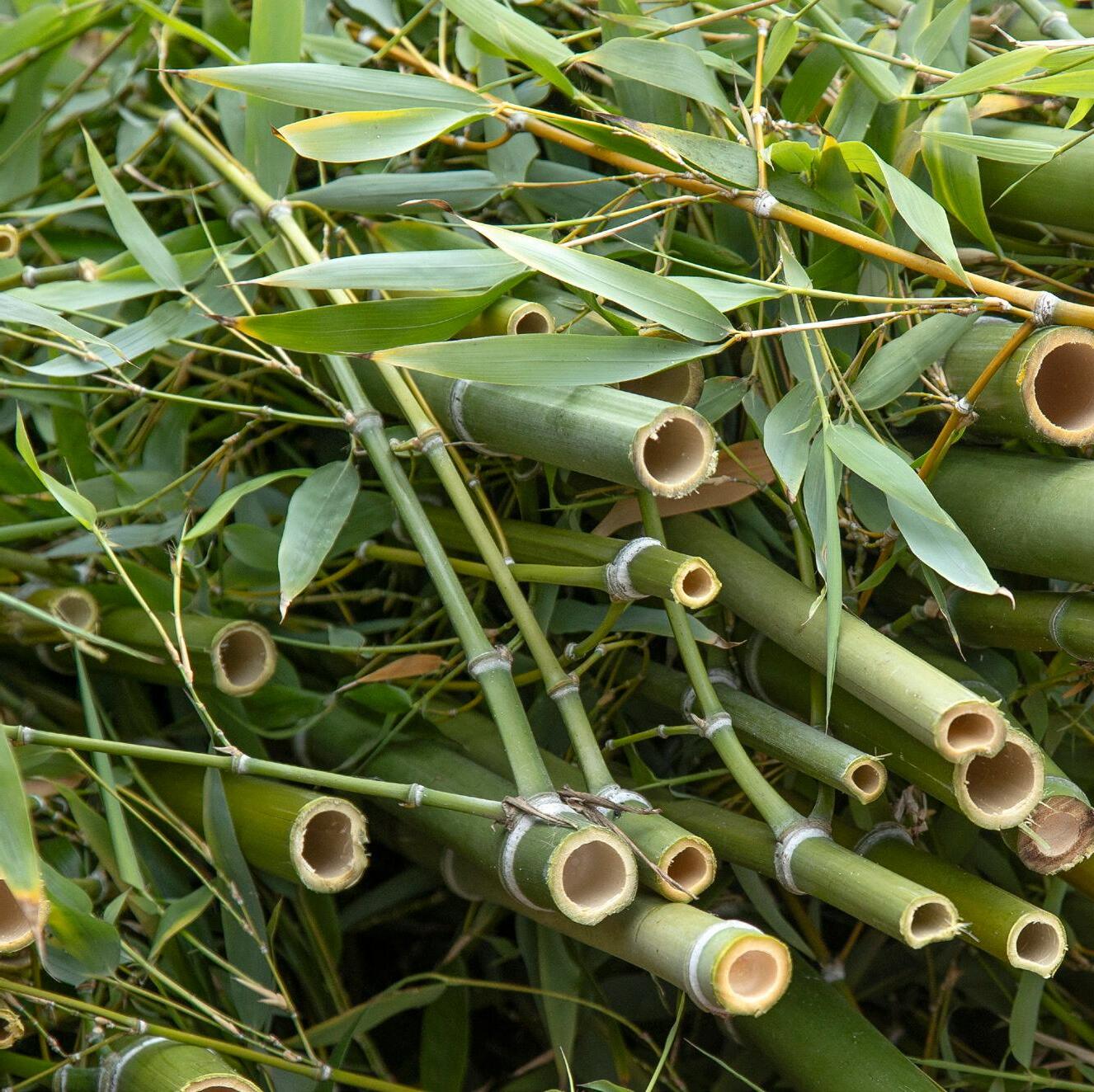
Phase 1 of a 15-acre master plan to expand our browse farm was completed.
Our profound gratitude to Carol Ann Greenfield and Larry David Greenfield, M.D., for their support of wildlife nutrition.
Honoring Excellence
In recognition of outstanding achievements in horticulture, conservation, education, and sustainability, we received the prestigious Garden Excellence Award from the American Public Gardens Association.

20+ years of the micropropagation lab and cryopreservation, advancing conservation for endangered plants.
Wildlife Biodiversity Bank
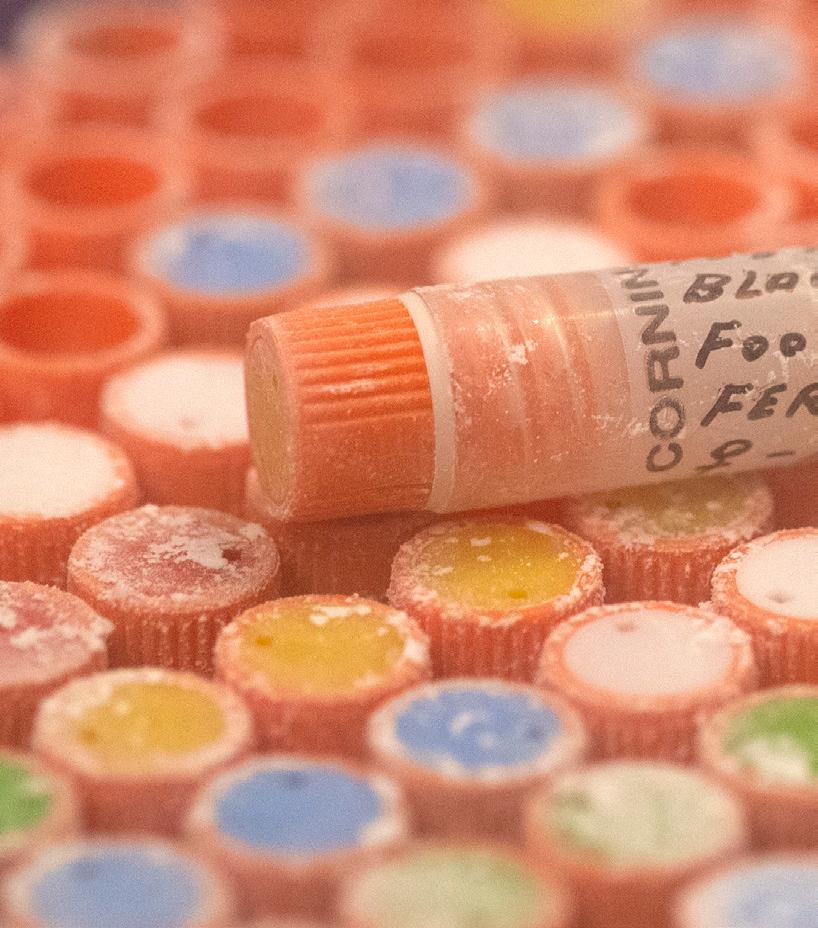
Our Wildlife Biodiversity Bank is made up of six collections of living and nonliving biological materials preserved by our teams. Biobanks like ours lay the foundation for trailblazing conservation solutions by bridging today’s samples with tomorrow’s scientific potential.
Our biobanking began in 1975 with the founding of our Frozen Zoo, and today it’s the most extensive resource of its kind in the world.
In 2025
219 species and subspecies were added to the Frozen Zoo, including 23 species new to the collection.
1,758 vials of gametes and reproductive tissue were frozen.
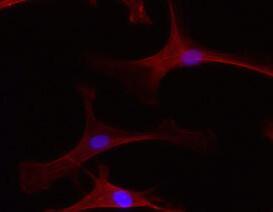
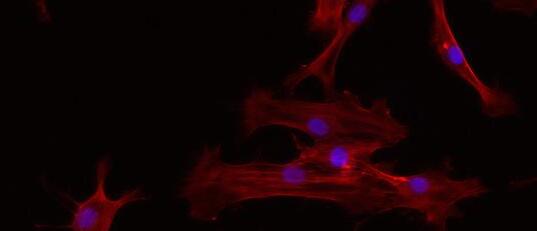
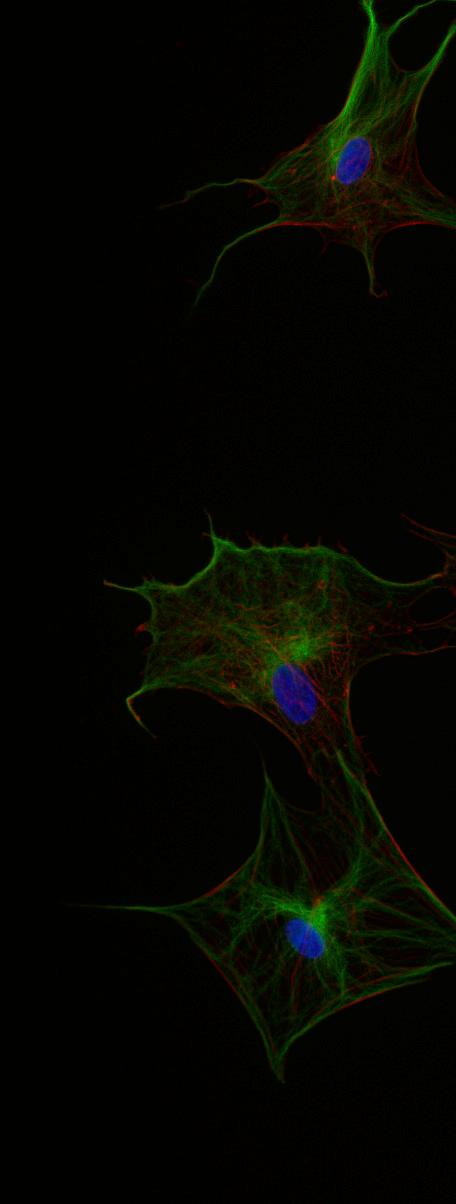
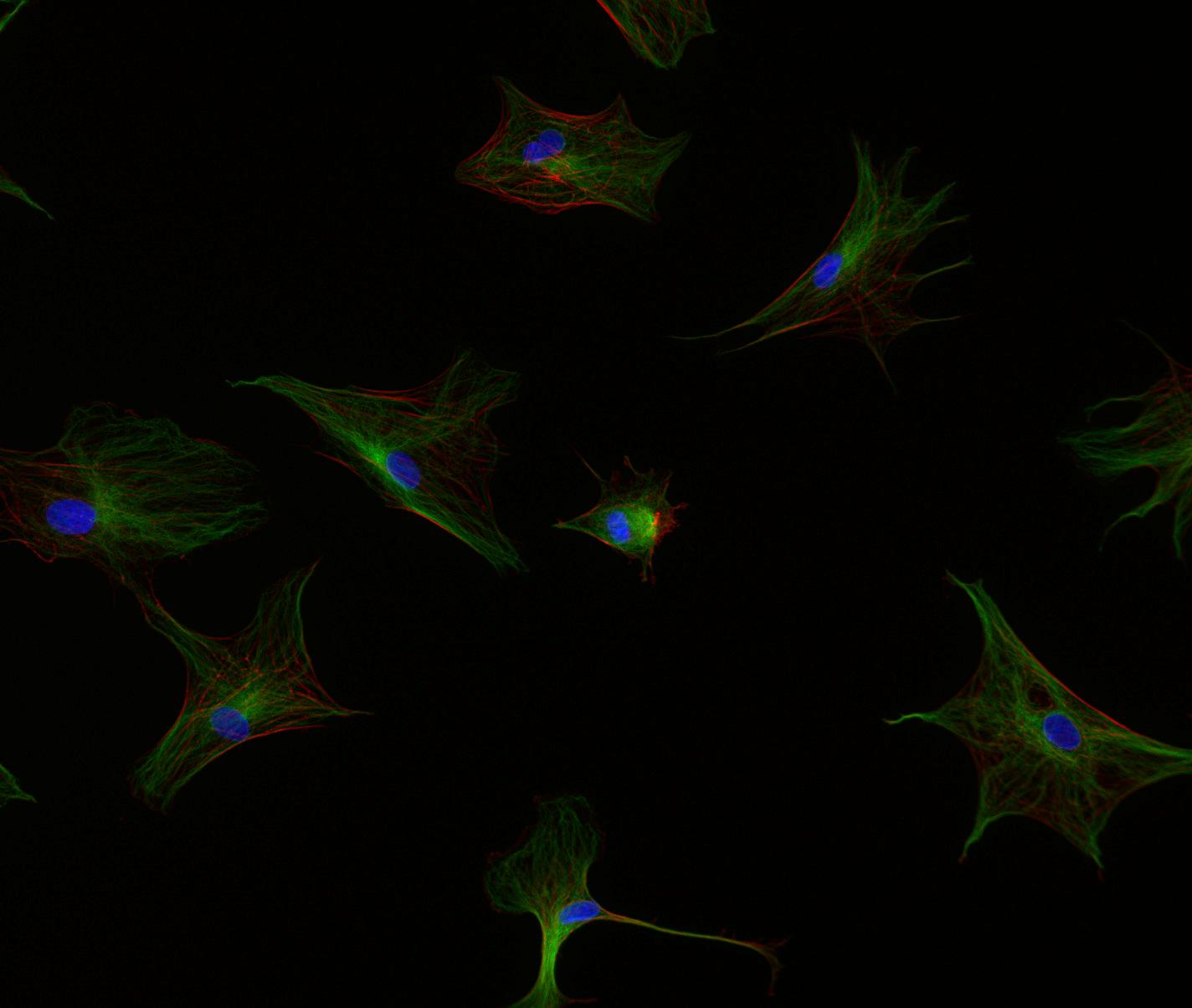
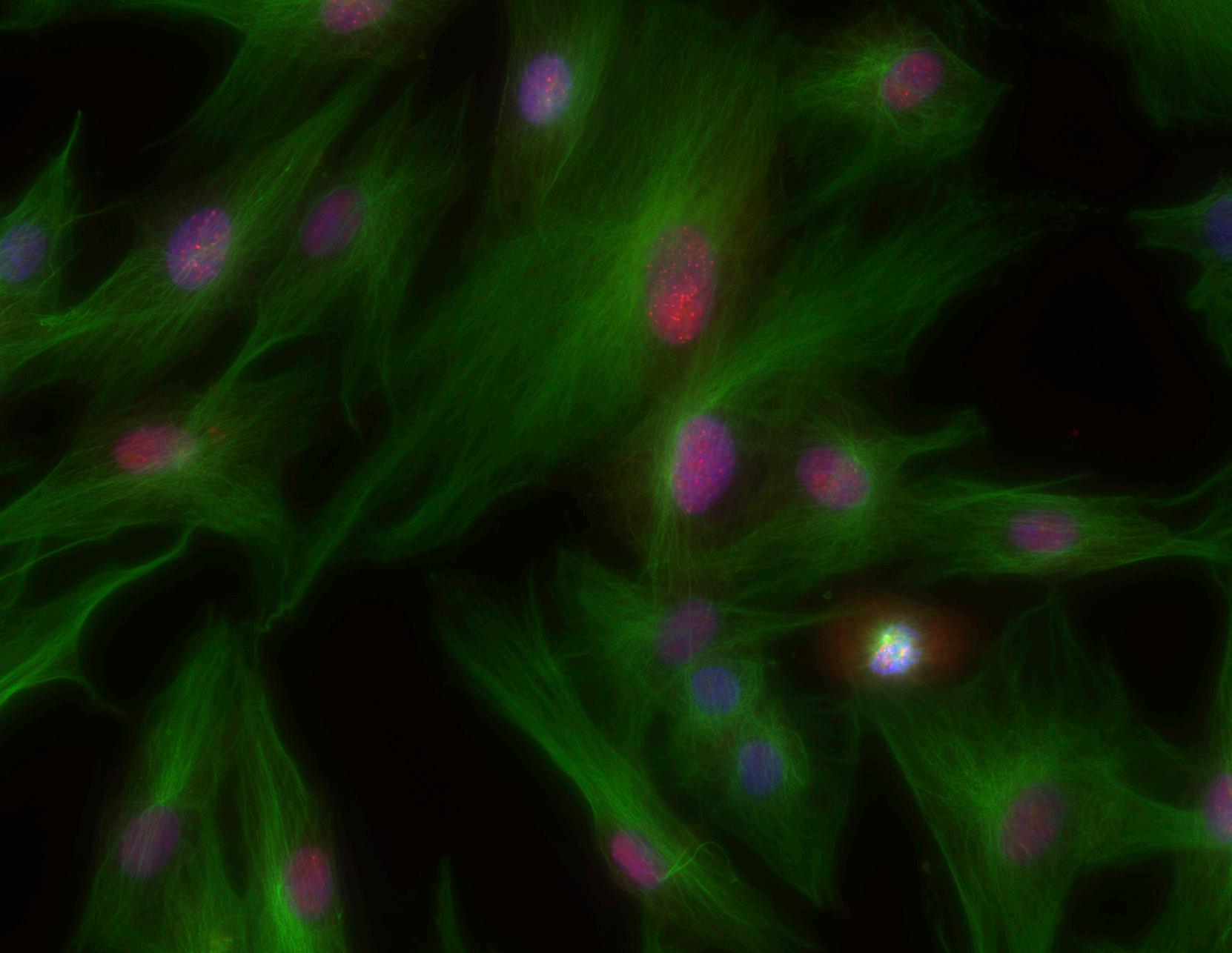
Cells preserved in the Frozen Zoo are the building blocks of life, offering limitless conservation potential for species like the red panda, cells of which are shown here.
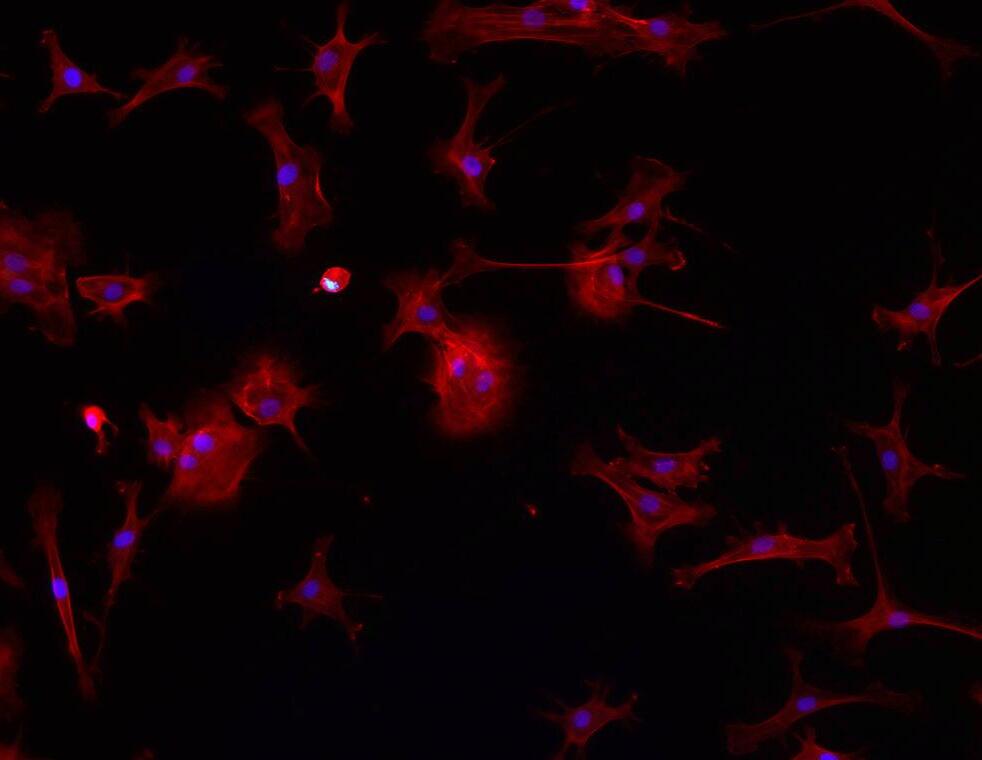

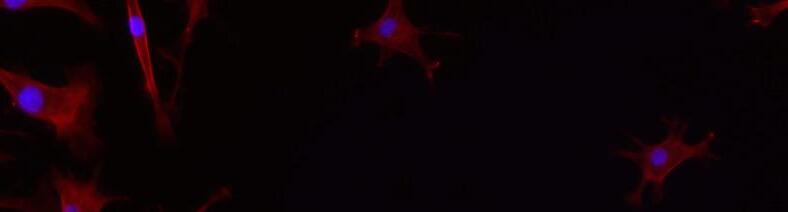
Our subcollections total millions of samples—diverse in both type and taxa.
53,861 samples of genetic materials, including blood, tissue, DNA, and cells.
Gametes from 2,495 individuals representing 485 species.
67 million+ seeds representing 535 types of plants.
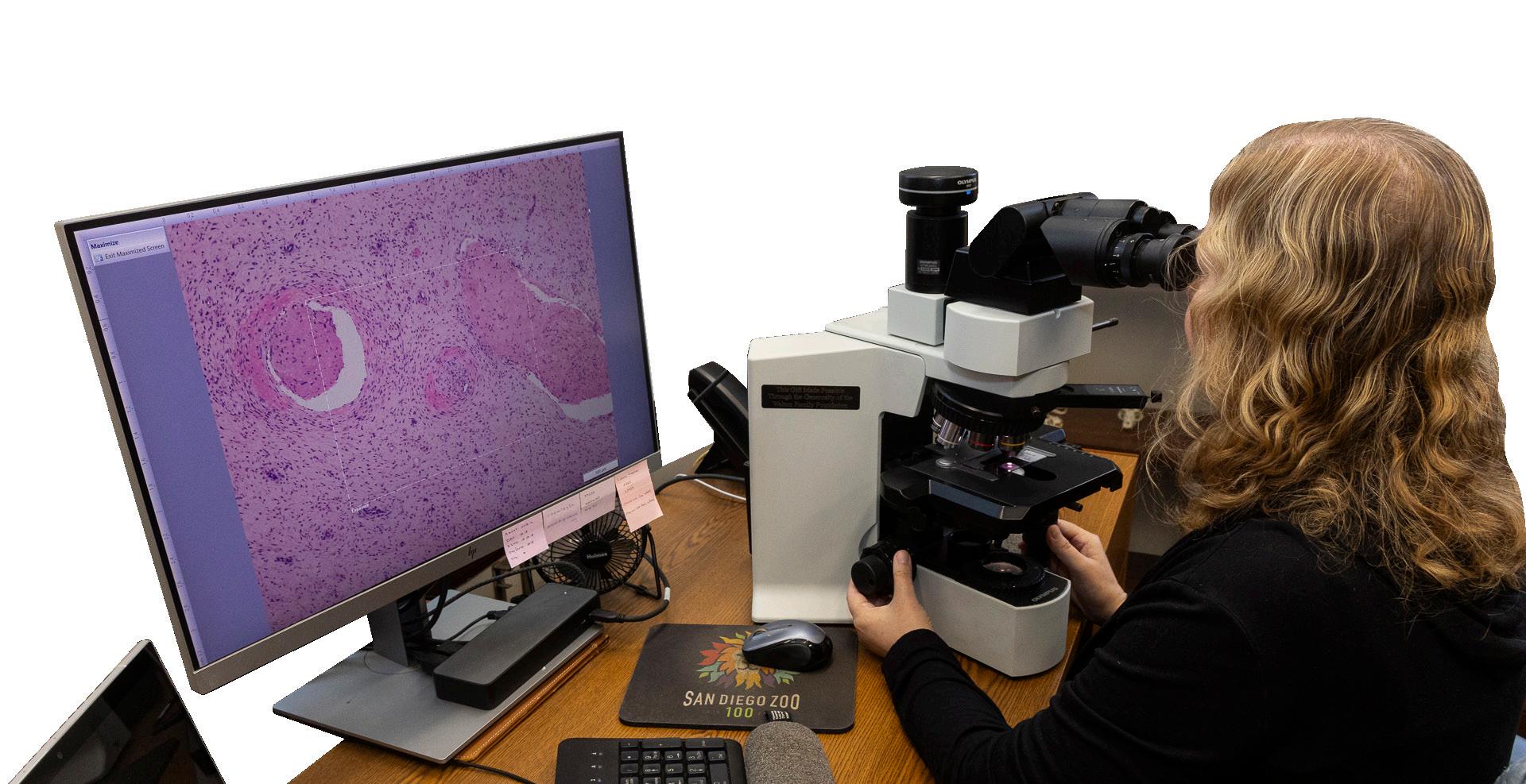
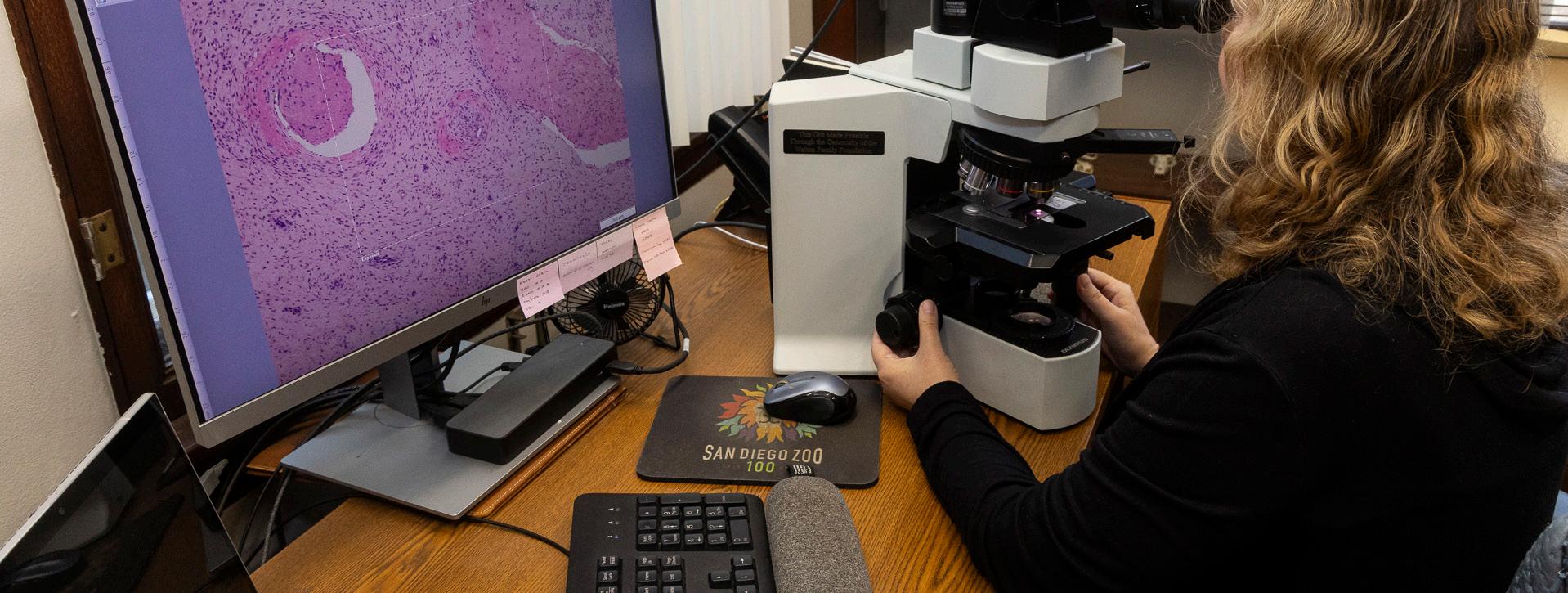
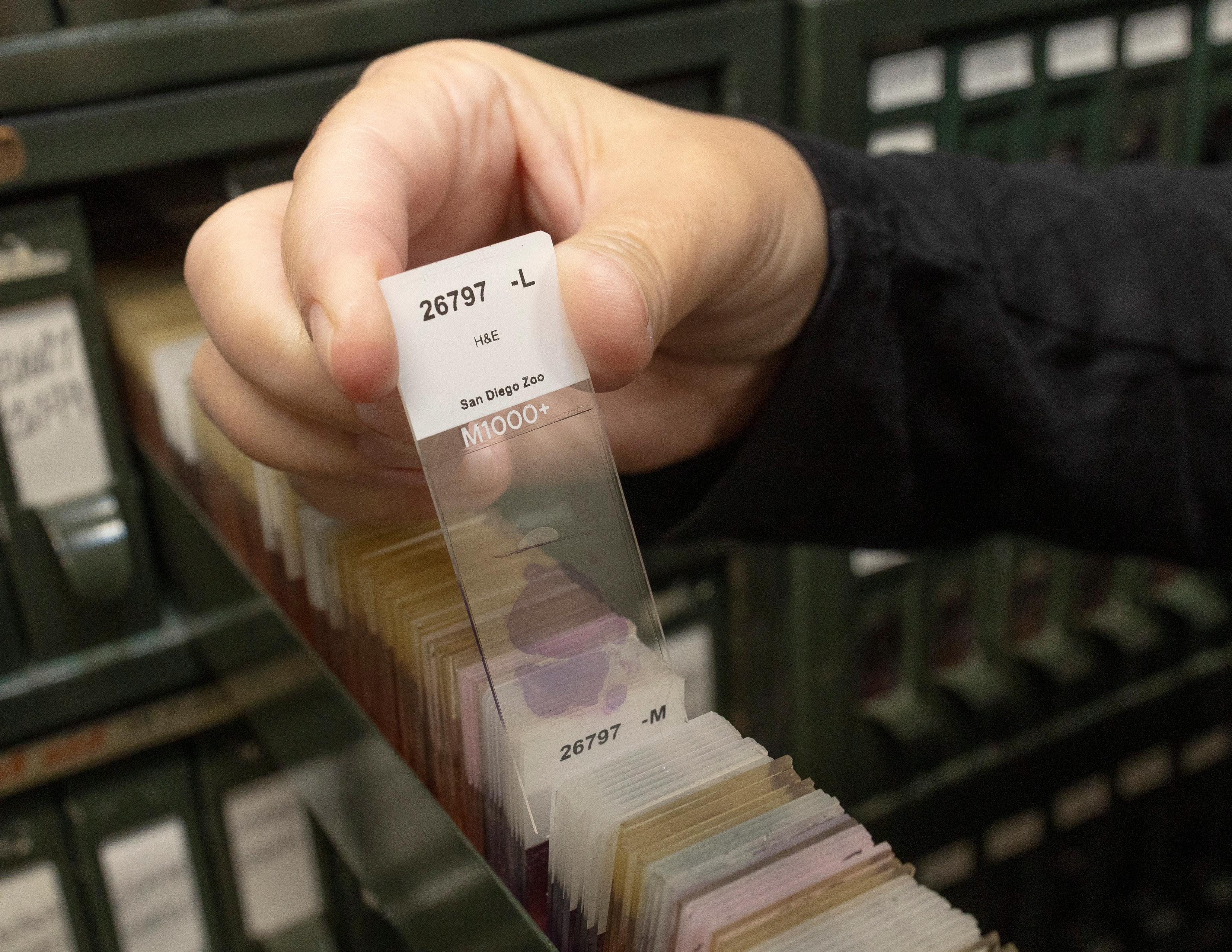
Slides of tissue sections from 1,867+ species, dating back to the 1930s.
11,767 individual cell lines representing about 1,352 species and subspecies.

commitment to save wildlife in the face of the increasing losses of species and ecosystem variety.
Frozen Zoo
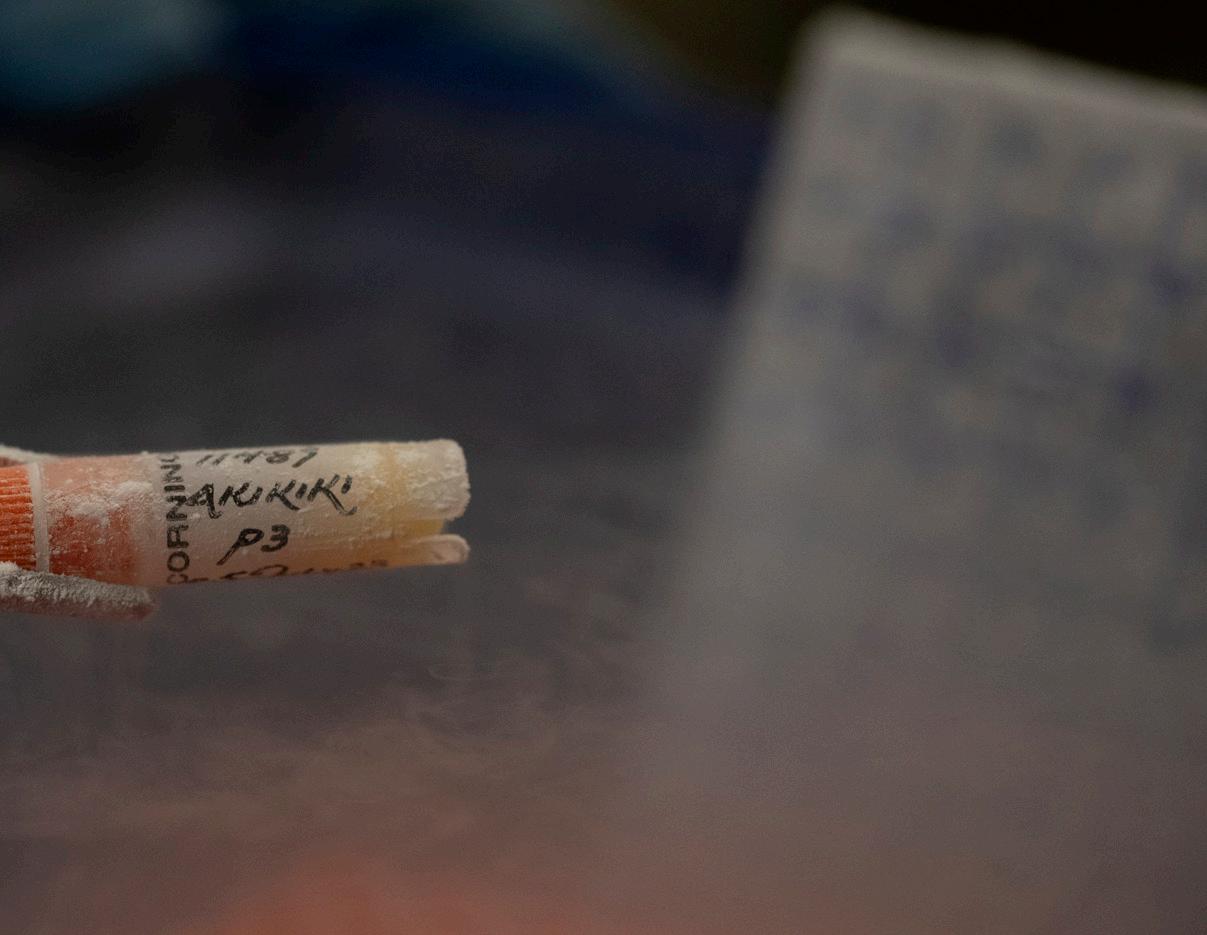
Gametes (sperm and eggs), embryos, and living fibroblast (skin) cell lines
Pathology Archive
Healthy and diseased tissues preserved in formalin, paraffin, and on microscopy slides
Clinical Repository
Adipose-derived stem cells, whole blood, plasma, serum, and bodily fluids
Wildlife Artifacts
Skeletal replicas and items naturally shed or lost (for example, feathers and leaves)
Native Plant
Gene Bank
Seeds, plant cuttings, and herbarium vouchers (pressed and dried specimens)
Tissue and DNA Bank
Blood, tissue, derived DNA, and cells
What began as a revolutionary idea in 1975 has grown into the world’s most extensive repository of living wildlife materials, preserving the genetic legacy of life on Earth.
For half a century, our Frozen Zoo has been a beacon of hope, safeguarding the genetic blueprints of our planet’s most vulnerable species. As we honored its remarkable impact this year, we also launched our most ambitious chapter yet, expanding this vital work across the globe to secure the future of wildlife for generations to come.
50 YEARS of SCIENTIFIC INNOVATION
Protecting what is precious today and restoring what could be lost tomorrow.
One of a Kind
The Frozen Zoo stores 11,767 living cell lines from 1,352 species, representing a staggering 50% of species categorized as extinct in native habitats.
Biobanking supports advancements in genetic rescue, population sustainability, disease resistance, and climate adaptation.
Samples from 219 species were banked this year, including 23 species new to the collection, among them Aruba Island rattlesnake, oak pollen, yellow tree monitor, common chuckwalla, European fire salamander, New Mexico ridge-nosed rattlesnake, Bolson tortoise, and Attwater’s prairie chicken
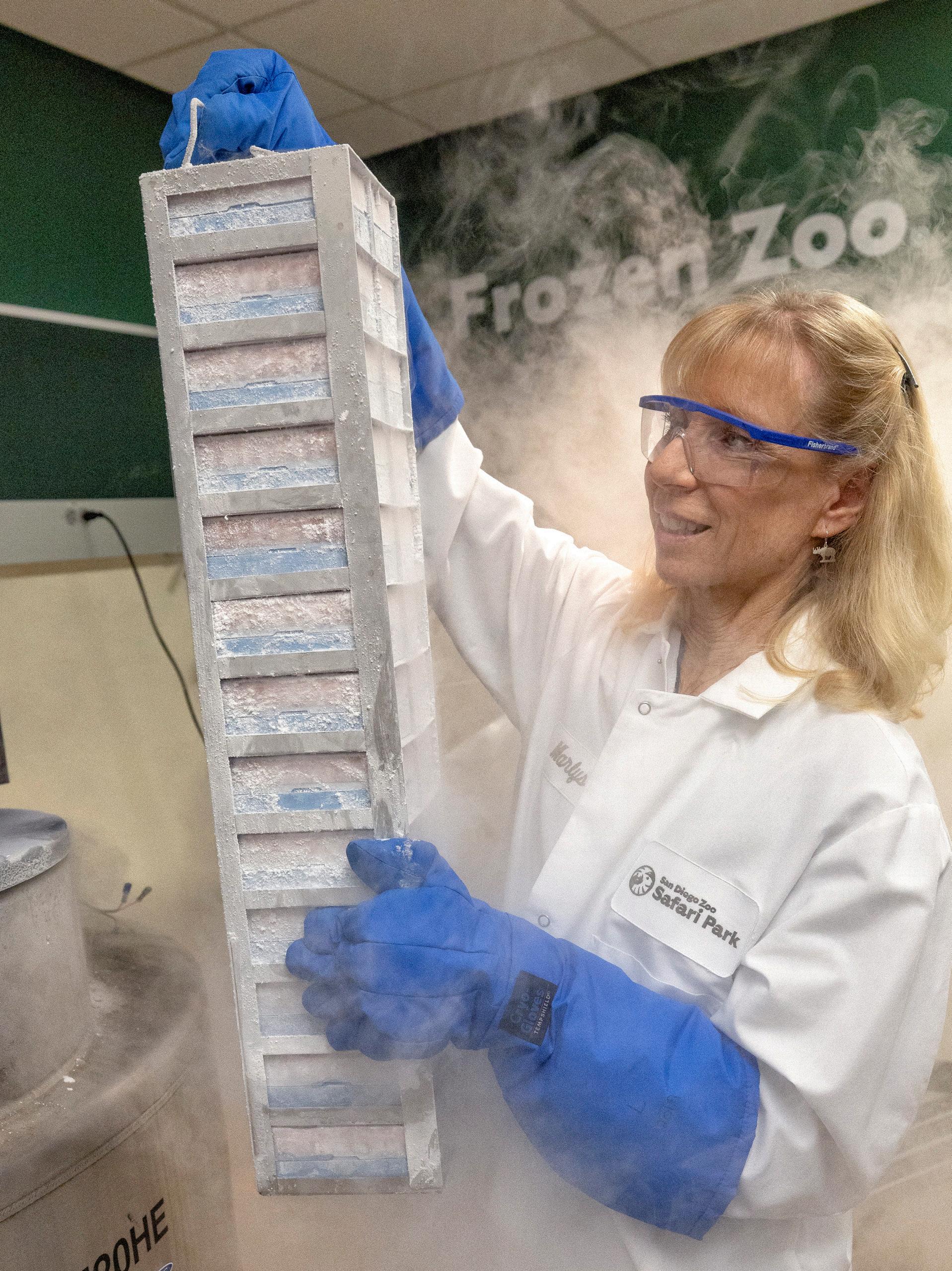
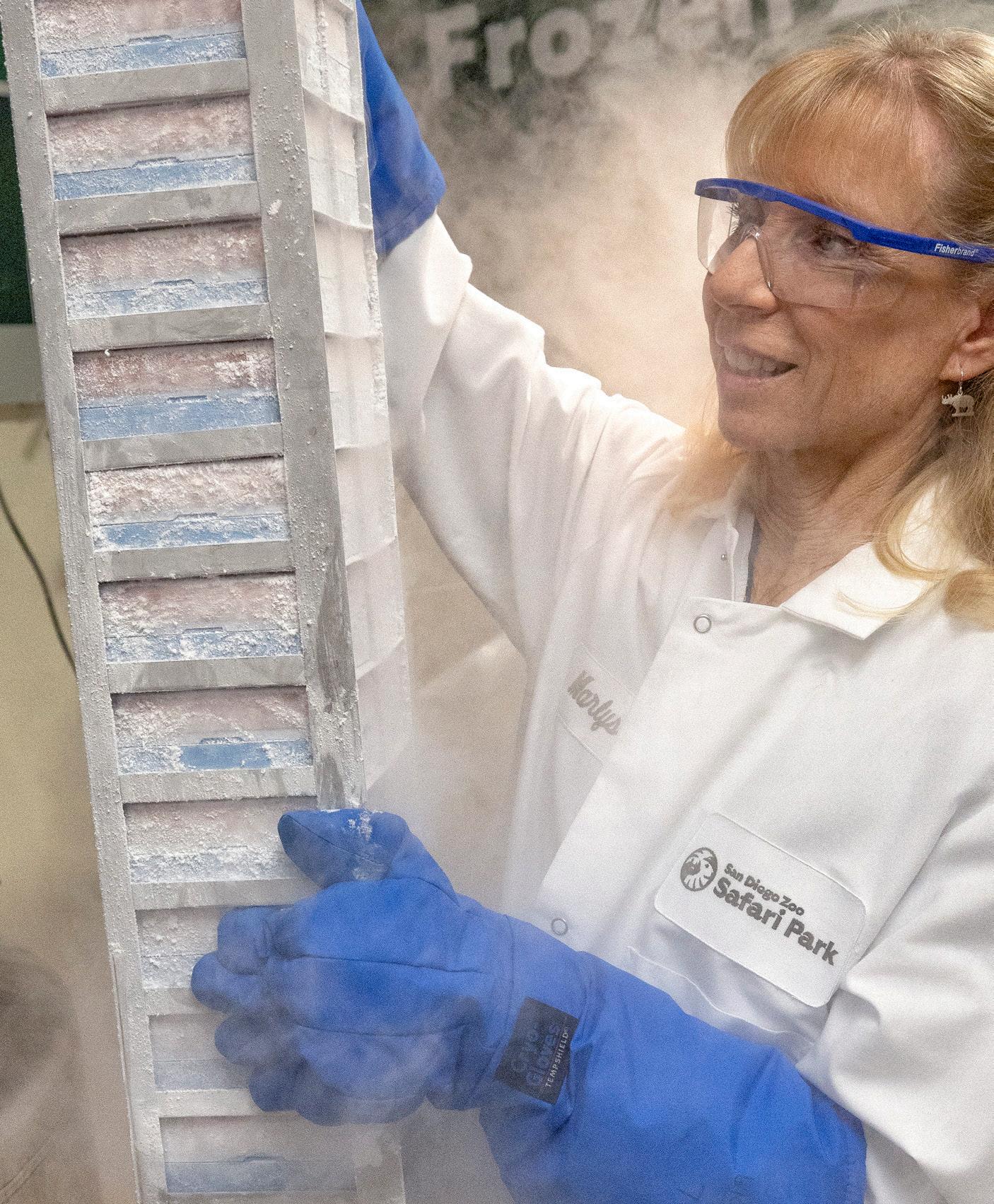
Marlys Houck, the Elizabeth J.F. Williams
Endowed Curator of the Frozen Zoo, checks samples, which are cryopreserved at -320°F.
Forever Pioneering
Planting Hope
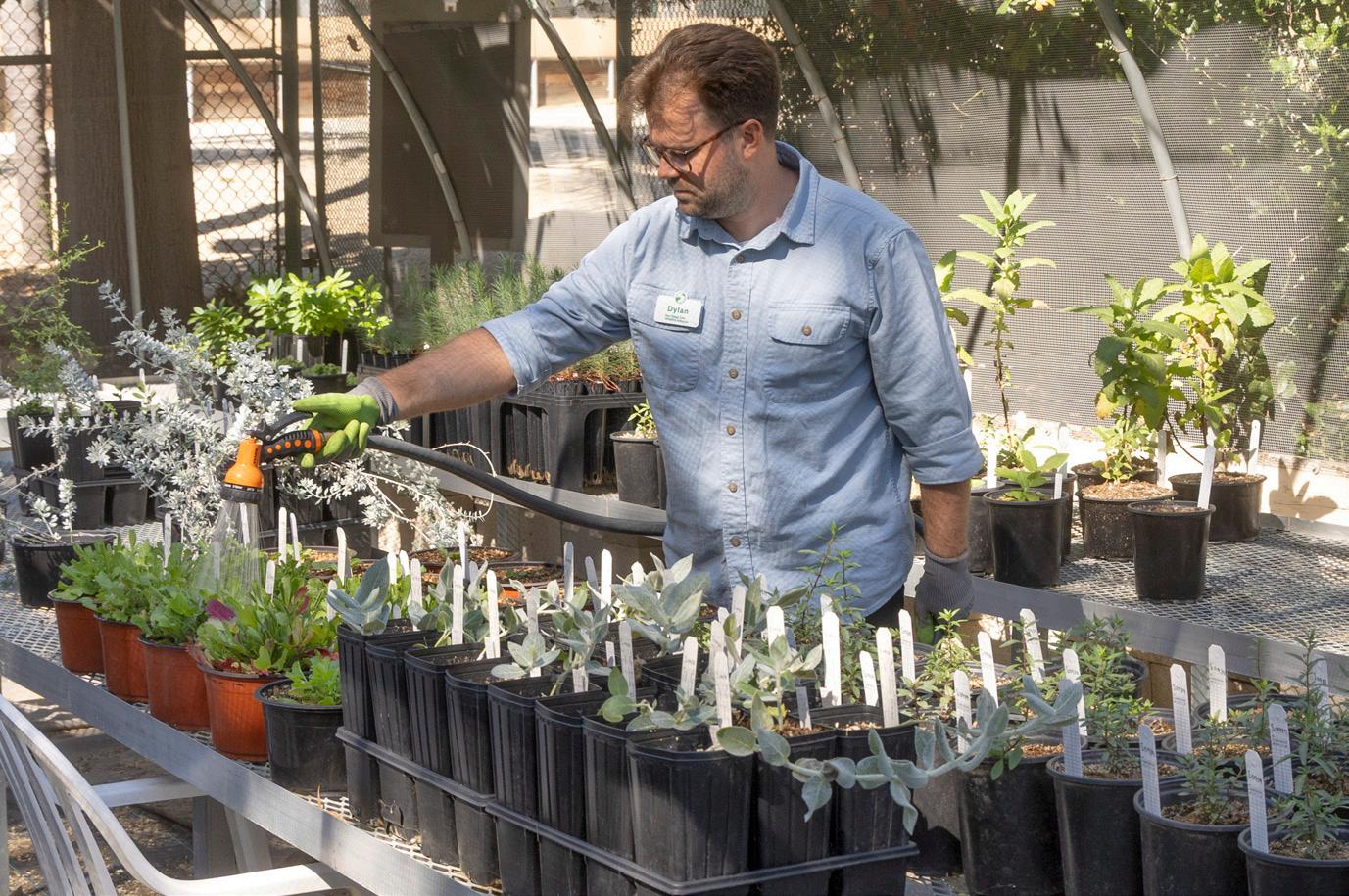
This year, new methods have allowed the banking of plants that couldn’t be frozen through traditional methods, including endangered oaks and cycads.
First Ever
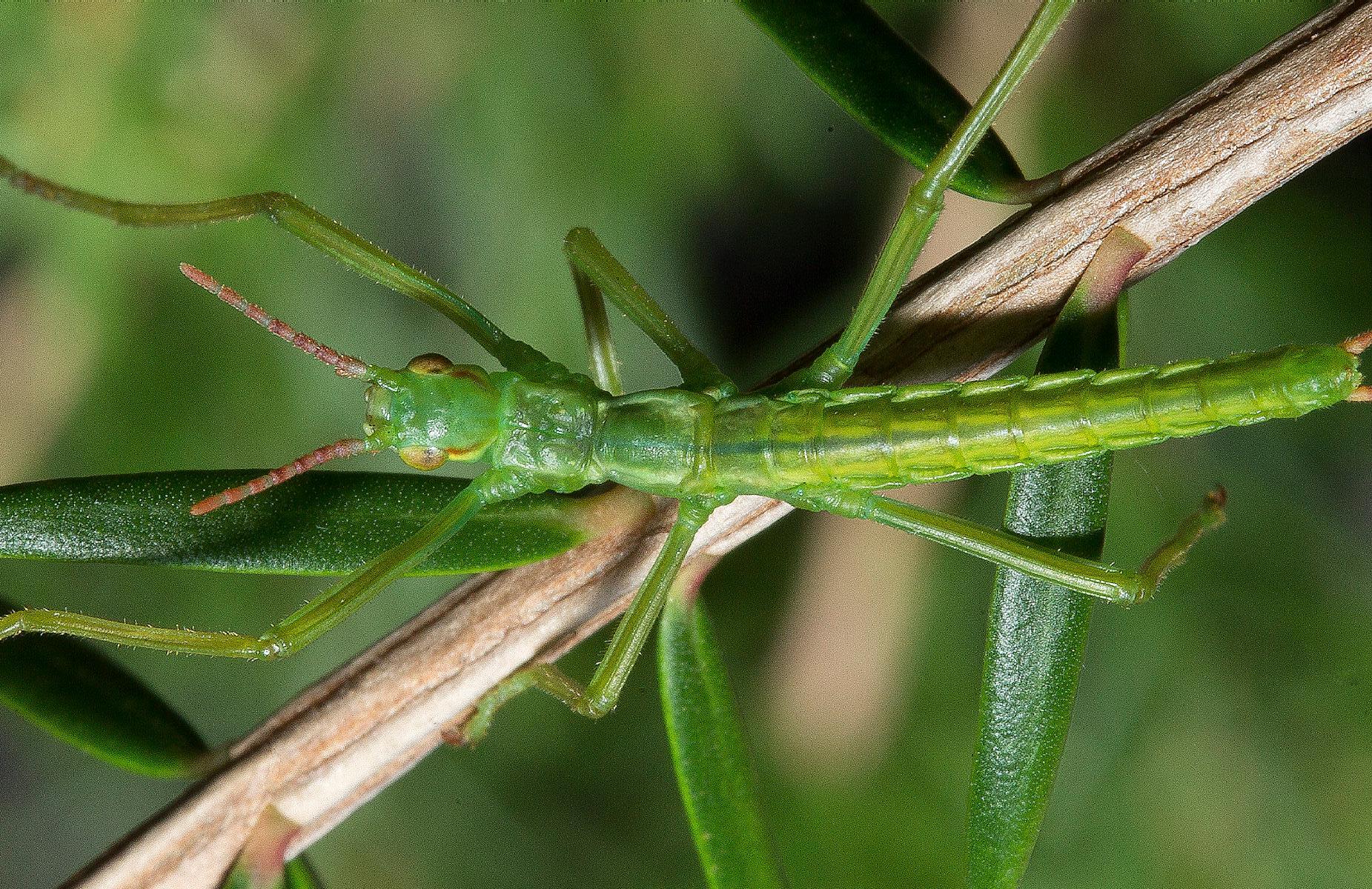
We banked cells from a critically endangered Lord Howe Island stick insect. It’s the first insect in the Frozen Zoo and the first time this critically endangered species, once thought to be extinct, has been banked anywhere.
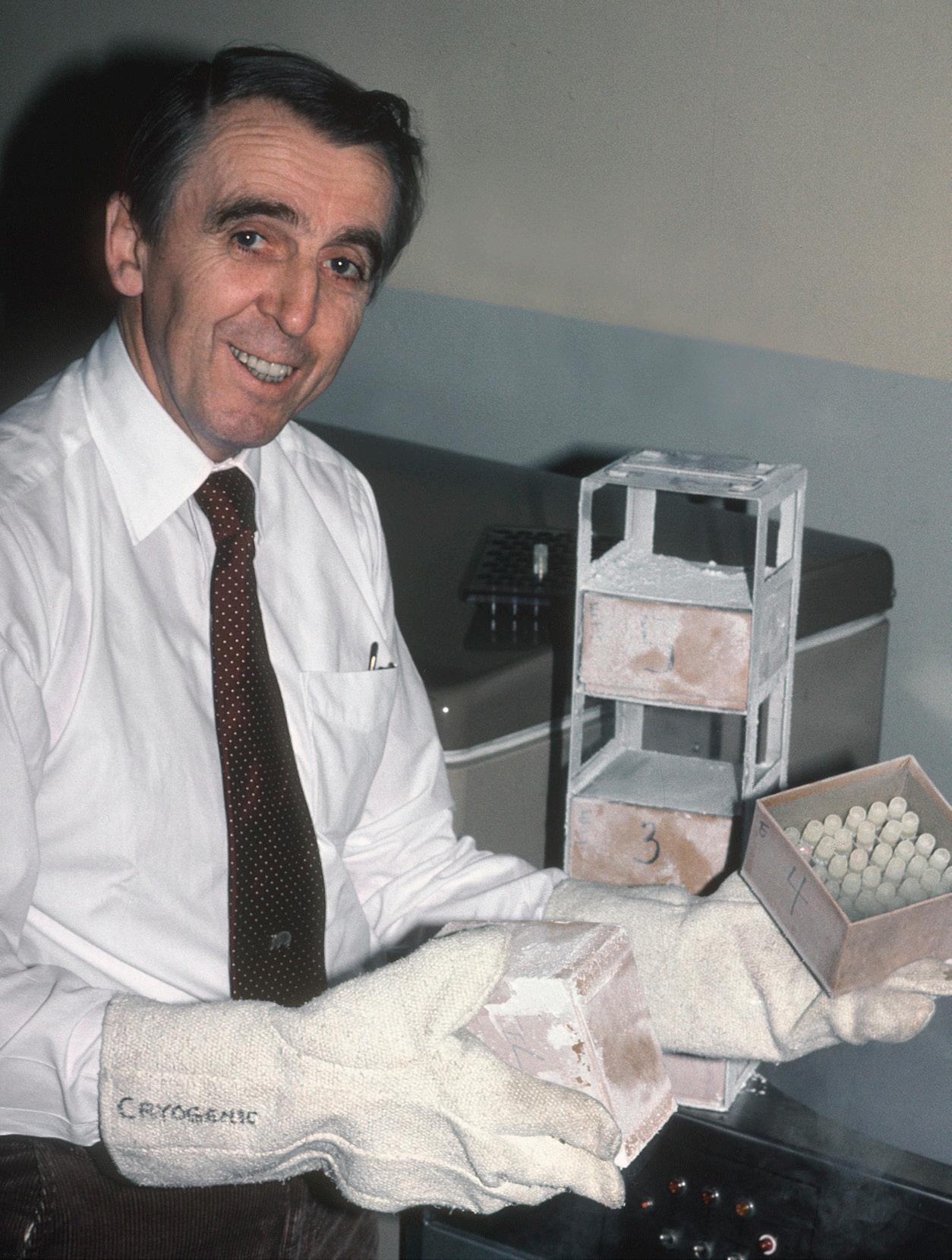
Dr. Kurt Benirschke's visionary idea to freeze animal cells laid the foundation for the Frozen Zoo. His guiding principle, a quote from historian Daniel Boorstin, “You must collect things for reasons you don’t yet understand," has continued to lead it forward ever since.
50 years in, we’re just getting started.
A Bold Vision
With new pilot sites in Kenya, Vietnam, Hawai‘i, and Peru, our goal is to biobank every endangered species by 2075. Announced at the IUCN World Conservation Congress this year, this collaborative effort invites conservationists worldwide to help protect the planet’s incredible species and ecosystem variety for future generations.
Dr. Oliver Ryder, Kleberg Endowed Director of Conservation Genetics, was part of the San Diego Zoo Wildlife Alliance cohort in attendance at the IUCN World Conservation Congress in Abu Dhabi. Dr. Benirschke brought Dr. Ryder on board in the early days of the Frozen Zoo.
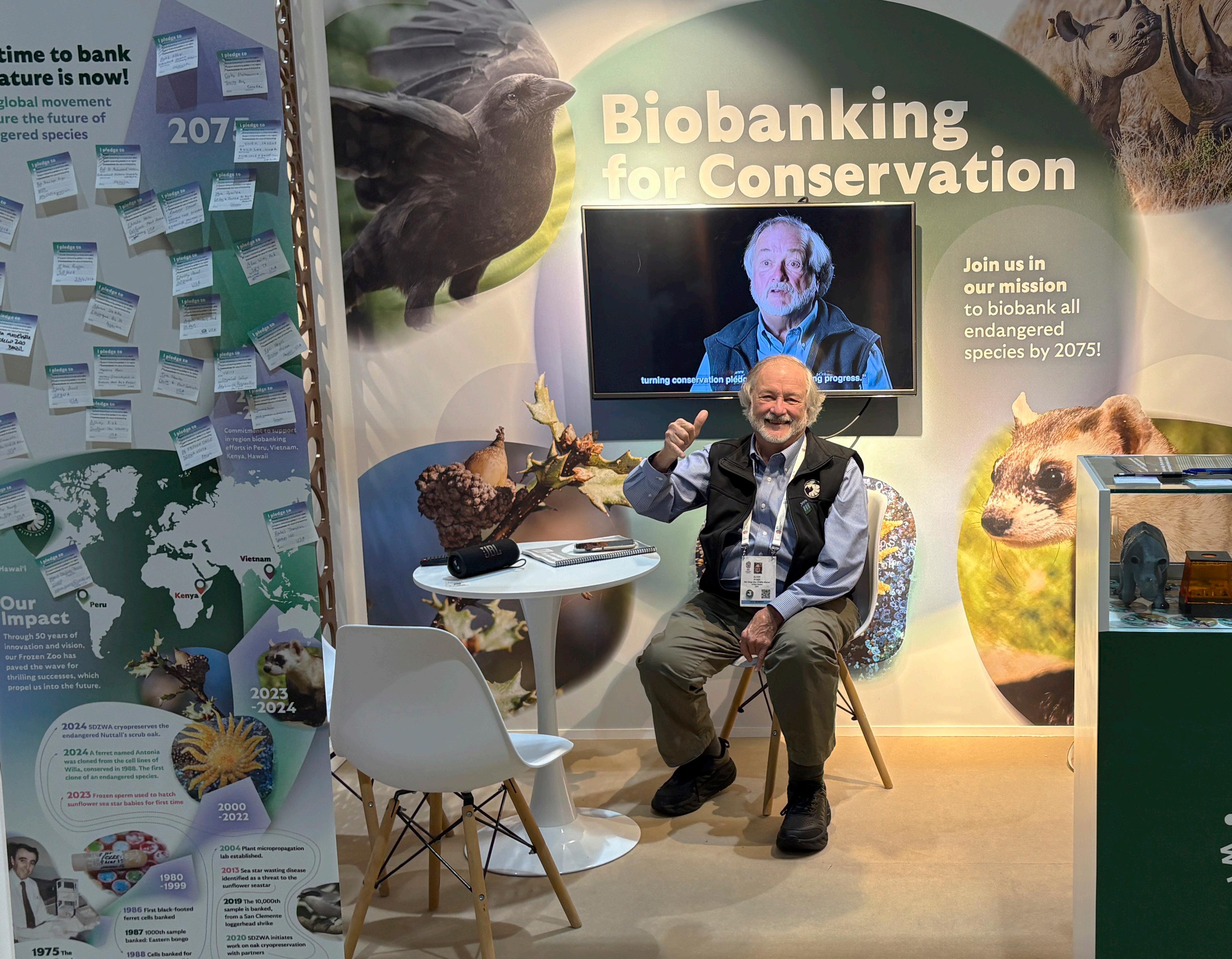
100+ professionals from 45 countries pledged to join us.
Together for Wildlife Our Approach
One Health
We are all interconnected. The health of wildlife, people, and the ecosystems we share are inextricably linked—and determine the health of our planet. Through a holistic One Health approach, we honor, celebrate, and advocate for that connection every day.
A Vital Balance
Biodiversity losses, challenges to climate resilience, and global pandemics are severe and interconnected crises that cannot be addressed in isolation. Habitat degradation, invasive species, the illegal wildlife trade, pollution, and challenges to human-wildlife coexistence drive these crises and impact all of us. We work with partner organizations and allies around the world to address these complex issues so all life can thrive.
PEOPLE


One Health
Sustainable Conservation Solutions

Our approach to protecting and restoring wildlife and habitats is collaborative, innovative, and multidisciplinary. Working together with local communities and global partners, we apply the following skills and expertise to address pressing threats to conservation. We use inclusive, comprehensive, and evidence-based solutions to address immediate and root causes of loss of biodiversity, empowering those who live alongside wildlife to be stewards of nature.
Skills & Expertise
• Applied Social Science
• Assisted Reproductive Technologies
• Biodiversity Banking
• Capacity Enhancement
ECOSYSTEMS
• Conservation Breeding
• Conservation Education
• Conservation Technologies
• Conservation Translocation
• Diagnostic Techniques
• Disease Investigation & Response
• Ecological Applications & Monitoring
• Genetic Rescue
• Plant Conservation
• Wildlife Care
• Wildlife Nutrition
• Veterinary Care
Building Alliances to Thrive
Conservation begins with people, and a world where all life thrives is only possible when local communities, governments, conservation organizations, allies like you, and wildlife explorers of all ages work together.
Our eight Conservation Hubs are the places we’re currently most invested, and where we can use our century of wildlife expertise to build on existing collaborations with internal and external partners and drive strategic outcomes: healthy wildlife populations, flourishing communities, and connected and resilient landscapes.

Our work begins in San Diego and spans the globe.
You are our most important ally.
Every time you visit, make a donation, purchase an item from us, or share what you know about animals, plants, and conservation, you’re playing a role in achieving our mission and securing the future for wildlife.
See page 88 for a list of partners, and page 102 for more about how you can join us.
OUR WORK
We contribute to 94% of the UN’s Sustainable Development Goals and 91% of the Kunming-Montreal Global Biodiversity Framework targets through our work.
34 projects 11 countries 6 continents

1,577 animals of 8 species released or translocated IN 2025
1,590 acres of habitat directly protected or restored through our work
Southwest Conservation Hub
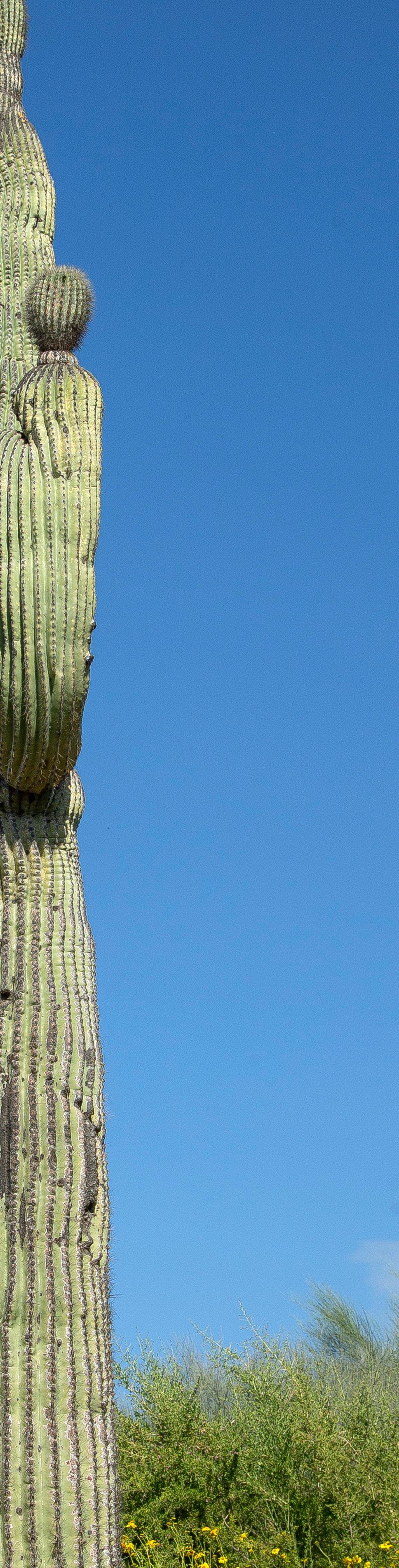
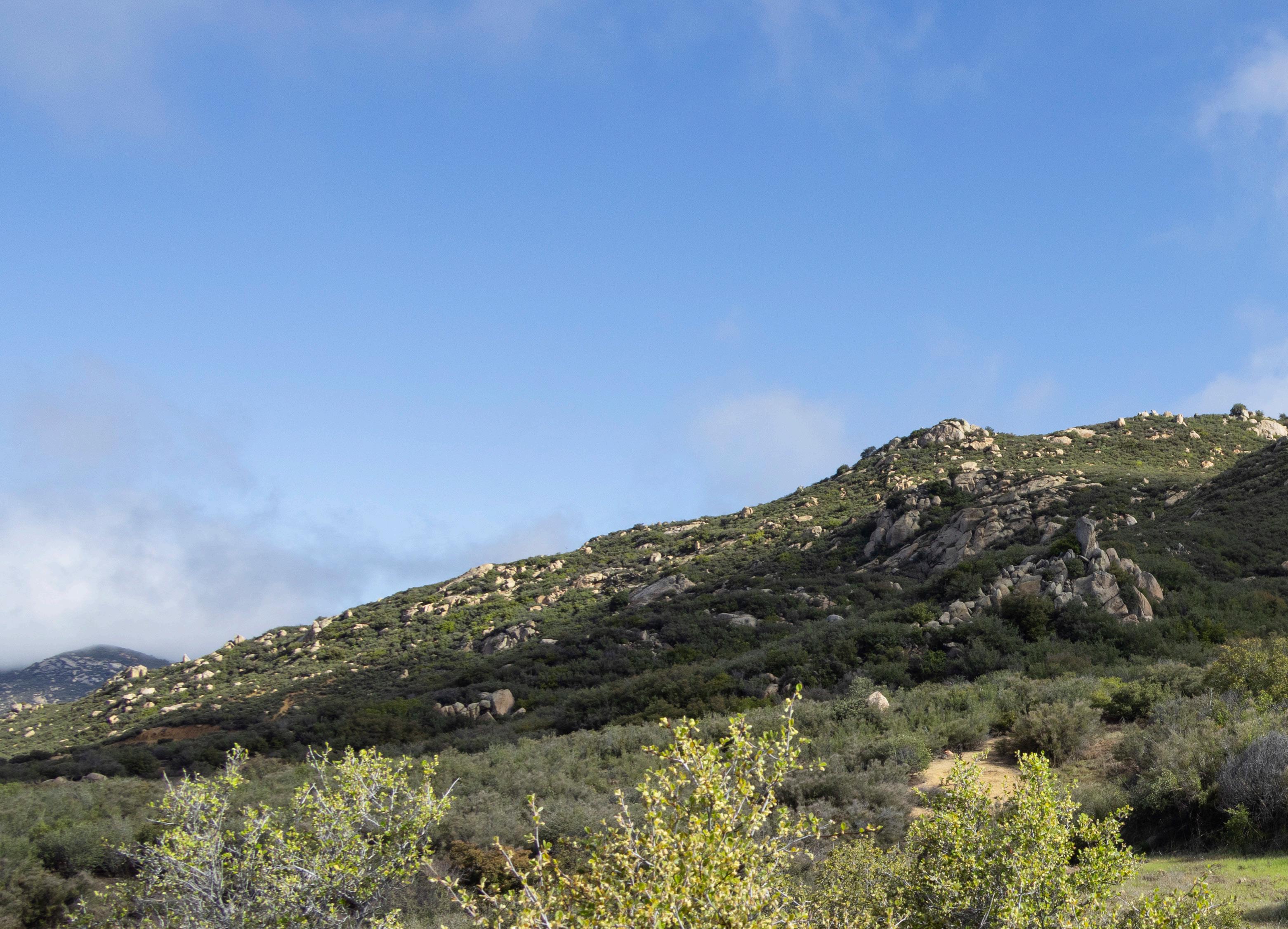
The Southwest is a breathtaking mosaic of lush wetlands, rugged forests, rolling grasslands, and towering mountains stretching from coast to desert across the southwestern United States and northern Mexico. At its heart lies San Diego County, home to our headquarters and, astonishingly, more imperiled wildlife than anywhere else in the continental United States.
We collaborate with partners to safeguard local wildlife and the ecosystems we share by boosting wildlife populations and reintroducing threatened species, identifying and reducing threats to ecosystems, and using cutting-edge science and technology to monitor and protect wildlife and native habitats.

PROTECTING BIODIVERSITY Close to Home
The Southwest’s unique landscapes are home to countless intriguing and threatened species, including desert tortoises, mountain lions, native oaks, red diamond rattlesnakes, burrowing owls, butterflies, mountain yellow-legged frogs, Torrey pines, and California condors.
For the Future
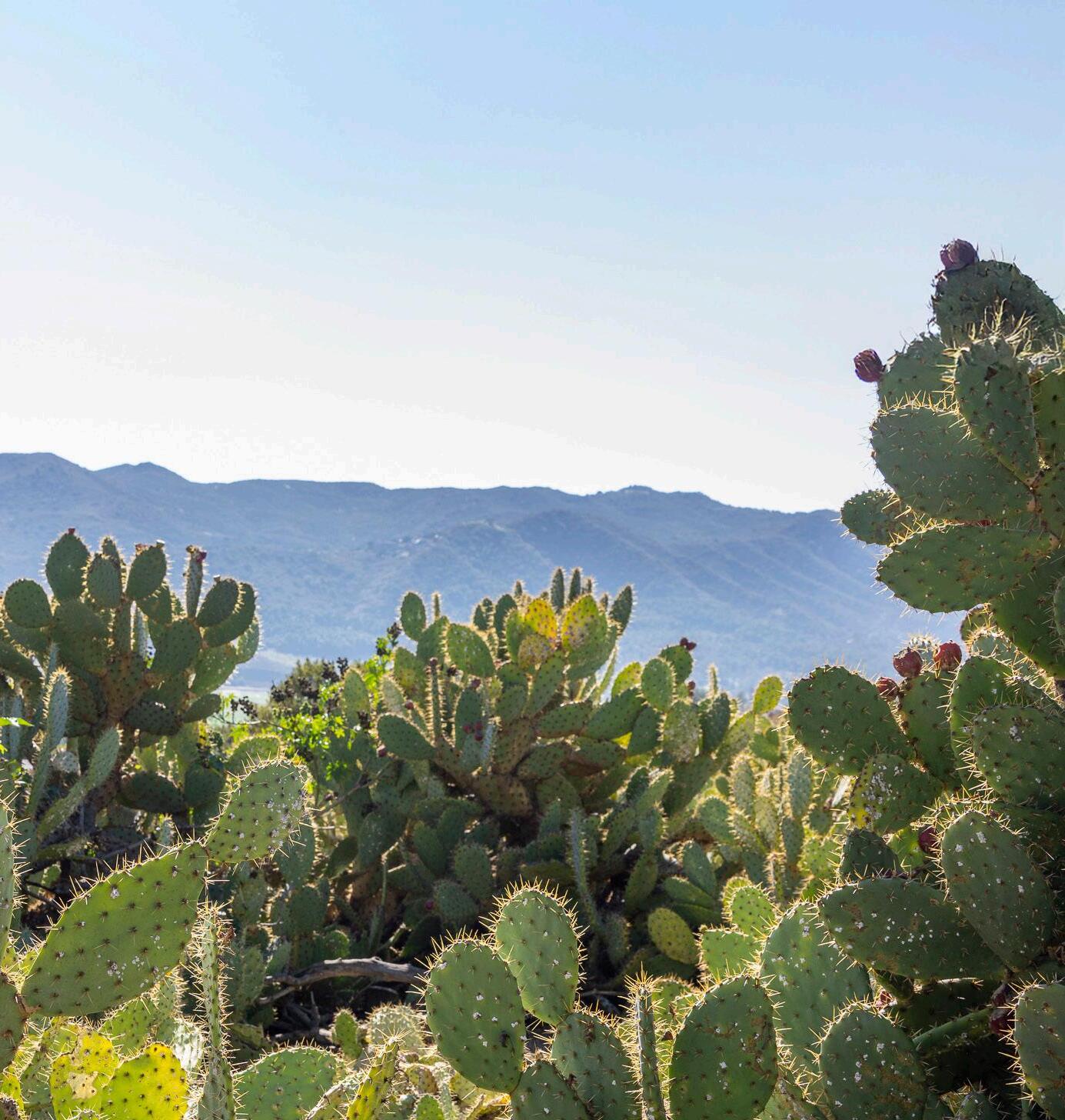
We’re dedicated to 30x30 California’s goal of conserving 30% of the state’s lands and waters by 2030. Together the Biodiversity Reserve and our Samataguma Ranch Reserve safeguard nearly 2,000 acres of native habitat.
Our Backyard
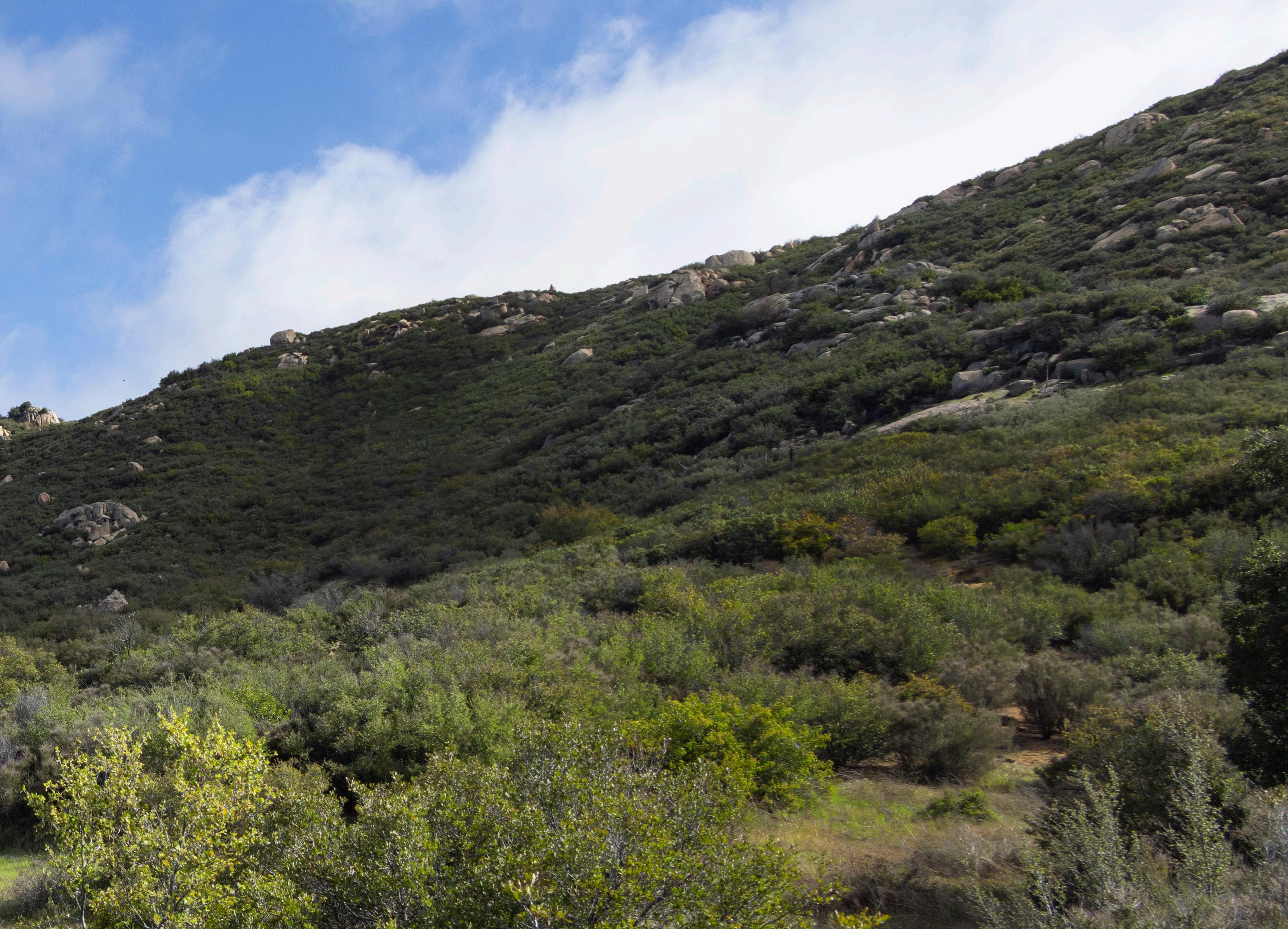
Nearly 1,000 of the Safari Park’s 1,800 acres are dedicated to the Biodiversity Reserve, one of the last native coastal sage scrub and chaparral habitats in the region. Here our scientists study wildlife behavior and develop methods to foster human-wildlife coexistence.
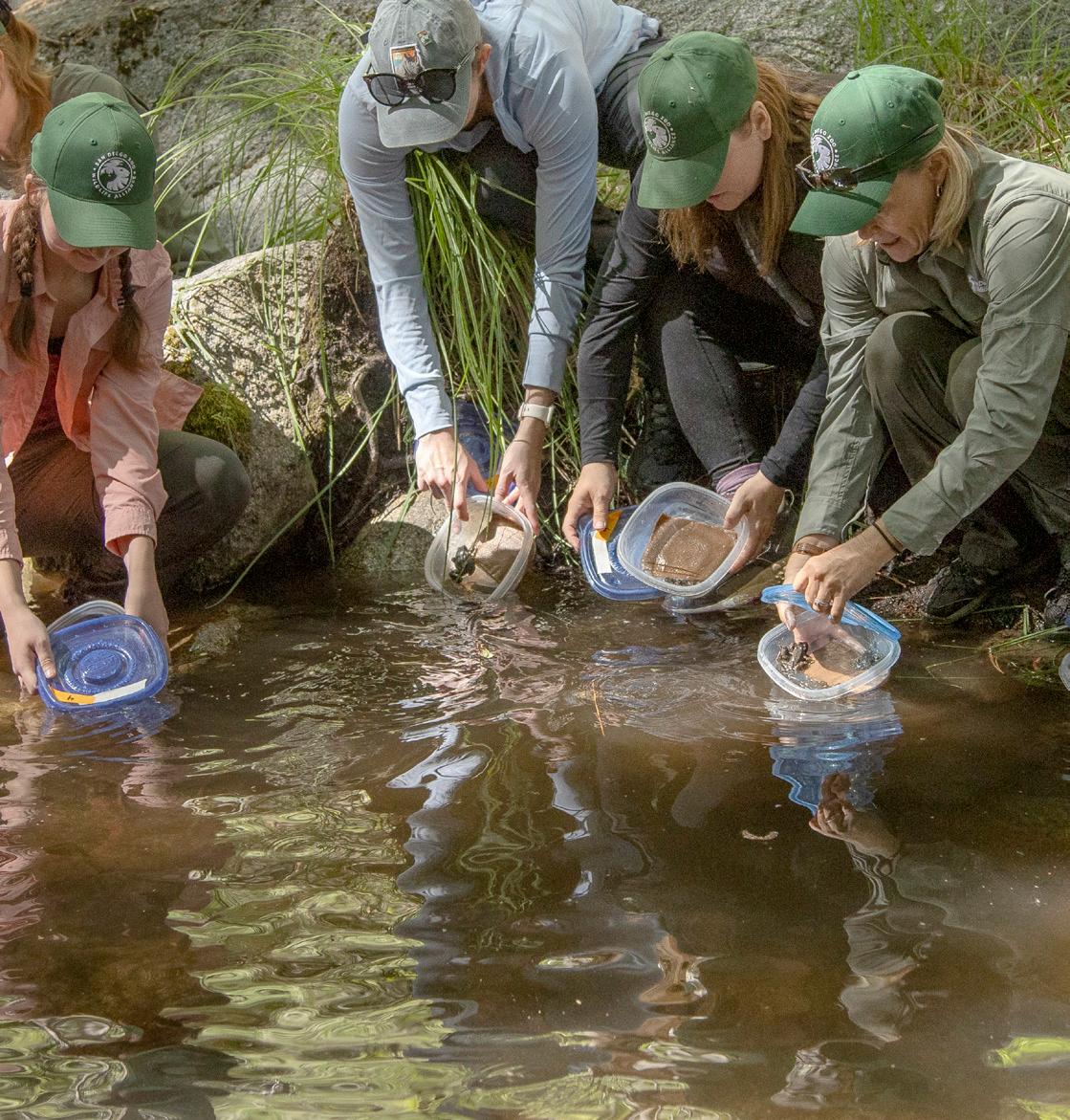
Spadefoot Success
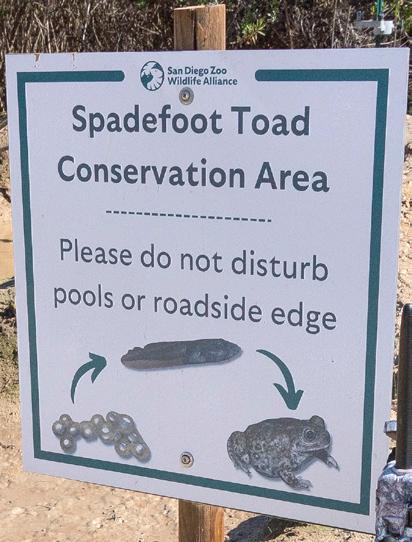
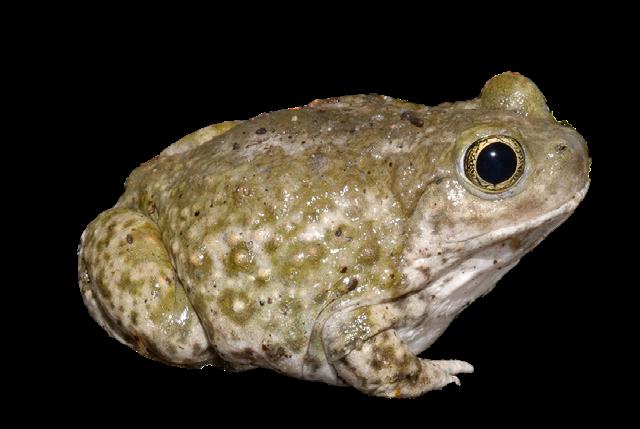
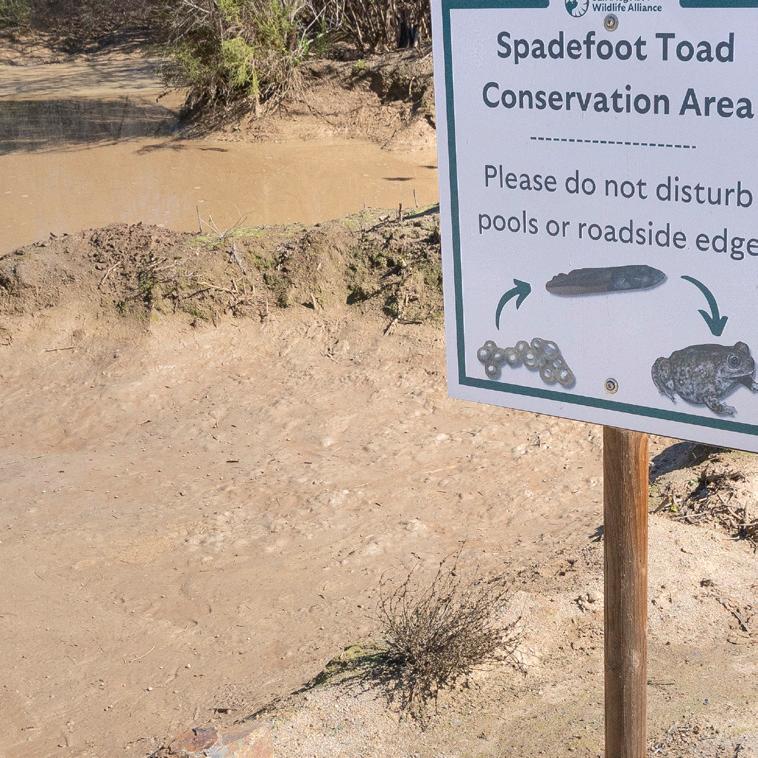
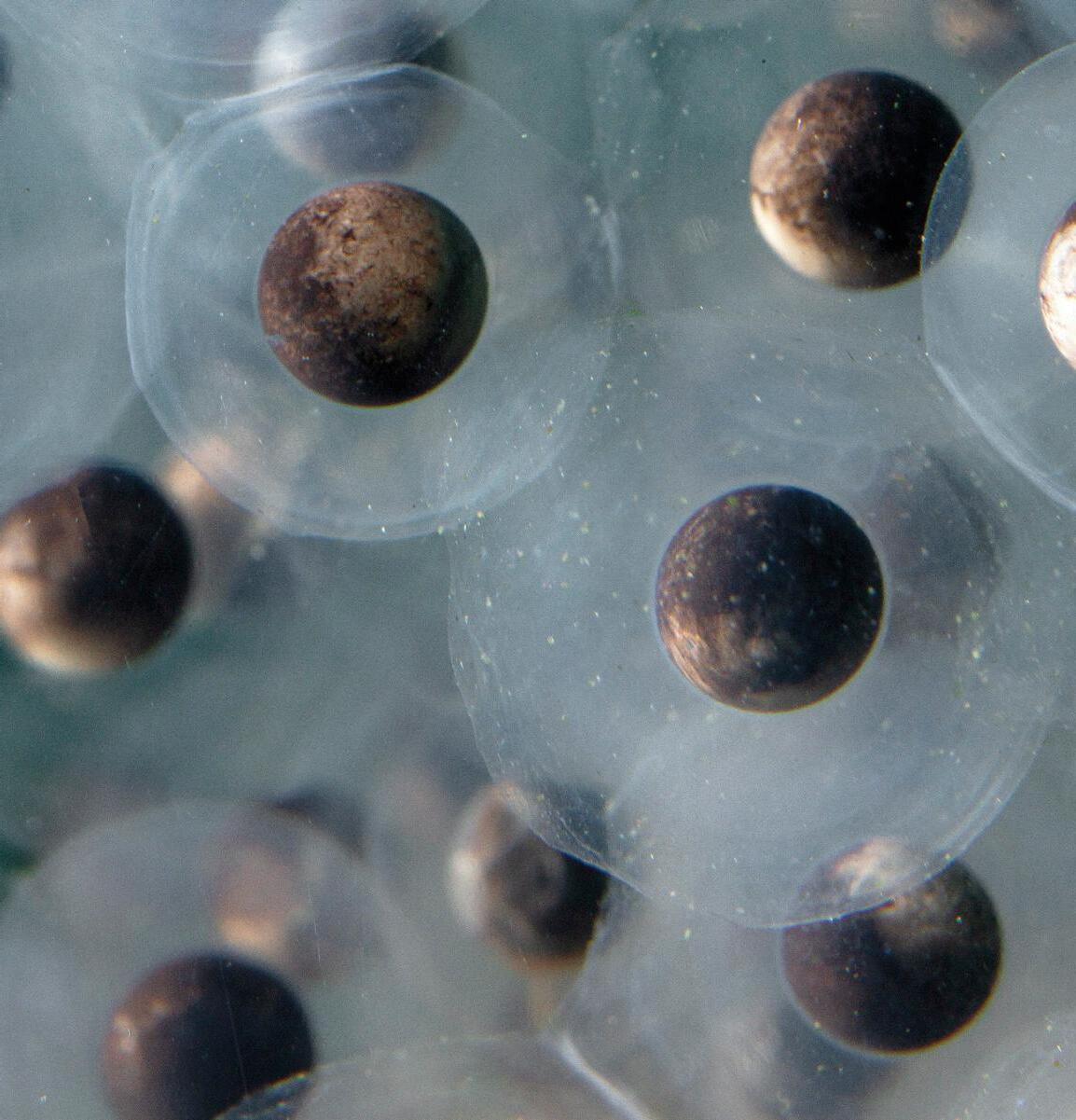
Native western spadefoots rely on rain-fed seasonal pools. By maintaining these ponds in the Biodiversity Reserve, our team helped hundreds of tadpoles grow into young spadefoots.
Another First
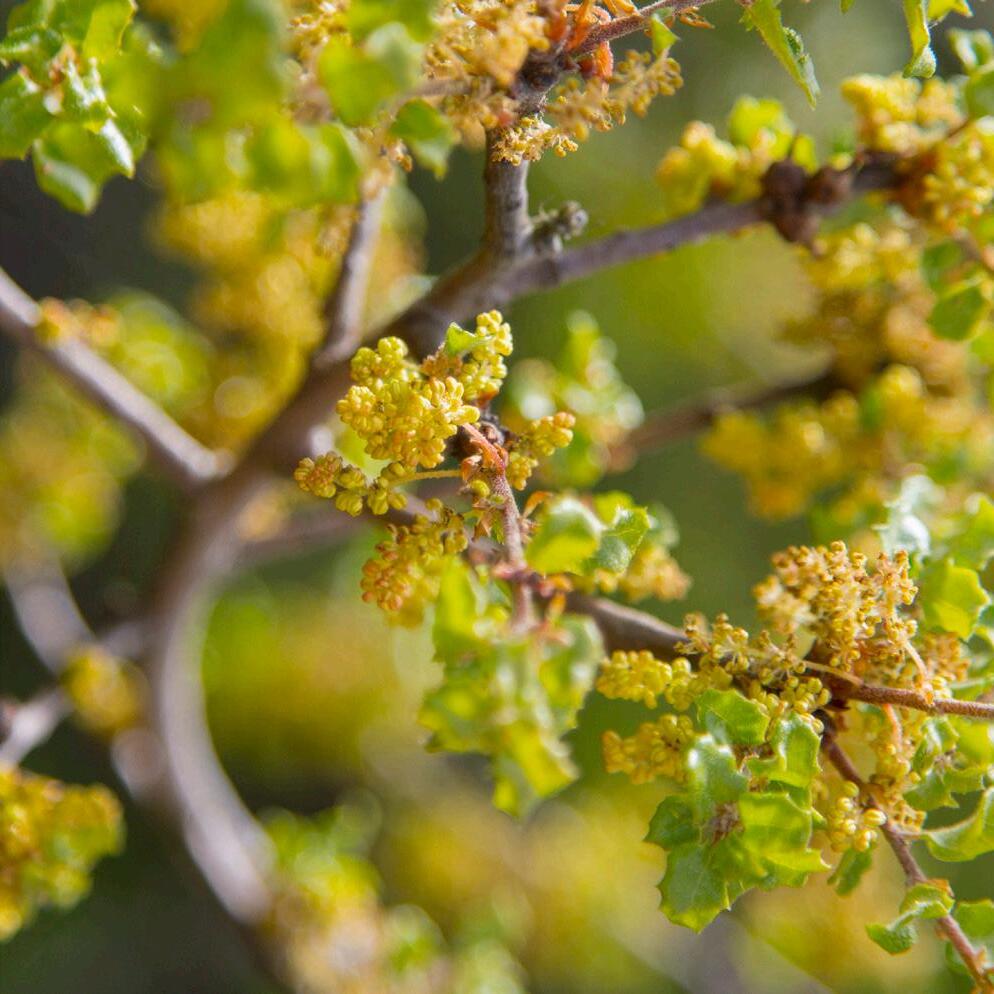
Our team successfully banked Nuttall’s scrub oak pollen in the Frozen Zoo for the first time, providing a critical resource for future restoration efforts.
San Diego Zoo Wildlife Alliance has been an exceptional partner, and together we hope to achieve great success in managing sensitive species and natural ecosystems in this highly biologically diverse area.
— SARAH M ., Program Coordinator, San Diego Management and Monitoring Plan
Building Resilience Community Engagement
California Biodiversity Day
Festivities highlighted rich local biodiversity as guests explored native plant gardens, learned about wildlife rescues, and connected with our conservation efforts.

Help from Our Friends
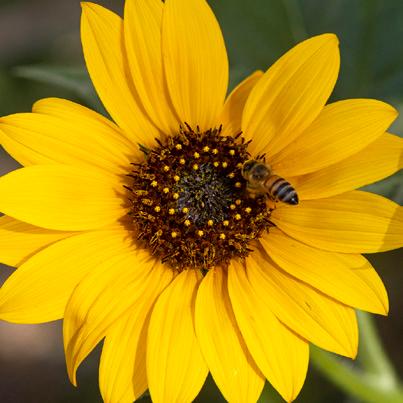
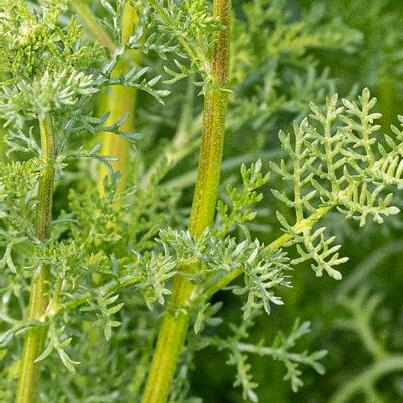
Volunteers joined our teams in the Biodiversity Reserve to monitor wildlife and remove invasive species like stinknet, helping preserve native habitat.
Bee-ing Allies
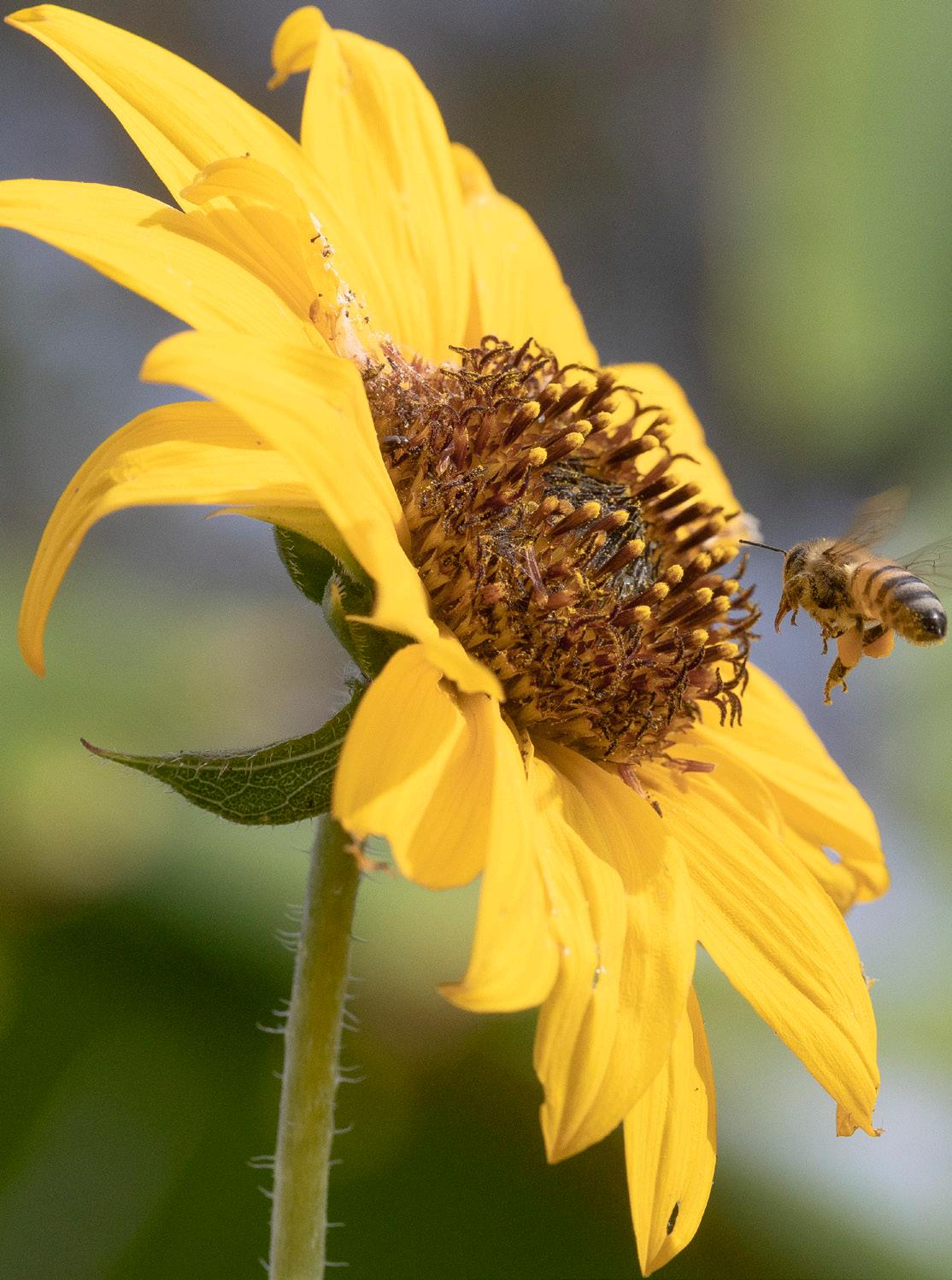
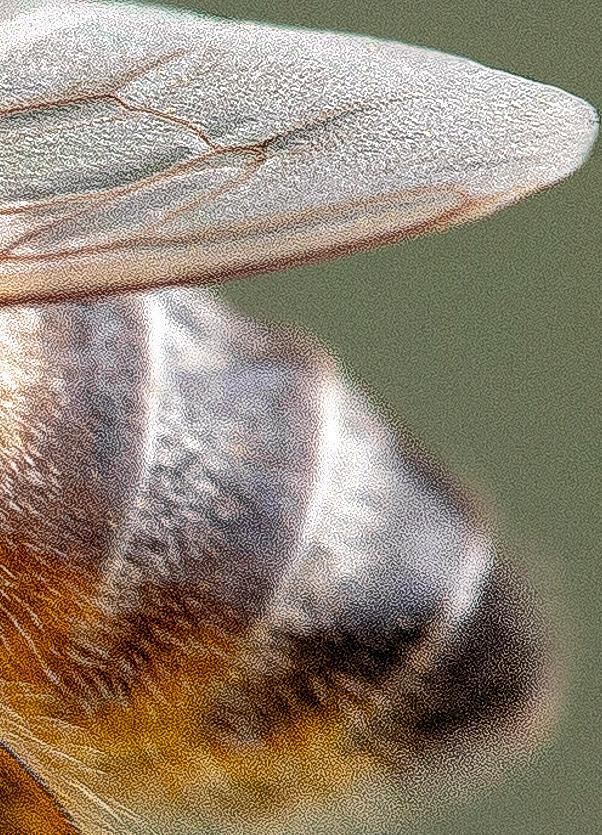
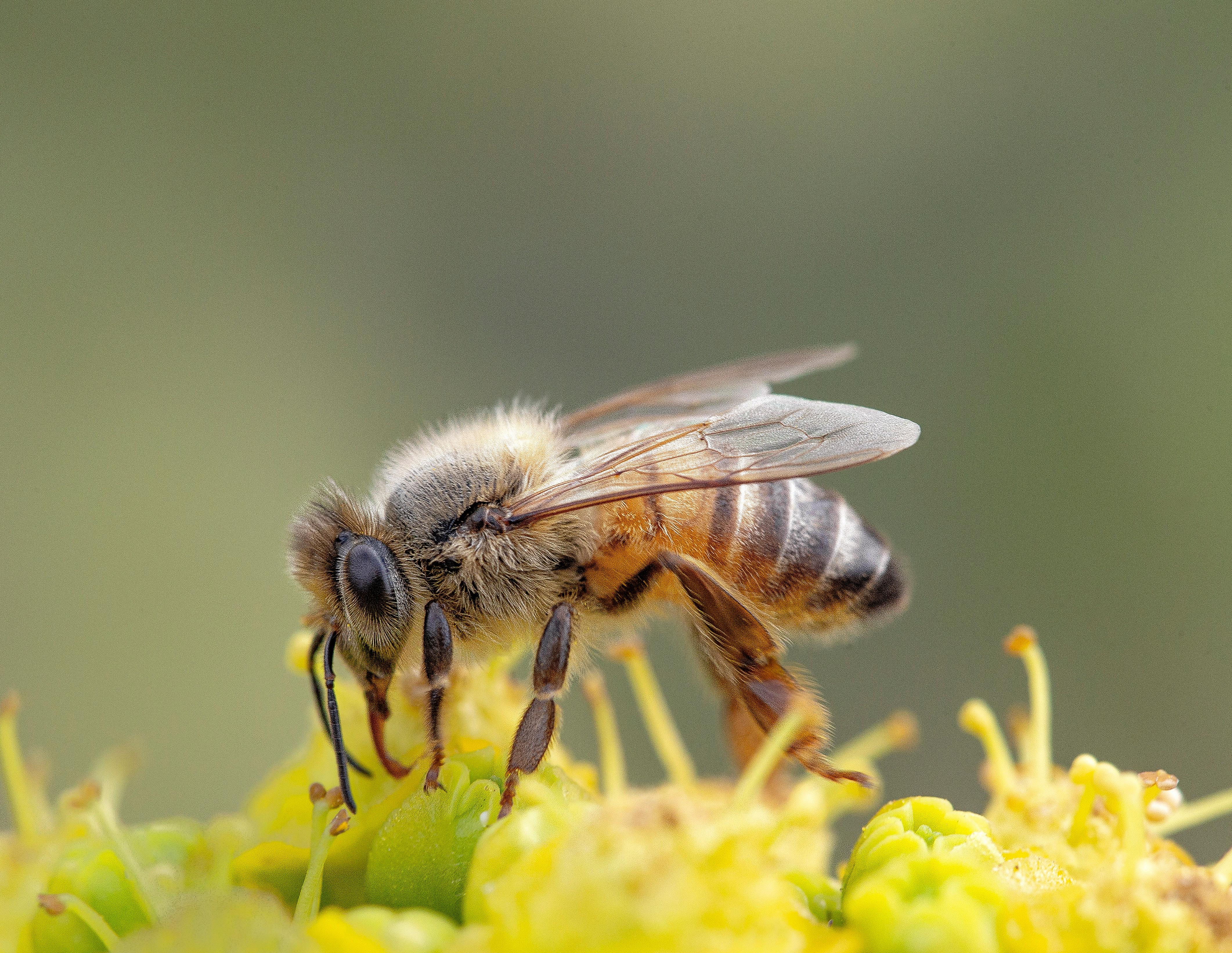
Now a Bee City USA affiliate, the Zoo supports pollinator conservation by planting native flora, reducing pesticides, and educating communities to protect vital species, including bees and butterflies.
Wild Weekend: Southwest
This special event at the Safari Park brought our ongoing conservation work to life for guests, inspiring new allies.
Our conservation reproduction programs boost populations of threatened and endangered wildlife, preparing them for success in new landscapes and introducing them into protected areas of native habitat where they can thrive.
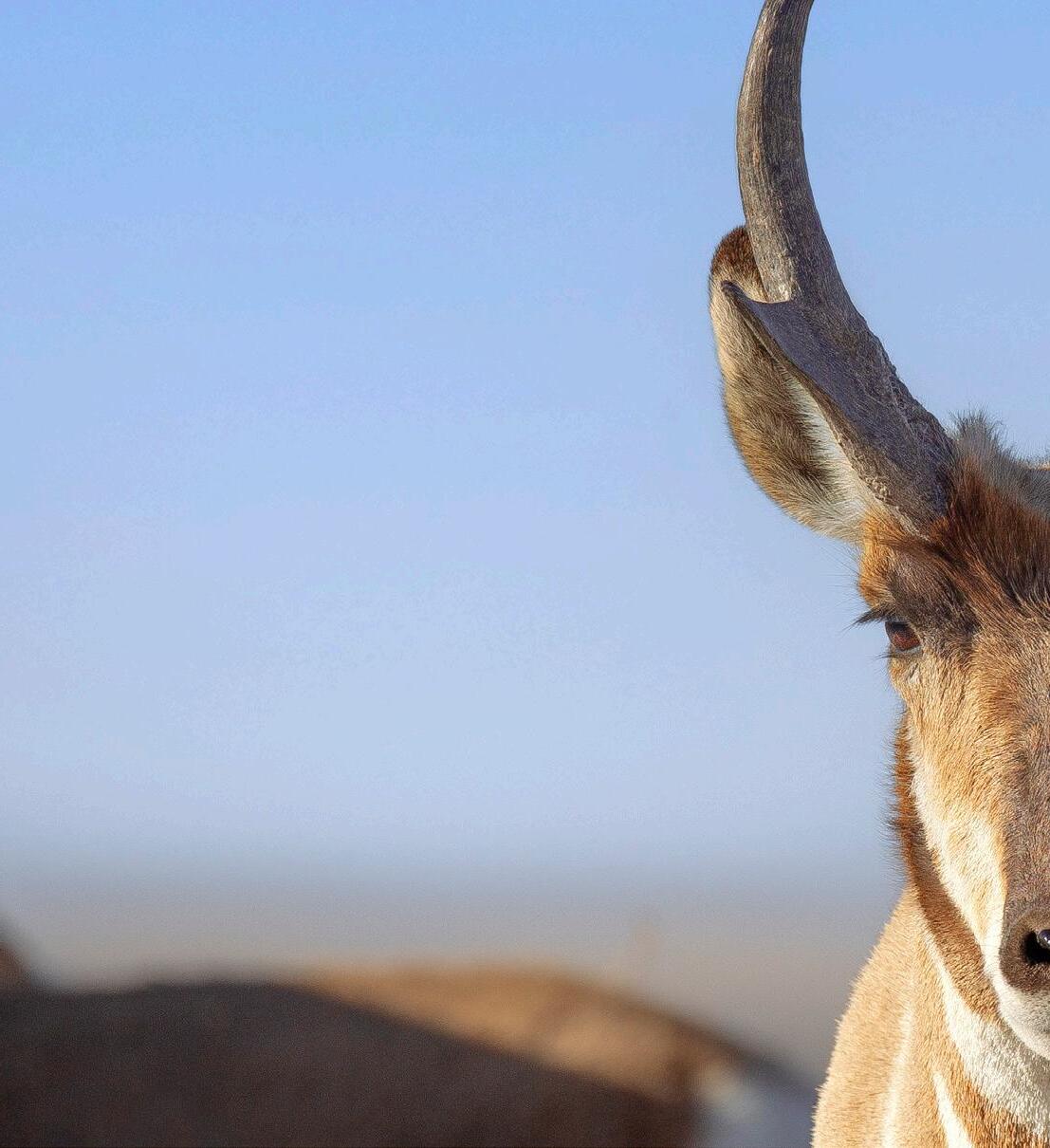
Hope on the Range
When an orphaned and injured pronghorn was found in New Mexico, teams sprang into action in an interstate emergency rescue mission. He’s now thriving with the herd at the Safari Park, where we’ve been caring for an endangered pronghorn subspecies since the 1970s.
Our Biggest
Year Yet
863
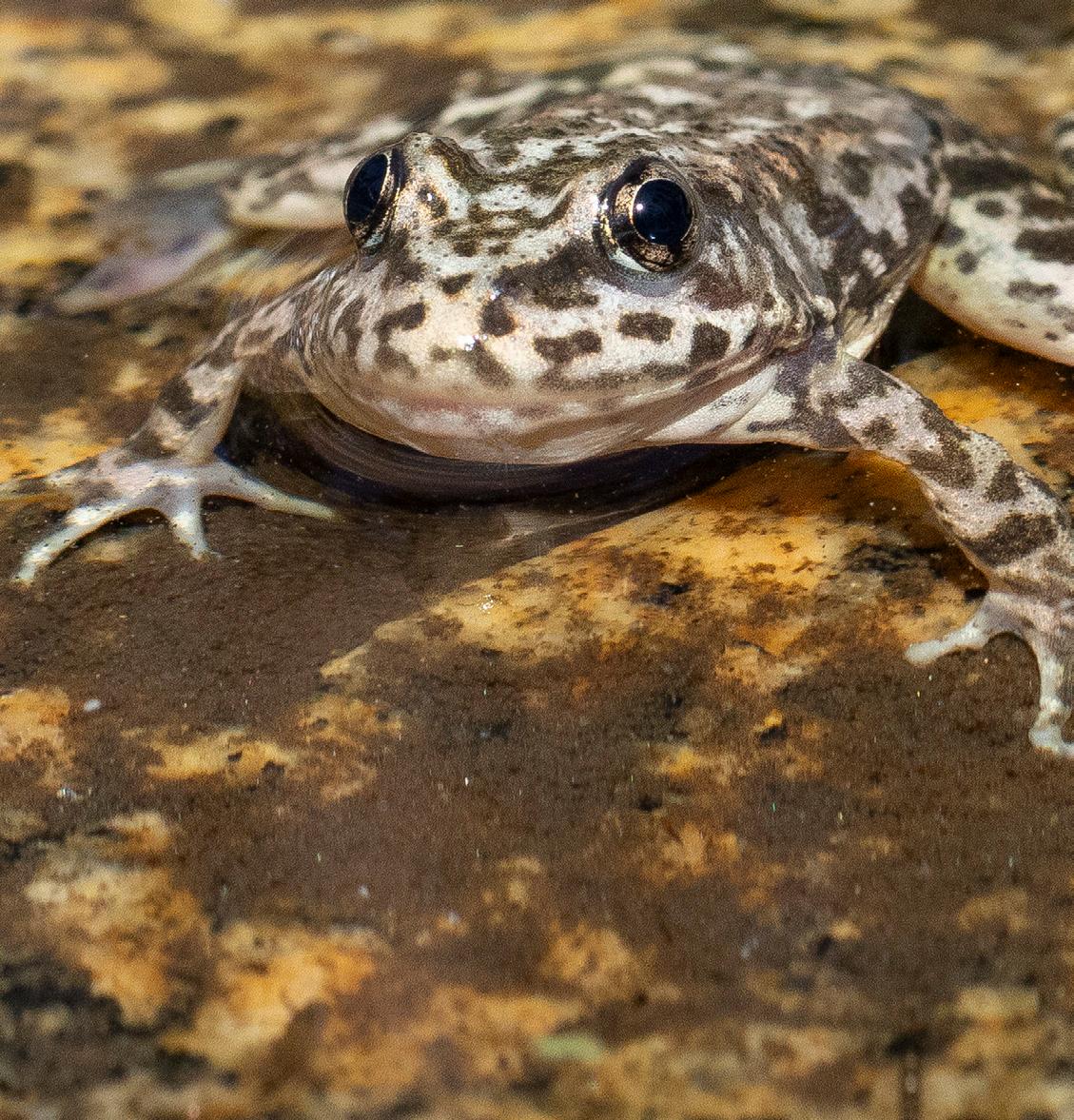
endangered mountain yellow-legged frogs and 481 tadpoles were reintroduced into the San Bernardino and San Jacinto Mountains.
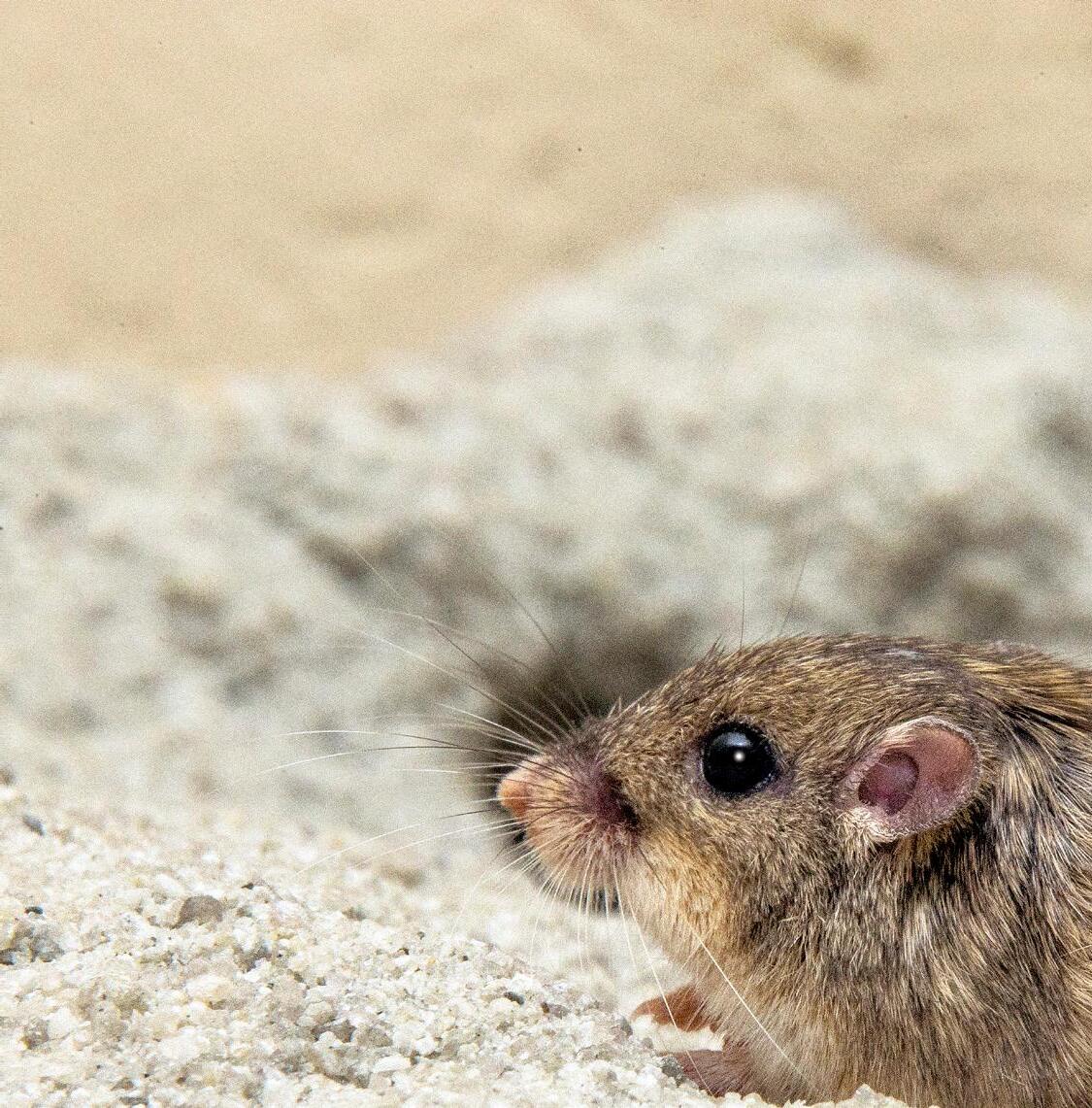
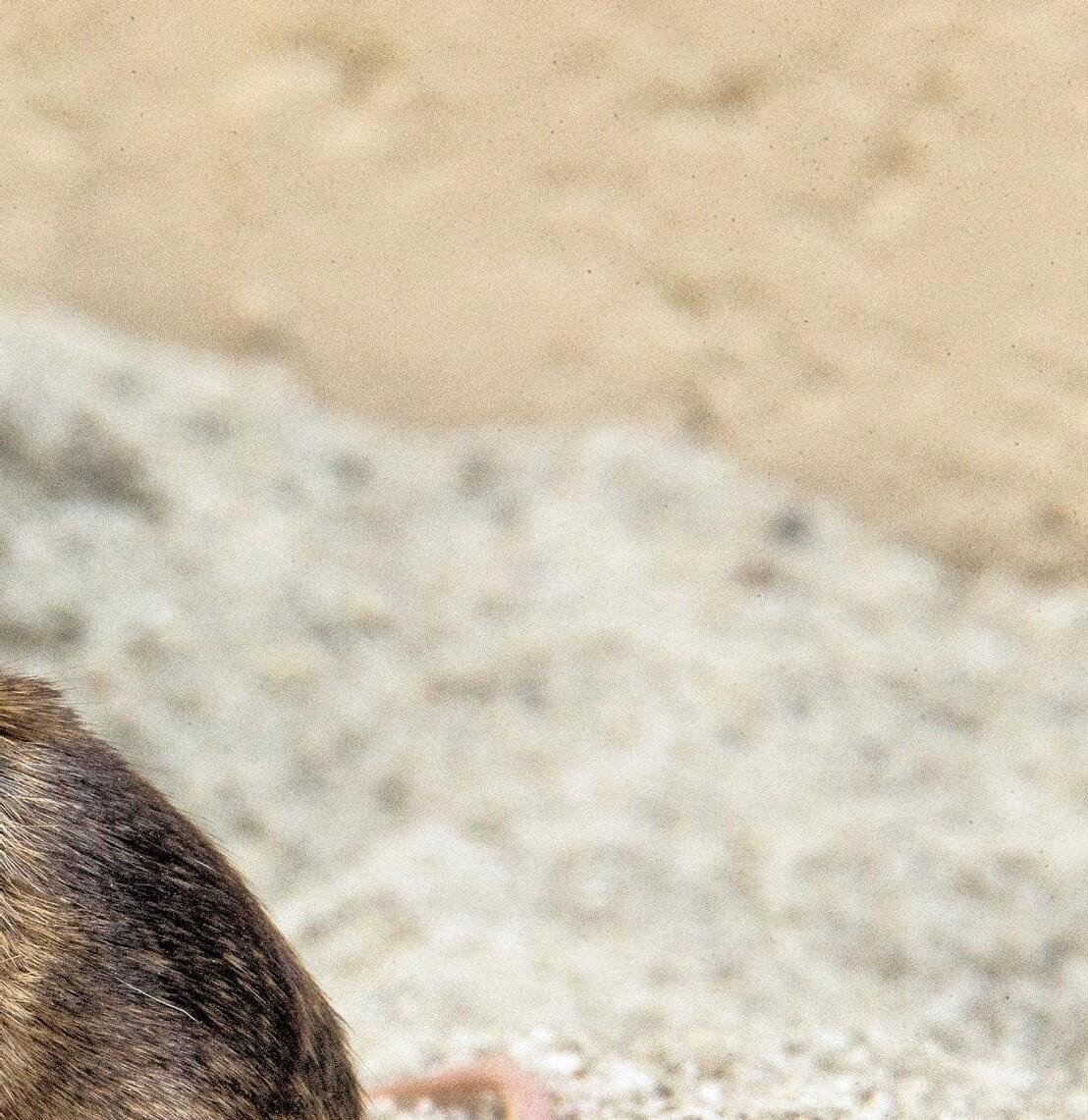
Tiny Mouse, Gigantic Impact
90
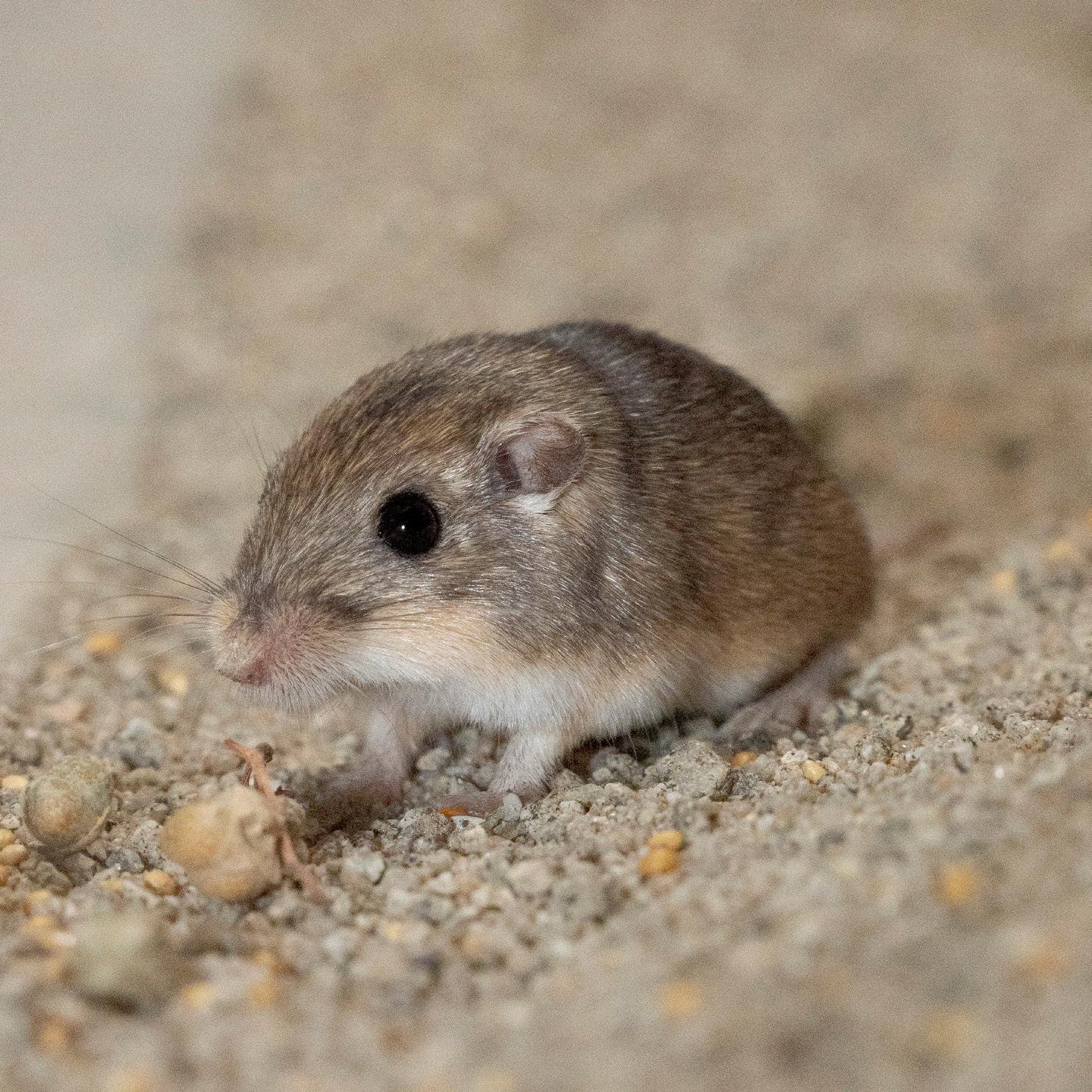
critically endangered Pacific pocket mice born at the Safari Park were reintroduced into the Laguna Coast Wilderness and Marine Corps Base Camp Pendleton.
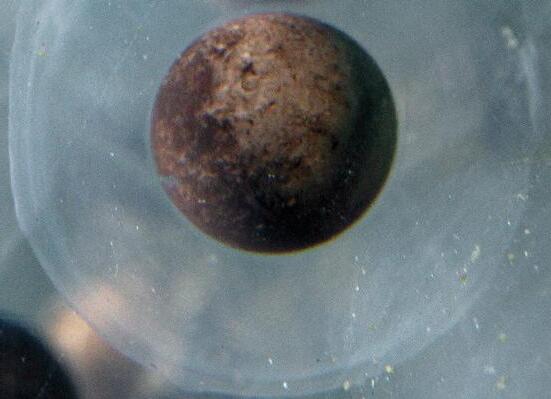
eggs were fertilized through artificial fertilization, a major breakthrough in assisted reproduction for this species.
Nearly 500
have been reintroduced since this collaborative program began. The species was once believed to be extinct.
New Insights
Data revealed that mixing mice populations boosts survival and reproduction , offering a model for genetic rescue in other endangered species.
15,000+
mountain yellow-legged frogs have been reintroduced to native habitats since our collaborative program began.
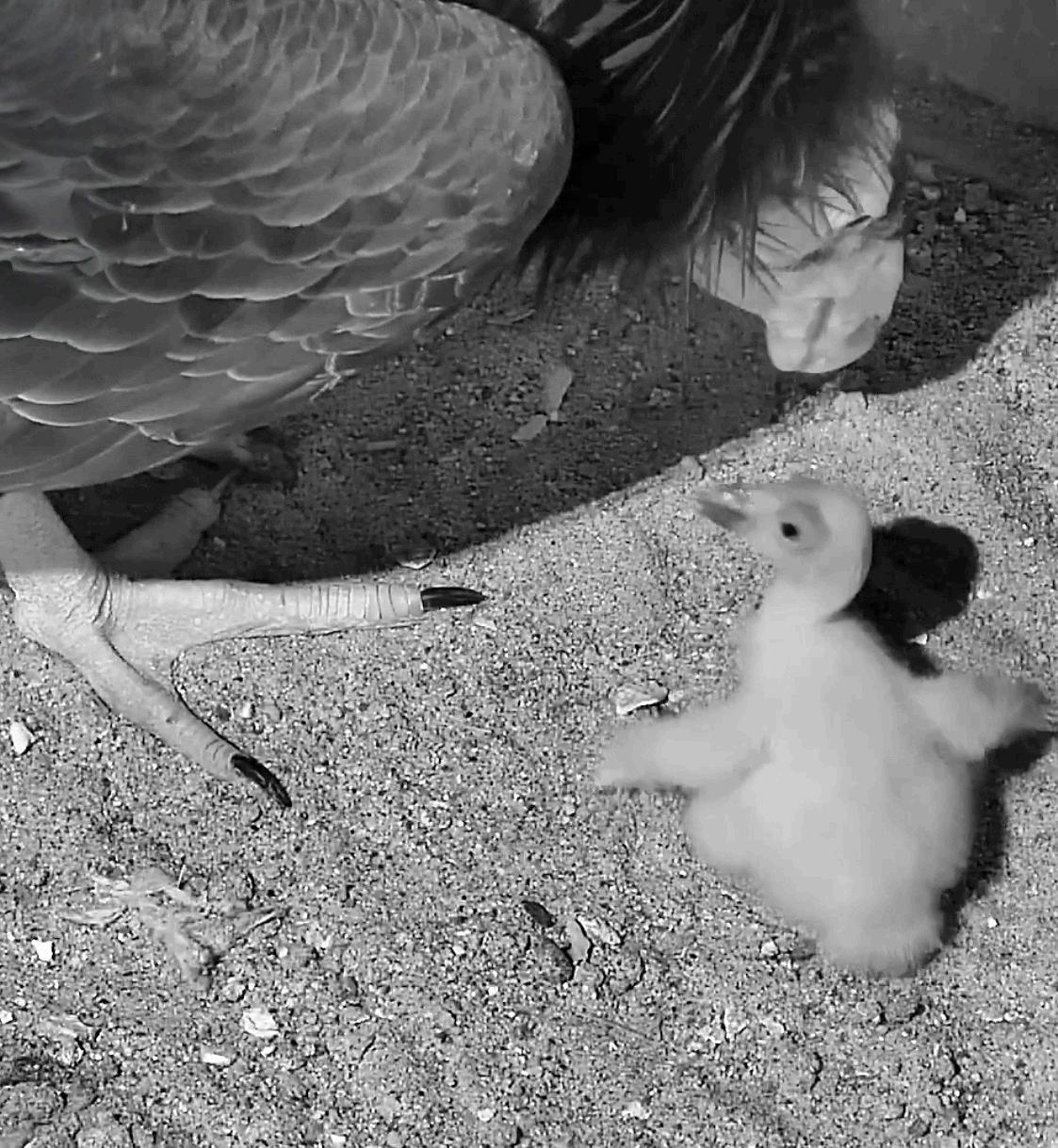
250
Emaay, the 250th California condor chick hatched at the Safari Park , was released into native habitat in a landmark moment for this native species, which once came within a breath of extinction.
Pacific Islands
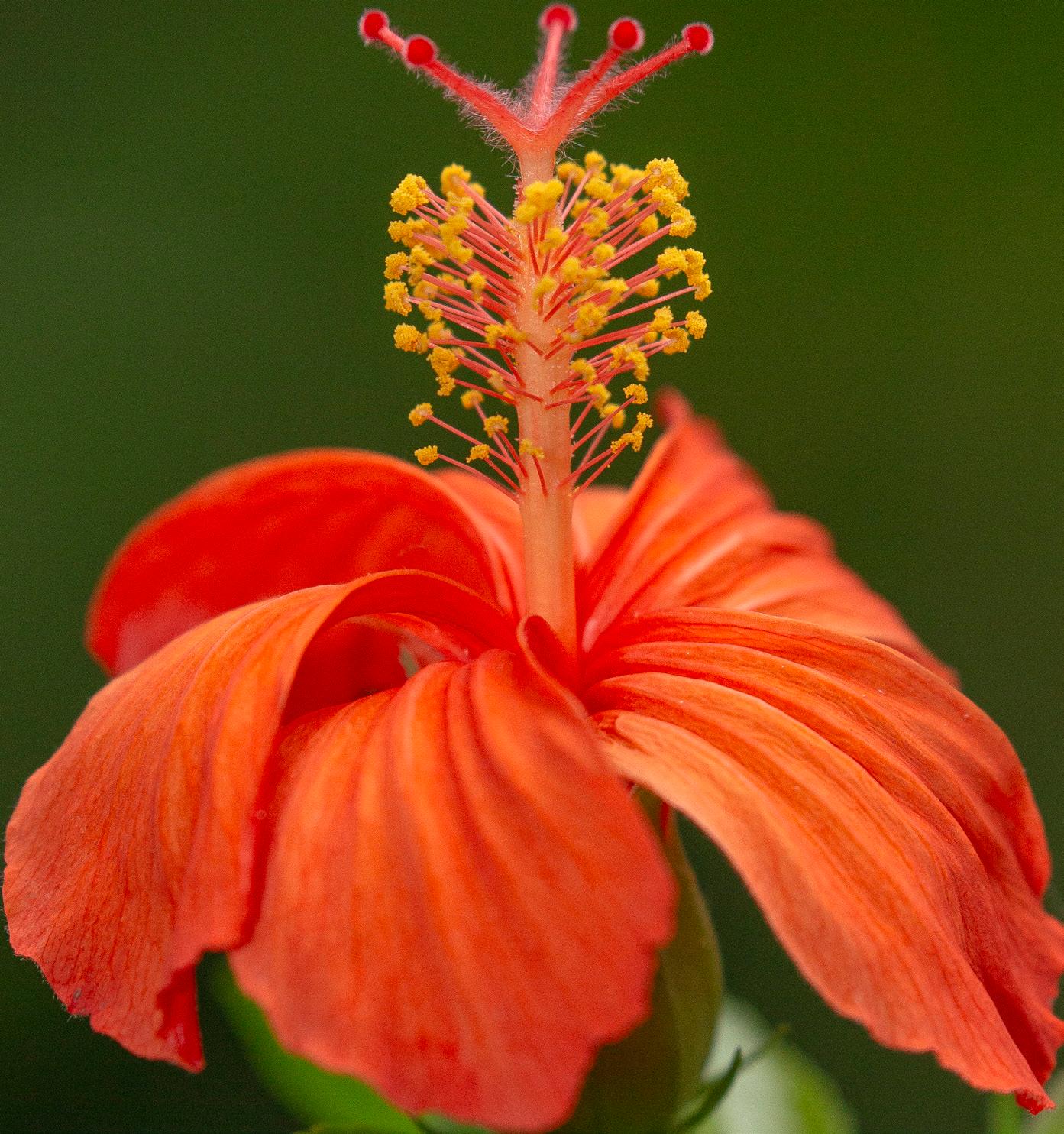
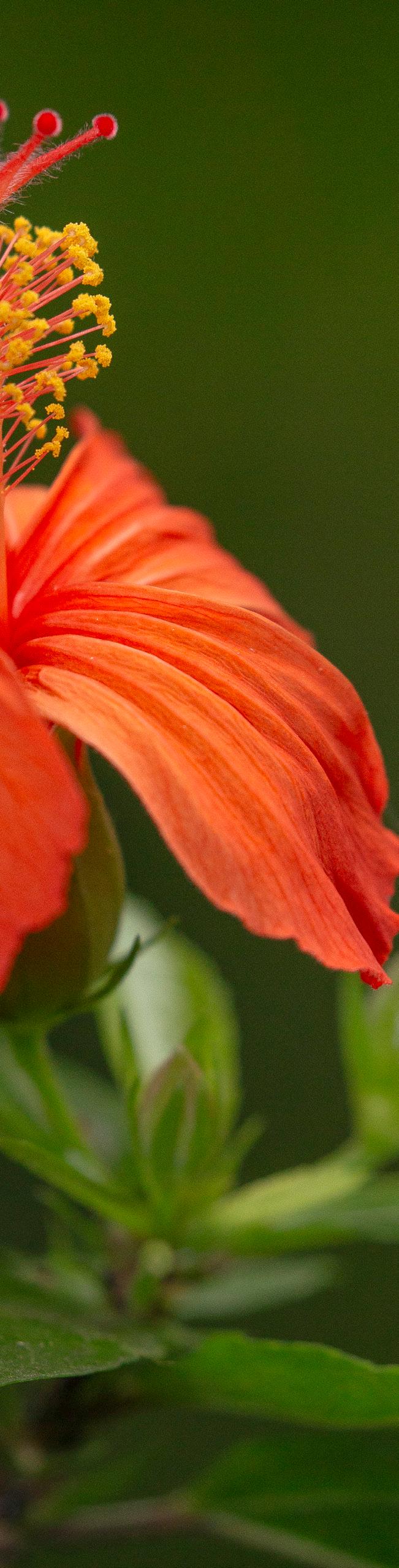
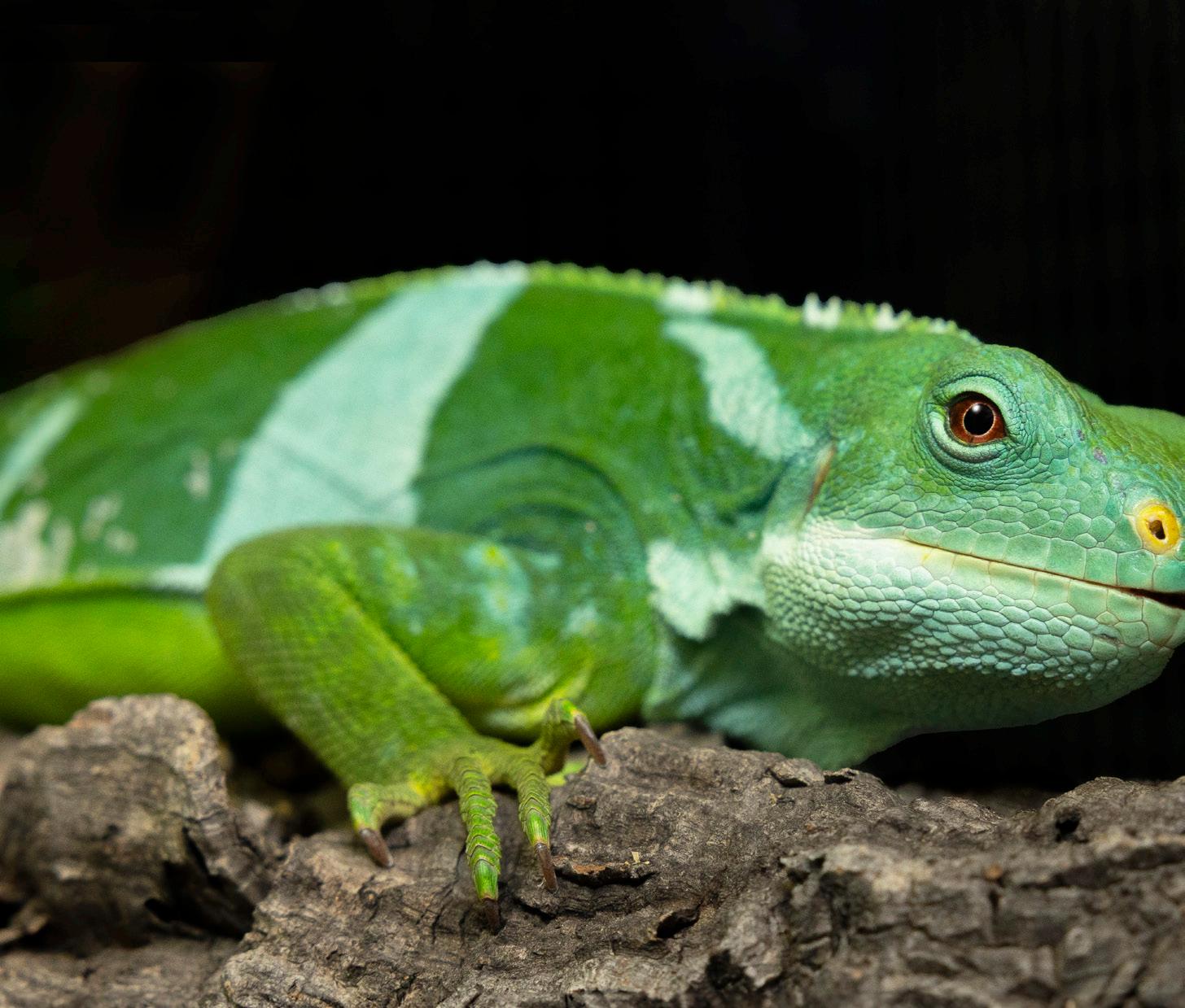
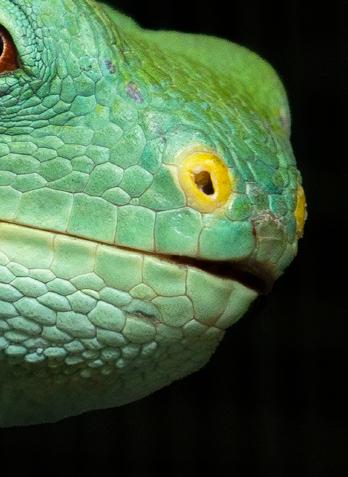
Through initiatives in Hawai'i, Fiji, Palau, the Channel Islands, and on the island of Rota, we work with partners and local communities to recover threatened species, restore ecosystems, and develop sustainable solutions to preserve these unique habitats.
Together for THREATENED WILDLIFE
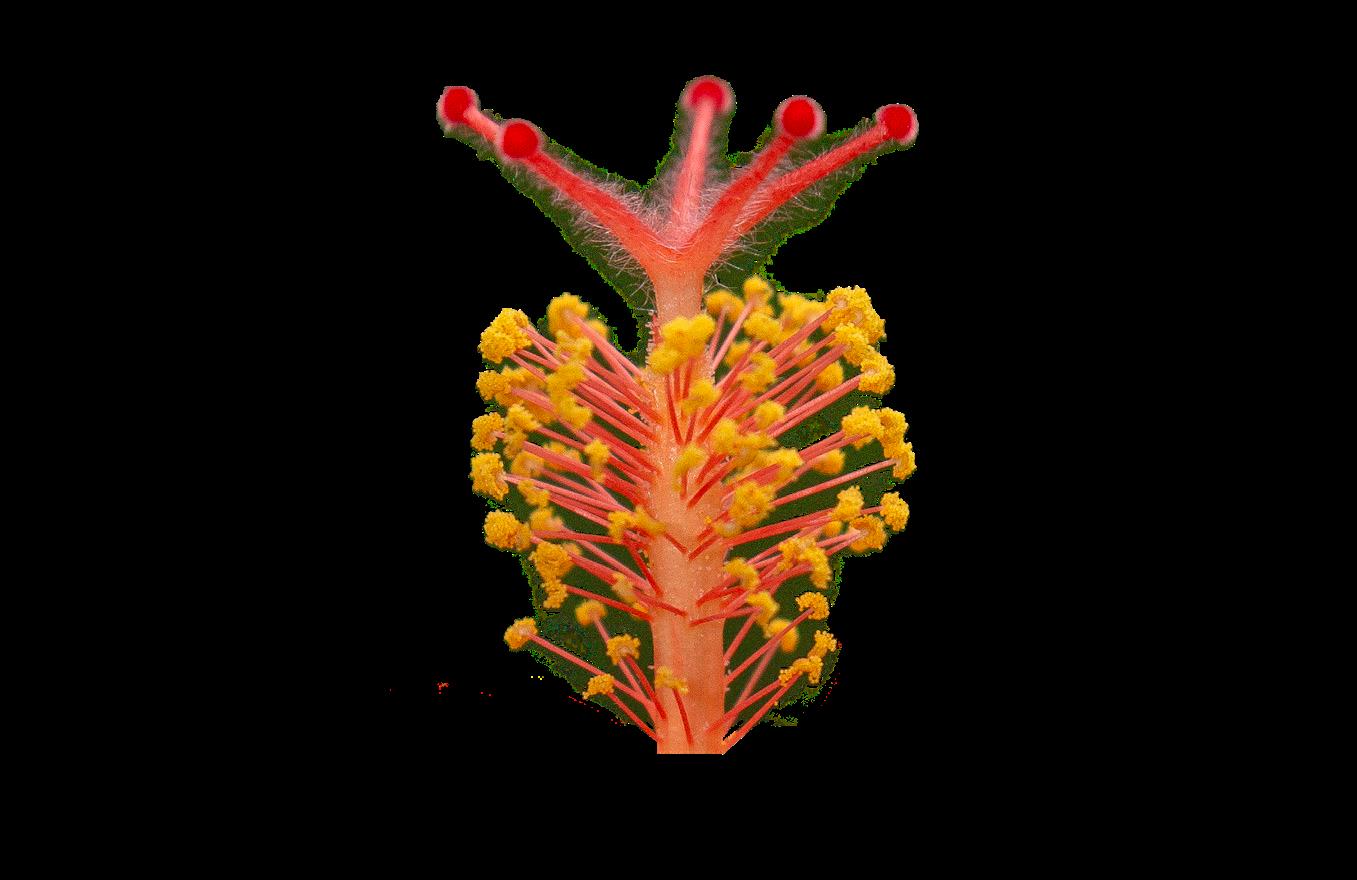
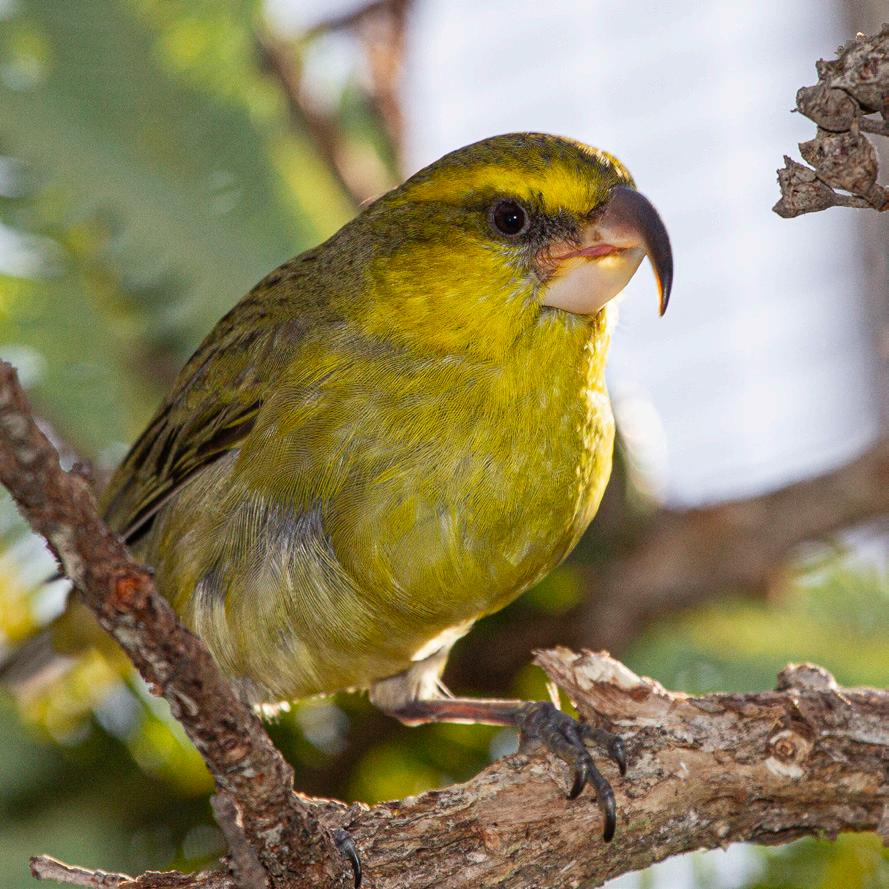
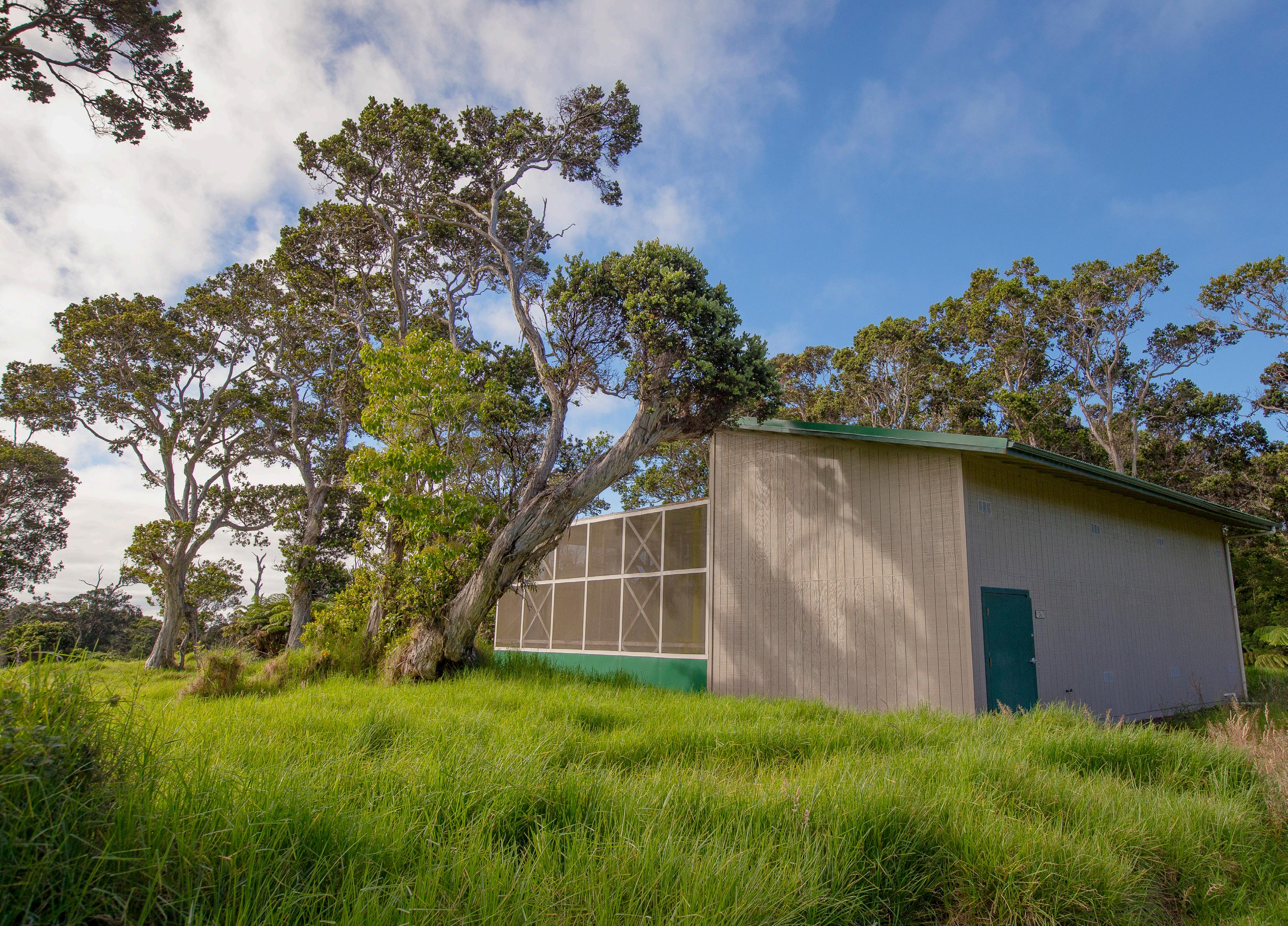
At our Maui Bird Conservation Center (MBCC) and Keauhou Bird Conservation Center (KBCC), we collaborate with partners and local communities to help restore Hawai'i’s endangered native bird populations.
On San Clemente Island in Southern California and on the western Pacific Island of Rota, teams use tailored methods to ensure endangered San Clemente Island loggerhead shrikes and critically endangered aga (Mariana crows) can survive their most vulnerable stages and thrive in their native habitats.
Feathered Treasures
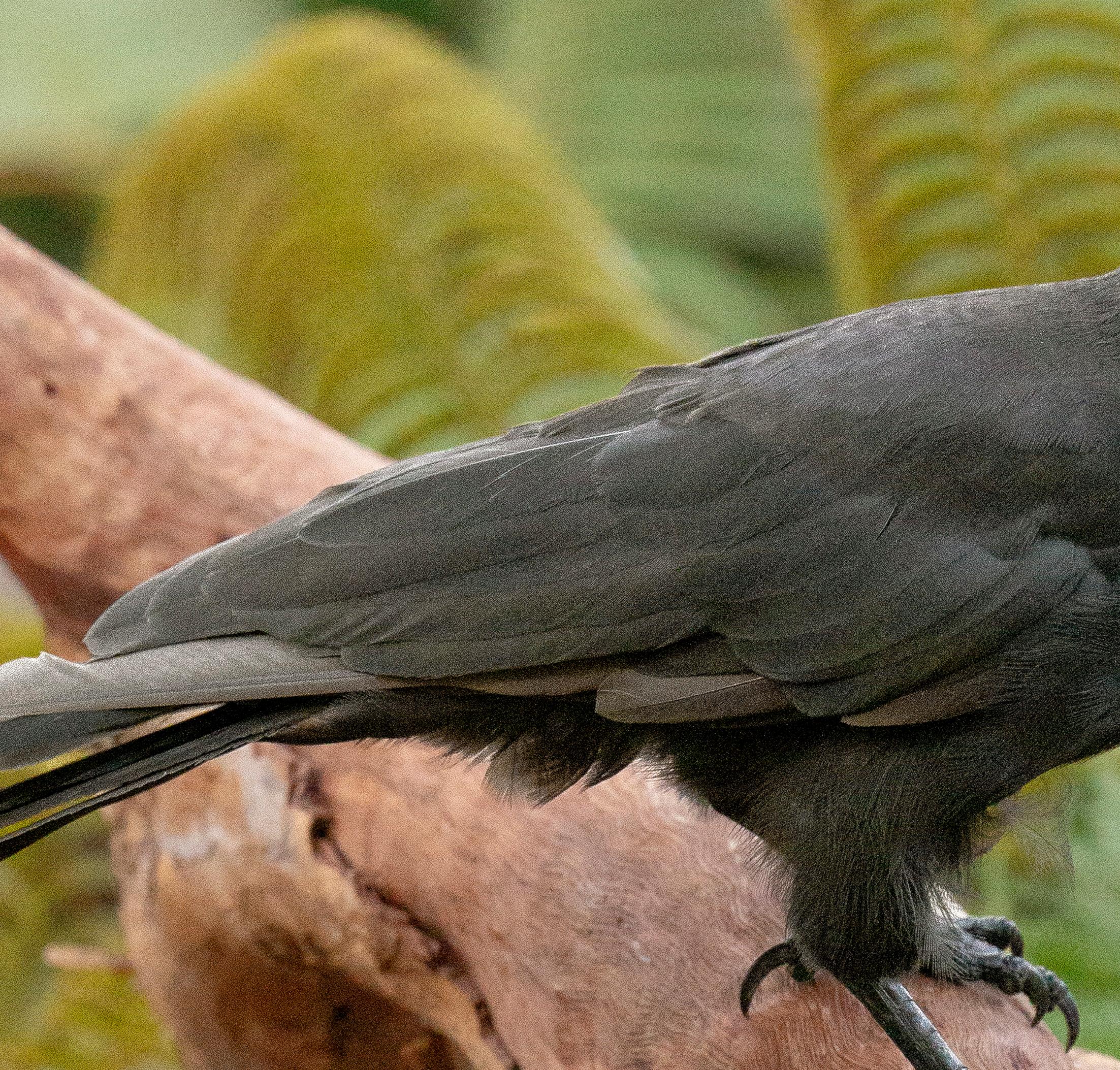
At MBCC, we care for 12 critically endangered kiwikiu, of which only 135 remain in native habitat. With a grant from the National Fish and Wildlife Foundation, we’re studying key behaviors to help ensure their survival and eventual successful reintroduction to the forests.

Hope Takes Flight
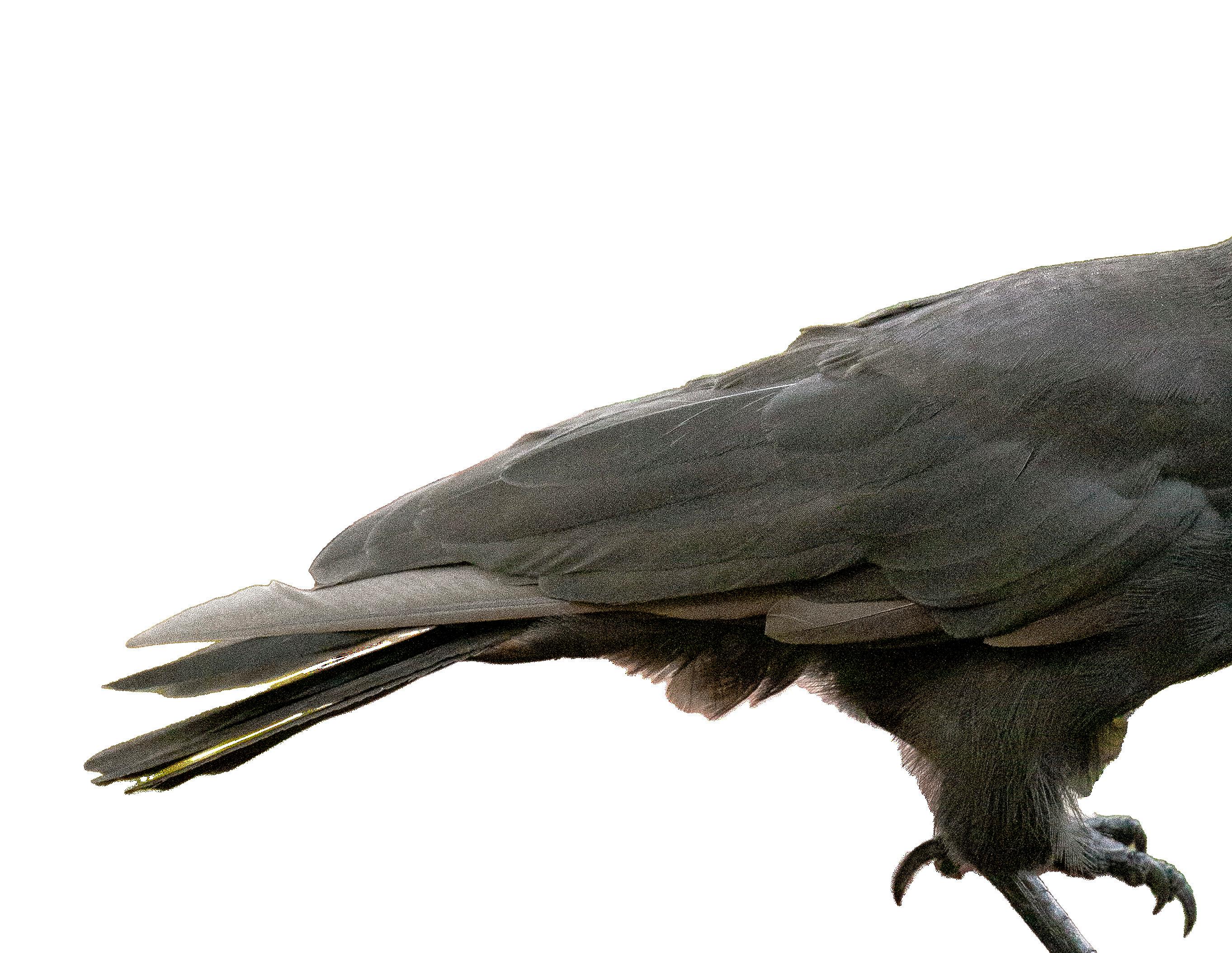
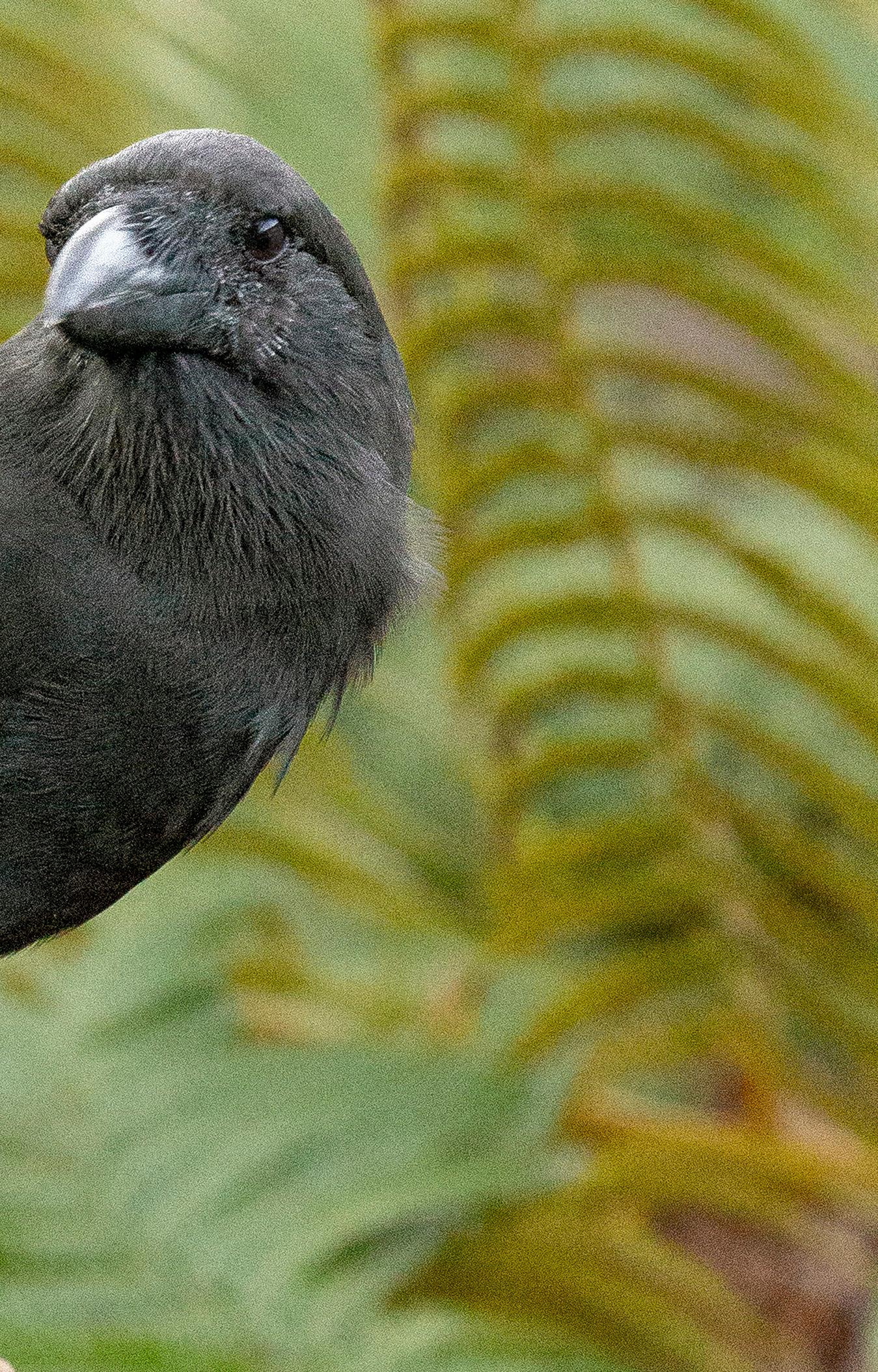
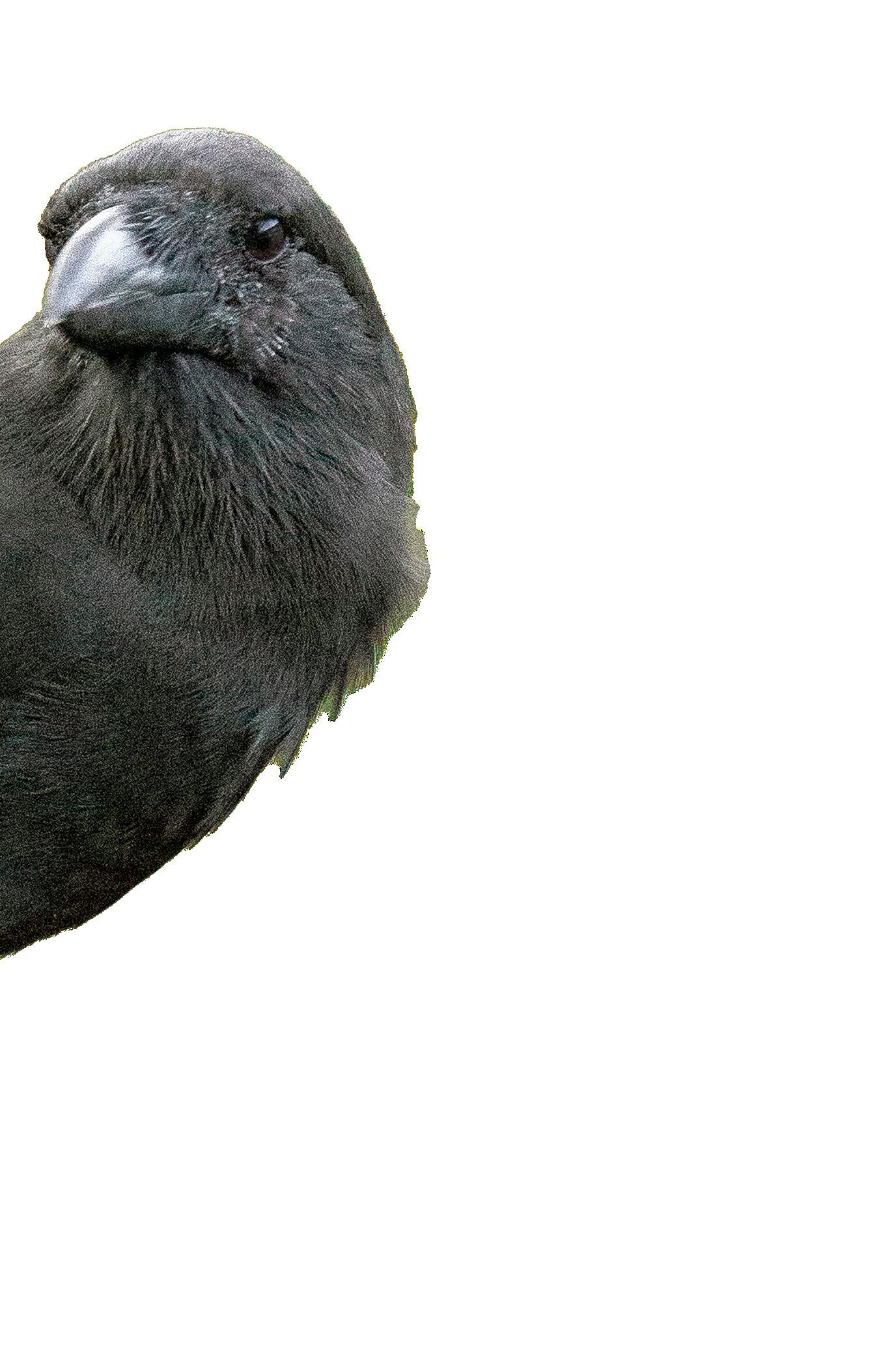
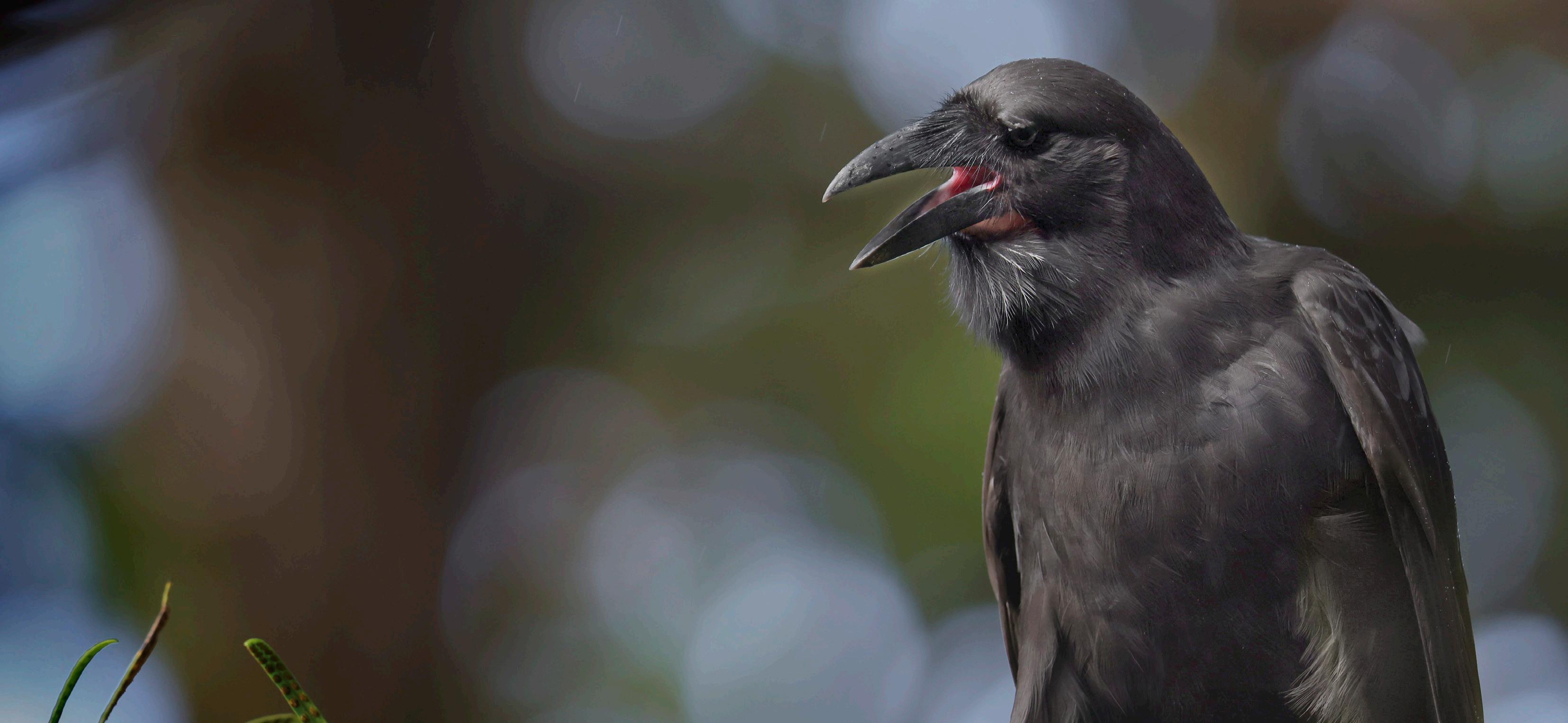
Five 'alalā (also called Hawaiian crows) hatched and cared for at our bird centers and released on Maui in 2024 are thriving. Ongoing monitoring and supplemental feeding by partners, along with our shared expertise, has helped ensure these birds have the best chance at success. Their
Precision Care
Our San Diego and Hawai'i teams joined up for bird care and technical trainings, including the introduction of handheld units that can rapidly detect avian malaria, which is one of the largest threats to critically endangered populations. These portable machines provide results in under two hours, enabling swift, informed decisions for bird health and conservation efforts.

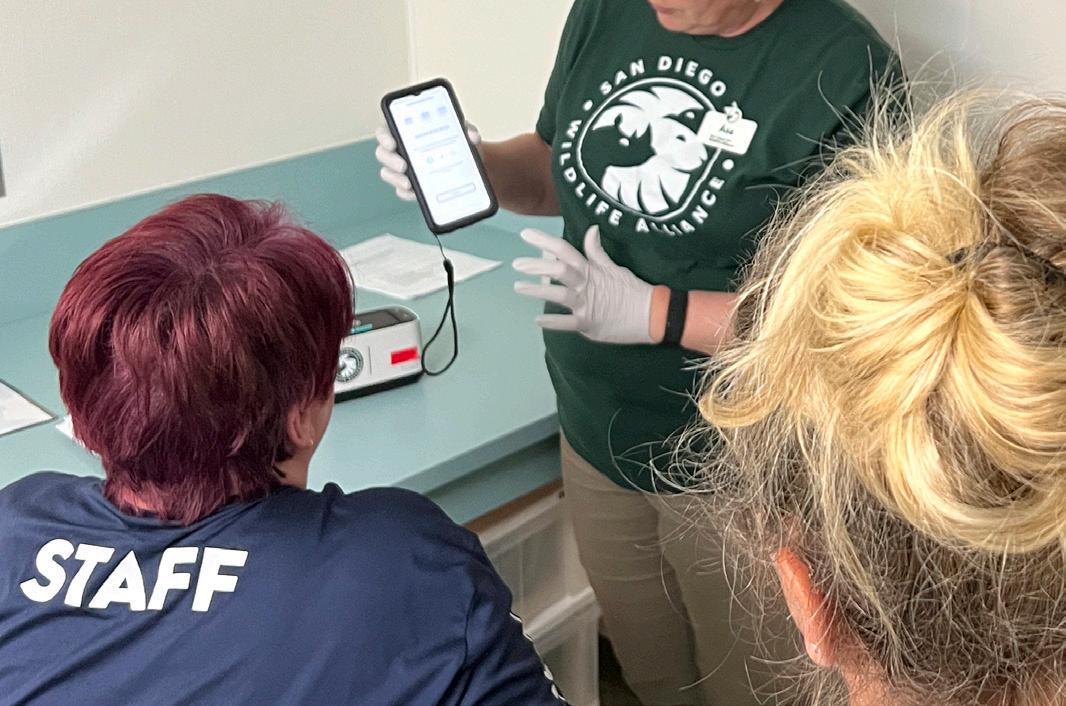
What brings me hope is the deep commitment shown by our partners, including San Diego Zoo Wildlife Alliance, and the public to secure a better future for these birds. DR. LISA “CALI” C., Project Leader, Kaua'i Forest Bird Recovery Project
Asia
Conservation Hub
Asia is home to nearly 15% of the world’s tropical forests, including multiple threatened areas vital to wildlife found nowhere else on Earth. However, human behaviors like illegal logging and wildlife trafficking are taking a toll on species across the continent. Together with local
communities and partners, we’re working to protect Asia’s unique wildlife. To devise inclusive conservation strategies, we collaborate with our allies to better understand the needs and relationships of local people and wildlife, foster coexistence, reduce the trafficking and use of wildlife products, and preserve species and ecosystems for future generations.
Community TOGETHER FOR WILDLIFE
One Step at a Time
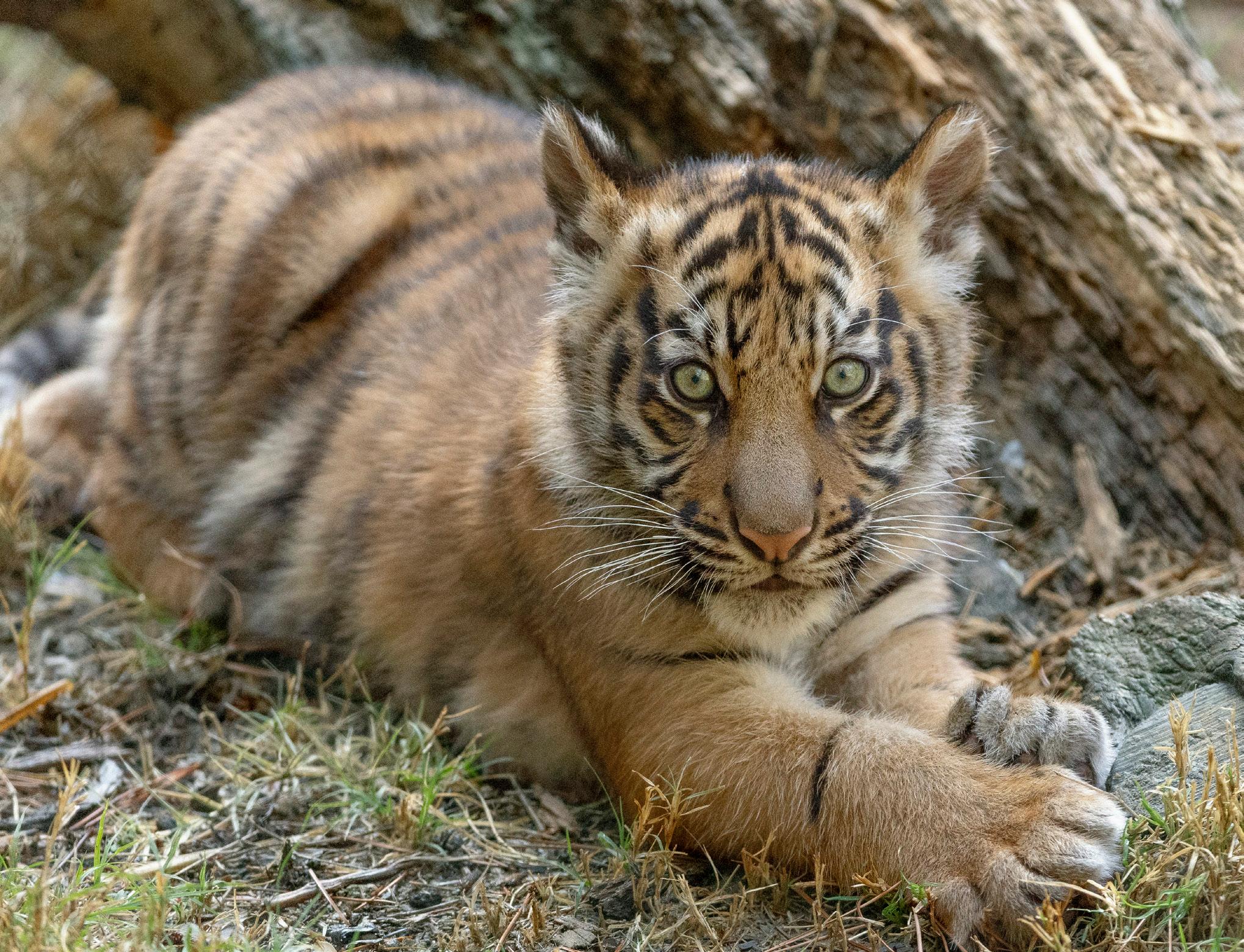
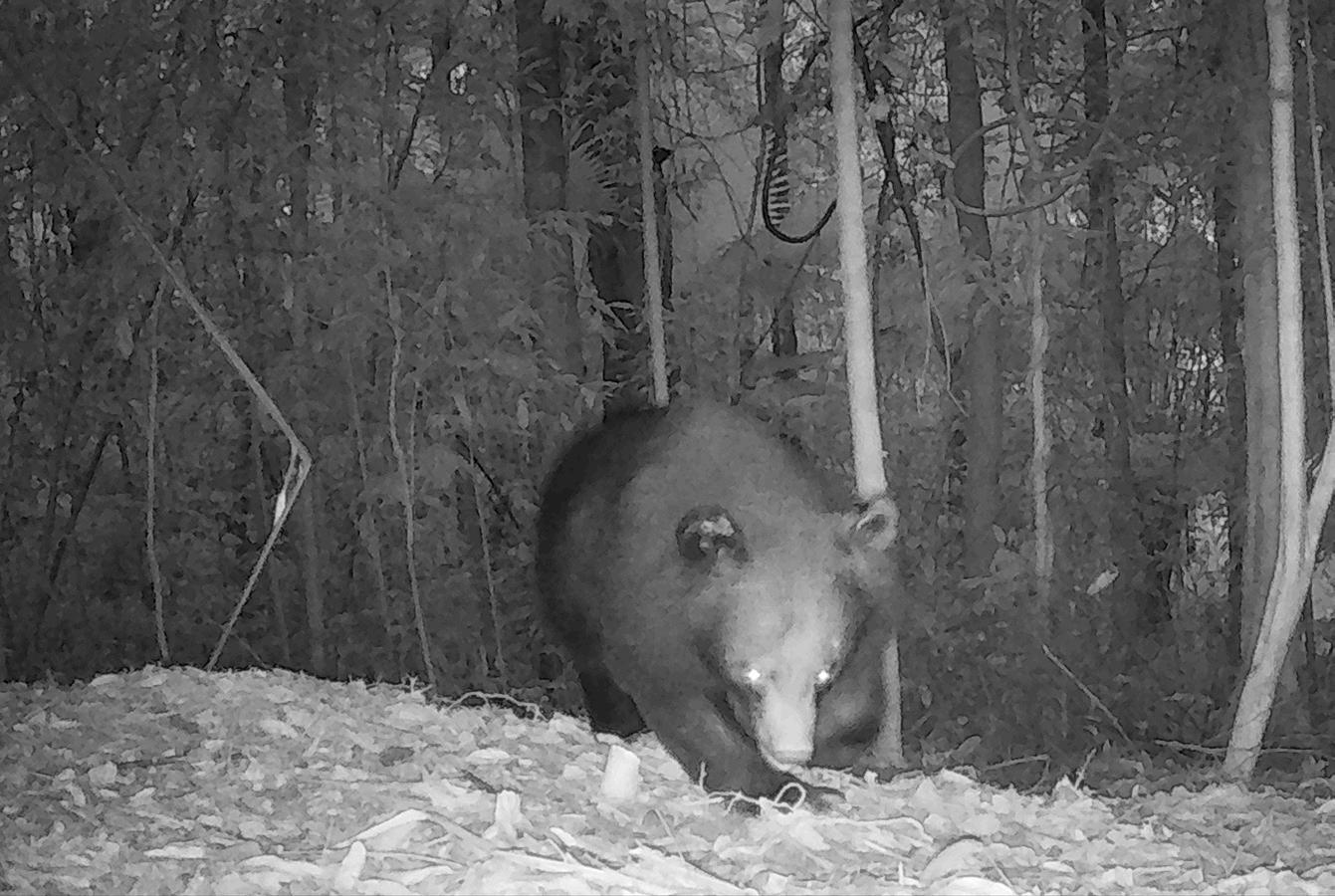
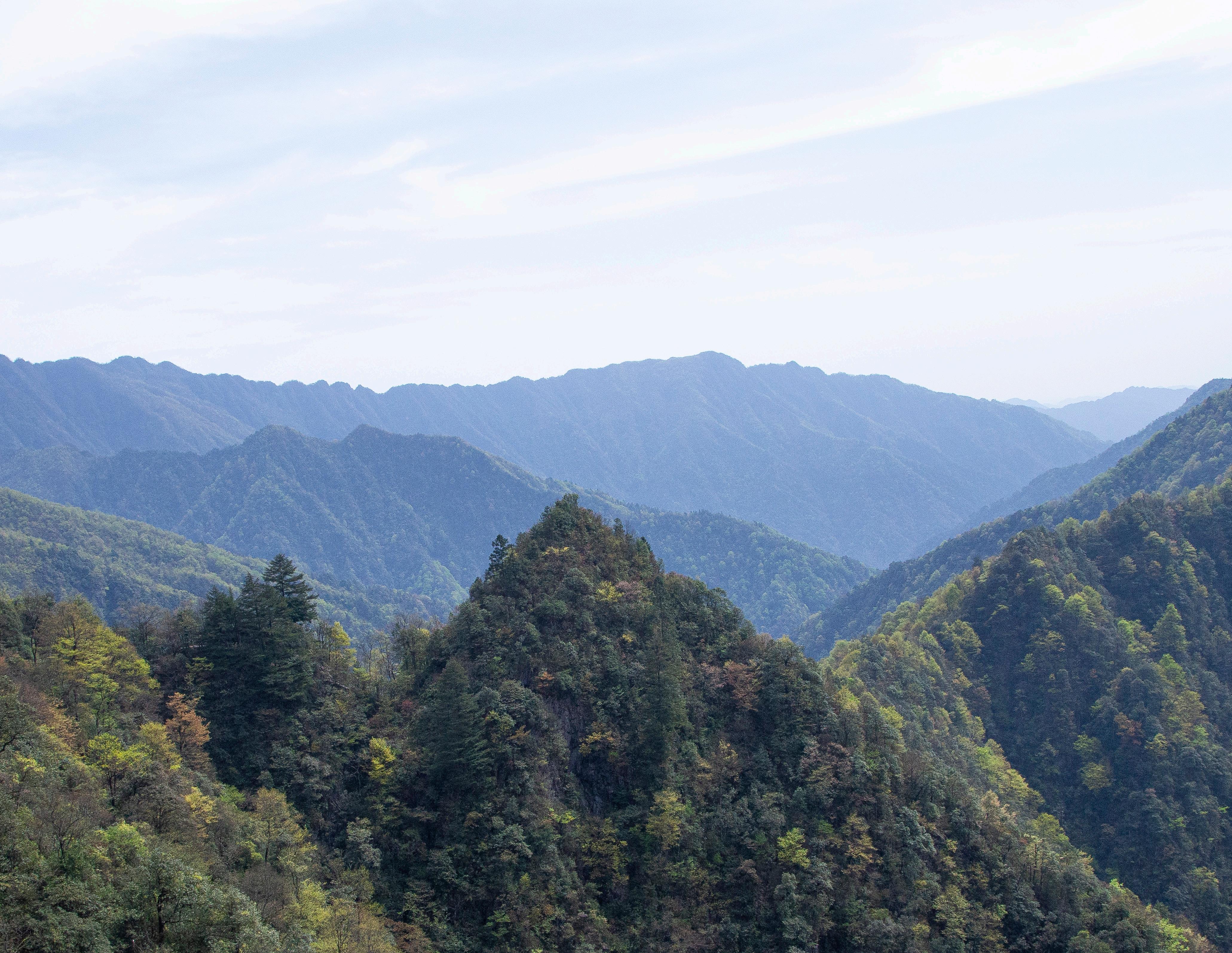
At Vietnam’s Pu Huong Nature Reserve, we’re engaging local communities in conservation science, including trail camera monitoring, collecting samples for biobanking, and other activities that put conservation into action for species including pangolins and Asian bears.
From the forests of Vietnam to the islands of Java and Sumatra, we work alongside local communities to reduce wildlife trade, promote sustainable incomes, monitor species, and create holistic strategies for thriving ecosystems.
Wild Weekend: Asia and Lunar New Year
During this special weekend at the Zoo and the Safari Park, guests connected with tigers, giant pandas, and other wildlife in new ways, celebrating the ecosystems of Asia and becoming allies for wildlife.
Celebrating New Arrivals
Caring for wildlife at the Zoo and Safari Park helps secure brighter futures for species worldwide.
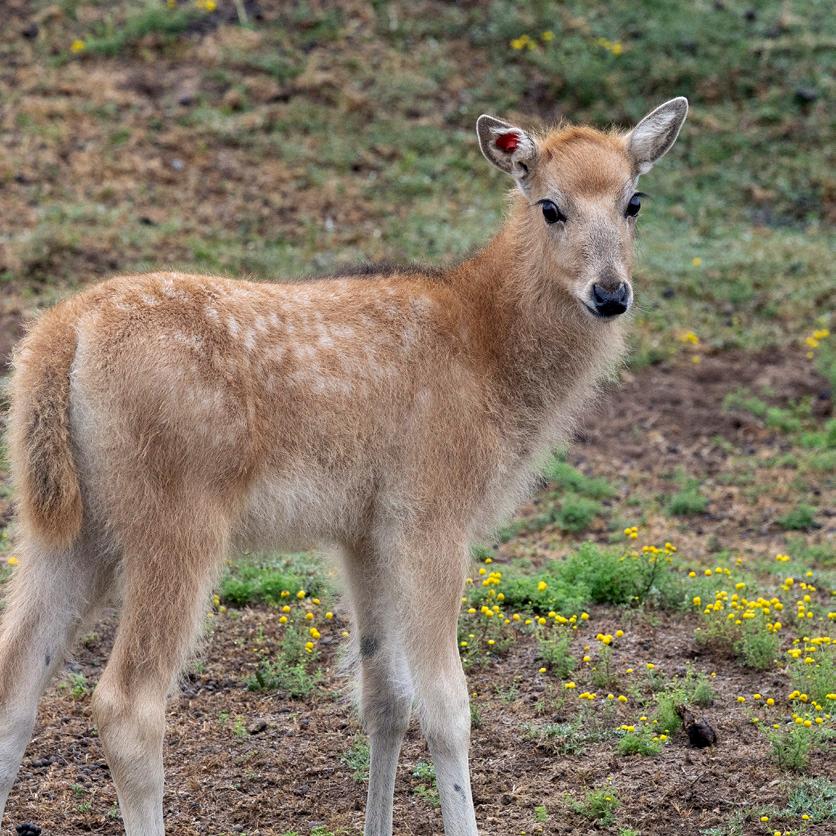
At the Safari Park, the first Père David’s deer was born in 22 years— a big win for a species that’s been extinct in native habitats since 1939.
I am excited to contribute my small part, especially protecting wildlife and preserving natural habitats in the conservation areas right in my homeland. I believe our efforts today will help create a more sustainable future for the next generations.
MRS. LÊ , Research and Administrative Assistant, Institute for Ecology and Conservation of Nature (IECN)
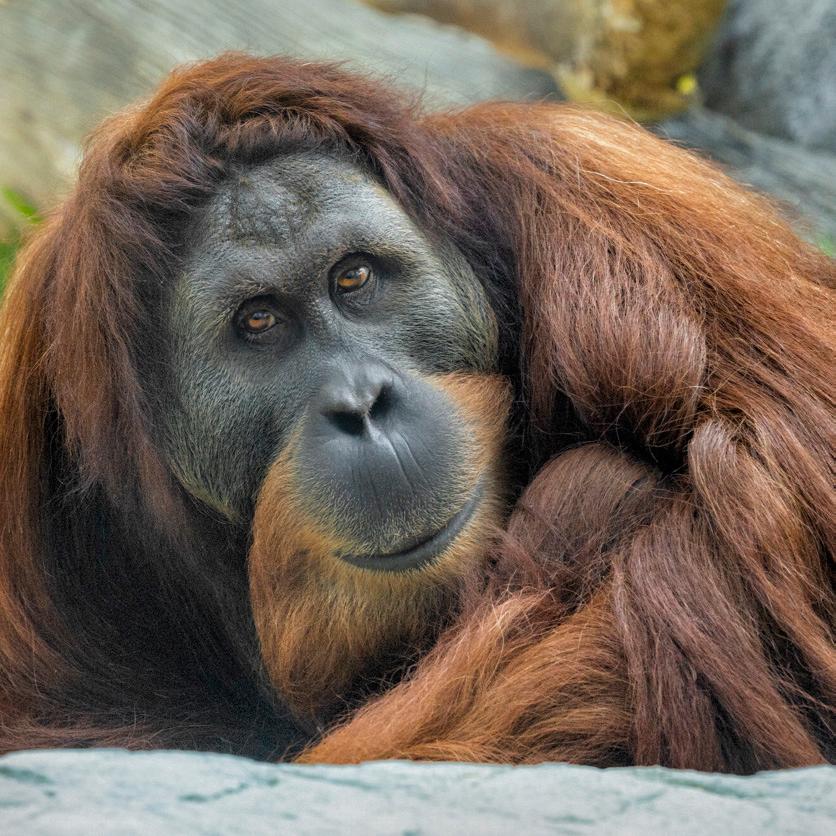
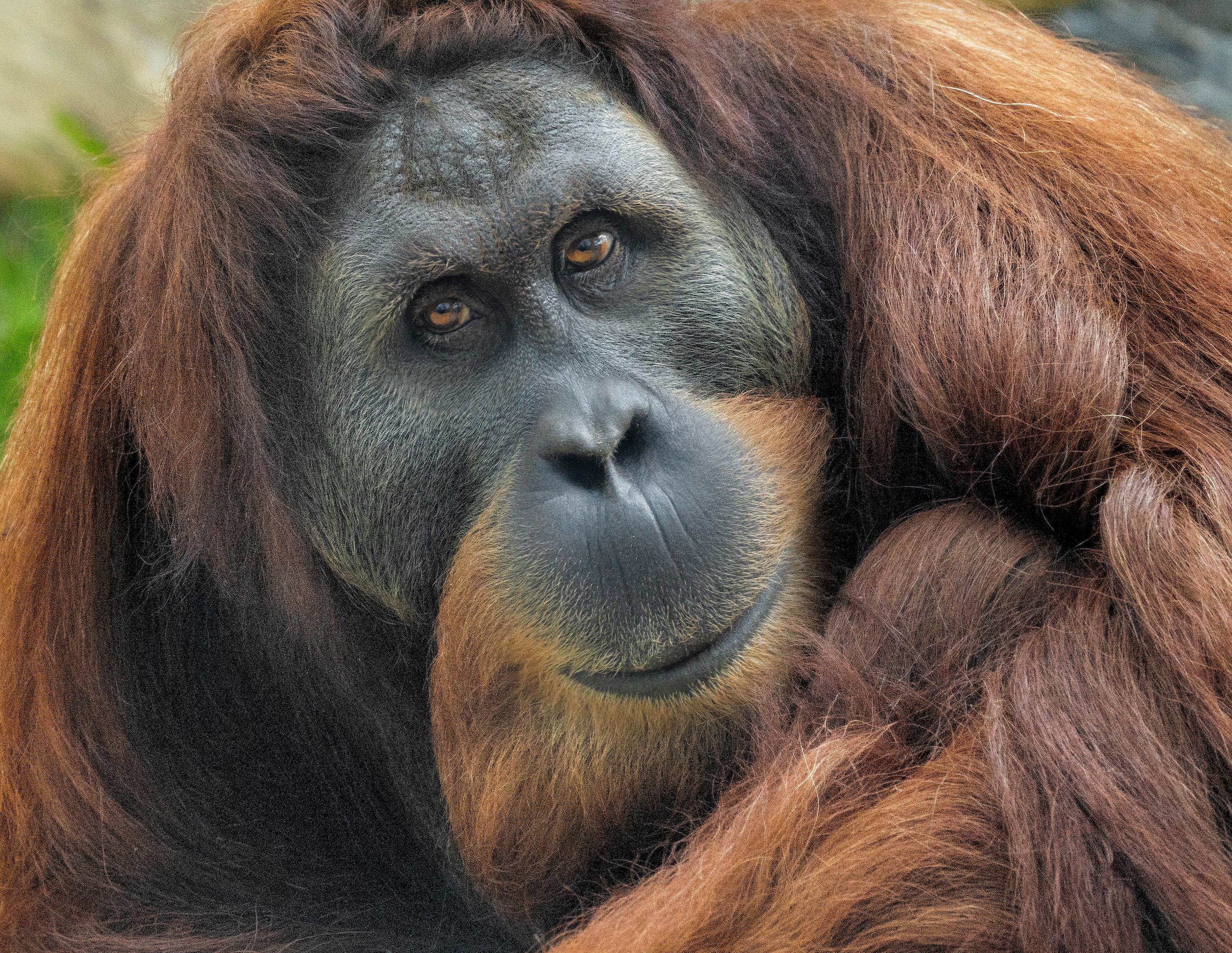
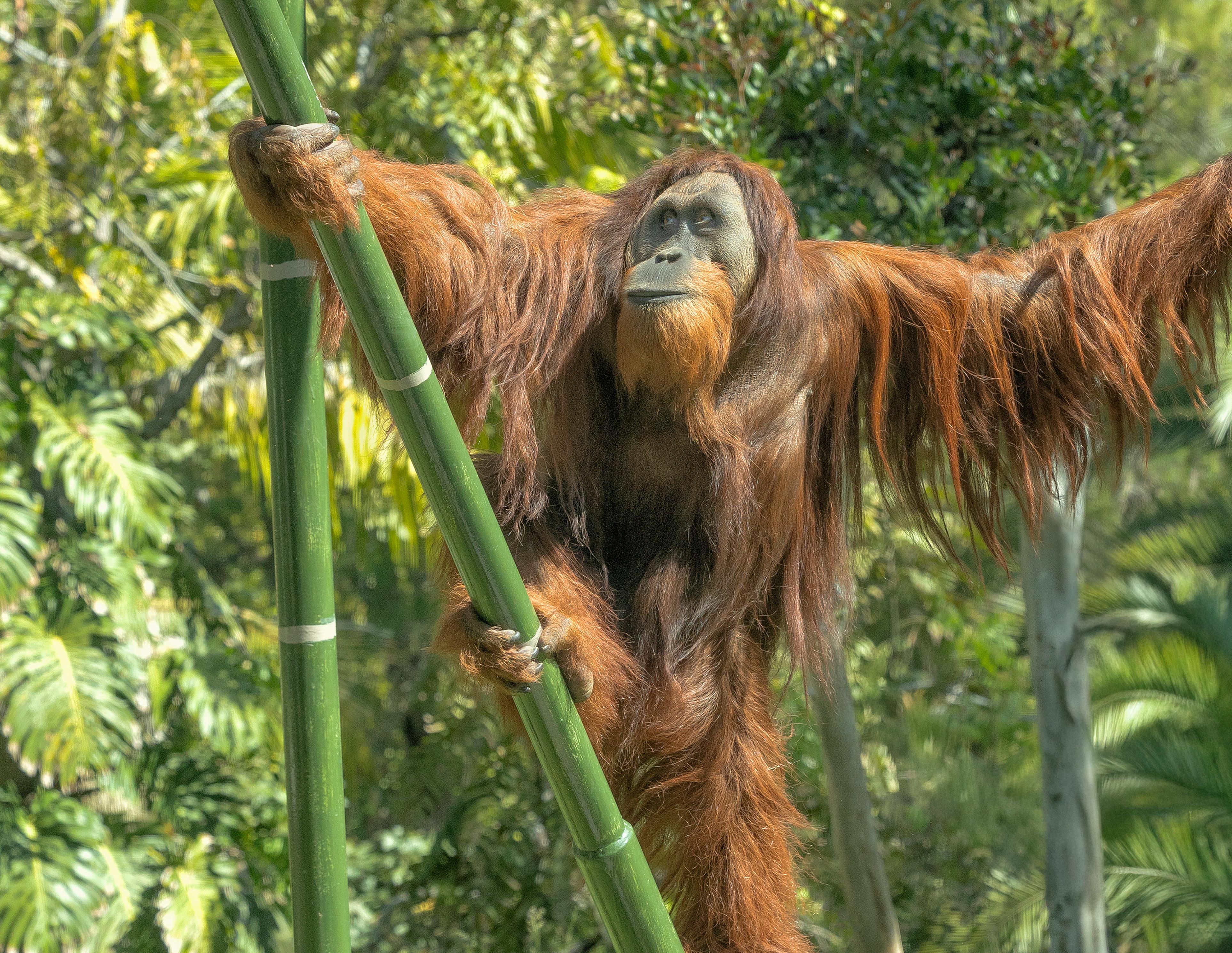
Labu, a 14-year-old Sumatran orangutan, joined the group at the Zoo. The species is critically endangered.
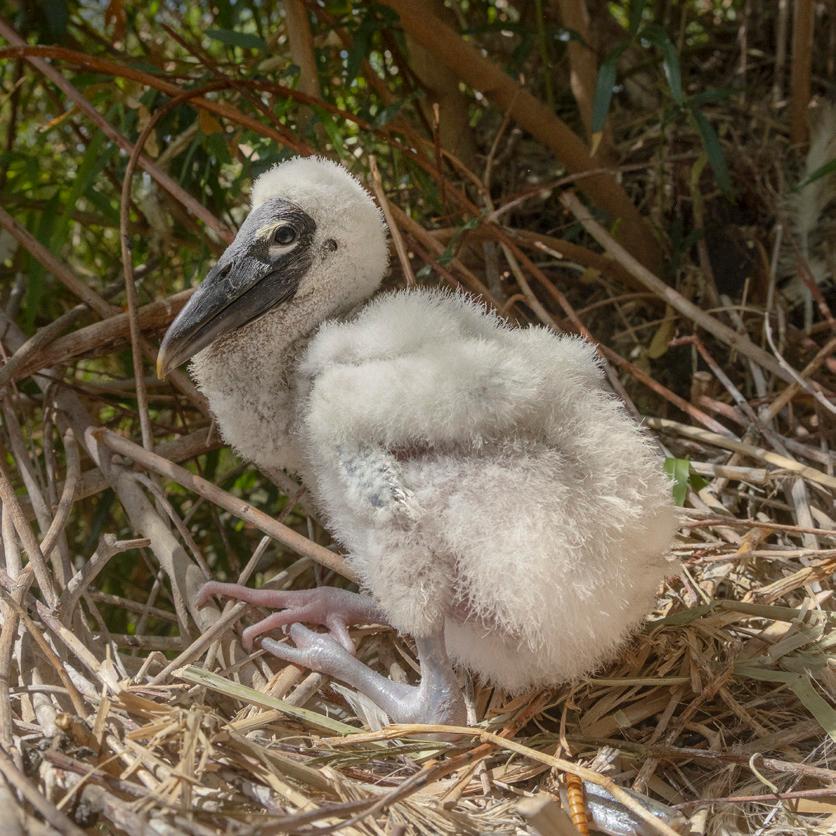
We care for all milky storks in North America through a collaborative conservation breeding program, and this year saw the 11th hatch.
Black-and-White Milestones
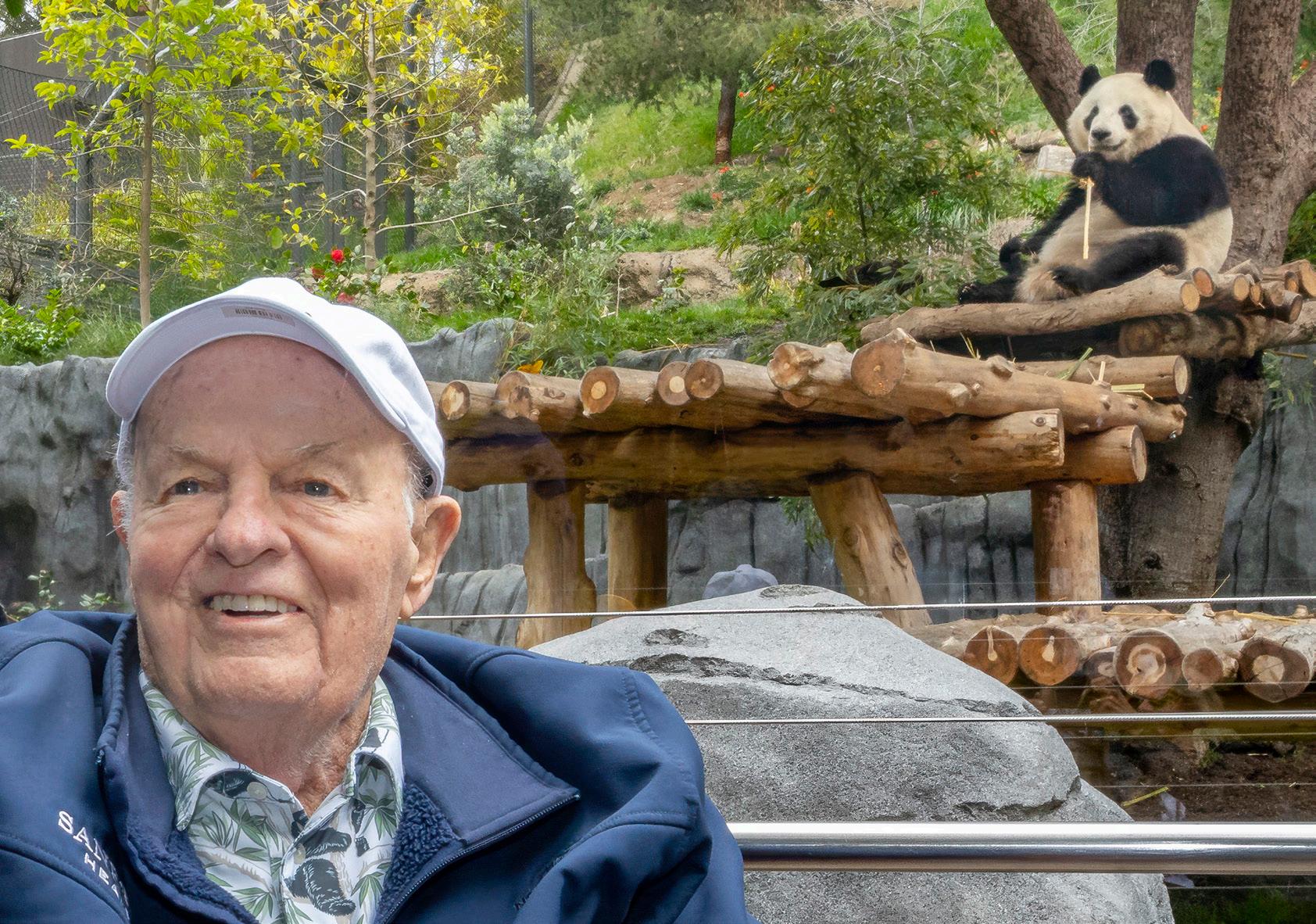
Thank You, Denny
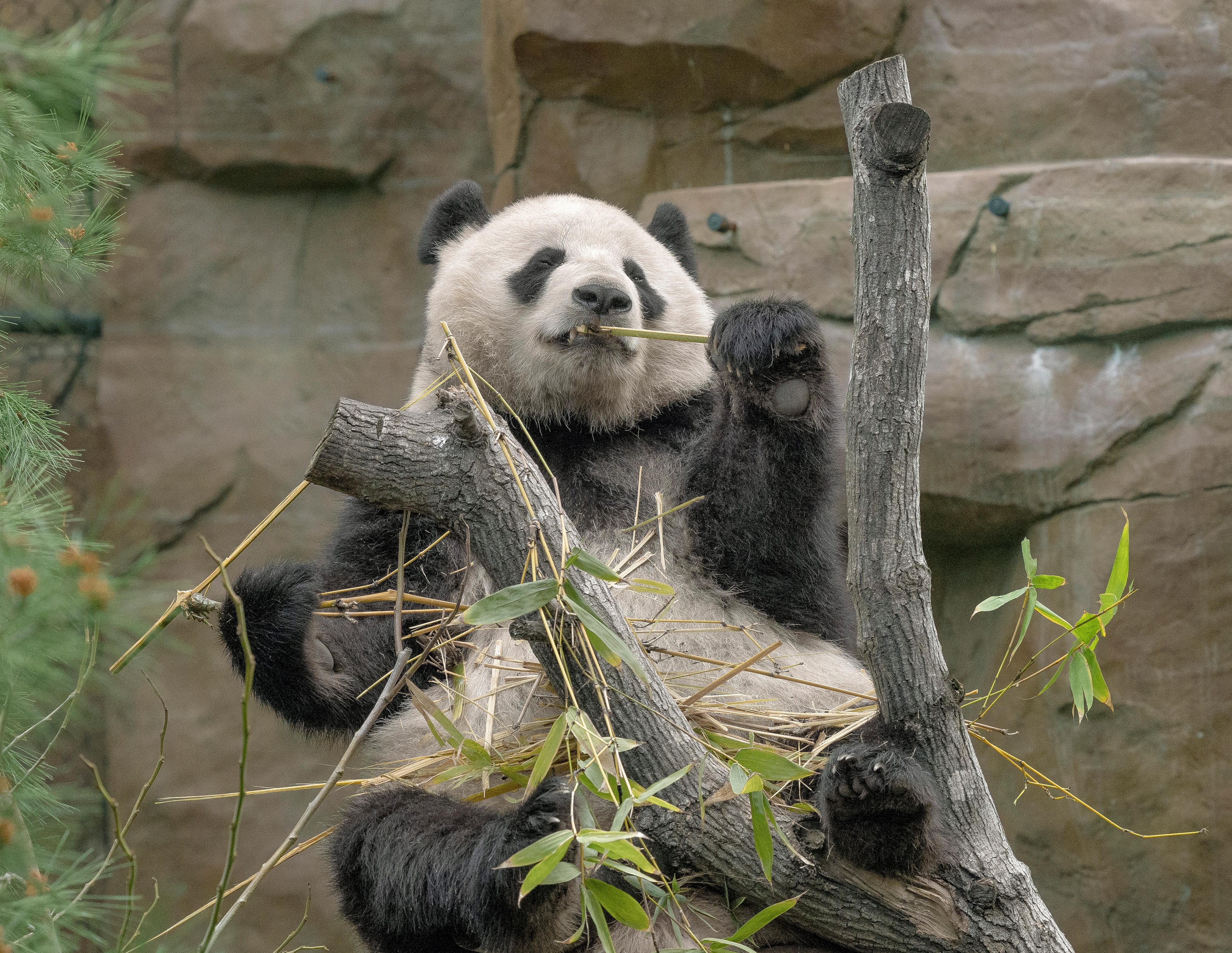
Early in the year, we celebrated the naming of Denny Sanford Panda Ridge in honor of Denny’s most recent transformational gift. His generosity has helped create a lush, immersive habitat where Xin Bao and Yun Chuan thrive across dynamic landscapes, inspiring countless visitors as they learn about the bears’ conservation story and connect with wildlife in ways that last a lifetime. We extend our deepest gratitude to Denny for his extraordinary contributions and his enduring impact.
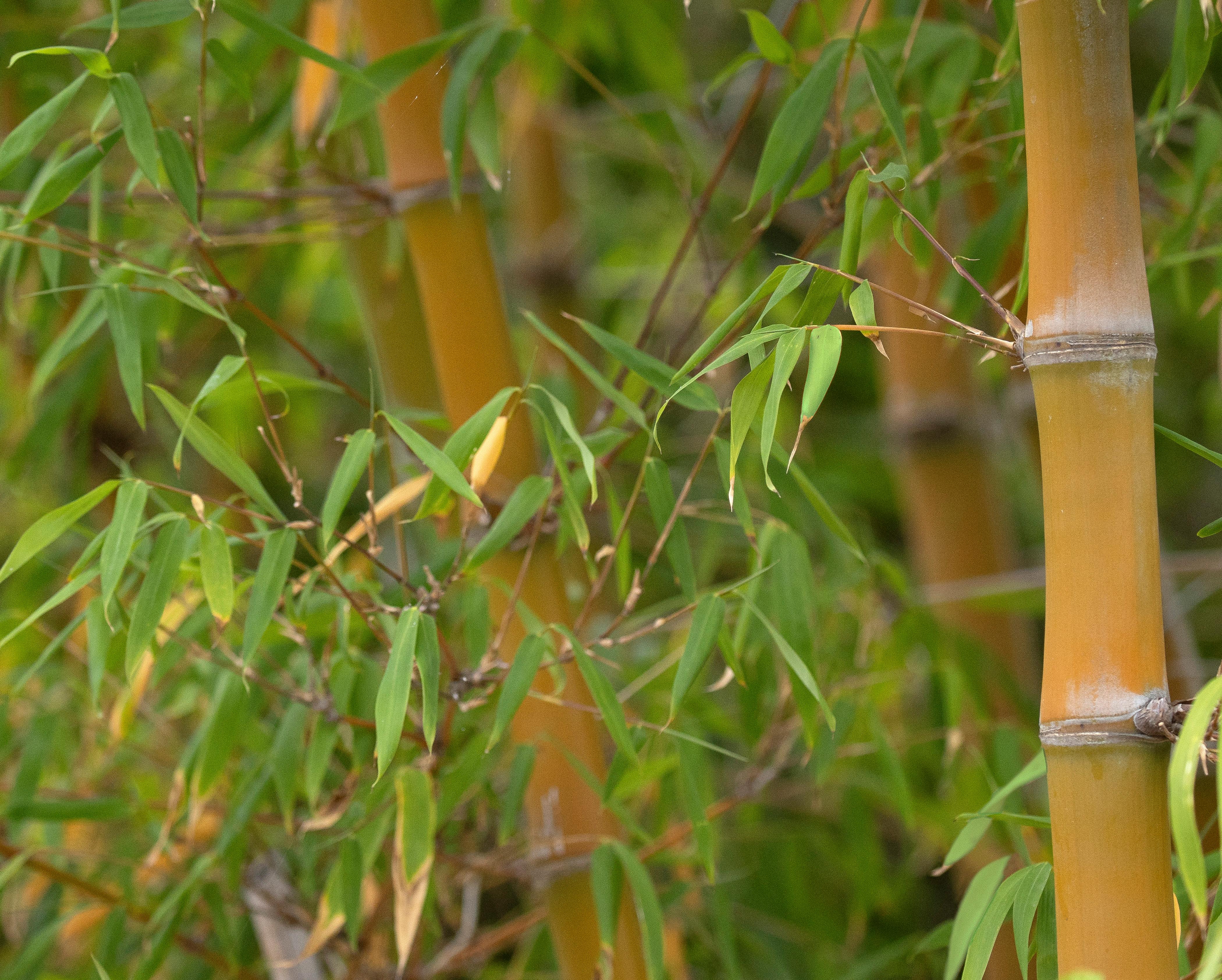

Growing Together
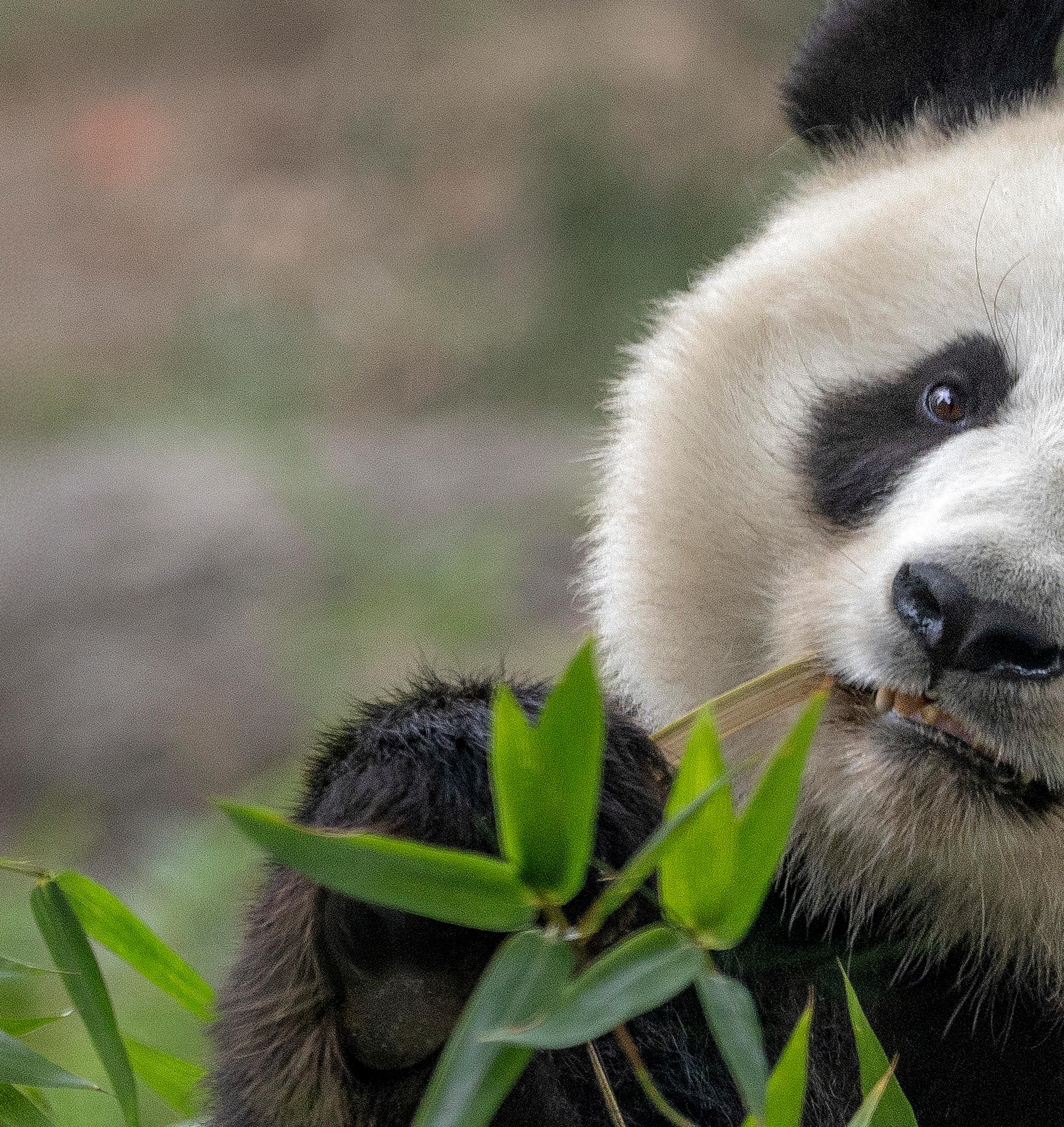
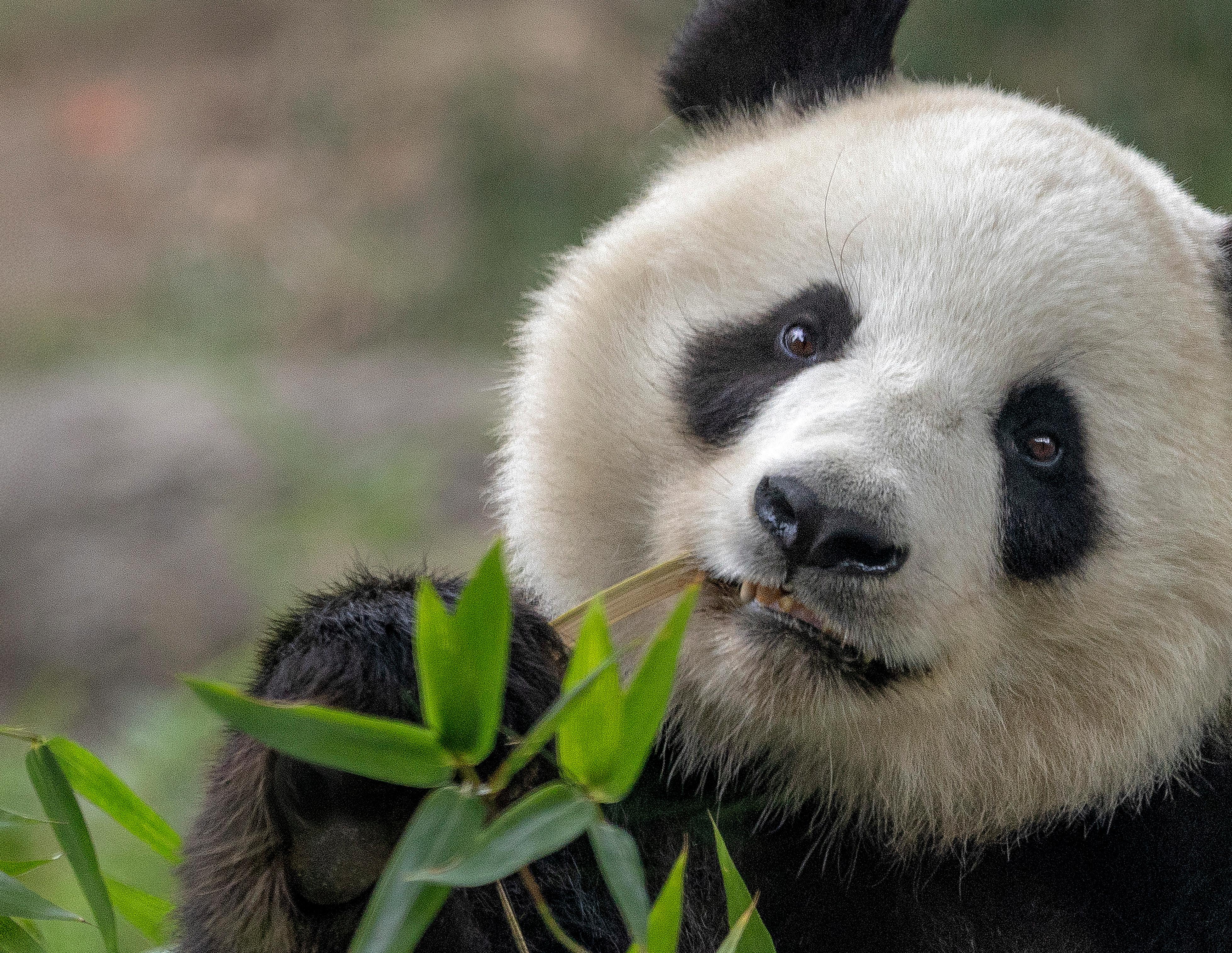
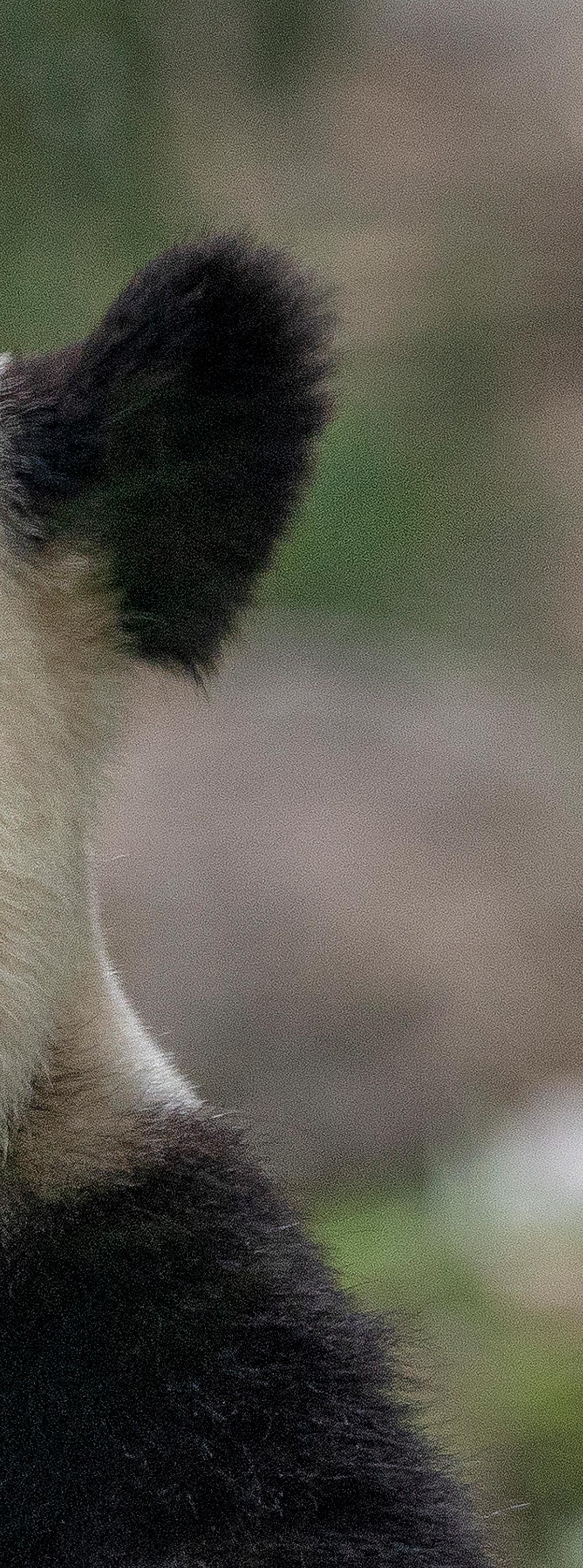
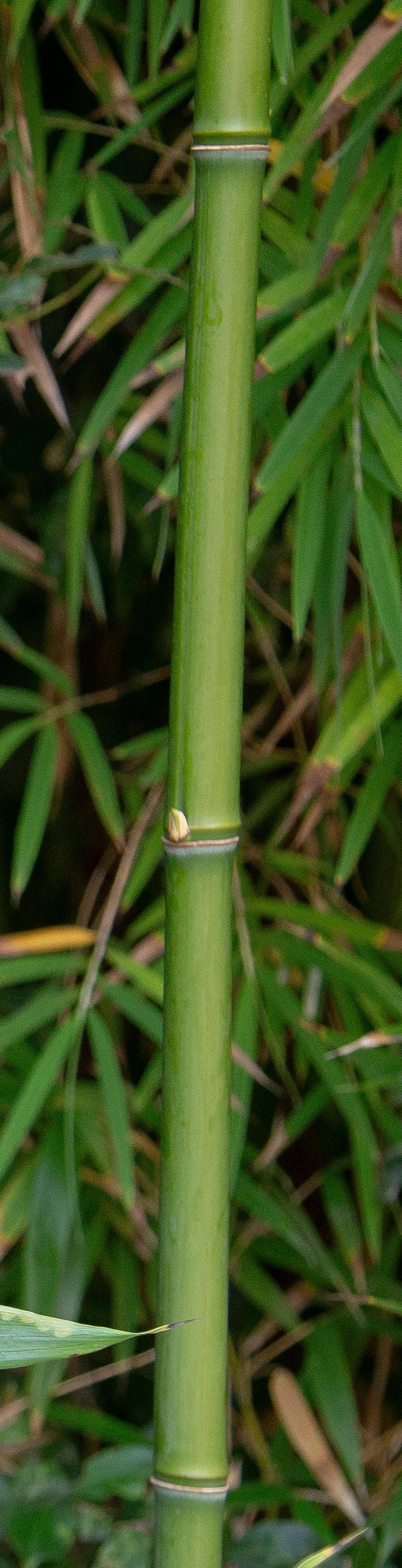
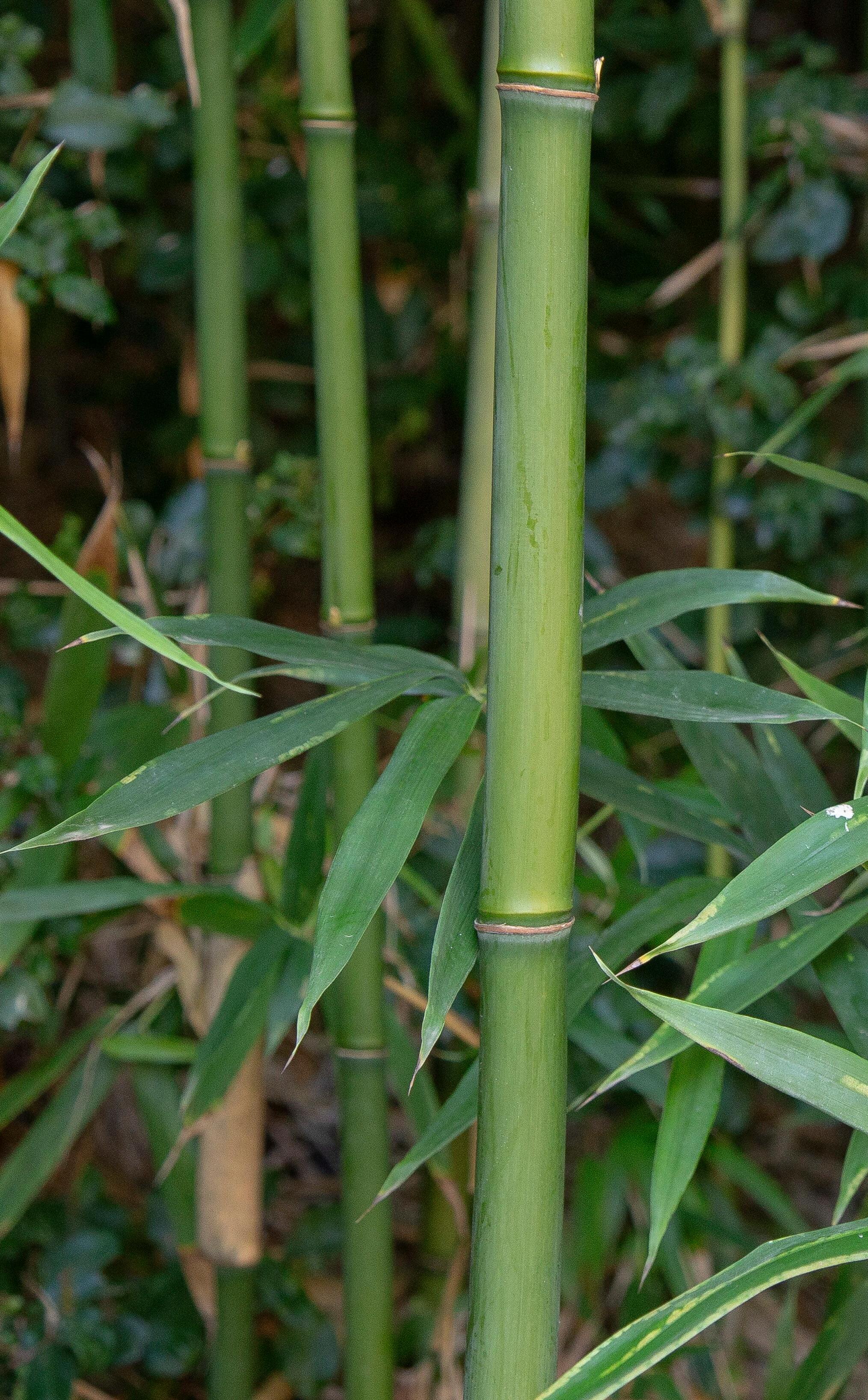
A giant panda’s diet is 99% bamboo. At the Zoo and Safari Park, we grow all the bamboo Yun Chuan and Xin Bao eat. Our wildlife nutrition and browse teams regularly analyze bamboo samples to understand how seasonal changes affect their nutrients, aligning this data with the pandas’ eating preferences to provide evidence-based care for their health and well-being.
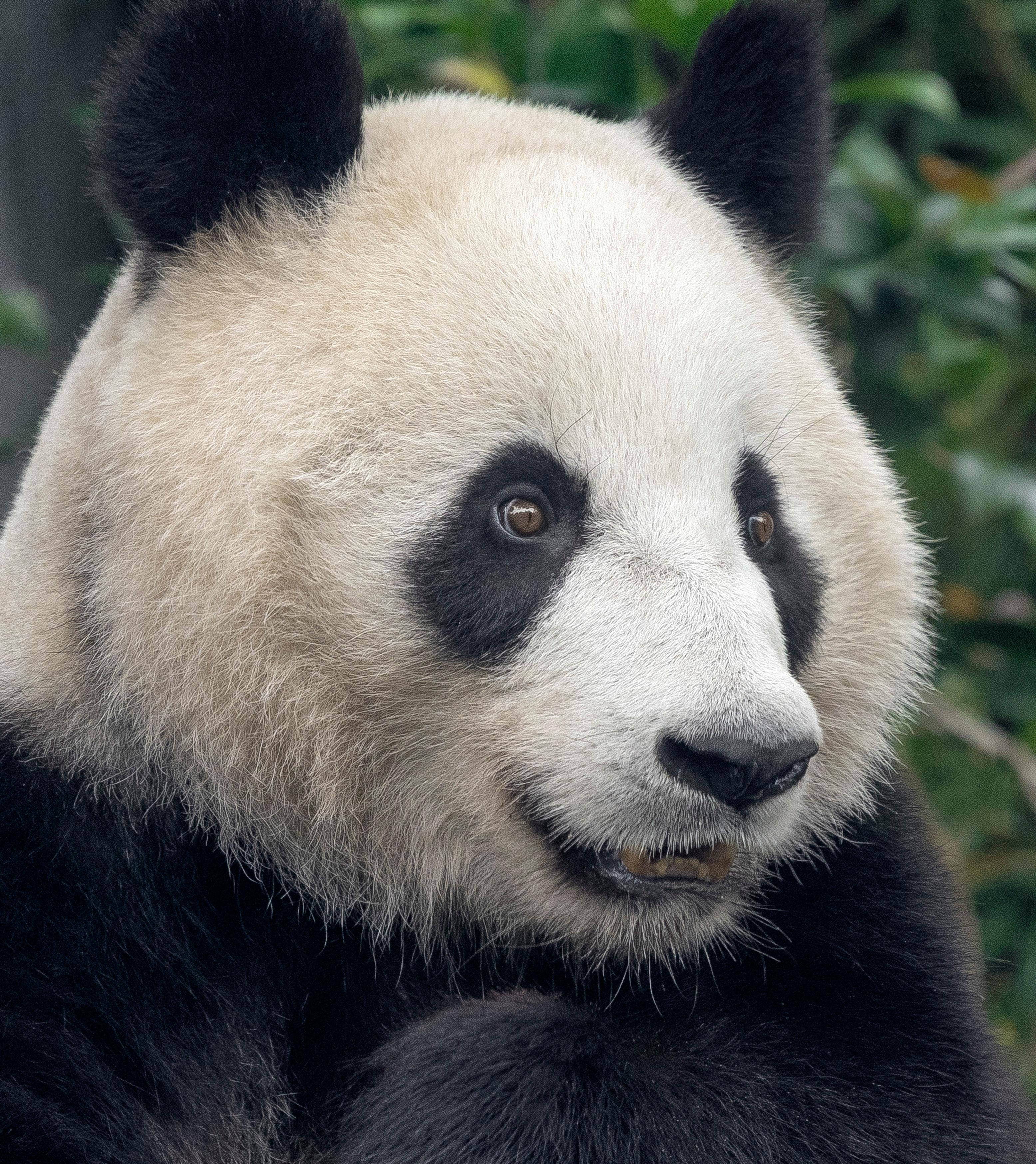
Pandas All Year Long
In Xin Bao and Yun Chuan’s first year at the Zoo, countless wildlife allies connected with the bear pair, creating memories and supporting conservation efforts for this iconic species through everyday moments and special celebrations alike.
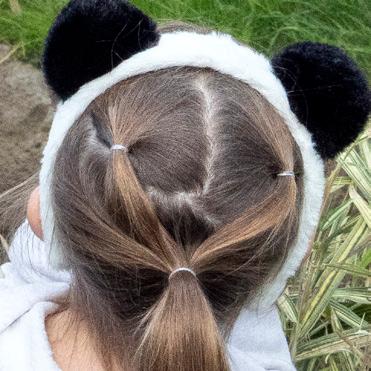
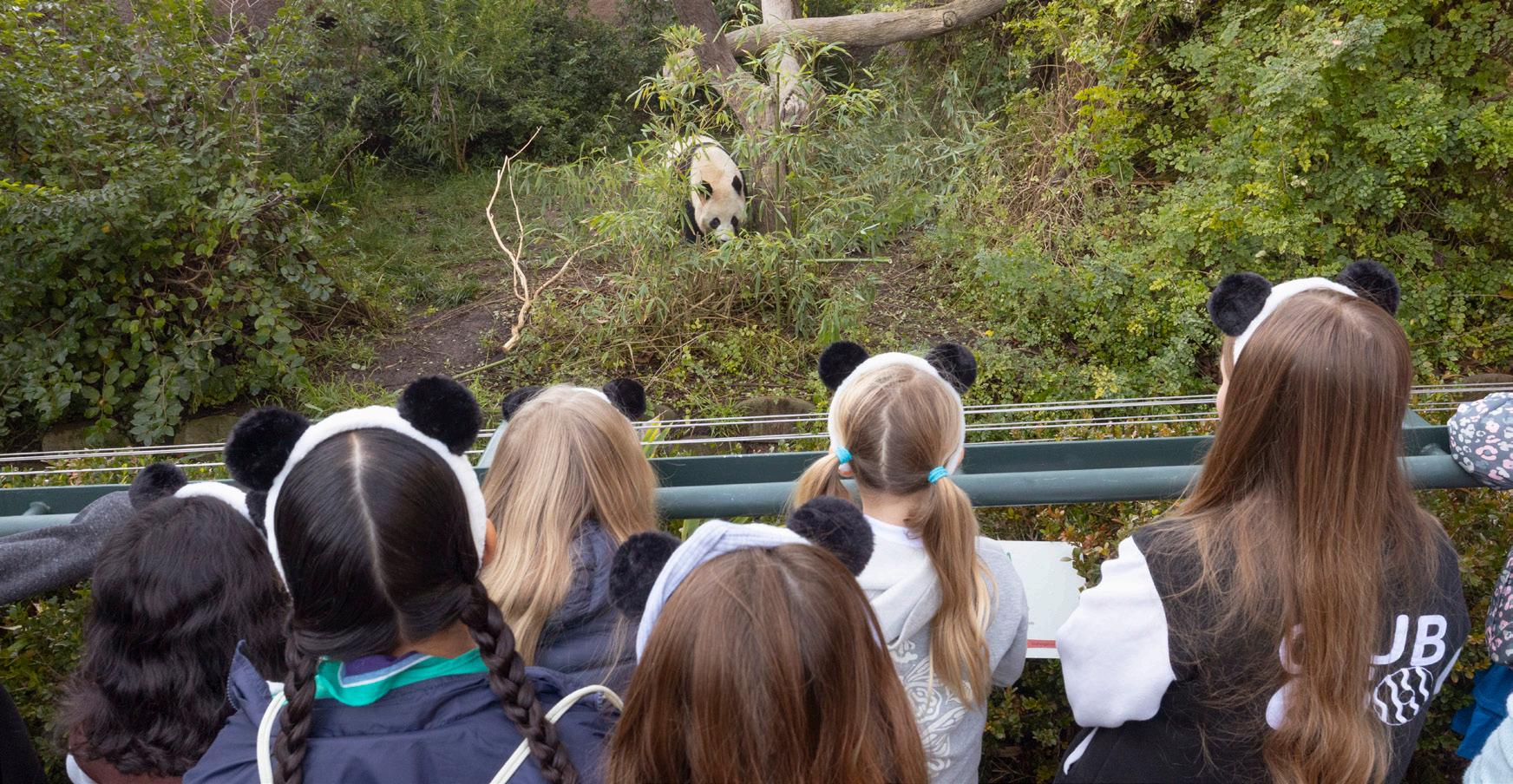
On National Panda Day, the first 2,000 children to visit Panda Ridge received panda ear headbands and got into the spirit with with fun activities and photo opportunities.
We marked the first anniversary of California Panda Day on August 8, celebrating the day we introduced the bear pair to the world. The first 2,025 guests received a special commemorative pin.
Together with Girl Scouts San Diego, we kicked off cookie season at Panda Ridge. Girl Scouts met inspiring female leaders, toured the habitat, and even presented Xin Bao with an honorary Girl Scout membership.
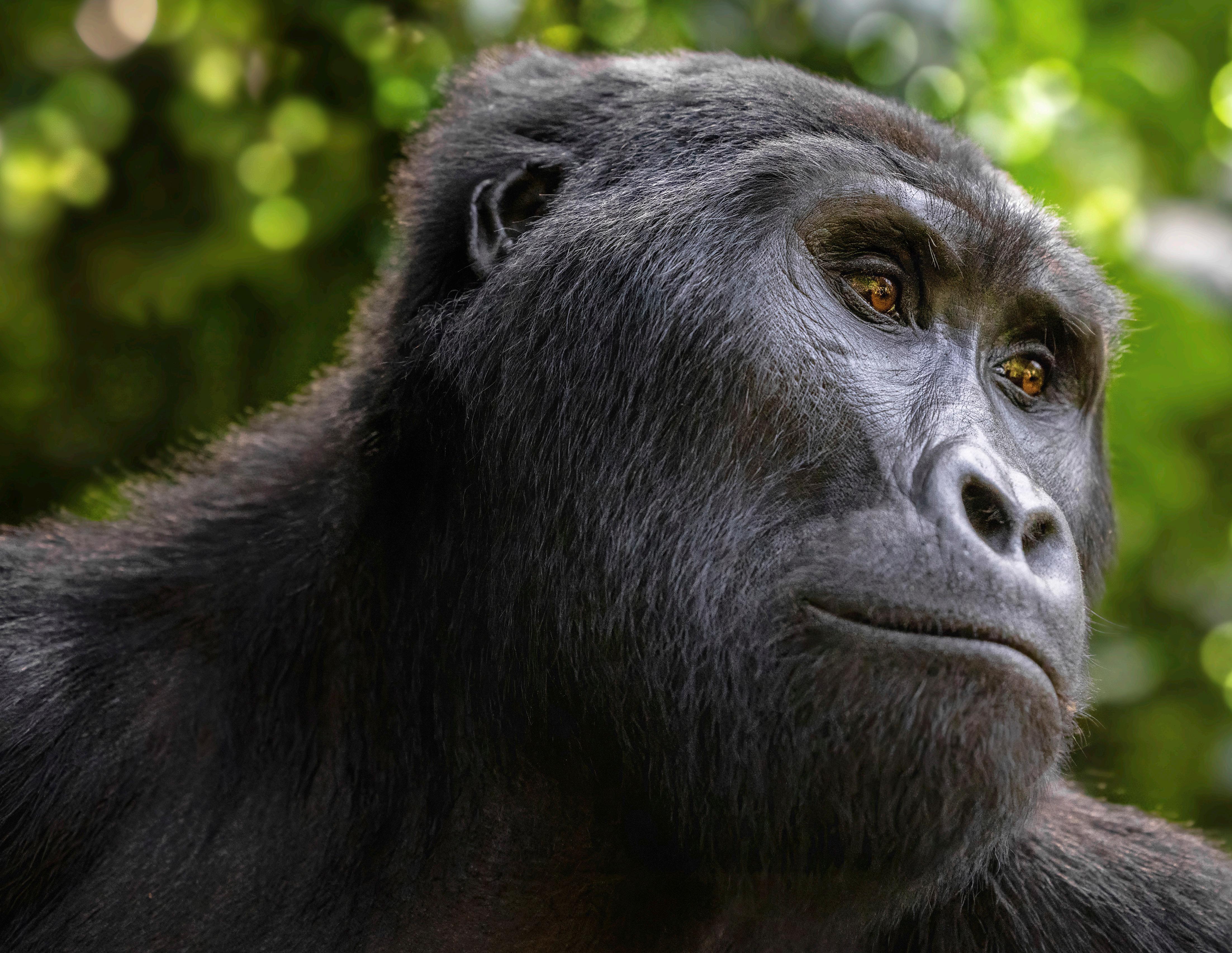
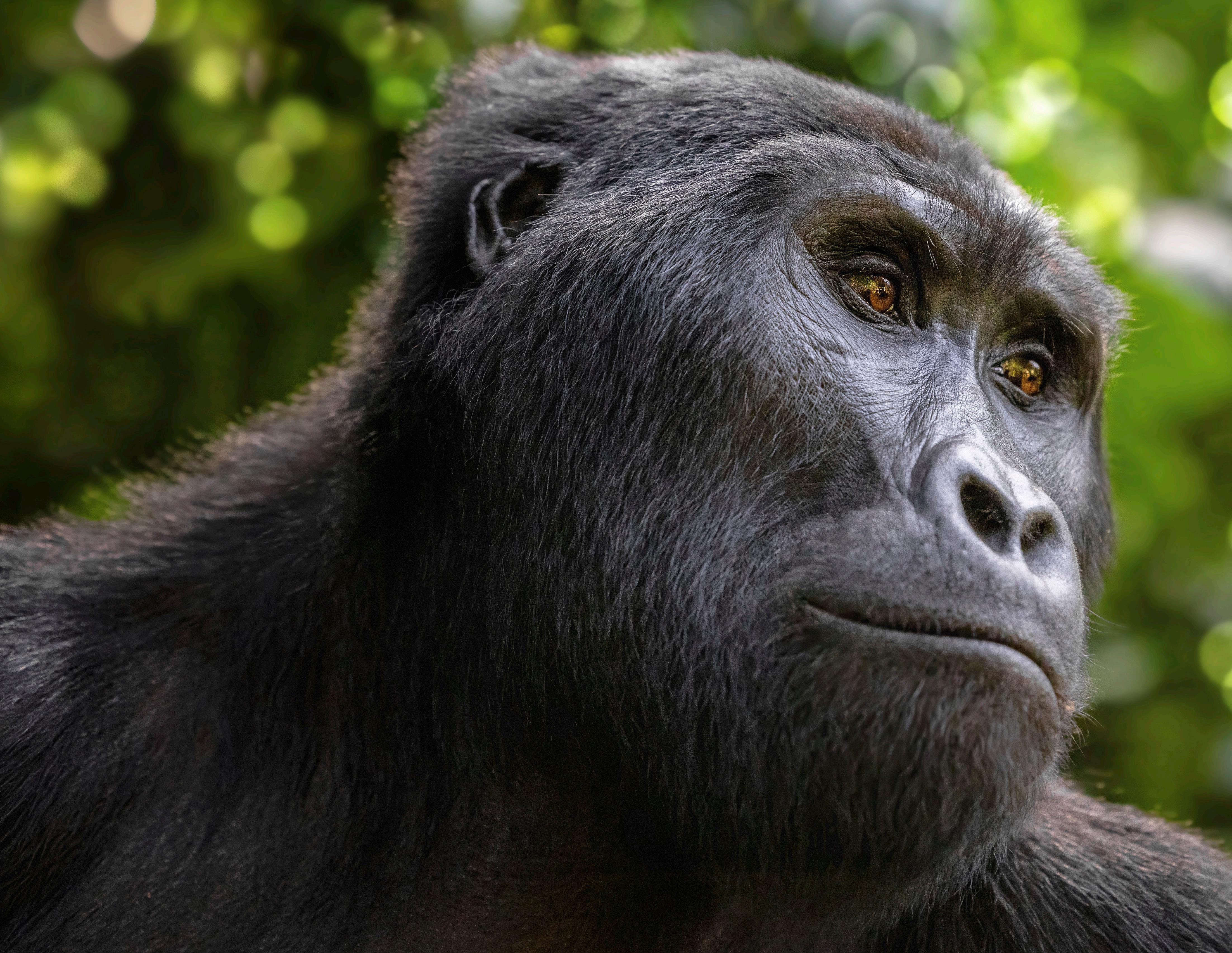

Conservation Hub African Forest
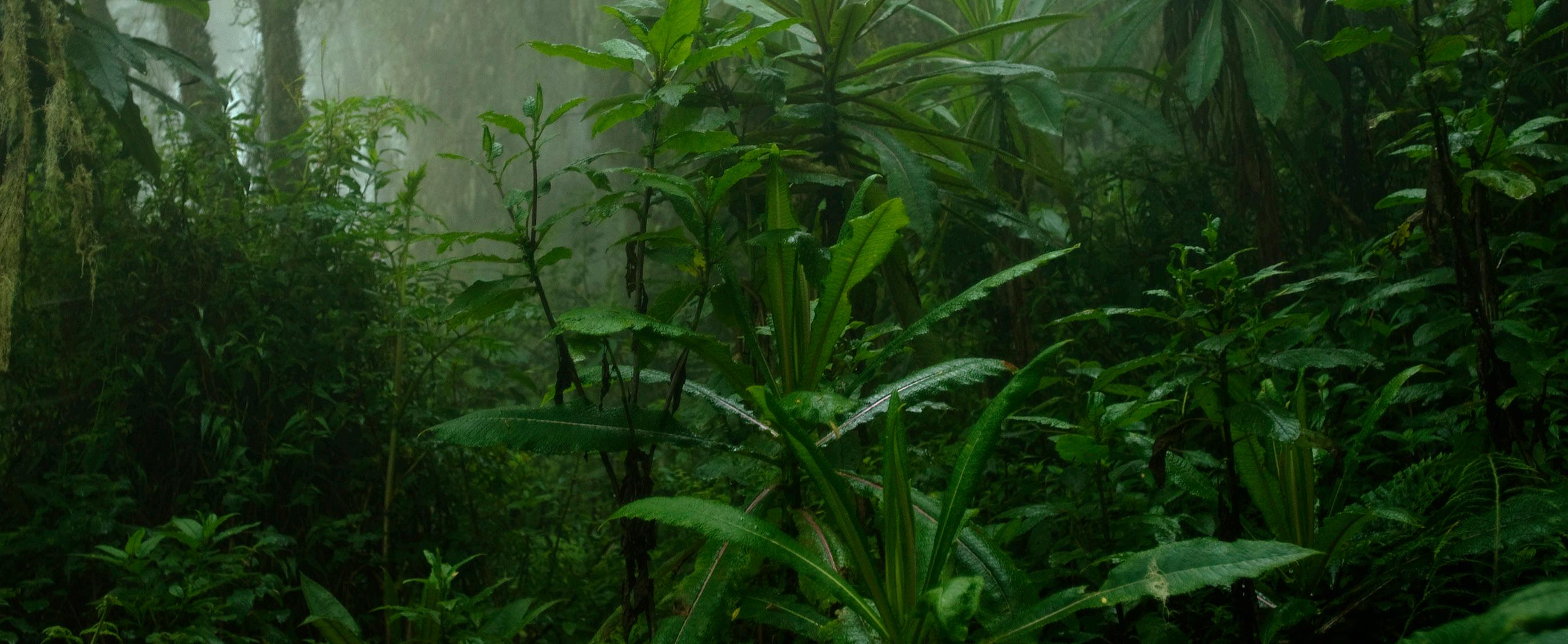
In Cameroon’s Ebo forest, a biologically diverse area within the threatened Guinean Forests of West Africa, we work hand-in-hand with local communities to protect wildlife and promote coexistence. Together our teams and local partners protect vulnerable species and habitat while celebrating the cultural and ecological heritage of one of the largest, most intact, and vital rainforests remaining in the region.
Grassroots CONSERVATION
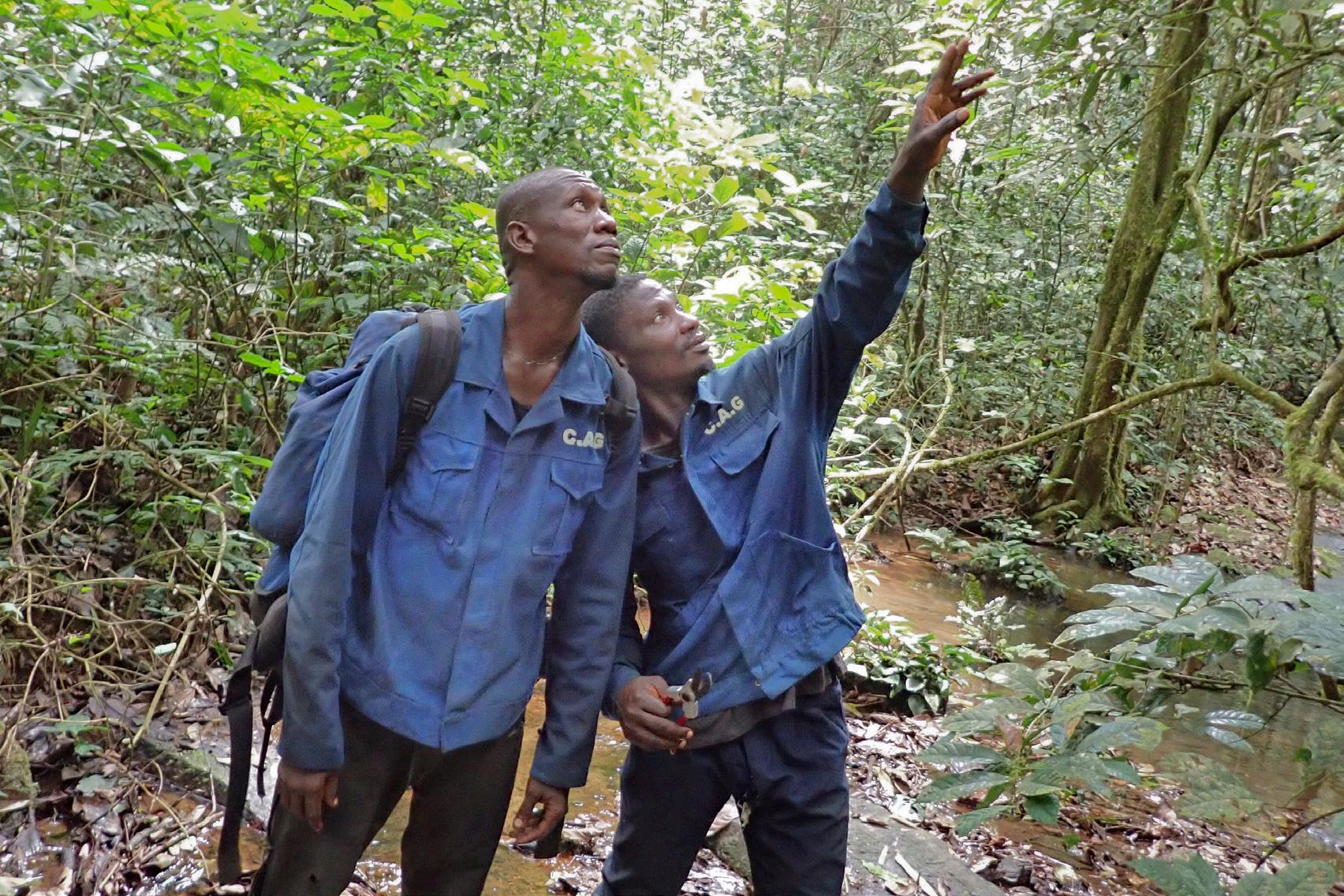
For residents of the 40 communities surrounding Ebo forest, this unique ecosystem is both a vital resource and their home.
Community-driven initiatives, including the Gorilla and Chimpanzee Guardian Clubs, promote sustainable, inclusive, and equitable conservation efforts within this threatened, biologically rich area .
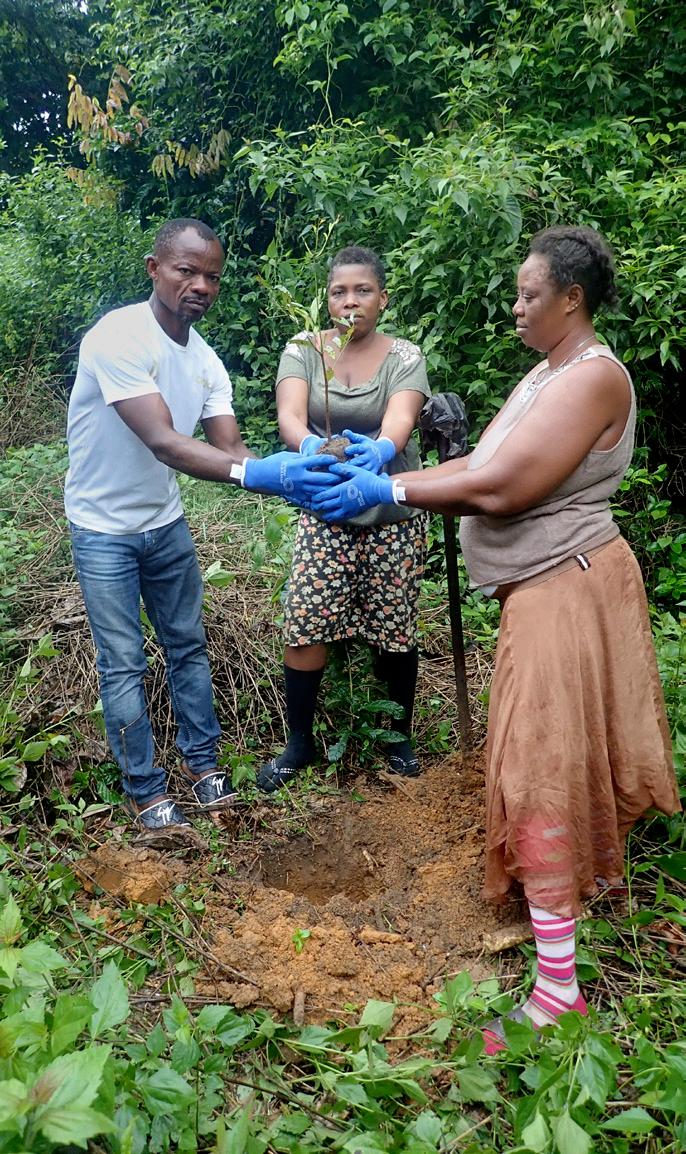
Working alongside our teams, community members monitor habitats, lead community engagement activities, and improve livelihoods through sustainable projects such as cassava processing and soap-making. Together we ensure that land management respects local needs, honors cultural heritage, and protects wildlife for generations to come.
Wild Weekend: African Forest
During this special weekend at the Zoo, guests gained fascinating insights into our conservation field work in the region.
trail cameras and acoustic recorders deployed in Mbam Djerem National Park are enhancing understanding of wildlife diversity and abundance in this unique forest-savanna ecosystem. The data will train AI models to improve endangered species monitoring and inform timely conservation strategies.
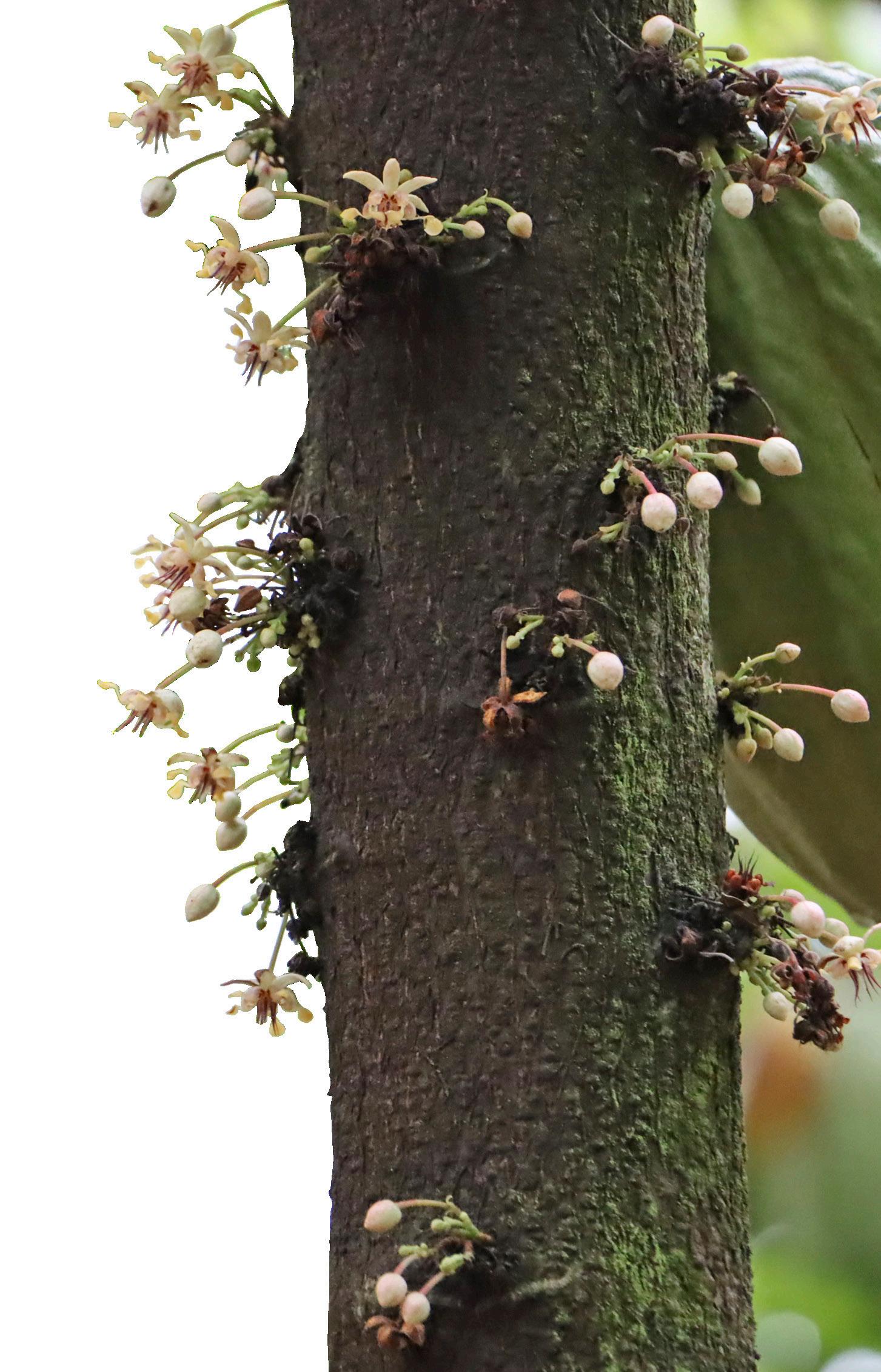
new trail cameras are helping shed light on a population of critically endangered chimpanzees pushed out of their habitat by unsustainable cocoa farming. We’re working with local communities, the government, and wildlife rescue partners to foster coexistence and protect remaining habitat.
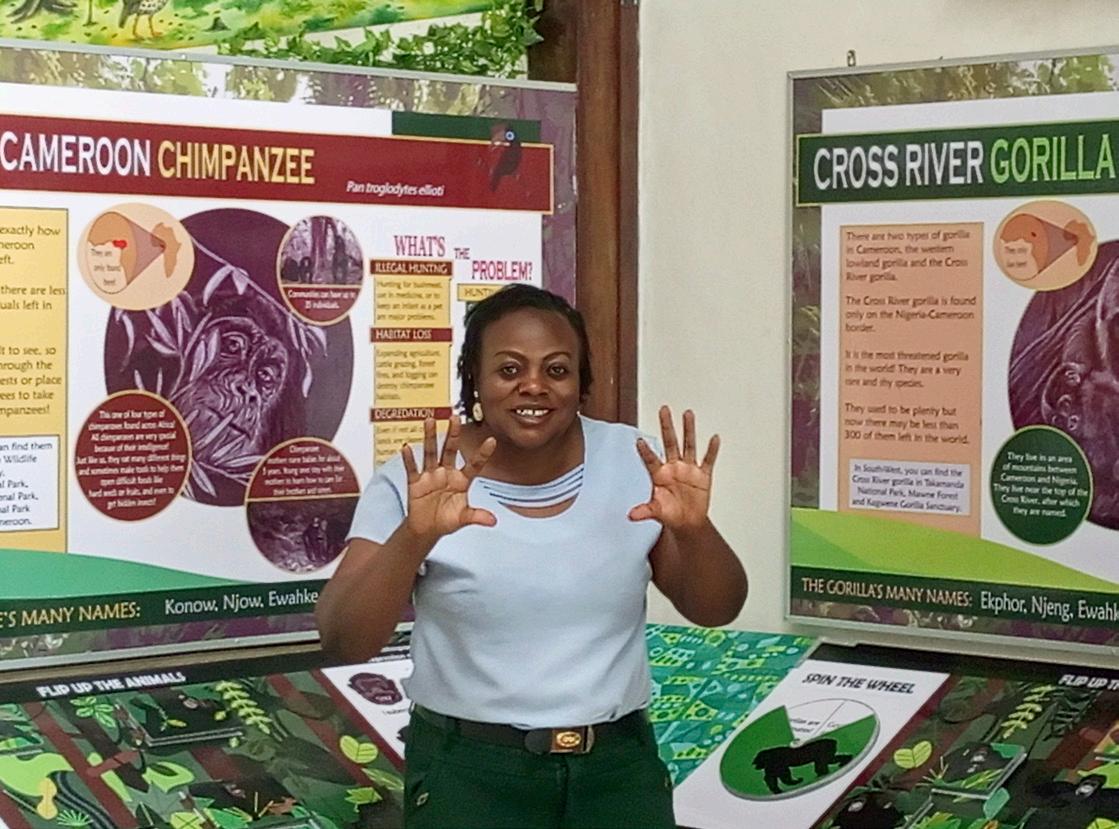
I have always believed that we humans have a duty to ensure that those less fortunate than ourselves, as well as our children and future generations, live in harmony in a diverse and thriving world for the benefit of all.
DR. EKWOGE A ., Cameroonian and Co-Leader, African Forest Conservation Hub
Rescue, Rehabilitate, Reintroduce
We support Limbe Wildlife Centre as they engage local communities and rescue and rehabilitate wildlife affected by the illegal bushmeat and pet trades, including chimpanzees, gorillas, birds, and countless other species in need. This year, they reintroduced dozens of African grey parrots and reptiles into native habitats and worked toward adding and expanding capacity, including a large new mixed-species habitat in the forest.
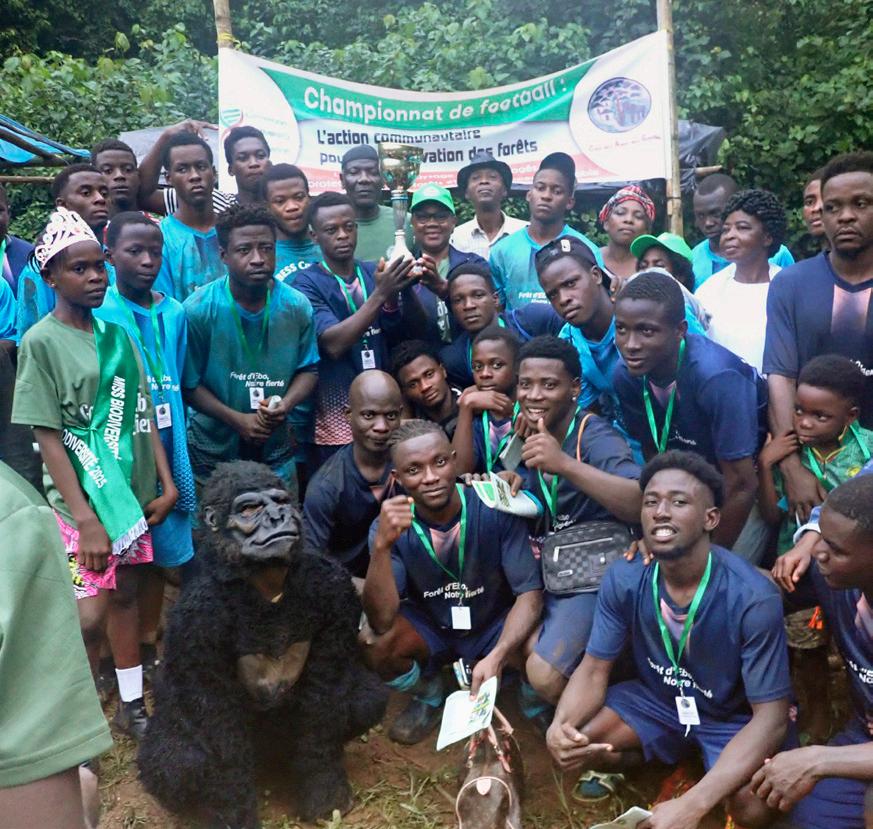
people attended community football (soccer) tournaments and outreach events, which combined sports with conservation engagement, educational awareness, and opportunities for youth empowerment and alternative livelihoods.
Increasing Populations
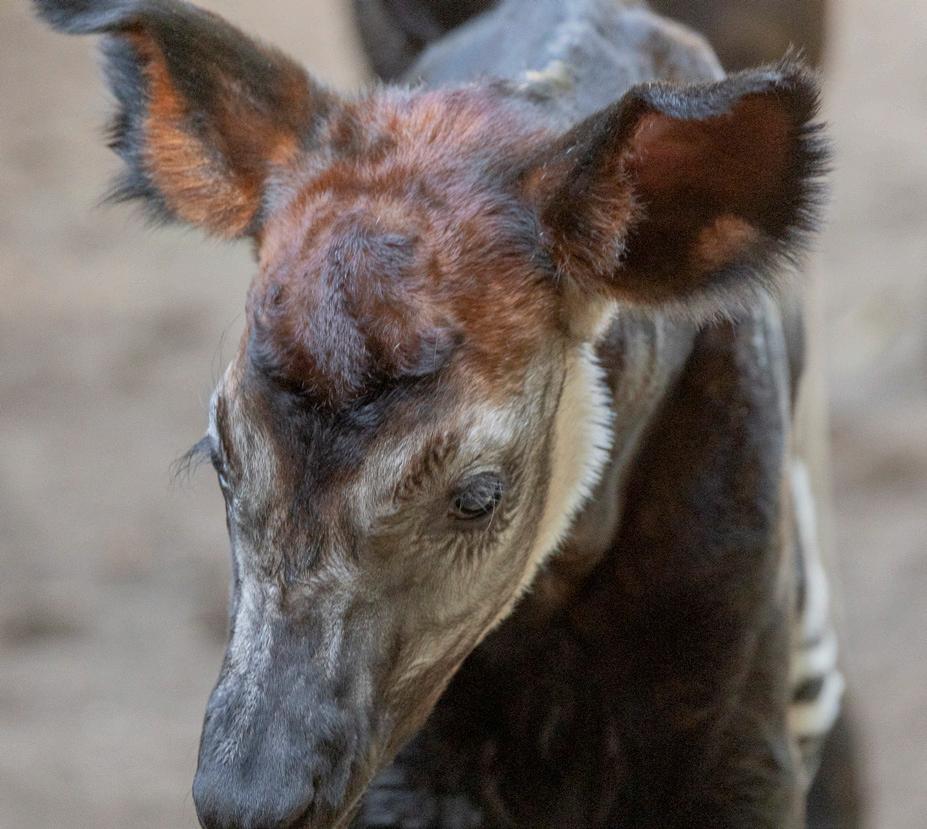
Kimara, the first okapi calf at the Zoo since 2021, was born to mom Subira and dad Kapu. We’re working to protect endangered okapis in their central African forest habitats.

Oceans
Conservation Hub
Oceans play a vital role in sustaining life on our planet and contributing to climate resilience. These immense ecosystems cover over 70% of Earth’s surface, generate 50% of the oxygen we breathe, and absorb 2 billion tons of carbon annually, which is about 25% of human-generated carbon dioxide emissions. Billions of people also rely on oceans for food and livelihoods.
As human activities threaten ocean health and climate resilience, protecting these vital ecosystems is more urgent than ever. Through innovative technologies and global partnerships, we leverage our expertise throughout San Diego, the Pacific Northwest, across the Arctic, and in southern Africa to safeguard oceans and marine life.

Cutting-Edge CONSERVATION
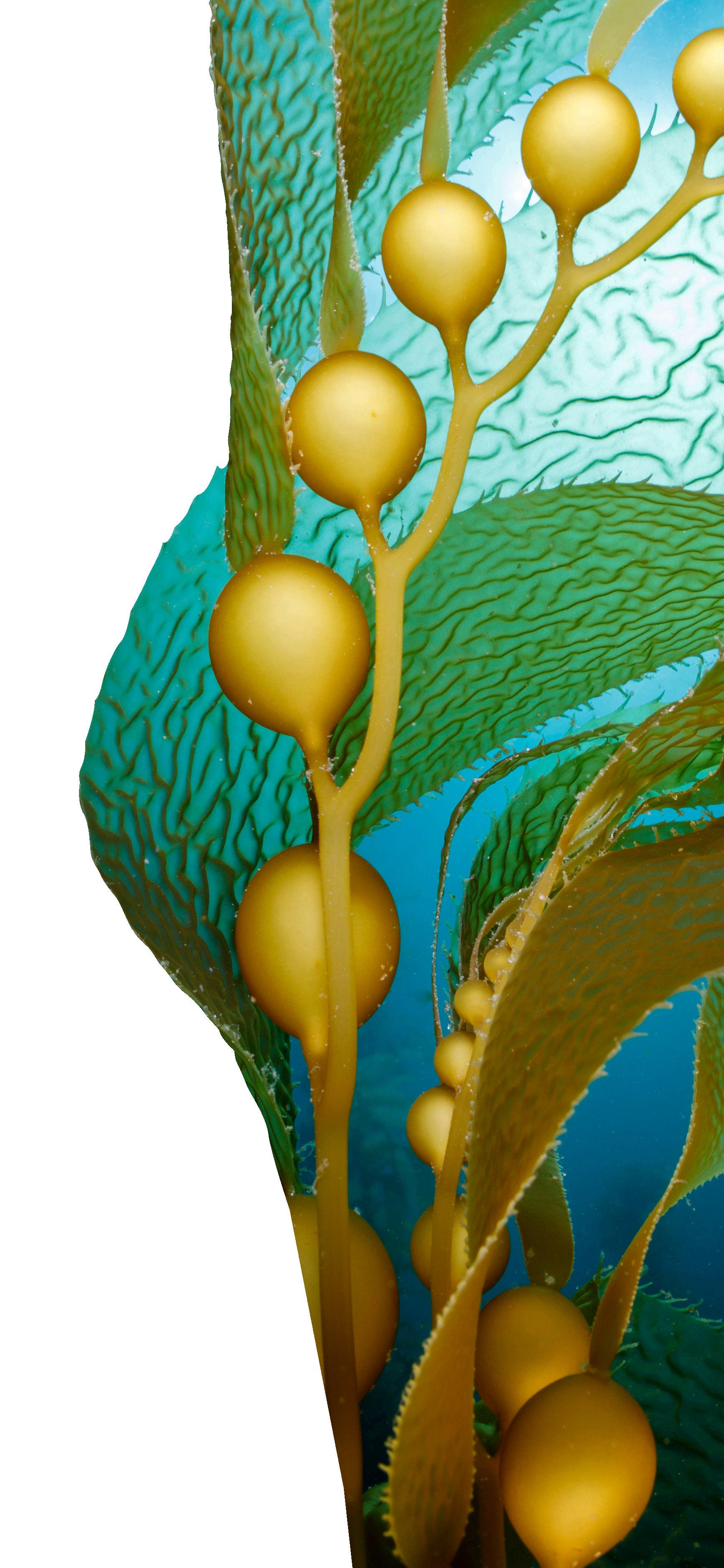
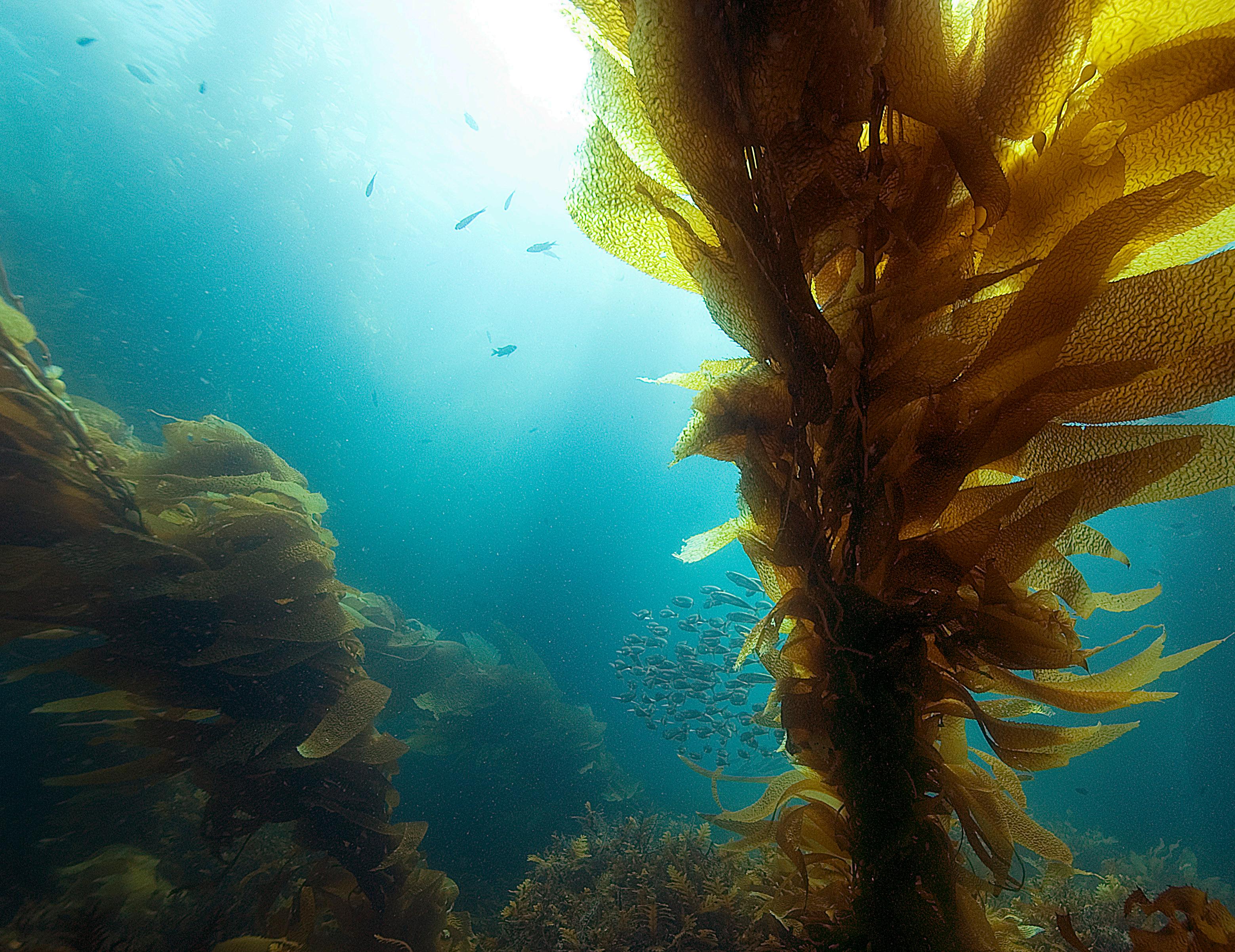
From Hudson Bay’s icy waters to Southern California’s kelp forests, we’re advancing technology and research to better understand and protect marine wildlife and habitats. Help for Kelp In partnership with Scripps Institution of Oceanography, we’re working to restore San Diego’s kelp forests by developing cryopreservation methods. Early success in freezing and growing kelp is paving the way for future restoration efforts along the coastline.
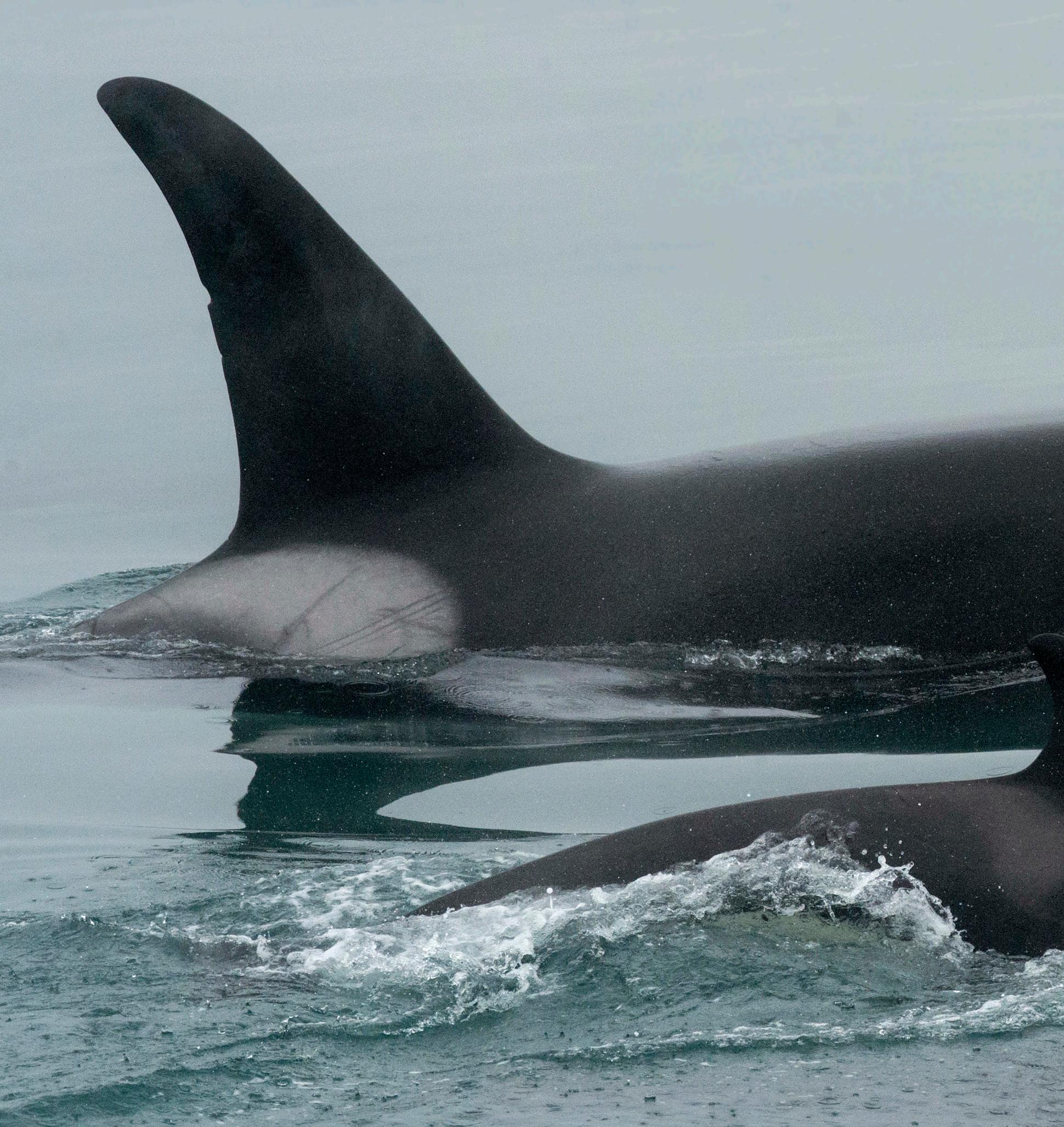
Our collaboration with San Diego Zoo Wildlife Alliance monitoring the health and reproductive status of the critically endangered Southern Resident killer whale population gives me a strong feeling of hope for this species’ future.
DR. DEBORAH G., Killer Whale Scientist, SeaDoc Society

Dr. James Sheppard , Senior Scientist, Recovery Ecology team
Collected under NMFS Permit #27052
Every Breath We Take
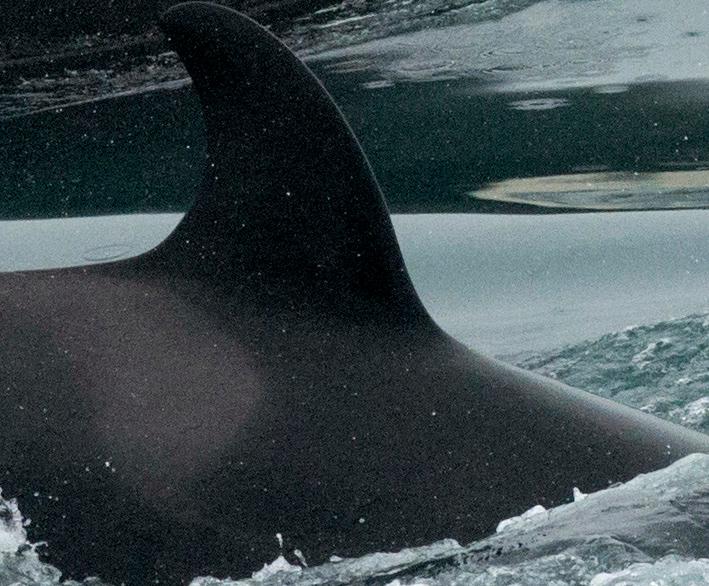
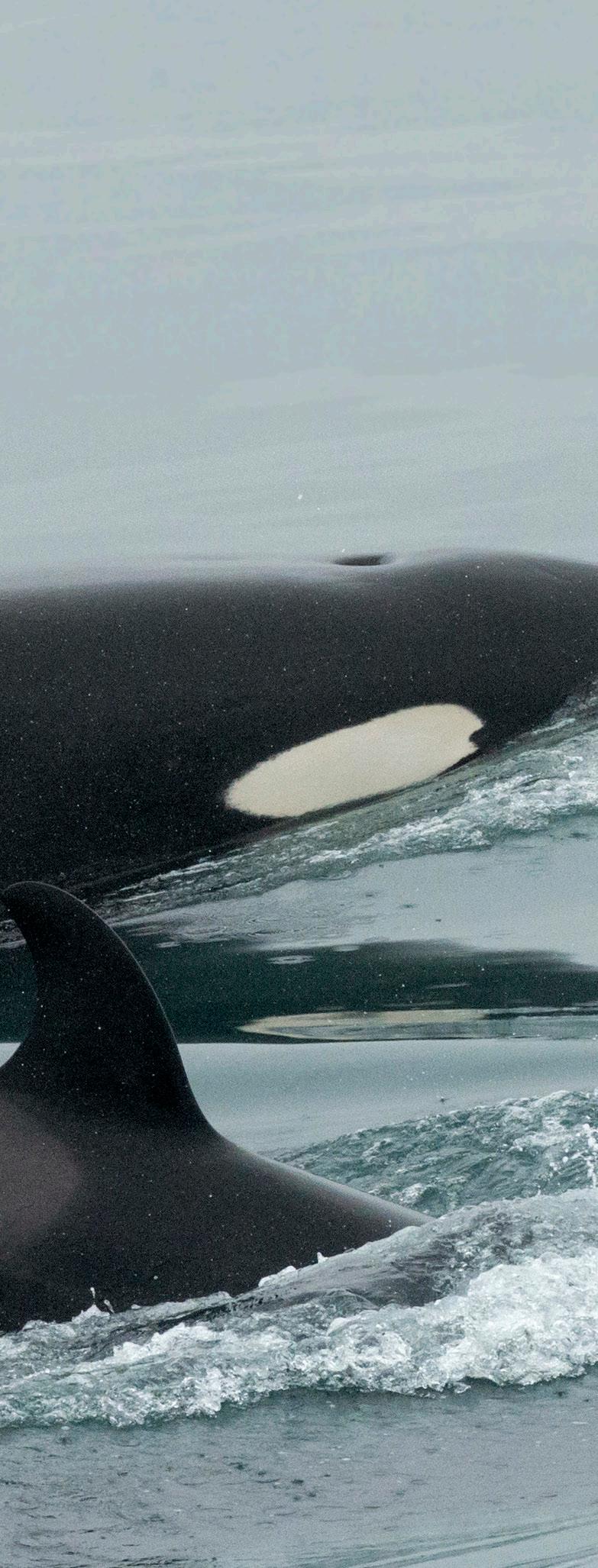
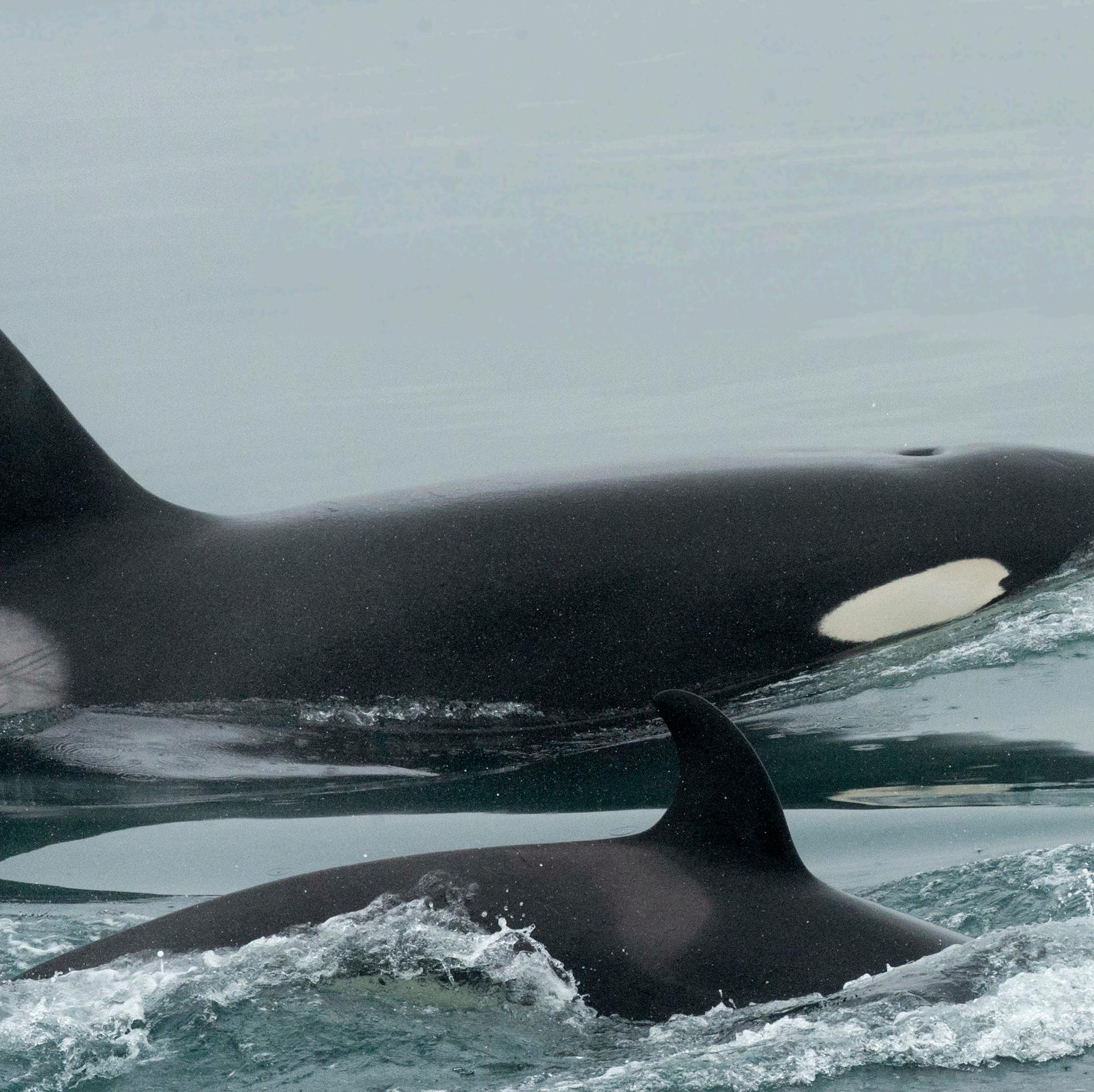
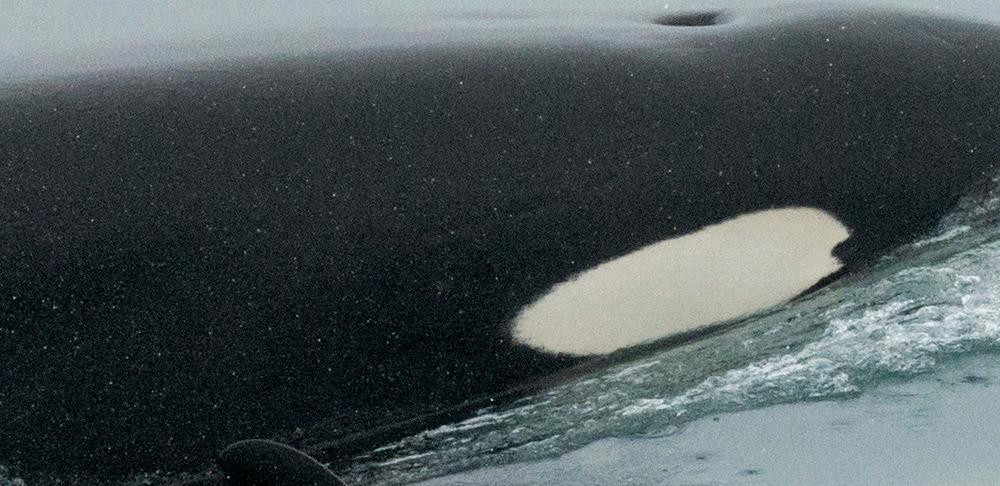
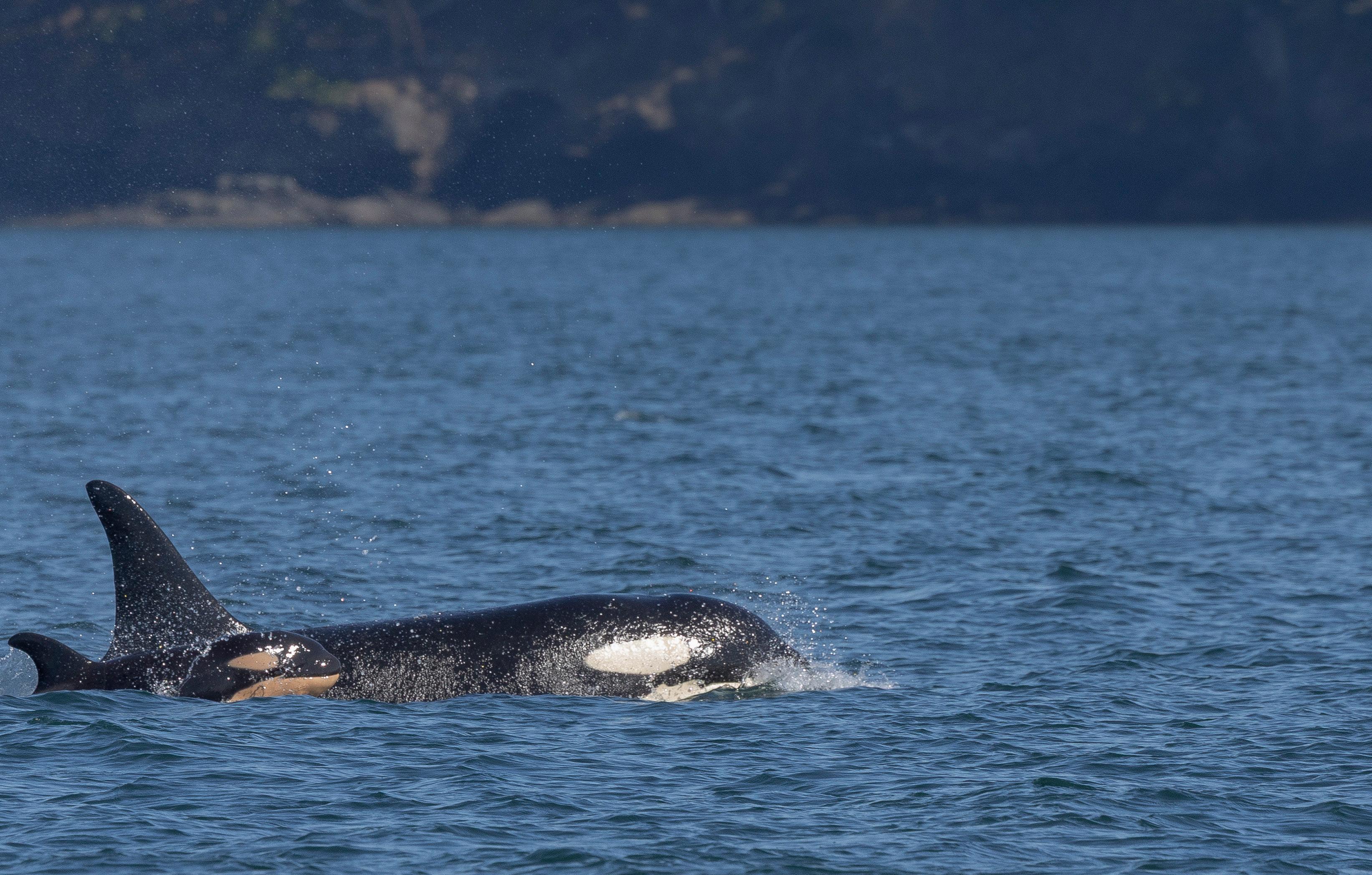
We’ve improved methods to noninvasively collect breath samples from critically endangered Southern Resident killer whales, using drones and new protocols to extract more DNA. This breakthrough enables deeper health and reproductive analyses—vital for a population of fewer than 75.

Flight School
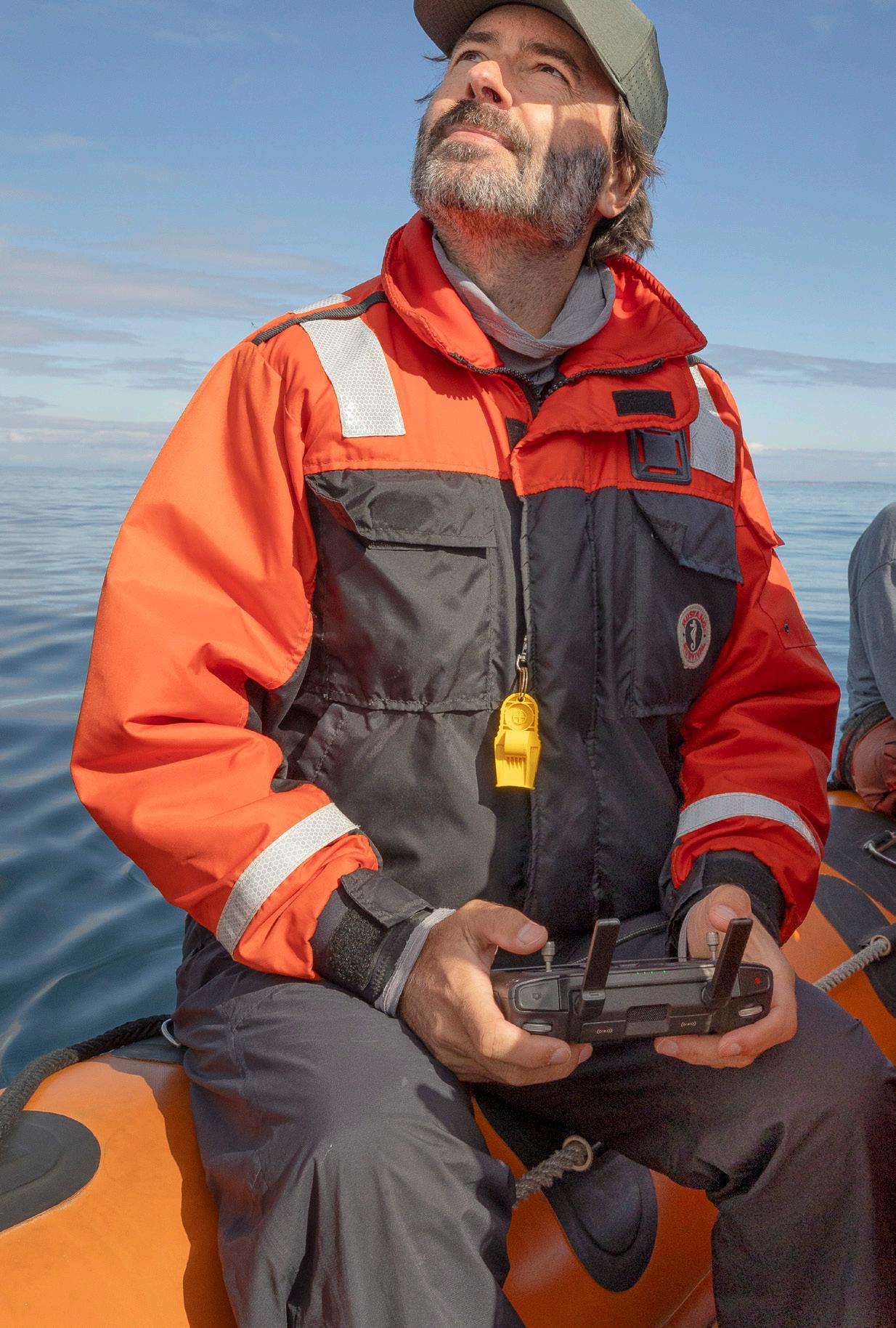
A two-day “drone academy” trained pilots in collecting behavioral and health data on killer whales, empowering local researchers with tools to enhance monitoring and improve conservation outcomes.
We thank the Zuest Family Foundation for their support of these innovative and vital drone programs for the conservation of critically endangered killer whales.
Polar POWER
Hope on Sea Ice
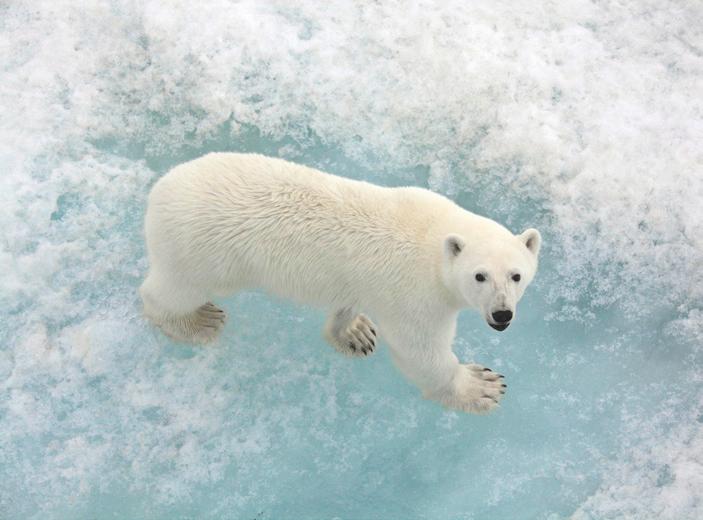
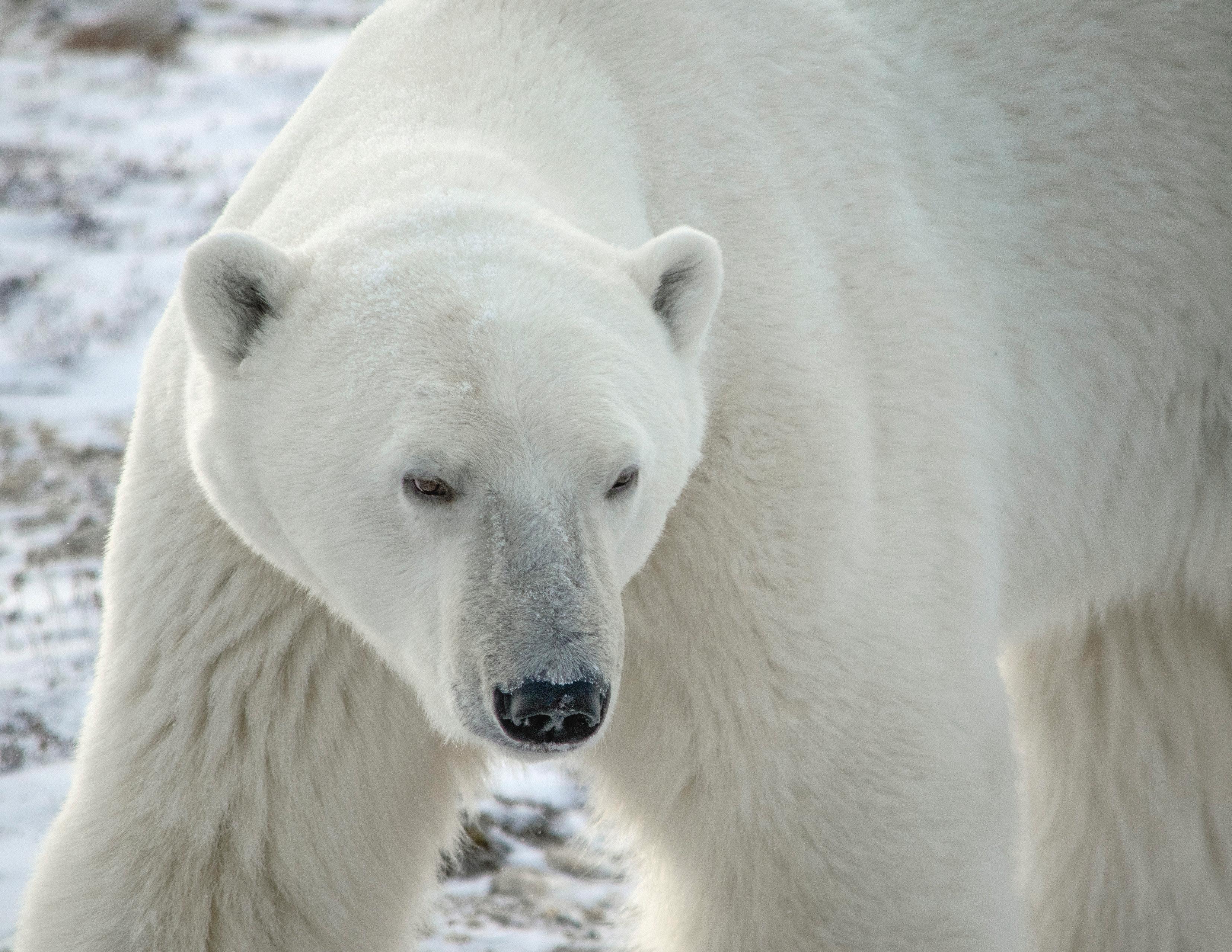
In a scientific first, we documented polar bears hunting seals on melting summer sea ice, changing understandings about their habitat needs and reshaping survival models.
New Polar Mini DenCams
A new generation of custom automated cameras is monitoring polar bear maternal dens, enabling remote observation of mothers and cubs during a critical life stage and improving future research and conservation efforts.
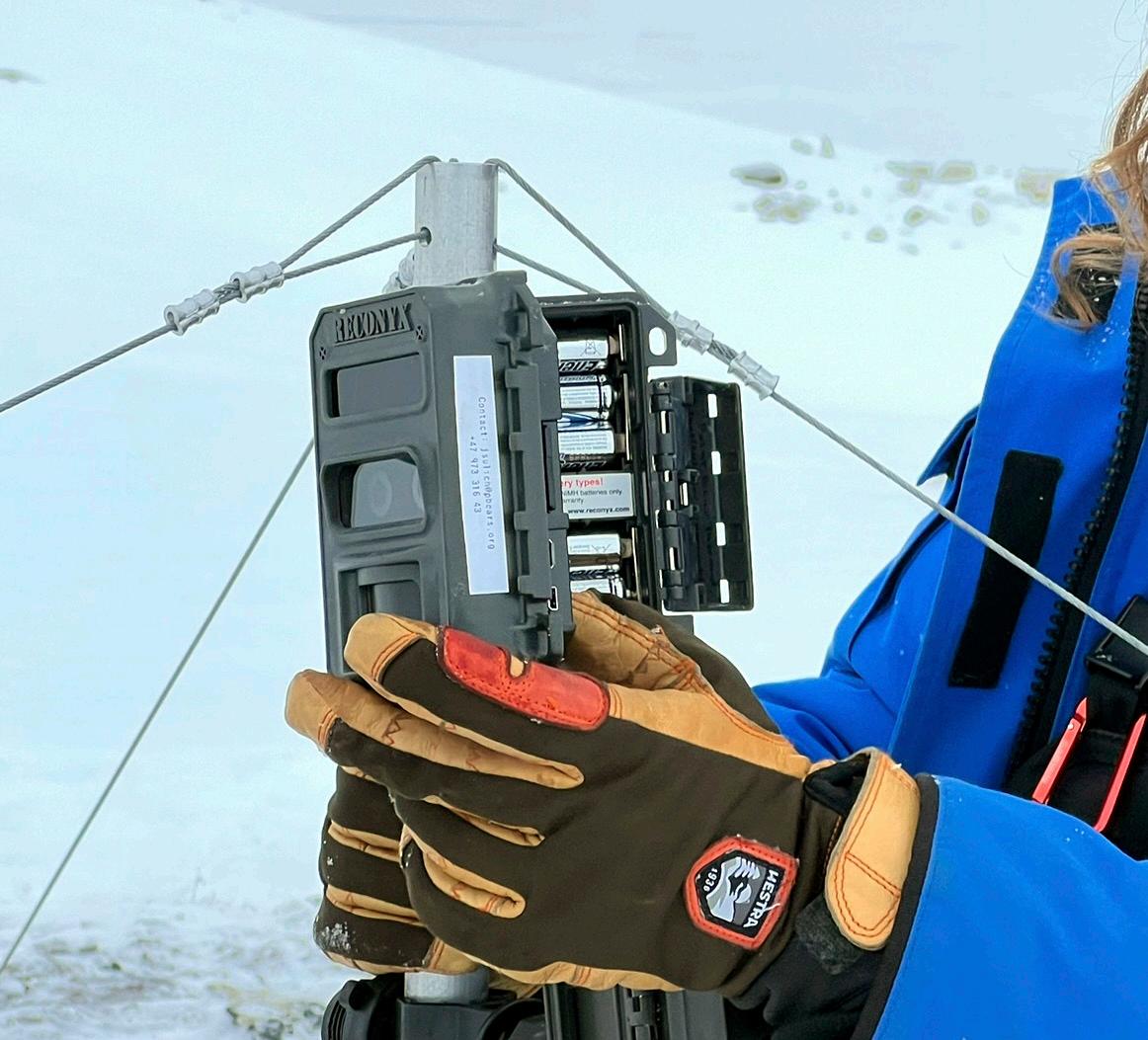

Keeping Up with Polar Bears
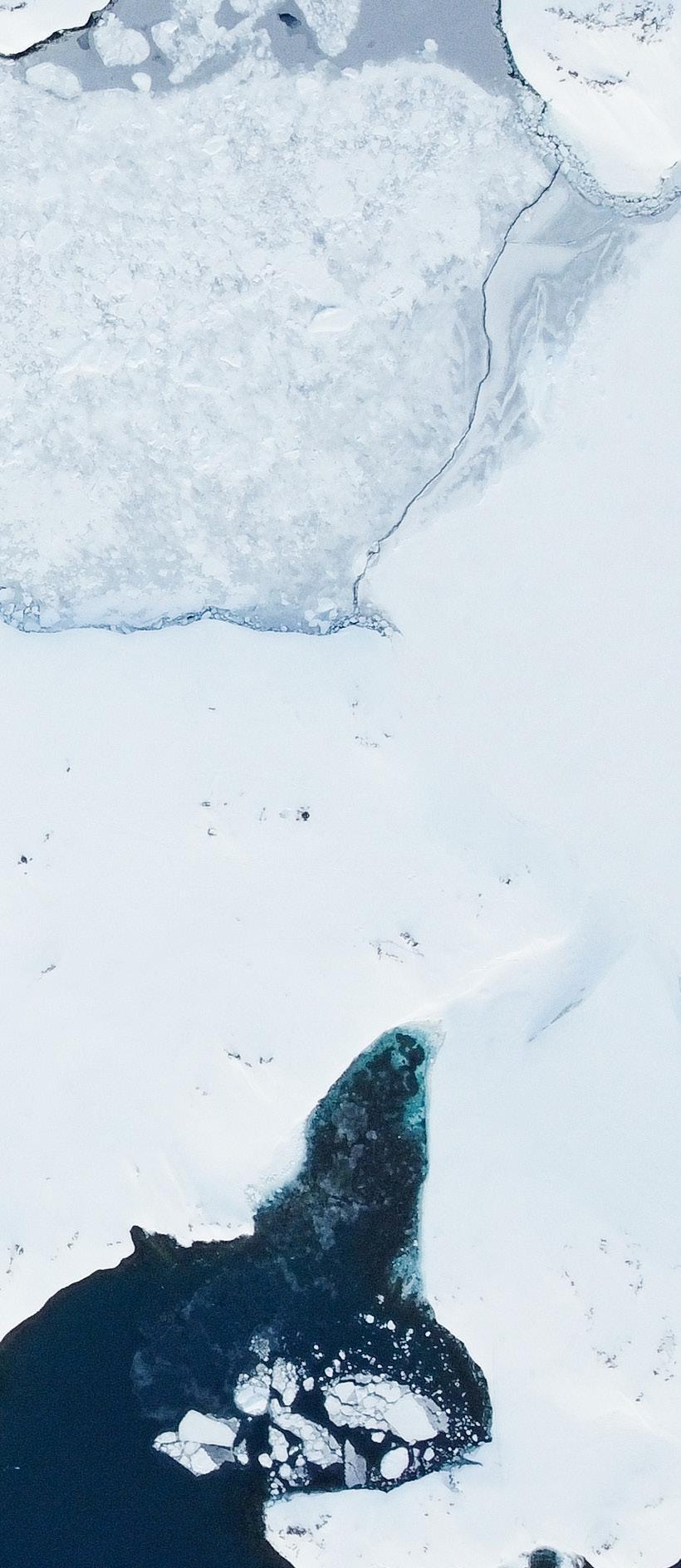
GPS transmitting devices and trail cameras are part of a long-term monitoring program with our partners to better understand polar bear feeding dynamics and movement with sea ice changes.
location ear tags
32 remote cameras monitoring

Wild Weekend: Oceans
During this engaging weekend at the Zoo, guests became immersed in our conservation efforts across the world’s oceans and along our own Pacific coast.
Conservation Hub Amazonia
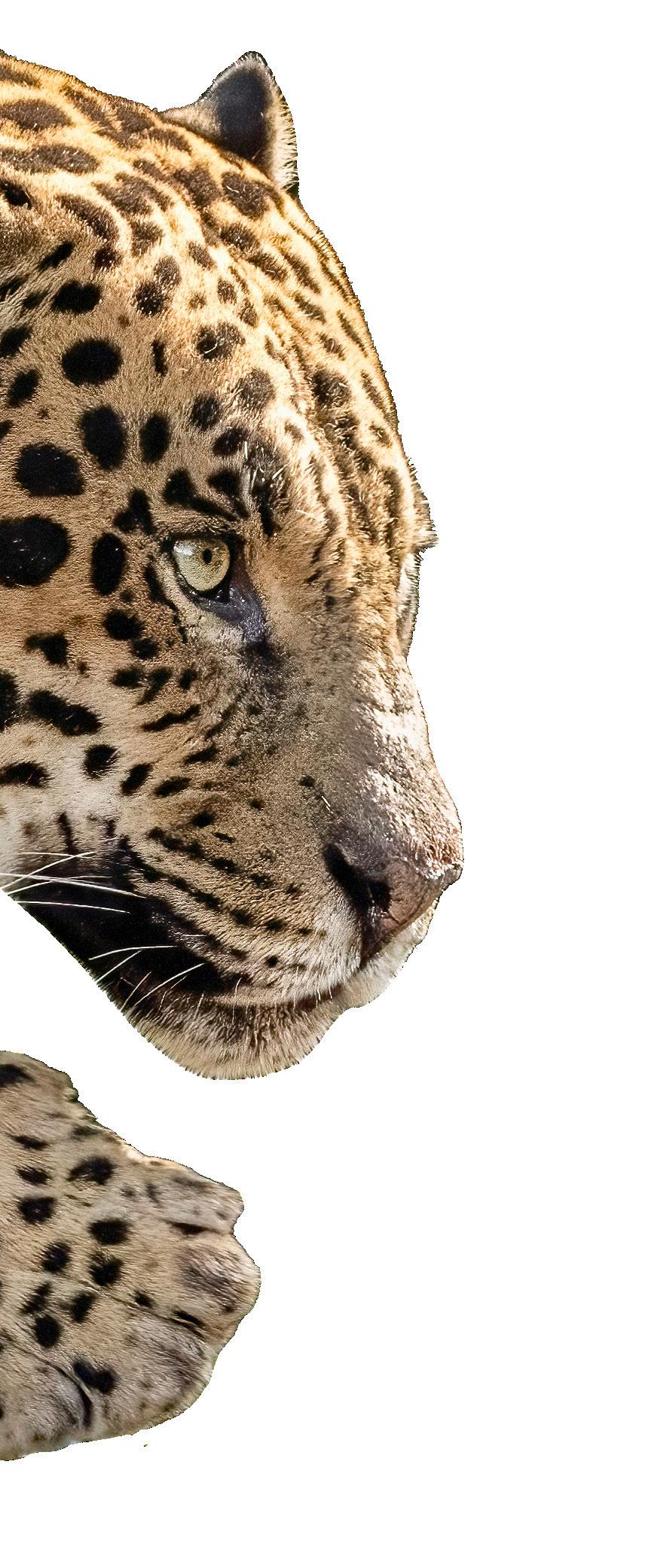
The largest tropical rainforest in the world, the Amazon is often called the “lungs of the planet” for its role in generating oxygen, regulating global weather, and supporting climate resilience. It’s also one of the most ecologically rich and varied places on Earth, with countless species found nowhere else. Nevertheless, many regional and global
challenges threaten Amazonia’s wildlife, local people, and habitats.
To safeguard the Peruvian Amazon’s biological and cultural richness, we leverage advanced technology, genomics expertise, and wildlife monitoring while supporting local conservation efforts.
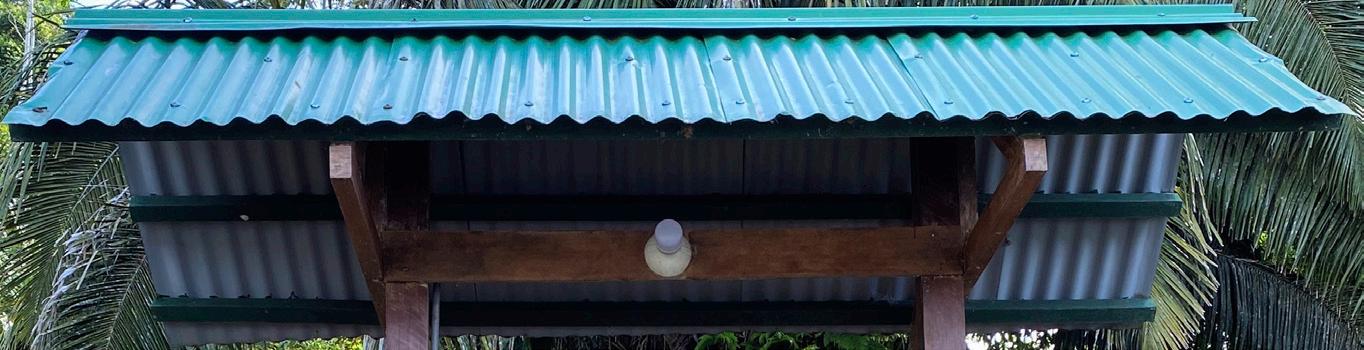
Science AT THE SOURCE
The Stiefel-Behner Research Program at Cocha Cashu Biological Station in Manú National Park and the Wildlife Conservation Laboratory at the Los Amigos Biological Station, both in Peru, have fostered technological advancements that allow us to monitor and care for wildlife in ways we could only imagine a few short years ago.
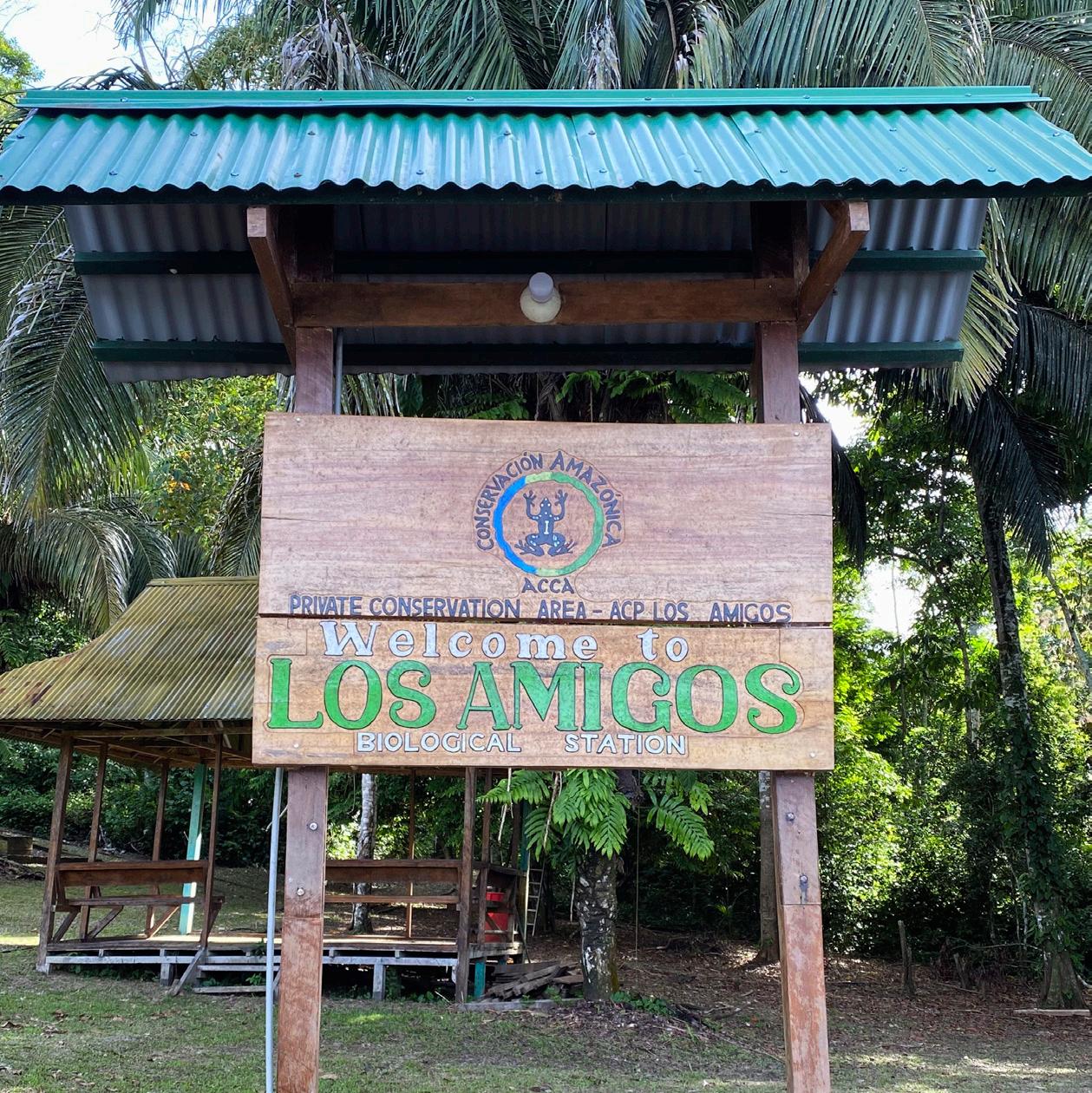
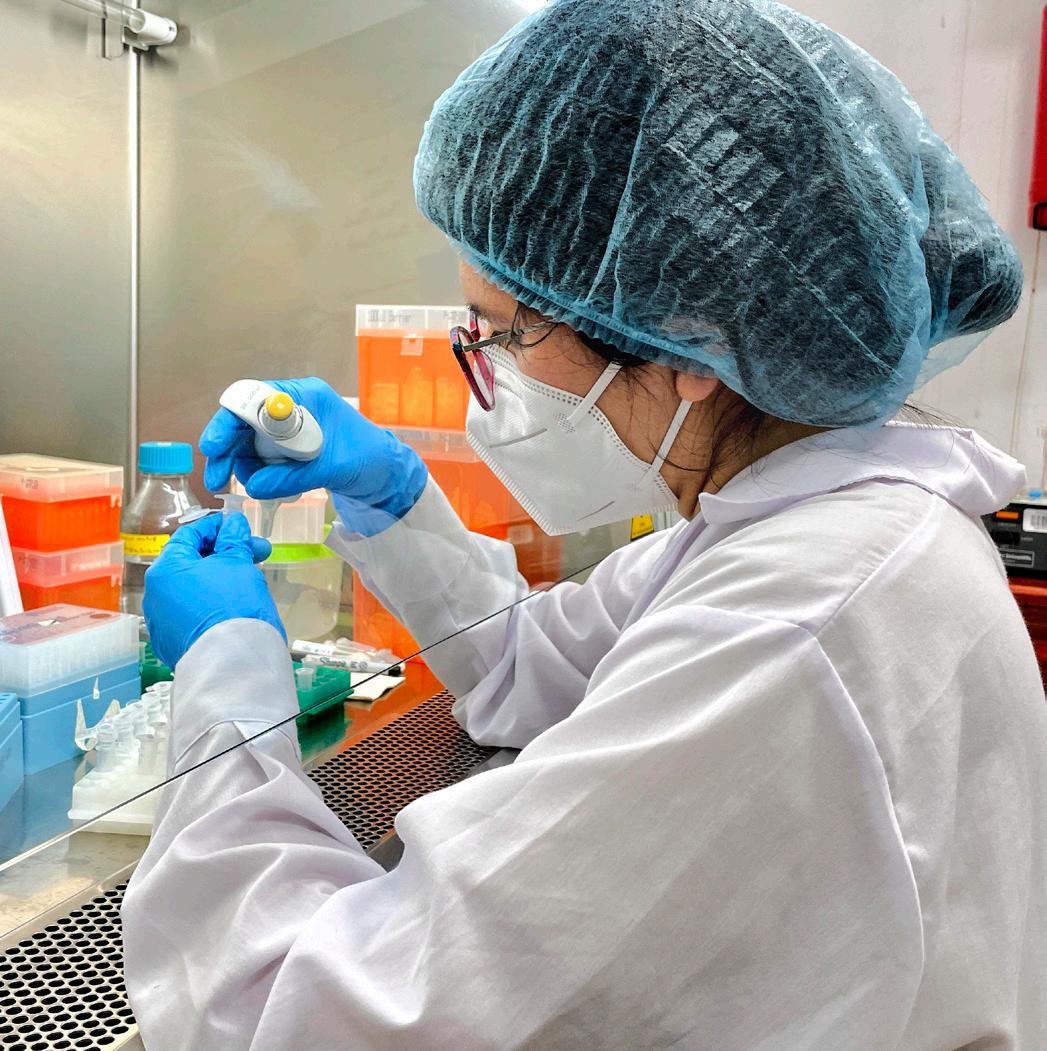
Great Strides
The Wildlife Conservation Laboratory processed thousands of samples using an automated lab robot, boosting efficiency and biobanking capacity. This innovation maximizes limited freezer space and advances genomic preservation for Amazonian wildlife.
2,672 blood samples 3,037 biopsy samples &
from 1,100+ bats, 760 birds, 500 mammals, 150 reptiles and amphibians, 390 fungi
Without San Diego Zoo Wildlife Alliance’s support with technology and genetic testing we wouldn’t be able to reintroduce as many animals as we do. They have made a difference to hundred of lives over the years.
NICK
W., Communications and Fundraising, Amazon Shelter
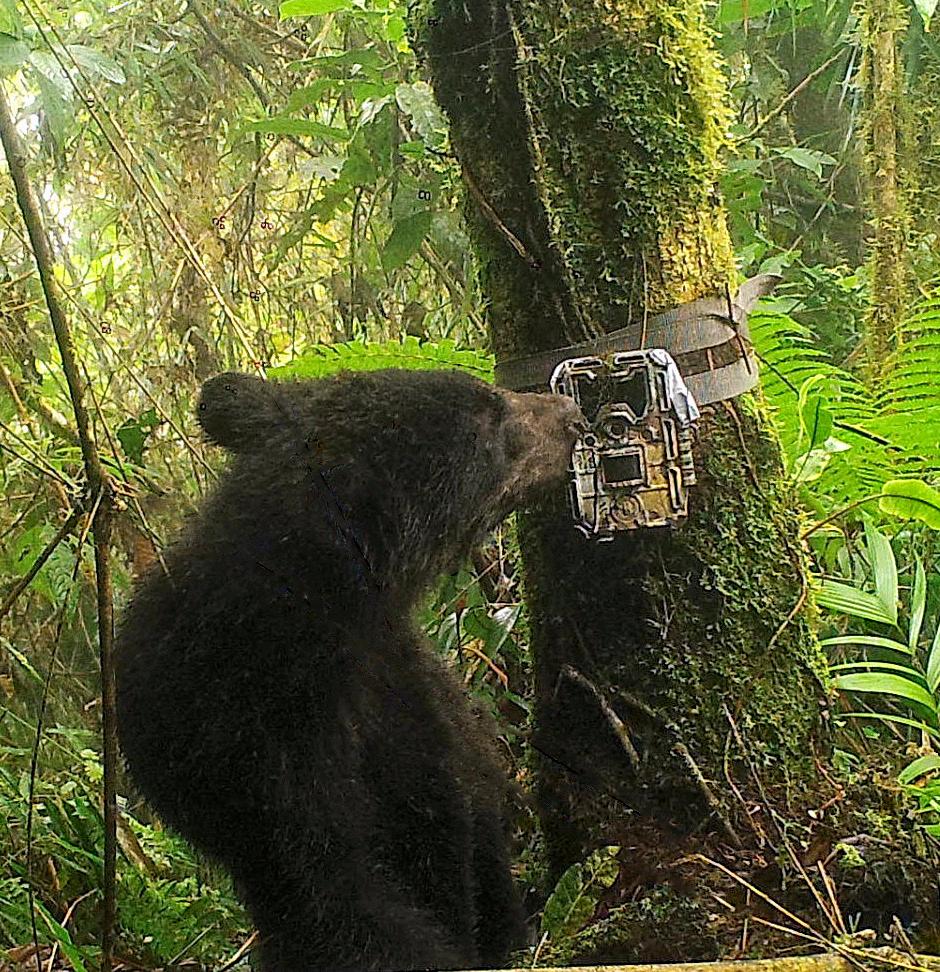
Community & Coexistence
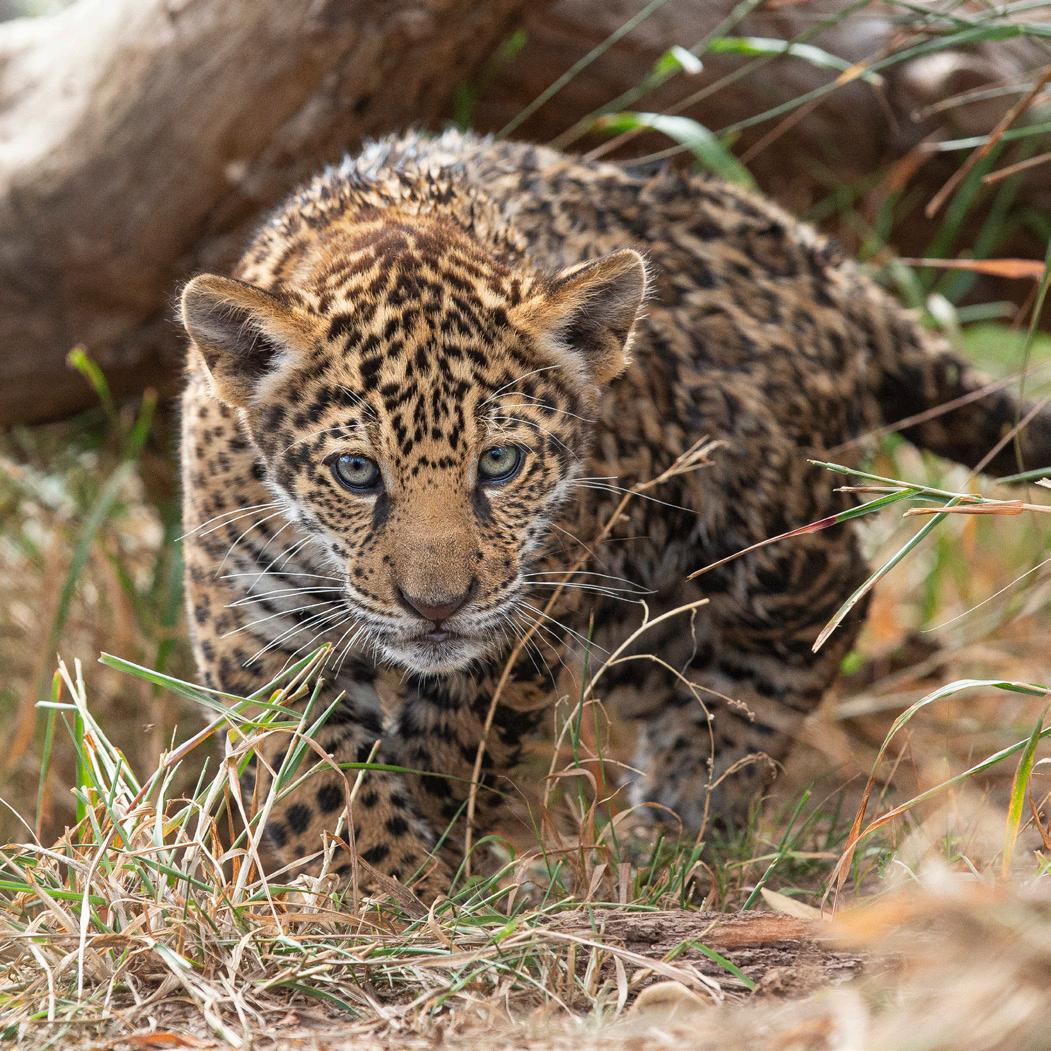
trail camera stations were installed across the Manú Biosphere Reserve, allowing scientists to noninvasively collect data, including hair samples, of Andean bear populations. Our team trained park guards, community members, and volunteers in data collection techniques.
Slow and Steady
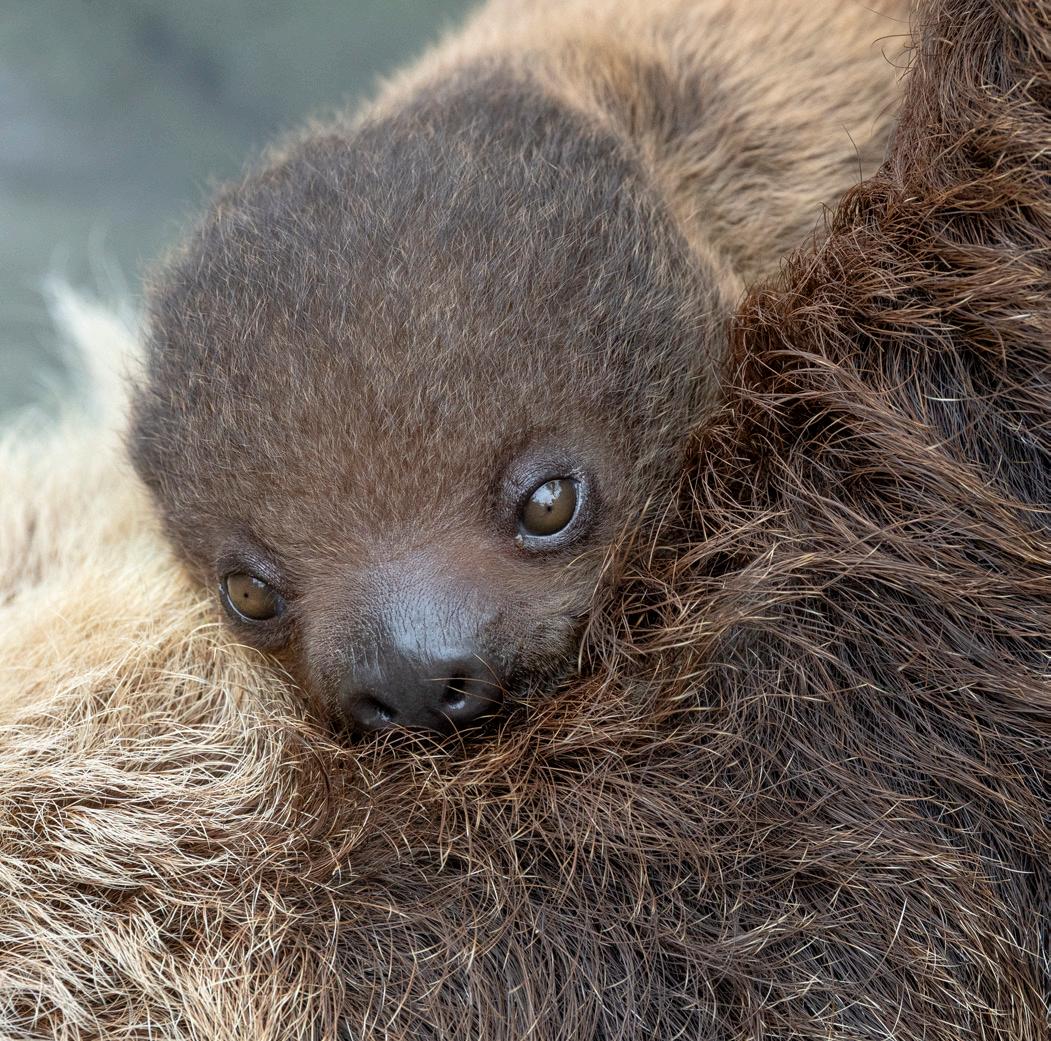
Little Cashew was born to mom Xena in February, the first sloth birth at the Zoo since 2022. He is thriving as a wildlife ambassador, inspiring countless guests to support efforts to protect native habitats, including the cashew trees where sloths often live.
Wild Weekend: Amazonia
This engaging weekend helped connect guests at the Zoo to our conservation work and wildlife in Amazon forests in enriching ways, creating new allies along the way.

Australian Forest
Conservation Hub
Australia’s forests, primarily located along the northern and eastern coasts of the continent, are home to some of Earth’s most unique and iconic wildlife. The majority are eucalyptus forests, which provide food, shelter, and resources for wildlife and local people alike. Unfortunately, they’re also highly vulnerable to bushfires
and drought, which are growing in frequency and severity due to habitat fragmentation and challenges to climate resilience.
For 100 years, we’ve worked closely with Australian partners to better understand wildfire impacts, care for displaced wildlife, and develop strategies to boost fire resilience while preserving habitats for native species.
COLLABORATING TO PROTECT
Unique Wildlife
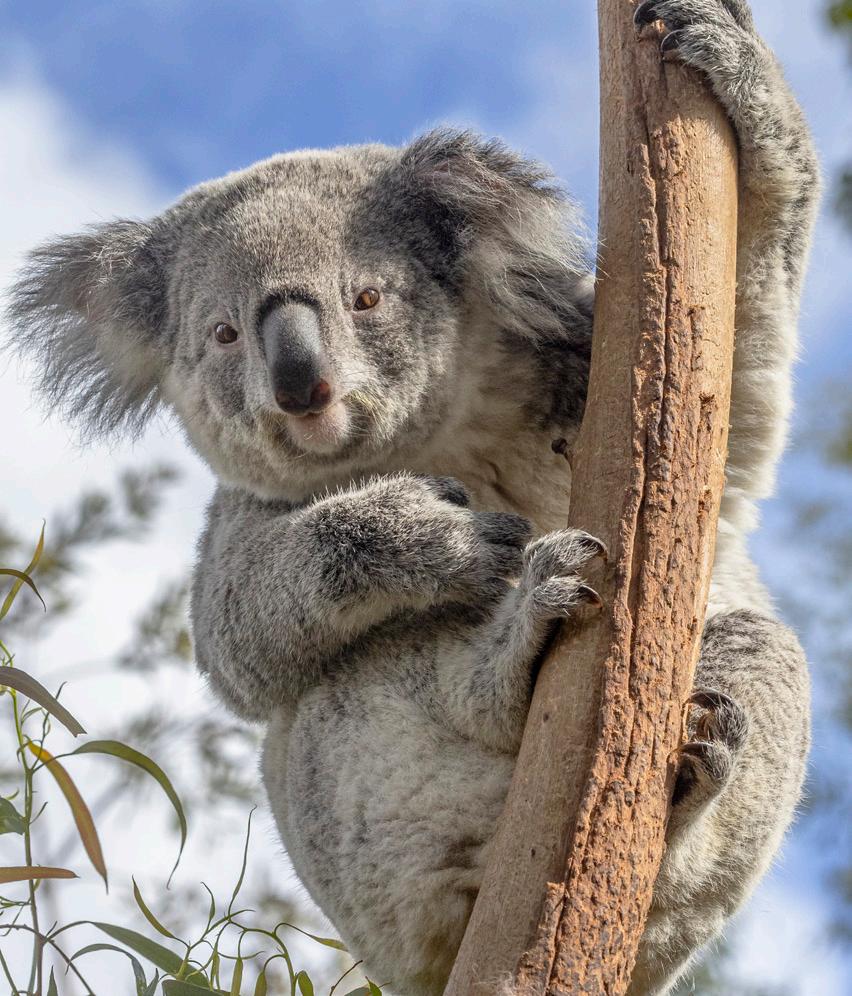
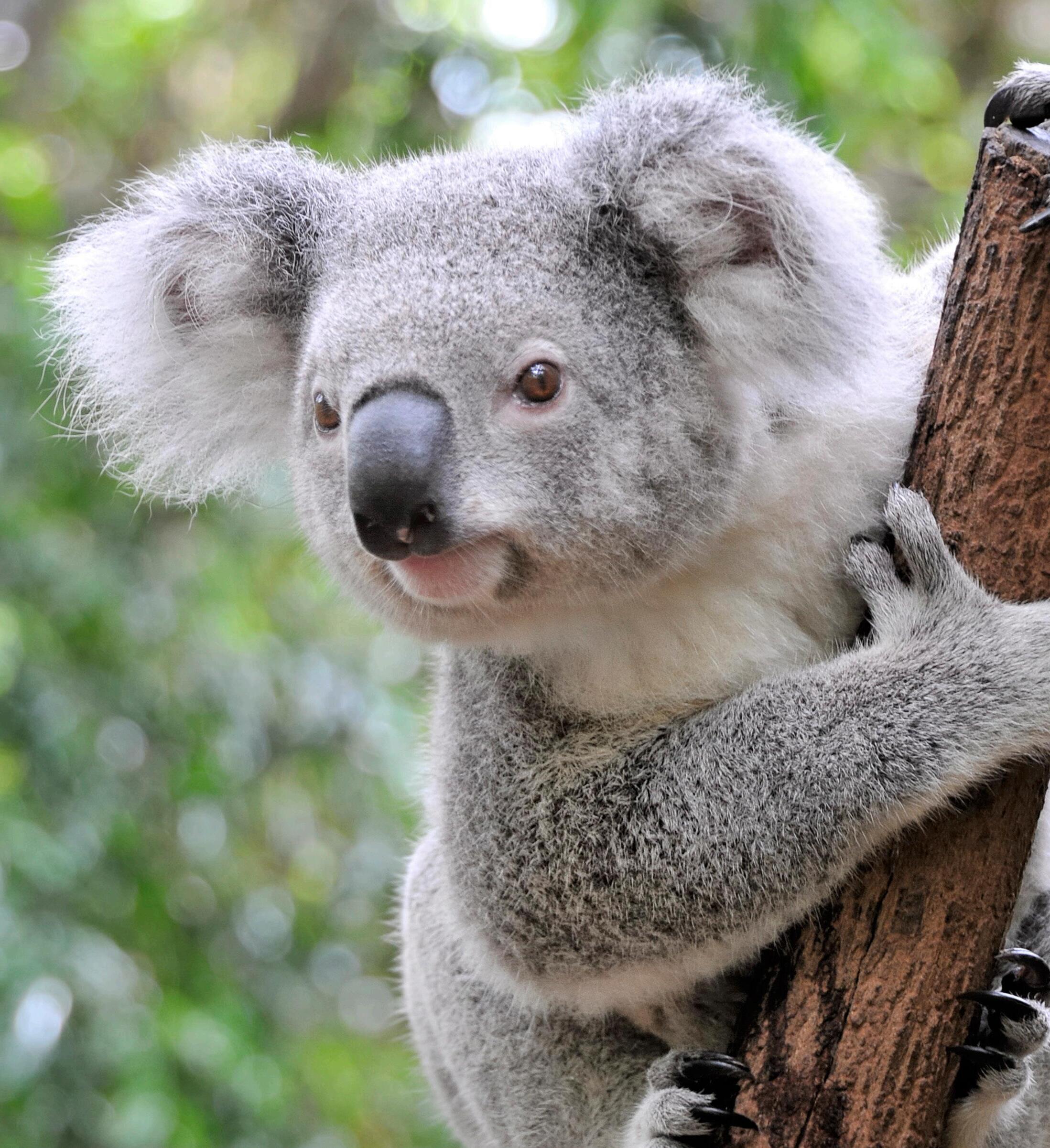
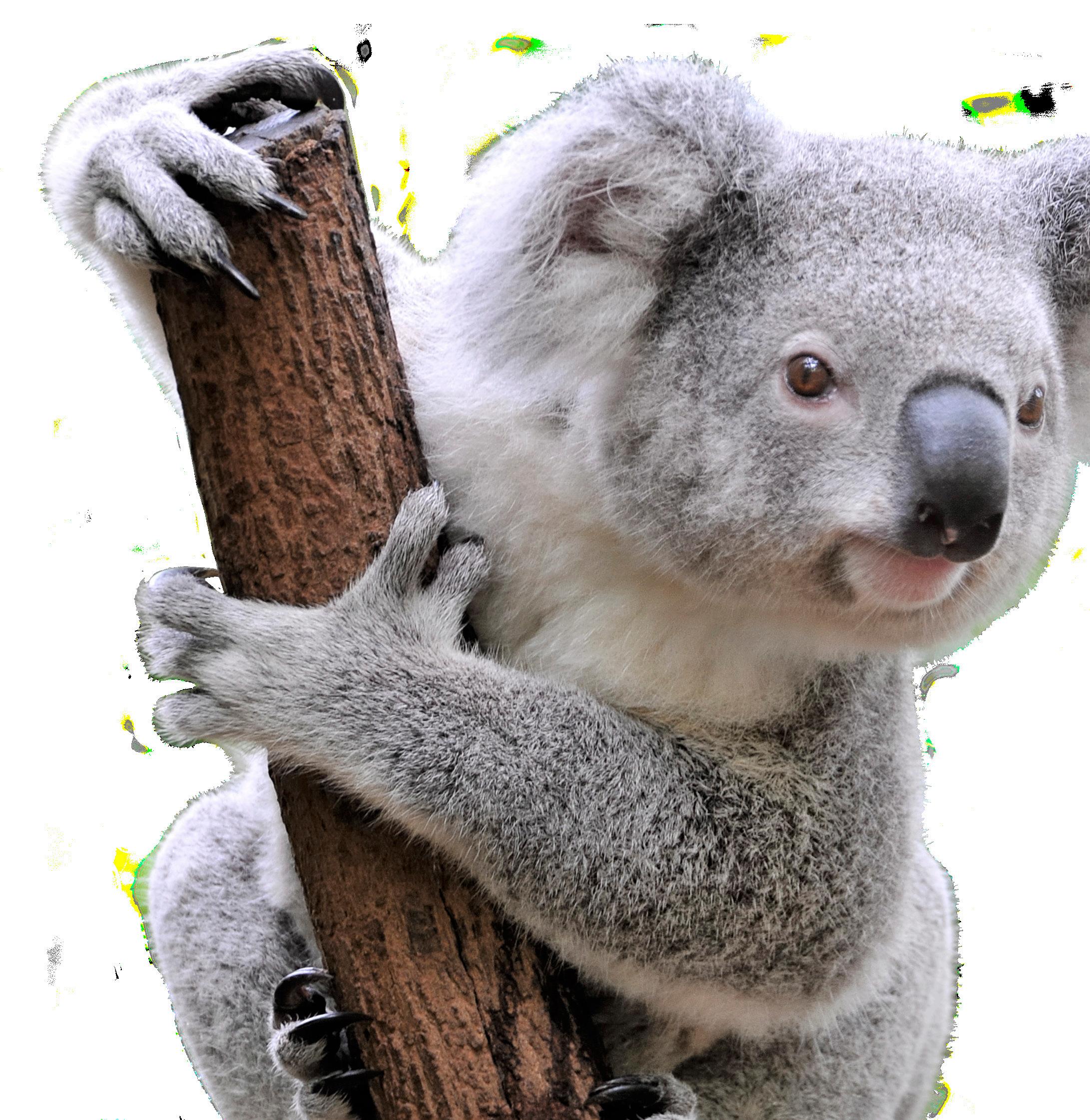
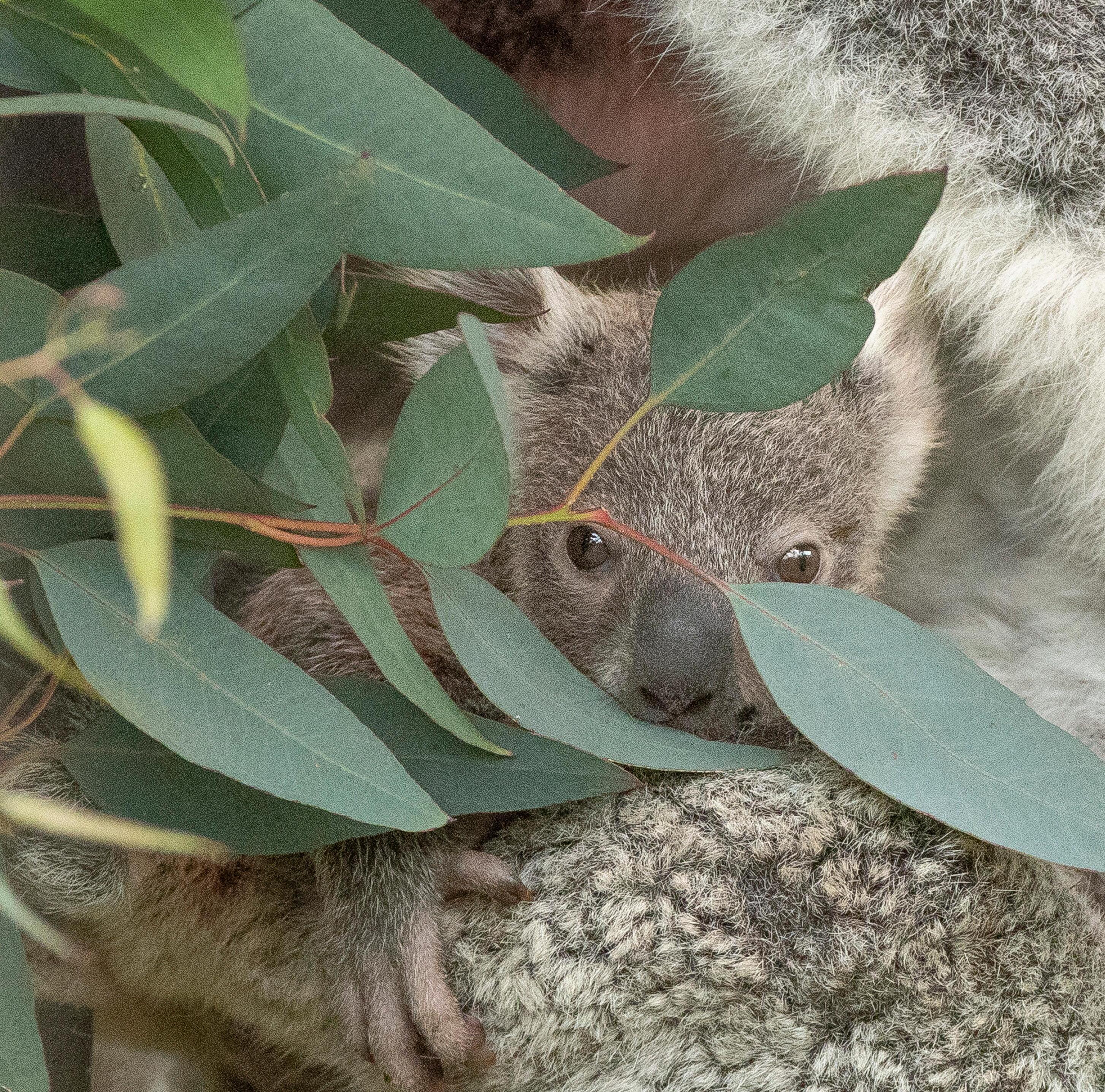
One hundred years ago, in 1925, the first koalas arrived at the San Diego Zoo, launching a partnership with Taronga Conservation Society Australia that has continued ever since.
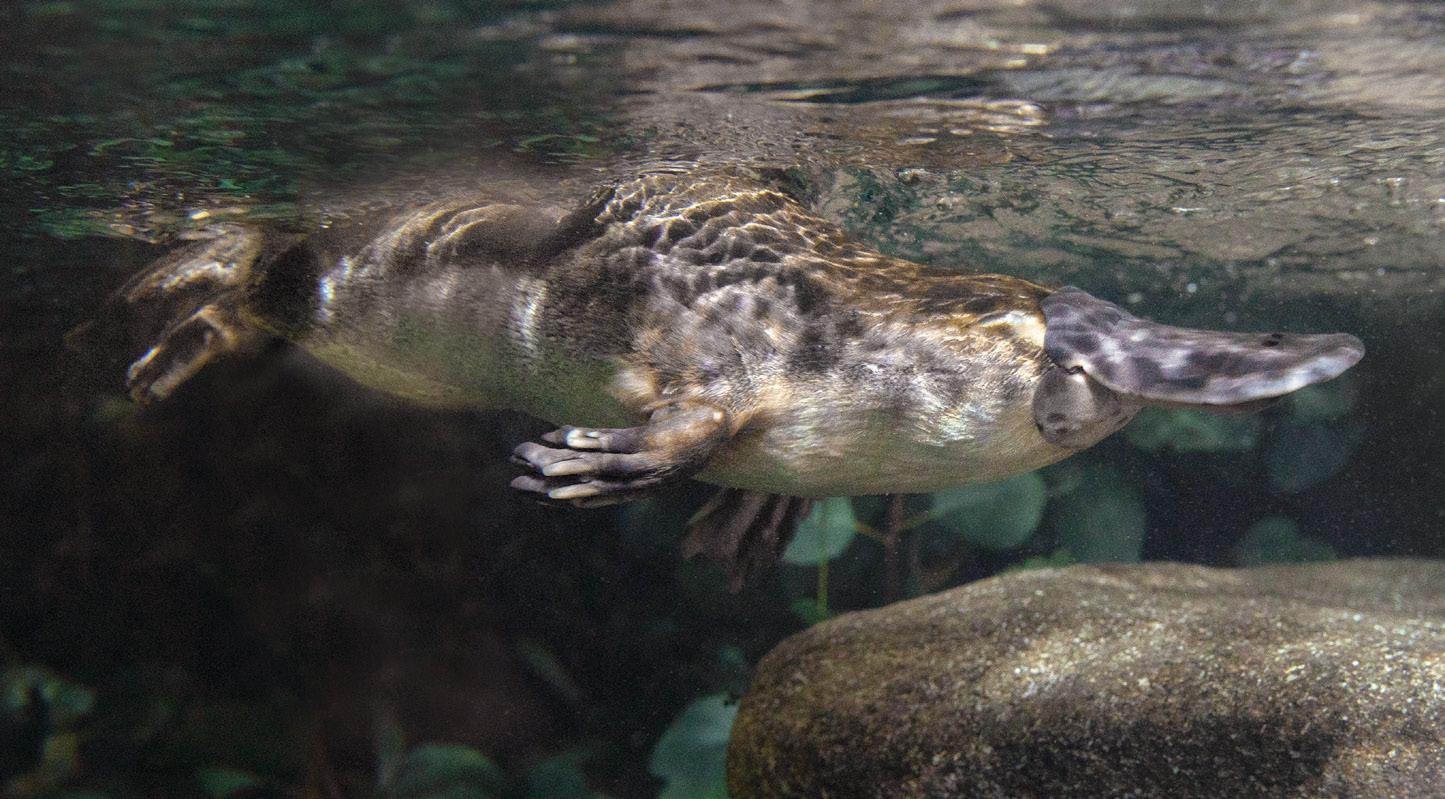
Today, the Zoo is home to the largest koala colony outside Australia, while the Safari Park cares for the only platypus outside Australia, advancing understanding of these unusual and threatened species.
Little Joeys, Big Impact
Two koala joeys born at the Zoo were named by Taronga in celebration of our century of partnership. The arrival of Inala (meaning “place of peace”) and Bunji (meaning “friend”) increased the global population of this vulnerable species.
Global Leaders
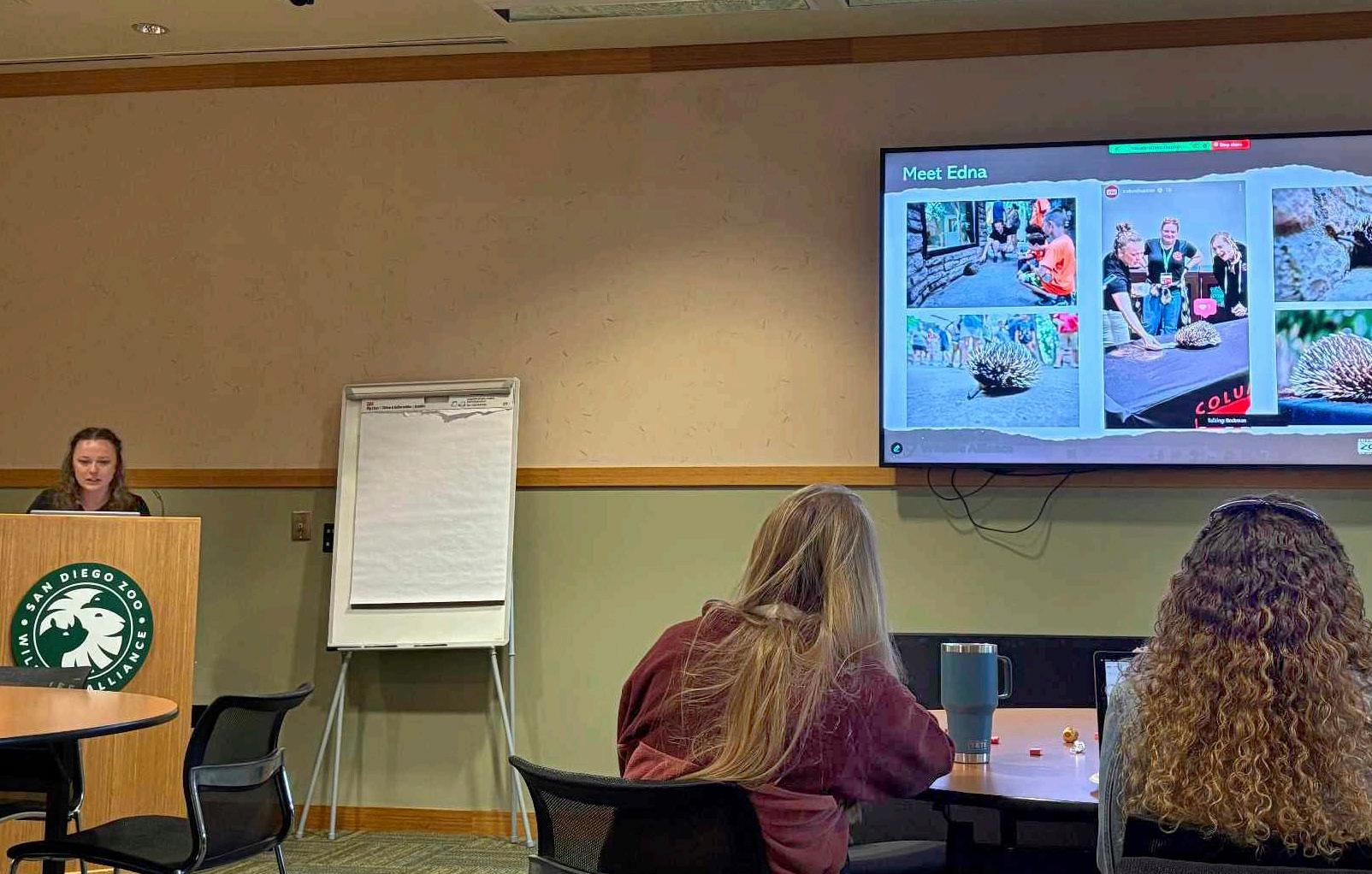
The third annual Echidna Summit at the Safari Park united global experts to advance echidna care, breeding, and conservation throughout zoos and native habitats.
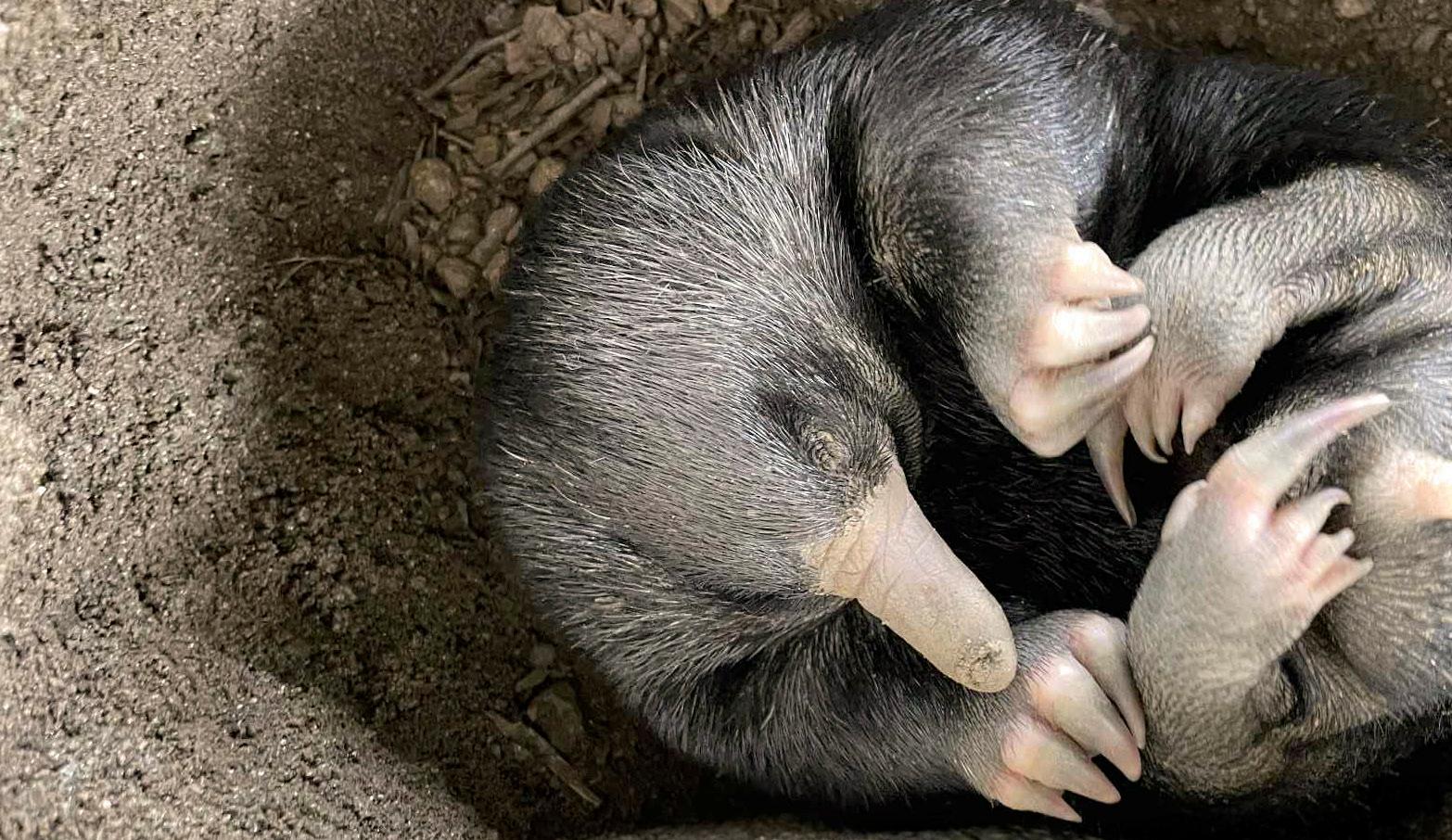
more echidna puggles hatched at the Safari Park. We are world leaders in echidna reproduction, and our expertise can help save critically endangered populations in native habitats.
Wild Weekend: Australian Forest
In March, guests at the Safari Park said g’day to iconic Australian wildlife and learned how we’re working to save, protect, and care for them.
To secure the future of the platypus, we must take a multipronged approach. With our teams of behavioral biology and welfare experts, ecologists, geneticists, reproductive biologists, population managers, cultural programs staff, and science communicators, we are set up to succeed.
DR.
JUSTINE O., Manager of Conservation Science, Taronga Conservation Society
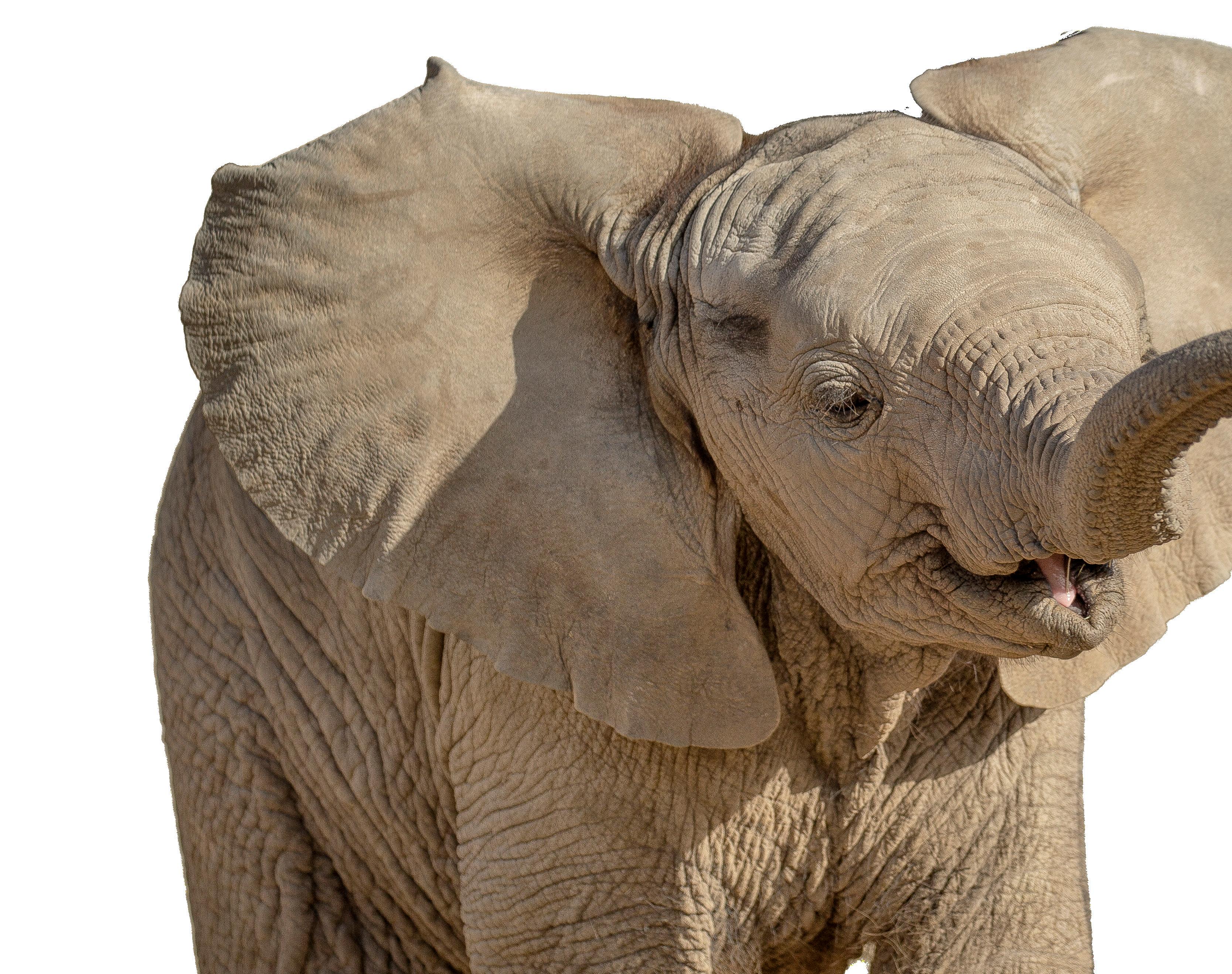
Conservation Hub Savanna
Africa’s savannas are home to some of the planet’s most iconic and endangered wildlife. Spanning nearly half the continent, these sprawling, carefully balanced grassland ecosystems serve as the backbone for intricate food webs and great migrations. They’re also integral to the pastoralist livelihoods of local people who share the savanna.
In northern Kenya, we partner with local communities and organizations on innovative, comprehensive conservation strategies. Integrating cutting-edge science with our expertise in wildlife care and health, we collaborate to save wildlife and elevate local voices across the savanna so all who share it can thrive.
Coexistence IN ACTION
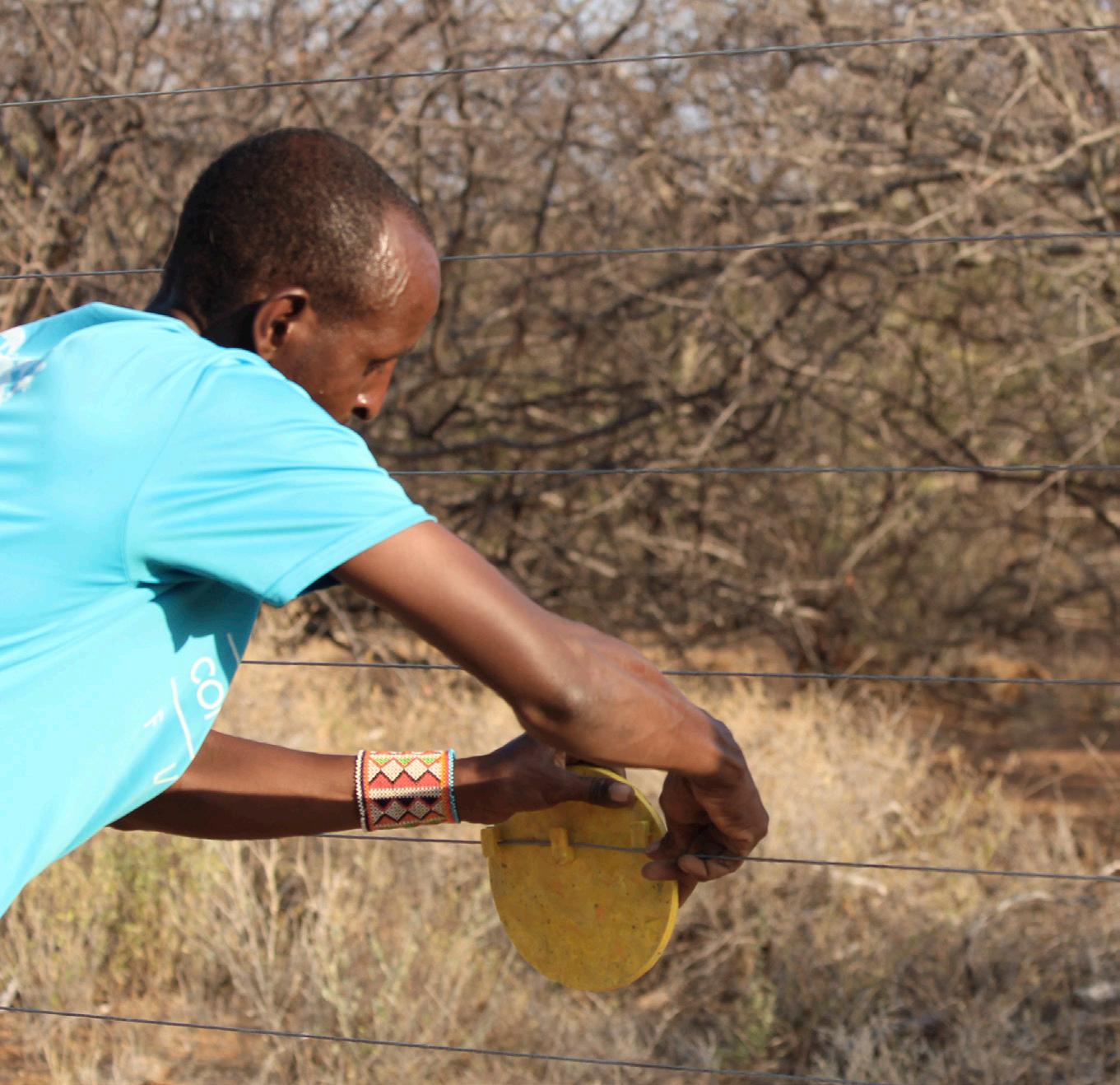
Conservation starts with people, and our work in northern Kenya is driven by those who live here. Our teams and partners lead efforts to foster human-wildlife coexistence, protect wildlife, and work alongside communities through fieldwork, workshops, and other collaborative community-led conservation solutions.
Wild Weekend: Savanna
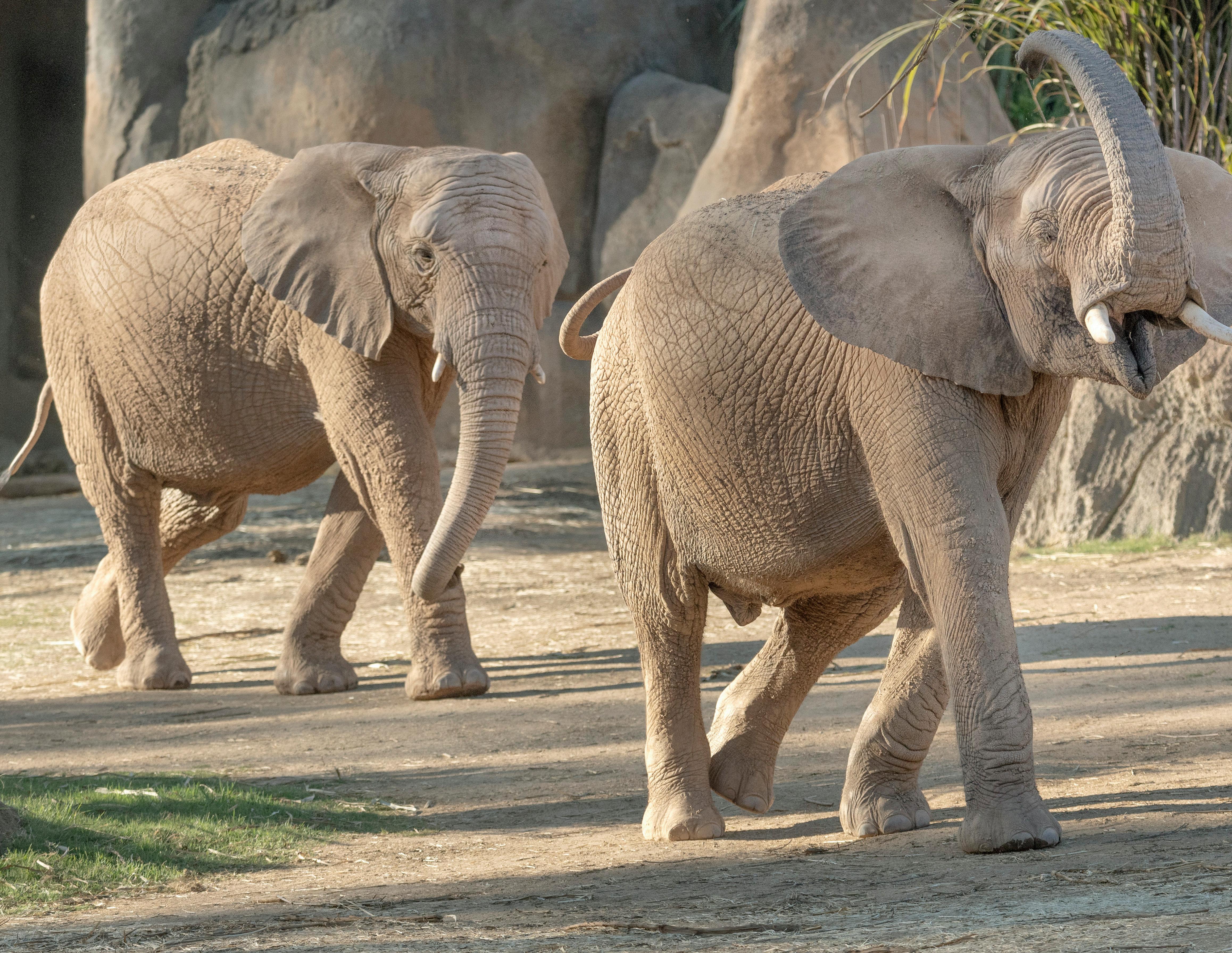
At this World Elephant Day weekend event, guests at the Safari Park learned how they’re helping save, protect, and care for wildlife through our Savanna Conservation Hub.
Thriving Together
De-Fence Strategies
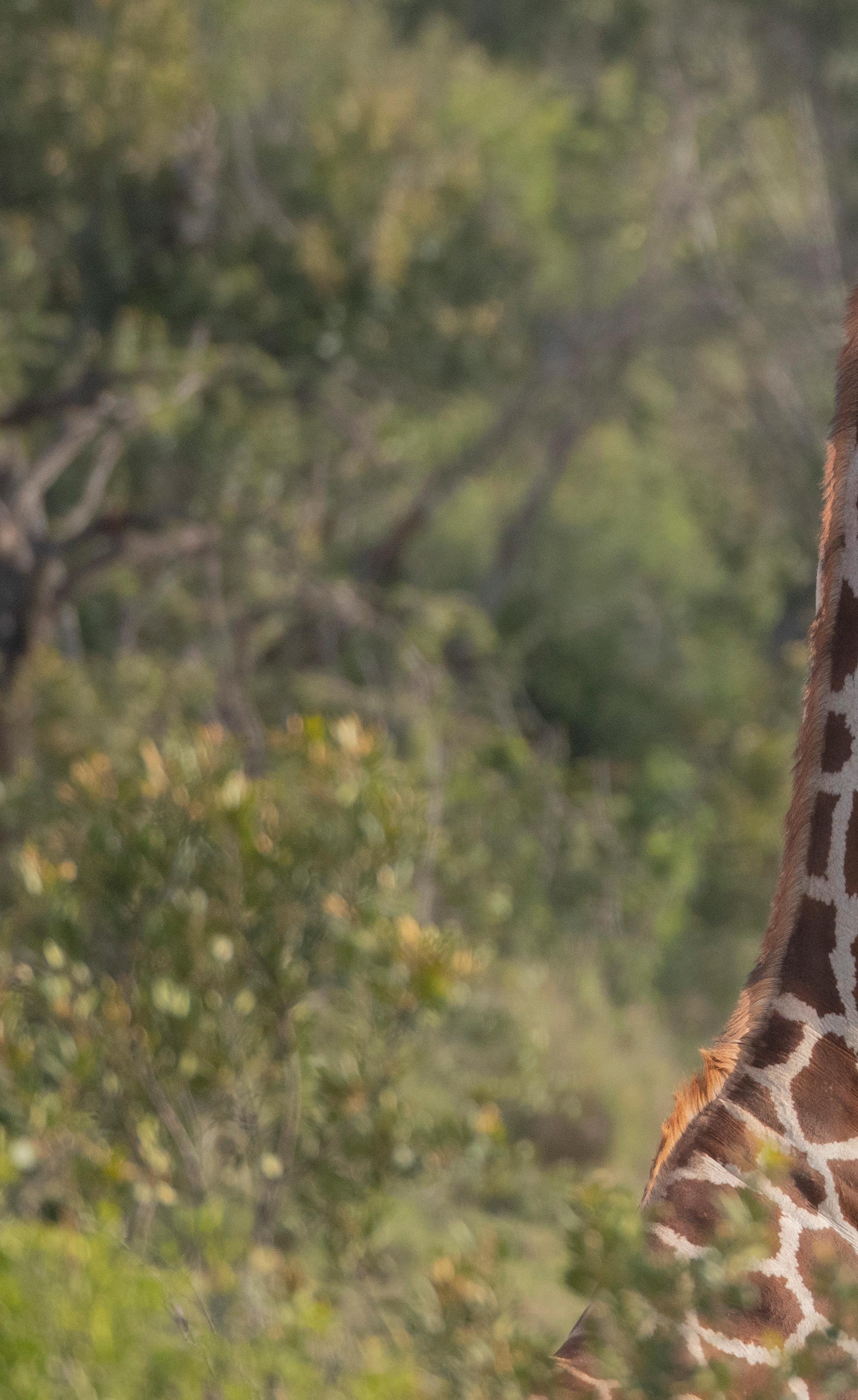
With the help of giraffes at the Zoo, we tested eye-catching deterrents, called flashers. Now deployed along stretches of fence infrastructure in northern Kenya, they keep giraffes from becoming ensnared.
community members in Kenya participated in World Giraffe Day celebrations, including performances by school groups and women’s choirs. raising awareness of giraffe conservation.
Increasing Global Populations
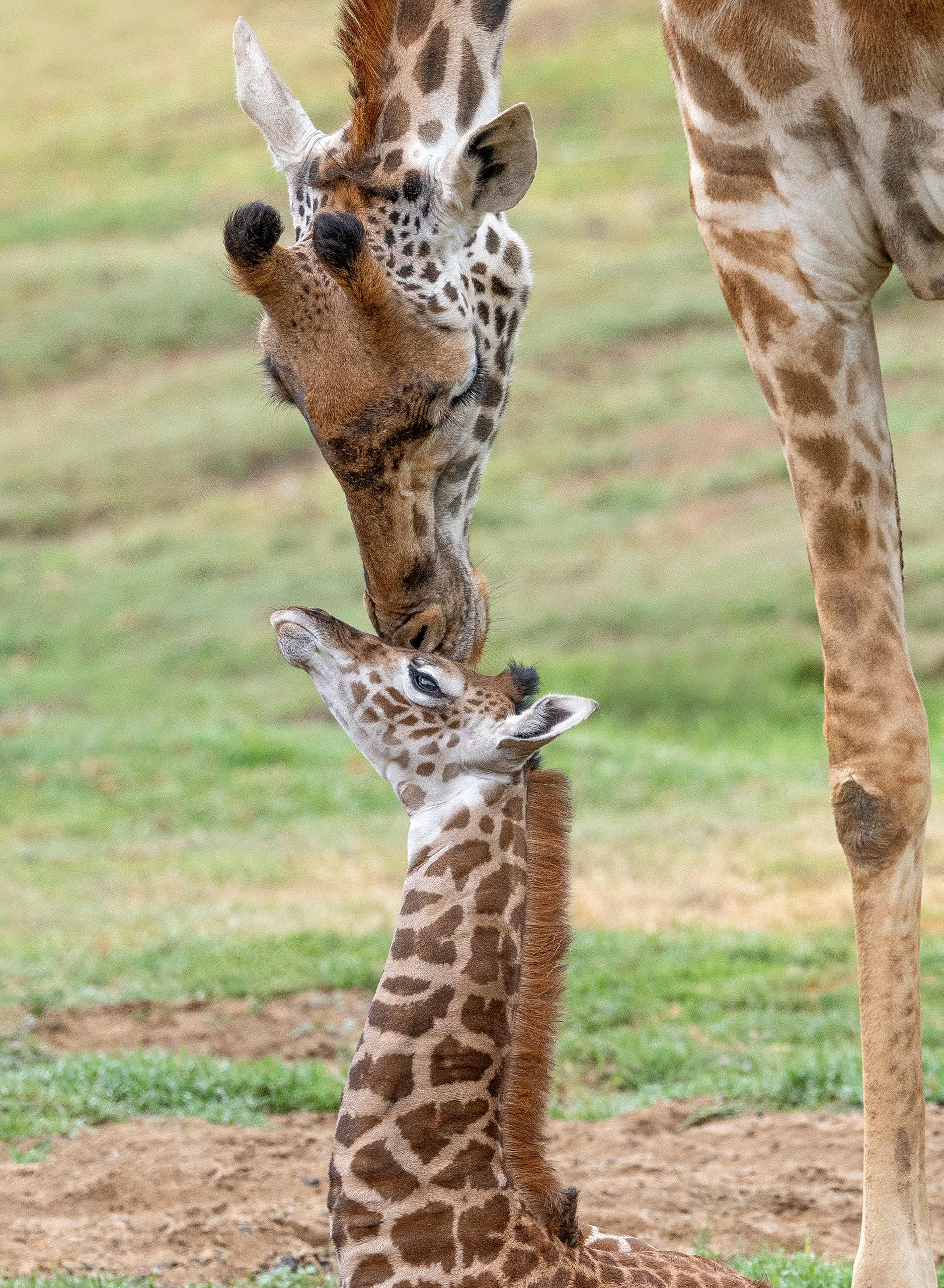
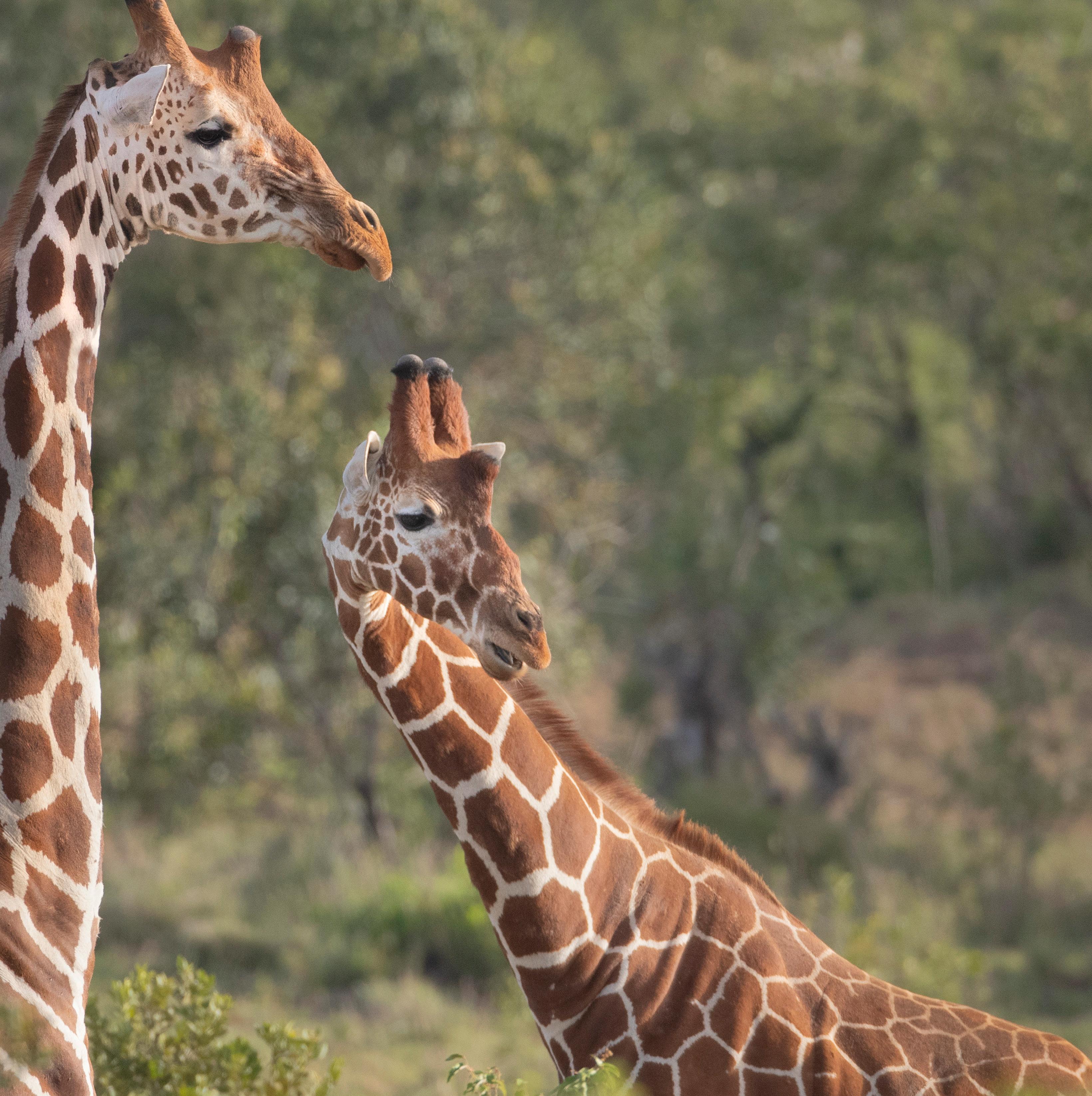
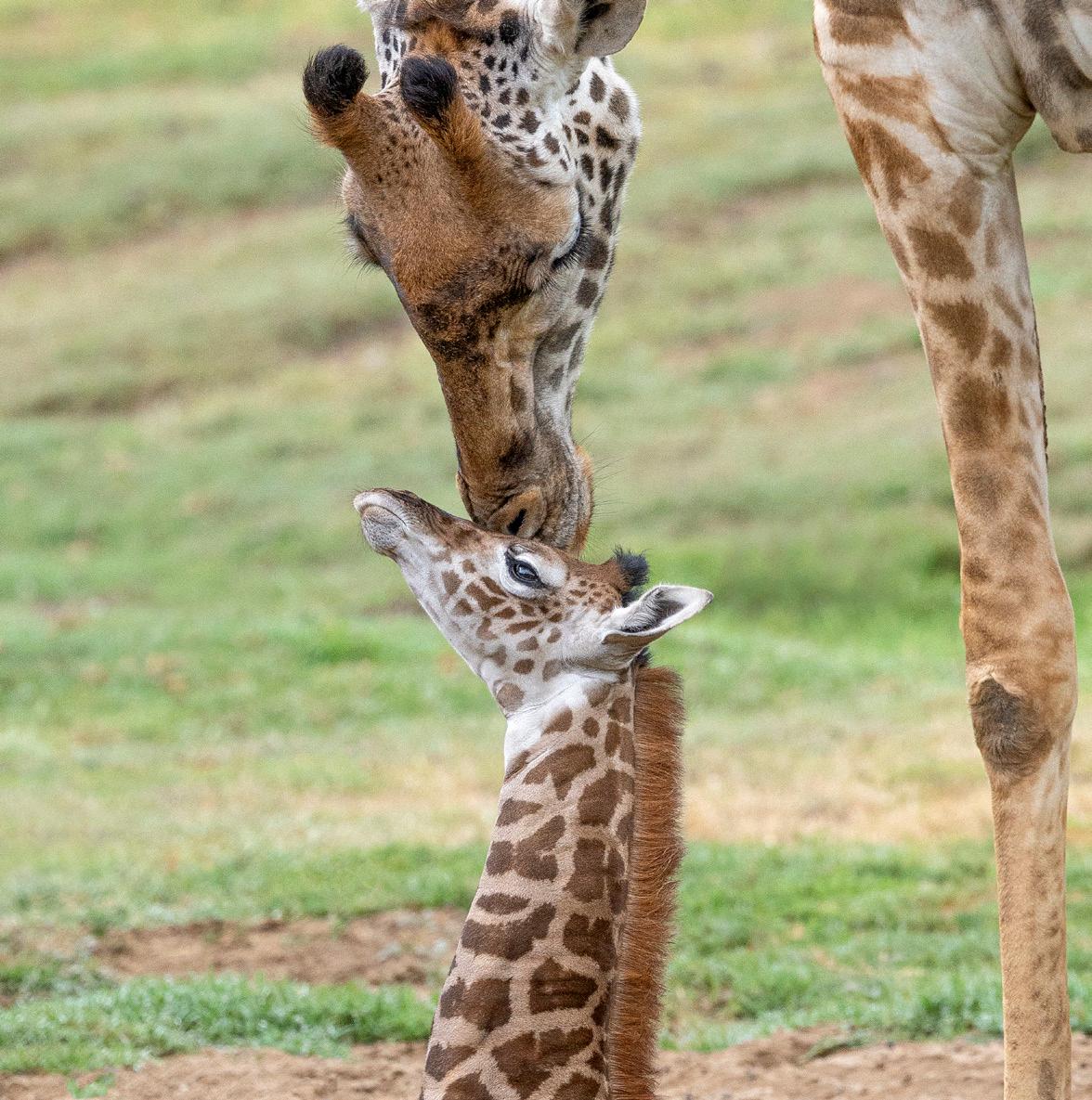
Five new giraffe calves thrived at the Zoo and Safari Park this year, offering hope for the future of their endangered species.
San Diego Zoo Wildlife Alliance’s expertise and conservation footprint in northern Kenya places the Alliance as our go-to partner when new, and often complex, conservation challenges emerge.
IAN CRAIG, MBS, OBE, Senior Africa Director, WildLandscapes International
Science & Innovation
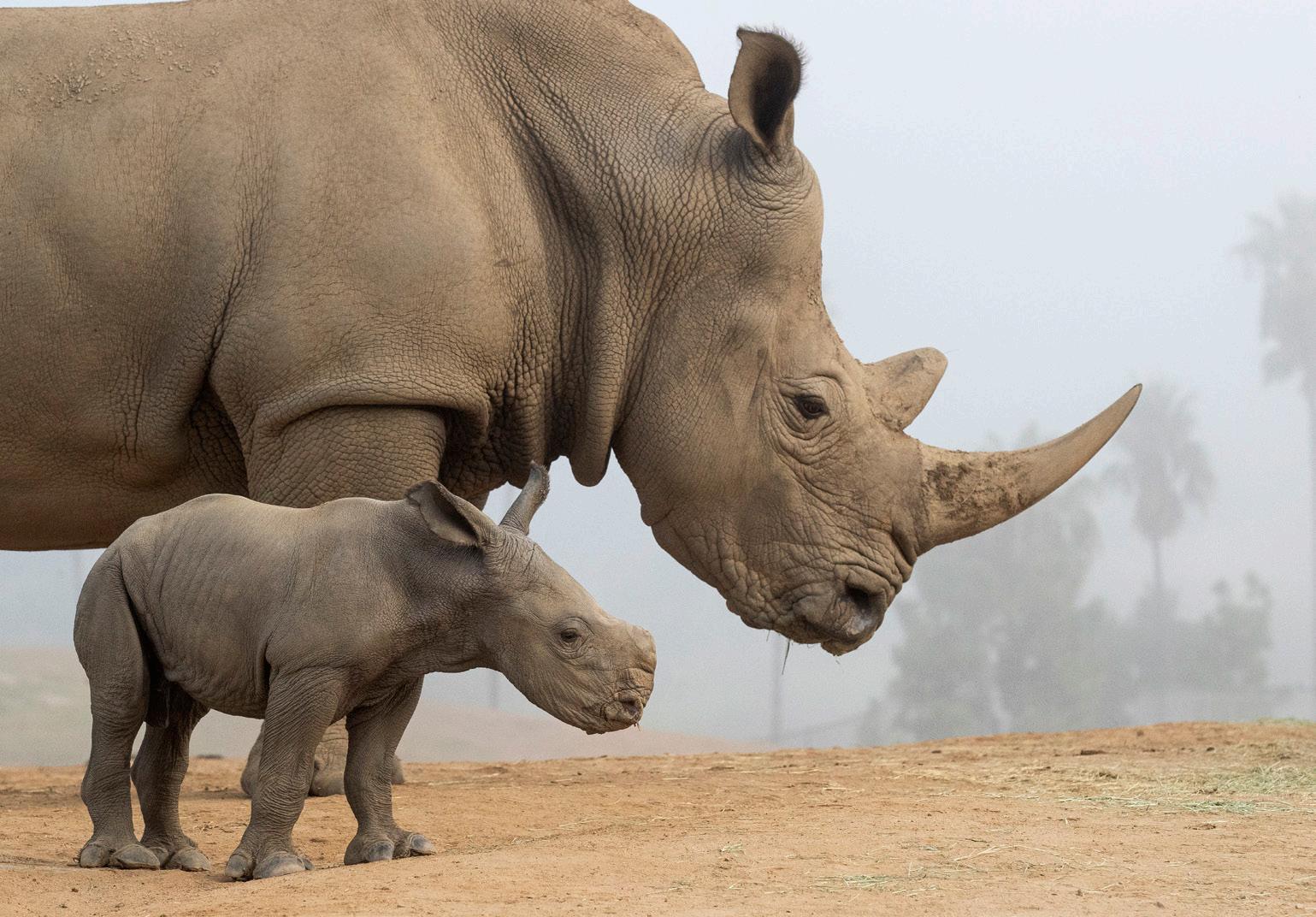
AI for Rhinos
Footage of rhinos at the Safari Park is used to “train” an AI model to recognize individual animals, improving the monitoring of critically endangered populations in native habitats.
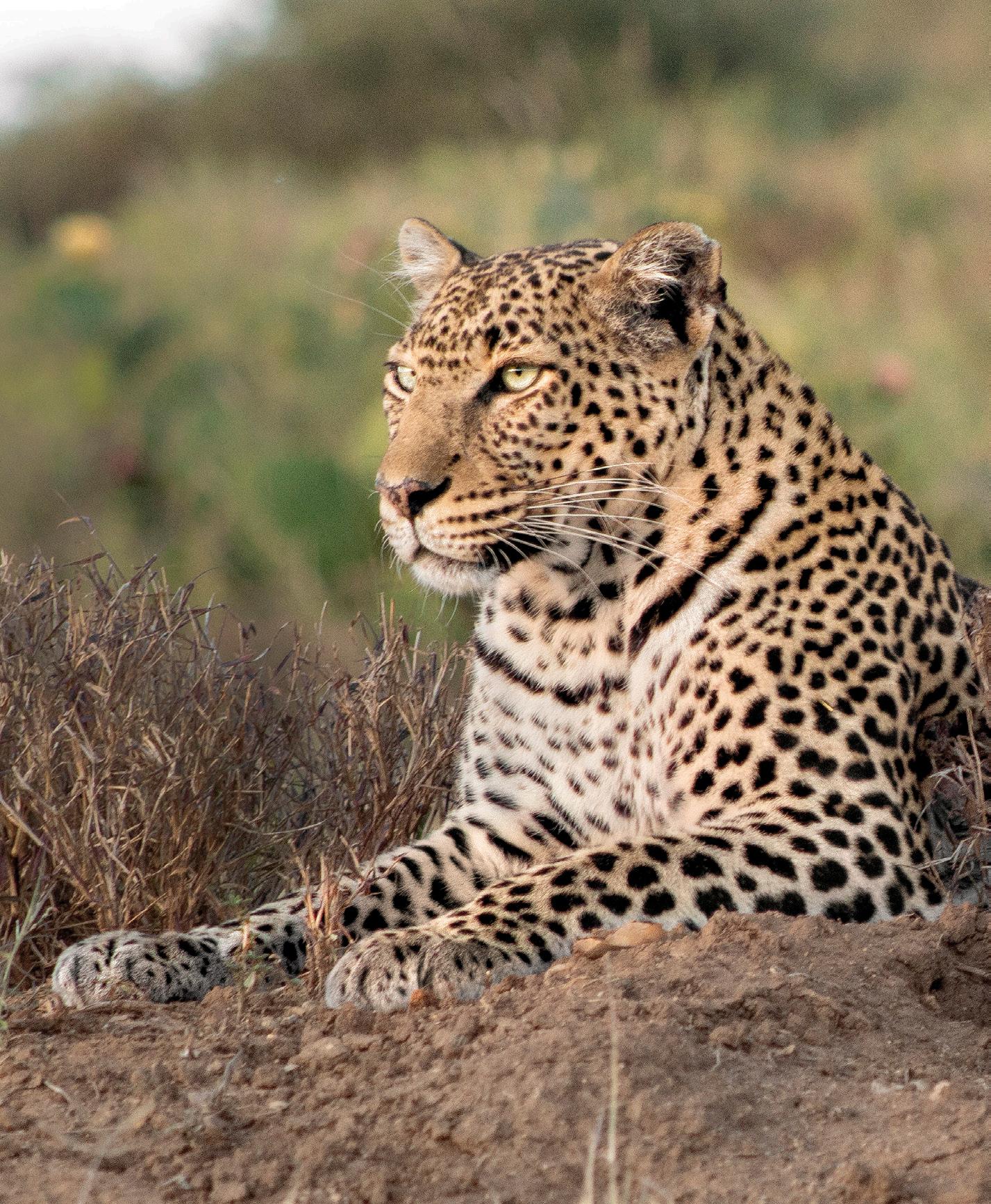
150
trail cameras mapped vulnerable leopard populations for the first time in Kenya’s wildlife census, helping inform conservation solutions.
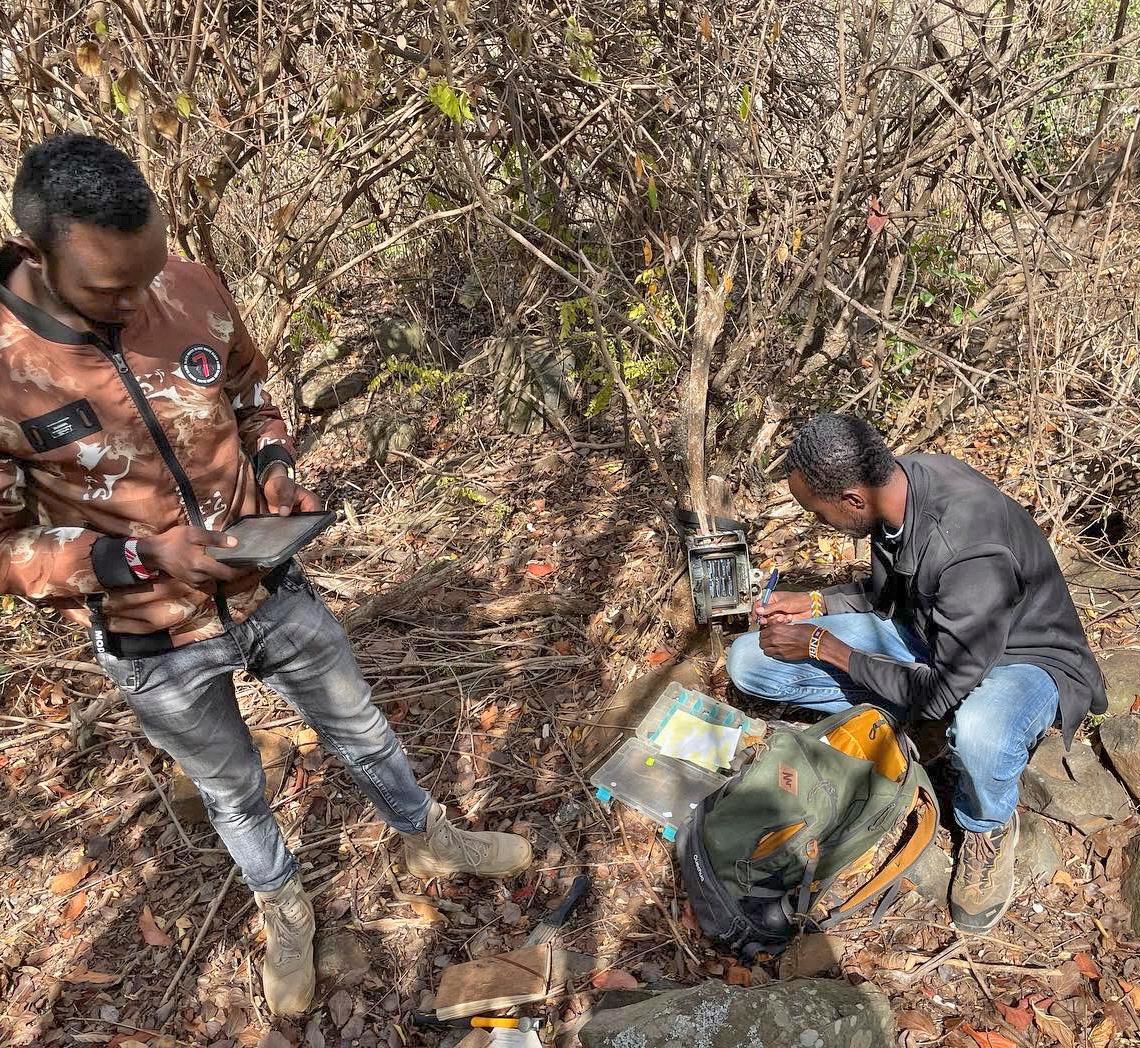
Science at the Source
Field labs help our experts and partners train locals in cutting-edge genetic research.
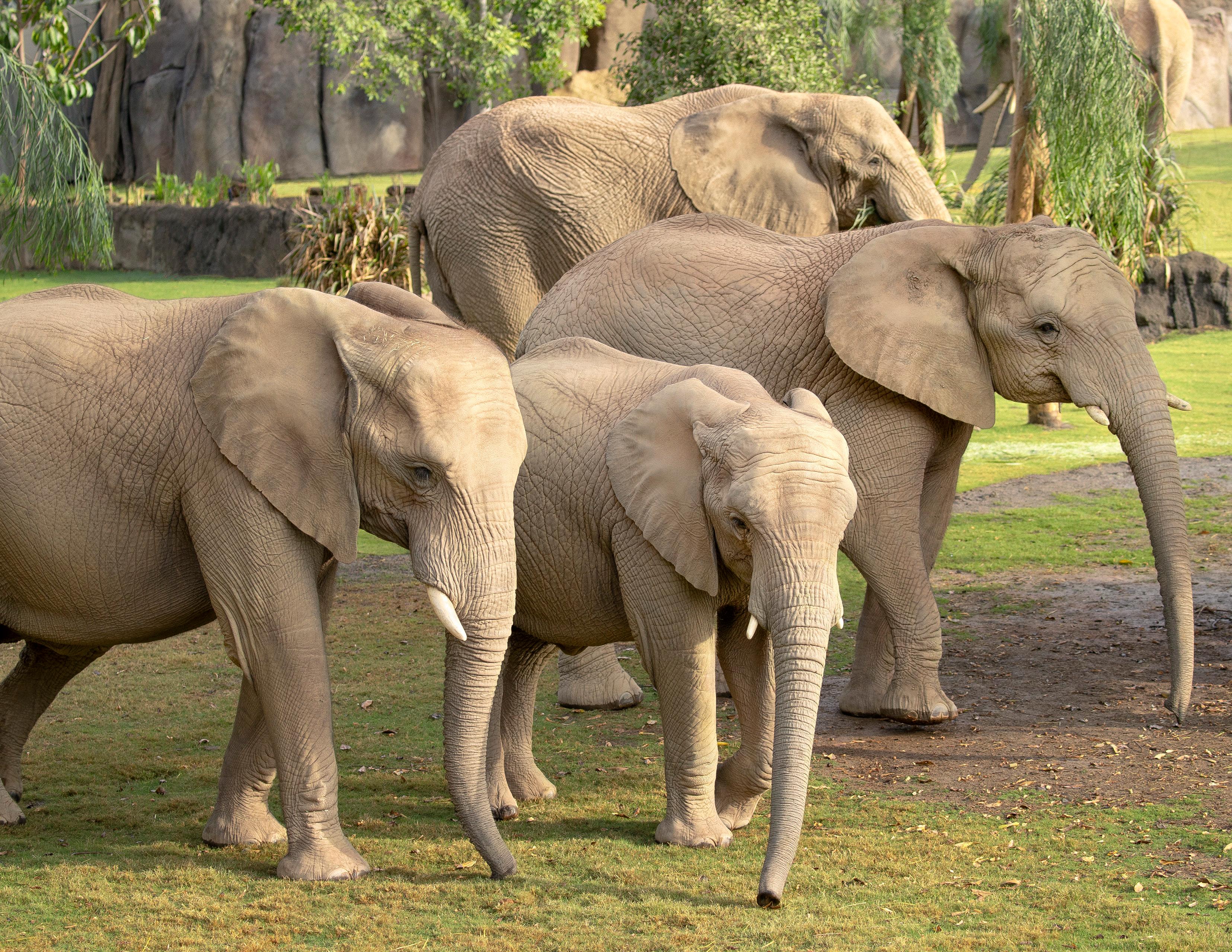
Denny Sanford and CEO Shawn Dixon explore the new Elephant Valley before its opening.
Transformative Learning Experiences in 2025
Education STARTS HERE
Sparking a Curiosity for Wildlife
Education is crucial to achieving our vision of a world where all life thrives. We inspire wildlife allies of all ages through hands-on learning at the Zoo, Safari Park, and Beckman Center. Our programs, ranging from field trips and camps to online resources, empower communities to protect biodiversity in San Diego and across the globe through our eight Conservation Hubs.
We are grateful to Price Philanthropies Foundation for their ongoing support of our education programs.
We extend our heartfelt gratitude to the donors whose generosity ignites lifelong learning through these programs and initiatives.
Nearly 250,000 students
visited us at the Zoo and Safari Park.
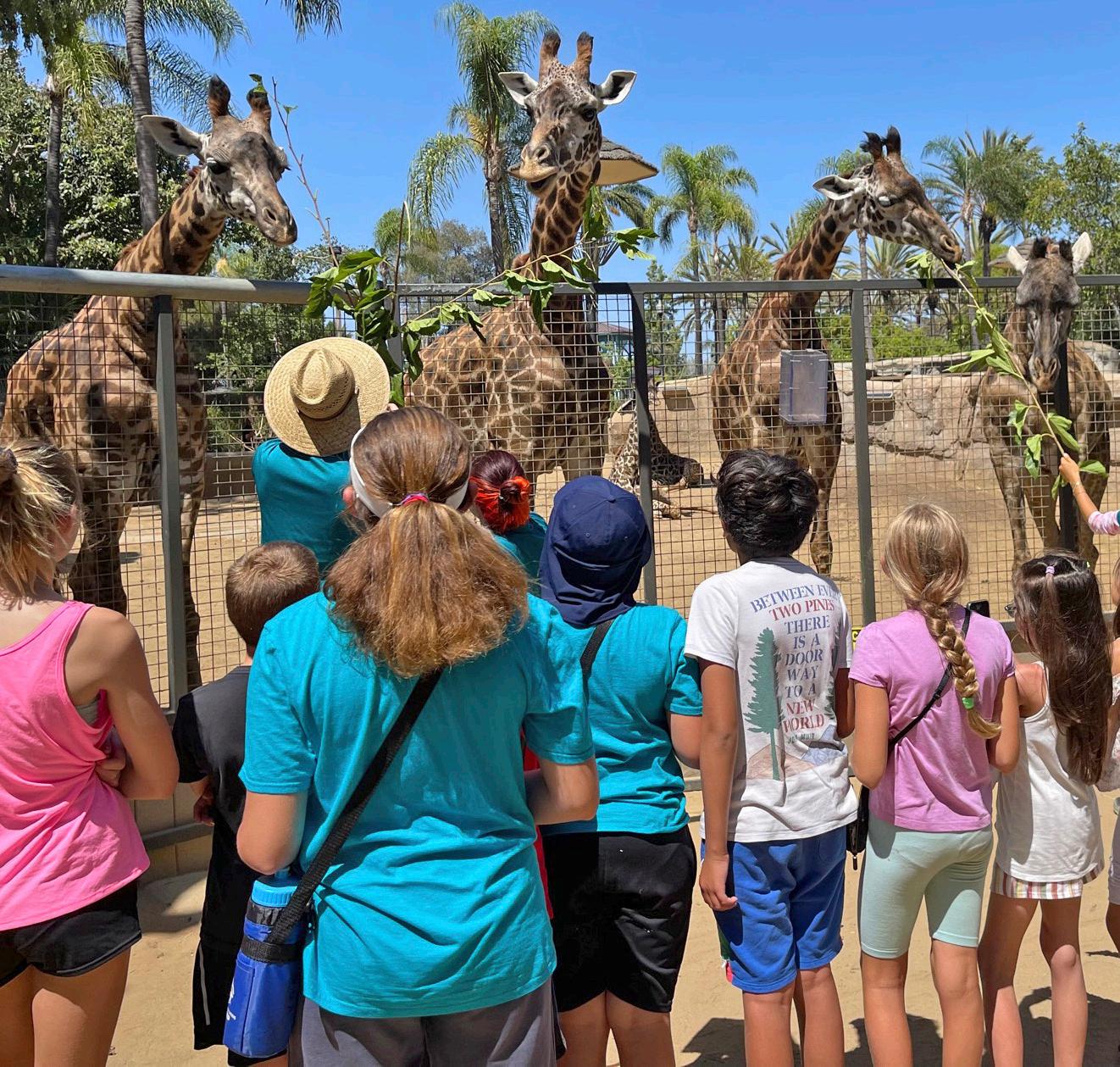
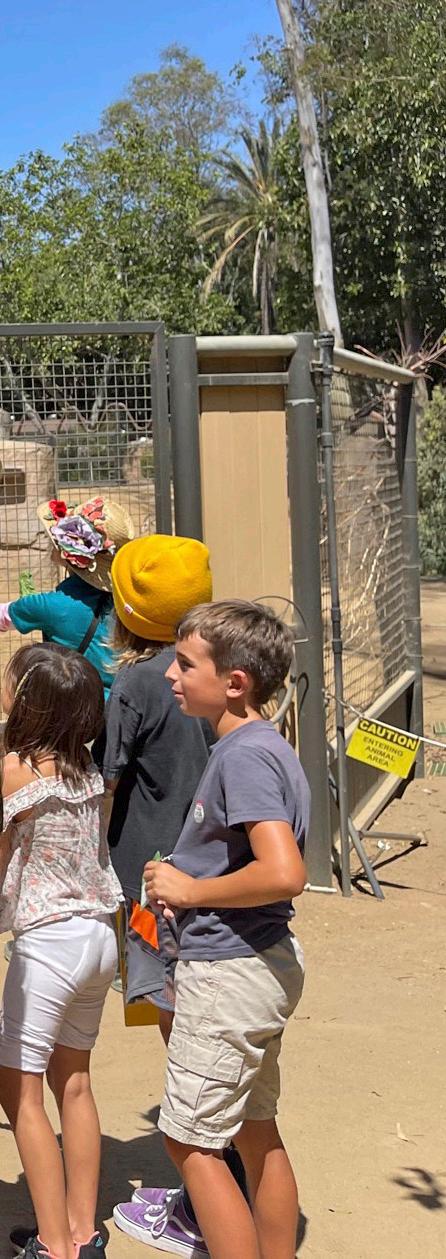
Over 34,000 students participated in one of our 33 guided learning programs.
We were the largest provider of informal STEM education in San Diego County.
We served more than 90 school districts from 6 counties in Southern California.
Nearly 73% of our school groups came from Title I-eligible schools.
We provided 670+ bus transportation reimbursements, creating access to our programs for school groups who might otherwise not be able to attend.
Our 3 diverse education teams, with 97 team members, spent nearly 190,000 hours engaging with students through unique hands-on experiences.

Making an Impact
This year, our educational efforts transformed the lives of more than 108 million learners at our parks, online, and through other programming. To learn more, visit sdzwa.org/education.
2,086
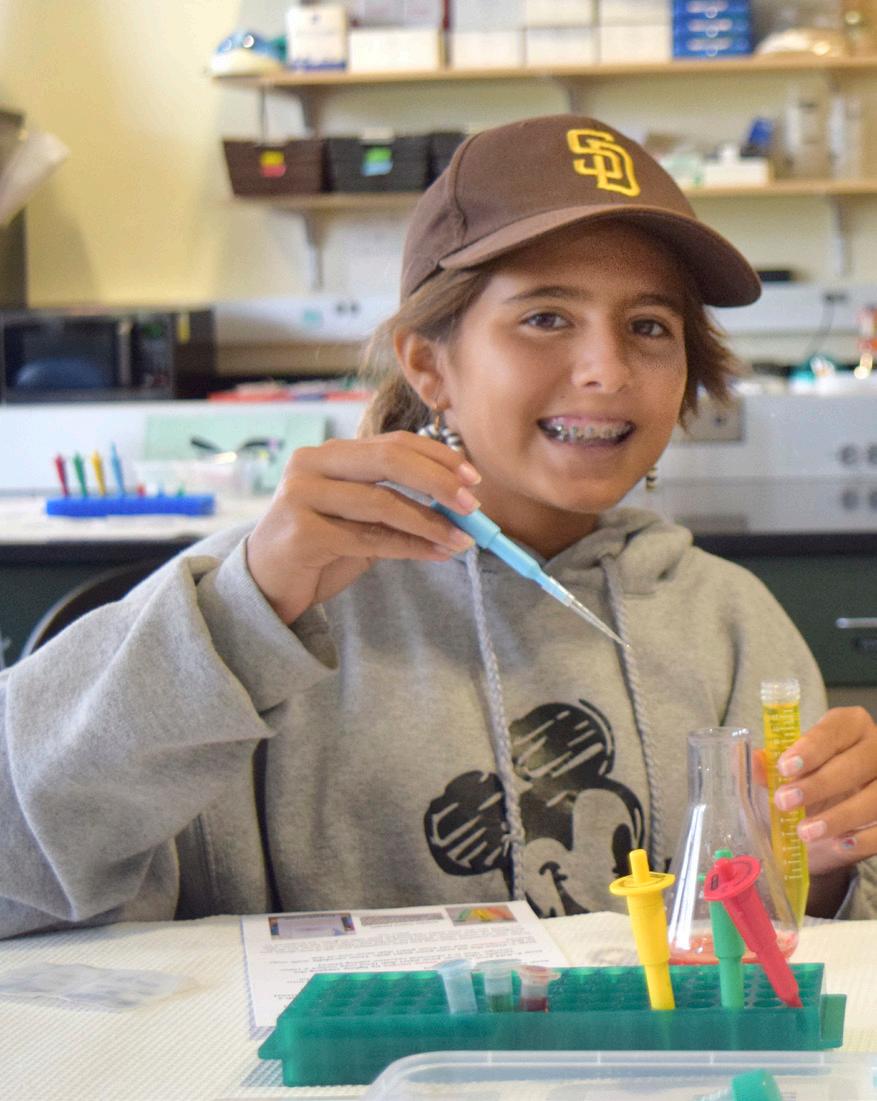
campers joined us at summer camps to connect with wildlife, explore conservation, and have fun. Nearly 10% attended at no cost to their families thanks to our generous donors.
600+
K–12 campers from local organizations, including YMCAs and Boys and Girls Clubs, connected with nature through hands-on experiences , inspiring conservation awareness and action.
127
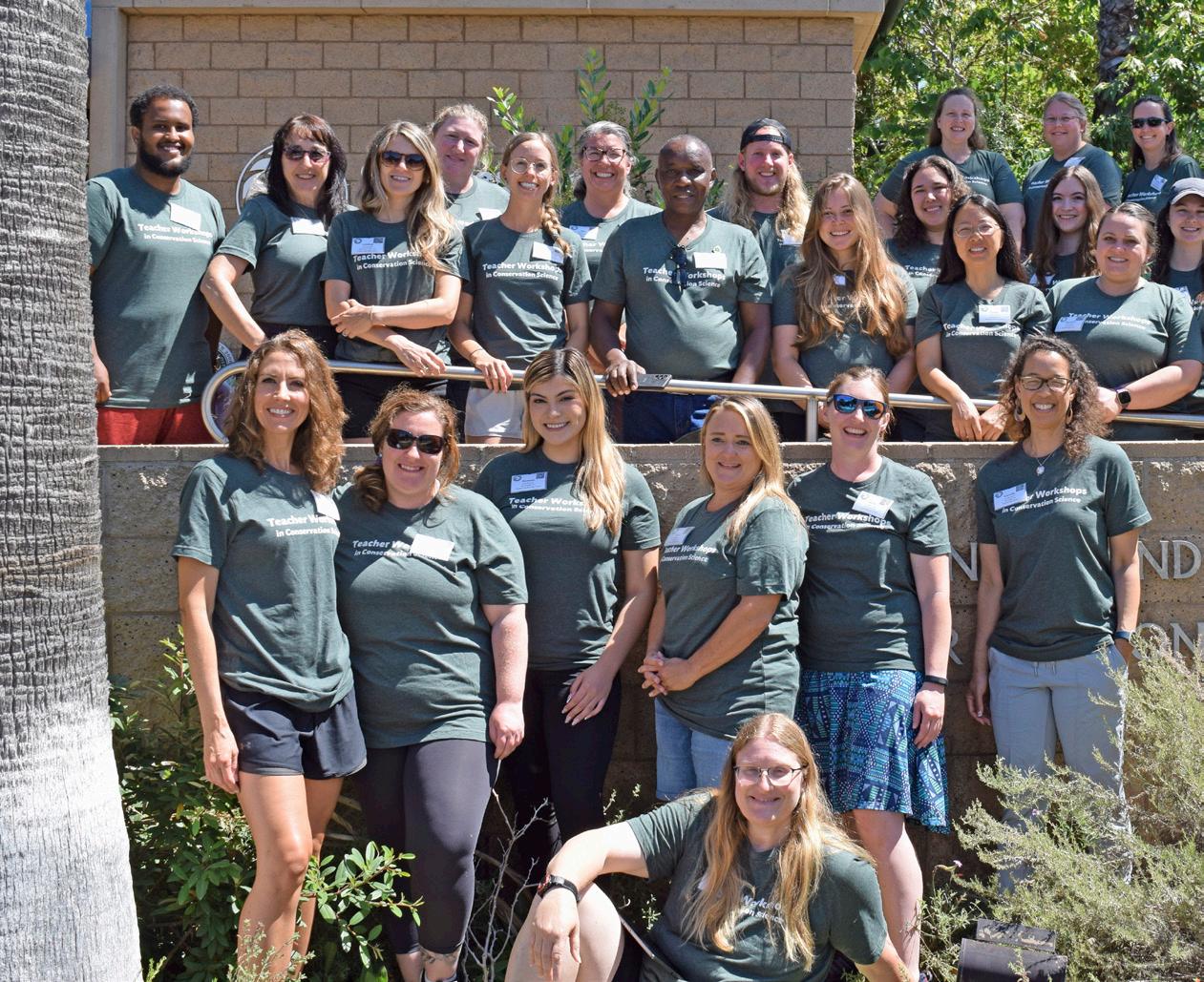
educators participated in teacher workshops. Now in its 20th year, this program has trained educators from all 50 states and more than 29 additional countries, reaching nearly 3 million students worldwide .
8,518
students and chaperones from across Southern California joined our Exploring Conservation Science field trips , discovering ways to save species and take meaningful action to protect wildlife.
Countywide Education
Needs Assessment
With generous support from the Prebys Foundation, we completed our first countywide education needs assessment, gathering insights from educators, students, and community members to shape impactful conservation learning experiences that inspire exploration, connection, and conservation action.
5,892
2nd graders participated in the Habitat Heroes Program. This free, curriculum-based Zoo field trip includes up-close wildlife encounters and guided tours to inspire scientific discovery and habitat exploration. We thank the Vassiliadis family for their generous endowment, which makes this program possible.
Internships, Fellowships, and Externships
We provided real-world learning opportunities for students in 39 fellowships, 27 internships, and 29 externships across wildlife care, marketing, retail, IT, education, and more.
Local Learners
Crash Into Science engaged 1,600 6th graders from 8 Escondido schools, exploring rhino conservation through lessons, virtual specialist visits, and a Safari Park field trip.
Resources with Reach
Our on-site library serves team members and allies alike. Their wildlife fact sheets were downloaded more than 1.9 million times .
Outreach and Education Education
ACROSS THE GLOBE
Conservation Begins with People
Those who live among and share spaces with wildlife have the power to make long-term, sustainable changes that help all life thrive. Here are just a few highlights from our Conservation Hubs this year, showcasing the many ways local allies are making an impact.
OCEANS
Local Voices
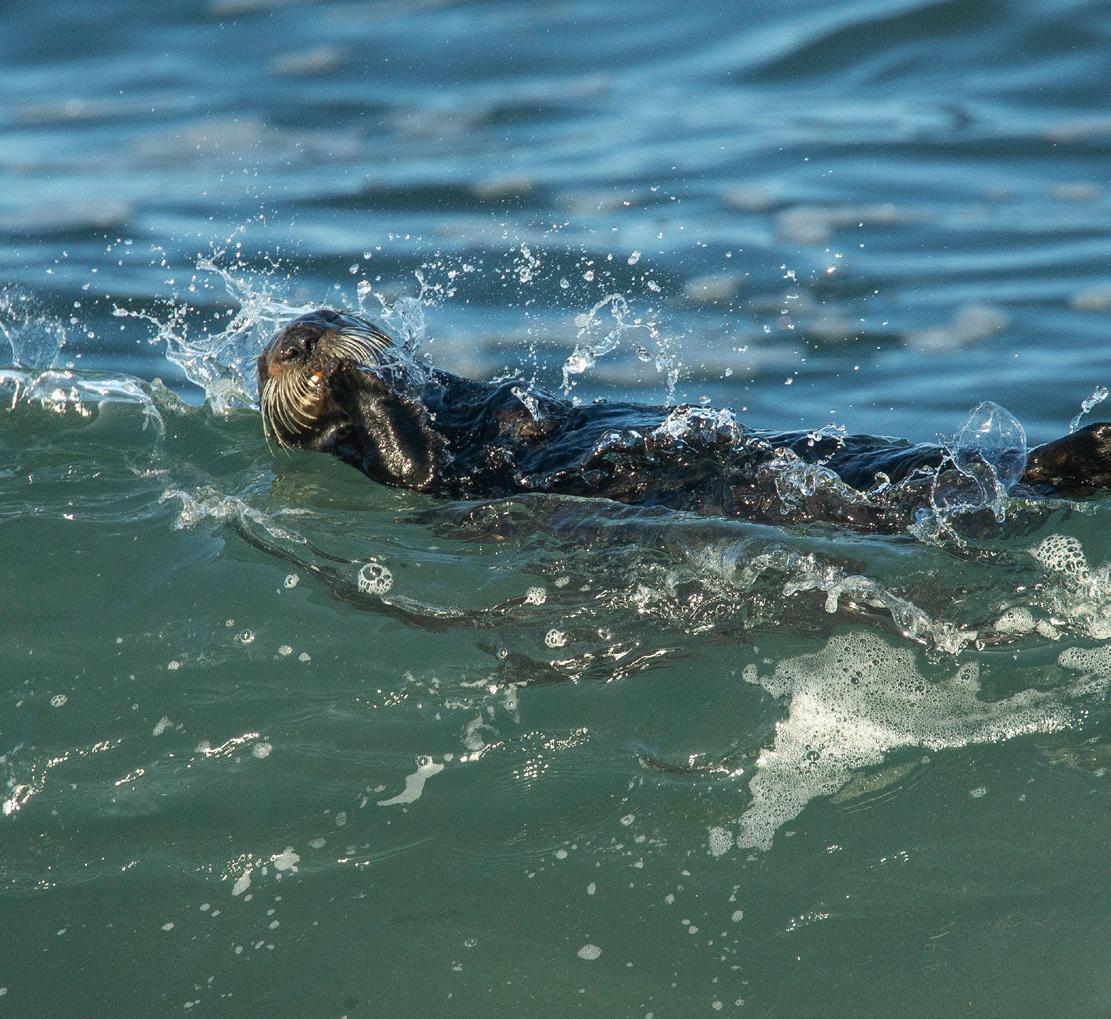
We engaged with local Indigenous communities living alongside polar bears in Hudson Bay, Canada, to gather understanding of traditional knowledge for coexistence strategies. On the northern California and Oregon coasts, we worked with communities contributing to recovery planning for sea otters .
SOUTHWEST
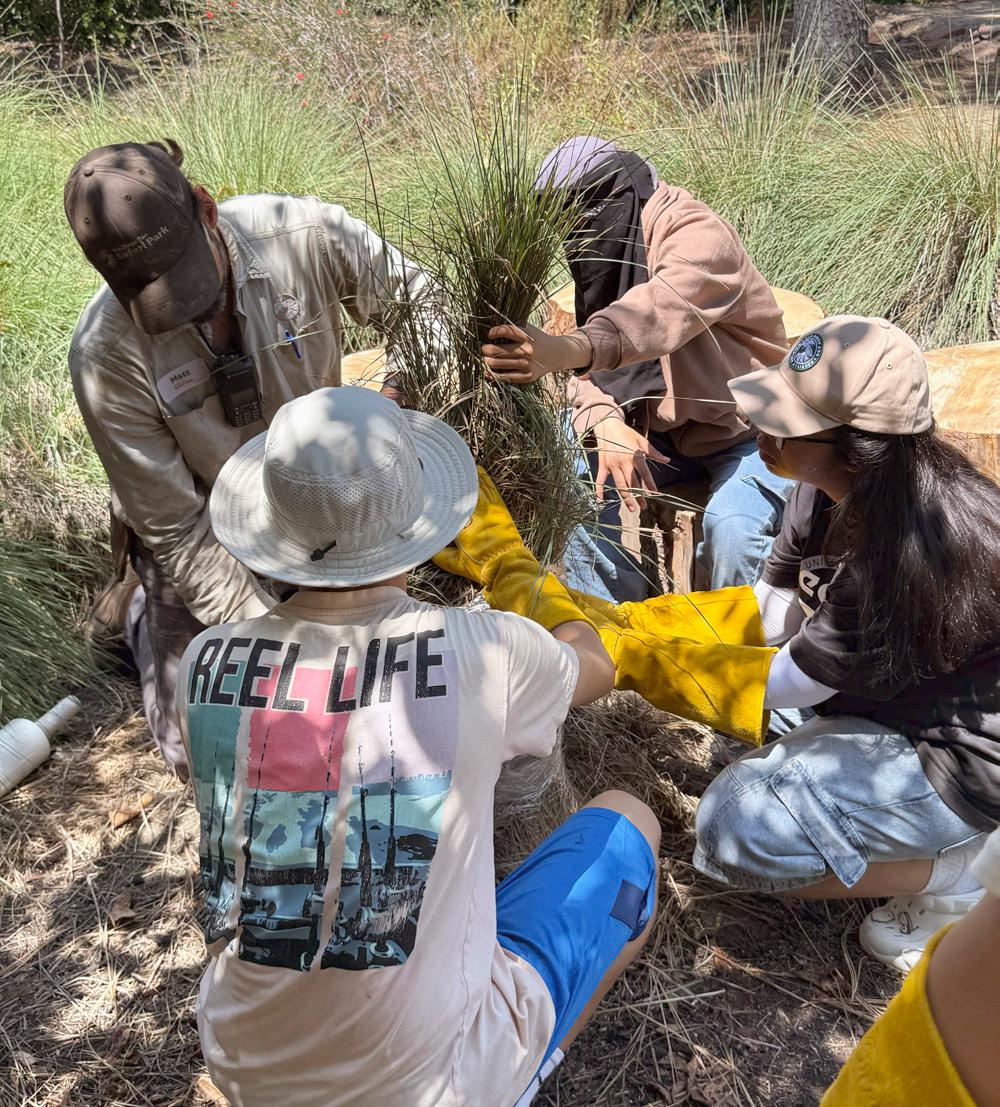
Native Biodiversity Corps students created 10 native gardens, shared conservation efforts with 500+ attendees at Intertribal Earth Day, distributed native seedlings, supported butterfly conservation, and planted 10 trees with San Diego’s Urban Forestry team.
Building Capacity Leaders of Tomorrow
AMAZONIA
ASIA
Accelerating
Conservation
AFRICAN FOREST
participants from regional governments in Peru’s Amazon joined us for a training course that equipped them with practical tools and skills to manage human-wildlife challenges and foster coexistence with jaguars.
SOUTHWEST
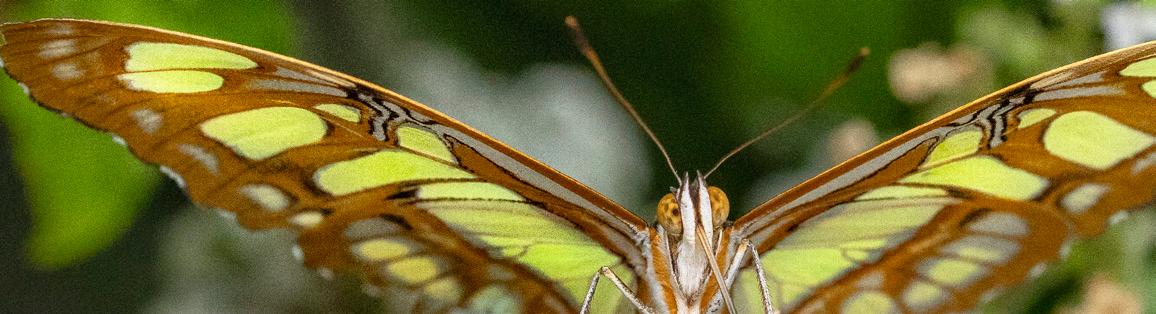
Building a Butterfly Network
We hosted our third North American Monarch Institute workshop, equipping 16 teachers with monarch conservation skills and pollinator garden resources , including grant opportunities.
Partners in Vietnam were trained to use AI-powered software we developed for faster trail camera data analysis, enabling proactive ecosystem management and fostering global conservation collaboration.
AUSTRALIAN FOREST
Shared Care
With over 100 years of experience, we support zoos worldwide by providing training and guidance on koala care, helping secure a brighter future for this vulnerable species .

students in Douala, Cameroon, Central Africa’s largest city, celebrated World Gorilla Day by raising environmental awareness and collecting plastic bottles from their school, homes, and community to promote conservation efforts.
SAVANNA
Emerging Professionals
We support Kenya’s Wildlife Research and Training Institute by sponsoring eight Wildlife Management Diploma students, hosting two interns for practical conservation experience, and contributing to their guest lecture series.
PACIFIC ISLANDS
high school students from O'ahu and Hawai'i Island were trained in advanced molecular technologies to conduct real-world genomic sequencing of endangered Hawaiian birds.
Thank You TO OUR FAMILY
Your Support Makes It All Possible
As members, friends, donors, and allies, you make everything we do possible. You are at the heart of our work to save, protect, and care for wildlife, both in San Diego and around the world. We are deeply honored to have you so close to our mission and are grateful for your unwavering support.
Thank you for being a part of our family.
Member Benefits
400,000 Approximately members call the Zoo and Safari Park their home away from home—one of the largest membership bases of any zoo in the world.
Year-round admission to the Zoo and Safari Park
Priority access to our latest updates and happenings
Wild PerksSM discounts on special experiences, dining, merchandise, and so much more
Complimentary parking at the Zoo and Safari Park
Our bimonthly magazine, San Diego Zoo Wildlife Alliance Journal


Members enjoy exclusive events throughout the year, such as Member September, Member Appreciation celebrations, an exclusive preview of Jungle Bells, and regular early morning access to the Zoo and Safari Park.
San Diego Zoo Wildlife Alliance and Great Plains Zoo
Denny Sanford Reciprocal Program
In honor of Denny Sanford’s generosity to both San Diego Zoo Wildlife Alliance and Great Plains Zoo in Sioux Falls, South Dakota, we proudly debuted a program that allows members of one organization to receive complimentary admission to the other. This powerful relationship allows us to share our vital conservation mission with new guests from South Dakota and around the world.
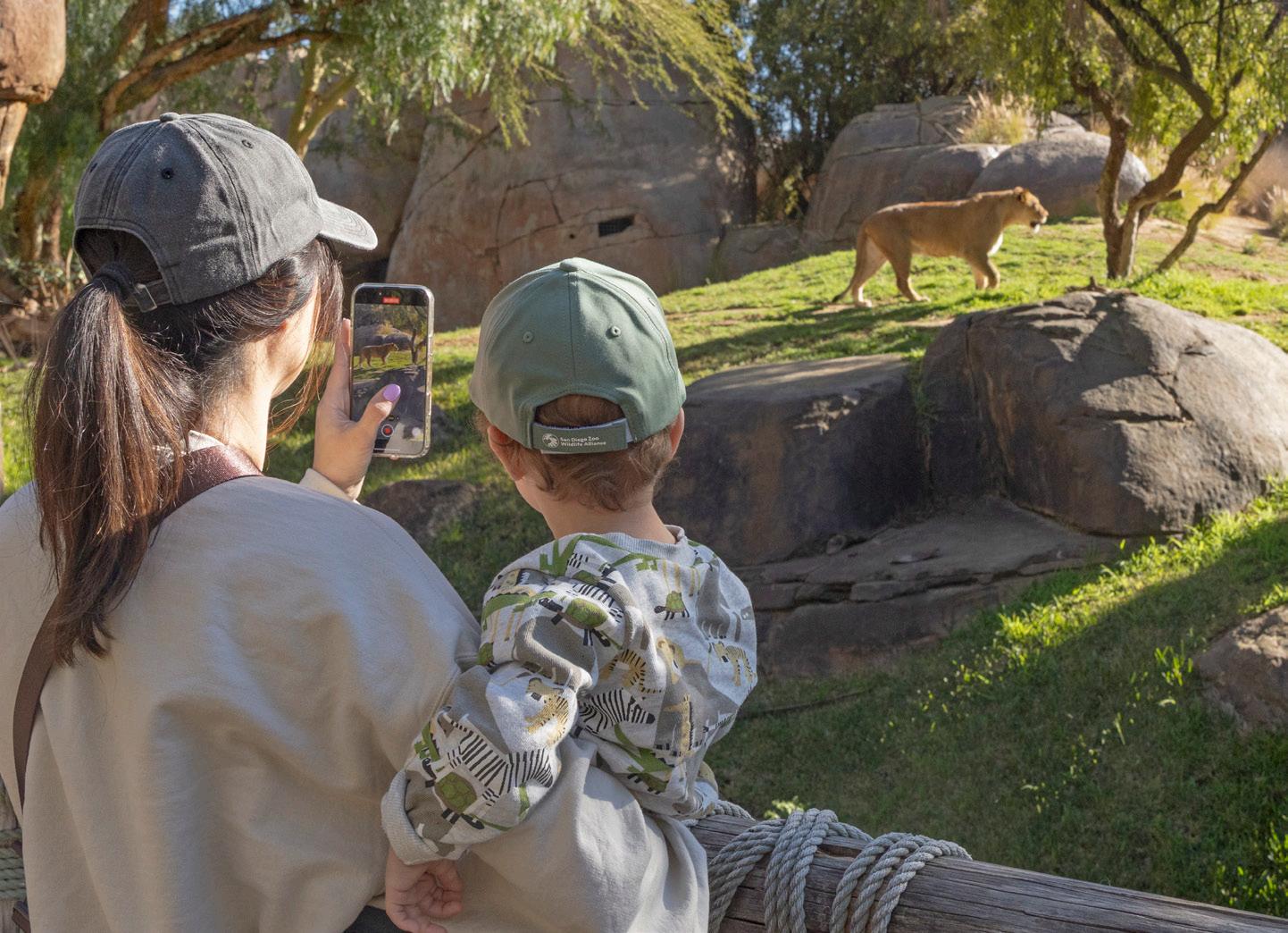
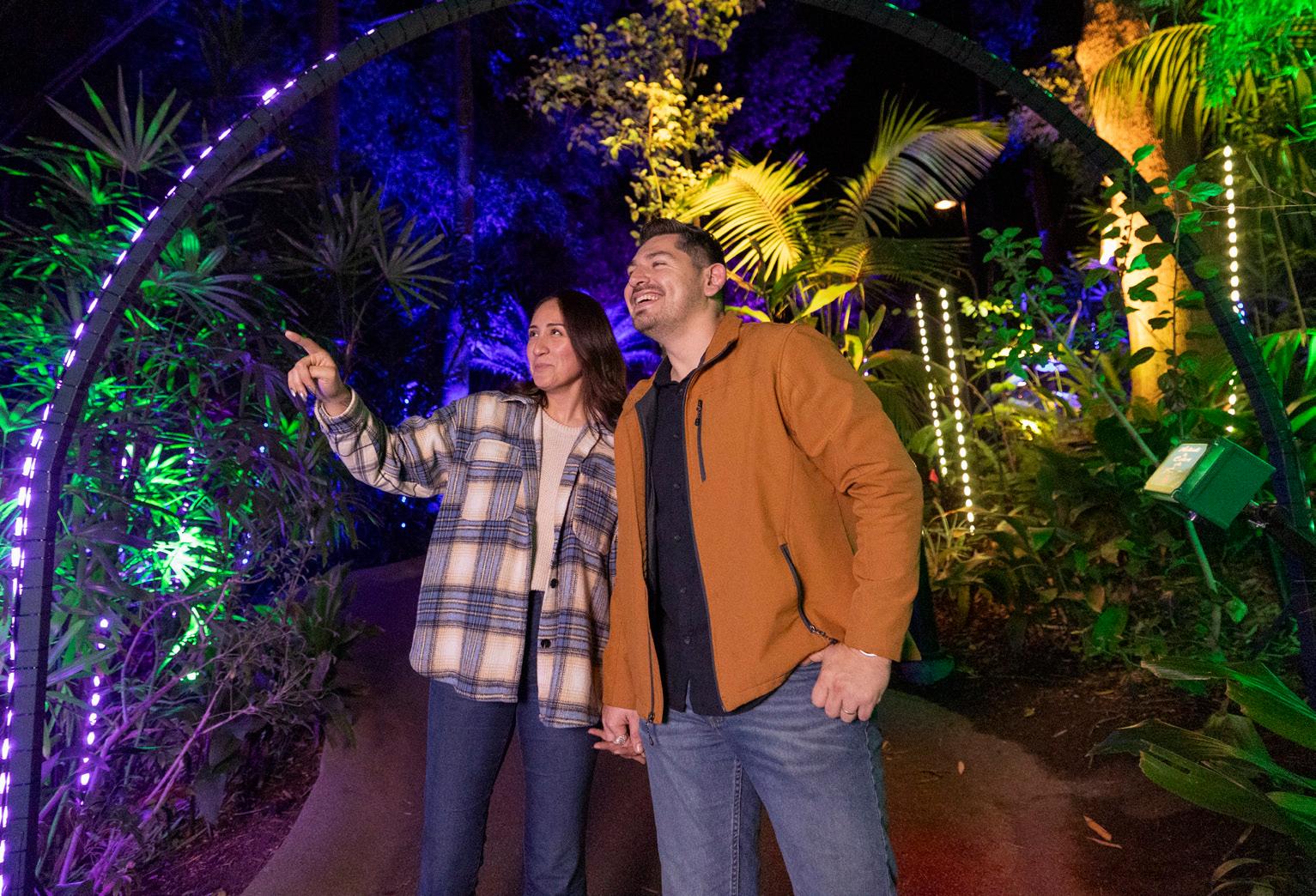
These dedicated friends are committed to our vision of protecting wildlife. In addition to receiving all member benefits, they’re invited to join us throughout the year for exclusive events to connect more deeply with our conservation work.
Other membership levels offer inspiring opportunities for exploration and adventure at our two incredible conservation parks, with varying benefits and options for all wildlife allies.
Membership Matters
Visit sdzwa.org/membership to become an ally for wildlife today.
We are honored to be part of San Diego Zoo Wildlife Alliance’s family and to support their conservation efforts and projects like Wildlife Explorers Basecamp and Elephant Valley. Joining ZOO1OO allows us to participate in the mission long after we are gone.
HELEN AND LEO LARSON, ZOO1OO members
Donor Clubs
As some of our closest allies, these devoted groups enjoy a range of exclusive benefits, including events, presentations about conservation, and updates from our executive team. For more information on how to join us, see page 104.
We are grateful to the 29,425 donors whose philanthropic gifts in 2025 supported our greatest needs; enhanced habitats at the Zoo and Safari Park; and advanced education, conservation, and wildlife care.
Aardvarks
A circle of enthusiastic, longtime supporters, these donors are dedicated to our mission and stay connected with us throughout the year at special events.
Ocelots
This remarkable group supports our mission through their commitment to education and fundraising.
Wildlife Heroes
This year, 5,500 monthly donors were committed to saving and protecting endangered species and ecosystems around the world, showing their support through their sustaining monthly gifts.
We thank Steve Benninga and his late wife Bobbie Benninga, whose legacy gift through our Heritage Guild will help ensure a brighter future for our planet.
Heritage Guild
A heartfelt thank you to those who are creating a lasting legacy by including us in their estate plans, helping us meet the conservation challenges of today and tomorrow. Those who have informed us of their planned giving join our honorary Heritage Guild, enjoying access to exclusive benefits such as special events.
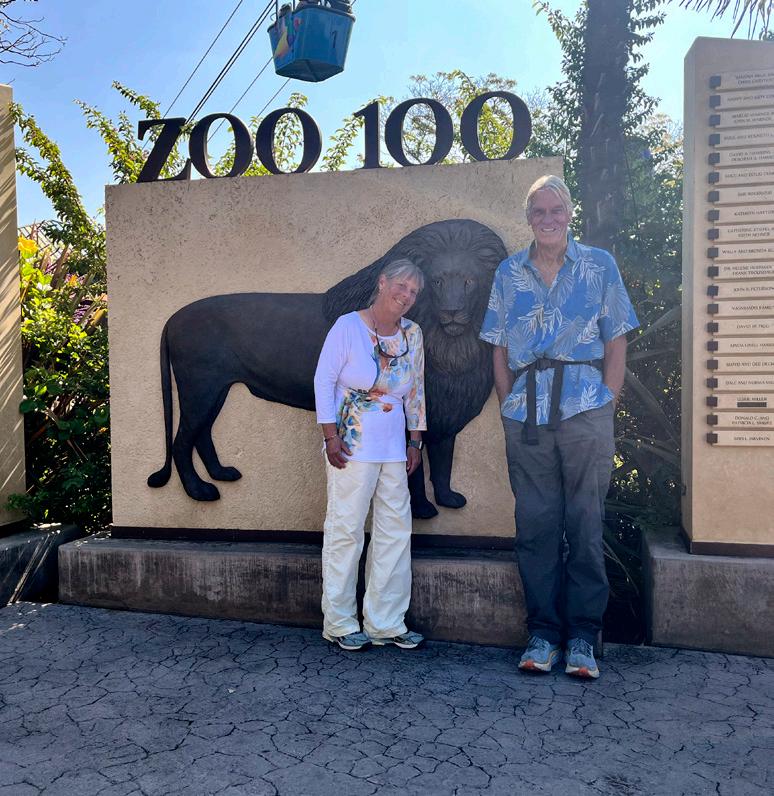
ZOO1OO
This vital circle of donors helps us care for wildlife, through this century and beyond, with their support of the Wegeforth Fund endowment. We recognized this group with a special morning at the Zoo, in addition to other benefits throughout the year.
2116 Advisors
This distinguished group of philanthropists, conservation experts, and volunteer leaders provides insight, advocacy, and support to help achieve lasting impacts for wildlife and the planet. We are honored and grateful for their commitment and leadership.
Nature, Connection, and the Next Generation
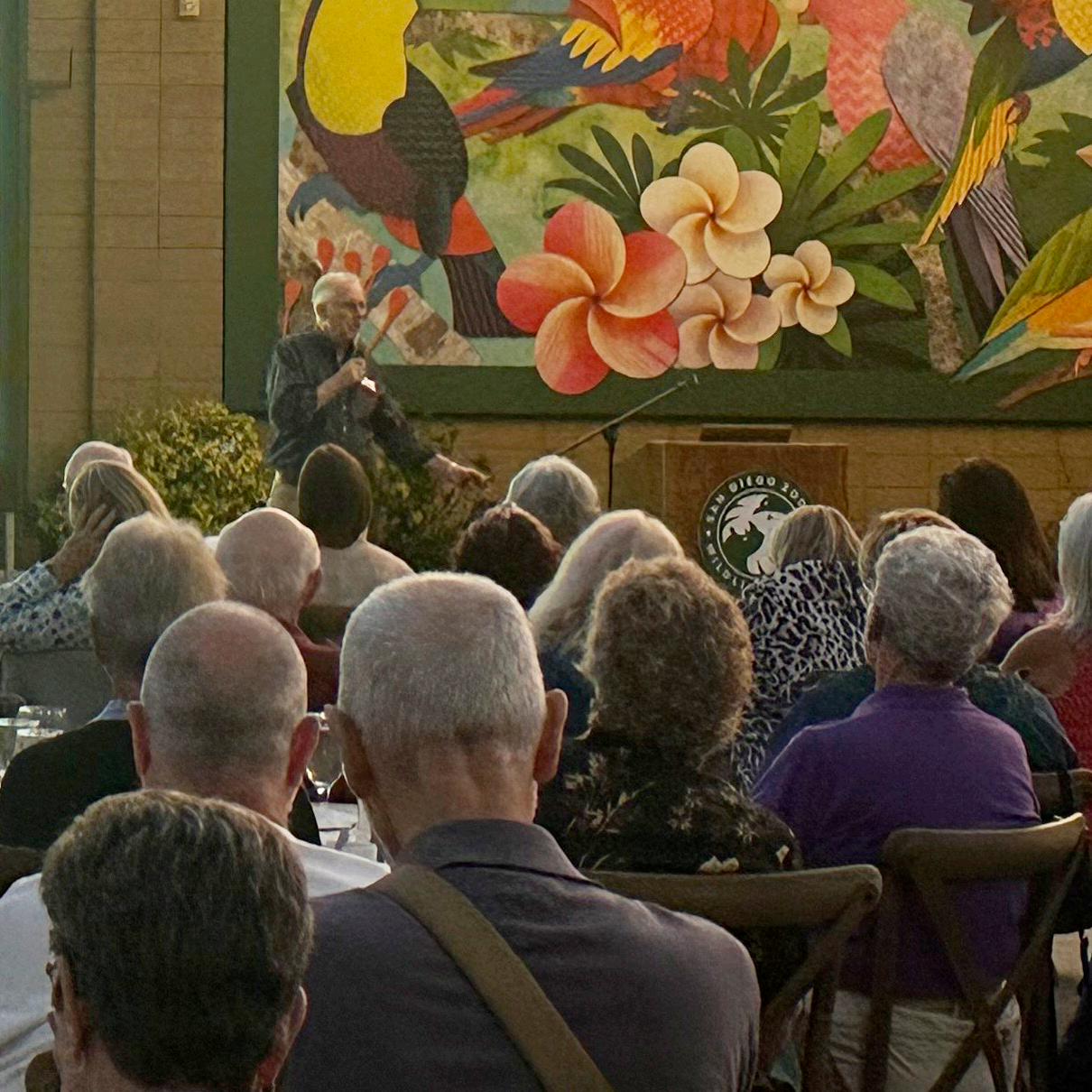
Our 2116 Advisors joined us at the Zoo for their third annual convening. At this half-day event, they met renowned journalist and author Richard Louv and our vice president of education, Lisa Biasillo, to explore the values that shape our conservation education programs and how connecting with nature can transform our lives.
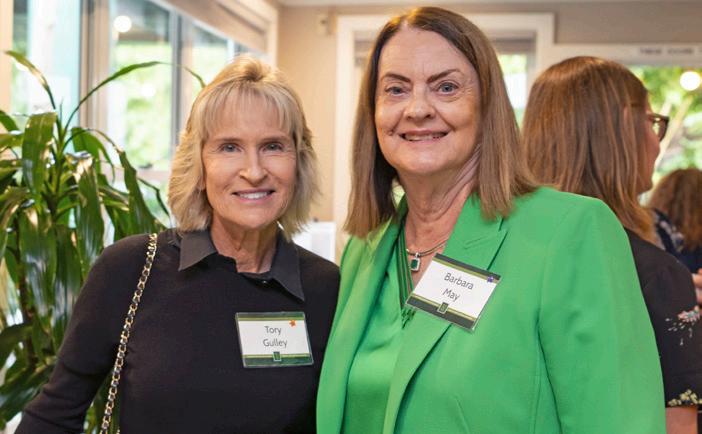
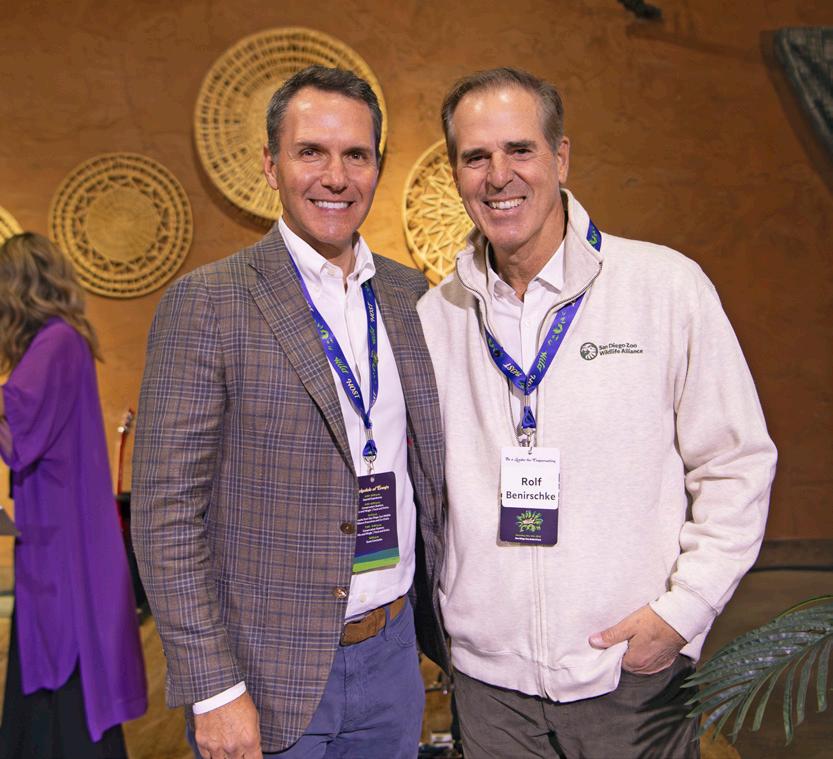
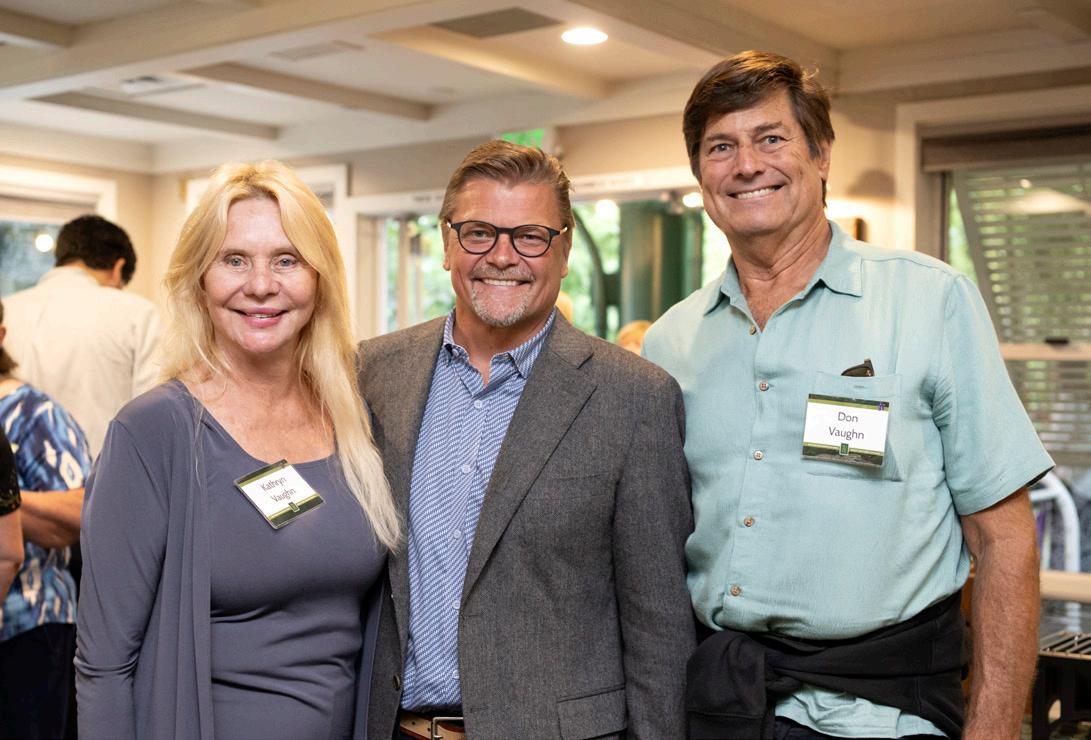
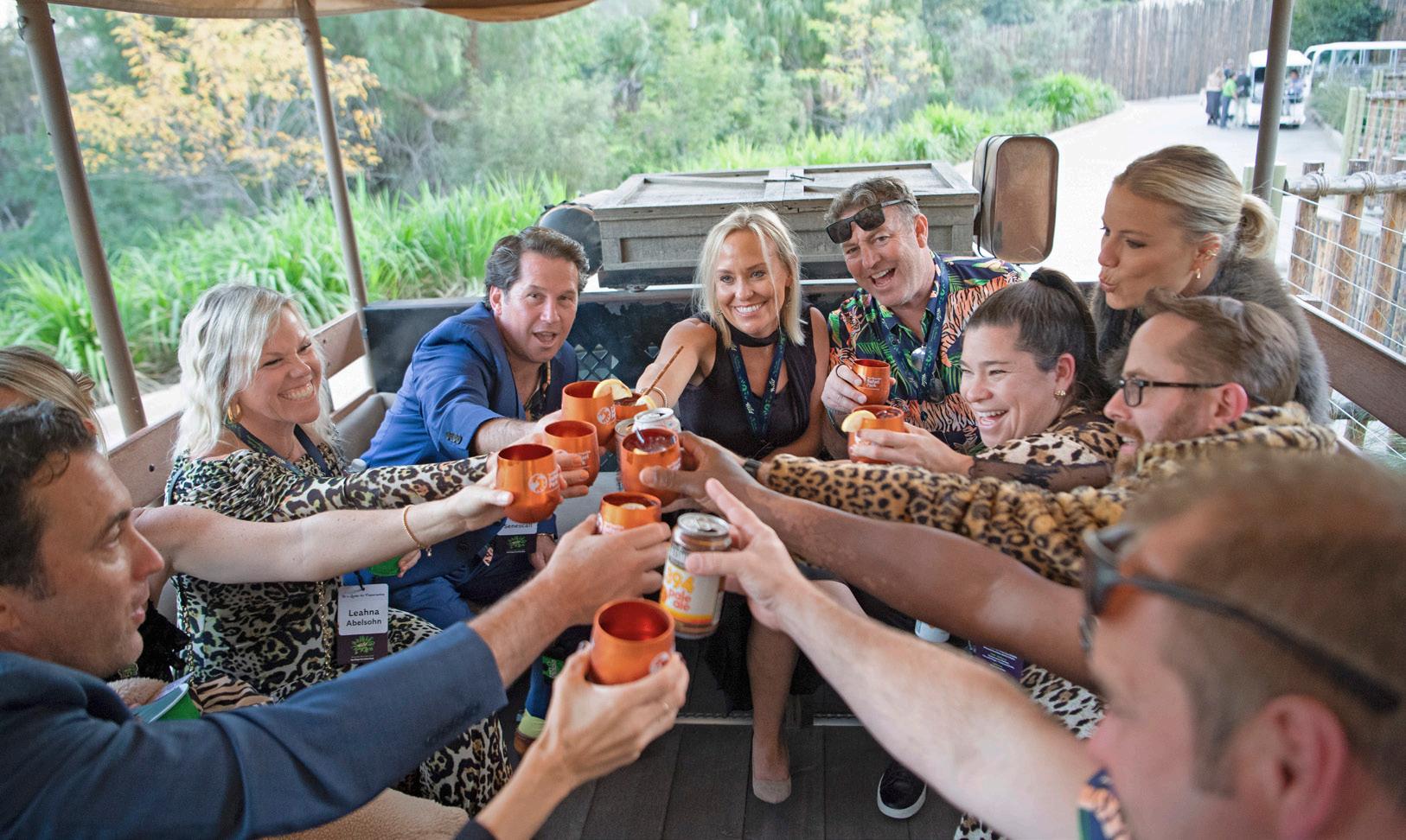
A select group of wildlife allies joined us for the third annual WILD event, connecting with wildlife and our conservation science teams while enjoying entertainment, fine dining, and more.
We thank our WILD co-hosts: Chris and Rebecca Jacob, Werner and Myra Kern, Caroline Perry and Adam Ith, Tom and Cami Rosso, Tim and Emily Scott, Phil and Kirsten Senescall, Zoiner and Ashley Ellis Tejada

We thank WILD co-chairs Steve and Lauren Simpson and Rolf and Mary Benirschke for stewarding this evening under the stars.
Kathryn Vaughn, CEO Shawn Dixon, and Don Vaughn
Tori Gulley and Barbara May
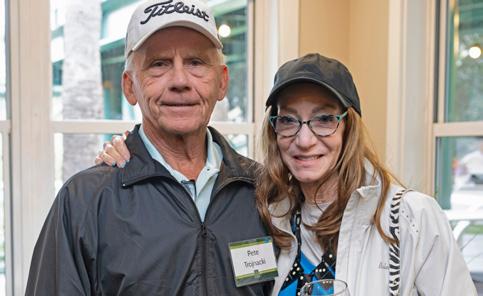
Pete Trojnacki and Stephanie Petersen
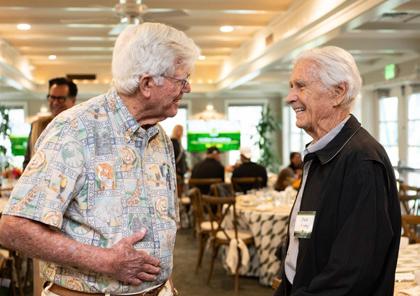
Tom Fetter and Chuck Wheatley
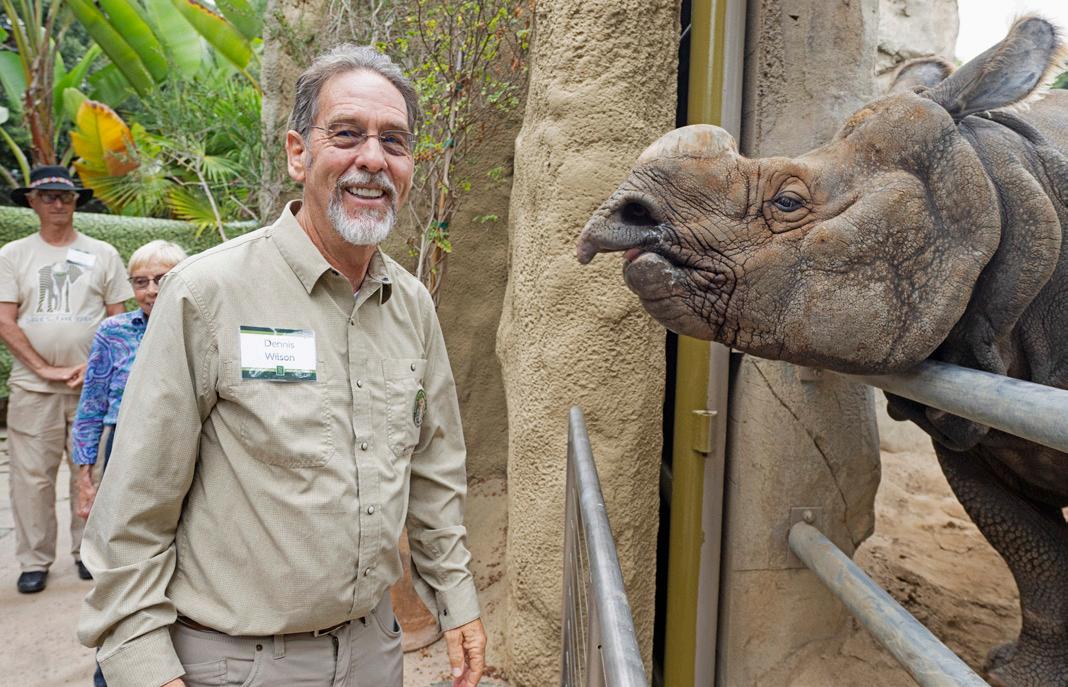
Dennis Wilson with Maza the greater one-horned rhinoceros.
RITZ 2025
A Very Cool Gala
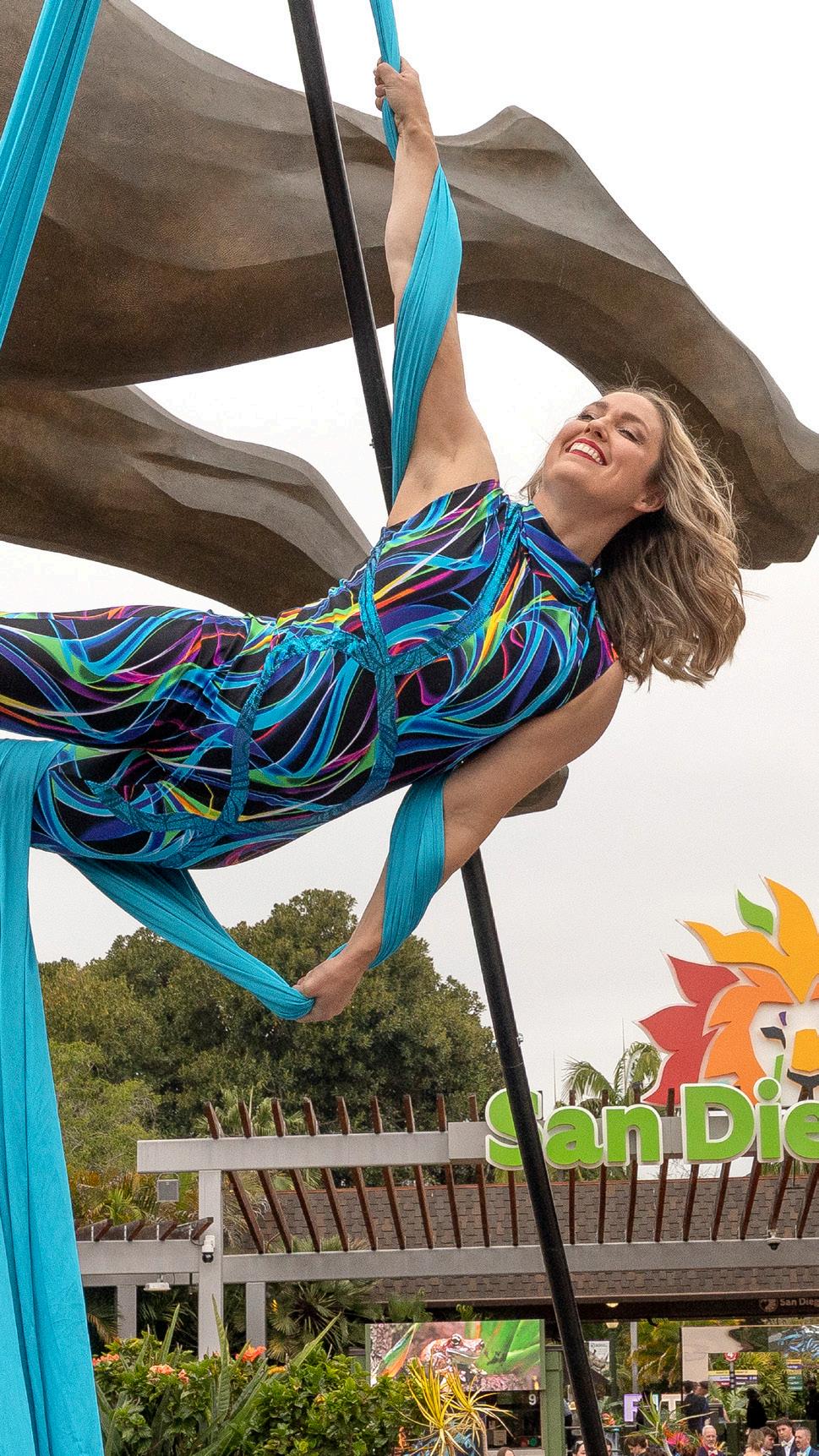
Guests cell-ebrated the 42nd Rendezvous In The Zoo (R·I·T·Z) gala—with fine wine and dining, exciting auctions, and dancing—benefiting the Frozen Zoo and its 50 years of pioneering efforts in biobanking conservation.
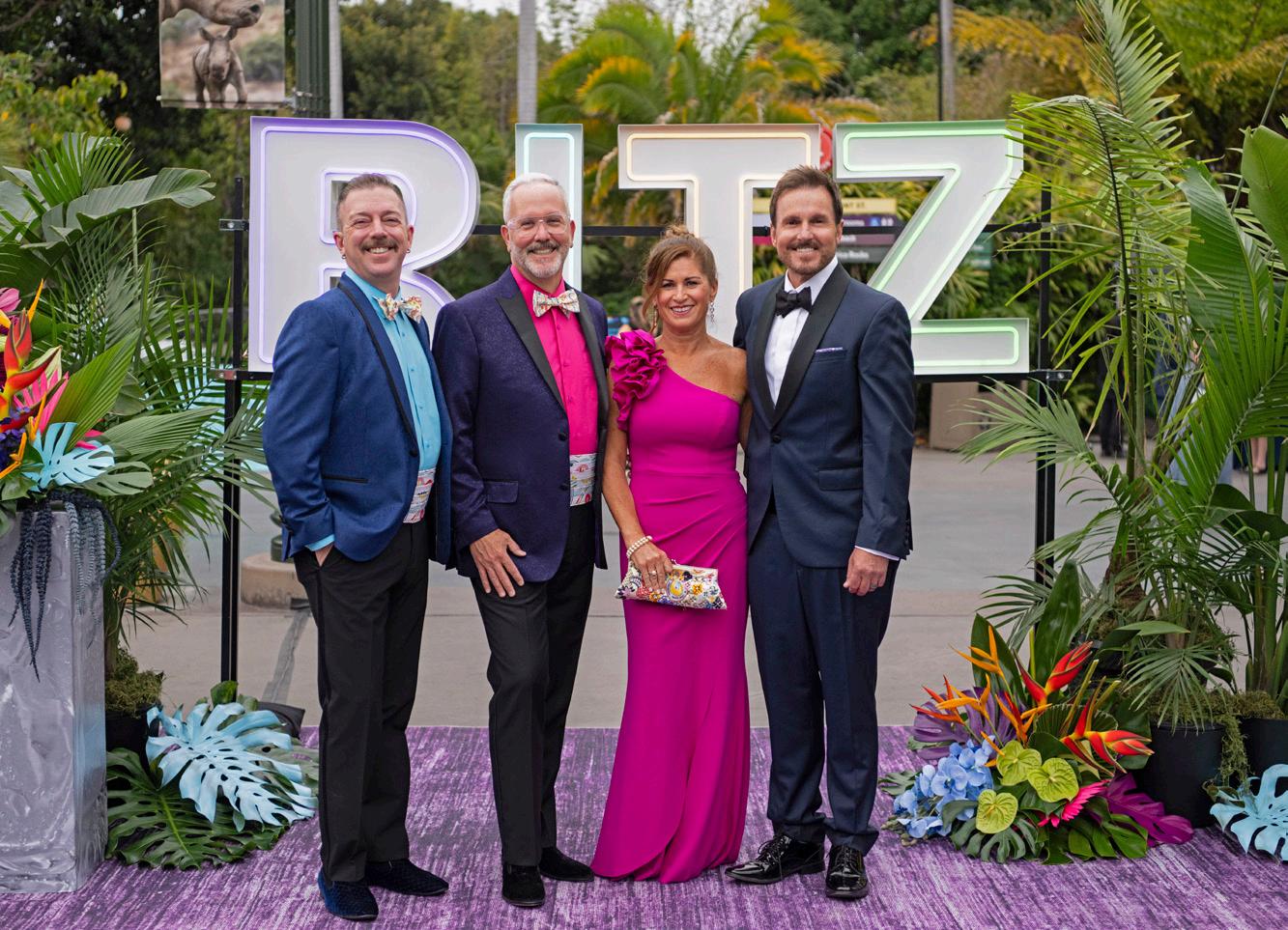

Thank you to our 2025 R·I·T·Z co-chairs: Robert Gleason, Marc Matys, and Don and Stephanie McGuire.

An Alliance for the World

By upholding our values through four core pillars, we leverage more than a century of expertise, our dedicated teams, our strong partnerships, and our global network of allies to become the most effective conservation organization for the planet.
Here’s more about how we collaborated, innovated, inspired, and thrived in 2025.
Collaborate
As an Alliance, we make the greatest conservation impact by uniting expertise and collaborating strategically across the globe. We are grateful to all our partners and contributors for their teamwork, innovation, and insight.
Amazon Conservation Association (ACA)
Aquarium of the Pacific
Arizona Game & Fish Department
Association des Chefs Traditionnels Riverains de la Forêt d’Ebo Forest (ACTRIFE)
Association of Zoos and Aquariums (AZA)
Australian Network for Plant Conservation
Birch Aquarium
California Department of Fish and Wildlife
California Department of Parks and Recreation—
Torrey Pines State Natural Reserve
California Plant Rescue
Center for Plant Conservation
Centro de Innovación Científica Amazónica (CINCIA)
Centro de Investigación Científica
y de Educación Superior de Ensenada (CICESE)
China Center for Research and Conservation for the Giant Panda,
National Forestry and Grassland Administration
China West Normal University, Giant Panda National College
China Wildlife Conservation Association
Chinese Academy of Sciences
Chui Mamas
Commonwealth of the Northern Mariana Islands Department of Lands and Natural Resources, Division of Fish and Wildlife
Conservación Amazónia (ACCA)
Conservation Biology Institute
Defenders of Wildlife
Djarum Foundation
Earth BioGenome Project (EBP)
Environment and Climate Change Canada (ECCC)
Ewaso Lions
Field Projects International
Fisheries and Oceans Canada
Forestal Otorongo
Gerencia de Desarrollo Forestal y de Fauna Silvestre Loreto
Giraffe Conservation Foundation
Global Conservation Consortium for Cycads
Gobierno Regional de Madre de Dios
Gordon and Betty Moore Foundation
Government of Ontario – Ministry of Natural Resources
Government of Vietnam – Pù Huống Nature Reserve
Government of Vietnam – Vu Quang National Park
Grevy’s Zebra Trust
Hobart and William Smith Colleges
Honolulu Zoo
Illumina
Institute for Ecology and Conservation of Nature at Vinh University
International Union for Conservation of Nature (IUCN) Commission on Education and Communication (CEC)
IUCN Species Survival Commission (SSC)
Kalepo Conservancy
Kaua‘i Forest Bird Recovery Project
Kealakehe High School
Kenya Wildlife Service
Leibniz Institute for Zoo and Wildlife Research
Lewa Wildlife Conservancy
Loisaba Conservancy
Maderacre
Maui Forest Bird Recovery Project
Meru Betiri National Park
Miami University
Monarch Joint Venture
Monterey Bay Aquarium
Mpala Research Centre
Mushkegowuk Council
Naibunga Lower Conservancy
Namunyak Conservancy
Nannapa Conservancy
National Oceanic and Atmospheric Administration (NOAA)
Natural Resources Conservation Agency of West Sumatra
NATURAL STATE
NOAA Northwest Fisheries Science Center
Northern Rangelands Trust
Oiled Wildlife Care Network
Omaha’s Henry Doorly Zoo and Aquarium
Organización Vida Silvestre (OVIS)
Palau Community College
Peninsular Pronghorn Recovery Project (PPRP)
Polar Bears International
Rainforest Expeditions
Reteti Elephant Sanctuary
Reverse the Red
Revive & Restore
Re:wild
Ruko Community Conservancy
San Bernardino Valley Municipal Water District
San Bernardino Valley Water Conservation District
San Diego Botanic Garden
San Diego Foundation
San Diego Habitat Conservancy (SDHC)
San Diego Management and Monitoring Program (SDMMP)
San Diego Natural History Museum
San Diego State University
San Diego Unified School District (SDUSD)
San Pasqual Band of Mission Indians
Sarara Foundation
Save the Indonesian Nature and Threatened Species (SINTAS)
Science for Wildlife
Scripps Institution of Oceanography
Sea Otter Savvy
Sera Conservancy
Servicio Nacional de Áreas Naturales Protegidas (SERNANP)
Servicio Nacional Forestal y de Fauna Silvestre (SERFOR)
South African National Biodiversity Institute (SANBI)
Species360
State of Hawai'i Department of Land and Natural Resources, Division of Forestry and Wildlife
SUVA Research
Taronga Zoo Sydney
The Bishop Museum of Science and Nature
The Huntington
The Living Desert
The Nature Conservancy
The University of Queensland Koala Ecology Group
Three Mountain Alliance (TMA)
TRACE Wildlife Forensics Network
UNESCO Lima—Proyecto Amazonia
Universidad Nacional Agraria La Molina—
Facultad de Ciencias Forestales
Universidad Nacional Mayor de San Marcos
Universitas Gadjah Mada, Yogyakarta
University of Alberta
University of California, Davis
University of California, Davis, SeaDoc Society
University of California, Los Angeles
University of California, San Diego
University of California, Santa Cruz
University of Copenhagen
University of Illinois Urbana—Champaign
University of Nottingham
University of Southern California
University of Washington Rota Avian
Behavioral Ecology Program
U.S. Air Force—Edwards Air Force Base
U.S. Bureau of Land Management
U.S. Department of Agriculture Forest Service
U.S. Fish and Wildlife Service
U.S. Geological Survey
U.S. Navy
Volcano School of Arts & Sciences
VulPro
Waiākea High School
WildLandscapes International
Wildlife Research & Training Institute (Kenya)
World Association of Zoos and Aquariums (WAZA)
Xerces Society for Invertebrate Conservation
Innovate
Together we pioneer new ideas and approaches to engage allies worldwide and ensure the long-term health and survival of wildlife. Visit Our Parks from Anywhere
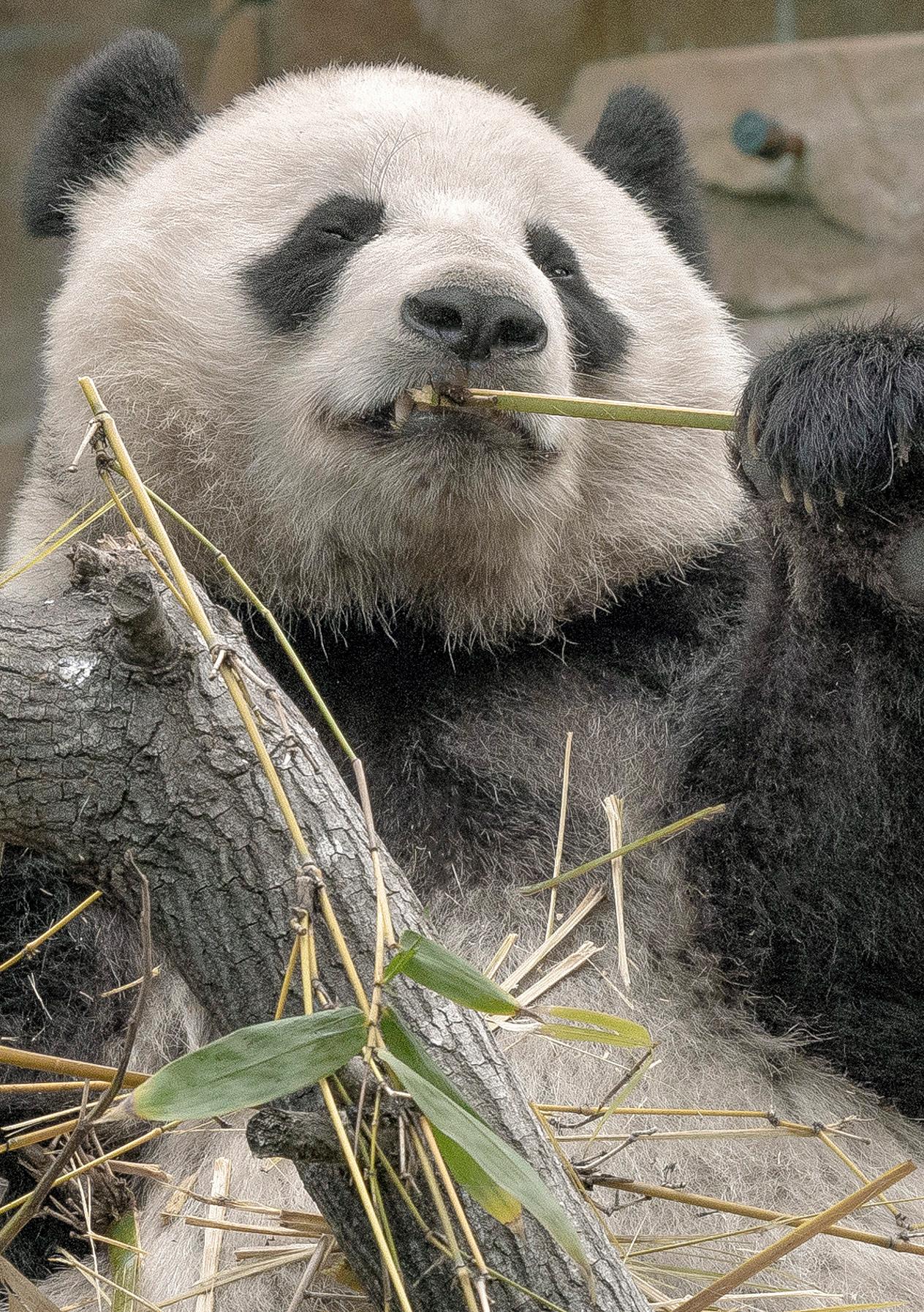
Live streaming wildlife cameras, online content, and complimentary educational programming keeps our allies engaged and experiencing wildlife—including giant pandas, koalas, polar bears, baboons, penguins, orangutans, and burrowing owls—and their habitats.
Approximately 53.7 million+ views on our live streaming wildlife cameras.

Experiences of a Lifetime
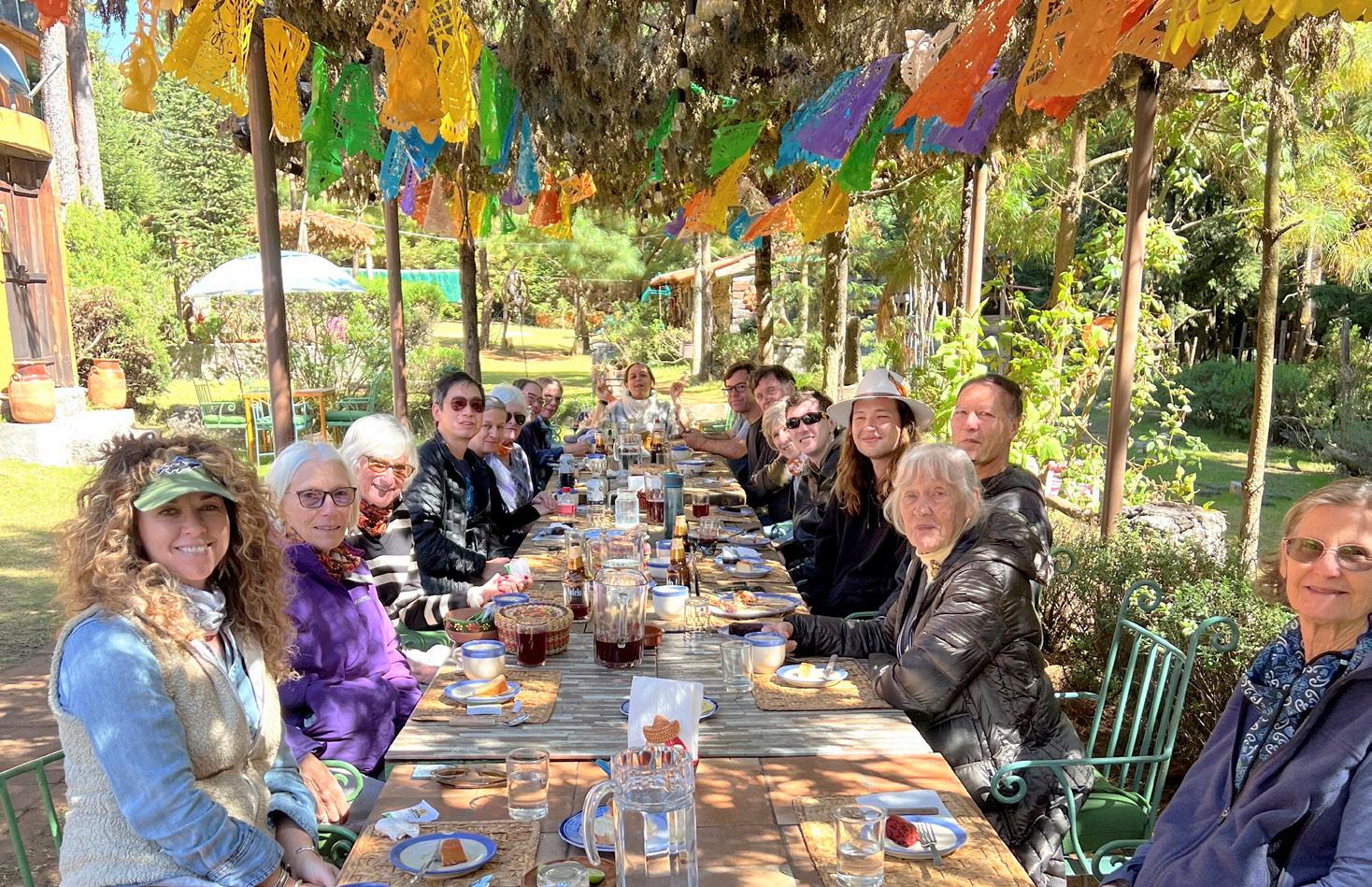
One-of-a-kind, carbon-neutral journeys led by conservation experts take wildlife enthusiasts to some of the planet’s most breathtaking destinations.
In 2025, over 100 passionate wildlife allies joined conservation scientists and experts to experience 7 extraordinary adventures.
• Monarch Butterfly Migration Adventure, Mexico
• Patagonia Wilderness and Wildlife Explorer
• Classic Galápagos Experience
• Botswana Explorer Safari
• Amazon River Expedition
• Tanzania’s Great Migration
• Jaguars and Wildlife of Brazil’s Pantanal
Inspire
We share our passion for nature to increase understanding, empathy, advocacy, and action for wildlife.
Winning New Allies— and Honors
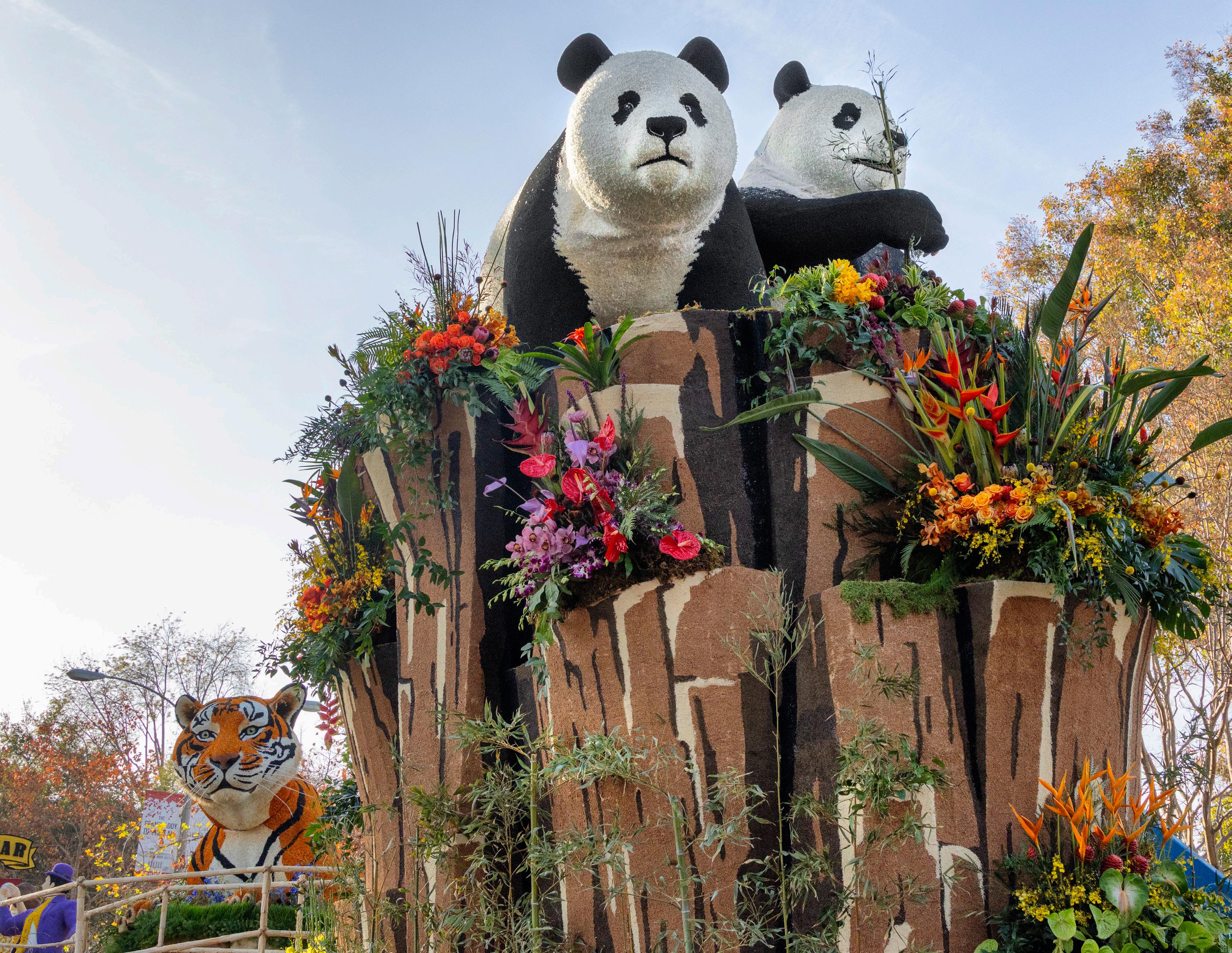
Our 2025 Rose Parade float, “Friendship Across the Earth,” transported over 50 million viewers in 170 countries on a journey across Asia’s magnificent ecosystems and honored Yun Chuan and Xin Bao, the first giant pandas to be welcomed to the United States in 21 years.
Upgraded infrastructure to improve water efficiency.
Sweepstakes Award
For the second year in a row, our float brought home the top honor of the event for the most beautiful entry, encompassing float design, floral presentation, and entertainment.
Strengthened vendor accountability to enhance supply chain sustainability.

We advanced our sustainability commitment in 2025 through internal improvements, stronger partnerships, and guest engagement, achieving progress in key areas.
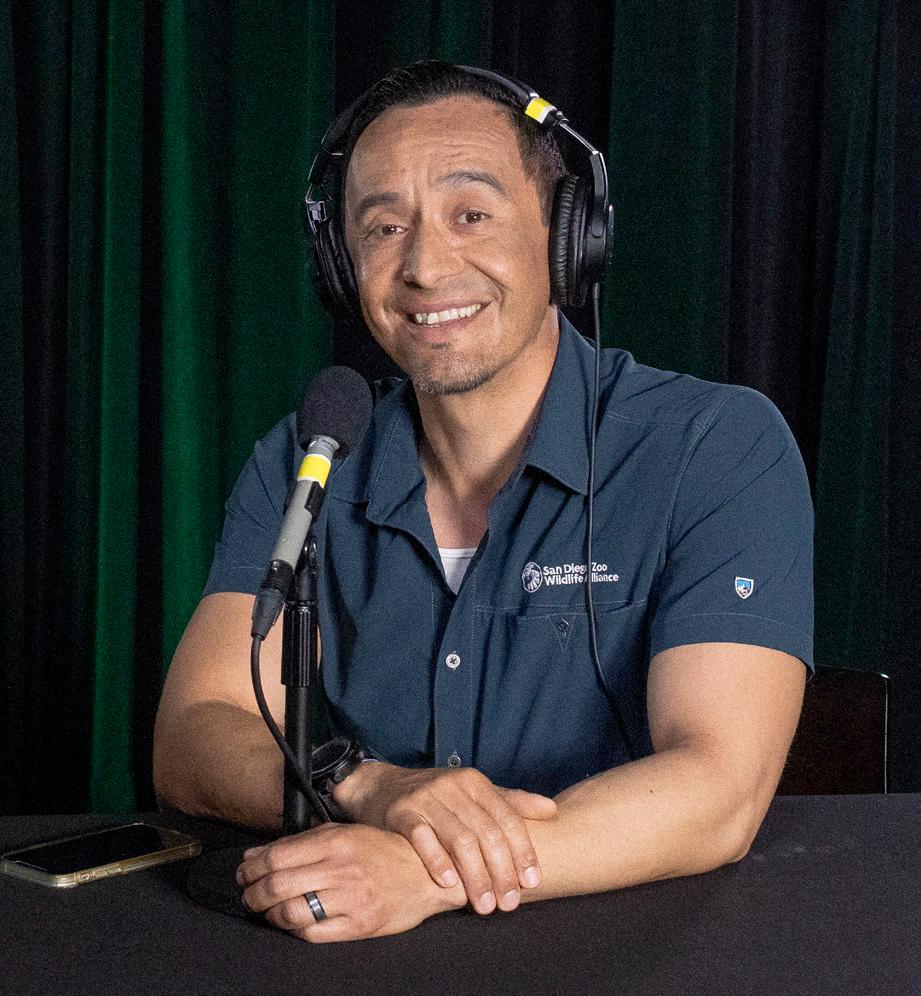
Season 4
of our Amazing Wildlife podcast explored fascinating conservation and wildlife topics, from meerkat social dynamics and the history of the Frozen Zoo to flamingo myths and parenting behaviors.
Unified waste operations, expanding organics management and green waste bins. Improved ecology messaging to help guests understand how these efforts support wildlife health and habitat resilience.
Modernized fleet systems to cut emissions and boost efficiency.
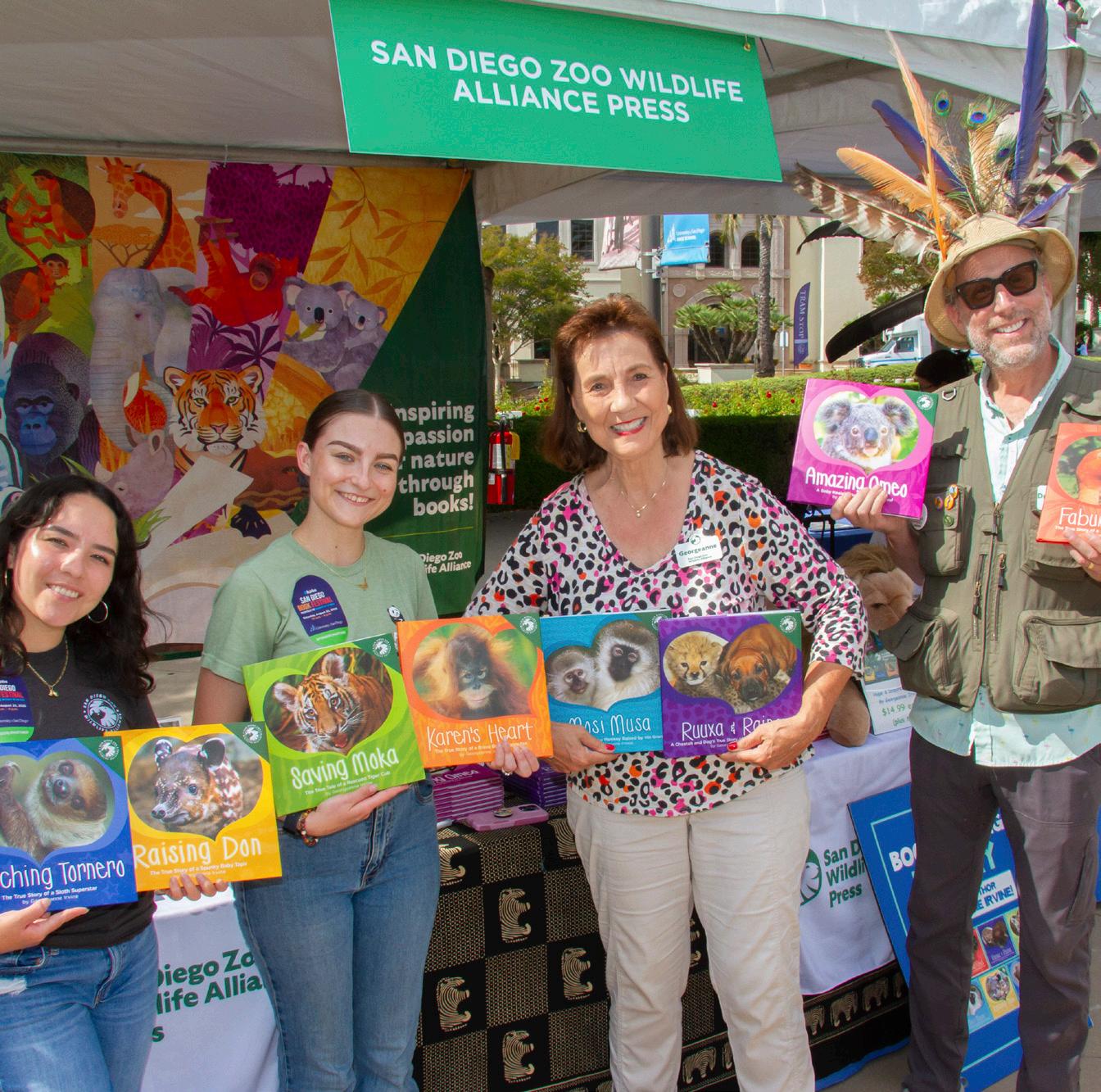
Engaging Readers
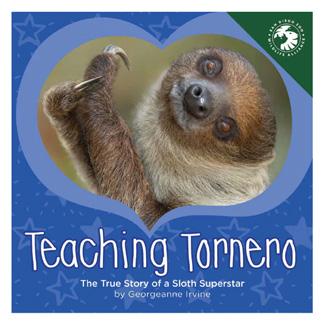
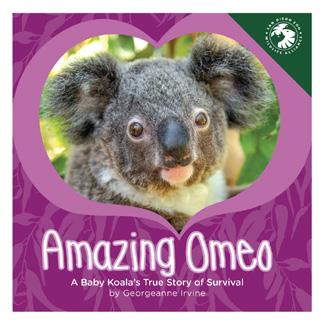
San Diego Zoo Wildlife Alliance Press offers books for all ages, inspiring allies through illustrated children’s books and adult nonfiction as well as book donations, educational talks, and supporting local initiatives to inspire and connect with diverse audiences.
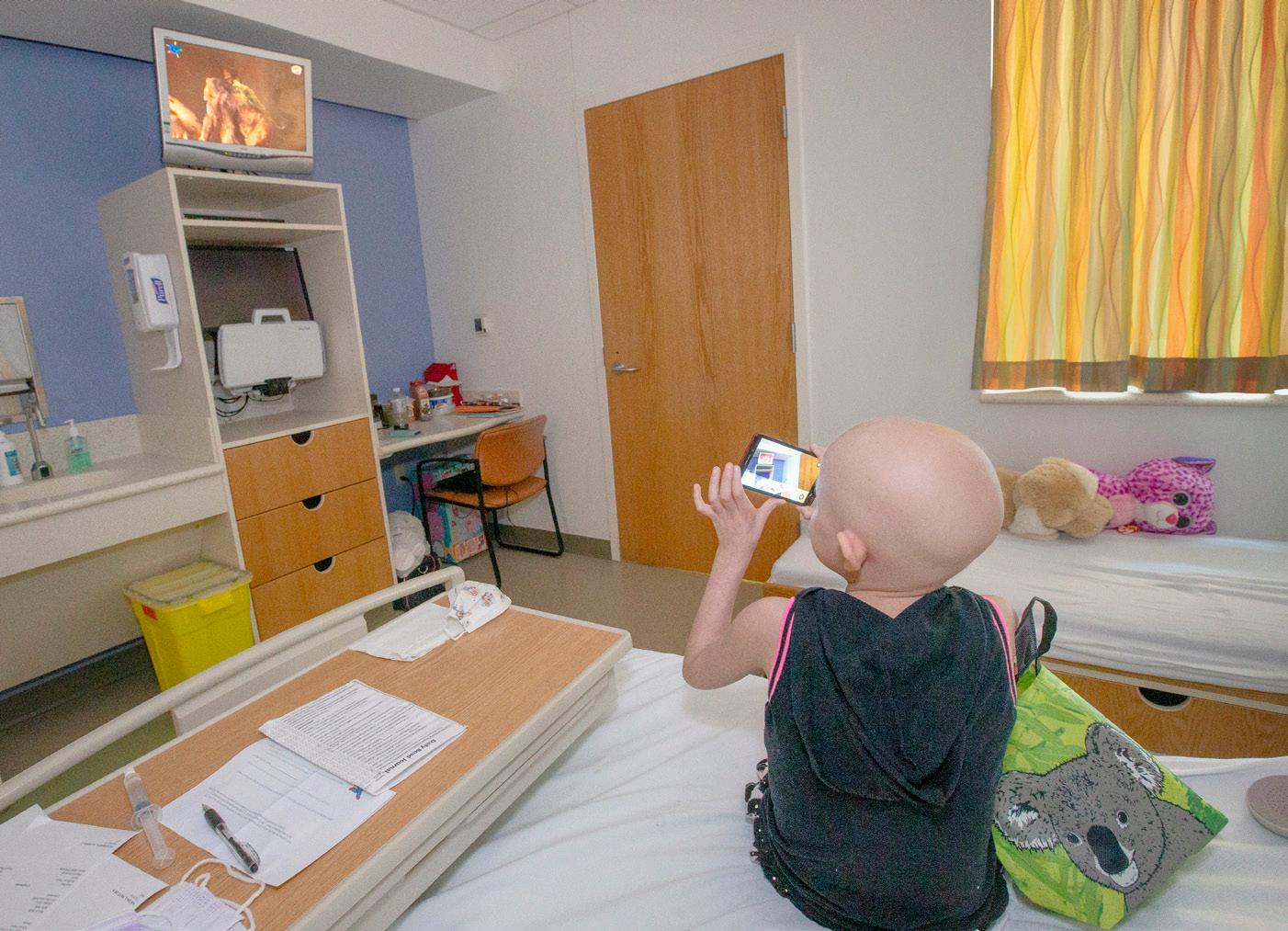
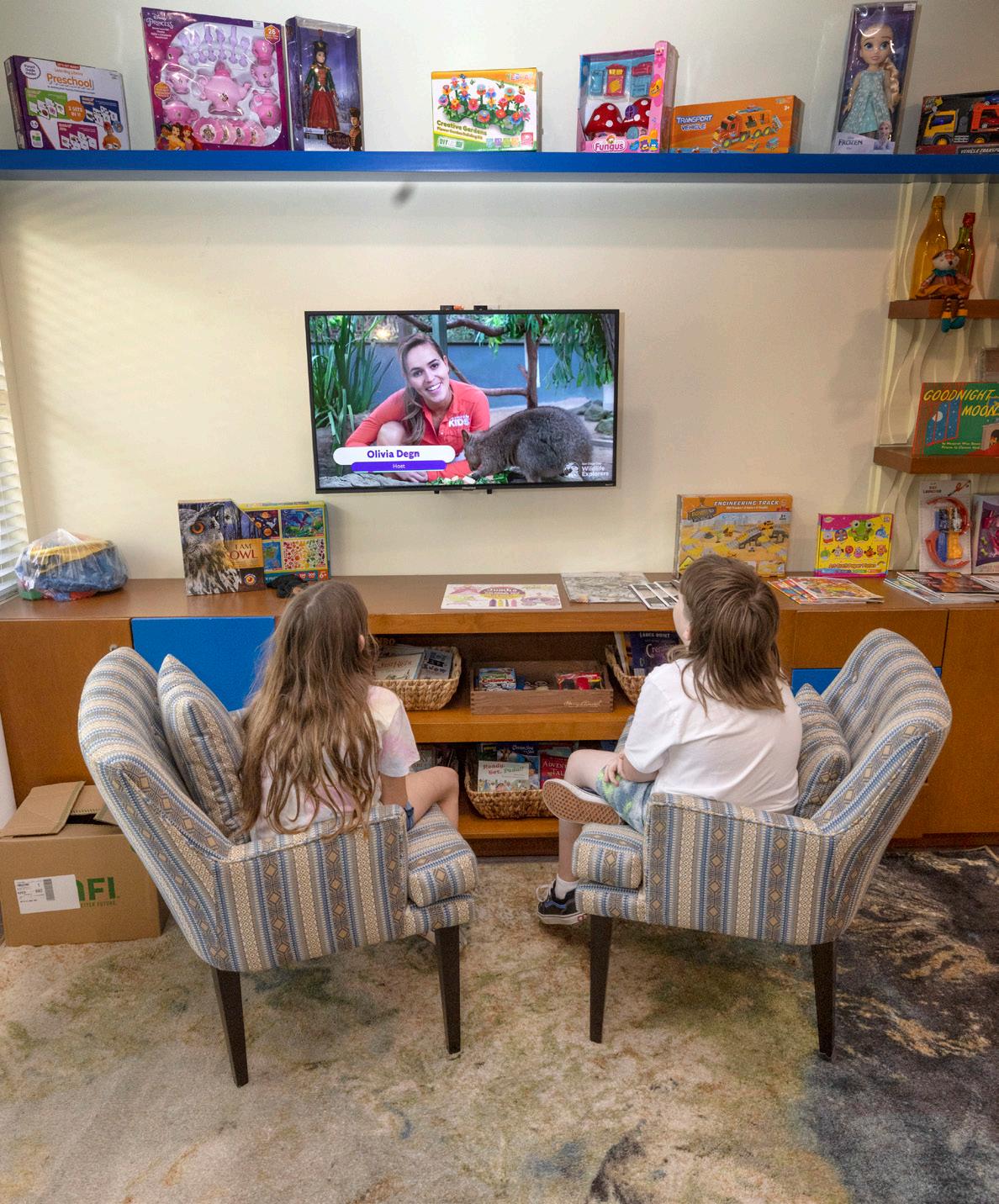
Bringing Smiles Where They’re Needed Most
This closed-circuit television channel delivers educational wildlife programming to 26.1 million children and their families, spreading happiness, hope, and healing during challenging times. Thanks to Denny Sanford’s generous support, this heartwarming programming is now available in:
400 hospitals, clinics, and Ronald McDonald Houses
48 states and Washington, D.C.
14 countries
Connecting with Allies Across the Globe
Social Media and Web

213 million YouTube views
249.7 billion+ media impressions
$2.5 billion+ in media value, enabling us to reach more allies worldwide
2.6 million Facebook fans
2.6 million TikTok followers
1.4 billion Giphy views
44K LinkedIn followers
193K X followers 1.6 million Instagram followers
160K Threads followers
30.7K Pinterest followers
117 million+ views on our websites
53.7 million+ views on our live wildlife cams
97.9K Bluesky followers
Thrive
Together we find new ways to bring hope, inspiration, and smiles as we share resources, inspire passion for nature, and ensure our parks are inclusive for all.
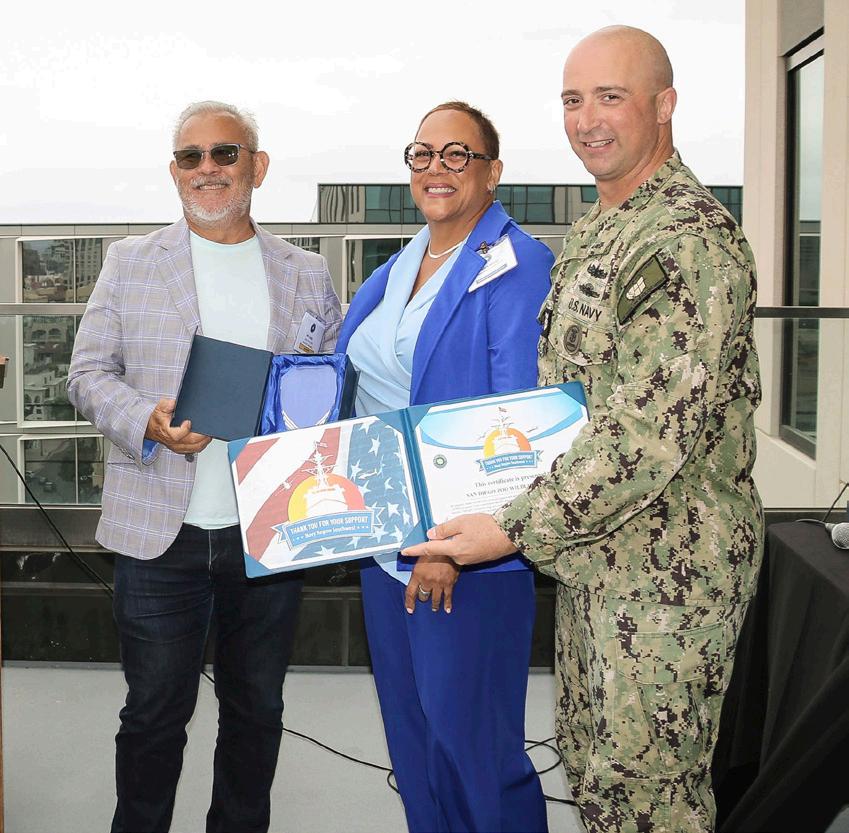
Our Military Community
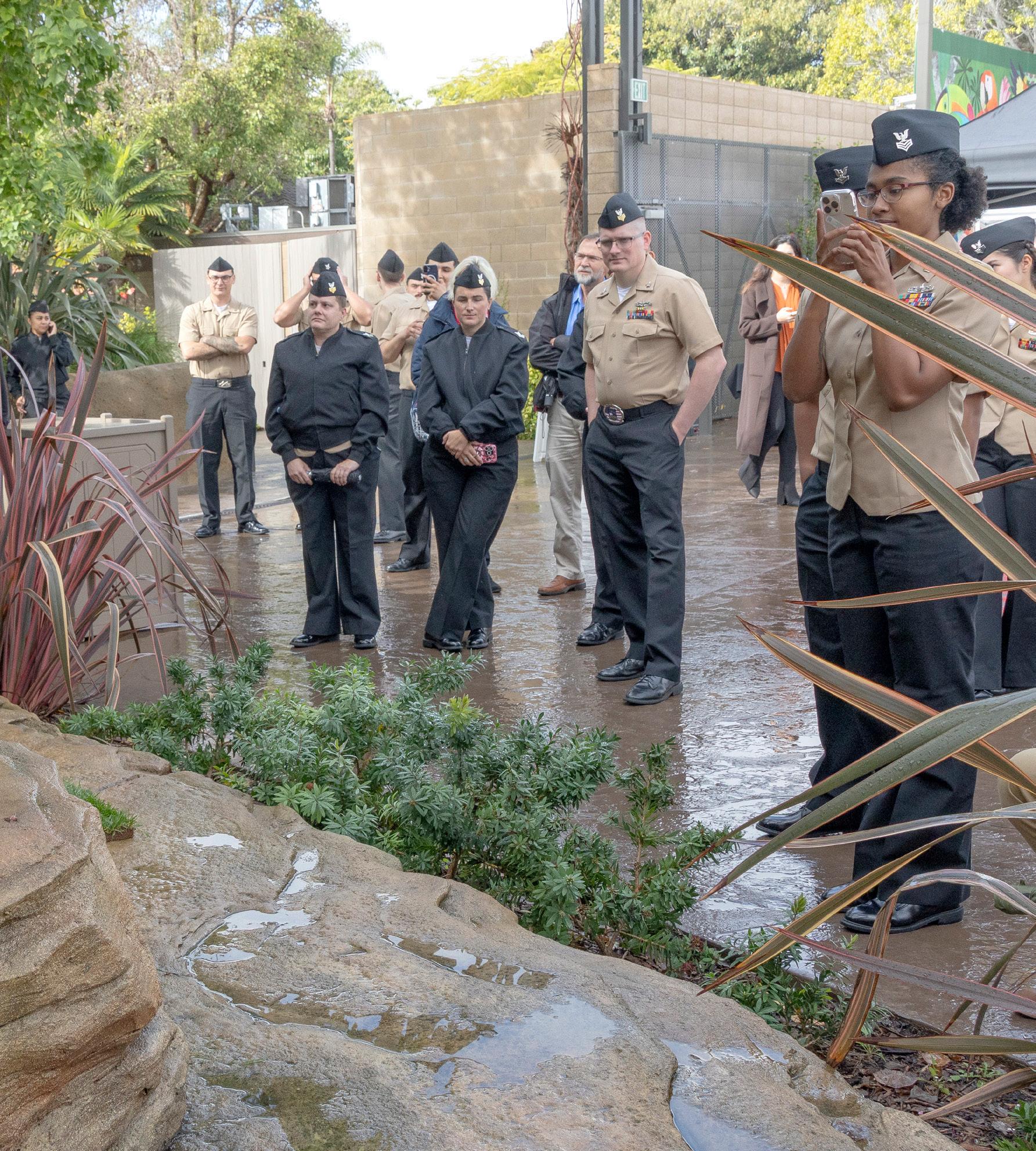
San Diego is home to one of the United States’ largest military communities, and we’re proud to have a long history of creating connections with them.
Honoring Service
Through the Bashor Family Patriots Fund, active duty service members enjoy year-round access to our parks, while wounded warriors benefit from meaningful on-site community engagement programs. We are deeply grateful to the late U.S. Army veteran Jim Bashor and his wife, Dianne Bashor, for their incredible generosity.
100,000+
active duty military personnel received complimentary admission to the Zoo and Safari Park.
Support for Military Families
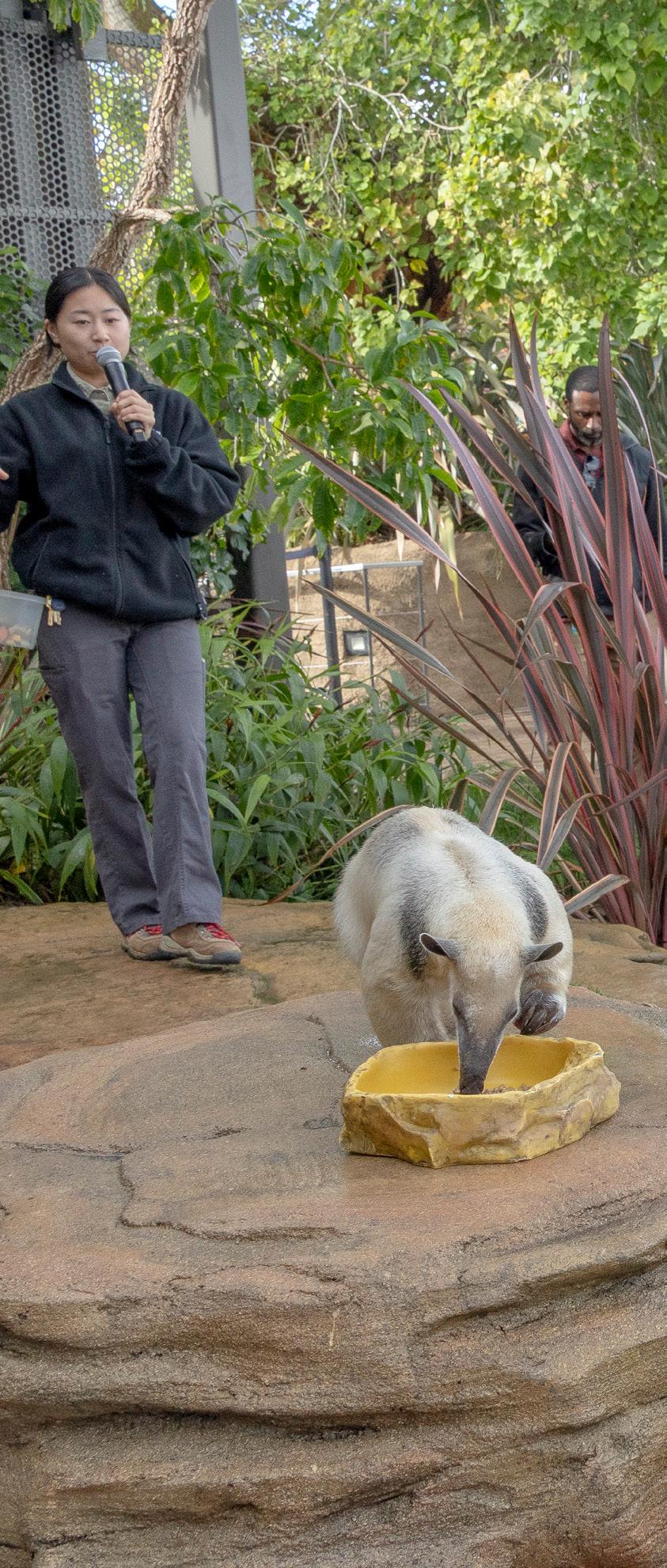
We participate in a wide array of special events for service members and their families, including hosting a Month of the Military Child event, a Fleet Week recognition luncheon, and the Navy, Marines, and Coast Guard Sailor of the Year event.
Supporting Our Wild Heroes
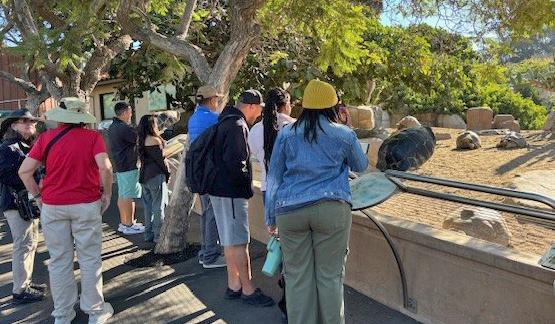
In collaboration with Naval Medical Center San Diego, Camp Pendleton, and other military resources, our Wild Heroes program allowed 1,107 wounded armed forces personnel and their families a chance to visit the Zoo through 16 events , experience the healing power of nature and wildlife, and connect with fellow veterans during their transition to civilian life.
books were donated to Support the Enlisted Project (STEP), an organization providing essentials for children in military families.
Our Commitment to Culture and Belonging
At its heart, conservation is about people. We are stronger together and have an even greater impact by honoring, respecting, and engaging all members of our community.
Our Parks Are for All
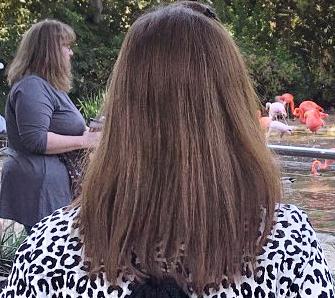
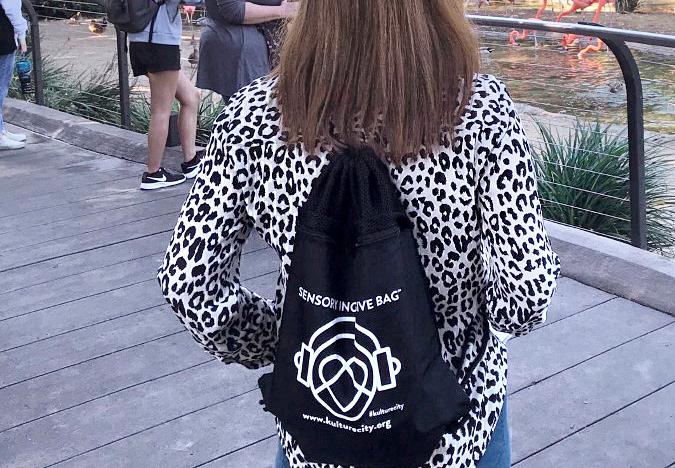
In collaboration with KultureCity, we’re proud to offer sensory-inclusive options, ensuring a more accessible and enjoyable experience for all guests. Special borrowable bags equipped with items like noise-cancelling headphones and fidget toys offer ways to help manage sensory overload, while accessibility maps, signage, and information in the app indicating quiet areas help guests plan their best day.
1,127
sensory-inclusive bags were distributed to guests.

Limitless Potential
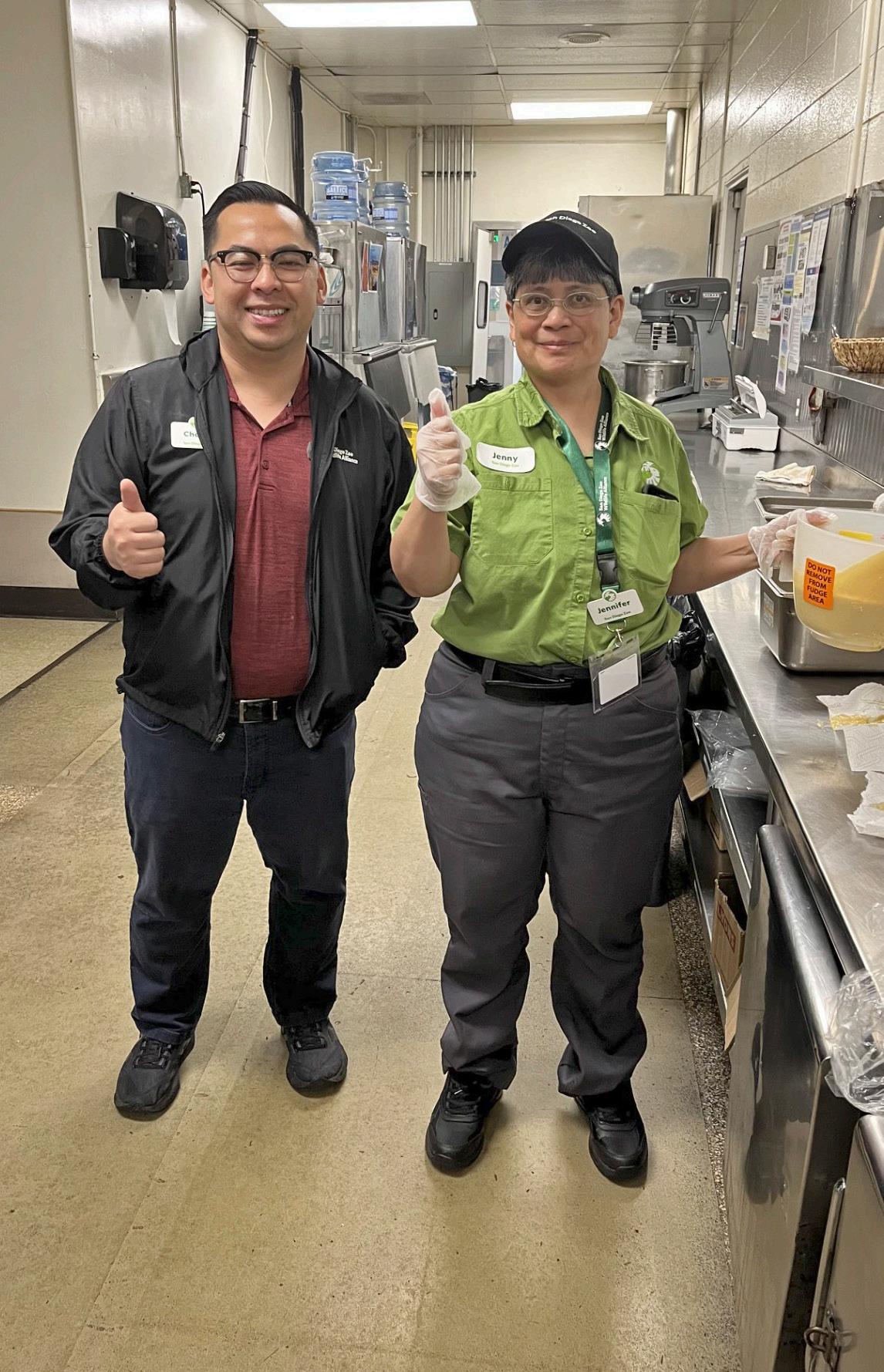
We’re hiring exceptional talent from all backgrounds and building partnerships with workforce groups to become an employer of choice for everyone.
9
interns joined us at the Zoo in wildlife care, horticulture, retail, education, and more via Project Search, a program for those with intellectual and developmental disabilities.
Opening Doors
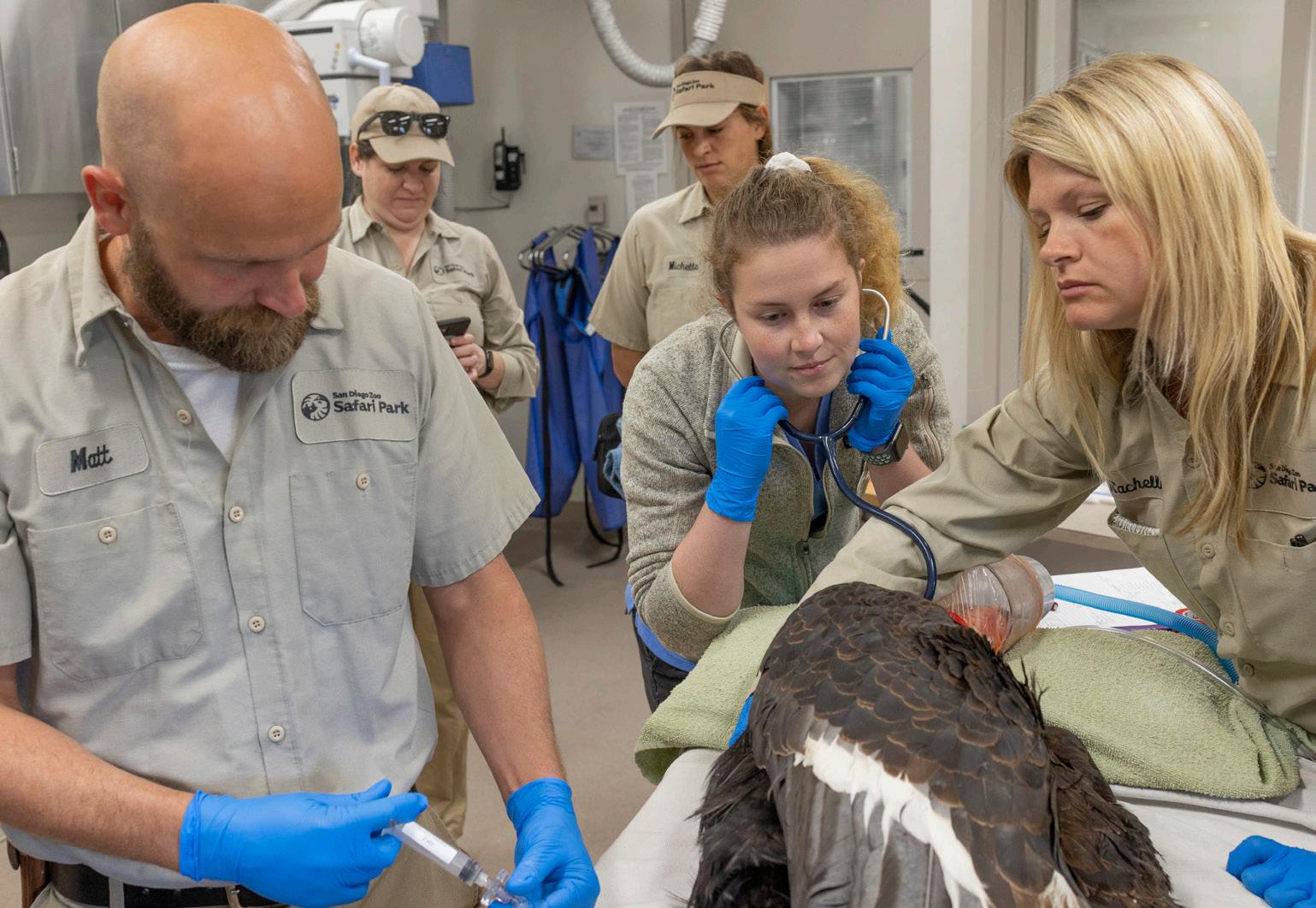
Our Wildlife Health team provides a veterinary mentorship program for underrepresented communities, making a career in veterinary medicine more accessible and inclusive.
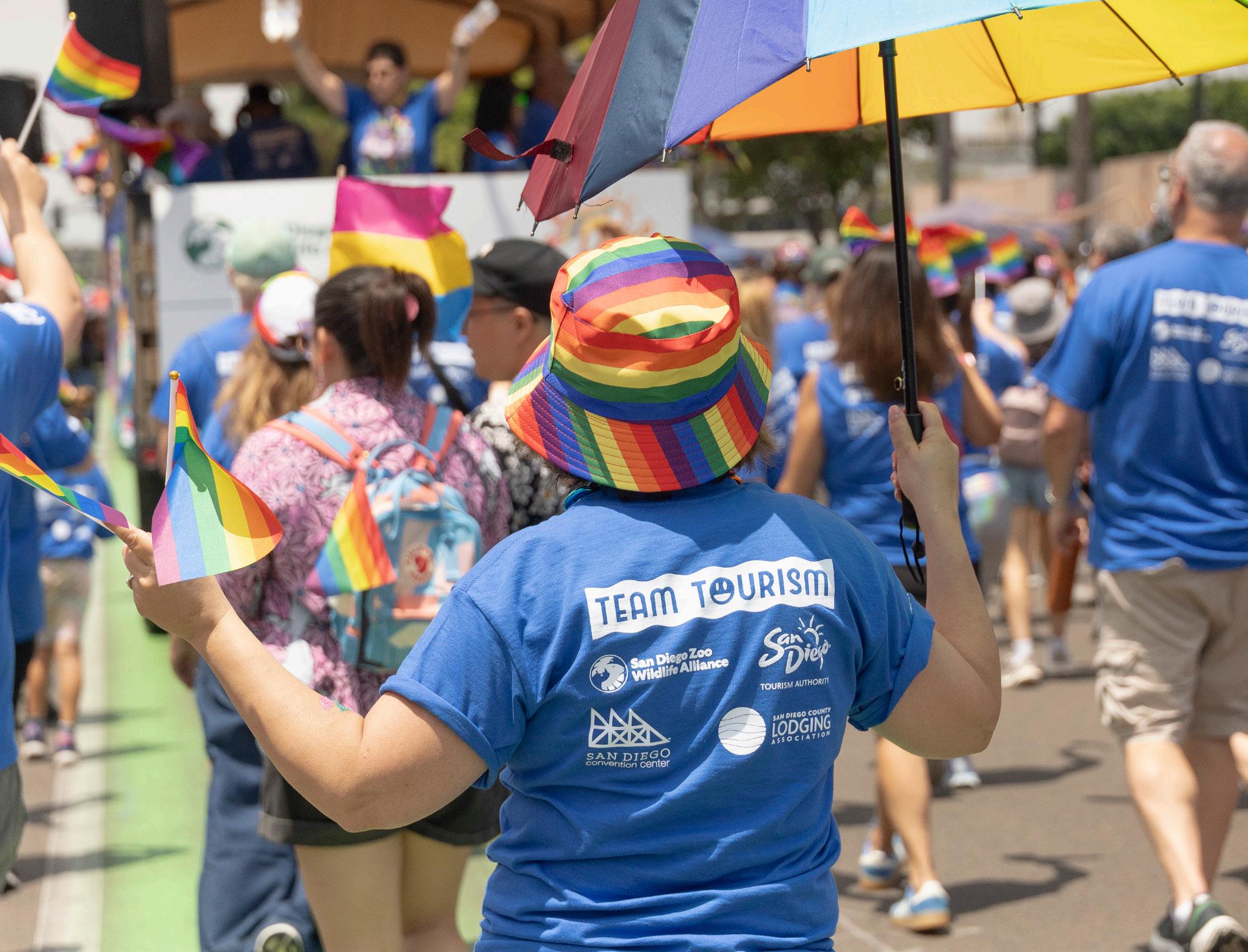
Taking Pride
We partnered with Team Tourism, including the San Diego Tourism Authority, San Diego Convention Center, and San Diego County Lodging Association, to join San Diego’s Pride Parade, one of the nation’s largest celebrations of LGBTQIA+ Pride Month.
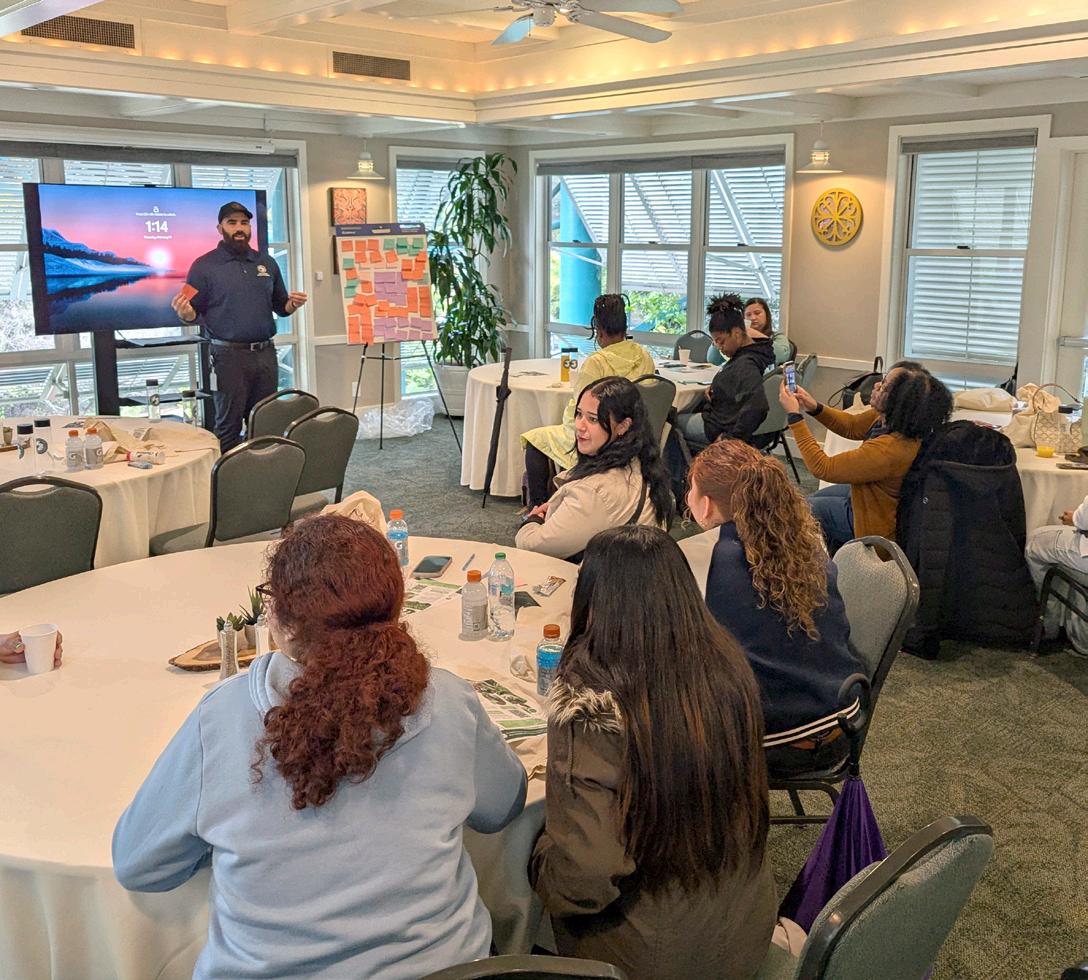
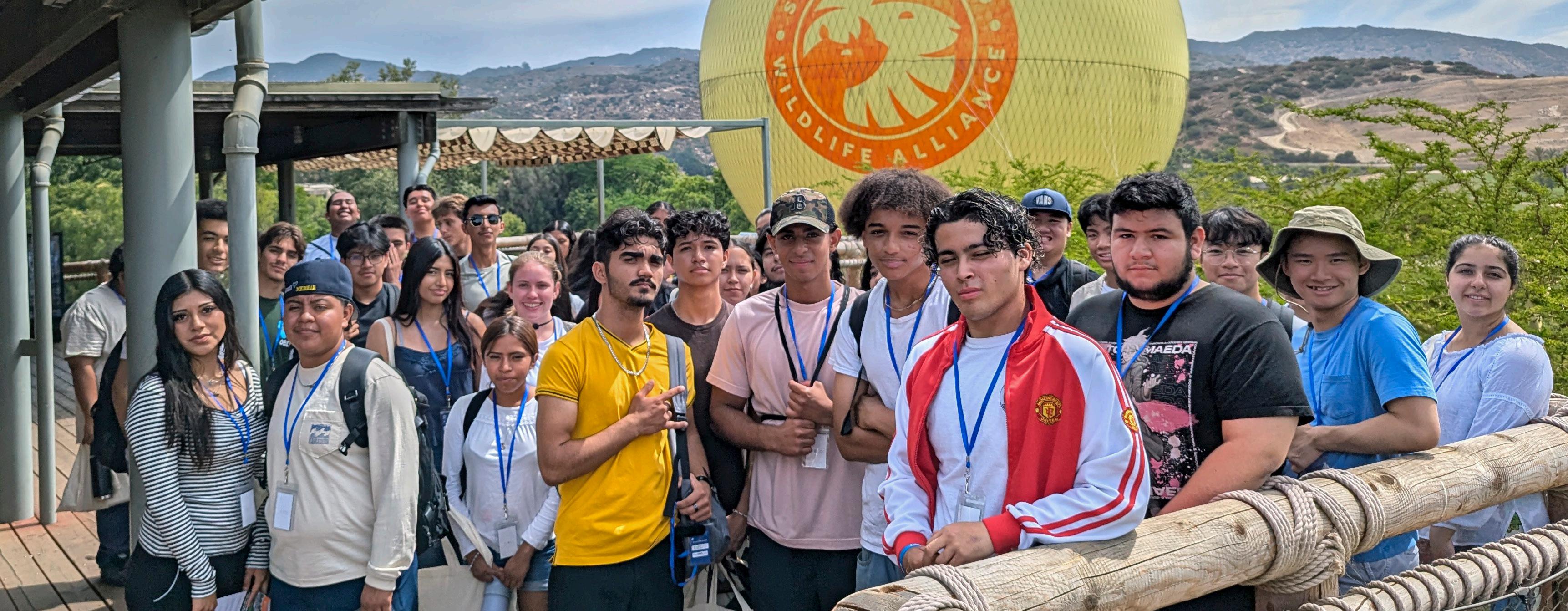
500+
youths learned about career paths within our organization through our Plant-a-Seed program, in collaboration with other nonprofits and local schools.

Financials
More Toward Our Mission
As a nonprofit organization, all revenue supports our mission. Revenue above expenses is reinvested to pursue conservation priorities, capital projects, and operational needs.



Capital Improvements
We proudly invest in our conservation parks and facilities, ensuring they remain vibrant, accessible, and welcoming spaces for all. In doing so, we’re building a legacy of sustainability, well-being, inspiration, and opportunity for generations to come.
Here’s a recent look at these investments.
$2.1 BILLION
Economic activity across the greater San Diego region each year that is driven
*Please note: and IRS Form 990 will be available on sdzwa.org once they are completed.

Gifts that provide immediate support and may qualify as tax-deductible charitable donations:
WAYS TO Support
Your generosity today makes all the difference.
We are all connected. Everything we do to save, protect, and care for wildlife in San Diego and in eight Conservation Hubs across the globe is only possible with the generosity of allies like you. Please join us in securing the future for wildlife, people, and the ecosystems we all share. Here are some of the many ways to support us.
Membership
Beginning, renewing, or upgrading your membership—or joining one of our philanthropic groups of committed allies—are great ways to stay connected to the wildlife you love while furthering our mission and enjoying special benefits and programming.
For details, visit sdzwa.org/membership or see pages 80–83.
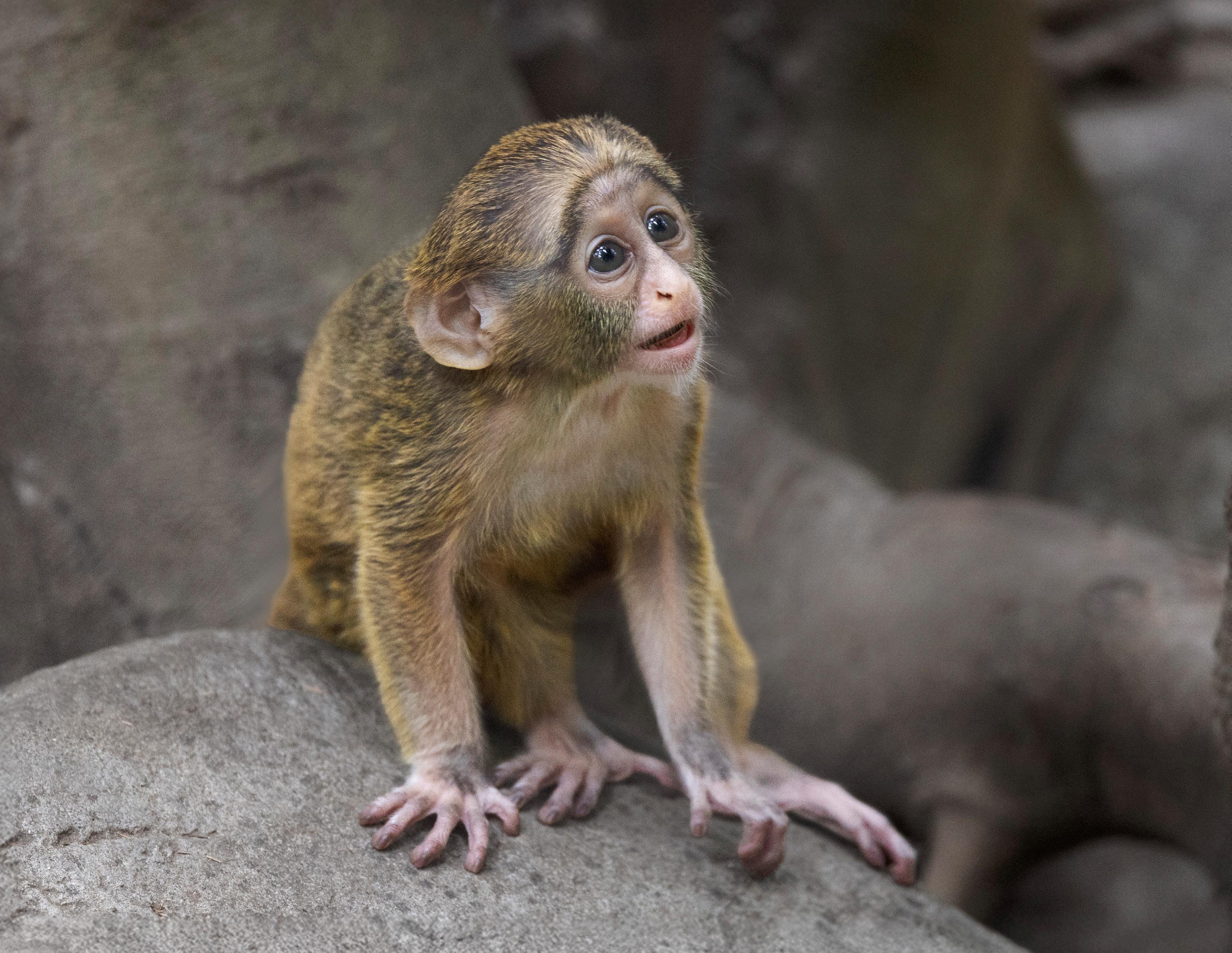
and bonds
Monthly giving
To learn more or become a Wildlife Hero, visit sdzwa.org/wildlife-hero.
SPECIAL EVENTS AND EXPERIENCES
When you join us for a safari experience or tour and attend special events throughout the year—including our annual Food, Wine & Brew celebration and black-tie fundraising gala, Rendezvous In The Zoo (R·I·T·Z)—you’re in for an adventure that benefits wildlife.
SPONSORSHIP AND LICENSING
From promotional opportunities to national cause marketing campaigns, we offer a wide array of services that can help your brand be part of our efforts to save wildlife.
To support our vital conservation mission, visit sdzwa.org/support-us, call us at (619) 685-3219, or email donations@sdzwa.org.
Create a Legacy for Wildlife
Your legacy gift helps us meet the challenges of today and tomorrow for generations to come. To learn more, visit zoolegacy.org.
BEQUESTS
Through your will or living trust, you can gift a specific amount, an asset, or a percentage of your estate. It’s one of the most flexible ways you can help save, protect, and care for wildlife.
MEMORIALS AND TRUSTS
Donations can be a thoughtful way to honor or remember a loved one. All gifts have a meaningful impact and support our work to help wildlife around the world.
GIFTS OF PROPERTY AND RETAINED LIFE ESTATE
A gift of appreciated real estate property, such as a home, vacation residence, or commercial property, allows you to leave a lasting legacy while avoiding capital gains tax and receiving a charitable income tax deduction. You can even donate your home today while retaining the right to live there for the rest of your life.
CHARITABLE REMAINDER TRUST
With a charitable remainder trust, you can transfer cash or appreciated property and choose to receive a fixed annuity payment or variable payments based on the trust principal. When the trust matures, the remaining amount passes to us.
CHARITABLE GIFT ANNUITY (CGA)
Through a charitable gift annuity, you can transfer cash or appreciated property to our organization in exchange for fixed payments, with rates based on your age, for the rest of your life. When the annuity matures, the remainder passes to us.
BENEFICIARY DESIGNATION
For a simple and affordable way to support, you can designate us as a beneficiary of a retirement, investment, or bank account or your life insurance policy.
Other Giving
EMPLOYER MATCHING GIFTS
Many companies will match their employees’ (and often retirees’) contributions to our organization, doubling your impact for wildlife.
GIFTS TO FUND WILDLIFE HABITATS
Giving to a new or improved habitat at our parks helps ensure we can continue providing the world’s best care for wildlife.
FOUNDATION GRANTS
Partner with us to advance a broad range of projects and programs that save endangered species, fulfill laboratory and veterinary equipment needs, help underserved populations in our community, inspire the next generation, and so much more.
IRA ROLLOVER
Those 70-and-a-half or older can transfer up to $100,000 from Individual Retirement Accounts directly to us, counting toward the required minimum distribution and reducing taxable income.
The Zoo has been an important part of our lives, providing wonder, education, and fun for our family. We love the conservation work that San Diego Zoo Wildlife Alliance does around the world and here at home. We are proud that our donations can help make that possible.
KARL AND LESLIE B .
Leadership
2025 Executive Team
Shawn Dixon
President and Chief Executive Officer
David Franco
Chief Financial Officer
Erika Kohler
Senior Vice President and Executive Director, San Diego Zoo
Pat McTigue
Interim Senior Vice President and Executive Director, San Diego Zoo Safari Park
Nadine Lamberski
DVM, DACZM, DECZM (ZHM)
Chief Conservation and Wildlife Health Officer
David B. Gillig
Chief Philanthropy Officer
Aida Rosa
Chief Human Resources Officer
David Miller
Chief Marketing Officer
Wendy Bulger
General Counsel
2025 Board of Trustees
OFFICERS
Steven S. Simpson Chair
Rolf Benirschke Vice Chair
Adam Day Treasurer
Gary E. Knell Secretary
TRUSTEES
Tom Chapman
E. Jane Finley
Clifford W. Hague
Bryan B. Min
Kenji Price
Corinne Verdery
'Aulani Wilhelm
TRUSTEES EMERITI
Javade Chaudhri
Berit N. Durler
Thompson Fetter
Richard B. Gulley
Robert B. Horsman
Steven G. Tappan
John M. Thornton
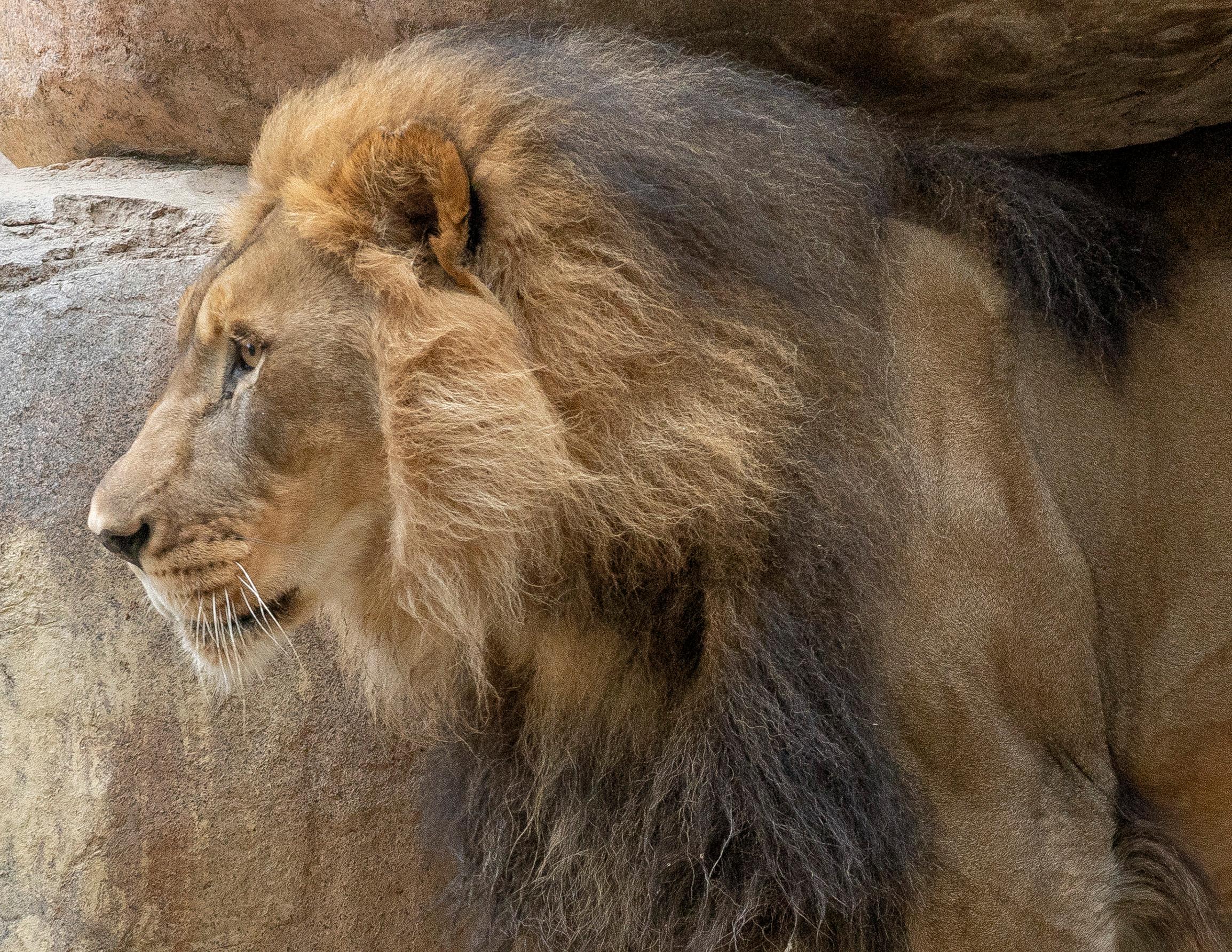
Photo Credits: Page 23 (Debra Shier Award) Norman Lee; Page 32 (getty high-five) EmirMemedovski/E+/Getty Images; Page 33 (getty landscape) Mike_Pellinni/iStock/Getty Images Plus; Page 36 (getty owl) Kawin Towe/iStock/Getty Images Plus;
Page 45 (alala) Zach Pezzillo; Page 52 (Getty gorilla) Rixipix/iStock/Getty Images Plus; Page 53 (Getty plant) William Borney/ iStock/Getty Images Plus; Page 56 (Getty whale) roclwyr/iStock/Getty Images Plus; Page 57 (Getty kelp) tswinner/iStock/ Getty Images Plus; Page 58 (Getty kelp) KGrif/iStock/Getty Images Plus; Page 59 (killer whale) Collected under NMFS Permit #27052; Page 60 (Getty ice) Oleksandr Matsibura/iStock/Getty Images Plus; Page 60 (Getty polar bear) zanskar/iStock/ Getty Images Plus; Page 62 (jaguar) Adrian Dockerty/iStock/Getty Images Plus; Page 64 (Peru lab) Jorge Luis Mendoza-Silva; Page 66 (Getty koala) eeqmcc/iStock/Getty Images Plus; Page 69 (echidna summit/presentation) Nick van Eeuwijk; Page 74 (leopard) Location: Loisaba Conservancy