
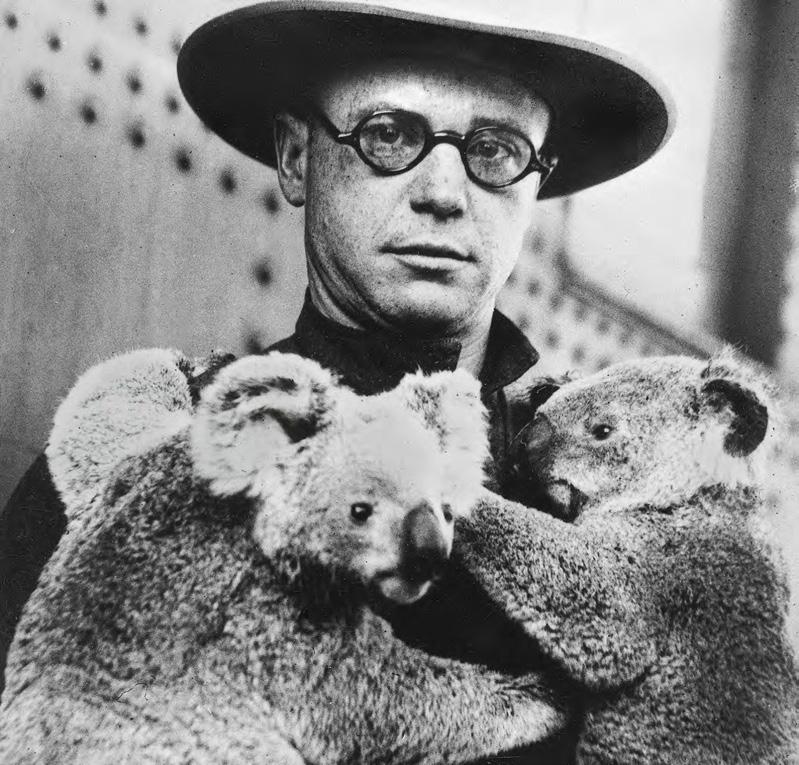


The Zoo’s fondness for koalas goes back to 1925. It began with a tale of two cities: San Diego and Sydney, Australia


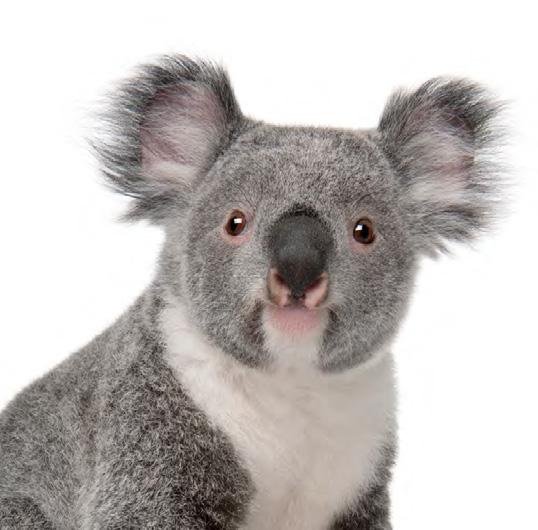
Take an interactive look at the “koalaties” that make these marsupials stand out.
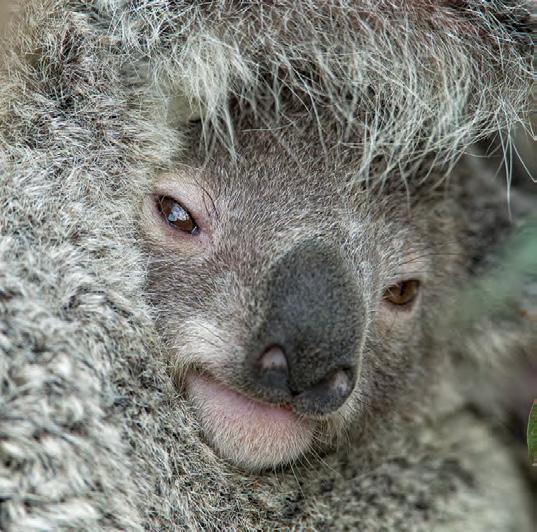
Sometimes, success is measured in joeys! Read all about the research and hard work that goes into our koala reproduction efforts.
Koala Conservation
Three new koalas get a health exam at the Zoo’s hospital.
Exploring solutions for koalas facing urban sprawl in Australia.
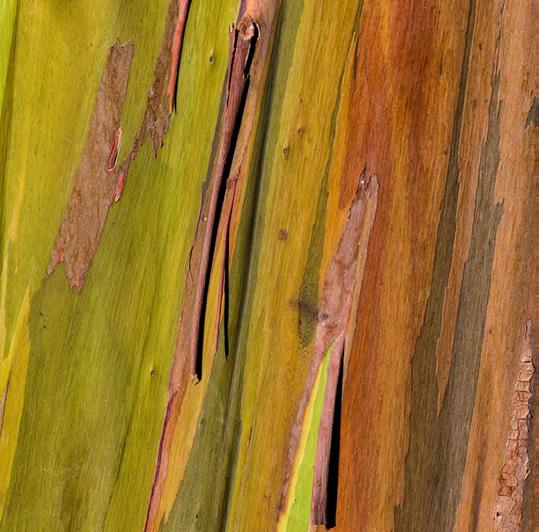
From bark to blossom and beyond: get to know the koala’s favorite flora.
Support
Chairman’s Note
Through the Lens From the Archives
You Said It
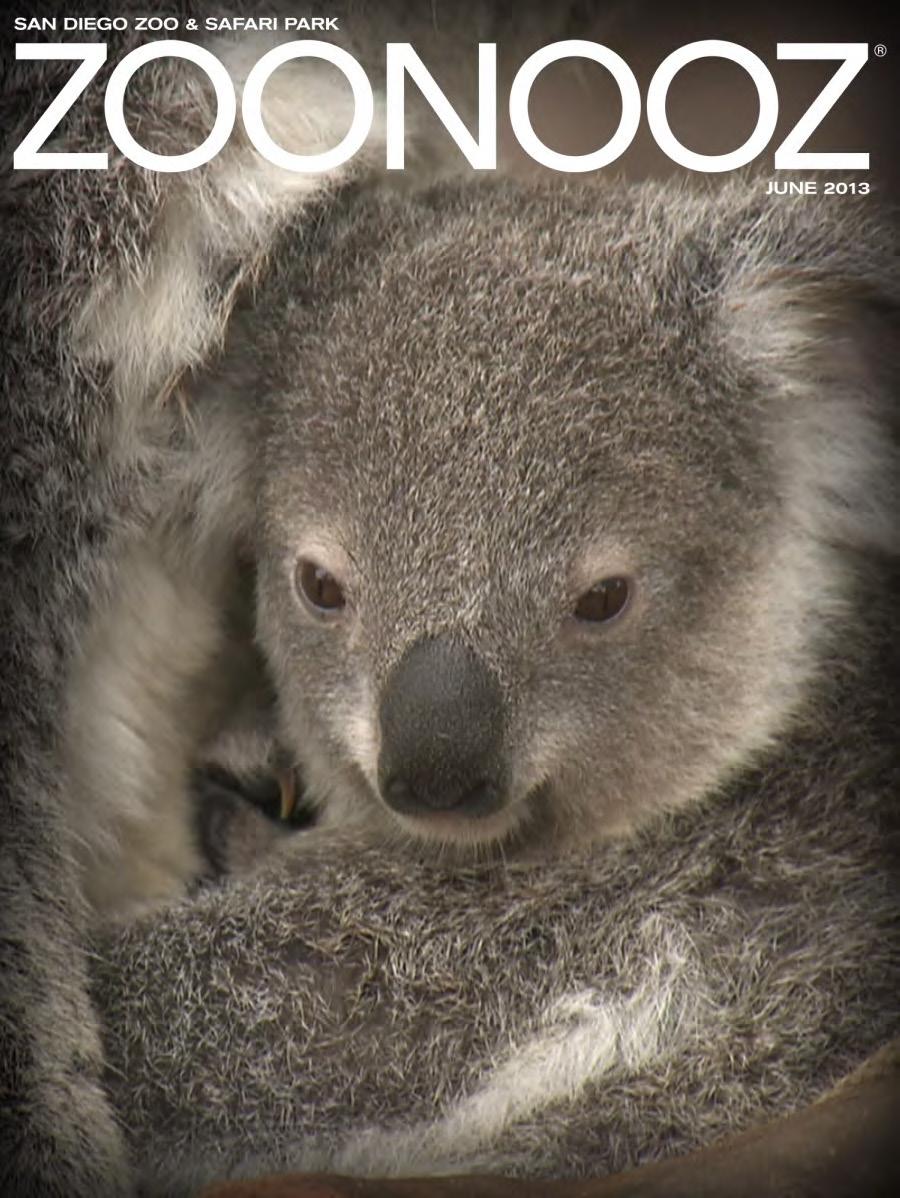
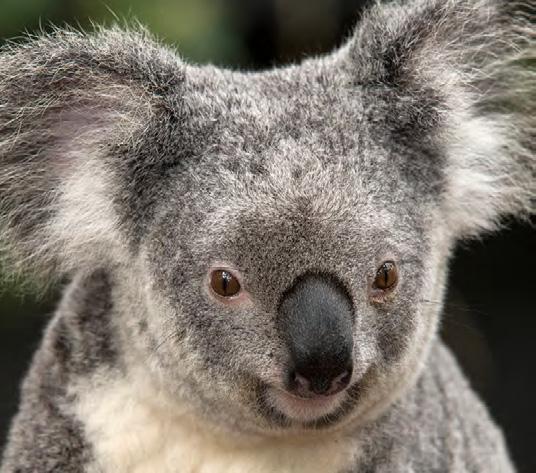
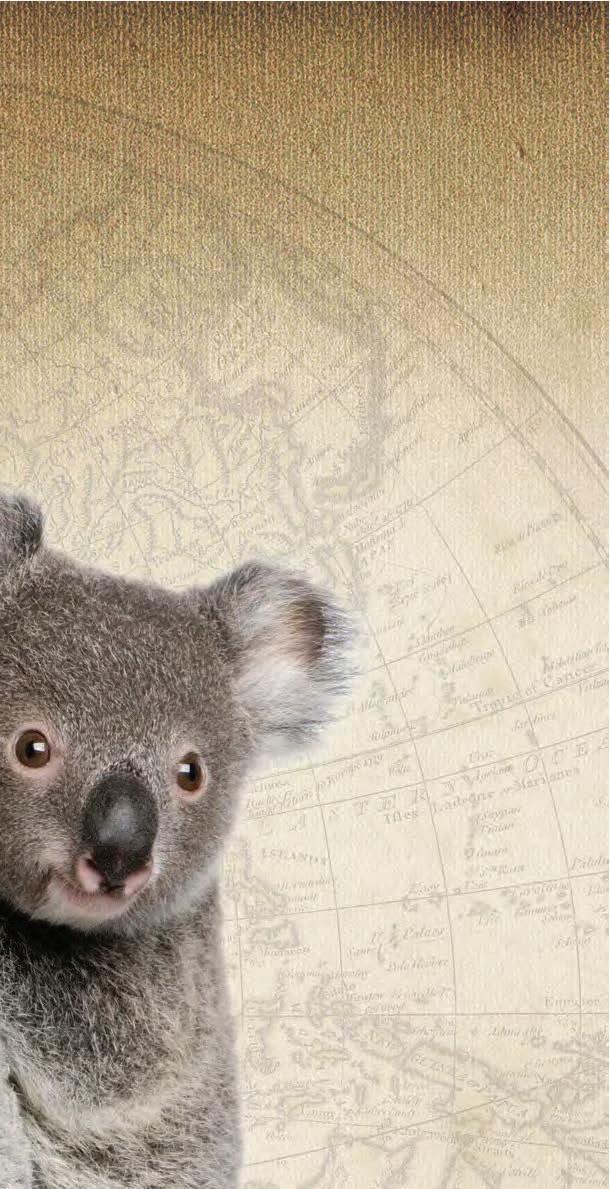
on the cover: Queensland koala Phascolarctos cinereus adustus
©Lee Rieber, SDZG Videographer
ZOONOOZ
JUNE 2013
Do you have the digital ZOONOOZ?
















ZOONOOZ is now available in three digital formats: for iPad, Kindle Fire, and desktop computer. At home or on the go, you can now have ZOONOOZ at your fingertips!








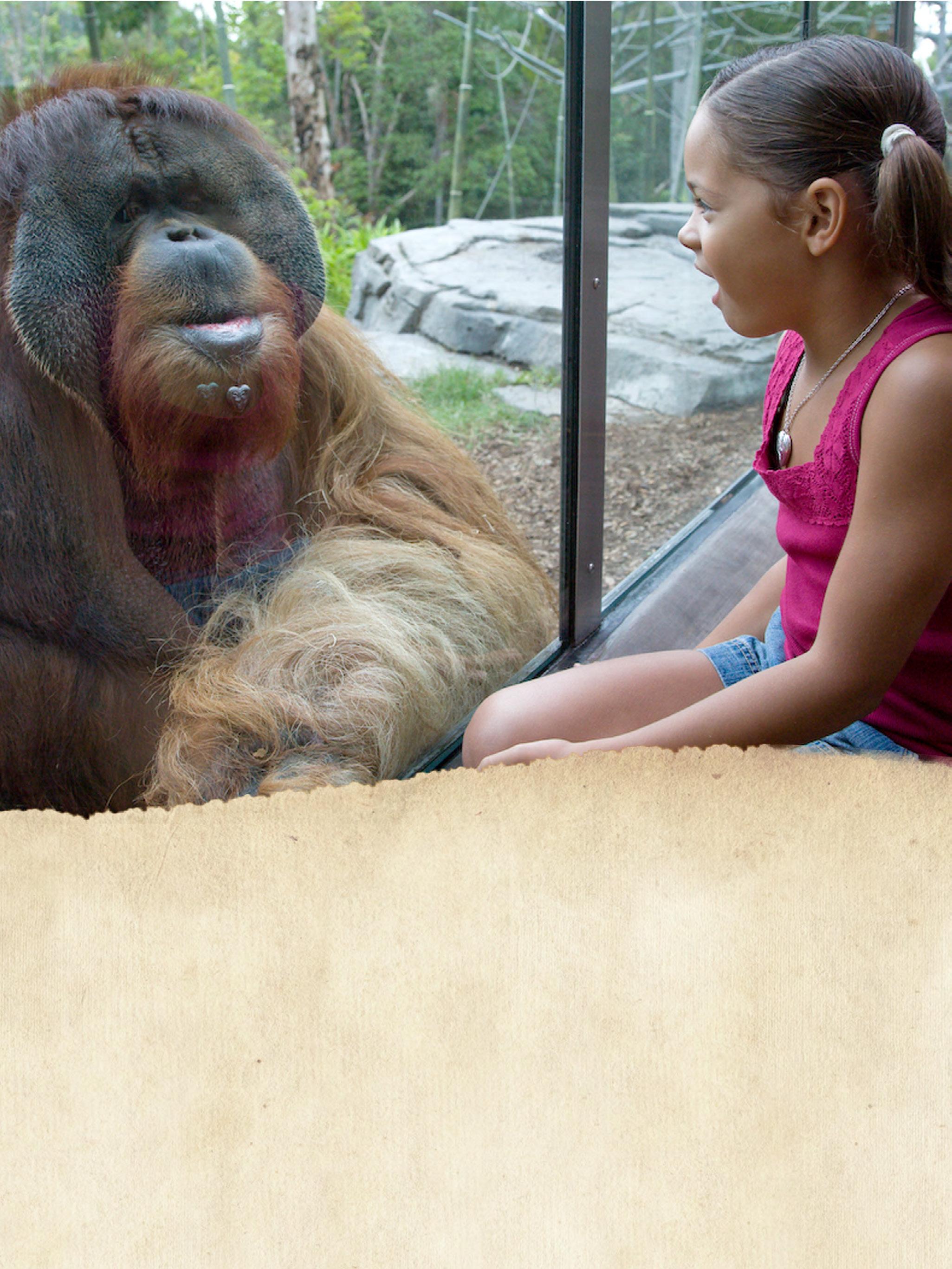
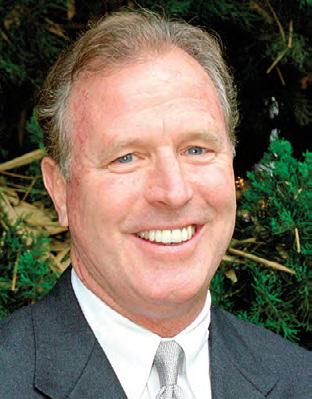
With the opening of the Conrad Prebys Australian Outback, we’ve had the opportunity to highlight the conservation projects San Diego Zoo Global is involved in on behalf of koalas. In particular, our researchers have been actively involved in koala behavior and habitat studies on the Australian island of St. Bees, including radio collaring koalas to track them and gather data. is was discussed in an article in last month’s ZOONOOZ. In this issue, you’ll nd out about our Koala Genetic Health and Management Program, as well as our collaboration with researchers and organizations like the Dreamworld Foundation in Australia. ese projects strive to help wild koalas, especially those that are free ranging but nd themselves living in urban areas. With a rapid decline in the populations of wild koalas on the Australian mainland, these research projects are becoming even more important toward helping koalas.
We are also involved in and support conservation work for several other species in the Australasia region. Working in collaboration with Australian organizations and the Association of Zoos and Aquariums’ (AZA) Species Survival Programs, San Diego Zoo Global supports conservation e orts for the parma and yellow-footed rock wallaby as well as the quokka. We are also increasing our participation in the conservation of the Tasmanian devil in Tasmania, which is facing a serious threat from a virus that causes life-threatening tumors in these carnivores. In addition, we are helping to support a study to place radio collars on juvenile cassowaries that are rescued and released a er being hand raised, to see if tracking is feasible in order to follow their activities and determine if the reintroduction is successful.
Another marsupial we work with is native to Papua New Guinea, the Buerger’s tree kangaroo. Like koalas, tree kangaroos are completely
dependent upon a healthy forest ecosystem for survival, so protecting their habitat is vital to their conservation. In a collaborative e ort between zoos, scientists, educators, local government o cials, and local landowners, this conservation project seeks to integrate science and education at the community level, developing an ecologically sound and sustainable way to manage the forests to support both wildlife and people.
In New Zealand, the focus of a multi-year conservation research project is the North Island brown kiwi. is eld project radio collared and tracked nearly 50 free-ranging kiwis to document their habitat use and reproductive behavior—no easy task, since kiwis are nocturnal and nest in burrows. e research shows that 90 percent of the kiwis roosted in forest habitat, inside burrows formed at the base of trees. Like the tree kangaroo, the study shows that preservation and management of New Zealand’s forest ecosystem is an integral part of saving this endangered species.
Conservation of the Komodo dragon, native to Komodo Island in Indonesia, is another project that San Diego Zoo Global helps to support. As part of AZA’s Taxon Advisory Group, we are studying reproduction in these monitor lizards, particularly identifying when females are ready to breed for the rst time. In order to create a sustainable zoo population of Komodo dragons, it is important to be able to detect ovulation in females. Our keepers at the San Diego Zoo have been working with our dragons to train them to safely provide a saliva sample for hormone analysis, a project not for the faint of heart, but they have been getting successful results.
As a global conservation organization, these projects are further examples of our work in other parts of the world. From koalas to kiwis and devils to dragons, San Diego Zoo Global is actively participating in conservation e orts for Australasia’s animals.

Rick Gulley Chairman
you said it
BREAKFAST TIME! e only thing these angels [koalas] do fast is eat! Even baby joey is in on the action this morning!!!

Da_boss622118
My husband and I had an awesome caravan tour at the SAFARI PARK with our guides Frank and Augustin. We learned a lot and plan to do more caravans in the future. Thank you so much!

Heidi Wallin





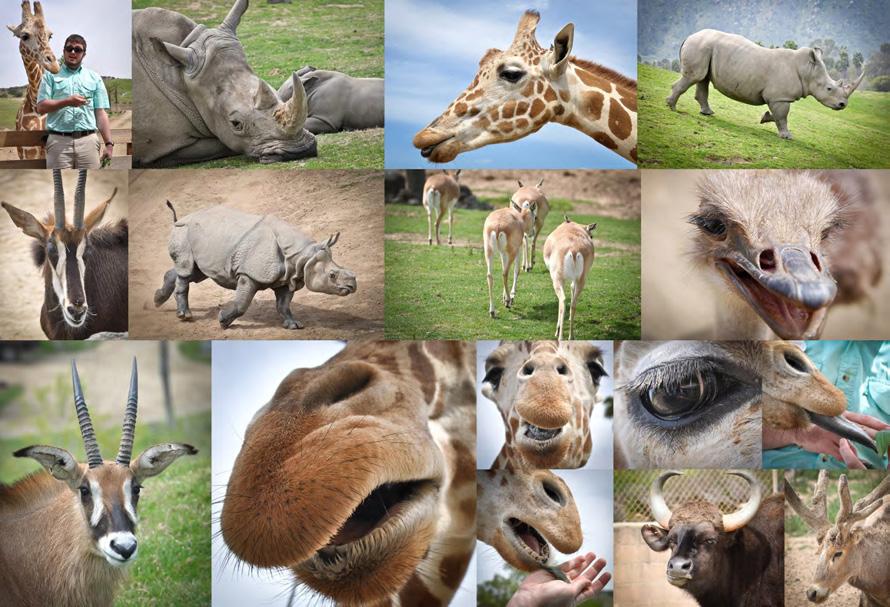




Had an amazing time at the Safari Park today! e baby gorilla and rhino were adorable. #toocuteforwords @katemeff s





WE’RE IN HEAVEN…eucalyptus heaven. Little one [koala joey] has her head thrown back, scar ng it up!! Oh to be surrounded by the food you love – like being in an ice cream parlor with everything on the menu!!

Julie Distel




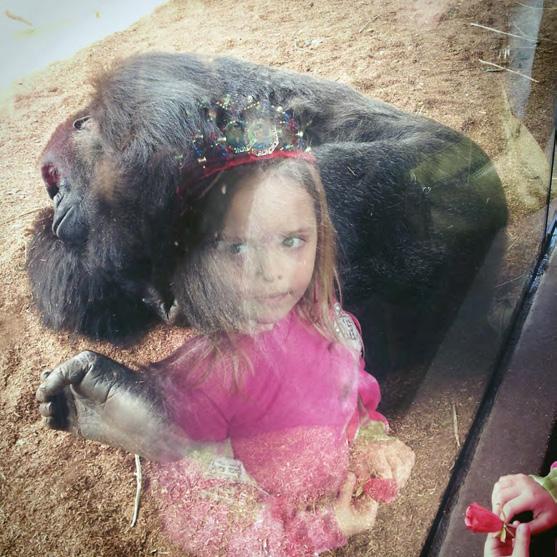
ank you for this memory...Beauty and e Beast. Xo #SDZplaydays –Andrea Ebbing

Had to laugh when I read about the koalas sleeping a lot — oh, my! Do they ever. Seems like the only time I see them move around is in the mornings. They are so adorable. Got to see little joey this morning — quite a treat. anks so much for this new cam and all the info on koalas.
Deborah S. (No. Calif. Bay Area)


Document your Summer Safari (beginning June 29 at the Safari Park) experience on Instagram and tag your photos with #SummerSafari for a chance to win a safari adventure for four.
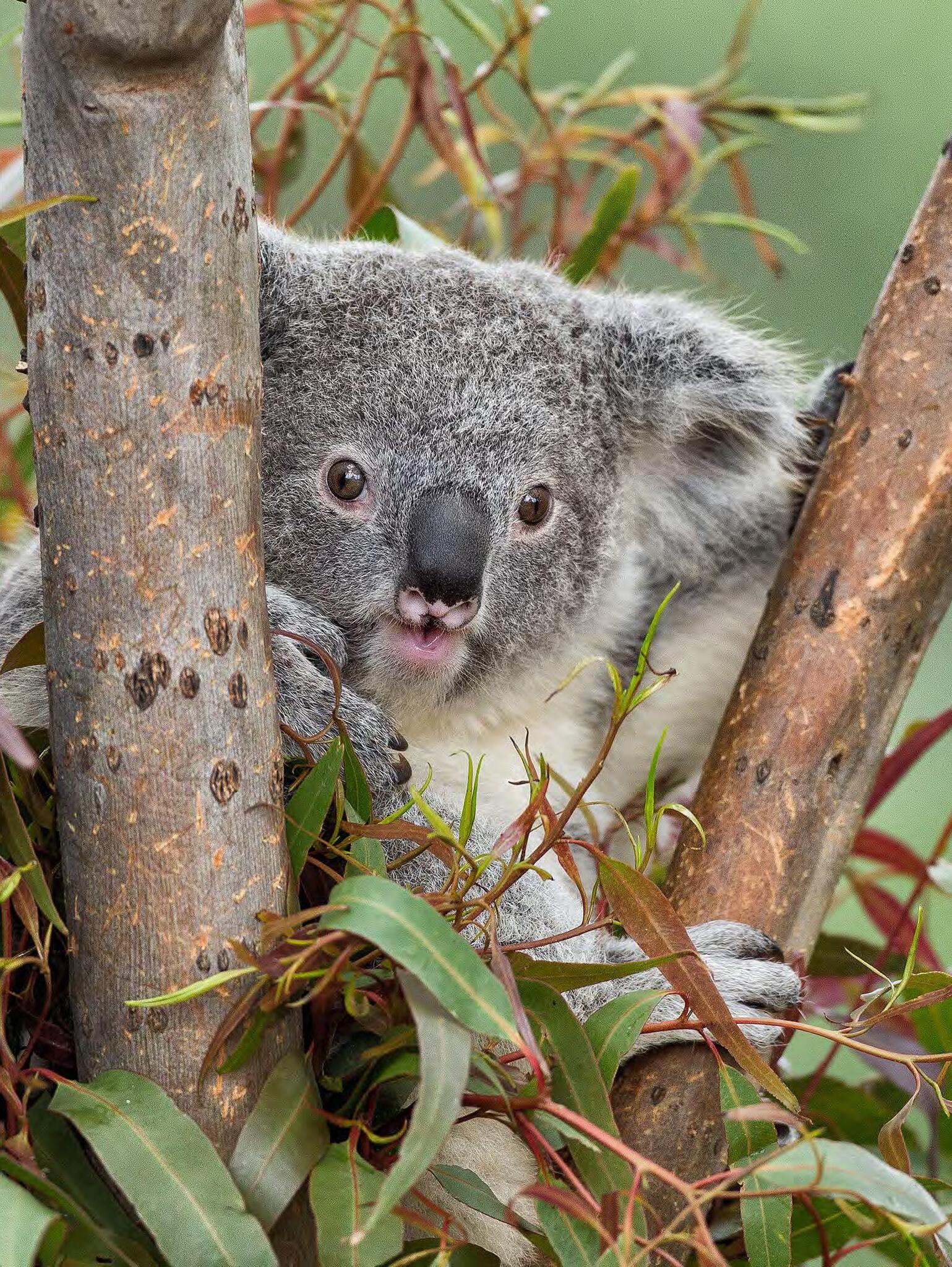
Photo by Ken Bohn, SDGZ Photographer
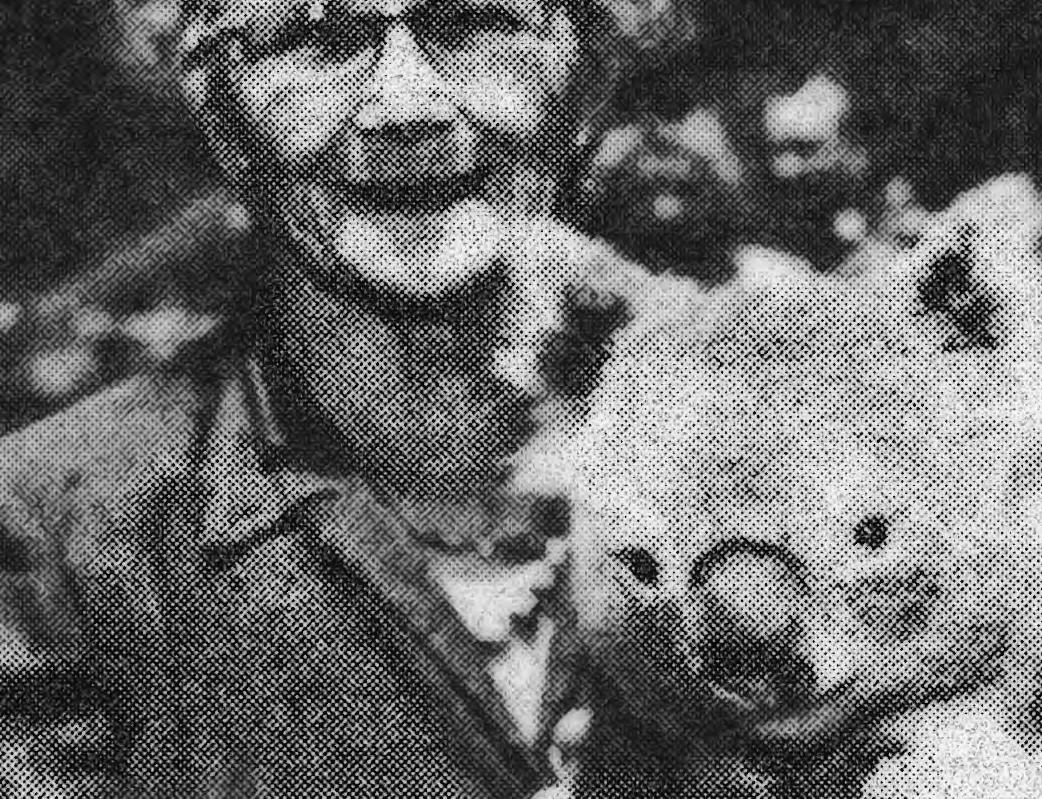







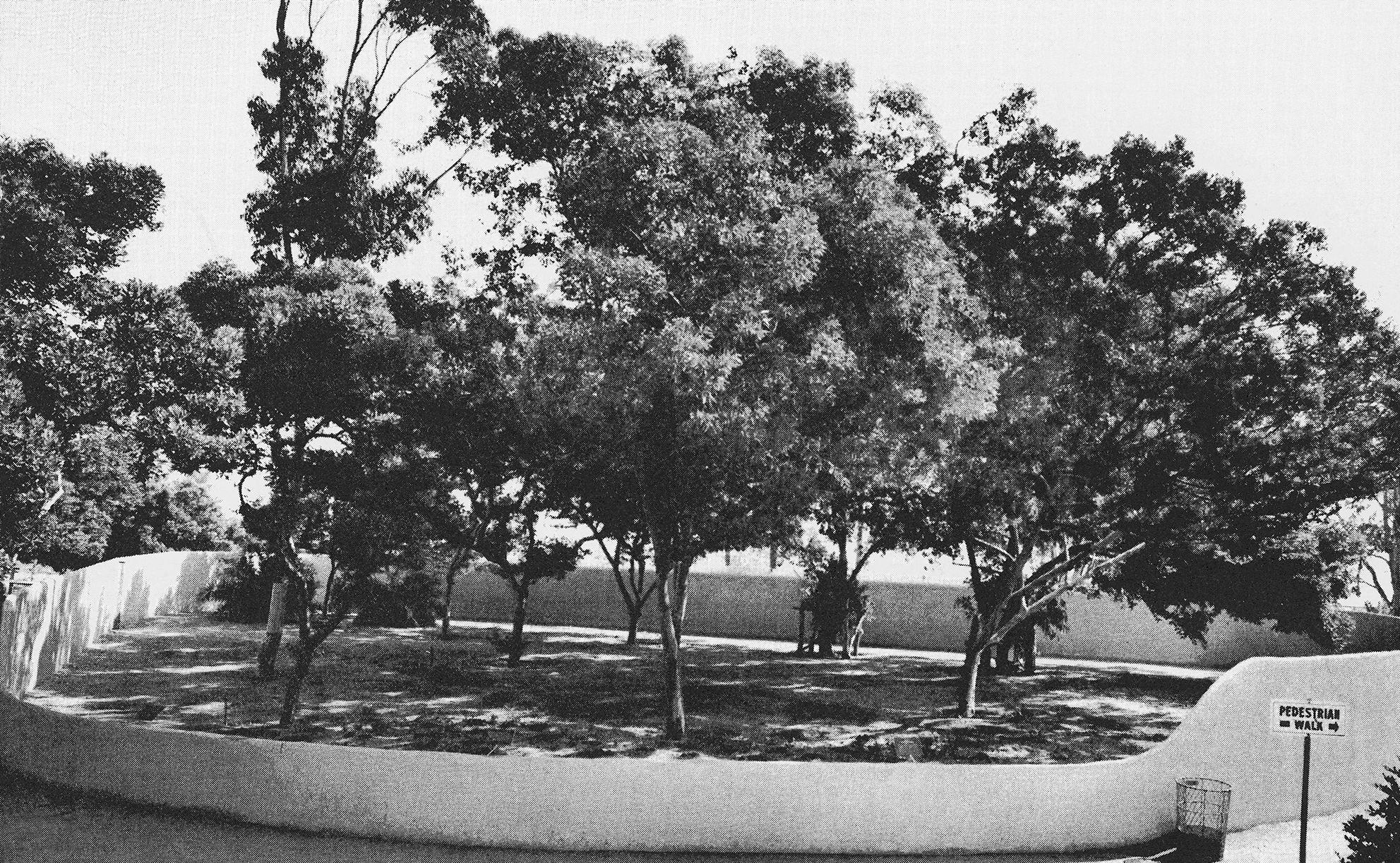
In 1959, a new koala exhibit opened at the Zoo in a small grove of eucalyptus trees—not a type koalas eat—that created a homey atmosphere.
By Karen E. Worley MANAGING EDITOR
Photos by SDZG Photographers
It seems that people around the world are enamored with koalas. What is it about these Australian animals that we nd so captivating? It could certainly be their round, fuzzy, adorable good looks. Perhaps it’s their a able demeanor and mesmerizing gaze. Whatever the fascination is, koalas are undeniably unique among mammals, and San Diego Zoo visitors have come away charmed by them for more than 85 years.
e koala is so unique, in fact, that when Europeans rst tried to describe the species, they had trouble deciding what to call it. In 1798, the rst European to record an encounter with koalas noted in his diary, “ ere is another animal which the natives call a cullawine, which much resembles the sloths in America.” In 1803, a naturalist wrote: “A
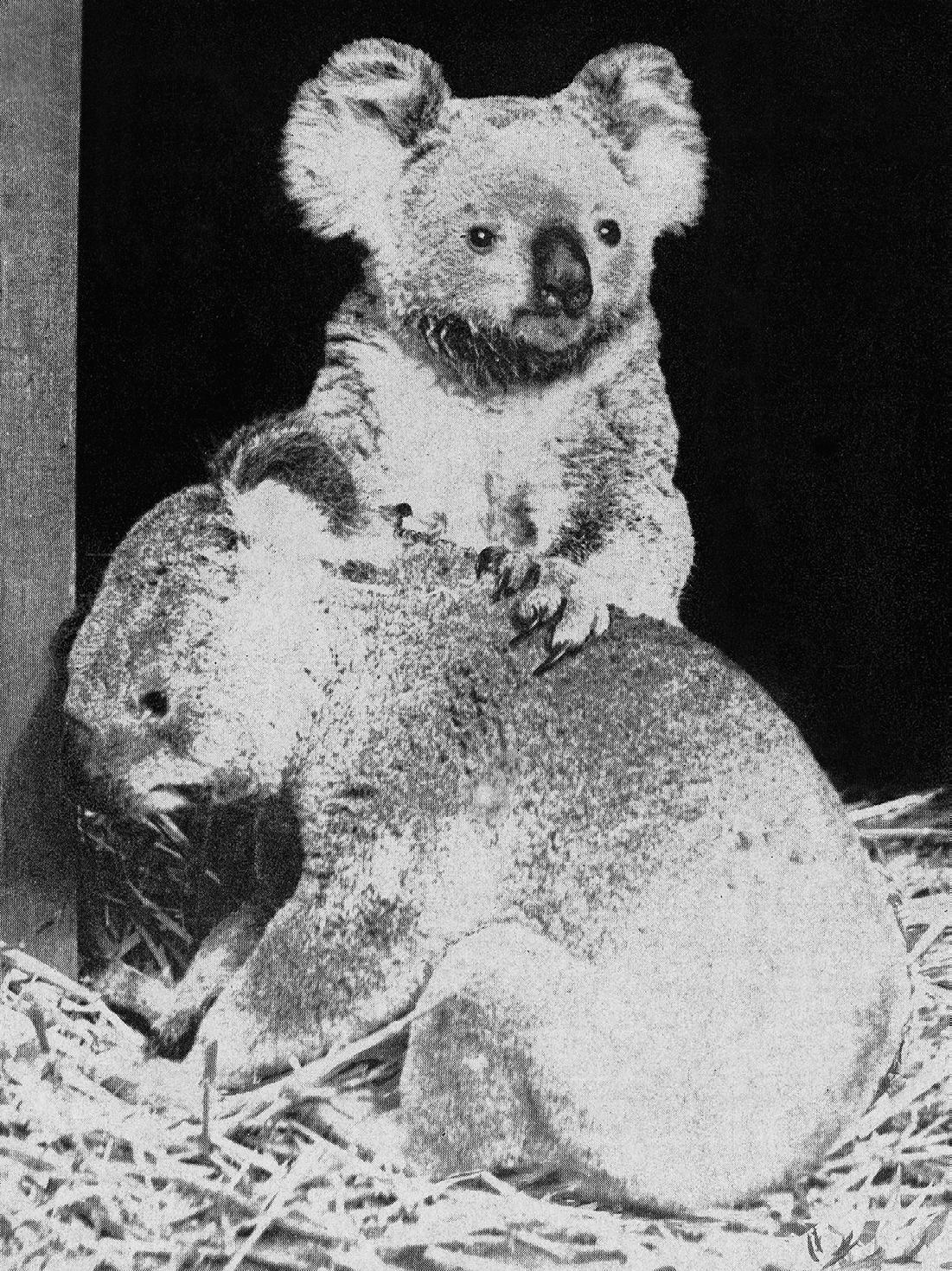
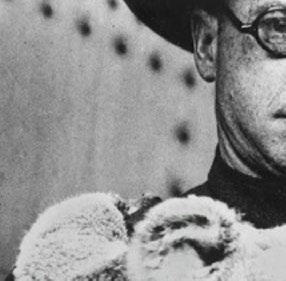
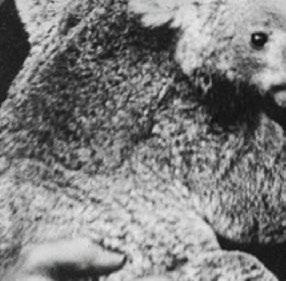
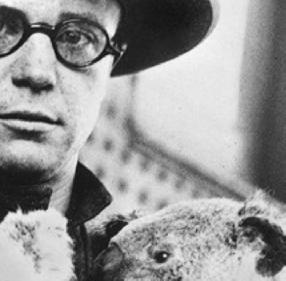
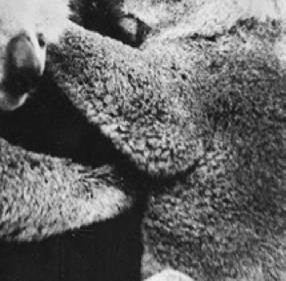
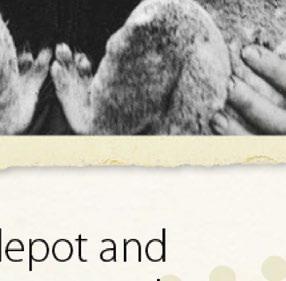
Snugglepot and Cuddlepie were the Zoo’s first koalas. They came here in 1925, a gift “from the children of Sydney to the children of San Diego.”
new and remarkable species of Didelphis [wombat] has been lately brought in from the southward of Botany Bay. It is called by the natives cooloo or coola....”
Other early accounts referred to the “monkeys of New Holland” and an animal that had “no small resemblance to the bear in the fore part of its body.” It wasn’t until 1816 that the koala was fully described and given its o cial genus name, Phascolarctos —which means “pouched bear.” People continued to refer to koalas as Australia’s “native bear” for many years, continuing the misconception. To this day, you’ll still hear them called koala bears.
Of course, the koala is a marsupial, and it is most decidedly its own species. e koala is the distinct and sole survivor on the branch of a family tree that dates back at least 15 million years. Its closest living relative is the wombat, but koalas di er from wombats in many ways, not the least of which is that they live in the trees. With such a colorful history, no wonder we nd these iconic Australian mammals so fascinating!
IT BEGAN WITH SNUGGLES AND CUDDLES
e San Diego Zoo’s love for koalas began in 1924, when Zoo founder Harry Wegeforth, M.D., and his young Zoo director, Tom Faulconer, cooked up an audacious plan to trade some of our local animals for animals from Australia. At the time, this was all but unheard of, since
it required a lengthy and di cult sea voyage, and Australia had an export embargo on its key species, especially koalas. Dr. Wegeforth was undaunted, however, and Mr. Faulconer sent letters to the Melbourne Zoo and Sydney’s Taronga Zoo. eir hunch turned out to be correct: the Australians would like to have species from the Americas, which would be unusual in their country, and they were willing to exchange some of their native animals in return.
Mr. Faulconer’s journey to and from Australia was a saga unto itself, as he dealt with rain, storms, seasickness (his and the animals’), and feeding and caring for the animals with only the help of one or two curious and sympathetic seamen. In Australia, he was treated to tours of Sydney and Melbourne until it was time to return to San Diego with a ship full of new animals. More than 30 Australian species were represented, and Mr. Faulconer said he “rejoiced over the many really rare and valuable animals that far exceeded even the fanciful list of ‘specimens wanted’ that had been compiled before I started from San Diego.” But there was
one species missing: the koala. Mr. Faulconer said, “I made up my mind to swallow my disappointment, although I would have traded a dozen kangaroos and wombats for a single koala.” However, as they were about to leave the dock, a delivery truck drove up with two large crates bearing a sign that read “Koala Bears for the Children of San Diego, from the Children of Sydney.” Mr. Faulconer and Dr. Wegeforth had gotten their wish.
e two koalas were named Snugglepot and Cuddlepie, a er the characters in a popular Australian children’s book series of the same name. ey went on exhibit at the San Diego Zoo in 1925 and were instant celebrities, with newspapers throughout the US publishing their photo and articles about their arrival. Zoo visitors were enthralled with them, and there was always an appreciative crowd around their exhibit. e distinction of caring for the only koalas outside of Australia certainly helped put the edgling San Diego Zoo on the map.
Wally, one of the Botany Bay koalas, managed to take an unauthorized jaunt outside the exhibit and had to be coaxed out of a nearby tree with help from the fire department.
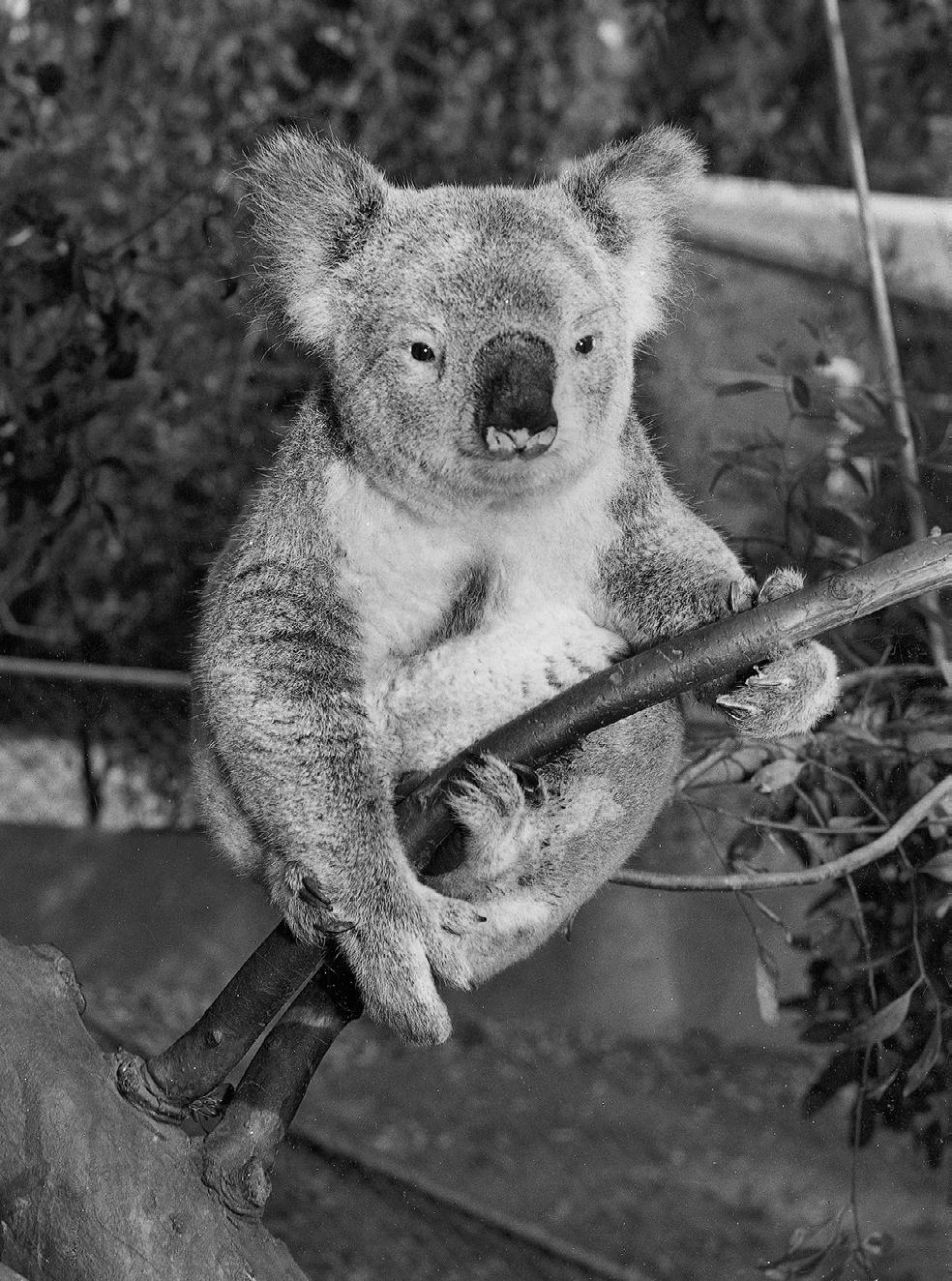
Snuggles and Cuddles were a hard act to follow—after they passed away, the San Diego Zoo was without koalas for many years. Zoo Executive Director Belle Benchley hoped that the marsupials might yet come again to San Diego, and she maintained friendships with colleagues in Australia that had roots in the collaboration begun in 1924. For 28 years, the Zoo had continued planting eucalyptus trees on the grounds, and Mrs. Benchley had the support of several scientists who believed San Diego had the right climate for koalas. Nonetheless, she wrote that little seemed “more impossible than koalas in San Diego seemed to us on December the rst [1951].”
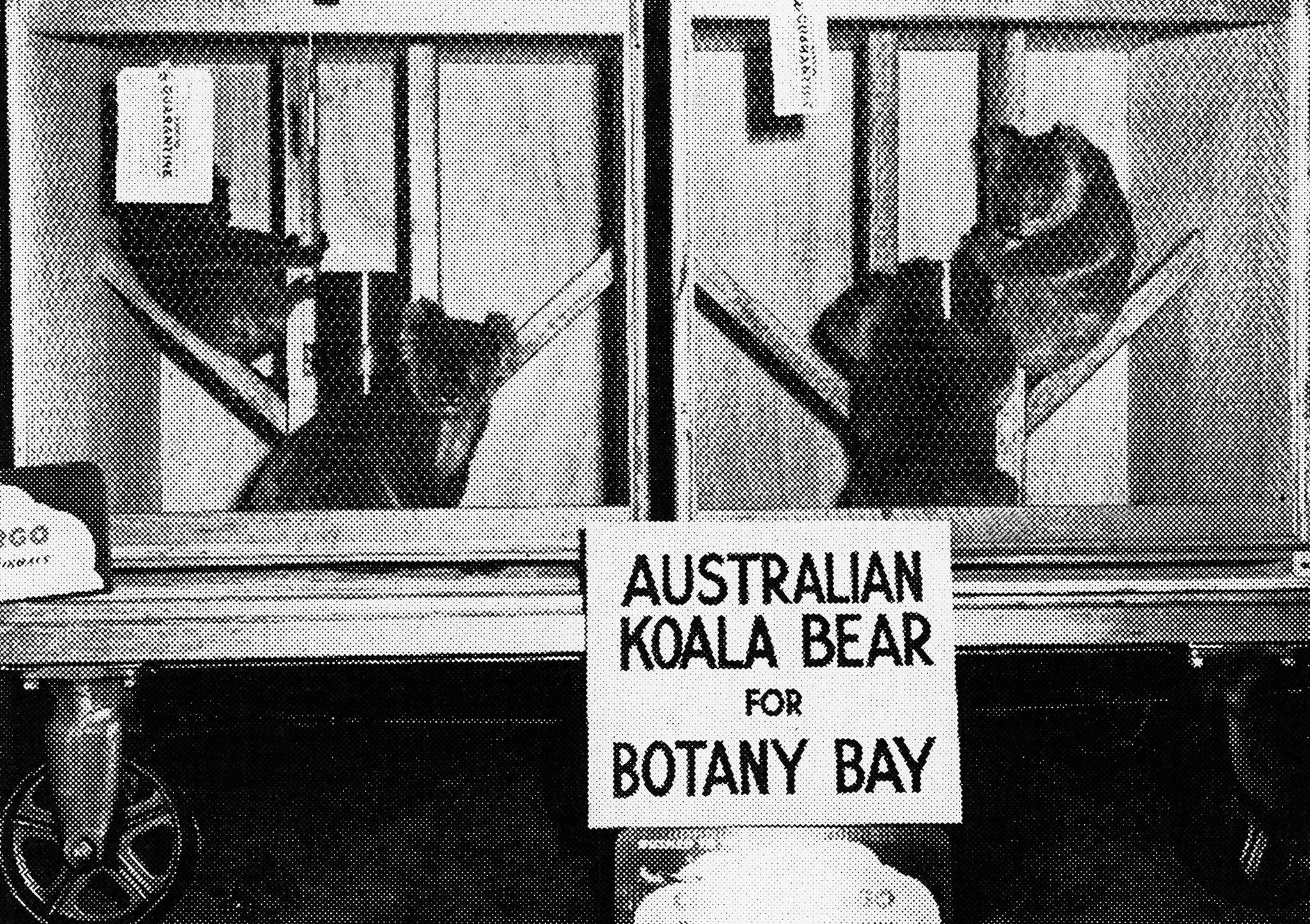
As it turned out, her dream was about to come true through a most unlikely source: a Hollywood lm entitled Botany Bay. e lm was about the founding of the European settlement in Australia, and its producers wanted koalas to help lend authenticity to their story. However, Australia continued the export embargo on its native wildlife, so koalas were a no go...until a friend of the San Diego Zoo stepped in: Sir Edward Hallstrom, president of the Taronga Park Zoological Trust. He o ered to loan the lm’s producers four New South Wales koalas from the koala sanctuary he owned—as long as they would be cared for by the San Diego Zoo and go there to live once lming was complete. Mrs. Benchley wrote that she “wanted to shout the news from the highest eucalyptus tree in the park, ‘Koalas are actually coming!’”
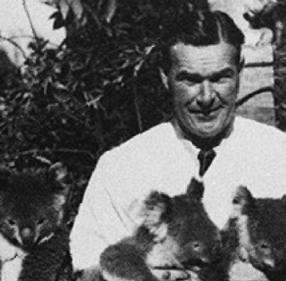
Sir Hallstrom was able to obtain an export license from the Australian government, and the four “Botany Bay koalas” did indeed come to California in 1952, rst as Hollywood lm stars, then as San Diego Zoo stars. Mrs. Benchley wrote, “All this time, I didn’t really believe it.... Something would happen, it always did. I could not be so
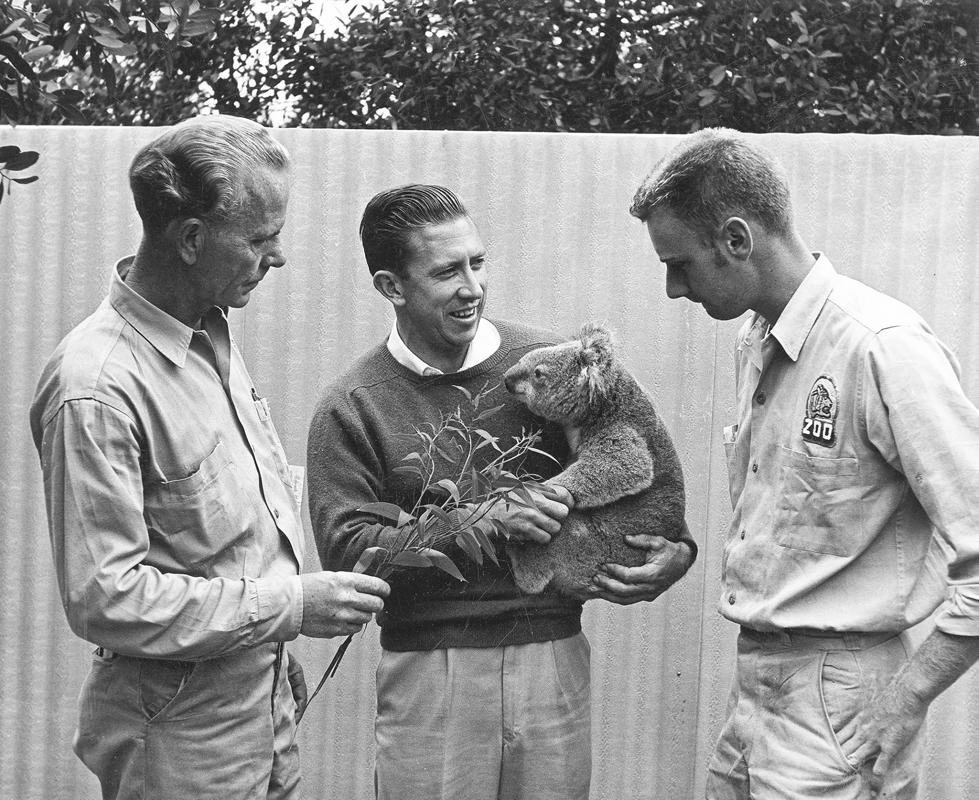
In 1952, Sir Hallstrom of Sydney’s Taronga Zoo brought koalas for San Diego, the first ones at the Zoo in more than 25 years. A keeper from Australia accompanied them and provided insight for San Diego’s keepers about caring for koalas.
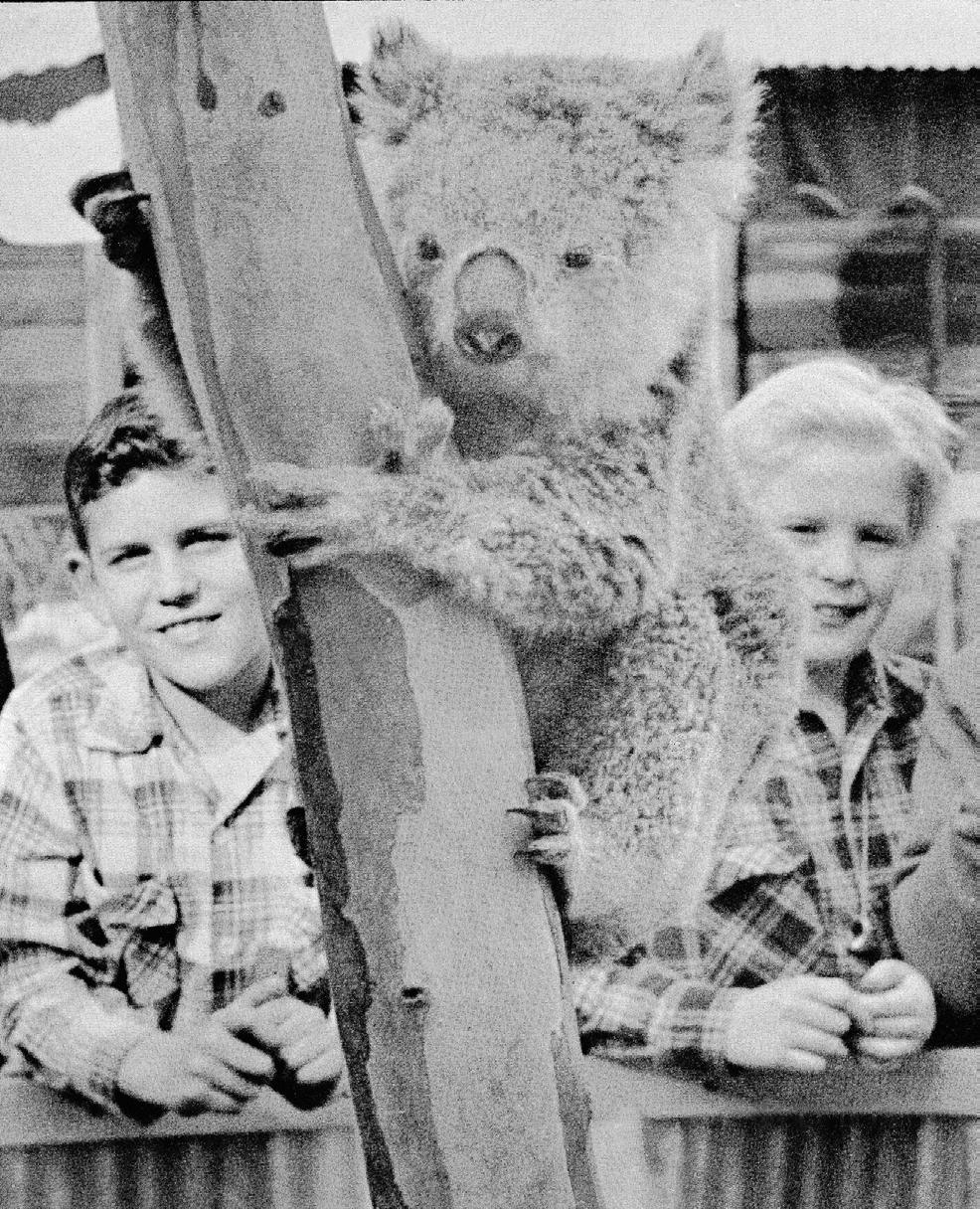
In 1958, Cissie the koala moved to a new home in the brand-new Children’s Zoo to celebrate its grand opening.
fortunate as to actually receive koalas. But suddenly the plane came into sight.... Dr. Crosbie [the veterinarian] climbed aboard and into the cargo hold and shouted back to us, ‘I see them!’”
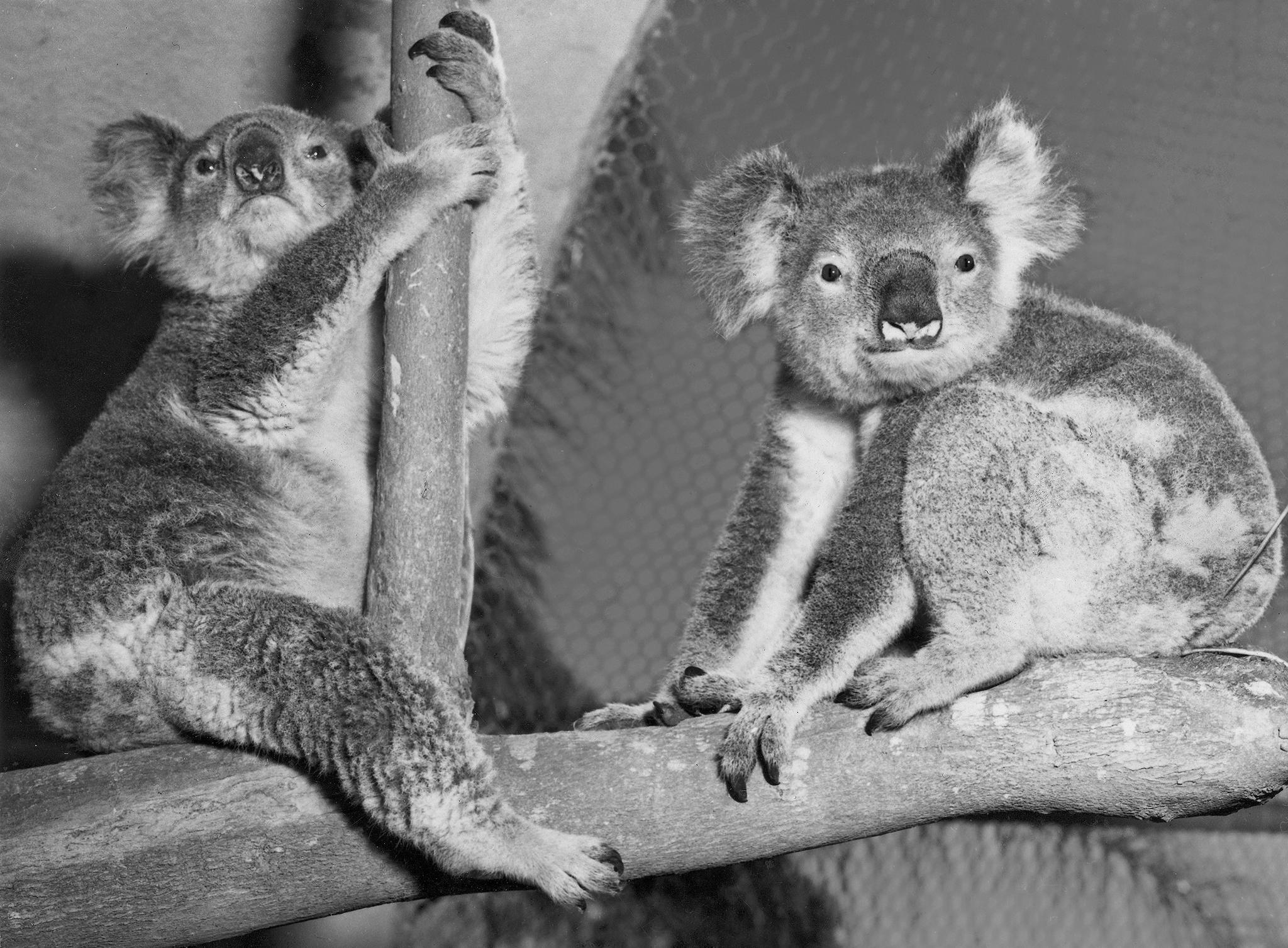
e four koalas, two males and two females, settled in well at the San Diego Zoo and continued their celebrity status, although they were completely indi erent to the commotion they caused. e icing on the cake (or, perhaps, the dew on the eucalyptus leaf) was that the Australian government o cially presented the koalas as a gi to the San Diego Zoo, “to strengthen the bonds of friendship between our two countries.” And that friendship continued when, in 1959, Sir Hallstrom received permission to bring six more koalas to the US, three to live at the San Francisco Zoo and three for the San Diego Zoo. San Diego’s koala colony was now well on its way.
Considering the rarity of koalas outside of Australia, and the trust and confidence the Australians have shown us over the years, every koala at the San Diego Zoo has been important. ere are some individuals, though, that stand out even in this distinguished company. For instance, there are Matilda and Vicki: the rst koala joeys at the San Diego Zoo. Matilda wasn’t
In 1960, Vicki was the first koala joey conceived and born in the Western Hemisphere.

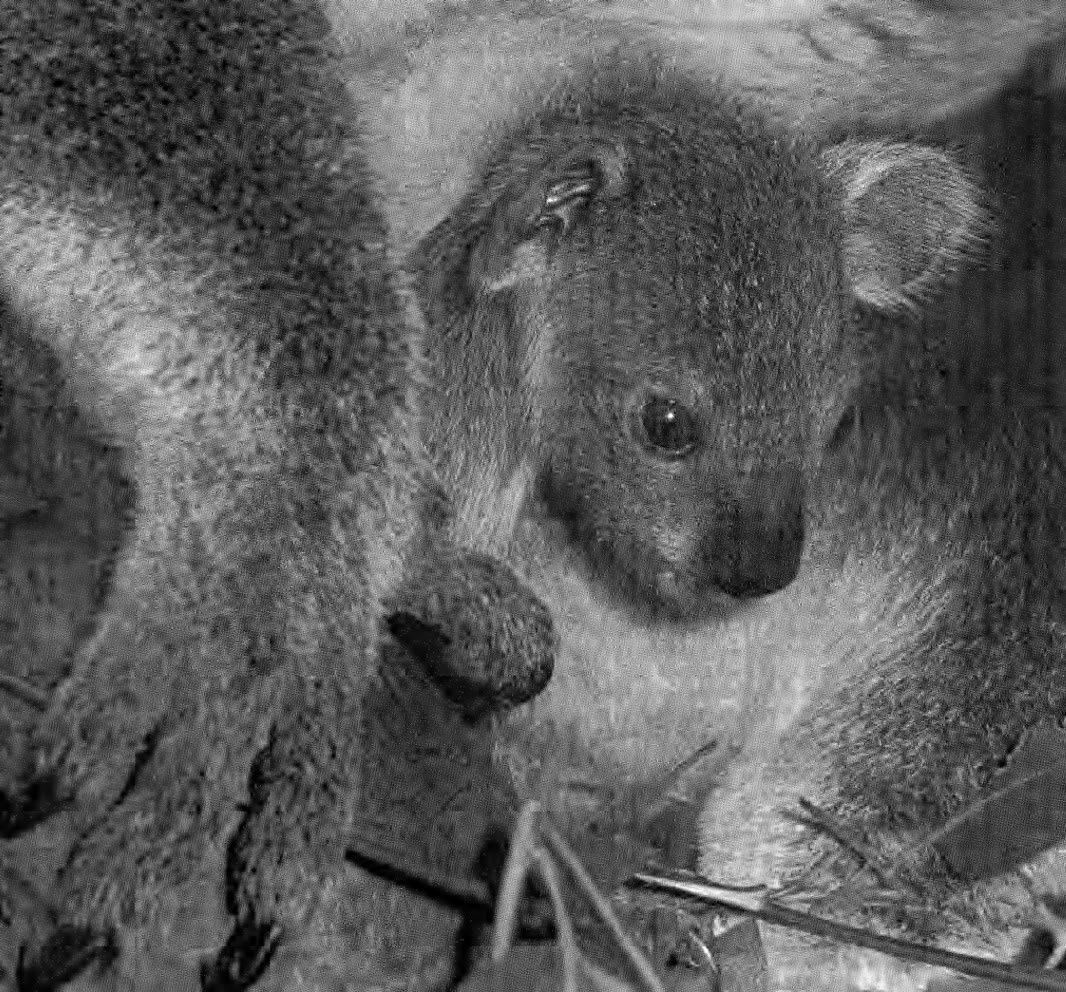
technically born here—she was already in her mom’s pouch when she arrived from Australia in 1959. Nonetheless, hers was the rst adorable joey face that San Diegans saw. Vicki, however, was the rst koala to be conceived and born in the Western Hemisphere, and she rst popped her head out of the pouch to much excitement and fanfare. Her arrival brought the San Diego Zoo the Edward Bean Award for the most significant birth of 1960 and was the rst of many successful births to come.
One of those births made ZOONOOZ headlines in 1986, when keepers watched the entire process of Velvet giving birth, including her tiny joey, later named Pulyara, climbing up her fur and into her pouch.
at’s a sight few can claim to have witnessed, even in Australia. ese two made news again several months later when Pulyara le the pouch early. Keepers were concerned and discovered that Velvet had a severe infection in her pouch and needed surgery. is was a double dilemma, because Pulyara still needed to nurse. In a great example of problem solving and teamwork, veterinarians successfully removed the infected tissue from Velvet’s pouch and got her back on her perch again; our vets and keepers created a koala formula to feed Pulyara; and keepers hand-fed and raised Pulyara until she could be on her own.
ere was another koala born in 1985 that also captured everyone’s attention: Goolara, our rst albino koala, whose name meant “moonlight.” He caused nothing less than a sensation when keepers rst peeked in his mother Matilda’s pouch and found a pink nose and white fur. Keeper Valerie ompson wrote that “Although the nose was scarcely visible, I had to rub my eyes and try to look at it more closely, as it did not have the usual shoe-polish black appearance…. I spent the subsequent several days trying to get a better look at the pink-nosed baby in an e ort to dispel my fear that I had nally gone o the deep end.” ere had been albino koalas in Australian zoos, but they were extremely
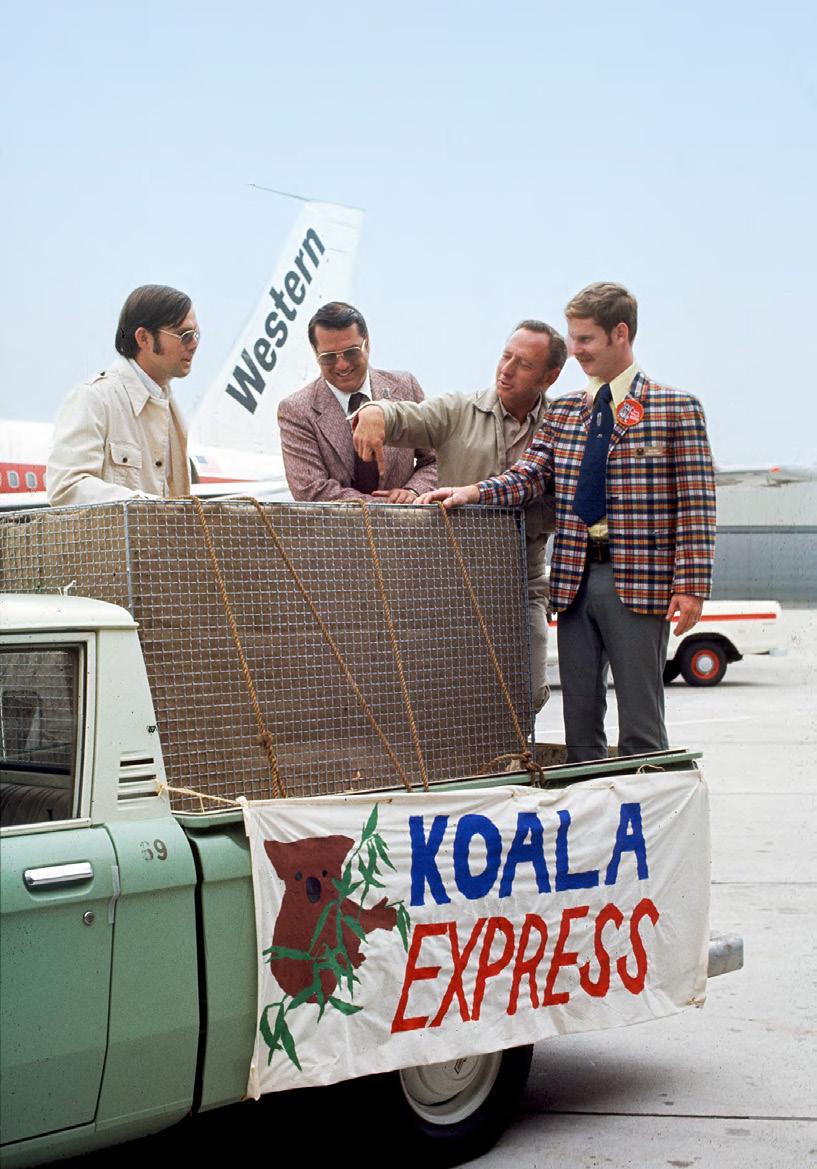
In honor of the United States’ bicentennial in 1976, Australia presented the San Diego Zoo with a gift of six koalas. The “Koala Express” included males Cough Drop and Waltzing, and females Pepsi, Coke, Audrey, and Matilda, plus two stowaways: Pepsi and Audrey each had a pouch joey.
rare. Goolara caught everyone’s attention, and, as Valerie noted, he set a new standard for the term, “soooo cuuuuute!” from Zoo visitors.
Keepers didn’t think they would ever see something like Goolara again—but the koala colony continued to be full of surprises. In 1997, keepers Jennifer Sanders and Lenna Doyle were doing a pouch check on Banjeeri using a small ashlight when, as Lenna wrote, they “both exclaimed ‘Oh my gosh!’ at the same time. e koala joey’s eyes were bright pink, and it had very light, cream-colored fur.” Onya-Birri, meaning “ghost boy,” was another albino koala that made big news at the Zoo, and his debut was featured on national television and in several magazines. He, of course, was unperturbed by the fuss, and throughout his life was described by keepers as mellow, good-natured, and un appable.
Were it not for his rarity, with his congenial nature Onya-Birri might have been a candidate for a major initiative of the koala program. In 1983, the Zoo began its Koala Education & Conservation Program, sending koalas on loan to other approved zoos so that more people could see these charismatic marsupials and learn more about them. e koalas that go on these loans are selected because of their calm and exible personalities, so that the new surroundings will not be a problem for them. San Diego Zoo keepers go with them to help set things up in the new location and train the sta there, and our Horticulture Department also grows and ships eucalyptus to feed the traveling marsupials. e rst loan was to the Denver Zoo in 1983, and since then our koalas have served as conservation education ambassadors to more than 65 cities in 12 countries. Some koalas have traveled as far as Ireland, England, Spain, Belgium, France, Germany, Austria, Portugal, and Japan. Wherever they go, they are adored and make a huge impression, spreading the message about conservation and how unique Australia’s animals are.
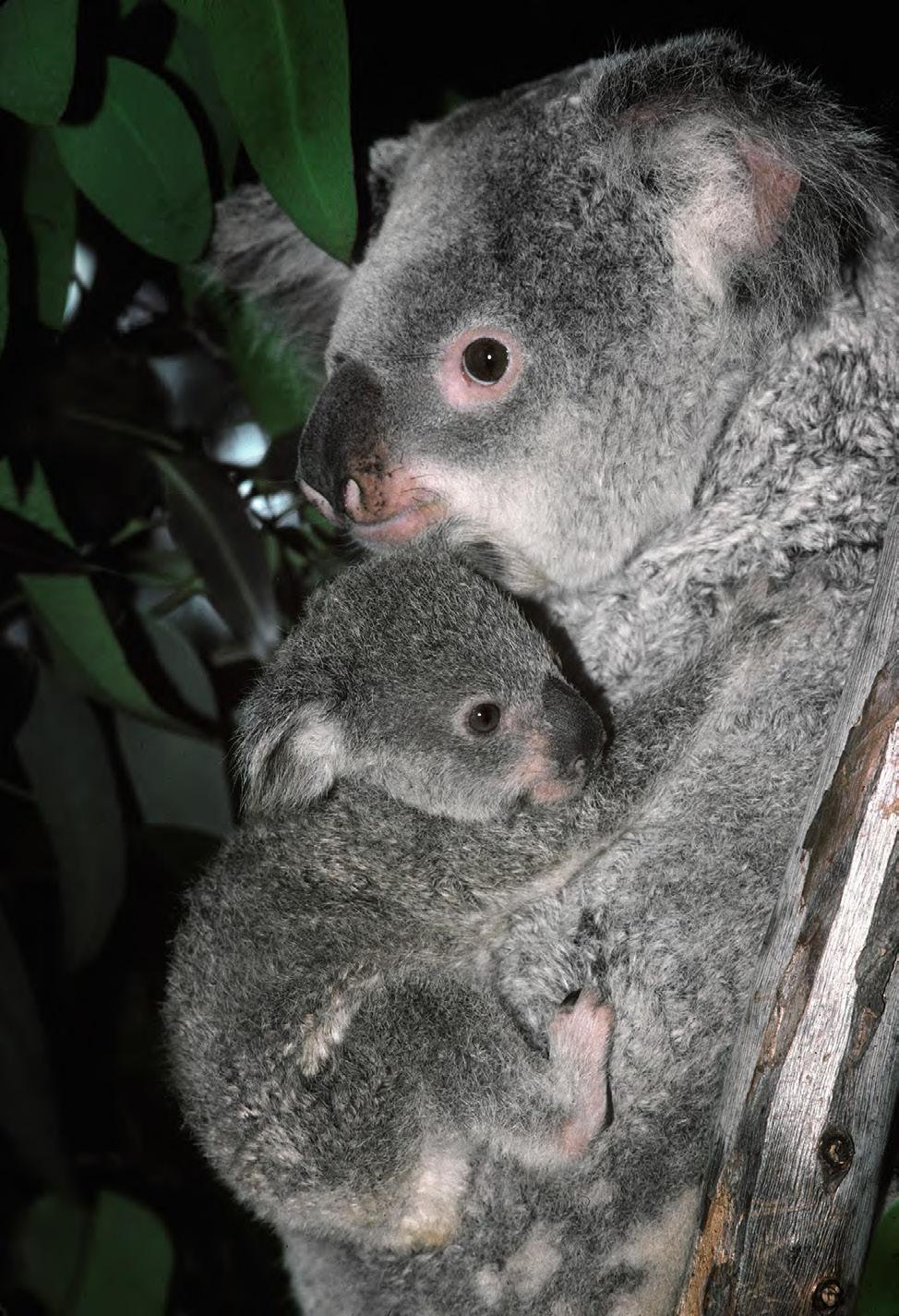
When joey Pulyara's mother developed an infection in her pouch, adult female koala Jan filled the role of surrogate mother, which is unusual among koalas.
As one of the most well-adapted and resilient of Australia’s marsupials, the koala is universally revered as an Australian icon. However, long before Europeans came along, koalas coexisted harmoniously with Aboriginal Australians and are signi cant in their legends. Not all the accounts are complimentary: some describe the koala as sly and clever, tricking fellow animals and keeping secrets, and others depict the animal as greedy and lazy. But the koala is o en considered a wise counselor from whom to seek advice, a being capable of controlling the rain, and a powerful spirit that can teach humans important life lessons. There are two messages from the legends that are particularly poignant now: if the koala is not treated with respect, there will be a terrible drought; and if the koala is no longer heard calling in the night, the trees will stop growing. Clearly, the koala is rooted in the land and the spirit of Australia, a species to be cared for and protected.
Some Aboriginal Australians call the koala colo, which translates to “our little favorite.” Round, fuzzy, beloved, enigmatic, mischievous, whimsical, and endearing, koalas are undeniably a little favorite the world over. ey have certainly been a signi cant part of the San Diego Zoo and its history. As we delve even more into collaborative conservation e orts for koalas and open a new, more expansive habitat for our colony here in San Diego—the Conrad Prebys Australian Outback— they will continue to bring surprises and create more legends in the years to come.


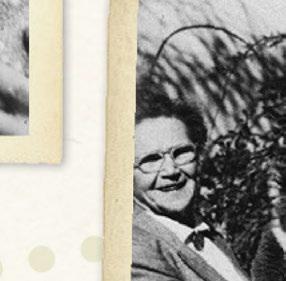




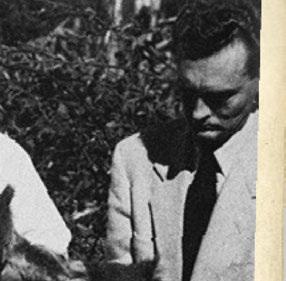
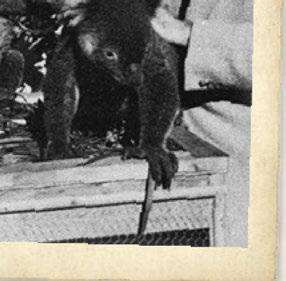

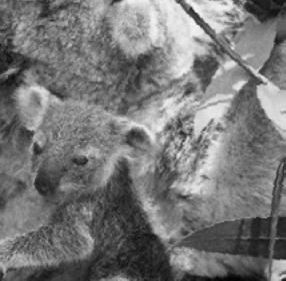




SAMPLE INTERACTIVE PAGE
This San Diego Zoo Koala History timeline and other interactive features are available on our tablet editions for iPad and Kindle Fire. Visit the Apple Store or Amazon to download the ZOONOOZ app to your tablet.



ZOO’S KOALA BREEDING PROGRAM

By Peggy Scott A SSOCIATE EDITOR
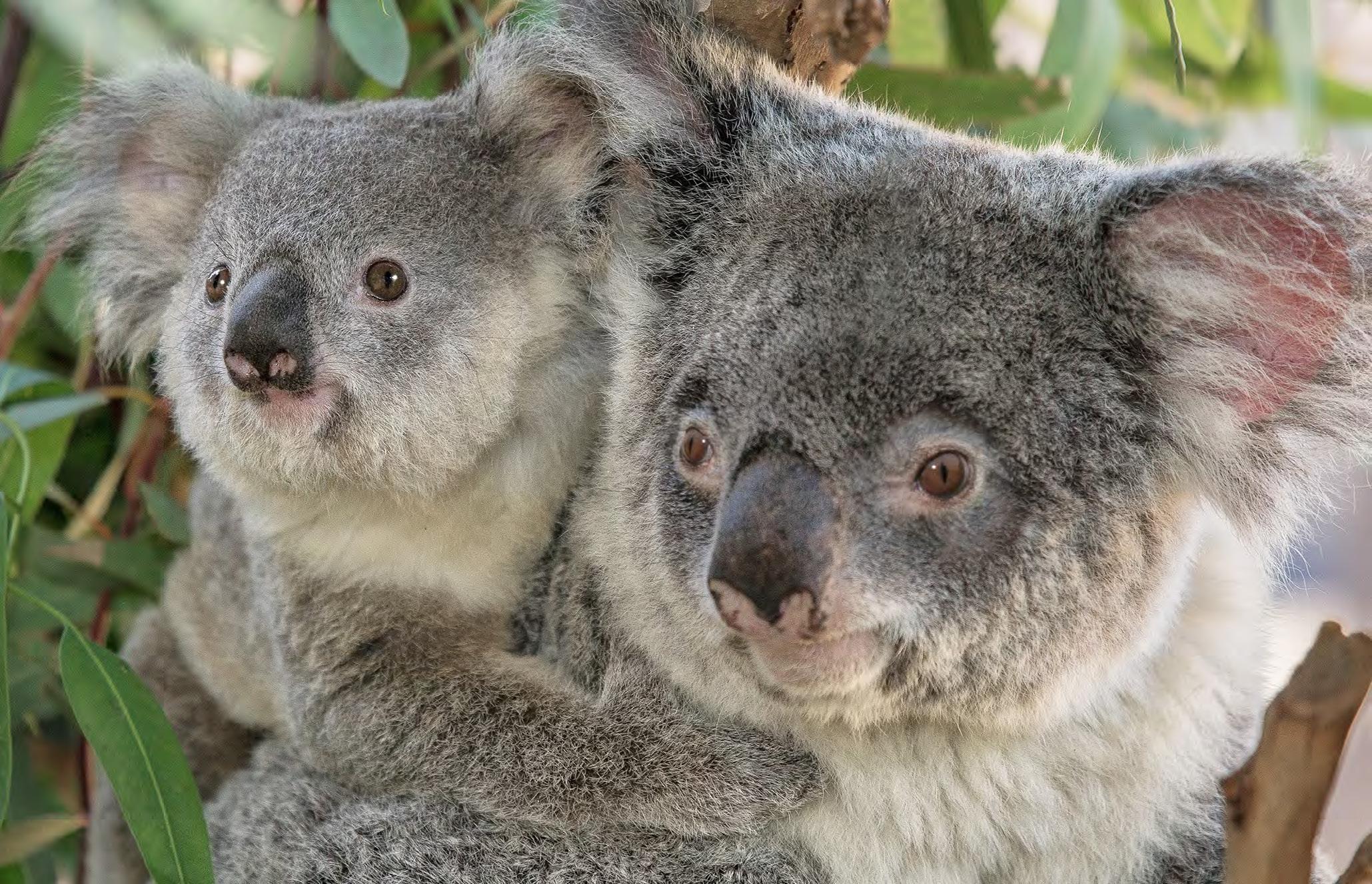
For quite some time, koalas were among the most enigmatic of animals when it came to their reproductive proclivities—a sort of marsupial Mona Lisa. What secrets were hidden behind those bemused expressions? Koalas, it seemed, didn’t kiss—or anything else— and tell. It was going to take research and imagination to nd out what it takes to get these creatures to do what supposedly comes naturally.
The Birds and the Bees and Chuck Bieler e San Diego Zoo’s history with these captivating critters goes way back to the arrival of two koalas from Australia in 1925. For years after that, koalas were featured sporadically in the Zoo’s collection, and
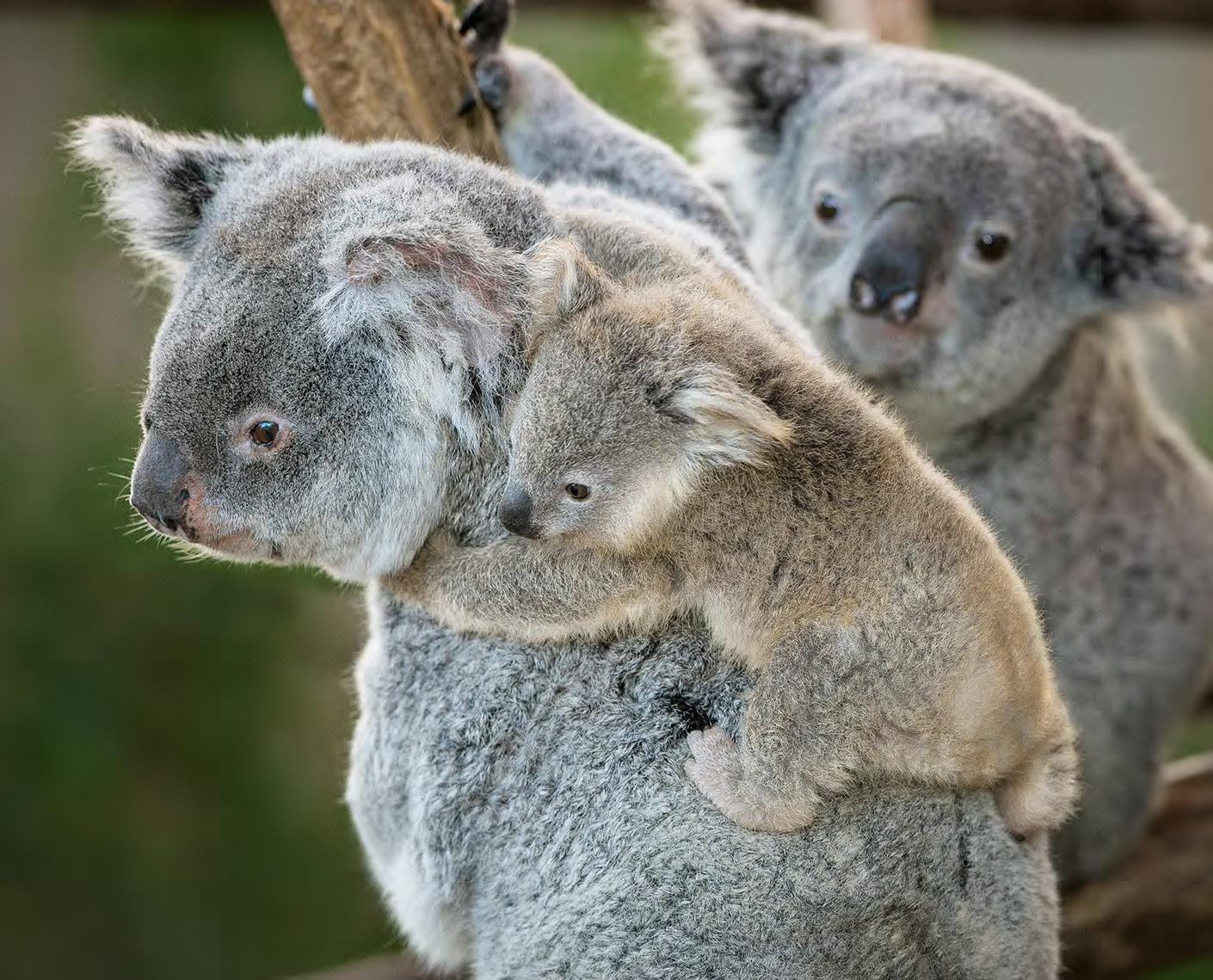
keepers learned the particulars of caring for these cute riddles. Koalas look sleepy and cuddly, but they can, at times, be downright cantankerous. Add to that claws that help scale trees and sharp teeth suitable for chomping eucalyptus, and you have the bundle of contradictions known as the koala.
In the 1970s, Charles “Chuck” Bieler, then executive director of the San Diego Zoo, saw the koala’s potential as a agship species for the organization and traveled to Australia to nd out what was needed to successfully keep and nurture a colony of koalas. What he learned on that trip changed the Zoo’s koala husbandry practices and helped set protocols that would lead to the most successful breeding colony of koalas outside of Australia. Since 1976, 123 joeys have been born in our extended colony. A collaborative koala loan program with other
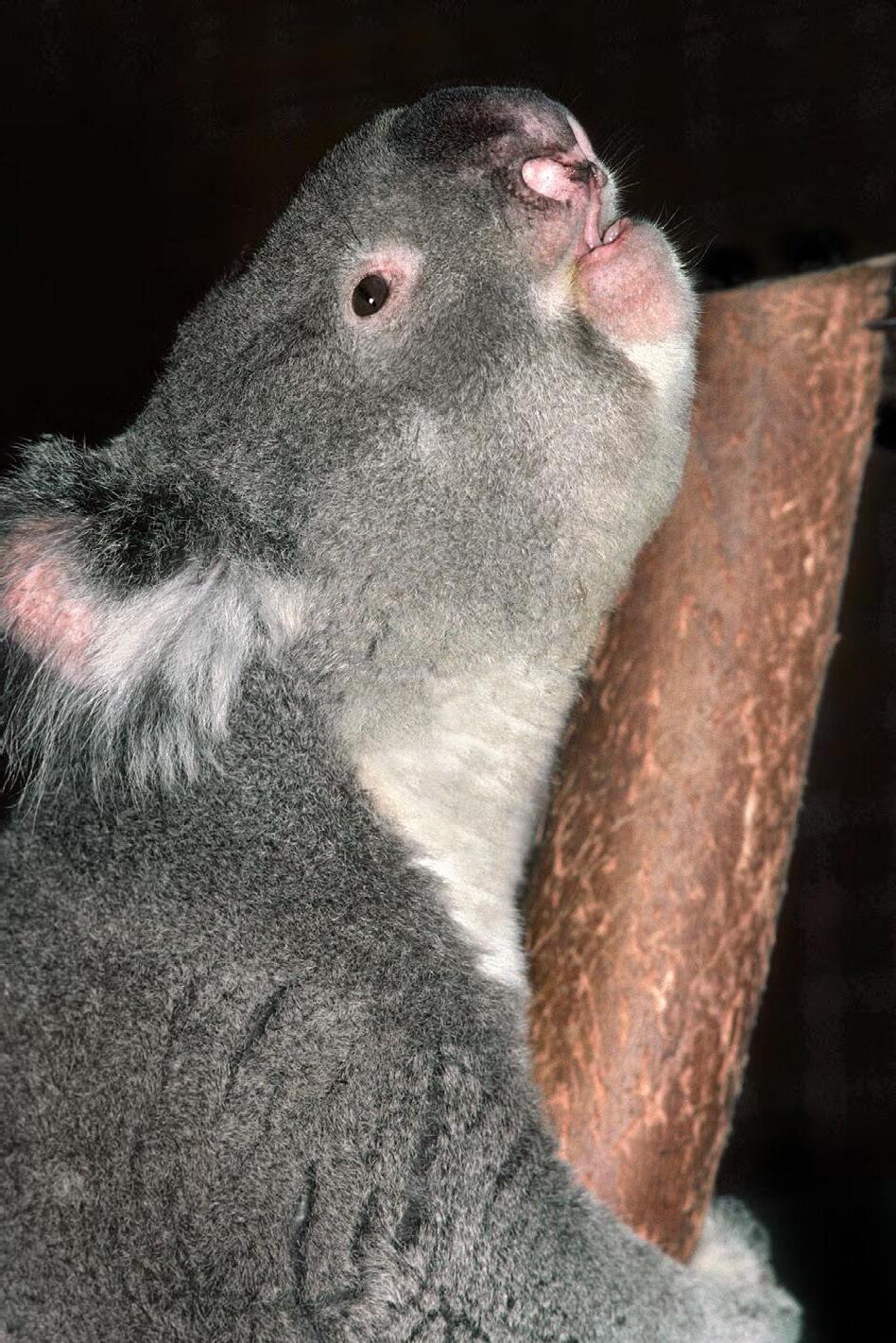
It’s important that the females react positively beforehand to the males’ bellows and to their scent.
facilities has helped keep the gene pool viable, and of the 11 zoos in the United States that keep koalas, 6 of those (including our Zoo) have animals that can trace their family tree to the San Diego colony. ese successes were the result of intensive research that continues today.
Science plays a huge role in the success or failure of any breeding program. One area studied was major histocompatibility (MHC), which considers the possibility of breeding success on a molecular level. “ e science has to be there,” says Jennifer Tobey, research coordinator in the Behavioral Biology Divison at the San Diego Zoo Institute for Conservation Research. “But you also have to ask if there are some other characteristics besides genetics that can predict whether a pair will successfully breed.”
ose inevitable variables keep everything interesting, to say the least. “ e master plan of a breeding program says who should be bred with whom from a genetics standpoint,” explains Chris Hamlin Andrus, animal care manager at the Zoo. “Studbooks and other references keep track of parental lineage. But working with and studying koalas, we know there’s more to it than genetics.”
Ladies’ Choice
rough research and the analysis of almost two decades’ worth of data, our experts were able to pinpoint certain factors that successful koala pairings seemed to have in common. Female mate selection played a key role. When a female was brought into a male’s enclosure, her reaction
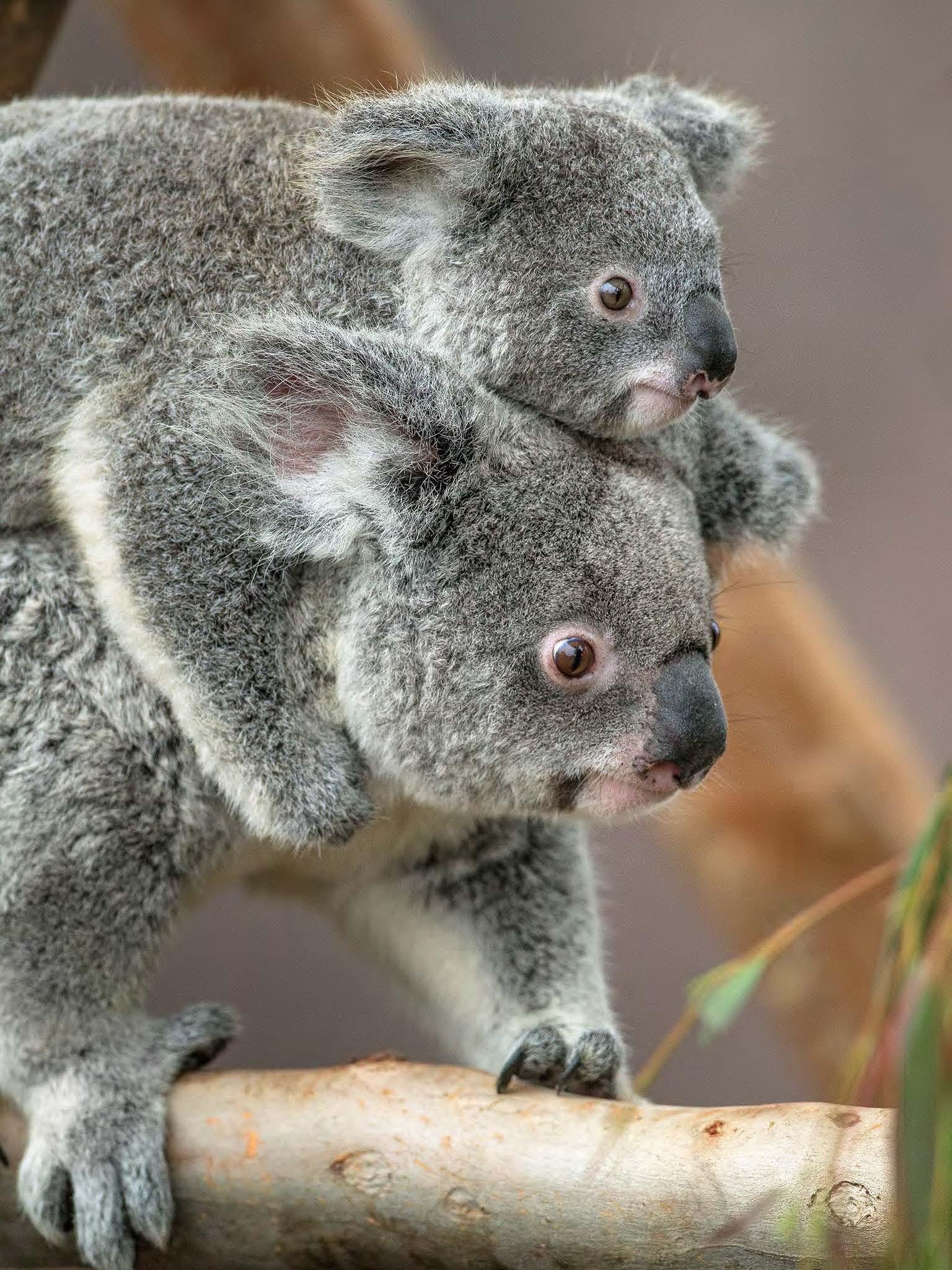
set the stage. “If she was not responsive or if she showed aggression, it’s likely the male would retreat and hide in the corner,” Jennifer explains. “It’s important that the females react positively beforehand to the males’ bellows and to their scent.” Chris notes that the e ectiveness of a male’s scent gland varies, because di erent smells seem to appeal to di erent females. “ ere are 40 di erent chemicals in a male koala’s scent gland,” Jennifer says, likening the situation to a preference for one cologne over another.
Jennifer goes on to explain that a successful rst breeding usually indicates future pairings between those two individuals will also result in a joey—up to four times. A er the fourth fruitful breeding, the success diminishes. Of course, notes Chris, there’s an exception to every rule. “ ere’s a pair in Cleveland that had a successful record from 1991 to 2012,” she says.
A love connection was also more likely, researchers discovered, when the male was a bit older—around three years—than the female. And while his age appears important, size doesn’t matter as much. Male body mass, they noted in their study, had no e ect on reproductive success.
Having documented scienti cally based data regarding the importance of bellows, scent glands, female mate selection, and pair familiarity has all helped the Zoo’s koalas and those animals in the loan program that live in facilities elsewhere. e ultimate goal, of course, is to aid koalas everywhere, even in the wild. “We’re not just looking at caring for animals now, making sure they’re well,” Chris explains. “We’re looking 100 years down the road. If you don’t do something in, say, 10 years, it can a ect the whole population 100 years from now.”
Jennifer agrees that there are still questions to be addressed that could have long-ranging e ects. “You know there’s an answer out there,” she says. “It’s not an unsolvable problem. You have to like the mystery behind the puzzle.”


























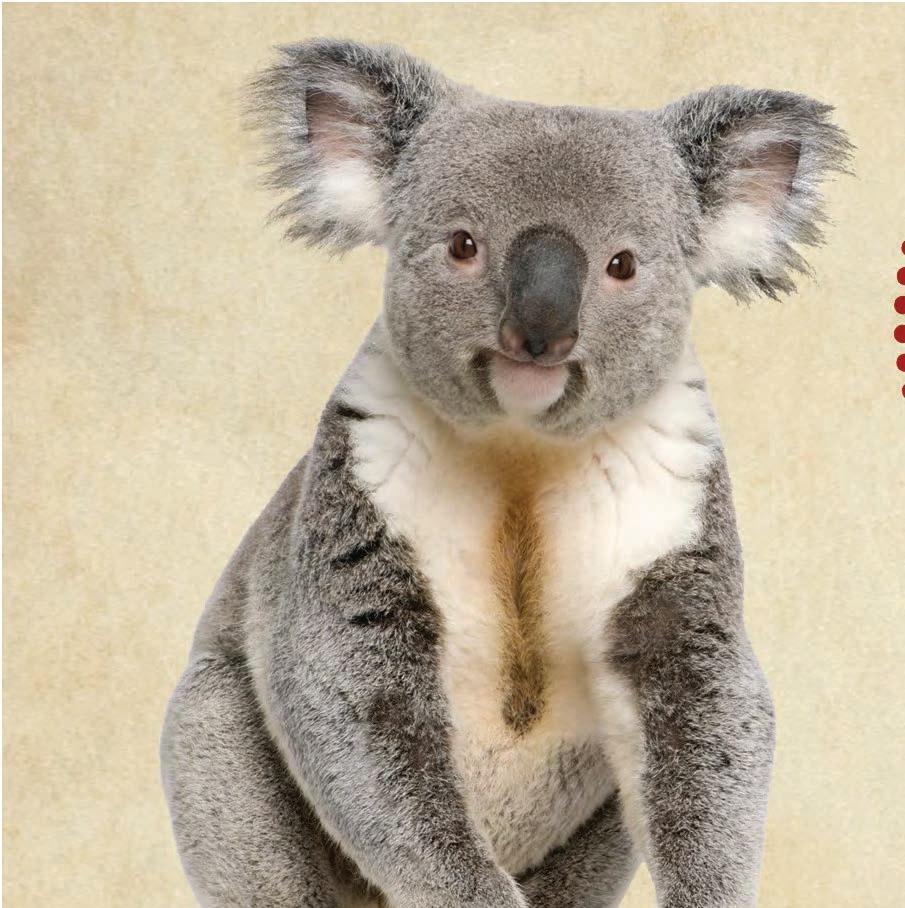
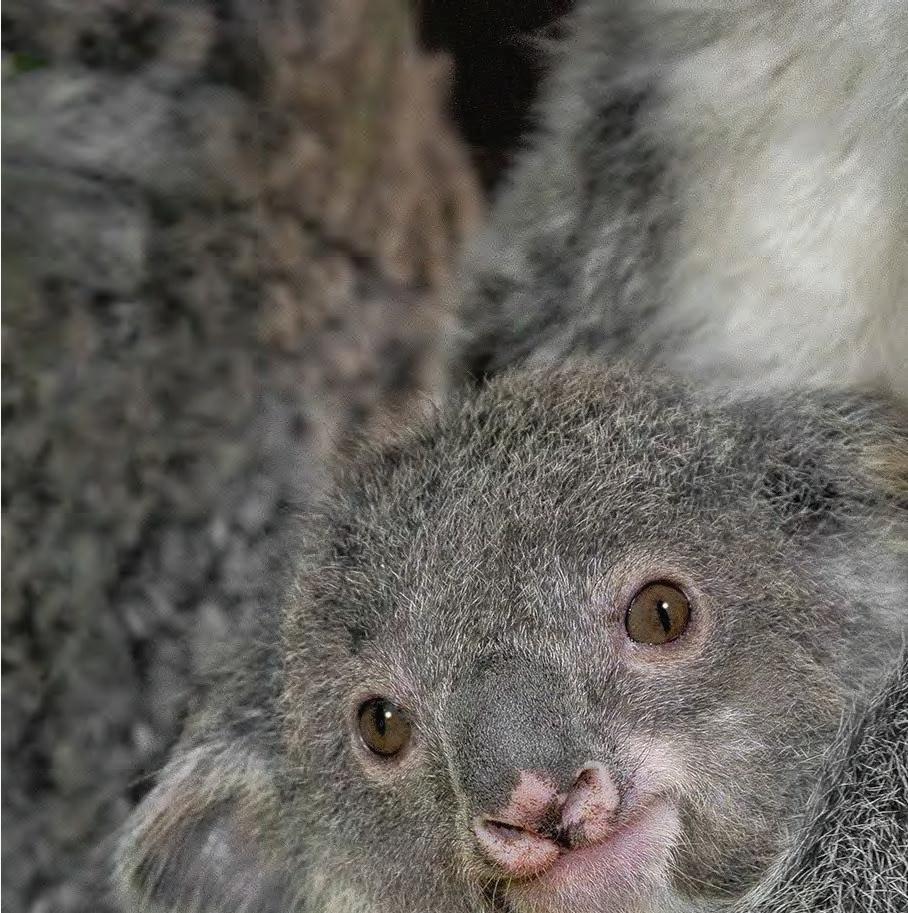
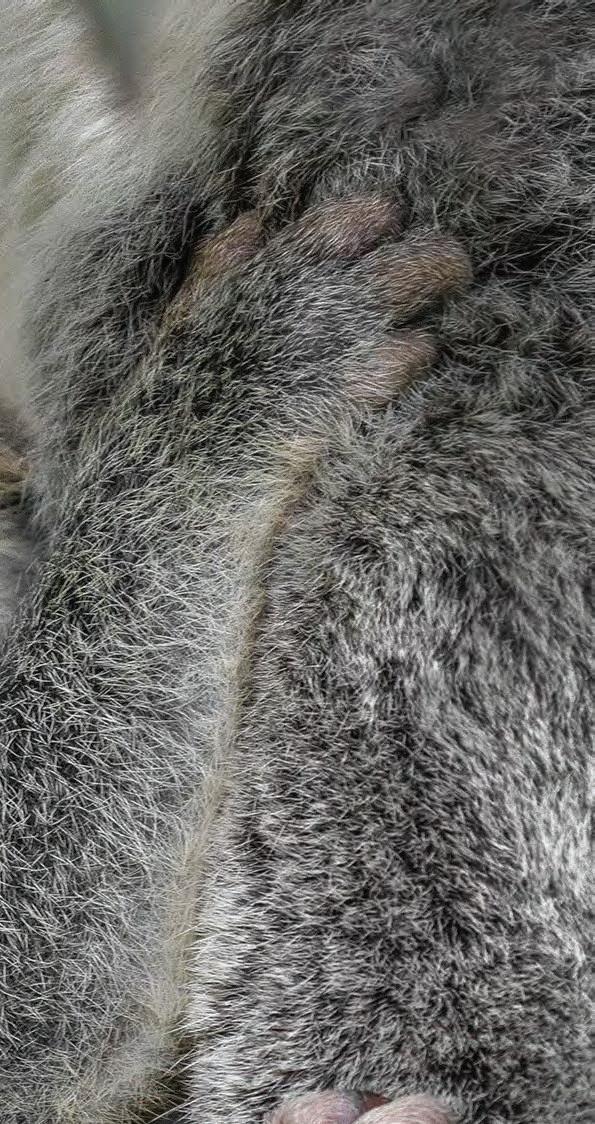
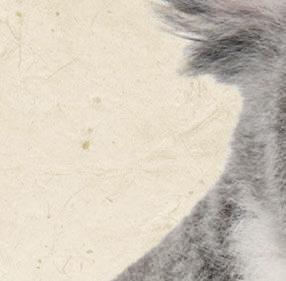
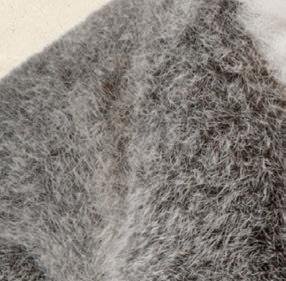
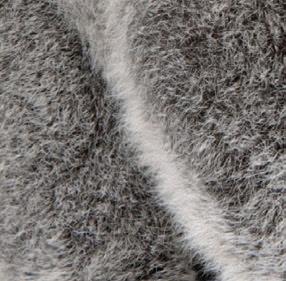
FUR: A koala’s fuzzy appearance belies the reality that its fur is quite coarse. Described as feeling like sheep’s wool, the koala’s dense coat protects it from both extremely hot and cold conditions. It’s also water resistant, so a rainy day is no problem. e color of the fur can vary, depending on which part of Australia the individual is from; koalas in the south usually have thicker, darker fur than those in the north.



MALE KOALA SCENT GLAND: is small, bare patch of skin is where the male’s scent gland is located. When the male rubs this spot against a tree or branch, the sticky brown secretion spreads his special smell. Varying amounts of 40 chemicals give each male koala his own signature scent for attracting females and warding off other males.


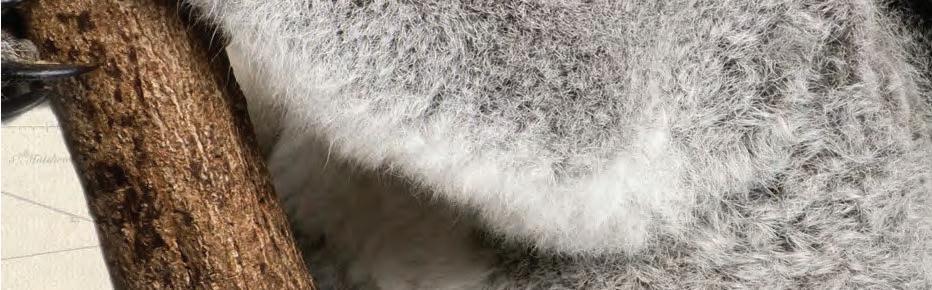
RUMP: Koalas are sedentary animals that sleep for long periods as they digest their food. To stay out of the reach of predators like dingoes, they curl up in the crook of a tree. A rounded rear end, curved spine, and barely-there tail allow koalas to fit into a snug spot for a snooze. Extra-thick fur on the rump provides padding against the hard branches.






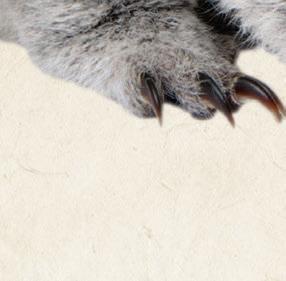


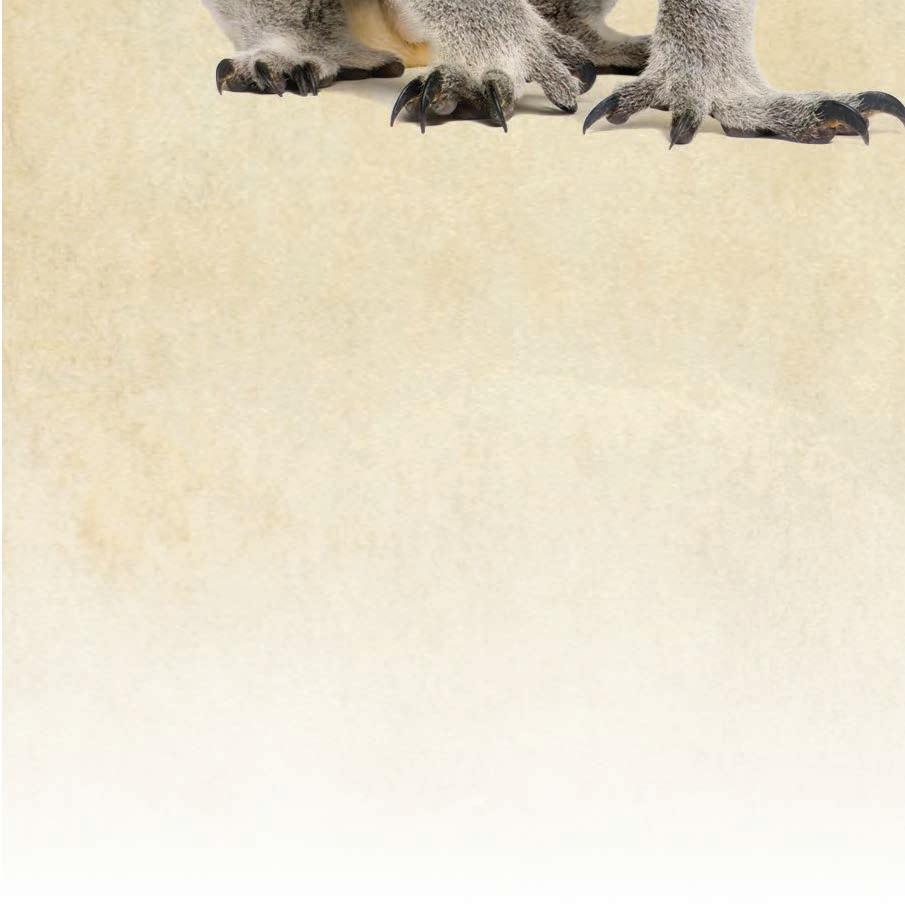
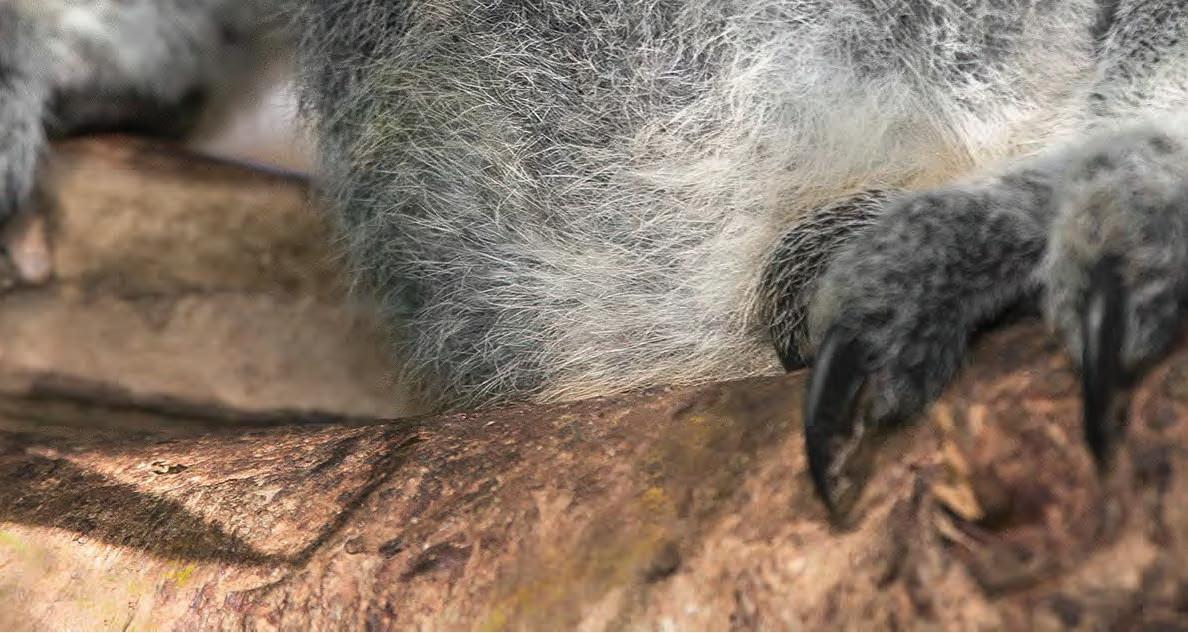
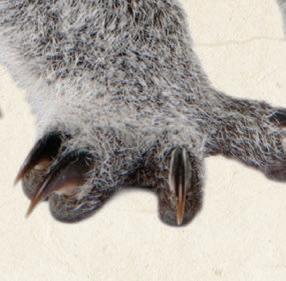
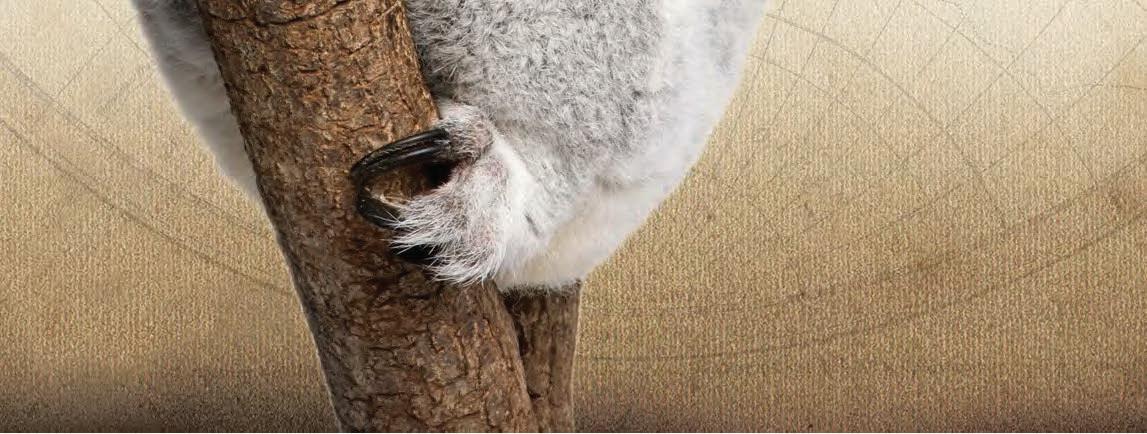
FEET: Count the digits on a koala’s foot, and you’ll tally four: the first two toes are fused together. is twoin-one tool grips branches and does double duty as a grooming apparatus. e two claws close together work like a comb when raked through the fur. ese tree dwellers also have one clawless toe that acts like a thumb for gripping branches.








HINDGUT: Eucalyptus leaves may not contain as much nutrition as other plant material, but they’re plentiful in the koalas’ native range—and no one else really eats them. at’s because eucalyptus leaves contain toxic compounds that are poisonous to most other animals. Koalas, however, have a special bacteria in their digestive tract that breaks down the toxins while nutrients are absorbed from the leaves.





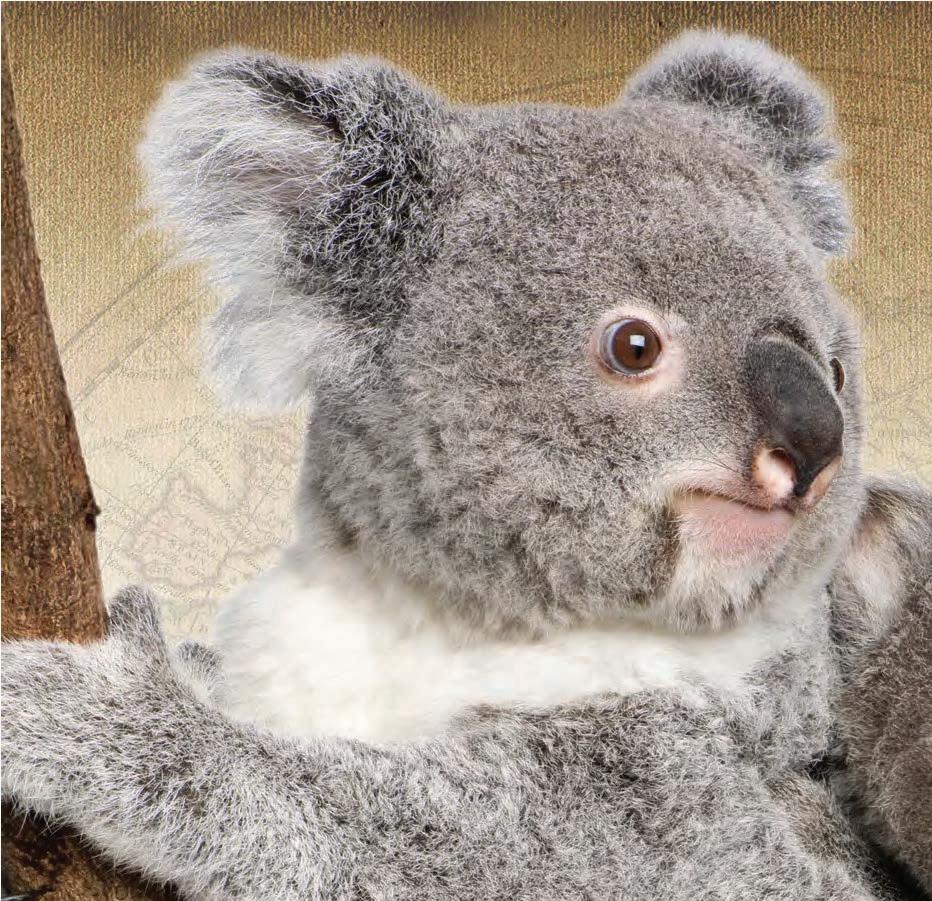
From nose to toes to rounded rump, see for yourself how koalas are well-suited for life in the trees.



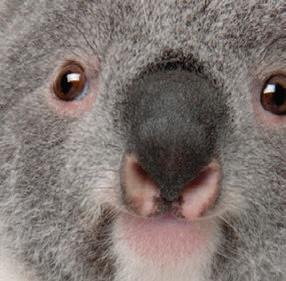
NOSE: Big nose, big role! e sense of smell is one of a koala’s best senses. A foraging koala spends a great deal of time sniffing out just the right bit of eucalyptus. is helps the animal get the most nutritious leaves and avoid non-edible eucalyptus. Although able to process some of the toxins in eucalyptus leaves, there are some eucalyptus species that are even poisonous to koalas. A keen sense of smell plays a vital role in koala communication as well. Males leave scent marks on trees to both welcome females and warn off intruding fellows.


MOUTH: Koalas make several different vocalizations, from snores to screams to bellows. (Tap on video link below to hear a bellow.) Both sexes bellow, but males seem to do it more often. San Diego Zoo Global researchers are trying to understand why they make this sound— is it to tell other males to stay away or to invite females to visit?



ARMS: Strong arm and shoulder muscles help a koala climb 150 feet to the top of a tree and enable it to leap between branches. Being on the ground all the time would be a disadvantage, because predators could easily catch a koala.







FEMALE KOALA POUCH:


Like all marsupials, female koalas have a pouch in which they carry their baby, called a joey. Many marsupials, like kangaroos, have a pouch that opens upward, toward their head. But koala moms have a pouch that opens toward their hind legs. After the tiny joey is born, it uses strong forelimbs and hands to crawl from the birth canal into its mother’s pouch. Inside the pouch are two nipples. e joey latches onto one and stays snug and safe, drinking milk and growing, for about six months.








HANDS: Koala hands and feet curl around tree branches effectively. Each hand has two—count ‘em, two— opposable thumbs that give koalas an extra bit of grasping ability. Rough, ridged pads on the hands and feet aid their grip and provide traction. And, of course, those long, sharp claws for clutching tree bark help their clinging capability (although they can hurt human skin).














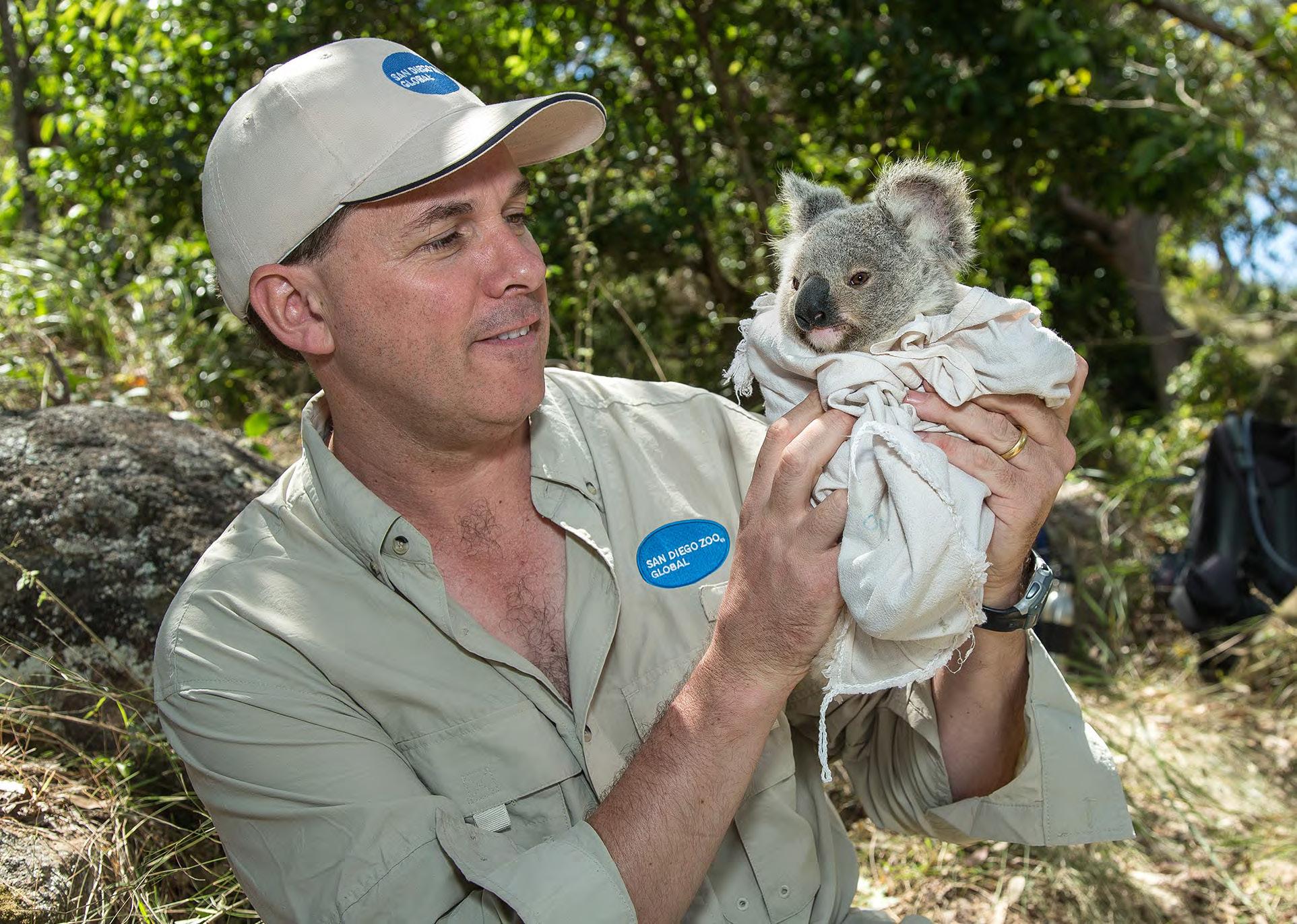
Wrapping a young koala snugly helps it stay calm during field examinations.
By Karyl Carmignani STAFF WRITER
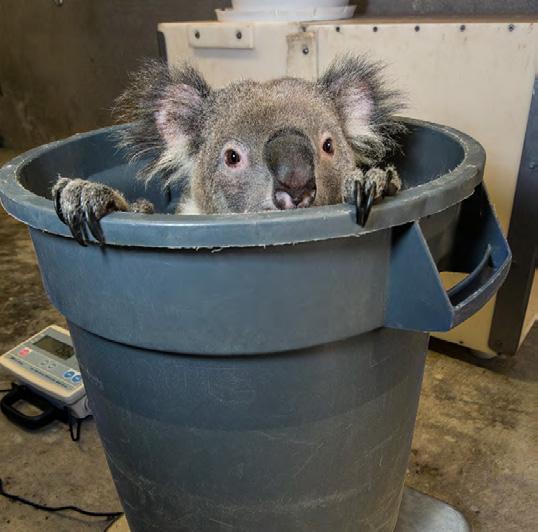
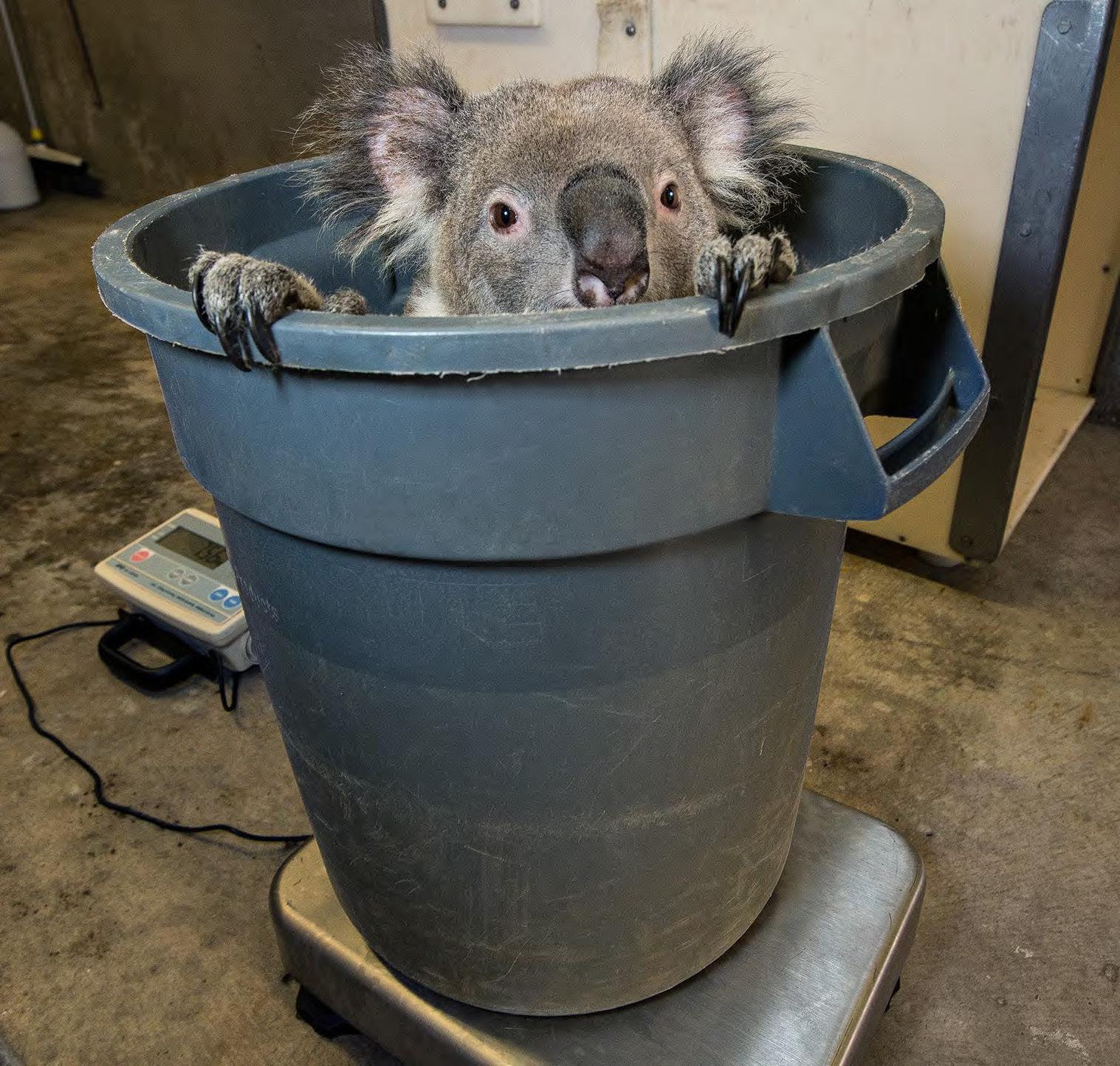
There’s an air of calm e ciency in the neutral-colored tones of the room. Veterinary technicians and hospital keepers arrange sterile tools of the trade around the well-lit table for the duty at hand: three young koalas that recently arrived from Australia will be getting complete health exams. Just a er 9 a.m., Kirstin Clapham, senior hospital keeper, carries a squiggling veyear-old koala into the room. He has just been weighed in a bucket, his eyes peeking over the top, as the scale tipped to a hair past 19 pounds. He’s robust, thick-furred, and waving his dagger-like claws. ose long, sharp nails make climbing trees a breeze, but they can be dangerous
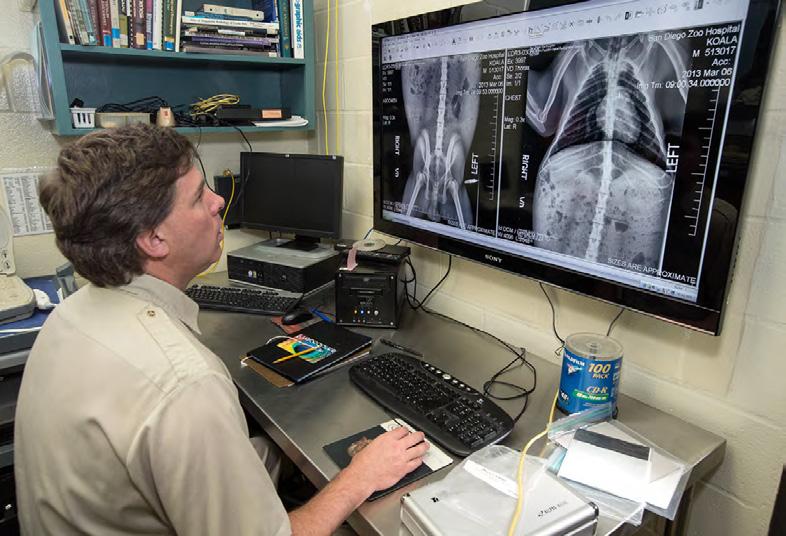
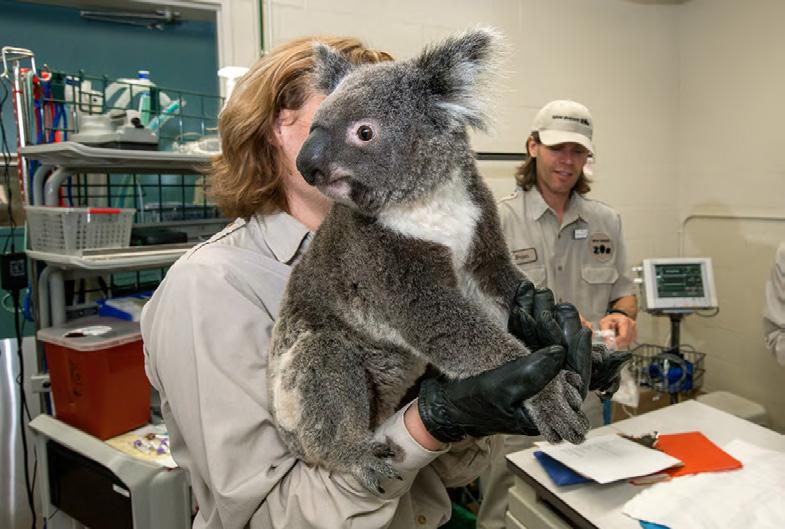
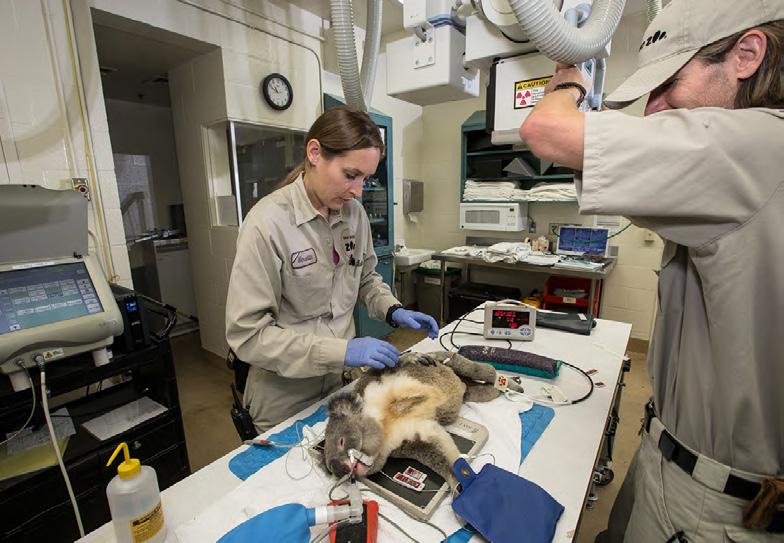
for keepers. His fuzzy face, tufted ears, and bare-skinned nose are completely enchanting. To minimize stress to the marsupial, a clear mask is placed over his face, and he is soon a sedated “limp noodle” so the important work can begin.
A technician intubates the koala to keep the anesthesia stable throughout the procedure. e steady beeping of a heart-rate monitor dots the air.
San Diego Zoo Veterinarian Geo Pye, B.V.Sc., M.Sc., Dipl. A.C.Z.M.
(that alphabet soup of credentials indicates he’s a really smart guy!), explains the exam. e koalas will be in quarantine at the Jennings Center for Zoological Medicine at the Zoo for at least 30 days, until Geo is “positive they will not be a threat to our collection.” Cute though they may be, the newcomers could carry the B-variant of the koala retrovirus and chlamydia, so they are screened for those diseases multiple times. Today’s exam also includes overall body measurements, ear and eye exams, a blood draw, dental checkup, and radiographs of their hips and shoulders to assess bone health.
“Our colony of koalas is prone to hip dysplasia, so it’s important we get a baseline on these guys,” says Geo . But occurrences of that disease may decrease soon, since the new koala exhibit in the Conrad Prebys Australian Outback provides more sun-
light for the animals. “None of the koalas will be housed indoors anymore, which will reduce possible vitamin D de ciency,” Geo notes, and that could remedy the condition.
Koalas have enjoyed rock star status at the Zoo since their furry debut in 1925. During the ensuing decades, there have been 123 joeys born here, and the San Diego Zoo has the largest breeding colony of
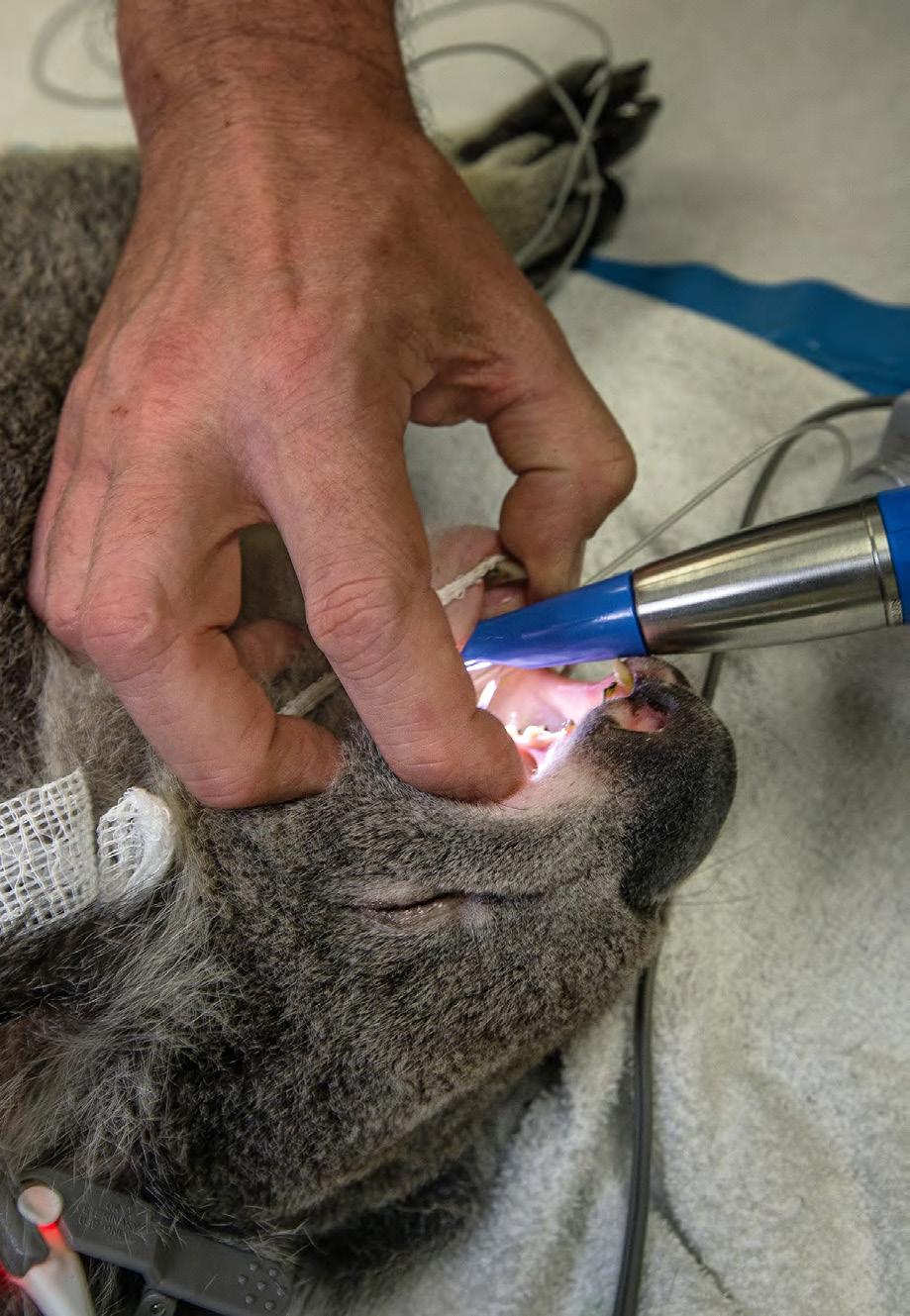
Open wide! Dental health is critical to a koala’s overall well-being.
Queensland koalas outside of Australia. A er nearly six years, the permit process was completed, and three new koalas—two males, Bradley and Simba, and one female named Beejay— arrived in San Diego, accompanied by keepers. They arrived in February 2013 from Dreamworld Wildlife Foundation in Australia. is trio will eventually join the breeding colony and add new genes to the group.
Maintaining genetic diversity in a group of koalas is important for their health and well-being, and our researchers are working to learn more about the complex ecology of koalas both in the wild and at the Zoo. For instance, out of the 700 species of eucalyptus found in Australia—the sole sustenance for koalas—they only eat about 25 species. e Zoo grows several types of eucalyptus, and Geo notes that, “It still takes new koalas a week or so to acclimate to the eucalyptus we have here.”
Back in the exam room, X rays are taken, and the radiograph images are quickly downloaded and viewed on a high-de nition at screen (donated by Sony Electronics). e koala’s bones are revealed in astonishing detail. Geo picks up a gizmo called an intra-oral dental camera and inspects the koala’s teeth for wear. Koalas eat more than one pound of eucalyptus leaves each day, and the grinding action can cause their teeth to deteriorate over time. ey have just one set of teeth throughout their life.
Strangely, tooth wear is variable: some koalas follow established toothwear charts, but other populations, like the koalas on St. Bees Island, Australia, withstand their abrasive diet much better. “We are collaborating with researchers in Australia to compile more dental data,” says Geo . “When wild koalas are caught to receive a radio collar, that


!"#$%&'()*+,!-( !"#$%&'().++/%$0/ 1$02-3!/)*+,!-(4

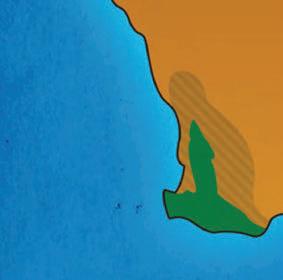

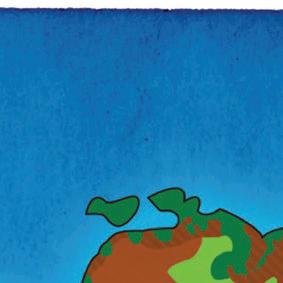
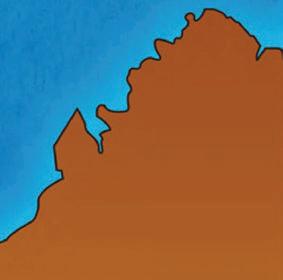

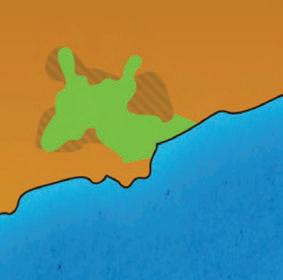
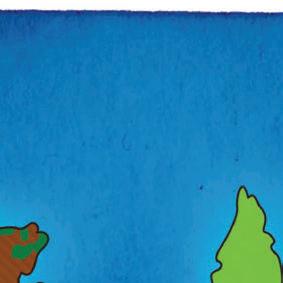
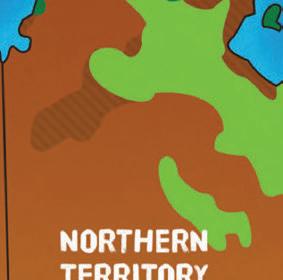


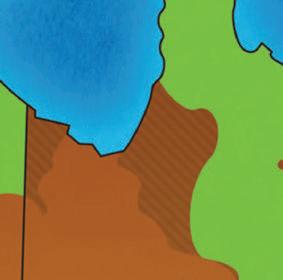

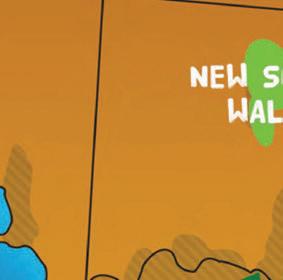


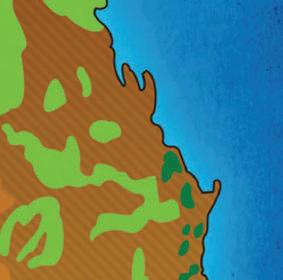
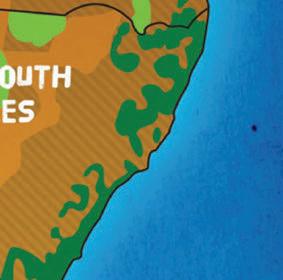


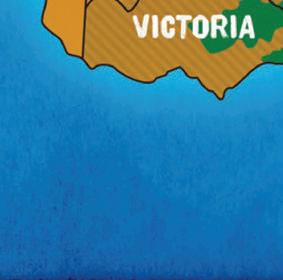
Eucalyptus forests in Australia have vanished since the 1800s.
exam includes documenting their dental health.” Tooth wear can limit lifespan, so if koalas have stronger, healthier teeth, they can contribute their genes to the population for a longer period of time, which helps sustain the species.
In addition to his vet duties at the Zoo, Geo is compiling data on koala teeth from the Zoo and comparing it with tooth-wear charts for the St. Bees koalas. “We want to nd out how the St. Bees koalas withstand wear on their teeth. Is it genetic? Does metabolic bone disease cause other koalas’ teeth to wear down more quickly? We’re working on it,” he says. Another puzzling aspect to the St. Bees koalas is that they seem to be self-managing—they don’t eat themselves out of resources. “ is is a healthy population with little or no human in uence, and
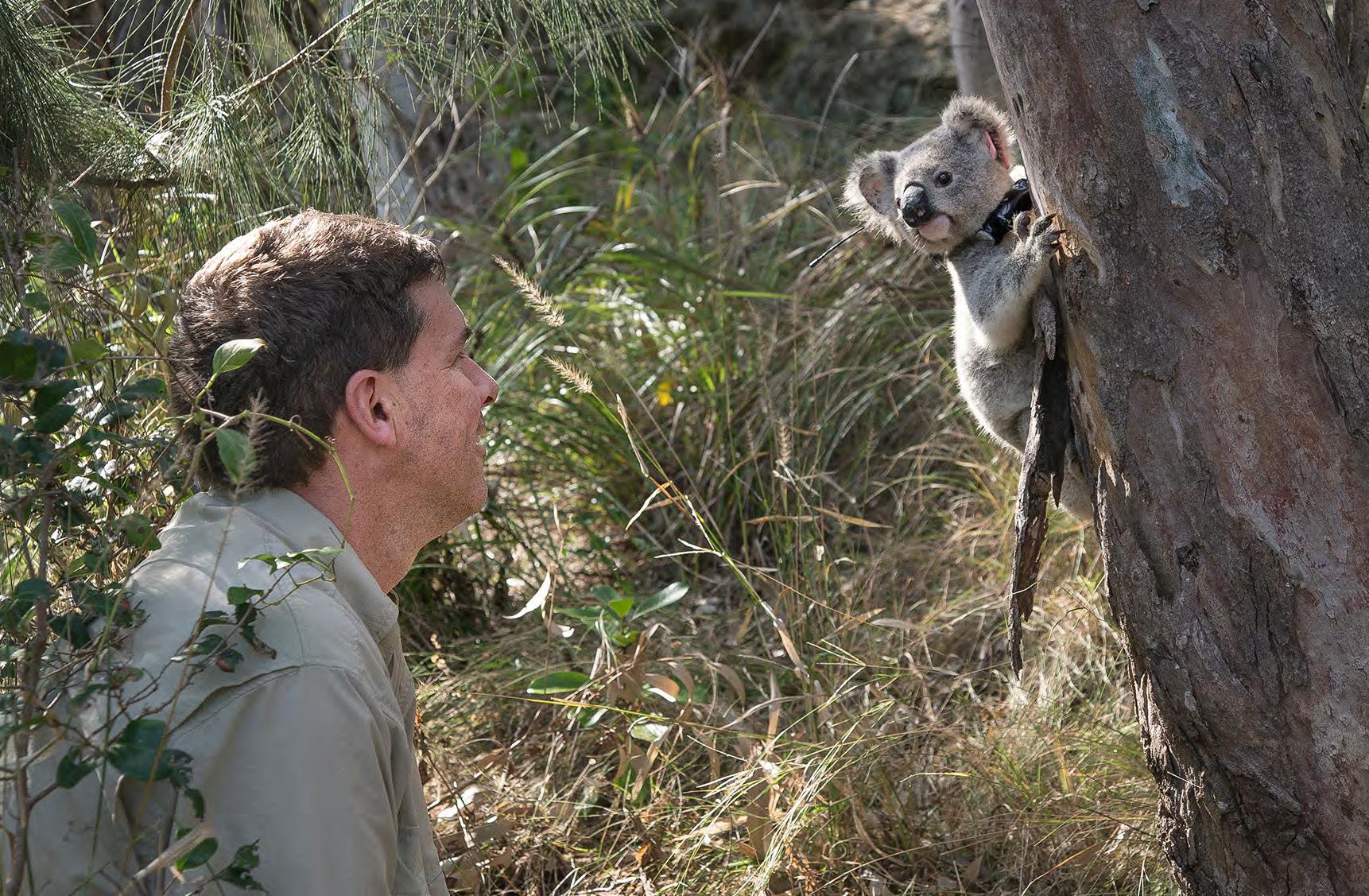
Field work has researcher and subject seeing eye to eye.
they seem to be managing well on the island,” says Geo . “ ere’s no apparent inbreeding, and their numbers are stable.” And their pearly whites are in good shape!
It’s clear that Geo is not only a talented veterinarian but also passionate about koala conservation. His work melding information learned from the wild with that of koalas in zoos is painting a clearer picture of this complex species. “At the San Diego Zoo, I can work to the extent of my abilities,” says Geo . “I get to work at the best zoo, and I get to do eld work, which helps the big picture of conservation.” In spite of the obstacles facing koalas in the wild, like disease, dogs, cars killing or injuring them, and habitat fragmentation, Geo is determined to make a di erence. “Everything we do here is helping conserve this species,” he says. “If we can save the koala, we’ll save all the other species that share their habitat as well.”






By Karyl Carmignani STAFF WRITER
PHER
Though it may sound like an edgy band name or a line of hip sunglasses, the “urban koalas” of Australia face an obstacle course of deadly challenges across their range. As human development projects have overtaken bushland and eucalyptus groves, koalas nd themselves threatened by an increase in cars, dogs, fences, and more stress than a tightrope walker. is is not the rst time koalas have been thrust toward extinction—they were hunted mercilessly in the 1920s and 1930s for their fur, and their populations plummeted. A er a particularly brutal hunting season in which 800,000 of the fuzzy marsupials were killed in the state of Queensland, the collective conscience rose to halt the slaughter. In the United States, President Roosevelt made owning koala fur illegal, and in the koalas’ homeland, the Australian government declared them a protected species. e roly-poly animals bounced back.
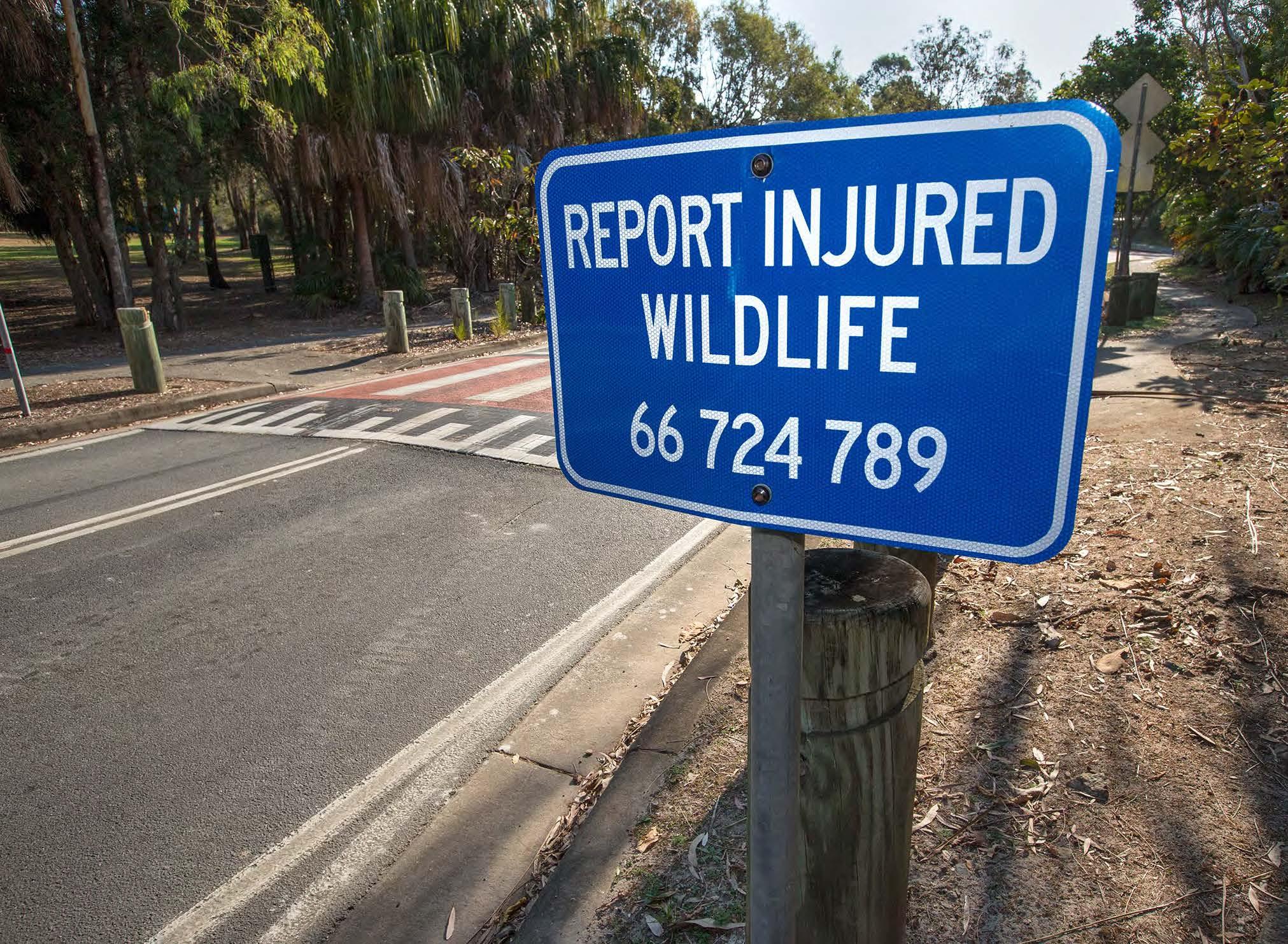
Hundreds of koalas are injured (or worse) each year from collisions with cars and attacks by domestic dogs.
Today, koalas are once again on a collision course with humans, this time over real estate—both humans and koalas prefer to live along the fertile east coast of Australia, aptly known as the Koala Coast. But koalas are far less exible in “choosing” their home, due to their dietary and habitat needs. Exacerbating their plight is the fact that 80 percent of koala habitat has been cleared for agriculture and urban development in the past few decades.
“ e ongoing prioritization of the use of land for people, rather than for the preservation of existing ecologies, is at the heart of why the koalas are disappearing,” states the highly anticipated Koala Research Collaboration Project report. Fortunately for koalas, this report, supported by Dreamworld Australia, presents useful ideas and guidelines for developers, architects, and homeowners to create and maintain ideal habitats so that koalas and humans can live side by side in a sustainable environment on the Koala Coast.
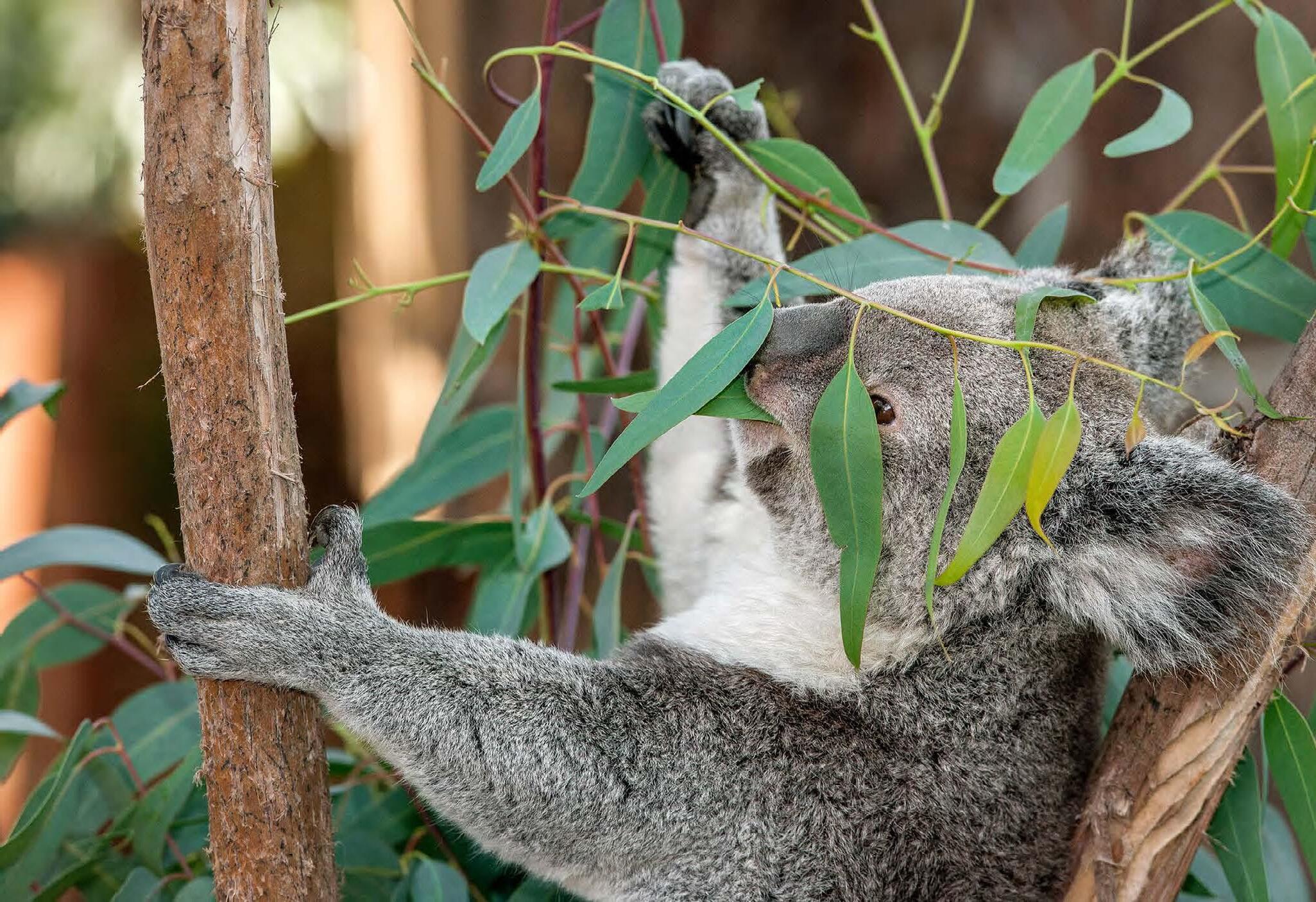
As voracious eucalyptus eaters, koalas require these trees for food and shelter.
Koalas use eight to nine trees per day for eating and resting. ough able to leap from one strong branch to the next, they usually come to the ground and walk to the next tree. Ideal koala bush habitat requires structural diversity and biodiversity, particularly in the hotter climes of southeastern Queensland. A healthy mixture of food trees and resting trees, with an understory of shade-casting shrubs where the animals retreat in the heat of the day, works best. Koalas are also known to seek refuge in hollows and take cover underground, even using wombat burrows in hot weather.
According to the Koala Research Collaboration Project, Australia has more than 700 species of eucalyptus, yet koalas only feed on about 25 species within this group. Koalas need a full suite of leaves to get a balanced diet, eating the tips of fresh new growth where there is more nutrition and less cellulose and tannin. ey eat about 3 hours a day, and then sleep and digest for 16 hours.
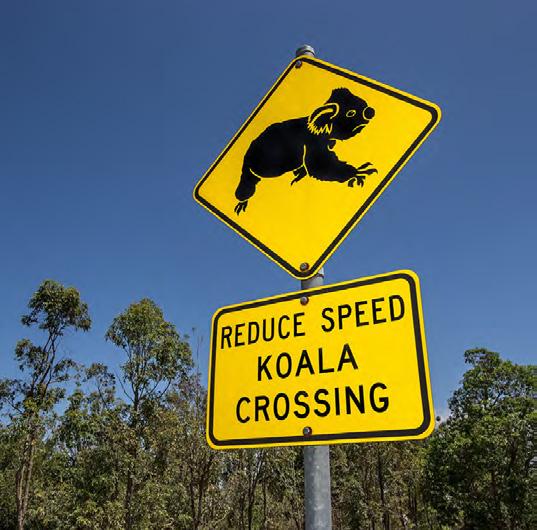
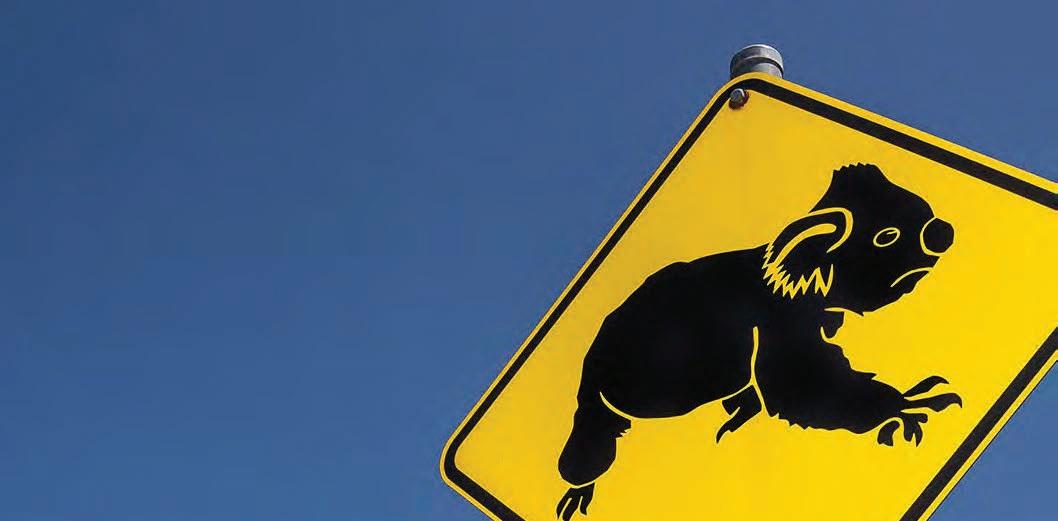
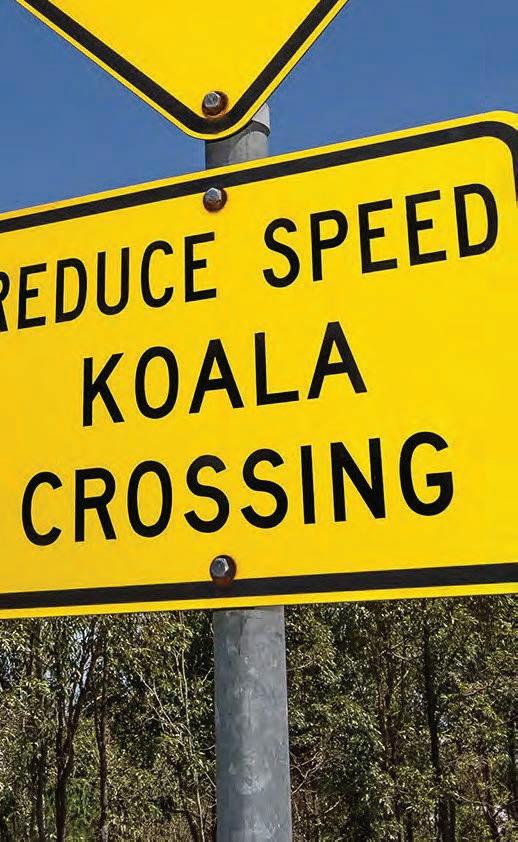
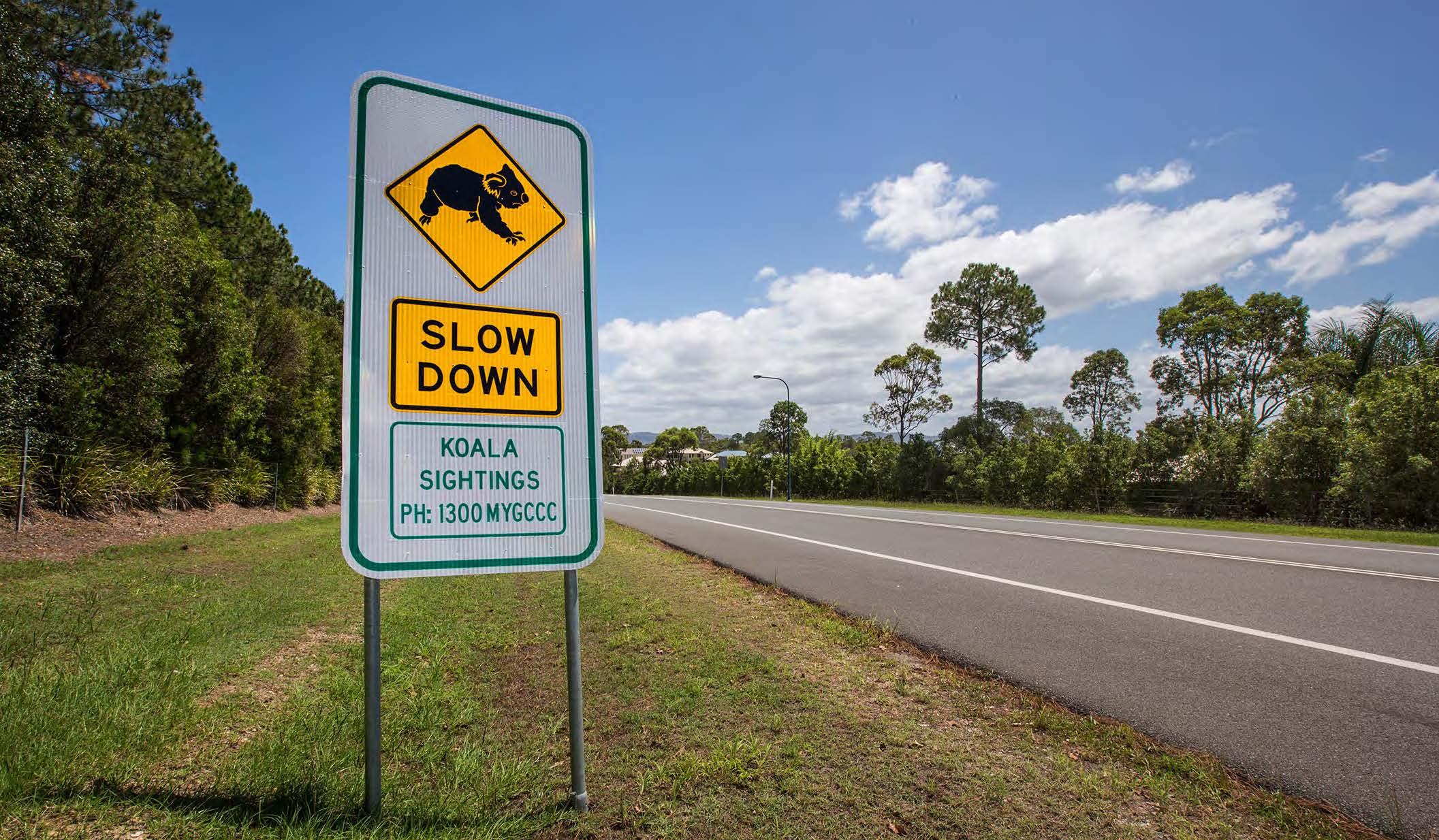
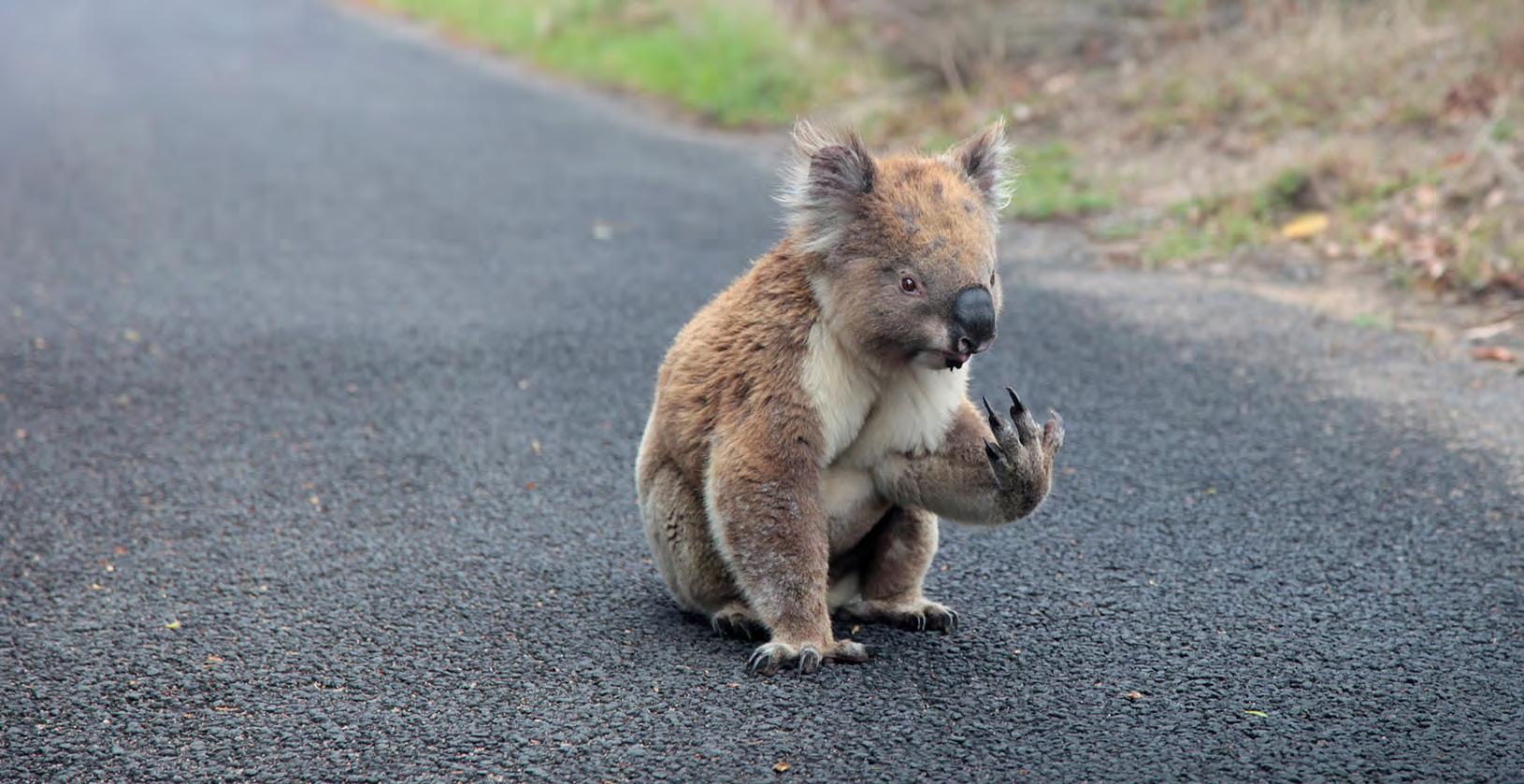
One of the gravest threats to koalas is crossing roads and highways. Solutions are being explored.
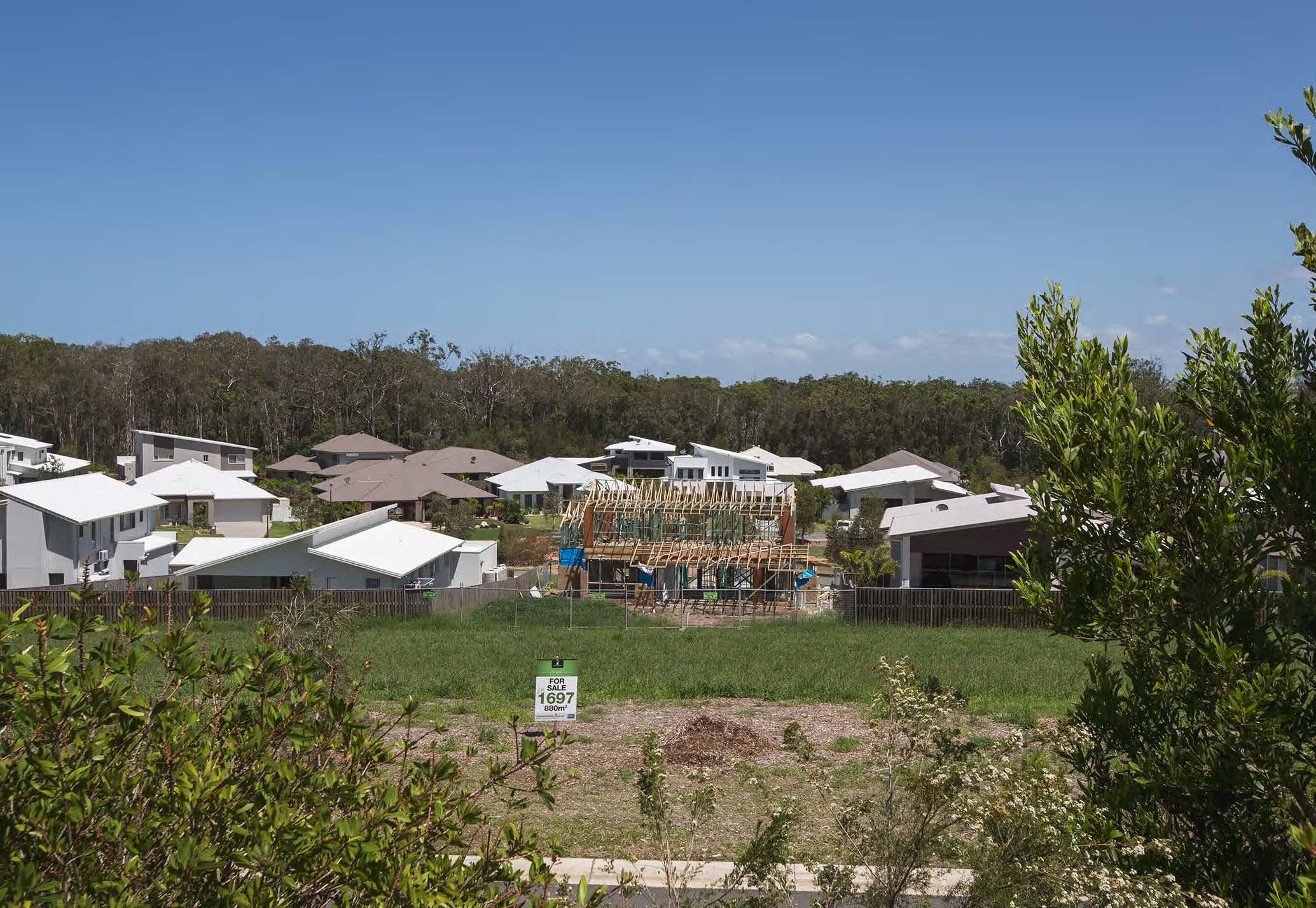
Like many other places inhabited by humans, buildings and private dwellings sprout over the landscape, biting into forested areas. When bushland is bulldozed, every tree and living thing is removed or attened. In koala habitat, prior to clearing the land, developers hire “spotters” and “catchers” to remove and translocate koalas before the bulldozers arrive. However, despite this costly endeavor (it can cost up to $10,000 per koala), captured koalas that are not moved far enough away will return to their home range. is so-called “so -cull” technique is o en ine ective, as many animals die from the stress of their translocation or are killed by cars or dogs while trying to return to their range. In spite of habitat fragmentation, cars and dogs, fences, stress, disease, climate change, bush res, and unknown causes impacting koalas, there are plenty of people willing to help reverse the downward trend. A er all, the koala’s plight is due to issues that a ect humans as well.
For Australia to save its koalas from the dangers of urban development, the report states that “more creative designs are needed that address planning, building, and economic and ecological agendas simultaneously,” to enable koalas and humans to live together. In rethinking the path forward and protecting the inherent value of ecosystems, people need to engage in behaviors they have control over, like planting trees and refraining from cutting down existing trees. “We humans have
created a wall between ourselves and nature, and yet we still like to go on holidays to nature,” observed Al Mucci of Dreamworld Australia. ere is room for improvement to protect and value life-giving trees.
Building up national parks and protected lands is a safe bet, not only for wildlife but for people as well. Where roads cut through koala habitat, creating safe corridors, bridges, and tunnels will allow koalas to traverse safely between habitat patches and will maximize genetic diversity. Planting walking and bike paths with koala food trees can establish multi-use koala corridors. Even golf courses, which are dog-free safe havens for koalas, can be more enticing to the animals with suitable trees added.
Attaching value to existing green spaces and embracing the inherent signi cance of bushland will serve people and the ora and fauna well. Obviously, people’s understanding of koala behavior is crucial to saving them. Preserving this iconic species will surely bene t Australia

economically in the short and long run. As Bill Ellis, Ph.D., of the University of Queensland succinctly stated, “ e challenge for developers and local governments is to enhance yields by including koalas.”
One of the best residential developments that uses koala and wildlife planning strategies is Koala Beach, a 600-dwelling settlement built on land that was previously a dairy farm, in northern New South Wales. Touted as “koala friendly,” it features a host of marsupial amenities including koala food trees, which thrive along extra-wide paths and dividers along the streets. Residents are active stewards in the biodiversity of their neighborhood and cannot own dogs (which harm koalas) and pay an “environmental levy” of $100 per year to fund initiatives to support local koala populations. Bush restoration and rare plants are nurtured, which helps to re-establish threatened botanical species. It was happily noted that while conserving koala habitat, 26 other vulnerable species have also bene tted. One such victory is an endangered local bird, the bush thick-knee, that is making a comeback in Koala
Beach. e residents’ pride in the local nature and stewardship of their wild spaces makes Koala Beach an attractive place to live and raise the next generation of wildlife-aware children. e success of this development demonstrates that when sustainable choices are made that help wildlife, it’s a win-win for koalas and people.
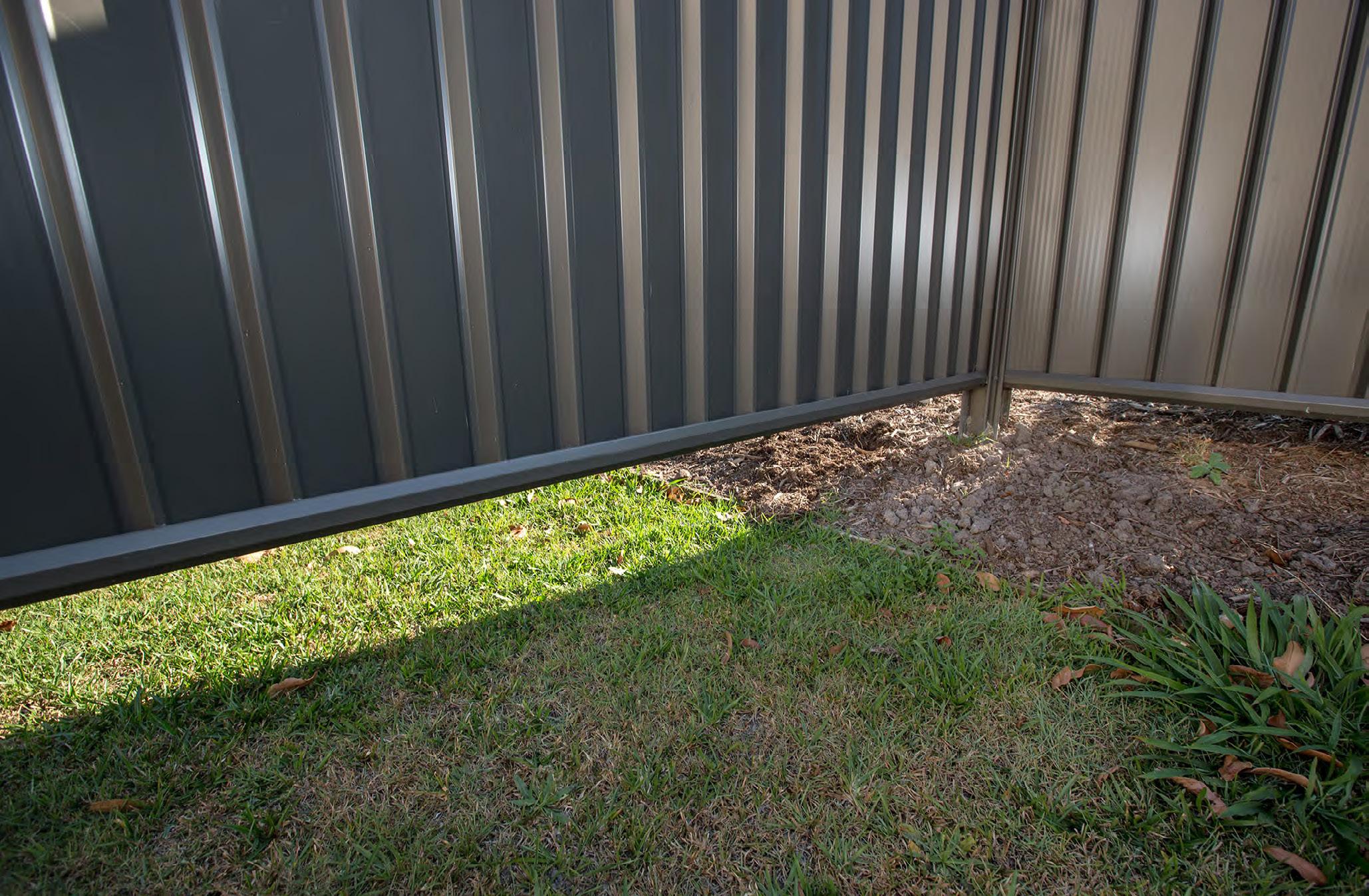
Since 80 percent of koala habitat is privately owned, people with yards have enormous potential to allow their properties to function as wildlife corridors for koalas and other native species. Along the Koala Coast, backyards can be vital stopovers for koalas on the move. Residents there are asked to make their fences koala friendly so the animals can move safely in and out of each property; climbable fences with wider tops to provide koala “walkways” and planting trees on both sides of the fence so koalas can cross over are two examples. Dogs should be tethered outside and brought in at night. People with swimming pools should use a pool cover that is tight enough that koalas can walk across it without sinking; uncovered pools should have a thick rope attached at one end with a oating object, like a milk jug, and tied to a tree or fence post to help a koala climb out of the pool if it accidentally tumbles in. “If it is safer for koalas, it is also safer for kids,” said Bill. And that makes the world a better place for everyone!
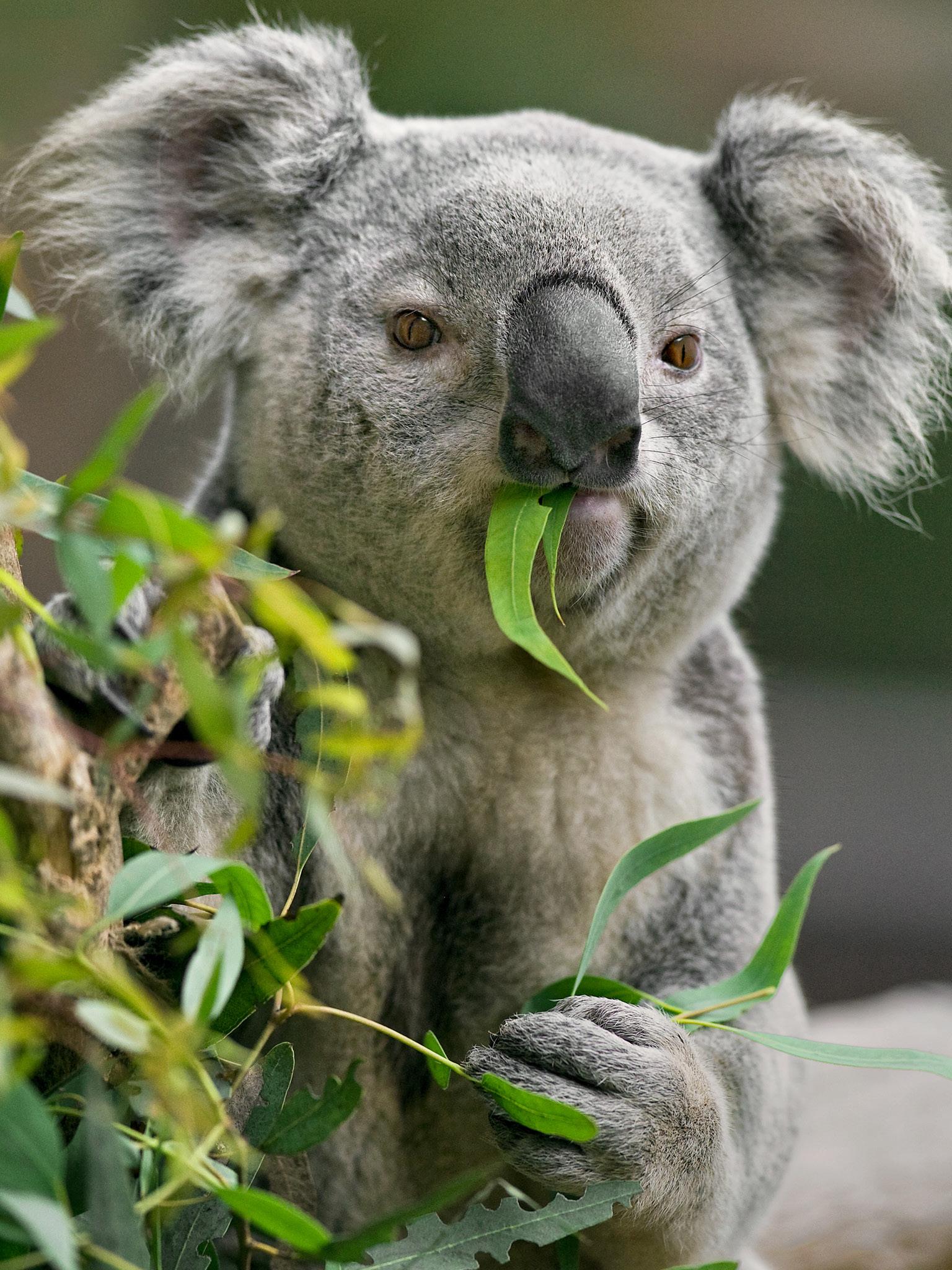



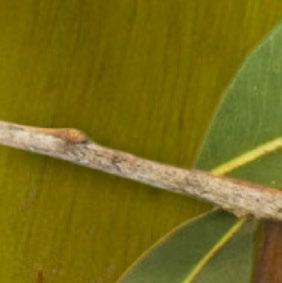
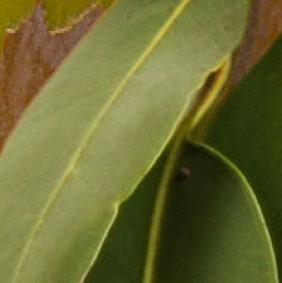
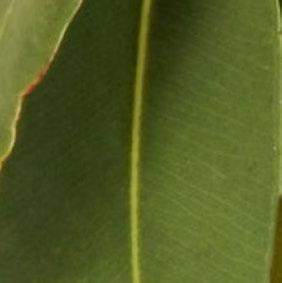
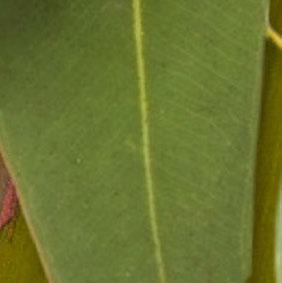
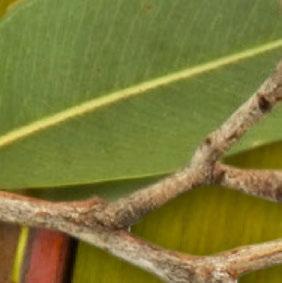
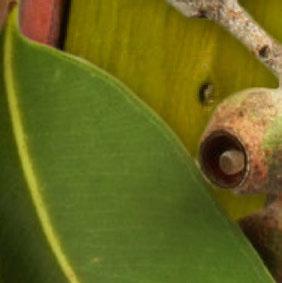
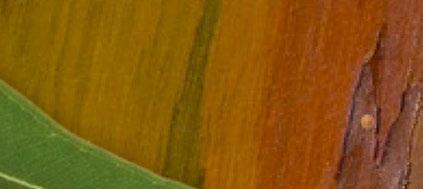

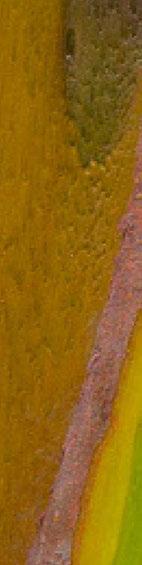






























In playing a word association game, if one said “koala,” the replies might be “cute” or “fuzzy.” Perhaps even “eucalyptus,” since so many people know that koalas munch on eucalyptus leaves—and that’s pretty much all they eat. What’s so special about that fragrant foliage? Quite a bit!















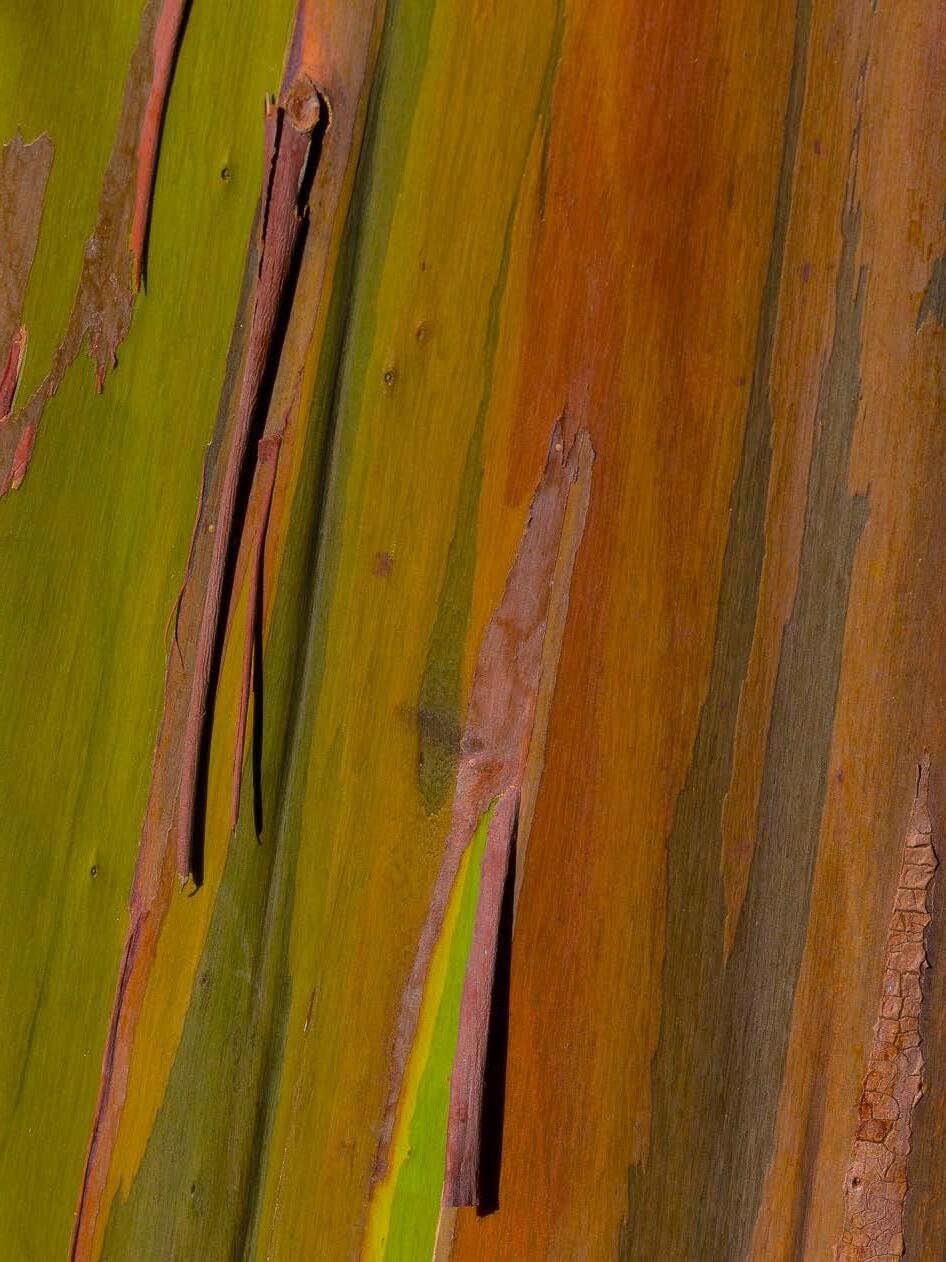
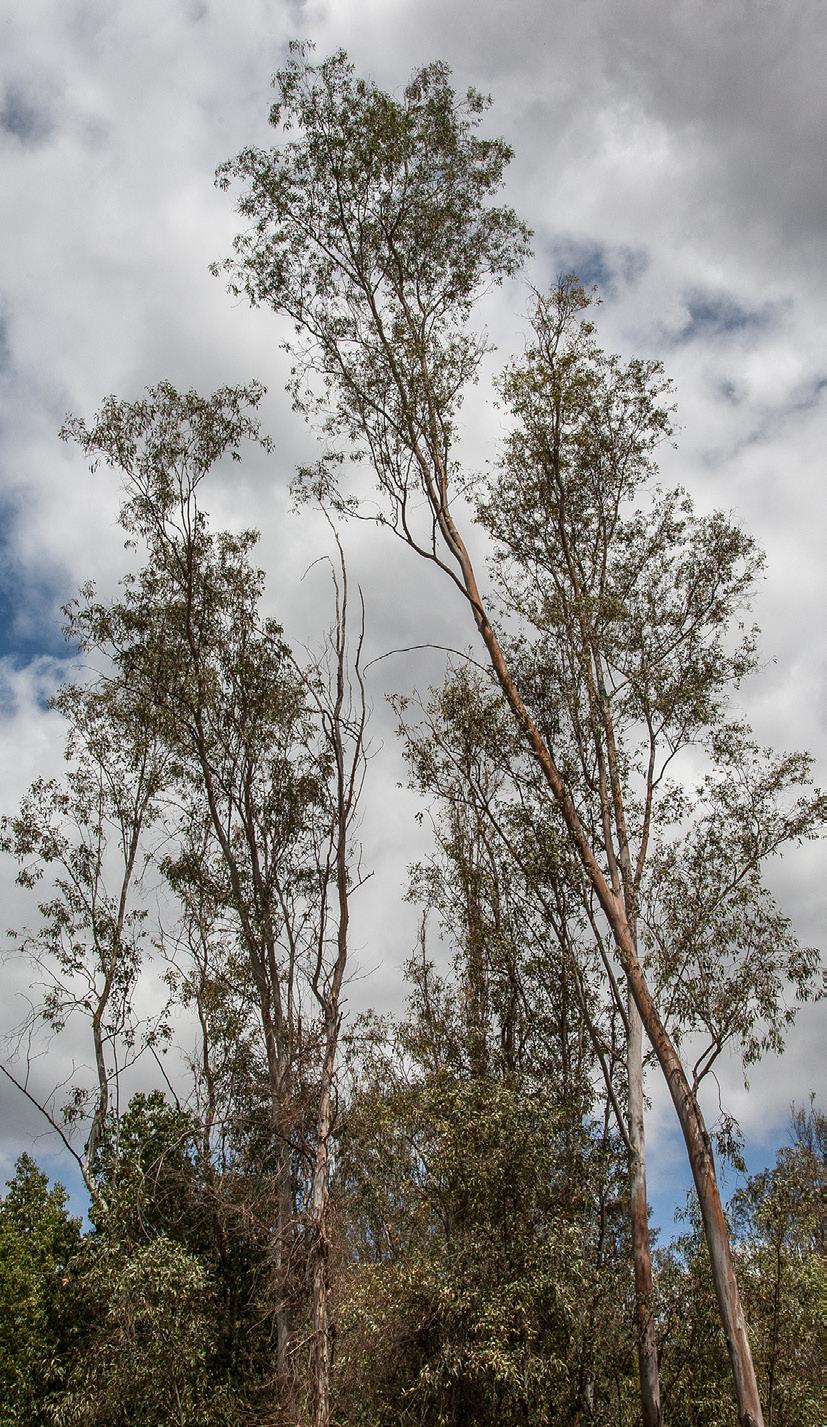

ere are about 700 species of Eucalyptus, also known as gum trees. e scienti c name comes from the hard, cup-like structure that protects the owers before they open: the Greek roots eu and calyptos mean “well covered.” Most types of Eucalyptus are native to Australia, Tasmania, and surrounding islands. Yet one species, the rainbow eucalyptus E. deglupta (named for its technicolor trunk), has its origins on Mindanao in the Philippines.
e old wisdom of not judging a book by its cover doesn’t quite apply to eucalyptus trees. Horticulturists rely on the appearance of the bark as one key to identi cation. Generally, eucalypts can be sorted into one of six groups based on their bark: bloodwoods, boxbarks, peppermints, ironbarks, stringybarks, and gum trees. e latter, with its smooth trunk, is the type most of us are familiar with.

Admired for their fast growth and dense wood, eucalyptus trees were introduced from Australia to Southern California in the 1860s. The plan was to raise the trees for lumber to make railroad ties. Because the wood cracked and split, it proved to be unsuitable for that purpose, but other uses were found for the adaptable trees. Before long, the trees had readily reproduced and eventually naturalized to the region.
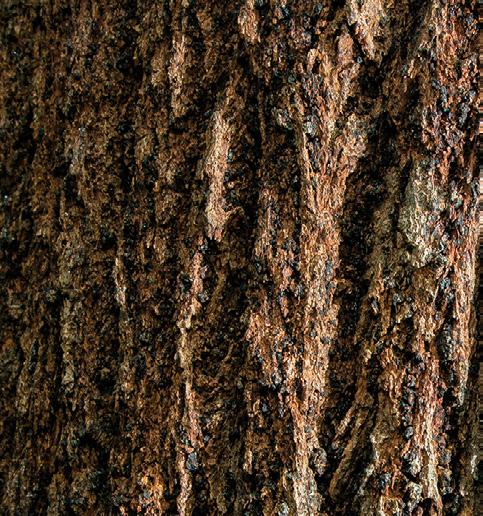
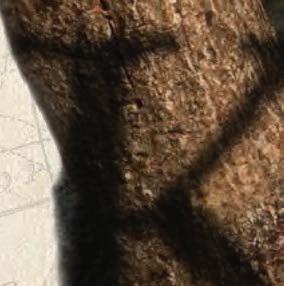
The trunk of a red ironbark E. syderoxylon displays the deeply furrowed covering characteristic of the ironbark eucalyptus. The rough bark has a hard, crumbly texture due to a sugary substance called kino.
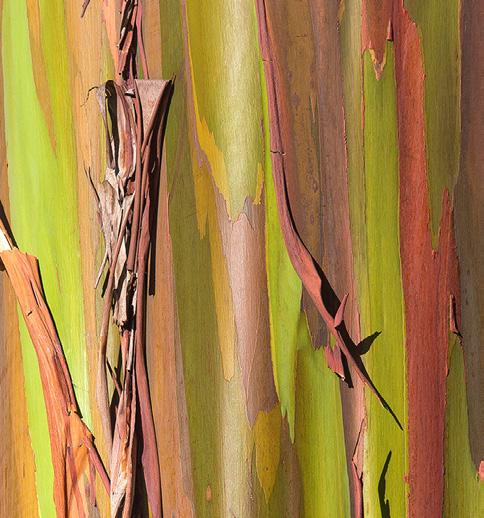


The smooth bark of gum trees is shed periodically in flakes, strips, and ribbons. Old and new bark are different colors, and the contrast can be quite vivid. On this rainbow gum tree E. deglupta, the old, reddish-brown bark is peeling off, revealing new, bright green bark beneath.






A eucalyptus sprout is vulnerable to many mouths. By growing quickly, a eucalypt increases its chance for survival to the reproductive state. In the early stages, some eucalypts can add a foot or two per year. In a more mature phase, that rate can jump to four to six feet of growth per year.






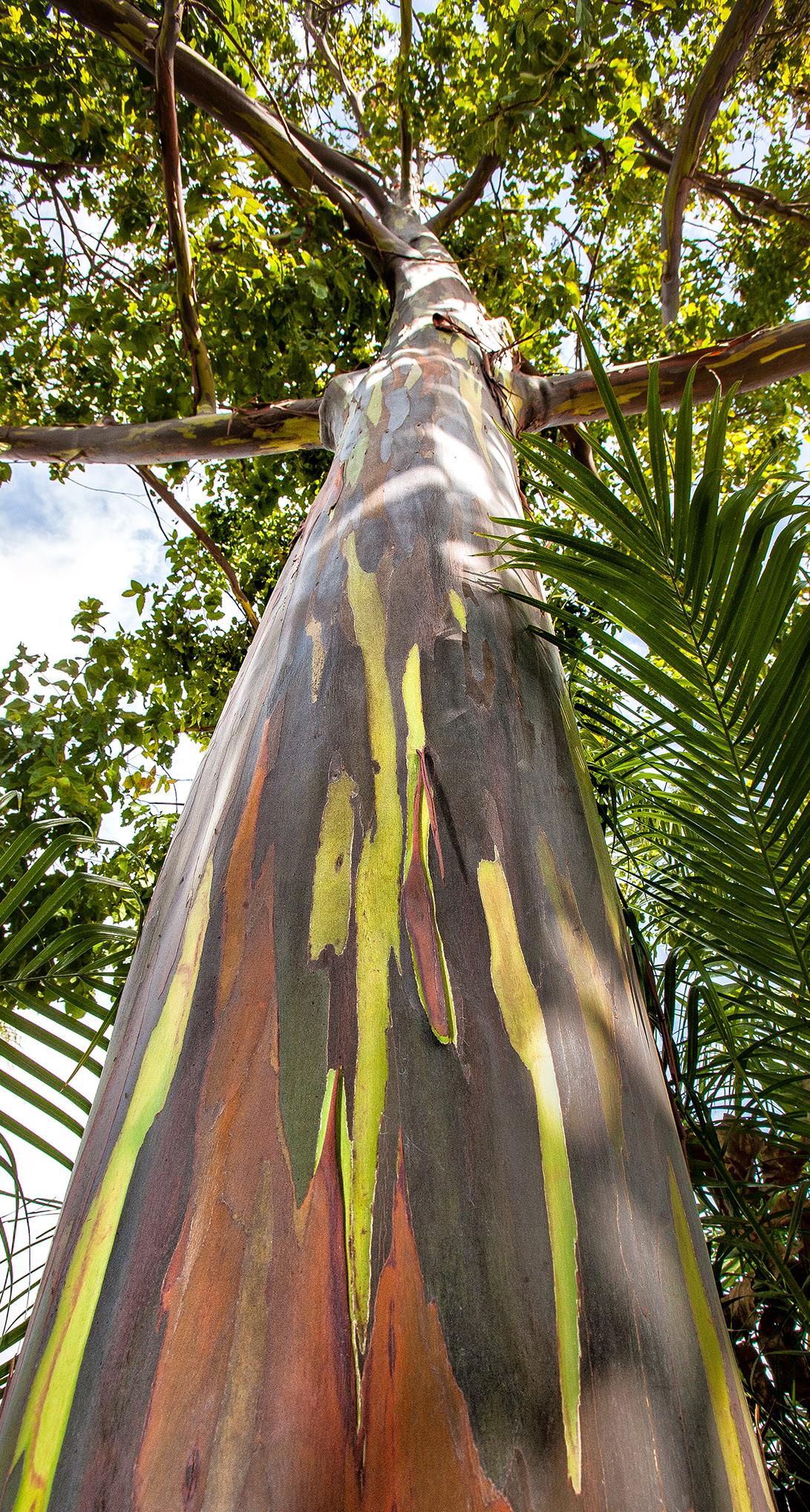
When it comes to shape, there is not as much variation. Many eucalypts grow straight and tall, like the towering mountain ash E. regnans, which can reach more than 200 feet tall and is both the tallest tree in the Southern Hemisphere and the tallest owering plant in the world. Other species form bushes in what is called a mallee growth habit, where many stems sprout from a central root underground.

Eucalyptus blossoms are lovely, but it is the leaves that give off that hearty, camphor-like scent. The leaves are harvested for the cineole, the medicinally active component in eucalyptus oil that is used in both traditional and modern medicines. Eucalyptus oil is commonly used in cough drops and other cold remedies and is known to have anti-bacterial properties
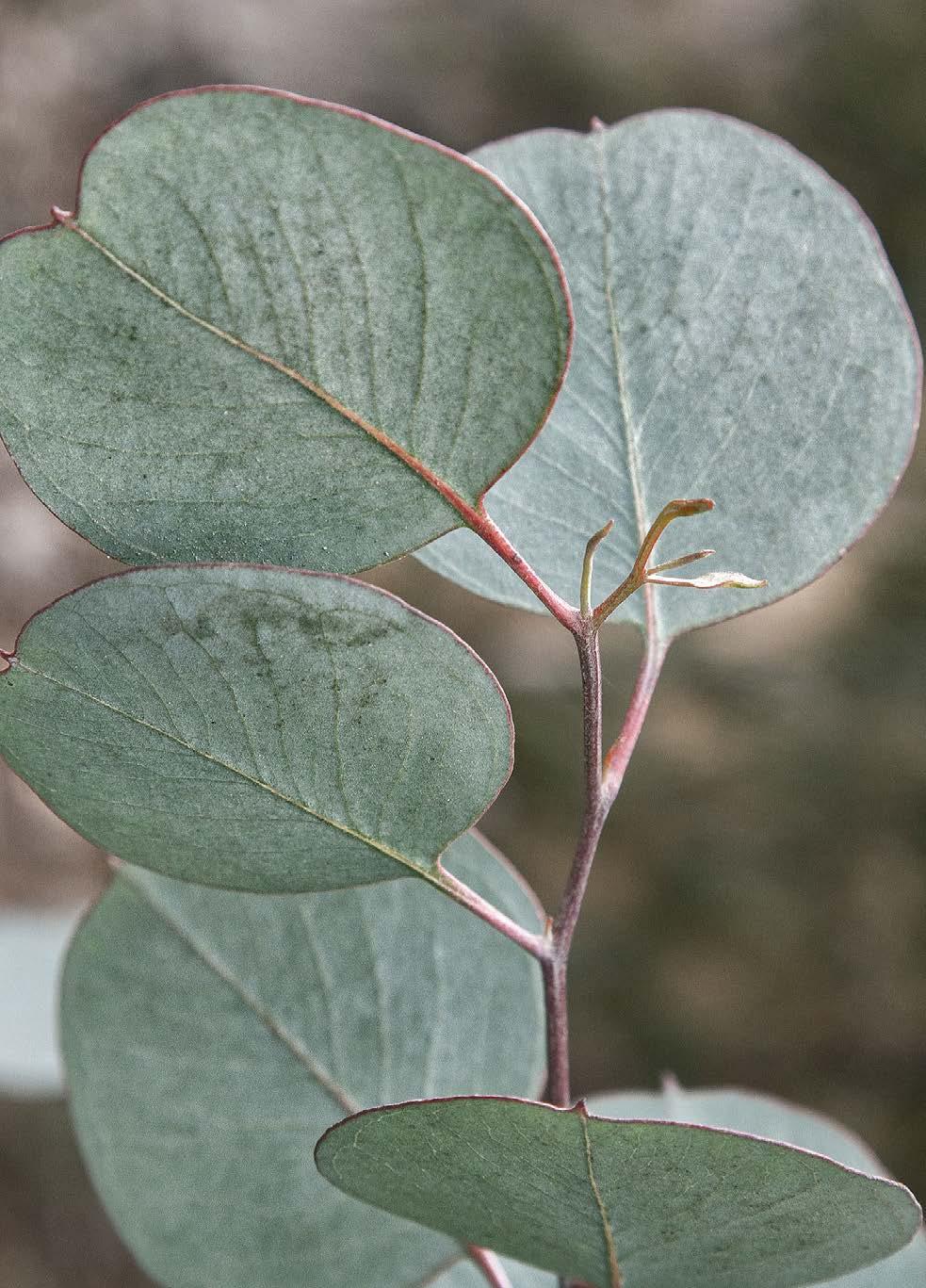
Not all gum trees have long leaves. Silver dollar gum trees E. polyanthemos are named for their rounded leaves. Another round-leafed eucalypt, known as the argyle apple E. cinerea, is a popular addition to floral arrangements, where it adds a punch of pizzaz.

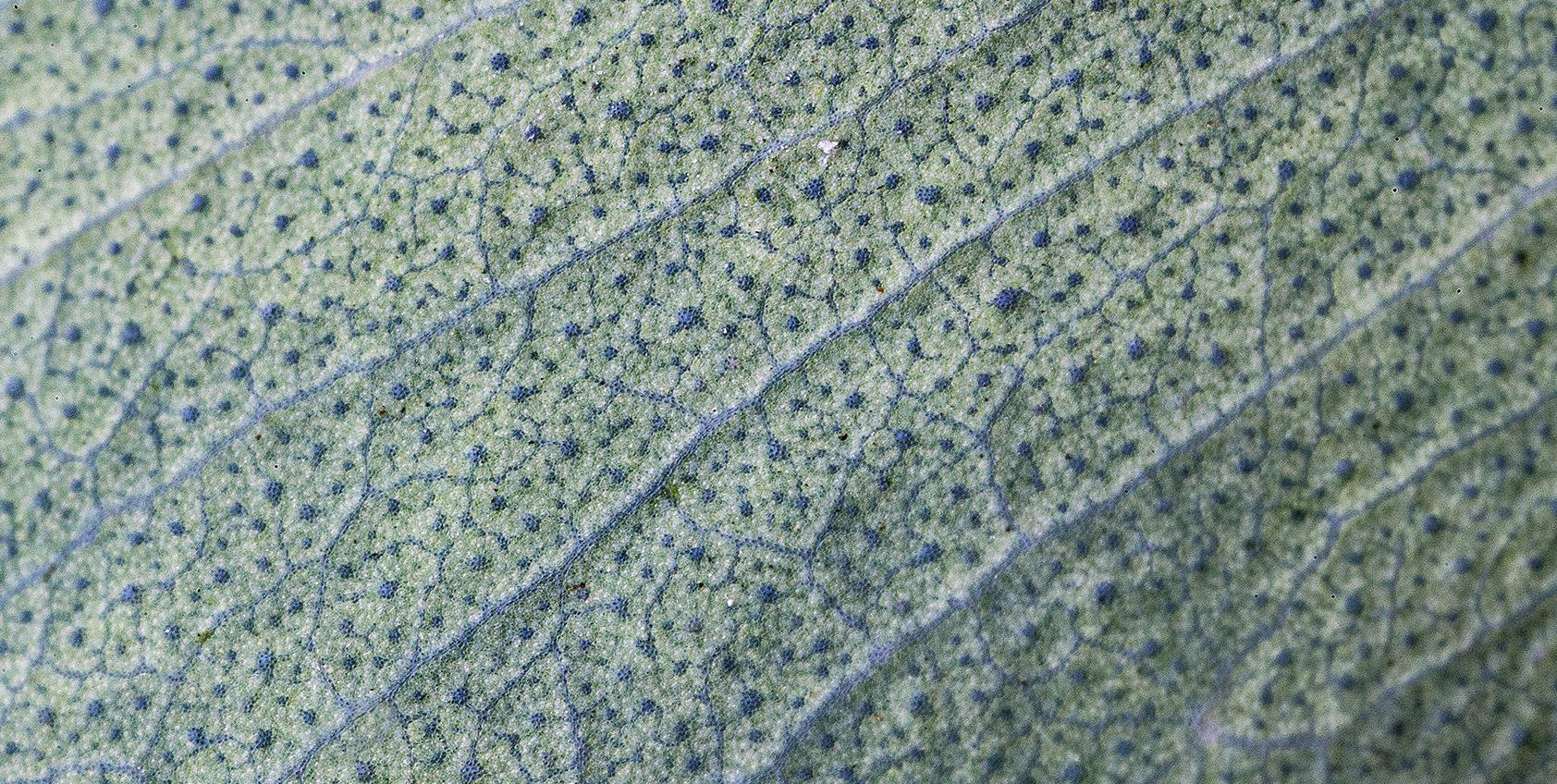
The blue spots on this close up of a eucalyptus leaf are stomata, or pores. Through these many miniscule openings, the eucalyptus leaf takes in carbon dixoide and “exhales” oxygen. The stomata also function like pixels on a computer screen, creating a bluish tinge in the leaf’s appearance.
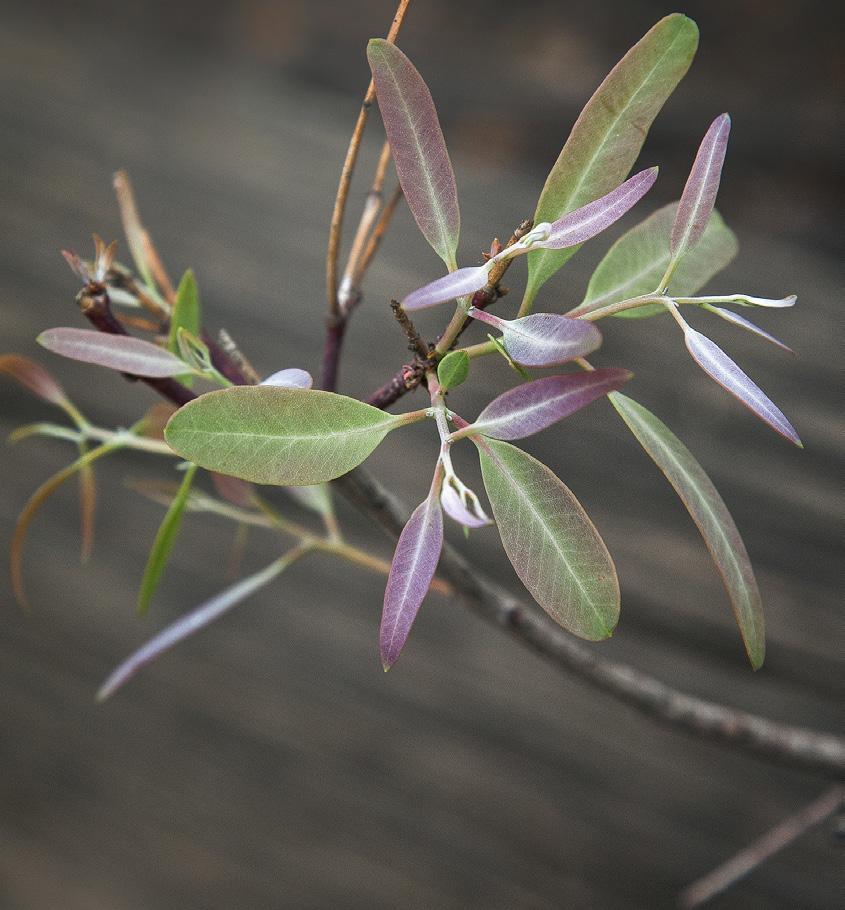

Young leaves are more rounded and have a slightly thicker wax coating for protection from moisture loss. This lush foliage contains more nutrients than larger, older leaves, which is probably why koalas prefer them.

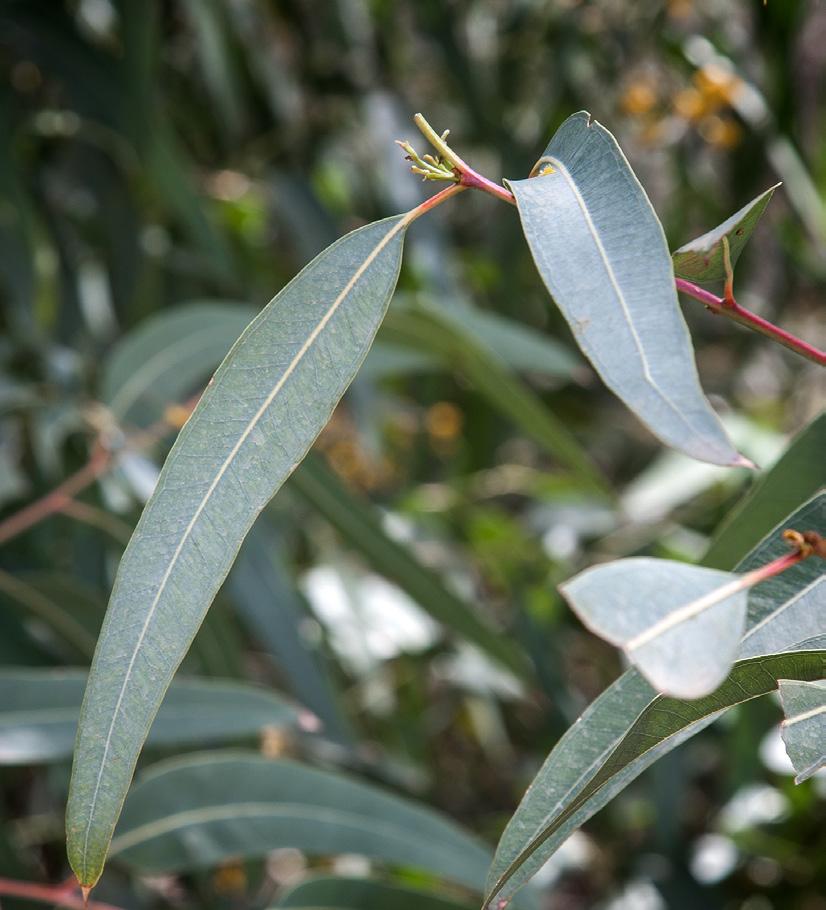
The long, narrow shape of adult eucalyptus leaves reduces the amount of surface area exposed, thereby helping the tree avoid high moisture loss under the intense sun.

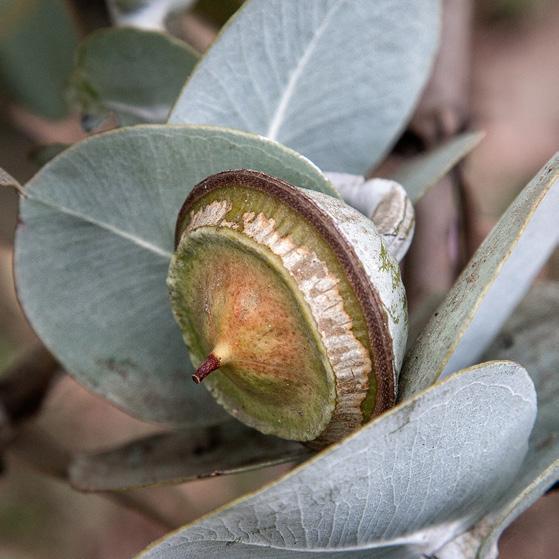

Boasting the largest single seed capsule of any eucalypt, E. macrocarpa is also one of the types of eucalyptus koalas don’t eat. It is a mallee type—developing into a huge bush rather than a tall tree. The plant grows from a lignotuber, which allows it to regenerate from the ground.
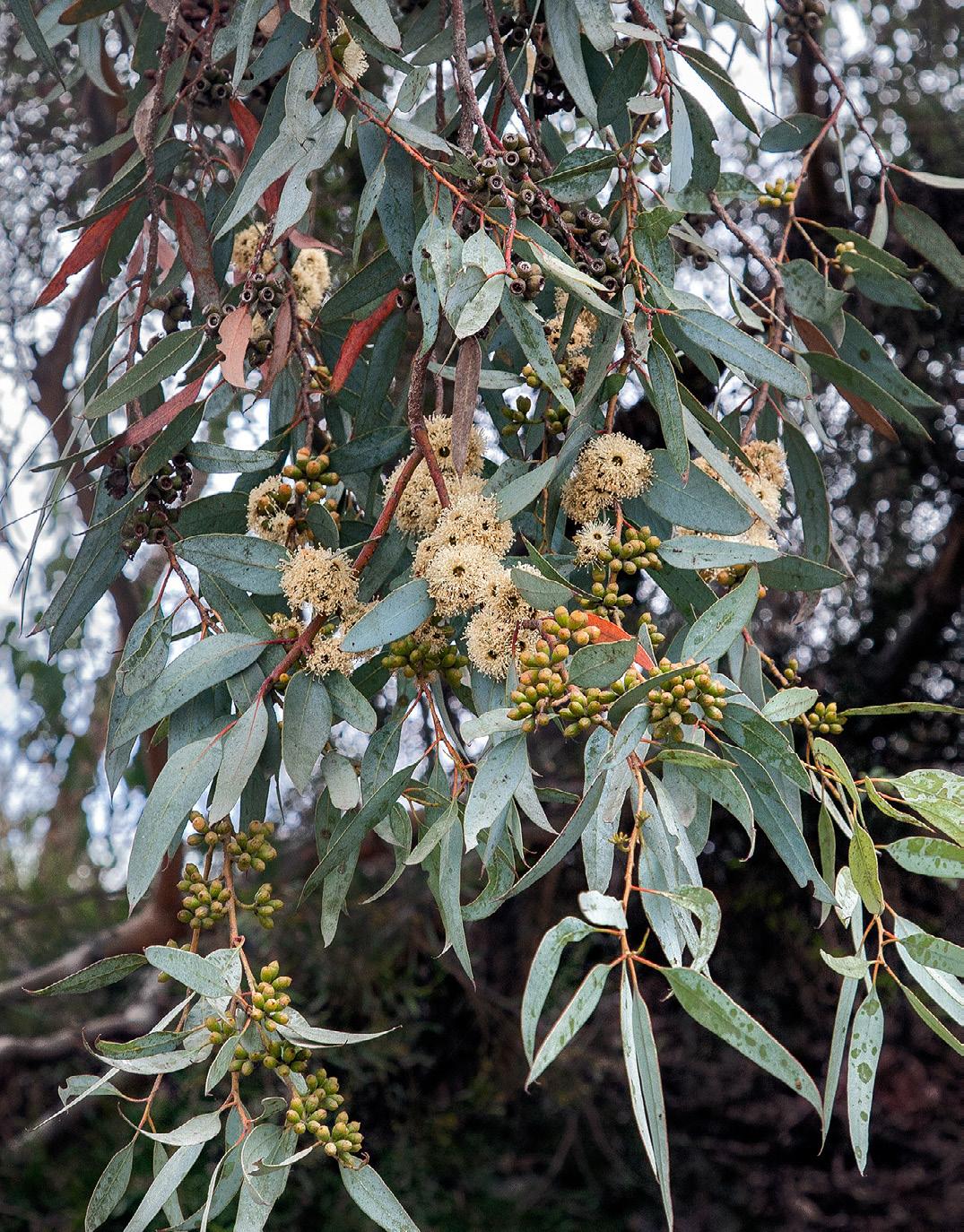
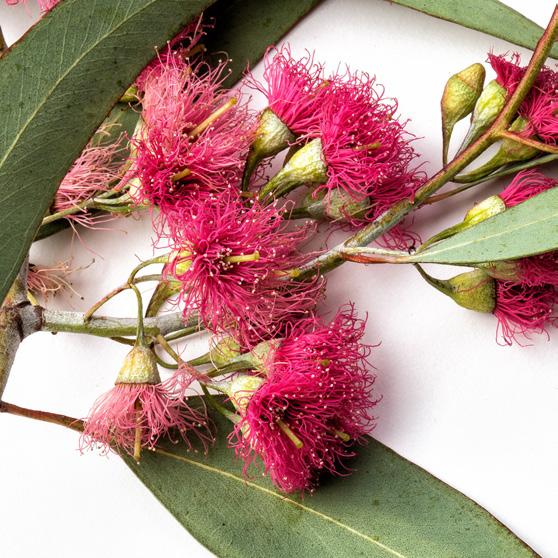
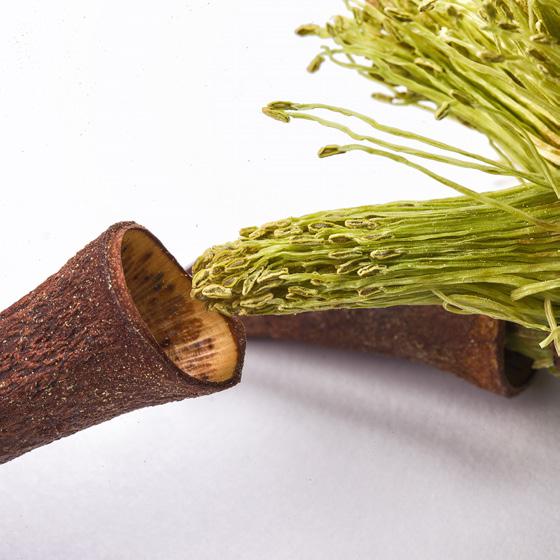
Eucalyptus blooms are different from most flowers—they have no petals, just exposed tufts of lush stamens. Depending on the type of eucalypt, the stamens may be red, yellow, orange, or white.
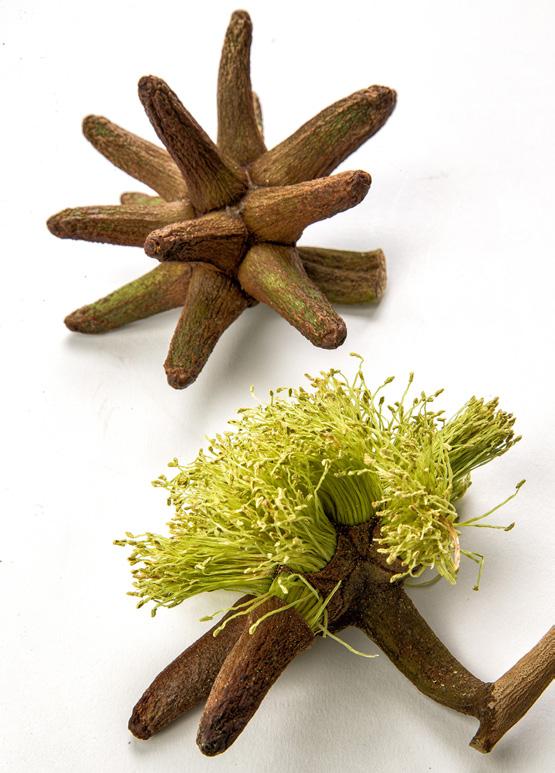
Before and after: from a rather prickly looking pod comes a flush of fluffy stamens.


Cap off to the future! As the stamens reach their full development, the swelling pushes the pod cap off. Then the stamens spread wide to give pollinators plenty of reasons to stop by.
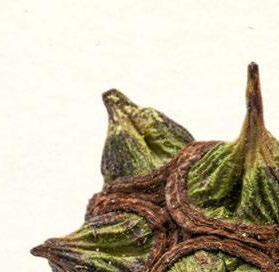
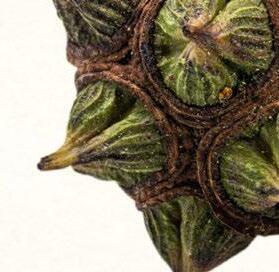
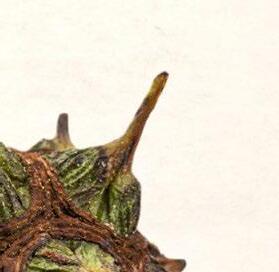
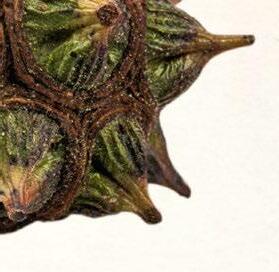

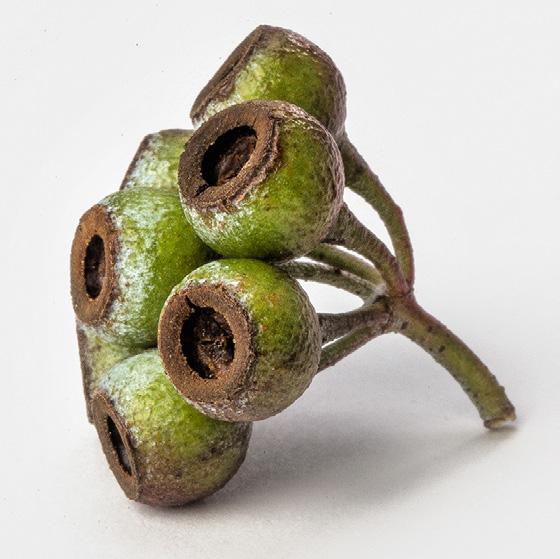
Eucalpytus seed pods are commonly called gum nuts. They may remain on the tree for quite a long time. When the stem becomes brittle and breaks off, the gum nut falls to the ground, and the resulting impact sets the seeds free.


From elongated “spike balls” to dangling cups to a compact cluster like this one, eucalypt pods display a diverse range of appearance.

Koalas prefer the young leaves, which tend to provide the most nutritional bang for the bite. To keep a constant supply of these tender tidbits, horticulturists at our browse farm use a special cultivation technique, called coppicing, to efficiently meet our koala colony’s appetite.
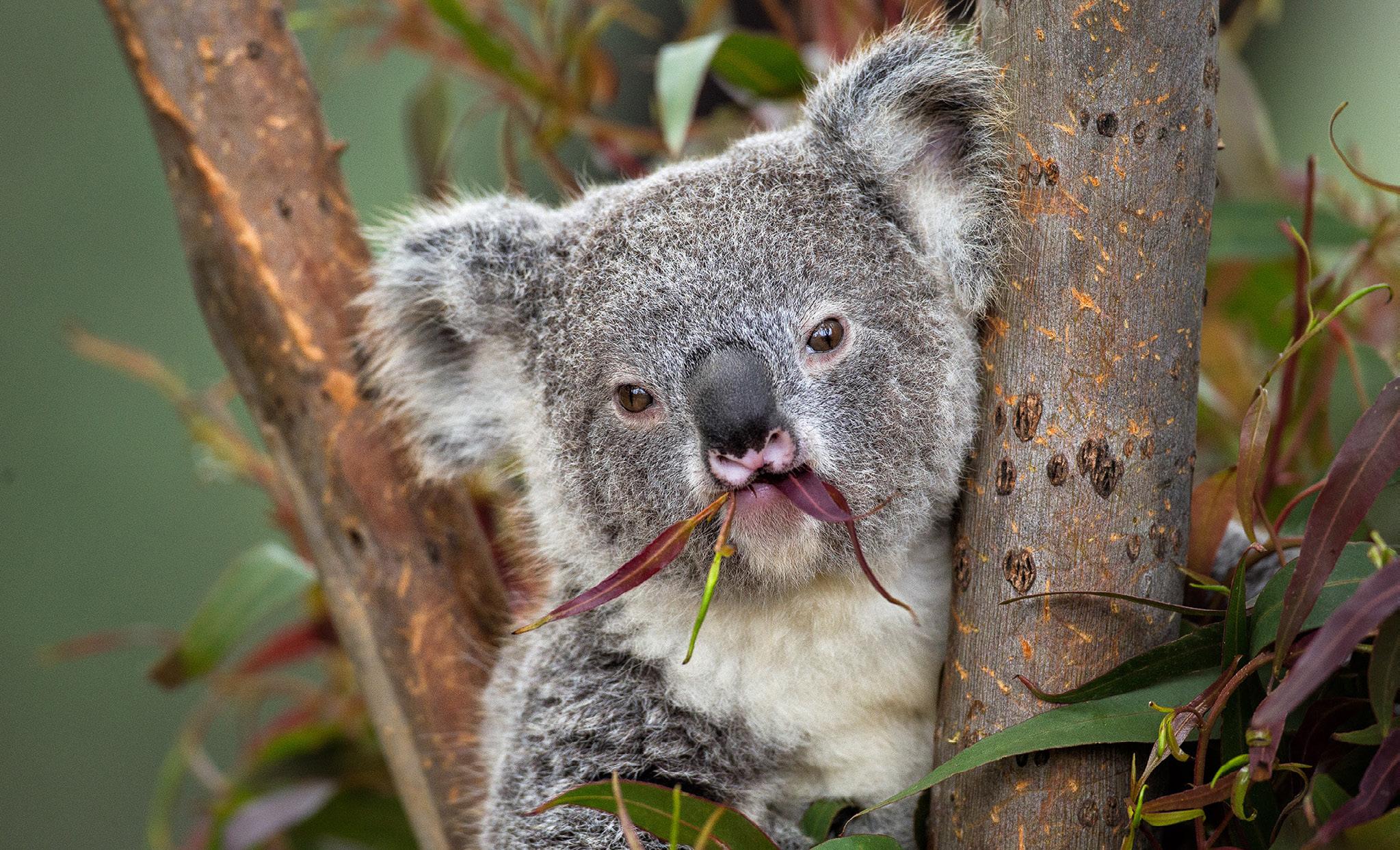
To keep a koala colony thriving requires not just some eucalyptus but copious quantities of the aromatic leaves. Each of our koalas eats between one and one-and-one-half pounds of fresh eucalyptus a day. In a sweet bit of serendipity, Southern California has become a second home to these trees from the Southern Hemisphere. Eucalyptus trees were introduced to the region more than 100 years ago for commercial purposes that never really took root. However, the adaptable species blossomed—literally and guratively—and spread.
Today, the lacy-crowned canopies of eucalyptus are found throughout San Diego County. To give our koalas the best nutrition, however, the Zoo grows its own. On our browse farm, we cultivate more than 30 types of eucalyptus. Among them are the species we’ve noticed our koalas favor, E. robusta, E. punctata, and E. saligna, just to name a few. We also grow other species, such as E. rudis and E. cinerea, which we add to the koala’s diet on a rotating basis for nutritional variety. Judging by our healthy colony, this approach is a “koala- ed” success. n








By Georgeanne Irvine ASSOCIATE DIRECTOR, COMMUNICATIONS/DEVELOPMENT DEPA RTMENT
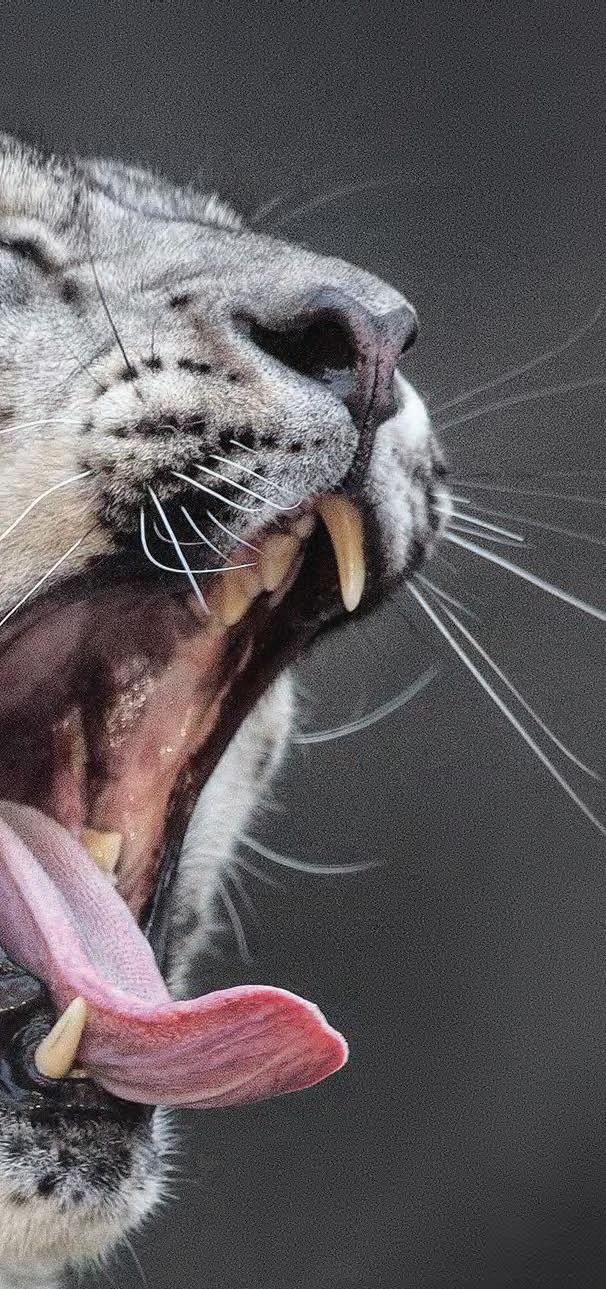
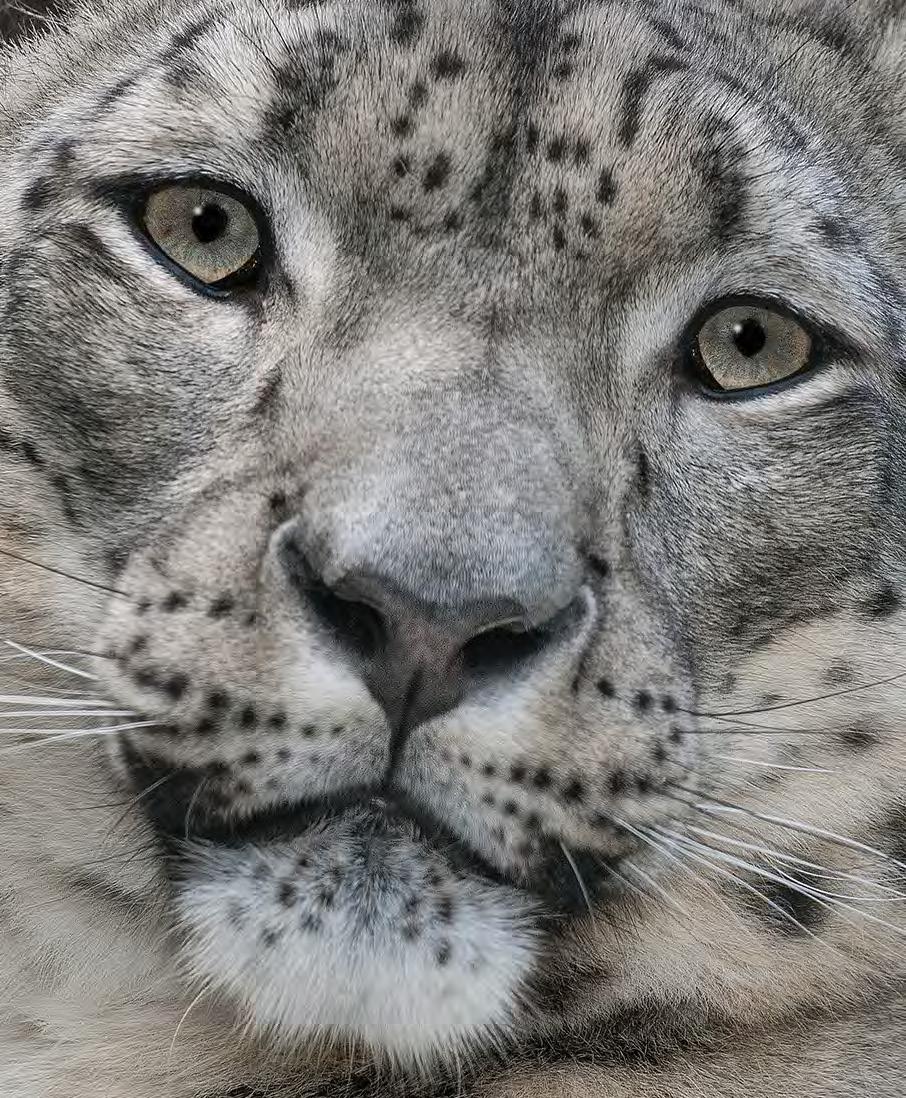
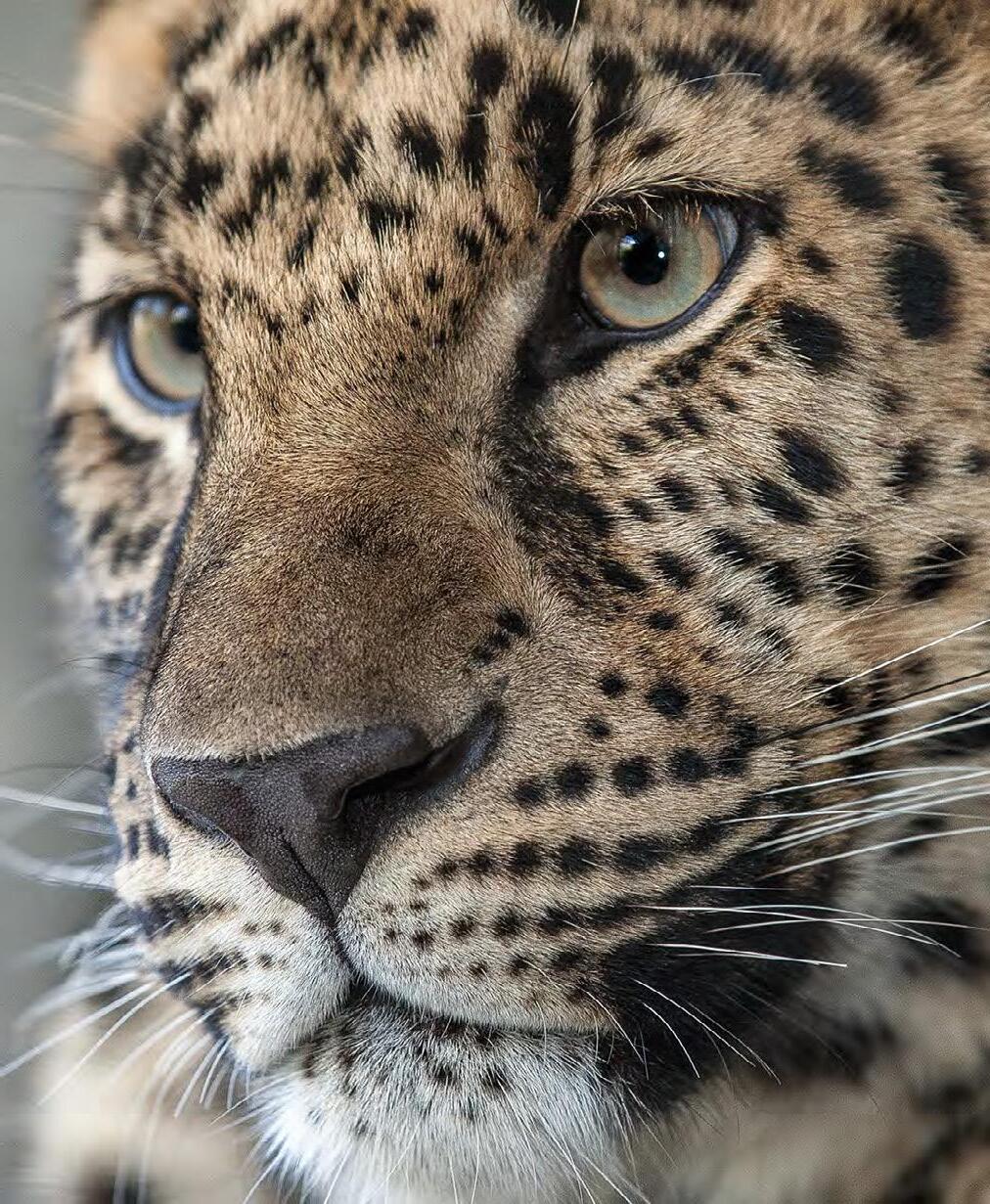
Of all the big cats in the world, leopards are among the most exquisite and endangered. ey have been animal stars at the San Diego Zoo since the early 1920s, and they continue to reign supreme by delighting feline fans with their charismatic demeanor and striking good looks. Today, the Zoo is home to several types of leopards, including two from remote regions of Asia: the Amur leopard and the snow leopard. ey captivate the hearts of feline a cionados with their beauty and grace and live in habitats along the Zoo’s Big Cat Trail (formerly called Dog & Cat Canyon) that were built in the late 1930s by the Works Progress Administration (WPA). Although we have remodeled these exhibits over the years, it is de nitely time to build new homes for both species.
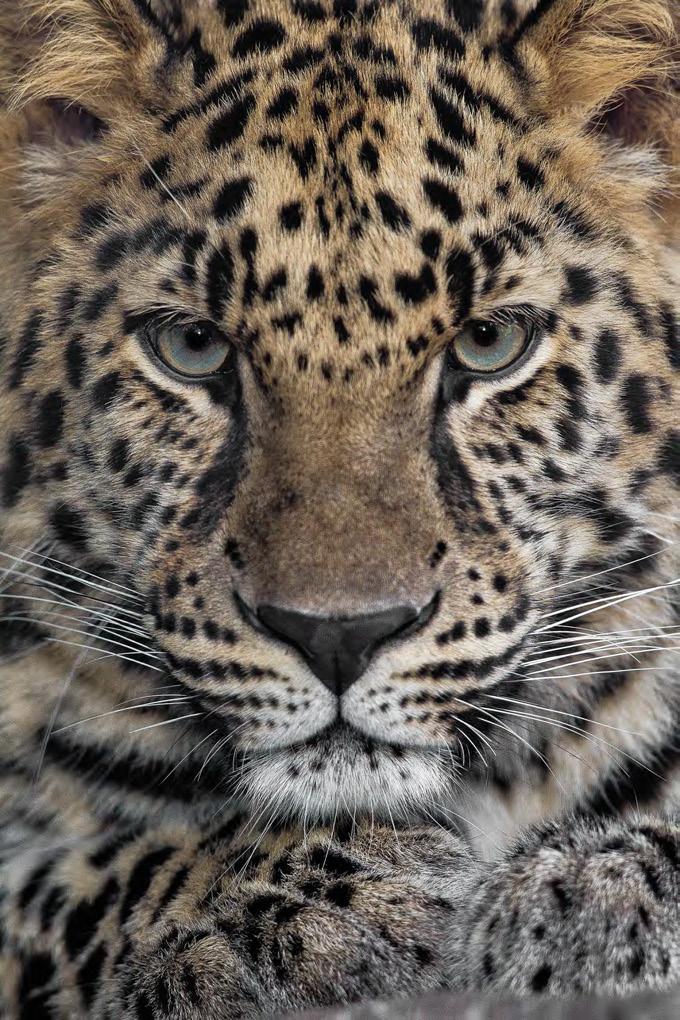
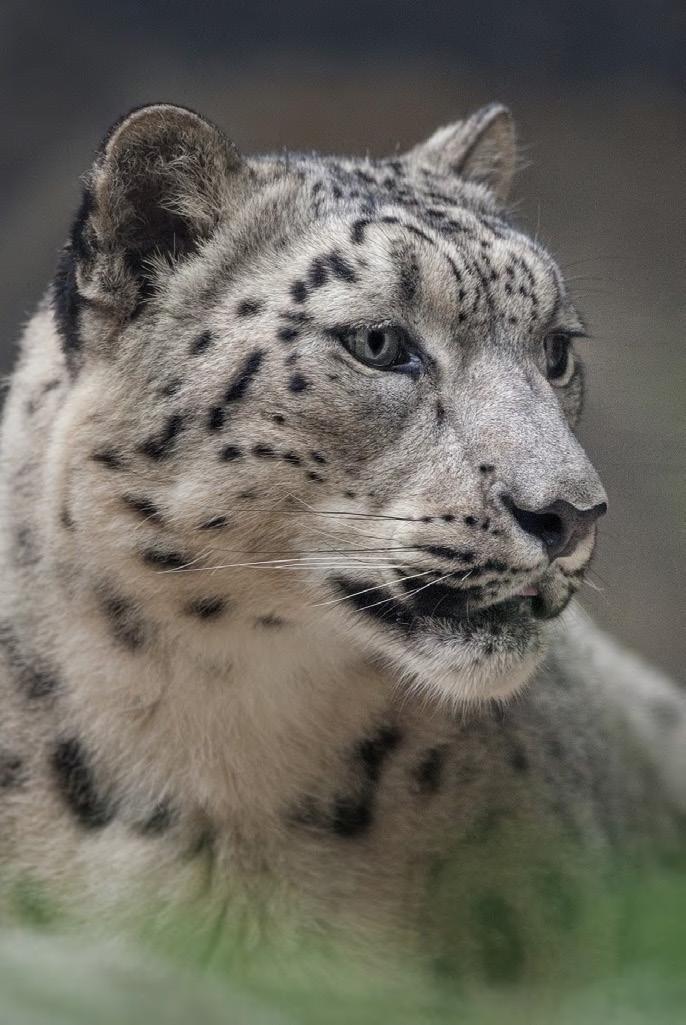
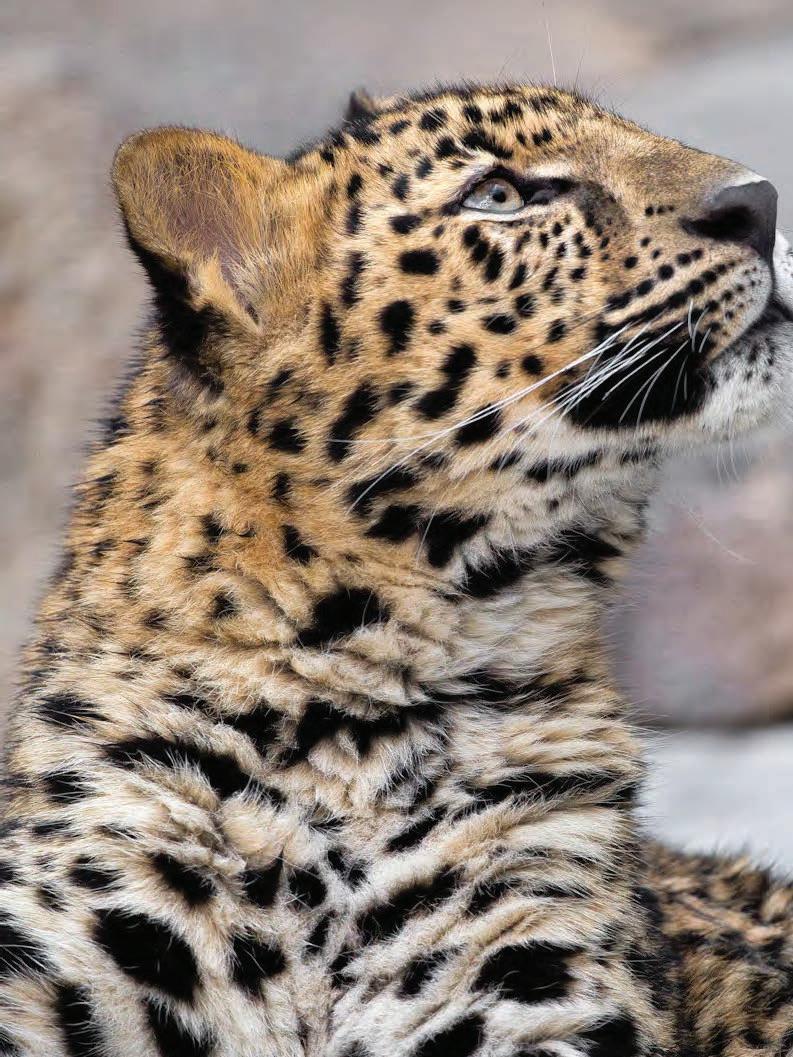
Amur leopards and snow leopards are under tremendous pressure throughout their home ranges. Poaching, human settlements, loss of prey, and dwindling habitats are affecting the wild populations of these spotted treasures of the animal world. Breeding programs in zoos, as well as sharing with visitors how signi cant leopards are within their ecosystem, are more vital than ever to their ultimate survival.
When you gaze into the gold-and-green eyes of an Amur leopard, it’s hard to believe that this engaging animal is on the edge of extinction. With only about 40 le in the mountain forests of southern Russia and northern China and only 300 in zoos, Amur leopards are the most critically endangered big cat species on the planet. ey are also one of the species that we have the greatest chance of saving and reintroducing into the wild. As a leader in cat conservation e orts, San Diego Zoo Global is working with zoos around the world to breed Amur leopards. Our hope is to also establish a breeding program within their native homeland so that ospring can be introduced into some of the forests that are still intact and protected by the Russian and Chinese governments.
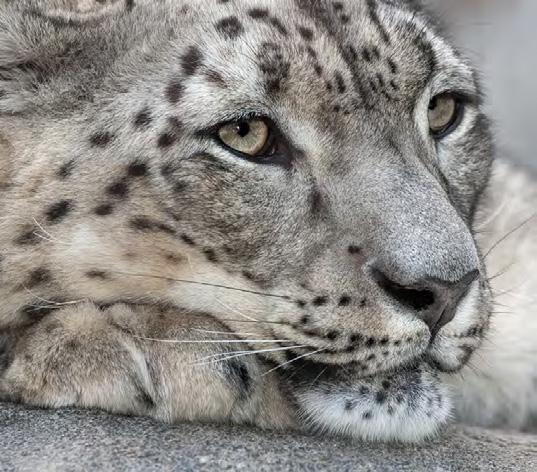
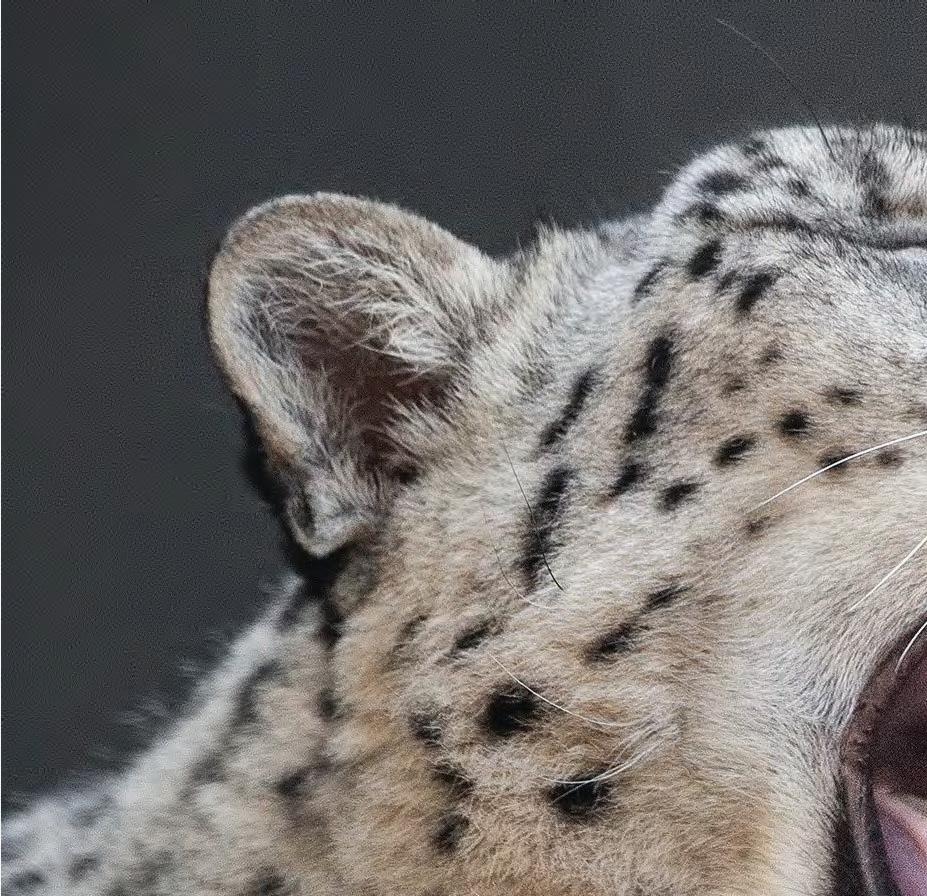
Magni cent snow leopards are seldom seen in the wild, yet they are a agship species for international conservation e orts. Most of them prowl along the cli s and rocky slopes of the cold, rugged mountains in central Asia. Although 4,000 to 6,500 snow leopards live in the wild,
their numbers are quickly diminishing. eir habitat extends over a huge area—12 countries—and is becoming more and more fragmented as people with livestock move into the animals’ home range. At the Zoo, we want to set up our snow leopard pair for breeding success as part of a global plan to protect this incredible species.
e new Amur and snow leopard havens will be located adjacent to each other, just south of Panda Trek, where many other Asian animals reside. eir new habitats will encourage the leopards’ natural behaviors, enrich their lives, and vastly improve viewing for our guests. Some of the highlights include:
■ Multilevel living space—gentle slopes dotted with trees and shrubs for the Amur leopards and a hillside habitat with rocky outcroppings for the snow leopards.
■ Creature comforts, such as heated rocks for napping, deadwood for scratching, and high lookout areas for perching.
■ Up-close viewing for visitors through glass panels, as well as a glass-fronted maternity den so guests can watch the mother leopards rearing their cubs.
■ Camou aged animal care center nestled between the two exhibits, along with bedrooms, a keeper work area, food preparation kitchen, and space for on-site veterinary procedures.

O FFICER S
Richard B. Gulley, Chairman
William H. May, Vice Chairman
Sandra A. Brue, Secretary
Robert B. Horsman, Treasurer
B OAR D OF TRUST EE S
M. Javade Chaudhri
Berit N. Durler
Clifford W. Hague
Nan C. Katona
Patricia L. Roscoe
Steven G. Tappan
Judith A. Wheatley
David S. Woodruff, Ph.D., D.Sc.
TRU ST EE S E MERI TI
Frank C. Alexander
Kurt Benirschke, M.D.
Weldon Donaldson
Thompson Fetter
Bill L. Fox
Frederick A. Frye, M.D.
George L. Gildred
Yvonne W. Larsen
John M. Thornton
Albert Eugene Trepte
Betty Jo F. Williams
William E. Beamer, General Counsel
Douglas G. Myers, President/CEO
Charles L. Bieler, Executive Director Emeritus
O FFICER S
John E. Gartman, Chair
Murray H. Hutchison, Vice Chair
Margie Warner, Secretary
Maryanne C. Pfister, Treasurer

Mark A. Stuart, President
Richard B. Gulley, Ex officio
Douglas G. Myers, Ex officio
B OAR D OF DIRECTOR S
Christine L. Andrews
Richard A. Baldwin
Joye D. Blount
Rick Bregman
Lisa S. Casey
Douglas Dawson
Berit N. Durler, Ex officio
U. Bertram Ellis, Jr.
Arthur E. Engel
Fran Golden
Craig L. Grosvenor
Judith C. Harris
Richard M. Hills
Craig A. Irving
Susan B. Major
Susan N. McClellan
Michael D. McKinnon
George A. Ramirez
Joyce Summers
Thomas Tull
Creating new homes for our rare leopard residents has been a long time coming. rough your generosity, we can create incredible environments for our Amur and snow leopards, where they can thrive with their cubs as well as provide a dynamic viewing experience for our guests.









Please help us give our leopards the best “spots” for prowling, growling, and napping in the Zoo. With your support, we can enhance the lives of our endangered Amur and snow leopards, and they can continue to be a conservation catalyst for their wild relatives. For more information, please visit our website at sandiegozoo.org/leopards. To contribute by check, please make it payable to the San Diego Zoo and mail to: Leopard Appeal Development Department San Diego Zoo P.O. Box 120271 San Diego, CA 92112-0271



Where there’s a WILL there’s a WAY.

To request a complimentary brochure about including the Zoological Society of San Diego in your will or trust, please call 619-744-3352 or visit www.zoolegacy.org.












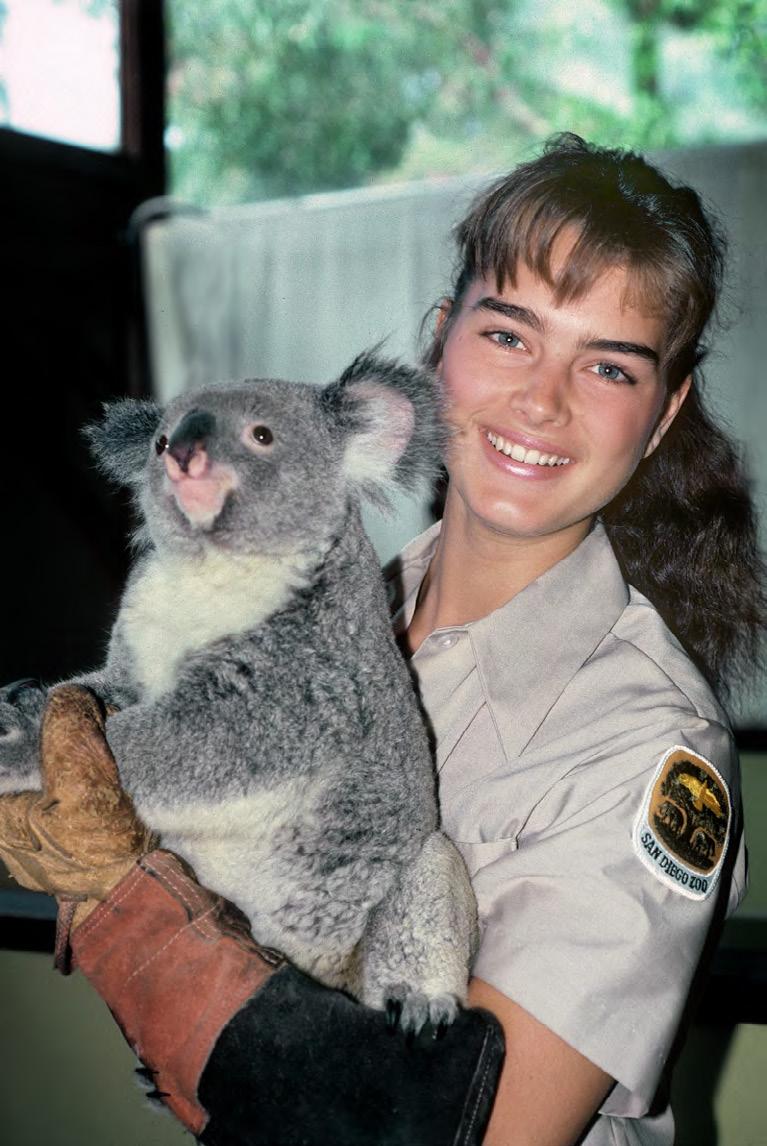






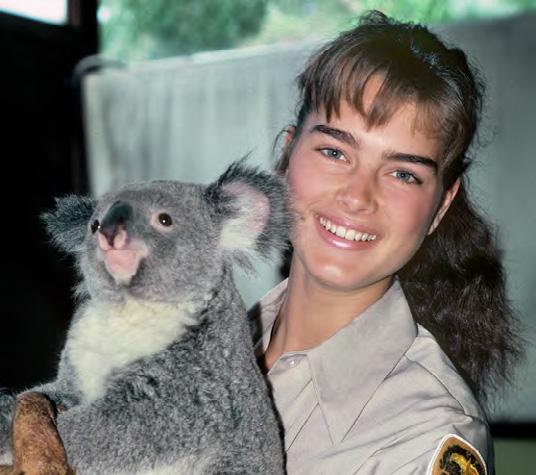
Our animals have always been the stars at the Zoo and Safari Park, but in May 1983, they received some famous attention from a fellow celebrity. Hollywood star Brooke Shields spent the month in San Diego as an intern, lling a work experience requirement for her senior year of high school. She worked in several areas of the Zoo and the Park, and one of her assignments was to help the keepers in the koala exhibit. Brooke helped clean, prep eucalyptus branches, and conduct daily checks of the marsupials. She was also granted the rare opportunity to get up close and personal with them—always aware of the koalas’ sharp claws, of course. e koalas were curious about the newcomer but soon took her presence in stride. Zoo and Park sta members were a bit more starstruck: having Brooke Shields as an employee made for a merry month of May!
published since 1926 June 2013 n vol.lxxxvi–no.6
Managing eDitor K ARen e. WORley
aSSociate eDitorS PeGGy SCOTT
Debbie AnDReen
Staff writerS WenDy PeRKinS
KARyl CARMiGnAni
San Diego Zoo global™ PHotograPHer Ken bOHn
Digital iMaging tecHnician TAMMy SPRATT
DeSign anD ProDuction DAMien l ASATeR
CHRiSTOPHeR MARTin
HeiDi SCHMiD
STePHAnie bevil-PAGADuAn
DenniS CORbRAn
K AMbiZ MeHRAFSHAni
KRiSTin niel Sen
TiM Re AMeR
San Diego Zoo global ™ viDeograPHerS lee RiebeR
MARiA beRnAl-SilvA
The Zoological Society of San Diego was founded in October 1916 by Harry M. Wegeforth, M.D., as a private nonprofit corporation. The Zoological Society of San Diego does business as San Diego Zoo Global. The digiTal version of ZoonooZ® is currently published bi-monthly and is available for the iPad and Kindle Fire. Publisher is San Diego Zoo Global, at 2920 Zoo Drive, San Diego, CA 92103, 619-231-1515.
Copyright® 2013 San Diego Zoo Global. All rights reserved. “ZOOnOOZ” Reg. u.S. Pat. Office. All column and program titles are trademarks of San Diego Zoo Global. Annual Memberships: Dual $114, new; $99, renewal. Single $94, new; $82, renewal. each membership includes unlimited entrance to the San Diego Zoo and the San Diego Zoo Safari Park.
San Diego Zoo HourS June 1–14 & 16–20: 9 a.m. to 6 p.m.; June 15: 9 a.m. to 5 p.m.; June 21–30: 9 a.m. to 9 p.m.
San Diego Zoo Safari Park HourS June 1–28: 9 a.m. to 5 p.m.; June 29–30: 9 a.m. to 7 p.m.
For more information about our animals and events, visit sandiegozoo.org or call 619-231-1515.