With this new chapter, our organization takes an exciting and significant step forward in our mission to save wildlife: we are now San Diego Zoo Wildlife Alliance. We will be building on the successes of our past alongside partners and allies that will aid us in creating a future where all life thrives.
2021 Calendar
Our calendar for this year celebrates San Diego Zoo Wildlife Alliance’s new identity and redefined conservation priorities. Each month highlights wildlife from the main conservation hubs around the world representing the evolving focus of our work.
Visualize It
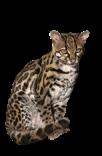
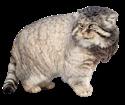
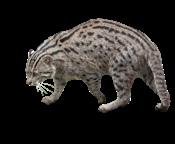
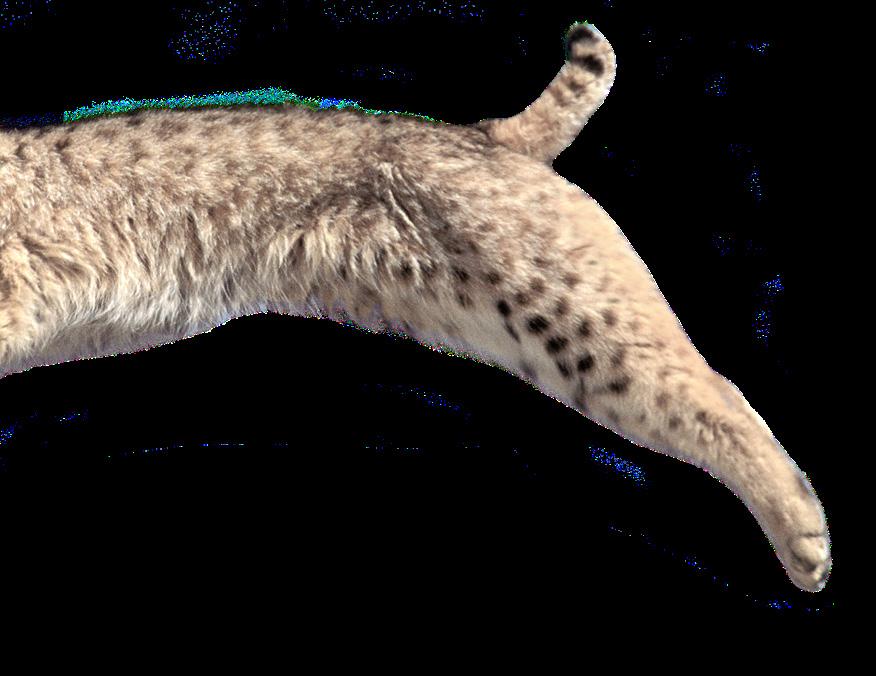
How well do you know small cats? Do you know how to tell an ocelot from a margay, or a serval from a fishing cat? Find out in this handy infographic view of small felids.
Share your #SanDiegoZoo & #SDZSafariPark memories on Twitter & Instagram.
The Zoological Society of San Diego was founded in Octo ber 1916 by Harry M. Wegeforth, M.D., as a private, nonprofit corporation, which does business as San Diego Zoo Wildlife Alliance.
The printed San Diego Zoo Wildlife Alliance Journal (ISSN pending) is published bimonthly, in January, March, May, July, September, and November. Publisher is San Diego Zoo Wildlife Alliance, located at 2920 Zoo Drive, San Diego, CA 92103. Periodicals postage paid at San Diego, California, USA, and at additional mailing offices.
If your mailing address has changed: Please contact the Membership Department; by mail at P.O. Box 120271, San Diego, CA 92112, or by phone at 619-231-0251 or 1-877-3MEMBER.
For information about becoming a member of San Diego Zoo Wildlife Alliance, please visit our website at ZooMember.org for a complete list of membership levels, offers, and benefits.
Subscriptions to San Diego Zoo Wildlife Alliance Journal are $25 per year, $65 for 3 years. Foreign, including Canada and Mexico, $30 per year, $81 for 3 years. Contact Membership Department for subscription information.
A New Adventure Begins
Spring is an extraordinary time of year for wildlife. Warmer temperatures and an increase in daylight spur new plant growth and influence wildlife in big ways: some emerge from hibernation, many migrate, some breed. It’s nature’s celebration of life in many ways. We’ve all faced unprecedented challenges in the last year, but I’m hopeful that we, too, can embrace the spirit of spring. As San Diego Zoo Global embarks on an exciting new adventure as San Diego Zoo Wildlife Alliance, we’re all in for celebrating wildlife and furthering our efforts to save and protect endangered species around the world.
In this inaugural issue of San Diego Zoo Wildlife Alliance Journal, you’ll read about why San Diego Zoo Global is evolving to become San Diego Zoo Wildlife Alliance. This is not just in name. At its core, it is about focusing us all on reaching our true potential, assembling talents across the organization and partners around the world to lead together.
This change is centered around building an alliance, and in our efforts to save wildlife, you are one of our most important allies. We are grateful to have you on board as we begin the newest adventure in our nearly 105-year history. I hope that every time you look at this calendar throughout the year, you are reminded of the incredible difference your support makes for wildlife—both those in our care and around the world.
As part of San Diego Zoo Wildlife Alliance’s commitment to conservation, this magazine is printed on recycled paper that is at least 10% post-consumer waste, chlorine free, and is Forest Stewardship Council ® (FSC ®) certified. FSC ® is not responsible for any calculations on saving resources by choosing this paper.
Paul A. Baribault President and Chief Executive Officer
Onward Together,
Meeting the Challenge
The world’s wildlife is facing serious challenges, and there is greater urgency than ever to take action. That’s where conservation organizations like San Diego Zoo Wildlife Alliance come in. Through partnerships, innovation, and ingenuity, we are determined to find answers and create solutions.
39
Wildlife species in the United States that were once listed as endangered but have fully recovered.
Wildlife species listed by IUCN as threatened with extinction.
5,760
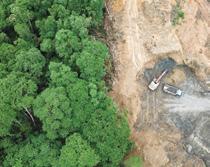
Approximate number of acres of wildlife habitat lost in the world each day.
30,178
There has been a 60% overall decline in wildlife population sizes worldwide since 1970.
772
Number of endangered plant species just in the United States. Worldwide, plants are facing many complex threats to their survival.
50
Number of species
San Diego Zoo Wildlife Alliance has reintroduced to the wild.
Board of Trustees
OFFICERS
Steven G. Tappan, Chairman
Javade Chaudhri, Vice Chairman
Linda Lowenstine, DVM, Ph.D., Secretary
Richard B. Gulley, Treasurer
TRUSTEES
Rolf Benirschke
Joye D. Blount
Kathleen Cain Carrithers
Clifford W. Hague
Robert B. Horsman
Steven S. Simpson
Judith A. Wheatley
James Lauth, General Counsel to the Board
TRUSTEES EMERITI
Berit N. Durler
Thompson Fetter
George L. Gildred
Yvonne W. Larsen
John M. Thornton
A. Eugene Trepte
Betty Jo F. Williams
Executive Team
Paul A. Baribault
President and Chief Executive Officer
Shawn Dixon
Chief Operating Officer
David Franco
Chief Financial Officer
Dwight Scott
Executive Director, San Diego Zoo
Lisa Peterson
Executive Director, San Diego Zoo Safari Park
Nadine Lamberski, DVM, DACZM, DECZM (ZHM)
Chief Conservation and Wildlife Officer
David Gillig
Chief Philanthropy Officer
David Miller
Chief Marketing Officer
Wendy Bulger
General Counsel
Aida Rosa
Chief Human Resources Officer
San Diego Zoo Wildlife Alliance pursues wildlife protection strategically by focusing on eight conservation hub regions on six continents. Below are recent discoveries and progress updates across our priority species.
Solar
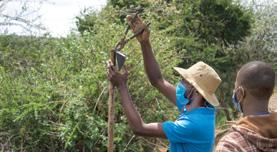
The Uhifadhi Wa Chui (Leopard Conservation) team finished the latest setup of solar lights at local community livestock bomas in northern Kenya. The lights are a predator deterrent, aimed at discouraging large carnivores from visiting bomas at night. The LED lights solarcharge during the day and blink automatically at night, suggesting the presence of human activity. The Leopard Conservation Program is analyzing the effectiveness of the lights in reducing livestock attacks, which can prevent leopards Panthera pardus from being killed, and the impact on community tolerance for coexisting with leopards.
200 MOUNTAIN YELLOW-LEGGED FROGS REINTRODUCED
The mountain yellowlegged frog team reintroduced one- and two-year-old frogs Rana muscosa into a new field site in Southern California’s San Jacinto Mountains. No frogs had been documented at this location since 2013, when a devastating fire and erosion and flooding altered the habitat. Reintroduction sites were located in early 2020, and the frogs were successfully transported and released into a high-elevation stream habitat. The frog team will continue to regularly monitor these reintroduced frogs.
Growth and Flowering of Rare
Orcutt’s Bird’s-beak Plants
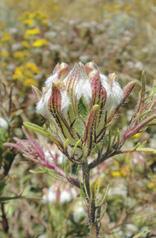
San Diego Zoo Wildlife Alliance’s Plant Conservation department is conducting a propagation experiment to determine the best conditions for growing this rare San Diego native species Dicranostegia orcuttiana, which has proven difficult to cultivate. Thanks go to our Plant Conservation volunteer, Tish Wussler, for braving the heat last summer to conduct biweekly measurement of growth and floral production in the Beckman Center shade house.
Polar Bear Pathogen Surveillance Project
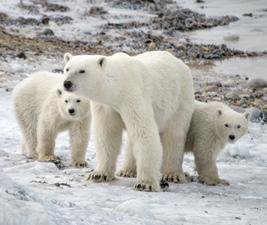
San Diego Zoo Wildlife Alliance’s polar bear team met with collaborators from Environment and Climate Change Canada, the University of Saskatchewan, and the Canadian Food Inspection Agency to review recent findings from the polar bear pathogen surveillance project. The longterm study (1986-2017) correlates changing climate patterns with changes in the exposure of polar bears Ursus maritimus to zoonotic pathogens. The findings were met with broad agreement, and the next stage is to begin outreach to stakeholders.
RESULTS OF ‘ALAL Ā ANTI-PREDATOR TRAINING
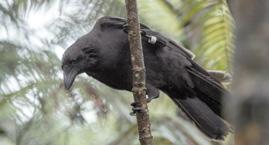
At last year’s Animal Behavior Society’s annual conference (held virtually), Alison Greggor, Ph.D., Bryce Masuda, and Ron Swaisgood, Ph.D. shared a San Diego Zoo Wildlife Alliance project that measured the effectiveness of anti-predator training for ‘Alalā (Hawaiian crow Corvus hawaiiensis) to help them better respond to a natural predator, the ‘io (Hawaiian hawk Buteo solitarius), in the wild. The work demonstrated how to improve this survival-relevant training in the future for ‘Alalā and other species bred in human care.
Lights Employed to Deter Leopard Livestock Attacks
Wildlife is disappearing at an alarming rate. We are committed to saving endangered wildlife worldwide, but we can’t do it without you. Your monthly gift will rescue and protect vulnerable species around the globe, and your tax-deductible support will ensure their survival for generations to come. Monthly donations are the heartbeat of everything we do. Become
QWhat is the coolest thing about your job?
As a zoo and wildlife veterinarian, I have had many amazing and exciting opportunities in my career. The best part of my job today is being a connector: connecting wildlife health, human health, and ecosystem health to the health of our planet. I have the opportunity to bring teams together to address conservation challenges. These internal connections are extremely powerful, and when coupled with the energy of our external partners, they maximize conservation impact.
QWhy did you become a veterinarian? What drew you to this field?
A lifelong sense of awe for animals, and a strong desire to help those in need drew me to veterinary medicine. Respect and wonder of nature, coupled with a desire to make a difference, drew me to zoo and wildlife medicine. I carry with me a deep sense of duty and responsibility to contribute to a larger vision, regardless of the role I play.
QWhat is your favorite animal? Why?
All of them, from ants to zebras! I have a fondness for things that fly. I admire the small and the mighty, the majestic and strong, animals that are clever, those that are beautiful, and ones with special skills. If I had to pick just one, it would be my cat, Monkey. He’s my proof point
Nadine Lamberski, DVM
Leads the Wildlife Health and Conservation Science Team, a large and diverse group responsible for the health and welfare of the wildlife at the Zoo and Safari Park, which uses science to advance conservation initiatives.
The future of wildlife conservation is strong leadership—authentic, transparent, empathetic, nimble, resilient, and resourceful leadership that makes space for all voices to be heard.
Q Q
that connecting to wildlife generates caring and can lead to behavior change.
What book or film influenced you or made a strong impression?
The James Herriot books, of course! While an undergraduate in college, I was also introduced to A Sand County Almanac by Aldo Leopold, and it changed the course of my career. The resiliency and connectedness of nature and ecosystems continues to amaze me. But the impacts of humans expose nature’s fragility—ecosystems are out of balance, to a point where they might not recover. The health of our planet, of wildlife, and people is at risk. The recent pandemic is a wake-up call—what better time than now to commit to helping secure a future for a world where all life can thrive.
What inspires you?
The colleagues who have come before me and laid the groundwork that I benefitted from throughout my career. I am inspired by current colleagues who continue to advance animal health, welfare, and conservation science. I am inspired by the next generation of wildlife veterinarians and conservation scientists who are inquisitive, challenge the status quo, and want a better future. My wish for them is that they use lessons and wisdom from the past to create a better future.
The Perils of Wildlife
One of the most serious threats to wildlife across the globe is the illegal trade in wildlife, also called wildlife trafficking. Wildlife trafficking is the illegal sale or trade of animals or plants, in
part or in whole. For some wildlife, trade is legal, such as harvesting fish from the sea to feed people. In the western world, it typically occurs in accordance with regulations and quotas to ensure that this commercial enterprise does not doom the fish to extinction. Similarly, your kitchen may contain mushrooms or morels that were harvested
from the wild for your consumption. Some medicinal plants harvested in the wild might infuse your cup of tea. These are legal examples of trade in wildlife and plants. Illegal trade in wildlife occurs when local and international laws are broken for the purpose of commercial enterprise. Often, the laws come about to support the
Trafficking
Convention on International Trade in Endangered Species of Wild Fauna and Flora (CITES), whose objective is to prevent commerce from threatening the survival of plant and animal species. Typically, laws are broken when that com-
merce proves exceptionally lucrative, as has proven to be the case for species like elephants and rhinos.
3 things to think about
1.
Wildlife Trafficking Takes Many Forms
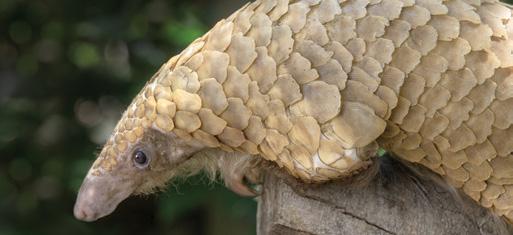
are the most trafficked mammals in the world. All eight species in Asia and Africa are now under threat.
Unfortunately, elephant ivory and rhino horn can bring big financial returns for organized poaching groups and the extensive crime syndicates that fund them. Ounce for ounce, rhino horn is worth more than drugs like cocaine on the black market, drawing as much as $60,000 per kilogram. And elephants are also victims of illegal trade, killed for their ivory tusks. Species like Asian bears are exploited for bear bile, which can be found in a variety of products, and big cats are killed for their coats and claws, as well as their bones— which are ground into a powder for sale. Wildlife trafficking is a serious conservation issue. It undermines the rule of law, fuels conflict in troubled regions of the world, degrades ecosystems, and decimates animal and plant populations. It’s time we all get serious about wildlife trafficking. What can you do? Start by informing yourself. Although China is one of the primary destinations for trafficked goods, you might be surprised to learn that the US is the second leading recipient of illegal ivory and other wildlife products. Refuse to buy trafficked goods—like ivory statues or jewelry, or rhino horn products and powders. Tell those you know to do the same. If you travel, be very careful about the trinkets and souvenirs you may find for sale in markets, and do not purchase anything with questionable origins. Ending the demand for these items is one of the most important ways to end the killing of rare wildlife across the globe.
You can take action against wildlife trafficking. Visit sdzwa.org to learn more.
It can involve the transit of whole bodies, meat, horns, tusks, scales, skins, teeth, claws, and more. Live animals are sold for the pet trade, and when they are caught and shipped, few survive. Trafficking also involves more than large animals: reptiles, plants, insects, and corals are also all heavily trafficked and often overlooked.
2. Wildlife Trafficking Threatens
International
Security
The killing of animals for wildlife products is linked to organized crime and the funding of terrorist networks. Areas controlled by militants are used as staging areas for smuggling products, and the profits from poaching are used to fund weapon purchases, drug smuggling, and even human trafficking.
3. Protecting Targeted Animals in the Wild Is Difficult
Animals know no borders and don’t stay in a designated place. Plus, many species hunted by poachers live in remote and inaccessible habitats. Monitoring and defending these areas is challenging at best, and much trafficking activity happens outside patrolled areas. At worst, preventing trafficking is a deadly enterprise, with rangers facing well-equipped and heavily armed poachers and risking their lives.
New Vision,
DID YOU KNOW?
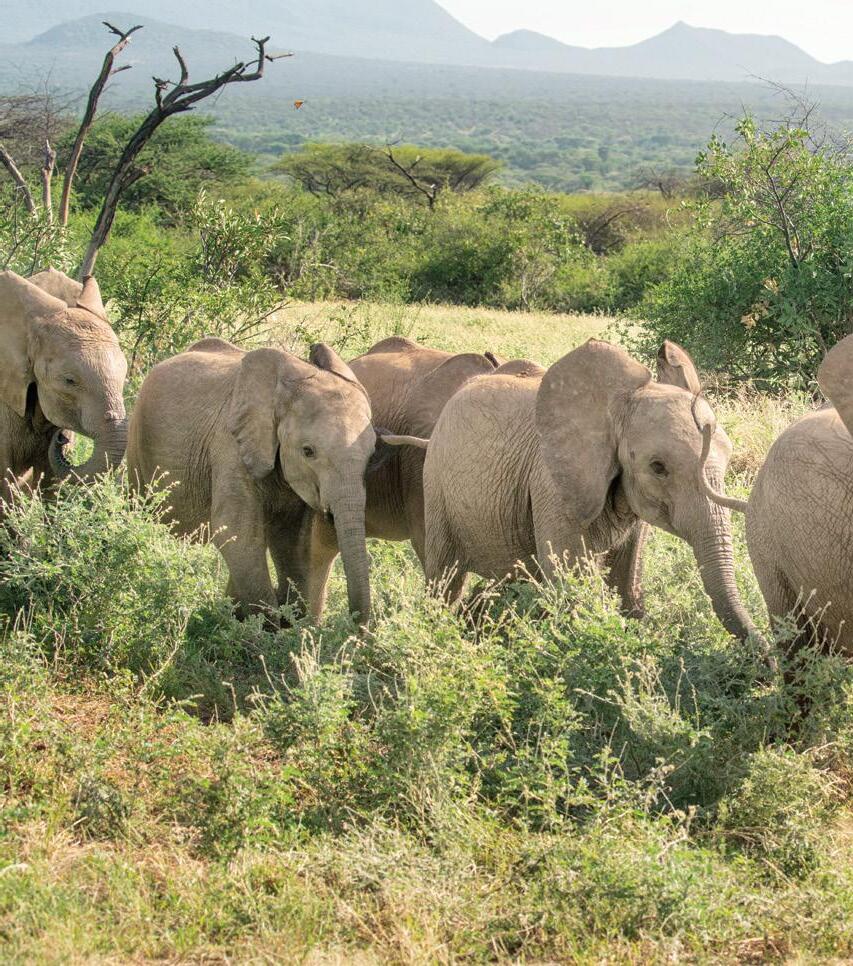
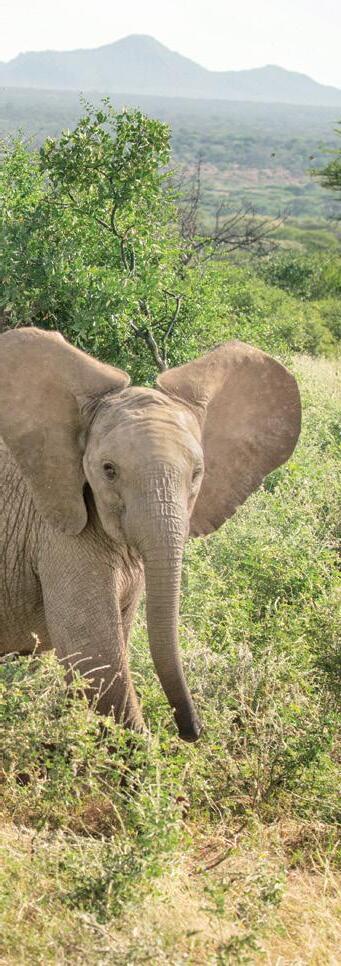
San Diego Zoo Wildlife Alliance’s ongoing work with partners in northern Kenya encompasses a full spectrum of conservation initiatives, including nutrition for orphaned elephant calves at Reteti Elephant Sanctuary.
New Future
Welcome to San Diego Zoo Wildlife Alliance. We are meeting the conservation challenges of today— and tomorrow.
Since 1916, our organization has created lifelong connections between people and wildlife. People of all ages and from all corners of the globe have visited the San Diego Zoo and San Diego Zoo Safari Park to experience powerful moments with wildlife, making memories and enhancing their appreciation for these extraordinary animals and plants. Along the way, we’ve also tackled conservation programs, fueling scientific initiatives and discoveries that have changed the world for endangered wildlife. Two paths—each essential, each a rich part of our history.
Now, we are at a pivotal time in that history. Our organization is evolving to address the needs of our changing world, and we have a new name: San Diego Zoo Wildlife Alliance. This new identity unites the guest experiences at the Zoo and Safari Park with our conservation efforts around the globe. As San Diego Zoo Wildlife Alliance, we will create allies for wildlife with every guest who visits, member who joins us, or donor who supports us. And we will work with allies around the world to protect Earth’s most endangered wildlife. We must work together and collaborate as never before to achieve our most far-reaching goals.
We hope the excitement of sighting a rhino at the Safari Park will remind you of our work using living cell lines from our biobank to save the northern white rhino. When you visit the polar bears at the Zoo, we hope you’ll come away knowing about the work we’ve done for polar bears in the Arctic. We hope the energetic antics of one of our young elephants will inspire you to learn more about how we helped formulate milk for orphaned elephant calves at the Reteti Elephant Sanctuary in Kenya. In fact, we are in the business of hope—and we hope you’ll continue to be our allies in this mission.
At San Diego Zoo Wildlife Alliance, our expertise in caring for wildlife is our strength in the field of conservation. Our deep and extensive knowledge from more than a century of experience makes us invaluable in global efforts to save species. Our science-based approach leverages the diverse skills of our teams and partners, showcasing the limitless potential of how we can change outcomes for
DID YOU KNOW?
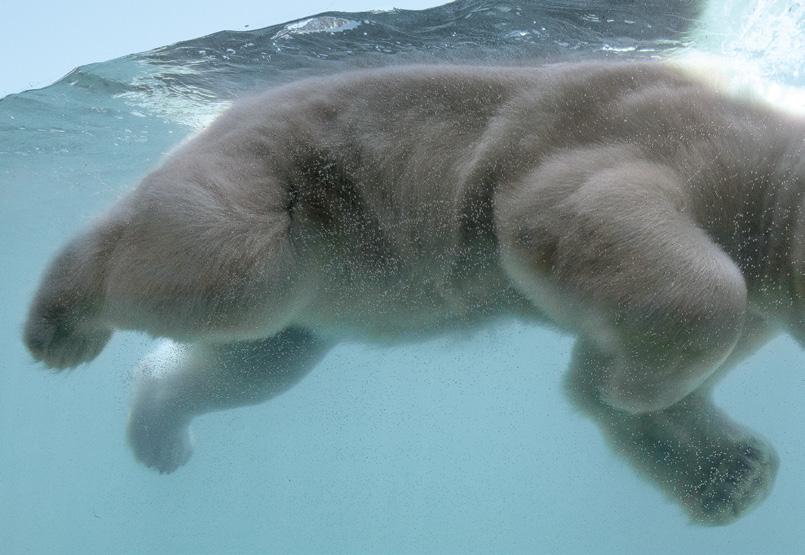
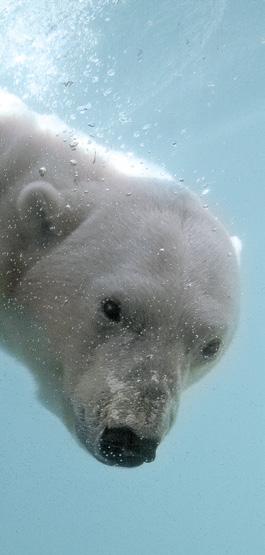
Our scientists work to determine the energy requirements of polar bears, and what they need to raise their cubs.
Collaborative Conservation So All Life Thrives
Our conservation work is anchored by eight hubs around the world and driving strategic outcomes for wildlife in these regions. These hubs represent areas where we are currently most invested, and therefore hope to have the greatest return on mission and vision. The hubs promote synergy and collaboration among partners and stakeholders and will help us have greater impact in a region.
Savanna Elephant & Rhino
Amazonia Jaguar
Oceans Polar Bear & Penguin
Southwest Desert Tortoise & Burrowing Owl
Pacific Islands
‘Alalā Asian Rainforest Tiger
African Forest Gorilla
Australian Forest Platypus & Koala
wildlife. And it all starts with the wildlife we support right here at home. This new chapter we are embarking on will transform the future of collaborative conservation, both here and around the world. It will provide hope for wildlife, for the world, and for all of us. We are building an alliance, and our alliance starts with you.
—Paul A. Baribault, President and Chief Executive Officer
Maximizing Impact for Wildlife Conservation
Securing a future for threatened and endangered wildlife will require extraordinary conservation problem-solving and restoration efforts. To meet this challenge, San Diego Zoo Wildlife Alliance will now focus its efforts on the species, regions, and conservation issues for which we can make the greatest difference. We will apply innovative, science-based expertise to ensure that all wildlife in our care thrives, and we will use our reach to promote empathy and inspire people in ways that will cultivate a shared stewardship for nature.
We know we cannot do this alone. It is only by growing an alliance of passionate partners that we will have lasting influence. Working together, we will harness our strengths to focus where we can have maximum impact. In doing so, San Diego Zoo Wildlife Alliance will contribute to the larger, collective movement to restore biodiversity for a healthy, thriving planet.
Our organization has a long history of collaborating with zoos, aquariums, conservation organizations, governments, and communities. We have worked for decades with other zoos throughout North America and around the world to develop the best wildlife care and breeding programs, and we have expanded our reach into international communities working to save local wildlife. Our early work with the Northern Rangelands Trust in Kenya is one example, as is our work in China, Southeast Asia, and Australia.
As we move forward, San Diego Zoo Wildlife Alliance will continue to grow our collaboration with aligned organizations. In order to be the best for wildlife, we are committed to building a strong and diverse alliance of partners to multiply our collective impact.
In addition, unifying our internal talents will allow us to mobilize skilled teams to address complex challenges. San Diego Zoo Wildlife Alliance has expert teams specializing in genetics, reproduction, disease investigations, population sustainability, recovery ecology, and community engagement for both animals and plants. Our most successful initiatives are those in which our scientists work closely with our wildlife care, nutrition, and veterinary teams, showing what can be achieved when diverse disciplines work together.
For each of San Diego Zoo Wildlife Alliance’s priority regions and species going forward, our goal will be to implement a full-spectrum approach that ensures wild populations are healthy and thriving, critical habitats are protected, threats to species survival are reduced, conservation capacity in local communities is enhanced, and the public is engaged and inspired to help. Our approach will be to first identify the most significant problems for conservation and restoration of endangered species, and then to implement creative, collaborative, and, most importantly, lasting solutions.
—Nadine Lamberski, DVM, Dipl. ACZM, Dipl. ECZM (ZHM) Chief Conservation and Wildlife Health Officer
From polar bears to white rhinos to Hawaiian birds, San Diego Zoo Wildlife Alliance is dedicated to saving species around the globe.
KEN BOHN/SDZWA
Our New Look
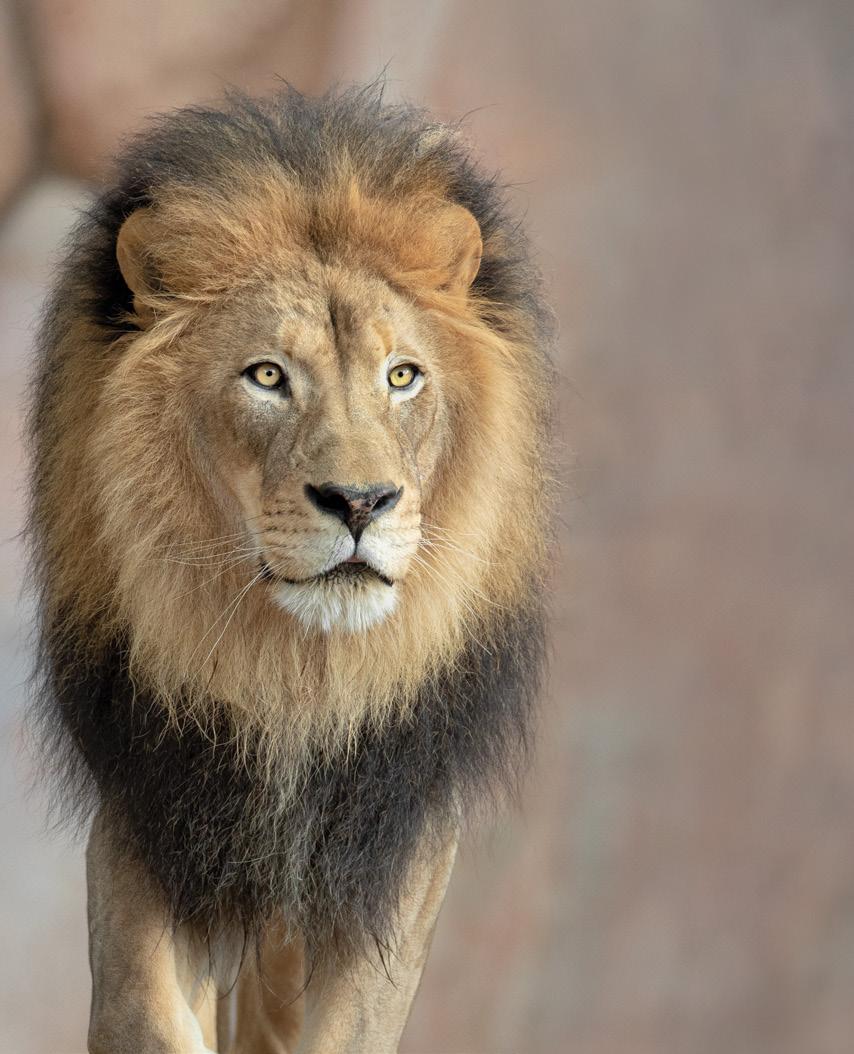
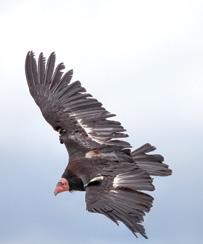
Along with our new name, we have a new logo. A good logo tells a story—and ours tells three. Blending three iconic images, the logo features symbols that uniquely reflect our story: The Lion represents the founding of our “World Famous” zoo more than a century ago— how it all started with a roar. The Rhino represents our park, known for its expansive savanna “unlike anywhere on earth” — and a growing symbol of our cutting-edge conservation work. The Bird represents our groundbreaking work to save the California Condor— firmly establishing our commitment to changing outcomes for wildlife. It is a logo that represents longterm achievement and our future as a collaborative force for conservation.
A Conservation Organization with Two Front Doors
Having two front doors gives San Diego Zoo Wildlife Alliance an opportunity unlike any other conservation organization in the world. The millions of guests coming through our doors every year provide us with an exciting and unique platform to tell our stories and share the work of our partners. No one knows better than you, our members, how transformational each visit to the Zoo or Park can be. We believe walking through our gates is also a step toward taking action to save species. As San Diego Zoo Wildlife Alliance, we can build on the successes we have had, and create an even brighter future for wildlife together.
At the San Diego Zoo and Safari Park, some things are core to who we are and will never change, such as the significance of the San Diego community and our commitment to providing amazing care for wildlife. Our new identity challenges us to engage our guests in our conservation mission through the habitats we develop for animals, the experiences we offer visitors, and the stories we tell.
San Diego Zoo Wildlife Alliance will continue to cultivate care and compassion for wildlife. Many of us can identify formative experiences with animals in our childhood that helped cultivate the appreciation for nature and wildlife that we have today. Perhaps some of your fondest memories were built here with us at the Zoo and the Safari Park over the years. We are honored to have played that role in your lives, and we are committed to providing those opportunities for future generations.
The main logo is paired with the names of our parks, representing our “two front doors.”
The logo for San Diego Zoo Wildlife Alliance’s programs for kids.
We also want to tell the stories of the great work led by our team members and partners around the world, and we want that incredible work to inspire you as much as it does us. At the Zoo and Safari Park, our habitats and experiences will be designed for you to witness the conservation work happening around the globe for yourself. We also recognize that we cannot save species alone—we need you as part of our alliance. We want to offer you a place to learn more about the species we are trying to save, and how you can take action.
Sometimes it can feel like the actions of one individual cannot really make a difference. But, every individual can contribute, and as San Diego Zoo Wildlife Alliance, we want to elevate the important actions you have taken on behalf of wildlife. We will leverage your individual actions for change at higher levels. In partnership with other accredited zoos and aquariums and their communities, we can expand our collective reach across the globe.
—Lisa Peterson, Executive Director, San Diego Zoo Safari Park, and Dwight Scott, Executive Director, San Diego Zoo
Our Community, Our Future
Our monthly donors are a special group of allies known as Wildlife Heroes! Their recurring and ongoing support fuels critical conservation in San Diego and worldwide. To join our Wildlife Heroes, visit sdzwa.org/hero.
Our new identity as San Diego Zoo Wildlife Alliance gives us an opportunity to redefine what it means to be a conservation organization, and to be agents of change in our communities on a local and global scale. Our potential rests in all of you who believe in our mission to save species, who work side by side with us to make the world a better place for people and wildlife. We are all a part of a global movement, and no one exemplifies that devotion more than our members. With you as our allies, San Diego Zoo Wildlife Alliance will step forward to meet the conservation needs of the future.
Virtual Visits
January
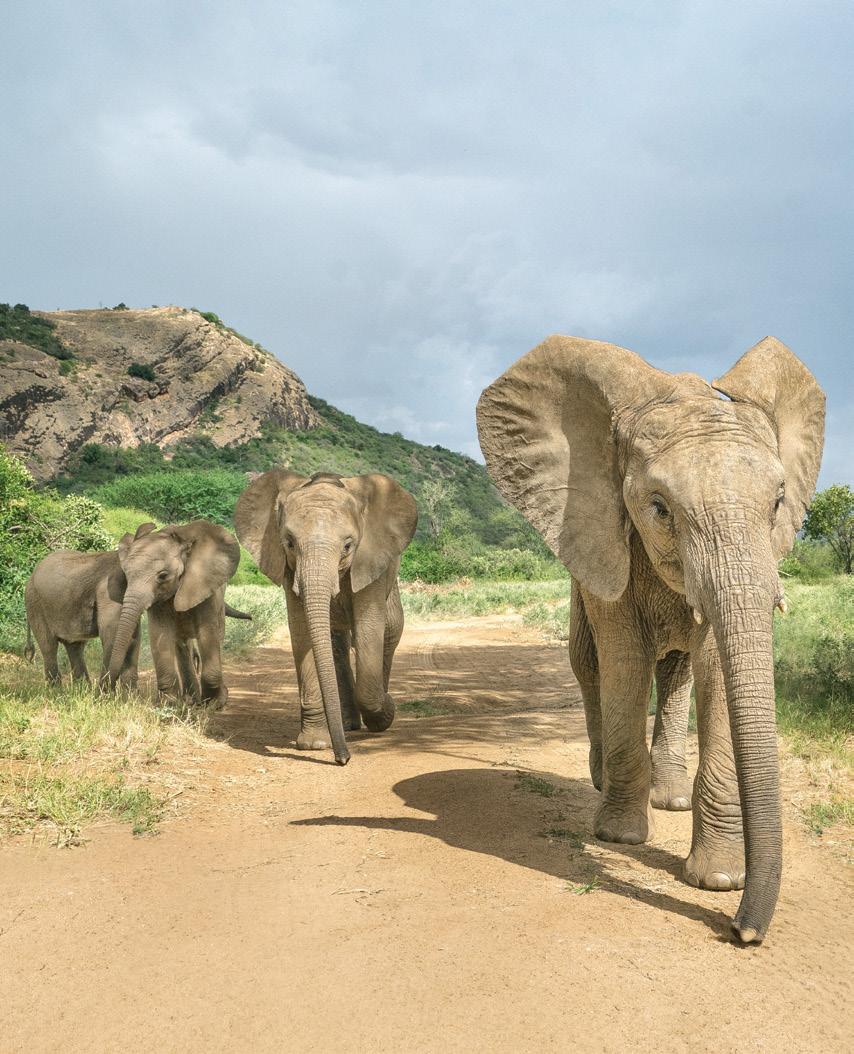
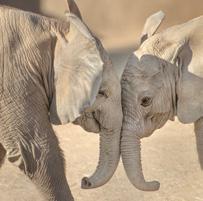
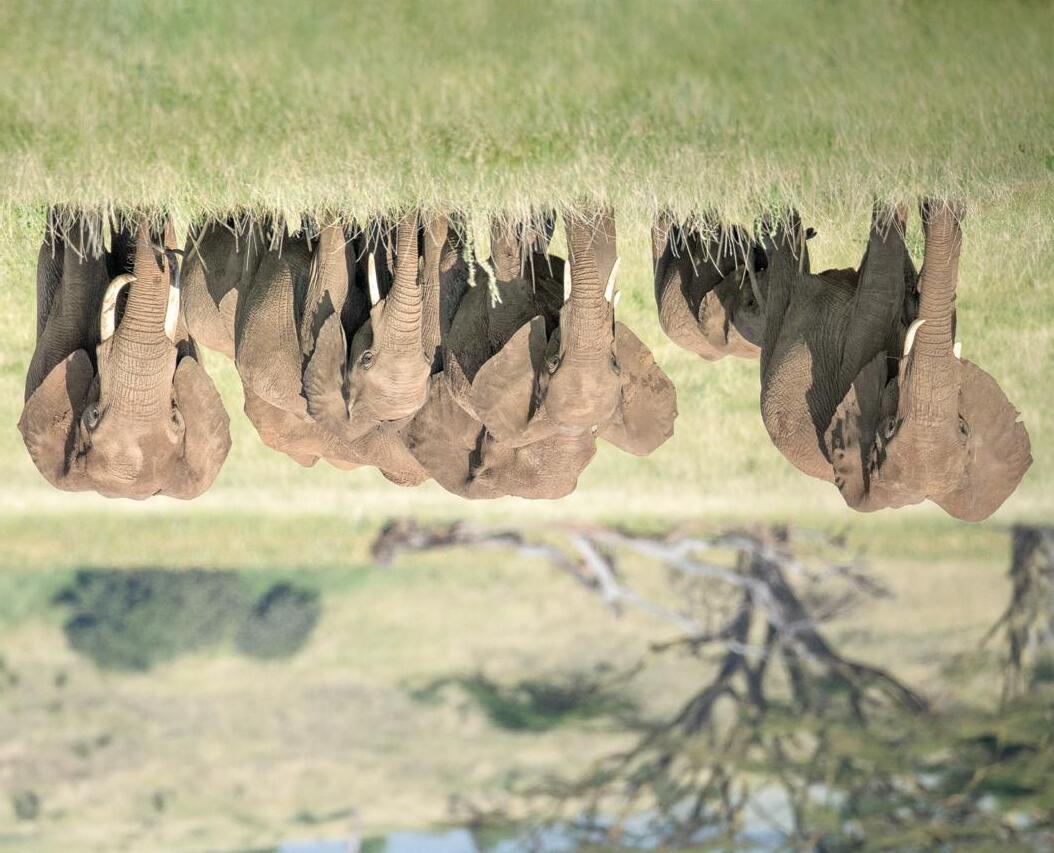
African Elephant
One of the many detrimental effects of elephant poaching is that young calves are left orphaned. We are supporting our partners at the Reteti Elephant Sanctuary in northern Kenya in efforts to rescue, rehabilitate, and rewild these young elephants.
Loxodonta africana
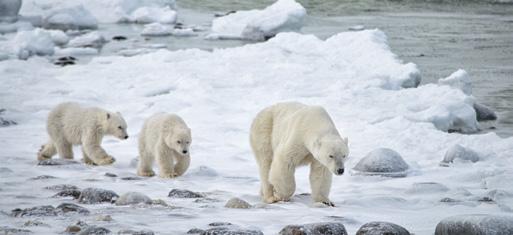
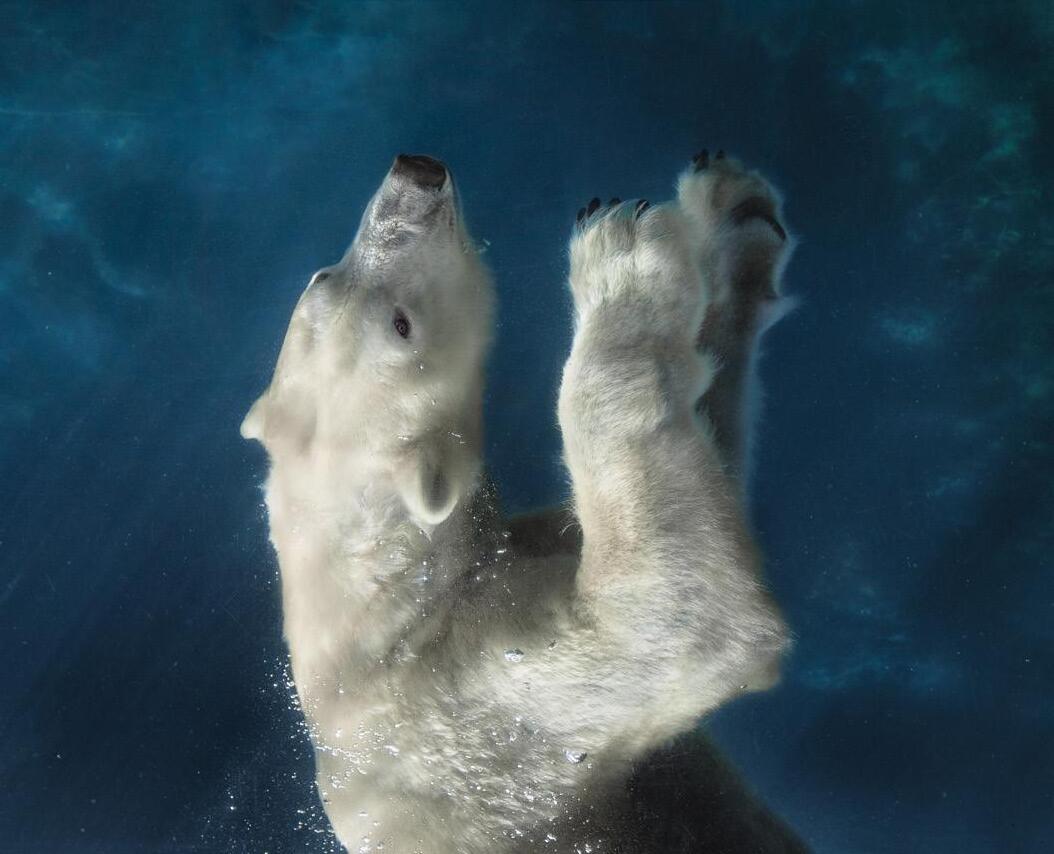
Ursus maritimus
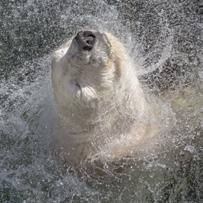
With climate change having serious effects on polar bear populations, we are joining conservation allies to determine how much habitat the bears need, how far they travel, how they communicate, and what is needed to support denning mothers.
February Polar Bear
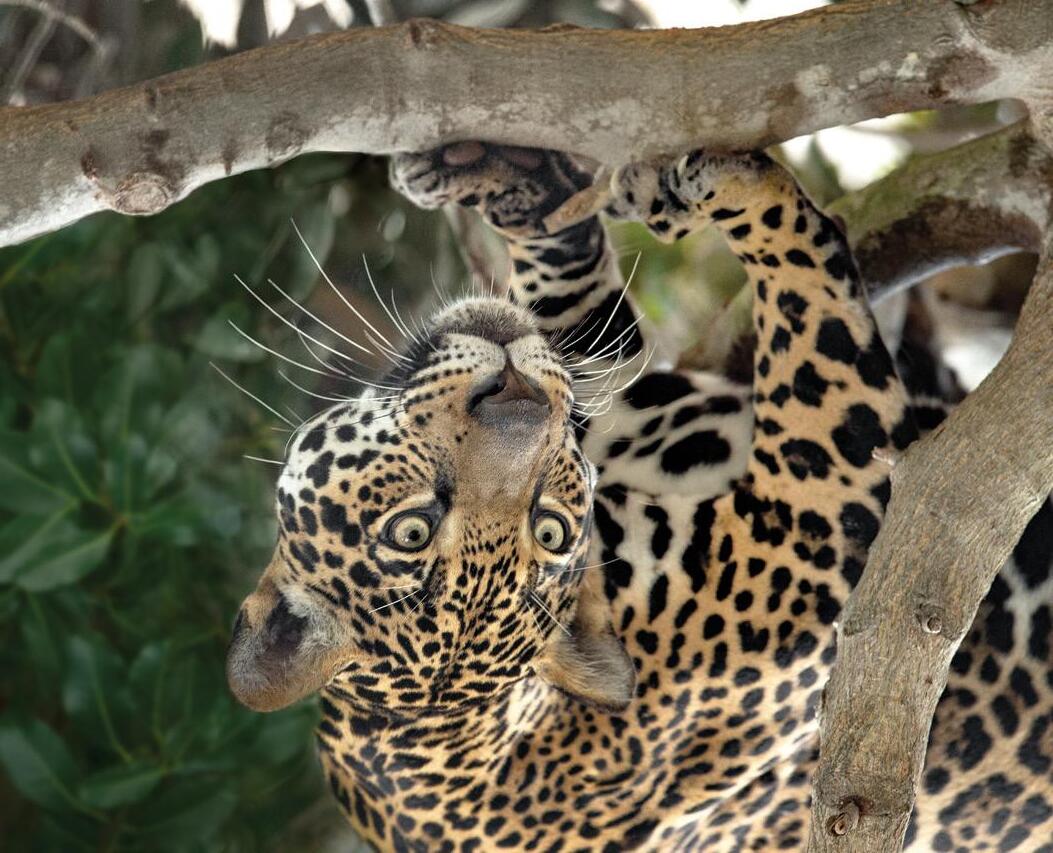
Panthera onca
Finding ways for jaguars and people to share their habitat will be key to the cats’ survival. We are working on deterrent systems to keep the jaguars away from livestock, and education efforts so people can understand and value the cats.
March Jaguar
April
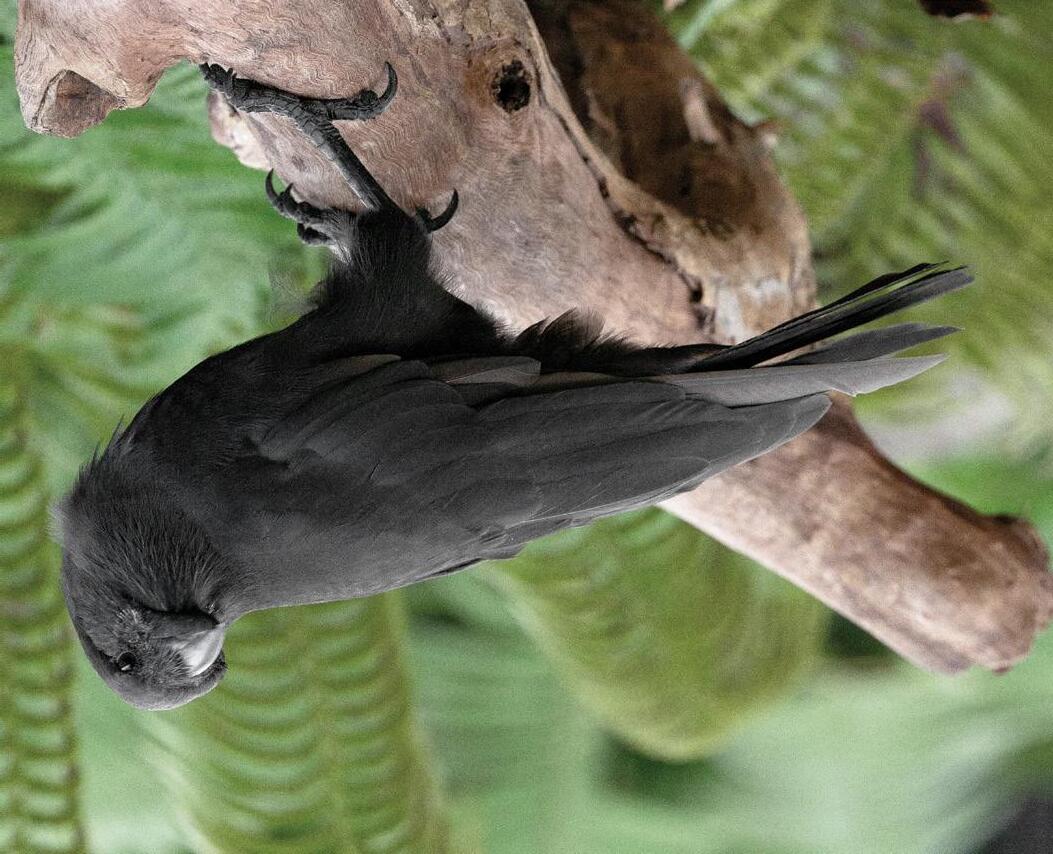
‘Alalā
Corvus hawaiiensis
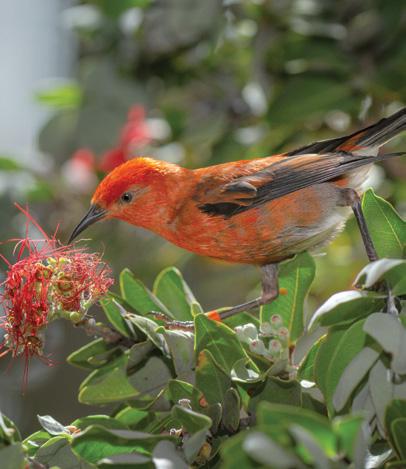
Our work in the Hawaiian Islands continues to make strides in helping to recover Hawaiian birds like the ‘Alal ā . Restoring the unique avian wildlife of the islands is also likely to assist with the recovery of Hawaiian forests.
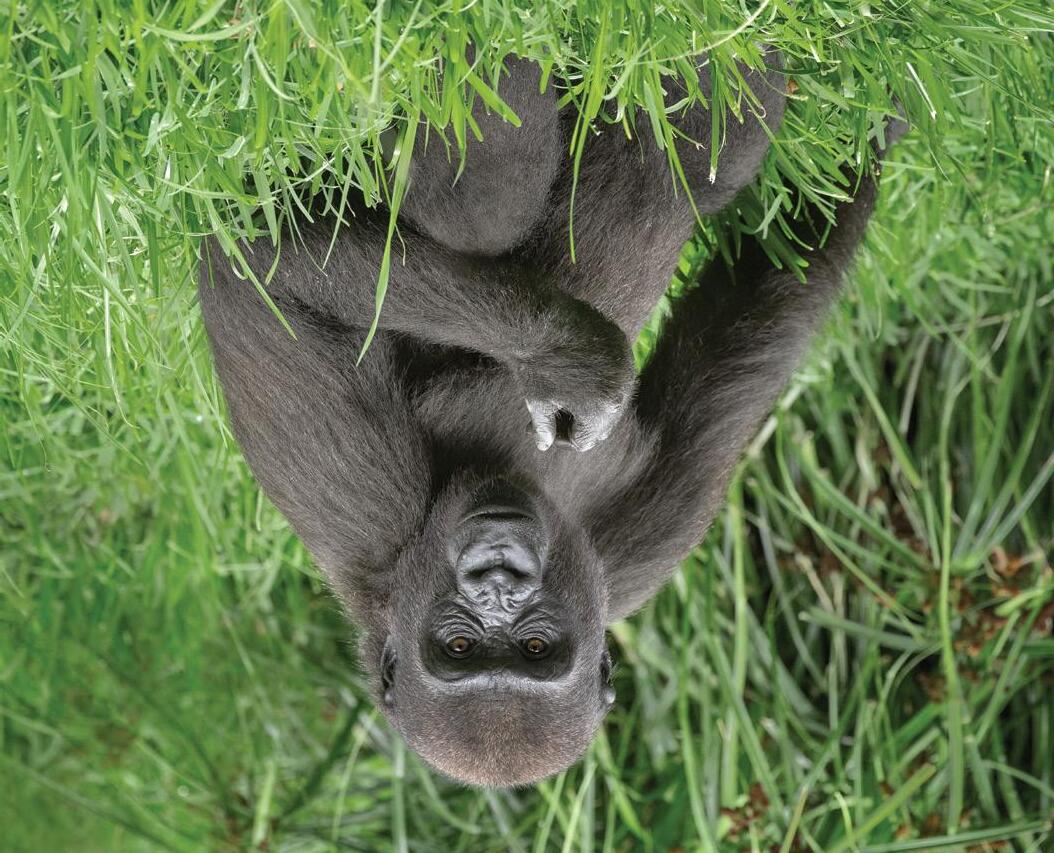
May Gorilla
Gorilla gorilla
Living in the dense equatorial forests of Central Africa, lowland gorillas can be hard to track and protect. We are collaborating with allies in the region to locate established troops, determine their habitat and food needs, and find ways to save them from the illegal wildlife trade.
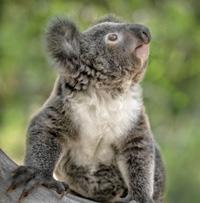
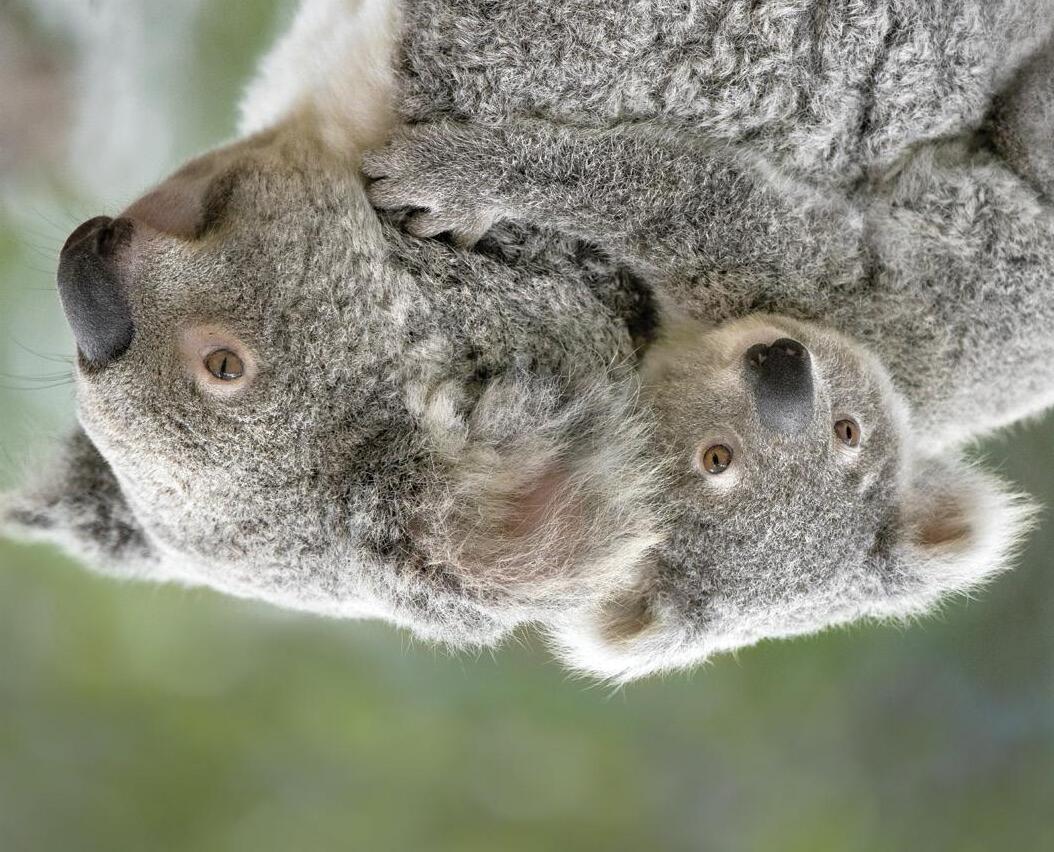
Phascolarctos cinereus
June Koala
Our long-term collaboration with zoos and organizations in Australia continues to work on finding ways to protect and restore koalas in their woodland habitat. This is especially important now, given the damaging fires and droughts that are exacerbated by climate change.
July
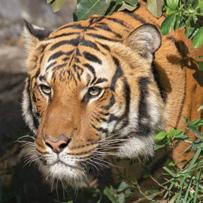
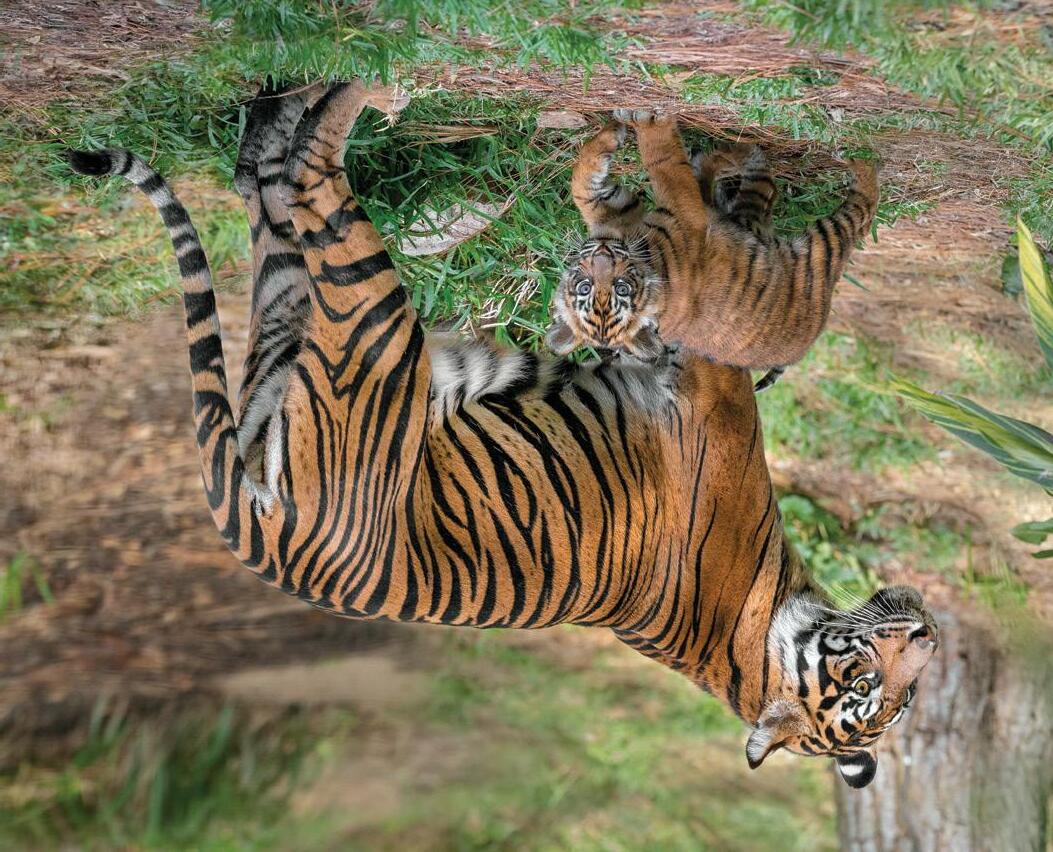
Sumatran Tiger Panthera tigris sumatrae
Asia’s tigers are among the most endangered animals on Earth, killed for their body parts and because they sometimes come into villages in search of food. We are allying with partners in the regions where tigers live to protect their habitat, and to share education with local communities.
August Burrowing Owl
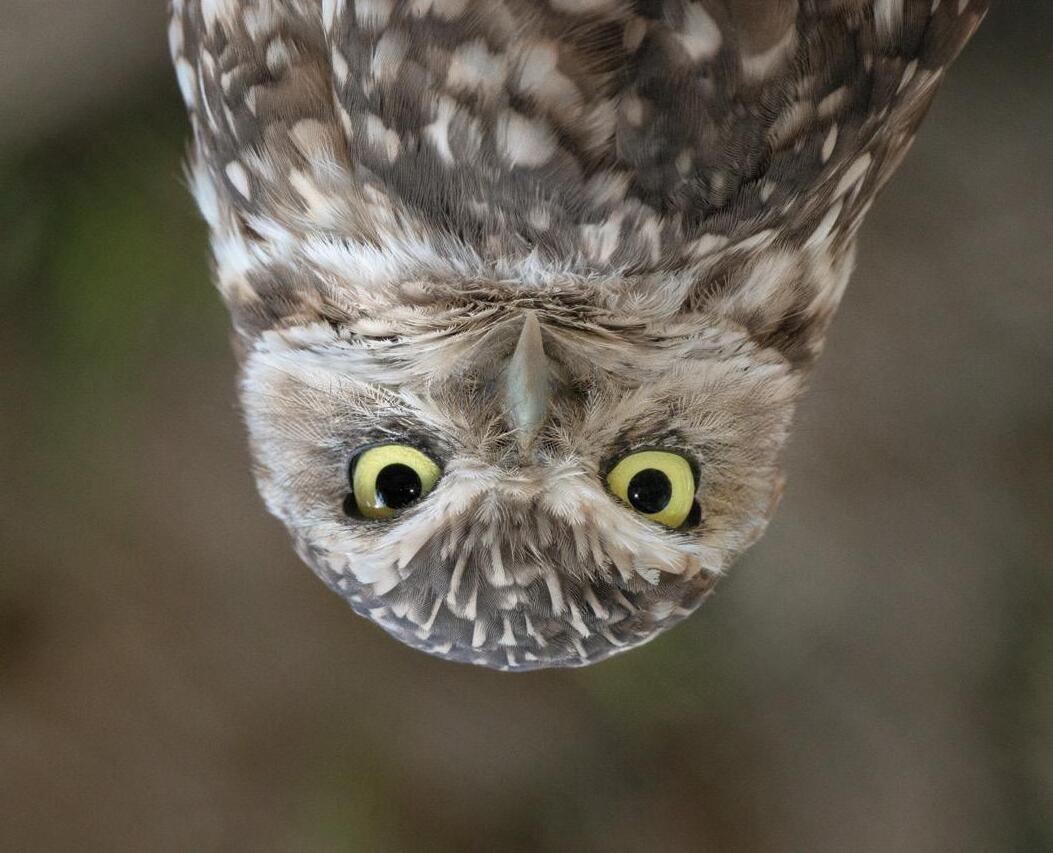
Athene cunicularia
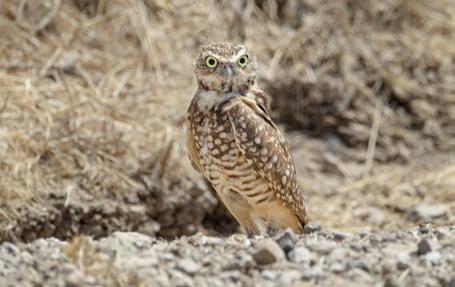
As an endangered population right in our own San Diego backyard, we are working with partners to determine where the best remaining habitat is for these owls, how they are affected by construction and noise levels, and what will help increase success in raising chicks.
World Elephant Day (Park) New Moon 0
Kenya Days (Park)
Summer Safari ends (Park)
First Quarter Moon G
World Orangutan Day
September
Southern White Rhino
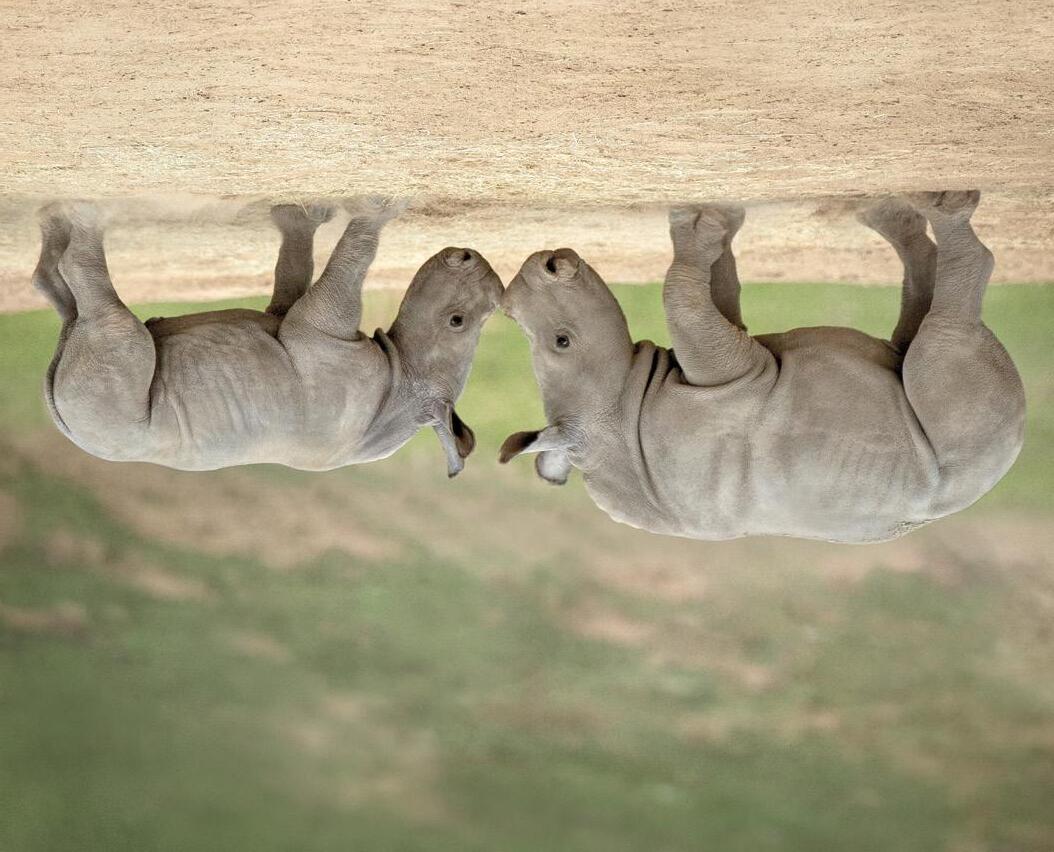
Ceratotherium simum simum
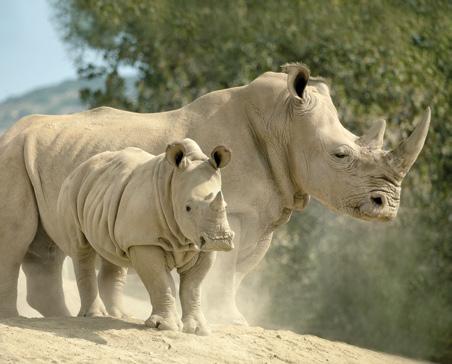
We are working with local community partners in Kenya to protect rhinos from poaching and wildlife trafficking, and at the Nikita Kahn Rhino Rescue Center here in San Diego, we are developing and applying the genetic science needed to save northern white rhinos from extinction.
October Sumatran
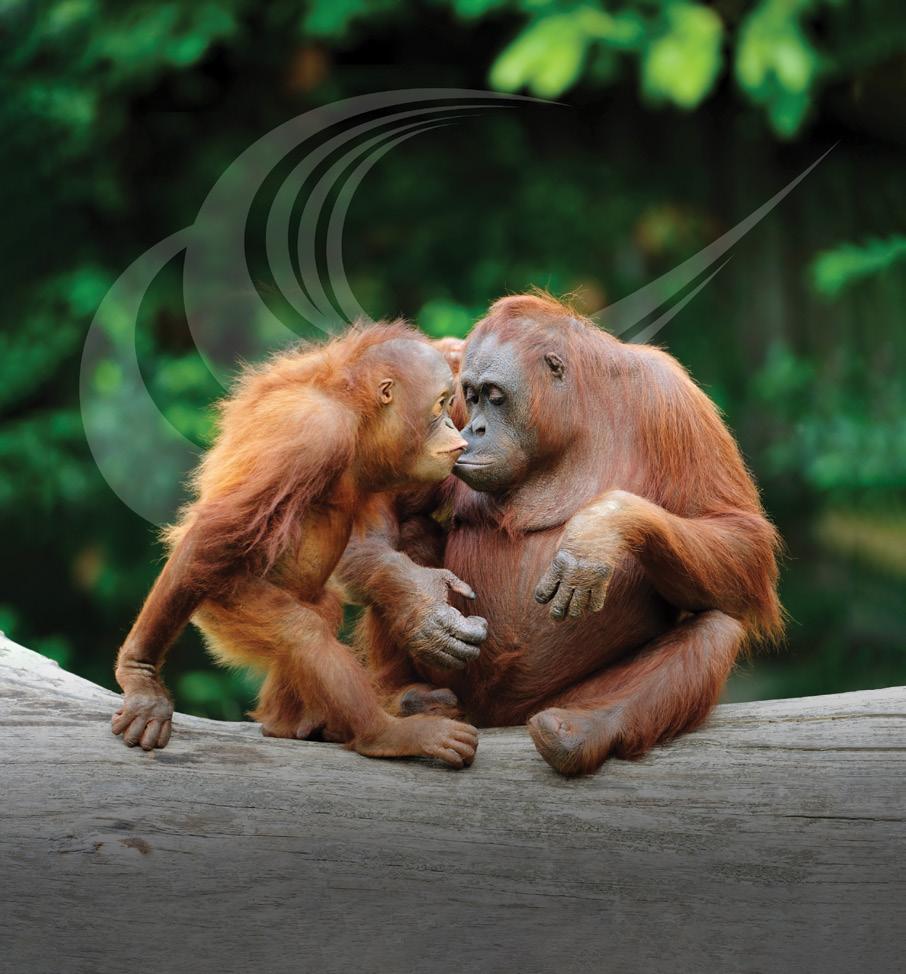
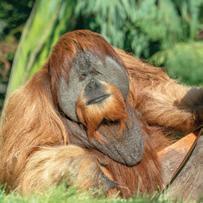
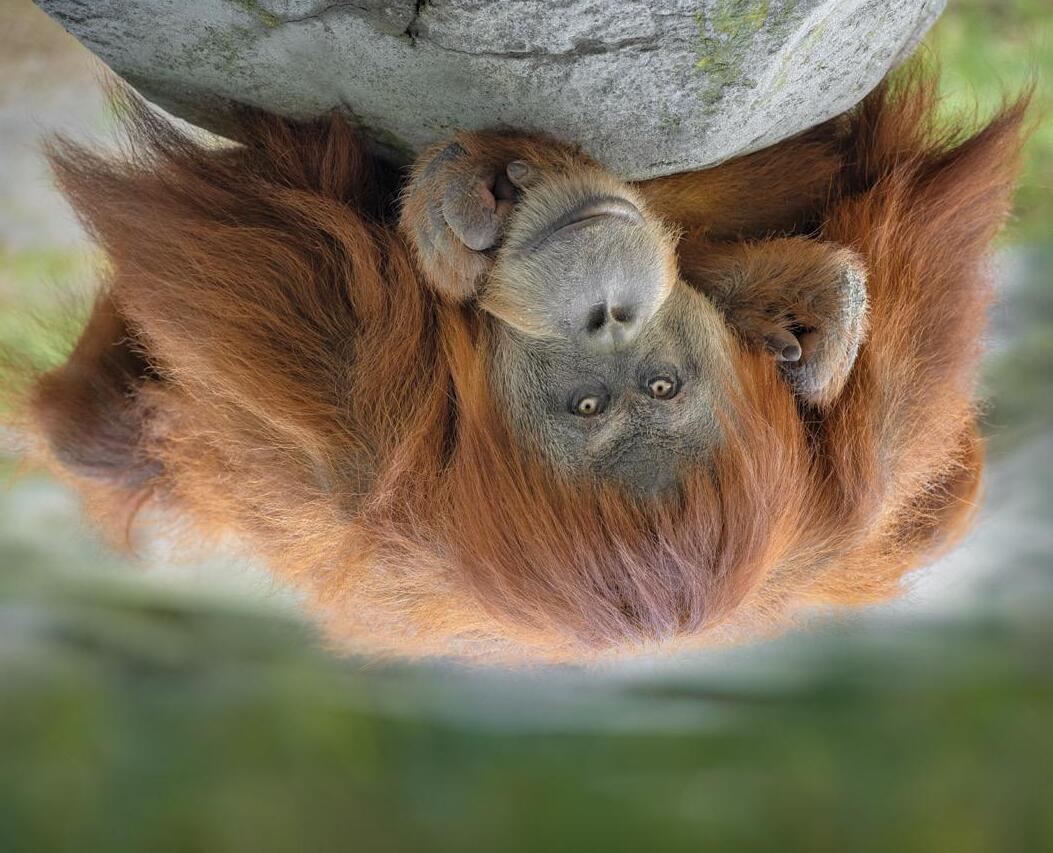
Orangutan
Pongo abelii
The forests that orangutans depend on for survival are rapidly disappearing, largely due to proliferation of palm oil plantations, putting these great apes in danger. Our experts work with partners in Asia to find ways to preserve habitat and protect orangutans from poachers, and we participate in the Roundtable on Sustainable Palm Oil.
HalGLOWeen (Zoo)
Indigenous Peoples’ Day (Park)
HalGLOWeen (Zoo)
Indigenous Peoples’ Day First Quarter Moon G
New Moon 0
HalGLOWeen (Zoo)
Ellen Browning Scripps Day
Full Moon @
Last Quarter Moon T
HalGLOWeen (Zoo)
Kids
begins, through October 31 (Zoo)
Kids Free begins, through October 31 (Park)
HalGLOWeen (Zoo)
Kids Free ends (Zoo)
Kids Free ends (Park)
Halloween
HalGLOWeen (Zoo)
HalGLOWeen (Zoo)
HalGLOWeen (Zoo)
HalGLOWeen (Zoo)
HalGLOWeen (Zoo)
HalGLOWeen (Zoo)
HalGLOWeen (Zoo)
HalGLOWeen (Zoo)
HalGLOWeen (Zoo)
HalGLOWeen (Zoo)
November
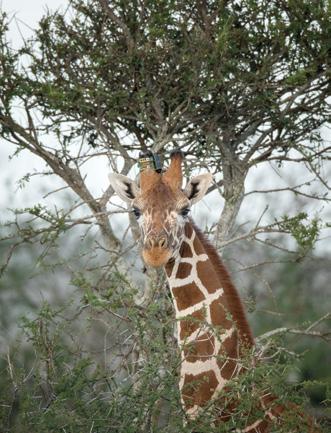
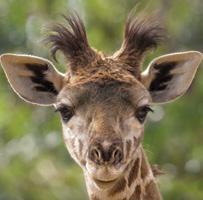
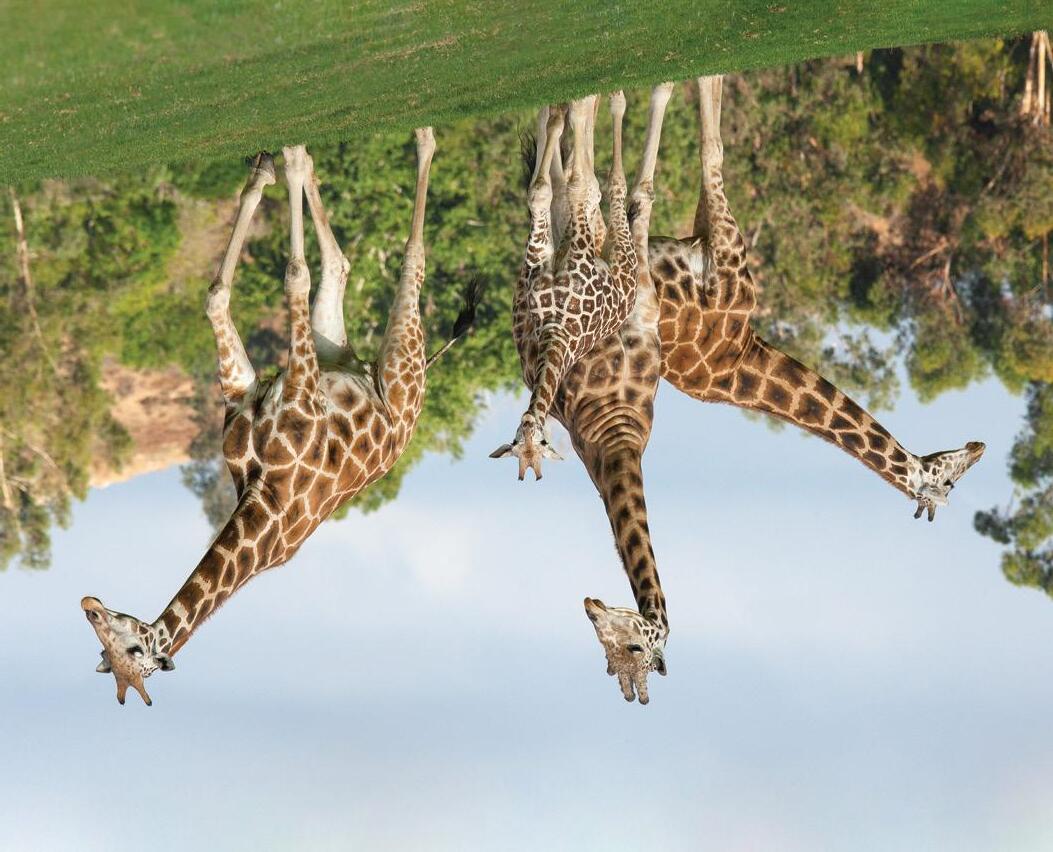
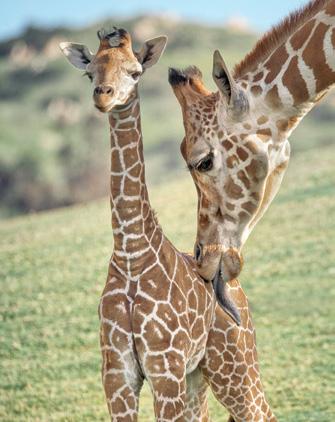
We have an extensive and long-running collaboration with the Northern Rangelands Trust, a non-governmental conservation agency in northern Kenya, that supports and empowers community conservancies to protect Kenya’s iconic wildlife species, including the stately giraffes.
Giraffe
Giraffa camelopardalis
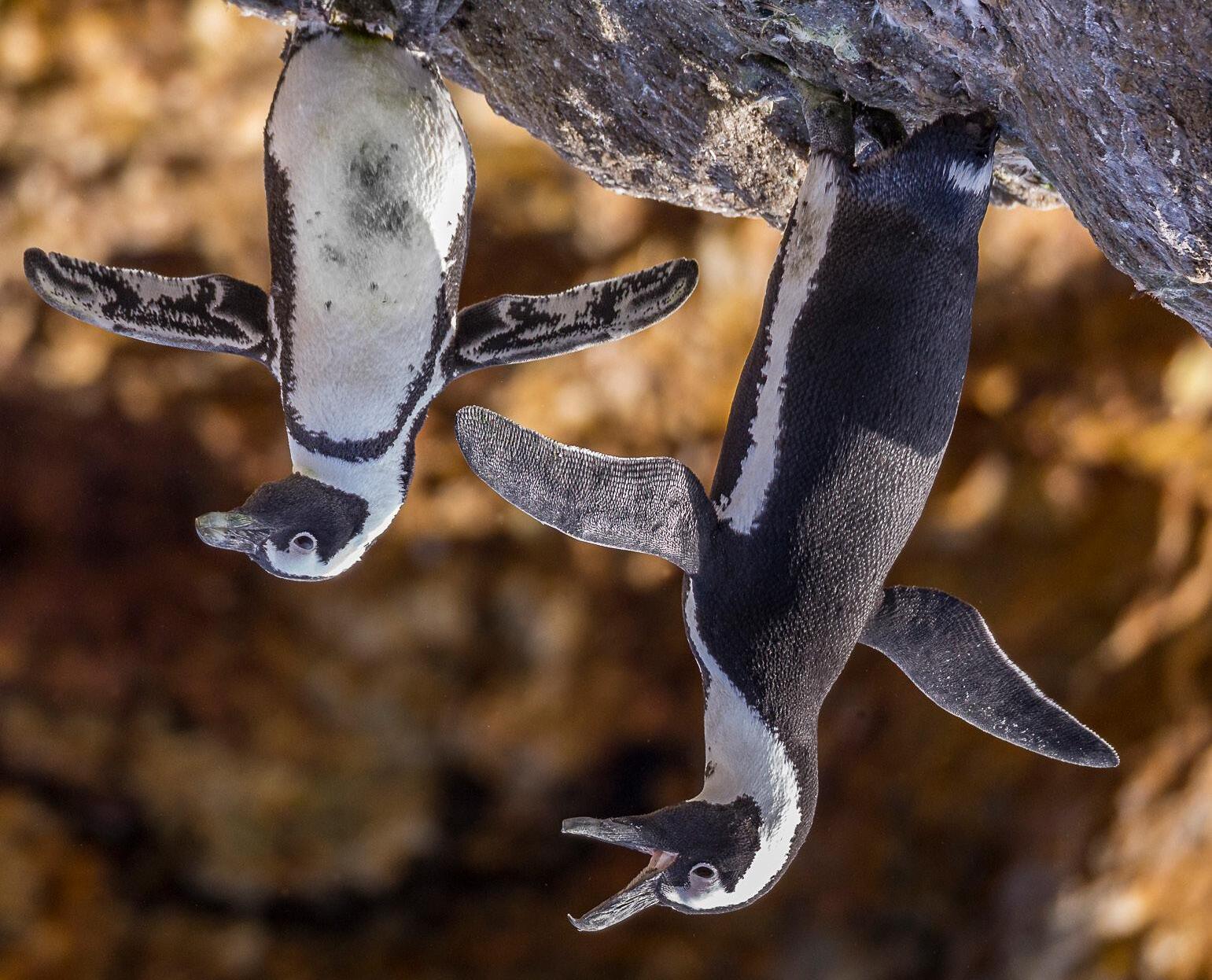
Spheniscus demersus
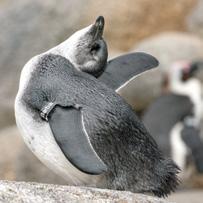
Due to habitat loss, over-fishing, and coastal development, the population of African penguins has declined by 60 percent in less than 30 years. The black-and-white birds’ native range encompasses 24 islands between Namibia and Algoa Bay, near Port Elizabeth, South Africa.
December African Penguin
Wild Holidays (Park)
Jungle Bells (Zoo)
Wild Holidays (Park) Pearl Harbor Remembrance Day
Jungle Bells (Zoo)
Jungle Bells (Zoo)
Jungle Bells (Zoo)
Jungle Bells (Zoo)
Holiday Lounge (Zoo)
New Moon 0
Total Solar Eclipse
Jungle Bells (Zoo)
First Quarter Moon G
Holiday Lounge (Zoo)
Wild Holidays (Park)
Jungle Bells (Zoo)
Jungle Bells (Zoo)
Wild Holidays (Park)
Jungle Bells (Zoo)
Wild Holidays (Park)
Jungle Bells (Zoo)
Wild Holidays (Park)
Kwanzaa begins
Last Quarter Moon T
Jungle Bells (Zoo) Wild Holidays (Park)
Jungle Bells (Zoo)
Wild Holidays (Park)
Jungle Bells (Zoo)
Wild Holidays (Park) Winter Solstice
Jungle Bells (Zoo) Wild Holidays (Park)
Jungle Bells (Zoo) Wild Holidays (Park) Christmas Eve
Jungle Bells (Zoo)
Wild Holidays (Park) Full Moon @
Jungle Bells (Zoo)
Wild Holidays (Park)
Jungle Bells (Zoo) Wild Holidays (Park)
Jungle Bells (Zoo) Wild Holidays (Park)
Jungle Bells (Zoo)
Wild Holidays (Park)
New Year’s Eve
Jungle Bells (Zoo) Christmas Day
Who’s Who: Small Cats
The cat family is large and varied, with all kinds of beautiful felines filling predatory niches in their habitats. Taxonomically speaking, they are roughly divided into large cats—like lions, tigers, and leopards—and small cats, like those you see here. From their whiskers to their toe pads, small cats are a spectacular bunch!
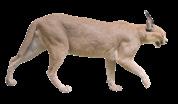
Caracal
Caracal caracal
FOUND Africa, Middle East, Asia
MARKINGS
Solid color except for face
SIZE
Up to 3.5 feet long* 14–44 pounds
FEATURES
Heavier body, longer legs, hair tufts on ears
* Body length, not including tail
Ocelot Leopardus pardalis
FOUND North, Central, and South America
MARKINGS
Rosettes, spots, and stripes
SIZE
Up to 3.3 feet long* 15–34 pounds
FEATURES
Compact body, small ears, small rounded head
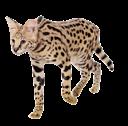
Serval
Leptailurus serval
FOUND Africa
MARKINGS
Spots and some stripes
SIZE
Up to 3 feet long* 15–30 pounds
FEATURES Slight body, long legs
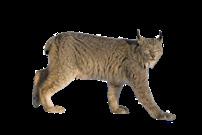
Canada lynx Lynx canadensis
FOUND North America
MARKINGS
Mottled, lighter in winter
SIZE
Up to 3.5 feet long* 11–38 pounds
FEATURES
Heavier body, bobbed tail, ear hair tufts, long fur around face
FOUND Central and South America
MARKINGS
Rosettes, spots, and stripes
SIZE
Up to 2.6 feet long* 5–11 pounds
FEATURES Small and compact, long tail
Margay Leopardus wiedii
DID YOU KNOW?
One of the distinctions between large and small cats is that large cats can roar—their voice box is deep in their throat, allowing them to make that deep, resounding call. Small cats can’t roar. But they have their own special characteristic: the vocal folds of their voice box twitch and vibrate with both in and out breaths—so they can purr, that continuous, soothing sound that humans love about small cats!
Pallas’s cat
Otocolobus manul
Fishing cat
Prionailurus
viverrinus
FOUND Central Asia
MARKINGS Mottled coloring and some striping
SIZE
Up to 2 feet long* 6–10 pounds
FEATURES
Compact body, short legs, small “flattened” ears, long fur
FOUND Southeast Asia
MARKINGS
Spots and stripes
SIZE
Up to 3.8 feet long* 11–35 pounds
FEATURES Heavier body, longer legs, large wedge-shaped head, small ears
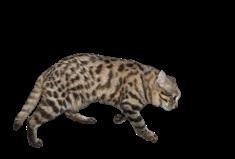
Black-footed cat
Felis nigripes
FOUND Southern Africa
MARKINGS
Spots and stripes
SIZE
Up to 1.7 feet long* 2–5 pounds
FEATURES Compact body, black feet, smallest cat in Africa
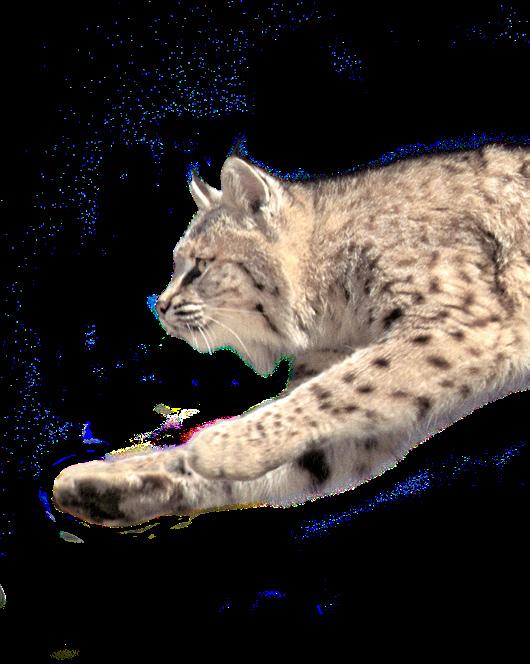
Bobcat
Lynx rufus
FOUND North America
MARKINGS
Spots and a little striping
SIZE
Up to 3.4 feet long* 9–33 pounds
FEATURES
Heavier body, short tail
European
wild cat
Felis silvestris silvestris
FOUND Europe
MARKINGS Stripes
SIZE
Up to 2 feet long* 5–16 pounds
FEATURES
Compact body, looks like a domestic cat except usually a bit larger
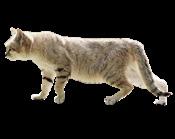
Sand cat
Felis margarita
FOUND Africa and Asia
MARKINGS Stripes
SIZE
Up to 1.7 feet long*
3–7 pounds
FEATURES
Small body, larger head with large pointed ears, short legs
San Diego Zoo and Safari Park Hours
Because of circumstances due to COVID-19, hours and days of operation are subject to change. Please check our website for the latest updates about starting and closing times and requirements for visiting.
San Diego Zoo
March 1–12:
9 a.m. to 5 p.m.
March 13–26 and April 12–30:
9 a.m. to 6 p.m.
March 27–31 and April 1–11:
9 a.m. to 8 p.m.
Safari Park
March 1–19:
9 a.m. to 5 p.m.
March 20–31 and April 1–30:
9 a.m. to 6 p.m.
SDZWA .org
EVENTS
March &
MARCH
AND APRIL
Roar & Snore Safari
Campers of all ages can experience the Safari Park after hours and stay at the Roar & Snore campground during Roar & Snore Safari: Butterfly Jungle Access, offered March 20, 25, 26, 27; and April 1, 2, 3, 8, 9, 10, 16, 23, 24, and 30. Each guest will receive an enrichment feeding tool to attract the butterflies. A single group photo per tent is included. Adults Only, non-butterfly-themed Roar & Snore Safari programs are offered March 13 and April 17. Book online or call 619-718-3000. (P)
MARCH 19
Butterfly Jungle Preview Dinner
Includes an exclusive viewing of the buttterflies in the Hidden Jungle followed by a delectable fourcourse dinner. Book online or call 619-718-3000. (P)
MARCH 20-MAY 9
Spring Safari proudly supported by Wheelhouse Credit Union
at the Safari Park’s Hidden Jungle. (P)
MARCH 20
Butterfly Jungle Breakfast
Start your day with an early viewing of the beautiful butterflies followed by a delicious breakfast in Mombasa Pavilion. Book online or call 619-718-3000. (P)
619-231-1515
What better way to kick off spring than spending time with family, creating new adventures, enjoying weekend entertainment, discovering amazing animals and gardens, and visiting our beautiful butterflies
DAILY MARCH 27-APRIL 11; WEEKENDS
APRIL 17–MAY 9 Mission:
Spring Adventure
Join us at the San Diego Zoo for a mission to explore the animal kingdom, a mission to learn about conservation, and a mission to enjoy some
family time! (Z)
APRIL 14
Butterfly Jungle Breakfast
Start your day with an early viewing of the beautiful butterflies followed
Mombasa Pavilion.
Book online or call 619-718-3000. (P)
APRIL 17
Butterfly Jungle Dinner
Enjoy our amazing winged wonders in
April
gourmet, four-course dinner. Book online or call 619-718-3000. (P)
OFFERED DAILY
Inside Look Tours
Go on a two-hour adventure filled with experiences else. Your private family or samehousehold group of up to six people will be escorted by a guide in a private cart outfitted with special screens for social distancing. New tours
Please note: All programs and dates are subject to change.
OFFERED
SELECT DAYS
Safari Cabanas
Up to six same-household members can relax in your private cabana and enjoy views of wide-open vistas with giraffes, rhinos, and other African wildlife. A dedicated host will be available throughout the day to assist you with lunch arrangements, share amazing conservation stories, and act as a resource in planning your special day at the Safari Park. Includes a brief exclusive visit with an animal ambassador accompanied by a wildlife care specialist. Book online or call 619-718-3000. (P)
include Flamingos & Friends, and Baboons & Friends. Book online or call 619-718-3000. (Z)
OFFERED DAILY
Busy Bee
Oasis Lounge
Up to six samehousehold members can relax and unwind by reserving our new, exclusive lounge area on Front Street at the Zoo, furnished with umbrellas, lounge chairs, and high-top tables to enjoy lunch. A family meal from the Busy Bee Café is included. Offered from 11 a.m. to 2 p.m. daily. Book online or call 619-718-3000. (Z)
OFFERED DAILY
Wildlife Safari
This exclusive, private, one-hour tour takes your family or samehousehold group of up to six people on an adventure to see
a variety of majestic wildlife in their savanna habitat—the only tour we currently offer that takes you
into the field in a safari truck to see the animals up close. Book online or call 619-718-3000. (P)
Visit the San Diego Zoo Kids website to find out about these and other animals, plus videos, crafts, stories, games, and more! kids.sandiegozoo.org
A Safari on the Savanna
For each blank space, ask a friend or family member to give you a word— an adjective or a noun or whatever the space calls for—and use it to fill in the space. When you get to the end, read the whole story aloud and see what kind of wild tale you come up with!
NOUN
ADJECTIVE
ANIMAL BODY PART, PLURAL
It was very early in the ____________ when we gathered at the truck for our African safari. We were ______________ as we took our seats and headed out along the _____________ dirt road. The _____________ was just coming up, and the sky was ______________ and _____________. The first thing we saw was a warthog mother and her piglets _________________ across the road ahead of us. They all had their _____________________ in the air and made a perfect line! We _______________ at how funny they were. Then we came around a big clump of ________________, and nearby were three ______________ giraffes staring at us. They were _________________ acacia leaves and just watched us go by. We _______________ about how well the giraffes blended into the trees. Then we were startled by a ____________ cracking sound down the road. Our guide _______________ the truck and in a low voice said we should be ____________ . Our eyes widened as we saw a ___________ of elephants breaking the branches of small ______________ with their trunks and ___________________ the leaves. It was an amazing sight! We moved on and saw a ______________ herd of gazelles ________________ the grasses in a large field. Their _______________________ popped up as they heard us approach. But we stayed back so we wouldn’t ___________ them. As we started back toward the __________ , we heard what sounded like laughing. A hyena! She was ___________________ her den, where she probably had a __________. It was a ____________ way to end our safari!
VERB ENDING IN -ING
VERB ENDING IN -ING
VERB (PAST TENSE)
PLURAL NOUN ADJECTIVE
VERB (PAST TENSE)
SOUND
VERB (PAST TENSE)
NOUN
VERB ENDING IN -ING
VERB ENDING IN -ING
ADJECTIVE
PLURAL NOUN
ANIMAL BODY PART, PLURAL
VERB NOUN
NOUN
ADJECTIVE
VERB ENDING IN -ING
ADJECTIVE
LAST LOOK
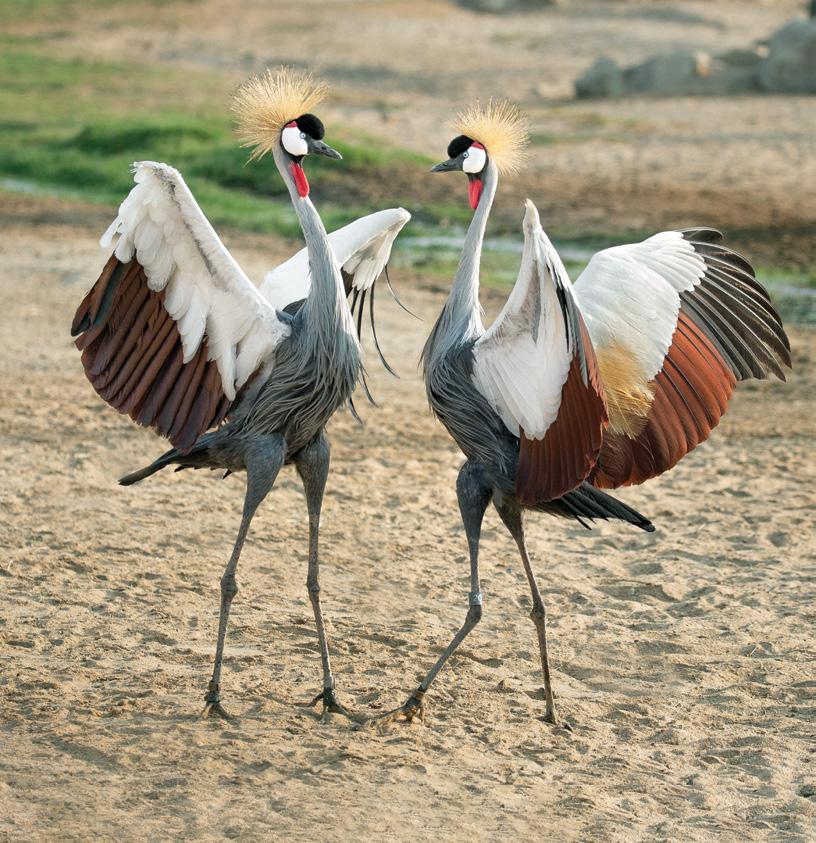
May I Have This Dance? East African gray crowned cranes
Balearica regulorum gibbericeps are famous for the courtship display between male and female. The elegant dance consists of bobbing the head, diplaying and flapping the wings, and maneuvering in swooping, swinging circles around one another. Call it a bird ballet or an avian version of the 18th century allemande, it establishes a bond for these fancy-feathered cranes.