CLASSIFIEDS / LEGAL NOTICES
San Diego, CA 92105
County of San Diego
This business is conducted by: An Individual
The first day of business was:
04/13/2022
This business is hereby registered by the following: Jesus Perez Jr 5733 Streamview Dr. San Diego, CA 92105
This statement was filed with the Recorder/County Clerk of San Diego County on August 22, 2025
This fictitious business name will expire on August 22, 2030 8/28, 9/4, 9/11, 9/18
FICTITIOUS BUSINESS NAME STATEMENT
2025-9015790
Fictitious business name(s):
Coast2Coast Ship Repair & Fabrication
County of San Diego
P.O. Box 813
Imperial Beach, CA 91933
This business is conducted by:
An Individual Registrant has not yet begun to transact business under the name(s) above
This business is hereby registered by the following: Yvett Starks 6850 Mission George Road, Unit 1461 San Diego, CA 92120
State of Incorporation/ Organization California
This statement was filed with the Recorder/County Clerk of San Diego County on August 27, 2025
This fictitious business name will expire on August 27, 2030 9/4, 9/11, 9/18, 9/25
FICTITIOUS BUSINESS NAME STATEMENT 2025-9016577
Fictitious business name(s): Chula Vista Breezes Located at: 1018 Woodlawn Ave. Chula Vista, CA 91911
County of San Diego
This business is conducted by: An Individual Registrant has not yet begun to transact business under the name(s) above
This business is hereby registered by the following: Benjamin Ibarra 1018 Woodlawn Ave. Chula Vista, CA 91911
This statement was filed with the Recorder/County Clerk of San Diego County on August 28, 2025
This fictitious business name will expire on August 28, 2030 9/4, 9/11, 9/18, 9/25
FICTITIOUS BUSINESS NAME STATEMENT 2025-9016404
Fictitious business name(s): Puff & Paws Located at: 4524 35th Street San Diego, CA 92116 County of San Diego
This business is conducted by: An Individual Registrant has not yet begun to transact business under the name(s) above
This business is hereby registered by the following: Marquis Ravone Thompson 4524 35th Street San Diego, CA 92116
This statement was filed with the Recorder/County Clerk of San Diego County on August 26, 2025
This fictitious business name will expire on August 26, 2030 9/4, 9/11, 9/18, 9/25
FICTITIOUS BUSINESS NAME STATEMENT 2025-9016526
Fictitious business name(s): Megastart Located at: 4360 Twain Av. Apt 615 San Diego, CA 92120 County of San Diego
This business is conducted by: An Individual Registrant has not yet
San Diego County on August 27, 2025 This fictitious business name will expire on August 27, 2030 9/4, 9/11, 9/18, 9/25
FICTITIOUS BUSINESS NAME STATEMENT 2025-9016045
Fictitious business name(s): Intercontinental Trade & Logistics Located at: 17161 Camino Acampo Rancho Santa Fe, CA 92067 County of San Diego PO Box 3805 Rancho Santa Fe, CA 92067
This business is conducted by: An Individual
The first day of business was: 08/21/2025
This business is hereby registered by the following: Seyyed Mehdi Nilforushon 17161 Camino Acampo Rancho Santa Fe, CA 92067
This statement was filed with the Recorder/County Clerk of San Diego County on August 21, 2025 This fictitious business name will expire on August 21, 2030 9/4, 9/11, 9/18, 9/25
FICTITIOUS BUSINESS NAME STATEMENT 2025-9014444
Fictitious business name(s): Comfort Ride Transport
Speed One Motors Located at: 6760 University Avenue, 210-1 San Diego, CA 92115
County of San Diego
This business is conducted by:
An Corporation
The first day of business was: 07/25/2025
This business is hereby registered by the following: Speed One Motors Inc 6760 University Avenue, 210-1 San Diego, CA 92115 State of Incorporation/ Organization California
This statement was filed with the Recorder/County Clerk of San Diego County on July 29, 2025
This fictitious business name will expire on July 29, 2030 8/28, 9/4, 9/11, 9/18
FICTITIOUS BUSINESS NAME STATEMENT 2025-9015962
Fictitious business name(s): Velazco Designs Located at: 861, 6th Ave #702 San Diego, CA 92101 County of San Diego
This business is conducted by: An Individual
The first day of business was: 08/20/2025
This business is hereby registered by the following: Victor Velazco 861, 6th Ave #702 San Diego, CA 92101
This statement was filed with the Recorder/County Clerk of San Diego County on August 20, 2025 This fictitious business name will expire on August 20, 2030 8/28, 9/4, 9/11, 9/18
FICTITIOUS BUSINESS NAME STATEMENT 2025-9016167
Fictitious business name(s): P & G Party Rentals Located at: 5733 Streamview Dr.
Located at:
1224 Roosevelt Ave National City, CA 91950
County of San Diego
This business is conducted by:
A Limited Liability Company
The first day of business was: 07/08/2025
This business is hereby registered by the following: Coast2Coast ShipRepair & Fabrication LLC 1224 Roosevelt Ave
National City, CA 91950
State of Incorporation/ Organization California
This statement was filed with the Recorder/County Clerk of San Diego County on August 18, 2025
This fictitious business name will expire on August 18, 2030 8/28, 9/4, 9/11, 9/18
FICTITIOUS BUSINESS NAME STATEMENT 2025-9015996
Fictitious business name(s): Danli Insurance and Tax Services
Located at: 3910 Marine View Ave San Diego, CA 92113
County of San Diego
This business is conducted by: A Corporation
The first day of business was: 01/01/2025
This business is hereby registered by the following: Danlia Inc 3910 Marine View Ave San Diego, CA 92113 State of Incorporation/ Organization California
This statement was filed with the Recorder/County Clerk of San Diego County on August 20, 2025
This fictitious business name will expire on August 20, 2030 8/28, 9/4, 9/11, 9/18
FICTITIOUS BUSINESS NAME STATEMENT 2025-9015990
Fictitious business name(s): Jim and Jennie Real Estate Group Located at: 8702 La Mesa Blvd La Mesa, CA 91942 County of San Diego
This business is conducted by: An Individual
The first day of business was: 08/19/2025
This business is hereby registered by the following: Jennifer C Morrison 8702 La Mesa Blvd La Mesa, CA 91942
This statement was filed with the Recorder/County Clerk of San Diego County on August 20, 2025
This fictitious business name will expire on August 20, 2030 8/28, 9/4, 9/11, 9/18
FICTITIOUS BUSINESS NAME STATEMENT 2025-9015888
Fictitious business name(s): Serendipity Located at: 3162 Upas St. Unit B San Diego, CA 92104 County of San Diego
This business is conducted by: A Limited Liability Company
The first day of business was: 07/30/2025 This business is hereby registered by the following: Sweet Denyse LLC 3162 Upas St. Unit B San Diego, CA 92104
State of Incorporation/ Organization California
This statement was filed with the Recorder/County Clerk of San Diego County on August 19, 2025
This fictitious business name will expire on August 19, 2030 8/28, 9/4, 9/11, 9/18
FICTITIOUS BUSINESS NAME STATEMENT 2025-9014302
Fictitious business name(s):
Team Santos Travel Services Located at: 5867 Old Memory Lane San Diego, CA 92114 County of San Diego
This business is conducted by: A Married Couple
Registrant has not yet begun to transact business under the name(s) above
This business is hereby registered by the following: Marc D Santos 5867 Old Memory Lane San Diego, CA 92114
Cynthia R Santos 5867 Old Memory Lane San Diego, CA 92114
This statement was filed with the Recorder/County Clerk of San Diego County on July 25, 2025
This fictitious business name will expire on July 25, 2030 8/28, 9/4, 9/11, 9/18
FICTITIOUS BUSINESS NAME STATEMENT 2025-9015979
Fictitious business name(s): SaltedQuailLLC
SaltedQuailSolutionsLLC Located at:
600 West Broadway #700-100A PMB San Diego, CA 92101 County of San Diego
10936 Whippletree Lane Spring Valley, CA 91978
This business is conducted by:
A Limited Liability Company
The first day of business was: 08/19/2025
This business is hereby registered by the following: SaltedQuailLLC
600 West Broadway #700-100A PMB San Diego, CA 92101
State of Incorporation/ Organization California
This statement was filed with the Recorder/County Clerk of San Diego County on August 20, 2025
This fictitious business name will expire on August 20, 2030 8/28, 9/4, 9/11, 9/18
FICTITIOUS BUSINESS NAME STATEMENT 2025-9015732
Fictitious business name(s): Sam's Enterprize Located at: 5285 Los Animas Way San Diego, CA 92114 County of San Diego
8620 Aero Dr. #115 San Diego, CA 92123
This business is conducted by: A Limited Liability Company
The first day of business was: 08/15/2025
This business is hereby registered by the following: Sam's Enterprize 8620 Aero Dr. #115 San Diego, CA 92123
State of Incorporation/ Organization California
This statement was filed with the Recorder/County Clerk of San Diego County on August 15, 2025
This fictitious business name will expire on August 15, 2030 8/28, 9/4, 9/11, 9/18
FICTITIOUS BUSINESS NAME STATEMENT 2025-9014015
Fictitious business name(s): San Diego Coastal Recovery Located at: 1717 National Ave. San Diego, CA 92113 County of San Diego
This business is conducted by: A Limited Liability Company
The first day of business was: 04/01/2024
This business is hereby registered by the following: S & S Supportive Housing LLC 1717 National Ave. San Diego, CA 92113 State of Incorporation/ Organization California
This statement was filed with the Recorder/County Clerk of San Diego County on July 22, 2025
This fictitious business name will expire on July 22, 2030 8/21, 8/28, 9/4, 9/11
FICTITIOUS BUSINESS NAME STATEMENT 2025-9014016
Fictitious business name(s): Legacy House Located at: 1719 National Ave. San Diego, CA 92113 County of San Diego
This business is conducted by: A Corporation
The first day of business was: 08/08/2017
This business is hereby registered by the following: Model Ex Offenders of San Diego Inc 1719 National Ave. San Diego, CA 92113
State of Incorporation/ Organization California
This statement was filed with the Recorder/County Clerk of San Diego County on July 22, 2025
This fictitious business name will expire on July 22, 2030 8/21, 8/28, 9/4, 9/11
FICTITIOUS BUSINESS NAME STATEMENT 2025-9014675
Fictitious business name(s): Blendies
Located at: 1830 Sunset Cliffs Blvd, Ste B San Diego, CA 92107
County of San Diego
1220 Rosecrans St #283 San Diego, CA 92106
This business is conducted by: A Limited Liability Company
The first day of business was: 07/31/2025
This business is hereby registered by the following: Social Thai LLC 1220 Rosecrans St #283 San Diego, CA 92106
State of Incorporation/ Organization
California
This statement was filed with the Recorder/County Clerk of San Diego County on July 31, 2025
This fictitious business name will expire on July 31, 2030 8/21, 8/28, 9/4, 9/11
FICTITIOUS BUSINESS NAME STATEMENT 2025-9013316
Fictitious business name(s): RMB Professional Services
Located at: 801 Woodrow Ave. San Diego, CA 92114
County of San Diego
This business is conducted by: A General Partnership
The first day of business was: 07/11/2025
This business is hereby registered by the following: Marvin Opanda Roberson 801 Woodrow Ave. San Diego, CA 92114
Zaydie Lynn Manalansan 801 Woodrow Ave. San Diego, CA 92114
Sharon Faye Brown 801 Woodrow Ave. San Diego, CA 92114
This statement was filed with the Recorder/County Clerk of San Diego County on July 11, 2025
This fictitious business name will expire on July 11, 2030 8/21, 8/28, 9/4, 9/11
FICTITIOUS BUSINESS NAME STATEMENT 2025-9015260
Fictitious business name(s): Little Miss Craving Located at: 11160 Brooke Dr #40211 San Diego, CA 92126 County of San Diego
This business is conducted by: Co-Partners
The first day of business was: 08/08/2025 This business is hereby registered by the following: Monica Mendoza 11160 Brooke Dr #40211 San Diego, CA 92126
Mariana Arizza Gomez 11160 Brooke Dr #40211 San Diego, CA 92126 This statement was filed with the Recorder/County Clerk of San Diego County on August 8, 2025 This fictitious business name will expire on August 8, 2030 8/21,
FICTITIOUS
FICTITIOUS BUSINESS NAME STATEMENT 2025-9015075
Fictitious business name(s): Repurposed Recyclables Art
Located at: 5390 Ruette De Mer San Diego, CA 92130 County of San Diego This business is conducted by: An Individual Registrant has not yet begun to transact business under the name(s) above This business is hereby registered by the following: Stephen Chang 5390 Ruette De Mer San Diego, CA 92130 This statement was filed with the Recorder/County Clerk of San Diego County on August 6, 2025 This fictitious business name will expire on August 6, 2030 8/21, 8/28, 9/4, 9/11
FICTITIOUS BUSINESS NAME STATEMENT 2025-9014879
Fictitious business name(s): Honeytail Studio Located at: 12717 Cijon Street San Diego, CA 92129 County of San Diego This business is conducted by: An Individual Registrant has not yet begun to transact business under the name(s) above This business is hereby registered by the following: Erika Khanhduyen Trinh 12717 Cijon Street San Diego, CA 92129 State of Incorporation/ Organization California This statement was filed with the Recorder/County Clerk of San Diego County on August 4, 2025 This
This
PROPOSED NAME: Angelica Misty Woodrell
THE COURT ORDERS that all persons interested in this matter appear before this court at the hearing indicated below to show cause, if any, why the petition for change of name should not be granted. Any person objecting to the name changes described above must file a written objection that includes the reasons for the objection at least two court days before the matter is scheduled to be heard and must appear at the hearing to show cause why the petition should not be granted. If no written objection is timely filed, the court may grant the petition without a hearing.
NOTICE OF HEARING
Date:
(To
court.htm)
NO HEARING WILL OCCUR ON THE DATE SPECIFIED IN THE ORDER TO SHOW CAUSE.
The court will review the documents filed as of the date specified on the Order to Show Cause for Change of Name (JC Form #NC-120).
If all requirements for a name change have been met as of the date specified, and no timely written objection has been received (required at least two court days before the date specified), the Petition for Change of Name (JC Form #NC-100) will be granted without a hearing. One copy of the Order Granting the Petition will be mailed to the petitioner.
To change a name on a legal document, including a birth certificate, social security card, driver license, passport, and other identification, a certified copy of Decree
Changing Name (JC Form #NC-130) or Decree
Changing Name and Order
Recognizing Change of Gender and for Issuance of New Birth Certificate (JC Form #NC-230) may be required. Contact the agency(ies) who issue the legal document that needs to be changed, to determine if a certified copy is required.
A certified copy of Decree
Changing Name (JC Form #NC-130) or Decree
Changing Name and Order
Recognizing Change of Gender and for Issuance of New Birth Certificate (JC Form #NC-230) may be obtained from the Civil Business Office for a fee. Petitioners who are seeking a change of name under the Safe at Home program may contact the assigned department for the information on obtaining certified copies.
If all the requirements have not been met as of the date specified, the court will mail the petitioner a written order with further directions.
If a timely objection is filed, the court will set a hearing date and contact the parties by mail with further directions.
A RESPONDENT
OBJECTING TO THE NAME CHANGE MUST FILE A WRITTEN OBJECTION AT LEAST TWO COURT DAYS (excluding weekends and holidays) BEFORE THE DATE SPECIFIED. Do not come to court on the specified date. The court will notify the parties by mail of a future hearing date
Any Petition for the name change of a minor that is signed by only one parent must have this Attachment served along with the Petition and Order to Show Cause, on the other nonsigning parent, and proof of service must be filed with the court.
The address of the court is: 325 S. Melrose Dr. Vista, CA 92081 8/28, 9/4, 9/11, 9/18
SUPERIOR COURT OF SUPERIOR COURT OF CALIFORNIA 330 West Broadway San Diego, CA 92101
Case Number 25CU042295C
Petitioner or Attorney: Kristen Michelle Jenkins
To All Interested Persons: Petitioner Kristen Michelle Jenkins filed a petition with this court for a decree changing names as follows:
PRESENT NAME: Kristen Michelle Jenkins
PROPOSED NAME: Destani Michelle Dare
THE COURT ORDERS that all persons interested in this matter appear before this court at the hearing indicated below to show cause, if any, why the petition for change of name should not be granted.
Any person objecting to the name changes described above must file a written objection that includes the reasons for the objection at least two court days before the matter is scheduled to be heard and must appear at the hearing to show cause why the petition should not be granted. If no written
objection is timely filed, the court may grant the petition without a hearing.
NOTICE OF HEARING
Date: October 7, 2025 Time: 8:30 A.M. Dept. C-61
(To appear remotely, check in advance of the hearing for information about how to do so on the court's website. To find your court's website go to www.courts.ca.gov/find-mycourt.htm)
NO HEARING WILL OCCUR ON THE DATE SPECIFIED IN THE ORDER TO SHOW CAUSE.
The court will review the documents filed as of the date specified on the Order to Show Cause for Change of Name (JC Form #NC-120).
If all requirements for a name change have been met as of the date specified, and no timely written objection has been received (required at least two court days before the date specified), the Petition for Change of Name (JC Form #NC-100) will be granted without a hearing. One copy of the Order Granting the Petition will be mailed to the petitioner.
To change a name on a legal document, including a birth certificate, social security card, driver license, passport, and other identification, a certified copy of Decree Changing Name (JC Form #NC-130) or Decree Changing Name and Order Recognizing Change of Gender and for Issuance of New Birth Certificate (JC Form #NC-230) may be required. Contact the agency(ies) who issue the legal document that needs to be changed, to determine if a certified copy is required.
A certified copy of Decree Changing Name (JC Form #NC-130) or Decree Changing Name and Order Recognizing Change of Gender and for Issuance of New Birth Certificate (JC Form #NC-230) may be obtained from the Civil Business Office for a fee. Petitioners who are seeking a change of name under the Safe at Home program may contact the assigned department for the information on obtaining certified copies.
If all the requirements have not been met as of the date specified, the court will mail the petitioner a written order with further directions.
If a timely objection is filed, the court will set a hearing date and contact the parties by mail with further directions.
A RESPONDENT OBJECTING TO THE NAME CHANGE MUST FILE A WRITTEN OBJECTION AT LEAST TWO COURT DAYS (excluding weekends and holidays) BEFORE THE DATE SPECIFIED. Do not come to court on the specified date. The court will notify the parties by mail of a future hearing date
Any Petition for the name change of a minor that is signed by only one parent must have this Attachment served along with the Petition and Order to Show Cause, on the other nonsigning parent, and proof of service must be filed with the court.
The address of the court is: 330 West Broadway San Diego, CA 92101 8/21, 8/28, 9/4, 9/11
SUPERIOR COURT OF CALIFORNIA 330 West Broadway San Diego, CA 92101
Case Number 25CU031101C
Petitioner or Attorney: Hamed Gheidi
To All Interested Persons: Petitioner Hamed Gheidi and Bahareh Javadinasab filed a petition with this court for a decree changing names as follows:
PRESENT NAME: Fatemeh Gheidi
PROPOSED NAME: Fatima Gheidi
THE COURT ORDERS that all persons interested in this matter appear before this
court at the hearing indicated below to show cause, if any, why the petition for change of name should not be granted. Any person objecting to the name changes described above must file a written objection that includes the reasons for the objection at least two court days before the matter is scheduled to be heard and must appear at the hearing to show cause why the petition should not be granted. If no written objection is timely filed, the court may grant the petition without a hearing.
NOTICE OF HEARING
Date: September 30, 2025 Time: 8:30 A.M. Dept. C-61
(To appear remotely, check in advance of the hearing for information about how to do so on the court's website. To find your court's website go to www.courts.ca.gov/find-mycourt.htm)
NO HEARING WILL OCCUR ON THE DATE SPECIFIED IN THE ORDER TO SHOW CAUSE.
The court will review the documents filed as of the date specified on the Order to Show Cause for Change of Name (JC Form #NC-120).
If all requirements for a name change have been met as of the date specified, and no timely written objection has been received (required at least two court days before the date specified), the Petition for Change of Name (JC Form #NC-100) will be granted without a hearing. One copy of the Order Granting the Petition will be mailed to the petitioner.
To change a name on a legal document, including a birth certificate, social security card, driver license, passport, and other identification, a certified copy of Decree Changing Name (JC Form #NC-130) or Decree Changing Name and Order Recognizing Change of Gender and for Issuance of New Birth Certificate (JC Form #NC-230) may be required. Contact the agency(ies) who issue the legal document that needs to be changed, to determine if a certified copy is required.
A certified copy of Decree Changing Name (JC Form #NC-130) or Decree
Changing Name and Order Recognizing Change of Gender and for Issuance of New Birth Certificate (JC Form #NC-230) may be obtained from the Civil Business Office for a fee. Petitioners who are seeking a change of name under the Safe at Home program may contact the assigned department for the information on obtaining certified copies.
If all the requirements have not been met as of the date specified, the court will mail the petitioner a written order with further directions.
If a timely objection is filed, the court will set a hearing date and contact the parties by mail with further directions.
A RESPONDENT
OBJECTING TO THE NAME CHANGE MUST FILE A WRITTEN
OBJECTION AT LEAST TWO COURT DAYS (excluding weekends and holidays) BEFORE THE DATE SPECIFIED. Do not come to court on the specified date. The court will notify the parties by mail of a future hearing date
Any Petition for the name change of a minor that is signed by only one parent must have this Attachment served along with the Petition and Order to Show Cause, on the other nonsigning parent, and proof of service must be filed with the court. The address of
Program (IOP) services located at 410 Dickinson Street, San Diego, CA
• Facility: UC San Diego Health, Hillcrest Medical Center.
• Service Affected: Senior Behavioral Health Intensive Outpatient Program (IOP).
• Proposed Effective Date: No sooner than 90 days from the date of this notice (May 29).
• The SBH IOP provided intensive outpatient group therapy services for older adults diagnosed with behavioral health conditions, with the majority of patients treated for major depressive disorders.
• Between July 1, 2020, and June 30, 2024, the SBH IOP served 141 unique patients. Patients were primarily aged 65 and older and represented a racially and ethnically diverse population, with the majority identifying as White/Caucasian.
• The SBH IOP has served patients covered by Medicare and commercial insurance plans.
• Less than 5 personnel are expected to be impacted by the change in services.
• Aggregate demographic and service data will be shared with Medi-Cal managed care plans in compliance with SB1300.
• This change is part of a broader initiative to enhance behavioral health services at the UC San Diego Health East Campus Medical Center, including the expansion of higher levels of care such as electroconvulsive therapy (ECT), increased home-based care, and further integration of outpatient behavioral health programs.
• The transition is intended to improve access, streamline care delivery, and better meet the behavioral health needs of the region.
• UC San Diego Health will continue to provide inpatient psychiatric services at Hillcrest Medical Center (age >18) and East Campus Medical Center (age >50). UC San Diego Health will continue to provide outpatient psychiatric services at Outpatient Psychiatric Services Hillcrest, La Jolla, and Rancho Bernardo locations.
• Other known local intensive outpatient geriatric behavioral health service providers include Sharp Mesa Vista Hospital, Paradise Valley Hospital and Sharp Grossmont Hospital, which accept Medicare and commercial insurance plans.
• Comments or questions may be submitted to: publiccomments@health.ucsd.edu
• UC San Diego Health may be reached at 858-657-7000.
The closest comparable facilities offering intensive outpatient geriatric behavioral health services are:
Sharp Mesa Vista Hospital (5 miles)
7850 Vista Hill Avenue, San Diego, CA 92123
Paradise Valley Hospital – Bayview Behavioral Health Campus (14 miles)
330 Moss Street, Chula Vista, CA 91911
Sharp Grossmont Hospital – Senior Intensive Outpatient Program (12 miles)
5555 Grossmont Center Drive, La Mesa, CA 91942
PETITIONER: Reza Ghasemi
RESPONDENT: Zoreh Taheri
1. LEGAL RELATIONSHIP: We are married
2. RESIDENCE REQUIREMENTS:
Petitioner has been a resident of this state for at least six months and of this county for at least three months immediately preceding the filing of this Petition. (For a divorce, unless you are in the legal relationship described in 1b., at least one of you must comply with this requirement.)
3. STATISTICAL FACTS
(1)Date of marriage (specify): June 19, 2019
(2)Date of separation (specify): January 10, 2021
(3)Time from date of marriage to date of separation (specify): 1 Years 6 Months
4. MINOR CHILDREN
There are no minor children
5. LEGAL GROUNDS
(Family Code sections 22002210, 2310-2312):
a. Divorce of the marriage or domestic partnership based on 1. irreconcilable differences
8. SPOUSAL OR DOMESTIC PARTNER SUPPORT
b. Terminate (end) the court's ability to award support to Petitioner and Respondent
9. SEPARATE PROPERTY
There are no such assets or debts that I know of to be confirmed by the court.
10. COMMUNITY AND QUASI-COMMUNITY PROPERTY
a. There are no such assets or debts that I know of to be divided by the court.
Date Filed: July 2, 2025
8:oo AM By: C. Pacho
SUMMONS (Family Law)
NOTICE TO RESPONDENT (AVISO AL DEMANDADO) Zohreh Taheri
Petitioner's name is: (Nombre del demandante): Reza Ghasemi
Case Number: 25FL007608C
You have 30 calendar days after this Summons and Petition are served on you to file a Response (form FL120) at this court and have a copy served on the petitioner. A letter or phone call will not protect you.
If you do not file your Response on time, the court
may make orders affecting your marriage or domestic partnership, your property, and custody of your children. You may be ordered to pay support and attorney fees and costs.
For legal advice, contact a lawyer immediately. Get help finding a lawyer at the California Courts Online Self-Help Center (www. courts.ca.gov/selfhelp), at the California Legal Services website (www.lawhelpca.org), or by contacting your local county bar association.
NOTICE-RESTRAINING ORDERS ARE ON PAGE 2: These restraining orders are effective against both spouses or domestic partners until the petition is dismissed, a judgment is entered, or the court makes further orders. They are enforceable anywhere in California by any law enforcement officer who has received or seen a copy of them.
FEE WAIVER: If you cannot pay the filing fee, ask the clerk for a fee waiver form. The court may order you to pay back all or part of the fees and costs that the court waived for you or the other party.
Tiene 30 días de calendario después de haber recibido la entrega legal de esta Citación y Petición para presentar una Respuesta (formularlo FL -120) ante la corte y efectuar la entrega legal de una copia al demandante. Una carta o llamada telefónica o una audiencia de la corte no basta para protegerlo.
Si no presenta su Respuesta a tiempo, la corte puede dar órdenes que afecten su matrimonio o pareja de hecho, sus bienes y la custodia de sus hijos. La corte también le puede ordenar que pague manutención, y honorarios y costos legales.
Para asesoramiento legal, póngase en contacto de inmediato con un abogado. Puede obtener información para encontrar un abogado en el Centro de Ayuda de las Cortes de California (www.sucorte. ca.gov), en el sitio web de los Servicios Legales de California (www. lawhelpca.org) o poniéndose en contacto con el colegio de abogados de su condado.
AVISO-LAS ÓRDENES DE RESTRICCIÓN SE ENCUENTRAN EN LA PÁGINA 2: Las órdenes de restricción están en vigencia en cuanto a ambos cónyuges o miembros de la pareja de hecho hasta que se despida la petición, se emita un fallo o la corte dé otras órdenes. Cualquier agencia del orden público que haya recibido o visto una copia de estas órdenes puede hacerlas acatar en cualquier lugar de California.
EXENCIÓN DE CUOTAS: Si no puede pagar la cuota de
presentación, pida al secretario un formulario de exención de cuotas. La corte puede ordenar que usted pague, ya sea en parte o por completo, las cuotas y costos de la corte previamente exentos a petición de usted o de la otra parte.
The name and address of the court is: (El nombre y dirección de la corte son): Superior Court of California 1100 Union Street San Diego, CA 92101
The name, address, and telephone number of the petitioner's attorney, or petitioner without an attorney, are: (El nombre, la dirección y número de teléfono del abogado del demandante, o del demandante que no tiene abogado, son): Reza Ghasemi 10322 Caminito Surabaya San Diego, CA 92131 T: (619) 908-0488
Date: (Fecha): 07/02/2025
Clerk, by (Secretario, por) C. Pacho, Deputy (Asistente) 8/14, 8/21, 8/28, 9/4 SUMMONS (Citation Judicial)
NOTICE TO DEFENDANT (Aviso al demandado): Sarah Ann Biafore, an Individual
YOU ARE BEING SUED BY PLAINTIFF (Lo esta demandado el demandante): Cameron Malek, an Individual
NOTICE! You have been sued. The court may decide against you without your being heard unless you respond within 30 days. Read the information below.
You have 30 CALENDAR DAYS after this summons and legal papers are served on you to file a written response at this court and have a copy served on the plaintiff. A letter or phone call will not protect you. Your written response must be in proper legal form if you want the court to hear your case. There may be a court form that you can use for your response. You can find these court forms and more information at the California Courts Online Self-Help Center (www. courtinfo.ca.gov/selfhelp), your county law library, or the courthouse nearest you. If you cannot pay the filing fee, ask the court clerk for a fee waiver form. If you do not file your response on time, you may lose the case by default, and your wages, money, and property may be taken without further warning from the court. There are other legal requirements. You may want to call an attorney right away. If you do not know an
attorney, you may want to call an attorney referral service. If you cannot afford an attorney, you may be eligible for free legal services from a nonprofit legal services program. You can locate these nonprofit groups at the California Legal Services Web site (www.lawhelpcalifornia.org), the California Courts Online Self-Help Center (www. courtinto.ca.gov/selfhelp), or by contacting your local court or county bar association. NOTE: The court has a statutory lien for waived fees and costs on any settlement or arbitration award of $10,000 or more in a civil case. The court's lien must be paid before the court will dismiss the case.
¡AVISO! Lo han demandado. Si no responde dentro de 30 dias, la corte puede decidir en su contra sin escuchar su versión. Lea la información a continuación.
Tiene 30 DIAS DE CALENDARIO después de que le entreguen esta citación y papeles legales para presentar una respuesta por escrito en esta corte y hacer que se entregue una copia al demandante. Una carta o una llamada telefónica no lo protegen. Su respuesta por escrito tiene que estar en formato legal correcto si desea que procesen su caso en la corte. Es posible que haya un formulario que usted pueda usar para su respuesta. Puede encontrar estos formularios de la corte y más información en el Centro de Ayuda de las Cortes de California (www.sucorte. ca.gov), en la biblioteca de leyes de su condado o en la corte que le quede más cerca. Si no puede pagar la cuota de presentación, pida al secretano de la corte que le de un formulario de exención de pago de cuotas. Si no presenta su respuesta a tiempo, puede perder el caso por incumplimiento y la corte le podra quitar su sueldo, dinero y bienes sin mas advertencia. Hay otros requisitos legales. Es recomendable que llame a un abogado inmediatamente. Si no conoce a un abogado, puede llamar a un servicio de remisión a abogados. Si no puede pagar a un abogado, es posible que cumpla con los requisitos para obtener servicios legales gratuitos de un programa de servicios legales sin fines de lucro. Puede encontrar
Case Number: 25FL007608C
acuerdo o una concesión de arbitraje en un caso de derecho civil. Tiene que pagar el gravamen de la corte antes de que la corte pueda desechar el caso.
Case Number: 37-2024-00021370-CU-BCCTL
The name and address of the court is (El nombre y direccion de la corte es): San Diego Superior CourtCentral Division 330 W. Broadway San Diego, CA 92101
The name, address, and telephone number of plaintiff 's attorney, or plaintiff without an attorney, is: (El nombre, la direccion y el numero de telefono del abogado del demandante, o del demandante que no tiene abogado, es): Michael Egenthal (CA BAR # 263127) LAW OFFICE OF MICHAEL EGENTHAL 9250 Towne Centre Drive Unit 13 San Diego, CA 92121 (516) 297-5376 DATE (Fecha): 05/30/2024
Clerk By: G. Lopez Deputy 8/14, 8/21, 8/28, 9/4
NOTICE OF PETITION TO
ESTATE OF Carroll Porter
Case Number: 25PE001186C
To all heirs, beneficiaries, creditors, contingent creditors, and persons who may otherwise be interested in the will or estate or both, of Carroll Porter
A Petition for Probate has been filed by Rochelle Porter in the Superior Court of California, County of San Diego.
The Petition for Probate requests that Rochelle Porter be appointed as personal representative to administer the estate of the decedent.
The Petition requests authority to administer the estate under the Independent Administration of Estates Act.
(This authority will allow the personal representative to take many actions without obtaining court approval. Before taking certain very important actions, however, the personal representative will be required to give notice to interested persons unless they have waived notice or consented to the proposed action.) The independent administration authority will be granted unless an interested person files an objection to the petition and shows good cause why the court should not grant the authority. A hearing on the petition will be held in this court as follows: September 18, 2025 at 1:45 P.M. in Department 503 located at the Superior Court of California County of San Diego 1100 Union St. San Diego, CA 92101
If you object to the granting of the petition, you should appear at the hearing and state your objections or file written objections with the court before the hearing. Your appearance may be in person or by your attorney.
If you are a creditor or a contingent creditor of the decedent, you must file your claim with the court and mail a copy to the personal representative appointed by the court within the later of either (1) four months from the date of first issuance of letters to a general personal representative, as defined in section 58(b) of the California Probate Code, or (2) 60 days from the date of mailing or personal delivery to you of a notice under section 9052 of the California Probate Code. Other California statutes and legal authority may affect your rights as a creditor. You may want to consult with an attorney knowledgeable in California law.
You may examine the file kept by the court. If you are a person interested in the estate, you may file with the court a Request for Special Notice
(form DE-154) of the filing of an inventory and appraisal of estate assets or of any petition or account as provided in Probate Code section 1250.
A Request for Special Notice form is available from the court clerk.
Petitioner: Rochelle Porter 2012 Helix St. Spring Valley, CA 91977 (619) 549-0968 8/21, 8/28, 9/4
NOTICE OF PETITION TO ADMINISTER ESTATE OF Lillian Ann Cross
Case Number: 25PE001744C
To all heirs, beneficiaries, creditors, contingent creditors, and persons who may otherwise be interested in the will or estate or both, of Lillian Ann Cross
A Petition for Probate has been filed by Rose M. Cross in the Superior Court of California, County of San Diego.
The Petition for Probate requests that Rose M. Cross be appointed as personal representative to administer the estate of the decedent.
The Petition requests authority to administer the estate under the Independent Administration of Estates Act.
(This authority will allow the personal representative to take many actions without obtaining court approval. Before taking certain very important actions, however, the personal representative will be required to give notice to interested persons unless they have waived notice or consented to the proposed action.) The independent administration authority will be granted unless an interested person files an objection to the petition and shows good cause why the court should not grant the authority.
A hearing on the petition will be held in this court as follows: September 30, 2025 at 10:15 A.M.
in Department 504 located at the Superior Court of California County of San Diego 1100 Union St. San Diego, CA 92101 Central Branch
If you object to the granting of the petition, you should appear at the hearing and state your objections or file written objections with the court before the hearing. Your appearance may be in person or by your attorney.
If you are a creditor or a contingent creditor of the decedent, you must file your claim with the court and mail a copy to the personal representative appointed by the court within the later of either (1) four months from the date of first issuance of letters to a general personal representative, as defined in section 58(b) of the California Probate Code, or (2) 60 days from the date of mailing or personal delivery to you of a notice under section 9052 of the California Probate Code. Other California statutes and legal authority may affect your rights as a creditor. You may want to consult with an attorney knowledgeable in California law.
You may examine the file kept by the court. If you are a person interested in the estate, you may file with the court a Request for Special Notice (form DE-154) of the filing of an inventory and appraisal of estate assets or of any petition or account as provided in Probate Code section 1250. A Request for Special Notice form is available from the court clerk.
Attorney for Petitioner: Gary W. Powell 1475 6th Avenue, Suite 501 San Diego, CA 92101 (619) 685-6975 8/21, 8/28, 9/4
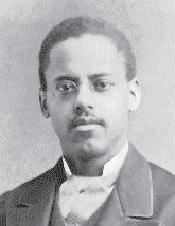
1848
LEWIS H. LATIMER IS BORN
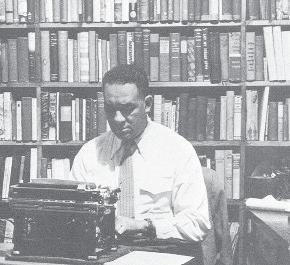
1908
RICHARD WRIGHT IS BORN
1957
Lewis H. Latimer, born on September 4, 1848, to formerly enslaved parents, rose from modest beginnings in Massachusetts to become a pioneering inventor. After serving in the Union Navy, he taught himself drafting while working at a patent law firm. In 1874, he received his first patent and later assisted Alexander Graham Bell with drawings for the telephone.
Latimer went on to play a key role in electric lighting, authoring a book on Thomas Edison’s electrical system and becoming a founding member of the Edison Pioneers—the group’s only African American. He died in Flushing, New York, on December 11, 1928, at the age of 80.