2026 State Leadership Camp
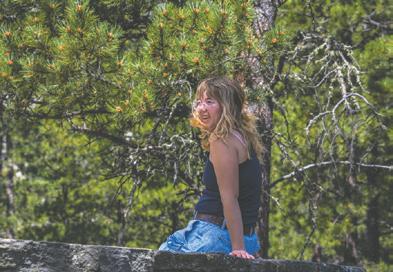
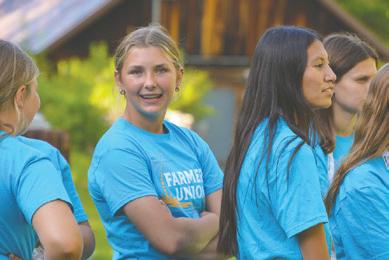
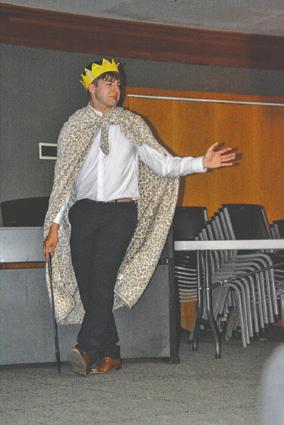
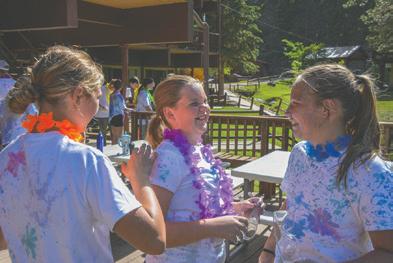
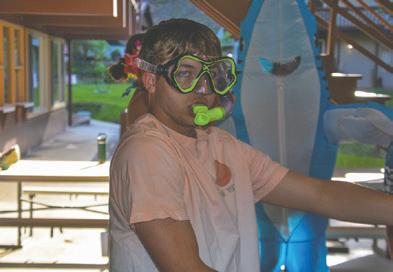
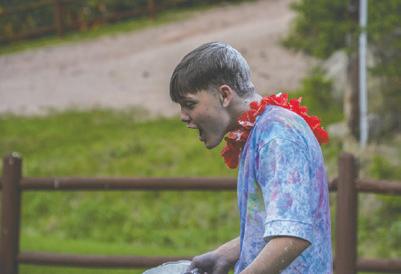
When Farmers Union Camper Adeley “Addy” Roux was assigned to the Store Cooperative on day one of Sr. Leadership Camp, she was excited.
“I knew I would learn how to manage money and make money because as part of the Store Cooperative, we get to come up with prices for items. We need to make sure that we set a decent price that customers can afford, but we also make a profit,” explained the Aberdeen eighth-grader.
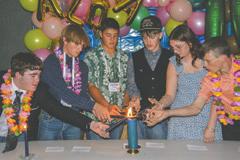
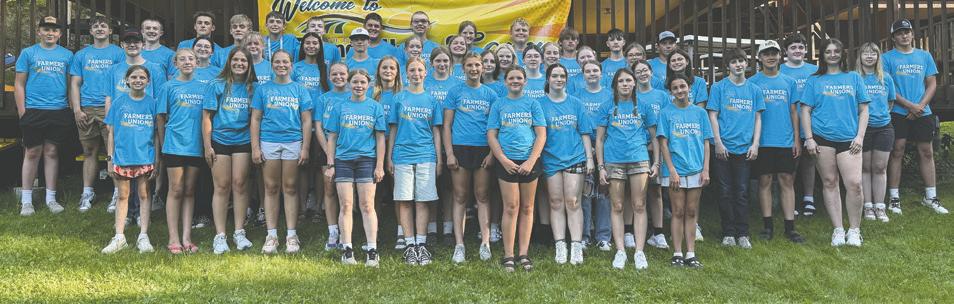
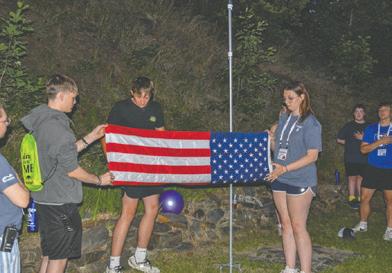
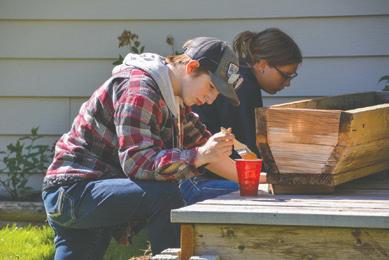
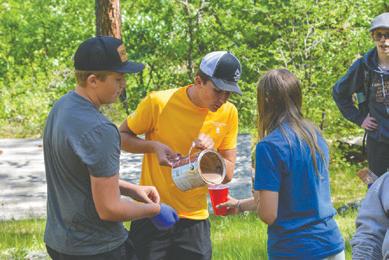
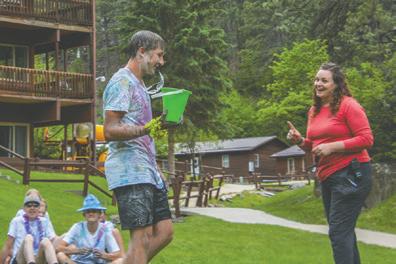
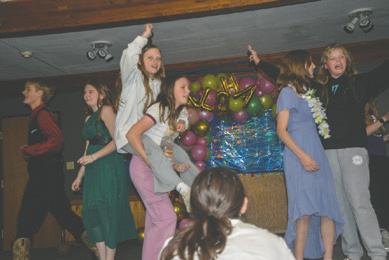
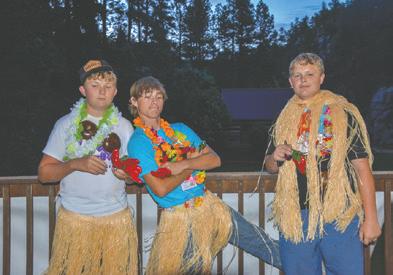
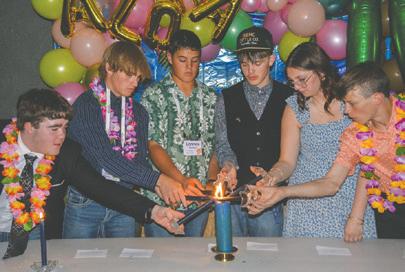
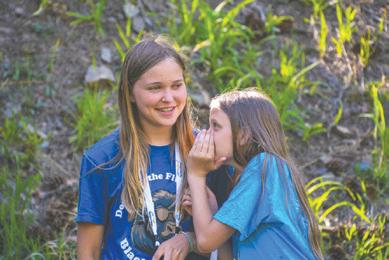
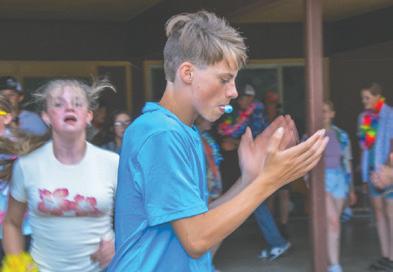
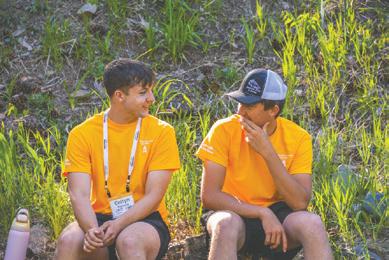
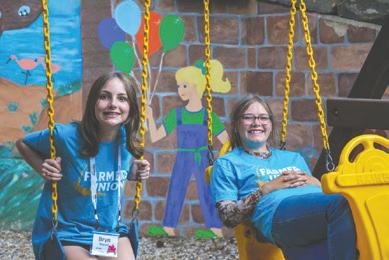
The customers Roux references are the other campers. During Farmers Union Sr. Leadership camp, each of the more than 50 campers gained hands-on experience running one of five cooperatives: Store, Housing, Credit Union, Newspaper and Insurance.
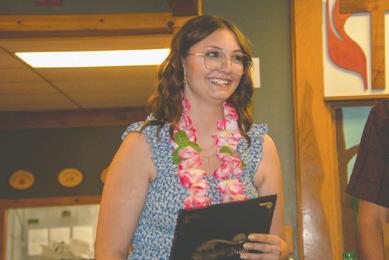
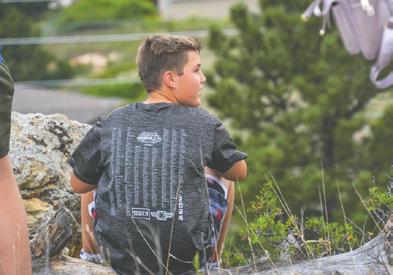
Farmers Union Sr. Leadership Camp was held in the Black Hills June 7-12.
Learning about the history of cooperatives and their member-owned/ member-led business model is important, explained Ethan Mutter, a sophomore at Sturgis Brown High School. “Cooperatives are a big part of small rural communities because they are a way that the community can help themselves out.”
De Smet sophomore Danielle Kruger agreed. “It’s important for rural kids to learn about co-ops because when you live in a more rural area, it is made of co-ops – there’s the electric co-op, the grocery store, and they are all co-ops, not a big franchise.”
Kruger and Mutter helped lead the Store and Newspaper Cooperatives. They are among the six teens who served on the 2025-2026 Junior Advisory Council. Selected through an interview and peer-election process, the Junior Advisory Council members plan and facilitate camp activities and serve as camp counselors.
In addition to Kruger and Mutter, the 2025-2026 members who planned the 2026 camp were: Allison Schulz, Lennox; Coltyn Raymond, Ethan; Chase Blotsky, Hidden Timber; and Avril Fletcher, Highmore. Senior
Ranch Family Celebrates America 250
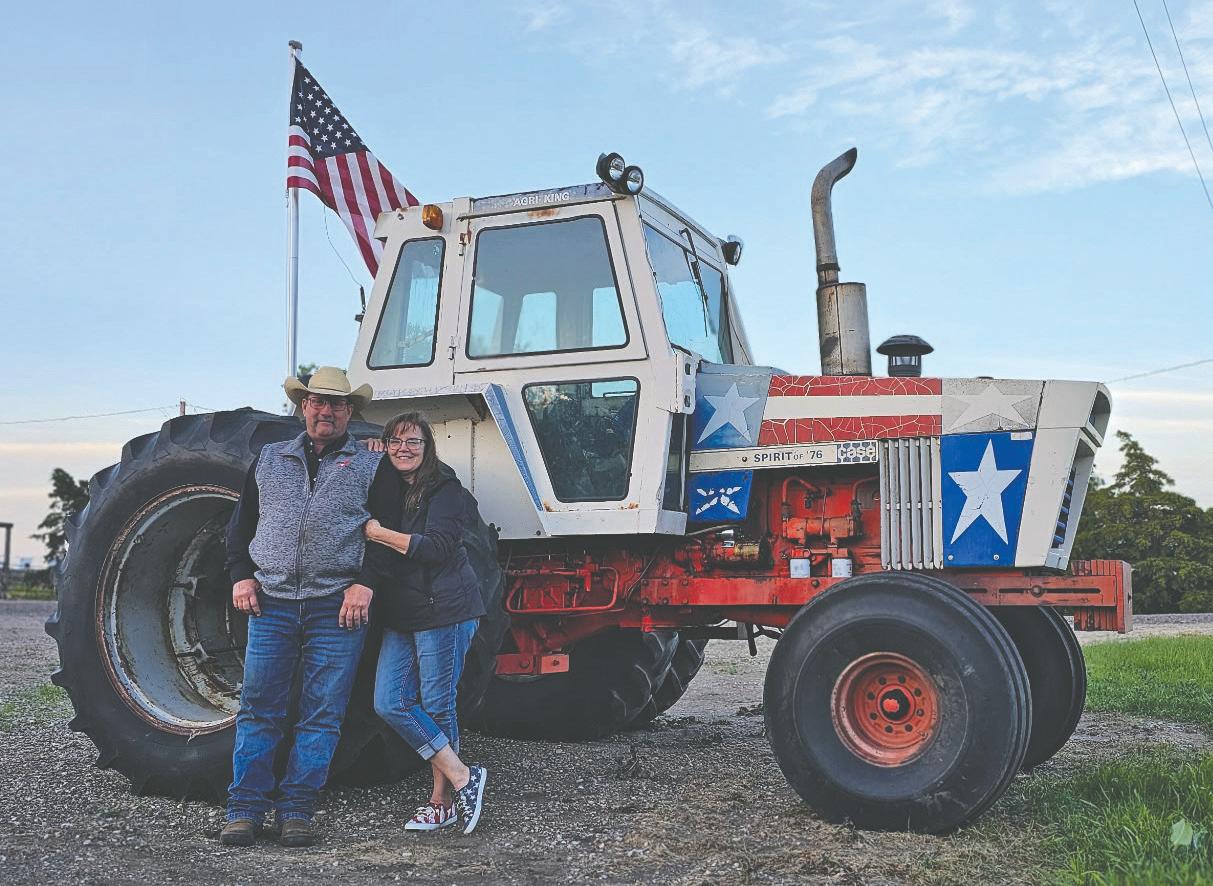
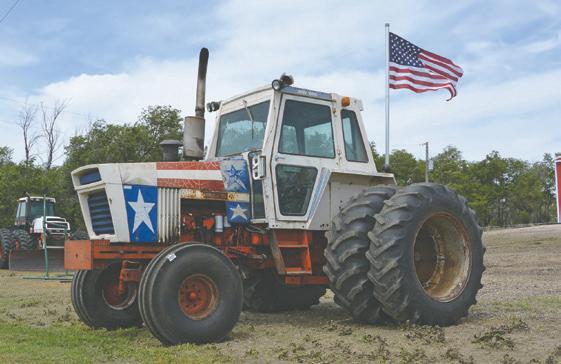
AStar-Spangled tractor proudly flying Old Glory greets travelers along U.S. Highway 212.
This Spirit of ’76 is one of little more than 200 manufactured by CASE in 1976 to celebrate America’s bicentennial. Parade rancher Oren Lesmeister remembers the day his dad, Louie, purchased it.
“We were sitting in the Nauman Implement sales office in Gettysburg, South Dakota, and from the office window we saw when the tractor arrived on the lot,” Oren said. “Dad asked about it. And after several hours of negotiations – Dad was hard-headed as hell – he bought the tractor with duals, front-end weights and a small loader.”
Oren was 10 at the time. Reflecting on the tractor 50 years later, he becomes nostalgic.
“I grew up in it – literally. From the time I was 10 years old on I have lived in that tractor,” said Oren, explaining how the tractor has been a
Photo Courtesy of Alex Garrett Parade ranchers Oren and Tracy Lesmeister with the Spirit of ‘76 CASE tractor.
Union Farmer
“America is built on the backs of its farmers and ranchers.” – Tracy Lesmeister
part of his farm/ranch story.
“It was the tractor I drove the first 10 years I helped Dad farm. Even after that, when we bought the place from Mom and Dad, I still used it and farmed with it. It is one of the first tractors Tracy drove when she moved here after we married,” said the fourth-generation Dewey County farmer/rancher.
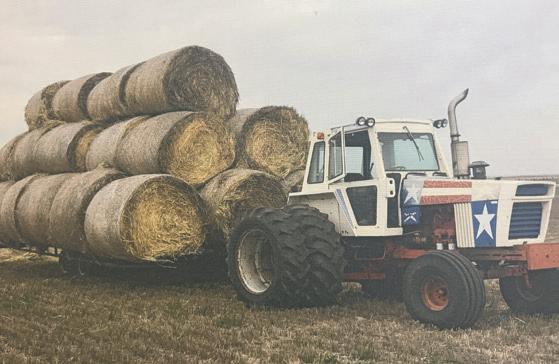
And today, even though Oren and Tracy lease their farmground out and focus all their efforts on the ranch’s cow/calf herd, the Spirit of ’76 continues to play an important role on the ranch. “Today, its main job is hauling hay for livestock … just to keep it active.”
With America’s 250th birthday on the horizon, Oren and Tracy park the beloved tractor prominently on their ranch just nine miles east of Eagle Butte to showcase their patriotism.
“America is built on the backs of its farmers and ranchers,” Tracy said. “This tractor is a way to show our respect for the flag and the people who fought for our freedoms. It’s a symbol of
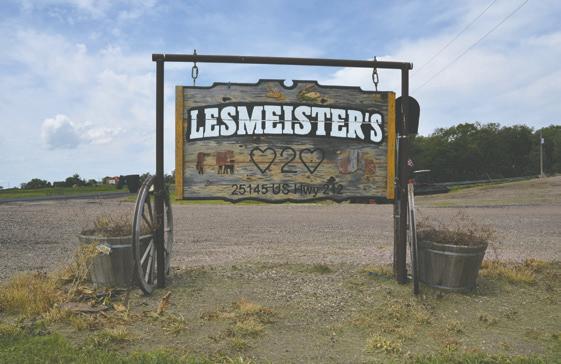
our freedoms. And you know, it’s the last piece of equipment still working on the place that Oren’s dad bought, so it’s symbolic of our ranch too.”
Nothing like the smell of freshly tilled dirt.
The Spirit of ’76 has also been a part of Tracy’s farm/ranch story. Growing up in Ft. Pierre, the daughter of a school superintendent and a secretary, Tracy yearned to be out in the country.
“I always wanted to be a farmer or rancher’s wife and work in the fields and raise cattle. It’s just a peaceful way of life,” Tracy explained.
Tracy and Oren met their first week of college. Tracy was a Black Hills State University student, and Oren was attending Western Dakota Technical College.
“We met because I could dance,” Oren said. “We still dance to this day.”
The couple married in 1986. Although Oren always wanted to return to his family’s farm/ ranch when Louie suffered a major heart attack, he and Tracy were forced to transition to fulltime farming and ranching sooner than they planned.
“It was the ’80s Farm Crisis and the interest rates were forcing a lot of family farms and ranches into foreclosure. The hospital was looking for money from Mom and Dad, so we took out a loan to buy the place, and this is how we got started,” Oren explained.
It was by no means the easy way to get started. Oren and Tracy were 22. Thankfully,
Tracy had an off-ranch career.
“Tracy having an off-farm job in the ’80s and the ’90s was really everything,” Oren explained. “It is what bought the groceries and paid the light bill. With the farming economy what it was, and interest rates what they were, the farm/ranch income what it was, you hoped you could break even, but sometimes you did not.”
Early on in their marriage, Tracy worked in the Extension office. Then, when she was expecting their third child and daycare costs looked to be more than her income, she opened her own daycare.
Her desire to be involved in the farm/ranch remained strong, so in the evenings after work, Tracy helped Oren with the farming or cattle.
In 1995, when their two older children were

in elementary school, Tracy applied for a job in sales and delivery for PepsiCo and Frito-Lay. It turns out her affinity for farmwork helped her get the job delivering products to convenience stores and grocery stores across the region.
“I always did summer fallow and I loved it. I know there are better farming practices now, and farmers no longer do summer fallow, but there is nothing like the smell of freshly tilled dirt,” Tracy said. “The tractor did not have air conditioning, so the doors were always open as I tilled the field. The guy hiring for the position was staying at the Super 8 for just a few days, and we were leaving on a trip the next day. So, I got done at dark and drove to town. I was literally covered in dirt when I did the interview because the doors of the cab had been open and it was already so late, I could not take the time to get cleaned up. My boss actually told me later that had I been all dressed up, I might not have gotten the job. But because he knew I had worked all day and worked all evening, he said he knew I was a worker and could do this job – it’s not an easy job.”
In August, Tracy will celebrate 31 years in the position. This June she was recognized during an awards ceremony in New York City with PepsiCo and Frito-Lay’s highest award. Tracy is one of only 13 employees worldwide to receive the distinguished award for her sales, service and safety performance. Tracy placed first in her region and ninth in the U.S. It’s our heritage.
While managing full-time farm/ranch work, Oren also worked several off-farm/ranch jobs. He worked for the local cooperative, taught agriculture education classes and was the Eagle Butte FFA adviser. He also served in the South Dakota National Guard as a combat engineer with the 211th Engineer Company out of Lemmon and Mobridge, advancing to communications chief for the 109th Eng. Battalion in Sturgis.
In 2012 he opened Fox Ridge Ranch Supply and Feed Store on the ranch. “We had a motto, if we are home, we are open. There have been
a lot of ranchers dropping in at 2 a.m. during calving season because they ran out of vet supplies or calf starter.”
Like Tracy’s career, Oren said he took on the extra work to keep the family farm/ranch legacy alive.
“It’s just what you do. It was our responsibility. This farm/ranch is our heritage,” Oren said.
Lesmeister farm/ranch heritage began in Dewey County around 1898 when Oren’s great-grandpa, Adam, left Strausburg, North Dakota, and discovered this area’s landscape of rolling grassland hills, springs and wetlands. Immigrants from Germany, Adam, together with his son, Frank, traveled to the land office to get an official deed to the land in 1909.
Growing up the youngest of three, Oren took immense pride in helping his parents, Louie and Marla, on the diversified operation.
“Like everyone else back then, we were diversified. We raised registered Black Angus cows, Thoroughbred horses, hogs, we milked cows, had some sheep and farmed,” Oren recalled.
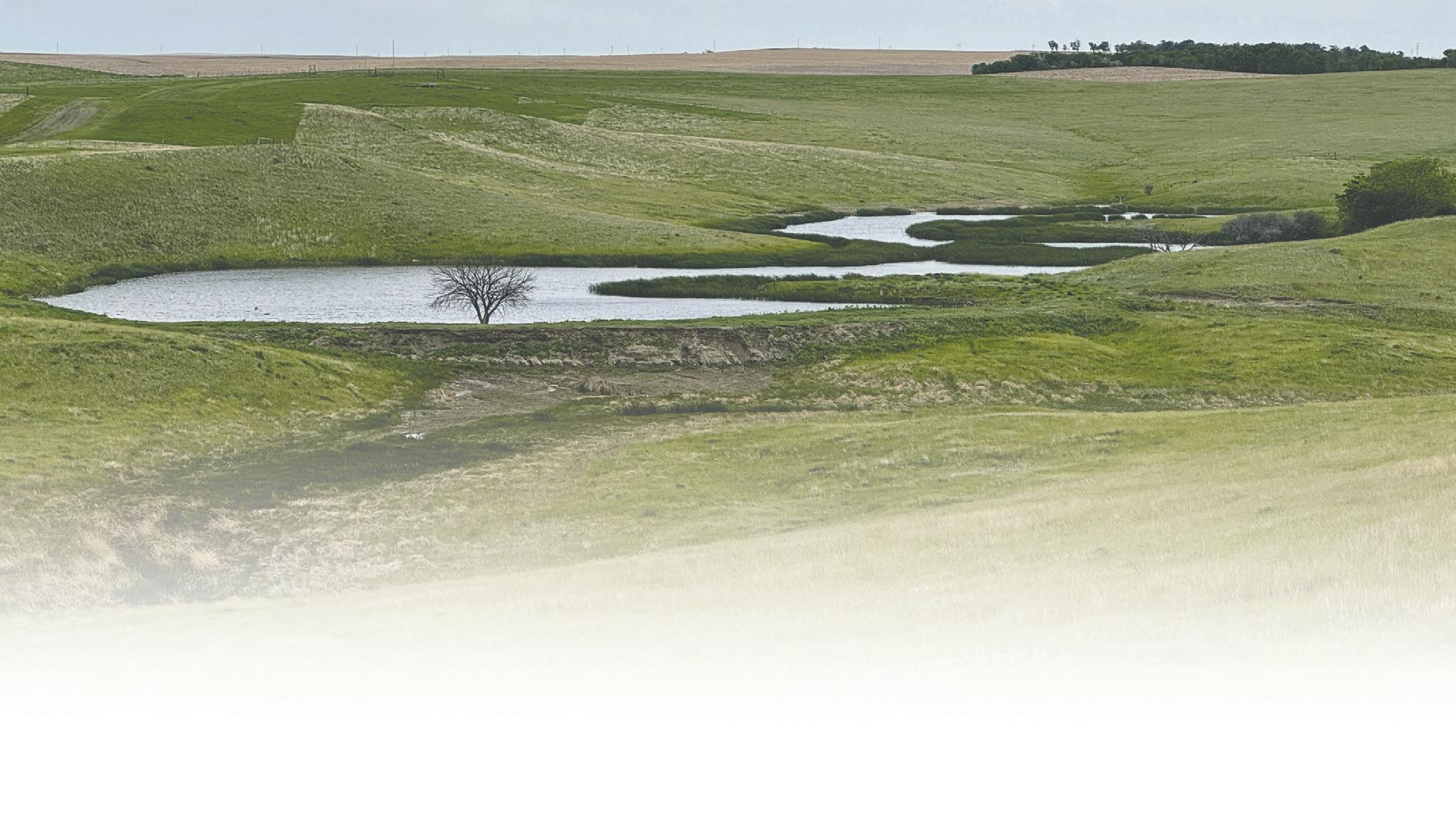
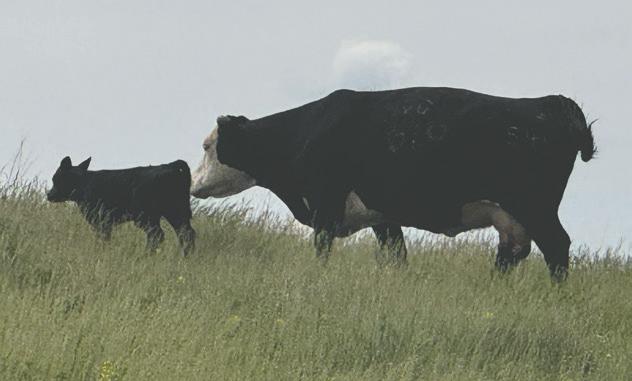
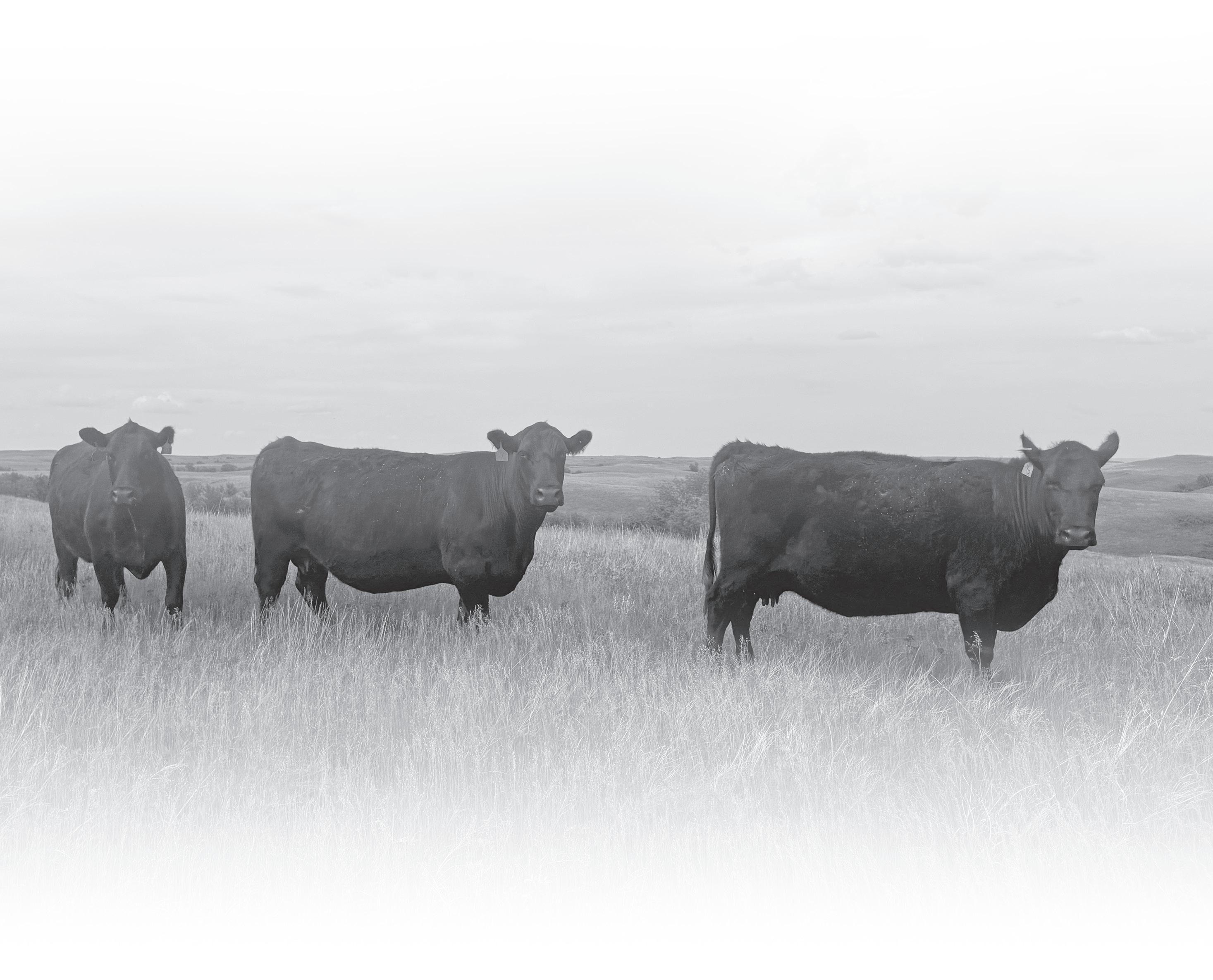
Today, he and Tracy raise a herd of commercial Black Angus cattle that they manage on a rotation to maximize grassland health and access to fresh water. The landscape of rolling hills is not ideal for farming, but their cattle thrive among the native grasses and wildlife.
White-tailed deer, prairie chickens, grouse, pheasants and various other bird species are spotted nearly every time they head out to check cattle.
“We check cattle together every evening after work,” Tracy said. “It’s my goal to make it home from work in time to go with Oren and he most often will wait for me. We hop in the side-by-side and drive through the hills checking cattle. It’s our time together – no phones – we just get to enjoy each other’s company.”
Advocating for agriculture
In 2017, Oren was asked to run for the South Dakota State Legislature. He served four terms representing District 28-A in the State House.
Union Farmer
Oren said he made the time to serve because of his agriculture roots.
“Today, even in South Dakota, our state is becoming more urban. It’s not a bad thing, but it is the reason we need to protect our way of life,” explained the former State Minority Leader. “There are more and more senators and representatives coming out of areas who do not understand what true farming and ranching life is like.”
Tracy said she was proud of Oren’s efforts. “He never did anything in Pierre for himself. He wanted to do what was best and made the most sense for South Dakota overall.”
Today, Oren serves on the state board of directors for South Dakota Farmers Union, so the couple is able to advocate for agriculture together participating in the organization’s D.C. Fly-In.
“With fewer and fewer farm families, we need to make sure our voice is heard,” Tracy said. “People just can’t afford to farm and ranch. I always wanted to be a farmer’s/rancher’s wife – but to be honest, the only way I could be one was to work in town. The only way a farm or ranch can be successful is to have a wife that has a good town job.”
As the couple looks to the future, they are unsure if one of their three children will return to the farm/ranch full time. In their early 60s, they are still young enough to do the work, but they are beginning to have conversations with their children, Colten, Colby Blakesly and Chelsy Norman.
“The future is unknown,” Oren said. “Right now, we are going to keep moving forward.”
To watch video interviews with Oren and see more photos of the Lesmeister ranch, visit www.sdfu.org n by Lura Roti for SDFU

Scan code to enjoy videos and more photos
“It’s just what you do. It was our responsibility. This farm/ranch is our heritage.”
– Oren Lesmeister
Union Farmer
Grassroots Policy Begins Here –
Attend 2026 Policy Meeting July 16 at 9 a.m.
Since its beginning more than a century ago,
South Dakota Farmers Union has been led by its family farmer and rancher members. These members decide what organization leaders will advocate for in Pierre and Washington, D.C. And it’s this bottom-up approach De Smet farmer Rob Lee credits for the reason he became actively involved in Farmers Union.
“The policy process stays true to the grassroots nature of the organization. It’s individuals up to the organization leaders, instead of organization leaders dictating what individual members stand for,” explained Lee, who is one of six members who serve on the State Policy Committee. “This grassroots approach ensures our leaders don’t lose touch with what is actually going on, on the farm. It ensures they are advocating for what matters and what can make meaningful differences.”
Lee serves on the Policy Committee with Sarah Perrion, Ipswich; Hank Wonnenberg, Dallas; Audra Scheel, Wessington Springs; Jason Latham, Harding County; and David Cap, Utica.
Each Policy Committee member is a farmer or rancher and represents one of the organizations six districts across South Dakota.
They are the members who help lead the annual policy meetings that takes place each July and during the State Convention in December. Although policy is discussed during the July meeting, it is not voted on until State Convention.
“It’s nice to meet twice a year to discuss policy because things can change,” explained Gail Temple, a farmer from Clark who serves as the District 3 board member. “Our policy is member-driven, so it’s nice to check in with members to learn what they are concerned about and what they want to see happen in the future.”
A lifelong Farmers Union member, Temple encourages members who have never attended a Policy Meeting to make time for the July 16 virtual meeting.
“Maybe you do not have anything that
is concerning you that you want to talk about. That’s OK. Attend this meeting so you understand how policy works – this is your organization and you set the policy,” Temple explained.
South Dakota Farmers Union President Doug Sombke agreed. “Policy meetings are where problems are shared and members come up with ideas for solutions that may end up as
policy,” explained the fourth-generation Brown County farmer. “As a Farmers Union member, you do not need to face problems alone. Bring them to the Policy Meeting and see what ideas we come up with together.”
How do I participate?
A link to attend the virtual Policy Meeting, July 16 at 9 a.m. Central can be found at www. sdfu.org n by Lura Roti for SDFU
“Maybe you do not have anything that is concerning you that you want to talk about. That’s OK. Attend this meeting so you understand how policy works –this is your organization and you set the policy.”
– Gail Temple, District 3 Board Member
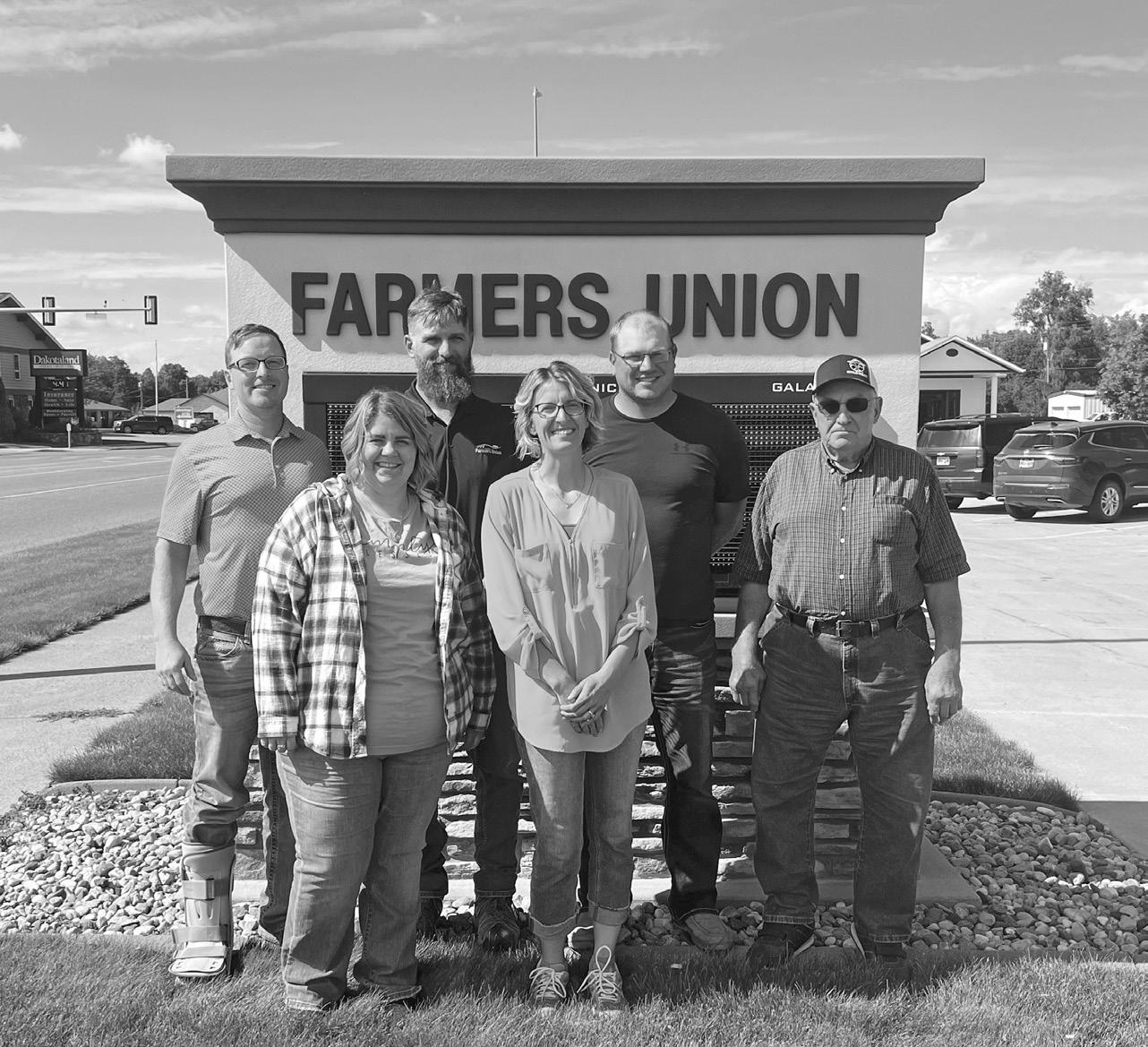
SDFU State Policy Committee: Hank Wonnenberg, Dallas; Sarah Perrion, Ipswich; Rob Lee, De Smet; Audra Scheel, Wessington Springs; Jason Latham, Harding County; and David Cap, Utica.
Animal Health Officials Working Quickly to Protect U.S. Livestock and Wildlife
The U.S. Department of Agriculture’s (USDA)
Animal and Plant Health Inspection Service (APHIS) confirmed the detection of a New World screwworm (NWS) in a bovine in Zavala County, Texas. NWS is a serious pest that affects livestock, pets, wildlife and less commonly, people and birds. NWS larvae (maggots) burrow into the flesh of living animals, causing serious damage to livestock and economic losses.
The affected animal is a 3-week-old calf and larvae were identified in its umbilical area. To date, there have been no further detections.
“All models showed New World Screwworm entering the country in 2025; however, thanks to the hard work across the entire Trump administration and our industry, state and local partners, we were able to buy time for this moment. Protecting our livestock industry is a national security issue of the utmost importance, and USDA is wasting no time in taking action,” said Dudley Hoskins, Under Secretary for Marketing and Regulatory Programs. “USDA invested heavily in the tools needed to eliminate NWS ever since cases started increasing in Central America and Mexico. The United States has defeated this pest before, and we will do it again.”
USDA and Texas officials are taking immediate action to contain and eradicate NWS from the United States, following the strategies and actions outlined in the NWS Response Playbook (884.59 KB). This includes:
Forming a unified Incident Command Team with the Texas Animal Health Commission and deploying response personnel to the area;
Establishing a 20 kilometer infested zone around the detection and implementing quarantines, movement controls and surveillance in this area; Expediting targeted release of sterile NWS flies (423.58 KB) by immediately deploying ground release chambers in the area, in addition to the 4 million sterile flies per week already being released aerially in the area;
Increasing trapping for NWS flies along the border and just outside of the dispersal area; Implementing NWS surveillance and management strategies in wildlife; and
Conducting targeted outreach in the local area.
Additionally, USDA’s National Veterinary Stockpile stands ready to assist and will provide resources including treatments, equipment and logistics to support the response as needed.
USDA will continue to work with state departments of agriculture, animal health officials, industry and producers to mitigate economic impacts of restrictions as much as possible, including negotiating with our trading partners to regionalize any trade restrictions on live animals, limiting them to defined geographic areas.
NWS maggots can infest livestock and other warm-blooded animals, including in rare cases people. They most often enter an animal through an open wound and feed on the animal’s living flesh.
USDA urges residents in the area to check their pets and livestock for signs of NWS. Look for draining or enlarging wounds and signs of discomfort. Also look for screwworm larvae (maggots) and eggs in or around body openings, such as the nose, ears and genitalia or the navel of newborn animals. If you suspect your animal is infected with screwworm, contact your state animal health official or USDA area veterinarian in charge immediately.
While not common in people, if you notice
a suspicious lesion on your body or suspect you may have contracted screwworm, seek immediate medical attention.
The U.S. food supply is safe. Screwworms do not infest meat, fruits, vegetables or other food sources. USDA’s Food Safety and Inspection Service (FSIS) ensures that the nation’s commercial supply of meat, poultry and egg products is safe and properly labeled. Under the Federal Meat Inspection Act (FMIA), FSIS inspection personnel must inspect all eligible animal species unless they are exempt or covered by a state inspection program.
Any evidence of screwworm infestation in an animal would be identified during these inspections, and any contaminated product from an affected animal would not be allowed to enter the food supply.
For more than a year, USDA has led a unified response to NWS. As the lead coordinating agency, USDA has deployed advanced surveillance systems and supported robust crossborder response efforts in Mexico and Central America to combat the pest and push NWS away from the United States. These efforts have bought time for USDA to increase domestic preparedness efforts.
Learn more about New World screwworm at Screwworm.gov n

Meet the 2026-2027 Junior Advisory Council
Danielle Kruger, De Smet:
Each year during South Dakota Farmers Union Sr. Leadership Camp teens are selected to serve on the Junior Advisory Council through an interview and peer-election process.
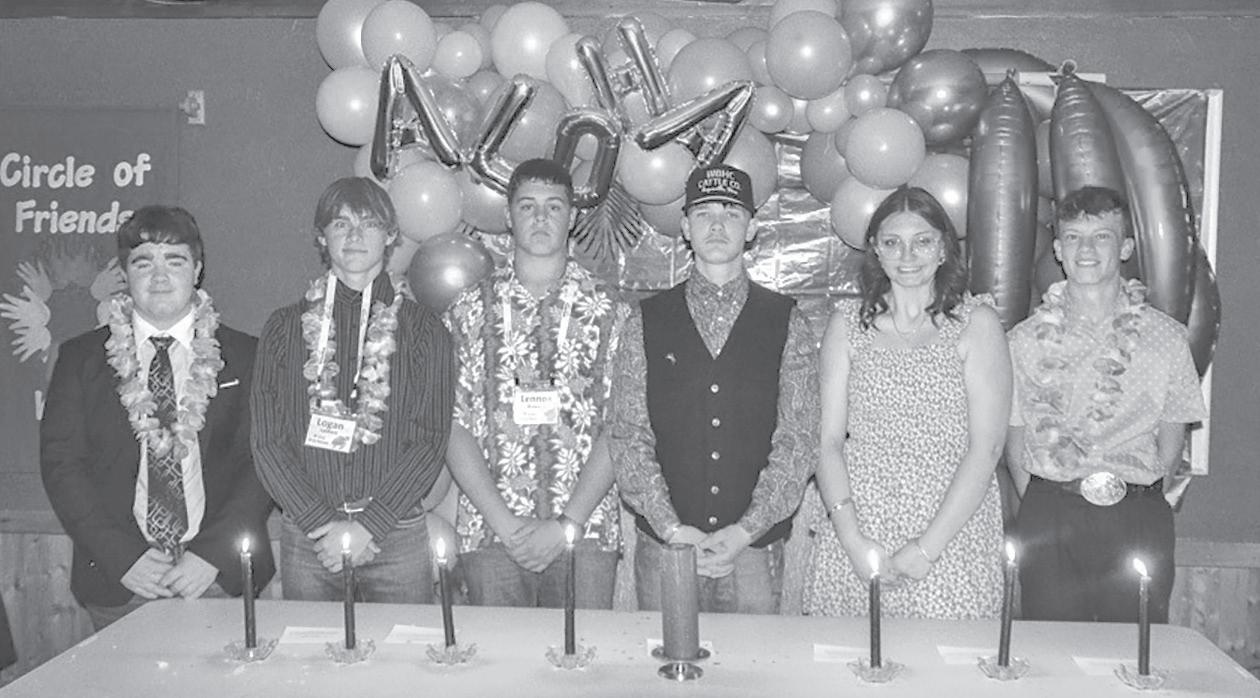
The 2026-2027 Junior Advisory Council members are Danielle Kruger, De Smet; Logan LaMont, Union Center; Ethan Mutter, Sturgis; Riley Mutter, Sturgis; Kyle Olson, Aberdeen; and Lennox Rumpca, Webster.
In this leadership role, these teens will plan, facilitate and serve as counselors for the 2026 Jr. State Camp held July 19-22 at Lake Byron near Huron. They will also plan, facilitate and serve as counselors for the 2027 Sr. State Leadership Camp.
Read on to learn why these young leaders are eager to serve as JACs (Junior Advisory Council members). You can also enjoy video comments from the youth by scanning the QR codes throughout the article.
Kyle Olson, Aberdeen:

“I want to serve as a JAC to continue on Farmers Union journey and help plan the camp for next year for all the happy campers –because truly their reactions to some of the things we do makes it all worth it.”
Logan LaMont, Union Center:
“I want to serve because my first year at camp was really fun because of Chaz (a JAC) he made it so fun. I want to be able to do that for the other campers.”
Lennox Rumpca, Webster:


“I want to serve as a JAC because my first year at camp was a really special time for me and I just want to give that (same experience) back to the campers who are going to attend next year and the years after that.”
Riley Mutter, Sturgis:
“I want to serve as a JAC because I want to help campers out and watch them have fun with the things that we plan.”

“I want to serve because I’ve been very positively influenced by the JACs and SACs (Senior Advisory Council members) that I’ve met at my time in Farmers Union. I’d also like to pass down that tradition to younger campers.”
Ethan Mutter, Sturgis:

“I want to serve because this week at camp we had such a blast. I love seeing all the smiles on campers faces and knowing that they are having fun and being able to commit to the cooperative meetings, the KP meetings and also being able to do the activities that we have planned for them.” n Story and videos by Lura Roti

2026-2027
Junior Advisory Council members are Riley Mutter, Sturgis; Logan LaMont, Union Center; Lennox Rumpca, Webster; Ethan Mutter, Sturgis; Danielle Kruger, De Smet; and Kyle Olson, Aberdeen.
Around the State with Farmers Union 2026 SD High School Rodeo
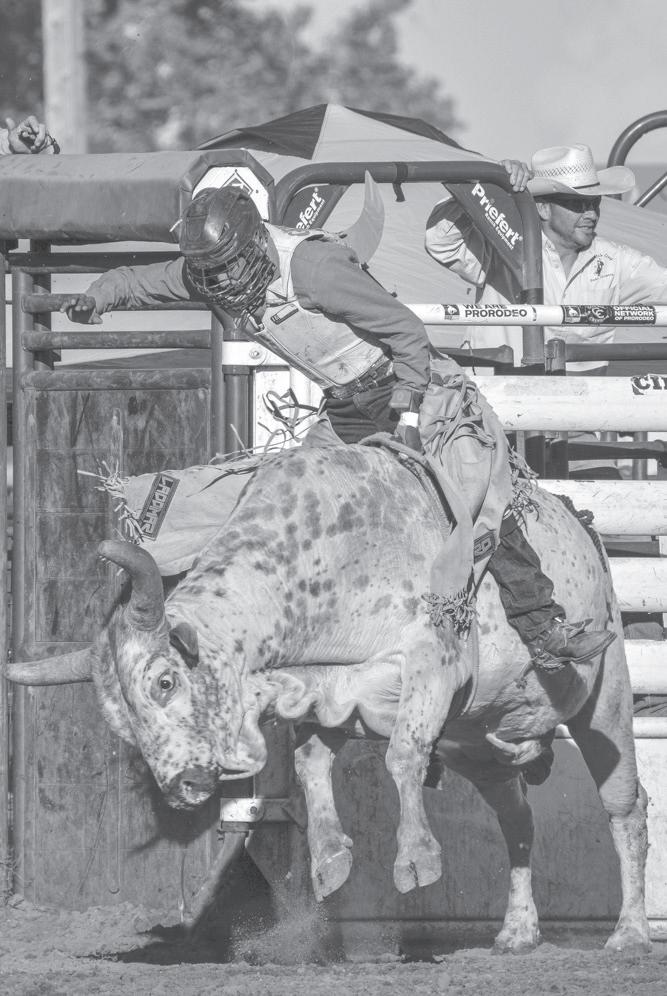
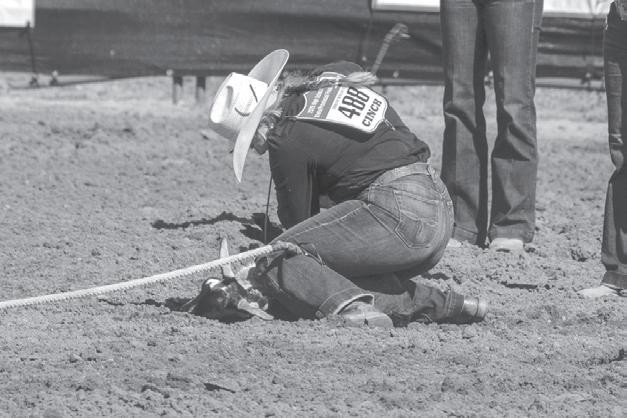
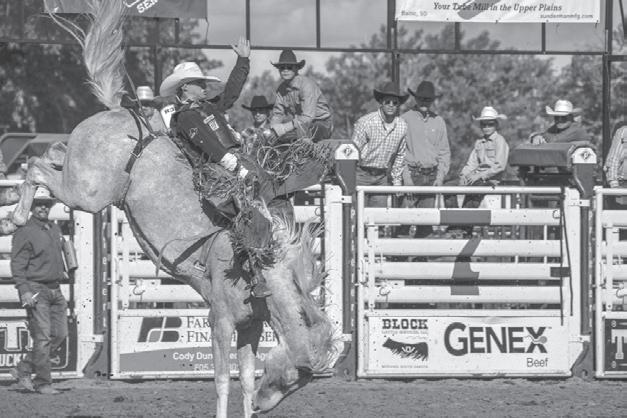
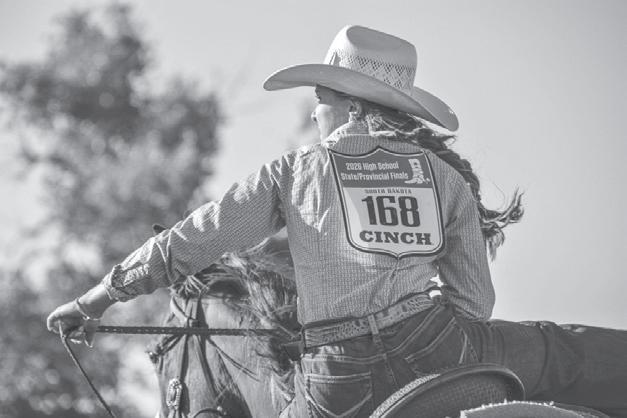
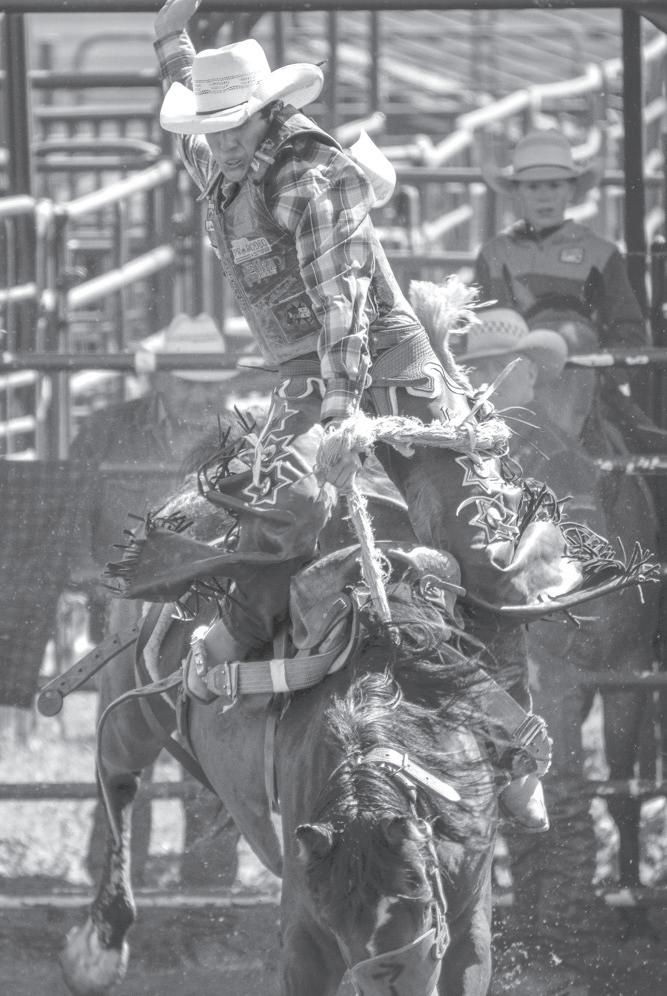
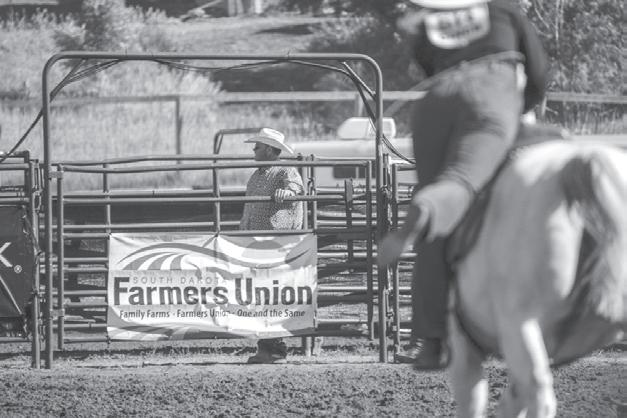
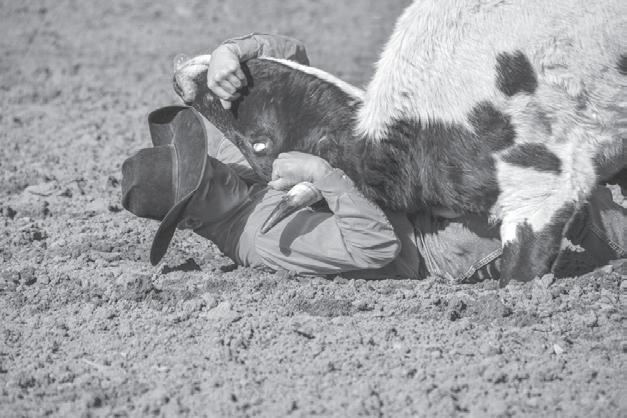
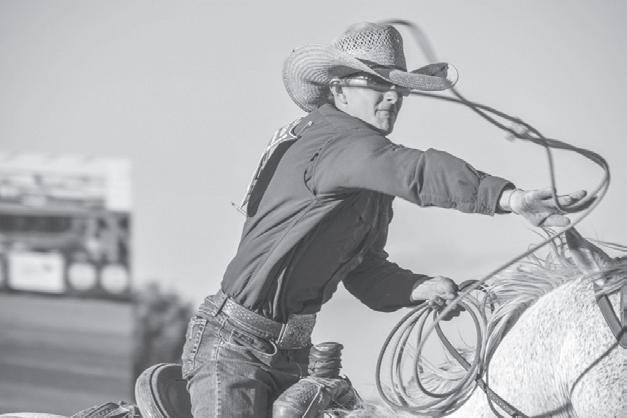
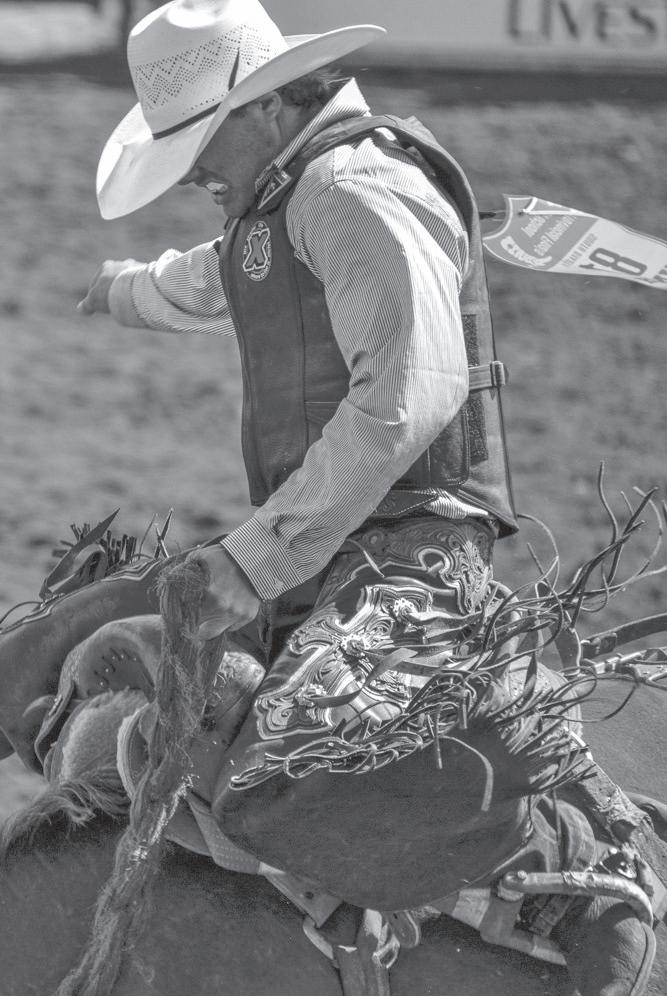
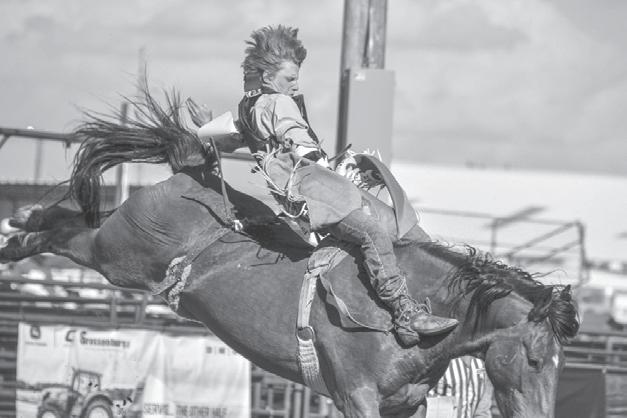
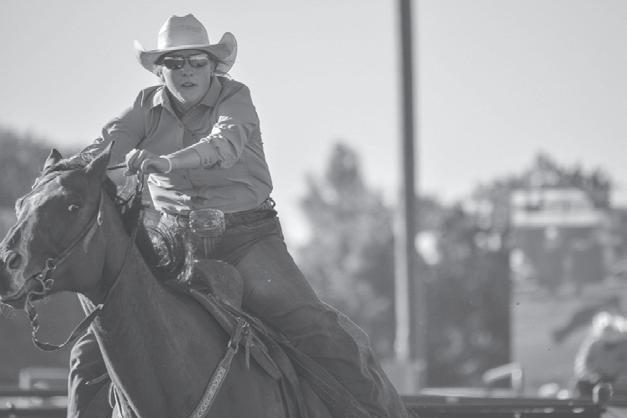
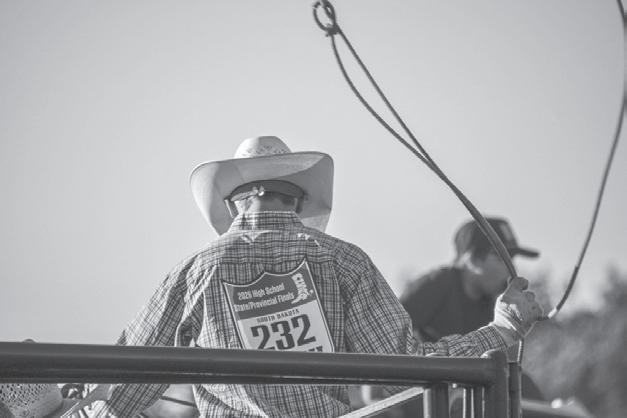
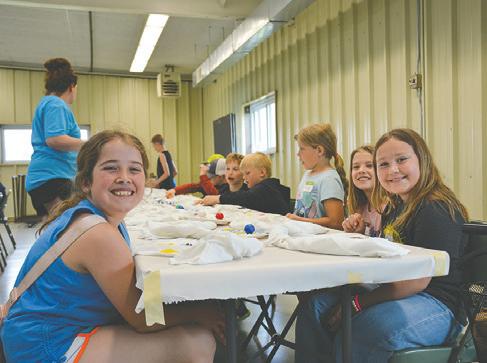
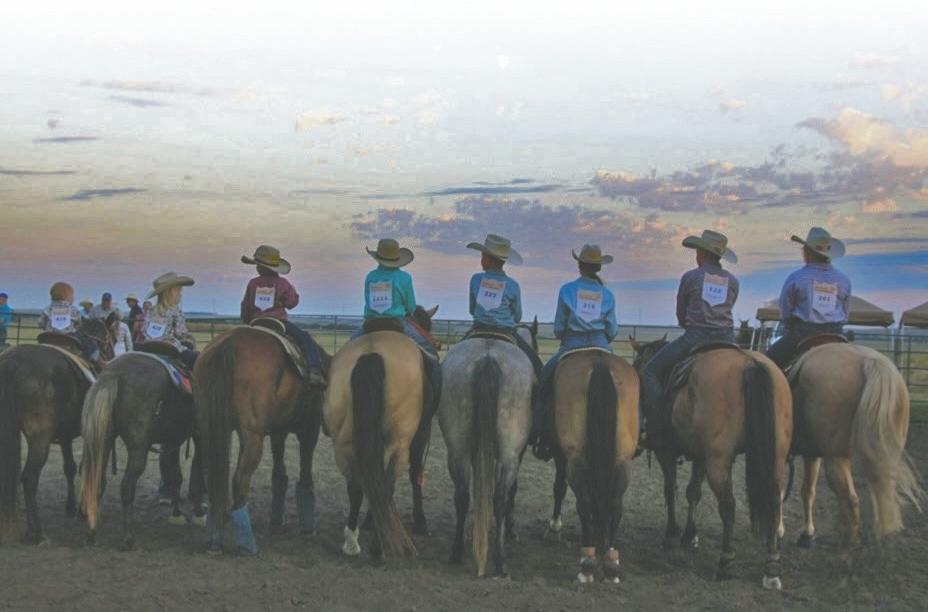
South Dakota Farmers Union is a sponsor of the South Dakota High School Rodeo Finals and provides a meal to rodeo athletes and their families. Enjoy these photos by Lydia Hill, Digital Media Intern.
Enjoy Our Way of Life Podcast…New Episodes Available
Whether you’re checking fences at sunrise, on calving duty in the middle of the night, sitting in the tractor cab or relaxing in a big comfy chair after a long day, a good story has a way of making time fly by. That is why South Dakota Farmers Union is proud to announce new podcast episodes on the “Our Way of Life” channel – to promote stories told by producers, for producers.
Stories told by producers is our way of giving something back to them – a chance to be heard. It is an opportunity to share their thoughts, concerns, hopes, as well as a chance for reflection. Many will recall a time they sat and spoke with someone at the sale barn, a child’s ball game, over coffee or during a phone call that seems never-ending. Those are the exact stories we want to share.
Stories told for producers is our way of giving something to you – a community. In a world gone digital, it can be hard to know where one fits in. Through this channel, our hope is that you find connection and a reminder of why we do what we do.
Coming this July, we pulled up a chair with someone who will help
us kick things off accordingly: Oren Lesmeister is a proud South Dakota cattleman from Parade, South Dakota, who also serves as the current SDFU District 7 board member.
As someone who has seen the agricultural industry from nearly every angle, Oren’s story is one you won’t want to miss! Even with his own cow/ calf operation keeping him busy on the homestead, his servant’s heart has guided him to his own small ag business, the SDFU leadership board and even the Capitol hallways serving as the District 28-A Representative and Minority Leader from 2017-2025. In this upcoming episode, Oren gives us a backstage pass to what really goes on in both agriculture and state politics.
The July episode drops soon! You can subscribe to the channel by going directly to our website or stream it on Spotify, iHeart Radio and Amazon Music. Join us as we celebrate the past, present and future of agriculture and share the voices of those who protect and promote our way of life! n by Lydia Hill, SDFU Digital Media Intern
Get to Know SDFU Digital Media Intern
South Dakota Farmers Union Digital Media Intern, Lydia Hill said she credits who she is today to growing up near her family’s Sully County cattle ranch and being involved in her rural community of Onida. “Where I grew up is the basis of everything I am today – from my
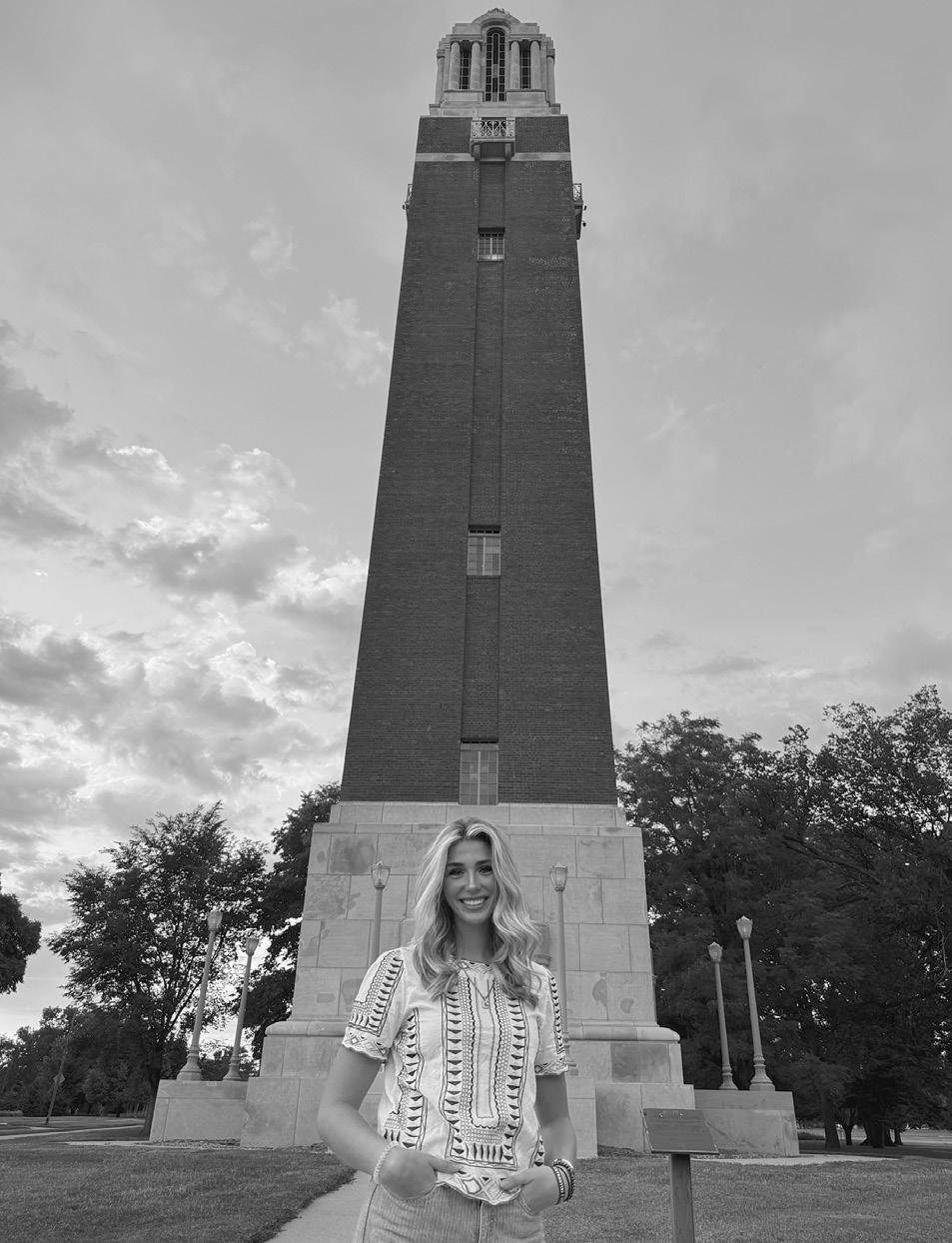
faith and my commitment to family, to my work ethic and my passion for the agriculture industry,” said Hill, an agriculture communications and journalism student at South Dakota State University.
Even her communications career focus has roots in Sully County.
“I was competing in the ag broadcasting FFA contest my freshman year of high school and I ended up placing at the state contest and I and the other winners were interviewed by Jody Heemstra with Dakota Radio Group. Jody mentioned that she liked my radio voice and asked if I would like to do some radio interviews for her.”
This is how the Sully Buttes FFA Chapter Reporter fell in love with broadcast journalism.
“I love interviewing people because I am a very social person, so it gives me a chance to quite literally talk to people for a living,” Hill explained. “My favorite part is sitting down with farmers or ranchers who have been working in agriculture for a while – they have skin in the game. I love hearing their stories. And I think they are worth telling because they are about grit and resilience and perseverance, and I think that today, that’s what a lot of my generation, and society as a whole needs more of.”
A college senior, Hill recently filled the position of Farmers Union digital media intern after Cally Faulhaber accepted an out-of-state summer internship opportunity.
Day-two of her internship, Hill hit the road to interview Farmers Union members for podcast stories and social media videos.
“I have loved meeting all the members so far,” Hill said. “These are the exact type of people you want in your corner, and you want to call a friend. So, to be able to get to know people from across the state on a personal level has been a joy for me. And the work is fast paced, so I have been able to see some of my work published already, is a rewarding experience.”
Hill said through the internship she has enjoyed learning more about Farmers Union. “I am impressed at how devoted the organization is to producers. Before this internship, when I thought of Farmers Union, I thought of people attending a D.C. Fly-In, I did not realize how much Farmers Union pours into rural communities through scholarship opportunities and day camps and leadership camps,” Hill said. “What they are teaching youth about agriculture and farm safety is so important.”
You can enjoy Hill’s work by listening to the Our Way of Life Podcast or visiting South Dakota Farmers Union Facebook, Instagram and now TikTok. n by Lura Roti for SDFU
Union Farmer
Leadership Camp Continued from Page 1
Advisory Council members LizBeth Crosby, Pierre; and Cadence Konechne, Kimball, also helped with camp planning and facilitation.
Running a cooperative together with about 10 other campers also provides campers with an opportunity to develop leadership skills, explained Liberty Doerr.
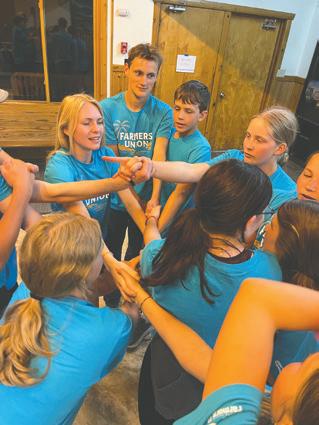
“By being part of a group I learned how to communicate with different people in different ways, because leadership is not about being the boss of people, it is about growing as a team and working together,” Doerr explained. “It’s not just one person being the boss and everyone else being the followers.”
Camper Bryn Marvel agreed. “Farmers Union Camp has helped me develop leadership skills, like being able to actually talk to people and having a voice for myself.”
Learning how to meet new people happens quickly when spending a week with campers representing 29 different South Dakota communities. It’s the connections made with other South Dakota teens that many campers say is their favorite part of Farmers Union Camp.
“Farmers Union Camp is about the people you meet and the friends you make,” said Schulz, who plans to attend South Dakota State University and major in psychology after high school. “It helps you make new friends and you learn a lot about who you are as a person and also about other campers and where they come from and what different parts of South Dakota are like.”
Agriculture careers 101
In addition to making friends and gaining hands-on experience in running a cooperative, throughout camp, agriculture professionals spoke to rural youth about their careers. During camp, teens heard from motivational speaker Cindra Kamphoff; the Bieber Family, ag social media influencers; Susan Rudabush, agriculture educator and FFA adviser, and Janelle Atyeo, Editor, Tri-State Neighbor.
“I would love to go into an agriculture career when I grow up, so this helps me understand what different types of agriculture careers there are,” said Hidden Timber eighth-grader Chord Blotsky.
Campers also had the opportunity to tour KOTA TV station. “It was amazing, we got to see what the reporters were recording,” said Raymond Wynia, a camper from Wilmot. “I even got to hold an Emmy Award, which feels like a once in a lifetime opportunity.”
Mount Rushmore was among the locations campers toured while in the Black Hills. Touring Mt. Rushmore was a highlight for Moriah Kippley. She hadn’t toured the monument since she was a baby, so the experience was memorable for the Aberdeen seventh-grader. Kippley said she wanted to attend Sr. Camp because of the positive experience she had attending Farmers Union State Junior Camp summer 2025.
“I made a lot of new friends at youth camp, and I wanted to see them again and make more friends,” said Kippley who lives on a Brown County farm.
Connecting with other teens who are growing up on South Dakota farms and ranches is another unique aspect of Farmers Union Camp, explained Kylie Richter, who lives on her family’s Harding County ranch. “It is nice to meet other people who have a similar background and learn about agriculture in other parts of South Dakota.”
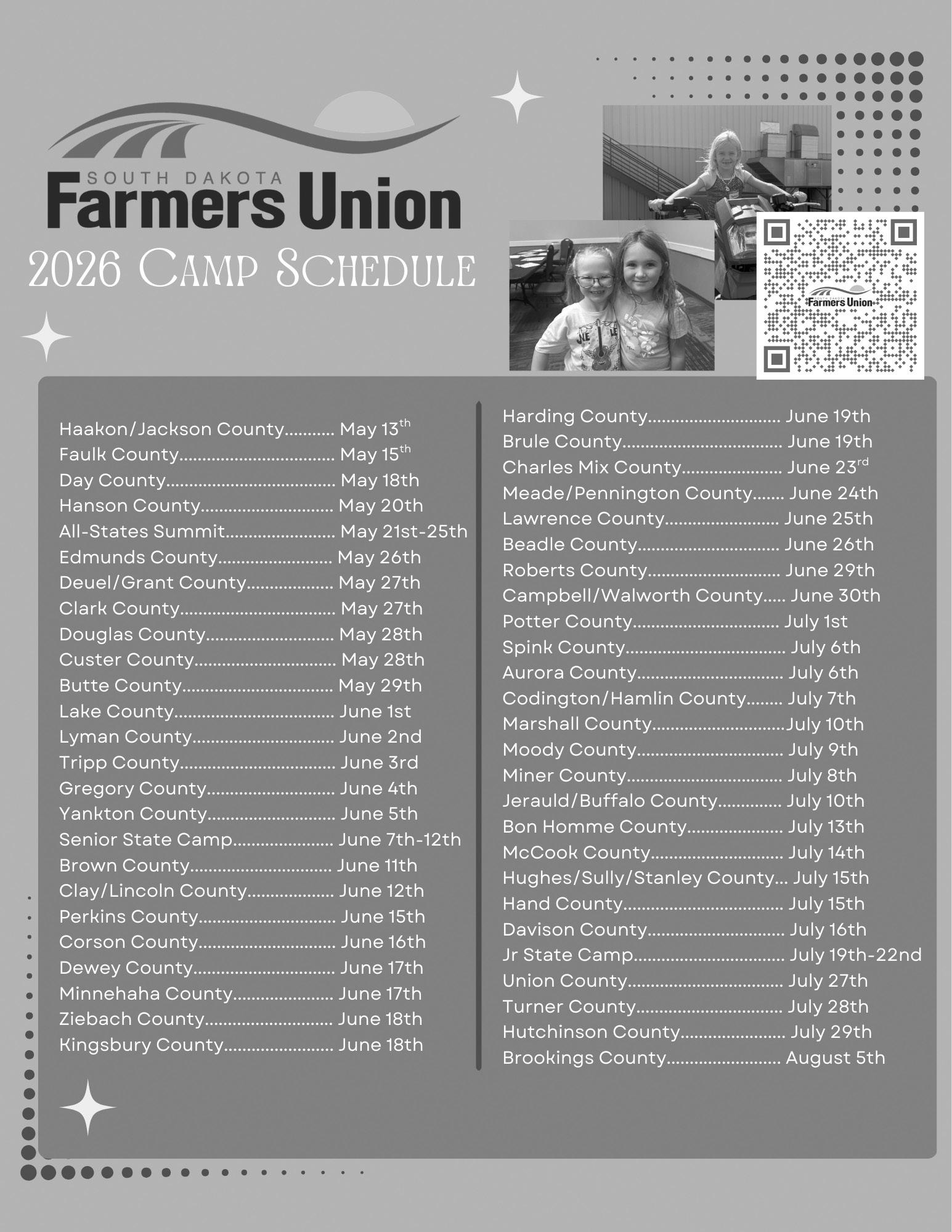
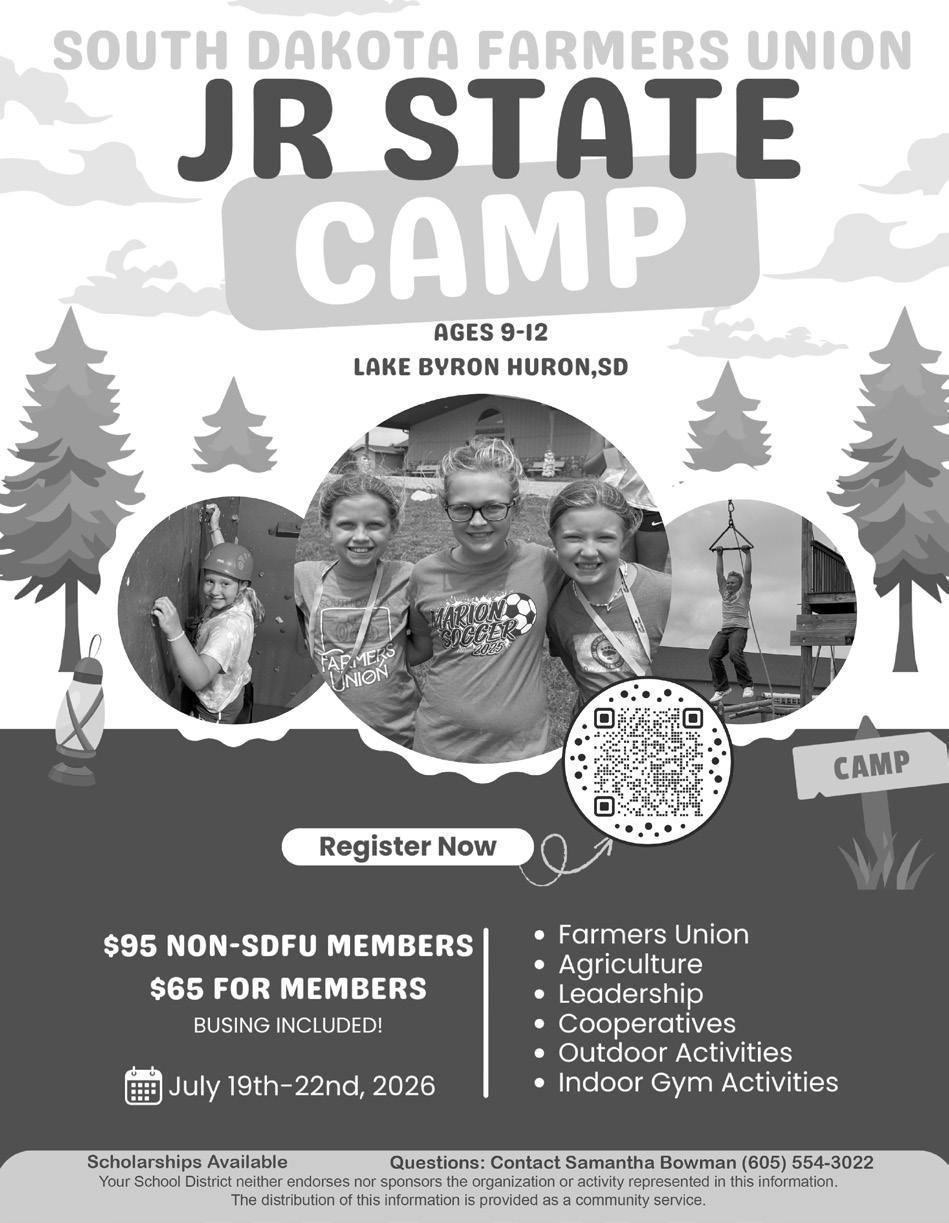
During camp, teens were selected to serve on the 2026-2027 Junior Advisory Council through an interview and peer-election process. The 2026-2027 Junior Advisory Council members are Danielle Kruger, De Smet; Logan Lamont, Union Center; Ethan Mutter, Sturgis; Riley Mutter, Sturgis; Kyle Olson, Aberdeen; and Lennox Rumpca, Webster. In addition to helping plan and facilitate the 2027 Farmers Union Sr. Camp, these youth will help plan and facilitate the 2026 South Dakota Farmers Union Jr. Camp held July 19-22 at Lake Byron near Huron.
To learn more about Farmers Union educational programming, or to register for 2026 South Dakota Farmers Union Jr. Camp, visit www.sdfu. org n by Lura Roti for SDFU


Sr.Leadership Camp












Life on South Dakota’s Farms & Ranches
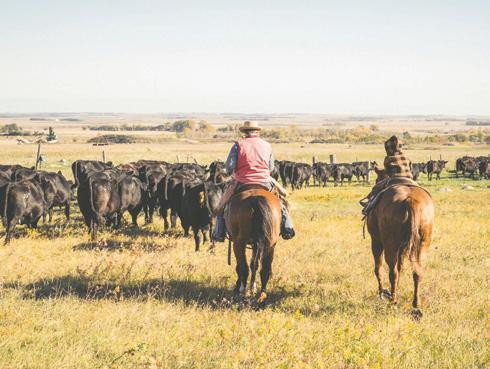
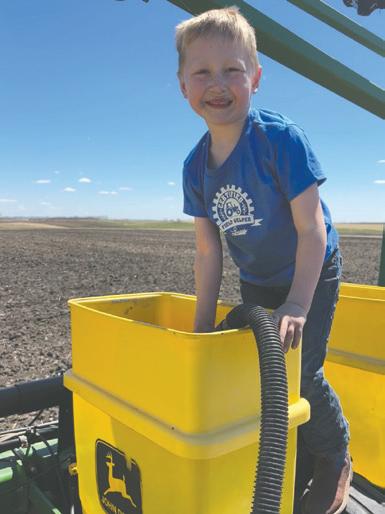
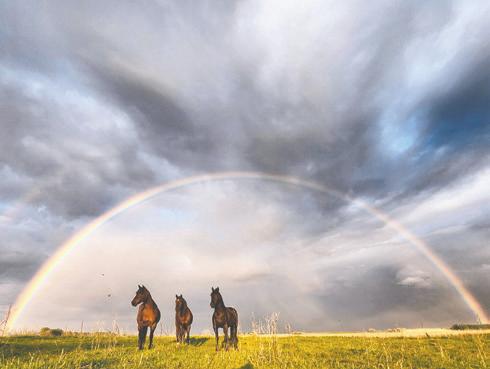
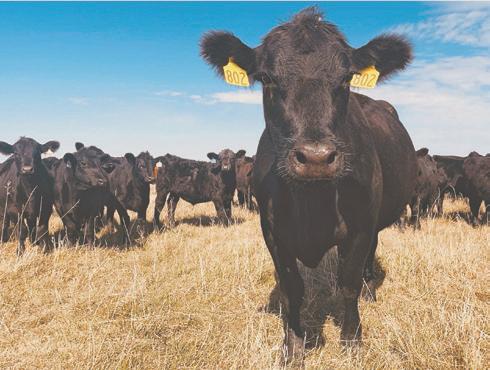
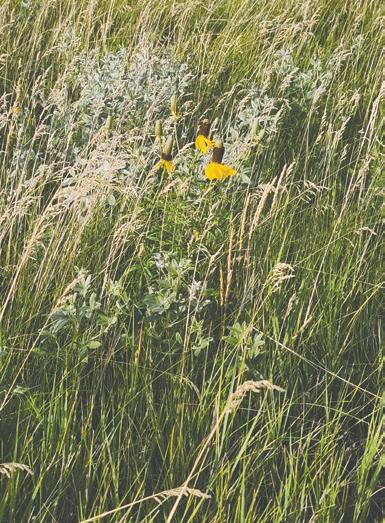
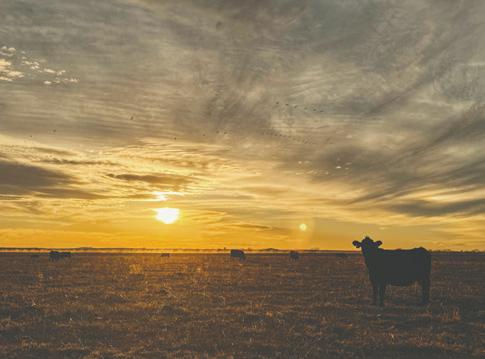
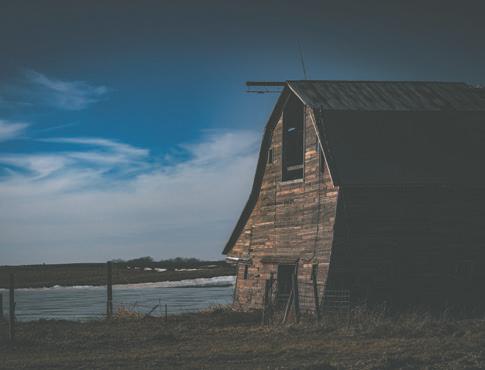
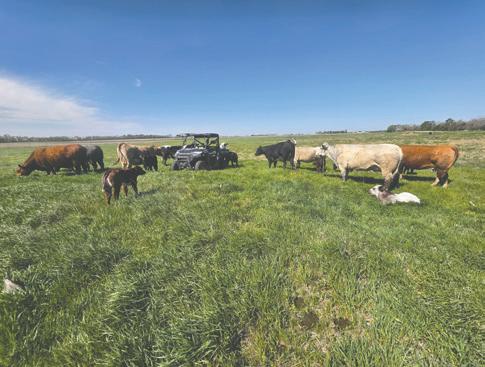
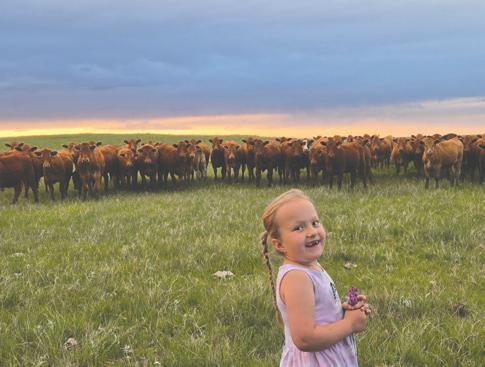
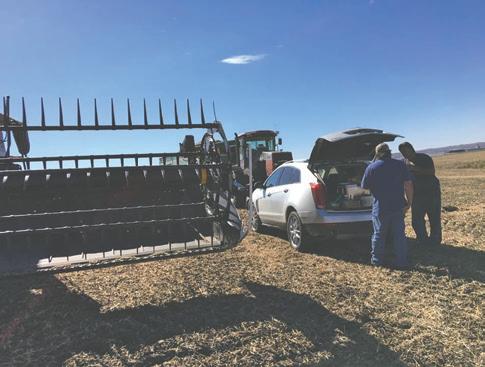
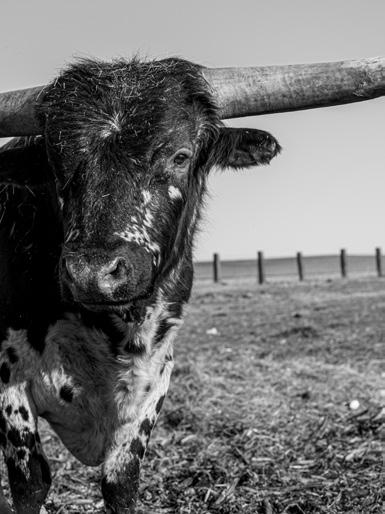
Enjoy these photos submitted by photographers from across South Dakota. Want to share some of your own? You can enter photos in South Dakota Farmers Union annual photo contest through Oct. 1. Photographers compete for cash prizes. All photos need to be entered through the SDFU website www.sdfu.org, click on Photo Contest link under the News & Events tab.
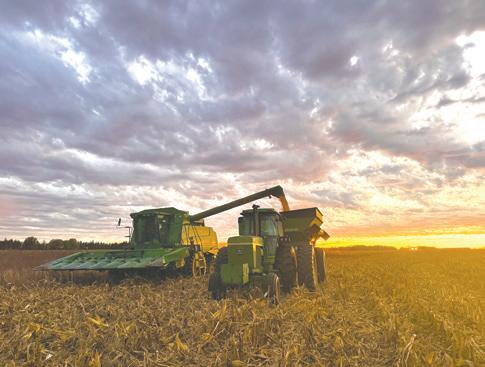
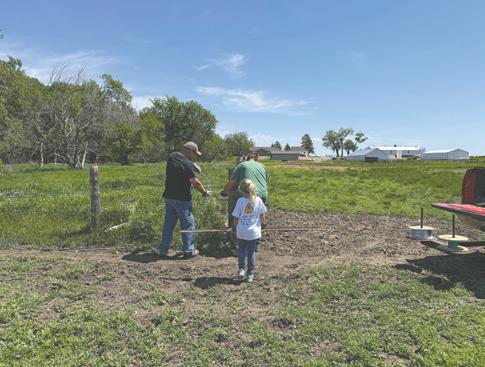
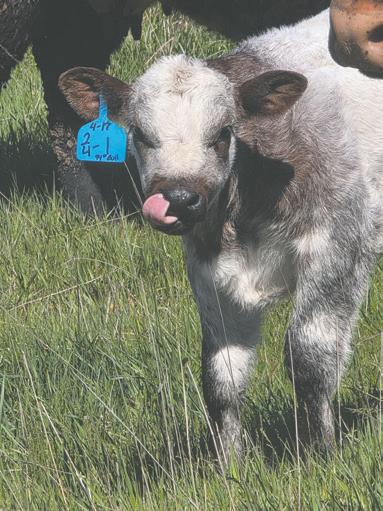
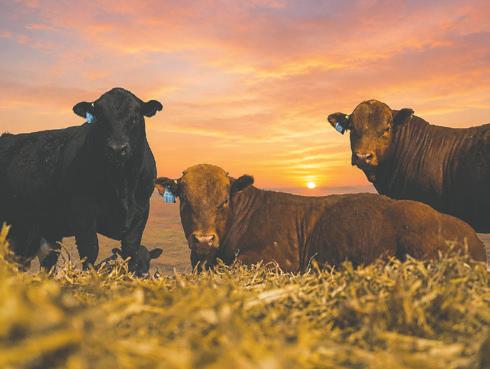
Scan to Submit Photos

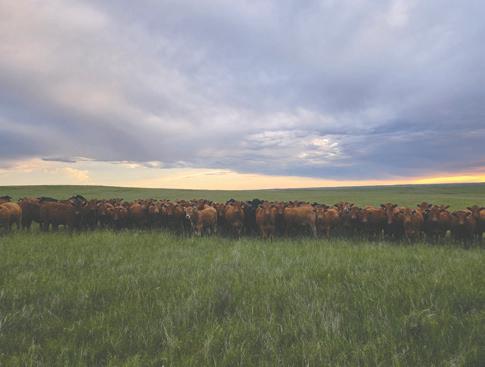
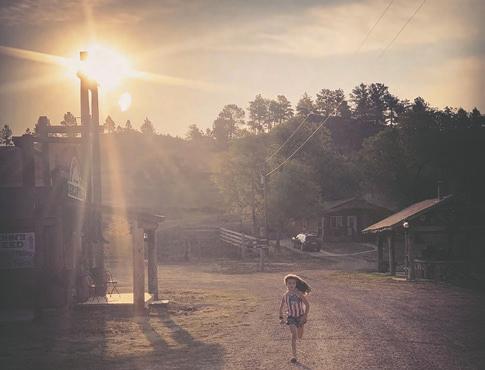
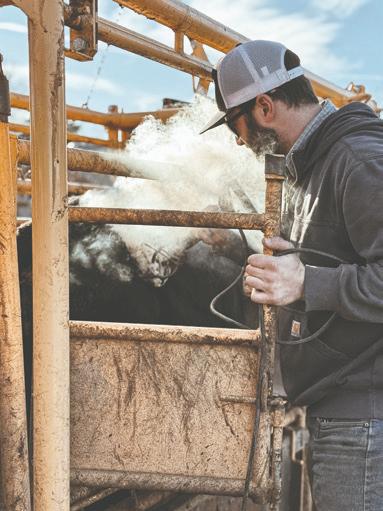
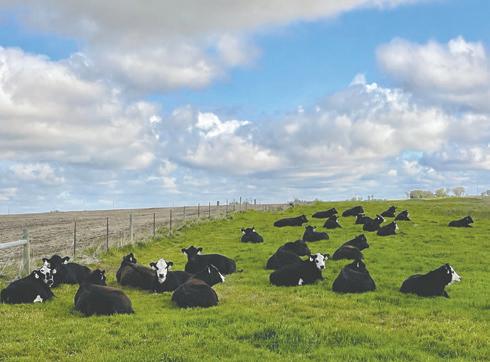
Riata Bultje Ranch Scenery
Anne Crose Farmer Rancher at Work
Samantha Carey Livestock
Carleyn Peterson Ranch Scenery
Lisa Rossow Farmer Rancher at Work
Leanne Mallon Livestock
Lori Stethem Ranch Scenery
Valarie Vig Farmer Rancher at Work
Rose Wagner Livestock
Amanda Goens Farmer Rancher at Work
Cherie Leibel Ranch Scenery
Dawsyn Otto Livestock
Samantha Swanson Farmer Rancher at Work
Kaylee White Livestock
Allie Kunkel Ranch Scenery
Carleyn Peterson Livestock
Brett Sombke Livestock
Rose Wagner Livestock
Renee Carda Livestock
Dani Bayer Ranch Scenery
Samantha Swanson Ranch Scenery
Union Farmer COUNTY CAMP
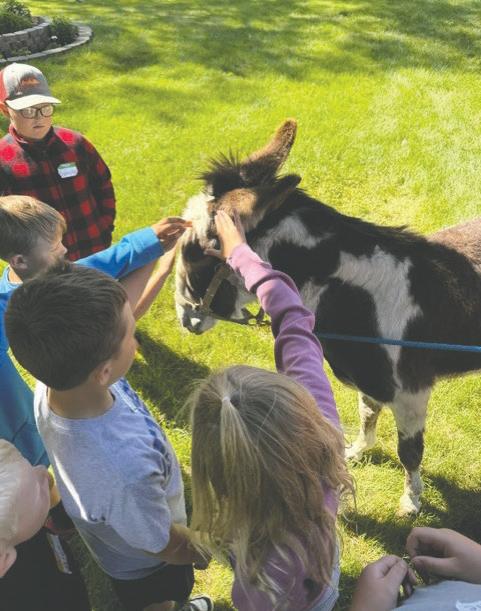
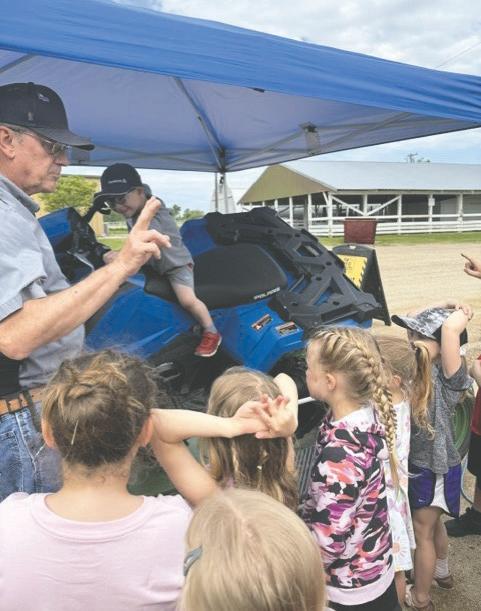
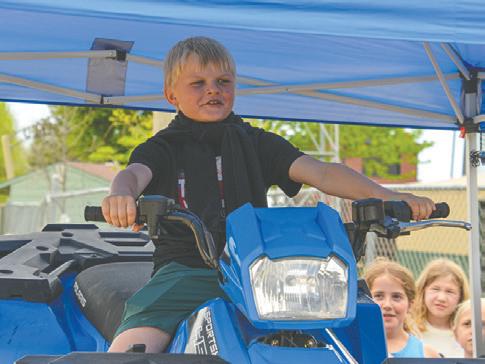
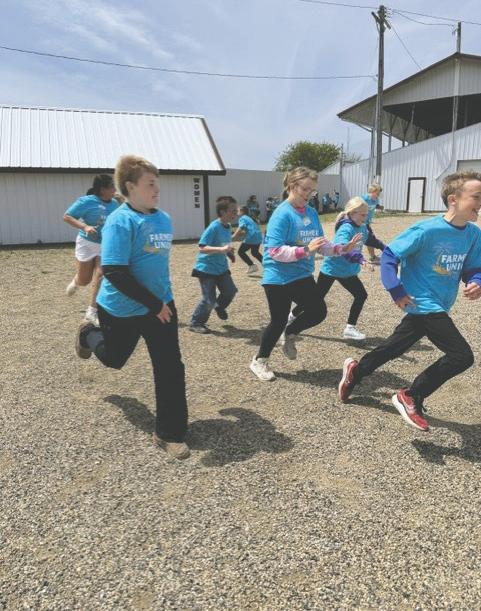
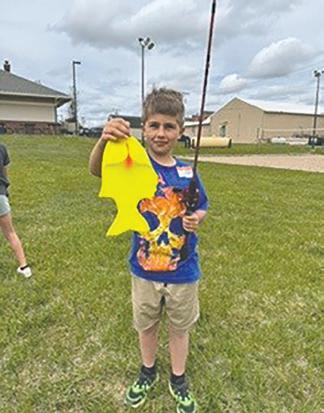
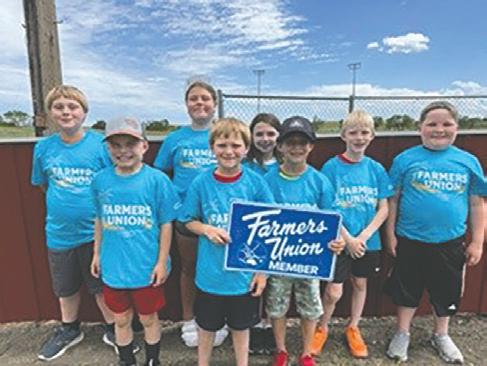
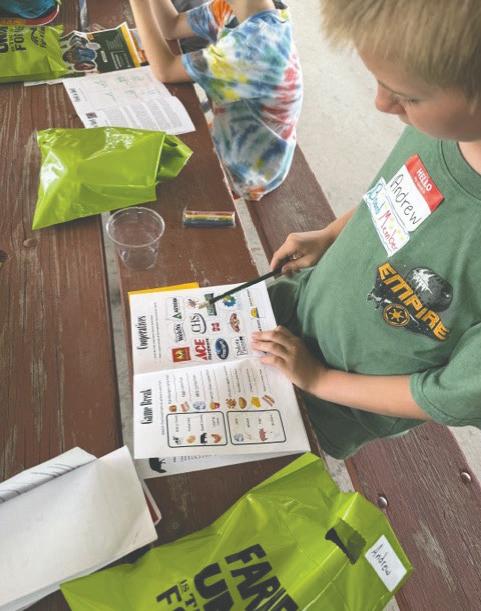
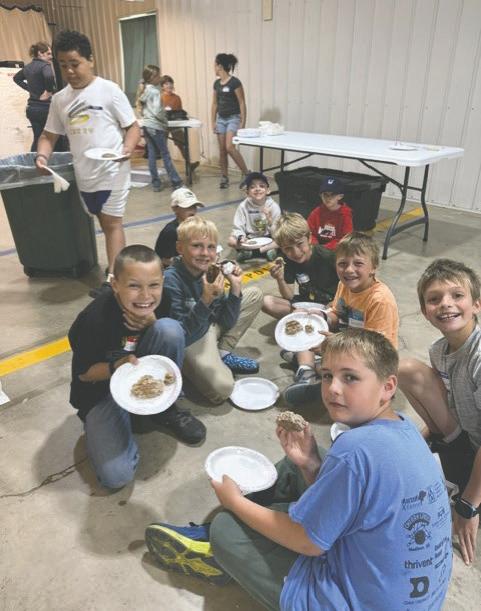
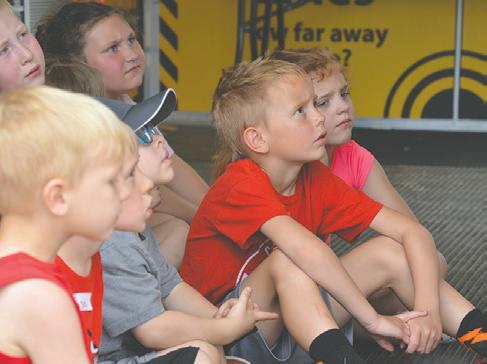
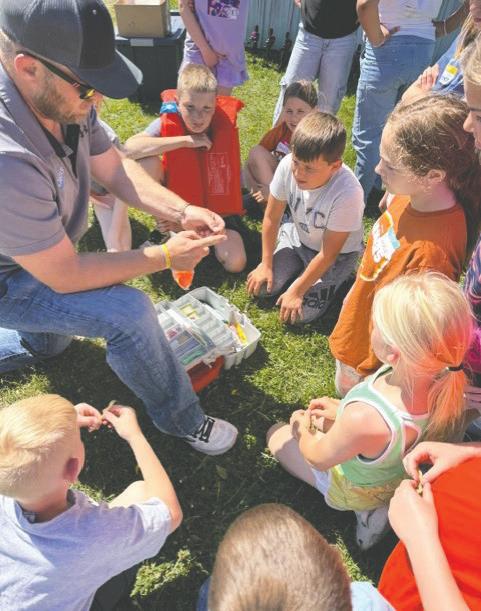
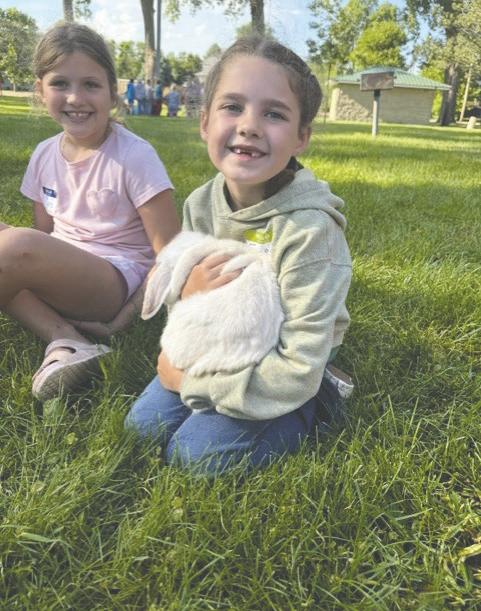
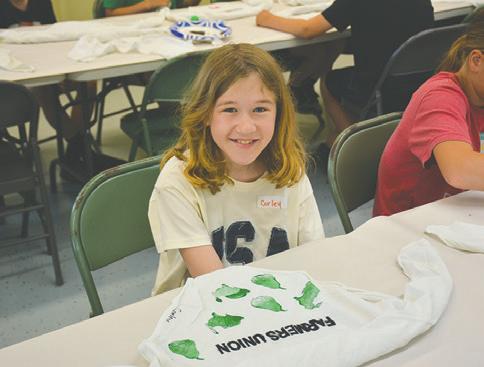
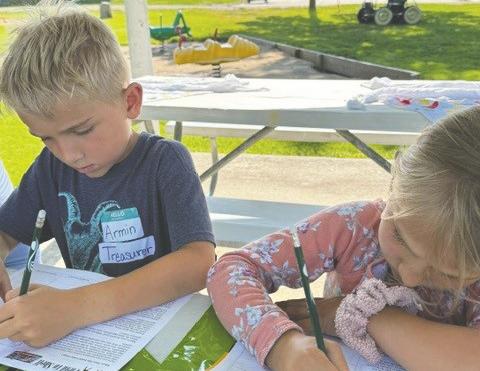
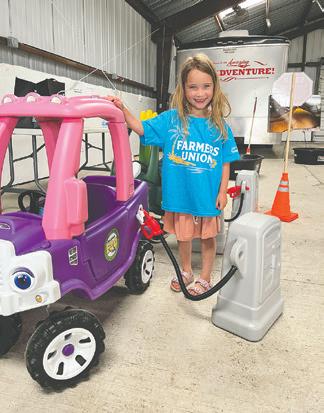
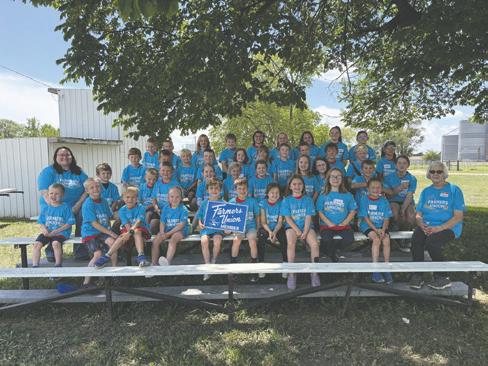
Rodeo Legacy Lives on in Wessington Springs Family

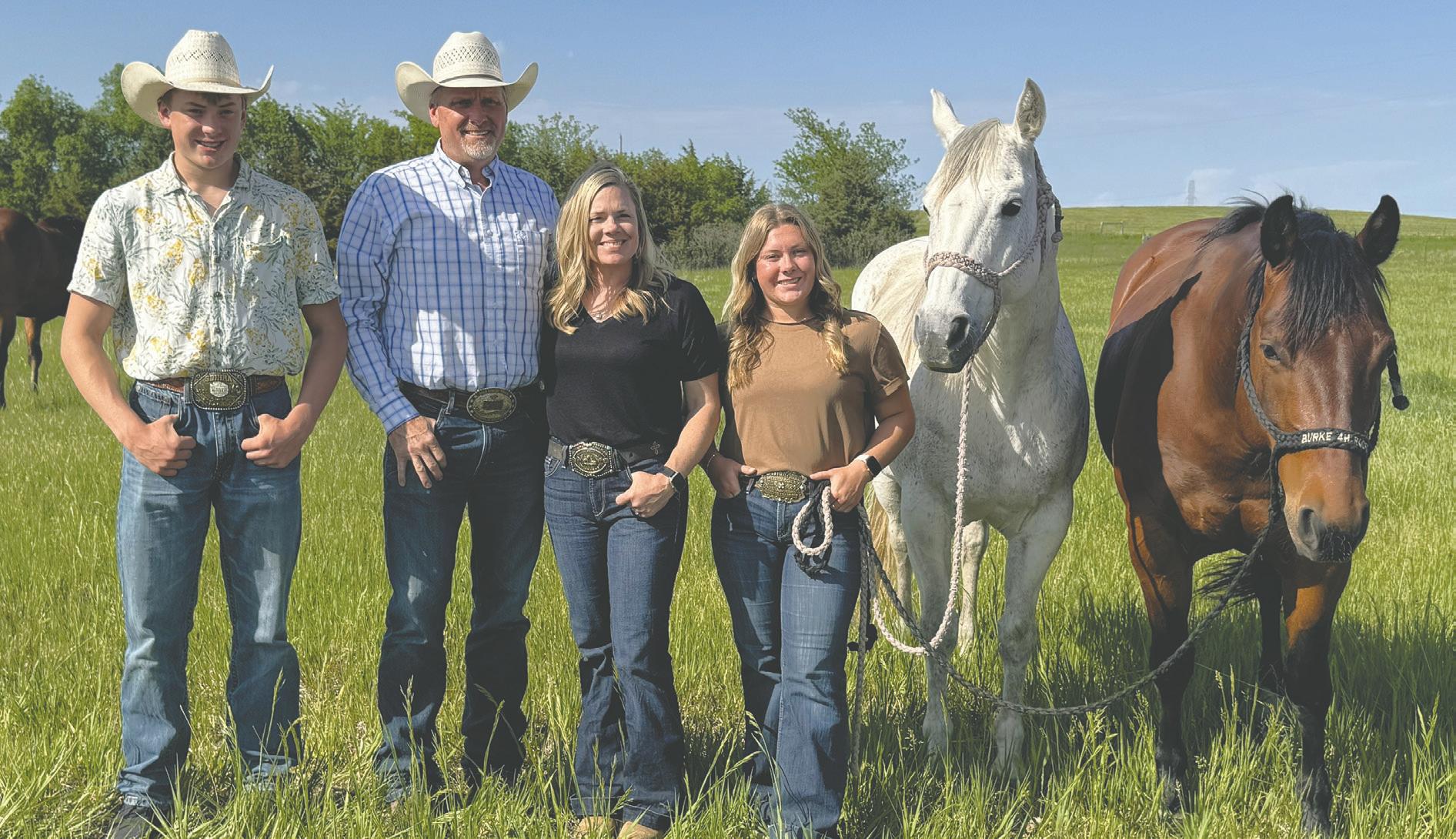
Rodeo is a deep-rooted legacy for the Owen and Shannon Fagerhaug family.
Grandpa Lennis competed in calf roping while traveling the pro-rodeo circuit playing bass in the Kyle Evans and the Company Cowboys Band. (Evans is a stage name. Kyle and Lennis are brothers.)
Owen Fagerhaug was the 1995 State High School Rodeo Calf Roping Champion.
Shannon Greenfield served as the South Dakota State High School Rodeo Queen in 1996 and 1997.
Shannon and Owen met while competing on the South Dakota State University rodeo team together.
Today, their children, Ella, 18, and Wyatt, 14, continue the family rodeo tradition.
“What are our greatest rodeo successes? Ella and Wyatt are our greatest successes in and out of the arena,” Owen said.
With the 2026 South Dakota State High School Rodeo Finals just a few weeks away, South Dakota Farmers Union caught up with the Fagerhaug family to learn their family’s rodeo story.
“I was roping at rodeos with Ella in my tummy,” Shannon said. “They traveled with us when we were actively rodeoing – we had good strollers with big tires and a pack-and-play in the horse trailer.”
“There are a lot of photos of us playing in the mud at rodeos,” Ella added. “We grew up knowing we’d rodeo.”
“Today, we are the ones tagging along and they are in the arena,” Shannon said.
“They have different horses for different events, so we are busy making sure their horse and tack are ready,” Owen said.
Owen added that from the start he and Shannon’s passion for rodeo
played a role in their major life decisions.
“We made sure to live on a place where we could have the horses and we chose careers that would allow us to take time away for rodeo,” Owen explained.
Owen works for the U.S. Department of Agriculture’s Farm Service Agency and Shannon is a registered nurse and today works as the Jerauld County auditor.
The couple and their children do run some cattle with Lennis and Peggy’s herd, but as Shannon explained, “our off-farm jobs keep us from 100-percenting as cattle producers.”
My Horse is my Teammate
Owen and Shannon built their home on Owen’s family’s Wessington Springs cattle operation in 2019. It sits just across the shelterbelt from Lennis and Peggy’s home, which is on the site where Owen’s greatgrandparents, Arnt and Ella Fagerhaug, homesteaded after immigrating from Norway.
Alongside Lennis’ cow/calf herd, there’s plenty of pasture for the quarter horses the family raises and trains.
“We’ve had some good rodeo success on the horses we have raised and trained,” said Shannon who grew up near Beresford training horses with her parents, Jill and Robert. “Because we have handled them since they were babies, we know every vice. We know the pressure points. We know what they will tolerate or not tolerate – and the same goes for them. The horses know they can trust us.”
Trust between horse and rider is essential, Wyatt explained.
“Your horse is your teammate,” said Wyatt, who competes in multiple events – breakaway, team roping, tie down, goat tying and ribbon roping. “You have to have trust and faith that your horse will do their job, and
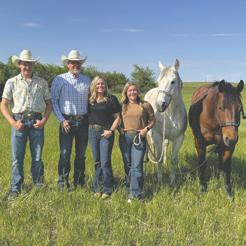
The Fagerhaug family Wyatt, Owen, Shannon and Ella, pictured with rodeo horses Ray and Socks.
Scan to enjoy video
the horse needs to trust that you will do your job.”
Currently Joe, a 20-yearold bay gelding, is Wyatt’s No. 1 teammate.
This spring Joe and Wyatt qualified for the Junior High School National Finals Rodeo in tie down and ribbon roping. June 21-28 they will travel together to Guthrie, Oklahoma.
“Joe works the rope and will score for me. He is honest and trustworthy,” Wyatt said of Joe keeping tension on the rope while he dismounts to tie the calf’s legs. “Without Joe’s help, it would be just me versus the calf, and the calf would win.”
Wyatt and Joe’s qualifying time was 12.34 seconds.
Ella also has great respect for her breakaway horse, Socks.
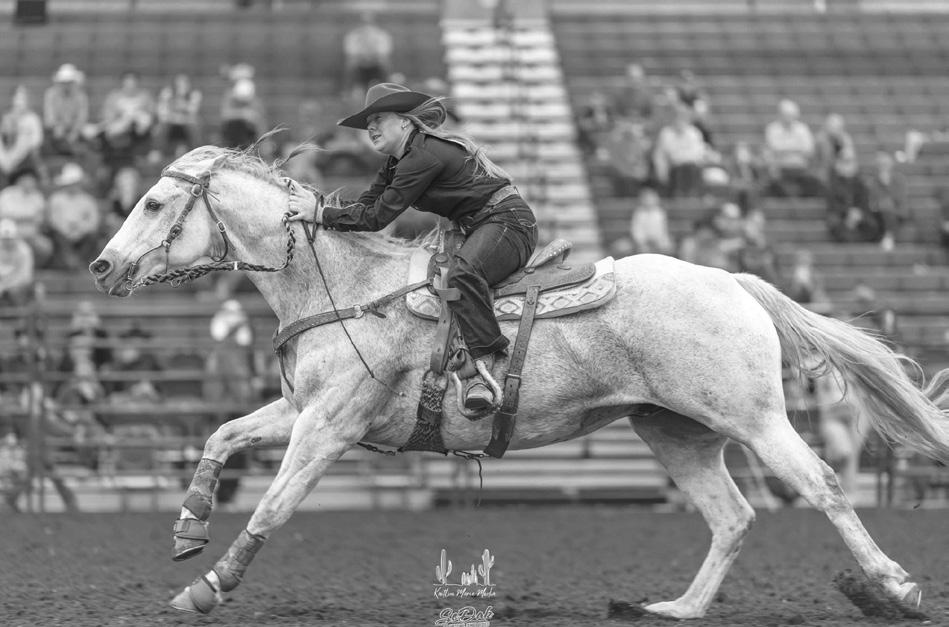
“I’ve been roping on him since he was 4. He is 6 now, so we have learned how to work well together,” explained Ella, who qualified to compete in the 2026 South Dakota High School Rodeo Finals in breakaway roping, goat tying and barrel racing events. “There have definitely been some learning curves, but he is consistent to his spot and stops sharp.”
Jackrabbit Rodeo
Socks’ ability to consistently get Ella in a good position to rope the calf quickly is valuable. And he will have many more opportunities to compete with her. They will be moving to South Dakota State University together
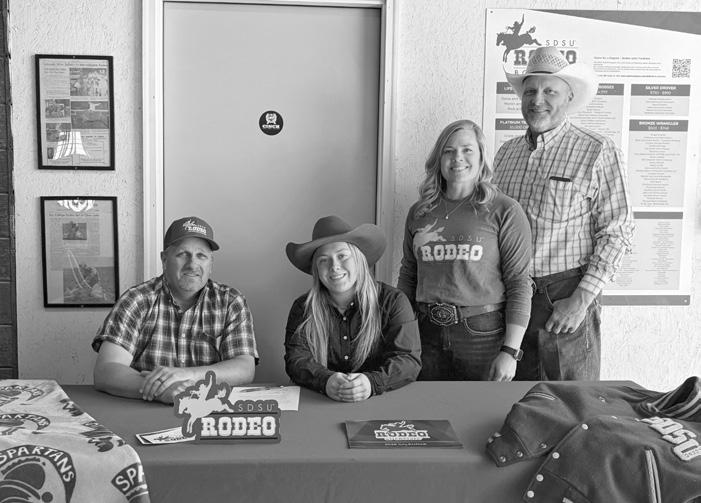
this fall. The 2026 Wessington Springs valedictorian recently signed a letter of intent with the Jackrabbit Rodeo Team.
Ella will compete in barrels, goat tying and breakaway events.
“I’m excited to get to know kids who are like me and make some friendships that will probably last me a lifetime. I look at my parents and they are still really close with all the people they college rodeoed with,” Ella said.
Shannon can relate. “It is fun to have your own group to identify with and go to practices with and hang out with on the weekends,” said Shannon, reflecting on her SDSU Rodeo Team experience.
Shannon and Owen remain connected to the rodeo friends they made on the SDSU team. In fact, Ella is going to room with the daughter of a rodeo friend who Shannon roomed with in college.
“We have this big friend group from when we college rodeoed and now, we get to rub shoulders with them again as we watch our kids rodeo,” Owen said.
The large network of friends she has developed throughout her years in rodeo is something Ella values.
“One of the biggest takeaways I have about rodeo, is rodeo is a community. Everyone is so supportive of each other,” Ella said. “Yes, it is competitive, but we support each other.”
Shannon agreed. “We all know how much work it takes to get to the point of success, so we are happy for everyone who put in the time and effort it takes,” Shannon said.
Grandma Peggy the Unofficial Timekeeper
Building trust between horse and rider and mastering rodeo events takes time, so the family invests hours each week practicing. In the summer they spend time each evening in the arena just half a mile south of Lennis and Peggy’s calving pasture.
During the school year, they drive 19 miles into Wessington Springs and join their friends and cousins to practice in the Jerauld County 4-H arena.
While other sports don’t require parental participation, with rodeo it’s all-hands-on-deck.
“We push the calves into the chute or hold the calves or goats until they are ready,” Shannon said. “We enjoy being hands-on with our kids. Yes,

we may get after each other once in a while, but mostly we enjoy spending time together.”
Even Lennis and Peggy get involved. Peggy is known to all her grandchildren as the unofficial timekeeper.
“She attends every rodeo and she writes down everyone’s time in the program. I will know if I qualify for the State High School Finals before its announced because Grandma Peggy will have the times written down,” Ella said.
Peggy’s talent for timekeeping is a wonderful memento – she saves all the programs for all the grandkids.
Like Ella and Wyatt, most of Peggy and Lennis’ grandchildren rodeo. “There’s a lot of rodeo and horse talk at holiday dinners,” Owen said.
To celebrate 50 years together, Peggy and Lennis asked their children to host a grandkids rodeo.
“I made back numbers using our birthdays,” Ella said. “And grandma and grandpa invited friends to watch.”
Held in the Fagerhaug Ranch Arena, Peggy and Lennis’ grandkids competed in goat tying, calf roping, barrels and poles.
“Rodeo is a family legacy and each of our families continue to support it for the next generation,” Shannon said.
To see view video and more photos of the Fagerhaug family, visit www. sdfu.org n by Lura Roti for SDFU
Ella signing her letter of intent, sitting with SDSU Jackrabbit Rodeo Coach Ron Skovly.
Union Farmer
Farmers Union was founded in 1902 by a group of Texas farmers looking for a way to survive record low grain prices.
“They said, ‘we need to band together and make changes,’” explained Jeff Kippley, a Brown County farmer and vice president of National Farmers Union and South Dakota Farmers Union. “The movement spread to South Dakota and South Dakota Farmers Union was founded on three pillars – education, legislation and cooperatives.”
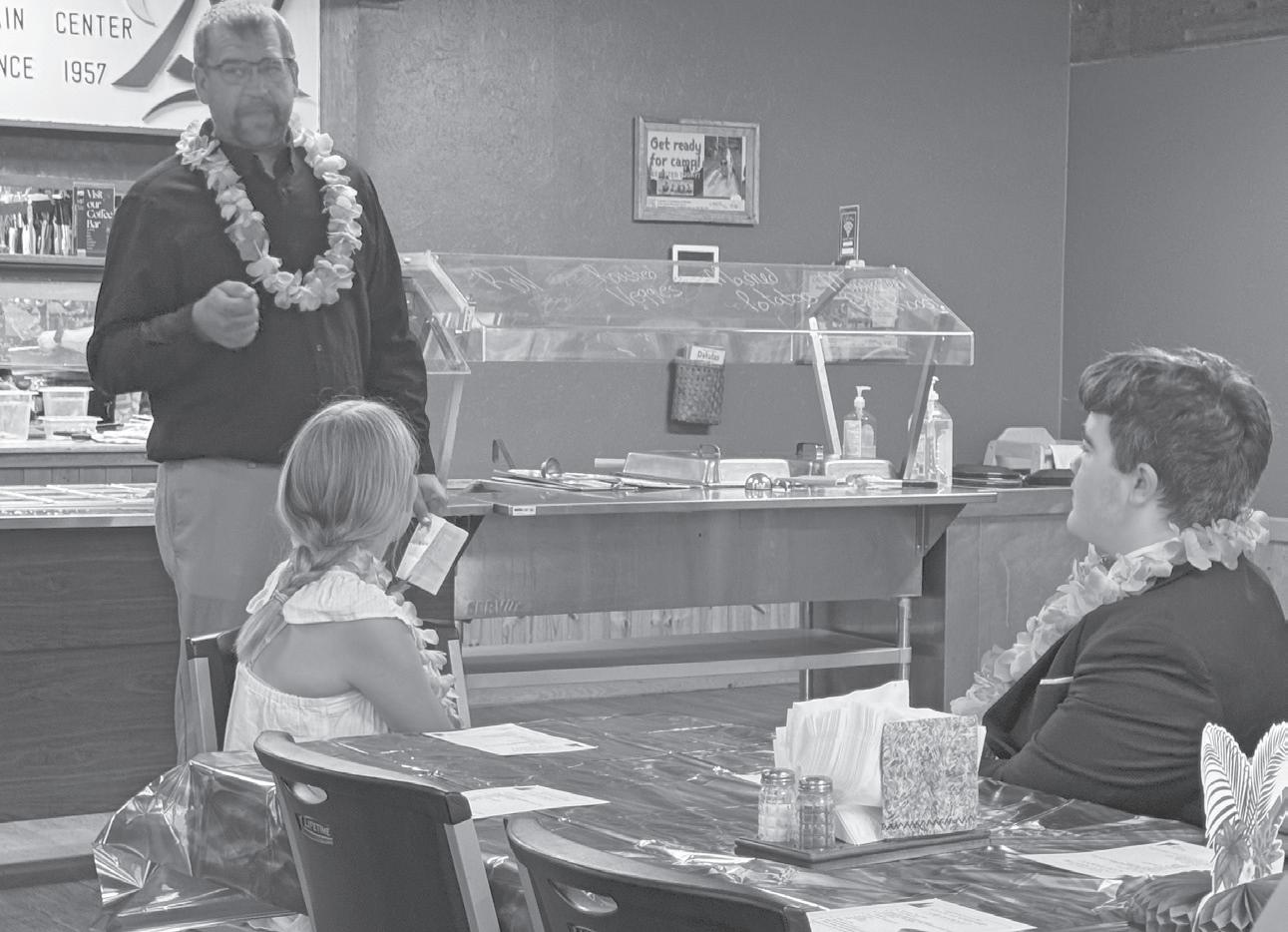
Through the history of how South Dakota Farmers Union came to be, Kippley shared a message of resilience with teens during the 2026 Farmers Union State Leadership Camp held in the Black Hills.
“Adversity always creates opportunity. That’s the message I want you guys to remember. No matter how bad things get – there is always a resolution and that is often the opportunity,” said Kippley, referencing the establishment of cooperatives to bring essential infrastructure like electricity and water to farms and ranches.
“The big electric companies did not want to stop at farm houses because that was not where the money was. They wanted to serve cities. So, farmers banded together and said, ‘this isn’t right, let’s create our own electric cooperatives,’” Kippley explained. “So, if you feel like you are being ignored, or someone says something cannot be done, instead of complaining, get your friends together and create solutions.”
During his talk, Kippley reminded campers that more than 100 years ago when Farmers Union organized, getting people together was
Adversity Creates Opportunity
not as simple as sending out a text or email.
“Let’s remember, they had to get the word out by letter or word of mouth or a newspaper notice. They would set their meeting schedule based on the full moon – why do you think they did this? Because they were arriving on horseback or wagon and needed the moon to help them see to find their way home after the meeting.”
Kippley shared the story of Farmers Union Industries as another example of how a group of people overcame a challenge together.
Farmers Union Industries is a business owned by South Dakota Farmers Union along with four other state Farmers Union organizations. The business started when Farmers Union leaders from South Dakota, North Dakota, Minnesota, Wisconsin and Montana got together to solve the challenge of what to do with livestock when it dies.
“They needed a place to process dead animals, so the states each invested $25,000 because there was a need and they knew it was the right thing to do,” Kippley said.
Since its start in 1927, Farmers Union Industries has expanded to become a multimillion-dollar company – in addition to rendering, the company divisions include pet food processing, equipment manufacturing, pork processing and restaurant grease recycling.
Today the earnings from Farmers Union Industries help fund state and national Farmers Union organizations.
“It is important to remember the reason they started was not to make money, but to have the infrastructure for farmers,” Kippley said. “They did not start because they knew it would become a multi-million-dollar company. They invested because they knew it was the right thing to do.”
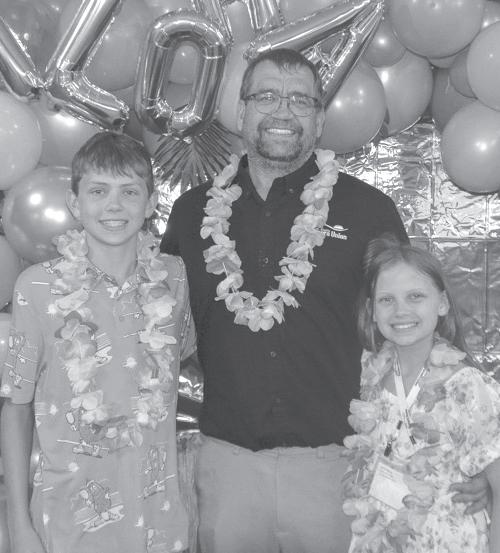
After his keynote address, a camper asked Kippley to share an experience he has had while serving as National Farmers Union vice president that he found interesting.
“Testifying before the House Ag Committee was outside my comfort zone, but I prepared and I did it because it was the right thing to do and because I hoped I could make a difference,” Kippley said. “That’s the thing about serving as a leader in Farmers Union, everything we do, we do because our membership tells us this is what needs to be done. Members come together each year during a national convention and vote on what is important and this is what we work on for them throughout the year.”
Jeff Kippley is currently serving his third term as National Farmers Union vice president. n by Lura Roti for SDFU
SDFU Vice President Jeff Kippley with his children, campers Aaron and Moriah. Kippley farms with his wife, Rachel, near Aberdeen. He also serves as the Vice President of National Farmers Union.
South Dakota Teens Tour Minnesota Cooperatives
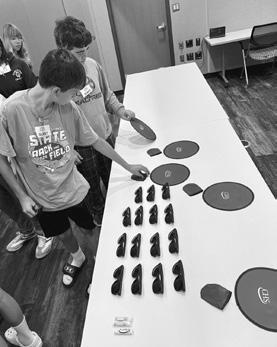
During Farmers Union Reward Trip
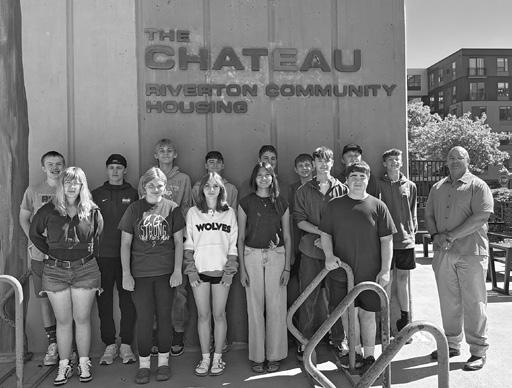
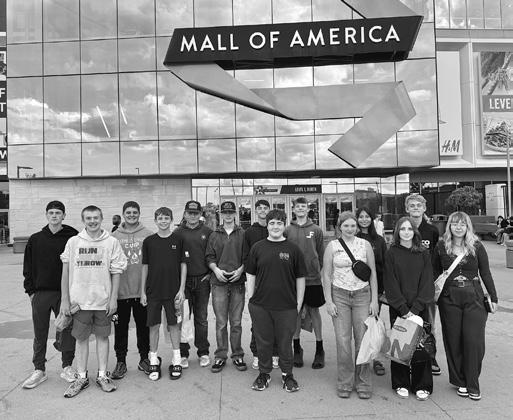
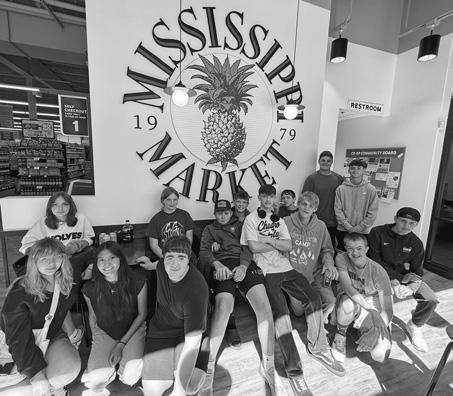
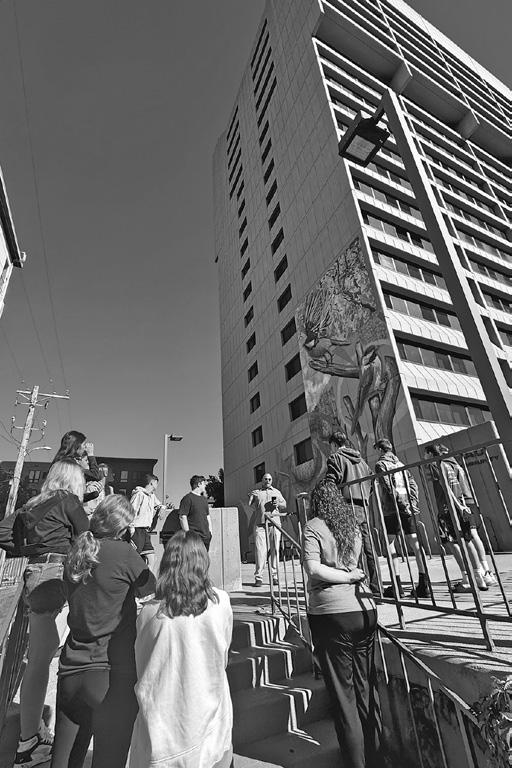
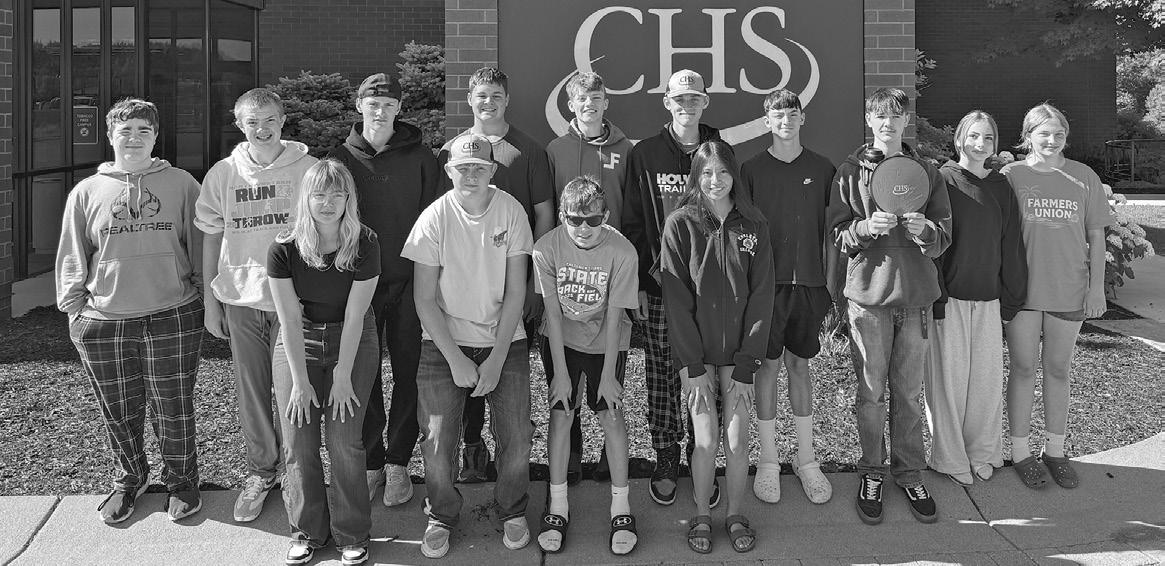
Atypical summer day for 15-year-old Bryn Marvel includes about two hours of violin practice, hanging out with friends and some social media scrolling.
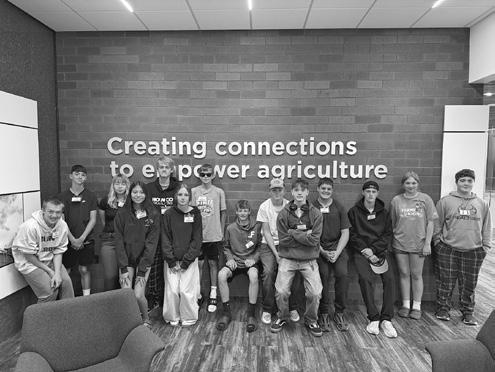
The Aberdeen Central High School sophomore said this routine can get a bit boring, so she was happy to break up the monotony with a three-day trip to Minneapolis to tour a variety of cooperatives with other South Dakota teens during the South Dakota Farmers Union Teen Cooperative Experience.
“It’s valuable for teens to be able to see different kinds of careers and learn about cooperatives because it can open our eyes to new things and maybe we will find something new that interests us for our future,” explained Marvel, who qualified for the tour trip after attending South Dakota Farmers Union leadership camp for three years.
Kaiden Colomb agreed. The Mitchell teen was impressed by all the different types of positions it takes to keep a cooperative running. “I understood how a cooperative worked before attending this tour because we learn about co-ops at Farmers Union Camp. But until this tour, I did not realize that there are so many different parts to a co-op and it takes so many people with different jobs to run a cooperative.”
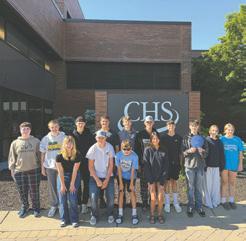
Colomb, Marvel and the other South Dakota teens toured a diverse mix of cooperatives: a housing cooperative, a natural foods cooperative, a credit union and CHS, the largest farmer-owned cooperative in the U.S.
Riley Mutter said he appreciated learning how credit unions differ from traditional banks. “They try to have lower interest rates because they are member-owned.”
In addition to cooperative tours, the youth got to spend time shopping at the Mall of America and spent an afternoon at Valleyfair amusement park.
And because attending Farmers Union leadership camp for at least three years is a requirement, all the teens knew each other before the trip.
“One thing I have always said about Farmers Union Camp is one week is not enough time to spend with your camp friends – it needs to be longer,” explained Lennox Rumpca, who spends his summer days helping out on his family’s Webster farm. “This trip was the longer I’m referencing. It was so nice to get to hang out and have fun with my camp friends again.”
Getting together with camp friends after camp can be challenging because campers attending Farmers Union Leadership Camp come from all corners of the state. Kyle Olson said seeing his camp friends again made this cooperative tour a summer highlight. “We all live so far apart because Farmers Union is everywhere, that it is hard to get together.”
To learn more about South Dakota Farmers Union youth programming, visit www.sdfu.org n by Lura Roti for SDFU – photos by Lydia Hill, Digital Media Intern


More Photo Contest Entries

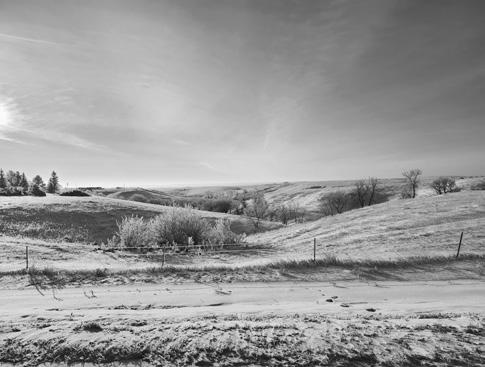
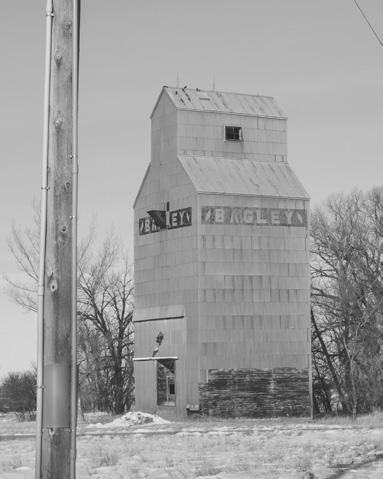
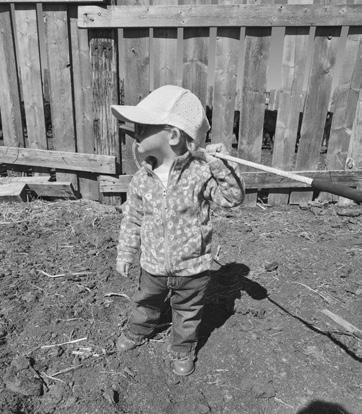
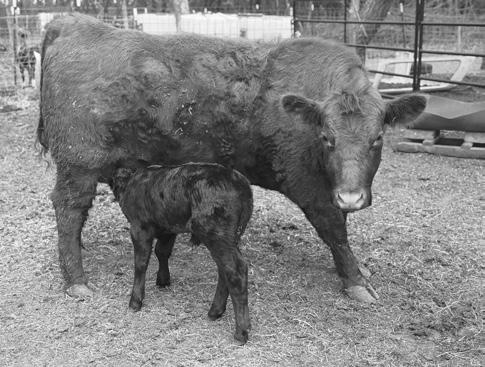
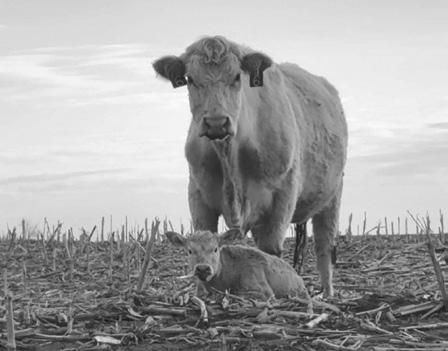
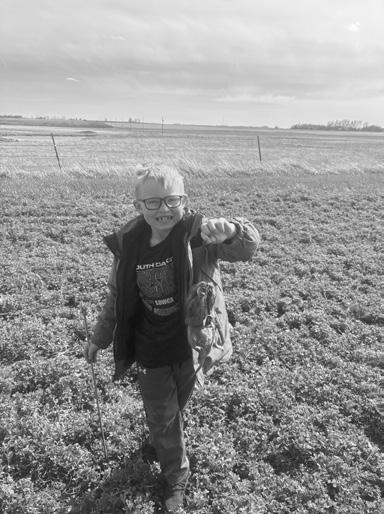
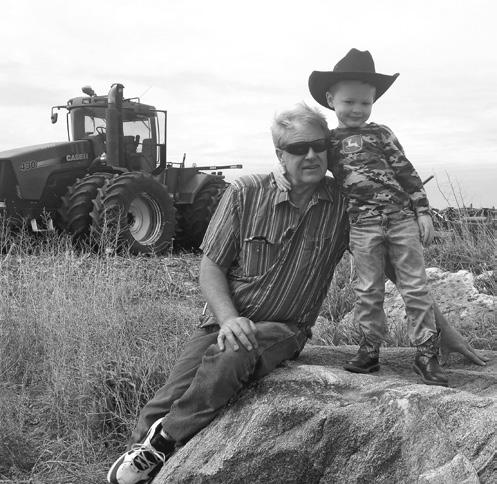
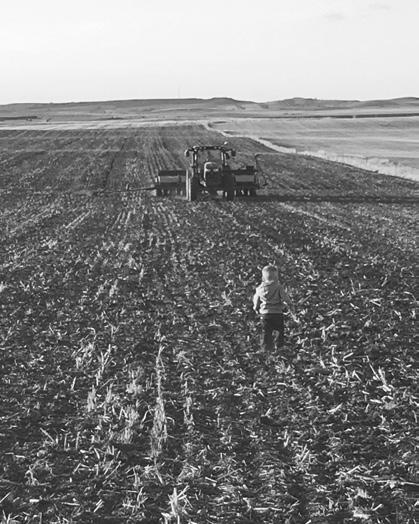
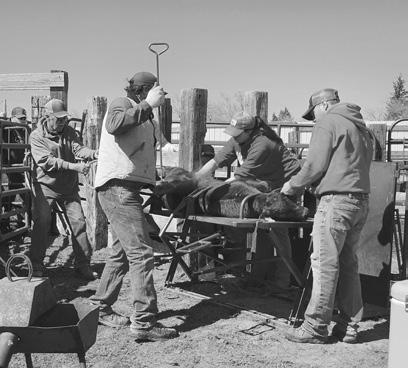
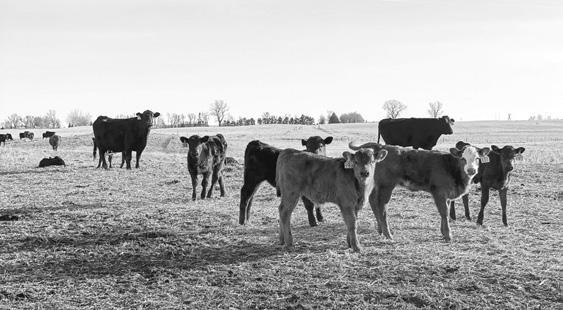
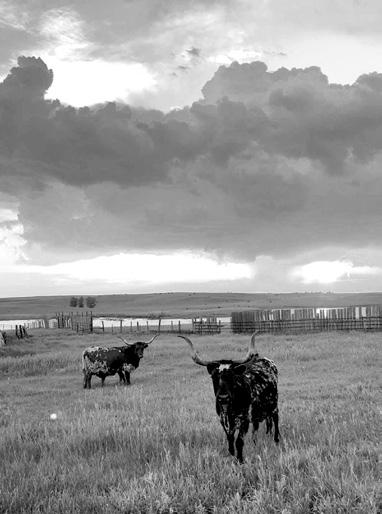
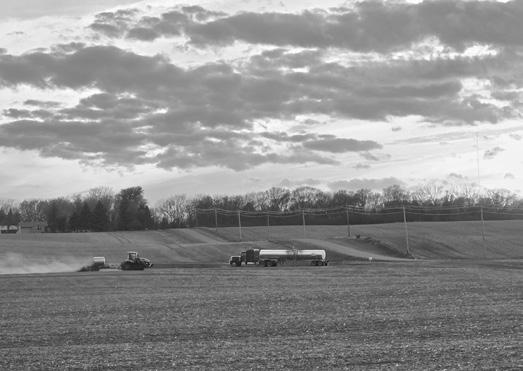
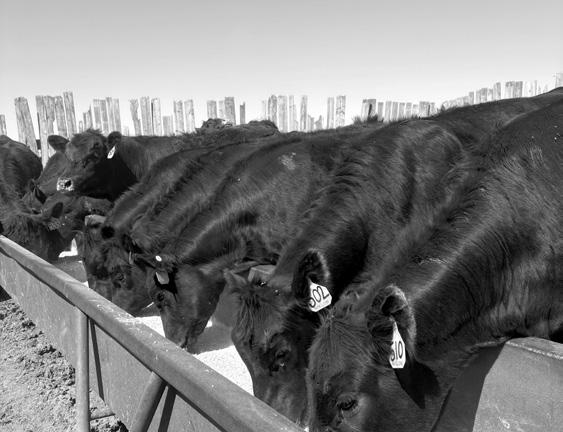
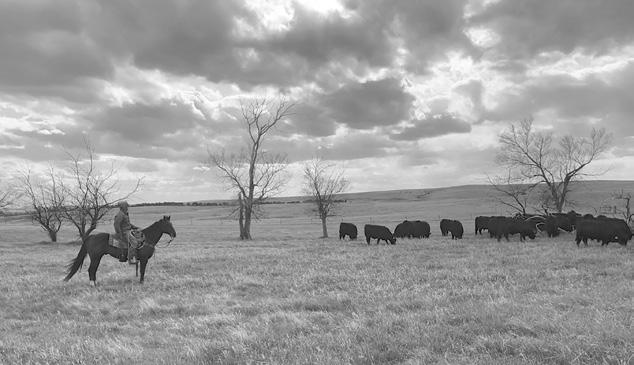
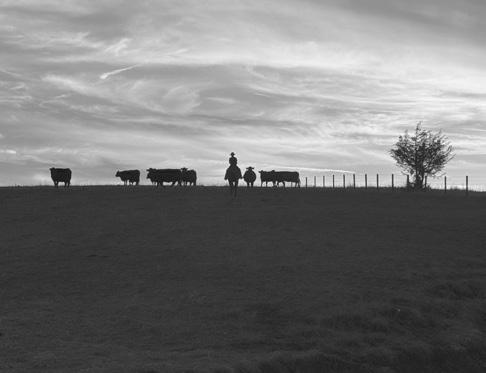
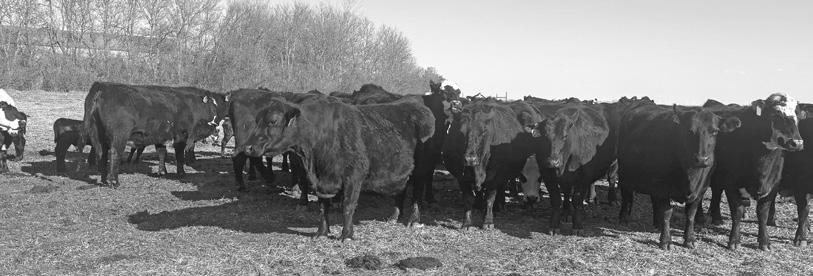
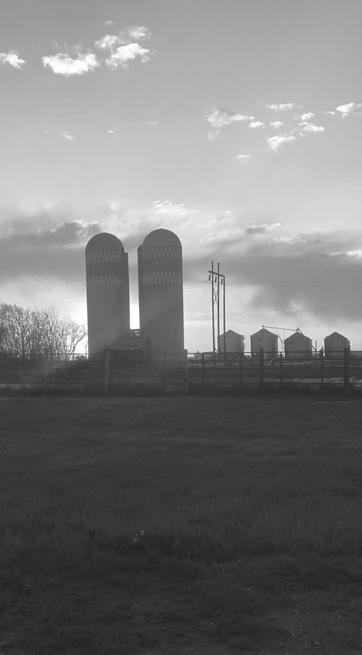
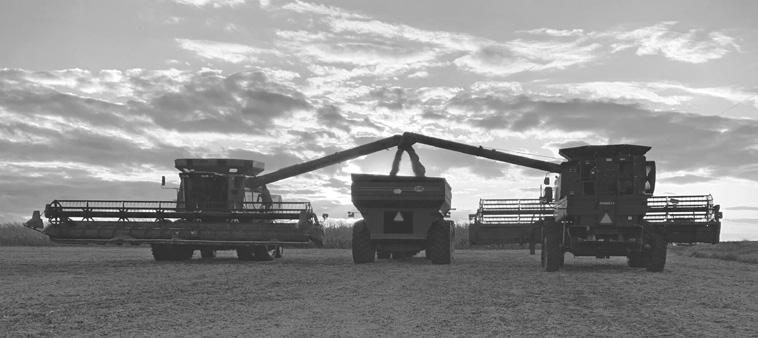
Alana Neville Ranch Scenery
Cherie Leibel Ranch Scenery
Cherie Leibel Farmer Rancher at Work
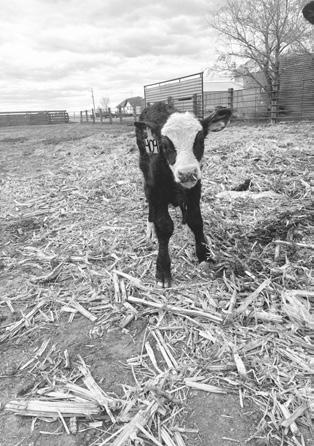
Annette Schrock Livestock
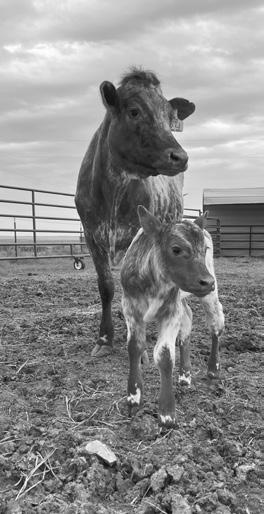
Leanne Mallon Livestock
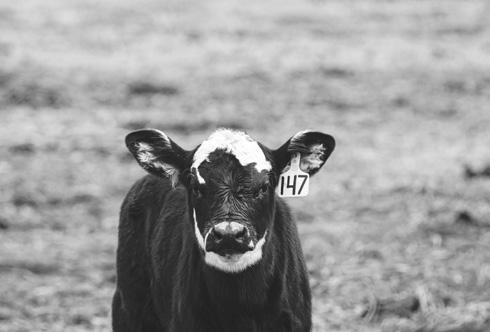
Ed Williams Livestock
Cherie Leibel Farmer Rancher at Work
Nikki Tuschen Livestock
Allie Kunkel Farm Scenery Amanda Goens Farmer Rancher at Work
Anna Belle Fitch Livestock
Kennedy Masat Livestock
Ryan Wendinger Farmer Rancher at Work
Tara Erickson Farmer Rancher at Work
Samantha Swanson Livestock
Leanne Mallon Livestock
Alexis Ingwerson Farm Scenery
Kassi Jenousek Farmer Rancher at Work
Kendra Dressel Farmer Rancher at Work
McKenna Bernstein Farmer Rancher at Work
Sarah Oberg Farmer Rancher at Work
Amanda Goens Livestock
Freedom to Choose? Not When it Comes to Fuels
Doug Durante, Executive Director, Clean Fuels Development Coalition
As we celebrate the Fourth of July and America’s 250th birthday, it is a time to reflect that one of the great rewards of America’s independence is that we have free choice – free to choose your religion, where you live, who you love, what you eat and drink – but not what fuel you use?
Raise your hand if you are tired of hearing about E15. Moses wandered the desert for 40 years, but we are catching up. It has been nearly 20 years since the initial application for approval of 15 percent, and 10 years seeking resolve of the RVP situation.
There have been issues and associated battles impacting ethanol and agriculture over the years that galvanized the entire ethanol and ag communities but nothing like this. We have fought to preserve the tax exemption, the oxygen content and even the RFS itself where everyone was in lock step but nothing with the relentless drumbeat of pressure we see with calls to provide equal treatment to E10.
Yet here we are. By the time you read this, the legislation may finally have passed but the scars and bruises will linger. The very idea that the ethanol and ag community needed to negotiate unrelated concessions to the oil industry in order to allow retailers and others to choose to use 5 percent more ethanol in gasoline – when it is an approved additive – continues to boggle my mind.
This freedom of choice we have extends to who we elect to be our leaders, and by any measure they have fallen short when it comes to this issue.
The fact that somehow this even required legislation as opposed to a commonsense interpretation of the existing statutes is troubling. If we are going to debate in Congress the merits of allowing E15 during the summer, then it should be based on facts. One of the most
important, fundamental facts is that this is an optional, voluntary measure and not a mandate. One would think Sen. John Barrasso of Wyoming, Chairman of the Senate Energy Committee with plenty of resources at his command, would know this. Instead, he stood on the floor of the Senate going on and on about how we need affordable energy and then stated, “Congress is discussing new mandates that would force more and more ethanol into our fuel tanks. I oppose a year-round E15 mandate.”
Did he really not know what he was talking about or was it by design to confuse things? Reading the Congressional Record of that day I saw no one correct him and get the discussion back to facts. The oil industry has such an inherent baked in opposition to ethanol that they vote against their own interest. Barrasso’s goto-complaint against the RFS is that it hurts small refineries and the RIN compliance system is an expensive hardship. Additional use of ethanol through E15 and higher blends creates excess RINS that address that very issue.
I wonder if there is anyone in Congress who can truly articulate the whole story that higher blends reduce vapor pressure, toxic aromatics are reduced, octane increases and prices go down. Take those facts and then challenge opponents on the floor of the House or Senate to explain why those are bad things.
Speaking of bad things, shouldn’t we find it alarming that despite everyone congratulating themselves over passing the bill in the House, the vote was 218 to 203, meaning 203 members of Congress think those benefits noted above are not something to support.
And how about the Chairman of the Senate Agriculture Committee saying they do not have jurisdiction to address the E15 issue in the Farm Bill? An initiative to
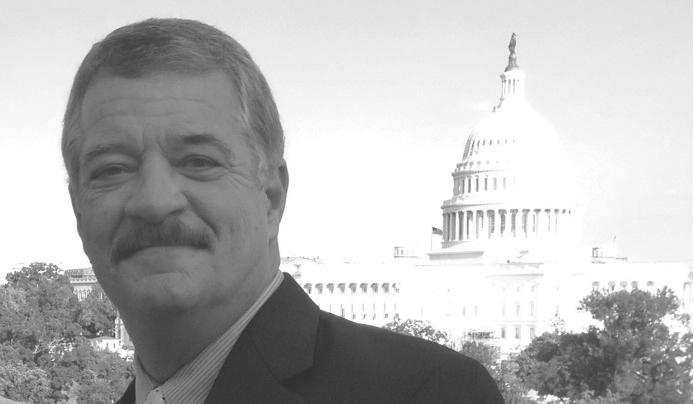
potentially boost domestic corn production and give a shot in the arm to rural America is not in their jurisdiction? Really? Past Farm Bills have had entire titles for energy, including mandatory funding. Their jurisdiction is what they say it is and it is disingenuous to suggest their hands are tied.
Then we have the Trump administration. We had such high hopes for the Doug Burgum-led National Energy Dominance Council. In February, Burgum said they were looking for projects to champion, citing oil and gas, mining and other projects but made a point of saying their efforts did not include renewable energy.
The Secretary of Agriculture has been all over the Hill at hearings saying she is a big fan of E15. Has USDA done anything such as providing detailed cost-benefit analyses to support it? Have they sat down with the White House and explained this has no downside whatsoever and in fact arguably has great political benefit to Mr. Trump?
Lastly, does anyone really believe the president? If he really wanted to help farmers and get E15 done, can he not pick up the phone and call Mr. Thune in the Senate, Mr. Johnson in the House, and in his most colorful language tell them to DO IT! This is a Congress that can whip up a bill almost overnight to fund a special project but wrings their hands and claims they are limited by jurisdiction?
The RFS passed the Senate in 2007 by a vote of 86-8. How is that the benefits clearly understood by our leaders back then are so difficult for today’s Congress to understand?
We deserve better from our leaders who seem to choose to ignore the concept of free markets and freedom of choice they espouse. Make this a Fourth of July commitment and open the market to higher blends. n
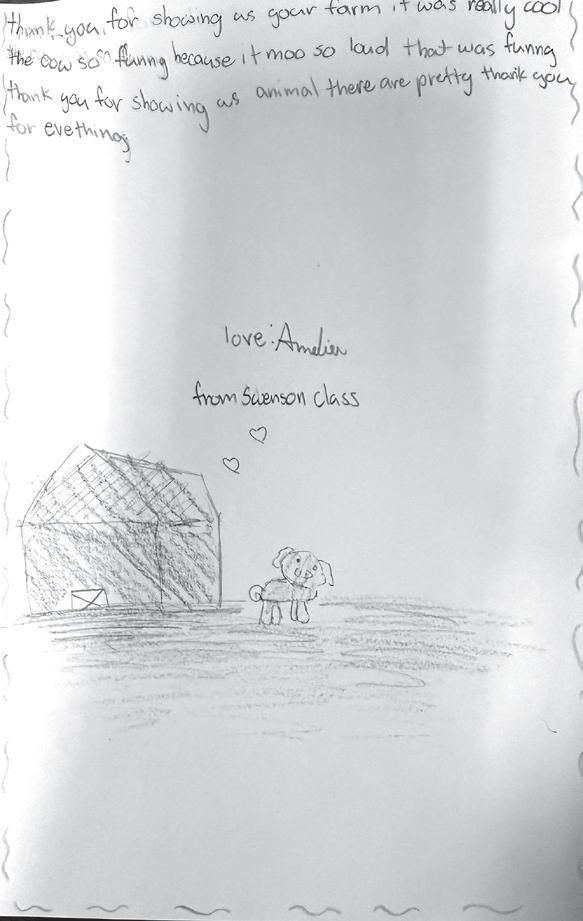
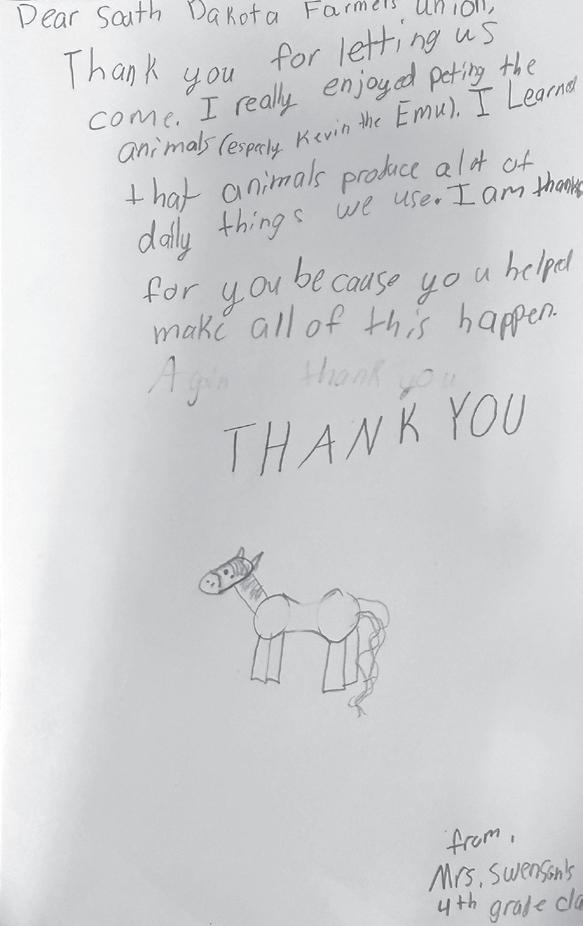
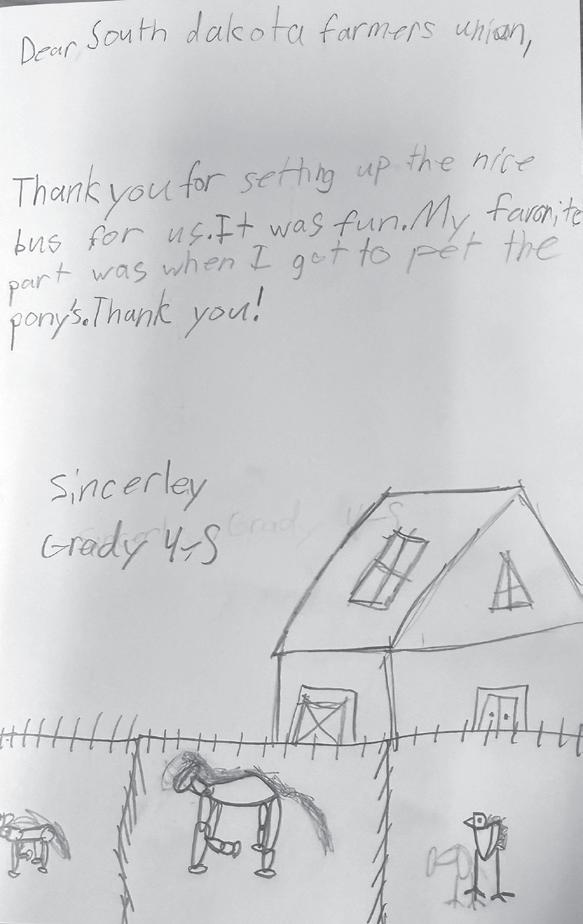
THANK YOU FOR SPONSORING THE 4TH GRADE FARM TOUR
Subscribe to Producer Connection Today!
Keeping up on governmental policy and programming vital to your farm or ranch doesn’t need to be a chore.
Subscribe to Farmers Union Producer Connection weekly email today and stay connected to the news you need.
Producer Connection includes weekly:
• Summaries of Congressional activity
• South Dakota Ag News
• Farmers Union Updates
To subscribe, visit www.sdfu.org and add your email address to the “Join Our Mailing List” located at the bottom of the homepage.

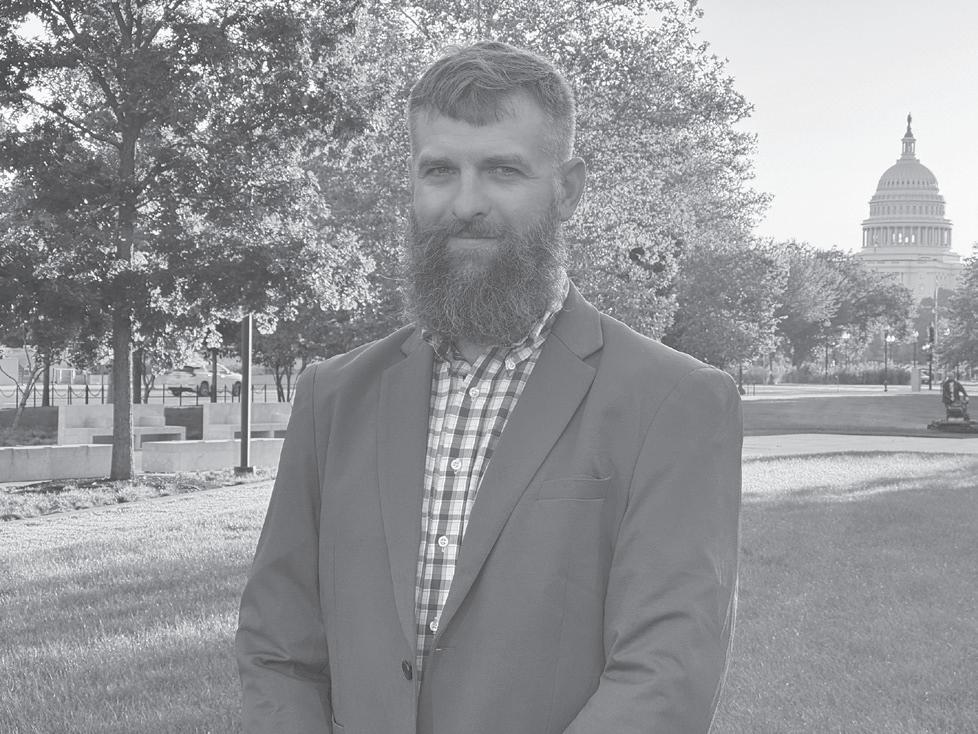
Thank you Rob Lee for representing the next generation of farmers! Rob served a term as a Next Generation Leader – an advisory role to the National Farmers Union Board of Directors. Rob and his wife, Darcie, farm near De Smet.
Union Farmer
From the President... Celebrate America’s 250th With Your Vote
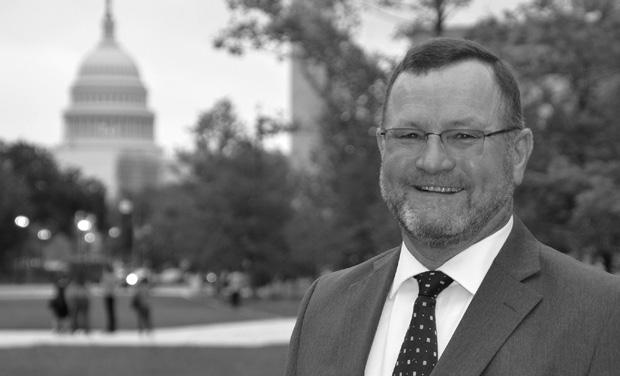
In just a few days I’ll be celebrating our country’s 250th with my family. It’s our tradition to meet at our family’s cabin on the river near Mobridge. Together with our children and grandchildren, we enjoy the local rodeo, parade and of course fireworks!
As you read this, I know the festivities will be over, but I hope the memories of time with your family and friends remain fresh in in your mind while we all reflect on what it means to celebrate 250 years of democracy.
America’s 250th is a good time to remember what we all need to do as we move forward so that 50 years from today, our kids and grandkids get to celebrate 300 years of freedom. When I reflect on this, I’d say voting tops the list.
Voting is how you make your voice heard. And in just a few weeks, on July 28, many South Dakota family farmers and ranchers will have a historic opportunity to vote a second time in the Republican governor’s primary race. This is the first time in the history of South Dakota that there has been a primary runoff.
Be a part of history and make time to vote. But before you do, take some time and do your homework so that you know a bit about who you are voting for. Make sure that their policy goals will benefit your farms, ranches, rural communities and rural schools.
Remember, your vote counts. If you need convincing, all you need to do is look at the Sioux Falls mayor race – as I write this a recount is underway because the night of the election, the race was too close to call because only two votes separated the candidates from becoming mayor of state’s largest city.
In Farmers Union we often say, “make your voice heard,” when we encourage members to participate in the July 16 Policy Meeting or Washington, D.C., Fly-In or Pierre
Rep. Dusty Johnson
Mason Ohnstad, Legislative Assistant 202-225-2801
mason.ohnstad@mail.house.gov
Legislative Day. Because in this member-led organization, your voice is heard through the policy you establish. Similarly, the upcoming governor’s race is an opportunity to make your voice heard because the policy our state’s next governor believes in will have a large impact on our farms, ranches, communities and schools.
To better understand how each candidate’s policy platform aligns with the member-established policy we advocate for, your SDFU Board of Directors are meeting with each of the three candidates during our upcoming Board Meeting.
Monitor New World screwworm
If you are a livestock producer, you don’t need me to remind you to monitor the state’s Animal Industry Board website for updates on New World screwworm. Know that Farmers Union policy strongly supports safety of our livestock and efforts to protect it. To learn more about state and national efforts, scan the QR code.
Youth camps saw record turnout
This summer record numbers of youth attended Sr. State Leadership Camp and record numbers of youth are signed up to attend Jr. State Leadership Camp.
Growing engagement by young producers and their families is a strong indicator, that as an organization that is more than a century old, the future of South Dakota Farmers Union is strong and thriving!
Thank you for being a part of this organization’s future.
Doug Sombke, President South Dakota Farmers Union
Congressional Leaders Contact information:
Sen. Mike Rounds
Lucas Heitkamp, Legislative Assistant 202-224-5842
Lucas_Heitkamp@rounds.senate.gov

Sen. John Thune
Ashlynne Beninga, Legislative Assistant 202-224-2321
Ashlynne_Beninga@thune.senate.gov
South Dakota Union Farmer, ISSN 0745-8797, publishes eight times per calendar year, with issues printed in January, February, March/April, May, June/July, August, September/ October and November/December. Periodical postage paid at Sioux Falls, S.D.
Karla Hofhenke, Publisher Lura Roti, Editor Wendy Sweeter, Copy Editor Diane Martinson, Layout & Design
All information for publication must be submitted by the 15th of the month. You may submit items to address below or email items to: sdfu@sdfu.org
POSTMASTER: Address changes to: SDFU, PO Box 1388, Huron, S.D. 57350-1388
Contact SDFU • 605-554-3028 1410 Dakota Avenue South, PO Box 1388, Huron, SD 57350 www.sdfu.org sdfu@sdfu.org
SDFU State Office Staff
Doug Sombke ext. 1240
President Groton
Direct Line 605-554-3027
Megan Babcock ........ ext. 1180 Controller Huron
Direct Line 605-554-3026
Rocky Forman. ext. 1170
Member Services Coordinator Cavour
Direct Line 605-554-3025
Karla Hofhenke ext. 1140
Executive Director Huron
Direct Line 605-554-3028
Lydia Hill ext. 1220 Digital Media Interm Huron Direct Line 605-554-3024
David Smith
Legislative/Farm Specialist Pierre Direct Line 605-350-8857
Lacey Bich Executive Assistant Cavour Direct line: 605-554-3023
SDFU Board of Directors
Doug Sombke.........President Groton
Jeff Kippley Vice President Aberdeen
Larry Birgen District I Beresford
Scott Kolousek District II Wessington Springs
Gail Temple District III Clark
David Reis District IV Oacoma
Chad Johnson District VII Groton
Oren Lesmeister District VIII Parade
Contact NFU
National Farmers Union 20 F Street NW Suite 300 Washington, DC 20001
Rob Larew, President ~ Jeff Kippley, Vice President Darin Von Ruden, Secretary ~ Doug Sombke, Treasurer 202.554.1600 www.nfu.org
Doug Sombke, SDFU President
Union Farmer

If purchasing health insurance for yourself and your family is your responsibility because you are self-employed or your employer does not offer health insurance or maybe you qualify for Medicare – know that you are not alone.
“Farmers Union Insurance agents make time to understand your needs and help you find a health insurance or Medicare plan that works for you and your budget,” explained Lance Boyer, Farmers Union Insurance sales director for financial products.
Health Insurance: What You Need
to Know if You Are
Self-Insured or Qualify for Medicare
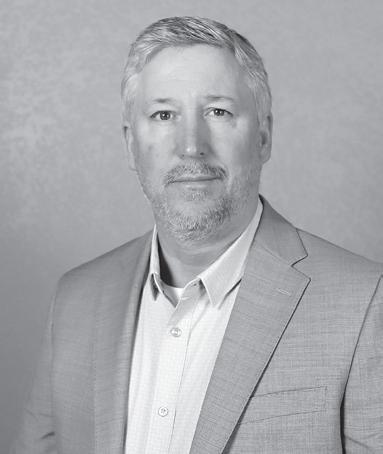
The flexibility to find the best product for the customer and their budget comes from the fact that Farmers Union Insurance does not offer health insurance or Medicare products. Instead, the company connects customers with several companies who do.
“Self-insured individuals and families can access health insurance in one of three ways: online, through an 800 phone number or by meeting in-person with someone who has an office in their community. Because there is no cost to working with an agent, in-person, I recommend this method because health insurance can be confusing,” Boyer said.
Because purchasing the right health insurance is not a simple task, Boyer and Farmers Union Agent Stacy Mongar put this article together to provide some answers and debunk some myths.
Myth: It costs more to buy health insurance through an agent?
Lance Boyer Answers: Not in the case of Farmers Union Insurance – because Farmers Union Insurance has access to several different insurance companies and their plans. This means, whether you buy the health insurance direct from those companies through a website or 800 number, or buy it from a Farmers Union Insurance Agent like Stacy Mongar or Trevor Dietrich, you will pay the same.
Yes, Farmers Union Agents receive a commission directly from the company, but the commission rates are about the same no matter which company we recommend.
This means our recommendations are based on the customers’ needs and budget.
Question: How does where I live impact the health insurance I buy?
Lance Boyer Answers: Some health insurance plans are connected to specific providers. Which means, you are only allowed to receive services from specific providers with limited exceptions.
It is important to understand what providers an insurance plan allows you to receive care from to ensure you can continue to receive care from your favorite doctor or the rural clinic or hospital near you. This pertains to prescription drugs covered by the plan as well.
I can guarantee you that someone on the other end of an 800 number does not care whether you can buy your prescriptions at the local pharmacy or that you have to drive three hours to get a physical.
This is the reason sitting down with someone who understands your needs and where you live is important.
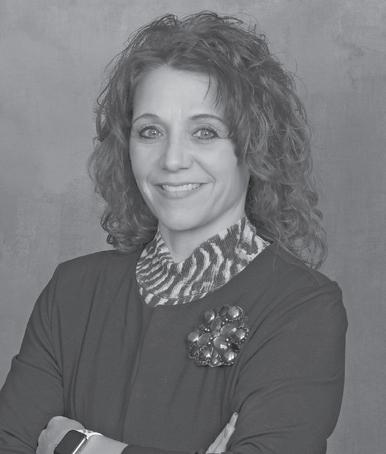
Myth: I can no longer buy health insurance through the Affordable Care Act.
Stacy Mongar Answers: The Marketplace did not go away. What has changed are the income limits. Depending on your income, the Affordable Care Act provides governmental subsidies to help cover the cost of health insurance.
Now that the income limits have changed, depending on your income, you may no longer qualify for governmental subsidies.
If you no longer receive governmental subsidies, and purchasing health insurance through the Affordable Care Act is no longer affordable I may be able to help you find a health insurance plan that does work with your budget. This is because Farmers Union Insurance can shop many providers and we are not captive to just one or two.
Question: Is Medicare something I need to plan for, or do I automatically receive it when I turn 65?
Stacy Mongar Answers: Yes, you do need to plan for Medicare. There is only a seven-month window to apply for Medicare without penalties, and it begins three months before your birthday, it includes the month of your birthday and extends to three months after. Medicare is complex and there are a lot of scams out there and there are many things to consider and many questions to answer.
This is the reason I encourage customers to visit with me or Trevor three months before they turn 65. This way we can walk you through the process and you are able to receive the best plan for you.
Question: Do I need to receive Social Security benefits to receive Medicare?
Stacy Mongar Answers: If you are on Social Security before age 65 (disability or taking it early) you will be automatically enrolled. Otherwise, you will need to apply and plan for it.
No, you do not need to receive Social Security benefits to receive Medicare, but you need to work with the Social Security office to receive your part A and part B of Medicare.
Once you have part A and B then you can work with your local agent to get a supplement to Medicare as well as a prescription drug plan.
Again, Medicare is complex. And although it is typically a much more affordable option because of government subsidies, there is a cost associated with some portions of it, so you need to be sure you understand the plan you are purchasing and make sure it is the best plan for you.
Question: How do I connect with a Farmers Union Insurance Agent to learn more?
Answer: Call or email Stacy or Trevor. Our contact information is below.
Stacy Mongar: 605-705-4475 Stacy.mongar@fumic.com
Trevor Dietrich 605-864-8217 Trevor.dietrich@fumic.com
Lance Boyer
Stacy Mongar
Thank You
Dear Farmers Union
Thank you for sponsoring the 2025 Western Jr. Herd Builder scholarship.
Sincerely, Alexander Brixey ***
South Dakota Farmers Union Crew-
Thank you for your sponsorship of the Rural Power Program! We have so much gratitude to the South Dakota Farmers Union for seeing the value in the Rural Power Program and investing in it in such a meaningful way. We quite literally could not do it without you.
With immense appreciation, Suzie, Billie, Kelsea and the Team ***
Hi Karla,
I want to personally thank you for sponsoring the Billie Sutton Leadership Institute. This leadership program expanded my perspective and deepened my understanding of both leadership and community. Hearing the stories and passions of Billie, Kelsea, Suzie, my cohort, and guest speakers lit a fire in me. It reminded me that the best kind of leadership is rooted in kindness, listening to others, vulnerability, and empathy. I’ve returned to my work and family with a clearer vision of the kind of leader and human being I want to be. None of that growth would have happened without your support, and I’m so grateful you chose to invest in this space for us.
COOK’S CORNER
With gratitude and appreciation, Allan Hjao, SLI, Class of 2026 ***
Karla,
I wanted to thank you and South Dakota Farmers Union for Supporting the Billie Sutton Leadership Institute. Your sponsorship makes it possible for the next generation of South Dakota leaders to grow.
Thank you!
Rebecca Whidby BSL1 2026, Rural Power
In MeMorIaM
Deanna (Johnson) Bindenagel, age 75, of Frankfort, South Dakota, passed away on Monday, April 27, 2026.
Deanna has been a South Dakota Farmers Union member for many years and was the Spink County Farmers Union Education Coordinator. Deanna is survived by her husband of 55 years Arden of Frankfort; children: Anne (Bjorn) Aamot of De Smet, and Kurt (Heather Morris) Bindenagel of Frankfort; sisters, Glenna Herker of Muncie, Indiana, and Kathleen Nagel of Sioux Falls; and brother, Alan (Mickie) Johnson of Frankfort. She is also survived by two granddaughters: Callie and Candice; sister-in-law, Sharon Kounas; and numerous nieces and nephews. n
Double Fudge Cream Cheese Brownies
1 c. butter or margarine
4 (1 oz.) sq. unsweetened chocolate
2 c. sugar
1 ½ c. all purpose flour
4 eggs, slightly beaten
FILLING:
¼ c. sugar
2 T. butter or margarine, softened
3 oz. pkg. cream cheese, softened
1 tsp. salt
1 tsp. baking powder
2 tsp. vanilla
1 c. semi-sweet chocolate chips
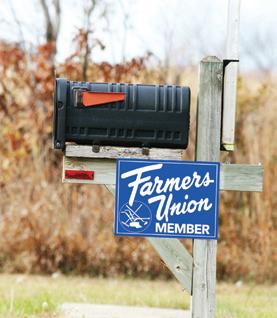
FARMERS UNION SIGNS
Show your Farmers Union spirit with a special Farmers Union sign. The cost per sign is $10 or free with a five-year or greater membership to Farmers Union. To get yours today, call 605352-6761 or email sdfu@sdfu.org.
1 egg
1 T. all purpose flour
½ tsp. vanilla
Preheat oven to 350 degrees F. In a 2-quart saucepan combine butter and unsweetened chocolate. Cook over medium heat, stirring occasionally until melted (4 to 6 minutes). Stir in remaining ingredients except chocolate chips. Fold in chocolate chips. Spread half of batter into greased 9 x 13 pan. In small bowl, stir together all filling ingredients. Spread over brownie mixture. Spoon remaining batter over cream cheese (batter will not entirely cover cream cheese mixture). Bake for 30 to 35 minutes or until brownies begin to pull away from sides of pan.
Lorraine Laufmann Howard, S.D.