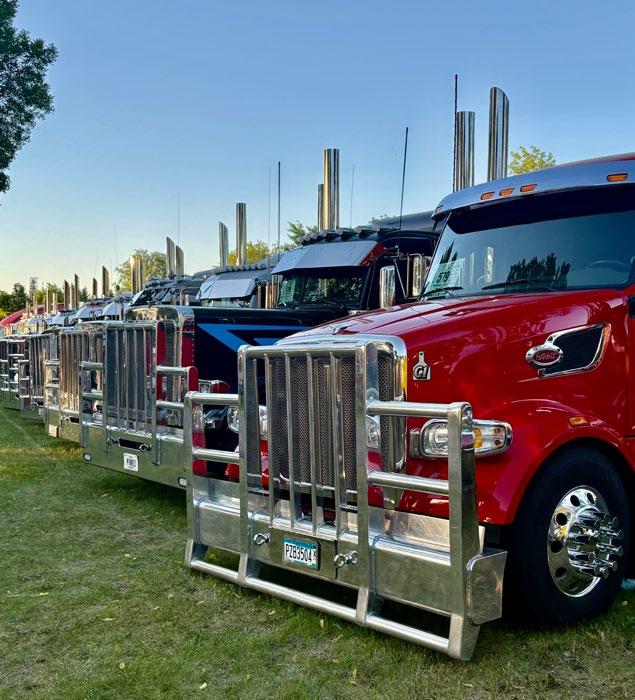
Summer is upon us, and the outlook for trucking in the past month has started to shift from the long freight downturn we’ve seen over the past couple of years. The recovery seems to be more due to tightening capacity than a freight boom, though. The high cost of fuel and stronger regulatory enforcement over the past few months have caused many companies and drivers to exit the industry. Although fuel remains a major cost, prices have been coming down over the past few weeks, relieving some of the pressure. Coupled with the spot rates reaching higher levels in the first few weeks of June, the outlook for carriers that survived the downturn looks favorable over the coming months.
Safe travels,
Justin Anders Anders Trucking dispatch@anderstrucking.com
Cindy Heiberger Group Insurance Director Human trafficking can happen anywhere, including along the transportation routes used
Transportation professionals are uniquely positioned to recognize warning signs and report suspicious activity. By staying alert, drivers can help identify victims, disrupt trafficking, and make our communities safer.
Find Out More By Participating In Our Webinar On July 21st!
SUBJECT: TAT & SDTA: Human Trafficking Member Safety Webinar
DATE: Tuesday, July 21
TIME: 1:00 – 2:00 pm
JUSTIN LARSON (605) 224-1611 PIERRE, SD
KURT SWANSON (605) 224-1611 PIERRE, SD
JORDAN GAU (605) 996-4698 MITCHELL, SD NICK BACKLUND (605) 996-4698
Acrisure Truck Group consultants are experts in the coverage of all size trucks and farm equipment, so we know the risks and liabilities to make sure you are fully covered. We have four locations in South Dakota to serve you and your truck insurance needs—Pierre, Mitchell, Rapid City and Sioux Falls.
SDTA STAFF
Christine Vinatieri-Erickson President christine@southdakotatrucking.com
Michelle Wells Member Manager michelle@southdakotatrucking.com
As we move into June, summer is arriving across South Dakota, bringing longer days, increased freight activity, and new opportunities for our industry. This season often marks a busy time for trucking companies as construction projects ramp up, agricultural activity increases, and businesses across the state rely on the safe and efficient movement of goods to meet growing demands.
While the trucking industry continues to navigate workforce challenges, regulatory changes, rising operational costs, and advancements in technology, one thing remains constant: the strength and resilience of South Dakota's trucking community. Our carriers, drivers, technicians, dispatchers, and support teams continue to demonstrate professionalism, adaptability, and an unwavering commitment to keeping our economy moving.
This month, I encourage each of you to take time to recognize the contributions of your employees. From the drivers who spend long hours on the road to the technicians who keep equipment operating safely and efficiently, every member of your team plays a critical role in your company's success. Investing in training, promoting workplace safety, celebrating accomplishments, and supporting employee well-being remain essential to attracting and retaining the skilled workforce our industry depends upon.
Advocacy continues to be one of the most important ways we protect and strengthen the trucking industry. Building and maintaining relationships with elected officials at both the state and federal levels ensures that policymakers understand the vital role trucking plays in South Dakota's economy and communities. Whether discussing infrastructure investment, workforce development, regulatory issues, or transportation policy, it is critical that our industry's voice is heard.
These efforts serve as an important reminder of why engagement in the political process matters. When lawmakers know who we are and understand the challenges and opportunities facing our industry, they are better equipped to make informed decisions that support a strong and sustainable transportation network. Strong relationships built today help create opportunities for meaningful dialogue when important issues arise tomorrow.
The SDTA annual golf outing is quickly approaching on July 9th. Thank you to everyone who is already registered. We only have a few spots left please get signed up asap.
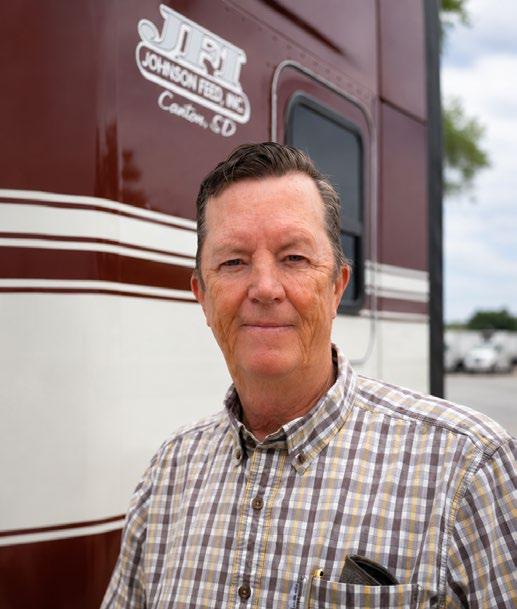
Kevin Grimes, Johnson Feed Inc., Canton, SD, was selected as the June 2026 Driver of the Month by the South Dakota Safety Management Council.
Kevin has been a dedicated member of the Johnson Feed, Inc. team for decades. With more than 36 years of professional driving experience and over 5.4 million accident-free miles, including more than 4 million miles with JFI, his career is a remarkable testament to safety, professionalism, and consistency.
Kevin began driving for JFI in 1990 under another owner-operator. In 1993, he purchased his own truck and leased it to the company until 2003. He returned as a company driver in 2005 and has remained a valued member of the JFI team ever since.
Known for his reliability, strong work ethic, and willingness to go the extra mile, Kevin embodies the qualities every trucking company hopes to find in a driver. His dedication and commitment to excellence make him an outstanding representative of Johnson Feed, Inc. and the trucking industry as a whole.
Kevin and his wife, Mari, live in Russell, MN.
The South Dakota Trucking Association joins the Safety Management Council in congratulating Kevin Grimes on being selected as the June 2026 Driver of the Month.
nomination form & rules can be found online at www.southdakotatrucking.com under the Resource s
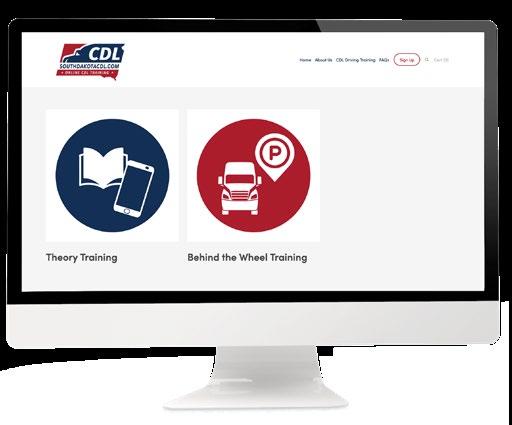
We offer high-quality, low-cost CDL training options in the South Dakota region that are available online from any device. Our curriculum is fully compliant with the current FMCSA ELDT Training standards, and we are a member in good standing of the Training Provider Registry as a Theory provider.
To learn about our fully-online, FMCSA-compliant CDL Theory program and how you can join our trainee to employee pipeline, call the SDTA office at 605-334-8871 or go to www.southdakotatrucking.com
JULY 9, 2026
SDTA East River Golf Event
9:00 a.m.
Brandon Golf Course Brandon, SD
AUGUST 11-15, 2026
National Truck Driving Championships
David L. Lawrence Convention Center Pittsburgh, PA
SEPTEMBER 1-3, 2026
SDTA 91st Annual Convention
Deadwood Mountain Grand Hotel & Casino Deadwood, SD
SEPTEMBER 13-19, 2026
National Truck Driver Appreciation Week
NOVEMBER 12, 2026
SDTA & SDADA Annual Pheasant Hunt
8:00 a.m.
Meet at Hutch’s Cafe Presho, SD
NOVEMBER 13, 2026
SDTA Fall Executive Committee Meeting
8:00 a.m.
AmericInn
Fort Pierre, SD
NOVEMBER 13, 2026
SDTA Fall Board of Directors Meeting
10:00 a.m.
AmericInn
Fort Pierre, SD
NOVEMBER 17, 2026
West River Legislative Reception
5:30 - 7:00 p.m.
Hyatt Place Rapid City, SD
NOVEMBER 19, 2026
East River Legislative Reception
5:30 - 7:00 p.m.
Minervas | Lower Level Sioux Falls, SD
MAY 6, 2027
SDTA Spring/Summer Executive Committee Meeting
10:00 a.m.
AmericInn Chamberlain, SD
MAY 6, 2027
SDTA Spring/Summer Board of Directors Meeting
1:00 p.m.
AmericInn Chamberlain, SD
MAY 6, 2027
Social Hour, Dinner and Calcutta for the Annual Cliff Tjaden Fishing Event
6:00 p.m.
AmericInn Chamberlain, SD
MAY 7, 2027
Annual Cliff Tjaden Fishing Event
7:30 a.m. - 3:30 p.m.
Cedar Shore Marina Oacoma, SD
MAY 15, 2027
SD Truck Driving Championships
7:00 a.m.
Southeast Technical College Sioux Falls, SD
Moving More Than Goods: How Transportation Can Help Disrupt Human Trafficking
Chris Moreno | TAT
Human trafficking is often misunderstood as a crime that exists in isolation, hidden from everyday life. In reality, it intersects with legitimate businesses, transportation systems and routine operations. In a state like South Dakota, where major highways, urban centers, and transit systems keep people and goods constantly in motion, that visibility creates both risk and opportunity. The same networks that drive the economy can be exploited by traffickers, but they also place the transportation industry in a unique position to help identify and disrupt this crime.
While clearly a humanitarian issue, human trafficking is also closely tied to compliance, accountability and safety. Federal and South Dakota state laws continue to strengthen expectations around prevention and reporting, while customers and stakeholders increasingly expect companies to demonstrate a clear commitment to ethical practices. For transportation companies, this means recognizing trafficking can occur at common venues frequented by transportation professionals, such as rest areas, truck stops and along delivery routes and ensuring, therefore, that employees are equipped to respond through awareness, training and clear reporting protocols.
When drivers and frontline staff are trained to recognize red flags and report concerns safely, they become a critical part of the effort to combat exploitation. Programs like those offered by TAT (Truckers Against Trafficking) provide practical, industry-specific training that are easy to integrate into daily oper-
SDTA
ations. With tools like short training videos, wallet cards and reporting guidance, organizations can equip employees at every level without disrupting existing workflows.
The goal is simple: turn everyday awareness into informed action. By prioritizing anti-trafficking efforts, members of the South Dakota Trucking Association can strengthen compliance, reinforce accountability and enhance safety across their organizations, while also playing a direct role in protecting vulnerable individuals and supporting their communities.
Examples of this include a trucker stopped at a travel plaza who saw an RV parked back by the trucks, men entering and exiting it, and a young girl’s face snatched violently away from a window. The driver made the call to law enforcement, and police found a human trafficking situation in progress. The victim was recovered and the traffickers arrested. Or transit personnel recognizing a young woman’s disheveled and bruised appearance meant she probably needed help and then taking the needed actions to ensure she got it. She was also recovered from a trafficking situation and returned to her home.
Addressing human trafficking can feel complex, but meaningful impact often starts with something simple: a trained individual recognizing the signs and choosing to report it to local law enforcement or the National Human Trafficking Hotline. For those ready to be part of this movement, connect with TAT at www. tatnonprofit.org or email info@tatnonprofit.org to get started.
Supports Future Diesel Technicians with Scholarship Donation
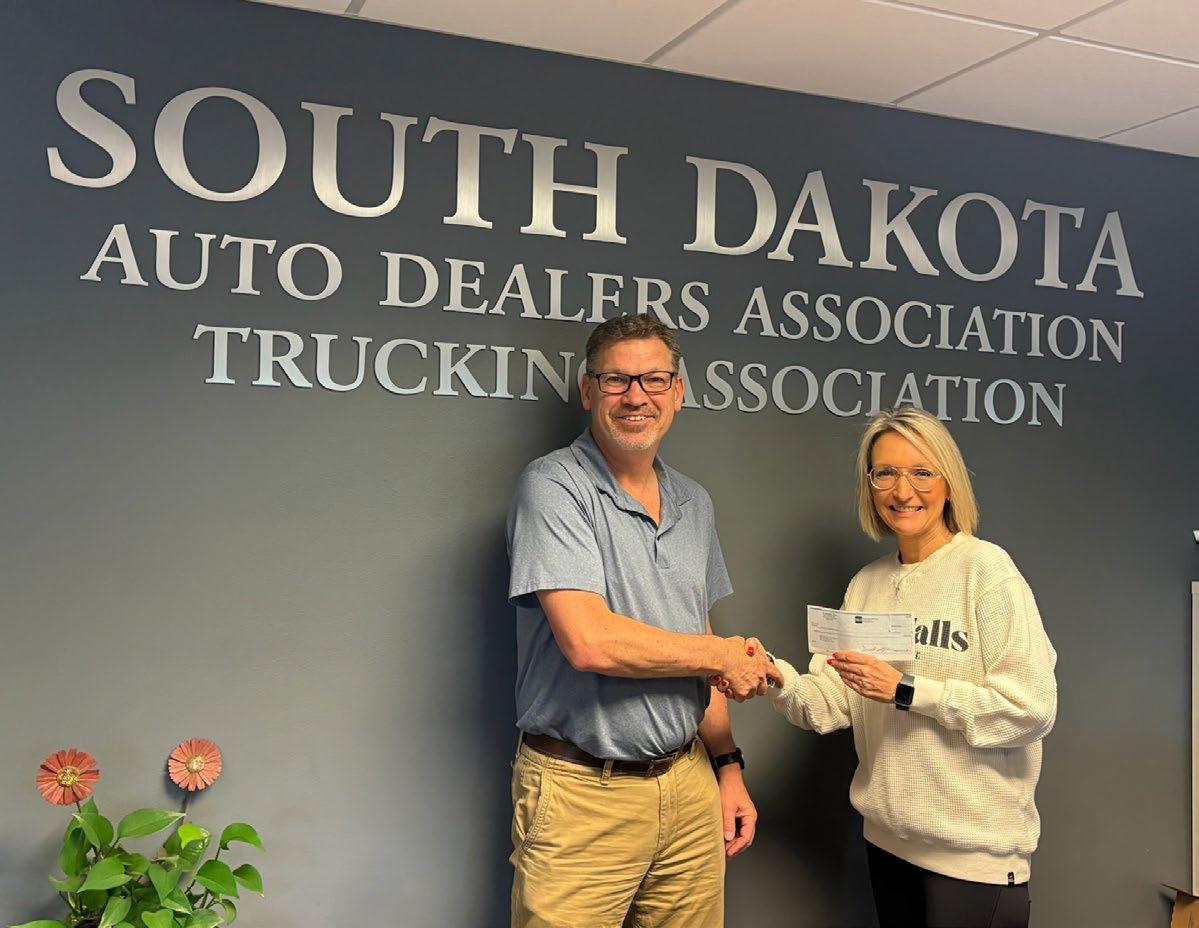
The South Dakota Trucking Association (SDTA) recently presented an $8,000 check to Southeast Technical College to support scholarships for students enrolled in the Diesel Technology program.
The contribution was made possible through proceeds from the annual Cliff Tjaden Fishing Event, which raises funds for workforce development initiatives that strengthen South Dakota’s trucking industry.
By supporting Diesel Technology students, SDTA is helping develop the next generation of skilled technicians who play a vital role in keeping South Dakota's trucking industry moving forward.
FMCSA Responds 2X to Ongoing Problems with Motus Rollout
John Kingston | FreightWaves
A growing clamor over the rollout of the Motus registration system by the Federal Motor Carrier Safety Administration (FMCSA) has led to two statements issued by the agency, with notable differences in tone and approach in the pair of missives.
Motus is a new single entry point for a wide variety of interactions with registration systems and other FMCSA tools needed by the trucking community. It launched May 14.
But complaints and comments in social media have quickly made it clear the rollout has not been going well. And in the past week, the agency responded with its two statements.
(An email sent by FreightWaves to FMCSA had not been responded to by publication time).
One of the memos obtained by FreightWaves is a more standard sort of explanation and subtle apology that might be expected from a government agency.
“FMCSA is aware of issues affecting registrants and industry stakeholders following the launch of the Motus registration system,” the memo said. “We recognize that these issues have created challenges for members of the commercial motor vehicle industry who rely on our registration systems.”
It went on to say that “resolving these issues is an absolute priority for the agency.”
FMCSA also said it is setting priorities. The most immediate goals, according to the memo, have “focused resources on addressing issues affecting insurance filings and operating authority status.”
“Customers should begin to see improvements in these areas soon as system updates and corrective actions are implemented,” the memo said. “Changes have already been made to correct the identity verification and first-time login processes.”
Praise From Barrs
A note sent to various trucking “stakeholders” by FMCSA administrator Derek Barrs had a notably different approach.
The Barrs memo doesn’t even make reference to the difficulties being encountered by Motus users until the fourth paragraph.
Before that, Barrs hails the Motus rollout as a “major agency milestone.”
“This is a vital tool for accountability,” Barrs writes. “For too long, bad actors, scammers, and fraudulent brokers have exploited loopholes in our systems, undercutting honest American truckers and compromising safety on our highways.”
Launching Motus was “an extraordinary feat of heavy lifting that involved transferring more than three decades of data across
multiple legacy systems to process millions of motor carriers into one unified powerhouse platform,” Barrs writes. “In the first week alone, the system successfully received 120,000 new user applications, processed over 10,000 regulated entity applications, and helped more than 13,000 motor carriers claim their USDOT numbers.”
‘Minor Issues’
After that review of the Motus launch, Barrs addresses the industry complaints, which he describes as “minor technical issues.”
“The unprecedented, massive wave of engagement we’ve seen over the last few days proves we are winning this fight, and our engineering teams are on the ground right now, working around the clock,” Barrs said. FMCSA personnel are working to “crush” the minor issues,” Barrs said.
Barrs’ note links to a web page where users can submit a ticket to request help. It appears to be the page that was online prior to Motus. There also is a link to the Motus Resources Hub, which also dates back to before the rollout and its subsequent problems.
“We are incredibly proud of this historic modernization effort and confident that Motus is delivering the secure, efficient, and powerhouse registration experience our industry has earned,” Barrs says.
P. Sean Garney, co-director at Scopelitis Transportation Consulting who has worked with clients navigating the Motus system, said FMCSA had communicated well prior to the launch in instructing users on the main steps to get into the system, such as checking a users’ login.gov credentials and updating their MCS-150 form, also known as the Motor Carrier Identification Report.
“But there’s a second part, which is about linking your DOT number, and I just thought that communication around that was challenging,” Garney said in an interview with FreightWaves.
“We had a lot of carriers just trying to get into a system that wouldn’t let them in, or trying to link their DOT number though the system couldn’t identify their email address as being the correct one,” Garney added. “So yeah, we’ve been trying to work with a lot of carriers to help them out. There is just not a lot that we can do.”
An End May Not Be Coming Soon
Garney did not express optimism that an end to the problems is near. “I don’t have a good sense that they’re getting any closer to fixing this,” he said.
He added that he was concerned a break in the normal upcoming schedule for posting Compliance, Safety and Accountability (CSA) scores could mean FMCSA is shifting technical resources over to fixing the issues with Motus, impacting other FMCSA
offerings. That could be a sign of the magnitude of the problems Motus is facing.
The early messaging from FMCSA, according to Garney, was “if you absolutely don’t have to interact with this system, meaning you don’t have insurance that’s expiring or you don’t have to update your MCS 150, then wait.”
Stay Off It If You Don’t Need To Be 0n It
But Garney said that message did not continue, which may have driven traffic to the Motus site that didn’t need to be on the system.
Garney said some of Scopelitis Transportation Consultings’ clients have told him they’d been on the phone for hours with FMCSA. When he asks what they are trying to do in their interaction with the agency, the response is often some task that does not need to be accomplished now.
“I ask them, is there a reason you need to do that today?” Garney said. “My advice is just that if you don’t have a need to interact with it right now, I would wait. You have to believe they’re working to fix it.”
Barrs, in his note, said something similar. “If your account is already in good standing and you don’t need to make immediate administrative changes, you can beat the rush by waiting to log in over the coming weeks as the initial excitement levels out,” he said.
Reprinted from FreightWaves.
NEED HELP WITH MOTUS?
If you have questions or need assistance with MOTUS, the best place to start is by submitting a ticket through FMCSA's Ask FMCSA Registration at: https://www. fmcsa.dot.gov/registration/ask-fmcsa.
FMCSA also offers a Motus Resource Hub at https:// www.fmcsa.dot.gov/registration/resources-hub. It includes helpful information, guidance, and tools to assist carriers with the transition and ongoing use of the system. These resources can help answer common questions and provide support when issues arise.
Less Paperwork Hassle for Truckers? Yes, Please
Land Line Media
Before a lot of truckers became owner-operators, they probably thought there wasn’t more to it than safely driving the truck, maybe loading or unloading and some paperwork. It’s the “some paperwork” that is absolutely wrong.
“So, you’re a trucker, eh? What do you do?” a friend asks. “Paperwork,” the trucker friend may as well reply.
The Federal Motor Carrier Safety Administration hears you and understands. A final rule to be published in the Federal Register on June 22 and go into effect 30 days later is eliminating some of that paperwork.
Right now, motor carriers are required to sign and return inspection reports to the agency that conducted the inspection. And, over time, it’s become an unnecessary paper shuffle for a number of reasons.
“FMCSA is aware that not all issuing state agencies require the return of these reports, and that requiring motor carriers and intermodal equipment providers to submit these reports to a state that does not require, or even request, the return of the form creates an unnecessary burden. Through this change, completed forms will only be returned to those states that request them,” the final rule summary states.
So, What’s the Change?
The change, prompted by a CVSA petition, minor as it may be, eliminates the blanket requirement to sign and return all inspection reports to the issuing agency. Motor carriers will still
be required to keep the inspection records on file. After the rule kicks into effect, the inspection will only need to be signed and returned if the issuing agency requests it from the motor carrier.
The changes to the regulation will appear under FMCSR (Federal Motor Carrier Safety Regulation) 396.9(d)(3)(ii) Inspection of motor vehicles and intermodal equipment in operation.
The updated regulation will state:
396.9(d)(3)(ii) If requested by the issuing State agency, return the completed roadside inspection form to the issuing State agency at the address indicated on the form and, in all instances, retain a copy at the motor carrier’s principal place of business, at the intermodal equipment provider’s principal place of business, or where the vehicle is housed for 12 months from the date of the inspection.
This rule was initially proposed on May 30, 2025, and received seven comments, including from the Owner-Operator Independent Drivers Association, supporting eliminating the requirement. The effort by FMCSA is part of a purge of outdated requirements and regulations. LL
Reprinted from Land Line.
Important Notice: CDL Medical Certification Deadline Extended Until August 29
As many of you are aware, South Dakota is implementing new federal requirements regarding medical certification for CDL holders. The change was originally scheduled to take effect on July 1, 2026.
Recognizing the workforce challenges facing our industry and the difficulties many CDL holders have experienced in updating their medical certification paperwork, the South Dakota Trucking Association (SDTA) worked alongside the Associated General Contractors (AGC) of South Dakota to advocate for additional time.
We are pleased to report that implementation of these requirements has been delayed until August 29, 2026, providing CDL holders and employers with additional time to ensure all necessary documentation is submitted and up to date.
The August 29 implementation date is based on South Dakota law, specifically SDCL 32-12A-69, which allows for a CDL downgrade to occur within 60 days. While the state remains out of compliance with FMCSA requirements during this period, South Dakota can maintain compliance with state law by delaying implementation until August 29.
Additionally, enforcement will be delayed through January 1, 2027, for drivers who have completed a medical examination before August 29, 2026, and possess an existing CDL. These drivers will have met the federal medical certification requirement and may only be awaiting a DMV appointment to update their state records. To qualify, drivers must obtain and retain a physical copy of their completed and passed medical examination from their medical provider.
While this extension provides some relief, we strongly encourage drivers and employers not to wait until the last minute. Please do not delay until August 28 to begin the process, as appointment availability and processing times may become increasingly limited as the deadline approaches.
We understand there has been considerable confusion and frustration surrounding this change, and we appreciate the efforts of our members as they work through the new requirements. The Department of Public Safety will be mailing letters to CDL holders next week outlining these adjustments and providing additional guidance.
If you have questions regarding medical certification requirements or your CDL status, please contact the South Dakota Department of Public Safety at 605-773-3178 for assistance.
SDTA will continue to keep members informed as additional information becomes available.
FMCSA Notification:
The South Dakota Department of Public Safety had previously informed FMCSA in our MCSAP Program Review Corrective Action Plan that we would be compliant by July 1st, 2026. Due to a long backlog of commercial driver licenses to comply with this change, DPS has been working overtime and Saturday hours. However, a substantial number of CDLs cannot be upgraded before July 1st. Please accept this email as an update that our compliance schedule with FMCSA will be delayed until August 29, 2026. We are informing license holders of this additional timeline and will continue working diligently to process the required upgrades.
In addition, South Dakota enforcement officers will accept a physical copy of a passed medical examination with an existing license until January 1st, 2027. We believe this complies with FMCSA because they will have passed the required medical examination and be eligible for the upgraded license but have been unable to complete the drivers licensing processes. We are already booking appointments through July, and this additional timeline will allow drivers to comply with FMCSA requirements, but also allow longer time periods for completing the South Dakota-specific drivers license portion.
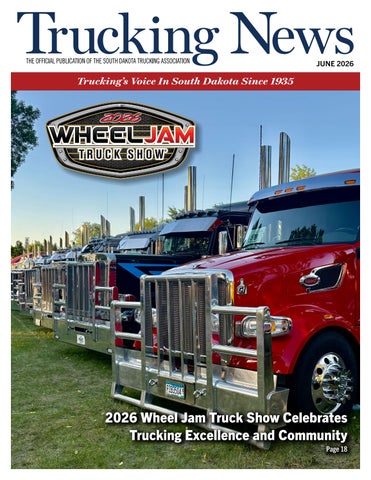
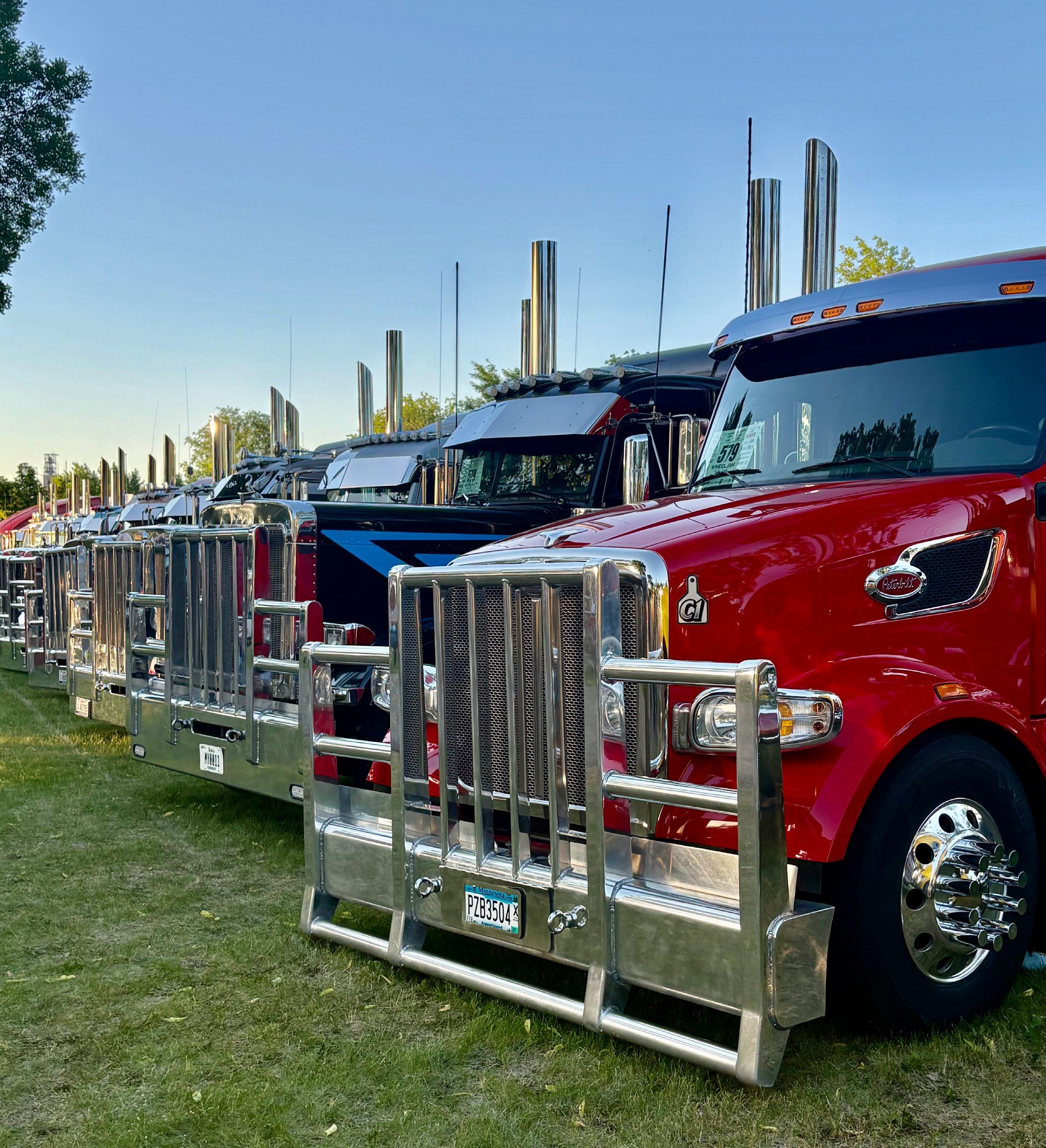
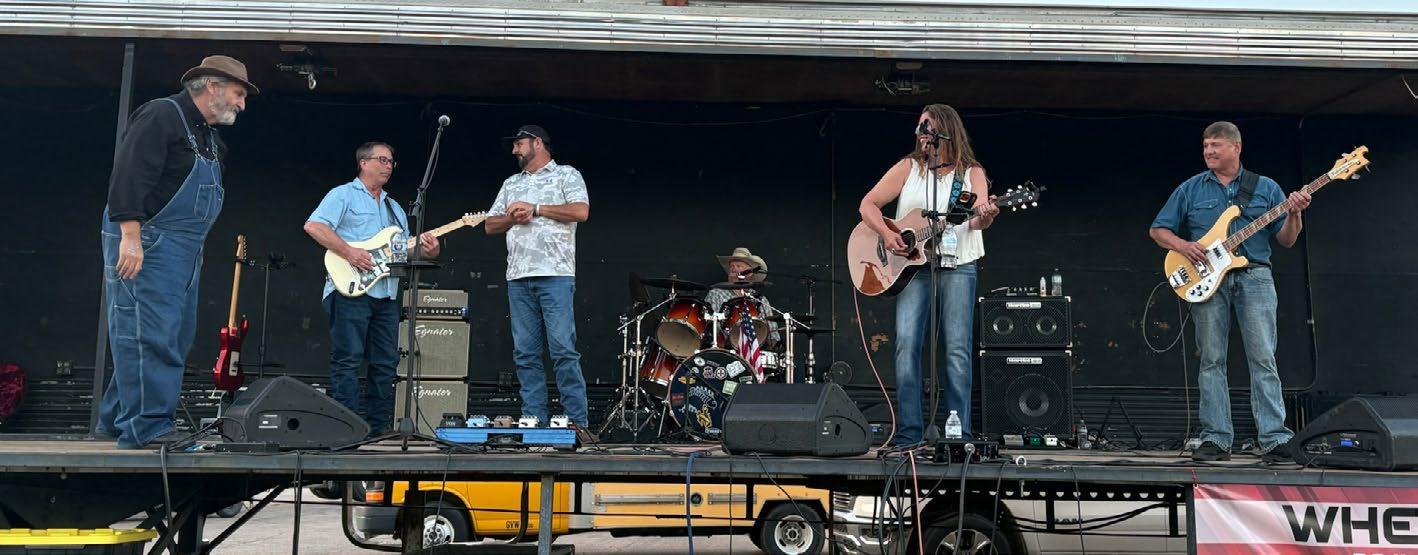
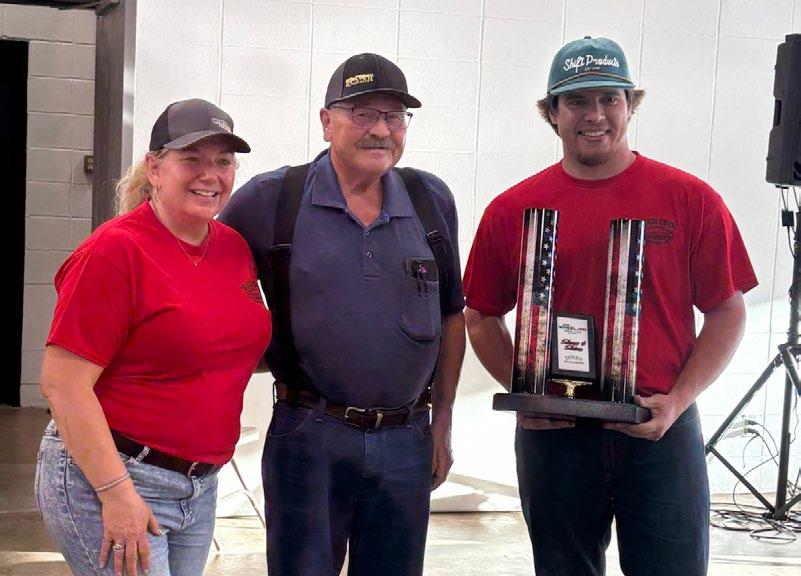
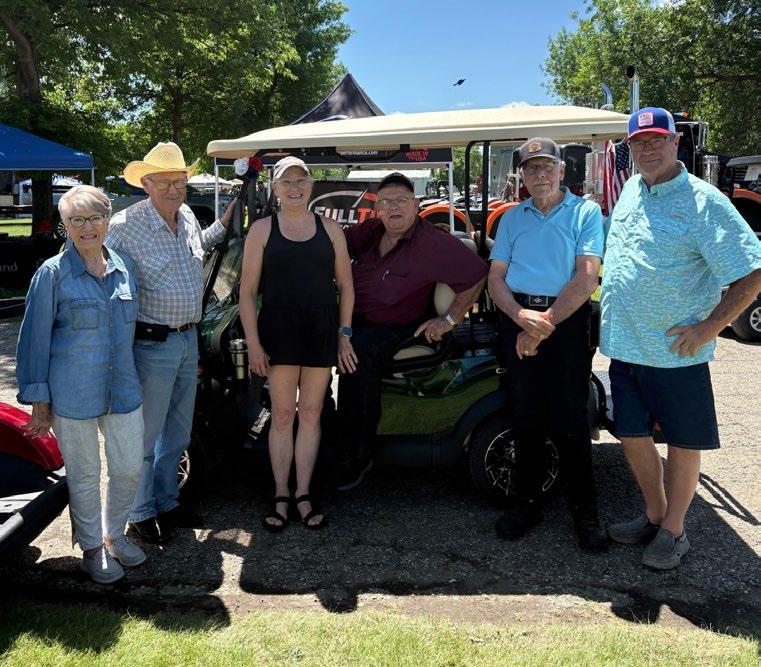
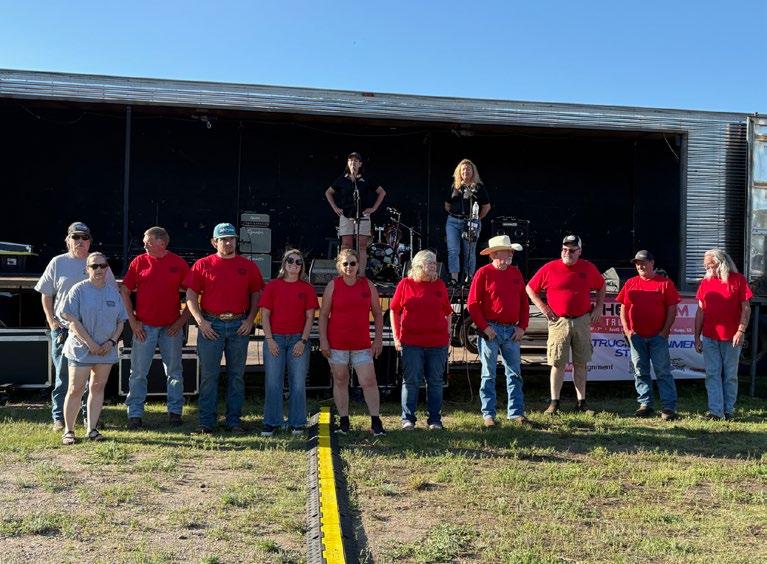
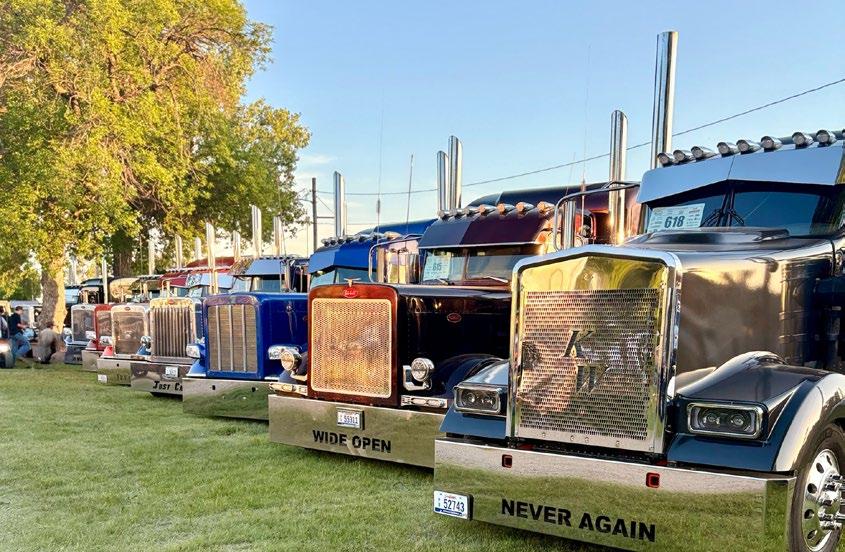
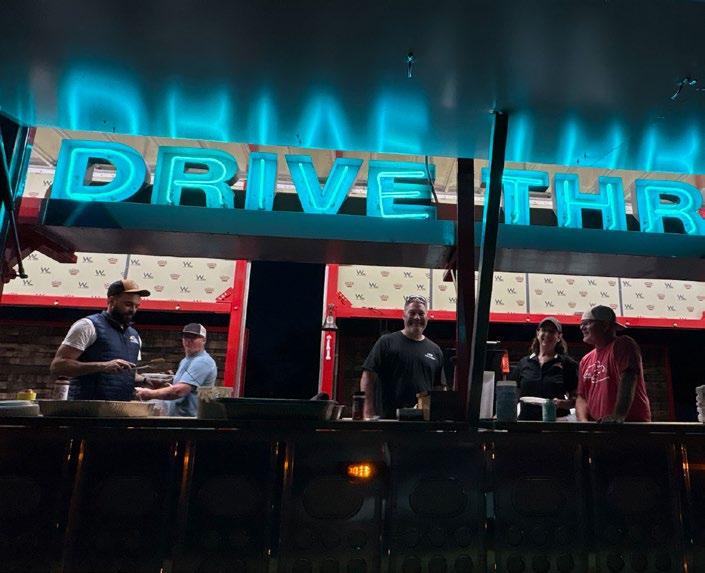
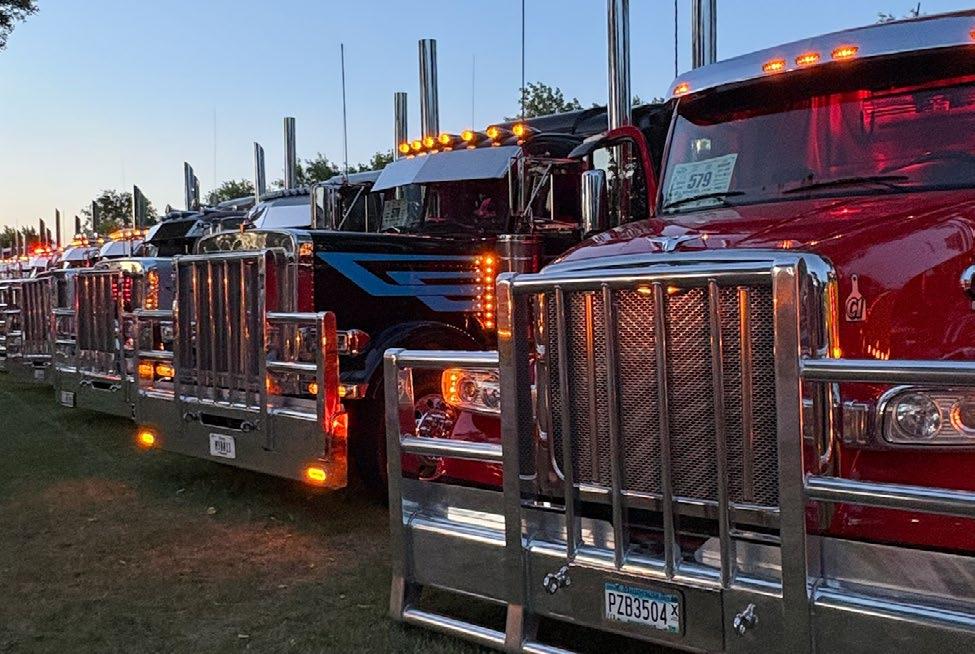
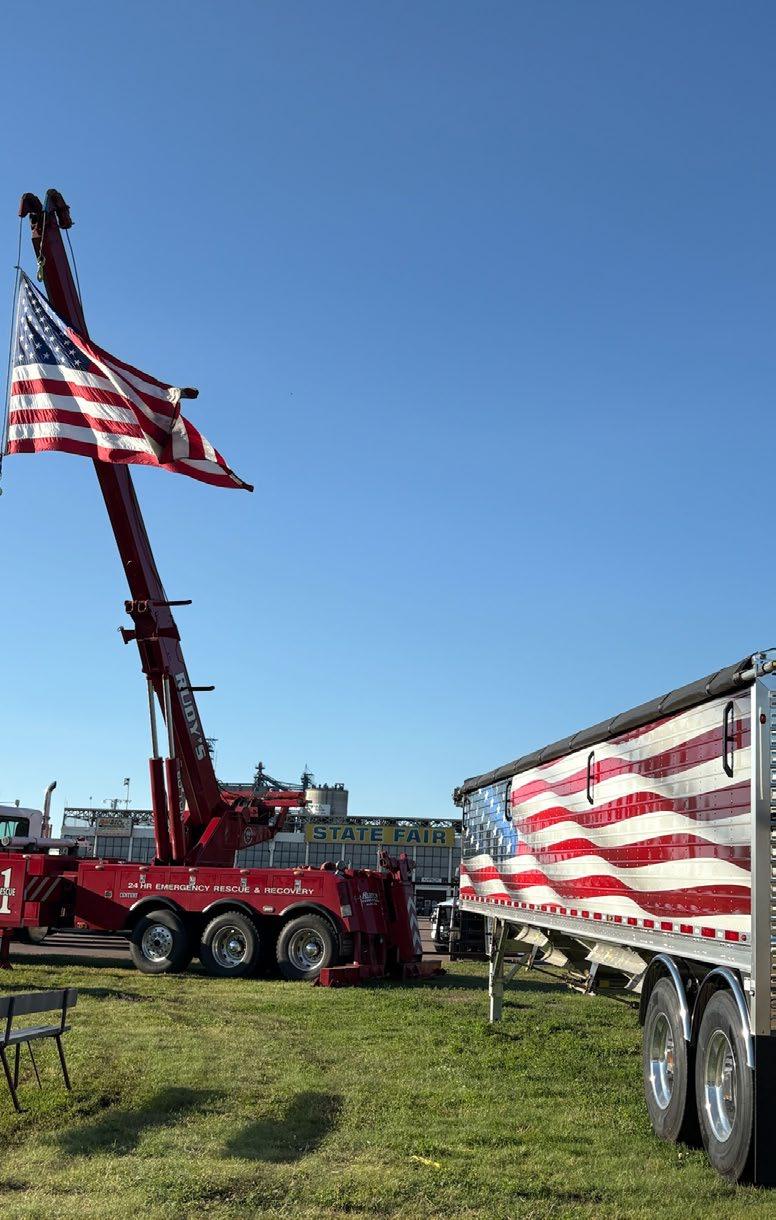
2026 WHEEL JAM TRUCK SHOW CELEBRATES Trucking Excellence and Community
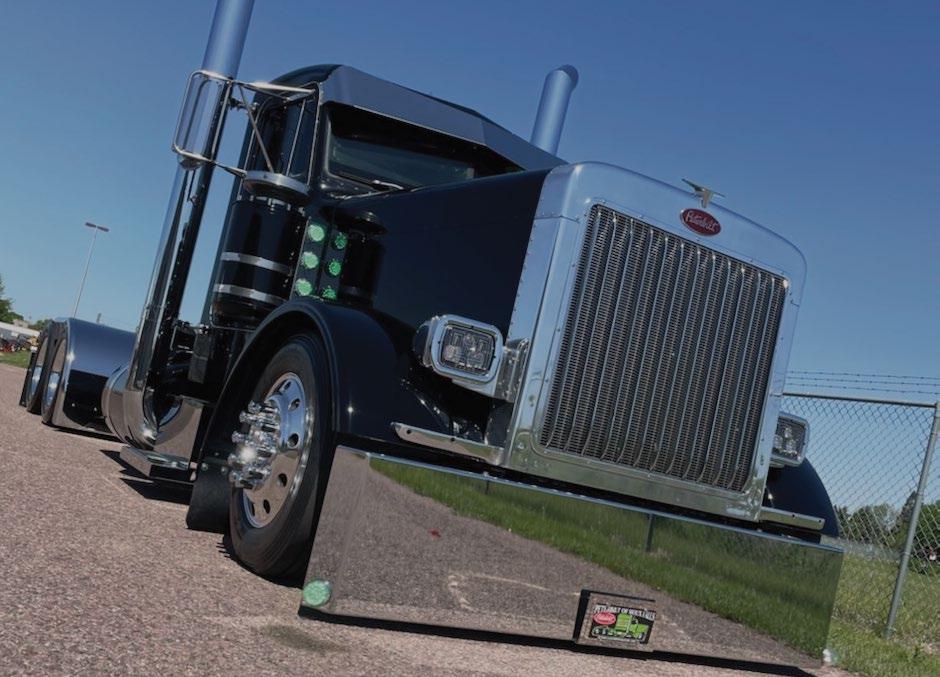
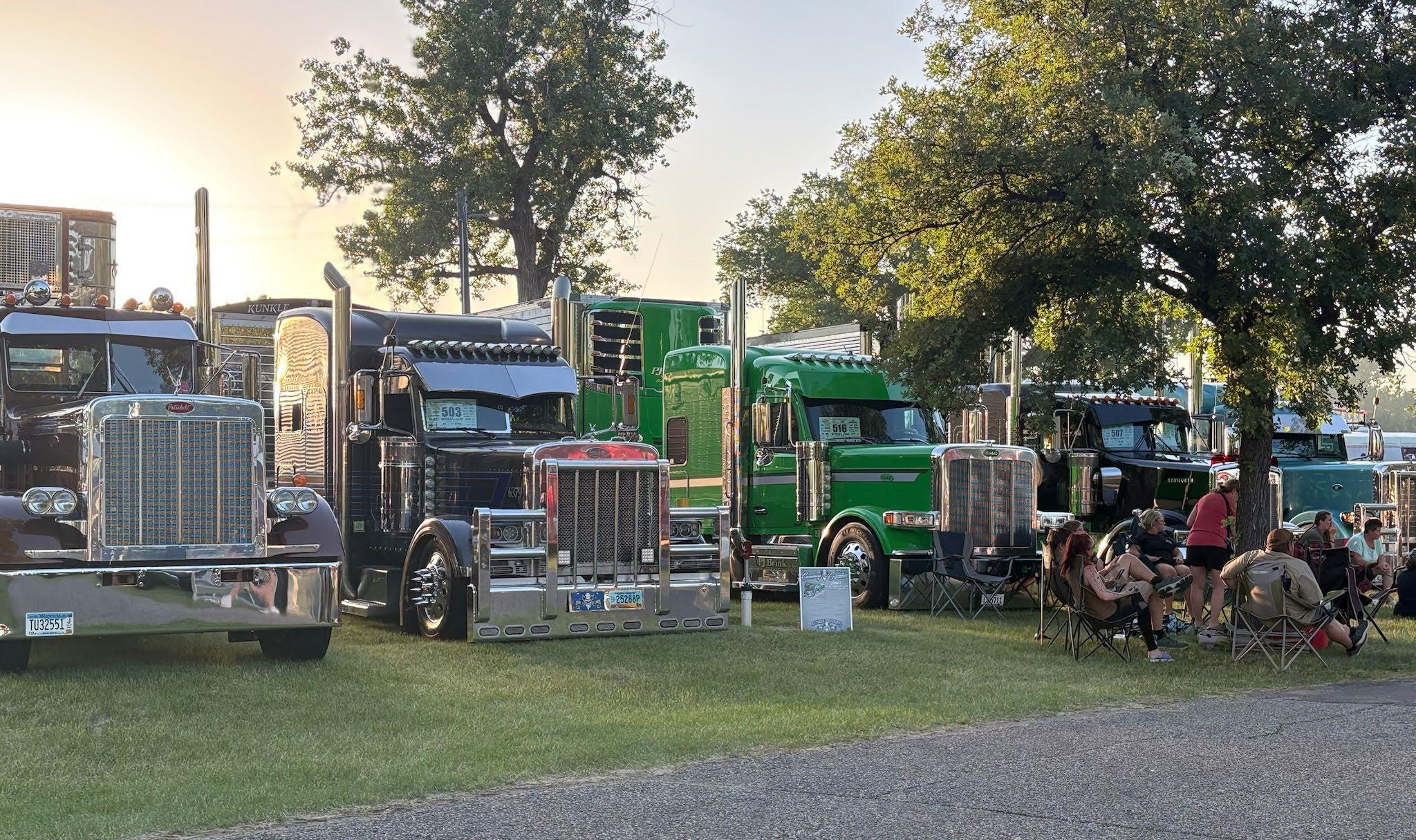
Michelle Wells | SDTA Member Manager | SDTA Monday, June 8, 2026 – The 2026 Wheel Jam Truck Show Weekend concluded on Sunday following four days of impressive trucks, spirited competition, live entertainment, and camaraderie among members of the trucking industry and the public. Drivers, exhibitors, sponsors, and spectators gathered June 4–7 to celebrate the trucking profession and the individuals who keep America’s economy moving.
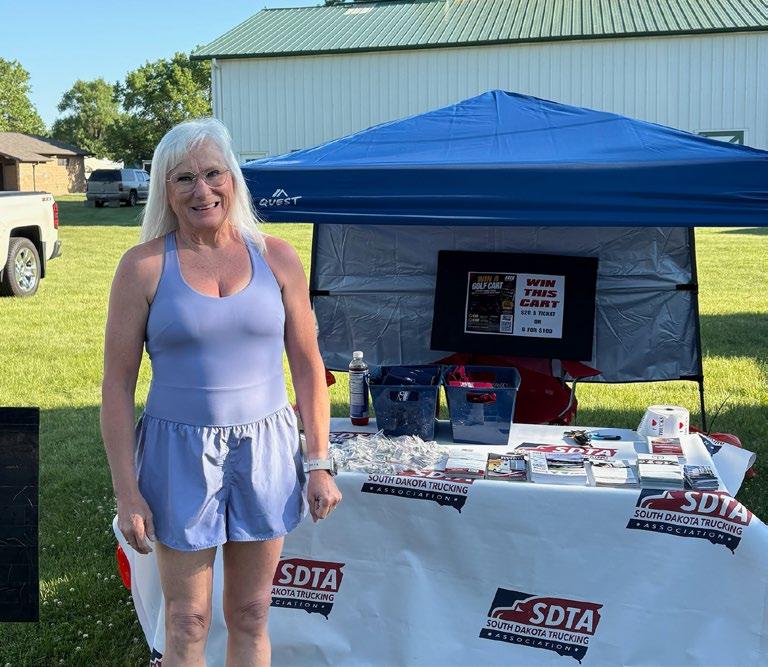
Michelle Wells, Member Manager for the South Dakota Trucking Association (SDTA), attended the event on behalf of the Association and staffed the SDTA booth throughout the weekend, connecting with industry professionals and attendees.
The event kicked off Thursday with registration activities, followed by a social hour, Prime Rib Dinner, and charity auction that brought participants together in support of a worthy cause. The evening provided an opportunity for industry members to reconnect and celebrate the strong relationships that help drive the trucking industry forward.
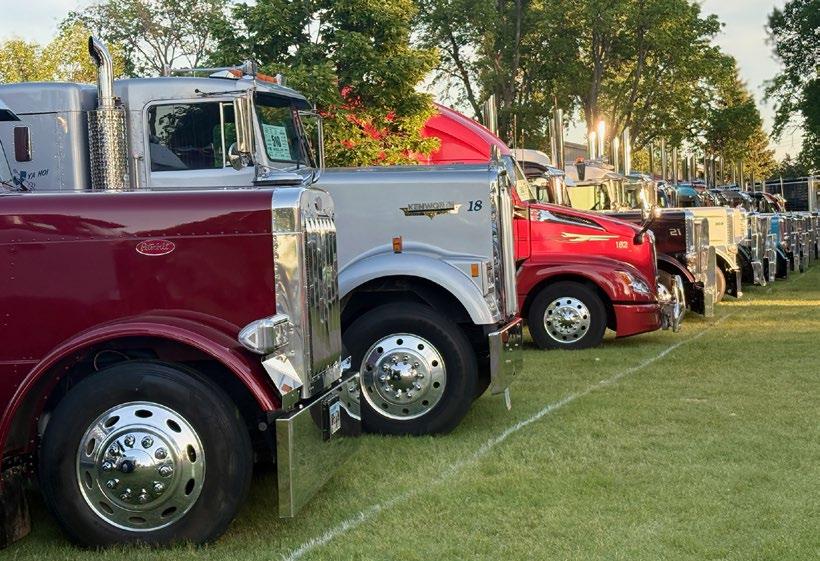
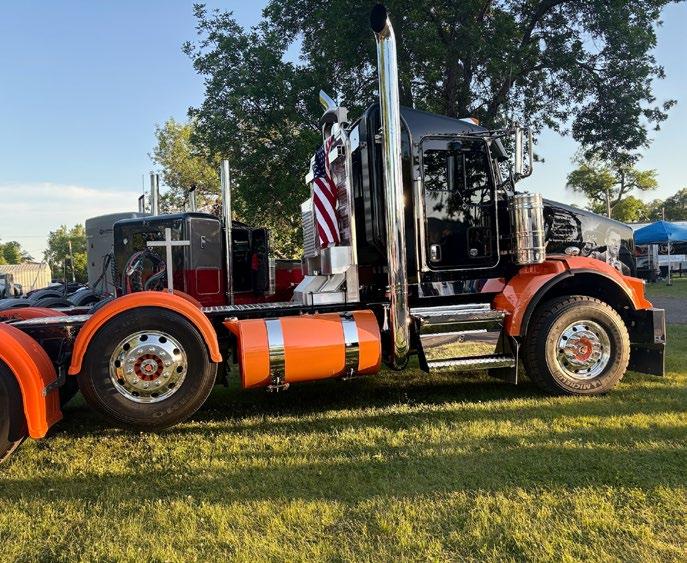
Friday featured the popular Truck Show ‘n Shine, where drivers proudly displayed their equipment and shared their passion for trucking with attendees. Industry professionals also participated in a Tire Wear Seminar, while the evening entertainment lineup provided a memorable experience with performances by Tony Justice, Long Haul Paul, and Ja’net Eastman and the South Highway 85 Band. The day’s activities concluded with the always-popular Friday Night Light Show, showcasing spectacular truck lighting displays and Driver’s Choice judging.
Saturday’s events highlighted the pride and professionalism that define the trucking industry. The World’s Loudest Dynamic Engine Brake Competition drew enthusiastic crowds as competitors demonstrated their vehicles’ capabilities. The Judged Truck Show featured some of the industry’s finest trucks, with participants spending countless hours preparing their equipment for competition.
The weekend culminated with the Truckers Meal and Awards Program, recognizing outstanding participants and celebrating excellence throughout the trucking community. Saturday Night Lights once again illuminated the grounds with dazzling displays that attracted spectators from across the region.
The event concluded Sunday morning with the Truck Show Parade, providing one final opportunity for the public to view the trucks and show appreciation for the professional drivers who safely deliver the goods and products Americans depend upon every day.
“The Truck Show Weekend continues to be a tremendous celebration of the trucking industry and the men and women who make it successful,” said Wells. “The event showcases not only beautiful equipment, but also the professionalism and pride that truck drivers bring to their work every day.”
The South Dakota Trucking Association extends its appreciation to the event organizers, volunteers, sponsors, exhibitors, and participants whose efforts helped make the 2026 Truck Show Weekend another successful and memorable event.
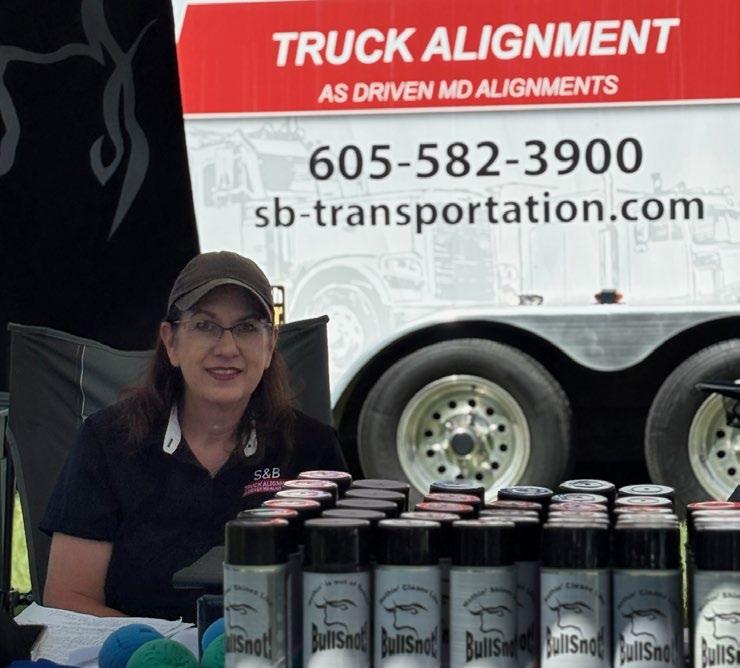
Photos: Michelle Wells
WITH YOU FOR THE LONG HAUL
You deserve a banker who actually understands your business.
Justin has extensive industry knowledge and expertise in the transportation industry, and he’s been helping entrepreneurs finance and grow their businesses for nearly a
Whether you’re looking to buy, sell, determine equipment value, or review financial performance, you have a trusted partner in him. Give Justin a call, and let’s get a conversation rolling.
Justin Zandstra
Freight Recovery Unearths New Truckload Fault Lines
State of Logistics Report Says Pricing and Capacity Vary More by Region and Lane
Keiron Greenhalgh | Staff Reporter | Transport Topics
The ongoing freight market recovery is unlike any earlier upcycle and is fracturing homogeneity in the national truckload market in a more distinct fashion than seen previously, according to a study released June 16.
It is clear the market has turned and the longest freight downturn in industry memory is at an ending, but unrelenting uncertainty is here to stay, the authors of the study say.
“We can say with a high degree of confidence that the downcycle has come to an end and we are clearly in the path to recovery,” Andres Mendoza Pena, a co-author of the study and partner at consulting firm Kearney, said during a press conference to unveil the report.
However, in the ongoing recovery, demand remains uneven, and traditional growth catalysts such as housing, inventory replenishment and trade flows have not led to a surge in freight activity, the 2026 Council of Supply Chain Management Professionals State of Logistics Report found.
During the first four months of 2026, American Trucking Associations’ For-Hire Tonnage Index rose 2.6% compared with the same period in 2025.
The main reason for the upturn in rates is capacity exits, but ongoing uncertainty is also a factor.
“Today, the fog has become an operating environment. Geopolitical uncertainty, trade realignment, energy volatility, inflationary pressures and rapid technological change have combined to create a new era of persistent disruption,” said Korhan Acar, lead author on the study and a partner in the strategic operations practice of Kearney.
The report’s predecessor in 2025 described a fog of uncertainty descending on the freight market, with tariffs in particular negating an unshrouded view of the upcoming quarters for logistics executives whose businesses depend on clear-eyed planning.
While an upturn has emerged in the past 12 months, so, too, has a fractured truckload landscape, the report’s authors found.
“Truckload is no longer one national market, with pricing and capacity increasingly varying by region and by lane. Fuel inflation disproportionately impacted owner-operators and smaller fleets contributing to supply-side exits and the tighter capacity environment,” Acar said.
National averages still offer context, Acar and his colleagues at Kearney found, but operational reality increasingly is concealed.
While an upturn has emerged in the past 12 months, so, too, has a fractured truckload landscape. (grandriver/Getty Images)
Some lanes clear smoothly, while other freight corridors tighten sharply or command a premium in spite of unremarkable national demand or seasonal expectations.
ACT Research noted at the end of May that dry van demand remains uneven, and cost pressure is still limiting fleet expansion. The market would seem to be progressing through the early stages of the upturn, it added.
As a result, the study found shippers should preserve longer-term contracts where possible, especially on strategic lanes where continuity, service and capacity assurance matter.
Another factor to absorb, the study authors found, is that partial truckload is becoming more relevant in the space between less-than-truckload and full truckload.
Partial truckload typically accounts for shipments weighing between 5,000 pounds and 27,000 pounds or spanning between six and 18 pallets.
This freight segment can cut shippers’ payments for unused trailer capacity and at the same time avoid some of the handling complexity associated with LTL.
The report authors said it works best when carriers or brokers can combine compatible freight, build efficient pickup and delivery sequences, preserve service commitments, and, as a result, control costs without sacrificing reliability.
In addition, the authors warned that 2026 will not reward broad market assumptions. Carriers must avoid mistaking a supply reset for a demand boom, and shippers cannot assume that national freight indicator softness guarantees easy capacity, they added.
Reprinted from Transport Topics.
SPONSORSHIP OPPORTUNITIES
Speaking Opportunity
Presentation
September 1-3, 2026
Deadwood Mountain Grand: 1906 Deadwood Mountain Dr, Deadwood, SD 57732 Hotel Block Held through August 1, 2026 - Call (605) 559-0386 Company:_______________________________________________________
City/State/Zip:
Print name(s) here as they will appear on name tag. Mark you attendees with an “x” if attending and leave blank if unable to attend. Food count is based off these numbers.
NAME
SPOUSE/GUEST
Please mark the appropriate box(s) below for your REGISTRATION fees:
r First Company Representative $350 r Spouse/Guest $325 r Non SDTA Member $700 TOTAL: $__________ (After August 1st registration fees will be $425 for Members, Spouse/Guest $400 and $725 for Non-Members)
Chairman’s Banquet Only Tickets Available at $75 each
We would like to SPONSOR at the following level: r Diamond
For more information on sponsorship and exhibiting opportunities, please refer to the Sponsorship Opportunities Sheet. SPONSORSHIPS MUST BE RECEIVED BY AUGUST TO BE INCLUDED IN THE CONVENTION PROGRAM.
Total Registration Fees: $ Total Golf Hole Sponsor/Exhibitor Fees: $
Total Sponsorship Fees: $ Total ATV Ride Fees: $
Total Golf Registration Fees: $ Chairman’s Banquet Only Tickets $ TOTAL AMOUNT DUE: $
FOR
1. GOLF REGISTRATION:
2, 2026
Registration 8:00 a.m. to 8:45 a.m. Shotgun start at 9:00 a.m. Lunch will be provided. Participants will be split up unless specified. $125 per golfer ($200 if not registered for the convention). TRANSPORTATION IS ON YOUR OWN
r I would like to sponsor ___ golf hole(s) at $200 per hole. r Golf Exhibitor: $280
2. ATV RIDE REGISTRATION:
Be prepared to be at Custer Peak Off Road Rentals NO LATER THAN 7:45 a.m Ride will start promptly at 8:00 a.m. Lunch will be provided. TRANSPORTATION IS ON YOUR OWN.
Hotel Block Held through August 1, 2026 - Call (605) 559-0386
TENTATIVE AGENDA
Vendor Setup
Setup booth prior to start of NextGen Event
NextGen Event
Annual Corn Hole Tournament
Deadwood Mountain Grand Heavy Hors d’ oeuvres
WEDNESDAY, SEPTEMBER 2, 2026
7:45 A.M.
Registration for ATV Poker Run
Meet at Custer Peak Off-Road Rentals located at 21766 Custer Peak Road, Deadwood Ride starts at 8
Transportation is on own
8:00 - 8:45
Registration for Golf Outing
Check-in at Boulder Canyon Golf Club located at 12281 Stagecoach Trail, Sturgis, Shotgun start at 9
Transportation is on own
3:00 P.M.
5:30
6:30
Registration Desk Opens
Deadwood Mountain Grand
Social & Visit Displays
Deadwood Mountain Grand
Enjoy the relationships you foster each year at the SDTA Convention
Dinner
Deadwood Mountain Grand
THURSDAY, SEPTEMBER 3, 2026
8:00 A.M.
Breakfast
Deadwood Mountain Grand
We will be starting with the Formal Opening of the 91st Annual Convention.
SDTA and SDTA Services Inc. Annual / Board meetings will kick off the morning.
9:00 General Business Session 1: TBD
Deadwood Mountain Grand
10:00 - Noon Business Session 2: ROTATING OPEN FORUM SESSIONS (30 minutes each session)
1. (TBD) 3. (TBD)
2. (TBD) 4. (TBD) Noon
1:15 P.M.
2:30
3:00
5:00
Awards Luncheon
Deadwood Mountain Grand
• Fleet Safety Awards
• SDHP Annual Safety Award
Business Session 3:
Update from SD Motor Vehicle Division and SD Highway Patrol
Deadwood Mountain Grand
Driver of the Year Interviews
Meet at SDTA Registration Desk
Each driver selected from September 2025 through August 2026 are invited to participate in a six minute interview with a panel of three judges. The driver scoring the most points in this interview will be named the Driver of the Year at the Chairman’s Banquet.
Heavy Duty Truck Dealer Meeting
Deadwood Mountain Grand
An annual heavy duty truck dealer meeting to discuss changes in the industry and how best to adapt to them.
Capitol Club Reception - By Invitation Only
Deadwood Mountain Grand
Every SDTA member who has contributed $200 or more to the SDTA Political Action Committee (PAC) is invited to the Capitol Club Reception. Legislators from all around SD are invited to attend. This is a great way to establish relationships with Legislators we may need to call on in the 2027 Legislative Session.
5:30 Vendor Appreciation & Social
Deadwood Mountain Grand
6:30 Chairman’s Banquet
Deadwood Mountain Grand
To close out the convention, we will be presenting the following awards:
• Pride of the Show
• Safety Director of the Year
• Chairman’s Award
• Passing of the Gavel
• Driver of the Year Presentation
South Dakota Highway Patrol Hosts 14th Annual Awards Ceremony
From the South Dakota Department of Public Safety News Release | June 3, 2026
Brad Reiners, Communications Director
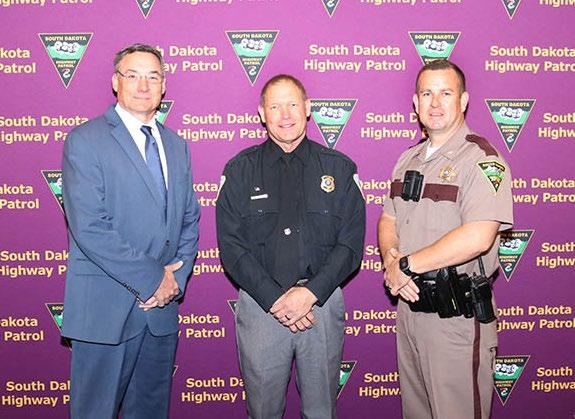
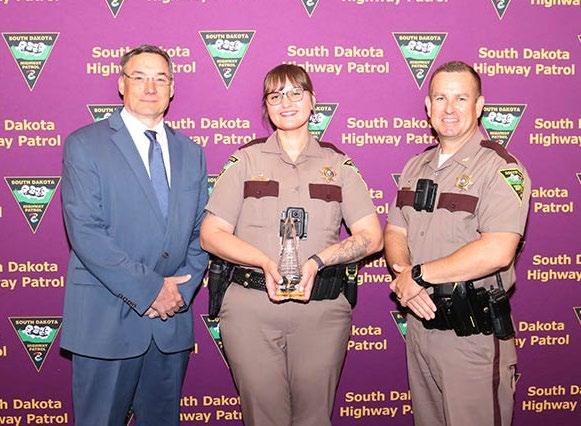
Sioux Falls, S.D.- The South Dakota Highway Patrol is proud to announce Trooper Paige Zempel has been named the 2025 Trooper of the Year, and Inspector Aaron Kemnitz has been named the 2025 Motor Carrier Inspector of the Year. These honors are among the agency’s highest distinctions, recognizing exceptional service and commitment to keeping South Dakota a safe place to live, work, and travel. The awards were presented by Colonel Casey Collins, Superintendent, SD Highway Patrol.
Trooper Zempel has served with the Highway Patrol for nearly 6 years and is stationed in the Glacial Lakes Squad. Trooper Zempel is widely respected for her strong work ethic, professionalism, teamwork, and commitment to the community. In addition to serving as a District Crash Coordinator, she remains a top contributor to highway safety through proactive enforcement and public engagement.
Inspector Aaron Kemnitz has served with the Motor Carrier Services division since 2023. Known for integrity, attention to detail, and a strong team-first mindset, Inspector Kemnitz completed more than 624 commercial motor vehicle inspections last year. He is also a leader in training and mentorship, continually working to strengthen both individual and team performance.
"Trooper Zempel and Inspector Kemnitz are committed public servants who play a key role in keeping South Dakota strong, safe, and free," said Governor Larry Rhoden. "I am proud of their tenacity, leadership, and dedication to protecting our communities and ensuring our state remains the very best place to live."
“The men and women of the Highway Patrol set a high bar every day, and Trooper Zempel and Inspector Kemnitz exemplify what it means to serve with integrity and purpose,” Col. Collins said. “Their commitment goes well beyond enforcement because they actively build trust, support local communities, and represent the very best of this agency.”
The awards were presented today during the 14th Annual Highway Patrol Awards Ceremony in Sioux Falls, which featured Sioux Falls Mayor Paul TenHaken as the keynote speaker.
The South Dakota Trucking Association, South Dakota Auto Dealers Association, and AAA of South Dakota sponsored the event.
The Highway Patrol is an agency of the South Dakota Department of Public Safety.
Caption: Inspector Aaron Kemnitz (center) accepts the SDHP Motor Carrier Inspector of the Year Award from DPS Secretary Bob Perry and Col. Casey Collins.
Caption: DPS Secretary Bob Perry and Col. Casey Collins present Trooper Paige Zempel (center) with the Trooper of the Year award.
The Medical Certification Gap is Putting CDLs at Risk
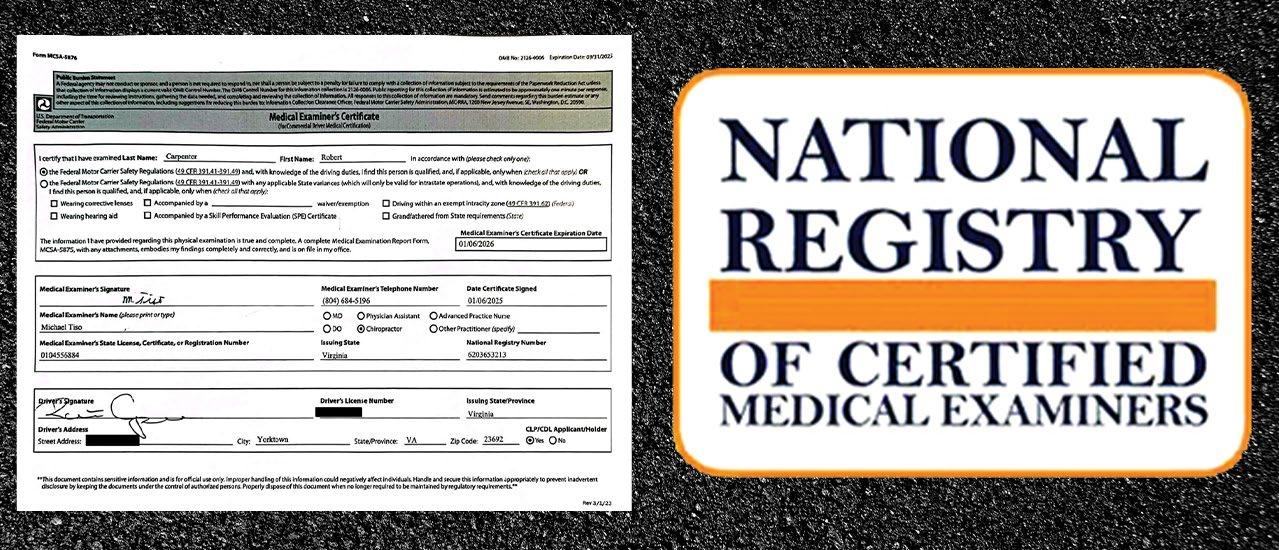
It is the physician's responsibility to upload the driver's medical certificate to FMCSA, which then transmits it to the state licensing agency. Physicians are not doing it.
Rob Carpenter | FreightWaves
Two people I know personally reached out to me in the past week with the same problem. Gord Magill, a veteran of the trucking industry and a voice that most people in this space know, went for his DOT physical in New York and received his medical examiner’s certificate from the physician without issue. Weeks later, he discovered that the physician had not uploaded the results to FMCSA’s National Registry system, which meant the state of New York had no record of a current medical certification on file. Mill owner and friend Sam Motley had the identical experience with a physician in Virginia. Two different states, two different doctors, the same failure. I get dozens of these calls a week. In both cases, the driver did everything right. In both cases, the physician did not complete the process. In both cases, the driver was at risk of a CDL downgrade that would have pulled them off the road through no fault of their own.
These are symptoms of a systemic transition that FMCSA implemented and that the medical examiner community has not fully adopted, and most don’t know about. This same issue happened with Carriers and Clearinghouse. Half the carriers we deal with don’t realize Clearinghouse is a “thing and it’s existed for 6 years. The change is significant, shifting a critical compliance burden from the driver to the physician in a way that many certified medical examiners do not yet fully understand.
What Changed
Under the previous system, a commercial driver who completed a DOT physical received a Medical Examiner’s Certificate (and the long form) directly from the physician. The driver was then responsible for providing that certificate to the state driver
licensing agency to self-certify. The state would update the driver’s record to reflect the current medical certification, and the Motor Vehicle Record would show the driver as medically qualified. The process depended on the driver taking the certificate to the state, and if the driver forgot or delayed, the state record would not reflect the current medical status. Carriers then had to verify the self-certification and medical certification status through an MVR pull.
Under National Registry 2, that workflow changed. The certified medical examiner is now required to electronically transmit the results of the DOT physical directly to FMCSA through the National Registry system. FMCSA then transmits the medical certification data to the appropriate state driver licensing agency. The state automatically updates the driver’s record based on data it receives from the FMCSA. The driver no longer needs to hand-carry the certificate to the DMV. The physician uploads it, FMCSA routes it, and the state records it. The process is cleaner on paper and eliminates the compliance gap that existed when drivers failed to submit their own certificates. But it only works if the physician completes the upload.
Where the Process is Breaking
The failure point is at the first step. Not all certified medical examiners, including physicians, chiropractors, nurse practitioners, physician assistants, and doctors of osteopathic medicine, are aware that the upload responsibility has shifted to them. Many are still handing the driver the paper certificate and considering the encounter complete. The driver walks out with a valid medical certificate in hand, believes the process is complete, and has no reason to suspect that the electronic transmission to the FMCSA did not occur. Weeks or months
later, the state sends a notice that no current medical certification is on file, and the CDL will be downgraded if the issue is not resolved.
The problem is compounded by the variety of medical professionals who perform DOT physicals. A hospital-affiliated occupational health clinic with dedicated EHR integration may have built the FMCSA upload into its standard workflow. A solo-practice chiropractor performing DOT physicals on the side may not know the upload exists. A nurse practitioner at a walk-in clinic may know the requirement but lack access to the National Registry portal, or may not have been trained to use it. The certification to perform DOT physicals requires completing a training program and passing an examination, but training in the administrative upload process is not always part of that curriculum, and the administrative infrastructure varies widely across practice settings.
The resulting compliance gap is invisible to the driver and the carrier until the state sends the downgrade notice. The driver has the paper certificate. The carrier has a copy in the driver qualification file. The annual MVR pull, if the carrier runs one, may not reflect the problem until the state has already initiated the downgrade. At that point, the carrier has a driver who is technically disqualified from operating a commercial motor vehicle, and every mile that driver drove between the failed upload and the downgrade notice is a mile the carrier’s insurance may not cover.
What Drivers Need to Do
A driver who completes a DOT physical should not leave the examiner’s office until confirming that the physician is aware of and intends to complete the electronic upload to the FMCSA through the National Registry portal. That is not a confrontational question. It is a compliance question, and any certified medical examiner who is up to date on the requirements will understand it. If the physician is not familiar with the upload requirement, the driver needs to find a different examiner, because a certificate not transmitted electronically is one the state will never see.
After the exam, the driver should check with their state licensing agency to see if the results do not appear within a reasonable period. If the results do not appear within a reasonable period, the driver should contact the examiner’s office and request that the upload be completed again. Waiting for the state to send a downgrade notice is waiting too long. By the time that letter arrives, the driver’s MVR already shows a lapsed medical certification, and any carrier that checked the MVR during that window would see a driver who appears disqualified.
What Carriers Need to Do
The carrier’s obligation under Part 391 is to ensure that every driver in the fleet holds a current, valid medical certificate and that the driver qualification file contains a copy. Under National Registry 2, that obligation now includes verifying that the
physician’s upload actually reached the state. The DQ file may show a valid paper certificate dated last month. The state MVR may show no current medical certification on file because the physician never uploaded it. Those two records contradict each other, and in a post-crash litigation environment, a plaintiff’s attorney will use that contradiction to argue that the carrier either did not check or did not care.
The fix is an MVR check within 30 days of every DOT physical. Not the annual pull that most carriers run as a regulatory minimum, but a targeted pull specifically to confirm that the new medical certification appears on the state record. If it does not, the carrier contacts the physician’s office and demands that the upload be completed before the driver’s next dispatch. Carriers should also consider adding a line to their onboarding and recertification processes that requires the driver to confirm the examining physician’s name and National Registry number, so the carrier has a direct point of contact if the upload fails.
What Physicians Need to Understand
The certified medical examiner who performs a DOT physical and does not upload the results to FMCSA has not completed the examination. The regulatory process does not end when the physician signs the certificate and hands it to the driver. It ends when the electronic transmission reaches the FMCSA, which then transmits the data to the state. A physician who performs DOT physicals under National Registry certification and fails to complete the upload is putting the driver’s CDL at risk, exposing the driver to a potential downgrade, and creating a compliance gap that the driver and the carrier may not discover until the damage is done.
The upload isn’t optional; it’s a federal requirement tied to the physician’s certification with the National Registry of Certified Medical Examiners. A physician who consistently fails to complete uploads risks referral to FMCSA for review of their National Registry certification. More immediately, the physician risks a phone call from a very unhappy commercial driver whose CDL was downgraded because the physician did not complete the paperwork, followed by a call from the carrier’s safety director, and, in some cases, a call from regulators. Those calls are avoidable by completing the five-minute electronic upload required by the regulation.
The system works when everyone in the chain does their part. The driver gets the physical. The physician uploads the results. FMCSA routes the data. The state updates the record. The carrier pulls the MVR and confirms the cycle is complete. When any link in that chain fails, the driver is the one who pays, and the driver is the one with the least ability to fix it. That is why this matters. A commercial driver’s livelihood depends on a medical certification that a physician may not know they are supposed to transmit, through a system the physician may not know how to use, to an agency that will downgrade the license without asking whether the failure was the driver’s fault. The process has changed. The industry needs to catch up. Reprinted from FreightWaves.
SIMPLIFIED, INTERACTIVE, AND TRUSTED ONLINE SAFETY TRAINING.
Outdated and unrealistic safety training slows operations and increases liability. Built by former CDL drivers, safety and operations leaders, and state troopers, Changing Lanes Academy (CLA) delivers modern, mobile-friendly training that works for drivers and support teams without disrupting daily operations.
Why CLA works for every role:
Drivers Realistic, engaging training they can complete anywhere
Safety Teams Real-time tracking and documented compliance
Operations Efficient training with no wasted time
Owners Reduced risk and potential insurance savings
The best part? Drivers who complete CLA and have an approved front-facing camera may qualify for a 5% insurance discount through Aladdin’s trucking insurance partner.
Safety Ratings For All? DOT Launches Tech Project to Rate 'Every Motor Carrier'
Alex Lockie | Executive Editor | Overdrive Online
The Department of Transportation has awarded a contract to use predictive tech to help crack down on fraud and cabotage, and it could lead to preliminary safety ratings to the masses.
The contract, awarded in April, specifically mentions needing safety ratings for the "thousands of new and unrated entrants that dominate the spot market."
That's likely music to the ears of just about everyone in trucking.
Carrier and broker associations, in the wake of the recent Supreme Court decision shifting broker liability, have been crying out for the Federal Motor Carrier Safety Administration to issue safety ratings to the more than 90% that remain unrated.
Owner-ops have reported being locked out of freight from C.H. Robinson for lacking safety ratings, and brokers have complained of an "impossible" task of assessing carrier safety for movement of millions of loads each year.
The contract, with DOT's Volpe National Transportation Systems Center, seeks to close the gap.
The contract, awarded to freight data firm Bluewire, is "focused on tackling fraud and cabotage while advancing a broader, data-driven framework to better understand — and ultimately rate — every motor carrier operating under DOT authority,"
Bluewire CEO Steve Bryan wrote on LinkedIn. "No more unrated carriers."
Bryan told Overdrive that DOT initially reached out about its efforts to tackle the problem of "cabotage," the illegal practice of Mexican- and Canadian-domiciled carriers hauling point-topoint within the U.S.
Bluewire's contract awarded in April called for creating a "predictive actuarial model that assigns an Interim Risk Rating to unrated Mexican-domiciled carriers with authorities to operate along the US-Mexico commercial border zone or to conduct long-haul international transport."
Bryan told Overdrive Bluewire is engaged with DOT to create a "statistically defensible model" as a candidate to potentially "replace today’s safety ratings."
Bryan said Bluewire will deliver the model to DOT at the end of September, but that won't result in safety ratings for all on October 1.
"Even if we invent something that is utter perfection, DOT will have to take that to Congress and the rulemaking process," said Bryan. "It's a long road, and that’s assuming our customer accepts what we give them."
Reprinted from Overdrive Online.
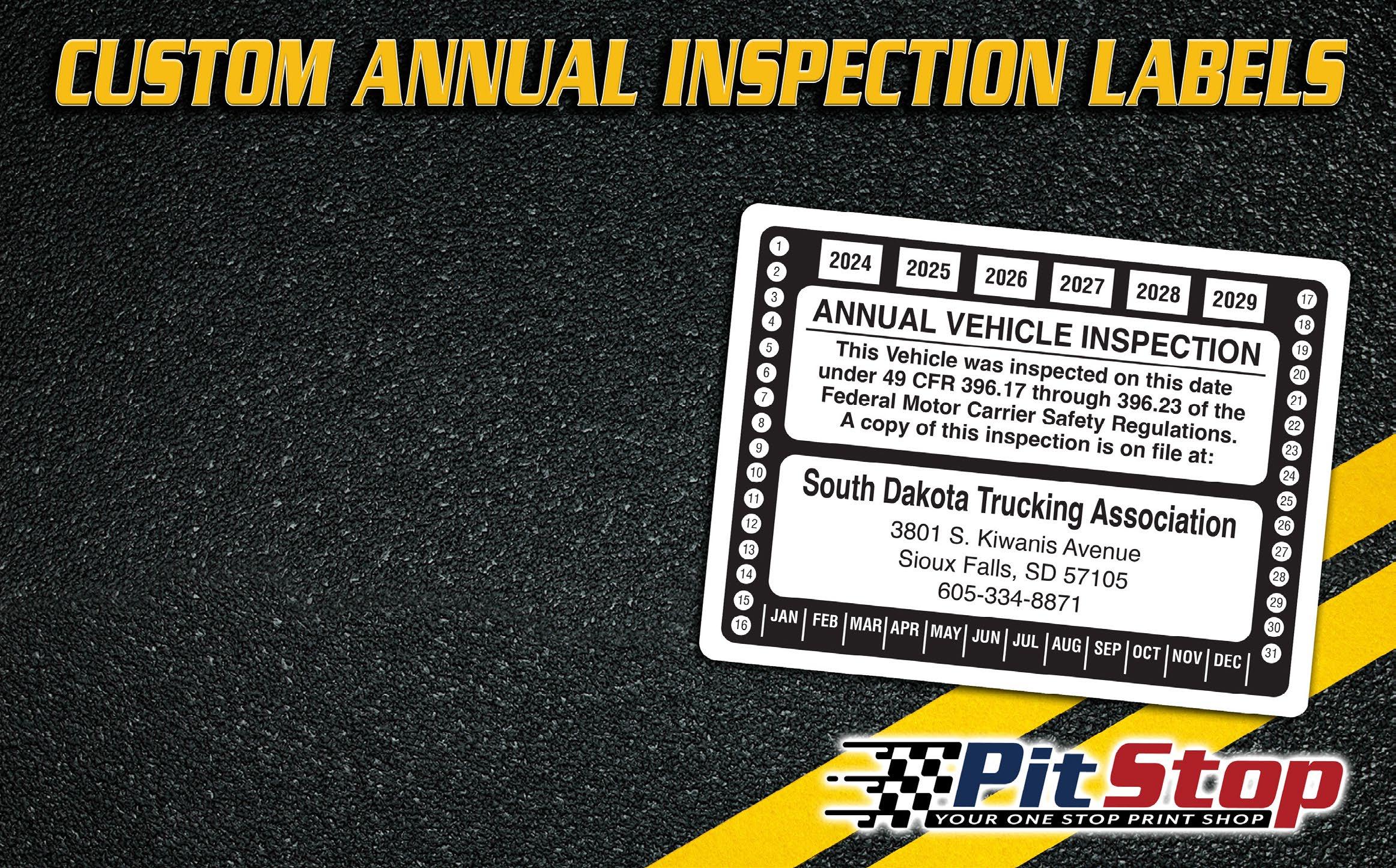
MEMBER PRICES
4”x3” Label, Black Ink
Quantity: 250 500 1,000
$273.58 $341.00 Call for price
NON-MEMBER PRICES
4”x3” Label, Black Ink
Quantity: 250 500 1,000
$307.50 $382.53 Call for price
Brokers Want FMCSA to Draw a Bright Line Between Safe and Unsafe Carriers
Tyson Fisher | Associate Editor | Land Line
Do Federal Motor Carrier Safety Administration safety ratings have any teeth? Freight brokers don’t seem to think so and want the agency to fix the system fast.
In the aftermath of the Supreme Court decision holding freight brokers liable for negligently hiring unsafe motor carriers, the industry is scrambling to navigate the new legal landscape. Part of C.H. Robinson’s argument in the Montgomery v. Caribe case was that FMCSA already determines who is and isn’t safe, so why are they burdened with double-checking its work?
Not only was that argument shut down by the Supreme Court, but FMCSA itself has acknowledged that its safety ratings should be taken with a grain of salt. Its Safety Measurement System (SMS) uses a symbol, which, to the layperson, may look to mean a motor carrier is problematic. But FMCSA states that the symbol only indicates that the agency “may prioritize a motor carrier for further monitoring.”
“The symbol is not intended to imply any federal safety rating of the carrier pursuant to 49 USC 31144,” FMCSA states on the SMS webpage. “Readers should not draw conclusions about a carrier’s overall safety condition simply based on the data displayed in this system.”
Furthermore, when anyone accesses the SMS homepage, they are greeted with a message informing them that once publicly available information is no longer public. That includes Crash Indicator and Hazardous Materials Compliance within the Behavior Analysis and Safety Improvement Categories (BASIC).
With no clear safety measurements from the agency tasked with keeping unsafe motor carriers off the road, freight brokers are trying to figure out how to do it themselves in a post-Montgomery world.
C.H. Robinson, for example, no longer works with carriers with a Conditional rating and requires a seven-day waiting period for new authorities, among other changes.
But it is not known whether that would be enough to protect the broker from liability. That is why the Transportation Intermediaries Association, which represents freight brokers, has submitted a petition for rulemaking, asking FMCSA to establish a federal safety standard for motor carriers.
“In light of the recent U.S. Supreme Court decision in Montgomery v. Caribe, it is now clear that brokers and shippers continue to face an untenable burden in attempting to evaluate, develop, and apply disparate methodologies and standards (using potentially suspect data) in an effort to discern whether a federally-licensed motor carrier will nevertheless be deemed unsafe according to judges and juries in every state and federal jurisdiction across the country,” TIA states in its petition. “The determination of what motor carriers are safe to use properly rests with the federal government.”
TIA wants FMCSA to create a “carrier selection safety standard that informs brokers and shippers whether or not the use of a given motor carrier is reasonable.”
That includes verifying whether a motor carrier:
• Is registered under Section 13902 of Title 49
• Has the federal minimum insurance coverage
• Is not determined unfit to safely operate a commercial vehicle or otherwise ordered to discontinue operations by FMCSA (including not renewing a Department of Transportation registration number) or a state, for intrastate commerce
Establishing a motor carrier selection safety standard could take a long time if FMCSA accepts the challenge. In the meantime, TIA is also asking the agency to publish a list of carriers it considers to be “high risk.”
Freight brokers argue that having a federal safety standard could mitigate the unintended consequences of the Supreme Court decision. Specifically, some industry stakeholders are worried that brokers will
overcorrect to avoid legal consequences. In other words, safe and compliant carriers could be excluded. A few owner-operators are claiming that it has already happened to them.
More than 90% of active interstate motor carriers have no safety rating. Of the less than 10% that do, nearly a quarter have a Conditional or Unsatisfactory rating. That means only 2% of all active carriers have a Satisfactory rating.
Revising safety fitness determinations has been in the works for years.
FMCSA held three listening sessions in 2024. Last year, the Owner-Operator Independent Drivers Association told the Office of Management and Budget that the current safety fitness determination does not reliably assess a motor carrier’s ability to operate safely.
“Most of SFD’s shortcomings relate to the inaccuracy and inconsistency of the data that is collected and analyzed during a safety investigation,” OOIDA wrote. “As FMCSA pursues the development of a new methodology to determine when a motor carrier is unfit to operate, the agency must avoid relying on the Compliance, Safety, Accountability (CSA) and Safety Measurement Systems (SMS) programs.”
A notice of proposed rulemaking was expected to drop in June 2025. One year later, nothing. According to FMCSA’s spring 2025 agenda, a proposed rulemaking was projected for May of this year. One month later, and still no rulemaking.
“While TIA recognizes that FMCSA is actively working to modernize the SFD process, the industry cannot continue to operate effectively and provide its essential role to the U.S. economy in the absence of a clear, enforceable federal standard,” the association states in the petition. LL
Land Line Managing Editor Mark Schremmer contributed to this story.