



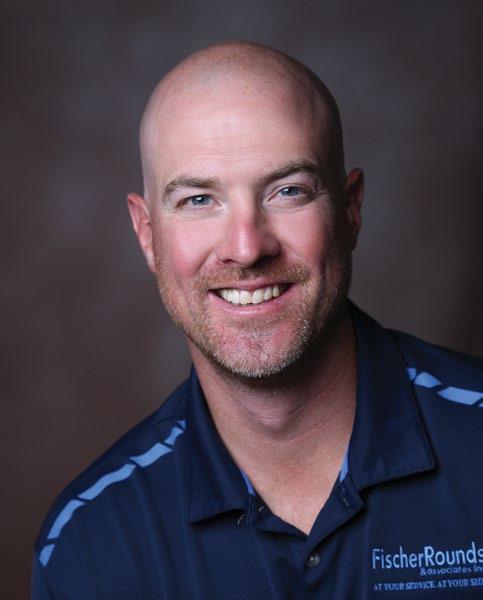
Justin Anders
Chairman
Tom Murphy
Vice Chairman
Ryan Viessman
Treasurer
Jim Maciejewski
Secretary
Bob Willey
Past Chairman
Vacant
ATA Vice President
Christine Vinatieri-Erickson
President
SDTA BOARD OF DIRECTORS
Phillip Christian
Nick Cleveringa
Shanna Gray
Pete Halverson
Eric Hamiel
Jared Hanis
Steve Hoffman
Bailey Johnson
Larry Klaahsen
Tim Kotalik
Justin Larson
Matt Parker
Jeff Peterson
Dan Schipper
Ben Sternhagen
Gene Williams
SDTA SERVICES BOARD OF DIRECTORS
Jim Maciejewski
Chairman
Brad Schipper
Membership Retention Director
Todd Johnson
Public Relations Director
Rick Underwood
Membership Services Director
Cindy Heiberger
Group Insurance Director

The trucking industry is moving towards a slow, supply-driven recovery, transitioning away from the prolonged freight recession it has been, according to the experts. As of last month, spot rates are at a two-year high, and from what I’ve read, contract rates are beginning to increase because of tightening capacity. While I’m grateful for the better rates, the steady increase in fuel and operating costs over the past couple of months has compressed most profit margins. Hopefully, we will continue to see the moderate growth predicted for the rest of this year, because, along with the operating costs skyrocketing, equipment costs will also be much higher due to the 2027 EPA low NOx rule and current tariffs. What a fantastic industry we are in.
I hope to see many of you at the annual Spring Board Meeting on May 7th and the 24th Annual Cliff Tjaden Fishing Event on May 8th.
Safe travels,

Justin Anders Anders Trucking dispatch@anderstrucking.com

JUSTIN LARSON (605) 224-1611
PIERRE, SD
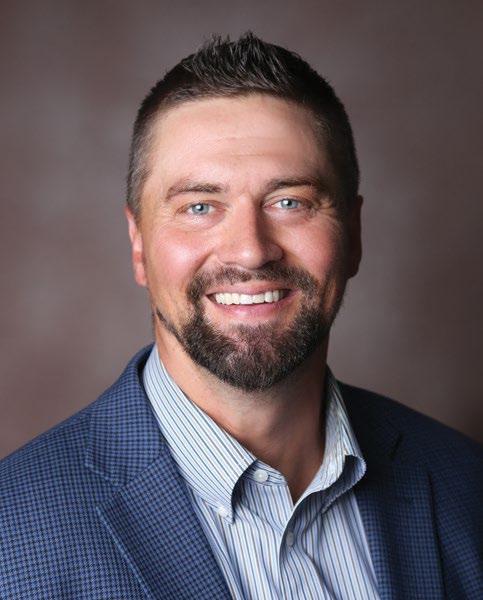
KURT SWANSON (605) 224-1611
PIERRE, SD
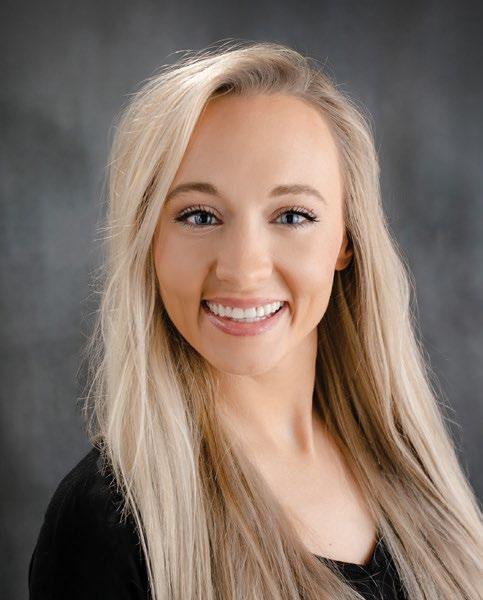
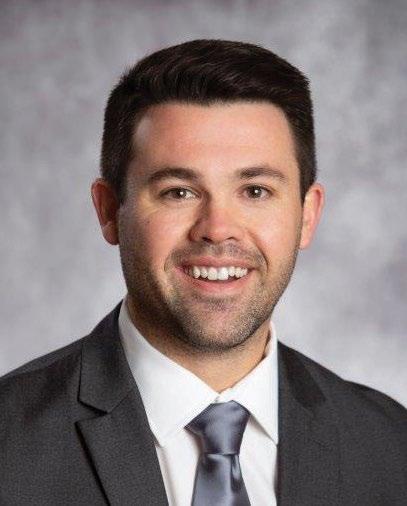
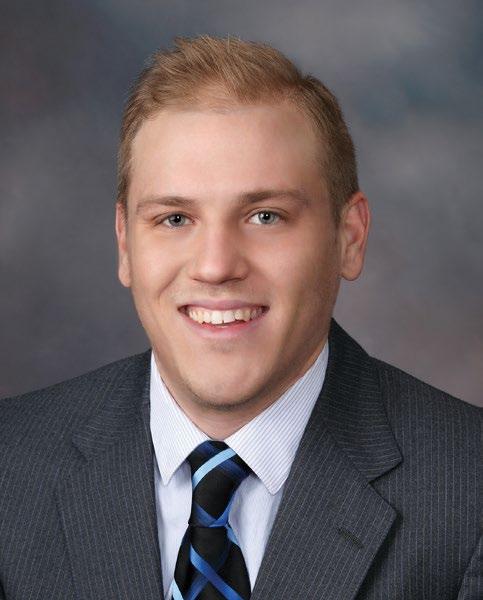
JORDAN GAU (605) 996-4698
MITCHELL, SD NICK BACKLUND (605) 996-4698
MITCHELL, SD
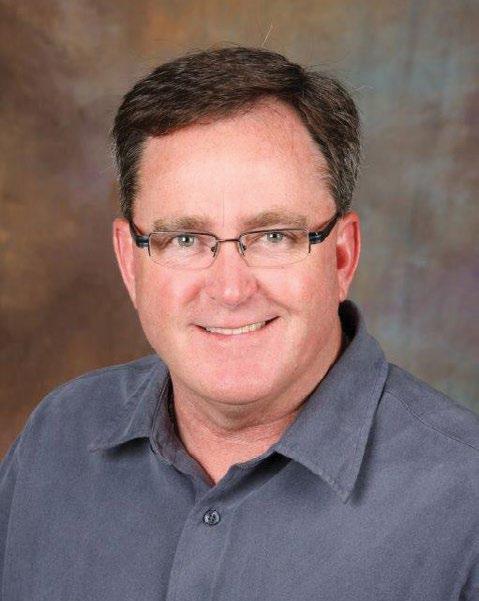
TACHA ARTZ (605) 737-7865 RAPID CITY, SD GREG BALDWIN (605) 336-2795
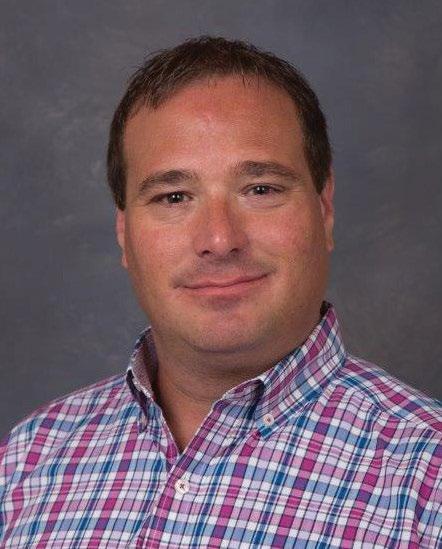
RUSS STOUGH (605) 336-4444 SIOUX FALLS, SD
Acrisure Truck Group consultants are experts in the coverage of all size trucks and farm equipment, so we know the risks and liabilities to make sure you are fully covered. We have four locations in South Dakota to serve you and your truck insurance needs—Pierre, Mitchell, Rapid City and Sioux Falls.
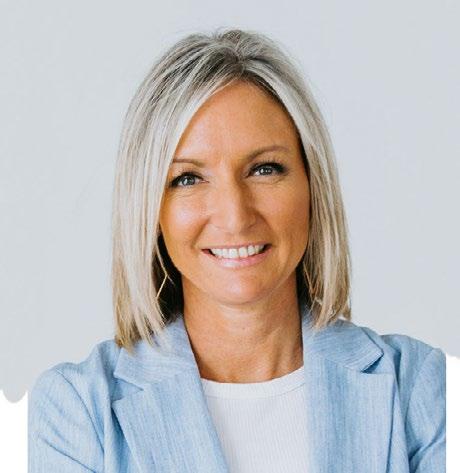
Christine Vinatieri-Erickson President christine@southdakotatrucking.com
Michelle Wells Member Manager michelle@southdakotatrucking.com
Patty Hinz
Office Manager/Graphic Designer patty@southdakotatrucking.com
Scott Johnson Controller accounting@southdakotatrucking.com
CONTACT INFORMATION
Address: 3801 S. Kiwanis Avenue Sioux Falls, SD 57105
Office: (605) 334-8871
Email: info@southdakotatrucking.com Website: southdakotatrucking.com



As we move through April, there are several important upcoming events and updates for SDTA members.
First, be sure to mark your calendars for the Fishing Calcutta and Board Meeting taking place May 7–8. This is always a great opportunity to connect with fellow members and stay engaged with association leadership.
We’re also looking ahead to the Truck Driving Championships on May 16. There is still time to register, but don’t wait—the deadline is quickly approaching, April 30th.
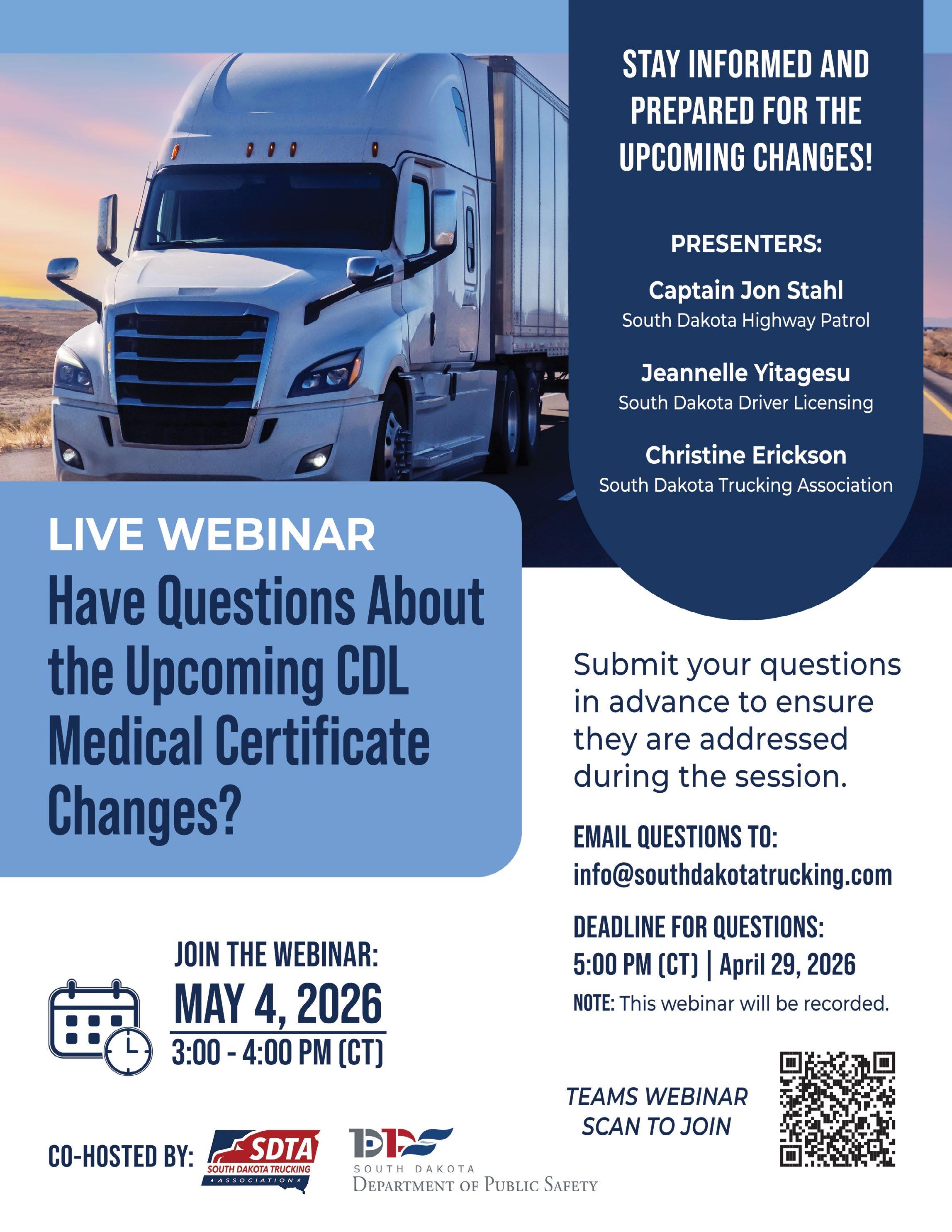
On the regulatory front, we have received numerous calls regarding the new requirements for CDL holders—both intrastate and interstate—to carry a valid medical card. To help address questions, we’ve included a detailed FAQ on this topic (see page 12). Additionally, I am working with Department of Public Safety Secretary Perry to schedule a webinar that will provide further clarity and answer member questions (see page 13). This change is set to take effect July 1, 2026, so it’s important to stay informed and prepared.
Finally, please remember the upcoming June 2 election. Voting is critical, and participation ensures your voice is heard on issues that impact our industry and communities. Elections have consequences, and engagement matters.
We appreciate your continued involvement and look forward to seeing many of you at these upcoming events.
Onward,

Christine Vinatieri-Erickson christine@southdakotatrucking.com

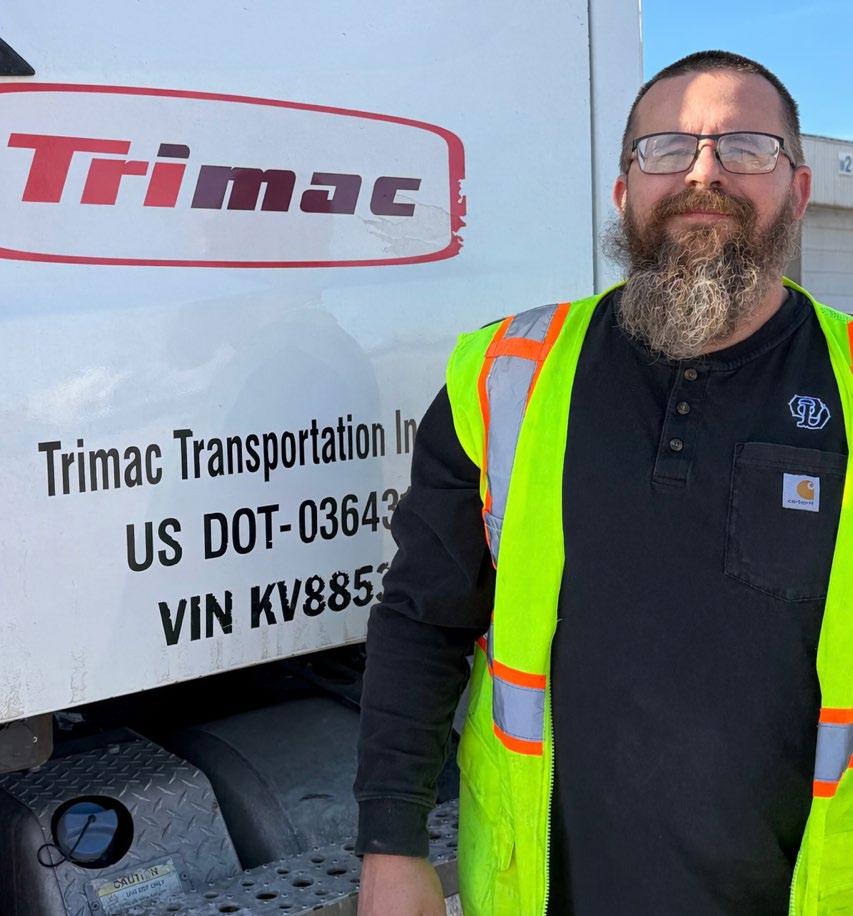
Chad Kent, Trimac Transportation, Rapid City, SD, was selected as the April 2026 Driver of the Month by the South Dakota Safety Management Council.
Chad is a dependable driver who takes pride in doing things the right way—especially when it comes to safety. He’s always willing to jump in wherever needed and is trained across all of our products. With over 13 years of driving experience and more than 900,000 accident-free miles, Chad sets a high standard for professionalism on the job.
Outside of work, Chad enjoys spending time with his family and cheering on local teams at sporting events. He’s also deeply involved in the community, helping organize and put on the high school’s Fourth of July fireworks display each year.
Chad and his wife Cassie reside in Box Elder. They have 4 children.
The South Dakota Trucking Association joins the Safety Management Council in congratulating Chad Kent on being selected as the April 2026 Driver of the Month.

A nomination form & rules can be found online at www.southdakotatrucking.com under the Resource s tab. For more information, please contact
605-334-8871 or

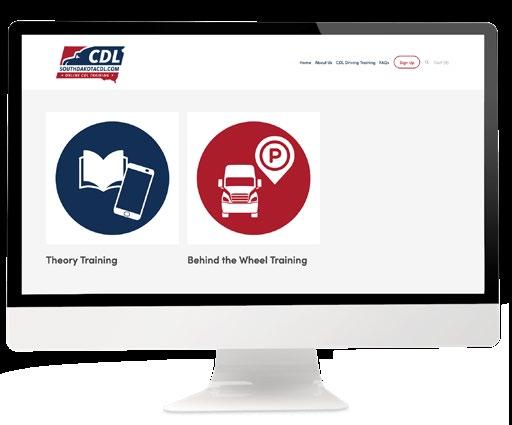

We offer high-quality, low-cost CDL training options in the South Dakota region that are available online from any device. Our curriculum is fully compliant with the current FMCSA ELDT Training standards, and we are a member in good standing of the Training Provider Registry as a Theory provider.
To learn about our fully-online, FMCSA-compliant CDL Theory program and how you can join our trainee to employee pipeline, call the SDTA office at 605-334-8871 or go to www.southdakotatrucking.com

You deserve a banker who actually understands your business.
Derek has extensive industry knowledge and expertise in the transportation industry, and he’s been helping entrepreneurs finance and grow their businesses for more than a decade.
Whether you’re looking to buy, sell, determine equipment value, or review financial performance, you have a trusted partner in him. Give Derek a call, and let’s get a conversation rolling.
MAY 7, 2026
SDTA Spring/Summer Executive Committee Meeting
10:00 a.m.
AmericInn Chamberlain, SD
MAY 7, 2026
SDTA Spring/Summer Board of Directors Meeting
1:00 p.m.
AmericInn Chamberlain, SD
MAY 7, 2026
Social Hour, Dinner and Calcutta for the Annual Cliff Tjaden Fishing Event
6:00 p.m.
AmericInn Chamberlain, SD
MAY 8, 2026
Annual Cliff Tjaden Fishing Event
7:30 a.m. - 3:30 p.m.
Cedar Shore Marina Oacoma, SD
MAY 16, 2026
SD Truck Driving Championships
7:00 a.m.
Southeast Technical College Sioux Falls, SD
JUNE 4-7, 2026
Wheel Jam Truck Show
State Fairgrounds Huron, SD
JULY 9, 2026
SDTA East River Golf Event
9:00 a.m.
Brandon Golf Course Brandon, SD
AUGUST 11-15, 2026
National Truck Driving Championships
David L. Lawrence Convention Center Pittsburgh, PA
SEPTEMBER 1-3, 2026
SDTA 91st Annual Convention Deadwood Mountain Grand Hotel & Casino Deadwood, SD
SEPTEMBER 13-19, 2026
National Truck Driver Appreciation Week
NOVEMBER 12, 2026
SDTA & SDADA Annual Pheasant Hunt
8:00 a.m.
Meet at Hutch’s Cafe Presho, SD
NOVEMBER 13, 2026
SDTA Fall Executive Committee Meeting
8:00 a.m.
AmericInn Fort Pierre, SD
NOVEMBER 13, 2026
SDTA Fall Board of Directors Meeting
10:00 a.m.
AmericInn Fort Pierre, SD
NOVEMBER 17, 2026
West River Legislative Reception
5:30 - 7:00 p.m.
Hyatt Place Rapid City, SD
NOVEMBER 19, 2026
East River Legislative Reception 5:30 - 7:00 p.m.
Minervas | Lower Level Sioux Falls, SD

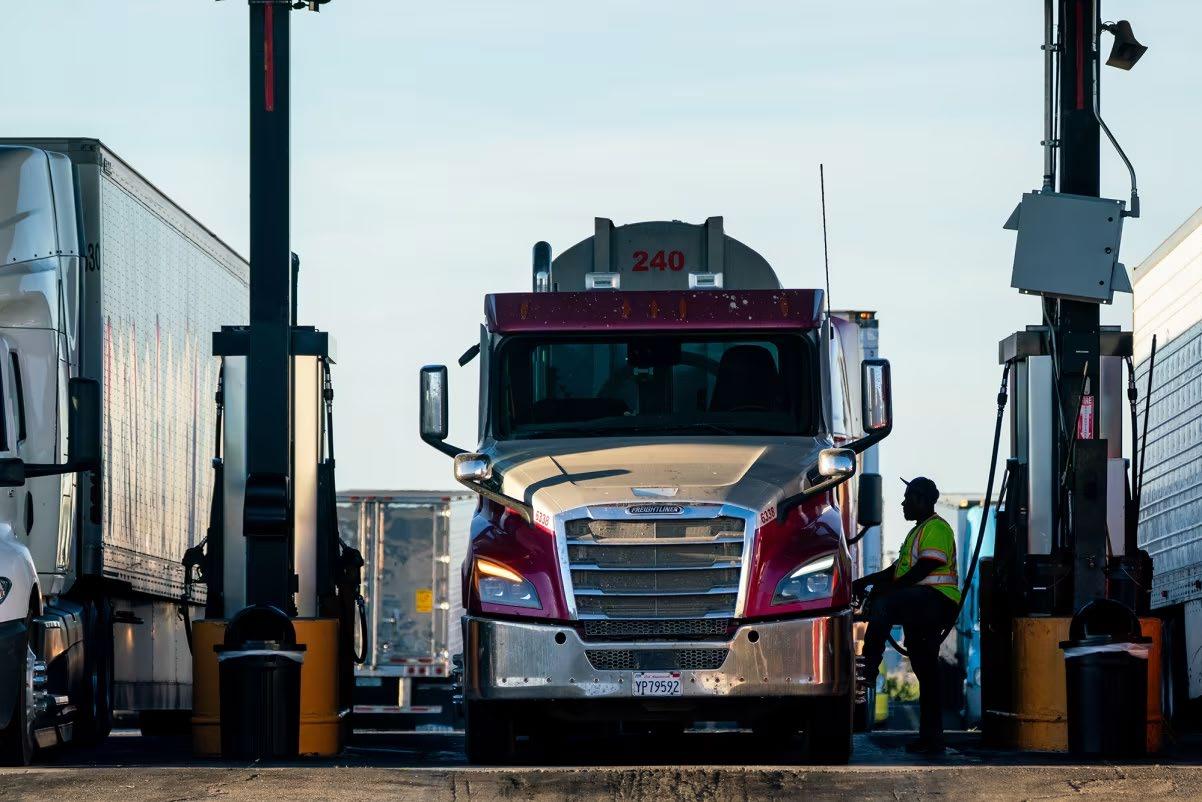
The spike in diesel is the latest blow to truckers. Kyle Grillot/Bloomberg/Getty Images
Nathaniel Meyersohn | CNN
New York — Jamie Hagen believed the Great Freight Recession was finally over.
Last year was a tough one for his South Dakota trucking company, Hell Bent Xpress. He was thinking about shutting down, his cash drained in the lean years that followed America’s post-pandemic shopping spree.
But he refinanced his equipment, wagering demand would pick up and freight rates would rise again. “We started seeing some real progress. There was a lot of hope,” he said.
Then the Iran war started.
Diesel, the largest day-to-day expense in trucking, has jumped 41% since the start of the war to a national average of nearly $5.38 a gallon. The rise in oil prices is rippling through the US economy. Gas prices have jumped for drivers and grocery bills may soon rise.
Small fleet owners like Hagen and independent owner-operator drivers are hit hardest by the oil spike in the for-hire trucking industry. They typically own their rigs, pay for fuel and maintenance and find freight on the volatile spot market, where shippers post one-off loads for carriers to transport.
Small truckers aren’t making money fast enough from these rates to cover their higher diesel costs.
Jamie Hagen, the owner of Hell Bent Xpress in South Dakota, is considering parking his rigs.
Large carriers like JB Hunt and Schneider National are less exposed to the pressures he’s feeling.
They have long-term shipping contracts with fuel surcharge clauses that adjust automatically when diesel increases. Big carriers often run more fuel-efficient trucks than small operators and have sophisticated fuel hedging strategies.
Most small operators don’t get these fuel surcharges. Rates on the spot market are negotiated “all-in” without a carveout for fuel. Small operators are lucky to recover half of higher fuel costs in their rates, said Dean Croke, principal analyst at DAT Freight & Analytics.
“Small guys in spot market are really getting dumped on right now,” he said.
Truckers also often don’t get paid for months after hauling a load. Large carriers with working capital can manage, but it’s brutal for small operators facing thousands of dollars extra in fuel costs today.
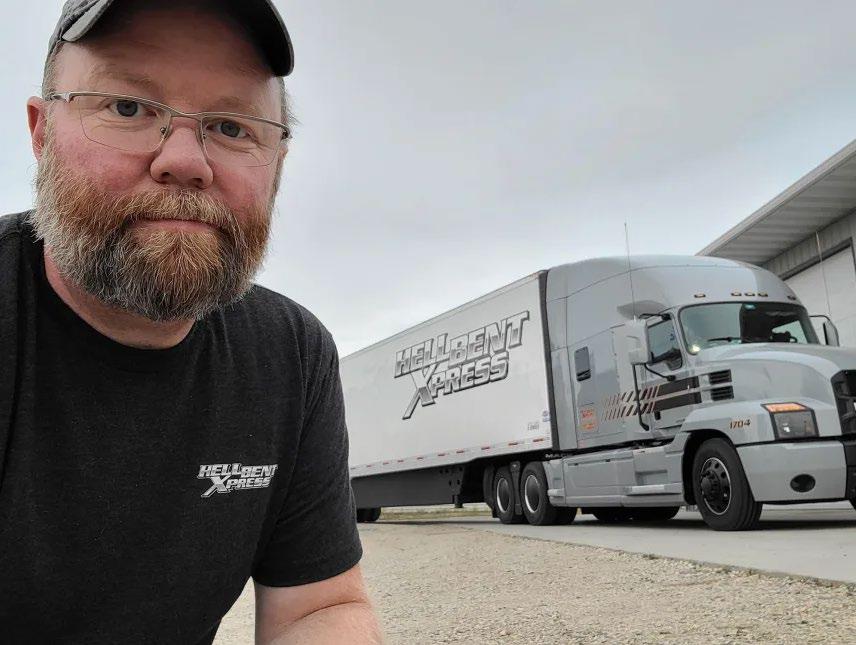
“Cash flow is becoming our biggest issue,” Hagen said.
The pump hit $999.99 at a fuel stop this week when it shut off, short of a full tank for his orange 18-wheeler Mack truck. Truckers are usually paid by the mile, not the hour, and his costs have shot up twenty cents a mile since the war began — wiping out the five cents he usually earns.
“We were already on the very breaking point to begin with. This is like the nail in the coffin,” he said.
The number of truckers on the road grows when demand is hot and shrinks as the economy cools.
Some 450,000 owner-operators currently haul long-distance freight by the truckload, estimates Stephen Burks, a former truck driver and economist at the University of Minnesota Morris who researches the industry.
Thousands of operators flooded into the market starting in 2021 to haul goods to Americans stuck at home and flush with pandemic stimulus checks. Most firms that sprang up to capitalize on the demand had fewer than five employees, Burks said.
Freight rates climbed nearly 40%, and business boomed.
“You couldn’t throw a stone without making a profit,” Hagen said.
But the market turned at the end of 2022. Consumer demand began to slip and rates started falling. The industry suddenly faced a different problem: too many truckers chasing a slowdown in freight. Many mid-sized carriers, small fleets and thousands of independent truckers all exited the industry.
Stagnant rates today still reflect oversupply from the post-pandemic boom.
The diesel shock could force some truckers to park their rigs — lifting rates for operators left standing.
Christopher Lloyd, a longtime truck driver in Richmond, Virginia, is trying to hold on.
He became an independent owner-operator in 2024 after years of driving for different companies. He spent $187,000 on a new flatbed truck.
“I got into this to own and control the terms of my career and the direction of the business,” he said.
He’s adapting to the diesel price increasing by tightening his “fuel strategy” and filling up at stops where diesel is cheapest. He’s skipping $130 truck washes, pressing freight brokers to add extra money to loads and rejecting unprofitable jobs in New England.
“The shippers up there are still clinging to old prices,” he said.
He has witnessed trucking go from “a ticket to the middle class to slowly creeping its way to an economic backwater” during his career. Rates, driver pay and benefits have all been driven down since federal deregulation of the industry during the 1970s and 1980s.
But he has no plans to leave. He’s a lifer.
“As long as I can still feed myself and keep the lights on, I’m hanging on.”
Reprinted from CNN
Featured in this story, Jamie Hagen of Hell Bent Xpress in Bath, SD, is a proud member of the South Dakota Trucking Association (SDTA), shares the challenges impacting small carriers nationwide.
What’s Changing on July 1, 2026, for
icates in South Dakota?
• EA-Excepted Intrastate- Are the only drivers that are affected by this change.
• South Dakota will no longer exempt intrastate CDL holders from the requirements of 49 CFR 391.11(b)(4), Physical Qualifications.
• Your CDL will be automatically downgraded to a non-commercial license on July 1, 2026.
• You can still drive on that non-commercial license.
• But you won’t be allowed to operate commercial vehicles again until you receive a medical card.
Re-Certify as:
• NI- Non-excepted Interstate - (You will qualify for this if you or your cargo cross state lines or you do not meet qualifications in other categories.)
• Visit a certified medical examiner listed on the FMCSA’s National Registry.
• They’ll submit your medical certificate electronically to Driver Licensing within 2 business days.
• Then go to a driver exam station before July 1 to update your CDL and remove the “K” restriction and receive a new license.
EI-Excepted Interstate - (You may qualify only if all your commercial driving is under federal exemptions 49 CFR 390.3(f), 391.2, 391.68, or 398.3).
• You may still qualify for Excepted Interstate under the following conditions: Beekeepers, custom harvesters, government employees, and certain farm vehicle drivers and qualifying covered farm vehicles. (See the federal regulations for a full list of excepted categories.)
• Go to the driver exam station before July 1 to update your CDL and remove the “K” restriction and receive a new license.
NA-Non-Excepted Intrastate - (You may qualify only if all your commercial driving is under 32-12A-24 (in-state school bus driving) or if you are under the age of 21.)
• Visit a certified medical examiner listed on the FMCSA’s National Registry.
• They’ll submit your medical certificate electronically to Driver Licensing within 2 business days.
m You will need to submit a new self-certification form to Driver Licensing.
m Once Driver Licensing updates your self-certification form, your process is completed.
All CDL drivers must complete a medical self-certification statement.
• CDL drivers with a medical certificate must keep a current version on file with Driver Licensing.
• A new certificate must be received before the current one expires, generally every two years.
• Drivers will be notified 60 days prior to their current certificate’s expiration date that they must obtain a new certificate or self-certify that they are no longer subject to the federal physical requirements.
• If the South Dakota Driver Licensing Program does not have a current medical certificate for a CDL driver, their CDL will be downgraded to a non-commercial license.
Medical certificates must be issued by a medical professional registered with the National Registry of Certified Medical Examiners.
• Find a professional near you at https://nationalregistry.fmcsa.dot.gov/search-medical-examiners
• Information about medical examinations and exemptions for diabetes, vision, hearing, and seizures can be found on the FMCSA website: https://www.fmcsa.dot.gov/medical/driver-medical-requirements/medical-applications-and-forms
• Incomplete or illegible certificates will be returned and must be re-submitted
All CDL Medical Cards will be submitted electronically to the South Dakota Driver Licensing Program through the National Registry by a participating provider. Companies and drivers no longer need to send in their medical card/certificates.
If you need to verify that South Dakota has received your medical certificate, you may email us at dpsdl@state.sd.us or call (605) 773-6883 between 9AM-4PM Central Time Monday-Friday (closed on weekends and state holidays).
Reprinted from the South Dakota Department of Safety

1200 New Jersey Avenue, SE Washington, DC 20590
The Federal Motor Carrier Safety Administration (FMCSA) encourages company officials with a USDOT Number or docket number (MC, MX, or FF) to check their FMCSA Portal account information to prepare for the launch of Motus: the USDOT Registration System.
Please take the following actions in the FMCSA Portal by May 14, 2026:
Ensure your FMCSA Portal account is active by logging into your FMCSA Portal account (portal.fmcsa.dot.gov) to confirm it is active. If you don’t have a Portal account, you can create one and use your USDOT PIN to access your information. Obtain your PIN at: safer.fmcsa.dot.gov.
Please note that FMCSA Portal accounts are disabled after 90 days and archived after 12 months of inactivity. If your account is disabled or archived, reach out to the FMCSA Contact Center at www.fmcsa.dot.gov/registration/ask-fmcsa to have your account unlocked.
In the Portal, ensure your company information, operation classification, contact information, and individuals authorized to access your record are all correct.
You can make updates to your company information in the FMCSA Portal the same way you complete a Biennial Update. Select “Biennial Update (MCS-150)” in the “Registration” tab.
Only the FMCSA Portal Company Official using the same FMCSA Portal Login.gov email will be permitted to claim an account in Motus for the first time. Once your account is successfully linked to Motus, you will no longer need to access the FMCSA Portal to make registration changes. Please visit the following link to download the “FMCSA Portal Registration User Guide for FMCSA Registered Entities and Associates”: www.fmcsa.dot.gov/registration/fmcsa-portal-registration-userguide-fmcsa-registered-entities-and-associates
Stay up to date by visiting www.fmcsa.dot.gov/registration/resources-hub for the latest information, fact sheets, and more. If you need assistance, our team is just a phone call away at 1800-832-5660.
Jeffrey L. Secrist Division Chief, Office of Registration
Federal Motor Carrier Safety Administration
Take action now in the FMCSA Portal to prepare for FMCSA’s new registration system.


In 2026, FMCSA will introduce Motus— the single, secure, and mobile-friendly online dashboard for registration actions—to all users. To facilitate the transition into the new system, motor carriers and other registered entities should ensure their FMCSA Portal account is active, the correct Portal Company Official is listed, and business information is updated.
Do I need to take action in the FMCSA Portal?
Entities with a USDOT Number or USDOT Number and Operating Authority (MC, MX, FF Docket Number) should take action in the FMCSA Portal now.
How can I get help with these actions?
For help navigating the FMCSA Portal and adding or removing user roles, visit https://portal.fmcsa.dot.gov/training. FMCSA’s registration team is also just a phone call away! Contact us Monday through Friday, 8 AM-8 PM ET, at 1-800832-5660 for personalized assistance with any registration inquiries.
Take the critical actions below now to allow you to quickly and easily claim your existing USDOT Number and create your company account in Motus when it launches to all users this year, keeping your company moving.


Ensure Your FMCSA Portal Account is Active
• Log in to your Portal account at https://portal.fmcsa.dot.gov to confirm it is active.
• If you don’t have an account, create one now.
Verify Your Portal Company Official
• Ensure the correct Company Official is listed in your FMCSA Portal account. This will allow you to claim your USDOT Number in Motus and automatically populate your new Motus account with existing records, streamlining your set-up in the new system.
• The Portal Company Official should be the company owner or individual authorized to sign documents on behalf of the company.

• To claim a USDOT Number in Motus when the system launches for registrants, the Company Official must use the same Login.gov email to log into the FMCSA Portal and Motus.
Update Your Company Information
•For a smooth transition into Motus, ensure that the most up-to-date information is on file for your business.
• You can make updates to your company information in the FMCSA Portal the same way you complete a Biennial Update. Select “Biennial Update (MCS-150)” in the “Registration” tab.
Motus: USDOT Registration System Visit https://www.fmcsa.dot.gov/registration/resources-hub for more information.
The Portal Company Official should be the company owner or individual authorized to sign documents on behalf of the company.
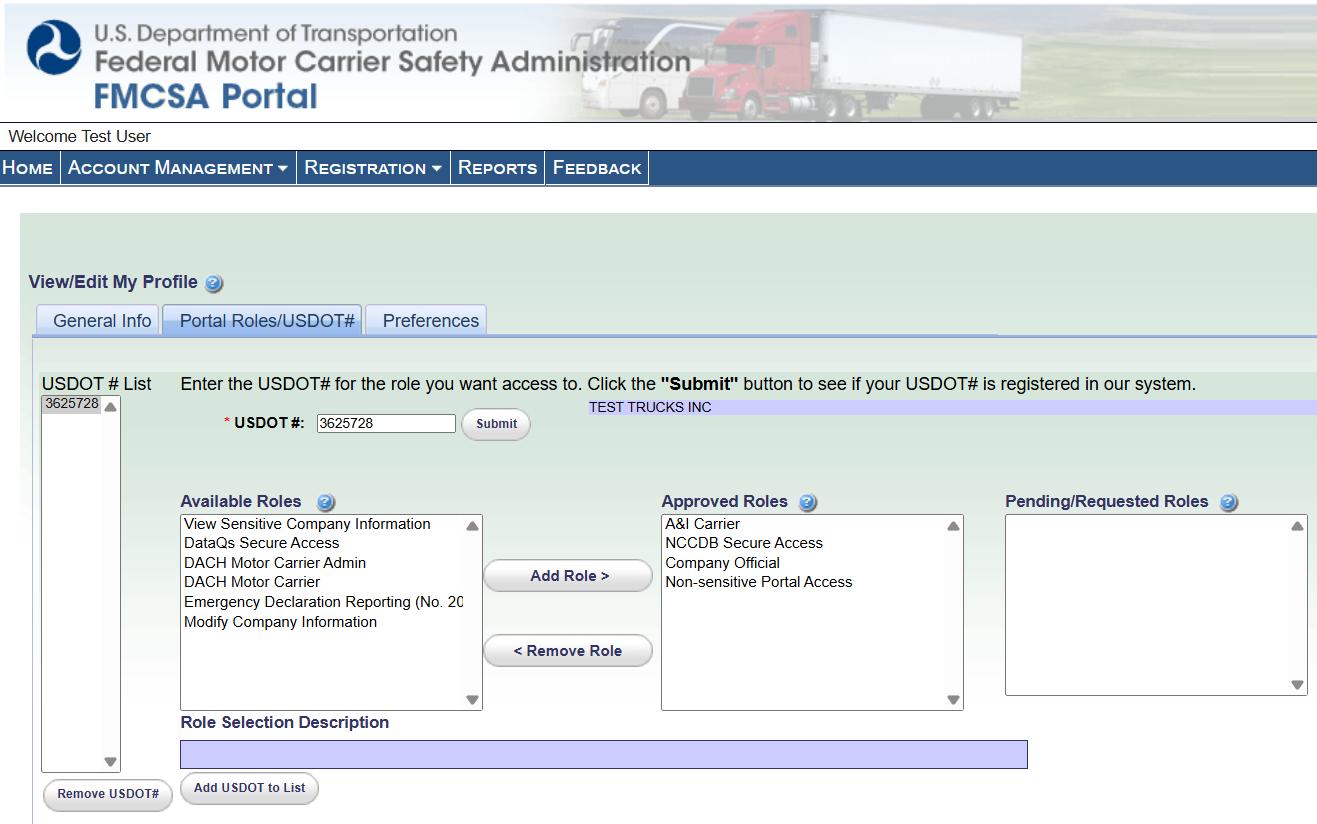
Ensuring the correct Company Official is listed in the FMCSA Portal will allow you to claim your USDOT Number in Motus and automatically populate your new Motus account with existing records, streamlining your set-up in the new system. Log into the FMCSA Portal at https://portal.fmcsa.dot.gov/login. Check your Login.gov email as you log in—the Company Official must use the same Login.gov email to log into the FMCSA Portal as they will use to access Motus when it launches.
Motus: USDOT Registration System Visit https://www.fmcsa.dot.gov/registration/resources-hub for more information.
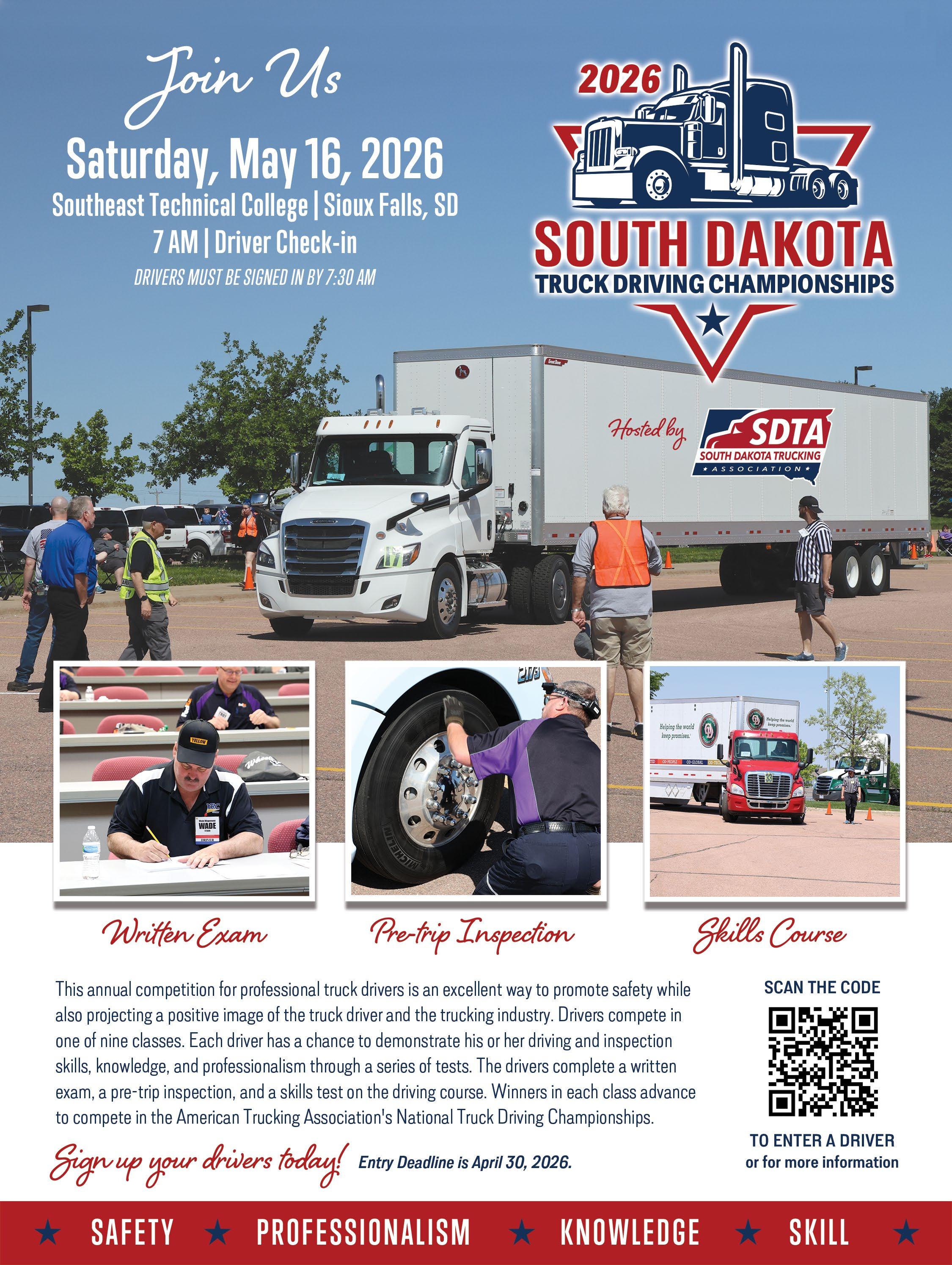
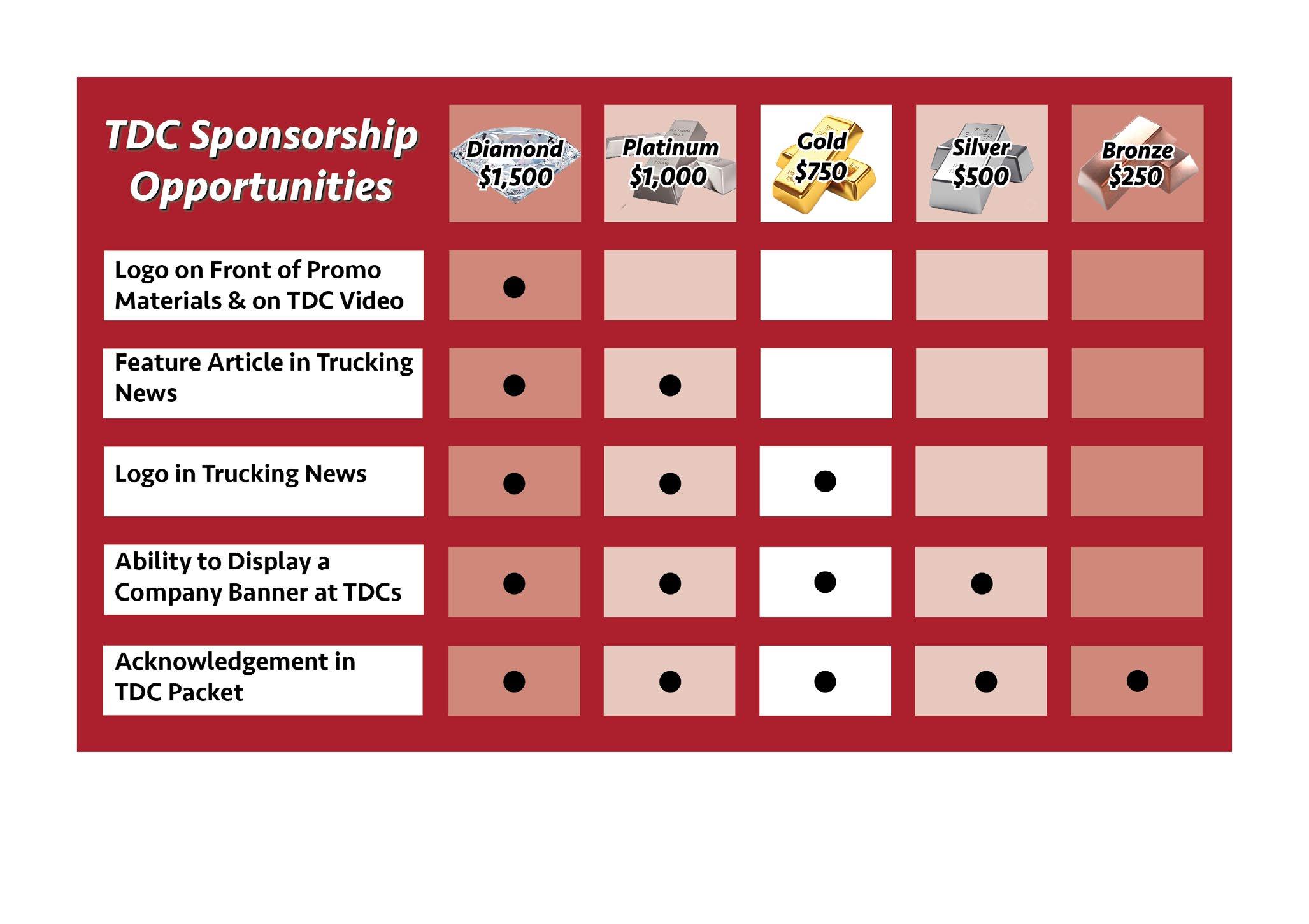
• MAY 16,
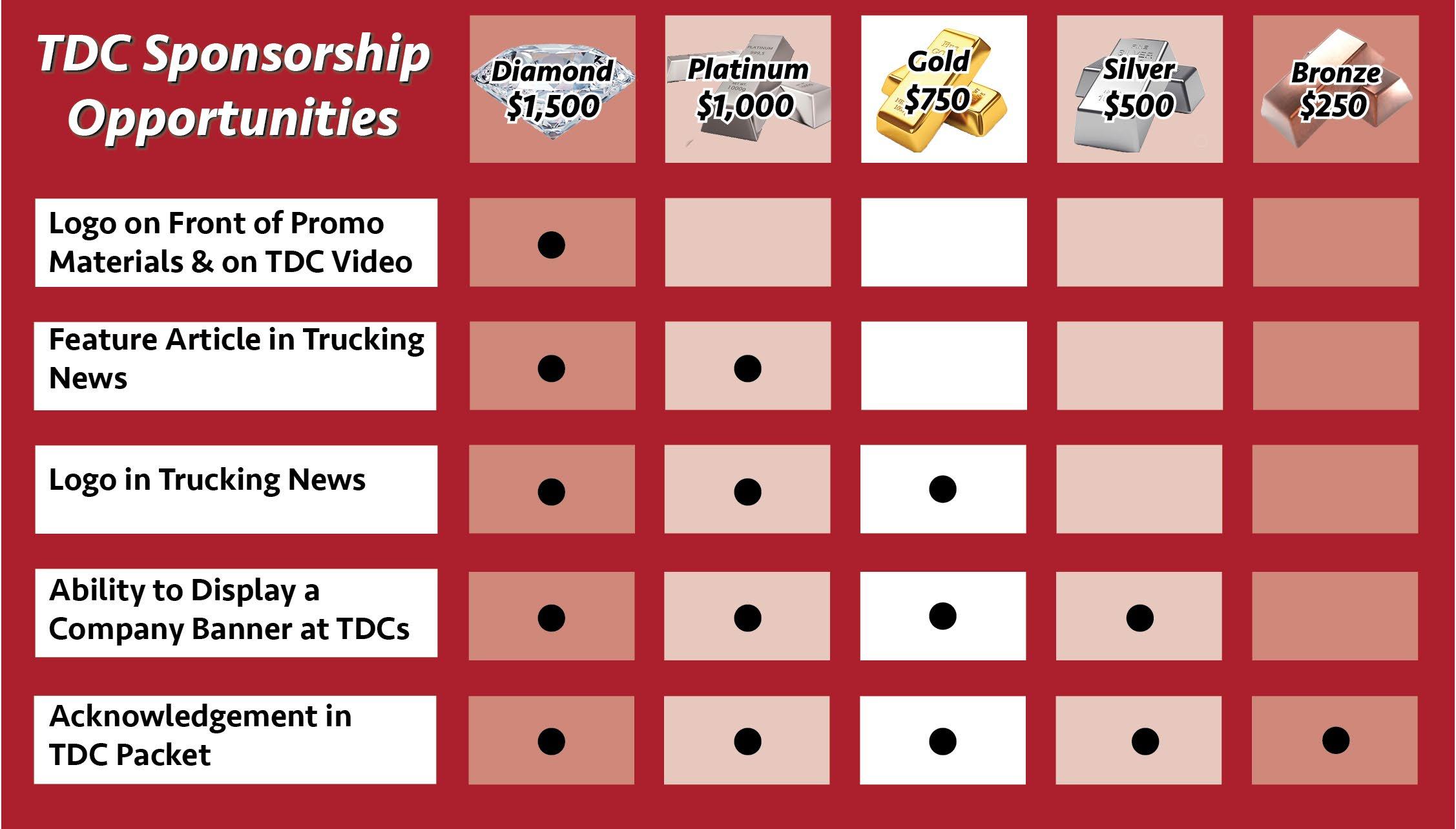
46TH ANNUAL SD TRUCK DRIVING CHAMPIONSHIPS • MAY 17, 2025
Use this QR code to register your company as a sponsor, sign up volunteers or to purchase additional Banquet tickets.


Scan the code or go to our website to purchase your ticket



Noël Fletcher | Staff Reporter| Transport Topics
U.S. Immigration and Customs Enforcement agents reportedly arrested 13 foreign truck drivers from among more than 100 waiting to submit their non-domiciled driver license medical certificates at a Pennsylvania motor vehicle office.
Residents of the rural town where the office is located grew concerned and notified the East Franklin Township Police Department when a large collection of semi-trucks and a long line of drivers assembled at the West Kittanning Driver License Center in Armstrong County. The police department contacted ICE.
A police officer referred a request by Transport Topics for further information to ICE. However, ICE provided no response when asked for details about the incident.
According to radio station WFMD-AM in nearby Frederick, Md., Armstrong County Sheriff Frank Pitzer reported that multiple people abandoned their vehicles and fled when federal agents arrived. Pitzer said fewer than 10 ICE agents worked to detain individuals standing in line.
Other local news reports included witness descriptions of a chaotic scene in which some drivers fled through nearby residential yards to evade the ICE agents.
The area sits some 40 miles northeast of Pittsburgh and is flanked by the Allegheny River.
Those arrested hailed from Kyrgyzstan, Turkmenistan and Uzbekistan, according to the website for Pittsburgh-area television station WPXI. The site quoted a statement from ICE indicating that one of the people detained resisted arrest and assaulted an officer.
Alexis Campbell, press secretary at the Pennsylvania Department of Transportation, on April 3 noted the agency was “aware of reports of immigration enforcement activity” at the West Kittanning facility.
“PennDOT did not coordinate with federal officials in any capacity in relation to this activity,” Campbell said, adding that the site was processing medical form updates for current non-domiciled CLP or CDL holders, “which resulted in a large number of customers at West Kittanning.”
Last September, the Federal Motor Carrier Safety Administration, via a temporary regulation, ordered states to cease
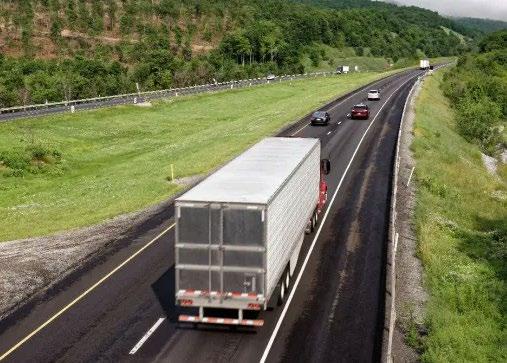
Those arrested hailed from Kyrgyzstan, Turkmenistan and Uzbekistan, according to the website for Pittsburgh-area television station WPXI. (Andrew Dierks/Getty Images)
issuance of new non-domiciled CDLs and commercial learner’s permits. An appeals court has since issued a stay of that action.
Campbell affirmed the state remains in compliance with all applicable rules. “PennDOT remains steadfast in following state and federal law and there is no activity or transaction occurring at West Kittanning or elsewhere that violates state or federal law,” she said.
On Nov. 19, Gov. Josh Shapiro and state Transportation Secretary Michael B. Carroll were issued a preliminary determination of noncompliance in how the state was issuing its non-domiciled CDLs and CLPs.
FMCSA Administrator Derek Barrs informed them in a ninepage letter that a sample audit of 12,436 valid non-domiciled driving credentials were issued to commercial drivers in violation of federal law.
He directed Pennsylvania to pause issuing these licenses and permits pending completion of a series of corrective actions or face losing $75.5 million in federal funds for fiscal year 2027 and the next year forfeit $150 million for delayed compliance.
Reprinted from Transport Topics.


Noël Fletcher | Staff Reporter | Transport Topics
A New York Supreme Court judge in Suffolk County recently sided with an insurance company refuting payouts after it proved a crime ring of Ecuadorians staged eight crashes with commercial vehicles.
Judge Maureen T. Liccione in Riverhead granted summary judgment in its entirety to Integon National Insurance Co. after finding it proved the eight incidents were deliberately caused to fraudulently obtain insurance benefits.
She agreed Integon had no legal obligation to provide insurance coverage, reimbursements or other financial payments to the numerous defendants connected to the alleged crashes, which occurred between March and July 2023. Because the collisions were staged, Liccione ruled they did not constitute “legitimate occurrences” under the insurance policies.
Liccione cited case law underscoring insurers have no obligation to provide accident coverage — even to innocent third parties — for intentionally caused or staged vehicular collisions, regardless of whether the crashes were motivated by fraud or malice.
The judge said Integon established the crashes were staged through evidence that included numerous exhibits arising from its investigations and statements from the eight commercial vehicle drivers.
Integon’s court complaint noted its investigations into the accidents revealed several red flags.
Each insured claimant defendant who applied for an Integon insurance policy was from Ecuador, and every loss involved three vehicle occupants. Almost all vehicle occupants lived in the same geographic area.
Most of the crashes occurred under nearly identical circumstances: a passenger vehicle rear-ending a box truck or similar commercial vehicle in the same general location.
Each crash occurred 45 days after Integon issued an insurance policy — before any premiums were paid except for initial ones paid at the broker’s office.
Nearly all of the claimants sought treatment at one of two medical offices, and seven of the alleged injured parties retained the same attorney. Investigators also found irregularities involving addresses. Some insured parties listed the same address on policy applications despite having no apparent relationship. Others provided different addresses on police reports than those later given to Integon.
All insured claimants obtained their policies through the same broker, Mansi International, a Queens-based company that has been listed as active since 1997 with the New York State Division of Corporations.

Court records identified staged crash facilitators as Carolina Veronica Rodriguez-Moran, Ruth Stefany Rodriguez-Moran and Mansi International. The two women reportedly “steered and/or directed” insured claimants to the same insurance broker to obtain temporary insurance policies from Integon and also sent them to the same two medical offices for treatment.
The eight insured claim defendants were Alfredo Salazar-Ochoa, Wilson F. Cabrera-Arias, Stefania Baculima, Leonardo Sabando-Cedeno, Flavio Gonzalez-Fajardo, Ernesto Fajardo-Moran, Diana Urena Roman and Carlos Quezada-Santana.
The case also involved 17 passenger claimant defendants. Together, the insured and passenger claimants sought treatment from about 140 health care provider defendants.
The court stated “the fraudulent scheme presented an opportunity to realize financial benefits they would not have otherwise realized — by way of either receiving cash kickbacks for treatment or building a bodily injury case to be presented to Integon for a speedy settlement, or both.”
Opposing passenger defendants maintained their vehicle driver didn’t suddenly switch lanes, stop abruptly, slam on the brakes or swerve, but slowed due to traffic. They asserted the accidents and injuries were genuine. Two of these passenger defendants have filed a motion for leave to reargue their case.
How the crashed vehicles were purchased also appeared strange to the insurance investigators. Some insured claimants who bought cars with cash “did not know from whom” they purchased the vehicles or couldn’t recall purchase details, according to court records.
Continued on Page 24.
N.Y. Judge Backs Insurer in Staged-Crash Scheme continued from Page 23.
Other similarities were:
• Each vehicle was first purchased at auction (some on the same date) and sold to an insured claimant.
• Each insured claimant was guided to the same insurance broker (Mansi).
• Each insured claimant was taken to the same broker’s office by the same people (one or more of the crash facilitators).
• One or more of the crash facilitators had been involved in unrelated motor vehicle accidents and treated at one of the medical offices where most individual claimants supposedly received medical treatment.
Many passenger claimants were randomly called on the day of the crash, “got into a vehicle not knowing one of the other passengers, were on the phone while the alleged incident occurred, and did not know exactly where they were going or why,” the court stated.
The judge found “clear inconsistencies” in testimonies from vehicle occupants in the eight crashes about how they
each knew each other and who was in the vehicle as well as “when, where they were going and why.”
Integon told the court it received multiple claims from health care provider defendants resulting from the eight crashes, “seeking tens of thousands of dollars for medical and other services purportedly rendered” to the insured and passenger claimants.
The judge underscored “insurance fraud is not a victimless crime. Because premium increases partly incorporate fraud costs, insurance fraud hurts all policyholders, not just insurers.”
She cited a Coalition Against Insurance Fraud finding that the U.S. loses $308.6 billion yearly in insurance fraud.
“Compounding the problem is the involvement, in some claims, of unscrupulous professionals, such as medical, legal or other experts,” the judge noted.
Reprinted from Transport Topics.




















Outdated and unrealistic safety training slows operations and increases liability. Built by former CDL drivers, safety and operations leaders, and state troopers, Changing Lanes Academy (CLA) delivers modern, mobile-friendly training that works for drivers and support teams without disrupting daily operations.
Why CLA works for every role:
Drivers Realistic, engaging training they can complete anywhere
Safety Teams Real-time tracking and documented compliance
Operations Efficient training with no wasted time
Owners Reduced risk and potential insurance savings
The best part? Drivers who complete CLA and have an approved front-facing camera may qualify for a 5% insurance discount through Aladdin’s trucking insurance partner.

The U.S. Environmental Protection Agency has approved a change regarding sensor requirements for diesel exhaust fluid systems in response to complaints from truck owners frustrated with systems failures and vehicle shutdowns.
“Americans are justified in being fed up with failing DEF system issues,” EPA Administrator Lee Zeldin said in a March 27 news release. “EPA understands this is a massive issue and has been doing everything in our statutory power to address this.”
Under the agency’s updated guidance, manufacturers will be permitted to replace Urea Quality Sensors with nitrogen oxide sensors. The guidance also said that approved NOx sensor-based software updates can be installed on existing engines without being treated as illegal tampering under the Clean Air Act. This, the agency said, aligns with EPA’s February 2026 Right to Repair clarification guidance, which “removed a major barrier keeping farmers from fixing their faulty DEF systems in the field.”
The agency added, “EPA anticipates the switch will greatly curb errors that traditional sensor technologies have been prone to and reduce the issues Americans face with inaccurate DEF failures.”
The move follows EPA’s Feb. 3 request from manufacturers for data on DEF system failures. Thus far, 11 of the 14 manufacturers contacted — representing 80% of all products used in DEF systems — have responded, EPA said.
EPA took action on the sensor requirement after a preliminary review of the warranty data pointed to DEF sensor failures as a significant cause of warranty claims and DEF-related inducements.
“In less than a month, EPA has turned around preliminary findings to issue today’s guidance demonstrating Administrator Zeldin’s commitment to fixing this issue,” the news release said. “The preliminary review of the warranty data suggests that DEF sensor failures are a significant source of warranty claims and DEF-related inducement. Farmers and truck drivers should not have their vehicles stop working because a sensor isn’t working properly. EPA is taking immediate action on this new information.”
DEF is used in selective catalytic reduction emissions systems found in many trucks. In most systems, a truck will “de-rate” —
or slow down — if it runs low on DEF. In some circumstances, the truck will slow to a crawl and fail to restart once it is shut down after running out of DEF.
EPA said, “It is unacceptable that the sudden speed losses and shutdowns caused by DEF system failures are compromising safety and productivity.”
Zeldin said DEF-related issues have led to a national outcry from truckers, farmers, motor coach operators and other diesel equipment operators.
The new guidance aims to save billions of dollars in repairs and lost productivity. According to the U.S. Small Business Administration, farmers alone will save $4.4 billion a year. More broadly, it projected $13.79 billion in industrywide annual savings.
Zeldin said, “Farmers and truckers should not be losing billions of dollars because of repair costs or days lost on the job.”
SBA Administrator Kelly Loeffler said, “I applaud Administrator Zeldin for his leadership on this issue, and I look forward to our continued collaboration to cut red tape for small businesses across the U.S. food supply chain.”
American Trucking Associations backed the new guidance.
“As we have previously said, these systems have too often sidelined otherwise safe, compliant trucks due to faulty or unreliable DEF quality sensors, an issue that was compounded by widespread parts shortages in recent years,” said Patrick Kelly, ATA vice president of Energy and Environmental Affairs. “When a bad sensor can trigger a full inducement, the result is unnecessary downtime, unnecessary towing costs, strained supply chains and higher costs across the board.
Kelly lauded EPA for taking action.
“EPA’s decision to provide manufacturers with flexibility to suspend these inducements — and eliminate problematic sensors altogether by monitoring a truck’s actual emissions—is a pragmatic solution that reflects how these systems perform in the real world,” he said. “We will continue working with the agency and our industry partners to ensure emissions regulations are both effective and workable for the men and women who keep America’s goods moving.”
Reprinted from Transport Topics.




Jason Ma | Weekend Editor | Fortune
Highly organized criminal networks have turned cargo theft into a growing threat to the U.S. supply chain, according to Donna Lemm, chief strategy officer at trucking and intermodal company IMC Logistics.
In a Washington Post op-ed on Monday, she cited numerous instances of major heists, including more than $15 million worth of electronics, $1 million of tequila, and $400,000 of Costco lobsters.
“After nearly four decades of working in logistics, I can say with certainty: The scale and sophistication of today’s cargo theft is unlike anything our industry has faced before,” Lemm wrote.
Thieves are exploiting technology and conducting thorough research on their targets before carrying out their schemes, she explained.
For example, they impersonate legitimate freight brokers or customers with spoofed email domains; steal corporate identities; create fraudulent shipping documents; and fabricate counterfeit credentials for their drivers to swipe cargos.
“By the time the theft is discovered, the freight has often vanished into a black market that stretches far beyond state or even national borders,” Lemm added.
She cited American Transportation Research Institute data that showed cargo theft costs the industry as much as $6.6 billion a year, or more than $18 million every day.
Thieves have pulled off stunning jewelry heists as well, including one valued at $100 million. But criminals are also grabbing daily essentials like food and other household goods. So consumers ultimately end up paying higher prices as the effects ripple through the supply chain, Lemm said.
But it’s not just the U.S. trucking industry that’s suffering from cargo theft. European food giant Nestlé said 413,793 KitKat chocolate bars—about 12 tons—were stolen after leaving a production site in Italy last week for Poland.
“Whilst we appreciate the criminals’ exceptional taste, the fact remains that cargo theft is an escalating issue for businesses of all sizes,” KitKat said in a statement. “With more sophisticated schemes being deployed on a regular basis, we have chosen to go public with our own experience in the hope that it raises awareness of an increasingly common criminal trend.”
The company added that its products can be traced using a unique batch code on individual bars, enabling consumers, retailers, and wholesalers to check whether they have stolen candy.
Similarly, Lemm said, the U.S. trucking industry is investing in advanced GPS tracking, surveillance systems, controlled-access facilities, and employee training to combat cargo theft.
She also called on Congress to pass the Combating Organized Retail Crime Act, which would create a national coordination center that allows law enforcement from all levels to work with the private sector on sharing intelligence, tracking criminal networks, and coordinating investigations.
“When organized criminal groups target shipments, they threaten more than just freight,” Lemm wrote. “They threaten the reliability of the supply chain Americans depend on every day.”
Reprinted from Fortune.