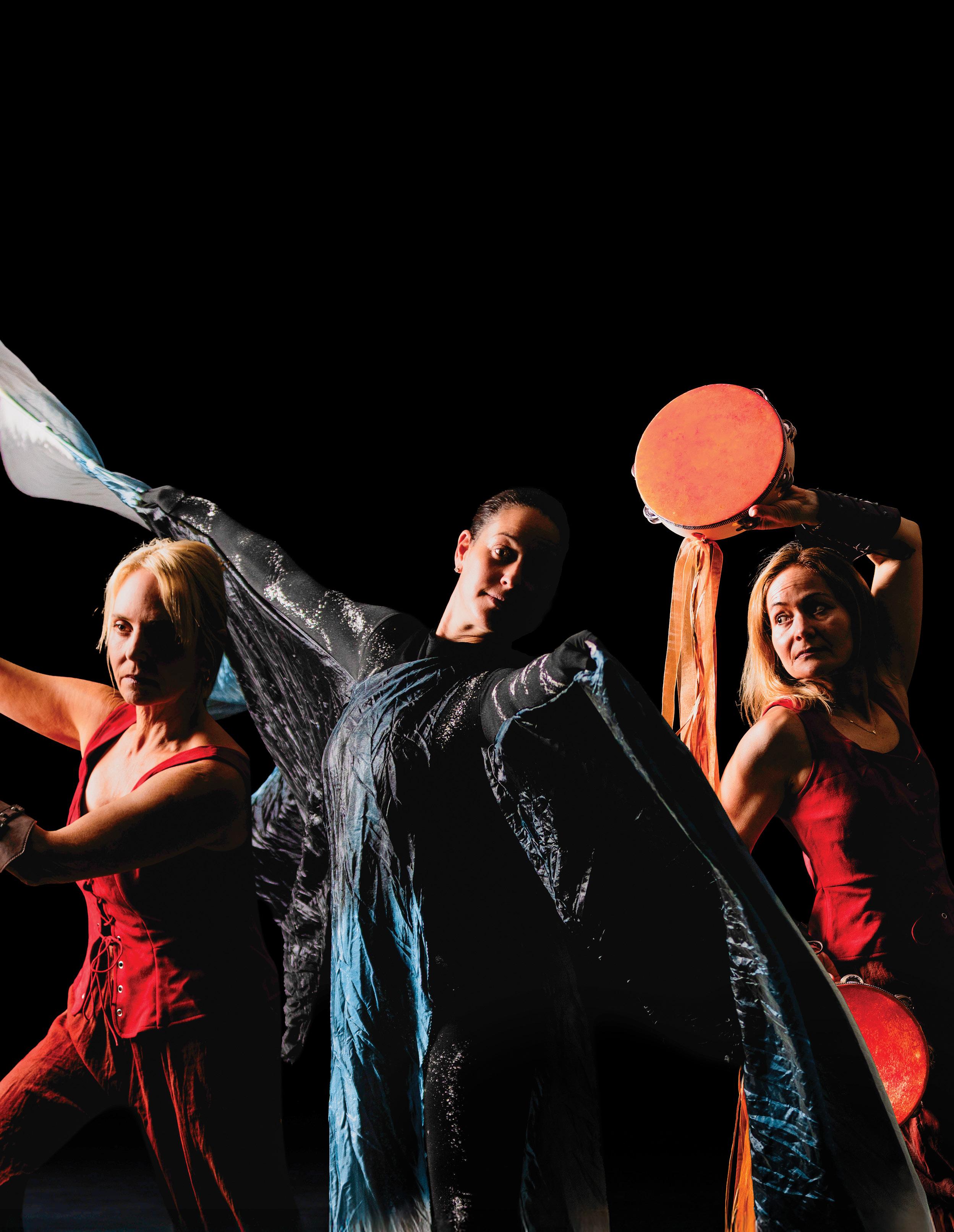
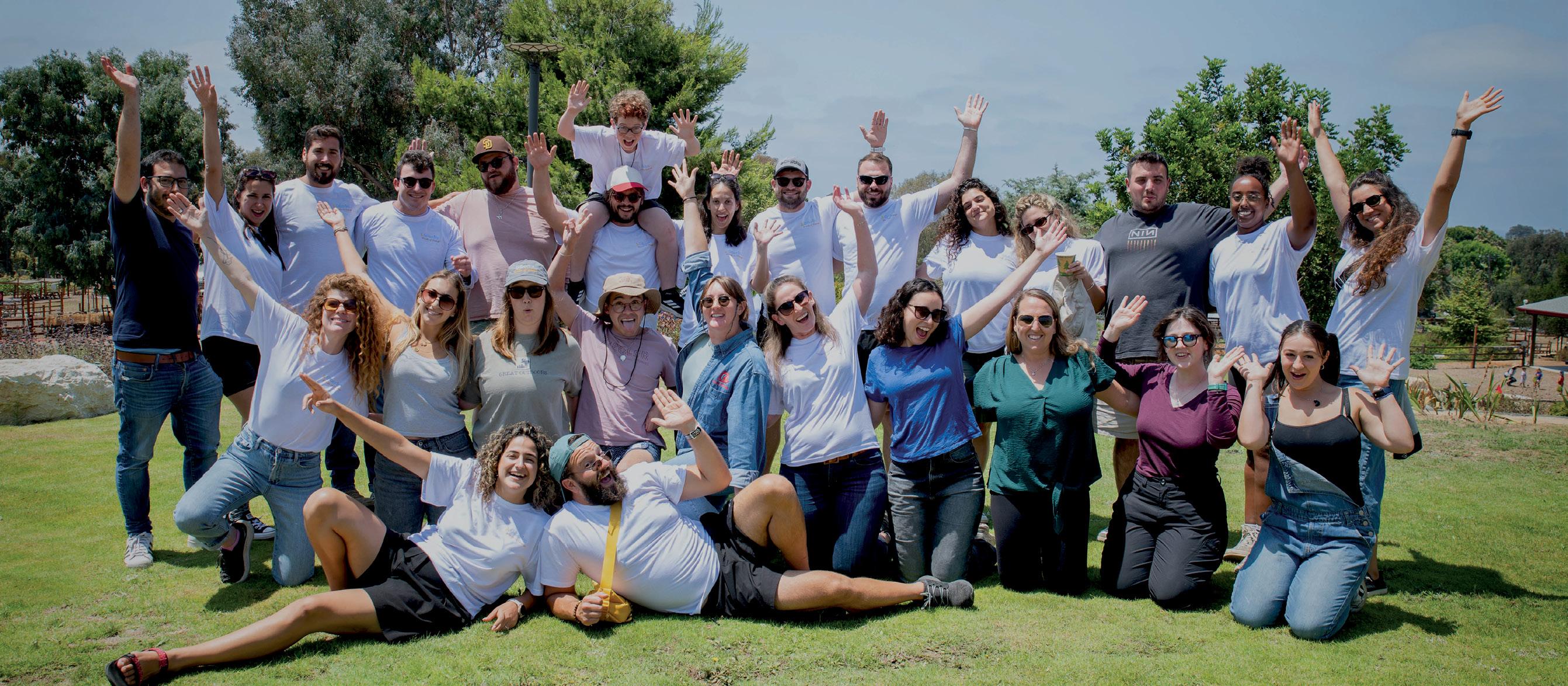
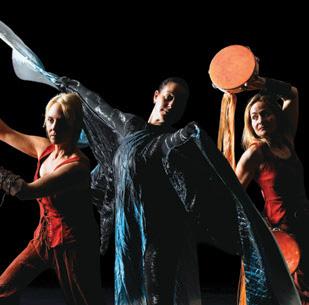
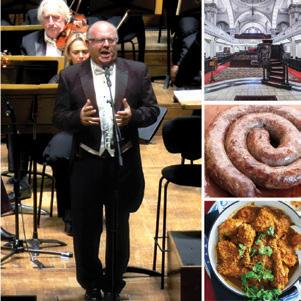
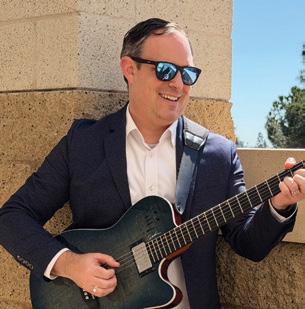
5 Cook-Outs, Music & Fun! Fri/Sat May 22/23 10 Commandments, Yizkor & Dairy Feasts! Wholesome, healthy & Jewish!
Find out more from your local chabad! We have locations all over SD: Scripps Ranch (Chabad S. Diego HQ), Bonita, Carlsbad, Carmel Valley, Chula Vista, Coronado, Downtown, East County, Encinitas, Escondido, La Costa, La Jolla, North Park, Oceanside/Vista, Pacific Beach, Penasquitos, Rancho Bernardo Rancho S. Fe, SDSU, Tierra Santa, UCSD, University City
PUBLISHERS
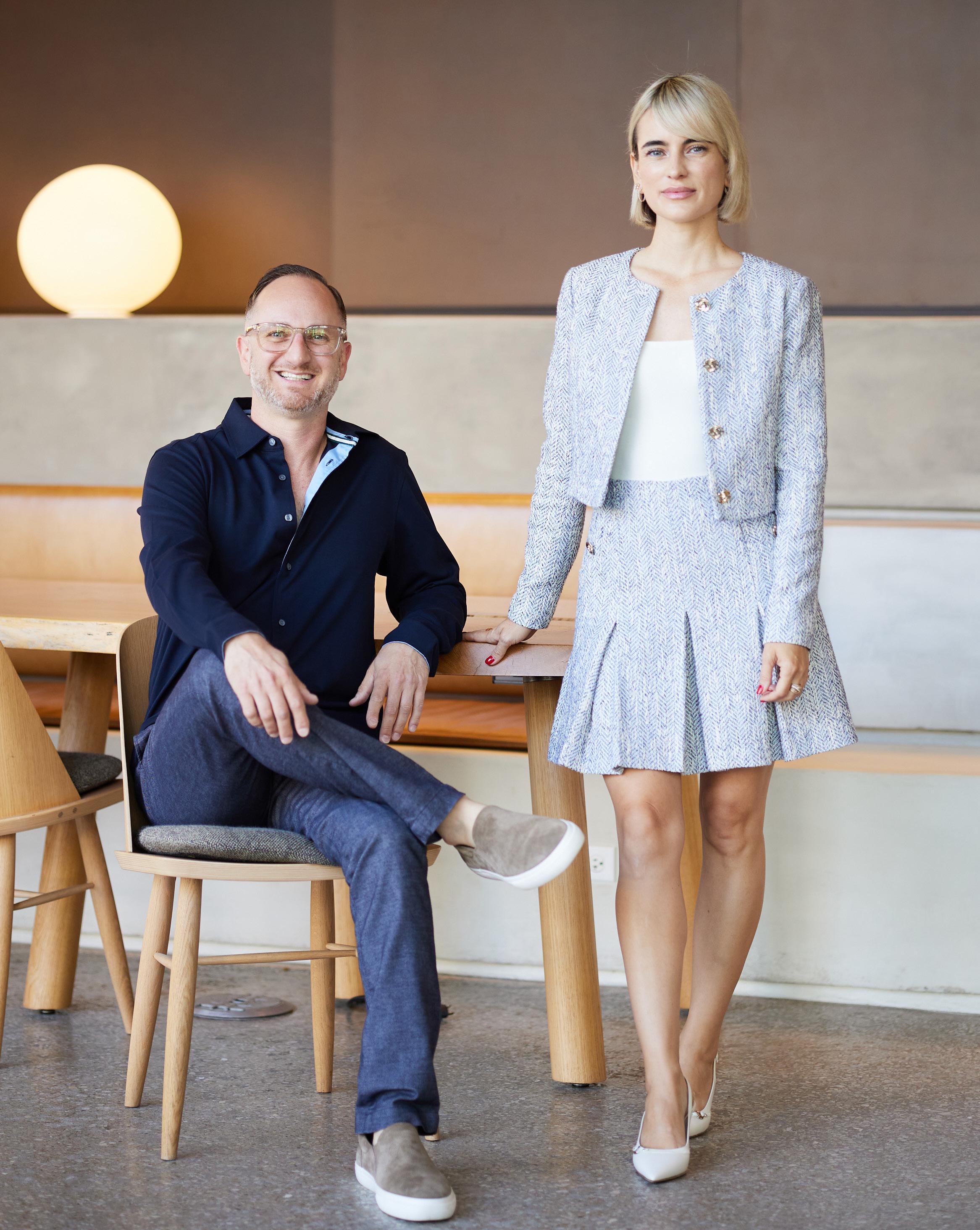
Mark Edelstein and Dr. Mark Moss
EDITOR
Susan Edelstein
ASSISTANT EDITOR
Makayla Hoppe
CREATIVE DIRECTOR
Donna D’Angelo
ARTS & ENTERTAINMENT EDITOR
Eileen Sondak
CONTRIBUTING WRITERS
Emily Bartell, Linda Bennett, Andrea Simantov, Trevor James McNeil, Marnie Macauley, Rabbi Yeruchem Eilfort, Galia Miller Sprung, Micah Siva Lisa McGuigan
There are many ways to support Israel and its people, but none is more transformative than a gift to Magen David Adom, Israel’s emergency services system. Your gift to MDA isn’t just changing lives — it’s literally saving them — providing critical care and hospital transport for everyone from victims of heart attacks to rocket attacks.
Donate today at MagenDavidAdom.org or call 866.632.2763.
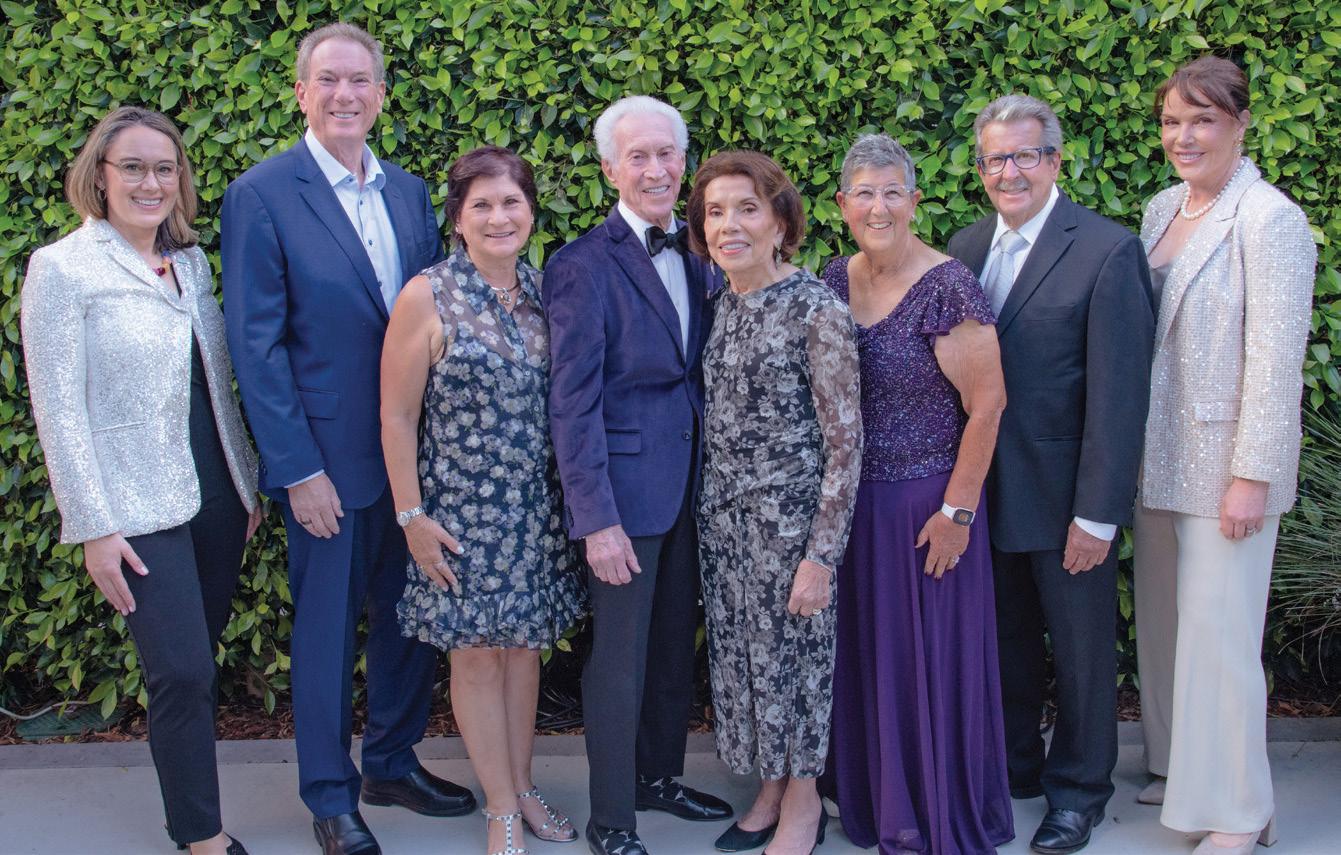
We are full of gratitude for the overwhelming support from our community—support that helps people across San Diego move forward with dignity, stability, and hope.
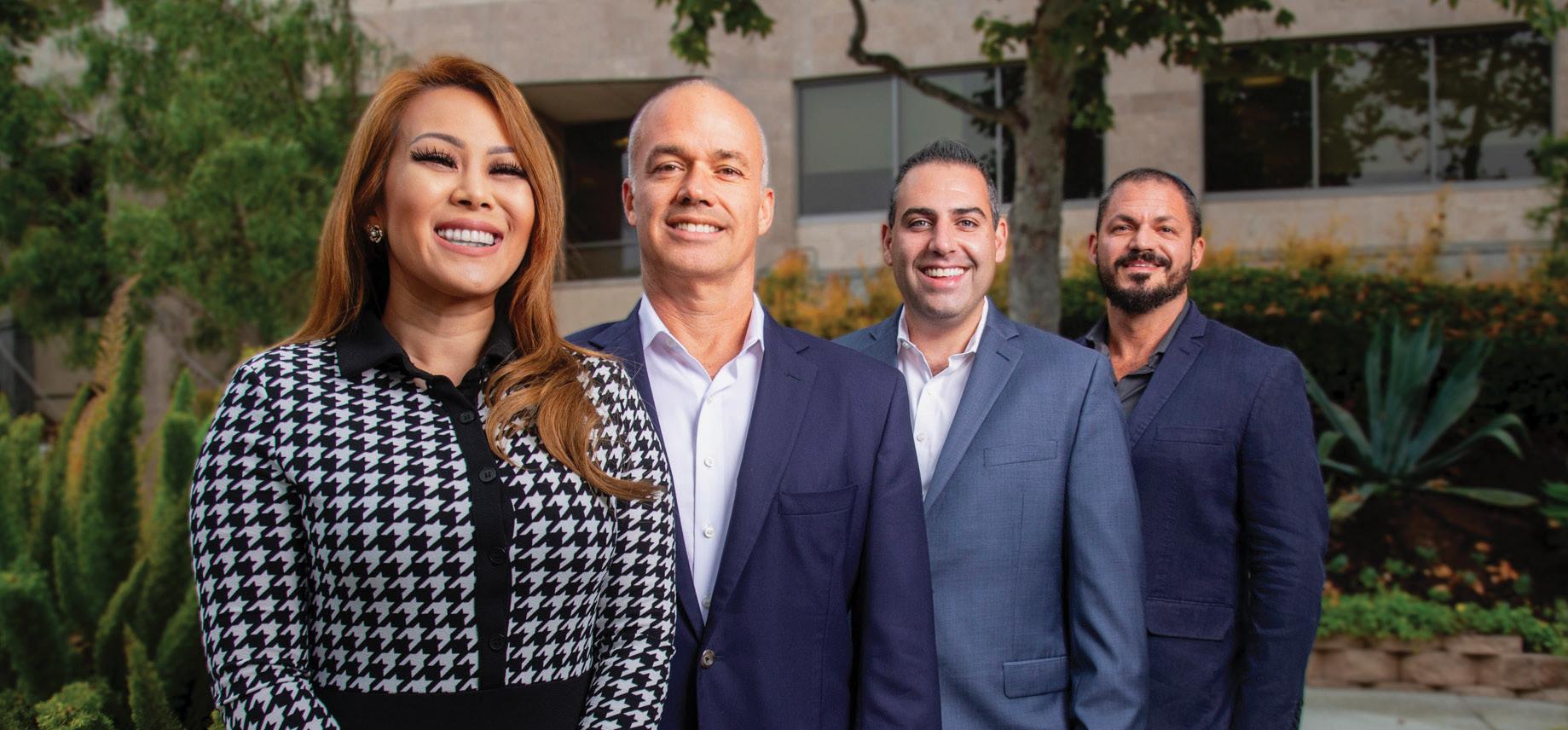
(From left to right) Dana Toppel (CEO), Gary & Jerri-Ann Jacobs, Dr. Bob Rubenstein & Marie Raftery, Tammy & Louis Vener, Theresa Dupuis (Board Chair)
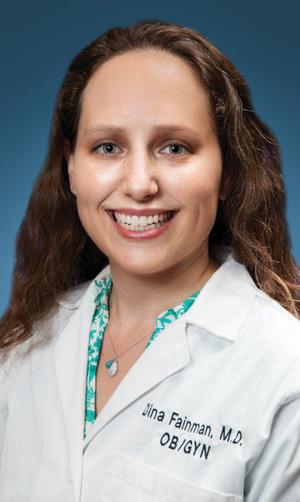
Scripps Clinic OB/GYN
DINA FAINMAN, MD
Dr.
Hebrew.
SUSAN EDELSTEIN
Art Hath Charms, Indeed
I think of poetry as the original AI — someone took your thoughts and said them much better. For example, English playwright William Congreve wrote in 1697, “Musick hath Charms to soothe a savage Breast, To soften Rocks, or bend a knotted Oak.” I’m not sure anyone has written anything more succinctly eloquent about the power of music. The impact of music — of all forms of art — can be profound, transformational, it can bring solace, peace, self-reflection, joy and wonder. In fact, science shows that we are neurobiologically wired to receive these kinds of experiences, and they contribute to our health and well-being. Interacting with art one finds meaningful promotes empathy, social connection and cross-cultural understanding.
Art can be found and celebrated in many forms as our writers enumerate. For Rabbi Eilfort, the Torah provides the way to the art of self-improvement and transformation. For Andrea Simantov, it’s the milestone of the bar mitzvah and the simcha, the art of traditions to help our kids soar and carry on. For Galia Sprung, it is the art of counting, counting all manner of things, to bring a sense of order, stability and optimism. For our literature columnist, Trevor McNeil, it’s the art of imagination and celebrating those writers who bring theirs to the page. And for Micah Siva, our food writer, it is the art of the perfectly ripe tomato.
Our feature story on The Lipinsky Family’s San Diego Jewish Arts Festival’s 33rd year highlights JFest’s devotion to presenting “a roving festival” of world-class art illuminating Jewish stories across the county with 10 events over eight weeks in 12 venues. JFest beautifully continues its mission to “build a vibrant future for Jewish art in our community — one story, one performance, one gathering at a time.”
We are also featuring San Diego’s National Comedy Theatre where Gary Kramer has been devoted to the art of improvisational comedy, to improving the lives of those who come in contact with improv, and to the joy of laughter and all its benefits, since 1999. A
Our Town
BY LINDA BENNETT & EMILY BARTELL
On March 14, as part of Congregation Beth Israel’s Talking San Diego Series, Pennsylvania Governor Josh Shapiro discussed his Jewish faith, leadership and public service in a conversation with former U.S. Attorney and creator of the Talking San Diego series, Harry Litman. The discussion centered on Governor Shapiro’s new memoir, “Where We Keep the Light: Stories from a Life of Service,” and emphasized navigating divisive politics and building unity. Some of those we ran into were Nancy and Marty Goldberg, Heidi and Gary Hirschfeld, Jeff and Karen Silberman, Nicole Murray Ramirez, and Byrne and Dick Eger
We had the most wonderful opportunity to hear Temple EmanuEl’s Scholar-in-Residence Yisrael Klitsner with a program that offered up-to-date information and reflections from the ground in Israel. Yisrael Klitsner previously served as the Diaspora Affairs Advisor for former Prime Minister Naftali Bennet. Entitled “Israel: An Update,” this two-day program (March 13-14) featured in-depth discussions regarding the breadth of issues facing both Israel Today and Israel Tomorrow. Others attending the programs were Frank Borkat, Rebecca Bierman, Bobbi Cohen, Deborah Davis, Linda Globerson, Hirsch Kagan, Randy Silverstein, and Marsha Starr
We attended the Jewish Federation of San Diego’s Women’s Philanthropy Annual Lion of Judah Luncheon at the Hyatt Regency La Jolla at Aventine on March 20. Co-Chairs Laurie Hoshaw and Melissa Brill, along with their team, truly outdid themselves. We enjoyed an amusing, engaging conversation between guest speaker Jackie Tohn, from the show “Nobody Wants This,” and Heidi Gantwerk, highlighting women’s roles in sustaining Jewish life. The luncheon celebrates the impact of women’s philanthropy, fosters connection, and honors
the collective strength of Jewish women in San Diego. Some of the other ladies enjoying the afternoon along with us were Sonia Israel, Linda Platt, Andie Oster, Silvana Christie, Esther Michan, Jill Stone, and Julie Bronstein
Mazel Tov to Sharon Abada and Eric Wittgrove on the birth of their son, Emmanuel Wittgrove Abada on Feb. 4 in San Francisco. Grandparents are Perri Wittgrove and Alan Wittgrove
Save The Date:
Sunday, May 31: Camp Jaycee Campfire Gala celebrates more than eight decades of Camp Jaycee, honoring friendships, Shabbats, and ruach (spirit) that have shaped generations of campers and staff.
Yom Huledets Sameach to...
Werner Dreifuss celebrating his 95th birthday.
Andrew Viterbi celebrating his 91st birthday.
Roz Freedman celebrating her 90th birthday.
Samy Zands celebrating his 85th birthday.
Susan Davis celebrating her 82nd birthday.
CELEBRATING
Wedding Anniversaries
with infinite love & happiness, Mazel Tov to…
Norma and Werner Dreifuss, 72 years.
Ina and Irwin Rubinstein, 70 years.
Marty and Roz Freedman, 68 years.
Helene and Alan Ziman, 50 years.
Changing lives in our San Diego Jewish community 100% every day
“Put
your name where your heart is”
Children ages 9 months to 6 years
Proven Montessori Method and Philosophy
Bilingual Program: English & Spanish
Learning through hands-on experience
Integrated secular and Judaic curriculum
Skilled teachers, trained in early childhood development
Secured, state-of-the-art facilities
ROTISSERIE AFFAIR CATERING
News & Notes
COMPILED BY SUSAN EDELSTEIN
From ‘Hairspray’ to ‘South Park,’ Marc Shaiman’s story is shaped by Jewish humor
Bill Aron, photographer of Jewish countercultures, gets his due in a sweeping retrospective
by Andrew Silow-Carroll, JTA News
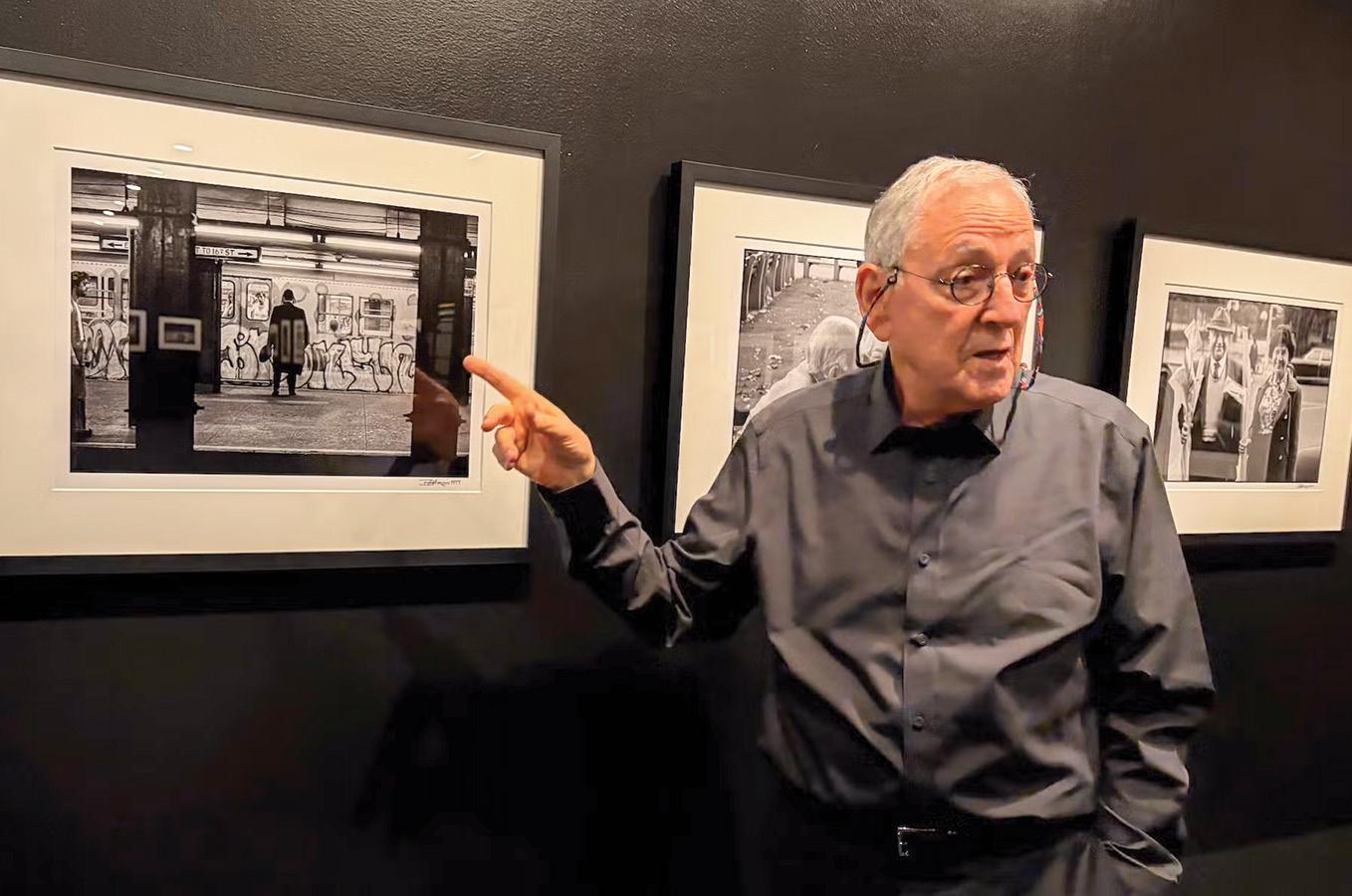
Images of the New York Havurah — the egalitarian, counterculture congregations that blended grassroots spirituality, social activism and skepticism about mainstream synagogues and the Jewish establishment — are part of the new retrospective of photographer Bill Aron’s work mounted in Manhattan by the American Jewish Historical Society. They offer a visual conversation between tradition and reinvention — a theme of Jewish diversity that animates his work. While the havurah might have its roots in the tie-dyed 1960s, Aron’s
work suggests that being Jewish is itself a counterculture.
“I didn’t grow up particularly religious, but I was fascinated by these different expressions of being Jewish,” explained Aron, a neat and trim 84-year-old.
“The complexity makes us all part of the American Jewish experience,” Aron said. “There are all different kinds of Jews who look different and behave differently. What binds them is that they practice their Judaism and their values, even if in different ways.”
by Stephan Silver, JTA News
Marc Shaiman likes to joke that for half a century he’s been “the funny Jewish guy at the piano” — a role as old as vaudeville and as enduring as a well-timed punchline.
But behind that quip is a career that traces a distinctly Jewish path through American show business: from a bar mitzvah where he improvised his haftarah music, to collaborations with Bette Midler, Rob Reiner and a who’s-who of Jewish Hollywood.
In his new memoir, “Never Mind the Happy,” Shaiman reflects on a life shaped by chutzpah, fate and the particular blend of humor and resilience he credits to being Jewish — a sensibility that made show business feel less like a career than a birthright.
Bill Aron, whose early projects included a series on Jews living on New York’s Lower East Side, discusses a new exhibit of his work at the Center for Jewish History in Manhattan, Feb. 4, 2026. Photo: JTA.
Marc Shaiman is the author of a new memoir, “Never Mind the Happy: Showbiz Stories from a Sore Winner.” Photo: Robert Trachtenberg.
In an Israeli Bomb Shelter, My Students Restored My Faith in Their Generation’s Resilience and Commitment
by Mark Shpall, JTA News
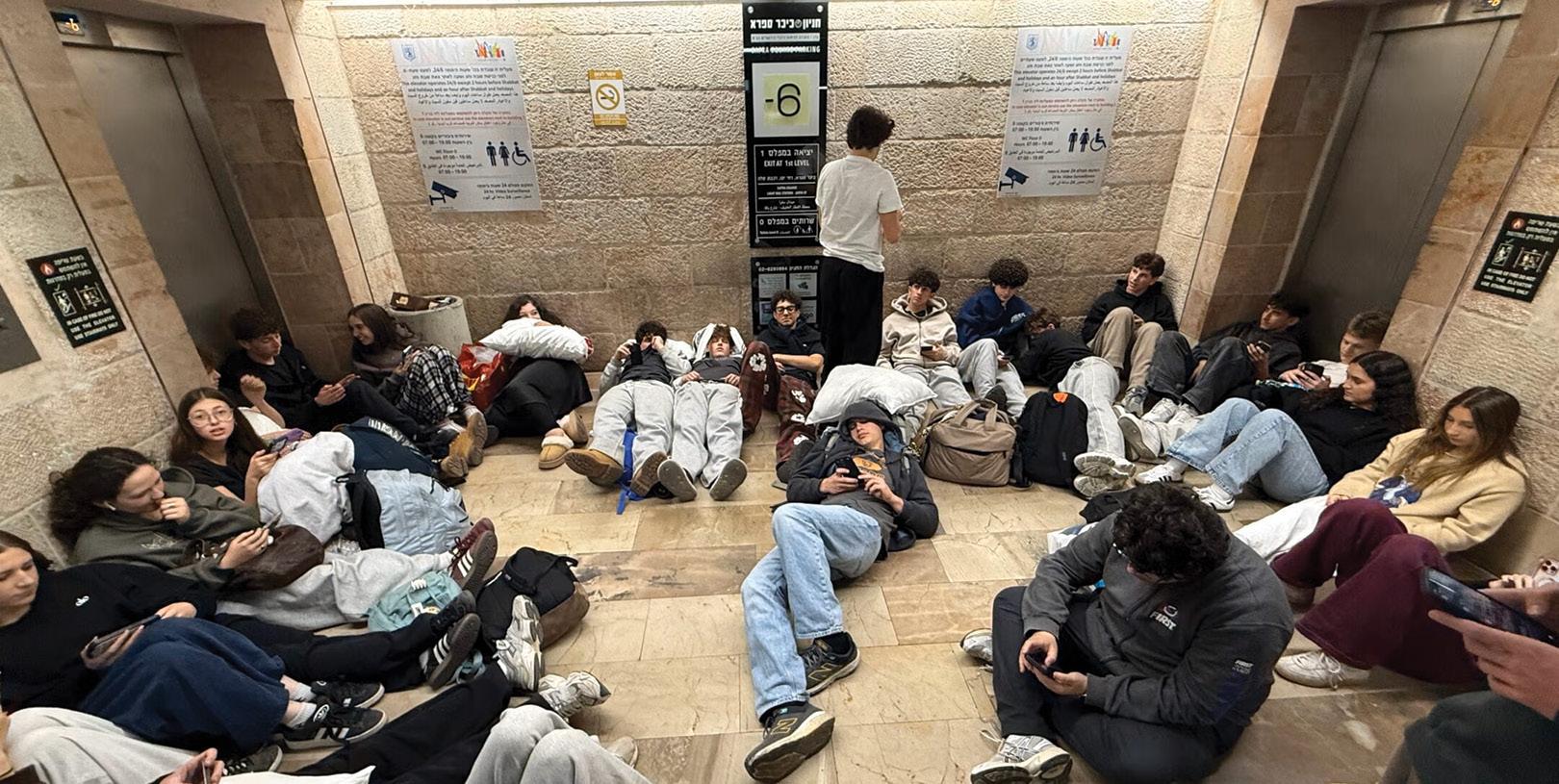
LOS ANGELES — When I boarded a plane to Israel with students from de Toledo High School in February, I knew the trip would carry unusual weight. We were resuming our Jewish day school’s exchange programs in Israel for the first time since the trauma of
the Oct. 7 attack in 2023. Our first few days in Israel went according to plan. But then, the first sirens sounded — the war with Iran had begun.
When the alarm goes off, you move quickly to the nearest protected
space — a mamad, miklat or shelter. For us, that meant descending into a six-story underground parking structure. Dozens of people gathered there, waiting out the alert. For the first 48 hours, the alerts came every few hours.
It was not the itinerary we had planned. But the experience revealed something powerful about the young people in our care. What I saw in those shelters was not panic. It was grit. It was strength. It was solidarity.
For Israelis, living with sirens and shelters is a difficult but familiar reality. For these American teenagers, it was something entirely new. Yet their instinct was not to run from the experience. It was to remain connected to it.
There is a widespread belief today that young people lack resilience. That they retreat from difficult realities. That is not what I saw. I saw teenagers who understood that being part of the Jewish story sometimes means standing shoulder to shoulder as one people.
Congress Removes Deadline for Holocaust-looted Art Claims, Setting Stage for More Restitution Battles
by Jackie Hajdenberg , JTA News
A new law removing a deadline for laying claim to art looted during the Holocaust has gone into effect after President Trump signed it on April 13.
The 2025 Holocaust Expropriated Art Recovery Act expands on a 2016 law that permits victims and descendants of victims of the Holocaust to lay legal claim to works of art looted by the Nazis.
That law included a controversial “sunset clause” that required all claims of artwork looted by the Nazis
to be filed by the end of this year. That clause has been removed, and the revised act permits families to file a lawsuit within six years of the discovery of looted artwork.
“The sunset clause cast a shadow over every family whose stolen art is still missing,” Joel Greenberg, president of Art Ashes, a nonprofit that helps families recover their looted art, said. “Now they can seek due process without the pressure of time and deadlines.”
Photo courtesy de Toledo High School.
LIVING ON THE FRONT PAGE
by Andrea Simantov | andreasimantov@gmail.com
Partying and Purpose
So much excitement. The first bar mitzvah in a family of four boys, months of learning, accompanying Abba to shul during the week as well as Shabbat, proudly embracing your new status of Jewish manhood.
Some of your friends are already bar mitzvah and you’ve been to parties and outings, celebrating this milestone birthday with others. The more recent parties, however, have required close proximity to safe rooms or bomb shelters. Planning a simcha in Israel requires that this element gets added to all ‘To Do’ lists. You take it in stride because you have never been on a class trip without an armed security guard. In Israel, that’s the way it is.
cake and a few bowls of walnuts and raisins. The Depression was in full bloom, and the feast was considered elaborate.
When my father, Poppie Stanley, was bar mitzvahed in 1937, his father stood beside him at the weathered bima, proudly pointing to the ancient words in his own open chumash (bible); his permanently stained fingers (from years of housepainting and furniture refinishing) followed each precious utterance of his first American-born son. Together, they returned to the fifth-floor tenement walkup in Greenpoint, Brooklyn, where neighbors made a l’chaim and dined on sponge
Your saba raba (great-grandfather) Isachaar was bar mitzvahed on a Shabbat morning in Herut, Afghanistan. I can only intuit that the poverty his family endured was immeasurable. Did he not dream of safety and prosperity for his future offspring? You are an answer to those Mashadi-dreams, Aviel.
Who were those bar mitzvah boys during the Spanish Inquisition, some of whom swore allegiance to a foreign religion rather than be murdered, while secretly trying to keep our mesorah (tradition) alive? A few of these conversos have found their way back to our collective bosom but the vast majority has disappeared.
Like me, you have heard the stories of Holocaust survivors who were never bar mitzvahed; death marches dwarfed simcha planning. Those who lived are counting on you, Aviel, to invest, soar, somehow making their unrequited sacrifices meaningful.
Having just come out of Pesach, we recall that not all of the Jews were redeemed from the jaws of Egypt. Only 20% left, the rest left to evaporate into the rank and file of forgotten nations. You are among this fragment that carries the torch of our ancestors; our blood courses with the song and spirit of Sinai when we received an eternal mandate, a mandate that you wear with both pride and defiance at this pivotal moment in Jewish history.
Eli Sharabi, author of the book “Hostage,” endured 491 days in Hamas captivity. His entire family was murdered, and he suffered indescribable abuse. When asked about the comparison between the Holocaust and the Oct. 7, 2023 massacre, he responded: “Don’t equate the two. During the Shoah, the victims were alone, desperate, awaiting inevitable death. There was no one to save them. No Jewish army, no Jewish state. They felt doomed.”
continues on page 19 >>
LITERATURE WRITTEN IN FIRE
by Trevor James McNeil tremcneil1980@gmail.com
Silver Linings
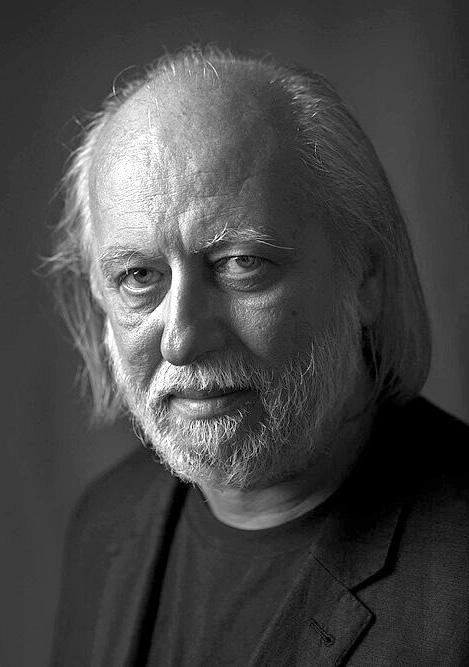
Sometimes the most profound insights come from the most unexpected places. Especially now, in an age of increased polarization, those born with ‘privilege’ are often assumed not to ‘get it’ or really understand suffering. Such reductionism fails to account for the human capacity not only for imagination but affective empathy. Someone who gave every indication that they ‘got it’ despite a ‘cushy’ upbringing is the Hungarian author László Krasznahorkai. Far from a ‘working-class hero’ like Harlan Ellison or Maurice Sendak, Krasznahorkai was born in 1954 into a rare for the time, two-income household; his father, Gyorgy, worked as a lawyer, and his mother, Julia, was employed by the social security ministry. With both Jewish and Transylvanian Hajduk heritage, endurance and resistance were stamped into Krasznahorkai’s DNA. This would become clear in his subjects and approach when it came to his later creative endeavors.
Balancing Latin lessons at Erkel Ferenc High School, with membership in jazz and beat bands as a pianist, Krasznahorkai perfected ‘work-life balance’ before that term was even coined. A principle he applied later, dropping out of law school the first month, knowing in his bones that it wasn’t quite right for him at that time. Combining principle with practicality, he spent a stint doing rough jobs, such as stable boy and miner, to avoid military service before restarting his studies at Eotvos Lorand University in 1978.
One way in which Krasznahorkai was different from most novelists, even preinternet, was his early career success. His very first novel, “Satantango,” first published in 1985 when Krasznahorkai was still only 31, did very well, and established him as a leading author in Hungary, expanding in reach after the 2012 translation by George Szirtes.
In 1986, he branched out into short fiction, publishing his first and slightly less traumatizing collection, “Relations of Grace,” which included tales such as “The Last Boat,” “The Game Warden” and “The Death of Craft.”
Not sticking just to prose, Krasznahorkai also quickly expanded into screenwriting, beginning a 23-year collaboration with Hungarian filmmaker Bela Tarr, beginning with
“Damnation” in 1988, also including a seven-hour-long direct page-toscreen adaptation of “Satantango” in 1994. Returning to prose soon after “Damnation,” Krasznahorkai’s next surreal challenge to logic and the status quo, “The Melancholy of the Resistance,” was unleashed on the world in 1989. The same year that Salman Rushdie got a fatwa for “The Satanic Verses,” giving an idea of the overall cultural climate, Krasznahorkai gave an unsettling vision of mundane, creeping chaos with a tale of a circus that only displays a whale, which sows chaos in a town already on the edge. This was followed in 1992 by “The Prisoner of Urga” which falls somewhere between Kafka and Solzhenitsyn in terms of tone.
Taking a bit of a break from novels, partly to work with Tarr on the “Satantango” adaptation and the absurdly ambitious “Werckmeister Harmonies,” Krasznahorkai did not return to the fiction world until 1999 with the optimistically titled “War and War.” Not quite a take on “War and Peace,” Krasznahorkai is even less optimistic, relating the experiences of a man obsessed with posting a possibly apocalyptic document on the internet.
Balancing again, this time between his law career, his literary pursuits and continued film work, Krasznahorkai settled into an unofficial but largely followed two to four year schedule for new publications in his native Hungarian, with English translations
continued
Literature continued Israeli Lifestyle
“While languishing in tunnels in Gaza, I did not know whether or not I’d be found alive, but none of us doubted that we had a loving nation and a mighty military machine that would stop at nothing to bring us home.”
“There is no comparison.”
You, my precious grandson, come from a long line of Jews who did not give up. We neither bowed out nor tossed off the yoke of Torah observance. By G-d’s grace, we arrived at this day with joy and humility, and watch you eagerly accept the responsibility of moral Jewish manhood with modesty, gratitude and a profound appreciation of our staggering, blessed history. A
New York-born Andrea Simantov moved to Israel 29 years ago. Her popular podcast, “Pull Up a Chair,” is produced by Israel News Talk Radio. She can be reached at andrea@ israelnewstalkradio.com.
coming at fairly regular intervals, usually six to 10 years after the original editions, opening his work up to a more international audience. He also picked up a habit for novellas, publishing four between 2009 and 2019, titles such as “The Last Wolf” and “Animalinside” published only a year apart between 2009 and 2010, followed closely by his second and final short story collection, “The World Goes On,” in 2017.
Mellowing out a little in his later years, while still having a talent for titles, Krasznahorkai published “Destruction and Sorrow Beneath the Heavens” in 2004. Not quite the dystopian nightmare indicated, the plot is more meditative with the protagonist, Laszlo Stein, traveling modern China on the hunt for lost examples of ancient Chinese literature to compare it to how China is now, basically using literature as a historical and cultural primary source.
With a further five full length novels between 2008 and 2024, including “Seiobo Below” and “Baron,” which won the 2014 Man Booker International Prize for Best Translated Novel, and “Wenckheim’s Homecoming,” his style remaining as insightful, empathetic and challenging as it was in the mid-1980s, the 72-year-old Krasznahorkai shows no sign of slowing let alone retiring, continuing to challenge the world as he sees it, including some very strong opinions on the Hungarian involvement in the Russian invasion of Ukraine. A
Growing up in the far north, Trevor James McNeil had little to do other than read when the temperature went below 40 Celsius, and he developed an affinity for stories of all sorts. Graduating from the University of Victoria in 2009, he has been reading and writing in a professional capacity since. He lives in a cabin in the woods with his dog, and firmly believes The Smiths would have been better as a trio.
MEMBER SPOTLIGHT: ACTS OF LOVING KINDNESS
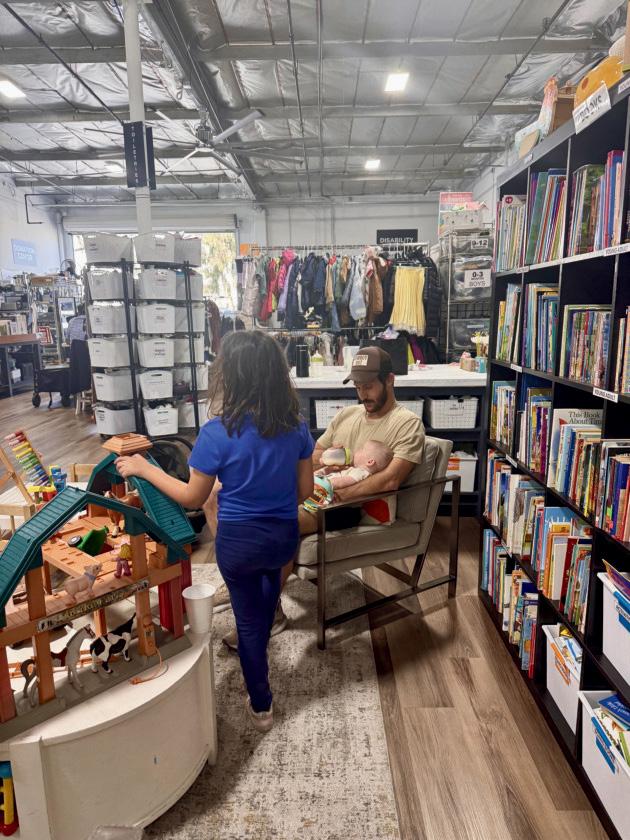
From Overwhelm to Empowerment
Tiffany didn’t just need financial relief. She needed someone to believe she could rebuild.
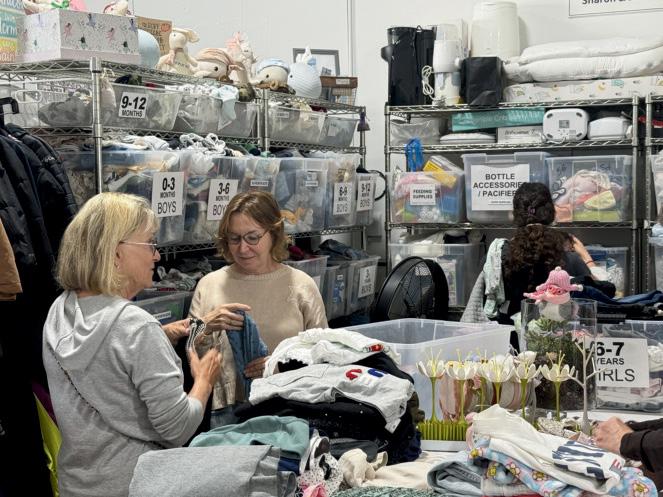
Tiffany, 52, had spent years in high-level executive roles. When circumstances changed, she made a choice many would find humbling: she shifted to a physically demanding part-time job at $25 an hour to cover her immediate needs. She wasn’t waiting for the world to meet her where she used to be. She was meeting it where she was. The Kindness Initiative stepped in to help stabilize her footing, covering her car bill, car insurance, phone, and utilities. But those payments weren’t made unconditionally. They were made in response to Tiffany’s active participation and follow-through: showing up, pursuing resources, doing the work. That distinction matters. This was a partnership, not a handout “I am profoundly grateful. I am in complete awe that this kind of goodness exists.”
— Tiffany, Kindness Initiative Member
The deeper transformation happened in how Tiffany sees herself. Through consistent coaching from her case manager, Ruth, she moved from a state of overwhelm to one of genuine empowerment. She learned how to apply for discounts on her insurance and utilities. She began building a life that lives more within her means, not as a retreat, but as a foundation. She is grounded now, and capable, and actively interviewing for sustainable full-time employment. Tiffany’s story is a reminder that the most meaningful work we do isn’t always the check we write. Sometimes it’s the steady presence of someone who sees your potential and holds you to it.
Spread Kindness With Us!
Check out our NEW website Volunteer with us
Boutique, Thrift & Vintage Sale
May 16 8am - 2 pm
OPEN 5 DAYS A WEEK
JFest Entertains & Educates San Diego
by Makayla Hoppe
The Lipinsky Family San Diego Jewish Arts Festival — JFest — has been celebrating “unapologetically Jewish music, theatre, dance and fine arts” for 33 years. Now a 501(c)(3) nonprofit, the festival will bring new plays, immersive productions and more to San Diego this summer. JFest runs from May 12 through July 14, and the lineup of live performances is sure to inspire and educate art lovers from all over the county.
“We’re on a really exciting new journey as we become our own independent organization,” said Founding Artistic Director Todd Salovey. “There’s a certain Jewish arts festival experience
that’s uplifting, and it makes you proud to be Jewish. It makes you excited about how art can touch you and bring people together.”
Comedian Alex Edelman is kicking off the event with a mix of brandnew content and returning bits from some of his most beloved specials. In addition to his standup, there will be a Q&A for the audience. “It’s just an amazing combination of Jewish identity, storytelling, theatricality, and stand-up, and he’s just one of my favorite contemporary performers,” Todd said.
Taking place in June is “Women of Valor,” which will honor six women from around San Diego who have
impacted the Jewish community with their wisdom, philanthropy, kindness and inspiration. Now in its 17th year, the show is written by Ali Viterbi, Sarah Price Keating, Rebecca Myers, Todd and his daughter, Leah Salovey. The production features stories, songs, and images.
“What are the guides? What are the inspirations? What are the challenges? What is the fire behind six women each year who have accomplished so much and made such an impact on many aspects of the Jewish community and the San Diego community?” Todd said. “Each of the women is so special and has made such amazing
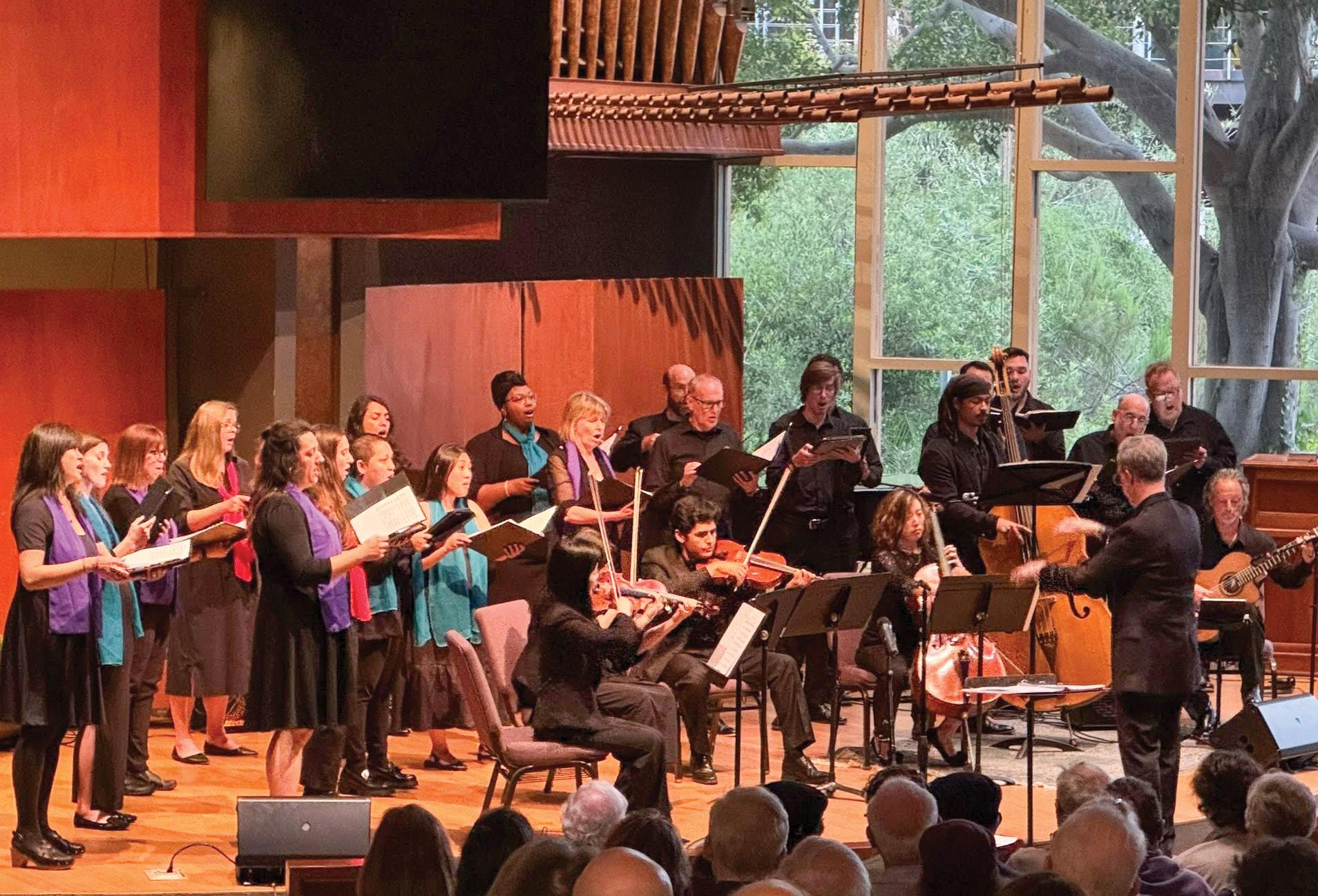
Klezmer Summit JFest 2025.
“This is the first time that JFest is performing in The Conrad, and it has amazing, beautiful acoustics.”
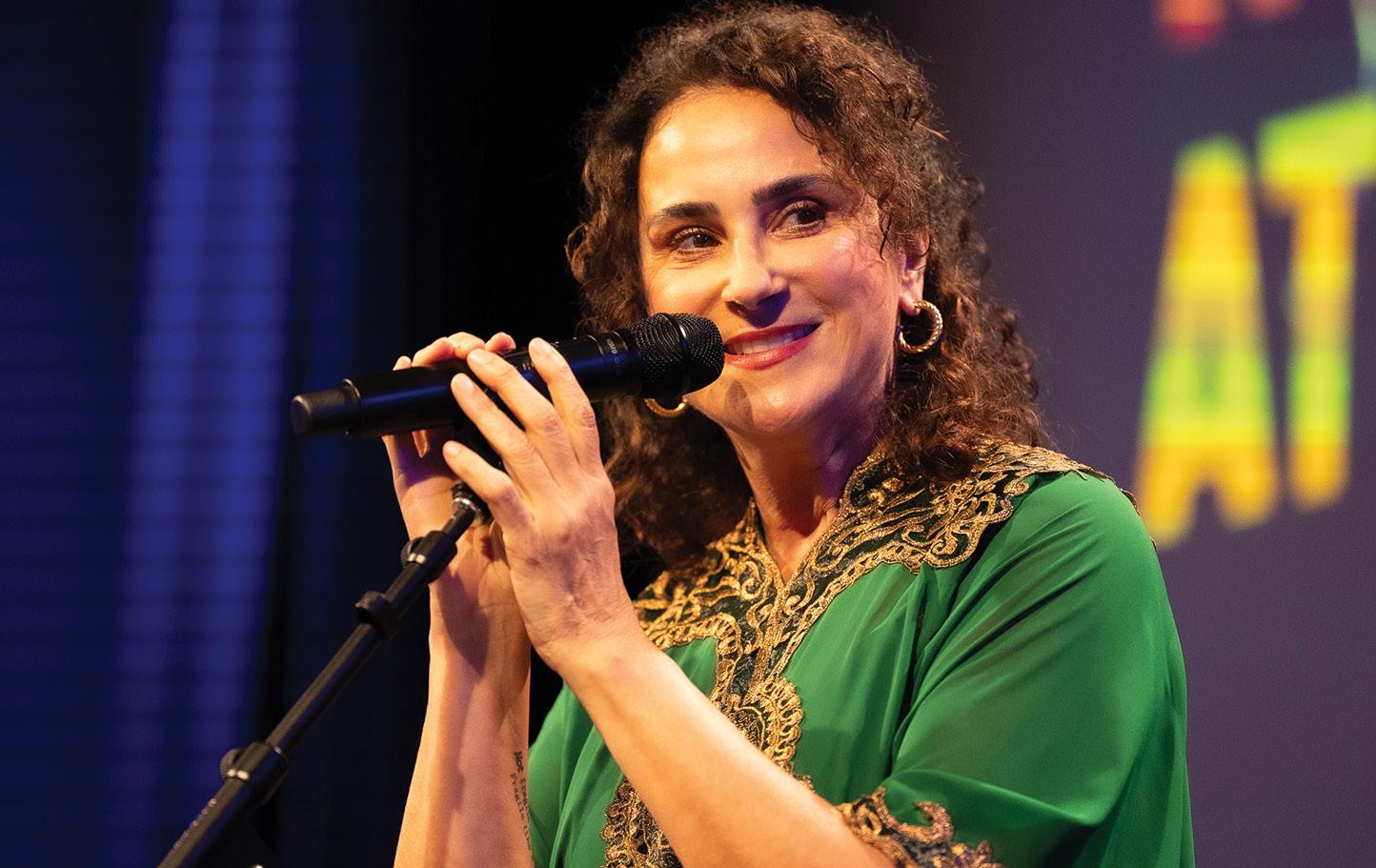
2026 artists, from left: Jeremy Gimbel, “Nusach San Diego”; Elizabeth Schwartz, “And the Angels Swing.” Photos courtesy JFest.
contributions that I think the audience will just be dazzled, inspired and even educated.”
This year’s honorees are Ruth Broudy, Rhona Fink, Kira Finkenberg, Sharyn Goodson, Karen Parry and Debby Stauber. Karen has served as CEO of Hillel San Diego during difficult and dangerous times on college campuses, while Ruth is the principal for Torah High School of San Diego, encouraging girls and young women to reach their full potential during a time of transition.
“It’s almost like my life has been shaped by the wisdom of the more than 100 women that we’ve honored over the 17 years that we’ve done ‘Women of Valor,’” Todd said.
The headlining presentation of JFest
is a special performance of “Looking For Leonard,” a tribute to the music of Leonard Cohen, featuring Broadway performer Patrick Page and Perla Batalla, a composer and former vocalist for Cohen himself.
Todd and Patrick have known each other for many years, having attended theater school together. When Todd read about Patrick and Perla’s early work on the project in New York, he reached out to ask whether the show could be developed into a full production for JFest. “Looking for Leonard” will premiere in San Diego before going on tour.
“This is the first time that JFest is performing in The Conrad, and it has amazing, beautiful acoustics,” Todd said. “I thought to do these extraordinary, legendary performers with great music, in a venue where the acoustics are so beautiful, would just be a magical evening.”
continues on page 25 >>
Todd Salovey with comedian Alex Edelman (at right), “An Evening with Alex Edelman.”
The Art of Self Improvement/ Transformation
by Rabbi Yeruchem Eilfort
The self-help industry is quite robust in this country. Walk into any bookstore or library and check out the vast array of works available on the subject. Or do some scrolling on YouTube after typing in ‘self-help’ in the search bar, and endless videos are sure to keep your feed full for months. Self-help is a multi-billiondollar industry.
Upon further examination, one will realize that many of the maladies addressed by the multitude of ‘mavens’ (those who know the answers), are maladies that only seem to be problematic in countries of great wealth. In other words, places where (perhaps) people have too much time on their hands and find issues in places where folks from less wealthy societies would merely laugh and shake their heads.
Our ancestors embarked on the ultimate self-improvement project in all recorded history.
As an aside, and not in any way to denigrate anyone’s passions and/or feelings, there are even people who specialize in making pets feel happier, and they are making a living — sometimes a generous living — doing so. California Psychics have ‘animal communicators’ on standby, ready to help.
In fact, as in all human pursuits, there is a Torah perspective and solution to the self-help genre. Not surprisingly, Torah self-help is long on rationality and individual empowerment, and short on quick fixes and gimmicks. From the second day of Passover through the coming holiday of Shavuot, the Time of Receiving the Torah, we focus on selfimprovement. We are in the midst of transforming ourselves as we follow in the footsteps of every generation of Jews over the past 3,300+ years.
A very special and meaningful Mitzvah, called Sefirat Ha’omer (counting the Omer), is now in session. Every night, we count the days, demonstrating how we are anticipating the holiday on which we commemorate receiving the Torah on Sinai. Our tradition teaches us
continues on next page >>
Ali Viterbi served as the festival’s associate artistic director for many years. She is a playwright, television writer and educator. For this year’s production of The Whole Megillah, JFest’s new play development program, Ali’s recent work, “Budapest, Budapest,” will allow audiences to be a part of the workshop process. The story follows two Jewish figures in 1940s Budapest, Hannah Senesh and Rudolf Kastner. One rose to prominence as a hero, and the other as a villain. The play asks, “When we look back into the dark, what story will we tell?” The show features original music and lyrics by Toby Singer.
“Ali just writes characters and scenes that are so relatable and so human,” Todd said. “I think people will really, really be excited to see Ali’s newest play and her first musical.”
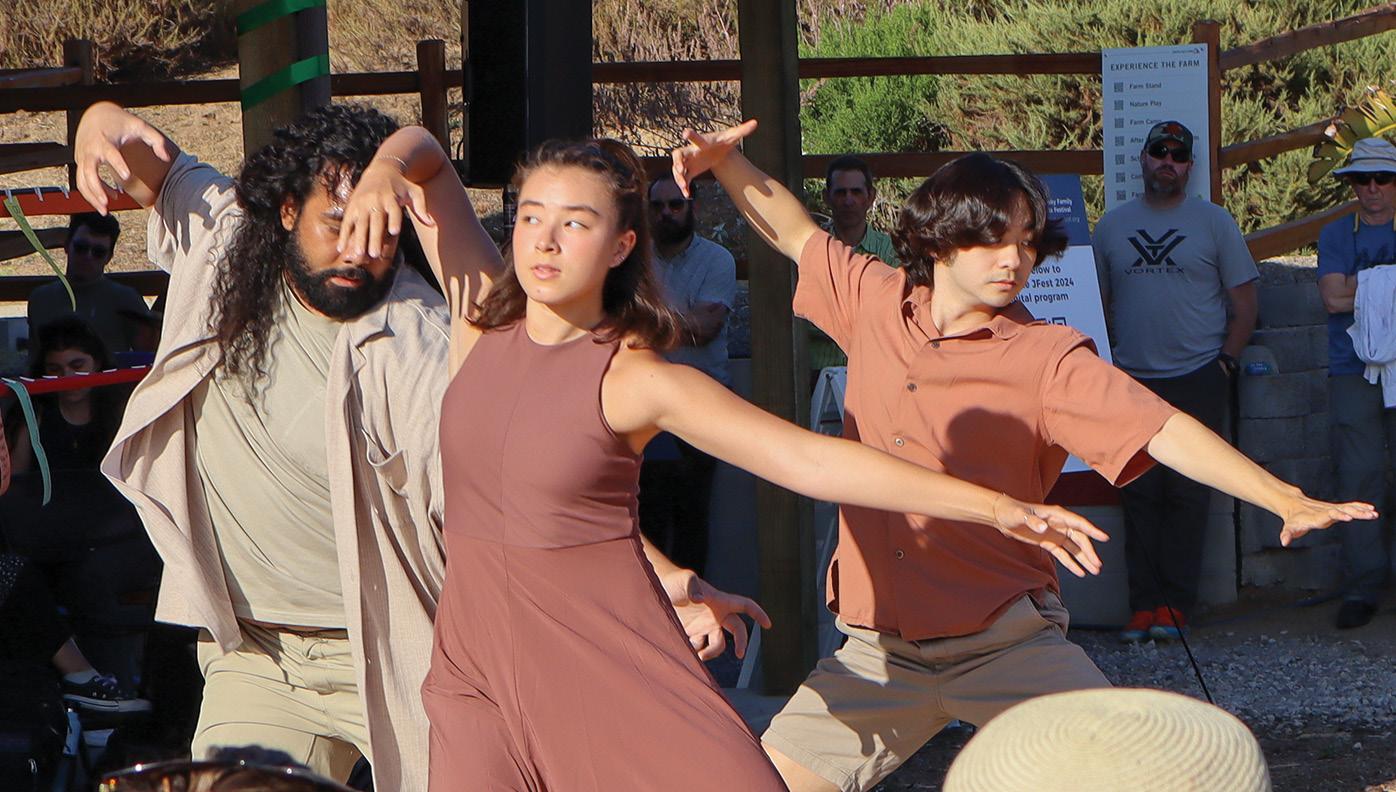
Another returning favorite production is “Regenerate!” Described as an eco-performance fest, the show partners with Coastal Roots Farm to educate audiences on the reality of climate change through a Jewish lens. The four immersive shows include “At Rise” by Dan Schifrin; “Back to the Garden” by Livya Howard-Yashar; a new, interpretive work by Michelle Shofet;
Self-Improvement
continued
that we were also spiritually present at that momentous time, and furthermore, each year a new element of that colossal manifestation of G-dliness is lovingly gifted to us.
Consider for a moment the dramatic change undergone by our ancestors. Following generations of back-breaking slave labor, an entire nation received the Torah, the wisdom of the Almighty, and immediately immersed themselves in its divine wisdom. Their minds shifted from how to make bricks into how to transform the mundane, physical world into an abode for the Creator!
They were able to achieve this unequalled transformation because they
and improvised Earth songs by Heavy Meadow.
“Coastal Roots Farm got a really big national grant to create a program called the Jewish Climate Artists for California Incubator,” Todd said. “They commissioned five different artists to work all year... And these are the pieces that have been developed in collaboration. It’s an immersive experience of theater and dance that’s on a beautiful farm in the outdoors, where the audience will go to different locations to see these original pieces that have been created.”
Throughout its 33-year history, JFest has looked to inspire and educate San Diego by highlighting Jewish voices, stories, songs and more. Todd believes the festival’s future will only grow stronger.
“We’re thinking about how we can contribute to the San Diego community and to the arts community year-round,” he said. “This festival, to me, is a place of uplifting, of healing and of joy, and we all we really look forward to being able to offer those experiences in more places.” A
For tickets and a full list of festival events, visit sdjfest.org.
chose to do so. They embarked on the ultimate self-improvement project in all recorded history. Attribute by attribute, character trait by character trait, they worked on themselves.
They meditated on G-d’s presence in their lives and the world around them. They contemplated the Holy One’s blessings and nurtured love for Him as well as awe of His greatness. These emotions informed their thinking processes, as well as how they spoke and, of course, how they acted.
They climbed the ladder reaching the highest pinnacles of human spiritual achievement, and then they understood that they had readied
themselves to receive the Torah inwardly with sincerity and with unmitigated joy!
The successful formula is in front of all of us, available to us. We just have to decide to follow the plan!
May we be blessed with the internally generated motivation to reach our true potential. A
Rabbi Yeruchem Eilfort co-directs, with his wife Rebbetzin Nechama Eilfort, Coastal Chabads, Chabad at La Costa, Encinitas, and Carlsbad North where everyone, regardless of level of knowledge or observance, feels cherished and loved. Rabbi Eilfort welcomes and encourages comments and questions: rabbie@chabadatlacosta.com.
“Regenerate!” 2026.
The Gift of Laughter — Gary Kramer & National Comedy Theatre
by Susan Edelstein
Laughter is more than just funny — it connects people, strengthens social bonds and reduces stress, anxiety and depression. It can boost the immune system, relax muscles, aid circulation and protect the heart. Laughter is primitive, involuntary and fosters bonding and trust — from our babies’ first laughs to the very real contagion of laughter, it is a human necessity and a prescription for well-being.
SDJJ: Are you a San Diego native? If not, when did you arrive and from where?
Gary: I’ve lived in San Diego since 2011. I’m a native New Yorker, grew up in Connecticut and Philadelphia, and went to school in Boston, but moved to Los Angeles after college for about 25 years before moving to San Diego.
SDJJ: What is your background that would support the founding of an improv comedy theater?
Gary: I have a theater degree from Emerson College in Boston, and I spent many years in Los Angeles pursuing an acting career, working alongside people at every level of the film, TV, and theater world. I discovered improv early on, back when it wasn’t nearly as mainstream, and immediately fell in love with it.
Eventually, I found myself producing a show in Santa Barbara, where I spent ten years building something
San Diego’s gift of laughter is National Comedy Theatre in Mission Hills, a live, improvisational comedy company in operation since 1999 with more than 7,000 live shows and counting, making it the longest-running show in the city’s history. The founder, director and cast member, Gary Kramer, gave generously (and humorously, of course) of his time to answer some questions for SDJJ. continues on next page >>
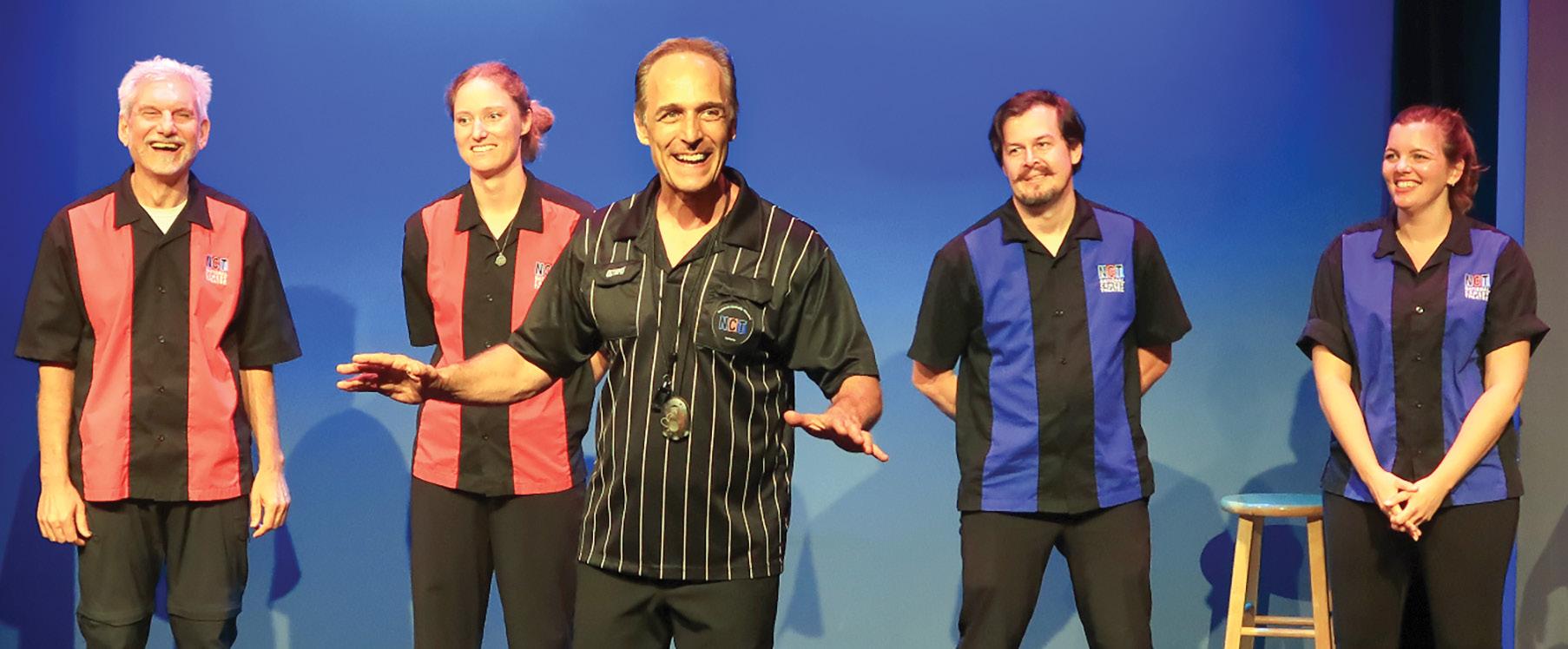
NCT cast, from left: Dave, Alex, Gary, Gordy and Jess.
Laughter
from the ground up in a relatively small market. It was as grassroots as it gets. I did everything from building the stage to designing flyers to writing and performing commercials just to get people in the door. Keeping a live comedy show alive in a town like that teaches you a lot — mostly how to do everything yourself and how not to panic when things inevitably go sideways. That experience gave me a real foundation for sustaining a production, so scaling it in a larger city with a bigger audience felt like a natural next step. And, for what it’s worth, I’m also a New York Jew, which, culturally speaking, is basically a master’s degree in comedy.
SDJJ: How did you get this project off the ground? Do you have partners?
Gary: I had a partner from my Santa Barbara company who moved down to San Diego to help get things up and running and act as the on-site manager. We spent months trying to find a venue, and eventually we stumbled onto the Marquis Theatre which had been closed for about five years. “Closed” is generous, it looked like it had been abandoned mid-apocalypse. There was garbage, old construction equipment, and a full cast of creatures ranging anywhere from two to eight legged.
Working on a shoestring budget, we did our own renovations. For about three months, we were working 12-hour days, basically turning a haunted house into a theater. We financed the whole thing on my credit cards, which in hindsight was either very brave or very stupid. At the time, we had no idea which, and I’m still wondering. That first year was definitely touch-and-go. Honestly, we were a little surprised every time someone actually walked through the door, but eventually word leaked out that something funny was happening on India Street.
Gary: We posted around town for auditions, and knew a couple of people in San Diego who could spread the word. We held auditions over two days in May 1999 and put together a very good cast to kick off the run. We rehearsed for almost five months before our original opening date, which helped us to hit the ground running.
SDJJ: Between the Main Stage Cast, the Sunday Company, and the House Teams, NCT shows are just about full time. Who does the scheduling, coordinating, hiring?
facility management. We also have directors for each of our respective casts. I get to direct and perform with the Mainstage cast, at least until they vote me off the island.
SDJJ: Are there try-outs? How are the casts/teams formed?
SDJJ: How did you bring together the first regular troupe?
Gary: We have two full-time employees, and a number of part-timers who cover everything from admin to marketing to creative direction. Our managing director, DeNae Steele, is completely overworked and handles about a hundred different tasks ranging from scheduling to customer support to
Gary: We have a system, somewhat similar to Major League Baseball where players are vetted and trained before moving on to other casts. Our House Teams are formed from graduating students from our workshops who have demonstrated the requisite talent, skills, and have the type of personality that we would like to continue to develop. The average tenure for a player on the Mainstage cast is over 10 years, so it’s not so easy to get there, but once players do, they tend to stick around. We have several cast members who have been with us over 15 years, and a couple of us for the entire run of 26+ years.
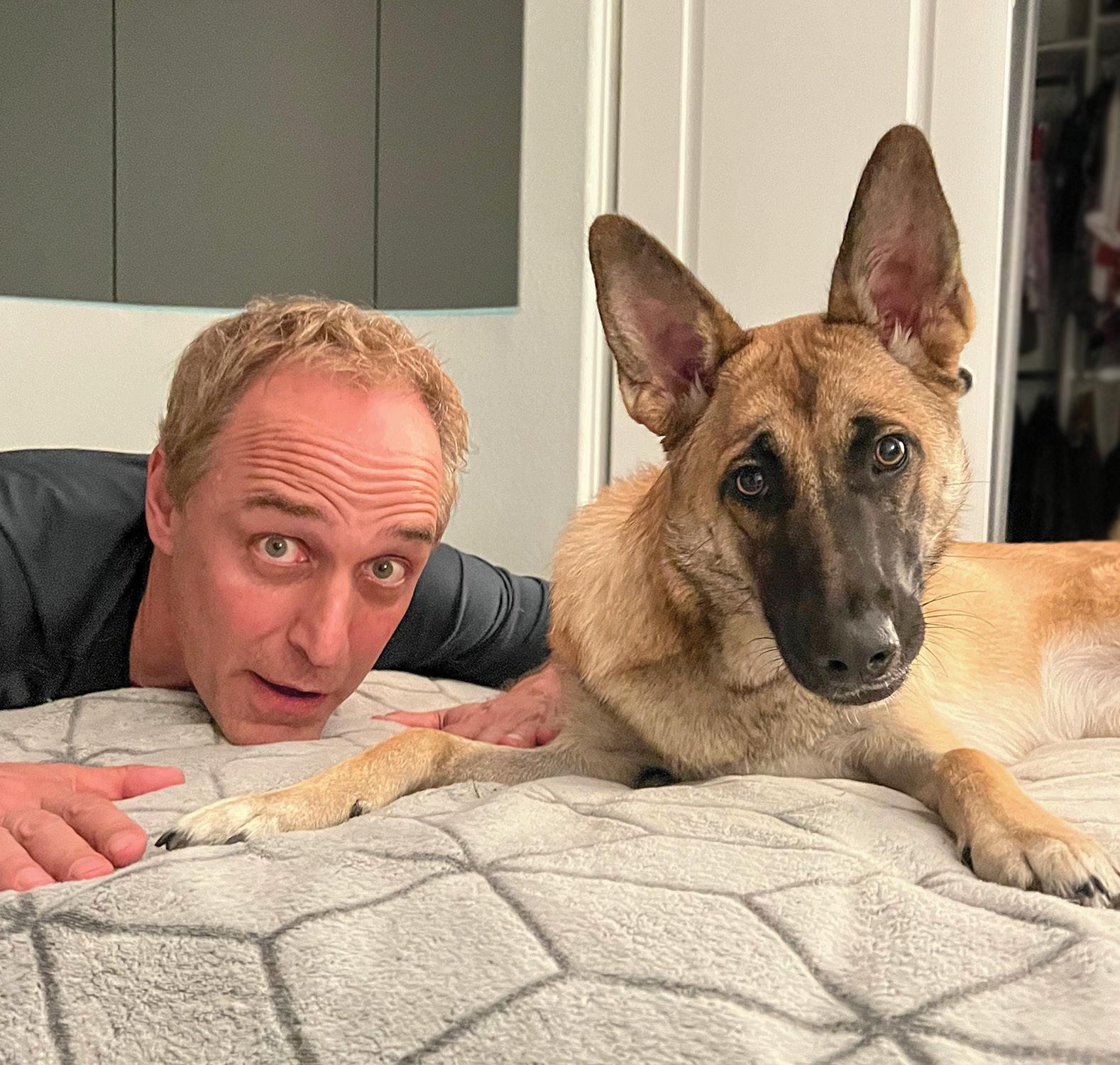
Gary and Simcha.
Photos courtesy Gary Kramer.
Before every scene, we ask the audience to call out a suggestion from which the cast will improvise around.
SDJJ: How are audience suggestions chosen?
Gary: Before every scene, we ask the audience to call out a suggestion from which the cast will improvise around. It might be an occupation, movie line, favorite food, professional situation, etc. Whatever the audience suggests (within reason) is what we work into the performance. That being said, we do keep the show “above the belt” so we avoid anything too scandalous or in bad taste. We also avoid politics completely. Wouldn’t it be nice to spend a couple of hours not talking about it? We feel the same way.
SDJJ: The improv classes are such an excellent way (read fun) to learn public speaking skills, listening skills, build confidence, and presence. Do many of your students then join NCT?
Gary: We’ve taught literally thousands of people over the past 26 years for exactly those reasons, and yes, it really is as fun as it sounds. That said, about 98% of our students have no intention of ever performing. They’re there to get more comfortable speaking in front of groups, become better presenters, increase their social circle, and just have more fun in their lives. A typical class might include engineers, teachers, scientists, lawyers, you name it, all looking to sharpen their communication skills in a way that doesn’t feel like work. And then there’s the unexpected bonus: while it’s definitely not part of the curriculum,
we’ve had quite a few romantic connections start at NCT. At last count, at least nine marriages, and a few kids, have come out of our classes. We don’t advertise it… but the success rate isn’t terrible.
SDJJ: NCT’s program for teens on the spectrum is so thoughtful and important; whose brainchild is this program?
Gary: Our non-profit spinoff, Unscripted Learning, was created by Richie Ploesch and myself in 2017. Richie is a boardcertified behavioral analyst, specializing in autism, as well as a cast member at NCT. We were discussing the techniques that he has used in practice to work with teens and young adults on the autism spectrum, and quickly realized that many of the same techniques were foundational in improv training. Our program was created from that, and has expanded over the years to the point where we are now integrating it into local schools. It’s been an impactful and meaningful program that has shown substantial results for the students as well as their families. We’ve had teens that have eliminated suicide ideation, reduced or discontinued their meds, created social circles, and have moved on to higher education and jobs as a result of our program. It’s one of the things in my life that I’m most proud of.
continues on next page >>
Dave and Greg.
SDJJ: What can you tell us about keeping a comedy theater going for so many years? How did NCT survive the covid pandemic shutdowns?
Gary: Comedy has always been one of those rare constants, it survives politics, shifting social norms, and just about everything else. The earliest theaters in ancient Greece were filled with comedies, and their world wasn’t exactly calm or stable either. (Also, they performed in what was basically a bedsheet, so we’ve at least upgraded the wardrobe.) Over the years, we’ve had to evolve along with the culture. What people found funny in the ’70s doesn’t always land the same way today, and part of our job is staying aware of that and reflecting the world as it is now. Honestly, the only thing that could really shut us down would be something like a global pandemic...Oh right. That. Like all theaters, we were the first type of
business to close and the last to reopen, shuttered for 18 months from March 2020 to September 2021. During that time, it was anything goes. I went from artistic director to full-time grant writer, suddenly very familiar with spreadsheets and government funding. We offered classes on Zoom, made a few videos, and did everything we could to keep the business on life support.
We chose not to move our live shows online, comedy is all about timing, and Zoom has...other ideas about timing. But the classes actually worked surprisingly well. People were craving connection and a creative outlet, and improv even in little boxes on a screen, helped fill that need. We were incredibly fortunate to make it through before funding dried up completely. And, perhaps most importantly, I married well, which, in both life and theater, is always a solid long- term strategy.
SDJJ: What do you find most rewarding about conducting NCT?
Gary: For me, the most rewarding part is getting to create this weird, hilarious, shared experience with a room full of strangers every week. There’s nothing quite like watching a crowd of people, who walked in not knowing each other at all, suddenly start laughing together, reacting together, and connecting with us for a couple of hours. When the show is really firing, we’re tapping into something universal, and you can absolutely feel it on stage and in the crowd. People from completely different backgrounds, beliefs and perspectives all find themselves sharing a moment together. And I really love that, because in a world where it’s easy to focus on what divides us, comedy reminds us how much we actually have in common.
Thanks, NCT, for the laughs. A
Inspiration from Loss
by Maya Skolnik
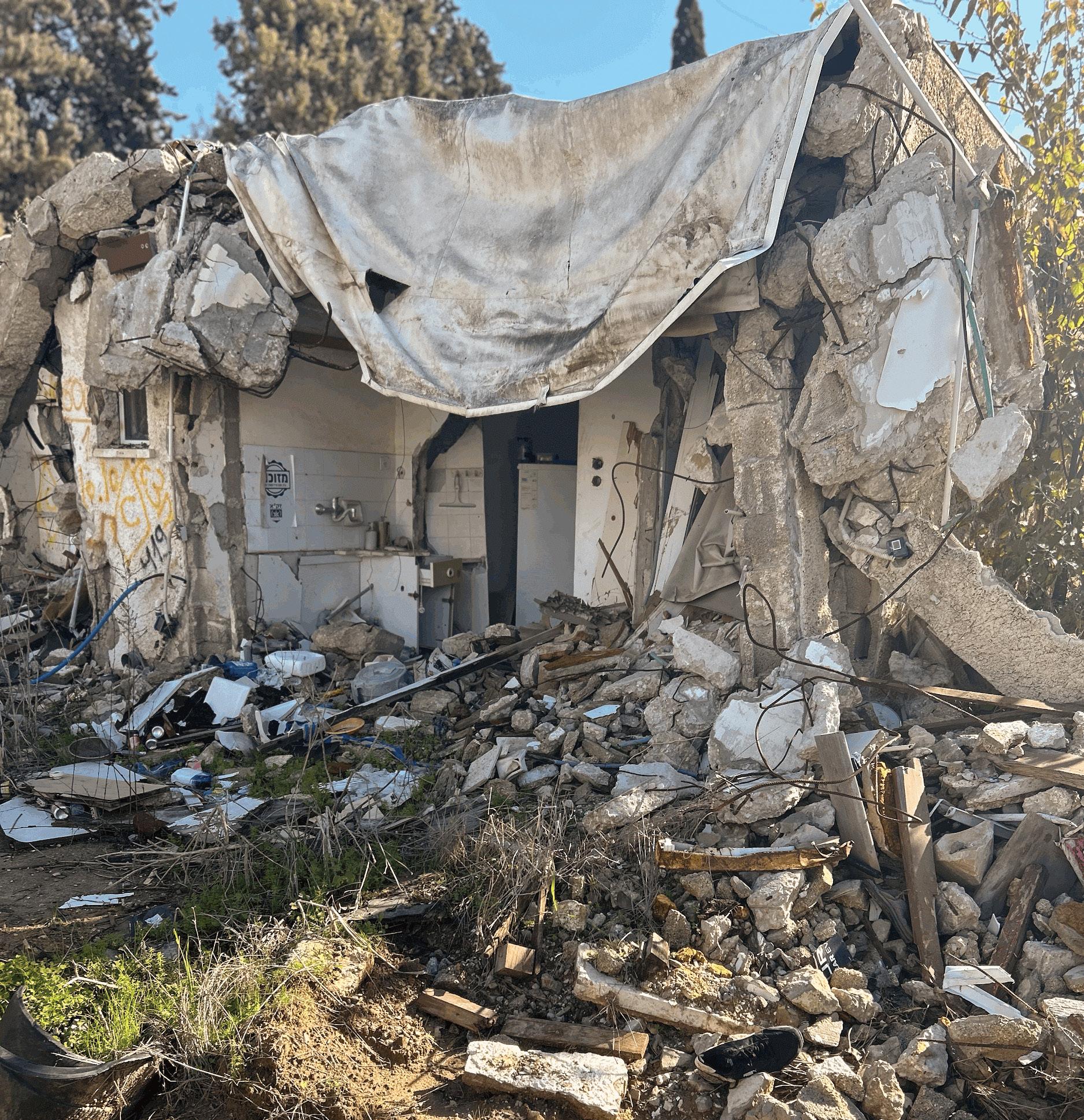
You never realize how grateful you are to open your eyes each morning until it’s your last. Step by step, my heart ached, a feeling that I have never felt before. A sight of pure horror, bullet holes numbering over a hundred, and reading the last words sent to their families. Kfar Aza, a tight-knit community, has always been a thriving kibbutz where family and joy built the foundation for each and every member. Established in 1951, this kibbutz had existed and thrived for 75 years, where deep roots were formed
and generations continued. Hearing stories is one thing, but living in them is another. This past December, I had the opportunity to go to Israel along with 18 other students my age from Congregation Beth Am. We ate the hummus, bargained in the shuks, and floated in the salty Dead Sea, but nothing truly compared to our visit to Kfar Aza. It was a pretty, sunny day, and Israelis were living their lives like normal, with happiness and ease. When we arrived, we were greeted by a young woman named Rona, who was about to share her story.
We started at the front. There was a large grass area and no signs of people. While Rona walked us through, she led us to three houses. Hers, her grandparents’, and her uncle’s, all right next door to each other. She explained how on the morning of Oct. 7, her family went into their mamad, the safe room, thinking it was any normal siren, but only minutes later they realized it was not. Rona was on a trip when the war broke out, returning home a few days after the Oct. 7 devastation to find she had lost her
continues on next page >>
entire family. It was at this point where I just wanted to put my arms around her and comfort her, but she went on.
She told us a story about a family of five who were all murdered holding hands in a bed, and told us a story of another family where the mom was murdered in front of her kids, and while the dad went running with the two young children in his arms, he was shot and killed. Falling over with blood, the terrorist thought he had killed them all, but the children crawled from under the dad’s dead body and ran. It gives me chills just typing this. In just seconds, these two little kids, three and eight, watched the most unimaginable horror.
After hearing these stories, I felt broken. How could these lives be taken? Just a few more steps later, we arrived at Children’s Lane. Rona shared how this used to be the most lively street of the whole kibbutz. College-aged kids would
As we walked through, it was silent. Nobody spoke, just the sounds of our feet walking from place to place.
have barbecues all night and would be singing and dancing till the sun rose again. As I looked left and right, house by house, I read the names of everyone who lived there. Teens, just a bit older than me, struggling for their lives, were taken from this world. As we walked through, it was silent. Nobody spoke, just the sounds of our feet walking from place to place. Rona led us into a roped-off house, a space not accessible to the public. There were holes covering every inch of the wall. We stood there, absorbing something difficult to even imagine.
OHR SHALOM invites you to JOIN US as our BUILDING turns
Sunday May 3, 2026
Rededication Ceremony in Synagogue Sanctuary 4:30pm
2512 Third Avenue San Diego 92103 619.231.1456
office@ohrshalom.org
Rona did not say much, other than to tell us whose house we were standing in — her brother’s house.
Standing there so incredibly strong, Rona shared her story. I am writing this not for you to feel hurt, but to feel empowered. Rona, a woman whose world was shattered, was still here. She stood to share her story, to share light.
Even in times when it seems life cannot get worse, Rona continues to live. She is the Israeli people; she is what I truly aspire to be. In a story where a rabbi is asked to go to a funeral and wedding at the same time, the answer is always the wedding. Life leads. Lead with good purpose, continue to be resilient, and never stop dancing. A
Skolnik is a 16-year-old junior at San Diego
Academy. Her passions include baking and dancing and she plans to pursue business in college.
Complimentary Cocktail Reception: Following Rededication Ceremony
Gala Dinner: Begins 6:15pm*
$250 per person • RSVP By April 17th**
SPONSOR A TICKET: $250 per ticket
Sponsor a ticket for a Member of our Beloved Community
SPONSOR A TABLE: $2,500 table of 8 (reserved)
*Ticket needed for dinner only. Kosher Dietary laws observed.
**Security requires an RSVP for all events.
Maya
Jewish
We Are Always Counting
by Galia Miller Sprung
In Israel, we are always counting. Counting down to the end or counting up to an unknown. Sometimes we count the days, the weeks or months, praying they will end. But we are always counting. I think it’s an obsession.
This can be problematic. Last night, the war with Iran was temporarily suspended. I wondered how the news broadcasts would react the following day, as they all open the news with “Day X of the Roaring Lion.”
Do we stop the count? Like the clock stopping in a football game when a player is injured?
Do we now count the days of the ceasefire? Do we count the violations of the ceasefire?
Maybe we need a guideline, like we just had for Pesach — a detailed commentary on all the rules regarding Pesach found in the Pesach Masechet (Tractate). I would call it “Masechet Wars.” With a little help from AI, a short entry might sound like this:
And how often shall the news mention the war clock? Beit Minimalist says: “Once a day, lest the people despair.”
Beit Maximalist says: “Every seven minutes, lest the people forget.” But the Anonymous Intern adds: “Mention it whenever the segment runs short.”
On Seder night, we counted the plagues. At our Seder, we counted how many involved animals. We sing “Who Knows One?” and spent several minutes (seven, one granddaughter counted!) singing about what the numbers
Counting has always been our way of holding on to our practices as Jews; therefore offering a sense of order. Stability.
represent. After One G-d, we count how many tablets, patriarchs, matriarchs, Books of Moses...We count our four cups of wine, three matzot, 15 steps of the Seder itself. We count.
And what do we do right after Pesach? We start counting the Omer. There are prescribed rules for how we express the count. We mention days, then round weeks, and days and weeks. Some programs begin with the count of the Omer. I have the urge to start my sentences with current references: “Today is Isru Chag, Mimouna, the first day after Pesach, the second day of the ceasefire with Iran and 12 days before the end of Trump’s extension.”
For two and a half years, we’ve been counting. It is oppressive. Every news show started with: This is Day X of the war. Or how many hostages were still being held and for how many days. If I had a better memory, I’d remember how many days each hostage, dead or alive, was held until returned.
Why are we obsessed with counting? Probably because Jews have always counted. We have been numbering days and structuring our lives through counting for thousands of years, including the counting of eight days from birth to the brit — the covenant with G-d. We count the days of the week until Shabbat. “Today is Day One in which the Levites used to say the following Psalm in the Holy Temple.” The days referred to by numbers; not names. Counting has always been our way of holding on to our practices as Jews; therefore offering a sense of order. Stability.
Now we have a framework for whatever disaster is at hand. For me, it’s an ominous framework. I dread what will happen at the “round” numbers. It heightens the anxiety rather than reducing it. I could trick myself when hearing “Day 410 of Iron Swords” by losing myself in all the digits. Months and years signify — demand, really — acknowledgement. Reckoning. The country begins counting down to the year anniversary rather than counting up to the number of days that have consumed us in war and death. The counting of Iron Swords “ended” at 738 days, with the return of the body of Ran Gvili. The war against Hamas continues, but the counting has stopped. Maybe we can’t count that high.
Seven hundred thirty-eight days from when Ran Gvili heroically fought off the Hamas terrorists to his last bullet until he was returned. However, to say two years and eight days is overpowering. Emphasizing the months and years only knocks me down. Again.
The counting continues. How many categories can we have for counting statistics of our current wars? We count how many times we had a pre-alert. A red alert. How many times we ran to a shelter while shopping or walking down the street. How many times we started to take a shower and had to stop (for me, three times in a row). How many times we had to lie down on the road because the alert caught us while driving (twice in the 12 Day War with Iran). We count how many people show up for classes, synagogue, and even funerals because
we are limited to 20, or 30, or hopefully, 50 participants — according to current Home Front Command directives.
Imagine an app for counting the total hours you spent in your safe room, or how many pre-alerts and alerts you had. Who thinks of the need for such an app? Another “Only in Israel” moment.
But we also count down in all forms. We count the days until a soldier comes home for a break, until a wedding or a bar/bat mitzvah. We even count the months or days until our next vacation, which may or may not take place. Because we are also inherently resilient and optimistic, despite the constant counting we get on the news every day for whatever war or event is being counted. It is believed by those who work in the media that by framing the news around a shared, ongoing war, our morale will be boosted. We’ll bask in the togetherness of national solidarity; I don’t disagree with this concept. However, each media, each station tends to frame its presentation to reflect an agenda and unfortunately, this often shatters the solidarity more than strengthening it. So, I count on my own. I focus on counting successes and accomplishments of our country. I celebrate the number of years I’ve been in Israel.
I don’t count the failures and tragedies as some do. I acknowledge them and pray they are not repeated, but counting them leads nowhere.
I know we will continue with our obsessive counting up and counting down. It’s who we are. It keeps us occupied and even leads to creative apps. But some things are beyond numbers. Some things refuse to be measured. I do not count the fallen. I remember them. A
Galia Miller Sprung moved to Israel from Palm Springs, California in 1970 to become a pioneer farmer and was a founding member of a moshav in the Jordan Rift Valley. Today, she is a retired high school teacher, a writer and editor. She lives with her husband in Tzufim.
When tomatoes are in season, they are a favorite snack or salad ingredient, enjoyed raw with the flavors of summer coming through. You need very little to enhance the flavor of a perfectly ripe tomato, a little salt and a sprinkle of spicy olive oil for a taste of summer.
In the other months of the year, tomatoes don’t taste quite as good, but a few simple tweaks can bring out their flavor.
• Salt your tomatoes. Once cut, generously salt tomatoes and let them sit for 10 to 15 minutes. Strain, and reserve the liquid for your dressing or cooking.
• Add a pinch of sugar to enhance their sweetness
• Cook them to reduce water content and concentrate their flavors
• Give them the high heat treatment to caramelize their sugars and bring out their natural sweetness
Photo: Micah Siva.
BY MICAH SIVA
Blistered Tomatoes and White Beans with Spiced Yogurt
Whether you are at the beginning or end of tomato season, they are a staple at my Shabbat table. Pairing tomatoes with a warm spice blend, beans, and olive oil, cooked at a high heat can help to bring out the natural flavors of the tomatoes while making it feel hearty enough to be a main dish. I love pairing it with a garlicky yogurt, it’s sweet, tart, creamy, tangy and rich, all in one.
Make this in advance and reheat the tomatoes before serving — you can also serve this at room temperature for even simpler hosting.
SERVES 4
INGREDIENTS:
Beans
• ⅓ cup extra virgin olive oil
• 1 lb cherry tomatoes, whole
• 8 garlic cloves, peeled
• 1, 15 oz can cannellini or white beans
• 2 teaspoons Berbere seasoning blend
Yogurt
• 1 cup full fat Greek yogurt or Labneh
• 1 tablespoon olive oil
• 1 clove garlic, minced
• 2 tablespoons finely chopped dill
• 1 tablespoon finely chopped mint
• ½ teaspoon Aleppo pepper
• ¼ teaspoon lemon zest
• ⅛ teaspoon cinnamon
• ⅛ teaspoon ground ginger
PREPARATION:
1. Preheat the oven to 400F.
2. Pour the ¼ cup olive oil into a 9x13-inch baking dish. Arrange the tomatoes, cut side up in the dish. Add the garlic cloves and beans. Season liberally with salt and pepper. Roast for 25 to 30 minutes until the tomatoes have blistered.
3. While the tomatoes are cooking, make the yogurt.
4. In a large bowl, combine the yogurt, olive oil, minced garlic, dill, mint, aleppo pepper, lemon zest, cinnamon, and ginger.
5. Spoon the yogurt in a serving bowl, and top with the tomatoes and beans.
Local Arts
BY EILEEN SONDAK
THE OLD GLOBE THEATRE
theoldglobe.org
The Globe’s White Theatre is featuring “Alien Girls,” an emotion-packed comedy about the tension between real life and art. The show will continue through May 10
The Old Globe’s Main Stage will present “Kim’s Convenience,” an award-winning comedy that inspired a Netflix series. The play centers on a Korean-born storekeeper in Toronto trying to raise his children with traditional values. This laugh-filled work is in residence May 15 through June 14.
Coming to The Globe on May 30, is “The Hombres,” an amusing and heartfelt examination of machismo, friendship and bonding. The play shows us what can happen when the worlds of construction and yoga come together. “The Hombres” will be on the boards through June 21
SAN DIEGO
JUNIOR THEATRE
juniortheatre.com
San Diego Junior Theatre is showcasing its production of “Shrek the Musical.” This stage adaptation of the beloved film will light up the Casa del Prado in Balboa Park through May 10. “Shrek” boasts a beautiful score and larger-than-life characters to propel the fairy tale plot. You can’t help loving this musical comedy — no matter how old you are.
NORTH COAST REPERTORY THEATRE
northcoastrep.org
North Coast Repertory Theatre’s production of “Beau Jest,” a romantic comedy with a Jewish American story that blends farce with probing insights, continues to spread its love and laughter to local audiences through May 24.
OLD GLOBE: (from left) Emma Ramos as Carolyn and Brittany Bradford as Tiffany in “Alien Girls.” Photo by Jim Cox.
NORTH COAST REP: Sam Ashdown & Katrina Michaels in “Beau Jest.” Photo by Aaron Rumley.
MUSEUM OF CONTEMPORARY ART SAN DIEGO
mcasd.org
The Museum of Contemporary Art has “Fast Cars and Open Roads: Pop Artists Capture a Cultural Era, A Decade of Pop Prints and Multiples 1962 – 1972, The Frank Mitzel Collection” through May 25.
LAMB’S PLAYERS THEATRE
lambsplayers.org
Lamb’s Players Theatre is leading audiences on a “hysterical adventure” through June 7, with “The Play That Goes Wrong.” The farcical comedy uses slapstick and physical comedy to tell the story of an amateur theater company’s ill-fated attempt to stage a 1920s murder. Everything that can go wrong does go wrong — and that makes for a lot of belly laughs.
SAN DIEGO MUSEUM OF ART
sdmart.org
The San Diego Museum of Art is featuring “Local Visions: Reimagining the Façade,” a celebration of the creativity of artists around the county. The exhibition will be ensconced through July. Also on view at the museum is “SDMA 100 Years,” a collection of photographs and other media examining the museum’s evolution from its grand opening to a re-imagined future.
BIRCH AQUARIUM
aquarium.ucsd.edu
Birch Aquarium is highlighting “Imagine Wild: Mountain YellowLegged Frog,” an exhibition that demonstrates how science and conservation are giving these creatures a second chance. You can see this exhibit through March of 2027
BROADWAY SAN DIEGO
broadwaysd.com
Broadway San Diego will bring the Tony Award-winning musical “MJ” our way May 5-10. The musical takes you behind the curtain for the making of Michael Jackson’s 1992 Dangerous World Tour. Jack O’Brien’s staging of the perennial favorite “The Sound of Music” is due May 26-31. Sounds like a great pair of offerings for musical theater buffs.
LA JOLLA PLAYHOUSE
lajollaplayhouse.org
La Jolla Playhouse is showing off a new play that has snared the Tony, the Pulitzer, and an impressive assortment of other prestigious awards. “Purpose” will make its West Coast premiere on May 12 and will stay on at the Mandell Weiss Theatre through June 7. This compelling and highly original new work focuses on a powerful and influential Black American family faced with a threat to their dynasty when the youngest son brings home an uninvited guest. That traumatic visit forces the successful family to confront decades of secrets and unresolved tensions. Despite the serious theme, the play has sidesplitting laughs along with razor-sharp dialogue that sweeps through the play with lightning speed.
BROADWAY SAN DIEGO: “The Sound of Music.”
AM ISRAEL MORTUARY
We Are San Diego’s ONLY All-Jewish Mortuary Serving the community for over 40 years.
✡ Proudly Serving Jewish Families For Over 40 Years.
✡ Family Owned and Operated for Three Generations.
✡ Serving all Jewish Families, Orthodox, Conservative, Reform.
✡ Affiliated or Unaffiliated with a Synagogue.
✡ We can assist with At-need or Pre-need funeral planning. Purchasing cemetery plots or burial arrangements anywhere.
✡ We are here to help, call or email with any questions.
El Cajon Blvd., San Diego
Eleanor Jaffe – Delray Beach, FL
Irene Fine – La Mesa
Saundra Herman – Indio, CA
Roberto Nagmias – Chula Vista
Harold Mensch – Poway
Alain Cohen – San Diego
Norman Neichel – San Diego
Ruth Siegel – Encinitas
Lucette Silverstein – Encinitas
Jaime Fainstein – San Diego
Lawrence Sherman – Solana Beach
Paula Medeiros – La Mesa
Irene Saper – Vista
Nurit Carmel – San Diego
• Fight anti-semitism
• Support our military overseas
• Comradeship
Rubin Kaufman – National City
Uri Moyal – San Diego
Brenda Mann – La Jolla
Carole Laventhol – La Jolla
Gloria Zeichner – San Diego
Barry Cohen – Escondido
Leonora Poselenik – La Mesa
Norman Ferber – Oceanside
Marvin Yelles – El Cajon
On behalf of AM Israel Mortuary, We extend our condolences to the families of all those who have recently passed. The families of those listed above would like to inform the community of their
• Support Naval Hospital San Diego & Naval Hospital Camp Pendleton
• and much more
JWV is the oldest congresssionally commissioned veterans organization in America Col Maxwell S. Colon retired/USA 858-232-1645
Meet 2nd Sunday of the month 11:00 AM Veterans Association North County (VANC) 1617 Mission Ave, Oceanside, CA 92058
Harris Cohen – La Mesa JWV POST 385 — NORTH COUNTY “Boldest Post in the West”
AM ISRAEL MORTUARY
We Are San Diego’s ONLY All-Jewish Mortuary Serving the community for over 40 years.
On May 16th, North Coast Repertory Theatre’s Spotlight Gala will present “An Evening of Laughter with Rita Rudner” at the Park Hyatt Aviara Resort. This celebration of NCRT’s 44th Anniversary Season will culminate in a glorious one-night-only performance starring the dazzling and hilarious Rita Rudner. There will be delicious food and drink, silent and live auctions, and joyous community.
At this year’s gala, NCRT will be honored to recognize KPBS for the first time as San Diego’s Champion for the Arts. Join NCRT for a sparkling, memorable evening guaranteed to pull at your heART strings! A
Please contact Gabrielle Holley at (858) 481-2155 ext. 200 or gabrielle@northcoastrep.org for tickets and sponsorships.
Photo by David Jakle.
ANNUA L LIPINSKY FAMILY
May 12th – July 14th, 2026
For tickets and event details, please visit SDJFest.org or scan this code.
An Evening with Alex Edelman
May 12 @ 7:30 pm
One of the most critically hailed comedians of his generation takes the stage for a night of comedy and conversation.
Regenerate!
May 17 @ 3:30 pm
Regenerate! Eco-Performance Fest features food, drink, music, community and 4 original immersive pieces coproduced by Coastal Roots Farm.
Teatro Punto y Coma presents Samuel, His Widow and the Whispering Flowers
May 24 @ 1:00pm & 3:30pm
A theatrical spectacle weaving music, dance and storytelling into a world of magic and suspense.
The 17th Women of Valor
June 3 @ 7:30pm & June 14 @ 2:00pm
Honoring Ruth Broudy, Rhona Fink, Kira Finkenberg, Sharyn Goodson, Karen Parry, and Debby Stauber.
Ohad Moskowitz
June 8 @ 7:30pm
Renowned singer Ohad Moskowitz, raised in Belgium and now residing in Israel, has performed on the world’s most prestigious stages.
From Joburg to La Jolla:
The South African Jewish Community
June 10 @ 6:00pm
Features a full-course kosher meal of South African Jewish specialties and a performance by South African-born Baritone Singer, Colin Schachat.
Patrick Page & Perla Batalla
Looking For Leonard
June 11 @ 7:30pm
Join Broadway star Patrick Page and Grammy-nominated singer Perla Batalla for an evening celebrating Leonard Cohen.
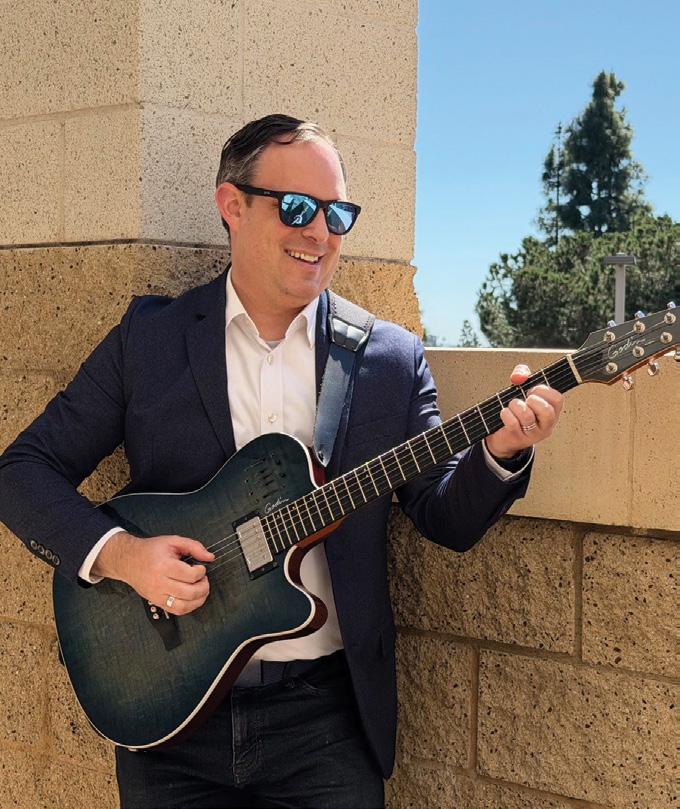
Nusach San Diego with Jeremy Gimbel
June 18 @ 7:30pm
Nusach San Diego is a musical evening rooted in Rabbi/Cantor Jeremy Gimbel’s original research on prayers and tunes that influence San Diego’s Jewish culture.
And the Angels Swing:
From Berlin to Bacharach
June 22 @ 7:30pm
Three of Southern California’s most celebrated vocalists, Mara Kaye, Elizabeth Schwartz and Whitney Shay celebrating the most influential Jewish composers.
Budapest, Budapest
July 13 & 14 at 7:30pm
In 1940s Budapest, Hannah Senesh became a hero while Rudolf Kastner was cast as a villain. Budapest, Budapest asks: what defines a hero, and what is the cost of redemption?