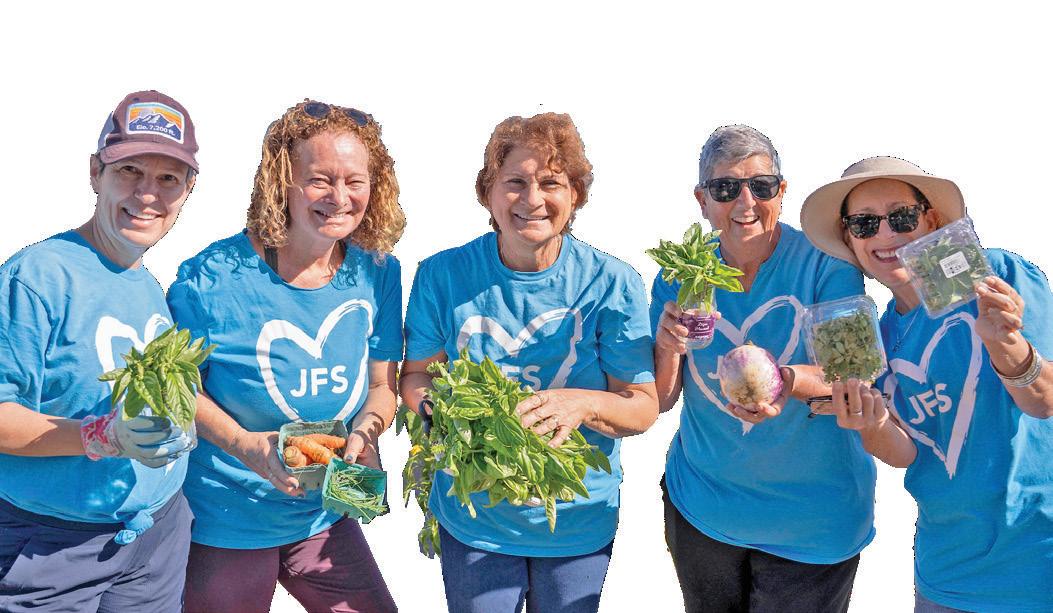
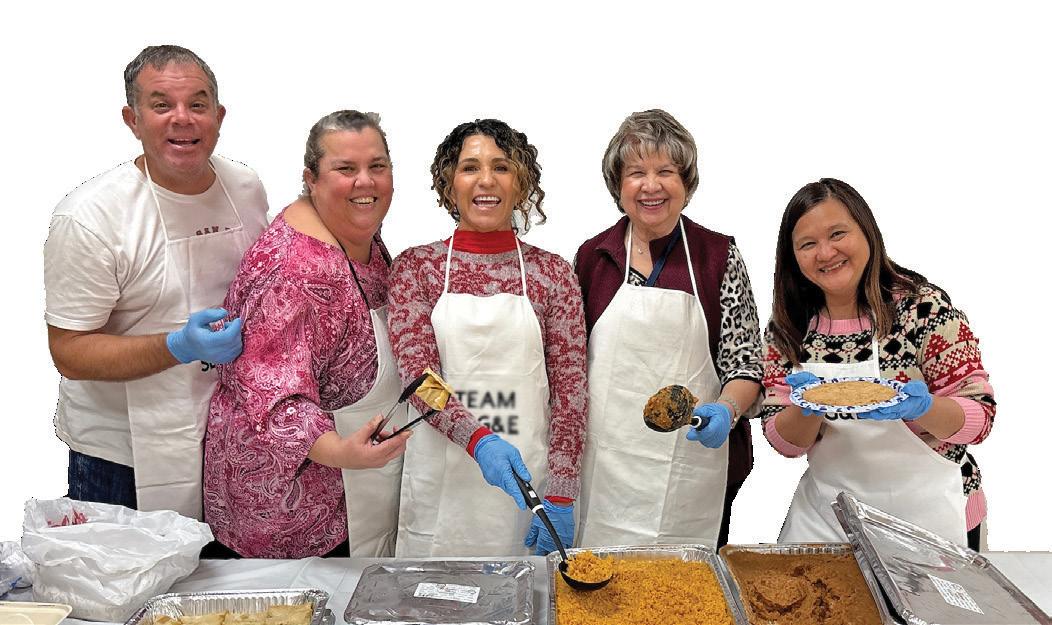
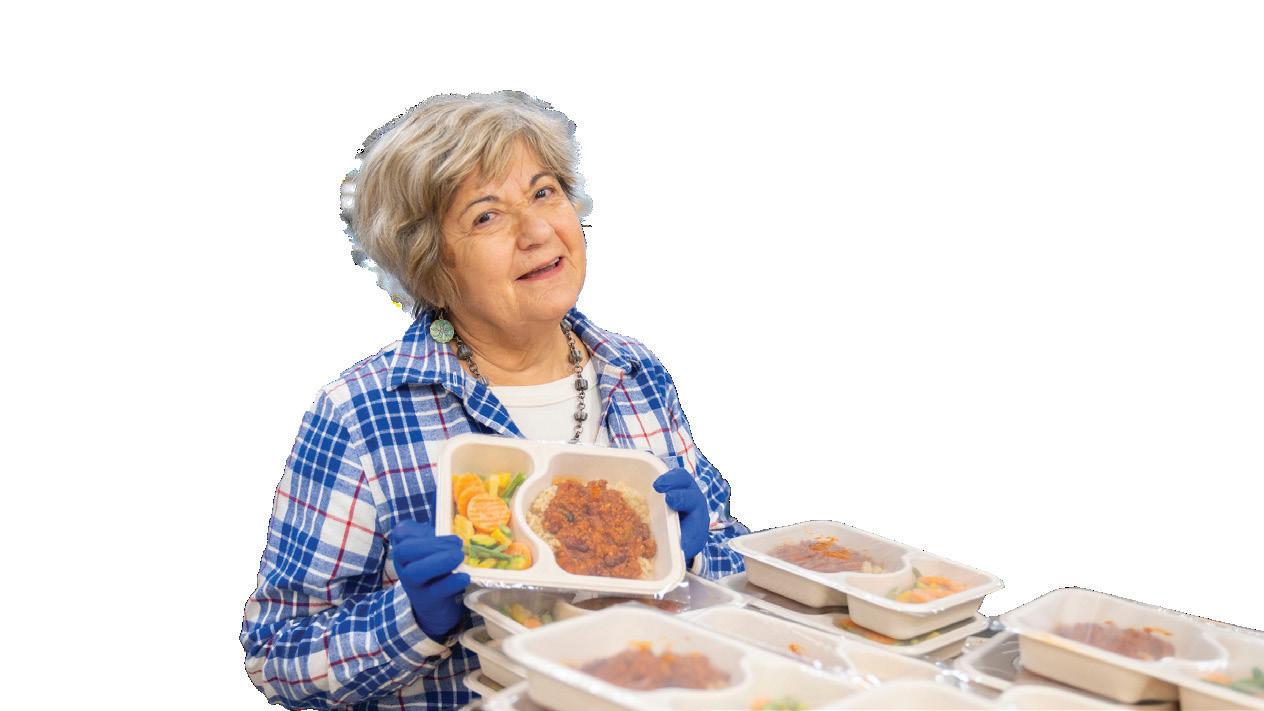
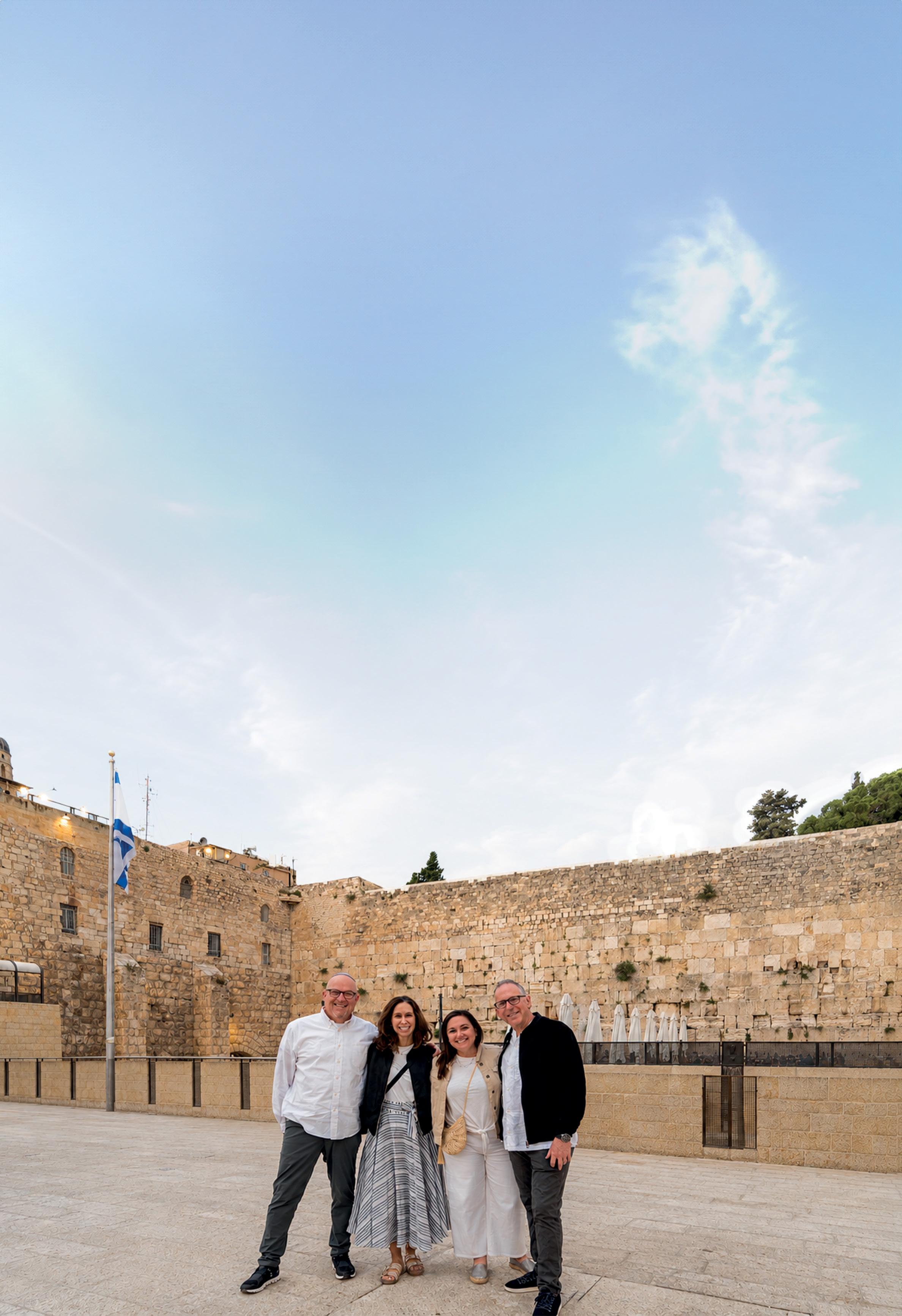
There are Jewish families whose struggles don’t make headlines, not because they aren’t real, but because they are so painfully familiar.
A mother. Two adult children with intellectual disabilities. A fixed income stretched so thin that basic hygiene supplies had to be purchased in rotation: this month for one, next month for the other. Not enough for both at once.
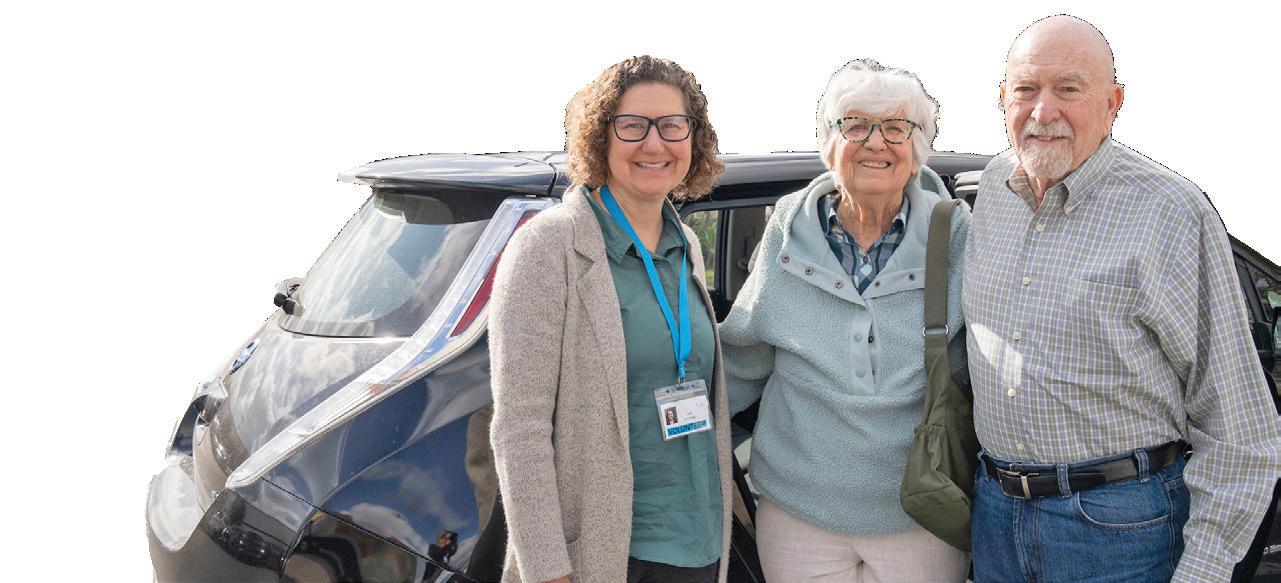
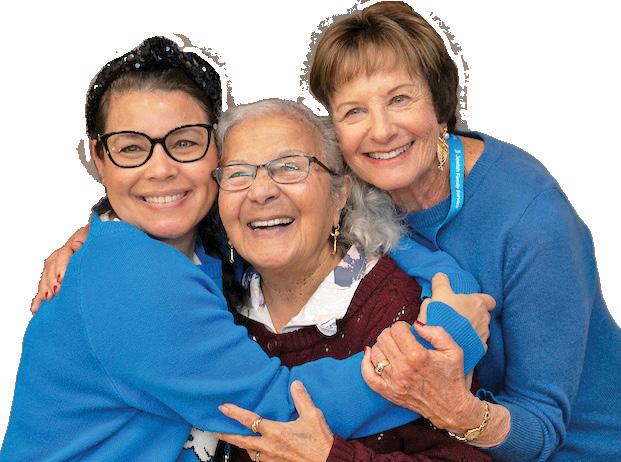
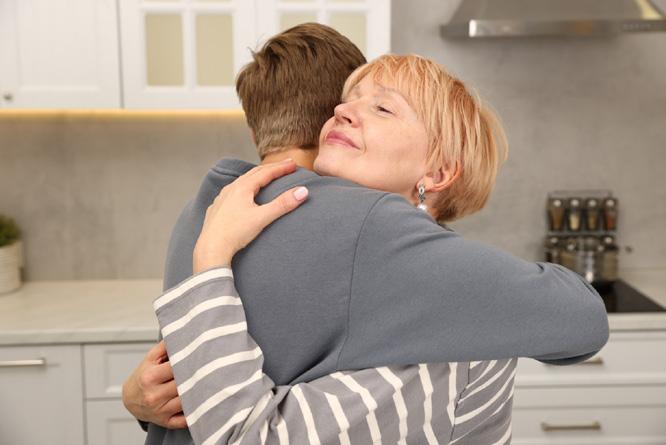
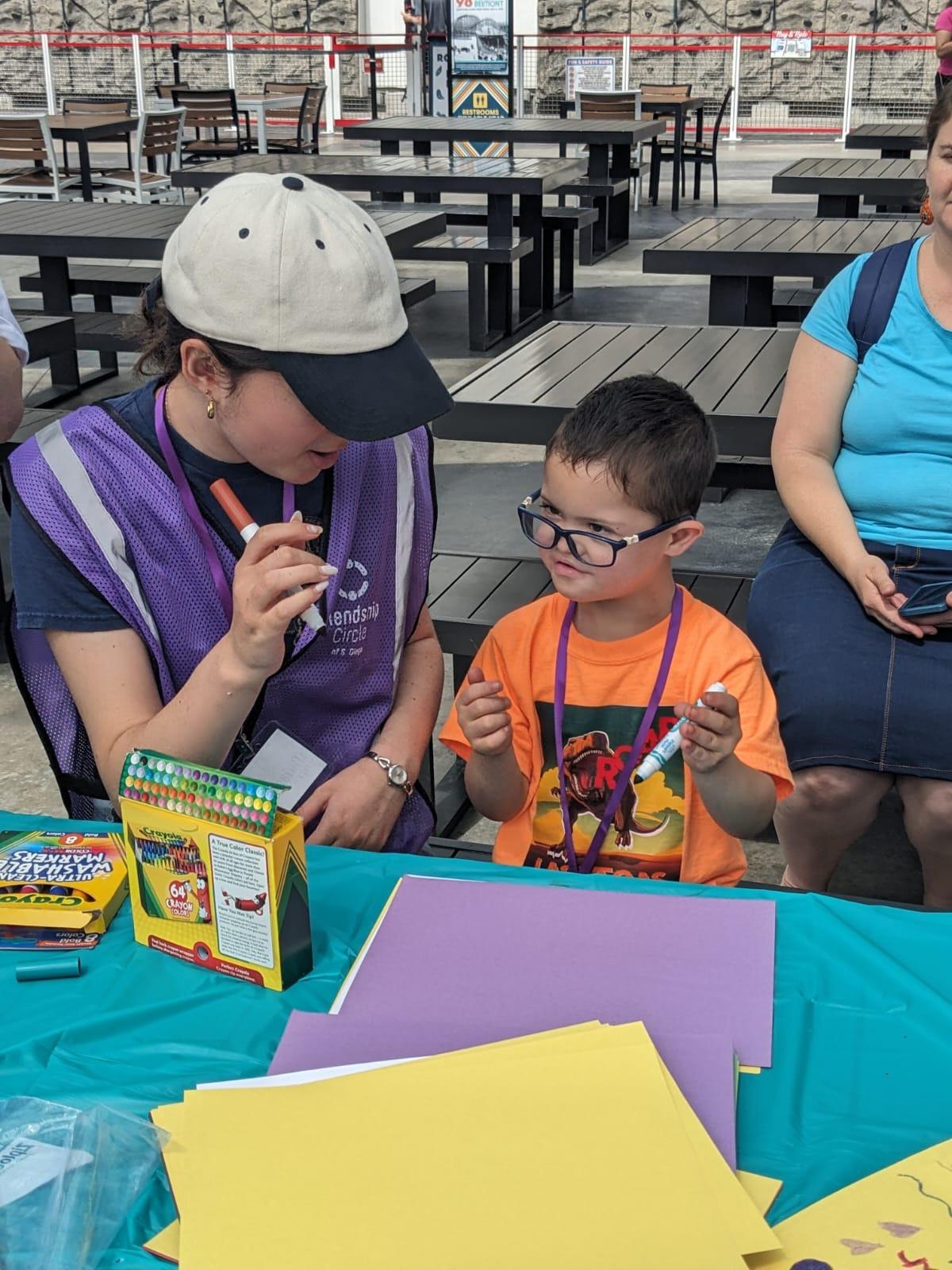
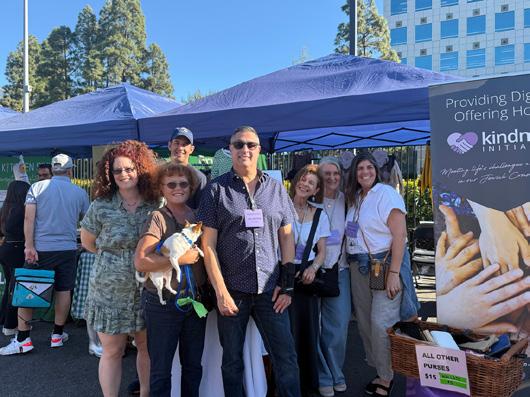
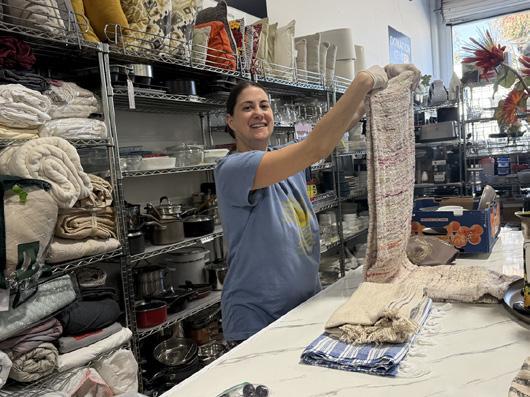
When this family reached out to the Kindness Initiative, case manager Ruth acted immediately. She delivered free sanitary supplies for Adina directly from the kindnessG’MACH. The mother’s response wasn’t words, it was an embrace The relief of finally being able to afford everything her daughter needed, all at once, without compromise, was overwhelming
That moment of trust opened a door. The mother shared something she hadn’t yet: her son Noam suffered from severe daily pain and needed specific bandages just to wear shoes comfortably She had struggled to keep him stocked with the right supplies on their limited income Our KI team sourced a generous supply of the exact bandages he needed, along with additional comfort and personal care items, and shipped everything directly to their home.
"I have been stretched so thin for so long. You gave me back the ability to care for my children the way they deserve. Thank you for being there for us and hearing exactly what we needed” Adina Noam and Adina’s story is a reminder that dignity is ofte interventions, but in bandages that fit. In supplies that d choose.
Check out our NEW website Volunteer with us Instagram
OPEN 5 DAYS A WEEK
9372 Cabot Drive San Diego, CA 92126
We’re excited to announce a NEW chapter for Kindness Initiative in our Case Management Offices located at the Joan & Irwin Jacobs Campus 8804 Balboa Avenue San Diego, CA 92123
DONATE. SHOP. VOLUNTEER
O F S . D I E G O
T H E R E ’ S A N A M A Z I N G N E A R Y O U !
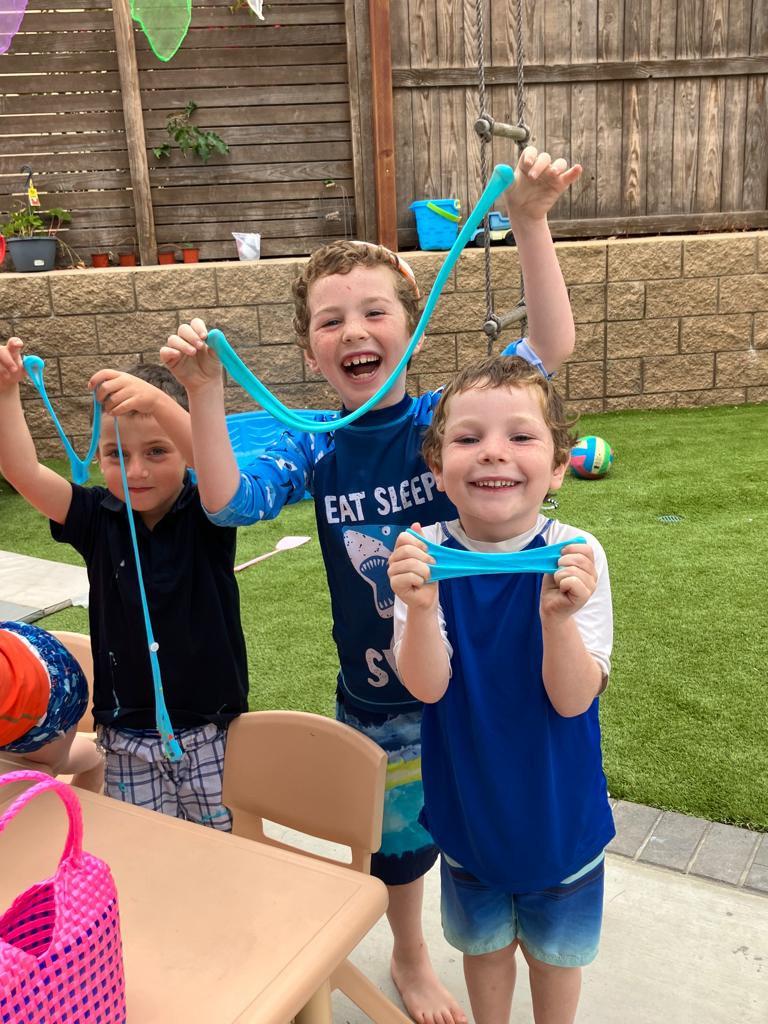
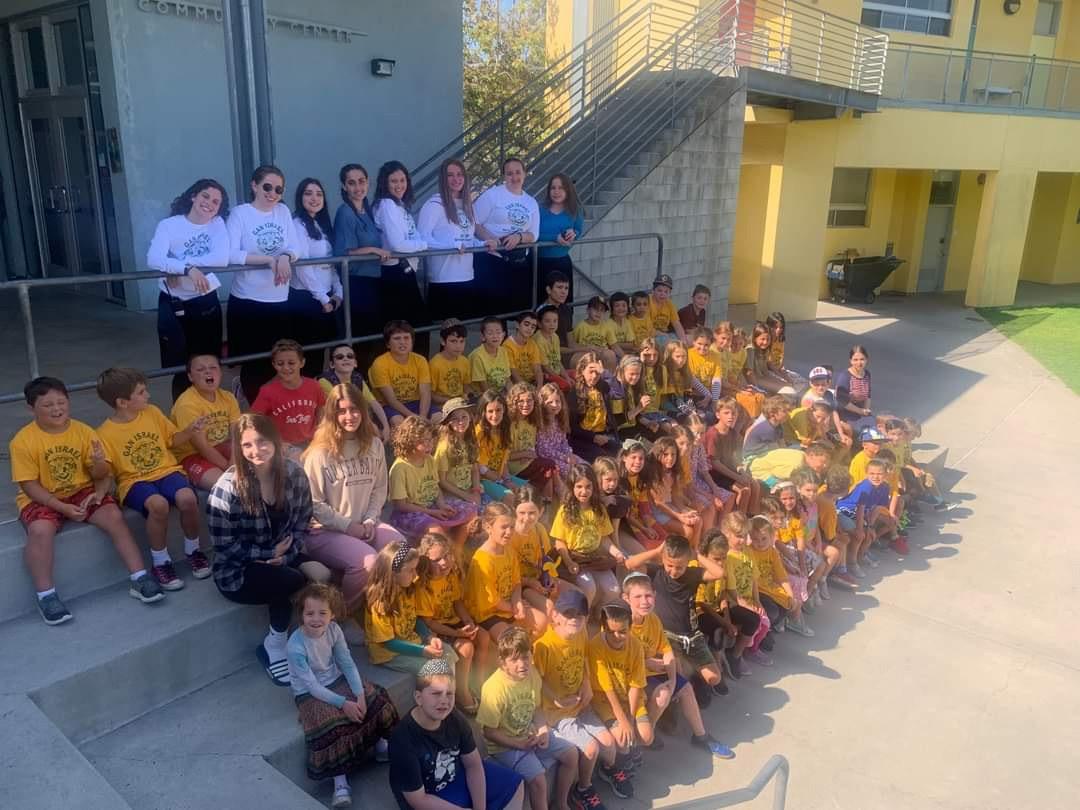
JEWISH SUMMER CAMP
We have locations all over San Diego! Scripps Ranch (Chabad S Diego HQ), Bonita, Carlsbad North, Carmel Valley, Chula Vista, Coronado, Downtown, East County, Encinitas, Escondido, La Costa, La Jolla, North County Inland, North Park, Oceanside/Vista, Pacific Beach, Penasquitos, Rancho S. Fe, SDSU, Tierra Santa, UCSD, University City
PUBLISHERS
Mark Edelstein and Dr. Mark Moss
EDITOR
Susan Edelstein
ASSISTANT EDITOR
Makayla Hoppe
CREATIVE DIRECTOR
Donna D’Angelo
ARTS & ENTERTAINMENT EDITOR
Eileen Sondak
CONTRIBUTING WRITERS
Emily Bartell, Linda Bennett, Andrea Simantov, Trevor James McNeil, Marnie Macauley, Rabbi Yeruchem Eilfort, Galia Miller Sprung, Micah Siva Lisa McGuigan
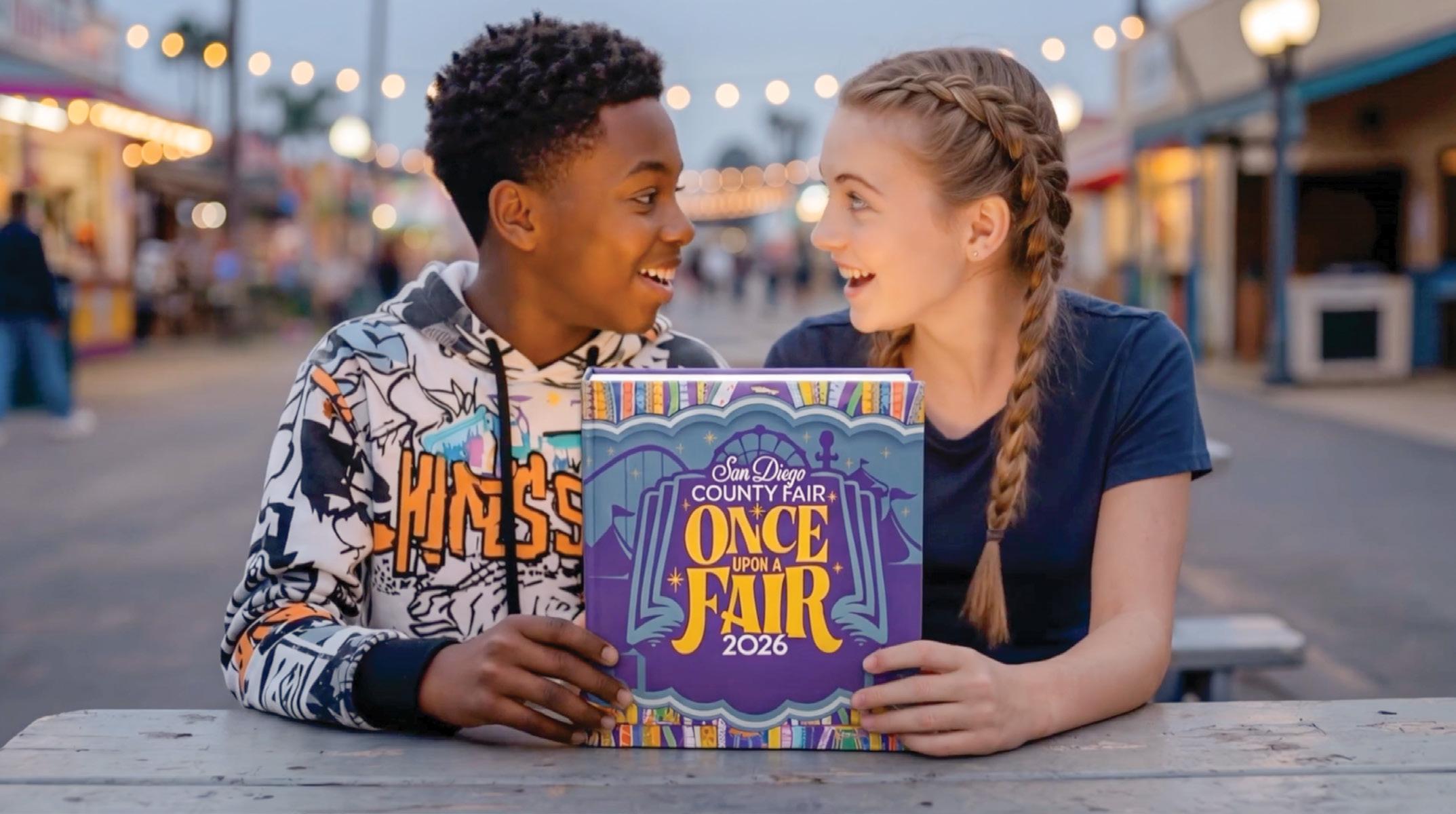
We San Diegans are not known to be an indoor group and are regularly engaged in all sorts of outdoor activities throughout the year, but the biggest outdoor draw of the summer is the annual San Diego County Fair at the Del Mar Fairgrounds. The Fair began in 1880, making it the longest-running outdoor event in San Diego, and draws roughly 875,000 visitors during its summer run, making it the largest. The Fair absolutely has something for everyone — all the lovely animals, the thrilling rides, the games of skill and chance, the art and hobby showcases, the concerts, and oh yes, the food! This year’s theme is “Once Upon a Fair” celebrating the joy and magic of storytelling. Can’t wait.
Another special outdoor location is Ilan-Lael, a most unusual group of structures — residences, working studios, and gathering spaces — nestled in the serene hills of Santa Ysabel and devoted to expressing the beauty of nature in art and architecture, and sharing it with usww
Here’s a shoutout to a small number of the many outdoor activities going on all over San Diego — city walking tours, desert camping and mountain hiking trails, bird watching, star gazing, Torrey Pines for hang-gliding, golf, or just lunch, boat outings launching from our three main piers, the six North County lagoons and beaches everywhere throughout our 70 miles of coastline, water activities and sports, the Zoo and the Safari Park. All worthy of attention.
Or maybe just slow down and enjoy the warmth, like Liana Mahoney suggests in her poem —
Summer Sun
Lazy days and golden rays, A book to read in shady ways. Warm sunshine and skies of blue, The great outdoors is calling you! A
Our Town
BY LINDA BENNETT & EMILY BARTELL
Jewish Family Service held its annual Heart & Soul Gala, Rooted in Community, on April 18 at the Hyatt Regency in La Jolla; all we can say is that it was absolutely beautiful and delicious! Gala Chairs Marie Raftery and Dr. Robert Rubenstein, and honorary chairs Evelyn and Ernest Rady, along with their incredible committee, served up quite an evening for the over 500 people in attendance. JFS raised more than $2 million toward the organization’s work to provide shelter, food and other assistance to people in need. This year’s worthy Honorees were Jerri-Ann and Gary Jacobs and Tammy and Louis Vener, who were recognized for their lasting impact on the community through their magnanimous support through the years. Some of those enjoying the evening along with us were, Jennifer and Mathew Kostrinski, Deborah Bucksbaum Maio and Lee Maio, Fern Siegel, Julie Tedde, Robert Smith, Leslye and Scott Lyons, Robin and Ron Israel, Kerri and Shaun Copans, Janet Perlman, and Rita Heller
On May 3, we attended the Centennial Rededication and Lights of Ohr Shalom Gala. The celebration commemorated the 100th anniversary of the building at 3rd and Laurel. Some of those celebrating along with us were Sarita and Samy Zands, Evette and Nathan Weiss, Susie and Eli Meltzer, Judi Gottschalk and Al Shelden, Marcia and Ray Sachs, and Joy Heitzmann and Jack Cohen. Originally opening on May 14, 1926, as Temple Beth Israel, the building, which was acquired by Ohr Shalom in 2002, continues to serve as a hub for Jewish religious life in San Diego. Mazel Tov Ohr Shalom!
Remember Us The Holocaust (RUTH) is a free, traveling, educational exhibit founded by Sandra Scheller — the daughter of Holocaust survivors — to preserve the stories of local survivors; a current installation at the La Jolla/Riford Library is running
through the end of June. The exhibit features life-size cutouts of survivors and authentic artifacts. In April, Sonia Fox Ohlbaum and her brother Joseph Fox, children of Holocaust survivors, shared their parents’ experiences.
We headed over to a hangar at Montgomery Field for the launch of the Spark Interactive on May 3. The Spark Interactive was created by the Legacy of Light Goldberg Institute for Holocaust Education in partnership with the Jewish Federation of San Diego. With over 400 attendees, including San Diego Mayor Todd Gloria and Congresswoman Sara Jacobs, the launch showcased this new state-of-the-art mobile museum classroom brought directly to local schools and communities with its interactive video, digital artifacts and guided facilitation designed to educate students about the Holocaust.
Yom Huledets Sameach to...
Ellen Addleson celebrating her 86th birthday.
Toby Hartman celebrating her 83rd birthday.
Roberta Greene celebrating her 82nd birthday.
Linda Bennett celebrating her 80th birthday
CELEBRATING
Wedding Anniversaries
with infinite love & happiness, Mazel Tov to…
Susan and Richard Ulevitch, 58 years.
Judy and Jim Farley, 55 years.
Vicki and Howard Gelbtuch, 53 years.
Bonnie and Kevin Hall, 52 years.
Pamela and Stanley Herskovitz, 50 years.
LIVING ON THE FRONT PAGE
by Andrea Simantov | andreasimantov@gmail.com
Eurotrash and Disco
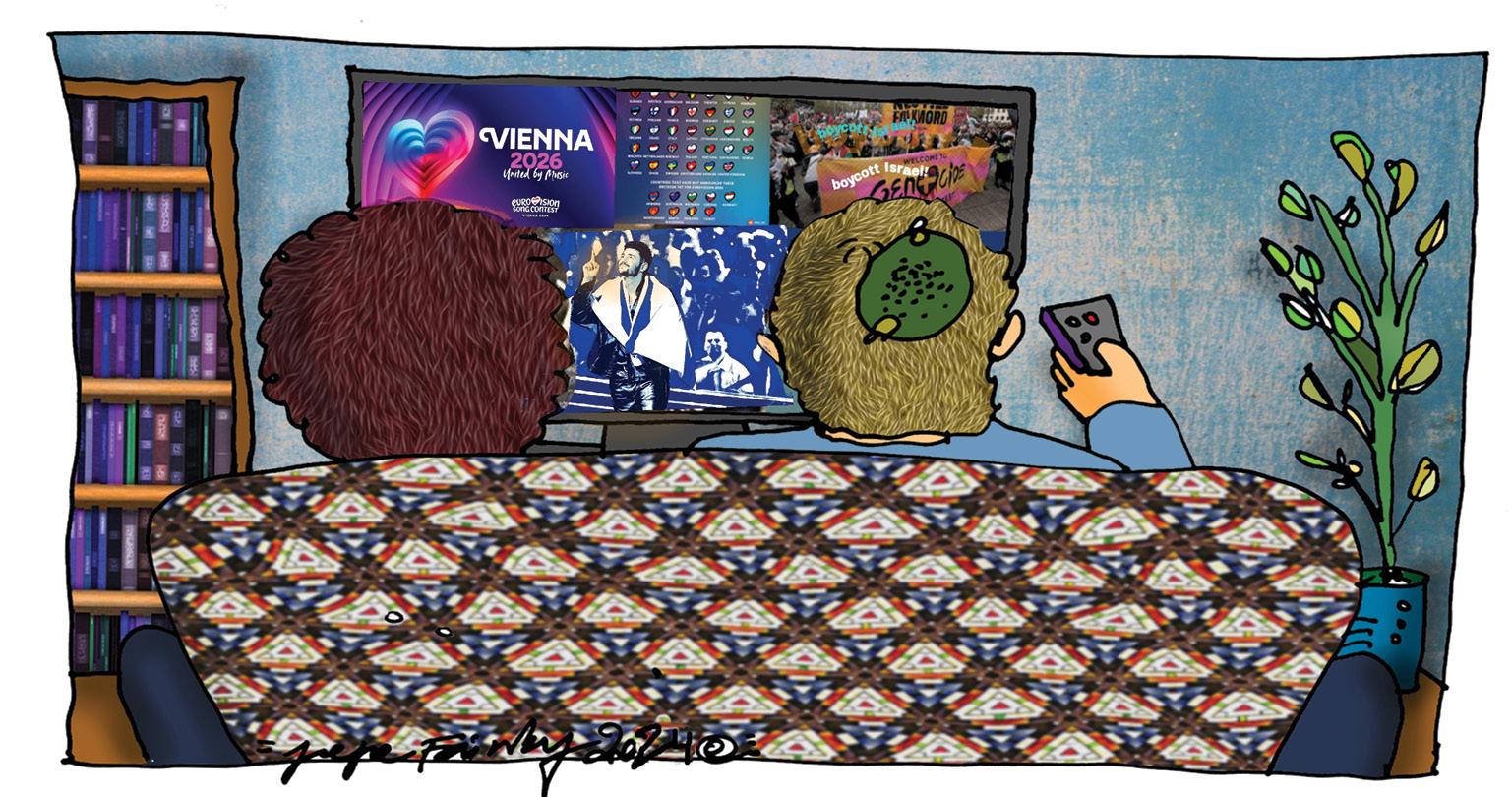
Until I moved to Israel almost 31 years ago, I had never heard of Eurovision. Not recognizing the annual music festival, which enthralls everyone on this side of the Atlantic, was akin to apostasy. But slowly, slowly, we Western yokels got into the swing of things and let our fiercely competitive streak burst to the surface along with other ‘sabras.’ Even my ultra-Orthodox grandchildren can hum along with the winning Israeli entries, despite never having seen the extravaganza on live television.
What makes the crime of ignorance even more egregious is that Israel — not technically a part of Europe — has won the 70-year-old competition a total of four times, has captured the second place spot another four, and finished in the top five on seven other occasions. (My favorite song will always be “Hurricane,” — originally called “October Rain” — sung by Eden Golan, a paean to the survivors of Oct. 7, 2023 and our blessed and resilient nation of heroes.) It’s critical to note that Israel has only participated a total of 49 times!
And it may or may not come as a shock that with increasing frequency, everyone and their brother is attempting to oust Israel from Eurovision, not unlike the international campaign that aims to oust Israel from the world. Couple this with an ongoing debate in our beleaguered country about whether or not we should even participate. Why go where we are hated and even in danger?
Have we no pride? Our singers and support staff are jeered and hurriedly escorted through police lines that we pray are well-equipped to repel the rabid protesters. A further argument might include Israel’s isolation throughout the week-long festivities, including targeted exclusion from tours, cafes and other myriad social events. Who needs it?
In case you have not yet checked out “Worst Acts From Eurovision” on YouTube, let me save you the time and resulting mental health challenges. Think of a massive cauldron into which one tosses some disco skits from Rowen & Martin’s “Laugh In,” wind machines, half-naked back-up dancers, near-lethal pyrotechnics, life-size marionettes, Viking heavy metal acts, Alpine yodelers (with an occasional opera-belting milkmaid), background animation of Japanese cavemen with a real-life
Barney Rubble moon walking in front of the screen while rapping in Greek.
Metaphorically speaking, Eurovision is a car wreck from which you cannot avert your eyes, despite promising to never watch it again. It is so bad, so tacky, so mind-numbing that we should look away, but Israel has consistently been so good, so elegant (well, “Diva” and “I’m Not Your Toy” were pretty kitsch), so masterful that, despite the hatred that confronts us, we remain rapt.
Eurovision distracts us once a year, offering a smattering of psychological reprieve from the occasionally weighty reality of life in our holy land. Only the day before, we celebrated Jerusalem Day, commemorating the miraculous reunification of our capital after the Six Day War when we were attacked by the armies of Egypt, Jordan and Syria.
continues on page 15 >>
high conflict child
For more infomation, call 858-720-8250 or visit https://www.msmfamilylaw.com/attorneys/myra-chack-fleischer/ Legal Experts with Humanity
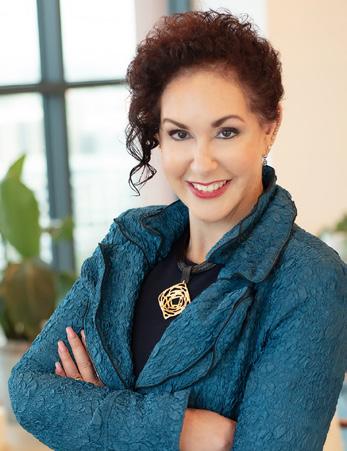
Founder Myra Chack Fleischer
WRITTEN IN FIRE
by Trevor James McNeil tremcneil1980@gmail.com
The Sacred and The Profane: Part I
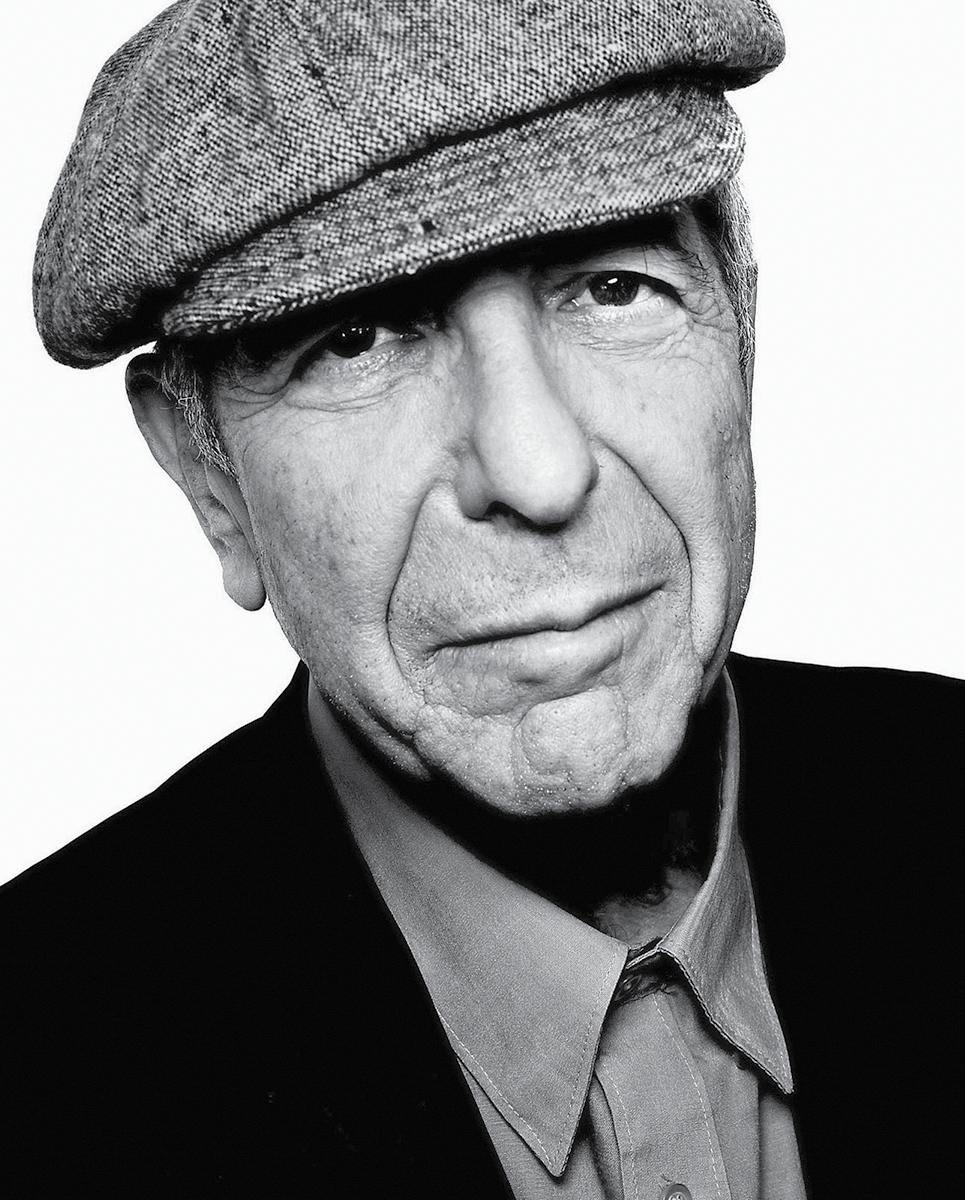
Art isn’t always a choice. Sometimes it is a matter of survival — a way to defuse destructive inner tension. Leonard Cohen was, in many ways, that kind of artist.
Born in Quebec in 1934, Cohen was about as Jewish as it is possible to be by any metric; both of his parents were Orthodox Jewish immigrants from Europe before things got nasty, and his maternal grandfather was a Talmudic writer and qualified rabbi. Because his father was a “Kohen,” he was “told I was a descendant of Aaron, the high priest.”
Used to being somewhat of an outsider already, Cohen grew up in the small English-language enclave of Westmount, at that time mostly Jewish and Irish, in the strongly Francophone city of Montreal, Quebec, and attended only English schools, including the Herzliah High School. It was at Herzliah that the literary habit took hold, primarily through Cohen’s teacher and later mentor, Irving Layton, who was no mean poet himself and very well regarded, especially in his heyday in the 1960s and 1970s. Cohen transferred to Westmount High School at 14 in 1948 and deepened his involvement in music and poetry while on the student council. Always active socially when not doing deep dives into the work of Federico Garcia Lorca, the young Cohen could be seen with the photography club, the yearbook committee and boosting team spirit as a sweater-and-trousers
cheerleader. It was also around this time that he started his first musical project with the Buckskin Boys. It wasn’t to be, however, and when a classmate introduced him to Spanish guitar, Cohen exclusively took on a distinctive classical guitar style. His love of music goes back even farther, remembering his mother singing around the house when he was little.
Never one to do things by half, Cohen attended McGill University, not only becoming a frat brother at Zeta Beta Tau, but also getting elected president of the debating union, and winning the prestigious Chester MacNaghten Literary Competition for his early poems, still technically juvinilia, “Sparrows” and “Thoughts of a Landsman.”
Cohen’s first publishing success came in 1954 when he was only 20 years old, and the magazine CIV/n published one of his poems. While finishing his B.A. at McGill, Cohen also found time in his packed social schedule to write his first poetry collections, published by Dubek under the title “Let’s Compare Mythologies" in 1956. The slightly impish title already hinted at his complicated relationship with his faith and lineage.
After graduating from McGill, Cohen gave graduate work the old college try, lasting nearly a term at the McGill Faculty of Law before transferring to the Columbia University School of General Studies, where he again lasted nearly a year before finding it did not agree with him. He described the experience with characteristically vivid verve as “passion without flesh, love without climax.”
Leaving New York behind, Cohen returned to the safety of home in 1957 and took to manual labor like so many before him, writing poetry and fiction when he could find the time and strength. It was a somewhat sporadic process that nonetheless produced his next volume, “The Spice-Box of the Earth” in 1961, the title partly a play on the notion of “salt of the earth.” “The Spice-Box of the Earth” was also his first major release; the rights were picked up by the legacy Canadian publisher McClelland & Stewart, helping to greatly expand his reach in the national literary scene. Notoriously tough critics like Robert Weaver gave the young poet high praise, writing that
Literature continued
Cohen was “probably the best young poet in English Canada right now.”
His first work of fiction, a novella combined with poetry titled “A Ballet of Lepers,” published posthumously in 2022, was first written around this time of forced-focus productivity. Fate gave Cohen both a kick and a gift with the trust left by his father after his death. Blending paternal grief with enough money to pursue writing full-time, Cohen bought a house on the Greek island of Hydra, where he maintained a hermetic existence, characteristic of a 20-something romantic, echoing themes from the biographies of Byron. It was during this period of selfimposed exile that Cohen published his first novel, “The Favourite Game” in 1963. Now considered a classic of Canadian literature, the book and its author were lambasted at the time for what was seen as, at best, an irreverent and unorthodox approach to youth and sexuality, partly rooted in Cohen’s Jewish background, as opposed to the slightly stifling Christian mores at the time.
Just when the public and the critics thought that was as far as Cohen would go, he then shocked everyone, both Jew and Gentile, with “Flowers For Hitler” in 1964. The book, it is vital to contextualize, was a meditation on the oddly positive view of the powerful — the
Always active socially, the young Cohen could be seen with the photography club, the yearbook committee and boosting team spirit as a sweater-andtrousers cheerleader.
original title actually being “Opium and Hitler,” which the publishers rejected because of the drug reference. According to Cohen himself, “In an earlier time, this would have been called ‘Sunshine on Napoleon,’ and earlier still, it would have been called ‘Walls for Genghis Khan.’” It is notable that the Mel Brooks film “The Producers,” featuring the show-stopping number “Springtime For Hitler,” came out three years later.
Giving the public time to recover from the shock, Cohen came out swinging again with “Beautiful
Losers" in 1966. Even more blunt and unflinching than “The Favourite Game,” his second published novel sparked intense debate, some dismissing it as ‘smut’ while others, like critics at the Boston Globe, declared, “James Joyce is not dead. He is living in Montreal under the name of Cohen.”
In 1967, Cohen moved back to the United States to launch a career as a musician. Becoming a hang-around in Andy Warhol’s Factory scene, Warhol stated, likely sardonically, that Cohen was listening to Nico at the time, which likely influenced his musical style.
Still more of a writer than a performer, his song “Suzanne” was a major hit for Judy Collins, making him a valuable ally in the notoriously tough music industry. Their duet on live television in 1966 boosted his profile exponentially, gaining the attention of the likes of Joan Baez. Serendipity was working overtime, and within a year, Cohen was playing at folk festivals and had been signed to Columbia records. His first album, “Songs of Leonard Cohen,” came out late in 1967 and lent credence to Cohen’s quip that the best way for a poet to make a living is to “pick up a guitar.”
Israeli Lifestyle continued
Fifty-nine years later, we are still burying beautiful, principled soldiers who fought with valour, knowing too well the cost of not fighting for what has been bequeathed to us by G-d.
We cry so hard, mourn so deeply, yearn with unparalleled fervor. The annual yuk-fest of Eurovision offers Israelis an all-too-rare opportunity to level the playing field and separate the
holy from the profane with strobe lights, aerial ropes and purple vinyl go-go boots. A
New York-born Andrea Simantov moved to Israel 29 years ago. She is a small-business owner and both a print and media journalist. Her popular podcast, “Pull Up a Chair,” is produced by Israel News Talk Radio. She can be reached at andrea@israelnewstalkradio.com
After years of touring the world beginning in 1970, Cohen, always interesting and never predictable, landed in Israel in 1973, intending to work on a kibbutz, with no plan other than that. Of course, this was also when Egypt and Syria attacked on Yom Kippur, starting the Yom Kippur War. Cohen’s luck had rarely been exclusively “good” or “bad” so much as deeply strange. A theme that would continue for the rest of his life... (To be continued.) A
Growing up in the far north, Trevor James McNeil had little to do other than read when the temperature went below 40 Celsius, and he developed an affinity for stories of all sorts. Graduating from the University of Victoria in 2009, he has been reading and writing in a professional capacity since. He lives in a cabin in the woods with his dog, and firmly believes The Smiths would have been better as a trio.
Celebrating Fairy Tales With San Diego Flair
by Makayla Hoppe
Novelist Tim O’Brien once said, “Storytelling is the essential human activity.” Our love of sharing fables, fiction, history and more is as old as time. To celebrate this adoration for fairy tales and more, the Del Mar Fairgrounds has partnered with the Serra Cooperative Library System to bring us “Once Upon a Fair,” the 2026 theme for this year’s San Diego County Fair.
Tristan Hallman, chief communications officer for the Del Mar Fairgrounds, detailed some of the storytelling-inspired activities on offer, including a Scholastic Bookfair and a partnership with Dr. Seuss Enterprises.
“Obviously, we do a new theme every year,” Tristan said. “We’re sort of unique in the fair world in just the way that we really emphasize the theme and the way
that you see it woven into our entire fair, both the branding and the exhibits, food, etc. Part of the theme is that we create an exhibit from scratch every year. It’s one of the first things that you can see when you come in through the front gate. It’s 20,000 square feet.”
The 2026 fair runs from June 10 through July 5, Wednesday through Sunday, and will bring all the charm and excitement that locals and visitors alike have come to love.
Oh, the Places You’ll Go!
There’s no shortage of things to do and see when visiting the fairgrounds. There will be returning favorites such as monster trucks, motocross and the demolition derby. SoCal Pro Wrestling will come in for a special one-day event, as well.
“We’ll have Corgi races,” Tristan said. “I know our pet theme was last year, but we brought it back by popular demand. We’ll do it again this year. That’s a nice visual to see.”
You can also catch a turkey stampede, pig racing, The BIRD SHOW with Nancy Riegler and much more. Whether a race to the finish line or competing for the first prize ribbon, animals have always been a highlight of the fair, and 2026 has quite the lineup.
Speaking of lineups — the fair wouldn’t be complete without its concert series. Bands and artists you can catch this year include Chicago, Good Charlotte, Demi Lovato, Blue Öyster Cult and more. Some acts are separate evening events that include admission to the fair, while other performances come free with fair admission.
Competitive exhibits have been a long-standing tradition throughout the fair’s history, dating back to its very first year in 1880. While the local students’ competitions are widely known, entrants of any age can participate in the fun. Different exhibits include woodworking, flowers, gems and minerals, photography, wine and more.
Submissions for the competitive exhibits have risen 33% this year. The 22nd District Agricultural Association, the organization that produces the fair, made efforts to increase participation through marketing and outreach.
“Our competitive exhibits programs are the heart of our fair every year,” said the 22nd DAA’s Chief Operations Officer, Katie Mueller. “We are thrilled that our community is embracing the traditions and fun of our participation programs, and we are looking forward to showcasing unique works and talents from San Diego County and beyond.”
The Very Hungry Caterpillar
Now in its fourth year, the Fair-tastic Foods Competition brings together the food vendors to create new and delicious dishes for guests to enjoy, which will be judged and awarded on the first Friday of the fair.
“There are three categories,” said Jennifer Hellman, marketing director of the fairgrounds. “There’s the ‘WOW’
category, and that’s just the food that is most Instagrammable and amazing to look at and, of course, also tastes good. We have the ‘Theme’ category, where we challenge them to come up with different foods that relate to our fair theme. So, anything that can incorporate books, stories or literature in any way. That’s probably our trickiest category this year. And then the third category is ‘So San Diego,’ and that’s foods that take a new spin on something that’s related to San Diego, whether that’s the fresh produce like Carlsbad strawberries, something maybe inspired by the sea, or a California burrito in a new way.”
According to guest surveys, food is the number one draw for visiting the fair — over 100 vendors will be available. If you’re interested in trying the Fairtastic Food Competition entries, the 18
finalists will offer their entries for ½ price every Friday in June from 11 a.m.–4 p.m. There will also be $15 meal deals and other ways to save a couple of bucks while enjoying a variety of dishes.
The Giving Tree
The fair is the longest-running event in San Diego County, beginning in 1880 and finding its home in Del Mar in 1936. It has undergone several name changes over time, including the Southern California Exposition and The Del Mar Fair, but the event began as the San Diego County Fair and has since returned to its roots.
The event has given so much to San Diego’s economy. According to NBC 7 and KPBS, there is nearly $250 million in total spending each summer, and the fair hires roughly 1,200 people for temporary positions and holds a full-time staff of almost 100. Local small businesses and hotels also see a bump in revenue.
For almost 150 years, the San Diego County Fair has been established as a fun and fulfilling summer event for the county. Locals and visitors share fond memories of the past and look forward to the future. Whether you want to check out the storytelling exhibit or taste something deep-fried and delicious, the 2026 fair will be here during the summer for anyone and everyone to enjoy. A
Photo: Brett Sayles
Ilan-Lael — A Tree That Belongs to G-d
by Susan Edelstein
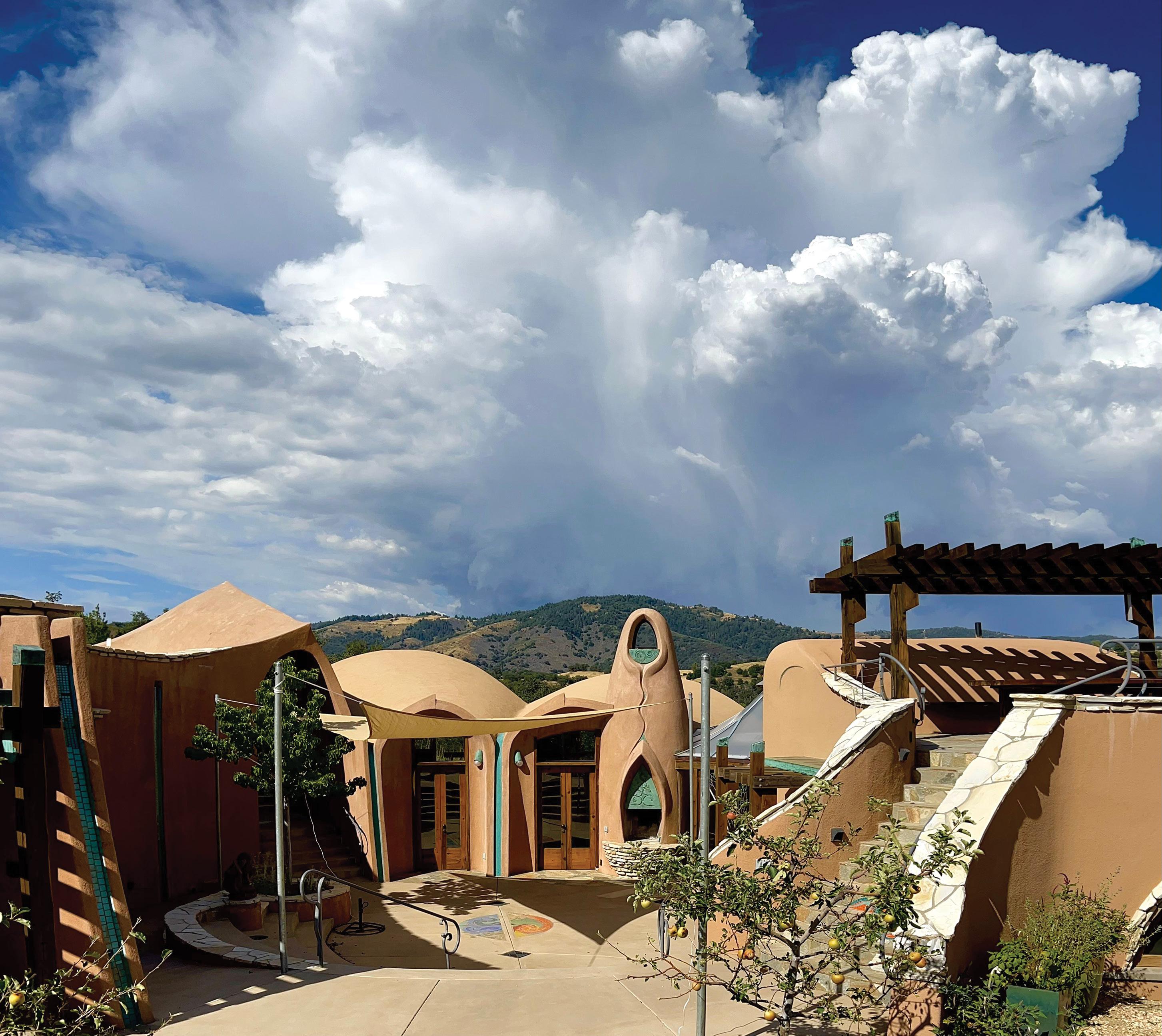
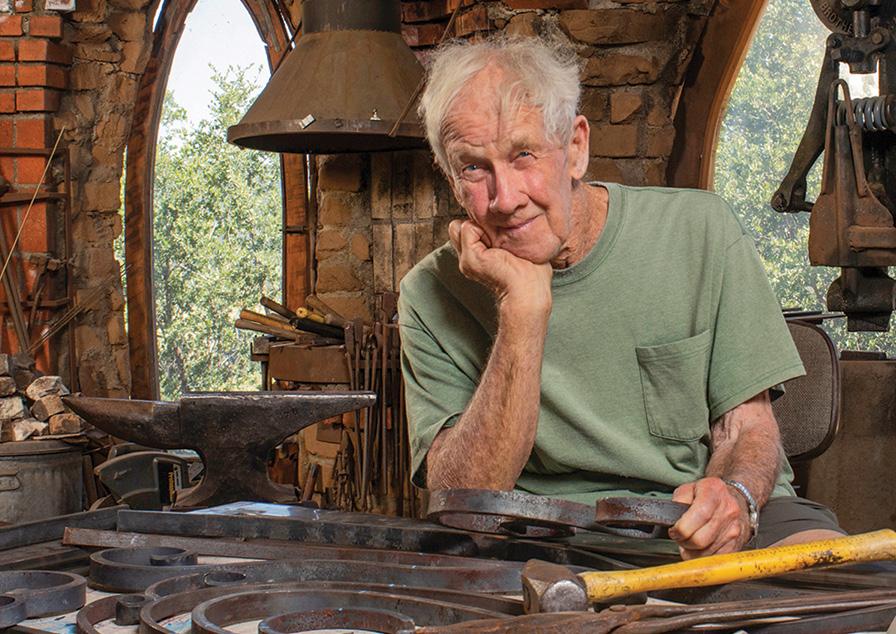
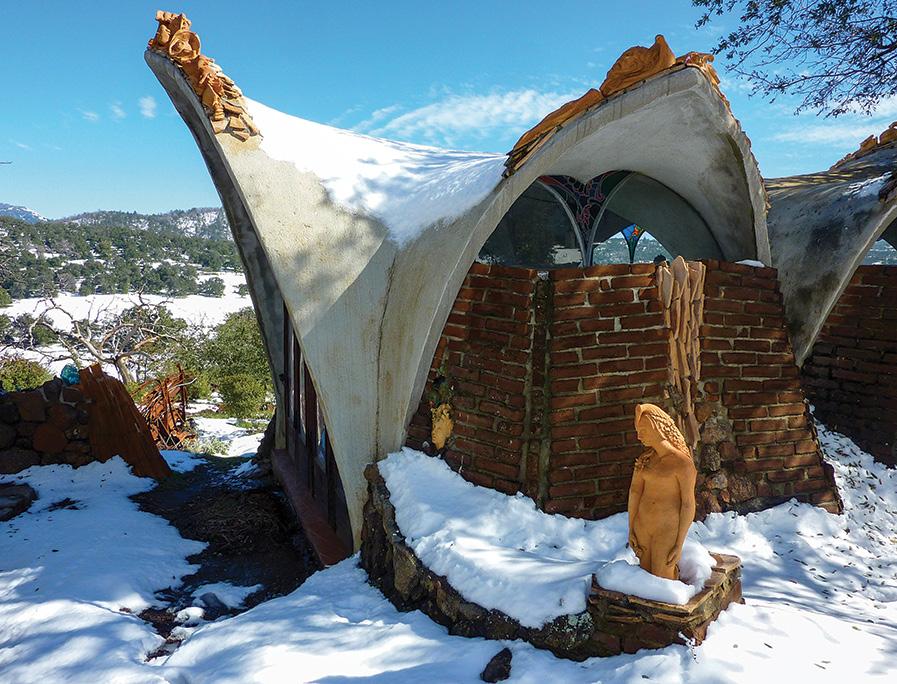
In Santa Ysabel, near Julian, about an hour and a half northeast of San Diego, one can visit an exquisite melding of nature and art. The glorious Ilan-Lael — Hebrew for “a tree that belongs to G-d” — rests on 10 acres of oak woodlands that are home to the conclave of uniquely creative, beautifully fantastic buildings which are the life’s work and living legacy of the late artist and architect, James Hubbell, who is renown
for his love of nature, his depictions of the beauty of the natural world, and his conservation work. Hubbell’s art and his contributions to the preservation of nature throughout the southern California area (and Tijuana) are well known and his artworks can be found all over San Diego.
Ilan-Lael began in 1958 when newly married James and Anne Hubbell began the first structure which would become
their home. Santa Ysabel was the chosen location so that the Hubbells and their eventual four sons could experience the beauty of four seasons and still be in southern California. This abode was built by hand — no large equipment was used, no trees or boulders were moved, wildflowers were respected. The cottage and the first studio (the Big Studio) were built to blend in with and replicate the natural beauty that surrounded
Photo: Laurel Costa
them. It was Hubbell’s intent that the structures “appeared to grow out of the landscape.” Over the years, these grew into a compound of 13 buildings comprising more living quarters (the Boys’ House) and working studios. Each of the buildings incorporates delightful details inspired by nature including flowing shapes, soaring arches, intricate iron work, vibrant stained glass windows, and elaborate mosaic murals.
James Hubbell’s love of nature emerged when he was a young boy and his artistic talent became evident early on in his drawings of the natural world, depicting its patterns and colors. His pursuit of the study of art took him throughout Africa and Europe, and in 1951, he settled in Rancho Santa Fe and began his artistic and architectural career.
With the completion of their home and studio, James launched his business, Hubbell Studios, specializing in architectural artistic elements, and in 1963 he hired his first art student/ employee and since then Hubbell Studios has regularly employed and mentored many aspiring artists.
In 1982, the Hubbells began the non-profit Ilan-Lael Foundation to open their studios to aspiring artists and to sponsor art projects and exhibitions in San Diego and Tijuana. Marianne Gerdes is the Executive Director of the Ilan-Lael Foundation who first met James Hubbell in 2002 when she made the documentary “Eye of the Beholder” about Hubbell and his compound, and their relationship
was cemented when she asked to photograph the destruction of Ilan-Lael in the wake of the 2003 Cedar Fire. Since then, Marianne has led the transition of the private home and art studios into a public resource that shares James’s passion for art and nature. In 2008, Ilan-Lael received historic designation.
When asked how artists first came to Hubbell Studios, Marianne explained, “Artists came to Jim in many ways. Some had seen his work and wanted to learn from him. Others just showed up uninvited, and if there was help needed they might find themselves put to work right away.”
James was a collaborator and teacher by nature. Marianne described Hubbell Studios’ method of operation thus: “James’s studio operated in the masterapprentice tradition. James did all designs and the artists acted as his hand in the creation. He visited their workbenches throughout the day checking on their progress, answering their questions, and making design decisions. In working with him, they learned their craft and many went on to become accomplished artists in their own right.”
Today, the compound’s working studios continue the practices made famous by James Hubbell and are a source of original commissions, an important resource in maintaining and
preserving Ilan-Lael as “a place for all those seeking inspiration in beauty, art and nature.” Said Marianne, “We consider all of Jim’s buildings as standing works of art so in that sense it is a permanent art display.” James once said that he would continue the work of IlanLael so that the world would see that art, nature and people are one. Thank you, James, good work. A
Visit Oceanside Museum of Art’s exhibit “Brothers in Arts: James Hubbell and Bert Hubbell” through September 2026.
Photo: Chris Henry
Photo: Michael Gerdes
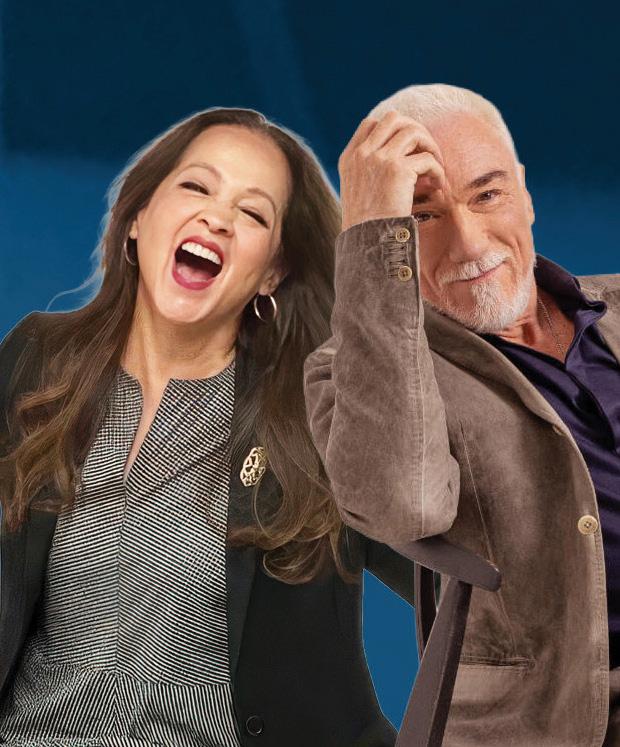
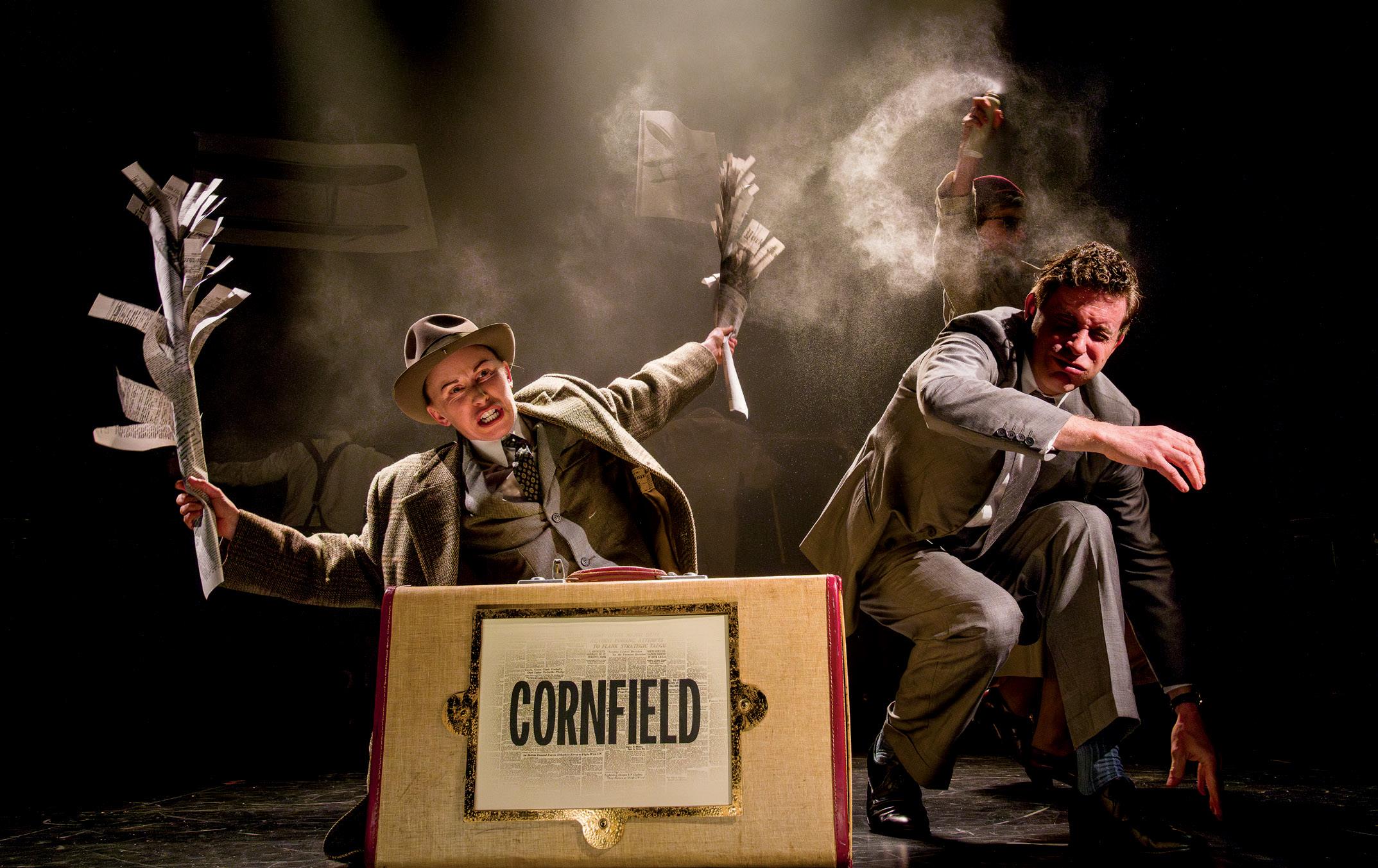
Patrick Page & Perla Batalla: Looking For Leonard
June 11 @ 7:30pm
The Conrad Prebys Performing Arts Center
Join Broadway star Patrick Page, best known as Hades in Hadestown and Grammy-nominated singer Perla Batalla for an evening dedicated to the music and life of Leonard Cohen.
Backed by a dynamic live band, Page and Batalla share personal stories and perform definitive versions of classics like Hallelujah, Bird on a Wire, I’m Your Man, and So Long, Marianne. Don’t miss this premiere event before it embarks on a global tour.
The Lipinsky Family San Diego Jewish Arts
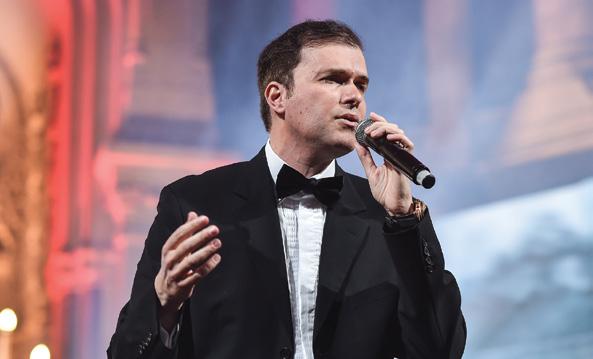
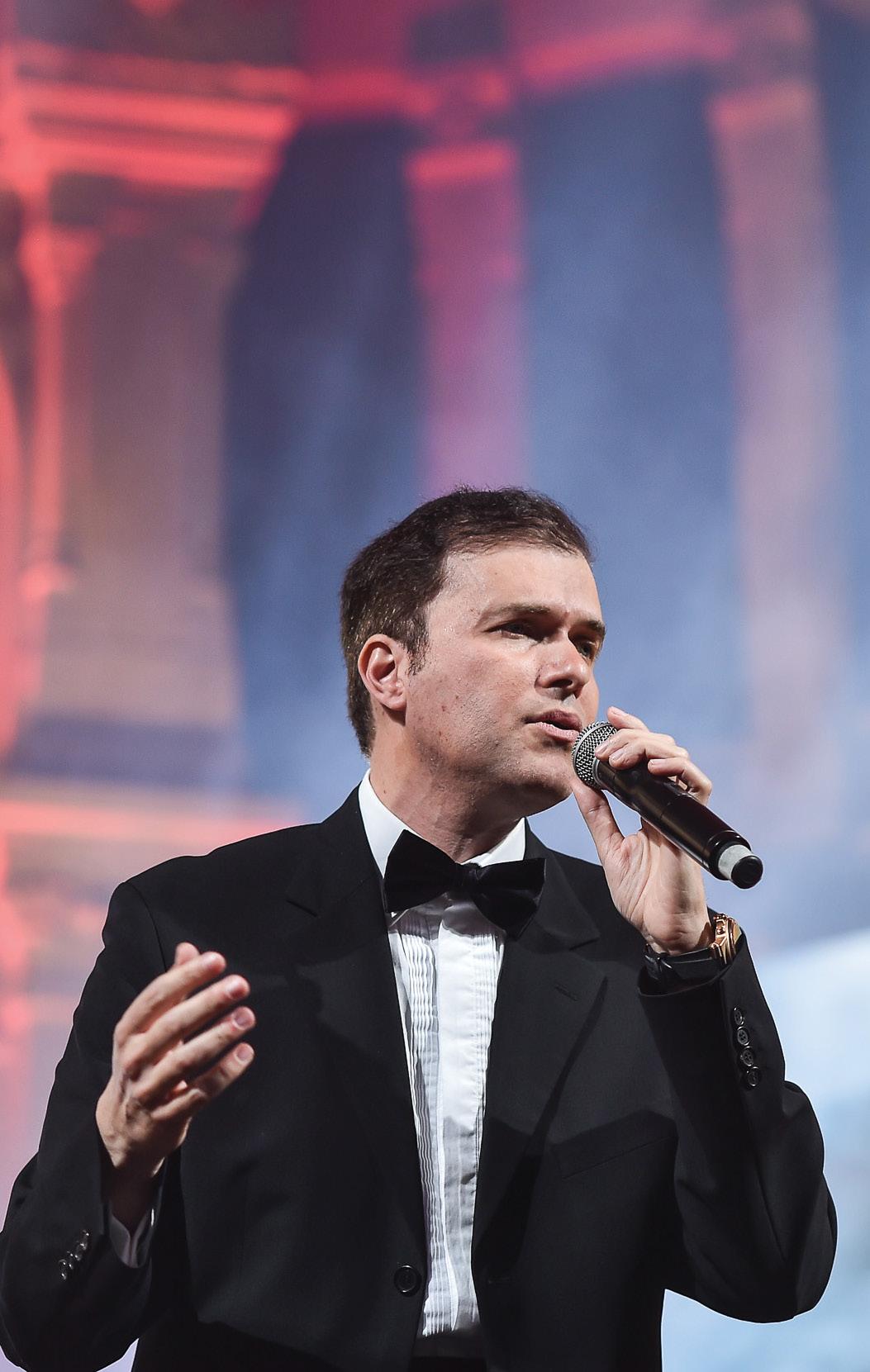
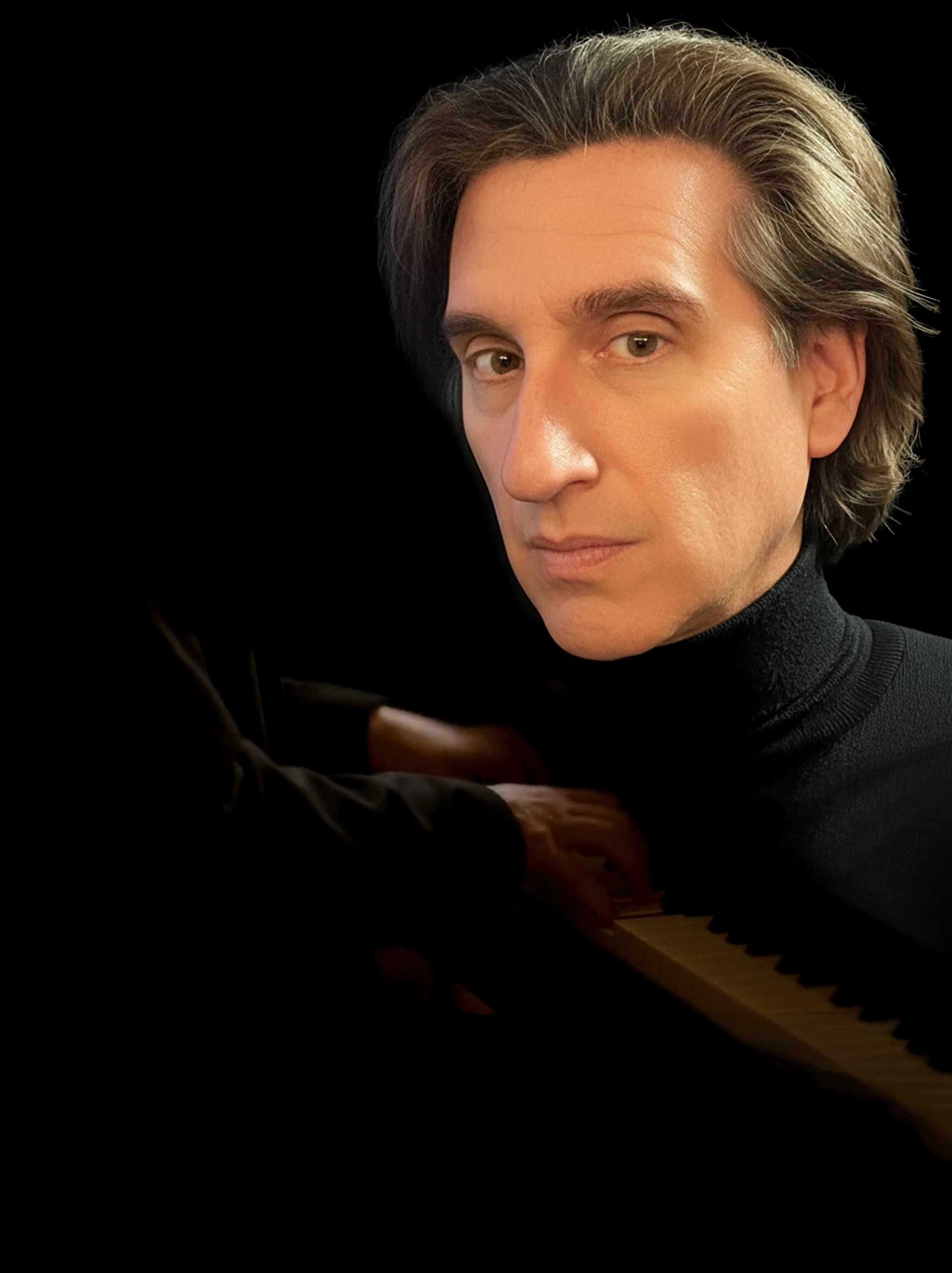
Ohad Moskowitz
June 8 @ 7:30pm Congregation Beth Israel
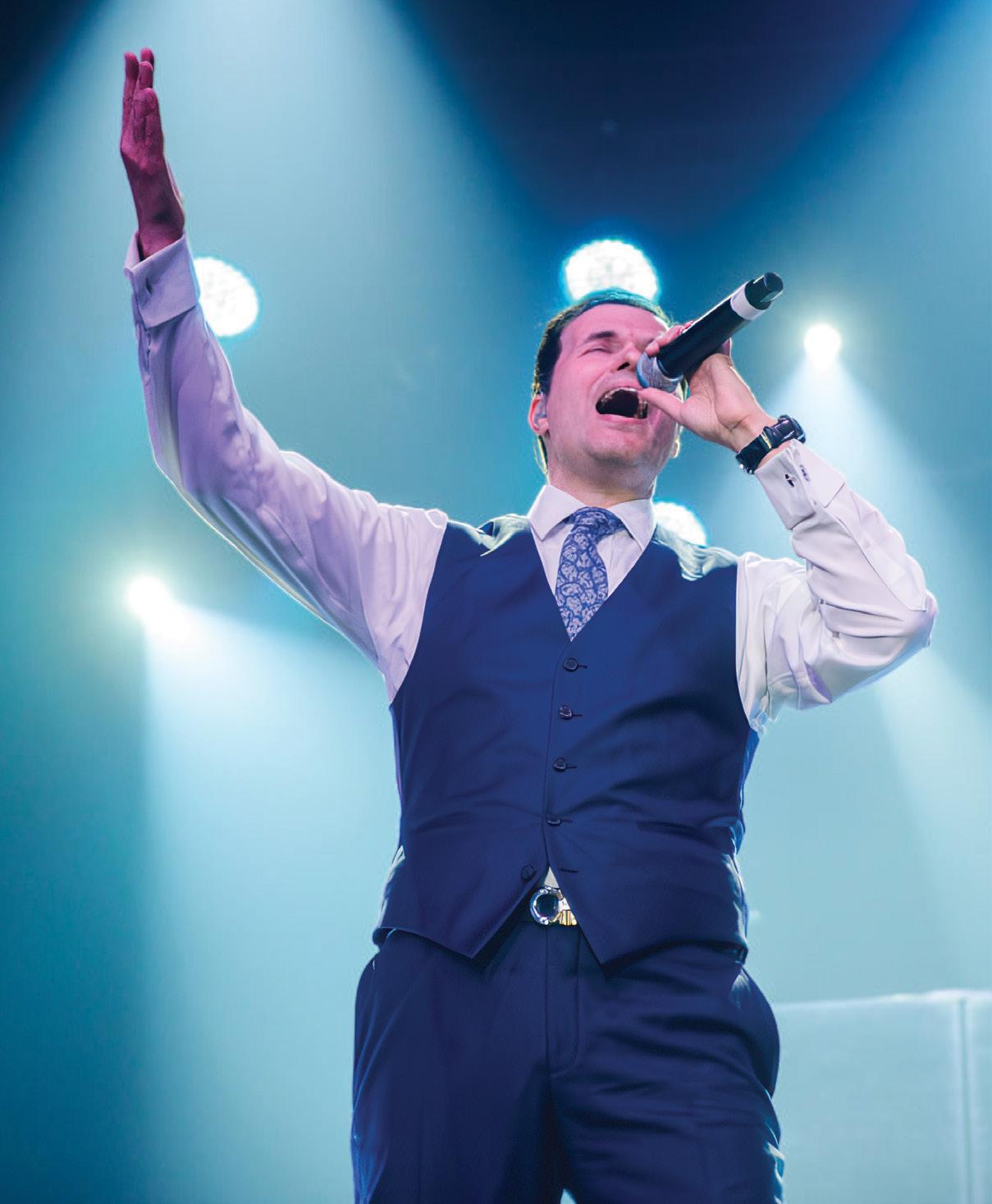
Renowned singer Ohad Moskowitz, raised in Belgium and now residing in Israel, has performed on the world’s most prestigious stages. A heartfelt and electrifying singer of original, Chassidic, and traditional Jewish music.
The program also features acclaimed vocalist, Colin Schachat, celebrated for his wide-ranging repertoire and performances with the most iconic orchestras.
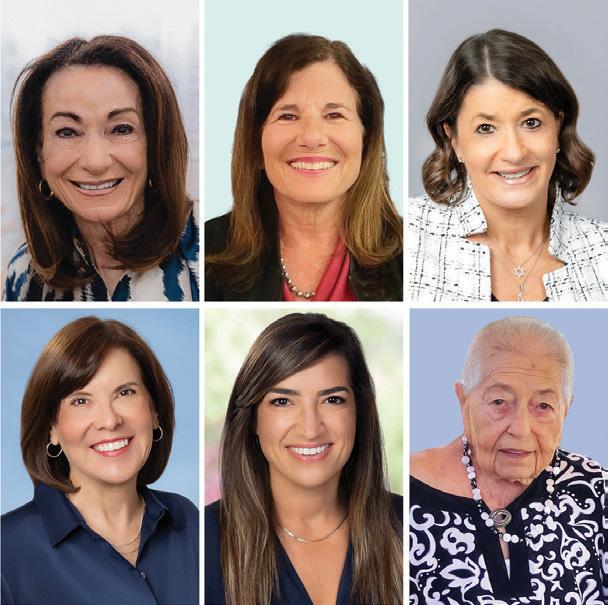
The 17th Women of Valor
June 3 @ 7:30pm | The Lawrence Family JCC
June 14 @ 2:00pm | The Hive at Leichtag Commons
Written by Ali Viterbi with Sarah Price Keating, Rebecca Myers, and Todd Salovey
Directed by Ali Viterbi and Todd Salovey
An inspiring and uplifting celebration with stories, songs, images, and inspiration.
2026 honorees are: Ruth Broudy, Rhona Fink, Kira Finkenber g, Sharyn Goodson, Karen Parry, and Debby Stauber
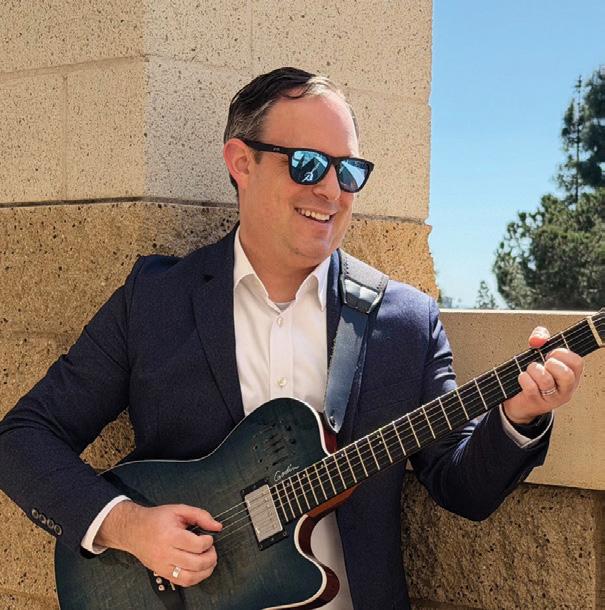
Nusach San Diego with Jeremy Gimbel
June 18 @ 7:30pm | Congregation Beth Israel
What does San Diego’s unique Jewish prayer music sound like? Rabbi/Cantor Jeremy Gimbel’s leads a musical progression from ancient melodies to modern chazzanut, and spans the breadth of our local musical landscape— from Kumeyaay Bird Songs, to rhythmic Baja Californian beats, to laid back surfer grooves.
Festival
Now through May 14th
For tickets and event details, please visit SDJFest.org or scan this code.
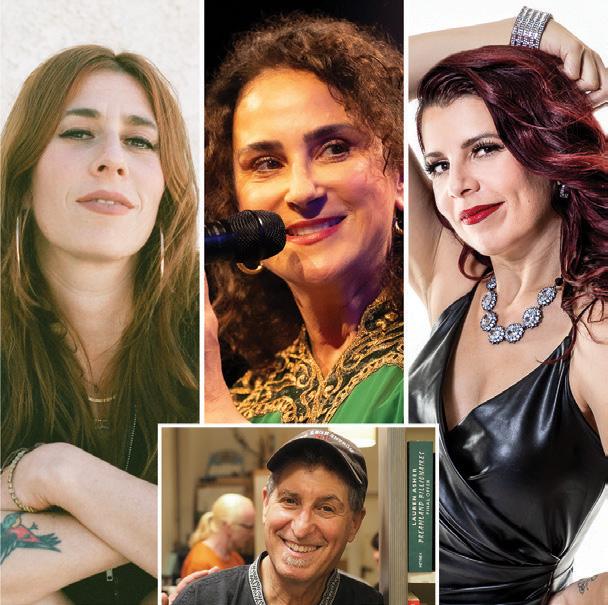
And the Angels Swing: From Berlin to Bacharach
June 22 @ 7:30pm
Three of Southern California’s most celebrated vocalists, Mara Kaye, Elizabeth Schwartz and Whitney Shay - all of whom tour internationally - in a program celebrating the most influential Jewish composers of jazz and swing tunes in American history. Expect sultry ballads, rousing anthems and spectacular voices lifted in harmony.
Also featuring Yale Strom and Hot Pstromi with Fred Benedetti, Tripp Sprague, Luke Little, and Elizabeth Schwartz.
Budapest, Budapest
July 13 & 14 at 7:30pm | New Village Arts
Book & Lyrics by Ali Viterbi; Music & Lyrics by Toby Singer
In 1940s Budapest, two Jewish figures rose to prominence: Hannah Senesh and Rudolf Kastner. Yet only Sensesh enters the Jewish pantheon of heroes. History remembers Kastner as a villain, while it lauds Senesh as one of its greatest heroes. But really: when we look back into the dark, what story will we tell? Budapest, Budapest tells the unknown story of Rudolf Kastner and asks: What is the cost of redemption? What does it mean to be a hero?
...one day our granddaughter would stand on that same soil — not with a care package in her hands, but with an M16 on her shoulder, leading soldiers of her own.
The Uzi and the Sal Kal
by Galia Miller Sprung
“Hi, Gramma!” my soldier granddaughter said when I answered the phone. Barr, a combat squad commander, had called to update me on her army life. “I finished training the recruits, so I’ll be joining the battalion on a new base for combat operations.”
When she told me the name of the base, I was immediately transported back to 1973 and the Yom Kippur War. I too had been on that base in the middle of nowhere — but not as a soldier. Avramik, my first husband and Barr’s grandfather, was sent to that same base during the Yom Kippur War. I had only been in
Israel for three years then (almost to the day) and hadn’t quite caught on to the concept of being in a war. I had “missed” the Six Day War in 1967 as I was still in California then, wanting to drop out of college and rush to Israel to volunteer. “You have finals now,” my parents said — a good excuse to end that dream.
But I moved to Israel after graduation a few years later. Avramik and I were members of a new moshav in the Jordan Rift Valley — Bekat HaYarden — on the border with Jordan. When the war broke out, 15 of the men rushed off to their units. Three remained on the moshav
because they were attached to the local area defense unit. Their assignment was to keep the moshav running and guard at night along with the reservists who had been sent as reinforcements.
Avramik was deployed about 20 miles from the moshav. He was so close. How could I not visit him? Our four-monthold daughter and I would take a little drive to his base! I strapped Sarit into the sal kal — a hard plastic baby carrier — and wedged it on the floor between the back seat and my seat. Who knew of secure car seats? I put the care package in the front seat of our Opel station wagon and
placed my Uzi submachine gun between my door and the seat. Uzis were standard issue to the women of the moshav. We knew how to break them down and reassemble them. We knew how to shoot. “Just point and pull the trigger,” was the most helpful of commands. Another was, “Don’t leave the moshav without it.” I followed orders.
I had a vague idea where the base was — or maybe I knew exactly where it was, but my memory is vague. Sarit and I drove through the gate of our compound, past the encampments of the reserve soldiers using our moshav as a temporary base and wound our way down the four-mile narrow road to the main “thoroughfare” — Road 90 — a twolane north–south paved road with mainly red soil, shrubs and yellow wildflowers on either side. The moshav’s fields were also there, but low-growing vegetables are hard to see. The border with Jordan was a few kilometers to the east of the fields. When I first joined the moshav, I was warned not to go too far on the eastern side of the road because there were still land mines in the area. Were they pulling the leg of a naïve immigrant? Not entirely. Over the years, engineering corps conducted targeted explosions of minefields in the area.
The only traffic I had to contend with was army vehicles and other residents
of the area. Through traffic was not allowed in the “closed military area.” Even though Jordan had not attacked on Yom Kippur with Egypt and Syria — and never did — the threat was there. We drove 20 minutes to a road you might miss if you didn’t know it was there. We turned left to the mountain pass, which took us through Arab villages where farmers guided wooden plows pulled by braying donkeys, and bundles of green produce with soil still on the roots sat in boxes or on tables along the road. To me, it was a normal day. As normal as possible during the months after Israel had been attacked on Yom Kippur, 1973. After a short visit, it was time to get back to the moshav, to my assignment on the duty roster. With most of the men gone, the women worked longer hours in the fields and in the communal kitchen. Soon, volunteers from America and other countries showed up to help — just as I had wanted to do in 1967. We prepared meals for the volunteers and the reservists in our industrialsized communal kitchen. We added more chicken and potatoes to the oven, soup to the pots, and let everyone cut their own vegetables for a salad, as was the custom. At least I felt like I was contributing something to the war effort — and to Israel’s defense. I had not been able to join the army when
I made Aliyah because I was considered “too old.” “By the time you learn Hebrew, you’ll be 22 or 23 and you won’t fit in with the 18-year-olds,” I was told.
Too old to fit in? How much did I have to fit in to do the clerical work most women did? Or to be a personal secretary to a highranking officer? Or to send postcards to reservists announcing their next callup? No one cared how old a new male immigrant was. He was sent to basic training and assigned to a unit. Not the women. I was looking for the experience, not the friendship of other recruits of any age. I missed out on the best initiation into Israeli culture and that inner feeling of being “Israeli.”
I didn’t realize it then, but I guess I was more Israeli already than I thought. Deep down, I instinctively knew that you pack up goodies and supplies and you go to bases, no matter what. We visit our soldiers, our reservists, our family — on borders, on bases, in training facilities. And we take pots of cholent or fried schnitzels or hummus, tahina, pitot, jachnun, and baked goods. And you include the whole squad in your calculations because that’s what we do.
Yes, it was a terrible decision to put a baby in the car and drive through areas where war might break out, but that didn’t occur to me then. It also never occurred to me when I drove away that day in 1973, that one day our granddaughter would stand on that same soil — not with a care package in her hands, but with an M16 on her shoulder, leading soldiers of her own. My daughters and three other grandchildren — so far — have served as well, each of them stepping into roles I once dreamed of. Now I’m waiting for that next phone call from Barr as I follow her saga in the Israel Defense Forces. A
Miller Sprung moved to Israel from Palm Springs, California in 1970 to become a pioneer farmer and was a founding member of a moshav in the Jordan Rift Valley. Today, she is a retired high school teacher, a writer and editor. She lives with her husband in Tzur Yitzhak.
Galia
Applying Jewish Law to Contemporary Ethical Dilemmas
by Ariana Jinich
As a junior at San Diego Jewish Academy, I take a class called Moot Beit Din, which is part of a larger high school debate competition rooted in Jewish ethics and halakhic reasoning. Having participated in the competition for three years, I have debated cases involving topics such as the ethics of gambling, self-driving cars, and, most recently, organ donation. While these hypothetical cases are highly relevant and realistic, the sources we study to resolve them can initially feel distant from modern life. We study a wide range of sources, including texts from the Mishnah and Talmud, as well as writings of well-known rabbinic commentators. To make matters more complex, Jewish law often grants greater authority to older sources, unlike modern legal systems. As a result, students cannot rely on common sense, modern research or personal opinion. Instead, we must closely analyze old texts and extract applicable legal
How much personal risk is one permitted to assume in order to save another life?
and ethical principles. Although this approach is challenging, it ultimately makes the experience both interesting and rewarding.
This year’s case revolves around two 16-year-old twin brothers, Sam and Eitan. As students in the class, we are given some background information to set up the case. To put it briefly,
Sam was diagnosed as an infant with biliary atresia, a serious liver condition. Although his health remained relatively stable for many years, he has recently developed a complication known as cholestasis, which prevents bile from flowing properly from the liver to the intestine. This development has made Sam’s condition life-threatening, and doctors strongly recommend a liver transplant as soon as possible. Currently, Eitan is the only viable donor match. While a liver donation could allow Sam to survive and Eitan to continue living a healthy life, there are significant risks involved in the procedure. For donors, the mortality rate ranges from around 1 in 250 to 1 in 1,000, along with the possibility of long-term complications. Therefore, the case raises several difficult questions: Can a teenager give informed consent to a major surgical procedure? How much personal risk is one permitted to assume in order to save another life? And how can Jewish law help guide
decision-making in such a complex and emotionally charged situation?
The halakhic sources offer a range of answers rather than one clear conclusion. One source that seems to support the donation is Mishnah Sanhedrin 4:5, which states, “Whoever sustains a single soul from Israel, it is as if they sustained an entire world,” highlighting the value of saving a life. Another source, Beit Yosef, Hoshen Mishpat 426, distinguishes between possible danger (safek sakanah) and certain danger (vadai sakanah). Based on this idea, one could argue that because Eitan faces only potential risk while Sam faces certain death without a transplant, Eitan should be willing to donate the liver to save his brother. However, other sources offer different opinions. Rabbi David ibn Zimra introduces the concept of the hasid shoteh, or “pious fool,” warning that a person should not put themselves in serious danger simply to appear righteous. Together, these sources show that Jewish law presents multiple, competing perspectives, making the case complicated rather than straightforward. Overall, there is no clear answer, but being able to consider both sides and discuss nuances within the case is what makes the class challenging and engaging.
Growing up in a Jewish school, we are often taught that Jewish values should guide the way we live. While it doesn’t seem practical to apply every halakhic ruling directly to modern life, this class has shown me that halakhic sources still offer meaningful insight into contemporary ethical questions. Through Moot Beit Din, I have learned that it is in our history as Jews to constantly struggle with ethical dilemmas, and because of this, it is our responsibility to continue this tradition by approaching modern challenges with thoughtfulness, humility and a strong sense of moral responsibility guided by ancient values. A
Ohad Moskowitz at Congregation Beth Israel
This June, experience the worldrenowned music of Ohad Moskowitz at Congregation Beth Israel.
Internationally known as “Ohad,” he has garnered millions of views with his original and classic Chassidic songs. He has performed on some of the most prestigious stages worldwide and released seven albums. Raised in Belgium, Ohad now lives in Israel and works to share traditional Jewish music with the world.
The event also features acclaimed chazzan Colin Schachat. His wideranging repertoire has been performed with the most iconic orchestras and singers. A
Congregation Beth Israel
Thursday, June 11 @ 7:30 p.m. Tickets range from $36 to $100
Ariana Jinich is 16 years old and a junior in high school at the San Diego Jewish Academy. After graduating from high school in a year, she plans to take a gap year in Israel before returning to the U.S. for university.
Empowering San Diego Students with Interest-Free Loans
High school seniors across San Diego are preparing to don their caps and gowns, and the excitement of college admissions is in the air. However, with tuition costs rising and interest rates compounding, the dream of higher education can feel daunting for many local families.
At Hebrew Free Loan of San Diego (HFLSD), we believe financial barriers should never stand in the way of a student’s potential. Our mission is rooted in the Jewish value of Tzedakah — providing interest-free loans to members of the San Diego Jewish
community who need a “hand-up”. By offering interest-free student loans for undergraduate, graduate and vocational school, we allow our community’s future leaders to focus on their studies rather than mounting debt.
One local student, Sarah, shared how HFLSD changed her trajectory: “I was working two jobs and still coming up short for my final year of nursing school.
HFLSD gave me the peace of mind to finish my degree without the weight of interest. I graduated knowing I could start my career helping others, rather than just serving a debt.”
If you or a loved one are navigating financial challenges, visit hflsd.org.
Together, let’s make sure every student can accomplish their dreams.
Mystical Insights Into Summer
by Rabbi Yeruchem Eilfort
It’s (almost) everyone’s favorite time of the year. We are heading into summer. The days are longer and warmer. Everything seems to move at a more relaxed pace. The children are bursting with energy, which they get to express in the great outdoors. Speaking of outdoors, many uncover and heat up the grill to enjoy the miracle of a great American barbecue. Families take vacations together. Everything seems brighter and cheerier in the summer.
It is a time-honored Jewish tradition, powerfully articulated by Rabbi Yisroel Baal Shem Tov, to learn from everything we experience, and then to apply those lessons in our service of G-d. What is learned from summer?
In Kabbalah, Jewish Mysticism, we find that the physical environment reflects spiritual truths. What happens in this physical world is a consequence of Divine energies flowing through the supernal worlds, ultimately filtering down to ours, known as the World of Action. When it is sunny and warm (e.g.
summery), it means there is enhanced divine energy manifested above. At the same time, ironically, what we choose to do ‘down here’ has an influence ‘up there.’ When humans exercise our free choice to serve G-d, this initiates a divine reciprocity, where increased blessings flow downward into our world.
The longer and warmer days of summer reflect this reality. Ergo, the summer is the season of enhanced divine revelation. And since there is more revealed G-dliness, there are more opportunities to serve our Creator. Not only is more daylight conducive to leisurely outdoor barbecues, it is also conducive to staying up later and studying more Torah! Likewise, a longer Shabbat gives more opportunity to Daven/pray at a more relaxed pace, learning extra Torah, and spending more time with our families and friends (as well as a bit more napping time Shabbos afternoon). We rabbis anticipate our summer sermons, during which we wax truly eloquent.
We started by speaking about the children, so let’s conclude with them. They spend more time outdoors and less time in the classroom. It is hence the perfect time for them to get healthier with more physical activity, thus allowing them to feed into their natural joy and vivaciousness. They then pack up all of that energy and draw upon it during the year. The healthier they are, the more they will be able to truly delve deeply into their studies and other positive pursuits.
This summer, be prepared to imbibe deeply of the manifestations of divine blessings so your spiritual batteries are fully charged and ready to head into the Jewish New Year brimming with health and vitality! Happy summer! A
Rabbi Yeruchem and Nechama Eilfort direct Coastal Chabads, Chabad at La Costa, Encinitas, and Carlsbad North where everyone, regardless of level of knowledge or observance, feels cherished and loved. Rabbi Eilfort welcomes and encourages comments and questions: rabbie@chabadatlacosta.com.
Book by Hershey Felder Featuring
Shavuot is a springtime holiday that marks both the spring harvest and the giving of the Torah at Mount Sinai. In ancient times, the entire Israelite people would celebrate by making a pilgrimage to the Temple in Jerusalem.
Here at the Nosher, our favorite Shavuot tradition, though, is dairy.
Not everyone agrees on the “why” of dairy food on Shavuot.
Some say it’s eaten to symbolize “land flowing with milk and honey.” Mystics point out that the Hebrew word halav (milk) has a numerical value of 40, which matches the number of days Moses spent on Mount Sinai receiving the Torah.
Whatever the reason, we’ll take any excuse to whip up some blintzes, and dug into The Nosher’s archives to discover an abundance of potential, from savory to sweet.
Cheese blintzes are a traditional Ashkenazi dairy food for the festival of Shavuot. One rather poetic explanation for this tradition is that two blintzes laid side-by-side resemble the two tablets Moses received on Mount Sinai.
NOSHER
Great-Grandma Bessie’s Cheese Blintz Recipe
INGREDIENTS:
For the crepes
• 1 cup whole milk
• 4 large eggs at room temperature
• 1 teaspoon vanilla extract
• 1 cup all-purpose flour
• 2 tablespoons sugar
• 1 teaspoon salt
For the sweet ricotta filling
• 15 oz. whole milk ricotta
• 1 tablespoon granulated sugar
• Zest of one lemon
• Pinch of salt
PREPARATION:
1. To make the batter, whisk together milk, eggs and vanilla extract in a large bowl. Add flour, sugar and salt and whisk until thoroughly combined and no longer lumpy. Cover and refrigerate for at least two hours or overnight.
2. To make the crepes, heat an 8 or 10-inch nonstick crepe pan over high heat. While the pan is heating, prepare four clean dishtowels or four squares of parchment paper to hold the cooked crepes. Stir the crepe batter to recombine.
3. Once pan is hot, turn heat down to medium. Add 1/3 cup of crepe batter and immediately tilt pan to swirl batter to the edges. The batter should thinly coat the bottom of the pan. Cook
undisturbed for 40 seconds to 1 minute, until edges are lightly browned and release easily from pan and center is dry.
4. Using your fingers or a thin, flexible spatula, loosen an edge and carefully remove the crepe to the dishtowel or parchment paper. (Do not use tongs, which may puncture or tear the delicate crepe. If the bottoms of the crepes are browning before the center is dry, flip them over and briefly cook the underside, then add slightly less batter to the pan for the next crepe.) Repeat until batter is gone. Layer finished crepes between dishtowels or parchment paper. (Crepes may be prepared up to a day ahead and refrigerated.)
5. To make the filling, mix all ingredients together in a bowl. To fill the crepes, place one crepe, cooked side down on a clean dishtowel or board and spoon 2 to 3 tablespoons of filling just below the center of the crepe, leaving a border on the bottom and each side. Fold the bottom layer over the filling, then fold in each side, enclosing the filling completely, and roll up. Place the filled crepes seam-side down in a baking dish. (They can be refrigerated at this point for up to 1 day.)
6. To cook the blintzes, melt 2 tablespoons butter in a 12-inch, non-stick skillet. Place four blintzes in the skillet and cook over medium heat until lightly browned. Flip and brown other side. Keeping cooked blintzes warm, repeat with remaining blintzes, adding more butter to the skillet as necessary. Serve topped with jam, sour cream and fresh sliced fruit.
Local Arts
BY EILEEN SONDAK
LA JOLLA PLAYHOUSE
lajollaplayhouse.org
La Jolla Playhouse’s Mandell Weiss Forum will unveil the West Coast premiere of “The Monsters” on June 2. This fascinating work is a fusion of poetry and movement, as it tells the high-action story of how estranged siblings find their way back together. “The Monsters” will captivate audiences through June 28
LAMB’S PLAYERS THEATRE
lambsplayers.org
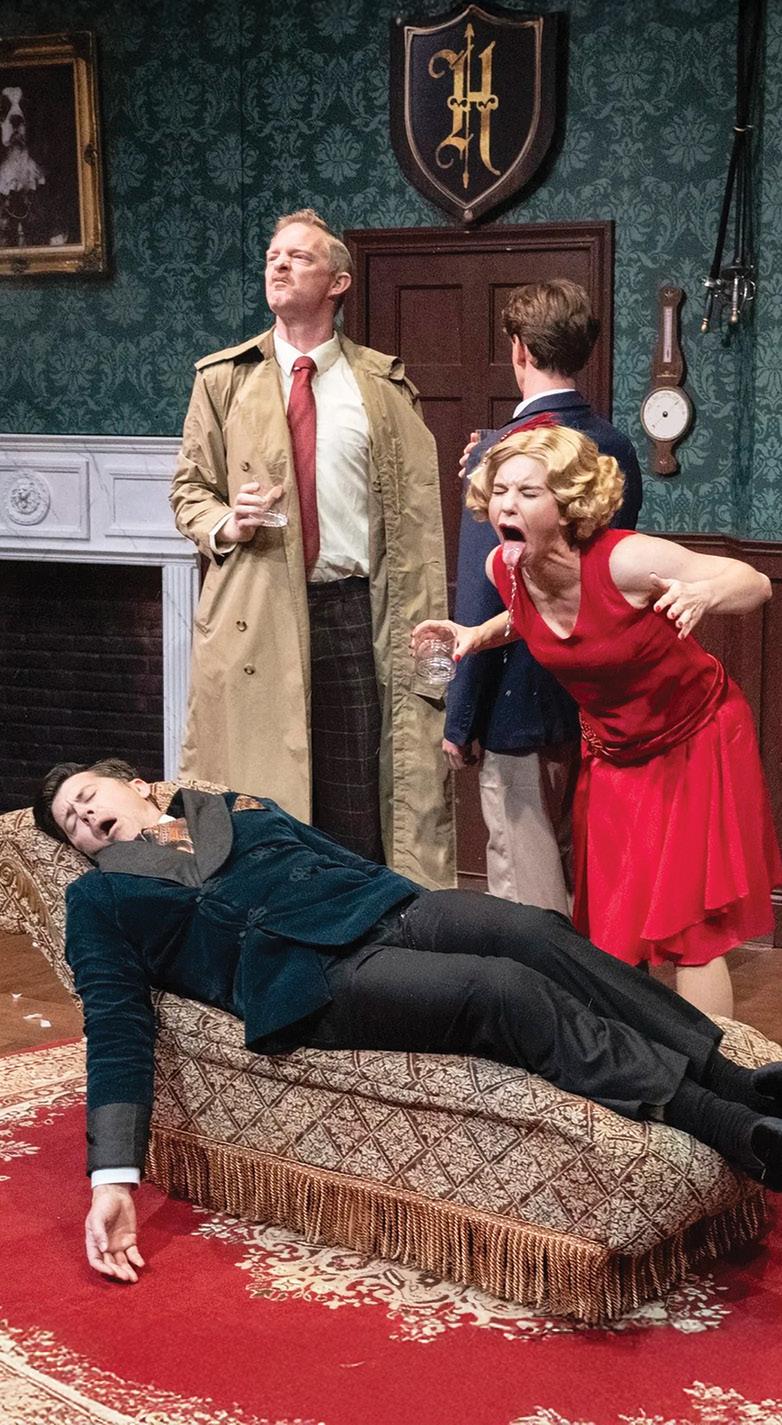
The Lamb’s Players’ Coronado home will lead audiences on a “hysterical adventure” through June 14 with “The Play That Goes Wrong.” The farcical comedy uses slapstick and physical comedy to tell the story of an amateur theater company’s ill-fated attempt to stage a 1920s murder.
THE OLD GLOBE THEATRE
theoldglobe.org
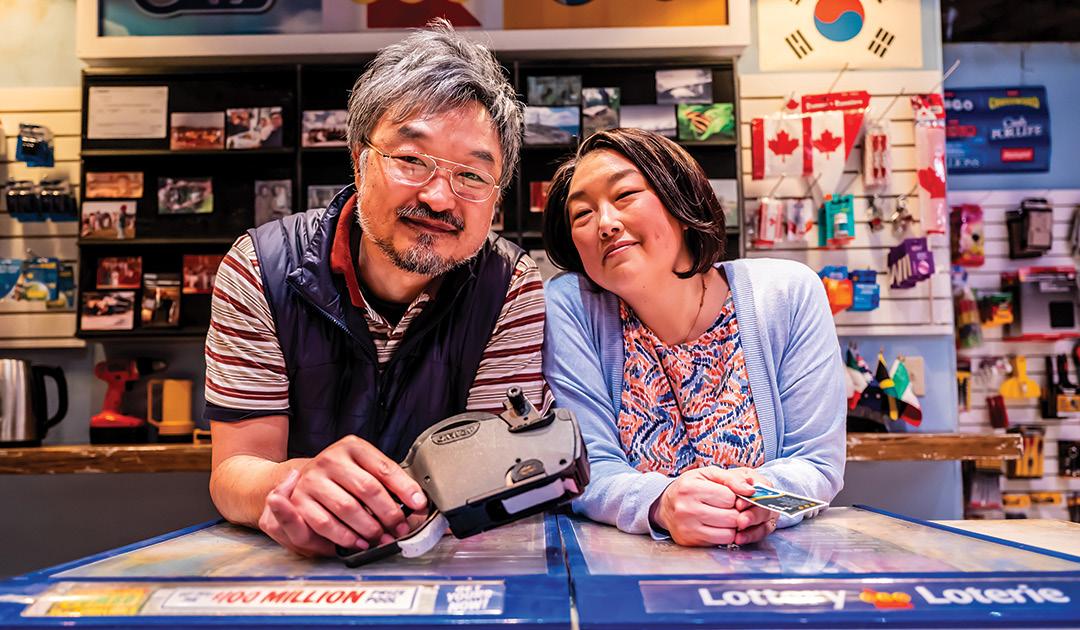
The Globe’s production of “Kim’s Convenience,” an award-winning comedy that inspired a Netflix series, continues on the Main Stage through June 14. The play centers on a Korean-born storekeeper in Toronto trying to raise his children with traditional values.
The Globe’s White Theatre is featuring “The Hombres” through June 21, an amusing and heartfelt examination of machismo, friendship, and bonding. The play shows us what can happen when the worlds of construction and yoga come together.
“Measure for Measure,” Shakespeare’s masterpiece on power and hypocrisy, kicks off on June 14. This timeless tale abounds with vivid characters, surprising twists and some seriously funny grifters — a heady mix that makes the play a can’t miss by any measure. See it on the Festival Stage until July 12
SAN DIEGO MUSEUM OF ART
sdmart.org
The San Diego Museum of Art is featuring “Local Visions: Reimagining the Façade,” a celebration of the creativity of artists around the county. The exhibition will continue through July. Also on view is “SDMA 100 Years,” a collection of photographs and other media examining the museum’s evolution from its grand opening to a reimagined future.
OLD GLOBE THEATRE: Ins Choi and Esther Chung in “Kim’s Convenience.”
Photo: Dahlia Katz.
LAMB’S PLAYERS THEATRE: “The Play That Goes Wrong.”
NORTH COAST REPERTORY THEATRE
northcoastrep.org
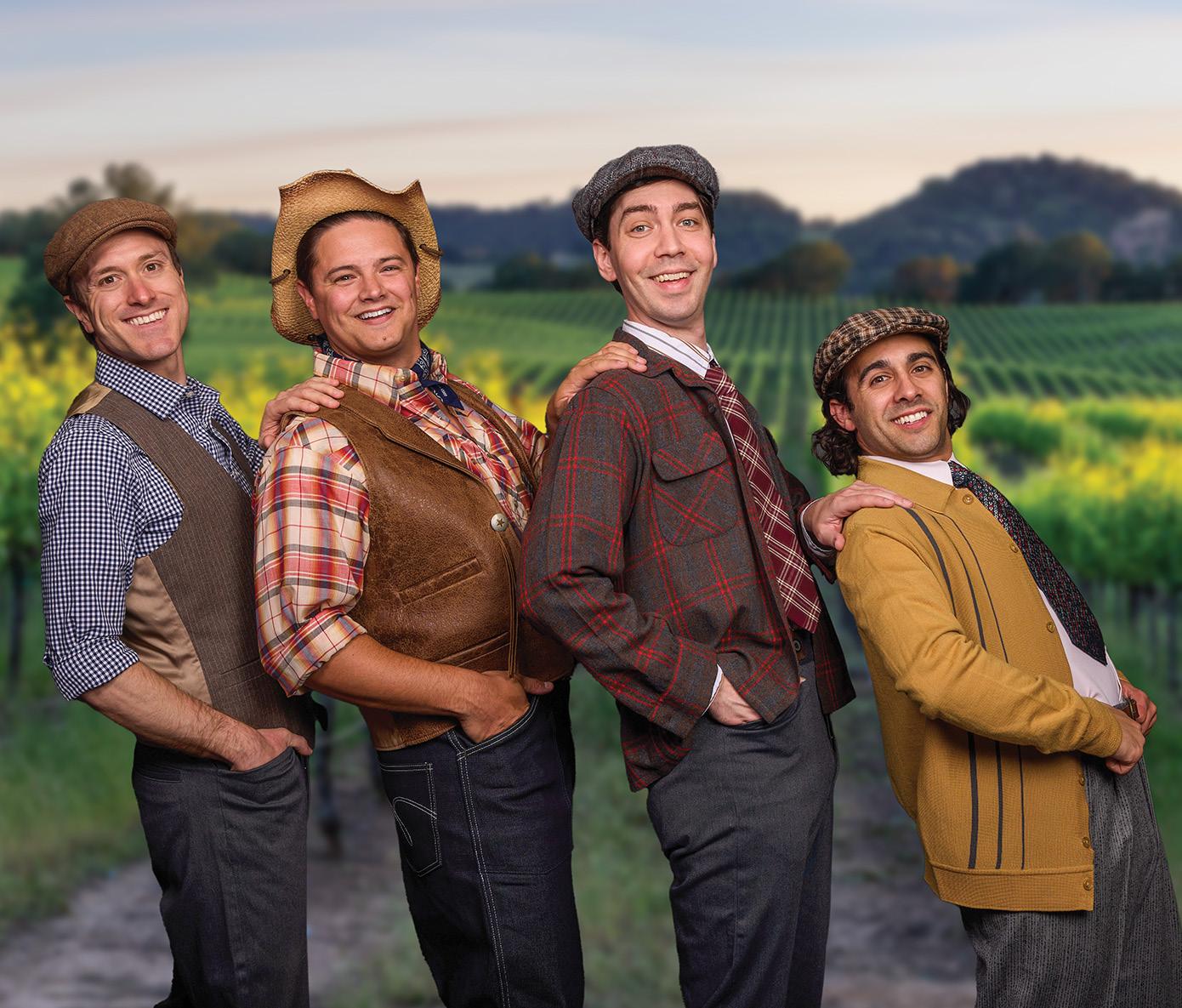
North Coast Repertory Theatre is reviving “The Most Happy Fella,” a Frank Loesser musical set in California’s Napa Valley. The show — which focuses on an unlikely love story and a rich emotional landscape — will take over the troupe’s Solana Beach home on June 3 and continue through June 28
CYGNET THEATRE
cygnettheatre.org
Cygnet Theatre will bring “The Spongebob Musical” to audiences at its home in Liberty Station on June 10. This lively, colorful and joyful show features delightful songs and exuberant characters that celebrate friendship and optimism. The familyfriendly musical will continue to spread its message of hope and happiness through July 12
NEW VILLAGE ARTS
newvillagearts.org
New Village Arts is gearing up for the opening of their staging of “Hairspray,” a musical comedy set in Baltimore in 1962. The effervescent show is chock full of humor and heart — and ready to deliver its message of inclusion to local audiences from June 5 through July 19
SAN DIEGO JUNIOR THEATRE
juniortheatre.com
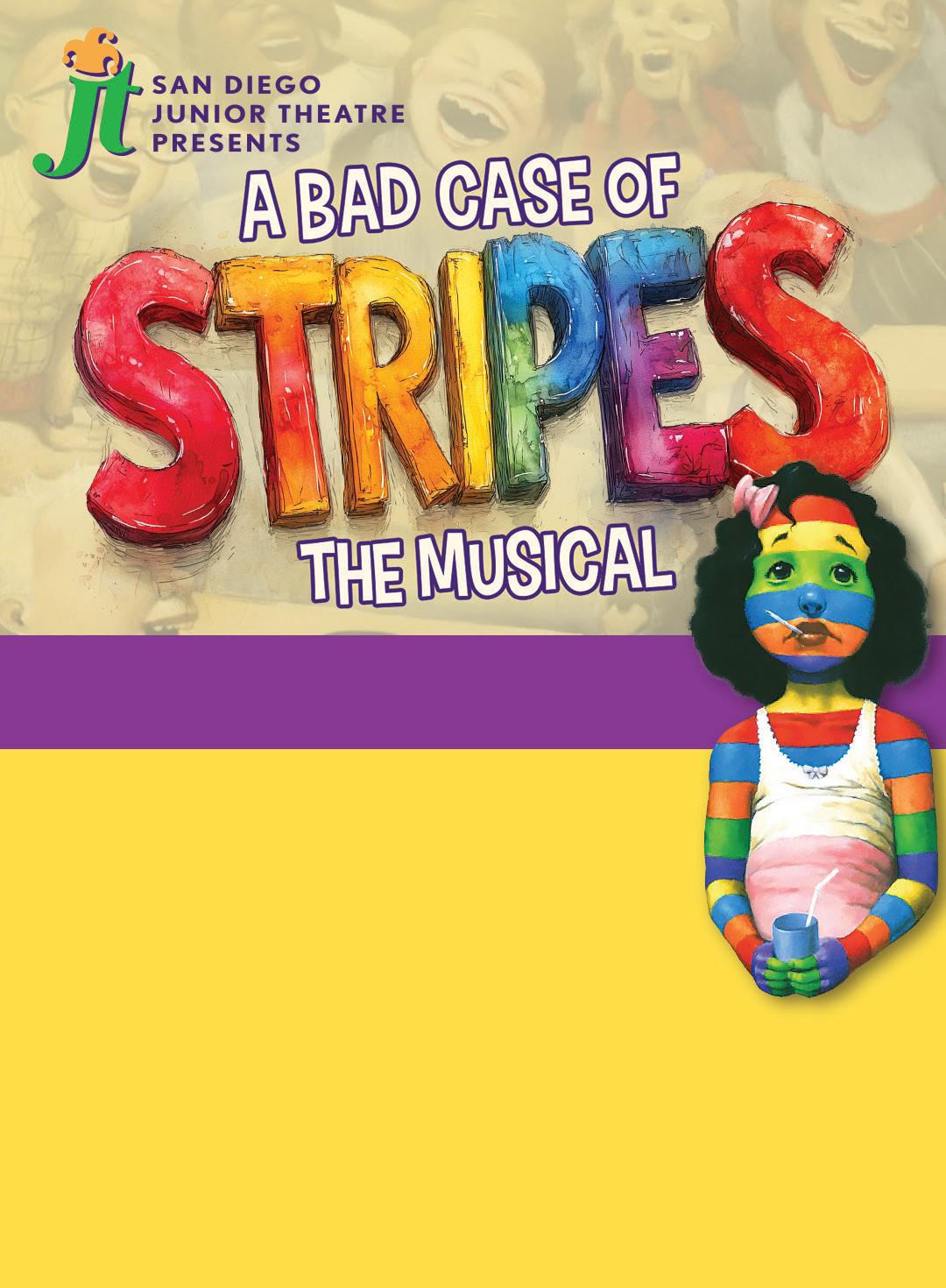
San Diego Junior Theatre is opening the curtain on a whimsical adaptation of the beloved children’s book, “A Bad Case of Stripes: The Musical.” This story of a young girl’s struggles to belong — and her transformation into a patchwork of patterns and colors — will be ensconced at the Casa del Prado in Balboa Park June 26 through July 12. The musical features catchy songs and a powerful message of self-acceptance, as it moves along with humor and heart on its emotional journey. “Stripes” is a treat for the whole family!
NORTH COAST REP: (From left) Jacob Caltrider, Andrew Hey, Morgan Hollingsworth & Eli Wood in “The Most Happy Fella.”
AM ISRAEL MORTUARY
We Are San Diego’s ONLY All-Jewish Mortuary Serving the community for over 40 years.
✡ Proudly Serving Jewish Families For Over 40 Years.
✡ Family Owned and Operated for Three Generations.
✡ Serving all Jewish Families, Orthodox, Conservative, Reform.
✡ Affiliated or Unaffiliated with a Synagogue.
✡ We can assist with At-need or Pre-need funeral planning. Purchasing cemetery plots or burial arrangements anywhere.
✡ We are here to help, call or email with any questions.
El Cajon Blvd., San Diego
Zita Casey – Carlsbad
Eleanor Jaffe – Delray Beach, FL
Irene Fine – La Mesa
Saundra Herman – Indio, CA
Roberto Nagimas – Chula Vista
Harold Mensch – Poway
Alain Cohen – San Diego
Norman Neinchel – San Diego
Ruth Seigel – Encinitas
Lucette Silverstein – Encinitas
Jaime Fainstein – San Diego
Lawrence Sherman – Solana Beach
Paula Medeiros – San Diego
Irene Saper – Vista
Nurit Carmel – San Diego
JWV POST 385 — NORTH COUNTY “Boldest Post in the West”
• Fight anti-semitism
• Support our military overseas
• Comradeship
Rubin Kaufman – National City
Uri Moyal – San Diego
Brenda Mann – La Jolla
Carole Laventhol – La Jolla
Gloria Zeichner – San Diego
Barry Cohen – Escondido
Leonora Poselenik – La Mesa
Norman Ferber – Oceanside
Marvin Yelles – El Cajon
Harris Cohen – La Mesa
• Support Naval Hospital San Diego & Naval Hospital Camp Pendleton
• and much more Meet 2nd Sunday of the month 11:00 AM Veterans Association North County (VANC) 1617 Mission Ave, Oceanside, CA 92058
JWV is the oldest congresssionally commissioned veterans organization in America Col Maxwell S. Colon retired/USA 858-232-1645
On behalf of AM Israel Mortuary, We extend our condolences to the families of all those who have recently passed. The families of those
AM ISRAEL MORTUARY
We Are San Diego’s ONLY All-Jewish Mortuary Serving the community for over 40 years.
Explore Jewish Education
WITH BETH ISRAEL
To learn more, visit: cbisd.org/lifelong/learning • 858-535-1111
1 2 3
BILL & SID RUBIN PRESCHOOL
INFANT/TODDLER CENTER
3 months - 5 years
LEE & FRANK GOLDBERG FAMILY
RELIGIOUS SCHOOL
Pre-Kindergarten through 12 Grade
ADULT EDUCATION
Explore our wide range of Adult Jewish
Learning—open to everyone!
9001 Towne Centre Dr., San Diego, CA 92122 www.cbisd.org
Personalized Care For Enhancing Quality Of Life
Specializing in:
• Companionship
• In Home Support Services & Maintenance
• Meal Preparation
• Assistance with Activities of Daily Living
• Transportation Assistance
• Medication Administration Assistance
• After Surgery Care
• Respite and Relief for Caregivers
We pride ourselves in pairing the highest quality caregivers with our clients. Our care team will work with you to develop a client-specific care plan, tailored to meet your needs.
Ben Barth
Owner/Director of Operations
CA State Certified HCO & RCFE Administrator (619) 788-4459 | ben nonashomecare.com
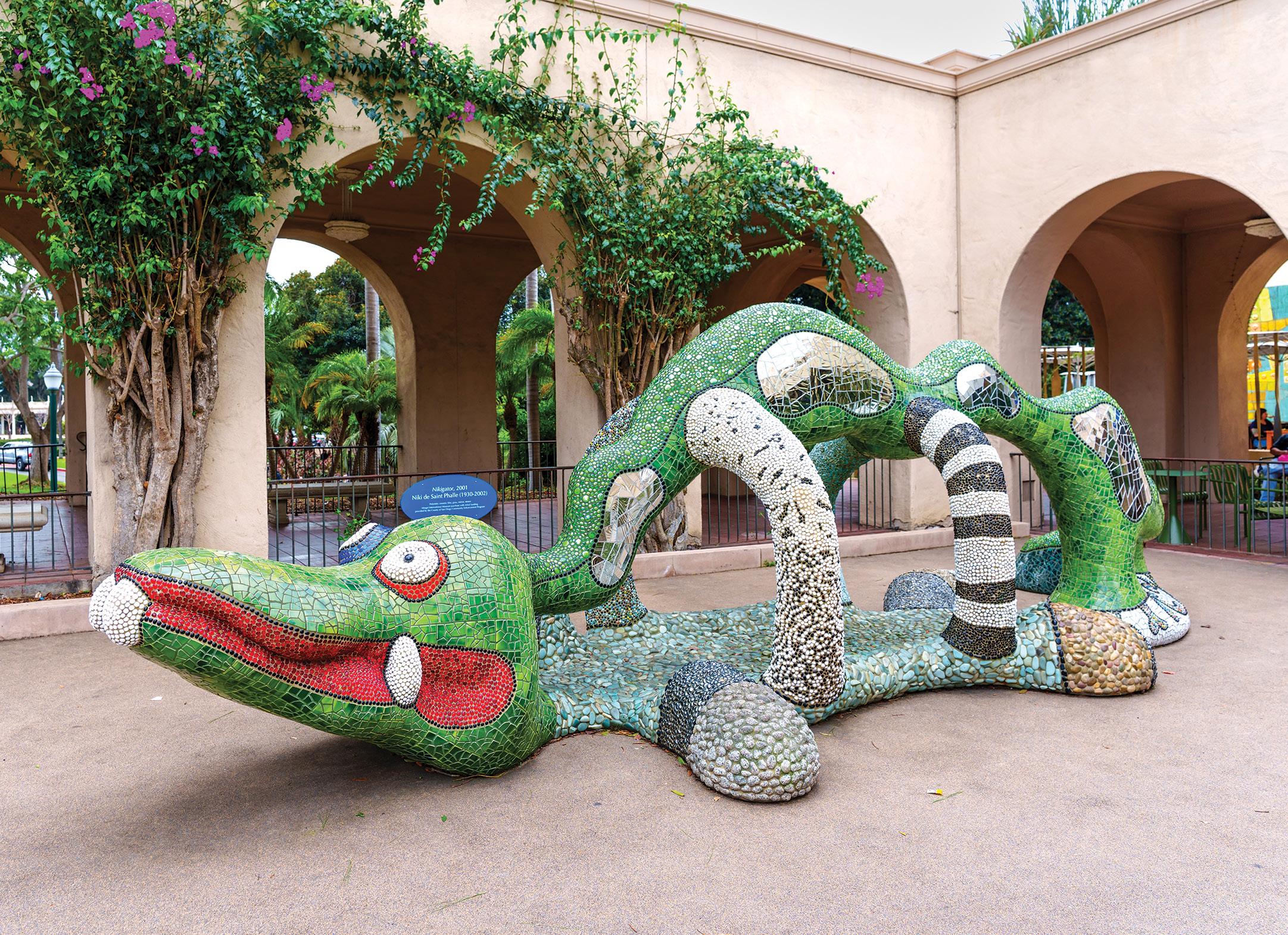
San Diego is home to the largest collection of the enormous (large enough to climb on), whimsical sculptures covered in brilliant, colorful mosaics of artist Niki de Saint Phalle in the world. Beginning in Escondido at Kit Carson Park and also found at Waterfront Park downtown, Balboa Park, the campus of UCSD and in LaJolla, de Saint Phalle’s jubilant
sculptures are odes to “color, joy, abundance.” The artist moved to San Diego in 1994, and said, “California has been a rebirth for my soul and an earthquake for my eyes. The sea, desert, mountains, wide-open sky.” And she let the “brilliance and vastness manifest in her work” — sculptures not to be missed. A
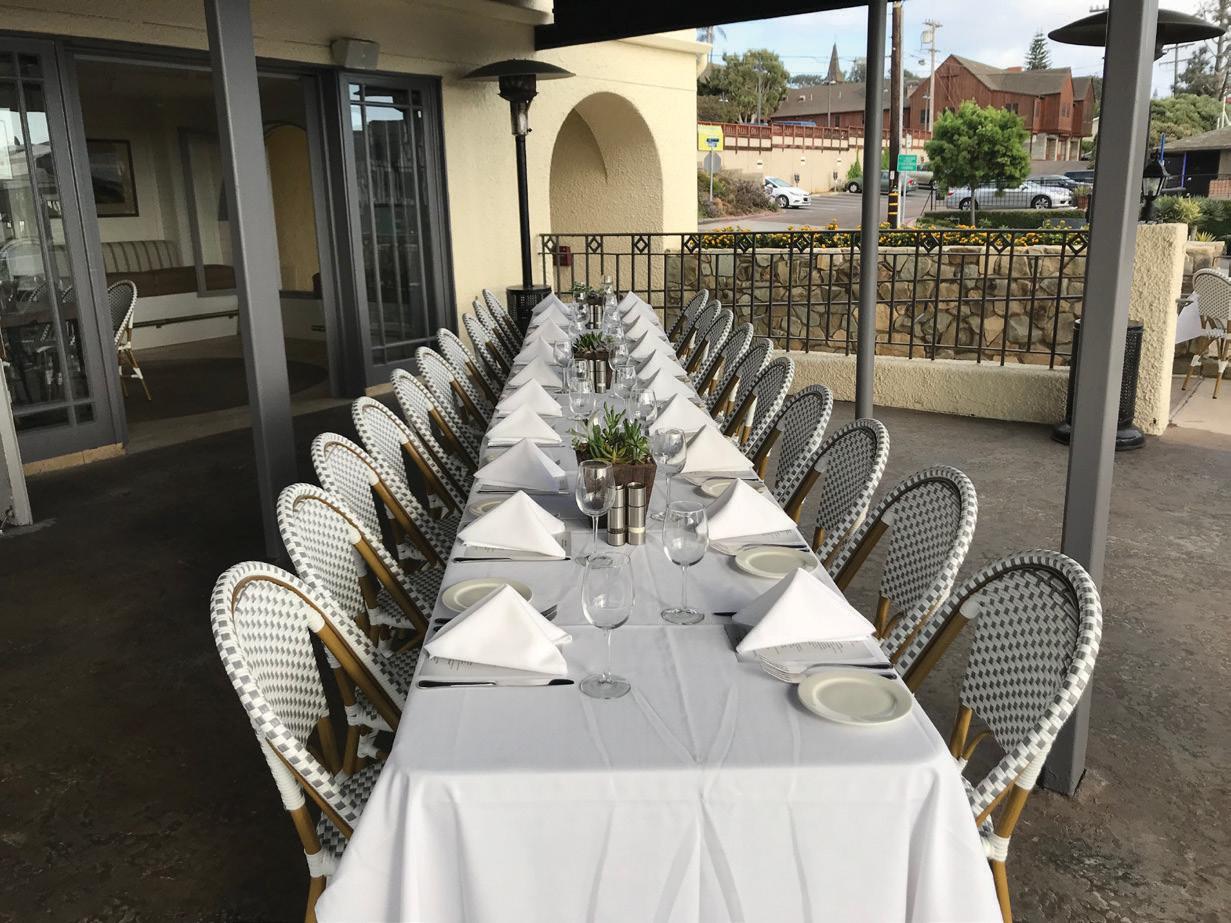
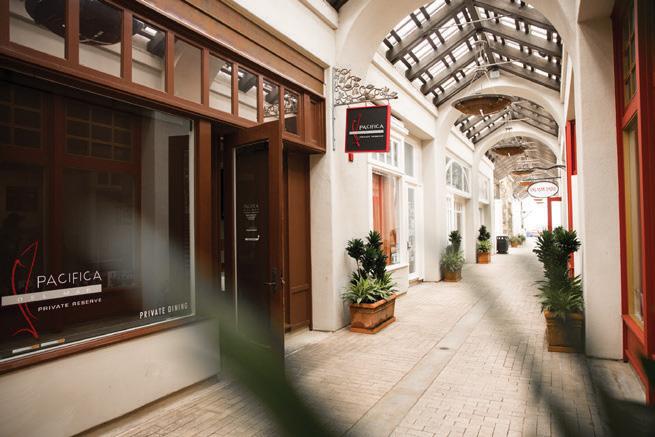
WE OFFER PARTIES
hold your next special occasion at pacifica
A love letter. A lie. A second chance. Set against the sun-drenched vineyards of Napa Valley, Frank Loesser’s The Most Happy Fella is a lush, romantic musical overflowing with soaring melodies and Broadway showstoppers. A lonely man, a desperate letter, a love story that changed everything. Full of life, full of love, full of music. Come see what makes this fella so happy.
June 3-28
Music, Lyrics & Libretto by FRANK LOESSER
Directed by JEFFREY B. MOSS
Based on Sidney Howard’s “They Knew What They Wanted”
run. Buy now.
Be part of the excitement
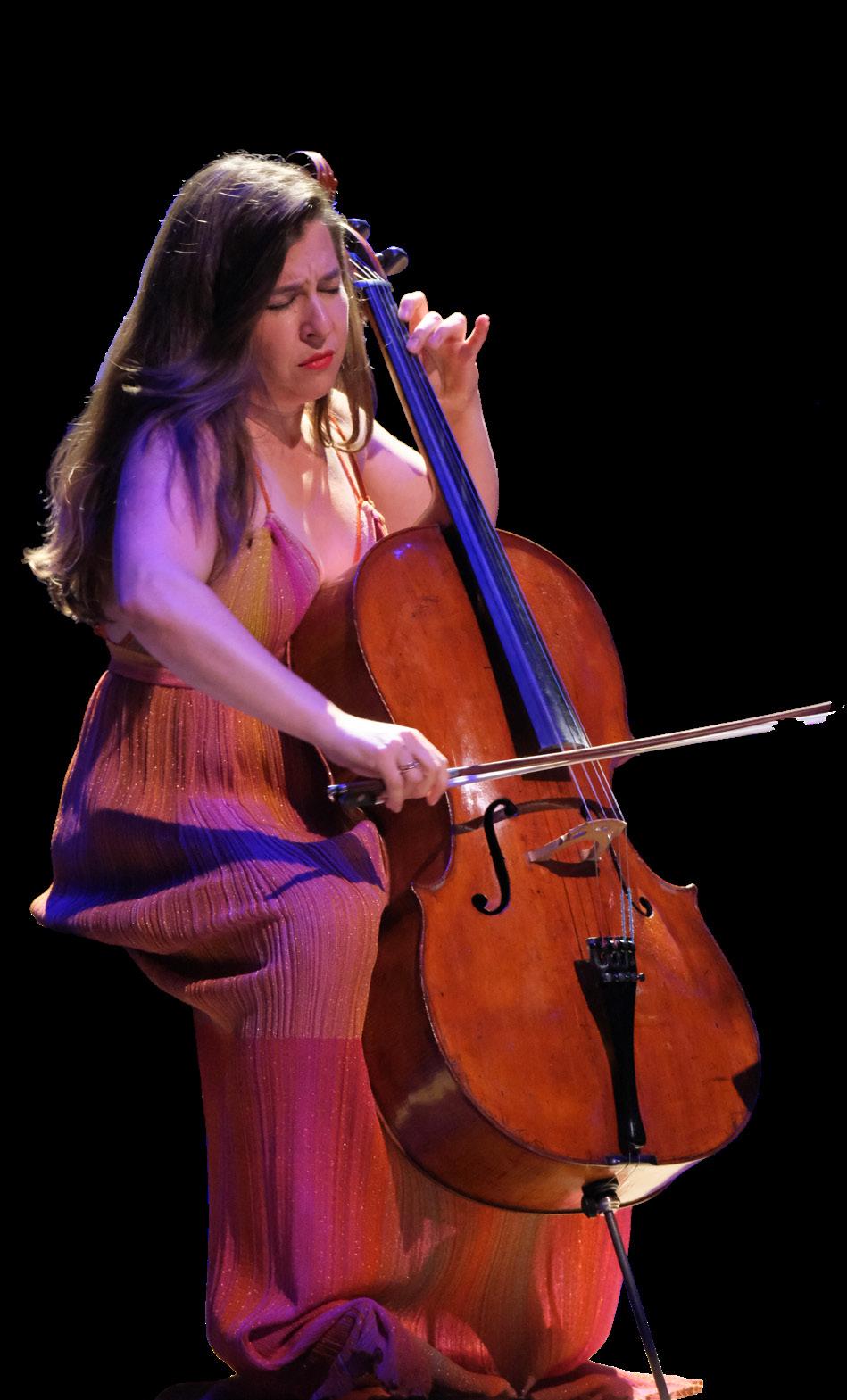
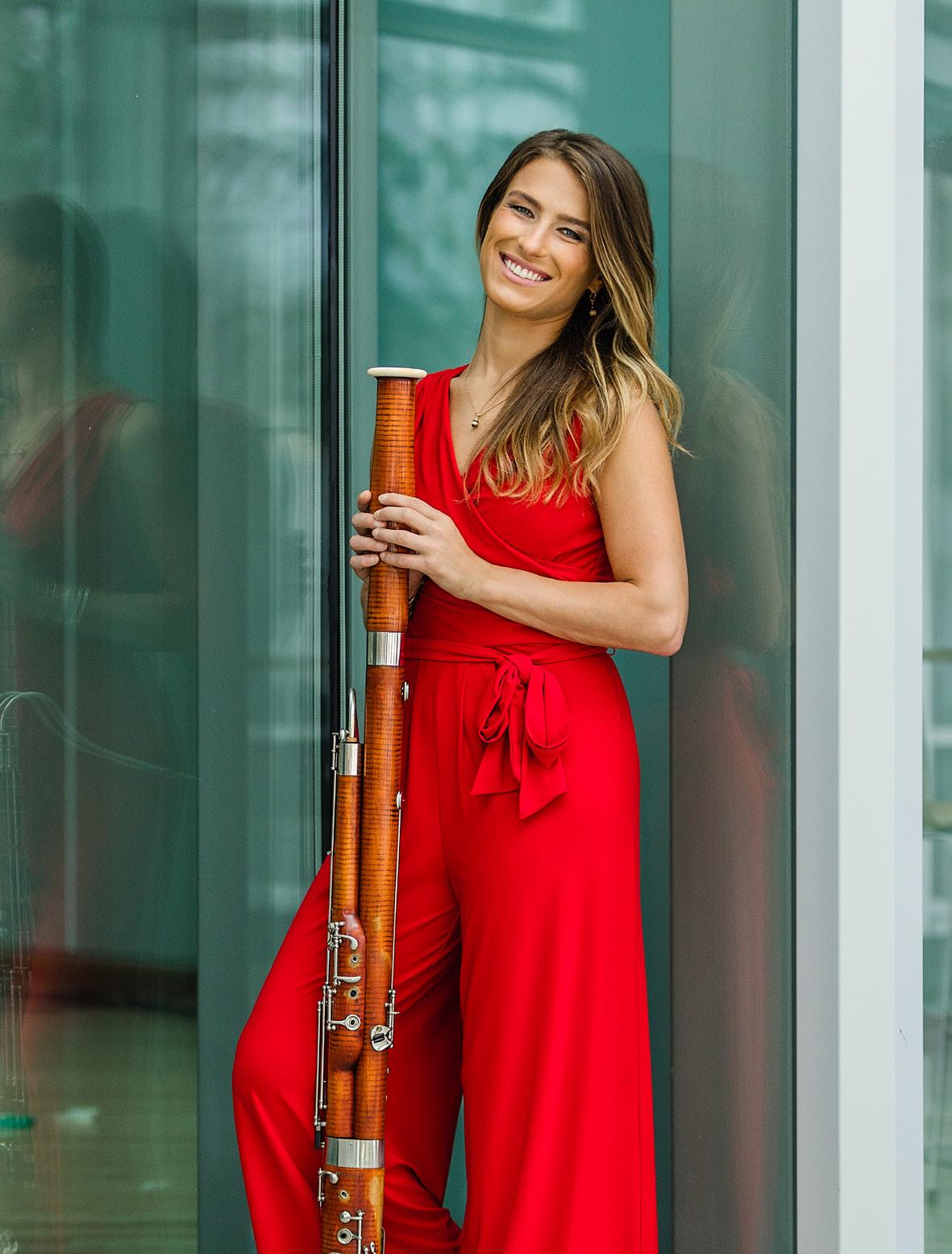
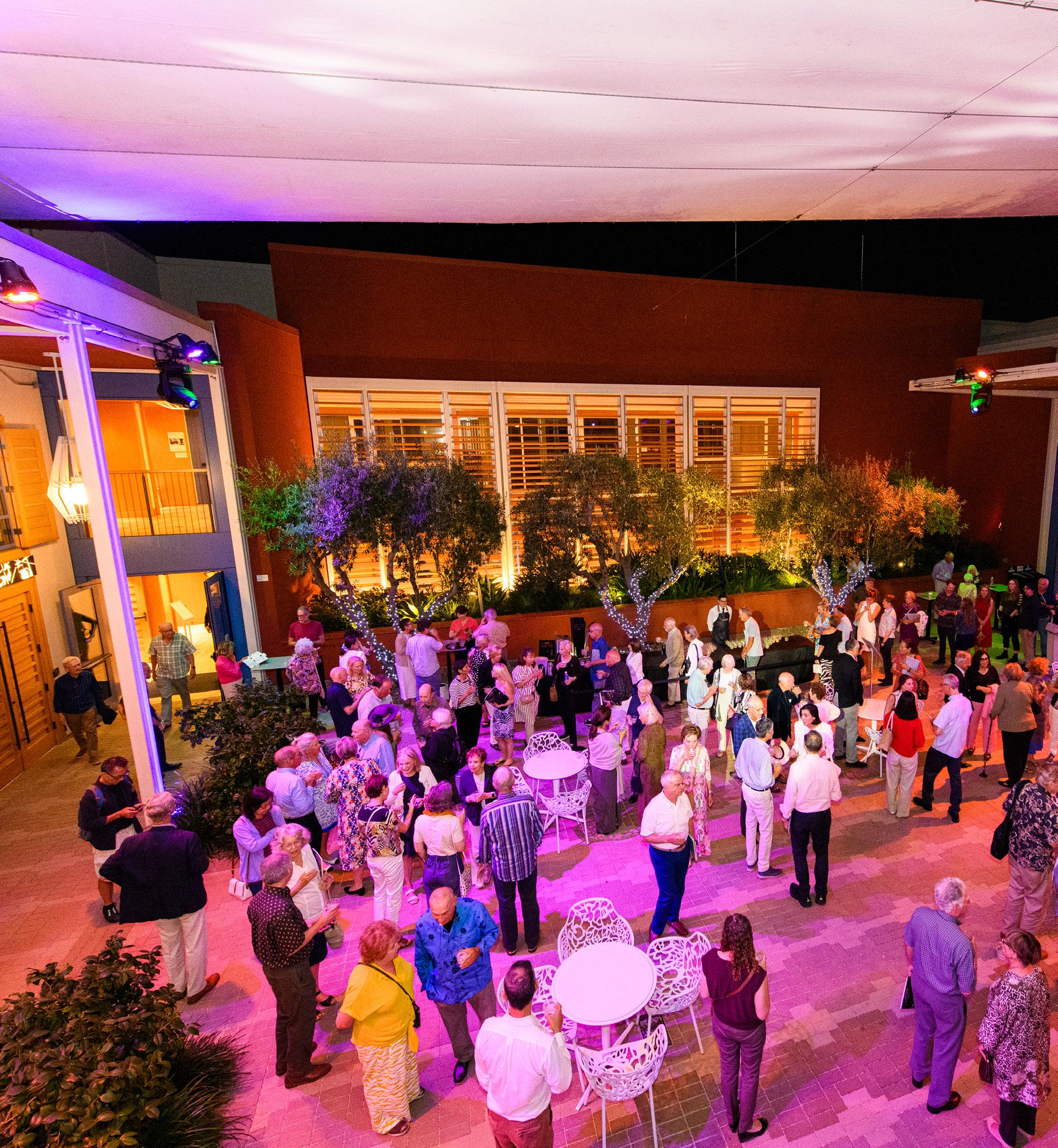
Music Director Inon Barnatan brings the world’s best musicians to The Conrad in La Jolla Village for a summer packed with thrilling themed concerts. This year, SummerFest turns 40— and the celebration has never sounded better! Your seat awaits at the classical music event of the year.
Instantly save 10% with the purchase of 3 (or more) concerts.