Essential Knots
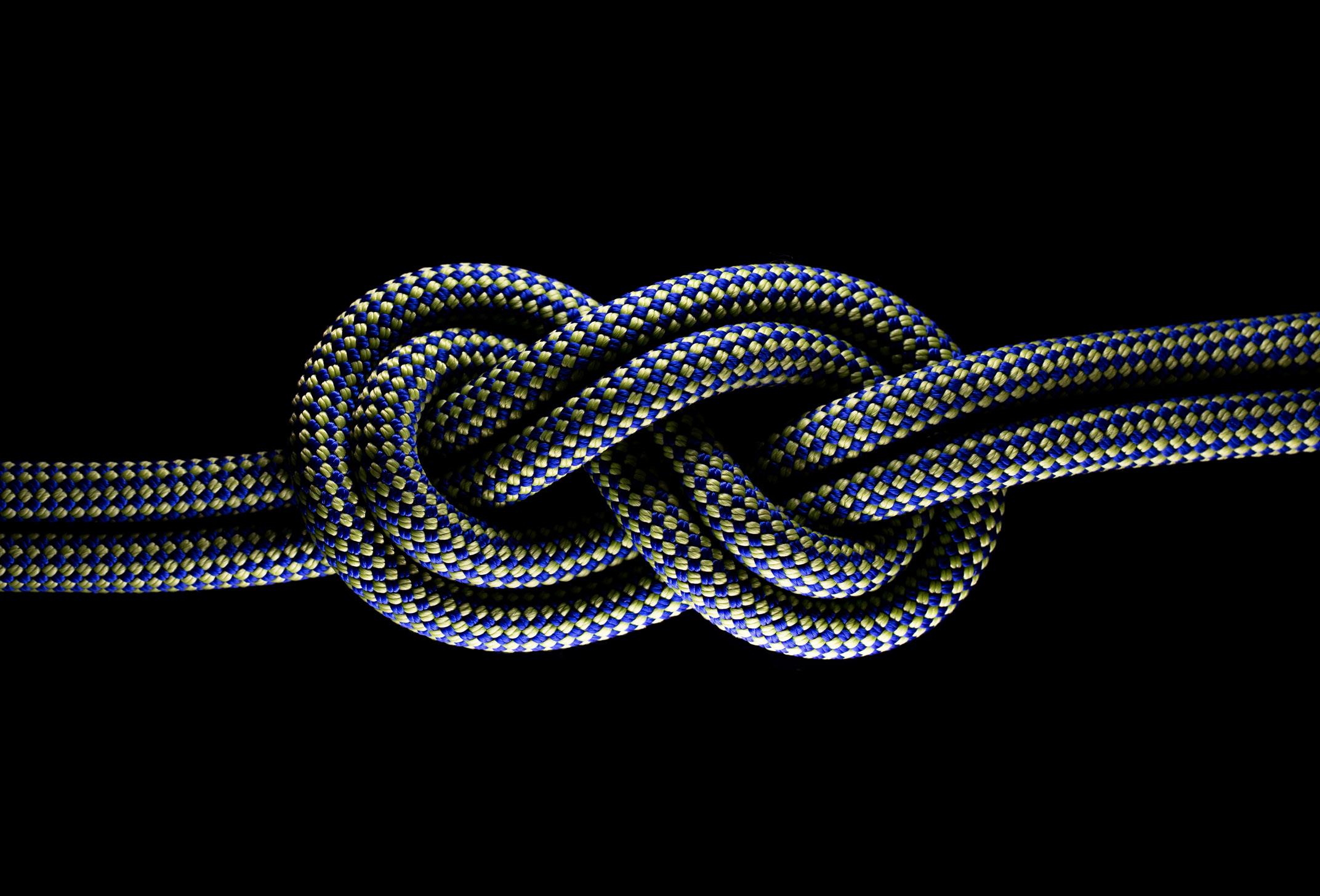


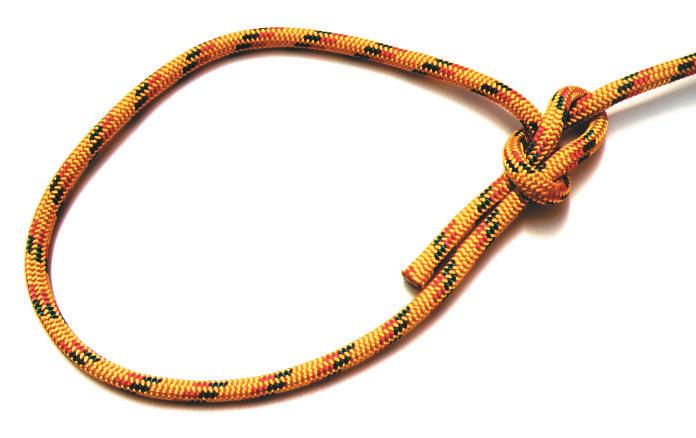
Non slip loop knot - commonly used in sailing. A stopper knot can also be added if the knot is created in wet rope and to prevent the knot slipping.
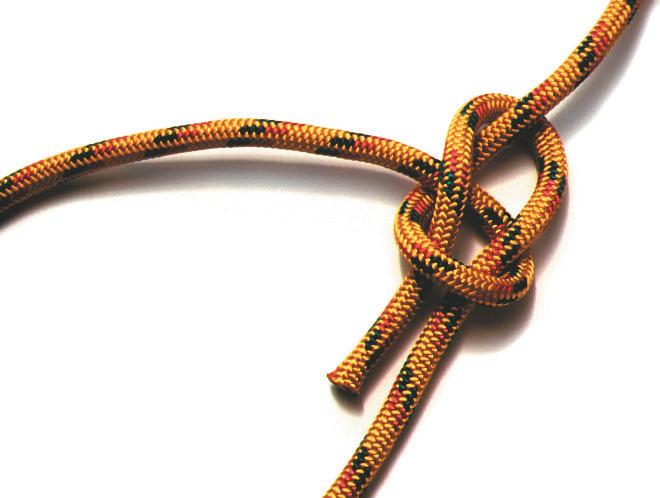
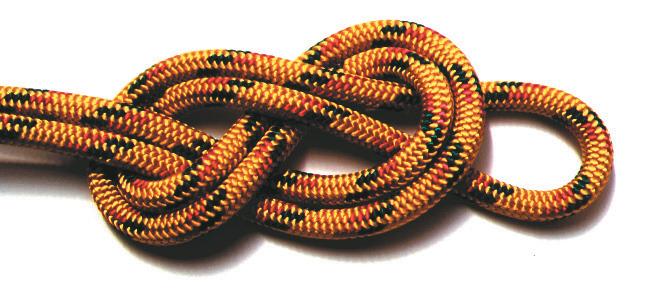
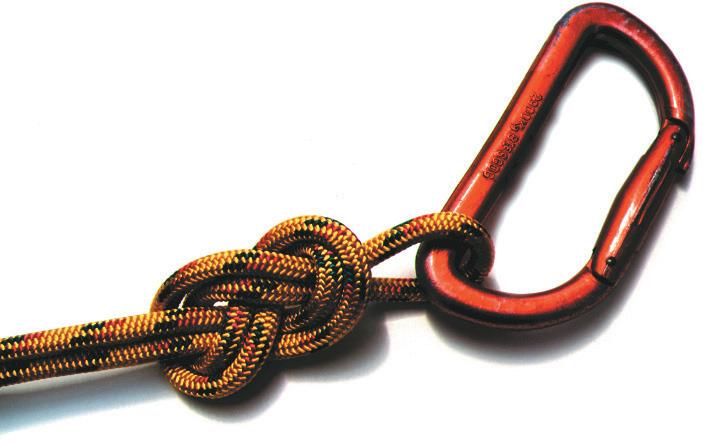
This knot is the basic knot used for securing in climbing situations. It is easy to tie and untie. Normally used with a karabiner. Tied as a single knot it can be used as a stopper knot
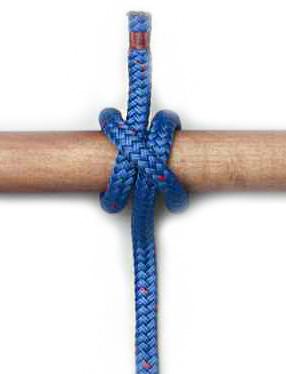
Round turn and two half hitches
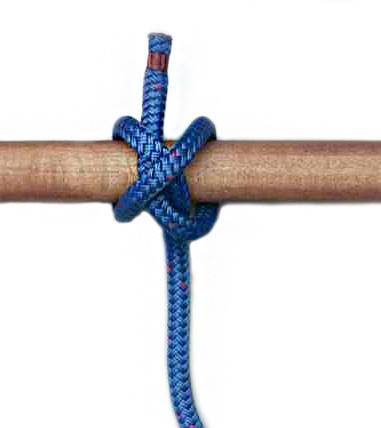
Simple knot to use and the basic knot for fixing a rope to a fixed object. It is also used for starting and finishing a lashing
This knot is similar to the Clove Hitch but provides more friction and grip.
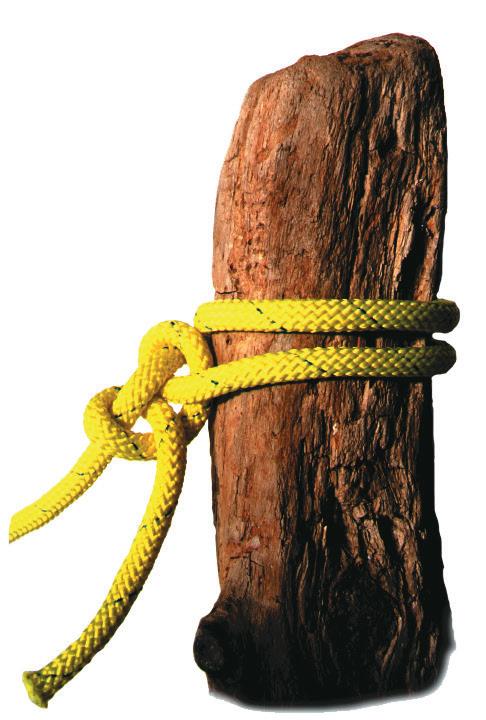
This knot places the strain on the loops around the timber rather than the hitches making it easy to open after use.
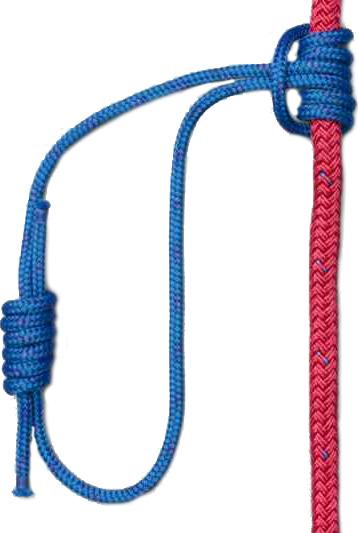
The pruzik Knot is a friction knot. It moves easily when not under tension but one weight or tension is applied to the loop is does not move. Primarily used by climbers, cavers and rescuers to control movement and act as a safety device. It is also useful when climbing ropes using a series of pruzik knots.
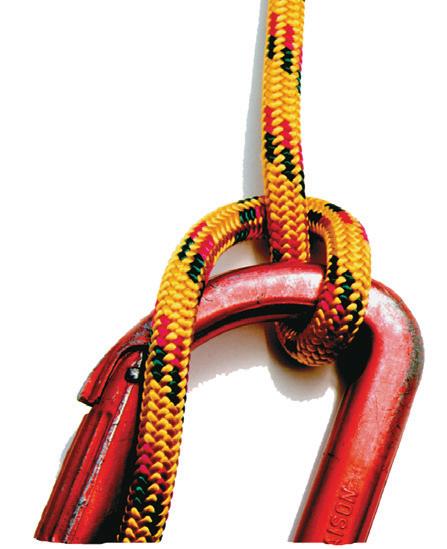
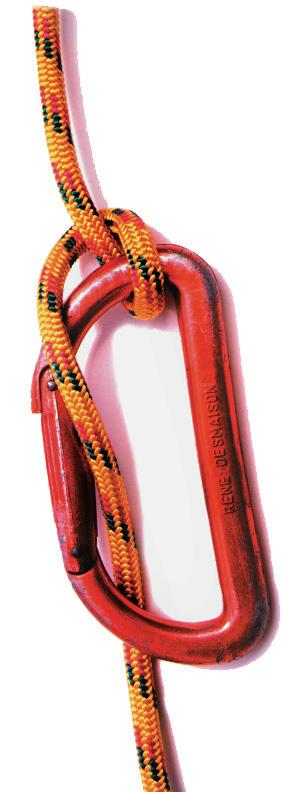
The Italian Hitch (also known as the Munter knot) is used primarily used by climbers, cavers, and rescuers to control friction in a life-lining or belay system. It can also be used as a abseiling knot.
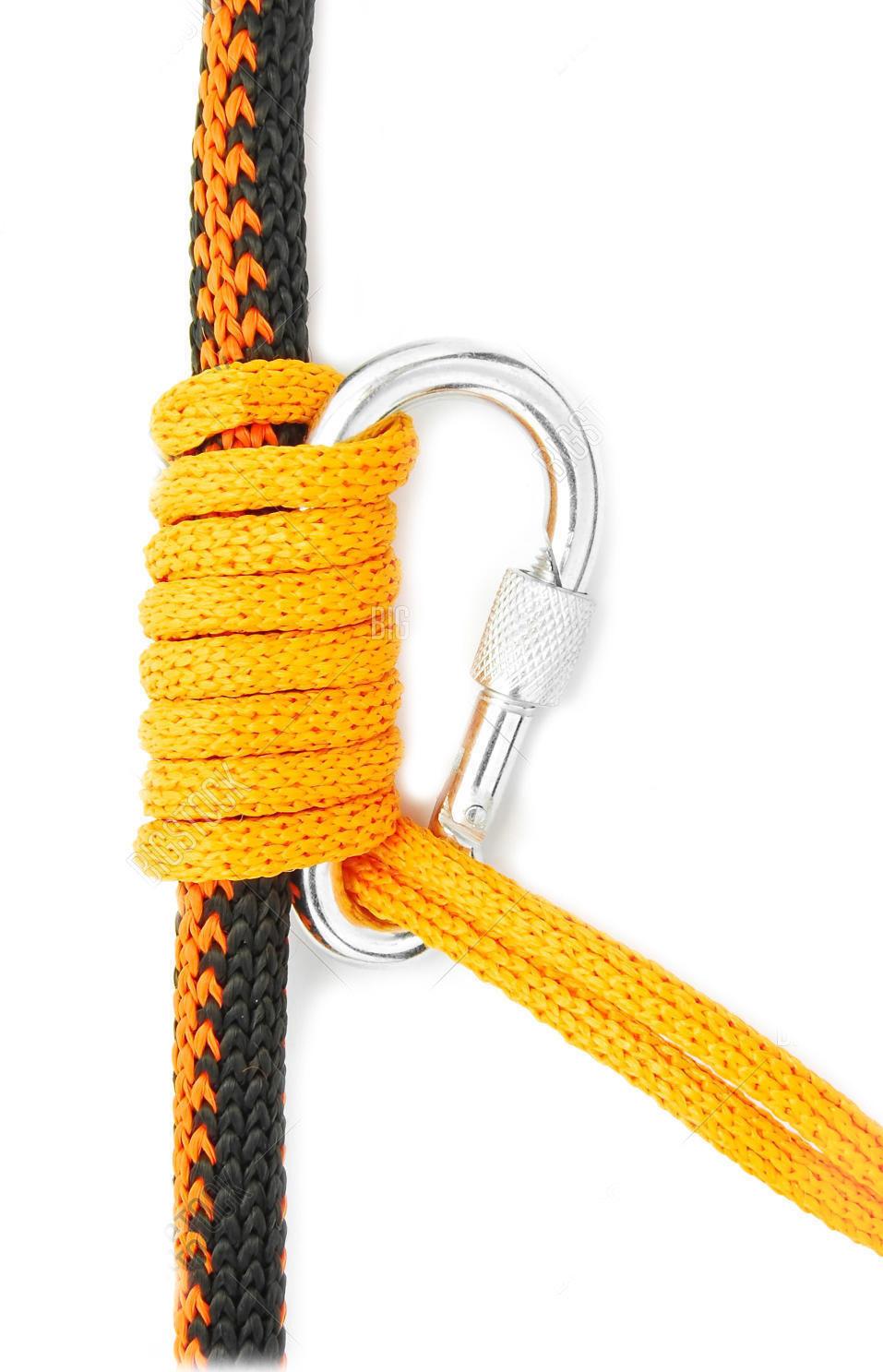
The Bachmann knot is similar to the pruzik knot in that it works the same way - as a friction based knot. The knot is created using a karabiner that also acts as a handle to move the knot. It is particularly useful in cold and wet conditions.