STEPHEN BIRD
looping states of mind, circular thoughts

Looping States of Mind, Circular Thoughts
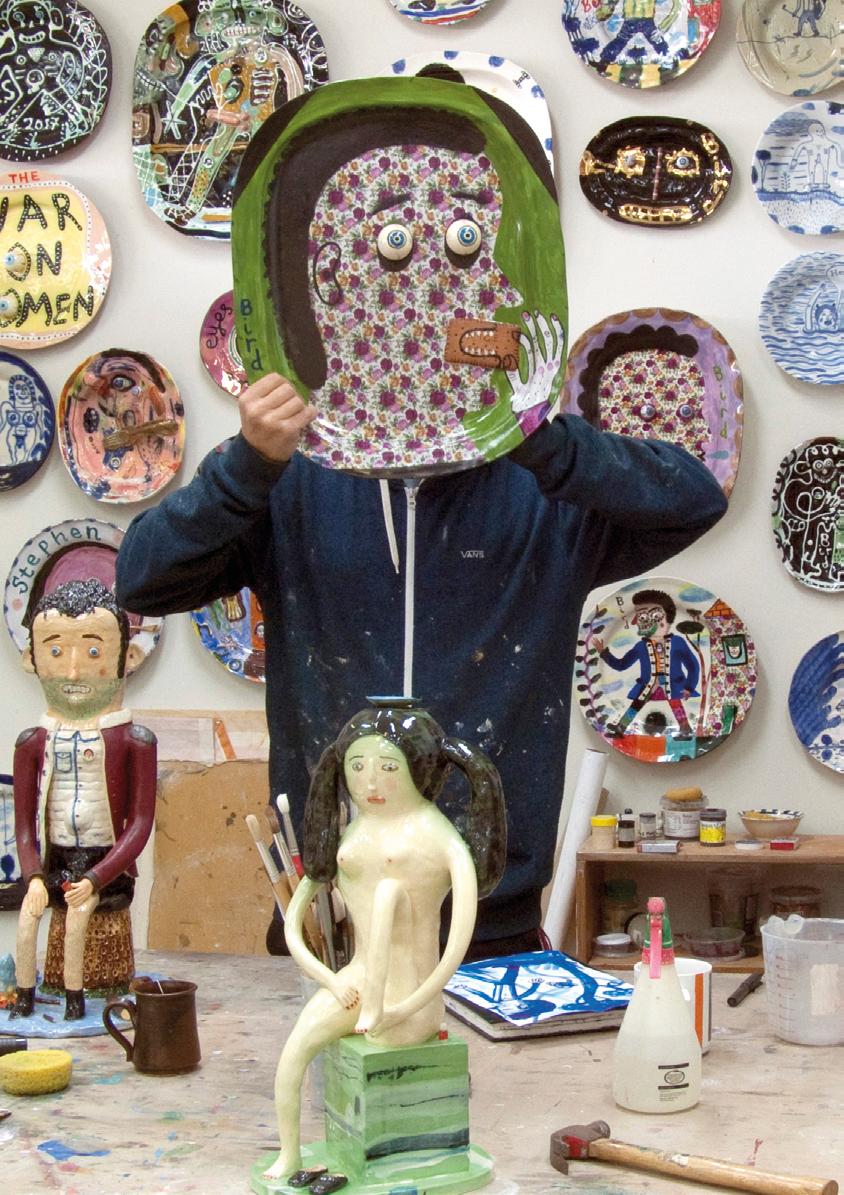
Stephen Bird turns the familiar into something unsettling, where ordinary objects carry competing emotions and meanings that never fully resolve. A platter, a bird, the king, a vase crowded with figures: forms that feel recognisable and accessible—gradually shift as we spend time with them. Anxiety sits alongside celebration, tenderness alongside aggression, satire alongside grief. Bird embraces contradiction because contradiction is part of lived experience. His multidisciplinary practice is populated by characters, animals, fragments of text and episodes drawn from memory, history, observation and current events. Bird’s work resists clear conclusions, reflecting instead on a world in which experience is layered, contradictory and often unresolved but intensely human.
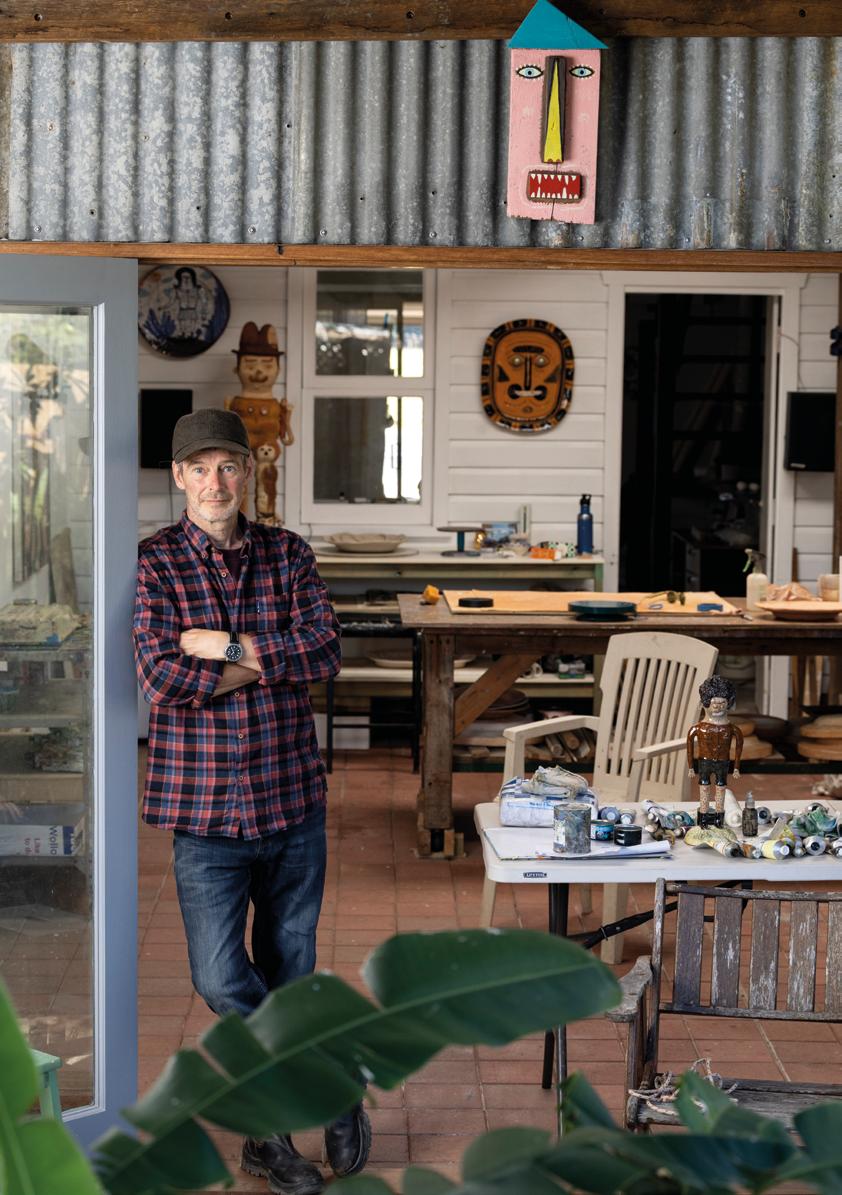
Bird was born in Stoke-on-Trent in 1964, a place inseparable from the history of British ceramics. He trained as a fine artist at Duncan of Jordanstone College of Art in Dundee and has lived in Australia since 1999, building an international career from New South Wales. This mix matters: England, Scotland and Australia all sit within Bird and his
practice, offering a rich dialogue between image, language and form. He is a painter, ceramicist, sculptor and storyteller. Clay is not a neutral material for him. It is a surface, a body, a record and a stage.
Over more than three decades, Bird has established himself as one of the most distinctive voices working in contemporary ceramics. His work has been exhibited internationally including The 9th Gyeonggi International Ceramic Biennale, Icheon Cerapia, South Korea, Peripheral Visions: Contemporary Art from Australia, Garis+Hahn, New York, and Horizon – Landscapes, Ceramics and Print, The National Museum of Norway, Oslo . He is recognised through major awards, including the Deakin University Contemporary Small Sculpture Award and The Gold Coast International Ceramic Award While these honours acknowledge his achievement, they also reflect the singular position he occupies between ceramics, painting and sculpture, drawing equally on personal experience, art history and the long traditions of clay itself.
In Looping States of Mind, Circular Thoughts, the platter becomes
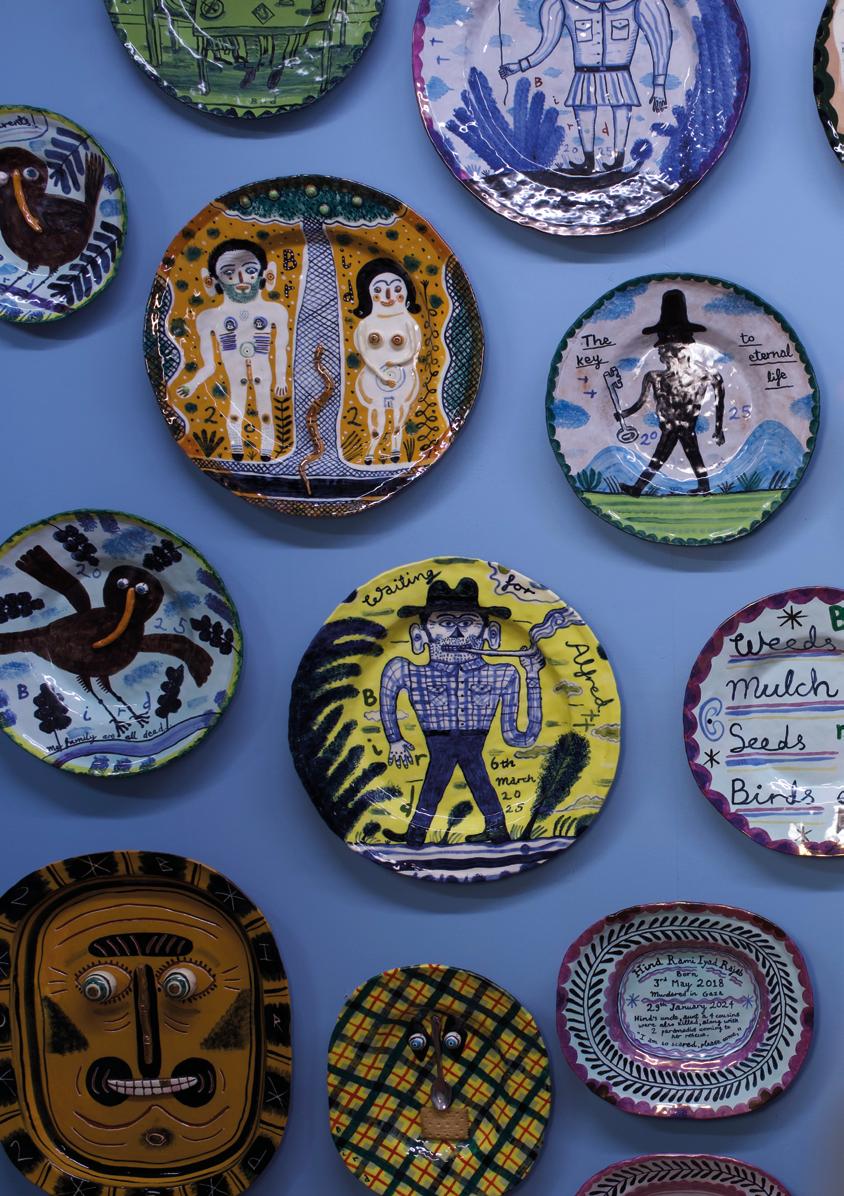
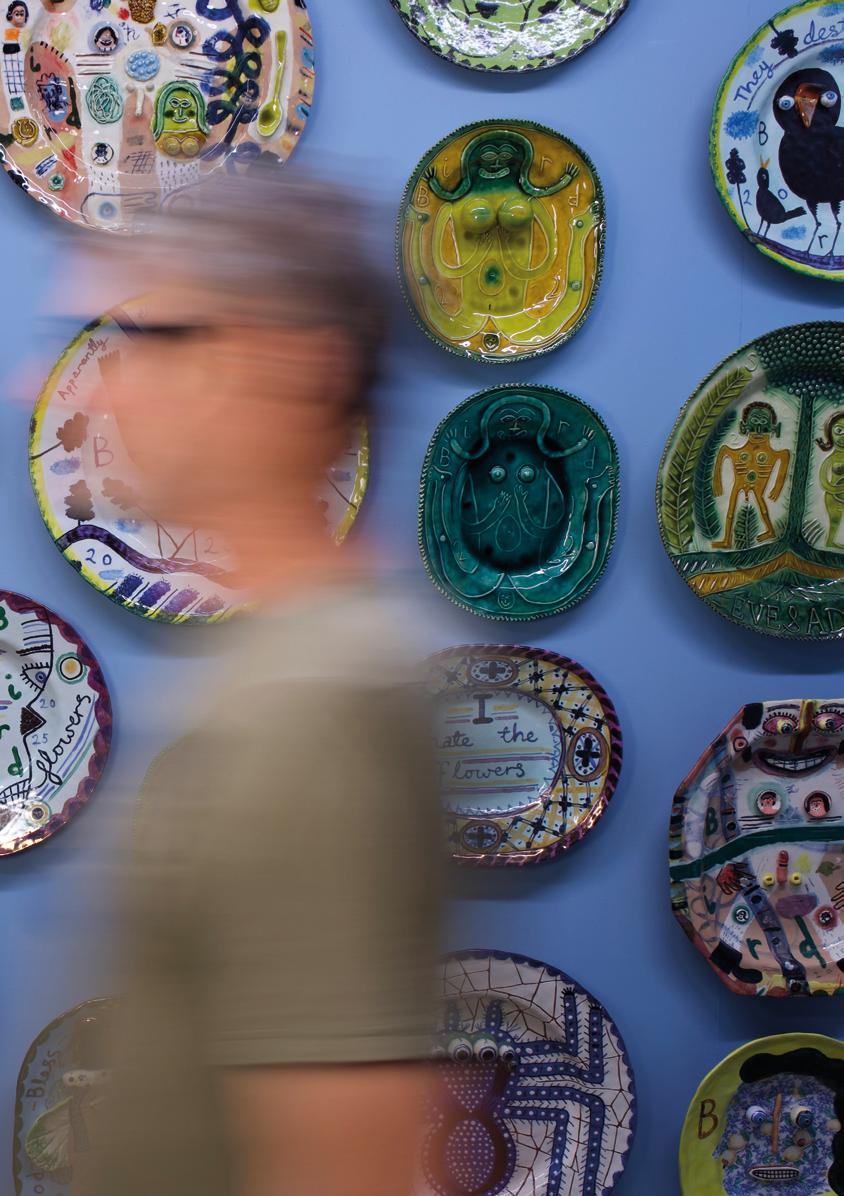
one of Bird’s most direct vehicles for expression. A platter or plate is at once domestic, familiar and historical. It belongs to kitchens, cabinets, rituals, trade, ceremony and status. Bird uses that history, and then disrupts it. His imagery carries figures, birds, heads, handwritten words, borders and emblems. They can feel like folk objects, commemorative wares, protest signs and private notes at the same time. Bird has long been interested in the history of ceramic objects and the ways plates, figures and commemorative wares have carried political, social and personal stories across generations. A work such as Coronation Plate uses a traditional format to hold a contemporary image of monarchy, spectacle and national identity. It is inventive, irreverent and visually generous while drawing upon the historical role of ceramics as a vehicle for collective memory.
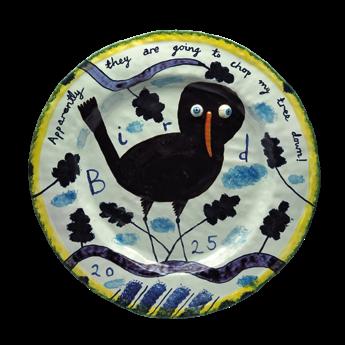
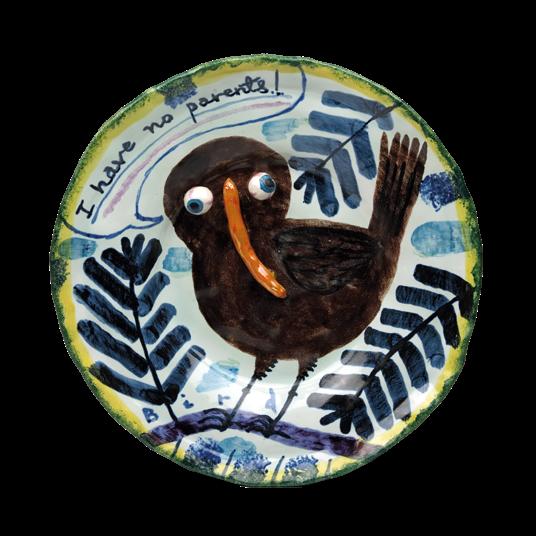
Bird’s birds are not decorative extras. They watch, announce, mourn, complain and survive. In Apparently they are going to chop my tree down and I have no parents , the bird is vulnerable and exposed. The titles are almost childlike, but the feeling is sharp. These works speak about loss of habitat, vulnerability and human carelessness without becoming didactic. Bird is at his best when the image appears simple but the meaning refuses to stay still. The exhibition also contains works that respond more directly to present conflict and political history. Hind Rajab and Dundee Nablus bring the outside world into Bird’s orbit through clay, text and pattern. He does not turn world events into illustration; instead he creates objects that hold grief, anger and witness in a form that can be looked at slowly. The range of imagery within his practice is deliberate and contradictory. This is how life is experienced: disaster and comedy, public history and private anxiety, animals and kings, memory and news, all occupying the same mental space.
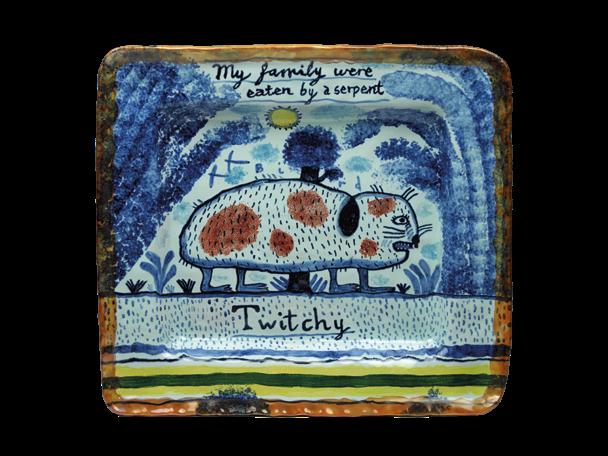
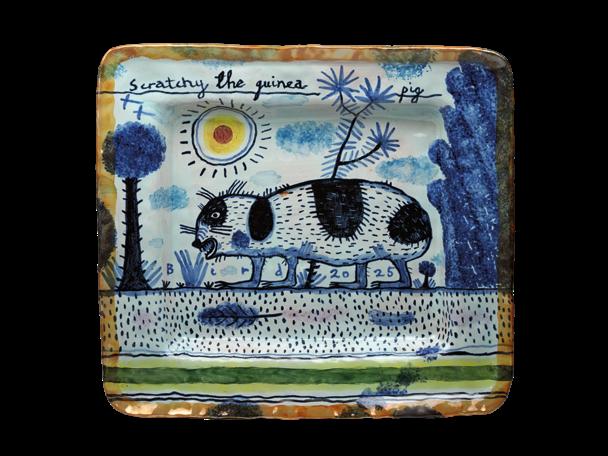
Alongside these works are objects that feel more personal and domestic in tone. Guinea pigs, mother and child, solitary figures and fragments of conversation appear throughout the exhibition. They remind us that Bird’s concerns are never solely political; he is equally interested in care, family, companionship, vulnerability, the dreary routines
Apparently They Are Going To Chop My Tree Down (Cat. 32)
of everyday life and the brevity of life. The exhibition title itself suggests this movement between the public and private worlds, where thoughts, memories, anxieties and observations return repeatedly, circling through the mind before finding form in clay.
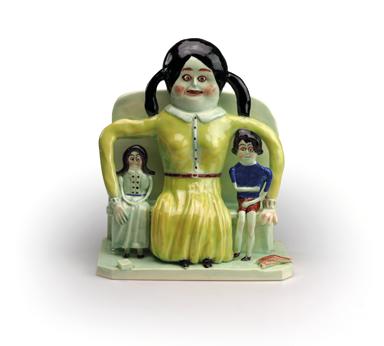
Bird’s earlier works in the exhibition demonstrate the range of his visual language. The relief vases and sculptural figures reveal another side of his practice: clay as body, architecture and character. How We Live in the Suburbs turns the built environment into a strange theatre. The seated man, double-sided figure and Mother with Two Children continue his interest in the human figure as fragile, awkward and exposed. Bird’s surfaces are busy because the world is busy. He uses lustre, enamel, glaze, drawing and text to build images that feel immediate, handmade and alert. There is pleasure in the making:
bright colour, pattern, glaze, uneven forms and bold outlines. There is also discomfort. Faces stare out. Bodies wobble. Words interrupt. Animals carry human feeling. A moment of wit can turn into something darker in seconds.
This is why Bird’s work remains relevant. It refuses clean categories. It belongs to ceramic history and contemporary art, to painting and sculpture, to personal narrative and public record. It can be satirical, tender, violent and lyrical, often within the same object. At a time when audiences are often asked to process crisis at speed, Bird asks for a slower kind of attention, one which is devoid of hierarchies. His practice gives us the world as he sees it: unstable, absurd, comical, injured, egalitarian and full of stories, human, fragile and still worth looking at closely.
Bird’s work is held in major public collections including the National Gallery of Australia, National Museums Scotland, National Museums Northern Ireland and the Art Gallery of South Australia, among many others. Alongside his studio practice, he continues to teach at the National Art School in Sydney and at Byron School of Art, contributing to the next generation of artists while maintaining a career that spans Australia, Scotland and beyond.
CHRISTINA JANSEN
Mother with Two Children (Cat. 19)
1
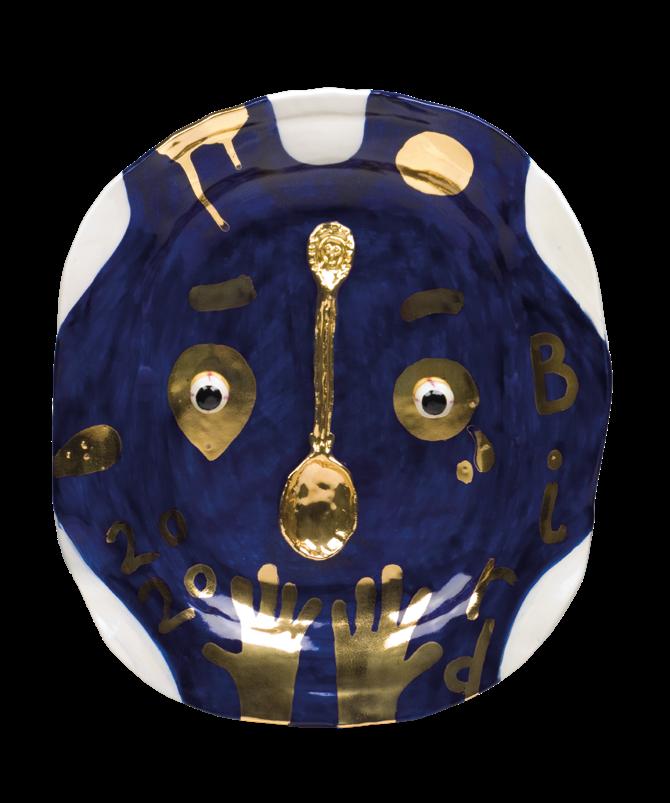
Miffy Gold on Blue, 2020 glazed earthenware with lustre, H44 x W38 cm
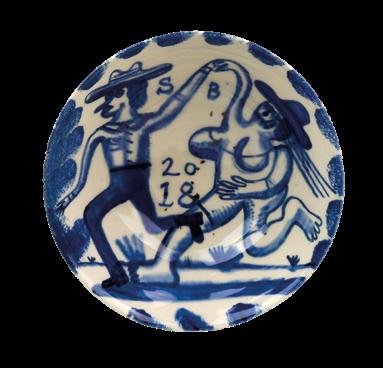
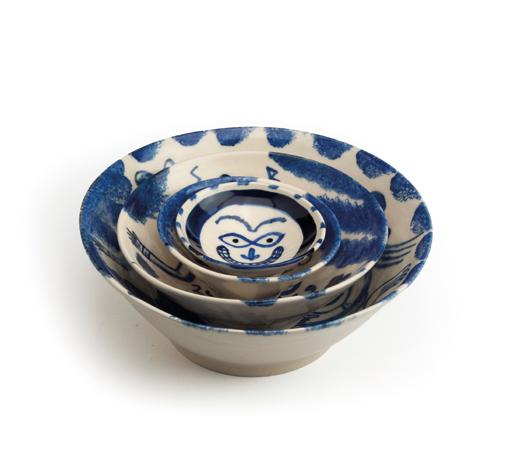
2 Blue and White Bowl with Running Couple, 2018, glazed stoneware, H7 x Ø20 cm
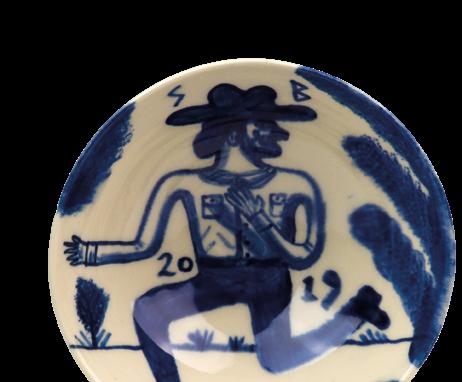
3 Blue and White Bowl with Running Man, 2019, glazed stoneware, H6 x Ø15 cm
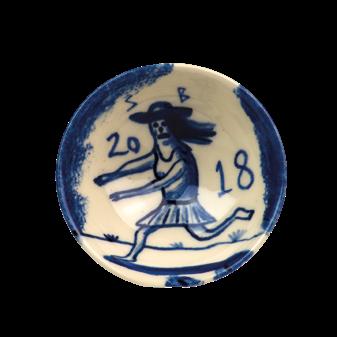
4 Blue and White Bowl with Running Woman, 2018, glazed stoneware, H4 x Ø10 cm
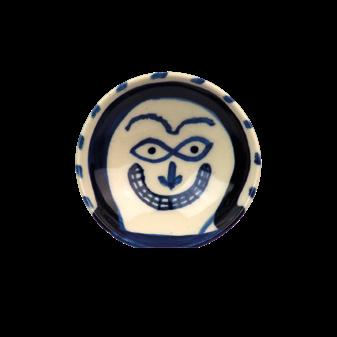
5 Blue and White Bowl with Woman’s Face, 2019, glazed stoneware, H3 x Ø8 cm
7
6 Twitchy the Guinea Pig, 2025, tin glazed earthenware with lustre, H29 x W33 cm
Scratchy the Guinea Pig, 2025, tin glazed earthenware with lustre, H29 x W33 cm
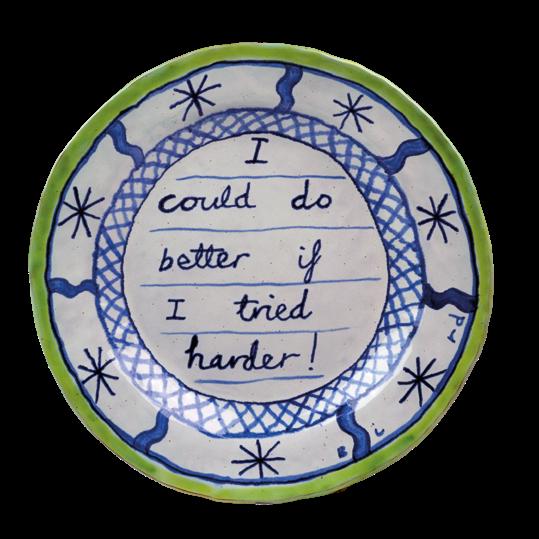
8 If I Tried Harder, 2024 tin glazed earthenware, Ø31 cm
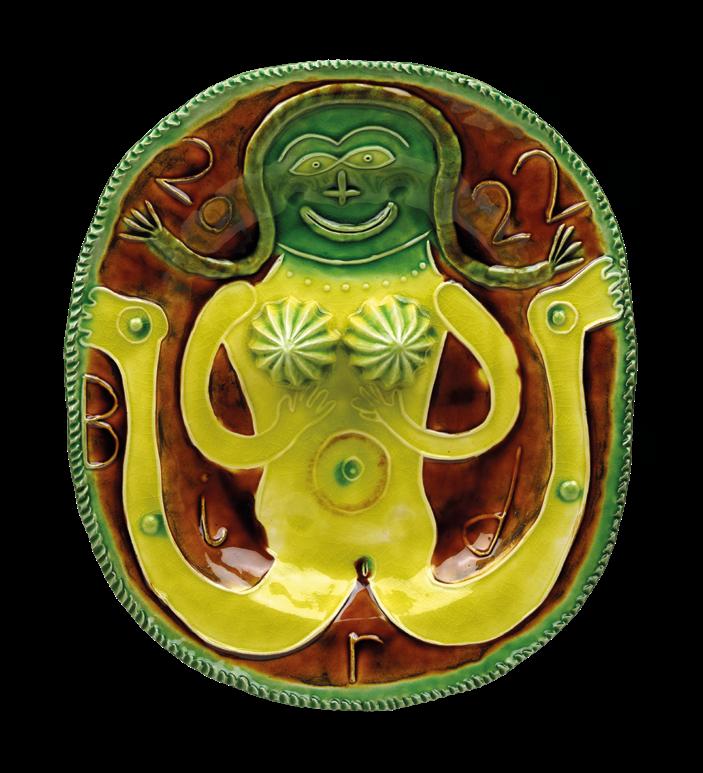
9 Lemon Yellow Woman, 2025 glazed earthenware, H32 x W28 cm
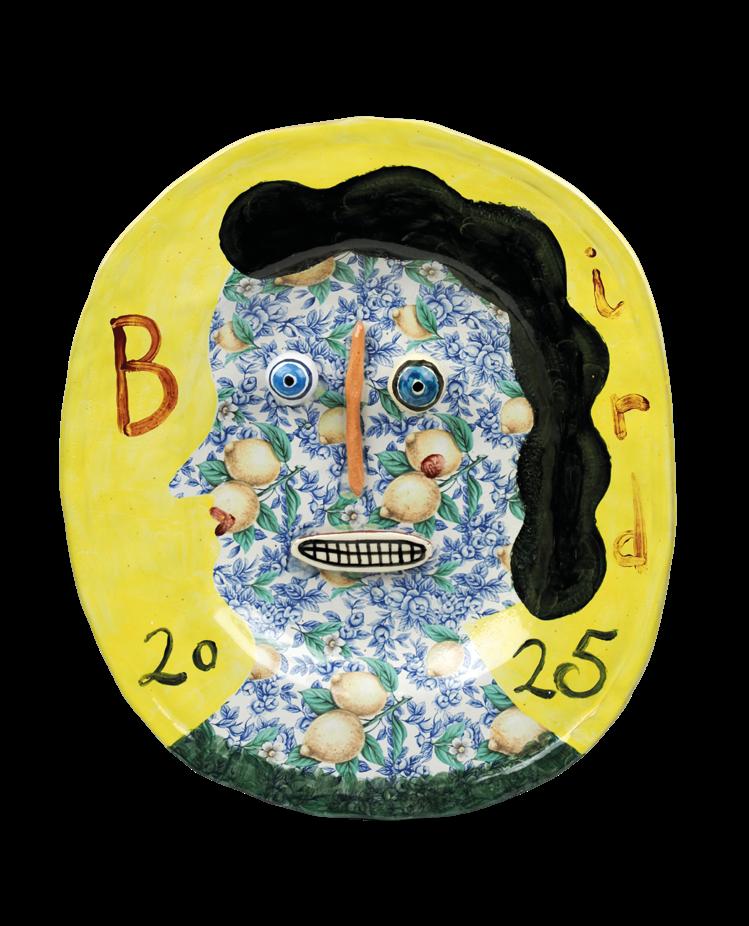
tin
10 Lemon Head, 2025
glazed earthenware with enamel, H35 x W30 cm
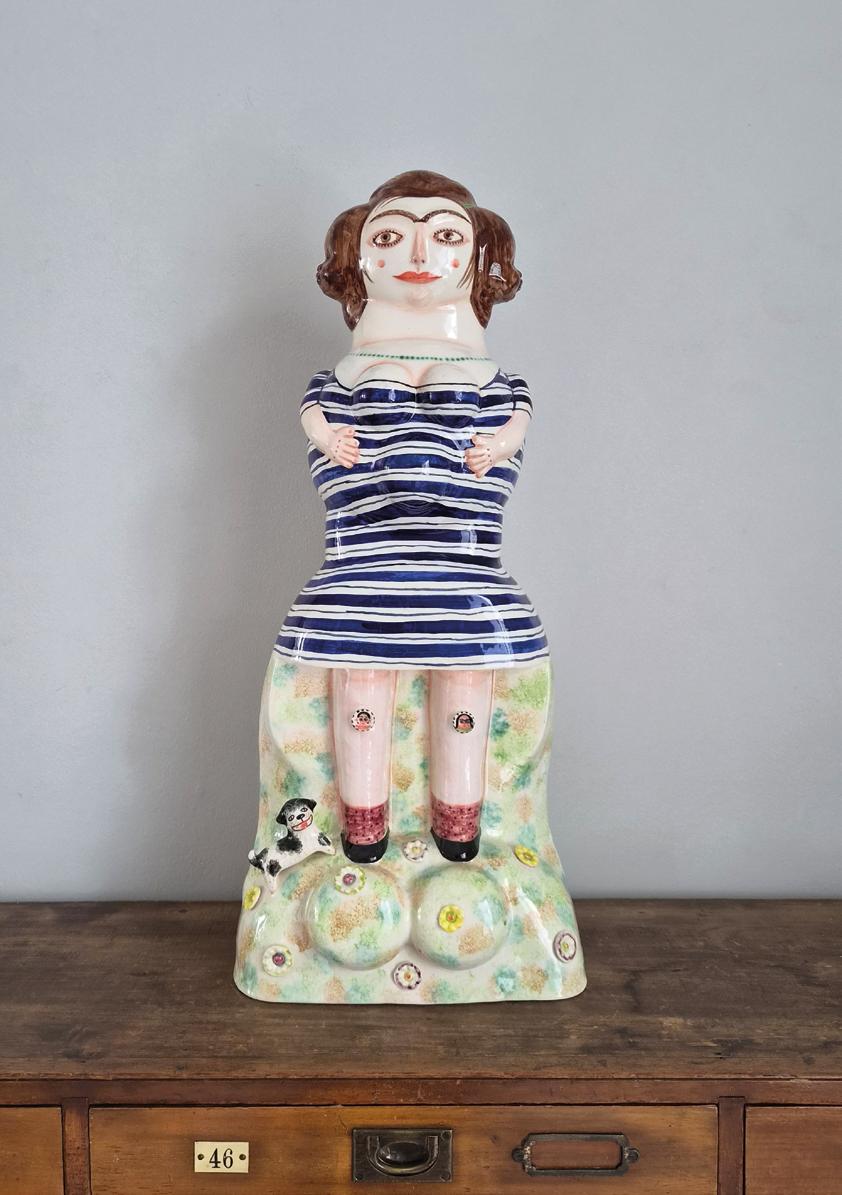
11 Woman with Pug, 2026, glazed earthenware, H66 x W26 x D16 cm
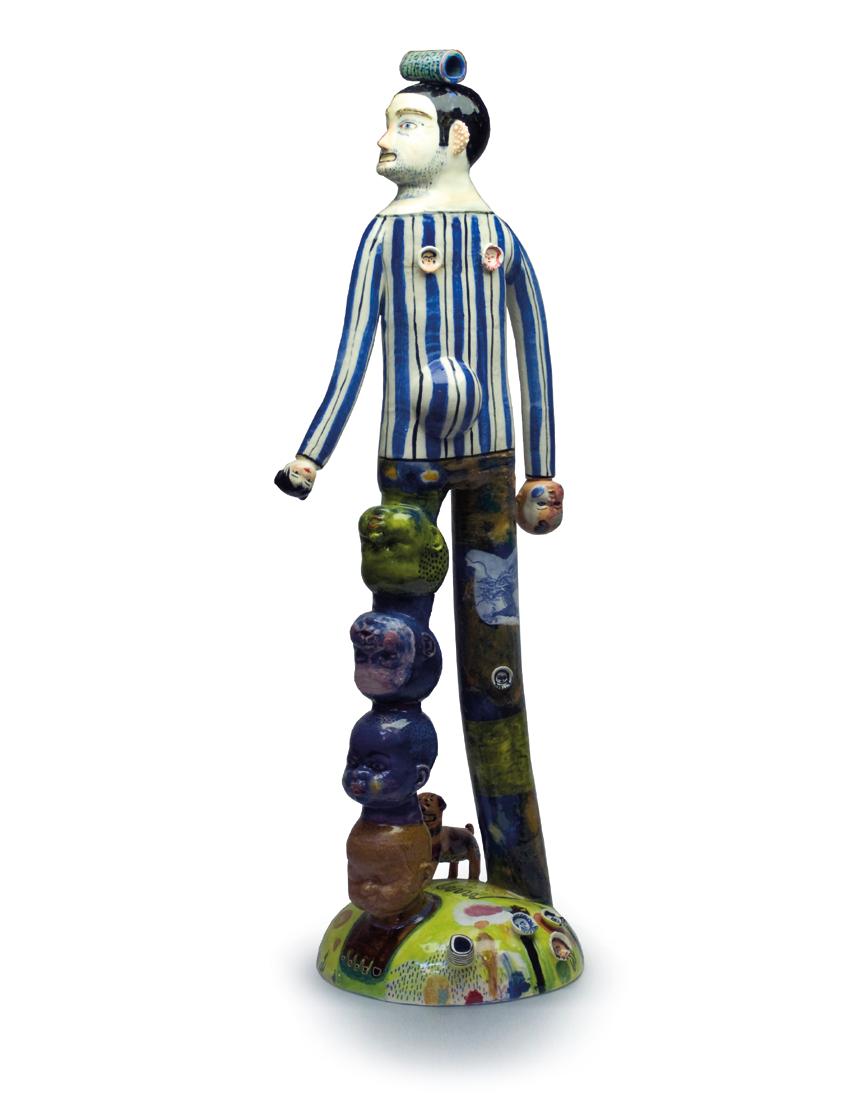
12 Man with Pug, 2009, glazed earthenware, H75 x W21 x D21 cm
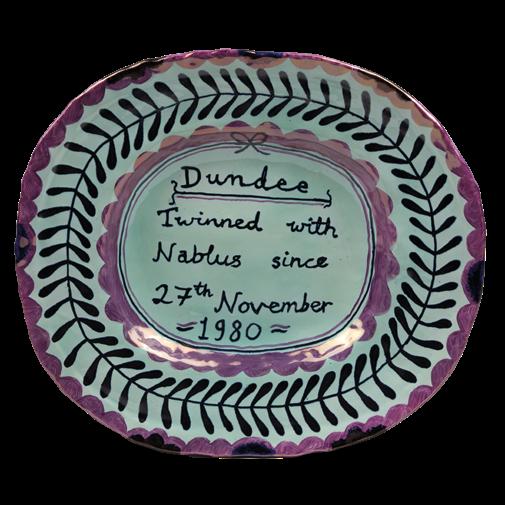
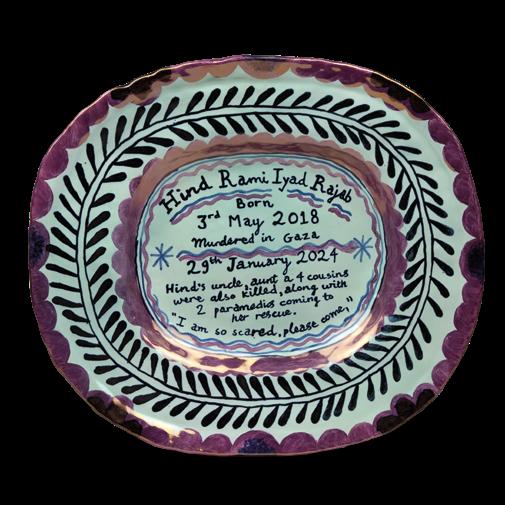
13 Dundee Nablus, 2026, tin glazed earthenware with lustre, H32 x W36 cm
14 Hind Rajab, 2025, tin glazed earthenware with lustre, H31 x W35 cm
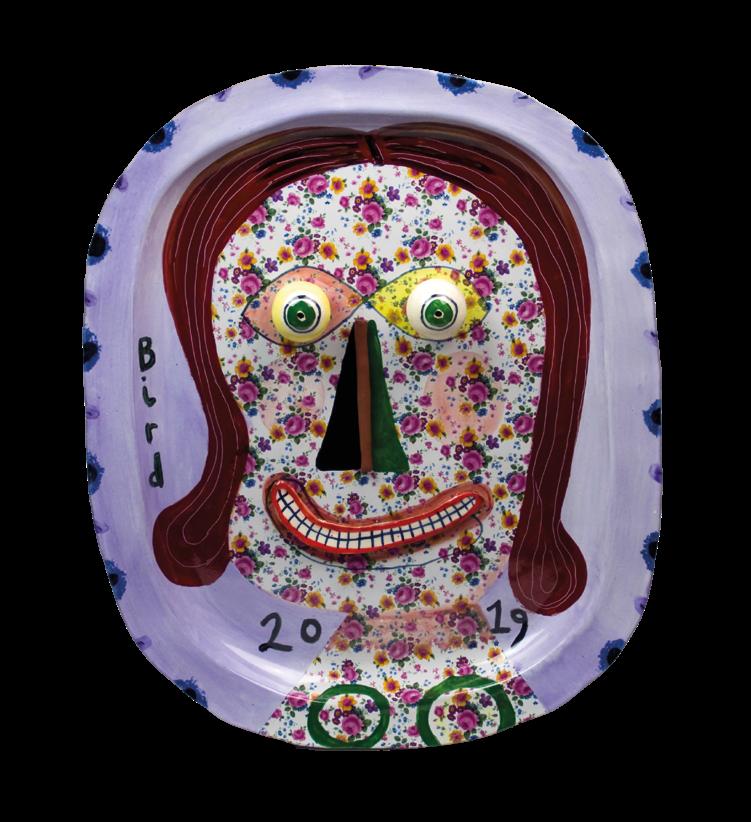
15 Smiling Woman with Floral Face Plate, 2019 tin glazed earthenware with enamel, H52 x W43 cm
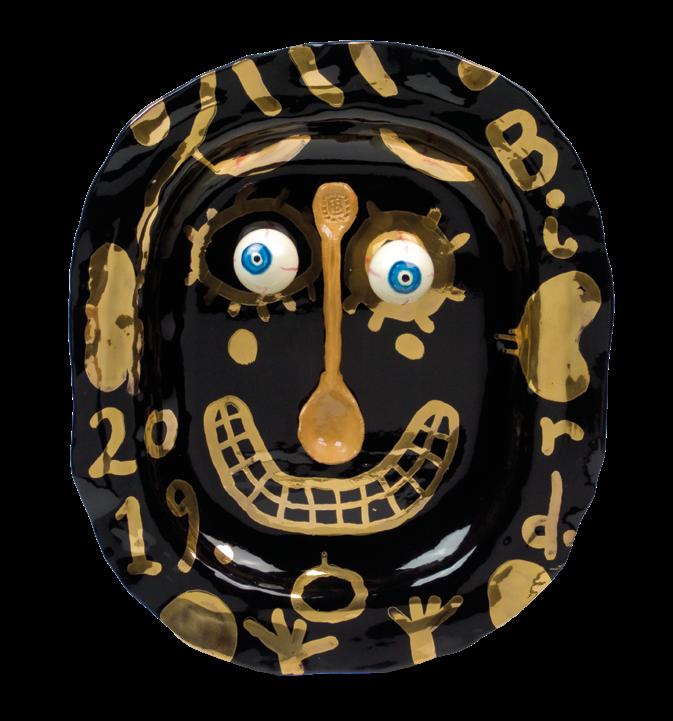
16 Gold Face Plate, 2019 glazed earthenware with gold lustre, H44 x W37 cm
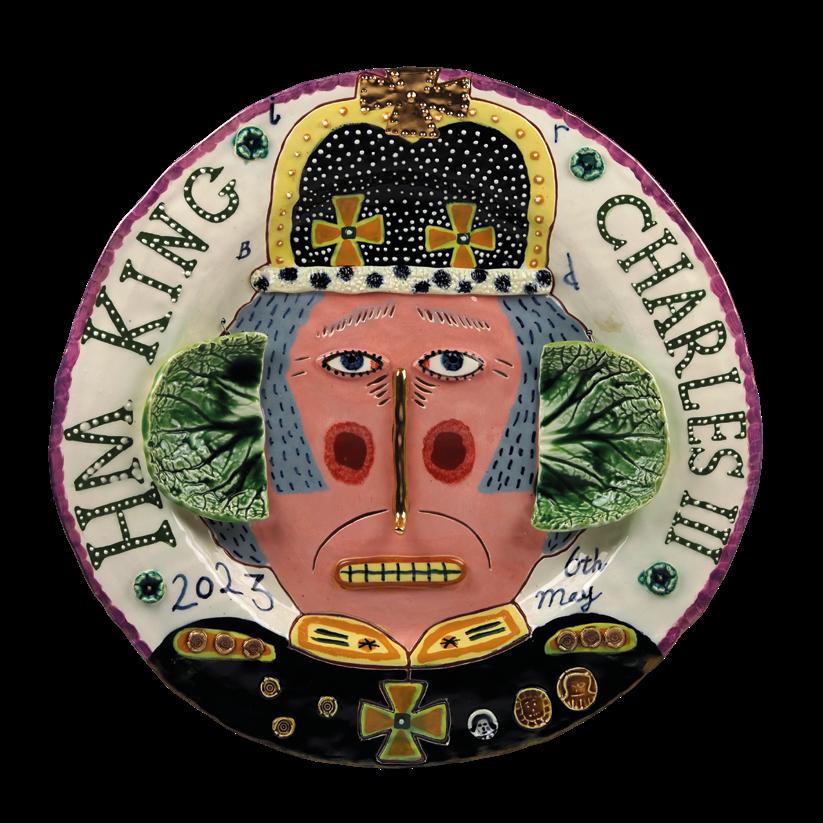
17 Coronation Plate, 2025 glazed earthenware with lustre, Ø45 cm
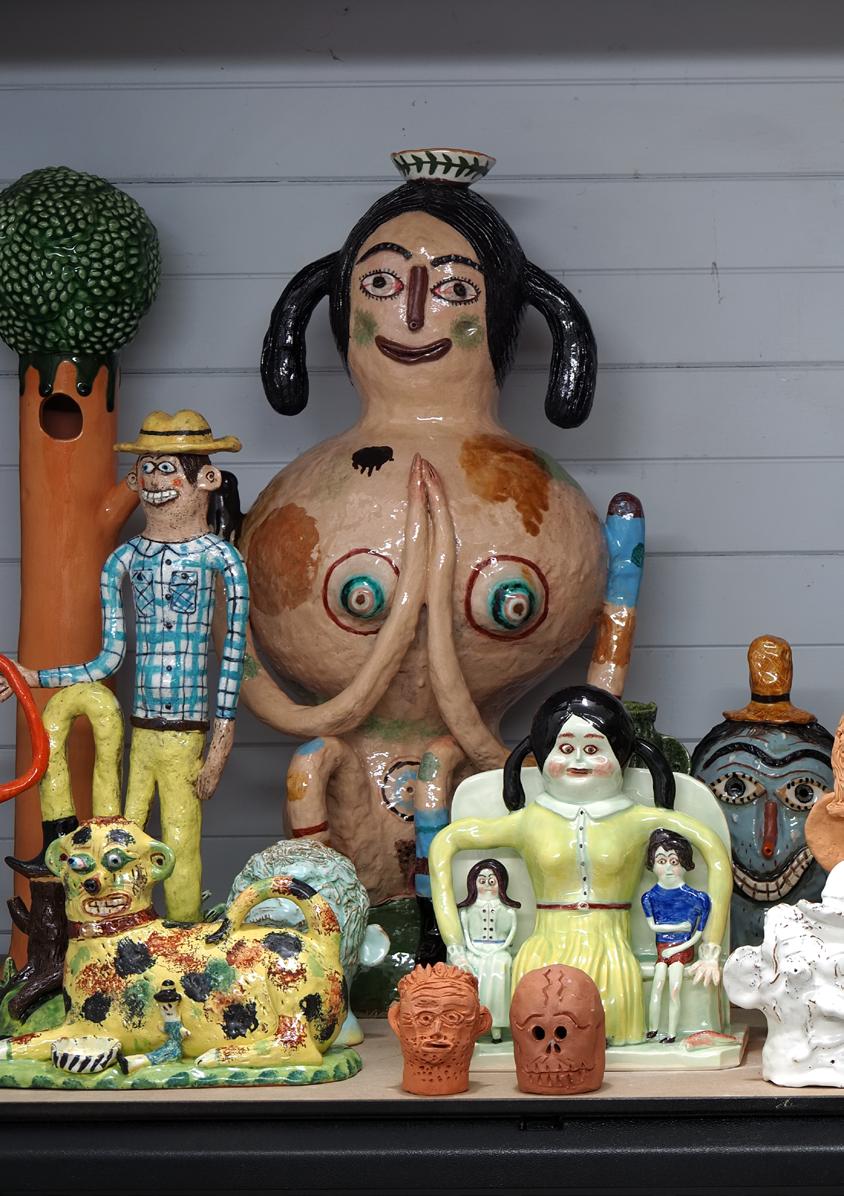
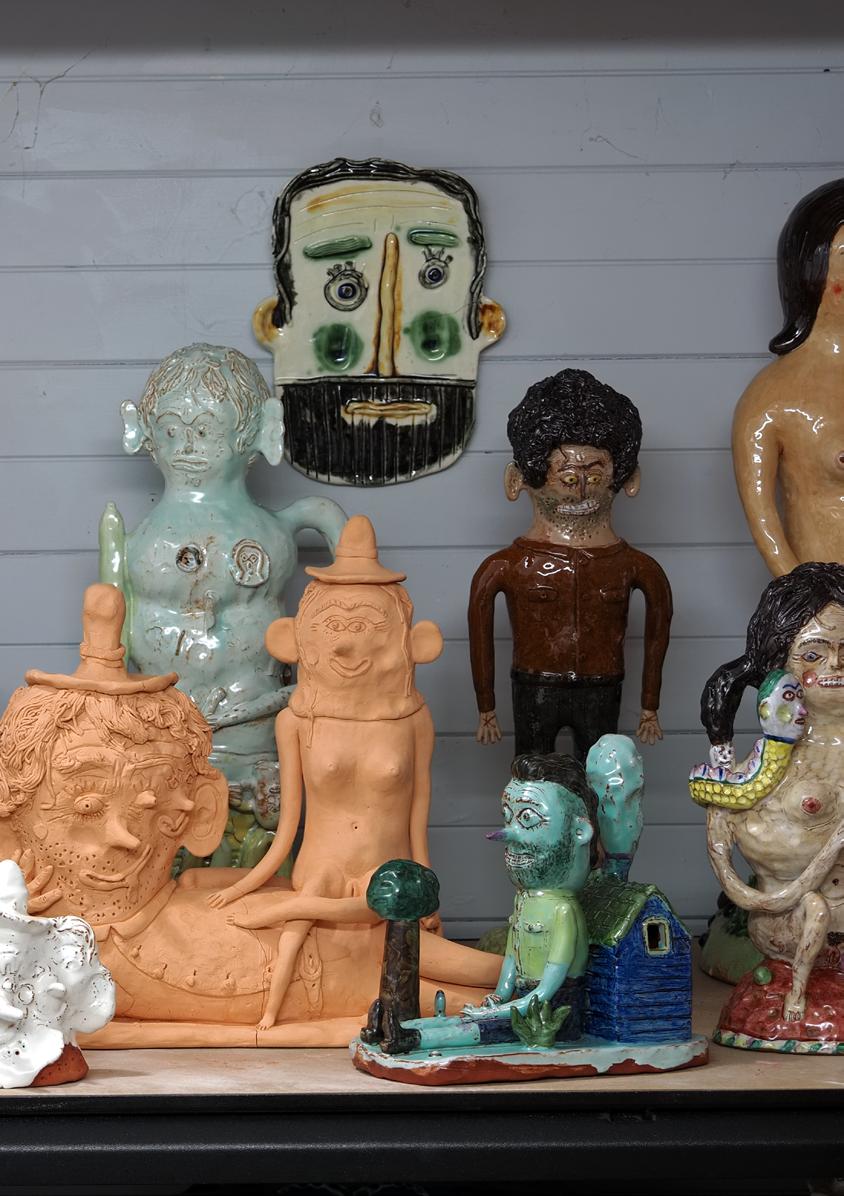
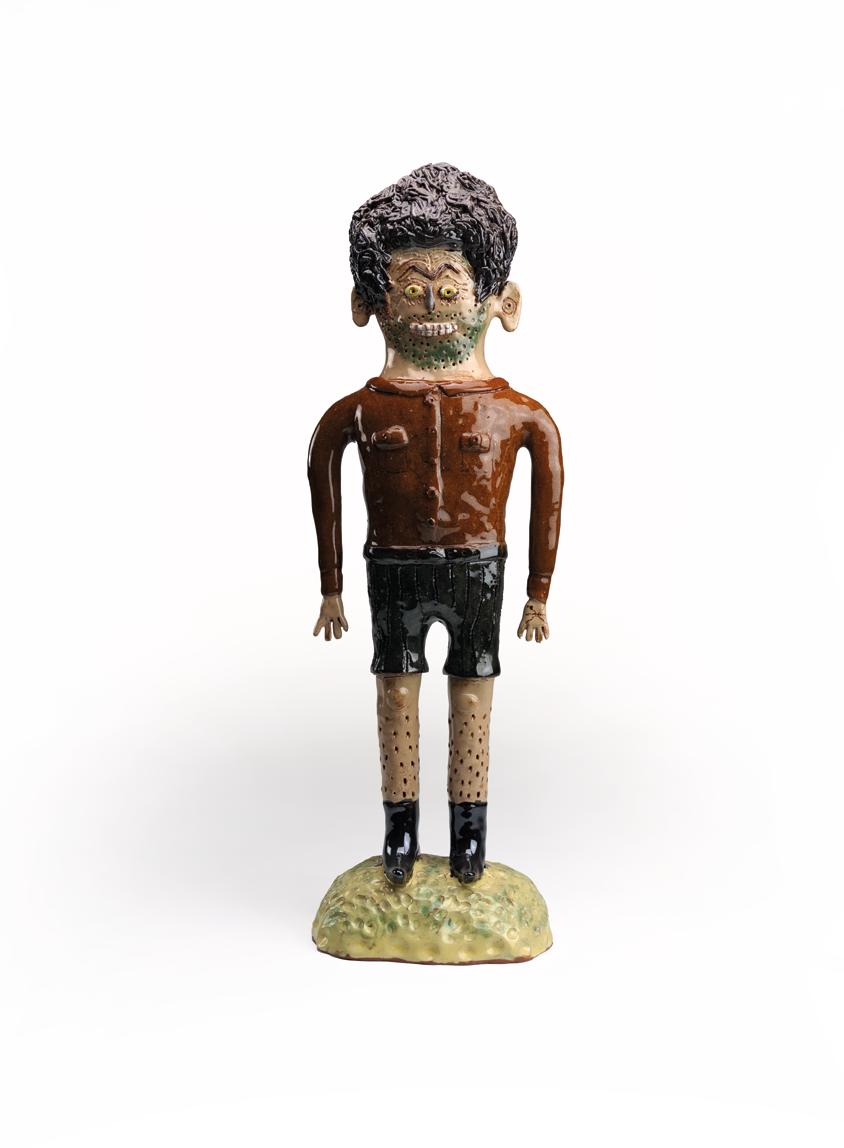
18 Double Sided Figure, 2025 glazed earthenware, H41 x W13 x D10 cm
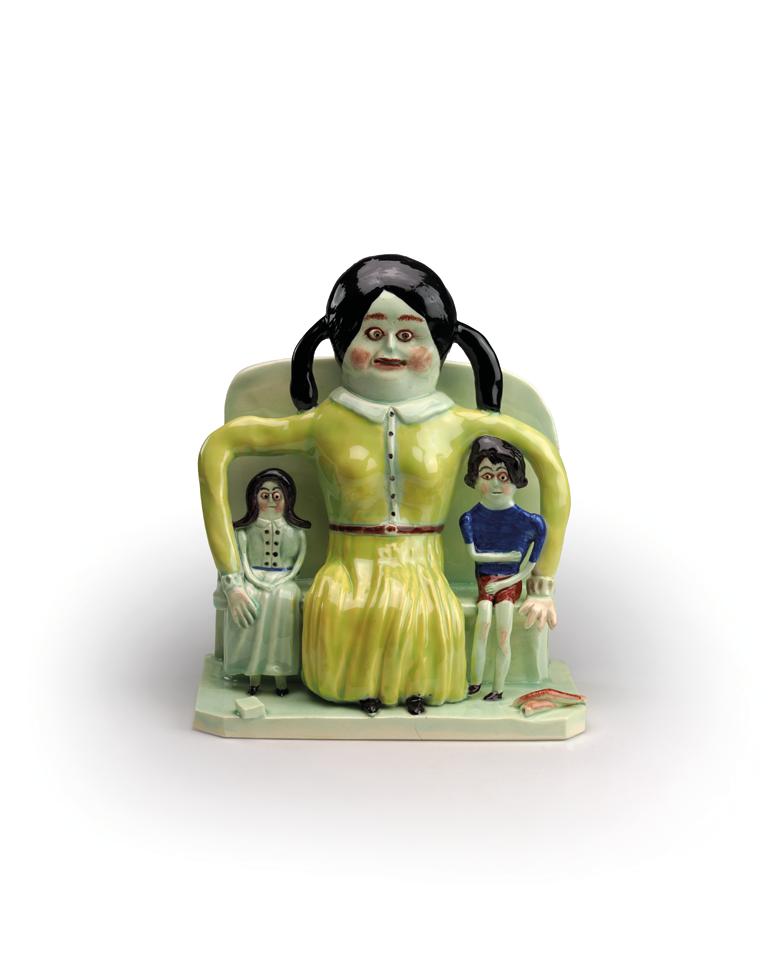
19 Mother with Two Children, 2025 glazed earthenware with enamel, H23 x W19 x D10 cm
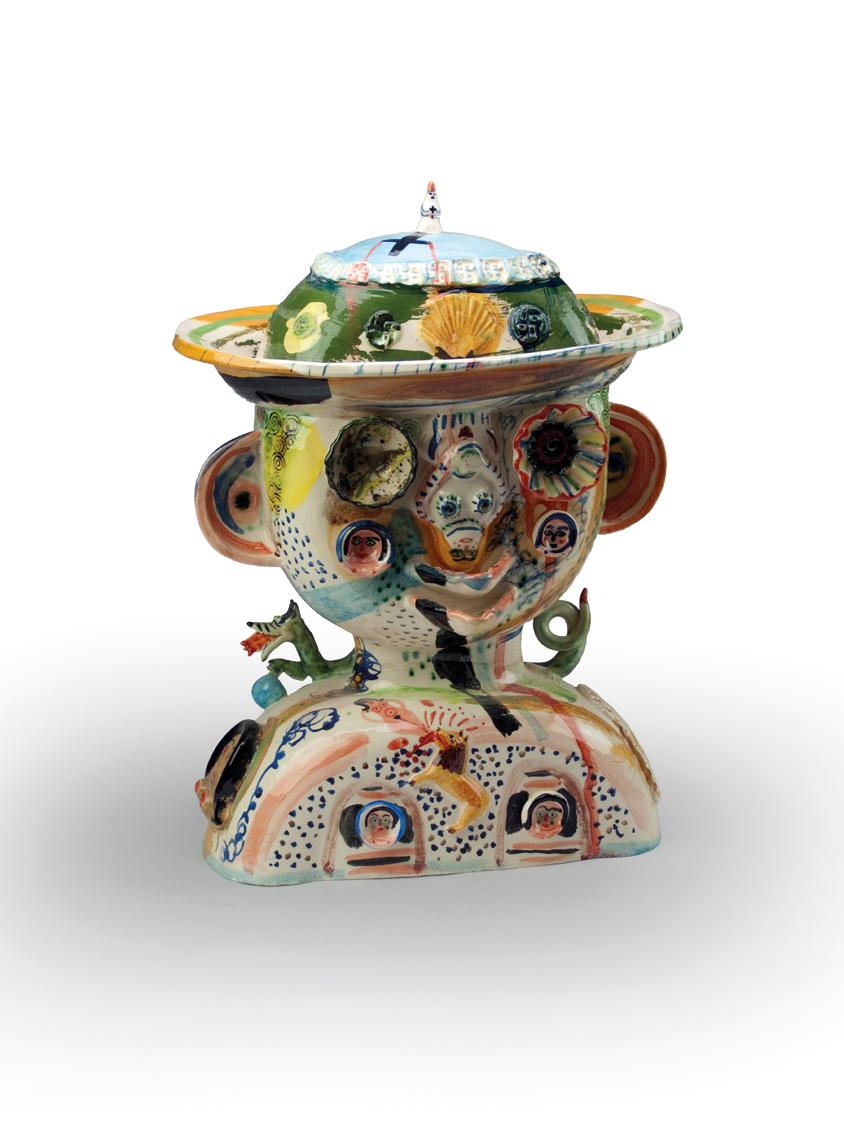
20 Texan Christian, 2006, glazed earthenware, H37 x W33 x D24 cm
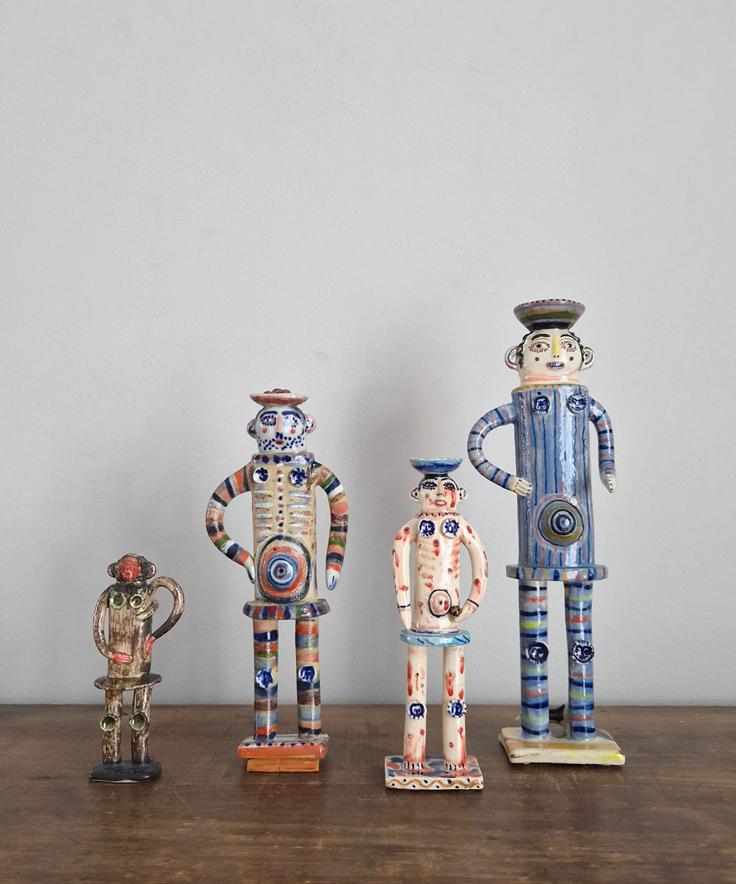
21 Monkey, glazed stoneware, H12.5 x W5.5 x D4.5 cm
22 Standing Man II, glazed stoneware, H23 x W9 x D3.5 cm
23 Saint Stephen, glazed stoneware, H18 x W6 x D4 cm
24 Standing Man I, glazed stoneware, H28.5 x W9.5 x D6 cm
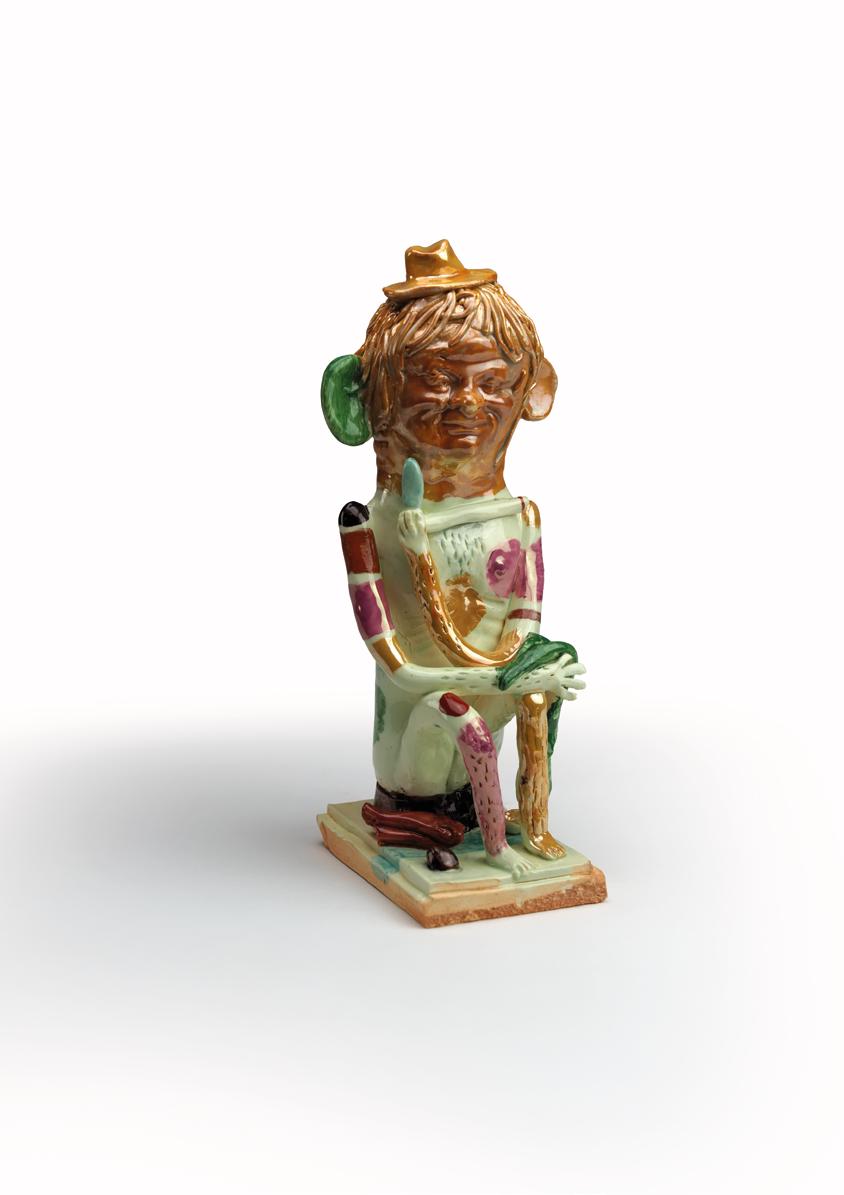
25 Sitting Man with a Green Rag and Pipe, 2025 glazed earthenware with enamel and lustre, H21 x W7 x D9 cm

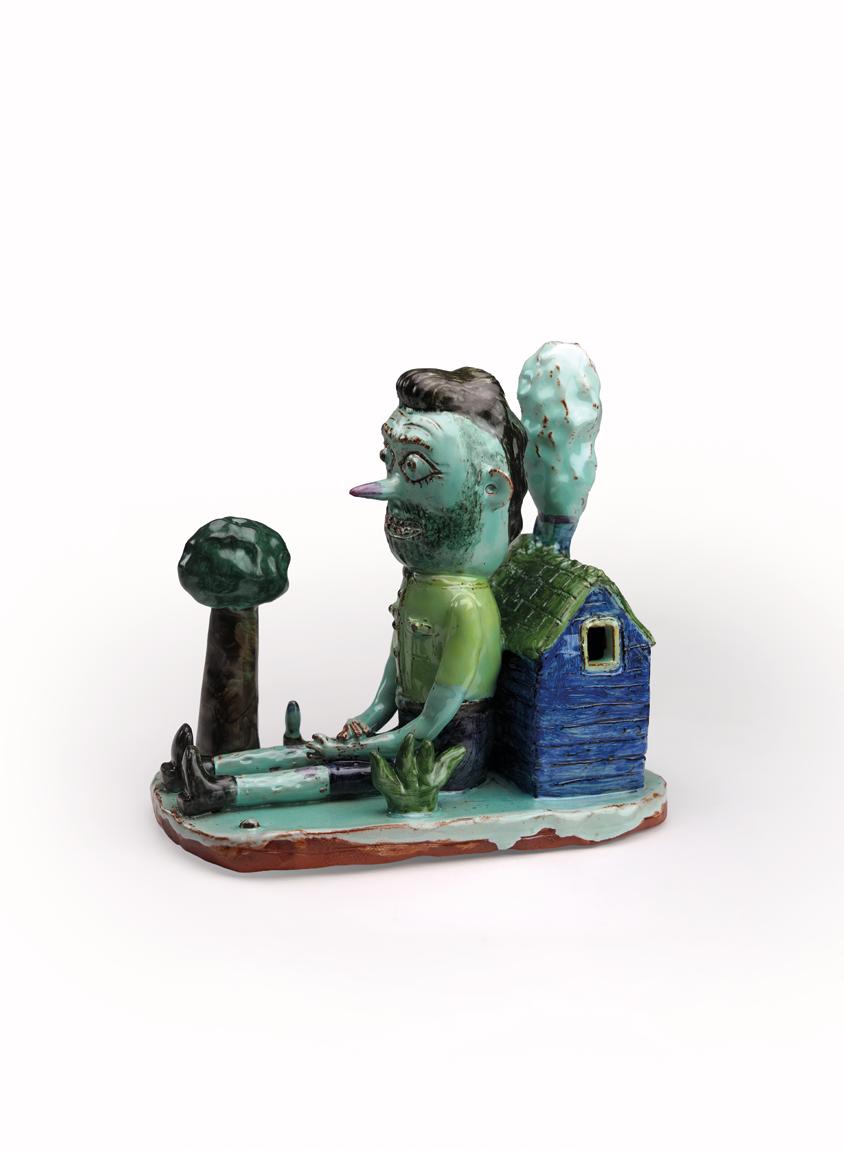
26 Sitting Man with House and Pipe, 2025 glazed earthenware with enamel, H19 x W20 x D11 cm
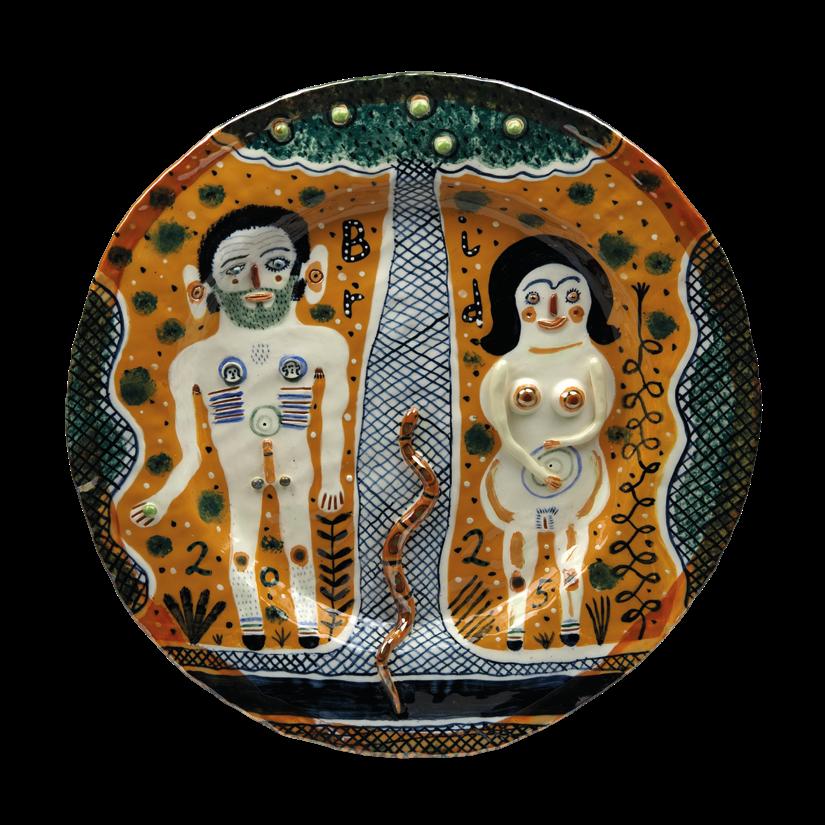
27 Adam and Eve, 2025, glazed earthenware with lustre, Ø45 cm
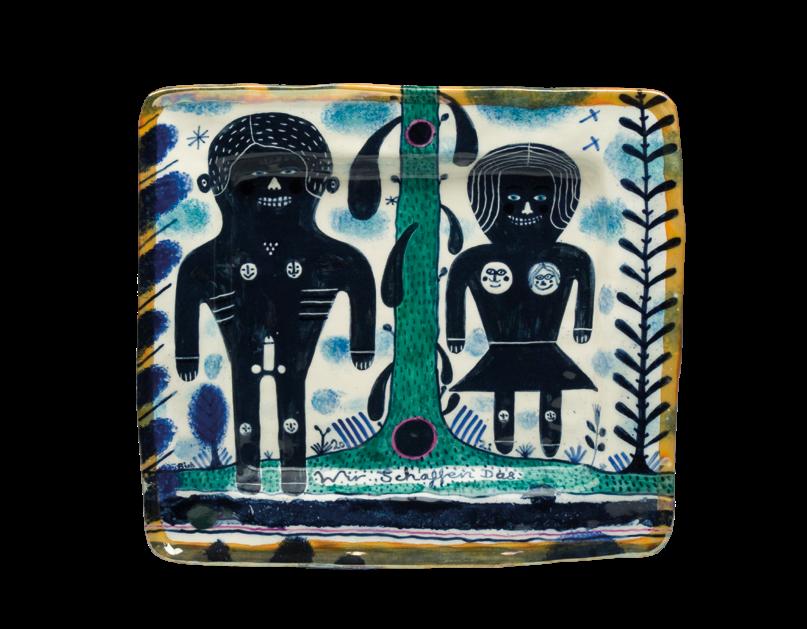
28 Wir Schaffen Das, 2021 glazed earthenware, H28 x W32 cm
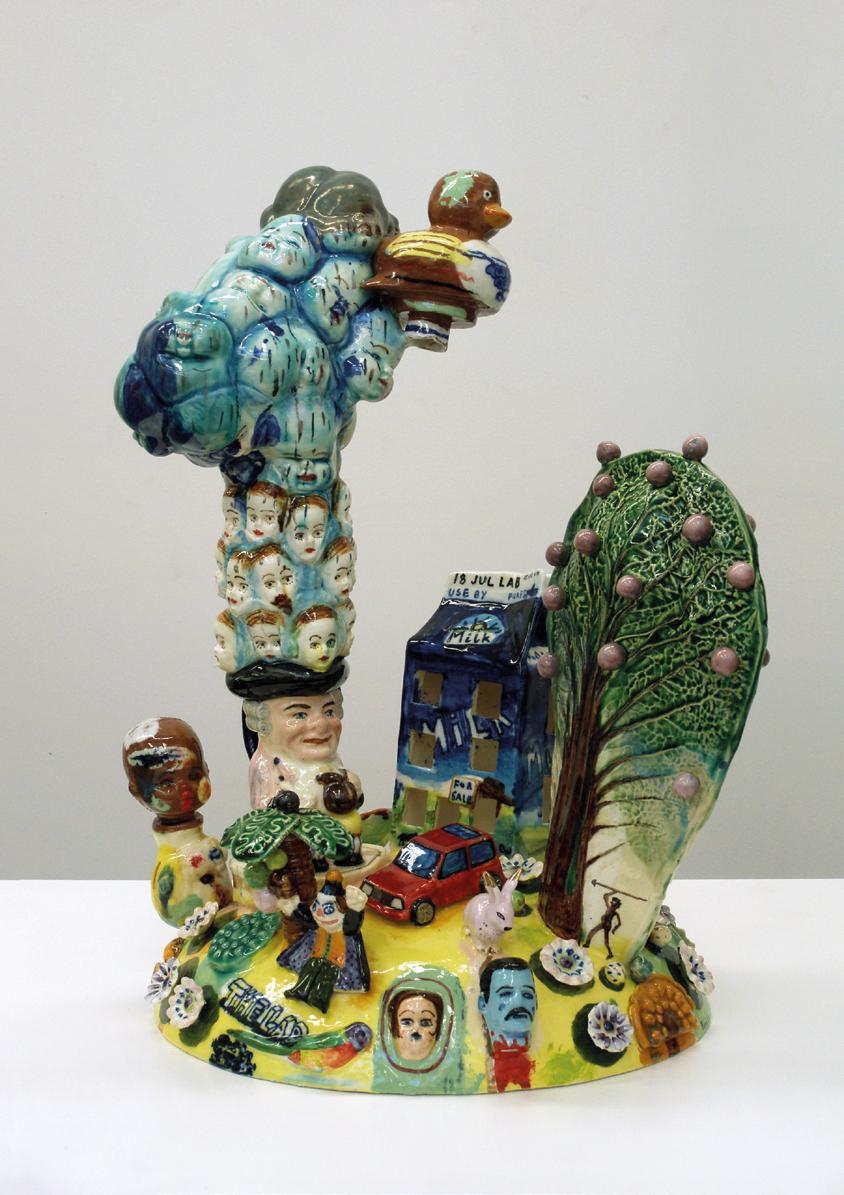
29 How We Live in the Suburbs, 2019, glazed earthenware with lustre, H42 x W34 x D28 cm
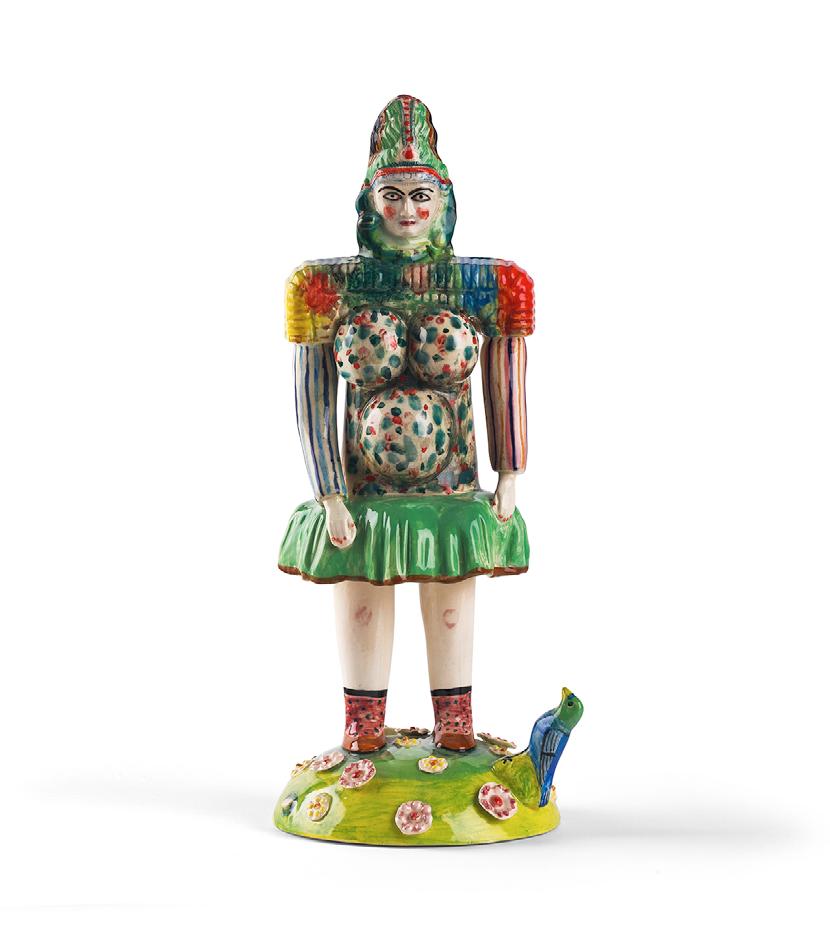
30 Idol, 2008, glazed earthenware H44 x W20 x D18 cm
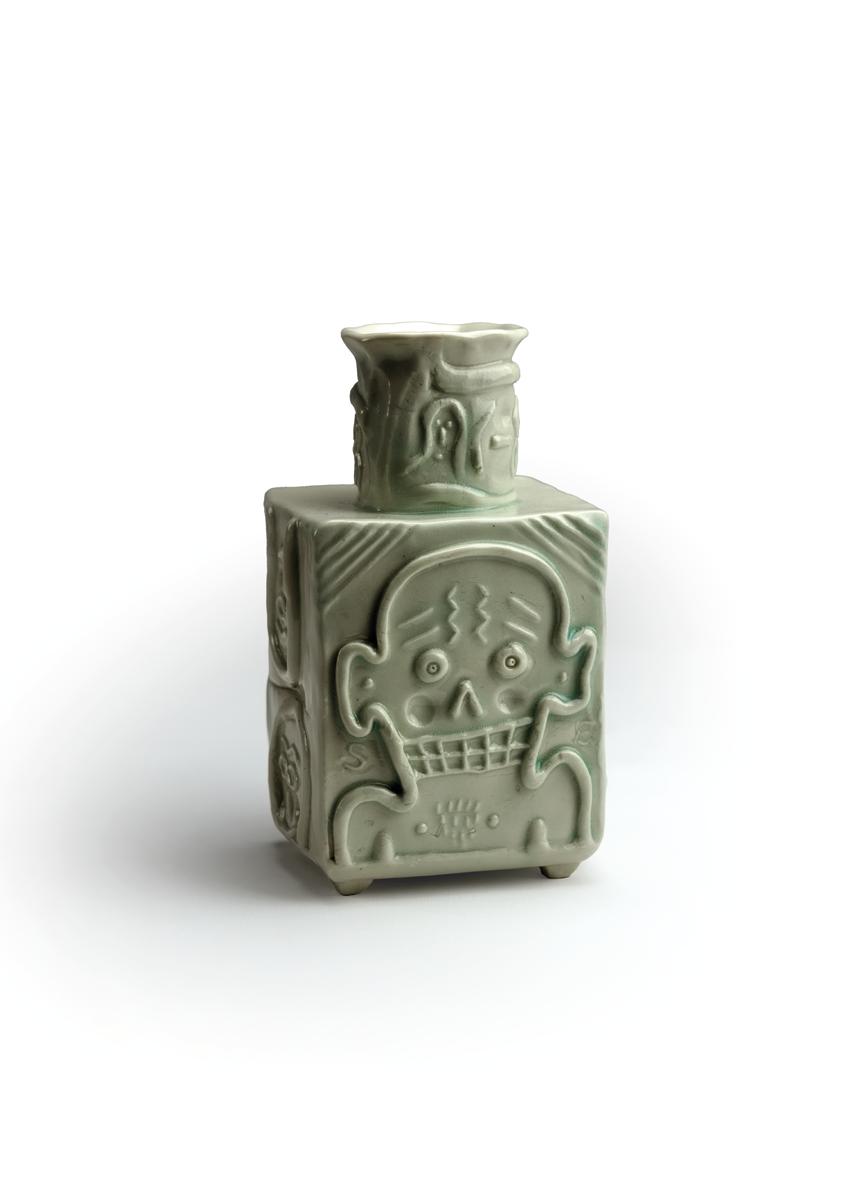
31 Small Relief Vase, 2025, glazed stoneware, H16 x W9 x D8 cm

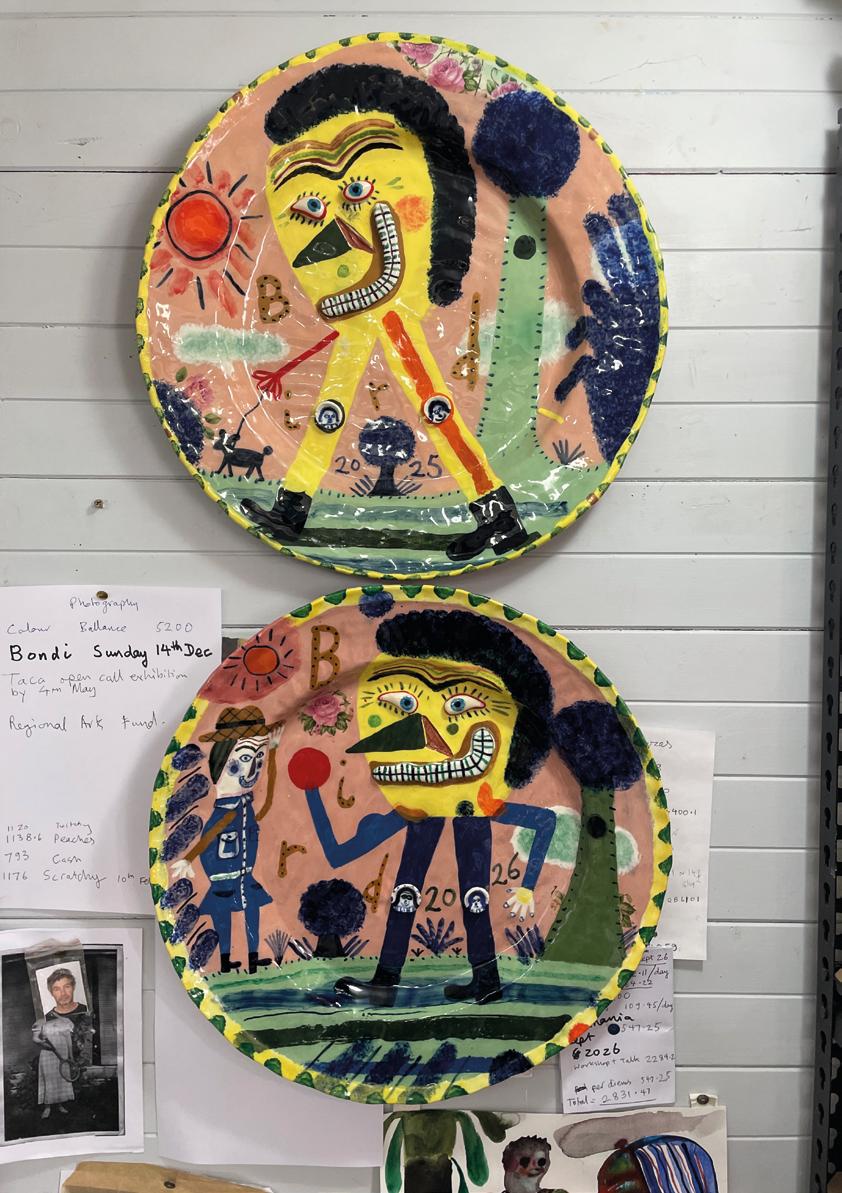
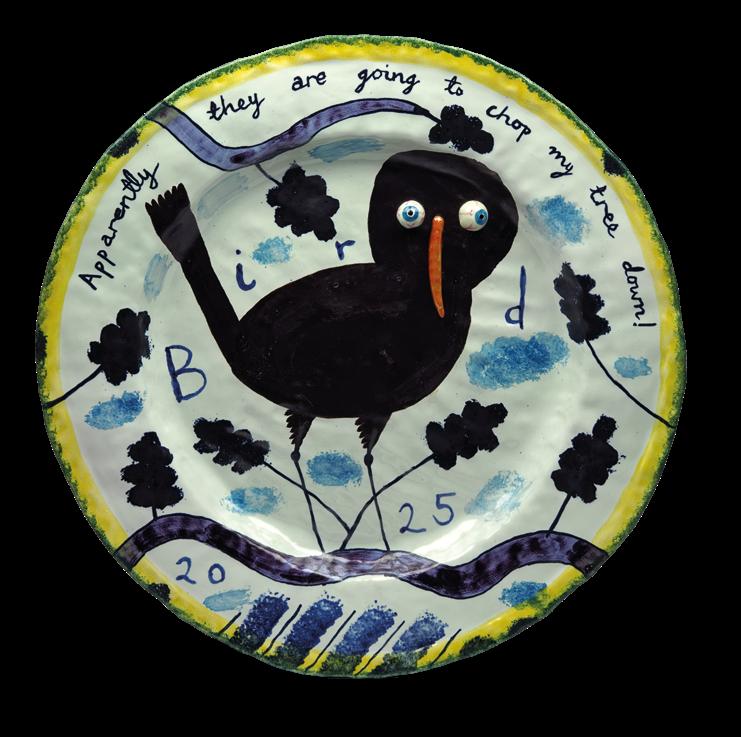
32 Apparently They Are Going To Chop My Tree Down, 2025, tin glazed earthenware with enamel and lustre, Ø45 cm
33 I Have No Parents, 2025
tin glazed earthenware with enamel and lustre, Ø28 cm
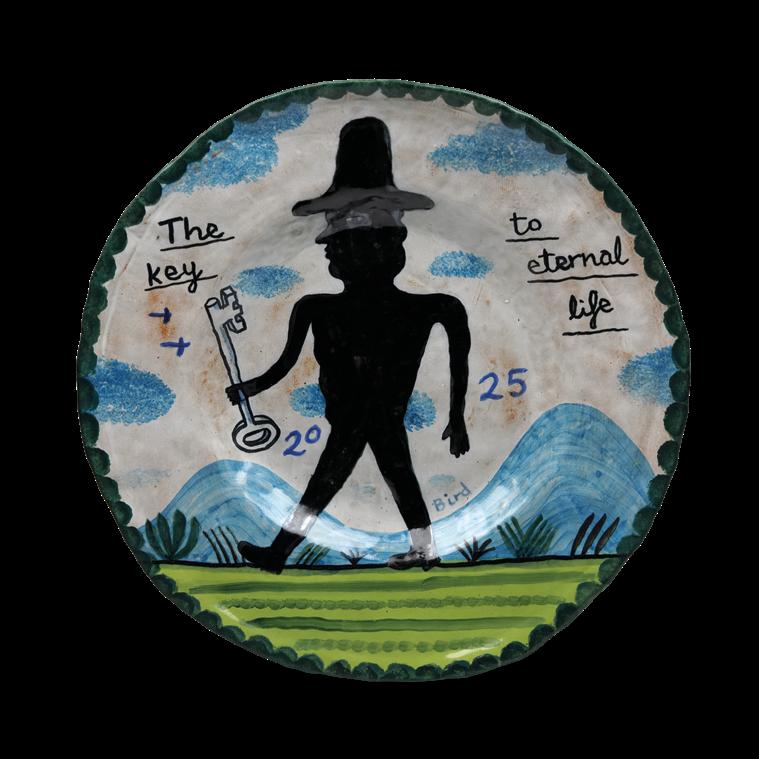
34 The Key to Eternal Life, 2025
tin glazed earthenware with enamel, Ø36 cm
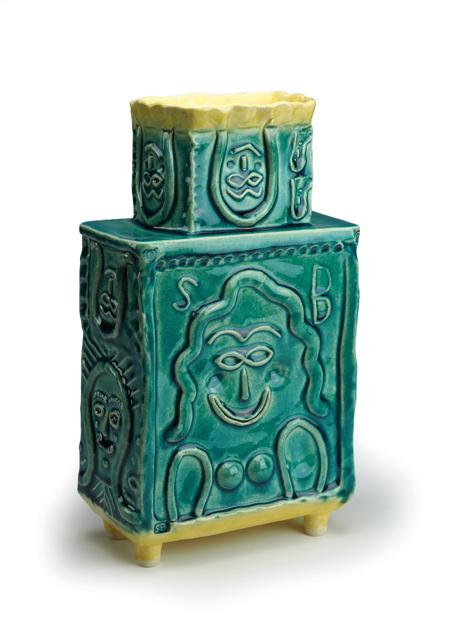
35
Turquoise Relief Vase, 2025 glazed stoneware, H26 x W15 x D8 cm
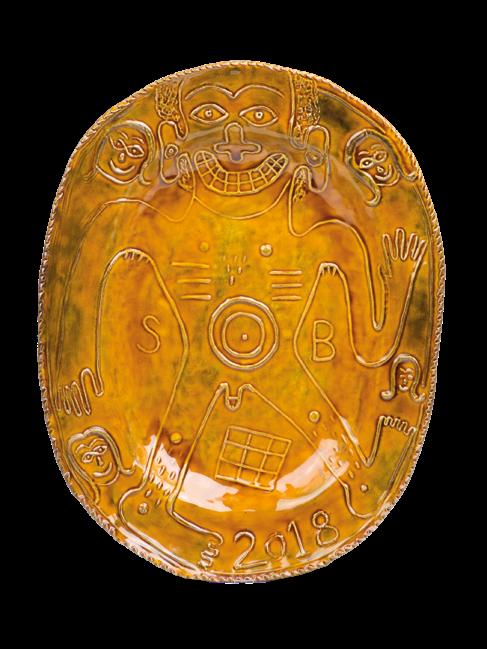
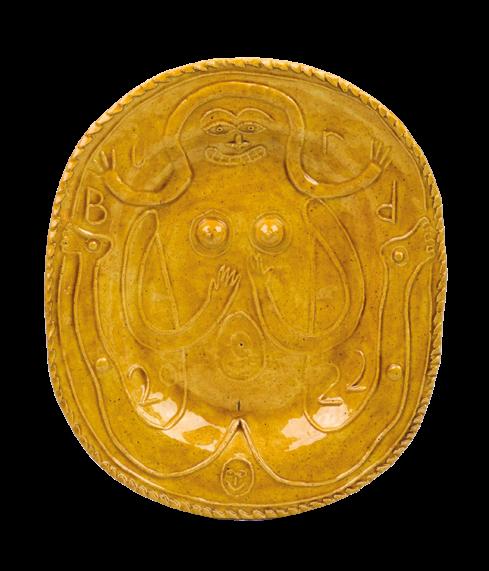
36 Relief Plate with Man, 2018, glazed earthenware with honey glaze, H30 x W23 cm
37 Tall Relief Vase, 2025, glazed stoneware H41 x W25 x D10 cm
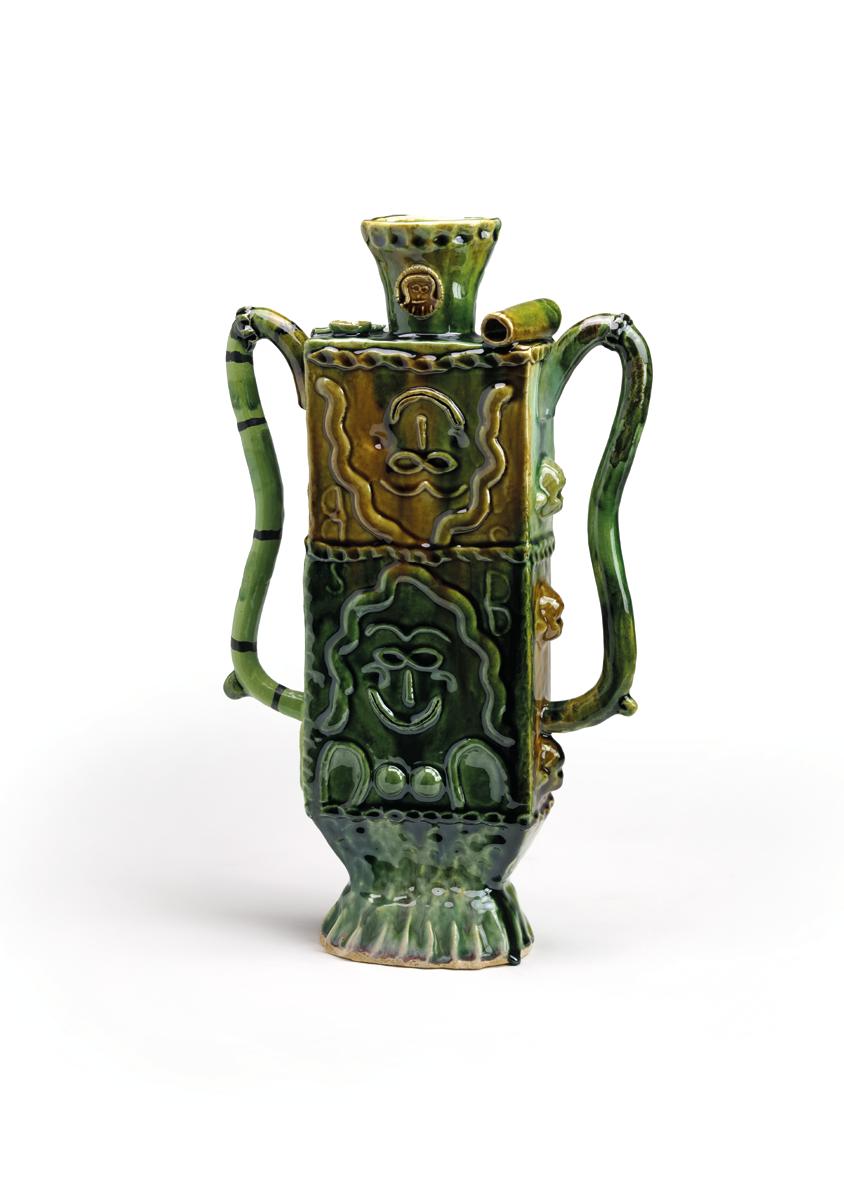
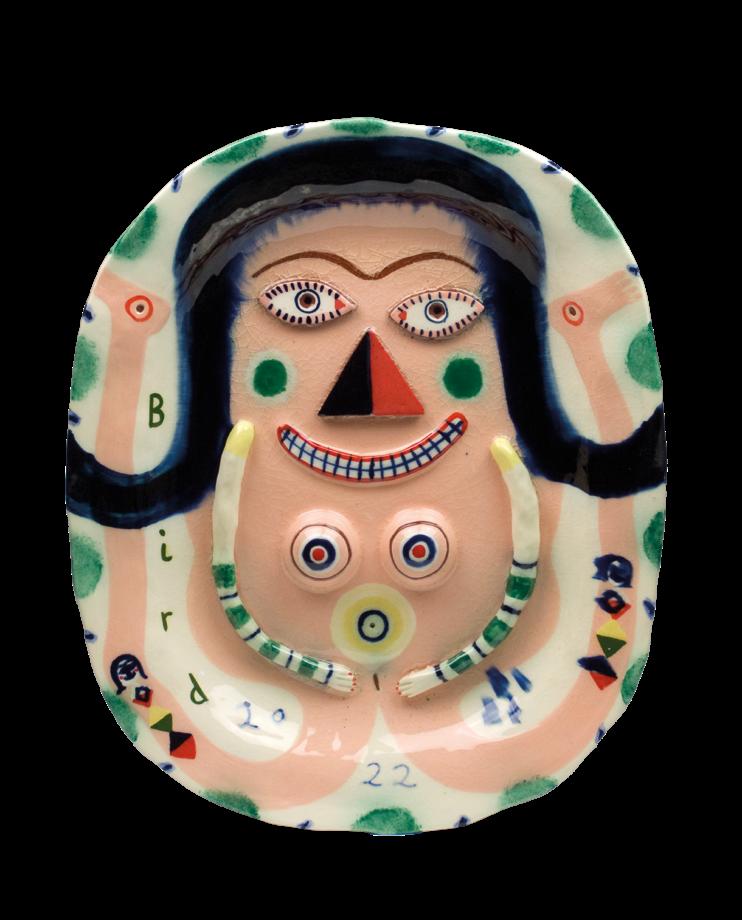
38 Woman with an Abstract Nose, 2022
glazed earthenware with enamel, H42 x W35 cm
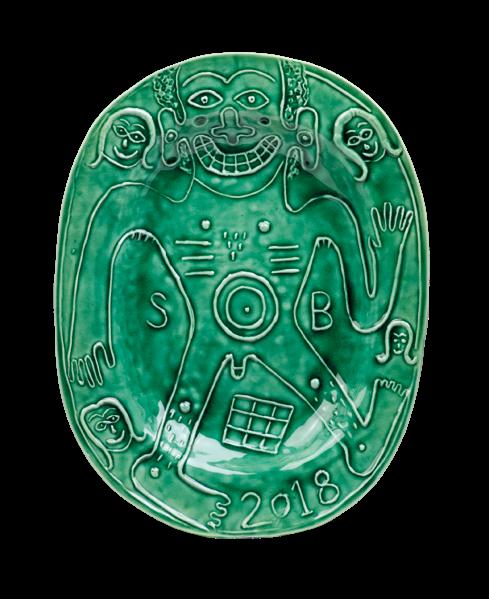
39 Relief Plate with Man, 2018
glazed earthenware with turquoise glaze, H30 x W23 cm
40 Yellow Woman Plate, 2023
glazed earthenware, H32 x W27 cm
STEPHEN BIRD b.1964
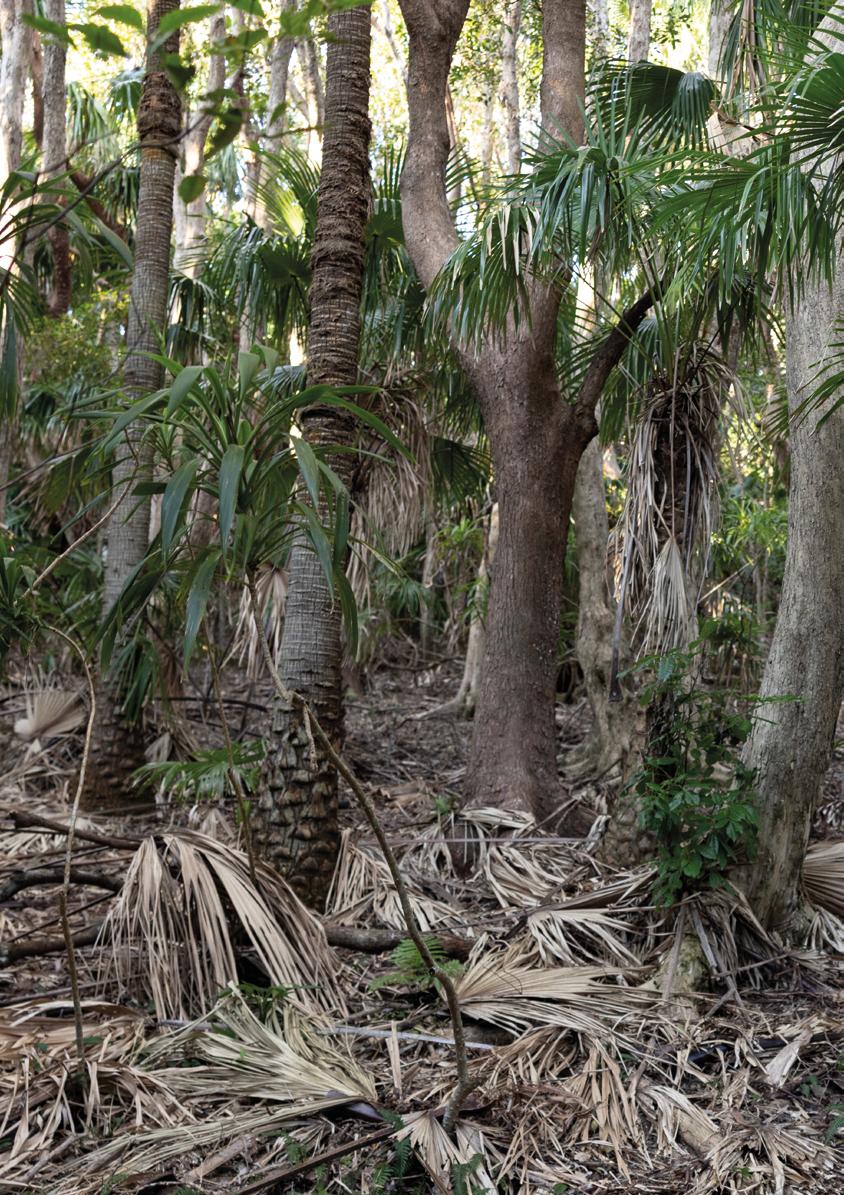
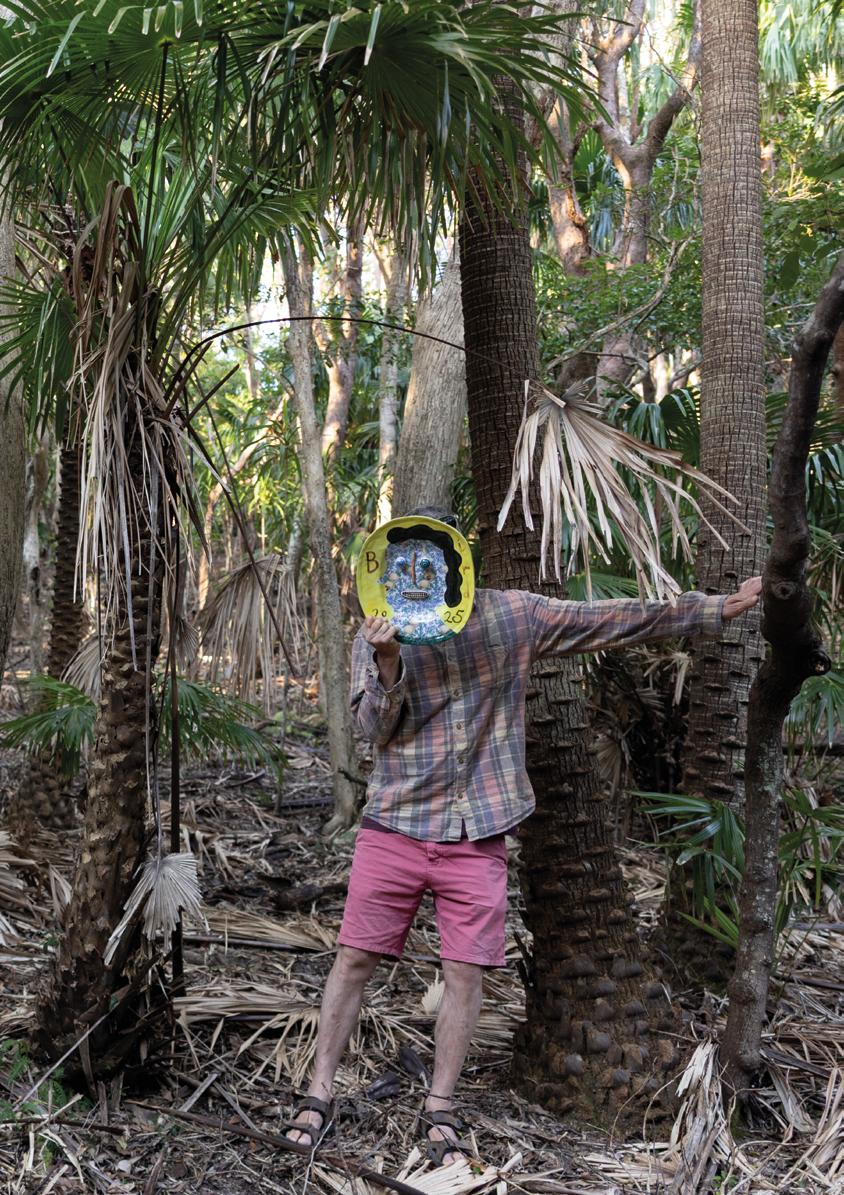
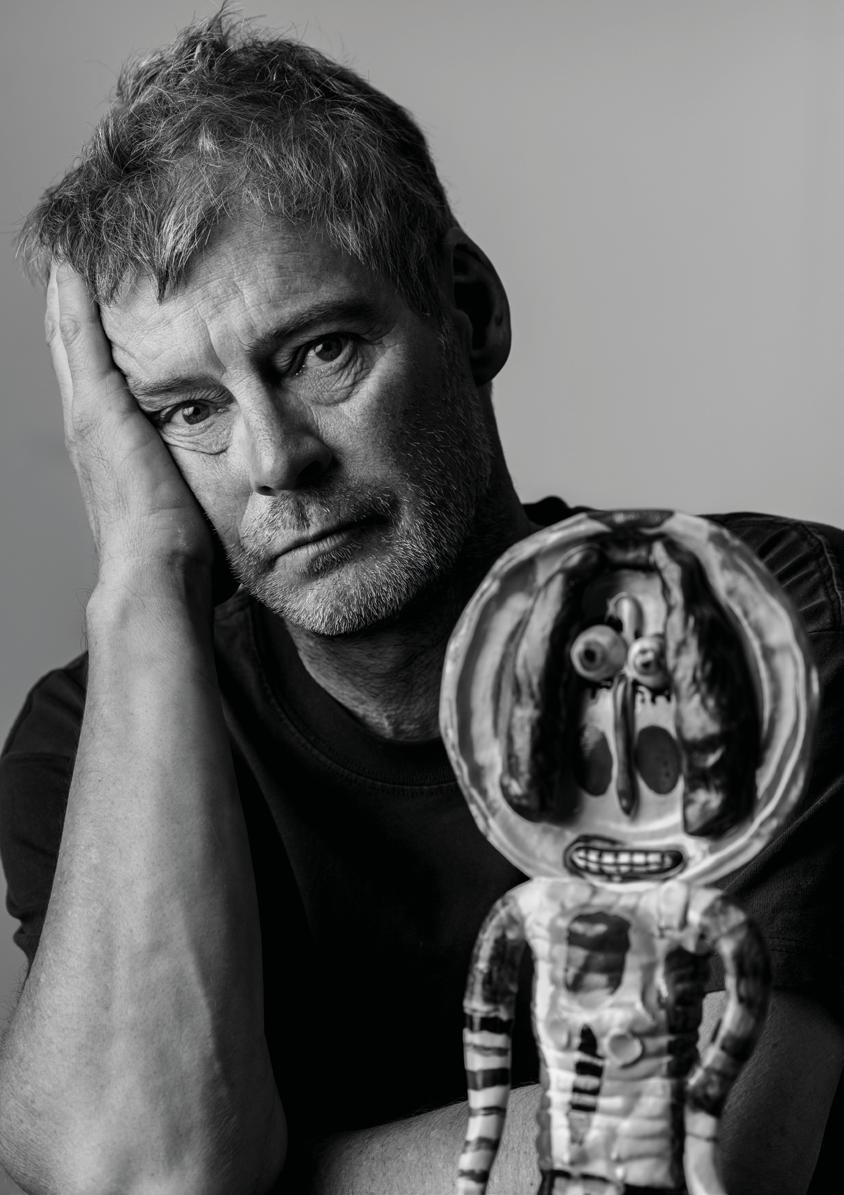
Stephen Bird is an Australian contemporary artist whose practice encompasses ceramics, painting, and works on paper. He has lived in Australia since 1999 after graduating from Duncan of Jordanstone College of Art in Dundee. Now based in Byron Bay (Cavanbah), his practice is strongly informed by place and he acknowledges the unceded lands of the Arakwal people of the Bundjalung Nation. His work is exhibited both nationally and internationally and he has won both The Gold Coast International Ceramic Award and The Deacon University Small Sculpture Award. His work is characterised by complex narrative imagery that interweaves satire, social commentary, and historical reference, addressing themes of colonial history, environmental tension, and the dynamics of contemporary cultural life.
I work with both paint and clay to make multidimensional imagery which reflects on the global, transcultural nature of myths and ceramic archetypes. I believe visual art is all about humanity’s relationship to objects and I wish above all to invoke the emotional connections which are felt towards things that have been made by hand with love. I create narratives which explore hybrid identities and transgressive themes such as taboos, cruelty, war, natural disasters, unnatural affections and violent deaths. My works are located in the extremes of the tragicomic tradition. I reinterpret old stories both remembered and imagined and appropriate iconography from established pottery traditions; a decorative Royal Doulton tile, or the cabbage leaf from a Wedgwood Whieldon teapot. I am particularly interested in Staffordshire ceramic figure groups from the 18th century which contain implicit meanings and I often try to decipher their hidden meanings and reimagine these in explicit ways. Stephen Bird
Public Collections include: National Gallery of Australia, Canberra; Art Gallery of South Australia, Adelaide; National Museums Scotland, Edinburgh; National Museums Northern Ireland; The McManus Art Gallery & Museum, Dundee
Published by The Scottish Gallery to coincide with the exhibition:
Stephen Bird looping states of mind, circular thoughts
30 July - 29 August 2026
Exhibition can be viewed online at: scottish-gallery.co.uk/stephenbird
ISBN: 978-1-917803-31-1
Designed and Produced by The Scottish Gallery
Photography by Stephen Bird and Karl Schwerdtfeger
All rights reserved. No part of this catalogue may be reproduced in any form by print, photocopy or by any other means, without the permission of the copyright holders and of the publishers.