
DESIGNING FOR SAFETY & INCLUSION EDUCATION
Designing for inclusion and safety on every project makes sense for society, economics and our environment. As part of our week-long programme of events to celebrate International Women’s Day 2024, Director of Practice Helen Taylor and Head of Rail Andrew Postings explored the design considerations and approaches and celebrated the benefits of embedding design for safety and inclusion, for both end users and the wider community.
Designing for inclusion and safety is about going beyond the regulations and really thinking about the people that are going to be using the spaces we create. By focusing on those who experience the most significant barriers or disadvantages, we can make all people’s lives easier.
Research shows that different gendered use of space starts young. Movement assessments of pupils in a primary school playground in Catalunya, Spaini showed that while boys made full use of every space provided to them, girls stuck to the peripheral spaces, with a particular preference for a defined space under the stairs.
Research also shows that there are also fundamental gender differences in the way spaces are assessed and perceived from a safety perspective. On approach of a dark outdoor staircase with a single light source at the top, studies revealed that men tended to focus on the direction they were going, showing little regard for surrounding spaces. However, women focussed more on the dark spaces surrounding the route; spending more time assessing safety and potential risk associated with the unseen.ii
This highlights the need to not only focus on the design of buildings themselves, but to carefully consider how we design public spaces and the spaces between buildings to make our built environment feel safe.
We have to think about the full spectrum of people and their needs in order to create truly successful places.
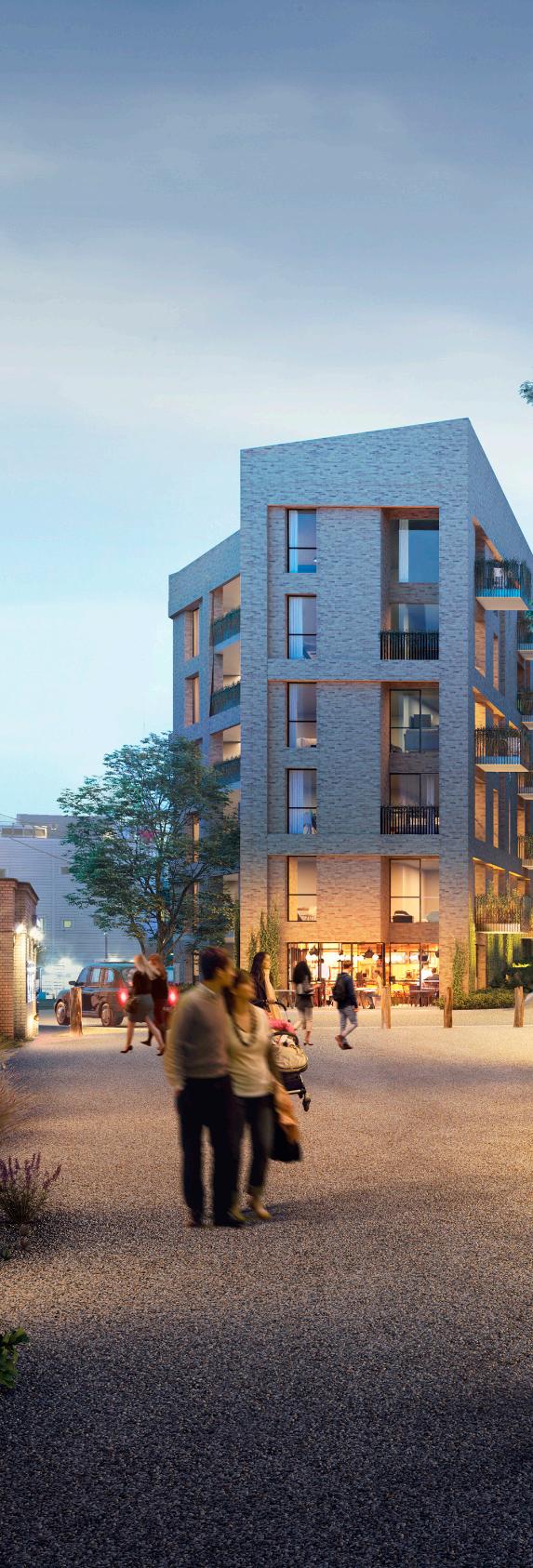
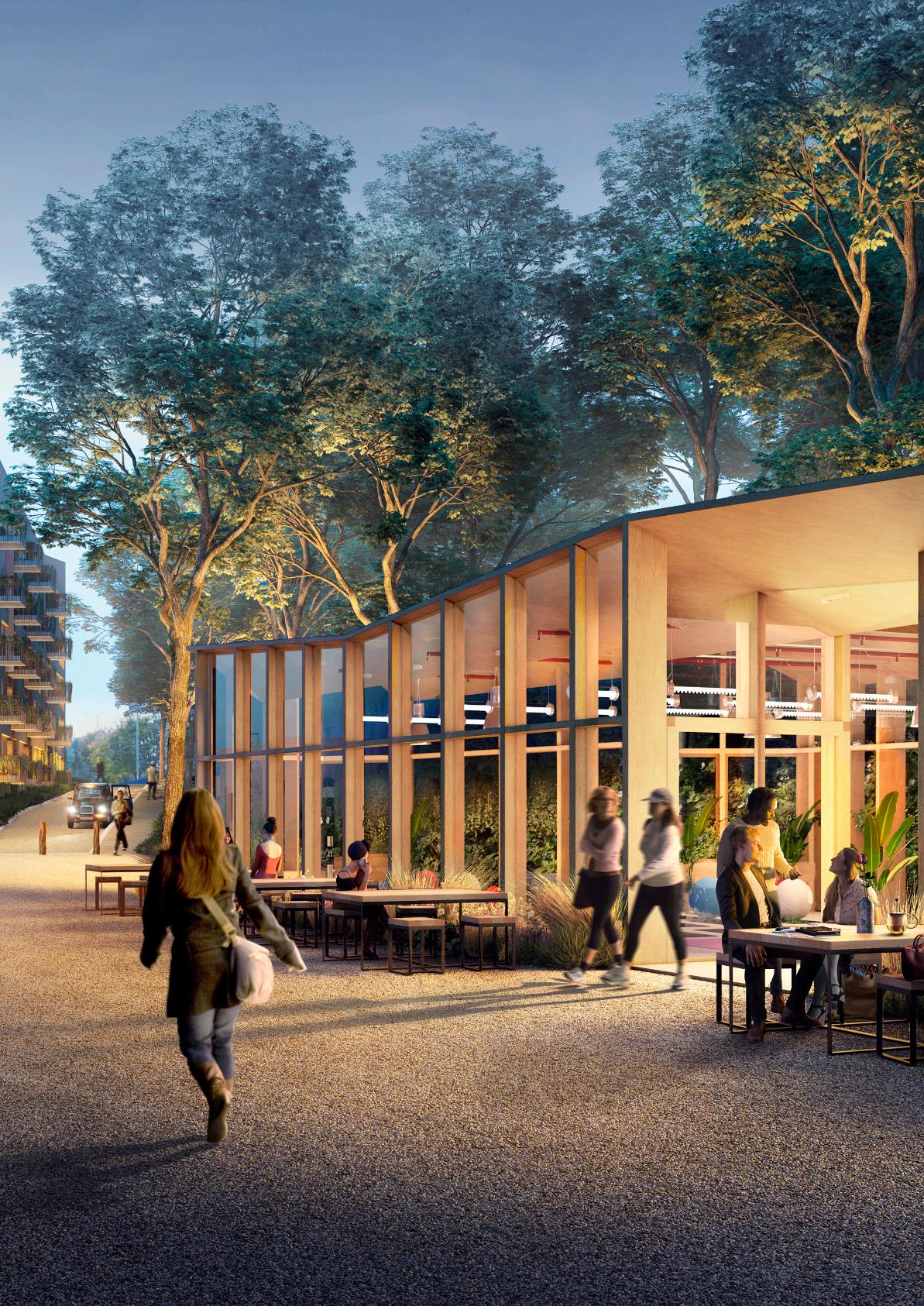
Helen Taylor, Director of PracticeRIGHT: Concept for High Barnet Regeneration.
Diversity is the Fact, Inclusion is the Act.
Unknown author
Maslow's hierarchy of needs diagram shows that if we don't get the basics right, such as safety and inclusion, then a sense of belonging, the ability to enable opportunities, or achieve optimal performance is unlikely to follow. It’s about creating environments where people of all ages, genders and abilities can flourish. An equitable approach acknowledges that people have diverse needs and therefore a range of different provisions is more likely to deliver equal opportunities. An inclusion approach allows the built environment to act as a catalyst for change.
Drawing upon the principles of placemaking helps us to look beyond the red line and think about places as a combination of the physical environment, people, and available resources to create a strong sense of identity, potential and purpose. The importance of creating liveable cities and healthy streets – with access to high quality external spaces and active travel routes to support good mental and physical wellbeing has come to the fore since the pandemic.
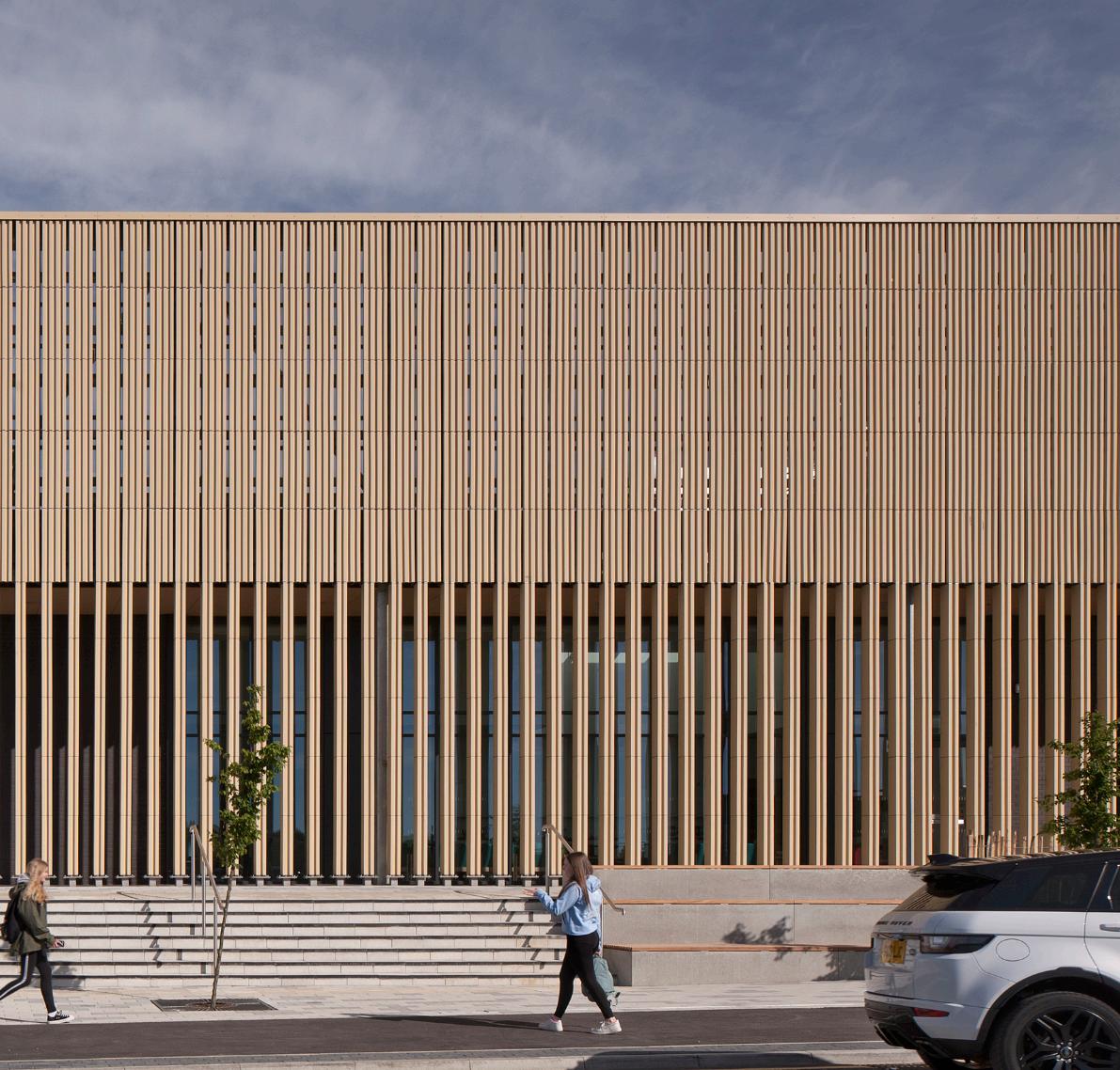
Of course, we must make sure that the facilities themselves are inclusive. As designers, we are on a continuous journey of learning and understanding how to ensure the spaces we design are inclusive for all, but avoiding assumptions, designing spaces to the same standard (not medicalising accessibility needs), and looking beyond basic legal requirements should be fundamental.
Accessibility isn’t just about lifts and widened doorways – it’s about providing truly equitable access for all members of the community.
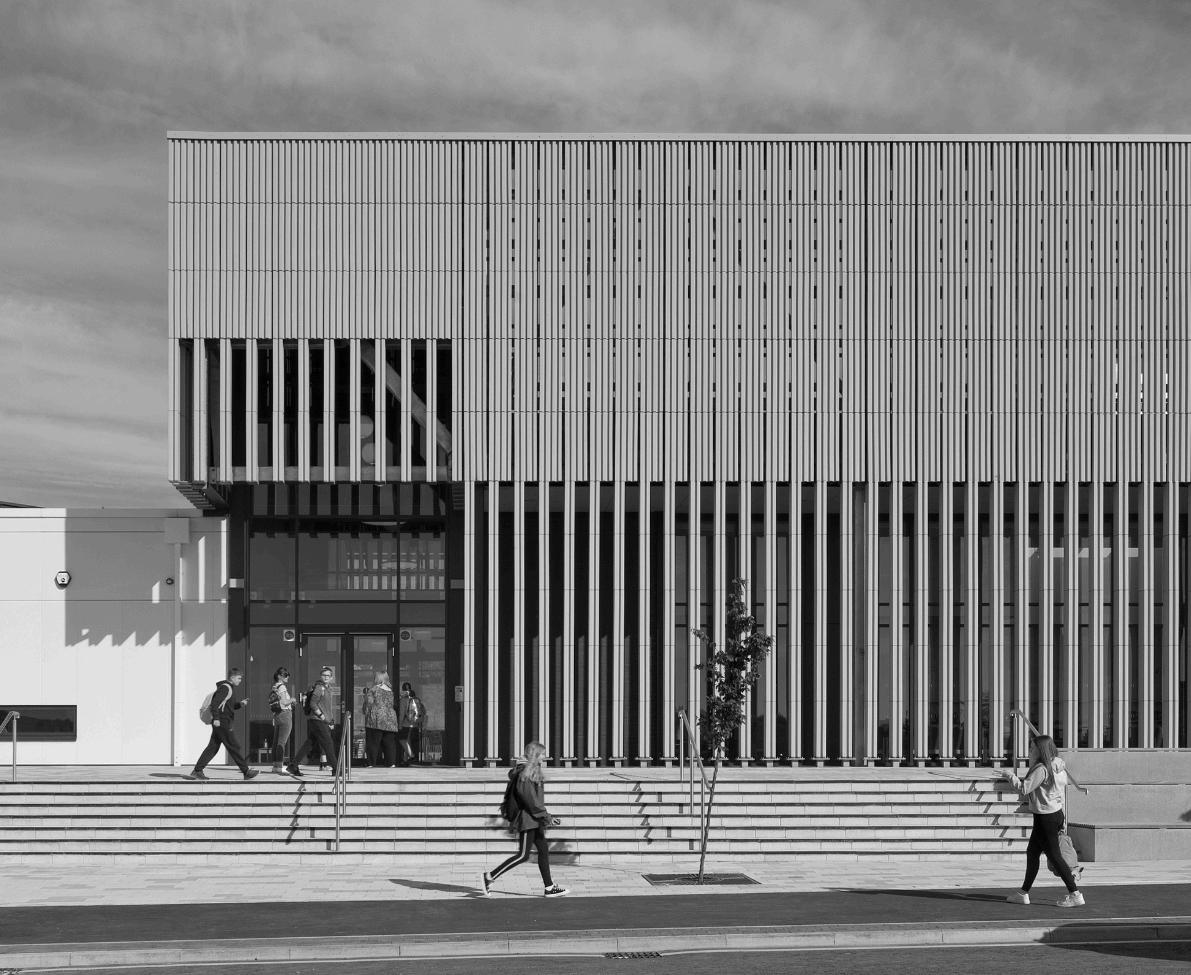
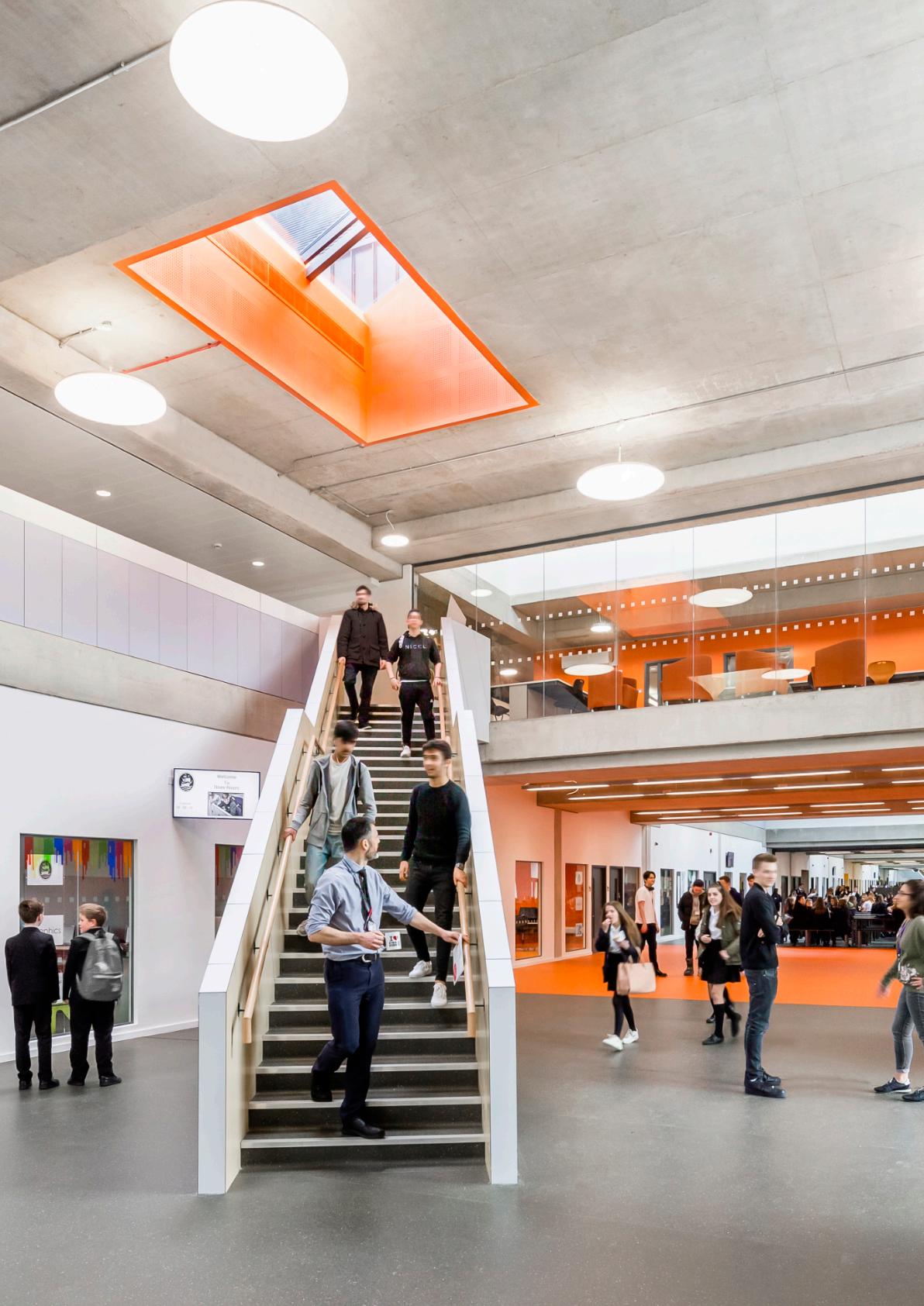
Andrew Postings, Head of RailABOVE: Visibility within Three Rivers Academy, Surrey.
Carefully considered layouts, level changes and finishes can help a range of people to navigate, use and feel comfortable within our built environment. Providing appropriate space for companion animals is another consideration for public spaces; they have needs too!
Creating a sense of safety stretches far beyond CCTV. Good sight lines, long views and natural surveillance is a more subtle way of creating spaces that people can feel both relaxed and safe to be in. Visibility is key; putting things on show is an incredibly important part of inclusion –helping to create a sense of safety and legibility, aiding navigation, and wayfinding. If spaces are easy to navigate then more people are likely to use them.
A post occupancy evaluation assessment of Three Rivers Academy revealed that students felt that the new building had a positive impact on their sense of safety and how easy they found it to navigate. Referring to large windows between classrooms and circulation routes and breakout spaces, they said that they particularly liked the fact that they knew where the teachers were and that the teachers could see them.
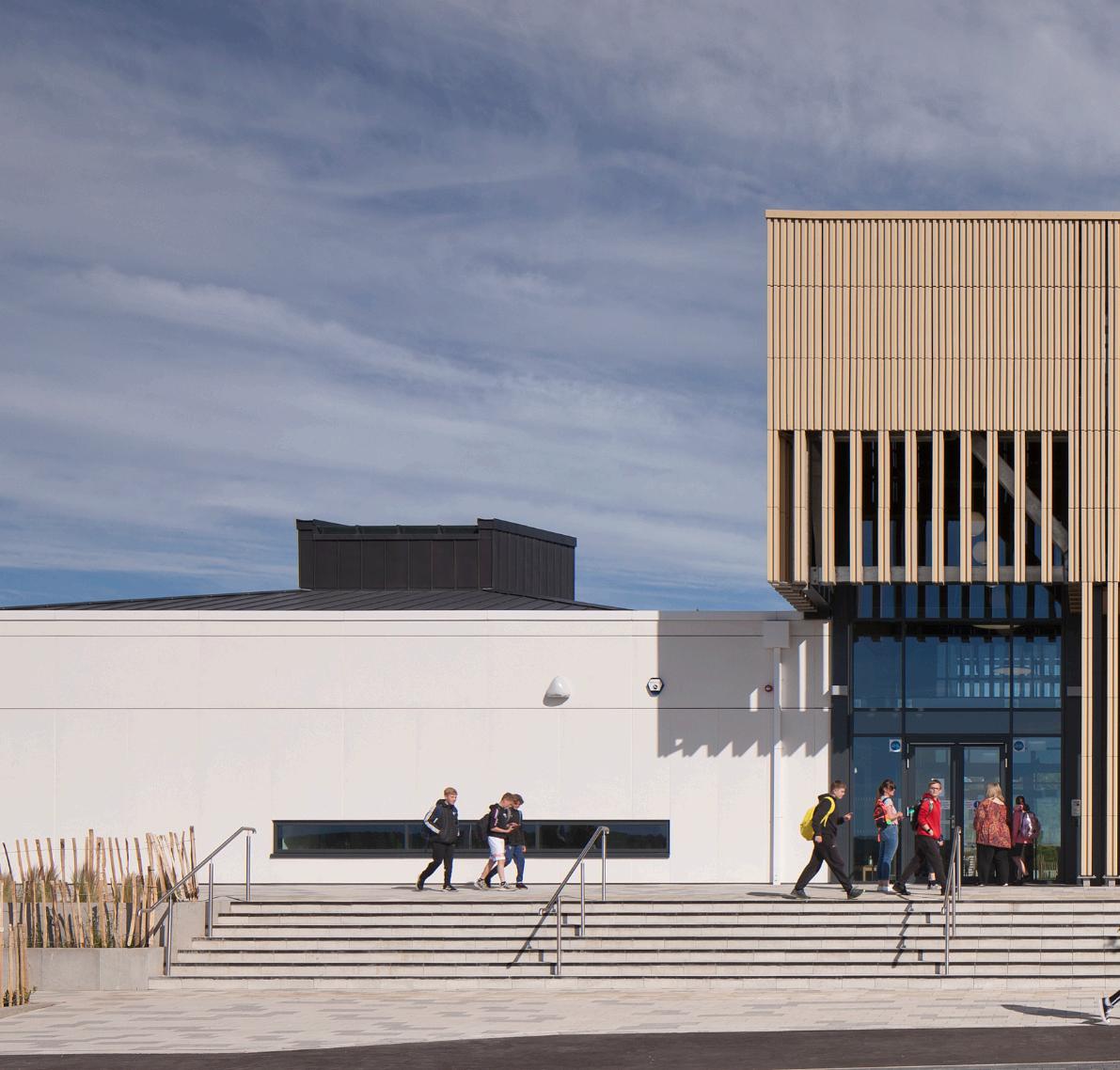
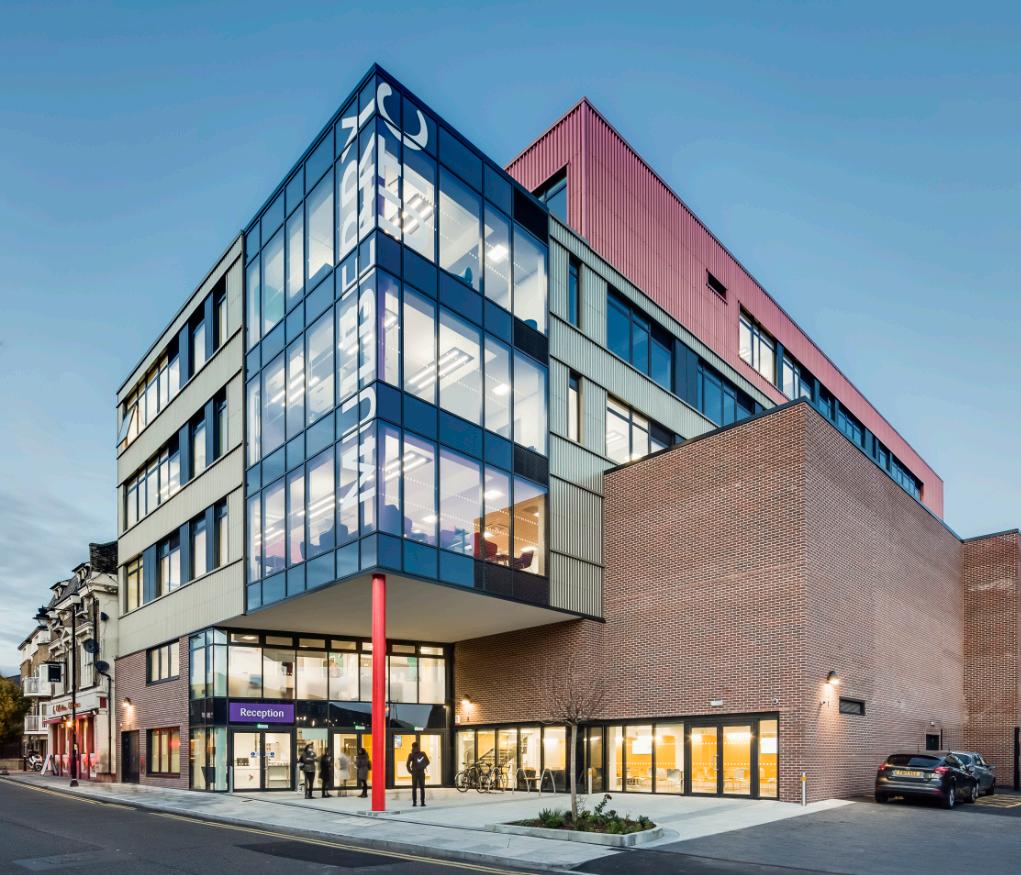 ABOVE: Mulberry UTC’s legible entrance.
Spaces that feel civic can also support this, with visible entrances so you can understand where you're going, activated by a range of spaces for a range of activities to suit a range of users available at different times of day, and different times of year.
Safety is an incredibly important factor in the design and planning of transport infrastructure projects. According to research by Imperial
Collegeiii, women are 10 percent more likely than men to report feeling unsafe on city public transport. People who feel unsafe on public transport are less likely to travel to social events or work.
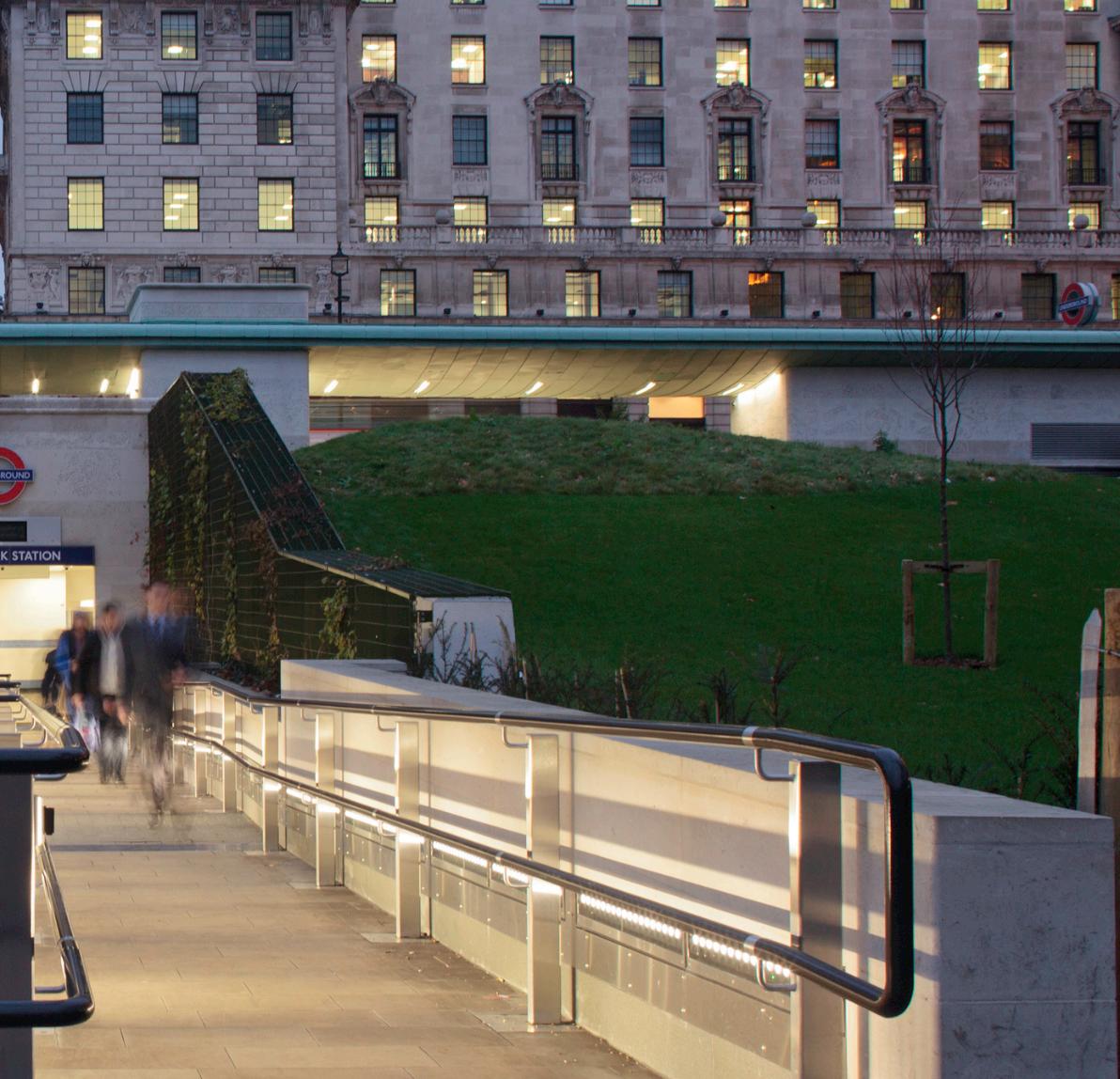
There are numerous ways in which our infrastructure is slowly transforming to become more inclusive and to feel safe for all, but the route from adjacent public realm to the places
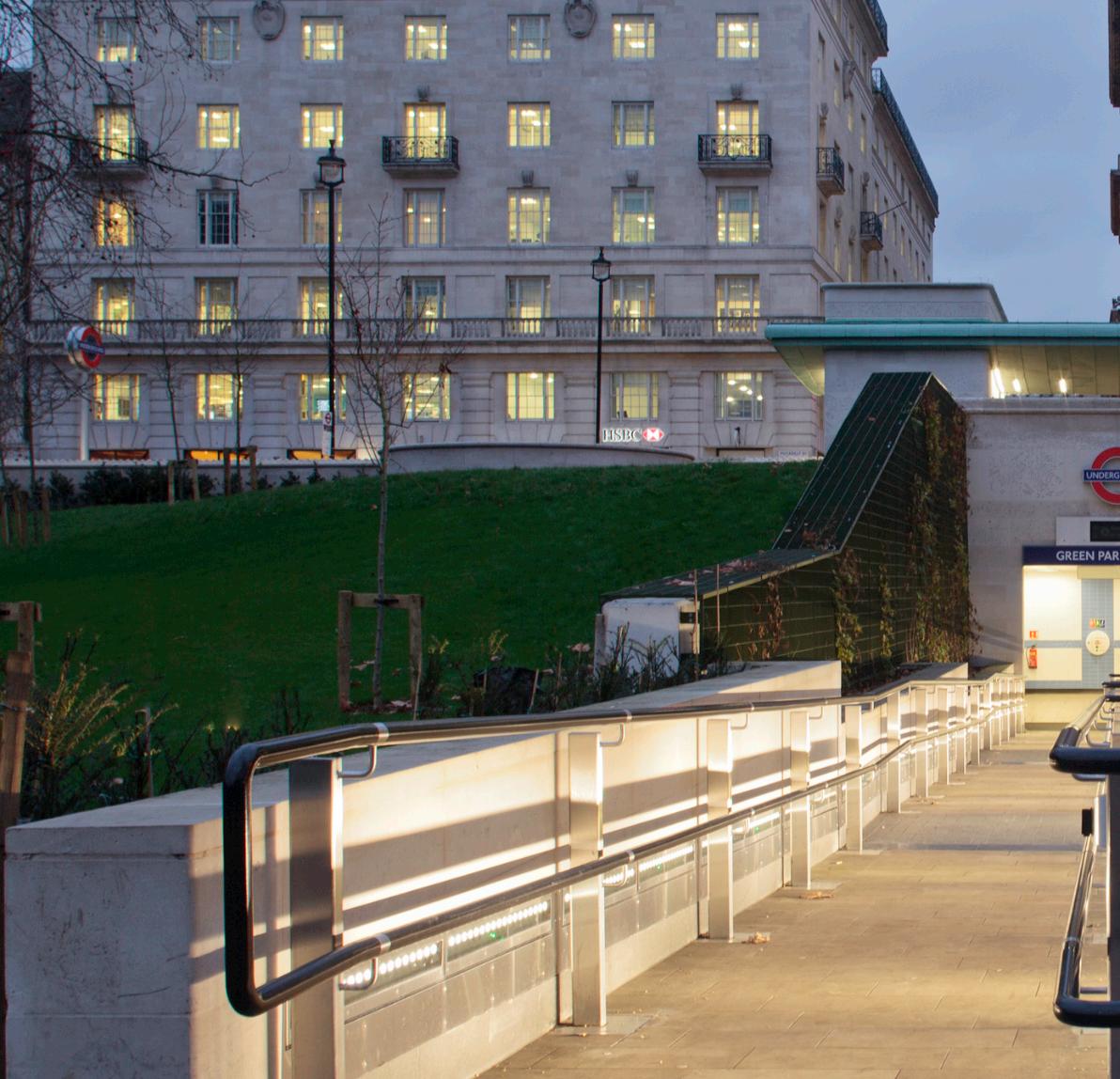 BELOW: Green Park Station entrance.
that we're designing is also important. Often responsibility stops a metre outside of the station entrance with little control over access routes from other transport modes, however fortunately this is changing. Considering how we can make access routes as accessible, secure, and safe as possible is vital.
Regardless of the sector of scale of a project, our goal should be to enable people to be able to
lead active, engaged, and valued lives within their communities. By designing to facilitate a sense of autonomy, self-confidence, and mobility, we bring benefits to the whole of society; helping people to live, work, learn and socialise in their preferred environments �
REFERENCES
iwww.linkedin.com. (2024). Caroline Criado-Perez via Honorata Grzesikowska on LinkedIn: Gender-segregated graphs. [online] https://www.linkedin.com/posts/ honorata_spatial-schoolyards-gender-activity7158781055913603072-yDGf/
iiChaney, R.A., Baer, A. and L. Ida Tovar (2023). GenderBased Heat Map Images of Campus Walking Settings: A Reflection of Lived Experience. Violence and gender. doi: https://doi.org/10.1089/vio.2023.0027
iiiMcLeod, S. (2018). Maslow’s Hierarchy of Needs. [online] Canada College, Simply Psychology, p.1. Available at: https://canadacollege.edu/dreamers/docs/ Maslows-Hierarchy-of-Needs.pdf
iiiiBrogan, C. (2020). Women 10% more likely than men to report feeling unsafe on city public transport | Imperial News | Imperial College London. [online] Imperial News. Available at: https://www.imperial.ac.uk/news/196474/ women-10-more-likely-than-report/
FURTHER READING
Design Research Unit, Scott Brownrigg (2023). iA: Intelligent Architecture - Issue 15. [online] https://www. scottbrownrigg.com/design-research-unit/articlespublications/ia-intelligent-architecture-issue-15/
RIBA (2024). Inclusive Design Overlay to the RIBA Plan of Work. [online] https://www.architecture.com/ knowledge-and-resources/resources-landing-page/ inclusive-design-overlay-to-riba-plan-of-work
Transport for London (2024). Equity in Motion. [online] https://content.tfl.gov.uk/equity-in-motion-full.pdf