
Summer Classics
24-27 June 2026

Summer Classics
The Oban
is in association with

Wednesday 24 June, 7.30pm Corran Halls, Oban
Thursday 25 June, 7.30pm Callander Kirk, Callander
Friday 26 June, 7.30pm Badenoch Centre, Kingussie
Kindly supported by Eriadne & George Mackintosh and Claire & Anthony Tait
Saturday 27 June, 7.30pm Deeside Community Theatre, Aboyne
ROSSINI Overture, The Silken Ladder
WEBER Clarinet Concertino STAMITZ Concerto in B-flat for clarinet and bassoon
Interval of 20 minutes
WEBER Andante & Rondo ungarese MENDELSSOHN Symphony No.4 ‘Italian’
Lucas Macías conductor
Maximiliano Martín clarinet
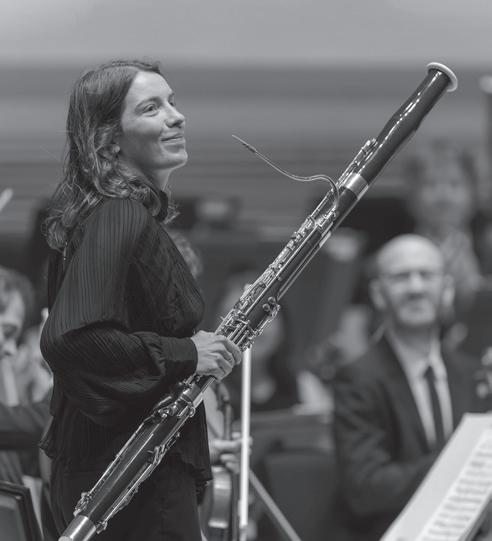
Cerys Ambrose-Evans bassoon
Maximiliano Martín
4 Royal Terrace, Edinburgh EH7 5AB
+44 (0)131 557 6800 | info@sco.org.uk | sco.org.uk
The Scottish Chamber Orchestra is a charity registered in Scotland No. SC015039. Company registration No. SC075079.
concert
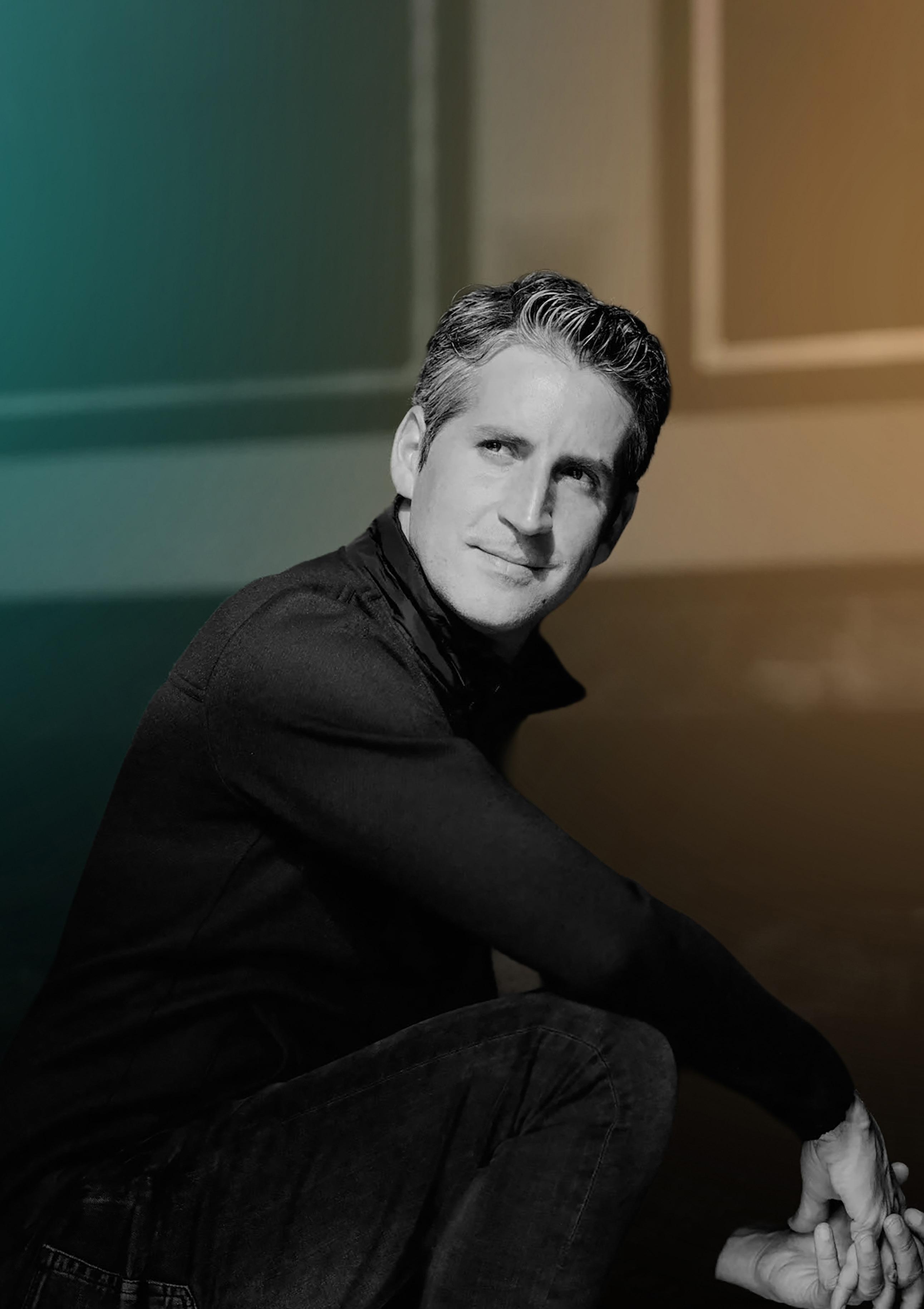
Lucas Macías
The Aboyne concert is in association with
The Kingussie concert is in association with
© Ryan Buchanan
Cerys Ambrose-Evans
© Christopher Bowen
THANK YOU
Principal Conductor's Circle
Our Principal Conductor’s Circle are a special part of our musical family. Their commitment and generosity benefit us all – musicians, audiences and creative learning participants alike.
Annual Fund
James and Patricia Cook
Visiting Artists Fund
Harry and Carol Nimmo
Anne and Matthew Richards
International Touring Fund
Gavin and Kate Gemmell
Learning and Participation Fund
Jo and Alison Elliot
Sabine and Brian Thomson
CHAIR SPONSORS
Productions Fund
Geoff and Mary Ball
Bill and Celia Carman
Anne, Tom and Natalie Usher
Scottish Touring Fund
Eriadne and George Mackintosh
Claire and Anthony Tait
New Music Fund
Ken Barker and Martha Vail Barker
Colin and Sue Buchan
David Caldwell
Nick and Kate Thomas
The Donald and Louise MacDonald Principal Conductor's Chair Maxim Emelyanychev
Chorus Director Gregory Batsleer
Anne McFarlane
Principal Viola Max Mandel
Ken Barker and Martha Vail Barker
Sub-Principal Viola Francesca Gilbert
Christine Lessels
Viola Steve King
Sir Ewan and Lady Brown
Principal Cello Philip Higham
Nick and Kate Thomas
Sub-Principal Cello Su-a Lee
Ronald and Stella Bowie
Cello Donald Gillan
Professor Sue Lightman
Cello Eric de Wit
Jasmine Macquaker Charitable Fund
Principal Double Bass Jamie Kenny
Erik Lars Hansen and Vanessa C L Chang
Principal Flute André Cebrián
Claire and Mark Urquhart
Sub-Principal Flute Marta Gómez
Judith and David Halkerston
Principal Oboe
The Hedley Gordon Wright Charitable Trust
Sub-Principal Oboe Katherine Bryer
Ulrike and Mark Wilson
Principal Clarinet Maximiliano Martín
Stuart and Alison Paul
Principal Bassoon Cerys Ambrose-Evans
Claire and Anthony Tait
Sub-Principal Bassoon Alison Green
George Rubienski
Principal Horn Kenneth Henderson
Caroline Hahn and Richard Neville-Towle
Timpani / Percussion Louise Lewis Goodwin
Silvia and Andrew Brown
Funding Partners






“…an orchestral sound that seemed to gleam from within.”
THE SCOTSMAN
HM The King Patron
Donald MacDonald CBE
Life President
Joanna Baker CBE Chair
Gavin Reid LVO FRSE Chief Executive
Maxim Emelyanychev
Principal Conductor
Andrew Manze
Principal Guest Conductor
Joseph Swensen
Conductor Emeritus
Gregory Batsleer
Chorus Director
Jay Capperauld
Associate Composer
© Chris Christodoulou
Information correct at the time of going to print Our Musicians
Your Orchestra Tonight
This concert will be played on natural brass/timpani throughout.
First Violin
Tim Crawford
Tijmen Huisingh
Emma Baird
Aisling O’Dea
Fiona Alexander
Sarah Bevan-Baker
Cheryl Crockett
Catherine James
Second Violin
Marie Schreer
Gordon Bragg
Hatty Haynes
Joana Rodrigues
Amelia Harding
Abigail Young
Viola
Francesca Gilbert
Triona Milne
Elaine Koene
Steve King
Cello
Su-a Lee
Donald Gillan
Eric de Wit
Robert Anderson
Bass
Jamie Kenny
Alexandre Santos
Christopher Bowen
Flute
André Cebrián
Marta Gómez
Oboe
Sasha Calin
Katherine Bryer
Clarinet
Maximiliano Martín
William Stafford
Bassoon
Cerys Ambrose-Evans
Alison Green
Paul Boyes
Horn
Huw Evans
Ian Smith
Trumpet
Peter Franks
Shaun Harrold
Timpani
Stefan Beckett
Peter Franks
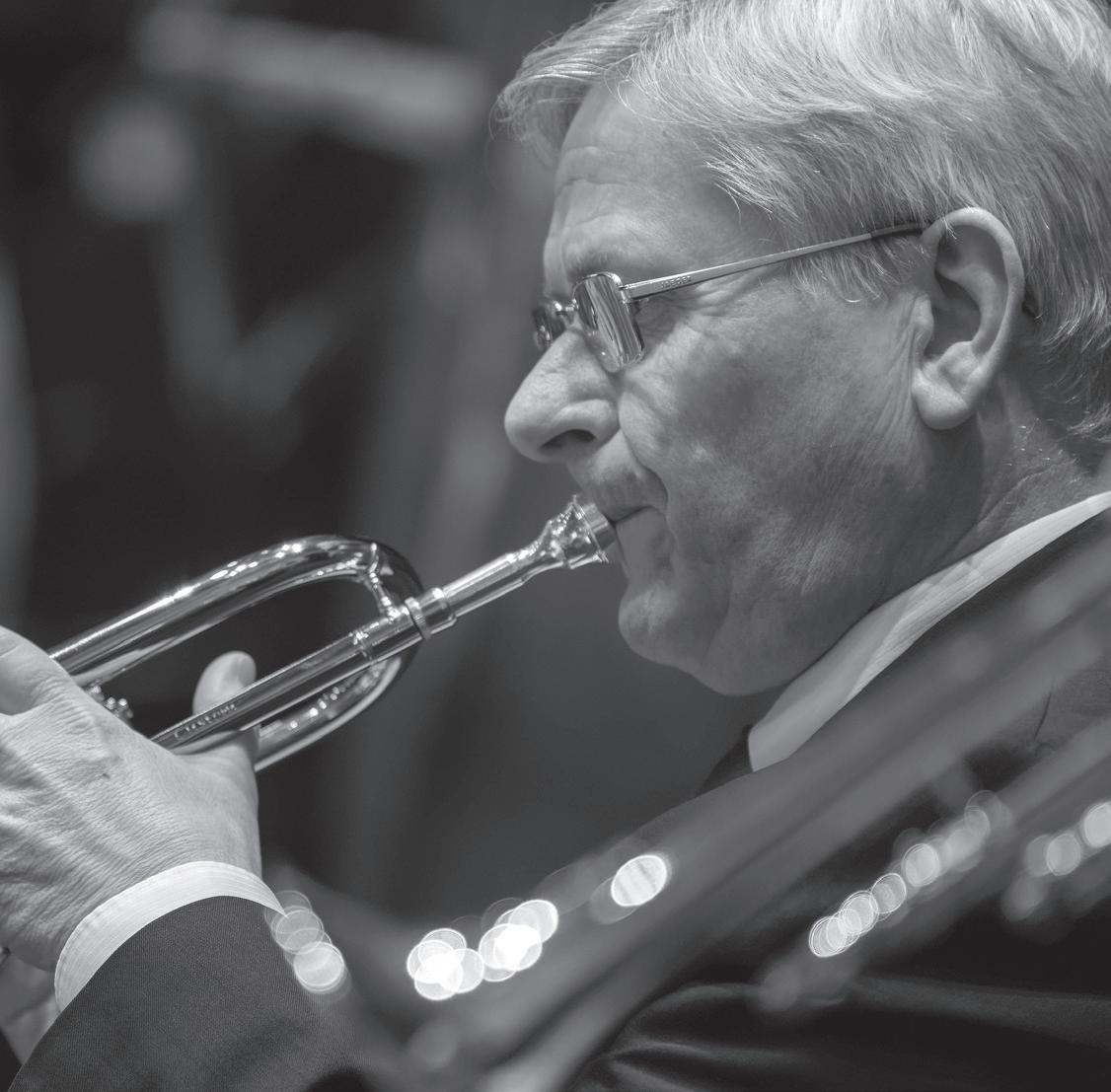
Principal Trumpet
What You Are About To Hear
ROSSINI (1792-1868)
Overture, The Silken Ladder (1812)
WEBER (1786-1826)
Clarinet Concertino in E-flat major, Op.26 (1811)
Adagio ma non troppo Andante
Allegro
STAMITZ (1745-1801)
Concerto in B-flat for clarinet and bassoon (circa 1780)
Allegro moderato
Andante moderato Rondo
WEBER (1786-1826)
Andante & Rondo ungarese (1809, revised 1813)
Andante
Allegretto
MENDELSSOHN (1809-1847)
Symphony No.4 in A major, Op.90 (1833, revised 1834)
Allegro vivace Andante con moto Con moto moderato Saltarello. Presto
It might be hard to believe, but there was a time when an orchestra’s wind players – the flautists, oboists, clarinettists and bassoonists, even the horn players – might have felt a bit like second-class citizens. They were undoubtedly respected and accomplished musicians, even virtuosos on their instruments. But at the end of the day, they knew they were there simply to support and add colour to the far more crucial and numerous strings.
As composers began to take full notice of wind instruments’ expressive possibilities, however, and as the instruments themselves evolved, a whole new repertoire emerged – as three pieces in tonight’s concert demonstrate, also serving to showcase the talents of two of the Scottish Chamber Orchestra’s own principal players.
Before we sample those spotlit wind instruments, however, let’s take a brief trip to the opera house. Gioachino Rossini was just 20 when his comic opera The Silken Ladder was premiered in Venice’s Teatro San Moisè on 9 May 1812. It was already his sixth opera (he’d compose six in total that year alone), and its huge success paved the way for the composer’s enormous operatic popularity across no fewer than 39 operas covering three decades.
The Silken Ladder is what we might nowadays call a chamber opera, in just one act and with an intimate cast of only six singers. It’s quite literally a bedroom farce: the title’s mysterious contraption is in fact the device that heroine Giulia lowers from her window every night, to enable her secret husband Dorvil to reach her bed chamber. Kept in the dark as to Giulia’s true matrimonial status, her guardian Dormont is pushing her to marry Dorvil’s friend Blansac, while Giulia’s cousin Lucilla seems quite interested in Blansac herself.
The opera’s plotline of young love and farcical misunderstandings is captured in one of Rossini’s most dashing, energetic overtures. A striking call to attention – no doubt specifically designed to quieten down excited Venetian opera-goers – is followed by thoughtful solos for oboe and flute, before the strings scamper off with a mischievous melody, and flute and clarinet join them with a more reflective theme. A couple of Rossini’s trademark crescendos only add to the excitement and expectation, and the Overture speeds towards an exuberant close.
Tonight’s next composer, Carl Maria von Weber, is usually credited with virtually singlehandedly establishing an authentically German style of opera with his supernatural-themed Der Freischütz in 1821. But Weber also played a decisive role in foregrounding wind instruments that had hitherto been somewhat overlooked.
Why did he show such an interest in wind instruments, especially the clarinet? The start
The opera’s plotline of young love and farcical misunderstandings is captured in one of Rossini’s most dashing, energetic overtures.
of the 19th century, when he was writing, was a pivotal time for the instrument. It had reached a certain level of technical maturity, and a group of virtuoso players had grown up around it. The clarinettist Joseph Beer had established a German style of playing that was soft, rich and full in tone, in contrast to the more piercing, brilliant French style, and he and his students had inspired several composers to write for the instrument – including Carl Stamitz, as we’ll discover shortly. Mozart had already shown what the instrument was capable of in his Clarinet Quintet and Clarinet Concerto, inspired by the playing of Anton Stadler. Weber knews these works, but it was another player who was to inspire him to write what would later become cornerstones of the clarinet repertoire.
In February 1811, aged 25, Weber embarked on a concert tour as a pianist that he intended would take him to Munich, Prague, Dresden, Berlin, Copenhagen and St Petersburg. In fact, he halted the tour in Munich, his first port of call,
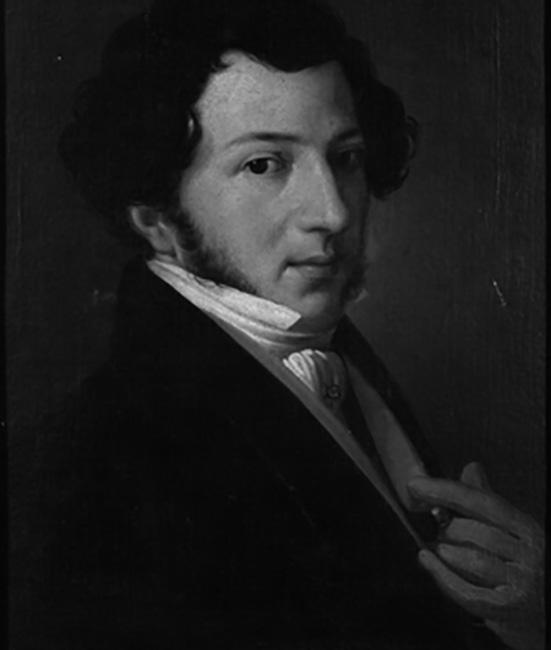
Gioachino Rossini circa 1815
whose court would prove critical in the creation of his wind concertos. He was welcomed into the palace and introduced to the Queen, who requested that he put on a concert to display his musical skills.
Among the Munich court orchestra’s players was the clarinettist Heinrich Bärmann, who quickly struck up a friendship with Weber. Seizing the opportunity offered by Bärmann’s presence, Weber immediately set to work on a piece for the proposed royal concert that would display both his own and the clarinettist’s skills. That work would become the Clarinet Concertino.
The concert took place on 5 April 1811, and Weber and Bärmann performed to a packed audience. The Concertino was a huge success with the court and the public alike, to such an extent that the King commissioned two further clarinet concertos from Weber (which he also wrote for Bärmann).
Weber also played a decisive role in foregrounding wind instruments that had hitherto been somewhat overlooked.
An emphatic chord accompanied by pounding timpani launches the singlemovement Concertino, and the clarinet unexpectedly enters with a plaintive melody half-way through a phrase. Solemn horns mark the transition to the second section’s amiable theme, and the clarinettist is soon put through their paces in increasingly demanding and complex variations. The music suddenly dies away into a remarkable passage scored for the dark-hued combination of clarinet and violas, a moment of stillness amid the Concertino’s frenetic activity. The music soon bursts back into bright, vibrant life, though, and after a calmer section that harks back to the opening, the piece heads to its brilliant conclusion with bubbling figurations from the soloist.
We hop back in time three decades for tonight’s next piece, the earliest music in today’s concert. Carl Stamitz is one of the 18th century’s lesserknown figures, and a near-exact contemporary
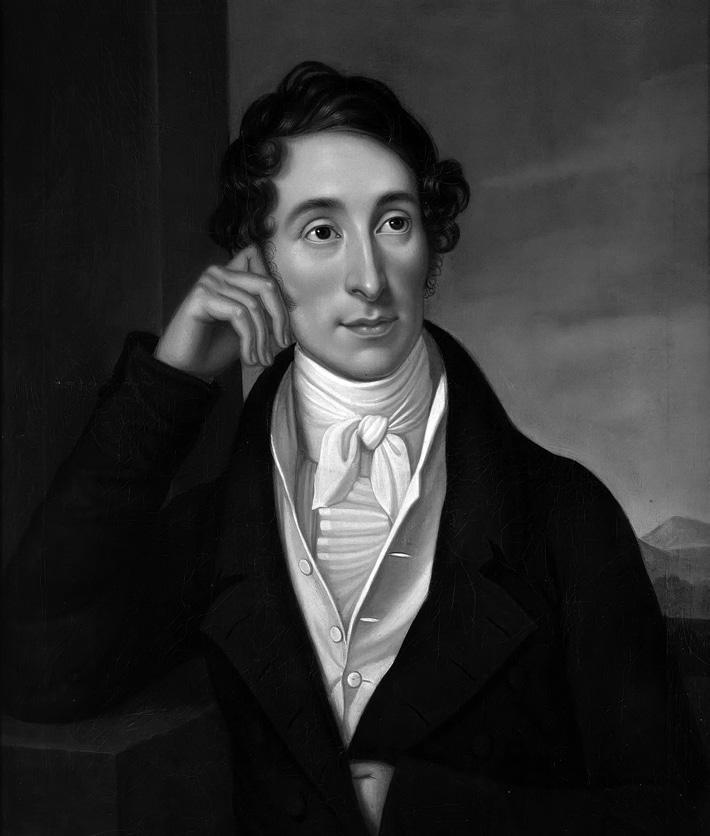
Carl Maria von Weber
of Mozart. His father played in the illustrious Mannheim Court Orchestra, then one of Europe’s most dazzling ensembles, and young Carl joined him from the age of 17, later living in Paris, Strasbourg and London before settling in central Germany.
He produced a huge and very varied output of music, including 50 symphonies and 60 concertos, of which no fewer than 11 are for clarinet. As it was for Mozart, the clarinet was still a relatively recent innovation when Stamitz was composing, and he was keen to explore its expressive possibilities – and particularly inspired by meeting clarinettist Joseph Beer during his time in Paris.
Ironically, however, not much is known about the specific background to his playful, lighthearted Double Concerto for Clarinet and Bassoon, which probably dates from around 1780. In it, however, Stamitz takes pains to contrast the sounds of his two instruments,
Carl Stamitz is one of the 18th century’s lesser-known figures, and a near-exact contemporary of Mozart.
which he treats quite independently, even in the cut and thrust of animated conversations between them.
After an introduction for orchestra alone –listen out for a gently tick-tocking bassline, which returns again and again throughout the movement – the two soloists enter in gentle dialogue, though their music grows ever more virtuosic as the first movement progresses, reaching a peak in a written-out double cadenza near the end of the movement that showcases the talents of both players.
The clarinet and bassoon soloists have more florid lines in the gently flowing second movement, as well as longer stretches where they play individually. The third movement is a gentle rondo with a catchy opening tune that returns again and again, interspersed with contrasting sections that make greater demands on the two soloists’ dexterity and expressiveness.
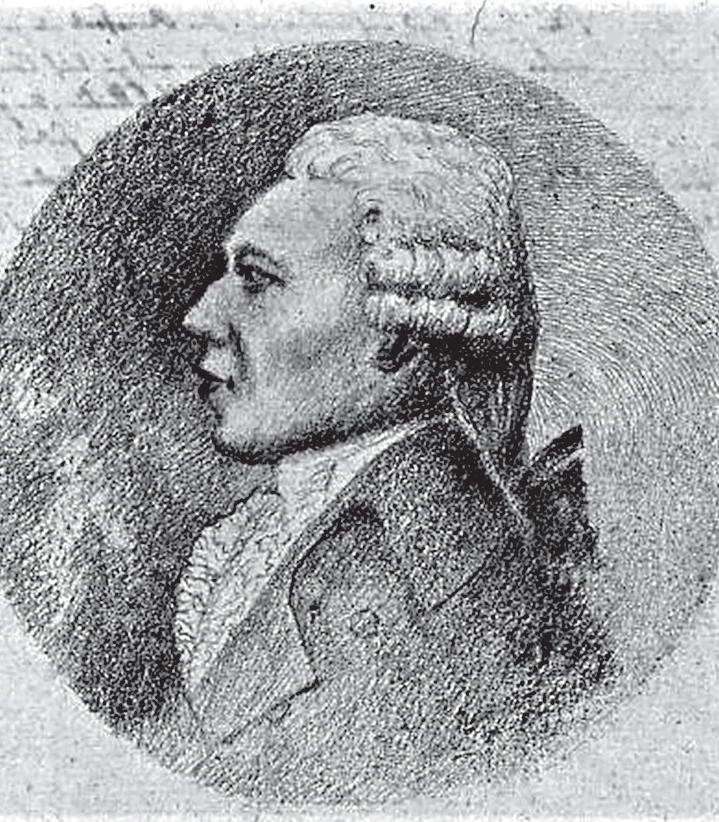
Carl Stamitz
We return to Weber for tonight’s penultimate piece, and to a decidedly idiosyncratic work that he wrote – in its original version, at least – in 1809. The Andante and Rondo ungarese began life as a miniature viola concerto that Weber wrote for his brother Fritz. The composer intentionally disregarded what had become traditional concerto form to create something rather novel.
We return to Weber for tonight’s penultimate piece, and to a decidedly idiosyncratic work that he wrote – in its original version, at least – in 1809. The Andante and Rondo ungarese began life as a miniature viola concerto that Weber wrote for his brother Fritz. The composer intentionally disregarded what had become traditional concerto form to create something rather novel, a work that more resembles a conventional concerto without its opening movement, leaving a slower, more serious movement followed by a danceinspired finale.
The Clarinet Concertino we heard earlier was so successful at its Munich premiere that several of the Court Orchestra’s musicians approached Weber for similar concertos of their own. For the virtuoso Munich bassoonist Georg Friedrich Brandt, the composer came up with a straightforward solution, simply reworking his existing viola Andante and Rondo ungarese for bassoon and orchestra.
And in doing so, Weber also managed to showcase the bassoon’s humour, its athleticism and its exceptional abilities to spin long, lyrical melodies. The opening Andante section is a set of three variations on a simple, rather plaintive theme, which the bassoon announces at the start with pizzicato string accompaniment. In the first variation, the bassoon supplies gently rippling accompaniment to the melody, now in the violins, while in the second, the bassoon returns to melodic duties but slides the melody gently into a brighter, happier major key. We return to the more wistful minor for the third variation, but the bassoon now has a sometimes breathless, more overtly virtuosic counterpart to the strings’ main melody.
After a dramatic linking section, Weber supplies a rondo based around a Hungarian folk dance – well, perhaps ‘Hungarian-sounding’ is more accurate, since no authentic folk tunes were employed in this piece. It’s here that the composer most clearly shows off the bassoon’s
humour and its deep, rich lyricism, pushing the soloist into ever increasing virtuosity as the piece nears its extrovert conclusion.
We move away from our wind-instrument celebrations and also jump a couple of decades forward in time for the concert’s final piece, by one of the early 19th century’s towering musical figures. His grandfather was Moses Mendelssohn, one of Germany’s most influential Enlightenment thinkers. His father Abraham was one of Berlin’s most successful bankers. As a child, he mingled with Europe’s cultural and intellectual elite at the family house in central Berlin. It’s perhaps hardly surprising, then, that young Felix Mendelssohn was something of a prodigy, a gifted artist, linguist, pianist and (of course) composer. He’d written 13 string symphonies by the time he was 14, and his glorious string Octet at just 16.
Nor is it surprising, perhaps, that the young Felix should want to spread his wings a few years
It’s perhaps hardly surprising, then, that young Felix Mendelssohn was something of a prodigy, a gifted artist, linguist, pianist and (of course) composer.
later as what we might now term a gap-year traveller. In his case, it was more like three gap years, off and on between 1829 and 1831, and it’s probably fairer to describe his travels as excursions in the tradition of a Grand Tour, in which a wealthy young man deepened his education by ticking off the cultural highlights of Europe.
Mendelssohn began – unconventionally, and typically idiosyncratically – with a three-week visit to Scotland in 1829, which inspired both his Hebrides Overture and his ‘Scottish’ Symphony. But, encouraged by the eminent writer Johann Wolfgang von Goethe (who Mendelssohn counted as a friend) and his composition teacher Carl Friedrich Zelter, he set off for the more traditional destination of Italy in October 1830. He spent ten months in the country, making his way from Venice to Naples via Bologna, Florence and Rome, then back home again through Genoa and Milan.
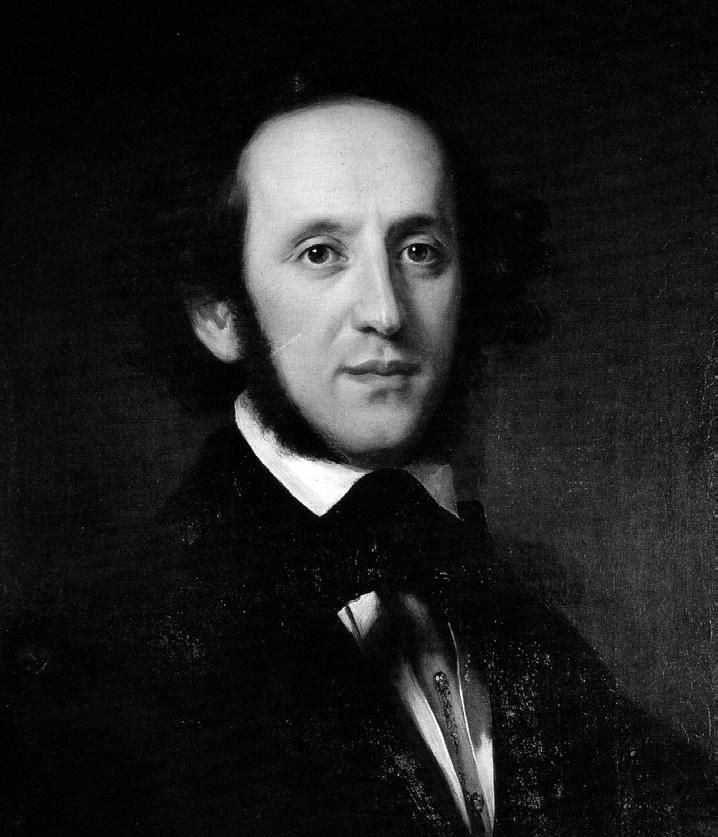
Felix Mendelssohn
He devoted time during his travels to planning what he called ‘the jolliest piece I have ever done’ in a letter to his sister Fanny, completing his ‘Italian’ Symphony back home in Berlin on 13 March 1833. It was an immediate success at its premiere in London two months later.
If his earlier Scottish trip had been about brooding landscapes, swirling mists and bloodsoaked history, his Italian trip, as he wrote home to his parents, was about light, sunshine and happiness: ‘This is Italy! And now has begun what I have always thought to be the supreme joy in life. And I am loving it.’
He devoted time during his travels to planning what he called ‘the jolliest piece I have ever done’ in a letter to his sister Fanny, completing his ‘Italian’ Symphony back home in Berlin on 13 March 1833. It was an immediate success at its premiere in London two months later.
Mendelssohn described the Symphony as ‘blue sky in A major’, and it’s an bright optimism that’s encapsulated in the first movement’s bounding opening theme, though the movement’s central development section brings in somewhat darker, more impish material. The slow second movement was inspired by religious processions that Mendelssohn watched in Rome: it contrasts
a noble melody in the woodwind and violas with a plodding bassline, slipping away at its conclusion as if the procession has moved into the distance.
Following an elegant third-movement minuet (complete with distant horn calls in its gently martial trio section), Mendelssohn closes with a finale that blends two breathless Italian dances: the Roman saltarello (which gives the movement its name) and the Neapolitan tarantella. The ‘Italian’ is one of very few symphonies in the repertoire that begins in the bright positivity of the major and ends in the more serious minor (more often the journey is the other way round: just think of Beethoven’s Fifth). The finale’s whirling energy, however, alongside a melancholy memory of the Symphony’s opening melody just before the end, ensures a propulsive, somewhat delirious conclusion.
© David Kettle
Lucas Macías
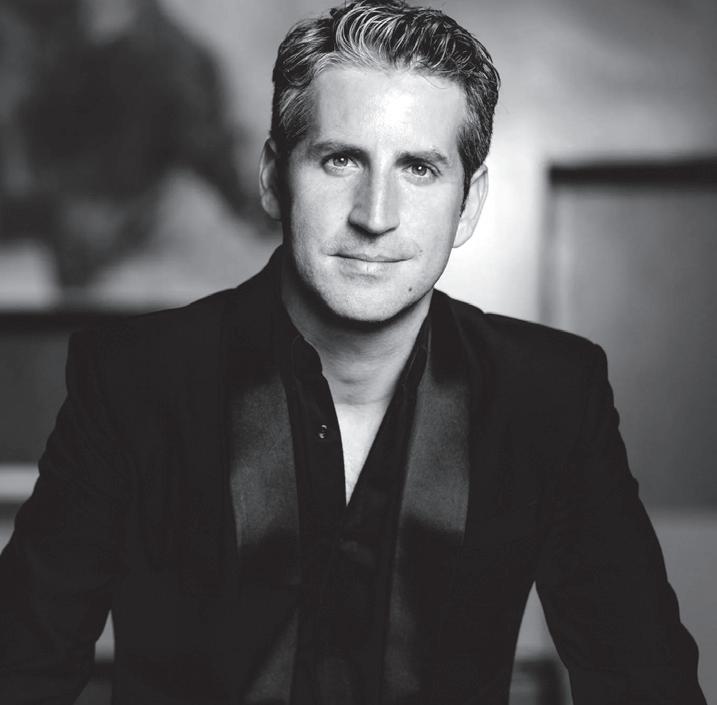
Lucas Macías Navarro debuted as conductor in the Teatro Colón in Buenos Aires in 2014 following an exceptional carer as one of the world’s finest oboists. He was Principal Oboe of the Royal Concertgebouw Orchestra and the Lucerne Festival Orchestra, and founding member of the Mozart Orchestra alongside his mentor Claudio Abbado, with whom he acquired a profound insight into both chamber and symphonic repertoire.
In previous seasons he has conducted the Swedish Radio Symphony Orchestra, Orchestre de Chambre de Lausanne, Orchestre de Paris –where he was assistant conductor for two years in close collaboration with Daniel Harding– Orchestre de Chambre de Genève, Staatskapelle Dresden, Filarmónica de Buenos Aires, Het Gelders Orkest, Orquesta Sinfónica de Galicia and the Euskadiko Orkestra, among others.
Since the season 2025/2026 he is Chief Conductor of the ROSS - Real Orquesta Sinfónica de Sevilla. He has also been principal conductor of the Oviedo Filarmonía since 2018 and artistic director of the Orquesta Ciudad de Granada since 2020.
In the 2024-25 season he will return to conduct the Orquesta Nacional de España, the Sinfónica de Tenerife, and will make his debut with the Orchestra Sinfónica di Milano, he will conduct the production of Mozart's Le Nozze di Figaro at the Oviedo Opera and the zarzuela Marina by E. Arrieta. He will collaborate with soloists such as Christian Zacharias, Tabea Zimmermann, István Várdai, Chen Reiss, Sondra Radvanovsky, Piotr Beczala in a wide symphonic repertoire, from Mahler's ‘Titan’ Symphony to Strauss' A Heroe's Life and Four Last Songs, Tchaikovsky and Dvořák, or the Bach, Marcello and Mozart Oboe Concertos, which he will also perform as soloist.
He began his musical studies at the age of nine and was later accepted into Heinz Holliger's oboe class at the University of Freiburg. He continued his training at the Karajan Academy of the Berlin Philharmonic, and then in Geneva with Maurice Bourgue. He won several first prizes including the Sony Music Foundation Tokyo International Oboe Competition in 2006.
As a conductor, he trained with Mark Stringer at the University of Music and Performing Arts in Vienna.
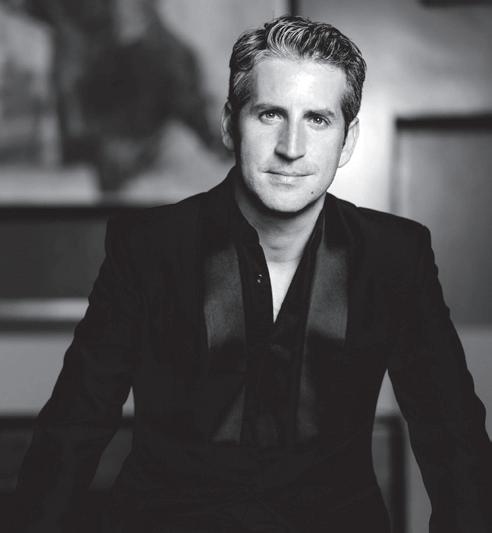
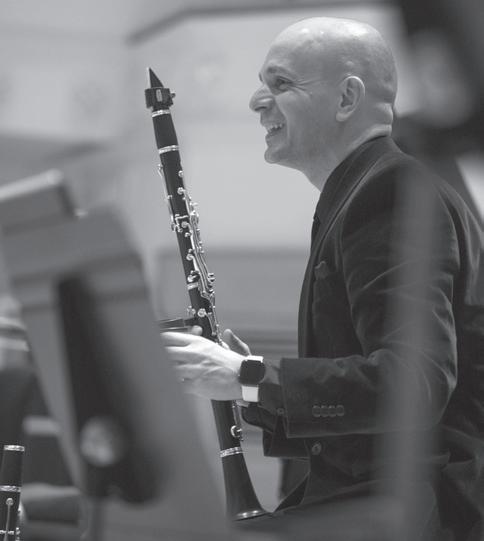
Maximiliano Martín
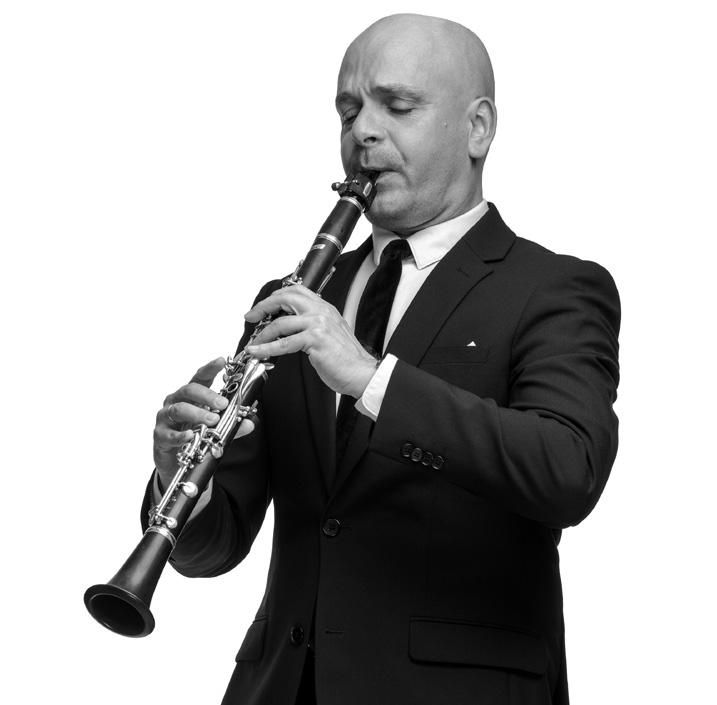
Tenerife-born clarinettist Maximiliano Martín combines his position as SCO Principal Clarinet with engagements and masterclasses internationally, appearing in many of the world’s most prestigious venues and series.
Highlights have included solo concertos with the SCO, European Union Chamber Orchestra, Orquesta Real Filarmonía de Galicia, Orquesta Filarmónica de Las Palmas de Gran Canaria, Orquesta Sinfónica del Principado de Asturias, Macedonian Philharmonic Orchestra and Estonian National Symphony Orchestra, with conductors including Brüggen, Emelyanychev, Ticciati, Manze, Antonini, Swensen, Zacharias and González.
As a chamber musician, Martín performs regularly with London Conchord and Hebrides Ensembles, Maxwell and Casals String Quartets, François Leleux, Pekka Kuusisto, Alexander Janiczek, Llŷr Williams, Kris Bezuidenhout and, until his recent death, in close partnership with Scott Mitchell. He is also in demand as Principal guest clarinet with leading orchestras including Chamber Orchestra of Europe, LSO, Hallé, CBSO and Bergen Philharmonic.
His extensive discography includes, with SCO, Mozart and Weber Concertos (Janiczek), Strauss DuetConcertino (Ticciati/Whelan), Mozart and Beethoven wind music (all on Linn); Nielsen, Copland and MacMillan Concertos with Orquesta Sinfónica de Tenerife/Macias (Delphian); recital discs, Fantasia and Vibraciones del Alma (Linn) and Origines et départs (Delphian); Messiaen Quatuor pour la fin du temps with Hebrides Ensemble (Linn), Brahms Clarinet Sonatas with Julian Milford and Mozart & Brahms Clarinet Quintets with the Badke Quartet (CHR); Stephen Dodgson chamber music with Karolos Ensemble (Naxos) and, with London Conchord Ensemble, From Vienna (CHR) and St Petersburg (Orchard Classics).
Martín gives masterclasses internationally, including the RCM and RNCM, UC Davis (San Francisco) and Malmö Academy of Music, Sweden. He is Honorary Professor of Woodwind at St Andrews University and was formerly visiting Clarinet professor at the University of Kangnam, Seoul.
Martín is one of the artistic directors of the Chamber Music Festival of La Villa de la Orotava, held annually in his home town. He is a Buffet Crampon Artist and plays with Tosca Clarinets.
Maximiliano's Chair is kindly supported by Stuart and Alison Paul
© Christopher Bowen
Cerys Ambrose-Evans
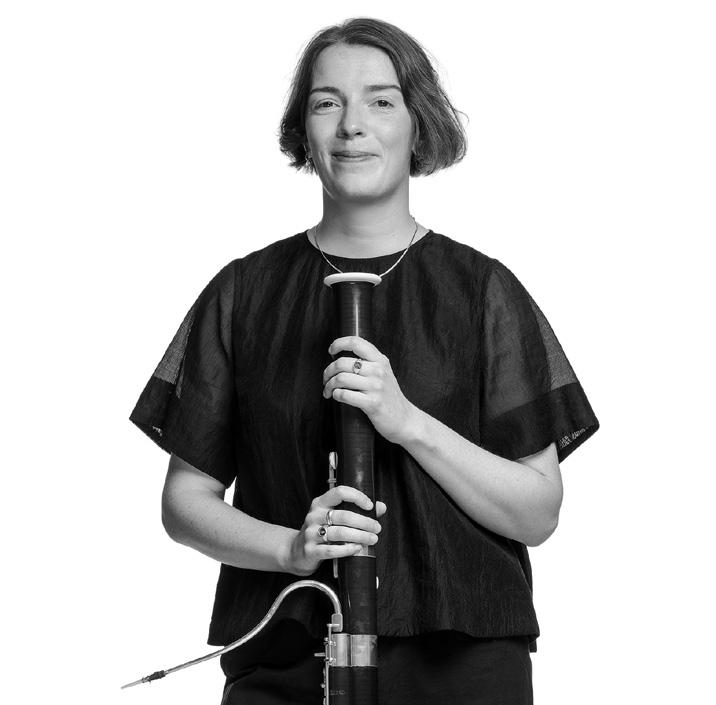
Born in London, Cerys started playing the bassoon when she was 15, after first playing the double bass. She studied at the Guildhall School of Music & Drama, learning with Miriam Gussek, Daniel Jemison, Helen Simons and Peter Whelan, and was awarded the Howarth-GSMD Bassoon prize in her first year. After participating in the Erasmus scheme in Amsterdam and graduating with first class honours, she continued her studies with Bram van Sambeek at the Royal Conservatoire in The Hague.
Since moving back to the UK, Cerys has enjoyed a varied freelance career, performing with the RPO, LSO, Hallé, CBSO and The Orchestra of the Royal Opera House. She has been Principal Bassoon of the SCO since 2021/22.
Cerys' Chair is kindly supported by Claire and Anthony Tait
Scottish Chamber Orchestra
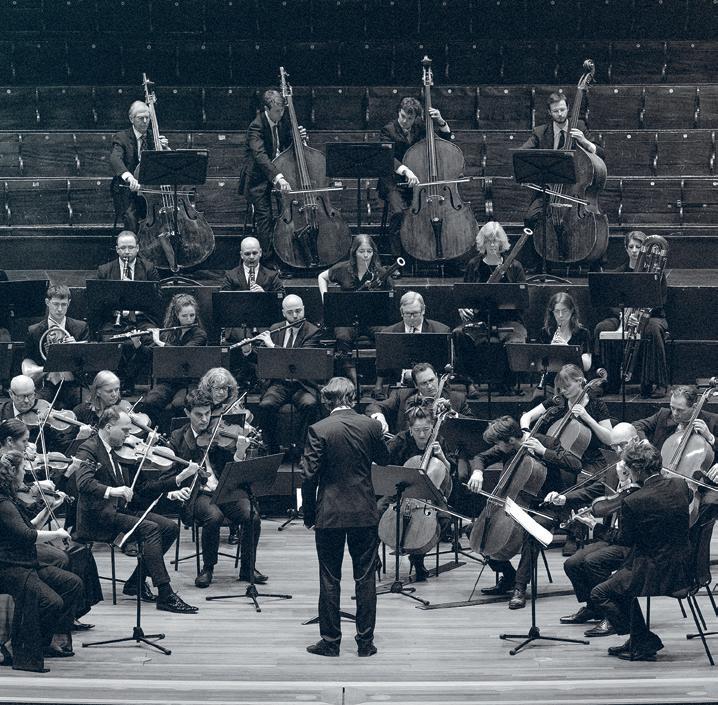
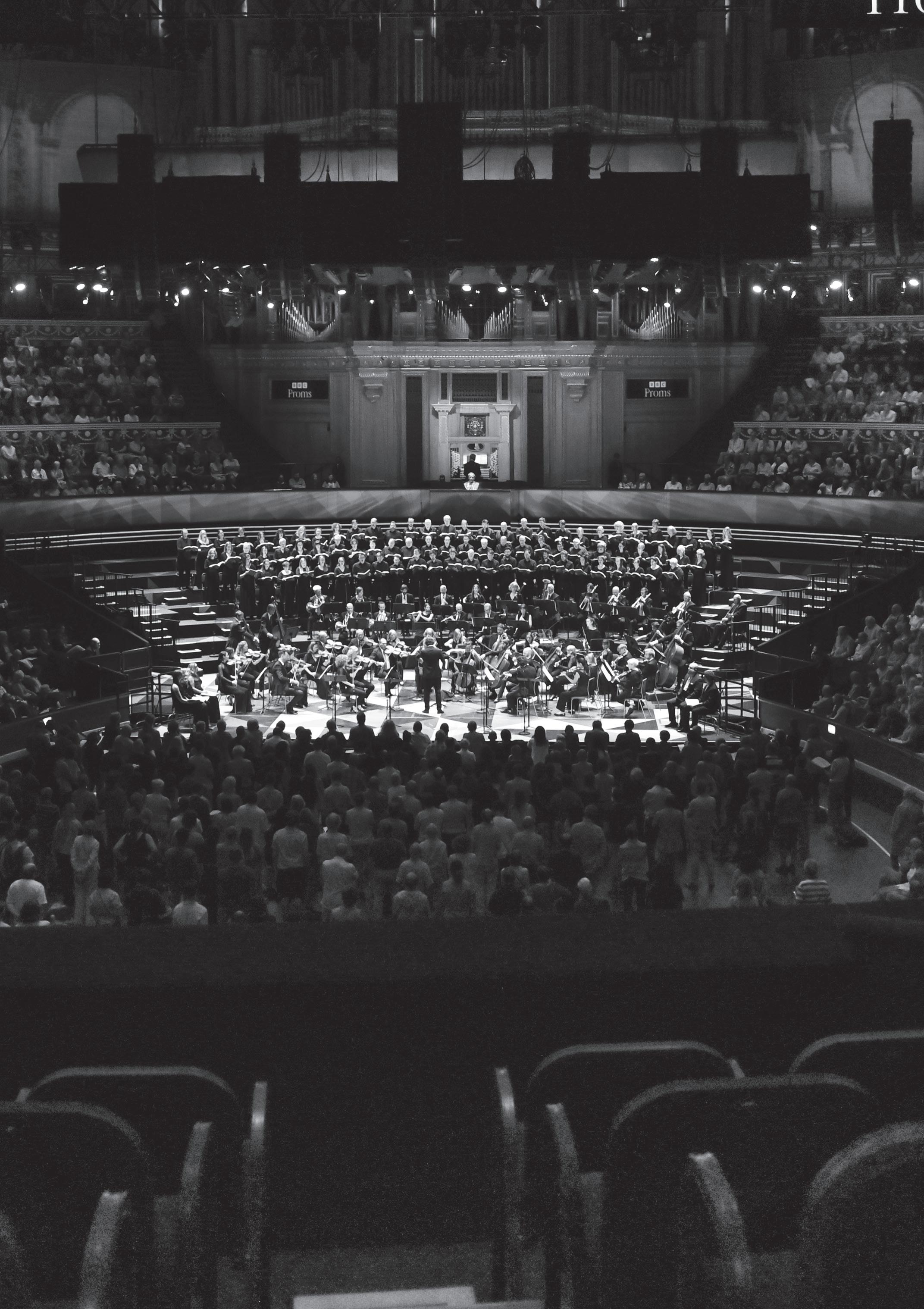
The Scottish Chamber Orchestra (SCO) is one of Scotland’s five National Performing Companies and has been a galvanizing force in Scotland’s music scene since its inception in 1974. The SCO believes that access to world-class music is not a luxury but something that everyone should have the opportunity to participate in, helping individuals and communities everywhere to thrive. Funded by the Scottish Government, City of Edinburgh Council and a community of philanthropic supporters, the SCO has an international reputation for exceptional, idiomatic performances: from mainstream classical music to newly commissioned works, each year its wide-ranging programme of work is presented across the length and breadth of Scotland, overseas and increasingly online.
Equally at home on and off the concert stage, each one of the SCO’s highly talented and creative musicians and staff is passionate about transforming and enhancing lives through the power of music. The SCO’s Creative Learning programme engages people of all ages and backgrounds with a diverse range of projects, concerts, participatory workshops and resources. The SCO’s current five-year Residency in Edinburgh’s Craigmillar builds on the area’s extraordinary history of Community Arts, connecting the local community with a national cultural resource.
An exciting new chapter for the SCO began in September 2019 with the arrival of dynamic young conductor Maxim Emelyanychev as the Orchestra’s Principal Conductor. His tenure has recently been extended until at least 2031. The SCO and Emelyanychev released their first album together (Linn Records) in 2019 to widespread critical acclaim. Their second recording together, of Mendelssohn symphonies, was released in 2023, with Schubert Symphonies Nos 5 and 8 following in 2024.
The SCO also has long-standing associations with many eminent guest conductors and directors including Principal Guest Conductor Andrew Manze, Pekka Kuusisto, François Leleux, Nicola Benedetti, Isabelle van Keulen, Anthony Marwood, Richard Egarr, Mark Wigglesworth, Lorenza Borrani and Conductor Emeritus Joseph Swensen.
The Orchestra’s current Associate Composer is Jay Capperauld. The SCO enjoys close relationships with numerous leading composers and has commissioned around 200 new works, including pieces by Sir James MacMillan, Anna Clyne, Sally Beamish, Martin Suckling, Einojuhani Rautavaara, Karin Rehnqvist, Mark-Anthony Turnage, Nico Muhly and the late Peter Maxwell Davies.
© Christopher Bowen
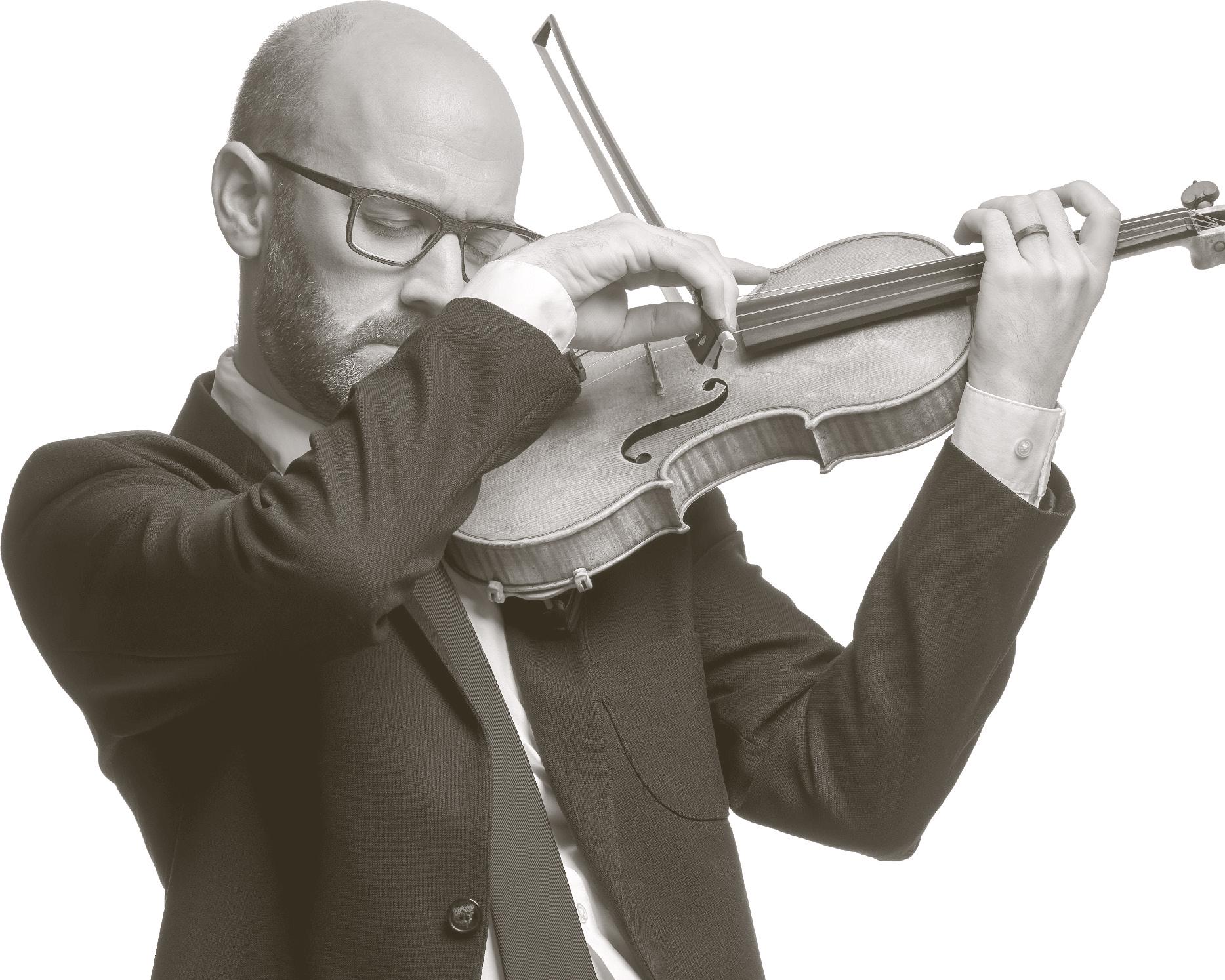
Gordon Bragg Sub-Principal Second Violin
Photo: Christopher Bowen
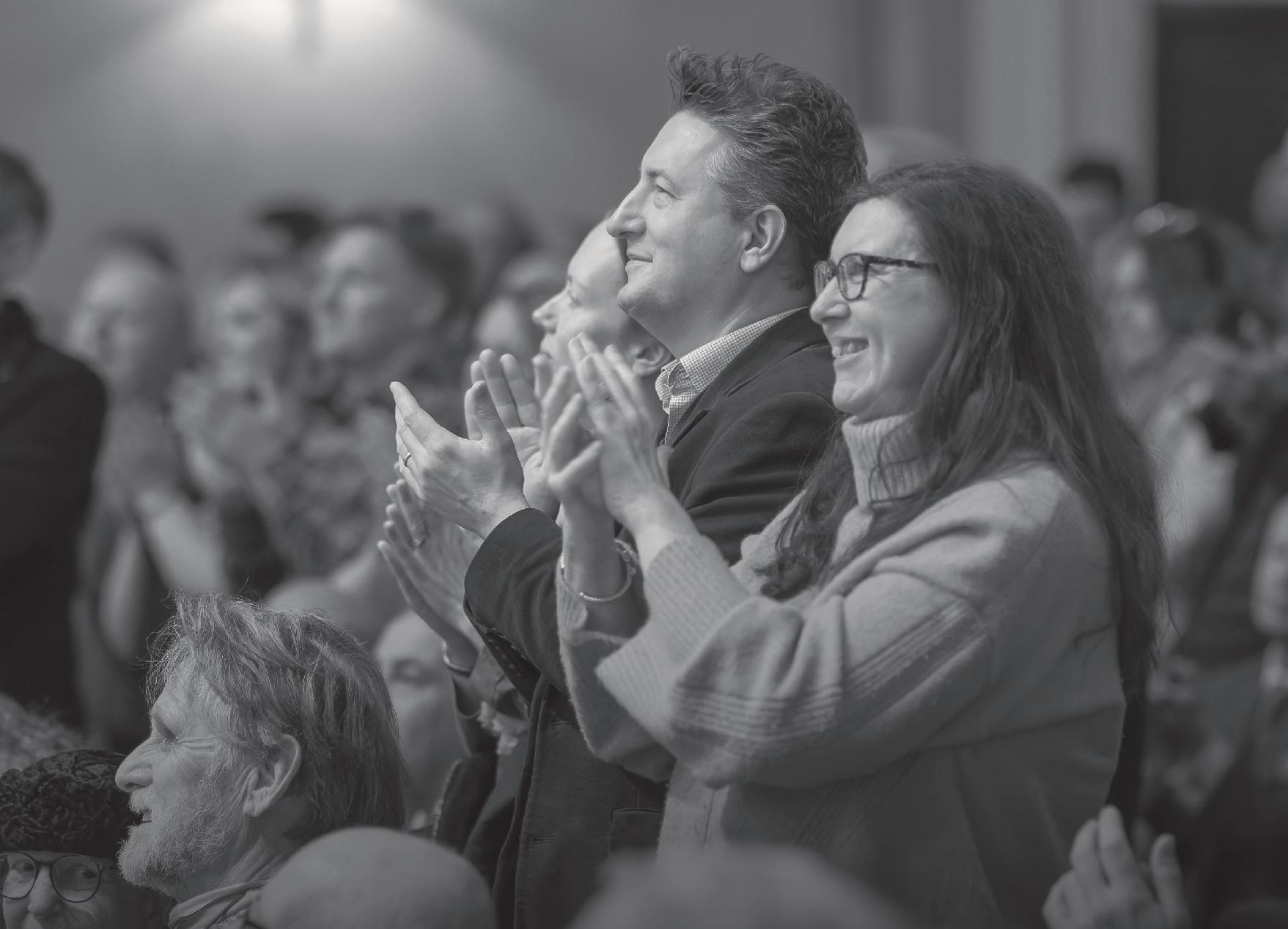
Support the Summer Tour
This summer, we are bringing world-class music to 26 towns and cities across Scotland, stretching from Fraserburgh in the northeast to Kirkcudbright in the southwest! The programmes take in everything from firm favourites to a host of lesser-known gems, with several SCO Principals among the soloists.
Your donation will help deepen our connections with local communities, showcase our exceptional musicians, and bring world-class performances to audiences who rarely have the opportunity to experience live orchestral music in their area. For more information on how you can become a regular donor, please get in touch with Hannah on 0131 478 8364 or hannah.wilkinson@sco.org.uk.

The SCO is a charity registered in Scotland No SC015039.
Photo: Christopher Bowen