29 July-1 August 2026


29 July-1 August 2026
Kindly supported by Eriadne & George Mackintosh and Claire & Anthony Tait
The Cumnock concert is in association with

The Kirkcudbright and Annan concerts are in association with

Wednesday 29 July, 7.30pm Barony Hall, Cumnock
Thursday 30 July, 7.30pm Cochran Hall, Kirkcudbright
Friday 31 July, 7.30pm Annan Academy Theatre
Saturday 1 August, 7.30pm Tait Hall, Kelso
D’INDY Chanson et Danses
GOUNOD Petite Symphonie
Interval of 20 minutes
The Kelso concert is in association with

JONATHAN DOVE Figures in the Garden MOZART (arr.CEBRIÁN) Harmoniemusik from The Marriage of Figaro
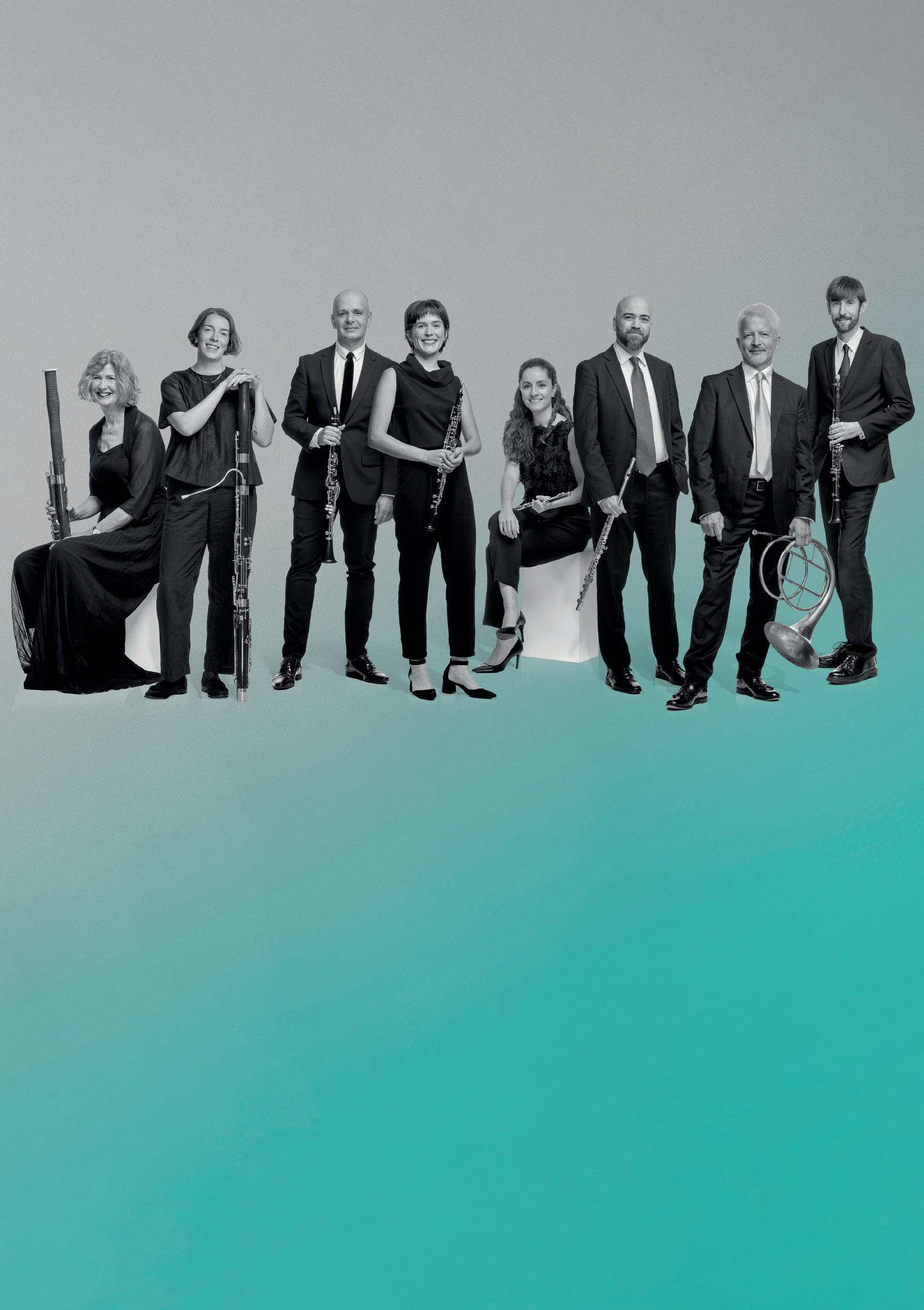
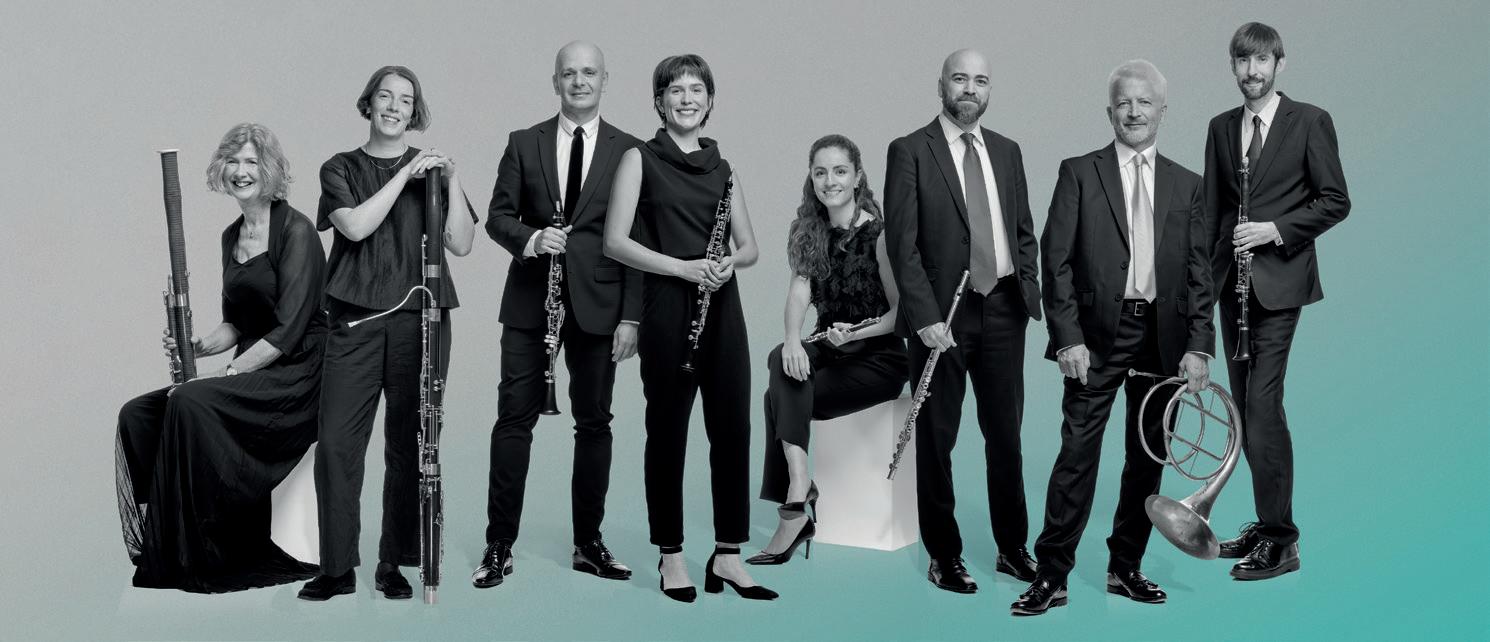
SCO Wind Soloists
4 Royal Terrace, Edinburgh EH7 5AB
+44 (0)131 557 6800 | info@sco.org.uk | sco.org.uk
The Scottish Chamber Orchestra is a charity registered in Scotland No. SC015039. Company registration No. SC075079.
THANK YOU
Our Principal Conductor’s Circle are a special part of our musical family. Their commitment and generosity benefit us all – musicians, audiences and creative learning participants alike.
Annual Fund
James and Patricia Cook
Visiting Artists Fund
Harry and Carol Nimmo
Anne and Matthew Richards
International Touring Fund
Gavin and Kate Gemmell
Learning and Participation Fund
Jo and Alison Elliot
Sabine and Brian Thomson
Productions Fund
Geoff and Mary Ball
Bill and Celia Carman
Anne, Tom and Natalie Usher
Scottish Touring Fund
Eriadne and George Mackintosh
Claire and Anthony Tait
New Music Fund
Ken Barker and Martha Vail Barker
Colin and Sue Buchan
David Caldwell
Nick and Kate Thomas
Kimie Trust
CHAIR
The Donald and Louise MacDonald Principal Conductor's Chair Maxim Emelyanychev
Chorus Director Gregory Batsleer
Anne McFarlane
Principal Viola Max Mandel
Ken Barker and Martha Vail Barker
Sub-Principal Viola Francesca Gilbert
Christine Lessels
Viola Steve King
Sir Ewan and Lady Brown
Principal Cello Philip Higham
Nick and Kate Thomas
Sub-Principal Cello Su-a Lee
Ronald and Stella Bowie
Cello Donald Gillan
Professor Sue Lightman
Cello Eric de Wit
Jasmine Macquaker Charitable Fund
Principal Double Bass Jamie Kenny
Erik Lars Hansen and Vanessa C L Chang
Principal Flute André Cebrián
Claire and Mark Urquhart
Sub-Principal Flute Marta Gómez
Judith and David Halkerston
Principal Oboe
The Hedley Gordon Wright Charitable Trust
Sub-Principal Oboe Katherine Bryer
Ulrike and Mark Wilson
Principal Clarinet Maximiliano Martín
Stuart and Alison Paul
Principal Bassoon Cerys Ambrose-Evans
Claire and Anthony Tait
Sub-Principal Bassoon Alison Green
George Rubienski
Principal Horn Kenneth Henderson
Caroline Hahn and Richard Neville-Towle
Timpani / Percussion Louise Lewis Goodwin
Silvia and Andrew Brown






“…an orchestral sound that seemed to gleam from within.”
HM The King Patron
Donald MacDonald CBE
Life President
Joanna Baker CBE Chair
Gavin Reid LVO FRSE Chief Executive
Maxim Emelyanychev
Principal Conductor
Andrew Manze
Principal Guest Conductor
Joseph Swensen
Conductor Emeritus
Gregory Batsleer
Chorus Director
Jay Capperauld
Associate Composer
Our Musicians
Flute
Marta Gómez
Oboe
María Victoria Muñoz Zaragozá
Katherine Bryer
Clarinet
Maximiliano Martín
William Stafford
Information correct at the time of going to print
Bassoon
Cerys Ambrose-Evans
Alison Green
Horn
Kenneth Henderson
Nivanthi Karunaratne
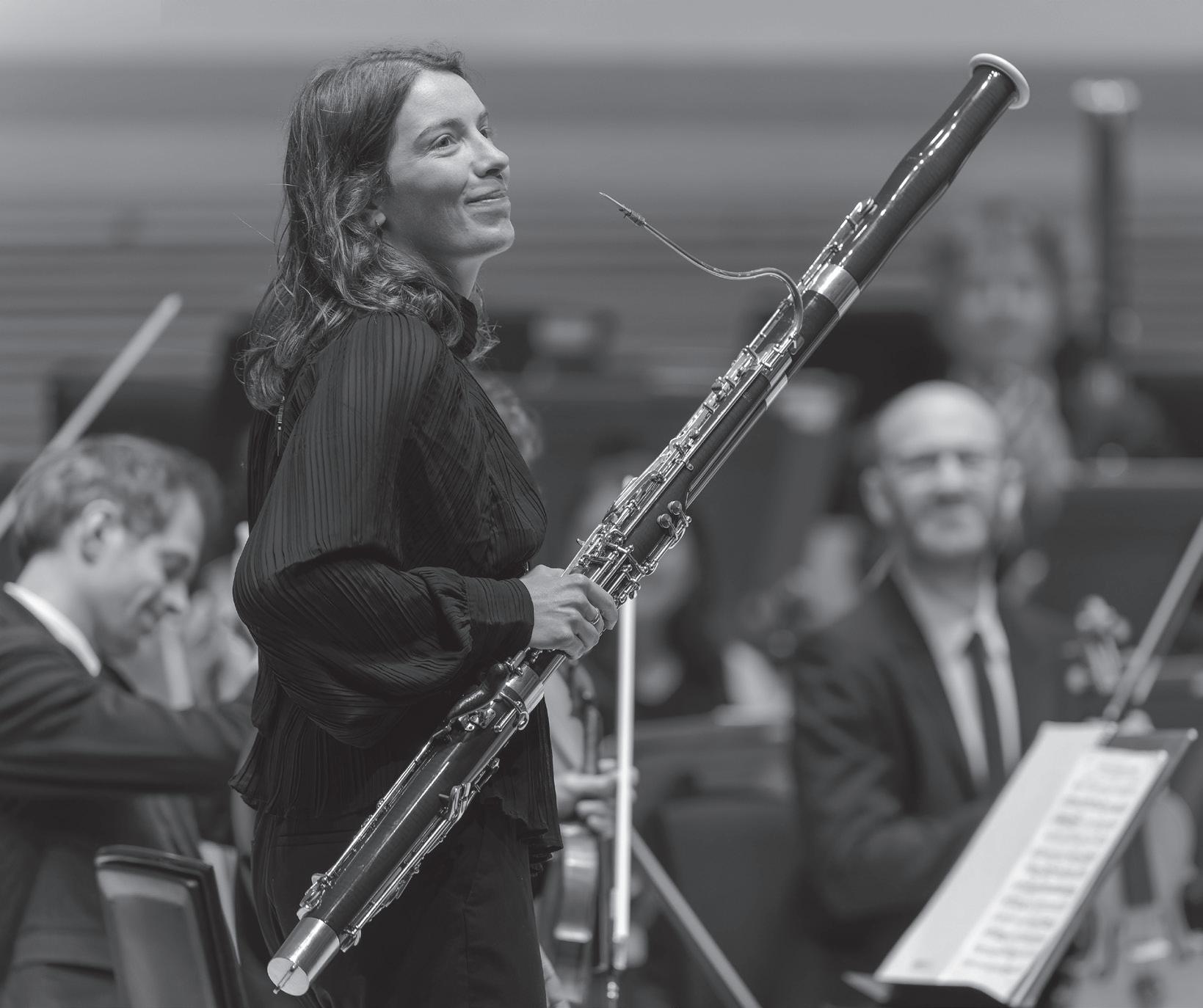
Cerys Ambrose-Evans
Principal Bassoon
D’INDY (1851-1931)
Chanson et Danses, Op.50 (1898)
Chanson
Danses
GOUNOD (1818-1893)
Petite Symphonie (1885)
Adagio et Allegretto
Andante cantabile
Scherzo: Allegro moderato
Finale: Allegretto
JONATHAN DOVE (b. 1959)
Figures in the Garden (1991)
Dancing in the dark
Susanna in the rain
A conversation
Barbarina alone
The Countess interrupts a quarrel
Voices in the garden
Nocturne: Figaro and Susanna
MOZART (1756-1791)
Harmoniemusik from The Marriage of
Figaro, K.492 (1786)
arr. Cebrián (2025)
Overture
Cinque, dieci, venti
Voi che sapete
Non più andrai
Two renowned traditions of music for wind instruments come together in tonight’s wide-ranging, centuries-spanning concert: one French, the other Austrian/German. Indeed, the rivalry between these two musical cultures more generally sheds light on the music of the concert’s first composer, Vincent d’Indy, as we’ll shortly discover. But these two wind traditions –sometimes complementary, sometimes competitive – have roots many years before d’Indy was working in the late 19th and early 20th centuries.
France, in fact, has a centuries-old history of military and civic wind bands, and the founding of the Paris Conservatoire in 1795, in the turbulent aftermath of the 1789 revolution, provided a focus for a particularly strong wind tradition, as well as training many of the country’s virtuoso wind and brass players. Fast-moving developments in instrument design and manufacture, too, made France the world centre for not just wind playing, but also wind instrument making.
The accolade for most influential French wind player, however, would undoubtedly go to Bordeaux-born flautist Paul Taffanel, one of the Paris Conservatoire’s teeming output of exceptional wind players, and a musician who returned to the institution as a flute teacher for 15 years, as well as going on to become one of the Paris Opera’s chief conductors. More importantly for tonight’s concert, Taffanel also founded the Société de musique de chambre pour instruments à vent (Society of Chamber Music for Wind Instruments) in 1879, which became one of France’s most influential musical organisations, with an explicit manifesto of promoting music for winds –quite a radical proposition at a time when
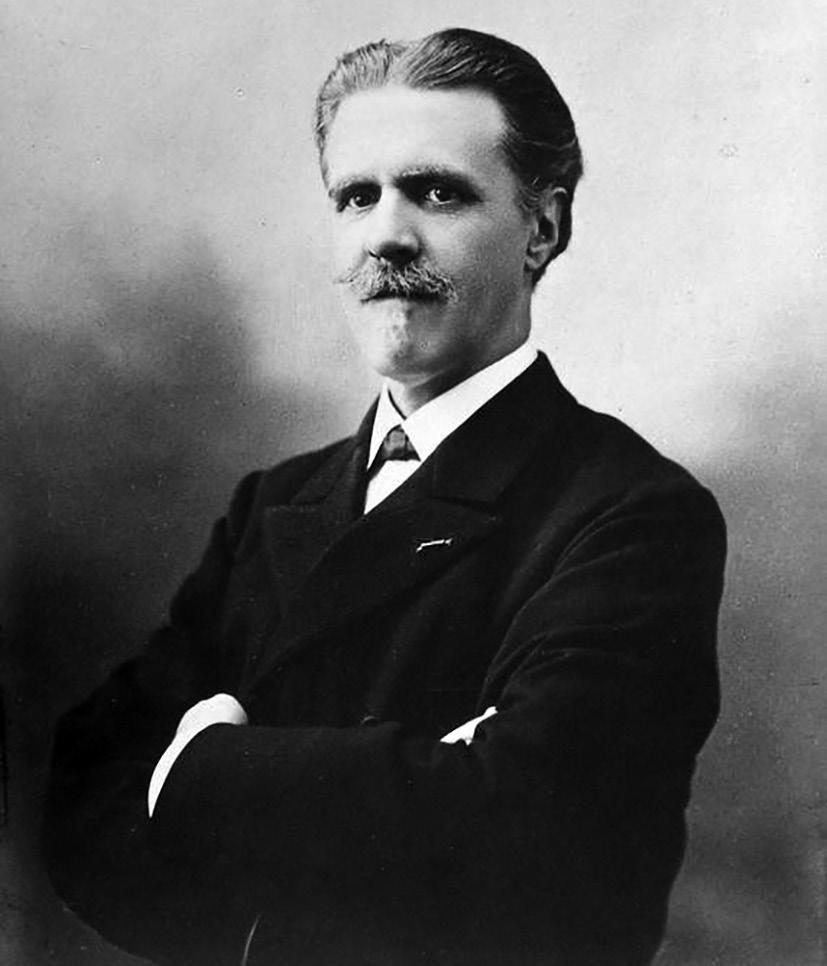
D’Indy was a fascinating figure, a Parisian through and through who held a deep admiration for German music after experiencing Wagner’s Ring cycle at the composer’s specially built opera house in Bayreuth as a 25-year-old.
stringed instruments and piano almost entirely dominated chamber music.
As well as unearthing little-known wind music by composers such as Mozart and Beethoven, Taffanel also commissioned many new works from contemporary French composers. We’ll hear two of those works in the first half of tonight’s concert.
Among those composers was Vincent d’Indy, who wrote his colourful Chanson et danses during the summer of 1898 for Taffanel’s Société. D’Indy was a fascinating figure, a Parisian through and through who held a deep admiration for German music after experiencing Wagner’s Ring cycle at the composer’s specially built opera house in Bayreuth as a 25-year-old. He was also co-founder of Paris’ Schola Cantorum, an institution
that stood in direct competition to the Conservatoire, where he fed students a strict diet of ancient Gregorian chant, early choral music and plenty of Bach. D’Indy was indeed a proud traditionalist, something reflected in his deeply nationalist views, which extended from the profoundly conservative into (more worryingly) anti-semitism.
All that said, however, d’Indy’s sometimes sultry, often heavily perfumed Chanson et danses seems to look ahead to Debussy as much as it looks back with reverence to a composer like Wagner. There are unmistakable echoes of the latter composer’s tender Siegfried Idyll in the opening Chanson 's languorous opening melody, first heard on one of the clarinets. After a faster central section, the warm opening melody returns to
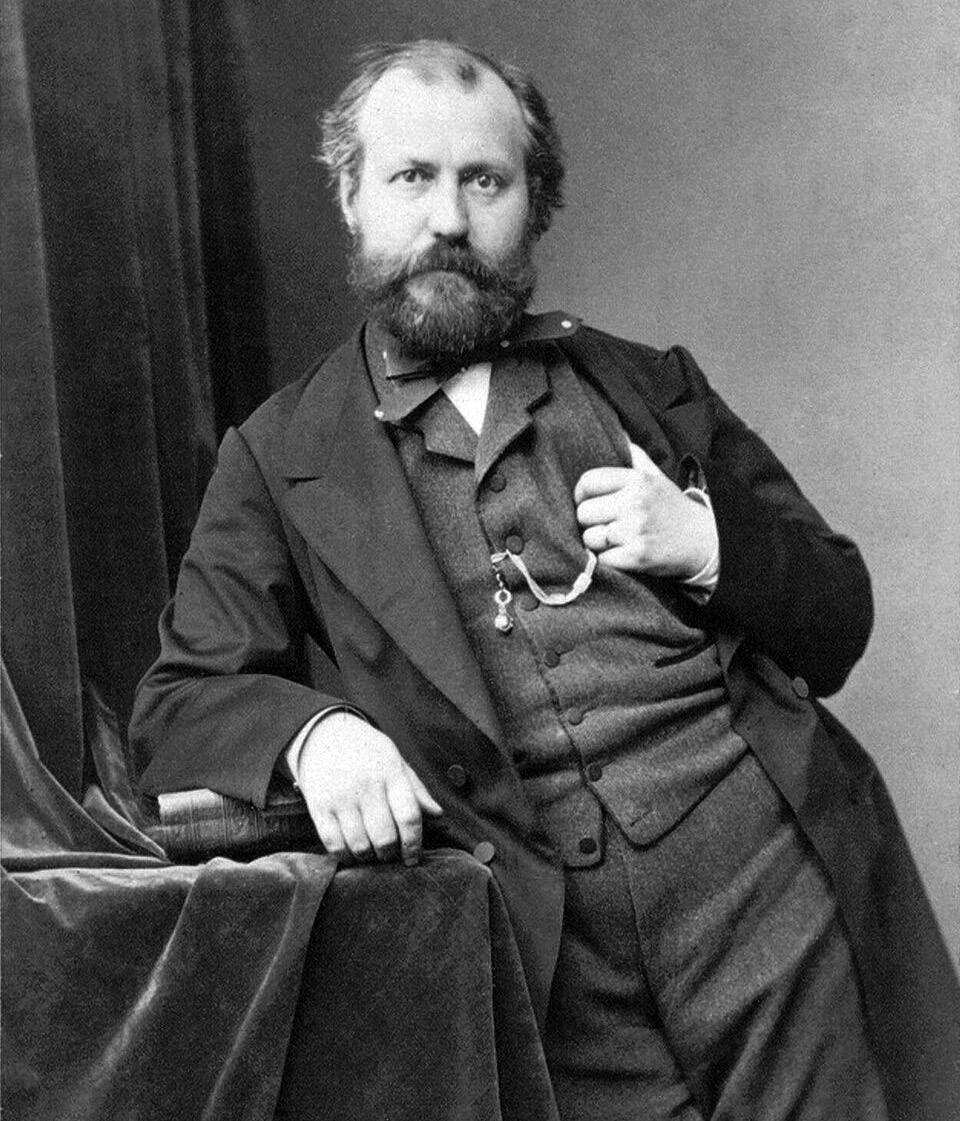
What Gounod came up with went under the somewhat self-effacing title of Petite symphonie, but the composer was perhaps playing down the piece’s ambitions.
bring this section to a resonant close. The subsequent Danses kick off with spiky rhythms, before a keening, slow-moving melody sung out by one of the oboes.
Just as the Danses seem to be working themselves up into a climax, however, d’Indy veers sideways into the slower, more luminous music of the Chanson , which leads the piece towards its quiet, thoughtful conclusion.
Nowadays, Charles Gounod is remembered almost entirely as an opera composer: his lavish, flamboyant Faust , unveiled to the world in 1859, is still regularly performed and remains a cornerstone of French opera. Indeed, his close friend Paul Taffanel would go on to conduct several of Gounod’s operas during his own years as conductor at the Paris Opera.
At 67, Gounod was already a senior figure in French opera when Taffanel approached him to write a piece for the Société de musique de chambre pour instruments à vent in 1885. What Gounod came up with went under the somewhat self-effacing title of Petite symphonie , but the composer was perhaps playing down the piece’s ambitions. At 20 minutes, it’s hardly of Mahlerian length, and its scoring for nine wind instruments – pairs of oboes, clarinets, bassoons and horns plus a single flute, intended for Taffanel himself – maintains the piece’s modesty. But it’s nonetheless a fully worked-through symphony in four movements, one that combines a distinctively French sense of charm and sophistication with an almost Mozartean clarity and balance.
A slow, solemn introduction launches the
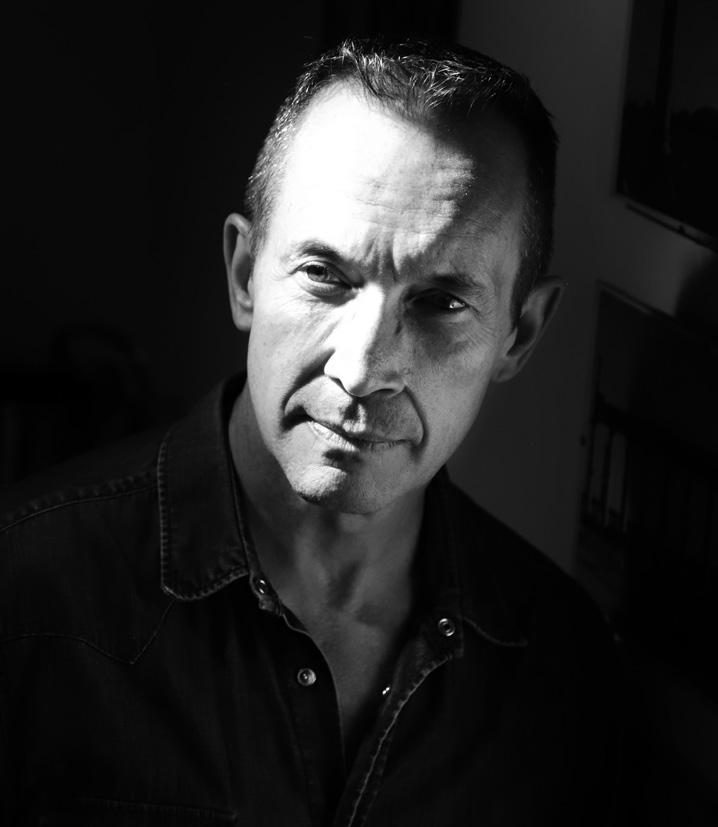
London-born Jonathan Dove is one of today’s most cherished and widely performed British composers, and made his name with a huge output of operas that have enjoyed wide international success.
Symphony’s opening movement (perhaps looking back to many examples of similar openings by Joseph Haydn), but Gounod’s main, faster music sets a far perkier theme against bouncy staccato accompaniment.
With its tender, heartfelt melody for solo flute, Gounod’s slow movement might even sound like an aria that’s escaped from one of his operas. Horns take the lead in the galloping rhythms of the vigorous third movement, before the lightfooted fun and mischief take over in the effervescent finale, which puts virtually all of the ensemble’s nine instruments in the spotlight at one time or another.
For the final two pieces of tonight’s concert, we move to another world of opera altogether – the mercilessly comic dissection of class, lust and power
in Mozart’s The Marriage of Figaro
But before we turn to the opera itself, we’ll explore a more recent response to its music and ideas. London-born Jonathan Dove is one of today’s most cherished and widely performed British composers, and made his name with a huge output of operas that have enjoyed wide international success. Even in his music for the concert hall (or, as in today’s piece, for outdoor performance), he maintains a thoroughly theatrical, dramatic perspective. He writes about his seven-movement wind octet Figures in the Garde n:
For their 1991 Mozart bicentenary celebrations, Glyndebourne commissioned five composers to write wind serenades. Each serenade was to be musically connected in some way with one of
Mozart’s operas, and to be played outdoors before the performance of the opera. I was asked to compose a piece to precede The Marriage of Figaro
Although Mozart’s comic masterpiece needs no introduction, musically or otherwise, I was attracted by the aptness of playing a serenade in the garden before performances of an opera whose last act is set in a garden, and which itself includes a number of serenades:
‘Voi che sapete’, ‘Deh vieni, non tardar’, and Susanna and the Countess’s letterwriting duet ‘Canzonetta sull’aria’. I had the idea that with all the performances of The Marriage of Figaro that had taken place at Glyndebourne, sounds from the opera had in some way impregnated the garden: snatches of recitative, musical figures, instrumental colours. I didn’t want to overwork Mozart’s tunes – it would be disastrous if the audience were tired of them before the opera had even begun – but each movement of Figures in the Garden is developed from a musical idea in the opera. Here and there an alternative scenario emerges: Susanna sings her aria in the rain (because it’s an English garden), and Figaro and Susanna finally enjoy a moment of shared tranquillity that is denied them in the opera.
For the final music in tonight’s concert, we turn to The Marriage of Figaro itself –though clearly not in its original operatic form. While France had its own proud history of wind music, a separate and equally long-standing tradition had existed in what are now Germany and Austria. Indeed, the wind ensemble – or Harmonie, to give it its German name –was all the rage in central Europe during the second half of the 18th century, as nobles and wealthy landowners
demanded light music from their house ensemble’s wind players for entertainment purposes. At its simplest, that might mean a few popular opera tunes as background music for dinner. At its most sophisticated, however, it led to elaborate rearrangements of symphonies or even whole operas, intended as serenades for banquets or garden parties, to charm and delight hunting expeditions, or even as ‘morning music’ to wake particularly esteemed guests.
Spring 1782 marked quite a turning point for the form: Austrian Emperor Joseph II ordered that an eight-piece wind ensemble assembled from his Vienna court orchestra (the forebear of the Vienna Philharmonic) should provide his ‘table music’, comprising pairs of oboes, clarinets, horns and bassoons. It was a group that included some of the most illustrious players in Europe at the time, including one Anton Stadler, for whom Mozart would later write his Clarinet Quintet and Concerto.
If Joseph II set the trend, then many others across Europe followed, thereby hugely expanding the repertoire for wind groups –and also encouraging some unscrupulous money-making. Before any concept of copyright, arrangers might be expected to leap on the latest operatic hit and extract its big tunes for Harmonie versions, whether the original composer knew about it or not. Mozart, for example, wrote from Vienna to his father in Salzburg that he planned to rearrange the whole of his opera Die Entführung aus dem Serail for wind ensemble before anyone else could get their hands on it. On another occasion, the story goes, he was serenaded on his way home late one night by a sextet of
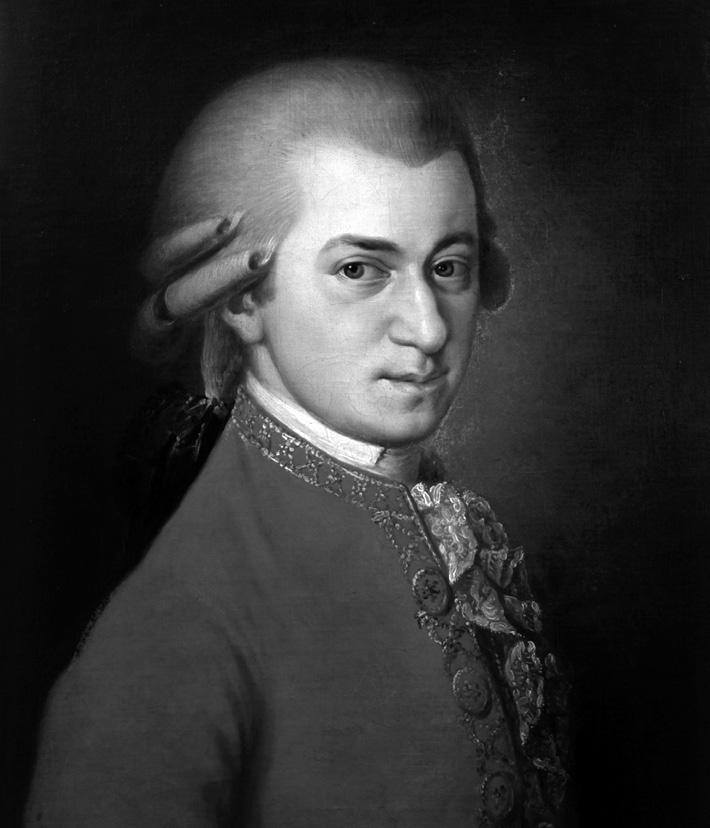
The bustling, witty Overture sets the scene for the opera’s farcical but razor-sharp comedy, and Cebrián ensures stand-out solos for each of the ensemble’s players.
street wind musicians, playing something that he himself had composed.
Not that there’s anything untoward going on in tonight’s closing arrangements of music from The Marriage of Figaro André Cebrián is the Scottish Chamber Orchestra’s Principal Flute, and also an accomplished arranger of music for wind ensemble and other instruments. He continues in a centuries-old tradition with the four numbers he’s arranged from Mozart’s sparkling comedy of manners for wind nonet, featuring flute, plus pairs of oboes, clarinets, bassoons and horns.
The bustling, witty Overture sets the scene for the opera’s farcical but razor-sharp comedy, and Cebrián ensures stand-out solos for each of the ensemble’s players. ‘Cinque, dieci, venti’ is the opera’s very first
number, as the wily Figaro and his bride-tobe Susanna measure out the space for their bridal bed – even if Susanna is more than a little concerned by their room’s proximity to that of their employer, the lascivious Count Almaviva. A far more innocent kind of love is put under the spotlight in ‘Voi che sapete’, in which the teenage page boy Cherubino admits he doesn’t understand his burgeoning desires to Susanna and the Countess: a solo oboe stands in for the lad’s vocal line. Cebrián’s arrangements conclude with ‘Non più andrai’, with a horn replacing Figaro’s original vocals, in which the sly valet has some mischief describing the hardships of military life to the terrified Cherubino, who’s been banished to the army for flirting with the women of the Almaviva estate.
© David Kettle
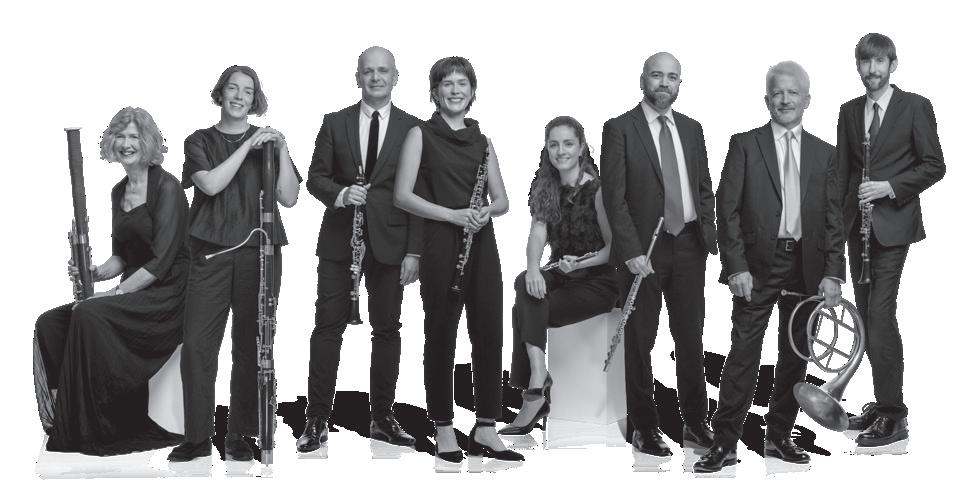
The Scottish Chamber Orchestra includes a double-wind section of outstanding players who also appear as soloists with the Orchestra.
Inspired by the legacy of the great Mozartian conductors of the SCO including Sir Charles Mackerras, the players are known for their stylish and exuberant performances of repertoire ranging from the celebrated divertimenti and wind serenades of the 18th century to music of the present day.
The SCO Wind Soloists appear regularly in Scotland’s main cities and further afield, including the Highlands and Islands. They have also performed at Wigmore Hall, the Palace of Holyroodhouse in the presence of HRH the former Duke of Rothesay, and at the Aix-en-Provence Easter Festival. Since 2016 they have partnered annually with wind students of the Royal Conservatoire of Scotland in Side-by-Side rehearsals and concerts.
As an ensemble, the SCO Wind Soloists have recorded divertimenti and serenades by Mozart and Beethoven (Linn Records).
For full biography please visit sco.org.uk
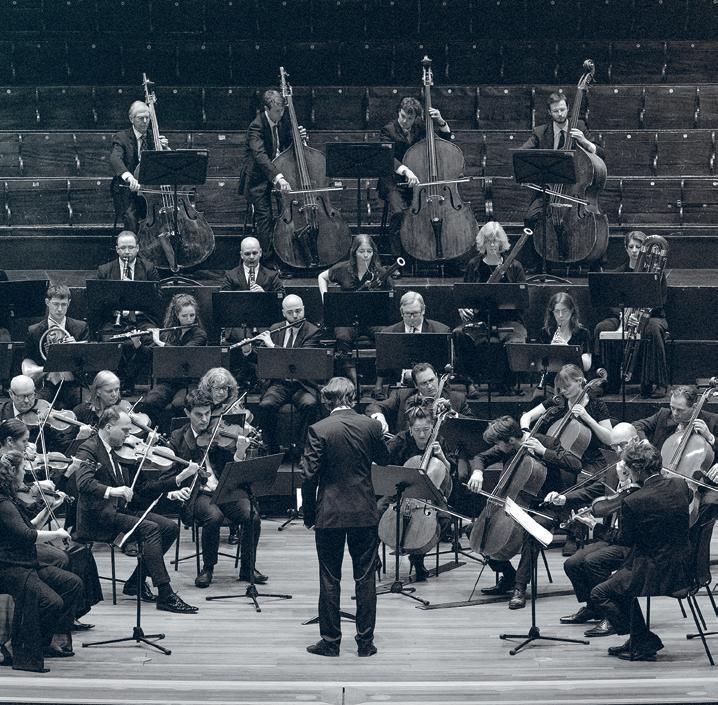
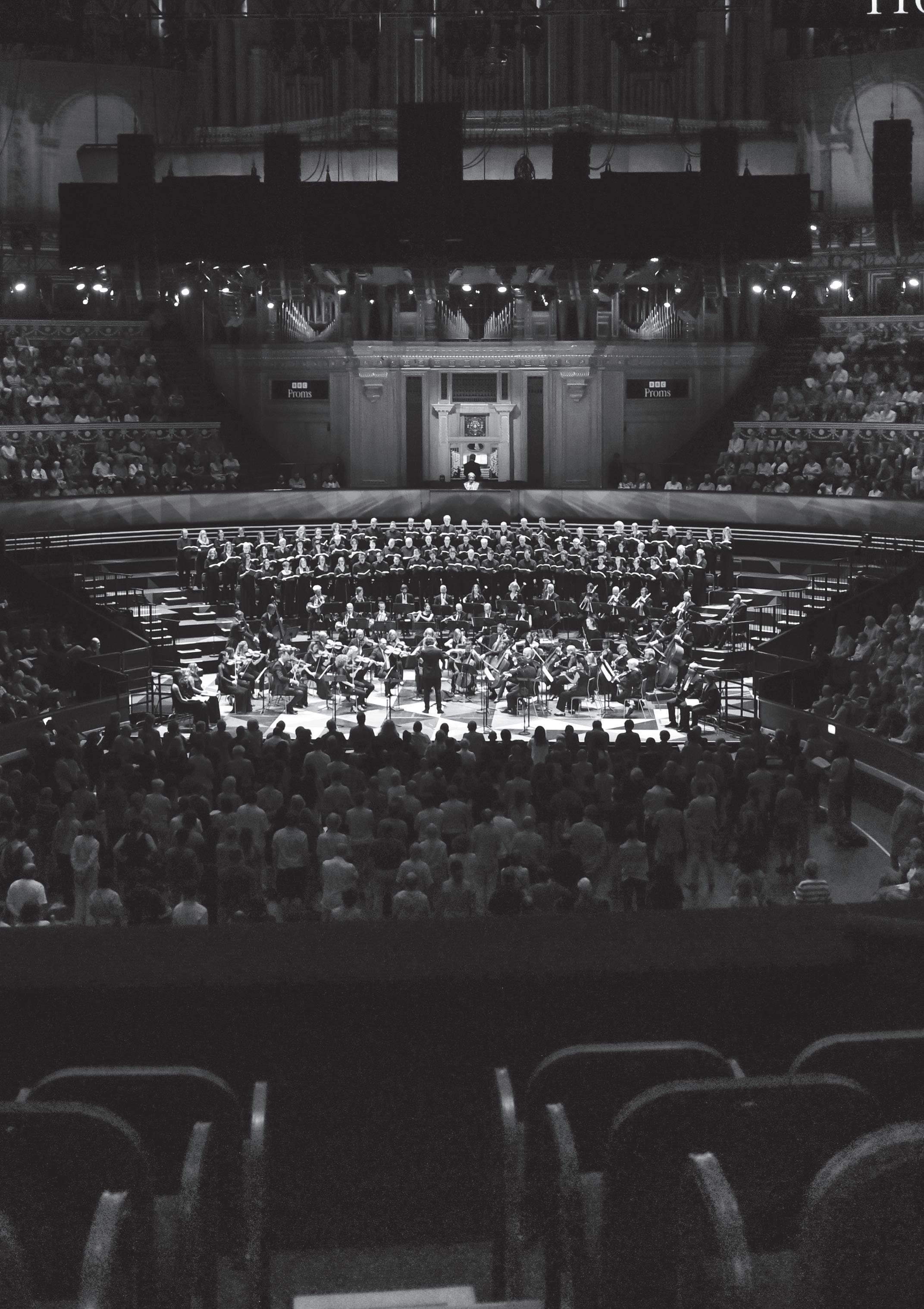
The Scottish Chamber Orchestra (SCO) is one of Scotland’s five National Performing Companies and has been a galvanizing force in Scotland’s music scene since its inception in 1974. The SCO believes that access to world-class music is not a luxury but something that everyone should have the opportunity to participate in, helping individuals and communities everywhere to thrive. Funded by the Scottish Government, City of Edinburgh Council and a community of philanthropic supporters, the SCO has an international reputation for exceptional, idiomatic performances: from mainstream classical music to newly commissioned works, each year its wide-ranging programme of work is presented across the length and breadth of Scotland, overseas and increasingly online.
Equally at home on and off the concert stage, each one of the SCO’s highly talented and creative musicians and staff is passionate about transforming and enhancing lives through the power of music. The SCO’s Creative Learning programme engages people of all ages and backgrounds with a diverse range of projects, concerts, participatory workshops and resources. The SCO’s current five-year Residency in Edinburgh’s Craigmillar builds on the area’s extraordinary history of Community Arts, connecting the local community with a national cultural resource.
An exciting new chapter for the SCO began in September 2019 with the arrival of dynamic young conductor Maxim Emelyanychev as the Orchestra’s Principal Conductor. His tenure has recently been extended until at least 2031. The SCO and Emelyanychev released their first album together (Linn Records) in 2019 to widespread critical acclaim. Their second recording together, of Mendelssohn symphonies, was released in 2023, with Schubert Symphonies Nos 5 and 8 following in 2024.
The SCO also has long-standing associations with many eminent guest conductors and directors including Principal Guest Conductor Andrew Manze, Pekka Kuusisto, François Leleux, Nicola Benedetti, Isabelle van Keulen, Anthony Marwood, Richard Egarr, Mark Wigglesworth, Lorenza Borrani and Conductor Emeritus Joseph Swensen.
The Orchestra’s current Associate Composer is Jay Capperauld. The SCO enjoys close relationships with numerous leading composers and has commissioned around 200 new works, including pieces by Sir James MacMillan, Anna Clyne, Sally Beamish, Martin Suckling, Einojuhani Rautavaara, Karin Rehnqvist, Mark-Anthony Turnage, Nico Muhly and the late Peter Maxwell Davies.
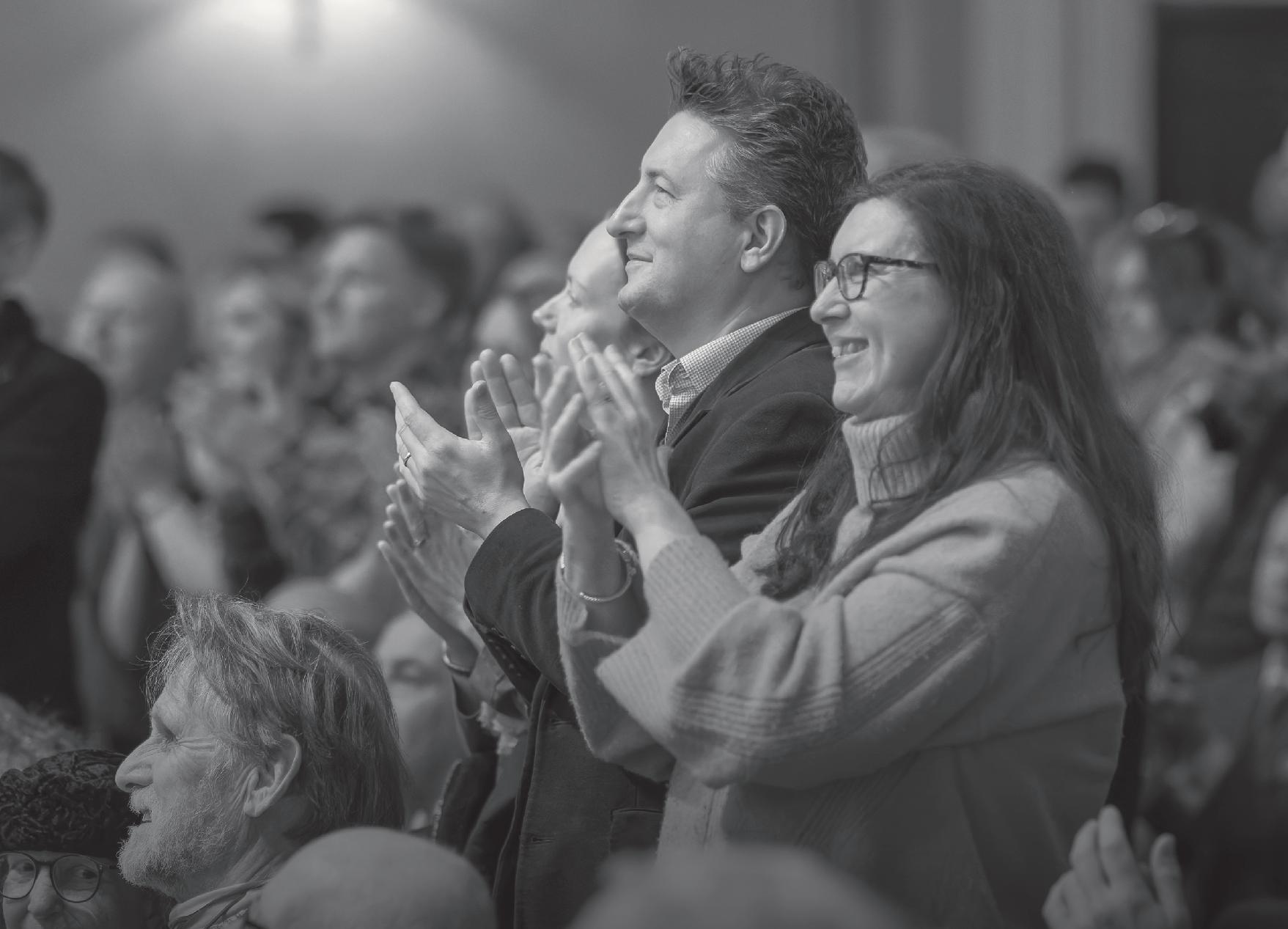
This summer, we are bringing world-class music to 26 towns and cities across Scotland, stretching from Fraserburgh in the northeast to Kirkcudbright in the southwest! The programmes take in everything from firm favourites to a host of lesser-known gems, with several SCO Principals among the soloists.
Your donation will help deepen our connections with local communities, showcase our exceptional musicians, and bring world-class performances to audiences who rarely have the opportunity to experience live orchestral music in their area. For more information on how you can become a regular donor, please get in touch with Hannah on 0131 478 8364 or hannah.wilkinson@sco.org.uk.

The SCO is a charity registered in Scotland No SC015039.
Photo: Christopher Bowen