11-13 March 2026

11-13 March 2026
Wednesday 11 March, 7.30pm Holy Trinity Church, St Andrews
Thursday 12 March, 7.30pm The Queen's Hall, Edinburgh
Friday 13 March, 7.30pm City Halls, Glasgow
ANNA CLYNE Sound and Fury†
DANI HOWARD Saxophone Concerto*
GEORGE WALKER Lyric for Strings
Interval of 20 minutes
CAROLINE SHAW Entr’acte
DAVE HEATH The Celtic*
JOHN HARLE Rant!*
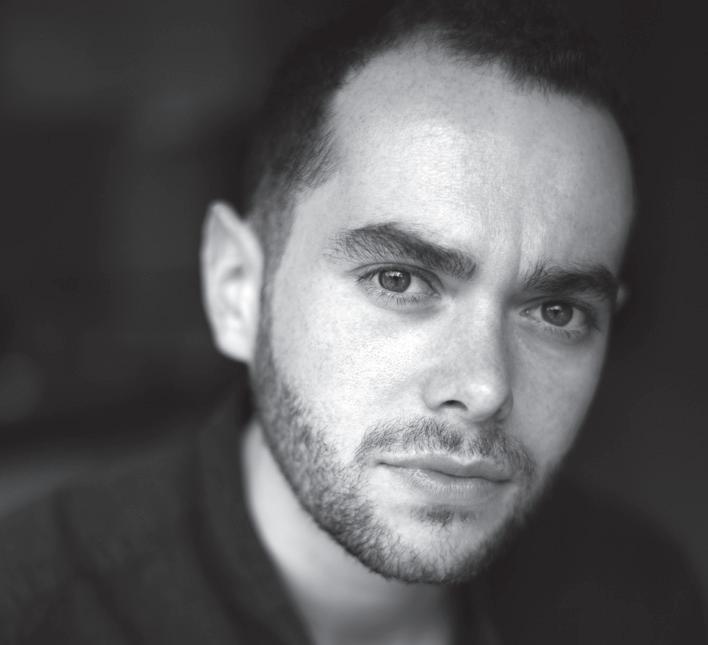
Ben Glassberg conductor
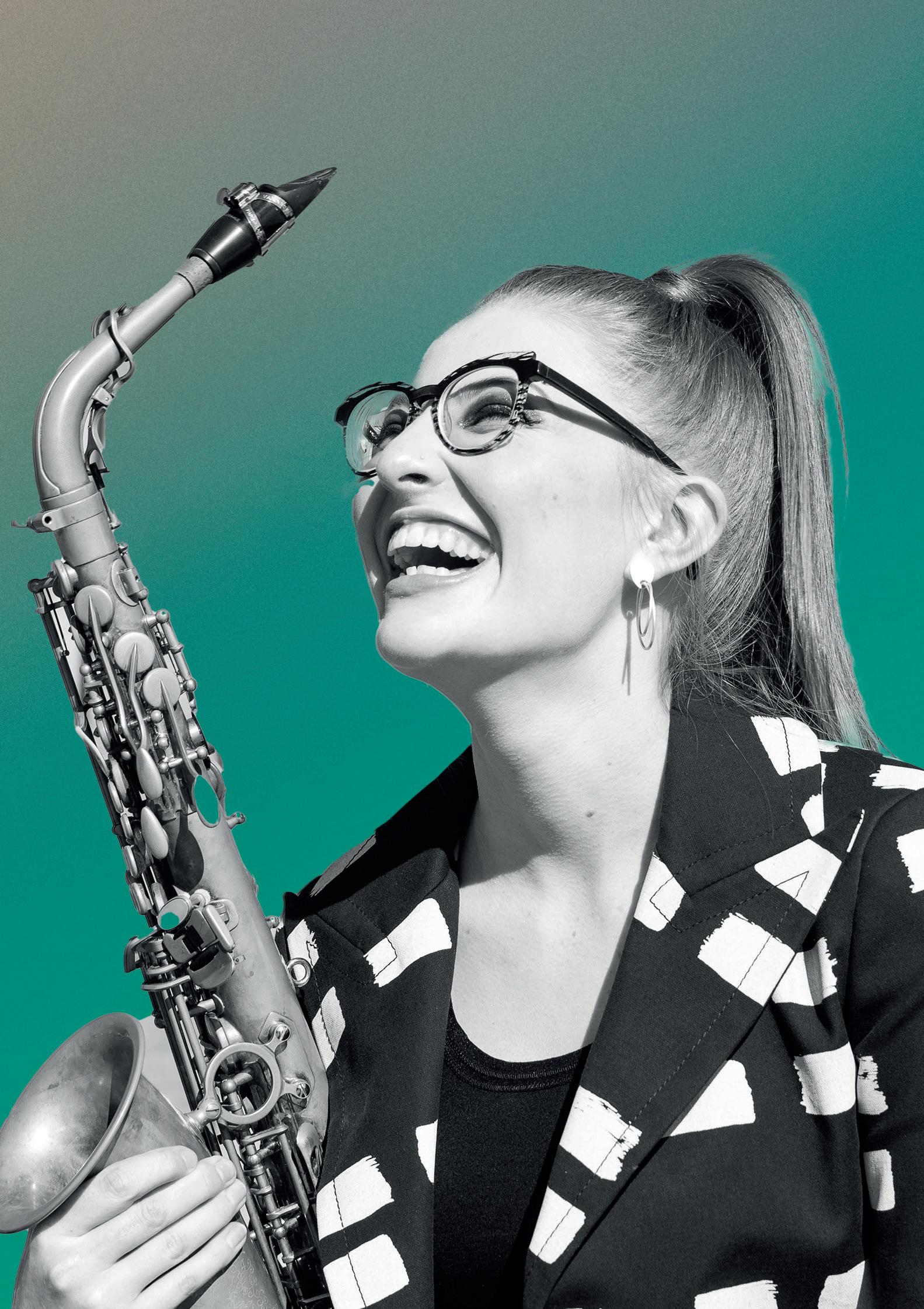
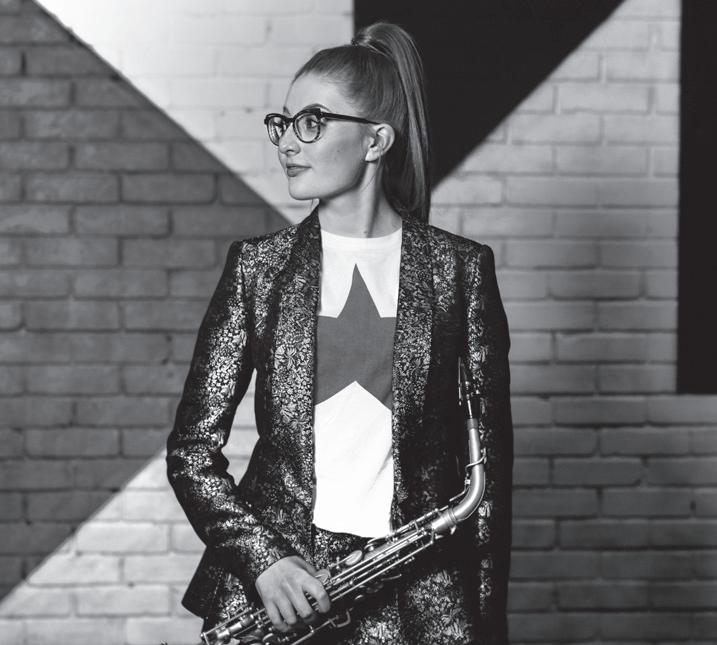
Jess Gillam saxophones*
†Commissioned by the Scottish Chamber Orchestra, The Orchestre National de Lyon and Hong Kong Sinfonietta.
4 Royal Terrace, Edinburgh EH7 5AB
+44 (0)131 557 6800 | info@sco.org.uk | sco.org.uk
The Scottish Chamber Orchestra is a charity registered in Scotland No. SC015039. Company registration No. SC075079.
THANK YOU
Our Principal Conductor’s Circle are a special part of our musical family. Their commitment and generosity benefit us all – musicians, audiences and creative learning participants alike.
Annual Fund
James and Patricia Cook
Visiting Artists Fund
Harry and Carol Nimmo
Anne and Matthew Richards
International Touring Fund
Gavin and Kate Gemmell
Learning and Participation Fund
Jo and Alison Elliot
Sabine and Brian Thomson
American Development Fund
Erik Lars Hansen and Vanessa C L Chang
Productions Fund
Geoff and Mary Ball
Bill and Celia Carman
Anne, Tom and Natalie Usher
Scottish Touring Fund
Eriadne and George Mackintosh
Claire and Anthony Tait
New Music Fund
Ken Barker and Martha Vail Barker
Colin and Sue Buchan
The Thomas Family
CHAIR SPONSORS
Conductor Emeritus Joseph Swensen
Donald and Louise MacDonald
Chorus Director Gregory Batsleer
Anne McFarlane
Second Violin Rachel Smith
J Douglas Home
Principal Viola Max Mandel
Ken Barker and Martha Vail Barker
Viola Brian Schiele
Christine Lessels
Viola Steve King
Sir Ewan and Lady Brown
Principal Cello Philip Higham
The Thomas Family
Sub-Principal Cello Su-a Lee
Ronald and Stella Bowie
Cello Donald Gillan
Professor Sue Lightman
Cello Eric de Wit
Jasmine Macquaker Charitable Fund
Principal Flute André Cebrián
Claire and Mark Urquhart
Sub-Principal Flute Marta Gómez
Judith and David Halkerston
Principal Oboe
The Hedley Gordon Wright Charitable Trust
Sub-Principal Oboe Katherine Bryer
Ulrike and Mark Wilson
Principal Clarinet Maximiliano Martín
Stuart and Alison Paul
Principal Bassoon Cerys Ambrose-Evans
Claire and Anthony Tait
Sub-Principal Bassoon Alison Green
George Rubienski
Principal Horn Kenneth Henderson
Caroline Hahn and Richard Neville-Towle





Diamond
The Cockaigne Fund
Malcolm and Avril Gourlay
John and Jane Griffiths
James and Felicity Ivory
George Ritchie
Tom and Natalie Usher
Platinum
E.C. Benton
Michael and Simone Bird
Silvia and Andrew Brown
David Caldwell in memory of Ann
Dr Peter Williamson and Ms Margaret Duffy
David and Elizabeth Hudson
Helen B Jackson
Dr and Mrs Peter Jackson
Dr Daniel Lamont
Graham and Elma Leisk
Professor and Mrs Ludlam
Chris and Gill Masters
Duncan and Una McGhie
Anne-Marie McQueen
James F Muirhead
Robin and Catherine Parbrook
Jane Peacock in memory of Douglas Peacock
Charles Platt and Jennifer Bidwell
Patrick and Susan Prenter
Mr and Mrs J Reid
The Walter and Janet Reid Charitable Trust
Martin and Mairi Ritchie
Hilary E Ross
Elaine Ross
Sir Muir and Lady Russell
Jill and Brian Sandford
Michael and Elizabeth Sudlow
Robert and Elizabeth Turcan
Alan and Sue Warner
Bill Welsh
Anny and Bobby White
Robert Mackay and Philip Whitley
Finlay and Lynn Williamson
Ruth Woodburn
Peter Armit
Adam Gaines and Joanna Baker
John and Maggie Bolton
Elizabeth Brittin
Kate Calder
James Wastle and Glenn Craig
Jo and Christine Danbolt
James and Caroline Denison-Pender
Andrew and Kirsty Desson
David and Sheila Ferrier
Chris and Claire Fletcher
James Friend
Iain Gow
Margaret Green
Christopher and Kathleen Haddow
Catherine Johnstone
Julie and Julian Keanie
Gordon Kirk
Janey and Barrie Lambie
Mike and Karen Mair
Roy and Svend McEwan-Brown
John and Liz Murphy
Tom Pate
Maggie Peatfield
Sarah and Spiro Phanos
Alison and Stephen Rawles
Andrew Robinson
Olivia Robinson
Anne McAlister and Philip Sawyer
Irene Smith
Dr Jonathan Smithers
Ian S Swanson
Ian and Janet Szymanski
John-Paul and Joanna Temperley
Douglas and Sandra Tweddle
Catherine Wilson
Neil and Philippa Woodcock
Georgina Wright
Silver
Roy Alexander
Fiona and Neil Ballantyne
The Batsleer Family
Jack Bogle
Jane Borland
Alan Borthwick
Dinah Bourne
Michael and Jane Boyle
Mary Brady
Paula and Colin Brown
John Brownlie
Laura Buist
Robert Burns
Sheila Colvin
Lorn and Camilla Cowie
Adam and Lesley Cumming
Dr Wilma Dickson
Seona Reid and Cordelia Ditton
Sylvia Dow
Colin Duncan in memory of Norma Duncan
Richard and Cath Dyer
Raymond Ellis
Dr and Mrs Alan Falconer
Sheila Ferguson
Dr William Irvine Fortescue
Dr David Grant
Anne Grindley
Andrew Hadden
J Martin Haldane
Ronnie and Ann Hanna
Roderick Hart
Norman Hazelton
Ron and Evelynne Hill
Philip Holman
Clephane Hume
Tim and Anna Ingold
David and Pamela Jenkins
Margaret Mortimer and Ken Jobling
Ross D. Johnstone
James Kelly
Professor Christopher and Mrs Alison Kelnar
Dr Ian Laing
Geoff Lewis
Dorothy A Lunt
Vincent Macaulay
James McClure in memory of Robert Duncan
Ben McCorkell
Lucy McCorkell
Gavin McCrone
Michael McGarvie
Brian Miller
Alistair Montgomerie
Norma Moore
Andrew Murchison
Pamela Andrews and Alan Norton
Gilly Ogilvy-Wedderburn
Mairi & Ken Paterson
John Peutherer in memory of Audrey Peutherer
James S Potter
Timothy Barnes and Janet Sidaway
Catherine Steel
John and Angela Swales
Takashi and Mikako Taji
C S Weir
Susannah Johnston and Jamie Weir
David and Lucy Wren
We are indebted to everyone acknowledged here who gives philanthropic gifts to the SCO of £300 or greater each year, as well as those who prefer to remain anonymous.
We are also incredibly thankful to the many individuals not listed who are kind enough to support the Orchestra financially on a regular or ad hoc basis. Every single donation makes a difference.
Become a regular donor, from as little as £5 a month, by contacting Hannah Wilkinson on 0131 478 8364 or hannah.wilkinson@sco.org.uk.
“…an orchestral sound that seemed to gleam from within.”
HM The King Patron
Donald MacDonald CBE
Life President
Joanna Baker CBE Chair
Gavin Reid LVO
Chief Executive
Maxim Emelyanychev
Principal Conductor
Andrew Manze
Principal Guest Conductor
Joseph Swensen
Conductor Emeritus
Gregory Batsleer
Chorus Director
Jay Capperauld
Associate Composer
First Violin
Stephanie Gonley
Afonso Fesch
Emma Baird
Amira Bedrush-McDonald
Fiona Alexander
Sarah Bevan Baker
Kristin Deeken
Wen Wang
Second Violin
David López Ibáñez
Michelle Dierx
Rachel Spencer
Dániel Máté Mészöly
Kirsty Main
Serena Whitmarsh
Viola
Jessica Beeston
Ana Dunne Sequi
Elaine Koene
Steve King
Cello
Caroline Dale
Donald Gillan
Eric de Wit
Christoff Fourie
Bass
Jamie Kenny
Ben Havinden-Williams
Flute
André Cebrián
Marta Gómez
Oboe
John Roberts
Katherine Bryer
Clarinet
Maximiliano Martín
William Stafford
Bassoon
Greg Topping
Alison Green
Horn
George Strivens
Hannah Williams
Information correct at the time of going to print
Trumpet
Peter Franks
Shaun Harrold
Trombone
Simon Johnson
Chris Mansfield
Tuba
John Gawn
Timpani
Alasdair Kelly
Percussion
Jake Brown
Colin Hyson
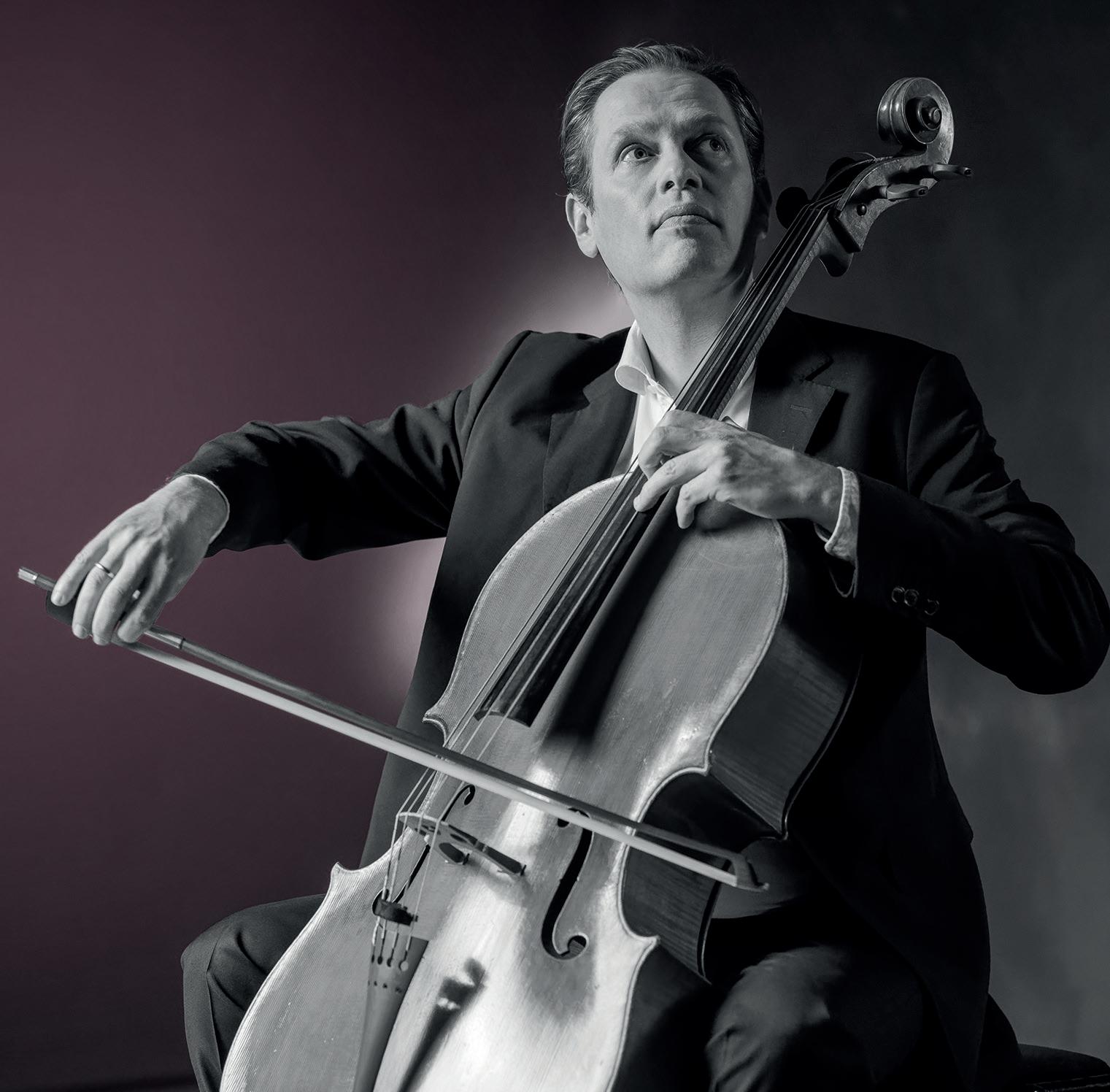
Eric de Wit
Cello
CLYNE (b.1980)
Sound and Fury (2019)
Commissioned by Scottish Chamber Orchestra, The Orchestre National de Lyon and Hong Kong Sinfonietta.
DANI HOWARD (b.1993)
Saxophone Concerto (2024)
GEORGE WALKER (1913-1976)
Lyric for Strings (1946, revised 1990)
CAROLINE SHAW (b.1982)
Entr’acte (2011, revised 2014)
DAVID HEATH (b. 1956)
The Celtic (1994)
Ceilidh
Lament for Collessie
The Cooper of Clapham
JOHN HARLE (b.1956)
Rant! (2018)
There’s a well-known gag about nobody being able to name four famous Belgians. If you’re struggling, make sure you add to your list one Adolphe Sax, Dinant-born inventor and patenter of the musical instrument that’s in the spotlight tonight. Even from its origins in the 1840s, however, the saxophone had a bit of an identity crisis. Sax himself saw it as a classical instrument – one that would bridge the contrasting sonic worlds of an orchestra’s woodwind and brass sections – but there was resistance, if not outright hostility, to this sensual, sultry newcomer from more conservative classical circles. Some composers embraced it – Berlioz, Bizet, Debussy and Ravel among them. Others, however, spurned its charms, perhaps alarmed at the increasingly secure foothold it later found in jazz and popular music. Among the saxophone pieces created by far more recent composers – three of whom we’ll hear from this evening – there’s a clear embrace of the instrument’s multiple personality, of its ability to soar and sing like a classical voice, and to summon all the grit and gutsiness of more popular music.
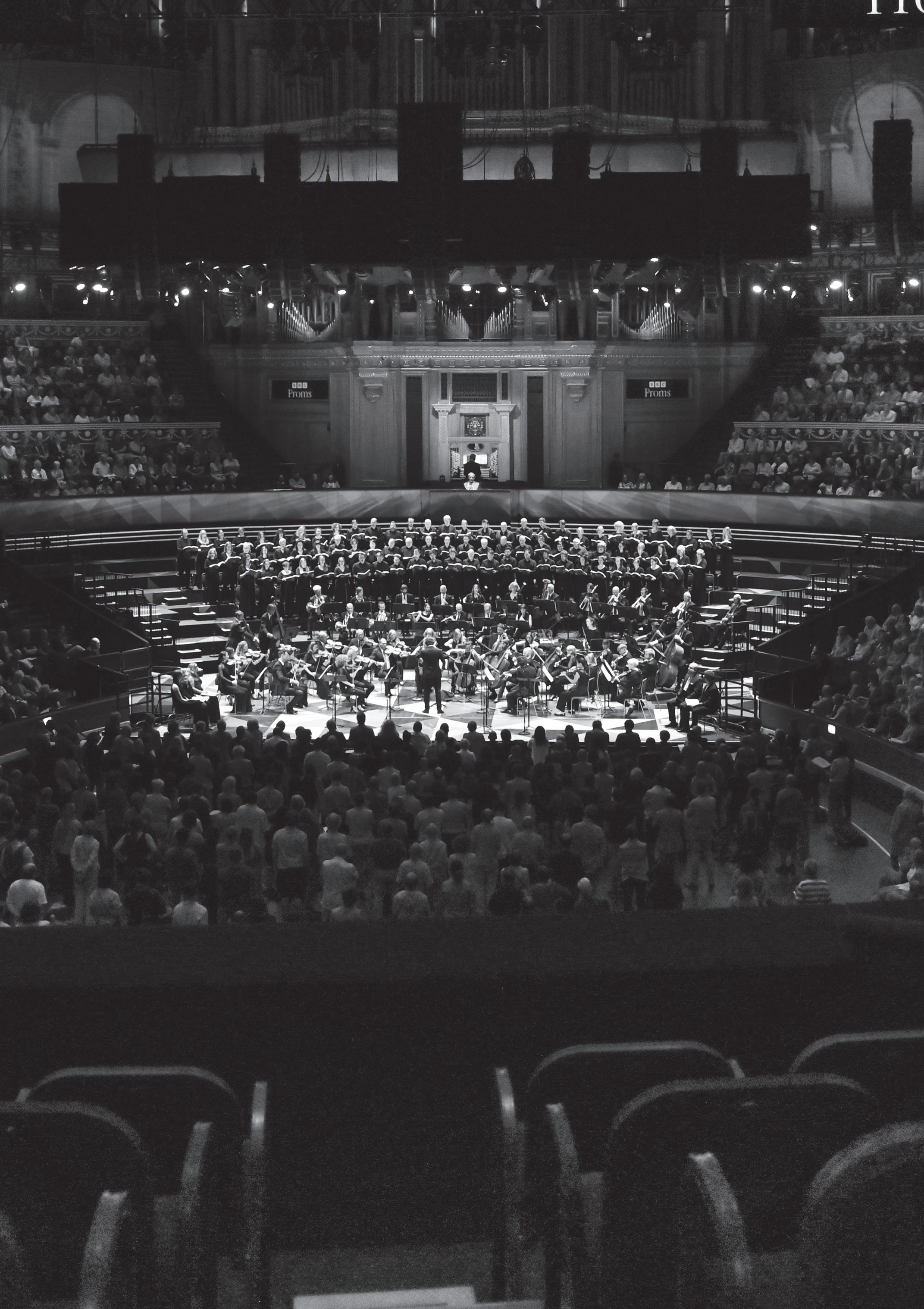
Though the saxophone is firmly in the spotlight, tonight’s concert also looks to both sides of the Atlantic for inspiration. And tonight’s first composer – London-born, Edinburgh-educated and now New York-based Anna Clyne –straddles both of those locations. She was the Scottish Chamber Orchestra’s Associate Composer from 2019 to 2022, and it was during her tenure that the SCO commissioned her to compose tonight’s opening piece. She writes about it:
Sound and Fury draws upon two great works of art for its inspiration: Haydn’s Symphony No.60 (‘Il distratto’) and Shakespeare’s Macbeth. The piece was premiered by the Scottish Chamber Orchestra on a programme that included this Haydn symphony.
Sound and Fury draws upon two great works of art for its inspiration: Haydn’s Symphony No.60 (‘Il distratto’) and Shakespeare’s Macbeth.
‘ll distratto’ incorporates Haydn’s music for Le distrait, a play by Jean-François Regnard, so it seemed fitting to draw inspiration from both musical and literary sources for Sound and Fury. To begin, I listened to ‘lI distratto’ many times and on a single sheet of paper, I wrote down the key elements that caught my ear, which ranged from rhythmic gestures to melodic ideas, harmonic progressions, and even a musical joke (Haydn brings the feverish final prestissimo to a grinding halt for the violins to re-tune). I chose between one and four elements from each of the six movements and developed them though my own lens – layering, stretching, fragmenting and looping. While experienced as one complete movement, Sound and Fury is also structured in six sub-sections that follow the same trajectory of ‘ll distratto’.
In the fifth section of Sound and Fury I looped a harmonic progression from Haydn’s Adagio
in ‘ll distratto’, and this provides a bed of sound to support the delivery of ‘Tomorrow, and tomorrow, and tomorrow…’, the last soliloquy delivered by Macbeth upon learning of his wife’s death, and from which this work takes its title.
Tomorrow, and tomorrow, and tomorrow, Creeps in this petty pace from day to day,
To the last syllable of recorded time; And all our yesterdays have lighted fools
The way to dusty death. Out, out, brief candle! Life’s but a walking shadow, a poor player, That struts and frets his hour upon the stage, And then is heard no more. It is a tale
Told by an idiot, full of sound and fury, Signifying nothing.
The connection to Shakespeare’s play emerged gradually during the writing process, but especially after watching a recording of a 1979 masterclass with Sir Ian McKellen analysing
this soliloquy’s imagery and rhythmic use of language. Time lies at the heart of it – ‘hereafter … time … tomorrow … to day … yesterday …’ –and music provides us with this framework. The last line of this soliloquy (‘Signifying nothing.’) is incomplete; McKellen explains ‘the beats of the rest of that pentameter are not there – because the end of the speech is total silence – total oblivion – total emptiness.’ So rich in imagery and metaphor, I also found inspiration in Shakespeare’s rhythmic use of language. For example, before delivering this soliloquy, and after learning of his wife’s death, Macbeth says, ‘She should have died hereafter; There would have been a time for such a word.’ McKellen says: ‘There’s something about that line which trips – in Hamlet’s words – tick tocks like a clock.’ This is something that I play with also – layering rhythmic fragments that repeat and mark the passage of time.
My intention with Sound and Fury is to take the listener on a journey that is both invigorating – with ferocious string gestures that are flung around the orchestra with skittish outbursts – and serene and reflective – with haunting melodies that emerge and recede. Thank you to the Scottish Chamber Orchestra, the Orchestre National de Lyon and Hong Kong Sinfonietta for this opportunity to delve into ‘ll distratto’ for the first time, and to revisit Macbeth.
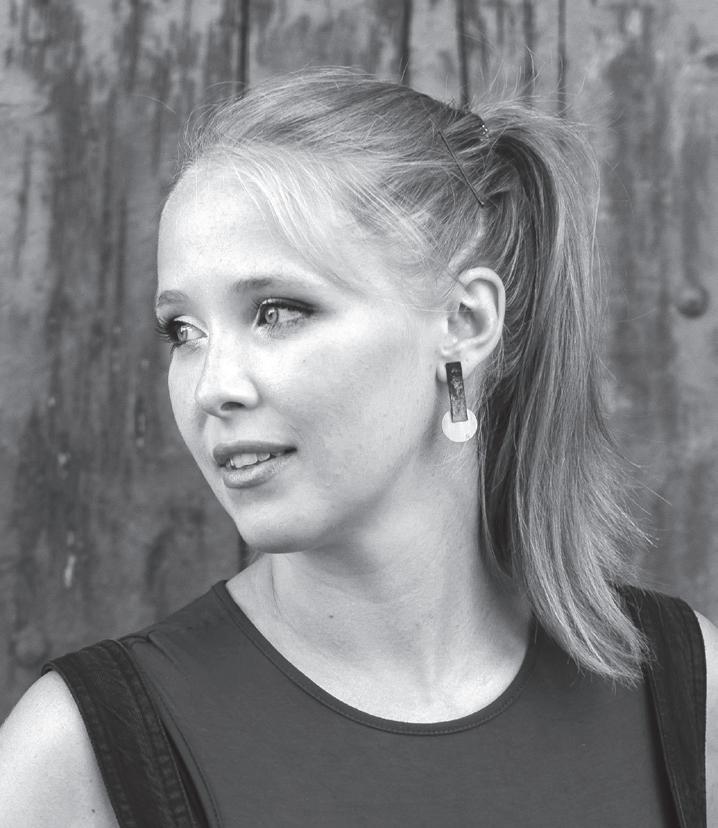
The first of tonight’s three saxophone works comes from Hong Kong-born British composer Dani Howard, who’s rapidly emerging as one of the most distinctive musical voices of her generation, with concertos and other works created specifically for some of today’s most prominent soloists – tonight’s saxophonist among them. Howard writes about her 2025 Saxophone Concerto:
I wrote my Saxophone Concerto specifically for Jess Gillam, a hugely dynamic and vibrant
performer. It is an homage to Adolphe Sax, the visionary inventor of the instrument. Structured in three movements, the concerto reflects the pivotal moments in Sax’s life: his ingenuity, his resilience in the face of adversity, and the enduring legacy of his invention.
The first movement captures the inventiveness of Sax as he conceptualises his revolutionary instrument. Spirited exchanges between the soloist and orchestra depict the early stages of the creative process: exploration, playfulness and determination.
The second movement delves into the personal and professional challenges Sax faced, from financial instability to fierce opposition from his competitors. The movement is an extended cadenza featuring a lyrical solo line, interwoven with both lighter and darker orchestral colours.
The final movement ‘claims its space’ and is a celebration of Sax’s legacy. Bursting with rhythmic ideas and playful energy, it highlights the soloist’s versatility. Jess Gillam leads the orchestra in this final movement which brings together all of the ideas from the previous two movements, culminating in an explosive finale.
With huge thanks to the Royal Stockholm Philharmonic Orchestra and the Bournemouth Symphony Orchestra for commissioning the work. Its premiere performances took place on 19 and 20 February 2005, by the Royal Stockholm Philharmonic Orchestra, conducted by Dalia Stasevska.
We travel back westwards across the Atlantic for tonight’s next piece. George Walker was a remarkable musician who achieved a string of firsts during his long life. He was the first African-American to graduate from Philadelphia’s prestigious Curtis Institute of Music with a dual diploma in piano and
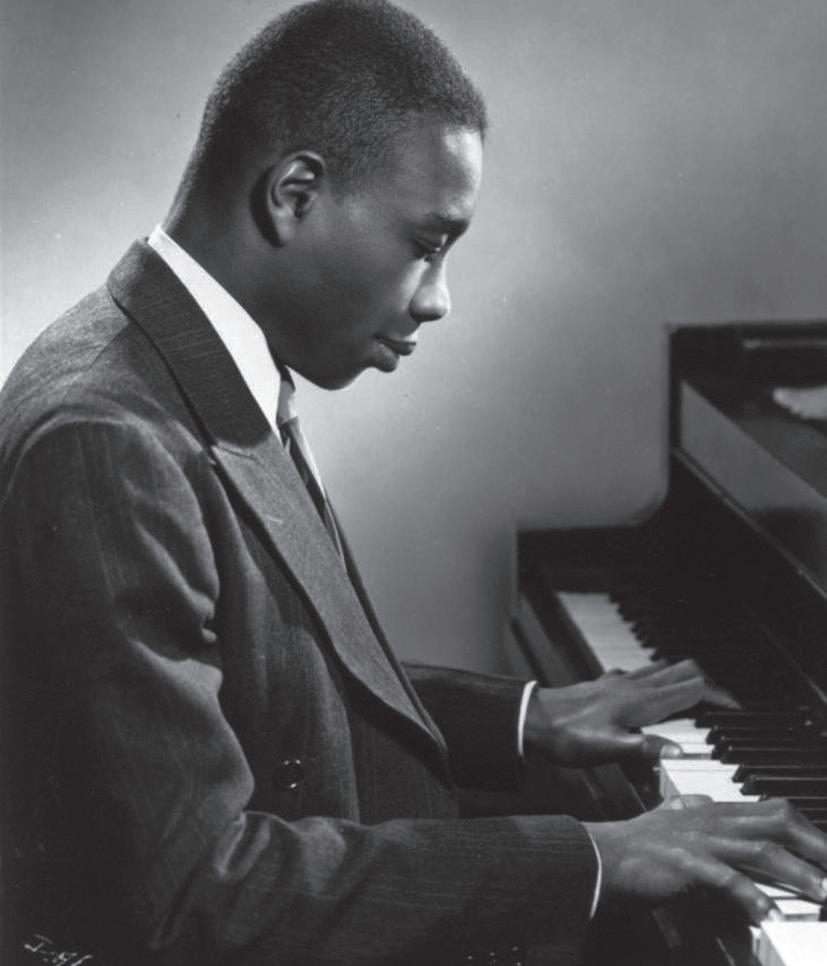
composition, the first to perform as soloist with the Philadelphia Orchestra (in Rachmaninov’s notoriously challenging Third Piano Concerto, in 1945) - and again the first African-American composer to win a Pulitzer Prize for music, for his 1996 orchestral song cycle Lilacs, setting poetry by Walt Whitman. He held numerous influential teaching posts, and received honorary accolades from many institutions.
And yet Walker struggled to achieve the broad recognition that his music surely deserves right up until his death in 2018, at the age of 96. He initially envisioned a career as a concert pianist, but later remembered that an early manager had warned him ‘getting concerts will be an uphill battle.’ He recognised that race was a factor in what seemed like a reluctance to acknowledge his achievements, but even a year before his death, Walker himself remained reluctant to blame prejudice for any lack of
recognition, explaining: ‘I think each individual has their own separate path. I was extremely fortunate in making certain connections that enabled me to do the things I wanted to. I never really felt that there were obstacles for me personally. I guess there were times when I was the only Black person, and that sometimes made people feel uncomfortable, but I just wanted to do certain things and I wanted to find out how to do them.’
Ironically, it’s only since Walker’s death than his immediate, distinctive and emotionally charged music has begun to be more widely heard, and tonight’s Lyric for Strings probably counts as his most popular piece. And issues of race played a central role in the piece’s genesis. Malvina King was Walker’s grandmother, and had been born into slavery. Though she ultimately escaped her enslavement, she’d earlier had to endure the loss of her first husband, when their
slaver simply sold him on. King and Walker were close, and almost as soon as he started work on his Lyric for Strings – which began life as a the second movement of his First String Quartet – he learnt of her death. The music, he later explained, quickly became a lament and a memorial to her.
You might detect a similar atmosphere to that of Barber’s famous Adagio in Walker’s Lyric for Strings – and, coincidentally, both men were students at the Curtis Institute, and both excised those pieces from earlier string quartets. But the Lyric for Strings has a musical language all its own, one that at times brings to mind the very English pastoralism of Vaughan Williams. And it’s a masterpiece of musical compression and concentration, in which each harmonic twist brings a new change in emotion, and in which a seemingly endless melodic line traces an arc from beginning to end.
Following a brief introduction, the orchestra’s violins usher in the piece’s gently winding main melody. After a surprisingly violent, outspoken climax, that main melody makes a more animated return, before the piece’s longedfor resolution comes in the form of two quiet, plucked chords. Lyric for Strings ends in the same mood of calm and restraint in which it began.
We remain in America for tonight’s next piece, and we meet a musical figure almost impossible to categorise. Like George Walker, Caroline Shaw was a recipient of the prestigious Pulitzer Prize for music, but she was the youngest ever winner (in 2013, at the age of 30, for her choral piece Partita for 8 Voices). She’s also collaborated with rapper Kanye West, and one of her recent works is a delicate reimagining for voices and percussion of ABBA’s ‘Lay All Your Love On Me’.
Entr’acte began life as a short string quartet in 2011, and Shaw made a version for string orchestra in 2014. She writes about the piece:
Entr’acte was written in 2011 after hearing the Brentano Quartet play Haydn’s Op.77 No.2 –with their spare and soulful shift to the D flat major trio in the minuet. It is structured like a minuet and trio, riffing on that classical form but taking it a little further. I love the way some music (like the minuets of Op.77) suddenly takes you to the other side of Alice’s looking glass, in a kind of absurd, subtle, Technicolor transition.
Structured – nominally, at least – as a conventional classical minuet and trio, Entr’acte unfolds more as a series of distinctive episodes that keep the listener constantly surprised – from a melancholy, somewhat hesitant opening idea, to sudden intrusions of ‘wrong-note’ atonality, and even noise effects created by brushing the instruments’ strings with the bows, to elegantly dancing pizzicatos (marked by Shaw ‘like granite’). Her hesitant opening melody returns near the end, before the ensemble’s violinists disappear upwards into the stratosphere, leaving only cellos plucking sad, introspective harmonies ‘like recalling fragments of an old tune or story’.
We return to the saxophone – and to the UK – for the final two pieces in tonight’s concert. Manchester-born composer and flautist Dave Heath has long flung together musical influences from jazz and pop, punk and funk (and classical) in an eclectic, immediate, constantly surprising output of pieces. He was Composer in Residence with the BT Scottish Ensemble (as it then was) between 1993 and 1996, during which time he created tonight’s next piece. He writes about it:
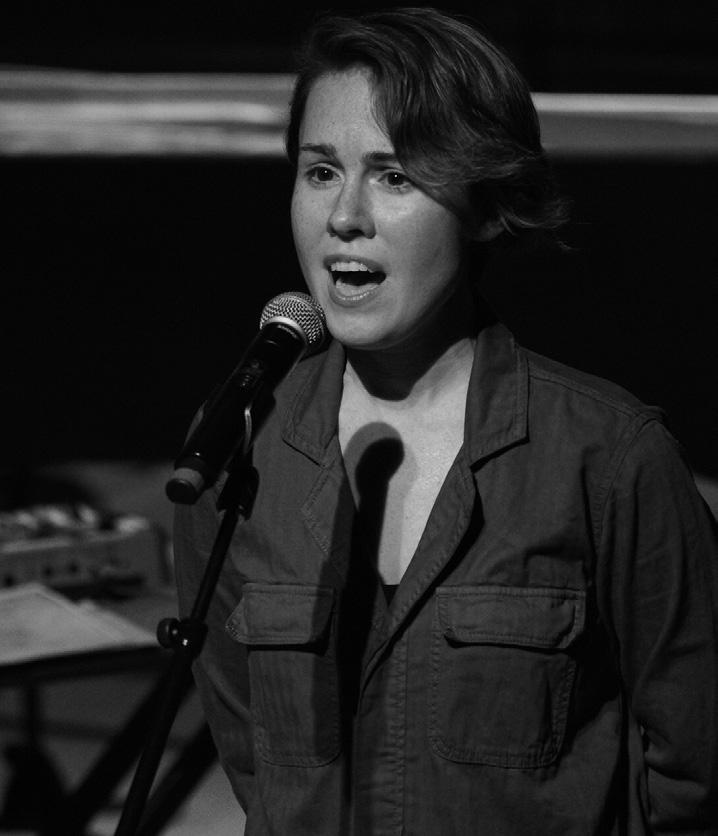
Like George Walker, Caroline Shaw was a recipient of the prestigious Pulitzer Prize for music, but she was the youngest ever winner (in 2013, at the age of 30).
The Celtic was written as my second work as composer in residence with the BT Scottish Ensemble. It is dedicated to the ensemble’s musical director, violinist Clio Gould, who gave the premiere in 1995. Later that year I arranged a version of the work for soprano saxophone and strings at the request of the young virtuoso Gerard McChrystal.
The concerto is in three movements, each with its own story. The first movement, ‘Ceilidh’, captures the atmosphere of a ceilidh getting wilder and wilder as everyone gets intoxicated on the ‘atmosphere’.
The second movement is a ‘Lament for Collessie’: during the autumn of 1994 my family and I had to move back to London and we all really missed Collessie, Fife, where we had lived for a year. ‘Lament for Collessie’ is a slow movement which expresses these feelings.
In 1994 one of the great craftsmen of the century, flute-maker Albert Cooper, was 70 and I wanted to write a piece to celebrate his birthday. Living in Cupar, Fife, I decided to base the piece on an old version of a popular local song ‘The Wee Cooper of Fife’. As Albert lives in Clapham (London) it became ‘The Cooper of Clapham’.
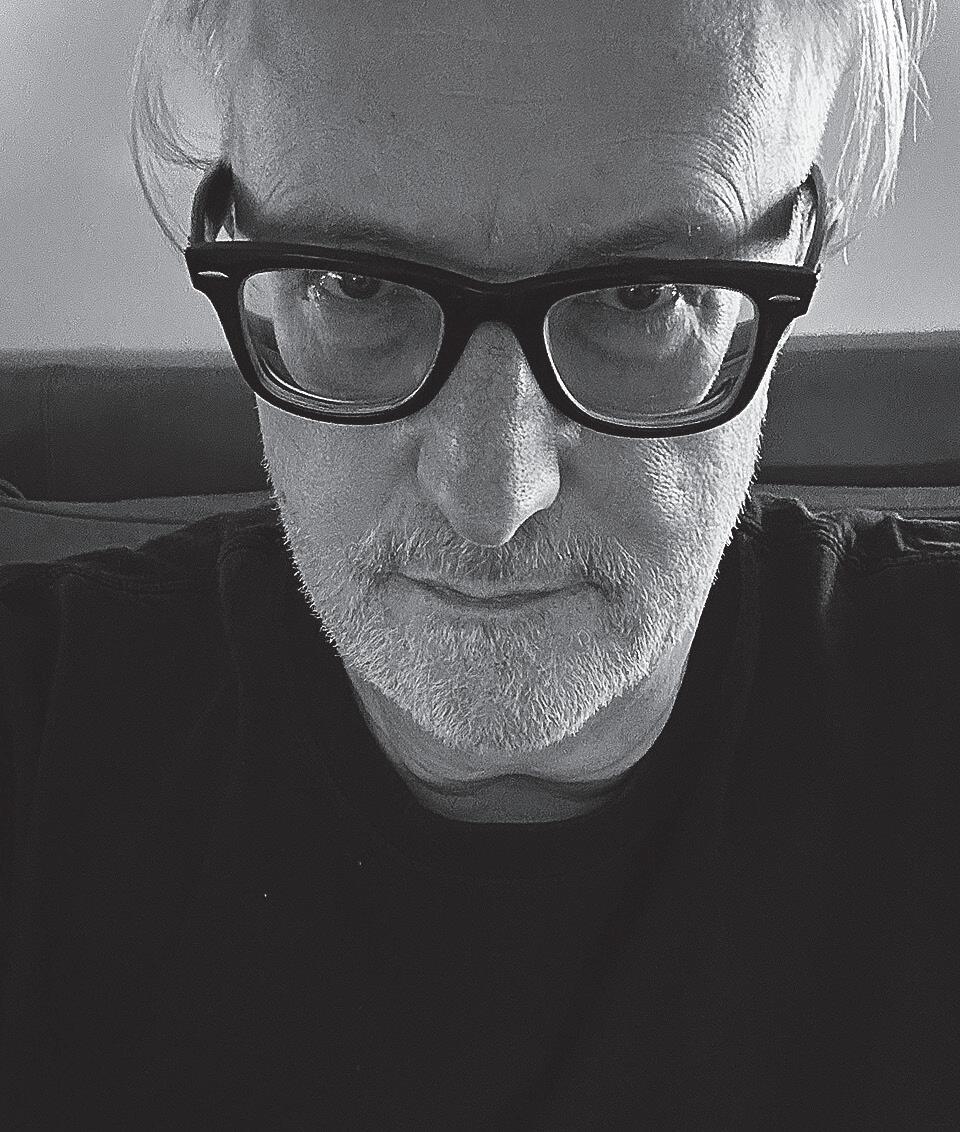
Tonight’s final composer, Newcastle-born John Harle, is another musician who joyfully straddles musical styles as a composer, saxophonist, producer, conductor and more (and also taught tonight’s soloist). He’s collaborated with Sir Paul McCartney, Elvis Costello and Herbie Hancock; he premiered Birtwistle’s uncompromising Panic to shock and outrage at the Last Night of the Proms; and he was a long-time member of the Michael Nyman Band. He writes about tonight’s final piece:
RANT! is a portrait of Jess Gillam – her energy, her sound and her presence, painted in music from her own part of England.
RANT! is a portrait of Jess Gillam – her energy, her sound and her presence, painted in music from her own part of England.
A ‘rant’ in the tradition of English folk music is an energetic dance, and means ‘to make merry’ – which is exactly what Jess does, both in her fearless live performance and in the exuberance she brought to the recording studio for its album release.
RANT! draws on Cumbrian folk tunes sourced from Ed Heslam’s unique collection folk music resource Music of Cumberland and Westmoreland, as well as several tunes composed by Ed himself.
These folk tunes include ‘The Ulverstone Volunteers’, which is a trumpet ‘call to arms’ from Jess’s own home town, and the piece opens with a quote from ‘Cumberland Nelly’, and this is the
tune that I have fed through RANT! to eventually re-appear in the final climactic section.
© David Kettle
Do programme notes enhance musical enjoyment? SCO programme note writer David Kettle is running a psychology study exploring the relationship between reading programme notes and musical engagement, based on the music in tonight’s concert.
For more information or to take part, scan the QR code or visit http://bit.ly/4b9zYoL
19-21 March, 7.30pm
Edinburgh | Glasgow | Aberdeen sco.org.uk
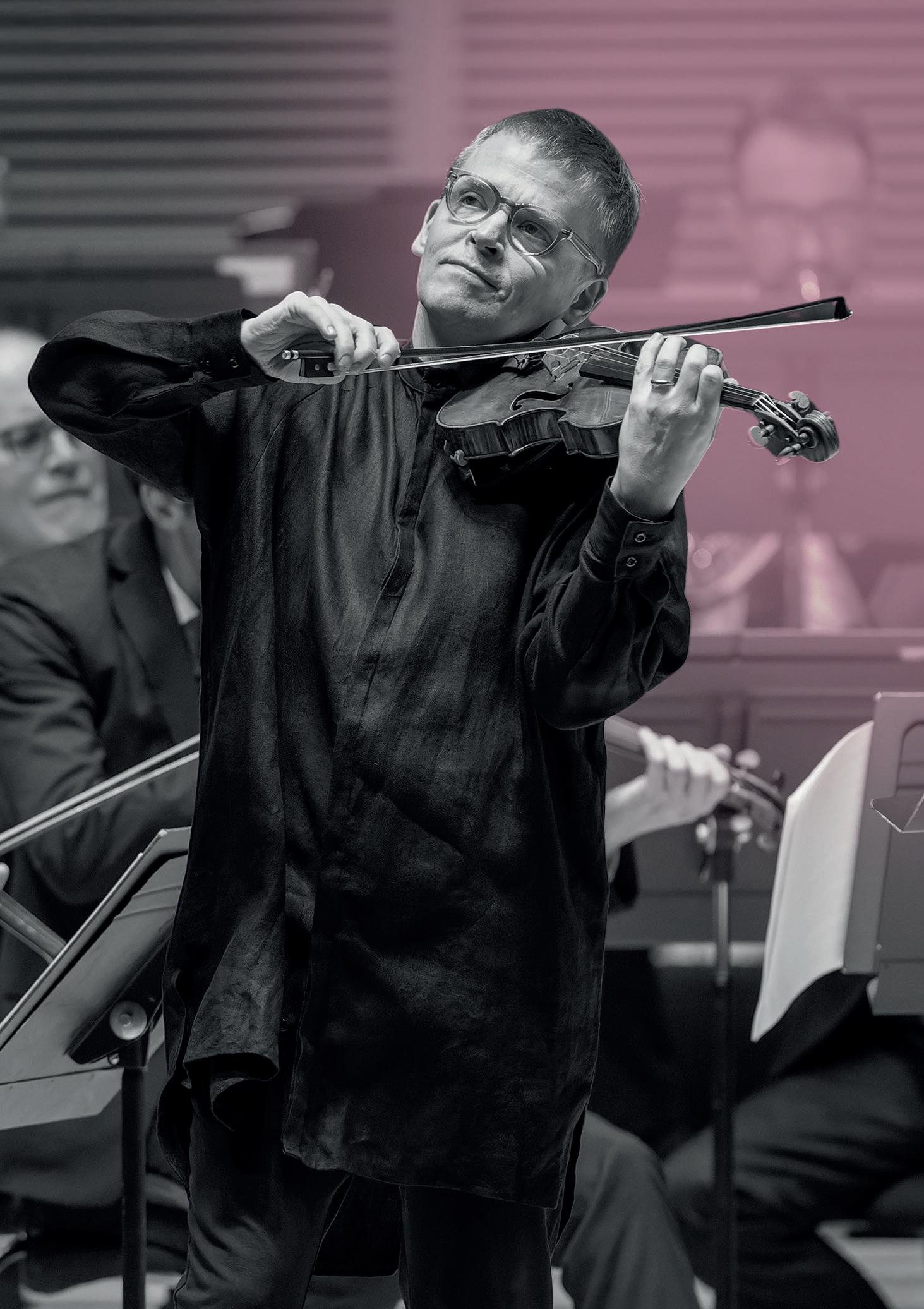
Pekka Kuusisto director/violin
Dreamers’ Circus:
Ale Carr cittern
Nikolaj Busk piano/accordion
Rune Tonsgaard Sørensen violin
Kindly supported by LEARN MORE
Beethoven’s Seventh Symphony interspersed with Nordic folk tunes
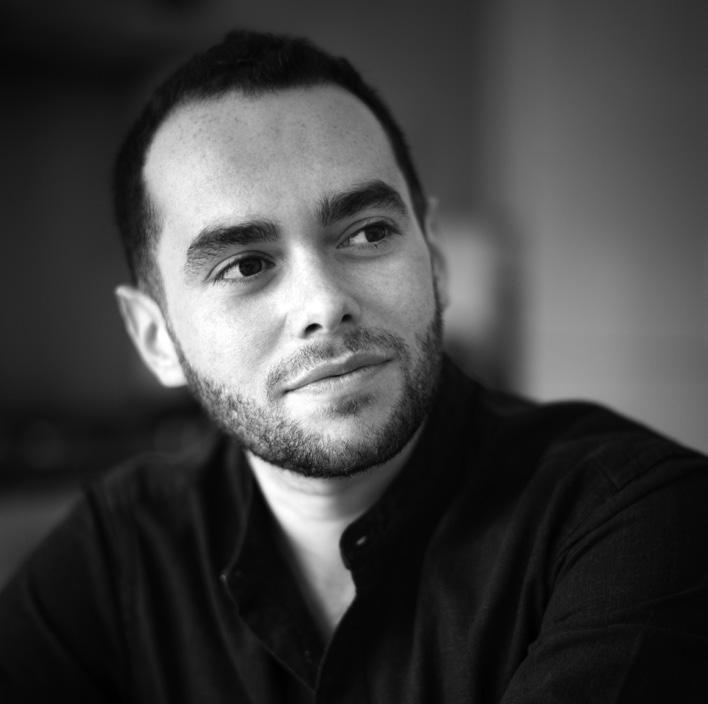
British conductor Ben Glassberg is fast becoming one of the most sought after conductors on the global stage. Described as conducting with ‘irresistible panache’ (The Guardian), his highly detailed and sophisticated interpretations of vast repertoire on both the operatic and concert platform are revelatory.
As Music Director of Opéra de Rouen Normandie (since 2021/22), titles in the 2025/26 season include Wagner's Der fliegende Holländer, Tchaikovsky's Iolanta in concert and a series of farewell concerts to mark the end of his successful tenure. Glassberg will also make his house debut at Teatro dell'Opera di Roma with a new prododuction of Britten's Turn of the Screw alongside his much anticipated return to the Deutsche Oper Berlin for Mozart's Le Nozze di Figaro. On the concert platform, Glassberg will join Bergen Philharmonic, Graz Philharmoniker, Brussels Philharmonic, Tokyo Metropolitan Symphony Orchestra and Scottish Chamber Orchestra.
Glassberg is the former Associate Guest Conductor of the Orchestre National de Lyon, whom he continues to conduct regularly. His recent symphonic highlights include a debut with the Bergen Philharmonic Orchestra and a return to the Teatro Massimo di Palermo, appearances with the BBC Philharmonic Orchestra, Detroit Symphony Orchestra, Deutsche Radio Philharmonie, Orchestre National de Lille, Orchestre Philharmonique de Radio France, Royal Liverpool Philharmonic, Royal Philharmonic Orchestra, Swedish Radio Symphony Orchestra, Tokyo Metropolitan Orchestra and Tokyo Symphony Orchestra and amongst others.
As a recording artist, Glassberg has a diverse discography including award-winning albums for Warner Classics with guitarist Thibaut Garcia and mezzo-soprano Marianne Crebassa. Most recently, Glassberg has released recordings of The Turn of the Screw (Alpha Classics, May 2022), Mozart's La clemenza di Tito (Alpha Classics, November 2022) and an album of works by Camille Pépin (NoMadMusic, April 2023).
For full biography please visit sco.org.uk
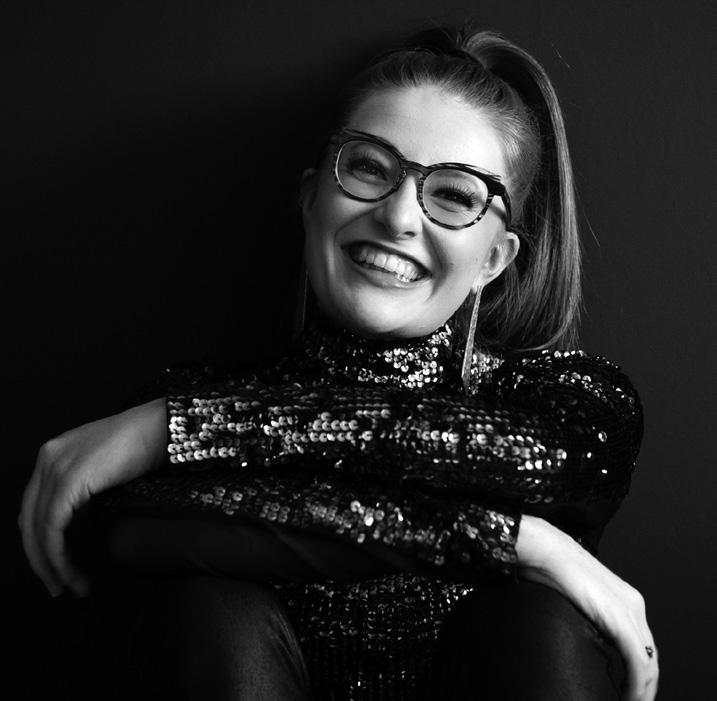
Jess Gillam is a celebrated saxophonist and presenter. With her electrifying performances, vibrant stage presence and magnetic personality, the ‘uniquely mercurial’ (The Times) Jess has been invited to play on the world’s major stages since becoming the youngest ever soloist to perform at the Last Night of the Proms at the Royal Albert Hall, London. Equally at home behind the microphone, Jess’ award-winning weekly show, This Classical Life, on BBC Radio 3 is now in its seventh season.
Jess is passionate about broadening the repertoire for the saxophone, especially in the classical sphere. Recent commissions include Glasslands by Anna Clyne premiered with the Detroit Symphony. Other new works include Dani Howard’s Saxophone Concerto, first heard with Royal Stockholm Philharmonic Orchestra, and Karl Jenkins’s Stravaganza performed to a sold-out BBC Proms audience. Jess held the position of Associate Artist of the Royal Albert Hall until 2025 and was an Artistic Partner of Manchester Camerata.
Jess’ concerto appearances have included performances with the BBC orchestras, DSO Berlin, Baltimore Symphony Orchestra, Danish Radio Symphony Orchestra, the Royal Scottish National Orchestra, Gothenburg, Iceland, Lahti, London, NDR Elbphilharmonie and Sydney Symphony Orchestra as well as the London, Royal Liverpool and Munich Philharmonic, among others. Further afield, concerto highlights in the US have included the Houston Symphony and Minnesota Orchestra; she made her debut with the Lincoln Center Festival Orchestra and the Cleveland Orchestra in the summer of 2025.
For full biography please visit sco.org.uk
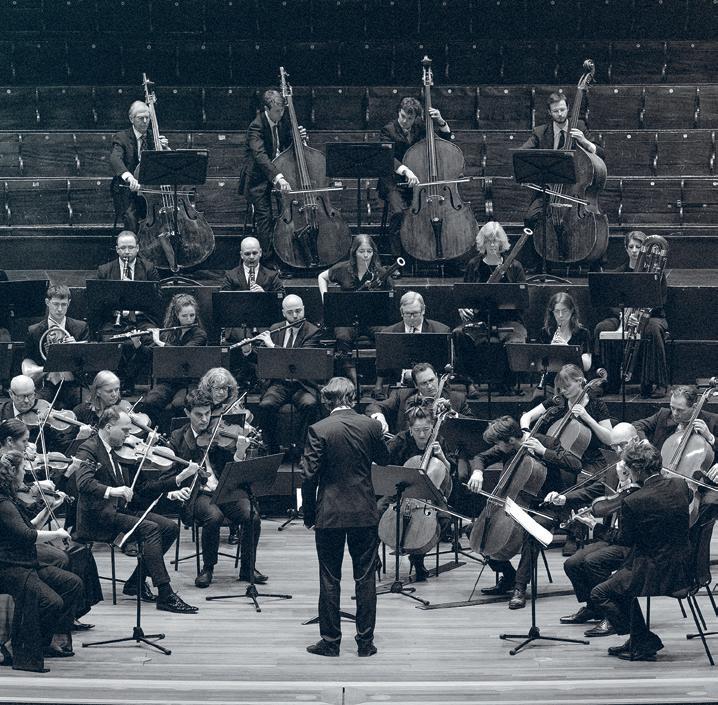
The Scottish Chamber Orchestra (SCO) is one of Scotland’s five National Performing Companies and has been a galvanizing force in Scotland’s music scene since its inception in 1974. The SCO believes that access to world-class music is not a luxury but something that everyone should have the opportunity to participate in, helping individuals and communities everywhere to thrive. Funded by the Scottish Government, City of Edinburgh Council and a community of philanthropic supporters, the SCO has an international reputation for exceptional, idiomatic performances: from mainstream classical music to newly commissioned works, each year its wide-ranging programme of work is presented across the length and breadth of Scotland, overseas and increasingly online.
Equally at home on and off the concert stage, each one of the SCO’s highly talented and creative musicians and staff is passionate about transforming and enhancing lives through the power of music. The SCO’s Creative Learning programme engages people of all ages and backgrounds with a diverse range of projects, concerts, participatory workshops and resources. The SCO’s current five-year Residency in Edinburgh’s Craigmillar builds on the area’s extraordinary history of Community Arts, connecting the local community with a national cultural resource.
An exciting new chapter for the SCO began in September 2019 with the arrival of dynamic young conductor Maxim Emelyanychev as the Orchestra’s Principal Conductor. His tenure has recently been extended until 2028. The SCO and Emelyanychev released their first album together (Linn Records) in 2019 to widespread critical acclaim. Their second recording together, of Mendelssohn symphonies, was released in 2023, with Schubert Symphonies Nos 5 and 8 following in 2024.
The SCO also has long-standing associations with many eminent guest conductors and directors including Principal Guest Conductor Andrew Manze, Pekka Kuusisto, François Leleux, Nicola Benedetti, Isabelle van Keulen, Anthony Marwood, Richard Egarr, Mark Wigglesworth, Lorenza Borrani and Conductor Emeritus Joseph Swensen.
The Orchestra’s current Associate Composer is Jay Capperauld. The SCO enjoys close relationships with numerous leading composers and has commissioned around 200 new works, including pieces by Sir James MacMillan, Anna Clyne, Sally Beamish, Martin Suckling, Einojuhani Rautavaara, Karin Rehnqvist, Mark-Anthony Turnage, Nico Muhly and the late Peter Maxwell Davies.
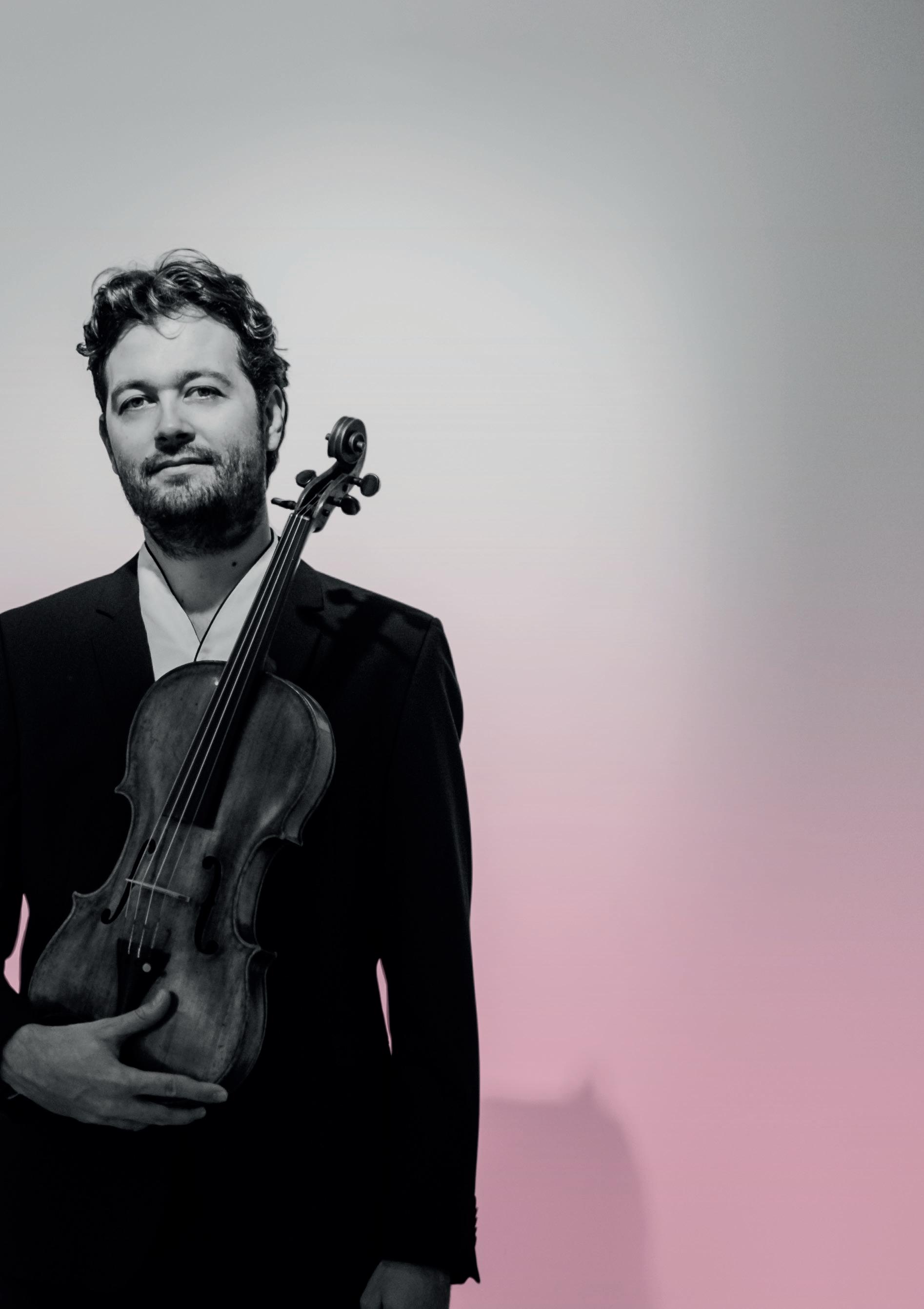
22-24 April, 7.30pm St Andrews | Edinburgh | Glasgow sco.org.uk
SCO NEW MUSIC FUND
Make a donation between 12 February and 30 March and double the impact of your gift.
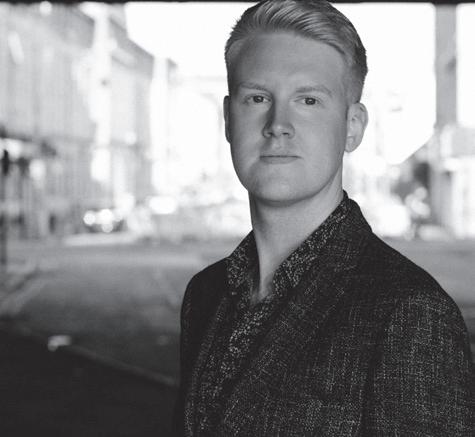
SCO Associate Composer Jay Capperauld
On Thursday 12 February, we’re launching the SCO New Music Fund to support new commissions and talented composers.
Every £1 will be doubled but only until Monday 30 March. Donations will be matched up to £30,000, meaning your gift goes twice as far. Together, we can help shape the sound of the future.
Thank you for your support! SCAN ME To donate and find out more.