Rhythms
23 May 2026


23 May 2026
Kindly supported by Eriadne & George Mackintosh and Claire & Anthony Tait
Saturday 23 May, 7.30pm The Bridge, Dumfries
MENDELSSOHN The Hebrides
SCHUMANN Cello Concerto*
Interval of 20 minutes
BEETHOVEN Symphony No.7
Maxim Emelyanychev conductor Philip Higham cello*
Emelyanychev
4 Royal Terrace, Edinburgh EH7 5AB
+44 (0)131 557 6800 | info@sco.org.uk | sco.org.uk
The Scottish Chamber Orchestra is a charity registered in Scotland No. SC015039. Company registration No. SC075079.
THANK YOU
Our Principal Conductor’s Circle are a special part of our musical family. Their commitment and generosity benefit us all – musicians, audiences and creative learning participants alike.
Annual Fund
James and Patricia Cook
Visiting Artists Fund
Harry and Carol Nimmo
Anne and Matthew Richards
International Touring Fund
Gavin and Kate Gemmell
Learning and Participation Fund
Jo and Alison Elliot
Sabine and Brian Thomson
CHAIR SPONSORS
Productions Fund
Geoff and Mary Ball
Bill and Celia Carman
Anne, Tom and Natalie Usher
Scottish Touring Fund
Eriadne and George Mackintosh
Claire and Anthony Tait
New Music Fund
Ken Barker and Martha Vail Barker
Colin and Sue Buchan
David Caldwell
The Donald and Louise MacDonald Principal Conductor's Chair Maxim Emelyanychev
Chorus Director Gregory Batsleer
Anne McFarlane
Second Violin Rachel Smith in Memory of J Douglas Home
Principal Viola Max Mandel
Ken Barker and Martha Vail Barker
Viola Brian Schiele
Christine Lessels
Viola Steve King
Sir Ewan and Lady Brown
Principal Cello Philip Higham
The Thomas Family
Sub-Principal Cello Su-a Lee
Ronald and Stella Bowie
Cello Donald Gillan
Professor Sue Lightman
Cello Eric de Wit
Jasmine Macquaker Charitable Fund
Principal Double Bass Jamie Kenny
Erik Lars Hansen and Vanessa C L Chang
Principal Flute André Cebrián
Claire and Mark Urquhart
Sub-Principal Flute Marta Gómez
Judith and David Halkerston
Principal Oboe
The Hedley Gordon Wright Charitable Trust
Sub-Principal Oboe Katherine Bryer
Ulrike and Mark Wilson
Principal Clarinet Maximiliano Martín
Stuart and Alison Paul
Principal Bassoon Cerys Ambrose-Evans
Claire and Anthony Tait
Sub-Principal Bassoon Alison Green
George Rubienski
Principal Horn Kenneth Henderson
Caroline Hahn and Richard Neville-Towle
Timpani / Percussion Louise Lewis Goodwin
Silvia and Andrew Brown






Diamond
The Cockaigne Fund
Malcolm and Avril Gourlay
John and Jane Griffiths
James and Felicity Ivory
George Ritchie
Tom and Natalie Usher
Platinum
E.C. Benton
Michael and Simone Bird
John and Maggie Bolton
Silvia and Andrew Brown
Dr Peter Williamson and Ms Margaret Duffy
David and Elizabeth Hudson
Helen B Jackson
Dr and Mrs Peter Jackson
Dr Daniel Lamont
Graham and Elma Leisk
Professor and Mrs Ludlam
Chris and Gill Masters
Paul Maxwell, in loving memory of Ruth Maxwell
Duncan and Una McGhie
Anne-Marie McQueen
James F Muirhead
Robin and Catherine Parbrook
Jane Peacock in memory of Douglas Peacock
Charles Platt and Jennifer Bidwell
Patrick and Susan Prenter
Mr and Mrs J Reid
The Walter and Janet Reid Charitable Trust
Martin and Mairi Ritchie
Hilary E Ross
Elaine Ross
Sir Muir and Lady Russell
Jill and Brian Sandford
Michael and Elizabeth Sudlow
Robert and Elizabeth Turcan
Alan and Sue Warner
Bill Welsh
Anny and Bobby White
Robert Mackay and Philip Whitley
Finlay and Lynn Williamson
Ruth Woodburn
Gold
Peter Armit
Adam Gaines and Joanna Baker
Elizabeth Brittin
Kate Calder
James Wastle and Glenn Craig
Jo and Christine Danbolt
James and Caroline Denison-Pender
Andrew and Kirsty Desson
David and Sheila Ferrier
Chris and Claire Fletcher
James Friend
Iain Gow
Margaret Green
Christopher and Kathleen Haddow
Catherine Johnstone
Julie and Julian Keanie
Gordon Kirk
Janey and Barrie Lambie
Mike and Karen Mair
Roy and Svend McEwan-Brown
John and Liz Murphy
Tom Pate
Maggie Peatfield
Sarah and Spiro Phanos
Alison and Stephen Rawles
Andrew Robinson
Olivia Robinson
Anne McAlister and Philip Sawyer
Irene Smith
Dr Jonathan Smithers
Ian S Swanson
Ian and Janet Szymanski
John-Paul and Joanna Temperley
Douglas and Sandra Tweddle
Catherine Wilson
Neil and Philippa Woodcock
Georgina Wright
Silver
John Anderson
Roy Alexander
Fiona and Neil Ballantyne
The Batsleer Family
Jack Bogle
Jane Borland
Alan Borthwick
Dinah Bourne
Michael and Jane Boyle
Mary Brady
Paula and Colin Brown
John Brownlie
Laura Buist
Robert Burns
Mr A Campbell
Sheila Colvin
Lorn and Camilla Cowie
Adam and Lesley Cumming
Dr Wilma Dickson
Seona Reid and Cordelia Ditton
Sylvia Dow
Colin Duncan in memory of Norma Duncan
Richard and Cath Dyer
Raymond Ellis
Dr and Mrs Alan Falconer
Sheila Ferguson
Dr William Irvine Fortescue
Dr David Grant
Anne Grindley
Andrew Hadden
J Martin Haldane
Ronnie and Ann Hanna
Roderick Hart
Norman Hazelton
Alistair Hector
Ron and Evelynne Hill
Philip Holman
Clephane Hume
Tim and Anna Ingold
David and Pamela Jenkins
Margaret Mortimer and Ken Jobling
Ross D. Johnstone
James Kelly, in memory of Mairi Kelly
Professor Christopher and Mrs Alison Kelnar
Dr Ian Laing
Geoff Lewis
Dorothy A Lunt
Vincent Macaulay
James McClure in memory of Robert Duncan
Ben McCorkell
Lucy McCorkell
Gavin McCrone
Michael McGarvie
Brian Miller
Alistair Montgomerie
Norma Moore
Andrew Murchison
Pamela Andrews and Alan Norton
Gilly Ogilvy-Wedderburn
Mairi & Ken Paterson
John Peutherer in memory of Audrey Peutherer
James S Potter
Timothy Barnes and Janet Sidaway
Catherine Steel
John and Angela Swales
Takashi and Mikako Taji
C S Weir
Susannah Johnston and Jamie Weir
David and Lucy Wren
Roderick Wylie
We are indebted to everyone acknowledged here who gives philanthropic gifts to the SCO of £300 or greater each year, as well as those who prefer to remain anonymous.
We are also incredibly thankful to the many individuals not listed who are kind enough to support the Orchestra financially on a regular or ad hoc basis. Every single donation makes a difference.
Become a regular donor, from as little as £5 a month, by contacting Hannah Wilkinson on 0131 478 8364 or hannah.wilkinson@sco.org.uk.
“…an orchestral sound that seemed to gleam from within.”
HM The King Patron
Donald MacDonald CBE
Life President
Joanna Baker CBE Chair
Gavin Reid LVO
Chief Executive
Maxim Emelyanychev
Principal Conductor
Andrew Manze
Principal Guest Conductor
Joseph Swensen
Conductor Emeritus
Gregory Batsleer
Chorus Director
Jay Capperauld
Associate Composer
Information correct at the time of going to print Our Musicians
This concert will be played on natural brass/timpani throughout.
First Violin
Stephanie Gonley
Afonso Fesch
Elizabeth Wexler
Emily Dellit Imbert
Aisling O’Dea
Amira Bedrush-McDonald
Sarah Bevan-Baker
Kristin Deeken
Second Violin
Kio Seiler
Gordon Bragg
Michelle Dierx
Rachel Smith
Rachel Spencer
Stewart Webster
Elvira van Groningen
Kirsty Main
Viola
Francesca Gilbert
Jessica Beeston
Elaine Koene
Steve King
Kathryn Jourdan
Marsailidh Groat
Cello
Philip Higham
Su-a Lee
Donald Gillan
Eric de Wit
Niamh Molloy
Bass
Jamie Kenny
Toby Hughes
Ben Havinden-Williams
Flute
André Cebrián
Marta Gómez
Oboe
Yann Thenet
Katherine Bryer
Clarinet
Maximiliano Martín
William Stafford
Bassoon
Cerys Ambrose-Evans
Heather Brown
Horn
Kenneth Henderson
Gavin Edwards
Jože Rošer
Trumpet
Peter Franks
Brian McGinley
Euan Scott
Timpani
Louise Lewis Goodwin
MENDELSSOHN (1809-1847)
The Hebrides (1830, rev. 1832)
SCHUMANN (1810-1856)
Cello Concerto, Op.129 (1850)
Nicht zu schnell
Langsam Sehr lebhaft
BEETHOVEN (1770-1827)
Symphony No.7 in A major, Op.92 (1811–12)
Poco sostenuto – Vivace Allegretto
Presto – Assai meno presto Allegro con brio
‘There is music wherever there is rhythm, as there is life wherever there beats a pulse.’
So scribbled composer Igor Stravinsky in the sketchbooks for what would become his revolutionary ballet score The Rite of Spring – a piece of music whose brutal rhythms famously appalled the audience at its 1913 premiere, and have shocked and inspired listeners in equal measure ever since.
No, you won’t be encountering Stravinsky’s ferocious creation this evening. But there’s no shortage of energetic, driving, compelling rhythms among tonight’s three pieces. Indeed, for later composer Richard Wagner, Ludwig van Beethoven’s Seventh Symphony was ‘the apotheosis of the dance’: in it, rhythm becomes a relentless, almost obsessive force. But it’s not all fiery momentum: there are far more graceful, elegant rhythms in Robert Schumann’s introspective Cello Concerto. And it’s the gentle, lapping rhythms of the waves and the swelling surges of the sea that inspired tonight’s opening piece.
It was during the summer of 1829 that the 20-year-old Felix Mendelssohn undertook a three-week tour of Scotland. You could think of it as a 19th-century gap year – or, perhaps more accurately, an excursion in the tradition of a Grand Tour, in which a wealthy young man completed his education by sampling the cultural highlights of Europe. While France and Italy provided more traditional Grand Tour destinations, Mendelssohn chose to travel further north. And it was a formative excursion to Scotland that would produce two of his most renowned pieces of music: his 'Scottish' Symphony, and tonight’s overture, The Hebrides
Even at just 20, Mendelssohn was already a mature and respected musician, one whose upbringing in one of Berlin’s most
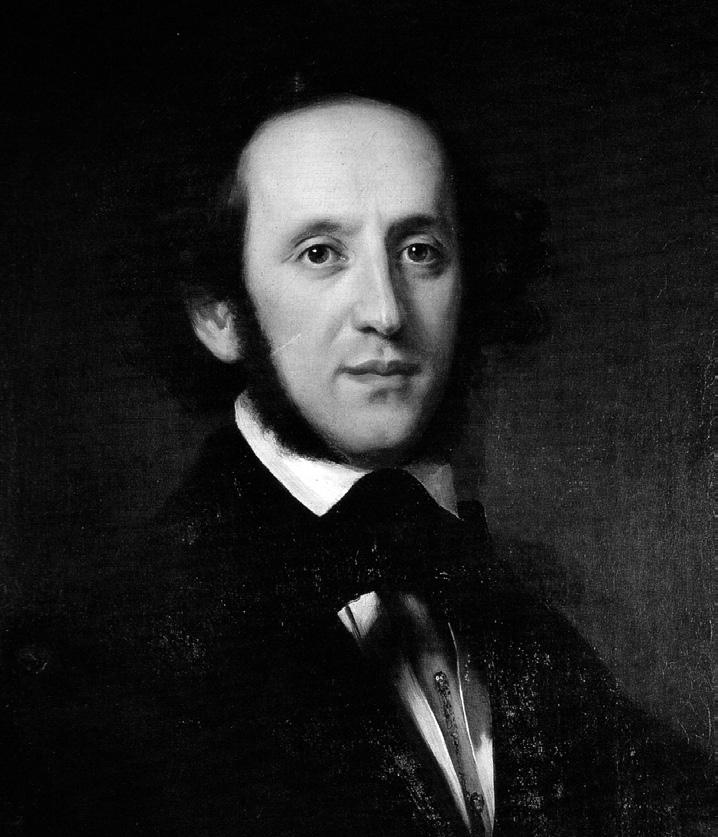
cultured, connected families brought him into close contact with many of the city’s artistic, musical and scientific elite. He’d been performing publicly from the age of nine, and had composed from the age of 11: his 12 string symphonies were produced between the ages of 12 and 14, and he wrote his Octet at 16 and his A Midsummer Night’s Dream Overture at 17.
It was Mendelssohn’s parents who suggested he should travel, but it was young Felix who decided he would begin in England and Scotland (though he toured France and Italy at later occasions in his threeyear, stop-start, pan-European excursion). The whole Mendelssohn family were avid fans of the novels of Sir Walter Scott, and Mendelssohn hoped he might even meet the great novelist during his trip (an encounter that had disappointing results). He enlisted the help of family friend Karl Klingemann, a diplomat living and working in London, to accompany him on his journey.
Mendelssohn chose to travel further north. And it was a formative excursion to Scotland that would produce two of his most renowned pieces of music
He arrived in London in April 1829, then travelled north with Klingemann by stagecoach via York and Durham, arriving in Edinburgh on 26 July, where he climbed Arthur’s Seat, and contemplated the atmospheric ruins of Holyrood Chapel (which would later inspire his 'Scottish' Symphony). The two men travelled south to Melrose and Abbotsford, home of Sir Walter Scott, where they arrived just as the great writer was about to leave, spending barely half an hour with him and finding little to talk about in a rather awkward exchange. Mendelssohn later described it as ‘a bad day’. Disappointments aside, however, they continued north to Stirling, Perth and Dunkeld, then on further to Killiecrankie, Aberfeldy, Kenmore, Crianlarich, Glencoe, Ballachulish and Fort William. From there they took a steamer down Loch Linnhe to Oban, and they continued by water to Tobermory on Mull.
And it was from Tobermory that Mendelssohn sent his famous letter home
with 21 bars of what would become the opening of The Hebrides, writing before the musical passage: ‘In order to make you understand how extraordinarily the Hebrides affected me, the following came into my mind there.’ The music that has become indelibly associated with Fingal’s Cave on the isle of Staffa, therefore, was actually begun before Mendelssohn had even set eyes on the place. Perhaps he had another location in mind all along: Mull, after all, is a Hebridean island. But that confusion is mostly down to Mendelssohn’s German publishers, Breitkopf & Härtel, who took it into their heads to publish the finished Overture – four years later, in 1833 – with the title Fingal’s Cave, despite retaining The Hebrides for the orchestral parts.
Mendelssohn himself struggled over The Hebrides Overture upon his return to Berlin, and indeed originally named it Die einsame Insel (‘The Lonely Island’), arguably referring to any number of islands he and Klingemann would have spotted during their journey. But there can be no question that his visit to Staffa lodged firmly in Mendelssohn’s memory – for all the wrong reasons. Rather than taking the road to Fionnphort, a ferry to Iona, then a smaller boat the short hop north to Staffa – as today’s travellers do – he and Klingemann departed for Staffa from Tobermory, heading north then west, straight into the worst the Atlantic could throw at them. As a result, Mendelssohn was horribly seasick, a state not helped by the stench of oil generated by the steamer on which he and Klingemann travelled. No wonder that, struggling with the Overture, he later wrote to his sister Fanny: ‘I still do not consider it finished. The middle part, forte in D major, is very stupid, and savours more of counterpoint than of oil and seagulls
and dead fish, and it ought to be the very reverse.’
Indeed, the rocking rhythms of the sea –for better or worse – can be felt from start to finish of The Hebrides, beginning with the opening’s repeating figures in the low strings, with rising harmonies above hinting at some coming revelation. The broader, more expansive and more overtly lyrical second theme begins similarly in the cellos and bassoons, but, following a development section that builds to what surely represents Mendelssohn’s memories of the stormy seas, returns in a beautiful moment of true calm on a solo clarinet, before the storm whips up again to finish the Overture.
From Mendelssohn’s Hebridean evocations, we move inland for tonight’s next piece – to Düsseldorf, in fact, where Robert Schumann moved with his wife Clara and their five children in 1850. Schumann and Mendelssohn had been friends and mutually admiring colleagues in Leipzig in the 1830s and 1840s, and both Robert and Clara were shocked by the early deaths of both Felix Mendelssohn and his beloved sister Fanny in 1847 (at the ages of just 38 and 41, respectively), as well as by the loss of their own infant son Emil, born in 1846. It seems fairly clear that the whole family saw a move to Düsseldorf as a fresh start, a chance for Robert to make his mark in the prestigious role of the city’s Music Director, and also to focus his energies on conducting and composing. Tragically, it didn’t last: within just a couple of years, his new responsibilities began to overwhelm him, and his worsening mental health grew impossible to ignore.
If Schumann’s Düsseldorf years follow a downward trajectory from hope and
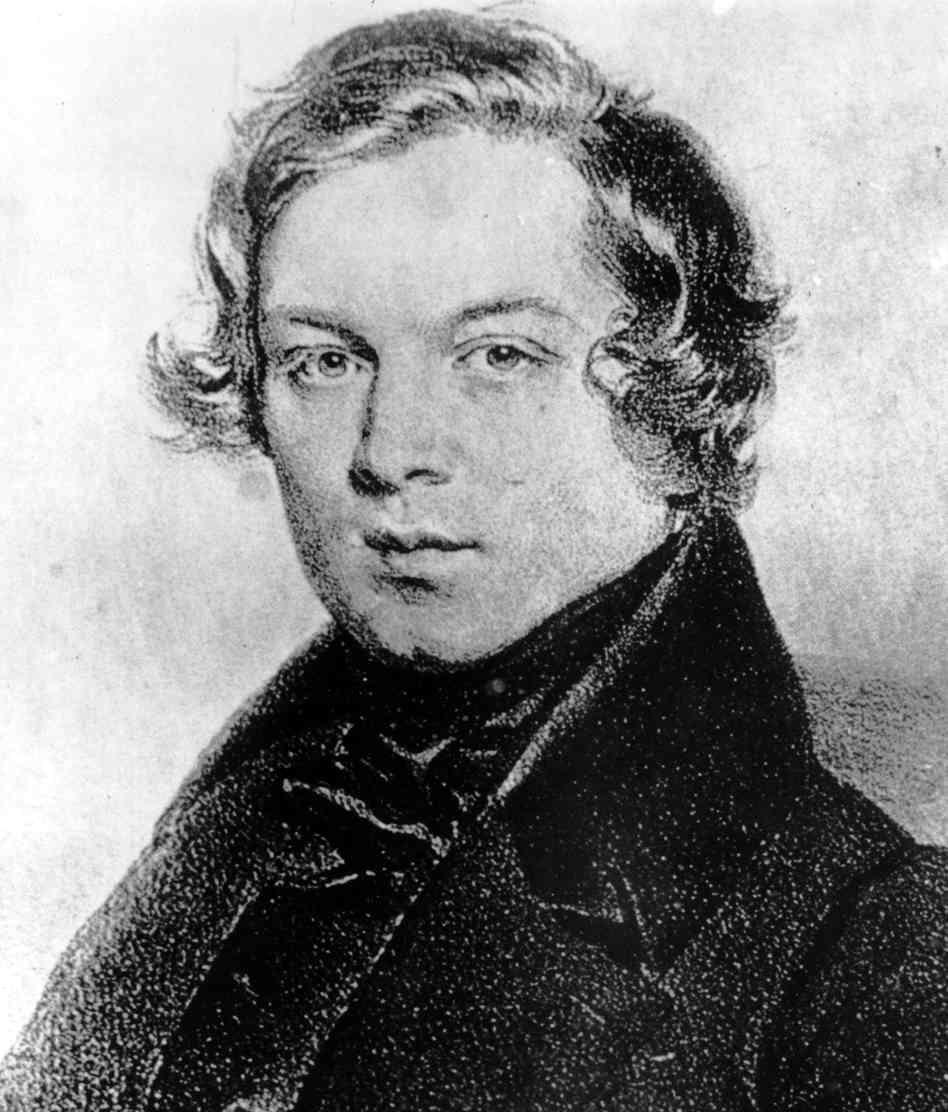
optimism to despair, then the Cello Concerto that he composed in a burst of creativity in just two weeks in October 1850 – only six months after arriving in the city – sits firmly within the hopeful, optimistic period, even if its mood is somewhat inward-looking.
Schumann had begun to learn the cello himself in the 1830s, after abandoning hopes of a career as a professional pianist following a self-inflicted finger injury. So it’s perhaps understandable that he should create a rather melancholy concerto for the instrument he came to view so fondly, and a work that places poetic expression above virtuosic display.
He wrote to a publisher that one of his motivations in writing the Concerto was simply that ‘there are so few works for this lovely instrument’. He originally called it a Konzertstück (‘Concert Piece’), rather than a full-blooded concerto, reflecting the piece’s rather modest scale and length, and also to indicate his decision to run all three of its
So it’s perhaps understandable that he [Schumann] should create a rather melancholy concerto for the instrument he came to view so fondly, and a work that places poetic expression above virtuosic display.
movements together in a unified whole (as his friend Mendelssohn had done with his Violin Concerto in 1844).
‘Since there is a great dearth of such works,’ Schumann continued in his letter, ‘the Cello Concerto is something that will perhaps be welcomed by many.’ In more recent times, the Concerto certainly has been welcomed, but it was never performed publicly in Schumann’s own lifetime, and only found a secure place in the cello repertoire in the 20th century, after being championed by cello luminaries including Pablo Casals.
It is indeed a somewhat unconventional piece, one that delves into inner worlds rather than simply dazzling with virtuoso brilliance. That’s not to imply it’s an easy piece, though: ironically, Schumann makes extensive technical demands on his cello soloist, even if the music they’re playing might not sound immediately showy.
The rhythms of tonight’s first two pieces might have seemed somewhat gentle and restrained, evocative but generally calm.
In his Seventh Symphony, by contrast, Beethoven seems to focus on rhythm as pure energy, an unstoppable force, something from which all else flows.
The solo cello kicks off the dramatic first movement with a long, yearning melody. The drama winds down into the dreamy, lyrical slow movement, in which the solo cello sings a touching duet with one of its orchestral colleagues, against guitar-like strummings from the rest of the strings. Schumann closes with a forceful return from the full orchestra in a dark, spiky finale, which suddenly swerves towards the light just before its conclusion.
The rhythms of tonight’s first two pieces might have seemed somewhat gentle and restrained, evocative but generally calm. In his Seventh Symphony, by contrast, Beethoven seems to focus on rhythm as pure energy, an unstoppable force, something from which all else flows.
Compared with his earlier symphonies –certainly the bucolic picture-painting of the Pastoral, No.6 – it’s one of Beethoven’s most abstract and story-less symphonies,
unless that ‘story’ is about the inner workings of music itself. And it’s in those terms that Beethoven focuses so decisively on rhythm, deriving from that fundamental musical element a work that feels like a celebration of energy and positivity.
It’s ironic, then, that Beethoven wrote it during one of the most difficult periods in his life. His deafness was growing steadily worse, and in 1811 he came down with a serious fever, as a cure for which his doctor sent him to the Bohemian spa town of Teplice for several stays. It was during these visits that he worked seriously on his new symphony.
Beethoven himself conducted its first performance, on 8 December 1813 in Vienna, at a benefit concert for Austrian and Bavarian troops wounded in the Battle of Hanau, an encounter that forced Napoleon’s retreat. The concert was one of the high points of the composer’s career –
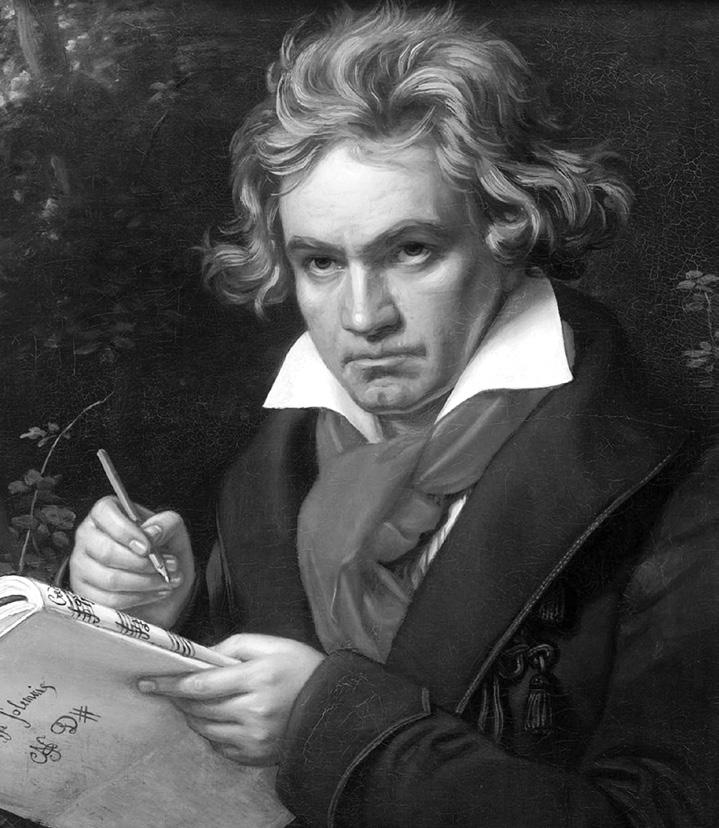
the event proved so popular, in fact, that it was repeated the following January, and again in February. The Seventh Symphony went down well – the audience demanded an encore of the second movement – but the concert’s wild acclaim really came for another piece. The anti-Napoleon Wellington’s Victory clearly captured the mood of the moment, but its popularity hasn’t survived changes in taste.
Nonetheless, the Symphony’s energy and positivity must have matched the celebratory mood, too. As must the propulsive rhythmic drive that pushes its music ever onward, even in its not-very-slow ‘slow’ movement. The Symphony’s slowest music, in fact, comes right at the start, in the introduction to its first movement, although the loud chords that interrupt that opening hint at the energy about to be unleashed. The repeated long-short-long rhythm that leads into the movement’s main, faster section quickly comes to dominate, as
The concert was one of the high points of the composer’s career – the event proved so popular, in fact, that it was repeated the following January, and again in February.
Beethoven plays inventive games with its perky main theme.
The second movement’s persistent longshort-short rhythm provides an implacable tread that’s too quick to be a funeral march or dirge, even if the music has something of that character. The movement has maintained a remarkable life ever since its premiere, cropping up in movies as diverse as X Men: Apocalypse and The King’s Speech, often symbolising a strange mix of nobility and dread, an inescapable unfolding of events.
The third movement is a bright and bouncing scherzo whose unstoppable rhythm is simply a barrage of notes in three time. And if you felt there was any restraint holding back the Symphony’s first three movements, Beethoven lets rip entirely in the blazing energy and wild, whirling motion of his finale.
© David Kettle
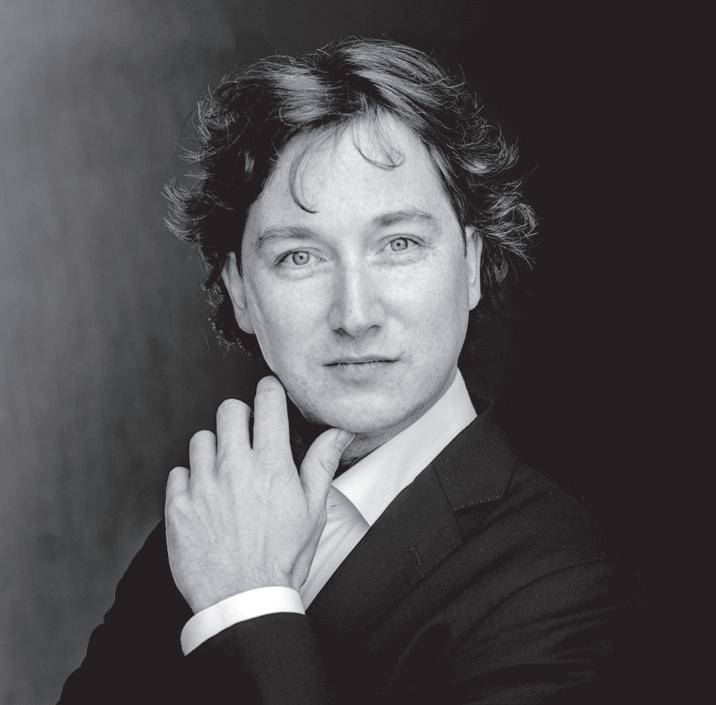
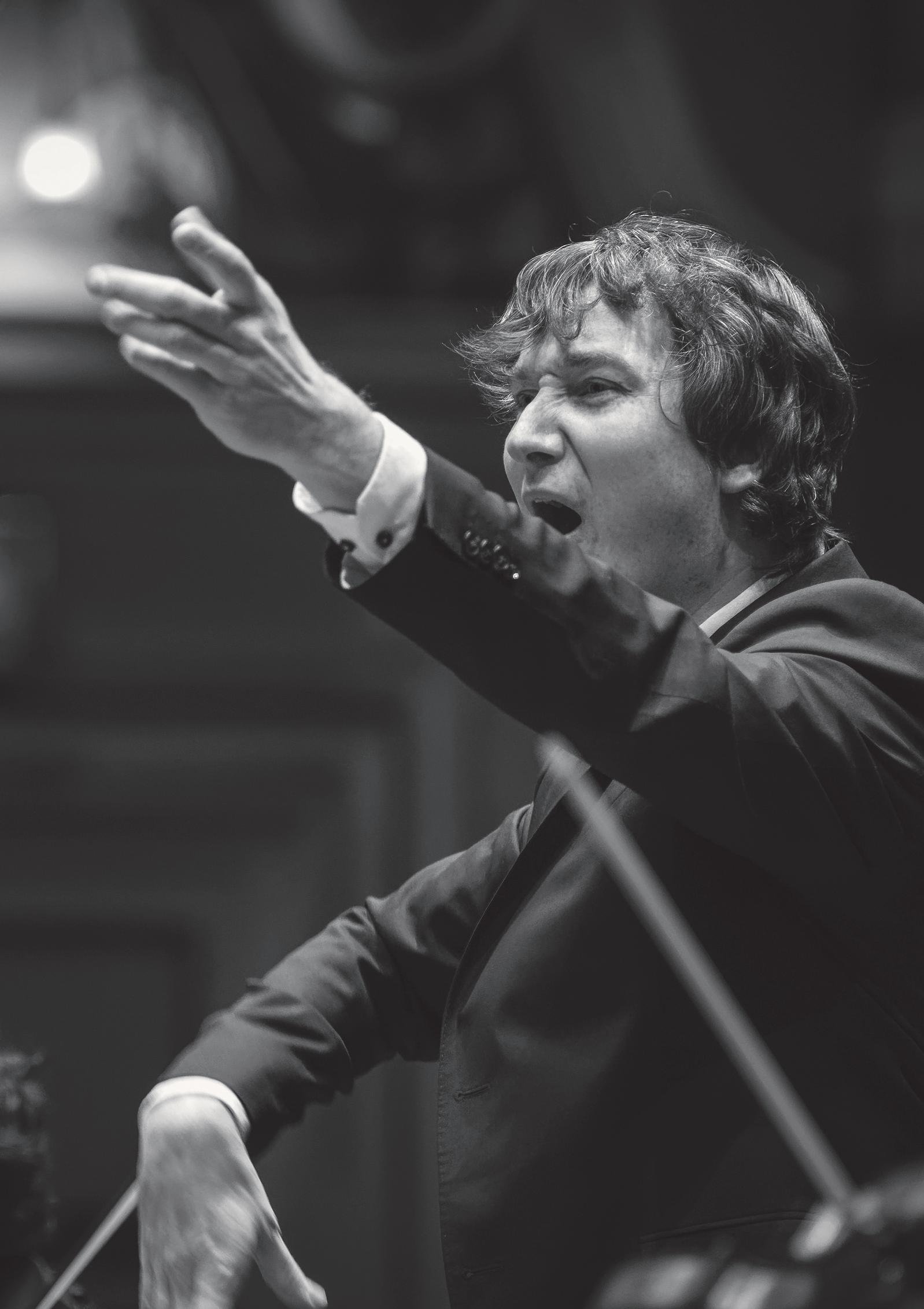
Maxim Emelyanychev has been Principal Conductor of the Scottish Chamber Orchestra since 2019. He is also Chief Conductor of period-instrument orchestra Il Pomo d’Oro, and became Principal Guest Conductor of the Swedish Radio Symphony Orchestra from the 2025/26 Season.
Born in Nizhny Novgorod, Emelyanychev made his conducting debut at the age of 12, and later joined the class of eminent conductor Gennady Rozhdestvensky at the Moscow Conservatoire.
Emelyanychev was initially appointed as the SCO’s Principal Conductor until 2022; the relationship has been extended three times, to 2025, 2028 and most recently to 2031. He has conducted the SCO at the Edinburgh International Festival and the BBC Proms, as well as on several European tours and in concerts right across Scotland. He has also made three recordings with the SCO, of symphonies by Schubert and Mendelssohn (Linn Records).
Emelyanychev has also conducted many international ensembles including the Berlin Philharmonic, Royal Concertgebouw Orchestra, Orchestra dell'Accademia Nazionale di Santa Cecilia, Deutsches Symphonie-Orchester Berlin, Rotterdam Philharmonic Orchestra, Finnish Radio Symphony Orchestra, Seattle Symphony and Orchestra of the Age of Enlightenment. In the opera house, Emelyanychev has conducted Handel’s Rinaldo at Glyndebourne, the same composer’s Agrippina as well as Mozart’s The Magic Flute at the Royal Opera House, Covent Garden, and Mozart’s Die Entführing aus dem Serail at the Opernhaus Zürich. He has also conducted Mozart’s Die Zauberflöte, Così fan tutte and La clemenza di Tito with the SCO at the Edinburgh International Festival. He has collaborated closely with US soprano Joyce DiDonato, including international touring and several recordings.
Among his other recordings are keyboard sonatas by Mozart, and violin sonatas by Brahms with violinist Aylen Pritchin. He has also launched a project to record Mozart’s complete symphonies with Il Pomo d’Oro. In 2019, he won the Critics’ Circle Young Talent Award and an International Opera Award in the newcomer category. He received the 2025 Herbert von Karajan Award at the Salzburg Easter Festival.
Maxim's Chair is kindly supported by Donald and Louise MacDonald
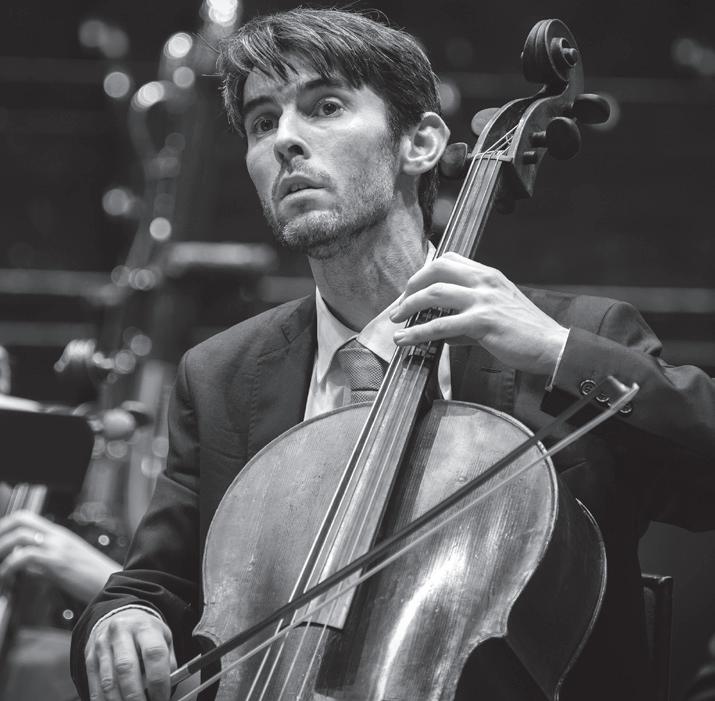
Born in Edinburgh, Philip studied with Ruth Beauchamp at St Mary's Music School and subsequently at the RNCM with Emma Ferrand and Ralph Kirshbaum. He also enjoyed mentoring from Steven Isserlis. In 2008 he became the first UK cellist to win 1st Prize in the Bach Leipzig competition, and followed it with major prizes in 2009 Lutoslawski Competition, and the 2010 Grand Prix Emmanuel Feuermann in Berlin. He was selected for representation by Young Classical Artist Trust between 2009 and 2014.
He has appeared as soloist with the Philharmonia Orchestra, the Hallé Orchestra (broadcast by BBC Radio 3), the Royal Northern Sinfonia and Bournemouth Symphony Orchestra. He has given recitals at the Wigmore Hall, Brighton Festival and Lichfield Festival, and further afield in Germany, Istanbul and Washington DC. In 2014 he performed the complete Bach Suites in Tokyo at the Musashino Cultural Foundation, and again at Wigmore Hall in 2017.
Philip has been described as ‘possessing that rare combination of refined technique with subtle and expressive musicianship… all the qualities of a world-class artist’ (The Strad), and has been praised for his ‘expansive but tender playing’ (Gramophone). His debut recording of the Britten Solo Suites (Delphian, 2013) was named instrumental disc of the month in both Gramophone and BBC Music magazines. He has also released the complete Bach Suites, to critical acclaim.
Philip was appointed Principal Cello of the Scottish Chamber Orchestra in 2016. He plays a fine Milanese cello by Carlo Giuseppe Testore, made in 1697, and is grateful for continued support from Harriet's Trust.
Philip's Chair is kindly supported by The Thomas Family
For full biography please visit sco.org.uk
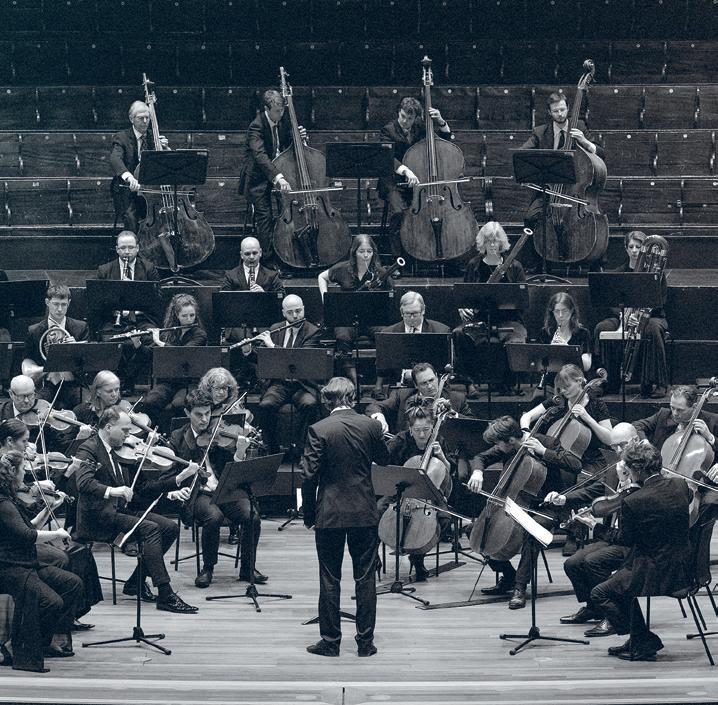
The Scottish Chamber Orchestra (SCO) is one of Scotland’s five National Performing Companies and has been a galvanizing force in Scotland’s music scene since its inception in 1974. The SCO believes that access to world-class music is not a luxury but something that everyone should have the opportunity to participate in, helping individuals and communities everywhere to thrive. Funded by the Scottish Government, City of Edinburgh Council and a community of philanthropic supporters, the SCO has an international reputation for exceptional, idiomatic performances: from mainstream classical music to newly commissioned works, each year its wide-ranging programme of work is presented across the length and breadth of Scotland, overseas and increasingly online.
Equally at home on and off the concert stage, each one of the SCO’s highly talented and creative musicians and staff is passionate about transforming and enhancing lives through the power of music. The SCO’s Creative Learning programme engages people of all ages and backgrounds with a diverse range of projects, concerts, participatory workshops and resources. The SCO’s current five-year Residency in Edinburgh’s Craigmillar builds on the area’s extraordinary history of Community Arts, connecting the local community with a national cultural resource.
An exciting new chapter for the SCO began in September 2019 with the arrival of dynamic young conductor Maxim Emelyanychev as the Orchestra’s Principal Conductor. His tenure has recently been extended until at least 2031. The SCO and Emelyanychev released their first album together (Linn Records) in 2019 to widespread critical acclaim. Their second recording together, of Mendelssohn symphonies, was released in 2023, with Schubert Symphonies Nos 5 and 8 following in 2024.
The SCO also has long-standing associations with many eminent guest conductors and directors including Principal Guest Conductor Andrew Manze, Pekka Kuusisto, François Leleux, Nicola Benedetti, Isabelle van Keulen, Anthony Marwood, Richard Egarr, Mark Wigglesworth, Lorenza Borrani and Conductor Emeritus Joseph Swensen.
The Orchestra’s current Associate Composer is Jay Capperauld. The SCO enjoys close relationships with numerous leading composers and has commissioned around 200 new works, including pieces by Sir James MacMillan, Anna Clyne, Sally Beamish, Martin Suckling, Einojuhani Rautavaara, Karin Rehnqvist, Mark-Anthony Turnage, Nico Muhly and the late Peter Maxwell Davies.
29 July-1 August, 7.30pm
Cumnock | Kirkcudbright | Annan | Kelso
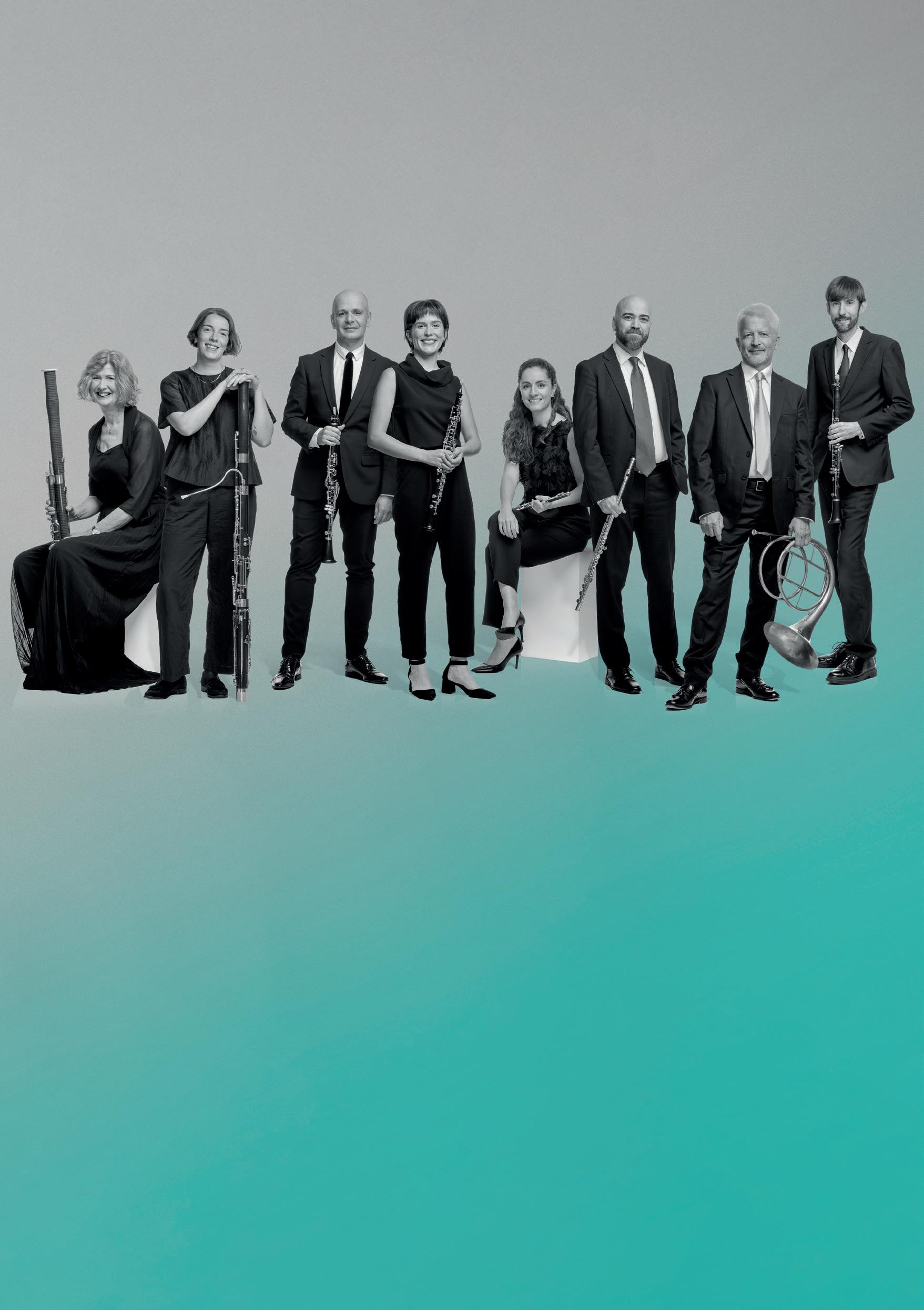
Including music by d’Indy, Gounod, Jonathan Dove and Mozart
Tickets at sco.org.uk or call 0131 557 6800


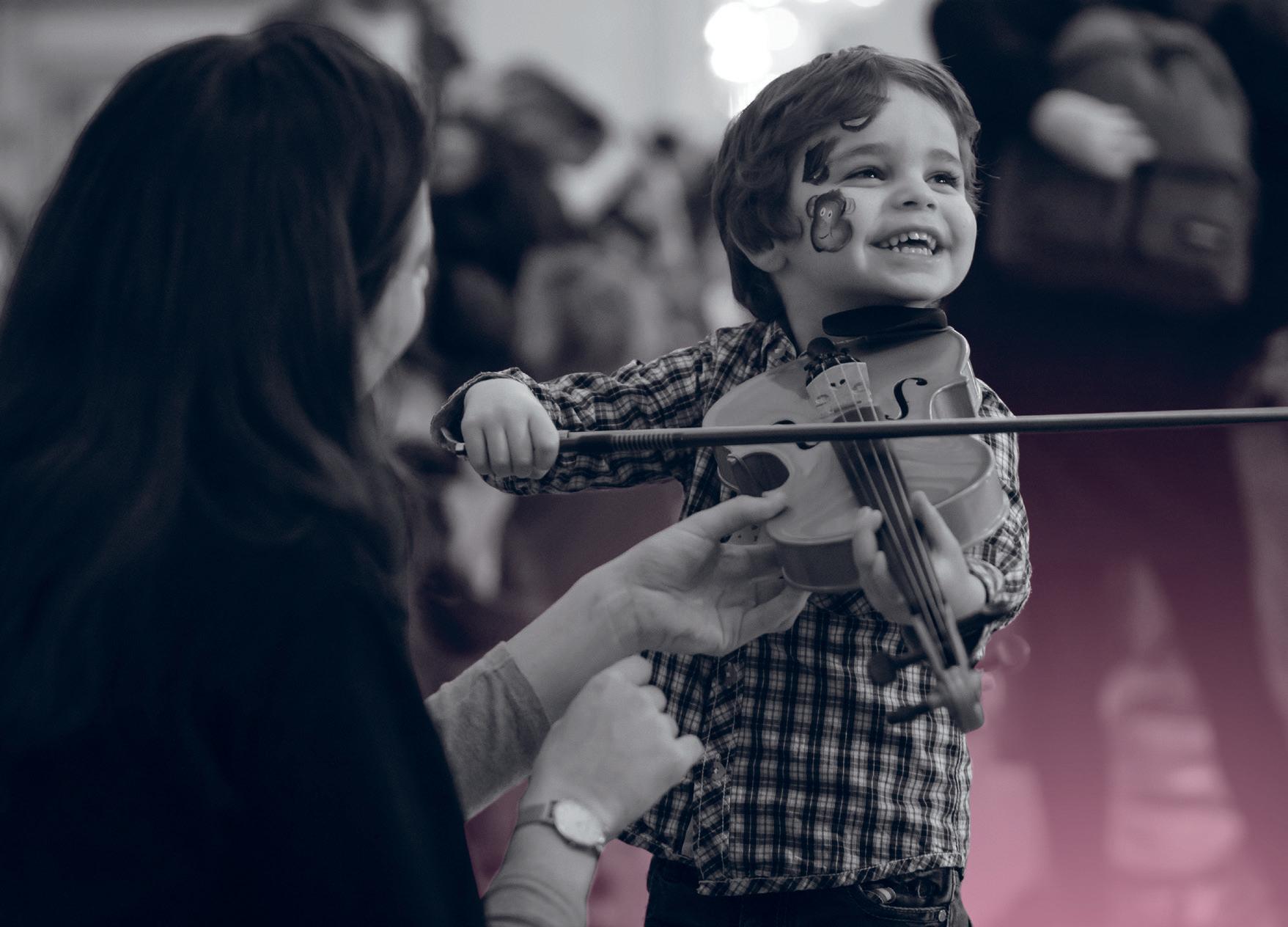

Each year, the SCO must fundraise around £1.2 million to bring extraordinary musical performances to the stage and support groundbreaking education and community initiatives beyond it.
If you share our passion for transforming lives through the power of music and want to be part of our ongoing success, we invite you to join our community of regular donors. Your support, no matter the size, has a profound impact on our work – and as a donor, you’ll enjoy an even closer connection to the Orchestra.
To learn more and support the SCO from as little as £5 per month, please contact Hannah at hannah.wilkinson@sco.org.uk or call 0131 478 8364.
The SCO is a charity registered in Scotland No SC015039.