
Highland Classics
1-3 July 2026

Highland Classics
Kindly supported by Eriadne & George Mackintosh and Claire & Anthony Tait
Wednesday 1 July, 7.30pm Eden Court, Inverness
Thursday 2 July, 7.30pm Universal Hall, Findhorn
Friday 3 July, 7.30pm Blair Castle, Blair Atholl
MOZART Symphony No.20
DOPPLER Double Flute Concerto
Interval of 20 minutes
MOZART Overture, Don Giovanni
HAYDN Symphony No.94 ‘Surprise’
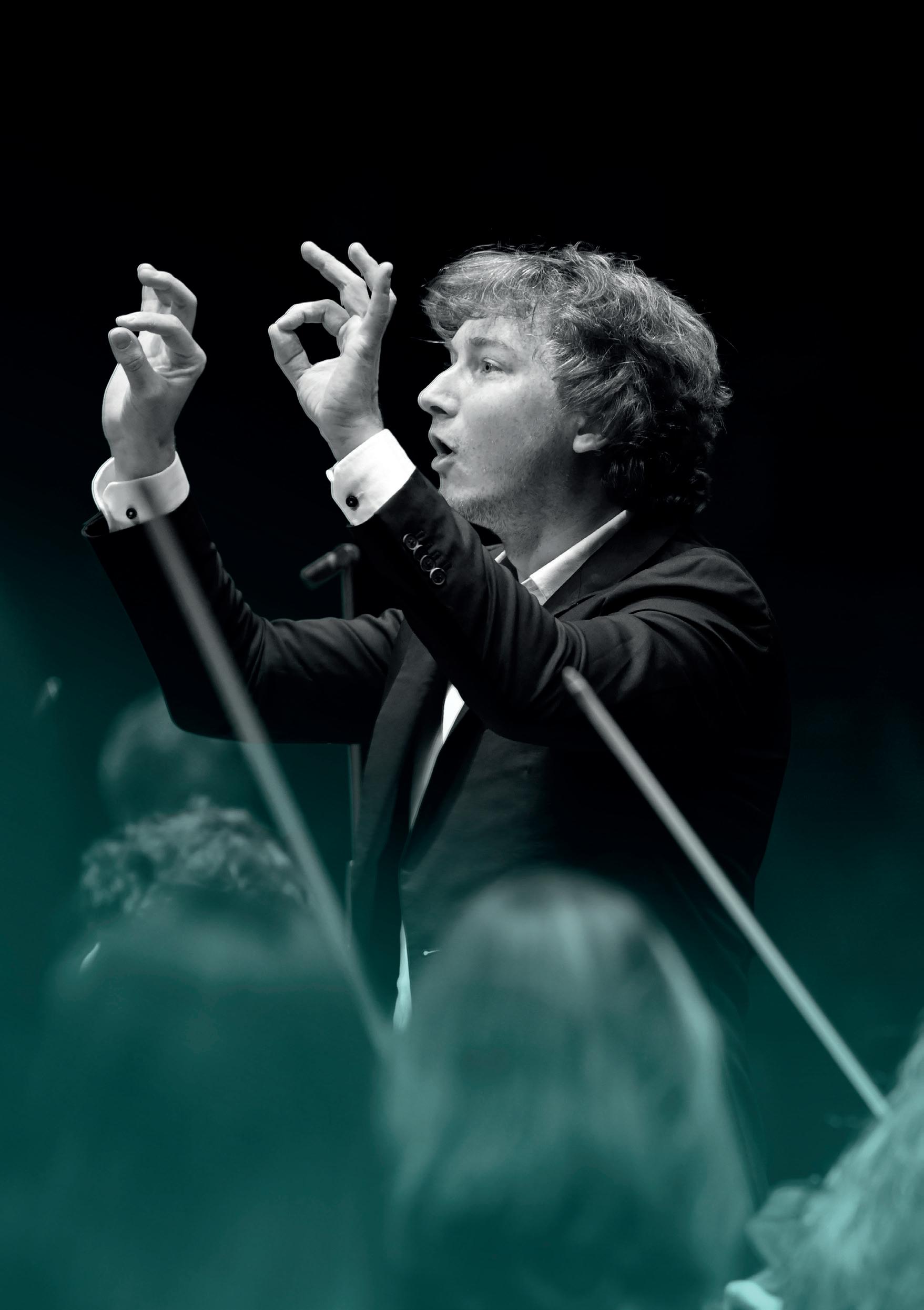
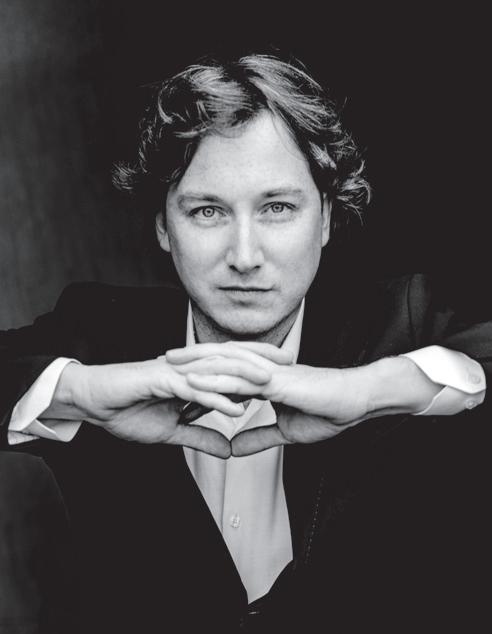
Maxim Emelyanychev conductor
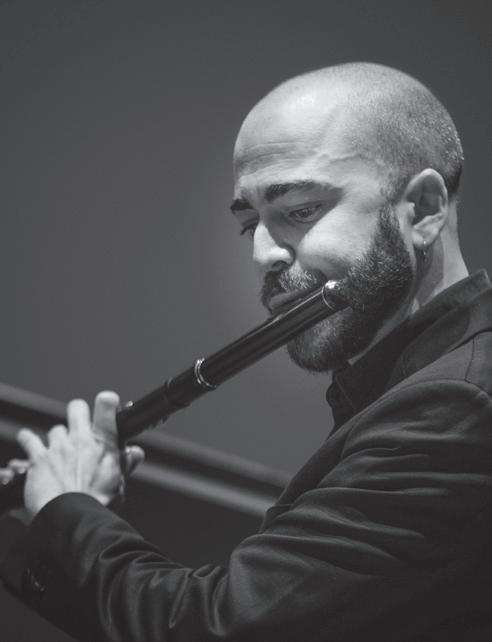
André Cebrián flute
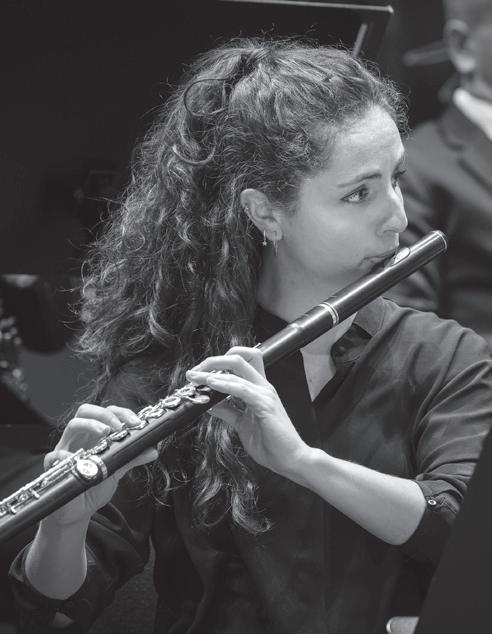
Marta Gómez flute
4 Royal Terrace, Edinburgh EH7 5AB
+44 (0)131 557 6800 | info@sco.org.uk | sco.org.uk
The Scottish Chamber Orchestra is a charity registered in Scotland No. SC015039. Company registration No. SC075079.
The Inverness concert is in association with
The Blair Atholl concert is in association with
The Findhorn concert is in association with
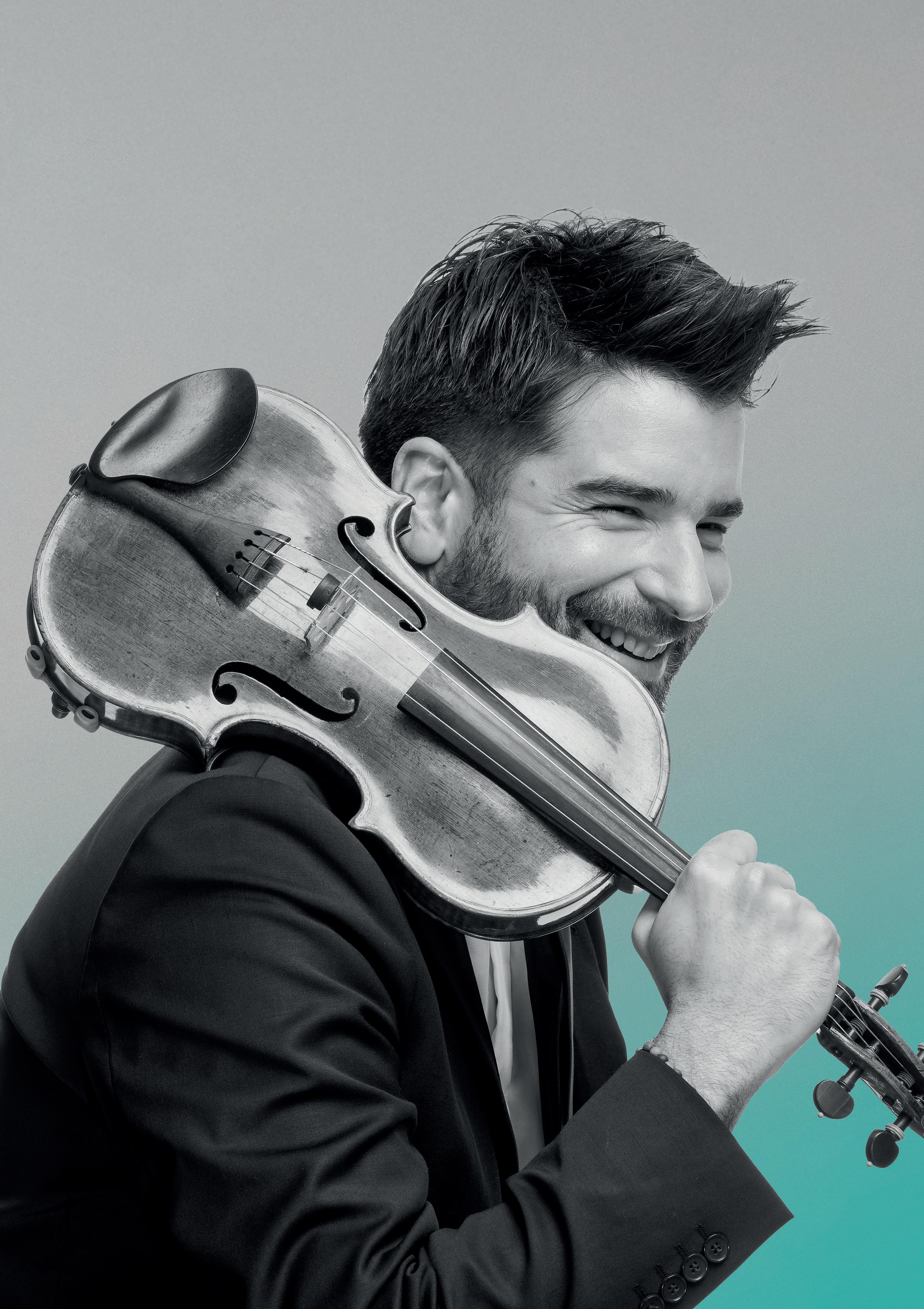
André Cebrián
© Ryan Buchanan
Maxim Emelyanychev
© Andrej Grilc
Marta Gómez
© Christopher Bowen
THANK YOU
Principal Conductor's Circle
Our Principal Conductor’s Circle are a special part of our musical family. Their commitment and generosity benefit us all – musicians, audiences and creative learning participants alike.
Annual Fund
James and Patricia Cook
Visiting Artists Fund
Harry and Carol Nimmo
Anne and Matthew Richards
International Touring Fund
Gavin and Kate Gemmell
Learning and Participation Fund
Jo and Alison Elliot
Sabine and Brian Thomson
CHAIR SPONSORS
Productions Fund
Geoff and Mary Ball
Bill and Celia Carman
Anne, Tom and Natalie Usher
Scottish Touring Fund
Eriadne and George Mackintosh
Claire and Anthony Tait
New Music Fund
Ken Barker and Martha Vail Barker
Colin and Sue Buchan
David Caldwell
Nick and Kate Thomas
The Donald and Louise MacDonald Principal Conductor's Chair Maxim Emelyanychev
Chorus Director Gregory Batsleer
Anne McFarlane
Principal Viola Max Mandel
Ken Barker and Martha Vail Barker
Sub-Principal Viola Francesca Gilbert
Christine Lessels
Viola Steve King
Sir Ewan and Lady Brown
Principal Cello Philip Higham
Nick and Kate Thomas
Sub-Principal Cello Su-a Lee
Ronald and Stella Bowie
Cello Donald Gillan
Professor Sue Lightman
Cello Eric de Wit
Jasmine Macquaker Charitable Fund
Principal Double Bass Jamie Kenny
Erik Lars Hansen and Vanessa C L Chang
Principal Flute André Cebrián
Claire and Mark Urquhart
Sub-Principal Flute Marta Gómez
Judith and David Halkerston
Principal Oboe
The Hedley Gordon Wright Charitable Trust
Sub-Principal Oboe Katherine Bryer
Ulrike and Mark Wilson
Principal Clarinet Maximiliano Martín
Stuart and Alison Paul
Principal Bassoon Cerys Ambrose-Evans
Claire and Anthony Tait
Sub-Principal Bassoon Alison Green
George Rubienski
Principal Horn Kenneth Henderson
Caroline Hahn and Richard Neville-Towle
Timpani / Percussion Louise Lewis Goodwin
Silvia and Andrew Brown
Funding Partners





“…an orchestral sound that seemed to gleam from within.”
THE SCOTSMAN
HM The King Patron
Donald MacDonald CBE
Life President
Joanna Baker CBE Chair
Gavin Reid LVO FRSE Chief Executive
Maxim Emelyanychev
Principal Conductor
Andrew Manze
Principal Guest Conductor
Joseph Swensen
Conductor Emeritus
Gregory Batsleer
Chorus Director
Jay Capperauld
Associate Composer
© Chris Christodoulou
Information correct at the time of going to print Our Musicians
Your Orchestra Tonight
This concert will be played on natural brass/timpani throughout.
First Violin
Stephanie Gonley
Ofer Falk
Lise Aferiat
Aisling O’Dea
Amira Bedrush-McDonald
Fiona Alexander
Rachel Spencer
Second Violin
Marie Schreer
Gordon Bragg
Hatty Haynes
Jess Hall
Stewart Webster
Kirsty Main
Abigail Young
Viola
Max Mandel
Francesca Gilbert
Mark Braithwaite
Steve King
Cello
Philip Higham
Donald Gillan
Kim Vaughan
Alison Lawrance
Bass
Jamie Kenny
Carlos Navarro
© Christopher Bowen
Flute
André Cebrián
Marta Gómez
Brontë Hudnott
Oboe
Sasha Calin
Katherine Bryer
Cor Anglais
Katherine Bryer
Clarinet
Maximiliano Martín
William Stafford
Bassoon
Cerys Ambrose-Evans
Alison Green
Katherine Bryer
Sub-Principal Oboe
Horn
Jože Rošer
Martin Lawrence
Trumpet
Peter Franks
Shaun Harrold
Timpani
Simon Archer
Harp
Sharron Griffiths
What You Are About To Hear
MOZART (1756-1791)
Symphony No.20 in D, K.133 (1772)
Allegro
Andante
Menuetto e Trio
Allegro
DOPPLER (1821-1883)
Double Flute Concerto (1854)
Allegro maestoso
Andante
Allegro
MOZART (1756-1791)
Overture, Don Giovanni, K.527 (1787)
HAYDN (1732-1809)
Symphony No.94 in G 'Surprise' (1791)
Adagio cantabile – Vivace assai
Andante
Menuetto: Allegro molto
Finale: Allegro molto
Music to dazzle, to entertain and – yes – to surprise comes together in tonight’s energetic programme. Today’s concert takes us from the teenage Mozart out to impress through to the mature Haydn out to innovate – by way of two flute-playing brothers out to showcase the astonishing capabilities of their hitherto somewhat overlooked instrument.
We begin in Salzburg where, in 1772, the city’s most famous musical son –Wolfgang Amadeus Mozart, just 16 at the time – composed no fewer than seven symphonies. We probably shouldn’t be too surprised: Mozart is music’s most illustrious child prodigy, and he’d been performing since he was a toddler and composing not much after that. He created what’s generally described as his First Symphony at the age of eight, and his first opera –Apollo et Hyacinthus – aged 11. In fact, these seven symphonies came during a ten-month hiatus in Salzburg between two trips to Italy, for the professional premieres of his operas Ascanio in Alba and Lucio Silla
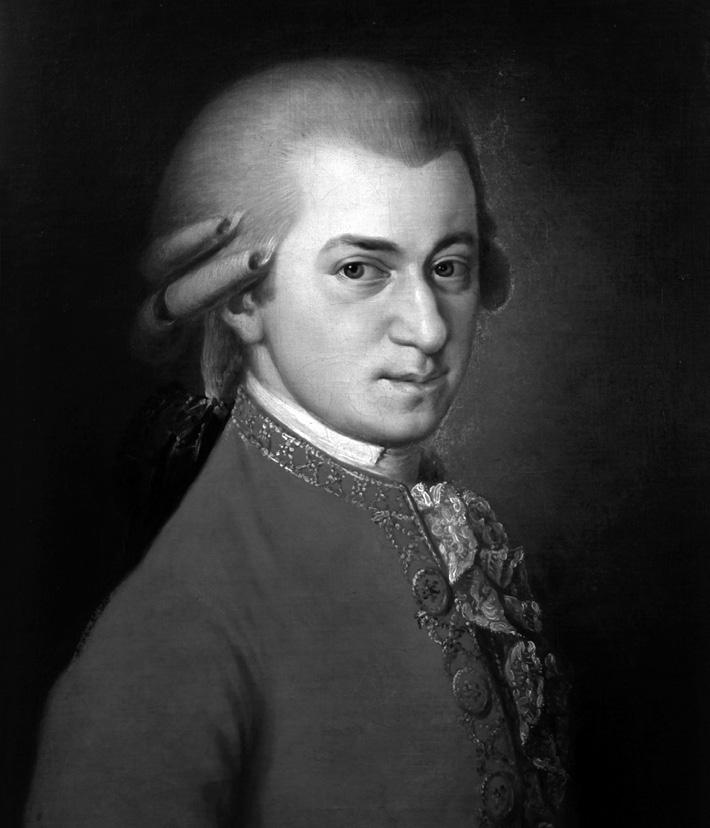
Indeed, by 1772 Mozart was effectively working as a professional musician, despite his youthful age. That fact no doubt delighted his father Leopold, who’d pushed him hard since his early years. Young Wolfgang would soon take up an official musical role at the Salzburg court (which he found increasingly claustrophobic and restrictive – we’ll come back to that), and his Symphony No.20, which opens tonight’s concert, shows the scale and boldness of the 16-year-old’s ambitions. We don’t know much about its specific origins, but it’s highly unlikely to have been a mere student exercise. It’s a grand, ceremonial piece that seems an
At around 20 minutes, the Symphony No. 20 is a compact, punchy piece, but also one that packs plenty of drama into its slimline timeframe, using a particularly bright and extrovert orchestra that makes great play of its pair of trumpets.
ideal fit for a lavish concert or ceremonial occasion in Salzburg, and it’s generally assumed that it was created for just such an event.
At around 20 minutes, the Symphony No.20 is a compact, punchy piece, but also one that packs plenty of drama into its slimline timeframe, using a particularly bright and extrovert orchestra that makes great play of its pair of trumpets. After a bright, bold call to attention, the first movement continues with a more restrained, quieter main theme that’s interrupted by louder, more exuberant music, and followed by a more elegant, dance-like second theme. Trumpets and horns make specially confident contributions to the close of its opening section, and after a brief central development section, Mozart reverses the order of his themes at the movement’s
close, ending in ceremonial splendour once again.
With its tripping melody assigned to a solo flute and violins, plus gentle pizzicato accompaniment, the delicate, serenadelike second movement couldn’t be more different. Mozart returns to boldness, however, in a confident, exuberant minuet dance for his third movement. Dance music continues in the Symphony’s finale, which is propelled by a scampering main theme from the violins, with a few sudden stops along the way to keep both listeners and players on their toes.
We leap forward in time eight decades for tonight’s next piece, and take a detour into a lesser-known but nonetheless fascinating byway of mid-19th-century music. This was the era of the great virtuoso composer/performers: just think
Wolfgang Amadeus Mozart
As
with tonight’s opening piece, not much is known about the specific origins of the 1854 Double Concerto that Franz Doppler composed, though it’s
probably safe to assume
he wrote it for himself and his brother to perform during one of their many European tours.
of musicians like violinist Niccolò Paganini or pianist Franz Liszt (alongside many others), who would make audiences swoon with their breathtaking instrumental pyrotechnics, displaying such devilish dexterity that listeners gossiped they must be in league with satanic forces.
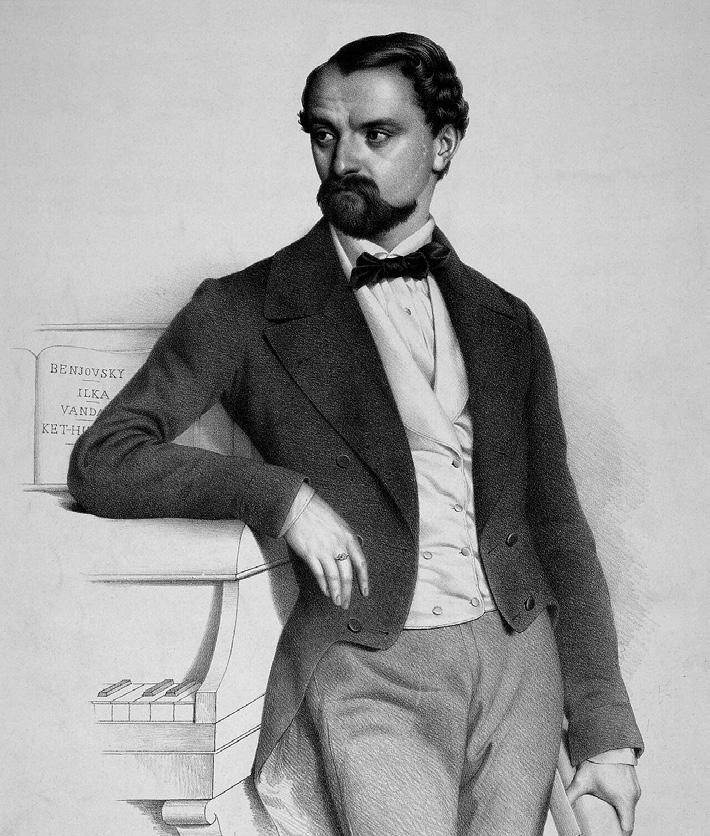
There were no such rumours of devilry attached to the flute-playing Doppler brothers – Franz, born in 1821, and his younger sibling Karl, born in 1825 – but they were just as intent on promoting their instrument as capable of both aweinspiring virtuosity and moving musical expressiveness. Both men worked in several roles across Europe: Franz settled in Vienna in 1858 as principal flautist at the city’s Court Opera, while Karl was Music Director in Stuttgart for more than three decades. But they also embarked on many joint concert tours across the
continent, showcasing not only their own exceptional playing but also the capabilities of their instrument.
As with tonight’s opening piece, not much is known about the specific origins of the 1854 Double Concerto that Franz Doppler composed, though it’s probably safe to assume he wrote it for himself and his brother to perform during one of their many European tours. It’s a piece that sets out to charm and delight, certainly, but also to highlight the expressive abilities of the flute in the hands of two virtuoso performers.
The orchestra sets out the first movement’s main themes before the two flautists join the party, with a fiery, brusque opening statement, followed by a gentler, calmer second main theme. The soloists make a spectacular entrance, shooting skywards
Franz Doppler
in dramatic flurries of notes, and only later taking up the movement’s main melodies.
A harp-led flourish leads directly into the slower second movement, where there’s a distinctly Hungarian-sounding sophistication to its sweetly cascading main theme. The third movement erupts with energy and conviction, and seems shot through with more Magyar flavours.
An extended duo cadenza brings together the two flautists in some delightfully showy exuberance before the Concerto’s vibrant conclusion.
We return to Mozart for tonight’s next piece, but by 1787 – the year his opera
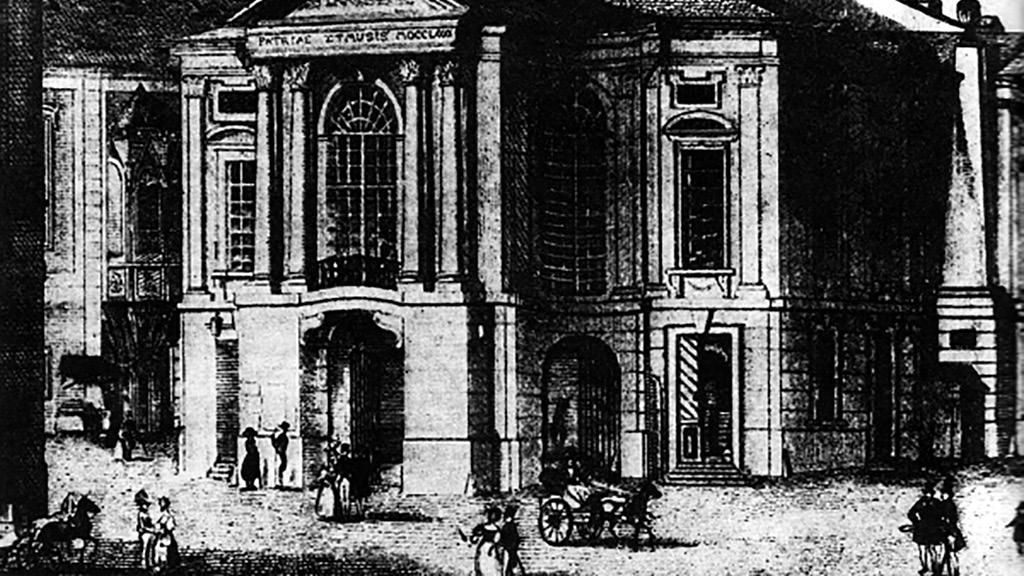
Don Giovanni was unveiled in Prague –he was an entirely different person from the 16-year-old we encountered earlier. He’d grown increasingly frustrated in his Salzburg employment and had been kicked out (quite literally), had relocated
to Vienna, where he enjoyed fame and adulation and was now beginning to sense that Viennese tastes were turning away from him. He knew, however, that Prague's music lovers adored him: it was from here that he wrote to his father (back to Salzburg) that they were singing tunes from his opera The Marriage of Figaro in the streets, and was delighted to be asked to compose a new opera specifically for them.
What Mozart created, however – working with his regular librettist Lorenzo Da Ponte – was a rather unusual mix of comedy, drama and tragedy that draws on the ancient Spanish story of the notorious womaniser Don Juan, who gets his hellish comeuppance when a supernatural stone statue takes him up on his disrespectful invitation to dinner. Though some of the sexual conquests by the character that
Estates Theatre in 1797
became Don Giovanni might strike us as problematic in the 21st century, it’s also entirely possible that librettist Da Ponte was drawing on personal experience in his depiction of the shameless lothario. Not only did he have a reputation as a libertine himself, but he was also bosom buddies with the Venetian adventurer and writer Giacomo Casanova, whose reputation has survived down the centuries. It’s even been suggested that Casanova may have had a hand in writing sections of the libretto himself.
As so often with his operas, Mozart left composing the Overture until the very last minute, reputedly asking his long-suffering wife Constanze to stay up with him overnight before the premiere, reading to him to keep him awake while he put it together. What he came up with, however, is unusual in how closely it connects with the drama that’s about to unfold in the rest of the opera. Daringly, Mozart begins his Overture with the dark, sinister music that will later accompany the stone guest’s doom-laden visit to the opera’s anti-hero, all brutal brassiness, wayward harmonies and mysterious string scales. It’s as though the Don’s damnation has been decided from the very beginning – though Mozart quickly swerves into far more dashing, witty music in what’s essentially a miniature symphonic movement, with all the sophistication of harmony and thematic transformation that that involves.
If Mozart found a certain degree of comedy among Don Giovanni’s dubious sexual exploits, then Joseph Haydn was an inveterate musical joker through much of his career. Not just in terms of the general bustling wit of much of his music (though it has its darker drama, of course), but
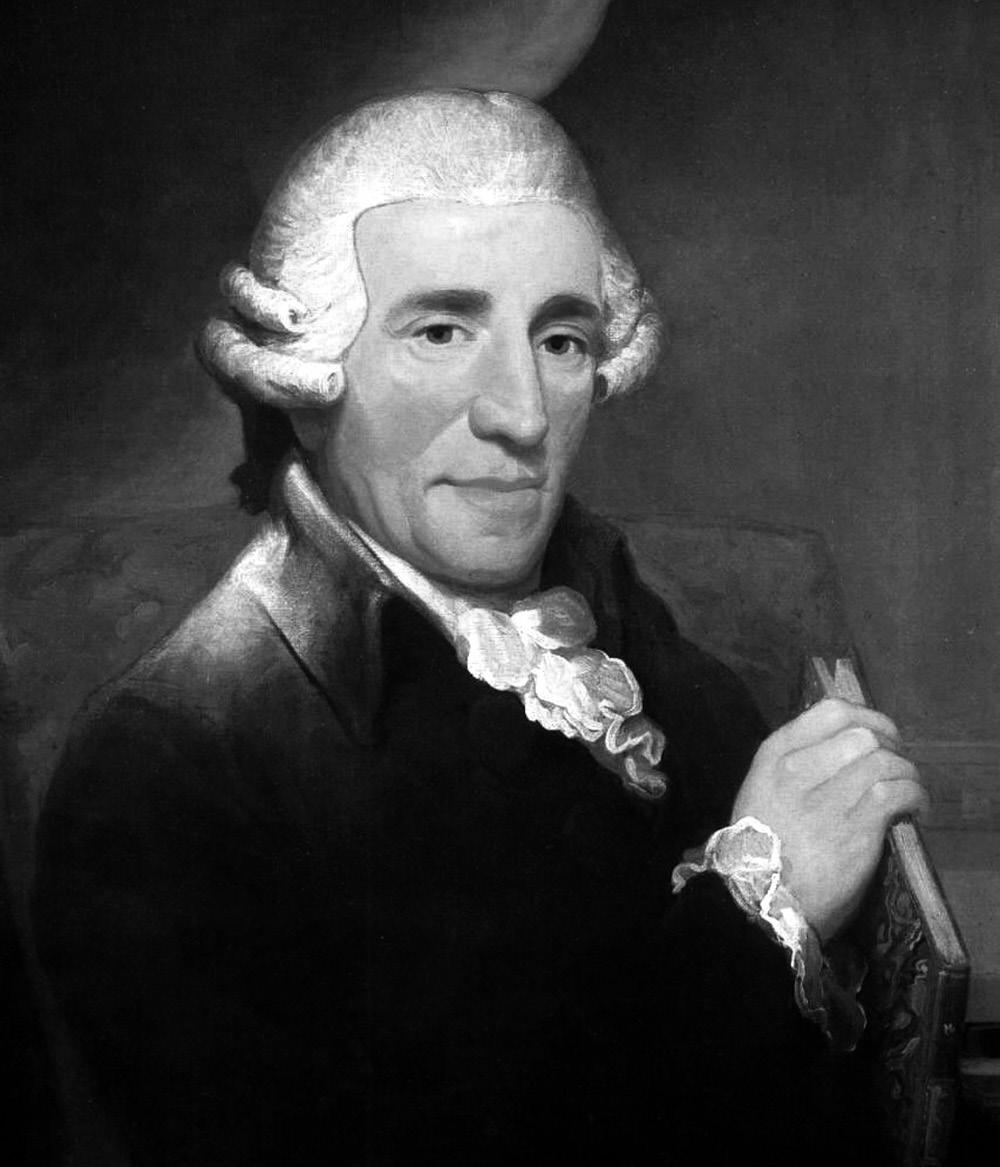
also in his unexpected harmonic twists, his sudden stops, his false endings – in fact, all manner of musical tricks to keep his listeners guessing. His ‘Surprise’ Symphony contains one his best-known gags – and one that’s hardly complex in its humour (if you haven’t yet experienced it, you will tonight, at some point in the second movement), though always effective just the same.
But perhaps the most surprising thing about the Symphony is that its famous ‘surprise’ wasn’t originally there at all. Haydn wrote the piece as the second of his six-symphony set intended to delight and captivate English listeners during his first trip to London, in 1791-2. By then, he’d spent almost 30 years in the employment of the fabulously wealthy Esterházy family, much of that time in the lavish but rather isolated Eszterháza Palace, now in northwest Hungary but in Haydn’s time firmly at the heart of the Habsburg Empire. During those decades, he’d used the court’s resident musicians to the fullest, virtually inventing the modern symphony and string quartet as musical forms, and developing his clean, clear, elegant and mischievously witty musical style across operas, chamber music and plenty more.
But equally, he felt he needed to stretch his wings – and finally got his chance in 1790, at the age of 58. The incoming Prince Anton looked to trim back his artistic outgoings, still guaranteeing an ongoing salary for Haydn, but no longer requiring his permanent presence at court. The composer’s music was already wildly popular among London audiences, and German-born, London-based impresario Johann Peter Salomon snapped him up for two visits to England, the first in 1791-2,
His ‘Surprise’ Symphony contains one his best-known gags – and one that’s hardly complex in its humour (if you haven’t yet experienced it, you will tonight, at some point in the second movement), though always effective just the same.
and the second in 1794-5. Both went down a storm, so much so that Haydn reportedly even considered settling permanently in the English capital (and was explicitly invited to do so by King George III, no less).
Haydn was surprised to discover that his erstwhile pupil Ignaz Pleyel would be in London at the same time as his own first visit, with his own concert series, in direct competition. Not that the elder composer had little to fear, but clearly something had to be done. And as he told his first biographer, August Griesinger, his motivation for adding that unexpected element to his Symphony No. 94 was ‘to surprise the public with something new, and to make a debut in a brilliant manner so as not to be outdone by my pupil Pleyel’. The technique clearly worked: the Symphony was a huge success at its first performance, in Mayfair’s Hanover Square Rooms on 23
March 1792, and ultimately proved to be the sensation of the season.
A slow, tender introduction divided between winds and strings sets the scene for the bucolic idyll of Haydn’s first movement (you might even hear some asses braying at one point), which manages to be lyrical and energetic at the same time. The second movement’s hushed theme seems to be asking you to lean in and listen closely, even if it sounds suspiciously like ‘Twinkle, Twinkle, Little Star’ (widely known as the French melody ‘Ah! vous dirai-je, maman’, in Haydn’s time). His robust third movement minuet and trio continue the Symphony’s rustic theme, with distinctive oom-pah-pah accompaniment, while Haydn throws in one or two of his unexpected pauses amid the propulsive energy of his dashing finale.
© David Kettle
Franz Joseph Haydn
6-8 August, 7.30pm (8pm in Stirling)
Stirling | Greenock | Forfar
Conductor Maxim
Emelyanychev
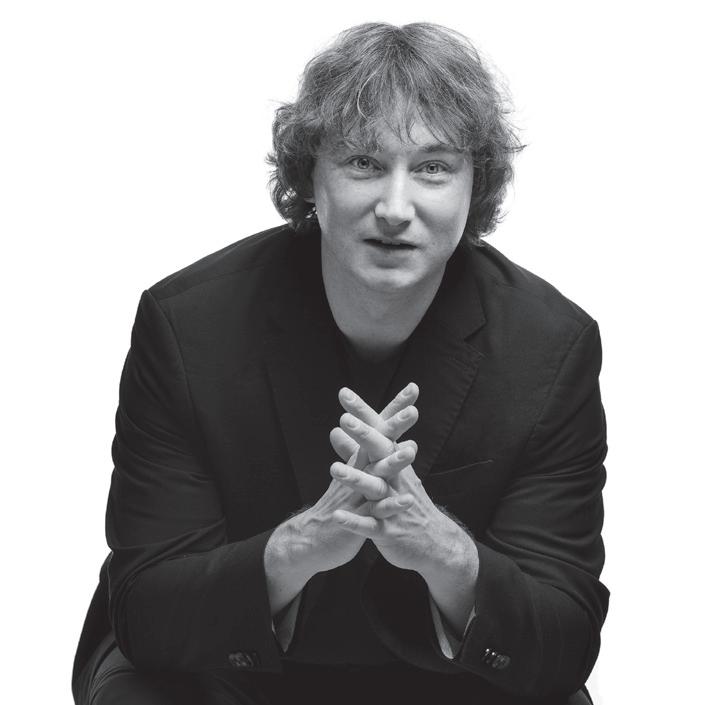
Maxim Emelyanychev has been Principal Conductor of the Scottish Chamber Orchestra since 2019. He is also Chief Conductor of period-instrument orchestra Il Pomo d’Oro, and became Principal Guest Conductor of the Swedish Radio Symphony Orchestra from the 2025/26 Season.
Born in Nizhny Novgorod, Emelyanychev made his conducting debut at the age of 12, and later joined the class of eminent conductor Gennady Rozhdestvensky at the Moscow Conservatoire.
Emelyanychev was initially appointed as the SCO’s Principal Conductor until 2022; the relationship has been extended three times, to 2025, 2028 and most recently to 2031. He has conducted the SCO at the Edinburgh International Festival and the BBC Proms, as well as on several European tours and in concerts right across Scotland. He has also made three recordings with the SCO, of symphonies by Schubert and Mendelssohn (Linn Records).
Emelyanychev has also conducted many international ensembles including the Berlin Philharmonic, Royal Concertgebouw Orchestra, Orchestra dell'Accademia Nazionale di Santa Cecilia, Deutsches Symphonie-Orchester Berlin, Rotterdam Philharmonic Orchestra, Finnish Radio Symphony Orchestra, Seattle Symphony and Orchestra of the Age of Enlightenment. In the opera house, Emelyanychev has conducted Handel’s Rinaldo at Glyndebourne, the same composer’s Agrippina as well as Mozart’s The Magic Flute at the Royal Opera House, Covent Garden, and Mozart’s Die Entführing aus dem Serail at the Opernhaus Zürich. He has also conducted Mozart’s Die Zauberflöte, Così fan tutte and La clemenza di Tito with the SCO at the Edinburgh International Festival. He has collaborated closely with US soprano Joyce DiDonato, including international touring and several recordings.
Among his other recordings are keyboard sonatas by Mozart, and violin sonatas by Brahms with violinist Aylen Pritchin. He has also launched a project to record Mozart’s complete symphonies with Il Pomo d’Oro. In 2019, he won the Critics’ Circle Young Talent Award and an International Opera Award in the newcomer category. He received the 2025 Herbert von Karajan Award at the Salzburg Easter Festival.
Maxim's Chair is kindly supported by Donald and Louise MacDonald
André Cebrián
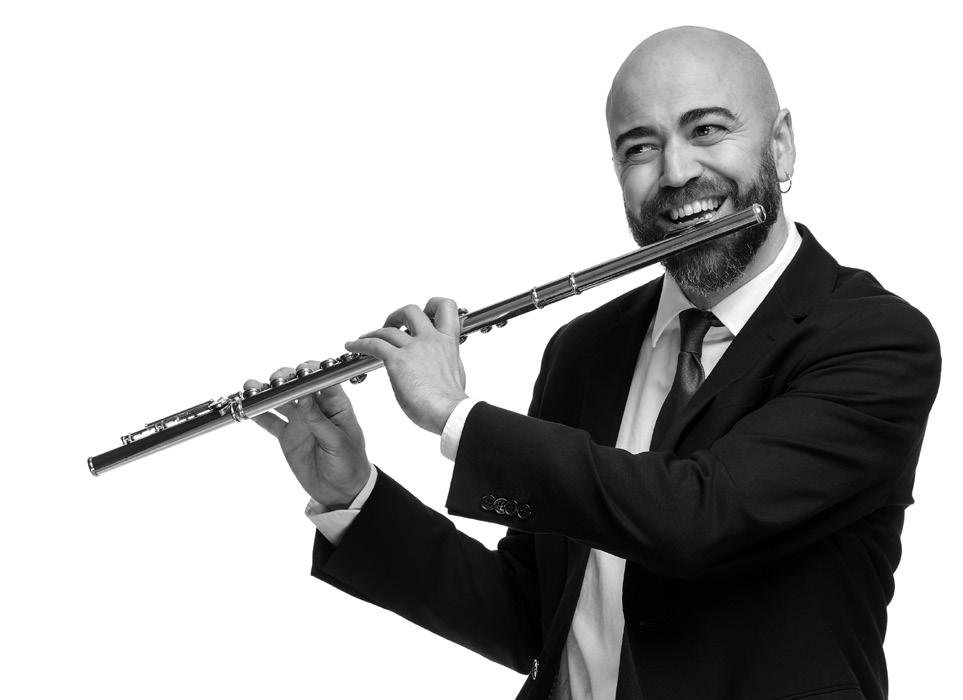
Spanish Flautist André Cebrián is in demand as an orchestral and chamber musician throughout Scotland and abroad. He was appointed Principal Flute of the Scottish Chamber Orchestra in 2020 and appears regularly as Guest Principal Flute with orchestras such as the Chamber Orchestra of Europe, Deutsche Kammerphilharmonie Bremen, Philharmonia Zürich, Liceu Opera, Malaysian Philharmonic, RSNO, BBC Scottish, Spira Mirabilis and orchestras of Castilla-León, Gran Canaria or Barcelona.
As a chamber musician, André has played in hundreds of chamber music festivals across Europe. He also enjoys a busy solo career, regularly appearing as a soloist with orchestras throughout Europe and beyond.
A dedicated teacher, André loves to share his passion for music with his students at The Royal Conservatoire of Scotland, the Barenboim-Said Academy and the numerous masterclasses and youth orchestras he attends each season.
André's Chair is kindly supported by Claire and Mark Urquhart
© Christopher Bowen
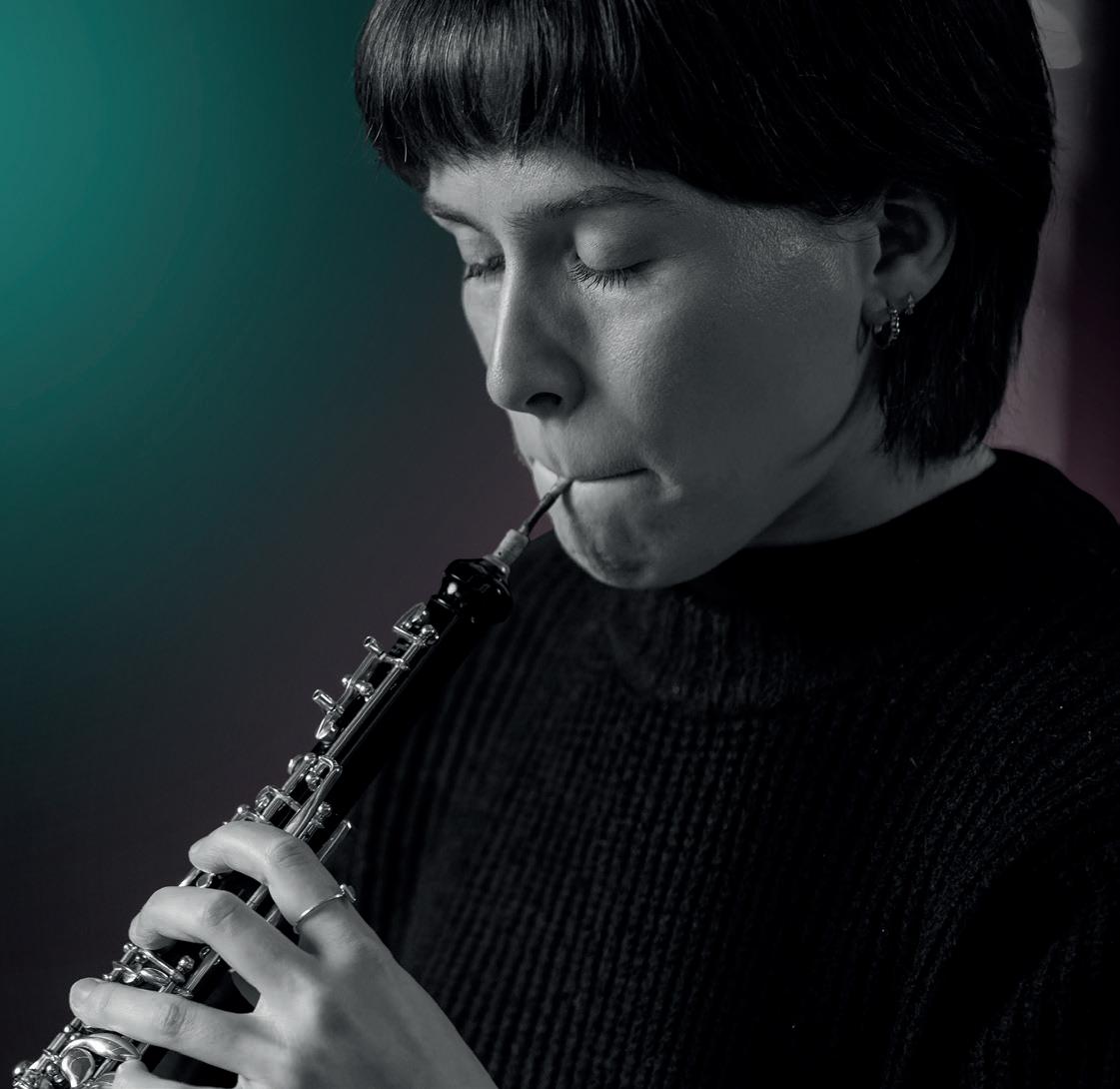
Marta Gómez
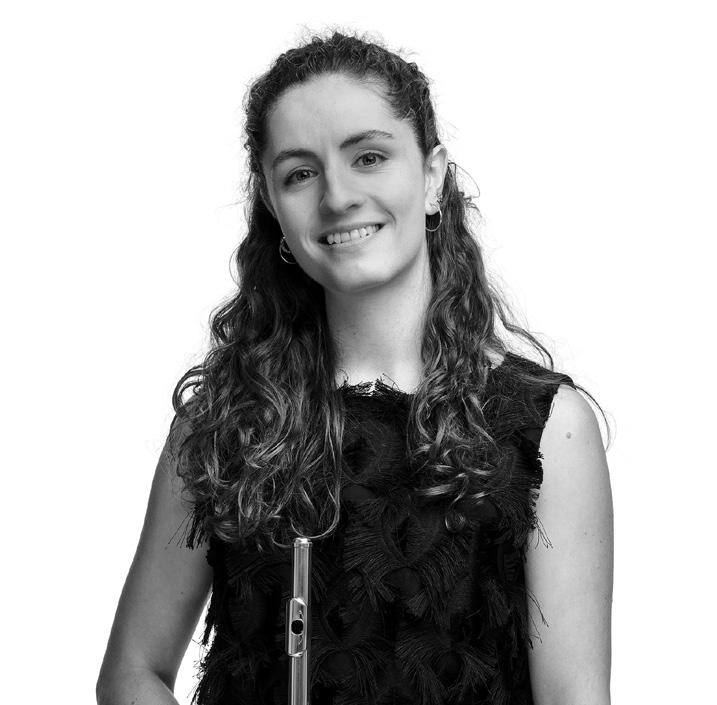
Spanish flutist Marta Gómez Alonso grew up in Asturias, north of Spain, where she started playing the flute. She studied with Antonio Nuez, Fernando Gómez and André Cebrián in Zaragoza, Spain, continuing her education with Juliette Hurel, Julie Moulin and Wim Steinmann in Rotterdam. While starting a freelance career she also completed a postgraduate course in orchestral studies with Laurent Blaiteau.
She developed her orchestral skills through several youth orchestras: JONDE, Schleswig-Holstein Musik Festival, Pacific Music Festival or Verbier Festival Orchestra. As a freelance, she has worked with different orchestras in Spain, the Netherlands and Sweden, such as Rotterdam Philharmonic Orkest, Camerata Royal Concertgebouw Orkest, Swedish Chamber Orchestra or Orquesta Sinfónica de Castilla y León.
From 2020 until 2023 she was Orchestral Repertoire Professor at Conservatorio Superior de CastillaLa Mancha, Albacete. She has also given orchestral coaching in youth orchestras in Galicia and Canary Islands.
Enthusiast of contemporary music, Marta has also performed in Lucerne Festival under the baton of Heinz Holliger and with various ensembles in the Netherlands and Spain. She took part in the Holland’s Festival’s 2019 production of Stockhausen’s opera “AUS LICHT”, where she played a main role that was highly acclaimed by the critics.
Marta's chair is kindly supported by Judith and David Halkertson.
© Christopher Bowen
Scottish Chamber Orchestra
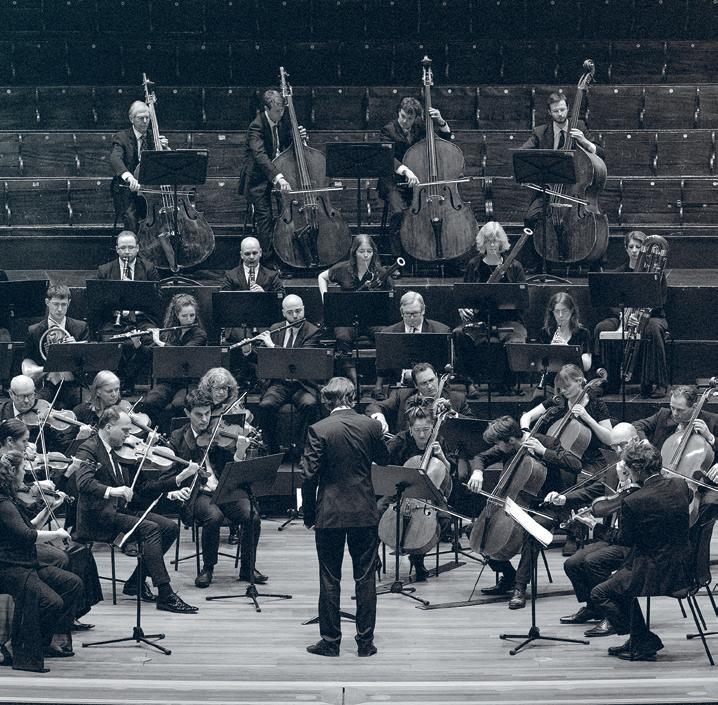
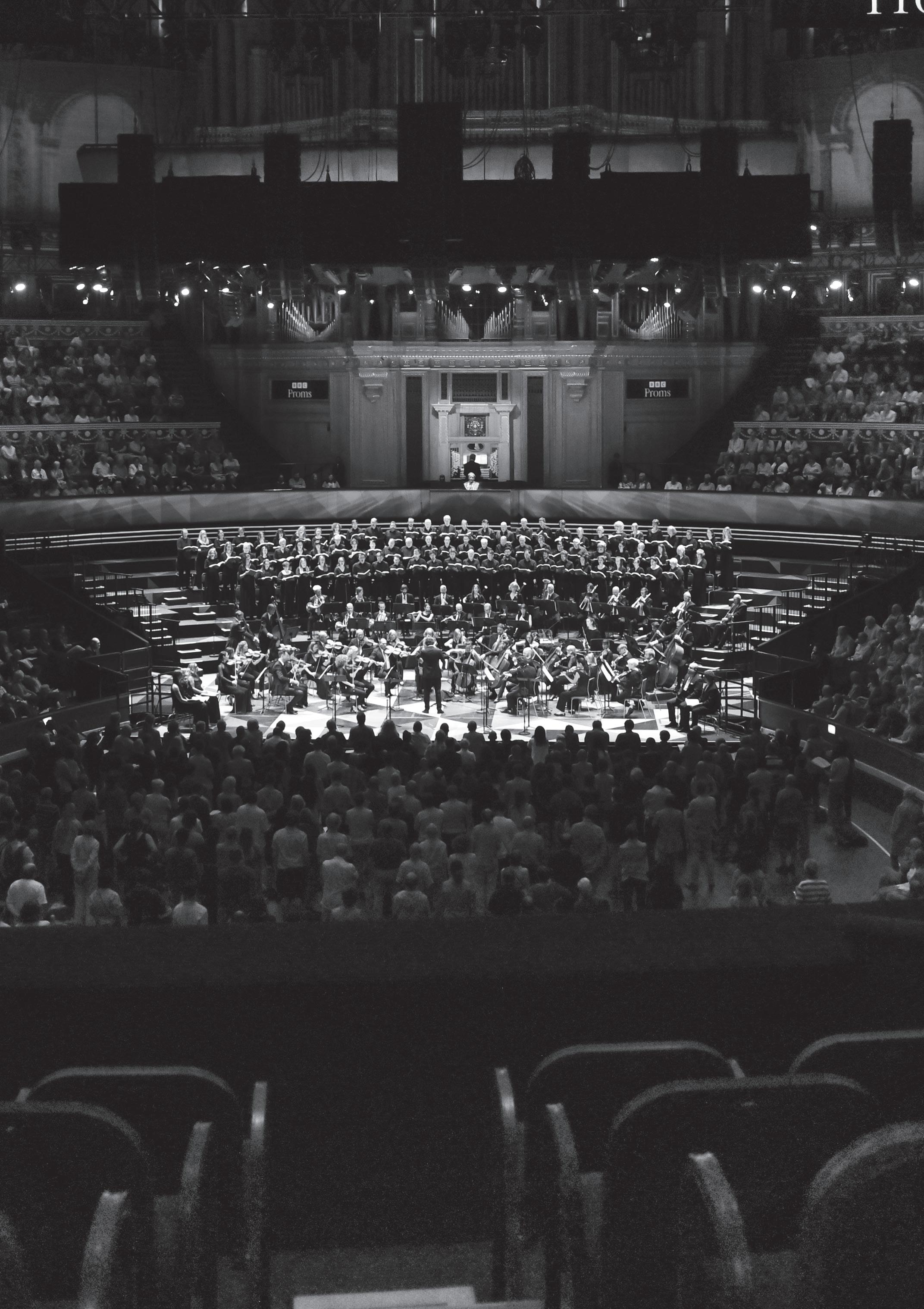
The Scottish Chamber Orchestra (SCO) is one of Scotland’s five National Performing Companies and has been a galvanizing force in Scotland’s music scene since its inception in 1974. The SCO believes that access to world-class music is not a luxury but something that everyone should have the opportunity to participate in, helping individuals and communities everywhere to thrive. Funded by the Scottish Government, City of Edinburgh Council and a community of philanthropic supporters, the SCO has an international reputation for exceptional, idiomatic performances: from mainstream classical music to newly commissioned works, each year its wide-ranging programme of work is presented across the length and breadth of Scotland, overseas and increasingly online.
Equally at home on and off the concert stage, each one of the SCO’s highly talented and creative musicians and staff is passionate about transforming and enhancing lives through the power of music. The SCO’s Creative Learning programme engages people of all ages and backgrounds with a diverse range of projects, concerts, participatory workshops and resources. The SCO’s current five-year Residency in Edinburgh’s Craigmillar builds on the area’s extraordinary history of Community Arts, connecting the local community with a national cultural resource.
An exciting new chapter for the SCO began in September 2019 with the arrival of dynamic young conductor Maxim Emelyanychev as the Orchestra’s Principal Conductor. His tenure has recently been extended until at least 2031. The SCO and Emelyanychev released their first album together (Linn Records) in 2019 to widespread critical acclaim. Their second recording together, of Mendelssohn symphonies, was released in 2023, with Schubert Symphonies Nos 5 and 8 following in 2024.
The SCO also has long-standing associations with many eminent guest conductors and directors including Principal Guest Conductor Andrew Manze, Pekka Kuusisto, François Leleux, Nicola Benedetti, Isabelle van Keulen, Anthony Marwood, Richard Egarr, Mark Wigglesworth, Lorenza Borrani and Conductor Emeritus Joseph Swensen.
The Orchestra’s current Associate Composer is Jay Capperauld. The SCO enjoys close relationships with numerous leading composers and has commissioned around 200 new works, including pieces by Sir James MacMillan, Anna Clyne, Sally Beamish, Martin Suckling, Einojuhani Rautavaara, Karin Rehnqvist, Mark-Anthony Turnage, Nico Muhly and the late Peter Maxwell Davies.
© Christopher Bowen
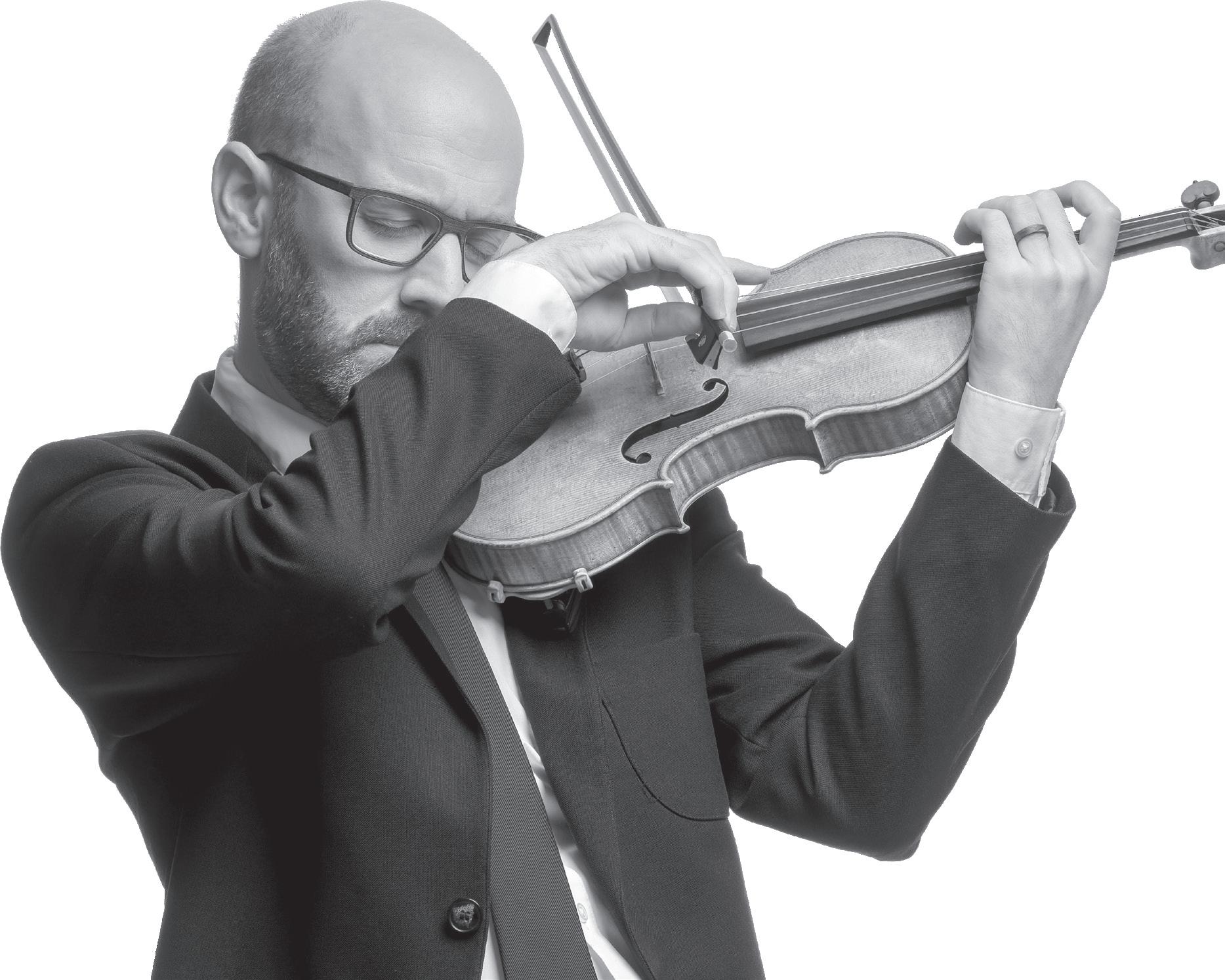
Gordon Bragg Sub-Principal Second Violin
Photo: Christopher Bowen
Support the Summer Tour
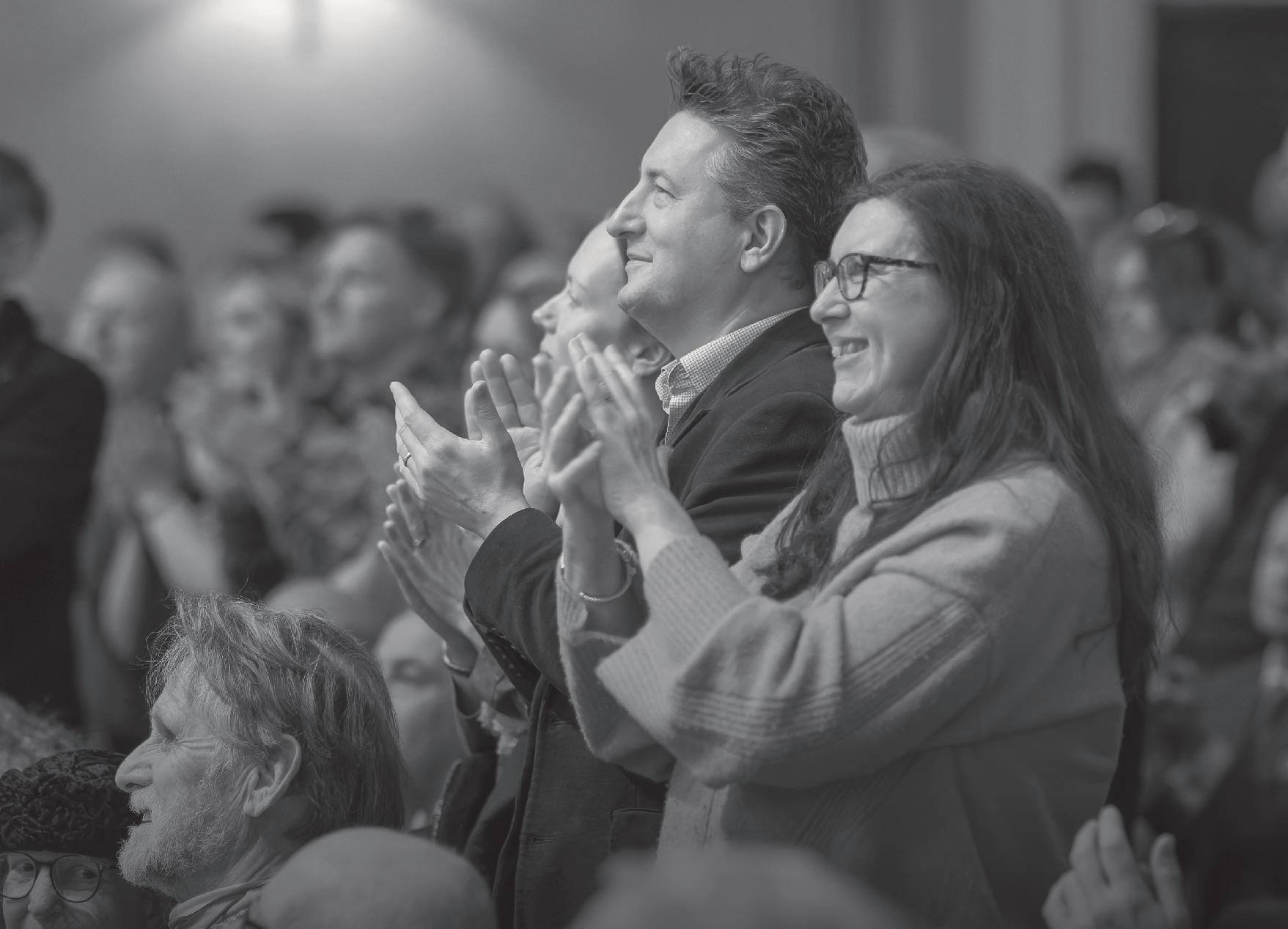
This summer, we are bringing world-class music to 26 towns and cities across Scotland, stretching from Fraserburgh in the northeast to Kirkcudbright in the southwest! The programmes take in everything from firm favourites to a host of lesser-known gems, with several SCO Principals among the soloists.
Your donation will help deepen our connections with local communities, showcase our exceptional musicians, and bring world-class performances to audiences who rarely have the opportunity to experience live orchestral music in their area. For more information on how you can become a regular donor, please get in touch with Hannah on 0131 478 8364 or hannah.wilkinson@sco.org.uk.

The SCO is a charity registered in Scotland No SC015039.
Photo: Christopher Bowen